EP3152230B1 - Preparation comprising factor viii and von willebrand factor peptides - Google Patents
Preparation comprising factor viii and von willebrand factor peptides Download PDFInfo
- Publication number
- EP3152230B1 EP3152230B1 EP15732554.9A EP15732554A EP3152230B1 EP 3152230 B1 EP3152230 B1 EP 3152230B1 EP 15732554 A EP15732554 A EP 15732554A EP 3152230 B1 EP3152230 B1 EP 3152230B1
- Authority
- EP
- European Patent Office
- Prior art keywords
- factor viii
- factor
- von willebrand
- composition
- iii
- Prior art date
- Legal status (The legal status is an assumption and is not a legal conclusion. Google has not performed a legal analysis and makes no representation as to the accuracy of the status listed.)
- Active
Links
Images


Classifications
-
- A—HUMAN NECESSITIES
- A61—MEDICAL OR VETERINARY SCIENCE; HYGIENE
- A61K—PREPARATIONS FOR MEDICAL, DENTAL OR TOILETRY PURPOSES
- A61K38/00—Medicinal preparations containing peptides
- A61K38/16—Peptides having more than 20 amino acids; Gastrins; Somatostatins; Melanotropins; Derivatives thereof
- A61K38/17—Peptides having more than 20 amino acids; Gastrins; Somatostatins; Melanotropins; Derivatives thereof from animals; from humans
- A61K38/36—Blood coagulation or fibrinolysis factors
-
- A—HUMAN NECESSITIES
- A61—MEDICAL OR VETERINARY SCIENCE; HYGIENE
- A61K—PREPARATIONS FOR MEDICAL, DENTAL OR TOILETRY PURPOSES
- A61K38/00—Medicinal preparations containing peptides
- A61K38/16—Peptides having more than 20 amino acids; Gastrins; Somatostatins; Melanotropins; Derivatives thereof
- A61K38/17—Peptides having more than 20 amino acids; Gastrins; Somatostatins; Melanotropins; Derivatives thereof from animals; from humans
- A61K38/36—Blood coagulation or fibrinolysis factors
- A61K38/37—Factors VIII
-
- A—HUMAN NECESSITIES
- A61—MEDICAL OR VETERINARY SCIENCE; HYGIENE
- A61P—SPECIFIC THERAPEUTIC ACTIVITY OF CHEMICAL COMPOUNDS OR MEDICINAL PREPARATIONS
- A61P7/00—Drugs for disorders of the blood or the extracellular fluid
- A61P7/04—Antihaemorrhagics; Procoagulants; Haemostatic agents; Antifibrinolytic agents
-
- C—CHEMISTRY; METALLURGY
- C07—ORGANIC CHEMISTRY
- C07K—PEPTIDES
- C07K1/00—General methods for the preparation of peptides, i.e. processes for the organic chemical preparation of peptides or proteins of any length
- C07K1/14—Extraction; Separation; Purification
- C07K1/34—Extraction; Separation; Purification by filtration, ultrafiltration or reverse osmosis
-
- C—CHEMISTRY; METALLURGY
- C07—ORGANIC CHEMISTRY
- C07K—PEPTIDES
- C07K14/00—Peptides having more than 20 amino acids; Gastrins; Somatostatins; Melanotropins; Derivatives thereof
- C07K14/435—Peptides having more than 20 amino acids; Gastrins; Somatostatins; Melanotropins; Derivatives thereof from animals; from humans
- C07K14/745—Blood coagulation or fibrinolysis factors
-
- C—CHEMISTRY; METALLURGY
- C07—ORGANIC CHEMISTRY
- C07K—PEPTIDES
- C07K14/00—Peptides having more than 20 amino acids; Gastrins; Somatostatins; Melanotropins; Derivatives thereof
- C07K14/435—Peptides having more than 20 amino acids; Gastrins; Somatostatins; Melanotropins; Derivatives thereof from animals; from humans
- C07K14/745—Blood coagulation or fibrinolysis factors
- C07K14/755—Factors VIII, e.g. factor VIII C (AHF), factor VIII Ag (VWF)
-
- C—CHEMISTRY; METALLURGY
- C12—BIOCHEMISTRY; BEER; SPIRITS; WINE; VINEGAR; MICROBIOLOGY; ENZYMOLOGY; MUTATION OR GENETIC ENGINEERING
- C12P—FERMENTATION OR ENZYME-USING PROCESSES TO SYNTHESISE A DESIRED CHEMICAL COMPOUND OR COMPOSITION OR TO SEPARATE OPTICAL ISOMERS FROM A RACEMIC MIXTURE
- C12P21/00—Preparation of peptides or proteins
- C12P21/02—Preparation of peptides or proteins having a known sequence of two or more amino acids, e.g. glutathione
-
- C—CHEMISTRY; METALLURGY
- C12—BIOCHEMISTRY; BEER; SPIRITS; WINE; VINEGAR; MICROBIOLOGY; ENZYMOLOGY; MUTATION OR GENETIC ENGINEERING
- C12P—FERMENTATION OR ENZYME-USING PROCESSES TO SYNTHESISE A DESIRED CHEMICAL COMPOUND OR COMPOSITION OR TO SEPARATE OPTICAL ISOMERS FROM A RACEMIC MIXTURE
- C12P21/00—Preparation of peptides or proteins
- C12P21/06—Preparation of peptides or proteins produced by the hydrolysis of a peptide bond, e.g. hydrolysate products
-
- A—HUMAN NECESSITIES
- A61—MEDICAL OR VETERINARY SCIENCE; HYGIENE
- A61K—PREPARATIONS FOR MEDICAL, DENTAL OR TOILETRY PURPOSES
- A61K38/00—Medicinal preparations containing peptides
Definitions
- the present invention relates to pharmaceutical preparations for treating bleeding disorders.
- Factor VIII is a blood plasma glycoprotein of about 280 kDa molecular mass. It is involved in the cascade of coagulation reactions that lead to blood clotting. The most common bleeding disorder is caused by a deficiency of functional Factor VIII, called haemophilia A. It is treated with replacement of Factor VIII, either plasma derived or recombinant. Factor VIII is used for acute and prophylactic treatment of bleedings in haemophilia A patients.
- the amino acid sequence of Factor VIII is organized into three structural domains: a triplicated A domain of 330 amino acids, a single B domain of 980 amino acids, and a duplicated C domain of 150 amino acids.
- the B domain has no homology to other proteins and provides 18 of the 25 potential asparagine(N)-linked glycosylation sites of this protein.
- the B domain has apparently no function in coagulation.
- B-domain deleted Factor VIII molecules have unchanged procoagulant activity compared to full-length Factor VIII.
- Some recombinant Factor VIII (rFVIII) preparations are B-domain deleted.
- vWF Von Willebrand Factor protein
- Von Willebrand Factor is a multimeric adhesive glycoprotein present in the plasma of mammals, which has multiple physiological functions. During primary hemostasis, Von Willebrand Factor acts as a mediator between specific receptors on the platelet surface and components of the extracellular matrix such as collagen. Moreover, Von Willebrand Factor serves as a carrier and stabilizing protein for procoagulant Factor VIII. Von Willebrand Factor is synthesized in endothelial cells and megakaryocytes as a 2813 amino acid precursor molecule.
- the precursor polypeptide, pre-pro-Von Willebrand Factor consists of a 22-residue signal peptide, a 741 - residue pro-peptide and the 2050-residue polypeptide found in mature plasma Von Willebrand Factor ( Fischer et al., FEBS Lett. 351: 345-348, 1994 ).
- Von Willebrand Factor Upon secretion into plasma, Von Willebrand Factor circulates in the form of various species with different molecular sizes. These Von Willebrand Factor molecules consist of oligo- and multimers of the mature subunit of 2050 amino acid residues. Von Willebrand Factor can be usually found in plasma as multimers ranging in size approximately from 500 to 20.000 kDa ( Furlan, Ann Hematol. 1996 Jun; 72(6): 341-8 ).
- the average in vivo half-life of human Factor VIII in the human circulation is approximately 12 hours. Von Willebrand Factor might decrease possible immunoreactions against Factor VIII when in complex with Factor VIII by shielding FVIII from known potential inhibitor antibody sites on the heavy chain (A2 domain) and the light chain (A3/C2 domain) ( Ragni, J Thromb. Haemost. 10: 2324-2327, 2012 ) or on other potential antibody inhibitor sites on the Factor VIII molecule.
- vWD Von Willebrand's disease
- vWD can be treated by replacement therapy with concentrates containing Von Willebrand Factor, in general derived from plasma but recombinant Von Willebrand Factor also is under development.
- Von Willebrand Factor is known to stabilize Factor VIII in vivo and, thus, plays a crucial role to regulate plasma levels of Factor VIII and as a consequence is a central factor to control primary and secondary haemostasis.
- a Factor VIII via intravenous administration is cumbersome, associated with pain and entails the risk of an infection especially as this is mostly done in home treatment by the patients themselves or by the parents of children being diagnosed for haemophilia A.
- frequent intravenous injections inevitably result in scar formation, interfering with future infusions.
- i.v. treatment might be needed in emergency situation or surgery, i.e. when a high Factor VIII-level is needed immediately.
- albumin-fused Factor VIII WO 2011/020866 A2
- WO 2013/057167 A1 proposes to administer Factor VIII in combination with sulphated glycosaminoglycans via non-intravenous administration, optionally together with Von Willebrand Factor.
- WO 2008/151817 A1 describes the general use of uncleaved Von Willebrand Factor multimers for stabilisation of Factor VIII, plasma derived or recombinant (full-length and deletion mutants) intended for extravascular treatment.
- WO 2013/160005 A1 and WO 2013/083858 A1 both describe the general use of recombinant Von Willebrand Factor or recombinant Von Willebrand Factor-fragments to improve bioavailability after s.c. treatment for very specific Factor VIII molecules, wherein the said Factor VIII molecules comprise a truncated B domain at a size of 100-400 amino acids.
- Factor VIII molecules with truncated B domains between 100 and 400 amino acids have a higher Factor VIII bioavailability compared to Factor VIII having the entire B domain or B domain truncated Factor VIII molecules having no or only a few amino acids.
- this object is achieved by a composition comprising a complex of Factor VIII and a Von Willebrand Factor peptide, wherein the Von Willebrand Factor peptide consists of the amino acids 764 to 2128 of SEQ ID NO: 1.
- a Factor VIII preparation comprising a Von Willebrand Factor peptide is provided.
- Factor VIII forms a complex with the Von Willebrand Factor peptides.
- Factor VIII as used herein covers full-length Factor VIII, B domain deleted Factor VIII or a Factor VIII wherein the B domain has been replaced by an artificial linker or a fragment of the natural B domain or a combination of both, i.e. the B-domain has a different size compared to full-length Factor VIII. It also covers Factor VIII with a limited number of modifications having insertion, deletion or substitutions, especially Factor VIII adapted to haplotypes as described in K.R. Learn, et al. New England J Med 2009; 360:1618-1627 .
- the sequence homology to Factor VIII (as defined in amino acids 20-2351 of P00451 of SwissProt July 21, 1986) but disregarding the homology in the B-Domain of 99% according to FASTA as implemented in FASTA version 36, based on W. R. Pearson (1996) "Effective protein sequence comparison" Meth. Enzymol. 266:227-258 .
- the B-domain is not included in the comparison of both proteins.
- modified Factor VIII like HES-Factor VIII or PEG Factor VIII or Factor VIII Fc fusion proteins and Factor VIII albumin fusion proteins as described in Oldenburg, Haemophilia (2014), 20 (Suppl. 4), 23-28 .
- the Factor VIII of the present invention may be plasma derived or recombinant Factor VIII.
- recombinant Factor VIII is used, it is preferably expressed in a human cell line to mimic human glycosylation pattern ( Casademunt, Eur J Haematol. 2012; 89:165-76 ) or as described in WO 2010/020690 .
- the Von Willebrand Factor peptide as used herein is a peptide consisting of amino acids 764 to 2128 of SEQ ID NO: 1 in a single amino acid chain.
- SEQ ID NO: 1 is sequence P04275 of Swiss Prot database as of January 11, 2011.
- a molecular ratio of Factor VIII and Von Willebrand Factor peptides will be between 1:1 and 1:20, preferably 1:2 to 1:10. If the Von Willebrand factor peptide molecules are in the form of dimers or multimers, the molecular ratio is calculated on a single amino acid chain, i.e. a complex of a Factor VIII molecule with a dimer of Von Willebrand factor peptide molecules will have a ratio of 1:2.
- a complex refers to a non-covalent binding of Factor VIII to the Von Willebrand Factor peptide.
- a further embodiment of the invention is the composition comprising the complex of Factor VIII with the Von Willebrand Factor peptide, wherein
- the peptides of the present invention may be in the form of multimers or oligomers.
- the peptide of the present invention has at least one property selected from the group consisting of
- the Von Willebrand factor peptide of the invention shows a reduced binding to heparin, a lower affinity for collagen (like collagen III), a lower affinity to phospholipids but still a high binding to Factor VIII.
- the Von Willebrand Factor peptide is derived from Von Willebrand Factor by proteolytic or chemical cleavage. If proteolytic cleavage is used, S. aureus V-8 protease is especially preferred.
- composition of the present invention has at least one of the following properties:
- Von Willebrand Factor peptide seems to increase stability of Factor VIII upon storage (shelf-life) and/or reduce inhibitor formation in patients. Inhibitor formation is one of the major problems in the treatment of chronic bleeding disorders.
- composition of the present invention is especially useful in the treatment or prevention of a bleeding disorder.
- composition for use in a method of treating a bleeding disorder, said method comprising administering to a patient in need thereof an effective amount of the composition of the present invention.
- the amount depends on the disease or condition to be treated and may be selected by a person skilled in the art. For long term treatment, amounts of 20 to 40 IU/kg bodyweight per application are typically suitable. In an emergency situation, the amount may be about 10 to 50 IU/kg bodyweight.
- composition of the invention may be applied by intravenous administration or non-intravenous administration.
- the non-intravenous administration may be a subcutaneous injection, an intradermal injection or an intramuscular administration.
- One advantage of the method of the present invention is the possibility to use nano filtration for virus removal.
- Von Willebrand Factor because of its size, may not be nanofiltrated with a nanofilter with a small pore size to remove viruses. Because the Von Willebrand Factor peptide is much smaller in size than the full length Von Willebrand Factor molecule, nanofiltration with small pore sizes becomes possible.
- Nanofiltration is done at a pore size and conditions that reduces the concentration of one of the smallest known viruses porcine parvovirus by a least a factor of 100 (2 log), preferably by at least a factor 1000 (3 log) and most preferably to a concentration below detection limit of the parvovirus assay, optionally using one or more nanofilters in series. For this test, porcine parvovirus is spiked in a sample and analysed after filtration. •
- Fragment III is prepared by digestion of plasma derived Von Willebrand Factor (pdVWF) with S. aureus V-8 protease. The digestion is carried out for 3 hours at 37 °C in a 50 mM Tris-HCI, 150 mM NaCl pH 7.8 buffer at a 1:40 enzyme to protein weight ratio.
- pdVWF Von Willebrand Factor
- the purification of the fragment is carried out using a strong anion exchange column (MonoQ).
- the running buffer is a 20 mM Tris-HCI pH 7.4, and the elution buffer (buffer B) is 20 mM Tris-HCI, 500 mM NaCl pH 7.4.
- the S. aureus V-8 protease elutes from the anion exchange column at ca. 22 mS/cm (ca. 40 % buffer B), therefore long washing step at 42 % prior to elution of the fragment is required to wash out the protease.
- an SEC step on Superose 6 10/300 GL can be conducted for protease removal.
- the fragment III purification and the product obtained are depicted on Fig. 1 .
- the sequence defined by Marti et al. 1987 has been confirmed by MS analysis.
- Fragment I is prepared from fragment III (SPIII) by trypsin (TPCK treated from bovine) digestion. The digestion is carried out for 1.5 hours in a 100 mM NH 4 HCO 3 pH 8.0 buffer at a 1:100 enzyme to protein weight ratio. The digestion was terminated by the addition of soybean trypsin inhibitor.
- the purification of the fragment I is carried out using a strong anion exchange column (MonoQ) followed by SEC on Superose 6, 10/300 GL.
- the running buffer for the anion exchange column is 20 mM Tris-HCI pH 7.4, and the elution buffer (buffer B) is 20 mM Tris-HCI, 500 mM NaCl pH 7.4.
- the running buffer for the SEC is PBS (phosphate buffered saline) pH 7.0.
- Fragment II is prepared from fragment III by second S. aureus V8 protease digestion. The digestion is carried out for 21 hours in a 50 mM Tris-HCI, 150 mM NaCl pH 7.8 buffer in a 1:10 enzyme to protein weight ratio.
- the purification of the fragment II is carried out using a strong anion exchange column (MonoQ).
- the running buffer is a 20 mM Tris-HCI pH 7.4, and the elution buffer (buffer B) is 20 mM Tris-HCI, 500 mM NaCl pH 7.4.
- Buffer B elution buffer
- the fragment II purification and the product obtained are depicted on Fig. 3 .
- the second V8 cleavage site between Glu 1673 -Gly 1674 was determined by Fretto et al. 1986 and confirmed by MS analysis.
- Binding sensorgrams and the calculated K D values are depicted in Fig. 4 .
- phospholipid-vesicles were prepared from DOPC (1,2-Dioleoyl-sn-glycerol-3-phosphocholine) and DOPS (1,2-Dioleoyl-sn-glycerol-3-phospho-L-serine).
- DOPC 1,2-Dioleoyl-sn-glycerol-3-phosphocholine
- DOPS 1,2-Dioleoyl-sn-glycerol-3-phospho-L-serine
- Unilamellar vesicles were prepared according to MacDonal et al. 1991 using an extruder and coated on a HPA sensor chip. Subsequently the componds of interest were injected over the PCPS surface and the binding level 120 s after injection end was evaluated.
- fragments obtained by limited digestion were able to inhibit PSPC binding similar to fIVWF
- fragments I, II and III were injected over the sensor chip surface. Only fragment III was able to inhibit the interaction between rFVIII and phospholipid monolayer ( Fig. 6 ). This effect was dose dependent with almost complete inhibition at 2.5 x excess of fragment III over the rFVIII ( Fig. 7 ).
- Two haemophilia A dogs were subjected to s.c. and subsequent i.v. injection of recombinant B-domain-deleted FVIII alone or in combination with five-fold molar excess of VWF Fragment III.
- Dog 1 received 200 IU/kg BW of FVIII alone and Dog 2 received 200 IU/kg BW FVIII in complex with VWF Fragment III.
- Blood samples were collected at 0.5, 1, 2, 4, 8, 12, 24, 32, 48, 72 and 96 hours after each s.c. or i.v. drug administration. Samples were analyzed for whole blood clotting time (WBCT) and activity in chromogenic FVIII activity assay.
- WBCT whole blood clotting time
- the subcutaneous administration of VWF Fragment III in complex with FVIII resulted in 1.4-fold increase in time required to exceed a clotting time for a normal dog comparing with s.c. administration of FVIII alone ( Fig. 10 ).
- the administration of VWF Fragment III with FVIII resulted also in increased FVIII activity in dog plasma over time and in nearly doubled area under the curve (AUC) values for both, s.c. and i.v. application compared to administration of FVIII alone ( Fig. 11 ).
- Recombinant fragment III was transiently expressed in HEK293 cell line with a C-terminal Strep-Tag and purified by Strep-tactin affinity chromatography.
- the fragment III monomers and dimers were separated by size exclusion chromatography (SEC).
- SEC size exclusion chromatography
- the analysis was carried out using Biacore 2000 instrument.
- the fragment III monomers and dimers were immobilized on CM5 and FVIII concentration series was injected over the sensor chip surface. Plasma derived full length VWF was used as control.
- the running buffer was 150 mM HEPES, 150 mM NaCl, 5 mM CaCl 2 , 0.05 % Tween 20.
- FVIII bound to fragment III dimer with an affinity constant of 1.9 nM.
- Recombinant fragment III and NovoSeq21 (SEQ ID NO: 21 from WO2013/160005A1 ) fragment were transiently expressed in HEK293 cell line with a C-terminal Strep-Tag and purified by Strep-tactin affinity chromatography. Heparin binding was tested using heparin affinity chromatography. Both recombinant fragments were bound to heparin column (HiTrap Heparin HP 1ml, GE Healthcare) and eluted with linear salt gradient ranging from 0-500 mM NaCl. Both fragments were run in triplicates, see Fig. 14 .
- the mean elution peak for the NovoSeq21 fragment was at 15.57 ⁇ 0.04 min which corresponds to 285.381 mM NaCl, and for the fragment III at 15.47 ⁇ 0.02 min which corresponds to 282.051 mM NaCl. This indicates higher heparin affinity for the NovoSeq21 fragment.
- stage one activated factor X (Xa) is generated via the intrinsic pathway where FVIII: C acts as a co-factor.
- stage two Factor Xa is then determined by the use of a synthetic chromogenic substrate, S-2222 in the presence of a thrombin inhibitor 1-2581 to prevent hydrolysis of the substrate by thrombin. The reaction is stopped with acid, and the VIII: C activity, which is proportional to the release of pNA (para-nitroaniline), is determined photo metrically at 405 nm against a reagent blank.
- pNA para-nitroaniline
- the method complies with the requirements in the European Pharmacopoeia.
- the unit of FVIII: C is expressed in international units (IU) as defined in the current International Concentrate Standard (IS) established by the World Health Organization (WHO).
- IS International Concentrate Standard
- WHO World Health Organization
- the routine using buffer containing 1 % BSA instead of severe hemophilic plasma for predilutions has been validated. See also literature references ( European Pharmacopoeia Supplement 2000, general Methods, 2.7.4. Assay of Blood Coagulation FVIII ; Rosen S (1984) Assay of FVIII: C with a Chromogenic Substrate.
- Protein determination according to Bradford is based on the observation that the absorbance maximum for an acidic solution of Coomassie Brilliant Blue G-250 shifts from 465 nm to 595 nm when binding to protein occurs. Both hydrophobic and ionic interactions stabilize the anionic form of the dye, causing a visible colour change.
- the assay is useful since the extinction coefficient of a dye-albumin complex solution is constant over a 10-fold concentration range. See also reference Bradford, MM. A rapid and sensitive method for the quantisation of microgram quantities of protein utilizing the principle of protein-dye binding. Analytical Biochemistry 72: 248-254. 1976 . for further information.
- the results of aspartic acid and glutamic acid represent the sum of aspartic acid/asparagine (Asx) and glutamic acid/glutamine (Glx), respectively, in the original sample. Tryptophan is not generating a distinct response using this method, and, thus, is not quantified by the AAA. Cysteine is destroyed during the hydrolysis and is not quantified.
- the AAA is further described in reference: Total protein AAA analytical method. Spackman, D. H., Stein, W. H., and Moore, S. (1958) Anal. Biochem. 30: 1190-1206 .
- the purity (or also called specific activity) for a sample is calculated taking the value achieved from the FVIII:C analysis and divide it with the value achieved from the analysis of total protein.
- SDS polyacrylamide gel electrophoresis involves the separation of proteins based on their size. This method describes the SDS-PAGE of proteins, which is run under reduced conditions. By heating the sample under denaturing and reducing conditions, proteins become unfolded and coated with anionic detergent sodium dodecyl sulphate (SDS), acquiring a high net negative charge that is proportional to the length of the polypeptide chain.
- SDS anionic detergent sodium dodecyl sulphate
- the negatively charged protein molecules migrate towards the positively charged electrode and are separated by a molecular sieving effect, i.e. by their molecular weight. Polyacrylamide gels restrain larger molecules from migrating as fast as smaller molecules.
- the amount of Factor VIII antigen content is measured with a ELISA kit (ASSERACHROM® VIII:Ag, enzyme immunoassay for Factor VIII, kit, Diagnostica Stago (France), as further described (18) with replacement of the provided kit buffer with Tris-NaCl buffer + 1% bovine serum albumin for sample dilutions.
- ASSERACHROM® VIII:Ag enzyme immunoassay for Factor VIII, kit, Diagnostica Stago (France)
- Monomer, aggregate and fragment is measured using a size exclusion chromatography (SEC-HPLC) analytical column (Superdex 200, 10/300 GL, GE Healthcare) processed under native buffer conditions (25mM HEPES, 0.5M NaCl, 0.3M arginine, 50mM CaCl2, 0.02% Polysorbate 80, pH 7.5). Sample load is approximately 1% of the size exclusion column and the Factor VIII:C concentration is approximately 1000 IU/ml.
- SEC-HPLC size exclusion chromatography
- Factor VIII degeneration product based on size is measured using FVIII Western Blot.
- FVIII molecular mass distribution proteins and peptides in factor VIII preparations are separated according to molecular mass by sodium dodecyl sulphate (SDS) polyacrylamide gel electrophoresis (PAGE) under reducing conditions. Thereafter, the proteins are transferred electrophoretically from the gel matrix to a nitrocellulose membrane which is subsequently incubated with a blocking agent.
- SDS sodium dodecyl sulphate
- PAGE polyacrylamide gel electrophoresis
- the proteins are transferred electrophoretically from the gel matrix to a nitrocellulose membrane which is subsequently incubated with a blocking agent.
- Commercial available polyclonal sheep antibodies directed to the whole human factor VIII molecule is then added followed by a secondary enzyme-labelled antibody as a probe.
- a chemiluminescent substrate is added and when combined with the enzyme, light is produced as a by-product.
- the light output is captured as
- 2D-Electrophoresis with Silver Staining was carried out in order to study the electrophoretic band pattern of the Factor VIII protein chain. Isoelectric focusing was performed as the first dimension run using a linear pH gradient of pH 3 to 10. The second dimension SDS-PAGE was run using Tris-Acetate (3-8%) gels. The gels were stained with silver-stain following the second dimension run.
- Protein determination according to Bradford is based on the observation that the absorbance maximum for an acidic solution of Coomassie Brilliant Blue G-250 shifts from 465 nm to 595 nm when binding to protein occurs. Both hydrophobic and ionic interactions stabilize the anionic form of the dye, causing a visible colour change.
- the assay is useful since the extinction coefficient of a dye-albumin complex solution is constant over a 10-fold concentration range. See also reference Bradford, MM. A rapid and sensitive method for the quantisation of microgram quantities of protein utilizing the principle of protein-dye binding. Analytical Biochemistry 72: 248-254. 1976 . for further information.
Landscapes
- Health & Medical Sciences (AREA)
- Life Sciences & Earth Sciences (AREA)
- Chemical & Material Sciences (AREA)
- Organic Chemistry (AREA)
- General Health & Medical Sciences (AREA)
- Zoology (AREA)
- Medicinal Chemistry (AREA)
- Engineering & Computer Science (AREA)
- Hematology (AREA)
- Proteomics, Peptides & Aminoacids (AREA)
- Bioinformatics & Cheminformatics (AREA)
- Gastroenterology & Hepatology (AREA)
- Pharmacology & Pharmacy (AREA)
- Animal Behavior & Ethology (AREA)
- Public Health (AREA)
- Veterinary Medicine (AREA)
- Molecular Biology (AREA)
- Biochemistry (AREA)
- Genetics & Genomics (AREA)
- Epidemiology (AREA)
- Biophysics (AREA)
- Immunology (AREA)
- Chemical Kinetics & Catalysis (AREA)
- General Chemical & Material Sciences (AREA)
- Toxicology (AREA)
- Wood Science & Technology (AREA)
- Diabetes (AREA)
- Nuclear Medicine, Radiotherapy & Molecular Imaging (AREA)
- Biotechnology (AREA)
- Microbiology (AREA)
- General Engineering & Computer Science (AREA)
- Water Supply & Treatment (AREA)
- Analytical Chemistry (AREA)
- Peptides Or Proteins (AREA)
- Medicines That Contain Protein Lipid Enzymes And Other Medicines (AREA)
- Medicinal Preparation (AREA)
Description
- The present invention relates to pharmaceutical preparations for treating bleeding disorders.
- Factor VIII ("FVIII") is a blood plasma glycoprotein of about 280 kDa molecular mass. It is involved in the cascade of coagulation reactions that lead to blood clotting. The most common bleeding disorder is caused by a deficiency of functional Factor VIII, called haemophilia A. It is treated with replacement of Factor VIII, either plasma derived or recombinant. Factor VIII is used for acute and prophylactic treatment of bleedings in haemophilia A patients.
- The amino acid sequence of Factor VIII is organized into three structural domains: a triplicated A domain of 330 amino acids, a single B domain of 980 amino acids, and a duplicated C domain of 150 amino acids. The B domain has no homology to other proteins and provides 18 of the 25 potential asparagine(N)-linked glycosylation sites of this protein. The B domain has apparently no function in coagulation. B-domain deleted Factor VIII molecules have unchanged procoagulant activity compared to full-length Factor VIII. Some recombinant Factor VIII (rFVIII) preparations are B-domain deleted.
- In plasma, Factor VIII is stabilized by association with Von Willebrand Factor protein ("vWF"), which appears to inhibit clearance of Factor VIII e.g. by proteolysis or receptor-mediated clearance via the LRP-receptor. In circulation, Von Willebrand Factor is present in a 50-fold molar excess relative to Factor VIII under normal physiological conditions.
- Von Willebrand Factor is a multimeric adhesive glycoprotein present in the plasma of mammals, which has multiple physiological functions. During primary hemostasis, Von Willebrand Factor acts as a mediator between specific receptors on the platelet surface and components of the extracellular matrix such as collagen. Moreover, Von Willebrand Factor serves as a carrier and stabilizing protein for procoagulant Factor VIII. Von Willebrand Factor is synthesized in endothelial cells and megakaryocytes as a 2813 amino acid precursor molecule. The precursor polypeptide, pre-pro-Von Willebrand Factor, consists of a 22-residue signal peptide, a 741 - residue pro-peptide and the 2050-residue polypeptide found in mature plasma Von Willebrand Factor (Fischer et al., FEBS Lett. 351: 345-348, 1994). Upon secretion into plasma, Von Willebrand Factor circulates in the form of various species with different molecular sizes. These Von Willebrand Factor molecules consist of oligo- and multimers of the mature subunit of 2050 amino acid residues. Von Willebrand Factor can be usually found in plasma as multimers ranging in size approximately from 500 to 20.000 kDa (Furlan, Ann Hematol. 1996 Jun; 72(6): 341-8).
- The average in vivo half-life of human Factor VIII in the human circulation is approximately 12 hours. Von Willebrand Factor might decrease possible immunoreactions against Factor VIII when in complex with Factor VIII by shielding FVIII from known potential inhibitor antibody sites on the heavy chain (A2 domain) and the light chain (A3/C2 domain) (Ragni, J Thromb. Haemost. 10: 2324-2327, 2012) or on other potential antibody inhibitor sites on the Factor VIII molecule.
- A further bleeding disorder in humans is Von Willebrand's disease (vWD). Depending on the severity of the bleeding symptoms, vWD can be treated by replacement therapy with concentrates containing Von Willebrand Factor, in general derived from plasma but recombinant Von Willebrand Factor also is under development. Von Willebrand Factor is known to stabilize Factor VIII in vivo and, thus, plays a crucial role to regulate plasma levels of Factor VIII and as a consequence is a central factor to control primary and secondary haemostasis.
- Until today, the standard treatment of Haemophilia A and vWD involves frequent intravenous infusions of preparations of Factor VIII and Factor VIII/Von Willebrand Factor concentrates. These replacement therapies are generally effective, however, for example in severe haemophilia A patients undergoing prophylactic treatment Factor VIII has to be administered intravenously (i.v.) about 3 times per week due to the short plasma half life of Factor VIII of about 12 hours. Already by achieving Factor VIII levels above 1% of normal human plasma corresponding to a raise of Factor VIII levels by 0.01 U/ml, severe haemophilia A is turned into moderate haemophilia A. In prophylactic therapy, the dosing regime is designed such that the levels of Factor VIII activity do not fall below levels of 2-3% of the Factor VIII activity of non-haemophiliacs.
- The administration of a Factor VIII via intravenous administration (i.v.) is cumbersome, associated with pain and entails the risk of an infection especially as this is mostly done in home treatment by the patients themselves or by the parents of children being diagnosed for haemophilia A. In addition, frequent intravenous injections inevitably result in scar formation, interfering with future infusions. Still, i.v. treatment might be needed in emergency situation or surgery, i.e. when a high Factor VIII-level is needed immediately.
- Subcutaneous administration (s.c.) has been proposed for Factor VIII, e.g. in
WO 95/01804 A1 WO 95/026750 A1 - Another approach to improve the bioavailability upon non-intravenous administration has been to use albumin-fused Factor VIII (
WO 2011/020866 A2 ). -
WO 2013/057167 A1 proposes to administer Factor VIII in combination with sulphated glycosaminoglycans via non-intravenous administration, optionally together with Von Willebrand Factor. -
WO 2008/151817 A1 describes the general use of uncleaved Von Willebrand Factor multimers for stabilisation of Factor VIII, plasma derived or recombinant (full-length and deletion mutants) intended for extravascular treatment. -
WO 2013/160005 A1 andWO 2013/083858 A1 , both describe the general use of recombinant Von Willebrand Factor or recombinant Von Willebrand Factor-fragments to improve bioavailability after s.c. treatment for very specific Factor VIII molecules, wherein the said Factor VIII molecules comprise a truncated B domain at a size of 100-400 amino acids. According toWO 2013/160005 A1 Factor VIII molecules with truncated B domains between 100 and 400 amino acids have a higher Factor VIII bioavailability compared to Factor VIII having the entire B domain or B domain truncated Factor VIII molecules having no or only a few amino acids. - There is still a need for Factor VIII preparations showing improved bioavailability, stability and/or lower risk for antibody generation thereby avoiding drawbacks of prior art.
- It is the object of the present invention to provide alternative Factor VIII preparations. Preferably, these preparations should show improved stability, improved bioavailability and/or reduced risk for immunological reactions.
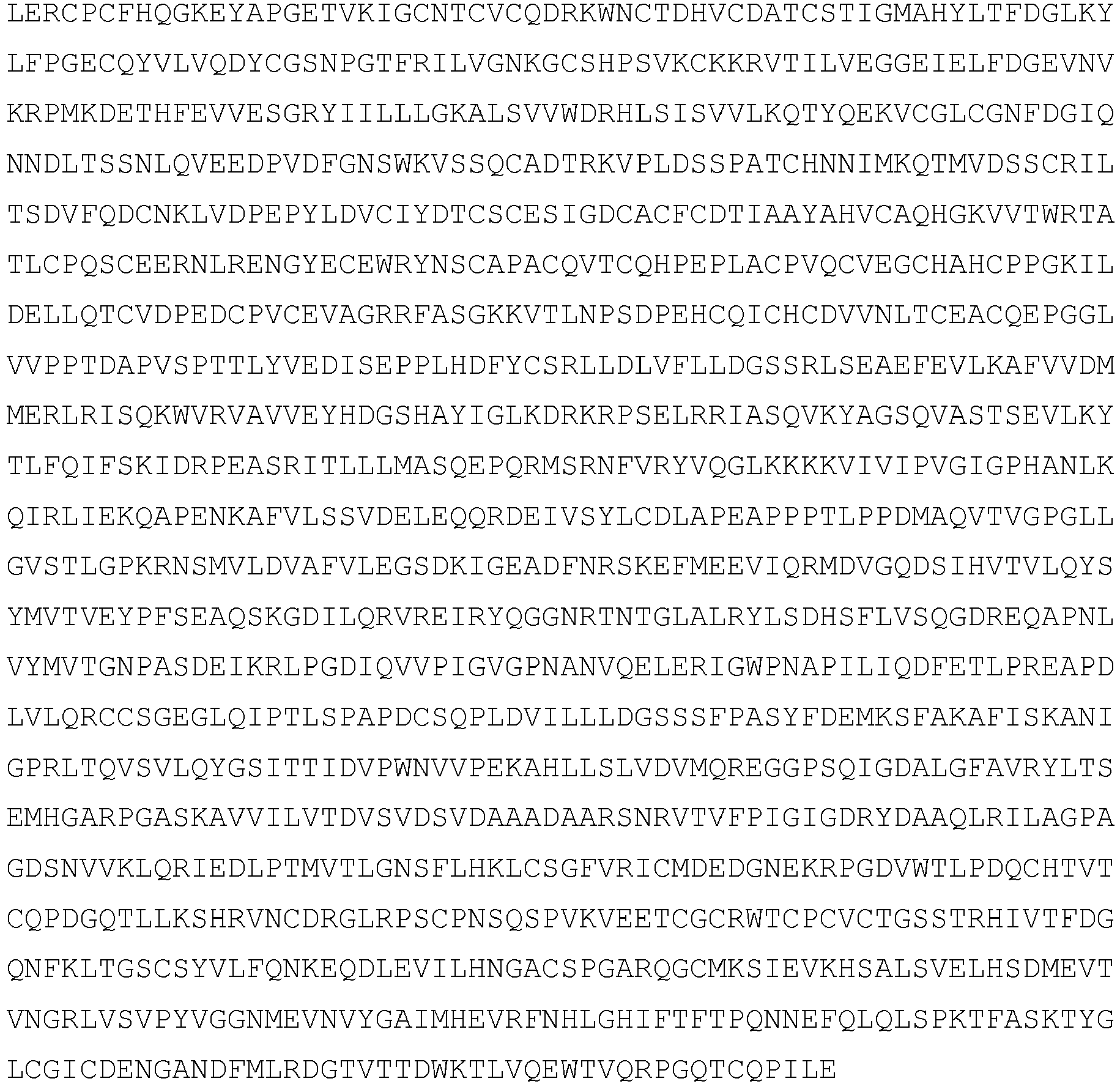
- In one embodiment, this object is achieved by a composition comprising a complex of Factor VIII and a Von Willebrand Factor peptide, wherein the Von Willebrand Factor peptide consists of the amino acids 764 to 2128 of SEQ ID NO: 1.
- According to the present invention, a Factor VIII preparation comprising a Von Willebrand Factor peptide is provided. Factor VIII forms a complex with the Von Willebrand Factor peptides.
- Factor VIII as used herein covers full-length Factor VIII, B domain deleted Factor VIII or a Factor VIII wherein the B domain has been replaced by an artificial linker or a fragment of the natural B domain or a combination of both, i.e. the B-domain has a different size compared to full-length Factor VIII. It also covers Factor VIII with a limited number of modifications having insertion, deletion or substitutions, especially Factor VIII adapted to haplotypes as described in K.R. Viel, et al. New England J Med 2009; 360:1618-1627. Preferably, the sequence homology to Factor VIII (as defined in amino acids 20-2351 of P00451 of SwissProt July 21, 1986) but disregarding the homology in the B-Domain of 99% according to FASTA as implemented in FASTA version 36, based on W. R. Pearson (1996) "Effective protein sequence comparison" Meth. Enzymol. 266:227-258. In other words, when calculating a sequence homology, the B-domain is not included in the comparison of both proteins. Also covered is modified Factor VIII, like HES-Factor VIII or PEG Factor VIII or Factor VIII Fc fusion proteins and Factor VIII albumin fusion proteins as described in Oldenburg, Haemophilia (2014), 20 (Suppl. 4), 23-28.
- The Factor VIII of the present invention may be plasma derived or recombinant Factor VIII. When recombinant Factor VIII is used, it is preferably expressed in a human cell line to mimic human glycosylation pattern (Casademunt, Eur J Haematol. 2012; 89:165-76) or as described in
WO 2010/020690 . - The Von Willebrand Factor peptide as used herein is a peptide consisting of amino acids 764 to 2128 of SEQ ID NO: 1 in a single amino acid chain. SEQ ID NO: 1 is sequence P04275 of Swiss Prot database as of January 11, 2011.
- Typically, a molecular ratio of Factor VIII and Von Willebrand Factor peptides will be between 1:1 and 1:20, preferably 1:2 to 1:10. If the Von Willebrand factor peptide molecules are in the form of dimers or multimers, the molecular ratio is calculated on a single amino acid chain, i.e. a complex of a Factor VIII molecule with a dimer of Von Willebrand factor peptide molecules will have a ratio of 1:2.
- A complex, as used herein refers to a non-covalent binding of Factor VIII to the Von Willebrand Factor peptide.
- A further embodiment of the invention is the composition comprising the complex of Factor VIII with the Von Willebrand Factor peptide, wherein
- the complex of Factor VIII and the Von Willebrand Factor peptide shows a reduced binding to phospholipid membranes compared to Factor VIII alone;
- the complex of Factor VIII and the Von Willebrand Factor peptide shows a reduced binding to collagen III compared to the complex of Factor VIII and full length Von Willebrand Factor; and
- the complex of Factor VIII and the Von Willebrand Factor peptide shows a reduced binding to heparin compared to the complex of Factor VIII and full length Von Willebrand Factor.
- As the Von Willebrand Factor often forms oligomers or multimers, also the peptides of the present invention may be in the form of multimers or oligomers.
- The peptide of the present invention has at least one property selected from the group consisting of
- (i) an affinity binding constant for heparin of KD>1 nM, preferably ≥ 2,43 nM;
- (ii) an affinity binding constant for collagen III of KD>5 nM, preferably ≥ 17.02 nM;
- (iii) an affinity binding constant for Factor VIII of KD< 100 nM or <10 nM, preferably ≤ 6.19 nM; and
- (iv) an inhibition of Factor VIII phospolipid binding binding of at least 70%, preferably at least 80% or at least 90%.
- The Von Willebrand factor peptide of the invention shows a reduced binding to heparin, a lower affinity for collagen (like collagen III), a lower affinity to phospholipids but still a high binding to Factor VIII.
- Surprisingly, low binding to phospolipids and collagen improves release rate in case of non-intravenous administration, especially subcutaneous.
- The measurement of the respective affinity binding constants is described in the experimental part.
- In one embodiment, the Von Willebrand Factor peptide is derived from Von Willebrand Factor by proteolytic or chemical cleavage. If proteolytic cleavage is used, S. aureus V-8 protease is especially preferred.
- The composition of the present invention has at least one of the following properties:
- (i) the Von Willebrand Factor peptide shields Factor VIII from antibody binding to minimize inhibitor formation in a patient;
- (ii) Factor VIII is stabilised to provide a remaining Factor VIII activity of at least 90% after storage for 12 month in a frozen liquid form at - 70 °C;
- (iii) Factor VIII is stabilised to provide a remaining Factor VIII activity of at least 90% after storage for 24 month in a freeze-dried form at 5 °C;
- (iv) Factor VIII is stabilised to provide a remaining Factor VIII activity of at least 90% after storage for 12 month in a freeze-dried form at 25 °C;
- (v) the half-life of Factor VIII is prolonged in-vivo by at least 20 %; and
- (vi) inhibitor formation is reduced in previously untreated patients to less than 20 %, preferably less than 10 % after treatment with the composition for 6 months.
- Surprisingly, the Von Willebrand Factor peptide seems to increase stability of Factor VIII upon storage (shelf-life) and/or reduce inhibitor formation in patients. Inhibitor formation is one of the major problems in the treatment of chronic bleeding disorders.
- The composition of the present invention is especially useful in the treatment or prevention of a bleeding disorder.
- Therefore, a further embodiment of the invention the composition for use in a method of treating a bleeding disorder, said method comprising administering to a patient in need thereof an effective amount of the composition of the present invention.
- The amount depends on the disease or condition to be treated and may be selected by a person skilled in the art. For long term treatment, amounts of 20 to 40 IU/kg bodyweight per application are typically suitable. In an emergency situation, the amount may be about 10 to 50 IU/kg bodyweight.
- The composition of the invention may be applied by intravenous administration or non-intravenous administration. The non-intravenous administration may be a subcutaneous injection, an intradermal injection or an intramuscular administration.
- One advantage of the method of the present invention is the possibility to use nano filtration for virus removal. Von Willebrand Factor, because of its size, may not be nanofiltrated with a nanofilter with a small pore size to remove viruses. Because the Von Willebrand Factor peptide is much smaller in size than the full length Von Willebrand Factor molecule, nanofiltration with small pore sizes becomes possible. Nanofiltration is done at a pore size and conditions that reduces the concentration of one of the smallest known viruses porcine parvovirus by a least a factor of 100 (2 log), preferably by at least a factor 1000 (3 log) and most preferably to a concentration below detection limit of the parvovirus assay, optionally using one or more nanofilters in series. For this test, porcine parvovirus is spiked in a sample and analysed after filtration. •
-
-
Figure 1 shows purification of the fragment III (SPIII) from pdVWF digested by S.aureus V8 protease. A- MonoQ chromatogram of elution profile of the fragment III (indicated by an arrow). B- SDS-PAGE gel of the purified fragment; red.- reduced; n.r.- non-reduced. -
Figure 2 shows purification of the fragment I (III-T4) from fragment III digested by trypsin. MonoQ chromatogram of elution profile of the fragment I (indicated by an arrow). The non-reducing SDS-PAGE picture of the purified fragment is shown in the insert. -
Figure 3 shows purification of the fragment II from fragment III after second S.aureus V8 protease digestion. A- MonoQ chromatogram of elution profile of the fragment II (indicated by an arrow), the second cleavage product as well as the V8 protease are also indicated. B- Chromatogram of the second MonoQ chromatography required for complete removal of the protease. The reducing SDS-PAGE picture of the purified fragment is shown in the insert. -
Figure 4 shows binding of pdVWF, fragment II and III to rFVIII. A, B, C-Binding sensorgrams (grey curves), and curve alignment (black curves) representative for the interaction between immobilized rFVIII and pdVWF/purified fragments II and III. The concentrations and sample type are indicated on the diagram. C- Dissociation constants (KD) expressed as mean and SEM; n=8. -
Figure 5 shows binding of rFVIII to phospholipid monolayer in SPR and inhibition by pdVWF. A-binding sensorgrams of rFVIII and rFVIII in the presence of either 108 nM BSA (bovine serum albumin) or 47.6 nM pdVWF; each sample in triplicate. B- Mean and SD of binding levels measured 120 sec after end of analyte injection expressed as percentage of rFVIII binding; n=3. -
Figure 6 shows inhibition of the rFVIII-phospholipid interaction by Von Willebrand Factor-derived fragments measured in SPR. rFVIII binding to phospholipid monolayer was performed in the presence of three different concentrations of the three Von Willebrand Factor-derived fragments (concentrations and fragment type are indicated on graph). Graph represents mean and SD of binding levels measured 120 sec after end of analyte injection expressed as percentage of rFVIII binding; n=3. -
Figure 7 shows concentration dependent inhibition of rFVIII binding to phospholipid monolayer by fragment III. A-binding sensorgrams of rFVIII to phospholipid monolayer in the presence of different concentrations of the fragment III (concentrations are indicated on graph), each sample in triplicate. B- Mean and SD of binding levels measured 120 sec after end of analyte injection expressed as percentage of rFVIII binding; n=3. -
Figure 8 shows binding of pdVWF and fragment III to collagen type III. A, B-Binding sensorgrams (grey curves), and curve alignment (black curves) representative for the interaction between immobilized collagen type III and pdVWF/purified fragment III. The concentrations and sample type are indicated on the diagram. C- Dissociation constants (KD) expressed as mean and SEM; n=9. -
Figure 9 shows binding of pdVWF and fragment III to heparin. A, B- Binding sensorgrams (grey curves), and curve alignment (black curves) representative for the interaction between immobilized heparin and pdVWF/purified fragment III. The concentrations and sample type are indicated on the diagram. C- Dissociation constants (KD) expressed as mean and SEM; n=6. -
Figure 10 shows a comparison of whole blood clotting time (WBCT) values measured in blood samples from haemophilia A dogs treated s.c. with FVIII alone or in combination with VWF fragment III. WBCT obtained after s.c. - application of FVIII in combination with five-fold molar excess of VWF fragment III applied at 200 IU FVIII / kg BW. Horizontal dashed line marks upper limit of clotting time in normal dogs (12 minutes).
-
Figure 11 shows FVIII activity measured with chromogenic FVIII activity assay in haemophilia A dogs plasma samples obtained after application of FVIII or FVIII in combination with VWF fragment III. A- FVIII or FVIII with five fold molar excess of VWF fragment III was applied subcutaneously at 200 IU FVIII /kg BW; the area under the curve (AUC) for the FVIII sample alone was 2.867, and for FVIII in combination with VWF fragment III- 4.917. B- FVIII or FVIII with five fold molar excess of VWF fragment III was applied intravenously at 200 IU FVIII /kg BW. The AUC for the FVIII sample alone was 27.69, and for FVIII in combination with VWF fragment III- 45.72. -
Figure 12 shows binding of recombinant fragment III monomer, recombinant fragment III dimer and plasma derived VWF (fIVWF) to rFVIII. A, B, C- Binding sensorgrams (grey curves), and curve alignment (black curves) representative for the interaction between immobilized VWF or recombinant VWF-fragments and FVIII. The sample type is indicated on the diagram. The concentration of applied FVIII was 0, 0.2, 0.6, 1.7, 5, 15, 45 and 135 nM. D- Dissociation constants (KD) expressed as mean and SD; n=4. -
Figure 13 shows stabilisation of FVIII by VWF fragment III. FVIII activity of FVIII alone or FVIII in complex with VWF fragment III incubated at 40°C measured at different time points. -
Figure 14 shows Heparin binding using heparin affinity chromatography of two VWF fragments as described in Example 9. - The invention is further explained by the following, non-limiting examples.
- Production and purification of fragment III (SPIII, res. 764-2128)(According to Marti et al. Identification of disulfide-bridged substructures within human von Willebrand factor. Biochemistry 1987; 26:8099-8109 with modifications) (SEQ ID NO: 2):

- Fragment III is prepared by digestion of plasma derived Von Willebrand Factor (pdVWF) with S. aureus V-8 protease. The digestion is carried out for 3 hours at 37 °C in a 50 mM Tris-HCI, 150 mM NaCl pH 7.8 buffer at a 1:40 enzyme to protein weight ratio.
- The purification of the fragment is carried out using a strong anion exchange column (MonoQ). The running buffer is a 20 mM Tris-HCI pH 7.4, and the elution buffer (buffer B) is 20 mM Tris-HCI, 500 mM NaCl pH 7.4. The S. aureus V-8 protease elutes from the anion exchange column at ca. 22 mS/cm (ca. 40 % buffer B), therefore long washing step at 42 % prior to elution of the fragment is required to wash out the protease. Alternatively an SEC step on
Superose 6 10/300 GL can be conducted for protease removal. The fragment III purification and the product obtained are depicted onFig. 1 . The sequence defined by Marti et al. 1987 has been confirmed by MS analysis. - Production and purification of fragment I (III-T4, res. 764-1035) (According to Marti et al. 1987 with modifications) (SEQ ID NO: 3):

- Fragment I is prepared from fragment III (SPIII) by trypsin (TPCK treated from bovine) digestion. The digestion is carried out for 1.5 hours in a 100 mM NH4HCO3 pH 8.0 buffer at a 1:100 enzyme to protein weight ratio. The digestion was terminated by the addition of soybean trypsin inhibitor.
- The purification of the fragment I is carried out using a strong anion exchange column (MonoQ) followed by SEC on
Superose - The fragment I purification and the product obtained is depicted on
Fig. 2 . The sequence defined by Marti et al. 1987 has been confirmed by MS analysis. - Production and purification of fragment II (res. 764-1673)(SEQ ID NO: 4):

- Fragment II is prepared from fragment III by second S. aureus V8 protease digestion. The digestion is carried out for 21 hours in a 50 mM Tris-HCI, 150 mM NaCl pH 7.8 buffer in a 1:10 enzyme to protein weight ratio.
- The purification of the fragment II is carried out using a strong anion exchange column (MonoQ). The running buffer is a 20 mM Tris-HCI pH 7.4, and the elution buffer (buffer B) is 20 mM Tris-HCI, 500 mM NaCl pH 7.4. A second MonoQ purification with a long washing step at 42 % B was required to remove the protease.
- The fragment II purification and the product obtained are depicted on
Fig. 3 . The second V8 cleavage site between Glu1673-Gly1674 was determined by Fretto et al. 1986 and confirmed by MS analysis. - The analysis was carried out using Biacore 2000 instrument (GE Healthcare) according to McCormick et al. 2004 with modifications. Briefly rFVIII was covalently coupled to CM5 Sensor Chip resulting in a ~200 RU coating level. Subsequently the Von Willebrand Factor-fragments as well as full length Von Willebrand Factor (flvWF) were injected over the sensor chip surface. The running buffer was 20 mM HEPES, 150 mM NaCl, 5 mM CaCl2, 0.02
% Tween 20. The dissociation affinity constants were determined for flVWF as well as for fragments II and III, there was no significant binding of fragment I to Factor VIII therefore the KD was not determined. Binding sensorgrams and the calculated KD values are depicted inFig. 4 . The flVWF bound to rFVIII with KD of 0.67 nM, fragment III bound with lower affinity (KD of 6.18 nM), the affinity was further decreased for fragment II (KD of 154.60 nM) - The analysis was carried out using Biacore 2000 instrument (GE Healthcare) according to Saenko et al. 1999 with modifications. Briefly, phospholipid-vesicles were prepared from DOPC (1,2-Dioleoyl-sn-glycerol-3-phosphocholine) and DOPS (1,2-Dioleoyl-sn-glycerol-3-phospho-L-serine). Unilamellar vesicles were prepared according to MacDonal et al. 1991 using an extruder and coated on a HPA sensor chip. Subsequently the componds of interest were injected over the PCPS surface and the binding level 120 s after injection end was evaluated.
- Negative controls; Von Willebrand Factor and BSA did not bind to the PSPC surface (not shown), in contrast, a high binding level of rFVIII was shown. This binding could be completely inhibited with Von Willebrand Factor, in contrast addition of high BSA concentration had no effect on the binding (
Fig. 5 ). - To evaluate, if the fragments obtained by limited digestion were able to inhibit PSPC binding similar to fIVWF, the fragments I, II and III were injected over the sensor chip surface. Only fragment III was able to inhibit the interaction between rFVIII and phospholipid monolayer (
Fig. 6 ). This effect was dose dependent with almost complete inhibition at 2.5 x excess of fragment III over the rFVIII (Fig. 7 ). - The analysis was carried out using Biacore 2000 instrument (GE Healthcare) according to Romjin et al. 2003 with modifications. Briefly human pepsin-digested collagen type III was covalently bound to the surface of a CM5 sensor chip. Subsequently the samples were injected over the sensor chip surface. The running buffer was 10 mM HEPES, 150 mM NaCl, 3.4 mM EDTA, 0.005
% Tween 20. The flVWF bound to collagen III with very high affinity (0.75 nM), the binding of the fragment III was significantly decreased to 17.02 nM (Fig. 8 ). - The analysis was carried out using Biacore T200 instrument (GE Healthcare) according to Sarafanov et al. 2001. Briefly, heparin from porcine intestinal mucosa was biotinylated using NHS-biotin reagent kit, and bound to the surface of a SA sensor chip. The reference flow cell was coated with biotin. Subsequently the samples were injected over the sensor chip surface. The running buffer was 150 mM HEPES, 150 mM NaCl, 5 mM CaCl2, 0.05
% Tween 20. The flVWF bound to heparin with an affinity of 0.65 nM, the binding affinity of the fragment III was significantly decreased to 2.43 nM (Fig. 9 ). - Two haemophilia A dogs were subjected to s.c. and subsequent i.v. injection of recombinant B-domain-deleted FVIII alone or in combination with five-fold molar excess of VWF Fragment III.
Dog 1 received 200 IU/kg BW of FVIII alone andDog 2 received 200 IU/kg BW FVIII in complex with VWF Fragment III. Blood samples were collected at 0.5, 1, 2, 4, 8, 12, 24, 32, 48, 72 and 96 hours after each s.c. or i.v. drug administration. Samples were analyzed for whole blood clotting time (WBCT) and activity in chromogenic FVIII activity assay. The subcutaneous administration of VWF Fragment III in complex with FVIII resulted in 1.4-fold increase in time required to exceed a clotting time for a normal dog comparing with s.c. administration of FVIII alone (Fig. 10 ). The administration of VWF Fragment III with FVIII resulted also in increased FVIII activity in dog plasma over time and in nearly doubled area under the curve (AUC) values for both, s.c. and i.v. application compared to administration of FVIII alone (Fig. 11 ). - Recombinant fragment III was transiently expressed in HEK293 cell line with a C-terminal Strep-Tag and purified by Strep-tactin affinity chromatography. The fragment III monomers and dimers were separated by size exclusion chromatography (SEC). The analysis was carried out using Biacore 2000 instrument. The fragment III monomers and dimers were immobilized on CM5 and FVIII concentration series was injected over the sensor chip surface. Plasma derived full length VWF was used as control. The running buffer was 150 mM HEPES, 150 mM NaCl, 5 mM CaCl2, 0.05
% Tween 20. FVIII bound to fragment III dimer with an affinity constant of 1.9 nM. The affinity of FVIII to the monomeric Fragment III was significantly lower (KD = 14.3 nM) (Fig. 12 ). - 2000 IU of recombinant FVIII (Nuwiq®) was reconstituted in 2.5 ml water, with or without addition of five-fold molar excess VWF Fragment III. Both preparations were incubated at 40°C and aliquots were taken at 48, 96, 192, 384, 408 and 672 hours. Samples were analysed for FVIII activity in a chromogenic FVIII activity assay. VWF Fragment III contributed to significant longer activity of FVIII at 40°C (
Fig. 13 ). - Comparison of heparin binding between recombinant fragment III and NovoSeq21 fragment.
- Recombinant fragment III and NovoSeq21 (SEQ ID NO: 21 from
WO2013/160005A1 ) fragment were transiently expressed in HEK293 cell line with a C-terminal Strep-Tag and purified by Strep-tactin affinity chromatography. Heparin binding was tested using heparin affinity chromatography. Both recombinant fragments were bound to heparin column (HiTrap Heparin HP 1ml, GE Healthcare) and eluted with linear salt gradient ranging from 0-500 mM NaCl. Both fragments were run in triplicates, seeFig. 14 . The mean elution peak for the NovoSeq21 fragment was at 15.57 ± 0.04 min which corresponds to 285.381 mM NaCl, and for the fragment III at 15.47 ± 0.02 min which corresponds to 282.051 mM NaCl. This indicates higher heparin affinity for the NovoSeq21 fragment. - The method is based on the two-stage principle, and was performed using micro plate technique. In stage one, activated factor X (Xa) is generated via the intrinsic pathway where FVIII: C acts as a co-factor. In stage two, Factor Xa is then determined by the use of a synthetic chromogenic substrate, S-2222 in the presence of a thrombin inhibitor 1-2581 to prevent hydrolysis of the substrate by thrombin. The reaction is stopped with acid, and the VIII: C activity, which is proportional to the release of pNA (para-nitroaniline), is determined photo metrically at 405 nm against a reagent blank.
- The method complies with the requirements in the European Pharmacopoeia. The unit of FVIII: C is expressed in international units (IU) as defined in the current International Concentrate Standard (IS) established by the World Health Organization (WHO). The routine using buffer containing 1 % BSA instead of severe hemophilic plasma for predilutions has been validated. See also literature references (European Pharmacopoeia Supplement 2000, general Methods, 2.7.4. Assay of Blood Coagulation FVIII; Rosen S (1984) Assay of FVIII: C with a Chromogenic Substrate. J, Haematol, ; Carlebjörk G, Oswaldsson U, Rosen S (1987) A simple and accurate micro plate assay for the determination of FVIII activity. Thrombosis Research 47; 5-14, 1987; Mire-Sluis AR, Gerrard T, Gaines das R, Padilla A and Thorpe R. Biological assays: Their Role in the development and quality Control of Recombinant Biological Medicinal Products. Biological, 24, 351-362 (1996)).
- Protein determination according to Bradford is based on the observation that the absorbance maximum for an acidic solution of Coomassie Brilliant Blue G-250 shifts from 465 nm to 595 nm when binding to protein occurs. Both hydrophobic and ionic interactions stabilize the anionic form of the dye, causing a visible colour change. The assay is useful since the extinction coefficient of a dye-albumin complex solution is constant over a 10-fold concentration range. See also reference Bradford, MM. A rapid and sensitive method for the quantisation of microgram quantities of protein utilizing the principle of protein-dye binding. Analytical Biochemistry 72: 248-254. 1976. for further information.
- Before the AAA all proteins are hydrolyzed by 6 M HCI for 24 h at 110 °C. The amino acids are separated by cation-exchange chromatography on sulphonated polystyrene resins and detected continuously in the eluent. The detection is based on post-column ninhydrin derivatisation using a dual photometer for simultaneous measurement at 440 nm for proline and hydroxyproline and 570 nm for all other amino acids. The amino acids asparagine and glutamine are both deamidated during AAA and are determined as aspartic acid and glutamic acid, respectively. Thus, the results of aspartic acid and glutamic acid represent the sum of aspartic acid/asparagine (Asx) and glutamic acid/glutamine (Glx), respectively, in the original sample. Tryptophan is not generating a distinct response using this method, and, thus, is not quantified by the AAA. Cysteine is destroyed during the hydrolysis and is not quantified. The AAA is further described in reference: Total protein AAA analytical method. Spackman, D. H., Stein, W. H., and Moore, S. (1958) Anal. Biochem. 30: 1190-1206.
- The purity (or also called specific activity) for a sample, is calculated taking the value achieved from the FVIII:C analysis and divide it with the value achieved from the analysis of total protein.
- SDS polyacrylamide gel electrophoresis (SDS-PAGE) involves the separation of proteins based on their size. This method describes the SDS-PAGE of proteins, which is run under reduced conditions. By heating the sample under denaturing and reducing conditions, proteins become unfolded and coated with anionic detergent sodium dodecyl sulphate (SDS), acquiring a high net negative charge that is proportional to the length of the polypeptide chain. When loaded onto a polyacrylamide gel matrix and placed in an electric field, the negatively charged protein molecules migrate towards the positively charged electrode and are separated by a molecular sieving effect, i.e. by their molecular weight. Polyacrylamide gels restrain larger molecules from migrating as fast as smaller molecules. Because the charge-to-mass ratio is nearly the same among SDS-denatured polypeptides, the final separation of proteins is dependent almost entirely on the differences in relative molecular mass of polypeptides. In a gel of uniform density the relative migration distance of a protein (Rf) is negatively proportional to the log of its mass. If proteins of known mass are run simultaneously with the unknowns, the relationship between Rf and mass can be plotted, and the masses of unknown proteins estimated. The protein bands separated by electrophoresis are visualized by silver staining. Evaluation is done visually by judging the appearances of the standards, reference (control sample) and analysed samples.
- The amount of Factor VIII antigen content (FVIII:Ag) is measured with a ELISA kit (ASSERACHROM® VIII:Ag, enzyme immunoassay for Factor VIII, kit, Diagnostica Stago (France), as further described(18) with replacement of the provided kit buffer with Tris-NaCl buffer + 1% bovine serum albumin for sample dilutions.
- Monomer, aggregate and fragment is measured using a size exclusion chromatography (SEC-HPLC) analytical column (
Superdex % Polysorbate 80, pH 7.5). Sample load is approximately 1% of the size exclusion column and the Factor VIII:C concentration is approximately 1000 IU/ml. - Factor VIII degeneration product based on size is measured using FVIII Western Blot. FVIII molecular mass distribution proteins and peptides in factor VIII preparations are separated according to molecular mass by sodium dodecyl sulphate (SDS) polyacrylamide gel electrophoresis (PAGE) under reducing conditions. Thereafter, the proteins are transferred electrophoretically from the gel matrix to a nitrocellulose membrane which is subsequently incubated with a blocking agent. Commercial available polyclonal sheep antibodies directed to the whole human factor VIII molecule is then added followed by a secondary enzyme-labelled antibody as a probe. As a third step a chemiluminescent substrate is added and when combined with the enzyme, light is produced as a by-product. The light output is captured as a real time image using a cooled Charge-Coupled Device camera. The intensity of the signal is correlated with the abundance of the antigen (FVIII) on the blotting membrane.
- 2D-Electrophoresis with Silver Staining was carried out in order to study the electrophoretic band pattern of the Factor VIII protein chain. Isoelectric focusing was performed as the first dimension run using a linear pH gradient of
pH 3 to 10. The second dimension SDS-PAGE was run using Tris-Acetate (3-8%) gels. The gels were stained with silver-stain following the second dimension run. - Protein determination according to Bradford is based on the observation that the absorbance maximum for an acidic solution of Coomassie Brilliant Blue G-250 shifts from 465 nm to 595 nm when binding to protein occurs. Both hydrophobic and ionic interactions stabilize the anionic form of the dye, causing a visible colour change. The assay is useful since the extinction coefficient of a dye-albumin complex solution is constant over a 10-fold concentration range. See also reference Bradford, MM. A rapid and sensitive method for the quantisation of microgram quantities of protein utilizing the principle of protein-dye binding. Analytical Biochemistry 72: 248-254. 1976. for further information.
-
- <110> Octapharma AG
- <120> Preparation comprising Factor VIII and Von Willebrand factor peptides
- <130> 151432WO
- <160> 7
- <170> PatentIn version 3.5
- <210> 1
<211> 2813
<212> PRT
<213> Homo sapiens - <400> 1


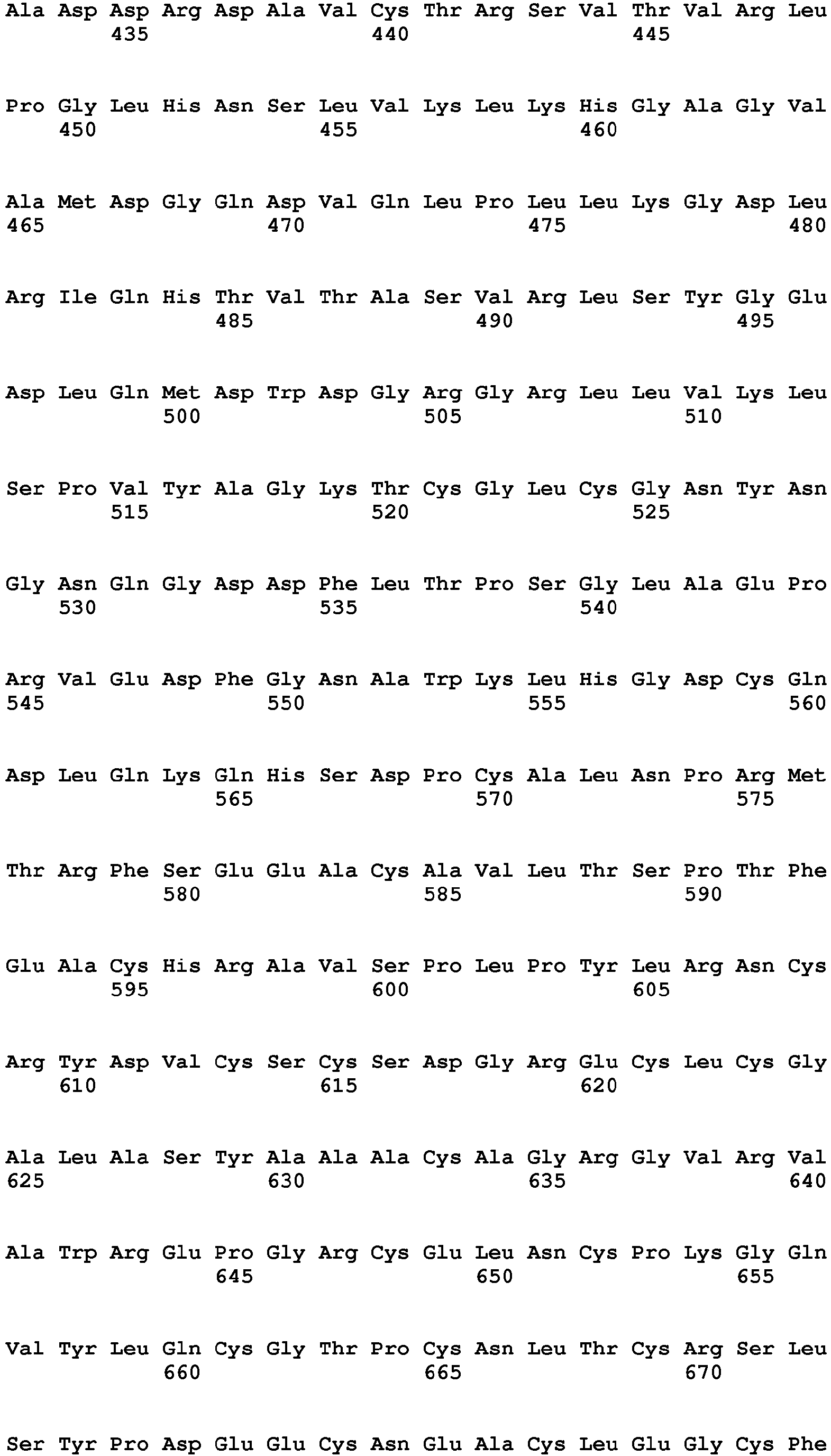

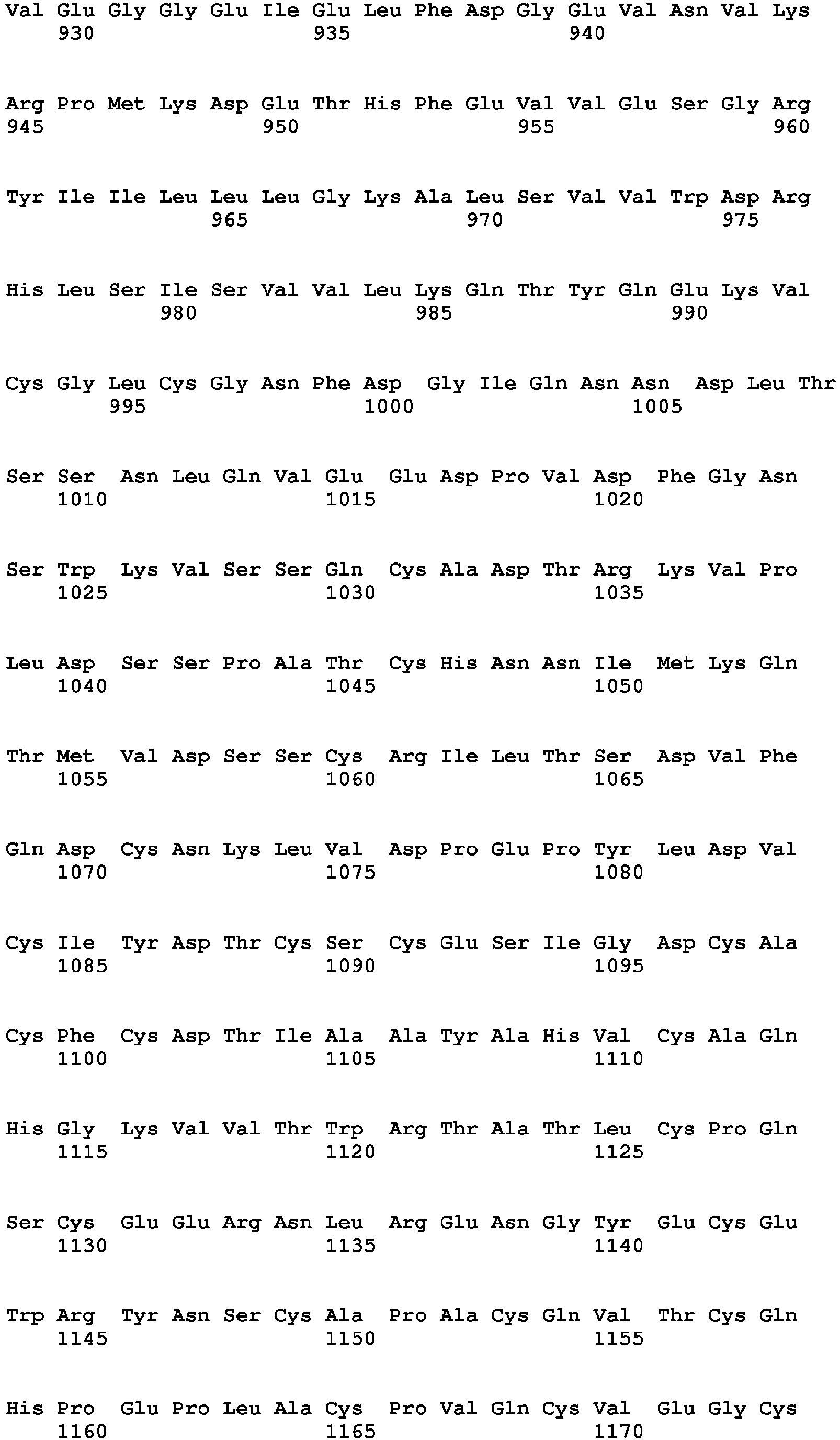


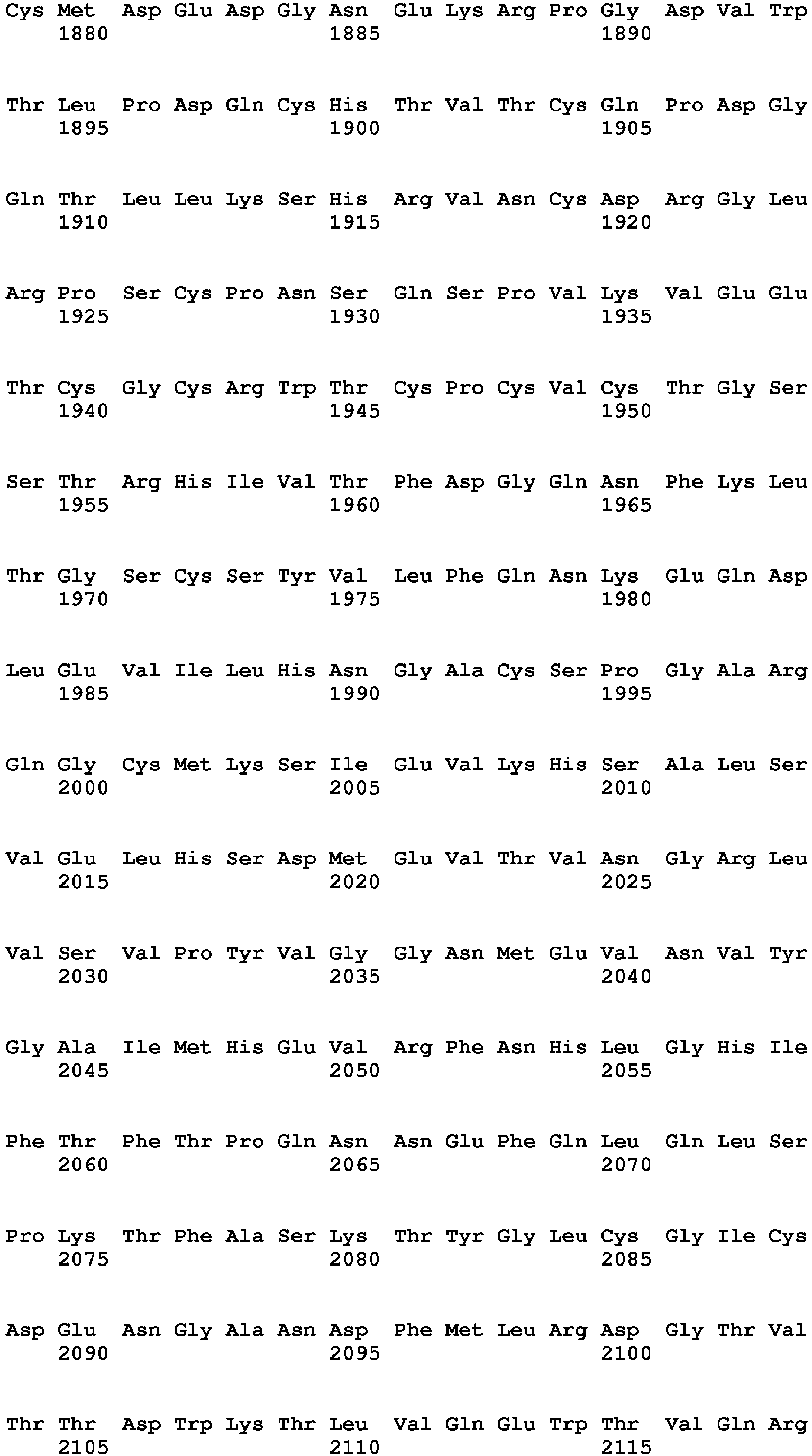


- <210> 2
<211> 1365
<212> PRT
<213> Homo sapiens - <400> 2
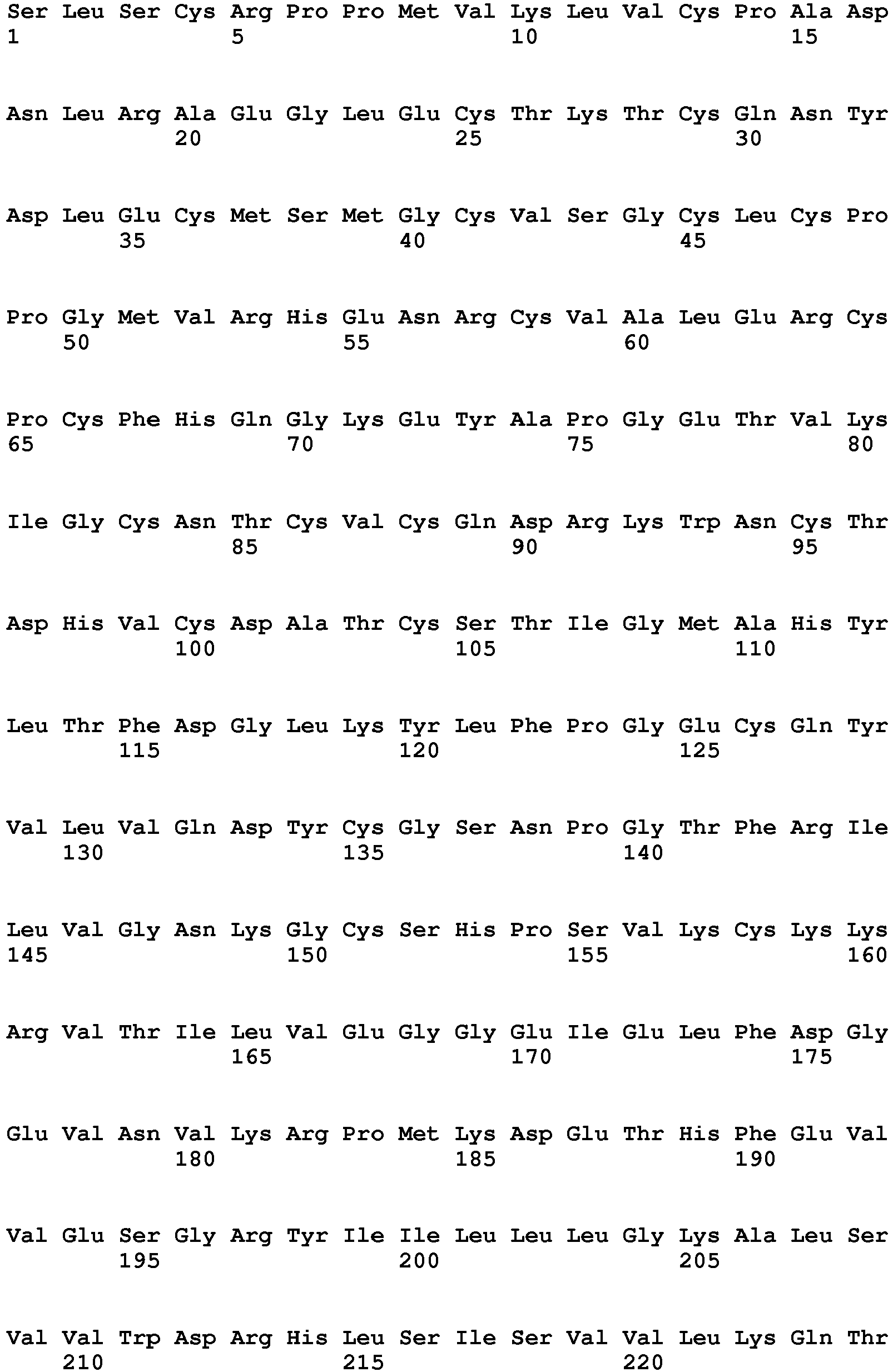


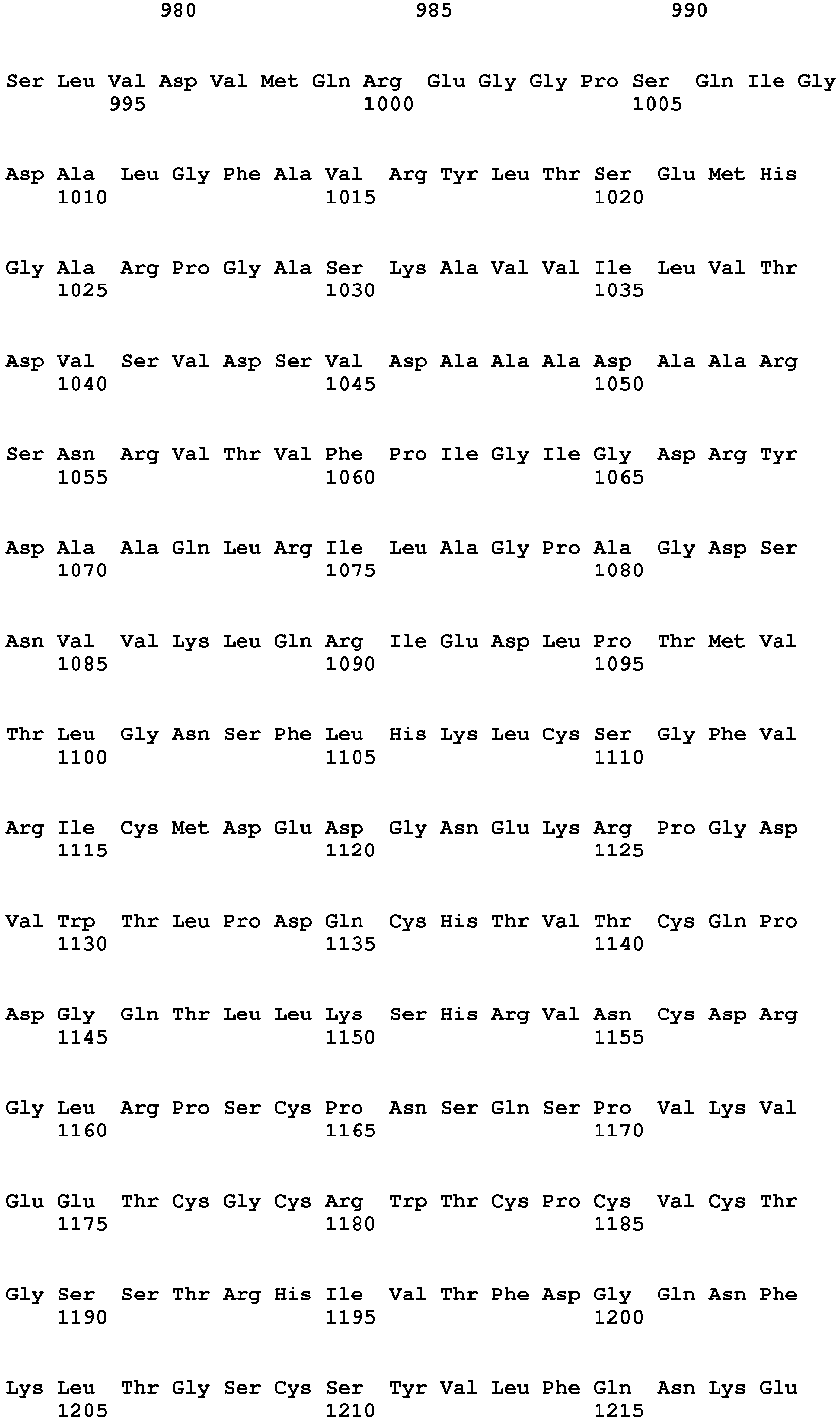

- <210> 3
<211> 272
<212> PRT
<213> Homo sapiens - <400> 3


- <210> 4
<211> 910
<212> PRT
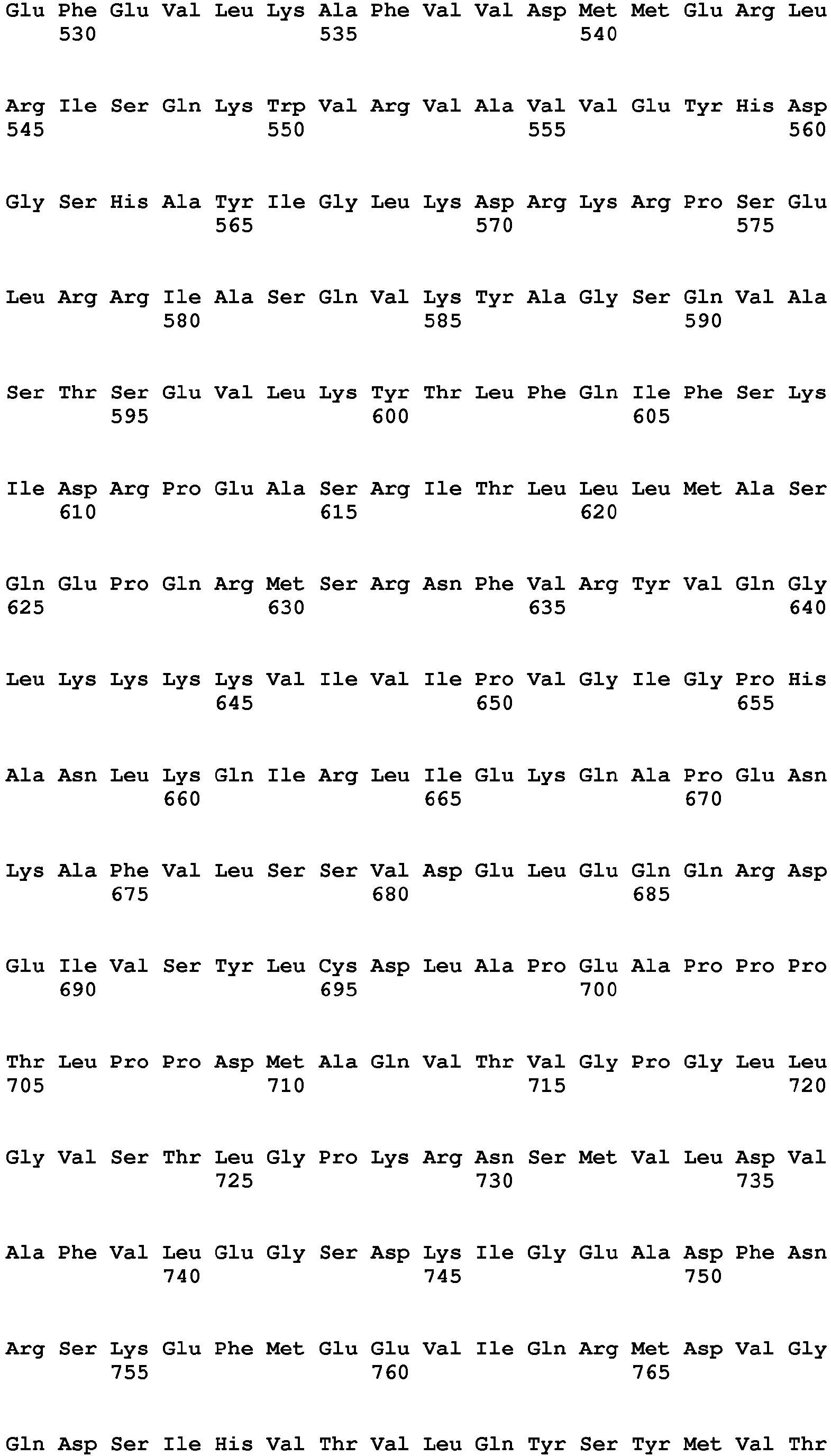
<213> Homo sapiens - <400> 4



- <210> 5
<211> 272
<212> PRT
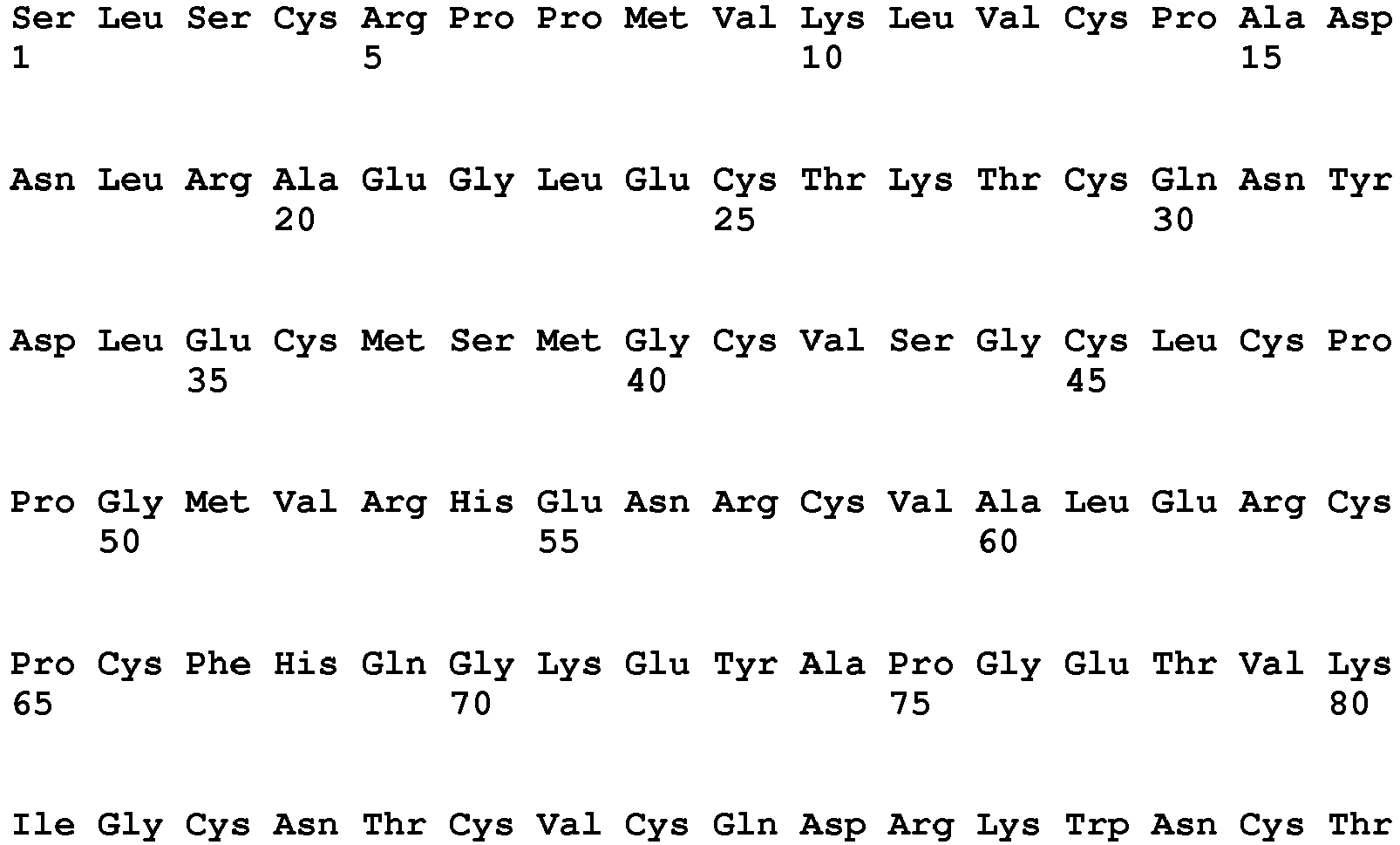
<213> Homo sapiens - <400> 5

- <210> 6
<211> 174
<212> PRT
<213> Homo sapiens - <400> 6


- <210> 7
<211> 390
<212> PRT
<213> Homo sapiens - <400> 7


Claims (9)
- A composition comprising a complex of Factor VIII and a Von Willebrand Factor peptide, wherein the Von Willebrand Factor peptide consists of the amino acids 764 to 2128 of SEQ ID NO: 1.
- The composition of claim 1, wherein the Von Willebrand Factor peptides have at least one property selected from the group consisting of(i) an affinity binding constant for heparin of KD>1 nM, preferably ≥ 2,43 nM;(ii) an affinity binding constant for collagen III of KD>5 nM, preferably ≥ 17.02 nM;(iii) an affinity binding constant for Factor VIII of KD< 100 nM, or < 10 nM, preferably ≤ 6.19 nM; and(iv) an inhibition of Factor VIII phospholipid binding of at least 70%, preferably at least 80%.
- The composition of claim 1 or 2, wherein the Von Willebrand Factor peptides are derived from Von Willebrand Factor by proteolytic cleavage or chemical cleavage, preferably by proteolytic cleavage with S. aureus V-8 protease.
- The composition of any one of claims 1 to 3, wherein Factor VIII is a full length Factor VIII, a B-domain deleted Factor VIII or a Factor VIII where the B-domain has been replaced by an artificial linker or a fragment of the natural B-domain or a combination thereof.
- The composition of any one of claims 1 to 4, wherein Factor VIII is plasma derived Factor VIII or recombinant Factor VIII, wherein a recombinant Factor VIII is preferably expressed in human cell line.
- The composition of any one of claims 1 to 5, wherein the composition has at least one of the properties selected from the group consisting of(i) the Von Willebrand Factor peptides shield Factor VIII from antibody binding to minimize inhibitor formation in a patient;(ii) stabilises Factor VIII to provide a remaining Factor VIII activity of at least 90% after storage for 12 month in a frozen liquid form at - 70 °C;(iii) stabilises Factor VIII to provide a remaining Factor VIII activity of at least 90% after storage for 24 month in a freeze-dried form at 5 °C;(iv) stabilises Factor VIII to provide a remaining Factor VIII activity of at least 90% after storage for 12 month in a freeze-dried form at 25 °C;(v) prolongs half-life of Factor VIII in-vivo by at least 20 %; and(vi) reduces inhibitor formation in previously untreated patients to less than 20 % after treatment with the composition for 6 months.
- The composition of any one of claims 1 to 6 for use in the treatment or prevention of a bleeding disorder.
- The composition for use according to claim 7, wherein the treatment or prevention comprises the non-intravenous administration of the composition, preferably wherein the non-intravenous administration is a subcutaneous injection.
- A method for virus reduction in a preparation of the composition of any one of claims 1 to 6 comprising the step of nanofiltrating the Von Willebrand Factor peptides prior or after a combination with Factor VIII, whereby porcine parvovirus, if present, is reduced by at least a factor of 100.
Priority Applications (2)
| Application Number | Priority Date | Filing Date | Title |
|---|---|---|---|
| EP18159816.0A EP3360895B1 (en) | 2014-06-06 | 2015-06-08 | Preparation comprising factor viii and von willebrand factor peptides |
| DK18159816.0T DK3360895T3 (en) | 2014-06-06 | 2015-06-08 | PREPARATION INCLUDING FACTOR VIII AND VON-WILLEBRAND FACTOR PEPTIDES |
Applications Claiming Priority (2)
| Application Number | Priority Date | Filing Date | Title |
|---|---|---|---|
| EP14171579 | 2014-06-06 | ||
| PCT/EP2015/062730 WO2015185758A2 (en) | 2014-06-06 | 2015-06-08 | Preparation comprising factor viii and von willebrand factor peptides |
Related Child Applications (2)
| Application Number | Title | Priority Date | Filing Date |
|---|---|---|---|
| EP18159816.0A Division EP3360895B1 (en) | 2014-06-06 | 2015-06-08 | Preparation comprising factor viii and von willebrand factor peptides |
| EP18159816.0A Division-Into EP3360895B1 (en) | 2014-06-06 | 2015-06-08 | Preparation comprising factor viii and von willebrand factor peptides |
Publications (2)
| Publication Number | Publication Date |
|---|---|
| EP3152230A2 EP3152230A2 (en) | 2017-04-12 |
| EP3152230B1 true EP3152230B1 (en) | 2019-08-07 |
Family
ID=50884302
Family Applications (2)
| Application Number | Title | Priority Date | Filing Date |
|---|---|---|---|
| EP15732554.9A Active EP3152230B1 (en) | 2014-06-06 | 2015-06-08 | Preparation comprising factor viii and von willebrand factor peptides |
| EP18159816.0A Active EP3360895B1 (en) | 2014-06-06 | 2015-06-08 | Preparation comprising factor viii and von willebrand factor peptides |
Family Applications After (1)
| Application Number | Title | Priority Date | Filing Date |
|---|---|---|---|
| EP18159816.0A Active EP3360895B1 (en) | 2014-06-06 | 2015-06-08 | Preparation comprising factor viii and von willebrand factor peptides |
Country Status (13)
| Country | Link |
|---|---|
| US (1) | US10251940B2 (en) |
| EP (2) | EP3152230B1 (en) |
| JP (1) | JP6605593B2 (en) |
| KR (1) | KR20170010895A (en) |
| CN (1) | CN106414492B (en) |
| AU (1) | AU2015270394B2 (en) |
| BR (1) | BR112016026842A2 (en) |
| CA (1) | CA2949323A1 (en) |
| DK (2) | DK3152230T3 (en) |
| ES (2) | ES2895798T3 (en) |
| IL (1) | IL249294A0 (en) |
| RU (1) | RU2714154C2 (en) |
| WO (1) | WO2015185758A2 (en) |
Families Citing this family (10)
| Publication number | Priority date | Publication date | Assignee | Title |
|---|---|---|---|---|
| CA3010720A1 (en) | 2016-01-07 | 2017-07-13 | Csl Behring Recombinant Facility Ag | Mutated truncated von willebrand factor |
| WO2017198435A1 (en) | 2016-05-20 | 2017-11-23 | Octapharma Ag | Glycosylated vwf fusion proteins with improved pharmacokinetics |
| US11890327B2 (en) | 2016-11-11 | 2024-02-06 | CSL Behring Lengnau AG | Truncated von Willebrand factor polypeptides for extravascular administration in the treatment or prophylaxis of a blood coagulation disorder |
| IL308416B2 (en) | 2016-12-02 | 2025-08-01 | Bioverativ Therapeutics Inc | Methods for treating hemophilic arthritis using chimeric blood clotting factors |
| JP2020530436A (en) | 2017-06-22 | 2020-10-22 | ツェー・エス・エル・ベーリング・レングナウ・アクチエンゲゼルシャフト | Regulation of FVIII immunogenicity by truncated VWF |
| BR112020022164A2 (en) | 2018-05-18 | 2021-02-02 | Bioverativ Therapeutics Inc. | methods of treating hemophilia a |
| KR20220029733A (en) | 2019-07-04 | 2022-03-08 | 체에스엘 베링 렝나우 아게 | truncated von Willebrand factor (VWF) to increase the in vitro stability of coagulation factor VIII |
| EP4013389A1 (en) | 2019-08-16 | 2022-06-22 | Octapharma AG | Stabilizing buffer for factor viii and vwf |
| KR20250168493A (en) | 2023-03-31 | 2025-12-02 | 옥타파마 아게 | FVIII-VWF fusion protein with improved pharmacokinetics |
| WO2025181343A1 (en) | 2024-02-29 | 2025-09-04 | Octapharma Ag | Cystine knot domain fusion protein dimers |
Family Cites Families (10)
| Publication number | Priority date | Publication date | Assignee | Title |
|---|---|---|---|---|
| SE504074C2 (en) | 1993-07-05 | 1996-11-04 | Pharmacia Ab | Protein preparation for subcutaneous, intramuscular or intradermal administration |
| IL113010A (en) | 1994-03-31 | 1999-10-28 | Pharmacia & Upjohn Ab | Pharmaceutical formulation comprising factor viii with an activity of at least 500iu/ml and an enhancer for improved subcutaneous intramuscular or intradermal administration |
| CA2690218C (en) | 2007-06-13 | 2017-02-28 | Csl Behring Gmbh | Use of vwf stabilized fviii preparations and of vwf preparations without fviii for extravascular administration in the therapy and prophylactic treatment of bleeding disorders |
| ES2298096B1 (en) * | 2008-01-08 | 2009-01-01 | Grifols, S.A. | PROCEDURE FOR OBTAINING A CONCENTRATE OF VON WILLEBRAND FACTOR OR FACTOR COMPLEX VIII / VON WILLEBRAND FACTOR AND USING THEMSELVES. |
| US9120873B2 (en) | 2008-08-21 | 2015-09-01 | Octapharma Ag | Recombinantly produced human factor VIII and IX |
| EP2467399B2 (en) * | 2009-08-20 | 2023-02-01 | Baxalta Incorporated | Purification of vWF for increased removal of non-lipid enveloped viruses |
| WO2011020866A2 (en) | 2009-08-20 | 2011-02-24 | Csl Behring Gmbh | Albumin fused coagulation factors for non-intravenous administration in the therapy and prophylactic treatment of bleeding disorders |
| CN103889445A (en) | 2011-10-18 | 2014-06-25 | 德国杰特贝林生物制品有限公司 | Use of sulfated glycosaminoglycans for improving the bioavailability of Factor VIII |
| CN104411716B (en) * | 2012-04-24 | 2018-09-07 | 诺和诺德股份有限公司 | Compounds useful in the treatment of hemophilia |
| JP2015519313A (en) | 2012-04-24 | 2015-07-09 | ノヴォ ノルディスク アー/エス | Pharmaceutical composition suitable for the treatment of hemophilia |
-
2015
- 2015-06-08 EP EP15732554.9A patent/EP3152230B1/en active Active
- 2015-06-08 DK DK15732554T patent/DK3152230T3/en active
- 2015-06-08 KR KR1020177000328A patent/KR20170010895A/en not_active Withdrawn
- 2015-06-08 US US15/316,711 patent/US10251940B2/en active Active
- 2015-06-08 ES ES18159816T patent/ES2895798T3/en active Active
- 2015-06-08 EP EP18159816.0A patent/EP3360895B1/en active Active
- 2015-06-08 WO PCT/EP2015/062730 patent/WO2015185758A2/en not_active Ceased
- 2015-06-08 BR BR112016026842A patent/BR112016026842A2/en not_active Application Discontinuation
- 2015-06-08 CN CN201580029649.9A patent/CN106414492B/en active Active
- 2015-06-08 RU RU2016152151A patent/RU2714154C2/en active
- 2015-06-08 ES ES15732554T patent/ES2747815T3/en active Active
- 2015-06-08 AU AU2015270394A patent/AU2015270394B2/en active Active
- 2015-06-08 DK DK18159816.0T patent/DK3360895T3/en active
- 2015-06-08 JP JP2017516207A patent/JP6605593B2/en active Active
- 2015-06-08 CA CA2949323A patent/CA2949323A1/en not_active Abandoned
-
2016
- 2016-11-30 IL IL249294A patent/IL249294A0/en unknown
Non-Patent Citations (1)
| Title |
|---|
| None * |
Also Published As
| Publication number | Publication date |
|---|---|
| CA2949323A1 (en) | 2015-12-10 |
| AU2015270394B2 (en) | 2017-12-21 |
| CN106414492B (en) | 2021-07-06 |
| DK3152230T3 (en) | 2019-11-11 |
| EP3360895A2 (en) | 2018-08-15 |
| US20180185455A1 (en) | 2018-07-05 |
| ES2747815T3 (en) | 2020-03-11 |
| CN106414492A (en) | 2017-02-15 |
| RU2016152151A (en) | 2018-07-10 |
| DK3360895T3 (en) | 2021-11-15 |
| JP6605593B2 (en) | 2019-11-13 |
| KR20170010895A (en) | 2017-02-01 |
| ES2895798T3 (en) | 2022-02-22 |
| WO2015185758A3 (en) | 2016-02-11 |
| WO2015185758A2 (en) | 2015-12-10 |
| RU2714154C2 (en) | 2020-02-12 |
| EP3360895A3 (en) | 2018-10-17 |
| EP3152230A2 (en) | 2017-04-12 |
| JP2017518376A (en) | 2017-07-06 |
| IL249294A0 (en) | 2017-02-28 |
| US10251940B2 (en) | 2019-04-09 |
| BR112016026842A2 (en) | 2017-12-12 |
| AU2015270394A1 (en) | 2016-11-24 |
| EP3360895B1 (en) | 2021-08-11 |
| RU2016152151A3 (en) | 2019-02-06 |
Similar Documents
| Publication | Publication Date | Title |
|---|---|---|
| EP3152230B1 (en) | Preparation comprising factor viii and von willebrand factor peptides | |
| EP0197901B1 (en) | Biologically active fragments of the human antihemophilic factor and method for their preparation and pharmaceutical preparations | |
| JP3701028B2 (en) | How to obtain high purity von Willebrand factor | |
| EP2110385A1 (en) | Stabilized factor VIII with engineered disulfide bonds | |
| Turecek et al. | Development of a plasma-and albumin-free recombinant von Willebrand factor | |
| US6005077A (en) | Use of von willebrand factor and pharmaceutical formulation | |
| JP2009161547A (en) | Highly purified factor viii complex | |
| CN111183151A (en) | Purification of Factor VIII Subspecies | |
| Jandrot-Perrus et al. | Thrombin interaction with platelet membrane glycoprotein Ib | |
| CA2816575C (en) | A new variant of antihemophilic factor viii having increased specific activity | |
| Chavin et al. | The Purification, Structure, and Function of Factor VIII | |
| EP3785726A1 (en) | Factor viii protein with increased half-life | |
| RU2800431C2 (en) | Purification of factor viii subtypes | |
| Gorman et al. | Studies on the structure and subunit composition of human antihaemophilic factor | |
| AU2008202293A1 (en) | Stabilized proteins with engineered disulfide bonds |
Legal Events
| Date | Code | Title | Description |
|---|---|---|---|
| STAA | Information on the status of an ep patent application or granted ep patent |
Free format text: STATUS: THE INTERNATIONAL PUBLICATION HAS BEEN MADE |
|
| PUAI | Public reference made under article 153(3) epc to a published international application that has entered the european phase |
Free format text: ORIGINAL CODE: 0009012 |
|
| STAA | Information on the status of an ep patent application or granted ep patent |
Free format text: STATUS: REQUEST FOR EXAMINATION WAS MADE |
|
| 17P | Request for examination filed |
Effective date: 20161215 |
|
| AK | Designated contracting states |
Kind code of ref document: A2 Designated state(s): AL AT BE BG CH CY CZ DE DK EE ES FI FR GB GR HR HU IE IS IT LI LT LU LV MC MK MT NL NO PL PT RO RS SE SI SK SM TR |
|
| AX | Request for extension of the european patent |
Extension state: BA ME |
|
| DAV | Request for validation of the european patent (deleted) | ||
| DAX | Request for extension of the european patent (deleted) | ||
| STAA | Information on the status of an ep patent application or granted ep patent |
Free format text: STATUS: EXAMINATION IS IN PROGRESS |
|
| 17Q | First examination report despatched |
Effective date: 20171110 |
|
| REG | Reference to a national code |
Ref country code: DE Ref legal event code: R079 Ref document number: 602015035261 Country of ref document: DE Free format text: PREVIOUS MAIN CLASS: C07K0014435000 Ipc: C07K0014755000 |
|
| GRAP | Despatch of communication of intention to grant a patent |
Free format text: ORIGINAL CODE: EPIDOSNIGR1 |
|
| STAA | Information on the status of an ep patent application or granted ep patent |
Free format text: STATUS: GRANT OF PATENT IS INTENDED |
|
| RIC1 | Information provided on ipc code assigned before grant |
Ipc: A61P 7/04 20060101ALI20190206BHEP Ipc: A61K 38/36 20060101ALI20190206BHEP Ipc: A61K 38/37 20060101ALI20190206BHEP Ipc: C07K 14/755 20060101AFI20190206BHEP |
|
| INTG | Intention to grant announced |
Effective date: 20190304 |
|
| GRAS | Grant fee paid |
Free format text: ORIGINAL CODE: EPIDOSNIGR3 |
|
| GRAA | (expected) grant |
Free format text: ORIGINAL CODE: 0009210 |
|
| STAA | Information on the status of an ep patent application or granted ep patent |
Free format text: STATUS: THE PATENT HAS BEEN GRANTED |
|
| AK | Designated contracting states |
Kind code of ref document: B1 Designated state(s): AL AT BE BG CH CY CZ DE DK EE ES FI FR GB GR HR HU IE IS IT LI LT LU LV MC MK MT NL NO PL PT RO RS SE SI SK SM TR |
|
| REG | Reference to a national code |
Ref country code: GB Ref legal event code: FG4D |
|
| REG | Reference to a national code |
Ref country code: CH Ref legal event code: EP Ref country code: AT Ref legal event code: REF Ref document number: 1163716 Country of ref document: AT Kind code of ref document: T Effective date: 20190815 |
|
| REG | Reference to a national code |
Ref country code: DE Ref legal event code: R096 Ref document number: 602015035261 Country of ref document: DE |
|
| REG | Reference to a national code |
Ref country code: CH Ref legal event code: NV Representative=s name: SCHMAUDER AND PARTNER AG PATENT- UND MARKENANW, CH |
|
| REG | Reference to a national code |
Ref country code: IE Ref legal event code: FG4D |
|
| REG | Reference to a national code |
Ref country code: NL Ref legal event code: FP |
|
| REG | Reference to a national code |
Ref country code: DK Ref legal event code: T3 Effective date: 20191108 |
|
| REG | Reference to a national code |
Ref country code: SE Ref legal event code: TRGR |
|
| REG | Reference to a national code |
Ref country code: LT Ref legal event code: MG4D |
|
| PG25 | Lapsed in a contracting state [announced via postgrant information from national office to epo] |
Ref country code: PT Free format text: LAPSE BECAUSE OF FAILURE TO SUBMIT A TRANSLATION OF THE DESCRIPTION OR TO PAY THE FEE WITHIN THE PRESCRIBED TIME-LIMIT Effective date: 20191209 Ref country code: BG Free format text: LAPSE BECAUSE OF FAILURE TO SUBMIT A TRANSLATION OF THE DESCRIPTION OR TO PAY THE FEE WITHIN THE PRESCRIBED TIME-LIMIT Effective date: 20191107 Ref country code: LT Free format text: LAPSE BECAUSE OF FAILURE TO SUBMIT A TRANSLATION OF THE DESCRIPTION OR TO PAY THE FEE WITHIN THE PRESCRIBED TIME-LIMIT Effective date: 20190807 Ref country code: HR Free format text: LAPSE BECAUSE OF FAILURE TO SUBMIT A TRANSLATION OF THE DESCRIPTION OR TO PAY THE FEE WITHIN THE PRESCRIBED TIME-LIMIT Effective date: 20190807 Ref country code: NO Free format text: LAPSE BECAUSE OF FAILURE TO SUBMIT A TRANSLATION OF THE DESCRIPTION OR TO PAY THE FEE WITHIN THE PRESCRIBED TIME-LIMIT Effective date: 20191107 Ref country code: FI Free format text: LAPSE BECAUSE OF FAILURE TO SUBMIT A TRANSLATION OF THE DESCRIPTION OR TO PAY THE FEE WITHIN THE PRESCRIBED TIME-LIMIT Effective date: 20190807 |
|
| PG25 | Lapsed in a contracting state [announced via postgrant information from national office to epo] |
Ref country code: GR Free format text: LAPSE BECAUSE OF FAILURE TO SUBMIT A TRANSLATION OF THE DESCRIPTION OR TO PAY THE FEE WITHIN THE PRESCRIBED TIME-LIMIT Effective date: 20191108 Ref country code: IS Free format text: LAPSE BECAUSE OF FAILURE TO SUBMIT A TRANSLATION OF THE DESCRIPTION OR TO PAY THE FEE WITHIN THE PRESCRIBED TIME-LIMIT Effective date: 20191207 Ref country code: RS Free format text: LAPSE BECAUSE OF FAILURE TO SUBMIT A TRANSLATION OF THE DESCRIPTION OR TO PAY THE FEE WITHIN THE PRESCRIBED TIME-LIMIT Effective date: 20190807 Ref country code: AL Free format text: LAPSE BECAUSE OF FAILURE TO SUBMIT A TRANSLATION OF THE DESCRIPTION OR TO PAY THE FEE WITHIN THE PRESCRIBED TIME-LIMIT Effective date: 20190807 Ref country code: LV Free format text: LAPSE BECAUSE OF FAILURE TO SUBMIT A TRANSLATION OF THE DESCRIPTION OR TO PAY THE FEE WITHIN THE PRESCRIBED TIME-LIMIT Effective date: 20190807 |
|
| REG | Reference to a national code |
Ref country code: ES Ref legal event code: FG2A Ref document number: 2747815 Country of ref document: ES Kind code of ref document: T3 Effective date: 20200311 |
|
| PG25 | Lapsed in a contracting state [announced via postgrant information from national office to epo] |
Ref country code: RO Free format text: LAPSE BECAUSE OF FAILURE TO SUBMIT A TRANSLATION OF THE DESCRIPTION OR TO PAY THE FEE WITHIN THE PRESCRIBED TIME-LIMIT Effective date: 20190807 Ref country code: EE Free format text: LAPSE BECAUSE OF FAILURE TO SUBMIT A TRANSLATION OF THE DESCRIPTION OR TO PAY THE FEE WITHIN THE PRESCRIBED TIME-LIMIT Effective date: 20190807 Ref country code: PL Free format text: LAPSE BECAUSE OF FAILURE TO SUBMIT A TRANSLATION OF THE DESCRIPTION OR TO PAY THE FEE WITHIN THE PRESCRIBED TIME-LIMIT Effective date: 20190807 |
|
| PG25 | Lapsed in a contracting state [announced via postgrant information from national office to epo] |
Ref country code: SK Free format text: LAPSE BECAUSE OF FAILURE TO SUBMIT A TRANSLATION OF THE DESCRIPTION OR TO PAY THE FEE WITHIN THE PRESCRIBED TIME-LIMIT Effective date: 20190807 Ref country code: IS Free format text: LAPSE BECAUSE OF FAILURE TO SUBMIT A TRANSLATION OF THE DESCRIPTION OR TO PAY THE FEE WITHIN THE PRESCRIBED TIME-LIMIT Effective date: 20200224 Ref country code: SM Free format text: LAPSE BECAUSE OF FAILURE TO SUBMIT A TRANSLATION OF THE DESCRIPTION OR TO PAY THE FEE WITHIN THE PRESCRIBED TIME-LIMIT Effective date: 20190807 Ref country code: CZ Free format text: LAPSE BECAUSE OF FAILURE TO SUBMIT A TRANSLATION OF THE DESCRIPTION OR TO PAY THE FEE WITHIN THE PRESCRIBED TIME-LIMIT Effective date: 20190807 |
|
| REG | Reference to a national code |
Ref country code: DE Ref legal event code: R097 Ref document number: 602015035261 Country of ref document: DE |
|
| PLBE | No opposition filed within time limit |
Free format text: ORIGINAL CODE: 0009261 |
|
| STAA | Information on the status of an ep patent application or granted ep patent |
Free format text: STATUS: NO OPPOSITION FILED WITHIN TIME LIMIT |
|
| PG2D | Information on lapse in contracting state deleted |
Ref country code: IS |
|
| 26N | No opposition filed |
Effective date: 20200603 |
|
| PG25 | Lapsed in a contracting state [announced via postgrant information from national office to epo] |
Ref country code: SI Free format text: LAPSE BECAUSE OF FAILURE TO SUBMIT A TRANSLATION OF THE DESCRIPTION OR TO PAY THE FEE WITHIN THE PRESCRIBED TIME-LIMIT Effective date: 20190807 |
|
| PG25 | Lapsed in a contracting state [announced via postgrant information from national office to epo] |
Ref country code: MC Free format text: LAPSE BECAUSE OF FAILURE TO SUBMIT A TRANSLATION OF THE DESCRIPTION OR TO PAY THE FEE WITHIN THE PRESCRIBED TIME-LIMIT Effective date: 20190807 |
|
| PG25 | Lapsed in a contracting state [announced via postgrant information from national office to epo] |
Ref country code: LU Free format text: LAPSE BECAUSE OF NON-PAYMENT OF DUE FEES Effective date: 20200608 |
|
| REG | Reference to a national code |
Ref country code: BE Ref legal event code: MM Effective date: 20200630 |
|
| PG25 | Lapsed in a contracting state [announced via postgrant information from national office to epo] |
Ref country code: IE Free format text: LAPSE BECAUSE OF NON-PAYMENT OF DUE FEES Effective date: 20200608 |
|
| PG25 | Lapsed in a contracting state [announced via postgrant information from national office to epo] |
Ref country code: BE Free format text: LAPSE BECAUSE OF NON-PAYMENT OF DUE FEES Effective date: 20200630 |
|
| PG25 | Lapsed in a contracting state [announced via postgrant information from national office to epo] |
Ref country code: MT Free format text: LAPSE BECAUSE OF FAILURE TO SUBMIT A TRANSLATION OF THE DESCRIPTION OR TO PAY THE FEE WITHIN THE PRESCRIBED TIME-LIMIT Effective date: 20190807 Ref country code: CY Free format text: LAPSE BECAUSE OF FAILURE TO SUBMIT A TRANSLATION OF THE DESCRIPTION OR TO PAY THE FEE WITHIN THE PRESCRIBED TIME-LIMIT Effective date: 20190807 |
|
| PG25 | Lapsed in a contracting state [announced via postgrant information from national office to epo] |
Ref country code: MK Free format text: LAPSE BECAUSE OF FAILURE TO SUBMIT A TRANSLATION OF THE DESCRIPTION OR TO PAY THE FEE WITHIN THE PRESCRIBED TIME-LIMIT Effective date: 20190807 |
|
| P01 | Opt-out of the competence of the unified patent court (upc) registered |
Free format text: CASE NUMBER: UPC_APP_110612/2023 Effective date: 20230510 |
|
| PGFP | Annual fee paid to national office [announced via postgrant information from national office to epo] |
Ref country code: GB Payment date: 20250620 Year of fee payment: 11 Ref country code: DK Payment date: 20250618 Year of fee payment: 11 |
|
| PGFP | Annual fee paid to national office [announced via postgrant information from national office to epo] |
Ref country code: NL Payment date: 20250618 Year of fee payment: 11 |
|
| PGFP | Annual fee paid to national office [announced via postgrant information from national office to epo] |
Ref country code: FR Payment date: 20250618 Year of fee payment: 11 |
|
| PGFP | Annual fee paid to national office [announced via postgrant information from national office to epo] |
Ref country code: AT Payment date: 20250616 Year of fee payment: 11 |
|
| PGFP | Annual fee paid to national office [announced via postgrant information from national office to epo] |
Ref country code: TR Payment date: 20250530 Year of fee payment: 11 |
|
| PGFP | Annual fee paid to national office [announced via postgrant information from national office to epo] |
Ref country code: SE Payment date: 20250618 Year of fee payment: 11 |
|
| PGFP | Annual fee paid to national office [announced via postgrant information from national office to epo] |
Ref country code: ES Payment date: 20250718 Year of fee payment: 11 |
|
| PGFP | Annual fee paid to national office [announced via postgrant information from national office to epo] |
Ref country code: DE Payment date: 20250829 Year of fee payment: 11 |
|
| PGFP | Annual fee paid to national office [announced via postgrant information from national office to epo] |
Ref country code: IT Payment date: 20250630 Year of fee payment: 11 |
|
| PGFP | Annual fee paid to national office [announced via postgrant information from national office to epo] |
Ref country code: CH Payment date: 20250701 Year of fee payment: 11 |