EP2338492A1 - Methods and compositions for the treatment of alzheimer - Google Patents
Methods and compositions for the treatment of alzheimer Download PDFInfo
- Publication number
- EP2338492A1 EP2338492A1 EP09382304A EP09382304A EP2338492A1 EP 2338492 A1 EP2338492 A1 EP 2338492A1 EP 09382304 A EP09382304 A EP 09382304A EP 09382304 A EP09382304 A EP 09382304A EP 2338492 A1 EP2338492 A1 EP 2338492A1
- Authority
- EP
- European Patent Office
- Prior art keywords
- ampa receptor
- cell
- amyloid
- ampa
- receptor inhibitor
- Prior art date
- Legal status (The legal status is an assumption and is not a legal conclusion. Google has not performed a legal analysis and makes no representation as to the accuracy of the status listed.)
- Withdrawn
Links
- 238000011282 treatment Methods 0.000 title claims abstract description 50
- 238000000034 method Methods 0.000 title claims description 89
- 239000000203 mixture Substances 0.000 title description 19
- 108090000078 AMPA Receptors Proteins 0.000 claims abstract description 144
- 102000003678 AMPA Receptors Human genes 0.000 claims abstract description 143
- 239000003112 inhibitor Substances 0.000 claims abstract description 86
- 208000037265 diseases, disorders, signs and symptoms Diseases 0.000 claims abstract description 57
- 201000010099 disease Diseases 0.000 claims abstract description 53
- 102000009091 Amyloidogenic Proteins Human genes 0.000 claims abstract description 52
- 108010048112 Amyloidogenic Proteins Proteins 0.000 claims abstract description 52
- 108090001041 N-Methyl-D-Aspartate Receptors Proteins 0.000 claims abstract description 45
- 102000004868 N-Methyl-D-Aspartate Receptors Human genes 0.000 claims abstract description 45
- 230000008021 deposition Effects 0.000 claims abstract description 43
- 210000004027 cell Anatomy 0.000 claims description 122
- 150000001875 compounds Chemical class 0.000 claims description 61
- 230000002401 inhibitory effect Effects 0.000 claims description 43
- 210000002569 neuron Anatomy 0.000 claims description 32
- 230000030833 cell death Effects 0.000 claims description 29
- 239000003814 drug Substances 0.000 claims description 28
- 229940079593 drug Drugs 0.000 claims description 26
- 230000004913 activation Effects 0.000 claims description 19
- 210000003169 central nervous system Anatomy 0.000 claims description 16
- 238000012360 testing method Methods 0.000 claims description 15
- 230000001960 triggered effect Effects 0.000 claims description 11
- DZHSAHHDTRWUTF-SIQRNXPUSA-N amyloid-beta polypeptide 42 Chemical group C([C@@H](C(=O)N[C@@H](C)C(=O)N[C@@H](CCC(O)=O)C(=O)N[C@@H](CC(O)=O)C(=O)N[C@H](C(=O)NCC(=O)N[C@@H](CO)C(=O)N[C@@H](CC(N)=O)C(=O)N[C@@H](CCCCN)C(=O)NCC(=O)N[C@@H](C)C(=O)N[C@H](C(=O)N[C@@H]([C@@H](C)CC)C(=O)NCC(=O)N[C@@H](CC(C)C)C(=O)N[C@@H](CCSC)C(=O)N[C@@H](C(C)C)C(=O)NCC(=O)NCC(=O)N[C@@H](C(C)C)C(=O)N[C@@H](C(C)C)C(=O)N[C@@H]([C@@H](C)CC)C(=O)N[C@@H](C)C(O)=O)[C@@H](C)CC)C(C)C)NC(=O)[C@H](CC=1C=CC=CC=1)NC(=O)[C@@H](NC(=O)[C@H](CC(C)C)NC(=O)[C@H](CCCCN)NC(=O)[C@H](CCC(N)=O)NC(=O)[C@H](CC=1N=CNC=1)NC(=O)[C@H](CC=1N=CNC=1)NC(=O)[C@@H](NC(=O)[C@H](CCC(O)=O)NC(=O)[C@H](CC=1C=CC(O)=CC=1)NC(=O)CNC(=O)[C@H](CO)NC(=O)[C@H](CC(O)=O)NC(=O)[C@H](CC=1N=CNC=1)NC(=O)[C@H](CCCNC(N)=N)NC(=O)[C@H](CC=1C=CC=CC=1)NC(=O)[C@H](CCC(O)=O)NC(=O)[C@H](C)NC(=O)[C@@H](N)CC(O)=O)C(C)C)C(C)C)C1=CC=CC=C1 DZHSAHHDTRWUTF-SIQRNXPUSA-N 0.000 claims description 7
- 239000000546 pharmaceutical excipient Substances 0.000 claims description 7
- 210000001130 astrocyte Anatomy 0.000 claims description 4
- 239000003937 drug carrier Substances 0.000 claims description 3
- 210000004248 oligodendroglia Anatomy 0.000 claims description 3
- 108090000623 proteins and genes Proteins 0.000 description 65
- 108091032973 (ribonucleotides)n+m Proteins 0.000 description 56
- 108020004999 messenger RNA Proteins 0.000 description 50
- 108090000765 processed proteins & peptides Proteins 0.000 description 49
- 241000282414 Homo sapiens Species 0.000 description 40
- 108091034117 Oligonucleotide Proteins 0.000 description 38
- 230000027455 binding Effects 0.000 description 38
- 108090000994 Catalytic RNA Proteins 0.000 description 37
- 102000053642 Catalytic RNA Human genes 0.000 description 37
- 108091092562 ribozyme Proteins 0.000 description 37
- 150000007523 nucleic acids Chemical class 0.000 description 35
- 230000000694 effects Effects 0.000 description 34
- 235000018102 proteins Nutrition 0.000 description 31
- 102000004169 proteins and genes Human genes 0.000 description 31
- 102000039446 nucleic acids Human genes 0.000 description 30
- 108020004707 nucleic acids Proteins 0.000 description 30
- 230000014509 gene expression Effects 0.000 description 28
- 239000000427 antigen Substances 0.000 description 27
- 108091007433 antigens Proteins 0.000 description 27
- 102000036639 antigens Human genes 0.000 description 27
- 102000005962 receptors Human genes 0.000 description 27
- 108020003175 receptors Proteins 0.000 description 27
- 239000005557 antagonist Substances 0.000 description 26
- 238000012228 RNA interference-mediated gene silencing Methods 0.000 description 24
- 230000009368 gene silencing by RNA Effects 0.000 description 24
- 230000000692 anti-sense effect Effects 0.000 description 23
- IAWXTSMHXFRLQR-UHFFFAOYSA-N 2,3-bis($l^{1}-oxidanyl)-7-nitroquinoxaline-6-carbonitrile Chemical compound O=C1C(=O)N=C2C=C(C#N)C([N+](=O)[O-])=CC2=N1 IAWXTSMHXFRLQR-UHFFFAOYSA-N 0.000 description 22
- 125000004573 morpholin-4-yl group Chemical group N1(CCOCC1)* 0.000 description 22
- HOKKHZGPKSLGJE-GSVOUGTGSA-N N-Methyl-D-aspartic acid Chemical compound CN[C@@H](C(O)=O)CC(O)=O HOKKHZGPKSLGJE-GSVOUGTGSA-N 0.000 description 21
- 230000000295 complement effect Effects 0.000 description 21
- 239000012634 fragment Substances 0.000 description 21
- 102000004196 processed proteins & peptides Human genes 0.000 description 20
- 102000040650 (ribonucleotides)n+m Human genes 0.000 description 19
- 108020004414 DNA Proteins 0.000 description 19
- 208000024827 Alzheimer disease Diseases 0.000 description 18
- 238000001994 activation Methods 0.000 description 18
- 239000004055 small Interfering RNA Substances 0.000 description 18
- 241001465754 Metazoa Species 0.000 description 17
- JLCPHMBAVCMARE-UHFFFAOYSA-N [3-[[3-[[3-[[3-[[3-[[3-[[3-[[3-[[3-[[3-[[3-[[5-(2-amino-6-oxo-1H-purin-9-yl)-3-[[3-[[3-[[3-[[3-[[3-[[5-(2-amino-6-oxo-1H-purin-9-yl)-3-[[5-(2-amino-6-oxo-1H-purin-9-yl)-3-hydroxyoxolan-2-yl]methoxy-hydroxyphosphoryl]oxyoxolan-2-yl]methoxy-hydroxyphosphoryl]oxy-5-(5-methyl-2,4-dioxopyrimidin-1-yl)oxolan-2-yl]methoxy-hydroxyphosphoryl]oxy-5-(6-aminopurin-9-yl)oxolan-2-yl]methoxy-hydroxyphosphoryl]oxy-5-(6-aminopurin-9-yl)oxolan-2-yl]methoxy-hydroxyphosphoryl]oxy-5-(6-aminopurin-9-yl)oxolan-2-yl]methoxy-hydroxyphosphoryl]oxy-5-(6-aminopurin-9-yl)oxolan-2-yl]methoxy-hydroxyphosphoryl]oxyoxolan-2-yl]methoxy-hydroxyphosphoryl]oxy-5-(5-methyl-2,4-dioxopyrimidin-1-yl)oxolan-2-yl]methoxy-hydroxyphosphoryl]oxy-5-(4-amino-2-oxopyrimidin-1-yl)oxolan-2-yl]methoxy-hydroxyphosphoryl]oxy-5-(5-methyl-2,4-dioxopyrimidin-1-yl)oxolan-2-yl]methoxy-hydroxyphosphoryl]oxy-5-(5-methyl-2,4-dioxopyrimidin-1-yl)oxolan-2-yl]methoxy-hydroxyphosphoryl]oxy-5-(6-aminopurin-9-yl)oxolan-2-yl]methoxy-hydroxyphosphoryl]oxy-5-(6-aminopurin-9-yl)oxolan-2-yl]methoxy-hydroxyphosphoryl]oxy-5-(4-amino-2-oxopyrimidin-1-yl)oxolan-2-yl]methoxy-hydroxyphosphoryl]oxy-5-(4-amino-2-oxopyrimidin-1-yl)oxolan-2-yl]methoxy-hydroxyphosphoryl]oxy-5-(4-amino-2-oxopyrimidin-1-yl)oxolan-2-yl]methoxy-hydroxyphosphoryl]oxy-5-(6-aminopurin-9-yl)oxolan-2-yl]methoxy-hydroxyphosphoryl]oxy-5-(4-amino-2-oxopyrimidin-1-yl)oxolan-2-yl]methyl [5-(6-aminopurin-9-yl)-2-(hydroxymethyl)oxolan-3-yl] hydrogen phosphate Chemical class Cc1cn(C2CC(OP(O)(=O)OCC3OC(CC3OP(O)(=O)OCC3OC(CC3O)n3cnc4c3nc(N)[nH]c4=O)n3cnc4c3nc(N)[nH]c4=O)C(COP(O)(=O)OC3CC(OC3COP(O)(=O)OC3CC(OC3COP(O)(=O)OC3CC(OC3COP(O)(=O)OC3CC(OC3COP(O)(=O)OC3CC(OC3COP(O)(=O)OC3CC(OC3COP(O)(=O)OC3CC(OC3COP(O)(=O)OC3CC(OC3COP(O)(=O)OC3CC(OC3COP(O)(=O)OC3CC(OC3COP(O)(=O)OC3CC(OC3COP(O)(=O)OC3CC(OC3COP(O)(=O)OC3CC(OC3COP(O)(=O)OC3CC(OC3COP(O)(=O)OC3CC(OC3COP(O)(=O)OC3CC(OC3COP(O)(=O)OC3CC(OC3CO)n3cnc4c(N)ncnc34)n3ccc(N)nc3=O)n3cnc4c(N)ncnc34)n3ccc(N)nc3=O)n3ccc(N)nc3=O)n3ccc(N)nc3=O)n3cnc4c(N)ncnc34)n3cnc4c(N)ncnc34)n3cc(C)c(=O)[nH]c3=O)n3cc(C)c(=O)[nH]c3=O)n3ccc(N)nc3=O)n3cc(C)c(=O)[nH]c3=O)n3cnc4c3nc(N)[nH]c4=O)n3cnc4c(N)ncnc34)n3cnc4c(N)ncnc34)n3cnc4c(N)ncnc34)n3cnc4c(N)ncnc34)O2)c(=O)[nH]c1=O JLCPHMBAVCMARE-UHFFFAOYSA-N 0.000 description 17
- 230000002829 reductive effect Effects 0.000 description 17
- 230000002438 mitochondrial effect Effects 0.000 description 16
- 108010021625 Immunoglobulin Fragments Proteins 0.000 description 15
- 102000008394 Immunoglobulin Fragments Human genes 0.000 description 15
- 108020004459 Small interfering RNA Proteins 0.000 description 15
- LBOJYSIDWZQNJS-CVEARBPZSA-N dizocilpine Chemical compound C12=CC=CC=C2[C@]2(C)C3=CC=CC=C3C[C@H]1N2 LBOJYSIDWZQNJS-CVEARBPZSA-N 0.000 description 15
- 230000004044 response Effects 0.000 description 14
- 239000000243 solution Substances 0.000 description 14
- -1 AMPAR Proteins 0.000 description 13
- 239000000074 antisense oligonucleotide Substances 0.000 description 13
- 238000012230 antisense oligonucleotides Methods 0.000 description 13
- 238000013459 approach Methods 0.000 description 13
- 210000004556 brain Anatomy 0.000 description 13
- 230000014616 translation Effects 0.000 description 13
- 108010090849 Amyloid beta-Peptides Proteins 0.000 description 12
- 102000013455 Amyloid beta-Peptides Human genes 0.000 description 12
- 238000003776 cleavage reaction Methods 0.000 description 12
- 210000001353 entorhinal cortex Anatomy 0.000 description 12
- 238000000338 in vitro Methods 0.000 description 12
- 230000007017 scission Effects 0.000 description 12
- 238000013519 translation Methods 0.000 description 12
- 108060003951 Immunoglobulin Proteins 0.000 description 11
- 108091027967 Small hairpin RNA Proteins 0.000 description 11
- 102000018358 immunoglobulin Human genes 0.000 description 11
- 208000037259 Amyloid Plaque Diseases 0.000 description 10
- 108091026890 Coding region Proteins 0.000 description 10
- 150000001413 amino acids Chemical group 0.000 description 10
- 230000006870 function Effects 0.000 description 10
- 210000001320 hippocampus Anatomy 0.000 description 10
- 210000004408 hybridoma Anatomy 0.000 description 10
- 238000011534 incubation Methods 0.000 description 10
- 239000002773 nucleotide Substances 0.000 description 10
- 229920001184 polypeptide Polymers 0.000 description 10
- 108091028043 Nucleic acid sequence Proteins 0.000 description 9
- 230000015572 biosynthetic process Effects 0.000 description 9
- 239000001963 growth medium Substances 0.000 description 9
- BUGYDGFZZOZRHP-UHFFFAOYSA-N memantine Chemical compound C1C(C2)CC3(C)CC1(C)CC2(N)C3 BUGYDGFZZOZRHP-UHFFFAOYSA-N 0.000 description 9
- 229960004640 memantine Drugs 0.000 description 9
- 239000002679 microRNA Substances 0.000 description 9
- 125000003729 nucleotide group Chemical group 0.000 description 9
- 238000002360 preparation method Methods 0.000 description 9
- 210000001519 tissue Anatomy 0.000 description 9
- 108091006146 Channels Proteins 0.000 description 8
- 241000124008 Mammalia Species 0.000 description 8
- 229940127523 NMDA Receptor Antagonists Drugs 0.000 description 8
- 235000001014 amino acid Nutrition 0.000 description 8
- 238000013461 design Methods 0.000 description 8
- 239000000975 dye Substances 0.000 description 8
- 238000002474 experimental method Methods 0.000 description 8
- 108010005456 AMPA 4 glutamate receptor ionotropic Proteins 0.000 description 7
- 102100030668 Glutamate receptor 4 Human genes 0.000 description 7
- DHMQDGOQFOQNFH-UHFFFAOYSA-N Glycine Chemical compound NCC(O)=O DHMQDGOQFOQNFH-UHFFFAOYSA-N 0.000 description 7
- 239000002671 adjuvant Substances 0.000 description 7
- 150000001768 cations Chemical class 0.000 description 7
- 238000004113 cell culture Methods 0.000 description 7
- 239000003795 chemical substances by application Substances 0.000 description 7
- 230000001086 cytosolic effect Effects 0.000 description 7
- 238000009396 hybridization Methods 0.000 description 7
- 230000003993 interaction Effects 0.000 description 7
- 239000002609 medium Substances 0.000 description 7
- 210000003470 mitochondria Anatomy 0.000 description 7
- XJMOSONTPMZWPB-UHFFFAOYSA-M propidium iodide Chemical compound [I-].[I-].C12=CC(N)=CC=C2C2=CC=C(N)C=C2[N+](CCC[N+](C)(CC)CC)=C1C1=CC=CC=C1 XJMOSONTPMZWPB-UHFFFAOYSA-M 0.000 description 7
- 238000012216 screening Methods 0.000 description 7
- 239000000725 suspension Substances 0.000 description 7
- 208000024891 symptom Diseases 0.000 description 7
- 229940098747 AMPA receptor antagonist Drugs 0.000 description 6
- 0 CC(CC(C)NC(C(C)(N*(C)CC(C)C#N)O)O)C[N+]([O-])=O Chemical compound CC(CC(C)NC(C(C)(N*(C)CC(C)C#N)O)O)C[N+]([O-])=O 0.000 description 6
- 102100030652 Glutamate receptor 1 Human genes 0.000 description 6
- 241000282412 Homo Species 0.000 description 6
- 101001010445 Homo sapiens Glutamate receptor 1 Proteins 0.000 description 6
- 101001113483 Homo sapiens Poly [ADP-ribose] polymerase 1 Proteins 0.000 description 6
- 241000700159 Rattus Species 0.000 description 6
- 239000000556 agonist Substances 0.000 description 6
- 108010064539 amyloid beta-protein (1-42) Proteins 0.000 description 6
- 206010002022 amyloidosis Diseases 0.000 description 6
- 230000000903 blocking effect Effects 0.000 description 6
- BOCUKUHCLICSIY-QJWLJZLASA-N cyclothiazide Chemical compound C1=C(Cl)C(S(=O)(=O)N)=CC(S(N2)(=O)=O)=C1NC2C1[C@H](C=C2)C[C@H]2C1 BOCUKUHCLICSIY-QJWLJZLASA-N 0.000 description 6
- 229960003176 cyclothiazide Drugs 0.000 description 6
- 239000000539 dimer Substances 0.000 description 6
- 238000005516 engineering process Methods 0.000 description 6
- 229940124452 immunizing agent Drugs 0.000 description 6
- 230000002163 immunogen Effects 0.000 description 6
- 230000005764 inhibitory process Effects 0.000 description 6
- 230000002452 interceptive effect Effects 0.000 description 6
- 239000007788 liquid Substances 0.000 description 6
- 238000004519 manufacturing process Methods 0.000 description 6
- 238000005259 measurement Methods 0.000 description 6
- 210000005044 neurofilament Anatomy 0.000 description 6
- 230000016273 neuron death Effects 0.000 description 6
- 239000008194 pharmaceutical composition Substances 0.000 description 6
- 239000000047 product Substances 0.000 description 6
- 241000894007 species Species 0.000 description 6
- 230000008685 targeting Effects 0.000 description 6
- 230000001988 toxicity Effects 0.000 description 6
- 231100000419 toxicity Toxicity 0.000 description 6
- 238000013518 transcription Methods 0.000 description 6
- 230000035897 transcription Effects 0.000 description 6
- 239000000775 AMPA receptor antagonist Substances 0.000 description 5
- 101710137189 Amyloid-beta A4 protein Proteins 0.000 description 5
- 102100022704 Amyloid-beta precursor protein Human genes 0.000 description 5
- 101710151993 Amyloid-beta precursor protein Proteins 0.000 description 5
- 108020000948 Antisense Oligonucleotides Proteins 0.000 description 5
- 108010058699 Choline O-acetyltransferase Proteins 0.000 description 5
- 102100023460 Choline O-acetyltransferase Human genes 0.000 description 5
- 241000699670 Mus sp. Species 0.000 description 5
- 102100023712 Poly [ADP-ribose] polymerase 1 Human genes 0.000 description 5
- 241000288906 Primates Species 0.000 description 5
- 239000002253 acid Substances 0.000 description 5
- 238000003556 assay Methods 0.000 description 5
- 230000004071 biological effect Effects 0.000 description 5
- 239000000872 buffer Substances 0.000 description 5
- 210000003618 cortical neuron Anatomy 0.000 description 5
- 238000001727 in vivo Methods 0.000 description 5
- 230000003834 intracellular effect Effects 0.000 description 5
- 230000007246 mechanism Effects 0.000 description 5
- 108091070501 miRNA Proteins 0.000 description 5
- 239000003068 molecular probe Substances 0.000 description 5
- 230000001537 neural effect Effects 0.000 description 5
- 210000000056 organ Anatomy 0.000 description 5
- 230000037361 pathway Effects 0.000 description 5
- 210000002966 serum Anatomy 0.000 description 5
- 230000001225 therapeutic effect Effects 0.000 description 5
- AOUOVFRSCMDPFA-QSDJMHMYSA-N (2s)-2-[[(2s)-2-[[(2s)-2-[[(2s)-2-amino-3-carboxypropanoyl]amino]-4-carboxybutanoyl]amino]-3-methylbutanoyl]amino]butanedioic acid Chemical compound OC(=O)C[C@@H](C(O)=O)NC(=O)[C@H](C(C)C)NC(=O)[C@H](CCC(O)=O)NC(=O)[C@@H](N)CC(O)=O AOUOVFRSCMDPFA-QSDJMHMYSA-N 0.000 description 4
- XLRLZPOBHPIDFX-NSHDSACASA-N 4-[[3-[(2s)-2-amino-2-carboxyethyl]-2,6-dioxopyrimidin-1-yl]methyl]benzoic acid Chemical compound O=C1N(C[C@H](N)C(O)=O)C=CC(=O)N1CC1=CC=C(C(O)=O)C=C1 XLRLZPOBHPIDFX-NSHDSACASA-N 0.000 description 4
- KDCGOANMDULRCW-UHFFFAOYSA-N 7H-purine Chemical compound N1=CNC2=NC=NC2=C1 KDCGOANMDULRCW-UHFFFAOYSA-N 0.000 description 4
- 230000006974 Aβ toxicity Effects 0.000 description 4
- 208000005145 Cerebral amyloid angiopathy Diseases 0.000 description 4
- 229920002261 Corn starch Polymers 0.000 description 4
- 241000196324 Embryophyta Species 0.000 description 4
- 239000012981 Hank's balanced salt solution Substances 0.000 description 4
- 108010054477 Immunoglobulin Fab Fragments Proteins 0.000 description 4
- 102000001706 Immunoglobulin Fab Fragments Human genes 0.000 description 4
- 102000036770 Islet Amyloid Polypeptide Human genes 0.000 description 4
- 108010041872 Islet Amyloid Polypeptide Proteins 0.000 description 4
- TWRXJAOTZQYOKJ-UHFFFAOYSA-L Magnesium chloride Chemical compound [Mg+2].[Cl-].[Cl-] TWRXJAOTZQYOKJ-UHFFFAOYSA-L 0.000 description 4
- 108700011259 MicroRNAs Proteins 0.000 description 4
- 241000699666 Mus <mouse, genus> Species 0.000 description 4
- 108020005187 Oligonucleotide Probes Proteins 0.000 description 4
- 108091093037 Peptide nucleic acid Proteins 0.000 description 4
- 206010035226 Plasma cell myeloma Diseases 0.000 description 4
- 108020004511 Recombinant DNA Proteins 0.000 description 4
- ISAKRJDGNUQOIC-UHFFFAOYSA-N Uracil Chemical compound O=C1C=CNC(=O)N1 ISAKRJDGNUQOIC-UHFFFAOYSA-N 0.000 description 4
- 230000035508 accumulation Effects 0.000 description 4
- 238000009825 accumulation Methods 0.000 description 4
- 230000001964 calcium overload Effects 0.000 description 4
- 239000000969 carrier Substances 0.000 description 4
- 210000000170 cell membrane Anatomy 0.000 description 4
- 239000003184 complementary RNA Substances 0.000 description 4
- 239000008120 corn starch Substances 0.000 description 4
- 229940099112 cornstarch Drugs 0.000 description 4
- 230000001419 dependent effect Effects 0.000 description 4
- 238000011161 development Methods 0.000 description 4
- 230000018109 developmental process Effects 0.000 description 4
- ZUOUZKKEUPVFJK-UHFFFAOYSA-N diphenyl Chemical group C1=CC=CC=C1C1=CC=CC=C1 ZUOUZKKEUPVFJK-UHFFFAOYSA-N 0.000 description 4
- 208000035475 disorder Diseases 0.000 description 4
- 231100000673 dose–response relationship Toxicity 0.000 description 4
- 230000007831 electrophysiology Effects 0.000 description 4
- 238000002001 electrophysiology Methods 0.000 description 4
- 230000005284 excitation Effects 0.000 description 4
- WZMQMKNCWDCCMT-UHFFFAOYSA-N fanapanel Chemical compound FC(F)(F)C=1C=C2NC(=O)C(=O)N(CP(O)(=O)O)C2=CC=1N1CCOCC1 WZMQMKNCWDCCMT-UHFFFAOYSA-N 0.000 description 4
- 230000005847 immunogenicity Effects 0.000 description 4
- 201000008319 inclusion body myositis Diseases 0.000 description 4
- 230000027829 mitochondrial depolarization Effects 0.000 description 4
- 239000002751 oligonucleotide probe Substances 0.000 description 4
- 230000026731 phosphorylation Effects 0.000 description 4
- 238000006366 phosphorylation reaction Methods 0.000 description 4
- 239000011148 porous material Substances 0.000 description 4
- 230000008569 process Effects 0.000 description 4
- 230000002441 reversible effect Effects 0.000 description 4
- 239000007787 solid Substances 0.000 description 4
- 239000000126 substance Substances 0.000 description 4
- 238000002560 therapeutic procedure Methods 0.000 description 4
- 239000013598 vector Substances 0.000 description 4
- MJKADKZSYQWGLL-UHFFFAOYSA-N 1-(4-aminophenyl)-7,8-dimethoxy-3,5-dihydro-2,3-benzodiazepin-4-one Chemical compound C1=2C=C(OC)C(OC)=CC=2CC(=O)NN=C1C1=CC=C(N)C=C1 MJKADKZSYQWGLL-UHFFFAOYSA-N 0.000 description 3
- UQNAFPHGVPVTAL-UHFFFAOYSA-N 2,3-Dihydroxy-6-nitro-7-sulfamoyl-benzo(f)quinoxaline Chemical compound N1C(=O)C(=O)NC2=C1C=C([N+]([O-])=O)C1=C2C=CC=C1S(=O)(=O)N UQNAFPHGVPVTAL-UHFFFAOYSA-N 0.000 description 3
- JKMHFZQWWAIEOD-UHFFFAOYSA-N 2-[4-(2-hydroxyethyl)piperazin-1-yl]ethanesulfonic acid Chemical compound OCC[NH+]1CCN(CCS([O-])(=O)=O)CC1 JKMHFZQWWAIEOD-UHFFFAOYSA-N 0.000 description 3
- 108020005544 Antisense RNA Proteins 0.000 description 3
- 241000283690 Bos taurus Species 0.000 description 3
- UXVMQQNJUSDDNG-UHFFFAOYSA-L Calcium chloride Chemical compound [Cl-].[Cl-].[Ca+2] UXVMQQNJUSDDNG-UHFFFAOYSA-L 0.000 description 3
- BMZRVOVNUMQTIN-UHFFFAOYSA-N Carbonyl Cyanide para-Trifluoromethoxyphenylhydrazone Chemical compound FC(F)(F)OC1=CC=C(NN=C(C#N)C#N)C=C1 BMZRVOVNUMQTIN-UHFFFAOYSA-N 0.000 description 3
- IAZDPXIOMUYVGZ-UHFFFAOYSA-N Dimethylsulphoxide Chemical compound CS(C)=O IAZDPXIOMUYVGZ-UHFFFAOYSA-N 0.000 description 3
- 102000004190 Enzymes Human genes 0.000 description 3
- 108090000790 Enzymes Proteins 0.000 description 3
- 241000283073 Equus caballus Species 0.000 description 3
- 241000724791 Filamentous phage Species 0.000 description 3
- 101150111296 GRIA2 gene Proteins 0.000 description 3
- WQZGKKKJIJFFOK-GASJEMHNSA-N Glucose Natural products OC[C@H]1OC(O)[C@H](O)[C@@H](O)[C@@H]1O WQZGKKKJIJFFOK-GASJEMHNSA-N 0.000 description 3
- 102000018899 Glutamate Receptors Human genes 0.000 description 3
- 108010027915 Glutamate Receptors Proteins 0.000 description 3
- 239000004471 Glycine Substances 0.000 description 3
- 101150049131 Gria1 gene Proteins 0.000 description 3
- 101150011702 Gria4 gene Proteins 0.000 description 3
- 239000007995 HEPES buffer Substances 0.000 description 3
- 108090001102 Hammerhead ribozyme Proteins 0.000 description 3
- 108010067060 Immunoglobulin Variable Region Proteins 0.000 description 3
- 102000017727 Immunoglobulin Variable Region Human genes 0.000 description 3
- VLSMHEGGTFMBBZ-OOZYFLPDSA-M Kainate Chemical compound CC(=C)[C@H]1C[NH2+][C@H](C([O-])=O)[C@H]1CC([O-])=O VLSMHEGGTFMBBZ-OOZYFLPDSA-M 0.000 description 3
- 229940123572 Kainate receptor antagonist Drugs 0.000 description 3
- WHUUTDBJXJRKMK-VKHMYHEASA-N L-glutamic acid Chemical compound OC(=O)[C@@H](N)CCC(O)=O WHUUTDBJXJRKMK-VKHMYHEASA-N 0.000 description 3
- 241001529936 Murinae Species 0.000 description 3
- 206010028980 Neoplasm Diseases 0.000 description 3
- 102000000470 PDZ domains Human genes 0.000 description 3
- 108050008994 PDZ domains Proteins 0.000 description 3
- DNIAPMSPPWPWGF-UHFFFAOYSA-N Propylene glycol Chemical compound CC(O)CO DNIAPMSPPWPWGF-UHFFFAOYSA-N 0.000 description 3
- 238000010240 RT-PCR analysis Methods 0.000 description 3
- 240000004808 Saccharomyces cerevisiae Species 0.000 description 3
- 108091081021 Sense strand Proteins 0.000 description 3
- 102000004598 Small Nuclear Ribonucleoproteins Human genes 0.000 description 3
- 108010003165 Small Nuclear Ribonucleoproteins Proteins 0.000 description 3
- FAPWRFPIFSIZLT-UHFFFAOYSA-M Sodium chloride Chemical compound [Na+].[Cl-] FAPWRFPIFSIZLT-UHFFFAOYSA-M 0.000 description 3
- 241000251131 Sphyrna Species 0.000 description 3
- 108091081024 Start codon Proteins 0.000 description 3
- 108020004566 Transfer RNA Proteins 0.000 description 3
- APERIXFHHNDFQV-UHFFFAOYSA-N [2-[2-[2-[bis(carboxymethyl)amino]-5-methylphenoxy]ethoxy]-4-[3,6-bis(dimethylamino)xanthen-9-ylidene]cyclohexa-2,5-dien-1-ylidene]-bis(carboxymethyl)azanium;chloride Chemical compound [Cl-].C12=CC=C(N(C)C)C=C2OC2=CC(N(C)C)=CC=C2C1=C(C=1)C=CC(=[N+](CC(O)=O)CC(O)=O)C=1OCCOC1=CC(C)=CC=C1N(CC(O)=O)CC(O)=O APERIXFHHNDFQV-UHFFFAOYSA-N 0.000 description 3
- 238000000429 assembly Methods 0.000 description 3
- 230000000712 assembly Effects 0.000 description 3
- 239000001110 calcium chloride Substances 0.000 description 3
- 229910001628 calcium chloride Inorganic materials 0.000 description 3
- 239000002775 capsule Substances 0.000 description 3
- 230000015556 catabolic process Effects 0.000 description 3
- 239000002299 complementary DNA Substances 0.000 description 3
- 230000021615 conjugation Effects 0.000 description 3
- 230000001054 cortical effect Effects 0.000 description 3
- 125000000151 cysteine group Chemical class N[C@@H](CS)C(=O)* 0.000 description 3
- 210000000172 cytosol Anatomy 0.000 description 3
- 230000003247 decreasing effect Effects 0.000 description 3
- 238000006731 degradation reaction Methods 0.000 description 3
- 238000000586 desensitisation Methods 0.000 description 3
- 206010012601 diabetes mellitus Diseases 0.000 description 3
- ANCLJVISBRWUTR-UHFFFAOYSA-N diaminophosphinic acid Chemical compound NP(N)(O)=O ANCLJVISBRWUTR-UHFFFAOYSA-N 0.000 description 3
- GPSBSOYURFUVKJ-UHFFFAOYSA-L disodium;6,7-dinitroquinoxaline-2,3-diolate Chemical compound [Na+].[Na+].[O-][N+](=O)C1=C([N+]([O-])=O)C=C2N=C([O-])C([O-])=NC2=C1 GPSBSOYURFUVKJ-UHFFFAOYSA-L 0.000 description 3
- 239000003596 drug target Substances 0.000 description 3
- 230000008482 dysregulation Effects 0.000 description 3
- 210000002257 embryonic structure Anatomy 0.000 description 3
- 239000000839 emulsion Substances 0.000 description 3
- 229940088598 enzyme Drugs 0.000 description 3
- DEFVIWRASFVYLL-UHFFFAOYSA-N ethylene glycol bis(2-aminoethyl)tetraacetic acid Chemical compound OC(=O)CN(CC(O)=O)CCOCCOCCN(CC(O)=O)CC(O)=O DEFVIWRASFVYLL-UHFFFAOYSA-N 0.000 description 3
- 238000003197 gene knockdown Methods 0.000 description 3
- 230000030279 gene silencing Effects 0.000 description 3
- 210000004602 germ cell Anatomy 0.000 description 3
- 229930195712 glutamate Natural products 0.000 description 3
- UMLFDVOHVJPDIZ-UHFFFAOYSA-N hydron;6-imidazol-1-yl-7-nitro-1,4-dihydroquinoxaline-2,3-dione;chloride Chemical compound Cl.[O-][N+](=O)C1=CC=2NC(=O)C(=O)NC=2C=C1N1C=CN=C1 UMLFDVOHVJPDIZ-UHFFFAOYSA-N 0.000 description 3
- 238000003384 imaging method Methods 0.000 description 3
- 230000003053 immunization Effects 0.000 description 3
- 238000002649 immunization Methods 0.000 description 3
- 230000001057 ionotropic effect Effects 0.000 description 3
- 239000002873 kainic acid receptor antagonist Substances 0.000 description 3
- 210000004698 lymphocyte Anatomy 0.000 description 3
- 210000004962 mammalian cell Anatomy 0.000 description 3
- 239000000463 material Substances 0.000 description 3
- 230000001404 mediated effect Effects 0.000 description 3
- 210000004379 membrane Anatomy 0.000 description 3
- 239000012528 membrane Substances 0.000 description 3
- 125000002496 methyl group Chemical group [H]C([H])([H])* 0.000 description 3
- 230000004048 modification Effects 0.000 description 3
- 238000012986 modification Methods 0.000 description 3
- 239000003703 n methyl dextro aspartic acid receptor blocking agent Substances 0.000 description 3
- 208000015122 neurodegenerative disease Diseases 0.000 description 3
- 239000003921 oil Substances 0.000 description 3
- 235000019198 oils Nutrition 0.000 description 3
- 125000002924 primary amino group Chemical group [H]N([H])* 0.000 description 3
- 208000022256 primary systemic amyloidosis Diseases 0.000 description 3
- 238000000746 purification Methods 0.000 description 3
- 238000003127 radioimmunoassay Methods 0.000 description 3
- 230000009467 reduction Effects 0.000 description 3
- 230000001105 regulatory effect Effects 0.000 description 3
- 238000012552 review Methods 0.000 description 3
- RWXWZOWDWYQKBK-UHFFFAOYSA-M rhod-2 dye Chemical compound [Br-].C=12C=CC(=[N+](C)C)C=C2OC2=CC(N(C)C)=CC=C2C=1C(C=1)=CC=C(N(CC(=O)OCOC(C)=O)CC(=O)OCOC(C)=O)C=1OCCOC1=CC(C)=CC=C1N(CC(=O)OCOC(C)=O)CC(=O)OCOC(C)=O RWXWZOWDWYQKBK-UHFFFAOYSA-M 0.000 description 3
- 150000003839 salts Chemical class 0.000 description 3
- 210000000278 spinal cord Anatomy 0.000 description 3
- 239000003381 stabilizer Substances 0.000 description 3
- 238000012289 standard assay Methods 0.000 description 3
- 235000000346 sugar Nutrition 0.000 description 3
- 238000003786 synthesis reaction Methods 0.000 description 3
- 230000009261 transgenic effect Effects 0.000 description 3
- 208000001072 type 2 diabetes mellitus Diseases 0.000 description 3
- XLYOFNOQVPJJNP-UHFFFAOYSA-N water Substances O XLYOFNOQVPJJNP-UHFFFAOYSA-N 0.000 description 3
- UCKHICKHGAOGAP-UONOGXRCSA-N (2R,4S)-4-[[anilino(oxo)methyl]amino]-5,7-dichloro-1,2,3,4-tetrahydroquinoline-2-carboxylic acid Chemical compound N([C@H]1C[C@@H](NC2=CC(Cl)=CC(Cl)=C21)C(=O)O)C(=O)NC1=CC=CC=C1 UCKHICKHGAOGAP-UONOGXRCSA-N 0.000 description 2
- CUVGUPIVTLGRGI-SSDOTTSWSA-N (2r)-4-(3-phosphonopropyl)piperazine-2-carboxylic acid Chemical compound OC(=O)[C@H]1CN(CCCP(O)(O)=O)CCN1 CUVGUPIVTLGRGI-SSDOTTSWSA-N 0.000 description 2
- ABIFUJNCKIMWRZ-JGVFFNPUSA-N (2r,4s)-4-(3-phosphonopropyl)piperidine-2-carboxylic acid Chemical compound OC(=O)[C@H]1C[C@@H](CCCP(O)(O)=O)CCN1 ABIFUJNCKIMWRZ-JGVFFNPUSA-N 0.000 description 2
- VOROEQBFPPIACJ-BYPYZUCNSA-N (2s)-2-azaniumyl-5-phosphonopentanoate Chemical compound OC(=O)[C@@H](N)CCCP(O)(O)=O VOROEQBFPPIACJ-BYPYZUCNSA-N 0.000 description 2
- DPYIXBFZUMCMJM-BTJKTKAUSA-N (z)-but-2-enedioic acid;ethyl n-[2-amino-6-[(4-fluorophenyl)methylamino]pyridin-3-yl]carbamate Chemical compound OC(=O)\C=C/C(O)=O.N1=C(N)C(NC(=O)OCC)=CC=C1NCC1=CC=C(F)C=C1 DPYIXBFZUMCMJM-BTJKTKAUSA-N 0.000 description 2
- BYEAHWXPCBROCE-UHFFFAOYSA-N 1,1,1,3,3,3-hexafluoropropan-2-ol Chemical compound FC(F)(F)C(O)C(F)(F)F BYEAHWXPCBROCE-UHFFFAOYSA-N 0.000 description 2
- DOFXKPAOJLLPII-UHFFFAOYSA-M 1,3-di(propan-2-yl)imidazol-1-ium;chloride Chemical compound [Cl-].CC(C)N1C=C[N+](C(C)C)=C1 DOFXKPAOJLLPII-UHFFFAOYSA-M 0.000 description 2
- RFLVMTUMFYRZCB-UHFFFAOYSA-N 1-methylguanine Chemical compound O=C1N(C)C(N)=NC2=C1N=CN2 RFLVMTUMFYRZCB-UHFFFAOYSA-N 0.000 description 2
- SGTNSNPWRIOYBX-UHFFFAOYSA-N 2-(3,4-dimethoxyphenyl)-5-{[2-(3,4-dimethoxyphenyl)ethyl](methyl)amino}-2-(propan-2-yl)pentanenitrile Chemical compound C1=C(OC)C(OC)=CC=C1CCN(C)CCCC(C#N)(C(C)C)C1=CC=C(OC)C(OC)=C1 SGTNSNPWRIOYBX-UHFFFAOYSA-N 0.000 description 2
- YSAJFXWTVFGPAX-UHFFFAOYSA-N 2-[(2,4-dioxo-1h-pyrimidin-5-yl)oxy]acetic acid Chemical compound OC(=O)COC1=CNC(=O)NC1=O YSAJFXWTVFGPAX-UHFFFAOYSA-N 0.000 description 2
- FZWGECJQACGGTI-UHFFFAOYSA-N 2-amino-7-methyl-1,7-dihydro-6H-purin-6-one Chemical compound NC1=NC(O)=C2N(C)C=NC2=N1 FZWGECJQACGGTI-UHFFFAOYSA-N 0.000 description 2
- HYQMIUSWZXGTCC-UHFFFAOYSA-N 2-amino-n-(1,2-diphenylpropan-2-yl)acetamide;hydron;chloride Chemical compound Cl.C=1C=CC=CC=1C(C)(NC(=O)CN)CC1=CC=CC=C1 HYQMIUSWZXGTCC-UHFFFAOYSA-N 0.000 description 2
- 108020005345 3' Untranslated Regions Proteins 0.000 description 2
- YKYDGCRJPYLXHY-GVYCEHEKSA-N 3-(2-chlorophenyl)-2-[(e)-2-[6-(diethylaminomethyl)pyridin-2-yl]ethenyl]-6-fluoroquinazolin-4-one;hydrochloride Chemical compound Cl.CCN(CC)CC1=CC=CC(\C=C\C=2N(C(=O)C3=CC(F)=CC=C3N=2)C=2C(=CC=CC=2)Cl)=N1 YKYDGCRJPYLXHY-GVYCEHEKSA-N 0.000 description 2
- CUVGUPIVTLGRGI-UHFFFAOYSA-N 4-(3-phosphonopropyl)piperazine-2-carboxylic acid Chemical compound OC(=O)C1CN(CCCP(O)(O)=O)CCN1 CUVGUPIVTLGRGI-UHFFFAOYSA-N 0.000 description 2
- HUNSEMNKAFDVDI-UHFFFAOYSA-N 4-(8-chloro-2-methyl-11h-imidazo[1,2-c][2,3]benzodiazepin-6-yl)aniline;dihydrochloride Chemical compound Cl.Cl.C12=CC(Cl)=CC=C2CC2=NC(C)=CN2N=C1C1=CC=C(N)C=C1 HUNSEMNKAFDVDI-UHFFFAOYSA-N 0.000 description 2
- ILRBBHJXTYIHTP-UHFFFAOYSA-N 4-(phosphonomethyl)piperazine-2-carboxylic acid Chemical compound OC(=O)C1CN(CP(O)(O)=O)CCN1 ILRBBHJXTYIHTP-UHFFFAOYSA-N 0.000 description 2
- OIVLITBTBDPEFK-UHFFFAOYSA-N 5,6-dihydrouracil Chemical compound O=C1CCNC(=O)N1 OIVLITBTBDPEFK-UHFFFAOYSA-N 0.000 description 2
- BGKFPRIGXAVYNX-UHFFFAOYSA-N 5,7-dichloro-4-oxo-1H-quinoline-2-carboxylic acid Chemical compound ClC1=CC(Cl)=CC2=NC(C(=O)O)=CC(O)=C21 BGKFPRIGXAVYNX-UHFFFAOYSA-N 0.000 description 2
- VOROEQBFPPIACJ-UHFFFAOYSA-N 5-Phosphononorvaline Chemical compound OC(=O)C(N)CCCP(O)(O)=O VOROEQBFPPIACJ-UHFFFAOYSA-N 0.000 description 2
- ZLAQATDNGLKIEV-UHFFFAOYSA-N 5-methyl-2-sulfanylidene-1h-pyrimidin-4-one Chemical compound CC1=CNC(=S)NC1=O ZLAQATDNGLKIEV-UHFFFAOYSA-N 0.000 description 2
- RWVIMCIPOAXUDG-UHFFFAOYSA-N 6,7-dinitro-1,4-dihydroquinoxaline-2,3-dione Chemical compound N1C(=O)C(=O)NC2=C1C=C([N+](=O)[O-])C([N+]([O-])=O)=C2 RWVIMCIPOAXUDG-UHFFFAOYSA-N 0.000 description 2
- MXEFWCFPCLDOOG-UHFFFAOYSA-N 7-chloro-3-[cyclopropyl(oxo)methyl]-4-hydroxy-1H-quinolin-2-one Chemical compound OC=1NC2=CC(Cl)=CC=C2C(=O)C=1C(=O)C1CC1 MXEFWCFPCLDOOG-UHFFFAOYSA-N 0.000 description 2
- FLVRDMUHUXVRET-UHFFFAOYSA-N 7-chloro-4-hydroxy-3-(3-phenoxyphenyl)-1H-quinolin-2-one Chemical compound OC=1NC2=CC(Cl)=CC=C2C(=O)C=1C(C=1)=CC=CC=1OC1=CC=CC=C1 FLVRDMUHUXVRET-UHFFFAOYSA-N 0.000 description 2
- UAWVRVFHMOSAPU-UHFFFAOYSA-N 7-chlorokynurenic acid Chemical compound C1=CC(Cl)=CC2=NC(C(=O)O)=CC(O)=C21 UAWVRVFHMOSAPU-UHFFFAOYSA-N 0.000 description 2
- OFUDZKKOKPGXOH-UHFFFAOYSA-N 8-(4-aminophenyl)-5-methyl-N-propyl-5H-[1,3]dioxolo[4,5-g]phthalazine-6-carboxamide Chemical compound C12=CC=3OCOC=3C=C2C(C)N(C(=O)NCCC)N=C1C1=CC=C(N)C=C1 OFUDZKKOKPGXOH-UHFFFAOYSA-N 0.000 description 2
- PLXMOAALOJOTIY-FPTXNFDTSA-N Aesculin Natural products OC[C@@H]1[C@@H](O)[C@H](O)[C@@H](O)[C@H](O)[C@H]1Oc2cc3C=CC(=O)Oc3cc2O PLXMOAALOJOTIY-FPTXNFDTSA-N 0.000 description 2
- GUBGYTABKSRVRQ-XLOQQCSPSA-N Alpha-Lactose Chemical compound O[C@@H]1[C@@H](O)[C@@H](O)[C@@H](CO)O[C@H]1O[C@@H]1[C@@H](CO)O[C@H](O)[C@H](O)[C@H]1O GUBGYTABKSRVRQ-XLOQQCSPSA-N 0.000 description 2
- 208000000044 Amnesia Diseases 0.000 description 2
- 206010003445 Ascites Diseases 0.000 description 2
- 241000894006 Bacteria Species 0.000 description 2
- 102000003952 Caspase 3 Human genes 0.000 description 2
- 108090000397 Caspase 3 Proteins 0.000 description 2
- 229940124101 Caspase 3 inhibitor Drugs 0.000 description 2
- 229940123169 Caspase inhibitor Drugs 0.000 description 2
- 108010076667 Caspases Proteins 0.000 description 2
- 102000011727 Caspases Human genes 0.000 description 2
- 241000282693 Cercopithecidae Species 0.000 description 2
- 108010047041 Complementarity Determining Regions Proteins 0.000 description 2
- 108020004635 Complementary DNA Proteins 0.000 description 2
- 241000699800 Cricetinae Species 0.000 description 2
- 102000053602 DNA Human genes 0.000 description 2
- 101710177611 DNA polymerase II large subunit Proteins 0.000 description 2
- 101710184669 DNA polymerase II small subunit Proteins 0.000 description 2
- 102100024099 Disks large homolog 1 Human genes 0.000 description 2
- 101710185746 Disks large homolog 1 Proteins 0.000 description 2
- 201000010374 Down Syndrome Diseases 0.000 description 2
- 102000013138 Drug Receptors Human genes 0.000 description 2
- 108010065556 Drug Receptors Proteins 0.000 description 2
- 108010093099 Endoribonucleases Proteins 0.000 description 2
- 108010010803 Gelatin Proteins 0.000 description 2
- 101150069432 Gria3 gene Proteins 0.000 description 2
- 101000869796 Homo sapiens Microprocessor complex subunit DGCR8 Proteins 0.000 description 2
- 108700005091 Immunoglobulin Genes Proteins 0.000 description 2
- GUBGYTABKSRVRQ-QKKXKWKRSA-N Lactose Natural products OC[C@H]1O[C@@H](O[C@H]2[C@H](O)[C@@H](O)C(O)O[C@@H]2CO)[C@H](O)[C@@H](O)[C@H]1O GUBGYTABKSRVRQ-QKKXKWKRSA-N 0.000 description 2
- 108091026898 Leader sequence (mRNA) Proteins 0.000 description 2
- 102100032459 Microprocessor complex subunit DGCR8 Human genes 0.000 description 2
- HYVABZIGRDEKCD-UHFFFAOYSA-N N(6)-dimethylallyladenine Chemical compound CC(C)=CCNC1=NC=NC2=C1N=CN2 HYVABZIGRDEKCD-UHFFFAOYSA-N 0.000 description 2
- 101710163270 Nuclease Proteins 0.000 description 2
- 108700026244 Open Reading Frames Proteins 0.000 description 2
- 229910019142 PO4 Inorganic materials 0.000 description 2
- 208000018737 Parkinson disease Diseases 0.000 description 2
- 239000002202 Polyethylene glycol Substances 0.000 description 2
- 102000029797 Prion Human genes 0.000 description 2
- 108091000054 Prion Proteins 0.000 description 2
- ATUOYWHBWRKTHZ-UHFFFAOYSA-N Propane Chemical compound CCC ATUOYWHBWRKTHZ-UHFFFAOYSA-N 0.000 description 2
- 239000004365 Protease Substances 0.000 description 2
- 108010076504 Protein Sorting Signals Proteins 0.000 description 2
- 101710149951 Protein Tat Proteins 0.000 description 2
- CZPWVGJYEJSRLH-UHFFFAOYSA-N Pyrimidine Chemical compound C1=CN=CN=C1 CZPWVGJYEJSRLH-UHFFFAOYSA-N 0.000 description 2
- 102000014450 RNA Polymerase III Human genes 0.000 description 2
- 108010078067 RNA Polymerase III Proteins 0.000 description 2
- NDPBMCKQJOZAQX-UHFFFAOYSA-N Ro 61-8048 Chemical compound C1=C(OC)C(OC)=CC=C1S(=O)(=O)NC1=NC(C=2C=C(C=CC=2)[N+]([O-])=O)=CS1 NDPBMCKQJOZAQX-UHFFFAOYSA-N 0.000 description 2
- LPMRCCNDNGONCD-RITPCOANSA-N Selfotel Chemical compound OC(=O)[C@@H]1C[C@H](CP(O)(O)=O)CCN1 LPMRCCNDNGONCD-RITPCOANSA-N 0.000 description 2
- 229930006000 Sucrose Natural products 0.000 description 2
- CZMRCDWAGMRECN-UGDNZRGBSA-N Sucrose Chemical compound O[C@H]1[C@H](O)[C@@H](CO)O[C@@]1(CO)O[C@@H]1[C@H](O)[C@@H](O)[C@H](O)[C@@H](CO)O1 CZMRCDWAGMRECN-UGDNZRGBSA-N 0.000 description 2
- IQFYYKKMVGJFEH-XLPZGREQSA-N Thymidine Chemical group O=C1NC(=O)C(C)=CN1[C@@H]1O[C@H](CO)[C@@H](O)C1 IQFYYKKMVGJFEH-XLPZGREQSA-N 0.000 description 2
- 206010044688 Trisomy 21 Diseases 0.000 description 2
- 241000251539 Vertebrata <Metazoa> Species 0.000 description 2
- 230000002159 abnormal effect Effects 0.000 description 2
- 150000007513 acids Chemical class 0.000 description 2
- 230000003213 activating effect Effects 0.000 description 2
- 239000004480 active ingredient Substances 0.000 description 2
- 239000000443 aerosol Substances 0.000 description 2
- 238000001042 affinity chromatography Methods 0.000 description 2
- 125000000539 amino acid group Chemical group 0.000 description 2
- PLOPBXQQPZYQFA-AXPWDRQUSA-N amlintide Chemical compound C([C@@H](C(=O)NCC(=O)N[C@@H](C)C(=O)N[C@@H]([C@@H](C)CC)C(=O)N[C@@H](CC(C)C)C(=O)N[C@@H](CO)C(=O)N[C@@H](CO)C(=O)N[C@@H]([C@@H](C)O)C(=O)N[C@@H](CC(N)=O)C(=O)N[C@@H](C(C)C)C(=O)NCC(=O)N[C@@H](CO)C(=O)N[C@@H](CC(N)=O)C(=O)N[C@@H]([C@@H](C)O)C(=O)N[C@@H](CC=1C=CC(O)=CC=1)C(N)=O)NC(=O)[C@H](CC(N)=O)NC(=O)[C@H](CC(N)=O)NC(=O)[C@H](CO)NC(=O)[C@H](CO)NC(=O)[C@H](CC=1NC=NC=1)NC(=O)[C@@H](NC(=O)[C@H](CC(C)C)NC(=O)[C@H](CC=1C=CC=CC=1)NC(=O)[C@H](CC(N)=O)NC(=O)[C@H](C)NC(=O)[C@H](CC(C)C)NC(=O)[C@H](CCCNC(N)=N)NC(=O)[C@H](CCC(N)=O)NC(=O)[C@@H](NC(=O)[C@H](C)NC(=O)[C@H]1NC(=O)[C@H]([C@@H](C)O)NC(=O)[C@H](C)NC(=O)[C@H]([C@@H](C)O)NC(=O)[C@H](CC(N)=O)NC(=O)[C@@H](NC(=O)[C@@H](N)CCCCN)CSSC1)[C@@H](C)O)C(C)C)C1=CC=CC=C1 PLOPBXQQPZYQFA-AXPWDRQUSA-N 0.000 description 2
- 230000000890 antigenic effect Effects 0.000 description 2
- 230000001640 apoptogenic effect Effects 0.000 description 2
- 230000006907 apoptotic process Effects 0.000 description 2
- 210000003719 b-lymphocyte Anatomy 0.000 description 2
- 230000001580 bacterial effect Effects 0.000 description 2
- 230000008901 benefit Effects 0.000 description 2
- 235000010290 biphenyl Nutrition 0.000 description 2
- 210000004369 blood Anatomy 0.000 description 2
- 239000008280 blood Substances 0.000 description 2
- 238000010804 cDNA synthesis Methods 0.000 description 2
- 230000004094 calcium homeostasis Effects 0.000 description 2
- 230000009460 calcium influx Effects 0.000 description 2
- 150000001720 carbohydrates Chemical group 0.000 description 2
- 230000003197 catalytic effect Effects 0.000 description 2
- 125000002091 cationic group Chemical group 0.000 description 2
- 230000005779 cell damage Effects 0.000 description 2
- 230000003833 cell viability Effects 0.000 description 2
- 238000003570 cell viability assay Methods 0.000 description 2
- 230000001413 cellular effect Effects 0.000 description 2
- 230000002490 cerebral effect Effects 0.000 description 2
- 230000008859 change Effects 0.000 description 2
- 239000003153 chemical reaction reagent Substances 0.000 description 2
- 210000000330 cholinergic fiber Anatomy 0.000 description 2
- 239000000470 constituent Substances 0.000 description 2
- 238000010276 construction Methods 0.000 description 2
- 235000018417 cysteine Nutrition 0.000 description 2
- 210000000805 cytoplasm Anatomy 0.000 description 2
- 230000034994 death Effects 0.000 description 2
- 239000005547 deoxyribonucleotide Substances 0.000 description 2
- 125000002637 deoxyribonucleotide group Chemical group 0.000 description 2
- 230000029087 digestion Effects 0.000 description 2
- YCXDDPGRZKUGDG-UHFFFAOYSA-L disodium;6-cyano-7-nitroquinoxaline-2,3-diolate Chemical compound [Na+].[Na+].N#CC1=C([N+]([O-])=O)C=C2N=C([O-])C([O-])=NC2=C1 YCXDDPGRZKUGDG-UHFFFAOYSA-L 0.000 description 2
- ADEBPBSSDYVVLD-UHFFFAOYSA-N donepezil Chemical compound O=C1C=2C=C(OC)C(OC)=CC=2CC1CC(CC1)CCN1CC1=CC=CC=C1 ADEBPBSSDYVVLD-UHFFFAOYSA-N 0.000 description 2
- 239000012636 effector Substances 0.000 description 2
- 210000002889 endothelial cell Anatomy 0.000 description 2
- 239000003623 enhancer Substances 0.000 description 2
- 230000007717 exclusion Effects 0.000 description 2
- 239000013604 expression vector Substances 0.000 description 2
- 239000000284 extract Substances 0.000 description 2
- WKGXYQFOCVYPAC-UHFFFAOYSA-N felbamate Chemical compound NC(=O)OCC(COC(N)=O)C1=CC=CC=C1 WKGXYQFOCVYPAC-UHFFFAOYSA-N 0.000 description 2
- 238000000684 flow cytometry Methods 0.000 description 2
- 238000002073 fluorescence micrograph Methods 0.000 description 2
- 238000000799 fluorescence microscopy Methods 0.000 description 2
- 108020001507 fusion proteins Proteins 0.000 description 2
- 102000037865 fusion proteins Human genes 0.000 description 2
- ASUTZQLVASHGKV-JDFRZJQESA-N galanthamine Chemical compound O1C(=C23)C(OC)=CC=C2CN(C)CC[C@]23[C@@H]1C[C@@H](O)C=C2 ASUTZQLVASHGKV-JDFRZJQESA-N 0.000 description 2
- 238000001502 gel electrophoresis Methods 0.000 description 2
- 229920000159 gelatin Polymers 0.000 description 2
- 239000008273 gelatin Substances 0.000 description 2
- 235000019322 gelatine Nutrition 0.000 description 2
- 235000011852 gelatine desserts Nutrition 0.000 description 2
- 238000010363 gene targeting Methods 0.000 description 2
- 239000008103 glucose Substances 0.000 description 2
- 150000002306 glutamic acid derivatives Chemical class 0.000 description 2
- 210000005260 human cell Anatomy 0.000 description 2
- FDGQSTZJBFJUBT-UHFFFAOYSA-N hypoxanthine Chemical compound O=C1NC=NC2=C1NC=N2 FDGQSTZJBFJUBT-UHFFFAOYSA-N 0.000 description 2
- 238000007654 immersion Methods 0.000 description 2
- 238000010166 immunofluorescence Methods 0.000 description 2
- 230000016784 immunoglobulin production Effects 0.000 description 2
- 238000001114 immunoprecipitation Methods 0.000 description 2
- 230000008676 import Effects 0.000 description 2
- 230000001976 improved effect Effects 0.000 description 2
- 239000007924 injection Substances 0.000 description 2
- 238000002347 injection Methods 0.000 description 2
- NNPPMTNAJDCUHE-UHFFFAOYSA-N isobutane Chemical compound CC(C)C NNPPMTNAJDCUHE-UHFFFAOYSA-N 0.000 description 2
- 238000005304 joining Methods 0.000 description 2
- 239000008101 lactose Substances 0.000 description 2
- 230000000670 limiting effect Effects 0.000 description 2
- 238000011068 loading method Methods 0.000 description 2
- 239000000314 lubricant Substances 0.000 description 2
- 229910001629 magnesium chloride Inorganic materials 0.000 description 2
- HQKMJHAJHXVSDF-UHFFFAOYSA-L magnesium stearate Chemical compound [Mg+2].CCCCCCCCCCCCCCCCCC([O-])=O.CCCCCCCCCCCCCCCCCC([O-])=O HQKMJHAJHXVSDF-UHFFFAOYSA-L 0.000 description 2
- 230000014759 maintenance of location Effects 0.000 description 2
- 239000011159 matrix material Substances 0.000 description 2
- MYWUZJCMWCOHBA-VIFPVBQESA-N methamphetamine Chemical compound CN[C@@H](C)CC1=CC=CC=C1 MYWUZJCMWCOHBA-VIFPVBQESA-N 0.000 description 2
- YACKEPLHDIMKIO-UHFFFAOYSA-N methylphosphonic acid Chemical class CP(O)(O)=O YACKEPLHDIMKIO-UHFFFAOYSA-N 0.000 description 2
- 210000000274 microglia Anatomy 0.000 description 2
- 230000007388 microgliosis Effects 0.000 description 2
- VZXMZMJSGLFKQI-ABVWVHJUSA-N midafotel Chemical compound OC(=O)[C@H]1CN(C\C=C\P(O)(O)=O)CCN1 VZXMZMJSGLFKQI-ABVWVHJUSA-N 0.000 description 2
- 210000001700 mitochondrial membrane Anatomy 0.000 description 2
- 201000000050 myeloid neoplasm Diseases 0.000 description 2
- YKCMCIWNASWOOP-QFIPXVFZSA-N n-[(2s)-1-[7-(4-aminobutylamino)heptylamino]-3-(4-hydroxyphenyl)-1-oxopropan-2-yl]butanamide Chemical compound NCCCCNCCCCCCCNC(=O)[C@@H](NC(=O)CCC)CC1=CC=C(O)C=C1 YKCMCIWNASWOOP-QFIPXVFZSA-N 0.000 description 2
- 210000003061 neural cell Anatomy 0.000 description 2
- 230000004770 neurodegeneration Effects 0.000 description 2
- 230000007935 neutral effect Effects 0.000 description 2
- HYIMSNHJOBLJNT-UHFFFAOYSA-N nifedipine Chemical compound COC(=O)C1=C(C)NC(C)=C(C(=O)OC)C1C1=CC=CC=C1[N+]([O-])=O HYIMSNHJOBLJNT-UHFFFAOYSA-N 0.000 description 2
- 229960001597 nifedipine Drugs 0.000 description 2
- 230000036542 oxidative stress Effects 0.000 description 2
- 210000000496 pancreas Anatomy 0.000 description 2
- 239000002245 particle Substances 0.000 description 2
- 230000007170 pathology Effects 0.000 description 2
- YBVNFKZSMZGRAD-UHFFFAOYSA-N pentamidine isethionate Chemical compound OCCS(O)(=O)=O.OCCS(O)(=O)=O.C1=CC(C(=N)N)=CC=C1OCCCCCOC1=CC=C(C(N)=N)C=C1 YBVNFKZSMZGRAD-UHFFFAOYSA-N 0.000 description 2
- 230000010412 perfusion Effects 0.000 description 2
- 230000002085 persistent effect Effects 0.000 description 2
- 238000002823 phage display Methods 0.000 description 2
- 235000021317 phosphate Nutrition 0.000 description 2
- 125000002467 phosphate group Chemical group [H]OP(=O)(O[H])O[*] 0.000 description 2
- XNQULTQRGBXLIA-UHFFFAOYSA-O phosphonic anhydride Chemical compound O[P+](O)=O XNQULTQRGBXLIA-UHFFFAOYSA-O 0.000 description 2
- PTMHPRAIXMAOOB-UHFFFAOYSA-L phosphoramidate Chemical compound NP([O-])([O-])=O PTMHPRAIXMAOOB-UHFFFAOYSA-L 0.000 description 2
- 125000005642 phosphothioate group Chemical group 0.000 description 2
- 230000004962 physiological condition Effects 0.000 description 2
- 239000013612 plasmid Substances 0.000 description 2
- 229920001223 polyethylene glycol Polymers 0.000 description 2
- 239000013641 positive control Substances 0.000 description 2
- 230000003389 potentiating effect Effects 0.000 description 2
- 239000000843 powder Substances 0.000 description 2
- 230000000750 progressive effect Effects 0.000 description 2
- 239000003380 propellant Substances 0.000 description 2
- 238000000159 protein binding assay Methods 0.000 description 2
- 150000003212 purines Chemical class 0.000 description 2
- 150000003230 pyrimidines Chemical class 0.000 description 2
- 238000001525 receptor binding assay Methods 0.000 description 2
- 238000003259 recombinant expression Methods 0.000 description 2
- 125000002652 ribonucleotide group Chemical group 0.000 description 2
- 210000003705 ribosome Anatomy 0.000 description 2
- 239000011780 sodium chloride Substances 0.000 description 2
- 238000001228 spectrum Methods 0.000 description 2
- 238000010186 staining Methods 0.000 description 2
- 238000010561 standard procedure Methods 0.000 description 2
- 238000007619 statistical method Methods 0.000 description 2
- 239000005720 sucrose Substances 0.000 description 2
- 239000006228 supernatant Substances 0.000 description 2
- 230000004083 survival effect Effects 0.000 description 2
- 230000002459 sustained effect Effects 0.000 description 2
- 230000000946 synaptic effect Effects 0.000 description 2
- 230000005062 synaptic transmission Effects 0.000 description 2
- 239000003826 tablet Substances 0.000 description 2
- 229940124597 therapeutic agent Drugs 0.000 description 2
- RWQNBRDOKXIBIV-UHFFFAOYSA-N thymine Chemical compound CC1=CNC(=O)NC1=O RWQNBRDOKXIBIV-UHFFFAOYSA-N 0.000 description 2
- 238000002723 toxicity assay Methods 0.000 description 2
- 229940035893 uracil Drugs 0.000 description 2
- 229960001722 verapamil Drugs 0.000 description 2
- 230000035899 viability Effects 0.000 description 2
- 229910052724 xenon Inorganic materials 0.000 description 2
- FHNFHKCVQCLJFQ-UHFFFAOYSA-N xenon atom Chemical compound [Xe] FHNFHKCVQCLJFQ-UHFFFAOYSA-N 0.000 description 2
- BOJYRNFSHPAZBL-UHFFFAOYSA-N (2-bromothiophen-3-yl)methanol Chemical compound OCC=1C=CSC=1Br BOJYRNFSHPAZBL-UHFFFAOYSA-N 0.000 description 1
- VOROEQBFPPIACJ-SCSAIBSYSA-N (2r)-2-amino-5-phosphonopentanoic acid Chemical compound OC(=O)[C@H](N)CCCP(O)(O)=O VOROEQBFPPIACJ-SCSAIBSYSA-N 0.000 description 1
- MYDMWESTDPJANS-ZCFIWIBFSA-N (2r)-2-amino-7-phosphonoheptanoic acid Chemical compound OC(=O)[C@H](N)CCCCCP(O)(O)=O MYDMWESTDPJANS-ZCFIWIBFSA-N 0.000 description 1
- ZHXBCPSYEAQEHB-PSASIEDQSA-N (2r,3r)-2-amino-3-(4-chlorophenyl)pentanedioic acid Chemical compound OC(=O)[C@H](N)[C@H](CC(O)=O)C1=CC=C(Cl)C=C1 ZHXBCPSYEAQEHB-PSASIEDQSA-N 0.000 description 1
- CADQNXRGRFJSQY-UOWFLXDJSA-N (2r,3r,4r)-2-fluoro-2,3,4,5-tetrahydroxypentanal Chemical compound OC[C@@H](O)[C@@H](O)[C@@](O)(F)C=O CADQNXRGRFJSQY-UOWFLXDJSA-N 0.000 description 1
- VBRJFXSFCYEZMQ-HNNXBMFYSA-N (2s)-2-amino-3-[3-(2-chlorophenyl)-5-(phosphonomethyl)phenyl]propanoic acid Chemical compound OC(=O)[C@@H](N)CC1=CC(CP(O)(O)=O)=CC(C=2C(=CC=CC=2)Cl)=C1 VBRJFXSFCYEZMQ-HNNXBMFYSA-N 0.000 description 1
- NYZFUZCCDOSQBG-AWEZNQCLSA-N (2s)-2-amino-3-[5-(2,4-dichlorophenyl)-2-hydroxy-3-(phosphonomethyl)phenyl]propanoic acid Chemical compound OP(=O)(O)CC1=C(O)C(C[C@H](N)C(O)=O)=CC(C=2C(=CC(Cl)=CC=2)Cl)=C1 NYZFUZCCDOSQBG-AWEZNQCLSA-N 0.000 description 1
- HCKUBNLZMKAEIN-VKHMYHEASA-N (3s)-3-amino-1-hydroxypyrrolidin-2-one Chemical compound N[C@H]1CCN(O)C1=O HCKUBNLZMKAEIN-VKHMYHEASA-N 0.000 description 1
- YQSHYGCCYVPRDI-UHFFFAOYSA-N (4-propan-2-ylphenyl)methanamine Chemical compound CC(C)C1=CC=C(CN)C=C1 YQSHYGCCYVPRDI-UHFFFAOYSA-N 0.000 description 1
- AEHZEDLXDLPQQD-BTJKTKAUSA-N (z)-but-2-enedioic acid;1-(1,2-diphenylethyl)piperidine Chemical compound OC(=O)\C=C/C(O)=O.C=1C=CC=CC=1CC(C=1C=CC=CC=1)N1CCCCC1 AEHZEDLXDLPQQD-BTJKTKAUSA-N 0.000 description 1
- RTPQXHZLCUUIJP-UHFFFAOYSA-N 1,2-dimethyladamantane Chemical compound C1C(C2)CC3CC1C(C)C2(C)C3 RTPQXHZLCUUIJP-UHFFFAOYSA-N 0.000 description 1
- CBCKQZAAMUWICA-UHFFFAOYSA-N 1,4-phenylenediamine Chemical compound NC1=CC=C(N)C=C1 CBCKQZAAMUWICA-UHFFFAOYSA-N 0.000 description 1
- GGUSQTSTQSHJAH-UHFFFAOYSA-N 1-(4-chlorophenyl)-2-[4-(4-fluorobenzyl)piperidin-1-yl]ethanol Chemical compound C=1C=C(Cl)C=CC=1C(O)CN(CC1)CCC1CC1=CC=C(F)C=C1 GGUSQTSTQSHJAH-UHFFFAOYSA-N 0.000 description 1
- FVTVMQPGKVHSEY-UHFFFAOYSA-N 1-AMINOCYCLOBUTANE CARBOXYLIC ACID Chemical compound OC(=O)C1(N)CCC1 FVTVMQPGKVHSEY-UHFFFAOYSA-N 0.000 description 1
- NVIPBLQAFKRFSZ-UHFFFAOYSA-N 1-[2-(4-chlorophenyl)ethyl]-6-methoxy-2-methyl-3,4-dihydro-1h-isoquinolin-7-ol;hydrochloride Chemical compound [Cl-].C1=2C=C(O)C(OC)=CC=2CC[NH+](C)C1CCC1=CC=C(Cl)C=C1 NVIPBLQAFKRFSZ-UHFFFAOYSA-N 0.000 description 1
- WFFZHKKSIDENAJ-UHFFFAOYSA-N 1-[2-(4-hydroxyphenoxy)ethyl]-4-[(4-methylphenyl)methyl]piperidin-4-ol;hydrochloride Chemical compound Cl.C1=CC(C)=CC=C1CC1(O)CCN(CCOC=2C=CC(O)=CC=2)CC1 WFFZHKKSIDENAJ-UHFFFAOYSA-N 0.000 description 1
- WJNGQIYEQLPJMN-IOSLPCCCSA-N 1-methylinosine Chemical compound C1=NC=2C(=O)N(C)C=NC=2N1[C@@H]1O[C@H](CO)[C@@H](O)[C@H]1O WJNGQIYEQLPJMN-IOSLPCCCSA-N 0.000 description 1
- BDERNNFJNOPAEC-UHFFFAOYSA-N 1-propanol Substances CCCO BDERNNFJNOPAEC-UHFFFAOYSA-N 0.000 description 1
- VZSRBBMJRBPUNF-UHFFFAOYSA-N 2-(2,3-dihydro-1H-inden-2-ylamino)-N-[3-oxo-3-(2,4,6,7-tetrahydrotriazolo[4,5-c]pyridin-5-yl)propyl]pyrimidine-5-carboxamide Chemical compound C1C(CC2=CC=CC=C12)NC1=NC=C(C=N1)C(=O)NCCC(N1CC2=C(CC1)NN=N2)=O VZSRBBMJRBPUNF-UHFFFAOYSA-N 0.000 description 1
- SGAKLDIYNFXTCK-UHFFFAOYSA-N 2-[(2,4-dioxo-1h-pyrimidin-5-yl)methylamino]acetic acid Chemical compound OC(=O)CNCC1=CNC(=O)NC1=O SGAKLDIYNFXTCK-UHFFFAOYSA-N 0.000 description 1
- MNKRJRJDADVBJJ-UHFFFAOYSA-N 2-[10-(diaminomethylideneamino)decyl]guanidine;sulfuric acid Chemical compound OS(O)(=O)=O.NC(N)=NCCCCCCCCCCN=C(N)N MNKRJRJDADVBJJ-UHFFFAOYSA-N 0.000 description 1
- CLPOJGPBUGCUKT-UHFFFAOYSA-N 2-amino-2-(2-chlorophenyl)cyclohexan-1-one;hydrochloride Chemical compound Cl.C=1C=CC=C(Cl)C=1C1(N)CCCCC1=O CLPOJGPBUGCUKT-UHFFFAOYSA-N 0.000 description 1
- ASJSAQIRZKANQN-CRCLSJGQSA-N 2-deoxy-D-ribose Chemical group OC[C@@H](O)[C@@H](O)CC=O ASJSAQIRZKANQN-CRCLSJGQSA-N 0.000 description 1
- XMSMHKMPBNTBOD-UHFFFAOYSA-N 2-dimethylamino-6-hydroxypurine Chemical compound N1C(N(C)C)=NC(=O)C2=C1N=CN2 XMSMHKMPBNTBOD-UHFFFAOYSA-N 0.000 description 1
- SMADWRYCYBUIKH-UHFFFAOYSA-N 2-methyl-7h-purin-6-amine Chemical compound CC1=NC(N)=C2NC=NC2=N1 SMADWRYCYBUIKH-UHFFFAOYSA-N 0.000 description 1
- MJQQZSPLVNQFRB-HHXUSTKESA-N 202925-60-8 Chemical compound N1C(=O)[C@H](CC(N)=O)NC(=O)[C@H](C(C)C)NC(=O)[C@H](CCCCN)NC(=O)[C@@H](NC(=O)CNC(=O)[C@H](CCCCN)NC(=O)[C@H](C)NC(=O)[C@@H](NC(=O)[C@H](CC(N)=O)NC(=O)[C@H](CC(C(O)=O)C(O)=O)NC(=O)[C@H](CCCNC(N)=N)NC(=O)[C@H](C)NC(=O)[C@H](CC(C)C)NC(=O)[C@H](CC(C(O)=O)C(O)=O)NC(=O)[C@H](C)NC(=O)[C@H](C)NC(=O)[C@H](CCSC)NC(=O)[C@H](CCCCN)NC(=O)[C@H](C)NC(=O)[C@@H](NC(=O)[C@H](CC(C(O)=O)C(O)=O)NC(=O)[C@H](CC(C(O)=O)C(O)=O)NC(=O)[C@H](CCC(O)=O)NC(=O)CN)C(C)C)[C@@H](C)CC)CSSC[C@H]1C(=O)N[C@H](C(=O)N1[C@@H](CCC1)C(O)=O)CC1=CC=C(O)C=C1 MJQQZSPLVNQFRB-HHXUSTKESA-N 0.000 description 1
- KOLPWZCZXAMXKS-UHFFFAOYSA-N 3-methylcytosine Chemical compound CN1C(N)=CC=NC1=O KOLPWZCZXAMXKS-UHFFFAOYSA-N 0.000 description 1
- VYIBCOSBNVFEIW-UHFFFAOYSA-N 3-phenylpropanamide Chemical compound NC(=O)CCC1=CC=CC=C1 VYIBCOSBNVFEIW-UHFFFAOYSA-N 0.000 description 1
- UPXRTVAIJMUAQR-UHFFFAOYSA-N 4-(9h-fluoren-9-ylmethoxycarbonylamino)-1-[(2-methylpropan-2-yl)oxycarbonyl]pyrrolidine-2-carboxylic acid Chemical compound C1C(C(O)=O)N(C(=O)OC(C)(C)C)CC1NC(=O)OCC1C2=CC=CC=C2C2=CC=CC=C21 UPXRTVAIJMUAQR-UHFFFAOYSA-N 0.000 description 1
- VTMJKPGFERYGJF-UHFFFAOYSA-N 4-Carboxyphenylglycine Chemical compound OC(=O)C(N)C1=CC=C(C(O)=O)C=C1 VTMJKPGFERYGJF-UHFFFAOYSA-N 0.000 description 1
- VTMJKPGFERYGJF-SSDOTTSWSA-N 4-[(r)-amino(carboxy)methyl]benzoic acid Chemical compound OC(=O)[C@H](N)C1=CC=C(C(O)=O)C=C1 VTMJKPGFERYGJF-SSDOTTSWSA-N 0.000 description 1
- HFHFPCVDUCBNLG-UHFFFAOYSA-N 4-[3-[4-(4-fluorophenyl)-3,6-dihydro-2h-pyridin-1-yl]-2-hydroxypropoxy]benzamide Chemical compound C1=CC(C(=O)N)=CC=C1OCC(O)CN1CC=C(C=2C=CC(F)=CC=2)CC1 HFHFPCVDUCBNLG-UHFFFAOYSA-N 0.000 description 1
- MQOXWHKUQOFFJW-UHFFFAOYSA-N 4-[3-[4-(4-fluorophenyl)-3,6-dihydro-2h-pyridin-1-yl]-2-hydroxypropoxy]benzamide;hydrochloride Chemical compound Cl.C1=CC(C(=O)N)=CC=C1OCC(O)CN1CC=C(C=2C=CC(F)=CC=2)CC1 MQOXWHKUQOFFJW-UHFFFAOYSA-N 0.000 description 1
- GJAKJCICANKRFD-UHFFFAOYSA-N 4-acetyl-4-amino-1,3-dihydropyrimidin-2-one Chemical compound CC(=O)C1(N)NC(=O)NC=C1 GJAKJCICANKRFD-UHFFFAOYSA-N 0.000 description 1
- 125000004042 4-aminobutyl group Chemical group [H]C([*])([H])C([H])([H])C([H])([H])C([H])([H])N([H])[H] 0.000 description 1
- HBRBESICLFOXTN-UHFFFAOYSA-N 4-piperidin-1-ylbutanamide;hydrochloride Chemical compound Cl.NC(=O)CCCN1CCCCC1 HBRBESICLFOXTN-UHFFFAOYSA-N 0.000 description 1
- OVONXEQGWXGFJD-UHFFFAOYSA-N 4-sulfanylidene-1h-pyrimidin-2-one Chemical compound SC=1C=CNC(=O)N=1 OVONXEQGWXGFJD-UHFFFAOYSA-N 0.000 description 1
- 108020003589 5' Untranslated Regions Proteins 0.000 description 1
- MQJSSLBGAQJNER-UHFFFAOYSA-N 5-(methylaminomethyl)-1h-pyrimidine-2,4-dione Chemical compound CNCC1=CNC(=O)NC1=O MQJSSLBGAQJNER-UHFFFAOYSA-N 0.000 description 1
- WPYRHVXCOQLYLY-UHFFFAOYSA-N 5-[(methoxyamino)methyl]-2-sulfanylidene-1h-pyrimidin-4-one Chemical compound CONCC1=CNC(=S)NC1=O WPYRHVXCOQLYLY-UHFFFAOYSA-N 0.000 description 1
- JJEXWPHPFZLTCU-UHFFFAOYSA-N 5-[3-(4-benzylpiperidin-1-yl)prop-1-ynyl]-1,3-dihydrobenzimidazol-2-one Chemical compound C1=C2NC(=O)NC2=CC=C1C#CCN(CC1)CCC1CC1=CC=CC=C1 JJEXWPHPFZLTCU-UHFFFAOYSA-N 0.000 description 1
- LQLQRFGHAALLLE-UHFFFAOYSA-N 5-bromouracil Chemical compound BrC1=CNC(=O)NC1=O LQLQRFGHAALLLE-UHFFFAOYSA-N 0.000 description 1
- VKLFQTYNHLDMDP-PNHWDRBUSA-N 5-carboxymethylaminomethyl-2-thiouridine Chemical compound O[C@@H]1[C@H](O)[C@@H](CO)O[C@H]1N1C(=S)NC(=O)C(CNCC(O)=O)=C1 VKLFQTYNHLDMDP-PNHWDRBUSA-N 0.000 description 1
- ZFTBZKVVGZNMJR-UHFFFAOYSA-N 5-chlorouracil Chemical compound ClC1=CNC(=O)NC1=O ZFTBZKVVGZNMJR-UHFFFAOYSA-N 0.000 description 1
- KSNXJLQDQOIRIP-UHFFFAOYSA-N 5-iodouracil Chemical compound IC1=CNC(=O)NC1=O KSNXJLQDQOIRIP-UHFFFAOYSA-N 0.000 description 1
- KELXHQACBIUYSE-UHFFFAOYSA-N 5-methoxy-1h-pyrimidine-2,4-dione Chemical compound COC1=CNC(=O)NC1=O KELXHQACBIUYSE-UHFFFAOYSA-N 0.000 description 1
- LRSASMSXMSNRBT-UHFFFAOYSA-N 5-methylcytosine Chemical compound CC1=CNC(=O)N=C1N LRSASMSXMSNRBT-UHFFFAOYSA-N 0.000 description 1
- RPXVIAFEQBNEAX-UHFFFAOYSA-N 6-Cyano-7-nitroquinoxaline-2,3-dione Chemical compound N1C(=O)C(=O)NC2=C1C=C([N+](=O)[O-])C(C#N)=C2 RPXVIAFEQBNEAX-UHFFFAOYSA-N 0.000 description 1
- DCPSTSVLRXOYGS-UHFFFAOYSA-N 6-amino-1h-pyrimidine-2-thione Chemical compound NC1=CC=NC(S)=N1 DCPSTSVLRXOYGS-UHFFFAOYSA-N 0.000 description 1
- MSSXOMSJDRHRMC-UHFFFAOYSA-N 9H-purine-2,6-diamine Chemical compound NC1=NC(N)=C2NC=NC2=N1 MSSXOMSJDRHRMC-UHFFFAOYSA-N 0.000 description 1
- 208000018282 ACys amyloidosis Diseases 0.000 description 1
- 239000012103 Alexa Fluor 488 Substances 0.000 description 1
- 102100026882 Alpha-synuclein Human genes 0.000 description 1
- 102000001049 Amyloid Human genes 0.000 description 1
- 108010094108 Amyloid Proteins 0.000 description 1
- 102000002659 Amyloid Precursor Protein Secretases Human genes 0.000 description 1
- 206010002023 Amyloidoses Diseases 0.000 description 1
- 206010059245 Angiopathy Diseases 0.000 description 1
- 108700031308 Antennapedia Homeodomain Proteins 0.000 description 1
- 108020004491 Antisense DNA Proteins 0.000 description 1
- 208000019901 Anxiety disease Diseases 0.000 description 1
- 102000005666 Apolipoprotein A-I Human genes 0.000 description 1
- 108010059886 Apolipoprotein A-I Proteins 0.000 description 1
- 239000004475 Arginine Substances 0.000 description 1
- 201000001320 Atherosclerosis Diseases 0.000 description 1
- 101800001288 Atrial natriuretic factor Proteins 0.000 description 1
- 102400001282 Atrial natriuretic peptide Human genes 0.000 description 1
- 101800001890 Atrial natriuretic peptide Proteins 0.000 description 1
- 206010003694 Atrophy Diseases 0.000 description 1
- 101710192393 Attachment protein G3P Proteins 0.000 description 1
- 239000012583 B-27 Supplement Substances 0.000 description 1
- 108091032955 Bacterial small RNA Proteins 0.000 description 1
- DWRXFEITVBNRMK-UHFFFAOYSA-N Beta-D-1-Arabinofuranosylthymine Natural products O=C1NC(=O)C(C)=CN1C1C(O)C(O)C(CO)O1 DWRXFEITVBNRMK-UHFFFAOYSA-N 0.000 description 1
- 125000001433 C-terminal amino-acid group Chemical group 0.000 description 1
- ISJRULVITYVUDQ-KAFODSOHSA-N C/C=C(/[C@H](C(O)=O)N)\C=C/CC(O)=O Chemical compound C/C=C(/[C@H](C(O)=O)N)\C=C/CC(O)=O ISJRULVITYVUDQ-KAFODSOHSA-N 0.000 description 1
- MZQQZBPMRPDKTB-JEDNCBNOSA-N CGP 78608 hydrochloride Chemical compound Cl.N1C(=O)C(=O)NC2=C1C=C(Br)C=C2CN[C@H](C)P(O)(O)=O MZQQZBPMRPDKTB-JEDNCBNOSA-N 0.000 description 1
- RBOFTWFBQLBQHE-UHFFFAOYSA-N CP(CN1CC(C(O)=O)NCCC1)(O)=O Chemical compound CP(CN1CC(C(O)=O)NCCC1)(O)=O RBOFTWFBQLBQHE-UHFFFAOYSA-N 0.000 description 1
- 102000055006 Calcitonin Human genes 0.000 description 1
- 108060001064 Calcitonin Proteins 0.000 description 1
- 102000004657 Calcium-Calmodulin-Dependent Protein Kinase Type 2 Human genes 0.000 description 1
- 108010003721 Calcium-Calmodulin-Dependent Protein Kinase Type 2 Proteins 0.000 description 1
- 241000283707 Capra Species 0.000 description 1
- 101710169873 Capsid protein G8P Proteins 0.000 description 1
- 239000004215 Carbon black (E152) Substances 0.000 description 1
- 206010008111 Cerebral haemorrhage Diseases 0.000 description 1
- 102000002745 Choline Kinase Human genes 0.000 description 1
- 108010018888 Choline kinase Proteins 0.000 description 1
- 108010077544 Chromatin Proteins 0.000 description 1
- 208000000094 Chronic Pain Diseases 0.000 description 1
- XUJMHSCMPCZWOV-UJAIUVFWSA-N Cimicifugoside Chemical compound O([C@H]1CC[C@@]23[C@H](C1(C)C)CC=C1[C@]4(C)C[C@@H]5OC6(C7OC7(C)C(O)O6)C[C@H]([C@@H]5[C@@]4(C)[C@H](OC(C)=O)C[C@]12C3)C)[C@@H]1OC[C@@H](O)[C@H](O)[C@H]1O XUJMHSCMPCZWOV-UJAIUVFWSA-N 0.000 description 1
- 108020004394 Complementary RNA Proteins 0.000 description 1
- 206010010144 Completed suicide Diseases 0.000 description 1
- 101710191349 Conantokin-R Proteins 0.000 description 1
- 208000020406 Creutzfeldt Jacob disease Diseases 0.000 description 1
- 208000003407 Creutzfeldt-Jakob Syndrome Diseases 0.000 description 1
- 208000010859 Creutzfeldt-Jakob disease Diseases 0.000 description 1
- 241000699802 Cricetulus griseus Species 0.000 description 1
- 235000019750 Crude protein Nutrition 0.000 description 1
- 102000015833 Cystatin Human genes 0.000 description 1
- 150000008574 D-amino acids Chemical class 0.000 description 1
- ZAQJHHRNXZUBTE-WUJLRWPWSA-N D-xylulose Chemical compound OC[C@@H](O)[C@H](O)C(=O)CO ZAQJHHRNXZUBTE-WUJLRWPWSA-N 0.000 description 1
- 241000252212 Danio rerio Species 0.000 description 1
- 206010011971 Decreased interest Diseases 0.000 description 1
- 108700019745 Disks Large Homolog 4 Proteins 0.000 description 1
- 102100022264 Disks large homolog 4 Human genes 0.000 description 1
- 108010036694 Dynamin I Proteins 0.000 description 1
- 102100021236 Dynamin-1 Human genes 0.000 description 1
- 241000257465 Echinoidea Species 0.000 description 1
- 102000004533 Endonucleases Human genes 0.000 description 1
- 108010042407 Endonucleases Proteins 0.000 description 1
- 102100030013 Endoribonuclease Human genes 0.000 description 1
- 102000002494 Endoribonucleases Human genes 0.000 description 1
- 241000283074 Equus asinus Species 0.000 description 1
- 102100039737 Eukaryotic translation initiation factor 4 gamma 2 Human genes 0.000 description 1
- 108700024394 Exon Proteins 0.000 description 1
- 108060002716 Exonuclease Proteins 0.000 description 1
- 102000047351 Exportin-5 Human genes 0.000 description 1
- 208000034846 Familial Amyloid Neuropathies Diseases 0.000 description 1
- 208000007487 Familial Cerebral Amyloid Angiopathy Diseases 0.000 description 1
- 241000282326 Felis catus Species 0.000 description 1
- OUVXYXNWSVIOSJ-UHFFFAOYSA-N Fluo-4 Chemical compound CC1=CC=C(N(CC(O)=O)CC(O)=O)C(OCCOC=2C(=CC=C(C=2)C2=C3C=C(F)C(=O)C=C3OC3=CC(O)=C(F)C=C32)N(CC(O)=O)CC(O)=O)=C1 OUVXYXNWSVIOSJ-UHFFFAOYSA-N 0.000 description 1
- GHASVSINZRGABV-UHFFFAOYSA-N Fluorouracil Chemical compound FC1=CNC(=O)NC1=O GHASVSINZRGABV-UHFFFAOYSA-N 0.000 description 1
- 201000011240 Frontotemporal dementia Diseases 0.000 description 1
- 102000004878 Gelsolin Human genes 0.000 description 1
- 108090001064 Gelsolin Proteins 0.000 description 1
- 108700039691 Genetic Promoter Regions Proteins 0.000 description 1
- 229930182566 Gentamicin Natural products 0.000 description 1
- CEAZRRDELHUEMR-URQXQFDESA-N Gentamicin Chemical compound O1[C@H](C(C)NC)CC[C@@H](N)[C@H]1O[C@H]1[C@H](O)[C@@H](O[C@@H]2[C@@H]([C@@H](NC)[C@@](C)(O)CO2)O)[C@H](N)C[C@@H]1N CEAZRRDELHUEMR-URQXQFDESA-N 0.000 description 1
- 206010019233 Headaches Diseases 0.000 description 1
- 208000032849 Hereditary cerebral hemorrhage with amyloidosis Diseases 0.000 description 1
- 206010019889 Hereditary neuropathic amyloidosis Diseases 0.000 description 1
- 101000975753 Homo sapiens Acid ceramidase Proteins 0.000 description 1
- 101001034811 Homo sapiens Eukaryotic translation initiation factor 4 gamma 2 Proteins 0.000 description 1
- 101000847058 Homo sapiens Exportin-5 Proteins 0.000 description 1
- 101000604540 Homo sapiens PRKCA-binding protein Proteins 0.000 description 1
- 241000713772 Human immunodeficiency virus 1 Species 0.000 description 1
- 208000023105 Huntington disease Diseases 0.000 description 1
- VEXZGXHMUGYJMC-UHFFFAOYSA-N Hydrochloric acid Chemical compound Cl VEXZGXHMUGYJMC-UHFFFAOYSA-N 0.000 description 1
- 206010020710 Hyperphagia Diseases 0.000 description 1
- UGQMRVRMYYASKQ-UHFFFAOYSA-N Hypoxanthine nucleoside Natural products OC1C(O)C(CO)OC1N1C(NC=NC2=O)=C2N=C1 UGQMRVRMYYASKQ-UHFFFAOYSA-N 0.000 description 1
- XQFRJNBWHJMXHO-RRKCRQDMSA-N IDUR Chemical compound C1[C@H](O)[C@@H](CO)O[C@H]1N1C(=O)NC(=O)C(I)=C1 XQFRJNBWHJMXHO-RRKCRQDMSA-N 0.000 description 1
- DMPRDSPPYMZQBT-CEAXSRTFSA-N Ifenprodil tartrate Chemical compound OC(=O)[C@H](O)[C@@H](O)C(O)=O.C1CC(CC=2C=CC=CC=2)CCN1C(C)C(O)C1=CC=C(O)C=C1.C1CC(CC=2C=CC=CC=2)CCN1C(C)C(O)C1=CC=C(O)C=C1 DMPRDSPPYMZQBT-CEAXSRTFSA-N 0.000 description 1
- 102000013463 Immunoglobulin Light Chains Human genes 0.000 description 1
- 108010065825 Immunoglobulin Light Chains Proteins 0.000 description 1
- UGQMRVRMYYASKQ-KQYNXXCUSA-N Inosine Chemical compound O[C@@H]1[C@H](O)[C@@H](CO)O[C@H]1N1C2=NC=NC(O)=C2N=C1 UGQMRVRMYYASKQ-KQYNXXCUSA-N 0.000 description 1
- 229930010555 Inosine Natural products 0.000 description 1
- 108091092195 Intron Proteins 0.000 description 1
- 206010022998 Irritability Diseases 0.000 description 1
- 229940127492 Kainate Receptor Antagonists Drugs 0.000 description 1
- 102000000079 Kainic Acid Receptors Human genes 0.000 description 1
- 108010069902 Kainic Acid Receptors Proteins 0.000 description 1
- 102000003855 L-lactate dehydrogenase Human genes 0.000 description 1
- 108700023483 L-lactate dehydrogenases Proteins 0.000 description 1
- 240000007472 Leucaena leucocephala Species 0.000 description 1
- 235000010643 Leucaena leucocephala Nutrition 0.000 description 1
- 241000282567 Macaca fascicularis Species 0.000 description 1
- 101710125418 Major capsid protein Proteins 0.000 description 1
- 101710156564 Major tail protein Gp23 Proteins 0.000 description 1
- 108091027974 Mature messenger RNA Proteins 0.000 description 1
- 241001599018 Melanogaster Species 0.000 description 1
- 108090000157 Metallothionein Proteins 0.000 description 1
- YNAVUWVOSKDBBP-UHFFFAOYSA-N Morpholine Chemical group C1COCCN1 YNAVUWVOSKDBBP-UHFFFAOYSA-N 0.000 description 1
- 102000016943 Muramidase Human genes 0.000 description 1
- 108010014251 Muramidase Proteins 0.000 description 1
- SGSSKEDGVONRGC-UHFFFAOYSA-N N(2)-methylguanine Chemical compound O=C1NC(NC)=NC2=C1N=CN2 SGSSKEDGVONRGC-UHFFFAOYSA-N 0.000 description 1
- 108010062010 N-Acetylmuramoyl-L-alanine Amidase Proteins 0.000 description 1
- 229940099433 NMDA receptor antagonist Drugs 0.000 description 1
- 108091007491 NSP3 Papain-like protease domains Proteins 0.000 description 1
- 102000008763 Neurofilament Proteins Human genes 0.000 description 1
- 108010088373 Neurofilament Proteins Proteins 0.000 description 1
- NHGABJQGMRQTCI-UHFFFAOYSA-N OC1=CC=C(C=C1)CC(=O)NCCCNCCCCNCCCN.OC1=CC=C(C=C1)CC(=O)NCCCNCCCCNCCCN Chemical compound OC1=CC=C(C=C1)CC(=O)NCCCNCCCCNCCCN.OC1=CC=C(C=C1)CC(=O)NCCCNCCCCNCCCN NHGABJQGMRQTCI-UHFFFAOYSA-N 0.000 description 1
- 241000283283 Orcinus orca Species 0.000 description 1
- 241000283973 Oryctolagus cuniculus Species 0.000 description 1
- 102100038730 PRKCA-binding protein Human genes 0.000 description 1
- 208000002193 Pain Diseases 0.000 description 1
- 241000282577 Pan troglodytes Species 0.000 description 1
- 108090000526 Papain Proteins 0.000 description 1
- 206010033799 Paralysis Diseases 0.000 description 1
- 235000019483 Peanut oil Nutrition 0.000 description 1
- 102000057297 Pepsin A Human genes 0.000 description 1
- 108090000284 Pepsin A Proteins 0.000 description 1
- 102000035195 Peptidases Human genes 0.000 description 1
- 108091005804 Peptidases Proteins 0.000 description 1
- 241000009328 Perro Species 0.000 description 1
- BELBBZDIHDAJOR-UHFFFAOYSA-N Phenolsulfonephthalein Chemical compound C1=CC(O)=CC=C1C1(C=2C=CC(O)=CC=2)C2=CC=CC=C2S(=O)(=O)O1 BELBBZDIHDAJOR-UHFFFAOYSA-N 0.000 description 1
- 208000000609 Pick Disease of the Brain Diseases 0.000 description 1
- 208000024571 Pick disease Diseases 0.000 description 1
- 241000276498 Pollachius virens Species 0.000 description 1
- 239000004698 Polyethylene Substances 0.000 description 1
- 239000004642 Polyimide Substances 0.000 description 1
- 108010071690 Prealbumin Proteins 0.000 description 1
- 208000024777 Prion disease Diseases 0.000 description 1
- 102000003946 Prolactin Human genes 0.000 description 1
- 108010057464 Prolactin Proteins 0.000 description 1
- 206010036832 Prolactinoma Diseases 0.000 description 1
- XBDQKXXYIPTUBI-UHFFFAOYSA-N Propionic acid Chemical compound CCC(O)=O XBDQKXXYIPTUBI-UHFFFAOYSA-N 0.000 description 1
- 208000001431 Psychomotor Agitation Diseases 0.000 description 1
- 108020005093 RNA Precursors Proteins 0.000 description 1
- 108020005067 RNA Splice Sites Proteins 0.000 description 1
- 230000006819 RNA synthesis Effects 0.000 description 1
- 241000700157 Rattus norvegicus Species 0.000 description 1
- 206010038743 Restlessness Diseases 0.000 description 1
- 102000003661 Ribonuclease III Human genes 0.000 description 1
- 108010057163 Ribonuclease III Proteins 0.000 description 1
- 108091028664 Ribonucleotide Proteins 0.000 description 1
- XSVMFMHYUFZWBK-NSHDSACASA-N Rivastigmine Chemical compound CCN(C)C(=O)OC1=CC=CC([C@H](C)N(C)C)=C1 XSVMFMHYUFZWBK-NSHDSACASA-N 0.000 description 1
- FYJZEHCQSUBZDY-SEELMCCHSA-N Ro 25-6981 maleate Chemical compound OC(=O)\C=C/C(O)=O.C([C@H](C)[C@@H](O)C=1C=CC(O)=CC=1)N(CC1)CCC1CC1=CC=CC=C1 FYJZEHCQSUBZDY-SEELMCCHSA-N 0.000 description 1
- 241000714474 Rous sarcoma virus Species 0.000 description 1
- 238000011579 SCID mouse model Methods 0.000 description 1
- 101710184528 Scaffolding protein Proteins 0.000 description 1
- 229920002684 Sepharose Polymers 0.000 description 1
- MTCFGRXMJLQNBG-UHFFFAOYSA-N Serine Natural products OCC(N)C(O)=O MTCFGRXMJLQNBG-UHFFFAOYSA-N 0.000 description 1
- 102000054727 Serum Amyloid A Human genes 0.000 description 1
- 108700028909 Serum Amyloid A Proteins 0.000 description 1
- 241000700584 Simplexvirus Species 0.000 description 1
- 108020004682 Single-Stranded DNA Proteins 0.000 description 1
- 208000013738 Sleep Initiation and Maintenance disease Diseases 0.000 description 1
- 235000021355 Stearic acid Nutrition 0.000 description 1
- 238000000692 Student's t-test Methods 0.000 description 1
- 206010042464 Suicide attempt Diseases 0.000 description 1
- 241000282898 Sus scrofa Species 0.000 description 1
- 101710137500 T7 RNA polymerase Proteins 0.000 description 1
- 101710192266 Tegument protein VP22 Proteins 0.000 description 1
- 206010068932 Terminal insomnia Diseases 0.000 description 1
- 241000248384 Tetrahymena thermophila Species 0.000 description 1
- RYYWUUFWQRZTIU-UHFFFAOYSA-N Thiophosphoric acid Chemical class OP(O)(S)=O RYYWUUFWQRZTIU-UHFFFAOYSA-N 0.000 description 1
- AYFVYJQAPQTCCC-UHFFFAOYSA-N Threonine Natural products CC(O)C(N)C(O)=O AYFVYJQAPQTCCC-UHFFFAOYSA-N 0.000 description 1
- 239000004473 Threonine Substances 0.000 description 1
- 102000006601 Thymidine Kinase Human genes 0.000 description 1
- 108020004440 Thymidine kinase Proteins 0.000 description 1
- 102100021398 Transforming growth factor-beta-induced protein ig-h3 Human genes 0.000 description 1
- 102000009190 Transthyretin Human genes 0.000 description 1
- 239000007983 Tris buffer Substances 0.000 description 1
- 108091023045 Untranslated Region Proteins 0.000 description 1
- 208000016463 Wild type ABeta2M amyloidosis Diseases 0.000 description 1
- 241000269370 Xenopus <genus> Species 0.000 description 1
- 241000269368 Xenopus laevis Species 0.000 description 1
- OKDOWCKDTWNRCB-GQCTYLIASA-N [(e)-4-amino-5-ethoxy-2-methyl-5-oxopent-2-enyl]phosphonic acid Chemical compound CCOC(=O)C(N)\C=C(/C)CP(O)(O)=O OKDOWCKDTWNRCB-GQCTYLIASA-N 0.000 description 1
- RWTGFMPOODRXIM-UHFFFAOYSA-N [n'-[4-[[amino(azaniumyl)methylidene]amino]butyl]carbamimidoyl]azanium;sulfate Chemical compound [O-]S([O-])(=O)=O.NC([NH3+])=NCCCCN=C(N)[NH3+] RWTGFMPOODRXIM-UHFFFAOYSA-N 0.000 description 1
- QOMNQGZXFYNBNG-UHFFFAOYSA-N acetyloxymethyl 2-[2-[2-[5-[3-(acetyloxymethoxy)-2,7-difluoro-6-oxoxanthen-9-yl]-2-[bis[2-(acetyloxymethoxy)-2-oxoethyl]amino]phenoxy]ethoxy]-n-[2-(acetyloxymethoxy)-2-oxoethyl]-4-methylanilino]acetate Chemical compound CC(=O)OCOC(=O)CN(CC(=O)OCOC(C)=O)C1=CC=C(C)C=C1OCCOC1=CC(C2=C3C=C(F)C(=O)C=C3OC3=CC(OCOC(C)=O)=C(F)C=C32)=CC=C1N(CC(=O)OCOC(C)=O)CC(=O)OCOC(C)=O QOMNQGZXFYNBNG-UHFFFAOYSA-N 0.000 description 1
- 230000009471 action Effects 0.000 description 1
- 229960000643 adenine Drugs 0.000 description 1
- 230000002776 aggregation Effects 0.000 description 1
- 238000004220 aggregation Methods 0.000 description 1
- 230000032683 aging Effects 0.000 description 1
- 239000000783 alginic acid Substances 0.000 description 1
- 235000010443 alginic acid Nutrition 0.000 description 1
- 229920000615 alginic acid Polymers 0.000 description 1
- 229960001126 alginic acid Drugs 0.000 description 1
- 150000004781 alginic acids Chemical class 0.000 description 1
- 125000000217 alkyl group Chemical group 0.000 description 1
- 230000003281 allosteric effect Effects 0.000 description 1
- 108090000185 alpha-Synuclein Proteins 0.000 description 1
- 230000004075 alteration Effects 0.000 description 1
- 230000003321 amplification Effects 0.000 description 1
- 108010064397 amyloid beta-protein (1-40) Proteins 0.000 description 1
- 238000004458 analytical method Methods 0.000 description 1
- 238000010171 animal model Methods 0.000 description 1
- 230000002788 anti-peptide Effects 0.000 description 1
- 230000000840 anti-viral effect Effects 0.000 description 1
- 230000005875 antibody response Effects 0.000 description 1
- 239000002246 antineoplastic agent Substances 0.000 description 1
- 229940041181 antineoplastic drug Drugs 0.000 description 1
- 239000003816 antisense DNA Substances 0.000 description 1
- 230000036506 anxiety Effects 0.000 description 1
- 235000019789 appetite Nutrition 0.000 description 1
- 230000004596 appetite loss Effects 0.000 description 1
- PYMYPHUHKUWMLA-WDCZJNDASA-N arabinose Chemical compound OC[C@@H](O)[C@@H](O)[C@H](O)C=O PYMYPHUHKUWMLA-WDCZJNDASA-N 0.000 description 1
- PYMYPHUHKUWMLA-UHFFFAOYSA-N arabinose Natural products OCC(O)C(O)C(O)C=O PYMYPHUHKUWMLA-UHFFFAOYSA-N 0.000 description 1
- ODKSFYDXXFIFQN-UHFFFAOYSA-N arginine Natural products OC(=O)C(N)CCCNC(N)=N ODKSFYDXXFIFQN-UHFFFAOYSA-N 0.000 description 1
- 206010003119 arrhythmia Diseases 0.000 description 1
- QVGXLLKOCUKJST-UHFFFAOYSA-N atomic oxygen Chemical compound [O] QVGXLLKOCUKJST-UHFFFAOYSA-N 0.000 description 1
- 230000037444 atrophy Effects 0.000 description 1
- 230000002238 attenuated effect Effects 0.000 description 1
- 210000003050 axon Anatomy 0.000 description 1
- 102000015736 beta 2-Microglobulin Human genes 0.000 description 1
- 108010081355 beta 2-Microglobulin Proteins 0.000 description 1
- HMQPEDMEOBLSQB-RPHKZZMBSA-N beta-D-Galp-(1->3)-D-GlcpNAc Chemical compound CC(=O)N[C@H]1C(O)O[C@H](CO)[C@@H](O)[C@@H]1O[C@H]1[C@H](O)[C@@H](O)[C@@H](O)[C@@H](CO)O1 HMQPEDMEOBLSQB-RPHKZZMBSA-N 0.000 description 1
- SRBFZHDQGSBBOR-UHFFFAOYSA-N beta-D-Pyranose-Lyxose Natural products OC1COC(O)C(O)C1O SRBFZHDQGSBBOR-UHFFFAOYSA-N 0.000 description 1
- IQFYYKKMVGJFEH-UHFFFAOYSA-N beta-L-thymidine Natural products O=C1NC(=O)C(C)=CN1C1OC(CO)C(O)C1 IQFYYKKMVGJFEH-UHFFFAOYSA-N 0.000 description 1
- 108091007737 beta-secretases Proteins 0.000 description 1
- 108700006666 betaIG-H3 Proteins 0.000 description 1
- 239000011230 binding agent Substances 0.000 description 1
- 238000004166 bioassay Methods 0.000 description 1
- 230000033228 biological regulation Effects 0.000 description 1
- 229920001222 biopolymer Polymers 0.000 description 1
- 230000008499 blood brain barrier function Effects 0.000 description 1
- 210000004204 blood vessel Anatomy 0.000 description 1
- 210000001218 blood-brain barrier Anatomy 0.000 description 1
- 208000005881 bovine spongiform encephalopathy Diseases 0.000 description 1
- 208000025698 brain inflammatory disease Diseases 0.000 description 1
- 210000005013 brain tissue Anatomy 0.000 description 1
- 239000001273 butane Substances 0.000 description 1
- 210000004899 c-terminal region Anatomy 0.000 description 1
- BQRGNLJZBFXNCZ-UHFFFAOYSA-N calcein am Chemical compound O1C(=O)C2=CC=CC=C2C21C1=CC(CN(CC(=O)OCOC(C)=O)CC(=O)OCOC(C)=O)=C(OC(C)=O)C=C1OC1=C2C=C(CN(CC(=O)OCOC(C)=O)CC(=O)OCOC(=O)C)C(OC(C)=O)=C1 BQRGNLJZBFXNCZ-UHFFFAOYSA-N 0.000 description 1
- BBBFJLBPOGFECG-VJVYQDLKSA-N calcitonin Chemical compound N([C@H](C(=O)N[C@@H](CC(C)C)C(=O)NCC(=O)N[C@@H](CCCCN)C(=O)N[C@@H](CC(C)C)C(=O)N[C@@H](CO)C(=O)N[C@@H](CCC(N)=O)C(=O)N[C@@H](CCC(O)=O)C(=O)N[C@@H](CC(C)C)C(=O)N[C@@H](CC=1NC=NC=1)C(=O)N[C@@H](CCCCN)C(=O)N[C@@H](CC(C)C)C(=O)N[C@@H](CCC(N)=O)C(=O)N[C@@H]([C@@H](C)O)C(=O)N[C@@H](CC=1C=CC(O)=CC=1)C(=O)N1[C@@H](CCC1)C(=O)N[C@@H](CCCNC(N)=N)C(=O)N[C@@H]([C@@H](C)O)C(=O)N[C@@H](CC(N)=O)C(=O)N[C@@H]([C@@H](C)O)C(=O)NCC(=O)N[C@@H](CO)C(=O)NCC(=O)N[C@@H]([C@@H](C)O)C(=O)N1[C@@H](CCC1)C(N)=O)C(C)C)C(=O)[C@@H]1CSSC[C@H](N)C(=O)N[C@@H](CO)C(=O)N[C@@H](CC(N)=O)C(=O)N[C@@H](CC(C)C)C(=O)N[C@@H](CO)C(=O)N[C@@H]([C@@H](C)O)C(=O)N1 BBBFJLBPOGFECG-VJVYQDLKSA-N 0.000 description 1
- 229960004015 calcitonin Drugs 0.000 description 1
- 201000011510 cancer Diseases 0.000 description 1
- 235000014633 carbohydrates Nutrition 0.000 description 1
- NSQLIUXCMFBZME-MPVJKSABSA-N carperitide Chemical compound C([C@H]1C(=O)NCC(=O)NCC(=O)N[C@@H](CCCNC(N)=N)C(=O)N[C@@H](CCSC)C(=O)N[C@@H](CC(O)=O)C(=O)N[C@@H](CCCNC(N)=N)C(=O)N[C@H](C(NCC(=O)N[C@@H](C)C(=O)N[C@@H](CCC(N)=O)C(=O)N[C@@H](CO)C(=O)NCC(=O)N[C@@H](CC(C)C)C(=O)NCC(=O)N[C@@H](CSSC[C@@H](C(=O)N1)NC(=O)[C@H](CO)NC(=O)[C@H](CO)NC(=O)[C@H](CCCNC(N)=N)NC(=O)[C@H](CCCNC(N)=N)NC(=O)[C@H](CC(C)C)NC(=O)[C@@H](N)CO)C(=O)N[C@@H](CC(N)=O)C(=O)N[C@@H](CO)C(=O)N[C@@H](CC=1C=CC=CC=1)C(=O)N[C@@H](CCCNC(N)=N)C(=O)N[C@@H](CC=1C=CC(O)=CC=1)C(O)=O)=O)[C@@H](C)CC)C1=CC=CC=C1 NSQLIUXCMFBZME-MPVJKSABSA-N 0.000 description 1
- 239000006143 cell culture medium Substances 0.000 description 1
- 230000010261 cell growth Effects 0.000 description 1
- 208000037887 cell injury Diseases 0.000 description 1
- 230000005754 cellular signaling Effects 0.000 description 1
- 210000003850 cellular structure Anatomy 0.000 description 1
- 230000007541 cellular toxicity Effects 0.000 description 1
- 230000004700 cellular uptake Effects 0.000 description 1
- BDYHNCZIGYIOGJ-XWCPEMDWSA-N cgp-37849 Chemical compound OP(=O)(O)CC(/C)=C/[C@@H](N)C(O)=O BDYHNCZIGYIOGJ-XWCPEMDWSA-N 0.000 description 1
- 238000012412 chemical coupling Methods 0.000 description 1
- 238000006243 chemical reaction Methods 0.000 description 1
- 230000001713 cholinergic effect Effects 0.000 description 1
- 239000000544 cholinesterase inhibitor Substances 0.000 description 1
- 210000003483 chromatin Anatomy 0.000 description 1
- 238000004587 chromatography analysis Methods 0.000 description 1
- 230000002860 competitive effect Effects 0.000 description 1
- 229940125904 compound 1 Drugs 0.000 description 1
- IQFVPQOLBLOTPF-HKXUKFGYSA-L congo red Chemical compound [Na+].[Na+].C1=CC=CC2=C(N)C(/N=N/C3=CC=C(C=C3)C3=CC=C(C=C3)/N=N/C3=C(C4=CC=CC=C4C(=C3)S([O-])(=O)=O)N)=CC(S([O-])(=O)=O)=C21 IQFVPQOLBLOTPF-HKXUKFGYSA-L 0.000 description 1
- 238000007796 conventional method Methods 0.000 description 1
- 206010011005 corneal dystrophy Diseases 0.000 description 1
- 239000006071 cream Substances 0.000 description 1
- 238000004132 cross linking Methods 0.000 description 1
- 239000003431 cross linking reagent Substances 0.000 description 1
- 238000012258 culturing Methods 0.000 description 1
- JHIVVAPYMSGYDF-UHFFFAOYSA-N cyclohexyloxide Natural products O=C1CCCCC1 JHIVVAPYMSGYDF-UHFFFAOYSA-N 0.000 description 1
- 108050004038 cystatin Proteins 0.000 description 1
- 230000009089 cytolysis Effects 0.000 description 1
- 230000006378 damage Effects 0.000 description 1
- 230000002498 deadly effect Effects 0.000 description 1
- 230000002939 deleterious effect Effects 0.000 description 1
- 238000012217 deletion Methods 0.000 description 1
- 230000037430 deletion Effects 0.000 description 1
- 238000001514 detection method Methods 0.000 description 1
- MKXZASYAUGDDCJ-NJAFHUGGSA-N dextromethorphan Chemical compound C([C@@H]12)CCC[C@]11CCN(C)[C@H]2CC2=CC=C(OC)C=C21 MKXZASYAUGDDCJ-NJAFHUGGSA-N 0.000 description 1
- 229960003782 dextromethorphan hydrobromide Drugs 0.000 description 1
- 239000008121 dextrose Substances 0.000 description 1
- 238000000502 dialysis Methods 0.000 description 1
- 230000001079 digestive effect Effects 0.000 description 1
- RJBIAAZJODIFHR-UHFFFAOYSA-N dihydroxy-imino-sulfanyl-$l^{5}-phosphane Chemical compound NP(O)(O)=S RJBIAAZJODIFHR-UHFFFAOYSA-N 0.000 description 1
- 239000003085 diluting agent Substances 0.000 description 1
- 238000003113 dilution method Methods 0.000 description 1
- NAGJZTKCGNOGPW-UHFFFAOYSA-K dioxido-sulfanylidene-sulfido-$l^{5}-phosphane Chemical compound [O-]P([O-])([S-])=S NAGJZTKCGNOGPW-UHFFFAOYSA-K 0.000 description 1
- 238000002224 dissection Methods 0.000 description 1
- 238000010494 dissociation reaction Methods 0.000 description 1
- 230000005593 dissociations Effects 0.000 description 1
- 238000009826 distribution Methods 0.000 description 1
- YEUPBRRGMWBCEB-UHFFFAOYSA-N dnqx Chemical compound O=C1C(=O)N=C2C=C([N+]([O-])=O)C([N+](=O)[O-])=CC2=N1 YEUPBRRGMWBCEB-UHFFFAOYSA-N 0.000 description 1
- 229960003530 donepezil Drugs 0.000 description 1
- 238000009509 drug development Methods 0.000 description 1
- 235000013601 eggs Nutrition 0.000 description 1
- 230000008030 elimination Effects 0.000 description 1
- 238000003379 elimination reaction Methods 0.000 description 1
- 229950005455 eliprodil Drugs 0.000 description 1
- 206010014599 encephalitis Diseases 0.000 description 1
- 230000002616 endonucleolytic effect Effects 0.000 description 1
- 230000002255 enzymatic effect Effects 0.000 description 1
- 125000001495 ethyl group Chemical group [H]C([H])([H])C([H])([H])* 0.000 description 1
- 210000003527 eukaryotic cell Anatomy 0.000 description 1
- 230000002964 excitative effect Effects 0.000 description 1
- 230000001747 exhibiting effect Effects 0.000 description 1
- 102000013165 exonuclease Human genes 0.000 description 1
- 239000013613 expression plasmid Substances 0.000 description 1
- 230000000494 facilitatory effect Effects 0.000 description 1
- 230000002349 favourable effect Effects 0.000 description 1
- 229960003472 felbamate Drugs 0.000 description 1
- 239000000835 fiber Substances 0.000 description 1
- 210000002950 fibroblast Anatomy 0.000 description 1
- 239000000945 filler Substances 0.000 description 1
- 239000012530 fluid Substances 0.000 description 1
- 239000003269 fluorescent indicator Substances 0.000 description 1
- 229960002949 fluorouracil Drugs 0.000 description 1
- 229960001655 flupirtine maleate Drugs 0.000 description 1
- 239000012909 foetal bovine serum Substances 0.000 description 1
- 230000037433 frameshift Effects 0.000 description 1
- VPSRLGDRGCKUTK-UHFFFAOYSA-N fura-2-acetoxymethyl ester Chemical compound CC(=O)OCOC(=O)CN(CC(=O)OCOC(C)=O)C1=CC=C(C)C=C1OCCOC(C(=C1)N(CC(=O)OCOC(C)=O)CC(=O)OCOC(C)=O)=CC2=C1OC(C=1OC(=CN=1)C(=O)OCOC(C)=O)=C2 VPSRLGDRGCKUTK-UHFFFAOYSA-N 0.000 description 1
- 230000004927 fusion Effects 0.000 description 1
- 229960003980 galantamine Drugs 0.000 description 1
- ASUTZQLVASHGKV-UHFFFAOYSA-N galanthamine hydrochloride Natural products O1C(=C23)C(OC)=CC=C2CN(C)CCC23C1CC(O)C=C2 ASUTZQLVASHGKV-UHFFFAOYSA-N 0.000 description 1
- 102000038383 gamma-secretases Human genes 0.000 description 1
- 108091007739 gamma-secretases Proteins 0.000 description 1
- 239000007789 gas Substances 0.000 description 1
- WZBNEZWCNKUOSM-VOTSOKGWSA-N gavestinel Chemical compound OC(=O)C=1NC2=CC(Cl)=CC(Cl)=C2C=1\C=C\C(=O)NC1=CC=CC=C1 WZBNEZWCNKUOSM-VOTSOKGWSA-N 0.000 description 1
- 229950005000 gavestinel Drugs 0.000 description 1
- 238000003500 gene array Methods 0.000 description 1
- 238000012226 gene silencing method Methods 0.000 description 1
- 230000002068 genetic effect Effects 0.000 description 1
- 239000011521 glass Substances 0.000 description 1
- 229940050410 gluconate Drugs 0.000 description 1
- 150000002334 glycols Chemical class 0.000 description 1
- 230000012010 growth Effects 0.000 description 1
- 239000003102 growth factor Substances 0.000 description 1
- 231100000869 headache Toxicity 0.000 description 1
- 125000003187 heptyl group Chemical group [H]C([*])([H])C([H])([H])C([H])([H])C([H])([H])C([H])([H])C([H])([H])C([H])([H])[H] 0.000 description 1
- 150000002402 hexoses Chemical class 0.000 description 1
- 229940088597 hormone Drugs 0.000 description 1
- 239000005556 hormone Substances 0.000 description 1
- 102000047408 human ASAH1 Human genes 0.000 description 1
- 208000010544 human prion disease Diseases 0.000 description 1
- 229930195733 hydrocarbon Natural products 0.000 description 1
- 150000002430 hydrocarbons Chemical class 0.000 description 1
- 239000001257 hydrogen Substances 0.000 description 1
- 229910052739 hydrogen Inorganic materials 0.000 description 1
- 238000012872 hydroxylapatite chromatography Methods 0.000 description 1
- 210000000987 immune system Anatomy 0.000 description 1
- 238000003018 immunoassay Methods 0.000 description 1
- 229940072221 immunoglobulins Drugs 0.000 description 1
- 239000002955 immunomodulating agent Substances 0.000 description 1
- 239000003018 immunosuppressive agent Substances 0.000 description 1
- 238000002513 implantation Methods 0.000 description 1
- 238000011065 in-situ storage Methods 0.000 description 1
- 230000001939 inductive effect Effects 0.000 description 1
- 239000004615 ingredient Substances 0.000 description 1
- 230000000977 initiatory effect Effects 0.000 description 1
- 229960003786 inosine Drugs 0.000 description 1
- 206010022437 insomnia Diseases 0.000 description 1
- 239000000138 intercalating agent Substances 0.000 description 1
- 230000007154 intracellular accumulation Effects 0.000 description 1
- 239000007928 intraperitoneal injection Substances 0.000 description 1
- 229940125425 inverse agonist Drugs 0.000 description 1
- PGHMRUGBZOYCAA-ADZNBVRBSA-N ionomycin Chemical compound O1[C@H](C[C@H](O)[C@H](C)[C@H](O)[C@H](C)/C=C/C[C@@H](C)C[C@@H](C)C(/O)=C/C(=O)[C@@H](C)C[C@@H](C)C[C@@H](CCC(O)=O)C)CC[C@@]1(C)[C@@H]1O[C@](C)([C@@H](C)O)CC1 PGHMRUGBZOYCAA-ADZNBVRBSA-N 0.000 description 1
- PGHMRUGBZOYCAA-UHFFFAOYSA-N ionomycin Natural products O1C(CC(O)C(C)C(O)C(C)C=CCC(C)CC(C)C(O)=CC(=O)C(C)CC(C)CC(CCC(O)=O)C)CCC1(C)C1OC(C)(C(C)O)CC1 PGHMRUGBZOYCAA-UHFFFAOYSA-N 0.000 description 1
- 150000002500 ions Chemical class 0.000 description 1
- 230000002427 irreversible effect Effects 0.000 description 1
- 208000028867 ischemia Diseases 0.000 description 1
- 210000004153 islets of langerhan Anatomy 0.000 description 1
- 239000001282 iso-butane Substances 0.000 description 1
- 229960004184 ketamine hydrochloride Drugs 0.000 description 1
- 238000011813 knockout mouse model Methods 0.000 description 1
- 238000002372 labelling Methods 0.000 description 1
- 201000003775 lattice corneal dystrophy Diseases 0.000 description 1
- 230000003902 lesion Effects 0.000 description 1
- 210000000265 leukocyte Anatomy 0.000 description 1
- 230000004807 localization Effects 0.000 description 1
- 230000027928 long-term synaptic potentiation Effects 0.000 description 1
- 229960002983 loperamide hydrochloride Drugs 0.000 description 1
- PGYPOBZJRVSMDS-UHFFFAOYSA-N loperamide hydrochloride Chemical compound Cl.C=1C=CC=CC=1C(C=1C=CC=CC=1)(C(=O)N(C)C)CCN(CC1)CCC1(O)C1=CC=C(Cl)C=C1 PGYPOBZJRVSMDS-UHFFFAOYSA-N 0.000 description 1
- 231100000863 loss of memory Toxicity 0.000 description 1
- 239000006210 lotion Substances 0.000 description 1
- 210000001165 lymph node Anatomy 0.000 description 1
- 229960000274 lysozyme Drugs 0.000 description 1
- 239000004325 lysozyme Substances 0.000 description 1
- 235000010335 lysozyme Nutrition 0.000 description 1
- 210000002540 macrophage Anatomy 0.000 description 1
- 239000011777 magnesium Substances 0.000 description 1
- 235000019359 magnesium stearate Nutrition 0.000 description 1
- VZCYOOQTPOCHFL-UPHRSURJSA-N maleic acid Chemical compound OC(=O)\C=C/C(O)=O VZCYOOQTPOCHFL-UPHRSURJSA-N 0.000 description 1
- 210000001161 mammalian embryo Anatomy 0.000 description 1
- 208000023356 medullary thyroid gland carcinoma Diseases 0.000 description 1
- 238000002844 melting Methods 0.000 description 1
- 230000008018 melting Effects 0.000 description 1
- 206010027175 memory impairment Diseases 0.000 description 1
- 210000001259 mesencephalon Anatomy 0.000 description 1
- IZAGSTRIDUNNOY-UHFFFAOYSA-N methyl 2-[(2,4-dioxo-1h-pyrimidin-5-yl)oxy]acetate Chemical compound COC(=O)COC1=CNC(=O)NC1=O IZAGSTRIDUNNOY-UHFFFAOYSA-N 0.000 description 1
- 239000002480 mineral oil Substances 0.000 description 1
- 235000010446 mineral oil Nutrition 0.000 description 1
- 230000006676 mitochondrial damage Effects 0.000 description 1
- 230000004065 mitochondrial dysfunction Effects 0.000 description 1
- 238000001823 molecular biology technique Methods 0.000 description 1
- 230000009456 molecular mechanism Effects 0.000 description 1
- 239000000178 monomer Substances 0.000 description 1
- 230000000877 morphologic effect Effects 0.000 description 1
- 210000004400 mucous membrane Anatomy 0.000 description 1
- 201000006417 multiple sclerosis Diseases 0.000 description 1
- XJVXMWNLQRTRGH-UHFFFAOYSA-N n-(3-methylbut-3-enyl)-2-methylsulfanyl-7h-purin-6-amine Chemical compound CSC1=NC(NCCC(C)=C)=C2NC=NC2=N1 XJVXMWNLQRTRGH-UHFFFAOYSA-N 0.000 description 1
- IJDNQMDRQITEOD-UHFFFAOYSA-N n-butane Chemical compound CCCC IJDNQMDRQITEOD-UHFFFAOYSA-N 0.000 description 1
- OFBQJSOFQDEBGM-UHFFFAOYSA-N n-pentane Natural products CCCCC OFBQJSOFQDEBGM-UHFFFAOYSA-N 0.000 description 1
- 239000006199 nebulizer Substances 0.000 description 1
- 239000013642 negative control Substances 0.000 description 1
- 210000002682 neurofibrillary tangle Anatomy 0.000 description 1
- 230000008906 neuronal response Effects 0.000 description 1
- 230000002981 neuropathic effect Effects 0.000 description 1
- 230000003472 neutralizing effect Effects 0.000 description 1
- 108091027963 non-coding RNA Proteins 0.000 description 1
- 102000042567 non-coding RNA Human genes 0.000 description 1
- 238000003199 nucleic acid amplification method Methods 0.000 description 1
- 235000015097 nutrients Nutrition 0.000 description 1
- QIQXTHQIDYTFRH-UHFFFAOYSA-N octadecanoic acid Chemical compound CCCCCCCCCCCCCCCCCC(O)=O QIQXTHQIDYTFRH-UHFFFAOYSA-N 0.000 description 1
- OQCDKBAXFALNLD-UHFFFAOYSA-N octadecanoic acid Natural products CCCCCCCC(C)CCCCCCCCC(O)=O OQCDKBAXFALNLD-UHFFFAOYSA-N 0.000 description 1
- 229940124276 oligodeoxyribonucleotide Drugs 0.000 description 1
- 230000004768 organ dysfunction Effects 0.000 description 1
- 150000002894 organic compounds Chemical class 0.000 description 1
- 229960003104 ornithine Drugs 0.000 description 1
- 210000000963 osteoblast Anatomy 0.000 description 1
- 210000001672 ovary Anatomy 0.000 description 1
- 235000020830 overeating Nutrition 0.000 description 1
- 239000001301 oxygen Substances 0.000 description 1
- 229910052760 oxygen Inorganic materials 0.000 description 1
- 229940127255 pan-caspase inhibitor Drugs 0.000 description 1
- 229940055729 papain Drugs 0.000 description 1
- 235000019834 papain Nutrition 0.000 description 1
- 230000036961 partial effect Effects 0.000 description 1
- 230000008506 pathogenesis Effects 0.000 description 1
- 230000001575 pathological effect Effects 0.000 description 1
- 239000000312 peanut oil Substances 0.000 description 1
- 229960001624 pentamidine isethionate Drugs 0.000 description 1
- 229940111202 pepsin Drugs 0.000 description 1
- 210000005105 peripheral blood lymphocyte Anatomy 0.000 description 1
- 239000003208 petroleum Substances 0.000 description 1
- 239000000825 pharmaceutical preparation Substances 0.000 description 1
- 229950010883 phencyclidine Drugs 0.000 description 1
- JTJMJGYZQZDUJJ-UHFFFAOYSA-N phencyclidine Chemical compound C1CCCCN1C1(C=2C=CC=CC=2)CCCCC1 JTJMJGYZQZDUJJ-UHFFFAOYSA-N 0.000 description 1
- 229960003531 phenolsulfonphthalein Drugs 0.000 description 1
- 150000008300 phosphoramidites Chemical class 0.000 description 1
- 150000003013 phosphoric acid derivatives Chemical class 0.000 description 1
- 230000001766 physiological effect Effects 0.000 description 1
- ZLSOKZQPVJYNKB-UHFFFAOYSA-N piperazine-1,4-diium-2,3-dicarboxylate Chemical compound OC(=O)C1NCCNC1C(O)=O ZLSOKZQPVJYNKB-UHFFFAOYSA-N 0.000 description 1
- 238000007747 plating Methods 0.000 description 1
- 229920001983 poloxamer Polymers 0.000 description 1
- 229920001721 polyimide Polymers 0.000 description 1
- 229920000642 polymer Polymers 0.000 description 1
- 102000040430 polynucleotide Human genes 0.000 description 1
- 108091033319 polynucleotide Proteins 0.000 description 1
- 239000002157 polynucleotide Substances 0.000 description 1
- 230000001124 posttranscriptional effect Effects 0.000 description 1
- 229920001592 potato starch Polymers 0.000 description 1
- 229940116317 potato starch Drugs 0.000 description 1
- 238000011533 pre-incubation Methods 0.000 description 1
- 238000004321 preservation Methods 0.000 description 1
- 210000002243 primary neuron Anatomy 0.000 description 1
- 238000012545 processing Methods 0.000 description 1
- 229940097325 prolactin Drugs 0.000 description 1
- 239000001294 propane Substances 0.000 description 1
- 235000019419 proteases Nutrition 0.000 description 1
- 238000001243 protein synthesis Methods 0.000 description 1
- 230000002797 proteolythic effect Effects 0.000 description 1
- 230000006337 proteolytic cleavage Effects 0.000 description 1
- 125000000561 purinyl group Chemical group N1=C(N=C2N=CNC2=C1)* 0.000 description 1
- 239000010453 quartz Substances 0.000 description 1
- 150000003254 radicals Chemical class 0.000 description 1
- 239000003642 reactive oxygen metabolite Substances 0.000 description 1
- 229940044551 receptor antagonist Drugs 0.000 description 1
- 239000002464 receptor antagonist Substances 0.000 description 1
- 230000010076 replication Effects 0.000 description 1
- 238000011160 research Methods 0.000 description 1
- 206010039073 rheumatoid arthritis Diseases 0.000 description 1
- PYWVYCXTNDRMGF-UHFFFAOYSA-N rhodamine B Chemical compound [Cl-].C=12C=CC(=[N+](CC)CC)C=C2OC2=CC(N(CC)CC)=CC=C2C=1C1=CC=CC=C1C(O)=O PYWVYCXTNDRMGF-UHFFFAOYSA-N 0.000 description 1
- 239000002336 ribonucleotide Substances 0.000 description 1
- 210000004708 ribosome subunit Anatomy 0.000 description 1
- 229960004136 rivastigmine Drugs 0.000 description 1
- 229920002477 rna polymer Polymers 0.000 description 1
- 201000000980 schizophrenia Diseases 0.000 description 1
- 208000008864 scrapie Diseases 0.000 description 1
- 230000009919 sequestration Effects 0.000 description 1
- 238000007493 shaping process Methods 0.000 description 1
- 230000019491 signal transduction Effects 0.000 description 1
- 239000002924 silencing RNA Substances 0.000 description 1
- VYPSYNLAJGMNEJ-UHFFFAOYSA-N silicon dioxide Inorganic materials O=[Si]=O VYPSYNLAJGMNEJ-UHFFFAOYSA-N 0.000 description 1
- 210000003491 skin Anatomy 0.000 description 1
- GRSDSTMFQHAESM-UHDJGPCESA-M sodium;3-[(e)-3-anilino-3-oxoprop-1-enyl]-4,6-dichloro-1h-indole-2-carboxylate Chemical compound [Na+].[O-]C(=O)C=1NC2=CC(Cl)=CC(Cl)=C2C=1\C=C\C(=O)NC1=CC=CC=C1 GRSDSTMFQHAESM-UHDJGPCESA-M 0.000 description 1
- 239000007892 solid unit dosage form Substances 0.000 description 1
- 239000003549 soybean oil Substances 0.000 description 1
- 235000012424 soybean oil Nutrition 0.000 description 1
- 230000009870 specific binding Effects 0.000 description 1
- 210000004989 spleen cell Anatomy 0.000 description 1
- 239000008117 stearic acid Substances 0.000 description 1
- 210000000130 stem cell Anatomy 0.000 description 1
- 238000007920 subcutaneous administration Methods 0.000 description 1
- 239000007929 subcutaneous injection Substances 0.000 description 1
- 239000004094 surface-active agent Substances 0.000 description 1
- 210000000225 synapse Anatomy 0.000 description 1
- 230000007470 synaptic degeneration Effects 0.000 description 1
- 230000009897 systematic effect Effects 0.000 description 1
- 230000009885 systemic effect Effects 0.000 description 1
- NQRYJNQNLNOLGT-UHFFFAOYSA-N tetrahydropyridine hydrochloride Natural products C1CCNCC1 NQRYJNQNLNOLGT-UHFFFAOYSA-N 0.000 description 1
- 210000001103 thalamus Anatomy 0.000 description 1
- 229940126585 therapeutic drug Drugs 0.000 description 1
- JADVWWSKYZXRGX-UHFFFAOYSA-M thioflavine T Chemical compound [Cl-].C1=CC(N(C)C)=CC=C1C1=[N+](C)C2=CC=C(C)C=C2S1 JADVWWSKYZXRGX-UHFFFAOYSA-M 0.000 description 1
- 125000003396 thiol group Chemical group [H]S* 0.000 description 1
- RYYWUUFWQRZTIU-UHFFFAOYSA-K thiophosphate Chemical compound [O-]P([O-])([O-])=S RYYWUUFWQRZTIU-UHFFFAOYSA-K 0.000 description 1
- ZEMGGZBWXRYJHK-UHFFFAOYSA-N thiouracil Chemical compound O=C1C=CNC(=S)N1 ZEMGGZBWXRYJHK-UHFFFAOYSA-N 0.000 description 1
- 229940104230 thymidine Drugs 0.000 description 1
- 230000000451 tissue damage Effects 0.000 description 1
- 231100000827 tissue damage Toxicity 0.000 description 1
- 231100000331 toxic Toxicity 0.000 description 1
- 231100000167 toxic agent Toxicity 0.000 description 1
- 230000002588 toxic effect Effects 0.000 description 1
- 239000003440 toxic substance Substances 0.000 description 1
- VZCYOOQTPOCHFL-UHFFFAOYSA-N trans-butenedioic acid Natural products OC(=O)C=CC(O)=O VZCYOOQTPOCHFL-UHFFFAOYSA-N 0.000 description 1
- 238000001890 transfection Methods 0.000 description 1
- 238000012546 transfer Methods 0.000 description 1
- 230000009752 translational inhibition Effects 0.000 description 1
- 230000014621 translational initiation Effects 0.000 description 1
- 230000005945 translocation Effects 0.000 description 1
- 102000027257 transmembrane receptors Human genes 0.000 description 1
- 108091008578 transmembrane receptors Proteins 0.000 description 1
- 201000007905 transthyretin amyloidosis Diseases 0.000 description 1
- LENZDBCJOHFCAS-UHFFFAOYSA-N tris Chemical compound OCC(N)(CO)CO LENZDBCJOHFCAS-UHFFFAOYSA-N 0.000 description 1
- 230000002792 vascular Effects 0.000 description 1
- 235000013311 vegetables Nutrition 0.000 description 1
- 239000003981 vehicle Substances 0.000 description 1
- 231100000747 viability assay Toxicity 0.000 description 1
- 238000003026 viability measurement method Methods 0.000 description 1
- 239000013603 viral vector Substances 0.000 description 1
- 230000003612 virological effect Effects 0.000 description 1
- 230000004584 weight gain Effects 0.000 description 1
- 235000019786 weight gain Nutrition 0.000 description 1
- 230000004580 weight loss Effects 0.000 description 1
- 238000001262 western blot Methods 0.000 description 1
- WCNMEQDMUYVWMJ-JPZHCBQBSA-N wybutoxosine Chemical compound C1=NC=2C(=O)N3C(CC([C@H](NC(=O)OC)C(=O)OC)OO)=C(C)N=C3N(C)C=2N1[C@@H]1O[C@H](CO)[C@@H](O)[C@H]1O WCNMEQDMUYVWMJ-JPZHCBQBSA-N 0.000 description 1
Images


Classifications
-
- A—HUMAN NECESSITIES
- A61—MEDICAL OR VETERINARY SCIENCE; HYGIENE
- A61K—PREPARATIONS FOR MEDICAL, DENTAL OR TOILETRY PURPOSES
- A61K45/00—Medicinal preparations containing active ingredients not provided for in groups A61K31/00 - A61K41/00
- A61K45/06—Mixtures of active ingredients without chemical characterisation, e.g. antiphlogistics and cardiaca
-
- A—HUMAN NECESSITIES
- A61—MEDICAL OR VETERINARY SCIENCE; HYGIENE
- A61K—PREPARATIONS FOR MEDICAL, DENTAL OR TOILETRY PURPOSES
- A61K31/00—Medicinal preparations containing organic active ingredients
- A61K31/185—Acids; Anhydrides, halides or salts thereof, e.g. sulfur acids, imidic, hydrazonic or hydroximic acids
-
- A—HUMAN NECESSITIES
- A61—MEDICAL OR VETERINARY SCIENCE; HYGIENE
- A61K—PREPARATIONS FOR MEDICAL, DENTAL OR TOILETRY PURPOSES
- A61K31/00—Medicinal preparations containing organic active ingredients
- A61K31/33—Heterocyclic compounds
- A61K31/395—Heterocyclic compounds having nitrogen as a ring hetero atom, e.g. guanethidine or rifamycins
- A61K31/495—Heterocyclic compounds having nitrogen as a ring hetero atom, e.g. guanethidine or rifamycins having six-membered rings with two or more nitrogen atoms as the only ring heteroatoms, e.g. piperazine or tetrazines
- A61K31/498—Pyrazines or piperazines ortho- and peri-condensed with carbocyclic ring systems, e.g. quinoxaline, phenazine
-
- A—HUMAN NECESSITIES
- A61—MEDICAL OR VETERINARY SCIENCE; HYGIENE
- A61K—PREPARATIONS FOR MEDICAL, DENTAL OR TOILETRY PURPOSES
- A61K31/00—Medicinal preparations containing organic active ingredients
- A61K31/33—Heterocyclic compounds
- A61K31/395—Heterocyclic compounds having nitrogen as a ring hetero atom, e.g. guanethidine or rifamycins
- A61K31/495—Heterocyclic compounds having nitrogen as a ring hetero atom, e.g. guanethidine or rifamycins having six-membered rings with two or more nitrogen atoms as the only ring heteroatoms, e.g. piperazine or tetrazines
- A61K31/505—Pyrimidines; Hydrogenated pyrimidines, e.g. trimethoprim
- A61K31/517—Pyrimidines; Hydrogenated pyrimidines, e.g. trimethoprim ortho- or peri-condensed with carbocyclic ring systems, e.g. quinazoline, perimidine
-
- A—HUMAN NECESSITIES
- A61—MEDICAL OR VETERINARY SCIENCE; HYGIENE
- A61K—PREPARATIONS FOR MEDICAL, DENTAL OR TOILETRY PURPOSES
- A61K31/00—Medicinal preparations containing organic active ingredients
- A61K31/33—Heterocyclic compounds
- A61K31/395—Heterocyclic compounds having nitrogen as a ring hetero atom, e.g. guanethidine or rifamycins
- A61K31/55—Heterocyclic compounds having nitrogen as a ring hetero atom, e.g. guanethidine or rifamycins having seven-membered rings, e.g. azelastine, pentylenetetrazole
- A61K31/551—Heterocyclic compounds having nitrogen as a ring hetero atom, e.g. guanethidine or rifamycins having seven-membered rings, e.g. azelastine, pentylenetetrazole having two nitrogen atoms, e.g. dilazep
-
- A—HUMAN NECESSITIES
- A61—MEDICAL OR VETERINARY SCIENCE; HYGIENE
- A61P—SPECIFIC THERAPEUTIC ACTIVITY OF CHEMICAL COMPOUNDS OR MEDICINAL PREPARATIONS
- A61P25/00—Drugs for disorders of the nervous system
- A61P25/14—Drugs for disorders of the nervous system for treating abnormal movements, e.g. chorea, dyskinesia
- A61P25/16—Anti-Parkinson drugs
-
- A—HUMAN NECESSITIES
- A61—MEDICAL OR VETERINARY SCIENCE; HYGIENE
- A61P—SPECIFIC THERAPEUTIC ACTIVITY OF CHEMICAL COMPOUNDS OR MEDICINAL PREPARATIONS
- A61P25/00—Drugs for disorders of the nervous system
- A61P25/18—Antipsychotics, i.e. neuroleptics; Drugs for mania or schizophrenia
-
- A—HUMAN NECESSITIES
- A61—MEDICAL OR VETERINARY SCIENCE; HYGIENE
- A61P—SPECIFIC THERAPEUTIC ACTIVITY OF CHEMICAL COMPOUNDS OR MEDICINAL PREPARATIONS
- A61P25/00—Drugs for disorders of the nervous system
- A61P25/28—Drugs for disorders of the nervous system for treating neurodegenerative disorders of the central nervous system, e.g. nootropic agents, cognition enhancers, drugs for treating Alzheimer's disease or other forms of dementia
Definitions
- the invention relates to the field of Alzheimer disease, more precisely to compounds for the treatment of Alzheimer disease.
- Amyloid diseases or amyloidoses include a number of disease states having a wide variety of outward symptoms. These disorders have in common the presence of abnormal extracellular deposits of protein fibrils, known as “amyloid fibrils", “amyloid deposits” or “amyloid plaques” that are usually about 10-100 nm in diameter and are localized to specific organs or tissue regions. Such plaques are composed primarily of a naturally occurring soluble protein or peptide. These insoluble deposits are composed of generally lateral aggregates of fibrils that are approximately 10-15 nm in diameter. Though diverse in their occurrence, all amyloid deposits have common morphologic properties, stain with specific dyes (e.g. Thioflavin T, Congo red), and have a characteristic red-green birefringent appearance in polarized light after staining.
- specific dyes e.g. Thioflavin T, Congo red
- Amyloid-related diseases are characterized by the type of protein present in the deposit.
- neurodegenerative diseases such as scrapie, bovine spongiform encephalitis, Creutzfeldt-Jakob disease and the like are characterized by the appearance and accumulation of a protease-resistant form of a prion protein (referred to as AScr or PrP-27) in the central nervous system.
- AScr or PrP-27 a protease-resistant form of a prion protein
- ADcr or PrP-27 a protease-resistant form of a prion protein
- Alzheimer's disease another neurodegenerative disorder, is characterized by the deposition of amyloid plaques and neurofibrillary tangles. In this case, the plaque and blood vessel amyloid is formed by the deposition of fibrillar amyloid beta protein.
- Other diseases such as adult-onset diabetes (Type 11 diabetes) are characterized by the localized accumulation of amyloid in the pancreas.
- Each amyloidogenic protein has the ability to fold into beta-sheets and to form insoluble fibrils, which get deposited extracellularly or intracellularly.
- Each amyloidogenic protein although different in amino acid sequence, has the same property of forming fibrils and binding to other elements such as proteoglycan, amyloid P and complement component.
- each amyloidogenic protein has amino acid sequences, which, although different, can catalyze the formation of beta-sheet cells.
- the amyloid beta fibrils have been associated with dead neuronal cells and microgliosis in patients with Alzheimer's disease.
- amyloid beta peptide When tested in vitro, the amyloid beta peptide was shown to be capable of triggering an activation process of microglia (brain macrophages), which would explain the presence of microgliosis and brain inflammation found in the brain of patients with Alzheimer's disease.
- amyloidogenic protein IAPP has been shown to induce beta-islet cell toxicity in vitro.
- appearance of IAPP fibrils in the pancreas of Type II diabetic patients could contribute to the loss of the beta islet cells (Langerhans) and organ dysfunction.
- Alzheimer's disease is a progressive neurodegenerative disease affecting approximately 0.5-1% of the total population in the western world. Alzheimer's disease is characterized by the deposition of large numbers of amyloid plaques in the brain.
- amyloid beta peptide A ⁇
- APP amyloid precursor protein
- a ⁇ oligomers generate glutamate-independent inward currents, dysregulate Ca 2+ homeostasis and induce cell death through both NMDA and AMPA receptors in cultured neurons or in enthorinal cortex-hippocampus organotypic slices ( Figure 1 ). In this apoptotic neuronal death caspase-dependent and independent pathways are involved.
- the inventors have surprisingly seen that A ⁇ induced changes of [Ca 2+ ] ⁇ and provoke mitochondrial Ca 2+ overload, mitochondrial membrane depolarization and ROS generation.
- the invention relates to an AMPA receptor inhibitor for use in the treatment of a disease associated with deposition of amyloid proteins.
- the invention in another aspect, relates to a method of inhibiting Ca 2+ -triggered central nervous system cell death which comprises contacting central nervous system cells with an AMPA receptor inhibitor under conditions effective to inhibit Ca 2+- triggered central nervous system cell death, wherein the inhibitor inhibits the Ca 2+ flow through the AMPA receptor.
- the invention relates to NMDA receptor inhibitor for use in the treatment of a disease associated with deposition of amyloid proteins.
- the invention relates with a method for identifying a compound useful for inhibiting the cellular death induced by amyloid proteins deposition for the treatment of a disease associated with deposition of amyloid proteins comprising:
- a ⁇ oligomers activates NMDA and AMPA receptor in neurons and that this activation causes an increase in basal [Ca 2+ ] ⁇ levels. Moreover, the inventors have shown that A ⁇ induces mitochondrial Ca 2+ overload and that this effect can be prevented by NMDA receptors antagonists.
- the invention relates to an AMPA receptor inhibitor for use in the treatment of a disease associated with deposition of amyloid proteins.
- the subject be a human being.
- AMPA receptors or AMPARs, as used herein, refers to proteins that are members of the ionotropic class of glutamate receptors.
- AMPA ⁇ -amino-3-hydroxy-5-methyl-4-isoxazole proprionic acid
- Th e ⁇ -amino-3-hydroxy-5-methyl-4-isoxazolepropionic acid receptor also known as AMPA receptor, AMPAR, or quisqualate receptor
- CNS central nervous system
- AMPARs are composed of four types of subunits, designated as GluR1 (GRIA1), GluR2 (GRIA2), GluR3 (GRIA3), and GluR4, alternatively called GluRA-D2 (GRIA4), which combine to form tetramers ( Shi S.H. et al. Science 284 (5421): 1811-6 ; Song I. et al. Trends Neurosci. 25 (11): 578-88 ). Most AMPARs are heterotetrameric, consisting of symmetric 'dimer of dimers' of GluR2 and either GluR1, GluR3 or GluR4. (Mayer, M. L. 2005. 15 (3), 282-288; Greger IH, et al. 2007. Trends Neurosci. 30 (8): 407-16 ).
- AMPARs subunits differ most in their c-terminal sequence, which determines their interactions with scaffolding proteins. All AMPARs contain PDZ-binding domains, but which PDZ domain they bind to differs. For example, GluR1 binds to SAP97 through SAP97's class I PDZ domain ( Leonard AS, et al. J. Biol. 1998. Chem. 273 (31): 19518-24 ), while GluR2 binds to PICK1 ( Greger IH, et al. 2002. Neuron 34 (5): 759-72 ) and GRIP/ABP. Of note, AMPARs cannot directly bind to the common synaptic protein PSD-95 due to incompatible PDZ domains.
- Phosphorylation of AMPARs can regulate channel localization, conductance, and open probability.
- GluRl has four known phosphorylation sites at serine 818 (S818), S831, threonine 840, and S845 (other subunits have similar phosphorylation sites, but GluR1 has been the most extensively studied).
- S818 is phosphorylated by PKC, and is necessary for long term potentiation (LTP; for GluR1's role in LTP, see below).
- LTP long term potentiation
- S831 is phosphorylated by CaMKII during LTP, which helps deliver GluR1-containing AMPAR to the synapse, ( Hayashi Y.
- GRIA1 transcript variant 1: NM_000827.3 (SEQ ID NO:1), transcript variant 2: NM_001114183.1 (SEQ ID NO:2)
- GRIA2 transcript variant 1: NM_001083619.1 (SEQ ID NO:3), transcript variant 2: NM_000826.3 (SEQ ID NO:4), transcript variant 3: NM_001083620.1 (SEQ ID NO:5)
- GRIA3 transcript variant 1: NM_000828.4 (SEQ ID NO:6), transcript variant 2: NM_007325.4 (SEQ ID NO:7)
- GRIA4 transcript variant 1: NM_000829.3 (SEQ ID NO:8), transcript variant 2: NM_001077243.2 (SEQ ID NO:9), transcript variant 3: NM_001077244.1 (SEQ ID NO:10), transcript variant 4: NM_001112812.1 (SEQ ID NO:11)).
- mice In mice: Gria1 (NP_032191.2 (SEQ ID NO:12)), Gria2 (NP_038568.2, (SEQ ID NO:13)), Gria 3 (NM_016886.2, (SEQ ID NO:14)), Gria4 (NM_019691.4, (SEQ ID NO:15)).
- Gria1 In chimpanzee: Gria1 (XP_527092.2, (SEQ ID NO:20)), Gria2 (XP_001141570.1, (SEQ ID NO:21)), Gria3 (XR_023006.1, (SEQ ID NO:22)), Gria4 (XP_522168.2, (SEQ ID NO:23)).
- Each AMPAR has four sites to which an agonist (such as glutamate) can bind, one for each subunit ( Mayer, M. L. 2005. Current Opinion in Neurobiology, 15 (3), 282-288 ).
- the binding site is believed to be formed by the n-tail, and the extracellular loop between transmembrane domains three and four ( Armstrong N, 1998. Nature 395 (6705): 913-7 ).
- When an agonist binds, these two loops move towards each other, opening the pore.
- the channel opens when two sites are occupied, and increases its current as more binding sites are occupied. Once open, the channel may undergo rapid desensitization, stopping the current.
- AMPARs open and close quickly, and are thus responsible for most of the fast excitatory synaptic transmission in the central nervous system.
- the invention in another aspect, relates to a method for the treatment of a disease associated with deposition of amyloid proteins comprising the administration to a subject in need thereof of a composition comprising a therapeutical effective amount of an AMPA receptor inhibitor.
- the terms “treat”, “treatment” and “treating” refer to the amelioration of one or more symptoms associated with a disease that results from the administration of a therapeutically effective amount of the composition of the invention or a pharmaceutical preparation comprising thereof, to a subject in need of said treatment.
- treatment covers any treatment of a disease, disorder or condition of a mammal, particularly a human, and includes: (a) preventing the disease or condition from occurring in a subject which may be predisposed to the disease or condition but has not yet been diagnosed as having it; (b) inhibiting the disease or condition, i.e., arresting its development; or (c) relieving the disease or condition, i.e., causing regression of the disease or condition or amelioration of one or more symptoms of the disease or condition.
- the population of subjects treated by the method includes a subject suffering from the undesirable condition or disease, as well as subjects at risk for development of the condition or disease.
- a treatment may improve the patient's condition, but may not be a complete cure of the disease.
- disorder and “disease” are used interchangeably to refer to an abnormal or pathological condition in a subject that impairs bodily functions and can be deadly.
- terapéuticaally effective amount is used herein to mean an amount sufficient to prevent, and preferably reduce by at least about 25 percent, more preferably by at least 50 percent, most preferably by at least 90 percent, a clinically significant change in a feature of pathology.
- the term may also mean an amount sufficient to ameliorate or reverse one or more symptoms associated with a disease associated with deposition of amyloid proteins, such as Alzheimer's disease.
- a "therapeutically effective amount" of the treatment may result in amelioration, reduction or elimination of at least one of the following symptoms: memory impairment, persistent sadness or anxiety, feelings of emptiness, hopelessness, pessimism, guilt, worthlessness, helplessness, a loss of interest or pleasure in hobbies and activities that were once enjoyed, decreased energy, or fatigue, difficulty concentrating, remembering, or making decisions, insomnia, early-morning awakening, or oversleeping, appetite and/or weight loss or overeating and weight gain, thoughts of death or suicide and suicide attempts, restlessness, irritability, and persistent physical symptoms that do not respond to treatment, such as headaches, digestive disorders, and chronic pain.
- the term refers to that ingredient alone.
- the term refers to combined amounts of the active ingredients that result in the therapeutic effect, whether administered in combination, serially or simultaneously.
- subject refers to an animal, preferably a mammal including a non-primate (e.g. a cow, pig, horse, cat, dog, rat, or mouse) and a primate (e.g. a monkey or a human).
- a non-primate e.g. a cow, pig, horse, cat, dog, rat, or mouse
- a primate e.g. a monkey or a human.
- the subject is a dog.
- the subject is a primate which, in a still more preferred embodiment, said primate is a human.
- a disease associated with deposition of amyloid proteins includes diseases associated with the accumulation of amyloid protein which can either be restricted to one organ, i.e. "localized amyloidosis” or spread to several organs, which is denoted “systemic amyloidosis”.
- Diseases associated with deposition of amyloid proteins that can be treated with the compositions according to the present invention include, without limitation, the disease shown below.
- the disease is a disease associated with deposition of beta amyloid such as Alzheimer, Inclusion body myositis (IBM), cerebral amyloid angiopathy, loss of memory, hereditary cerebral haemorrhage Dutch-type, diabetes II, Parkinson disease, Down's Syndrome, Pick disease, multiple systemic atrophy (ASM), progressive supracraneal paralysis, multiple sclerosis, ischemia, cerebral lesion, schizophrenia, etc.
- beta amyloid such as Alzheimer, Inclusion body myositis (IBM), cerebral amyloid angiopathy, loss of memory, hereditary cerebral haemorrhage Dutch-type, diabetes II, Parkinson disease, Down's Syndrome, Pick disease, multiple systemic atrophy (ASM), progressive supracraneal paralysis, multiple sclerosis, ischemia, cerebral lesion, schizophrenia, etc.
- amyloid beta peptide is used herein interchangeably with Abeta, amyloid beta protein, "A beta”, “beta AP”, “A beta peptide” or “A ⁇ peptide” or “A ⁇ ” and refers to a family of peptides that are the principal chemical constituent of the senile plaques and vascular amyloid deposits (amyloid angiopathy) found in the brain in patients of Alzheimer's disease (AD), Down's Syndrome, and Hereditary Cerebral Hemorrhage with Amyloidosis of the Dutch-Type (HCHWA-D), etc.
- AD Alzheimer's disease
- Down's Syndrome Down's Syndrome
- HHCHWA-D Hereditary Cerebral Hemorrhage with Amyloidosis of the Dutch-Type
- amyloid beta peptide is a fragment of beta-amyloid precursor protein (APP) which comprises a variable number of amino acids, typically 39-43 amino acids.
- a ⁇ (1-42) as used herein, relates to a 42 amino acids peptide corresponding to amino acids 672 to 713 of APP and which is produced by the sequential proteolytic cleavage of the amyloid precursor protein by the ⁇ - and ⁇ -secretases.
- AMPA receptor inhibitors relates to any compound capable of causing a decrease in the AMPA hemichannel activity, including those compounds which prevent expression of the AMPA hemichannel gene, leading to reduced AMPA mRNA or protein levels as well as compounds that inhibit AMPA causing a decrease in the cations (Ca 2+, Na + , K + , etc) flow through the channel.
- the AMPA receptor inhibitor is an AMPA blocker or antagonist.
- An "AMPA blocker or antagonist” as used herein relates to any compound capable of binding to the AMPA molecule, either inside of the pore or at other part of the receptor important for the receptor function such as the phosphorylation sites described previously.
- Antagonists mediate their effects by binding to the active site or to allosteric sites on receptors, or they may interact at unique binding sites not normally involved in the biological regulation of the receptor's activity. Antagonist activity may be reversible or irreversible depending on the longevity of the antagonist-receptor complex, which, in turn, depends on the nature of antagonist receptor binding.
- Compounds leading to the inhibition of an AMPA receptor can be identified using standard assays such as methods for measuring the cation (e.g. Ca 2+ ) flow through the channel, using standard electrophysiology methods and receptor-binding assays as described in Matzen et al. ( Matzen L. et al. 1997. J. Med. Chem., 40 (4), pp 520-527 ) and Hajnóczky et al. ( G. Hajnóczky, et al. 1995. Cell 82 415-424 ), or in this specification (see Example, “Methods", "Electrophysiology”).
- Matzen et al. Matzen L. et al. 1997. J. Med. Chem., 40 (4), pp 520-527
- Hajnóczky et al. G. Hajnóczky, et al. 1995. Cell 82 415-424
- the mitochondrial and cytosolic concentration of the cations can be also measured using, for example, fluorescent indicators for said cations, such as the Ca 2+ dyes described by Grynkiewicz et al. ( G. Grynkiewicz, et al. 1985. J. Biol. Chem. 260, 3440-3450 ) or in this specification (see methods, "Ca 2+ imaging in the cytosol” and "Measurement of mitochondrial Ca 2+,, ).
- fluorescent indicators for said cations such as the Ca 2+ dyes described by Grynkiewicz et al. ( G. Grynkiewicz, et al. 1985. J. Biol. Chem. 260, 3440-3450 ) or in this specification (see methods, "Ca 2+ imaging in the cytosol” and "Measurement of mitochondrial Ca 2+,, ).
- the determination of the inhibiting or blocking capacities of the compound on the biological activity of AMPA receptor can be detected using the above described standard assays.
- the blocking capacities can be expressed as the affinity of the inhibitor, the potency of the inhibitor or the specificity of said inhibitor.
- the affinity of a drug is calculated using the equilibrium dissociation constant of the receptor-drug complex, KD.
- KD is the ratio of rate constants for the reverse (k2) and forward (k1) reaction between the drug and receptor and the drug-receptor complex.
- KD is also the drug concentration at which receptor occupancy is half of maximum. Drugs with a high KD (low affinity) dissociate rapidly from receptors; conversely, drugs with a low KD (high affinity) dissociate slowly from receptors.
- the affinity of a drug for a receptor describes how avidly the drug binds to the receptor (ie, the KD).
- the affinity can be measured using equilibrium binding techniques such as the ones described by in Kessler et al. ( Kessler M et al., Molecular Pharmacology January 1996 vol. 49 no. 1:123-131 ).
- the AMPA receptor inhibitor has a KD between of between 0.001 nM and 10 ⁇ M, preferably between 0.01 ⁇ M and 1 ⁇ M, preferably between 0.01 nM and 100 nM, preferably between 0.1 nM and 10 nM.
- Potency refers to the concentration (EC50) or dose (ED50) of a drug required to produce 50% of the drug's maximal effect. ( http://www.ncgc.nih.gov/guidance/section3.html ).
- EC50 equals KD when there is a linear relationship between occupancy and response. Often, signal amplification occurs between receptor occupancy and response, which results in the EC50 for response being much less (i.e., positioned to the left on the abscissa of the log dose-response curve) than KD for receptor occupancy. Potency depends on both the affinity of a drug for its receptor, and the efficiency with which drug-receptor interaction is coupled to response. The dose of drug required to produce an effect is inversely related to potency.
- the AMPA receptor inhibitor has a IC50 of between 0.001 nM and 10 ⁇ M, preferably between 0.01 nM and 1 ⁇ M, preferably between 0.1nM and 100 nM, preferably between 0.1 nM and 10 nM.
- Efficacy also referred to as intrinsic activity
- Efficacy is the ability of the drug to elicit a response when it binds to the receptor. In some tissues, agonists demonstrating high efficacy can result in a maximal effect, even when only a small fraction of the receptors are occupied. Efficacy is not linked to potency of a drug.
- the median inhibitory concentration or IC50 is the concentration of an antagonist that reduces a specified response to 50% of the maximal possible effect.
- the higher specificity of a compound for a define molecule refers to the ability of the compound for inhibiting the define molecule in a substantially higher manner in respect to the ability of the compound for inhibiting other molecule.
- the inhibitor is a selective AMPA receptor inhibitor.
- selective AMPA receptor inhibitor refers to a compound capable of inhibiting the activity of AMPA receptor while not substantially inhibiting the activity of at least one receptor form the same family (such as NMDA receptor) or a molecule from a different family at the same compound concentration
- a selective AMPA receptor inhibitor may have an AMPA receptor inhibitory activity 2, 5, 10, 20, 50, 100, 500, or 1000-fold more potent than its NMDA inhibitory activity.
- the AMPA receptor inhibitory activity of a selective AMPA receptor inhibitor is at least 5-fold, 10-fold, or 20-fold more potent than the inhibitory activity for other molecule such as NMDA of the compound.
- AMPA receptor inhibitors that can be used in the treatment of a disease associated with deposition of amyloid proteins, according to the instant invention are described under 1 to 21 in Table I or in the patent US2004049039A .
- Table I AMPA receptor inhibitors Compound 1 CFM-2 1-(4'-Aminophenyl)-3,5-dihydro-7,8-dimethoxy-4H-2,3-ben zodiazepin-4-one 2 CNQX 6-Cyano-7-nitroquinoxaline-2,3-dione 3 CNQX disodium salt 6-Cyano-7-nitroquinoxaline-2,3-dione disodium 4 CP 465022 hydrochloride 3-(2-Chlorophenyl)-2-[2-[6-[(diethylamino)methyl]-2-pyridinyl]ethenyl]-6-fluoro-4(3H)-quinazolinone hydrochloride 5 DNQX 6,7-Dinitro
- Antibodies against an epitope located in either the pore or an external part of the AMPA molecule may effectively inhibit the function of this protein and, therefore, can be used as blocker or inhibitor in the compositions of the present invention.
- “Inhibitory antibody”, as used herein, refers to antibodies which are capable of inhibiting at least partially the biological activities of the AMPA receptor.
- the determination of the inhibiting capacity on the biological activity of the AMPA receptor is detected using standard assays to measure the cation released through the AMPA receptor using methods described before.
- Inhibiting antibodies or fragments specific for an AMPA receptor may be readily available, or may be readily produced using conventional molecular biology techniques. For example, using immunogens derived from, for example, AMPA receptor molecule it is possible to obtain anti-protein/anti-peptide antisera or monoclonal antibodies by using standard protocols (See, for example, Antibodies: A Laboratory Manual ed. by Harlow and Lane (Cold Spring Harbor Press: 1988 )). A mammal, such as a mouse, a hamster or rabbit can be immunized with an immunogenic form of the peptide (e.g., AMPA receptor or an antigenic fragment thereof, which is capable of eliciting an antibody response).
- an immunogenic form of the peptide e.g., AMPA receptor or an antigenic fragment thereof, which is capable of eliciting an antibody response.
- an immunogenic portion of a polypeptide can be administered in the presence of adjuvant.
- the progress of immunization can be monitored by detection of antibody titers in plasma or serum.
- Standard ELISA or other immunoassays can be used with the immunogen as antigen to assess the levels of antibodies.
- the antibodies forming part of the compositions of the invention are immuno-specific for antigenic determinants of AMPA receptor (or a variant at least 80%, 85%, 90%, 95%, or 98% identical thereto).
- the immunospecific subject antibodies do not substantially cross react with a non-vertebrate (such as yeast) AMPA receptor related protein.
- a non-vertebrate such as yeast
- AMPA receptor related protein such as yeast
- the antibody has a binding affinity for a non-homologous protein which is at least one order of magnitude, more preferably at least 2 orders of magnitude, and even more preferably at least 3 orders of magnitude less than the binding affinity of the antibody for a AMPA receptor.
- the antibody which can be used for the purposes of the instant invention as a AMPA receptor inhibitory antibody is capable of binding an epitope of the AMPA receptor; typically, at least 6, 8, 10, or 12, contiguous amino acids are required to form an epitope, however, epitopes which involve non-contiguous amino acids may require more, e.g., at least 15, 25, or 50 amino acid.
- antibody of the invention includes, for example, polyclonal antibodies, monoclonal antibodies, Fab and single chain Fv (scFv) fragments thereof, bispecific antibodies, heteroconjugates, human and humanized antibodies.
- Such antibodies may be produced in a variety of ways, including hybridoma cultures, recombinant expression in bacteria or mammalian cell cultures, and recombinant expression in transgenic animals. Also antibodies can be produced by selecting a sequence from a library of sequences expressed in display systems such as filamentous phage, bacterial, yeast or ribosome. There is abundant guidance in the literature for selecting a particular production methodology, e.g., Chadd and Chamow, Curr. Opin. Biotechnol., 12:188-194 (2001 ). The choice of manufacturing methodology depends on several factors including the antibody structure desired, the importance of carbohydrate moieties on the antibodies, ease of culturing and purification, and cost.
- antibody structures may be generated using standard expression technology, including full-length antibodies, antibody fragments, such as Fab and Fv fragments, as well as chimeric antibodies comprising components from different species.
- Antibody fragments of small size, such as Fab and Fv fragments, having no effector functions and limited pharmokinetic activity may be generated in a bacterial expression system. Single chain Fv fragments show low immunogenicity and are cleared rapidly from the blood.
- the antibodies of the invention may be polyclonal antibodies.
- Such polyclonal antibodies can be produced in a mammal, such as a non-human mammal, for example, following one or more injections of an immunizing agent, and preferably, an adjuvant.
- the immunizing agent and/or adjuvant will be injected into the mammal by a series of subcutaneous or intraperitoneal injections.
- the immunizing agent may include AMPA receptors or fragments thereof or a fusion protein thereof or a cell expressing AMPA receptors.
- Such proteins, fragments or preparations are introduced into the non-human mammal in the presence of an appropriate adjuvant.
- an immunogen is as a trasmembrane protein in the surface of a cell (methods described in, e.g., Spiller et al. J. Immunol. Methods, 224: 51-60 (1999 )).
- These cells can be either cells which naturally express the antigen or in which this expression can be obtained after transfecting the cell with a DNA construct that contains among other DNA sequences those coding the antigen, those necessary for its sufficient expression in the cell. This approach is possible not only when the cell membrane is the natural site in which the antigen is expressed even the antigen once synthesized in the cell is directed at these location by a signal peptide which is added at the antigen coding sequence.
- the serum contains polyclonal antibodies to undesired epitopes, the polyclonal antibodies can be purified by immunoaffinity chromatography.
- said antibodies may be monoclonal antibodies.
- Monoclonal antibodies may be produced by hybridomas, wherein a mouse, hamster, or other appropriate host animal, is immunized with an immunizing agent to elicit lymphocytes that produce or are capable of producing antibodies that will specifically bind to the immunizing agent, e.g. Kohler and Milstein, Nature 256:495 (1975 ).
- the immunizing agent will typically include a AMPA receptor or a fragment thereof or a fusion protein thereof and optionally a carrier or a crude protein preparation which has been enriched for a AMPA receptor or a cell expressing any of said proteins.
- Such proteins, fragments or preparations are introduced into the non-human mammal in the presence of an appropriate adjuvant.
- an immunogen is as a trasmembrane protein in the surface of a cell (methods described in, e.g., Spiller et al. J. Immunol. Methods, 224: 51-60 (1999 )).
- These cells can be everyone which naturally express the antigen in its cell membrane or in which this expression can be obtained after transfecting the cell with a DNA construct that contains among other DNA sequences those coding the antigen, those necessary for its sufficient expression in the cell. This approach is possible not only when the cell membrane is the natural site in which the antigen is expressed even the antigen once synthesized in the cell is directed at these location by a signal peptide which is added at the antigen coding sequence.
- lymphocytes may be immunized in vitro.
- spleen cells or lymph node cells are used if non-human mammalian sources are desired, or peripheral blood lymphocytes ("PBLs") are used if cells of human origin are desired.
- the lymphocytes are fused with an immortalized cell line using a suitable fusing agent, such as polyethylene glycol, to produce a hybridoma cell.
- a suitable fusing agent such as polyethylene glycol
- immortalized cell lines are myeloma cells of rat, mouse, bovine or human origin.
- the hybridoma cells are cultured in a suitable culture medium that preferably contains one or more substances that inhibit the growth or survival of unfused, immortalized cells.
- Clones are isolated using the limiting dilution method and the culture medium (supernatant) in which the hybridoma cells are cultured can be assayed for the presence of monoclonal antibodies directed against AMPA receptors by conventional techniques, such as by flow cytometry or by immunoprecipitation or by other in vitro binding assay, such as RIA or ELISA. Clones can also be cultured in vivo as ascites tumours in an animal.
- the binding specificity of monoclonal antibodies produced by a clone of hybridoma cells is determined by immunoprecipitation or by an in vitro binding assay, such as radioimmunoassay (RIA) or enzyme-linked immunoabsorbent assay (ELISA) or by immunofluorescent techniques such as fluorescence microscopy or flow cytometry.
- the monoclonal antibodies secreted by the subclones are suitably separated from the culture medium, ascites fluid, or serum by conventional immunoglobulin purification procedures such as, for example, protein A-Sepharose, hydroxylapatite chromatography, gel electrophoresis, dialysis, or affinity chromatography.
- the monoclonal antibodies may also be made by recombinant DNA methods, such as those described in US 4,816,567 .
- DNA encoding the monoclonal antibodies of the invention can be isolated from a AMPA receptor-specific hybridoma cells and sequenced by using conventional procedures, e.g., by using oligonucleotide probes that are capable of binding specifically to genes encoding the heavy and light chains of murine antibodies.
- the hybridoma cells serve as a preferred source of such DNA.
- the DNA may be inserted into an expression vector, which is then transfected into host cells such as simian COS cells, Chinese hamster ovary (CHO) cells, or myeloma cells that do not otherwise produce immunoglobulin protein, to obtain the synthesis of monoclonal antibodies in the recombinant host cells.
- the DNA also may be modified, for example, by substituting the coding sequence for the murine heavy and light chain constant domains for the homologous human sequences, or by covalently joining to the immunoglobulin coding sequence all or part of the coding sequence for a non-immunoglobulin polypeptide.
- the non-immunoglobulin polypeptide can be substituted for the constant domains of an antibody of the invention, or can be substituted for the variable domains of one antigen-combining site of an antibody of the invention to create a chimeric bivalent antibody.
- Another method of generating specific antibodies, or antibody fragments, reactive against a target molecule is to screen expression libraries encoding immunoglobulin genes, or portions thereof, expressed in bacteria, yeast, filamentous phages, ribosomes or ribosomal subunits and other display systems. These methods normally use large libraries of antibody sequences or antibody fragment sequences obtained from diverse sources such healthy donors or patients or animals healthy or not. These sequences are cloned and expressed in an appropriate system and selected by its binding affinity for the antigen. Diverse approaches have been described to select antibodies or fragments with desired properties e.g. neutralizing, agonist, etc ( Fernández, Curr. Op. Biotech., 15: 364-373 (2004 ); Schmidt, Eur. J.
- antibodies and antibody fragments characteristic of hybridomas of the invention can also be produced by recombinant means by extracting messenger RNA, constructing a cDNA library, and selecting clones which encode segments of the antibody molecule.
- the antibodies may also be engineered to alter its clinical uses.
- Numerous approaches make use of the molecular biology and genetic techniques such as the good knowledge of the genetics ad structure of the immunoglobulins to construct different modifications of immunoglobulin molecule with the aim of improve its properties for clinical or other uses. Some of them tend to reduce the immunogenicity of the molecule in the species in which should be used and the resultant molecule has a sequence more homologous with this species.
- Various methods have been used to obtain mAbs of human origin avoiding the non ethically admissible proceedings in healthy humans. In other approaches the molecular weigh and size are reduced e.g. in order of improving the distribution of the molecule into solid tumours.
- compositions of the invention comprise ribozymes specifically directed to the AMPA receptor mRNA.
- Ribozymes are enzymatic RNA molecules capable of catalyzing the specific cleavage of RNA. (For a review, see Rossi, Current Biology 4:469-471, 1994 ). The mechanism of ribozyme action involves sequence specific hybridization of the ribozyme molecule to complementary target RNA, followed by an endonucleolytic cleavage event.
- composition of ribozyme molecules preferably includes one or more sequences complementary to a target mRNA, and the well known catalytic sequence responsible for mRNA cleavage or a functionally equivalent sequence (see, e.g., U.S. Pat. No. 5,093,246 , incorporated herein by reference in its entirety).
- ribozymes that cleave mRNA at site specific recognition sequences can be used to destroy target mRNAs
- the use of hammerhead ribozymes is preferred.
- Hammerhead ribozymes cleave mRNAs at locations dictated by flanking regions that form complementary base pairs with the target mRNA.
- the target mRNA has the following sequence of two bases: 5'-UG-3'.
- the construction and production of hammerhead ribozymes is well known in the art and is described more fully in Haseloff and Gerlach, Nature 334: 585-591, 1988 ; and see PCT Appln. No. WO89/05852 , the contents of which are incorporated herein by reference.
- Hammerhead ribozyme sequences can be embedded in a stable RNA such as a transfer RNA (tRNA) to increase cleavage efficiency in vivo ( Perriman et al., Proc. Natl. Acad. Sci. USA, 92: 6175-79, 1995 ; de Feyter, and Gaudron, Methods in Molecular Biology, Vol. 74, Chapter 43, "Expressing Ribozymes in Plants", edited by Turner, P. C, Humana Press Inc., Totowa, N.J .).
- tRNA transfer RNA
- RNA polymerase III-mediated expression of tRNA fusion ribozymes are well known in the art (see, Kawasaki et al., Nature 393: 284-9, 1998 ; Kuwabara et al., Nature Biotechnol. 16: 961-5, 1998 ; and Kuwabara et al., Mol. Cell. 2: 617-27, 1998 ; Koseki et al., J Virol 73: 1868-77, 1999 ; Kuwabara et al., Proc Natl Acad Sci USA 96: 1886-91, 1999 ; Tanabe et al., Nature 406: 473-4, 2000 ).
- ribozyme cleavage sites within a given target CDNA sequence.
- the ribozyme is engineered so that the cleavage recognition site is located near the 5' end of the target mRNA to increase efficiency and minimize the intracellular accumulation of non-functional mRNA transcripts.
- the use of any cleavage recognition site located in the target sequence encoding different portions of the C-terminal amino acid domains of, for example, long and short forms of target would allow the selective targeting of one or the other form of the target, and thus, have a selective effect on one form of the target gene product.
- Gene targeting ribozymes necessarily contain a hybridizing region complementary to two regions, each of at least 5 and preferably each 6, 7, 8, 9, 10, 11, 12, 13, 14, 15, 16, 17, 18, 19 or 20 contiguous nucleotides in length of a target mRNA, such as an mRNA of a sequence represented in the AMPA receptor genes.
- ribozymes possess highly specific endoribonuclease activity, which autocatalytically cleaves the target sense mRNA.
- the present invention extends to ribozymes which hybridize to a sense mRNA encoding a target gene such as a therapeutic drug target candidate gene, thereby hybridizing to the sense mRNA and cleaving it, such that it is no longer capable of being translated to synthesize a functional polypeptide product.
- the ribozymes used in the compositions of the present invention also include RNA endoribonucleases (hereinafter "Cech-type ribozymes”) such as the one which occurs naturally in Tetrahymena thermophila (known as the IVS, or L-19 IVS RNA) and which has been extensively described by Thomas Cech and collaborators ( Zaug et al., Science 224:574-578, 1984 ; Zaug et al., Science 231: 470-475, 1986 ; Zaug et al., Nature 324: 429-433, 1986; published International patent application No. WO88/04300 by University Patents Inc.; Been, et al., Cell 47: 207-216, 1986 ).
- Cech-type ribozymes RNA endoribonucleases
- the Cech-type ribozymes have an eight base pair active site which hybridizes to a target RNA sequence whereafter cleavage of the target RNA takes place.
- the invention encompasses those Cech-type ribozymes which target eight base-pair active site sequences that are present in a target gene or nucleic acid sequence.
- Ribozymes can be composed of modified oligonucleotides (e.g., for improved stability, targeting, etc.) and should be delivered to cells which express the target gene in vivo.
- a preferred method of delivery involves using a DNA construct "encoding" the ribozyme under the control of a strong constitutive pol III or pol II promoter, so that transfected cells will produce sufficient quantities of the ribozyme to destroy endogenous target messages and inhibit translation. Because ribozymes, unlike antisense molecules, are catalytic, a lower intracellular concentration is required for efficiency.
- a ribozyme may be designed by first identifying a sequence portion sufficient to cause effective knockdown by RNAi. The same sequence portion may then be incorporated into a ribozyme.
- the gene-targeting portions of the ribozyme or RNAi are substantially the same sequence of at least 5 and preferably 6, 7, 8, 9, 10, 11, 12, 13, 14, 15, 16, 17, 18, 19 or 20 or more contiguous nucleotides of a target nucleic acid, such as a nucleic acid of any of the human acid ceramidase or choline kinase sequences.
- the method of the invention provides for the use of such methods to select preferred segments of a target mRNA sequence that are predicted to be single-stranded and, further, for the opportunistic utilization of the same or substantially identical target mRNA sequence, preferably comprising about 10-20 consecutive nucleotides of the target mRNA, in the design of both the RNAi oligonucleotides and ribozymes of the invention.
- RNAi AMPA receptor-specific RNA interference
- the inhibitors of the AMPA receptor that form part of the compositions of the invention are RNAi which are capable of knocking down the expression of an AMPA receptor or any component gene necessary for an AMPA receptor function.
- RNAi is a process of sequence-specific post-transcriptional gene repression which can occur in eukaryotic cells. In general, this process involves degradation of an mRNA of a particular sequence induced by double-stranded RNA (dsRNA) that is homologous to that sequence.
- dsRNA double-stranded RNA
- ss mRNA single-stranded mRNA
- any selected gene may be repressed by introducing a dsRNA which corresponds to all or a substantial part of the mRNA for that gene. It appears that when a long dsRNA is expressed, it is initially processed by a ribonuclease III into shorter dsRNA oligonucleotides of as few as 21 to 22 base pairs in length. Accordingly, RNAi may be effected by introduction or expression of relatively short homologous dsRNAs. Indeed, the use of relatively short homologous dsRNAs may have certain advantages as discussed below.
- the double stranded oligonucleotides used to effect RNAi are preferably less than 30 base pairs in length and, more preferably, comprise about 25, 24, 23, 22, 21, 20, 19, 18 or 17 base pairs of ribonucleic acid.
- the dsRNA oligonucleotides of the invention may include 3' overhang ends.
- Exemplary 2-nucleotide 3' overhangs may be composed of ribonucleotide residues of any type and may even be composed of 2'-deoxythymidine residues, which lowers the cost of RNA synthesis and may enhance nuclease resistance of siRNAs in the cell culture medium and within transfected cells (see Elbashir et al., Nature 411: 494-8, 2001 ).
- dsRNAs Longer dsRNAs of 50, 75, 100 or even 500 base pairs or more may also be utilized in certain embodiments of the invention.
- Exemplary concentrations of dsRNAs for effecting RNAi are about 0.05 nM, 0.1 nM, 0.5 nM, 1.0 nM, 1.5 nM, 25 nM or 100 nM, although other concentrations may be utilized depending upon the nature of the cells treated, the gene target and other factors readily discernable to the skilled artisan.
- Exemplary dsRNAs may be synthesized chemically or produced in vitro or in vivo using appropriate expression vectors.
- Exemplary synthetic RNAs include 21 nucleotide RNAs chemically synthesized using methods known in the art (e.g., Expedite RNA phosphoramidites and thymidine phosphoramidite (Proligo, Germany). Synthetic oligonucleotides are preferably deprotected and gel-purified using methods known in the art (see, e.g., Elbashir et al., Genes Dev. 15: 188-200, 2001 ). Longer RNAs may be transcribed from promoters, such as T7 RNA polymerase promoters, known in the art.
- RNA target placed in both possible orientations downstream of an in vitro promoter, will transcribe both strands of the target to create a dsRNA oligonucleotide of the desired target sequence.
- Any of the above RNA species will be designed to include a portion of nucleic acid sequence represented in a target nucleic acid, such as, for example, a nucleic acid that hybridizes, under stringent and/or physiological conditions, to the polynucleotide encoding human a AMPA receptor.
- the specific sequence utilized in design of the oligonucleotides may be any contiguous sequence of nucleotides contained within the expressed gene message of the target. Programs and algorithms, known in the art, may be used to select appropriate target sequences. In addition, optimal sequences may be selected utilizing programs designed to predict the secondary structure of a specified single stranded nucleic acid sequence and allowing selection of those sequences likely to occur in exposed single stranded regions of a folded mRNA. Methods and compositions for designing appropriate oligonucleotides may be found, for example, in U.S. Pat. No. 6,251,588 , the contents of which are incorporated herein by reference.
- RNA messenger RNA
- mRNA messenger RNA
- Secondary structure elements in RNA are formed largely by Watson-Crick type interactions between different regions of the same RNA molecule.
- Important secondary structural elements include intramolecular double stranded regions, hairpin loops, bulges in duplex RNA and internal loops.
- Tertiary structural elements are formed when secondary structural elements come in contact with each other or with single stranded regions to produce a more complex three dimensional structure.
- RNA duplex structures A number of researchers have measured the binding energies of a large number of RNA duplex structures and have derived a set of rules which can be used to predict the secondary structure of RNA (see, e.g., Jaeger et al., Proc. Natl. Acad. Sci. USA 86: 7706, 1989 ; and Turner et al., Annu. Rev. Biophys. Biophys. Chem. 17:167, 1988 ).
- the rules are useful in identification of RNA structural elements and, in particular, for identifying single stranded RNA regions which may represent preferred segments of the mRNA to target for silencing RNAi, ribozyme or antisense technologies. Accordingly, preferred segments of the mRNA target can be identified for design of the RNAi mediating dsRNA oligonucleotides as well as for design of appropriate ribozyme and hammerhead ribozyme compositions of the invention.
- siRNA small interfering RNA
- silencing RNA are a class of 20-25 nucleotide-long double-stranded RNA molecules that play a variety of roles in biology. Most notably, siRNA is involved in the RNA interference (RNAi) pathway where the siRNA interferes with the expression of a specific gene. In addition to their role in the RNAi pathway, siRNAs also act in RNAi-related pathways, e.g., as an antiviral mechanism or in shaping the chromatin structure of a genome. Synthetic siRNAs have been shown to be able to induce RNAi in mammalian cells. This discovery led to a surge in the use of siRNA/RNAi for biomedical research and drug development.
- MicroRNA are a related class of gene regulatory small RNAs, typically 21-23 nt in length. They typically differ from siRNA because they are processed from single stranded RNA precursors and show only partially complementary to mRNA targets.
- Initial studies have indicated that miRNAs regulate gene expression post-transcriptionally at the level of translational inhibition at P-Bodies in the cytoplasm.
- miRNAs may also guide mRNA cleavage similar to siRNAs. This is often the case in plants where the target sites are typically highly complementary to the miRNA. While target sites in plant mRNAs can be found in the 5'UTR, open-reading frames and 3'UTR, in animals, it is the 3' UTR that is the main target.
- Short hairpin RNA is yet another type of RNA that may be used to effect RNAi. It is a sequence of RNA that makes a tight hairpin turn that can be used to silence gene expression. shRNA is transcribed by RNA polymerase III.
- RNAi Codex which consists of a database of shRNA related information and an associated website, has been developed as a portal for publicly available shRNA resources and is accessible at http://codex.cshl.org. RNAi Codex currently holds data from the Hannon-Elledge shRNA library and allows the use of biologist-friendly gene names to access information on shRNA constructs that can silence the gene of interest.
- RNAi Codex RNAi Codex
- All these information may be used to help design the various siRNA or shRNA targeting AMPA receptor or other proteins of interest.
- Illustrative, non-limitative, examples of interfering RNA specific for the sequence of an AMPA receptor include those described by Passafaro M, et al. Nature. 2003 424(6949):677-81 .
- AMPA receptor specific-inhibiting peptide as used herein, relates to a peptide that biologically mimics regions of the protein sequence of the AMPA receptor that are involve in the AMPA receptor activity and thus they would inhibit the physiological activity of the receptor.
- AMPA receptor specific-inhibiting peptide can be done as described in Olson, G.L et al (J. Med. Chem., 36, 3039-3049, 1993 ) or in Gillespie, P.et al. (Biopolymers, 43:191-217 1997 ).
- Illustrative, non-limitative, examples of inhibiting peptides specific for an AMPA receptor include:
- the invention relates to the use of the isolated "antisense" nucleic acids to inhibit expression, e.g., by inhibiting transcription and/or translation of AMPA receptors nucleic acids.
- the antisense nucleic acids may bind to the potential drug target by conventional base pair complementarity, or, for example, in the case of binding to DNA duplexes, through specific interactions in the major groove of the double helix. In general, these methods refer to the range of techniques generally employed in the art, and include any methods that rely on specific binding to oligonucleotide sequences.
- An antisense construct of the present invention can be delivered, for example, as an expression plasmid which, when transcribed in the cell, produces RNA which is complementary to at least a unique portion of the cellular mRNA which encodes a AMPA receptor polypeptide.
- the antisense construct is an oligonucleotide probe, which is generated ex vivo and which, when introduced into the cell causes inhibition of expression by hybridizing with the mRNA and/or genomic sequences of a target nucleic acid.
- oligonucleotide probes are preferably modified oligonucleotides, which are resistant to endogenous nucleases, e.g., exonucleases and/or endonucleases, and are therefore stable in vivo.
- exemplary nucleic acid molecules for use as antisense oligonucleotides are phosphoramidate, phosphothioate and methylphosphonate analogs of DNA (see also U.S. Pat. Nos. 5,176,996 ; 5,264,564 ; and 5,256,775 ).
- oligodeoxyribonucleotides derived from the translation initiation site, e.g., between the -10 and +10 regions of the target gene, are preferred.
- Antisense approaches involve the design of oligonucleotides (either DNA or RNA) that are complementary to mRNA encoding the target polypeptide. The antisense oligonucleotides will bind to the mRNA transcripts and prevent translation. Absolute complementarity, although preferred, is not required. In the case of double-stranded antisense nucleic acids, a single strand of the duplex DNA may thus be tested, or triplex formation may be assayed.
- the ability to hybridize will depend on both the degree of complementarity and the length of the antisense nucleic acid. Generally, the longer the hybridizing nucleic acid, the more base mismatches with an RNA it may contain and still form a stable duplex (or triplex, as the case may be). One skilled in the art can ascertain a tolerable degree of mismatch by use of standard procedures to determine the melting point of the hybridized complex.
- Oligonucleotides that are complementary to the 5' end of the mRNA should work most efficiently at inhibiting translation.
- sequences complementary to the 3' untranslated sequences of mRNAs have recently been shown to be effective at inhibiting translation of mRNAs as well ( Wagner, Nature 372: 333, 1994 ). Therefore, oligonucleotides complementary to either the 5' or 3' untranslated, non-coding regions of a gene could be used in an antisense approach to inhibit translation of that mRNA.
- Oligonucleotides complementary to the 5' untranslated region of the mRNA should include the complement of the AUG start codon.
- Antisense oligonucleotides complementary to mRNA coding regions are less efficient inhibitors of translation but could also be used in accordance with the invention. Whether designed to hybridize to the 5', 3' or coding region of mRNA, antisense nucleic acids should be at least six nucleotides in length, and are preferably less that about 100 and more preferably less than about 50, 25, 17 or 10 nucleotides in length.
- in vitro studies are first performed to quantitate the ability of the antisense oligonucleotide to inhibit gene expression. It is preferred that these studies utilize controls that distinguish between antisense gene inhibition and nonspecific biological effects of oligonucleotides. It is also preferred that these studies compare levels of the target RNA or protein with that of an internal control RNA or protein. Results obtained using the antisense oligonucleotide may be compared with those obtained using a control oligonucleotide.
- control oligonucleotide is of approximately the same length as the test oligonucleotide and that the nucleotide sequence of the oligonucleotide differs from the antisense sequence no more than is necessary to prevent specific hybridization to the target sequence.
- the antisense oligonucleotides can be DNA or RNA or chimeric mixtures or derivatives or modified versions thereof, single-stranded or double-stranded.
- the oligonucleotide can be modified at the base moiety, sugar moiety, or phosphate backbone, for example, to improve stability of the molecule, hybridization, etc.
- the oligonucleotide may include other appended groups such as peptides (e.g., for targeting host cell receptors), or agents facilitating transport across the cell membrane (see, e.g., Letsinger et al., Proc. Natl. Acad. Sci. U.S.A. 86: 6553-6556, 1989 ; Lemaitre et al., Proc.
- oligonucleotide may be conjugated to another molecule, e.g., a peptide, hybridization triggered cross-linking agent, transport agent, hybridization-triggered cleavage agent, etc.
- the antisense oligonucleotide may comprise at least one modified base moiety which is selected from the group including but not limited to 5-fluorouracil, 5-bromouracil, 5-chlorouracil, 5-iodouracil, hypoxanthine, xantine, 4-acetylcytosine, 5-(carboxyhydroxytiethyl) uracil, 5-carboxymethylaminomethyl-2-thiouridine, 5-carboxymethylaminomethyluracil, dihydrouracil, beta-D-galactosylqueosine, inosine, N6-isopentenyladenine, 1-methylguanine, 1-methylinosine, 2,2-dimethylguanine, 2-methyladenine, 2-methylguanine, 3-methylcytosine, 5-methylcytosine, N6-adenine, 7-methylguanine, 5-methylaminomethyluracil, 5-methoxyaminomethyl-2-thiouracil, beta-D-mannosy
- the antisense oligonucleotide may also comprise at least one modified sugar moiety selected from the group including but not limited to arabinose, 2-fluoroarabinose, xylulose, and hexose.
- the antisense oligonucleotide can also contain a neutral peptide-like backbone.
- Such molecules are termned peptide nucleic acid (PNA)-oligomers and are described, e.g., in Perry-O'Keefe et al., Proc. Natl. Acad. Sci. U.S.A. 93: 14670, 1996 , and in Eglom et al., Nature 365: 566, 1993 .
- the antisense oligonucleotide comprises at least one modified phosphate backbone selected from the group consisting of a phosphorothioate, a phosphorodithioate, a phosphoramidothioate, a phosphoramidate, a phosphordiamidate, a methylphosphonate, an alkyl phosphotriester, and a formacetal or analog thereof.
- the antisense oligonucleotide is an alpha-anomeric oligonucleotide.
- An alpha-anomeric oligonucleotide forms specific double-stranded hybrids with complementary RNA in which, contrary to the usual antiparallel orientation, the strands run parallel to each other ( Gautier et al., Nucl. Acids Res. 15: 6625-6641, 1987 ).
- the oligonucleotide is a 2'-0-methylribonucleotide ( Inoue et al., Nucl. Acids Res. 15: 6131-6148, 1987 ), or a chimeric RNA-DNA analogue ( Inoue et al., FEBS Lett. 215: 327-330, 1987 ).
- antisense nucleotides complementary to the coding region of a target mRNA sequence can be used, those complementary to the transcribed untranslated region may also be used.
- a preferred approach utilizes a recombinant DNA construct in which the antisense oligonucleotide is placed under the control of a strong pol III or pol II promoter.
- the use of such a construct to transfect target cells will result in the transcription of sufficient amounts of single stranded RNAs that will form complementary base pairs with the endogenous potential drug target transcripts and thereby prevent translation.
- a vector can be introduced such that it is taken up by a cell and directs the transcription of an antisense RNA.
- Such a vector can remain episomal or become chromosomally integrated, as long as it can be transcribed to produce the desired antisense RNA.
- Such vectors can be constructed by recombinant DNA technology methods standard in the art.
- Vectors can be plasmid, viral, or others known in the art, used for replication and expression in mammalian cells.
- Expression of the sequence encoding the antisense RNA can be by any promoter known in the art to act in mammalian, preferably human cells. Such promoters can be inducible or constitutive.
- Such promoters include but are not limited to: the SV40 early promoter region ( Bernoist and Chambon, Nature 290: 304-310, 1981 ), the promoter contained in the 3' long terminal repeat of Rous sarcoma virus ( Yamamoto et al., Cell 22: 787-797, 1980 ), the herpes thymidine kinase promoter ( Wagner et al., Proc. Natl. Acad. Sci. U.S.A. 78: 1441-1445, 1981 ), the regulatory sequences of the metallothionein gene ( Brinster et al, Nature 296: 39-42, 1982 ), etc. Any type of plasmid, cosmid, YAC or viral vector can be used to prepare the recombinant DNA construct, which can be introduced directly into the tissue site.
- target gene expression can be reduced by targeting deoxyribonucleotide sequences complementary to the regulatory region of the gene (i.e., the promoter and/or enhancers) to form triple helical structures that prevent transcription of the gene in target cells in the body (see generally, Helene, Anticancer Drug Des. 6(6): 569-84, 1991 ; Helene et al., Ann. N.Y. Acad. Sci., 660: 27-36, 1992 ; and Maher, Bioassays 14(12): 807-15, 1992 ).
- deoxyribonucleotide sequences complementary to the regulatory region of the gene i.e., the promoter and/or enhancers
- Nucleic acid molecules to be used in triple helix formation for the inhibition of transcription are preferably single stranded and composed of deoxyribonucleotides.
- the base composition of these oligonucleotides should promote triple helix formation via Hoogsteen base pairing rules, which generally require sizable stretches of either purines or pyrimidines to be present on one strand of a duplex.
- Nucleotide sequences may be pyrimidine-based, which will result in TAT and CGC triplets across the three associated strands of the resulting triple helix.
- the pyrimidine-rich molecules provide base complementarity to a purine-rich region of a single strand of the duplex in a parallel orientation to that strand.
- nucleic acid molecules may be chosen that are purine-rich, for example, containing a stretch of G residues. These molecules will form a triple helix with a DNA duplex that is rich in GC pairs, in which the majority of the purine residues are located on a single strand of the targeted duplex, resulting in CGC triplets across the three strands in the triplex.
- the potential target sequences that can be targeted for triple helix formation may be increased by creating a so called “switchback" nucleic acid molecule.
- Switchback molecules are synthesized in an alternating 5'-3',3'-5' manner, such that they base pair with first one strand of a duplex and then the other, eliminating the necessity for a sizable stretch of either purines or pyrimidines to be present on one strand of a duplex.
- the antisense oligonucleotides are morpholino antisenses.
- Morpholinos are synthetic molecules which are the product of a redesign of natural nucleic acid structure. Usually 25 bases in length, they bind to complementary sequences of RNA by standard nucleic acid base-pairing. Structurally, the difference between morpholinos and DNA is that while morpholinos have standard nucleic acid bases, those bases are bound to morpholine rings instead of deoxyribose rings, and linked through phosphorodiamidate groups instead of phosphates.
- Morpholinos are not chimeric oligos; the entire backbone of a morpholino is made from these modified subunits. Morpholinos are most commonly used as single-stranded oligos, though heteroduplexes of a morpholino strand and a complementary DNA strand may be used in combination with cationic cytosolic delivery reagents.
- morpholinos do not degrade their target RNA molecules. Instead, morpholinos act by "steric blocking," binding to a target sequence within an RNA and simply getting in the way of molecules which might otherwise interact with the RNA. Morpholino oligos are often used to investigate the role of a specific mRNA transcript in an embryo, such as eggs or embryos of zebrafish, African clawed frog (Xenopus), chick, and sea urchin, producing morphant embryos. With appropriate cytosolic delivery systems, morpholinos are effective in cell culture.
- morpholinos can interfere with progression of the ribosomal initiation complex from the 5' cap to the start codon. This prevents translation of the coding region of the targeted transcript (called “knocking down” gene expression). Morpholinos provide a convenient means of knocking down expression of the protein and learning how that knockdown changes the cells or organism. Some morpholinos knock down expression so effectively that after degradation of preexisting proteins the targeted proteins become undetectable by Western blot.
- Morpholinos can also interfere with pre-mRNA processing steps, usually by preventing the splice-directing snRNP complexes from binding to their targets at the borders of introns on a strand of pre-RNA. Preventing U1 (at the donor site) or U2/U5 (at the polypyrimidine moiety and acceptor site) from binding can cause modified splicing, commonly leading to exclusions of exons from the mature mRNA. Targeting some splice targets results in intron inclusions, while activation of cryptic splice sites can lead to partial inclusions or exclusions. Targets of U11/U12 snRNPs can also be blocked. Splice modification can be conveniently assayed by reverse-transcriptase polymerase chain reaction (RT-PCR) and is seen as a band shift after gel electrophoresis of RT-PCR products.
- RT-PCR reverse-transcriptase polymerase chain reaction
- Morpholinos have also been used to block miRNA activity, ribozyme activity, intronic splice silencers, and splice enhancers. U2 and U12 snRNP functions have been inhibited by Morpholinos. Morpholinos targeted to "slippery" mRNA sequences within protein coding regions can induce translational frameshifts. Activities of Morpholinos against this variety of targets suggest that Morpholinos can be used as a general-purpose tool for blocking interactions of proteins or nucleic acids with mRNA.
- the AMPA receptor can be formed by homomultimeric assemblies by using the same subunits (e.g. only GluR1 (GRIA1), GluR2 (GRIA2), GluR3 (GRIA3),or GluR4 subunits in one receptor ), or in the form of heteromultimeric assemblies (e.g. with both GluR1 (GRIA1) or GluR2 (GRIA2)subunits in one receptor).
- GRIA1 GluR1
- GRIA2 GluR2
- GRIA3 GRIA3
- GluR4 subunits in one receptor e.g. only GluR1 (GRIA1), GluR2 (GRIA2), GluR3 (GRIA3),or GluR4 subunits in one receptor
- heteromultimeric assemblies e.g. with both GluR1 (GRIA1) or GluR2 (GRIA2)subunits in one receptor.
- the AMPA receptor inhibitors can be combinations of specific inhibitors for the different subunits.
- the AMPA receptor is selected from a homomultimeric hemichannel form by GluR1 (GRIA1), GluR2 (GRIA2), GluR3 (GRIA3), or GluR4 subunits.
- the AMPA receptor is selected from heteromultimeric assemblies of GluR1 (GRIA1), GluR2 (GRIA2), GluR3 (GRIA3), or GluR4.
- the AMPA receptor is a heterotetrameric, consisting of symmetric 'dimer of dimers' of GluR2 and either GluR1, GluR3 or GluR4.
- the AMPA receptor inhibitor is selected from the compounds of Table I, including combinations thereof.
- the AMPA receptor is selected from the group consisting of CFM-2, CNQX, CNQX disodium salt, CP 465022 hydrochloride, DNQX, DNQX disodium salt, Evans Blue tetrasodium salt, GYKI 47261 dihydrochloride, NBQX, Philanthotoxin 74 or PhTx-74, SYM 2206, UBP 282 or 3-CBW, YM 90K hydrochloride, ZK 200775 (MPQX).
- Effective amounts of the AMPA receptor inhibitor will depend upon the mode of administration, frequency of administration, nature of the treatment, age and condition of the individual to be treated, and the type of pharmaceutical composition used to deliver the compound into a living system. Effective levels of AMPA receptor inhibitor may range from 50 nM to 5 ⁇ M (given to experimental animals as 20-30 mg/kg twice daily for ten days), depending upon the compound, system, experimental and clinical endpoints, and toxicity thresholds. While individual doses vary, optimal ranges of effective amounts may be determined by one of ordinary skill in the art. For AMPA receptor inhibitors that are involved in clinical trials for other indications, the safe and effective dosages identified in such trials can be considered when selecting dosages for treatments according to the present invention.
- the AMPA receptor inhibitor used according to the methods of the present invention can be administered alone or as a pharmaceutical composition, which includes the compound(s) and a pharmaceutically-acceptable carrier.
- the AMPA receptor blockers are typically provided as a pharmaceutical composition.
- the pharmaceutical composition can also include suitable excipients, or stabilizers, and can be in solid or liquid form such as, tablets, capsules, powders, solutions, suspensions, or emulsions.
- the composition will contain from about 0.01 to 99 percent, preferably from about 5 to 95 percent of active compound(s), together with the carrier.
- the AMPA receptor inhibitor when combined with pharmaceutically or physiologically acceptable carriers, excipients, or stabilizers, whether in solid or liquid form such as, tablets, capsules, powders, solutions, suspensions, or emulsions, can be administered orally, parenterally, subcutaneously, intravenously, intramuscularly, intraperitoneally, by intranasal instillation, by implantation, by intracavitary or intravesical instillation, intraocularly, intraarterially, intralesionally, transdermally, or by application to mucous membranes, such as, that of the nose, throat, and bronchial tubes (i.e., inhalation).
- the AMPA receptor inhibitor can be administered orally as a solid or as a solution or suspension in liquid form, via injection as a solution or suspension in liquid form, or via inhalation of a nebulized solution or suspension.
- the solid unit dosage forms can be of the conventional type.
- the solid form can be a capsule, such as an ordinary gelatin type containing the compounds of the present invention and a carrier, for example, lubricants and inert fillers such as, lactose, sucrose, or cornstarch.
- these compounds are tableted with conventional tablet bases such as lactose, sucrose, or cornstarch in combination with binders like acacia, cornstarch, or gelatin, disintegrating agents, such as cornstarch, potato starch, or alginic acid, and a lubricant, like stearic acid or magnesium stearate.
- conventional tablet bases such as lactose, sucrose, or cornstarch in combination with binders like acacia, cornstarch, or gelatin
- disintegrating agents such as cornstarch, potato starch, or alginic acid
- a lubricant like stearic acid or magnesium stearate.
- solutions or suspensions of these materials can be prepared in a physiologically acceptable diluent with a pharmaceutical carrier.
- a pharmaceutical carrier include sterile liquids, such as water and oils, with or without the addition of a surfactant and other pharmaceutically and physiologically acceptable carrier, including adjuvants, excipients or stabilizers.
- sterile liquids such as water and oils
- surfactant and other pharmaceutically and physiologically acceptable carrier including adjuvants, excipients or stabilizers.
- Illustrative oils are those of petroleum, animal, vegetable, or synthetic origin, for example, peanut oil, soybean oil, or mineral oil.
- water, saline, aqueous dextrose, and related sugar solution, and glycols, such as propylene glycol or polyethylene glycol, are preferred liquid carriers, particularly for injectable solutions.
- the compound in solution or suspension may be packaged in a pressurized aerosol container together with suitable propellants, for example, hydrocarbon propellants like propane, butane, or isobutane with conventional adjuvants.
- suitable propellants for example, hydrocarbon propellants like propane, butane, or isobutane with conventional adjuvants.
- the materials of the present invention also may be administered in a non-pressurized form such as in a nebulizer or atomizer.
- the compound is present in a carrier which forms a composition in the form of a cream, lotion, solution, and/or emulsion.
- the composition can be included in a transdermal patch of the matrix or reservoir type as are conventional in the art for this purpose.
- the AMPA receptor inhibitor can be carried out in combination with other suitable therapeutic treatments which are useful for treating a disease associated with deposition of amyloid proteins, thus, in other embodiment, the AMPA receptor inhibitor can be combined with other drugs for the treatment of a disease associated with deposition of amyloid proteins such as acetylcholinesterase inhibitors, memantine, donepezil, rivastigmine, galantamine, etc.
- the drug for the treatment of a disease associated with deposition of amyloid proteins is a NMDA receptor inhibitor.
- Table II include illustrative, non-limitative, NMDA receptor inhibitors.
- Table II NMDA receptor inhibitors NMDA receptor inhibitor 1 1-Aminocyclobutane-1-carboxylic acid 2 D-AP5 and DL-AP5 (2-APV, D-APV) D-(-)-2-Amino-5-phosphonopentanoic acid DL-2-Amino-5-phosphonopentanoic acid 3 L-AP5 L-(+)-2-Amino-5-phosphonopentanoic acid 4 D-AP7 and D1-AP7 D-(-)-2-Amino-7-phosphonoheptanoic acid DL-2-Amino-7-phosphonoheptanoic acid 5 Arcaine sulfate N,N'-1,4-Butanediylbisguanidine sulfate 6 (R )-4-Carboxyphenylglycine (R)-4CPG 7 CGP 37849 (E)-( ⁇ )
- a ribozyme or a DNA enzyme specific for the sequence of a NMDA receptor 52
- An interfering RNA specific for the sequence of a NMDA receptor 54
- An inhibiting peptide specific for a NMDA receptor 54
- Conantokin-R 55
- a NMDA receptor specific antisense nucleic acid 52
- the NMDA inhibitor is an inhibitory antibody, a ribozyme, an interfering RNA, an inhibiting peptide specific for a NMDA or a NMDA receptor specific antisense nucleic acid.
- inhibitory antibodies ribozyme, interfering RNA, inhibiting peptides specific for a NMDA specific antisense nucleic acid
- NMDA specific antisense nucleic acid The definition, design strategy, synthesis, etc., of inhibitory antibodies, ribozyme, interfering RNA, inhibiting peptides specific for a NMDA specific antisense nucleic acid is essentially the same as it was described previously for AMPA receptor.
- Suitable NMDA receptor inhibitors include, between others, the compounds described in Table II.
- the NMDA inhibitor is the antagonist memantine.
- Another aspect of the invention refers to a pharmaceutical composition which comprises of at least one NMDA receptor inhibitor, either wide spectrum or selective of a receptor subgroup, along with at least one pharmaceutically accepted excipient. Accepted excipients and ways of administration have been previously described.
- Another aspect of the invention refers to a pharmaceutical composition which comprises of at least one NMDA receptor inhibitor, either wide spectrum or selective of a receptor subgroup, along with at least one pharmaceutically accepted excipient for the treatment of Alzheimer.
- a further aspect of the present invention relates to a method of treating a subject with a disease associated with deposition of amyloid proteins. This method involves administering an AMPA receptor inhibitor to the subject under conditions effective to treat a disease associated with deposition of amyloid proteins.
- Another aspect of the present invention relates to a method of inhibiting Ca 2+ -triggered central nervous system cell death which comprises contacting central nervous system cells with an AMPA receptor inhibitor under conditions effective to inhibit Ca 2+ -triggered central nervous system cell death, wherein the inhibitor inhibits the Ca 2+ flow through the AMPA receptor.
- causes of such central nervous system cell death include deposition of amyloid proteins.
- this method can be used with brain or spinal cord cells which are neural cells (e.g., neurons, oligodendrocytes, or astrocytes) as well as with endothelial cells.
- the AMPA receptor inhibitor inhibits the release of cations through the AMPA receptor.
- the cells are neurons.
- this method additionally comprises the contacting of a CNS cell with a NMDA receptor inhibitor under conditions effective to inhibit Ca 2+ -triggered brain or spinal cord cell death.
- a NMDA receptor inhibitor e.g., a neurotrophic factor (BDNF), a neurotrophic factor (BDNF), or a neurotrophic factor (BDNF), or a neurotrophic factor (BDNF), or a neurotrophic factor (BDNF), or a neurotrophic factor, or fibroblasts.
- the NMDA receptor inhibitor inhibits the ion flow through the NMDA receptor.
- AMPA receptor inhibitors and NMDA receptor inhibitors have been described previously.
- the invention in another embodiment relates with a NMDA receptor inhibitor for use in the treatment of Alzheimer.
- the invention relates with a method for identifying a compound useful for inhibiting the cellular death induced by amyloid proteins deposition for the treatment of a disease associated with deposition of amyloid proteins comprising:
- step a) the method of the invention for identifying a therapeutic agent or screening method of the invention comprises putting in contact a cell with an amyloid protein.
- amyloid protein used in step a) is the A ⁇ peptide.
- cell it is understand any single cell in culture alone or a plurality of cells in culture or forming part of a 3D (three-dimensional) structure such an organotypic culture.
- the wording "culture” includes any of the above mention possibilities.
- Examples of cells that can be use in the method of the invention for identifying a therapeutic agent or screening method of the invention are, without limitation , primary cultures obtained from divers tissues as skin, blood, brain etc; immortalized cells obtained from primary cultures such as osteoblast, mioblast, fibroblast, stem cells, etc.
- the cells used are from neuronal origin (primary cultures of neurons or immortalized cells cultures like SN4741, IMR32, N-TERA, PC12, GN11, C1300).
- the cells form a 3D structure denominated organotypic culture.
- organotypic culture is any tridimensional culture form tissue that maintains in a high degree the structure, cellular connections and physiological characteristics from the tissue/organ where it has been extracted or dissected.
- Organotypic cultures can be extracted from any organ wherein the influence of amyloid protein deposition associated cellular death, such as the 1-42 A ⁇ depossition associated celular death, wants to be studied.
- the tissue is brain tissue.
- the organotypic culture used in the method of the invention may contain many different regions of the brain and it will be made attending to the particular needs of each assay.
- the brain can be from any non-human animal, preferible a vertebrate, such as mammal like a mice, a rat, etc. Said animal can a genetically modify animal or a non-genetically modify animal.
- Said genetically modify animals can be transgenic animals, namely animals that present inserted in their genome the sequence of a gene of interest (e.g. YFP as described in Winter SM et al., 2007 Respir Physiol Neurobiol. 159:108-14 ). Also animals with a blocked expression of a gene (i.e. knock out mice) can be used. Methods for the generation of said animals are well known by the person skilled in the art.
- the cellular (or organotypic) culture is maintained in conditions that permit the survival of the cells of said cultures. Said conditions included, between others, adequate humidity, temperature, gases concentration, nutrients (culture medium) etc. Special incubators, well known by the person skilled in the art, can be used for reaching the previously mention conditions.
- the culture conditions would be defined for each particular cultured.
- the expression "putting in contact a cell with an amyloid protein” refers to any process where the cell are put in contact with a amyloid protein such as the A ⁇ peptide, and includes any possible “in vitro” way of putting extracellular in contact said amyloid protein or any way of introducing said proteins to the cells.
- amyloid proteins can be purchased or produced using chemical or biological synthesis as it is described in the examples of the present invention.
- the concentrations of the amyloid protein such as the A ⁇ peptide used in the screening method of the invention, when using cell cultures can be from between 0.001 ⁇ M and 40 ⁇ M, 0.05 ⁇ M and 30 ⁇ M, preferably between 0.15 ⁇ M y 10 ⁇ M, 0.3 and 5 ⁇ M, 0.1 ⁇ M y 2 ⁇ M.
- the cell culture is a neuronal cell culture and the concentration of A ⁇ peptide is from between 0.5 ⁇ M and 3 ⁇ M and more preferably de 1.25 ⁇ M.
- the culture is an brain organotypic culture and the A ⁇ peptide concentration is from 10 nM and 1 ⁇ M, preferably 100 nM.
- the step (b) of the screening method of the invention comprises the step of contacting the cell (i.e. single cell, a cell population or a organotypic culture) obtained in step a) with a compound whose capacity to inhibit the cellular death induced by amyloid proteins deposition through the AMPA receptor wants to be assessed.
- a cell i.e. single cell, a cell population or a organotypic culture
- "putting in contact" a cell with the candidate compound includes any possible way of taking the candidate compound extracellular or inside the cell (or cell population, or organotypic culture).
- the candidate compound is a molecule with low molecular weight, it is enough to add said molecule to the culture medium.
- the candidate compound is a molecule with a high molecular weight (for example, biological polymers such as a nucleic acid or a protein), it is necessary to provide the means so that this molecule can access the cell interior.
- a nucleic acid conventional transfection means can be used, as described previously for the introduction of the DNA construct.
- the candidate compound is a protein
- the cell can be put in contact with the protein directly or with the nucleic acid encoding it coupled to elements allowing its transcription / translation once they are in the cell interior. To that end, any of the aforementioned methods can be used to allow its entrance in the cell interior.
- a variant of the protein to be studied which has been modified with a peptide which can promote the translocation of the protein to the cell interior such as the Tat peptide derived from the HIV-1 TAT protein, the third helix of the Antennapedia homeodomain protein from D. melanogaster, the VP22 protein of the herpes simplex virus and arginine oligomers ( Lindgren, A. et al., 2000, Trends Pharmacol. Sci, 21:99-103 , Schwarze, S.R. et al., 2000, Trends Pharmacol. Sci., 21:45-48 , Lundberg, M et al., 2003, Mol. Therapy 8:143-150 and Snyder, E.L. and Dowdy, S.F., 2004, Pharm. Res. 21:389-393 ).
- a variant of the protein to be studied which has been modified with a peptide which can promote the translocation of the protein to the cell interior such as the Tat peptide derived from the HIV-1 TAT
- the compound to be assayed is preferably not isolated but forms part of a more or less complex mixture derived from a natural source or forming part of a library of compounds.
- libraries of compounds which can be assayed according to the method of the present invention include, but are not limited to, libraries of peptides including both peptides and peptide analogs comprising D-amino acids or peptides comprising non-peptide bonds, libraries of nucleic acids including nucleic acids with phosphothioate type non-phosphodiester bonds or peptide nucleic acids, libraries of antibodies, of carbohydrates, of compounds with a low molecular weight, preferably organic molecules, of peptide mimetics and the like.
- the library can have been preselected so that it contains compounds which can access the cell interior more easily.
- the compounds can thus be selected based on certain parameters such as size, lipophilicity, hydrophilicity, capacity to form hydrogen bonds.
- the compounds to be assayed can alternatively form part of an extract obtained from a natural source.
- the natural source can be an animal, plant source obtained from any environment, including but not limited to extracts of land, air, marine organisms and the like.
- the incubation of the test compound is made a t different concentrations and times of incubation.
- the use of negative and positive controls is highly recommendable.
- the third step [step c)] comprises the determination of the levels of Ca 2+ and/or the levels of AMPA receptor activation in said cell treated with the candidate compound.
- the Ca 2+ measured can be cytosolic or mitochondrial. Methods that can be used for the determination of the levels of the cytosolic or mitochondrial Ca 2+ have been described previously.
- the methods for determining the AMPA receptor activation in said cell treated with the candidate compound are well known by the person skilled in the art and included without limiting, electrophysiology methods or receptor binding assays. Alternately, FRET-biosensors can be used.
- the third step of the screening method of the invention comprises additionally the measurements of the cell death levels or the viability of the culture.
- Methods for measuring the cell death levels or the viability of the culture are well known by the person skilled in the art. Non limitative examples are described in the present applications (see methods, "Cell viability and toxicity assays"
- the compound would be potentially useful for the treatment of a disease associated with deposition of amyloid proteins, like disease associated with deposition of the A ⁇ peptide such as Alzheimer, if the levels of Ca 2+ and /or the levels of AMPA receptor activation in said cell after the treatment of said cell with the test compound are lower than before the treatment.
- the levels of Ca 2+ and /or the levels of AMPA receptor activation in said cell after the treatment of said cell with the test compound are lower than before the treatment, when the Ca 2+ and /or AMPA receptor activation levels are 2, 5, 10, 15, 20, 30, 40, 50, or 100 times lower than before the treatment of the cells with the compound.
- Neurobasal medium, B27 supplement, foetal bovine serum, horse serum and other culture reagents were from Gibco (Invitrogen, Barcelona, Spain).
- Receptor antagonists MK801, DAP5 (AP5), and memantine were all obtained from Tocris (Cookson, Bristol, UK).
- CNQX and other chemicals were from Sigma (St Louis, MO, USA).
- the general caspase inhibitor ZVAD and the caspase-3 specific inhibitor DEVD were purchased in Peptides International (Louisville, KY, USA).
- DPQ the PARP-1 inhibitor, was obtained from Calbiochem (La Jolla, CA, USA).
- a ⁇ 1-42 oligomers were prepared as reported previously ( W.L. Klein, et al. 2002. Neurochem. Int. 41 345-352 ). Briefly, A ⁇ 1-42 (ABX, Radeberg, Germany) was initially dissolved to 1 mM in hexafluoroisopropanol (Sigma; St Louis, MO, USA) and separated into aliquots in sterile microcentrifuge tubes. Hexafluoroisopropanol was totally removed under vacuum in a speed vac system and the peptide film was stored desiccated at -80 °C.
- the peptide was first resuspended in dry DMSO (Sigma; St Louis, MO, USA) to a concentration of 5 mM and Hams F-12 (PromoCell, Labclinics, Barcelona, Spain) was added to bring the peptide to a final concentration of 100 ⁇ M and incubated at 4°C for 24 h. The preparation was then centrifuged at 14,000 x g for 10 min at 4°C to remove insoluble aggregates and the supernatants containing soluble A ⁇ 1-42 was transferred to clean tubes and stored at 4°C.
- dry DMSO Sigma; St Louis, MO, USA
- Hams F-12 PromoCell, Labclinics, Barcelona, Spain
- Cultures were immunostained with antibodies to neurofilament-L (NFL 1:200; Cell Signaling Technology, Boston; MA) and choline acetyltransferase (ChAT 40 ⁇ g/ml; Chemicon, Millipore Ibérica, Spain) and labelling was revealed with fluorescent goat anti-rabbit and donkey anti-goat secondary antibodies respectively (Alexa Fluor 488, Invitrogen, Barcelona, Spain)
- [Ca 2+ ] ⁇ was determined according to the method described previously ( G. Grynkiewicz, et al. 1985. J. Biol. Chem. 260:3440-3450 ). Neurons were loaded with fura-2 AM (5 ⁇ M; Molecular Probes, Invitrogen, Barcelona, Spain) in culture medium for 30 min at 37°C. Cells were washed in HBSS containing 20 mM HEPES, pH 7.4, 10 mM glucose, and 2 mM CaCl 2 (incubation buffer) for 10 min at room temperature. Experiments were performed in a coverslip chamber continuously perfused with incubation buffer at 4 ml/min.
- the perfusion chamber was mounted on the stage of a inverted epifluorescence microscope (Zeiss Axiovert 35; Oberkochen, Germany) equipped with a 150 W xenon lamp Polychrome IV (T.I.L.L. Photonics, Martinsried, Germany) and a Plan Neofluar 40 x oil immersion objective (Zeiss).
- Cells were visualized with a high-resolution digital black/white CCD camera (ORCA C4742-80-12 AG; Hamamatsu Photonics Iberica).
- [Ca 2+ ] ⁇ was estimated by the 340/380 ratio method, using a Kd value of 224 nM.
- in situ calibration was performed with the successive addition of 10 mM ionomycin and 2 M Tris/50 mM EGTA, pH 8.5. Data were analyzed with Excel (Microsoft, Seattle, WA, USA) and Prism (GraphPad Software, San Diego, CA, USA) software.
- Rhod-2 AM (Molecular Probes, Invitrogen, Barcelona, Spain) was used to measure mitochondrial Ca 2+ according to the previous procedure with modifications ( G. Hajnóczky, L.D. et al. 1995. Cell 82 415-424 ) Rhod2-AM has a net positive charge, which facilitates its sequestration into mitochondria due to membrane potential-driven uptake. Cells were loaded with 2 ⁇ M rhod2-AM for 6 hours. The residual cytosolic fraction of the dye was eliminated when the cells were kept in culture for an additional 18h after loading, whereas the mitochondrial dye fluorescence was maintained. Fluorescence images of rhod-2 were acquired using 550 nm excitation and 590 nm emission. The fluorescence of rhod-2 was not calibrated in terms of [Ca 2+ ]mit since it is not a ratiometric dye.
- Ca 2+ levels in hippocampus were monitored by fluorescence microscopy using the Ca 2+ indicator fluo-4 (Molecular Probes, Invitrogen, Barcelona, Spain). Slices were incubated with fluo-4-AM (5 ⁇ M and 0.01 % of pluronic acid) for 45 min at 37 °C. Experiments were performed in a chamber continuously perfused with incubation buffer. Drugs were perfused by a micromanifold with a quartz/polyimide tube of 200 ⁇ m ID, attached to a micromanipulator in order to perfuse the drugs directly to the cells.
- the perfusion chamber was mounted on the stage of a Leica DMLFSA up-right microscope equipped with a 150 W xenon lamp Polychrome V (T.I.L.L. Photonics, Martinsried, Germany) and a HCX Apo 40 x water immersion objective (Leica). Cells were visualized with a CCD camera (EM CCD 9100; Hamamatsu Photonics Iberica, Barcelona, Spain).
- LDH lactate dehydrogenase released
- Hippocampus-entorhinal cultures were exposed to A ⁇ oligomers at 100 nM for 4 days. Antagonists were added to cultures 30 min before the A ⁇ .
- Cell death in organotypic cultures was evaluated by cellular uptake of propidium iodide (PI).
- Slices were stained by adding 10 ⁇ M PI into the culture for 2 h at 37°C and washed with PBS by two times for 10 min. Slices were fixed with 4% PFA in PBS for 40 min at room temperature [24]. Afterwards, the slices were excited with 510 ⁇ 560 nm light and the emitted fluorescence acquired at 610 nm using a rhodamine filter on an inverted fluorescence microscope (Cell Observer Z1, Zeiss).
- PI fluorescence images were captured with a Plan NeoFluar 2.5 x objective (Zeiss), using an EM CCD camera (Hamamatsu, C9100-13), controlled by Axio Vision program (Zeiss). Images were analyzed with the ImageJ analysis program (NIH, MD, USA) and neuronal cell death was expressed as the percentage of the mean gray value of each treatment vs. control.
- Neurons were exposed to A ⁇ oligomers alone or with GluR antagonists as described. Cells were loaded with CM-H2DCFDA at 30 ⁇ M to assay the ROS levels. Calcein-AM (1 ⁇ M; Molecular Probes, Invitrogen, Barcelona, Spain) was used to quantify the number of cells within the reading field. Fluorescence was measured using a Synergy-HT fluorimeter (Bio-Tek Instruments Incl, Beverly, MA, USA; excitation at 485 nm, emission at 527 nm). All experiments (n ⁇ 3) were performed at least in quadruplicate and plotted as means ⁇ SEM.
- JC-1 Molecular Probes, Invitrogen, Barcelona, Spain
- JC-1 Molecular Probes, Invitrogen, Barcelona, Spain
- cells were loaded with 3 ⁇ M JC-1 for 15 min at 37°C and were washed with HBSS without phenol red by two times to eliminate the excess of dye.
- the monomeric form of this dye fluoresces green (excitation at 485 nm, emission at 527 nm), whereas within the mitochondrial matrix highly concentrated JC-1 forms aggregates that fluoresce red (excitation at 485 nm, emission at 590 nm).
- a ⁇ oligomers activate NMDA and AMPA receptors in neurons
- Dysregulation of intracellular Ca 2+ homeostasis may underlie A ⁇ peptide toxicity in AD but the mechanisms are unknown.
- Previous studies have shown that A ⁇ oligomers produce reversible synapse loss ( G.M. Shankar, et al. 2007. J. Neurosci. 27 2866-2875 ), neuronal oxidative stress and dynamin-1 degradation through an NMDA receptor dependent mechanism.
- electrophysiological recording and Ca 2+ imaging methods it was studied whether soluble A ⁇ oligomers interact with NMDA receptor in neurons.
- a ⁇ oligomers trigger apoptotic neuronal death through NMDA and AMPA receptors.
- NMDA and AMPA receptor activation by A ⁇ oligomers in neurons causes an increase in basal [Ca 2+ ] ⁇ levels.
- GluRs mediate Ca 2+ -dependent ⁇ neuronal cell death, we tested whether activation of these receptors by A ⁇ is toxic to neurons.
- Incubation of A ⁇ oligomers for 24h caused neuronal death in a dose-dependent manner ( Fig 3A ).
- a ⁇ toxicity (5 ⁇ M; 15.2 ⁇ 1.8 % cell death vs.
- Oligomeric A ⁇ peptides induce mitochondrial dependent-apoptotic cell death in cultured neurons. Damage to mitochondria can result in both caspase-dependent and - independent cell death.
- ZVAD-F pan-caspase inhibitor
- Ac-DEVD-F caspase-3 inhibitor
- PARP-1 nuclear enzyme poly (ADP-ribose) polymerase-1
- a ⁇ toxicity decreased further by blocking simultaneously caspase-3 and PARP-1 with DEVD + DPQ ( Fig. 3C ). These results indicate that A ⁇ oligomers induce caspase-3- and PARP-1-dependent neuronal death via activation of NMDA and AMPA receptors.
- a ⁇ oligomers induce mitochondrial damage by activating glutamate receptors
- NMDA antagonists reduce A ⁇ -generated oxidative stress ( FIG. 4D ) and mitochondrial depolarization ( FIG. 4E ) in cortical neurons.
- Both parameters were partially restored by NMDA receptor antagonists AP5 (102 ⁇ 11 % and 90 ⁇ 2 %, respectively) and MK801 (104 ⁇ 3.4 % and 85 ⁇ 3 %, respectively) and by AMPA receptor antagonist CNQX (106 ⁇ 6.3 % and 86 ⁇ 3 %, respectively; Fig.4D and E ).
Landscapes
- Health & Medical Sciences (AREA)
- General Health & Medical Sciences (AREA)
- Animal Behavior & Ethology (AREA)
- Life Sciences & Earth Sciences (AREA)
- Pharmacology & Pharmacy (AREA)
- Chemical & Material Sciences (AREA)
- Veterinary Medicine (AREA)
- Public Health (AREA)
- Medicinal Chemistry (AREA)
- Engineering & Computer Science (AREA)
- Bioinformatics & Cheminformatics (AREA)
- Biomedical Technology (AREA)
- Epidemiology (AREA)
- Neurosurgery (AREA)
- Neurology (AREA)
- Organic Chemistry (AREA)
- Nuclear Medicine, Radiotherapy & Molecular Imaging (AREA)
- General Chemical & Material Sciences (AREA)
- Chemical Kinetics & Catalysis (AREA)
- Psychiatry (AREA)
- Psychology (AREA)
- Hospice & Palliative Care (AREA)
- Pharmaceuticals Containing Other Organic And Inorganic Compounds (AREA)
- Medicines That Contain Protein Lipid Enzymes And Other Medicines (AREA)
Abstract
The invention relates to AMPA receptor inhibitors and NMDA receptor inhibitors for use in the treatment of a disease associated with deposition of amyloid proteins, more precisely, Alzheimer.
Description
- The invention relates to the field of Alzheimer disease, more precisely to compounds for the treatment of Alzheimer disease.
- Amyloid diseases or amyloidoses include a number of disease states having a wide variety of outward symptoms. These disorders have in common the presence of abnormal extracellular deposits of protein fibrils, known as "amyloid fibrils", "amyloid deposits" or "amyloid plaques" that are usually about 10-100 nm in diameter and are localized to specific organs or tissue regions. Such plaques are composed primarily of a naturally occurring soluble protein or peptide. These insoluble deposits are composed of generally lateral aggregates of fibrils that are approximately 10-15 nm in diameter. Though diverse in their occurrence, all amyloid deposits have common morphologic properties, stain with specific dyes (e.g. Thioflavin T, Congo red), and have a characteristic red-green birefringent appearance in polarized light after staining.
- Amyloid-related diseases are characterized by the type of protein present in the deposit. For example, neurodegenerative diseases such as scrapie, bovine spongiform encephalitis, Creutzfeldt-Jakob disease and the like are characterized by the appearance and accumulation of a protease-resistant form of a prion protein (referred to as AScr or PrP-27) in the central nervous system. Similarly, Alzheimer's disease, another neurodegenerative disorder, is characterized by the deposition of amyloid plaques and neurofibrillary tangles. In this case, the plaque and blood vessel amyloid is formed by the deposition of fibrillar amyloid beta protein. Other diseases such as adult-onset diabetes (Type 11 diabetes) are characterized by the localized accumulation of amyloid in the pancreas.
- Each amyloidogenic protein has the ability to fold into beta-sheets and to form insoluble fibrils, which get deposited extracellularly or intracellularly. Each amyloidogenic protein, although different in amino acid sequence, has the same property of forming fibrils and binding to other elements such as proteoglycan, amyloid P and complement component. Moreover, each amyloidogenic protein has amino acid sequences, which, although different, can catalyze the formation of beta-sheet cells. As per example, the amyloid beta fibrils have been associated with dead neuronal cells and microgliosis in patients with Alzheimer's disease. When tested in vitro, the amyloid beta peptide was shown to be capable of triggering an activation process of microglia (brain macrophages), which would explain the presence of microgliosis and brain inflammation found in the brain of patients with Alzheimer's disease.
- In another type of amyloidosis seen in patients with Type II diabetes, the amyloidogenic protein IAPP has been shown to induce beta-islet cell toxicity in vitro. Hence, appearance of IAPP fibrils in the pancreas of Type II diabetic patients could contribute to the loss of the beta islet cells (Langerhans) and organ dysfunction.
- One of the most prominent amyloid diseases is Alzheimer's disease, which is a progressive neurodegenerative disease affecting approximately 0.5-1% of the total population in the western world. Alzheimer's disease is characterized by the deposition of large numbers of amyloid plaques in the brain.
- The molecular mechanisms responsible for the development of the idiopathic cases of Alzheimer disease (AD) are unknown. Growing evidence indicates that cerebral elevation and accumulation of Aβ peptide mediate many aspects of AD pathogenesis. The main constituent of the amyloid plaques is the amyloid beta peptide (Aβ), a 40-42 amino-acid protein that is produced through cleavage of the amyloid precursor protein (APP). This deposition is assumed to cause the pathology of the disease by different ways and most approaches to prevent Alzheimer's disease is aimed at reducing, removing, or preventing the formation of amyloid plaques or to inhibiting the down-stream path ways activated by this amyloid plaques.
- However there is still the need of further molecules for the treatment of Alzheimer's disease.
- The inventors have shown that Aβ oligomers generate glutamate-independent inward currents, dysregulate Ca2+ homeostasis and induce cell death through both NMDA and AMPA receptors in cultured neurons or in enthorinal cortex-hippocampus organotypic slices (
Figure 1 ). In this apoptotic neuronal death caspase-dependent and independent pathways are involved. The inventors have surprisingly seen that Aβ induced changes of [Ca2+]¡ and provoke mitochondrial Ca2+ overload, mitochondrial membrane depolarization and ROS generation. Moreover the inventors had surprisingly seen that antagonists of NMDA and AMPA receptor reduce deleterious events in mitochondria, indicating that AMPA receptors initiate the Aβ-induced Ca2+ dysregulation in neurons (Figures 2-5 ). These data indicate that Aβ induced Ca2+ dysregulation in neurons during amyloid protein deposition associated diseases and point to the AMPA receptors as a therapeutic target to limit tissue damage in said diseases. - Thus, in an aspect, the invention relates to an AMPA receptor inhibitor for use in the treatment of a disease associated with deposition of amyloid proteins.
- In another aspect, the invention relates to a method of inhibiting Ca2+-triggered central nervous system cell death which comprises contacting central nervous system cells with an AMPA receptor inhibitor under conditions effective to inhibit Ca2+-triggered central nervous system cell death, wherein the inhibitor inhibits the Ca2+ flow through the AMPA receptor.
- In another aspect, the invention relates to NMDA receptor inhibitor for use in the treatment of a disease associated with deposition of amyloid proteins.
- In another aspect, the invention relates with a method for identifying a compound useful for inhibiting the cellular death induced by amyloid proteins deposition for the treatment of a disease associated with deposition of amyloid proteins comprising:
- a) putting in contact a cell with an amyloid protein,;
- b) putting the cell resulting from step a) with the test compound; and
- c) determining the levels of Ca2+ and/or the levels of AMPA receptor activation in said cell ,
-
-
Figure 1 . Aβ oligomers activate NMDA receptors and induce Ca2+ influx into neurons. (A) Aβ (1 µM) evokes inward, non-desensitizing currents when applied together with glycine in Mg2+-free medium. Aβ-activated currents are blocked by AP5 (100 µM), a selective NMDA receptor antagonist. TTX (1 µM) and calcium-free extracellular bath solution do not attenuate Aβ-induced inward currents. (B) Aβ (5 µM) induces a rapid increase in [Ca2+]¡, an effect that is blocked by NMDA receptor antagonists, MK801, AP5 and memantine, or by removal of Ca2+ from the perfusate. Voltage-gated Ca2+ channel inhibitors nifedipine and verapamil do not diminish Aβ response. -
Figure 2 . Aβ oligomers activate AMPA receptors and increase [Ca2+]¡ in neurons. (A) Aβ (1 µM) together with CTZ (100 µM) evokes inward, non-desensitizing currents in the presence of Mg2+. Currents are blocked by the AMPA/kainate receptor antagonist CNQX (30 µM). (B) Aβ in conjunction with CTZ induces [Ca2+]¡ increase, that is partially blocked by CNQX and AP5, and further reduced by both antagonists applied together. -
Figure 3 . Aβ oligomers trigger neuronal apoptotic death by activating NMDA and AMPA/kainate receptors. (A) Dose-response toxicity of Aβ oligomers in cortical neurons in culture as measured 24 h later with the LDH viability assay. (B) Toxicity is prevented by co-application of Aβ oligomers (5 µM) with NMDA receptor antagonists AP5 (100 µM), MK801 (50 µM) and memantine (50 µM), and with AMPA/kainate receptor antagonist CNQX (30 µM). (C) Aβ induced-toxicity was reduced by the broad-spectrum caspase-inhibitor ZVAD (50 µM), by caspase-3 inhibitor DEVD (100 µM) and by PARP-1 inhibitor DPQ (30 µM). (* p< 0.05, ** p < 0.01 for each comparison between Aβ alone and the co-applied with GluR antagonist or the corresponding inhibitor). -
Figure 4 . Blockade of glutamate receptors attenuates Aβ-induced mitochondrial alterations. Neurons, loaded with Rhod-2 AM, were exposed to (A) FCCP (25 µM) used as an internal control to release Ca2+ from mitochondria, or to (B and C) Aβ alone (5 µM) or together with NMDA receptor antagonists. (B and C) [Ca2+]mit induced by Aβ is reduced by NMDA receptor antagonists. Recordings in (B) illustrate average ± SEM responses of 74 cells from at least 5 experiments, and (C) histogram represents average ± SEM of area under Ca2+ curve for each condition. (D and E) Cultures were first exposed to Aβ alone or in conjunction with GluR antagonists for 2 hours, and cells were immediately loaded with the corresponding dyes to monitor ROS generation (D) and mitochondrial depolarization (E) by fluorimetry. NMDA and AMPA/kainate receptor antagonists prevent the increase in radical oxygen species and mitochondrial depolarization produced by Aβ. * p < 0.05, ** p < 0.01 for each antagonist versus Aβ. -
Figure 5 . MK801 and CNQX reduce Aβ-induced [Ca2+]¡ rises and abolish cell death in entorhinal cortex-hippocampus organotypic cultures. Cultures were fixed at 7 DIV and characterized by immunofluorescence with antibodies to neurofilaments (NFL) and cholinergic terminals (ChAT). (A, B) Hippocampus and entorhinal cortex showed profuse staining with NFL antibody. (C) Square shows the magnification in (A) of neuronal fibers from entorhinal cortex entering in CA1. (D) Cholinergic fibers revealed with ChAT in the entorhinal cortex (ECx) at high magnification. (E) Aβ (20 µM in the pipette) induces a rapid increase in [Ca2+]¡ in hippocampus, an effect that is blocked by NMDA receptor antagonists MK801 (50 µM; n=9) and by AMPA receptor antagonist CNQX (30 µM; n=43) and further reduced by both antagonists applied together (n=50). Kainate (Kai) 1 mM also increases [Ca2+]¡ in the same selected neurons. (F and G) Histogram and representative fields showing Aβ (100 nM, 4 days) toxicity in cultures treated after 7 DIV and protection when oligomers are applied in conjunction with MK801 (10 µM) or CNQX (30 µM). Scale bar in (G) represents 500 µm. (F) Bars (gray value/area) represent neuronal cell death occurs in Aβ-treated hippocampus and entorhinal cortex. MK801 and CNQX mainly blocked the cell damage in both areas. Bars in (F) represent the average ± SEM from 5 experiments. # < 0.05 for comparison Aβ vs control treatments. * p < 0.05 for comparison of Aβ vs antagonist treatment. - The authors of the present invention have surprisingly found that Aβ oligomers activates NMDA and AMPA receptor in neurons and that this activation causes an increase in basal [Ca2+]¡ levels. Moreover, the inventors have shown that Aβ induces mitochondrial Ca2+ overload and that this effect can be prevented by NMDA receptors antagonists.
- This finding opens the possibility for improved therapies for diseases associated with deposition of amyloid proteins such Alzheimer by using AMPA receptor inhibitors.
- Thus, in a first aspect, the invention relates to an AMPA receptor inhibitor for use in the treatment of a disease associated with deposition of amyloid proteins.
- Although a variety of subjects can be treated, it is particularly preferred that the subject be a human being.
- "AMPA receptors" or "AMPARs", as used herein, refers to proteins that are members of the ionotropic class of glutamate receptors. AMPA (α-amino-3-hydroxy-5-methyl-4-isoxazole proprionic acid). Th e α-amino-3-hydroxy-5-methyl-4-isoxazolepropionic acid receptor (also known as AMPA receptor, AMPAR, or quisqualate receptor) is a non-NMDA-type ionotropic transmembrane receptor for glutamate that mediates fast synaptic transmission in the central nervous system (CNS). Its name is derived from its ability to be activated by the artificial glutamate analog, AMPA.
- AMPARs are composed of four types of subunits, designated as GluR1 (GRIA1), GluR2 (GRIA2), GluR3 (GRIA3), and GluR4, alternatively called GluRA-D2 (GRIA4), which combine to form tetramers (Shi S.H. et al. Science 284 (5421): 1811-6; Song I. et al. Trends Neurosci. 25 (11): 578-88). Most AMPARs are heterotetrameric, consisting of symmetric 'dimer of dimers' of GluR2 and either GluR1, GluR3 or GluR4. (Mayer, M. L. 2005. 15 (3), 282-288; Greger IH, et al. 2007. Trends Neurosci. 30 (8): 407-16).
- AMPARs subunits differ most in their c-terminal sequence, which determines their interactions with scaffolding proteins. All AMPARs contain PDZ-binding domains, but which PDZ domain they bind to differs. For example, GluR1 binds to SAP97 through SAP97's class I PDZ domain (Leonard AS, et al. J. Biol. 1998. Chem. 273 (31): 19518-24), while GluR2 binds to PICK1 (Greger IH, et al. 2002. Neuron 34 (5): 759-72) and GRIP/ABP. Of note, AMPARs cannot directly bind to the common synaptic protein PSD-95 due to incompatible PDZ domains.
- Phosphorylation of AMPARs can regulate channel localization, conductance, and open probability. GluRl has four known phosphorylation sites at serine 818 (S818), S831, threonine 840, and S845 (other subunits have similar phosphorylation sites, but GluR1 has been the most extensively studied). S818 is phosphorylated by PKC, and is necessary for long term potentiation (LTP; for GluR1's role in LTP, see below). (Boehm J. et al. 2006 Neuron 51 (2): 213-25). S831 is phosphorylated by CaMKII during LTP, which helps deliver GluR1-containing AMPAR to the synapse, (Hayashi Y. et al., 2000. Science 287 (5461): 2262-7) and increases their single channel conductance. The T840 site was more recently discovered, and has been implicated in LTD. Finally, S845 is phosphorylated by both PKA which regulates its open probability (Delgado JY, 2007. J. Neurosci. 27 (48): 13210-21).
- In humans different genes coding for the different AMPAR subunits exist: GRIA1 (transcript variant 1: NM_000827.3 (SEQ ID NO:1), transcript variant 2: NM_001114183.1 (SEQ ID NO:2)) GRIA2 (transcript variant 1: NM_001083619.1 (SEQ ID NO:3), transcript variant 2: NM_000826.3 (SEQ ID NO:4), transcript variant 3: NM_001083620.1 (SEQ ID NO:5)) GRIA3 (transcript variant 1: NM_000828.4 (SEQ ID NO:6), transcript variant 2: NM_007325.4 (SEQ ID NO:7)) GRIA4 (transcript variant 1: NM_000829.3 (SEQ ID NO:8), transcript variant 2: NM_001077243.2 (SEQ ID NO:9), transcript variant 3: NM_001077244.1 (SEQ ID NO:10), transcript variant 4: NM_001112812.1 (SEQ ID NO:11)).
- In mice: Gria1 (NP_032191.2 (SEQ ID NO:12)), Gria2 (NP_038568.2, (SEQ ID NO:13)), Gria 3 (NM_016886.2, (SEQ ID NO:14)), Gria4 (NM_019691.4, (SEQ ID NO:15)).
- In Rat: Gria1 (NM_031608.1, (SEQ ID NO:16)), Gria2 (NM_017261, (SEQ ID NO:17)), Gria3 (NM_032990.2, (SEQ ID NO:18)), Gria4 (NM_017263.2, (SEQ ID NO:19)).
- In chimpanzee: Gria1 (XP_527092.2, (SEQ ID NO:20)), Gria2 (XP_001141570.1, (SEQ ID NO:21)), Gria3 (XR_023006.1, (SEQ ID NO:22)), Gria4 (XP_522168.2, (SEQ ID NO:23)).
- Each AMPAR has four sites to which an agonist (such as glutamate) can bind, one for each subunit (Mayer, M. L. 2005. Current Opinion in Neurobiology, 15 (3), 282-288). The binding site is believed to be formed by the n-tail, and the extracellular loop between transmembrane domains three and four (Armstrong N, 1998. Nature 395 (6705): 913-7). When an agonist binds, these two loops move towards each other, opening the pore. The channel opens when two sites are occupied, and increases its current as more binding sites are occupied. Once open, the channel may undergo rapid desensitization, stopping the current. The mechanism of desensitization is believed to be due to a small change in angle of one of the parts of the binding site, closing the pore. AMPARs open and close quickly, and are thus responsible for most of the fast excitatory synaptic transmission in the central nervous system.
- In another aspect, the invention relates to a method for the treatment of a disease associated with deposition of amyloid proteins comprising the administration to a subject in need thereof of a composition comprising a therapeutical effective amount of an AMPA receptor inhibitor.
- As used herein, the terms "treat", "treatment" and "treating" refer to the amelioration of one or more symptoms associated with a disease that results from the administration of a therapeutically effective amount of the composition of the invention or a pharmaceutical preparation comprising thereof, to a subject in need of said treatment. Thus, "treatment" as used herein covers any treatment of a disease, disorder or condition of a mammal, particularly a human, and includes: (a) preventing the disease or condition from occurring in a subject which may be predisposed to the disease or condition but has not yet been diagnosed as having it; (b) inhibiting the disease or condition, i.e., arresting its development; or (c) relieving the disease or condition, i.e., causing regression of the disease or condition or amelioration of one or more symptoms of the disease or condition. The population of subjects treated by the method includes a subject suffering from the undesirable condition or disease, as well as subjects at risk for development of the condition or disease. Thus, one of skill in the art realizes that a treatment may improve the patient's condition, but may not be a complete cure of the disease. As used herein, the terms "disorder" and "disease" are used interchangeably to refer to an abnormal or pathological condition in a subject that impairs bodily functions and can be deadly.
- The phrase "therapeutically effective amount" is used herein to mean an amount sufficient to prevent, and preferably reduce by at least about 25 percent, more preferably by at least 50 percent, most preferably by at least 90 percent, a clinically significant change in a feature of pathology. As related to the present invention, the term may also mean an amount sufficient to ameliorate or reverse one or more symptoms associated with a disease associated with deposition of amyloid proteins, such as Alzheimer's disease. In particular, a "therapeutically effective amount" of the treatment may result in amelioration, reduction or elimination of at least one of the following symptoms: memory impairment, persistent sadness or anxiety, feelings of emptiness, hopelessness, pessimism, guilt, worthlessness, helplessness, a loss of interest or pleasure in hobbies and activities that were once enjoyed, decreased energy, or fatigue, difficulty concentrating, remembering, or making decisions, insomnia, early-morning awakening, or oversleeping, appetite and/or weight loss or overeating and weight gain, thoughts of death or suicide and suicide attempts, restlessness, irritability, and persistent physical symptoms that do not respond to treatment, such as headaches, digestive disorders, and chronic pain. When applied to an individual active ingredient, administered alone, the term refers to that ingredient alone. When applied to a combination, the term refers to combined amounts of the active ingredients that result in the therapeutic effect, whether administered in combination, serially or simultaneously.
- The term "subject" refers to an animal, preferably a mammal including a non-primate (e.g. a cow, pig, horse, cat, dog, rat, or mouse) and a primate (e.g. a monkey or a human). In a preferred embodiment, the subject is a dog. In a more preferred embodiment, the subject is a primate which, in a still more preferred embodiment, said primate is a human.
- In the context of the present invention, "a disease associated with deposition of amyloid proteins" includes diseases associated with the accumulation of amyloid protein which can either be restricted to one organ, i.e. "localized amyloidosis" or spread to several organs, which is denoted "systemic amyloidosis". Diseases associated with deposition of amyloid proteins that can be treated with the compositions according to the present invention include, without limitation, the disease shown below.
Disease Featured protein Alzheimer's disease Beta amyloid Inclusion body myositis (IBM), Beta amyloid Type 2 diabetes mellitus IAPP (Amylin) Parkinson's disease Alpha-synuclein Transmissible spongiform encephalopathy (Mad Cow Disease) Prion Huntington's Disease Huntingtin Medullary carcinoma of the thyroid Calcitonin Cardiac arrhythmias Atrial natriuretic factor Atherosclerosis Apolipoprotein AI Rheumatoid arthritis Serum amyloid A Aortic medial amyloid Medin Prolactinomas Prolactin Familial amyloid polyneuropathy Transthyretin Hereditary non-neuropathic systemic amyloidosis Lysozyme Dialysis related amyloidosis β2-Microglobulin Finnish amyloidosis Gelsolin Lattice corneal dystrophy Keratoepithelin Cerebral amyloid angiopathy Beta amyloid Cerebral amyloid angiopathy (Icelandic type) Cystatin Systemic AL amyloidosis Immunoglobulin light chain AL - In a preferred embodiment, the disease is a disease associated with deposition of beta amyloid such as Alzheimer, Inclusion body myositis (IBM), cerebral amyloid angiopathy, loss of memory, hereditary cerebral haemorrhage Dutch-type, diabetes II, Parkinson disease, Down's Syndrome, Pick disease, multiple systemic atrophy (ASM), progressive supracraneal paralysis, multiple sclerosis, ischemia, cerebral lesion, schizophrenia, etc.
- The term "amyloid beta peptide" is used herein interchangeably with Abeta, amyloid beta protein, "A beta", "beta AP", "A beta peptide" or "Aβ peptide" or "Aβ" and refers to a family of peptides that are the principal chemical constituent of the senile plaques and vascular amyloid deposits (amyloid angiopathy) found in the brain in patients of Alzheimer's disease (AD), Down's Syndrome, and Hereditary Cerebral Hemorrhage with Amyloidosis of the Dutch-Type (HCHWA-D), etc. In whatever form, amyloid beta peptide is a fragment of beta-amyloid precursor protein (APP) which comprises a variable number of amino acids, typically 39-43 amino acids. "Aβ(1-42)", as used herein, relates to a 42 amino acids peptide corresponding to amino acids 672 to 713 of APP and which is produced by the sequential proteolytic cleavage of the amyloid precursor protein by the β- and γ-secretases.
- "AMPA receptor inhibitors", as used herein, relates to any compound capable of causing a decrease in the AMPA hemichannel activity, including those compounds which prevent expression of the AMPA hemichannel gene, leading to reduced AMPA mRNA or protein levels as well as compounds that inhibit AMPA causing a decrease in the cations (Ca2+, Na+, K+, etc) flow through the channel. In a particular embodiment, the AMPA receptor inhibitor is an AMPA blocker or antagonist. An "AMPA blocker or antagonist" as used herein relates to any compound capable of binding to the AMPA molecule, either inside of the pore or at other part of the receptor important for the receptor function such as the phosphorylation sites described previously. The binding of the compound would then block the flow of the cations through the AMPA receptor. If the blocker acts as an antagonist, the compound would blocks or dampen an agonist-mediated response. The antagonists binding will disrupt the interaction and inhibit the function of an agonist or inverse agonist at receptors. Antagonists mediate their effects by binding to the active site or to allosteric sites on receptors, or they may interact at unique binding sites not normally involved in the biological regulation of the receptor's activity. Antagonist activity may be reversible or irreversible depending on the longevity of the antagonist-receptor complex, which, in turn, depends on the nature of antagonist receptor binding.
- Compounds leading to the inhibition of an AMPA receptor can be identified using standard assays such as methods for measuring the cation (e.g. Ca2+) flow through the channel, using standard electrophysiology methods and receptor-binding assays as described in Matzen et al. (Matzen L. et al. 1997. J. Med. Chem., 40 (4), pp 520-527) and Hajnóczky et al. (G. Hajnóczky, et al. 1995. Cell 82 415-424), or in this specification (see Example, "Methods", "Electrophysiology"). The mitochondrial and cytosolic concentration of the cations can be also measured using, for example, fluorescent indicators for said cations, such as the Ca2+ dyes described by Grynkiewicz et al. (G. Grynkiewicz, et al. 1985. J. Biol. Chem. 260, 3440-3450) or in this specification (see methods, "Ca2+ imaging in the cytosol" and "Measurement of mitochondrial Ca2+,,).
- The determination of the inhibiting or blocking capacities of the compound on the biological activity of AMPA receptor can be detected using the above described standard assays.
- The blocking capacities can be expressed as the affinity of the inhibitor, the potency of the inhibitor or the specificity of said inhibitor.
- The affinity of a drug is calculated using the equilibrium dissociation constant of the receptor-drug complex, KD. KD is the ratio of rate constants for the reverse (k2) and forward (k1) reaction between the drug and receptor and the drug-receptor complex. KD is also the drug concentration at which receptor occupancy is half of maximum. Drugs with a high KD (low affinity) dissociate rapidly from receptors; conversely, drugs with a low KD (high affinity) dissociate slowly from receptors. The affinity of a drug for a receptor describes how avidly the drug binds to the receptor (ie, the KD). The affinity can be measured using equilibrium binding techniques such as the ones described by in Kessler et al. (Kessler M et al., Molecular Pharmacology January 1996 vol. 49 no. 1:123-131).
- In a preferred embodiment, the AMPA receptor inhibitor has a KD between of between 0.001 nM and 10 µM, preferably between 0.01 µM and 1 µM, preferably between 0.01 nM and 100 nM, preferably between 0.1 nM and 10 nM.
- Potency refers to the concentration (EC50) or dose (ED50) of a drug required to produce 50% of the drug's maximal effect. (http://www.ncgc.nih.gov/guidance/section3.html). EC50 equals KD when there is a linear relationship between occupancy and response. Often, signal amplification occurs between receptor occupancy and response, which results in the EC50 for response being much less (i.e., positioned to the left on the abscissa of the log dose-response curve) than KD for receptor occupancy. Potency depends on both the affinity of a drug for its receptor, and the efficiency with which drug-receptor interaction is coupled to response. The dose of drug required to produce an effect is inversely related to potency. In general, low potency is important only if it results in a need to administer the drug in large doses that are impractical. The ED50 for a quantal dose-response relationship is the dose at which 50% of individuals exhibit the specified quantal effect. In a preferred embodiment, the AMPA receptor inhibitor has a IC50 of between 0.001 nM and 10 µM, preferably between 0.01 nM and 1 µM, preferably between 0.1nM and 100 nM, preferably between 0.1 nM and 10 nM.
- Efficacy (also referred to as intrinsic activity) of a drug is the ability of the drug to elicit a response when it binds to the receptor. In some tissues, agonists demonstrating high efficacy can result in a maximal effect, even when only a small fraction of the receptors are occupied. Efficacy is not linked to potency of a drug.
- The median inhibitory concentration or IC50 is the concentration of an antagonist that reduces a specified response to 50% of the maximal possible effect.
- The higher specificity of a compound for a define molecule refers to the ability of the compound for inhibiting the define molecule in a substantially higher manner in respect to the ability of the compound for inhibiting other molecule.
- In a preferred embodiment, the inhibitor is a selective AMPA receptor inhibitor.
- The language "selective AMPA receptor inhibitor" refers to a compound capable of inhibiting the activity of AMPA receptor while not substantially inhibiting the activity of at least one receptor form the same family (such as NMDA receptor) or a molecule from a different family at the same compound concentration For example, a selective AMPA receptor inhibitor may have an AMPA receptor
inhibitory activity - Exemplary, non-limitative, AMPA receptor inhibitors that can be used in the treatment of a disease associated with deposition of amyloid proteins, according to the instant invention are described under 1 to 21 in Table I or in the patent
US2004049039A .Table I AMPA receptor inhibitors Compound 1 CFM-2 1-(4'-Aminophenyl)-3,5-dihydro-7,8-dimethoxy-4H-2,3-ben zodiazepin-4- one 
2 CNQX 6-Cyano-7-nitroquinoxaline-2,3-dione 
3 CNQX disodium salt 6-Cyano-7-nitroquinoxaline-2,3-dione disodium 
4 CP 465022 hydrochloride 3-(2-Chlorophenyl)-2-[2-[6-[(diethylamino)methyl]-2-pyridinyl]ethenyl]-6-fluoro-4(3H)-quinazolinone hydrochloride 
5 DNQX 6,7-Dinitroquinoxaline-2,3-dione 
6 DNQX disodium salt 6,7-Dinitroquinoxaline-2,3-dione disodium salt 
7 Evans Blue tetrasodium salt 6,6-[(3,3'-Dimethyl[1,1'-biphenyl]-4,4'-diyl)bis(azo)bi s[4-amino- 5-hydroxy-1,3-naphthalenedisulphonic acid] tetrasodium salt. 
8 GYKI 47261 dihydrochloride 4-(8-Chloro-2-methyl-11H-imidazo[1,2-c][2,3]benzodiazep in-6-benzeneamine dihydrochloride 
9 NBQX 2,3-Dioxo-6-nitro-1,2,3,4-tetrahydrobenzo[f]quinoxaline -7-sulfonamide and 6,7-Dinitroquinoxaline-2,3-dione disodium salt 

10 Philanthotoxin 74 or PhTx-74 (S)-N-[7-[(4-Aminobutyl)amino]heptyl]-4-hydroxy-a-[(1-o xobutyl)amino]benzenepropanamide dihydrochloride 
11 SYM 2206 (±)-4-(4-Aminophenyl)-1,2-dihydro-1-methyl-2-propylcarb amoyl-6,7-methylenedioxyphthalazine 
12 UBP 282 or 3-CBW (aS)-a-Amino-3-[(4-carboxyphenyl)methyl]-3,4-dihydro-2, 4-dioxo-1(2H)-pyrimidinepropanoic acid 
13 YM 90K hydrochloride 1,4-Dihydro-6-(1H-imidazol-1-yl)-7-nitro-2,3-quinoxalin edione hydrochloride 
14 ZK 200775 (MPQX) [[3,4-Dihydro-7-(4-morphofinyl)-2,3-dioxo-6-(trifluorom ethyl)-1(2H)-quinoxafinyl]methyl]phosphonic acid 
15 LY 303070 
16 LY300164 
17 An inhibitory antibody capable of specifically binding and inhibiting the activity of an AMPA receptor. 18 A ribozyme or a DNA enzyme specific for the sequence of an AMPAR. 19 An interfering RNA specific for the sequence of an AMPA receptor. 20 An inhibiting peptide specific for an AMPA receptor. 21 An AMPA receptor - specific antisense nucleic acid - Antibodies against an epitope located in either the pore or an external part of the AMPA molecule may effectively inhibit the function of this protein and, therefore, can be used as blocker or inhibitor in the compositions of the present invention. Thus, "Inhibitory antibody", as used herein, refers to antibodies which are capable of inhibiting at least partially the biological activities of the AMPA receptor.
- The determination of the inhibiting capacity on the biological activity of the AMPA receptor is detected using standard assays to measure the cation released through the AMPA receptor using methods described before.
- Inhibiting antibodies or fragments specific for an AMPA receptor may be readily available, or may be readily produced using conventional molecular biology techniques. For example, using immunogens derived from, for example, AMPA receptor molecule it is possible to obtain anti-protein/anti-peptide antisera or monoclonal antibodies by using standard protocols (See, for example, Antibodies: A Laboratory Manual ed. by Harlow and Lane (Cold Spring Harbor Press: 1988)). A mammal, such as a mouse, a hamster or rabbit can be immunized with an immunogenic form of the peptide (e.g., AMPA receptor or an antigenic fragment thereof, which is capable of eliciting an antibody response). Techniques for conferring immunogenicity on a protein or peptide, include conjugation to carriers or other techniques, are well known in the art. An immunogenic portion of a polypeptide can be administered in the presence of adjuvant. The progress of immunization can be monitored by detection of antibody titers in plasma or serum. Standard ELISA or other immunoassays can be used with the immunogen as antigen to assess the levels of antibodies. In a preferred embodiment, the antibodies forming part of the compositions of the invention are immuno-specific for antigenic determinants of AMPA receptor (or a variant at least 80%, 85%, 90%, 95%, or 98% identical thereto). In certain embodiment, the immunospecific subject antibodies do not substantially cross react with a non-vertebrate (such as yeast) AMPA receptor related protein. By "not substantially cross react", it is meant that the antibody has a binding affinity for a non-homologous protein which is at least one order of magnitude, more preferably at least 2 orders of magnitude, and even more preferably at least 3 orders of magnitude less than the binding affinity of the antibody for a AMPA receptor.
- Thus, the antibody which can be used for the purposes of the instant invention as a AMPA receptor inhibitory antibody, hereinafter referred to as the "antibody of the invention", is capable of binding an epitope of the AMPA receptor; typically, at least 6, 8, 10, or 12, contiguous amino acids are required to form an epitope, however, epitopes which involve non-contiguous amino acids may require more, e.g., at least 15, 25, or 50 amino acid. The term "antibody of the invention" includes, for example, polyclonal antibodies, monoclonal antibodies, Fab and single chain Fv (scFv) fragments thereof, bispecific antibodies, heteroconjugates, human and humanized antibodies. Such antibodies may be produced in a variety of ways, including hybridoma cultures, recombinant expression in bacteria or mammalian cell cultures, and recombinant expression in transgenic animals. Also antibodies can be produced by selecting a sequence from a library of sequences expressed in display systems such as filamentous phage, bacterial, yeast or ribosome. There is abundant guidance in the literature for selecting a particular production methodology, e.g., Chadd and Chamow, Curr. Opin. Biotechnol., 12:188-194 (2001). The choice of manufacturing methodology depends on several factors including the antibody structure desired, the importance of carbohydrate moieties on the antibodies, ease of culturing and purification, and cost. Many different antibody structures may be generated using standard expression technology, including full-length antibodies, antibody fragments, such as Fab and Fv fragments, as well as chimeric antibodies comprising components from different species. Antibody fragments of small size, such as Fab and Fv fragments, having no effector functions and limited pharmokinetic activity may be generated in a bacterial expression system. Single chain Fv fragments show low immunogenicity and are cleared rapidly from the blood.
- The antibodies of the invention may be polyclonal antibodies. Such polyclonal antibodies can be produced in a mammal, such as a non-human mammal, for example, following one or more injections of an immunizing agent, and preferably, an adjuvant. Typically, the immunizing agent and/or adjuvant will be injected into the mammal by a series of subcutaneous or intraperitoneal injections. The immunizing agent may include AMPA receptors or fragments thereof or a fusion protein thereof or a cell expressing AMPA receptors. Such proteins, fragments or preparations are introduced into the non-human mammal in the presence of an appropriate adjuvant. Other form of administration of an immunogen is as a trasmembrane protein in the surface of a cell (methods described in, e.g., Spiller et al. J. Immunol. Methods, 224: 51-60 (1999)). These cells can be either cells which naturally express the antigen or in which this expression can be obtained after transfecting the cell with a DNA construct that contains among other DNA sequences those coding the antigen, those necessary for its sufficient expression in the cell. This approach is possible not only when the cell membrane is the natural site in which the antigen is expressed even the antigen once synthesized in the cell is directed at these location by a signal peptide which is added at the antigen coding sequence. If the serum contains polyclonal antibodies to undesired epitopes, the polyclonal antibodies can be purified by immunoaffinity chromatography.
- Alternatively, said antibodies may be monoclonal antibodies. Monoclonal antibodies may be produced by hybridomas, wherein a mouse, hamster, or other appropriate host animal, is immunized with an immunizing agent to elicit lymphocytes that produce or are capable of producing antibodies that will specifically bind to the immunizing agent, e.g. Kohler and Milstein, Nature 256:495 (1975). The immunizing agent will typically include a AMPA receptor or a fragment thereof or a fusion protein thereof and optionally a carrier or a crude protein preparation which has been enriched for a AMPA receptor or a cell expressing any of said proteins. Such proteins, fragments or preparations are introduced into the non-human mammal in the presence of an appropriate adjuvant. Other form of administration of an immunogen is as a trasmembrane protein in the surface of a cell (methods described in, e.g., Spiller et al. J. Immunol. Methods, 224: 51-60 (1999)). These cells can be everyone which naturally express the antigen in its cell membrane or in which this expression can be obtained after transfecting the cell with a DNA construct that contains among other DNA sequences those coding the antigen, those necessary for its sufficient expression in the cell. This approach is possible not only when the cell membrane is the natural site in which the antigen is expressed even the antigen once synthesized in the cell is directed at these location by a signal peptide which is added at the antigen coding sequence. Alternatively, lymphocytes may be immunized in vitro. Generally, spleen cells or lymph node cells are used if non-human mammalian sources are desired, or peripheral blood lymphocytes ("PBLs") are used if cells of human origin are desired. The lymphocytes are fused with an immortalized cell line using a suitable fusing agent, such as polyethylene glycol, to produce a hybridoma cell. In general, immortalized cell lines are myeloma cells of rat, mouse, bovine or human origin. The hybridoma cells are cultured in a suitable culture medium that preferably contains one or more substances that inhibit the growth or survival of unfused, immortalized cells. Clones are isolated using the limiting dilution method and the culture medium (supernatant) in which the hybridoma cells are cultured can be assayed for the presence of monoclonal antibodies directed against AMPA receptors by conventional techniques, such as by flow cytometry or by immunoprecipitation or by other in vitro binding assay, such as RIA or ELISA. Clones can also be cultured in vivo as ascites tumours in an animal.
- Preferably, the binding specificity of monoclonal antibodies produced by a clone of hybridoma cells is determined by immunoprecipitation or by an in vitro binding assay, such as radioimmunoassay (RIA) or enzyme-linked immunoabsorbent assay (ELISA) or by immunofluorescent techniques such as fluorescence microscopy or flow cytometry. The monoclonal antibodies secreted by the subclones are suitably separated from the culture medium, ascites fluid, or serum by conventional immunoglobulin purification procedures such as, for example, protein A-Sepharose, hydroxylapatite chromatography, gel electrophoresis, dialysis, or affinity chromatography.
- The monoclonal antibodies may also be made by recombinant DNA methods, such as those described in
US 4,816,567 . DNA encoding the monoclonal antibodies of the invention can be isolated from a AMPA receptor-specific hybridoma cells and sequenced by using conventional procedures, e.g., by using oligonucleotide probes that are capable of binding specifically to genes encoding the heavy and light chains of murine antibodies. The hybridoma cells serve as a preferred source of such DNA. Once isolated, the DNA may be inserted into an expression vector, which is then transfected into host cells such as simian COS cells, Chinese hamster ovary (CHO) cells, or myeloma cells that do not otherwise produce immunoglobulin protein, to obtain the synthesis of monoclonal antibodies in the recombinant host cells. The DNA also may be modified, for example, by substituting the coding sequence for the murine heavy and light chain constant domains for the homologous human sequences, or by covalently joining to the immunoglobulin coding sequence all or part of the coding sequence for a non-immunoglobulin polypeptide. The non-immunoglobulin polypeptide can be substituted for the constant domains of an antibody of the invention, or can be substituted for the variable domains of one antigen-combining site of an antibody of the invention to create a chimeric bivalent antibody. - Another method of generating specific antibodies, or antibody fragments, reactive against a target molecule is to screen expression libraries encoding immunoglobulin genes, or portions thereof, expressed in bacteria, yeast, filamentous phages, ribosomes or ribosomal subunits and other display systems. These methods normally use large libraries of antibody sequences or antibody fragment sequences obtained from diverse sources such healthy donors or patients or animals healthy or not. These sequences are cloned and expressed in an appropriate system and selected by its binding affinity for the antigen. Diverse approaches have been described to select antibodies or fragments with desired properties e.g. neutralizing, agonist, etc (Fernández, Curr. Op. Biotech., 15: 364-373 (2004); Schmidt, Eur. J. Biochem., 268: 1730-1738 (2001)). In an embodiment, antibodies and antibody fragments characteristic of hybridomas of the invention can also be produced by recombinant means by extracting messenger RNA, constructing a cDNA library, and selecting clones which encode segments of the antibody molecule.
- The antibodies may also be engineered to alter its clinical uses. Numerous approaches make use of the molecular biology and genetic techniques such as the good knowledge of the genetics ad structure of the immunoglobulins to construct different modifications of immunoglobulin molecule with the aim of improve its properties for clinical or other uses. Some of them tend to reduce the immunogenicity of the molecule in the species in which should be used and the resultant molecule has a sequence more homologous with this species. Various methods have been used to obtain mAbs of human origin avoiding the non ethically admissible proceedings in healthy humans. In other approaches the molecular weigh and size are reduced e.g. in order of improving the distribution of the molecule into solid tumours. Other possibilities are conjugation in a molecule of binding domains for more than one target molecule (bispecific antibody or also triespecific, etc) or the conjugation of an antibody or a fragment with another molecule with the desired function e.g. a toxic agent, a hormone, growth factor, a immunomodulating agent (immunosuppressor or immunostimulator), an inhibitor of cell growth, etc. In general all the resultant molecules retain almost one variable domain of an antibody which gives the high specificity and affinity characteristic of the antigen-antibody binding. Some examples of these constructions are:
- Chimeric antibodies: These refers to antibodies constructed with variable regions from an antibody of some species (normally a mammal in which the mAb was generated) and constant regions of other species (the one in which the chimeric antibody is to be used);
- Humanized antibodies: By "humanized antibody" is meant an antibody derived from a non-human antibody, typically a murine antibody, that retains the antigen-binding properties of the parent antibody, but which is less immunogenic in humans. This may be achieved by various methods, including (a) grafting the entire non-human variable domains onto human constant regions to generate chimeric antibodies; (b) grafting only the non-human complementarity determining regions (CDRs) into human framework and constant regions with or without retention of critical framework residues; and (c) transplanting the entire non-human variable domains, but "cloaking" them with a human-like section by replacement of surface residues. Methods for humanizing non-human antibodies have been described in the art. Preferably, a humanized antibody has one or more amino acid residues introduced into it from a source which is non-human. These non-human amino acid residues are often referred to as "import" residues, which are typically taken from an "import" variable domain. Humanization can be essentially performed following the method of Winter and co-workers (Jones et al., Nature, 321:522-525 (1986); Reichmann et al., Nature, 332:323-327 (1988); Verhoeyen et al., Science, 239:1534-1536 (1988)), by substituting hypervariable region sequences for the corresponding sequences of a human antibody. (Carter et al., Proc. Natl. Acad. Sci. USA, 89:4285 (1992); Presta et al., J. Immunol., 151:2623 (1993)). It is further important that antibodies be humanized with retention of high affinity for the antigen and other favorable biological properties. To achieve this goal, according to a preferred method, humanized antibodies are prepared by a process of analysis of the parental sequences and various conceptual humanized products using three-dimensional models of the parental and humanized sequences.
- Primatized antibodies: A next step in this approach of making an antibody more similar at humans' are the so called primatized antibodies, i.e. a recombinant antibody which has been engineered to contain the variable heavy and light domains of a monkey (or other primate) antibody, in particular, a cynomolgus monkey antibody, and which contains human constant domain sequences, preferably the
human immunoglobulin gamma 1 or gamma 4 constant domain (or PE variant). The preparation of such antibodies is described in Newman et al., Biotechnology, 10: 1458-1460 (1992);US 5,658,570 andUS 6,113,898 . These antibodies have been reported to exhibit a high degree of homology to human antibodies, i.e., 85-98%, display human effector functions, have reduced immunogenicity, and may exhibit high affinity to human antigens. Another highly efficient means for generating recombinant antibodies is disclosed by Newman, Biotechnology, 10: 1455-1460 (1992). - Human antibodies: By "human antibody" is meant an antibody containing entirely human light and heavy chain as well as constant regions, produced by any of the known standard methods. As an alternative to humanization, human antibodies can be generated. For example, it is now possible to produce transgenic animals (e.g., mice) that are capable, upon immunization, of producing a full repertoire of human antibodies in the absence of endogenous immunoglobulin production. For example, it has been described that the homozygous deletion of the antibody heavy-chain joining region PH) gene in chimeric and germ-line mutant mice results in complete inhibition of endogenous antibody production. Transfer of the human germ-line immunoglobulin gene array in such germ line mutant mice will result in the production of human antibodies after immunization. See, e.g., Jakobovits et al., Proc. Mad. Acad. Sci. USA, 90:255 1 (1993); Jakobovits et al., Nature, 362:255-258 (1993). Alternatively, phage display technology (McCafferty et al., Nature 348:552-553 (1990)) can be used to produce human antibodies and antibody fragments in vitro, from immunoglobulin variable (V) domain gene repertoires from donors. According to this technique, antibody V domain genes are cloned in-frame into either a major or minor coat protein gene of a filamentous bacteriophage, such as M13 or fd, and displayed as functional antibody fragments on the surface of the phage particle. Because the filamentous particle contains a single-stranded DNA copy of the phage genome, selections based on the functional properties of the antibody also result in selection of the gene encoding the antibody exhibiting those properties. Thus, the phage mimics some of the properties of the B cell. Phage display can be performed in a variety of formats; for their review see, e.g., Johnson, Kevin S. and Chiswell, David J., Current Opinion in Structural Biology 3:564-57 1 (1993). Human antibodies may also be generated by in vitro activated B cells or SCID mice with its immune system reconstituted with human cells. Once obtained a human antibody, its coding DNA sequences can be isolated, cloned and introduced in an appropriate expression system i.e. a cell line preferably from a mammal which subsequently express and liberate into culture media from which the antibody can be isolated.
- Antibody fragments: An antibody fragment is a fragment of an antibody such as, for example, Fab, F(ab')2, Fab' and scFv. Various techniques have been developed for the production of antibody fragments. Traditionally, these fragments were derived via proteolytic digestion of intact antibodies but more recently these fragments can be produced directly by recombinant host cells. In other embodiments, the antibody of choice is a single chain Fv (scFv) fragment which additionally may be monospecific or bispecific. Papain digestion of antibodies produces two identical antigen-binding fragments, called "Fab" fragments, each with a single antigen-binding site, and a residual "Fc" fragment, which name reflects its ability to crystallize readily. Pepsin treatment yields an F(ab')2 fragment that has two antigen-binding sites and is still capable of cross-linking antigen. "Fv" is the minimum antibody fragment which contains a complete antigen-recognition and antigen-binding site. This region consists of a dimer of one heavy chain and one light chain variable domain in tight, non-covalent association. It is in this configuration that the three hypervariable regions of each variable domain interact to define an antigen-binding site on the surface of the VH-VL dimer. Collectively, the six hypervariable regions confer antigen-binding specificity to the antibody. However, even a single variable domain (or half of an Fv comprising only three hypervariable regions specific for an antigen) has the ability to recognize and bind antigen, although at a lower affinity than the entire binding site. The Fab fragment also contains the constant domain of the light chain and the first constant domain (CHI) of the heavy chain. Fab' fragments differ from Fab fragments by the addition of a few residues at the carboxy terminus of the heavy chain CHI domain including one or more cysteines from the antibody hinge region. Fab'-SH is the designation herein for Fab' in which the cysteine residue(s) of the constant domains bear at least one free thiol group. F(ab')Z antibody fragments originally were produced as pairs of Fab' fragments which have hinge cysteines between them. Other chemical couplings of antibody fragments are also known. "Single-chain Fv" or "scFv" antibody fragments comprise the VH and VL domains of an antibody, wherein these domains are present in a single polypeptide chain. Preferably, the Fv polypeptide further comprises a polypeptide linker between the VH and VL domains which enables the scFv to form the desired structure for antigen binding. For a review of scFv see Pluckthun in The Pharmacology of Monoclonal Antibodies, vol. 113, Rosenburg and Moore eds., Springer-Verlag, N.Y., pp. 269-315 (1994). The term "diabodies" refers to small antibody fragments with two antigen-binding sites, which fragments comprise a heavy-chain variable domain (VH) connected to a light chain variable domain (VL) in the same polypeptide chain (VH-VL). By using a linker that is too short to allow pairing between the two domains on the same chain, the domains are forced to pair with the complementary domains of another chain and create two antigen-binding sites. Diabodies are described more fully in, for example,
EP 404,097 WO 93/11161 - Bispecific antibodies: Bispecific antibodies are antibodies that have binding specificities for at least two different epitopes. Methods for making bispecific antibodies are known in the art. Traditional production of full length bispecific antibodies is based on the coexpression of two immunoglobulin heavy chain-light chain pairs, where the two chains have different specificities (Millstein et al., Nature, 305:537-539 (1983)). Because of the random assortment of immunoglobulin heavy and light chains, these hybridomas (quadromas) produce a potential mixture of 10 different antibody molecules, of which only one has the correct bispecific structure. Purification of the correct molecule, which is usually done by affinity chromatography steps, is rather cumbersome, and the product yields are low. Similar procedures are disclosed in
WO 93/08829 - Ribozyme molecules designed to catalytically cleave a target mRNA transcripts can also be used to prevent translation of AMPA receptor mRNAs. Accordingly, in another embodiment, the compositions of the invention comprise ribozymes specifically directed to the AMPA receptor mRNA. Ribozymes are enzymatic RNA molecules capable of catalyzing the specific cleavage of RNA. (For a review, see Rossi, Current Biology 4:469-471, 1994). The mechanism of ribozyme action involves sequence specific hybridization of the ribozyme molecule to complementary target RNA, followed by an endonucleolytic cleavage event. The composition of ribozyme molecules preferably includes one or more sequences complementary to a target mRNA, and the well known catalytic sequence responsible for mRNA cleavage or a functionally equivalent sequence (see, e.g.,
U.S. Pat. No. 5,093,246 , incorporated herein by reference in its entirety). - While ribozymes that cleave mRNA at site specific recognition sequences can be used to destroy target mRNAs, the use of hammerhead ribozymes is preferred. Hammerhead ribozymes cleave mRNAs at locations dictated by flanking regions that form complementary base pairs with the target mRNA. Preferably, the target mRNA has the following sequence of two bases: 5'-UG-3'. The construction and production of hammerhead ribozymes is well known in the art and is described more fully in Haseloff and Gerlach, Nature 334: 585-591, 1988; and see
PCT Appln. No. WO89/05852 - Gene targeting ribozymes necessarily contain a hybridizing region complementary to two regions, each of at least 5 and preferably each 6, 7, 8, 9, 10, 11, 12, 13, 14, 15, 16, 17, 18, 19 or 20 contiguous nucleotides in length of a target mRNA, such as an mRNA of a sequence represented in the AMPA receptor genes. In addition, ribozymes possess highly specific endoribonuclease activity, which autocatalytically cleaves the target sense mRNA. The present invention extends to ribozymes which hybridize to a sense mRNA encoding a target gene such as a therapeutic drug target candidate gene, thereby hybridizing to the sense mRNA and cleaving it, such that it is no longer capable of being translated to synthesize a functional polypeptide product.
- The ribozymes used in the compositions of the present invention also include RNA endoribonucleases (hereinafter "Cech-type ribozymes") such as the one which occurs naturally in Tetrahymena thermophila (known as the IVS, or L-19 IVS RNA) and which has been extensively described by Thomas Cech and collaborators (Zaug et al., Science 224:574-578, 1984; Zaug et al., Science 231: 470-475, 1986; Zaug et al., Nature 324: 429-433, 1986; published International patent application No.
WO88/04300 - Ribozymes can be composed of modified oligonucleotides (e.g., for improved stability, targeting, etc.) and should be delivered to cells which express the target gene in vivo. A preferred method of delivery involves using a DNA construct "encoding" the ribozyme under the control of a strong constitutive pol III or pol II promoter, so that transfected cells will produce sufficient quantities of the ribozyme to destroy endogenous target messages and inhibit translation. Because ribozymes, unlike antisense molecules, are catalytic, a lower intracellular concentration is required for efficiency.
- In certain embodiments, a ribozyme may be designed by first identifying a sequence portion sufficient to cause effective knockdown by RNAi. The same sequence portion may then be incorporated into a ribozyme. In this aspect of the invention, the gene-targeting portions of the ribozyme or RNAi are substantially the same sequence of at least 5 and preferably 6, 7, 8, 9, 10, 11, 12, 13, 14, 15, 16, 17, 18, 19 or 20 or more contiguous nucleotides of a target nucleic acid, such as a nucleic acid of any of the human acid ceramidase or choline kinase sequences. In a long target RNA chain, significant numbers of target sites are not accessible to the ribozyme because they are hidden within secondary or tertiary structures (Birikh et al., Eur J Biochem 245: 1-16, 1997). To overcome the problem of target RNA accessibility, computer generated predictions of secondary structure are typically used to identify targets that are most likely to be single-stranded or have an "open" configuration (see Jaeger et al., Methods Enzymol 183: 281-306, 1989). Other approaches utilize a systematic approach to predicting secondary structure which involves assessing a huge number of candidate hybridizing oligonucleotides molecules (see Milner et al., Nat Biotechnol 15: 537-41, 1997; and Patzel and Sczakiel, Nat Biotechnol 16: 64-8, 1998). Additionally,
U.S. Pat. No. 6,251,588 , the contents of which are hereby incorporated herein, describes methods for evaluating oligonucleotide probe sequences so as to predict the potential for hybridization to a target nucleic acid sequence. The method of the invention provides for the use of such methods to select preferred segments of a target mRNA sequence that are predicted to be single-stranded and, further, for the opportunistic utilization of the same or substantially identical target mRNA sequence, preferably comprising about 10-20 consecutive nucleotides of the target mRNA, in the design of both the RNAi oligonucleotides and ribozymes of the invention. - In another embodiment, the inhibitors of the AMPA receptor that form part of the compositions of the invention are RNAi which are capable of knocking down the expression of an AMPA receptor or any component gene necessary for an AMPA receptor function. RNAi is a process of sequence-specific post-transcriptional gene repression which can occur in eukaryotic cells. In general, this process involves degradation of an mRNA of a particular sequence induced by double-stranded RNA (dsRNA) that is homologous to that sequence. For example, the expression of a long dsRNA corresponding to the sequence of a particular single-stranded mRNA (ss mRNA) will labilize that message, thereby "interfering" with expression of the corresponding gene. Accordingly, any selected gene may be repressed by introducing a dsRNA which corresponds to all or a substantial part of the mRNA for that gene. It appears that when a long dsRNA is expressed, it is initially processed by a ribonuclease III into shorter dsRNA oligonucleotides of as few as 21 to 22 base pairs in length. Accordingly, RNAi may be effected by introduction or expression of relatively short homologous dsRNAs. Indeed, the use of relatively short homologous dsRNAs may have certain advantages as discussed below.
- The double stranded oligonucleotides used to effect RNAi are preferably less than 30 base pairs in length and, more preferably, comprise about 25, 24, 23, 22, 21, 20, 19, 18 or 17 base pairs of ribonucleic acid. Optionally the dsRNA oligonucleotides of the invention may include 3' overhang ends. Exemplary 2-nucleotide 3' overhangs may be composed of ribonucleotide residues of any type and may even be composed of 2'-deoxythymidine residues, which lowers the cost of RNA synthesis and may enhance nuclease resistance of siRNAs in the cell culture medium and within transfected cells (see Elbashir et al., Nature 411: 494-8, 2001). Longer dsRNAs of 50, 75, 100 or even 500 base pairs or more may also be utilized in certain embodiments of the invention. Exemplary concentrations of dsRNAs for effecting RNAi are about 0.05 nM, 0.1 nM, 0.5 nM, 1.0 nM, 1.5 nM, 25 nM or 100 nM, although other concentrations may be utilized depending upon the nature of the cells treated, the gene target and other factors readily discernable to the skilled artisan. Exemplary dsRNAs may be synthesized chemically or produced in vitro or in vivo using appropriate expression vectors. Exemplary synthetic RNAs include 21 nucleotide RNAs chemically synthesized using methods known in the art (e.g., Expedite RNA phosphoramidites and thymidine phosphoramidite (Proligo, Germany). Synthetic oligonucleotides are preferably deprotected and gel-purified using methods known in the art (see, e.g., Elbashir et al., Genes Dev. 15: 188-200, 2001). Longer RNAs may be transcribed from promoters, such as T7 RNA polymerase promoters, known in the art. A single RNA target, placed in both possible orientations downstream of an in vitro promoter, will transcribe both strands of the target to create a dsRNA oligonucleotide of the desired target sequence. Any of the above RNA species will be designed to include a portion of nucleic acid sequence represented in a target nucleic acid, such as, for example, a nucleic acid that hybridizes, under stringent and/or physiological conditions, to the polynucleotide encoding human a AMPA receptor.
- The specific sequence utilized in design of the oligonucleotides may be any contiguous sequence of nucleotides contained within the expressed gene message of the target. Programs and algorithms, known in the art, may be used to select appropriate target sequences. In addition, optimal sequences may be selected utilizing programs designed to predict the secondary structure of a specified single stranded nucleic acid sequence and allowing selection of those sequences likely to occur in exposed single stranded regions of a folded mRNA. Methods and compositions for designing appropriate oligonucleotides may be found, for example, in
U.S. Pat. No. 6,251,588 , the contents of which are incorporated herein by reference. Messenger RNA (mRNA) is generally thought of as a linear molecule which contains the information for directing protein synthesis within the sequence of ribonucleotides, however studies have revealed a number of secondary and tertiary structures that exist in most mRNAs. Secondary structure elements in RNA are formed largely by Watson-Crick type interactions between different regions of the same RNA molecule. Important secondary structural elements include intramolecular double stranded regions, hairpin loops, bulges in duplex RNA and internal loops. Tertiary structural elements are formed when secondary structural elements come in contact with each other or with single stranded regions to produce a more complex three dimensional structure. A number of researchers have measured the binding energies of a large number of RNA duplex structures and have derived a set of rules which can be used to predict the secondary structure of RNA (see, e.g., Jaeger et al., Proc. Natl. Acad. Sci. USA 86: 7706, 1989; and Turner et al., Annu. Rev. Biophys. Biophys. Chem. 17:167, 1988). The rules are useful in identification of RNA structural elements and, in particular, for identifying single stranded RNA regions which may represent preferred segments of the mRNA to target for silencing RNAi, ribozyme or antisense technologies. Accordingly, preferred segments of the mRNA target can be identified for design of the RNAi mediating dsRNA oligonucleotides as well as for design of appropriate ribozyme and hammerhead ribozyme compositions of the invention. - Several different types of molecules have been used effectively in the RNAi technology. Small interfering RNA (siRNA), sometimes known as short interfering RNA or silencing RNA, are a class of 20-25 nucleotide-long double-stranded RNA molecules that play a variety of roles in biology. Most notably, siRNA is involved in the RNA interference (RNAi) pathway where the siRNA interferes with the expression of a specific gene. In addition to their role in the RNAi pathway, siRNAs also act in RNAi-related pathways, e.g., as an antiviral mechanism or in shaping the chromatin structure of a genome. Synthetic siRNAs have been shown to be able to induce RNAi in mammalian cells. This discovery led to a surge in the use of siRNA/RNAi for biomedical research and drug development.
- MicroRNA (miRNA) are a related class of gene regulatory small RNAs, typically 21-23 nt in length. They typically differ from siRNA because they are processed from single stranded RNA precursors and show only partially complementary to mRNA targets. Initial studies have indicated that miRNAs regulate gene expression post-transcriptionally at the level of translational inhibition at P-Bodies in the cytoplasm. However, miRNAs may also guide mRNA cleavage similar to siRNAs. This is often the case in plants where the target sites are typically highly complementary to the miRNA. While target sites in plant mRNAs can be found in the 5'UTR, open-reading frames and 3'UTR, in animals, it is the 3' UTR that is the main target. miRNAs are first transcribed as part of a primary microRNA (pri-miRNA). This is then processed by the Drosha with the help of Pasha/DGCR8 (=Microprocessor complex) into pre-miRNAs. The ca. 75 nt pre-miRNA is then exported to the cytoplasm by exportin-5, where it is then diced into 21-23 nt siRNA-like molecules by Dicer. In some cases, multiple miRNAs can be found on the pri-miRNA.
- Short hairpin RNA (shRNA) is yet another type of RNA that may be used to effect RNAi. It is a sequence of RNA that makes a tight hairpin turn that can be used to silence gene expression. shRNA is transcribed by RNA polymerase III.
- Currently, short-interfering RNAs (siRNAs) and short-hairpin RNAs (shRNAs) are being extensively used to silence various genes to silence functions carried out by the genes. It is becoming easier to harness RNAi to silence specific genes, owing to the development of libraries of readymade shRNA and siRNA gene-silencing constructs by using a variety of sources. For example, RNAi Codex, which consists of a database of shRNA related information and an associated website, has been developed as a portal for publicly available shRNA resources and is accessible at http://codex.cshl.org. RNAi Codex currently holds data from the Hannon-Elledge shRNA library and allows the use of biologist-friendly gene names to access information on shRNA constructs that can silence the gene of interest. It is designed to hold user-contributed annotations and publications for each construct, as and when such data become available. Olson et al. (Nucleic Acids Res. 34(Database issue): D153-D157, 2006, incorporated by reference) have provided detailed descriptions about features of RNAi Codex, and have explained the use of the tool. All these information may be used to help design the various siRNA or shRNA targeting AMPA receptor or other proteins of interest.
Illustrative, non-limitative, examples of interfering RNA specific for the sequence of an AMPA receptor include those described by Passafaro M, et al. Nature. 2003 424(6949):677-81. -

-

- An "AMPA receptor specific-inhibiting peptide" as used herein, relates to a peptide that biologically mimics regions of the protein sequence of the AMPA receptor that are involve in the AMPA receptor activity and thus they would inhibit the physiological activity of the receptor.
- The screening or design of an AMPA receptor specific-inhibiting peptide can be done as described in Olson, G.L et al (J. Med. Chem., 36, 3039-3049, 1993) or in Gillespie, P.et al. (Biopolymers, 43:191-217 1997).
- Illustrative, non-limitative, examples of inhibiting peptides specific for an AMPA receptor include:
- GluR1(Ser831) rat: LIPQQ(pS)INEAIK(SEQ ID NO:26)
- GluR1(Ser831) rat2 : LIPQQSINEAIK(SEQ ID NO: 27)
- GluR4 rat: KHTGTAIRQSSGLAVIASDLP (SEQ ID NO: 28)
- In a further embodiment, the invention relates to the use of the isolated "antisense" nucleic acids to inhibit expression, e.g., by inhibiting transcription and/or translation of AMPA receptors nucleic acids. The antisense nucleic acids may bind to the potential drug target by conventional base pair complementarity, or, for example, in the case of binding to DNA duplexes, through specific interactions in the major groove of the double helix. In general, these methods refer to the range of techniques generally employed in the art, and include any methods that rely on specific binding to oligonucleotide sequences.
- An antisense construct of the present invention can be delivered, for example, as an expression plasmid which, when transcribed in the cell, produces RNA which is complementary to at least a unique portion of the cellular mRNA which encodes a AMPA receptor polypeptide. Alternatively, the antisense construct is an oligonucleotide probe, which is generated ex vivo and which, when introduced into the cell causes inhibition of expression by hybridizing with the mRNA and/or genomic sequences of a target nucleic acid. Such oligonucleotide probes are preferably modified oligonucleotides, which are resistant to endogenous nucleases, e.g., exonucleases and/or endonucleases, and are therefore stable in vivo. Exemplary nucleic acid molecules for use as antisense oligonucleotides are phosphoramidate, phosphothioate and methylphosphonate analogs of DNA (see also
U.S. Pat. Nos. 5,176,996 ;5,264,564 ; and5,256,775 ). Additionally, general approaches to constructing oligomers useful in antisense therapy have been reviewed, for example, by Van der Krol et al., BioTechniques 6: 958-976, 1988; and Stein et al., Cancer Res 48: 2659-2668, 1988. - With respect to antisense DNA, oligodeoxyribonucleotides derived from the translation initiation site, e.g., between the -10 and +10 regions of the target gene, are preferred. Antisense approaches involve the design of oligonucleotides (either DNA or RNA) that are complementary to mRNA encoding the target polypeptide. The antisense oligonucleotides will bind to the mRNA transcripts and prevent translation. Absolute complementarity, although preferred, is not required. In the case of double-stranded antisense nucleic acids, a single strand of the duplex DNA may thus be tested, or triplex formation may be assayed. The ability to hybridize will depend on both the degree of complementarity and the length of the antisense nucleic acid. Generally, the longer the hybridizing nucleic acid, the more base mismatches with an RNA it may contain and still form a stable duplex (or triplex, as the case may be). One skilled in the art can ascertain a tolerable degree of mismatch by use of standard procedures to determine the melting point of the hybridized complex.
- Oligonucleotides that are complementary to the 5' end of the mRNA, e.g., the 5' untranslated sequence up to and including the AUG initiation codon, should work most efficiently at inhibiting translation. However, sequences complementary to the 3' untranslated sequences of mRNAs have recently been shown to be effective at inhibiting translation of mRNAs as well (Wagner, Nature 372: 333, 1994). Therefore, oligonucleotides complementary to either the 5' or 3' untranslated, non-coding regions of a gene could be used in an antisense approach to inhibit translation of that mRNA. Oligonucleotides complementary to the 5' untranslated region of the mRNA should include the complement of the AUG start codon. Antisense oligonucleotides complementary to mRNA coding regions are less efficient inhibitors of translation but could also be used in accordance with the invention. Whether designed to hybridize to the 5', 3' or coding region of mRNA, antisense nucleic acids should be at least six nucleotides in length, and are preferably less that about 100 and more preferably less than about 50, 25, 17 or 10 nucleotides in length.
- It is preferred that in vitro studies are first performed to quantitate the ability of the antisense oligonucleotide to inhibit gene expression. It is preferred that these studies utilize controls that distinguish between antisense gene inhibition and nonspecific biological effects of oligonucleotides. It is also preferred that these studies compare levels of the target RNA or protein with that of an internal control RNA or protein. Results obtained using the antisense oligonucleotide may be compared with those obtained using a control oligonucleotide. It is preferred that the control oligonucleotide is of approximately the same length as the test oligonucleotide and that the nucleotide sequence of the oligonucleotide differs from the antisense sequence no more than is necessary to prevent specific hybridization to the target sequence.
- The antisense oligonucleotides can be DNA or RNA or chimeric mixtures or derivatives or modified versions thereof, single-stranded or double-stranded. The oligonucleotide can be modified at the base moiety, sugar moiety, or phosphate backbone, for example, to improve stability of the molecule, hybridization, etc. The oligonucleotide may include other appended groups such as peptides (e.g., for targeting host cell receptors), or agents facilitating transport across the cell membrane (see, e.g., Letsinger et al., Proc. Natl. Acad. Sci. U.S.A. 86: 6553-6556, 1989; Lemaitre et al., Proc. Natl. Acad. Sci. 84: 648-652, 1987;
PCT Publication No. WO88/09810 WO89/10134 - The antisense oligonucleotide may comprise at least one modified base moiety which is selected from the group including but not limited to 5-fluorouracil, 5-bromouracil, 5-chlorouracil, 5-iodouracil, hypoxanthine, xantine, 4-acetylcytosine, 5-(carboxyhydroxytiethyl) uracil, 5-carboxymethylaminomethyl-2-thiouridine, 5-carboxymethylaminomethyluracil, dihydrouracil, beta-D-galactosylqueosine, inosine, N6-isopentenyladenine, 1-methylguanine, 1-methylinosine, 2,2-dimethylguanine, 2-methyladenine, 2-methylguanine, 3-methylcytosine, 5-methylcytosine, N6-adenine, 7-methylguanine, 5-methylaminomethyluracil, 5-methoxyaminomethyl-2-thiouracil, beta-D-mannosylqueosine, 5'-methoxycarboxymethyluracil, 5-methoxyuracil, 2-methylthio-N6-isopentenyladenine, uracil-5-oxyacetic acid (v), wybutoxosine, pseudouracil, queosine, 2-thiocytosine, 5-methyl-2-thiouracil, 2-thiouracil, 4-thiouracil, 5-methyluracil, uracil-5-oxyacetic acid methylester, uracil-5-oxyacetic acid (v), 5-methyl-2-thiouracil, 3-(3-amino-3-N-2-carboxypropyl) uracil, (acp3)w, and 2,6-diaminopurine.
- The antisense oligonucleotide may also comprise at least one modified sugar moiety selected from the group including but not limited to arabinose, 2-fluoroarabinose, xylulose, and hexose. The antisense oligonucleotide can also contain a neutral peptide-like backbone. Such molecules are termned peptide nucleic acid (PNA)-oligomers and are described, e.g., in Perry-O'Keefe et al., Proc. Natl. Acad. Sci. U.S.A. 93: 14670, 1996, and in Eglom et al., Nature 365: 566, 1993. One advantage of PNA oligomers is their capability to bind to complementary DNA essentially independently from the ionic strength of the medium due to the neutral backbone of the DNA. In yet another embodiment, the antisense oligonucleotide comprises at least one modified phosphate backbone selected from the group consisting of a phosphorothioate, a phosphorodithioate, a phosphoramidothioate, a phosphoramidate, a phosphordiamidate, a methylphosphonate, an alkyl phosphotriester, and a formacetal or analog thereof.
- In yet a further embodiment, the antisense oligonucleotide is an alpha-anomeric oligonucleotide. An alpha-anomeric oligonucleotide forms specific double-stranded hybrids with complementary RNA in which, contrary to the usual antiparallel orientation, the strands run parallel to each other (Gautier et al., Nucl. Acids Res. 15: 6625-6641, 1987). The oligonucleotide is a 2'-0-methylribonucleotide (Inoue et al., Nucl. Acids Res. 15: 6131-6148, 1987), or a chimeric RNA-DNA analogue (Inoue et al., FEBS Lett. 215: 327-330, 1987).
- While antisense nucleotides complementary to the coding region of a target mRNA sequence can be used, those complementary to the transcribed untranslated region may also be used.
- In certain instances, it may be difficult to achieve intracellular concentrations of the antisense sufficient to suppress translation on endogenous mRNAs. Therefore a preferred approach utilizes a recombinant DNA construct in which the antisense oligonucleotide is placed under the control of a strong pol III or pol II promoter. The use of such a construct to transfect target cells will result in the transcription of sufficient amounts of single stranded RNAs that will form complementary base pairs with the endogenous potential drug target transcripts and thereby prevent translation. For example, a vector can be introduced such that it is taken up by a cell and directs the transcription of an antisense RNA. Such a vector can remain episomal or become chromosomally integrated, as long as it can be transcribed to produce the desired antisense RNA. Such vectors can be constructed by recombinant DNA technology methods standard in the art. Vectors can be plasmid, viral, or others known in the art, used for replication and expression in mammalian cells. Expression of the sequence encoding the antisense RNA can be by any promoter known in the art to act in mammalian, preferably human cells. Such promoters can be inducible or constitutive. Such promoters include but are not limited to: the SV40 early promoter region (Bernoist and Chambon, Nature 290: 304-310, 1981), the promoter contained in the 3' long terminal repeat of Rous sarcoma virus (Yamamoto et al., Cell 22: 787-797, 1980), the herpes thymidine kinase promoter (Wagner et al., Proc. Natl. Acad. Sci. U.S.A. 78: 1441-1445, 1981), the regulatory sequences of the metallothionein gene (Brinster et al, Nature 296: 39-42, 1982), etc. Any type of plasmid, cosmid, YAC or viral vector can be used to prepare the recombinant DNA construct, which can be introduced directly into the tissue site.
- Alternatively, target gene expression can be reduced by targeting deoxyribonucleotide sequences complementary to the regulatory region of the gene (i.e., the promoter and/or enhancers) to form triple helical structures that prevent transcription of the gene in target cells in the body (see generally, Helene, Anticancer Drug Des. 6(6): 569-84, 1991; Helene et al., Ann. N.Y. Acad. Sci., 660: 27-36, 1992; and Maher, Bioassays 14(12): 807-15, 1992).
- Nucleic acid molecules to be used in triple helix formation for the inhibition of transcription are preferably single stranded and composed of deoxyribonucleotides. The base composition of these oligonucleotides should promote triple helix formation via Hoogsteen base pairing rules, which generally require sizable stretches of either purines or pyrimidines to be present on one strand of a duplex. Nucleotide sequences may be pyrimidine-based, which will result in TAT and CGC triplets across the three associated strands of the resulting triple helix. The pyrimidine-rich molecules provide base complementarity to a purine-rich region of a single strand of the duplex in a parallel orientation to that strand. In addition, nucleic acid molecules may be chosen that are purine-rich, for example, containing a stretch of G residues. These molecules will form a triple helix with a DNA duplex that is rich in GC pairs, in which the majority of the purine residues are located on a single strand of the targeted duplex, resulting in CGC triplets across the three strands in the triplex.
- Alternatively, the potential target sequences that can be targeted for triple helix formation may be increased by creating a so called "switchback" nucleic acid molecule. Switchback molecules are synthesized in an alternating 5'-3',3'-5' manner, such that they base pair with first one strand of a duplex and then the other, eliminating the necessity for a sizable stretch of either purines or pyrimidines to be present on one strand of a duplex.
- In certain embodiments, the antisense oligonucleotides are morpholino antisenses. Morpholinos are synthetic molecules which are the product of a redesign of natural nucleic acid structure. Usually 25 bases in length, they bind to complementary sequences of RNA by standard nucleic acid base-pairing. Structurally, the difference between morpholinos and DNA is that while morpholinos have standard nucleic acid bases, those bases are bound to morpholine rings instead of deoxyribose rings, and linked through phosphorodiamidate groups instead of phosphates. Replacement of anionic phosphates with the uncharged phosphorodiamidate groups eliminates ionization in the usual physiological pH range, so morpholinos in organisms or cells are uncharged molecules. Morpholinos are not chimeric oligos; the entire backbone of a morpholino is made from these modified subunits. Morpholinos are most commonly used as single-stranded oligos, though heteroduplexes of a morpholino strand and a complementary DNA strand may be used in combination with cationic cytosolic delivery reagents.
- Unlike many antisense structural types (e.g., phosphorothioates), morpholinos do not degrade their target RNA molecules. Instead, morpholinos act by "steric blocking," binding to a target sequence within an RNA and simply getting in the way of molecules which might otherwise interact with the RNA. Morpholino oligos are often used to investigate the role of a specific mRNA transcript in an embryo, such as eggs or embryos of zebrafish, African clawed frog (Xenopus), chick, and sea urchin, producing morphant embryos. With appropriate cytosolic delivery systems, morpholinos are effective in cell culture.
- Bound to the 5'-untranslated region of messenger RNA (mRNA), morpholinos can interfere with progression of the ribosomal initiation complex from the 5' cap to the start codon. This prevents translation of the coding region of the targeted transcript (called "knocking down" gene expression). Morpholinos provide a convenient means of knocking down expression of the protein and learning how that knockdown changes the cells or organism. Some morpholinos knock down expression so effectively that after degradation of preexisting proteins the targeted proteins become undetectable by Western blot.
- Morpholinos can also interfere with pre-mRNA processing steps, usually by preventing the splice-directing snRNP complexes from binding to their targets at the borders of introns on a strand of pre-RNA. Preventing U1 (at the donor site) or U2/U5 (at the polypyrimidine moiety and acceptor site) from binding can cause modified splicing, commonly leading to exclusions of exons from the mature mRNA. Targeting some splice targets results in intron inclusions, while activation of cryptic splice sites can lead to partial inclusions or exclusions. Targets of U11/U12 snRNPs can also be blocked. Splice modification can be conveniently assayed by reverse-transcriptase polymerase chain reaction (RT-PCR) and is seen as a band shift after gel electrophoresis of RT-PCR products.
- Morpholinos have also been used to block miRNA activity, ribozyme activity, intronic splice silencers, and splice enhancers. U2 and U12 snRNP functions have been inhibited by Morpholinos. Morpholinos targeted to "slippery" mRNA sequences within protein coding regions can induce translational frameshifts. Activities of Morpholinos against this variety of targets suggest that Morpholinos can be used as a general-purpose tool for blocking interactions of proteins or nucleic acids with mRNA.
- A person skilled in the art would understand that the AMPA receptor can be formed by homomultimeric assemblies by using the same subunits (e.g. only GluR1 (GRIA1), GluR2 (GRIA2), GluR3 (GRIA3),or GluR4 subunits in one receptor ), or in the form of heteromultimeric assemblies (e.g. with both GluR1 (GRIA1) or GluR2 (GRIA2)subunits in one receptor). Thus the inhibition of the AMPA receptor by the AMPA receptor inhibitor is going to depend on the multimeric assembly of the hemichannel.
- Thus, the AMPA receptor inhibitors can be combinations of specific inhibitors for the different subunits.
- In an embodiment the AMPA receptor is selected from a homomultimeric hemichannel form by GluR1 (GRIA1), GluR2 (GRIA2), GluR3 (GRIA3), or GluR4 subunits. In another embodiment, the AMPA receptor is selected from heteromultimeric assemblies of GluR1 (GRIA1), GluR2 (GRIA2), GluR3 (GRIA3), or GluR4. In a preferred embodiment, the AMPA receptor is a heterotetrameric, consisting of symmetric 'dimer of dimers' of GluR2 and either GluR1, GluR3 or GluR4.
- In a particular embodiment the AMPA receptor inhibitor is selected from the compounds of Table I, including combinations thereof. In a preferred embodiment the AMPA receptor is selected from the group consisting of CFM-2, CNQX, CNQX disodium salt, CP 465022 hydrochloride, DNQX, DNQX disodium salt, Evans Blue tetrasodium salt, GYKI 47261 dihydrochloride, NBQX, Philanthotoxin 74 or PhTx-74, SYM 2206, UBP 282 or 3-CBW, YM 90K hydrochloride, ZK 200775 (MPQX).
- Effective amounts of the AMPA receptor inhibitor will depend upon the mode of administration, frequency of administration, nature of the treatment, age and condition of the individual to be treated, and the type of pharmaceutical composition used to deliver the compound into a living system. Effective levels of AMPA receptor inhibitor may range from 50 nM to 5 µM (given to experimental animals as 20-30 mg/kg twice daily for ten days), depending upon the compound, system, experimental and clinical endpoints, and toxicity thresholds. While individual doses vary, optimal ranges of effective amounts may be determined by one of ordinary skill in the art. For AMPA receptor inhibitors that are involved in clinical trials for other indications, the safe and effective dosages identified in such trials can be considered when selecting dosages for treatments according to the present invention.
- The AMPA receptor inhibitor used according to the methods of the present invention can be administered alone or as a pharmaceutical composition, which includes the compound(s) and a pharmaceutically-acceptable carrier. The AMPA receptor blockers are typically provided as a pharmaceutical composition. The pharmaceutical composition can also include suitable excipients, or stabilizers, and can be in solid or liquid form such as, tablets, capsules, powders, solutions, suspensions, or emulsions. Typically, the composition will contain from about 0.01 to 99 percent, preferably from about 5 to 95 percent of active compound(s), together with the carrier.
- The AMPA receptor inhibitor, when combined with pharmaceutically or physiologically acceptable carriers, excipients, or stabilizers, whether in solid or liquid form such as, tablets, capsules, powders, solutions, suspensions, or emulsions, can be administered orally, parenterally, subcutaneously, intravenously, intramuscularly, intraperitoneally, by intranasal instillation, by implantation, by intracavitary or intravesical instillation, intraocularly, intraarterially, intralesionally, transdermally, or by application to mucous membranes, such as, that of the nose, throat, and bronchial tubes (i.e., inhalation).
- For most therapeutic purposes, the AMPA receptor inhibitor can be administered orally as a solid or as a solution or suspension in liquid form, via injection as a solution or suspension in liquid form, or via inhalation of a nebulized solution or suspension. The solid unit dosage forms can be of the conventional type. The solid form can be a capsule, such as an ordinary gelatin type containing the compounds of the present invention and a carrier, for example, lubricants and inert fillers such as, lactose, sucrose, or cornstarch. In another embodiment, these compounds are tableted with conventional tablet bases such as lactose, sucrose, or cornstarch in combination with binders like acacia, cornstarch, or gelatin, disintegrating agents, such as cornstarch, potato starch, or alginic acid, and a lubricant, like stearic acid or magnesium stearate.
- For injectable dosages, solutions or suspensions of these materials can be prepared in a physiologically acceptable diluent with a pharmaceutical carrier. Such carriers include sterile liquids, such as water and oils, with or without the addition of a surfactant and other pharmaceutically and physiologically acceptable carrier, including adjuvants, excipients or stabilizers. Illustrative oils are those of petroleum, animal, vegetable, or synthetic origin, for example, peanut oil, soybean oil, or mineral oil. In general, water, saline, aqueous dextrose, and related sugar solution, and glycols, such as propylene glycol or polyethylene glycol, are preferred liquid carriers, particularly for injectable solutions.
- For use as aerosols, the compound in solution or suspension may be packaged in a pressurized aerosol container together with suitable propellants, for example, hydrocarbon propellants like propane, butane, or isobutane with conventional adjuvants. The materials of the present invention also may be administered in a non-pressurized form such as in a nebulizer or atomizer.
- For transdermal routes, the compound is present in a carrier which forms a composition in the form of a cream, lotion, solution, and/or emulsion. The composition can be included in a transdermal patch of the matrix or reservoir type as are conventional in the art for this purpose.
- It is contemplated the use of combinations of the AMPA receptor inhibitors described in Table I.
- It is also contemplated that administration of the AMPA receptor inhibitor can be carried out in combination with other suitable therapeutic treatments which are useful for treating a disease associated with deposition of amyloid proteins, thus, in other embodiment, the AMPA receptor inhibitor can be combined with other drugs for the treatment of a disease associated with deposition of amyloid proteins such as acetylcholinesterase inhibitors, memantine, donepezil, rivastigmine, galantamine, etc.
- In a preferred embodiment the drug for the treatment of a disease associated with deposition of amyloid proteins is a NMDA receptor inhibitor.
- Table II include illustrative, non-limitative, NMDA receptor inhibitors.
Table II NMDA receptor inhibitors NMDA receptor inhibitor 1 
1-Aminocyclobutane-1-carboxylic acid 2 D-AP5 and DL-AP5 (2-APV, D-APV) 

D-(-)-2-Amino-5-phosphonopentanoic acid DL-2-Amino-5-phosphonopentanoic acid 3 L-AP5 
L-(+)-2-Amino-5-phosphonopentanoic acid 4 D-AP7 and D1-AP7 

D-(-)-2-Amino-7-phosphonoheptanoic acid DL-2-Amino-7-phosphonoheptanoic acid 5 Arcaine sulfate 
N,N'-1,4-Butanediylbisguanidine sulfate 6 (R)-4-Carboxyphenylglycine 
(R)-4CPG 7 CGP 37849 
(E)-(±)-2-Ammo-4-methyl-5-phosphono-3-pentenoic acid 8 CGP 39551 
(E)-(±)-2-Ammo-4-methyl-5-phosphono-3-pentenoic acid ethyl ester 9 CGP 78608 hydrochloride 
[(1S)-1-[[(7-Bromo-1,2,3,4-tetrahydro-2,3-dioxo-5-quino xafinyl)methyl]amino]ethyl]phosphonic acid hydrochloride 10 CGS 19755 
cis-4-[Phosphomethyl]-piperidine-2-carboxylic acid 11 7-Chlorokynurenic acid 
7-Chloro-4-hydroxyquinoline-2-carboxylic acid 12 (2R,3S)-Chlorpheg 
(2R,3 S)-b-p-Chlorophenylglutamic acid 13 CNQX 
6-Cyano-7-nitroquinoxafine-2,3-dione 14 Co 101244 hydrochloride 
1-[2-(4-Hydroxyphenoxy)ethyl]-4-[(4-methylphenyl)methyl]-4-piperidinol hydrochloride 15 (R)-CPP and (RS)-CPP 
3-((R)-2-Carboxypiperazin-4-yl)-propyl-1-phosphonic acid (RS)-3-(2-Carboxypiperazin-4-yl)-propyl-1-phosphonic acid 16 D-CPP-ene 
D-4-[(2E)-3-Phosphono-2-propenyl]-2-piperazinecarboxyli c acid 17 Dextromethorphan hydrobromide 
(9a, 13a, 14a)-3 -Methoxy-17-methylmorphinan hydrobromide 18 5,7-Dichlorokynurenic acid 
5,7-Dichloro-4-hydroxyquinoline-2-carboxylic acid 19 (±)-1-(1,2-Diphenylethyl)piperidine maleate 
20 Eliprodil 
a-(4-Chlorophenyl)-4-[(4-fluorophenyl)methyl]-1-piperid ineethanol 21 Felbamate 
2-Phenyl-1,3-propanedioldicarbamate 22 Flupirtine maleate 
N-[2-Amino-6-[[4-fluorophenyl)methyl]amino]-3-pyridinyl]carbamic acid ethyl ester maleate 23 Gavestinel 
4,6-Dichloro-3-[(1E)-3-oxo-3-(phenylamino)-1-propenyl]-1H-indole-2-carboxylic acid sodium salt 24 (S)-(-)-HA-966 
S)-(-)-3-Amino-1-hydroxypyrrolidin-2-one 25 HU 211 
(6aS,10aS)-3-(1,1 -Dimethylheptyl)-6a,77,10, 10a-tetrahyd ro-1-hydroxy-6,6-dimethyl-6H-dibenzo[b,d]pyran-9-methan ol 26 N-(4-Hydroxyphenylacetyl)spermine 
N-(N-(4-Hydroxyphenylacetyl)-3-aminopropyl)-(N'-3-aminopropyl)-1,4-butanediamine 27 Ifenprodil hemitartrate and threo Ifenprodil hemitartrate 

(1R*,2S*)-erythro-2-(4-Benzylpiperidino)-1-(4-hydroxyphenyl)-1-propanol hemitartrate (1S*,2S*)-threo-2-(4-Benzylpiperidino)-1-(4-hydroxyphen yl)-1-propanol hemitartrate 28 Ketamine hydrochloride 
2-(2-Chlorophenyl)-2-(methylamino)cyclohexanone hydrochloride 29 L-689,560 
trans-2-Carboxy-5,7-dichloro-4-phenylaminocarbonylamino-1,2,3,4-tetrahydroquinoline 30 L-701,252 
7-Chloro-3-(cyclopropylcarbonyl)-4-hydroxy-2(1H)-quinolinone 31 L-701,324 
7-Chloro-4-hydroxy-3-(3-phenoxy)phenyl-2(1H)-quinolinone 31 Loperamide hydrochloride 
4-(4-Chlorophenyl)-4-hydroxy-N,N-dimethyl-a,a-diphenyl- 1-piperidinebutanamide hydrochloride 33 LY 233053 
(2R*,4S*)-4-(1H-Tetrazol-5-ylmethyl)-2-piperidinecarbox ylic acid 34 LY 235959 
[3S-(3a,4aa,6b,8aa)]-Decahydro-6-(phosphonomethyl)-3-is oquinolinecarboxylic acid) 35 Norketamine hydrochloride 
2-Amino-2-(2-chlorophenyl)cyclohexanonehydrochloride 36 Pentamidine isethionate 
4,4'-(Pentamethylenedioxy)dibenzamidine bis-2-hydroxyethanesulfonate salt 37 Phencyclidine hydrochloride 
1-(1-Phenylcyclohexyl)piperidine hydrochloride 38 PMPA (NMDA antagonist) 
4-(Phosphonomethyl)-2-piperazinecarboxylic acid 39 PPDA 
2S*,3R*)-1-(Phenanthren-2-carbonyl)piperazine-2,3-dicarboxylic acid 40 PPPA 
(2R*,4S*)-4-(3-Phosphonopropyl)-2-piperidinecarboxylic acid 41 Remacemide hydrochloride 
2-Amino-N-(1-methyl-1,2-diphenylethyl)acetamidehydrochloride 42 Ro 04-5595 hydrochloride 
1-[2-(4-Chlorophenyl)ethyl]-1,2,3,4-tetrahydro-6-methox y-2-methyl-7-isoquinolinol hydrochloride 43 Ro 25-6981 maleate 
(aR,bS)-a-(4-Hydroxyphenyl)-b-methyl-4-(phenylmethyl)-1 -piperidinepropanol maleate 44 Ro 61-8048 
3,4-Dimethoxy-N-[4-(3-nitrophenyl)-2-thiazolyl]benzenes ulfonamide 45 Ro 8-4304 hydrochloride 
4-[3-[4-(4-Fluorophenyl)-1,2,3,6-tetrahydro-1(2H)-pyrid inyl]-2-hydroxypropoxy]benzamide hydrochloride 46 SDZ 220-040 
(S)-a-Amino-2',4'-dichloro-4-hydroxy-5-(phosphonomethyl)-[1,1'-biphenyl]-3-propanoic acid 47 SDZ 220-581 
S)-a-Amino-2'-chloro-5-(phosphonomethyl)[1,1'-biphenyl]-3-propanoic acid 48 Synthalin sulfate 
N,N'-1,10-Decanediylbisguanidine sulfate 49 TCS 46b 
1,3-Dihydro-5-[3-[4-(phenylmethyl)-1-2H-benzimidazol-2- one 50 Memantine 
Dimethyladamantan 51 An inhibitory antibody capable of specifically inhibiting the activity of a NMDA receptor. 52 A ribozyme or a DNA enzyme specific for the sequence of a NMDA receptor. 53 An interfering RNA specific for the sequence of a NMDA receptor. 54 An inhibiting peptide specific for a NMDA receptor. Conantokin-R 
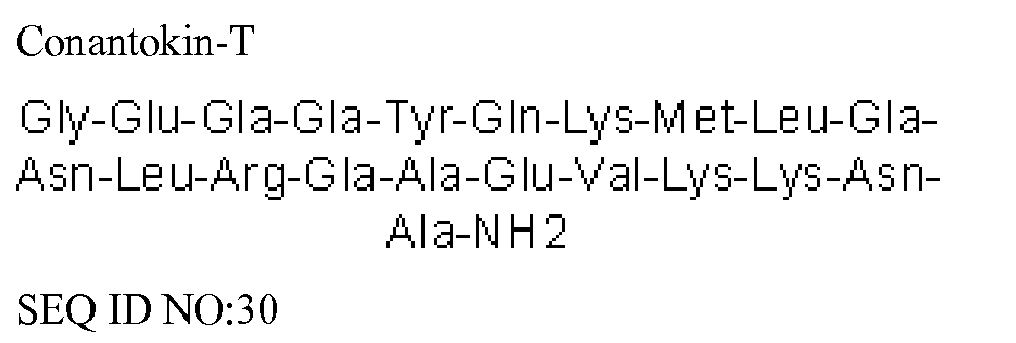
55 A NMDA receptor specific antisense nucleic acid. - In a particular embodiment, the NMDA inhibitor is an inhibitory antibody, a ribozyme, an interfering RNA, an inhibiting peptide specific for a NMDA or a NMDA receptor specific antisense nucleic acid.
- The definition, design strategy, synthesis, etc., of inhibitory antibodies, ribozyme, interfering RNA, inhibiting peptides specific for a NMDA specific antisense nucleic acid is essentially the same as it was described previously for AMPA receptor.
- Suitable NMDA receptor inhibitors include, between others, the compounds described in Table II. In a particular embodiment, the NMDA inhibitor is the antagonist memantine.
- Another aspect of the invention refers to a pharmaceutical composition which comprises of at least one NMDA receptor inhibitor, either wide spectrum or selective of a receptor subgroup, along with at least one pharmaceutically accepted excipient. Accepted excipients and ways of administration have been previously described.
- Another aspect of the invention refers to a pharmaceutical composition which comprises of at least one NMDA receptor inhibitor, either wide spectrum or selective of a receptor subgroup, along with at least one pharmaceutically accepted excipient for the treatment of Alzheimer.
- A further aspect of the present invention relates to a method of treating a subject with a disease associated with deposition of amyloid proteins. This method involves administering an AMPA receptor inhibitor to the subject under conditions effective to treat a disease associated with deposition of amyloid proteins.
- This aspect of the present invention is carried out in substantially the same manner as described above.
- Another aspect of the present invention relates to a method of inhibiting Ca2+-triggered central nervous system cell death which comprises contacting central nervous system cells with an AMPA receptor inhibitor under conditions effective to inhibit Ca2+-triggered central nervous system cell death, wherein the inhibitor inhibits the Ca2+ flow through the AMPA receptor. Causes of such central nervous system cell death include deposition of amyloid proteins. In a particular embodiment, this method can be used with brain or spinal cord cells which are neural cells (e.g., neurons, oligodendrocytes, or astrocytes) as well as with endothelial cells. Preferably, all of these cell types are from humans. In this case, the AMPA receptor inhibitor inhibits the release of cations through the AMPA receptor. In a preferred embodiment, the cells are neurons.
- In a particular embodiment, this method additionally comprises the contacting of a CNS cell with a NMDA receptor inhibitor under conditions effective to inhibit Ca2+-triggered brain or spinal cord cell death. This method can be also used with brain or spinal cord cells which are neural cells (e.g., neurons, oligodendrocytes, or astrocytes) as well as with endothelial cells. Preferably, all of these cell types are from humans. In this case, the NMDA receptor inhibitor inhibits the ion flow through the NMDA receptor.
- AMPA receptor inhibitors and NMDA receptor inhibitors have been described previously.
- In another embodiment the invention relates with a NMDA receptor inhibitor for use in the treatment of Alzheimer.
- In another aspect the invention relates with a method for identifying a compound useful for inhibiting the cellular death induced by amyloid proteins deposition for the treatment of a disease associated with deposition of amyloid proteins comprising:
- a) putting in contact a cell with an amyloid protein,;
- b) putting the cells resulting from step a) with the test compound; and
- c) determining the levels of Ca2+ and/or the levels of AMPA receptor activation in said cell,
- Disease associated with deposition of amyloid proteins and AMPA receptors have been described previously.
- In a first step [step a)], the method of the invention for identifying a therapeutic agent or screening method of the invention comprises putting in contact a cell with an amyloid protein. The different amyloid proteins have been described previously. In a preferred embodiment, the amyloid protein used in step a) is the Aβ peptide.
- In the present invention, as "cell" it is understand any single cell in culture alone or a plurality of cells in culture or forming part of a 3D (three-dimensional) structure such an organotypic culture. Thus, in the present invention the wording "culture" includes any of the above mention possibilities.
- Examples of cells that can be use in the method of the invention for identifying a therapeutic agent or screening method of the invention are, without limitation , primary cultures obtained from divers tissues as skin, blood, brain etc; immortalized cells obtained from primary cultures such as osteoblast, mioblast, fibroblast, stem cells, etc. In a preferred embodiment, the cells used are from neuronal origin (primary cultures of neurons or immortalized cells cultures like SN4741, IMR32, N-TERA, PC12, GN11, C1300).
- In another embodiment, the cells form a 3D structure denominated organotypic culture. In the present invention "organotypic culture" is any tridimensional culture form tissue that maintains in a high degree the structure, cellular connections and physiological characteristics from the tissue/organ where it has been extracted or dissected. (Gahwiler, 1981 J. Neurosci. Meth. 4, 329-42; Gahwiler 1984 Neuroscience. 11:751-60; Gahwiler 1988 Trends Neurosc. 11:484-9; Stoppini et al. 1991 J. Neuroscience Methods 37:173-82).
- Organotypic cultures can be extracted from any organ wherein the influence of amyloid protein deposition associated cellular death, such as the 1-42 Aβ depossition associated celular death, wants to be studied.
- In a particular embodiment, the tissue is brain tissue. As a person skilled in the art would understand, the organotypic culture used in the method of the invention, may contain many different regions of the brain and it will be made attending to the particular needs of each assay.
- Methods for making an organotypic culture are known by the person skilled in the art (Gahwiler, 1981 J. Neurosci. Meth. 4, 329-42; Gahwiler 1984 Neuroscience. 11:751-60; Gahwiler 1988 Trends Neurosc. 11:484-9; Stoppini et al. 1991 J. Neuroscience Methods 37:173-82). The brain can be from any non-human animal, preferible a vertebrate, such as mammal like a mice, a rat, etc. Said animal can a genetically modify animal or a non-genetically modify animal. Said genetically modify animals can be transgenic animals, namely animals that present inserted in their genome the sequence of a gene of interest (e.g. YFP as described in Winter SM et al., 2007 Respir Physiol Neurobiol. 159:108-14). Also animals with a blocked expression of a gene (i.e. knock out mice) can be used. Methods for the generation of said animals are well known by the person skilled in the art.
- One example of a brain organotypic culture is shown in the present application (see methods "Preparation of organotypic cultures").
- The cellular (or organotypic) culture is maintained in conditions that permit the survival of the cells of said cultures. Said conditions included, between others, adequate humidity, temperature, gases concentration, nutrients (culture medium) etc. Special incubators, well known by the person skilled in the art, can be used for reaching the previously mention conditions. The culture conditions would be defined for each particular cultured.
- Different cell culture mediums are known by the person skilled in the art (Vergni et al., 2009 PLoS ONE4(4):e5278, Chechneva et al., 2006 Neurobiol of Dis. 23(2):247-59).
- The expression "putting in contact a cell with an amyloid protein" refers to any process where the cell are put in contact with a amyloid protein such as the Aβ peptide, and includes any possible "in vitro" way of putting extracellular in contact said amyloid protein or any way of introducing said proteins to the cells.
- The amyloid proteins can be purchased or produced using chemical or biological synthesis as it is described in the examples of the present invention.
- The concentrations of the amyloid protein such as the Aβ peptide used in the screening method of the invention, when using cell cultures can be from between 0.001 µM and 40 µM, 0.05 µM and 30 µM, preferably between 0.15 µM y 10 µM, 0.3 and 5 µM, 0.1
µM y 2 µM. In a preferred embodiment, the cell culture is a neuronal cell culture and the concentration of Aβ peptide is from between 0.5 µM and 3 µM and more preferably de 1.25 µM. In another particular embodiment, the culture is an brain organotypic culture and the Aβ peptide concentration is from 10 nM and 1 µM, preferably 100 nM. - The step (b) of the screening method of the invention comprises the step of contacting the cell (i.e. single cell, a cell population or a organotypic culture) obtained in step a) with a compound whose capacity to inhibit the cellular death induced by amyloid proteins deposition through the AMPA receptor wants to be assessed. According to the present invention, "putting in contact" a cell with the candidate compound includes any possible way of taking the candidate compound extracellular or inside the cell (or cell population, or organotypic culture). Thus, in the event that the candidate compound is a molecule with low molecular weight, it is enough to add said molecule to the culture medium. In the event that the candidate compound is a molecule with a high molecular weight (for example, biological polymers such as a nucleic acid or a protein), it is necessary to provide the means so that this molecule can access the cell interior. In the event that the candidate molecule is a nucleic acid, conventional transfection means can be used, as described previously for the introduction of the DNA construct. In the event that the candidate compound is a protein, the cell can be put in contact with the protein directly or with the nucleic acid encoding it coupled to elements allowing its transcription / translation once they are in the cell interior. To that end, any of the aforementioned methods can be used to allow its entrance in the cell interior. Alternatively, it is possible to put the cell in contact with a variant of the protein to be studied which has been modified with a peptide which can promote the translocation of the protein to the cell interior, such as the Tat peptide derived from the HIV-1 TAT protein, the third helix of the Antennapedia homeodomain protein from D. melanogaster, the VP22 protein of the herpes simplex virus and arginine oligomers (Lindgren, A. et al., 2000, Trends Pharmacol. Sci, 21:99-103, Schwarze, S.R. et al., 2000, Trends Pharmacol. Sci., 21:45-48, Lundberg, M et al., 2003, Mol. Therapy 8:143-150 and Snyder, E.L. and Dowdy, S.F., 2004, Pharm. Res. 21:389-393).
- The compound to be assayed is preferably not isolated but forms part of a more or less complex mixture derived from a natural source or forming part of a library of compounds. Examples of libraries of compounds which can be assayed according to the method of the present invention include, but are not limited to, libraries of peptides including both peptides and peptide analogs comprising D-amino acids or peptides comprising non-peptide bonds, libraries of nucleic acids including nucleic acids with phosphothioate type non-phosphodiester bonds or peptide nucleic acids, libraries of antibodies, of carbohydrates, of compounds with a low molecular weight, preferably organic molecules, of peptide mimetics and the like. In the event that a library of organic compounds with a low molecular weight is used, the library can have been preselected so that it contains compounds which can access the cell interior more easily. The compounds can thus be selected based on certain parameters such as size, lipophilicity, hydrophilicity, capacity to form hydrogen bonds.
- The compounds to be assayed can alternatively form part of an extract obtained from a natural source. The natural source can be an animal, plant source obtained from any environment, including but not limited to extracts of land, air, marine organisms and the like.
- The incubation of the test compound is made a t different concentrations and times of incubation. The use of negative and positive controls is highly recommendable.
- The third step [step c)] comprises the determination of the levels of Ca2+ and/or the levels of AMPA receptor activation in said cell treated with the candidate compound.
- The Ca2+ measured can be cytosolic or mitochondrial. Methods that can be used for the determination of the levels of the cytosolic or mitochondrial Ca2+ have been described previously. The methods for determining the AMPA receptor activation in said cell treated with the candidate compound are well known by the person skilled in the art and included without limiting, electrophysiology methods or receptor binding assays. Alternately, FRET-biosensors can be used.
- In a particular embodiment, the third step of the screening method of the invention comprises additionally the measurements of the cell death levels or the viability of the culture. Methods for measuring the cell death levels or the viability of the culture are well known by the person skilled in the art. Non limitative examples are described in the present applications (see methods, "Cell viability and toxicity assays")
- In general it is consider that the compound would be potentially useful for the treatment of a disease associated with deposition of amyloid proteins, like disease associated with deposition of the Aβpeptide such as Alzheimer, if the levels of Ca2+ and /or the levels of AMPA receptor activation in said cell after the treatment of said cell with the test compound are lower than before the treatment.
- It is consider that the levels of Ca2+ and /or the levels of AMPA receptor activation in said cell after the treatment of said cell with the test compound are lower than before the treatment, when the Ca2+ and /or AMPA receptor activation levels are 2, 5, 10, 15, 20, 30, 40, 50, or 100 times lower than before the treatment of the cells with the compound.
- A person skilled in the art understands that if the lysis of the cell it is required for the measurements of the Ca2+ and/or AMPA receptor activation levels, then it would be necessary the use of a second culture that has not been treated with the test compound for comparing the results.
- Neurobasal medium, B27 supplement, foetal bovine serum, horse serum and other culture reagents were from Gibco (Invitrogen, Barcelona, Spain). Receptor antagonists MK801, DAP5 (AP5), and memantine were all obtained from Tocris (Cookson, Bristol, UK). CNQX and other chemicals were from Sigma (St Louis, MO, USA). The general caspase inhibitor ZVAD and the caspase-3 specific inhibitor DEVD were purchased in Peptides International (Louisville, KY, USA). DPQ, the PARP-1 inhibitor, was obtained from Calbiochem (La Jolla, CA, USA).
- Aβ1-42 oligomers were prepared as reported previously (W.L. Klein, et al. 2002. Neurochem. Int. 41 345-352). Briefly, Aβ1-42 (ABX, Radeberg, Germany) was initially dissolved to 1 mM in hexafluoroisopropanol (Sigma; St Louis, MO, USA) and separated into aliquots in sterile microcentrifuge tubes. Hexafluoroisopropanol was totally removed under vacuum in a speed vac system and the peptide film was stored desiccated at -80 °C. For the aggregation protocol, the peptide was first resuspended in dry DMSO (Sigma; St Louis, MO, USA) to a concentration of 5 mM and Hams F-12 (PromoCell, Labclinics, Barcelona, Spain) was added to bring the peptide to a final concentration of 100 µM and incubated at 4°C for 24 h. The preparation was then centrifuged at 14,000 x g for 10 min at 4°C to remove insoluble aggregates and the supernatants containing soluble Aβ1-42 was transferred to clean tubes and stored at 4°C.
- Primary neuron cultures were obtained from the cortical lobes of E18 Sprague-Dawley rat embryos according to previously described procedures (Gottlieb M. et al. 2006. Neurobiol. Dis. 23 374-386.) Cells were resuspended in B27 Neurobasal medium plus 10% FBS (Sigma; St Louis, MO, USA) and then seeded onto poly-1-ornithine-coated glass coverslips at 1x10⁵ cells per coverslip (12 mm in diameter) and 48-well plates at 1.5 x 10⁵ per well. One day later, the medium was replaced by serum-free-, B27-supplemented Neurobasal medium. The cultures were essentially free of astrocytes and microglia; they were maintained at 37°C and 5% CO2. Cultures were used 8-10 days after plating.
- Brain was removed and two hemispheres were separated in HBSS. Thalamus and midbrain was removed and each hemisphere sliced with a tissue chopper (McIlwan Tissue Chopper, Campden Instruments Ltd, Lafayette, IN, USA) in order to obtain coronal slices of 400 µm of thickness. Entorhinal cortex, in connection with hippocampus, were isolated under a dissection microscope, 2 slices plated on each Millicell CM culture inserts (Millipore Ibérica, Madrid, Spain) and maintained in Neurobasal medium supplemented with 0.5% B27, 25% horse serum, 25% HBSS and 25 mg/ml gentamycin at 37°C. Experiments were performed at 7-10 days in vitro. Cultures were immunostained with antibodies to neurofilament-L (NFL 1:200; Cell Signaling Technology, Boston; MA) and choline acetyltransferase (ChAT 40 µg/ml; Chemicon, Millipore Ibérica, Spain) and labelling was revealed with fluorescent goat anti-rabbit and donkey anti-goat secondary antibodies respectively (Alexa Fluor 488, Invitrogen, Barcelona, Spain)
- Whole-cell recordings were performed at room temperature using the EPC-7 patch-clamp amplifier (HEKA Elektronik, Lambrecht, Germany). Currents were recorded at a holding membrane potential of -70 mV. Extracellular bath solution with a pH of 7.3 contained the following (in mM): 140 NaCl, 5 KCl, 2.5 CaCl2, 1 MgCl2, 10 HEPES and 10 mM glucose. Patch-clamp pipettes (3-5 MΩ) were filled with internal solution at a pH of 7.3 containing the following (in mM): 140 K-gluconate, 1 CaCl2, 2 MgCl2, 10 HEPES, 10 EGTA, 2 Mg-ATP, 0.2 Na-GTP.
- [Ca2+]¡ was determined according to the method described previously (G. Grynkiewicz, et al. 1985. J. Biol. Chem. 260:3440-3450). Neurons were loaded with fura-2 AM (5 µM; Molecular Probes, Invitrogen, Barcelona, Spain) in culture medium for 30 min at 37°C. Cells were washed in HBSS containing 20 mM HEPES, pH 7.4, 10 mM glucose, and 2 mM CaCl2 (incubation buffer) for 10 min at room temperature. Experiments were performed in a coverslip chamber continuously perfused with incubation buffer at 4 ml/min. The perfusion chamber was mounted on the stage of a inverted epifluorescence microscope (Zeiss Axiovert 35; Oberkochen, Germany) equipped with a 150 W xenon lamp Polychrome IV (T.I.L.L. Photonics, Martinsried, Germany) and a Plan Neofluar 40 x oil immersion objective (Zeiss). Cells were visualized with a high-resolution digital black/white CCD camera (ORCA C4742-80-12 AG; Hamamatsu Photonics Iberica). [Ca2+]¡ was estimated by the 340/380 ratio method, using a Kd value of 224 nM. At the end of the assay, in situ calibration was performed with the successive addition of 10 mM ionomycin and 2 M Tris/50 mM EGTA, pH 8.5. Data were analyzed with Excel (Microsoft, Seattle, WA, USA) and Prism (GraphPad Software, San Diego, CA, USA) software.
- Rhod-2 AM (Molecular Probes, Invitrogen, Barcelona, Spain) was used to measure mitochondrial Ca2+ according to the previous procedure with modifications (G. Hajnóczky, L.D. et al. 1995. Cell 82 415-424) Rhod2-AM has a net positive charge, which facilitates its sequestration into mitochondria due to membrane potential-driven uptake. Cells were loaded with 2 µM rhod2-AM for 6 hours. The residual cytosolic fraction of the dye was eliminated when the cells were kept in culture for an additional 18h after loading, whereas the mitochondrial dye fluorescence was maintained. Fluorescence images of rhod-2 were acquired using 550 nm excitation and 590 nm emission. The fluorescence of rhod-2 was not calibrated in terms of [Ca2+]mit since it is not a ratiometric dye.
- Ca2+ levels in hippocampus were monitored by fluorescence microscopy using the Ca2+ indicator fluo-4 (Molecular Probes, Invitrogen, Barcelona, Spain). Slices were incubated with fluo-4-AM (5 µM and 0.01 % of pluronic acid) for 45 min at 37 °C. Experiments were performed in a chamber continuously perfused with incubation buffer. Drugs were perfused by a micromanifold with a quartz/polyimide tube of 200 µm ID, attached to a micromanipulator in order to perfuse the drugs directly to the cells. The perfusion chamber was mounted on the stage of a Leica DMLFSA up-right microscope equipped with a 150 W xenon lamp Polychrome V (T.I.L.L. Photonics, Martinsried, Germany) and a HCX Apo 40 x water immersion objective (Leica). Cells were visualized with a CCD camera (EM CCD 9100; Hamamatsu Photonics Iberica, Barcelona, Spain).
- Cortical neurons at 8-10 days in culture were exposed for 24 hours to Aβ oligomers. Antagonists and inhibitors were added to the
cultures 30 min before the Aβ. Twenty four hours after drug application, cellular damage was estimated by measuring the level of lactate dehydrogenase released (LDH; Cytotox 96®, Promega, Madison, WI) from damaged cells into the culture media. Data were normalized to the activity of LDH released from vehicle-treated cells (100%) and calculated as a percentage of the control. Results were expressed as the means ± SEM of at least three independent experiments performed in triplicates. - Hippocampus-entorhinal cultures were exposed to Aβ oligomers at 100 nM for 4 days. Antagonists were added to
cultures 30 min before the Aβ. Cell death in organotypic cultures was evaluated by cellular uptake of propidium iodide (PI). Slices were stained by adding 10 µM PI into the culture for 2 h at 37°C and washed with PBS by two times for 10 min. Slices were fixed with 4% PFA in PBS for 40 min at room temperature [24]. Afterwards, the slices were excited with 510―560 nm light and the emitted fluorescence acquired at 610 nm using a rhodamine filter on an inverted fluorescence microscope (Cell Observer Z1, Zeiss). PI fluorescence images were captured with a Plan NeoFluar 2.5 x objective (Zeiss), using an EM CCD camera (Hamamatsu, C9100-13), controlled by Axio Vision program (Zeiss). Images were analyzed with the ImageJ analysis program (NIH, MD, USA) and neuronal cell death was expressed as the percentage of the mean gray value of each treatment vs. control. - Neurons were exposed to Aβ oligomers alone or with GluR antagonists as described. Cells were loaded with CM-H2DCFDA at 30 µM to assay the ROS levels. Calcein-AM (1 µM; Molecular Probes, Invitrogen, Barcelona, Spain) was used to quantify the number of cells within the reading field. Fluorescence was measured using a Synergy-HT fluorimeter (Bio-Tek Instruments Incl, Beverly, MA, USA; excitation at 485 nm, emission at 527 nm). All experiments (n≥3) were performed at least in quadruplicate and plotted as means ± SEM.
- Neurons were exposed to Aβ oligomers alone or in presence of different drugs and changes in mitochondrial membrane potential were monitored by reduction of JC-1 (Molecular Probes, Invitrogen, Barcelona, Spain), according to the manufacturer protocol. Briefly, after drug treatment, cells were loaded with 3 µM JC-1 for 15 min at 37°C and were washed with HBSS without phenol red by two times to eliminate the excess of dye. In the cytosol the monomeric form of this dye fluoresces green (excitation at 485 nm, emission at 527 nm), whereas within the mitochondrial matrix highly concentrated JC-1 forms aggregates that fluoresce red (excitation at 485 nm, emission at 590 nm). Both JC-1 monomers and aggregates were detectable using a Synergy-HT fluorimeter (Bio-Tek Instruments Incl, Beverly, MA, USA) and the changes in mitochondrial potential were calculated as the red/green ratio in each condition. All experiments (n≥3) were performed at least in triplicate and plotted as meant SEM.
- Data are presented as means ± SEM. Statistical analysis was carried out with the Student t test and, in all instances, a value ofp < 0.05 was considered significant.
- Dysregulation of intracellular Ca2+ homeostasis may underlie Aβ peptide toxicity in AD but the mechanisms are unknown. Here, we tested whether the activation of ionotropic GluRs is involved in neuronal response to Aβ 1-42 oligomeric peptide. Previous studies have shown that Aβ oligomers produce reversible synapse loss (G.M. Shankar, et al. 2007. J. Neurosci. 27 2866-2875), neuronal oxidative stress and dynamin-1 degradation through an NMDA receptor dependent mechanism. First, using electrophysiological recording and Ca2+ imaging methods, it was studied whether soluble Aβ oligomers interact with NMDA receptor in neurons. Whole-cell patch-clamp recording was used to examine the effects of Aβ oligomers on cortical neurons in culture. In conditions which favour NMDA receptor activation (
glycine 100 µM and no Mg2+), Aβ oligomers (1 µM) induced an inward current in the majority of neurons examined (816 ± 101 pA; n=30). Preincubation of APS (100 µM), a competitive NMDA antagonist, reduced the peak of the currents (n=7). Silencing neural activity with TTX (1µM) or using a calcium-free extracellular bath solution did not attenuate the response to Aβ oligomers suggesting a direct interaction of the peptide with NMDA receptors (n= 11 and 13 respectively;Fig 1A ). - To characterize further the properties of Aβ responses, we next monitored the concentration of intracellular Ca2+ [Ca2+]¡ in cultured cortical neurons. We found that oligomeric Aβ (5 µM) caused a robust and sustained increase in [Ca2+]¡ (270 nM, n=42), which is nearly abolished by coapplication of NMDA receptor antagonists AP5, MK801 and memantine (n=70). Similarly, Aβ applied in Ca2+-free extracellular buffer containing EGTA 50 µM greatly reduced [Ca2+]¡ rise (n=11). In contrast, the voltage-gated Ca2+ channel inhibitors nifedipine and verapamil were ineffective (n=66;
Fig 1B ). - Together these results provide evidence indicating that Aβ oligomers activate NMDA receptors in cortical cultured neurons.
- Previous results have shown that Aβ(1-42) but not Aβ(1-40) closely interacts with synaptic AMPA receptors. Because of that, we next examined whether Aβ oligomers also activate AMPA receptors in cultured neurons. In the presence of Mg2+ and no glycine, Aβ (1µM) alone elicited a small current (43 ± 14 pA, n= 6) and co-applied with cyclothiazide (CTZ), an inhibitor of AMPA receptor desensitization, activated a sustained current (n=18;
Fig 2A ) that was blocked by the AMPA/kainate antagonist CNQX (n= 6;Fig 2A ). We then measured the effects of antagonists of NMDA or AMPA receptor on [Ca2+]¡ in neurons exposed to Aβ plus CTZ (5 µM and 100 µM, respectively;Fig 2B ). In these experimental conditions, Aβ oligomers increased the [Ca2+]¡ in 308 ± 44.7 nM (100 % of Ca2+ increase, control value, n=23) a level that was substantially reduced byCNQX 30 µM (50 ± 4 % of control, n=17) and byAP5 100 µM (45 ± 2 % of control, n=17;Fig. 2B ). Co-incubation with CNQX and AP5 further reduced [Ca2+]¡ to 14 ± 2 % of control (n=18;Fig. 2B ). Any facilitatory role of AMPA receptors on Aβ-induced NMDA receptor response was excluded since in physiological conditions (2 mM Mg2+, 0.1 mM Gly) CNQX did not modify the Aβ-produced inward current (98.3 ± 6.8 % Aβ + CNQX vs 100 % Aβ alone, n=6). These results indicate that Aβ oligomers in presence of CTZ activate AMPA receptors and, in these conditions, the contribution of both receptors to Ca2+ influx is substantial. - As illustrated above, NMDA and AMPA receptor activation by Aβ oligomers in neurons causes an increase in basal [Ca2+]¡ levels. Because GluRs mediate Ca2+-dependent―neuronal cell death, we tested whether activation of these receptors by Aβ is toxic to neurons. Incubation of Aβ oligomers for 24h caused neuronal death in a dose-dependent manner (
Fig 3A ). In turn, Aβ toxicity (5 µM; 15.2 ±1.8 % cell death vs. non-treated cells) was greatly attenuated by NMDA receptor antagonists AP5 100 µM, MK801 50 µM and memantine 50 µM and by AMPA/kainatereceptor antagonist CNQX 30 µM (Fig. 3B ). - Oligomeric Aβ peptides induce mitochondrial dependent-apoptotic cell death in cultured neurons. Damage to mitochondria can result in both caspase-dependent and - independent cell death. To characterize whether these two types of apoptosis are involved in GluR-mediated Aβ toxicity, we used the pan-caspase inhibitor ZVAD-F, a caspase-3 inhibitor Ac-DEVD-F and the nuclear enzyme poly (ADP-ribose) polymerase-1 (PARP-1) inhibitor DPQ. We observed that ZVAD-F (50 µM), DEVD (100 µM) and DPQ (30 µM) reduced Aβ-induced cell death (
Fig. 3C ). Aβ toxicity decreased further by blocking simultaneously caspase-3 and PARP-1 with DEVD + DPQ (Fig. 3C ). These results indicate that Aβ oligomers induce caspase-3- and PARP-1-dependent neuronal death via activation of NMDA and AMPA receptors. - To characterize further the signalling cascades triggered by Aβ oligomers, we next studied mitochondrial Ca2+ uptake in neurons with rhod-2 AM, a cationic indicator which loads selectively into respiring mitochondria. To assess that feature, we used FCCP 25 µM, a protonophore that collapses the mitochondria membrane potential and releases Ca2+ from mitochondria. As expected, FCCP induced a rapid and transitory reduction of rhod-2 fluorescence (
Fig 4A ). In these loading conditions, we assayed the effects of Aβ oligomers on [Ca2+]mit. Aβ 5 µM increased [Ca2+]mit levels with respect to the control assay (incubation buffer). Ca2+ rise was reduced by NMDA antagonist MK801, AP5 and memantine (Fig 4B and C ). These results indicate that Aβ induces mitochondrial Ca2+ overload and that this effect can be prevented by NMDA receptors antagonists. - The results shown that NMDA antagonists reduce Aβ-generated oxidative stress (
Fig. 4D ) and mitochondrial depolarization (Fig. 4E ) in cortical neurons. Incubation of neurons with Aβ (5 µM; 2 hours) increased ROS levels to 124 ± 7.8 % and reduced the mitochondrial potential to 75 ± 3% with respect to control (100%, non-treated cells). Both parameters were partially restored by NMDA receptor antagonists AP5 (102 ± 11 % and 90 ± 2 %, respectively) and MK801 (104 ± 3.4 % and 85 ± 3 %, respectively) and by AMPA receptor antagonist CNQX (106 ± 6.3 % and 86 ± 3 %, respectively;Fig.4D and E ). - Taken together, these results demonstrate that both NMDA and AMPA receptors mediate Aβ-induced mitochondrial dysfunction.
- Next it was examined if Aβoligomers induce Ca2+ and cell death in a more integral preparation. To that end, rganotypic cultures from entorhinal cortex and hippocampus, two regions that are profoundly affected early in Alzheimer's disease and cause cardinal symptoms of short-term memory loss were used (De Lacoste, M.C. et al. 1993. Neurobiol. Aging 14 1-16).
- Slices for organotypic cultures were prepared as to preserve major connections between entorhinal cortex and hippocampus. Thus, neurofilament immunofluorescence with antibodies to NFL revealed axons entering the hippocampus from the entorhinal cortex and layer preservation of these structures (
Fig. 5A , B and C). In addition, antibodies to choline acetyltransferase show cholinergic fibers and terminals in entorhinal cortex (Fig. 5 D) . - To monitor the effects of Aβ in these cultures, we measured Ca2+ levels after application of Aβ to neurons from CA1 in organotypic slices. We found that oligomeric Aβ (20 µM in the pipette) increased [Ca2+]¡ in those cells, and that this response was greatly reduced by MK801 (50 µM, n=9) and CNQX (30 µM, n=43) treatment (
Fig 5E ). Aβ-induced [Ca2+]¡ decreased further by blocking simultaneously NMDA and AMPA receptors with MK801+CNQX (n=50;Fig 5E ). In turn, Ca2+ responses elicited by kainate (1 mM) served as a positive control to evaluate the integrity of the culture (Fig. 5E ). - Finally, to test Aβ toxicity cultures were chronically incubated with low concentrations of Aβ oligomers (100 nM) for 4 days, and used PI fluorescence to measure cell death. PI uptake in slices exposed to Aβ showed 4.1 ± 1.0 and 3.8 ± 0.9 fold over the control slices (n=7) in hippocampus and entorhinal cortex respectively (
Fig. 5F-G ). Instead, co-incubation of GluR antagonists MK801 (10 µM) or CNQX (30 µM) with Aβ oligomers reduced PI uptake to 0.9 ± 0.2 and 1.3 ± 0.4 fold in hippocampus and to 1.2 ± 0.4 and 0.73 ± .01 fold in entorhinal cortex as compared to control slices treated with MK801 or CNQX alone (Fig 5F-G ). - Overall, these results indicate that Aβ induces cytosolic Ca2+ overload and cell death in organotypic cultures, and that antagonists of NMDA and AMPA receptors prevent both effects.


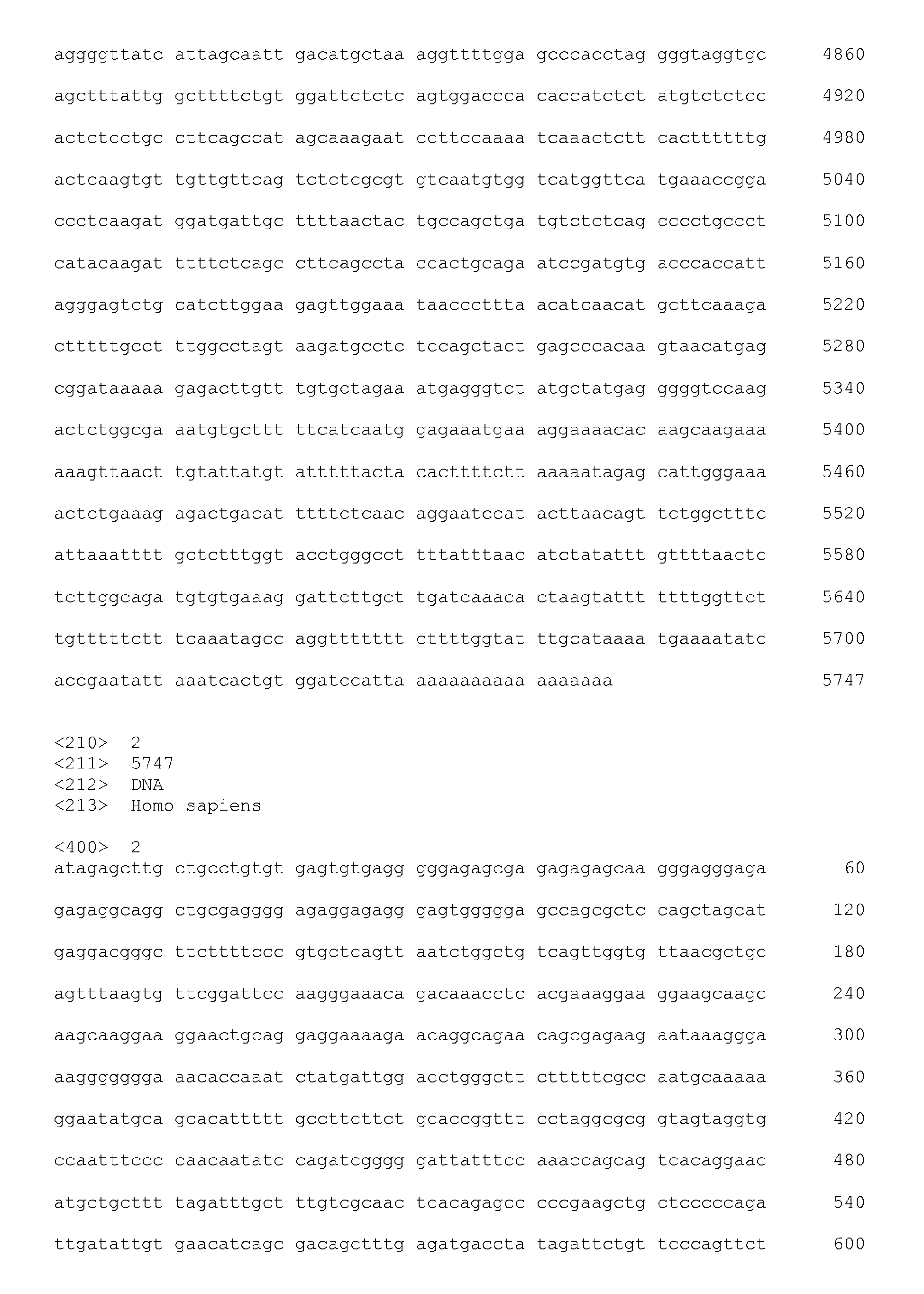


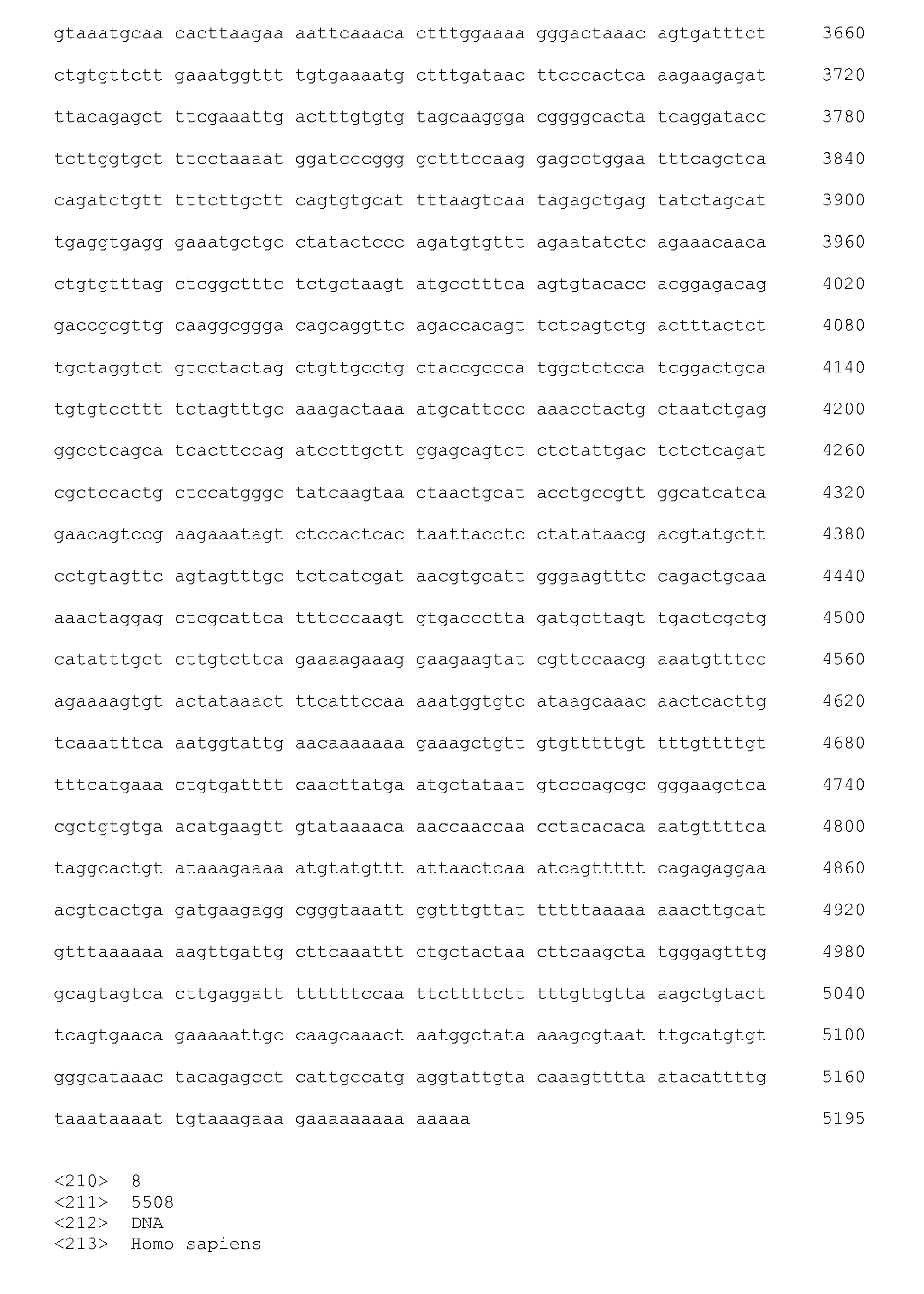


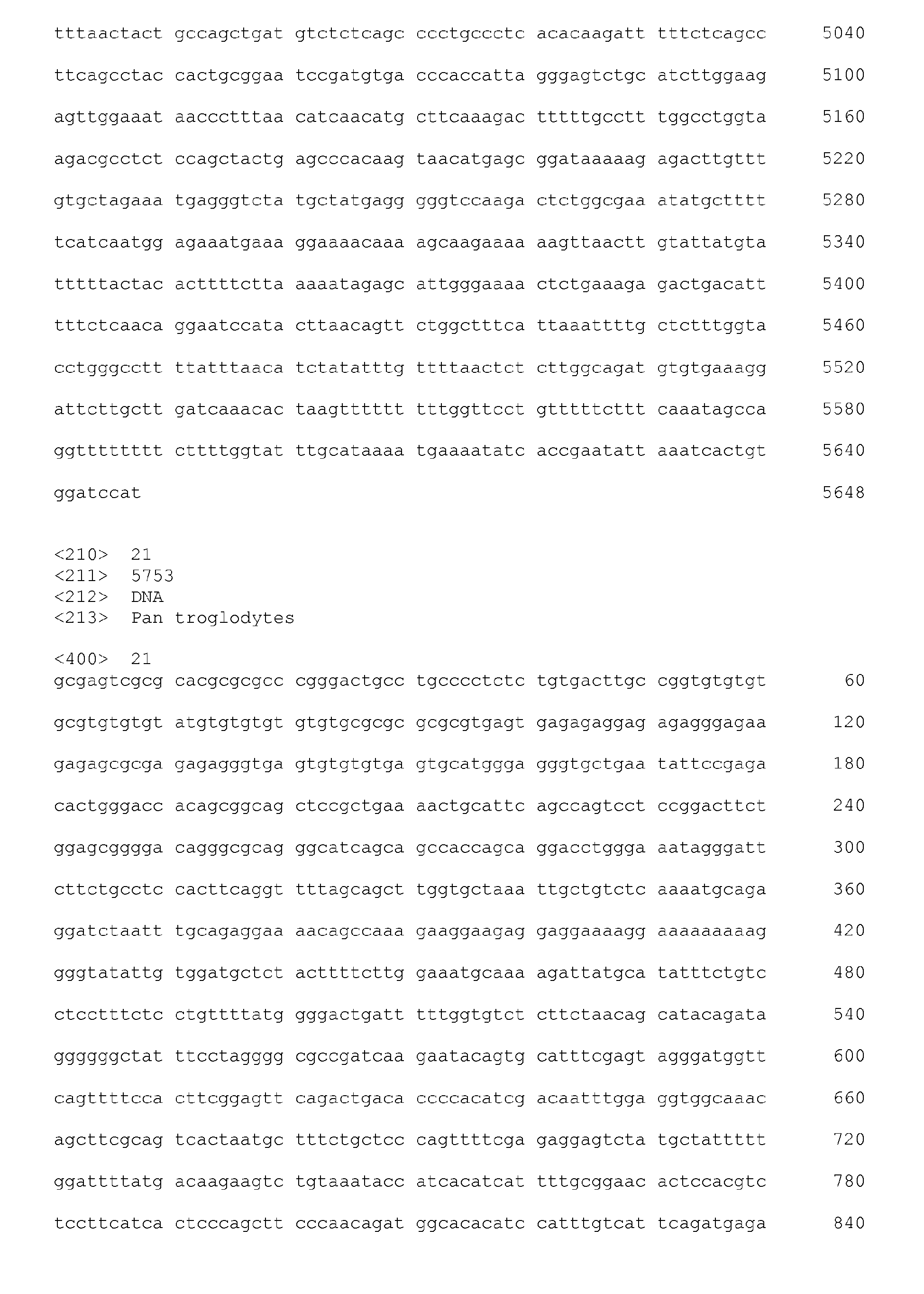


Claims (14)
- An AMPA receptor inhibitor for use in the treatment of a disease associated with deposition of amyloid proteins.
- AMPA receptor inhibitor according to claim, wherein the AMPA receptor inhibitor is selected from the compounds of Table I.
- AMPA receptor inhibitor according to any of the preceding claims, wherein the AMPA receptor inhibitor is selected from the group consisting of the compounds described in Table I and combinations thereof.
- AMPA receptor inhibitor according to any of the preceding claims, wherein the inhibitor is combined with an additional drug for the treatment of disease associated with deposition of amyloid proteins.
- AMPA receptor inhibitor according to claim 5, wherein said additional drug is a NMDA receptor inhibitor.
- AMPA receptor inhibitor according to claim 6, wherein the NMDA receptor inhibitor is selected from the compounds described in Table II or combinations thereof.
- AMPA receptor inhibitor according to any of the preceding claims, wherein the AMPA receptor inhibitor is administrated with a pharmaceutically acceptable carrier or excipient.
- AMPA receptor inhibitor according to any of the preceding claims, wherein the disease associated with deposition of amyloid proteins is a disease associated with deposition of Beta amyloid peptide.
- AMPA receptor inhibitor according to claim 9, wherein the disease is Alzheimer.
- A method of inhibiting Ca2+-triggered central nervous system cell death which comprises contacting central nervous system cells with an AMPA receptor inhibitor under conditions effective to inhibit Ca2+-triggered central nervous system cell death, wherein the inhibitor inhibits the Ca2+ flow through the AMPA receptor.
- The method according to claim 10, wherein the central nervous system cells are selected from the group consisting of astrocytes, neurons, oligodendrocytes, and combinations thereof.
- NMDA receptor inhibitor for use in the treatment of Alzheimer.
- Method for identifying a compound useful for inhibiting the cellular death induced by amyloid proteins deposition for the treatment of a disease associated with deposition of amyloid proteins comprising:a) putting in contact a cell with an amyloid protein,;b) putting the cell resulting from step a) with the test compound; andc) determining the levels of Ca2+ and/or the levels of AMPA receptor activation in said cell ,wherein if the levels of Ca2+ and/or the levels of AMPA receptor activation in said cell after the treatment of said cell with the test compound are lower than before the treatment, the test compound is able to inhibit the cellular death induced by amyloid proteins deposition and useful for the treatment of a disease associated with deposition of amyloid proteins.
- Method according to claim 13, wherein the amyloid protein is the Beta amyloid peptide.
Priority Applications (2)
| Application Number | Priority Date | Filing Date | Title |
|---|---|---|---|
| EP09382304A EP2338492A1 (en) | 2009-12-24 | 2009-12-24 | Methods and compositions for the treatment of alzheimer |
| PCT/EP2010/070720 WO2011076946A2 (en) | 2009-12-24 | 2010-12-24 | Methods and compositions for the treatment of alzheimer |
Applications Claiming Priority (1)
| Application Number | Priority Date | Filing Date | Title |
|---|---|---|---|
| EP09382304A EP2338492A1 (en) | 2009-12-24 | 2009-12-24 | Methods and compositions for the treatment of alzheimer |
Publications (1)
| Publication Number | Publication Date |
|---|---|
| EP2338492A1 true EP2338492A1 (en) | 2011-06-29 |
Family
ID=42144909
Family Applications (1)
| Application Number | Title | Priority Date | Filing Date |
|---|---|---|---|
| EP09382304A Withdrawn EP2338492A1 (en) | 2009-12-24 | 2009-12-24 | Methods and compositions for the treatment of alzheimer |
Country Status (2)
| Country | Link |
|---|---|
| EP (1) | EP2338492A1 (en) |
| WO (1) | WO2011076946A2 (en) |
Cited By (3)
| Publication number | Priority date | Publication date | Assignee | Title |
|---|---|---|---|---|
| KR20160023061A (en) * | 2014-08-21 | 2016-03-03 | 서울대학교산학협력단 | Pharmaceutical Composition Comprising Inhibitors of Phosphorylation of GluA1 Subunit of AMPA receptor for preventing or treating mental disorders |
| WO2019000145A1 (en) * | 2017-06-26 | 2019-01-03 | 深圳市博奥康生物科技有限公司 | Method for constructing recombinant cho cell highly expressing ampar |
| WO2019037130A1 (en) * | 2017-08-25 | 2019-02-28 | 深圳市博奥康生物科技有限公司 | Shrna of human ampar gene and application thereof |
Families Citing this family (2)
| Publication number | Priority date | Publication date | Assignee | Title |
|---|---|---|---|---|
| WO2021125920A1 (en) * | 2019-12-18 | 2021-06-24 | 한양대학교 산학협력단 | Method for alleviating cancer-induced pain through control of pain signals in central nervous system |
| EP4403185A4 (en) * | 2021-09-15 | 2025-10-08 | Univ Of The Ryukyus | Pharmaceutical composition for the treatment of cognitive decline or for the treatment of overweight or obesity |
Citations (26)
| Publication number | Priority date | Publication date | Assignee | Title |
|---|---|---|---|---|
| WO1988004300A1 (en) | 1986-12-03 | 1988-06-16 | University Patents, Inc. | Rna ribozyme polymerases, dephosphorylases, restriction endoribonucleases and methods |
| WO1988009810A1 (en) | 1987-06-11 | 1988-12-15 | Synthetic Genetics | Novel amphiphilic nucleic acid conjugates |
| US4816567A (en) | 1983-04-08 | 1989-03-28 | Genentech, Inc. | Recombinant immunoglobin preparations |
| WO1989005852A1 (en) | 1987-12-15 | 1989-06-29 | Macphillamy Cummins & Gibson | Ribozymes |
| WO1989010134A1 (en) | 1988-04-25 | 1989-11-02 | The Regents Of The University Of California | Chimeric peptides for neuropeptide delivery through the blood-brain barrier |
| US4975430A (en) * | 1989-06-16 | 1990-12-04 | The State Of Oregon Acting By And Through The State Board Of Education On Behalf Of The Oregon Health Sciences University | CNQX and its analogs as therapeutics for degenerative neural diseases |
| EP0404097A2 (en) | 1989-06-22 | 1990-12-27 | BEHRINGWERKE Aktiengesellschaft | Bispecific and oligospecific, mono- and oligovalent receptors, production and applications thereof |
| WO1992011012A1 (en) * | 1990-12-21 | 1992-07-09 | Schering Aktiengesellschaft Berlin Und Bergkamen | Use of quisqualate-receptor antagonists for treating parkinson's disease |
| US5176996A (en) | 1988-12-20 | 1993-01-05 | Baylor College Of Medicine | Method for making synthetic oligonucleotides which bind specifically to target sites on duplex DNA molecules, by forming a colinear triplex, the synthetic oligonucleotides and methods of use |
| WO1993008829A1 (en) | 1991-11-04 | 1993-05-13 | The Regents Of The University Of California | Compositions that mediate killing of hiv-infected cells |
| WO1993011161A1 (en) | 1991-11-25 | 1993-06-10 | Enzon, Inc. | Multivalent antigen-binding proteins |
| US5256775A (en) | 1989-06-05 | 1993-10-26 | Gilead Sciences, Inc. | Exonuclease-resistant oligonucleotides |
| US5264564A (en) | 1989-10-24 | 1993-11-23 | Gilead Sciences | Oligonucleotide analogs with novel linkages |
| EP0699676A1 (en) * | 1994-08-31 | 1996-03-06 | Eli Lilly And Company | Physical form of dihidro-2,3-benzodiazepine derivative |
| US5658570A (en) | 1991-07-25 | 1997-08-19 | Idec Pharmaceuticals Corporation | Recombinant antibodies for human therapy |
| US5767130A (en) * | 1989-10-20 | 1998-06-16 | Olney; John W. | Use of kainic acid antagonists to prevent toxic side effects of NMDA antagonists |
| WO1999006408A1 (en) * | 1997-07-31 | 1999-02-11 | Gyógyszerkutató Intézet Kft. | New 2,3-benzodiazepine derivatives |
| US6113898A (en) | 1995-06-07 | 2000-09-05 | Idec Pharmaceuticals Corporation | Human B7.1-specific primatized antibodies and transfectomas expressing said antibodies |
| US6251588B1 (en) | 1998-02-10 | 2001-06-26 | Agilent Technologies, Inc. | Method for evaluating oligonucleotide probe sequences |
| US20030055004A1 (en) * | 2001-05-24 | 2003-03-20 | Abood Norman A. | GPE analogs and peptidominetics |
| WO2003041655A2 (en) * | 2001-11-13 | 2003-05-22 | Loi Tran | Therapeutic agent composition and method of use |
| US6627755B1 (en) * | 1997-06-09 | 2003-09-30 | Pfizer Inc | Quinazolin-4-one AMPA antagonists |
| WO2005110056A2 (en) * | 2004-05-14 | 2005-11-24 | Northwestern University | Compositions comprising addl receptor syngap |
| WO2006112550A2 (en) * | 2005-04-20 | 2006-10-26 | Eisai R & D Management Co., Ltd. | A THERAPEUTIC AGENT FOR Aβ RELATED DISORDERS |
| US20080188510A1 (en) * | 2005-05-23 | 2008-08-07 | Eisai R & D Management Co., Ltd. | Novel methods using zonisamide |
| WO2009114718A2 (en) * | 2008-03-12 | 2009-09-17 | University Of Miami | Methods and assays for detecting and treating hypoglycemia |
Family Cites Families (67)
| Publication number | Priority date | Publication date | Assignee | Title |
|---|---|---|---|---|
| US5395827A (en) | 1986-04-09 | 1995-03-07 | Guilford Pharmaceuticals Inc. | ω-[2-(phosphonoalkyl)phenyl]-2-aminoalkanoic acids as antagonists of excitatory amino acid receptors |
| US4812458A (en) | 1986-09-16 | 1989-03-14 | A/S Ferrosan | 6,7-disubstituted-2,3-dihydroxyquinoxaline compounds, pharmaceutical compositions thereof, and their use as neuroleptics |
| NO179551C (en) | 1987-11-10 | 1996-10-30 | Novo Nordisk As | Analogous Process for Preparing Therapeutically Effective Quinoxaline Compounds |
| DK160941C (en) | 1988-06-28 | 1991-10-21 | Novo Nordisk As | CONDENSED 2,3-DIHYDROXYPYRAZINES, THEIR PROCEDURES FOR THEIR PREPARATION AND PHARMACEUTICAL PREPARATIONS CONTAINING THE COMPOUNDS |
| DK716188D0 (en) | 1988-12-22 | 1988-12-22 | Ferrosan As | QUINOXAL COMPOUNDS, THEIR PREPARATION AND USE |
| DK715888D0 (en) | 1988-12-22 | 1988-12-22 | Ferrosan As | QUINOXAL COMPOUNDS, THEIR PREPARATION AND USE |
| US5270306A (en) | 1990-04-13 | 1993-12-14 | Neurosearch A/S | Method of antagonizing excitatory amino acids by administration of imidazobenzodiazepine compounds |
| US5268378A (en) | 1990-05-31 | 1993-12-07 | Merck Sharp & Dohme, Limited | Dioxo-tetrahydroquinoline derivatives |
| ATE128136T1 (en) | 1990-05-31 | 1995-10-15 | Merck Sharp & Dohme | DIOXO-TETRAHYDROCINOLINE DERIVATIVES. |
| GB9022785D0 (en) | 1990-10-19 | 1990-12-05 | Merck Sharp & Dohme | Therapeutic agents |
| WO1992007847A1 (en) | 1990-11-06 | 1992-05-14 | Yamanouchi Pharmaceutical Co., Ltd. | Fused pyrazine derivative |
| US5192792A (en) | 1990-12-07 | 1993-03-09 | Warner-Lambert Company | Isatine derivatives, and their method of use |
| US5521174A (en) | 1990-12-21 | 1996-05-28 | Gyogyszerkutato Intezet Kv. | N-acyl-2,3-benzodiazepine derivatives and a method of treating spasms of the skeletal musculature therewith |
| US5519019A (en) | 1990-12-21 | 1996-05-21 | Gyogyszerkutato Intezet | N-acyl-2,3-benzoidazepine derivatives, pharmaceutical compositions containing them and process for preparing same |
| US5639751A (en) | 1990-12-21 | 1997-06-17 | Cyogyszerkutato Intezet Kft | N-acyl-2,3-benzodiazepine derivatives for treating acute and chronic neurodegenerative disorders |
| US5164404A (en) | 1991-03-15 | 1992-11-17 | Neurosearch A/S | Hydrazone derivatives and their use |
| DK73091D0 (en) * | 1991-04-22 | 1991-04-22 | Novo Nordisk As | QUINOXAL COMPOUNDS, THEIR PREPARATION AND USE |
| DK0603301T3 (en) | 1991-09-09 | 1998-09-14 | Warner Lambert Co | Pharmaceutical preparation containing a uricosuricon and an excitatory amino acid antagonist |
| DK162491D0 (en) | 1991-09-20 | 1991-09-20 | Novo Nordisk As | Heterocyclic compounds, their preparation and pharmaceutical preparations containing the compounds |
| WO1993005772A1 (en) | 1991-09-26 | 1993-04-01 | Nova Pharmaceutical Corporation | φ-[2-(PHOSPHONOALKYL)PHENYL]-2-AMINOALKANOIC ACIDS AS ANTAGONISTS OF EXCITATORY AMINO ACID RECEPTORS |
| GB9125515D0 (en) | 1991-11-29 | 1992-01-29 | Merck Sharp & Dohme | Therapeutic agents |
| GB9125485D0 (en) | 1991-11-29 | 1992-01-29 | Merck Sharp & Dohme | Therapeutic agents |
| GB9206266D0 (en) | 1992-03-23 | 1992-05-06 | Merck Sharp & Dohme | Therapeutic agents |
| GB9210393D0 (en) | 1992-05-15 | 1992-07-01 | Merck Sharp & Dohme | Therapeutic agents |
| ATE404201T1 (en) | 1992-06-22 | 2008-08-15 | Univ California | GLYCINE RECEPTOR ANTAGONISTS AND THEIR USE |
| US5284957A (en) | 1992-09-03 | 1994-02-08 | Eli Lilly And Company | Excitatory amino acid receptor antagonists |
| US5356902A (en) | 1992-11-06 | 1994-10-18 | Eli Lilly And Company | Decahydroisoquinoline compounds as excitatory amino acid receptor antagonists |
| US5364876A (en) | 1992-12-02 | 1994-11-15 | Guilford Pharmaceuticals Inc. | Omega-[2-(alkyl)phenyl]-2-aminoalkanoic acids as antagonists of excitatory amino acid receptors |
| US5342946A (en) | 1992-12-02 | 1994-08-30 | Guilford Pharmaceuticals Inc. | Phosphonoalkylquinolin-2-ones as novel antagonists of non-NMDA ionotropic excitatory amino acid receptors |
| DK31093D0 (en) | 1993-03-19 | 1993-03-19 | Novo Nordisk As | |
| IL109397A0 (en) | 1993-04-28 | 1994-07-31 | Schering Ag | Quinoxalinedione derivatives, processes for the preparation thereof and pharmaceutical compositions containing the same |
| DE69401583T2 (en) | 1993-05-06 | 1997-06-12 | Novonordisk As | [1,2,4-TRIAZOLO [4,3-a] CHINOXALINE COMPOUNDS THE PRODUCTION AND USE THEREOF |
| US5376784A (en) | 1993-06-17 | 1994-12-27 | Weinberger; Lester | Hybrid organic-inorganic bistable nonlinear optical device |
| FR2707645B1 (en) | 1993-07-16 | 1995-08-11 | Rhone Poulenc Rorer Sa | Imidazo [1,2-a] pirazine-4-one derivatives, their preparation and drugs containing them. |
| US5631373A (en) | 1993-11-05 | 1997-05-20 | State Of Oregon, Acting By And Through The Oregon State Board Of Higher Education, Acting For And On Behalf Of The Oregon Health Sciences University And The University Of Oregon, Eugene Oregon | Alkyl, azido, alkoxy, and fluoro-substituted and fused quinoxalinediones |
| EP0660423B1 (en) | 1993-12-27 | 2000-02-23 | International Superconductivity Technology Center | Superconductor and method of producing same |
| AU688459B2 (en) | 1994-04-08 | 1998-03-12 | Shionogi & Co., Ltd. | Oxopyridinylquinoxaline derivative |
| US5580877A (en) | 1994-04-25 | 1996-12-03 | Merck Sharp & Dohme Ltd. | Pyrazolo-quinoline derivatives for treating cerebral ischemia |
| US5446051A (en) | 1994-05-31 | 1995-08-29 | Eli Lilly And Company | Aryl-spaced decahydroisoquinoline-3-carboxylic acids as excitatory amino acid receptor antagonists |
| DE4428152A1 (en) | 1994-06-22 | 1996-01-04 | Basf Ag | New amido-quinoxalinediones, their production and use |
| EP0784054B1 (en) * | 1994-09-27 | 2001-11-28 | Yamanouchi Pharmaceutical Co. Ltd. | 1,2,3,4-tetrahydroquinoxalinedione derivatives and use as glutamate receptor antagonists |
| DE4436852A1 (en) | 1994-10-14 | 1996-04-18 | Basf Ag | Pyrrolyl-tetrahydrobenzoquinoxalinediones, their preparation and use |
| FR2726275B1 (en) | 1994-11-02 | 1996-12-06 | Rhone Poulenc Rorer Sa | SPIRO HETEROCYCLE-IMIDAZO (1,2-A) INDENO (1,2-E) PYRAZINE) -4'- ONES, THEIR PREPARATION AND THE MEDICINAL PRODUCTS CONTAINING IT |
| US5721234A (en) | 1994-12-07 | 1998-02-24 | Warner-Lambert Company | Glutamate receptor antagonists: fused cycloalkylouinoxalinediones |
| HU224435B1 (en) | 1995-02-09 | 2005-10-28 | EGIS Gyógyszergyár Rt. | Benzodiazepine derivatives, process for producing them, their use and pharmaceutical compositions containing them |
| AU4423496A (en) | 1995-03-14 | 1996-10-02 | Warner-Lambert Company | Novel glutamate (ampa/kainate) receptor antagonists: n-substituted fused azacycloalkylquinoxalinediones |
| DE19519979A1 (en) | 1995-05-24 | 1996-11-28 | Schering Ag | New quinoxalinedione derivatives, their production and use in pharmaceuticals |
| US5654303A (en) | 1995-06-07 | 1997-08-05 | Warner-Lambert Company | Alkyl amine derivatives of substituted quinoxaline 2,3-diones as glutamate receptor antagonists |
| US5614508A (en) | 1995-06-07 | 1997-03-25 | Warner-Lambert Company | Amino acid derivatives of substituted quinoxaline 2,3-dione derivatives as glutamate receptor antagonists |
| FR2738821B1 (en) | 1995-09-15 | 1997-11-21 | Rhone Poulenc Rorer Sa | INDENO [1,2-E] PYRAZIN-4-ONES, THEIR PREPARATION AND THE MEDICINAL PRODUCTS CONTAINING THEM |
| DE19545251A1 (en) | 1995-11-24 | 1997-05-28 | Schering Ag | New quinoxalinedione derivatives, their production and use in pharmaceuticals |
| FR2743365A1 (en) | 1996-01-10 | 1997-07-11 | Rhone Poulenc Rorer Sa | DERIVATIVES OF 5H, 10H-IMIDAZO (1,2-A) INDOLO (3,2-E) PYRAZINE-4-ONE, THEIR PREPARATION AND THE MEDICINAL PRODUCTS CONTAINING THEM |
| FR2743364A1 (en) | 1996-01-10 | 1997-07-11 | Rhone Poulenc Rorer Sa | DERIVATIVES OF 5H, 10H-IMIDAZO (1,2-A) INDENO (1,2-E) PYRAZINE-4-ONE, THEIR PREPARATION AND THE MEDICINAL PRODUCTS CONTAINING THEM |
| FR2743363A1 (en) | 1996-01-10 | 1997-07-11 | Rhone Poulenc Rorer Sa | 5H, 10H-IMIDAZO (1,2-A) INDENO (1,2-E) PYRAZINE-A-ONES SUBSTITUTED IN POSITION 2, THEIR PREPARATION AND THE MEDICINAL PRODUCTS CONTAINING THEM |
| DE19604919A1 (en) | 1996-02-01 | 1997-08-07 | Schering Ag | New 2,3-benzodiazepine derivatives, their production and use as medicines |
| US5891871A (en) | 1996-03-21 | 1999-04-06 | Cocensys, Inc. | Substituted 2,3-benzodiazepin-4-ones and the use thereof |
| HU9600871D0 (en) | 1996-04-04 | 1996-05-28 | Gyogyszerkutato Intezet | New 2,3-benzodiazepine derivatives |
| UA52698C2 (en) | 1996-10-04 | 2003-01-15 | Х. Луннбек А/С | (3-Alkoxyisoxazol-4-yl)-substituted 2-amino carboxylic acid derivatives |
| US6060479A (en) | 1997-06-09 | 2000-05-09 | Pfizer Inc | Quinazoline-4-one AMPA antagonists |
| RU2208014C2 (en) | 1997-08-12 | 2003-07-10 | Эгиш Дьёдьсердьяр Рт. | Derivatives of 1,3-dioxol[4,5-h][2,3]benzodiazepine as inhibitors of ampa/kainate receptor, method for their preparing, pharmaceutical composition based on thereof and method of treatment |
| GB9908175D0 (en) * | 1999-04-09 | 1999-06-02 | Lilly Co Eli | Method of treating neurological disorders |
| EP1370240A4 (en) * | 2001-03-02 | 2004-09-22 | Neuron Therapeutics Inc | Neuroprotectants formulations and methods |
| US20040152694A1 (en) | 2003-02-04 | 2004-08-05 | Istvan Kurucz | Methods and compositions for treating inflammatory disorders of the airways |
| GB0310868D0 (en) * | 2003-05-12 | 2003-06-18 | Novartis Ag | Organic compounds |
| US20060089335A1 (en) | 2003-10-14 | 2006-04-27 | Guosong Liu | Compositions and methods for enhancing cognitive function and synaptic plasticity |
| WO2008088820A2 (en) | 2007-01-16 | 2008-07-24 | The Johns Hopkins University | Glutamate receptor antagonists and methods of use |
| JP2010524844A (en) * | 2007-04-26 | 2010-07-22 | エーザイ・アール・アンド・ディー・マネジメント株式会社 | Cinnamide compounds for dementia |
-
2009
- 2009-12-24 EP EP09382304A patent/EP2338492A1/en not_active Withdrawn
-
2010
- 2010-12-24 WO PCT/EP2010/070720 patent/WO2011076946A2/en not_active Ceased
Patent Citations (28)
| Publication number | Priority date | Publication date | Assignee | Title |
|---|---|---|---|---|
| US4816567A (en) | 1983-04-08 | 1989-03-28 | Genentech, Inc. | Recombinant immunoglobin preparations |
| US5093246A (en) | 1986-12-03 | 1992-03-03 | University Patents, Inc. | Rna ribozyme polymerases, dephosphorylases, restriction endoribo-nucleases and methods |
| WO1988004300A1 (en) | 1986-12-03 | 1988-06-16 | University Patents, Inc. | Rna ribozyme polymerases, dephosphorylases, restriction endoribonucleases and methods |
| WO1988009810A1 (en) | 1987-06-11 | 1988-12-15 | Synthetic Genetics | Novel amphiphilic nucleic acid conjugates |
| WO1989005852A1 (en) | 1987-12-15 | 1989-06-29 | Macphillamy Cummins & Gibson | Ribozymes |
| WO1989010134A1 (en) | 1988-04-25 | 1989-11-02 | The Regents Of The University Of California | Chimeric peptides for neuropeptide delivery through the blood-brain barrier |
| US5176996A (en) | 1988-12-20 | 1993-01-05 | Baylor College Of Medicine | Method for making synthetic oligonucleotides which bind specifically to target sites on duplex DNA molecules, by forming a colinear triplex, the synthetic oligonucleotides and methods of use |
| US5256775A (en) | 1989-06-05 | 1993-10-26 | Gilead Sciences, Inc. | Exonuclease-resistant oligonucleotides |
| US4975430A (en) * | 1989-06-16 | 1990-12-04 | The State Of Oregon Acting By And Through The State Board Of Education On Behalf Of The Oregon Health Sciences University | CNQX and its analogs as therapeutics for degenerative neural diseases |
| EP0404097A2 (en) | 1989-06-22 | 1990-12-27 | BEHRINGWERKE Aktiengesellschaft | Bispecific and oligospecific, mono- and oligovalent receptors, production and applications thereof |
| US5767130A (en) * | 1989-10-20 | 1998-06-16 | Olney; John W. | Use of kainic acid antagonists to prevent toxic side effects of NMDA antagonists |
| US5264564A (en) | 1989-10-24 | 1993-11-23 | Gilead Sciences | Oligonucleotide analogs with novel linkages |
| WO1992011012A1 (en) * | 1990-12-21 | 1992-07-09 | Schering Aktiengesellschaft Berlin Und Bergkamen | Use of quisqualate-receptor antagonists for treating parkinson's disease |
| US5658570A (en) | 1991-07-25 | 1997-08-19 | Idec Pharmaceuticals Corporation | Recombinant antibodies for human therapy |
| WO1993008829A1 (en) | 1991-11-04 | 1993-05-13 | The Regents Of The University Of California | Compositions that mediate killing of hiv-infected cells |
| WO1993011161A1 (en) | 1991-11-25 | 1993-06-10 | Enzon, Inc. | Multivalent antigen-binding proteins |
| EP0699676A1 (en) * | 1994-08-31 | 1996-03-06 | Eli Lilly And Company | Physical form of dihidro-2,3-benzodiazepine derivative |
| US6113898A (en) | 1995-06-07 | 2000-09-05 | Idec Pharmaceuticals Corporation | Human B7.1-specific primatized antibodies and transfectomas expressing said antibodies |
| US6627755B1 (en) * | 1997-06-09 | 2003-09-30 | Pfizer Inc | Quinazolin-4-one AMPA antagonists |
| US20040049039A1 (en) | 1997-06-09 | 2004-03-11 | Pfizer Inc | Quinazolin-4-one ampa antagonists |
| WO1999006408A1 (en) * | 1997-07-31 | 1999-02-11 | Gyógyszerkutató Intézet Kft. | New 2,3-benzodiazepine derivatives |
| US6251588B1 (en) | 1998-02-10 | 2001-06-26 | Agilent Technologies, Inc. | Method for evaluating oligonucleotide probe sequences |
| US20030055004A1 (en) * | 2001-05-24 | 2003-03-20 | Abood Norman A. | GPE analogs and peptidominetics |
| WO2003041655A2 (en) * | 2001-11-13 | 2003-05-22 | Loi Tran | Therapeutic agent composition and method of use |
| WO2005110056A2 (en) * | 2004-05-14 | 2005-11-24 | Northwestern University | Compositions comprising addl receptor syngap |
| WO2006112550A2 (en) * | 2005-04-20 | 2006-10-26 | Eisai R & D Management Co., Ltd. | A THERAPEUTIC AGENT FOR Aβ RELATED DISORDERS |
| US20080188510A1 (en) * | 2005-05-23 | 2008-08-07 | Eisai R & D Management Co., Ltd. | Novel methods using zonisamide |
| WO2009114718A2 (en) * | 2008-03-12 | 2009-09-17 | University Of Miami | Methods and assays for detecting and treating hypoglycemia |
Non-Patent Citations (103)
| Title |
|---|
| "Antibodies: A Laboratory Manual", 1988, COLD SPRING HARBOR PRESS |
| "Pluckthun in The Pharmacology of Monoclonal Antibodies", vol. 113, 1994, SPRINGER-VERLAG, pages: 269 - 315 |
| "YM 900. YM 90K.", DRUGS IN R&D JAN 1999 LNKD- PUBMED:10565984, vol. 1, no. 1, January 1999 (1999-01-01), pages 42 - 43, XP008125826, ISSN: 1174-5886 * |
| ARMSTRONG N, NATURE, vol. 395, no. 6705, 1998, pages 913 - 7 |
| BEEN ET AL., CELL, vol. 47, 1986, pages 207 - 216 |
| BERNOIST; CHAMBON, NATURE, vol. 290, 1981, pages 304 - 310 |
| BIBBIANI F ET AL: "Combined blockade of AMPA and NMDA glutamate receptors reduces levodopa-induced motor complications in animal models of PD", EXPERIMENTAL NEUROLOGY, vol. 196, no. 2, December 2005 (2005-12-01), pages 422 - 429, XP002582746, ISSN: 0014-4886 * |
| BIRIKH ET AL., EUR J BIOCHEM, vol. 245, 16 January 1997 (1997-01-16) |
| BOEHM J. ET AL., NEURON, vol. 51, no. 2, 2006, pages 213 - 25 |
| BRINSTER ET AL., NATURE, vol. 296, 1982, pages 39 - 42 |
| CARTER ET AL., PROC. NATL. ACAD. SCI. USA, vol. 89, 1992, pages 4285 |
| CHADD; CHAMOW, CURR. OPIN. BIOTECHNOL., vol. 12, no. 2001, pages 188 - 194 |
| CHECHNEVA ET AL., NEUROBIOL OF DIS., vol. 23, no. 2, 2006, pages 247 - 59 |
| DE FEYTER; GAUDRON: "Expressing Ribozymes in Plants", vol. 74, HUMANA PRESS INC., article "Methods in Molecular Biology" |
| DE LACOSTE, M.C. ET AL., NEUROBIOL. AGING, vol. 14, 1993, pages 1 - 16 |
| DELGADO JY, J. NEUROSCI., vol. 27, no. 48, 2007, pages 13210 - 21 |
| EGLOM ET AL., NATURE, vol. 365, 1993, pages 566 |
| ELBASHIR ET AL., GENES DEV., vol. 15, 2001, pages 188 - 200 |
| ELBASHIR ET AL., NATURE, vol. 411, 2001, pages 494 - 8 |
| FERNANDEZ, CURR. OP. BIOTECH., vol. 15, 2004, pages 364 - 373 |
| G. GRYNKIEWICZ ET AL., J. BIOL. CHEM., vol. 260, 1985, pages 3440 - 3450 |
| G. HAJN6CZKY ET AL., CELL, vol. 82, 1995, pages 415 - 424 |
| G. HAJN6CZKY, L.D. ET AL., CELL, vol. 82, 1995, pages 415 - 424 |
| G.M. SHANKAR ET AL., J. NEUROSCI., vol. 27, 2007, pages 2866 - 2875 |
| GAHWILER, J. NEUROSCI. METH., vol. 4, 1981, pages 329 - 42 |
| GAHWILER, NEUROSCIENCE, vol. 11, 1984, pages 751 - 60 |
| GAHWILER, NEUROSCIENCE., vol. 11, 1984, pages 751 - 60 |
| GAHWILER, TRENDS NEUROSC., vol. 11, 1988, pages 484 - 9 |
| GAUTIER ET AL., NUCL. ACIDS RES., vol. 15, 1987, pages 6625 - 6641 |
| GILLESPIE, P. ET AL., BIOPOLYMERS, vol. 43, 1997, pages 191 - 217 |
| GOTTLIEB M. ET AL., NEUROBIOL. DIS., vol. 23, 2006, pages 374 - 386 |
| GREGER IH ET AL., NEURON, vol. 34, no. 5, 2002, pages 759 - 72 |
| GREGER IH ET AL., TRENDS NEUROSCI., vol. 30, no. 8, 2007, pages 407 - 16 |
| HASELOFF; GERLACH, NATURE, vol. 334, 1988, pages 585 - 591 |
| HAYASHI Y. ET AL., SCIENCE, vol. 287, no. 5461, 2000, pages 2262 - 7 |
| HELENE ET AL., ANN. N.Y. ACAD. SCI., vol. 660, 1992, pages 27 - 36 |
| HELENE, ANTICANCER DRUG DES., vol. 6, no. 6, 1991, pages 569 - 84 |
| HOLLINGER ET AL., PROC. NATL. ACAD. SCI. USA, vol. 90, 1993, pages 6444 - 6448 |
| INOUE ET AL., FEBS LETT., vol. 215, 1987, pages 327 - 330 |
| INOUE ET AL., NUCL. ACIDS RES., vol. 15, 1987, pages 6131 - 6148 |
| JAEGER ET AL., METHODS ENZYMOL, vol. 183, 1989, pages 281 - 306 |
| JAEGER ET AL., PROC. NATL. ACAD. SCI. USA, vol. 86, 1989, pages 7706 |
| JAKOBOVITS ET AL., NATURE, vol. 362, 1993, pages 255 - 258 |
| JAKOBOVITS ET AL., PROC. MAD. ACAD. SCI. USA, vol. 90, 1993, pages 255 1 |
| JOHNSON; KEVIN S.; CHISWELL, DAVID J., CURRENT OPINION IN STRUCTURAL BIOLOGY, vol. 3, 1993, pages 564 - 57 1 |
| JONES ET AL., NATURE, vol. 321, 1986, pages 522 - 525 |
| KADIEVA M G ET AL: "Antagonists of AMPA/KA and NMDA (glycine site) glutamate receptors", PHARMACEUTICAL CHEMISTRY JOURNAL 200802 US LNKD- DOI:10.1007/S11094-008-0063-4, vol. 42, no. 2, February 2008 (2008-02-01), pages 72 - 80, XP002582747 * |
| KAWASAKI ET AL., NATURE, vol. 393, 1998, pages 284 - 9 |
| KESSLER M ET AL., MOLECULAR PHARMACOLOGY, vol. 49, no. 1, January 1996 (1996-01-01), pages 123 - 131 |
| KOHLER; MILSTEIN, NATURE, vol. 256, 1975, pages 495 |
| KOSEKI ET AL., J VIROL, vol. 73, 1999, pages 1868 - 77 |
| KROL ET AL., BIOTECHNIQUES, vol. 6, 1988, pages 958 - 976 |
| KUWABARA ET AL., MOL. CELL, vol. 2, 1998, pages 617 - 27 |
| KUWABARA ET AL., NATURE BIOTECHNOL., vol. 16, 1998, pages 961 - 5 |
| KUWABARA ET AL., PROC NATL ACAD SCI USA, vol. 96, 1999, pages 1886 - 91 |
| LEMAITRE ET AL., PROC. NATL. ACAD. SCI., vol. 84, 1987, pages 648 - 652 |
| LEONARD AS ET AL., J. BIOL. 1998. CHEM., vol. 273, no. 31, 1998, pages 19518 - 24 |
| LETSINGER ET AL., PROC. NATL. ACAD. SCI. U.S.A., vol. 86, 1989, pages 6553 - 6556 |
| LINDGREN, A. ET AL., TRENDS PHARMACOL. SCI, vol. 21, 2000, pages 99 - 103 |
| LOUZADA JUNIOR PAULO ROBERTO ET AL: "Dual role of glutamatergic neurotransmission on amyloid beta1-42 aggregation and neurotoxicity in embryonic avian retina", NEUROSCIENCE LETTERS, vol. 301, no. 1, 23 March 2001 (2001-03-23), pages 59 - 63, XP002597271, ISSN: 0304-3940 * |
| LUNDBERG, M ET AL., MOL. THERAPY, vol. 8, 2003, pages 143 - 150 |
| MAHER, BIOASSAYS, vol. 14, no. 12, 1992, pages 807 - 15 |
| MATZEN L. ET AL., J. MED. CHEM., vol. 40, no. 4, 1997, pages 520 - 527 |
| MAYER, M. L., CURRENT OPINION IN NEUROBIOLOGY, vol. 15, no. 3, 2005, pages 282 - 288 |
| MCCAFFERTY ET AL., NATURE, vol. 348, 1990, pages 552 - 553 |
| MILLSTEIN ET AL., NATURE, vol. 305, 1983, pages 537 - 539 |
| MILNER ET AL., NAT BIOTECHNOL, vol. 15, 1997, pages 537 - 41 |
| NEWMAN ET AL., BIOTECHNOLOGY, vol. 10, 1992, pages 1458 - 1460 |
| NEWMAN, BIOTECHNOLOGY, vol. 10, 1992, pages 1455 - 1460 |
| OLSON, G.L ET AL., J. MED. CHEM., vol. 36, 1993, pages 3039 - 3049 |
| PASSAFARO M ET AL., NATURE, vol. 424, no. 6949, 2003, pages 677 - 81 |
| PATZEL; SCZAKIEL, NAT BIOTECHNOL, vol. 16, 1998, pages 64 - 8 |
| PERRIMAN ET AL., PROC. NATL. ACAD. SCI. USA, vol. 92, 1995, pages 6175 - 79 |
| PERRY-O'KEEFE ET AL., PROC. NATL. ACAD. SCI. U.S.A., vol. 93, 1996, pages 14670 |
| PRESTA ET AL., J. IMMUNOL., vol. 151, 1993, pages 2623 |
| REICHMANN ET AL., NATURE, vol. 332, 1988, pages 323 - 327 |
| ROSSI, CURRENT BIOLOGY, vol. 4, 1994, pages 469 - 471 |
| RUEL J ET AL: "Negative allosteric modulation of AMPA-preferring receptors by the selective isomer GYKI 53784 (LY303070), a specific non-competitive AMPA antagonist", CNS DRUG REVIEWS 200209 US, vol. 8, no. 3, September 2002 (2002-09-01), pages 235 - 254, XP002582749, ISSN: 1080-563X * |
| SCHAPIRA A H V ET AL: "Novel pharmacological targets for the treatment of Parkinson's disease", NATURE REVIEWS DRUG DISCOVERY 200610 GB LNKD- DOI:10.1038/NRD2087, vol. 5, no. 10, October 2006 (2006-10-01), pages 845 - 854, XP002582748 * |
| SCHMIDT, EUR. J. BIOCHEM., vol. 268, 2001, pages 1730 - 1738 |
| SCHWARZE, S.R. ET AL., TRENDS PHARMACOL. SCI., vol. 21, 2000, pages 45 - 48 |
| SHI S.H. ET AL., SCIENCE, vol. 284, no. 5421, pages 1811 - 6 |
| SNYDER, E.L.; DOWDY, S.F., PHARM. RES., vol. 21, 2004, pages 389 - 393 |
| SONG I. ET AL., TRENDS NEUROSCI., vol. 25, no. 11, pages 578 - 88 |
| SPILLER ET AL., J. IMMUNOL. METHODS, vol. 224, 1999, pages 51 - 60 |
| STEIN ET AL., CANCER RES, vol. 48, 1988, pages 2659 - 2668 |
| STOPPINI ET AL., J. NEUROSCIENCE METHODS, vol. 37, 1991, pages 173 - 82 |
| TANABE ET AL., NATURE, vol. 406, 2000, pages 473 - 4 |
| TRAUNECKER ET AL., EMBO J, vol. 10, 1991, pages 3655 - 3659 |
| TURNER ET AL., ANNU. REV. BIOPHYS. BIOPHYS. CHEM., vol. 17, 1988, pages 167 |
| VALERA ELVIRA ET AL: "Neuroprotection against excitotoxicity by N-alkylglycines in rat hippocampal neurons.", NEUROMOLECULAR MEDICINE, vol. 2, no. 3, 2002, pages 271 - 280, XP002597272, ISSN: 1535-1084 * |
| VAN DER KROL ET AL., BIOTECHNIQUES, vol. 6, 1988, pages 958 - 976 |
| VERGNI ET AL., PLOS ONE, vol. 4, no. 4, 2009, pages E5278 |
| VERHOEYEN ET AL., SCIENCE, vol. 239, 1988, pages 1534 - 1536 |
| W.L. KLEIN ET AL., NEUROCHEM. INT., vol. 41, 2002, pages 345 - 352 |
| WAGNER ET AL., PROC. NATL. ACAD. SCI. U.S.A., vol. 78, 1981, pages 1441 - 1445 |
| WAGNER, NATURE, vol. 372, 1994, pages 333 |
| WINTER SM ET AL., RESPIR PHYSIOL NEUROBIOL., vol. 159, 2007, pages 108 - 14 |
| YAMAMOTO ET AL., CELL, vol. 22, 1980, pages 787 - 797 |
| ZAUG ET AL., NATURE, vol. 324, 1986, pages 429 - 433 |
| ZAUG ET AL., SCIENCE, vol. 224, 1984, pages 574 - 578 |
| ZAUG ET AL., SCIENCE, vol. 231, 1986, pages 470 - 475 |
| ZON, PHARM. RES., vol. 5, 1988, pages 539 - 549 |
Cited By (3)
| Publication number | Priority date | Publication date | Assignee | Title |
|---|---|---|---|---|
| KR20160023061A (en) * | 2014-08-21 | 2016-03-03 | 서울대학교산학협력단 | Pharmaceutical Composition Comprising Inhibitors of Phosphorylation of GluA1 Subunit of AMPA receptor for preventing or treating mental disorders |
| WO2019000145A1 (en) * | 2017-06-26 | 2019-01-03 | 深圳市博奥康生物科技有限公司 | Method for constructing recombinant cho cell highly expressing ampar |
| WO2019037130A1 (en) * | 2017-08-25 | 2019-02-28 | 深圳市博奥康生物科技有限公司 | Shrna of human ampar gene and application thereof |
Also Published As
| Publication number | Publication date |
|---|---|
| WO2011076946A2 (en) | 2011-06-30 |
| WO2011076946A3 (en) | 2011-08-25 |
Similar Documents
| Publication | Publication Date | Title |
|---|---|---|
| Mulder et al. | Anti‐migraine Calcitonin Gene–Related Peptide Receptor Antagonists Worsen Cerebral Ischemic Outcome in Mice | |
| Zhao et al. | Amelioration of ischemic mitochondrial injury and Bax‐dependent outer membrane permeabilization by Mdivi‐1 | |
| EP2900236B2 (en) | Treatment of wolfram syndrome-related neurodegeneration | |
| JP2019131621A (en) | Therapeutic pharmaceutical composition for treatment of dry eyes | |
| KR20110067041A (en) | Methods and Compositions for Treating Cancer | |
| EP2338492A1 (en) | Methods and compositions for the treatment of alzheimer | |
| US20180110837A1 (en) | Methods and assays relating to macrophage differentiation | |
| AU2002305738B2 (en) | Treating neuropathic/inflammatory pain by targeting a composition (e.g.ZD7288) to HCN pacemaker channels | |
| EP2825173B1 (en) | Calmodulin inhibitors for the treatment of ribosomal disorders and ribosomapathies | |
| WO2017208174A2 (en) | Methods of treating disease with pfkfb3 inhibitors | |
| AU2002305738A1 (en) | Treating neuropathic/inflammatory pain by targeting a composition (e.g.ZD7288) to HCN pacemaker channels | |
| AU2002305809A1 (en) | Treating pain by targeting hyperpolarization-activated, cyclic nucleotide-gated channels | |
| Westmark et al. | Rescue of Fmr1KO phenotypes with mGluR5 inhibitors: MRZ-8456 versus AFQ-056 | |
| Hong et al. | MCC950 alleviates seizure severity and angiogenesis by inhibiting NLRP3/IL-1β signaling pathway-mediated pyroptosis in mouse model of epilepsy | |
| WO2012164103A2 (en) | Blockers of the nogo-a s1pr pathway for the treatment of diseases characterized by neuronal damage and lack of subsequent repair | |
| WO2018058098A1 (en) | Compounds and methods for treating or preventing alzheimer's disease | |
| JP2009521470A (en) | Treatment of synuclein disorder | |
| EP3383429B1 (en) | Nmdar antagonists for the treatment of tumor angiogenesis | |
| EP2322149A1 (en) | Methods and compositions for the treatment of ischemia | |
| ES2412955B1 (en) | USE OF TRPA1 RECEIVER ANTAGONISTS FOR THE TREATMENT OF DISEASES ASSOCIATED WITH BACTERIAL INFECTIONS. | |
| WO2025174777A1 (en) | Oligonucleotides targeting chmp2b and methods of use thereof | |
| US20220071955A1 (en) | Methods of Treatment, Prevention and Diagnosis |
Legal Events
| Date | Code | Title | Description |
|---|---|---|---|
| PUAI | Public reference made under article 153(3) epc to a published international application that has entered the european phase |
Free format text: ORIGINAL CODE: 0009012 |
|
| AK | Designated contracting states |
Kind code of ref document: A1 Designated state(s): AT BE BG CH CY CZ DE DK EE ES FI FR GB GR HR HU IE IS IT LI LT LU LV MC MK MT NL NO PL PT RO SE SI SK SM TR |
|
| STAA | Information on the status of an ep patent application or granted ep patent |
Free format text: STATUS: THE APPLICATION IS DEEMED TO BE WITHDRAWN |
|
| 18D | Application deemed to be withdrawn |
Effective date: 20111230 |