EP2121933B1 - Use of alanine racemase genes to confer nematode resistance to plants - Google Patents
Use of alanine racemase genes to confer nematode resistance to plants Download PDFInfo
- Publication number
- EP2121933B1 EP2121933B1 EP08708634A EP08708634A EP2121933B1 EP 2121933 B1 EP2121933 B1 EP 2121933B1 EP 08708634 A EP08708634 A EP 08708634A EP 08708634 A EP08708634 A EP 08708634A EP 2121933 B1 EP2121933 B1 EP 2121933B1
- Authority
- EP
- European Patent Office
- Prior art keywords
- polynucleotide
- plant
- sequence
- seq
- polypeptide
- Prior art date
- Legal status (The legal status is an assumption and is not a legal conclusion. Google has not performed a legal analysis and makes no representation as to the accuracy of the status listed.)
- Not-in-force
Links
- 241000244206 Nematoda Species 0.000 title claims abstract description 99
- 108010041525 Alanine racemase Proteins 0.000 title claims abstract description 36
- 108091033319 polynucleotide Proteins 0.000 claims abstract description 112
- 102000040430 polynucleotide Human genes 0.000 claims abstract description 112
- 239000002157 polynucleotide Substances 0.000 claims abstract description 112
- 230000009261 transgenic effect Effects 0.000 claims abstract description 48
- 238000000034 method Methods 0.000 claims abstract description 44
- 239000013604 expression vector Substances 0.000 claims abstract description 22
- 230000001965 increasing effect Effects 0.000 claims abstract description 21
- 241000196324 Embryophyta Species 0.000 claims description 248
- 229920001184 polypeptide Polymers 0.000 claims description 35
- 102000004196 processed proteins & peptides Human genes 0.000 claims description 35
- 108090000765 processed proteins & peptides Proteins 0.000 claims description 35
- 230000014509 gene expression Effects 0.000 claims description 34
- 230000001105 regulatory effect Effects 0.000 claims description 26
- 244000068988 Glycine max Species 0.000 claims description 17
- 235000010469 Glycine max Nutrition 0.000 claims description 14
- 238000013518 transcription Methods 0.000 claims description 13
- 230000035897 transcription Effects 0.000 claims description 13
- 240000008042 Zea mays Species 0.000 claims description 12
- 240000007594 Oryza sativa Species 0.000 claims description 11
- 235000007164 Oryza sativa Nutrition 0.000 claims description 11
- 235000002017 Zea mays subsp mays Nutrition 0.000 claims description 11
- 235000021307 Triticum Nutrition 0.000 claims description 10
- 235000009566 rice Nutrition 0.000 claims description 10
- 240000005979 Hordeum vulgare Species 0.000 claims description 9
- 244000061456 Solanum tuberosum Species 0.000 claims description 9
- 235000016383 Zea mays subsp huehuetenangensis Nutrition 0.000 claims description 9
- 235000009973 maize Nutrition 0.000 claims description 9
- 235000011299 Brassica oleracea var botrytis Nutrition 0.000 claims description 8
- 240000003259 Brassica oleracea var. botrytis Species 0.000 claims description 8
- 235000007340 Hordeum vulgare Nutrition 0.000 claims description 8
- 241000219195 Arabidopsis thaliana Species 0.000 claims description 7
- 244000075850 Avena orientalis Species 0.000 claims description 7
- 240000002791 Brassica napus Species 0.000 claims description 7
- 244000082988 Secale cereale Species 0.000 claims description 7
- 235000002595 Solanum tuberosum Nutrition 0.000 claims description 7
- 235000011684 Sorghum saccharatum Nutrition 0.000 claims description 7
- 108700019146 Transgenes Proteins 0.000 claims description 7
- 235000002566 Capsicum Nutrition 0.000 claims description 6
- 244000299507 Gossypium hirsutum Species 0.000 claims description 6
- 241000209082 Lolium Species 0.000 claims description 6
- 235000007238 Secale cereale Nutrition 0.000 claims description 6
- 240000003768 Solanum lycopersicum Species 0.000 claims description 6
- 240000007124 Brassica oleracea Species 0.000 claims description 5
- 235000007688 Lycopersicon esculentum Nutrition 0.000 claims description 5
- 238000009395 breeding Methods 0.000 claims description 5
- 240000007087 Apium graveolens Species 0.000 claims description 4
- 235000015849 Apium graveolens Dulce Group Nutrition 0.000 claims description 4
- 235000010591 Appio Nutrition 0.000 claims description 4
- 235000016068 Berberis vulgaris Nutrition 0.000 claims description 4
- 241000335053 Beta vulgaris Species 0.000 claims description 4
- 235000006008 Brassica napus var napus Nutrition 0.000 claims description 4
- 235000003899 Brassica oleracea var acephala Nutrition 0.000 claims description 4
- 235000011301 Brassica oleracea var capitata Nutrition 0.000 claims description 4
- 235000017647 Brassica oleracea var italica Nutrition 0.000 claims description 4
- 235000001169 Brassica oleracea var oleracea Nutrition 0.000 claims description 4
- 229920000742 Cotton Polymers 0.000 claims description 4
- 235000002767 Daucus carota Nutrition 0.000 claims description 4
- 244000000626 Daucus carota Species 0.000 claims description 4
- 235000003228 Lactuca sativa Nutrition 0.000 claims description 4
- 240000008415 Lactuca sativa Species 0.000 claims description 4
- 241000209510 Liliopsida Species 0.000 claims description 4
- 235000017587 Medicago sativa ssp. sativa Nutrition 0.000 claims description 4
- 235000002637 Nicotiana tabacum Nutrition 0.000 claims description 4
- 244000061176 Nicotiana tabacum Species 0.000 claims description 4
- 239000006002 Pepper Substances 0.000 claims description 4
- 235000016761 Piper aduncum Nutrition 0.000 claims description 4
- 240000003889 Piper guineense Species 0.000 claims description 4
- 235000017804 Piper guineense Nutrition 0.000 claims description 4
- 235000008184 Piper nigrum Nutrition 0.000 claims description 4
- 240000004713 Pisum sativum Species 0.000 claims description 4
- 235000010582 Pisum sativum Nutrition 0.000 claims description 4
- 235000007319 Avena orientalis Nutrition 0.000 claims description 3
- 235000007558 Avena sp Nutrition 0.000 claims description 3
- 240000004658 Medicago sativa Species 0.000 claims description 3
- 235000018290 Musa x paradisiaca Nutrition 0.000 claims description 3
- 244000098338 Triticum aestivum Species 0.000 claims description 3
- 230000001488 breeding effect Effects 0.000 claims description 3
- 241001233957 eudicotyledons Species 0.000 claims description 3
- 240000005561 Musa balbisiana Species 0.000 claims 2
- 240000003829 Sorghum propinquum Species 0.000 claims 2
- 108090000623 proteins and genes Proteins 0.000 description 56
- 210000004027 cell Anatomy 0.000 description 44
- 241000894007 species Species 0.000 description 36
- 210000001519 tissue Anatomy 0.000 description 28
- 108020004414 DNA Proteins 0.000 description 27
- 241000498254 Heterodera glycines Species 0.000 description 22
- 230000009466 transformation Effects 0.000 description 22
- 230000003071 parasitic effect Effects 0.000 description 21
- 239000013598 vector Substances 0.000 description 18
- 235000018102 proteins Nutrition 0.000 description 17
- 102000004169 proteins and genes Human genes 0.000 description 17
- 230000001939 inductive effect Effects 0.000 description 16
- 150000007523 nucleic acids Chemical class 0.000 description 14
- 241000588724 Escherichia coli Species 0.000 description 13
- 210000002706 plastid Anatomy 0.000 description 12
- 102000039446 nucleic acids Human genes 0.000 description 11
- 108020004707 nucleic acids Proteins 0.000 description 11
- 150000001413 amino acids Chemical class 0.000 description 10
- 208000031513 cyst Diseases 0.000 description 10
- 235000013601 eggs Nutrition 0.000 description 10
- 125000003729 nucleotide group Chemical group 0.000 description 10
- 210000000056 organ Anatomy 0.000 description 10
- 235000001014 amino acid Nutrition 0.000 description 9
- 239000002773 nucleotide Substances 0.000 description 9
- 239000013612 plasmid Substances 0.000 description 9
- 239000002689 soil Substances 0.000 description 9
- 238000006467 substitution reaction Methods 0.000 description 9
- 206010061217 Infestation Diseases 0.000 description 8
- 241000209140 Triticum Species 0.000 description 8
- 229940024606 amino acid Drugs 0.000 description 8
- 241000589158 Agrobacterium Species 0.000 description 7
- 206010011732 Cyst Diseases 0.000 description 7
- 244000038559 crop plants Species 0.000 description 7
- 241000219194 Arabidopsis Species 0.000 description 6
- 241001442498 Globodera Species 0.000 description 6
- 241001480224 Heterodera Species 0.000 description 6
- 241000243785 Meloidogyne javanica Species 0.000 description 6
- 238000004422 calculation algorithm Methods 0.000 description 6
- 230000006870 function Effects 0.000 description 6
- 108091032973 (ribonucleotides)n+m Proteins 0.000 description 5
- 241000219823 Medicago Species 0.000 description 5
- 241001143352 Meloidogyne Species 0.000 description 5
- 108091028043 Nucleic acid sequence Proteins 0.000 description 5
- 239000003550 marker Substances 0.000 description 5
- 108020004999 messenger RNA Proteins 0.000 description 5
- 101100204479 Arabidopsis thaliana SWEET12 gene Proteins 0.000 description 4
- 235000011331 Brassica Nutrition 0.000 description 4
- 241000219198 Brassica Species 0.000 description 4
- 241000219193 Brassicaceae Species 0.000 description 4
- 241000207199 Citrus Species 0.000 description 4
- 241000220485 Fabaceae Species 0.000 description 4
- DHMQDGOQFOQNFH-UHFFFAOYSA-N Glycine Chemical compound NCC(O)=O DHMQDGOQFOQNFH-UHFFFAOYSA-N 0.000 description 4
- 241000219071 Malvaceae Species 0.000 description 4
- 241000208292 Solanaceae Species 0.000 description 4
- 240000006394 Sorghum bicolor Species 0.000 description 4
- 125000000539 amino acid group Chemical group 0.000 description 4
- 238000004166 bioassay Methods 0.000 description 4
- 230000001276 controlling effect Effects 0.000 description 4
- 235000013399 edible fruits Nutrition 0.000 description 4
- 235000021374 legumes Nutrition 0.000 description 4
- 230000001404 mediated effect Effects 0.000 description 4
- AYEKOFBPNLCAJY-UHFFFAOYSA-O thiamine pyrophosphate Chemical compound CC1=C(CCOP(O)(=O)OP(O)(O)=O)SC=[N+]1CC1=CN=C(C)N=C1N AYEKOFBPNLCAJY-UHFFFAOYSA-O 0.000 description 4
- 238000012546 transfer Methods 0.000 description 4
- 241000589156 Agrobacterium rhizogenes Species 0.000 description 3
- 244000105624 Arachis hypogaea Species 0.000 description 3
- 235000005781 Avena Nutrition 0.000 description 3
- QNAYBMKLOCPYGJ-UWTATZPHSA-N D-alanine Chemical compound C[C@@H](N)C(O)=O QNAYBMKLOCPYGJ-UWTATZPHSA-N 0.000 description 3
- QNAYBMKLOCPYGJ-UHFFFAOYSA-N D-alpha-Ala Natural products CC([NH3+])C([O-])=O QNAYBMKLOCPYGJ-UHFFFAOYSA-N 0.000 description 3
- 241000220223 Fragaria Species 0.000 description 3
- 241000219146 Gossypium Species 0.000 description 3
- 235000009438 Gossypium Nutrition 0.000 description 3
- 241001481225 Heterodera avenae Species 0.000 description 3
- 241000379510 Heterodera schachtii Species 0.000 description 3
- 241000209219 Hordeum Species 0.000 description 3
- QNAYBMKLOCPYGJ-REOHCLBHSA-N L-alanine Chemical compound C[C@H](N)C(O)=O QNAYBMKLOCPYGJ-REOHCLBHSA-N 0.000 description 3
- 241000220225 Malus Species 0.000 description 3
- 240000003183 Manihot esculenta Species 0.000 description 3
- 241001287835 Meloidogynidae Species 0.000 description 3
- 208000000291 Nematode infections Diseases 0.000 description 3
- 241000208125 Nicotiana Species 0.000 description 3
- 241000209094 Oryza Species 0.000 description 3
- 241000209046 Pennisetum Species 0.000 description 3
- 241000209504 Poaceae Species 0.000 description 3
- 241000209056 Secale Species 0.000 description 3
- 244000062793 Sorghum vulgare Species 0.000 description 3
- 108700005078 Synthetic Genes Proteins 0.000 description 3
- 241000209149 Zea Species 0.000 description 3
- 229960003767 alanine Drugs 0.000 description 3
- 235000020971 citrus fruits Nutrition 0.000 description 3
- 238000011161 development Methods 0.000 description 3
- 230000018109 developmental process Effects 0.000 description 3
- 210000002257 embryonic structure Anatomy 0.000 description 3
- 230000002068 genetic effect Effects 0.000 description 3
- 238000009396 hybridization Methods 0.000 description 3
- 235000015097 nutrients Nutrition 0.000 description 3
- 244000052769 pathogen Species 0.000 description 3
- 230000001717 pathogenic effect Effects 0.000 description 3
- 239000000126 substance Substances 0.000 description 3
- 230000008685 targeting Effects 0.000 description 3
- 235000013311 vegetables Nutrition 0.000 description 3
- 241000228158 x Triticosecale Species 0.000 description 3
- 241001075517 Abelmoschus Species 0.000 description 2
- 241000207875 Antirrhinum Species 0.000 description 2
- 241000208838 Asteraceae Species 0.000 description 2
- 241001460030 Cactodera Species 0.000 description 2
- 240000008574 Capsicum frutescens Species 0.000 description 2
- 240000000024 Cercis siliquastrum Species 0.000 description 2
- 241000871189 Chenopodiaceae Species 0.000 description 2
- 241000207782 Convolvulaceae Species 0.000 description 2
- 241000219112 Cucumis Species 0.000 description 2
- 235000010071 Cucumis prophetarum Nutrition 0.000 description 2
- 241000219122 Cucurbita Species 0.000 description 2
- 240000001980 Cucurbita pepo Species 0.000 description 2
- 241000219104 Cucurbitaceae Species 0.000 description 2
- 241001444943 Dolichodera Species 0.000 description 2
- 241000209215 Eleusine Species 0.000 description 2
- 235000007351 Eleusine Nutrition 0.000 description 2
- 241000147019 Enterobacter sp. Species 0.000 description 2
- 241001522750 Escherichia coli CFT073 Species 0.000 description 2
- 241000312064 Escherichia coli O139:H28 str. E24377A Species 0.000 description 2
- 241000010756 Escherichia coli O157:H7 str. EDL933 Species 0.000 description 2
- LFQSCWFLJHTTHZ-UHFFFAOYSA-N Ethanol Chemical compound CCO LFQSCWFLJHTTHZ-UHFFFAOYSA-N 0.000 description 2
- 241000221017 Euphorbiaceae Species 0.000 description 2
- 241000234642 Festuca Species 0.000 description 2
- 108010068561 Fructose-Bisphosphate Aldolase Proteins 0.000 description 2
- 241001460043 Globodera millefolii Species 0.000 description 2
- 241001489135 Globodera pallida Species 0.000 description 2
- 241001442497 Globodera rostochiensis Species 0.000 description 2
- 241000921106 Globodera virginiae Species 0.000 description 2
- 108010068370 Glutens Proteins 0.000 description 2
- 239000004471 Glycine Substances 0.000 description 2
- 241000208818 Helianthus Species 0.000 description 2
- 241000040385 Heterodera cajani Species 0.000 description 2
- 241000040487 Heterodera trifolii Species 0.000 description 2
- 241000580313 Heterodera zeae Species 0.000 description 2
- 206010020649 Hyperkeratosis Diseases 0.000 description 2
- 108091092195 Intron Proteins 0.000 description 2
- 241000208204 Linum Species 0.000 description 2
- 241000201425 Longidoridae Species 0.000 description 2
- 241000227653 Lycopersicon Species 0.000 description 2
- 235000002262 Lycopersicon Nutrition 0.000 description 2
- 241000243784 Meloidogyne arenaria Species 0.000 description 2
- 241000611260 Meloidogyne chitwoodi Species 0.000 description 2
- 241000243787 Meloidogyne hapla Species 0.000 description 2
- 241000243786 Meloidogyne incognita Species 0.000 description 2
- 241001465754 Metazoa Species 0.000 description 2
- 240000003433 Miscanthus floridulus Species 0.000 description 2
- 240000000249 Morus alba Species 0.000 description 2
- 241000209117 Panicum Species 0.000 description 2
- 235000006443 Panicum miliaceum subsp. miliaceum Nutrition 0.000 description 2
- 235000009037 Panicum miliaceum subsp. ruderale Nutrition 0.000 description 2
- 241000219833 Phaseolus Species 0.000 description 2
- 241000219843 Pisum Species 0.000 description 2
- 241000219000 Populus Species 0.000 description 2
- 241000193945 Pratylenchidae Species 0.000 description 2
- 241000040495 Punctodera Species 0.000 description 2
- 241000220324 Pyrus Species 0.000 description 2
- 241000220259 Raphanus Species 0.000 description 2
- 235000011449 Rosa Nutrition 0.000 description 2
- 235000004789 Rosa xanthina Nutrition 0.000 description 2
- 241000220222 Rosaceae Species 0.000 description 2
- 241001107098 Rubiaceae Species 0.000 description 2
- 240000000111 Saccharum officinarum Species 0.000 description 2
- 241000607361 Salmonella enterica subsp. enterica Species 0.000 description 2
- 235000005775 Setaria Nutrition 0.000 description 2
- 241000232088 Setaria <nematode> Species 0.000 description 2
- 241000711220 Shigella boydii CDC 3083-94 Species 0.000 description 2
- 241000858013 Shigella sonnei Ss046 Species 0.000 description 2
- FAPWRFPIFSIZLT-UHFFFAOYSA-M Sodium chloride Chemical compound [Na+].[Cl-] FAPWRFPIFSIZLT-UHFFFAOYSA-M 0.000 description 2
- 235000002634 Solanum Nutrition 0.000 description 2
- 241000207763 Solanum Species 0.000 description 2
- 241001122767 Theaceae Species 0.000 description 2
- 241001540434 Trichodoridae Species 0.000 description 2
- 235000019714 Triticale Nutrition 0.000 description 2
- 241001540466 Tylenchulidae Species 0.000 description 2
- 240000006677 Vicia faba Species 0.000 description 2
- 241000607479 Yersinia pestis Species 0.000 description 2
- 235000005824 Zea mays ssp. parviglumis Nutrition 0.000 description 2
- 230000001580 bacterial effect Effects 0.000 description 2
- 230000008901 benefit Effects 0.000 description 2
- 230000015572 biosynthetic process Effects 0.000 description 2
- 239000001390 capsicum minimum Substances 0.000 description 2
- 210000002421 cell wall Anatomy 0.000 description 2
- 238000010367 cloning Methods 0.000 description 2
- 235000005822 corn Nutrition 0.000 description 2
- 230000006378 damage Effects 0.000 description 2
- 230000000694 effects Effects 0.000 description 2
- 238000004520 electroporation Methods 0.000 description 2
- 238000005516 engineering process Methods 0.000 description 2
- 230000006801 homologous recombination Effects 0.000 description 2
- 238000002744 homologous recombination Methods 0.000 description 2
- 208000015181 infectious disease Diseases 0.000 description 2
- 235000005739 manihot Nutrition 0.000 description 2
- 238000004519 manufacturing process Methods 0.000 description 2
- 239000000203 mixture Substances 0.000 description 2
- 229920001223 polyethylene glycol Polymers 0.000 description 2
- 102000054765 polymorphisms of proteins Human genes 0.000 description 2
- 230000008569 process Effects 0.000 description 2
- 210000001938 protoplast Anatomy 0.000 description 2
- YGSDEFSMJLZEOE-UHFFFAOYSA-N salicylic acid Chemical compound OC(=O)C1=CC=CC=C1O YGSDEFSMJLZEOE-UHFFFAOYSA-N 0.000 description 2
- UCSJYZPVAKXKNQ-HZYVHMACSA-N streptomycin Chemical compound CN[C@H]1[C@H](O)[C@@H](O)[C@H](CO)O[C@H]1O[C@@H]1[C@](C=O)(O)[C@H](C)O[C@H]1O[C@@H]1[C@@H](NC(N)=N)[C@H](O)[C@@H](NC(N)=N)[C@H](O)[C@H]1O UCSJYZPVAKXKNQ-HZYVHMACSA-N 0.000 description 2
- 238000011426 transformation method Methods 0.000 description 2
- 230000001131 transforming effect Effects 0.000 description 2
- XLYOFNOQVPJJNP-UHFFFAOYSA-N water Substances O XLYOFNOQVPJJNP-UHFFFAOYSA-N 0.000 description 2
- 108020004465 16S ribosomal RNA Proteins 0.000 description 1
- MWMOPIVLTLEUJO-UHFFFAOYSA-N 2-oxopropanoic acid;phosphoric acid Chemical compound OP(O)(O)=O.CC(=O)C(O)=O MWMOPIVLTLEUJO-UHFFFAOYSA-N 0.000 description 1
- 108020005345 3' Untranslated Regions Proteins 0.000 description 1
- 108020003589 5' Untranslated Regions Proteins 0.000 description 1
- 240000004507 Abelmoschus esculentus Species 0.000 description 1
- 108010000700 Acetolactate synthase Proteins 0.000 description 1
- 108010085238 Actins Proteins 0.000 description 1
- 102000007469 Actins Human genes 0.000 description 1
- 101100058670 Aeromonas hydrophila subsp. hydrophila (strain ATCC 7966 / DSM 30187 / BCRC 13018 / CCUG 14551 / JCM 1027 / KCTC 2358 / NCIMB 9240 / NCTC 8049) bsr gene Proteins 0.000 description 1
- 241000589155 Agrobacterium tumefaciens Species 0.000 description 1
- 241000234282 Allium Species 0.000 description 1
- 240000002234 Allium sativum Species 0.000 description 1
- 235000003840 Amygdalus nana Nutrition 0.000 description 1
- 244000144730 Amygdalus persica Species 0.000 description 1
- 241000196509 Anguinidae Species 0.000 description 1
- 108700006678 Arabidopsis ACT2 Proteins 0.000 description 1
- 101100194010 Arabidopsis thaliana RD29A gene Proteins 0.000 description 1
- 235000003911 Arachis Nutrition 0.000 description 1
- 241000209134 Arundinaria Species 0.000 description 1
- 235000005340 Asparagus officinalis Nutrition 0.000 description 1
- 241001106067 Atropa Species 0.000 description 1
- 241000271566 Aves Species 0.000 description 1
- 241000894006 Bacteria Species 0.000 description 1
- 208000035143 Bacterial infection Diseases 0.000 description 1
- 241000580315 Belonolaimidae Species 0.000 description 1
- 101000972350 Bombyx mori Lebocin-4 Proteins 0.000 description 1
- 241000743774 Brachypodium Species 0.000 description 1
- 244000178993 Brassica juncea Species 0.000 description 1
- 240000008100 Brassica rapa Species 0.000 description 1
- 235000004977 Brassica sinapistrum Nutrition 0.000 description 1
- 241000234670 Bromeliaceae Species 0.000 description 1
- 241000209200 Bromus Species 0.000 description 1
- 235000004936 Bromus mango Nutrition 0.000 description 1
- 241000195940 Bryophyta Species 0.000 description 1
- UXVMQQNJUSDDNG-UHFFFAOYSA-L Calcium chloride Chemical compound [Cl-].[Cl-].[Ca+2] UXVMQQNJUSDDNG-UHFFFAOYSA-L 0.000 description 1
- 241000209507 Camellia Species 0.000 description 1
- 240000006846 Camellia reticulata Species 0.000 description 1
- 235000009467 Carica papaya Nutrition 0.000 description 1
- 240000006432 Carica papaya Species 0.000 description 1
- 241000218645 Cedrus Species 0.000 description 1
- 241000219312 Chenopodium Species 0.000 description 1
- 235000007516 Chrysanthemum Nutrition 0.000 description 1
- 241000723353 Chrysanthemum Species 0.000 description 1
- 241000220455 Cicer Species 0.000 description 1
- 235000010521 Cicer Nutrition 0.000 description 1
- 244000045195 Cicer arietinum Species 0.000 description 1
- 241000219109 Citrullus Species 0.000 description 1
- 244000241235 Citrullus lanatus Species 0.000 description 1
- 235000009831 Citrullus lanatus Nutrition 0.000 description 1
- 244000131522 Citrus pyriformis Species 0.000 description 1
- 241000723377 Coffea Species 0.000 description 1
- 240000007154 Coffea arabica Species 0.000 description 1
- 244000016593 Coffea robusta Species 0.000 description 1
- 108020004635 Complementary DNA Proteins 0.000 description 1
- 241000218631 Coniferophyta Species 0.000 description 1
- 241001540484 Criconematidae Species 0.000 description 1
- 241000195493 Cryptophyta Species 0.000 description 1
- 235000009849 Cucumis sativus Nutrition 0.000 description 1
- 240000008067 Cucumis sativus Species 0.000 description 1
- 235000009852 Cucurbita pepo Nutrition 0.000 description 1
- 240000007235 Cyanthillium patulum Species 0.000 description 1
- 235000017788 Cydonia oblonga Nutrition 0.000 description 1
- YAHZABJORDUQGO-NQXXGFSBSA-N D-ribulose 1,5-bisphosphate Chemical compound OP(=O)(O)OC[C@@H](O)[C@@H](O)C(=O)COP(O)(O)=O YAHZABJORDUQGO-NQXXGFSBSA-N 0.000 description 1
- 102000053602 DNA Human genes 0.000 description 1
- 102000004163 DNA-directed RNA polymerases Human genes 0.000 description 1
- 108090000626 DNA-directed RNA polymerases Proteins 0.000 description 1
- 241000208296 Datura Species 0.000 description 1
- 241000208175 Daucus Species 0.000 description 1
- 240000001879 Digitalis lutea Species 0.000 description 1
- 241001057636 Dracaena deremensis Species 0.000 description 1
- 244000078127 Eleusine coracana Species 0.000 description 1
- 102000004190 Enzymes Human genes 0.000 description 1
- 108090000790 Enzymes Proteins 0.000 description 1
- 241000758993 Equisetidae Species 0.000 description 1
- 241000711299 Escherichia coli 53638 Species 0.000 description 1
- 241000711225 Escherichia coli B171 Species 0.000 description 1
- 241000671033 Escherichia coli B7A Species 0.000 description 1
- 241000671035 Escherichia coli E110019 Species 0.000 description 1
- 241000671016 Escherichia coli F11 Species 0.000 description 1
- 241000312060 Escherichia coli HS Species 0.000 description 1
- 241001646719 Escherichia coli O157:H7 Species 0.000 description 1
- 241001446387 Escherichia coli UTI89 Species 0.000 description 1
- 108700024394 Exon Proteins 0.000 description 1
- 241000234645 Festuca pratensis Species 0.000 description 1
- 241000508723 Festuca rubra Species 0.000 description 1
- 241000701484 Figwort mosaic virus Species 0.000 description 1
- 235000011363 Fragaria x ananassa Nutrition 0.000 description 1
- 240000009088 Fragaria x ananassa Species 0.000 description 1
- 102000001390 Fructose-Bisphosphate Aldolase Human genes 0.000 description 1
- 241000208152 Geranium Species 0.000 description 1
- 108010061711 Gliadin Proteins 0.000 description 1
- 241001460041 Globodera artemisiae Species 0.000 description 1
- 241000482313 Globodera ellingtonae Species 0.000 description 1
- 241001331154 Globodera hypolysi Species 0.000 description 1
- 241001062604 Globodera mexicana Species 0.000 description 1
- 241000923667 Globodera tabacum Species 0.000 description 1
- WQZGKKKJIJFFOK-GASJEMHNSA-N Glucose Natural products OC[C@H]1OC(O)[C@H](O)[C@@H](O)[C@@H]1O WQZGKKKJIJFFOK-GASJEMHNSA-N 0.000 description 1
- 240000000047 Gossypium barbadense Species 0.000 description 1
- 241000893331 Gyponana mali Species 0.000 description 1
- 244000020551 Helianthus annuus Species 0.000 description 1
- 241000040388 Heterodera carotae Species 0.000 description 1
- 241000040387 Heterodera ciceri Species 0.000 description 1
- 241000040390 Heterodera cruciferae Species 0.000 description 1
- 241001186915 Heterodera elachista Species 0.000 description 1
- 241000040426 Heterodera filipjevi Species 0.000 description 1
- 241000580319 Heterodera goettingiana Species 0.000 description 1
- 241000916533 Heterodera hordecalis Species 0.000 description 1
- 241000040429 Heterodera humuli Species 0.000 description 1
- 241000040431 Heterodera latipons Species 0.000 description 1
- 241000040434 Heterodera medicaginis Species 0.000 description 1
- 241000040432 Heterodera oryzicola Species 0.000 description 1
- 244000309541 Heterodera rosii Species 0.000 description 1
- 241000040484 Heterodera sacchari Species 0.000 description 1
- 241000040489 Heterodera sorghi Species 0.000 description 1
- 241000040492 Heterodera urticae Species 0.000 description 1
- 241000238631 Hexapoda Species 0.000 description 1
- 108010033040 Histones Proteins 0.000 description 1
- 241001540512 Hoplolaimidae Species 0.000 description 1
- 241000208278 Hyoscyamus Species 0.000 description 1
- 241000207783 Ipomoea Species 0.000 description 1
- 244000017020 Ipomoea batatas Species 0.000 description 1
- 244000086690 Jasminum curcas Species 0.000 description 1
- 235000013757 Juglans Nutrition 0.000 description 1
- 241000758789 Juglans Species 0.000 description 1
- 241001091572 Kalanchoe Species 0.000 description 1
- 241000208822 Lactuca Species 0.000 description 1
- 101710094902 Legumin Proteins 0.000 description 1
- 241000219739 Lens Species 0.000 description 1
- 240000004322 Lens culinaris Species 0.000 description 1
- 235000010666 Lens esculenta Nutrition 0.000 description 1
- 241000234280 Liliaceae Species 0.000 description 1
- 240000006240 Linum usitatissimum Species 0.000 description 1
- 244000100545 Lolium multiflorum Species 0.000 description 1
- 240000004296 Lolium perenne Species 0.000 description 1
- 241001220360 Longidorus Species 0.000 description 1
- 241000219745 Lupinus Species 0.000 description 1
- 235000010649 Lupinus albus Nutrition 0.000 description 1
- 240000000894 Lupinus albus Species 0.000 description 1
- 235000010653 Lupinus angustifolius Nutrition 0.000 description 1
- 240000005776 Lupinus angustifolius Species 0.000 description 1
- 235000010648 Lupinus luteus Nutrition 0.000 description 1
- 244000045959 Lupinus luteus Species 0.000 description 1
- 241000218922 Magnoliophyta Species 0.000 description 1
- 241000121629 Majorana Species 0.000 description 1
- 235000011430 Malus pumila Nutrition 0.000 description 1
- 235000015103 Malus silvestris Nutrition 0.000 description 1
- 240000007228 Mangifera indica Species 0.000 description 1
- 235000014826 Mangifera indica Nutrition 0.000 description 1
- 241000219828 Medicago truncatula Species 0.000 description 1
- 241000221574 Melampsora lini Species 0.000 description 1
- 241000961910 Melanoleuca microcephala Species 0.000 description 1
- 241000144336 Meloidogyne artiellia Species 0.000 description 1
- 244000309689 Meloidogyne brevicauda Species 0.000 description 1
- 241001465268 Meloidogyne camelliae Species 0.000 description 1
- 241001143337 Meloidogyne graminicola Species 0.000 description 1
- 241000531360 Meloidogyne inornata Species 0.000 description 1
- 241001464670 Meloidogyne mali Species 0.000 description 1
- 241001423344 Meloidogyne microtyla Species 0.000 description 1
- 241001013479 Meloidogyne naasi Species 0.000 description 1
- 244000309690 Meloidogyne thamesi Species 0.000 description 1
- 244000179886 Moringa oleifera Species 0.000 description 1
- 101150054907 Mrps12 gene Proteins 0.000 description 1
- MSFSPUZXLOGKHJ-UHFFFAOYSA-N Muraminsaeure Natural products OC(=O)C(C)OC1C(N)C(O)OC(CO)C1O MSFSPUZXLOGKHJ-UHFFFAOYSA-N 0.000 description 1
- 244000291473 Musa acuminata Species 0.000 description 1
- 241000234615 Musaceae Species 0.000 description 1
- 235000006508 Nelumbo nucifera Nutrition 0.000 description 1
- 240000002853 Nelumbo nucifera Species 0.000 description 1
- 235000006510 Nelumbo pentapetala Nutrition 0.000 description 1
- 241001282315 Nemesis Species 0.000 description 1
- 206010028980 Neoplasm Diseases 0.000 description 1
- 241000219830 Onobrychis Species 0.000 description 1
- 108700026244 Open Reading Frames Proteins 0.000 description 1
- 101150101414 PRP1 gene Proteins 0.000 description 1
- 240000008114 Panicum miliaceum Species 0.000 description 1
- 241001148649 Paratylenchidae Species 0.000 description 1
- 241000208181 Pelargonium Species 0.000 description 1
- 241000783931 Penicillium virgatum Species 0.000 description 1
- 108010013639 Peptidoglycan Proteins 0.000 description 1
- 102000003992 Peroxidases Human genes 0.000 description 1
- 240000007377 Petunia x hybrida Species 0.000 description 1
- 244000046052 Phaseolus vulgaris Species 0.000 description 1
- 235000010627 Phaseolus vulgaris Nutrition 0.000 description 1
- 241000218657 Picea Species 0.000 description 1
- 235000005205 Pinus Nutrition 0.000 description 1
- 241000218602 Pinus <genus> Species 0.000 description 1
- 235000008331 Pinus X rigitaeda Nutrition 0.000 description 1
- 241000018646 Pinus brutia Species 0.000 description 1
- 235000011613 Pinus brutia Nutrition 0.000 description 1
- 108700001094 Plant Genes Proteins 0.000 description 1
- 240000003582 Platycodon grandiflorus Species 0.000 description 1
- 239000002202 Polyethylene glycol Substances 0.000 description 1
- 241000985694 Polypodiopsida Species 0.000 description 1
- 244000179560 Prunella vulgaris Species 0.000 description 1
- 241000220299 Prunus Species 0.000 description 1
- 235000011432 Prunus Nutrition 0.000 description 1
- 235000009827 Prunus armeniaca Nutrition 0.000 description 1
- 244000018633 Prunus armeniaca Species 0.000 description 1
- 241001290151 Prunus avium subsp. avium Species 0.000 description 1
- 240000005809 Prunus persica Species 0.000 description 1
- 235000006029 Prunus persica var nucipersica Nutrition 0.000 description 1
- 235000006040 Prunus persica var persica Nutrition 0.000 description 1
- 244000017714 Prunus persica var. nucipersica Species 0.000 description 1
- 241000218683 Pseudotsuga Species 0.000 description 1
- 235000014443 Pyrus communis Nutrition 0.000 description 1
- 241000219492 Quercus Species 0.000 description 1
- 241000218206 Ranunculus Species 0.000 description 1
- 235000011483 Ribes Nutrition 0.000 description 1
- 241000220483 Ribes Species 0.000 description 1
- 108010003581 Ribulose-bisphosphate carboxylase Proteins 0.000 description 1
- 240000000528 Ricinus communis Species 0.000 description 1
- 241001092459 Rubus Species 0.000 description 1
- 241000209051 Saccharum Species 0.000 description 1
- 235000007201 Saccharum officinarum Nutrition 0.000 description 1
- 241000293871 Salmonella enterica subsp. enterica serovar Typhi Species 0.000 description 1
- 241000405383 Salmonella enterica subsp. enterica serovar Typhimurium str. LT2 Species 0.000 description 1
- 241001106018 Salpiglossis Species 0.000 description 1
- 101100199945 Schizosaccharomyces pombe (strain 972 / ATCC 24843) rps1201 gene Proteins 0.000 description 1
- 108010016634 Seed Storage Proteins Proteins 0.000 description 1
- 241000780602 Senecio Species 0.000 description 1
- 241001116459 Sequoia Species 0.000 description 1
- 240000005498 Setaria italica Species 0.000 description 1
- 241000858011 Shigella dysenteriae Sd197 Species 0.000 description 1
- 241001518905 Shigella flexneri 2a str. 301 Species 0.000 description 1
- 241000140514 Shigella flexneri 5 str. 8401 Species 0.000 description 1
- 241000220261 Sinapis Species 0.000 description 1
- 244000258044 Solanum gilo Species 0.000 description 1
- 241000592344 Spermatophyta Species 0.000 description 1
- 235000009184 Spondias indica Nutrition 0.000 description 1
- 239000004098 Tetracycline Substances 0.000 description 1
- 240000006474 Theobroma bicolor Species 0.000 description 1
- 244000299461 Theobroma cacao Species 0.000 description 1
- 108091023040 Transcription factor Proteins 0.000 description 1
- 102000040945 Transcription factor Human genes 0.000 description 1
- 241000219793 Trifolium Species 0.000 description 1
- 241001312519 Trigonella Species 0.000 description 1
- 241000209143 Triticum turgidum subsp. durum Species 0.000 description 1
- 241000196666 Tylenchidae Species 0.000 description 1
- 108090000848 Ubiquitin Proteins 0.000 description 1
- 102000044159 Ubiquitin Human genes 0.000 description 1
- 235000012511 Vaccinium Nutrition 0.000 description 1
- 241000736767 Vaccinium Species 0.000 description 1
- 241000219873 Vicia Species 0.000 description 1
- 235000010749 Vicia faba Nutrition 0.000 description 1
- 241000219977 Vigna Species 0.000 description 1
- 208000036142 Viral infection Diseases 0.000 description 1
- 241000700605 Viruses Species 0.000 description 1
- 235000009392 Vitis Nutrition 0.000 description 1
- 241000219095 Vitis Species 0.000 description 1
- 108010055615 Zein Proteins 0.000 description 1
- 101150067314 aadA gene Proteins 0.000 description 1
- 230000036579 abiotic stress Effects 0.000 description 1
- 244000193174 agave Species 0.000 description 1
- 235000004279 alanine Nutrition 0.000 description 1
- 102000004139 alpha-Amylases Human genes 0.000 description 1
- 108090000637 alpha-Amylases Proteins 0.000 description 1
- 229940024171 alpha-amylase Drugs 0.000 description 1
- 101150070828 alr gene Proteins 0.000 description 1
- 230000000692 anti-sense effect Effects 0.000 description 1
- 238000003556 assay Methods 0.000 description 1
- 208000022362 bacterial infectious disease Diseases 0.000 description 1
- 230000003115 biocidal effect Effects 0.000 description 1
- 230000008827 biological function Effects 0.000 description 1
- 230000004790 biotic stress Effects 0.000 description 1
- 244000309464 bull Species 0.000 description 1
- 239000001110 calcium chloride Substances 0.000 description 1
- 229910001628 calcium chloride Inorganic materials 0.000 description 1
- 238000004364 calculation method Methods 0.000 description 1
- 238000004113 cell culture Methods 0.000 description 1
- 230000001413 cellular effect Effects 0.000 description 1
- 235000013339 cereals Nutrition 0.000 description 1
- 230000008859 change Effects 0.000 description 1
- 239000012707 chemical precursor Substances 0.000 description 1
- 235000019693 cherries Nutrition 0.000 description 1
- 210000003763 chloroplast Anatomy 0.000 description 1
- 210000000349 chromosome Anatomy 0.000 description 1
- 238000004140 cleaning Methods 0.000 description 1
- 235000018597 common camellia Nutrition 0.000 description 1
- 239000002299 complementary DNA Substances 0.000 description 1
- 239000000470 constituent Substances 0.000 description 1
- 238000010276 construction Methods 0.000 description 1
- 230000001627 detrimental effect Effects 0.000 description 1
- 201000010099 disease Diseases 0.000 description 1
- 208000037265 diseases, disorders, signs and symptoms Diseases 0.000 description 1
- NEKNNCABDXGBEN-UHFFFAOYSA-L disodium;4-(4-chloro-2-methylphenoxy)butanoate;4-(2,4-dichlorophenoxy)butanoate Chemical compound [Na+].[Na+].CC1=CC(Cl)=CC=C1OCCCC([O-])=O.[O-]C(=O)CCCOC1=CC=C(Cl)C=C1Cl NEKNNCABDXGBEN-UHFFFAOYSA-L 0.000 description 1
- 230000013020 embryo development Effects 0.000 description 1
- 239000003623 enhancer Substances 0.000 description 1
- 230000007613 environmental effect Effects 0.000 description 1
- 229940088598 enzyme Drugs 0.000 description 1
- 210000002615 epidermis Anatomy 0.000 description 1
- 235000020774 essential nutrients Nutrition 0.000 description 1
- 244000037666 field crops Species 0.000 description 1
- 230000004345 fruit ripening Effects 0.000 description 1
- 230000005714 functional activity Effects 0.000 description 1
- 239000008103 glucose Substances 0.000 description 1
- 108010050792 glutenin Proteins 0.000 description 1
- 208000037824 growth disorder Diseases 0.000 description 1
- 239000001963 growth medium Substances 0.000 description 1
- 230000012447 hatching Effects 0.000 description 1
- 230000002363 herbicidal effect Effects 0.000 description 1
- 239000004009 herbicide Substances 0.000 description 1
- 239000005556 hormone Substances 0.000 description 1
- 229940088597 hormone Drugs 0.000 description 1
- 238000011534 incubation Methods 0.000 description 1
- 230000000977 initiatory effect Effects 0.000 description 1
- 238000011081 inoculation Methods 0.000 description 1
- 230000010354 integration Effects 0.000 description 1
- 230000000366 juvenile effect Effects 0.000 description 1
- -1 light Substances 0.000 description 1
- 239000002502 liposome Substances 0.000 description 1
- 210000001161 mammalian embryo Anatomy 0.000 description 1
- 239000000463 material Substances 0.000 description 1
- 230000000442 meristematic effect Effects 0.000 description 1
- 238000000520 microinjection Methods 0.000 description 1
- 230000004048 modification Effects 0.000 description 1
- 238000012986 modification Methods 0.000 description 1
- 238000002887 multiple sequence alignment Methods 0.000 description 1
- 230000035772 mutation Effects 0.000 description 1
- 239000005645 nematicide Substances 0.000 description 1
- 108010018675 nicotianamine synthase Proteins 0.000 description 1
- 235000016709 nutrition Nutrition 0.000 description 1
- 108090000021 oryzin Proteins 0.000 description 1
- FJKROLUGYXJWQN-UHFFFAOYSA-N papa-hydroxy-benzoic acid Natural products OC(=O)C1=CC=C(O)C=C1 FJKROLUGYXJWQN-UHFFFAOYSA-N 0.000 description 1
- 230000024241 parasitism Effects 0.000 description 1
- 239000002245 particle Substances 0.000 description 1
- 230000000149 penetrating effect Effects 0.000 description 1
- 108040007629 peroxidase activity proteins Proteins 0.000 description 1
- 238000003976 plant breeding Methods 0.000 description 1
- 244000000003 plant pathogen Species 0.000 description 1
- 229920000642 polymer Polymers 0.000 description 1
- 108060006613 prolamin Proteins 0.000 description 1
- 235000014774 prunus Nutrition 0.000 description 1
- NHDHVHZZCFYRSB-UHFFFAOYSA-N pyriproxyfen Chemical compound C=1C=CC=NC=1OC(C)COC(C=C1)=CC=C1OC1=CC=CC=C1 NHDHVHZZCFYRSB-UHFFFAOYSA-N 0.000 description 1
- 238000010188 recombinant method Methods 0.000 description 1
- 230000009467 reduction Effects 0.000 description 1
- 230000001172 regenerating effect Effects 0.000 description 1
- 230000008929 regeneration Effects 0.000 description 1
- 238000011069 regeneration method Methods 0.000 description 1
- 230000004044 response Effects 0.000 description 1
- 210000000614 rib Anatomy 0.000 description 1
- 101150015537 rps12 gene Proteins 0.000 description 1
- 101150098466 rpsL gene Proteins 0.000 description 1
- 229960004889 salicylic acid Drugs 0.000 description 1
- 229940098714 salmonella enterica subsp. enterica serovar typhi Drugs 0.000 description 1
- 150000003839 salts Chemical class 0.000 description 1
- 239000000523 sample Substances 0.000 description 1
- 230000028327 secretion Effects 0.000 description 1
- 238000005204 segregation Methods 0.000 description 1
- 238000012163 sequencing technique Methods 0.000 description 1
- 239000011780 sodium chloride Substances 0.000 description 1
- 239000001509 sodium citrate Substances 0.000 description 1
- NLJMYIDDQXHKNR-UHFFFAOYSA-K sodium citrate Chemical compound O.O.[Na+].[Na+].[Na+].[O-]C(=O)CC(O)(CC([O-])=O)C([O-])=O NLJMYIDDQXHKNR-UHFFFAOYSA-K 0.000 description 1
- 230000009870 specific binding Effects 0.000 description 1
- UNFWWIHTNXNPBV-WXKVUWSESA-N spectinomycin Chemical compound O([C@@H]1[C@@H](NC)[C@@H](O)[C@H]([C@@H]([C@H]1O1)O)NC)[C@]2(O)[C@H]1O[C@H](C)CC2=O UNFWWIHTNXNPBV-WXKVUWSESA-N 0.000 description 1
- 229960000268 spectinomycin Drugs 0.000 description 1
- 230000007480 spreading Effects 0.000 description 1
- 238000003892 spreading Methods 0.000 description 1
- 210000000352 storage cell Anatomy 0.000 description 1
- 229960005322 streptomycin Drugs 0.000 description 1
- 230000035882 stress Effects 0.000 description 1
- 238000004114 suspension culture Methods 0.000 description 1
- 208000024891 symptom Diseases 0.000 description 1
- 230000002123 temporal effect Effects 0.000 description 1
- 229930101283 tetracycline Natural products 0.000 description 1
- 229960002180 tetracycline Drugs 0.000 description 1
- 235000019364 tetracycline Nutrition 0.000 description 1
- 150000003522 tetracyclines Chemical class 0.000 description 1
- 230000002103 transcriptional effect Effects 0.000 description 1
- 230000001052 transient effect Effects 0.000 description 1
- 108020003272 trehalose-phosphatase Proteins 0.000 description 1
- 238000011144 upstream manufacturing Methods 0.000 description 1
- 230000002792 vascular Effects 0.000 description 1
- 239000003981 vehicle Substances 0.000 description 1
- 230000009385 viral infection Effects 0.000 description 1
- 239000013603 viral vector Substances 0.000 description 1
- 238000005406 washing Methods 0.000 description 1
- 238000004383 yellowing Methods 0.000 description 1
Images


Classifications
-
- C—CHEMISTRY; METALLURGY
- C12—BIOCHEMISTRY; BEER; SPIRITS; WINE; VINEGAR; MICROBIOLOGY; ENZYMOLOGY; MUTATION OR GENETIC ENGINEERING
- C12N—MICROORGANISMS OR ENZYMES; COMPOSITIONS THEREOF; PROPAGATING, PRESERVING, OR MAINTAINING MICROORGANISMS; MUTATION OR GENETIC ENGINEERING; CULTURE MEDIA
- C12N15/00—Mutation or genetic engineering; DNA or RNA concerning genetic engineering, vectors, e.g. plasmids, or their isolation, preparation or purification; Use of hosts therefor
- C12N15/09—Recombinant DNA-technology
- C12N15/63—Introduction of foreign genetic material using vectors; Vectors; Use of hosts therefor; Regulation of expression
- C12N15/79—Vectors or expression systems specially adapted for eukaryotic hosts
- C12N15/82—Vectors or expression systems specially adapted for eukaryotic hosts for plant cells, e.g. plant artificial chromosomes (PACs)
- C12N15/8241—Phenotypically and genetically modified plants via recombinant DNA technology
- C12N15/8261—Phenotypically and genetically modified plants via recombinant DNA technology with agronomic (input) traits, e.g. crop yield
- C12N15/8271—Phenotypically and genetically modified plants via recombinant DNA technology with agronomic (input) traits, e.g. crop yield for stress resistance, e.g. heavy metal resistance
- C12N15/8279—Phenotypically and genetically modified plants via recombinant DNA technology with agronomic (input) traits, e.g. crop yield for stress resistance, e.g. heavy metal resistance for biotic stress resistance, pathogen resistance, disease resistance
- C12N15/8285—Phenotypically and genetically modified plants via recombinant DNA technology with agronomic (input) traits, e.g. crop yield for stress resistance, e.g. heavy metal resistance for biotic stress resistance, pathogen resistance, disease resistance for nematode resistance
-
- C—CHEMISTRY; METALLURGY
- C12—BIOCHEMISTRY; BEER; SPIRITS; WINE; VINEGAR; MICROBIOLOGY; ENZYMOLOGY; MUTATION OR GENETIC ENGINEERING
- C12N—MICROORGANISMS OR ENZYMES; COMPOSITIONS THEREOF; PROPAGATING, PRESERVING, OR MAINTAINING MICROORGANISMS; MUTATION OR GENETIC ENGINEERING; CULTURE MEDIA
- C12N9/00—Enzymes; Proenzymes; Compositions thereof; Processes for preparing, activating, inhibiting, separating or purifying enzymes
- C12N9/90—Isomerases (5.)
-
- Y—GENERAL TAGGING OF NEW TECHNOLOGICAL DEVELOPMENTS; GENERAL TAGGING OF CROSS-SECTIONAL TECHNOLOGIES SPANNING OVER SEVERAL SECTIONS OF THE IPC; TECHNICAL SUBJECTS COVERED BY FORMER USPC CROSS-REFERENCE ART COLLECTIONS [XRACs] AND DIGESTS
- Y02—TECHNOLOGIES OR APPLICATIONS FOR MITIGATION OR ADAPTATION AGAINST CLIMATE CHANGE
- Y02A—TECHNOLOGIES FOR ADAPTATION TO CLIMATE CHANGE
- Y02A40/00—Adaptation technologies in agriculture, forestry, livestock or agroalimentary production
- Y02A40/10—Adaptation technologies in agriculture, forestry, livestock or agroalimentary production in agriculture
- Y02A40/146—Genetically Modified [GMO] plants, e.g. transgenic plants
Definitions
- the invention relates to the control of nematodes, in particular the control of soybean cyst nematodes.
- Disclosed herein are methods of producing transgenic plants with increased nematode resistance, expression vectors comprising polynucleotides encoding for functional proteins, and transgenic plants and seeds generated thereof.
- Nematodes are microscopic wormlike animals that feed on the roots, leaves, and stems of more than 2,000 vegetables, fruits, and ornamental plants, causing an estimated $100 billion crop loss worldwide.
- One common type of nematode is the root-knot nematode (RKN), whose feeding causes the characteristic galls on roots on a wide variety of plant species.
- Other root-feeding nematodes are the cyst- and lesion-types, which are more host specific.
- SCN Soybean cyst nematode
- SCN Heterodera glycines
- nematode damage include stunting and yellowing of leaves, and wilting of the plants during hot periods.
- nematodes including SCN
- SCN can cause significant yield loss without obvious above-ground symptoms.
- roots infected with SCN are dwarfed or stunted. Nematode infestation can decrease the number of nitrogen-fixing nodules on the roots, and may make the roots more susceptible to attacks by other soil-borne plant pathogens.
- the nematode life cycle has three major stages: egg, juvenile, and adult.
- the life cycle varies between species of nematodes.
- the SCN life cycle can usually be completed in 24 to 30 days under optimum conditions whereas other species can take as long as a year, or longer, to complete the life cycle.
- temperature and moisture levels become adequate in the spring, worm-shaped juveniles hatch from eggs in the soil.
- These juveniles are the only life stage of the nematode that can infect soybean roots.
- the life cycle of SCN has been the subject of many studies and therefore can be used as an example for understanding a nematode life cycle. After penetrating the soybean roots, SCN juveniles move through the root until they contact vascular tissue, where they stop and start to feed.
- the nematode injects secretions that modify certain root cells and transform them into specialized feeding sites.
- the root cells are morphologically transformed into large multinucleate syncytia (or giant cells in the case of RKN), which are used as a source of nutrients for the nematodes.
- the actively feeding nematodes thus steal essential nutrients from the plant resulting in yield loss.
- Nematodes can move through the soil only a few inches per year on its own power. However, nematode infestation can be spread substantial distances in a variety of ways. Anything that can move infested soil is capable of spreading the infestation, including farm machinery, vehicles and tools, wind, water, animals, and farm workers. Seed sized particles of soil often contaminate harvested seed. Consequently, nematode infestation can be spread when contaminated seed from infested fields is planted in non-infested fields. There is even evidence that certain nematode species can be spread by birds. Only some of these causes can be prevented.
- Traditional practices for managing nematode infestation include: maintaining proper soil nutrients and soil pH levels in nematode-infested land; controlling other plant diseases, as well as insect and weed pests; using sanitation practices such as plowing, planting, and cultivating of nematode-infested fields only after working non-infested fields; cleaning equipment thoroughly with high pressure water or steam after working in infested fields; not using seed grown on infested land for planting non-infested fields unless the seed has been property cleaned; rotating infested fields and alternating host crops with non-host crops; using nematicides; and planting resistant plant varieties.
- U.S. Patent Nos. 5,589,622 and 5,824,876 are directed to the identification of plant genes expressed specifically in or adjacent to the feeding site of the plant after attachment by the nematode.
- Alanine racemase (EC 5.1.1.1) catalyzes the interconversion of alanine L- and D-enantiomers and represents the first committed step involved in bacterial cell wall biosynthesis.
- D-alanine is an essential component of cell wall peptidoglycan (mureine) in all bacteria and is produced by the racemation of L-alanine.
- Activity of alanine racemase in E. coli is due to two distinct gene products.
- One alanine racemase (Alr) is constitutive/ low abundance and is encoded by alr ( Neidhardt et al., J. Biol. Chem. 1989, 15:264(5):2393-6 ).
- DadX alanine racemase
- the present inventiors found that expressing a transgene comprising an alanine racemase gene in a plant can confer nematode resistance to the plant.
- the present invention provides transgenic plants and seeds, and methods to overcome, or at least alleviate, nematode infestation in crop plants.
- the invention concerns a transgenic plant comprising an expression vector comprising an isolated polynucleotide encoding an alanine racemase.
- the alanine racemase encoding polynucleotide is over-expressed in nematode-induced syncytia.
- Another embodiment of the invention provides a transgenic seed that is true breeding for an alanine racemase transgene.
- an expression vector comprising a transcription regulatory element operably linked to a polynucleotide that encodes an alanine racemase, wherein expression of the polynucleotide is confers nematode resistance to a transgenic plant.
- the expression vector also comprises a promoter operably linked to the alanine racemase encoding polynucleotide, the promoter being capable of directing expression of the alanine racemase encoding polynucleotide in roots or in syncytia of plants infected with nematodes.
- the invention provides a method of producing a transgenic plant having increased nematode resistance, wherein the method comprises the steps of introducing into the plant an expression vector comprising a promoter operably linked to an alanine racemase encoding polynucleotide, wherein expression of the polynucleotide confers increased nematode resistance to the plant.
- Figure 1 shows amino acid identity percentage of DadX homologs to DadX protein (SEQ ID NO:6).
- Figure 2 shows the amino acid identity percentage of Alr homologs to Alr protein (SEQ ID NO:8).
- Figure 3 shows the DNA and protein sequences of DadX gene.
- Figure 4 shows the DNA and protein sequences of Alr gene.
- Figure 5a and 5b show the DNA sequences for MTN3, POX and TPP promoters.
- nucleic acid As used herein, the word “nucleic acid”, “nucleotide”, or “polynucleotide” is intended to include DNA molecules (e.g., cDNA or genomic DNA), RNA molecules (e.g., mRNA), natural occurring, mutated, synthetic DNA or RNA molecules, and analogs of the DNA or RNA generated using nucleotide analogs. It can be single-stranded or double-stranded.
- Such nucleic acids or polynucleotides include, but are not limited to, coding sequences of structural genes, anti-sense sequences, and non-coding regulatory sequences that do not encode mRNAs or protein products.
- a polynucleotide may encode for an agronomically valuable or a phenotypic trait.
- an "isolated" polynucleotide is substantially free of other cellular materials or culture medium when produced by recombinant techniques, or substantially free of chemical precursors when chemically synthesized.
- genes are used broadly to refer to any segment of nucleic acid associated with a biological function.
- genes include introns and exons as in genomic sequence, or just the coding sequences as in cDNAs and/or the regulatory sequences required for their expression.
- gene refers to a nucleic acid fragment that expresses mRNA or functional RNA, or encodes a specific protein, and which includes regulatory sequences.
- polypeptide and “protein” are used interchangeably herein to refer to a polymer of consecutive amino acid residues.
- operably linked refers to the association of nucleic acid sequences on single nucleic acid fragment so that the function of one is affected by the other.
- a regulatory DNA is said to be “operably linked to” a DNA that expresses an RNA or encodes a polypeptide if the two DNAs are situated such that the regulatory DNA affects the expression of the coding DNA.
- specific expression refers to the expression of gene products that is limited to one or a few plant tissues (special limitation) and/or to one or a few plant developmental stages (temporal limitation). It is acknowledged that hardly a true specificity exists: promoters seem to be preferably switched on in some tissues, while in other tissues there can be no or only little activity. This phenomenon is known as leaky expression. However, with specific expression as defined herein expression in one or a few plant tissues or specific sites in a plant.
- promoter refers to a DNA sequence which, when ligated to a nucleotide sequence of interest, is capable of controlling the transcription of the nucleotide sequence of interest into mRNA.
- a promoter is typically, though not necessarily, located 5' (e.g., upstream) of a nucleotide of interest (e.g., proximal to the transcriptional start site of a structural gene) whose transcription into mRNA it controls, and provides a site for specific binding by RNA polymerase and other transcription factors for initiation of transcription.
- transcription regulatory element refers to a polynucleotide that is capable of regulating the transcription of an operably linked polynucleotide. It includes, but not limited to, promoters, enhancers, introns, 5' UTRs, and 3' UTRs.
- vector refers to a nucleic acid molecule capable of transporting another nucleic acid to which it has been linked.
- plasmid refers to a circular double stranded DNA loop into which additional DNA segments can be ligated.
- vector can be used interchangeably as the plasmid is the most commonly used form of vector.
- a vector can be a binary vector or a T-DNA that comprises the left border and the right border and may include a gene of interest in between.
- expression vector as used herein means a vector capable of directing expression of a particular nucleotide in an appropriate host cell.
- An expression vector comprises a regulatory nucleic acid element operably linked to a nucleic acid of interest, which is - optionally - operably linked to a termination signal and/or other regulatory elements.
- homologs refers to a gene related to a second gene by descent from a common ancestral DNA sequence.
- the term “homologs” may apply to the relationship between genes separated by the event of speciation (e.g., orthologs) or to the relationship between genes separated by the event of genetic duplication (e.g., paralogs).
- orthologs refers to genes from different species, but that have evolved from a common ancestral gene by speciation. Orthologs retain the same function in the course of evolution. Orthologs encode proteins having the same or similar functions.
- paralogs refers to genes that are related by duplication within a genome. Paralogs usually have different functions or new functions, but these functions may be related.
- hybridizes under stringent conditions is intended to describe conditions for hybridization and washing under which nucleotide sequences at least 60% similar or identical to each other typically remain hybridized to each other.
- the conditions are such that sequences at least about 65%, or at least about 70%, or at least about 75% or more similar or identical to each other typically remain hybridized to each other.
- stringent conditions are known to those skilled in the art and described as below.
- a preferred, non-limiting example of stringent conditions are hybridization in 6X sodium chloride/sodium citrate (SSC) at about 45°C, followed by one or more washes in 0.2X SSC, 0.1% SDS at 50-65°C.
- sequence identity in the context of two nucleic acid or polypeptide sequences makes reference to those positions in the two sequences where identical pairs of symbols fall together when the sequences are aligned for maximum correspondence over a specified comparison window, for example, either the entire sequence as in a global alignment or the region of similarity in a local alignment.
- percentage of sequence identity is used in reference to proteins it is recognized that residue positions that are not identical often differ by conservative amino acid substitutions, where amino acid residues are substituted for other amino acid residues with similar chemical properties (e.g., charge or hydrophobicity) and therefore do not change the functional properties of the molecule.
- sequences differ in conservative substitutions the percent sequence identity may be adjusted upwards to correct for the conservative nature of the substitution.
- Sequences that differ by such conservative substitutions are said to have "sequence similarity" or "similarity”. Means for making this adjustment are well known to those of skilled in the art. Typically this involves scoring a conservative substitution as a partial match rather than a mismatch, thereby increasing the percentage of sequence similarity.
- sequence identity denotes a value determined by first noting in two optimally aligned sequences over a comparison window, either globally or locally, at each constituent position as to whether the identical nucleic acid base or amino acid residue occurs in both sequences, denoted a match, or does not, denoted a mismatch.
- a conservative substitution is given a score between zero and 1.
- the scoring of conservative substitutions can be obtained from amino acid matrices known in the art, for example, Blosum or PAM matrices.
- conserved region refers to a region in heterologous polynucleotide or polypeptide sequences where there is a relatively high degree of sequence identity between the distinct sequences.
- the “conserved region” can be identified, for example, from the multiple sequence alignment using the Clustal W algorithm.
- cell refers to single cell, and also includes a population of cells.
- the population may be a pure population comprising one cell type. Likewise, the population may comprise more than one cell type.
- a plant cell within the meaning of the invention may be isolated (e.g., in suspension culture) or comprised in a plant tissue, plant organ or plant at any developmental stage.
- tissue with respect to a plant (or “plant tissue”) means arrangement of multiple plant cells, including differentiated and undifferentiated tissues of plants.
- Plant tissues may constitute part of a plant organ (e.g., the epidermis of a plant leaf) but may also constitute tumor tissues (e.g., callus tissue) and various types of cells in culture (e.g., single cells, protoplasts, embryos, calli, protocorm-like bodies, etc.). Plant tissues may be in planta, in organ culture, tissue culture, or cell culture.
- organ with respect to a plant (or “plant organ”) means parts of a plant and may include, but not limited to, for example roots, fruits, shoots, stems, leaves, hypocotyls, cotyledons, anthers, sepals, petals, pollen, seeds, etc.
- plant as used herein can, depending on context, be understood to refer to whole plants, plant cells, plant organs, plant seeds, and progeny of same.
- the word “plant” also refers to any plant, particularly, to seed plant, and may include, but not limited to, crop plants.
- Plant parts include, but are not limited to, stems, roots, shoots, fruits, ovules, stamens, leaves, embryos, meristematic regions, callus tissue, gametophytes, sporophytes, pollen, microspores, hypocotyls, cotyledons, anthers, sepals, petals, pollen, seeds and the like.
- the class of plants that can be used in the method of the invention is generally as broad as the class of higher and lower plants amenable to transformation techniques, including angiosperms (monocotyledonous and dicotyledonous plants), gymnosperms, ferns, horsetails, psilophytes, bryophytes, and multicellular algae...
- angiosperms monocotyledonous and dicotyledonous plants
- gymnosperms gymnosperms
- ferns ferns
- horsetails psilophytes, bryophytes, and multicellular algae
- transgenic as used herein is intended to refer to cells and/or plants which contain a transgene, or whose genome has been altered by the introduction of a transgene, or that have incorporated exogenous genes or polynucleotides.
- Transgenic cells, tissues, organs and plants may be produced by several methods including the introduction of a "transgene” comprising polynucleotide (usually DNA) into a target cell or integration of the transgene into a chromosome of a target cell by way of human intervention, such as by the methods described herein.
- true breeding refers to a variety of plant for a particular trait if it is genetically homozygous for that trait to the extent that, when the true-breeding variety is self-pollinated, a significant amount of independent segregation of the trait among the progeny is not observed.
- wild type refers to a plant cell, seed, plant component, plant tissue, plant organ, or whole plant that has not been genetically modified or treated in an experimental sense.
- control plant or wild type plant as used herein refers to a plant cell, an explant, seed, plant component, plant tissue, plant organ, or whole plant used to compare against transgenic or genetically modified plant for the purpose of identifying an enhanced phenotype or a desirable trait in the transgenic or genetically modified plant.
- a "control plant” may in some cases be a transgenic plant line that comprises an empty vector or marker gene, but does not contain the recombinant polynucleotide of interest that is present in the transgenic or genetically modified plant being evaluated.
- a control plant may be a plant of the same line or variety as the transgenic or genetically modified plant being tested, or it may be another line or variety, such as a plant known to have a specific phenotype, characteristic, or known genotype.
- a suitable control plant would include a genetically unaltered or non-transgenic plant of the parental line used to generate a transgenic plant herein.
- resistant to nematode infection or "a plant having nematode resistance” as used herein refers to the ability of a plant to avoid infection by nematodes, to kill nematodes or to hamper, reduce or stop the development, growth or multiplication of nematodes. This might be archieved by an active process, e.g. by producing a substance detrimental to the nematode, or by a passive process, like having a reduced nutritional value for the nematode or not developing structures induced by the nematode feeding site like syncytial or giant cells.
- the level of nematode resistance of a plant can be determined in various ways, e.g.
- a plant with increased resistance to nematode infection is a plant, which is more resistant to nematode infection in comparison to another plant having a similar or preferably a identical genotype while lacking the gene or genes conferring increased resistance to nematodes, e.g., a control or wild type plant.
- feeding site or “syncytia site” are used interchangeably and refer as used herein to the feeding site formed in plant roots after nematode infestation.
- the site is used as a source of nutrients for the nematodes.
- Syncytia is the feeding site for cyst nematodes and giant cells are the feeding sites of root knot nematodes.
- the invention provides a transgenic plant transformed with an expression vector comprising an isolated alanine racemase encoding polynucleotide, wherein expression of the polynucleotide confers increased nematode resistance to the plant.
- the alanine racemase encoding polynucleotide is selected from the group consisting of a polynucleotide having a sequence as defined in SEQ ID NO:5 or 7; a polynucleotide encoding a polypeptide having a sequence as defined in SEQ ID NO:6 or 8; a polynucleotide having at least 70% sequence identity to a polynucleotide having a sequence as defined in SEQ ID NO:5 or 7; a polynucleotide encoding a polypeptide having at least 70% sequence identity to a polypeptide having a sequence as defined in SEQ ID NO:6 or 8; a polynucleotide that hybridizes under stringent conditions to a polynucleotide having a sequence as defined in SEQ ID NO:5 or 7; a polynucleotide that hybridizes under stringent conditions to a polynucleotide encoding a polypeptide having a polypeptide
- An alanine racemase encoding polynucleotide as defined herein also encompasses homologs, orthologs, paralogs, and allelic variants of the alanine racemase encoding polynucleotide of SEQ ID NO:5 or 7, or a polynucleotide encoding a polypeptide having a sequence as defined in SEQ ID NO:6 or 8 or as defined in any of SEQ ID NOs: 12 through 44.
- allelic variant refers to a polynucleotide containing polymorphisms that lead to changes in the amino acid sequences of a protein encoded by the nucleotide and that exist within a natural population (e.g., a plant species or variety). Such natural allelic variations can typically result in 1-5% variance in a polynucleotide encoding a protein, or 1-5% variance in the encoded protein. Allelic variants can be identified by sequencing the nucleic acid of interest in a number of different plants, which can be readily carried out by using, for example, hybridization probes to identify the same gene genetic locus in those plants.
- nucleic acid variations in a polynucleotide and resulting amino acid polymorphisms or variations of a protein that are the result of natural allelic variation and that do not alter the functional activity of the encoded protein are intended to be within the scope of the invention.
- sequence information given herein can be used.
- primers described by SEQ ID NO: 1, 2, 3 and 4 can be used to clone allelic variants or homologs.
- the plant may be a plant selected from the group consisting of monocotyledonous plants and dicotyledonous plants.
- the plant can be from a genus selected from the group consisting of maize, wheat, rice, barley, oat, rye, sorghum, banana, and ryegrass.
- the plant can be from a genus selected from the group consisting of pea, alfalfa, soybean, carrot, celery, tomato, potato, cotton, tobacco, pepper, oilseed rape, beet, cabbage, cauliflower, broccoli, lettuce and Arabidopsis thaliana.
- the present invention also provides transgenic seed that is true-breeding for an alanine racemase encoding polynucleotide, and parts from transgenic plants that comprise the alanine racemase encoding polynucleotide, and progeny plants from such a plant, including hybrids and inbreds.
- the invention also provides a method of plant breeding, e.g., to prepare a crossed fertile transgenic plant. The method comprises crossing a fertile transgenic plant comprising a particular expression vector of the invention with itself or with a second plant, e.g., one lacking the particular expression vector, to prepare the seed of a crossed fertile transgenic plant comprising the particular expression vector. The seed is then planted to obtain a crossed fertile transgenic plant.
- the plant may be a monocot or a dicot.
- the crossed fertile transgenic plant may have the particular expression vector inherited through a female parent or through a male parent.
- the second plant may be an inbred plant.
- the crossed fertile transgenic may be a hybrid. Also included within the present invention are seeds of any of these crossed fertile transgenic plants.
- Another embodiment of the invention relates to the use of an expression vector comprising a transcription regulatory element operably linked to an alanine racemase encoding polynucleotide, wherein expression of the polynucleotide confers increased nematode resistance to a transgenic plant.
- the transcription regulatory element is a promoter capable of regulating constitutive expression of an operably linked polynucleotide.
- a "constitutive promoter" refers to a promoter that is able to express the open reading frame or the regulatory element that it controls in all or nearly all of the plant tissues during all or nearly all developmental stages of the plant.
- Constitutive promoters include, but not limited to, the 35S CaMV promoter from plant viruses ( Franck et al., Cell 21:285-294, 1980 ), the Nos promoter ( An G. at al., The Plant Cell 3:225-233, 1990 ), the ubiquitin promoter ( Christensen et al., Plant Mol. Biol. 12:619-632, 1992 and 18:581-8, 1991 ), the MAS promoter ( Velten et al., EMBO J. 3:2723-30, 1984 ), the maize H3 histone promoter ( Lepetit et al., Mol Gen.
- the transcription regulatory element is a regulated promoter.
- a "regulated promoter” refers to a promoter that directs gene expression not constitutively, but in a temporally and/or spatially manner, and includes both tissue-specific and inducible promoters. Different promoters may direct the expression of a gene or regulatory element in different tissues or cell types, or at different stages of development, or in response to different environmental conditions.
- tissue-specific promoter refers to a regulated promoter that is not expressed in all plant cells but only in one or more cell types in specific organs (such as leaves or seeds), specific tissues (such as embryo or cotyledon), or specific cell types (such as leaf parenchyma or seed storage cells). These also include promoters that are temporally regulated, such as in early or late embryogenesis, during fruit ripening in developing seeds or fruit, in fully differentiated leaf, or at the onset of sequence. Suitable promoters include the napin-gene promoter from rapeseed ( US 5,608,152 ), the USP-promoter from Vicia faba ( Baeumlein et al., Mol Gen Genet.
- Suitable promoters to note are the Ipt2 or Ipt1-gene promoter from barley ( WO 95/15389 and WO 95/23230 ) or those described in WO 99/16890 (promoters from the barley hordein-gene, rice glutelin gene, rice oryzin gene, rice prolamin gene, wheat gliadin gene, wheat glutelin gene, maize zein gene, oat glutelin gene, Sorghum kasirin-gene and rye secalin gene).
- Promoters suitable for preferential expression in plant root tissues include, for example, the promoter derived from corn nicotianamine synthase gene ( US 20030131377 ) and rice RCC3 promoter ( US 11/075,113 ).
- Suitable promoter for preferential expression in plant green tissues include the promoters from genes such as maize aldolase gene FDA ( US 20040216189 ), aldolase and pyruvate orthophosphate dikinase (PPDK) ( Taniguchi et. al., Plant Cell Physiol. 41(1):42-48, 2000 ).
- “Inducible promoters” refer to those regulated promoters that can be turned on in one or more cell types by an external stimulus, for example, a chemical, light, hormone, stress, or a pathogen such as nematodes. Chemically inducible promoters are especially suitable if gene expression is wanted to occur in a time specific manner. Examples of such promoters are a salicylic acid inducible promoter ( WO 95/19443 ), a tetracycline inducible promoter ( Gatz et al., Plant J.
- suitable promoters responding to biotic or abiotic stress conditions are those such as the pathogen inducible PRP1-gene promoter ( Ward et al., Plant. Mol. Biol. 22:361-366, 1993 ), the heat inducible hsp80-promoter from tomato ( US 5187267 ), cold inducible alpha-amylase promoter from potato ( WO 96/12814 ), the drought-inducible promoter of maize ( Busk et.
- Preferred promoters are root-specific, feeding site-specific, pathogen inducible or nematode inducible promoters.
- Disclosed is a method of producing a transgenic plant comprising an alanine racemase encoding polynucleotide wherein the method comprises the steps of introducing into the plant the expression vector comprising the alanine racemase encoding polynucleotide; and selecting transgenic plants for increased nematode resistance.
- Transformation methods may include direct and indirect methods of transformation. Suitable direct methods include polyethylene glycol induced DNA uptake, liposome-mediated transformation ( US 4,536,475 ), biolistic methods using the gene gun ( Fromm ME et al., Bio/Technology. 8(9):833-9, 1990 ; Gordon-Kamm et al., Plant Cell 2:603, 1990 ), electroporation, incubation of dry embryos in DNA-comprising solution, and microinjection.
- the plasmid used need not meet any particular requirements. Simple plasmids, such as those of the pUC series, pBR322, M13mp series, pACYC184 and the like can be used. If intact plants are to be regenerated from the transformed cells, an additional selectable marker gene is preferably located on the plasmid.
- the direct transformation techniques are equally suitable for dicotyledonous and monocotyledonous plants.
- Transformation can also be carried out by bacterial infection by means of Agrobacterium (for example EP 0 116 718 ), viral infection by means of viral vectors ( EP 0 067 553 ; US 4,407,956 ; WO 95/34668 ; WO 93/03161 ) or by means of pollen ( EP 0 270 356 ; WO 85/01856 ; US 4,684,611 ).
- Agrobacterium based transformation techniques are well known in the art.
- the Agrobacterium strain (e.g., Agrobacterium tumefaciens or Agrobacterium rhizogenes) comprises a plasmid (Ti or Ri plasmid) and a T-DNA element which is transferred to the plant following infection with Agrobacterium.
- the T-DNA (transferred DNA) is integrated into the genome of the plant cell.
- the T-DNA may be localized on the Ri- or Ti-plasmid or is separately comprised in a so-called binary vector. Methods for the Agrobacterium-mediated transformation are described, for example, in Horsch RB et al. (1985) Science 225:1229 .
- the Agrobacterium-mediated transformation is best suited to dicotyledonous plants but has also been adopted to monocotyledonous plants.
- the transformation of plants by Agrobacteria is described in, for example, White FF, Vectors for Gene Transfer in Higher Plants, Transgenic Plants, Vol. 1, Engineering and Utilization, edited by S.D. Kung and R. Wu, Academic Press, 1993, pp. 15 - 38 ; Jenes B et al. Techniques for Gene Transfer, Transgenic Plants, Vol. 1, Engineering and Utilization, edited by S.D. Kung and R. Wu, Academic Press, 1993, pp. 128-143 ; Potrykus (1991) Annu Rev Plant Physiol Plant Molec Biol 42:205- 225 .
- Transformation may result in transient or stable transformation and expression.
- an alanine racemase encoding polynucleotide can be inserted into any plant or plant cell falling within these broad classes, it is particularly useful in crop plant cells.
- Alanine racemase encoding polynucleotides can be directly transformed into the plastid genome. Plastid expression, in which genes are inserted by homologous recombination into the several thousand copies of the circular plastid genome present in each plant cell, takes advantage of the enormous copy number advantage over nuclear-expressed genes to permit high expression levels.
- the nucleotides are inserted into a plastid targeting vector and transformed into the plastid genome of a desired plant host. Plants homoplasmic for plastid genomes containing the nucleotide sequences are obtained, and are preferentially capable of high expression of the nucleotides.
- Plastid transformation technology is for example extensively described in U.S. Pat. NOs. 5,451,513 , 5,545,817 , 5,545,818 , and 5,877,462 in WO 95/16783 and WO 97/32977 , and in McBride et al. (1994) PNAS 91, 7301-7305 , all incorporated herein by reference in their entirety.
- the basic technique for plastid transformation involves introducing regions of cloned plastid DNA flanking a selectable marker together with the nucleotide sequence into a suitable target tissue, e.g., using biolistic or protoplast transformation (e.g., calcium chloride or PEG mediated transformation).
- the 1 to 1.5 kb flanking regions facilitate homologous recombination with the plastid genome and thus allow the replacement or modification of specific regions of the plastome.
- point mutations in the chloroplast 16S rRNA and rps12 genes conferring resistance to spectinomycin and/or streptomycin are utilized as selectable markers for transformation ( Svab et al., PNAS 87, 8526-8530, 1990 ; Staub et al., Plant Cell 4, 39-45, 1992 ).
- the presence of cloning sites between these markers allows creation of a plastid targeting vector for introduction of foreign genes ( Staub et al., EMBO J. 12, 601-606, 1993 ).
- Substantial increases in transformation frequency are obtained by replacement of the recessive rRNA or r-protein antibiotic resistance genes with a dominant selectable marker, the bacterial aadA gene encoding the spectinomycin-detoxifying enzyme aminoglycoside-3'-adenyltransferase ( Svab et al., PNAS 90, 913-917, 1993 ).
- selectable markers useful for plastid transformation are known in the art and encompassed within the scope of the invention.
- the plant or transgenic plant may be any plant, such like, but not limited to trees, cut flowers, ornamentals, vegetables or crop plants.
- the plant may be from a genus selected from the group consisting of Medicago, Lycopersicon, Brassica, Cucumis, Solanum, Juglans, Gossypium, Malus, Vitis, Antirrhinum, Populus, Fragaria, Arabidopsis, Picea, Capsicum, Chenopodium, Dendranthema, Pharbitis, Pinus, Pisum, Oryza, Zea, Triticum, Triticale, Secale, Lolium, Hordeum, Glycine, Pseudotsuga, Kalanchoe, Beta, Helianthus, Nicotiana, Cucurbita, Rosa, Fragaria, Lotus, Medicago, Onobrychis, trifolium, Trigonella, Vigna, Citrus, Linum, Geranium, Manihot, Daucus, Raphan
- plant as used herein can be dicotyledonous crop plants, such as pea, alfalfa, soybean, carrot, celery, tomato, potato, cotton, tobacco, pepper, oilseed rape, beet, cabbage, cauliflower, broccoli, lettuce and Arabidopsis thaliana.,.
- the plant is a monocotyledonous plant or a dicotyledonous plant.
- the plant is a crop plant.
- Crop plants are all plants, used in agriculture.
- the plant is a monocotyledonous plant, preferably a plant of the family Poaceae, Musaceae, Liliaceae or Bromeliaceae, preferably of the family Poaceae.
- the plant is a Poaceae plant of the genus Zea, Triticum, Oryza, Hordeum, Secale, Avena, Saccharum, Sorghum, Pennisetum, Setaria, Panicum, Eleusine, Miscanthus, Brachypodium, Festuca or Lolium.
- the preferred species is Z. mays.
- the preferred species When the plant is of the genus Triticum, the preferred species is T. aestivum, T. speltae or T. durum. When the plant is of the genus Oryza, the preferred species is O. sativa. When the plant is of the genus Hordeum, the preferred species is H. vulgare. When the plant is of the genus Secale, the preferred species S. cereale. When the plant is of the genus Avena, the preferred species is A. sativa. When the plant is of the genus Saccarum, the preferred species is S. officinarum. When the plant is of the genus Sorghum, the preferred species is S. vulgare, S. bicolor or S. sudanense.
- the preferred species When the plant is of the genus Pennisetum, the preferred species is P. glaucum. When the plant is of the genus Setaria, the preferred species is S. italica. When the plant is of the genus Panicum, the preferred species is P. miliaceum or P. virgatum. When the plant is of the genus Eleusine, the preferred species is E. coracana. When the plant is of the genus Miscanthus, the preferred species is M. sinensis. When the plant is a plant of the genus Festuca, the preferred species is F. arundinaria, F. rubra or F. pratensis. When the plant is of the genus Lolium, the preferred species is L. perenne or L.
- the plant may be Triticosecale.
- the plant is a dicotyledonous plant, preferably a plant of the family Fabaceae, Solanaceae, Brassicaceae, Chenopodiaceae, Asteraceae, Malvaceae, Linacea, Euphorbiaceae, Convolvulaceae Rosaceae, Cucurbitaceae, Theaceae, Rubiaceae, Sterculiaceae or Citrus.
- the plant is a plant of the family Fabaceae, Solanaceae or Brassicaceae.
- the plant is of the family Fabaceae, preferably of the genus Glycine, Pisum, Arachis, Cicer, Vicia, Phaseolus, Lupinus, Medicago or Lens.
- Preferred species of the family Fabaceae are M. truncatula, M, sativa, G. max, P. sativum, A. hypogea, C. arietinum, V. faba, P. vulgaris, Lupinus albus, Lupinus luteus, Lupinus angustifolius or Lens culinaris. More preferred are the species G. max A. hypogea and M. sativa. Most preferred is the species G. max.
- the preferred genus is Solanum, Lycopersicon, Nicotiana or Capsicum.
- Preferred species of the family Solanaceae are S. tuberosum, L. esculentum, N. tabaccum or C. chinense. More preferred is S. tuberosum.
- the plant is of the family Brassicaceae, preferably of the genus Brassica or Raphanus.
- Preferred species of the family Brassicaceae are the species B. napus, B. oleracea, B. juncea or B. rapa. More preferred is the species B. napus.
- the preferred genus is Beta and the preferred species is the B.
- the preferred genus is Helianthus and the preferred species is H. annuus.
- the preferred genus is Gossypium or Abelmoschus.
- the preferred species is G. hirsutum or G. barbadense and the most preferred species is G. hirsutum.
- a preferred species of the genus Abelmoschus is the species A . esculentus.
- the preferred genus is Linum and the preferred species is L. usitatissimum.
- the preferred genus When the plant is of the family Euphorbiaceae, the preferred genus is Manihot, Jatropa or Rhizinus and the preferred species are M. esculenta, J. curcas or R. vanis.
- the preferred genus When the plant is of the family Convolvulaceae, the preferred genus is Ipomea and the preferred species is I. batatas.
- the preferred genus When the plant is of the family Rosaceae, the preferred genus is Rosa, Malus, Pyrus, Prunus, Rubus, Ribes, Vaccinium or Fragaria and the preferred species is the hybrid Fragaria x ananassa.
- the preferred genus is Cucumis, Citrullus or Cucurbita and the preferred species is Cucumis sativus, Citrullus lanatus or Cucurbita pepo.
- the preferred genus is Camellia and the preferred species is C. sinensis.
- the preferred genus is Coffea and the preferred species is C. arabica or C. canephora.
- the preferred genus is Theobroma and the preferred species is T. cacao.
- the preferred species is C.
- the plant is a soybean, a potato or a corn plant
- the transgenic plants of the invention may be used in a method of controlling infestation of a crop by a plant parasitic nematode, which comprises the step of growing said crop from seeds comprising an expression cassette comprising a transcription regulatory element operably linked to a polynucleotide that encodes an alanine racemase, wherein the expression cassette is stably integrated into the genomes of the seeds and the plant has increased resistance to nematodes.
- the invention also provides a method to confer nematode resistance to a plant, comprising the steps of a) transforming a plant cell with an expression cassette of the invention, b) regenerating a plant from that cell and c) selecting such plant for nematode resistance.
- the method for increasing nematode resistance in a plant comprises the steps of introducing into the plant an expression vector comprising a transcription regulatory element operably linked to a polynucleotide of the invention, wherein expression of the polynucleotide confers increased nematode resistance to the plant, and wherein the alanine racemase encoding polynucleotide is selected from the group consisting of a polynucleotide having a sequence as defined in SEQ ID NO:5 or 7; a polynucleotide encoding a polypeptide having a sequence as defined in SEQ ID NO:6 or 8; a polynucleotide having at least 70% sequence identity to a polynucleotide having a sequence as defined in SEQ ID NO:5 or 7; a polynucleotide encoding a polypeptide having at least 70% sequence identity to a polypeptide having a sequence as defined in SEQ ID NO:6 or 8; a polynucle
- the present invention may be used to reduce crop destruction by plant parasitic nematodes or to confer nematode resistance to a plant.
- the nematode may be any plant parasitic nematode, like nematodes of the families Longidoridae, Trichodoridae, Aphelenchoidida, Anguinidae, Belonolaimidae, Criconematidae, Heterodidae, Hoplolaimidae, Meloidogynidae, Paratylenchidae, Pratylenchidae, Tylenchulidae, Tylenchidae, or the like.
- the parasitic nematodes belong to nematode families inducing giant or syncytial cells.
- Nematodes inducing giant or syncytial cells are found in the families Longidoridae, Trichodoridae, Heterodidae, Meloidogynidae, Pratylenchidae or Tylenchulidae. In particular in the families Heterodidae and Meloidogynidae.
- parasitic nematodes targeted by the present invention belong to one or more genus selected from the group of Naccobus, Cactodera, Dolichodera, Globodera, Heterodera, Punctodera, Longidorus or Meloidogyne.
- the parasitic nematodes belong to one or more genus selected from the group of Naccobus, Cactodera, Dolichodera, Globodera, Heterodera, Punctodera or Meloidogyne.
- the parasitic nematodes belong to one or more genus selected from the group of Globodera, Heterodera, or Meloidogyne.
- the parasitic nematodes belong to one or both genus selected from the group of Globodera or Heterodera.
- the parasitic nematodes belong to the genus Meloidogyne.
- the species are preferably from the group consisting of G. achilleae, G. artemisiae, G. hypolysi, G. mexicana, G. millefolii, G. mali, G. pallida, G. rostochiensis, G. tabacum, and G. virginiae.
- the parasitic Globodera nematodes includes at least one of the species G. pallida, G. tabacum, or G. rostochiensis.
- the species may be preferably from the group consisting of H. avenae, H.
- the parasitic Heterodera nematodes include at least one of the species H. glycines, H. avenae, H. cajani, H. gottingiana, H. trifolii, H. zeae or H. schachtii.
- the parasitic nematodes includes at least one of the species H. glycines or H. schachtii.
- the parasitic nematode is the species H. glycines.
- the parasitic nematode may be selected from the group consisting of M. acronea, M. arabica, M. arenaria, M. artiellia, M. brevicauda, M. camelliae, M. chitwoodi, M. cofeicola, M. esigua, M. graminicola, M. hapla, M. incognita, M. indica, M. inornata, M. javanica, M. lini, M. mali, M. microcephala, M. microtyla, M. naasi, M. salasi and M. thamesi.
- the parasitic nematodes includes at least one of the species M. javanica, M. incognita, M. hapla, M. arenaria or M. chitwoodi.
- the invention comprises a method of conferring nematode resistance to a plant, said method comprising the steps of: a) preparing an expression cassette comprising a polynucleotide of the invention operably linked to a promoter; b) transforming a recipient plant with said expression cassette; c) producing one or more transgenic offspring of said recipient plant; and d) selecting the offspring for nematode resistance.
- the promoter is a root-preferred or nematode inducible promoter or a promoter mediating expression in nematode feeding sites, e.g. syncytia or giant cells.
- Example 2 Vector construction for transformation and generation of transgenic roots
- PCR products generated in Example 1 were sequenced and cloned into a number of expression vectors containing syncytia preferred (nematode induced) promoters.
- the syncytia preferred promoters included soybean MTN3 SEQ ID NO:9 (p-47116125) ( USSN 60/899,714 ), Arabidopsis peroxidase POX SEQ ID NO:10 (p-At5g05340) ( USSN 60/876,416 ) and Arabidopsis TPP trehalose-6-phosphate phosphatase SEQ ID NO:11 (p-At1g35910) ( USSN 60/874,375 ).
- the constitutive super promoter was also used.
- the selection marker for transformation was a mutated acetohydroxy acid synthase (AHAS) gene from Arabidopsis thaliana that conferred resistance to the herbicide ARSENAL (imazepyr, BASF Corporation, Mount Olive, NJ).
- ARSENAL mutated acetohydroxy acid synthase
- the expression of mutated AHAS was driven by the Arabidopsis actin 2 promoter. Table 2.
- expression vector comprising SEQ ID NO:5 or 7 vector Composition of the expression vector (promoter::ARLNCP encoding gene) RSH118 MTN3::DadX RSH120 POX::DadX RSH122 TPP::DadX RSH117 Super Promoter::DadX RSH125 MTN3::Alr RSH127 POX::Alr RSH129 TPP::Alr RSH124 Super Promoter::Alr
- Vectors RSH118, RSH120, RSH122, RSH117, RSH125, RSH127, RSH129 and RSH124 were transformed into A. rhizogenes K599 strain by electroporation.
- the transformed strains of Agrobacterium were used to induce soybean hairy-root formation using known methods.
- Non-transgenic hairy roots from soybean cultivar Williams 82 (SCN susceptible) and Jack (SCN resistant) were also generated by using non-transformed A. rhizogenes, to serve as controls for nematode growth in the assay.
- a bioassay to assess nematode resistance was performed on the transgenic hairy-root transformed with the vectors and on non-transgenic hairy roots from Williams 82 and Jack as controls. Hairy root cultures of each line that occupied at least half of the well were inoculated with surface-decontaminated race 3 of soybean cyst nematode (SCN) second stage juveniles (J2). The plates were then sealed and put back into the incubator at 25°C in darkness. Several independent hairy root lines were generated from each binary vector transformation and the lines used for bioassay. Four weeks after nematode inoculation, the cyst number in each well was counted.
- SCN soybean cyst nematode
- Bioassay results for constructs RSH118, RSH120, RSH122, and RSH125 show a statistically significant reduction (p-value ⁇ 0.05) in cyst count over multiple transgenic lines and a general trend of reduced cyst count in the majority of transgenic lines tested.
Landscapes
- Health & Medical Sciences (AREA)
- Life Sciences & Earth Sciences (AREA)
- Genetics & Genomics (AREA)
- Engineering & Computer Science (AREA)
- Chemical & Material Sciences (AREA)
- Organic Chemistry (AREA)
- Bioinformatics & Cheminformatics (AREA)
- Wood Science & Technology (AREA)
- Zoology (AREA)
- Biomedical Technology (AREA)
- Biotechnology (AREA)
- Molecular Biology (AREA)
- General Engineering & Computer Science (AREA)
- Microbiology (AREA)
- Biochemistry (AREA)
- General Health & Medical Sciences (AREA)
- Medicinal Chemistry (AREA)
- Cell Biology (AREA)
- Physics & Mathematics (AREA)
- Biophysics (AREA)
- Plant Pathology (AREA)
- Breeding Of Plants And Reproduction By Means Of Culturing (AREA)
- Micro-Organisms Or Cultivation Processes Thereof (AREA)
Abstract
Description
- The invention relates to the control of nematodes, in particular the control of soybean cyst nematodes. Disclosed herein are methods of producing transgenic plants with increased nematode resistance, expression vectors comprising polynucleotides encoding for functional proteins, and transgenic plants and seeds generated thereof.
- Nematodes are microscopic wormlike animals that feed on the roots, leaves, and stems of more than 2,000 vegetables, fruits, and ornamental plants, causing an estimated $100 billion crop loss worldwide. One common type of nematode is the root-knot nematode (RKN), whose feeding causes the characteristic galls on roots on a wide variety of plant species. Other root-feeding nematodes are the cyst- and lesion-types, which are more host specific.
- Nematodes are present throughout the United States, but are mostly a problem in warm, humid areas of the South and West, and in sandy soils. Soybean cyst nematode (SCN), Heterodera glycines, was first discovered in the United States in North Carolina in 1954. It is the most serious pest of soybean plants. Some areas are so heavily infested by SCN that soybean production is no longer economically possible without control measures. Although soybean is the major economic crop attacked by SCN, SCN parasitizes some fifty hosts in total, including field crops, vegetables, ornamentals, and weeds.
- Signs of nematode damage include stunting and yellowing of leaves, and wilting of the plants during hot periods. However, nematodes, including SCN, can cause significant yield loss without obvious above-ground symptoms. In addition, roots infected with SCN are dwarfed or stunted. Nematode infestation can decrease the number of nitrogen-fixing nodules on the roots, and may make the roots more susceptible to attacks by other soil-borne plant pathogens.
- The nematode life cycle has three major stages: egg, juvenile, and adult. The life cycle varies between species of nematodes. For example, the SCN life cycle can usually be completed in 24 to 30 days under optimum conditions whereas other species can take as long as a year, or longer, to complete the life cycle. When temperature and moisture levels become adequate in the spring, worm-shaped juveniles hatch from eggs in the soil. These juveniles are the only life stage of the nematode that can infect soybean roots.
The life cycle of SCN has been the subject of many studies and therefore can be used as an example for understanding a nematode life cycle. After penetrating the soybean roots, SCN juveniles move through the root until they contact vascular tissue, where they stop and start to feed. The nematode injects secretions that modify certain root cells and transform them into specialized feeding sites. The root cells are morphologically transformed into large multinucleate syncytia (or giant cells in the case of RKN), which are used as a source of nutrients for the nematodes. The actively feeding nematodes thus steal essential nutrients from the plant resulting in yield loss. As the nematodes feed, they swell and eventually female nematodes become so large that they break through the root tissue and are exposed on the surface of the root. - Male SCN nematodes; which are not swollen as adults, migrate out of the root into the soil and fertilize the lemon-shaped adult females. The males then die, while the females remain attached to the root system and continue to feed. The eggs in the swollen females begin developing, initially in a mass or egg sac outside the body, then later within the body cavity. Eventually the entire body cavity of the adult female is filled with eggs, and the female nematode dies. It is the egg-filled body of the dead female that is referred to as the cyst. Cysts eventually dislodge and are found free in the soil. The walls of the cyst become very tough, providing excellent protection for the approximately 200 to 400 eggs contained within. SCN eggs survive within the cyst until proper hatching conditions occur. Although many of the eggs may hatch within the first year, many also will survive within the cysts for several years.
- Nematodes can move through the soil only a few inches per year on its own power. However, nematode infestation can be spread substantial distances in a variety of ways. Anything that can move infested soil is capable of spreading the infestation, including farm machinery, vehicles and tools, wind, water, animals, and farm workers. Seed sized particles of soil often contaminate harvested seed. Consequently, nematode infestation can be spread when contaminated seed from infested fields is planted in non-infested fields. There is even evidence that certain nematode species can be spread by birds. Only some of these causes can be prevented.
- Traditional practices for managing nematode infestation include: maintaining proper soil nutrients and soil pH levels in nematode-infested land; controlling other plant diseases, as well as insect and weed pests; using sanitation practices such as plowing, planting, and cultivating of nematode-infested fields only after working non-infested fields; cleaning equipment thoroughly with high pressure water or steam after working in infested fields; not using seed grown on infested land for planting non-infested fields unless the seed has been property cleaned; rotating infested fields and alternating host crops with non-host crops; using nematicides; and planting resistant plant varieties.
- Methods have been proposed for the genetic transformation of plants in order to confer increased resistance to plant parasitic nematodes.
U.S. Patent Nos. 5,589,622 and5,824,876 are directed to the identification of plant genes expressed specifically in or adjacent to the feeding site of the plant after attachment by the nematode. - Alanine racemase (EC 5.1.1.1) catalyzes the interconversion of alanine L- and D-enantiomers and represents the first committed step involved in bacterial cell wall biosynthesis. D-alanine is an essential component of cell wall peptidoglycan (mureine) in all bacteria and is produced by the racemation of L-alanine. Activity of alanine racemase in E. coli is due to two distinct gene products. One alanine racemase (Alr) is constitutive/ low abundance and is encoded by alr (Neidhardt et al., J. Biol. Chem. 1989, 15:264(5):2393-6). The other alanine racemase, DadX, is induced by D- or L-alanine and repressed by glucose and is encoded by the DadX gene (Hennig et al., Mol Gen Genet 1985, 198(2):315-22).
- Notwithstanding the foregoing, there is a need to identify safe and effective compositions and methods for controlling plant parasitic nematodes, and for the production of plants having increased resistance to plant parasitic nematodes.
- The present inventiors found that expressing a transgene comprising an alanine racemase gene in a plant can confer nematode resistance to the plant. The present invention provides transgenic plants and seeds, and methods to overcome, or at least alleviate, nematode infestation in crop plants.
- Therefore, in one embodiment, the invention concerns a transgenic plant comprising an expression vector comprising an isolated polynucleotide encoding an alanine racemase. Preferably, the alanine racemase encoding polynucleotide is over-expressed in nematode-induced syncytia.
- Another embodiment of the invention provides a transgenic seed that is true breeding for an alanine racemase transgene.
- Another embodiment of the invention relates to the use of an expression vector comprising a transcription regulatory element operably linked to a polynucleotide that encodes an alanine racemase, wherein expression of the polynucleotide is confers nematode resistance to a transgenic plant. Preferably, the expression vector also comprises a promoter operably linked to the alanine racemase encoding polynucleotide, the promoter being capable of directing expression of the alanine racemase encoding polynucleotide in roots or in syncytia of plants infected with nematodes.
- In another embodiment, the invention provides a method of producing a transgenic plant having increased nematode resistance, wherein the method comprises the steps of introducing into the plant an expression vector comprising a promoter operably linked to an alanine racemase encoding polynucleotide, wherein expression of the polynucleotide confers increased nematode resistance to the plant.
-
Figure 1 shows amino acid identity percentage of DadX homologs to DadX protein (SEQ ID NO:6). -
Figure 2 shows the amino acid identity percentage of Alr homologs to Alr protein (SEQ ID NO:8). -
Figure 3 shows the DNA and protein sequences of DadX gene. -
Figure 4 shows the DNA and protein sequences of Alr gene. -
Figure 5a and5b show the DNA sequences for MTN3, POX and TPP promoters. - The present invention may be understood more readily by reference to the following detailed description of the embodiments of the invention and the examples included herein. Unless otherwise noted, the terms used herein are to be understood according to conventional usage by those of ordinary skill in the relevant art.
- Throughout this application, various patent and scientific publications are referenced. The disclosures of all of these publications and those references cited within those publications in their entireties are hereby incorporated by reference into this application in order to more fully describe the state of the art to which this invention pertains. Abbreviations and nomenclature, where employed, are deemed standard in the field and commonly used in professional journals such as those cited herein. As used herein and in the appended claims, the singular form "a", "an", or "the" includes plural reference unless the context clearly dictates otherwise. As used herein, the word "or" means any one member of a particular list and also includes any combination of members of that list.
- The term "about" is used herein to mean approximately, roughly, around, or in the regions of. When the term "about" is used in conjunction with a numerical range, it modifies that range by extending the boundaries above and below the numerical values set forth. In general, the term "about" is used herein to modify a numerical value above and below the stated value by a variance of 10 percent, up or down (higher or lower).
As used herein, the word "nucleic acid", "nucleotide", or "polynucleotide" is intended to include DNA molecules (e.g., cDNA or genomic DNA), RNA molecules (e.g., mRNA), natural occurring, mutated, synthetic DNA or RNA molecules, and analogs of the DNA or RNA generated using nucleotide analogs. It can be single-stranded or double-stranded. Such nucleic acids or polynucleotides include, but are not limited to, coding sequences of structural genes, anti-sense sequences, and non-coding regulatory sequences that do not encode mRNAs or protein products. A polynucleotide may encode for an agronomically valuable or a phenotypic trait. - As used herein, an "isolated" polynucleotide is substantially free of other cellular materials or culture medium when produced by recombinant techniques, or substantially free of chemical precursors when chemically synthesized.
- The term "gene" is used broadly to refer to any segment of nucleic acid associated with a biological function. Thus, genes include introns and exons as in genomic sequence, or just the coding sequences as in cDNAs and/or the regulatory sequences required for their expression. For example, gene refers to a nucleic acid fragment that expresses mRNA or functional RNA, or encodes a specific protein, and which includes regulatory sequences.
- The terms "polypeptide" and "protein" are used interchangeably herein to refer to a polymer of consecutive amino acid residues.
- The term "operably linked" or "functionally linked" as used herein refers to the association of nucleic acid sequences on single nucleic acid fragment so that the function of one is affected by the other. For example, a regulatory DNA is said to be "operably linked to" a DNA that expresses an RNA or encodes a polypeptide if the two DNAs are situated such that the regulatory DNA affects the expression of the coding DNA.
- The term "specific expression" as used herein refers to the expression of gene products that is limited to one or a few plant tissues (special limitation) and/or to one or a few plant developmental stages (temporal limitation). It is acknowledged that hardly a true specificity exists: promoters seem to be preferably switched on in some tissues, while in other tissues there can be no or only little activity. This phenomenon is known as leaky expression. However, with specific expression as defined herein expression in one or a few plant tissues or specific sites in a plant.
- The term "promoter" as used herein refers to a DNA sequence which, when ligated to a nucleotide sequence of interest, is capable of controlling the transcription of the nucleotide sequence of interest into mRNA. A promoter is typically, though not necessarily, located 5' (e.g., upstream) of a nucleotide of interest (e.g., proximal to the transcriptional start site of a structural gene) whose transcription into mRNA it controls, and provides a site for specific binding by RNA polymerase and other transcription factors for initiation of transcription.
- The term "transcription regulatory element" as used herein refers to a polynucleotide that is capable of regulating the transcription of an operably linked polynucleotide. It includes, but not limited to, promoters, enhancers, introns, 5' UTRs, and 3' UTRs.
- As used herein, the term "vector" refers to a nucleic acid molecule capable of transporting another nucleic acid to which it has been linked. One type of vector is a "plasmid", which refers to a circular double stranded DNA loop into which additional DNA segments can be ligated. In the present specification, "plasmid" and "vector" can be used interchangeably as the plasmid is the most commonly used form of vector. A vector can be a binary vector or a T-DNA that comprises the left border and the right border and may include a gene of interest in between. The term "expression vector" as used herein means a vector capable of directing expression of a particular nucleotide in an appropriate host cell. An expression vector comprises a regulatory nucleic acid element operably linked to a nucleic acid of interest, which is - optionally - operably linked to a termination signal and/or other regulatory elements.
- The term "homologs" as used herein refers to a gene related to a second gene by descent from a common ancestral DNA sequence. The term "homologs" may apply to the relationship between genes separated by the event of speciation (e.g., orthologs) or to the relationship between genes separated by the event of genetic duplication (e.g., paralogs).
- As used herein, the term "orthologs" refers to genes from different species, but that have evolved from a common ancestral gene by speciation. Orthologs retain the same function in the course of evolution. Orthologs encode proteins having the same or similar functions. As used herein, the term "paralogs" refers to genes that are related by duplication within a genome. Paralogs usually have different functions or new functions, but these functions may be related.
- As used herein, the term "hybridizes under stringent conditions" is intended to describe conditions for hybridization and washing under which nucleotide sequences at least 60% similar or identical to each other typically remain hybridized to each other. In another embodiment, the conditions are such that sequences at least about 65%, or at least about 70%, or at least about 75% or more similar or identical to each other typically remain hybridized to each other. Such stringent conditions are known to those skilled in the art and described as below. A preferred, non-limiting example of stringent conditions are hybridization in 6X sodium chloride/sodium citrate (SSC) at about 45°C, followed by one or more washes in 0.2X SSC, 0.1% SDS at 50-65°C.
- The term "sequence identity" or "identity" in the context of two nucleic acid or polypeptide sequences makes reference to those positions in the two sequences where identical pairs of symbols fall together when the sequences are aligned for maximum correspondence over a specified comparison window, for example, either the entire sequence as in a global alignment or the region of similarity in a local alignment. When percentage of sequence identity is used in reference to proteins it is recognized that residue positions that are not identical often differ by conservative amino acid substitutions, where amino acid residues are substituted for other amino acid residues with similar chemical properties (e.g., charge or hydrophobicity) and therefore do not change the functional properties of the molecule. When sequences differ in conservative substitutions, the percent sequence identity may be adjusted upwards to correct for the conservative nature of the substitution. Sequences that differ by such conservative substitutions are said to have "sequence similarity" or "similarity". Means for making this adjustment are well known to those of skilled in the art. Typically this involves scoring a conservative substitution as a partial match rather than a mismatch, thereby increasing the percentage of sequence similarity.
- As used herein, "percentage of sequence identity" or "sequence identity percentage" denotes a value determined by first noting in two optimally aligned sequences over a comparison window, either globally or locally, at each constituent position as to whether the identical nucleic acid base or amino acid residue occurs in both sequences, denoted a match, or does not, denoted a mismatch. As said alignment are constructed by optimizing the number of matching bases, while concurrently allowing both for mismatches at any position and for the introduction of arbitrarily-sized gaps, or null or empty regions where to do so increases the significance or quality of the alignment, the calculation determines the total number of positions for which the match condition exists, and then divides this number by the total number of positions in the window of comparison, and lastly multiplies the result by 100 to yield the percentage of sequence identity. "Percentage of sequence similarity" for protein sequences can be calculated using the same principle, wherein the conservative substitution is calculated as a partial rather than a complete mismatch. Thus, for example, where an identical amino acid is given a score of 1 and a non-conservative substitution is given a score of zero, a conservative substitution is given a score between zero and 1. The scoring of conservative substitutions can be obtained from amino acid matrices known in the art, for example, Blosum or PAM matrices.
- Methods of alignment of sequences for comparison are well known in the art. The determination of percent identity or percent similarity (for proteins) between two sequences can be accomplished using a mathematical algorithm. Preferred, non-limiting examples of such mathematical algorithms are, the algorithm of Myers and Miller (Bioinformatics, 4(1):11-17, 1988), the Needleman-Wunsch global alignment (J Mol Biol. 48(3):443-53, 1970), the Smith-Waterman local alignment (J. Mol. Biol., 147:195-197, 1981), the search-for-similarity-method of Pearson and Lipman (PNAS, 85(8): 2444-2448, 1988), the algorithm of Karlin and Altschul (J. Mol. Biol., 215(3):403-410, 1990; PNAS, 90:5873-5877,1993). Computer implementations of these mathematical algorithms can be utilized for comparison of sequences to determine sequence identity or to identify homologs. Such implementations include, but are not limited to, the programs described below.
- The term "conserved region" or "conserved domain" as used herein refers to a region in heterologous polynucleotide or polypeptide sequences where there is a relatively high degree of sequence identity between the distinct sequences. The "conserved region" can be identified, for example, from the multiple sequence alignment using the Clustal W algorithm.
- The term "cell" or "plant cell" as used herein refers to single cell, and also includes a population of cells. The population may be a pure population comprising one cell type. Likewise, the population may comprise more than one cell type. A plant cell within the meaning of the invention may be isolated (e.g., in suspension culture) or comprised in a plant tissue, plant organ or plant at any developmental stage.
- The term "tissue" with respect to a plant (or "plant tissue") means arrangement of multiple plant cells, including differentiated and undifferentiated tissues of plants. Plant tissues may constitute part of a plant organ (e.g., the epidermis of a plant leaf) but may also constitute tumor tissues (e.g., callus tissue) and various types of cells in culture (e.g., single cells, protoplasts, embryos, calli, protocorm-like bodies, etc.). Plant tissues may be in planta, in organ culture, tissue culture, or cell culture.
- The term "organ" with respect to a plant (or "plant organ") means parts of a plant and may include, but not limited to, for example roots, fruits, shoots, stems, leaves, hypocotyls, cotyledons, anthers, sepals, petals, pollen, seeds, etc.
- The term "plant" as used herein can, depending on context, be understood to refer to whole plants, plant cells, plant organs, plant seeds, and progeny of same. The word "plant" also refers to any plant, particularly, to seed plant, and may include, but not limited to, crop plants. Plant parts include, but are not limited to, stems, roots, shoots, fruits, ovules, stamens, leaves, embryos, meristematic regions, callus tissue, gametophytes, sporophytes, pollen, microspores, hypocotyls, cotyledons, anthers, sepals, petals, pollen, seeds and the like. The class of plants that can be used in the method of the invention is generally as broad as the class of higher and lower plants amenable to transformation techniques, including angiosperms (monocotyledonous and dicotyledonous plants), gymnosperms, ferns, horsetails, psilophytes, bryophytes, and multicellular algae...
- The term "transgenic" as used herein is intended to refer to cells and/or plants which contain a transgene, or whose genome has been altered by the introduction of a transgene, or that have incorporated exogenous genes or polynucleotides. Transgenic cells, tissues, organs and plants may be produced by several methods including the introduction of a "transgene" comprising polynucleotide (usually DNA) into a target cell or integration of the transgene into a chromosome of a target cell by way of human intervention, such as by the methods described herein.
- The term "true breeding" as used herein refers to a variety of plant for a particular trait if it is genetically homozygous for that trait to the extent that, when the true-breeding variety is self-pollinated, a significant amount of independent segregation of the trait among the progeny is not observed.
- The term "wild type" as used herein refers to a plant cell, seed, plant component, plant tissue, plant organ, or whole plant that has not been genetically modified or treated in an experimental sense.
- The term "control plant" or "wild type plant" as used herein refers to a plant cell, an explant, seed, plant component, plant tissue, plant organ, or whole plant used to compare against transgenic or genetically modified plant for the purpose of identifying an enhanced phenotype or a desirable trait in the transgenic or genetically modified plant. A "control plant" may in some cases be a transgenic plant line that comprises an empty vector or marker gene, but does not contain the recombinant polynucleotide of interest that is present in the transgenic or genetically modified plant being evaluated. A control plant may be a plant of the same line or variety as the transgenic or genetically modified plant being tested, or it may be another line or variety, such as a plant known to have a specific phenotype, characteristic, or known genotype. A suitable control plant would include a genetically unaltered or non-transgenic plant of the parental line used to generate a transgenic plant herein.
- The term "resistant to nematode infection" or "a plant having nematode resistance" as used herein refers to the ability of a plant to avoid infection by nematodes, to kill nematodes or to hamper, reduce or stop the development, growth or multiplication of nematodes. This might be archieved by an active process, e.g. by producing a substance detrimental to the nematode, or by a passive process, like having a reduced nutritional value for the nematode or not developing structures induced by the nematode feeding site like syncytial or giant cells. The level of nematode resistance of a plant can be determined in various ways, e.g. by counting the nematodes being able to establish parasitism on that plant, or measuring development times of nematodes, proportion of male and female nematodes or the number of cysts or nematode eggs produced. A plant with increased resistance to nematode infection is a plant, which is more resistant to nematode infection in comparison to another plant having a similar or preferably a identical genotype while lacking the gene or genes conferring increased resistance to nematodes, e.g., a control or wild type plant.
- The term "feeding site" or "syncytia site" are used interchangeably and refer as used herein to the feeding site formed in plant roots after nematode infestation. The site is used as a source of nutrients for the nematodes. Syncytia is the feeding site for cyst nematodes and giant cells are the feeding sites of root knot nematodes.
- In one embodiment, the invention provides a transgenic plant transformed with an expression vector comprising an isolated alanine racemase encoding polynucleotide, wherein expression of the polynucleotide confers increased nematode resistance to the plant. Preferably, the alanine racemase encoding polynucleotide is selected from the group consisting of a polynucleotide having a sequence as defined in SEQ ID NO:5 or 7; a polynucleotide encoding a polypeptide having a sequence as defined in SEQ ID NO:6 or 8; a polynucleotide having at least 70% sequence identity to a polynucleotide having a sequence as defined in SEQ ID NO:5 or 7; a polynucleotide encoding a polypeptide having at least 70% sequence identity to a polypeptide having a sequence as defined in SEQ ID NO:6 or 8; a polynucleotide that hybridizes under stringent conditions to a polynucleotide having a sequence as defined in SEQ ID NO:5 or 7; a polynucleotide that hybridizes under stringent conditions to a polynucleotide encoding a polypeptide having a sequence as defined in SEQ ID NO:6 or 8; a polynucleotide encoding a polypeptide having a sequence as defined in any of SEQ ID NOs: 12 through 44, and a polynucleotide encoding a polypeptide having at least 90% sequence identity to any of the sequences as defined in any of SEQ ID NOs: 12 through 44.
- An alanine racemase encoding polynucleotide as defined herein also encompasses homologs, orthologs, paralogs, and allelic variants of the alanine racemase encoding polynucleotide of SEQ ID NO:5 or 7, or a polynucleotide encoding a polypeptide having a sequence as defined in SEQ ID NO:6 or 8 or as defined in any of SEQ ID NOs: 12 through 44. As used herein, the term "allelic variant" refers to a polynucleotide containing polymorphisms that lead to changes in the amino acid sequences of a protein encoded by the nucleotide and that exist within a natural population (e.g., a plant species or variety). Such natural allelic variations can typically result in 1-5% variance in a polynucleotide encoding a protein, or 1-5% variance in the encoded protein. Allelic variants can be identified by sequencing the nucleic acid of interest in a number of different plants, which can be readily carried out by using, for example, hybridization probes to identify the same gene genetic locus in those plants. Any and all such nucleic acid variations in a polynucleotide and resulting amino acid polymorphisms or variations of a protein that are the result of natural allelic variation and that do not alter the functional activity of the encoded protein, are intended to be within the scope of the invention. To clone allelic variants or homologs of the polynucleotides of the invention, the sequence information given herein can be used. For example the primers described by SEQ ID NO: 1, 2, 3 and 4 can be used to clone allelic variants or homologs.
- In yet another embodiment, the plant may be a plant selected from the group consisting of monocotyledonous plants and dicotyledonous plants. The plant can be from a genus selected from the group consisting of maize, wheat, rice, barley, oat, rye, sorghum, banana, and ryegrass. The plant can be from a genus selected from the group consisting of pea, alfalfa, soybean, carrot, celery, tomato, potato, cotton, tobacco, pepper, oilseed rape, beet, cabbage, cauliflower, broccoli, lettuce and Arabidopsis thaliana.
- The present invention also provides transgenic seed that is true-breeding for an alanine racemase encoding polynucleotide, and parts from transgenic plants that comprise the alanine racemase encoding polynucleotide, and progeny plants from such a plant, including hybrids and inbreds. The invention also provides a method of plant breeding, e.g., to prepare a crossed fertile transgenic plant. The method comprises crossing a fertile transgenic plant comprising a particular expression vector of the invention with itself or with a second plant, e.g., one lacking the particular expression vector, to prepare the seed of a crossed fertile transgenic plant comprising the particular expression vector. The seed is then planted to obtain a crossed fertile transgenic plant. The plant may be a monocot or a dicot. The crossed fertile transgenic plant may have the particular expression vector inherited through a female parent or through a male parent. The second plant may be an inbred plant. The crossed fertile transgenic may be a hybrid. Also included within the present invention are seeds of any of these crossed fertile transgenic plants.
- Another embodiment of the invention relates to the use of an expression vector comprising a transcription regulatory element operably linked to an alanine racemase encoding polynucleotide, wherein expression of the polynucleotide confers increased nematode resistance to a transgenic plant. In one embodiment, the transcription regulatory element is a promoter capable of regulating constitutive expression of an operably linked polynucleotide. A "constitutive promoter" refers to a promoter that is able to express the open reading frame or the regulatory element that it controls in all or nearly all of the plant tissues during all or nearly all developmental stages of the plant. Constitutive promoters include, but not limited to, the 35S CaMV promoter from plant viruses (Franck et al., Cell 21:285-294, 1980), the Nos promoter (An G. at al., The Plant Cell 3:225-233, 1990), the ubiquitin promoter (Christensen et al., Plant Mol. Biol. 12:619-632, 1992 and 18:581-8, 1991), the MAS promoter (Velten et al., EMBO J. 3:2723-30, 1984), the maize H3 histone promoter (Lepetit et al., Mol Gen. Genet 231:276-85, 1992), the ALS promoter (
WO96/30530 US 5,352,605 ), the super-promoter (US 5,955,646 ), the figwort mosaic virus promoter (US 6,051,753 ), the rice actin promoter (US 5,641,876 ), and the Rubisco small subunit promoter (US 4,962,028 ). - In another embodiment, the transcription regulatory element is a regulated promoter. A "regulated promoter" refers to a promoter that directs gene expression not constitutively, but in a temporally and/or spatially manner, and includes both tissue-specific and inducible promoters. Different promoters may direct the expression of a gene or regulatory element in different tissues or cell types, or at different stages of development, or in response to different environmental conditions.
- A "tissue-specific promoter" refers to a regulated promoter that is not expressed in all plant cells but only in one or more cell types in specific organs (such as leaves or seeds), specific tissues (such as embryo or cotyledon), or specific cell types (such as leaf parenchyma or seed storage cells). These also include promoters that are temporally regulated, such as in early or late embryogenesis, during fruit ripening in developing seeds or fruit, in fully differentiated leaf, or at the onset of sequence. Suitable promoters include the napin-gene promoter from rapeseed (
US 5,608,152 ), the USP-promoter from Vicia faba (Baeumlein et al., Mol Gen Genet. 225(3):459-67, 1991), the oleosin-promoter from Arabidopsis (WO 98/45461 US 5,504,200 ), the Bce4-promoter from Brassica (WO 91/13980 WO 95/15389 WO 95/23230 WO 99/16890 US 20030131377 ) and rice RCC3 promoter (US 11/075,113US 20040216189 ), aldolase and pyruvate orthophosphate dikinase (PPDK) (Taniguchi et. al., Plant Cell Physiol. 41(1):42-48, 2000). - "Inducible promoters" refer to those regulated promoters that can be turned on in one or more cell types by an external stimulus, for example, a chemical, light, hormone, stress, or a pathogen such as nematodes. Chemically inducible promoters are especially suitable if gene expression is wanted to occur in a time specific manner. Examples of such promoters are a salicylic acid inducible promoter (
WO 95/19443 WO 93/21334 US 5187267 ), cold inducible alpha-amylase promoter from potato (WO 96/12814 375091 - Preferred promoters are root-specific, feeding site-specific, pathogen inducible or nematode inducible promoters.
- Disclosed is a method of producing a transgenic plant comprising an alanine racemase encoding polynucleotide, wherein the method comprises the steps of introducing into the plant the expression vector comprising the alanine racemase encoding polynucleotide; and selecting transgenic plants for increased nematode resistance.
- A variety of methods for introducing polynucleotides into the genome of plants and for the regeneration of plants from plant tissues or plant cells are known in, for example, Plant Molecular Biology and Biotechnology (CRC Press, Boca Raton, Florida), ); White FF (1993) Vectors for Gene Transfer in Higher Plants; Transgenic Plants, vol. 1, Engineering and Utilization, Ed.: Kung and Wu R, Academic Press, 15-38; Jenes B et al. (1993) Techniques for Gene Transfer; Transgenic Plants, vol. 1, Engineering and Utilization, Ed.: Kung and R. Wu, Academic Press, pp. 128-143; Potrykus (1991) Annu Rev Plant Physiol Plant Molec Biol 42:205-225; Halford NG, Shewry PR (2000) Br Med Bull 56(1):62-73.
- Transformation methods may include direct and indirect methods of transformation. Suitable direct methods include polyethylene glycol induced DNA uptake, liposome-mediated transformation (
US 4,536,475 ), biolistic methods using the gene gun (Fromm ME et al., Bio/Technology. 8(9):833-9, 1990; Gordon-Kamm et al., Plant Cell 2:603, 1990), electroporation, incubation of dry embryos in DNA-comprising solution, and microinjection. In the case of these direct transformation methods, the plasmid used need not meet any particular requirements. Simple plasmids, such as those of the pUC series, pBR322, M13mp series, pACYC184 and the like can be used. If intact plants are to be regenerated from the transformed cells, an additional selectable marker gene is preferably located on the plasmid. The direct transformation techniques are equally suitable for dicotyledonous and monocotyledonous plants. - Transformation can also be carried out by bacterial infection by means of Agrobacterium (for example
EP 0 116 718 ), viral infection by means of viral vectors (EP 0 067 553 ;US 4,407,956 ;WO 95/34668 WO 93/03161 EP 0 270 356 ;WO 85/01856 US 4,684,611 ). Agrobacterium based transformation techniques (especially for dicotyledonous plants) are well known in the art. The Agrobacterium strain (e.g., Agrobacterium tumefaciens or Agrobacterium rhizogenes) comprises a plasmid (Ti or Ri plasmid) and a T-DNA element which is transferred to the plant following infection with Agrobacterium. The T-DNA (transferred DNA) is integrated into the genome of the plant cell. The T-DNA may be localized on the Ri- or Ti-plasmid or is separately comprised in a so-called binary vector. Methods for the Agrobacterium-mediated transformation are described, for example, in Horsch RB et al. (1985) Science 225:1229. The Agrobacterium-mediated transformation is best suited to dicotyledonous plants but has also been adopted to monocotyledonous plants. The transformation of plants by Agrobacteria is described in, for example, White FF, Vectors for Gene Transfer in Higher Plants, Transgenic Plants, Vol. 1, Engineering and Utilization, edited by S.D. Kung and R. Wu, Academic Press, 1993, pp. 15 - 38; Jenes B et al. Techniques for Gene Transfer, Transgenic Plants, Vol. 1, Engineering and Utilization, edited by S.D. Kung and R. Wu, Academic Press, 1993, pp. 128-143; Potrykus (1991) Annu Rev Plant Physiol Plant Molec Biol 42:205- 225. - Transformation may result in transient or stable transformation and expression. Although an alanine racemase encoding polynucleotide can be inserted into any plant or plant cell falling within these broad classes, it is particularly useful in crop plant cells.
- Alanine racemase encoding polynucleotides can be directly transformed into the plastid genome. Plastid expression, in which genes are inserted by homologous recombination into the several thousand copies of the circular plastid genome present in each plant cell, takes advantage of the enormous copy number advantage over nuclear-expressed genes to permit high expression levels. In one embodiment, the nucleotides are inserted into a plastid targeting vector and transformed into the plastid genome of a desired plant host. Plants homoplasmic for plastid genomes containing the nucleotide sequences are obtained, and are preferentially capable of high expression of the nucleotides.
- Plastid transformation technology is for example extensively described in
U.S. Pat. NOs. 5,451,513 ,5,545,817 ,5,545,818 , and5,877,462 inWO 95/16783 WO 97/32977 - The plant or transgenic plant may be any plant, such like, but not limited to trees, cut flowers, ornamentals, vegetables or crop plants. The plant may be from a genus selected from the group consisting of Medicago, Lycopersicon, Brassica, Cucumis, Solanum, Juglans, Gossypium, Malus, Vitis, Antirrhinum, Populus, Fragaria, Arabidopsis, Picea, Capsicum, Chenopodium, Dendranthema, Pharbitis, Pinus, Pisum, Oryza, Zea, Triticum, Triticale, Secale, Lolium, Hordeum, Glycine, Pseudotsuga, Kalanchoe, Beta, Helianthus, Nicotiana, Cucurbita, Rosa, Fragaria, Lotus, Medicago, Onobrychis, trifolium, Trigonella, Vigna, Citrus, Linum, Geranium, Manihot, Daucus, Raphanus, Sinapis, Atropa, Datura, Hyoscyamus, Nicotiana, Petunia, Digitalis, Majorana, Ciahorium, Lactuca, Bromus, Asparagus, Antirrhinum, Heterocallis, Nemesis, Pelargonium, Panieum, Pennisetum, Ranunculus, Senecio, Salpiglossis, Browaalia, Phaseolus, Avena, and Allium, or the plant may be selected from the group consisting of cereals including wheat, barley, sorghum, rye, triticale, maize, rice, sugarcane, and trees including apple, pear, quince, plum, cherry, peach, nectarine, apricot, papaya, mango, poplar, pine, sequoia, cedar, and oak. The term "plant" as used herein can be dicotyledonous crop plants, such as pea, alfalfa, soybean, carrot, celery, tomato, potato, cotton, tobacco, pepper, oilseed rape, beet, cabbage, cauliflower, broccoli, lettuce and Arabidopsis thaliana.,. In one embodiment the plant is a monocotyledonous plant or a dicotyledonous plant.
- Preferably the plant is a crop plant. Crop plants are all plants, used in agriculture. Accordingly in one embodiment the plant is a monocotyledonous plant, preferably a plant of the family Poaceae, Musaceae, Liliaceae or Bromeliaceae, preferably of the family Poaceae. Accordingly, in yet another embodiment the plant is a Poaceae plant of the genus Zea, Triticum, Oryza, Hordeum, Secale, Avena, Saccharum, Sorghum, Pennisetum, Setaria, Panicum, Eleusine, Miscanthus, Brachypodium, Festuca or Lolium. When the plant is of the genus Zea, the preferred species is Z. mays. When the plant is of the genus Triticum, the preferred species is T. aestivum, T. speltae or T. durum. When the plant is of the genus Oryza, the preferred species is O. sativa. When the plant is of the genus Hordeum, the preferred species is H. vulgare. When the plant is of the genus Secale, the preferred species S. cereale. When the plant is of the genus Avena, the preferred species is A. sativa. When the plant is of the genus Saccarum, the preferred species is S. officinarum. When the plant is of the genus Sorghum, the preferred species is S. vulgare, S. bicolor or S. sudanense. When the plant is of the genus Pennisetum, the preferred species is P. glaucum. When the plant is of the genus Setaria, the preferred species is S. italica. When the plant is of the genus Panicum, the preferred species is P. miliaceum or P. virgatum. When the plant is of the genus Eleusine, the preferred species is E. coracana. When the plant is of the genus Miscanthus, the preferred species is M. sinensis. When the plant is a plant of the genus Festuca, the preferred species is F. arundinaria, F. rubra or F. pratensis. When the plant is of the genus Lolium, the preferred species is L. perenne or L. multiflorum. Alternatively, the plant may be Triticosecale.
Alternatively, in one embodiment the plant is a dicotyledonous plant, preferably a plant of the family Fabaceae, Solanaceae, Brassicaceae, Chenopodiaceae, Asteraceae, Malvaceae, Linacea, Euphorbiaceae, Convolvulaceae Rosaceae, Cucurbitaceae, Theaceae, Rubiaceae, Sterculiaceae or Citrus. In one embodiment the plant is a plant of the family Fabaceae, Solanaceae or Brassicaceae. Accordingly, in one embodiment the plant is of the family Fabaceae, preferably of the genus Glycine, Pisum, Arachis, Cicer, Vicia, Phaseolus, Lupinus, Medicago or Lens. Preferred species of the family Fabaceae are M. truncatula, M, sativa, G. max, P. sativum, A. hypogea, C. arietinum, V. faba, P. vulgaris, Lupinus albus, Lupinus luteus, Lupinus angustifolius or Lens culinaris. More preferred are the species G. max A. hypogea and M. sativa. Most preferred is the species G. max. When the plant is of the family Solanaceae, the preferred genus is Solanum, Lycopersicon, Nicotiana or Capsicum. Preferred species of the family Solanaceae are S. tuberosum, L. esculentum, N. tabaccum or C. chinense. More preferred is S. tuberosum. Accordingly, in one embodiment the plant is of the family Brassicaceae, preferably of the genus Brassica or Raphanus. Preferred species of the family Brassicaceae are the species B. napus, B. oleracea, B. juncea or B. rapa. More preferred is the species B. napus. When the plant is of the family Chenopodiaceae, the preferred genus is Beta and the preferred species is the B. vulgaris. When the plant is of the family Asteraceae, the preferred genus is Helianthus and the preferred species is H. annuus. When the plant is of the family Malvaceae, the preferred genus is Gossypium or Abelmoschus. When the genus is Gossypium, the preferred species is G. hirsutum or G. barbadense and the most preferred species is G. hirsutum. A preferred species of the genus Abelmoschus is the species A. esculentus. When the plant is of the family Linacea, the preferred genus is Linum and the preferred species is L. usitatissimum. When the plant is of the family Euphorbiaceae, the preferred genus is Manihot, Jatropa or Rhizinus and the preferred species are M. esculenta, J. curcas or R. comunis. When the plant is of the family Convolvulaceae, the preferred genus is Ipomea and the preferred species is I. batatas. When the plant is of the family Rosaceae, the preferred genus is Rosa, Malus, Pyrus, Prunus, Rubus, Ribes, Vaccinium or Fragaria and the preferred species is the hybrid Fragaria x ananassa. When the plant is of the family Cucurbitaceae, the preferred genus is Cucumis, Citrullus or Cucurbita and the preferred species is Cucumis sativus, Citrullus lanatus or Cucurbita pepo. When the plant is of the family Theaceae, the preferred genus is Camellia and the preferred species is C. sinensis. When the plant is of the family Rubiaceae, the preferred genus is Coffea and the preferred species is C. arabica or C. canephora. When the plant is of the family Sterculiaceae, the preferred genus is Theobroma and the preferred species is T. cacao. When the plant is of the genus Citrus, the preferred species is C. sinensis, C. limon, C. reticulata, C. maxima and hybrids of Citrus species, or the like. In a preferred embodiment of the invention, the plant is a soybean, a potato or a corn plant
The transgenic plants of the invention may be used in a method of controlling infestation of a crop by a plant parasitic nematode, which comprises the step of growing said crop from seeds comprising an expression cassette comprising a transcription regulatory element operably linked to a polynucleotide that encodes an alanine racemase, wherein the expression cassette is stably integrated into the genomes of the seeds and the plant has increased resistance to nematodes.
The invention also provides a method to confer nematode resistance to a plant, comprising the steps of a) transforming a plant cell with an expression cassette of the invention, b) regenerating a plant from that cell and c) selecting such plant for nematode resistance. More specifically, the method for increasing nematode resistance in a plant comprises the steps of introducing into the plant an expression vector comprising a transcription regulatory element operably linked to a polynucleotide of the invention, wherein expression of the polynucleotide confers increased nematode resistance to the plant, and wherein the alanine racemase encoding polynucleotide is selected from the group consisting of a polynucleotide having a sequence as defined in SEQ ID NO:5 or 7; a polynucleotide encoding a polypeptide having a sequence as defined in SEQ ID NO:6 or 8; a polynucleotide having at least 70% sequence identity to a polynucleotide having a sequence as defined in SEQ ID NO:5 or 7; a polynucleotide encoding a polypeptide having at least 70% sequence identity to a polypeptide having a sequence as defined in SEQ ID NO:6 or 8; a polynucleotide that hybridizes under stringent conditions to a polynucleotide having a sequence as defined in SEQ ID NO:5 or 7; a polynucleotide that hybridizes under stringent conditions to a polynucleotide encoding a polypeptide having a sequence as defined in SEQ ID NO:6 or 8; a polynucleotide encoding a polypeptide having a sequence as defined in any of SEQ ID NOs: 12 through 44, and a polynucleotide encoding a polypeptide having at least 90% sequence identity to any of the sequences as defined in any of SEQ ID NOs: 12 through 44. - The present invention may be used to reduce crop destruction by plant parasitic nematodes or to confer nematode resistance to a plant. The nematode may be any plant parasitic nematode, like nematodes of the families Longidoridae, Trichodoridae, Aphelenchoidida, Anguinidae, Belonolaimidae, Criconematidae, Heterodidae, Hoplolaimidae, Meloidogynidae, Paratylenchidae, Pratylenchidae, Tylenchulidae, Tylenchidae, or the like. Preferably, the parasitic nematodes belong to nematode families inducing giant or syncytial cells. Nematodes inducing giant or syncytial cells are found in the families Longidoridae, Trichodoridae, Heterodidae, Meloidogynidae, Pratylenchidae or Tylenchulidae. In particular in the families Heterodidae and Meloidogynidae.
- Accordingly, parasitic nematodes targeted by the present invention belong to one or more genus selected from the group of Naccobus, Cactodera, Dolichodera, Globodera, Heterodera, Punctodera, Longidorus or Meloidogyne. In a preferred embodiment the parasitic nematodes belong to one or more genus selected from the group of Naccobus, Cactodera, Dolichodera, Globodera, Heterodera, Punctodera or Meloidogyne. In a more preferred embodiment the parasitic nematodes belong to one or more genus selected from the group of Globodera, Heterodera, or Meloidogyne. In an even more preferred embodiment the parasitic nematodes belong to one or both genus selected from the group of Globodera or Heterodera. In another embodiment the parasitic nematodes belong to the genus Meloidogyne.
- When the parasitic nematodes are of the genus Globodera, the species are preferably from the group consisting of G. achilleae, G. artemisiae, G. hypolysi, G. mexicana, G. millefolii, G. mali, G. pallida, G. rostochiensis, G. tabacum, and G. virginiae. In another preferred embodiment the parasitic Globodera nematodes includes at least one of the species G. pallida, G. tabacum, or G. rostochiensis. When the parasitic nematodes are of the genus Heterodera, the species may be preferably from the group consisting of H. avenae, H. carotae, H. ciceri, H. cruciferae, H. delvii, H. elachista, H. filipjevi, H. gambiensis, H. glycines, H. goettingiana, H. graduni, H. humuli, H. hordecalis, H. latipons, H. major, H. medicaginis, H. oryzicola, H. pakistanensis, H. rosii, H. sacchari, H. schachtii, H. sorghi, H. trifolii, H. urticae, H. vigni and H. zeae. In another preferred embodiment the parasitic Heterodera nematodes include at least one of the species H. glycines, H. avenae, H. cajani, H. gottingiana, H. trifolii, H. zeae or H. schachtii. In a more preferred embodiment the parasitic nematodes includes at least one of the species H. glycines or H. schachtii. In a most preferred embodiment the parasitic nematode is the species H. glycines.
- When the parasitic nematodes are of the genus Meloidogyne, the parasitic nematode may be selected from the group consisting of M. acronea, M. arabica, M. arenaria, M. artiellia, M. brevicauda, M. camelliae, M. chitwoodi, M. cofeicola, M. esigua, M. graminicola, M. hapla, M. incognita, M. indica, M. inornata, M. javanica, M. lini, M. mali, M. microcephala, M. microtyla, M. naasi, M. salasi and M. thamesi. In a preferred embodiment the parasitic nematodes includes at least one of the species M. javanica, M. incognita, M. hapla, M. arenaria or M. chitwoodi.
- Accordingly the invention comprises a method of conferring nematode resistance to a plant, said method comprising the steps of: a) preparing an expression cassette comprising a polynucleotide of the invention operably linked to a promoter; b) transforming a recipient plant with said expression cassette; c) producing one or more transgenic offspring of said recipient plant; and d) selecting the offspring for nematode resistance. Preferably the promoter is a root-preferred or nematode inducible promoter or a promoter mediating expression in nematode feeding sites, e.g. syncytia or giant cells.
- EXAMPLES
- The two forms of alanine racemase, Alr (SEQ ID NO:7) and DadX (Seq ID NO:5), were cloned from E.coli genomic DNA using PCR primers shown in Table 1.
Table 1 Primers used to clone the ARLNCP coding genes Primer name Sequence Purpose SEQ ID NO: Primer 1 -DadX GCGGCGCGCCACCATGACCCGTCCGATACAGGC DadX 5' primer 1 Primer 2 -DadX GCCTCGAGTTACACCGTCACAACCGGGACGC DadX 3' primer 2 Primer 1 - Alr GCGGCGCGCCACCATGCAAGCGGCAACTGTTGTG Alr 5' primer 3 Primer 2 - Alr GCCTCGAGTTAATCCACGTATTTCATCGCGAC Alr 3' primer 4 - PCR products generated in Example 1 were sequenced and cloned into a number of expression vectors containing syncytia preferred (nematode induced) promoters. The syncytia preferred promoters included soybean MTN3 SEQ ID NO:9 (p-47116125) (
USSN 60/899,714 USSN 60/876,416 USSN 60/874,375 Arabidopsis actin 2 promoter.Table 2. expression vector comprising SEQ ID NO:5 or 7 vector Composition of the expression vector (promoter::ARLNCP encoding gene) RSH118 MTN3::DadX RSH120 POX::DadX RSH122 TPP::DadX RSH117 Super Promoter::DadX RSH125 MTN3::Alr RSH127 POX::Alr RSH129 TPP::Alr RSH124 Super Promoter::Alr - Vectors RSH118, RSH120, RSH122, RSH117, RSH125, RSH127, RSH129 and RSH124 were transformed into A. rhizogenes K599 strain by electroporation. The transformed strains of Agrobacterium were used to induce soybean hairy-root formation using known methods. Non-transgenic hairy roots from soybean cultivar Williams 82 (SCN susceptible) and Jack (SCN resistant) were also generated by using non-transformed A. rhizogenes, to serve as controls for nematode growth in the assay.
- A bioassay to assess nematode resistance was performed on the transgenic hairy-root transformed with the vectors and on non-transgenic hairy roots from Williams 82 and Jack as controls. Hairy root cultures of each line that occupied at least half of the well were inoculated with surface-decontaminated race 3 of soybean cyst nematode (SCN) second stage juveniles (J2). The plates were then sealed and put back into the incubator at 25°C in darkness. Several independent hairy root lines were generated from each binary vector transformation and the lines used for bioassay. Four weeks after nematode inoculation, the cyst number in each well was counted.
- Bioassay results for constructs RSH118, RSH120, RSH122, and RSH125 show a statistically significant reduction (p-value <0.05) in cyst count over multiple transgenic lines and a general trend of reduced cyst count in the majority of transgenic lines tested.
- Those skilled in the art will recognize, or will be able to ascertain using no more than routine experimentation, many equivalents to the specific embodiments of the invention described herein.
-
- <110> BASF Plant Science GmbH
Hill, Steve - <120> ALANINE RACEMASE LIKE NEMATODE CONTROL GENES AND METHODS OF USE IN PLANTS
- <130> PF 58854
- <160> 44
- <170> PatentIn version 3.4
- <210> 1
<211> 33
<212> DNA
<213> Escherichia coli - <400> 1
gcggcgcgcc accatgaccc gtccgataca ggc 33 - <210> 2
<211> 31
<212> DNA
<213> Escherichia coli - <400> 2
gcctcgagtt acaccgtcac aaccgggacg c 31 - <210> 3
<211> 34
<212> DNA
<213> Escherichia coli - <400> 3
gcggcgcgcc accatgcaag cggcaactgt tgtg 34 - <210> 4
<211> 32
<212> DNA
<213> Escherichia coli - <400> 4
gcctcgagtt aatccacgta tttcatcgcg ac 32 - <210> 5
<211> 1071
<212> DNA
<213> Escherichia coli - <400> 5
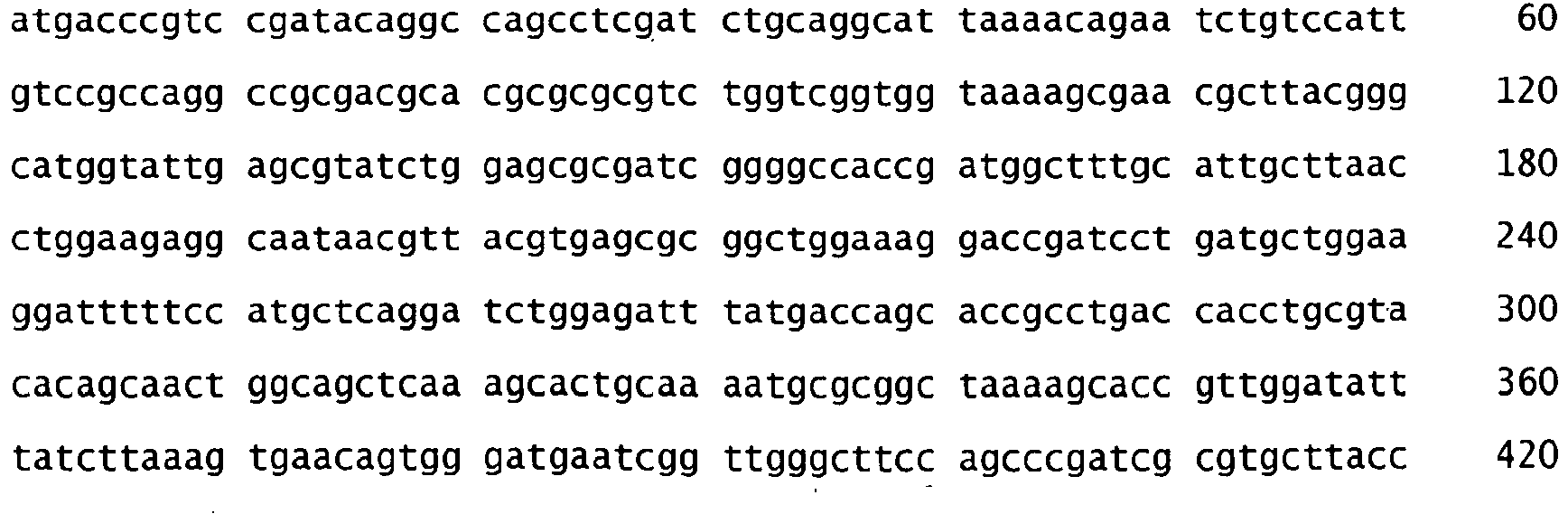

- <210> 6
<211> 356
<212> PRT
<213> Escherichia coli - <400> 6
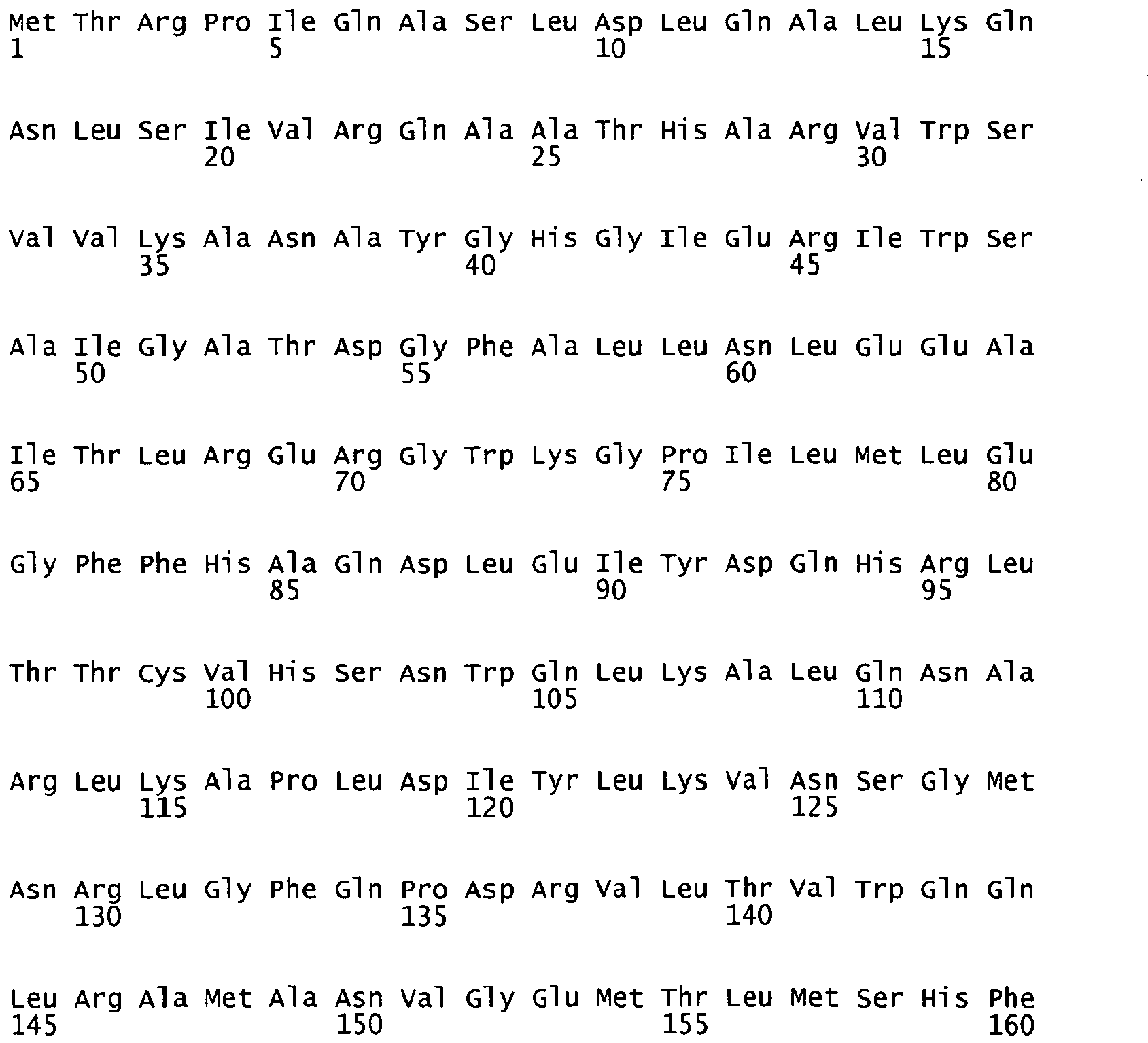
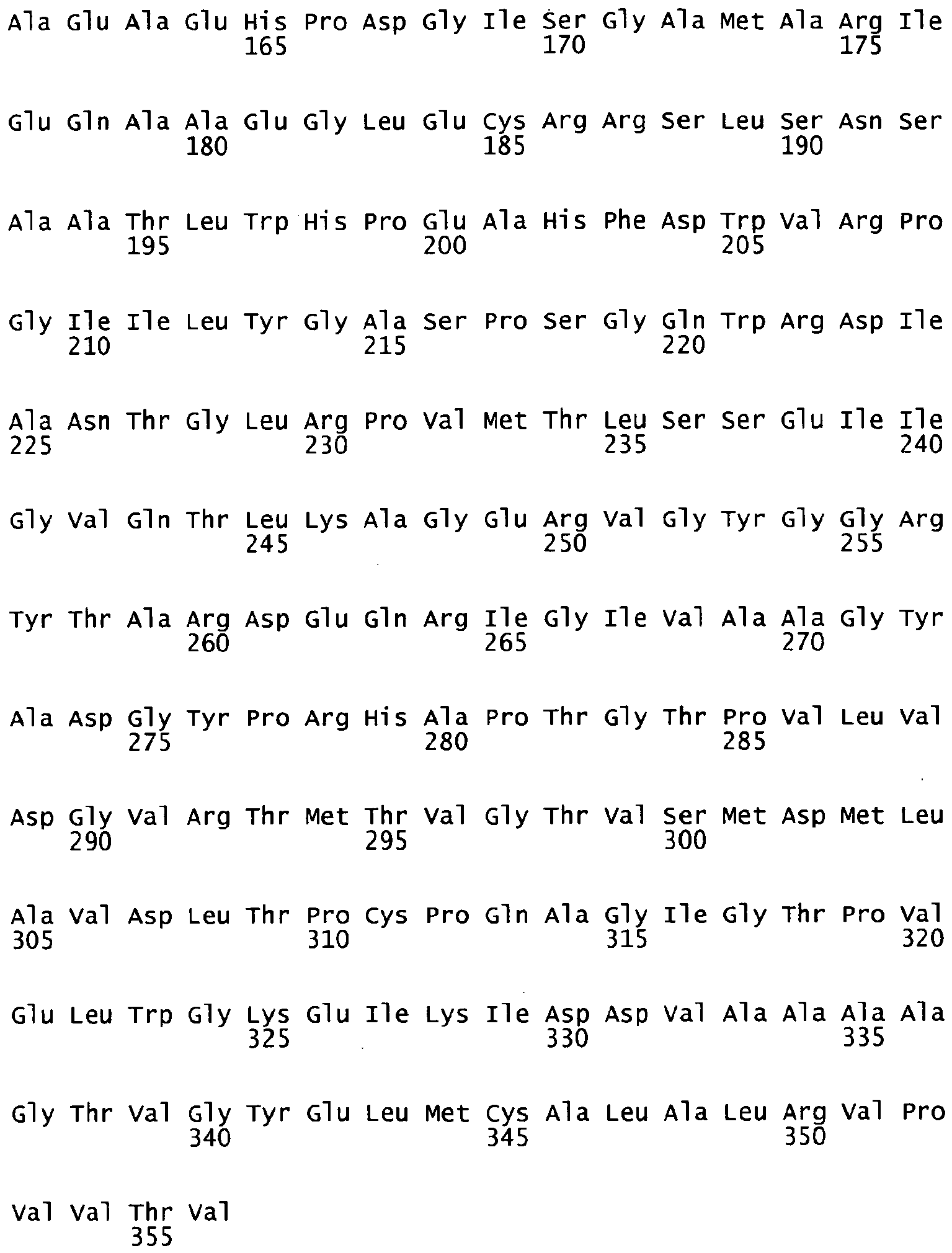
- <210> 7
<211> 1080
<212> DNA
<213> Escherichia coli - <400> 7
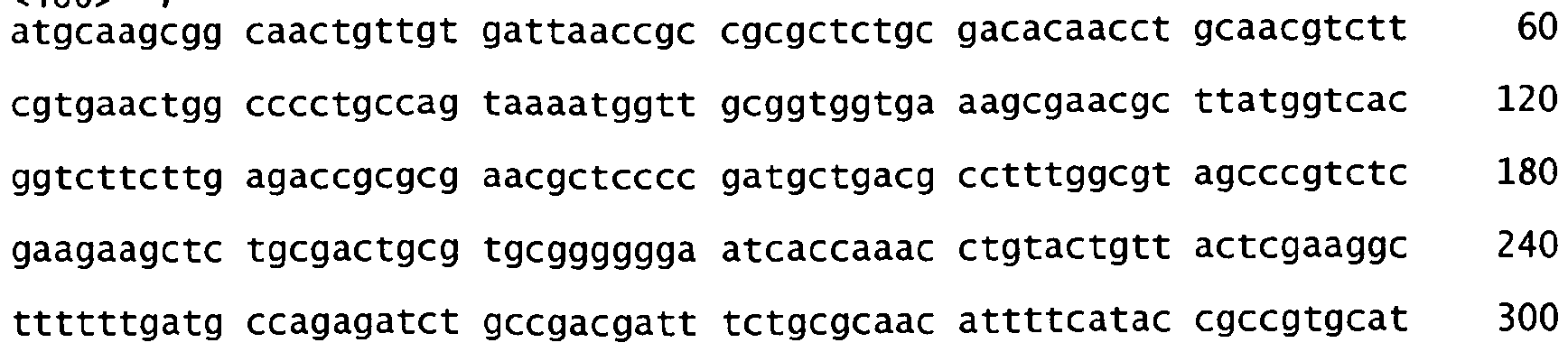

- <210> 8
<211> 359
<212> PRT
<213> Escherichia coli - <400> 8
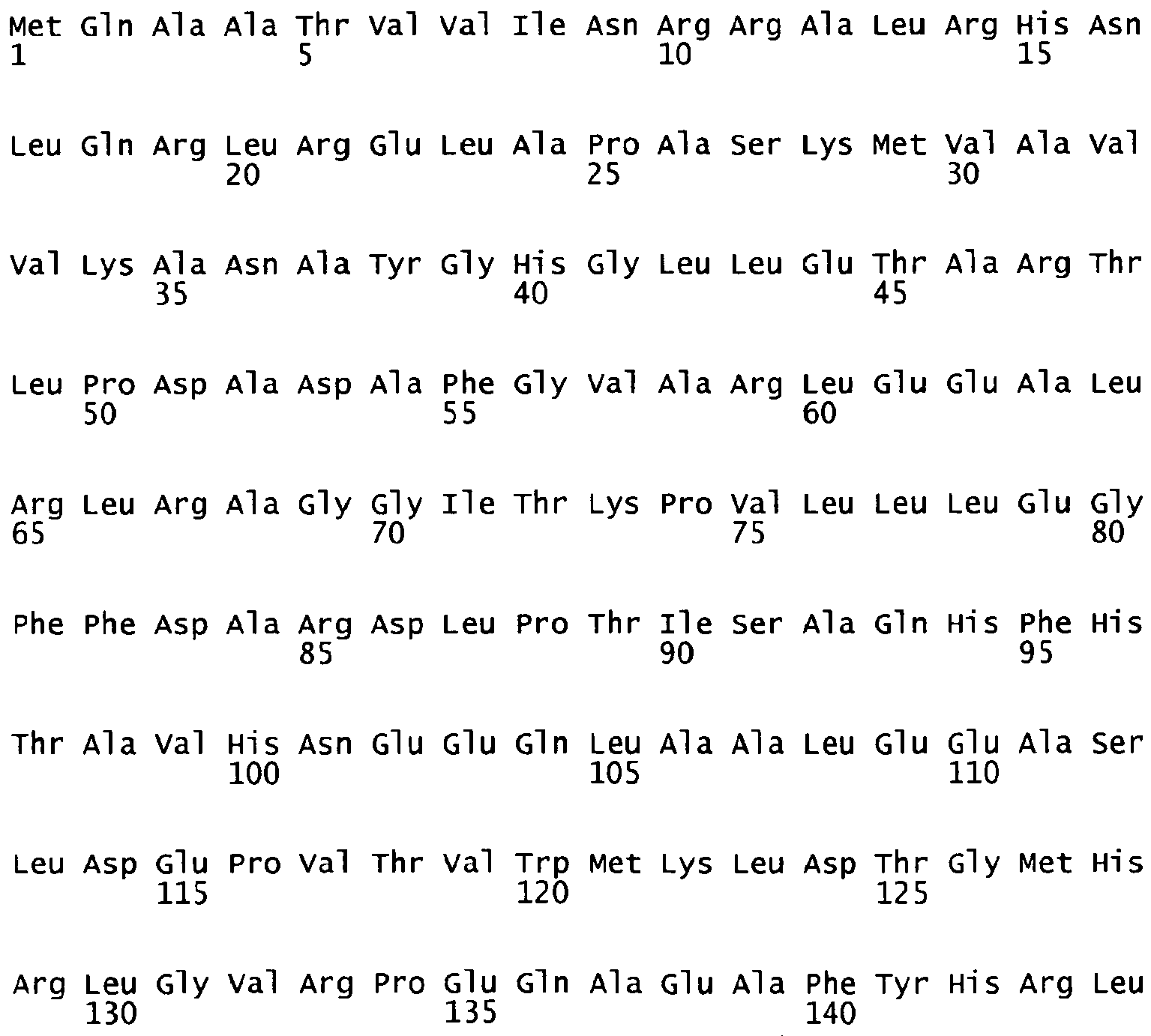

- <210> 9
<211> 609
<212> DNA
<213> Glycine max - <400> 9


- <210> 10
<211> 2085
<212> DNA
<213> Arabidopsis thaliana - <400> 10


- <210> 11
<211> 1999
<212> DNA
<213> Arabidopsis thaliana - <400> 11
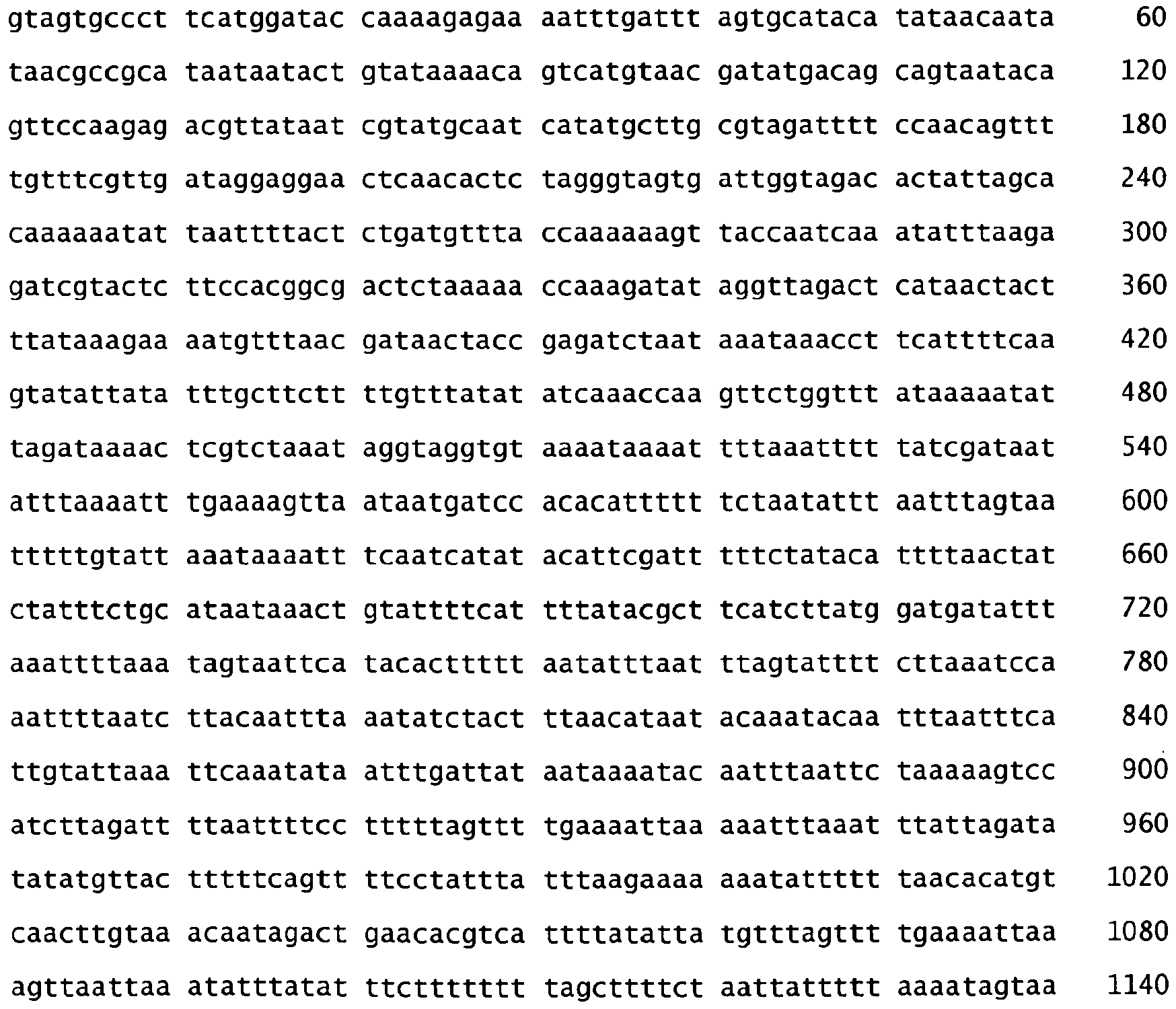
- <210> 12
<211> 356
<212> PRT
<213> Escherichia coli HS - <400> 12


- <210> 13
<211> 356
<212> PRT
<213> Escherichia coli 0157:H7 EDL933 - <400> 13
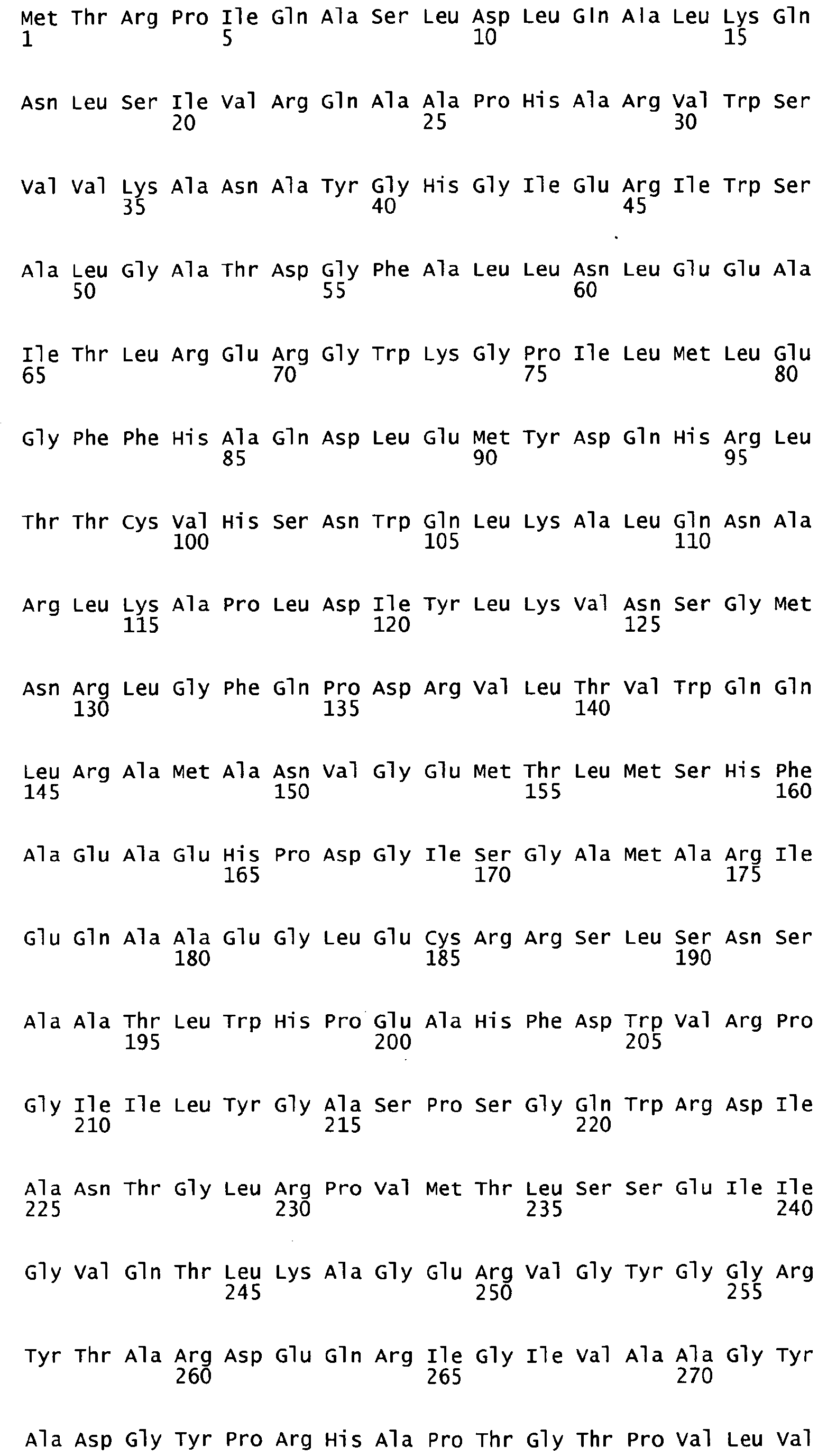
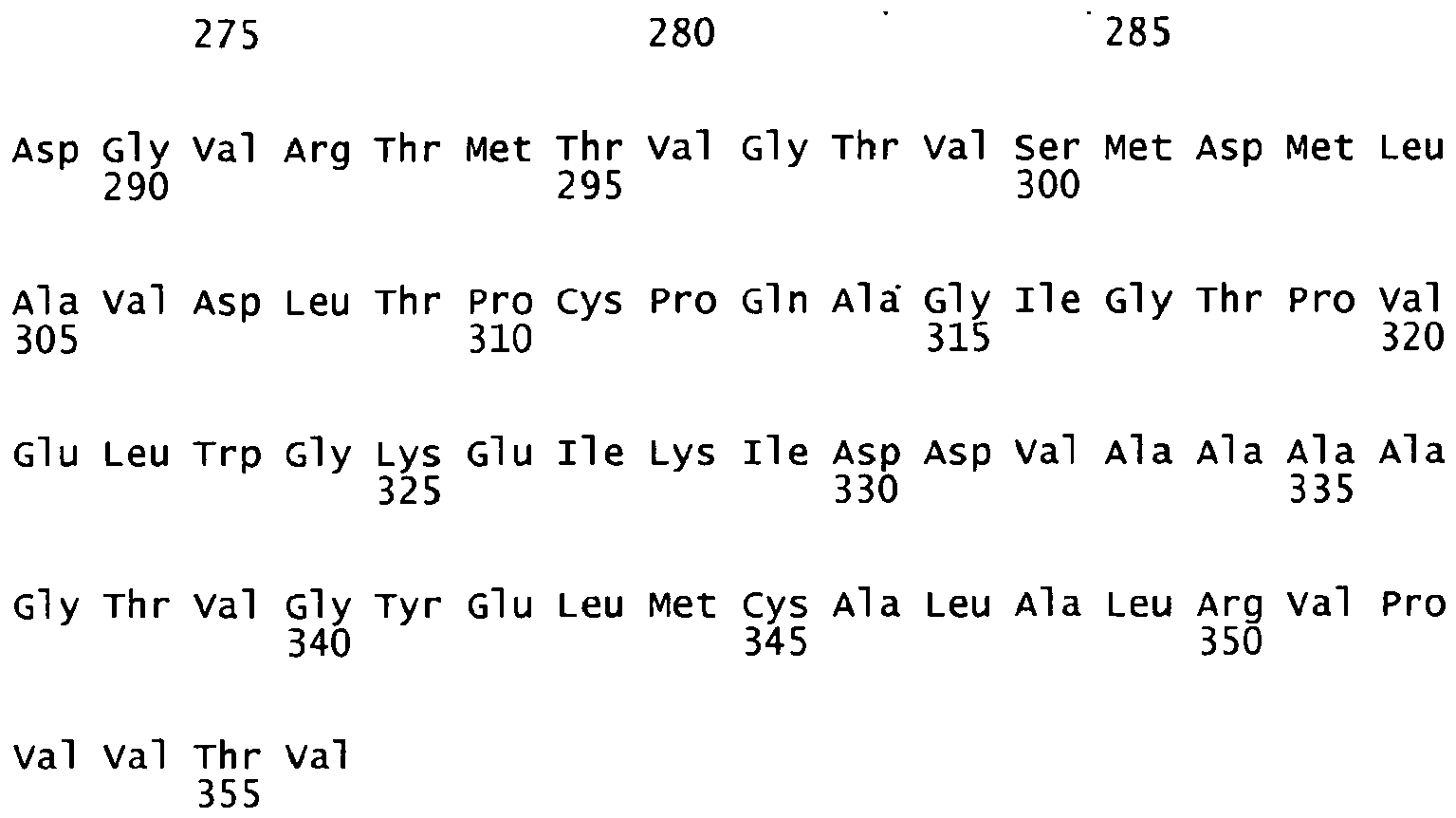
- <210> 14
<211> 356
<212> PRT
<213> Escherichia coli UTI89 - <400> 14
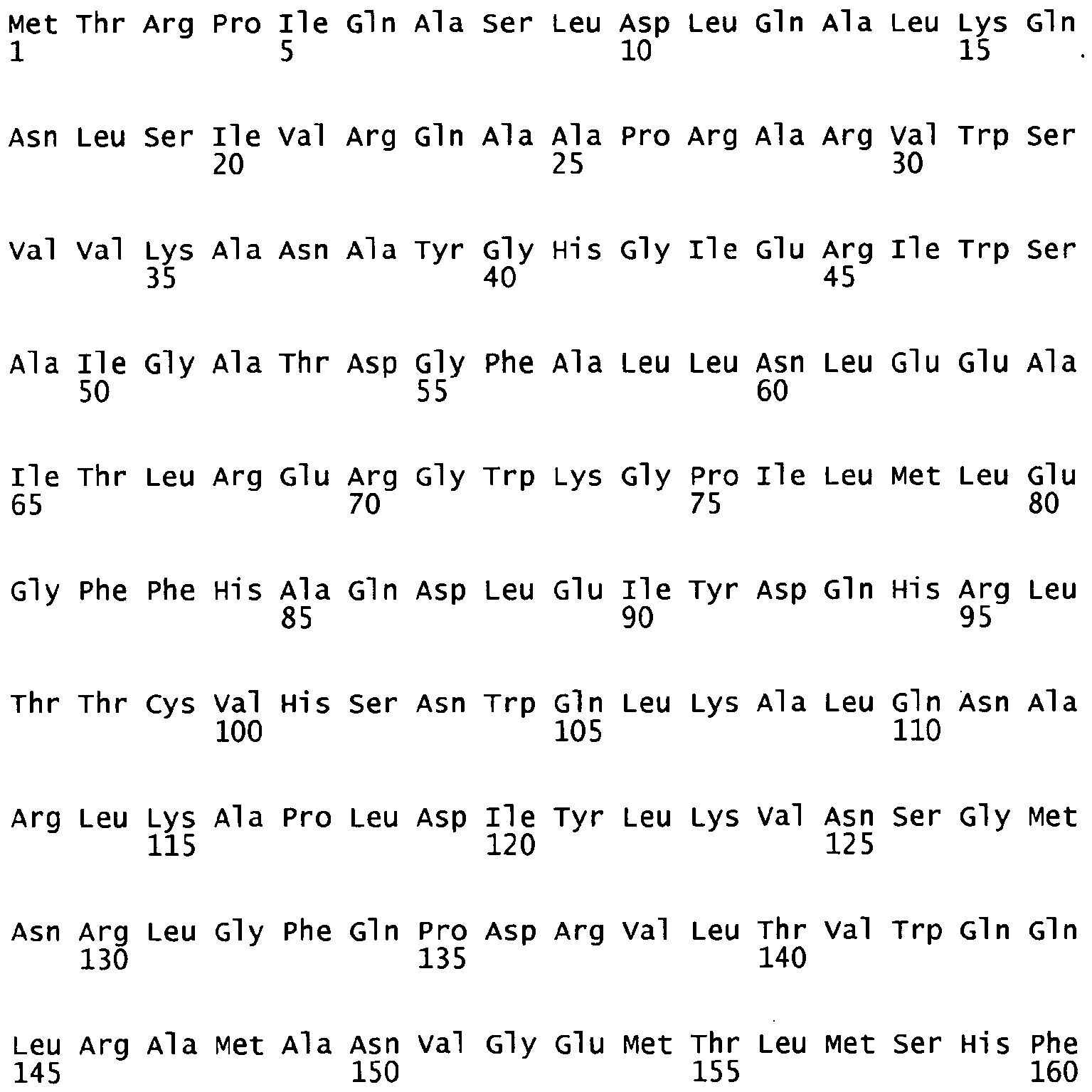
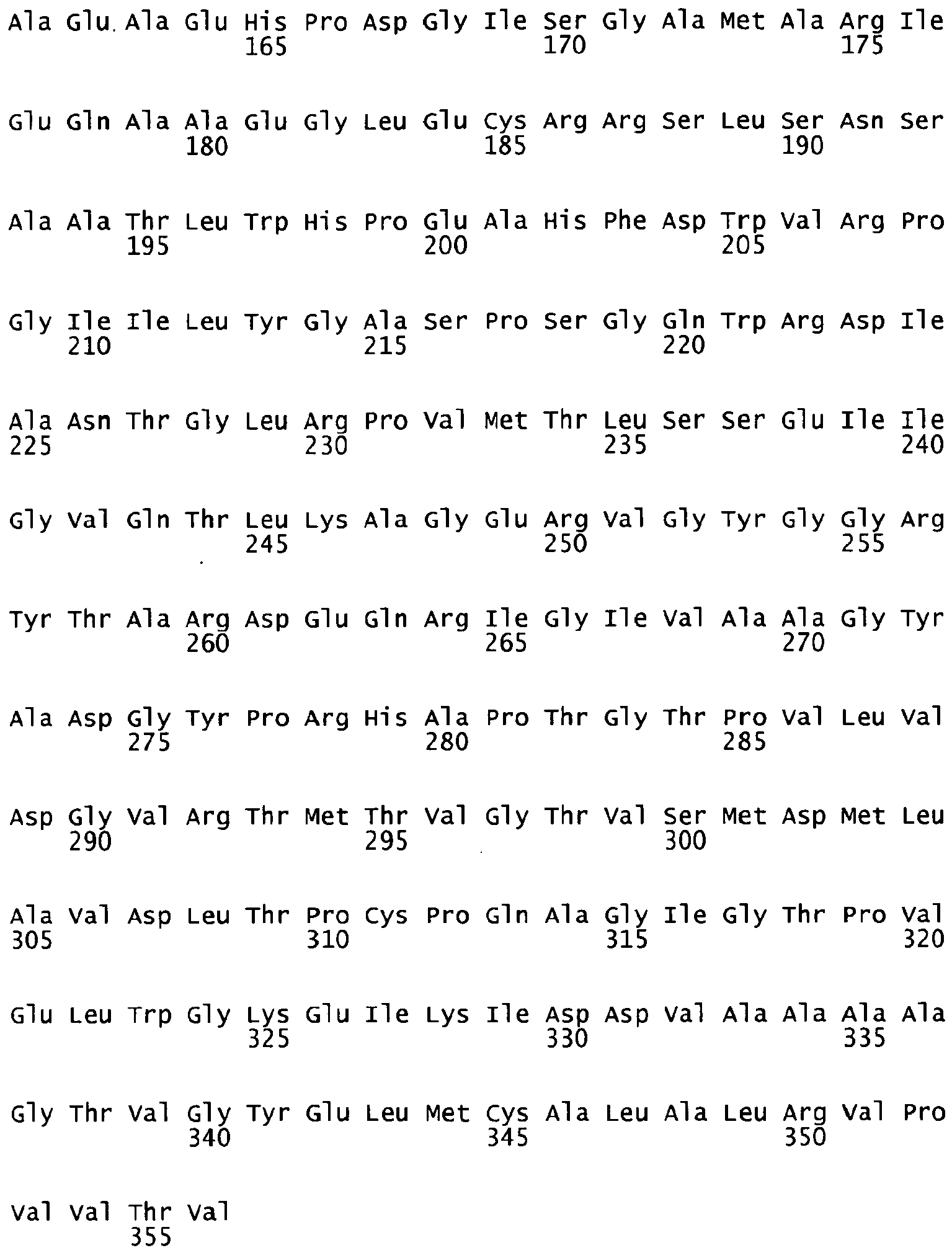
- <210> 15
<211> 356
<212> PRT
<213> Escherichia coli 53638 - <400> 15

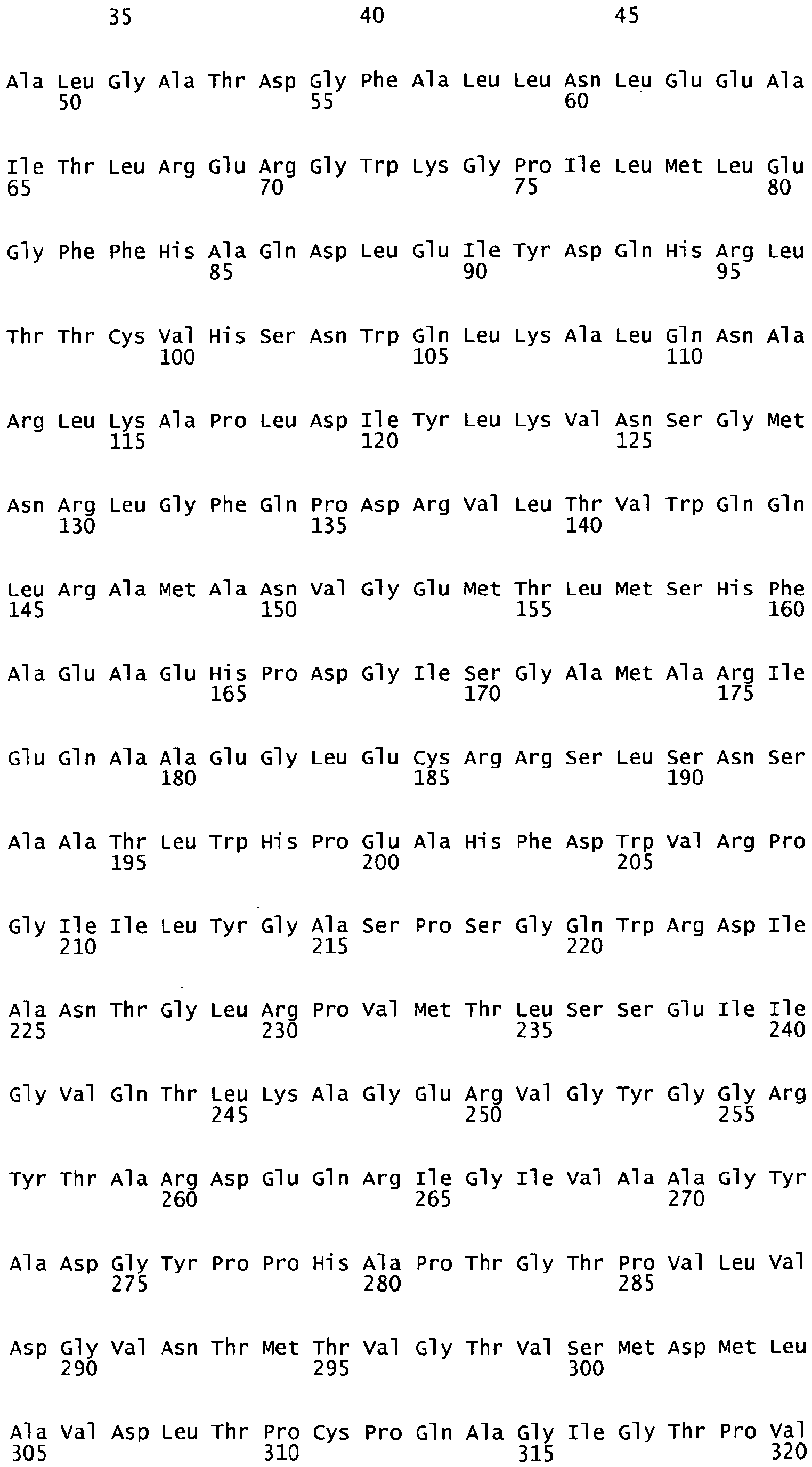
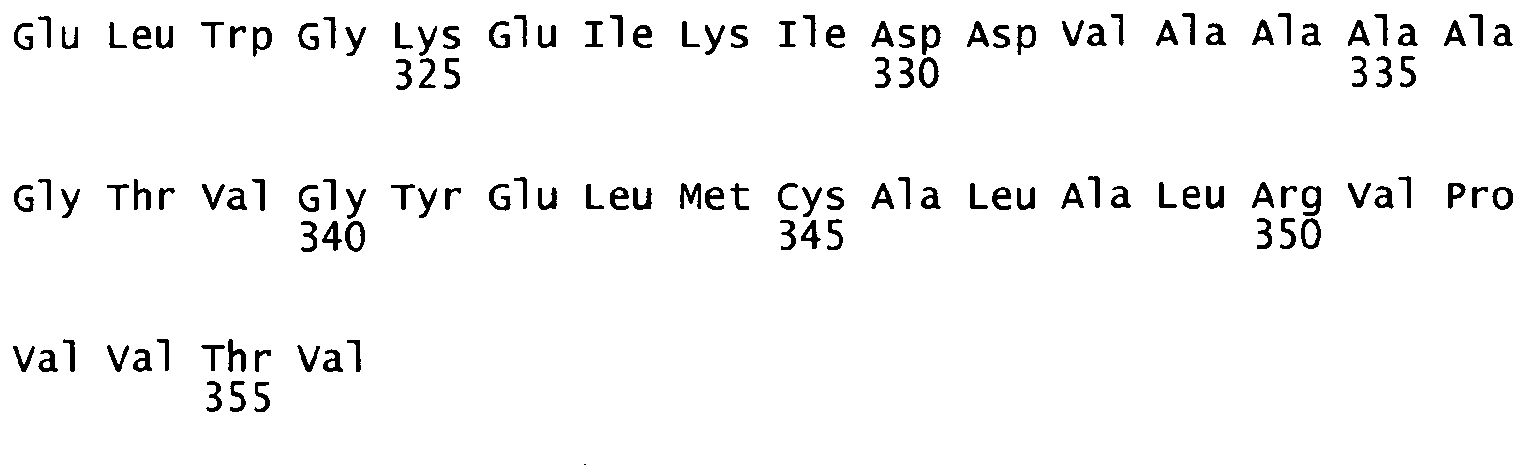
- <210> 16
<211> 356
<212> PRT
<213> Escherichia coli E24377A - <400> 16


- <210> 17
<211> 356
<212> PRT
<213> Shigella flexneri 5 str. 8401 - <400> 17


- <210> 18
<211> 356
<212> PRT
<213> Shigella sonnei Ss046 - <400> 18
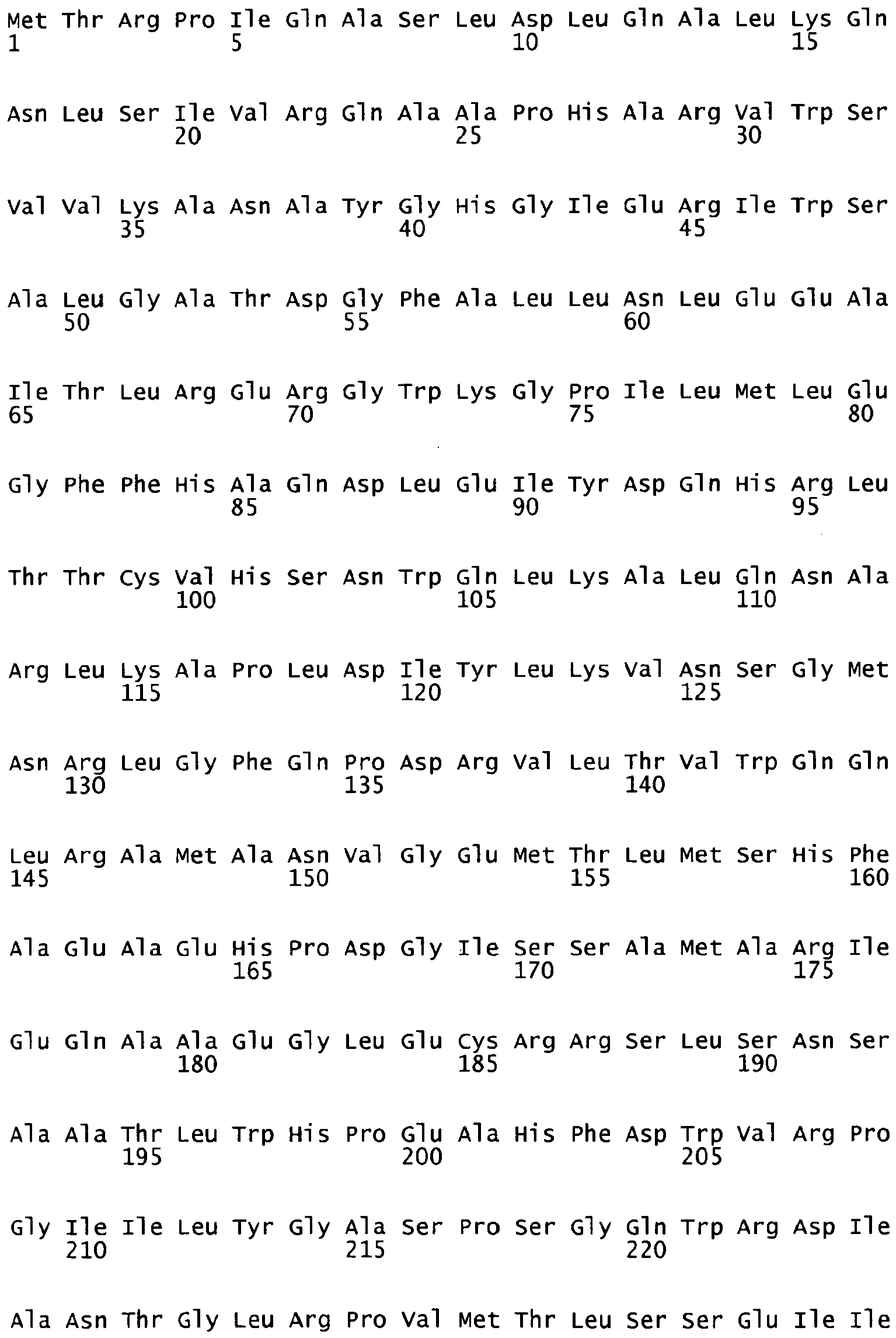

- <210> 19
<211> 356
<212> PRT
<213> Escherichia coli B7A - <400> 19


- <210> 20
<211> 356
<212> PRT
<213> Escherichia coli - <400> 20

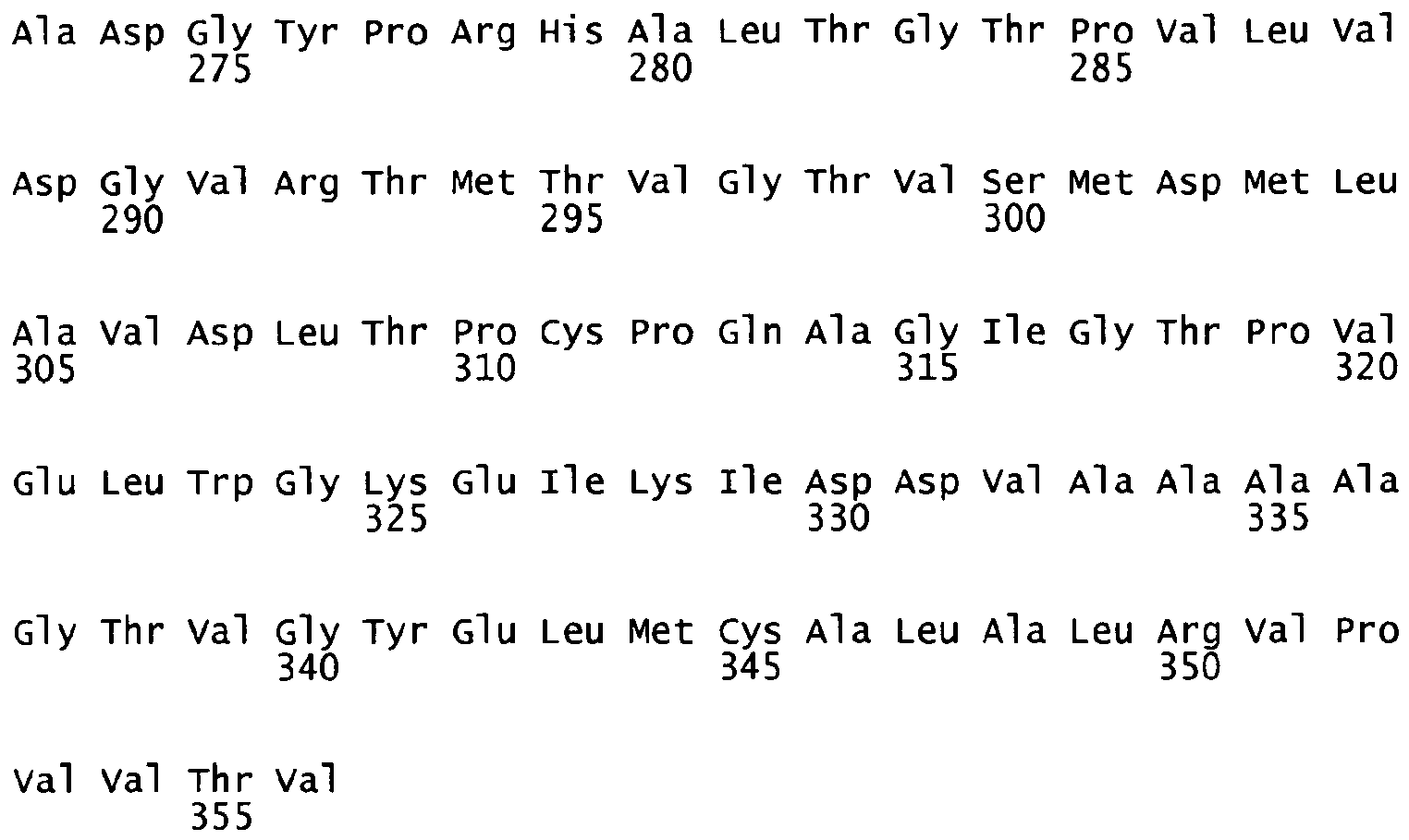
- <210> 21
<211> 356
<212> PRT
<213> shigella flexneri 2a str. 301 - <400> 21

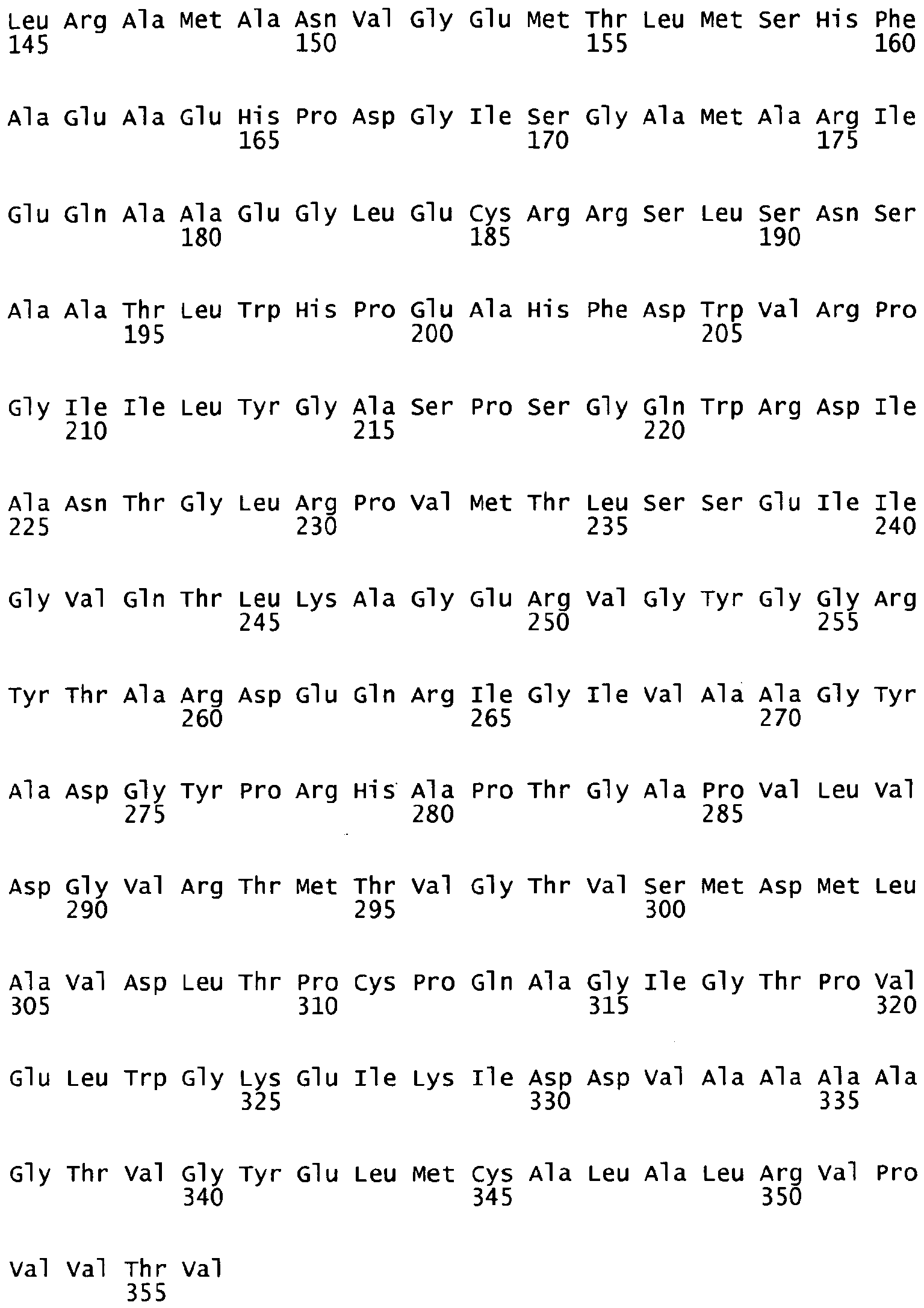
- <210> 22
<211> 356
<212> PRT
<213> Escherichia coli F11 - <400> 22



- <210> 23
<211> 356
<212> PRT
<213> Escherichia coli - <400> 23

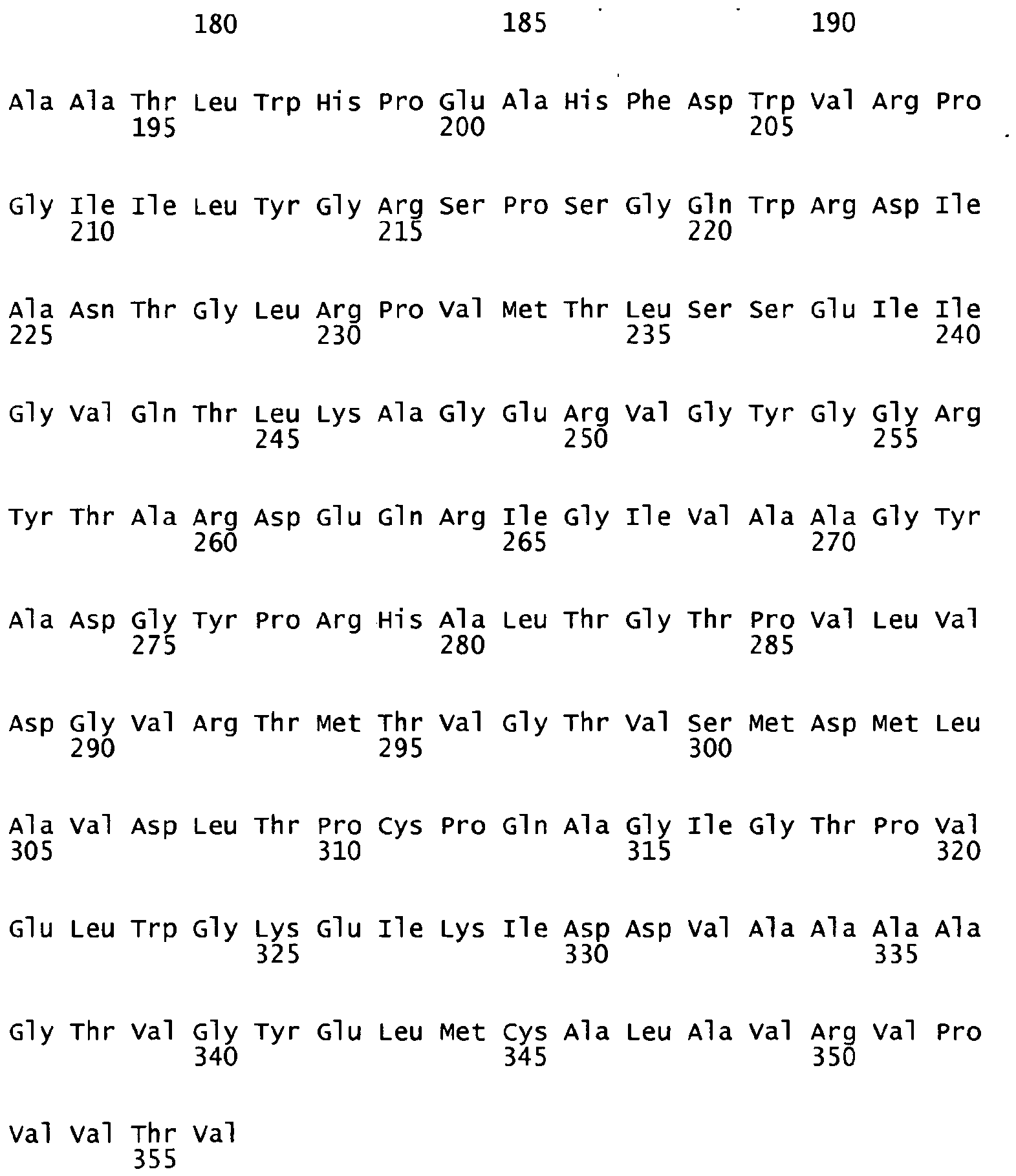
- <210> 24
<211> 356
<212> PRT
<213> Escherichia coli CFT073 - <400> 24
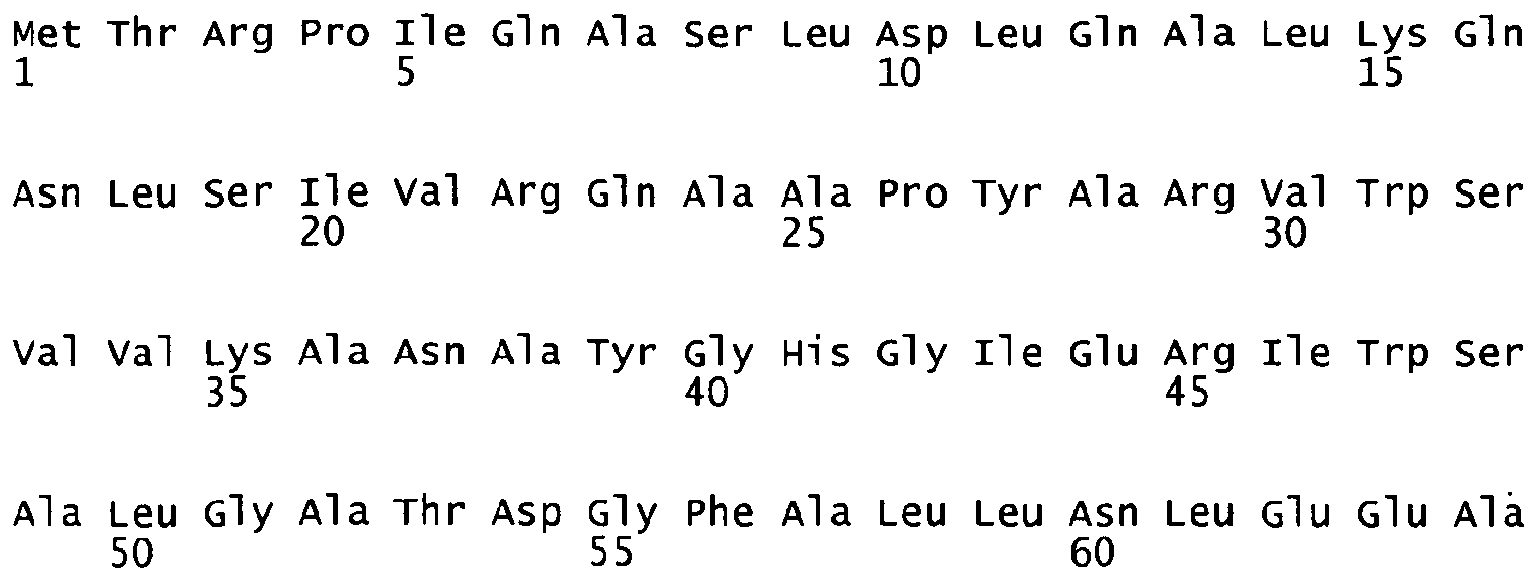
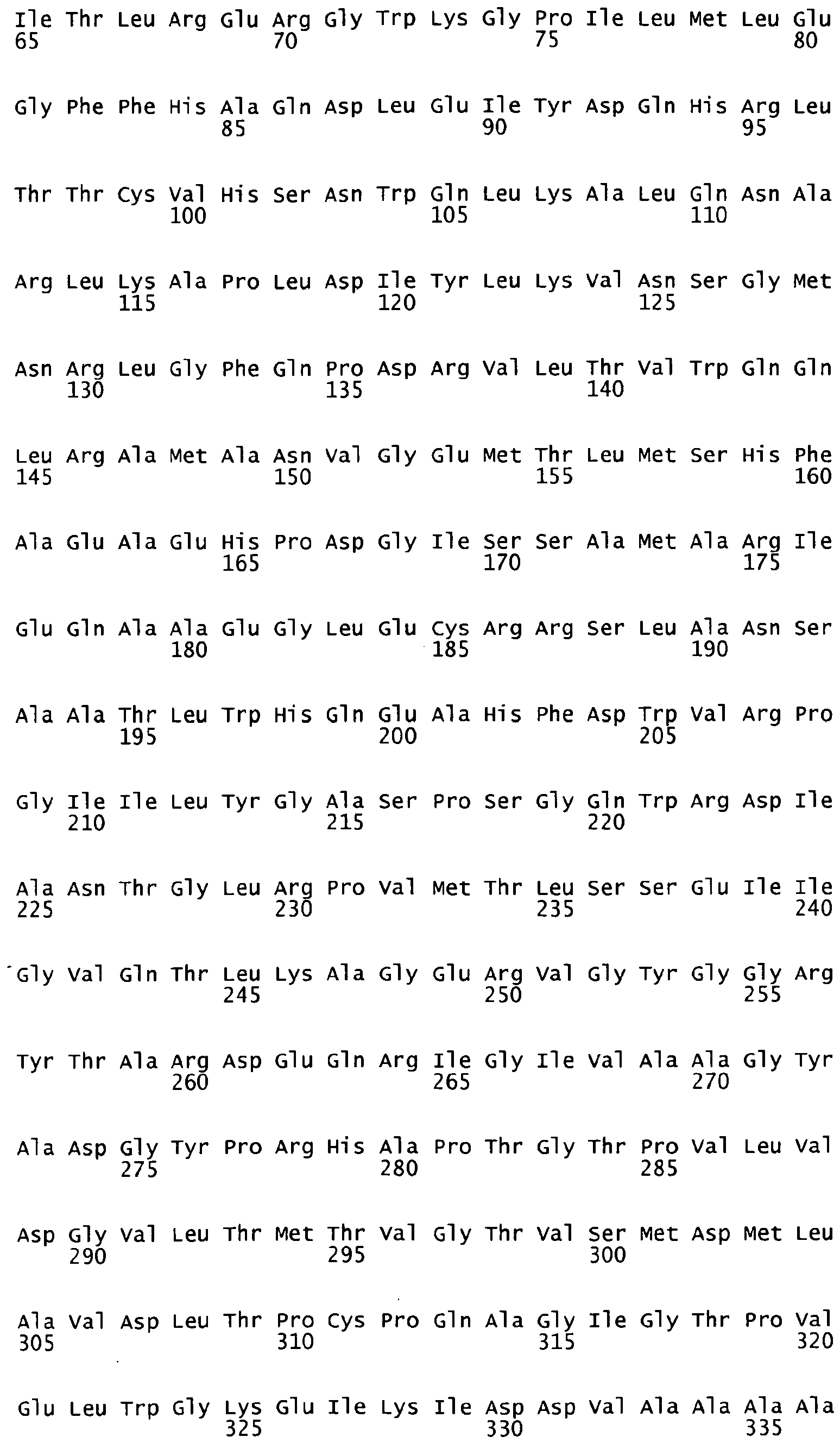

- <210> 25
<211> 324
<212> PRT
<213> Shigella boydii BS512 - <400> 25

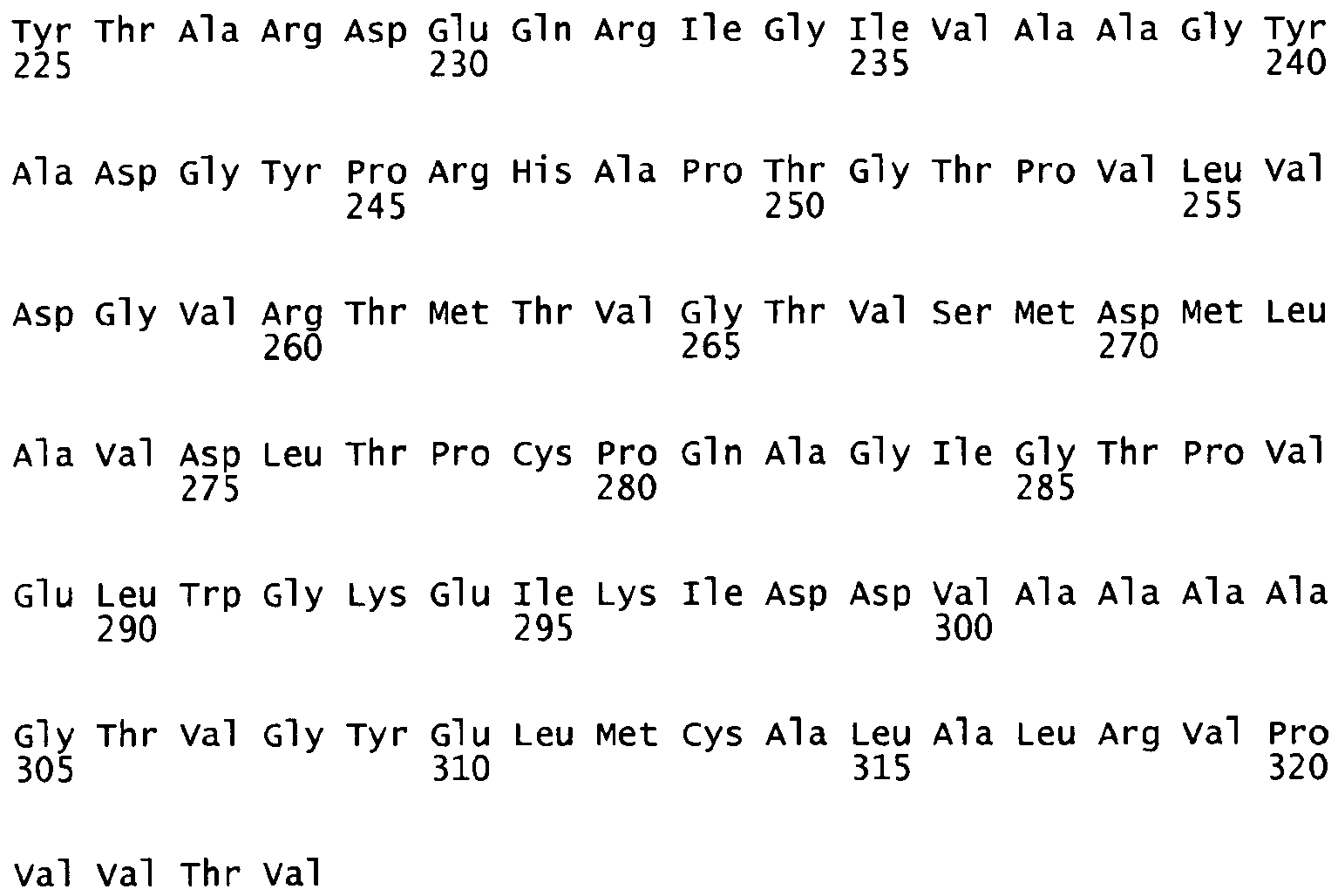
- <210> 26
<211> 329
<212> PRT
<213> Escherichia coli 0157:H7 str. Sakai - <400> 26


- <210> 27
<211> 356
<212> PRT
<213> Salmonella enterica subsp. enterica serovar - <400> 27
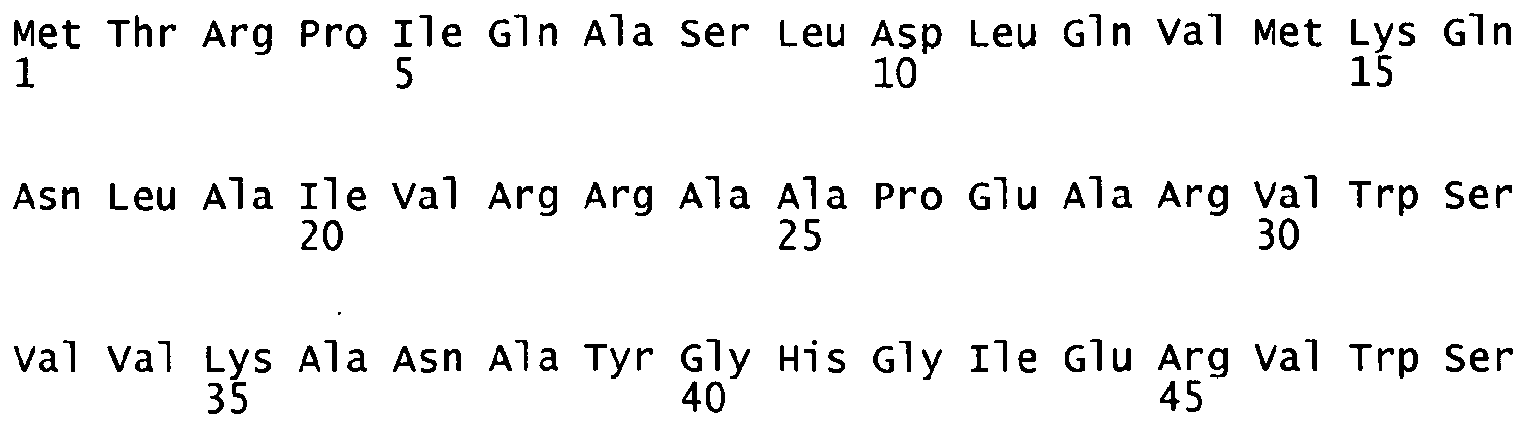
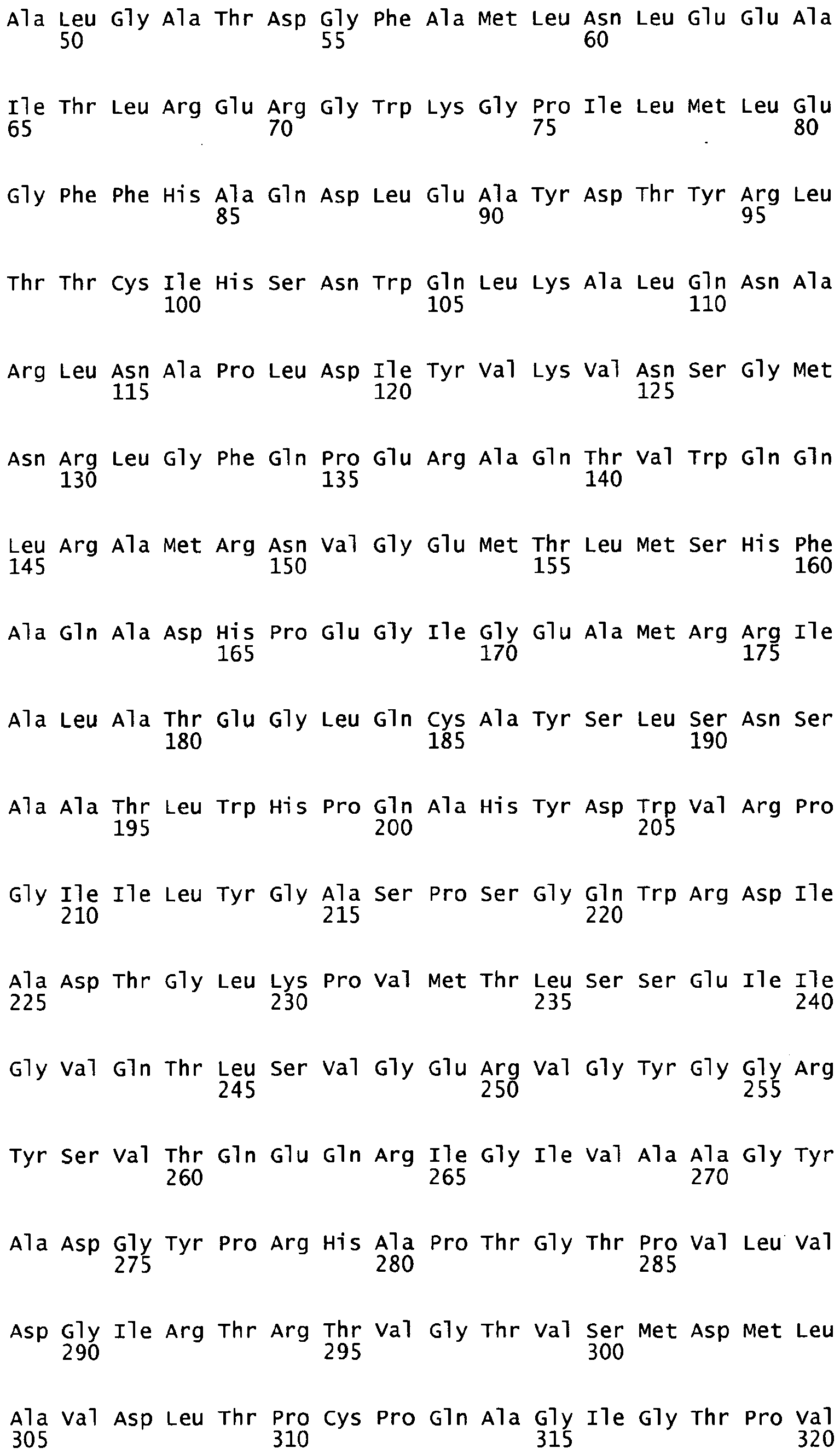
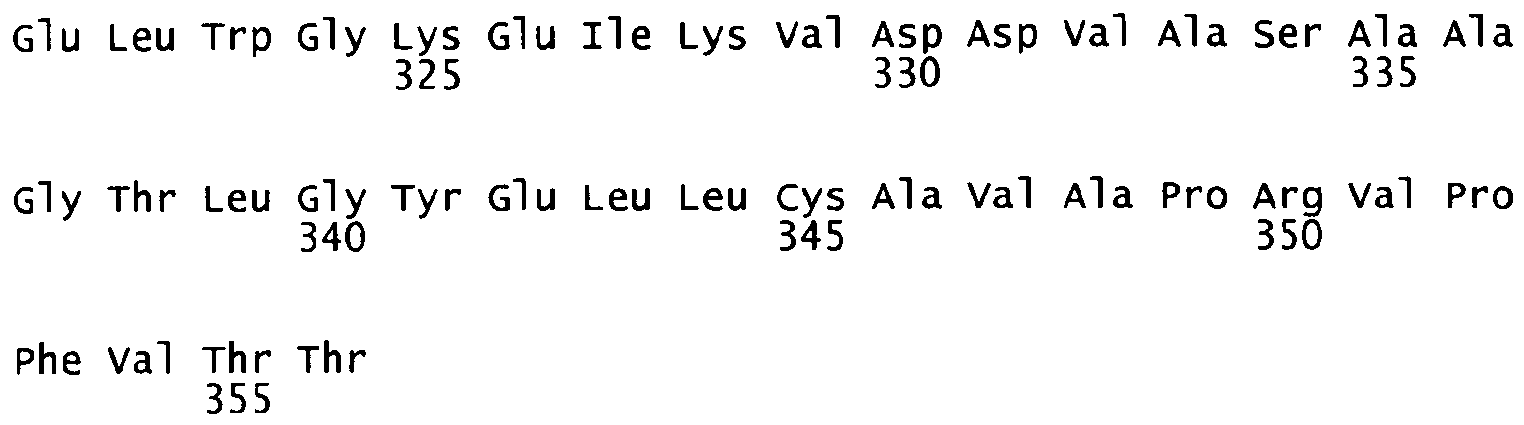
- <210> 28
<211> 356
<212> PRT
<213> Salmonella typhimurium LT2 - <400> 28

- <210> 29
<211> 356
<212> PRT
<213> Salmonella enterica subsp. enterica serovar Typhi - <400> 29


- <210> 30
<211> 356
<212> PRT
<213> Enterobacter sp. 638 - <400> 30
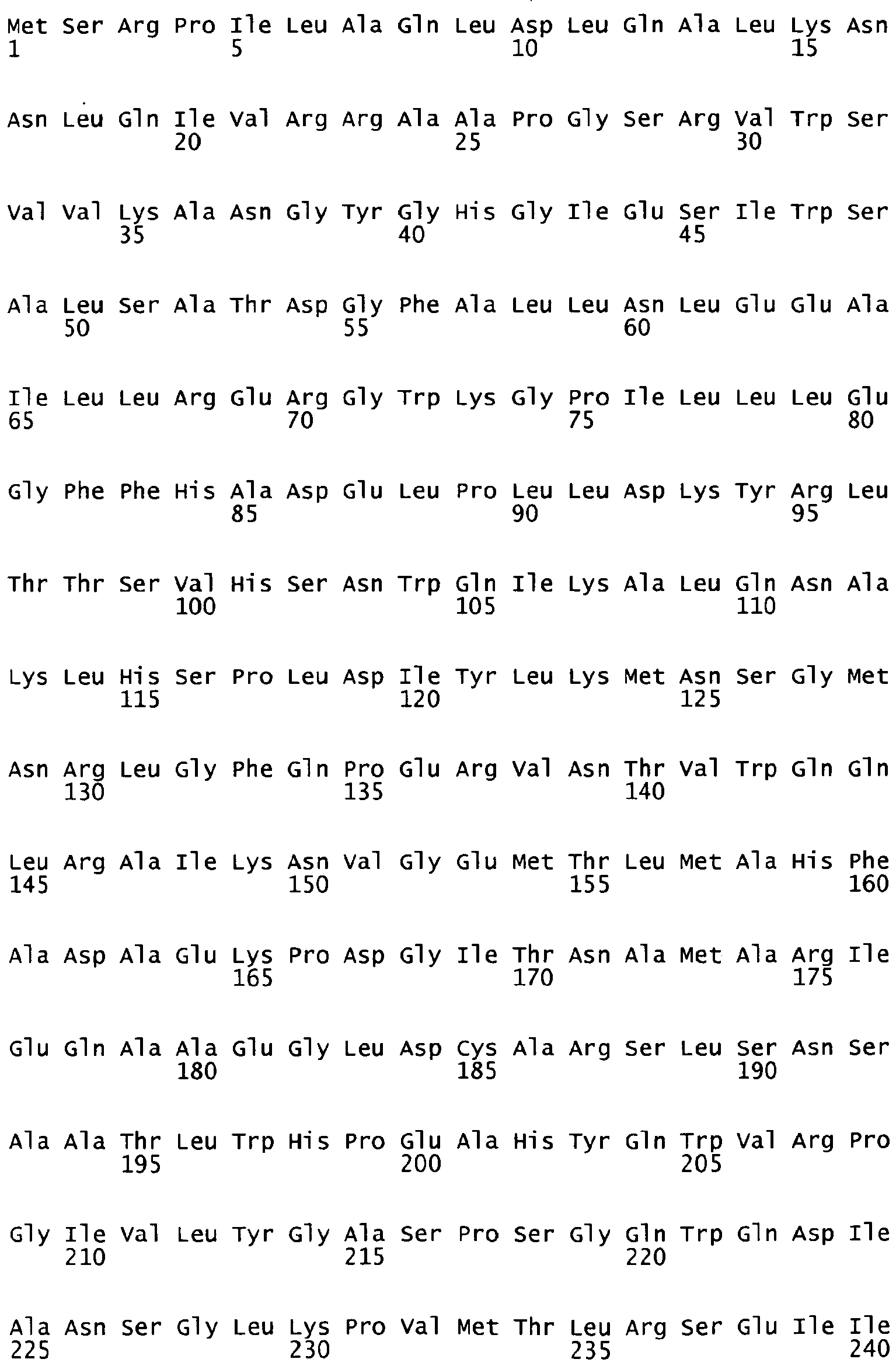
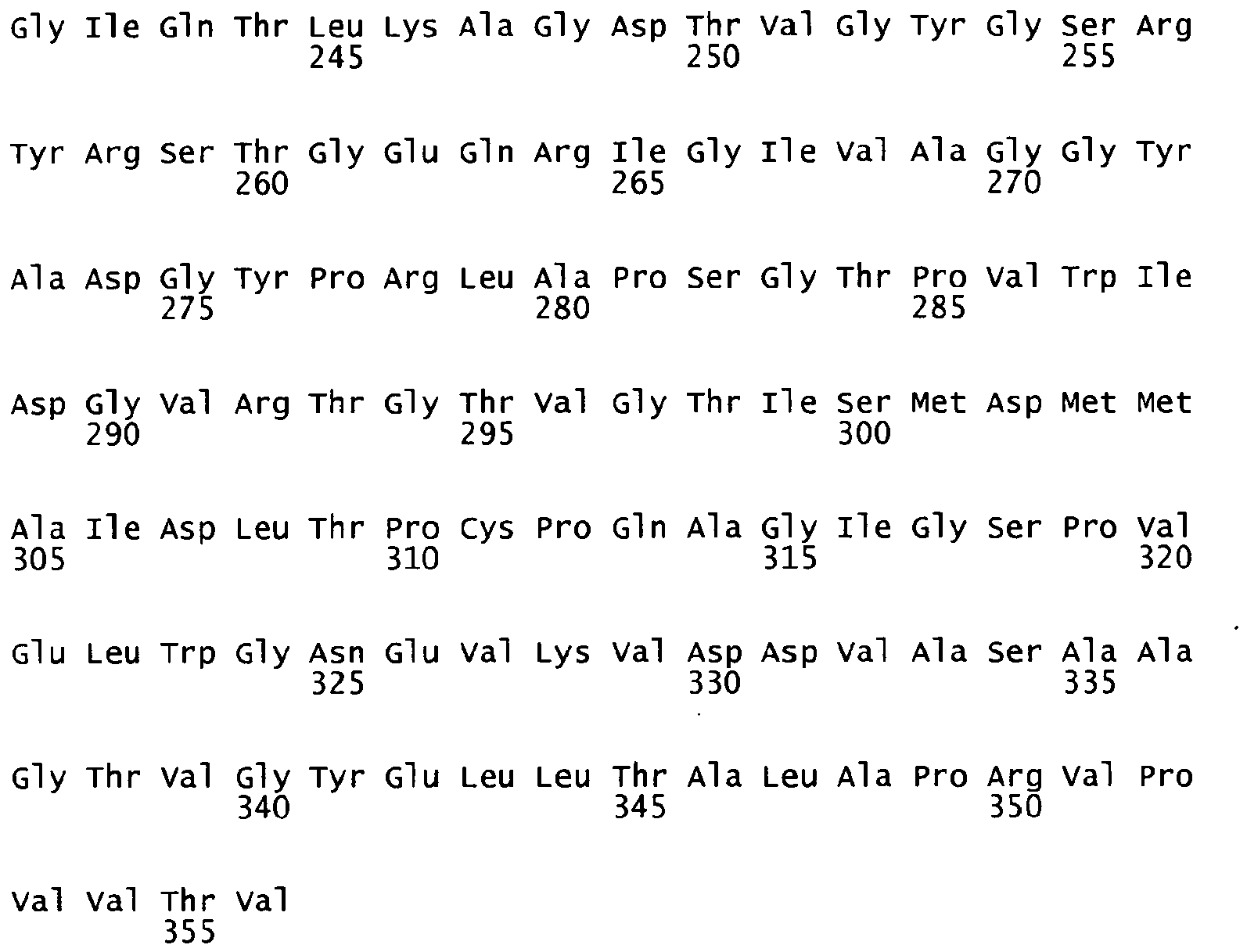
- <210> 31
<211> 359
<212> PRT
<213> Artificial - <220>
<223> synthetic gene - <400> 31
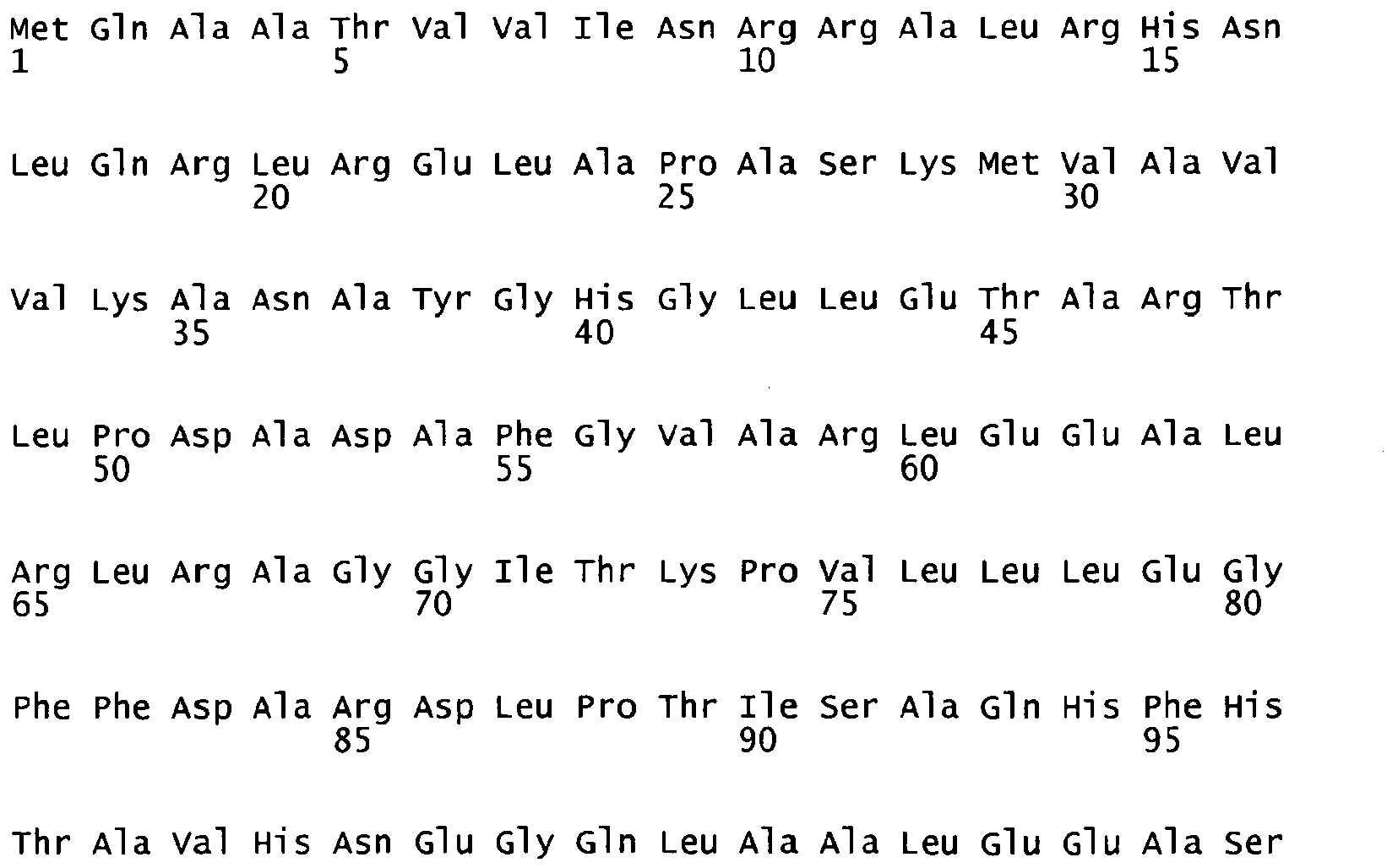
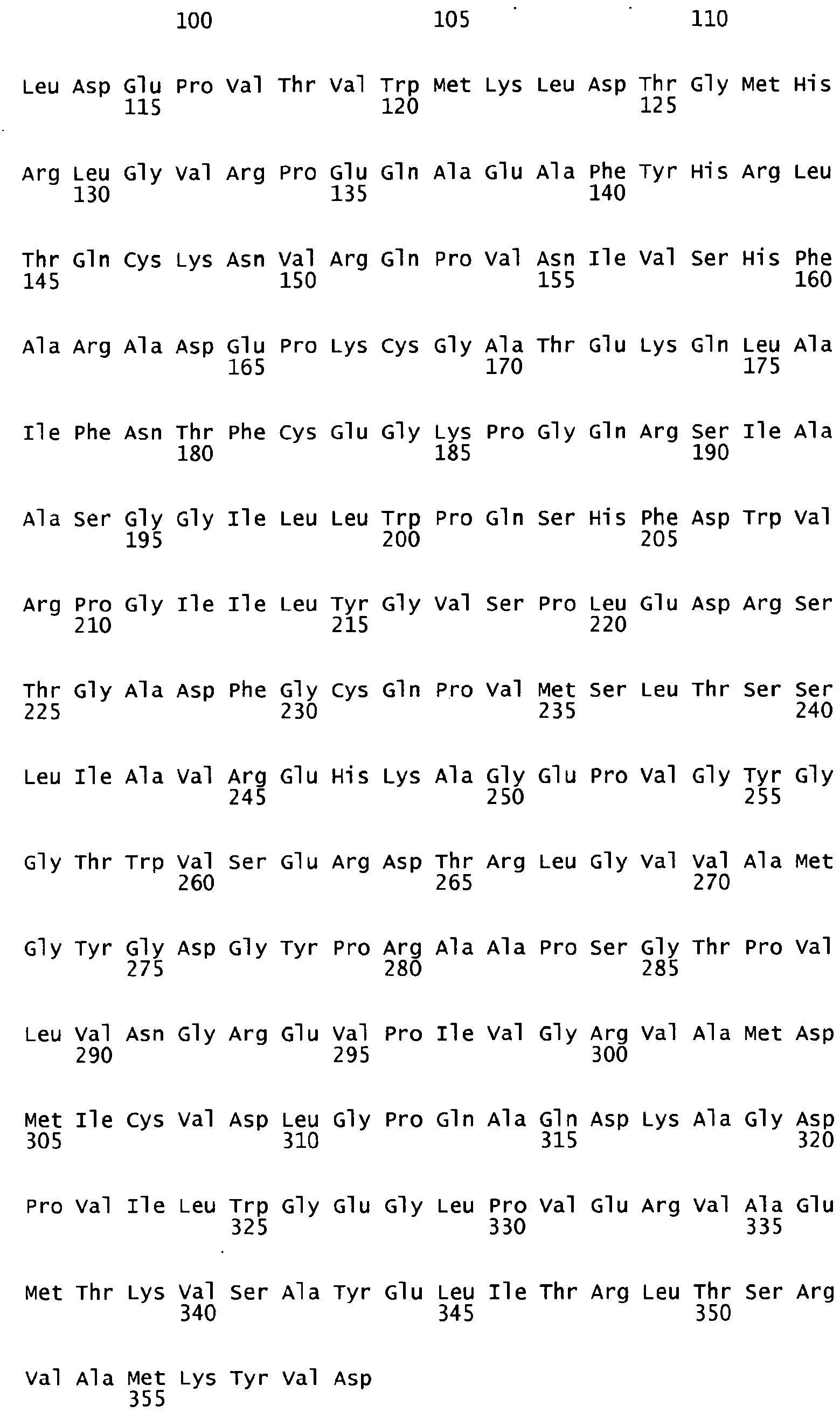
- <210> 32
<211> 359
<212> PRT
<213> Escherichia coli 0157:H7 EDL933 - <400> 32
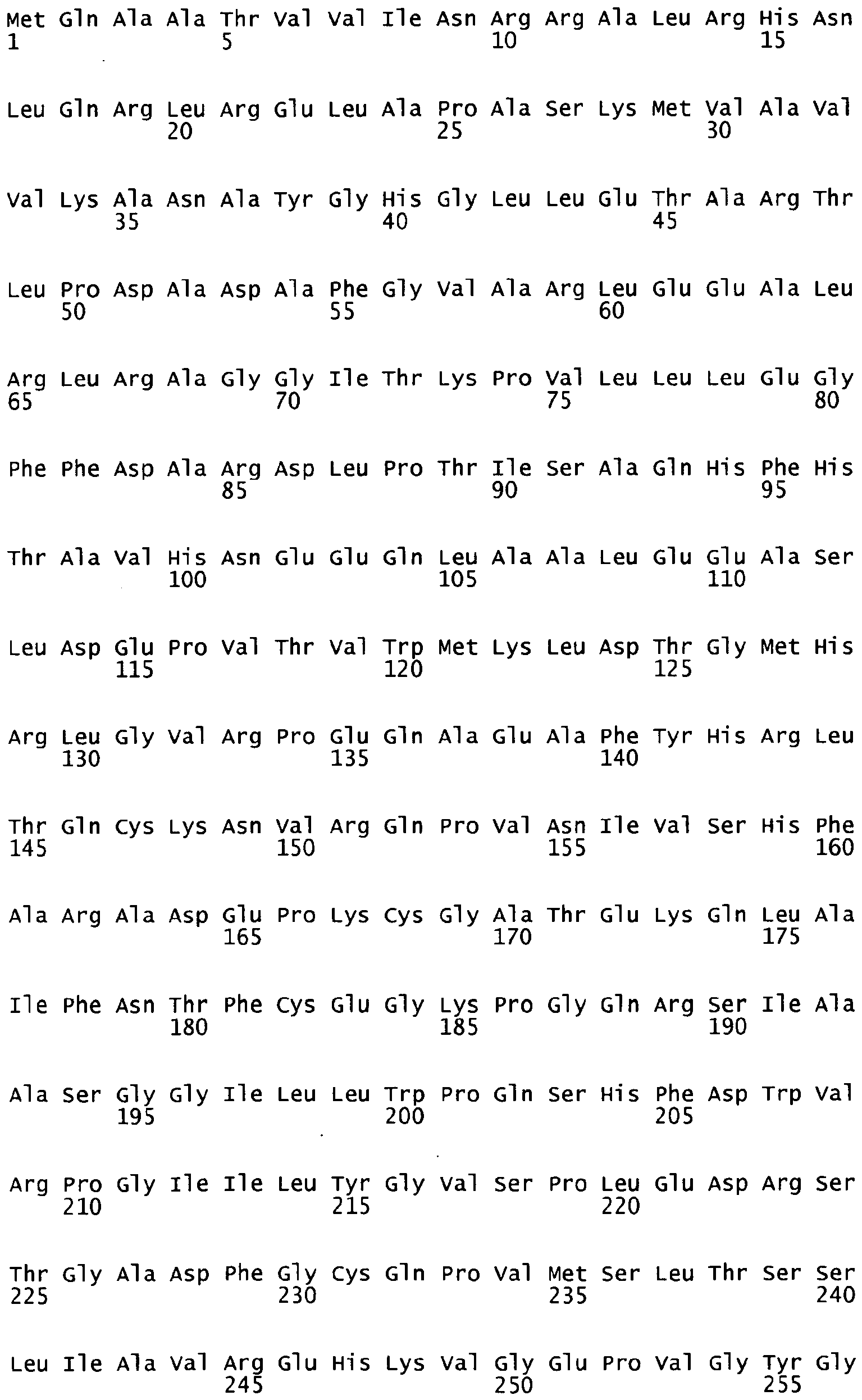

- <210> 33
<211> 359
<212> PRT
<213> Shigella sonnei Ss046 - <400> 33

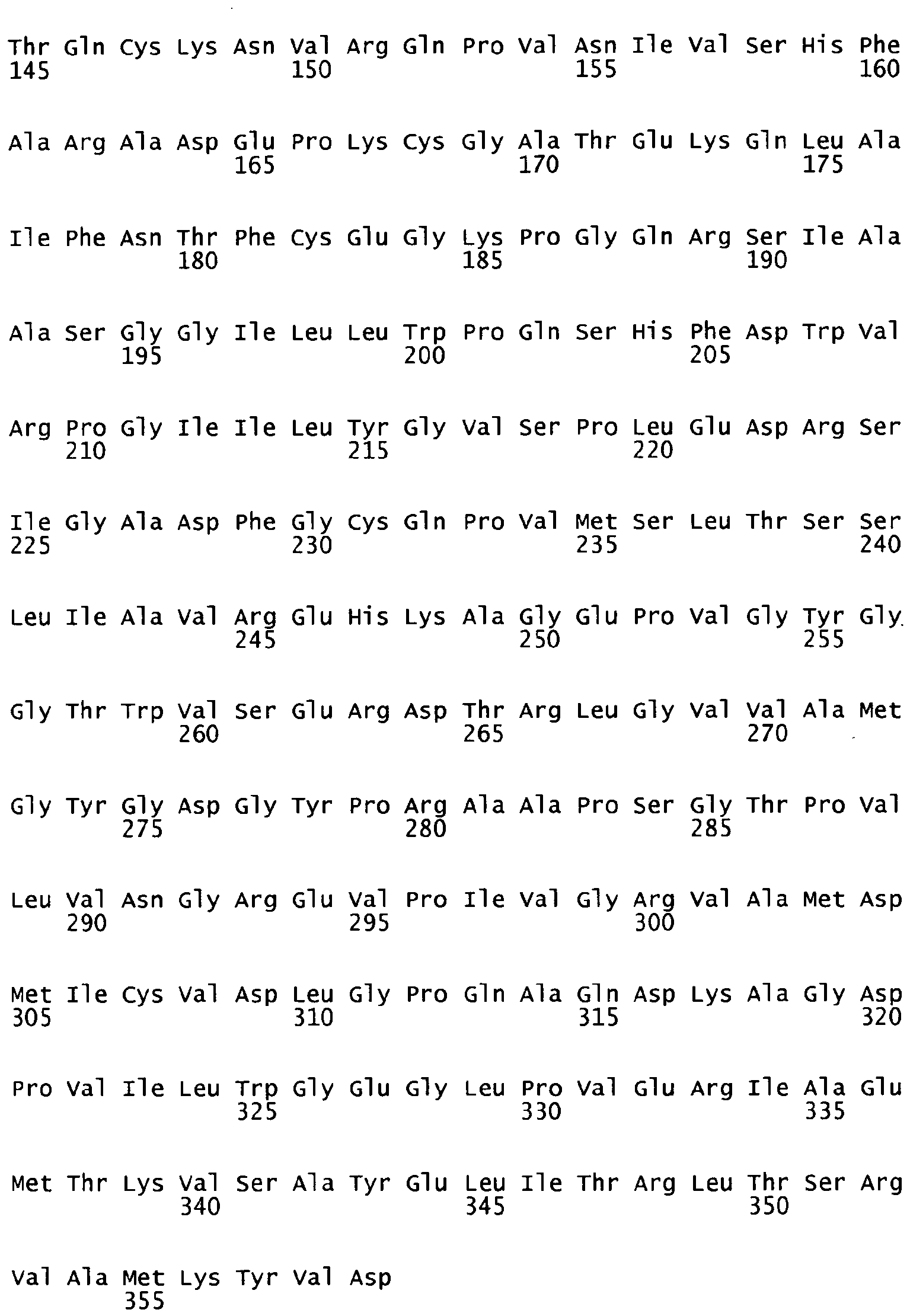
- <210> 34
<211> 359
<212> PRT
<213> Escherichia coli E110019 - <400> 34

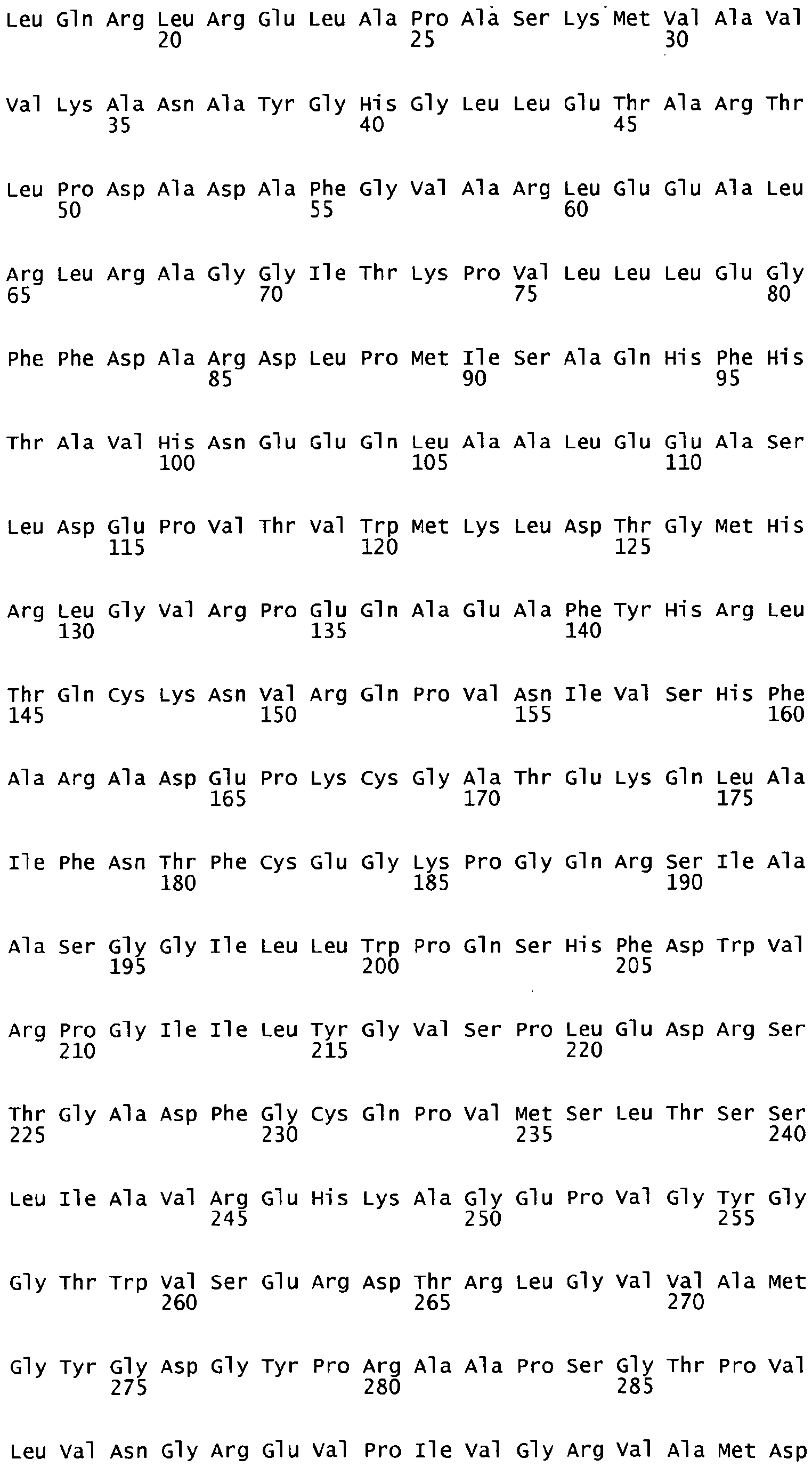

- <210> 35
<211> 359
<212> PRT
<213> Escherichia coli B171 - <400> 35
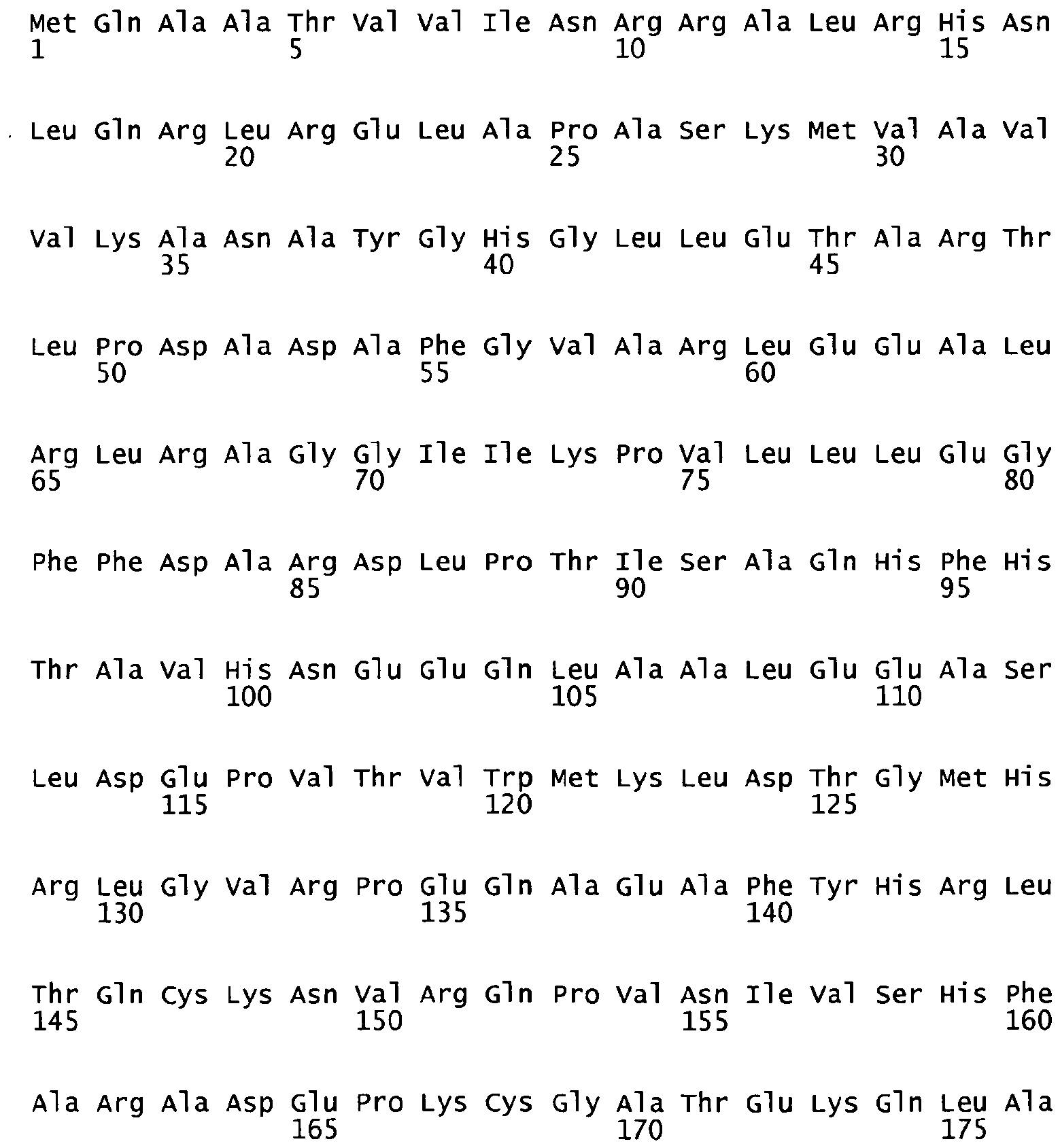

- <210> 36
<211> 359
<212> PRT
<213> shigella boydii BS512 - <400> 36
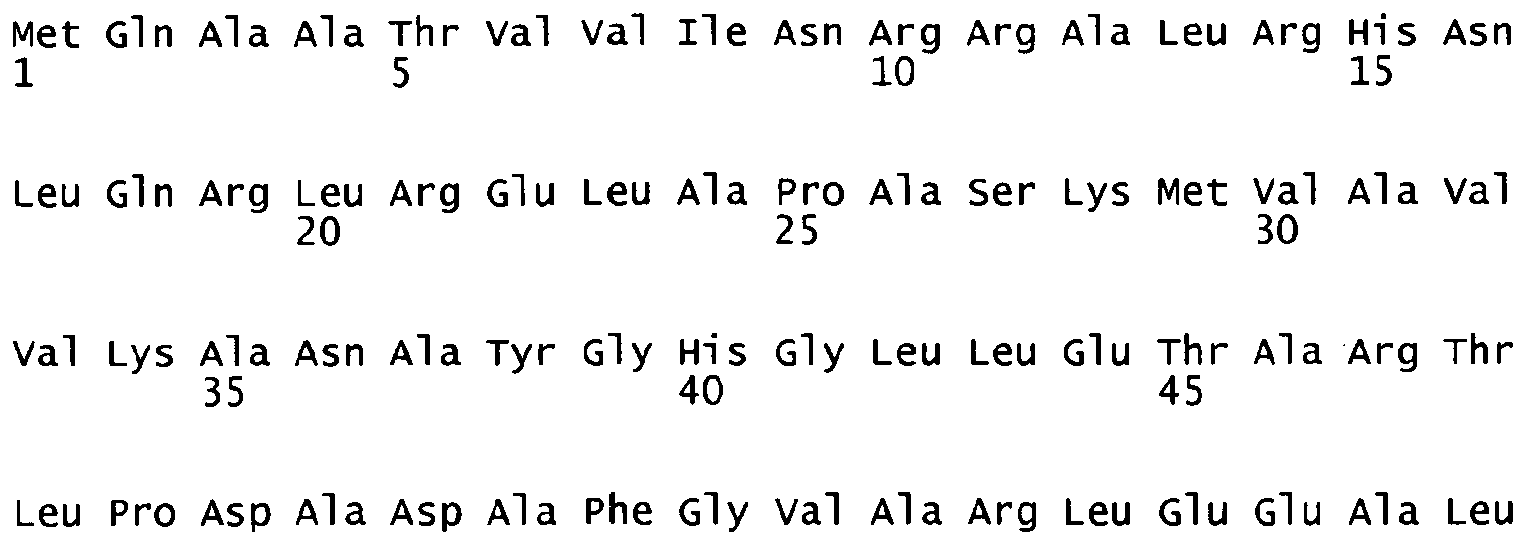


- <210> 37
<211> 359
<212> PRT
<213> Escherichia coli E24377A - <400> 37
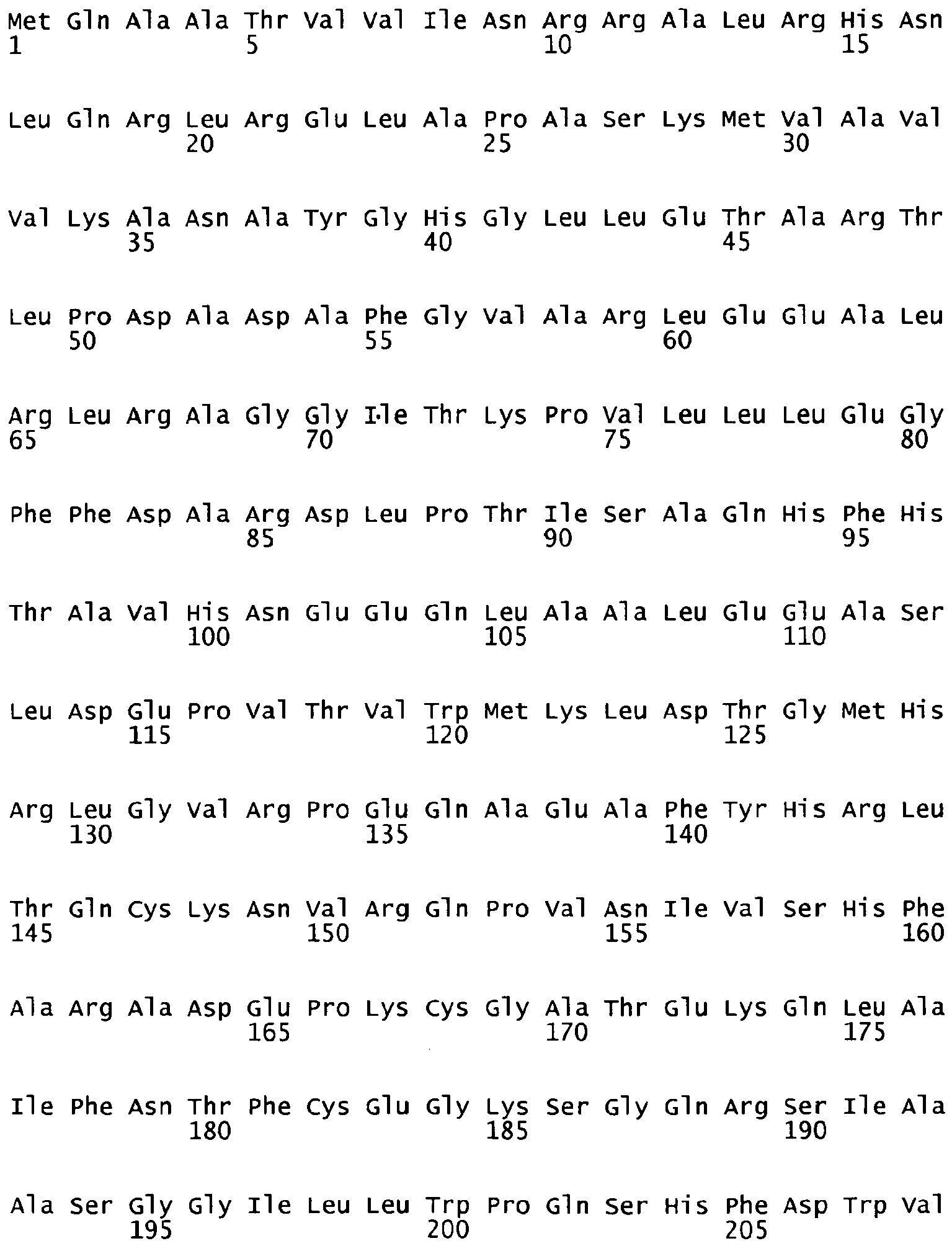
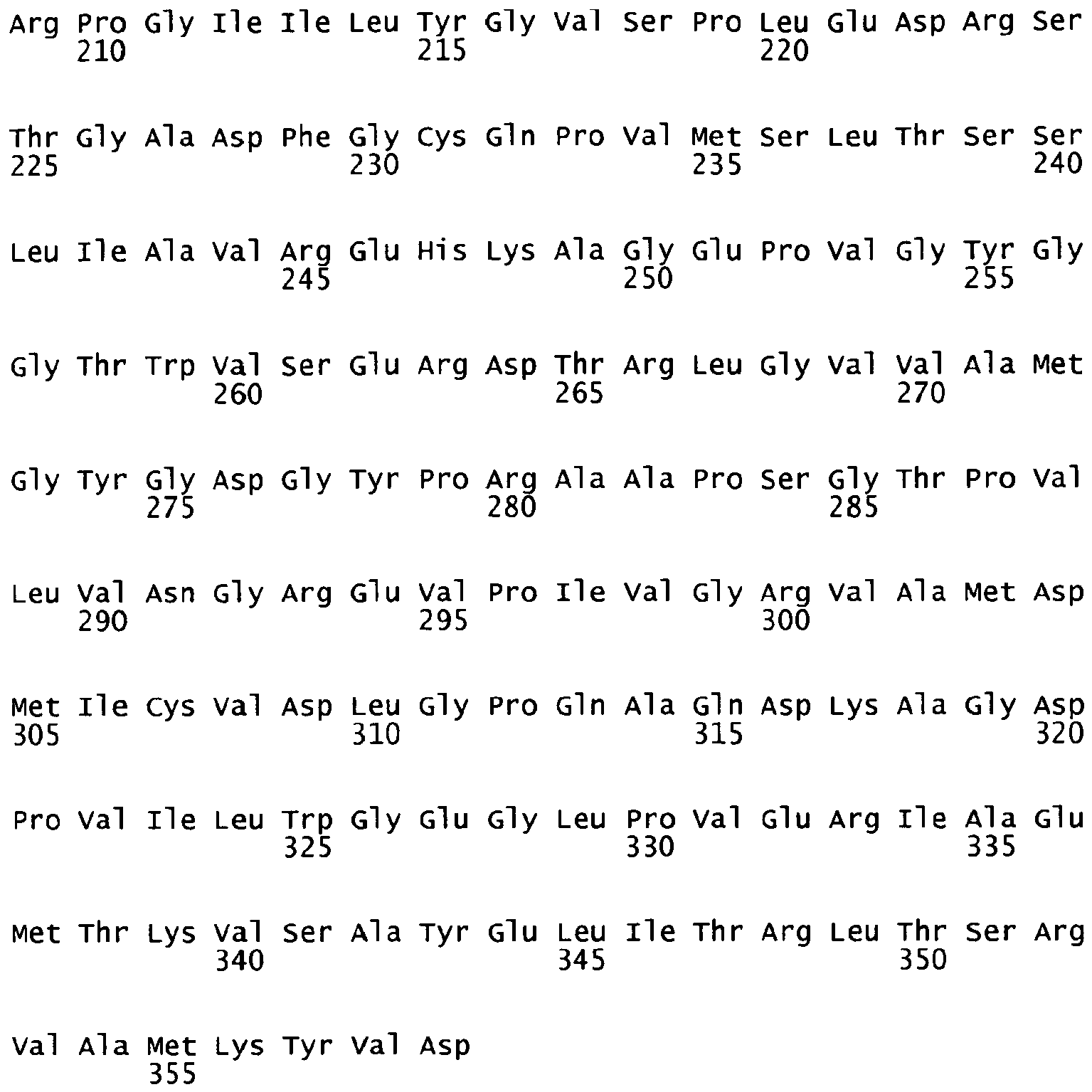
- <210> 38
<211> 359
<212> PRT
<213> shigella dysenteriae sd197 - <400> 38
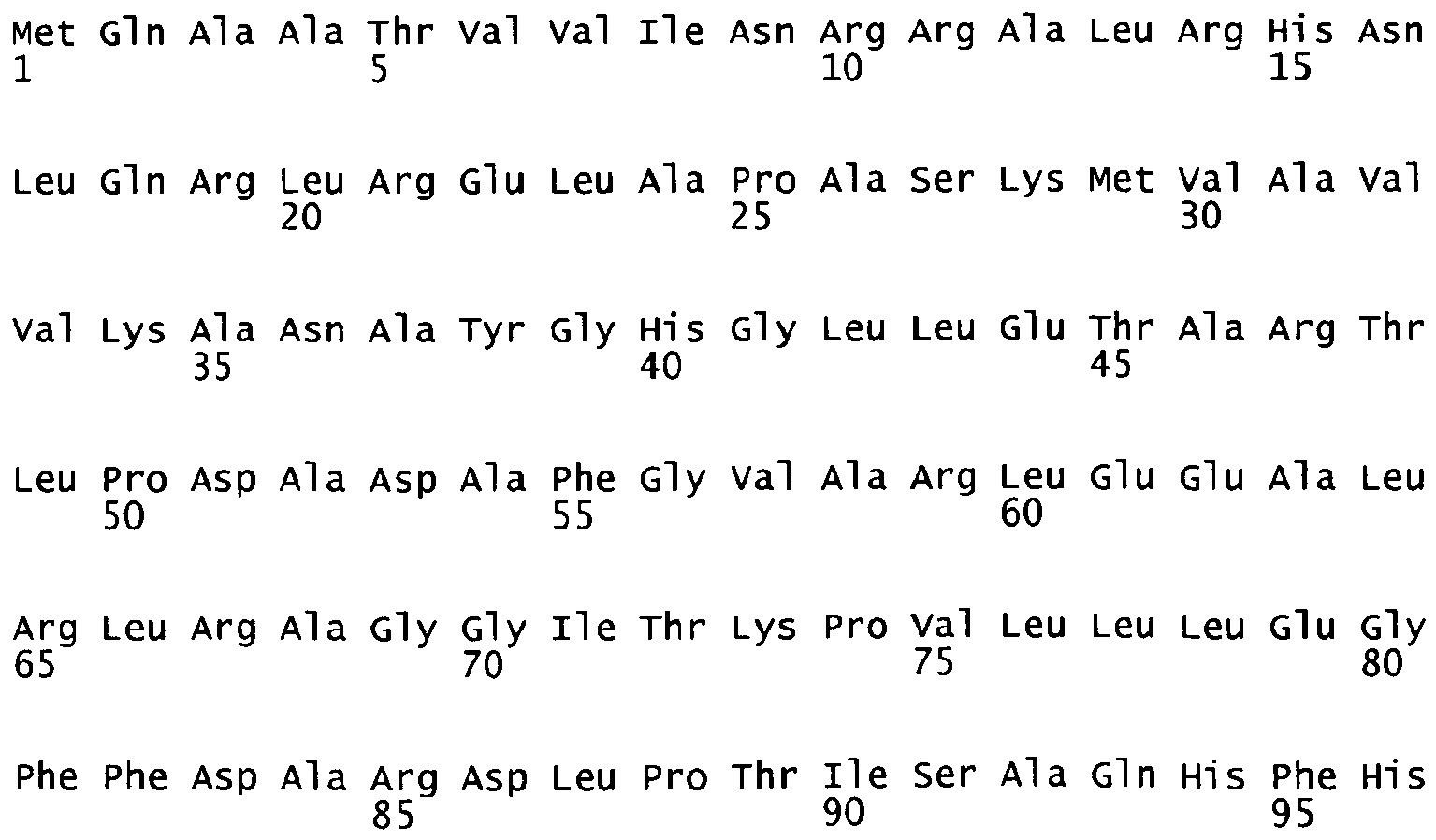

- <210> 39
<211> 359
<212> PRT
<213> Artificial - <220>
<223> synthetic gene - <400> 39
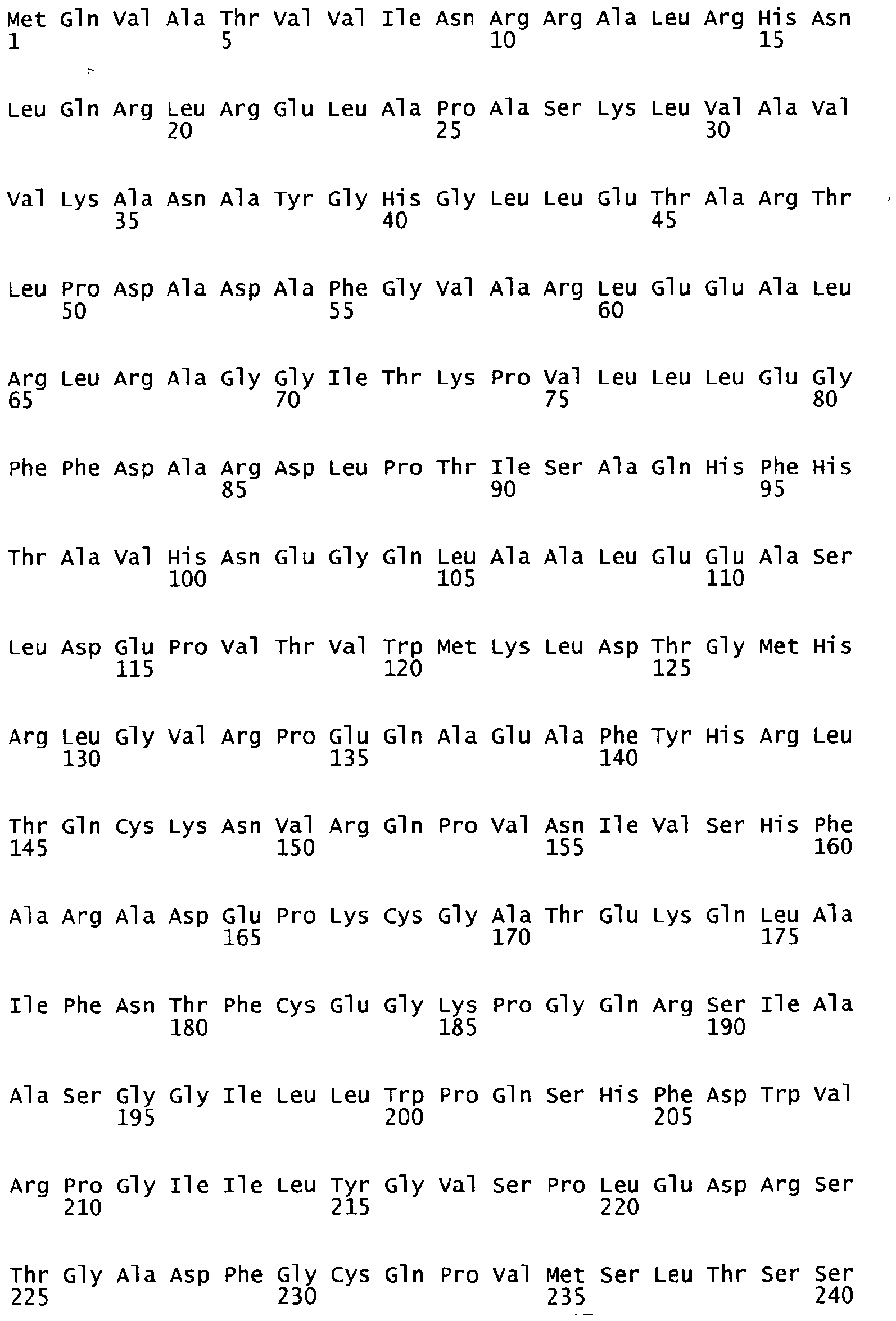
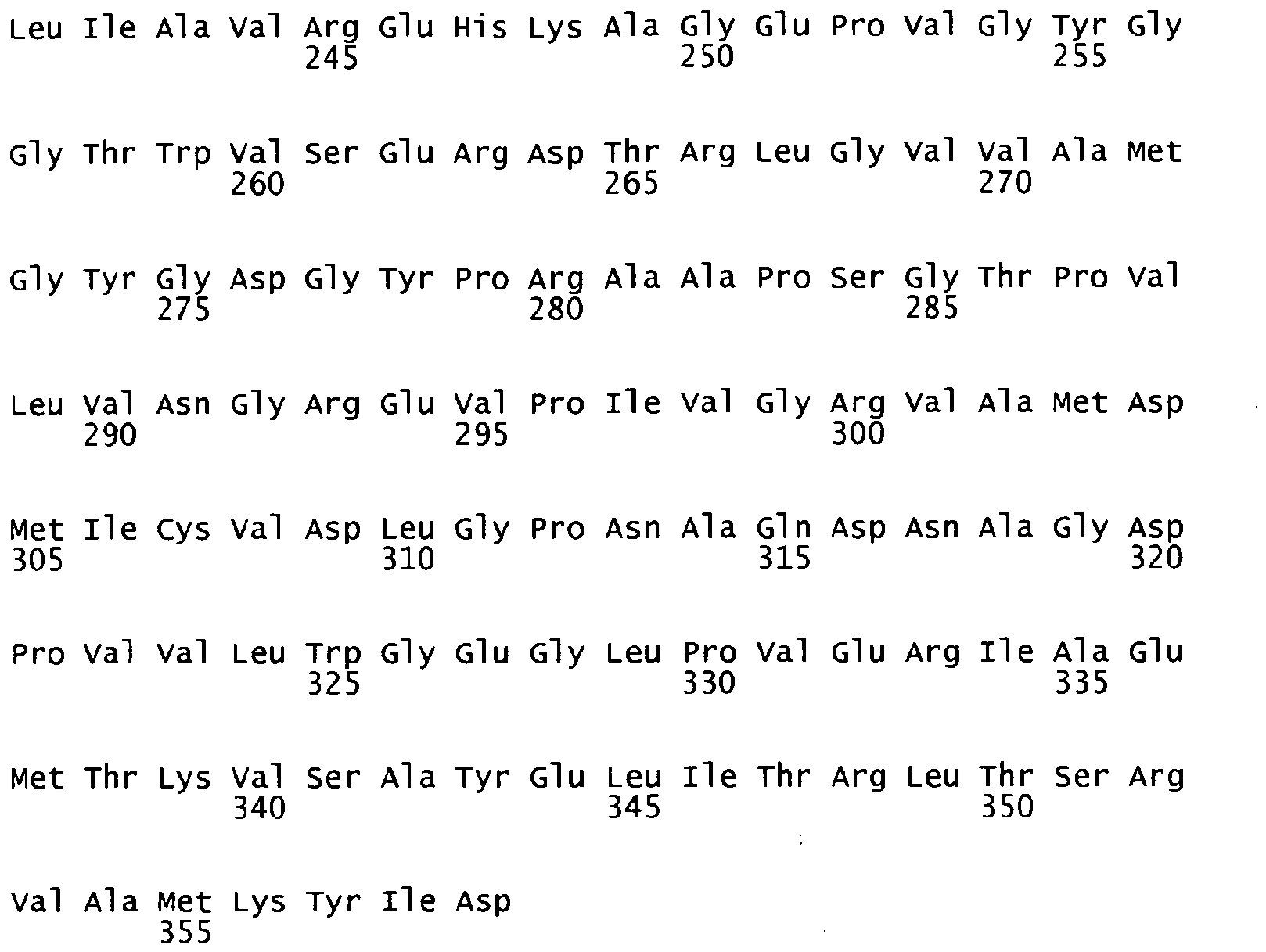
- <210> 40
<211> 358
<212> PRT
<213> Escherichia coli - <220>
<221> misc_feature
<222> (23)..(23)
<223> Xaa can be any naturally occurring amino acid - <220>
<221> misc_feature
<222> (56)..(56)
<223> Xaa can be any naturally occurring amino acid - <220>
<221> misc_feature
<222> (279)..(279)
<223> Xaa can be any naturally occurring amino acid - <400> 40

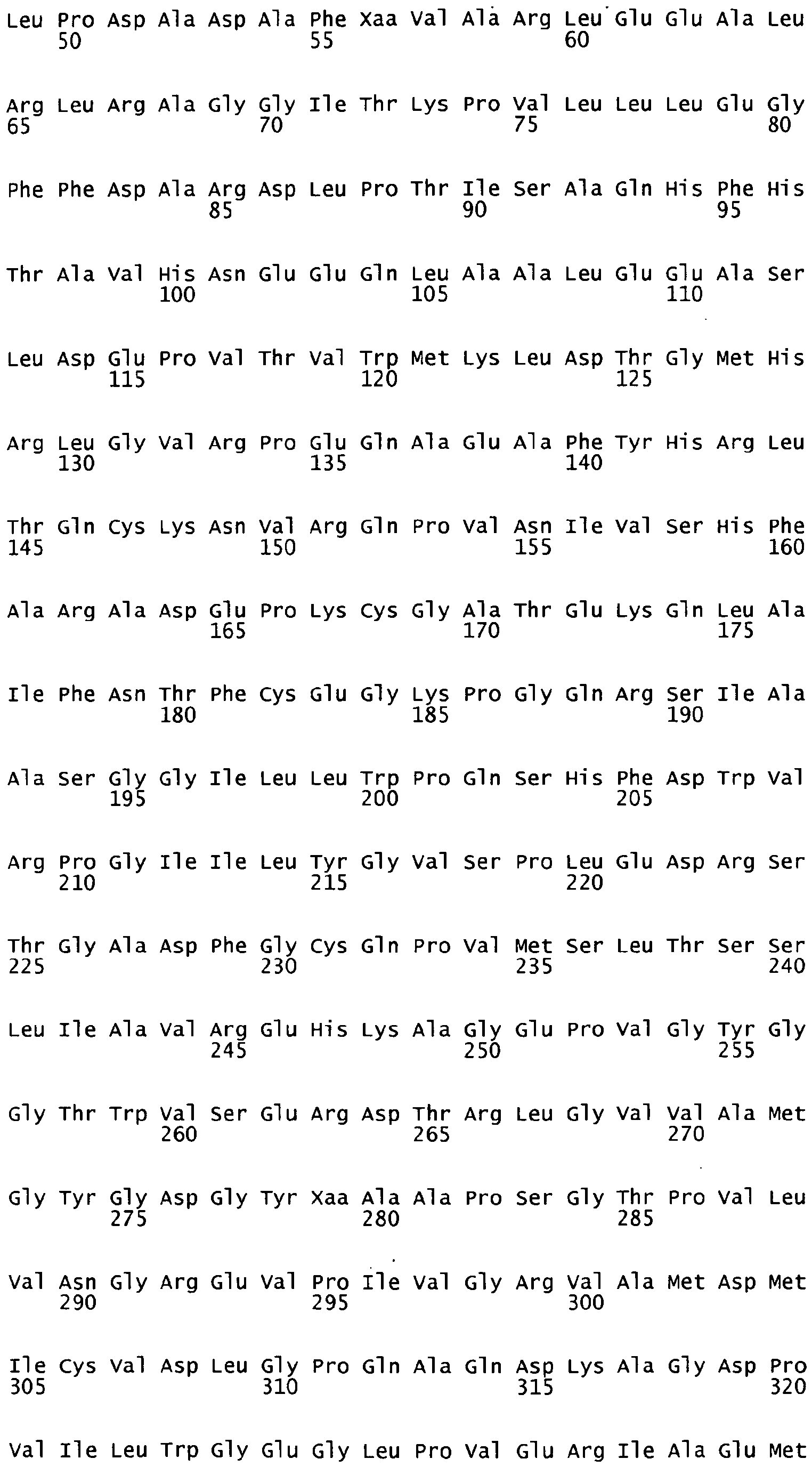

- <210> 41
<211> 359
<212> PRT
<213> Artificial - <220>
<223> synthetic gene - <400> 41
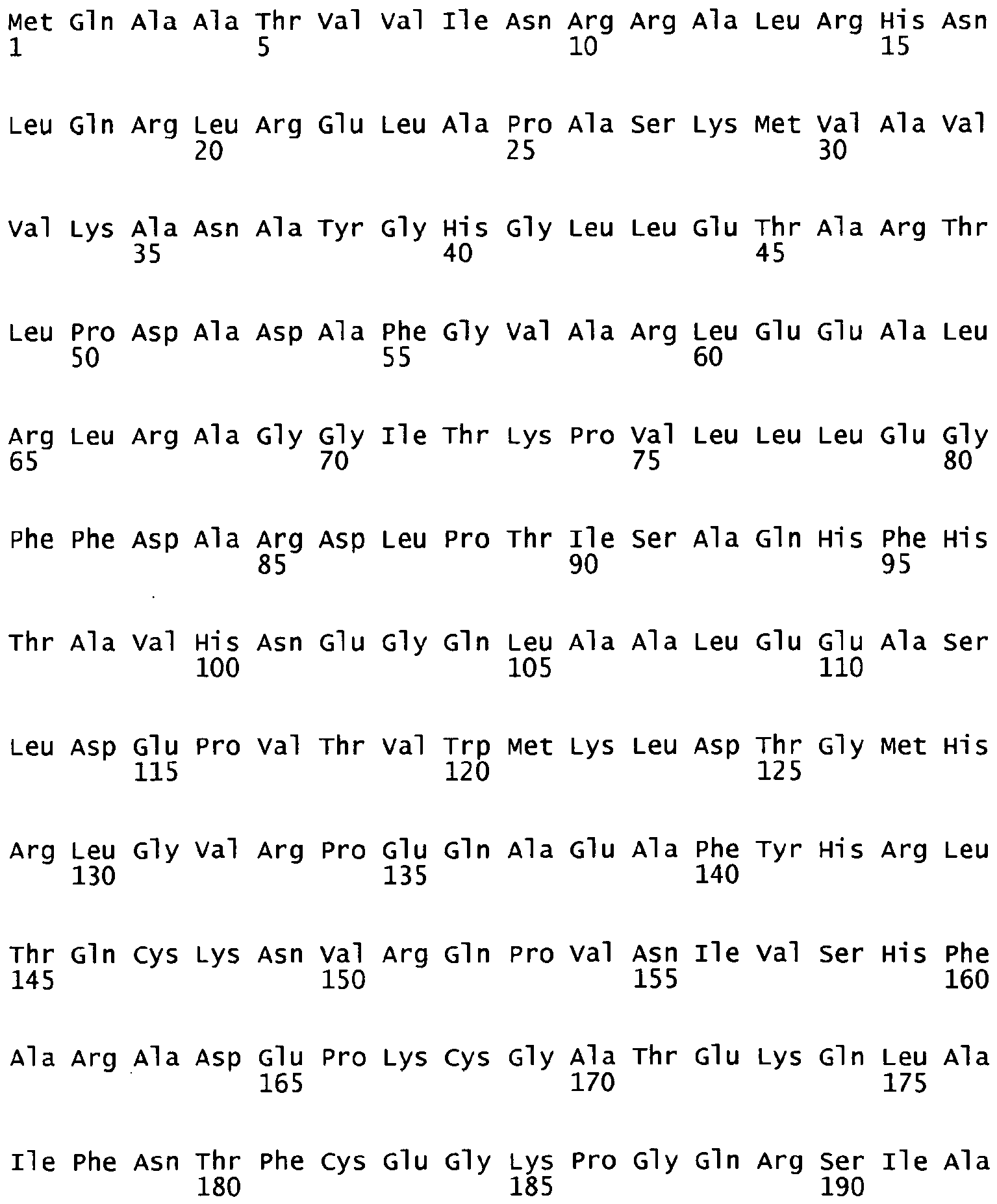

- <210> 42
<211> 359
<212> PRT
<213> Escherichia coli CFT073 - <400> 42
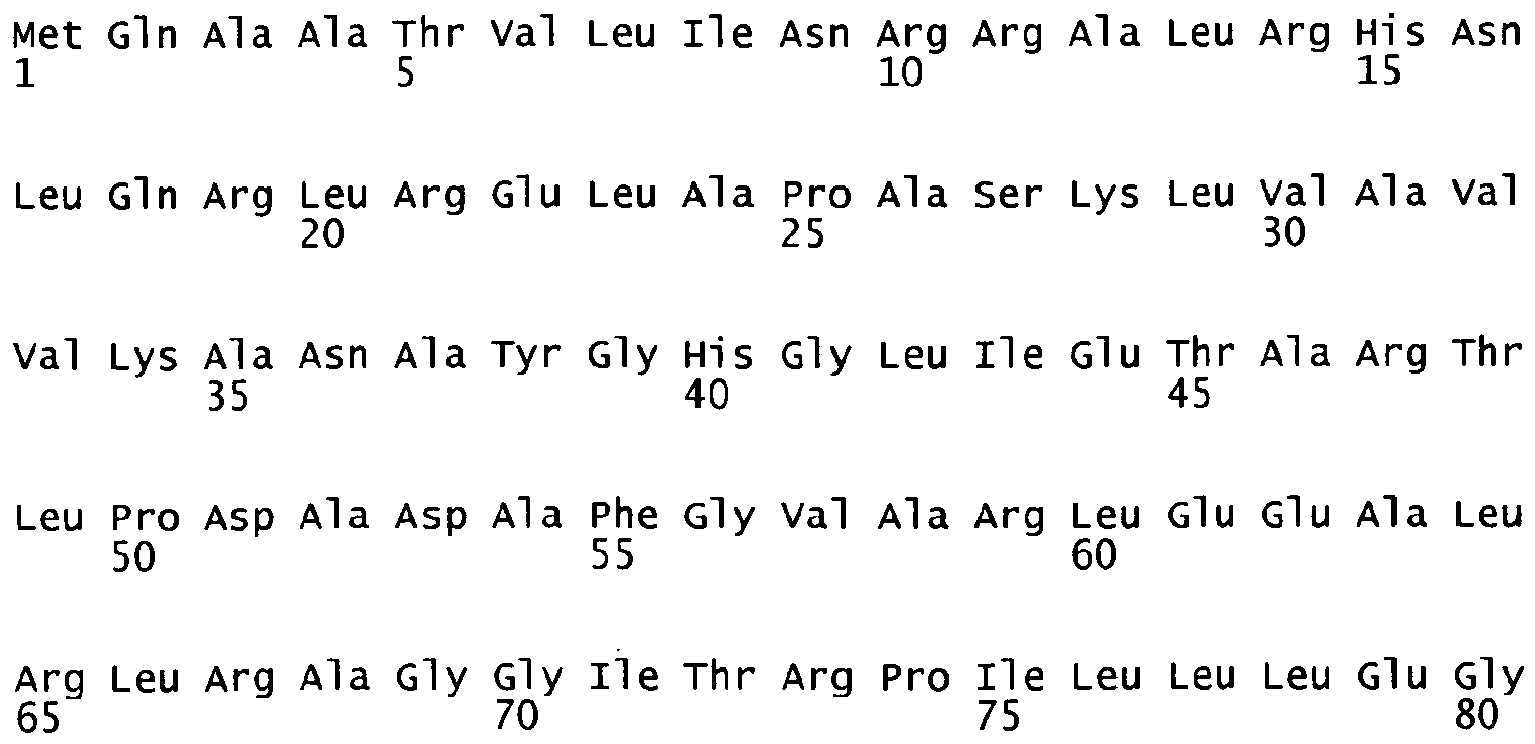
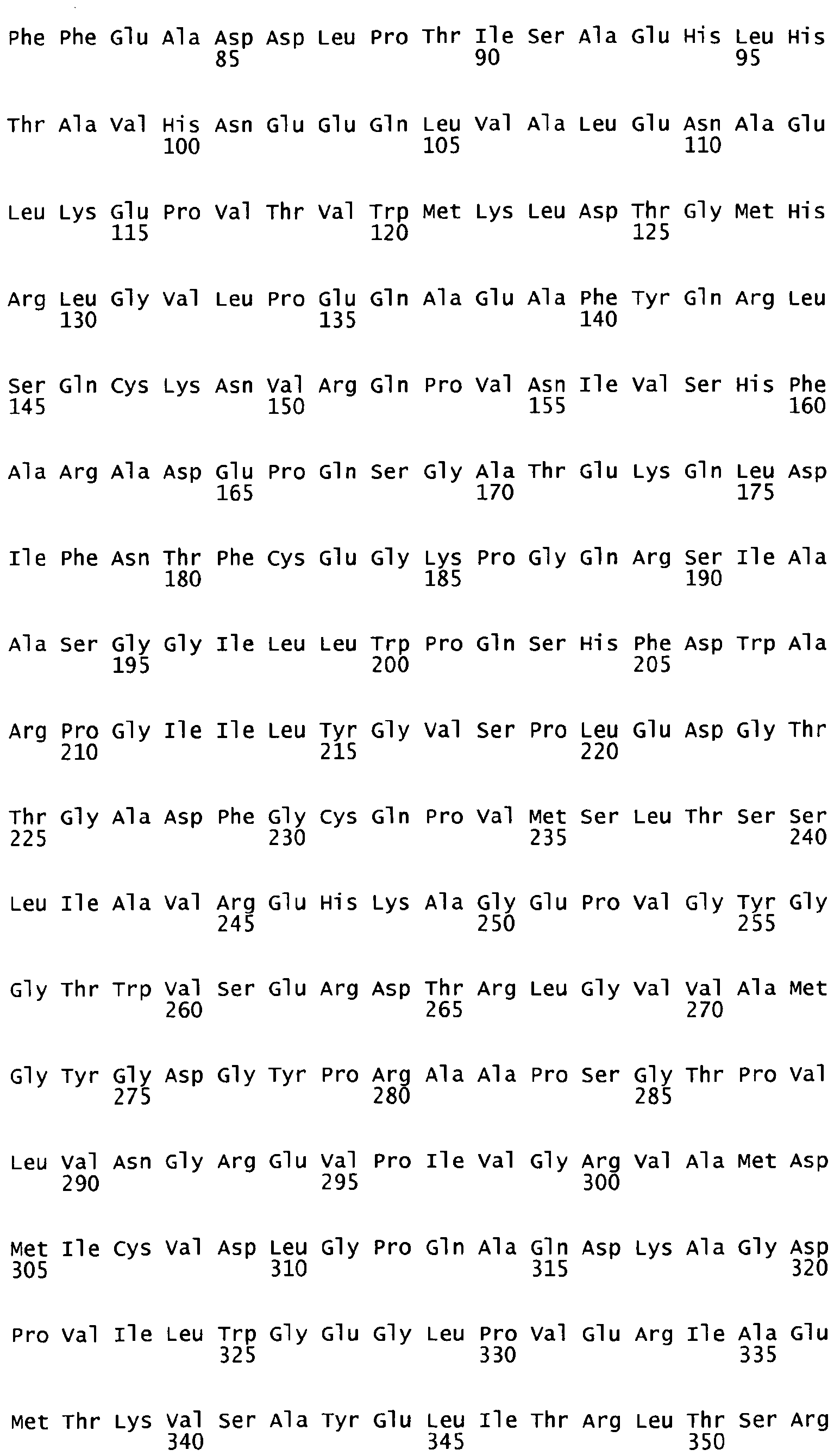

- <210> 43
<211> 359
<212> PRT
<213> Salmonella enterica subsp. enterica serovar - <400> 43

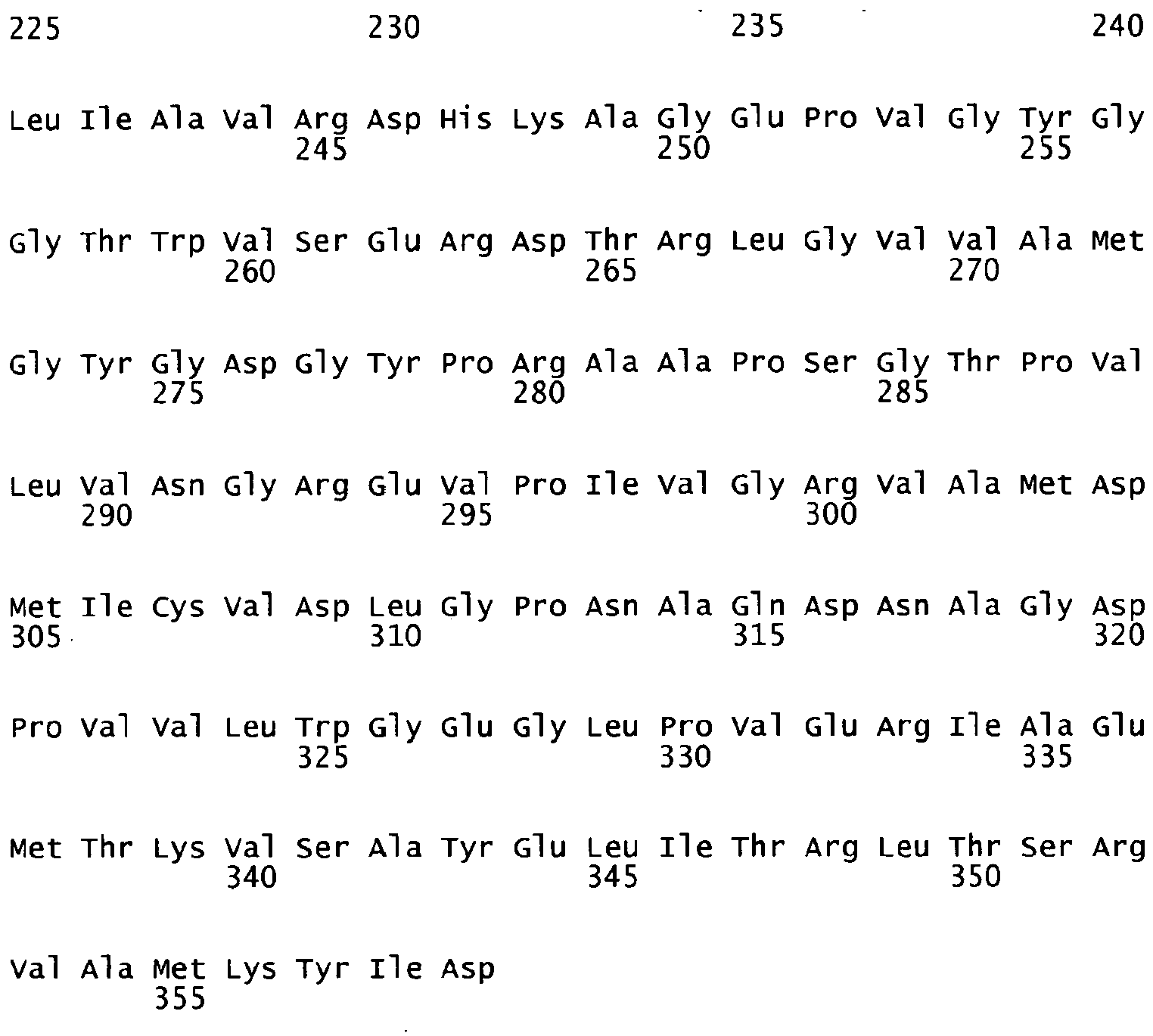
- <210> 44
<211> 359
<212> PRT
<213> Enterobacter sp. 638 - <400> 44
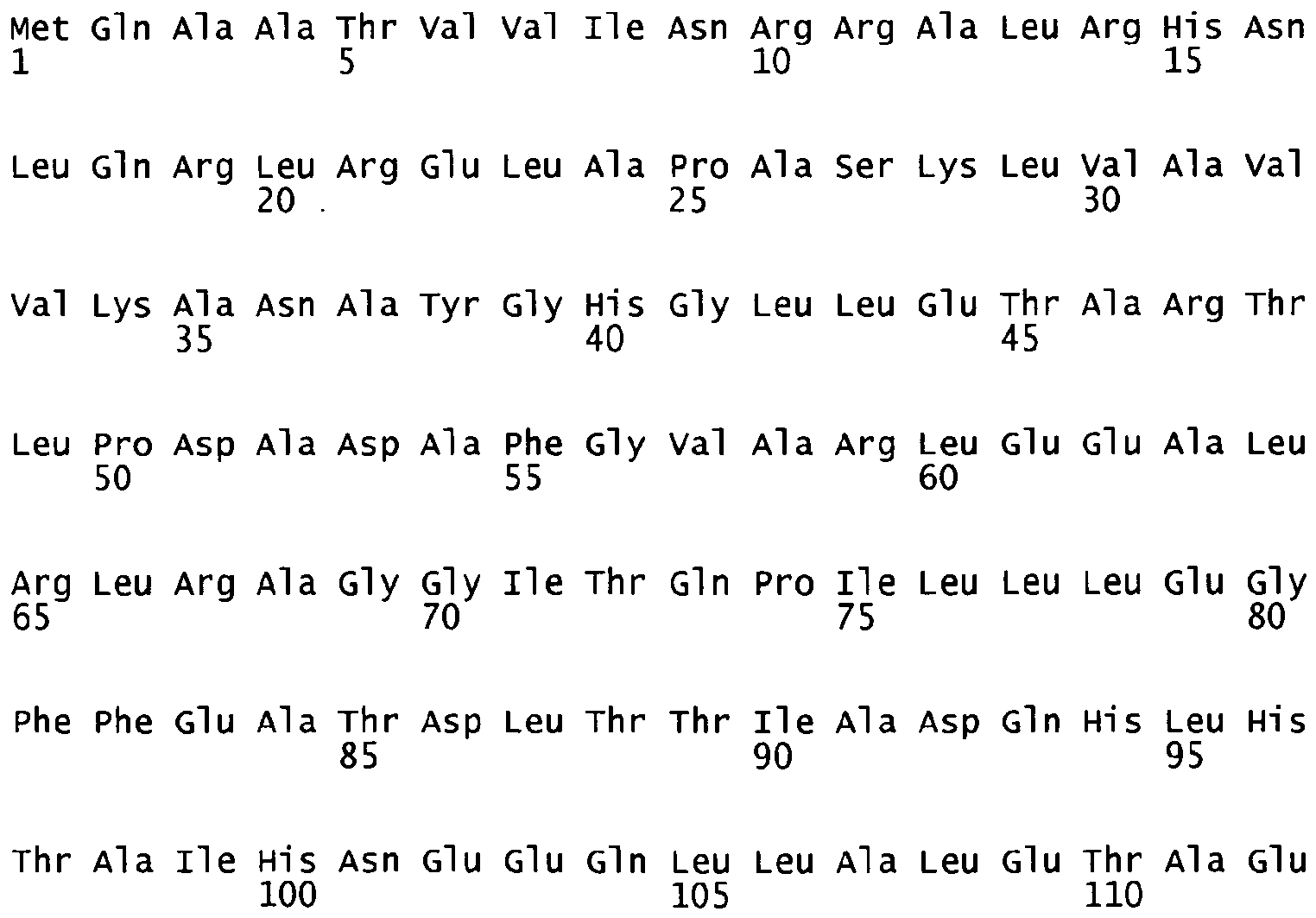
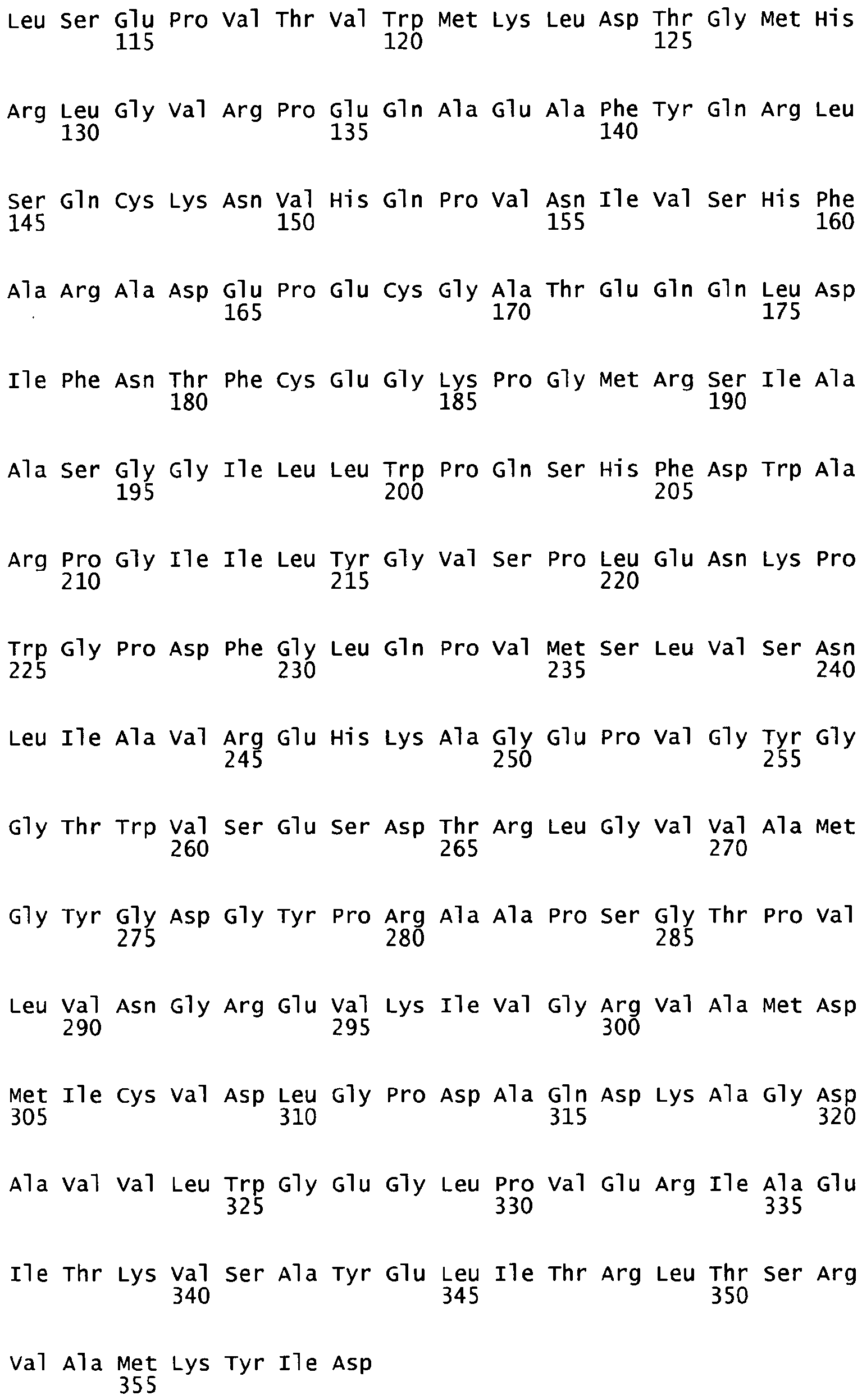
Claims (16)
- A transgenic plant comprising an expression vector comprising an isolated alanine racemase encoding polynucleotide, wherein the transgenic plant demonstrates increased resistance to nematodes as compared to a wild type plant.
- The transgenic plant of claim 1, wherein the isolated polynucleotide is selected from the group consisting of:a) a polynucleotide having a sequence as defined in SEQ ID NO:5 or 7;b) a polynucleotide encoding a polypeptide having a sequence as defined in SEQ ID NO:6 or 8;c) a polynucleotide having at least 70% sequence identity to a polynucleotide having a sequence as defined in SEQ ID NO:5 or 7;d) a polynucleotide encoding a polypeptide having at least 70% sequence identity to a polypeptide having a sequence as defined in SEQ ID NO:6 or 8;e) a polynucleotide that hybridizes under stringent conditions to a polynucleotide having a sequence as defined in SEQ ID NO:5 or 7;f) a polynucleotide that hybridizes under stringent conditions to a polynucleotide encoding a polypeptide having a sequence as defined in SEQ ID NO:6 or 8;g) a polynucleotide encoding a polypeptide having a sequence as defined in any of SEQ ID NOs: 12 through 44, andh) a polynucleotide encoding a polypeptide having at least 90% sequence identity to a sequence as defined in any of SEQ ID NO: 12 through 44.
- The plant of claim 1, further defined as a monocot or a dicot.
- The plant of claim 1, wherein the plant is selected from the group consisting of maize, wheat, rice, barley, oat, rye, sorghum, banana, ryegrass, pea, alfalfa, soybean, carrot, celery, tomato, potato, cotton, tobacco, pepper, oilseed rape, beet, cabbage, cauliflower, broccoli, lettuce and Arabidopsis thaliana.
- A seed which is true breeding for a transgene comprising an alanine racemase encoding polynucleotide, wherein expression of the polynucleotide confers increased nematode resistance to the plant produced from the seed.
- The seed of claim 5, wherein the polynucleotide is selected from the group consisting of:a) a polynucleotide having a sequence as defined in SEQ ID NO:5 or 7;b) a polynucleotide encoding a polypeptide having a sequence as defined in SEQ ID NO:6 or 8;c) a polynucleotide having at least 70% sequence identity to a polynucleotide having a sequence as defined in SEQ ID NO:5 or 7;d) a polynucleotide encoding a polypeptide having at least 70% sequence identity to a polypeptide having a sequence as defined in SEQ ID NO:6 or 8;e) a polynucleotide that hybridizes under stringent conditions to a polynucleotide having a sequence as defined in SEQ ID NO:5 or 7;f) a polynucleotide that hybridizes under stringent conditions to a polynucleotide encoding a polypeptide having a sequence as defined in SEQ ID NO:6 or 8;g) a polynucleotide encoding a polypeptide having a sequence as defined in any of SEQ ID NOs: 12 through 44, andh) a polynucleotide encoding a polypeptide having at least 90% sequence identity to a sequence as defined in any of SEQ ID NO: 12 through 44.
- Use of an expression vector comprising a transcription regulatory element operably linked to an alanine racemase encoding polynucleotide for increasing nematode resistance of a plant.
- The use of claim 7, wherein the polynucleotide is selected from the group consisting of:a) a polynucleotide having a sequence as defined in SEQ ID NO:5 or 7;b) a polynucleotide encoding a polypeptide having a sequence as defined in SEQ ID NO:6 or 8;c) a polynucleotide having at least 70% sequence identity to a polynucleotide having a sequence as defined in SEQ ID NO:5 or 7;d) a polynucleotide encoding a polypeptide having a sequence as defined in SEQ ID NO:6 or 8;e) a polynucleotide that hybridizes under stringent conditions to a polynucleotide having a sequence as defined in SEQ ID NO:5 or 7; andf) a polynucleotide that hybridizes under stringent conditions to a polynucleotide encoding a polypeptide having a sequence as defined in SEQ ID NO:6 or 8;g) a polynucleotide encoding a polypeptide having a sequence as defined in any of SEQ ID NOs: 12 through 44, andh) a polynucleotide encoding a polypeptide having at least 90% sequence identity to a sequence as defined in any of SEQ ID NOs: 12 through 44.
- The use of claim 8, wherein the transcription regulatory element is a promoter regulating root-specific or syncytia-specific expression of the polynucleotide.
- A method for increasing nematode resistance of a plant, wherein the method comprises the steps of:a) introducing into the plant the expression vector comprising an alanine racemase encoding polynucleotide; andb) selecting transgenic plants with increased nematode resistance.
- The method of claim 10, wherein the plant is a monocot.
- The method of claim 11, wherein the plant is selected from the group consisting of maize, wheat, rice, barley, oat, rye, sorghum, banana, and ryegrass.
- The method of claim 10, wherein the plant is a dicot.
- The method of claim 13, wherein the plant is selected from the group consisting of pea, alfalfa, soybean, carrot, celery, tomato, potato, cotton, tobacco, pepper, oilseed rape, beet, cabbage, cauliflower, broccoli, lettuce and Arabidopsis thaliana.
- The method of claim 10, wherein the polynucleotide has a sequence as defined in SEQ ID NO:5 or 7.
- The method of claim 10, wherein the polynucleotide encodes a polypeptide having a sequence as defined in SEQ ID NO:6 or 8.
Applications Claiming Priority (2)
| Application Number | Priority Date | Filing Date | Title |
|---|---|---|---|
| US89974607P | 2007-02-06 | 2007-02-06 | |
| PCT/EP2008/051330 WO2008095889A1 (en) | 2007-02-06 | 2008-02-04 | Use of alanine racemase genes to confer nematode resistance to plants |
Publications (2)
| Publication Number | Publication Date |
|---|---|
| EP2121933A1 EP2121933A1 (en) | 2009-11-25 |
| EP2121933B1 true EP2121933B1 (en) | 2012-04-18 |
Family
ID=39300765
Family Applications (1)
| Application Number | Title | Priority Date | Filing Date |
|---|---|---|---|
| EP08708634A Not-in-force EP2121933B1 (en) | 2007-02-06 | 2008-02-04 | Use of alanine racemase genes to confer nematode resistance to plants |
Country Status (10)
| Country | Link |
|---|---|
| US (1) | US20100064388A1 (en) |
| EP (1) | EP2121933B1 (en) |
| CN (1) | CN101605903B (en) |
| AR (1) | AR065244A1 (en) |
| AT (1) | ATE554174T1 (en) |
| BR (1) | BRPI0808371A2 (en) |
| CA (1) | CA2674499A1 (en) |
| ES (1) | ES2382408T3 (en) |
| MX (1) | MX2009007811A (en) |
| WO (1) | WO2008095889A1 (en) |
Families Citing this family (16)
| Publication number | Priority date | Publication date | Assignee | Title |
|---|---|---|---|---|
| AR075465A1 (en) | 2008-10-22 | 2011-04-06 | Basf Se | USE OF SULFONILUREA HERBICIDES IN CULTIVATED PLANTS |
| WO2010046422A2 (en) | 2008-10-22 | 2010-04-29 | Basf Se | Use of auxin type herbicides on cultivated plants |
| CN102482682A (en) * | 2009-08-25 | 2012-05-30 | 巴斯夫植物科学有限公司 | Transgenic plants resistant to nematodes |
| MA33933B1 (en) | 2010-01-22 | 2013-01-02 | Bayer Ip Gmbh | COMBINATIONS OF ACARICIDAL AND / OR INSECTICIDAL ACTIVE INGREDIENTS |
| WO2012038480A2 (en) | 2010-09-22 | 2012-03-29 | Bayer Cropscience Ag | Use of biological or chemical control agents for controlling insects and nematodes in resistant crops |
| EP2460406A1 (en) | 2010-12-01 | 2012-06-06 | Bayer CropScience AG | Use of fluopyram for controlling nematodes in nematode resistant crops |
| CN103717076B (en) | 2011-08-10 | 2016-04-13 | 拜耳知识产权股份有限公司 | Active compound combinations containing specific tetramic acid derivatives |
| CA2859467C (en) | 2011-12-19 | 2019-10-01 | Bayer Cropscience Ag | Use of anthranilic acid diamide derivatives for pest control in transgenic crops |
| EP2622961A1 (en) | 2012-02-02 | 2013-08-07 | Bayer CropScience AG | Acive compound combinations |
| TWI654180B (en) | 2012-06-29 | 2019-03-21 | 美商艾佛艾姆希公司 | Fungicidal heterocyclic carboxamide |
| MX2015004175A (en) | 2012-10-01 | 2015-06-10 | Basf Se | Use of n-thio-anthranilamide compounds on cultivated plants. |
| AR093909A1 (en) | 2012-12-12 | 2015-06-24 | Bayer Cropscience Ag | USE OF ACTIVE INGREDIENTS TO CONTROL NEMATODES IN CULTURES RESISTANT TO NEMATODES |
| CN103834679B (en) * | 2014-02-20 | 2016-08-17 | 江南大学 | A kind of it is independent of the corynebacterium expression system that antibiotic is selection pressure |
| WO2016091674A1 (en) | 2014-12-12 | 2016-06-16 | Basf Se | Use of cyclaniliprole on cultivated plants |
| WO2016162371A1 (en) | 2015-04-07 | 2016-10-13 | Basf Agrochemical Products B.V. | Use of an insecticidal carboxamide compound against pests on cultivated plants |
| WO2017025282A1 (en) | 2015-08-07 | 2017-02-16 | Bayer Cropscience Nv | Root-preferential and stress inducible promoter and uses thereof |
Family Cites Families (43)
| Publication number | Priority date | Publication date | Assignee | Title |
|---|---|---|---|---|
| US4407956A (en) | 1981-03-13 | 1983-10-04 | The Regents Of The University Of California | Cloned cauliflower mosaic virus DNA as a plant vehicle |
| CA1192510A (en) | 1981-05-27 | 1985-08-27 | Lawrence E. Pelcher | Rna plant virus vector or portion thereof, a method of construction thereof, and a method of producing a gene derived product therefrom |
| US4416291A (en) | 1981-07-20 | 1983-11-22 | Becton Dickinson And Company | Multiple sample needle assembly with vein entry indicator |
| NL8200523A (en) | 1982-02-11 | 1983-09-01 | Univ Leiden | METHOD FOR TRANSFORMING IN VITRO PLANT PROTOPLASTS WITH PLASMIDE DNA. |
| US4536475A (en) | 1982-10-05 | 1985-08-20 | Phytogen | Plant vector |
| EP0320500B1 (en) | 1983-01-13 | 2004-11-17 | Max-Planck-Gesellschaft zur Förderung der Wissenschaften e.V. | Non-oncogenic ti plasmid vector system and recombinant DNA molecules for the introduction of expressible genes into plant cell genomes |
| US5352605A (en) | 1983-01-17 | 1994-10-04 | Monsanto Company | Chimeric genes for transforming plant cells using viral promoters |
| US5504200A (en) | 1983-04-15 | 1996-04-02 | Mycogen Plant Science, Inc. | Plant gene expression |
| EP0160692A1 (en) | 1983-11-03 | 1985-11-13 | DE WET, Johannes Martenis Jacob | Method for the transfer of exogenous genes in plants using pollen as a vector |
| US5420034A (en) | 1986-07-31 | 1995-05-30 | Calgene, Inc. | Seed-specific transcriptional regulation |
| US4962028A (en) | 1986-07-09 | 1990-10-09 | Dna Plant Technology Corporation | Plant promotors |
| US5922602A (en) | 1988-02-26 | 1999-07-13 | Biosource Technologies, Inc. | Cytoplasmic inhibition of gene expression |
| US5614395A (en) | 1988-03-08 | 1997-03-25 | Ciba-Geigy Corporation | Chemically regulatable and anti-pathogenic DNA sequences and uses thereof |
| DE3843628A1 (en) | 1988-12-21 | 1990-07-05 | Inst Genbiologische Forschung | Wound-inducible and potato-tuber-specific transcriptional regulation |
| US6051753A (en) | 1989-09-07 | 2000-04-18 | Calgene, Inc. | Figwort mosaic virus promoter and uses |
| US5641876A (en) | 1990-01-05 | 1997-06-24 | Cornell Research Foundation, Inc. | Rice actin gene and promoter |
| EP0472712B1 (en) | 1990-03-16 | 2001-09-12 | Calgene LLC | Novel sequences preferentially expressed in early seed development and methods related thereto |
| US5451513A (en) | 1990-05-01 | 1995-09-19 | The State University of New Jersey Rutgers | Method for stably transforming plastids of multicellular plants |
| US5187267A (en) | 1990-06-19 | 1993-02-16 | Calgene, Inc. | Plant proteins, promoters, coding sequences and use |
| GB9019736D0 (en) | 1990-09-10 | 1990-10-24 | Univ Leeds Ind Service Ltd | Plant parasitic nematode control |
| DK0596979T3 (en) | 1991-08-01 | 2002-05-13 | Large Scale Biology Corp | Plant virus recombinant nucleic acids |
| PT637339E (en) | 1992-04-13 | 2002-03-28 | Syngenta Ltd | DNA BUILDINGS AND PLANS THAT INCORPORATE THEM |
| WO1994025606A2 (en) * | 1993-04-23 | 1994-11-10 | Sandoz Ltd. | Recombinant alanine racemase and gapdh from tolypocladium |
| US5824876A (en) | 1993-06-28 | 1998-10-20 | Advanced Technologies (Cambridge) Limited | Plant parasitic nematode control |
| AU687961B2 (en) | 1993-11-19 | 1998-03-05 | Biotechnology Research And Development Corporation | Chimeric regulatory regions and gene cassettes for expression of genes in plants |
| GB9324707D0 (en) | 1993-12-02 | 1994-01-19 | Olsen Odd Arne | Promoter |
| US5576198A (en) | 1993-12-14 | 1996-11-19 | Calgene, Inc. | Controlled expression of transgenic constructs in plant plastids |
| GB9403512D0 (en) | 1994-02-24 | 1994-04-13 | Olsen Odd Arne | Promoter |
| US5545817A (en) | 1994-03-11 | 1996-08-13 | Calgene, Inc. | Enhanced expression in a plant plastid |
| US5545818A (en) | 1994-03-11 | 1996-08-13 | Calgene Inc. | Expression of Bacillus thuringiensis cry proteins in plant plastids |
| GB9421286D0 (en) | 1994-10-21 | 1994-12-07 | Danisco | Promoter |
| US5659026A (en) | 1995-03-24 | 1997-08-19 | Pioneer Hi-Bred International | ALS3 promoter |
| ATE256625T1 (en) | 1995-10-17 | 2004-01-15 | Inventio Ag | SAFETY DEVICE FOR MULTIMOBILE ELEVATOR GROUPS |
| EP0885298B1 (en) | 1996-03-06 | 2005-08-03 | Rutgers University | Plastid transformation in arabidopsis thaliana |
| CN1222196A (en) * | 1996-06-04 | 1999-07-07 | 莫根国际股份有限公司 | Nematode-inducible plant gene promotor |
| US5977436A (en) | 1997-04-09 | 1999-11-02 | Rhone Poulenc Agrochimie | Oleosin 5' regulatory region for the modification of plant seed lipid composition |
| DE69836552T3 (en) | 1997-09-30 | 2014-10-09 | The Regents Of The University Of California | PREPARATION OF PROTEINS IN PLANT SEEDS |
| EP1292692A2 (en) * | 2000-06-09 | 2003-03-19 | Institut Für Pflanzengenetik Und Kulturpflanzenforschung | Hero resistance gene conferring resistance to nematodes |
| US7151204B2 (en) | 2001-01-09 | 2006-12-19 | Monsanto Technology Llc | Maize chloroplast aldolase promoter compositions and methods for use thereof |
| US7645919B2 (en) | 2001-08-06 | 2010-01-12 | Monsanto Technology Llc | DNA molecules from maize and methods of use thereof |
| GB0201043D0 (en) * | 2002-01-17 | 2002-03-06 | Swetree Genomics Ab | Plants methods and means |
| DE60335938D1 (en) * | 2002-02-26 | 2011-03-17 | Syngenta Ltd | METHOD FOR THE SELECTIVE MANUFACTURE OF MALE OR FEMALE-STERILE PLANTS |
| AU2006219823A1 (en) * | 2005-03-02 | 2006-09-08 | Metanomics Gmbh | Process for the production of fine chemicals |
-
2008
- 2008-02-04 EP EP08708634A patent/EP2121933B1/en not_active Not-in-force
- 2008-02-04 WO PCT/EP2008/051330 patent/WO2008095889A1/en not_active Ceased
- 2008-02-04 BR BRPI0808371-1A patent/BRPI0808371A2/en not_active IP Right Cessation
- 2008-02-04 MX MX2009007811A patent/MX2009007811A/en active IP Right Grant
- 2008-02-04 ES ES08708634T patent/ES2382408T3/en active Active
- 2008-02-04 AT AT08708634T patent/ATE554174T1/en active
- 2008-02-04 CN CN2008800042416A patent/CN101605903B/en not_active Expired - Fee Related
- 2008-02-04 US US12/523,161 patent/US20100064388A1/en not_active Abandoned
- 2008-02-04 CA CA002674499A patent/CA2674499A1/en not_active Abandoned
- 2008-02-06 AR ARP080100523A patent/AR065244A1/en not_active Application Discontinuation
Also Published As
| Publication number | Publication date |
|---|---|
| CN101605903B (en) | 2012-09-05 |
| ES2382408T3 (en) | 2012-06-08 |
| CN101605903A (en) | 2009-12-16 |
| AR065244A1 (en) | 2009-05-27 |
| WO2008095889A1 (en) | 2008-08-14 |
| ATE554174T1 (en) | 2012-05-15 |
| CA2674499A1 (en) | 2008-08-14 |
| BRPI0808371A2 (en) | 2014-07-08 |
| MX2009007811A (en) | 2009-07-31 |
| EP2121933A1 (en) | 2009-11-25 |
| US20100064388A1 (en) | 2010-03-11 |
Similar Documents
| Publication | Publication Date | Title |
|---|---|---|
| EP2121933B1 (en) | Use of alanine racemase genes to confer nematode resistance to plants | |
| US20100115664A1 (en) | Use of Trehalase Genes to Confer Nematode Resistance to Plants | |
| US20100095404A1 (en) | Use of Nematode Chitinase Genes to Control Plant Parasitic Nematodes | |
| US20100064389A1 (en) | Polynucleotides Encoding Truncated Sucrose Isomerase Polypeptides for Control of Parasitic Nematodes | |
| US20110258736A1 (en) | Pathogen Control Genes and Methods of Use in Plants | |
| EP2111452B1 (en) | Compositions and methods using rna interference of opr3-like gene for control of nematodes | |
| EP2115148B1 (en) | Compositions and methods using rna interference of cdpk-like for control of nematodes | |
| US20100011463A1 (en) | Compositions and Methods Using RNA Interference for Control of Nematodes | |
| EP2470661A1 (en) | Nematode-resistant transgenic plants | |
| US20100017912A1 (en) | Compositions and methods using rna interference of cad-like genes for control of nematodes | |
| CA2734807A1 (en) | Nematode-resistant transgenic plants | |
| US20100005545A1 (en) | Compositions and Methods of Using RNA Interference of SCA1-Like Genes for Control of Nematodes | |
| WO2012153274A1 (en) | Nematode-resistant transgenic plants | |
| CN101627126A (en) | Pearli1 - like pathogen control genes and methods of use in plants | |
| US20100095403A1 (en) | PearlI1-Like Pathogen Control Genes and Methods of use in Plants |
Legal Events
| Date | Code | Title | Description |
|---|---|---|---|
| PUAI | Public reference made under article 153(3) epc to a published international application that has entered the european phase |
Free format text: ORIGINAL CODE: 0009012 |
|
| 17P | Request for examination filed |
Effective date: 20090907 |
|
| AK | Designated contracting states |
Kind code of ref document: A1 Designated state(s): AT BE BG CH CY CZ DE DK EE ES FI FR GB GR HR HU IE IS IT LI LT LU LV MC MT NL NO PL PT RO SE SI SK TR |
|
| 17Q | First examination report despatched |
Effective date: 20091130 |
|
| DAX | Request for extension of the european patent (deleted) | ||
| GRAP | Despatch of communication of intention to grant a patent |
Free format text: ORIGINAL CODE: EPIDOSNIGR1 |
|
| RTI1 | Title (correction) |
Free format text: USE OF ALANINE RACEMASE GENES TO CONFER NEMATODE RESISTANCE TO PLANTS |
|
| GRAS | Grant fee paid |
Free format text: ORIGINAL CODE: EPIDOSNIGR3 |
|
| GRAA | (expected) grant |
Free format text: ORIGINAL CODE: 0009210 |
|
| AK | Designated contracting states |
Kind code of ref document: B1 Designated state(s): AT BE BG CH CY CZ DE DK EE ES FI FR GB GR HR HU IE IS IT LI LT LU LV MC MT NL NO PL PT RO SE SI SK TR |
|
| REG | Reference to a national code |
Ref country code: GB Ref legal event code: FG4D |
|
| REG | Reference to a national code |
Ref country code: CH Ref legal event code: EP |
|
| REG | Reference to a national code |
Ref country code: IE Ref legal event code: FG4D |
|
| REG | Reference to a national code |
Ref country code: AT Ref legal event code: REF Ref document number: 554174 Country of ref document: AT Kind code of ref document: T Effective date: 20120515 |
|
| REG | Reference to a national code |
Ref country code: ES Ref legal event code: FG2A Ref document number: 2382408 Country of ref document: ES Kind code of ref document: T3 Effective date: 20120608 |
|
| REG | Reference to a national code |
Ref country code: DE Ref legal event code: R096 Ref document number: 602008014900 Country of ref document: DE Effective date: 20120621 |
|
| REG | Reference to a national code |
Ref country code: NL Ref legal event code: T3 |
|
| REG | Reference to a national code |
Ref country code: AT Ref legal event code: MK05 Ref document number: 554174 Country of ref document: AT Kind code of ref document: T Effective date: 20120418 |
|
| LTIE | Lt: invalidation of european patent or patent extension |
Effective date: 20120418 |
|
| PG25 | Lapsed in a contracting state [announced via postgrant information from national office to epo] |
Ref country code: LT Free format text: LAPSE BECAUSE OF FAILURE TO SUBMIT A TRANSLATION OF THE DESCRIPTION OR TO PAY THE FEE WITHIN THE PRESCRIBED TIME-LIMIT Effective date: 20120418 Ref country code: PL Free format text: LAPSE BECAUSE OF FAILURE TO SUBMIT A TRANSLATION OF THE DESCRIPTION OR TO PAY THE FEE WITHIN THE PRESCRIBED TIME-LIMIT Effective date: 20120418 Ref country code: NO Free format text: LAPSE BECAUSE OF FAILURE TO SUBMIT A TRANSLATION OF THE DESCRIPTION OR TO PAY THE FEE WITHIN THE PRESCRIBED TIME-LIMIT Effective date: 20120718 Ref country code: FI Free format text: LAPSE BECAUSE OF FAILURE TO SUBMIT A TRANSLATION OF THE DESCRIPTION OR TO PAY THE FEE WITHIN THE PRESCRIBED TIME-LIMIT Effective date: 20120418 Ref country code: IS Free format text: LAPSE BECAUSE OF FAILURE TO SUBMIT A TRANSLATION OF THE DESCRIPTION OR TO PAY THE FEE WITHIN THE PRESCRIBED TIME-LIMIT Effective date: 20120818 Ref country code: SE Free format text: LAPSE BECAUSE OF FAILURE TO SUBMIT A TRANSLATION OF THE DESCRIPTION OR TO PAY THE FEE WITHIN THE PRESCRIBED TIME-LIMIT Effective date: 20120418 Ref country code: CY Free format text: LAPSE BECAUSE OF FAILURE TO SUBMIT A TRANSLATION OF THE DESCRIPTION OR TO PAY THE FEE WITHIN THE PRESCRIBED TIME-LIMIT Effective date: 20120418 |
|
| PG25 | Lapsed in a contracting state [announced via postgrant information from national office to epo] |
Ref country code: LV Free format text: LAPSE BECAUSE OF FAILURE TO SUBMIT A TRANSLATION OF THE DESCRIPTION OR TO PAY THE FEE WITHIN THE PRESCRIBED TIME-LIMIT Effective date: 20120418 Ref country code: SI Free format text: LAPSE BECAUSE OF FAILURE TO SUBMIT A TRANSLATION OF THE DESCRIPTION OR TO PAY THE FEE WITHIN THE PRESCRIBED TIME-LIMIT Effective date: 20120418 Ref country code: HR Free format text: LAPSE BECAUSE OF FAILURE TO SUBMIT A TRANSLATION OF THE DESCRIPTION OR TO PAY THE FEE WITHIN THE PRESCRIBED TIME-LIMIT Effective date: 20120418 Ref country code: PT Free format text: LAPSE BECAUSE OF FAILURE TO SUBMIT A TRANSLATION OF THE DESCRIPTION OR TO PAY THE FEE WITHIN THE PRESCRIBED TIME-LIMIT Effective date: 20120820 Ref country code: GR Free format text: LAPSE BECAUSE OF FAILURE TO SUBMIT A TRANSLATION OF THE DESCRIPTION OR TO PAY THE FEE WITHIN THE PRESCRIBED TIME-LIMIT Effective date: 20120719 |
|
| PG25 | Lapsed in a contracting state [announced via postgrant information from national office to epo] |
Ref country code: BE Free format text: LAPSE BECAUSE OF FAILURE TO SUBMIT A TRANSLATION OF THE DESCRIPTION OR TO PAY THE FEE WITHIN THE PRESCRIBED TIME-LIMIT Effective date: 20120418 |
|
| PG25 | Lapsed in a contracting state [announced via postgrant information from national office to epo] |
Ref country code: CZ Free format text: LAPSE BECAUSE OF FAILURE TO SUBMIT A TRANSLATION OF THE DESCRIPTION OR TO PAY THE FEE WITHIN THE PRESCRIBED TIME-LIMIT Effective date: 20120418 Ref country code: RO Free format text: LAPSE BECAUSE OF FAILURE TO SUBMIT A TRANSLATION OF THE DESCRIPTION OR TO PAY THE FEE WITHIN THE PRESCRIBED TIME-LIMIT Effective date: 20120418 Ref country code: DK Free format text: LAPSE BECAUSE OF FAILURE TO SUBMIT A TRANSLATION OF THE DESCRIPTION OR TO PAY THE FEE WITHIN THE PRESCRIBED TIME-LIMIT Effective date: 20120418 Ref country code: SK Free format text: LAPSE BECAUSE OF FAILURE TO SUBMIT A TRANSLATION OF THE DESCRIPTION OR TO PAY THE FEE WITHIN THE PRESCRIBED TIME-LIMIT Effective date: 20120418 Ref country code: EE Free format text: LAPSE BECAUSE OF FAILURE TO SUBMIT A TRANSLATION OF THE DESCRIPTION OR TO PAY THE FEE WITHIN THE PRESCRIBED TIME-LIMIT Effective date: 20120418 Ref country code: AT Free format text: LAPSE BECAUSE OF FAILURE TO SUBMIT A TRANSLATION OF THE DESCRIPTION OR TO PAY THE FEE WITHIN THE PRESCRIBED TIME-LIMIT Effective date: 20120418 |
|
| PLBE | No opposition filed within time limit |
Free format text: ORIGINAL CODE: 0009261 |
|
| STAA | Information on the status of an ep patent application or granted ep patent |
Free format text: STATUS: NO OPPOSITION FILED WITHIN TIME LIMIT |
|
| PG25 | Lapsed in a contracting state [announced via postgrant information from national office to epo] |
Ref country code: IT Free format text: LAPSE BECAUSE OF FAILURE TO SUBMIT A TRANSLATION OF THE DESCRIPTION OR TO PAY THE FEE WITHIN THE PRESCRIBED TIME-LIMIT Effective date: 20120418 |
|
| 26N | No opposition filed |
Effective date: 20130121 |
|
| PGFP | Annual fee paid to national office [announced via postgrant information from national office to epo] |
Ref country code: ES Payment date: 20130325 Year of fee payment: 6 Ref country code: GB Payment date: 20130228 Year of fee payment: 6 Ref country code: FR Payment date: 20130325 Year of fee payment: 6 |
|
| REG | Reference to a national code |
Ref country code: DE Ref legal event code: R097 Ref document number: 602008014900 Country of ref document: DE Effective date: 20130121 |
|
| PGFP | Annual fee paid to national office [announced via postgrant information from national office to epo] |
Ref country code: NL Payment date: 20130222 Year of fee payment: 6 |
|
| PG25 | Lapsed in a contracting state [announced via postgrant information from national office to epo] |
Ref country code: BG Free format text: LAPSE BECAUSE OF FAILURE TO SUBMIT A TRANSLATION OF THE DESCRIPTION OR TO PAY THE FEE WITHIN THE PRESCRIBED TIME-LIMIT Effective date: 20120718 |
|
| PGFP | Annual fee paid to national office [announced via postgrant information from national office to epo] |
Ref country code: DE Payment date: 20130429 Year of fee payment: 6 |
|
| PG25 | Lapsed in a contracting state [announced via postgrant information from national office to epo] |
Ref country code: MC Free format text: LAPSE BECAUSE OF NON-PAYMENT OF DUE FEES Effective date: 20130228 |
|
| REG | Reference to a national code |
Ref country code: CH Ref legal event code: PL |
|
| PG25 | Lapsed in a contracting state [announced via postgrant information from national office to epo] |
Ref country code: LI Free format text: LAPSE BECAUSE OF NON-PAYMENT OF DUE FEES Effective date: 20130228 Ref country code: CH Free format text: LAPSE BECAUSE OF NON-PAYMENT OF DUE FEES Effective date: 20130228 |
|
| REG | Reference to a national code |
Ref country code: IE Ref legal event code: MM4A |
|
| PG25 | Lapsed in a contracting state [announced via postgrant information from national office to epo] |
Ref country code: IE Free format text: LAPSE BECAUSE OF NON-PAYMENT OF DUE FEES Effective date: 20130204 |
|
| PG25 | Lapsed in a contracting state [announced via postgrant information from national office to epo] |
Ref country code: MT Free format text: LAPSE BECAUSE OF FAILURE TO SUBMIT A TRANSLATION OF THE DESCRIPTION OR TO PAY THE FEE WITHIN THE PRESCRIBED TIME-LIMIT Effective date: 20120418 |
|
| REG | Reference to a national code |
Ref country code: DE Ref legal event code: R119 Ref document number: 602008014900 Country of ref document: DE |
|
| REG | Reference to a national code |
Ref country code: NL Ref legal event code: V1 Effective date: 20140901 |
|
| GBPC | Gb: european patent ceased through non-payment of renewal fee |
Effective date: 20140204 |
|
| PG25 | Lapsed in a contracting state [announced via postgrant information from national office to epo] |
Ref country code: NL Free format text: LAPSE BECAUSE OF NON-PAYMENT OF DUE FEES Effective date: 20140901 |
|
| REG | Reference to a national code |
Ref country code: DE Ref legal event code: R119 Ref document number: 602008014900 Country of ref document: DE Effective date: 20140902 |
|
| REG | Reference to a national code |
Ref country code: FR Ref legal event code: ST Effective date: 20141031 |
|
| PG25 | Lapsed in a contracting state [announced via postgrant information from national office to epo] |
Ref country code: GB Free format text: LAPSE BECAUSE OF NON-PAYMENT OF DUE FEES Effective date: 20140204 Ref country code: DE Free format text: LAPSE BECAUSE OF NON-PAYMENT OF DUE FEES Effective date: 20140902 Ref country code: FR Free format text: LAPSE BECAUSE OF NON-PAYMENT OF DUE FEES Effective date: 20140228 |
|
| PG25 | Lapsed in a contracting state [announced via postgrant information from national office to epo] |
Ref country code: TR Free format text: LAPSE BECAUSE OF FAILURE TO SUBMIT A TRANSLATION OF THE DESCRIPTION OR TO PAY THE FEE WITHIN THE PRESCRIBED TIME-LIMIT Effective date: 20120418 |
|
| PG25 | Lapsed in a contracting state [announced via postgrant information from national office to epo] |
Ref country code: HU Free format text: LAPSE BECAUSE OF FAILURE TO SUBMIT A TRANSLATION OF THE DESCRIPTION OR TO PAY THE FEE WITHIN THE PRESCRIBED TIME-LIMIT; INVALID AB INITIO Effective date: 20080204 Ref country code: LU Free format text: LAPSE BECAUSE OF NON-PAYMENT OF DUE FEES Effective date: 20130204 |
|
| REG | Reference to a national code |
Ref country code: ES Ref legal event code: FD2A Effective date: 20151002 |
|
| PG25 | Lapsed in a contracting state [announced via postgrant information from national office to epo] |
Ref country code: ES Free format text: LAPSE BECAUSE OF NON-PAYMENT OF DUE FEES Effective date: 20140205 |