EP2016414B1 - T-zell vakzin - Google Patents
T-zell vakzin Download PDFInfo
- Publication number
- EP2016414B1 EP2016414B1 EP07797347.7A EP07797347A EP2016414B1 EP 2016414 B1 EP2016414 B1 EP 2016414B1 EP 07797347 A EP07797347 A EP 07797347A EP 2016414 B1 EP2016414 B1 EP 2016414B1
- Authority
- EP
- European Patent Office
- Prior art keywords
- cells
- prt
- homo sapiens
- peptides
- peptide
- Prior art date
- Legal status (The legal status is an assumption and is not a legal conclusion. Google has not performed a legal analysis and makes no representation as to the accuracy of the status listed.)
- Not-in-force
Links
Images






Classifications
-
- G—PHYSICS
- G01—MEASURING; TESTING
- G01N—INVESTIGATING OR ANALYSING MATERIALS BY DETERMINING THEIR CHEMICAL OR PHYSICAL PROPERTIES
- G01N33/00—Investigating or analysing materials by specific methods not covered by groups G01N1/00 - G01N31/00
- G01N33/48—Biological material, e.g. blood, urine; Haemocytometers
- G01N33/50—Chemical analysis of biological material, e.g. blood, urine; Testing involving biospecific ligand binding methods; Immunological testing
- G01N33/5005—Chemical analysis of biological material, e.g. blood, urine; Testing involving biospecific ligand binding methods; Immunological testing involving human or animal cells
- G01N33/5008—Chemical analysis of biological material, e.g. blood, urine; Testing involving biospecific ligand binding methods; Immunological testing involving human or animal cells for testing or evaluating the effect of chemical or biological compounds, e.g. drugs, cosmetics
- G01N33/5044—Chemical analysis of biological material, e.g. blood, urine; Testing involving biospecific ligand binding methods; Immunological testing involving human or animal cells for testing or evaluating the effect of chemical or biological compounds, e.g. drugs, cosmetics involving specific cell types
- G01N33/5047—Cells of the immune system
- G01N33/505—Cells of the immune system involving T-cells
-
- A—HUMAN NECESSITIES
- A61—MEDICAL OR VETERINARY SCIENCE; HYGIENE
- A61K—PREPARATIONS FOR MEDICAL, DENTAL OR TOILETRY PURPOSES
- A61K39/00—Medicinal preparations containing antigens or antibodies
- A61K39/0005—Vertebrate antigens
- A61K39/0008—Antigens related to auto-immune diseases; Preparations to induce self-tolerance
-
- A—HUMAN NECESSITIES
- A61—MEDICAL OR VETERINARY SCIENCE; HYGIENE
- A61K—PREPARATIONS FOR MEDICAL, DENTAL OR TOILETRY PURPOSES
- A61K40/00—Cellular immunotherapy
- A61K40/10—Cellular immunotherapy characterised by the cell type used
- A61K40/11—T-cells, e.g. tumour infiltrating lymphocytes [TIL] or regulatory T [Treg] cells; Lymphokine-activated killer [LAK] cells
-
- A—HUMAN NECESSITIES
- A61—MEDICAL OR VETERINARY SCIENCE; HYGIENE
- A61K—PREPARATIONS FOR MEDICAL, DENTAL OR TOILETRY PURPOSES
- A61K40/00—Cellular immunotherapy
- A61K40/20—Cellular immunotherapy characterised by the effect or the function of the cells
- A61K40/22—Immunosuppressive or immunotolerising
-
- A—HUMAN NECESSITIES
- A61—MEDICAL OR VETERINARY SCIENCE; HYGIENE
- A61K—PREPARATIONS FOR MEDICAL, DENTAL OR TOILETRY PURPOSES
- A61K40/00—Cellular immunotherapy
- A61K40/40—Cellular immunotherapy characterised by antigens that are targeted or presented by cells of the immune system
- A61K40/41—Vertebrate antigens
- A61K40/414—Nervous system antigens
-
- A—HUMAN NECESSITIES
- A61—MEDICAL OR VETERINARY SCIENCE; HYGIENE
- A61K—PREPARATIONS FOR MEDICAL, DENTAL OR TOILETRY PURPOSES
- A61K40/00—Cellular immunotherapy
- A61K40/40—Cellular immunotherapy characterised by antigens that are targeted or presented by cells of the immune system
- A61K40/41—Vertebrate antigens
- A61K40/416—Antigens related to auto-immune diseases; Preparations to induce self-tolerance
-
- A—HUMAN NECESSITIES
- A61—MEDICAL OR VETERINARY SCIENCE; HYGIENE
- A61P—SPECIFIC THERAPEUTIC ACTIVITY OF CHEMICAL COMPOUNDS OR MEDICINAL PREPARATIONS
- A61P25/00—Drugs for disorders of the nervous system
-
- A—HUMAN NECESSITIES
- A61—MEDICAL OR VETERINARY SCIENCE; HYGIENE
- A61P—SPECIFIC THERAPEUTIC ACTIVITY OF CHEMICAL COMPOUNDS OR MEDICINAL PREPARATIONS
- A61P37/00—Drugs for immunological or allergic disorders
-
- A—HUMAN NECESSITIES
- A61—MEDICAL OR VETERINARY SCIENCE; HYGIENE
- A61P—SPECIFIC THERAPEUTIC ACTIVITY OF CHEMICAL COMPOUNDS OR MEDICINAL PREPARATIONS
- A61P37/00—Drugs for immunological or allergic disorders
- A61P37/02—Immunomodulators
-
- A—HUMAN NECESSITIES
- A61—MEDICAL OR VETERINARY SCIENCE; HYGIENE
- A61P—SPECIFIC THERAPEUTIC ACTIVITY OF CHEMICAL COMPOUNDS OR MEDICINAL PREPARATIONS
- A61P37/00—Drugs for immunological or allergic disorders
- A61P37/02—Immunomodulators
- A61P37/04—Immunostimulants
-
- A—HUMAN NECESSITIES
- A61—MEDICAL OR VETERINARY SCIENCE; HYGIENE
- A61P—SPECIFIC THERAPEUTIC ACTIVITY OF CHEMICAL COMPOUNDS OR MEDICINAL PREPARATIONS
- A61P37/00—Drugs for immunological or allergic disorders
- A61P37/02—Immunomodulators
- A61P37/06—Immunosuppressants, e.g. drugs for graft rejection
-
- C—CHEMISTRY; METALLURGY
- C12—BIOCHEMISTRY; BEER; SPIRITS; WINE; VINEGAR; MICROBIOLOGY; ENZYMOLOGY; MUTATION OR GENETIC ENGINEERING
- C12N—MICROORGANISMS OR ENZYMES; COMPOSITIONS THEREOF; PROPAGATING, PRESERVING, OR MAINTAINING MICROORGANISMS; MUTATION OR GENETIC ENGINEERING; CULTURE MEDIA
- C12N5/00—Undifferentiated human, animal or plant cells, e.g. cell lines; Tissues; Cultivation or maintenance thereof; Culture media therefor
- C12N5/06—Animal cells or tissues; Human cells or tissues
- C12N5/0602—Vertebrate cells
- C12N5/0634—Cells from the blood or the immune system
- C12N5/0636—T lymphocytes
Definitions
- the present invention relates to T-cell vaccines and methods of preparing these vaccines.
- the T-cell vaccines may be used to treat autoimmune diseases, such as multiple sclerosis.
- MS Multiple sclerosis
- CNS central nervous system
- MBP myelin basic protein
- MOG myelin oligodendrocyte glycoprotein
- PGP myelin proteolipid protein
- MBP-reactive T cells are found to undergo in vivo activation and occur at high precursor frequency in the blood and cerebrospinal fluid of patients with MS ( Zhang et al., J. Exp. Med., 1994; 179:973-984 ; Chou et al., J. Neuroimmunol., 1992; 38:105-114 : Allegretta et al., Science, 1990; 247:718-721 ).
- Recent strategies for combating the disease have focused on diminishing the number of activated myelin-reactive T cells by a procedure termed T cell vaccination.
- EAE experimental autoimmune encephalomyelitis
- T cell vaccination has been advanced to clinical trials in patients with MS.
- three subcutaneous inoculations with irradiated MBP-reactive T cells induced T cell responses that reduced the number of circulating MBP-reactive T cells to undetectable levels in a number of subjects ( Zhang et al., Science, 1993; 261:1451-1454 , Medear et al., Lancet 1995; 346:807-808 ). Consequently, patients who were administered the vaccine demonstrated clinical improvement evidenced as a reduction in rate of relapse and MRI lesion activity.
- the safety profile and technological feasibility of the pilot clinical trial were excellent. Patients had improvements in subjective physical and psychological parameters, and the Kurtzke Expanded Disability Status Scale (EDSS), which is an objective measure of a patient's physical disability.
- EDSS Kurtzke Expanded Disability Status Scale
- the initial T cell vaccination strategy used full length MBP to identify autoreactive epitopes. Vaccination with inactivated autoreactive T cells produced using this method was initially believed to be sufficient to treat MS. However, subsequent studies revealed that some time after vaccination, myelin antigen-reactive T cells reappeared. (Zhang et al .). These myelin antigen-reactive T cells frequently exhibited a different reactivity profile than those initially identified, a process termed epitope-shifting. The epitopes recognized by the reappearing T cells were often cryptic epitopes, not accessible to the immune system in the full-length polypeptide and represented a shift in immunodominance.
- T cell vaccination strategies have relied on the use of immunodominant myelin antigen epitopes to identify autoreactive T cells of a given MS patient.
- the structural features of TCR-MHC class II and/or I -peptide interactions drive the T cell response directed towards prominent epitopes.
- T cells recognize a complex of antigenic fragments associated with MHC on antigen-presenting cells (APC).
- APC antigen-presenting cells
- Immunodominance is considered to be a higher relative number (or frequency) of antigen-specific T cells that reach a threshold activation (e.g., stimulation index) response for a particular antigen.
- Immunodominance is variably used to describe either the most frequently detectable response among tested individuals or the strongest response within a single individual, yet factors determining either inter- or intra-individual immunodominance are still poorly understood.
- Immunodominance is a central feature of T-cell responses to antigens. Of the many peptides present in complex antigens, responses to peptides can be ordered based on the numbers and/or activity of responding T cells into a relatively stable hierarchy. Despite its importance to understanding immune responses and designing vaccines, immunodominance is poorly understood at the mechanistic level. Immunodominance is not simply explained by the numbers of peptide complexes generated by antigen-presenting cells (APCs), the affinities of peptides for class I or class II molecules, or the affinities of T-cell receptors for peptide-class I or class II complexes, though each of these parameters contributes to the phenomenon.
- APCs antigen-presenting cells
- T-cell vaccine Using immunodominant epitopes in production of a T-cell vaccine was based on the recognition that although T cell responses to myelin antigens are heterogeneous in the epitope recognition among different individuals, certain regions of myelin antigens, such as residues 83-99 and 151-170 of MBP, are preferentially recognized in some patients with MS. ( Ota et al., Nature, 1990; 346:183-187 ). Autologous T cells reactive to the immunodominant peptides were expanded and inactivated, then injected into the patient from which they were isolated. Although this strategy led to a decrease in rates of disease progression, the disease course of the patients continues to progress. Thus, there exists a need for improved T-cell vaccines.
- Tovaxin is a trivalent formulation of attenuated peptide-reactive T cells against MBP, PLP and MOG. Two peptides of each MBP, PLP and MOG were used for the production of the vaccine.
- Tovaxin treatment depleted myelin-peptide reactive T cells in patients with multiple sclerosis. ( http://www.msmusings.com/archive70/74/FYI,%20two%20articles%20tovaxin.htm )
- a method of identifying an epitope within a polypeptide antigen for an autoreactive T-cell is disclosed.
- a sample comprising T cells isolated from a host may be provided.
- One or more different peptides may be added to a plurality of portions of the sample.
- the sequences of the peptides may collectively comprise a portion of the sequence of the polypeptide antigen.
- a portion of the sample comprising activated autoreactive T cells may be identified.
- a peptide that activates the autoreactive T cells may comprise the epitope.
- the sequences of the peptides collectively comprise the complete sequence of the polypeptide antigen.
- the polypeptide antigen may be MBP, PLP, MOG or a combination thereof.
- the different peptides comprise overlapping sequence of 4-19 amino acids.
- the different peptides are 8-20 amino acids.
- the number of stimulated autoreactive T cells may be increased by at least a factor of about 2 to 4 compared to a control.
- a method of preparing a T cell vaccine as set out in claim 1 is provided.
- a sample comprising T cells isolated from a patient is provided.
- the T cells are contacted with one or more different peptide mixes which activate autoreactive T cells.
- the activated autoreactive T cells are expanded.
- the autoreactive T cells are then be attenuated.
- the different peptides stimulate autoreactive T-cells with a stimulation index above a predetermined value.
- the antigenic polypeptide is MBP, PLP and MOG.
- a method of detecting epitope shift in a T cell mediated disease is also disclosed,
- the epitopes of an autoreactive antigen may be identified, as described above.
- the epitopes may be compared to a control.
- Epitope shift may have occurred if the epitopes are different.
- Detecting epitope shift may be used to diagnose epitope shift in a subject.
- Detecting epitope shift may also be used to monitor epitope shift in a subject by comparing epitopes to epitopes at a previous time.
- a T cell vaccine is also disclosed.
- the vaccine comprise T cells that are specific to an antigenic polypeptide.
- the vaccine comprises T cells that recognize each epitope of the antigenic polypeptides capable of producing a stimulation index above a predetermined value.
- the antigenic polypeptides are MBP, PLP, and MOG.
- the vaccine may comprise less than 50% T cells that recognize the epitopes of the antigenic polypeptide capable of producing a stimulation index of less than a predetermined value.
- the T cells may comprise cell markers including, but not limited to, CD3, CD4, CD8, CD25, TCR ⁇ , TCR ⁇ , HSP60 (heat-shock protein 60) or a combination thereof.
- a T cell vaccine comprising T cells specific for epitopes of an antigenic polypeptide. Alsodisclosed are methods of identifying such epitopes and methods of preparing such a vaccine.
- the vaccine may be a personalized vaccine.
- Protein or “polypeptide” may mean a linked sequence of amino acids and may be natural, synthetic, or a modification or combination of natural and synthetic amino acids.
- Treatment when referring to protection of an animal from a disease, may mean preventing, suppressing, repressing, or completely eliminating the disease.
- Preventing the disease involves administering a composition of the present invention to an animal prior to onset of the disease.
- Suppressing the disease involves administering a composition of the present invention to an animal after induction of the disease but before its clinical appearance.
- Repressing the disease involves administering a composition of the present invention to an animal after clinical appearance of the disease.
- Substantially identical used herein may mean that a first and second sequence are at least 60%, 65%, 70%, 75%, 80%, 85%, 90%, 95%, 97%, 98% or 99% identical over a region of 8, 9, 10, 11, 12, 13, 14, 15, 16, 17, 18, 19, 20, 21, 22, 23, 24, 25, 30, 35, 40, 45, 50, 55, 60, 65, 70, 75, 80, 85, 90, 95, 100 or more amino acids.
- MHC Major Histocompatibility Complex
- the MHC is a highly polymorphic set of genes that encode for molecules essential to self / non-self discrimination and antigen processing and presentation.
- the power of this multigenic complex lies in its polymorphism, which enables different allelic class I and class II products to bind an almost infinite array of peptides.
- the nature of the MHC suggests the now fundamental concept of self-MHC restriction.
- CD4+ T cells are activated only by antigen presenting cells that share class II MHC alleles with them; that is, antigen recognition by CD4+ helper T (Th) cells is class II MHC restricted.
- Antigen recognition by CD8+ cytotoxic T (Tc) cells is class I MHC restricted.
- HLA human leukocyte antigen
- a central dogma of the T cell immune response is the presentation of the peptide by the human leukocyte antigen (HLA, also known as the MHC).
- HLA molecules are present on the surface of antigen presenting cells (APC). These HLA molecules (of which there are 100's of different alleles) make up the HLA phenotype of a patient.
- a peptide to be presented to a T-cell must bind specifically within the MHC I or II groove created by the HLA molecule.
- T-cell vaccines produced using full-length antigenic proteins were unsuccessful.
- Full length antigens are dependent upon processing by the APC in order for the proper peptide to be presented by the HLA. Incomplete processing decreases the ability of the HLA to present disease-relevant epitopes.
- the initial attempt to overcome the problem of processing the full-length antigen was to instead produce the vaccine using peptides.
- screens were performed of MS patients to identify immunodominant epitopes. These immunodominant epitopes cover in reality a still minor portion of the entire reactivity among individuals with MS.
- Provided herein is a method to detect the truly individually specific immunoreactive (disease-relevant) peptides within each individual. The method can also be used to trace these idiotypic cells. The method may also be used to detect new pathogenic idiotypes as they arise and monitor for persistence of the suppression of others.
- the EAA approach described herein may also limit the effect of epitope spread to additional peptides on the myelin proteins.
- the T cell vaccine provided herein may be individualized for any given patient based on the variability and promiscuity of autoreactive T cell receptors among patients.
- a method of identifying an epitope of an autoreactive polypeptide is disclosed.
- a sample comprising T cells isolated from a host is provided.
- peripheral blood mononuclear cells (PBMCs) or mononuclear cells from the cerebrospinal fluid (CSFMCs) may be collected from a host.
- the sample may then be divided into a plurality of portions, each of which may be incubated in the presence of one or more different peptides or a control.
- the sequences of the peptides collectively comprise the complete sequence of the polypeptide antigen.
- a portion of the sample may be identified comprising stimulated autoreactive T cells.
- the portion of the sample comprising stimulated autoreactive T cells may be identified by reference to a stimulation index (SI).
- SI stimulation index
- the EAA may result in growth of both CD4 (MHC II) and CD8 (MHC I).
- MHC II CD4
- CD8 MHC I
- MHC II loci are the predominant genetic link and others have shown that in the background of the MHC II loci there is a strong association with certain MHC I loci for MS and more severe forms of MS.
- Previous predictive methodologies do not identify the peptides across both MHC II and I.
- the EAA identifies these peptides without the need to know the MHC II and I relationships.
- the EAA may use a peptide of sufficient length to tailor the vaccine for the patient.
- APCs may process a peptide to yield a 10 to 11 amino acid peptide that is presented by the Class II MHC. Peptides may undergo partial proteolysis that yields a sequence that may be bound to Class I MHC, which may be about 9 amino acids in length. As a result, CD4 and CD8 T-cells may grow out by using a suitable peptide if indeed MHC I and MHC II are associated with MS in a particular patient.
- the peptides may comprise a portion of MS-associated autoreactive polypeptides such as MBP (NCBI accession number P02686, or a polypeptide substantially identical thereto), MOG (NCBI accession number CAA52617, or a polypeptide substantially identical thereto), PLP (NCBI accession number AAA60350, or a polypeptide substantially identical thereto), or a combination thereof.
- the sequences of the peptides may collectively comprise the complete sequence of the polypeptide antigen.
- the different peptides comprise overlapping sequence of 4 to 19 amino.
- the peptides are 8 to 20 amino acids.
- the SI may be calculated by comparing [ 3 H] thymidine incorporation of the sample in the presence of a peptide comprising a portion of an MRTC polypeptide target to that in the presence of a media only control. Briefly, separate aliquots of the sample are plated and incubated in the presence of either a peptide comprising a portion of the polypeptide or a media only control in order to stimulate reactive T cells. The cultures are pulsed with [ 3 H] thymidine during the last 6-18 hours of incubation. The SI is calculated as the quotient of the mean counts per minute (cpm) of the antigen aliquots / mean cpm of the control aliquots.
- cpm mean counts per minute
- the SI of autoreactive T cells may be increased by at least a factor of 1.3, 1..4, 1.5, 1.6, 1.7, 1.8, 1.9, 2.0, 2.1, 2.2, 2.3, 2.4, 2.5, 2.6, 2.7. 2.8, 2.9, 3.0, 3.1, 3.2, 3.3, 3.4, 3.5, 3.6, 3.7, 3.8, 3.9, or 4.0 compared to a control.
- the SI may predetermined value is 1.3, 1.4, 1.5, 1.6, 1.7, 1.8, 1.9, 2.0, 2.1, 2.2, 2.3, 2.4, 2.5, 2.6, 2.7. 2.8, 2.9, 3.0, 3.1, 3.2, 3.3, 3.4, 3.5, 3.6, 3.7, 3.8, 3.9, or 4.0.
- the predetermined value may also be calculated using a Variance Evaluation Method as follows:
- the SI may also be calculated by testing each well instead of averaging wells performed in triplicate. In this case, any single well meeting the above criteria may deem the assay above the predetermined value.
- the predetermined value may also be evaluated using a Counts per Minute (CPM) Variance Method.
- CPM Counts per Minute
- Each well may also be evaluated instead of averaging wells performed in triplicate. In this case, any single well meeting the above criteria may deem the assay above the predetermined value.
- Any peptide, either analyzed in an individual well or as averaged over wells run in triplicate, with an SI ⁇ 2.5, an SI ⁇ average +3SD by the Variance Evaluation Method, or an SI ⁇ average +3SD by the CPM variance method may be considered above the predetermined value, which may indicate a T cell(s) positive for reactivity to a peptide.
- a method of preparing a T cell vaccine is disclosed, A sample comprising T cells isolated from a patient may be provided. A peptide comprising an epitope identified by the screening method may then be added. Autoreactive T cells may then be isolated. The T cells may then be attenuated.
- Autologous T cells identified as having an S.I. above a predetermined value for a peptide comprising an epitope identified by the screening method may be subjected to recurrent stimulation cycles with the corresponding peptide, optionally and IL-2, in the presence of APCs such as irradiated autologous PBMCs. Irradiation may be at 3500 or 2500-6000 rads. Stimulation cycles may be carried out for 7-14 days. The stimulation cycles may also be carried out for 7-10 days. The T cells may be propagated in stimulation cycles until the total cell number reaches a therapeutic level. The T-cell lines may be cryopreserved at this point.
- the T-cells may be activated by non-specific stimulation to induce the upregulation of ergotopes.
- the resulting activated T cells may then be attenuated.
- the T cells may be attenuated by any method which makes the T cells replication incompetent yet viable.
- the T cells may be attenuated by irradiation such as gamma irradiation or by chemical inactivation.
- Autoreactive T cells may be activated during growth cycles of stimulation prior to attenuation. Activation of T cells during growth cycles prior to attenuation may induce a general up regulation of ergotopes expressed on the surface of activated but not resting T cells ( Irun R. Cohen, Francisco J. Quintana, and Avishai Mimran. Tregs in T cell vaccination: exploring the regulation of regulation. JCI Volume 114 (9) 1227-1232, 2004 ). Thus, when autoreactive T cells are grown as activated T cells prior to attenuation both anti-ergotypic and anti-idiotypic T cell responses may be expected following vaccination. ( Cohen et al., JCI Volume 114 (9): 1227-1232, 2004 ).
- Autoreactive T cells may be activated by exposure to mitogens (such as phytohemaggluti.nin (PHA)) or interleukin-2 in the presence of PHA or through ligation of the TCR/CD3 complex ( Kobayashi et al., J. Exp. Med. 170:827 ).
- mitogens such as phytohemaggluti.nin (PHA)
- interleukin-2 in the presence of PHA
- ligation of the TCR/CD3 complex Kobayashi et al., J. Exp. Med. 170:827 .
- PHA phytohemaggluti.nin
- interleukin-2 interleukin-2 in the presence of PHA
- ligation of the TCR/CD3 complex Kobayashi et al., J. Exp. Med. 170:827 .
- One of the primary mechanisms through which T cell activation may confer responsiveness to IL-2 is through the up-regulation of the receptor subunits (ergotopes)
- the APCs may be white blood cells.
- Representative examples of APCs include monocytes, dendritic cells and B cells.
- the T cell vaccine may comprise T cells positive for cell markers CD3, CD4, CD8, CD25, TCR ⁇ , TCR ⁇ , HSP60 (heat-shock protein 60) or a combination thereof.
- the T cell vaccine may also comprise T cell membranes or fragments thereof.
- the T cell vaccine may be attenuated. Attenuated may be by any method that makes the T cells replication incompetent yet viable.
- the T cells may be attenuated by irradiation such as gamma irradiation or by chemical inactivation.
- the gamma irradiation may be 10,000 or 7,000-12,000 rads.
- a T cell vaccine is also disclosed.
- the vaccine may be produced as described above.
- the vaccine may comprise T cells that are specific to an antigenic polypeptide characterized in that epitopes (optionally, all epitopes) of the antigenic polypeptide capable of producing a stimulation index above a predetermined value are recognized by autoreactive T cells present in the vaccine.
- the vaccine may comprise 60-90 million, 30-45 million, or 6-9 million T cells.
- the vaccine may also comprise less than 50% T cells that recognize the epitopes of the antigenic polypeptide capable of producing a stimulation index of less than the predetermined value.
- the vaccine may also comprise less than 45%, 40%, 35%, 30%, 25%, 20%, 15%, 10%, 5%, 4%, 3%, 2% or 1% T cells that recognize the epitopes of the antigenic polypeptide capable of producing a stimulation index of less than predetermined value.
- the T cell vaccine may comprise T cells that are specific to multiple antigenic polypeptides.
- a T cell vaccine to be administered to a patient with MS may contain T cells specific to MBP, PLP and MOG.
- a method of detecting an epitope shift in a T cell mediated disease comprises identifying the epitopes of an autoreactive antigen using the screening method and comparing those epitopes to a control. If the epitopes are different, an epitope shift has been detected. Detecting an epitope shift may be used to diagnose an epitope shift or to monitor epitope shift.
- the invention provides a method of identifying cryptic epitopes that are masked in the full length protein
- the present invention has multiple aspects, illustrated by the following non-limiting examples.
- vaccine cell lines were produced by stimulating T cell cultures with two immunodominant peptides from MBP.
- vaccine cell lines were produced by stimulating T-cells with a total of six immunodominant peptides (2 from MBP, 2 from PLP and 2 from MOG).
- T cells were not being optimally stimulated because the peptides were not optimally matched to the HLA phenotype for every patient.
- the majority of the epitopes involved are not covered by using only suspected immunodominant epitopes and hence a truly individualized vaccine is not achieved. Epitopes that are not covered may be stimulating clonal expansion and pathogenesis in vivo and may be unchecked.
- Example 1 The six immunodominant sequences used in Example 1 are bolded.
- Table 1 MBP Sequences Peptide Mix ID Peptide Seq ID Amino Acids Sequence SEQ ID NO MBP 1 to 16 MASQKRPSQRHGSKYL 1 MBPm1 MBP 2 5 to 20 KRPSQRHGSKYLATAS 2 MBP 3 9 to 24 QRHGSKYLATASTMDH 3 MBPm2 MBP 4 13 to 28 SKYLATASTMDHARHG 4 MBP 5 17 to 32 ATASTMDHARHGFLPR 5 MBPm3 MBP 6 21 to 36 TMDHARHGFLPRHRDT 6 MBP 7 25 to 40 ARHGFLPRHRDTGILD 7 MBPm4 MBP 8 29 to 44 FLPRHRDTGBLDSIGR 8 MBP 9 33 to 48 HRDTGILDSIGRFFGG 9 MBPm5 MBP 10 37 to 52 GILDSIGRFFGGDRGA 10 MBP 11 41 to 56 SIGRFFGGDRGAPKRG 11 MBPm6 MBP 12 45 to
- Overlapping peptides spanning the PLP protein that are each 16aa in length and overlap by 12aa were also generated. Not all PLP peptides could be manufactured, including the sequences from amino acids 61-72 and 245-248. In addition, the PLP peptide repertoire excluded 20 peptides. The resulting 35 peptides cover 83.0% of the protein. The only regions not covered were amino acids 21-24, 61-80, 117-128, 165-168 and 237-248. The list of PLP peptides is shown in Table 5 , with the peptides not used highlighted in light grey and those not able to be manufactured in stippled shading.
- Overlapping peptides spanning the MOG protein that are each 16aa in length and overlap by 12aa were also generated. Not all MOG peptides could be manufactured, including the sequence from amino acids 141-144. In addition, the MOG peptide repertoire excluded eight peptides. The resulting 40 peptides cover 93.6% of the protein. The only regions not covered were amino acids 69-80 and 141-144. The list of MOG peptides is shown in Table 6 , with the peptides not used highlighted in light grey and those not able to be manufactured in stippled shading.
- Peptides were synthesized for the entire length of MBP, PLP, and MOG with purities of >95% in most cases. All peptides that could be synthesized were evaluated in subsequent experiments. At total of 16 peptides could not be synthesized by solid-phase peptide synthesis (SPPS). These 16 peptides covered a unique span of 18 amino acids over the 3 proteins (2.6% of the total protein content). All peptides not able to be manufactured were hydrophic in nature.
- SPPS solid-phase peptide synthesis
- Example 2 The peptides in Example 2 were tested in an in vitro PBMC stimulation assay to identify myelin reactive T cells in a patient's blood.
- Peripheral blood mononuclear cells (PBMCs) were separated from whole blood, washed, counted and plated at 250,000 cells per well in a total of four 96-well plates.
- Myelin peptide mixes of two overlapping 16-mer peptides were added to triplicate wells of PBMCs with triplicate media only control wells included on each plate and then incubated. After two days of incubation, 20 U/ml of interleukin-2 (IL-2) was added.
- IL-2 interleukin-2
- the plates were labeled with a radioisotope (tritiated thymidine) and harvested 6 hours later.
- tritiated thymidine a radioisotope
- the cells that incorporate tritiated thymidine are representative of T cells being activated and induced to proliferate by the T cell receptor-peptide-MHC complexes.
- T cells incorporating comparatively more tritiated thymidine than control and experimental cells are more highly activated T cells and are proliferating more rapidly.
- SI Stimulation Indices
- An algorithm for predicting class II binding regions available at http://www.imtech.res.in/raghava/propred/ was used to predict binding regions of MOG based on the patient's HLA-DR haplotype of DRB1_0801, DRB1_1501 and DRB5_0101.
- Figure 5 shows the ProPred binding predictions within MOG protein for the 3 HLA alleles of the patient.
- the red amino acid residues represent predicted anchor residues for binding within the HLA groove, while the yellow residues represent the other residues that would fit within the groove. As a result, these residues would be predicted to be candidate stimulatory epitopes for T cells from this patient.
- the bright yellow box surrounds the sequences included in peptide mix MOGm15 that gave the SI of 10.
- sequences within these peptides that are predicted to bind to all three of the HLA alleles.
- For two of the alleles there are two predicted binding epitopes and even a part of a third within these sequences.
- the predicted binding of these sequences correlated to a certain extent with the results obtained in the EA assay, there are stimulatory peptides that are not predicted.
- EAA provides superior predictive results for identifying patient specific stimulatory peptides.
- the superiority of EAA is enhanced in view of HLA expression variants. Comparative studies between serology and molecular typing for HLA-A and B loci have discovered alleles detected by DNA typing reagents but not detected by serologic reagents. These HLA expression variants are not expressed or expressed in very low amounts on the cell surface. EAA is superior to software screens because there is no need to identify the HLA variants.
- Example 6 The vaccine produced in Example 6 was tested to determine whether the selectively expanded T cells had a particular subset of T cells. Enrichment of T cell subsets was evaluated by analyzing the T cell receptor variable beta chain usage (V ⁇ ). The 24 different known beta chain variable (V ⁇ ) region families were evaluated using specific fluorescent-labeled monoclonal antibodies and flow cytometry. If a particular subset of T cells is selectively expanded by stimulation with a peptide, an increase would be detected in the percentage of cells expressing one of the V beta families as that subset expands.
- V ⁇ T cell receptor variable beta chain usage
- T cell receptor (TCR) Vbeta analysis was performed after approximately 18 days into the production of a vaccine produced as described in Example 6.
- a T cell line was produced by stimulating the patient's PBMCs with peptide mix MBPm10, which had produced an SI of 4.6 in the original EAA for this patient.
- Figure 6 shows that the peptide mix MBPm10 produced an SI of 4.6. This mix was used to stimulate PBMCs from this patient in culture.
- Figure 7 shows the Vbeta analysis performed on the cells at baseline, on PBMCs, and on Day 18 of the T cell culture with MBPm10 peptides for this same patient.
- At baseline there is the typical relatively even distribution of TCR Vbeta chain usage in the PBMCs.
- V beta 5-6 positive T cells now make up 45% of the cells in culture, indicating that stimulation with the MBPm10 peptide mix has been able to focus, or selectively expand, a subset of T cells within the PBMCs of this patient.
- the ability of stimulation with the EAA-selected peptides to more rapidly expand the stimulated the T cells were tested.
- the cell growth curves were analyzed for two different stimulatory peptide mixes.
- the EAA CPM data shown in Figure 8 show a strongly reactive mix in MBPm19 for a patient with an SI of 4.7.
- a second plate from the same assay shows another reactive mix in PLPm33 with a high SI of 17.9. These two peptides mixes were then used to stimulate PBMCs from this patient to produce T cell lines.
- the growth analysis of the EAA-identified peptides is shown in Figure 9 .
- the PLPm33 stimulated cells expanded from 15 million PBMCs to 200 million T cells in 20 days with 3 stimulations with the peptide mix.
- the MBPm19 stimulated cells were slower to being rapidly expanding, but they also expanded from 15 million PBMCs to 217 million T cells following an additional restimulation with peptide at day 21. They were harvested on day 27 from the day of culture initiation. This process represents a 6-fold shorter process than previous production methods using only immunodominant peptides from MBP, PLP and MOG.
- FIG. 10 shows the TCR V beta focusing that occurred as the culture progressed from Day 9 to Day 16 in culture, while being stimulated by the peptide mix PLPm27.
- the T cell subset using V beta chain 5-5 is expanding at the expense of most of the other V beta T cell subsets.
- FIG. 11 shows some of the MRTC frequency data from a patient that had undergone the first retreatment series of 3 vaccines. At Week 52 following the initial series of vaccines, the patient's MRTCs had rebounded to a total of 29 MRTC per 10 million PBMCs. The TCFA prior, at Week 28, had shown only 4 MRTC/10 million PBMCs.
- a new vaccine was prepared using the same procedures as the first series of vaccines and treatment was re-initiated.
- the patient received a booster at Week 4 and Week 8 and the MRTCs numbers dropped down to 6/10 million PBMCs. Fifteen weeks later, at Week 24, the patient's MRTC have started reappearing, particularly the MBP reactive T cells.
- Figure 12 shows the reactivity of the patient's Week 24 T cells to the full length MBP peptides.
- the boxes surround the peptides that contain the two immunodominant MBP sequences used previously in the TCFA. As can be seen, there is still reactivity to MBP peptide 2, which may account for the increased reactivity against MBP also seen in the TCFA.
- Figures 13 and 14 show the reactivity of the patient's week 24 T cells to the peptides spanning full length PLP and MOG proteins, respectively.
- the boxes surround the peptides that contain the two immunodominant PLP and MOG sequences used previously and in the TCFA. As indicated, there are three areas in PLP and two areas in MOG that show strong reactivity in the EAA. This analysis has been used to produce a new vaccine for the patient using the six newly identified reactive peptide mixes.
- Figures 15-17 show the reactivity pattern to MBP, PLP and MOG peptides, respectively, in 8 MS patients.
- the red line shows the positive cut-off SI of 3.
- the two immunodominant peptides of MBP. PLP and MOG that were previously used are identified by the boxes. As indicated in Figure 15 , there is an epitope within MBPm19 that is not present in the two immunodominant MBP peptides.
- Figure 16 indicates that there are three other areas of immunoreactivity not included within the immunodominant PLP peptides. The highest immunoreactivity was within all 3 regions at the end of the PLP protein sequence.
- Figure 17 indicates that the transmembrane and immediately intracellular portion of the protein is far more immunoreactive than the previously used immunodominant MOG peptides.
- Figures 18-20 show the mean SIs for samples from a total of 15 MS patients tested using the EA assay. As can be seen, some slightly increased reactivity was seen toward the C-terminus of MBP. When the same data is analyzed for the PLP protein, the immunodominant area, again at the C-terminus of this protein, is very evident. Analysis of the reactivity against the MOG protein shows the immunodominant area at the transmembrane region as well as the C-terminus region of the protein. Taken together, the data indicate that it is important to include other peptide epitopes from within myelin proteins to identify myelin reactive T cells from MS patients for use in T-cell vaccines in order to produce a more effective vaccine in a more efficient manner.
- Sequential EAAs may be used to determine if and when a patient develops reactivity against "new" epitopes within the 3 myelin proteins analyzed. Newly identified reactive peptides may be used to produce T cell lines for a follow-on vaccine.
- EAA was performed on 54 subjects.
- Table 4 shows the reactivity of the subjects to the myelin peptide mixes.
- Tables 5-7 show the reactivity of the subjects to MBP, PLP and MOG peptide mixes, respectively.
- Figures 21-23 show the reactivity of the subjects to the myelin peptide mixes with the boxes indicating the location of the immunodominant peptides used in the production of the vaccine of Example 1.
- Reactivity to at least one of the myelin peptide mixes was seen in 42 of the 54 subjects tested (78%), including 7 of the 12 healthy subjects.
- the number of peptide mixes that subjects reacted to ranged from 0 to 11.
- Positive reactivity ranged from the minimal SI of 3.0 to a maximal SI of 21.1.
- MOG has an extracellular part including aa 1-122 with an Ig-like domain, a transmembrane part, and an intracellular part comprising aa 123-218.
- the above results indicate a high level of reactivity to the portion of the protein that is within or immediately past the transmembrane sequence in the intracellular space, amino acids 113-132 (MOGm15).
- all (100%) of the Extension study patients, who had been previously vaccinated with the vaccine of Example 1 showed immunoreactivity to the intracellular portion of MOG. This is in contrast to all of the other subjects tested, of which only 49% showed any reactivity to MOG peptides.
- PBMC for subject 1042 were run in the EAA, and 2 peptide mixes were positive, including PLPm18 with an SI of 1.8, PLPm26 with an SI of 2.5 and PLPm28 with an SI of 2.5. Cells were subjected to antigenic stimulation as per normal protocol as shown below and collected 14, 19, 26, 33 and 35 days later.
- PBMC for subject 1014 were run in the EAA, and 4 mixes were positive, including MBPm14 with an SI of 1.7, PLPm17 with an SI of 1.7, PLPm28 with an SI of 2.2 and MOGm6 with an SI of 1.9. Cells for subject 1014 were subjected to antigenic stimulation as shown below and collected 14, 19, 26, 33 and 35 days later.
- PBMCs were isolated via density gradient centrifugation from peripheral blood obtained through venipuncture into ACD-1 anticoagulant. PBMCs were plated at 2.5E+06 cells/well in 24 well plates. Antigen in the form of 16mer peptides identified in the EAA were added at a final concentration of 20ug/ml. Interluekin-2 (IL-2) was added at a final concentration of 100U/ml starting at 48 hours and IL-2 was added at the same concentration with each feeding or splitting of wells. Peptide restimulation in the presence of antigen presenting cells (APCs-autologous PBMCs irradiated at 3500rad) was done at days 7, 14 and 21.
- APCs-autologous PBMCs irradiated at 3500rad was done at days 7, 14 and 21.
- Interleukin-15 was added at a final concentration of 5ng/ml-20ng/ml (lot specific) starting at day 14 and continued through the remainder of the culture period. Cells lines were all harvested by day 35 and had achieved expansions of 3.0-8.2 fold. Table 12 Subject Peptide Mix Viable Cell Counts Viable Cell Count Day 0 Day 14 Day 19 Day 26 Day 33 Day 35 1042 PLPm18 (SI 1.9) Count/well 2.50E+06 9.60E+05 1.97E+06 1.50E+06 3.76E+06 3.74E+06 No.
- Figure 24 shows that the 5 T cell lines from subjects 1042 and 1014 reactive to myelin peptide mixes with SIs ⁇ 2.0 were capable of growing in response to antigen. Therefore T cell lines exhibiting low SIs can be grown in response to a myelin antigen.
- Example 3 The peptides of Example 3 have been tested in 429 EAAs in clinical trials as follows. A total of 162 out of 429 assays (37.8%) showed positive SIs using the Variance Evaluation Method or CPM Variance Method. Pre-Vaccine EAAs have 158 positive out of 387 assays (40.8%), with Relapse Remitting MS patients (RRMS) showing 150 positive of 368 assays (40.8%), and Clinically Isolated Syndrome (CIS) patients showing 8 positive of 19 assays (42.1%).
- RRMS Relapse Remitting MS patients
- CIS Clinically Isolated Syndrome
- Post-vaccine EAAs have shown 4 out of 42 assays (9.5%) positive, of which RRMS patients showed 3 positive out of 37 assays (8.1 %), and CIS patients showed 1 positive out of 5 assays (20.0%).
- Week 4 EEAs have shown 2 positive out of 21 assays (9.5%), of which RRMS patients showed 1 positive out of 19 assays (5.3%), and CIS patients have shown 1 positive out of 2 assays (50.0%).
- Week 8 EAAs showed 2 positive out of 16 assays (12.5%), of which RRMS patients showed 2 positive out of 14 assays (14.3%) and CIS patients showed 0 positive of 2 assays (0%).
- Week 12 EAAs showed 0 positive of 5 assays (0%), of which RRMS patients showed 0 positive of 4 assays (0%) and CIS showed 0 positive of 1 assay (0%).
- T cell lines Current methods to grow T cell lines include:
- Figures 25-27 shows the results of this clinical trial.
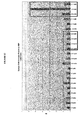
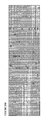
- Figures 25A-H show a map of 429 assay (unique assays running down and peptides running across). Assays are aligned by date. Positive peptide mixes are shown in grey. This shows that the peptides mixes found to be positive were unique and unpredictable.
- Figure 26 shows a map of 65 assay (unique assays running down and peptides running across). Assays are aligned by date. Positive peptide mixes are shown in grey. This shows that the peptides mixes found to be positive were unique and unpredictable. The number of positive mixes ranged in a single subject from 0 to 19.
- Figure 27 shows the results of EAA analysis indicating epitope shift over time in 4 subjects.
- Subject 1 showed a small shift with reactivity first around MOGm4, MOGm5 and MOGm6 and moving to MOGm21, MOGm22 and MOGm23. Notice that these two overlap.
- Subject 2 showed the same peptides reactive over time, but with increasing reactivity to new peptides the further from time zero.
- Subject 3 showed a significant shift in reactivity from PLP to MOG and subject 4 showed multiple epicenters for reactivity with a gradual shift from one area (C-terminal PLP) to another (N-terminal MOG). Also in this same subject a long term but transient reactivity to the central portion of MOG and finally a reactivity to MBP at the last two timepoints was observed.
Landscapes
- Health & Medical Sciences (AREA)
- Life Sciences & Earth Sciences (AREA)
- Immunology (AREA)
- Engineering & Computer Science (AREA)
- General Health & Medical Sciences (AREA)
- Chemical & Material Sciences (AREA)
- Veterinary Medicine (AREA)
- Public Health (AREA)
- Animal Behavior & Ethology (AREA)
- Biomedical Technology (AREA)
- Bioinformatics & Cheminformatics (AREA)
- Epidemiology (AREA)
- Organic Chemistry (AREA)
- Medicinal Chemistry (AREA)
- Cell Biology (AREA)
- Pharmacology & Pharmacy (AREA)
- Hematology (AREA)
- Biotechnology (AREA)
- Microbiology (AREA)
- General Chemical & Material Sciences (AREA)
- Chemical Kinetics & Catalysis (AREA)
- Nuclear Medicine, Radiotherapy & Molecular Imaging (AREA)
- Wood Science & Technology (AREA)
- Genetics & Genomics (AREA)
- Zoology (AREA)
- Biochemistry (AREA)
- Molecular Biology (AREA)
- Urology & Nephrology (AREA)
- Tropical Medicine & Parasitology (AREA)
- General Engineering & Computer Science (AREA)
- Analytical Chemistry (AREA)
- Food Science & Technology (AREA)
- General Physics & Mathematics (AREA)
- Pathology (AREA)
- Rheumatology (AREA)
- Mycology (AREA)
- Toxicology (AREA)
- Physics & Mathematics (AREA)
- Neurosurgery (AREA)
- Transplantation (AREA)
Claims (3)
- Verfahren zur Herstellung einer T-Zell-Vakzine, das Folgendes umfasst:(a) die Bereitstellung einer Probe, die aus einem Patienten isolierte T-Zellen umfasst;(b) das Zusetzen von Peptidgemischen, die jeweils unterschiedliche Peptide umfassen, zu einer Vielzahl von Teilen der Probe, worin jedes unterschiedliche Peptid in einem Peptidgemisch 8 bis 20 Aminosäuren lang ist und eine überlappende Sequenz in der Länge von 4 bis 19 Aminosäuren mit einem anderen unterschiedlichen Peptid in dem Peptidgemisch umfasst und worin die Sequenzen der unterschiedlichen Peptide in den Peptidgemischen kollektiv die vollständige Sequenz eines Polypeptid-Antigens umfassen;
und(c) das Identifizieren eines Teils der Probe, der aktivierte autoreaktive T-Zellen umfasst,
worin ein Peptidgemisch, das die in (c) identifizierten autoreaktiven Zellen mit einem Stimulationsindex oberhalb eines vorbestimmten Werts aktiviert, ein patientenspezifisches Peptidgemisch ist;(d) das Bereitstellen einer weiteren Probe, die aus dem Patienten isolierte T-Zellen umfasst;(e) das Kontaktieren der T-Zellen mit in den Schritten (a) bis (c) identifizierten Peptidgemischen, wodurch autoreaktive T-Zellen aktiviert werden;(f) das Expandieren der aktivierten autoreaktiven T-Zellen und(g) das Attenuieren der autoreaktiven T-Zellen, so dass diese nicht zur Replikation in der Lage, aber doch lebensfähig sind;worin der Stimulationsindex für jedes Peptidgemisch durch einen Vergleich der Inkorporation von [3H]-Thymidin in eine Probe von in Gegenwart eines Peptidgemischs, das einen Teil des Polypeptids umfasst, kultivierten T-Zellen des Patienten mit der Inkorporation von [3H]-Thymidin in eine Probe von in einer nur Medium enthaltenden Kontrolle kultivierten T-Zellen berechnet wird und als Quotient der mittleren Counts pro Minute von Antigenaliquoten und der mittleren Counts pro Minute von Kontrollaliquoten ausgedrückt wird, worin der vorbestimmte Wert zumindest 1,3 beträgt. - Verfahren nach Anspruch 1, worin das Polypeptid-Antigen MBP, PLP, MOG oder eine Kombination davon ist.
- Verfahren nach Anspruch 1, worin die unterschiedlichen Peptide 12 bis 16 Aminosäuren lang sind und überlappende Sequenzen in einer Länge von 8 bis 12 Aminosäuren umfassen.
Priority Applications (5)
| Application Number | Priority Date | Filing Date | Title |
|---|---|---|---|
| PL11188676T PL2420833T3 (pl) | 2006-05-05 | 2007-05-04 | Szczepionka z komórek T |
| EP11188676.8A EP2420833B1 (de) | 2006-05-05 | 2007-05-04 | T-Zell Vakzin |
| PL07797347T PL2016414T3 (pl) | 2006-05-05 | 2007-05-04 | Szczepionka z komórek T |
| DK11188676.8T DK2420833T3 (en) | 2006-05-05 | 2007-05-04 | T-cell vaccine |
| EP13187264.0A EP2712623A1 (de) | 2006-05-05 | 2007-05-04 | T-zell vakzin |
Applications Claiming Priority (3)
| Application Number | Priority Date | Filing Date | Title |
|---|---|---|---|
| US74661106P | 2006-05-05 | 2006-05-05 | |
| US74790306P | 2006-05-22 | 2006-05-22 | |
| PCT/US2007/068304 WO2007131210A2 (en) | 2006-05-05 | 2007-05-04 | T-cell vaccine |
Related Child Applications (4)
| Application Number | Title | Priority Date | Filing Date |
|---|---|---|---|
| EP11188676.8A Division-Into EP2420833B1 (de) | 2006-05-05 | 2007-05-04 | T-Zell Vakzin |
| EP11188676.8A Division EP2420833B1 (de) | 2006-05-05 | 2007-05-04 | T-Zell Vakzin |
| EP13187264.0A Division-Into EP2712623A1 (de) | 2006-05-05 | 2007-05-04 | T-zell vakzin |
| EP13187264.0A Division EP2712623A1 (de) | 2006-05-05 | 2007-05-04 | T-zell vakzin |
Publications (3)
| Publication Number | Publication Date |
|---|---|
| EP2016414A2 EP2016414A2 (de) | 2009-01-21 |
| EP2016414A4 EP2016414A4 (de) | 2009-08-12 |
| EP2016414B1 true EP2016414B1 (de) | 2015-09-02 |
Family
ID=38668612
Family Applications (3)
| Application Number | Title | Priority Date | Filing Date |
|---|---|---|---|
| EP07797347.7A Not-in-force EP2016414B1 (de) | 2006-05-05 | 2007-05-04 | T-zell vakzin |
| EP13187264.0A Withdrawn EP2712623A1 (de) | 2006-05-05 | 2007-05-04 | T-zell vakzin |
| EP11188676.8A Not-in-force EP2420833B1 (de) | 2006-05-05 | 2007-05-04 | T-Zell Vakzin |
Family Applications After (2)
| Application Number | Title | Priority Date | Filing Date |
|---|---|---|---|
| EP13187264.0A Withdrawn EP2712623A1 (de) | 2006-05-05 | 2007-05-04 | T-zell vakzin |
| EP11188676.8A Not-in-force EP2420833B1 (de) | 2006-05-05 | 2007-05-04 | T-Zell Vakzin |
Country Status (12)
| Country | Link |
|---|---|
| US (1) | US20100003228A1 (de) |
| EP (3) | EP2016414B1 (de) |
| JP (3) | JP2009536036A (de) |
| AU (1) | AU2007247869B2 (de) |
| CA (1) | CA2651328A1 (de) |
| DK (2) | DK2420833T3 (de) |
| ES (2) | ES2552667T3 (de) |
| IL (1) | IL195115A (de) |
| NZ (1) | NZ572644A (de) |
| PL (2) | PL2420833T3 (de) |
| PT (2) | PT2016414E (de) |
| WO (1) | WO2007131210A2 (de) |
Families Citing this family (7)
| Publication number | Priority date | Publication date | Assignee | Title |
|---|---|---|---|---|
| PL398077A1 (pl) * | 2012-02-10 | 2012-08-27 | Krzysztof Selmaj | Kompozycja farmaceutyczna oraz zastosowanie kompozycji do wytwarzania leku, do podawania naskórnego, do leczenia stwardnienia rozsianego |
| GB201300684D0 (en) | 2013-01-15 | 2013-02-27 | Apitope Int Nv | Peptide |
| CN105992950A (zh) * | 2013-12-19 | 2016-10-05 | 欧普萨治疗股份有限公司 | T 细胞表位表达谱分析、制备 t 细胞组合物以及治疗疾病的方法 |
| KR101503341B1 (ko) * | 2014-03-12 | 2015-03-18 | 국립암센터 | 자가암항원 특이적 cd8+ t 세포의 분리 및 증식방법 |
| US20170246272A1 (en) | 2014-09-05 | 2017-08-31 | Opexa Therapeutics, Inc. | Compositions and methods for treating b cell mediated autoimmune disorders |
| US10231033B1 (en) | 2014-09-30 | 2019-03-12 | Apple Inc. | Synchronizing out-of-band content with a media stream |
| MX374810B (es) | 2017-01-06 | 2025-03-06 | Eutilex Co Ltd | Anticuerpos 4-1bb anti-humano y usos de los mismos |
Family Cites Families (68)
| Publication number | Priority date | Publication date | Assignee | Title |
|---|---|---|---|---|
| JPS5852225A (ja) * | 1981-09-22 | 1983-03-28 | Mitsui Pharmaceut Inc | 脱髄疾患治療剤 |
| US5766920A (en) * | 1982-08-11 | 1998-06-16 | Cellcor, Inc. | Ex vivo activation of immune cells |
| US4550086A (en) * | 1983-02-16 | 1985-10-29 | Dana-Farber Cancer Institute, Inc. | Monoclonal antibodies that recognize human T cells |
| IL69686A (en) * | 1983-09-11 | 1988-03-31 | Yeda Res & Dev | Compositions containing cell membrane proteins and process for their preparation |
| US4608365A (en) * | 1984-03-30 | 1986-08-26 | University Of Southern California | Treatment of neurologic functions |
| US4677061A (en) * | 1984-10-19 | 1987-06-30 | Genetic Systems Corporation | T-cell lymphocyte subset monitoring of immunologic disease |
| US4898856A (en) * | 1984-10-29 | 1990-02-06 | Chaovanee Aroonsakul | Method for treating central nervous system diseases |
| US4898857A (en) * | 1984-10-29 | 1990-02-06 | Chaovanee Aroonsakul | Treating control nervous system diseases |
| US4902680A (en) * | 1984-10-29 | 1990-02-20 | Chaovanee Aroonsakul | Treating central nervous system diseases |
| US4897389A (en) * | 1984-10-29 | 1990-01-30 | Chaovanee Aroonsakul | Treating central nervous system diseases |
| CA1296622C (en) * | 1986-08-12 | 1992-03-03 | Jeffrey E. Anderson | Method and apparatus for automated assessment of the immunoregulatory status of the mononuclear leukocyte immune system |
| US5849298A (en) * | 1987-06-24 | 1998-12-15 | Autoimmune Inc. | Treatment of multiple sclerosis by oral administration of bovine myelin |
| US5039660A (en) * | 1988-03-02 | 1991-08-13 | Endocon, Inc. | Partially fused peptide pellet |
| US5242687A (en) * | 1989-03-15 | 1993-09-07 | Tkb Associates Limited Partnership | Method of reducing cellular immune response involving T-cells using CD8-bearing antigen presenting cells |
| US6207645B1 (en) * | 1989-03-21 | 2001-03-27 | The Immune Response Corporation | Vaccination and methods against diseases resulting from pathogenic responses by specific T cell populations |
| US6221352B1 (en) * | 1989-03-21 | 2001-04-24 | The Immune Response Corporation | Method of preventing the proliferation of Vβ14 or Vβ17-Expressing T cells |
| US5861164A (en) * | 1989-03-21 | 1999-01-19 | The Immune Response Corporation | Vaccination against diseases resulting from pathogenic responses by specific T cell populations |
| US5837246A (en) * | 1989-03-21 | 1998-11-17 | The Immune Response Corporation | Vaccination and methods against diseases resulting from pathogenic responses by specific T cell populations |
| US6007815A (en) * | 1989-03-21 | 1999-12-28 | The Immune Response Corporation | Anti-idiotype vaccination against diseases resulting from pathogenic responses by specific T cell populations |
| US5612035A (en) * | 1989-03-21 | 1997-03-18 | The Immune Response Corporation | Vaccination against diseases resulting from pathogenic responses by specific T cell populations |
| US5776459A (en) * | 1989-07-19 | 1998-07-07 | Connetics Corporation | TCR V beta 5 peptides |
| US5614192A (en) * | 1989-07-19 | 1997-03-25 | Connective Therapeutics, Inc. | T cell receptor peptides as therapeutics for immune-related disease |
| US5298396A (en) * | 1989-11-15 | 1994-03-29 | National Jewish Center For Immunology And Respiratory Medicine | Method for identifying T cells disease involved in autoimmune disease |
| AU8407091A (en) * | 1990-07-06 | 1992-02-04 | Allergene, Inc. | Mouse/human heterohybrid cell line el41 and methods for the production of human monoclonal antibodies |
| US5668117A (en) * | 1991-02-22 | 1997-09-16 | Shapiro; Howard K. | Methods of treating neurological diseases and etiologically related symptomology using carbonyl trapping agents in combination with previously known medicaments |
| US5211952A (en) * | 1991-04-12 | 1993-05-18 | University Of Southern California | Contraceptive methods and formulations for use therein |
| US6083503A (en) * | 1991-08-28 | 2000-07-04 | The United States Of America As Represented By The Department Of Health And Human Services | Interleukin-2 stimulated T lymphocyte cell death for the treatment of autoimmune diseases, allergic responses, and graft rejection |
| US5480895A (en) * | 1991-09-27 | 1996-01-02 | New York Society For The Relief Of The Ruptured And Crippled, Maintaining The Hospital For Special Surgery | Method of producing antibodies to a restricted population of T lymphocytes, antibodies produced therefrom and methods of use thereof |
| US5545716A (en) * | 1992-09-08 | 1996-08-13 | University Of Florida | Superantigen agonist and antagonist peptides |
| EP0688223A4 (de) * | 1993-03-12 | 1998-05-13 | Cellcor Inc | -i(IN VITRO) 'ASSAY' ZUM MESSEN DES GRADES DER AKTIVIERUNG VON IMMUNZELLEN |
| US5494899A (en) * | 1993-04-07 | 1996-02-27 | Oklahoma Medical Research Foundation | Selective regulation of B lymphocyte precursors by hormones |
| IL110787A0 (en) * | 1993-08-27 | 1994-11-11 | Sandoz Ag | Biodegradable polymer, its preparation and pharmaceutical composition containing it |
| EP0737205A1 (de) * | 1993-12-28 | 1996-10-16 | Chiron Mimotopes Pty. Ltd. | T-zell epitope |
| US5552300A (en) * | 1994-01-13 | 1996-09-03 | T Cell Sciences, Inc. | T cell antigen receptor V region proteins and methods of preparation thereof |
| US6410518B1 (en) * | 1994-05-31 | 2002-06-25 | Isis Pharmaceuticals, Inc. | Antisense oligonucleotide inhibition of raf gene expression |
| US5674487A (en) * | 1994-09-28 | 1997-10-07 | Univ Jefferson | Method for treating autoimmune diseases |
| US5723503A (en) * | 1994-09-28 | 1998-03-03 | Thomas Jefferson University | Biological treatment for rheumatoid arthritis |
| US6033661A (en) * | 1995-06-07 | 2000-03-07 | Thomas Jefferson University | Composition and method for allogenetic mononuclear cell immunotherapy |
| US6096314A (en) * | 1994-10-07 | 2000-08-01 | Yeda Research And Development Co. Ltd. | Peptides and pharmaceutical compositions comprising them |
| DE69525544T2 (de) * | 1994-11-18 | 2002-08-22 | Neurocrine Biosciences, Inc. | Peptidanaloga des menschlichen myelinbasischen proteins mit substitution in position 91 zur behandlung von multipler sklerose |
| FR2727117A1 (fr) * | 1994-11-18 | 1996-05-24 | Geffard Michel | Utilisation de conjugues de la polylysine pour la preparation de medicaments utiles dans le traitement des maladies neurodegeneratives et des affections degeneratives a caractere autoimmun |
| US6218166B1 (en) * | 1994-12-09 | 2001-04-17 | John Wayne Cancer Institute | Adjuvant incorporation into antigen carrying cells: compositions and methods |
| US5874531A (en) * | 1995-03-07 | 1999-02-23 | President And Fellows Of Harvard College | Identification of self and non-self antigens implicated autoimmune disease |
| US5869057A (en) * | 1995-06-07 | 1999-02-09 | Rock; Edwin P. | Recombinant vaccines to break self-tolerance |
| SE9502921D0 (sv) * | 1995-08-23 | 1995-08-23 | Astra Ab | New compounds |
| US5739307A (en) * | 1995-08-28 | 1998-04-14 | Washington University | Polynucleotide encoding neurturin neurotrophic factor |
| US5716946A (en) * | 1996-02-13 | 1998-02-10 | Wisconsin Alumni Research Foundation | Multiple sclerosis treatment |
| US5750356A (en) * | 1996-05-31 | 1998-05-12 | Anergen, Inc. | Method for monitoring T cell reactivity |
| US5849886A (en) * | 1996-07-10 | 1998-12-15 | Oy Aboatech Ab | Extraction of myelin basic protein |
| US20010031253A1 (en) * | 1996-07-24 | 2001-10-18 | Gruenberg Micheal L. | Autologous immune cell therapy: cell compositions, methods and applications to treatment of human disease |
| US6130087A (en) * | 1996-10-07 | 2000-10-10 | Fordham University | Methods for generating cytotoxic T cells in vitro |
| JP2001509135A (ja) * | 1996-10-11 | 2001-07-10 | ザ リージェンツ オブ ザ ユニバーシティ オブ カリフォルニア | 混合リンパ球と組み合わせた腫瘍細胞を用いるガン免疫療法 |
| US6054292A (en) * | 1997-07-18 | 2000-04-25 | Incyte Pharmaceuticals, Inc. | T-cell receptor protein |
| US20020009448A1 (en) * | 1997-09-19 | 2002-01-24 | Leslie P. Weiner | T-cell vaccination for the treatment of multiple sclerosis |
| US20020072493A1 (en) * | 1998-05-19 | 2002-06-13 | Yeda Research And Development Co. Ltd. | Activated T cells, nervous system-specific antigens and their uses |
| US20020001841A1 (en) * | 1998-06-26 | 2002-01-03 | Keld Kaltoft | Continuous t-cell lines |
| HUP0202574A2 (en) * | 1999-02-23 | 2002-12-28 | Baylor College Medicine | T cell receptor vbetha-dbetha-jbetha sequence and methods for its detection |
| US6187750B1 (en) * | 1999-08-25 | 2001-02-13 | Everyoung Technologies, Inc. | Method of hormone treatment for patients with symptoms consistent with multiple sclerosis |
| US6746670B2 (en) * | 2000-08-15 | 2004-06-08 | Schering Corporation | Regulatory T cells; methods |
| CN102784385B (zh) * | 2000-08-21 | 2015-11-25 | 阿皮托普技术(布里斯托尔)有限公司 | 肽选择方法 |
| US7208267B2 (en) * | 2000-11-22 | 2007-04-24 | Diadexus, Inc. | Compositions and methods relating to breast specific genes and proteins |
| US20030078347A1 (en) * | 2001-08-28 | 2003-04-24 | General Electric Company | Triazine compounds, polymers comprising triazine structural units, and method |
| US7658926B2 (en) * | 2001-09-14 | 2010-02-09 | Opexa Pharmaceuticals, Inc. | Autologous T-cell vaccines materials and methods |
| US20030153073A1 (en) * | 2001-11-07 | 2003-08-14 | Paul Rogers | Expansion of T cells in vitro and expanded T cell populations |
| US20050181459A1 (en) * | 2002-06-11 | 2005-08-18 | Matthew Baker | Method for mapping and eliminating T cell epitopes |
| CN1893971A (zh) * | 2003-10-17 | 2007-01-10 | 贝勒医学院 | 用于增强cd8+细胞毒性t细胞应答和用于治疗多发性硬化的方法 |
| UA94206C2 (ru) * | 2003-10-31 | 2011-04-26 | Дзе Юніверсіті Оф Брітіш Коламбіа | Бактериальные факторы вирулентности и варианты их применения |
| CA2556152A1 (en) * | 2004-02-02 | 2005-08-18 | Mixture Sciences, Inc. | Peptide mixtures with immunomodulatory activity |
-
2007
- 2007-05-04 EP EP07797347.7A patent/EP2016414B1/de not_active Not-in-force
- 2007-05-04 NZ NZ572644A patent/NZ572644A/en not_active IP Right Cessation
- 2007-05-04 JP JP2009510114A patent/JP2009536036A/ja not_active Withdrawn
- 2007-05-04 EP EP13187264.0A patent/EP2712623A1/de not_active Withdrawn
- 2007-05-04 ES ES11188676.8T patent/ES2552667T3/es active Active
- 2007-05-04 WO PCT/US2007/068304 patent/WO2007131210A2/en not_active Ceased
- 2007-05-04 EP EP11188676.8A patent/EP2420833B1/de not_active Not-in-force
- 2007-05-04 PL PL11188676T patent/PL2420833T3/pl unknown
- 2007-05-04 ES ES07797347T patent/ES2553192T3/es active Active
- 2007-05-04 US US12/299,585 patent/US20100003228A1/en not_active Abandoned
- 2007-05-04 CA CA002651328A patent/CA2651328A1/en not_active Abandoned
- 2007-05-04 DK DK11188676.8T patent/DK2420833T3/en active
- 2007-05-04 PT PT77973477T patent/PT2016414E/pt unknown
- 2007-05-04 AU AU2007247869A patent/AU2007247869B2/en not_active Ceased
- 2007-05-04 PL PL07797347T patent/PL2016414T3/pl unknown
- 2007-05-04 PT PT111886768T patent/PT2420833E/pt unknown
- 2007-05-04 DK DK07797347.7T patent/DK2016414T3/en active
-
2008
- 2008-11-04 IL IL195115A patent/IL195115A/en not_active IP Right Cessation
-
2013
- 2013-08-06 JP JP2013163134A patent/JP6000205B2/ja not_active Expired - Fee Related
-
2016
- 2016-01-12 JP JP2016003678A patent/JP2016053090A/ja not_active Withdrawn
Non-Patent Citations (5)
| Title |
|---|
| ANONYMOUS: "PharmaFrontiers presents positive Tovaxin(TM) research at international multiple sclerosis meeting", November 2005 (2005-11-01), pages 1 - 3, Retrieved from the Internet <URL:http://www.msmusings.com/archive70/74/FYI,%20two%20articles%20tovaxin.htm> [retrieved on 20130508] * |
| M. VERGELLI ET AL: "Short-term evolution of autoreactive T cell repertoire in multiple sclerosis", JOURNAL OF NEUROSCIENCE RESEARCH, vol. 66, no. 3, 1 November 2001 (2001-11-01), pages 517 - 524, XP055006174, ISSN: 0360-4012, DOI: 10.1002/jnr.1243 * |
| MEINI E. ET AL: "MYELIN BASIC PROTEIN-SPECIFIC T LYMPHOCYTE REPERTOIRE IN MULTIPLE SCLEROSIS COMPLEXITY OF THE RESPONSE AND DOMINANCE OF NESTED EPITOPES DUE TO RECRUITMENT OF MULTIPLE T CELL CLONES", JOURNAL OF CLINICAL INVESTIGATION, AMERICAN SOCIETY FOR CLINICAL INVESTIGATION, US, vol. 92, no. 6, 1 January 1993 (1993-01-01), pages 2633 - 2643, XP001010559, ISSN: 0021-9738, DOI: 10.1172/JCI116879 * |
| Retrieved from the Internet <URL:http://www.equities.com/research/crystal-research/pdfs/PFTR.OB_EIO_11-21-05.pdf> * |
| ZHANG J. ET AL: "MHC-restricted depletion of human myelin basic protein-reactive T cells by T cell vaccination", SCIENCE, AMERICAN ASSOCIATION FOR THE ADVANCEMENT OF SCIENCE, WASHINGTON, DC; US, vol. 261, no. 5127, 10 September 1993 (1993-09-10), pages 1451 - 1454, XP002091570, ISSN: 0036-8075 * |
Also Published As
| Publication number | Publication date |
|---|---|
| EP2016414A4 (de) | 2009-08-12 |
| DK2420833T3 (en) | 2015-12-07 |
| IL195115A0 (en) | 2009-09-22 |
| EP2712623A1 (de) | 2014-04-02 |
| JP2009536036A (ja) | 2009-10-08 |
| PL2420833T3 (pl) | 2016-03-31 |
| JP6000205B2 (ja) | 2016-09-28 |
| EP2420833B1 (de) | 2015-09-02 |
| ES2552667T3 (es) | 2015-12-01 |
| EP2016414A2 (de) | 2009-01-21 |
| US20100003228A1 (en) | 2010-01-07 |
| AU2007247869A1 (en) | 2007-11-15 |
| PT2420833E (pt) | 2015-11-24 |
| PT2016414E (pt) | 2015-11-24 |
| WO2007131210A3 (en) | 2008-10-30 |
| AU2007247869B2 (en) | 2013-11-21 |
| WO2007131210A2 (en) | 2007-11-15 |
| NZ572644A (en) | 2012-06-29 |
| EP2420833A1 (de) | 2012-02-22 |
| JP2016053090A (ja) | 2016-04-14 |
| DK2016414T3 (en) | 2015-12-07 |
| IL195115A (en) | 2012-12-31 |
| PL2016414T3 (pl) | 2016-01-29 |
| ES2553192T3 (es) | 2015-12-04 |
| JP2013252142A (ja) | 2013-12-19 |
| CA2651328A1 (en) | 2007-11-15 |
Similar Documents
| Publication | Publication Date | Title |
|---|---|---|
| EP1812563B1 (de) | Verfahren zur herstellung antigenspezifischer cd4+cd25+-regulator-t-zellen, zusammensetzungen und verwendungsverfahren | |
| US11905529B2 (en) | Method of enhancing persistence of adoptively infused T cells | |
| US20020131960A1 (en) | Artificial antigen presenting cells and methods of use thereof | |
| EP2016414B1 (de) | T-zell vakzin | |
| CN1509327A (zh) | 来自人类血液的cd4+cd25+调节性t细胞 | |
| Garbelli et al. | Melanocyte‐specific, cytotoxic T cell responses in vitiligo: the effective variant of melanoma immunity? | |
| JP2011224007A (ja) | Mhc分子を結合する腫瘍関連ペプチド | |
| Salvetti et al. | T-lymphocyte reactivity to the recombinant mycobacterial 65-and 70-kDa heat shock proteins in multiple sclerosis | |
| Venken et al. | Memory CD4+ CD127high T cells from patients with multiple sclerosis produce IL-17 in response to myelin antigens | |
| JP2023166443A (ja) | 樹状細胞治療のための方法および使用 | |
| Seiter et al. | Frequency of MART-1/MelanA and gp100/PMel17-specific T cells in tumor metastases and cultured tumor-infiltrating lymphocytes | |
| Zhang et al. | A polyclonal anti‐vaccine CD4 T cell response detected with HLA‐DP4 multimers in a melanoma patient vaccinated with MAGE‐3. DP4‐peptide‐pulsed dendritic cells | |
| CN120641112A (zh) | T细胞制备组合物和方法 | |
| AU2013204973A1 (en) | T-cell vaccine | |
| US20260000710A1 (en) | Novel Treatments for Cardiovascular Related Disease | |
| Ihantola | T-cell dysfunction and autoantigen recognition in type 1 diabetes | |
| Kiljan | Reactivation of TH1 cells in peripheral tissues | |
| Van Der Zee et al. | CD30 Discriminates Heat Shock Protein 60-Induced FOXP3+ CD4+ T Cells with a Regulatory Phenotype |
Legal Events
| Date | Code | Title | Description |
|---|---|---|---|
| PUAI | Public reference made under article 153(3) epc to a published international application that has entered the european phase |
Free format text: ORIGINAL CODE: 0009012 |
|
| 17P | Request for examination filed |
Effective date: 20081127 |
|
| AK | Designated contracting states |
Kind code of ref document: A2 Designated state(s): AT BE BG CH CY CZ DE DK EE ES FI FR GB GR HU IE IS IT LI LT LU LV MC MT NL PL PT RO SE SI SK TR |
|
| AX | Request for extension of the european patent |
Extension state: AL BA HR MK RS |
|
| A4 | Supplementary search report drawn up and despatched |
Effective date: 20090714 |
|
| DAX | Request for extension of the european patent (deleted) | ||
| 17Q | First examination report despatched |
Effective date: 20091102 |
|
| REG | Reference to a national code |
Ref country code: DE Ref legal event code: R079 Ref document number: 602007042912 Country of ref document: DE Free format text: PREVIOUS MAIN CLASS: G01N0033554000 Ipc: A61K0039000000 |
|
| GRAP | Despatch of communication of intention to grant a patent |
Free format text: ORIGINAL CODE: EPIDOSNIGR1 |
|
| RIC1 | Information provided on ipc code assigned before grant |
Ipc: A61K 39/00 20060101AFI20150211BHEP Ipc: C12N 5/0783 20100101ALI20150211BHEP Ipc: G01N 33/50 20060101ALI20150211BHEP |
|
| INTG | Intention to grant announced |
Effective date: 20150312 |
|
| RIN1 | Information on inventor provided before grant (corrected) |
Inventor name: WILLIAMS, JIM, C. Inventor name: NEWSOM, BRIAN, S. Inventor name: MONTGOMERY, MITZI, M. |
|
| GRAS | Grant fee paid |
Free format text: ORIGINAL CODE: EPIDOSNIGR3 |
|
| GRAA | (expected) grant |
Free format text: ORIGINAL CODE: 0009210 |
|
| AK | Designated contracting states |
Kind code of ref document: B1 Designated state(s): AT BE BG CH CY CZ DE DK EE ES FI FR GB GR HU IE IS IT LI LT LU LV MC MT NL PL PT RO SE SI SK TR |
|
| REG | Reference to a national code |
Ref country code: GB Ref legal event code: FG4D |
|
| REG | Reference to a national code |
Ref country code: AT Ref legal event code: REF Ref document number: 746118 Country of ref document: AT Kind code of ref document: T Effective date: 20150915 Ref country code: CH Ref legal event code: EP |
|
| REG | Reference to a national code |
Ref country code: IE Ref legal event code: FG4D |
|
| REG | Reference to a national code |
Ref country code: DE Ref legal event code: R096 Ref document number: 602007042912 Country of ref document: DE |
|
| REG | Reference to a national code |
Ref country code: PT Ref legal event code: SC4A Free format text: AVAILABILITY OF NATIONAL TRANSLATION Effective date: 20151110 |
|
| REG | Reference to a national code |
Ref country code: ES Ref legal event code: FG2A Ref document number: 2553192 Country of ref document: ES Kind code of ref document: T3 Effective date: 20151204 |
|
| REG | Reference to a national code |
Ref country code: DK Ref legal event code: T3 Effective date: 20151130 |
|
| REG | Reference to a national code |
Ref country code: SE Ref legal event code: TRGR |
|
| REG | Reference to a national code |
Ref country code: NL Ref legal event code: FP |
|
| REG | Reference to a national code |
Ref country code: EE Ref legal event code: FG4A Ref document number: E011233 Country of ref document: EE Effective date: 20151124 |
|
| PG25 | Lapsed in a contracting state [announced via postgrant information from national office to epo] |
Ref country code: LT Free format text: LAPSE BECAUSE OF FAILURE TO SUBMIT A TRANSLATION OF THE DESCRIPTION OR TO PAY THE FEE WITHIN THE PRESCRIBED TIME-LIMIT Effective date: 20150902 Ref country code: LV Free format text: LAPSE BECAUSE OF FAILURE TO SUBMIT A TRANSLATION OF THE DESCRIPTION OR TO PAY THE FEE WITHIN THE PRESCRIBED TIME-LIMIT Effective date: 20150902 |
|
| REG | Reference to a national code |
Ref country code: LT Ref legal event code: MG4D |
|
| REG | Reference to a national code |
Ref country code: FR Ref legal event code: PLFP Year of fee payment: 10 |
|
| PG25 | Lapsed in a contracting state [announced via postgrant information from national office to epo] |
Ref country code: IS Free format text: LAPSE BECAUSE OF FAILURE TO SUBMIT A TRANSLATION OF THE DESCRIPTION OR TO PAY THE FEE WITHIN THE PRESCRIBED TIME-LIMIT Effective date: 20160102 Ref country code: SK Free format text: LAPSE BECAUSE OF FAILURE TO SUBMIT A TRANSLATION OF THE DESCRIPTION OR TO PAY THE FEE WITHIN THE PRESCRIBED TIME-LIMIT Effective date: 20150902 |
|
| PGFP | Annual fee paid to national office [announced via postgrant information from national office to epo] |
Ref country code: TR Payment date: 20160321 Year of fee payment: 10 |
|
| PG25 | Lapsed in a contracting state [announced via postgrant information from national office to epo] |
Ref country code: RO Free format text: LAPSE BECAUSE OF FAILURE TO SUBMIT A TRANSLATION OF THE DESCRIPTION OR TO PAY THE FEE WITHIN THE PRESCRIBED TIME-LIMIT Effective date: 20150902 |
|
| PGFP | Annual fee paid to national office [announced via postgrant information from national office to epo] |
Ref country code: BE Payment date: 20160324 Year of fee payment: 10 Ref country code: PL Payment date: 20160321 Year of fee payment: 10 |
|
| REG | Reference to a national code |
Ref country code: DE Ref legal event code: R097 Ref document number: 602007042912 Country of ref document: DE |
|
| REG | Reference to a national code |
Ref country code: GR Ref legal event code: EP Ref document number: 20150402448 Country of ref document: GR Effective date: 20160201 |
|
| PGFP | Annual fee paid to national office [announced via postgrant information from national office to epo] |
Ref country code: NL Payment date: 20160510 Year of fee payment: 10 |
|
| PLBE | No opposition filed within time limit |
Free format text: ORIGINAL CODE: 0009261 |
|
| STAA | Information on the status of an ep patent application or granted ep patent |
Free format text: STATUS: NO OPPOSITION FILED WITHIN TIME LIMIT |
|
| PGFP | Annual fee paid to national office [announced via postgrant information from national office to epo] |
Ref country code: FI Payment date: 20160509 Year of fee payment: 10 Ref country code: ES Payment date: 20160412 Year of fee payment: 10 Ref country code: IE Payment date: 20160509 Year of fee payment: 10 Ref country code: CH Payment date: 20160511 Year of fee payment: 10 Ref country code: GB Payment date: 20160504 Year of fee payment: 10 Ref country code: DE Payment date: 20160426 Year of fee payment: 10 Ref country code: CZ Payment date: 20160412 Year of fee payment: 10 Ref country code: GR Payment date: 20160415 Year of fee payment: 10 |
|
| 26N | No opposition filed |
Effective date: 20160603 |
|
| PG25 | Lapsed in a contracting state [announced via postgrant information from national office to epo] |
Ref country code: SI Free format text: LAPSE BECAUSE OF FAILURE TO SUBMIT A TRANSLATION OF THE DESCRIPTION OR TO PAY THE FEE WITHIN THE PRESCRIBED TIME-LIMIT Effective date: 20150902 |
|
| PGFP | Annual fee paid to national office [announced via postgrant information from national office to epo] |
Ref country code: IT Payment date: 20160524 Year of fee payment: 10 Ref country code: FR Payment date: 20160412 Year of fee payment: 10 Ref country code: EE Payment date: 20160425 Year of fee payment: 10 Ref country code: PT Payment date: 20160504 Year of fee payment: 10 Ref country code: AT Payment date: 20160425 Year of fee payment: 10 Ref country code: DK Payment date: 20160510 Year of fee payment: 10 Ref country code: SE Payment date: 20160511 Year of fee payment: 10 |
|
| PG25 | Lapsed in a contracting state [announced via postgrant information from national office to epo] |
Ref country code: LU Free format text: LAPSE BECAUSE OF FAILURE TO SUBMIT A TRANSLATION OF THE DESCRIPTION OR TO PAY THE FEE WITHIN THE PRESCRIBED TIME-LIMIT Effective date: 20160504 |
|
| REG | Reference to a national code |
Ref country code: DE Ref legal event code: R119 Ref document number: 602007042912 Country of ref document: DE |
|
| REG | Reference to a national code |
Ref country code: EE Ref legal event code: MM4A Ref document number: E011233 Country of ref document: EE Effective date: 20170531 |
|
| REG | Reference to a national code |
Ref country code: CH Ref legal event code: PL |
|
| REG | Reference to a national code |
Ref country code: SE Ref legal event code: EUG Ref country code: DK Ref legal event code: EBP Effective date: 20170531 |
|
| REG | Reference to a national code |
Ref country code: NL Ref legal event code: MM Effective date: 20170601 |
|
| REG | Reference to a national code |
Ref country code: AT Ref legal event code: MM01 Ref document number: 746118 Country of ref document: AT Kind code of ref document: T Effective date: 20170504 |
|
| GBPC | Gb: european patent ceased through non-payment of renewal fee |
Effective date: 20170504 |
|
| PG25 | Lapsed in a contracting state [announced via postgrant information from national office to epo] |
Ref country code: FI Free format text: LAPSE BECAUSE OF NON-PAYMENT OF DUE FEES Effective date: 20170504 Ref country code: EE Free format text: LAPSE BECAUSE OF NON-PAYMENT OF DUE FEES Effective date: 20170531 Ref country code: AT Free format text: LAPSE BECAUSE OF NON-PAYMENT OF DUE FEES Effective date: 20170504 Ref country code: CZ Free format text: LAPSE BECAUSE OF NON-PAYMENT OF DUE FEES Effective date: 20170504 |
|
| REG | Reference to a national code |
Ref country code: IE Ref legal event code: MM4A |
|
| PG25 | Lapsed in a contracting state [announced via postgrant information from national office to epo] |
Ref country code: LI Free format text: LAPSE BECAUSE OF NON-PAYMENT OF DUE FEES Effective date: 20170531 Ref country code: CH Free format text: LAPSE BECAUSE OF NON-PAYMENT OF DUE FEES Effective date: 20170531 Ref country code: PT Free format text: LAPSE BECAUSE OF NON-PAYMENT OF DUE FEES Effective date: 20171106 Ref country code: SE Free format text: LAPSE BECAUSE OF NON-PAYMENT OF DUE FEES Effective date: 20170505 Ref country code: GR Free format text: LAPSE BECAUSE OF NON-PAYMENT OF DUE FEES Effective date: 20171206 |
|
| REG | Reference to a national code |
Ref country code: FR Ref legal event code: ST Effective date: 20180131 |
|
| PG25 | Lapsed in a contracting state [announced via postgrant information from national office to epo] |
Ref country code: NL Free format text: LAPSE BECAUSE OF NON-PAYMENT OF DUE FEES Effective date: 20170601 |
|
| REG | Reference to a national code |
Ref country code: BE Ref legal event code: FP Effective date: 20151030 Ref country code: BE Ref legal event code: MM Effective date: 20170531 |
|
| PG25 | Lapsed in a contracting state [announced via postgrant information from national office to epo] |
Ref country code: DK Free format text: LAPSE BECAUSE OF NON-PAYMENT OF DUE FEES Effective date: 20170531 Ref country code: GB Free format text: LAPSE BECAUSE OF NON-PAYMENT OF DUE FEES Effective date: 20170504 Ref country code: DE Free format text: LAPSE BECAUSE OF NON-PAYMENT OF DUE FEES Effective date: 20171201 Ref country code: IE Free format text: LAPSE BECAUSE OF NON-PAYMENT OF DUE FEES Effective date: 20170504 |
|
| PG25 | Lapsed in a contracting state [announced via postgrant information from national office to epo] |
Ref country code: HU Free format text: LAPSE BECAUSE OF FAILURE TO SUBMIT A TRANSLATION OF THE DESCRIPTION OR TO PAY THE FEE WITHIN THE PRESCRIBED TIME-LIMIT; INVALID AB INITIO Effective date: 20070504 Ref country code: FR Free format text: LAPSE BECAUSE OF NON-PAYMENT OF DUE FEES Effective date: 20170531 Ref country code: IT Free format text: LAPSE BECAUSE OF NON-PAYMENT OF DUE FEES Effective date: 20170504 Ref country code: CY Free format text: LAPSE BECAUSE OF FAILURE TO SUBMIT A TRANSLATION OF THE DESCRIPTION OR TO PAY THE FEE WITHIN THE PRESCRIBED TIME-LIMIT Effective date: 20150902 |
|
| REG | Reference to a national code |
Ref country code: AT Ref legal event code: UEP Ref document number: 746118 Country of ref document: AT Kind code of ref document: T Effective date: 20150902 |
|
| PG25 | Lapsed in a contracting state [announced via postgrant information from national office to epo] |
Ref country code: MT Free format text: LAPSE BECAUSE OF NON-PAYMENT OF DUE FEES Effective date: 20160531 Ref country code: MC Free format text: LAPSE BECAUSE OF FAILURE TO SUBMIT A TRANSLATION OF THE DESCRIPTION OR TO PAY THE FEE WITHIN THE PRESCRIBED TIME-LIMIT Effective date: 20150902 |
|
| REG | Reference to a national code |
Ref country code: ES Ref legal event code: FD2A Effective date: 20180703 |
|
| PG25 | Lapsed in a contracting state [announced via postgrant information from national office to epo] |
Ref country code: ES Free format text: LAPSE BECAUSE OF NON-PAYMENT OF DUE FEES Effective date: 20170505 Ref country code: BG Free format text: LAPSE BECAUSE OF FAILURE TO SUBMIT A TRANSLATION OF THE DESCRIPTION OR TO PAY THE FEE WITHIN THE PRESCRIBED TIME-LIMIT Effective date: 20150902 |
|
| PG25 | Lapsed in a contracting state [announced via postgrant information from national office to epo] |
Ref country code: BE Free format text: LAPSE BECAUSE OF NON-PAYMENT OF DUE FEES Effective date: 20170531 |
|
| PG25 | Lapsed in a contracting state [announced via postgrant information from national office to epo] |
Ref country code: PL Free format text: LAPSE BECAUSE OF NON-PAYMENT OF DUE FEES Effective date: 20170504 |
|
| PG25 | Lapsed in a contracting state [announced via postgrant information from national office to epo] |
Ref country code: TR Free format text: LAPSE BECAUSE OF NON-PAYMENT OF DUE FEES Effective date: 20170504 |