EP1878342A1 - Immunodeficient mice transgenic for HLA class I and HLA class II molecules and their uses - Google Patents
Immunodeficient mice transgenic for HLA class I and HLA class II molecules and their uses Download PDFInfo
- Publication number
- EP1878342A1 EP1878342A1 EP06291151A EP06291151A EP1878342A1 EP 1878342 A1 EP1878342 A1 EP 1878342A1 EP 06291151 A EP06291151 A EP 06291151A EP 06291151 A EP06291151 A EP 06291151A EP 1878342 A1 EP1878342 A1 EP 1878342A1
- Authority
- EP
- European Patent Office
- Prior art keywords
- hla
- class
- cells
- mhc class
- transgenic mouse
- Prior art date
- Legal status (The legal status is an assumption and is not a legal conclusion. Google has not performed a legal analysis and makes no representation as to the accuracy of the status listed.)
- Withdrawn
Links
- 241000699670 Mus sp. Species 0.000 title abstract description 63
- 230000009261 transgenic effect Effects 0.000 title abstract description 17
- 241001529936 Murinae Species 0.000 claims abstract description 31
- 108091054437 MHC class I family Proteins 0.000 claims abstract description 29
- 102000043129 MHC class I family Human genes 0.000 claims abstract description 26
- 102000043131 MHC class II family Human genes 0.000 claims abstract description 19
- 108091054438 MHC class II family Proteins 0.000 claims abstract description 19
- 210000003719 b-lymphocyte Anatomy 0.000 claims abstract description 17
- 230000002950 deficient Effects 0.000 claims abstract description 16
- 238000001727 in vivo Methods 0.000 claims abstract description 15
- 210000000822 natural killer cell Anatomy 0.000 claims abstract description 9
- 210000004027 cell Anatomy 0.000 claims description 69
- 108090000623 proteins and genes Proteins 0.000 claims description 62
- 238000011830 transgenic mouse model Methods 0.000 claims description 49
- 108700019146 Transgenes Proteins 0.000 claims description 42
- 210000001744 T-lymphocyte Anatomy 0.000 claims description 38
- 239000000427 antigen Substances 0.000 claims description 33
- 108010093013 HLA-DR1 Antigen Proteins 0.000 claims description 32
- 108091007433 antigens Proteins 0.000 claims description 32
- 102000036639 antigens Human genes 0.000 claims description 32
- 238000000034 method Methods 0.000 claims description 28
- 108010074032 HLA-A2 Antigen Proteins 0.000 claims description 22
- 102000025850 HLA-A2 Antigen Human genes 0.000 claims description 22
- 230000007812 deficiency Effects 0.000 claims description 20
- 102000054766 genetic haplotypes Human genes 0.000 claims description 16
- 241000894007 species Species 0.000 claims description 16
- 238000011161 development Methods 0.000 claims description 13
- 210000003958 hematopoietic stem cell Anatomy 0.000 claims description 13
- 210000000987 immune system Anatomy 0.000 claims description 11
- 230000028993 immune response Effects 0.000 claims description 8
- 238000004519 manufacturing process Methods 0.000 claims description 8
- 108010081355 beta 2-Microglobulin Proteins 0.000 claims description 7
- 230000036755 cellular response Effects 0.000 claims description 6
- 230000002068 genetic effect Effects 0.000 claims description 6
- 102000004169 proteins and genes Human genes 0.000 claims description 6
- 101000980898 Homo sapiens Cell division cycle-associated protein 4 Proteins 0.000 claims description 5
- 102000044493 human CDCA4 Human genes 0.000 claims description 5
- 101100193633 Danio rerio rag2 gene Proteins 0.000 claims description 4
- 101100193635 Mus musculus Rag2 gene Proteins 0.000 claims description 4
- 210000004443 dendritic cell Anatomy 0.000 claims description 4
- 230000000295 complement effect Effects 0.000 claims description 3
- 210000002443 helper t lymphocyte Anatomy 0.000 claims description 3
- 230000008348 humoral response Effects 0.000 claims description 3
- 108020003175 receptors Proteins 0.000 claims description 3
- 102000008949 Histocompatibility Antigens Class I Human genes 0.000 claims 3
- 241000699666 Mus <mouse, genus> Species 0.000 abstract description 27
- 230000014509 gene expression Effects 0.000 abstract description 17
- 239000002243 precursor Substances 0.000 abstract description 15
- 238000002054 transplantation Methods 0.000 abstract description 9
- 230000003394 haemopoietic effect Effects 0.000 abstract description 8
- 208000023275 Autoimmune disease Diseases 0.000 abstract description 6
- 206010028980 Neoplasm Diseases 0.000 abstract description 5
- 238000009169 immunotherapy Methods 0.000 abstract description 4
- 244000052769 pathogen Species 0.000 abstract description 4
- 201000011510 cancer Diseases 0.000 abstract description 3
- 230000036737 immune function Effects 0.000 abstract description 3
- 230000034435 immune system development Effects 0.000 abstract description 3
- 108700018351 Major Histocompatibility Complex Proteins 0.000 description 18
- 241000699660 Mus musculus Species 0.000 description 17
- 230000020382 suppression by virus of host antigen processing and presentation of peptide antigen via MHC class I Effects 0.000 description 17
- 230000035772 mutation Effects 0.000 description 16
- 108090000765 processed proteins & peptides Proteins 0.000 description 14
- 241001465754 Metazoa Species 0.000 description 13
- 210000004369 blood Anatomy 0.000 description 12
- 239000008280 blood Substances 0.000 description 12
- 230000018109 developmental process Effects 0.000 description 12
- 238000000684 flow cytometry Methods 0.000 description 12
- 241000725303 Human immunodeficiency virus Species 0.000 description 11
- 102000004196 processed proteins & peptides Human genes 0.000 description 10
- 108700028369 Alleles Proteins 0.000 description 8
- 230000036039 immunity Effects 0.000 description 7
- 210000001165 lymph node Anatomy 0.000 description 7
- 102100031573 Hematopoietic progenitor cell antigen CD34 Human genes 0.000 description 6
- 101000777663 Homo sapiens Hematopoietic progenitor cell antigen CD34 Proteins 0.000 description 6
- 238000011579 SCID mouse model Methods 0.000 description 6
- 241000700605 Viruses Species 0.000 description 6
- 230000000890 antigenic effect Effects 0.000 description 6
- 230000001605 fetal effect Effects 0.000 description 6
- 230000006801 homologous recombination Effects 0.000 description 6
- 238000002744 homologous recombination Methods 0.000 description 6
- 230000003612 virological effect Effects 0.000 description 6
- 101000738771 Homo sapiens Receptor-type tyrosine-protein phosphatase C Proteins 0.000 description 5
- 102100037422 Receptor-type tyrosine-protein phosphatase C Human genes 0.000 description 5
- 230000005867 T cell response Effects 0.000 description 5
- 238000013459 approach Methods 0.000 description 5
- 210000001671 embryonic stem cell Anatomy 0.000 description 5
- 238000003114 enzyme-linked immunosorbent spot assay Methods 0.000 description 5
- 150000004676 glycans Chemical class 0.000 description 5
- 210000000265 leukocyte Anatomy 0.000 description 5
- 229920001282 polysaccharide Polymers 0.000 description 5
- 239000005017 polysaccharide Substances 0.000 description 5
- 210000000952 spleen Anatomy 0.000 description 5
- 210000000130 stem cell Anatomy 0.000 description 5
- 102000017420 CD3 protein, epsilon/gamma/delta subunit Human genes 0.000 description 4
- 108020004414 DNA Proteins 0.000 description 4
- 108010058597 HLA-DR Antigens Proteins 0.000 description 4
- 102000006354 HLA-DR Antigens Human genes 0.000 description 4
- 238000004458 analytical method Methods 0.000 description 4
- 238000003556 assay Methods 0.000 description 4
- 238000010363 gene targeting Methods 0.000 description 4
- 238000002347 injection Methods 0.000 description 4
- 239000007924 injection Substances 0.000 description 4
- -1 introns Chemical class 0.000 description 4
- 108091033319 polynucleotide Proteins 0.000 description 4
- 102000040430 polynucleotide Human genes 0.000 description 4
- 239000002157 polynucleotide Substances 0.000 description 4
- 229920001184 polypeptide Polymers 0.000 description 4
- 210000001541 thymus gland Anatomy 0.000 description 4
- 238000002965 ELISA Methods 0.000 description 3
- 102100040505 HLA class II histocompatibility antigen, DR alpha chain Human genes 0.000 description 3
- 102100040485 HLA class II histocompatibility antigen, DRB1 beta chain Human genes 0.000 description 3
- 102000011786 HLA-A Antigens Human genes 0.000 description 3
- 108010075704 HLA-A Antigens Proteins 0.000 description 3
- 108010067802 HLA-DR alpha-Chains Proteins 0.000 description 3
- 108010039343 HLA-DRB1 Chains Proteins 0.000 description 3
- 102000000588 Interleukin-2 Human genes 0.000 description 3
- 108010002350 Interleukin-2 Proteins 0.000 description 3
- 208000036142 Viral infection Diseases 0.000 description 3
- 230000000840 anti-viral effect Effects 0.000 description 3
- 230000015572 biosynthetic process Effects 0.000 description 3
- 238000004891 communication Methods 0.000 description 3
- 102000003675 cytokine receptors Human genes 0.000 description 3
- 108010057085 cytokine receptors Proteins 0.000 description 3
- 230000001086 cytosolic effect Effects 0.000 description 3
- 206010012601 diabetes mellitus Diseases 0.000 description 3
- 201000010099 disease Diseases 0.000 description 3
- 208000037265 diseases, disorders, signs and symptoms Diseases 0.000 description 3
- 210000004700 fetal blood Anatomy 0.000 description 3
- 238000000338 in vitro Methods 0.000 description 3
- 208000015181 infectious disease Diseases 0.000 description 3
- 238000003780 insertion Methods 0.000 description 3
- 230000037431 insertion Effects 0.000 description 3
- 230000003834 intracellular effect Effects 0.000 description 3
- 238000002955 isolation Methods 0.000 description 3
- 210000004185 liver Anatomy 0.000 description 3
- 210000001161 mammalian embryo Anatomy 0.000 description 3
- 150000007523 nucleic acids Chemical group 0.000 description 3
- 230000006798 recombination Effects 0.000 description 3
- 238000005215 recombination Methods 0.000 description 3
- 230000004044 response Effects 0.000 description 3
- 238000012552 review Methods 0.000 description 3
- 210000004988 splenocyte Anatomy 0.000 description 3
- 210000002536 stromal cell Anatomy 0.000 description 3
- 238000006467 substitution reaction Methods 0.000 description 3
- 208000001608 teratocarcinoma Diseases 0.000 description 3
- 229960005486 vaccine Drugs 0.000 description 3
- 230000009385 viral infection Effects 0.000 description 3
- 241000894006 Bacteria Species 0.000 description 2
- 108010022366 Carcinoembryonic Antigen Proteins 0.000 description 2
- 102100025475 Carcinoembryonic antigen-related cell adhesion molecule 5 Human genes 0.000 description 2
- 102000004127 Cytokines Human genes 0.000 description 2
- 108090000695 Cytokines Proteins 0.000 description 2
- 241000709661 Enterovirus Species 0.000 description 2
- 241000233866 Fungi Species 0.000 description 2
- 208000031886 HIV Infections Diseases 0.000 description 2
- 208000037357 HIV infectious disease Diseases 0.000 description 2
- 102100028976 HLA class I histocompatibility antigen, B alpha chain Human genes 0.000 description 2
- 108010088729 HLA-A*02:01 antigen Proteins 0.000 description 2
- 241000606768 Haemophilus influenzae Species 0.000 description 2
- 101100220044 Homo sapiens CD34 gene Proteins 0.000 description 2
- 101100005713 Homo sapiens CD4 gene Proteins 0.000 description 2
- 101150003028 Hprt1 gene Proteins 0.000 description 2
- 102000010789 Interleukin-2 Receptors Human genes 0.000 description 2
- 108010038453 Interleukin-2 Receptors Proteins 0.000 description 2
- 108091028043 Nucleic acid sequence Proteins 0.000 description 2
- 241000589517 Pseudomonas aeruginosa Species 0.000 description 2
- 108020004511 Recombinant DNA Proteins 0.000 description 2
- 230000003213 activating effect Effects 0.000 description 2
- 150000001413 amino acids Chemical class 0.000 description 2
- 210000004102 animal cell Anatomy 0.000 description 2
- 210000000628 antibody-producing cell Anatomy 0.000 description 2
- 102000015736 beta 2-Microglobulin Human genes 0.000 description 2
- 210000001185 bone marrow Anatomy 0.000 description 2
- 150000001720 carbohydrates Chemical class 0.000 description 2
- 239000006285 cell suspension Substances 0.000 description 2
- 238000012512 characterization method Methods 0.000 description 2
- 210000002257 embryonic structure Anatomy 0.000 description 2
- 210000002950 fibroblast Anatomy 0.000 description 2
- 230000006870 function Effects 0.000 description 2
- 238000003205 genotyping method Methods 0.000 description 2
- 208000033519 human immunodeficiency virus infectious disease Diseases 0.000 description 2
- 238000011577 humanized mouse model Methods 0.000 description 2
- 230000015788 innate immune response Effects 0.000 description 2
- 230000003993 interaction Effects 0.000 description 2
- 238000011813 knockout mouse model Methods 0.000 description 2
- 238000002372 labelling Methods 0.000 description 2
- 210000005210 lymphoid organ Anatomy 0.000 description 2
- 238000012423 maintenance Methods 0.000 description 2
- 238000007799 mixed lymphocyte reaction assay Methods 0.000 description 2
- 238000010369 molecular cloning Methods 0.000 description 2
- 230000004879 molecular function Effects 0.000 description 2
- 108020004707 nucleic acids Proteins 0.000 description 2
- 102000039446 nucleic acids Human genes 0.000 description 2
- 244000045947 parasite Species 0.000 description 2
- 230000001717 pathogenic effect Effects 0.000 description 2
- 210000005259 peripheral blood Anatomy 0.000 description 2
- 239000011886 peripheral blood Substances 0.000 description 2
- 230000001566 pro-viral effect Effects 0.000 description 2
- 230000035755 proliferation Effects 0.000 description 2
- 102000005962 receptors Human genes 0.000 description 2
- 230000001105 regulatory effect Effects 0.000 description 2
- 238000012216 screening Methods 0.000 description 2
- 230000003393 splenic effect Effects 0.000 description 2
- 230000002269 spontaneous effect Effects 0.000 description 2
- 230000008685 targeting Effects 0.000 description 2
- 238000013518 transcription Methods 0.000 description 2
- 230000035897 transcription Effects 0.000 description 2
- 238000012546 transfer Methods 0.000 description 2
- 238000013519 translation Methods 0.000 description 2
- 210000003462 vein Anatomy 0.000 description 2
- 108091032973 (ribonucleotides)n+m Proteins 0.000 description 1
- NHBKXEKEPDILRR-UHFFFAOYSA-N 2,3-bis(butanoylsulfanyl)propyl butanoate Chemical compound CCCC(=O)OCC(SC(=O)CCC)CSC(=O)CCC NHBKXEKEPDILRR-UHFFFAOYSA-N 0.000 description 1
- NHZLNPMOSADWGC-UHFFFAOYSA-N 4-amino-N-(2-quinoxalinyl)benzenesulfonamide Chemical compound C1=CC(N)=CC=C1S(=O)(=O)NC1=CN=C(C=CC=C2)C2=N1 NHZLNPMOSADWGC-UHFFFAOYSA-N 0.000 description 1
- 208000030507 AIDS Diseases 0.000 description 1
- 229920000178 Acrylic resin Polymers 0.000 description 1
- 239000004925 Acrylic resin Substances 0.000 description 1
- 229920000936 Agarose Polymers 0.000 description 1
- 108010088751 Albumins Proteins 0.000 description 1
- 102000009027 Albumins Human genes 0.000 description 1
- 241000004176 Alphacoronavirus Species 0.000 description 1
- 108010039627 Aprotinin Proteins 0.000 description 1
- 101100511840 Arabidopsis thaliana LRK10L-2.6 gene Proteins 0.000 description 1
- 201000008162 B cell deficiency Diseases 0.000 description 1
- 241000193738 Bacillus anthracis Species 0.000 description 1
- 108010071023 Bacterial Outer Membrane Proteins Proteins 0.000 description 1
- 241000588832 Bordetella pertussis Species 0.000 description 1
- 241000222120 Candida <Saccharomycetales> Species 0.000 description 1
- 241000222122 Candida albicans Species 0.000 description 1
- 229920002134 Carboxymethyl cellulose Polymers 0.000 description 1
- 241001647372 Chlamydia pneumoniae Species 0.000 description 1
- 241000606153 Chlamydia trachomatis Species 0.000 description 1
- 241000193449 Clostridium tetani Species 0.000 description 1
- 102000029816 Collagenase Human genes 0.000 description 1
- 108060005980 Collagenase Proteins 0.000 description 1
- 241000186227 Corynebacterium diphtheriae Species 0.000 description 1
- 229920002307 Dextran Polymers 0.000 description 1
- 201000011001 Ebola Hemorrhagic Fever Diseases 0.000 description 1
- 102000004190 Enzymes Human genes 0.000 description 1
- 108090000790 Enzymes Proteins 0.000 description 1
- 241000588724 Escherichia coli Species 0.000 description 1
- 229920001917 Ficoll Polymers 0.000 description 1
- 108010058643 Fungal Proteins Proteins 0.000 description 1
- 102000003886 Glycoproteins Human genes 0.000 description 1
- 108090000288 Glycoproteins Proteins 0.000 description 1
- 102100028971 HLA class I histocompatibility antigen, C alpha chain Human genes 0.000 description 1
- 108010058607 HLA-B Antigens Proteins 0.000 description 1
- 108010052199 HLA-C Antigens Proteins 0.000 description 1
- 208000005176 Hepatitis C Diseases 0.000 description 1
- 208000005331 Hepatitis D Diseases 0.000 description 1
- 208000009889 Herpes Simplex Diseases 0.000 description 1
- 208000007514 Herpes zoster Diseases 0.000 description 1
- 108010088652 Histocompatibility Antigens Class I Proteins 0.000 description 1
- 101001017828 Homo sapiens Leucine-rich repeat flightless-interacting protein 1 Proteins 0.000 description 1
- 108060003951 Immunoglobulin Proteins 0.000 description 1
- 102000006992 Interferon-alpha Human genes 0.000 description 1
- 108010047761 Interferon-alpha Proteins 0.000 description 1
- 108010074328 Interferon-gamma Proteins 0.000 description 1
- 102000013462 Interleukin-12 Human genes 0.000 description 1
- 108010065805 Interleukin-12 Proteins 0.000 description 1
- 102000003812 Interleukin-15 Human genes 0.000 description 1
- 108090000172 Interleukin-15 Proteins 0.000 description 1
- 102100030703 Interleukin-22 Human genes 0.000 description 1
- 108010002586 Interleukin-7 Proteins 0.000 description 1
- 102000000704 Interleukin-7 Human genes 0.000 description 1
- 108010002335 Interleukin-9 Proteins 0.000 description 1
- 102000000585 Interleukin-9 Human genes 0.000 description 1
- 108091092195 Intron Proteins 0.000 description 1
- 241000588748 Klebsiella Species 0.000 description 1
- 241000222722 Leishmania <genus> Species 0.000 description 1
- 102100033303 Leucine-rich repeat flightless-interacting protein 1 Human genes 0.000 description 1
- 108090001030 Lipoproteins Proteins 0.000 description 1
- 102000004895 Lipoproteins Human genes 0.000 description 1
- 241000186781 Listeria Species 0.000 description 1
- 108700005092 MHC Class II Genes Proteins 0.000 description 1
- 241000282553 Macaca Species 0.000 description 1
- 201000005505 Measles Diseases 0.000 description 1
- 101150076359 Mhc gene Proteins 0.000 description 1
- 208000005647 Mumps Diseases 0.000 description 1
- 102000016943 Muramidase Human genes 0.000 description 1
- 108010014251 Muramidase Proteins 0.000 description 1
- 101100191385 Mus musculus Prkdc gene Proteins 0.000 description 1
- 241000187479 Mycobacterium tuberculosis Species 0.000 description 1
- 241000204031 Mycoplasma Species 0.000 description 1
- 108010062010 N-Acetylmuramoyl-L-alanine Amidase Proteins 0.000 description 1
- 208000025696 NK cell deficiency Diseases 0.000 description 1
- 101710116435 Outer membrane protein Proteins 0.000 description 1
- 108010058846 Ovalbumin Proteins 0.000 description 1
- 208000012868 Overgrowth Diseases 0.000 description 1
- 241000282577 Pan troglodytes Species 0.000 description 1
- 201000005702 Pertussis Diseases 0.000 description 1
- 241000224016 Plasmodium Species 0.000 description 1
- 241000223960 Plasmodium falciparum Species 0.000 description 1
- 241000233872 Pneumocystis carinii Species 0.000 description 1
- 208000000474 Poliomyelitis Diseases 0.000 description 1
- 239000004372 Polyvinyl alcohol Substances 0.000 description 1
- 102000029797 Prion Human genes 0.000 description 1
- 108091000054 Prion Proteins 0.000 description 1
- 206010037742 Rabies Diseases 0.000 description 1
- 102100025006 Ras-related GTP-binding protein B Human genes 0.000 description 1
- 101710094754 Ras-related GTP-binding protein B Proteins 0.000 description 1
- 241000702670 Rotavirus Species 0.000 description 1
- 241000607142 Salmonella Species 0.000 description 1
- 241000607768 Shigella Species 0.000 description 1
- 241000191963 Staphylococcus epidermidis Species 0.000 description 1
- 241001505901 Streptococcus sp. 'group A' Species 0.000 description 1
- 241000193990 Streptococcus sp. 'group B' Species 0.000 description 1
- 201000001322 T cell deficiency Diseases 0.000 description 1
- 230000006052 T cell proliferation Effects 0.000 description 1
- 241000223996 Toxoplasma Species 0.000 description 1
- 108700029229 Transcriptional Regulatory Elements Proteins 0.000 description 1
- 241000251539 Vertebrata <Metazoa> Species 0.000 description 1
- 108020000999 Viral RNA Proteins 0.000 description 1
- 230000002159 abnormal effect Effects 0.000 description 1
- 210000004504 adult stem cell Anatomy 0.000 description 1
- 239000013566 allergen Substances 0.000 description 1
- 230000000961 alloantigen Effects 0.000 description 1
- 230000004075 alteration Effects 0.000 description 1
- 210000000612 antigen-presenting cell Anatomy 0.000 description 1
- 229960004405 aprotinin Drugs 0.000 description 1
- 150000001540 azides Chemical class 0.000 description 1
- 230000001580 bacterial effect Effects 0.000 description 1
- 230000008901 benefit Effects 0.000 description 1
- 210000002459 blastocyst Anatomy 0.000 description 1
- 210000000988 bone and bone Anatomy 0.000 description 1
- 210000004271 bone marrow stromal cell Anatomy 0.000 description 1
- 238000009395 breeding Methods 0.000 description 1
- 230000001488 breeding effect Effects 0.000 description 1
- 229940095731 candida albicans Drugs 0.000 description 1
- 235000014633 carbohydrates Nutrition 0.000 description 1
- 239000001768 carboxy methyl cellulose Substances 0.000 description 1
- 235000010948 carboxy methyl cellulose Nutrition 0.000 description 1
- 239000008112 carboxymethyl-cellulose Substances 0.000 description 1
- 238000004113 cell culture Methods 0.000 description 1
- 230000003915 cell function Effects 0.000 description 1
- 230000011748 cell maturation Effects 0.000 description 1
- 238000001516 cell proliferation assay Methods 0.000 description 1
- TVFDJXOCXUVLDH-RNFDNDRNSA-N cesium-137 Chemical compound [137Cs] TVFDJXOCXUVLDH-RNFDNDRNSA-N 0.000 description 1
- 229940038705 chlamydia trachomatis Drugs 0.000 description 1
- 238000010367 cloning Methods 0.000 description 1
- 229960002424 collagenase Drugs 0.000 description 1
- 230000001010 compromised effect Effects 0.000 description 1
- 238000007796 conventional method Methods 0.000 description 1
- 230000016396 cytokine production Effects 0.000 description 1
- 230000001461 cytolytic effect Effects 0.000 description 1
- 230000003013 cytotoxicity Effects 0.000 description 1
- 231100000135 cytotoxicity Toxicity 0.000 description 1
- 230000006378 damage Effects 0.000 description 1
- 238000012217 deletion Methods 0.000 description 1
- 230000037430 deletion Effects 0.000 description 1
- 238000013461 design Methods 0.000 description 1
- 229960003983 diphtheria toxoid Drugs 0.000 description 1
- BFMYDTVEBKDAKJ-UHFFFAOYSA-L disodium;(2',7'-dibromo-3',6'-dioxido-3-oxospiro[2-benzofuran-1,9'-xanthene]-4'-yl)mercury;hydrate Chemical compound O.[Na+].[Na+].O1C(=O)C2=CC=CC=C2C21C1=CC(Br)=C([O-])C([Hg])=C1OC1=C2C=C(Br)C([O-])=C1 BFMYDTVEBKDAKJ-UHFFFAOYSA-L 0.000 description 1
- 229940079593 drug Drugs 0.000 description 1
- 239000003814 drug Substances 0.000 description 1
- 230000000694 effects Effects 0.000 description 1
- 238000005516 engineering process Methods 0.000 description 1
- 229940088598 enzyme Drugs 0.000 description 1
- 238000011156 evaluation Methods 0.000 description 1
- 230000001815 facial effect Effects 0.000 description 1
- 238000001943 fluorescence-activated cell sorting Methods 0.000 description 1
- 210000004602 germ cell Anatomy 0.000 description 1
- 239000001963 growth medium Substances 0.000 description 1
- 229940047650 haemophilus influenzae Drugs 0.000 description 1
- 230000011132 hemopoiesis Effects 0.000 description 1
- 208000005252 hepatitis A Diseases 0.000 description 1
- 208000002672 hepatitis B Diseases 0.000 description 1
- 201000010284 hepatitis E Diseases 0.000 description 1
- 244000052637 human pathogen Species 0.000 description 1
- 210000001822 immobilized cell Anatomy 0.000 description 1
- 230000000984 immunochemical effect Effects 0.000 description 1
- 230000005847 immunogenicity Effects 0.000 description 1
- 102000018358 immunoglobulin Human genes 0.000 description 1
- 229940072221 immunoglobulins Drugs 0.000 description 1
- 238000003364 immunohistochemistry Methods 0.000 description 1
- 238000001802 infusion Methods 0.000 description 1
- ZPNFWUPYTFPOJU-LPYSRVMUSA-N iniprol Chemical compound C([C@H]1C(=O)NCC(=O)NCC(=O)N[C@H]2CSSC[C@H]3C(=O)N[C@@H](CCCCN)C(=O)N[C@@H](C)C(=O)N[C@@H](CCCNC(N)=N)C(=O)N[C@H](C(N[C@H](C(=O)N[C@@H](CCCNC(N)=N)C(=O)N[C@@H](CC=4C=CC(O)=CC=4)C(=O)N[C@@H](CC=4C=CC=CC=4)C(=O)N[C@@H](CC=4C=CC(O)=CC=4)C(=O)N[C@@H](CC(N)=O)C(=O)N[C@@H](C)C(=O)N[C@@H](CCCCN)C(=O)N[C@@H](C)C(=O)NCC(=O)N[C@@H](CC(C)C)C(=O)N[C@@H](CSSC[C@H](NC(=O)[C@H](CC(O)=O)NC(=O)[C@H](CCC(O)=O)NC(=O)[C@H](C)NC(=O)[C@H](CO)NC(=O)[C@H](CCCCN)NC(=O)[C@H](CC=4C=CC=CC=4)NC(=O)[C@H](CC(N)=O)NC(=O)[C@H](CC(N)=O)NC(=O)[C@H](CCCNC(N)=N)NC(=O)[C@H](CCCCN)NC(=O)[C@H](C)NC(=O)[C@H](CCCNC(N)=N)NC2=O)C(=O)N[C@@H](CCSC)C(=O)N[C@@H](CCCNC(N)=N)C(=O)N[C@@H]([C@@H](C)O)C(=O)N[C@@H](CSSC[C@H](NC(=O)[C@H](CC=2C=CC=CC=2)NC(=O)[C@H](CC(O)=O)NC(=O)[C@H]2N(CCC2)C(=O)[C@@H](N)CCCNC(N)=N)C(=O)N[C@@H](CC(C)C)C(=O)N[C@@H](CCC(O)=O)C(=O)N2[C@@H](CCC2)C(=O)N2[C@@H](CCC2)C(=O)N[C@@H](CC=2C=CC(O)=CC=2)C(=O)N[C@@H]([C@@H](C)O)C(=O)NCC(=O)N2[C@@H](CCC2)C(=O)N3)C(=O)NCC(=O)NCC(=O)N[C@@H](C)C(O)=O)C(=O)N[C@@H](CCC(N)=O)C(=O)N[C@H](C(=O)N[C@@H](CC=2C=CC=CC=2)C(=O)N[C@H](C(=O)N1)C(C)C)[C@@H](C)O)[C@@H](C)CC)=O)[C@@H](C)CC)C1=CC=C(O)C=C1 ZPNFWUPYTFPOJU-LPYSRVMUSA-N 0.000 description 1
- 108010074108 interleukin-21 Proteins 0.000 description 1
- 238000010212 intracellular staining Methods 0.000 description 1
- 231100000518 lethal Toxicity 0.000 description 1
- 230000001665 lethal effect Effects 0.000 description 1
- 108010046018 leukocyte inhibitory factor Proteins 0.000 description 1
- 210000005229 liver cell Anatomy 0.000 description 1
- 210000004698 lymphocyte Anatomy 0.000 description 1
- 229960000274 lysozyme Drugs 0.000 description 1
- 239000004325 lysozyme Substances 0.000 description 1
- 235000010335 lysozyme Nutrition 0.000 description 1
- 210000002540 macrophage Anatomy 0.000 description 1
- 210000004962 mammalian cell Anatomy 0.000 description 1
- 238000013507 mapping Methods 0.000 description 1
- 239000003550 marker Substances 0.000 description 1
- 239000000463 material Substances 0.000 description 1
- 230000001404 mediated effect Effects 0.000 description 1
- 108020004999 messenger RNA Proteins 0.000 description 1
- 208000010805 mumps infectious disease Diseases 0.000 description 1
- OHDXDNUPVVYWOV-UHFFFAOYSA-N n-methyl-1-(2-naphthalen-1-ylsulfanylphenyl)methanamine Chemical compound CNCC1=CC=CC=C1SC1=CC=CC2=CC=CC=C12 OHDXDNUPVVYWOV-UHFFFAOYSA-N 0.000 description 1
- 238000007899 nucleic acid hybridization Methods 0.000 description 1
- 239000002773 nucleotide Substances 0.000 description 1
- 125000003729 nucleotide group Chemical group 0.000 description 1
- 238000002515 oligonucleotide synthesis Methods 0.000 description 1
- 229920001542 oligosaccharide Polymers 0.000 description 1
- 150000002482 oligosaccharides Chemical class 0.000 description 1
- 238000005457 optimization Methods 0.000 description 1
- 210000000056 organ Anatomy 0.000 description 1
- 229940092253 ovalbumin Drugs 0.000 description 1
- 230000003071 parasitic effect Effects 0.000 description 1
- 230000008506 pathogenesis Effects 0.000 description 1
- 210000004976 peripheral blood cell Anatomy 0.000 description 1
- 230000002093 peripheral effect Effects 0.000 description 1
- OXNIZHLAWKMVMX-UHFFFAOYSA-N picric acid Chemical compound OC1=C([N+]([O-])=O)C=C([N+]([O-])=O)C=C1[N+]([O-])=O OXNIZHLAWKMVMX-UHFFFAOYSA-N 0.000 description 1
- 210000002381 plasma Anatomy 0.000 description 1
- 229920001606 poly(lactic acid-co-glycolic acid) Polymers 0.000 description 1
- 229920002401 polyacrylamide Polymers 0.000 description 1
- 229920000642 polymer Polymers 0.000 description 1
- 102000054765 polymorphisms of proteins Human genes 0.000 description 1
- 229920002689 polyvinyl acetate Polymers 0.000 description 1
- 239000011118 polyvinyl acetate Substances 0.000 description 1
- 229920002451 polyvinyl alcohol Polymers 0.000 description 1
- 230000001124 posttranscriptional effect Effects 0.000 description 1
- 238000002360 preparation method Methods 0.000 description 1
- 210000005211 primary lymphoid organ Anatomy 0.000 description 1
- 238000012545 processing Methods 0.000 description 1
- 230000002062 proliferating effect Effects 0.000 description 1
- 230000000069 prophylactic effect Effects 0.000 description 1
- 238000003757 reverse transcription PCR Methods 0.000 description 1
- 201000005404 rubella Diseases 0.000 description 1
- 210000005212 secondary lymphoid organ Anatomy 0.000 description 1
- 238000010186 staining Methods 0.000 description 1
- 230000000638 stimulation Effects 0.000 description 1
- 239000000126 substance Substances 0.000 description 1
- 230000004083 survival effect Effects 0.000 description 1
- 238000012360 testing method Methods 0.000 description 1
- 229960000814 tetanus toxoid Drugs 0.000 description 1
- 210000001519 tissue Anatomy 0.000 description 1
- 239000003053 toxin Substances 0.000 description 1
- 231100000765 toxin Toxicity 0.000 description 1
- 108700012359 toxins Proteins 0.000 description 1
- 230000002103 transcriptional effect Effects 0.000 description 1
- 241000701161 unidentified adenovirus Species 0.000 description 1
- 238000002255 vaccination Methods 0.000 description 1
- 239000013598 vector Substances 0.000 description 1
- 238000002689 xenotransplantation Methods 0.000 description 1
Images


Classifications
-
- C—CHEMISTRY; METALLURGY
- C12—BIOCHEMISTRY; BEER; SPIRITS; WINE; VINEGAR; MICROBIOLOGY; ENZYMOLOGY; MUTATION OR GENETIC ENGINEERING
- C12N—MICROORGANISMS OR ENZYMES; COMPOSITIONS THEREOF; PROPAGATING, PRESERVING, OR MAINTAINING MICROORGANISMS; MUTATION OR GENETIC ENGINEERING; CULTURE MEDIA
- C12N15/00—Mutation or genetic engineering; DNA or RNA concerning genetic engineering, vectors, e.g. plasmids, or their isolation, preparation or purification; Use of hosts therefor
- C12N15/09—Recombinant DNA-technology
- C12N15/63—Introduction of foreign genetic material using vectors; Vectors; Use of hosts therefor; Regulation of expression
- C12N15/79—Vectors or expression systems specially adapted for eukaryotic hosts
- C12N15/85—Vectors or expression systems specially adapted for eukaryotic hosts for animal cells
- C12N15/8509—Vectors or expression systems specially adapted for eukaryotic hosts for animal cells for producing genetically modified animals, e.g. transgenic
-
- A—HUMAN NECESSITIES
- A01—AGRICULTURE; FORESTRY; ANIMAL HUSBANDRY; HUNTING; TRAPPING; FISHING
- A01K—ANIMAL HUSBANDRY; AVICULTURE; APICULTURE; PISCICULTURE; FISHING; REARING OR BREEDING ANIMALS, NOT OTHERWISE PROVIDED FOR; NEW BREEDS OF ANIMALS
- A01K67/00—Rearing or breeding animals, not otherwise provided for; New or modified breeds of animals
- A01K67/027—New or modified breeds of vertebrates
- A01K67/0271—Chimeric vertebrates, e.g. comprising exogenous cells
-
- A—HUMAN NECESSITIES
- A01—AGRICULTURE; FORESTRY; ANIMAL HUSBANDRY; HUNTING; TRAPPING; FISHING
- A01K—ANIMAL HUSBANDRY; AVICULTURE; APICULTURE; PISCICULTURE; FISHING; REARING OR BREEDING ANIMALS, NOT OTHERWISE PROVIDED FOR; NEW BREEDS OF ANIMALS
- A01K2217/00—Genetically modified animals
- A01K2217/05—Animals comprising random inserted nucleic acids (transgenic)
-
- A—HUMAN NECESSITIES
- A01—AGRICULTURE; FORESTRY; ANIMAL HUSBANDRY; HUNTING; TRAPPING; FISHING
- A01K—ANIMAL HUSBANDRY; AVICULTURE; APICULTURE; PISCICULTURE; FISHING; REARING OR BREEDING ANIMALS, NOT OTHERWISE PROVIDED FOR; NEW BREEDS OF ANIMALS
- A01K2217/00—Genetically modified animals
- A01K2217/07—Animals genetically altered by homologous recombination
- A01K2217/075—Animals genetically altered by homologous recombination inducing loss of function, i.e. knock out
-
- A—HUMAN NECESSITIES
- A01—AGRICULTURE; FORESTRY; ANIMAL HUSBANDRY; HUNTING; TRAPPING; FISHING
- A01K—ANIMAL HUSBANDRY; AVICULTURE; APICULTURE; PISCICULTURE; FISHING; REARING OR BREEDING ANIMALS, NOT OTHERWISE PROVIDED FOR; NEW BREEDS OF ANIMALS
- A01K2267/00—Animals characterised by purpose
- A01K2267/03—Animal model, e.g. for test or diseases
- A01K2267/0337—Animal models for infectious diseases
-
- A—HUMAN NECESSITIES
- A01—AGRICULTURE; FORESTRY; ANIMAL HUSBANDRY; HUNTING; TRAPPING; FISHING
- A01K—ANIMAL HUSBANDRY; AVICULTURE; APICULTURE; PISCICULTURE; FISHING; REARING OR BREEDING ANIMALS, NOT OTHERWISE PROVIDED FOR; NEW BREEDS OF ANIMALS
- A01K2267/00—Animals characterised by purpose
- A01K2267/03—Animal model, e.g. for test or diseases
- A01K2267/035—Animal model for multifactorial diseases
- A01K2267/0387—Animal model for diseases of the immune system
Definitions
- the invention relates to mice which are genetically deprived of T, B lymphocytes and NK cells, deficient for murine MHC class I and/or MHC class II molecules, and transgenic for the expression of the HLA class I and/or HLA class II molecules.
- the invention relates also to the use of the transgenic mice of the invention as recipient hosts for the transplantation of human haematopoietic precursors, to study the human adaptative immune system development and function in vivo.
- the invention relates also to the applications of this human/mouse chimera model to improve immunotherapy against pathogens, cancer and autoimmune diseases.
- mice In order to analyze human immune system development and function in vivo, a number of studies have been trying to reproduce human hematopoiesis in small animal xenotransplantation models. In these models, human hematopoietic cells and tissues are transplanted into mice that are compromised in their capacity to reject xenografts, so as to generate human/mouse chimera or humanized mice.
- Engraftment was first reported after transfer of mature human peripheral blood leukocytes in severe combined immunodeficient mice (huPBL-SCID mice; Mosier et al., Nature, 1998, 335, 256-259 ) and transplantation of blood-forming fetal liver cells, fetal bone, fetal thymus and fetal lymph nodes in SCID mice (SCID-hu mice; McCune et al., Science, 1988, 241, 1632-1639 ; McCune et al., Semin. Immunol., 1996, 8, 187 -).
- Nonobese diabetic/severe combined immunodeficient mice have been shown to support higher levels of human progenitor cells engraftment than BALB/c/SCID or C.B.17/SCID mice (Greiner et al., Stem Cells, 1998, 16, 166-). NOD/SCID mice harboring either a null allele at the beta-2 microglobulin gene (NOD/SCID/ ⁇ 2m -/- ; O.
- mice NK-as well as T- and B-cell development and functions are disrupted, because ⁇ 2m is necessary for major histocompatibility complex (MHC) class 1-mediated innate immunity, and because ⁇ c (originally called IL-2R ⁇ chain) is an indispensable component of receptor heterodimers for many lymphoid-related cytokines (IL-2, IL-7, IL-9, IL-12, IL-15 and IL-21), whose some are required for generation/maintenance of lymphoid lineages.
- MHC major histocompatibility complex
- ⁇ c originally called IL-2R ⁇ chain
- lymphoid-related cytokines IL-2, IL-7, IL-9, IL-12, IL-15 and IL-21
- these models sustain only limited development and maintenance of human lymphoid cells and rarely produce immune responses.
- the present invention provides a transgenic mouse, characterized in that it has a phenotype comprising:
- the xenogenic MHC class I and/or MHC class II functional transgene(s) may be human HLA class I and/or HLA class II functional transgene(s). Alternatively, they may be simian functional MHC class I and/or MHC class II transgene(s) such as Patr-class I and/or -class II chimpanzee genes or Mamu-class I or -class II macaque genes.
- the simian MHC genes are useful to understand some differences for AIDS susceptibility ( Bontrop, R. E.; and D. I. Watkins, Trends in Immunol., 2005, 26: 227-233 ).
- the human CD4/MHC class II and CD8/MHC class I interactions which are stronger than the xenogenic interactions mainly encountered in the previous models increase drastically the T cell number both by facilitating positive selection of human thymocytes and peripheral survival of generated human T cells.
- the substitution of the host murine MHC molecules by HLA molecules ensures the restriction of human T cell response in a human MHC context.
- mice of the invention are used as recipient hosts for human haematopoietic precursors transplantation, to generate new human/mouse chimera. These mice represent a completely humanized model, easy to set up, that can be used to study the development of the human immune adaptative system, in vivo. These mice provide a model useful in the development and optimization of vaccines or immunotherapies with maximum efficacy in vivo for human use. Specifically, such mice enable a complete analysis of the components of the immune adaptative response (antibody, helper and cytolytic) to a human antigen (pathogen, tumor, auto-antigen) in a single animal, as well as an evaluation of the protection specifically conferred by vaccination against an antigenic challenge.
- this model it is possible to detect the presence of antigen-specific antibodies, antigen specific HLA class II restricted CD4 + T cell response, and antigen specific HLA class I restricted CD8 + T cell response. It is also possible to study how these responses cooperate. Therefore, this model is useful to set up more efficient prophylactic or curative immunotherapies against human pathogens, cancer and auto-immune diseases. These mice represent an optimized tool for basic and applied immunology studies.
- the transgenic mouse according to the present invention which is deficient for murine T and B lymphocytes, and NK cells, comprises two genes essential in T, B and/or NK cells development that are inactivated by a spontaneous mutation or a targeted mutation (deficient genes).
- These mutations which are well-known to those of ordinary skill in the art include, for example: a first mutation which is the mouse scid mutation (Prkdc scid ; Bosma et al., Nature 1983, 301, 527-530 ; Bosma et al., Curr. Top.
- SCID mutations are in an appropriate genetic background which is well-known to those of ordinary skill in the art.
- SCID mutation is preferably in a NOD background (diabetes-susceptible Non-obese Diabetic back-ground, NOD/SCID; Prochazka et al., P.N.A.S., 1992, 89, 3290-3294 ).
- the mouse according to the present invention comprises one of the following genotypes corresponding to a T, B and NK cell deficiency : SCID/Beige ( scid / scid, bg / bg ; Mac Dougall et al., Cell. Immunol., 1990, 130, 106-117 ), NOD/SCID/IL2-R ⁇ null ( Ishikawa et al., Blood, 106, 1565-1573 ; Schultz et al., J.
- the invention provides a transgenic mouse wherein the deficiency in a) is associated with a deficient Rag2 gene and a deficient common receptor ⁇ chain gene.
- both genes are disrupted by homologous recombination (Rag2 and ⁇ c knock-out or Rag2 -/- / ⁇ c -/- ).
- the MHC class I molecule comprises an ⁇ -chain (heavy chain) which is non-covalently associated with a ⁇ 2-microglobulin ( ⁇ 2-m) light chain.
- the MHC class II molecules are heterodimers comprising an ⁇ -chain and a ⁇ -chain.
- the human complex comprises three class I ⁇ -chain genes: HLA-A, HLA-B, and HLA-C and three pairs of MHC class II ⁇ - and ⁇ - chain genes, HLA-DR, -DP, and -DQ.
- HLA-DR cluster contains an extra ⁇ -chain gene whose product can pair with the DR ⁇ chain, and so the three sets of genes give rise to four types of MHC class II molecules.
- the three class I ⁇ -chain genes are H-2-L, H-2-D, and H-2K.
- the mouse MHC class II genes are H-2-A and H-2-E.
- H-2-E ⁇ is a pseudogene in the H2 b haplotype.
- the invention provides a transgenic mouse wherein the deficiency in murine MHC class I molecules is associated with a deficient ⁇ 2-microglobulin gene, preferably a disrupted ⁇ 2-microglobulin gene ( ⁇ 2 m knock-out, ⁇ 2 m -/- ); the absence of ⁇ 2-microglobulin chain in the mouse leads to lack of murine MHC class I molecules (H-2-L, H-2-D, and H-2K) cell surface expression.
- a deficient ⁇ 2-microglobulin gene preferably a disrupted ⁇ 2-microglobulin gene ( ⁇ 2 m knock-out, ⁇ 2 m -/- ); the absence of ⁇ 2-microglobulin chain in the mouse leads to lack of murine MHC class I molecules (H-2-L, H-2-D, and H-2K) cell surface expression.
- the ⁇ 2-microglobulin gene and at least one of the class I ⁇ -chain genes are disrupted.
- ⁇ 2 m knock-out mice are well-known to those of ordinary skill in the art; for example, ⁇ 2 m -/- mice are described in Zijlstar et al., Nature, 1990, 344, 742-746 , and ⁇ 2 m -/- , H2-D b-/- and/or H2-K b-/- mice can be obtained as described in Pascolo et al., J. Exp. Med., 1997, 185:2043-2051 .
- the invention provides a transgenic mouse wherein the deficiency in murine MHC class II molecules is associated with a deficient H-2-A ⁇ gene, and eventually a deficient H-2-E ⁇ gene.
- H2 b haplotype the deficiency in murine MHC class II molecules is obtained by disrupting the H-2 b -A ⁇ gene, only (I-A ⁇ b knock-out or I-A ⁇ b-/- ); the absence of H-2 I-A ⁇ -chain leads to lack of conventional H-2 I-A and I-E class II molecules cell surface expression, since H-2-E ⁇ is a pseudogene in this haplotype.
- the deficiency in murine MHC class II molecules is obtained by disrupting both H-2-A ⁇ and H-2-E ⁇ genes.
- I-A ⁇ b knock-out mice are well-known to those of ordinary skill in the art. For example, I-A ⁇ b -/- mice are described in Takeda et al., Immunity, 1996, 5, 217-228. Mice knocked out for both H-2-A ⁇ gene and H-2-E ⁇ gene are described in Madsen et al., Proc. Natl. Acad. Sci. USA, 1999, 96:10338-10343 .
- HLA class I/class II molecule polymorphism One of the difficulties hampering the design of T-epitope-based vaccines targeting T lymphocytes is HLA class I/class II molecule polymorphism. It is known in the art that genetic diversity exists between the HLA genes of different individuals as a result of both polymorphic HLA antigens and distinct HLA alleles Due to the high degree of polymorphism of the HLA molecules, the set of epitopes from an antigen, which are presented by two individuals may be different depending on the HLA molecules or HLA type which characterize said individuals.
- HLA-DR1, -DR3, - B7, -B8, -A1, -A2 HLA-DR1, -DR3, - B7, -B8, -A1, -A2
- HLA-A2.1 and HLA-DR1 molecules are expressed, by 30 to 50 % and 6 to 18 % of individuals, respectively.
- the peptides which are presented by the HLA-A2.1 and HLA-DR1 molecules should be representative of the epitopes that are presented by most individuals of the population. Nethertheless, it may be desirable to identify the optimal epitopes that are presented by other HLA isotypic or allelic variants, to cover the overall human population. This may be also important in cases where there is a bias in the immune response, so that the antigen is preferably presented by other HLA haplotypes.
- HLA haplotypes are involved in disease development or outcome, for example auto-immune diseases ( Jones et al., Nature Reviews Immunol., 2006, 6:271-282 ) or viral infections like HCV ( LJ Yee, Genes and Immunity, 2004, 5:237-245 )or HIV ( Bontrop R.E. and Watkins D.I., Trends in Immunol., 2005, 26:227-233 ).
- the transgenic mouse according to the present invention may comprise one or more functional xenogenic MHC class I and/or class II transgene(s).
- the allotypes of the MHC class I and/or class II transgenes are reflective of the genetic variability of the xenogenic population.
- the allotypes which are the most frequent in the xenogenic population are chosen so as to cover the overall xenogenic population.
- the invention provides a transgenic mouse wherein the xenogenic MHC class I transgene is a human HLA class I transgene and the xenogenic MHC class II transgene is a human HLA class II transgene.
- the human HLA class I and class II transgenes correspond to allotypes which are the most frequent in the human population.
- the HLA class I transgene is an HLA-A2 transgene and the HLA class II transgene is an HLA-DR1 transgene.
- the HLA-A2 transgene encodes a HLA-A2.1 monochain in which the human ⁇ 2m is covalently linked by a peptidic arm to the HLA-A2.1 heavy chain.
- the HLA-DR1 ⁇ and ⁇ chains may be encoded by the HLA-DRA*0101 and the HLA-DRB1*0101 genes, respectively.
- HLA class I and HLA class II transgenic mice are well-known to those of ordinary skill in the art.
- HLA-A2.1 transgenic mice expressing a chimeric monochain ( ⁇ 1- ⁇ 2 domains of HLA-A2.1 (encoded by HLA-A*0201 gene), ⁇ 3 to cytoplasmic domains of H-2 D b , linked at its N-terminus to the C terminus of human ⁇ 2m by a 15 amino-acid peptide linker) are described in Pascolo et al., J. Exp. Med., 1997, 185, 2043-2051 .
- HLA-DR1 transgenic mice expressing the DR1 molecule encoded by the HLA-DRA*0101 and HLA-DRB1*0101 genes are described in Altmann et al., J. Exp. Med., 1995, 181, 867-875 .
- embodiments of the invention disclosed herein may substitute one polymorphic HLA antigen for another or one HLA allele for another.
- HLA polymorphisms and alleles can be found, for example, at http://www.anthonynolan.org.uk/HIG/data.html and http://www.ebi.ac.uk/imgt/hla. and in Genetic diversity of HLA: Functional and Medical Implication, Anthony Charon (Ed.), EDK Medical and Scientific International Publisher, and The HLA FactsBook, Steven G.E. Marsh, Peter Parham and Linda Barber, AP Academic Press, 2000.
- the human HLA class I and class II transgenes may also correspond to allotypes that are involved in disease development or outcome, for example auto-immune diseases ( Jones et al., Nature Reviews Immunol., 2006, 6:271-282 ) or viral infections like HCV ( Yee L.J., Genes and Immunity, 2004, 5:237-245 )or HIV ( Bontrop R.E. and D.I.Watkins, Trends in Immunol., 2005, 26:227-233 ).
- auto-immune diseases Jones et al., Nature Reviews Immunol., 2006, 6:271-282
- viral infections like HCV Yee L.J., Genes and Immunity, 2004, 5:237-245
- HIV Bontrop R.E. and D.I.Watkins, Trends in Immunol., 2005, 26:227-233 ).
- MHC class I and class II molecules from other vertebrates can be expressed in the transgenic mice according to the present invention.
- MHC gene sequences are accessible in the data bases such as the NCBI database ( http://www.ncbi.nlm.nih.gov/ ).
- the invention provides a transgenic mouse having one of the following genotypes: - Rag2 -/- , ⁇ c -/- , ⁇ 2 m -/- , I-A ⁇ b-/- , HLA-A2 +/+ , HLA-DR1 +/+ , - Rag2 -/- , ⁇ c -/- , ⁇ 2 m -/- , I-A ⁇ b-/- , HLA-A2 +/+ , and - Rag2 -/- , ⁇ c -/- , ⁇ 2 m -/- , I-A ⁇ b-/- , HLA-DR1 +/+ .
- the invention provides a transgenic mouse, further comprising a deficiency for the C5 protein of complement (C5 -/- ).
- the mouse of the strains 129 or FBV are examples of mice having a deficiency for the C5 protein of complement. These strains can advantageously be used for making the transgenic mouse according to the present invention.
- the mouse of the present invention may be produced by successive crossing of mice carrying one or more mutation(s)/transgene(s) of interest as defined above, and screening of the progenies until double mutants and double transgenics are obtained.
- mice are advantageously produced by crossing a H-2 class I-/class II-KO immunodeficient mice, with a HLA-I + and/or a HLA-II + transgenic mouse as defined above.
- the present invention relates also to a transgenic mouse, characterized in that it has a phenotype comprising :
- said H-2 class I-/class II- KO immunodeficient mice has a Rag2 -/- , ⁇ c -/- , ⁇ 2 m -/- , I-A ⁇ b-/- genotype.
- additional MHC class I/MHC class II-transgenic, H-2 class I/class II-KO immunodeficient mice can be constructed by using conventional homologous recombination techniques.
- additional MHC class I transgenic and additional MHC class II-transgenic may be constructed using conventional homologous recombination techniques. These transgenics may be crossed with H-2 class I-/class II-KO immunodeficient mice as defined above.
- “Homologous recombination” is a general approach for targeting mutations to a preselected, desired gene sequence of a cell in order to produce a transgenic animal ( Mansour et al., Nature, 1988, 336:348-352 ; Capecchi, M. R., Trends Genet., 1989, 5:70-76 ; Capecchi, M. R., Science, 1989, 244:1288-1292 ; Capecchi et al., In: Current Communications in Molecular Biology, Capecchi, M R. (Ed.), Cold Spring Harbor Press, Cold Spring Harbor, N. Y (1989), pp. 45-52 ; Frohman et al., Cell, 1989, 56:145-147 ).
- Gene targeting involves the use of standard recombinant DNA techniques to introduce a desired mutation into a cloned DNA sequence of a chosen locus.
- the gene of interest In order to utilize the "gene targeting" method, the gene of interest must have been previously cloned, and the intron-exon boundaries determined. The method results in the insertion of a marker gene (e.g., an nptll gene) into a translated region of a particular gene of interest.
- a marker gene e.g., an nptll gene
- the use of gene targeting to alter a gene of a cell results in the formation of a gross alteration in the sequence of that gene. That mutation is then transferred through homologous recombination to the genome of a pluripotent, embryo-derived stem (ES) cell.
- the altered stem cells are microinjected into mouse blastocysts and are incorporated into the developing mouse embryo to ultimately develop into chimeric animals.
- germ line cells of the chimeric animals will be derived from the genetically altered ES cells, and the mutant genotypes can be transmitted through breeding.
- the chimeric or transgenic animal cells of the present invention may be prepared by introducing one or more DNA molecules into a cell, which may be a precursor pluripotent cell, such as an ES cell, or equivalent ( Robertson, E. J., In: Current Communications in Molecular Biology, Capecchi, M. R. (ed.), Cold Spring Harbor Press, Cold Spring Harbor, N.Y. (1989), pp. 39-44 ) .
- a cell may be a precursor pluripotent cell, such as an ES cell, or equivalent ( Robertson, E. J., In: Current Communications in Molecular Biology, Capecchi, M. R. (ed.), Cold Spring Harbor Press, Cold Spring Harbor, N.Y. (1989), pp. 39-44 ) .
- the term "precursor” is intended to denote only that the pluripotent cell is a precursor to the desired (“transfected") pluripotent cell, which is prepared in accordance with the teachings of the present invention.
- the pluripotent (precursor or transfected) cell can be cultured in vivo in a manner known in the art ( Evans et al., Nature, 1981, 292:154-156 ), to form a chimeric or transgenic animal.
- Any ES cell can be used in accordance with the present invention. It is, however, preferred to use primary isolates of ES cells. Such isolates can be obtained directly from embryos, such as the CCE cell line disclosed by Robertson, E. J. (In: Current Communications in Molecular Biology, Capecchi, M R. (ed.), Cold Spring Harbor Press, Cold Spring Harbor, N.Y. (1989), pp.
- ES cell lines which have been clonally derived from embryos, are the ES cell lines, ABI (hprt + ) or AB2.1 (hprt").
- the ES cells are preferably cultured on stromal cells (such as STO cells (especially SNC4 STO cells) and/or primary embryonic fibroblast cells) as described by E. J. Robertson (In: Teratocarcinomas and Embryonic Stem Cells: A Practical Approach, (E. J Robertson, Ed., IRL Press, Oxford, 1987, pp 71-112 ), which reference is incorporated herein by reference.
- stromal (and/or fibroblast) cells serve to eliminate the clonal overgrowth of abnormal ES cells.
- the cells are cultured in the presence of leukocyte inhibitory factor ("lit") ( Gough et al., Reprod. Fertil. Dev., 1989, 1:281-288 ; Yamamori et al., Science, 1989, 246:1412-1416 ).
- the invention relates also to an isolated cell from a transgenic mouse as defined above.
- said cell has one of the following genotypes: - Rag2 -/- , ⁇ c -/- , ⁇ 2 m -/- , I-A ⁇ b-/- , HLA-A2 +/+ , HLA-DR1 +/+ , - Rag2 -/- , ⁇ c -/- , ⁇ 2 m -/- , I-A ⁇ b-/- , HLA-A2 +/+ , - Rag2 -/- , ⁇ c -/- , ⁇ 2 m -/- , I-A ⁇ b-/- , HLA-DR1 +/+ , and - Rag2 -/- , ⁇ c -/- , ⁇ 2 m -/- , I-A ⁇ b-/- , I-A ⁇ b-/- . .
- the invention relates also to the use of the transgenic mouse as defined above as a recipient host for the transplantation of xenogenic hematopoietic precursors from the same species as the MHC class I and/or class II transgene(s), for example human hematopoietic precursors.
- the invention relates also to a method for producing a chimeric mouse having a functional xenogenic immune system, comprising the step of transplanting xenogenic hematopoietic precursors from the same species as the MHC class I and/or class II transgene(s), for example human hematopoietic progenitor cells, into a transgenic mouse as defined above.
- the MHC haplotype of the murine host should not be obligatory the one of the donor cells to ensure the previous functions. Therefore, the xenogenic MHC class I and/or class II transgenes may have the sequence of the alleles that are present in the precursor cells or the sequence of other alleles that are not present in the precursor cells. If the MHC haplotype is different between the murine hosts and the donor cells, the donor T cells will be educated in both host and its MHC context.
- the hematopoietic progenitor cells for example the human hematopoietic precursors, and the methods of transplanting such cells into mice are well-known in the art ( Traggiai et al., Science, 2004, 304, 104-107 ; Ishikawa et al., Blood, 2005, 106, 1565-1573 ; Gimeno et al., Blood, 2004, 104, 3886-3893 ).
- Human progenitors can be issued from different sources such as cord blood, fetal liver, adult or embryonic stem cells.
- human CD34+ cells from 10 4 to 10 6 cells
- cord blood or fetal liver are transplanted intraperitoneally, intra-hepatically, or via a facial vein, into sub-lethally irradiated newborn transgenic mice.
- the hematopoietic precursors are preferably from donors of different MHC haplotypes, more preferably of the haplotypes that are the most frequent in the xenogenic species, to take into account the xenogenic MHC polymorphism.
- the mice are transgenic for the HLA haplotypes that are the most frequent in the human population.
- These humanized mice have HLA molecules that are reflective of the genetic variability of the human population. Therefore, their immune system is reflective of the immune system of most individuals of the population.
- the haplotype of the precursor cells may also correspond to an haplotype that is involved in disease development or outcome, for example auto-immune diseases ( Jones et al., Nature Reviews Immunol., 2006, 6:271-282 ) or viral infections like HCV ( Yee L.J., Genes and Immunity, 2004, 5:237-245 )or HIV ( Bontrop R.E. and D.I.Watkins, Trends in Immunol., 2005, 26:227-233 ).
- auto-immune diseases Jones et al., Nature Reviews Immunol., 2006, 6:271-282
- viral infections like HCV Yee L.J., Genes and Immunity, 2004, 5:237-245
- HIV Bontrop R.E. and D.I.Watkins, Trends in Immunol., 2005, 26:227-233 ).
- the invention relates also to the use of the chimeric mouse as defined above as a model to study the development of the adaptative immune system of a xenogenic species, for example the human adaptative system, in vivo.
- the invention relates also to a method for analysing the development of the immune system of a xenogenic species in vivo, for example the human immune system in vivo, comprising the step of:
- bone marrow, spleen, thymus and peripheral blood may be analysed by flow cytometry and/or immunohistochemistry, based on expression of appropriate markers.
- the level of engraftment is determined by measuring the human leukocytes (CD45 + ) cell number and the proportion of T cells (CD45 + , CD3 + ), B cells (CD45 + , CD19 + ) and dendritic cells (CD45 + , CD11 + and CD45 + , CD11 - CD123 + ) in the different lymphoid organs.
- T cells may be assayed measuring the proliferative capacity of T cells, for example to an alloantigen (Mixed Lymphocyte reaction) or their capacity to produce cytokines (ELISPOT, intracellular flow cytometry).
- ELISPOT cytokines
- the presence of functional human B cells may be assayed by measuring, either the total human immunoglobulins in mice sera, the hIgG and the IgM by ELISA or the immunoglobulin secreting cells, by ELISPOT.
- the presence of functional DC may be assayed ex vivo by measuring their capacity to induce the proliferation of allogenic T cells (CD11 - cells) or their capacity to produce IFN- ⁇ after stimulation (CD11 + cells).
- the invention relates also to a method for analysing the immune response of a xenogenic species to an antigen in vivo, for example the human immune response to an antigen in vivo, comprising the steps of:
- the antigen is preferably injected after a time sufficient to allow the reconstitution of a functional immune system.
- the antigen may be natural, recombinant or synthetic.
- the antigen can comprise a polypeptide sequence or a polynucleotide sequence, which can comprise RNA, DNA, or both.
- the antigen comprises at least one polynucleotide sequence operationally encoding one or more antigenic polypeptides.
- the word "comprises” intends that at least one antigenic polypeptide is provided by the transcription and/or translation apparatus of a host cell acting upon an exogenous polynucleotide that encodes at least one antigenic polypeptide.
- Antigens of the invention can be any antigenic molecule.
- Antigenic molecules include: proteins, lipoproteins, and glycoproteins, including viral, bacterial, parasitic, animal, and fungal proteins such as albumins, tetanus toxoid, diphtheria toxoid, pertussis toxoid, bacterial outer membrane proteins (including meningococcal outer membrane protein), RSV-F protein, malarial derived peptide, B-lactoglobulin B, aprotinin, ovalbumin, lysozyme, and tumor associated antigens such-as carcinoembryonic antigen (CEA), CA 15-3, CA 125, CA 19-9, prostrate specific antigen (PSA); carbohydrates, including naturally-occurring and synthetic polysaccharides and other polymers such as ficoll, dextran, carboxymethyl cellulose, agarose, polyacrylamide and other acrylic resins, poly (lactide-co-glycolide), polyvinyl alcohol, partially hydrolyzed polyvinyl acetate, polyviny
- Bacteria include for example: C. diphtheriae, B.pertussis, C. tetani, H. influenzae, S. pneumoniae, E. Coli, Klebsiella, S . aureus, S. epidermidis, N. meningiditis, B. anthracis, Listeria, Chlamydia trachomatis and pneumoniae, Rickettsiae, Group A Streptococcus, Group B Streptococcus, Pseudomonas aeruginosa, Salmonella, Shigella, Mycobacteria (Mycobacterium tuberculosis) and Mycoplasma.
- Viruses include for example: Polio, Mumps, Measles, Rubella, Rabies, Ebola, Hepatitis A, B, C, D and E, Varicella Zoster, Herpes simplex types 1 and 2, Parainfluenzae, types 1, 2 and 3 viruses, Human Immunodeficiency Virus I and II, , RSV, CMV, EBV, Rhinovirus, Influenzae virus A and B, Adenovirus, Coronavirus, Rotavirus and Enterovirus.
- Fungi include for example: Candida sp. (Candida albicans).
- Parasites include for example: Plasmodium (Plasmodium falciparum), Pneumocystis carinii, Leishmania, and Toxoplasma.
- the presence of an immune response to the antigen is assayed by any technique well-known in the art.
- the presence of a humoral response to the antigen is assayed by measuring, either the titer of antigen-specific antibodies in mice sera, by ELISA, or the number of antibody secreting cells, by ELISPOT.
- T-helper cell response to the antigen is assayed by a T cell proliferation assay or cytokine production assays (ELISPOT or intracellular flow cytometry).
- ELISPOT cytokine production assays
- T-cytotoxic cell response to the antigen is assayed by a CTL assay in vitro or in vivo ( Barber DL et al., J Immunol, 2003, 171:27-31 ).
- the method of the invention may be used for mapping antigens, for screening new antigens, as well as for evaluating the immunogenicity of different antigen preparations for use as human vaccine.
- the panels are representative of three mice of each group and two human donors.
- mice were produced by crossing of different mice strains:
- mice were crossed with I-A ⁇ b-/- (C57B1/6 background) and the F1 progeny were crossed successively with ⁇ 2 m -/- (C57B1/6 background), HLA-DR1 transgenic mice (DR1 + , FVB background) and HLA-A2.1 transgenic mice.
- I-A ⁇ b+ essential for murine MHC class II -/- phenotype
- C5 -/- progenies both 129 and FVB strains are constitutively C5 -/- ) were selected from each crossing.
- the cells were then stained in PBS containing 0.05 % azide, 2 % FCS and anti-HLA-DR/DP/DQ, anti-HLA-A/B/C, anti-H-2 IA b , anti-H-2D b + anti-K b , anti-mouse CD 19, anti-mouse CD3, anti-mouse NK 1.1 monoclonal antibodies (mAbs) conjugated with appropriate fluorochrome. After staining, cells were washed twice and resuspended in the same buffer. Labelling was analyzed on a LSR flow cytometer with CellQuest software.
- mice strains were obtained : - Rag2 -/- , ⁇ c -/- , ⁇ 2m -/- , I-A ⁇ b-/- , HLA-A2 +/+ , HLA-DR1 +/+ , - Rag2 -/- , ⁇ c -/- , ⁇ 2 m -/- , I-A ⁇ b-/- , HLA-A2 +/+ , -Rag2 -/- , ⁇ c -/- , ⁇ 2 m -/- , I-A ⁇ b-/- , HLA-DR1 +/+ , and - Rag2 -/- , ⁇ c -/- , ⁇ 2 m -/- , I-A ⁇ b-/ -.
- mice The absence of murine T, B ( Figure 1A) and NK cells (Figure 1B) in the four types of mice was evaluated by fluorescence-activated cell sorting. Cell surface expression of the HLA-A2.1, H-2 K b /D b , HLA-DR1 and H-2 IA b molecules was evaluated by flow cytometry. Cell surface expression of endogenous H-2 class I and class II molecules was absent in the four mice ( Figure 2C and 2D).
- HLA-A2.1 A similar level of HLA-A2.1 expression ( Figure 2B) was observed in HLA A2.1 /HLA-DR1 transgenic H-2 class I-/class II-KO immunodeficient mice and HLA A2.1 transgenic H-2 class I-/class II-KO immunodeficient mice, while HLA-A2.1 was absent in HLA-DR1 transgenic H-2 class I-/class II-KO mice and H-2 class I-/class II-KO immunodeficient mice.
- HLADR1 expression Figure 2A was observed in HLA A2.
- HLA-DR1-transgenic H-2 class I-/class II-KO immunodeficient mice 1-/HLA-DR1-transgenic H-2 class I-/class II-KO immunodeficient mice and HLA-DR1-transgenic H-2 class I-/class II-KO immunodeficient mice, whereas no expression was detected in HLA A2.1-transgenic H-2 class I-/class II-KO immunodeficient mice and H-2 class I-/class II-KO immunodeficient mice.
- HLA-DR1 and -A2 molecules are, however, lower in transgenic mice than in human PBLs.
- CD34 + cells were derived from human embryonic stem cells according to the procedure described in Vodyanik et al., Blood, 2005, 105, 617-626 . Briefly, ES cells were co-cultured for 6-9 days on 4 day-old confluent OP-9 murine bone marrow stromal cell line. CD34 + percentage was determined by flow cytometry using an anti-human CD34 PE conjugated mAbs (BECTON DICKINSON). Single cell suspension was then prepared by treatment by collagenase IV (INVITROGEN) and CD34 + cells were magnetically sorted using Direct CD34 progenitor Cell Isolation Kit (MILTENYI BIOTECH) as recommended by the manufacturer, and processed on an Automacs machine (MILTENYI BIOTECH).
- MILTENYI BIOTECH Direct CD34 progenitor Cell Isolation Kit
- mice At day of birth, newborn mice were irradiated in a 4 hour interval with 2x2 Gy from a Cesium 137 source at 4 Gy/min, a dose that was titrated to be sub lethal. At 4-12 hours post irradiation, mice were transplanted with human CD34 + cells in 20 ⁇ l PBS into the liver (i.h.) using a 30-gauge needle.
- mice were bled from tail vein, to obtain peripheral blood cells and plasma. The mice where then sacrificed and single cell suspensions from organs (bone marrow, thymus, spleen, lymph nodes) were prepared.
- organs bone marrow, thymus, spleen, lymph nodes
- T CD3 + CD4 + and CD8 +
- B CD19
- NK CD 16
- DC CD 11c + CD 123 +/-
- macrophages CD 11b +
- T cells The diversity of T repertoire was analyzed using the immunoscope method.
- the functionality of T cells was analyzed in a MLR assay for proliferation, by using the CFSE labeling technique and in an intracellular IL-2 and IFN- ⁇ cytokine flow cytometry assay.
- the functionality of B cells was assessed by testing the sera for the level of total IgGs and IgMs, by ELISA.
- Example 3 Use of the human/mouse chimera to study the immune response to a pathogen
- the human/mouse chimera are used as a model for HIV infection and in particular to study the role of CD8 T cells in the control and/or pathogenesis of this infection.
- the anti-viral T cell responses in infected chimera was evaluated and compared with the response obtained by T cells from non-infected chimera, in the following assays:
- CD8 T cells depletion and infusion The role of CD8 T cells during HIV infection was evaluated by CD8 T cells depletion and infusion:
- CD8 T cells The role of CD8 T cells on HIV susceptibility was evaluated in CD8-depleted and CD8-replete chimera, injected by HIV. Productive infection was assessed and compared between CD8-depleted and CD8-replete chimera at different time points post-injection. Therefore, blood, thymus, spleen and lymph node cells were tested for the presence of virus by RT-PCR (viral load) and pro-virus by PCR (proviral load), before and after PHA-stimulation.
- RT-PCR viral load
- pro-virus proviral load
Landscapes
- Life Sciences & Earth Sciences (AREA)
- Health & Medical Sciences (AREA)
- Genetics & Genomics (AREA)
- Engineering & Computer Science (AREA)
- Zoology (AREA)
- Biotechnology (AREA)
- General Engineering & Computer Science (AREA)
- Organic Chemistry (AREA)
- Chemical & Material Sciences (AREA)
- Wood Science & Technology (AREA)
- Bioinformatics & Cheminformatics (AREA)
- Environmental Sciences (AREA)
- Biomedical Technology (AREA)
- Animal Behavior & Ethology (AREA)
- Animal Husbandry (AREA)
- Biophysics (AREA)
- Molecular Biology (AREA)
- Plant Pathology (AREA)
- Physics & Mathematics (AREA)
- Microbiology (AREA)
- Cell Biology (AREA)
- Veterinary Medicine (AREA)
- Biochemistry (AREA)
- General Health & Medical Sciences (AREA)
- Biodiversity & Conservation Biology (AREA)
- Micro-Organisms Or Cultivation Processes Thereof (AREA)
- Measuring Or Testing Involving Enzymes Or Micro-Organisms (AREA)
- Medicines That Contain Protein Lipid Enzymes And Other Medicines (AREA)
Abstract
Description
- The invention relates to mice which are genetically deprived of T, B lymphocytes and NK cells, deficient for murine MHC class I and/or MHC class II molecules, and transgenic for the expression of the HLA class I and/or HLA class II molecules. The invention relates also to the use of the transgenic mice of the invention as recipient hosts for the transplantation of human haematopoietic precursors, to study the human adaptative immune system development and function in vivo. The invention relates also to the applications of this human/mouse chimera model to improve immunotherapy against pathogens, cancer and autoimmune diseases.
- In order to analyze human immune system development and function in vivo, a number of studies have been trying to reproduce human hematopoiesis in small animal xenotransplantation models. In these models, human hematopoietic cells and tissues are transplanted into mice that are compromised in their capacity to reject xenografts, so as to generate human/mouse chimera or humanized mice.
- Engraftment was first reported after transfer of mature human peripheral blood leukocytes in severe combined immunodeficient mice (huPBL-SCID mice; Mosier et al., Nature, 1998, 335, 256-259) and transplantation of blood-forming fetal liver cells, fetal bone, fetal thymus and fetal lymph nodes in SCID mice (SCID-hu mice; McCune et al., Science, 1988, 241, 1632-1639; McCune et al., Semin. Immunol., 1996, 8, 187-). After these initial reports in T and B lymphocyte-deficient SCID mice (Prkdcscid mutant mice), some level of engraftment was also achieved by transplantation of blood-forming cells in recombination activating gene (RAG)-deficient mice (Rag1-/-, Rag2-/- mutant mice; Schultz et al., J. Immunol., 2000, 164, 2496-2507; Goldman et al., Br. J. Haematol., 1998, 103, 335-342). The engraftment levels in these models, however, were still low presumably due to the remaining innate immunity of host animals. Nonobese diabetic/severe combined immunodeficient (NOD/SCID) mice have been shown to support higher levels of human progenitor cells engraftment than BALB/c/SCID or C.B.17/SCID mice (Greiner et al., Stem Cells, 1998, 16, 166-). NOD/SCID mice harboring either a null allele at the beta-2 microglobulin gene (NOD/SCID/β2m-/-; O. Kollet et al., Blood, 2000, 95, 3102-) or a truncated common cytokine receptor γ chain (γc) mutant lacking its cytoplasmic region (NOD/SCID/γc -/-; Ito et al., Blood, 2002, 100, 3175-) were developed. In these mice, NK-as well as T- and B-cell development and functions are disrupted, because β2m is necessary for major histocompatibility complex (MHC) class 1-mediated innate immunity, and because γc (originally called IL-2Rγ chain) is an indispensable component of receptor heterodimers for many lymphoid-related cytokines (IL-2, IL-7, IL-9, IL-12, IL-15 and IL-21), whose some are required for generation/maintenance of lymphoid lineages. However, these models sustain only limited development and maintenance of human lymphoid cells and rarely produce immune responses.
- More recently, intrahepatic injection of CD34+ human cord blood cells into irradiated newborn Rag2-/-/γc -/- mice led to the formation of a quantitatively and functionally complete immune system, as demonstrated by de novo development of B, T, and dendritic cells; formation of structured primary and secondary lymphoid organs; and production of functional immune response (Traggai et al., Science, 2004, 304, 104-107). The efficiency of this xenogenic transplantation system was further confirmed in the same mouse strain (Gimeno et al., Blood, 2004, 104, 3886-3883) as well as in NOD/SCID mice harboring a complete null mutation of the common cytokine receptor γ chain (NOD/SCID/γc null; Ishikawa et al., Blood, 2005, 106, 1565-1573).
- Nevertheless, this model presents several disadvantages: the quantitative T cell reconstitution is very poor, with a very limited number of T cells in the chimera lymphoid organs. Furthermore, functional studies are difficult in this system since the nature of the antigen presenting cells (murine versus human) remains unclear and do not allow to exclude the possible restriction of human T cell responses by murine MHC.
- To overcome these limitations, the present invention provides a transgenic mouse, characterized in that it has a phenotype comprising:
- a) a deficiency for murine T lymphocytes, B lymphocytes and NK cells,
- b) a deficiency for murine MHC class I and MHC class II molecules,
- c) a functional xenogenic MHC class I transgene and/or a functional xenogenic MHC class II transgene.
- The xenogenic MHC class I and/or MHC class II functional transgene(s) may be human HLA class I and/or HLA class II functional transgene(s). Alternatively, they may be simian functional MHC class I and/or MHC class II transgene(s) such as Patr-class I and/or -class II chimpanzee genes or Mamu-class I or -class II macaque genes. The simian MHC genes are useful to understand some differences for AIDS susceptibility (Bontrop, R. E.; and D. I. Watkins, Trends in Immunol., 2005, 26: 227-233).
- The substitution of the host murine MHC molecules by HLA molecules, in the transgenic mice according to the present invention, improves considerably the initial models. In a HLA context, the human CD4/MHC class II and CD8/MHC class I interactions which are stronger than the xenogenic interactions mainly encountered in the previous models increase drastically the T cell number both by facilitating positive selection of human thymocytes and peripheral survival of generated human T cells. In addition, the substitution of the host murine MHC molecules by HLA molecules ensures the restriction of human T cell response in a human MHC context.
- Mice of the invention are used as recipient hosts for human haematopoietic precursors transplantation, to generate new human/mouse chimera. These mice represent a completely humanized model, easy to set up, that can be used to study the development of the human immune adaptative system, in vivo. These mice provide a model useful in the development and optimization of vaccines or immunotherapies with maximum efficacy in vivo for human use. Specifically, such mice enable a complete analysis of the components of the immune adaptative response (antibody, helper and cytolytic) to a human antigen (pathogen, tumor, auto-antigen) in a single animal, as well as an evaluation of the protection specifically conferred by vaccination against an antigenic challenge. In this model it is possible to detect the presence of antigen-specific antibodies, antigen specific HLA class II restricted CD4+ T cell response, and antigen specific HLA class I restricted CD8+ T cell response. It is also possible to study how these responses cooperate. Therefore, this model is useful to set up more efficient prophylactic or curative immunotherapies against human pathogens, cancer and auto-immune diseases. These mice represent an optimized tool for basic and applied immunology studies.
-
- "deficiency for" refers to the lack of a molecular or cellular function.
- "mutation"refers to the substitution, insertion, deletion of one or more nucleotides in a polynucleotide sequence.
- "deficient gene", "inactivated gene", "null allele" refers to a gene comprising a spontaneous or targeted mutation that results in an altered gene product lacking the molecular function of the wild-type gene.
- "disrupted gene" refers to a gene that has been inactivated using homologous recombination or other approaches known in the art.
- "transgene" refers to a nucleic acid sequence, which is partly or entirely heterologous, i.e., foreign, to the transgenic animal or cell into which it is introduced, or, is homologous to an endogenous gene of the transgenic animal or cell into which it is introduced, but which is designed to be inserted, or is inserted, into the animal's genome in such a way as to alter the genome of the cell into which it is inserted (e.g., it is inserted at a location which differs from that of the natural gene or its insertion results in a knockout). A transgene can be operably linked to one or more transcriptional regulatory sequences and any other nucleic acid, such as introns, that may be necessary for optimal expression of a selected nucleic acid.
- "functional transgene" refers to a transgene that produces an mRNA transcript, which in turn produces a properly processed protein in at least one cell of the mouse comprising the transgene. One of skill will realize that the diverse set of known transcriptional regulatory elements and sequences directing post-transcriptional processing provide a library of options from which to direct the expression of a transgene is a host mouse. In many embodiments of the invention, expression of an HLA transgene under the control of an H-2 gene regulatory element may be preferred.
- "HLA" refers to the human MHC complex and "H-2" to the mouse MHC complex.
- "xenogenic", "xenogenic species" refers to a non-mouse vertebrate.
- The transgenic mouse according to the present invention which is deficient for murine T and B lymphocytes, and NK cells, comprises two genes essential in T, B and/or NK cells development that are inactivated by a spontaneous mutation or a targeted mutation (deficient genes). These mutations which are well-known to those of ordinary skill in the art include, for example: a first mutation which is the mouse scid mutation (Prkdcscid; Bosma et al., Nature 1983, 301, 527-530; Bosma et al., Curr. Top. Microbiol., Immunol., 1988, 137, 197-202) or the disruption of the recombination activating gene (Rag1-/- or Rag2-/-; Mombaerts et al., Cell, 1992, 68, 869-877; Takeda et al., Immunity, 1996, 5, 217-228), and a second mutation which is the beige mutation (Lystbg; Mac Dougall et al., Cell. Immunol., 1990, 130, 106-117) or the disruption of the β2-microglobulin gene (β2m-/-; Kollet et al., Blood, 2000, 95, 3102-3105), the IL-2 receptor γ chain (or common cytokine receptor γ chain (γc)) gene (IL-2Rγ-/- or γc -/-; DiSanto et al., P.N.A.S., 1995, 92, 377-381), or the IL-2 receptor β chain (IL-2Rβ) gene (IL-2Rβ-/-; Suzuki et al; J. Exp. Med., 1997, 185, 499-505)
- In addition these mutations are in an appropriate genetic background which is well-known to those of ordinary skill in the art. For example, the SCID mutation is preferably in a NOD background (diabetes-susceptible Non-obese Diabetic back-ground, NOD/SCID; Prochazka et al., P.N.A.S., 1992, 89, 3290-3294).
- For example, the mouse according to the present invention comprises one of the following genotypes corresponding to a T, B and NK cell deficiency : SCID/Beige (scid/scid, bg/bg ; Mac Dougall et al., Cell. Immunol., 1990, 130, 106-117), NOD/SCID/IL2-Rγnull (Ishikawa et al., Blood, 106, 1565-1573; Schultz et al., J. Immunol., 2005, 174, 6477-6489), NOD/SCID/β2m-/- (Zijlstar et al., Nature, 1990, 344, 742-746), Rag2-/-/γc -/- (Goldman et al., Br. J. Haematol., 1998, 103, 335-342).
- In a first embodiment, the invention provides a transgenic mouse wherein the deficiency in a) is associated with a deficient Rag2 gene and a deficient common receptor γ chain gene. Preferably, both genes are disrupted by homologous recombination (Rag2 and γc knock-out or Rag2-/-/γc -/-).
- The MHC class I molecule comprises an α-chain (heavy chain) which is non-covalently associated with a β2-microglobulin (β2-m) light chain. The MHC class II molecules are heterodimers comprising an α-chain and a β-chain. The human complex comprises three class I α-chain genes: HLA-A, HLA-B, and HLA-C and three pairs of MHC class IIα- and β- chain genes, HLA-DR, -DP, and -DQ. In many haplotypes, the HLA-DR cluster contains an extra β-chain gene whose product can pair with the DRα chain, and so the three sets of genes give rise to four types of MHC class II molecules. In the mouse, the three class I α-chain genes are H-2-L, H-2-D, and H-2K. The mouse MHC class II genes are H-2-A and H-2-E. H-2-Eα is a pseudogene in the H2b haplotype.
- In a second embodiment, the invention provides a transgenic mouse wherein the deficiency in murine MHC class I molecules is associated with a deficient β2-microglobulin gene, preferably a disrupted β2-microglobulin gene (β2m knock-out, β2m-/-); the absence of β2-microglobulin chain in the mouse leads to lack of murine MHC class I molecules (H-2-L, H-2-D, and H-2K) cell surface expression.
- In a preferred embodiment, the β2-microglobulin gene and at least one of the class I α-chain genes, for example the H2-Db and/or H2-Kb genes, are disrupted.
- β2m knock-out mice are well-known to those of ordinary skill in the art; for example, β2m-/- mice are described in Zijlstar et al., Nature, 1990, 344, 742-746, and β2m-/-, H2-Db-/- and/or H2-Kb-/- mice can be obtained as described in Pascolo et al., J. Exp. Med., 1997, 185:2043-2051.
- In a third embodiment, the invention provides a transgenic mouse wherein the deficiency in murine MHC class II molecules is associated with a deficient H-2-Aβ gene, and eventually a deficient H-2-Eβ gene.
- In a H2b haplotype, the deficiency in murine MHC class II molecules is obtained by disrupting the H-2b-Aβ gene, only (I-Aβb knock-out or I-Aβb-/-); the absence of H-2 I-A β-chain leads to lack of conventional H-2 I-A and I-E class II molecules cell surface expression, since H-2-Eα is a pseudogene in this haplotype. In the other H-2 haplotypes, the deficiency in murine MHC class II molecules is obtained by disrupting both H-2-Aβ and H-2-Eβ genes.
- I-Aβb knock-out mice are well-known to those of ordinary skill in the art. For example, I-Aβb -/- mice are described in Takeda et al., Immunity, 1996, 5, 217-228. Mice knocked out for both H-2-Aβ gene and H-2-Eβ gene are described in Madsen et al., Proc. Natl. Acad. Sci. USA, 1999, 96:10338-10343.
- One of the difficulties hampering the design of T-epitope-based vaccines targeting T lymphocytes is HLA class I/class II molecule polymorphism. It is known in the art that genetic diversity exists between the HLA genes of different individuals as a result of both polymorphic HLA antigens and distinct HLA alleles Due to the high degree of polymorphism of the HLA molecules, the set of epitopes from an antigen, which are presented by two individuals may be different depending on the HLA molecules or HLA type which characterize said individuals. However, despite of a high number of HLA molecules whose repartition is not homogeneous worldwide, some alleles are predominant in human populations (HLA-DR1, -DR3, - B7, -B8, -A1, -A2). For example, HLA-A2.1 and HLA-DR1 molecules are expressed, by 30 to 50 % and 6 to 18 % of individuals, respectively. In addition, there is a redundancy of the presented set of peptides between HLA class I isotypic or allelic variants and the binding of peptides to HLA class II molecules is less restrictive than to class I molecules. Therefore, the peptides which are presented by the HLA-A2.1 and HLA-DR1 molecules should be representative of the epitopes that are presented by most individuals of the population. Nethertheless, it may be desirable to identify the optimal epitopes that are presented by other HLA isotypic or allelic variants, to cover the overall human population. This may be also important in cases where there is a bias in the immune response, so that the antigen is preferably presented by other HLA haplotypes. This may be also relevant in cases where the HLA haplotypes are involved in disease development or outcome, for example auto-immune diseases (Jones et al., Nature Reviews Immunol., 2006, 6:271-282) or viral infections like HCV (LJ Yee, Genes and Immunity, 2004, 5:237-245)or HIV (Bontrop R.E. and Watkins D.I., Trends in Immunol., 2005, 26:227-233).
- The transgenic mouse according to the present invention may comprise one or more functional xenogenic MHC class I and/or class II transgene(s). Preferably the allotypes of the MHC class I and/or class II transgenes are reflective of the genetic variability of the xenogenic population. For example, the allotypes which are the most frequent in the xenogenic population are chosen so as to cover the overall xenogenic population.
- In a fourth embodiment, the invention provides a transgenic mouse wherein the xenogenic MHC class I transgene is a human HLA class I transgene and the xenogenic MHC class II transgene is a human HLA class II transgene.
- Preferably, the human HLA class I and class II transgenes correspond to allotypes which are the most frequent in the human population.
- For example, the HLA class I transgene is an HLA-A2 transgene and the HLA class II transgene is an HLA-DR1 transgene. More preferably, the HLA-A2 transgene encodes a HLA-A2.1 monochain in which the human β2m is covalently linked by a peptidic arm to the HLA-A2.1 heavy chain. The HLA-DR1 α and β chains may be encoded by the HLA-DRA*0101 and the HLA-DRB1*0101 genes, respectively.
- HLA class I and HLA class II transgenic mice are well-known to those of ordinary skill in the art. For example, HLA-A2.1 transgenic mice expressing a chimeric monochain (α1-α2 domains of HLA-A2.1 (encoded by HLA-A*0201 gene), α3 to cytoplasmic domains of H-2 Db, linked at its N-terminus to the C terminus of human β2m by a 15 amino-acid peptide linker) are described in Pascolo et al., J. Exp. Med., 1997, 185, 2043-2051. HLA-DR1 transgenic mice expressing the DR1 molecule encoded by the HLA-DRA*0101 and HLA-DRB1*0101 genes are described in Altmann et al., J. Exp. Med., 1995, 181, 867-875.
- Accordingly, embodiments of the invention disclosed herein may substitute one polymorphic HLA antigen for another or one HLA allele for another. Examples of HLA polymorphisms and alleles can be found, for example, at http://www.anthonynolan.org.uk/HIG/data.html and http://www.ebi.ac.uk/imgt/hla. and in Genetic diversity of HLA: Functional and Medical Implication, Dominique Charon (Ed.), EDK Medical and Scientific International Publisher, and The HLA FactsBook, Steven G.E. Marsh, Peter Parham and Linda Barber, AP Academic Press, 2000.
- The human HLA class I and class II transgenes may also correspond to allotypes that are involved in disease development or outcome, for example auto-immune diseases (Jones et al., Nature Reviews Immunol., 2006, 6:271-282) or viral infections like HCV (Yee L.J., Genes and Immunity, 2004, 5:237-245)or HIV (Bontrop R.E. and D.I.Watkins, Trends in Immunol., 2005, 26:227-233).
- Alternatively, MHC class I and class II molecules from other vertebrates can be expressed in the transgenic mice according to the present invention. MHC gene sequences are accessible in the data bases such as the NCBI database (http://www.ncbi.nlm.nih.gov/).
- In a fifth embodiment, the invention provides a transgenic mouse having one of the following genotypes:
- Rag2-/-, γc -/-, β2m-/-, I-Aβb-/-, HLA-A2+/+, HLA-DR1+/+,
- Rag2-/-, γc -/-, β2m-/-, I-Aβb-/-, HLA-A2+/+, and
- Rag2-/-, γc -/-, β2m-/-, I-Aβb-/-, HLA-DR1+/+. - In a sixth embodiment, the invention provides a transgenic mouse, further comprising a deficiency for the C5 protein of complement (C5-/-). The mouse of the strains 129 or FBV are examples of mice having a deficiency for the C5 protein of complement. These strains can advantageously be used for making the transgenic mouse according to the present invention.
- The mouse of the present invention may be produced by successive crossing of mice carrying one or more mutation(s)/transgene(s) of interest as defined above, and screening of the progenies until double mutants and double transgenics are obtained.
- They are advantageously produced by crossing a H-2 class I-/class II-KO immunodeficient mice, with a HLA-I+ and/or a HLA-II+ transgenic mouse as defined above.
- Therefore, the present invention relates also to a transgenic mouse, characterized in that it has a phenotype comprising :
- a) a deficiency for murine T and B lymphocytes, and NK cells, and
- b) a deficiency for murine MHC class I and MHC class II molecules.
- Preferably, said H-2 class I-/class II- KO immunodeficient mice has a Rag2-/-, γc -/-, β2m-/-, I-Aβb-/- genotype.
- Based on the disclosure herein, additional MHC class I/MHC class II-transgenic, H-2 class I/class II-KO immunodeficient mice can be constructed by using conventional homologous recombination techniques. For example, additional MHC class I transgenic and additional MHC class II-transgenic may be constructed using conventional homologous recombination techniques. These transgenics may be crossed with H-2 class I-/class II-KO immunodeficient mice as defined above.
- "Homologous recombination" is a general approach for targeting mutations to a preselected, desired gene sequence of a cell in order to produce a transgenic animal (Mansour et al., Nature, 1988, 336:348-352 ; Capecchi, M. R., Trends Genet., 1989, 5:70-76; Capecchi, M. R., Science, 1989, 244:1288-1292 ; Capecchi et al., In: Current Communications in Molecular Biology, Capecchi, M R. (Ed.), Cold Spring Harbor Press, Cold Spring Harbor, N. Y (1989), pp. 45-52 ; Frohman et al., Cell, 1989, 56:145-147). It is now feasible to deliberately alter any gene in a mouse (Capecchi, M. R., Trends Genet., 1989, 5:70-76 ; Frohman et al., Cell, 1989, 56:145-147). Gene targeting involves the use of standard recombinant DNA techniques to introduce a desired mutation into a cloned DNA sequence of a chosen locus. In order to utilize the "gene targeting" method, the gene of interest must have been previously cloned, and the intron-exon boundaries determined. The method results in the insertion of a marker gene (e.g., an nptll gene) into a translated region of a particular gene of interest. Thus, use of the gene targeting method results in the gross destruction of the gene of interest. Significantly, the use of gene targeting to alter a gene of a cell results in the formation of a gross alteration in the sequence of that gene. That mutation is then transferred through homologous recombination to the genome of a pluripotent, embryo-derived stem (ES) cell. The altered stem cells are microinjected into mouse blastocysts and are incorporated into the developing mouse embryo to ultimately develop into chimeric animals. In some cases, germ line cells of the chimeric animals will be derived from the genetically altered ES cells, and the mutant genotypes can be transmitted through breeding.
- The chimeric or transgenic animal cells of the present invention may be prepared by introducing one or more DNA molecules into a cell, which may be a precursor pluripotent cell, such as an ES cell, or equivalent (Robertson, E. J., In: Current Communications in Molecular Biology, Capecchi, M. R. (ed.), Cold Spring Harbor Press, Cold Spring Harbor, N.Y. (1989), pp. 39-44). The term "precursor" is intended to denote only that the pluripotent cell is a precursor to the desired ("transfected") pluripotent cell, which is prepared in accordance with the teachings of the present invention. The pluripotent (precursor or transfected) cell can be cultured in vivo in a manner known in the art (Evans et al., Nature, 1981, 292:154-156), to form a chimeric or transgenic animal. Any ES cell can be used in accordance with the present invention. It is, however, preferred to use primary isolates of ES cells. Such isolates can be obtained directly from embryos, such as the CCE cell line disclosed by Robertson, E. J. (In: Current Communications in Molecular Biology, Capecchi, M R. (ed.), Cold Spring Harbor Press, Cold Spring Harbor, N.Y. (1989), pp. 39-44 ), or from the clonal isolation of ES cells from the CCE cell line (Schwartzberg et al., Science, 1989, 246:799-803, which reference is incorporated herein by reference). Such clonal isolation can be accomplished according to the method of E. J. Robertson (In: Teratocarcinomas and Embryonic Stem Cells: A Practical Approach, (E. J. Robertson, Ed), IRL Press, Oxford, 1987), which reference and method are incorporated herein by reference. The purpose of such clonal propagation is to obtain ES cells, which have a greater efficiency for differentiating into an animal. Clonally selected ES cells are approximately 10-fold more effective in producing transgenic animals than the progenitor cell line CCE. For the purposes of the recombination methods of the present invention, clonal selection provides no advantage. An example of ES cell lines which have been clonally derived from embryos, are the ES cell lines, ABI (hprt+) or AB2.1 (hprt"). The ES cells are preferably cultured on stromal cells (such as STO cells (especially SNC4 STO cells) and/or primary embryonic fibroblast cells) as described by E. J. Robertson (In: Teratocarcinomas and Embryonic Stem Cells: A Practical Approach, (E. J Robertson, Ed., IRL Press, Oxford, 1987, pp 71-112), which reference is incorporated herein by reference. Methods for the production and analysis of chimeric mice are disclosed by Bradley, A. (In: Teratocarcinomas and Embryonic Stem Cells: A Practical Approach, (E. J Robertson, Ed.), IRL Press, Oxford, 1987, pp 113-151), which reference is incorporated herein by reference. The stromal (and/or fibroblast) cells serve to eliminate the clonal overgrowth of abnormal ES cells. Most preferably, the cells are cultured in the presence of leukocyte inhibitory factor ("lit") (Gough et al., Reprod. Fertil. Dev., 1989, 1:281-288; Yamamori et al., Science, 1989, 246:1412-1416). Since the gene encoding lif has been cloned (Gough et al., Reprod. Fertil. Dev., 1989, 1:281-288), it is especially preferred to transform stromal cells with this gene, by means known in the art, and to then culture the ES cells on transformed stromal cells that secrete lif into the culture medium.
- The invention relates also to an isolated cell from a transgenic mouse as defined above. Preferably, said cell has one of the following genotypes:
- Rag2-/-, γc -/-, β2m-/-, I-Aβb-/-, HLA-A2+/+, HLA-DR1+/+,
- Rag2-/-, γc -/-, β2m-/-, I-Aβb-/-, HLA-A2+/+,
- Rag2-/-, γc -/-, β2m-/-, I-Aβb-/-, HLA-DR1+/+, and
- Rag2-/-, γc -/-, β2m-/-, I-Aβb-/-. - The invention relates also to the use of the transgenic mouse as defined above as a recipient host for the transplantation of xenogenic hematopoietic precursors from the same species as the MHC class I and/or class II transgene(s), for example human hematopoietic precursors.
- The invention relates also to a method for producing a chimeric mouse having a functional xenogenic immune system, comprising the step of transplanting xenogenic hematopoietic precursors from the same species as the MHC class I and/or class II transgene(s), for example human hematopoietic progenitor cells, into a transgenic mouse as defined above.
- The MHC haplotype of the murine host should not be obligatory the one of the donor cells to ensure the previous functions. Therefore, the xenogenic MHC class I and/or class II transgenes may have the sequence of the alleles that are present in the precursor cells or the sequence of other alleles that are not present in the precursor cells. If the MHC haplotype is different between the murine hosts and the donor cells, the donor T cells will be educated in both host and its MHC context.
- The hematopoietic progenitor cells, for example the human hematopoietic precursors, and the methods of transplanting such cells into mice are well-known in the art (Traggiai et al., Science, 2004, 304, 104-107; Ishikawa et al., Blood, 2005, 106, 1565-1573; Gimeno et al., Blood, 2004, 104, 3886-3893). Human progenitors can be issued from different sources such as cord blood, fetal liver, adult or embryonic stem cells. For example, human CD34+ cells (from 104 to 106 cells), isolated from cord blood or fetal liver are transplanted intraperitoneally, intra-hepatically, or via a facial vein, into sub-lethally irradiated newborn transgenic mice.
- The hematopoietic precursors are preferably from donors of different MHC haplotypes, more preferably of the haplotypes that are the most frequent in the xenogenic species, to take into account the xenogenic MHC polymorphism. For example, the mice are transgenic for the HLA haplotypes that are the most frequent in the human population. These humanized mice have HLA molecules that are reflective of the genetic variability of the human population. Therefore, their immune system is reflective of the immune system of most individuals of the population.
- The haplotype of the precursor cells may also correspond to an haplotype that is involved in disease development or outcome, for example auto-immune diseases (Jones et al., Nature Reviews Immunol., 2006, 6:271-282) or viral infections like HCV (Yee L.J., Genes and Immunity, 2004, 5:237-245)or HIV (Bontrop R.E. and D.I.Watkins, Trends in Immunol., 2005, 26:227-233).
- The invention relates also to the use of the chimeric mouse as defined above as a model to study the development of the adaptative immune system of a xenogenic species, for example the human adaptative system, in vivo.
- The invention relates also to a method for analysing the development of the immune system of a xenogenic species in vivo, for example the human immune system in vivo, comprising the step of:
- transplanting xenogenic hematopoietic progenitor cells from the same species as the MHC class I and/or class II transgene(s), for example human hematopoietic progenitor cells, into a transgenic mouse as defined above, by any appropriate means, and
- assaying for the presence of functional T, B or dendritic cells of the xenogenic species, for example human, in the transplanted mouse, by any appropriate means.
- The presence of functional human T-, B- and dendritic (DC)- cells is assayed by any technique well-known in the art.
- Several weeks after transplantation (from 4 weeks to about 12 weeks), bone marrow, spleen, thymus and peripheral blood may be analysed by flow cytometry and/or immunohistochemistry, based on expression of appropriate markers. The level of engraftment is determined by measuring the human leukocytes (CD45+) cell number and the proportion of T cells (CD45+, CD3+), B cells (CD45+, CD19+) and dendritic cells (CD45+, CD11+ and CD45+, CD11-CD123+) in the different lymphoid organs.
- The presence of functional human T cells may be assayed measuring the proliferative capacity of T cells, for example to an alloantigen (Mixed Lymphocyte reaction) or their capacity to produce cytokines (ELISPOT, intracellular flow cytometry). The diversity of the T cell repertoire may be assayed by immunoscope analyses.
- The presence of functional human B cells may be assayed by measuring, either the total human immunoglobulins in mice sera, the hIgG and the IgM by ELISA or the immunoglobulin secreting cells, by ELISPOT.
- The presence of functional DC may be assayed ex vivo by measuring their capacity to induce the proliferation of allogenic T cells (CD11- cells) or their capacity to produce IFN-α after stimulation (CD11+ cells).
- The invention relates also to a method for analysing the immune response of a xenogenic species to an antigen in vivo, for example the human immune response to an antigen in vivo, comprising the steps of:
- transplanting xenogenic hematopoietic progenitor cells from the same species as the MHC class I and/or class II transgene(s), for example human hematopoietic progenitor cells, into a transgenic mouse as defined above, by any appropriate means,
- bringing the transplanted cells into contact with an antigen of interest, and,
- assaying for the presence of a humoral response, a T-helper cell response or a T-cytotoxic cell response to the antigen, in the mouse, by any appropriate means.
- The antigen is preferably injected after a time sufficient to allow the reconstitution of a functional immune system. Alternatively, it may be interesting to assess the effect of antigen on immune development, for example T cell maturation.
- The antigen may be natural, recombinant or synthetic. The antigen can comprise a polypeptide sequence or a polynucleotide sequence, which can comprise RNA, DNA, or both. In one embodiment, the antigen comprises at least one polynucleotide sequence operationally encoding one or more antigenic polypeptides. Used in this context, the word "comprises" intends that at least one antigenic polypeptide is provided by the transcription and/or translation apparatus of a host cell acting upon an exogenous polynucleotide that encodes at least one antigenic polypeptide. Antigens of the invention can be any antigenic molecule. Antigenic molecules include: proteins, lipoproteins, and glycoproteins, including viral, bacterial, parasitic, animal, and fungal proteins such as albumins, tetanus toxoid, diphtheria toxoid, pertussis toxoid, bacterial outer membrane proteins (including meningococcal outer membrane protein), RSV-F protein, malarial derived peptide, B-lactoglobulin B, aprotinin, ovalbumin, lysozyme, and tumor associated antigens such-as carcinoembryonic antigen (CEA), CA 15-3, CA 125, CA 19-9, prostrate specific antigen (PSA); carbohydrates, including naturally-occurring and synthetic polysaccharides and other polymers such as ficoll, dextran, carboxymethyl cellulose, agarose, polyacrylamide and other acrylic resins, poly (lactide-co-glycolide), polyvinyl alcohol, partially hydrolyzed polyvinyl acetate, polyvinylpryrolidine, Group B Steptococcal and Pneumococcal capsular polysaccharides (including type III), Pseudomonas aeruginosa mucoexopolysaccharide, and capsular polysaccharides (including fisher type I), and Haemophilus influenzae polysaccharides (including PRP); haptens, and other moieties comprising low molecular weight molecules, such as TNP, saccharides, oligosaccharides, polysaccharides, peptides, toxins, drugs, chemicals, and allergens; and haptens and antigens derived from bacteria, fungi, viruses, parasites and prions. Bacteria include for example: C. diphtheriae, B.pertussis, C. tetani, H. influenzae, S. pneumoniae, E. Coli, Klebsiella, S. aureus, S. epidermidis, N. meningiditis, B. anthracis, Listeria, Chlamydia trachomatis and pneumoniae, Rickettsiae, Group A Streptococcus, Group B Streptococcus, Pseudomonas aeruginosa, Salmonella, Shigella, Mycobacteria (Mycobacterium tuberculosis) and Mycoplasma. Viruses include for example: Polio, Mumps, Measles, Rubella, Rabies, Ebola, Hepatitis A, B, C, D and E, Varicella Zoster, Herpes simplex types 1 and 2, Parainfluenzae, types 1, 2 and 3 viruses, Human Immunodeficiency Virus I and II, , RSV, CMV, EBV, Rhinovirus, Influenzae virus A and B, Adenovirus, Coronavirus, Rotavirus and Enterovirus. Fungi include for example: Candida sp. (Candida albicans). Parasites include for example: Plasmodium (Plasmodium falciparum), Pneumocystis carinii, Leishmania, and Toxoplasma.
- The presence of an immune response to the antigen is assayed by any technique well-known in the art.
- The presence of a humoral response to the antigen is assayed by measuring, either the titer of antigen-specific antibodies in mice sera, by ELISA, or the number of antibody secreting cells, by ELISPOT.
- The presence of a T-helper cell response to the antigen is assayed by a T cell proliferation assay or cytokine production assays (ELISPOT or intracellular flow cytometry).
- The presence of a T-cytotoxic cell response to the antigen is assayed by a CTL assay in vitro or in vivo (Barber DL et al., J Immunol, 2003, 171:27-31).
- The method of the invention may be used for mapping antigens, for screening new antigens, as well as for evaluating the immunogenicity of different antigen preparations for use as human vaccine.
- The practice of the present invention will employ, unless otherwise indicated, conventional techniques of cell biology, cell culture, molecular biology, transgenic biology, microbiology, recombinant DNA, and immunology, which are within the skill of the art. Such techniques are explained fully in the literature. See, for example, Current Protocols in Molecular Biology (Frederick M. AUSUBEL, 2000, Wiley and son Inc, Library of Congress, USA); Molecular Cloning: A Laboratory Manual, Third Edition, (Sambrook et al, 2001, Cold Spring Harbor, New York: Cold Spring Harbor Laboratory Press); DNA Cloning, Volumes I and II (D. N. Glover ed., 1985); Oligonucleotide Synthesis (M. J. Gait ed., 1984);
Mullis et al. U.S. Pat. No. 4,683,195 ; Nucleic Acid Hybridization (B. D. Harries & S. J. Higgins eds. 1984); Transcription And Translation (B. D. Hames & S. J. Higgins eds. 1984); Culture Of Animal Cells (R. I. Freshney, Alan R. Liss, Inc., 1987); Immobilized Cells And Enzymes (IRL Press, 1986); B. Perbal, A Practical Guide To Molecular Cloning (1984); the series, Methods In ENZYMOLOGY (J. Abelson and M. Simon, eds.-inchief, Academic Press, Inc., New York), specifically, Vols.154 and 155 (Wu et al. eds.) and Vol. 185, "Gene Expression Technology" (D. Goeddel, ed.); Gene Transfer Vectors For Mammalian Cells (J. H. Miller and M. P. Calos eds., 1987, Cold Spring Harbor Laboratory); Immunochemical Methods In Cell And Molecular Biology (Mayer and Walker, eds., Academic Press, London, 1987); Handbook Of Experimental Immunology, Volumes I-IV (D. M. Weir and C. C. Blackwell, eds., 1986); and Manipulating the Mouse Embryo, (Cold Spring Harbor Laboratory Press, Cold Spring Harbor, N.Y., 1986). - In addition to the preceding features, the invention further comprises other features which will emerge from the description which follows, which refers to examples illustrating the transgenic mice and their uses according to the invention, as well as to the appended drawings in which:
- figure 1 illustrates the absence of T, B and NK T cells in the transgenic mice. Splenocytes from C57B1/6 mice, Rag-/- γc-/-β2m-/- IAβb-/- (referred as RGBI-/-), Rag-/- γc-/-β2m-/- IAβb-/- HLA-DR1+, Rag-/- γc-/-β2m-/- IAβb-/- HLA-A2+, Rag-/- γc-/-β2m-/- IAβb-/- HLA-DR1+ HLA-A2+ mice were stained for murine CD19 and murine CD3 (A) and murine NK1.1 and murine DX5 (B). The panels are representative of three mice of each group and two human donors.
- figure 2 illustrates the analysis of MHC molecule expression in the transgenic mice. Human PBLs and splenocytes from C57B1/6 mice, Rag-/- γc-/-β2m-/- IAβb-/- (referred as RGBI-/-), Rag-/- γc-/-β2m-/- IAβb-/- HLA-DR1+, Rag-/- γc-/-β2m-/- IAβb-/- HLA-A2+, Rag-/-γc-/-β2m-/- IAβb-/- HLA-DR1+ HLA-A2+ mice were stained for HLA-DR/DP/DQ (A), HLA-A/B/C (B), IAb (C), H-2Db/Kb (D).
- For Rag-/-γc-/-β2m-/- IAβb-/- HLA-DR1+, Rag-/--γc-/-β2m-/- IAβb-/- HLA-A2+, Rag-/- γc-/-β2m-/- IAβb-/- HLA-DR1+ HLA-A2+ mice, HLA-DR/DP/DQ (A), and HLA-A/B/C (B) expression profile (opened histograms) are shown together with that obtained for Rag-/-γc-/-β2m-/- IAβb-/- control mice (filled histograms).
- For Rag-/-γc-/-β2m-/- IAβb-/-, Rag-/-γc-/-β2m-/- IAβb-/- HLA-DR1+, Rag-/- γc-/-β2m-/- IAββ-/- HLA-A2+, Rag-/- γc-/-β2m-/- IAβb-/- HLA-DR1+ HLA-A2+ mice, IAβb (C) and H-2Db/Kb (D). Expression profiles (opened histograms) are shown together with that obtained for C57B1/6 control mice (filled histograms).
- The panels are representative of three mice of each group and two human donors.
- The transgenic mice were produced by crossing of different mice strains:
- Rag2-/-, γc -/- (129 background), obtained by crossing Rag2-/- mice (Takeda et al., Immunity, 1996, 5, 217-228) with γc -/- mice (DiSanto et al., P.N.A.S., 1995, 92, 377-381).
- β2m-/- (C57B1/6 background), described in Zijlstra et al., Nature, 1990, 344, 742-746.
- I-Aβb-/- (C57B1/6 background), described in Takeda et al., Immunity, 1996, 5, 217-228.
- HLA-DR1 transgenic mice (DR1+ , FVB background), expressing the DR1 molecule encoded by the HLA-DRA*0101 and HLA-DRB1*0101 gene, described in Altmann et al., J. Exp. Med., 1995, 181, 867-875.
- HLA-A2.1 transgenic mice, expressing a chimeric monochain (α1-α2 domains of HLA-A2.1 (encoded by HLA-A*0201 gene), α3 to cytoplasmic domains of H-2 Db, linked at its N-terminus to the C terminus of human β2m by a 15 amino-acid peptide linker), described in Pascolo et al., J. Exp. Med., 1997, 185, 2043-2051.
- More precisely, the Rag2-/-, γc -/- mice (129 background) were crossed with I-Aβb-/- (C57B1/6 background) and the F1 progeny were crossed successively with β2m-/- (C57B1/6 background), HLA-DR1 transgenic mice (DR1+, FVB background) and HLA-A2.1 transgenic mice. I-Aαb+ (essential for murine MHC class II -/- phenotype) and C5 -/- progenies (both 129 and FVB strains are constitutively C5-/-) were selected from each crossing.
- The genotype of each progeny was determined by PCR on tail-DNA using standard protocols and the following primers for the different genes:
Table I: Primers used for genotyping Gene Primer sequences (SEQ ID NO : 1 to 22) Rag2 RagA : GGG AGG ACA CTC ACTTGC CAG TA RagB : AGT CAG GAG TCT CCA TCT CAC TGA neo :CGG CCG GAG AAC CTG CGT GCAA γc GCF1 : AGC TCC AAG GTC CTCATG TCC AGT GCF2 : GTG TAC TGT TGG TTGGAA CGG TGA G GCR : GGG GAG GTT AGC GTCACT TAG GAC I-Aαb Ea5' : AGT CTT CCC AGC CTT CAC ACT CAG AGG TAC EA3' : CAT AGC CCC AAA TGT CTG ACC TCT GGA GAG I-Aβb Iaßbf : CCG TCC GCA GGG CATTTC GTG TA Iaßbr : AGG ATC TCC GGC TGGCTG TTC β2m ß2M fwd : AAT GGG AAG CCG AACATA CTG AAC ß2M rvs : GTC ATG CTT AAC TCTGCA GGC GTA neo : CTT AAT ATG CGA AGTGGA CCT GGG HLA-DR1 DR1f :TTC TTC AAC GGG ACG GAG CGC GTG DR1r : CTG CAC TGT GAA GCTCTC ACC AAC HLA-A2 B2hAS1332 : GGA TGA CGT GAG TAAACC TGA ATC TTT GGAGTA CGC PROMA2S964 : CAT TGA GAC AGA GCGCTT GGC ACA GAA GCAG C5 C5-20 TGG CAT TTC AGA CAATGG TAG C5-21 : GTG TAT CAG CAA CACATA TAC 945 : AAG CAC TAG CAT CTCAAA CAA C5pos CAA CAA CTG GAA CTGCAT AC C5neg : ACA ACA ACT GGA ACTGCA CT - Human PBLs, splenocytes of C57B1/6, Rag2-/-, γc -/-, β2m-/-, I-Aβb -/-, HLA-A2+/+, HLA-DR1+/+, Rag2-/-, γc -/-, β2m-/-, I-Aβb -/-, HLA-A2+/+, Rag2-/-, γc -/-, β2m-/-, I-Aβb -/-, HLA-DR1+/+, and Rag2-/-, γc -/-, β2m-/-, I-Aβb-/- mice were dilacerated and incubated with anti-FcR antibody. The cells were then stained in PBS containing 0.05 % azide, 2 % FCS and anti-HLA-DR/DP/DQ, anti-HLA-A/B/C, anti-H-2 IAb, anti-H-2Db + anti-Kb, anti-mouse CD 19, anti-mouse CD3, anti-mouse NK 1.1 monoclonal antibodies (mAbs) conjugated with appropriate fluorochrome. After staining, cells were washed twice and resuspended in the same buffer. Labelling was analyzed on a LSR flow cytometer with CellQuest software.
- Four mice strains were obtained :
- Rag2-/-, γc -/-, β2m-/-, I-Aβb-/-, HLA-A2+/+, HLA-DR1+/+,
- Rag2-/-, γc -/-, β2m-/-, I-Aβb-/-, HLA-A2+/+,
-Rag2-/-, γc -/-, β2m-/-, I-Aβb-/-, HLA-DR1+/+, and
- Rag2-/-, γc -/-, β2m-/-, I-Aβb-/-. - The absence of murine T, B (Figure 1A) and NK cells (Figure 1B) in the four types of mice was evaluated by fluorescence-activated cell sorting. Cell surface expression of the HLA-A2.1, H-2 Kb/Db, HLA-DR1 and H-2 IAb molecules was evaluated by flow cytometry. Cell surface expression of endogenous H-2 class I and class II molecules was absent in the four mice (Figure 2C and 2D). A similar level of HLA-A2.1 expression (Figure 2B) was observed in HLA A2.1 /HLA-DR1 transgenic H-2 class I-/class II-KO immunodeficient mice and HLA A2.1 transgenic H-2 class I-/class II-KO immunodeficient mice, while HLA-A2.1 was absent in HLA-DR1 transgenic H-2 class I-/class II-KO mice and H-2 class I-/class II-KO immunodeficient mice. A similar level of HLADR1 expression (Figure 2A) was observed in HLA A2. 1-/HLA-DR1-transgenic H-2 class I-/class II-KO immunodeficient mice and HLA-DR1-transgenic H-2 class I-/class II-KO immunodeficient mice, whereas no expression was detected in HLA A2.1-transgenic H-2 class I-/class II-KO immunodeficient mice and H-2 class I-/class II-KO immunodeficient mice. HLA-DR1 and -A2 molecules are, however, lower in transgenic mice than in human PBLs.
- CD34+ cells were derived from human embryonic stem cells according to the procedure described in Vodyanik et al., Blood, 2005, 105, 617-626. Briefly, ES cells were co-cultured for 6-9 days on 4 day-old confluent OP-9 murine bone marrow stromal cell line. CD34+ percentage was determined by flow cytometry using an anti-human CD34 PE conjugated mAbs (BECTON DICKINSON). Single cell suspension was then prepared by treatment by collagenase IV (INVITROGEN) and CD34+ cells were magnetically sorted using Direct CD34 progenitor Cell Isolation Kit (MILTENYI BIOTECH) as recommended by the manufacturer, and processed on an Automacs machine (MILTENYI BIOTECH).
- At day of birth, newborn mice were irradiated in a 4 hour interval with 2x2 Gy from a Cesium 137 source at 4 Gy/min, a dose that was titrated to be sub lethal. At 4-12 hours post irradiation, mice were transplanted with human CD34+ cells in 20 µl PBS into the liver (i.h.) using a 30-gauge needle.
- Three months after transplantation, mice were bled from tail vein, to obtain peripheral blood cells and plasma. The mice where then sacrificed and single cell suspensions from organs (bone marrow, thymus, spleen, lymph nodes) were prepared.
- The presence of T (CD3+ CD4+ and CD8+), B (CD19), NK (CD 16), DC (CD 11c+ CD 123+/-) and macrophages (CD 11b+) was assessed by flow cytometry.
- The diversity of T repertoire was analyzed using the immunoscope method. The functionality of T cells was analyzed in a MLR assay for proliferation, by using the CFSE labeling technique and in an intracellular IL-2 and IFN-γ cytokine flow cytometry assay. The functionality of B cells was assessed by testing the sera for the level of total IgGs and IgMs, by ELISA.
- The human/mouse chimera are used as a model for HIV infection and in particular to study the role of CD8 T cells in the control and/or pathogenesis of this infection.
- Human/mouse chimera already reconstituted by human immune system, as described in example 2, were injected intraperitoneally with either HIV virus alone (viral strains or primary isolates) or infected PHA-blastic allogenic T cells. Blood samples were taken at different time points post-infection to monitor both the percentage of human CD4 and CD8 T cells by flow cytometry, and the plasmatic viral load (proviral DNA and viral RNA).
- The anti-viral T cell responses in infected chimera was evaluated and compared with the response obtained by T cells from non-infected chimera, in the following assays:
- the expansion of anti-viral T cells from chimera spleen and lymph nodes was measured by flow cytometry using tetramers of different HLA-DR1- or HLA-A2-restricted HIV peptide complexes,
- the production of γIFN, αTNF and IL-2 was assessed after in vitro restimulation of spleen and lymph nodes T cells by different HLA-DR1- or HLA-A2-restricted HIV peptides, using ELISPOT or flow cytometry (intracellular staining), and
- the anti-viral cytotoxicity was measured by in vitro 51Cr release assay and in vivo injection of CFSE-labeled syngenic B cell targets loaded or non-loaded with different HLA-A2-restricted HIV peptides.
- The role of CD8 T cells during HIV infection was evaluated by CD8 T cells depletion and infusion:
- infected chimera were depleted of CD8 T cells using injection of anti-human CD8 antibodies. The depletion was checked by flow cytometry from blood samples. The percentage of CD4 T cells and the splenic and lymph node viral loads were then compared between CD8-depleted and CD4-replete HIV-infected chimera, and
- syngenic CD8 T cells from HIV-infected chimera were adoptively transferred into CD8 T cell-depleted HIV infected chimera. The percentage of CD4 T cells and the splenic and lymph node viral loads were then compared between CD8-injected and CD8-non-injected HIV-infected chimera.
- The role of CD8 T cells on HIV susceptibility was evaluated in CD8-depleted and CD8-replete chimera, injected by HIV. Productive infection was assessed and compared between CD8-depleted and CD8-replete chimera at different time points post-injection. Therefore, blood, thymus, spleen and lymph node cells were tested for the presence of virus by RT-PCR (viral load) and pro-virus by PCR (proviral load), before and after PHA-stimulation.


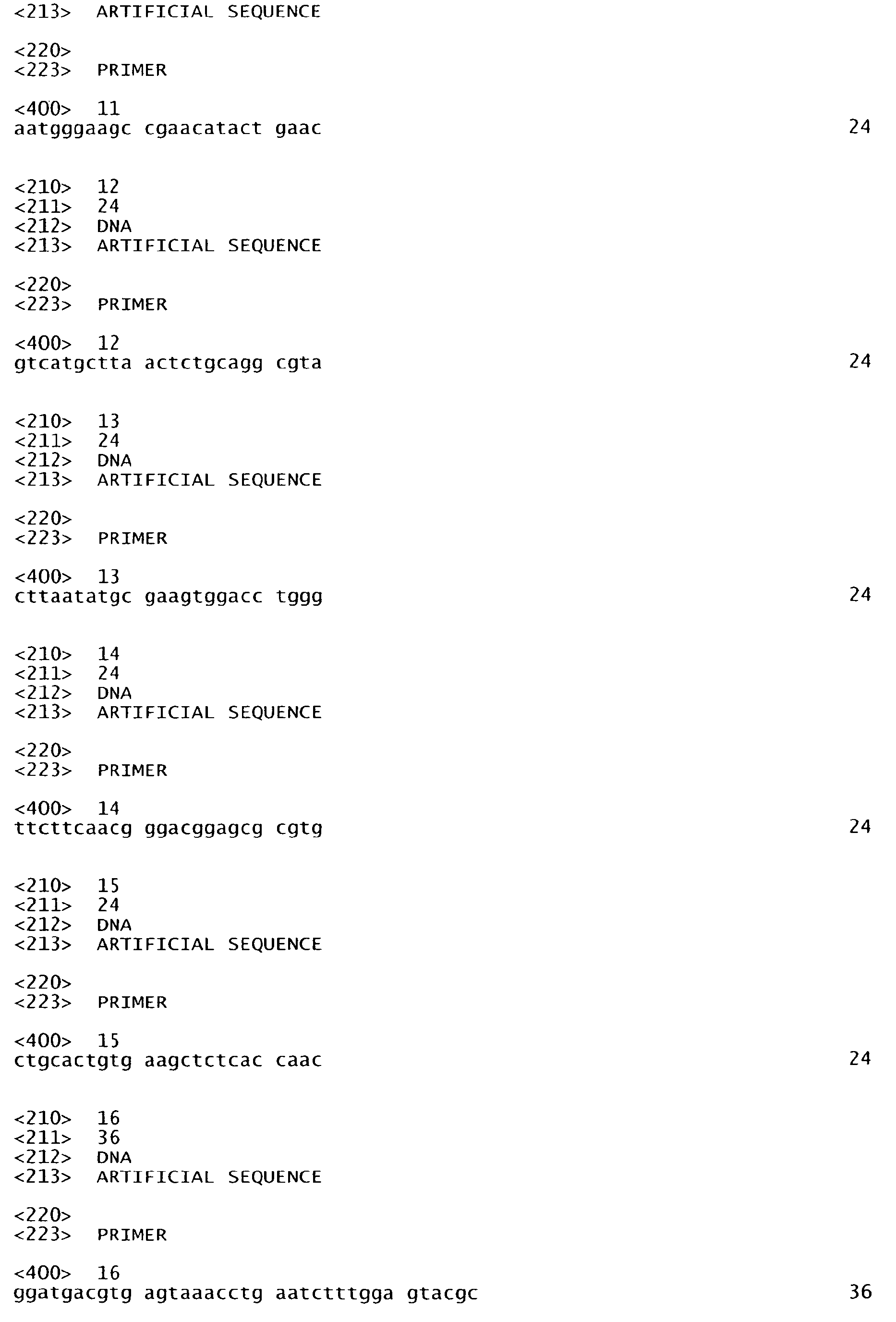


Claims (17)
- A transgenic mouse, characterized in that it has a phenotype comprising:a) a deficiency for murine T lymphocytes, B lymphocytes and NK cells,b) a deficiency for murine MHC class I and MHC class II molecules, andc) a functional xenogenic MHC class I transgene and/or a functional xenogenic MHC class II transgene.
- The transgenic mouse according to claim 1, wherein the deficiency in a) is associated with a deficient Rag2 gene and a deficient common receptor γ chain gene.
- The transgenic mouse according to claim 1 or claim 2, wherein the deficiency in murine MHC class I molecules is associated with a deficient β2-microglobulin gene.
- The transgenic mouse according to anyone of claims 1 to 3, wherein the deficiency in murine MHC class II molecules is associated with a deficient H-2b-Aβ gene.
- The transgenic mouse according to anyone of claims 1 to 4, wherein the xenogenic MHC class I and/or class II transgenes are human HLA class I and/or HLA class II transgenes.
- The transgenic mouse according to claim 5, wherein the HLA class I transgene is an HLA-A2 transgene and the HLA class II transgene is an HLA-DR1 transgene.
- The transgenic mouse according to claim 6, having a genotype selected from the group consisting of :
- Rag2-/-, γc -/-, β2m-/-, I-Aβb-/-, HLA-A2+/+, HLA-DR1+/+,
- Rag2-/-, γc -/-, β2m-/-, I-Aβb-/-, HLA-A2+/+, and
-Rag2-/-, γc -/-, β2m-/-, I-Aβb-/-, HLA-DR1+/+. - The transgenic mouse according to anyone of claims 1 to 7, characterized in that it further comprises a deficiency for the C5 protein of complement.
- A method for producing a chimeric mouse having a functional xenogenic immune system, characterized in that it comprises the step of: transplanting xenogenic hematopoietic progenitor cells from the same species as the MHC class I and/or class II transgene, into a transgenic mouse according to anyone of claims 1 to 8, by any appropriate mean.
- A method for analysing the development of the immune system of a xenogenic species in vivo, characterized in that it comprises the steps of:- transplanting xenogenic hematopoietic progenitor cells from the same species as the MHC class I and/or class II transgene, into a transgenic mouse according to anyone of claims 1 to 8, by any appropriate means, and- assaying for the presence of functional T, B or dendritic cells of the xenogenic species, in the transplanted mouse, by any appropriate means.
- A method for analysing the immune response of a xenogenic species to an antigen in vivo, characterized in that it comprises the steps of:- transplanting xenogenic hematopoietic progenitor cells from the same species as the MHC class I and/or class II transgene, into a transgenic mouse according to anyone of claims 1 to 8, by any appropriate means,- bringing the transplanted cells into contact with an antigen of interest, and,- assaying for the presence of a humoral response, a T-helper cell response or a T-cytotoxic cell response to the antigen, in the mouse, by any appropriate means.
- The method according to anyone of claims 8 to 10, wherein the xenogenic hematopoietic progenitor cells are human hematopoietic progenitor cells.
- The method according to claim 12, wherein the human hematopoietic progenitor cells are from donors of different HLA haplotypes.
- The method according to claim 13, wherein said haplotypes are reflective of the genetic variability of the human population.
- A transgenic mouse useful for the production of a transgenic mouse according to anyone of claims 1 to 8, characterized in that it has a phenotype comprising :a) a deficiency for murine T lymphocytes, B lymphocytes and NK cells, andb) a deficiency for murine MHC class I and MHC class II molecules.
- The transgenic mouse according to claim 15, characterized in that it has a Rag2-/-, γc-/-, β2m-/-, I-Aβb-/- genotype.
- An isolated cell, characterized in that it is a cell from a transgenic mouse according to anyone of claims 1 to 8, 15 and 16.
Priority Applications (6)
| Application Number | Priority Date | Filing Date | Title |
|---|---|---|---|
| EP06291151A EP1878342A1 (en) | 2006-07-13 | 2006-07-13 | Immunodeficient mice transgenic for HLA class I and HLA class II molecules and their uses |
| EP07825365A EP2040538A2 (en) | 2006-07-13 | 2007-07-13 | Immunodeficient mice transgenic for hla class i and hla class ii molecules and their uses |
| US12/373,373 US20100011450A1 (en) | 2006-07-13 | 2007-07-13 | Immunodeficient mice transgenic for hla class i and hla class ii molecules and their uses |
| CA002657499A CA2657499A1 (en) | 2006-07-13 | 2007-07-13 | Immunodeficient mice transgenic for hla class i and hla class ii molecules and their uses |
| JP2009519007A JP2009542253A (en) | 2006-07-13 | 2007-07-13 | Immunodeficient mice transgenic for hla class i and hla class ii molecules and uses thereof - Patents.com |
| PCT/IB2007/003061 WO2008010100A2 (en) | 2006-07-13 | 2007-07-13 | Immunodeficient mice transgenic for hla class i and hla class ii molecules and their uses |
Applications Claiming Priority (1)
| Application Number | Priority Date | Filing Date | Title |
|---|---|---|---|
| EP06291151A EP1878342A1 (en) | 2006-07-13 | 2006-07-13 | Immunodeficient mice transgenic for HLA class I and HLA class II molecules and their uses |
Publications (1)
| Publication Number | Publication Date |
|---|---|
| EP1878342A1 true EP1878342A1 (en) | 2008-01-16 |
Family
ID=37309653
Family Applications (2)
| Application Number | Title | Priority Date | Filing Date |
|---|---|---|---|
| EP06291151A Withdrawn EP1878342A1 (en) | 2006-07-13 | 2006-07-13 | Immunodeficient mice transgenic for HLA class I and HLA class II molecules and their uses |
| EP07825365A Withdrawn EP2040538A2 (en) | 2006-07-13 | 2007-07-13 | Immunodeficient mice transgenic for hla class i and hla class ii molecules and their uses |
Family Applications After (1)
| Application Number | Title | Priority Date | Filing Date |
|---|---|---|---|
| EP07825365A Withdrawn EP2040538A2 (en) | 2006-07-13 | 2007-07-13 | Immunodeficient mice transgenic for hla class i and hla class ii molecules and their uses |
Country Status (5)
| Country | Link |
|---|---|
| US (1) | US20100011450A1 (en) |
| EP (2) | EP1878342A1 (en) |
| JP (1) | JP2009542253A (en) |
| CA (1) | CA2657499A1 (en) |
| WO (1) | WO2008010100A2 (en) |
Cited By (12)
| Publication number | Priority date | Publication date | Assignee | Title |
|---|---|---|---|---|
| CN104039132A (en) * | 2011-10-28 | 2014-09-10 | 瑞泽恩制药公司 | Major Histocompatibility Complex Gene Modified Mice |
| US8847005B2 (en) | 2011-10-28 | 2014-09-30 | Regeneron Pharmaceuticals, Inc. | Genetically modified major histocompatibility complex mice |
| US9043996B2 (en) | 2011-10-28 | 2015-06-02 | Regeneron Pharmaceuticals, Inc. | Genetically modified major histocompatibility complex animals |
| US9591835B2 (en) | 2011-10-28 | 2017-03-14 | Regeneron Pharmaceuticals, Inc. | Genetically modified major histocompatibility complex animals |
| US9848587B2 (en) | 2013-02-20 | 2017-12-26 | Regeneron Pharmaceuticals, Inc. | Humanized T cell co-receptor mice |
| WO2018209344A1 (en) * | 2017-05-12 | 2018-11-15 | The Jackson Laboratory | Nsg mice lacking mhc class i and class ii |
| US10154658B2 (en) | 2013-02-22 | 2018-12-18 | Regeneron Pharmaceuticals, Inc. | Genetically modified major histocompatibility complex mice |
| US10314296B2 (en) | 2013-02-22 | 2019-06-11 | Regeneron Pharmaceuticals, Inc. | Genetically modified major histocompatibility complex mice |
| US11259510B2 (en) | 2015-04-06 | 2022-03-01 | Regeneron Pharmaceuticals, Inc. | Humanized T cell mediated immune responses in non-human animals |
| US11712026B2 (en) | 2017-10-18 | 2023-08-01 | The Jackson Laboratory | Murine-MHC-deficient HLA-transgenic nod-mouse models for T1D therapy development |
| US12196744B2 (en) | 2020-09-24 | 2025-01-14 | The Jackson Laboratory | Humanized mouse models for assessing immune cell therapy |
| US12376573B2 (en) | 2021-03-31 | 2025-08-05 | Regeneron Pharmaceuticals, Inc. | Genetically modified mice comprising humanized cellular immune system components with improved diversity of TCRB repertoire |
Families Citing this family (25)
| Publication number | Priority date | Publication date | Assignee | Title |
|---|---|---|---|---|
| WO2010071836A1 (en) | 2008-12-19 | 2010-06-24 | Inserm | Il-15 mediated nk and t cell maturation |
| US9445581B2 (en) | 2012-03-28 | 2016-09-20 | Kymab Limited | Animal models and therapeutic molecules |
| DK2564695T3 (en) | 2009-07-08 | 2015-05-26 | Kymab Ltd | Animal models and therapeutic molecules |
| AU2010303737B2 (en) | 2009-10-06 | 2014-05-29 | Institute For Research In Biomedicine (Irb) | Genetically modified mice and engraftment |
| EP2618656B1 (en) * | 2010-09-20 | 2018-06-20 | Yale University, Inc. | HUMAN SIRPalpha TRANSGENIC ANIMALS AND THEIR METHODS OF USE |
| KR102256316B1 (en) | 2011-02-15 | 2021-05-28 | 리제너론 파마슈티칼스 인코포레이티드 | Humanized m-csf mice |
| AU2012311286B2 (en) | 2011-09-19 | 2018-07-26 | Kymab Limited | Antibodies, variable domains and chains tailored for human use |
| WO2013045916A1 (en) | 2011-09-26 | 2013-04-04 | Kymab Limited | Chimaeric surrogate light chains (slc) comprising human vpreb |
| LT3424947T (en) * | 2011-10-28 | 2021-03-10 | Regeneron Pharmaceuticals, Inc. | Genetically modified t cell receptor mice |
| US9253965B2 (en) | 2012-03-28 | 2016-02-09 | Kymab Limited | Animal models and therapeutic molecules |
| WO2013086019A1 (en) * | 2011-12-06 | 2013-06-13 | Massachusetts Institute Of Technology | Use of humanized mice to determine toxicity |
| EP2644027A1 (en) * | 2012-03-26 | 2013-10-02 | Institut Pasteur | Transgenic immunodefficient mouse expressing human SIRPalpha. |
| GB2502127A (en) | 2012-05-17 | 2013-11-20 | Kymab Ltd | Multivalent antibodies and in vivo methods for their production |
| US10251377B2 (en) | 2012-03-28 | 2019-04-09 | Kymab Limited | Transgenic non-human vertebrate for the expression of class-switched, fully human, antibodies |
| DK2892330T3 (en) | 2012-09-07 | 2023-01-30 | Univ Yale | Genetically modified mice and methods of use thereof |
| EP3939423B1 (en) | 2012-11-05 | 2024-03-06 | Regeneron Pharmaceuticals, Inc. | Genetically modified non-human animals and methods of use thereof |
| ES2764829T3 (en) * | 2013-03-11 | 2020-06-04 | Regeneron Pharma | Transgenic mice expressing class I major histocompatibility complex (mhc) chimeric molecules |
| US9788534B2 (en) | 2013-03-18 | 2017-10-17 | Kymab Limited | Animal models and therapeutic molecules |
| US9783618B2 (en) | 2013-05-01 | 2017-10-10 | Kymab Limited | Manipulation of immunoglobulin gene diversity and multi-antibody therapeutics |
| US11707056B2 (en) | 2013-05-02 | 2023-07-25 | Kymab Limited | Animals, repertoires and methods |
| US9783593B2 (en) | 2013-05-02 | 2017-10-10 | Kymab Limited | Antibodies, variable domains and chains tailored for human use |
| CA2925723A1 (en) | 2013-10-01 | 2015-04-09 | Kymab Limited | Animal models and therapeutic molecules |
| IL312888A (en) | 2014-05-19 | 2024-07-01 | Regeneron Pharma | Genetically engineered non-human animals that express human erythropoietin |
| FI3282835T3 (en) | 2015-04-13 | 2023-07-20 | Regeneron Pharma | HUMANIZED SIRPA-IL15 DELETEGENIC MICE AND METHODS OF THEIR USE |
| JP6479246B1 (en) * | 2017-09-19 | 2019-03-06 | 学校法人明治大学 | Methods for developing organs that lack specific functional cells |
Citations (1)
| Publication number | Priority date | Publication date | Assignee | Title |
|---|---|---|---|---|
| US20030028911A1 (en) * | 1999-08-31 | 2003-02-06 | Manley Huang | Transgenic mammal capable of facilitating production of donor-specific functional immunity |
Family Cites Families (1)
| Publication number | Priority date | Publication date | Assignee | Title |
|---|---|---|---|---|
| US7663017B2 (en) * | 2003-07-30 | 2010-02-16 | Institut Pasteur | Transgenic mice having a human major histocompatability complex (MHC) phenotype, experimental uses and applications |
-
2006
- 2006-07-13 EP EP06291151A patent/EP1878342A1/en not_active Withdrawn
-
2007
- 2007-07-13 US US12/373,373 patent/US20100011450A1/en not_active Abandoned
- 2007-07-13 JP JP2009519007A patent/JP2009542253A/en active Pending
- 2007-07-13 EP EP07825365A patent/EP2040538A2/en not_active Withdrawn
- 2007-07-13 CA CA002657499A patent/CA2657499A1/en not_active Abandoned
- 2007-07-13 WO PCT/IB2007/003061 patent/WO2008010100A2/en not_active Ceased
Patent Citations (1)
| Publication number | Priority date | Publication date | Assignee | Title |
|---|---|---|---|---|
| US20030028911A1 (en) * | 1999-08-31 | 2003-02-06 | Manley Huang | Transgenic mammal capable of facilitating production of donor-specific functional immunity |
Non-Patent Citations (5)
| Title |
|---|
| CAMACHO R E ET AL: "Intra-thymic/splenic engraftment of human T cells in HLA-DR1 transgenic NOD/scid mice", CELLULAR IMMUNOLOGY, ACADEMIC PRESS, SAN DIEGO, CA, US, vol. 232, no. 1-2, November 2004 (2004-11-01), pages 86 - 95, XP004908903, ISSN: 0008-8749 * |
| GIMENO R ET AL: "Monitoring the effect of gene silencing by RNA interference in human CD34<+> cells injected into newborn RAG2<-/-> [gamma]c <-/-> mice: Functional inactivation of p53 in developing T cells", BLOOD, W.B.SAUNDERS COMPANY, ORLANDO, FL, US, vol. 104, no. 13, 15 December 2004 (2004-12-15), pages 3886 - 3893, XP002317351, ISSN: 0006-4971 * |
| GOLDMAN J P ET AL: "Enhanced human cell engraftment in mice deficient in RAG2 and the common cytokine receptor gamma chain", BRITISH JOURNAL OF HAEMATOLOGY, OXFORD, GB, vol. 103, no. 2, November 1998 (1998-11-01), pages 335 - 342, XP002249529, ISSN: 0007-1048 * |
| KOLLET O ET AL: "beta2 microglobulin-deficient (B2m(null)) NOD/SCID mice are excellent recipients for studying human stem cell function", BLOOD, W.B.SAUNDERS COMPANY, ORLANDO, FL, US, vol. 95, no. 10, 15 May 2000 (2000-05-15), pages 3102 - 3105, XP002223072, ISSN: 0006-4971 * |
| TRAGGIAI E ET AL: "Development of a human adaptive immune system in cord blood cell-transplanted mice", SCIENCE, AMERICAN ASSOCIATION FOR THE ADVANCEMENT OF SCIENCE,, US, vol. 304, no. 5667, 2 April 2004 (2004-04-02), pages 104 - 107, XP002356076, ISSN: 0036-8075 * |
Cited By (33)
| Publication number | Priority date | Publication date | Assignee | Title |
|---|---|---|---|---|
| CN104039132B9 (en) * | 2011-10-28 | 2017-09-05 | 瑞泽恩制药公司 | Method for preparing major histocompatibility complex gene-modified mice |
| US10045516B2 (en) | 2011-10-28 | 2018-08-14 | Regeneron Pharmaceuticals, Inc. | Genetically modified major histocompatibility complex animals |
| US9043996B2 (en) | 2011-10-28 | 2015-06-02 | Regeneron Pharmaceuticals, Inc. | Genetically modified major histocompatibility complex animals |
| US10779520B2 (en) | 2011-10-28 | 2020-09-22 | Regeneron Pharmaceuticals, Inc. | Genetically modified major histocompatibility complex animals |
| US9591835B2 (en) | 2011-10-28 | 2017-03-14 | Regeneron Pharmaceuticals, Inc. | Genetically modified major histocompatibility complex animals |
| US9615550B2 (en) | 2011-10-28 | 2017-04-11 | Regeneron Pharmaceuticals, Inc. | Genetically modified major histocompatibility complex mice |
| CN104039132B (en) * | 2011-10-28 | 2017-06-16 | 瑞泽恩制药公司 | Method for preparing major histocompatibility complex gene-modified mice |
| US9700025B2 (en) | 2011-10-28 | 2017-07-11 | Regeneron Pharmaceuticals, Inc. | Genetically modified major histocompatibility complex animals |
| US8847005B2 (en) | 2011-10-28 | 2014-09-30 | Regeneron Pharmaceuticals, Inc. | Genetically modified major histocompatibility complex mice |
| US10869466B2 (en) | 2011-10-28 | 2020-12-22 | Regeneran Pharmaceuticals, Inc. | Genetically modified major histocompatibility complex mice |
| US9585373B2 (en) | 2011-10-28 | 2017-03-07 | Regeneron Pharmaceuticals, Inc. | Genetically modified major histocompatibility complex mice |
| CN104039132A (en) * | 2011-10-28 | 2014-09-10 | 瑞泽恩制药公司 | Major Histocompatibility Complex Gene Modified Mice |
| KR20180132970A (en) * | 2011-10-28 | 2018-12-12 | 리제너론 파아마슈티컬스, 인크. | Transgenic mice expressing chimeric major histocompatibility complex (mhc) class ii molecules |
| US11219195B2 (en) | 2011-10-28 | 2022-01-11 | Regeneron Pharmaceuticals, Inc. | Genetically modified major histocompatibility complex mice |
| US10219493B2 (en) | 2011-10-28 | 2019-03-05 | Regeneron Pharmaceuticals, Inc. | Genetically modified major histocompatibility complex mice |
| US10986822B2 (en) | 2011-10-28 | 2021-04-27 | Regeneron Pharmaceuticals, Inc. | Genetically modified major histocompatibility complex mice |
| US12063915B2 (en) | 2013-02-20 | 2024-08-20 | Regeneron Pharmaceuticals, Inc. | Humanized T cell co-receptor mice |
| US9848587B2 (en) | 2013-02-20 | 2017-12-26 | Regeneron Pharmaceuticals, Inc. | Humanized T cell co-receptor mice |
| US10820581B2 (en) | 2013-02-20 | 2020-11-03 | Regeneron Pharmaceuticals, Inc. | Humanized T cell co-receptor mice |
| CN110192541A (en) * | 2013-02-22 | 2019-09-03 | 瑞泽恩制药公司 | Express the mouse of humanization major histocompatibility complex |
| US10314296B2 (en) | 2013-02-22 | 2019-06-11 | Regeneron Pharmaceuticals, Inc. | Genetically modified major histocompatibility complex mice |
| US10154658B2 (en) | 2013-02-22 | 2018-12-18 | Regeneron Pharmaceuticals, Inc. | Genetically modified major histocompatibility complex mice |
| US11224208B2 (en) | 2013-02-22 | 2022-01-18 | Regeneron Pharmaceuticals, Inc. | Genetically modified major histocompatibility complex mice |
| US12414551B2 (en) | 2013-02-22 | 2025-09-16 | Regeneron Pharmaceuticals, Inc. | Genetically modified major histocompatibility complex mice |
| US11259510B2 (en) | 2015-04-06 | 2022-03-01 | Regeneron Pharmaceuticals, Inc. | Humanized T cell mediated immune responses in non-human animals |
| WO2018209344A1 (en) * | 2017-05-12 | 2018-11-15 | The Jackson Laboratory | Nsg mice lacking mhc class i and class ii |
| US11778994B2 (en) | 2017-05-12 | 2023-10-10 | The Jackson Laboratory | NSG mice lacking MHC class I and class II |
| AU2018265887B2 (en) * | 2017-05-12 | 2024-05-09 | The Jackson Laboratory | NSG mice lacking MHC class I and class II |
| CN115851834A (en) * | 2017-05-12 | 2023-03-28 | 杰克逊实验室 | NSG mice deficient in class I and class II MHC |
| EP4144213A1 (en) * | 2017-05-12 | 2023-03-08 | The Jackson Laboratory | Nsg mice lacking mhc class i and class ii |
| US11712026B2 (en) | 2017-10-18 | 2023-08-01 | The Jackson Laboratory | Murine-MHC-deficient HLA-transgenic nod-mouse models for T1D therapy development |
| US12196744B2 (en) | 2020-09-24 | 2025-01-14 | The Jackson Laboratory | Humanized mouse models for assessing immune cell therapy |
| US12376573B2 (en) | 2021-03-31 | 2025-08-05 | Regeneron Pharmaceuticals, Inc. | Genetically modified mice comprising humanized cellular immune system components with improved diversity of TCRB repertoire |
Also Published As
| Publication number | Publication date |
|---|---|
| JP2009542253A (en) | 2009-12-03 |
| US20100011450A1 (en) | 2010-01-14 |
| WO2008010100A3 (en) | 2008-05-22 |
| WO2008010100A2 (en) | 2008-01-24 |
| EP2040538A2 (en) | 2009-04-01 |
| CA2657499A1 (en) | 2008-01-24 |
Similar Documents
| Publication | Publication Date | Title |
|---|---|---|
| EP1878342A1 (en) | Immunodeficient mice transgenic for HLA class I and HLA class II molecules and their uses | |
| Mundt et al. | Loss of precursor B cell expansion but not allelic exclusion in VpreB1/VpreB2 double-deficient mice | |
| CA2432133C (en) | Transgenic animals comprising a humanized immune system | |
| US9986721B2 (en) | Transgenic mice having a human major histocompatibility complex (MHC) phenotype, experimental uses and applications | |
| US20100138938A1 (en) | Method of producing a multichimeric mouse and applications to study the immunopathogenesis of human tissue-specific pathologies | |
| AU2002246733A1 (en) | Transgenic animals comprising a humanized immune system | |
| US9439404B2 (en) | Boosting human dendritic cell development, homeostasis and function in xenografted immunodeficient mice | |
| US20180160662A1 (en) | Transgenic Immunodeficient Mouse Expressing Human SIRP-alpha | |
| JP2025109839A (en) | Transgenic pigs, their production methods and uses, and methods for producing mice with human immune systems | |
| EP4178350A1 (en) | Transgenic mouse model expressing human hla-a201 restriction gene | |
| HK1112155A (en) | Immunodeficient mice transgenic for hla class i and hla class ii molecules and their uses | |
| HK1112266A (en) | Method of producing a multichimeric mouse and applications to study the immunopathogenesis of human tissue-specific pathologies |
Legal Events
| Date | Code | Title | Description |
|---|---|---|---|
| PUAI | Public reference made under article 153(3) epc to a published international application that has entered the european phase |
Free format text: ORIGINAL CODE: 0009012 |
|
| AK | Designated contracting states |
Kind code of ref document: A1 Designated state(s): AT BE BG CH CY CZ DE DK EE ES FI FR GB GR HU IE IS IT LI LT LU LV MC NL PL PT RO SE SI SK TR |
|
| AX | Request for extension of the european patent |
Extension state: AL BA HR MK YU |
|
| 17P | Request for examination filed |
Effective date: 20080530 |
|
| 17Q | First examination report despatched |
Effective date: 20080627 |
|
| REG | Reference to a national code |
Ref country code: HK Ref legal event code: DE Ref document number: 1112155 Country of ref document: HK |
|
| AKX | Designation fees paid |
Designated state(s): AT BE BG CH CY CZ DE DK EE ES FI FR GB GR HU IE IS IT LI LT LU LV MC NL PL PT RO SE SI SK TR |
|
| STAA | Information on the status of an ep patent application or granted ep patent |
Free format text: STATUS: THE APPLICATION IS DEEMED TO BE WITHDRAWN |
|
| 18D | Application deemed to be withdrawn |
Effective date: 20100204 |
|
| REG | Reference to a national code |
Ref country code: HK Ref legal event code: WD Ref document number: 1112155 Country of ref document: HK |