CN1729285A - Artificial synapse-on-a-chip interface to electronically repair the retina - Google Patents
Artificial synapse-on-a-chip interface to electronically repair the retina Download PDFInfo
- Publication number
- CN1729285A CN1729285A CN02812796.XA CN02812796A CN1729285A CN 1729285 A CN1729285 A CN 1729285A CN 02812796 A CN02812796 A CN 02812796A CN 1729285 A CN1729285 A CN 1729285A
- Authority
- CN
- China
- Prior art keywords
- cell
- cells
- modular lattice
- miniature modular
- contact
- Prior art date
- Legal status (The legal status is an assumption and is not a legal conclusion. Google has not performed a legal analysis and makes no representation as to the accuracy of the status listed.)
- Pending
Links
Images



Classifications
-
- A—HUMAN NECESSITIES
- A61—MEDICAL OR VETERINARY SCIENCE; HYGIENE
- A61N—ELECTROTHERAPY; MAGNETOTHERAPY; RADIATION THERAPY; ULTRASOUND THERAPY
- A61N1/00—Electrotherapy; Circuits therefor
- A61N1/18—Applying electric currents by contact electrodes
- A61N1/32—Applying electric currents by contact electrodes alternating or intermittent currents
- A61N1/36—Applying electric currents by contact electrodes alternating or intermittent currents for stimulation
- A61N1/36046—Applying electric currents by contact electrodes alternating or intermittent currents for stimulation of the eye
-
- A—HUMAN NECESSITIES
- A61—MEDICAL OR VETERINARY SCIENCE; HYGIENE
- A61N—ELECTROTHERAPY; MAGNETOTHERAPY; RADIATION THERAPY; ULTRASOUND THERAPY
- A61N1/00—Electrotherapy; Circuits therefor
- A61N1/02—Details
- A61N1/04—Electrodes
- A61N1/05—Electrodes for implantation or insertion into the body, e.g. heart electrode
- A61N1/0526—Head electrodes
- A61N1/0543—Retinal electrodes
-
- A—HUMAN NECESSITIES
- A61—MEDICAL OR VETERINARY SCIENCE; HYGIENE
- A61N—ELECTROTHERAPY; MAGNETOTHERAPY; RADIATION THERAPY; ULTRASOUND THERAPY
- A61N1/00—Electrotherapy; Circuits therefor
- A61N1/18—Applying electric currents by contact electrodes
- A61N1/32—Applying electric currents by contact electrodes alternating or intermittent currents
- A61N1/326—Applying electric currents by contact electrodes alternating or intermittent currents for promoting growth of cells, e.g. bone cells
-
- C—CHEMISTRY; METALLURGY
- C12—BIOCHEMISTRY; BEER; SPIRITS; WINE; VINEGAR; MICROBIOLOGY; ENZYMOLOGY; MUTATION OR GENETIC ENGINEERING
- C12M—APPARATUS FOR ENZYMOLOGY OR MICROBIOLOGY; APPARATUS FOR CULTURING MICROORGANISMS FOR PRODUCING BIOMASS, FOR GROWING CELLS OR FOR OBTAINING FERMENTATION OR METABOLIC PRODUCTS, i.e. BIOREACTORS OR FERMENTERS
- C12M35/00—Means for application of stress for stimulating the growth of microorganisms or the generation of fermentation or metabolic products; Means for electroporation or cell fusion
-
- C—CHEMISTRY; METALLURGY
- C12—BIOCHEMISTRY; BEER; SPIRITS; WINE; VINEGAR; MICROBIOLOGY; ENZYMOLOGY; MUTATION OR GENETIC ENGINEERING
- C12M—APPARATUS FOR ENZYMOLOGY OR MICROBIOLOGY; APPARATUS FOR CULTURING MICROORGANISMS FOR PRODUCING BIOMASS, FOR GROWING CELLS OR FOR OBTAINING FERMENTATION OR METABOLIC PRODUCTS, i.e. BIOREACTORS OR FERMENTERS
- C12M35/00—Means for application of stress for stimulating the growth of microorganisms or the generation of fermentation or metabolic products; Means for electroporation or cell fusion
- C12M35/02—Electrical or electromagnetic means, e.g. for electroporation or for cell fusion
-
- C—CHEMISTRY; METALLURGY
- C12—BIOCHEMISTRY; BEER; SPIRITS; WINE; VINEGAR; MICROBIOLOGY; ENZYMOLOGY; MUTATION OR GENETIC ENGINEERING
- C12M—APPARATUS FOR ENZYMOLOGY OR MICROBIOLOGY; APPARATUS FOR CULTURING MICROORGANISMS FOR PRODUCING BIOMASS, FOR GROWING CELLS OR FOR OBTAINING FERMENTATION OR METABOLIC PRODUCTS, i.e. BIOREACTORS OR FERMENTERS
- C12M35/00—Means for application of stress for stimulating the growth of microorganisms or the generation of fermentation or metabolic products; Means for electroporation or cell fusion
- C12M35/08—Chemical, biochemical or biological means, e.g. plasma jet, co-culture
-
- C—CHEMISTRY; METALLURGY
- C12—BIOCHEMISTRY; BEER; SPIRITS; WINE; VINEGAR; MICROBIOLOGY; ENZYMOLOGY; MUTATION OR GENETIC ENGINEERING
- C12N—MICROORGANISMS OR ENZYMES; COMPOSITIONS THEREOF; PROPAGATING, PRESERVING, OR MAINTAINING MICROORGANISMS; MUTATION OR GENETIC ENGINEERING; CULTURE MEDIA
- C12N5/00—Undifferentiated human, animal or plant cells, e.g. cell lines; Tissues; Cultivation or maintenance thereof; Culture media therefor
- C12N5/06—Animal cells or tissues; Human cells or tissues
- C12N5/0602—Vertebrate cells
- C12N5/0618—Cells of the nervous system
- C12N5/0619—Neurons
-
- C—CHEMISTRY; METALLURGY
- C12—BIOCHEMISTRY; BEER; SPIRITS; WINE; VINEGAR; MICROBIOLOGY; ENZYMOLOGY; MUTATION OR GENETIC ENGINEERING
- C12N—MICROORGANISMS OR ENZYMES; COMPOSITIONS THEREOF; PROPAGATING, PRESERVING, OR MAINTAINING MICROORGANISMS; MUTATION OR GENETIC ENGINEERING; CULTURE MEDIA
- C12N2503/00—Use of cells in diagnostics
-
- C—CHEMISTRY; METALLURGY
- C12—BIOCHEMISTRY; BEER; SPIRITS; WINE; VINEGAR; MICROBIOLOGY; ENZYMOLOGY; MUTATION OR GENETIC ENGINEERING
- C12N—MICROORGANISMS OR ENZYMES; COMPOSITIONS THEREOF; PROPAGATING, PRESERVING, OR MAINTAINING MICROORGANISMS; MUTATION OR GENETIC ENGINEERING; CULTURE MEDIA
- C12N2535/00—Supports or coatings for cell culture characterised by topography
- C12N2535/10—Patterned coating
Landscapes
- Health & Medical Sciences (AREA)
- Engineering & Computer Science (AREA)
- Life Sciences & Earth Sciences (AREA)
- Biomedical Technology (AREA)
- Chemical & Material Sciences (AREA)
- Bioinformatics & Cheminformatics (AREA)
- Biotechnology (AREA)
- Genetics & Genomics (AREA)
- Wood Science & Technology (AREA)
- Zoology (AREA)
- Organic Chemistry (AREA)
- General Health & Medical Sciences (AREA)
- Cell Biology (AREA)
- Microbiology (AREA)
- Biochemistry (AREA)
- General Engineering & Computer Science (AREA)
- Radiology & Medical Imaging (AREA)
- Sustainable Development (AREA)
- Nuclear Medicine, Radiotherapy & Molecular Imaging (AREA)
- Animal Behavior & Ethology (AREA)
- Public Health (AREA)
- Veterinary Medicine (AREA)
- Ophthalmology & Optometry (AREA)
- Neurology (AREA)
- Physiology (AREA)
- Heart & Thoracic Surgery (AREA)
- General Chemical & Material Sciences (AREA)
- Molecular Biology (AREA)
- Neurosurgery (AREA)
- Orthopedic Medicine & Surgery (AREA)
- Physics & Mathematics (AREA)
- Electromagnetism (AREA)
- Cardiology (AREA)
- Micro-Organisms Or Cultivation Processes Thereof (AREA)
- Prostheses (AREA)
- Apparatus Associated With Microorganisms And Enzymes (AREA)
- Materials For Medical Uses (AREA)
- Electrotherapy Devices (AREA)
- Immobilizing And Processing Of Enzymes And Microorganisms (AREA)
- Ceramic Capacitors (AREA)
Abstract
Description
技术领域technical field
本发明涉及控制细胞生长和刺激细胞的装置。具体讲,本发明涉及控制神经元生长以提供人造突触和神经元修复术的方法和装置。The present invention relates to devices for controlling cell growth and stimulating cells. In particular, the invention relates to methods and devices for controlling neuronal growth to provide artificial synapses and neuronal prosthetics.
背景技术Background technique
经角膜进入眼的光线通过晶状体(进一步聚焦光线)聚焦在视网膜(眼后部一薄层细胞)上。正常人的视力取决于视网膜神经细胞产生的信号。视觉信号起源于视网膜中的光感受细胞,其能感知光线并对光线发生反应,产生信号,继而在视网膜神经节细胞中产生和发展成神经信号。神经细胞常常延伸出称为细胞突起的细胞部分,专用于接受信息和刺激或传递信息。例如:传导神经冲动的专门化伸长突起称为神经突。视网膜神经节细胞的神经突携带从视网膜到脑的视觉信号。脑中神经细胞网络进一步加工视觉信号,以提供正常人视力的完整视觉经验。此过程中任何一步紊乱均可导致视觉损伤或视觉缺失。Light that enters the eye through the cornea passes through the lens (which further focuses the light) and focuses it on the retina (a thin layer of cells at the back of the eye). Normal vision depends on signals produced by nerve cells in the retina. Visual signals originate from photoreceptor cells in the retina, which can perceive and respond to light to generate signals, which are then generated and developed into neural signals in retinal ganglion cells. Nerve cells often extend cell parts called protrusions, which are specialized to receive information and stimulate or transmit information. Example: The specialized elongated protrusions that conduct nerve impulses are called neurites. The neurites of retinal ganglion cells carry visual signals from the retina to the brain. Visual signals are further processed by a network of nerve cells in the brain to provide the full visual experience of normal vision. Disruption at any step in this process can result in visual impairment or loss of vision.
年龄相关性黄斑退变(AMD)是65岁以上人最常见的视觉缺失形式之一。目前对大多数AMD病人尚无有效的治疗方法,此病常导致光感受器的永久性损伤,但不伤害大多数视网膜神经节细胞(RGC)。与此相似,其它疾病如无色素沉着视网膜炎(RP),由于丧失光感受器而引起视觉损伤和视觉缺失。Age-related macular degeneration (AMD) is one of the most common forms of vision loss in people over the age of 65. There is currently no effective treatment for most AMD patients, and the disease often results in permanent damage to photoreceptors but spares most retinal ganglion cells (RGCs). Similarly, other diseases, such as apigmented retinitis (RP), cause visual impairment and loss of vision due to loss of photoreceptors.
人视觉系统天生的能力是能够通过各个光感受器来转导光线使其形成高分辨影象捕获系统。世界上有几个研究小组已进行了临床实验,测试在AMD致盲个体中用微电极阵列刺激视网膜细胞、视神经束或视觉皮层是否能够产生光幻视(即感觉光线)。微电极阵列产生的电场刺激了相当大的含有无数神经元和胶质细胞的区域。这些试验显示用微电极阵列刺激神经元,盲人的确可能识别诸如水平线或垂直线等简单模式。虽然这些试验证明视觉可有限性复原,但主要问题尚待解决。由于大多数可得到的电极的尺寸大小和布局困难,采用了超长距离(几个细胞体直径)的不精确电场刺激来使神经元去极化。然而此种方法常常需要过度刺激,这可能是有害的,会导致受刺激区域炎症,甚至发生胶质细胞过度生长或神经胶质增生。因此这些方法的主要挑战是构建一个神经界面来刺激局部定位的视网膜区域,各个神经元,甚至具有特异性的神经元的特化部分。The innate ability of the human visual system is to transduce light through various photoreceptors to form a high-resolution image capture system. Several research groups around the world have conducted clinical trials to test whether stimulating retinal cells, optic nerve tracts or visual cortex with microelectrode arrays can produce phosphenes (ie, the perception of light) in individuals blinded by AMD. The electric field generated by the microelectrode array stimulated a sizeable area containing numerous neurons and glial cells. These experiments showed that by stimulating neurons with microelectrode arrays, it is indeed possible for blind people to recognize simple patterns such as horizontal or vertical lines. Although these trials demonstrated limited restoration of vision, major issues remain to be resolved. Due to the size and layout difficulties of most available electrodes, imprecise electric field stimulation over very long distances (several cell body diameters) is used to depolarize neurons. However, this approach often requires overstimulation, which can be harmful, leading to inflammation in the stimulated area and even glial cell overgrowth or gliosis. The main challenge of these approaches is therefore to construct a neural interface to stimulate locally localized retinal regions, individual neurons, or even specialized parts of neurons with specificity.
神经元可以在人造基质上生长。然而生长在人造基质上的神经元的突触连结不能加以控制或精确引导向确定的部位,不能提供体内所见的特异性刺激特征。Neurons can be grown on artificial substrates. However, the synaptic connections of neurons grown on artificial substrates cannot be controlled or precisely directed to defined sites and cannot provide the specific stimulation characteristics seen in vivo.
因此,需要能够改进神经刺激的特异性、优选改进低能输送的神经刺激的特异性以避免神经胶质增生和炎症的方法和装置。Therefore, there is a need for methods and devices that can improve the specificity of neural stimulation, preferably of low energy delivery, to avoid gliosis and inflammation.
发明内容Contents of the invention
本发明将微型模格(micropattern)模式化的神经元生长与显微制作的刺激界面组合形成一种新颖神经再生电极,该电极起着人造突触作用。此装置称为人造突触芯片(ASC)。再生电极通过使神经纤维再生进入电极而制成。此人造突触提供了使神经细胞突起(神经突)与化学或电子方式的神经兴奋相连接的显微制作小孔(纳米小孔)。此纳米小孔模拟了真实突触的长度,强调了神经元和刺激源之间的空间定位关系。The present invention combines micropattern patterned neuron growth with a microfabricated stimulation interface to form a novel nerve regeneration electrode, which functions as an artificial synapse. This device is called an artificial synapse chip (ASC). Regenerative electrodes are made by regenerating nerve fibers into the electrodes. The artificial synapse provides microfabricated pores (nanopores) that connect nerve cell protrusions (neurites) to chemical or electronic nerve excitation. This nanopore mimics the length of a real synapse, emphasizing the spatially localized relationship between neurons and stimulus sources.
本发明人认识到开发一种能保存单个神经元高分辨力,一对一配准和低能输送的神经界面的问题可分成二部分:首先,要使神经元和刺激源处在一起;其次,要刺激神经细胞本身。ASC直接将微型模格模式化的神经元生长与神经刺激源组合在一起,提供了对所需神经元细胞至少一部分的低能刺激(纳米刺激);因此,ASC不仅能有效地作为一种基质在其上引导神经细胞的神经突生长至刺激源,而且能有效地起着刺激源作用。The inventors have realized that the problem of developing a neural interface that preserves the high-resolution, one-to-one registration and low-energy delivery of individual neurons can be divided into two parts: first, bringing the neuron and stimulus together; second, To stimulate the nerve cells themselves. ASCs directly combine micro-patterned neuronal growth with neurostimulatory sources, providing low-energy stimulation (nano-stimulation) to at least a portion of the desired neuronal cells; thus, ASCs are not only effective as a substrate in It guides the neurite growth of nerve cells to the stimulus source, and can effectively play the role of stimulus source.
本发明涉及控制细胞突起生长的装置和方法,包括具有供细胞和细胞突起生长的表面的基质,和能有效控制细胞和细胞突起按所需方向生长至该表面所需要部位的微型模格。所需部位可以是纳米小孔、电接触点或微型模格部件。微型模格中可包含趋化吸引因子、粘附分子、排斥分子、表面轮廓(surface contours)或/和至少一个富含特定原子的区域。此微型模格可通过使基质表面与显微接触印刷印模相接触来产生。具有这样体现本发明特征的微型模格表面的装置可通过使细胞与该表面接触用于控制细胞突起的生长,有效控制细胞突起按所需方式生长。使细胞与微型模格表面接触,引导细胞突起生长至该表面上所需部位,并提供所需部位对细胞突起的刺激,能有效地刺激神经细胞的至少一部分。The invention relates to a device and a method for controlling the growth of cell protrusions, comprising a matrix with a surface for cells and cell protrusions to grow, and a micro-model capable of effectively controlling cells and cell protrusions to grow to the desired position on the surface in a desired direction. The desired sites can be nanopores, electrical contacts, or micro-mold parts. The micro-pattern may contain chemoattractants, adhesion molecules, repelling molecules, surface contours and/or at least one region enriched in specific atoms. This micro-pattern can be produced by contacting the surface of the substrate with a microcontact printing stamp. A device having such a microcellular surface embodying features of the present invention can be used to control the growth of cell protrusions by contacting cells with the surface, effectively controlling the growth of cell protrusions in a desired manner. Contacting the cells with the surface of the micro-membrane guides the growth of cell protrusions to a desired location on the surface and provides stimulation of the cell protrusions at the desired location, effectively stimulating at least a portion of the nerve cells.
接触和刺激细胞的装置可具有供接触细胞至少一部分的表面,以及具有至少一个带回路的电连续性接触点。这种装置能有效刺激细胞的至少一部分,特别适合刺激神经突。例如:此装置可通过刺激神经突、通过神经突刺激细胞或刺激细胞体而用于刺激毗邻电接触点的细胞或细胞突起。The means for contacting and stimulating cells may have a surface for contacting at least a portion of the cells, and at least one electrical continuity contact with a loop. Such a device is effective to stimulate at least a portion of a cell and is particularly suitable for stimulating neurites. For example: the device can be used to stimulate cells or cell processes adjacent to electrical contacts by stimulating neurites, stimulating cells through neurites, or stimulating cell bodies.
本发明还提供引导细胞突起生长至毗连回路接触点部位的方法。可通过使能生出细胞突起的细胞与具有回路和微型模格的表面接触,引导细胞突起生长至毗邻接触点的部位。此微型模格可包含趋化吸引因子、粘附分子、排斥分子、表面轮廓等因子和/或具有至少一个富含特定原子的区域。引导细胞突起生长的此微型模格的生产方法,包括使表面与显微接触印刷印模相接触。可通过将神经调节剂输送至细胞的至少一部分来引导细胞突起的生长,可引导生长朝向的所需部位包括纳米小孔、电回路接触点和表面器件。The present invention also provides methods of directing the growth of cellular processes to adjacent circuit contact points. Cell protrusion growth can be directed to sites adjacent to contact points by bringing cells capable of growing protrusions into contact with a surface having circuits and micropatterns. The micro-pattern may contain chemoattractant factors, adhesion molecules, repelling molecules, surface contours, etc. and/or have at least one region enriched in a specific atom. The method of producing such a micromask for guiding the growth of cell processes involves bringing the surface into contact with a microscopic contact printing stamp. Cellular protrusion growth can be directed by delivering a neuromodulatory agent to at least a portion of the cell toward desired sites including nanopores, electrical circuit contacts, and surface devices.
体现本发明特征的装置可包括含有纳米小孔的表面和可含有神经调节剂如神经递质、激素、离子、信使分子、核酸、核酸载体、药物、细胞、细胞碎片、细胞器、脂质体或其它生物活性物质的存贮室。纳米小孔有效地为从存贮室向细胞的至少一部分输送神经调节剂提供了导管。输送神经调节剂的装置可具有微型模格化的外表面,能有效引导上述细胞突起的生长,这样显微制作的人造突触芯片包括的显微制作装置具有纳米小孔、能有效引导细胞突起生长使之接触纳米小孔的微型模格表面及连接于纳米小孔的含神经调节剂的存贮室。Devices embodying features of the invention may include surfaces comprising nanopores and may contain neuromodulatory agents such as neurotransmitters, hormones, ions, messenger molecules, nucleic acids, nucleic acid carriers, drugs, cells, cell fragments, organelles, liposomes, or Storage compartment for other biologically active substances. The nanopore effectively provides a conduit for the delivery of a neuromodulatory agent from the depot to at least a portion of the cell. The device for delivering neuromodulators can have a micro-patterned outer surface, which can effectively guide the growth of the above-mentioned cell protrusions, so that the microfabricated device included in the microfabricated artificial synapse chip has nanometer pores, which can effectively guide the growth of cell protrusions. The micropattern surface is grown to contact the nanopore and the neuromodulator-containing reservoir attached to the nanopore.
存贮室可直接接触纳米小孔,或可通过导管与纳米小孔相连以将神经调节剂输送至纳米小孔。泵或其它引流机制可操作性地连接于存贮室和/或导管,有效引导液流,该液流例如可有效地帮助将神经调节剂输送至纳米小孔。The reservoir can be in direct contact with the nanopore, or can be connected to the nanopore by a catheter to deliver the neuromodulator to the nanopore. A pump or other drainage mechanism is operably connected to the reservoir and/or catheter to effectively direct a fluid flow that is effective, for example, to facilitate delivery of a neuromodulator to the nanopore.
神经调节剂的输送可有效提供对细胞的刺激,本发明的实施方式提供了对细胞突起的刺激,从而有效刺激细胞的至少一部分的方法。在本发明实施方式中,细胞刺激的方法包括刺激细胞突起,通过细胞突起刺激细胞和刺激细胞体。The delivery of a neuromodulator is effective to provide stimulation to a cell, and embodiments of the invention provide methods for stimulating at least a portion of a cell by stimulating a cell's protrusions. In an embodiment of the present invention, the method of cell stimulation includes stimulating cell protrusions, stimulating cells through cell protrusions and stimulating cell bodies.
在其它实施方式中,本发明提供了一种再生电极组装体,其包括引导神经突的装置和有效接触和刺激细胞的至少一部分的回路。引导神经突的装置可包括引导细胞突起生长的装置,输送神经调节剂至细胞的至少一部分的装置或二者兼有。回路可包括接触和刺激细胞的至少一部分、或细胞突起或细胞体的装置。In other embodiments, the present invention provides a regenerative electrode assembly comprising means for guiding a neurite and a circuit effective to contact and stimulate at least a portion of a cell. The means for guiding a neurite may comprise a means for directing the growth of a cell's neurite, a means for delivering a neuromodulatory agent to at least a portion of the cell, or both. The circuit may include means for contacting and stimulating at least a portion of a cell, or a cell protrusion or cell body.
引导神经突延伸形成与回路定向接触的这种能力,可用于治疗神经组织疾病。本发明的一个方面内容是该装置和方法提供了可能绕过视网膜光感受器和将数字照相机连接于视网膜单个神经细胞的神经界面。以这种方式可绕过AMD和其它视觉缺失疾病中受损的细胞,将视觉信息送至大脑。这样,这种人造突触芯片为年龄相关性黄斑退变(AMD)、无色素沉着视网膜炎和其它光感受器视觉缺失疾病患者提供了恢复视觉功能的方法。本发明的装置和方法提供的神经修复术适合在病人神经系统或体内任何部位植入,用于治疗脊髓损伤神经病理,膀胱功能失调和其它神经元性疾病。The ability to guide neurite extension into directed contacts with circuits could be used to treat diseases of nervous tissue. It is an aspect of the present invention that the device and method provide a neural interface that potentially bypasses retinal photoreceptors and connects a digital camera to individual retinal nerve cells. In this way, damaged cells in AMD and other vision-deficiency diseases can be bypassed and visual information sent to the brain. In this way, the artificial synapse chip offers a way to restore visual function to patients with age-related macular degeneration (AMD), apigmented retinitis and other photoreceptor-depleted vision diseases. The neuroprosthesis provided by the device and method of the present invention is suitable for implantation in the patient's nervous system or anywhere in the body for the treatment of spinal cord injury neuropathology, bladder dysfunction and other neuron diseases.
本发明的方法可用于制备眼内用装置。供植入眼内的本发明装置包括接触和刺激细胞的至少一部分的装置和供植入眼内的再生电极组装体。在本发明的实施方式中,这些装置供植入眼内包括视网膜、内界膜和视网膜下腔等区域。The methods of the present invention can be used to prepare intraocular devices. Devices of the invention for implantation in the eye include means for contacting and stimulating at least a portion of cells and a regenerative electrode assembly for implantation in the eye. In embodiments of the invention, these devices are intended for implantation in areas of the eye including the retina, inner limiting membrane, and subretinal space.
恢复光感受器功能减退眼睛的视力的光敏组装体,包括能以光激活信号对光线进行有效反应的光敏装置、人造突触芯片,有效供给光敏装置能量的能源和该光敏装置与人造突触芯片之间的有效连接。植入光敏组装体提供了恢复光感受器功能减退眼睛视力的方法,可通过在眼内植入此光敏组装体,引导视网膜神经细胞突起生长至该光敏组装体和用该光敏组装体产生的光激活信号刺激视网膜神经元来治疗眼病。A photosensitive assembly that restores the vision of eyes with photoreceptor dysfunction, including a photosensitive device that can effectively respond to light with a photoactivation signal, an artificial synapse chip, an energy source that can effectively supply energy to the photosensitive device, and the relationship between the photosensitive device and the artificial synapse chip valid connections between them. Implantation of photoreceptor assemblies provides a means of restoring vision in eyes with photoreceptor dysfunction by directing retinal neuronal process outgrowth to the photoreceptor assembly and photoactivation produced by the photoreceptor assembly. Signal stimulates retinal neurons to treat eye disease.
本发明的装置称为人造突触芯片(ASC),含有对视觉系统的高分辨力神经界面,其掺入了微型模格模式化生长的神经元产生人造突触。非常小的纳米小孔保证了与单个细胞所需部分的接触,并通过这些接触将刺激朝向单个细胞,从而为将一回路连接于单个神经元提供了具有高度空间分辨力的神经界面。因此,不像原先刺激视网膜神经元只能赋予很差空间分辨力的方法,此种ASC的优点是特异性和细胞水平刺激的控制,以提供影响细胞系统行为的新方法。此外,由于刺激源与神经元直接接触,ASC所用的刺激能量较先前本领域刺激物的能量低。因此,ASC提供了一种新类型再生电极,其采用一种刺激的新式神经界面,并采用现代表面科学方法来引导神经元生长,使得与体内视网膜神经回路的连接成为可能。The device of the present invention, called the artificial synapse chip (ASC), contains a high-resolution neural interface to the visual system, which incorporates neurons grown in micro-pattern patterns to generate artificial synapses. Very small nanopores ensure contacts with desired parts of individual cells and through these contacts direct stimuli towards individual cells, providing highly spatially resolved neural interfaces for connecting circuits to individual neurons. Thus, unlike previous methods of stimulating retinal neurons that confer only poor spatial resolution, the advantage of this ASC is the specificity and control of stimulation at the cellular level to provide new ways to influence the behavior of cellular systems. Furthermore, because the stimulus is in direct contact with the neuron, the stimulation energy used by ASC is lower than that of previous state-of-the-art stimuli. Thus, ASC provides a new type of regenerative electrode that employs a stimulating novel neural interface and employs modern surface science methods to guide neuronal growth, enabling connections to retinal neural circuits in vivo.
附图说明Description of drawings
图1A显示体现本发明特征的人造突触芯片的透视图。Figure 1A shows a perspective view of an artificial synapse chip embodying features of the present invention.
图1B是图1A人造突触芯片的平面图。Fig. 1B is a plan view of the artificial synapse chip in Fig. 1A.
图1C是图1A人造突触芯片的剖视图,取自沿平面1C-1C。Figure 1C is a cross-sectional view of the artificial synapse chip of Figure 1A, taken along
图1D是图1A人造突触芯片的剖视图,取自沿平面1C-1C,说明具有电极的本发明Figure 1D is a cross-sectional view of the artificial synapse chip of Figure 1A, taken along
实施方式。implementation.
图1E是具有泵和存贮溶液库及人造突触芯片的系统的横截面正视图。Figure IE is a cross-sectional front view of a system with a pump and storage solution reservoir and an artificial synapse chip.
图1F具水泵和人造突触芯片的系统一部分的横截面正视图。Figure 1F is a cross-sectional front view of part of the system with the water pump and the artificial synapse chip.
图2A是体现本发明特征的人造突触芯片的纳米小孔的平视扫描电子显微照片(SEM)。Figure 2A is a top-view scanning electron micrograph (SEM) of the nanopores of an artificial synapse chip embodying features of the present invention.
图2B是体现本发明特征的人造突触芯片存贮器的平视SEM。Figure 2B is a head-up SEM of an artificial synapse chip memory embodying features of the present invention.
图2C说明视网膜神经节细胞在模板基质上的模式化生长。Figure 2C illustrates the patterned growth of retinal ganglion cells on a templated matrix.
图2D说明PC12细胞在氮化硅基质上围绕和复盖5微米直径小孔的生长。Figure 2D illustrates the growth of PC12 cells surrounding and covering a 5 micron diameter aperture on a silicon nitride substrate.
图3是在表面上制备微型模格的体现本发明特征的印模的平视SEM。Figure 3 is a top-view SEM of a stamp embodying features of the invention on which a micro-pattern was produced.
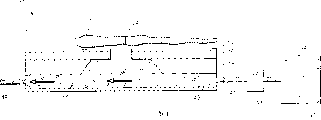
图4是在动物中植入人造突触芯片的系统,包括人造突触芯片(ASC),光敏装置、ASC和光敏装置之间通讯的装置和动力源。Fig. 4 is a system for implanting an artificial synapse chip in an animal, including an artificial synapse chip (ASC), a photosensitive device, a communication device and a power source between the ASC and the photosensitive device.
图5A说明植入了ASC的动物眼睛的剖视图。Figure 5A illustrates a cross-sectional view of an animal eye implanted with an ASC.
图5B显示图5A眼睛和放置在眼中视网膜下腔的ASC的横截面详图。Figure 5B shows a cross-sectional detail of the eye of Figure 5A and an ASC placed in the subretinal space of the eye.
图6A显示流经在人造双层膜中形成的穿通本发明人造突触芯片的纳米小孔的α-溶血素通道的电流。纵轴显示电流,横轴为时间。插图显示时间轴放大尺寸所记录的一小部分。FIG. 6A shows the current flowing through the α-hemolysin channel formed in the artificial bilayer membrane through the nanopore of the artificial synapse chip of the present invention. The vertical axis shows current, and the horizontal axis shows time. The inset shows a fraction of the timeline recorded at enlarged size.
图6B是所测定的流经在人造双层膜中形成的穿通本发明人造突触芯片的纳米小孔的α-溶血素通道电流的坐标图。纵轴显示电流,横轴为时间。Fig. 6B is a graph of the measured α-hemolysin channel current flowing through the nanopore formed in the artificial bilayer membrane and passing through the artificial synapse chip of the present invention. The vertical axis shows current, and the horizontal axis shows time.
图6C显示流径在人造双层膜中形成的穿通本发明人造突触芯片的纳米小孔的两条α-溶血素通道的电流。纵轴显示电流,横轴为时间。Fig. 6C shows the current flowing through the two α-hemolysin channels formed in the artificial bilayer membrane and passing through the nanopores of the artificial synapse chip of the present invention. The vertical axis shows current, and the horizontal axis shows time.
图7A是本发明装置射流通道部分的示意性透视图。Figure 7A is a schematic perspective view of the fluidic channel portion of the device of the present invention.
图7B是本发明装置射流通道部分与硅小孔部分连接在一起的示意图,显示该组合装置的剖视图。Fig. 7B is a schematic diagram of the connection of the jet channel part and the silicon small hole part of the device of the present invention, showing a cross-sectional view of the combined device.
图8A说明在体现本发明特征的基质上生长的细胞的荧光强度,时间恰在含缓激肽生理溶液流入之前。Figure 8A illustrates the fluorescence intensity of cells grown on a substrate embodying features of the invention, just prior to the influx of a bradykinin-containing physiological solution.
图8B说明在含缓激肽生理溶液流入开始之后3秒种时在体现本发明特征的基质上生长的细胞的荧光强度。Figure 8B illustrates the fluorescence intensity of cells grown on a substrate embodying features of the present invention 3 seconds after the start of the influx of a bradykinin-containing physiological solution.
图8C说明在含缓激肽生理溶液流入之后9秒种时在本发明基质上生长的细胞的荧光强度。Figure 8C illustrates the fluorescence intensity of cells grown on the matrix of the present invention at 9 seconds after inflow of a bradykinin-containing physiological solution.
具体实施方式Detailed ways
以下结合附图实施例对发明作进一步详细描述。The invention will be further described in detail below in conjunction with the embodiments of the accompanying drawings.
图1显示体现本发明特征的人造突触芯片10。图1A为透视图,图1B为ASC的平面图,ASC的细胞接触表面包括基质12,可用与细胞附着和生长相容的任何材料制备。例如:玻璃、陶磁、硅、硅化合物及其混合物、聚酰亚胺、聚苯乙烯、聚乙烯、聚丙交酯、特氟隆(Teflon)或其它聚合物是合适的材料。优选实施例中,基质12包含聚酰亚胺。Figure 1 shows an
基质12上的微型模格14能有效引导和指导细胞和细胞突起生长与基质12接触。可将微型模格14蚀刻入基质12中,可沉积在基质12上或与基质12整合。在优选实施例中,微型模格14可通过显微接触印刷法制备在基质12上。微型模格14可包含生长因子、细胞粘附分子、神经突或细胞体的细胞表面蛋白质的特异性抗体,或能有效指导或调节神经突生长或细胞或细胞突起附着的其它分子或原子。The micro-pattern 14 on the
基质12下方是支持层16。宜用硅形成的中间层18毗邻于支持层,在其下面。底层20位于中间层18之下面,这样中间层18夹在支持层16和底层20之间。本发明的实施方式中,支持层16和底层20用氮化硅形成。Below the
硅和氮化硅提供了稳定的中间层和基质层,可用到处可得到的制作工具和知识来产生和形成。硅装置生产的技术是高度可重复的,在亚微米水平上是精确的。此外,硅元件较高程度控制小孔的几何形状和位置,包括产生小孔阵列的能力。Silicon and silicon nitride provide stable interlayer and matrix layers that can be produced and formed using widely available fabrication tools and knowledge. The technique produced by silicon devices is highly repeatable and precise at the submicron level. In addition, silicon components have a relatively high degree of control over the geometry and location of the apertures, including the ability to create arrays of apertures.
本发明的装置和方法可用于引导细胞和细胞突起的生长,以及调节或刺激此种细胞和细胞突起。“细胞突起”是细胞从胞体延伸出来的伸长部分,可以是轴突、树突、神经突、生长锥或细胞的其它延伸生长部分。“神经突”是神经细胞的伸长部分或突起,常为神经细胞在基质上生长时形成其引导部分。“生长锥”是神经突的特化尖端,引导细胞向此尖端方向生长或运动。术语“神经突”本文用于特指所有的神经细胞突起,包括轴突、树状突、神经突和生长锥。The devices and methods of the invention can be used to direct the growth of cells and cell processes, and to modulate or stimulate such cells and cell processes. A "cellular process" is an elongated portion of a cell extending from the cell body, which may be an axon, dendrite, neurite, growth cone, or other extended growth of the cell. A "neurite" is an extension or protrusion of a nerve cell that often forms the guide for the nerve cell as it grows on a substrate. "Growth cones" are specialized tips of neurites that guide cell growth, or movement, towards this tip. The term "neurite" is used herein to refer specifically to all nerve cell processes, including axons, dendrites, neurites and growth cones.
神经突可以不同方向在不同时间从细胞伸出和缩回,它们生长的方向和速度可能受到基质、环境中和沿基质的化学成分梯度、电场、激素的影响和其它物理、化学和生物学的影响。如本文所用,细胞突起如神经突的生长包括伸长和移动,是这些细胞突起的正常活动,可自发发生或可人工诱导或增强。这种生长可用本发明的装置和方法引导。Neurites can extend and retract from cells in different directions and at different times, and the direction and speed of their growth can be influenced by the substrate, chemical composition gradients in and along the environment, electric fields, hormones, and other physical, chemical, and biological factors. Influence. As used herein, growth of cellular processes, such as neurites, including elongation and migration, is a normal activity of these cellular processes and may occur spontaneously or may be artificially induced or enhanced. Such growth can be directed using the devices and methods of the present invention.
图1A显示细胞突起在本发明装置上的定向生长。显示细胞26和细胞突起(神经突28和其尖端的生长锥30)与基质12和微型模格14相接触。神经突28和生长锥30在基质12上所延伸的路径受到微型模格14的引导,将神经突28和生长锥30导向凹部22和小孔24。基质12中的凹部22导向小孔24,小孔24形成穿通支持层16的通道。如图1B所示,凹部22的底面32由支持层16所形成,无覆盖的基质12。支持层16中的小孔边缘34围绕小孔24,限定了穿过支持层16的通道。虽然图1A中只显示了一个细胞和一根神经突,应理解有许多细胞、神经突和生长锥可与基质12、凹部22和小孔24接触。微型模格模式化的生长因子通向显微制作小孔24的路径可引导神经突,如图1A所示那样。Figure 1A shows the directed growth of cellular processes on the device of the present invention.
图1C和1D显示了沿图1A的1C-1C平面的剖视图。小孔24开口通入中间层18的壁38和底层20的壁40所确定的存贮室36。可在小孔24中形成膜42(如脂质双层膜)以将存贮室与凹部22分开。Figures 1C and ID show cross-sectional views along the 1C-1C plane of Figure 1A. The
置于小孔24的膜42可基本上防止凹部22和存贮室36之间所有的物质通过。然而膜42可以是半透膜,能有效调节物质通过小孔24而不完全阻止所有物质通过。例如:膜42可形成半透膜,允许某些原子、分子和离子通过而限制其它原子、分子和离子通过。具有这种性能的脂质双层膜,特别是含有离子通道或运载体等分子的脂质双层膜,能容易地通过特定离子同时限制或基本上阻止其它离子通过。可采用本领域已知的Lang muir-Blodgett技术制备脂质双层膜。例如参见Montal和Mueller:Proc.Natl.Acad.Sci.USA.69:3561-3566(1972);Montal,Meth.Engymol.32:545-556(1974)和Lindstrom等J.Biol,Chem.255:8340-8350(1980)。
凹部22和存贮室36可各含有一种液体,凹部22中的液体可与存贮室36中的液体相同或不同。这些液体优选生理溶液,如生理盐水,其与细胞生长和增殖相容。此种液体的例子包括磷酸缓冲盐水、碳酸缓冲盐水、HEPES缓冲盐水、Dulbecco’s改良的Eagle培养液(DMEM,Sigma Chemical Co.St.Louis.Mo,Cat.#D6546)和本领域已知的其它溶液。
这些溶液还可含有生物活性物质44,因此凹部22和/或存贮室36含有生物活性物质,凹部22和或存贮室中的生物活性物质就可通向小孔24和膜42。例如,存贮室36可含有激素、包在脂质体中的神经递质,实际的细胞或能保存电势能刺激神经元的离子溶液。小孔24可以是刺激位点,通过化学、激素、细胞的、电子的或其它相互作用有效刺激细胞。在所有情况下,此刺激点对单个细胞26(如神经元)是非常特异的,其模拟了体内化学性突触或空隙接合处的长度范围。These solutions may also contain biologically
生物活性物质44可调节膜42的通透性,或能够接触膜42并与其融合,从而有效地将该物质从存贮室输送到凹部22或从凹部22输送到存贮室36。生物活性物质44可只存在于凹部22和存贮室36之一中,优选存在于存贮室36中。生物活性物质可包括通道形成分子如α-溶血素、短杆菌肽、丙甲甘肽(alamethicin)或其它通道成型剂,药物、神经递质、趋化吸引剂、激素、生长因子、粘附分子、氨基酸、糖、抗体等物质;细胞能源;或其它化合物。生物活性剂44可以是含有离子通道、受体或可与膜42融合和插入分子到膜42中的其它生物活性分子的微胶团,脂质体或其它生物膜制品。这类生物活性物质可有效刺激细胞26或调节其活性。
图1D显示了具有电极46的本发明实施例。电极46可用本领域已知的各种材料包括银、氯化银、铬、锡、铟、氧化铟锡、氧化锌、胶态印制碳、铂、钯、金、铝和其它元素、氧化物和材料制备。电极46可用于从电源48运载电信号以提供电流或在电极46之间施加电压并刺激细胞26或调节其活性。FIG. 1D shows an embodiment of the invention with
可用通过微射流输送系统输送到存贮室36和小孔24的神经调节剂刺激在本发明人造突触芯片上生长的一个细胞、细胞的一部分或诸细胞。图1E所示人造突触芯片10是包括液体导管41的系统的一部分,导管41供运载液体39(液体流动任选地由泵43所产生)至微射流通道45,以输送给存贮室36和小孔24。液体39优选为生物相容性液体,如生理盐水,优选包括pH缓冲剂,以维持其pH值与维持细胞健康相容的水平,可包括生物活性物质44,例如神经递质、神经调节剂、含有神经递质的脂质体或可能影响细胞的其它物质。供给的液体39可贮存在经液体导管41或其它装置可操作地连接于泵43和微射流通道45的库47中。液体出口49可用来排去或去除多余的或废弃的液体。能有效导致液体39按所需方向流动的泵可以是适合于引起液体流动的任何机械设备。引起液体流动的机械设备因压力差、渗透压差可迫使液体流动,可通过电学方法包括电渗法或其它方法引起流动。A cell, a part of a cell or cells grown on the artificial synapse chip of the present invention can be stimulated with a neuromodulator delivered to the
例如:泵43可包括机械泵,如压电泵、压缩空气泵、蠕动泵、静电泵或电磁泵。或者,泵43还可包括非机械泵,例如其中流动力通过热、化学(包括渗透)、声波、磁、电或电渗方法或机制产生。适合显微制作装置使用的泵,特别是电渗泵,在Andersson等:Sensors and Actuators B72:259-265(2001);Morf等Sensors andActuators B72:266-272(2001);Morf等Sensors and Actuators B72:273-282(2001)和Zeng等,Sensors and Actuators B72:209-212(2002)中有描述。For example: the
例如,图1F说明了带有泵43的系统的一部分。该系统包括具有生长锥30的细胞生长在氮化硅基质16上的模板14上的人造突触芯片10和包括缓冲液入口41A和递质入口41B两部分组成的液体导管41。没显示的是含有缓冲液的库47,其连接于缓冲液入口41A,及含有递质液的库47,其连接于递质入口41B。图1F描述的泵43是一种微电子机械(MEM)泵,类似于喷墨打印机中所用的泵以喷射液滴。例如在授于Kamisuki等人的美国专利5,734,395中描述了MEM泵。如图1F所描述的MEM泵包括硅隔片51、反电极53和构建在隔片结构上的微射流通道55。隔片51上的微射流通道55区域充满了液体39并与库47(未显示)流体相连续。含有生物活性物质44的液体可以是,例如神经递质,神经调节剂、突触体或含有任何类型生物活性物质的脂质体。起初,隔片51是水平(非偏转)构型。施加在隔片51和反电极53之间的微小偏压,有效地使隔片51向下弯曲(如图1F所示),因此增加了隔片51上的微射流通道55区域的容积并沿递质入口41B从库47排出液体39。去除此偏压使隔片51放松回到其原先位置,迫使液体流出微射流通道55,流向存贮室36和小孔24。这样液体39中的神经递质44被转运到存贮室36附近,并可扩散入存贮室36和小孔24中,接触生长锥30并影响该细胞,以这种方式,例如,可将神经递质简单脉冲输送给生长于穿过小孔24的细胞部分。在人造突触芯片的实施例中,导管41简单地包括递质入口41B;在其它实施方式中,如图1F所描述的,导管41还包括缓冲液入口41A。通过缓冲液入口的缓冲液流作用是用缓冲液冲洗微射流导管45,将神经递质44运走,减少或结束这些物质的作用。这种冲洗使该系统作好接受下一次神经递质44脉冲的准备以及结束先前脉冲的作用。For example, FIG. 1F illustrates a portion of a system with a
神经递质扩散通过小孔24,由于该小孔厚度可能仅约500纳米,因而非常快。MEM泵43的隔片51在高频率时可弯曲因而可高频率喷射液体39。可以高频率,包括每秒仅几周或赫兹(Hz)到约数百kHz之间的频率,输送生物活性物质44(如神经调节剂或神经递质44)。这种快速信号传递比得上体内大脑和视网膜中所见的快速信号传递速度。Neurotransmitter diffusion through the
生物活性物质44的浓度取决于几种因素,包括MEM喷射器的脉冲频率,液体流过微射流导管45的流速。在微射流导管45也可诱导电渗流,此时在任选的缓冲液室电极上施加电压。小孔24中的生物活性物质44的浓度部分取决于扩散速度,此速度受浓度的影响。泵43的尺寸,例如喷射器直径,取决于递质入口41B的出口57的直径,可能范围在几微米至数百微米(μm)之间。该尺寸可能取决于微射流通道的所要求容量。The concentration of
如图1F所述的泵43和系统的性能取决于设计和所用的材料,以及其使用过程中所用的液体。例如,该系统经历的阻尼(衰减)与几种因素有关,包括液体的粘度和微射流导管45的几何形状、微射流通道55的几何形状和其它构件的几何形状。为了获得理想的性能,优选的系统配置有由聚硅组成的隔片51、狭窄的微射流通道55、以及隔片51和反电极53之间一个小的初始分隔。由于没有激活聚硅隔片运动的阈电压,MEM喷射泵可输送微微微升至微微微微微升的小体积(液体),负载隔片51大小的电容器至零点几伏特所需的功率是大约一皮瓦特。一个光电二极管,如一个离子雪崩光电二极管,能产生一纳瓦特功率,因此能负载数百个或者甚至数千个这种MEM泵来输送生物活性物质给细胞。The performance of the
驱动泵43的动力来自图1F所示光电二极管阵列59中的一个光电二极管。接触此阵列59的光线有效地驱动了配置的泵43,将含生物活性物质44的液体39泵入微射流导管45,生物活性物质44可流过该导管并扩散入小孔24,与例如长入小孔24的生长锥30接触。例如,以此种方式,人造突触芯片10可用于将光信号转导为生物信号。人造突触芯片10的阵列,或包含此种芯片的阵列系统,或人造突触芯片或具有小孔阵列的芯片,也可以类似方式用于将光信号转为生物信号。或者,还可采用电信号刺激细胞或刺激在人造突触芯片上生长的细胞以引导细胞生长,例如,引导细胞朝向电极生长。The power to drive the
构建人造突触芯片10之类装置所需的组件和器件可采用通常称为“显微制作”或“纳米制作”的技术来制备。可在以下文献中找到实施本发明所用的显微制作方法。美国专利5,776,748(授予Singhvi等);5,900,160(授予Whitesides等),6,060,121(授予Hidber等),6,180,239(授予Whitesides等);“Patterning of a Polysiloxanerecursor to Silicate Glasses by Microcontact Printing”,Marzolin等,ThinSolid Films,1998,315:9-12;“Microfabrication,Microstructures andMicrosystems”,Qin等;in Microsystem Technology in Chemistry and LifeSciences第194卷,Manz A和Becker H主编,Spring-Verlag,Berlin,1998.1-20;“Unconventional Methods for Fabricating and Patterning Nanostructures”,Xie等,Chem Rev,99:1823-1848(1999)中找到实施本发明所用的显微制作方法。上述和下述所有专利和出版物的内容均纳入本文作为参考。采用这些显微制作方法构建的高级显微结构可用于制备诸如人造突触芯片10等装置和修饰基质。下图中所示结构采用Stanford Nanofabrication facility(Leland Stanford Junior University,StanfordCA94305)制备。The components and devices required to construct a device such as
图2A显示本发明ASC的氮化硅支持层16中形成的小孔24。图2A的方位与图1B相同,显示小孔24面向ASC的细胞接触表面。此孔直径约10μm(标尺杆代表1μm)。小孔24以凹部22暴露的底部32的边缘34为边界。以图2A所示小比例尺,小孔24就其形状和表面而言相当光滑。为了改进分辨率,先用金包覆该装置。注意此工序所用的等离子体蚀刻在小孔中没有产生垂直侧壁。侧壁的纵横比约2.5∶1。虽然图2A中显示的小孔24的例子形成穿通氮化硅支持层16的通道,但也可采用其它材料如聚合物和玻璃。Figure 2A shows a
可将微射流存贮室36与凹部22的另一侧连接。可将存贮室36的大小构制成能容纳神经调节剂水溶液或水性悬液。小孔24提供了从存贮室36输送神经调节剂至细胞26至少一部分的导管。此外,可采用其它导管和射流输送系统来转运液体和神经调节剂到所需部位、在小孔24或毗邻小孔24、存贮室36或其它部位。例如含有贮备液体和/或神经调节剂的库位于远离小孔的部位,可操作性地通过一导管将该仓库与存贮室36和小孔24相连。A
图2B是在底部具有微小孔的显微制作壁的扫描电子显微照片(SEM),显示本发明人造突触芯片的存贮室36,系从ASC的细胞接触基质表面12的对面看。该显微照片比例尺较图2A为大,从人造突触芯片10另一边看存贮室36,显示围绕小孔24的是光滑的氮化硅表面。显示中间层18的壁38和底层20的壁40,显示一小部分底层20构成了壁38和壁40的框架,黑点表示供细胞附着和刺激的小孔24(在此级放大中不能清楚看见)。设计存贮室36来存放细胞培养液,壁底尺寸为1mm直径。2B is a scanning electron micrograph (SEM) of a microfabricated wall with tiny holes at the bottom, showing the
如图1A和1B所示,ASC10的基质12具有微型模格14,能有效引导和指导细胞突起,如神经突28和生长锥30的生长。图2C是扫描电子显微照片,显示这种定向细胞生长,显示大鼠P7视网膜神经节细胞(RGC)在用薄层模格模式化的塑料基质上生长。图2C左边底部的插入物说明在加入RGC前显微制作在基质上的锯齿状模格,如电子显微照片所示,细胞体和细胞突起沿模格相当靠近。标尺杆代表长度100μm。As shown in FIGS. 1A and 1B , the
细胞也能在穿通ASCi0的支持层16的显微制作小孔24上生长。图2D显示PC12细胞围绕和在氮化硅表面5μm直径小孔上的生长。在图2D边缘可见小孔24下的存贮室36的边界。Cells can also grow on the
制备微型模格14的优选方法是使基质12与显微接触印刷印模接触,此器件具有沉积到基质12上的按顺序安装的分子,可以是不连续的安装,显微制作方法适合制备显微接触印模。图3是在表面上制备微型模格14的本发明印模的SEM平面图,表面拓扑图以正方形阵列的形式表示。材料沉积在印模表面,接触图1所示人造突触芯片10装置的基质12。此印模能在基质12上有效形成微型模格。此法形成微型模格是显微接触印刷的一种方法。这种显微接触印刷方法形成的微型模格能有效校准基质上细胞的位置和生长。图3显示硅晶片显微机械加工模板制成的聚二甲基硅氧烷(PDMS)印模的扫描电子显微照片(SEM)。图3所示显微接触印模具有正方形阵列的表面拓扑构造。其它模格包括圆形、椭圆形、条形和其它形状,可在显微接触印模表面制作。A preferred method of making the
如图3所示的显微印模可用光刻技术制作。例如,图3所示印模可在模格化以产生显微接触印刷模板的硅晶片上的光刻薄层(1-7μm)上形成。掩膜和印模模板由Stanford Nanofabrication Facility制造。该模板模格由供细胞附着和神经元生长的线状阵列所组成。此模板的制备是将掩膜用紫外线光蚀刻在硅片上的感光树脂正面。用Sylgard 184硅氧烷高弹体在该模板上原位产生PDMS印模,再加热固化。也可将高弹体和熟化剂在一起浇注,在硅模板上形成PDMS,脱气和室温放置,来制作印模,然后切下PDMS的一部分用等离子体处理制作印模以增加疏水性(提高蛋白质吸附)和用SFM成象。A microimprint such as that shown in Figure 3 can be fabricated using photolithographic techniques. For example, the stamp shown in Figure 3 can be formed on a photolithographically thin layer (1-7 [mu]m) on a silicon wafer patterned to produce a microcontact printing template. Masks and stamp templates were fabricated at the Stanford Nanofabrication Facility. The template matrix consists of a linear array for cell attachment and neuron growth. The template is prepared by etching the mask on the front side of the photosensitive resin on the silicon wafer with ultraviolet light. A PDMS impression was created in situ on this template with Sylgard 184 silicone elastomer, followed by heat curing. It is also possible to cast the elastomer and the curing agent together, form PDMS on the silicon template, degas and place it at room temperature to make an impression, then cut a part of the PDMS and use plasma treatment to make an impression to increase hydrophobicity (enhance protein adsorption) and imaged with SFM.
用这些方法可制备各种不同的印模模格,它们适合于神经突生长的最佳线条宽度或厚度、长度和间距。例如,线宽度范围可采用几纳米(nm)宽至几百微米(μm)宽,优选线宽度10纳米至20微米。线可短至几纳米,可长至几厘米,优选线长范围为10纳米至约100微米长。模格中线条之间的间距范围可为约1微米至几百微米,优选线条间距约2微米至约100微米。Various impression templates can be prepared by these methods, which are adapted to the optimal line width or thickness, length and spacing for neurite outgrowth. For example, the line width can range from a few nanometers (nm) wide to several hundred microns (μm) wide, preferably a line width of 10 nm to 20 microns. The wires can be as short as a few nanometers and as long as a few centimeters, with preferred wire lengths ranging from 10 nanometers to about 100 microns long. The pitch between the lines in the pattern can range from about 1 micron to several hundred microns, with a preferred line pitch of about 2 microns to about 100 microns.
显微制成印模后,用需要沉积在基质12上的分子包覆此印模以提供微型模格14。微型模格可包含生物活性分子和物质,例如神经递质;激素;神经生长因子、内皮生长因子和胰岛素样生长因子等生长因子;协同刺激分子;抗体和本领域已知的其它生物分子。例如:印模可用能促进细胞粘附的粘附剂包覆。粘附剂包括聚-L-赖氨酸、细胞TaKTM(Becton Dickinson.Franklin Lakes.NJ)、神经细胞粘附分子(NCAM)等细胞粘附分子、凝集素和本领域已知的其它粘附剂。粘附剂也可用荧光标记以便观察。模格可以印制在玻璃、硅、氮化硅、聚酰亚胺、聚苯乙烯、聚乙烯、聚丙交酯、特氟隆、其它聚合物或适合用作细胞生长基质的任何基质上。例如,可让包覆的印模与氮化硅支持层上的聚酰亚胺基质接触以提供促进细胞粘附和生长的基质。可用荧光显微镜监测细胞的粘附和生长。可用汞弧灯激发偶联于聚-L-赖氨酸或其它微型模格分子的荧光染料以提供荧光信号显示粘附剂。After microfabrication of the stamp, the stamp is coated with the molecules desired to be deposited on the
图4显示植入动物体内的系统50。在实施方案中,将该系统植入动物的视网膜中。系统50包括有ASC52、光敏装置54、ASC和光敏装置之间的通讯连线56和动力源58。光敏装置54可与ASC52分开,或可与ASC52相接触,或可包括ASC52部分。光敏装置52可是光电倍增器,半导体光电传感器,化学光电传感器,金属光电传感器,如硒或其它光电池,或本领域已知的其它光电传感器。通讯线路56可是任何一种导电体如电线、线路图寻迹或其它电线路。在实施方案中通讯线路56是一种化学通讯线路,光电传感器靠它改变化学环境致使化学信号输送至ASC52的至少一部分。动力源58可以是任何动力源,如电池,能靠温度梯度产生动力的热动力源,或能从光产生能量的光电池。Figure 4 shows the
图5A表示植入了ASC62的动物眼睛60。显示ASC62植入在动物视网膜下腔64中,占据视网膜光感受器66和视网膜色素上皮68之间的位置。在本发明的实施方案中,可将ASC62植入到内界膜72上的神经节细胞层70附近,靠近玻璃体液74的边界。图5B显示视网膜下腔64和植入的ASC的详图。Figure 5A shows an
ASC可用于植入动物的神经系统中。例如,可将本发明的ASC植入动物的视网膜中,为患有创伤、疾病或退变的视网膜提供神经修复。模格中可含有一种分子或分子组合,如神经营养素和生长因子,包括神经生长因子、脑衍生的生长因子(BDGF)、表皮生长因子(EGF)、睫状神经营养因子(CNTF)、神经胶质衍生的神经营养因子(GDNF)、NT-3、成纤维细胞生长因子(FGF)、胰岛素样生长因子(IGF)、血小板衍生的生长因子(PDGF)、血管内皮生长因子(VEGF)等生长因子,环腺苷酸、环岛苷酸等环状核苷酸;层粘连蛋白,肌腱蛋白,胶原,纤连蛋白,整联蛋白,免疫球蛋白等胞外基质分子(包括细胞粘附分子N-CAM和L-CAM、axonin、钙粘着蛋白等)proteglycans,anosmin-1,血小板反应蛋白等;髓磷脂和髓磷脂相关抑制剂如髓磷脂相关糖蛋白和nogo;酪氨酸激酶受体如ephrins;netrins;炎症细胞因子如转化生长因子和白血病抑制因子(LIF),肿瘤坏死因子(TNF),白介素等;神经递质如乙酰胆碱等;刺激分子如氯化钾,胰岛素等;协同刺激分子,抗体和本领域已知的其它生长和调节因子。ASCs can be used for implantation in the nervous system of animals. For example, ASCs of the invention can be implanted into the retina of animals to provide neural repair to retinas suffering from trauma, disease, or degeneration. The matrix can contain a molecule or combination of molecules such as neurotrophins and growth factors, including nerve growth factor, brain-derived growth factor (BDGF), epidermal growth factor (EGF), ciliary neurotrophic factor (CNTF), neurotrophic factor Growth of glial-derived neurotrophic factor (GDNF), NT-3, fibroblast growth factor (FGF), insulin-like growth factor (IGF), platelet-derived growth factor (PDGF), vascular endothelial growth factor (VEGF), etc. Factors, cyclic nucleotides such as cyclic AMP and cyclic AMP; extracellular matrix molecules such as laminin, tenascin, collagen, fibronectin, integrin, and immunoglobulin (including cell adhesion molecules N- CAM and L-CAM, axonin, cadherin, etc.) proteglycans, anosmin-1, thrombospondin, etc.; myelin and myelin-related inhibitors such as myelin-associated glycoprotein and nogo; tyrosine kinase receptors such as ephrins; netrins; inflammatory cytokines such as transforming growth factor and leukemia inhibitory factor (LIF), tumor necrosis factor (TNF), interleukins, etc.; neurotransmitters such as acetylcholine, etc.; stimulatory molecules such as potassium chloride, insulin, etc.; co-stimulatory molecules, antibodies and Other growth and regulatory factors known in the art.
关键是优化从印模转移到细胞系统的模格保留,用于基质植入,如视网膜植入。可利用线宽度和生物分子浓度控制每根显微印制线的神经突数目,模格转移程度可用显微镜测定。The key is to optimize template retention from impression transfer to cellular systems for matrix implants, such as retinal implants. The number of neurites per microprinted line can be controlled by line width and biomolecule concentration, and the degree of lattice transfer can be determined by microscopy.
如图1所示,本发明装置的凹部22和存贮室36适合于贮存神经调节剂和输送神经调节剂至细胞的至少一部分。本发明通过引导细胞突起生长至纳米小孔和经此纳米小孔输送神经调节剂给细胞突起,提供了引导神经调节剂输送给单个细胞、特别是输送至该细胞一定部位的能力。适合的神经调节剂包括能有效刺激细胞或调节其它物质刺激细胞的效果的任何一种物质。例如,神经调节剂可以是神经递质、激素、离子、信使分子、核酸、核酸载体、药物、细胞、细胞碎片,细胞器、脂质体或其它生物活性材料。神经调节剂如神经递质包括氨基酸,如谷氨酸、天冬氨酸和甘氨酸,以及相关的神经递质和刺激剂,如N-甲基-D-天冬氨酸(NMDA)、丙酸α-氨基-3-羟基-5-甲基-4-异噁酮(isoxalone)(AMPA),quisqualate和红藻氨酸盐及其同类物,本领域已知的其它谷氨酰胺物质和拟甘氨酸物质;拟胆碱物质如乙酰胆碱、环庚基二胆碱、其同类物和本领域已知的其它拟胆碱物质;拟肾上腺物质如多巴胺、肾上腺素,去甲肾上腺素,其同类物和本领域已知的其它拟肾上腺物质。5-羟色胺和该领域已知的拟5-羟色胺物质;γ-氨基丁酸(GABA)和该领域已知的其它拟GABA物质;牛磺酸、章鱼胺;磷酸核苷酸如三磷酸腺苷(ATP)、二磷酸腺苷(ADP)、二磷酸岛苷(GDP)和三磷酸岛苷(GTP),环状核苷酸如环腺苷酸(cAMP)和环岛苷酸(cGMP)以及该领域已知的其它神经递质和神经调节剂。此外,神经递质包括对神经递质受体如谷氨酸受体、NMDA受体、AMPA受体、甘氨酸受体、多巴胺受体、乙酰胆碱受体及该领域已知的其它受体有活性的所有物质。神经调节剂还包括信使物质,包括肽激素和神经调节剂如脑啡肽、内啡肽,肾上腺皮质激素(ACTH),血管活性肠肽(VIP)和该领域已知的其它肽,类固醇激素,第二信使如磷酸肌醇和离子如钙、钾、锌及其盐。这些物质可游离在水溶液或水悬液中,可存在于微胶团中或由脂质体携带。As shown in Figure 1, the
脂质体如本领域所知是一种膜性小泡囊,适合输送亲水和疏水化合物,基于脂质体的给药系统见例如Gregoriadis G主编的“脂质体技术”第二卷Incorporation ofDrugs,Proteins and Genetic Material.CRC Press 1984和Knight C G主编“脂质体:物理结构到治疗应用”,Eisevier 1981。适合实施本发明的神经调节剂还包括含离子通道、受体或其它生物活性分子的生物膜制品,描述见Coronado等J.Gen.Phys.76:424-446,1980。Liposomes, as known in the art, are membranous vesicles suitable for the delivery of hydrophilic and hydrophobic compounds, liposome-based drug delivery systems see e.g. Gregoriadis G, ed. "Liposome Technology", Vol. II Incorporation of Drugs , Proteins and Genetic Material. CRC Press 1984 and Knight C G eds. "Liposomes: Physical Structure to Therapeutic Applications", Eisevier 1981. Neuromodulators suitable for the practice of the invention also include preparations of biofilms containing ion channels, receptors or other bioactive molecules as described in Coronado et al. J. Gen. Phys. 76:424-446,1980.
这类生物膜制品可将与分子融合并将其插入小孔24的膜42中,或插入细胞26、神经突28或生长锥30的膜42中。例如:短杆菌肽、丙甲甘肽和该领域已知的其它分子是适合实施本发明该实施方案的成孔分子。适合实施本发明的离子通道分子包括多个亚单位巨分子装配体,如配体门控离子通道,包括环状核苷酸门控通道、钙活化通道、ACHR离子通道、谷氨酸受体离子通道,包括所有的NMDA、AMPA、quisqualate、红藻氨酸盐亚型、甘氨酸受体离子通道,和电压门控离子通道分子,以及多个亚单位巨分子装配体如钠通道、钾通道、钙通道、氯通道,和其它通道,包括间隙接头通道、动力敏感通道、非门控和非选择性通道。运载分子如两性霉素也适合。另外,可用蛋白质如已掺入的作为成膜材料一部分的成孔蛋白和运载体来形成此膜。见Schindler,Methods Enzymol.1989;171:225-253。Such biofilm preparations can fuse with molecules and insert them into the
实施例1显微制作小孔Embodiment 1 Microfabrication of small holes
采用斯坦佛纳米制作设施(Stanford Nanofabriction Facility)在硅芯片表面制备了显微制作小孔。图2显示带有显微制作小孔的显微制作坑。斯坦佛硅加工技术适合在氮化硅上产生微米和纳米级小孔。采用低压化学蒸汽沉积(LPCVD)在<100>定向硅晶片表面上生成氮化硅。将能在光敏聚合物中明确结构的平板印刷术,与用等离子蚀刻使氮化硅结构模格化相结合,在晶片一侧产生小孔,另一侧产生蚀刻剂掩膜层。采用各向异性蚀刻剂如氢氧化四甲铵(TMAH)去除沿{111}晶面上的硅,但留下氮化硅不受影响。这在小孔下方产生了一种通道洞(连接通路),使氮化硅膜暴露并完成加工。Microfabricated pores were fabricated on the silicon chip surface using the Stanford Nanofabrication Facility. Figure 2 shows a microfabricated well with microfabricated holes. Stanford silicon processing technology is suitable for creating micro- and nanoscale pores in silicon nitride. Silicon nitride was grown on the surface of a <100> oriented silicon wafer using low pressure chemical vapor deposition (LPCVD). Combining lithography, which defines structures in photopolymers, with patterning of silicon nitride structures with plasma etching, creates small holes on one side of the wafer and an etchant mask on the other. Anisotropic etchant such as tetramethylammonium hydroxide (TMAH) is used to remove silicon along {111} crystal planes, but leave silicon nitride unaffected. This creates a channel hole (connection via) beneath the aperture, exposing the silicon nitride membrane and completing the process.
图2A显示显微制作容器的SEM。注意箭头所指的黑点是供细胞附着和刺激的显微蚀刻小孔,设计此井坑来保持细胞培养液。井坑底尺寸为1毫米宽。Figure 2A shows the SEM of the microfabricated container. Note that the black dots pointed by the arrows are microetched holes for cell attachment and stimulation, designed to hold cell culture fluid. The pit bottom dimension is 1mm wide.
图2B显示图2A的容器底部的显微小孔。该小孔直径约10微米。虽然没有显示,但小孔的另一侧与显微通道存贮室相连接,作此存贮室的制作是将带显微通道的PDMS印模密封于基质的底面。Figure 2B shows microscopic pores in the bottom of the container of Figure 2A. The pores are approximately 10 microns in diameter. Although not shown, the other side of the aperture is connected to a microchannel reservoir, which is fabricated by sealing a PDMS stamp with microchannels to the bottom surface of the substrate.
此导管或通路,开口于作为向粘附于基质的细胞所加神经调节剂的存贮室的微射流通道中。如上所述,用标准PDMS印模制作微射流通道并将其密封于晶片上。这种微射流通道用极好的密封剂不难密封于晶片。例如:含通道的PDMS印模在酸清洗(如HCl)和等离子处理后形成不可逆结合,边界止于氮化硅表面。所述微射流通道具有宽范围的分支,用途包括:(1)作为通用缓冲液存贮室不断从细胞另一侧补充/交换废弃产物;(2)输送递质、脂质体、细胞的电压/电流钳位(clamping),或(3)细胞释放产物取样。This conduit, or pathway, opens into a microfluidic channel that acts as a reservoir for the added neuromodulator to the matrix-attached cells. As described above, standard PDMS stamps were used to fabricate microfluidic channels and seal them on the wafer. Such microfluidic channels are easily sealed to the wafer with excellent encapsulants. For example, a PDMS stamp with channels forms irreversible bonds after acid cleaning (such as HCl) and plasma treatment, and the boundaries stop at the silicon nitride surface. The microfluidic channel has a wide range of branches, and its uses include: (1) as a general buffer storage room to continuously replenish/exchange waste products from the other side of the cell; (2) to transport transmitters, liposomes, and cell voltage /current clamping, or (3) sampling of cell release products.
形成的小孔大小几纳米至几十微米,细胞可在其上生长。例如:细胞可直接生长在50纳米小孔上。采用长度小于神经元的小孔能确保只刺激一个细胞。The size of the formed pores is several nanometers to tens of micrometers, on which cells can grow. For example: Cells can be grown directly on 50nm pores. Using a small well with a length smaller than that of a neuron ensures that only one cell is stimulated.
实施例2装置制作和优化
此实施例说明用于形成显微制作小孔中双层膜的本发明装置的制造和优化。制作的芯片表面积约1平方厘米,最终厚度约0.5毫米。在500纳米厚氮化硅中等离子蚀刻出25-250微米(直径)圆形小孔。芯片覆盖一厚层聚酰亚胺,除一侧暴露的氮化硅500微米方形区域外。This example illustrates the fabrication and optimization of a device of the invention for forming bilayer membranes in microfabricated wells. The fabricated chip has a surface area of about 1 cm2 and a final thickness of about 0.5 mm. Circular holes of 25-250 microns (diameter) were plasma etched in 500 nm thick silicon nitride. The chip is covered with a thick layer of polyimide, except for a 500-micron square area of silicon nitride exposed on one side.
在斯坦佛纳米制作设施(SNF)中用4英寸<100>定向掺硼双抛光硅晶片(各面厚度500微米)进行制作。采用低压化学蒸气沉积(LPCVD)在晶片表面生成氮化硅薄层(500纳米)。采用标准的接触照相平板印刷术和氮化硅等离子体蚀刻确定小部件(如小孔)。晶片背面的较大部件类似地用背面校直、接触照相平板印刷术和等离子体蚀刻确定。Fabrication was performed at the Stanford Nanofabrication Facility (SNF) on 4-inch <100>-oriented boron-doped double-polished silicon wafers (thickness 500 microns on each side). A thin layer of silicon nitride (500 nm) is grown on the wafer surface by low-pressure chemical vapor deposition (LPCVD). Small features (such as pinholes) are defined using standard contact photolithography and silicon nitride plasma etching. Larger features on the backside of the wafer are similarly defined using backside alignment, contact photolithography, and plasma etching.
沿{111}平面与晶片表面成54.7°角各向异性蚀刻硅晶片。选择晶片背面的方形洞产生比位于中心的小孔更大的180微米正方形,这样留下了氮化硅薄膜自由横跨于该区域而无任何硅支撑。由于氮化硅的高抗张强度,这种氮化硅膜相当牢固和稳定,易于忍耐受加工过程中产生的力。The silicon wafer was anisotropically etched along the {111} plane at an angle of 54.7° to the wafer surface. Choosing the square hole on the back of the wafer produces a larger 180 micron square than the small hole in the center, which leaves the silicon nitride film free to span the area without any silicon support. Due to the high tensile strength of silicon nitride, this silicon nitride film is quite strong and stable and easily withstands the forces generated during processing.
将含有氮化硅中确定部件的晶片置于20%氢氧化四甲铵(TMAH)中100℃约6小时,氮化硅起着掩膜作用使TMAH沿{111}晶体平面各向异性蚀刻该晶片。The wafer containing the defined components in silicon nitride was placed in 20% tetramethylammonium hydroxide (TMAH) at 100 °C for about 6 hours. The silicon nitride acted as a mask to allow TMAH to anisotropically etch the components along the {111} crystal plane. wafer.
由于暴露的硅是导体,必须氧化其表面以降低电容和噪声。于1100℃蒸气氧化4小时,提供了约1.1微米氧化硅。最后为了进一步降低电容,将光敏性聚酰亚胺(Durimide 7520,Arch Chemicals,Zwijudrecht.Belgium)纺成30-70微米厚,暴露在接触校直器下、曝光,熟化,产生15-35微米厚的覆盖层。Since exposed silicon is a conductor, its surface must be oxidized to reduce capacitance and noise. Steam oxidation at 1100°C for 4 hours provided about 1.1 microns of silicon oxide. Finally, in order to further reduce the capacitance, photosensitive polyimide (Durimide 7520, Arch Chemicals, Zwijudrecht.Belgium) was spun into a thickness of 30-70 microns, exposed to a contact straightener, exposed, and cured to produce a thickness of 15-35 microns the covering layer.
为了产生疏水性表面,将芯片浸泡在十六烷(Sigma.St.Louis MO)、氯仿和辛基三氯硅烷(Aldrich.Milwaukee.WI)的80∶19∶1体积比混合液中,每侧15分钟,在氯仿中淋洗二次,每次5分钟,完成处理。加约5微升水滴并验证触角大于90°,测试包覆情况。To create a hydrophobic surface, the chip was soaked in an 80:19:1 volume ratio mixture of hexadecane (Sigma.St.Louis MO), chloroform, and octyltrichlorosilane (Aldrich.Milwaukee.WI), each side After 15 minutes, rinse twice in chloroform, 5 minutes each time, to complete the treatment. Add about 5 microliters of water and verify that the antennae are greater than 90° to test the encapsulation.
硅的一个优点是能够控制双层支持部分(BSP)的厚度。选择氮化硅BSP的厚度等级小于用于形成双层结构(6-25微米)小孔特氟隆部分,希望该较薄部分能提供较小的溶剂环面和较大的双层面积。此部分仍然是大于2-4纳米等级的双层,因此,脂质从此部分的边缘弯向该双层仍是必然的。然而,这种弯曲距离较小,产生比小孔尺寸大的双层面积。这对稳定性的冲击尚不知道,但它使得有更大面积供蛋白质插入并能在较小的小孔中产生双层。One advantage of silicon is the ability to control the thickness of the bilayer support part (BSP). The thickness of the silicon nitride BSP is chosen to be on the order of smaller than the small hole Teflon section used to form the bilayer structure (6-25 microns), it is hoped that this thinner section will provide a smaller solvent annulus and a larger bilayer area. This part is still a bilayer larger than 2-4 nanometers in size, so it is still inevitable that the lipid bends from the edge of this part to the bilayer. However, this bending distance is small, resulting in a bilayer area that is larger than the aperture size. The impact on stability is not known, but it allows a larger area for protein insertion and creates a bilayer in smaller pores.
ASC能提供神经元的精确刺激,产生灵敏的电学测定结果。如同任何电子回路,过度的电容可能产生一个问题;提高了电噪声。过度电容是一个问题有二个理由:(1)因入口电阻与该电容串联产生的电噪声,和(2)当制作跨越ASC小孔的脂质双层时不能观察到超过背景的膜电容。由于硅在室温下是导体,水浴与硅的接触就有效地将芯片的整个区域与该系统相连。1cm2芯片含500nm氮化硅(ε≈7.5),电容为13nF,比25微米直径双层的电容高三个数量级。ASCs can provide precise stimulation of neurons, yielding sensitive electrical measurements. As with any electronic circuit, excessive capacitance can create a problem; increased electrical noise. Excess capacitance is a problem for two reasons: (1) electrical noise due to entrance resistance in series with this capacitance, and (2) membrane capacitance beyond background cannot be observed when making lipid bilayers spanning ASC pores. Since silicon is a conductor at room temperature, the contact of the water bath with the silicon effectively connects the entire area of the chip to the system. A 1cm2 chip containing 500nm silicon nitride (ε≈7.5) has a capacitance of 13nF, which is three orders of magnitude higher than that of a 25 micron diameter double layer.
然而,薄的BSP在含有电荷运载体的溶液中具有大电容,可能存在的问题是需要精确的电测量结果或细胞的精确电刺激。发现此问题的解决方法有两个:首先去除硅和水浴之间的电连接,使晶片暴露于1100℃蒸气,在所有暴露的硅表面产生1微米的氧化硅。两个因素中的这一个降低了电容,因为该系统有效地变成两个氮化物电容器,经一个硅导体串联连接。然而,通过除去水浴与硅接触时发生的(连接)间断,简化了该系统的电容模式。However, thin BSPs have large capacitances in solutions containing charge carriers, which may be problematic for precise electrical measurements or precise electrical stimulation of cells. The solution to this problem was found to be twofold: first remove the electrical connection between the silicon and the water bath, and expose the wafer to 1100°C steam, producing 1 micron of silicon oxide on all exposed silicon surfaces. This one of two factors reduces capacitance because the system effectively becomes two nitride capacitors connected in series via a silicon conductor. However, the capacitive mode of the system is simplified by removing the (connection) discontinuity that occurs when the water bath comes into contact with the silicon.
其次,加入聚酰亚胺层降低电容。选择带负电的光敏聚酰亚胺(ε≈3.5),可用标准平板印刷术加工。熟化时,所用的30-100微米聚酰亚胺变成15-50微米。此外,熟化的聚酰亚胺对溶剂降解高度耐受。设计留下500微米×500微米的氮化硅不覆盖在小孔上。操纵溶液水平使只有5毫米×5毫米的芯片暴露于溶液,将35微米聚酰亚胺的电容降低到仅22pF。Second, adding a polyimide layer reduces capacitance. Choose negatively charged photosensitive polyimide (ε≈3.5), which can be processed by standard lithography. The 30-100 micron polyimide used becomes 15-50 micron when cured. In addition, cured polyimides are highly resistant to solvent degradation. The design leaves 500 microns by 500 microns of silicon nitride uncovered over the aperture. Manipulating the solution level so that only a 5mm x 5mm chip was exposed to the solution reduced the capacitance of the 35 micron polyimide to only 22pF.
实施例3跨越氮化硅小孔的双层结构Embodiment 3 The double-layer structure spanning the small hole of silicon nitride
用Montal和Mueller的方法(1972)形成脂质双层。在实施Langmuir-Blodgett技术时,在小孔中产生了两个脂质单层,小孔中的脂质得以校准它们的疏水性尾部形成脂质双层。因为脂质尾的疏水性,为了形成稳定的双层,BSP的表面也必须是疏水性的。如果基质是疏水的,脂质可平滑地从覆盖基质转为跨越小孔。为了逆转天然亲水氮化硅的润湿性,用烷基硅烷(辛基三氯硅烷)覆盖氮化硅。采用此覆盖相当简单和非常有效。无人发现可用来处理的装置形成双层。采用较长碳链的硅烷或替代材料使表面更具疏水性将进一步提高双层的稳定性。Lipid bilayers were formed using the method of Montal and Mueller (1972). In implementing the Langmuir-Blodgett technique, two lipid monolayers are created in the pores, and the lipids in the pores are able to align their hydrophobic tails to form a lipid bilayer. Because of the hydrophobicity of the lipid tail, in order to form a stable bilayer, the surface of the BSP must also be hydrophobic. If the matrix is hydrophobic, lipids can smoothly transition from covering the matrix to spanning the pores. To reverse the wettability of naturally hydrophilic silicon nitride, the silicon nitride is covered with an alkylsilane (octyltrichlorosilane). Applying this override is quite simple and very effective. No one has found a device that can be used to treat the formation of a double layer. Making the surface more hydrophobic with longer carbon chain silanes or alternative materials would further improve bilayer stability.
表1显示该装置的特征。改变聚酰亚胺层厚度来验证我们的芯片背景电容模式。该模式以我们的接触5mm×5mm芯片的水浴小室为基础。测定了水浴和放大器的固有电容为7.2pF,包括在此数字中。对于50微米小孔装置,其中聚酰亚胺厚32微米,该模式产生的背景电容为45pF。与之相比,6微米厚特氟隆为77pF。Table 1 shows the characteristics of the device. Varying the polyimide layer thickness to verify our chip background capacitive mode. The model is based on our water bath chamber contacting 5mm x 5mm chips. The intrinsic capacitance of the water bath and amplifier was measured to be 7.2pF and is included in this figure. For a 50 micron pinhole device, where the polyimide is 32 microns thick, this mode produces a background capacitance of 45 pF. This compares to 77pF for 6 micron thick Teflon.
表1,本研究中用的装置特征,测定了聚酰亚胺厚度和总电容,同时计算其它性能。
简单地将测定的总电容和计算的基础电容之差除以小孔的面积,测得双层的比电容,其数值范围为0.64-0.70μF/cm2,相当于其它人造双层实验中所见。在双层形成后几分钟内测定总电容避免了因双层变薄产生的变化。注意到由于小孔面积减少,双层电容变得比基础电容小,会在比电容上产生大的误差。The specific capacitance of the bilayer was measured by simply dividing the difference between the measured total capacitance and the calculated base capacitance by the area of the pores, which ranged from 0.64 to 0.70 μF/cm 2 , which was comparable to that found in other artificial bilayer experiments. See. Measuring the total capacitance within minutes of bilayer formation avoids changes due to bilayer thinning. Note that due to the reduced aperture area, the double layer capacitance becomes smaller than the base capacitance, resulting in a large error in the specific capacitance.
芯片上双层形成的经验式证据是三倍,对于最大尺寸的小孔,由于双层产生的电容变化不难观察到。对于典型的比电容值0.65μF/cm2,100μm小孔上的双层电容为51pF,在65pF背景上不难观察到。此外,通过小孔的电阻大于1GΩ,表明存在双层,对于所有尺寸的小孔,观察到“gigaseal”至少为2.5GΩ,表明形成了双层。The empirical evidence for double layer formation on the chip is threefold, and for the largest sized holes, the change in capacitance due to the double layer is not difficult to observe. For a typical specific capacitance value of 0.65 μF/cm 2 , the double layer capacitance on a 100 μm small hole is 51 pF, which is not difficult to observe on a background of 65 pF. In addition, the resistance through the pores was greater than 1 GΩ, indicating the presence of a bilayer, and for all sizes of pores, a “gigasea” of at least 2.5 GΩ was observed, indicating the formation of a bilayer.
对于较小的小孔,较难的是观察背景上的电容变化,此时影响双层电性能的膜结合蛋白质如运载体和离子通道赋予了膜形成的最好证据。选择离子通道肽短杆菌肽D(gD)是因其易于使用和导电性变化大。对于短杆菌肽D要求脂质双层膜增加电流,各水浴中加入溶于乙醇的2mg/ml gD(Sigma.St.Louis Mo)5-20微升后,双层的导电性在几分钟内显著增加,而电容维持恒定。加入的乙醇本身无作用。因此,在对施加的电势(通过导电性的增加测得)的反应上电流增加,表明脂质双层确已形成。For smaller pores, it is more difficult to observe capacitance changes on the background, where membrane-bound proteins such as transporters and ion channels that affect the electrical properties of the bilayer give the best evidence of membrane formation. The ion channel peptide gramicidin D (gD) was chosen for its ease of use and wide variation in conductivity. Gramicidin D requires the lipid bilayer membrane to increase the current. After adding 5-20 microliters of 2 mg/ml gD (Sigma. St. Louis Mo) dissolved in ethanol to each water bath, the conductivity of the bilayer within a few minutes increased significantly, while the capacitance remained constant. Added ethanol has no effect by itself. Thus, the current increases in response to the applied potential (measured by an increase in conductivity), indicating that the lipid bilayer has indeed formed.
观察各离子通道或微孔要求电噪声尽可能小。除环境来源和电容的噪声外,电噪声主要来源有二:硅的光运载体和入口电阻。第一个噪声来源是光,当光入射到芯片上时激发运载体通过带隙,产生氮化硅两层之间的波动。取决于光的来源和强度,可测出产生的噪声为几十至几百皮安培峰-峰值。简单地关掉室内灯光或用遮光盒包裹此装置,足以降低噪声源产生的电噪声。Observation of individual ion channels or micropores requires as little electrical noise as possible. In addition to noise from environmental sources and capacitance, there are two main sources of electrical noise: silicon photocarriers and entrance resistance. The first source of noise is light, which, when incident on the chip, excites carriers across the band gap, creating fluctuations between the two layers of silicon nitride. Depending on the source and intensity of the light, the resulting noise can be measured in the tens to hundreds of picoamperes peak-to-peak. Simply turning off the room lights or wrapping the unit in a blackout box is enough to reduce electrical noise from noise sources.
电噪声的另一来源是由于与双层电容相串联的水浴的入口电阻。总入口电阻(Ra)包含三个部分:整体水浴电阻率(32A-cm),小孔中的水浴电阻率和小孔入口电阻。对于小的入口电阻,小孔预计噪声rms为 其中f是测量的带宽。Another source of electrical noise is due to the entrance resistance of the water bath in series with the double layer capacitor. The total inlet resistance (Ra) consists of three components: the overall bath resistivity (32A-cm), the bath resistivity in the aperture, and the aperture inlet resistance. For a small entrance resistance, the expected noise rms of the aperture is where f is the bandwidth of the measurement.
表1显示对每张测试芯片计算的结果。对于50μm小孔,计算的预期值为1.4pArms,而实际测定值在1.8~2.4pA之间,差异是由于局部环境噪声。Table 1 shows the results calculated for each test chip. For the 50μm small hole, the calculated expected value is 1.4pArms, while the actual measured value is between 1.8~2.4pA, the difference is due to the local environmental noise.
实施例4双层的稳定性和寿命The stability and the life-span of embodiment 4 double layers
用Montal和Mueller(1972)的技术形成双层。先用约5微升的1∶9(V∶V)十六烷∶已烷(Burdick&Jackson.Muskegon MI)预处理小孔。用硅烷高真空润滑脂(DowCorning,Midland MI)将芯片装在两个Teflon浴槽之间。各浴槽充满1M KCl恰至小孔以下。将溶于氯仿的10mg/ml 1.2-二植烷酰-sn-甘油磷酸胆碱(Avanti Polar Lipids,Alabaster,AL)溶液5微升加入各浴槽并使之蒸发。当各浴槽水平上升时,小孔中形成脂质双层,如该装置电容和导电性证明的那样。Bilayers were formed using the technique of Montal and Mueller (1972). The wells were first pretreated with about 5 microliters of 1:9 (V:V) hexadecane:hexane (Burdick & Jackson. Muskegon MI). The chip was mounted between two Teflon (R) baths with silane high vacuum grease (Dow Corning, Midland MI). Each bath was filled with 1M KCl just below the orifice. Five microliters of a 10 mg/ml solution of 1.2-diphytanyl-sn-glycerophosphorylcholine (Avanti Polar Lipids, Alabaster, AL) in chloroform was added to each bath and allowed to evaporate. As the level of each bath was raised, lipid bilayers formed in the pores, as evidenced by the capacitance and conductivity of the device.
对任何支持基质而言,支持形成的双层稳定一段长时间的能力是一种重要的性能。发现ASC上形成的脂质双层膜很稳定。就稳定性而言,发现ASC比Teflin隔层有二个优点。第一,ASC上形成的脂质双层膜比Teflon隔层形成的膜薄但坚硬。Teflon隔层在压力变化下会弯曲而氮化硅相当刚硬。第二,氮化硅表面和小孔边缘在纳米水平上是光滑的(见图2),不象在Teflon隔层机械加工形成的小孔沿小孔边缘有纳米级的缺陷。The ability to support the formed bilayer to be stable for a long period of time is an important property of any support matrix. The lipid bilayer membrane formed on ASC was found to be stable. In terms of stability, ASC was found to have two advantages over Teflin( R) interlayers. First, the lipid bilayer membrane formed on the ASC is thinner but stiffer than that formed by the Teflon (R) spacer. Teflon (R) interlayers flex under pressure changes whereas silicon nitride is quite rigid. Second, the silicon nitride surface and the edge of the hole are smooth at the nanometer level (see Figure 2), unlike the holes formed by machining of the Teflon® interlayer, which have nanoscale defects along the edge of the hole.
通过观察脂质双层膜的寿命证明了膜的稳定性。在前几分钟内双层大约有一半破裂,但某些双层很长时间稳定。观察到的双层最长寿命为8小时。没有试图系统性测定较此时间更长的膜情况。发现形成稳定性双层的数目极大地取决于芯片的清洁度,采用刚完成加工的新鲜ASC装置,相当容易形成稳定的双层膜。然而,清洁后再使用的ASC上较难形成稳定的双层膜,发现清洁后小孔中留有残余物时不可能形成脂质双层膜。Membrane stability was demonstrated by observing the lifetime of lipid bilayer membranes. About half of the bilayers ruptured within the first few minutes, but some bilayers were stable for a long time. The longest observed bilayer lifetime was 8 hours. No attempt was made to systematically measure membrane conditions longer than this. It was found that the number of stable bilayers formed strongly depends on the cleanliness of the chip, and that stable bilayers were formed fairly easily with freshly processed ASC devices. However, stable bilayers were difficult to form on ASCs after cleaning, and it was found that formation of lipid bilayers was impossible when residues remained in the pores after cleaning.
实施例5采用α-溶血素的单通道记录Example 5 Single-channel recording using α-hemolysin
在跨ASC小孔形成的脂质双层膜上研究了葡萄球菌α-溶血素(αHL)通道的离子通道活性。此293个氨基酸的七聚物微孔形成了穿通脂双层的2纳米通道。用接插钳位放大器(patch clamp amplifier)(Heka EPC-8,Heka Elektronik,Lambrecht,Germany)和模拟数字转换器(Instrutech 1TC-18,Port Washington,NY)在10KHz取样进行单通道自动记录。用内装的7极低通过贝塞耳(Bessel)滤光片于5kHz进行过滤。用Pulse 8.4(Heka)将数据收集到计算机并用Igor Pro 4.0(Wave Metrics,LakeOswego,OR)进行分析。将αHL微孔加到顺式小室(1-10微升,321ng/ml)并保持-40mV(反侧接地),将αHL加到反侧也能产生通道,但由于内腔狭长扩散时间较长。Ion channel activity of staphylococcal alpha-hemolysin (αHL) channels was studied on lipid bilayer membranes formed across ASC pores. This 293 amino acid heptamer micropore forms a 2 nanometer channel through the lipid bilayer. Single-channel automatic recording was performed at 10 KHz sampling with a patch clamp amplifier (Heka EPC-8, Heka Elektronik, Lambrecht, Germany) and an analog-to-digital converter (Instrutech 1TC-18, Port Washington, NY). Filtering was performed at 5 kHz with a built-in 7 extremely low pass Bessel filter. Data were collected on a computer with Pulse 8.4 (Heka) and analyzed with Igor Pro 4.0 (Wave Metrics, Lake Oswego, OR). Add αHL microwell to the cis chamber (1-10 microliters, 321ng/ml) and maintain -40mV (the reverse side is grounded). Adding αHL to the reverse side can also generate channels, but the diffusion time is longer due to the narrow and long lumen.
图6A和6C说明从显微制作装置100微米小孔中人造双层膜接触反式浴槽中β-环糊精(βCD)时记录的α-溶血素(αHL)单通道电流。保持的电势为+40mV(顺式浴槽为接地电势)。图6A显示αHL通道的代表性单通道数据,在类似实验中,施加-40mV电压脉冲750ms,记录电流,测出的电流每个通道为31.0±3.2pA。计算的αHL通道典型微孔导电性为811±55pS。加入β-环糊精(βCD)到该通道反侧导致该通道中电流波动,是因为蛋白质分子的运入和运出。在微摩尔浓度(如40μM-300μMβCD)时见到这种作用。当通道阻塞时,如图6A所示清楚地看到电流降低。βCD部分阻塞呈现朝下的峰。以较高取样速度(100kHz)和延长时间插入更清楚地显示了βCD的作用。这些结果与先前用Teflon隔层形成的双层所获得的通道记录结果相符。图6B显示在1MKC1,10mM Kpi和pH7.4时αHL单通道的电流电压座标图。此拟合线(实线)通过-40mV和+40mV诸点。图6C显示在±200mV和±300mV时显微制作装置100微米小孔中人造双层膜两个αHL通道的电流是时间的函数。Figures 6A and 6C illustrate α-hemolysin (αHL) single channel currents recorded from an artificial bilayer membrane in a 100 micron aperture of a microfabricated device exposed to β-cyclodextrin (βCD) in a trans bath. The potential held was +40 mV (cis baths at ground potential). Figure 6A shows representative single-channel data of the αHL channel. In a similar experiment, a voltage pulse of -40 mV was applied for 750 ms and the current was recorded. The measured current was 31.0 ± 3.2 pA per channel. The calculated typical micropore conductivity of the αHL channel is 811 ± 55 pS. Addition of β-cyclodextrin (βCD) to the trans side of the channel causes current fluctuations in the channel due to the import and export of protein molecules. This effect is seen at micromolar concentrations (eg, 40 μM-300 μM βCD). When the channel is blocked, a decrease in current is clearly seen as shown in Figure 6A. Partial blockage of βCD presents a downward facing peak. The effect of βCD is shown more clearly with higher sampling rate (100 kHz) and extended time interpolation. These results are consistent with previous channel recordings obtained with bilayers formed with Teflon (R) spacers. Figure 6B shows the current-voltage plot of αHL single channel at 1MKC1, 10mM Kpi and pH7.4. This fitted line (solid line) passes through the -40mV and +40mV points. Figure 6C shows the currents of two αHL channels in an artificial bilayer membrane in a 100 micron aperture of a microfabricated device at ±200 mV and ±300 mV as a function of time.
实施例6运用人造突触进行单细胞刺激兴奋Example 6 Using artificial synapses to stimulate and excite single cells
通过纳米小孔刺激细胞并利用Ca2+敏感染料产生的荧光测定细胞活动的方法包括以下一些方法:(1)电压钳制细胞到小孔(施加吸力通过微通道)并改变微射流通道中缓冲液的电压;(2)脉冲加入神经递质到细胞底面,对细胞进行化学刺激;(3)将含递质的脂质体微射流输送到小孔开口;(4)微射流存贮室的工程化细胞,通过释放递质刺激神经突。Methods for stimulating cells through nanopores and measuring cellular activity using fluorescence from Ca2 + -sensitive dyes include the following: (1) voltage-clamping cells to the pores (applying suction through the microchannel) and changing the buffer in the microfluidic channel (2) The pulse adds neurotransmitter to the bottom surface of the cell to chemically stimulate the cell; (3) The liposome microjet containing the neurotransmitter is transported to the opening of the small hole; (4) The engineering of the microfluidic storage chamber neurons, which stimulate neurites by releasing transmitters.
在制作的微孔阵列上培养PC12细胞至接近铺满。用加有Ca2+敏感染料(如吲哚-1、呋喃-2、荧光-3、钙绿、水母蛋白)的细胞以荧光显微镜观察测定细胞活动。荧光的作用是监测小孔上的细胞活性和观察其对邻近细胞的作用。可以修饰小孔周围的表面以实现对细胞膜的良好“密封”(良好密封是机械作用稳定并具有接近或超过lgigaΩ的电阻)。表面修饰剂可包括不同的胞外基质蛋白和“细胞Tak”(Becton Dickinson)。适合本发明装置和方法使用的不同刺激技术包括时间和空间分辨法以及慢刺激。小孔的尺寸也可以不同。此外,可用预先装载了离子通道或人造成孔分子(包括可形成孔的蛋白质)的脂质双层包覆小孔。可如前面的实施例所述,形成这些脂质双层膜。离子通道或成孔分子可能已经是膜的组成部分,如果它们是用于成膜的材料的一部分或掺入双层中的。The PC12 cells were cultured on the fabricated microwell arrays until nearly confluent. Cell activity was determined by fluorescence microscope observation of cells with Ca 2+ sensitive dyes (such as indole-1, furan-2, fluorescent-3, calcium green, aequorin). The purpose of the fluorescence is to monitor cell activity on the well and to observe its effect on neighboring cells. The surface around the aperture can be modified to achieve a good "seal" to the cell membrane (a good seal is mechanically stable and has a resistance approaching or exceeding lgigaΩ). Surface modifiers may include various extracellular matrix proteins and "Cell Tak" (Becton Dickinson). Different stimulation techniques suitable for use with the devices and methods of the present invention include temporally and spatially resolved methods and slow stimulation. The size of the apertures can also vary. In addition, pores can be coated with lipid bilayers preloaded with ion channels or artificial pore-forming molecules, including pore-forming proteins. These lipid bilayer membranes can be formed as described in the previous examples. Ion channel or pore-forming molecules may already be integral to the membrane if they are part of the material used to form the membrane or incorporated into the bilayer.
采用显微印模(如PDMS印模)制作微型模格覆盖到显微制作小孔阵列上,此微型模格能有效地引导培养细胞在ASC基质上的生长,使细胞神经突生长至毗邻或覆盖ASC小孔,可采用适合的校直系统在芯片上校准带小孔的显微印模模格。可如上所述,在连接于各种微射流存贮室的显微小孔阵列上刺激生长在基质上的PC12细胞、视网膜神经节细胞或其它细胞。Using a micro-imprint (such as a PDMS impression) to make a micro-pattern covering the micro-fabricated hole array, this micro-pattern can effectively guide the growth of cultured cells on the ASC matrix, allowing the cell neurite to grow to the adjacent or Covering the apertures of the ASC, microimpression templates with apertures can be aligned on the chip using a suitable alignment system. PC12 cells, retinal ganglion cells, or other cells grown on substrates can be stimulated on microscopic microwell arrays attached to various microfluidic reservoirs, as described above.
用从接触凹部或存贮室中液体的电极发出的电压脉冲刺激生长在ASC基质上的细胞,此电压脉冲有效地使毗邻或穿过小孔的细胞突起去极化。去极化电压范围约1-100mV。发现约10mV至约50mV之间的去极化最有效。Cells grown on the ASC matrix are stimulated with voltage pulses from electrodes contacting the fluid in the wells or reservoirs, the voltage pulses effectively depolarizing cell protrusions adjacent to or passing through the pores. The depolarization voltage range is about 1-100mV. A depolarization between about 10 mV and about 50 mV was found to be most effective.
将含有神经递质乙酰胆碱和腺苷-tris-磷酸的脂质体置于存贮室中。脂质双层膜横跨小孔上。脂质体与脂质双层膜融合释放出神经递质,与具有生长穿过或毗邻小孔的细胞突起的细胞接触,使细胞受到刺激。透过脂质体膜和脂质双层膜的透渗压梯度促进融合。电梯度、光学方法、在脂质体和/或膜中包含促融合分子及其它方法也促进融合。Liposomes containing the neurotransmitters acetylcholine and adenosine-tris-phosphate are placed in the depot. The lipid bilayer membrane spans the pores. Fusion of the liposomes with the lipid bilayer membrane releases neurotransmitters that come into contact with cells with cellular processes growing through or adjacent to the pores, stimulating the cells. Fusion is facilitated by the osmotic pressure gradient across the liposome membrane and the lipid bilayer membrane. Electric gradients, optical methods, inclusion of fusogenic molecules in liposomes and/or membranes, and other methods also promote fusion.
用Ca2+敏感染料的荧光、电记录和生化分析测定神经元的兴奋,来检测培养细胞释放入毗邻小孔的凹部或存贮室中的神经递质。Neuronal excitation was measured using fluorescence, electrical recording, and biochemical analysis of Ca2 + -sensitive dyes to detect release of neurotransmitters by cultured cells into wells or reservoirs adjacent to the wells.
实施例7刺激人造突触芯片上的细胞Example 7 Stimulation of cells on an artificial synapse chip
定位输送液体装置84由两部分组成,一部分负责定位,一部分负责液体操纵。如图1A~1D所述,这些装置具有或没有基质12或底层20,与图7A装置相连接,如图7B所示供定位输送液体。图7A说明了本发明射流通道76配置器件,提供流向ASC10的存贮室36和小孔24或从其流出的液流。定位输送液体的装置84见图7B,图7B说明ASC10和液体操纵装置76之间的连接操作提供了定位输送液体装置84。为了定位输送,这些装置采用了氮化硅薄膜16中的5或10微米小孔24(如图7B)。通过提供足够小的小孔24,可限制输送液体的体积和定位。这些实验中用的装置84是1cm2芯片,厚约0.5mm,用等离子体蚀刻模格化氮化硅层16在晶片背面产生小孔24和方形洞(存贮室36)。沿着与晶片表面呈54.7°角度的(111)平面各向异性蚀刻此硅片,采用氮化硅作为蚀刻掩膜,选择在晶片背面的方形洞36中产生一个大于小孔24的100微米的区域。这留下了自由横跨该区域无任何硅支持的一层氮化硅薄膜。对可见波长的光,氮化硅是透明的,因此通过此膜易于给细胞成像。由于氮化硅的高抗拉强度,此氮化硅膜相当牢固和稳定,能容易地耐受加工过程产生的力。定位后,定位输送液体装置84的其它必须任务是输送液体给小孔。为实现这一点,在ASC10的小孔24下方(图7B)将PDMS制成的通道78与入口80和出口82以液体连续性相连(图7A)。用常规照相平板印刷术在硅晶片上从300微米厚的SU-8光刻胶制作模板模具,用办公室打印机在透明层上制作掩膜。通道78宽900微米,深150微米,长8毫米,而PDMS浇成大约5毫米深。图7A显示对描绘此设计的卡通画。PDMS一旦熟化,如图7B所示通道78即与ASC相连接。将PDMS切成1cm2小块,每个装置一条通道。用稀盐酸(1∶4)溶液清洗硅和PDMS,然后用气体等离子体100W处理60秒。校直ACS10和其硅小孔24,置于PDMS通道78顶部的中心,挤压小片在一起(约0.2N)使之连接并在热平板上80℃加热(见图7B)。一旦完成,这种连接即不可逆。在与氮化硅分开前PDMS将撕下。由于大鼠嗜铬细胞瘤细胞(PC12)不易粘附于大多数基质,包括硅/氮化硅;因此在接种细胞前必须处理装置84以修饰其表面。先将装置84浸入50微克/毫升的聚(D-赖氨酸)中室温30分钟。聚(D-赖氨酸)为加入供PC12细胞粘附和扩展的小鼠层粘连蛋白提供了粘着层。以磷酸缓冲盐水(PBS)淋洗装置84后,加入溶于PBS的层粘连蛋白5微克/毫升,在培养箱(37℃、6.5%CO2)中培养8小时。然后用PBS淋洗装置84准备使用。Positioning and conveying liquid device 84 is made up of two parts, one part is responsible for positioning, and the other part is responsible for liquid manipulation. As described in Figures 1A-1D, these devices, with or without a
用氟-4(Molecular Probes,Eugene,OR)观察胞内Ca2+水平变化来测定缓激肽刺激。将1mM二甲基亚砜以Ringer氏溶液(135mM NaCl,5mM KCl,10mM D-葡萄糖,2mMMgCl2,2mM CaCl2,10mM HEPES,pH7.2)混合后重建液氟-4,至氟-4最终浓度1μm,制成加载液k。Bradykinin stimulation was measured by observing changes in intracellular Ca2 + levels with Fluorine-4 (Molecular Probes, Eugene, OR). Mix 1 mM dimethyl sulfoxide with Ringer's solution (135 mM NaCl, 5 mM KCl, 10 mM D-glucose, 2 mM MgCl 2 , 2 mM CaCl 2 , 10 mM HEPES, pH 7.2) to reconstitute the solution Fluorine-4 until the final Concentration 1μm, made into loading solution k.
刺激液是缓激肽(Sigma,St.Louis,MO)、Ringer氏溶液和硫氰酸罗丹明(Sulforhodamine)101(Sigma)的混合液。以Ringer液重建缓激肽至1mg/ml(1mM),然后稀释至所需的测试浓度。硫氰酸罗丹明(Texas红)以DMSO重建为8mM,加入刺激液中,最终浓度为4-8μM。此Texas红染料为同时观察液流和刺激提供了工具。The stimulation solution was a mixture of bradykinin (Sigma, St. Louis, MO), Ringer's solution, and Sulforhodamine 101 (Sigma). Reconstitute bradykinin to 1 mg/ml (1 mM) with Ringer's solution, and then dilute to the required test concentration. Rhodamine thiocyanate (Texas red) was reconstituted in DMSO to 8 mM, and added to the stimulation solution with a final concentration of 4-8 μM. This Texas Red dye provides a tool for simultaneous visualization of fluid flow and stimulation.
用倒置荧光显微镜或直立共聚焦显微镜观察荧光水平的变化。用于观察单个细胞刺激的倒置显微镜是Nikon TE300(10×,0.30数字快门(NA))与Hamamatsu Orca ER CCD照相机。用Metamorph(Universal lmaging Corporation,Downingtown PA)收集数据。用于观察多个细胞和双色实验的共聚焦显微镜是Nikon E800(10×,浸入式物镜,0.30NA)与Nikon PCM 2000共聚焦元件。用两激光同时激发氟-4(氩离子,488nm)和Texas红(HeNe,543nm)。用两个光电倍增管同时摄象(515/30带能和605/32带能滤光片),并用Simple PCI(Compix Inc,Cranberry Township,PA)进行分析。Observe changes in fluorescence levels with an inverted fluorescence microscope or an upright confocal microscope. The inverted microscope used to observe single cell stimulation was a Nikon TE300 (10×, 0.30 digital shutter (NA)) with a Hamamatsu Orca ER CCD camera. Data were collected with Metamorph (Universal Imaging Corporation, Downingtown PA). The confocal microscope used for observation of multiple cells and two-color experiments was a Nikon E800 (10×, immersion objective, 0.30NA) with Nikon PCM 2000 confocal elements. Fluorine-4 (Argon ion, 488 nm) and Texas red (HeNe, 543 nm) were simultaneously excited by two lasers. Simultaneous images were taken with two photomultiplier tubes (515/30 band energy and 605/32 band energy filters) and analyzed using Simple PCI (Compix Inc, Cranberry Township, PA).
微射流系统包括装置84和相关的液体供应和注射器,提供通过小孔的小量刺激剂。实验设计是使缓激肽流经通道78并使缓激肽流经小孔24。有多种方法使液体在微通道中流动,使液体流入输液通道,包括用泵、重力、压力(如针筒中针芯移动产生的压力)、电渗和其它方法引起流动。我们选择了用针筒压力驱使的流动。由于针筒产生的压力梯度和化学扩散共同使缓激肽流经小孔24。The microfluidic system, including device 84 and associated fluid supply and syringe, provides a small volume of stimulant through a small orifice. The experimental design was to flow bradykinin through channel 78 and bradykinin through
将24号特氟隆软管插入各个入口孔80和82提供液体。用1毫升结核菌素注射器驱使液体流入胶管中,速度10-30μl/秒,注入体积范围为250-1000μl,输送时间15-60秒。平均流速16μl/秒,当与通道的几何形状结合时产生的雷诺数约3100,高于层流限度。高于层流限度是此系统的一个优点。由于晶片厚度,在通道78和小孔24之间有一500微米的空隙,非层流方法通过非扩散发生混合,使缓激肽加速抵达小孔。液体输送系统安置到位,即可输送适当量的刺激物给生长在支持层16上的细胞进行细胞刺激。选择大鼠嗜铬细胞瘤细胞(PC12),因为它们可用作神经生物学模型,并且容易照料、易于获得。用缓激肽刺激时PC12细胞系改变了其胞内Ca2+水平,缓激肽浓度1μM时获得最大变化。测试前至少4小时,将该细胞接种在装置84上使其粘附。控制刺激程度的两个参数是浓度和体积。通过调节提供的缓激肽的浓度或体积来控制受刺激细胞所在小孔的距离。当输送到小孔24的缓激肽总量大时(浓度高或体积大),很多PC12细胞受到刺激。见图8A-8C,多细胞刺激的时间推移共聚焦显微照片显示缓激肽流经粘附于装置84表面的PC12细胞时受刺激细胞的波动。小孔24直径10微米(为PC12细胞体的一半),显示位于图8A-8C点线图的中心。A 24 gauge Teflon hose is inserted into each inlet port 80 and 82 to supply the liquid. Use a 1 ml tuberculin syringe to drive the liquid into the rubber tube at a speed of 10-30 μl/sec, an injection volume of 250-1000 μl, and a delivery time of 15-60 seconds. The average flow rate of 16 μl/sec, when combined with the geometry of the channel produces a Reynolds number of approximately 3100, which is above the laminar flow limit. Above the laminar flow limit is an advantage of this system. Due to the thickness of the wafer, there is a 500 micron gap between the channel 78 and the
图8A-8C显示缓激肽(100μM)被驱使流经通道78约21秒钟,横断面强度(任选单位,恒定标尺)表明PC12细胞受到刺激,图8A表示缓激肽加入PC12细胞前的对照情况。图8A的强度图显示0点时的两个横断面,表明开始时细胞未受刺激。在刚显示图8A画面后将含100μM缓激肽的Ringer溶液加入通道78。当小孔24向外幅射出液体时PC12细胞受到刺激。三秒钟内,离小孔25微米的一个PC12细胞受到刺激,如图8B(箭头)所示明亮细胞在小孔24的左下方。再过6秒钟即缓激肽开始流入9秒钟后,进一步远离小孔24(100微米)的细胞受刺激(图8C双箭头),该区域中的其它细胞也受到刺激,箭头所指为展示亮度的代表性细胞。Figure 8A-8C shows that bradykinin (100 μ M) is driven to flow through channel 78 for about 21 seconds, and the cross-sectional intensity (optional unit, constant scale) shows that PC12 cells are stimulated, and Figure 8A shows that bradykinin is added to PC12 cells before Compare the situation. The intensity map in Figure 8A shows two cross-sections at 0 point, indicating that the cells were initially unstimulated. Ringer's solution containing 100 [mu]M bradykinin was added to channel 78 immediately after the display of Figure 8A. The PC12 cells are stimulated when the
此实施例证明采用化学刺激剂能够局部地刺激细胞,为用生理性刺激刺激细胞和用于动物器官或组织内的所需部位提供一种神经生物系统。可通过改变提供的流经显微小孔的神经递质的量和浓度控制刺激的距离和时间,只要这种控制与动物正常生理相容。This example demonstrates that cells can be stimulated locally with chemical stimuli, providing a neurobiological system for stimulating cells with physiological stimuli and for use at desired sites within animal organs or tissues. The distance and timing of stimulation can be controlled by varying the amount and concentration of neurotransmitter provided to flow through the microscopic pores, so long as such control is compatible with the normal physiology of the animal.
实施例8植入人造突触芯片Embodiment 8 Implantation of artificial synapse chip
将人造突触芯片植入家兔视网膜的视网膜下腔。按照标准动物外科技术麻醉新西兰白兔。切口作在靠近眼球中线的巩膜上,切开一小的巩膜瓣提供进入下层脉络膜和视网膜的入口,在脉络膜、脉络膜血管层、脉络膜基底层轻轻作一切口,并横切视网膜色素内皮层以提供进入视网膜下腔朝向光感受器的入口。将盐水轻轻注入视网膜下腔使视网膜色素内皮与视网膜光感受器分开。将ASC放置入视网膜下腔,从此点向凹部缓慢推进到眼球中线附近。ASC放在凹部附近所需部位后,将一针插入巩膜开口进入玻璃体,在玻璃体中注入一小气泡提供对视网膜的压力以保持视网膜处于植入物之上,缝合切口,因气体吸收气泡在数天内缩小并消失。The artificial synapse chip was implanted into the subretinal space of rabbit retina. New Zealand white rabbits were anesthetized following standard animal surgical techniques. The incision is made on the sclera close to the midline of the eyeball. A small sclera flap is cut to provide access to the underlying choroid and retina. An incision is made gently in the choroid, choroidal vascular layer, and choroidal basement layer, and the retinal pigmented endothelial layer is transected. Provides access to the subretinal space towards the photoreceptors. Saline is gently injected into the subretinal space to separate the retinal pigment endothelium from the retinal photoreceptors. Place the ASC into the subretinal space, and slowly advance from this point toward the recess to near the midline of the eyeball. After the ASC is placed at the desired location near the recess, a needle is inserted through the opening of the sclera into the vitreous, a small air bubble is injected into the vitreous to provide pressure on the retina to keep the retina above the implant, and the incision is sutured, as the gas absorbs the bubble within a few seconds Shrunk and disappeared within days.
从以上所述将会明白,本文虽然已阐述了本发明的具体形式,并主要就人造突触芯片(定位输送液体的装置)和类似装置及系统作了说明,但可以不背离本发明的思路和范围作出各种修改。然而,本领域技术人员知道,一个实施例中显示的特征可用于其它实施例。术语“装置”、“部分”、“截面”、“步骤”和类似意义的词,当用于本文时不应解释为援引了35U.S.C§112/6条款,除非后面的权利要求书表达上采用了术语“工具”或“步骤”跟着讲具体功能而无具体结构或活动。From the above, it will be clear that although this paper has described the specific form of the present invention, and mainly explained the artificial synapse chip (device for positioning and delivering liquid) and similar devices and systems, it may not deviate from the thinking of the present invention. and scope to make various modifications. However, those skilled in the art know that features shown in one embodiment can be used in other embodiments. The terms "means," "portion," "section," "step," and words of similar import, when used herein, shall not be construed as invoking the provisions of 35 U.S.C § 112/6, unless the following claims express The term "means" or "step" is used to follow a specific function rather than a specific structure or activity.
虽然阐明和描述了本发明的具体形式,应明白可不背离本发明的思路和范围作出各种修改,因此这不意味限制本发明,除非如所附的权利要求书所述。While particular forms of the invention have been illustrated and described, it should be understood that various changes may be made without departing from the spirit and scope of the invention and therefore are not intended to limit the invention except as described in the appended claims.
Claims (49)
Applications Claiming Priority (2)
| Application Number | Priority Date | Filing Date | Title |
|---|---|---|---|
| US30193401P | 2001-06-29 | 2001-06-29 | |
| US60/301,934 | 2001-06-29 |
Publications (1)
| Publication Number | Publication Date |
|---|---|
| CN1729285A true CN1729285A (en) | 2006-02-01 |
Family
ID=23165519
Family Applications (1)
| Application Number | Title | Priority Date | Filing Date |
|---|---|---|---|
| CN02812796.XA Pending CN1729285A (en) | 2001-06-29 | 2002-06-25 | Artificial synapse-on-a-chip interface to electronically repair the retina |
Country Status (10)
| Country | Link |
|---|---|
| US (1) | US7001608B2 (en) |
| EP (1) | EP1421172B1 (en) |
| JP (1) | JP4115935B2 (en) |
| CN (1) | CN1729285A (en) |
| AT (1) | ATE340852T1 (en) |
| AU (1) | AU2002345965B2 (en) |
| CA (1) | CA2451580A1 (en) |
| DE (1) | DE60215029T2 (en) |
| MX (1) | MXPA03011923A (en) |
| WO (1) | WO2003002710A2 (en) |
Cited By (2)
| Publication number | Priority date | Publication date | Assignee | Title |
|---|---|---|---|---|
| CN102586103A (en) * | 2011-01-13 | 2012-07-18 | 国家纳米科学中心 | Device capable of controlling neurite branch site and manufacture method as well as application of device |
| CN105956219A (en) * | 2016-04-18 | 2016-09-21 | 浪潮集团有限公司 | Functional verification method for neural network based design |
Families Citing this family (75)
| Publication number | Priority date | Publication date | Assignee | Title |
|---|---|---|---|---|
| US7070590B1 (en) * | 1996-07-02 | 2006-07-04 | Massachusetts Institute Of Technology | Microchip drug delivery devices |
| WO2001041736A2 (en) * | 1999-12-10 | 2001-06-14 | Massachusetts Institute Of Technology | Microchip devices for delivery of molecules and methods of fabrication thereof |
| US6551838B2 (en) * | 2000-03-02 | 2003-04-22 | Microchips, Inc. | Microfabricated devices for the storage and selective exposure of chemicals and devices |
| US20050058990A1 (en) * | 2001-03-24 | 2005-03-17 | Antonio Guia | Biochip devices for ion transport measurement, methods of manufacture, and methods of use |
| US20050196746A1 (en) * | 2001-03-24 | 2005-09-08 | Jia Xu | High-density ion transport measurement biochip devices and methods |
| US20050009004A1 (en) * | 2002-05-04 | 2005-01-13 | Jia Xu | Apparatus including ion transport detecting structures and methods of use |
| US7968305B2 (en) * | 2001-03-24 | 2011-06-28 | Aviva Biosciences Corporation | Biochips including ion transport detecting structures and methods of use |
| US20060029955A1 (en) | 2001-03-24 | 2006-02-09 | Antonio Guia | High-density ion transport measurement biochip devices and methods |
| CA2451953A1 (en) | 2001-06-28 | 2003-04-24 | Microchips, Inc. | Methods for hermetically sealing microchip reservoir devices |
| US7147865B2 (en) * | 2001-06-29 | 2006-12-12 | The Board Of Trustees Of The Leland Stanford University | Artificial synapse chip |
| US6670179B1 (en) * | 2001-08-01 | 2003-12-30 | University Of Kentucky Research Foundation | Molecular functionalization of carbon nanotubes and use as substrates for neuronal growth |
| US8202439B2 (en) * | 2002-06-05 | 2012-06-19 | Panasonic Corporation | Diaphragm and device for measuring cellular potential using the same, manufacturing method of the diaphragm |
| EP1528940B1 (en) * | 2002-08-16 | 2011-04-13 | Microchips, Inc. | Controlled release device and method |
| WO2004075005A2 (en) * | 2003-02-14 | 2004-09-02 | The Board Of Trustees Of The Leland Stanford Junior University | Neural prosthesis based on photomechanical deflectors and tactile sensory cells |
| US7058455B2 (en) * | 2003-02-14 | 2006-06-06 | The Board Of Trustees Of The Leland Stanford Junior University | Interface for making spatially resolved electrical contact to neural cells in a biological neural network |
| US8323955B1 (en) * | 2003-03-05 | 2012-12-04 | Sandia Corporation | Micromachined patch-clamp apparatus |
| US7337012B2 (en) * | 2003-04-30 | 2008-02-26 | Lawrence Livermore National Security, Llc | Stretchable polymer-based electronic device |
| DE10326748B4 (en) * | 2003-06-13 | 2006-11-23 | Gerlach, Jörg, Dr.med. | Nerve cell culture bioreactor and hybrid nerve cell system |
| US7075161B2 (en) * | 2003-10-23 | 2006-07-11 | Agilent Technologies, Inc. | Apparatus and method for making a low capacitance artificial nanopore |
| JP2007512859A (en) * | 2003-11-03 | 2007-05-24 | マイクロチップス・インコーポレーテッド | Medical device for sensing glucose |
| US20060009805A1 (en) * | 2004-04-26 | 2006-01-12 | Ralph Jensen | Neural stimulation device employing renewable chemical stimulation |
| AU2005327211A1 (en) * | 2004-06-01 | 2006-08-17 | Microchips, Inc. | Devices and methods for measuring and enhancing drug or analyte transport to/from medical implant |
| JPWO2006022092A1 (en) * | 2004-08-25 | 2008-05-08 | 松下電器産業株式会社 | Cell potential measuring probe |
| US8585881B2 (en) * | 2004-09-10 | 2013-11-19 | Onda Via, Inc. | Localized chemical microgradients |
| WO2006034377A2 (en) * | 2004-09-22 | 2006-03-30 | The Board Of Trustees Of The University Of Illinois | Light powered microactuator, microfluidic dispenser and retinal prosthesis |
| US7413846B2 (en) | 2004-11-15 | 2008-08-19 | Microchips, Inc. | Fabrication methods and structures for micro-reservoir devices |
| EP1843783B1 (en) * | 2005-01-25 | 2012-05-30 | MicroCHIPS, Inc. | Control of drug release by transient modification of local microenvironments |
| KR101217549B1 (en) * | 2005-02-03 | 2013-01-02 | 삼성전자주식회사 | Nucleic acid purification apparatus containing photovoltaic device, microfluidic apparatus and the purification method using the same |
| CN100506970C (en) * | 2005-05-09 | 2009-07-01 | 财团法人工业技术研究院 | Neurite extension guide device and method for manufacturing same |
| WO2007055726A2 (en) * | 2005-11-08 | 2007-05-18 | The Regents Of The University Of California | Devices and methods for stimulation of tissue |
| US9101279B2 (en) | 2006-02-15 | 2015-08-11 | Virtual Video Reality By Ritchey, Llc | Mobile user borne brain activity data and surrounding environment data correlation system |
| US20080006311A1 (en) * | 2006-07-06 | 2008-01-10 | Brown James F | Razor cleaning device |
| US10188853B2 (en) * | 2007-03-08 | 2019-01-29 | Second Sight Medical Products, Inc. | Flexible circuit electrode array with a drum stress relief |
| DE102007020305A1 (en) * | 2007-04-19 | 2008-10-23 | Eberhard-Karls-Universität Tübingen Universitätsklinikum | Implantable system for stimulating neurons |
| US7630771B2 (en) * | 2007-06-25 | 2009-12-08 | Microtransponder, Inc. | Grooved electrode and wireless microtransponder system |
| US20090062913A1 (en) * | 2007-08-30 | 2009-03-05 | Laxminarayana Saggere | Light powered microactuator, microfluidic dispenser and retinal prosthesis |
| US8158983B2 (en) * | 2008-01-03 | 2012-04-17 | Goldeneye, Inc. | Semiconducting sheet |
| US8173080B2 (en) | 2008-02-14 | 2012-05-08 | Illumina, Inc. | Flow cells and manifolds having an electroosmotic pump |
| EP2161043A1 (en) * | 2008-09-05 | 2010-03-10 | Ecole Polytechnique Federale De Lausanne (Epfl) | Coated medical device and method of coating a medical device |
| US8252250B2 (en) * | 2008-11-26 | 2012-08-28 | Illumina, Inc. | Electroosmotic pump with improved gas management |
| US8428740B2 (en) | 2010-08-06 | 2013-04-23 | Nano-Retina, Inc. | Retinal prosthesis techniques |
| US8150526B2 (en) | 2009-02-09 | 2012-04-03 | Nano-Retina, Inc. | Retinal prosthesis |
| US8718784B2 (en) * | 2010-01-14 | 2014-05-06 | Nano-Retina, Inc. | Penetrating electrodes for retinal stimulation |
| US8706243B2 (en) | 2009-02-09 | 2014-04-22 | Rainbow Medical Ltd. | Retinal prosthesis techniques |
| US8442641B2 (en) | 2010-08-06 | 2013-05-14 | Nano-Retina, Inc. | Retinal prosthesis techniques |
| US9381355B2 (en) | 2010-06-21 | 2016-07-05 | The Regents Of The University Of California | Ultra-high photosensitivity vertical nanowire arrays for retinal prosthesis |
| DE102010039229A1 (en) | 2010-08-11 | 2012-02-16 | Universität Potsdam | perfusion |
| US8571669B2 (en) | 2011-02-24 | 2013-10-29 | Nano-Retina, Inc. | Retinal prosthesis with efficient processing circuits |
| KR101209357B1 (en) | 2011-03-23 | 2012-12-06 | 서울대학교산학협력단 | Retinal prosthesis system using nanowire photodetector and method for manufacturing the same |
| US9795787B2 (en) | 2011-05-16 | 2017-10-24 | Seoul National University R&Db Foundation | Retinal prosthesis system using nanowire light detector, and manufacturing method thereof |
| FR2978455B1 (en) * | 2011-07-29 | 2015-06-05 | Centre Nat Rech Scient | DEVICE FOR CULTURING NEURONAL CELLS AND USES |
| DE102012101078A1 (en) * | 2012-02-09 | 2013-10-17 | Fraunhofer-Gesellschaft zur Förderung der angewandten Forschung e.V. | Stimulation cell and method for in vitro stimulation of cells or tissues |
| US9427569B2 (en) * | 2012-05-09 | 2016-08-30 | Po-Kang Lin | Structure of artificial electronic retina |
| US10603493B2 (en) | 2012-08-02 | 2020-03-31 | The Regents Of The University Of California | Integrated nanowire array devices for detecting and/or applying electrical signals to tissue |
| US9370417B2 (en) | 2013-03-14 | 2016-06-21 | Nano-Retina, Inc. | Foveated retinal prosthesis |
| US9580302B2 (en) | 2013-03-15 | 2017-02-28 | Versana Micro Inc. | Cell phone having a monolithically integrated multi-sensor device on a semiconductor substrate and method therefor |
| EP3003473B1 (en) | 2013-05-30 | 2018-08-22 | Graham H. Creasey | Topical neurological stimulation |
| US11229789B2 (en) | 2013-05-30 | 2022-01-25 | Neurostim Oab, Inc. | Neuro activator with controller |
| US9474902B2 (en) | 2013-12-31 | 2016-10-25 | Nano Retina Ltd. | Wearable apparatus for delivery of power to a retinal prosthesis |
| US9331791B2 (en) | 2014-01-21 | 2016-05-03 | Nano Retina Ltd. | Transfer of power and data |
| WO2016112090A1 (en) | 2015-01-07 | 2016-07-14 | Carbon3D, Inc. | Microfluidic devices and methods of making the same |
| US11077301B2 (en) | 2015-02-21 | 2021-08-03 | NeurostimOAB, Inc. | Topical nerve stimulator and sensor for bladder control |
| CN104873330B (en) * | 2015-06-19 | 2017-06-13 | 浙江诺尔康神经电子科技股份有限公司 | A kind of artificial retina implant |
| WO2017117217A1 (en) * | 2015-12-28 | 2017-07-06 | William Marsh Rice University | Penetratable retinal ships for treating impaired vision |
| CA3082390C (en) | 2017-11-07 | 2023-01-31 | Neurostim Oab, Inc. | Non-invasive nerve activator with adaptive circuit |
| AU2019352954B2 (en) | 2018-10-01 | 2022-03-10 | I-Lumen Scientific, Inc. | System and methods for controlled electrical modulation for vision therapy |
| WO2020112980A2 (en) | 2018-11-30 | 2020-06-04 | Biovisics Medical, Llc | Head worn apparatuses for vision therapy |
| EP3946557B1 (en) * | 2019-03-25 | 2025-08-27 | The Board of Trustees of the Leland Stanford Junior University | Honeycomb-shaped electro-neural interface for retinal prosthesis |
| WO2020210471A1 (en) | 2019-04-10 | 2020-10-15 | Biovisics Medical, Inc. | Systems and interfaces for ocular therapy |
| CA3137731C (en) * | 2019-04-23 | 2024-10-15 | Mekonos Inc. | Dielectrophoretic immobilization of a particle in proximity to a cavity for interfacing |
| EP3983055B1 (en) | 2019-06-14 | 2024-09-11 | Biovisics Medical, Inc. | Wearable medical device |
| WO2020264214A1 (en) | 2019-06-26 | 2020-12-30 | Neurostim Technologies Llc | Non-invasive nerve activator with adaptive circuit |
| WO2021011255A1 (en) | 2019-07-12 | 2021-01-21 | Biovisics Medical, Inc. | Ocular therapy modes and systems |
| US11959057B2 (en) * | 2019-10-17 | 2024-04-16 | New Jersey Institute Of Technology | Automated addressable microfluidic technology for minimally disruptive manipulation of cells and fluids within living cultures |
| US11730958B2 (en) | 2019-12-16 | 2023-08-22 | Neurostim Solutions, Llc | Non-invasive nerve activator with boosted charge delivery |
Family Cites Families (10)
| Publication number | Priority date | Publication date | Assignee | Title |
|---|---|---|---|---|
| SG49267A1 (en) * | 1989-08-14 | 1998-05-18 | Photogenesis Inc | Surgical instrument and cell isolation and transplantation |
| US6045791A (en) * | 1992-03-06 | 2000-04-04 | Photogenesis, Inc. | Retinal pigment epithelium transplantation |
| JP3511624B2 (en) | 1993-01-06 | 2004-03-29 | セイコーエプソン株式会社 | Inkjet head |
| US6180239B1 (en) | 1993-10-04 | 2001-01-30 | President And Fellows Of Harvard College | Microcontact printing on surfaces and derivative articles |
| US5776748A (en) | 1993-10-04 | 1998-07-07 | President And Fellows Of Harvard College | Method of formation of microstamped patterns on plates for adhesion of cells and other biological materials, devices and uses therefor |
| US5900160A (en) | 1993-10-04 | 1999-05-04 | President And Fellows Of Harvard College | Methods of etching articles via microcontact printing |
| US6060121A (en) | 1996-03-15 | 2000-05-09 | President And Fellows Of Harvard College | Microcontact printing of catalytic colloids |
| WO1998022819A1 (en) * | 1996-11-16 | 1998-05-28 | Nmi Naturwissenschaftliches Und Medizinisches Institut An Der Universität Tübingen In Reutlingen Stiftung Bürgerlichen Rechts | Array of microelements, method of contacting cells in a liquid environment and method for the production of an array of microelements |
| US20030104614A1 (en) * | 2000-02-11 | 2003-06-05 | Uhrich Kathryn E. | Micropatterning surfaces of polymeric substrates |
| US6676675B2 (en) * | 2000-04-19 | 2004-01-13 | Iowa State University Research Foundation, Inc. | Patterned substrates and methods for nerve regeneration |
-
2002
- 2002-06-25 CN CN02812796.XA patent/CN1729285A/en active Pending
- 2002-06-25 AU AU2002345965A patent/AU2002345965B2/en not_active Ceased
- 2002-06-25 JP JP2003509072A patent/JP4115935B2/en not_active Expired - Fee Related
- 2002-06-25 AT AT02744712T patent/ATE340852T1/en not_active IP Right Cessation
- 2002-06-25 DE DE60215029T patent/DE60215029T2/en not_active Expired - Fee Related
- 2002-06-25 MX MXPA03011923A patent/MXPA03011923A/en active IP Right Grant
- 2002-06-25 EP EP02744712A patent/EP1421172B1/en not_active Expired - Lifetime
- 2002-06-25 CA CA002451580A patent/CA2451580A1/en not_active Abandoned
- 2002-06-25 WO PCT/US2002/020526 patent/WO2003002710A2/en not_active Ceased
- 2002-06-27 US US10/184,210 patent/US7001608B2/en not_active Expired - Fee Related
Cited By (3)
| Publication number | Priority date | Publication date | Assignee | Title |
|---|---|---|---|---|
| CN102586103A (en) * | 2011-01-13 | 2012-07-18 | 国家纳米科学中心 | Device capable of controlling neurite branch site and manufacture method as well as application of device |
| CN102586103B (en) * | 2011-01-13 | 2014-12-10 | 国家纳米科学中心 | Device capable of controlling neurite branch site and manufacture method as well as application of device |
| CN105956219A (en) * | 2016-04-18 | 2016-09-21 | 浪潮集团有限公司 | Functional verification method for neural network based design |
Also Published As
| Publication number | Publication date |
|---|---|
| DE60215029D1 (en) | 2006-11-09 |
| DE60215029T2 (en) | 2007-10-25 |
| JP2004533837A (en) | 2004-11-11 |
| CA2451580A1 (en) | 2003-01-09 |
| EP1421172B1 (en) | 2006-09-27 |
| ATE340852T1 (en) | 2006-10-15 |
| WO2003002710A3 (en) | 2004-02-05 |
| US7001608B2 (en) | 2006-02-21 |
| EP1421172A2 (en) | 2004-05-26 |
| JP4115935B2 (en) | 2008-07-09 |
| MXPA03011923A (en) | 2004-03-26 |
| AU2002345965B2 (en) | 2006-09-14 |
| WO2003002710A2 (en) | 2003-01-09 |
| US20030032946A1 (en) | 2003-02-13 |
Similar Documents
| Publication | Publication Date | Title |
|---|---|---|
| CN1729285A (en) | Artificial synapse-on-a-chip interface to electronically repair the retina | |
| US7147865B2 (en) | Artificial synapse chip | |
| AU2002345965A1 (en) | Artificial synapse chip interface for electronic prosthetic retina | |
| Peterman et al. | The artificial synapse chip: a flexible retinal interface based on directed retinal cell growth and neurotransmitter stimulation | |
| Claverol-Tinture et al. | Multielectrode arrays with elastomeric microstructured overlays for extracellular recordings from patterned neurons | |
| Peterman et al. | Localized neurotransmitter release for use in a prototype retinal interface | |
| US7556621B2 (en) | Optically controlled microfluidic chip | |
| Schaffrath et al. | New epiretinal implant with integrated sensor chips for optical capturing shows a good biocompatibility profile in vitro and in vivo | |
| Leng et al. | Directed retinal nerve cell growth for use in a retinal prosthesis interface | |
| Mehenti et al. | A model neural interface based on functional chemical stimulation | |
| Schlosshauer et al. | Towards a retina prosthesis model: neurons on microphotodiode arrays in vitro | |
| Peterman | The artificial synapse chip: From proteins to prostheses | |
| Jones | Nanofluidic technology for chemical neurostimulation | |
| Peterman et al. | Novel interface to biological systems for retinal prosthetics | |
| CN1976684A (en) | Optically controlled microfluidic chip | |
| US20240132823A1 (en) | Mechanically stable and high cell density honeycomb retinal scaffold design for transplantation therapy of photoreceptor cells and retinal pigment epithelium | |
| Mishra | Controlled Migration of Retinal Progenitor Cells Within Electro-Chemotactic Fields | |
| Dadras | 3D Printing of Composite Organic Semiconductor Microdevices for Biosensors and Organic Bioelectronics | |
| CN1861779A (en) | Neurite extension guide device and manufacturing method thereof | |
| Ravula | A multielectrode microcompartment platform for signal transduction in the nervous system | |
| DE102018204203A1 (en) | Method for improving and / or controlling cell adhesion and medical implant, cell culture system or cell assay with improved cell adhesion | |
| Peterman et al. | Multi-Site, Neurotransmitter-Based Retinal Interface | |
| Abbasirazgaleh | Soft Micro-Channels for Cell Culturing and Migration Studies | |
| e Silva | Nanotopographic device for neural subtypes segregation |
Legal Events
| Date | Code | Title | Description |
|---|---|---|---|
| C06 | Publication | ||
| PB01 | Publication | ||
| C10 | Entry into substantive examination | ||
| SE01 | Entry into force of request for substantive examination | ||
| C02 | Deemed withdrawal of patent application after publication (patent law 2001) | ||
| WD01 | Invention patent application deemed withdrawn after publication |