CN1436063A - Forced ventilation anatomical support - Google Patents
Forced ventilation anatomical support Download PDFInfo
- Publication number
- CN1436063A CN1436063A CN01809648A CN01809648A CN1436063A CN 1436063 A CN1436063 A CN 1436063A CN 01809648 A CN01809648 A CN 01809648A CN 01809648 A CN01809648 A CN 01809648A CN 1436063 A CN1436063 A CN 1436063A
- Authority
- CN
- China
- Prior art keywords
- support
- anatomical
- air circulation
- anatomical support
- circulation device
- Prior art date
- Legal status (The legal status is an assumption and is not a legal conclusion. Google has not performed a legal analysis and makes no representation as to the accuracy of the status listed.)
- Pending
Links
Images



Classifications
-
- A—HUMAN NECESSITIES
- A61—MEDICAL OR VETERINARY SCIENCE; HYGIENE
- A61F—FILTERS IMPLANTABLE INTO BLOOD VESSELS; PROSTHESES; DEVICES PROVIDING PATENCY TO, OR PREVENTING COLLAPSING OF, TUBULAR STRUCTURES OF THE BODY, e.g. STENTS; ORTHOPAEDIC, NURSING OR CONTRACEPTIVE DEVICES; FOMENTATION; TREATMENT OR PROTECTION OF EYES OR EARS; BANDAGES, DRESSINGS OR ABSORBENT PADS; FIRST-AID KITS
- A61F5/00—Orthopaedic methods or devices for non-surgical treatment of bones or joints; Nursing devices ; Anti-rape devices
- A61F5/01—Orthopaedic devices, e.g. long-term immobilising or pressure directing devices for treating broken or deformed bones such as splints, casts or braces
- A61F5/04—Devices for stretching or reducing fractured limbs; Devices for distractions; Splints
- A61F5/05—Devices for stretching or reducing fractured limbs; Devices for distractions; Splints for immobilising
- A61F5/055—Cervical collars
Landscapes
- Health & Medical Sciences (AREA)
- Nursing (AREA)
- Orthopedic Medicine & Surgery (AREA)
- Engineering & Computer Science (AREA)
- Biomedical Technology (AREA)
- Heart & Thoracic Surgery (AREA)
- Vascular Medicine (AREA)
- Life Sciences & Earth Sciences (AREA)
- Animal Behavior & Ethology (AREA)
- General Health & Medical Sciences (AREA)
- Public Health (AREA)
- Veterinary Medicine (AREA)
- Structures Of Non-Positive Displacement Pumps (AREA)
- Orthopedics, Nursing, And Contraception (AREA)
- Professional, Industrial, Or Sporting Protective Garments (AREA)
Abstract
一种用于固定或支撑身体部分的解剖学支架(1),该支架装有一个风扇(9),用于在一个通道(8)中提供受控制的空气流,所述通道位于解剖学支架(1)靠近用户身体部分一侧和/或位于解剖学支架(1)和用户身体部分之间。
An anatomical support (1) for fixing or supporting a body part, the support being provided with a fan (9) for providing a controlled air flow in a channel (8) located on the side of the anatomical support (1) close to the user's body part and/or between the anatomical support (1) and the user's body part.
Description
本发明领域Field of the invention
本发明总体上涉及用于完全或部分固定身体部分的解剖学支架,更具体地讲,涉及一种在解剖学支架和相应的用户身体部分之间有受控制的空气流的新的通风解剖学支架。The present invention relates generally to anatomical supports for full or partial immobilization of body parts, and more particularly to a novel ventilating anatomy with controlled air flow between the anatomical support and the corresponding user's body part stand.
本发明的背景Background of the Invention
本发明属于医疗器械领域,即解剖学支架、矫正架或铸型,如颈圈,腰部矫正架,手腕、手臂、颈部和腿铸型和矫正架。本发明同样可用于靠近身体部分使用的防护性器械,例如,防护性头盔。The invention belongs to the field of medical devices, namely anatomical brackets, correction frames or casts, such as collars, waist correction frames, wrist, arm, neck and leg casts and correction frames. The invention is equally applicable to protective equipment used close to body parts, such as protective helmets.
现有技术中常用的解剖学支架——托马斯颈圈由一个泡末件组成,该泡沫件缠绕在颈部周围,以便对用户的颈部和头部提供解剖学支撑,并减轻对脊柱颈部的压力。托马斯颈圈通常是在受伤后使用,如颈椎过度屈伸损伤、运动损伤、或对脊柱的颈部进行手术。类似的现有解剖学支架也被用在靠近后背的腰部的下部脊椎周围。另外,正如本领域普通技术人员所了解的,有多种解剖学支架、矫正架和铸型被用在各种其他身体部分,以便有利于相应的身体部分的愈合、或防护相应的身体部位。例如,所述典型的现有支架、矫正架和铸型被用在人的膝关节、踝关节、足、腿、体液、尺骨、手腕和手。当然,所述支架、矫正架和铸型并不局限于用在人体上,而且可以在兽医实践中用在动物上,例如,包括马、牛和狗等。Anatomical braces commonly used in the state of the art - The Thomas Collar consists of a foam piece that wraps around the neck to provide anatomical support to the user's neck and head and relieve stress on the neck of the spine pressure. Thomas collars are often used after injuries such as cervical hyperextension injuries, sports injuries, or surgery on the neck of the spine. Similar existing anatomical braces are also used around the lower spine near the lumbar portion of the back. Additionally, as will be appreciated by those of ordinary skill in the art, a variety of anatomical braces, braces, and casts are used on various other body parts to facilitate healing of, or protect the corresponding body part. For example, the typical existing braces, braces and casts are used on the human knee, ankle, foot, leg, body fluid, ulna, wrist and hand. Of course, the braces, braces and casts are not limited to use on the human body, but may be used in veterinary practice on animals including, for example, horses, cows and dogs, among others.
因为在解剖学支架和身体部分之间形成的密封的空间内具有很少的(如果有的话)空气流,所以在现有的解剖学支架和相应的用户身体部分之间通常会积累热量和水分。现有的解剖学支架在使用时通常会变得不舒服,并可能导致感染可能性的增加,对于开放性伤口来说,还会延长伤口愈合所需要的时间。另外,与现有支架相关的不舒服性,增加了用户反对医生的指导,而不使用这种支架的可能性。与现有可得到的解剖学支架相关的另一个问题是,它们不容易放置在正确的位置上,从而导致支撑的不足、效果不够、或不正确。Because there is little (if any) air flow in the sealed space formed between the anatomical support and the body part, heat and heat build up between the existing anatomical support and the corresponding user's body part. moisture. Existing anatomical braces often become uncomfortable to use, can lead to an increased likelihood of infection and, in the case of open wounds, prolong the time it takes for the wound to heal. In addition, the discomfort associated with existing stents increases the likelihood that users will object to their physician's instructions not to use such stents. Another problem associated with currently available anatomical braces is that they are not easily placed in the correct position, resulting in insufficient, insufficient, or incorrect support.
本发明的新的、独特的并且有用的特征克服了现有解剖学支架的上述及其他缺陷。The new, unique and useful features of the present invention overcome the above and other deficiencies of existing anatomical scaffolds.
本发明概述Summary of the invention
本发明涉及一种新的解剖学支架,该支架优选采用了一个动力强制空气流通装置,如,风扇、鼓风机、或空气压缩器,以便在该解剖学支架和用户的相应的身体部分之间提供空气流,从而在该解剖学支架和相应的身体部分之间提供空气流和/或降低该解剖学支架和用户的相应的身体部分之间的温度和湿度。所述动力强制空气流通装置可以直接连接在该支架上,或者通过一个软管、管、或其他合适的机构连接在该支架的开口上。正如本领域普通技术人员和需要提供保健护理的人可以理解的,本发明不仅明显提高了与使用解剖学支架相关的舒适性,并潜在地增加了用户接受医生的使用该支架的指导的可能性,而且还有利于伤口(如果有的话)的愈合。该伤口可能位于所述解剖学支架区域内部。The present invention relates to a novel anatomical support that preferably employs a powered forced air flow device, such as a fan, blower, or air compressor, to provide air flow between the anatomical support and the corresponding body part of the user. Air flow, thereby providing air flow between the anatomical support and the corresponding body part and/or reducing the temperature and humidity between the anatomical support and the corresponding body part of the user. The powered forced air flow device may be connected directly to the bracket, or through a hose, tube, or other suitable mechanism to an opening in the bracket. As will be appreciated by those of ordinary skill in the art and those in need of providing healthcare, the present invention not only significantly improves the comfort associated with the use of an anatomical brace, but also potentially increases the likelihood that the user will accept a physician's guidance on the use of the brace , but also conducive to the healing of wounds (if any). The wound may be located within the region of the anatomical scaffold.
本发明还优选提供了一种调节和控制解剖学支架和相应的用户身体部分之间的部位中的空气间隙的温度和湿度的新的和独特的方式,优选采用一种受控制的空气流通装置,该装置可以优选是间歇性启动的,或者具有变速能力,以便增加或减少空气流通量。所述受控制的空气流通装置的一种优选的实施方案还采用了:(i)用于监测所述解剖学支架和相应的身体部分之间的相应温度的传感器;(ii)用于监测所述解剖学支架和相应的身体部分之间的相应湿度的传感器;(iii)可以由用户调节的手动空气流控制装置;和(iv)根据来自温度传感器和湿度传感器的输入信号调整空气流通装置的微处理器。本领域普通技术人员可以理解的是,本发明可以采用上述装置中的任何一种或它们的组合。The present invention also preferably provides a new and unique way of regulating and controlling the temperature and humidity of the air gap in the area between the anatomical support and the corresponding user's body part, preferably using a controlled air circulation device , the device may preferably be intermittently actuated, or have variable speed capability to increase or decrease air flow. A preferred embodiment of the controlled air circulation device also employs: (i) sensors for monitoring the relative temperature between the anatomical support and the corresponding body part; (ii) (iii) a manual air flow control device that can be adjusted by the user; and (iv) adjustment of the air flow device based on input signals from a temperature sensor and a humidity sensor microprocessor. Those of ordinary skill in the art can understand that any one or combination of the above-mentioned devices can be used in the present invention.
本发明优选采用一个风扇,如由电池提供动力的螺旋桨式风扇,以便使空气流入、流出或通过在用户相应的身体部分和所述解剖学支架之间或者在用户身体和所述解剖学支架之间所形成的空隙或通道。所述风扇还可以以其他方式提供动力,例如,交流电、发电机、或太阳能源。The present invention preferably employs a fan, such as a propeller fan powered by batteries, to move air in, out or through between the user's respective body part and said anatomical support or between the user's body and said anatomical support gaps or channels formed between them. The fan may also be powered by other means, such as alternating current, generator, or solar power.
所述解剖学支架优选包括两个或两个以上支撑件,这些支撑件在结合或连接在一起之后,优选形成一个刚性支架,该支架通常与要固定或支撑的相应的身体部分的轮廓吻合,并且,当结合或连接在一起之后,优选产生至少一个连通的相应的内部通道结构,该通道位于相应的解剖学支架件的内表面,靠近用户相应的身体部分和/或位于用户身体和相应的解剖学支架件的内表面之间。与托马斯颈圈相似,本发明的解剖学支架也可以由诸如泡末的具有第一末端和第二末端的单一的刚性件组成,将该刚性件缠绕在相应的身体部分周围,然后将所述第一和第二末端连接起来。本发明的支架的一个或多个支撑件优选在这样的支撑件的外表面具有一个或多个开孔,该这样的支撑件被用于并且设计成接受和容纳一个风扇或者通过一个柔性空气软管或管与一个远处的强制空气流通装置连接。根据要支撑的身体部分、所采用的风扇的大小、需要移动的空气的体积、以及要达到的目标温度和湿度,本发明的支撑件可以采用一个或多个风扇。The anatomical support preferably comprises two or more supports which, when bonded or joined together, preferably form a rigid support which generally conforms to the contours of the respective body part to be fixed or supported, And, when bonded or connected together, preferably at least one communicating corresponding internal channel structure is created, the channel is located on the inner surface of the corresponding anatomical support member, close to the corresponding body part of the user and/or is located between the user's body and the corresponding between the inner surfaces of the anatomical support pieces. Similar to the Thomas collar, the anatomical brace of the present invention may also consist of a single rigid member, such as foam, having a first end and a second end, which is wrapped around the corresponding body part, and the The first and second ends are joined. The one or more supports of the stand of the present invention preferably have one or more openings in the outer surface of such supports that are used and designed to receive and house a fan or pass through a flexible air soft The tube or tubes are connected to a remote forced air circulation device. Depending on the body part to be supported, the size of the fan employed, the volume of air to be moved, and the target temperature and humidity to be achieved, the support of the present invention may employ one or more fans.
所述支撑件的内表面优选具有一个开放的通道,空气可以方便地流过该通道。在本发明的一种优选实施方案中,所述支撑件的内表面是预制成型的,使得具有从一端通向另一端的开放的通道。在另一种实施方案中,将一种诸如泡末的柔软材料连接在所述支撑件的内表面上,所述泡末优选只与所述支撑件内表面的一部分连接,以便由此所形成的开放的通道不与所述泡末连接,或者,所述泡末优选具有变化的厚度,从而由该泡末较薄的厚度形成一个通道。当本发明的支撑件被用户使用并放置就位时,所述一个或多个内部通道有利于空气在颈部支架中的运动,使得由风扇所产生的空气流能够流过被固定的身体部分。在本发明的另一种实施方案中,用在所述支撑件内表面上的诸如泡末的柔软材料可以具有相对均匀的厚度,代替由材料的较薄的厚度或空隙的减少产生一个或多个独特的通道,所述内表面优选具有压痕或槽等,以便形成一个或多个可以通过空气的通道。本发明的所述通道优选能使得空气无阻碍的或受控制的环绕用户的颈部流动。The inner surface of the support preferably has an open channel through which air can easily flow. In a preferred embodiment of the invention, the inner surface of the support is preformed so as to have an open channel from one end to the other. In another embodiment, a soft material such as foam is attached to the inner surface of the support, the foam is preferably only attached to a part of the inner surface of the support so that the resulting The open channels of the foam are not connected to the foam, or the foam preferably has a varying thickness such that a channel is formed by the thinner thickness of the foam. When the support of the present invention is in use and in place by the user, the one or more internal channels facilitate the movement of air in the neck brace so that the air flow generated by the fan can flow over the body part being immobilized . In another embodiment of the invention, the soft material, such as foam, used on the inner surface of the support may have a relatively uniform thickness, instead of one or more gaps created by a thinner thickness of the material or a reduction in voids. The inner surface preferably has indentations or grooves or the like to form one or more passages through which air can pass. The channels of the present invention preferably allow unobstructed or controlled flow of air around the user's neck.
本发明的风扇优选是由低直流电压源提供能量,优选低于36伏。在一种优选实施方案中,由两节标准的AA电池提供的3伏电压就足够了。不过,还可以使用其他可选的电池和能量和能源,例如,包括镍镉、锂离子、太阳能或其他已知能源。由于所述风扇的某些优选实施方案的电流是如此之低,所以所述优选的电池能源可以持续使用很长时间而无需充电或更换。另外,由于在某些优选实施方案中,所述风扇不能提供冷却效果,而是起到排出通道中的空气并用新的空气替代它的作用,所述风扇的转速和空气流的体积可以相对较低,并且所述风扇优选保持相对安静。另外,由于在某些优选实施方案中空气不是强制进入所述通道的,优选是从所述通道中吸出和排出,优选不会让空气中的外来颗粒强制进入可能会有开放性伤口的部位。在另一种优选实施方案中,可以通过所述风扇强制空气进入所述通道,不过,在将空气转移到靠近相应的身体部分的通道中之前,用过滤器除去杂质或颗粒。The fan of the present invention is preferably powered by a low DC voltage source, preferably less than 36 volts. In a preferred embodiment, 3 volts provided by two standard AA batteries is sufficient. However, other alternative batteries and power sources may be used including, for example, nickel cadmium, lithium ion, solar or other known energy sources. Because the current of certain preferred embodiments of the fan is so low, the preferred battery power source can last a long time without needing to be recharged or replaced. In addition, since in some preferred embodiments, the fan does not provide cooling effect, but acts to expel the air in the channel and replace it with new air, the speed of the fan and the volume of the air flow can be relatively small. low, and the fan preferably remains relatively quiet. Additionally, since air is not forced into the channel in certain preferred embodiments, it is preferably aspirated and expelled from the channel, preferably without forcing foreign particles in the air into areas where open wounds may exist. In another preferred embodiment, air may be forced into the passage by the fan, however, filters are used to remove impurities or particles before diverting the air into the passage adjacent to the corresponding body part.
在一种优选实施方案中,将所述能源设置在安装所述风扇的腔室中,以便无延长的电线或独立的电池腔室将成为必需。另外,所述风扇和/或电池腔室优选可以与所述解剖学支架分离。可以通过卡接方式将所述风扇和/或电池腔室固定在原位,或者用其他合适的装置将其固定在原位,包括环绕所述支架的独立的带状装置。In a preferred embodiment, the energy source is located in the chamber in which the fan is mounted so that no extended wires or separate battery chambers would be necessary. In addition, the fan and/or battery chamber is preferably detachable from the anatomical support. The fan and/or battery compartment may be held in place by snap-fitting, or by other suitable means, including a separate strap-like means surrounding the bracket.
附图的简要说明A brief description of the drawings
图1是本发明的一种优选实施方案的外表面的正视图;Figure 1 is a front view of the outer surface of a preferred embodiment of the present invention;
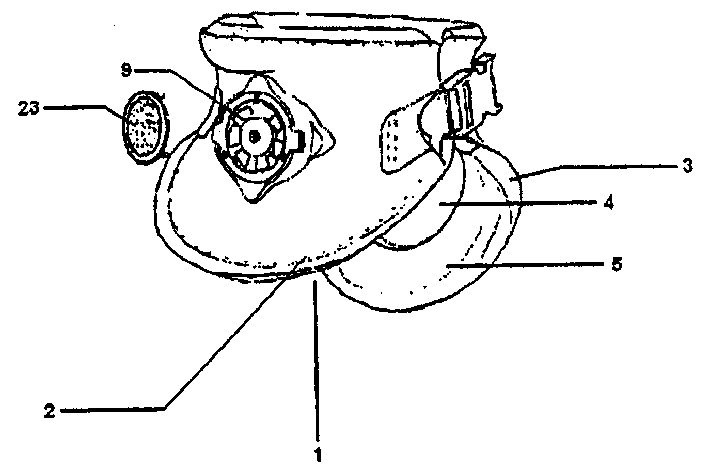
图2是本发明的一种优选实施方案的左侧透视图;Figure 2 is a left side perspective view of a preferred embodiment of the present invention;
图3是本发明的一种优选实施方案的俯视图;Figure 3 is a top view of a preferred embodiment of the present invention;
图4是本发明的一种优选实施方案的底部左侧透视图;Figure 4 is a bottom left perspective view of a preferred embodiment of the present invention;
图5是本发明的一种优选实施方案的外表面的正视图;Figure 5 is a front view of the outer surface of a preferred embodiment of the present invention;
图6是本发明的一种实施方案的右侧透视图;Figure 6 is a right side perspective view of an embodiment of the present invention;
图7是本发明的一种实施方案的后支撑件外表面的后视图;Figure 7 is a rear view of the outer surface of the rear support of an embodiment of the present invention;
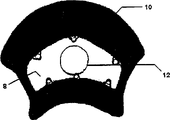
图8是本发明的一种实施方案的后支撑件内表面的正视图;Figure 8 is a front view of the inner surface of the rear support according to an embodiment of the present invention;
图9是本发明的一种实施方案的前支撑件内表面的后视图;和Figure 9 is a rear view of the inner surface of the front support of an embodiment of the present invention; and
图10是去掉了布料外层的一种优选实施方案的右侧剖视图。Figure 10 is a right side cross-sectional view of a preferred embodiment with the outer layer of fabric removed.
本发明的详细说明Detailed description of the present invention
在本说明书中,为了便于说明,要结合与用于用户颈部周围的颈部解剖学支架相关的若干优选实施方案进行说明。不过,正如本领域技术人员可以理解的,本发明同样可适用于任何类型的解剖学支架、矫正架和铸型,并且,用于所有其他合适的解剖学结构部位、人体或其他。另外,本文所披露的发明还可用于防护性器械中,例如,头盔,包括摩托车、自行车、橄榄球、曲棍球、和其他娱乐和运动的头盔和器械。In this specification, for the convenience of description, some preferred embodiments related to the cervical anatomy bracket used around the user's neck will be described. However, as will be appreciated by those skilled in the art, the present invention is equally applicable to any type of anatomical braces, braces and casts, and to all other suitable anatomical structures, human or otherwise. In addition, the invention disclosed herein can also be used in protective equipment, such as helmets, including motorcycle, bicycle, football, hockey, and other recreational and sports helmets and equipment.
如图1-10所示,采用了本发明的颈部矫正架的一种优选实施方案包括两个独立的部件,一个前部支撑件2和后部支撑件3,形成了解剖学支架1的两半。支撑件2和3优选由坚固而又轻质的材料制成,例如,pp(聚丙烷)医用级PVC。当然,本领域普通技术人员可以理解的是,诸如石墨或泡末的多种类型的材料和复合物适用于这一目的。每一个支撑件2和3的内表面4优选具有一个柔软的表面,或者在某些优选实施方案中,如果包括支撑件2和3的材料不够柔软的话,所述支撑件的内表面14可以优选覆盖一层柔软材料5,如泡末或其他柔软的物质。所述支撑件的底部和上部边缘6和7同样用柔软的物质覆盖。所述柔软材料是通过本领域众所周知的方式连接的,如粘接剂、胶水、Velcro,环扣结构、或其他已知的连接方法。As shown in Figures 1-10, a preferred embodiment of the neck correction frame employing the present invention comprises two separate parts, an
所述支撑件2和3的内表面4优选具有一个能让空气方便地流过的开放的通道8。在本发明的一种优选实施方案中,支撑件2和3的内表面4是预制成型的,使得它们具有从该支撑件的一端通向另一端的预定的开放通道8。如图4所示,在另一种实施方案中,将一种柔软材料5连接在支撑件2和3的内表面4上,所述柔软材料5优选只与所述支撑件2和3的内表面4的一部分连接,以便由此所形成的开放通道4不与柔软材料5连接,或者,柔软材料5优选具有变化的厚度,使得泡末的较薄的厚度形成一个通道8。当本发明的支撑件2和3被用户使用并放置就位时,所述一个或多个内部通道8有利于空气在所述颈部矫正架内运动,使得由风扇9所产生的空气可以流过身体的固定部位。在本发明的另一种实施方案中,用在支撑件2和3内表面4上的柔软材料5可以具有相对均匀的厚度,代替由材料的较薄的厚度或空隙所产生的一个或多个独特的通道8,所述内表面优选具有凹穴或槽等,以便形成一个或多个可以通过空气的通路。本发明的通道8优选能使得空气流可以无阻碍的或受控制的环绕用户的相应的身体部分流动。The inner surface 4 of the
在一种优选实施方案中,用在支撑件2和3的内表面4上的柔软材料5由第二种优选为多孔材料覆盖,如,优选为100%的棉布10。所述布材料10优选覆盖柔软材料5,并且与支撑件2和3连接,如图7-9所示。将其包在支撑件2和3的外表面11上,并且部分覆盖这些支撑件的外表面11。当然,所述布材料10可以用本领域众所周知的多种方法固定或连接在支撑件2和3上,例如,捆扎绳,Velcro,松紧带和其他已知方法。诸如布的材料优选是可以去掉的,并且是可以洗涤的,因为它是所述解剖学支架上面在长时间使用之后,因为接触用户的皮肤表面而有可能变脏的部分。In a preferred embodiment, the
如图1-6所示,本发明优选采用一个风扇9,如由电池提供动力的螺旋桨式风扇,以便使得空气流入、流出或通过在用户的相应的身体部分和解剖学支架件1之间所形成的,或者在用户身体和解剖学支架件1之间所形成的通道8。风扇9还可以由其他方式提供动力,例如,交流电、发电机或太阳能源。解剖学支架1优选包括两个或两个以上支撑件2和3,这些支撑件在结合或连接在一起之后,优选形成一个刚性解剖学支架1,该支架大体上与要固定或支撑的相应的身体部分的轮廓吻合,并且在结合或连接之后,优选产生至少一个连通的相应的内部通道8的结构,该通道位于相应的解剖学支架件2和3的内表面4中,靠近用户相应的身体部分和/或位于用户身体和相应的解剖学支架件2和3的内表面4之间。As shown in Figures 1-6, the present invention preferably employs a
在本发明的另一种实施方案中,所述解剖学支架1可以由具有第一和第二末端的单一的刚性部件组成,该部件被缠绕在所述相应的身体部分周围,然后将所述第一和第二末端连接在一起。如果需要,本发明的解剖学支架1可以由任意数量的支撑件组成。In another embodiment of the present invention, said anatomical scaffold 1 may consist of a single rigid member having first and second ends, which is wrapped around said respective body part, and said The first and second ends are joined together. The anatomical scaffold 1 of the present invention may consist of any number of struts, if desired.
本发明解剖学支架1的一个或多个支撑部件2和3优选具有一个或多个位于支撑件2和3外表面11上的开口12,该支撑部件被用于并设计成接受和容纳风扇9。本发明的支撑件2和3可以容纳一个或多个风扇9,这取决于被支撑的身体部分、所采用的风扇9的大小、需要移动的空气的体积、以及要达到的目标温度和湿度。The one or
如图1-6所示,优选有一个或多个风扇9与支撑件2和3的外表面11上的相应的通道12连接或位于该通道中。开口优选直接与在支撑件2和3的内表面15和相应的身体部分之间所形成的通道8连通,或者具有与该通道8连通的管路。另外,本发明的其他优选实施方案,优选在支撑件2和3的外表面11上具有一个或多个额外的开口13,这些开口同样与内部通道8连通,从而使得空气可以流入或流出通道8。不过,在某些优选实施方案中,所述额外的开口没有风扇,相反,这些开口是用于产生更大的空气流和通过所述通道通风的。Preferably one or
在本发明的一种优选实施方案中,用诸如螺旋桨式风扇的由电池提供动力的风扇9将空气优选从通道12中抽出或强制空气流出,通道12设置在支撑件2和3的内表面4上,靠近用户的身体部分和/或位于用户身体和解剖学支架1之间,并且穿过所述风扇9。In a preferred embodiment of the invention, a battery powered
每一个相应的支撑件2和3的一端优选以彼此相对转动的形式相互连接在一起。任何合适的装置都可以用于该目的,例如,平接铰链、钢琴铰链、柔性材料(包括塑料、丝线或皮革)、或本领域一般公知的其他材料或机构。在图6所示的优选实施方案中,每一个支撑件2和3的一端通过一个滑轮机构14可转动地彼此连接在一起,并通过一个搭扣皮带装置15连接另一端。在所述滑轮机构14上,绳16的第一端通过绳保持器17固定在颈部矫正架的前支撑件2的上部外表面上,绳18绕过滑轮19位于颈部支架的后支撑件3一侧。绳20的第二端固定在保持器21上。该滑轮绳系统能通过张紧力将用户施加在绳上的力加倍,并使得用户能够方便地系紧前、后支撑件。可以采用多种常用的固定件,包括市场上一VELCRO为商标出售的织物连接固定件。One end of each corresponding supporting
在彼此连接之后,将解剖学支架1的两半(支撑件2和3)优选打开足够的宽度,以便接纳用户相应的解剖学部位,如颈部,并在接纳所述身体部分之后,使两个支撑件2和3闭合,使得支撑件2和3相应的其余末端可以连接,从而实现将矫正架、铸型或支撑件闭合在所述身体部分周围。用户可以优选通过众所周知的方法将所述支撑件的相应的其余的末端彼此连接在一起,例如,Velcro、钩环结合、捆扎绳或任何其他已知的方法。After being connected to each other, the two halves of the anatomical support 1 (
如图1-6所示,在本发明的一种优选实施方案中,用户首先连接搭扣皮带装置15,或其他合适的连接装置,使得两个支撑件1和2转动,以便接纳用户的颈部。然后将所述颈部矫正架的两个支撑件1和2固定在颈部周围,并且闭合,使得底部边缘7舒适地停留在用户的肩部。然后,用户通过滑轮连接装置14连接颈部矫正架的另一侧,以便将它贴身地并且舒服地固定到位。As shown in Figures 1-6, in a preferred embodiment of the present invention, the user first attaches the
在解剖学支架1的支撑件2和3的外表面11上的一个或多个开口12,优选装配有一个可拆卸的、由电池操纵的小风扇9,在风扇工作时,会导致空气流过位于解剖学支架1的内表面4上的通道8,该通道靠近用户的身体部分和/或位于用户的身体和解剖学支架1之间。所述风扇在工作时优选将空气抽出或排出所述通道。当然,在另一种实施方案中,所述空气的流向优选被颠倒过来,同样可以强制空气进入通道8。另外,在解剖学支架1的支撑件2和3上可以有一个或多个开口13,这些开口与未连接风扇9的通道8连通,但是通过该通道8能进一步促进空气的流动。One or
如图1-6所示,在所述颈部矫正架安放就位之后,优选将风扇9介入或插入该颈部矫正架的前支撑件2上的开口12中。还可以在将所述颈部矫正架安放到用户身体上之前,将该风扇9放入开口12中。还可以采用其他方式将风扇9连接在开口12上。风扇9优选可拆卸地安装在颈部矫正架前面,以便它可以工作或更换。在该优选实施方案中使用可伸缩的卡扣,不过,也可以使用其他方式连接风扇组件9。As shown in Figures 1-6, after the neck correction frame is placed in place, the
本发明的风扇优选由低直流电压源,优选低于36V的直流电源提供动力。在一种优选实施方案中,所述能源是与风扇组合在一起的。不过,也可以使用一个独立的电池组22。所述能源优选具有一个控制装置,用于接通和关闭电源,并用于优选控制风扇9的转速。另外,还可以采用一个间歇式可变风扇控制器,用于间歇性地自动接通和关闭风扇9,从而节省电池能源,或调节温度、湿度或其他空气循环变量。一旦将解剖学支架1安放就位,所述电源就被接通,从而启动一个或多个风扇9。用户可以根据自身喜好和个人舒适度,用手控制风扇9的速度。另外,可以使用一台微处理器,以便对风扇9的控制和调节进行预编程,从而获得需要的特征。在工作时,所述风扇抽出在支撑件2和3与用户颈部之间形成的通道8中的空气。新鲜空气优选是通过额外的开口13吸入的,并且从装有风扇9的开口12中排出。在这种设计中,可以用一个选择性的滤膜覆盖所述额外的开口13,以便阻止外部颗粒和杂物进入通道8。另外,风扇9可以强制空气进入通道8,并且通过额外的开口13排出。在这种设计中,可以用一个选择性的滤膜23覆盖所述风扇9,以便阻止外部颗粒和杂物进入通道8。The fan of the present invention is preferably powered by a low DC voltage source, preferably less than 36V DC. In a preferred embodiment, said energy source is combined with a fan. However, a
在一种优选实施方案中,将所述能源设置在安装所述风扇的腔室中,以便可以无需延长的电线或独立的电池腔室。另外,所述风扇和/或电池腔室优选可以与所述解剖学支架分离。可以通过卡接方式将所述风扇和/或电池腔室固定到位,或者用其他合适的装置将其固定到位,包括环绕所述支架的独立的带状装置。本发明的风扇优选是由低压直流电源提供能量,优选低于36伏。在一种优选实施方案中,由两节标准的从电池大小的电池提供的3伏电压就足够了。不过,还可以使用其他可选择的电池和能量和能源,例如,包括镍镉、锂离子、太阳能或其他已知能源。由于所述风扇的某些优选实施方案的电流是如此之低,所以所述优选的电池能源可以持续使用很长时间而无需充电或更换。In a preferred embodiment, the energy source is located in the chamber in which the fan is mounted, so that extended wiring or a separate battery chamber can be eliminated. In addition, the fan and/or battery chamber is preferably detachable from the anatomical support. The fan and/or battery compartment may be held in place by snap-fitting, or by other suitable means, including a separate strap-like means surrounding the bracket. The fan of the present invention is preferably powered by a low voltage DC power supply, preferably below 36 volts. In a preferred embodiment, 3 volts provided by two standard secondary battery sized batteries is sufficient. However, other alternative batteries and power sources may be used including, for example, nickel cadmium, lithium ion, solar or other known energy sources. Because the current of certain preferred embodiments of the fan is so low, the preferred battery power source can last a long time without needing to be recharged or replaced.
Claims (38)
Applications Claiming Priority (2)
| Application Number | Priority Date | Filing Date | Title |
|---|---|---|---|
| US18984900P | 2000-03-16 | 2000-03-16 | |
| US60/189,849 | 2000-03-16 |
Publications (1)
| Publication Number | Publication Date |
|---|---|
| CN1436063A true CN1436063A (en) | 2003-08-13 |
Family
ID=22699014
Family Applications (1)
| Application Number | Title | Priority Date | Filing Date |
|---|---|---|---|
| CN01809648A Pending CN1436063A (en) | 2000-03-16 | 2001-03-16 | Forced ventilation anatomical support |
Country Status (6)
| Country | Link |
|---|---|
| US (1) | US20030149384A1 (en) |
| EP (1) | EP1267759A4 (en) |
| CN (1) | CN1436063A (en) |
| AU (2) | AU5003801A (en) |
| CA (1) | CA2403115A1 (en) |
| WO (1) | WO2001068008A1 (en) |
Cited By (2)
| Publication number | Priority date | Publication date | Assignee | Title |
|---|---|---|---|---|
| CN109123867A (en) * | 2018-08-29 | 2019-01-04 | 广州迈普再生医学科技股份有限公司 | A kind of cranium brain safety cap and preparation method thereof |
| CN113288556A (en) * | 2021-05-19 | 2021-08-24 | 向仕香 | Cervical protection device for department of spine convenient to adjust fixedly |
Families Citing this family (38)
| Publication number | Priority date | Publication date | Assignee | Title |
|---|---|---|---|---|
| US8074559B2 (en) * | 2007-02-06 | 2011-12-13 | Deka Products Limited Partnership | Dynamic support apparatus and system |
| ATE546182T1 (en) | 2003-12-08 | 2012-03-15 | Fisher & Paykel Healthcare Ltd | DEVICE TO SUPPORT BREATHING |
| WO2005079726A1 (en) | 2004-02-23 | 2005-09-01 | Fisher & Paykel Healthcare Limited | Breathing assistance apparatus |
| EP3473289B1 (en) | 2004-04-02 | 2021-09-08 | Fisher & Paykel Healthcare Limited | Breathing assistance apparatus |
| US9072852B2 (en) | 2004-04-02 | 2015-07-07 | Fisher & Paykel Healthcare Limited | Breathing assistance apparatus |
| CA2655839C (en) | 2006-07-14 | 2015-09-22 | Fisher & Paykel Healthcare Limited | Breathing assistance apparatus |
| US9381099B2 (en) | 2007-02-06 | 2016-07-05 | Deka Products Limited Partnership | Arm prosthetic device |
| US10426638B2 (en) | 2007-02-06 | 2019-10-01 | Deka Products Limited Partnership | Arm prosthetic device |
| US11779476B2 (en) | 2007-02-06 | 2023-10-10 | Deka Products Limited Partnership | Arm prosthetic device |
| EP2114316B1 (en) * | 2007-02-06 | 2014-07-16 | DEKA Products Limited Partnership | Method and apparatus for control of a prosthetic |
| WO2010120402A1 (en) * | 2009-04-13 | 2010-10-21 | Deka Products Limited Partnership | System and apparatus for orientation control |
| US8979943B2 (en) | 2007-02-06 | 2015-03-17 | Deka Products Limited Partnership | Arm prosthetic device |
| WO2008098057A2 (en) * | 2007-02-06 | 2008-08-14 | Deka Integrated Solutions Corp. | Arm prosthetic device |
| US9114030B2 (en) | 2007-02-06 | 2015-08-25 | Deka Products Limited Partnership | System for control of a prosthetic device |
| US8449624B2 (en) | 2007-02-06 | 2013-05-28 | Deka Products Limited Partnership | Arm prosthetic device |
| CA2679616C (en) * | 2007-02-06 | 2015-10-06 | David E. Altobelli | Dynamic support apparatus |
| US8864845B2 (en) | 2007-02-06 | 2014-10-21 | DEKA Limited Partnership | System for control of a prosthetic device |
| US10258757B2 (en) | 2008-05-12 | 2019-04-16 | Fisher & Paykel Healthcare Limited | Patient interface and aspects thereof |
| US10792451B2 (en) | 2008-05-12 | 2020-10-06 | Fisher & Paykel Healthcare Limited | Patient interface and aspects thereof |
| US11660413B2 (en) | 2008-07-18 | 2023-05-30 | Fisher & Paykel Healthcare Limited | Breathing assistance apparatus |
| EP3988152B1 (en) | 2008-10-10 | 2024-12-04 | Fisher & Paykel Healthcare Limited | Nasal pillows for a patient interface |
| EP3741418B1 (en) | 2009-11-18 | 2024-05-08 | Fisher & Paykel Healthcare Limited | Nasal interface |
| WO2011127410A2 (en) | 2010-04-09 | 2011-10-13 | Deka Products Limited Partnership | System and apparatus for robotic device and methods of using thereof |
| EP3406287B1 (en) | 2010-10-08 | 2022-04-27 | Fisher & Paykel Healthcare Limited | Respiratory mask assembly for breathing assistance apparatus |
| US10603456B2 (en) | 2011-04-15 | 2020-03-31 | Fisher & Paykel Healthcare Limited | Interface comprising a nasal sealing portion |
| GB2529079B (en) | 2011-04-15 | 2016-06-22 | Fisher & Paykel Healthcare Ltd | An elbow assembly for a mask |
| US10080856B2 (en) | 2012-08-08 | 2018-09-25 | Fisher & Paykel Healthcare Limited | Headgear for patient interface |
| EP2892596B1 (en) | 2012-09-04 | 2023-07-26 | Fisher&Paykel Healthcare Limited | Valsalva mask |
| GB2521596A (en) * | 2013-11-27 | 2015-07-01 | Nayan Patel | Orthopaedic device |
| CN106659864B (en) | 2014-07-18 | 2019-10-01 | 费雪派克医疗保健有限公司 | Head-wearing tool clamping device |
| JP7117103B2 (en) | 2014-08-25 | 2022-08-12 | フィッシャー アンド ペイケル ヘルスケア リミテッド | Respirators and related parts, components or subassemblies |
| EP3736009B8 (en) | 2015-03-04 | 2023-01-25 | Fisher & Paykel Healthcare Limited | Headgear top strap connector |
| USD882066S1 (en) | 2016-05-13 | 2020-04-21 | Fisher & Paykel Healthcare Limited | Frame for a breathing mask |
| USD823455S1 (en) | 2017-02-23 | 2018-07-17 | Fisher & Paykel Healthcare Limited | Cushion assembly for breathing mask assembly |
| USD824020S1 (en) | 2017-02-23 | 2018-07-24 | Fisher & Paykel Healthcare Limited | Cushion assembly for breathing mask assembly |
| USD823454S1 (en) | 2017-02-23 | 2018-07-17 | Fisher & Paykel Healthcare Limited | Cushion assembly for breathing mask assembly |
| USD948062S1 (en) * | 2019-12-11 | 2022-04-05 | Ki Yong Chang | Medical neck brace |
| CN114795659B (en) * | 2022-04-18 | 2023-03-17 | 浙江省人民医院 | A neck care device after thyroid cancer surgery |
Family Cites Families (26)
| Publication number | Priority date | Publication date | Assignee | Title |
|---|---|---|---|---|
| US3070090A (en) * | 1961-01-27 | 1962-12-25 | Arabion N Taylor | Neck support |
| US3765412A (en) * | 1971-12-23 | 1973-10-16 | Department Of Health Education | Inflatable cervical collar for prevention of head and neck injury |
| AT363009B (en) * | 1977-02-22 | 1981-07-10 | Koeflach Sportgeraete Gmbh | SHELL SHELL BOOT AND METHOD FOR THE PRODUCTION THEREOF |
| US4257407A (en) * | 1977-10-21 | 1981-03-24 | Macchi Pier G | Negative pressure respirator shells |
| AU5507380A (en) * | 1979-02-14 | 1980-08-21 | Kalmar, I. | Plaster cast |
| US4387710A (en) * | 1981-09-21 | 1983-06-14 | Beatty Iii John C | Ventilated cast structure and method of producing the same |
| CH654180A5 (en) * | 1981-11-06 | 1986-02-14 | Fischer Gmbh | Internal ventilation system for shoes and boots |
| US4745922A (en) * | 1986-07-11 | 1988-05-24 | Taylor Kenneth G | Cervical heat transfer and immobilization device |
| USRE34714E (en) * | 1986-12-17 | 1994-08-30 | Burns; William R. | Cervical collar of laminate construction |
| US5010877A (en) * | 1989-11-24 | 1991-04-30 | Sue Druskoczi | Surgical collar and liner therefor |
| US5031237A (en) * | 1989-12-05 | 1991-07-16 | Honrud Gregory S | Light actuated air recirculating and filtration system |
| US5205813A (en) * | 1990-01-08 | 1993-04-27 | Schmidt Shawn M | Cephalic and cervical support appliance |
| US5146765A (en) * | 1990-10-09 | 1992-09-15 | Waters William A | Device for evaporatie cooling of the neck |
| US5230698A (en) * | 1990-12-07 | 1993-07-27 | Garth Geoffrey C | Extended wear cervical collar |
| AU4991993A (en) * | 1992-06-29 | 1994-01-24 | Nikola Lakic | Inflatable lining for footwear, gloves, helmets, shields and seats |
| US5403266A (en) * | 1993-07-06 | 1995-04-04 | United States Manufacturing Company | Inflatable cervical traction collar |
| US5918381A (en) * | 1997-06-06 | 1999-07-06 | Landry; Norman | Shoe sole with liquid-powered ventilating fans |
| US5802865A (en) * | 1997-09-05 | 1998-09-08 | The Sharper Image | Evaporative personal cooler |
| US6045522A (en) * | 1997-11-03 | 2000-04-04 | Grober; Arieh | Cervical spine traction apparatus |
| US6254560B1 (en) * | 1998-06-08 | 2001-07-03 | The Jerome Group, Inc. | Cervical collars |
| DE19845327A1 (en) * | 1998-10-01 | 2000-04-06 | Rudolf Graf | Band for spreading toes for improved ventilation of the gaps between them comprises toe spreader elements and a detachable, battery driven miniature ventilator |
| US6382208B2 (en) * | 1998-11-02 | 2002-05-07 | Board Of Regents University Of Nebraska | System for controlling the internal temperature of a respirator |
| US6257235B1 (en) * | 1999-05-28 | 2001-07-10 | Kimberly-Clark Worldwide, Inc. | Face mask with fan attachment |
| US6602214B2 (en) * | 1999-10-19 | 2003-08-05 | Bio Cybernetics International | Orthotic trauma device |
| US6494854B1 (en) * | 1999-10-28 | 2002-12-17 | Pmt Corporation | Cervical collar device |
| US6375633B1 (en) * | 2000-05-02 | 2002-04-23 | Gaymar Industries, Inc. | Heel care device and method |
-
2001
- 2001-03-16 CN CN01809648A patent/CN1436063A/en active Pending
- 2001-03-16 WO PCT/US2001/040318 patent/WO2001068008A1/en not_active Ceased
- 2001-03-16 US US10/221,763 patent/US20030149384A1/en not_active Abandoned
- 2001-03-16 AU AU5003801A patent/AU5003801A/en active Pending
- 2001-03-16 CA CA002403115A patent/CA2403115A1/en not_active Abandoned
- 2001-03-16 AU AU2001250038A patent/AU2001250038B8/en not_active Ceased
- 2001-03-16 EP EP01923336A patent/EP1267759A4/en not_active Withdrawn
Cited By (2)
| Publication number | Priority date | Publication date | Assignee | Title |
|---|---|---|---|---|
| CN109123867A (en) * | 2018-08-29 | 2019-01-04 | 广州迈普再生医学科技股份有限公司 | A kind of cranium brain safety cap and preparation method thereof |
| CN113288556A (en) * | 2021-05-19 | 2021-08-24 | 向仕香 | Cervical protection device for department of spine convenient to adjust fixedly |
Also Published As
| Publication number | Publication date |
|---|---|
| AU5003801A (en) | 2001-09-24 |
| AU2001250038B2 (en) | 2005-10-27 |
| WO2001068008A1 (en) | 2001-09-20 |
| US20030149384A1 (en) | 2003-08-07 |
| CA2403115A1 (en) | 2001-09-20 |
| EP1267759A1 (en) | 2003-01-02 |
| EP1267759A4 (en) | 2006-03-01 |
| AU2001250038B8 (en) | 2006-03-09 |
Similar Documents
| Publication | Publication Date | Title |
|---|---|---|
| CN1436063A (en) | Forced ventilation anatomical support | |
| AU2001250038A1 (en) | Forced ventilated anatomical supports | |
| US8142378B2 (en) | Immobilizing and supporting inflatable splint apparatus | |
| AU2004266693B2 (en) | Method and device for non-invasive ventilation with nasal interface | |
| EP2301490B1 (en) | Negative pressure oral apparatus | |
| US20100311003A1 (en) | Oral respiration interface and a digital container | |
| JP2568446B2 (en) | Flexible shape following orthopedic cast | |
| MXPA04009700A (en) | Patient comfort apparatus and system. | |
| CA2785582A1 (en) | Patient interface and headgear | |
| US20220296464A1 (en) | Automatic chest compression device torso support platform | |
| US11096438B1 (en) | All weather electric indoor/outdoor heat exchanger face mask | |
| HK1056677A (en) | Forced ventilated anatomical supports | |
| CN214549774U (en) | An adjustable angle abduction fixed pillow | |
| US20120048282A1 (en) | Sleep apnea headstrap apparatus | |
| CN210673532U (en) | Splint for orthopedic nursing | |
| CN212260572U (en) | A special antibacterial mask for patients with airway diversion | |
| CN113440328A (en) | Multifunctional ostomy nursing device | |
| CN108378966A (en) | A kind of lower jaw rest device and the mask with lower jaw rest device | |
| CN210020749U (en) | Inflatable adjustable tracheotomy fixing strap | |
| CN220608827U (en) | Tracheal cannula fixer for critical medical department first aid | |
| CN222323765U (en) | Improved medical mandibular sleeve capable of flexibly changing dressing | |
| CN222033313U (en) | A breathing mask | |
| CN223041698U (en) | A hot and cold compress bag for maxillofacial region | |
| CN223554358U (en) | A nursing vest for patients with arm fractures | |
| CN214434708U (en) | Fixing support |
Legal Events
| Date | Code | Title | Description |
|---|---|---|---|
| C06 | Publication | ||
| PB01 | Publication | ||
| C10 | Entry into substantive examination | ||
| SE01 | Entry into force of request for substantive examination | ||
| C02 | Deemed withdrawal of patent application after publication (patent law 2001) | ||
| WD01 | Invention patent application deemed withdrawn after publication | ||
| REG | Reference to a national code |
Ref country code: HK Ref legal event code: WD Ref document number: 1056677 Country of ref document: HK |