CN1380626A - Method and device for distinguishing rubbish electronic mail and electronic mail servicer - Google Patents
Method and device for distinguishing rubbish electronic mail and electronic mail servicer Download PDFInfo
- Publication number
- CN1380626A CN1380626A CN02120578A CN02120578A CN1380626A CN 1380626 A CN1380626 A CN 1380626A CN 02120578 A CN02120578 A CN 02120578A CN 02120578 A CN02120578 A CN 02120578A CN 1380626 A CN1380626 A CN 1380626A
- Authority
- CN
- China
- Prior art keywords
- addressee
- mail server
- computing machine
- Prior art date
- Legal status (The legal status is an assumption and is not a legal conclusion. Google has not performed a legal analysis and makes no representation as to the accuracy of the status listed.)
- Pending
Links
Images


Classifications
-
- G—PHYSICS
- G06—COMPUTING OR CALCULATING; COUNTING
- G06Q—INFORMATION AND COMMUNICATION TECHNOLOGY [ICT] SPECIALLY ADAPTED FOR ADMINISTRATIVE, COMMERCIAL, FINANCIAL, MANAGERIAL OR SUPERVISORY PURPOSES; SYSTEMS OR METHODS SPECIALLY ADAPTED FOR ADMINISTRATIVE, COMMERCIAL, FINANCIAL, MANAGERIAL OR SUPERVISORY PURPOSES, NOT OTHERWISE PROVIDED FOR
- G06Q10/00—Administration; Management
- G06Q10/10—Office automation; Time management
- G06Q10/107—Computer-aided management of electronic mailing [e-mailing]
-
- H—ELECTRICITY
- H04—ELECTRIC COMMUNICATION TECHNIQUE
- H04L—TRANSMISSION OF DIGITAL INFORMATION, e.g. TELEGRAPHIC COMMUNICATION
- H04L51/00—User-to-user messaging in packet-switching networks, transmitted according to store-and-forward or real-time protocols, e.g. e-mail
- H04L51/21—Monitoring or handling of messages
- H04L51/212—Monitoring or handling of messages using filtering or selective blocking
-
- H—ELECTRICITY
- H04—ELECTRIC COMMUNICATION TECHNIQUE
- H04L—TRANSMISSION OF DIGITAL INFORMATION, e.g. TELEGRAPHIC COMMUNICATION
- H04L51/00—User-to-user messaging in packet-switching networks, transmitted according to store-and-forward or real-time protocols, e.g. e-mail
- H04L51/21—Monitoring or handling of messages
- H04L51/224—Monitoring or handling of messages providing notification on incoming messages, e.g. pushed notifications of received messages
Landscapes
- Engineering & Computer Science (AREA)
- Business, Economics & Management (AREA)
- Human Resources & Organizations (AREA)
- Strategic Management (AREA)
- Entrepreneurship & Innovation (AREA)
- Marketing (AREA)
- Quality & Reliability (AREA)
- Computer Hardware Design (AREA)
- Signal Processing (AREA)
- Economics (AREA)
- Computer Networks & Wireless Communication (AREA)
- Operations Research (AREA)
- Data Mining & Analysis (AREA)
- Tourism & Hospitality (AREA)
- Physics & Mathematics (AREA)
- General Business, Economics & Management (AREA)
- General Physics & Mathematics (AREA)
- Theoretical Computer Science (AREA)
- Information Transfer Between Computers (AREA)
- Data Exchanges In Wide-Area Networks (AREA)
Abstract
本发明涉及一种识别垃圾电子邮件的方法和装置以及电子邮件服务器(21),可使收件人(27-31)在阅读垃圾电子邮件(300)之前即将其识别出来。所述方法用一台电子邮件服务器(21)接收发给收件人(27-31)的第一电子邮件(300),按照至少一条预定的判据对所述第一电子邮件(300)进行鉴别,并且基于该对所述第一电子邮件(300)的鉴别,在将第一电子邮件(300)继续传送到收件人(27-31)的计算机(22-26)之前,自动生成一个包含关于收件人(27-31)可能收到垃圾电子邮件的提示的第二电子邮件(400,500),并将其发送给第一电子邮件(300)的收件人(27-31)的计算机(22-26)。
The present invention relates to a method and device for identifying junk e-mails and an e-mail server (21), enabling recipients (27-31) to identify junk e-mails (300) before reading them. The method uses an e-mail server (21) to receive a first e-mail (300) addressed to a recipient (27-31), and performs an operation on the first e-mail (300) according to at least one predetermined criterion. authentication, and based on the authentication of said first email (300), automatically generate a A second email (400, 500) containing a reminder that the recipient (27-31) may receive spam emails is sent to the computer of the recipient (27-31) of the first email (300) (22-26).
Description
技术领域technical field
本发明涉及一种识别垃圾电子邮件的方法、装置及电子邮件服务器,可使收件人在阅读垃圾电子邮件之前即将其识别出来。The invention relates to a method, a device and an email server for identifying spam emails, which can enable recipients to identify spam emails before reading them.
背景技术Background technique
人们经常发现会反复收到某种垃圾电子邮件,例如包含广告或计算机病毒的电子邮件。尽管广告电子邮件是另人生厌的,并且如果在工作时间阅读,就会浪费宝贵的工作时间,但如果将含有计算机病毒的电子邮件从存储其的邮件服务器上下载到计算机内,并且打开阅读,则会损坏计算机的硬件和软件。People often find that they receive some type of junk email repeatedly, such as emails containing advertisements or computer viruses. Although advertising e-mails are annoying and can waste valuable work time if read during work hours, if an e-mail containing a computer virus is downloaded to a computer from the mail server where it is stored and opened for reading, It can damage the computer's hardware and software.
虽然已经有了所谓的病毒扫描器,即搜索电子邮件内计算机病毒、并将所识别出的计算机病毒屏蔽掉的程序。然而公知的计算机病毒扫描器只能识别出已知的计算机病毒。而对干扰性的广告电子邮件则无法用病毒扫描器发现。Although there have been so-called virus scanners, that is, a program that searches for computer viruses in emails and shields the identified computer viruses. However, known computer virus scanners can only detect known computer viruses. However, virus scanners cannot detect intrusive advertising e-mails.
在美国专利文献US 6023723中公开了一种自动识别和删除垃圾电子邮件的方法。每个进入的电子邮件都要得到检查,以确定它是否来自一个不希望的或所希望的发件人。该信息包含在一个相应的表内。如果一个电子邮件来自一个不希望的发件人,则在收件人阅读该电子邮件之前,即将其自动删除。如果电子邮件来自一个希望的发件人,则将其送入收件人的收件箱内。如果电子邮件即不是来自一个希望的发件人,也不是来自一个不希望的发件人,则将该邮件分离出来,放入有专门标记的文件夹内,供收件人查阅。Disclosed in the U.S. patent document US 6023723 is a kind of method for automatically identifying and deleting spam emails. Every incoming e-mail is checked to determine whether it is from an unwanted or desired sender. This information is contained in a corresponding table. If an e-mail is from an unwanted sender, it is automatically deleted before the recipient reads the e-mail. If the email is from a desired sender, it is delivered to the recipient's inbox. If the e-mail is neither from an intended sender nor an unwanted sender, the e-mail is separated and placed in a specially marked folder for the recipient to review.
在美国专利文献US 5999932中公开了一种方法,该方法可将电子邮件自动分类并加以相应的标记,分为希望的、可能感兴趣的和不希望的电子邮件。当电子邮件填写区内的数据,例如电子邮件的地址区或事由区与在表中所存储的数据相一致时,该电子邮件为希望的电子邮件。于是该电子邮件例如被标以“OK(正常)”标记。如果填写区内的数据与表中所存储的数据不一致,则将根据预定的判据对该电子邮件进行鉴别,然后根据鉴别结果将其分成可能感兴趣的或者不希望的邮件。对可能感兴趣的电子邮件例如可用“NEW(新的)”加以标记,而对不希望的电子邮件用“JUNK(垃圾)”加以标记。A method is disclosed in U.S. Patent Document US 5999932, which can automatically classify emails and mark them accordingly, and be divided into desired, possibly interesting and unwanted emails. When the data in the filling area of the electronic mail, such as the address area or the subject area of the electronic mail, matches the data stored in the table, the electronic mail is a desired electronic mail. The e-mail is then marked with "OK (normal)", for example. If the data in the filled-in area is inconsistent with the data stored in the table, the e-mail will be discriminated according to predetermined criteria, and then classified into potentially interesting or undesired e-mails according to the discriminating result. Potentially interesting e-mails can be marked, for example, with "NEW" and undesired e-mails can be marked with "JUNK".
在美国专利文献US 6052709中公开了一种监视垃圾邮件的系统。该系统包括一个具有多个终端的通信网络,对每个终端都分配了一个电子邮件地址;该系统还包括一个控制中心。该控制中心产生附加的电子邮件地址,并将其分配到通信网络上。所述附加电子邮件地址并不与特定的人员相对应。如果该附加的电子邮件地址收到一个电子邮件,则将该邮件的发件人数据提取出来,并存储到控制中心的一个数据库内。然后修改终端上存储的过滤器,以使每个终端在收到该发件人的电子邮件时能够识别出来,该发件人曾经将电子邮件发送到附加的电子邮件地址上。A kind of system of monitoring spam is disclosed in the U.S. patent document US 6052709. The system includes a communication network with a plurality of terminals, each of which is assigned an e-mail address; the system also includes a control center. The control center generates additional e-mail addresses and assigns them to the communication network. The additional email addresses do not correspond to specific persons. If the attached email address receives an email, the sender data of the email is extracted and stored in a database in the control center. The filters stored on the terminals are then modified so that each terminal recognizes when it receives an e-mail from the sender who has sent e-mails to the attached e-mail address.
在美国专利文献US 6112227中公开了另一种方法,借助该方法可防止接收垃圾电子邮件。如果电子邮件服务器收到一个电子邮件,它在将该电子邮件继续传送给客户端、即收件人之前首先确认其发件人是否已经注册。如果发件人没有注册,则电子邮件服务器将向该电子邮件发件人发出一个注册表格,以便将其注册。注册之后,电子邮件服务器再将该邮件继续传送到客户端、即收件人。Another method is disclosed in United States Patent Document US 6112227, by means of which the reception of spam emails can be prevented. If an e-mail server receives an e-mail, it first checks whether its sender is registered before passing on the e-mail to the client, the recipient. If the sender is not registered, the e-mail server will send the e-mail sender a registration form to register them. After registration, the email server then forwards the email to the client, the recipient.
在美国专利文献US 6161130中公开了另一种用于将电子邮件分类为希望的和不希望的电子邮件的方法。其中,对收到的电子邮件的内容按照预定的单词或短语自动进行检查。然后根据所查出的单词或短语以及根据概率自动确定该电子邮件属于不希望的还是希望的;接着再将电子邮件传送到相应的文件夹内。如果收件人想对某个电子邮件进行其它不同于自动分类形式的分类,则可重新确定自动分类的概率。Another method for classifying e-mails as desired and undesired e-mails is disclosed in U.S. Patent Document US 6161130. Wherein, the content of the received e-mail is automatically checked according to a predetermined word or phrase. Then according to the word or phrase found out and according to the probability, it is automatically determined whether the e-mail is unwanted or desired; then the e-mail is sent to the corresponding folder. If the recipient wants to classify an e-mail in a different way than the automatic classification, the automatic classification probability can be re-determined.
在美国专利文献US 6167434中公开了一种计算机程序,利用该程序可使收件人方便地将其从垃圾邮件发件人的发送列表中删除。该计算机程序设计成,在垃圾邮件的收件人将其删除后,自动向垃圾邮件的发件人发送一个电子邮件,该电子邮件要求该发件人将该收件人从发送列表中删除。Disclosed a kind of computer program among the U.S. patent literature US 6167434, utilize this program to make the addressee delete it from the spam sender's sending list easily. The computer program is designed to automatically send an e-mail to the sender of the spam asking the sender to remove the recipient from the distribution list after the recipient of the spam has deleted it.
在美国专利文献US 6199103B1中公开了一种用于确定鉴别垃圾邮件的判据的方法。某个接收到的电子邮件可通过已知的判据被识别为垃圾邮件。该垃圾邮件然后被存储,并且对其内容进行分析,以决定它是否还包含其它适于识别垃圾邮件的判据。如果该垃圾邮件包含其它适当的判据,则将其纳入已知的判据内。A method for determining a criterion for identifying spam is disclosed in US Patent Document US 6199103B1. A received e-mail can be identified as spam by known criteria. The spam is then stored and its content analyzed to determine whether it contains other criteria suitable for identifying spam. If the spam contains other appropriate criteria, it is included in the known criteria.
在英国专利文献GB 2350747A中公开了一种用于防止垃圾电子邮件在网络中传播的方法。一个网络用户接收到一个电子邮件,并将其归类为垃圾邮件。然后将检查该网络用户或其它网络用户是否至少接收到类似的电子邮件。基于该检查可以采取适当的预防措施。Disclosed a kind of method for preventing spam email from propagating in the network in British patent document GB 2350747A. A web user receives an email and classifies it as spam. It will then be checked whether the network user or other network users have at least received similar e-mails. Appropriate precautions can be taken based on this inspection.
在国际专利文献WO 00/49776中公开了一种方法,其中由服务器将电子邮件传送给一台代理主机,它在将该电子邮件继续传送给相应的用户之前先过滤掉垃圾邮件。所述代理主机设计成,将过滤掉的垃圾邮件通过安全的万维网文件继续传送给一个管理员,使其能够对该邮件进行检查。A kind of method is disclosed in the international patent document WO 00/49776, wherein by the server email is sent to a proxy host computer, it filters out spam before this email is sent on to corresponding user. The proxy host is designed to forward the filtered spam via a secure web file to an administrator so that it can be checked.
在国际专利文献WO 01/16695A1中建议,服务器只将那些来自预定发件人的电子邮件继续传送给收件人。如果服务器收到的电子邮件不是来自于一个预定的发件人,则将要求发件人证明其发件权。如果该发件人在一个规定的时间范围内证明了其发件权,则将其电子邮件发送给收件人,否则该电子邮件将被自动删除。It is suggested in the international patent document WO 01/16695A1 that the server forwards only those e-mails from the intended sender to the recipient. If the server receives e-mail from someone other than the intended sender, the sender will be asked to prove their right to send it. If the sender proves their right to send within a defined time frame, their e-mail is sent to the recipient, otherwise the e-mail is automatically deleted.
在日本专利文献JP2000163341A中公开了一种方法,其中让电子邮件服务器从收到的电子邮件中提取出发件人和收件人,并且自动检查是否应当删除该电子邮件。如果将电子邮件被自动删除,则该电子邮件的发件人将自动收到一个告知其已将所收到的电子邮件删除和删除的理由的说明邮件。A method is disclosed in Japanese patent document JP2000163341A in which an email server is made to extract the sender and addressee from a received email and automatically checks whether the email should be deleted. If an e-mail is automatically deleted, the sender of the e-mail will automatically receive an e-mail explaining that the received e-mail has been deleted and the reason for the deletion.
在日本专利文献JP2000339236A中公开了一种方法,其中,从接收的电子邮件中提取出发件人,并与一个列表中的发件人进行比较。如果该发件人包含在该列表中,则将其电子邮件自动删除,并向发件人发送一个说明邮件,或者将该电子邮件为收件人标记出来。A method is disclosed in Japanese patent document JP2000339236A, wherein the sender is extracted from the received email and compared with the sender in a list. If the sender is included in the list, their email is automatically deleted and an explanation email is sent to the sender, or the email is marked as a recipient.
发明内容Contents of the invention
因此,本发明要解决的技术问题是,提供一种方法,它能提供在垃圾电子邮件造成损害之前将其清除的先决条件。本发明要解决的另一技术问题是提供一种装置和一种邮件服务器,它们能提供在垃圾电子邮件造成损害之前将其清除的先决条件。Therefore, the technical problem to be solved by the present invention is to provide a method that can provide the prerequisites for eliminating spam emails before they cause damage. Another technical problem to be solved by the present invention is to provide a device and a mail server which provide the prerequisites for eliminating spam e-mails before they cause damage.
本发明要解决的第一个技术问题是通过一种识别垃圾电子邮件的方法实现的,该方法包括以下步骤:The first technical problem to be solved by the present invention is achieved by a method for identifying junk e-mails, the method comprising the following steps:
-用一台电子邮件服务器接收发给收件人的第一电子邮件,- use an email server to receive the first email addressed to the recipient,
-按照至少一条预定的判据对该第一电子邮件进行自动鉴别,并且- automatically authenticate the first e-mail according to at least one predetermined criterion, and
-基于对该第一电子邮件的鉴别,在将该第一电子邮件继续传送到收件人的计算机之前,自动生成一个第二电子邮件,并将其发送到该第一电子邮件收件人的计算机,提示收件人可能收到垃圾电子邮件。- Based on the authentication of the first e-mail, a second e-mail is automatically generated and sent to the first e-mail recipient's computer before the first e-mail is passed on to the recipient's computer computer, alerting recipients that they may have received junk e-mail.
所谓垃圾电子邮件特别是指那些包含计算机病毒的电子邮件,或者例如其中包含没有要求提供的广告的所谓垃圾电子邮件。含有计算机病毒的电子邮件在最严重的情况下可以损坏收件人的计算机,或者损坏计算机内存储的计算机程序。而阅读垃圾邮件则可能造成不必要的工作时间的损失。So-called spam e-mails are in particular e-mails which contain computer viruses or, for example, which contain advertisements which were not requested. In the worst cases, emails containing computer viruses can damage the recipient's computer, or damage computer programs stored on the computer. And reading spam may cause unnecessary loss of work time.
根据本发明,对所述第一电子邮件按照至少一种判据进行鉴别,然后才其传送给收件人;也就是说,在所述第一电子邮件被从电子邮件服务器下载到收件人的计算机上,并且打开阅读之前,或者电子邮件服务器将所述第一电子邮件继续传送到收件人的计算机之前,即对其进行鉴别。因此在该第一电子邮件可能造成损害之前即对其进行鉴别。对第一电子邮件的鉴别例如可以借助于存储在电子邮件服务器上的计算机程序进行。According to the invention, said first e-mail is authenticated according to at least one criterion before it is delivered to the addressee; that is, after said first e-mail is downloaded from the e-mail server to the addressee said first e-mail is authenticated before being opened for reading, or before the e-mail server forwards said first e-mail to the recipient's computer. This first e-mail is thus authenticated before it can cause damage. The authentication of the first e-mail can take place, for example, by means of a computer program stored on the e-mail server.
根据本发明的一种实施方式,对所述第一电子邮件进行鉴别的判据例如是该第一电子邮件的收件人的数量。通常垃圾邮件或含有计算机病毒的电子邮件通常会发送给许多收件人,以造成尽可能大的损害。因此同一电子邮件发送给很多收件人可以作为垃圾电子邮件的一个特征。According to an embodiment of the present invention, the criterion for authenticating the first email is, for example, the number of recipients of the first email. Usually spam or emails containing computer viruses are usually sent to many recipients in order to cause as much damage as possible. So the same email sent to many recipients can be a characteristic of spam email.
垃圾电子邮件的另一个特征是,一个或多个收件人在相对短的时间内重复多次收到相同的电子邮件,以使收件人或至少一个收件人打开和阅读其电子邮件的机会增加。因此根据本发明的一种优选实施方式,将具有与第一电子邮件相同事由的电子邮件在给定时间范围内发送给收件人或者其它收件人的数量作为判据。Another characteristic of junk e-mail is the repeated receipt of the same e-mail by one or more recipients within a relatively short period of time in order for the recipient or at least one recipient to open and read their e-mail. Opportunities increase. Therefore, according to a preferred embodiment of the present invention, the number of e-mails with the same subject as the first e-mail sent to the recipient or other recipients within a given time frame is used as a criterion.
根据本发明的另一种变型,将具有与第一电子邮件相同的事由和/或信息数组的校验和的其它电子邮件的数量作为判据。所述校验和的特征是,构成校验和的数组内单个位的变化会造成校验和的变化。校验和是通过将一个数组的所有字节求和得到的。如果数组采用8位方式,例如采用ASCII或者扩展的ASCII格式传输,则对应的校验和是1和256之间的某个数。一旦数组内的某个位发生了变化,校验和也随之改变。换句话说,具有相同消息的两个电子邮件,即两个相同的电子邮件,其消息数组具有相同的校验和。According to another variant of the invention, the criterion is the number of further e-mails which have the same subject and/or checksum of the information array as the first e-mail. The checksum is characterized in that a change of a single bit in the array constituting the checksum results in a change of the checksum. The checksum is obtained by summing all the bytes of an array. If the array is transmitted in an 8-bit manner, such as in ASCII or extended ASCII format, the corresponding checksum is a number between 1 and 256. Once a bit in the array is changed, the checksum is also changed. In other words, two emails with the same message, i.e. two identical emails, have the same checksum for their message arrays.
对电子邮件完成了鉴别后,根据本发明,基于对第一电子邮件的鉴别,自动向收件人发出一个第二电子邮件,提示其可能有垃圾电子邮件进入电子邮件服务器。该第二电子邮件例如可以由电子邮件服务器自动生成,并且自动发送给收件人。所述提示优选的是包括所述第一电子邮件的事由、发件人和其它收件人的数量。收件人得到了该第二电子邮件的警告后,可以自行决定是否从电子邮件服务器下载第一电子邮件,并打开阅读之。After the e-mail is authenticated, according to the present invention, based on the identification of the first e-mail, a second e-mail is automatically sent to the recipient, prompting that there may be junk e-mails entering the e-mail server. The second e-mail can be automatically generated, for example, by an e-mail server, and automatically sent to the recipient. The reminder preferably includes the subject, sender and number of other recipients of the first email. After receiving the warning of the second e-mail, the recipient can decide whether to download the first e-mail from the e-mail server and open it for reading.
根据本发明的另一变型,只对由局域计算机网络之外的计算机发送的第一电子邮件进行鉴别,其中,所述局域计算机网络包含了收件人的计算机,并且发送第一电子邮件的计算机可以与之建立联系。该局域计算机网络例如可以是一个企业或者政府机关的网络。而对在局域计算机网络内部传送的电子邮件将不需鉴别,因为它不可能是垃圾邮件或者包含计算机病毒。因此特别是那些在企业或政府机关内部的一个较大收件人范围内发送的电子邮件将不会受到鉴别。According to another variant of the invention, only the first e-mail sent by a computer outside the local computer network comprising the addressee's computer is authenticated and the first e-mail is sent of computers can establish contact with it. The local computer network can be, for example, a network of an enterprise or a government agency. There is no need to identify e-mail sent within the local area computer network, because it cannot be spam or contain computer viruses. Thus e-mails, especially those sent within a larger recipient range within a business or government agency, will not be authenticated.
本发明要解决的另一技术问题是,提供一种在垃圾电子邮件的收件人阅读该垃圾电子邮件之前将其识别出的装置,它包括Another technical problem to be solved by the present invention is to provide a device for identifying spam emails before the recipients of them read the spam emails, which includes
-一个电子邮件服务器和- an email server and
-一台与所述电子邮件服务器相连的计算机,用于阅读由收件人所确定的电子邮件,其中,电子邮件服务器设计成,利用至少一个预定的判据对发送给收件人的第一电子邮件进行鉴别,基于对该第一电子邮件的鉴别自动生成第二电子邮件,并在将所述第一电子邮件继续传送给收件人的计算机之前,将含有关于收件人可能收到垃圾电子邮件的提示的第二电子邮件发送到所述第一电子邮件收件人的计算机。- a computer connected to said e-mail server for reading e-mails identified by the addressee, wherein the e-mail server is designed to use at least one predetermined criterion for the first e-mail sent to the addressee The e-mail is authenticated, a second e-mail is automatically generated based on the authentication of the first e-mail, and before said first e-mail is passed on to the recipient's computer, will contain information about the recipient's possible spam A second e-mail of the e-mail reminder is sent to the computer of the recipient of the first e-mail.
本发明要解决的另一技术问题是,提供一种电子邮件服务器,该电子邮件服务器将发送给收件人的电子邮件继续传送给所述收件人的计算机,其中,Another technical problem to be solved by the present invention is to provide an e-mail server that transmits the e-mail sent to the recipient to the recipient's computer, wherein,
-在所述电子邮件服务器中运行一个计算机程序,该程序按照至少一条预定的判据对发送给收件人的第一电子邮件进行自动鉴别,并且- running in said email server a computer program which automatically authenticates a first email sent to a recipient according to at least one predetermined criterion, and
-所述电子邮件服务器基于对所述第一电子邮件的鉴别,在将第一电子邮件继续传送到收件人的计算机之前,自动生成一个第二电子邮件并发送到所述第一电子邮件收件人的计算机,该第二电子邮件中含有关于收件人可能收到垃圾电子邮件的提示。- the e-mail server automatically generates and sends a second e-mail to the first e-mail recipient based on the authentication of the first e-mail before passing the first e-mail on to the recipient's computer sender's computer, the second e-mail contains a reminder that the recipient may have received junk e-mail.
附图说明Description of drawings
下面对照附图所示的实施方式对本发明作进一步的说明,其中:The present invention will be further described below with reference to the embodiment shown in the accompanying drawings, wherein:
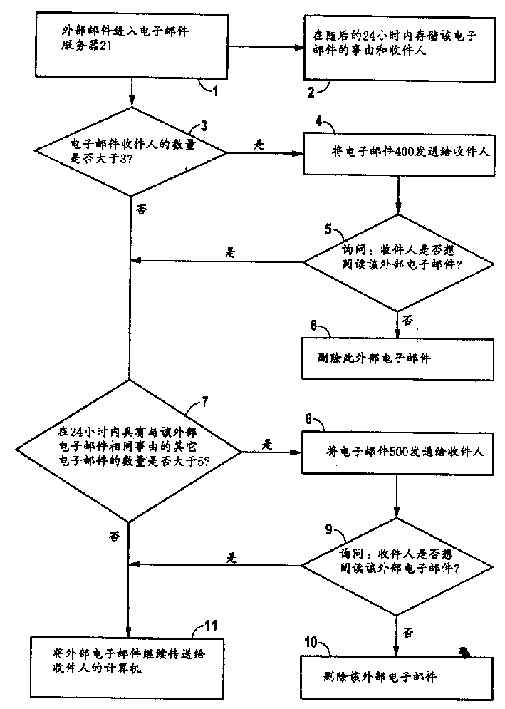
图1为按照本发明方法的示意流程图,Fig. 1 is a schematic flow chart according to the method of the present invention,
图2表示一个局域计算机网络,Figure 2 shows a local area computer network,
图3表示第一电子邮件,以及Figure 3 represents the first email, and
图4和图5分别表示一个第二电子邮件。4 and 5 each show a second e-mail.
具体实施方式Detailed ways
在图1中示出的是本发明所述方法的流程图,它包括步骤1至11,下面对照附图2对其加以详细说明。FIG. 1 shows a flow chart of the method according to the invention, which includes steps 1 to 11, which will be described in more detail below with reference to FIG. 2 .
图2示出了一个企业的局域计算机网络20的示例性示意图,其中包括一台电子邮件服务器21,多台计算机22至26与其相连接。所述电子邮件服务器21也可以与如在图2中作为实例用计算机32表示的、不属于计算机网络20的外部计算机建立连接。所以某个人33也可以用计算机32向人员27至31发送电子邮件,后者可使用所述计算机网络20中的计算机22至26阅读该邮件。FIG. 2 shows an exemplary schematic diagram of a
在人员27至3 1阅读发送给他们的电子邮件之前,他们必须通过计算机22至27之一以公知的方式向电子邮件服务器21查询,或者电子邮件服务器21必须将相应的电子邮件传送给人员27至31刚好正在其上工作的计算机22至26中相应的计算机。Before
在本实施方式所述的情况中,人员33用计算机32向人员27发送了一个含有计算机病毒的第一电子邮件300,目的是对该企业造成损害。所以该第一电子邮件300是垃圾邮件,如图3所示。人员33为了造成尽可能大的损害,将同样的第一电子邮件300也发送给人员28至31。In the situation described in this embodiment, the
图3所示的第一电子邮件300在本实施方式的情况下,具有4个字段301至304。字段301包括该第一电子邮件300的发件人信息,即人员33;字段302包含该第一电子邮件300的收件人信息,即人员27至31;字段303包含在本实施方式中用XYZ表示的事由;而字段304所包含的信息是该第一电子邮件300的内容。The first
在人员33向人员27至31发出第一电子邮件300之后,该邮件到达电子邮件服务器21(流程图的步骤1),该服务器在本实施方式的情况下,在随后的24小时内自动存储外部计算机发送的电子邮件的事由和所属收件人(流程图的步骤2),也就是存储人员33用计算机32发送的第一电子邮件300的事由和收件人。After the
在本实施方式的情况下,电子邮件服务器21利用一个适当的、存储在电子邮件服务器21内的计算机程序自动检查由外部计算机发送的同一电子邮件的收件人数量。如果该数量大于3,则电子邮件服务器21将自动生成另一个电子邮件,并将其发送给该外部电子邮件的收件人(流程图的步骤3)。In the case of the present embodiment, the
在本实施方式的情况下,人员33向人员27至31发送了相同的第一电子邮件300,因此该电子邮件的收件人数量是5。这个收件人数量可以根据第一电子邮件300的字段302得知。在此基础上,电子邮件服务器21为每个人员27至31生成另一个电子邮件,并在人员27至31从电子邮件服务器21上下载所述第一电子邮件300、用计算机22至26之一阅读该邮件之前,将该另一电子邮件发送给人员27至31(流程图的步骤4)。图4所示为发送给人员27的该另一电子邮件的实例电子邮件400。通过该电子邮件400可告知人员27,他可能有一个垃圾邮件,即由人员33发出的第一电子邮件300已经进入电子邮件服务器21,并且可以读出。该另一电子邮件400还包含了人员33的信息以及第一电子邮件300的收件人数量。每个人员27至31均可据此作出决定,是否愿意阅读或者不阅读发送给他的第一电子邮件300(流程图的步骤5)。In the case of the present embodiment, the
在本实施方式的情况下,人员28至31决定不阅读发送给他们的第一电子邮件300,因此他们在计算机22至26中他们正在使用的那台计算机上,用鼠标点击电子邮件服务器21自动发送给他们的电子邮件400内显示的单词“不阅读”,随后发送给他们的所述第一电子邮件300将在电子邮件服务器21上被删除(流程图的步骤6)。但是人员27想阅读发送给他的第一电子邮件300,因此点击电子邮件400中的单词“阅读”。In the case of this embodiment, the
在本实施方式的情况下,电子邮件服务器21随后自动计算那些由一台外部计算机在过去24小时内发送的、具有相同事由的电子邮件的数量(流程图的步骤7)。这些邮件可以发送给相同或不同的收件人,也可以来自不同的发件人。在本实施方式中只要其数量大于5,则电子邮件服务器21将自动生成另一个电子邮件,并将其发送给这些收件人(流程图的步骤8)。否则电子邮件服务器21将把电子邮件直接传送给可以阅读这些电子邮件的收件人。In the case of the present embodiment, the
在本实施方式的情况下,人员33在24小时内分别向人员27另外发送了10个事由相同的电子邮件,和他发送给人员27的第一电子邮件300相同。因此在过去24小时内进入电子邮件服务器21的、和第一电子邮件300具有相同事由,并且都发送给人员27的其它电子邮件的数量为10。因此电子邮件服务器21自动生成一个图5所示的电子邮件500,并自动发送给人员27。In the case of this embodiment, the
通过电子邮件500可再次告知人员27,可能有垃圾邮件发送给他,即人员33发送的、已经进入电子邮件服务器21的第一电子邮件300。所述电子邮件500包含关于第一电子邮件300的事由、人员33和过去24小时内向人员27发送的具有相同事由的进入电子邮件服务器21的电子邮件的数量的信息。因此人员27可以据此作出决定,他是否愿意阅读还是不阅读发送给他的第一电子邮件300(流程图的步骤9)。The
在本实施方式的情况下,人员27决定还是不阅读发送给他的第一电子邮件300。为此他点击电子邮件500中的单词“不阅读”,由此在人员27打开该第一电子邮件300之前,即在该第一电子邮件300造成损害之前,将其从邮件服务器21上删除(流程图的步骤10)。In the case of the present embodiment, the
但是如果人员27还是决定阅读第一电子邮件300,则他点击电子邮件500的单词“阅读”,使第一电子邮件300继续传送给计算机22至26中他正在使用的那台计算机上。然后,人员27可以将所述第一电子邮件300打开并阅读(流程图的步骤11)。But if the
在本实施方式的情况下,如果进入电子邮件服务器21的外部计算机发出的电子邮件的收件人数量小于4(流程图的步骤3),则电子邮件服务器21将不产生电子邮件400,而是立刻自动计算在过去24小时内由一台外部计算机向同一个收件人发送的具有相同事由的其它电子邮件的数量,(流程图的步骤7)。如果该数量大于5,则电子邮件服务器21仍会自动生成另一个相当于图5所示的电子邮件500,并将其发送给收件人。否则电子邮件服务器21将直接向收件人继续传送该电子邮件。Under the situation of this embodiment, if the number of recipients of the email sent by the external computer entering the
由于在本实施方式中电子邮件服务器21仅对由外部计算机,例如计算机3 1发出的电子邮件进行检查,所以由计算机22至31发出的电子邮件不会受到检查。Since the
但是按照本发明的方法,并不一定仅检查外部电子邮件。按照本发明的方法也可用于没有局域计算机网络的情况。这样便可设想一台公用的电子邮件服务器,例如由一个服务提供商运营的服务器采用本发明的方法。But according to the method of the present invention, it is not necessary to only check external e-mails. The method according to the invention can also be used without a local computer network. It is thus conceivable that a public e-mail server, for example operated by a service provider, employs the method of the invention.
此外,按照本发明的方法也不一定要执行流程图中的步骤3和步骤7,即电子邮件服务器21检查同一电子邮件的收件人的数量,然后检查在给定时间内发送给相同收件人或其它收件人的具有相同事由的电子邮件的数量。也可以只执行步骤3,或者只执行步骤7,或者先执行流程图的步骤7,再执行步骤3。对于步骤7也可以仅检查在给定的时间范围内发送给相同收件人的电子邮件的数量。但是也可以使用其它判据鉴别第一电子邮件。In addition, according to the method of the present invention, it is not necessary to execute steps 3 and 7 in the flowchart, that is, the
识别垃圾电子邮件的判据例如是检查图3所示的第一电子邮件300的字段303所对应的数组的校验和,和/或检查字段304所对应的数组的校验和。字段303为事由,字段304是第一电子邮件300的实际信息。这些数组之一的校验和例如可以采用以下步骤获得。The criterion for identifying spam emails is, for example, checking the checksum of the array corresponding to field 303 of the
所述校验和的特征是,在整个数组内一位的变化就可以使校验和发生改变。校验和是通过对一个数组的所有字节进行求和得到的。The feature of the checksum is that a change of one bit in the entire array can change the checksum. The checksum is obtained by summing all the bytes of an array.
所述校验和例如可以利用以下程序求出,在本实施方式中是采用BASIC编程语言实现的。此外也可以用ASCII或者扩展的ASCII格式传输第一电子邮件300。FOR i=1 to数组长度CHECKSUM=MOD(CHECKSUM+ASC(MID$(DATENSATZ$,i,1)),256)NEXT iENDThe checksum can be obtained, for example, using the following program, which is implemented in the BASIC programming language in this embodiment. Furthermore, the
即将第i个字符的字符编码与迄今为止的校验和相加,然后如果新求得的校验和大于256,则从新求得的校验和中减去256。因此校验和是1和256之间的某个数值。只要两个数组相同,其校验和也会相同。用2的更高的幂代替256可以实现更高的可靠性。That is, add the character code of the i-th character to the checksum so far, and then if the newly obtained checksum is greater than 256, subtract 256 from the newly obtained checksum. So the checksum is some value between 1 and 256. As long as the two arrays are identical, their checksums will also be identical. Replacing 256 with a higher power of 2 allows for greater reliability.
根据进入电子邮件服务器21的电子邮件的事由和/或信息的校验和,例如可以方便地求出相同电子邮件的数量。From the reason of the emails entering the
在本实施方式中所列举的生成邮件400和500的数值以及邮件400和500仅仅是举例说明。The numerical values for generating the mails 400 and 500 and the mails 400 and 500 listed in this embodiment are merely examples.
计算机网络20并不必是一个工业企业的网络,也可以是政府机关、大学或者研究机构的网络。The
Claims (18)
Applications Claiming Priority (2)
| Application Number | Priority Date | Filing Date | Title |
|---|---|---|---|
| DE10115428.3 | 2001-03-29 | ||
| DE10115428A DE10115428A1 (en) | 2001-03-29 | 2001-03-29 | Procedure for detecting an unsolicited email |
Publications (1)
| Publication Number | Publication Date |
|---|---|
| CN1380626A true CN1380626A (en) | 2002-11-20 |
Family
ID=7679480
Family Applications (1)
| Application Number | Title | Priority Date | Filing Date |
|---|---|---|---|
| CN02120578A Pending CN1380626A (en) | 2001-03-29 | 2002-03-29 | Method and device for distinguishing rubbish electronic mail and electronic mail servicer |
Country Status (6)
| Country | Link |
|---|---|
| US (1) | US20020147783A1 (en) |
| EP (1) | EP1246100A3 (en) |
| JP (1) | JP2002354044A (en) |
| CN (1) | CN1380626A (en) |
| CA (1) | CA2379464A1 (en) |
| DE (1) | DE10115428A1 (en) |
Cited By (3)
| Publication number | Priority date | Publication date | Assignee | Title |
|---|---|---|---|---|
| JP2019066988A (en) * | 2017-09-29 | 2019-04-25 | キヤノンマーケティングジャパン株式会社 | Information processing apparatus, information processing system, control method, and program |
| CN110557352A (en) * | 2018-05-30 | 2019-12-10 | 深信服科技股份有限公司 | Method, device and equipment for detecting mass-sending junk mails |
| CN111404805A (en) * | 2020-03-12 | 2020-07-10 | 深信服科技股份有限公司 | Junk mail detection method and device, electronic equipment and storage medium |
Families Citing this family (12)
| Publication number | Priority date | Publication date | Assignee | Title |
|---|---|---|---|---|
| TW567703B (en) * | 2002-05-03 | 2003-12-21 | Era Digital Media Company Ltd | Authentication and control method of AV multimedia information |
| US20050188042A1 (en) * | 2002-12-06 | 2005-08-25 | Atsushi Kagawa | Communication terminal and mail server |
| US7552176B2 (en) | 2003-03-12 | 2009-06-23 | Microsoft Corporation | Reducing unwanted and unsolicited electronic messages by exchanging electronic message transmission policies and solving and verifying solutions to computational puzzles |
| EP1986144A3 (en) * | 2003-03-12 | 2009-02-04 | Microsoft Corporation | Reducing unwanted and unsolicited electronic messages |
| US7676546B2 (en) * | 2003-03-25 | 2010-03-09 | Verisign, Inc. | Control and management of electronic messaging |
| WO2005036408A1 (en) * | 2003-10-08 | 2005-04-21 | Fujitsu Limited | Mail processing program, mail processing device, and mail processing method |
| US7509120B2 (en) | 2004-09-07 | 2009-03-24 | Research In Motion Limited | System and method for updating message trust status |
| ATE440435T1 (en) * | 2004-09-07 | 2009-09-15 | Research In Motion Ltd | SYSTEM AND METHOD FOR UPDATE A TRUST STATUS OF A MESSAGE |
| US8180833B2 (en) * | 2005-02-28 | 2012-05-15 | Microsoft Corporation | Managing working set in an extensible message transfer system |
| US7831669B2 (en) * | 2005-02-28 | 2010-11-09 | Microsoft Corporation | Reprocessing of messages in an extensible message transfer system |
| US7730140B2 (en) * | 2005-02-28 | 2010-06-01 | Microsoft Corporation | Bifurcation of messages in an extensible message transfer system |
| KR101733011B1 (en) * | 2015-06-18 | 2017-05-08 | 라인 가부시키가이샤 | Apparatus for providing recommendation based social network service and method using the same |
Family Cites Families (24)
| Publication number | Priority date | Publication date | Assignee | Title |
|---|---|---|---|---|
| JPH1115756A (en) * | 1997-06-24 | 1999-01-22 | Omron Corp | E-mail determination method and device, and storage medium |
| US7117358B2 (en) * | 1997-07-24 | 2006-10-03 | Tumbleweed Communications Corp. | Method and system for filtering communication |
| ATE347200T1 (en) * | 1997-07-24 | 2006-12-15 | Tumbleweed Comm Corp | ELECTRONIC MAIL FIREWALL WITH ENCRYPTION/DECRYPTION USING STORED KEYS |
| US6332164B1 (en) * | 1997-10-24 | 2001-12-18 | At&T Corp. | System for recipient control of E-mail message by sending complete version of message only with confirmation from recipient to receive message |
| US6023723A (en) * | 1997-12-22 | 2000-02-08 | Accepted Marketing, Inc. | Method and system for filtering unwanted junk e-mail utilizing a plurality of filtering mechanisms |
| US6052709A (en) * | 1997-12-23 | 2000-04-18 | Bright Light Technologies, Inc. | Apparatus and method for controlling delivery of unsolicited electronic mail |
| US5999932A (en) * | 1998-01-13 | 1999-12-07 | Bright Light Technologies, Inc. | System and method for filtering unsolicited electronic mail messages using data matching and heuristic processing |
| US6161130A (en) * | 1998-06-23 | 2000-12-12 | Microsoft Corporation | Technique which utilizes a probabilistic classifier to detect "junk" e-mail by automatically updating a training and re-training the classifier based on the updated training set |
| US6167434A (en) * | 1998-07-15 | 2000-12-26 | Pang; Stephen Y. | Computer code for removing junk e-mail messages |
| US6112227A (en) * | 1998-08-06 | 2000-08-29 | Heiner; Jeffrey Nelson | Filter-in method for reducing junk e-mail |
| US6654787B1 (en) * | 1998-12-31 | 2003-11-25 | Brightmail, Incorporated | Method and apparatus for filtering e-mail |
| US6330590B1 (en) * | 1999-01-05 | 2001-12-11 | William D. Cotten | Preventing delivery of unwanted bulk e-mail |
| GB2347053A (en) * | 1999-02-17 | 2000-08-23 | Argo Interactive Limited | Proxy server filters unwanted email |
| US6732149B1 (en) * | 1999-04-09 | 2004-05-04 | International Business Machines Corporation | System and method for hindering undesired transmission or receipt of electronic messages |
| AUPQ030299A0 (en) * | 1999-05-12 | 1999-06-03 | Sharinga Networks Inc. | A message processing system |
| US6868498B1 (en) * | 1999-09-01 | 2005-03-15 | Peter L. Katsikas | System for eliminating unauthorized electronic mail |
| FI109319B (en) * | 1999-12-03 | 2002-06-28 | Nokia Corp | Filtering of electronic information to be transmitted to a terminal |
| US6460050B1 (en) * | 1999-12-22 | 2002-10-01 | Mark Raymond Pace | Distributed content identification system |
| US7072942B1 (en) * | 2000-02-04 | 2006-07-04 | Microsoft Corporation | Email filtering methods and systems |
| GB2366706B (en) * | 2000-08-31 | 2004-11-03 | Content Technologies Ltd | Monitoring electronic mail messages digests |
| US20020042815A1 (en) * | 2000-09-22 | 2002-04-11 | Arthur Salzfass | Automated system and method for routing undeliverable e-mail messages and otherwise managing e-mail |
| US8219620B2 (en) * | 2001-02-20 | 2012-07-10 | Mcafee, Inc. | Unwanted e-mail filtering system including voting feedback |
| GB2373130B (en) * | 2001-03-05 | 2004-09-22 | Messagelabs Ltd | Method of,and system for,processing email in particular to detect unsolicited bulk email |
| US7917585B2 (en) * | 2001-06-21 | 2011-03-29 | Cybersoft, Inc. | Apparatus, methods and articles of manufacture for intercepting, examining and controlling code, data and files and their transfer |
-
2001
- 2001-03-29 DE DE10115428A patent/DE10115428A1/en not_active Withdrawn
-
2002
- 2002-03-18 EP EP02006123A patent/EP1246100A3/en not_active Withdrawn
- 2002-03-27 CA CA002379464A patent/CA2379464A1/en not_active Abandoned
- 2002-03-28 JP JP2002091121A patent/JP2002354044A/en not_active Withdrawn
- 2002-03-29 US US10/108,632 patent/US20020147783A1/en not_active Abandoned
- 2002-03-29 CN CN02120578A patent/CN1380626A/en active Pending
Cited By (3)
| Publication number | Priority date | Publication date | Assignee | Title |
|---|---|---|---|---|
| JP2019066988A (en) * | 2017-09-29 | 2019-04-25 | キヤノンマーケティングジャパン株式会社 | Information processing apparatus, information processing system, control method, and program |
| CN110557352A (en) * | 2018-05-30 | 2019-12-10 | 深信服科技股份有限公司 | Method, device and equipment for detecting mass-sending junk mails |
| CN111404805A (en) * | 2020-03-12 | 2020-07-10 | 深信服科技股份有限公司 | Junk mail detection method and device, electronic equipment and storage medium |
Also Published As
| Publication number | Publication date |
|---|---|
| DE10115428A1 (en) | 2002-10-17 |
| JP2002354044A (en) | 2002-12-06 |
| EP1246100A3 (en) | 2004-03-24 |
| US20020147783A1 (en) | 2002-10-10 |
| EP1246100A2 (en) | 2002-10-02 |
| CA2379464A1 (en) | 2002-09-29 |
Similar Documents
| Publication | Publication Date | Title |
|---|---|---|
| US7502829B2 (en) | Apparatus, methods and articles of manufacture for intercepting, examining and controlling code, data and files and their transfer | |
| US7712136B2 (en) | Controlling a message quarantine | |
| EP1997281B1 (en) | Method and sytem for recognizing desired email | |
| US7406506B1 (en) | Identification and filtration of digital communications | |
| US6549957B1 (en) | Apparatus for preventing automatic generation of a chain reaction of messages if a prior extracted message is similar to current processed message | |
| EP1484893B1 (en) | Origination/destination features and lists for spam prevention | |
| EP2068516B1 (en) | E-mail management services | |
| US8145710B2 (en) | System and method for filtering spam messages utilizing URL filtering module | |
| US20050050150A1 (en) | Filter, system and method for filtering an electronic mail message | |
| US20070143432A1 (en) | System for processing electronic mail messages with specially encoded addresses | |
| AU782333B2 (en) | Electronic message filter having a whitelist database and a quarantining mechanism | |
| US20060095524A1 (en) | System, method, and computer program product for filtering messages | |
| US20100287246A1 (en) | System for processing electronic mail messages with specially encoded addresses | |
| CN1380626A (en) | Method and device for distinguishing rubbish electronic mail and electronic mail servicer | |
| US20040143635A1 (en) | Regulating receipt of electronic mail | |
| CN1977263A (en) | System and method for filtering electronic messages using business heuristics | |
| RU2710739C1 (en) | System and method of generating heuristic rules for detecting messages containing spam | |
| GB2347053A (en) | Proxy server filters unwanted email | |
| CN101087259A (en) | A system for filtering spam in Internet and its implementation method | |
| US20060259551A1 (en) | Detection of unsolicited electronic messages | |
| US20060075099A1 (en) | Automatic elimination of viruses and spam | |
| US20040199773A1 (en) | Apparatus, methods and articles of manufacture for intercepting, examining and controlling code, data and files and their transfer | |
| US20060265459A1 (en) | Systems and methods for managing the transmission of synchronous electronic messages | |
| US7958187B2 (en) | Systems and methods for managing directory harvest attacks via electronic messages | |
| CN1780266A (en) | Method of Analyzing Mail Behavior Controlling Email |
Legal Events
| Date | Code | Title | Description |
|---|---|---|---|
| C06 | Publication | ||
| PB01 | Publication | ||
| C10 | Entry into substantive examination | ||
| SE01 | Entry into force of request for substantive examination | ||
| C02 | Deemed withdrawal of patent application after publication (patent law 2001) | ||
| WD01 | Invention patent application deemed withdrawn after publication |