CN116193100A - Glasses-free 3D image processing method, device and system - Google Patents
Glasses-free 3D image processing method, device and system Download PDFInfo
- Publication number
- CN116193100A CN116193100A CN202310186966.8A CN202310186966A CN116193100A CN 116193100 A CN116193100 A CN 116193100A CN 202310186966 A CN202310186966 A CN 202310186966A CN 116193100 A CN116193100 A CN 116193100A
- Authority
- CN
- China
- Prior art keywords
- viewer
- physiological information
- parallax
- physiological
- value
- Prior art date
- Legal status (The legal status is an assumption and is not a legal conclusion. Google has not performed a legal analysis and makes no representation as to the accuracy of the status listed.)
- Pending
Links
- 238000003672 processing method Methods 0.000 title claims abstract description 24
- 208000012886 Vertigo Diseases 0.000 claims abstract description 135
- 231100000889 vertigo Toxicity 0.000 claims abstract description 135
- 230000008859 change Effects 0.000 claims abstract description 121
- 208000002173 dizziness Diseases 0.000 claims abstract description 72
- 238000000034 method Methods 0.000 claims description 73
- 238000012545 processing Methods 0.000 claims description 33
- 230000000694 effects Effects 0.000 description 29
- 230000008569 process Effects 0.000 description 24
- 238000005516 engineering process Methods 0.000 description 11
- 238000004458 analytical method Methods 0.000 description 7
- 238000010586 diagram Methods 0.000 description 7
- 238000002474 experimental method Methods 0.000 description 4
- 238000010009 beating Methods 0.000 description 3
- 238000004364 calculation method Methods 0.000 description 3
- 230000004438 eyesight Effects 0.000 description 3
- 230000004397 blinking Effects 0.000 description 2
- 238000004891 communication Methods 0.000 description 2
- 230000006835 compression Effects 0.000 description 2
- 238000007906 compression Methods 0.000 description 2
- 238000004590 computer program Methods 0.000 description 2
- 230000001815 facial effect Effects 0.000 description 2
- 230000006870 function Effects 0.000 description 2
- 230000000007 visual effect Effects 0.000 description 2
- 230000001362 anti-vertigo Effects 0.000 description 1
- 208000003464 asthenopia Diseases 0.000 description 1
- 230000005540 biological transmission Effects 0.000 description 1
- 230000015572 biosynthetic process Effects 0.000 description 1
- 210000004556 brain Anatomy 0.000 description 1
- 238000007405 data analysis Methods 0.000 description 1
- 230000003247 decreasing effect Effects 0.000 description 1
- 230000007547 defect Effects 0.000 description 1
- 230000002996 emotional effect Effects 0.000 description 1
- 239000011521 glass Substances 0.000 description 1
- 238000010191 image analysis Methods 0.000 description 1
- 238000003384 imaging method Methods 0.000 description 1
- 238000010801 machine learning Methods 0.000 description 1
- 238000012986 modification Methods 0.000 description 1
- 230000004048 modification Effects 0.000 description 1
- 238000012544 monitoring process Methods 0.000 description 1
- 230000008447 perception Effects 0.000 description 1
- 230000000750 progressive effect Effects 0.000 description 1
- 210000001747 pupil Anatomy 0.000 description 1
- 230000001179 pupillary effect Effects 0.000 description 1
- 230000009467 reduction Effects 0.000 description 1
- 230000011514 reflex Effects 0.000 description 1
- 238000009877 rendering Methods 0.000 description 1
- 238000003786 synthesis reaction Methods 0.000 description 1
- 238000012549 training Methods 0.000 description 1
Images




Classifications
-
- H—ELECTRICITY
- H04—ELECTRIC COMMUNICATION TECHNIQUE
- H04N—PICTORIAL COMMUNICATION, e.g. TELEVISION
- H04N13/00—Stereoscopic video systems; Multi-view video systems; Details thereof
- H04N13/30—Image reproducers
- H04N13/302—Image reproducers for viewing without the aid of special glasses, i.e. using autostereoscopic displays
-
- H—ELECTRICITY
- H04—ELECTRIC COMMUNICATION TECHNIQUE
- H04N—PICTORIAL COMMUNICATION, e.g. TELEVISION
- H04N13/00—Stereoscopic video systems; Multi-view video systems; Details thereof
- H04N13/30—Image reproducers
- H04N13/366—Image reproducers using viewer tracking
Landscapes
- Engineering & Computer Science (AREA)
- Multimedia (AREA)
- Signal Processing (AREA)
- Image Generation (AREA)
Abstract
本申请提供了一种裸眼3D图像处理方法、装置及系统,获得显示屏前观看者的生理信息,由于该生理信息能够表征该观看者观看显示屏输出的3D对象的眩晕程度,在确定该生理信息的变化值后,可以依据该生理信息的变化值,快速且精准获得针对观看者的双眼视图中3D对象的视差调整值,从而依据该视差调整值,更新显示屏输出的3D对象的图像数据,避免观看者裸眼观看3D对象产生眩晕感,提高裸眼3D对象观看体验感受。
The present application provides a naked-eye 3D image processing method, device and system to obtain the physiological information of the viewer in front of the display screen. Since the physiological information can represent the vertigo degree of the viewer watching the 3D object output by the display screen, the physiological information can be determined when the physiological information is determined. After the change value of the physiological information, the parallax adjustment value of the 3D object in the viewer's binocular view can be quickly and accurately obtained according to the change value of the physiological information, so that the image data of the 3D object output by the display screen can be updated according to the parallax adjustment value , prevent the viewer from feeling dizzy when watching the 3D object with naked eyes, and improve the viewing experience of the 3D object with naked eyes.
Description
技术领域technical field
本申请主要涉及通信技术领域,更具体地说是涉及一种裸眼3D图像处理方法、装置及系统。The present application mainly relates to the technical field of communication, and more specifically relates to a naked-eye 3D image processing method, device and system.
背景技术Background technique
近年来,随着裸眼3D显示技术的不断应用,可以基于用户双眼的视差,在不需要任何辅助设备(如3D眼镜或头盔等)的情况下,就能够让用户轻松体验3D立体影像效果,给用户带来全新的视觉体验。In recent years, with the continuous application of naked-eye 3D display technology, based on the parallax of the user's eyes, the user can easily experience the 3D stereoscopic image effect without any auxiliary equipment (such as 3D glasses or helmets, etc.). Users bring a new visual experience.
然而,由于不同用户的瞳距往往存在一定差异,在用户观看显示屏输出的3D对象时,3D对象的实际聚焦平面与不同用户的感知聚焦平面之间的差距不同,导致某些用户观看一定时间后会产生头晕等眩晕感,无法长时间裸眼观看3D成像效果,极大降低了用户体验。However, since the pupil distances of different users often have certain differences, when users watch the 3D objects output by the display screen, the gap between the actual focus plane of the 3D object and the perceived focus plane of different users is different, causing some users to watch the 3D objects for a certain period of time. Afterwards, dizziness and other dizziness will occur, and it is impossible to watch the 3D imaging effect with naked eyes for a long time, which greatly reduces the user experience.
发明内容Contents of the invention
为了克服上述缺陷,本申请提供了以下技术方案:In order to overcome the above-mentioned defects, the application provides the following technical solutions:
本申请提出了一种裸眼3D图像处理方法,所述方法包括:The present application proposes a naked-eye 3D image processing method, the method comprising:
获得显示屏前观看者的生理信息;所述生理信息能够表征所述观看者观看所述显示屏输出的3D对象的眩晕程度;Obtaining the physiological information of the viewer in front of the display screen; the physiological information can characterize the vertigo degree of the viewer viewing the 3D object output by the display screen;
确定所述生理信息的变化值;determining a change value of the physiological information;
依据所述生理信息的变化值,获得针对所述观看者的双眼视图中所述3D对象的视差调整值;Obtaining a parallax adjustment value for the 3D object in the binocular view of the viewer according to the change value of the physiological information;
依据所述视差调整值,更新所述显示屏输出的所述3D对象的图像数据。The image data of the 3D object output by the display screen is updated according to the parallax adjustment value.
可选的,所述确定所述生理信息的变化值,包括以下任一种实现方式:Optionally, the determining the change value of the physiological information includes any of the following implementations:
获得用于确定所述观看者是否处于眩晕状态的第一生理阈值,确定所述生理信息与所述第一生理阈值之间的第一变化值;obtaining a first physiological threshold for determining whether the viewer is in a state of vertigo, and determining a first change value between the physiological information and the first physiological threshold;
获得不同眩晕等级对应的第二生理阈值,确定所述生理信息与所述第二生理阈值之间的第二变化值;Obtaining second physiological thresholds corresponding to different dizziness levels, and determining a second change value between the physiological information and the second physiological threshold;
获得所述观看者的初始生理信息,确定所述生理信息与所述初始生理信息之间的第三变化值;Obtain initial physiological information of the viewer, and determine a third change value between the physiological information and the initial physiological information;
获得上一次获得的历史生理信息,确定所述生理信息与所述历史生理信息之间的第四变化值。The historical physiological information obtained last time is obtained, and a fourth change value between the physiological information and the historical physiological information is determined.
可选的,所述获得不同眩晕等级对应的第二生理阈值,包括:Optionally, said obtaining the second physiological thresholds corresponding to different vertigo levels includes:
获取用于确定不同观看者是否处于眩晕状态的第三生理阈值,以及针对所述不同观看者的不同眩晕等级同时对应的第四生理阈值;Acquiring a third physiological threshold for determining whether different viewers are in a state of vertigo, and a fourth physiological threshold corresponding to different vertigo levels of the different viewers at the same time;
确定所述观看者的初始生理信息与所述第三生理阈值之间的第五变化值;determining a fifth change value between the viewer's initial physiological information and the third physiological threshold;
依据所述第五变化值和所述第四生理阈值,获得针对所述观看者的不同眩晕等级对应的第二生理阈值。According to the fifth change value and the fourth physiological threshold, second physiological thresholds corresponding to different vertigo levels of the viewer are obtained.
可选的,所述依据所述生理信息的变化值,获得针对所述观看者的双眼视图中所述3D对象的视差调整值,包括:Optionally, the obtaining the parallax adjustment value for the 3D object in the binocular view of the viewer according to the change value of the physiological information includes:
依据所述生理信息的变化值,确定所述观看者处于眩晕状态下的当前眩晕等级;不同所述眩晕等级对应所述观看者观看所述3D对象的眩晕程度不同;According to the change value of the physiological information, determine the current vertigo level of the viewer in a state of vertigo; different vertigo levels correspond to different degrees of vertigo of the viewer watching the 3D object;
依据所述当前眩晕等级,获得针对所述观看者的双眼视图中所述3D对象的视差调整值。Obtaining a parallax adjustment value for the 3D object in the binocular view of the viewer according to the current vertigo level.
可选的,所述依据所述当前眩晕等级,获得针对所述观看者的双眼视图中所述3D对象的视差调整值,包括:Optionally, the obtaining the parallax adjustment value for the 3D object in the binocular view of the viewer according to the current vertigo level includes:
获取不同眩晕等级与不同预设视差之间的第一关联关系;其中,所述预设视差为固定视差,或依据所述观看者的初始视差确定,或依据所述观看者的初始生理信息与第三生理阈值之间的第五变化值以及所述固定视差确定,所述第三生理阈值用于确定不同观看者是否处于眩晕状态;Acquiring a first correlation between different vertigo levels and different preset parallaxes; wherein, the preset parallax is a fixed parallax, or is determined according to the initial parallax of the viewer, or is determined according to the initial physiological information of the viewer and a fifth variation value between a third physiological threshold for determining whether a different viewer is in a state of vertigo and said fixed parallax determination;
利用所述第一关联关系,确定所述当前眩晕等级与相邻眩晕等级之间的预设视差的调整值;所述相邻眩晕等级对应所述观看者的眩晕程度小于所述当前眩晕等级对应所述观看者的眩晕程度;Using the first association relationship, determine the adjustment value of the preset parallax between the current vertigo level and the adjacent vertigo level; the adjacent vertigo level corresponds to a degree of vertigo of the viewer that is smaller than that corresponding to the current vertigo level the degree of vertigo of the viewer;
利用确定的所述调整值,获得所述双眼视图中所述3D对象的视差调整值。Using the determined adjustment value, a parallax adjustment value of the 3D object in the binocular view is obtained.
可选的,所述依据所述当前眩晕等级,获得针对所述观看者的双眼视图中所述3D对象的视差调整值,包括:Optionally, the obtaining the parallax adjustment value for the 3D object in the binocular view of the viewer according to the current vertigo level includes:
获取不同眩晕等级与不同预设视差调整值之间的第二关联关系;其中,所述预设视差调整值为固定调整值,或依据所述观看者的初始视差或所述生理信息的变化值确定;Obtaining a second correlation between different dizziness levels and different preset parallax adjustment values; wherein, the preset parallax adjustment value is a fixed adjustment value, or is based on the viewer's initial parallax or a change value of the physiological information Sure;
利用所述第二关联关系,确定与所述当前眩晕等级关联的预设视差调整值;Using the second association relationship, determine a preset parallax adjustment value associated with the current vertigo level;
利用确定的所述预设视差调整值,获得针对所述观看者的双眼视图中所述3D对象的视差调整值。Using the determined preset parallax adjustment value, a parallax adjustment value for the 3D object in the binocular view of the viewer is obtained.
可选的,所述依据所述生理信息的变化值,获得针对所述观看者的双眼视图中所述3D对象的视差调整值,包括:Optionally, the obtaining the parallax adjustment value for the 3D object in the binocular view of the viewer according to the change value of the physiological information includes:
获取生理信息的不同变化值与不同视差调整值之间的第三关联关系;Obtaining a third correlation between different change values of physiological information and different parallax adjustment values;
依据所述第三关联关系和所述生理信息的变化值,获得针对所述观看者的双眼视图中所述3D对象的视差调整值。Obtain a parallax adjustment value for the 3D object in the viewer's binocular view according to the third association relationship and the change value of the physiological information.
可选的,所述方法还包括:Optionally, the method also includes:
获得所述观看者的双眼相对于所述显示屏的空间位置信息,以及所述观看者的瞳距;obtaining the spatial position information of the viewer's eyes relative to the display screen, and the interpupillary distance of the viewer;
依据所述空间位置信息和所述瞳距,获得针对所述观看者的双眼视图的初始视差;Obtain an initial parallax for the viewer's binocular view according to the spatial position information and the interpupillary distance;
依据所述初始视差,控制所述显示屏输出3D对象的图像数据。The display screen is controlled to output image data of a 3D object according to the initial parallax.
本申请还提出了一种裸眼3D图像处理装置,所述装置包括:The present application also proposes a naked-eye 3D image processing device, the device comprising:
生理信息获得模块,用于获得显示屏前观看者的生理信息;所述生理信息能够表征所述观看者观看所述显示屏输出的3D对象的眩晕程度;The physiological information obtaining module is used to obtain the physiological information of the viewer in front of the display screen; the physiological information can represent the vertigo degree of the viewer watching the 3D object output by the display screen;
变化值确定模块,用于确定所述生理信息的变化值;A change value determination module, configured to determine a change value of the physiological information;
视差调整值获得模块,用于依据所述生理信息的变化值,获得针对所述观看者的双眼视图中所述3D对象的视差调整值;A parallax adjustment value obtaining module, configured to obtain a parallax adjustment value for the 3D object in the viewer's binocular view according to the change value of the physiological information;
图像数据更新模块,用于依据所述视差调整值,更新所述显示屏输出的所述3D对象的图像数据。An image data update module, configured to update the image data of the 3D object output by the display screen according to the parallax adjustment value.
本申请还提出了一种裸眼3D图像处理系统,所述系统包括:The present application also proposes a naked-eye 3D image processing system, the system comprising:
显示屏;用于输出3D对象;display screen; for outputting 3D objects;
采集设备,用于采集能够表征所述显示屏前观看者的生理信息的数据;所述生理信息能够表征所述观看者观看所述显示屏输出的3D对象的眩晕程度;A collection device, configured to collect data capable of representing physiological information of a viewer in front of the display screen; the physiological information may represent the degree of vertigo of the viewer watching the 3D object output by the display screen;
图像处理设备,用于获得所述生理信息,确定所述生理信息的变化值,依据所述生理信息的变化值,获得针对所述观看者的双眼视图中所述3D对象的视差调整值,依据所述视差调整值,更新所述显示屏输出的所述3D对象的图像数据。An image processing device, configured to obtain the physiological information, determine a change value of the physiological information, and obtain a parallax adjustment value for the 3D object in the binocular view of the viewer according to the change value of the physiological information, according to The parallax adjustment value updates the image data of the 3D object output by the display screen.
由此可见,本申请提供了一种裸眼3D图像处理方法、装置及系统,获得显示屏前观看者的生理信息,由于该生理信息能够表征该观看者观看显示屏输出的3D对象的眩晕程度,在确定该生理信息的变化值后,可以依据该生理信息的变化值,快速且精准获得针对观看者的双眼视图中3D对象的视差调整值,从而依据该视差调整值,更新显示屏输出的3D对象的图像数据,避免观看者裸眼观看3D对象产生眩晕感,提高裸眼3D对象观看体验感受。It can be seen that the present application provides a naked-eye 3D image processing method, device and system to obtain the physiological information of the viewer in front of the display screen. Since the physiological information can represent the vertigo degree of the viewer viewing the 3D object output by the display screen, After the change value of the physiological information is determined, the parallax adjustment value of the 3D object in the viewer's binocular view can be quickly and accurately obtained according to the change value of the physiological information, so that the 3D output of the display screen can be updated according to the parallax adjustment value. The image data of the object prevents the viewer from feeling dizzy when watching the 3D object with naked eyes, and improves the viewing experience of the naked-eye 3D object.
附图说明Description of drawings
为了更清楚地说明本申请实施例或现有技术中的技术方案,下面将对实施例或现有技术描述中所需要使用的附图作简单地介绍,显而易见地,下面描述中的附图仅仅是本申请的实施例,对于本领域普通技术人员来讲,在不付出创造性劳动的前提下,还可以根据提供的附图获得其他的附图。In order to more clearly illustrate the technical solutions in the embodiments of the present application or the prior art, the following will briefly introduce the drawings that need to be used in the description of the embodiments or the prior art. Obviously, the accompanying drawings in the following description are only It is an embodiment of the present application, and those skilled in the art can also obtain other drawings according to the provided drawings without creative work.
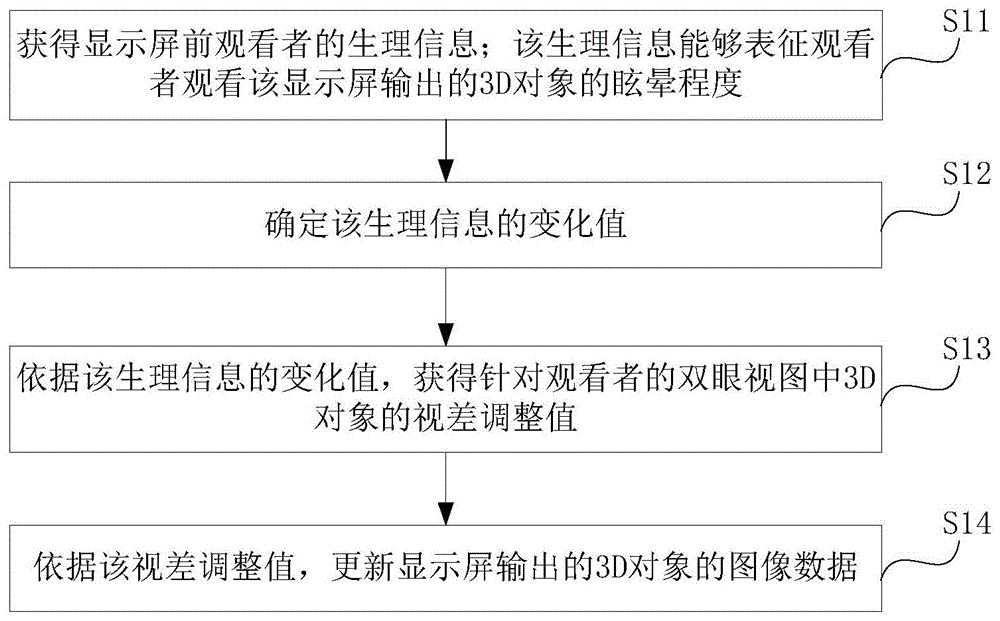
图1为本申请提出的裸眼3D图像处理方法的可选实施例一的流程示意图;FIG. 1 is a schematic flowchart of an optional embodiment 1 of a naked-eye 3D image processing method proposed in the present application;
图2为本申请提出的裸眼3D图像处理方法中缓解观看者对裸眼3D对象的眩晕感的原理示意图;Fig. 2 is a schematic diagram of the principle of alleviating the viewer's dizziness to a naked-eye 3D object in the naked-eye 3D image processing method proposed by the present application;
图3为本申请提出的裸眼3D图像处理方法的可选实施例二的流程示意图;FIG. 3 is a schematic flowchart of an optional embodiment 2 of the naked-eye 3D image processing method proposed by the present application;
图4为本申请提出的裸眼3D图像处理方法的可选实施例三的流程示意图;FIG. 4 is a schematic flowchart of an optional embodiment 3 of the naked-eye 3D image processing method proposed in the present application;
图5为本申请提出的裸眼3D图像处理方法的可选实施例四的流程示意图;FIG. 5 is a schematic flowchart of an optional embodiment 4 of the naked-eye 3D image processing method proposed by the present application;
图6为本申请提出的裸眼3D图像处理方法的可选实施例五的流程示意图;FIG. 6 is a schematic flow chart of an optional embodiment five of the naked-eye 3D image processing method proposed by the present application;
图7为本申请提出的裸眼3D图像处理装置的一可选实施例的结构示意图;FIG. 7 is a schematic structural diagram of an optional embodiment of the naked-eye 3D image processing device proposed in the present application;
图8为本申请提出的裸眼3D图像处理系统的一可选实施例的结构示意图;FIG. 8 is a schematic structural diagram of an optional embodiment of the naked-eye 3D image processing system proposed by the present application;
图9为本申请提出的裸眼3D图像处理系统的另一可选实施例的场景示意图。FIG. 9 is a schematic diagram of another optional embodiment of the naked-eye 3D image processing system proposed in the present application.
具体实施方式Detailed ways
针对背景技术部分的描述,在基于裸眼3D(三维)技术的3D视频应用中,为了防止3D视频带来的眩晕感,3D视频的双眼视图(即左眼视差图和右眼视差图,也可以称为左眼图像和右眼图像)的视差可以控制在一个较小的范围,但降低3D效果,且不同观看角度和观看距离得到的3D效果也会不同。本申请希望在尽快保证3D效果的基础上,避免观看者裸眼观看3D视频产生眩晕感,并缓解因所观看3D对象(如显示屏显示的3D视频中的至少一个对象)的实际聚焦平面与感知聚焦平面之间频繁切换容易造成的视觉疲劳,提高用户裸眼3D视频观看体验。For the description of the background technology part, in the 3D video application based on the naked-eye 3D (three-dimensional) technology, in order to prevent the dizziness caused by the 3D video, the binocular view of the 3D video (that is, the left-eye disparity map and the right-eye disparity map, can also be The parallax of the left-eye image and the right-eye image) can be controlled in a small range, but the 3D effect is reduced, and the 3D effects obtained by different viewing angles and viewing distances will also be different. This application hopes to avoid dizziness caused by viewers watching 3D videos with naked eyes on the basis of ensuring the 3D effect as soon as possible, and alleviate the actual focus plane and perception of the 3D objects watched (such as at least one object in the 3D video displayed on the display screen). Frequent switching between focus planes can easily cause visual fatigue, improving the user's naked-eye 3D video viewing experience.
基于此,本申请提出可以监测观看者能够表征其观看3D对象的眩晕程度的生理信息的变化值,从而依据该生理信息的变化值,精准获得针对当前观看者的双眼视图中3D对象的视差调整值,之后,可以结合三维显示技术(即立体视觉技术),依据该视差调整值,及时自动更新显示屏输出的3D对象的图像数据,从而及时改变显示屏的3D显示效果,使其输出3D对象的视差位于当前观看者的舒适视差范围内,避免裸眼观看3D对象时产生眩晕感,延长裸眼观看3D内容的时间,有助于推广裸眼3D技术产品。同时,也避免视差范围压缩过小而削弱3D效果,降低观看者的沉浸式体验感受。Based on this, the present application proposes to monitor the change value of the physiological information of the viewer that can characterize the vertigo degree of the viewer watching the 3D object, so as to accurately obtain the parallax adjustment of the 3D object in the binocular view of the current viewer according to the change value of the physiological information Value, after that, combined with three-dimensional display technology (ie, stereo vision technology), according to the parallax adjustment value, the image data of the 3D object output by the display screen can be automatically updated in time, thereby changing the 3D display effect of the display screen in time, so that it can output 3D objects The parallax is within the comfortable parallax range of the current viewer, avoiding dizziness when viewing 3D objects with naked eyes, prolonging the time for viewing 3D content with naked eyes, and helping to promote naked-eye 3D technology products. At the same time, it also prevents the compression of the parallax range from being too small to weaken the 3D effect and reduce the immersive experience of the viewer.
下面将结合本申请实施例中的附图,对本申请实施例中的技术方案进行清楚、完整地描述,显然,所描述的实施例仅仅是本申请一部分实施例,而不是全部的实施例。基于本申请中的实施例,本领域普通技术人员在没有做出创造性劳动前提下所获得的所有其他实施例,都属于本申请保护的范围。The following will clearly and completely describe the technical solutions in the embodiments of the application with reference to the drawings in the embodiments of the application. Apparently, the described embodiments are only some of the embodiments of the application, not all of them. Based on the embodiments in this application, all other embodiments obtained by persons of ordinary skill in the art without making creative efforts belong to the scope of protection of this application.
参照图1,为本申请提出的裸眼3D图像处理方法的可选实施例一的流程示意图,该方法可以应用于图像处理设备,如图像处理器或其他具有图像处理能力的电子设备等,可以依据裸眼3D图像观看场景需求确定。在实际应用中,在保证裸眼3D观看效果的基础上,防止或解决观看者裸眼观看3D图像的眩晕感,如图1所示,本实施例提出了以下裸眼3D图像处理方法:Referring to FIG. 1 , it is a schematic flowchart of an optional embodiment 1 of the naked-eye 3D image processing method proposed in this application. This method can be applied to image processing devices, such as image processors or other electronic devices with image processing capabilities, etc., which can be based on Naked-eye 3D image viewing scene requirements are determined. In practical applications, on the basis of ensuring the naked-eye 3D viewing effect, prevent or solve the dizziness of the viewer watching the 3D image with the naked eye, as shown in Figure 1, this embodiment proposes the following naked-eye 3D image processing method:
步骤S11,获得显示屏前观看者的生理信息;该生理信息能够表征观看者观看该显示屏输出的3D对象的眩晕程度;Step S11, obtaining the physiological information of the viewer in front of the display screen; the physiological information can represent the vertigo degree of the viewer watching the 3D object output by the display screen;
观看者位于显示屏之前,裸眼观看显示屏输出的3D视频或图片等内容过程中,因左右眼之间的距离即瞳距,使得进入左右眼的图像(即左眼图像和右眼图像)之间存在一定的视差,该视差会诱导大脑双眼是聚焦在不同距离处的3D对象上,从而产生具有景深的立体感即立体视觉。但由于双眼聚焦于感知到的3D对象位置的感知聚焦屏幕,与实际聚焦在显示屏上的实际聚焦屏幕不同,随着观看时间增长,观看者具有的能够表征其观看眩晕程度的生理信息会发生变化。When the viewer is in front of the display screen and watches the 3D video or pictures output by the display screen with naked eyes, the distance between the left and right eyes is the interpupillary distance, so that the images entering the left and right eyes (that is, the image for the left eye and the image for the right eye) There is a certain parallax between them, which will induce the brain's eyes to focus on 3D objects at different distances, thereby producing a stereoscopic sense with depth of field, that is, stereoscopic vision. However, because the perceived focus screen where the eyes focus on the perceived 3D object position is different from the actual focus screen that is actually focused on the display screen, as the viewing time increases, the physiological information that the viewer has that can characterize the degree of vertigo will occur. Variety.
基于此,为了从造成观看者眩晕的源头上解决问题,使3D数据源的立体效果的呈现更加符合人眼的生理特性,降低观看者眼睛的负担,保证眼睛健康的基础上让观看者体会到最佳的视觉效果。本申请可以在观看者裸眼观看显示屏输出的3D内容过程中,可以实时或按照预设规则获得该观看者的生理信息,如眨眼频率、眨眼时长、视线跳动频率以及情绪信息等之中的一个或多个组合,可以依据情况确定所获得的生理信息类型。Based on this, in order to solve the problem from the source of the viewer's dizziness, make the presentation of the stereo effect of the 3D data source more in line with the physiological characteristics of the human eye, reduce the burden on the viewer's eyes, and let the viewer experience the The best visual effects. This application can obtain the physiological information of the viewer in real time or according to preset rules during the process of watching the 3D content output by the display screen with naked eyes, such as one of the blink frequency, blink duration, line of sight beating frequency and emotional information, etc. or multiple combinations, the type of physiological information obtained can be determined according to the situation.
应该理解的是,对于不同类型生理信息的获得方式可以不同,如可以获取观看者的面部图像或眼睛图像,经过连续多帧图像的分析,获得观看者当前的眨眼频率、眨眼时长和/或视线跳动频率等生理信息;对于无法通过图像分析方式得到的生理信息,可以通过对应类型的采集设备获得,实现过程本申请不做详述。It should be understood that different types of physiological information can be obtained in different ways, for example, the viewer's face image or eye image can be obtained, and the current blink frequency, blink duration and/or line of sight of the viewer can be obtained through the analysis of multiple consecutive frames of images Physiological information such as beating frequency; for physiological information that cannot be obtained through image analysis, it can be obtained through corresponding types of acquisition equipment, and the implementation process will not be described in detail in this application.
另外,需要说明,对于上述观看者观看3D对象时的眩晕程度,通常情况下,该眩晕程度越低表示观看者观看3D对象越舒适,但该眩晕程度并不说明观看者处于眩晕状态,而是在眩晕程度达到一定程度值后,才可能说明观看者处于眩晕状态。In addition, it needs to be explained that, regarding the degree of vertigo of the viewer watching the 3D object, generally, the lower the degree of vertigo means that the viewer is more comfortable viewing the 3D object, but the degree of vertigo does not mean that the viewer is in a state of vertigo, but rather When the degree of vertigo reaches a certain value, it may be indicated that the viewer is in a state of vertigo.
步骤S12,确定该生理信息的变化值;Step S12, determining the change value of the physiological information;
步骤S13,依据该生理信息的变化值,获得针对观看者的双眼视图中3D对象的视差调整值;Step S13, according to the change value of the physiological information, obtain the parallax adjustment value of the 3D object in the viewer's binocular view;
结合上文对裸眼3D对象观看者的生理信息的相关描述,在针对观看者的双眼视图(即左眼视差图和右眼视差图,也可以称为左眼图像和右眼图像)的视差不同的情况下,该观看者裸眼观看3D对象时是否会产生眩晕感,以及产生眩晕感后的眩晕程度也会不同,可见,双眼视图的视差的变化与观看者观看对应3D对象的生理信息的变化(即观看者是否眩晕,以及眩晕程度变化)是具有一定关联关系的,本申请对该关联关系的内容及其表示方式不做限制。Combined with the above description of the physiological information of the naked-eye 3D object viewer, the disparity of the viewer's binocular view (ie, the left-eye disparity map and the right-eye disparity map, which can also be called the left-eye image and the right-eye image) is different In the case of a 3D object, whether the viewer will feel dizzy when viewing the 3D object with naked eyes, and the degree of dizziness after the dizziness will be different. It can be seen that the change of the parallax of the binocular view is related to the change of the physiological information of the viewer watching the corresponding 3D object (that is, whether the viewer is dizzy, and the change of the degree of vertigo) has a certain relationship, and the present application does not limit the content of the relationship and its representation.
基于此,为了解当前观看者裸眼观看显示屏输出的3D对象的眩晕程度变化,确定是否需要调整双眼视图(即左眼视差图和右眼视差图)之间的视差,本申请可以按照针对生理信息的预设监测规则,确定该生理信息的变化值(该数值的正负分别表示生理信息的增大或减小的变化方向,数值大小表示生理信息的变化量),之后,可以依据变化值,及时且精准获得针对观看者的双眼视图中3D对象的视差调整值(该数值的正负分别表示将3D对象的视差增大或减小的调整方向,数值大小表示3D对象的视差调整量),如向使观看者对3D对象的观看感受不眩晕的双眼视图的视差调整方向进行调整,具体视差调整值可以按照上述关联关系确定,本实施例在此不做详述。Based on this, in order to understand the changes in the degree of dizziness of the current viewer viewing the 3D object output by the display screen with naked eyes, and determine whether it is necessary to adjust the parallax between the binocular views (that is, the parallax map for the left eye and the parallax map for the right eye), the application can be based on the physiological The preset monitoring rules of the information determine the change value of the physiological information (the positive and negative values of the value indicate the direction of increase or decrease of the physiological information, and the numerical value indicates the change amount of the physiological information), and then, according to the change value , timely and accurately obtain the parallax adjustment value of the 3D object in the viewer's binocular view (the positive and negative values of the value represent the adjustment direction of increasing or decreasing the parallax of the 3D object, and the value represents the parallax adjustment amount of the 3D object) For example, to adjust the parallax adjustment direction of the binocular view so that the viewer's viewing experience of the 3D object is not dizzy, the specific parallax adjustment value can be determined according to the above-mentioned association relationship, which is not described in detail in this embodiment.
需要说明,关于上述生理信息的变化值内容或其获得方法不同,该变化值与双眼视图的视差调整值之间的关联关系可以不同。该关联关系可以通过大量试验或经验或训练学习等方式确定,本申请对该关联关系的获得方法不做限制。It should be noted that, with regard to the content of the change value of the above physiological information or the method for obtaining it, the relationship between the change value and the parallax adjustment value of the binocular view may be different. The association relationship can be determined through a large number of experiments or experience or training and learning, and this application does not limit the method for obtaining the association relationship.
其中,上述生理信息的变化值可以是将当前获得的观看者的生理信息与其历史生理信息或观看3D视频时采集到的初始生理信息,或用于确定是否处于眩晕状态的第一生理阈值,或不同眩晕等级的第二生理阈值等进行比较得到,实现过程可以参照但并不局限于下文细化实施例对应部分的描述,本实施例在此不做详述。Wherein, the change value of the above-mentioned physiological information may be a combination of the currently obtained physiological information of the viewer and its historical physiological information or the initial physiological information collected when watching a 3D video, or the first physiological threshold used to determine whether it is in a state of vertigo, or The second physiological thresholds of different vertigo levels are compared and obtained. The implementation process can refer to but is not limited to the description of the corresponding part of the detailed embodiment below, and this embodiment will not be described in detail here.
步骤S14,依据该视差调整值,更新显示屏输出的3D对象的图像数据。Step S14 , updating the image data of the 3D object output by the display screen according to the parallax adjustment value.
继上述分析,为了避免当前观看者裸眼观看显示屏输出的3D对象产生眩晕感,通过观看者的生理信息的变化值,确定当前输出的3D对象的双眼视图的视差会导致观看者裸眼观看不舒适,甚至会出现眩晕感的情况下,需要及时调整该双眼视图的视差,具体将依据该观看者实际生理信息的变化值,精准确定该双眼视图的视差调整值,据此更新双眼视图的图像数据,将3D对象的虚拟景深范围压缩到显示屏前后更小的范围内,如图2所示,从而使得观看者裸眼观看3D对象的感知聚焦平面(即虚拟聚焦平面)更贴近实际聚焦平面,减少观看者的眩晕感。Following the above analysis, in order to prevent the current viewer from feeling dizzy when watching the 3D object output by the display screen with naked eyes, the change value of the physiological information of the viewer is used to determine that the parallax of the binocular view of the currently output 3D object will cause the viewer to watch with naked eyes. , or even dizziness, the parallax of the binocular view needs to be adjusted in time. Specifically, the parallax adjustment value of the binocular view will be accurately determined according to the change value of the viewer's actual physiological information, and the image data of the binocular view will be updated accordingly. , to compress the virtual depth of field range of the 3D object to a smaller range before and after the display screen, as shown in Figure 2, so that the perceived focus plane (that is, the virtual focus plane) of the viewer viewing the 3D object with naked eyes is closer to the actual focus plane, reducing Vertigo in the viewer.
需要说明的是,在实际应用中,观看者裸眼观看3D对象的眩晕感更强,对应双眼视图的更大视差调整值以及压缩到更小的虚拟景深范围,以缓解观看者裸眼观看3D对象的眩晕感,本申请对三者之间的对应关系内容及其表示方式不做限制,可视情况而定。It should be noted that in practical applications, the viewer has a stronger sense of vertigo when watching 3D objects with naked eyes, and the larger parallax adjustment value corresponding to the binocular view and the compression to a smaller virtual depth of field range are used to relieve the viewer from viewing 3D objects with naked eyes. Vertigo, this application does not limit the content of the corresponding relationship between the three and the way of expression, it depends on the situation.
另外,关于对3D数据源的双眼视图的视差调整,以及据此生成具有调整后的视差的3D图像数据,以达到新的3D效果的实现方法本申请不做限制,如可以依据裸眼3D内容显示技术实现,本申请对3D图像数据的生成过程不做详述。In addition, this application does not limit the implementation method of adjusting the parallax of the binocular view of the 3D data source and generating 3D image data with adjusted parallax to achieve a new 3D effect. Technical implementation, this application does not describe the generation process of 3D image data in detail.
综述所述,在本申请实施例中,在观看者裸眼观看显示屏输出的3D视频过程中,可以获得观看者当前具有的能够表征其眩晕程度的生理信息,确定该生理信息的变化值后,依据该生理信息的变化值,及时且精准获得针对该观看者的双眼视图中3D对象的视差调整值,通常双眼视图中距离较远的3D对象的视差调整量较小,使其具有的调整后的视差较大,按照该视差调整量,及时更新显示屏输出的3D对象的图像数据,在尽量保证3D效果的同时,减小或解决因观看者自身的实际瞳距、该观看者与显示屏之间的观看距离和/或观看角度、观看视差等至少一个因素不合适,导致观看者裸眼观看3D视频产生眩晕感,提高沉浸式体验感受。In summary, in the embodiment of the present application, during the process of viewing the 3D video output by the display screen with the naked eyes of the viewer, the physiological information currently possessed by the viewer that can represent the degree of vertigo can be obtained, and after determining the change value of the physiological information, According to the change value of the physiological information, the parallax adjustment value of the 3D object in the viewer's binocular view is obtained in a timely and accurate manner. Usually, the parallax adjustment value of the 3D object that is far away in the binocular view is small, so that it has an adjusted The parallax is relatively large. According to the parallax adjustment amount, the image data of the 3D object output by the display screen is updated in time. While ensuring the 3D effect as much as possible, reduce or solve the problem caused by the actual interpupillary distance of the viewer, the viewer and the display screen. At least one factor such as the viewing distance and/or viewing angle, viewing parallax, etc. is inappropriate, which will cause the viewer to feel dizzy when watching the 3D video with naked eyes, and improve the immersive experience.
参照图3,为本申请提出的裸眼3D图像处理方法的可选实施例二的流程示意图,该方法仍可以应用于图像处理设备,如图3所示,该方法可以包括:Referring to FIG. 3, it is a schematic flowchart of an optional embodiment 2 of the naked-eye 3D image processing method proposed in this application. This method can still be applied to an image processing device. As shown in FIG. 3, the method may include:
步骤S31,获得显示屏前观看者的双眼相对于该显示屏的空间位置信息,以及该观看者的瞳距;Step S31, obtaining the spatial position information of the eyes of the viewer in front of the display screen relative to the display screen, and the interpupillary distance of the viewer;
对于3D视频的双眼视图的默认视差,可以通过统计大量用户的实际瞳距以及不同观看距离等数据计算得到,位于大部分用户舒适观看3D视频的视差范围内,但这往往无法精准兼顾3D效果以及每一个观看者的双眼视差舒适值,所以,本申请提出针对当前显示屏前的观看者,动态获得裸眼3D视频的初始视差,据此对3D视频进行处理,生成具有该初始视差的3D对象的图像数据,发送至显示屏进行输出,在最大程度保证3D视频的3D效果的基础上,使该观看者能够舒适观看该3D视频。The default parallax of the binocular view of 3D video can be calculated by counting the actual interpupillary distance of a large number of users and different viewing distances. It is within the parallax range that most users can comfortably watch 3D video, but this often cannot accurately balance the 3D effect and The binocular parallax comfort value of each viewer, so this application proposes to dynamically obtain the initial parallax of the naked-eye 3D video for the viewer in front of the display screen, and then process the 3D video to generate a 3D object with the initial parallax The image data is sent to the display screen for output, so that the viewer can comfortably watch the 3D video on the basis of ensuring the 3D effect of the 3D video to the greatest extent.
基于此,经过分析可知观看者的实际瞳距及其观看距离、观看角度等参数,往往会影响其裸眼观看3D视频的感受,甚至会导致观看者眩晕,因此,本申请提出可以依据对上述参数,动态配置3D视频的初始视差,以避免用户开始观看3D视频就不舒适。具体的,在确定显示屏前存在观看者的情况下,可以获得该观看者的瞳距,以及该观看者的双眼相对于该显示屏的空间位置信息,如观看者的左右眼与显示屏之间的距离,以及左右眼视线与显示屏的交点所形成的夹角等,本申请对空间位置信息的内容及其表示方式不做限制。Based on this, after analysis, it can be known that the viewer's actual interpupillary distance and its viewing distance, viewing angle and other parameters will often affect the experience of watching 3D videos with naked eyes, and even cause the viewer to feel dizzy. , dynamically configure the initial disparity of the 3D video to avoid discomfort for the user when watching the 3D video. Specifically, when it is determined that there is a viewer in front of the display screen, the interpupillary distance of the viewer and the spatial position information of the viewer's eyes relative to the display screen can be obtained, such as the distance between the left and right eyes of the viewer and the display screen. The distance between them, and the angle formed by the intersection of the line of sight of the left and right eyes and the display screen, etc., the present application does not limit the content of the spatial location information and its representation.
在一些实施例中,可以采集观看者的面部图像或眼部图像,通过图像识别技术,对采集到的图像进行分析,获得观看者的瞳距以及左右眼的空间位置,若摄像头位于显示屏所在的图像显示设备上的情况下,该空间位置可以是指相机坐标系下的空间坐标等,此时可以由该空间坐标,确定双眼相对于显示屏的空间位置信息。In some embodiments, the face image or eye image of the viewer can be collected, and the collected image can be analyzed through image recognition technology to obtain the interpupillary distance of the viewer and the spatial position of the left and right eyes. In the case of an image display device, the spatial position may refer to spatial coordinates in the camera coordinate system, etc. At this time, the spatial coordinates may be used to determine the spatial position information of the eyes relative to the display screen.
若摄像头作为独立图像采集设备,并未集成或安装在图像显示设备上,观看者左右眼的空间位置可以是指世界坐标系下的空间坐标,此时,可以获得显示屏在该世界坐标系下的空间坐标,通过对这双眼的空间坐标和显示屏的空间坐标进行比较,得到双眼相对于显示屏的空间位置信息。可选的,本实施例下左右眼的空间位置也可以相机坐标系下的空间坐标,需要将其转换为世界坐标系下的空间坐标,结合世界坐标系下显示屏的空间坐标,确定双眼相对于显示屏的空间位置信息,实现过程本申请不做一一详述。If the camera is used as an independent image acquisition device and is not integrated or installed on the image display device, the spatial position of the viewer's left and right eyes can refer to the spatial coordinates in the world coordinate system. At this time, the display screen in the world coordinate system can be obtained The spatial coordinates of the two eyes are compared with the spatial coordinates of the display screen to obtain the spatial position information of the two eyes relative to the display screen. Optionally, the spatial positions of the left and right eyes in this embodiment can also be spatial coordinates in the camera coordinate system, which need to be converted into spatial coordinates in the world coordinate system, combined with the spatial coordinates of the display screen in the world coordinate system to determine the relative Regarding the spatial position information of the display screen, the implementation process is not described in detail in this application.
需要说明,对于观看者双眼相对于显示屏的空间位置信息的获取方法,包括但并不局限于上文描述的图像识别实现方式,根据需要也可以通过其他感应设备所感应到的参数,获得观看者的瞳距以及左右眼的空间位置,进而获得左右眼相对于显示屏的空间位置信息,实现过程本申请不做详述。It should be noted that the method for obtaining the spatial position information of the viewer's eyes relative to the display screen includes but is not limited to the image recognition implementation method described above, and the viewing parameters can also be obtained through the parameters sensed by other sensing devices as needed. The interpupillary distance of the user and the spatial position of the left and right eyes, and then obtain the spatial position information of the left and right eyes relative to the display screen. The implementation process will not be described in detail in this application.
步骤S32,依据该空间位置信息和瞳距,获得针对观看者的双眼视图的初始视差;Step S32, according to the spatial position information and the interpupillary distance, obtain the initial parallax of the viewer's binocular view;
步骤S33,依据该初始视差,控制显示屏输出3D对象的图像数据;Step S33, controlling the display screen to output the image data of the 3D object according to the initial parallax;
继上述分析,利用观看者的瞳距以及左右眼相对于显示屏的空间位置信息所形成的辐辏(如左右眼视线与显示屏交点所形成的夹角),获得针对该观看者裸眼观看3D对象的双眼视图的初始视差,用以确定3D数据源的初始3D效果。Following the above analysis, using the interpupillary distance of the viewer and the convergence formed by the spatial position information of the left and right eyes with respect to the display screen (such as the angle formed by the intersection of the left and right eye sight lines with the display screen), the 3D objects viewed by the viewer's naked eyes are obtained. The initial disparity of the binocular view of , which is used to determine the initial 3D effect of the 3D data source.
在实际应用中,由于观看者的左右眼与显示屏之间的观看距离越远,保证其观看3D视频不眩晕的双眼视图的视差越大;观看者的左右眼瞳距越大,保证其观看3D视频不眩晕的双眼视图的视差越大。基于此,本申请可以预先确定不同瞳距和不同空间位置信息,与双眼视图的不同视差之间对应关系(如对应关系表或关系模型等,本申请对该对应关系的表示方式及其获取方法不做限制),从而依据该对应关系,获得与当前观看者的瞳距以及左右眼相对于显示屏的空间位置信息对应的双眼视图视差,将其确定为针对该观看者的双眼视差的初始视图,即确定显示屏开始输出3D视频所具有的视差。In practical applications, the farther the viewing distance between the left and right eyes of the viewer and the display screen, the greater the parallax of the binocular view that ensures that the viewer does not feel dizzy when watching 3D videos; The greater the parallax of the binocular view, the less dizzy the 3D video is. Based on this, the application can predetermine the corresponding relationship between different interpupillary distances and different spatial position information, and different parallax of binocular views (such as a corresponding relationship table or a relationship model, etc., the expression method of this application and its acquisition method not limited), so that according to the corresponding relationship, obtain the binocular view parallax corresponding to the current viewer's interpupillary distance and the spatial position information of the left and right eyes relative to the display screen, and determine it as the initial view of the binocular parallax for the viewer , that is, to determine the disparity of the display screen to start outputting 3D video.
之后,可以按照所确定的初始视差,生成具有该初始视差的双眼视图,经过图像合成渲染等处理,获得具有该双眼视图的初始视差的3D对象的图像数据,发送至显示屏进行显示。本申请对如何依据初始视差,获得3D对象的图像数据的实现方法不做详述,可以结合裸眼3D显示技术实现。Afterwards, a binocular view with the initial parallax can be generated according to the determined initial parallax, and image data of the 3D object with the initial parallax of the binocular view can be obtained through processing such as image synthesis and rendering, and sent to the display screen for display. This application does not describe in detail how to obtain the image data of the 3D object according to the initial parallax, and it can be implemented in combination with naked-eye 3D display technology.
步骤S34,获得该观看者的生理信息;该生理信息能够表征观看者观看该显示屏输出的3D对象的眩晕程度;Step S34, obtaining the physiological information of the viewer; the physiological information can represent the vertigo degree of the viewer viewing the 3D object output by the display screen;
步骤S35,确定该生理信息的变化值;Step S35, determining the change value of the physiological information;
步骤S36,获取生理信息的不同变化值与不同视差调整值之间的第三关联关系;Step S36, acquiring a third correlation between different change values of physiological information and different parallax adjustment values;
步骤S37,依据该第三关联关系和该生理信息的变化值,获得针对观看者的双眼视图中3D对象的视差调整值;Step S37, according to the third correlation and the change value of the physiological information, obtain the parallax adjustment value of the 3D object in the binocular view of the viewer;
步骤S38,依据该视差调整值,更新显示屏输出的3D对象的图像数据。Step S38 , updating the image data of the 3D object output by the display screen according to the parallax adjustment value.
如上述分析,对于显示屏输出的3D视频,是依据当前的观看者的实际瞳距及其左右眼相对于显示屏的空间位置信息,来设置其双眼视图的视差,保证其开始输出3D视频的3D效果的同时,观看者开始观看3D视频时不会眩晕。As analyzed above, for the 3D video output by the display screen, the parallax of the view of the two eyes is set according to the actual interpupillary distance of the current viewer and the spatial position information of the left and right eyes relative to the display screen, so as to ensure that it starts to output the 3D video. At the same time as the 3D effect, the viewer will not feel dizzy when starting to watch the 3D video.
之后,随着观看者裸眼观看3D视频包含的各3D对象的观看时间增长,以及显示屏在不同时间输出的不同3D对象的虚拟景深不同,观看者可能会出现眩晕的情况,为了保证观看者的裸眼3D体验感受,如上文实施例对应部分的描述,本申请可以依据观看者的生理信息的变化值,动态调整双眼视图中3D对象的视差,预防或减小裸眼3D显示观看的眩晕感。Afterwards, as the viewing time of each 3D object included in the 3D video increases with the viewer's naked eyes, and the virtual depth of field of different 3D objects output by the display screen at different times is different, the viewer may experience dizziness. Naked-eye 3D experience, as described in the corresponding part of the above embodiment, the application can dynamically adjust the parallax of 3D objects in the binocular view according to the change value of the viewer's physiological information, so as to prevent or reduce the dizziness of naked-eye 3D display viewing.
在本实施例的实际应用中,可以通过大量数据的试验,还可以结合经验,分析观看者的不同类型的生理信息的变化值,与双眼视图的不同视差之间的关系,由此获得不同类型的生理信息的不同变化值与不同视差调整值之间的关联关系(为了区别于本申请中的其他关联关系,此处记为第三关联关系),存储该关联关系,以供后续播放3D视频过程中查询。In the practical application of this embodiment, it is possible to analyze the relationship between the change values of different types of physiological information of the viewer and the different parallaxes of the binocular view through experiments with a large amount of data, and to obtain different types of The relationship between the different change values of the physiological information and the different parallax adjustment values (in order to distinguish it from other relationships in this application, it is recorded as the third relationship here), store the relationship for subsequent playback of 3D video query in process.
其中,上述第三关联关系可以是观看3D视频之前由图像处理设备获得,或者是由对应服务端的服务器分析得到,由图像处理设备从服务器获取所需类型的生理信息的不同变化值与不同视差调整值之间的第三关联关系等,本申请对获得该第三关联关系的执行主体不做限制。Wherein, the above-mentioned third association relationship may be obtained by the image processing device before watching the 3D video, or obtained by analyzing the server corresponding to the server, and the image processing device obtains the different change values and different parallax adjustments of the required types of physiological information from the server. The third association relationship between values, etc., this application does not limit the execution subject that obtains the third association relationship.
另外,由于观看者的生理信息以及双眼视图的视差都是连续变化,因此,上述第三关联关系可以由线性模型表示,这样,检测到的生理信息每次发生变化,都可以据此确定双眼视图的新视差,据此更新或生成待输出3D对象的图像数据,动态调整3D效果;当然,第三关联关系也可以由关系表格表示或者是采用其他方式表示等,通常查询该关系表格,确定与当前获得的生理信息的变化值对应的视差调整值。In addition, since the physiological information of the viewer and the parallax of the binocular view change continuously, the above-mentioned third correlation can be represented by a linear model, so that each time the detected physiological information changes, the binocular view can be determined accordingly. The new parallax, based on which the image data of the 3D object to be output is updated or generated, and the 3D effect is dynamically adjusted; of course, the third association relationship can also be expressed by a relationship table or expressed in other ways, and the relationship table is usually queried to determine the relationship with The parallax adjustment value corresponding to the change value of the currently obtained physiological information.
可选的,对于如关系表格等第三关联关系中,生理信息的变化值也可以是变化范围值,属于同一范围内的生理信息的变化值可以对应同一双眼视图的视差调整值,这样,在实际应用中,可以确定当前获得的生理信息的变化值所属类型生理信息的变化范围,将该变化范围对应的视差调整值确定为针对当前观看者的双眼视图的视差调整值。Optionally, for the third association relationship such as the relationship table, the change value of physiological information may also be a change range value, and the change value of physiological information belonging to the same range may correspond to the parallax adjustment value of the same binocular view. In this way, in In practical applications, the change range of the type of physiological information to which the change value of the currently obtained physiological information belongs can be determined, and the parallax adjustment value corresponding to the change range can be determined as the parallax adjustment value for the binocular view of the current viewer.
应该理解的是,在首次动态调整双眼视差时,可以是针对上述确定的初始视差的视差调整值;在非首次动态调整双眼视差时,可以是针对上一次调整后的视差的视差调整值,也可以是针对初始视差的视差调整值,这可以依据第三关联关系中对双眼视图的各视差调整值的配置方式确定,本申请对此不做限制。It should be understood that, when the binocular disparity is dynamically adjusted for the first time, it may be the parallax adjustment value for the initial parallax determined above; It may be the parallax adjustment value for the initial parallax, which may be determined according to the configuration of the parallax adjustment values for binocular views in the third association relationship, which is not limited in the present application.
此外,本次依据视差调整值,更新显示屏输出的3D对象的图像数据,或生成待输出3D对象的图像数据,发送至显示器输出具有调整后的视差的3D对象,在此期间以及输出之后,仍可以执行步骤S34及其后续步骤,不间断获得该观看者的生理信息的变化值,以实现对3D视频的双眼视图的视差的动态调整,实现过程类似,本申请不做赘述。In addition, this time, according to the parallax adjustment value, the image data of the 3D object output by the display screen is updated, or the image data of the 3D object to be output is generated, and sent to the display to output the 3D object with the adjusted parallax. During this period and after the output, Step S34 and its subsequent steps can still be performed to continuously obtain the change value of the viewer's physiological information, so as to realize the dynamic adjustment of the parallax of the binocular view of the 3D video. The implementation process is similar and will not be described in this application.
参照图4,本申请提出的裸眼3D图像处理方法的可选实施例三的流程示意图,本实施例可以对上文提出的裸眼3D图像处理方法的一可选细化实现方法进行描述,如图4所示,该方法可以包括:Referring to FIG. 4 , it is a schematic flowchart of an optional third embodiment of the naked-eye 3D image processing method proposed in this application. This embodiment can describe an optional detailed implementation method of the above-mentioned naked-eye 3D image processing method, as shown in FIG. 4, the method may include:
步骤S41,获得显示屏前观看者的生理信息;该生理信息能够表征观看者观看该显示屏输出的3D对象的眩晕程度;Step S41, obtaining the physiological information of the viewer in front of the display screen; the physiological information can represent the vertigo degree of the viewer watching the 3D object output by the display screen;
应该理解的是,本申请可以按照默认的固定视差,或针对观看者确定的初始视差(其获得过程可以参照上文实施例对应部分的描述)等,获得3D视频的图像数据,发送至显示屏进行输出,实现过程本实施例在此不做详述。从观看者观看显示屏或其输出的3D对象开始,就可以获得该观看者的生理信息。It should be understood that the present application can obtain the image data of the 3D video according to the default fixed parallax, or the initial parallax determined for the viewer (the acquisition process can refer to the description of the corresponding part of the above embodiment), etc., and send it to the display screen The output is performed, and the implementation process is not described in detail in this embodiment. Physiological information of the viewer can be obtained from the time the viewer watches the display screen or the 3D object output by the viewer.
步骤S42,获得用于确定该观看者是否处于眩晕状态的第一生理阈值;Step S42, obtaining a first physiological threshold for determining whether the viewer is in a state of vertigo;
步骤S43,确定当前获得的生理信息与该第一生理阈值之间的第一变化值;Step S43, determining a first change value between the currently obtained physiological information and the first physiological threshold;
本申请实施例中,第一生理阈值可以是预先配置的固定阈值,可以通过大量数据试验或经验等方式确定,本申请对其数值不做限制,且对于不同类型的生理信息,其对应的第一生理阈值可以不同。基于此,本实施例将当前获得的生理信息与同类型的第一生理阈值进行比较,确定第一变化值。In the embodiment of the present application, the first physiological threshold may be a pre-configured fixed threshold, which may be determined through a large amount of data experiments or experience, and the present application does not limit its value, and for different types of physiological information, its corresponding first A physiological threshold can be different. Based on this, in this embodiment, the currently obtained physiological information is compared with a first physiological threshold of the same type to determine a first change value.
可见,该第一变化值可以表明当前观看者的生理信息是否大于第一生理阈值,且该生理信息超过第一生理阈值的差值大小,若该生理信息大于第一生理阈值,可以认为当前观看者当前处于眩晕状态;反之,可以认为当前观看者未处于眩晕状态,可以不用调整双眼视图中3D对象的视差,按照上述方法继续获得该观看者的生理信息。It can be seen that the first change value can indicate whether the physiological information of the current viewer is greater than the first physiological threshold, and the difference between the physiological information exceeds the first physiological threshold. If the physiological information is greater than the first physiological threshold, it can be considered that the currently viewing If the viewer is currently in a dizzy state; otherwise, it can be considered that the current viewer is not in a dizzy state, and the physiological information of the viewer can be continuously obtained according to the above method without adjusting the parallax of the 3D object in the binocular view.
步骤S44,依据该第一变化值,获得针对观看者的双眼视图中3D对象的视差调整值;Step S44, according to the first change value, obtain a parallax adjustment value for the 3D object in the viewer's binocular view;
步骤S45,依据该视差调整值,更新显示屏输出的3D对象的图像数据。Step S45 , updating the image data of the 3D object output by the display screen according to the parallax adjustment value.
继上述分析,在确定当前观看者处于眩晕状态下,可以按照上文实施例相应部分的描述,依据当前获得的第一变化值,确定对双眼视图的视差调整方向和调整量,即视差调整值,从而据此更新3D对象的图像数据,调整显示屏输出的3D效果。Following the above analysis, when it is determined that the current viewer is in a dizzy state, according to the description in the corresponding part of the above embodiment, and according to the currently obtained first change value, determine the direction and amount of parallax adjustment for the binocular view, that is, the parallax adjustment value , so as to update the image data of the 3D object accordingly, and adjust the 3D effect output by the display screen.
其中,关于步骤S44的实现过程,可以参照上文实施例相应部分的描述,第一变化值的绝对值越大,通常获得的双眼视图中3D对象的视差调整值的越大,且同一双眼视图中不同距离的3D对象的视差调整值可以不同,如该双眼视图中距离越大的3D对象的视差调整值的绝对值也可以越小,关于第一变化值与视差调整值之间的关联关系,可以由线性模型或关系表格或机器学习模型等方式进行表示,本申请对步骤S44的实现过程不做详述。Wherein, regarding the implementation process of step S44, you can refer to the description of the corresponding part of the above embodiment. The larger the absolute value of the first change value is, the larger the parallax adjustment value of the 3D object in the obtained binocular view is usually, and the same binocular view The parallax adjustment values of 3D objects at different distances can be different. For example, the absolute value of the parallax adjustment value of the 3D object with a larger distance in the binocular view can also be smaller. Regarding the relationship between the first change value and the parallax adjustment value , can be represented by a linear model, a relational table, or a machine learning model. This application does not describe the implementation process of step S44 in detail.
参照图5,本申请提出的裸眼3D图像处理方法的可选实施例四的流程示意图,本实施例可以对上文提出的裸眼3D图像处理方法的另一可选细化实现方法进行描述,如图5所示,该方法可以包括:Referring to FIG. 5 , it is a schematic flowchart of the fourth optional embodiment of the naked-eye 3D image processing method proposed in this application. This embodiment can describe another optional detailed implementation method of the above-mentioned naked-eye 3D image processing method, as As shown in Figure 5, the method may include:
步骤S51,获得显示屏前观看者的生理信息;该生理信息能够表征观看者观看该显示屏输出的3D对象的眩晕程度;Step S51, obtaining the physiological information of the viewer in front of the display screen; the physiological information can represent the vertigo degree of the viewer viewing the 3D object output by the display screen;
步骤S52,获得不同眩晕等级对应的第二生理阈值;Step S52, obtaining second physiological thresholds corresponding to different vertigo levels;
步骤S53,确定当前获得的生理信息与该第二生理阈值之间的第二变化值;Step S53, determining a second change value between the currently obtained physiological information and the second physiological threshold;
步骤S54,依据该第二变化值,确定观看者处于眩晕状态下的当前等级;不同眩晕等级对应观看者观看3D对象的眩晕程度不同;Step S54, according to the second change value, determine the current level of the viewer in the dizzy state; different dizziness levels correspond to different dizziness degrees of the viewer watching the 3D object;
本申请实施例中,在观看者产生眩晕感或观看裸眼3D对象难以聚焦的时候,其生理信息将会突变,如产生眨眼频率陡增和视线跳动的生理反应,观看者的眩晕程度越大,生理信息的变化量往往越大。基于此,本申请可以依据观看者的眩晕程度的大小(其可以依据生理信息的数值确定),将观看者产生的眩晕感划分成多个眩晕等级,获得不同眩晕等级各自对应的生理信息变化范围,将该生理信息变化范围内的边界值确定为对应眩晕等级的第二生理阈值,用于区分不同的眩晕等级,本申请对眩晕等级的划分方法及其对应的第二生理阈值的大小不做限制,可视情况而定。In the embodiment of the present application, when the viewer feels dizzy or finds it difficult to focus on naked-eye 3D objects, his physiological information will change abruptly, such as a physiological reaction of a sharp increase in the blinking frequency and a jump in the line of sight. The greater the degree of dizziness of the viewer, The amount of change in physiological information tends to be larger. Based on this, the present application can divide the vertigo produced by the viewer into multiple vertigo levels according to the degree of vertigo of the viewer (which can be determined according to the value of physiological information), and obtain the range of physiological information corresponding to each of the different vertigo levels , determine the boundary value within the variation range of the physiological information as the second physiological threshold corresponding to the vertigo level, which is used to distinguish different vertigo levels. Restrictions, subject to availability.
如上述分析,若眩晕等级越高表示观看者的眩晕感越强,其对应的第二生理阈值往往可以越大,这样,在获得观看者当前的生理信息后,可以将其与各第二生理阈值进行比较,来确定该生理信息落入那个眩晕等级的生理信息变化范围,将该眩晕等级确定为当前观看者所处的眩晕等级。其中,若眩晕等级为0或较低级别(可以预先设置是否眩晕的等级数),可以认为观看者不存在眩晕感,可以保持当前的裸眼3D显示效果,继续对观看者的生理信息进行检测分析。As analyzed above, if the vertigo level is higher, it means that the viewer has a stronger sense of vertigo, and the corresponding second physiological threshold can often be larger. In this way, after obtaining the current physiological information of the viewer, it can be compared with each second physiological threshold. The threshold is compared to determine that the physiological information falls within the physiological information change range of the vertigo level, and the vertigo level is determined as the vertigo level of the current viewer. Among them, if the vertigo level is 0 or a lower level (the number of vertigo levels can be set in advance), it can be considered that the viewer does not have a sense of vertigo, and the current naked-eye 3D display effect can be maintained, and the physiological information of the viewer can be continuously detected and analyzed .
由此可见,上述第二变化值可以是当前获得的生理信息与对应眩晕等级的第二生理阈值的差值,确定当前生理信息与某一眩晕等级的第二生理阈值的第二变化值大于零,且该生理信息与其相邻眩晕等级的第二生理阈值小于或等于零,可以确定该生理信息位于该某一眩晕等级的生理信息变化范围内,该某一眩晕等级为观看者的当前眩晕等级。需要说明,关于观看者当前所处眩晕等级的获取方式,包括不但并不局限于本实施例描述的方法,本申请不做一一举例详述。It can be seen that the above-mentioned second change value may be the difference between the currently obtained physiological information and the second physiological threshold corresponding to the level of vertigo, and it is determined that the second change value between the current physiological information and the second physiological threshold of a certain level of vertigo is greater than zero , and the second physiological threshold of the physiological information and its adjacent vertigo level is less than or equal to zero, it can be determined that the physiological information is within the variation range of the physiological information of the certain vertigo level, and the certain vertigo level is the current vertigo level of the viewer. It should be noted that the method for obtaining the current vertigo level of the viewer includes but is not limited to the method described in this embodiment, and this application does not give examples and details one by one.
在一些实施例中,对于不同眩晕等级对应的第二生理阈值可以固定阈值,也可以结合当前观看者的初始生理信息,对该固定阈值进行优化调整,得到适用于当前观看者的各眩晕等级的第二生理阈值,以提高后续双眼视图的视差调整精准度。因此,上述步骤S53可以包括但并不局限于下段描述的实现方法:In some embodiments, for the second physiological thresholds corresponding to different dizziness levels, the thresholds can be fixed, or the fixed thresholds can be optimized and adjusted in combination with the initial physiological information of the current viewer to obtain the corresponding dizziness levels of the current viewer. The second physiological threshold to improve the accuracy of parallax adjustment for subsequent binocular views. Therefore, the above step S53 may include but is not limited to the implementation method described in the following paragraph:
获取用于确定不同观看者是否处于眩晕状态的第三生理阈值(其可以等于第一生理阈值),以及针对不同观看者的不同眩晕等级同时对应的第四生理阈值(如上述固定阈值),在读取当前观看者的初始生理信息,将其与第三生理阈值进行比值运算,确定观看者的初始生理信息与第三生理阈值之间的第五变化值,从而依据该第五变化值和第四生理阈值,获得针对观看者的不同眩晕等级对应的第二生理阈值,如将第五变化值确定为优化调整系数,将该优化调整系数与各眩晕等级的第四生理阈值进行乘积运算,得到对应眩晕等级的第二生理阈值。Obtain the third physiological threshold (which may be equal to the first physiological threshold) for determining whether different viewers are in a dizzy state, and the fourth physiological threshold (such as the above-mentioned fixed threshold) corresponding to different dizziness levels of different viewers at the same time, in Read the initial physiological information of the current viewer, perform a ratio calculation with the third physiological threshold, and determine the fifth change value between the initial physiological information of the viewer and the third physiological threshold, so that according to the fifth change value and the first Four physiological thresholds, to obtain the second physiological thresholds corresponding to different dizziness levels of the viewer, if the fifth change value is determined as the optimal adjustment coefficient, the optimal adjustment coefficient is multiplied by the fourth physiological thresholds of each dizziness level to obtain The second physiological threshold corresponding to the level of vertigo.
步骤S55,依据当前眩晕等级,获得针对观看者的双眼视图中3D对象的视差调整值;Step S55, obtaining the parallax adjustment value of the 3D object in the viewer's binocular view according to the current vertigo level;
步骤S56,依据该视差调整值,更新显示屏输出的3D对象的图像数据。Step S56 , updating the image data of the 3D object output by the display screen according to the parallax adjustment value.
在实际应用中,本申请可以预先针对不同的眩晕等级,确定能够使观看者裸眼观看3D对象不会产生眩晕感的视差调整值或预设视差,这样,在裸眼3D视频的观看过程中,在确定新的眩晕等级后,可以据此及时且精准获得针对该观看者的双眼视图的视差调整值,进而实现对3D对象的图像数据的更新或生成,调整输出的3D对象的3D效果,避免观看者产生眩晕感。In practical applications, the present application can pre-determine the parallax adjustment value or preset parallax that can make the viewer watch the 3D object with naked eyes without vertigo for different vertigo levels. After the new vertigo level is determined, the parallax adjustment value for the viewer's binocular view can be obtained in a timely and accurate manner based on this, and then the image data of the 3D object can be updated or generated, and the 3D effect of the output 3D object can be adjusted to avoid viewing suffer from dizziness.
基于上述分析,在确定观看者裸眼观看3D对象所处的当前眩晕等级后,可以获取不同眩晕等级与不同预设视差(即双眼视图的视差)之间的第一关联关系。在实际应用中,不同眩晕等级对应的预设视差可以为固定视差,其可以通过大量试验或依据经验确定;为了提高视差调整精准度,本申请还可以依据观看者的初始视差(其获取方法可以参照上文实施例对应部分的描述),确定不同眩晕等级对应的预设视差,如按照预设的视差步长,从初始视差开始,每增加一个眩晕等级,可以在上一眩晕等级的预设视差基础上增加一个或多个视差步长,得到该眩晕等级的预设视差,如此逐级,确定不同眩晕等级对应的预设视差。Based on the above analysis, after determining the current vertigo level at which the viewer watches the 3D object with naked eyes, the first correlation between different vertigo levels and different preset parallaxes (ie, binocular view parallaxes) can be obtained. In practical applications, the preset parallax corresponding to different vertigo levels can be a fixed parallax, which can be determined through a large number of experiments or based on experience; in order to improve the accuracy of parallax adjustment, the application can also be based on the initial parallax of the viewer (the acquisition method can be Referring to the description of the corresponding part of the above embodiment), determine the preset parallax corresponding to different vertigo levels, such as according to the preset parallax step size, starting from the initial parallax, each time a vertigo level is increased, the preset parallax of the previous vertigo level can be Add one or more parallax steps on the basis of the parallax to obtain the preset parallax of the vertigo level, and then determine the preset parallax corresponding to different vertigo levels step by step.
在又一些实施例中,本申请还可以依据观看者的初始生理信息与第三生理阈值之间的第五变化值以及固定视差,确定不同眩晕等级对应的预设视差。可以结合上文对第五变化量的相关描述,其可以作为视差调整系数,与不同眩晕等级一一对应的固定视差进行乘积运算,得到对应眩晕等级的预设视差。可见,这种预设视差的获取方法,充分考虑了当前观看者的实际初始生理信息,使其获得的预设视差与当前观看者舒适观看裸眼3D对象更匹配,有助于提高3D效果。其中,第三生理阈值用于确定不同观看者是否处于眩晕状态,可以与上述第一生理阈值相同,也可以不同,这取决于第一生理阈值的确定方式。In some other embodiments, the present application may also determine the preset parallax corresponding to different vertigo levels according to the fifth change value between the viewer's initial physiological information and the third physiological threshold and the fixed parallax. In combination with the relevant description of the fifth variation above, it can be used as a parallax adjustment coefficient to perform a product operation with fixed parallax corresponding to different vertigo levels one-to-one to obtain a preset parallax corresponding to the vertigo level. It can be seen that this method of obtaining the preset disparity fully considers the actual initial physiological information of the current viewer, so that the obtained preset disparity is more compatible with the current viewer's comfortable viewing of naked-eye 3D objects, which helps to improve the 3D effect. Wherein, the third physiological threshold is used to determine whether different viewers are in a state of vertigo, and may be the same as or different from the above-mentioned first physiological threshold, which depends on how the first physiological threshold is determined.
之后,可以利用上述第一关联关系,确定当前眩晕等级与相邻眩晕等级之间的预设视差的调整值;该相邻眩晕等级对应观看者的眩晕程度小于当前眩晕等级对应观看者的眩晕程度,也就是说,在观看者处于眩晕状态下,可以将观看者所处的当前眩晕等级,向下调整一个或多个眩晕等级(本申请一次调整可以降低多个连续眩晕等级,也可以每次调整一个眩晕等级,这可以依据当前获得的生理信息的变化值的大小确定,本申请对此不做限制),获得其与当前眩晕等级之间的视差调整值,即两个眩晕等级对应的预设视差之间的差值,从而利用确定的该调整值,获得双眼视图中所述3D对象的视差调整值。After that, the above-mentioned first correlation can be used to determine the adjustment value of the preset parallax between the current vertigo level and the adjacent vertigo level; the vertigo degree of the viewer corresponding to the adjacent vertigo level is smaller than the vertigo degree of the viewer corresponding to the current vertigo level , that is to say, when the viewer is in a state of vertigo, the current vertigo level of the viewer can be adjusted downward by one or more vertigo levels (one adjustment in this application can reduce multiple consecutive vertigo levels, or each time Adjust a vertigo level, which can be determined according to the size of the change value of the currently obtained physiological information, and this application does not limit it), and obtain the parallax adjustment value between it and the current vertigo level, that is, the predicted value corresponding to the two vertigo levels. The difference between the parallaxes is set, so as to use the determined adjustment value to obtain the parallax adjustment value of the 3D object in the binocular view.
在本申请提出的另一些实施例中,区别于上文描述的视差调整值的获得方法,本申请也可以预先确定不同眩晕等级与不同预设视差调整值之间的第二关联关系,对于该预设视差调整值的获取方式,与上文描述的不同眩晕等级的预设视差的获取方式类似,每一个预设视差调整值可以是固定调整值,也可以依据观看者的初始视差或生理信息的变化值,确定对应眩晕等级的预设视差调整值,如将观看者当前的生理信息与初始生理信息之间的比值,确定为视差调整系数,将其与各眩晕等级对应的固定视差调整值得乘积,得到对应眩晕等级的预设视差调整值;同理也可以依据当前双眼视图的视差与初始视差的比值,确定该视差调整系数,对各眩晕等级对应的固定视差调整值进行个性化优化,得到对应眩晕等级的预设视差调整值等,但并不局限于本实施例描述的实现方法。In some other embodiments proposed by the present application, different from the method for obtaining the parallax adjustment value described above, the present application may also predetermine the second correlation between different dizziness levels and different preset parallax adjustment values. The method of obtaining the preset parallax adjustment value is similar to the method of obtaining the preset parallax of different vertigo levels described above. Each preset parallax adjustment value can be a fixed adjustment value, or it can be based on the initial parallax or physiological information of the viewer To determine the preset parallax adjustment value corresponding to the vertigo level, for example, the ratio between the current physiological information of the viewer and the initial physiological information is determined as the parallax adjustment coefficient, and the fixed parallax adjustment value corresponding to each vertigo level product to obtain the preset parallax adjustment value corresponding to the vertigo level; similarly, the parallax adjustment coefficient can be determined based on the ratio of the current binocular view parallax to the initial parallax, and the fixed parallax adjustment value corresponding to each vertigo level can be personalized and optimized. The preset parallax adjustment value corresponding to the vertigo level and the like are obtained, but is not limited to the implementation method described in this embodiment.
之后,可以利用第二关联关系,确定与当前眩晕等级关联的预设视差调整值,如查询第二关联关系中,当前眩晕等级对应的预设视差调整值,从而利用确定的该预设视差调整值,获得针对观看者的双眼视图中3D对象的视差调整值,如直接将该预设视差调整值确定为双眼视图中3D对象的视差调整值,也可以按照预设规则,对该预设视差调整值进行适应性处理后,将处理得到的预设视差调整值确定为双眼视图中3D对象的视差调整值等,实现过程本申请不做详述。After that, the second association relationship can be used to determine the preset parallax adjustment value associated with the current vertigo level, such as querying the second association relationship, the preset parallax adjustment value corresponding to the current vertigo level, so as to use the determined value to obtain the parallax adjustment value of the 3D object in the viewer's binocular view. If the preset parallax adjustment value is directly determined as the parallax adjustment value of the 3D object in the binocular view, the preset parallax adjustment value can also be set according to the preset rules. After the adjustment value is adaptively processed, the preset parallax adjustment value obtained from the processing is determined as the parallax adjustment value of the 3D object in the binocular view, etc. The implementation process is not described in detail in this application.
参照图6,本申请提出的裸眼3D图像处理方法的可选实施例五的流程示意图,本实施例可以对上文提出的裸眼3D图像处理方法的又一可选细化实现方法进行描述,如图6所示,该方法可以包括:Referring to FIG. 6 , it is a schematic flowchart of an optional embodiment five of the naked-eye 3D image processing method proposed in this application. This embodiment can describe another optional detailed implementation method of the above-mentioned naked-eye 3D image processing method, as shown in As shown in Figure 6, the method may include:
步骤S61,获得显示屏前观看者的生理信息;该生理信息能够表征观看者观看该显示屏输出的3D对象的眩晕程度;Step S61, obtaining the physiological information of the viewer in front of the display screen; the physiological information can represent the vertigo degree of the viewer viewing the 3D object output by the display screen;
步骤S62,获得该观看者的初始生理信息;Step S62, obtaining the initial physiological information of the viewer;
步骤S63,确定当前获得的生理信息与该初始生理信息之间的第三变化值;Step S63, determining a third change value between the currently obtained physiological information and the initial physiological information;
步骤S64,依据该第三变化值,获得针对观看者的双眼视图中3D对象的视差调整值;Step S64, according to the third change value, obtain the parallax adjustment value of the 3D object in the viewer's binocular view;
结合上文对初始生理信息的相关描述,在观看者开始观看裸眼3D对象时,观看者往往不会眩晕,其如眨眼频率、视线跳动频率等生理信息与该观看者日常生理信息基本相同,观看者处于舒适状态下观看裸眼3D对象,因此,本申请可以将该观看者的初始生理信息作为生理信息变化的依据,及时获得观看者的实际生理信息相对于其初始生理信息的变化率,确定为上述第三变化值。Combined with the relevant description of the initial physiological information above, when the viewer starts to watch the naked-eye 3D object, the viewer will often not be dizzy, and the physiological information such as the blinking frequency and the beating frequency of the line of sight are basically the same as the daily physiological information of the viewer. The viewer is in a comfortable state to watch the naked-eye 3D object. Therefore, the application can use the viewer's initial physiological information as the basis for the change of physiological information, and obtain the change rate of the viewer's actual physiological information relative to its initial physiological information in time, which is determined as The third change value above.
可见,不同观看者裸眼观看同一显示屏输出的同一3D对象的场景下,可能会因为各观看者的初始生理信息不同,在观看者连续裸眼观看3D对象的过程中,所获得的第三变化值可能不同,据此获得的针对该观看者的双眼视图中3D对象的视差调整值也可能不同,有助于在保证3D效果的同时,提高防眩晕效果。It can be seen that in the scene where different viewers watch the same 3D object output by the same display screen with naked eyes, the initial physiological information of each viewer may be different. It may be different, and the parallax adjustment value obtained accordingly for the 3D object in the viewer's binocular view may also be different, which helps to improve the anti-vertigo effect while ensuring the 3D effect.
在本申请提出的又一些实施例中,本申请可以记录每次获得的观看者的生理信息,在获得当前的生理信息后,将之前获得的生理信息记为历史生理信息,这样,在获得上述视差调整值的过程中,本实施例还可以读取上一次获得的历史生理信息,将当前获得的生理信息与该历史生理信息进行比较(如比值运算,获得相应的变化率;也可以进行差值运算,得到相应的差值等),确定当前生理信息与历史生理信息之间的第四变化值,之后,参照上文描述的实现方式,依据该第四变化值,获得针对观看者的双眼视图中3D对象的视差调整值,实现方法与步骤S64的实现方法类似,本申请不做详述。In some other embodiments proposed by this application, this application can record the physiological information of the viewer obtained each time, and record the previously obtained physiological information as historical physiological information after obtaining the current physiological information. In this way, after obtaining the above In the process of adjusting the parallax value, this embodiment can also read the historical physiological information obtained last time, and compare the currently obtained physiological information with the historical physiological information (such as ratio calculation to obtain the corresponding rate of change; value calculation, to obtain the corresponding difference, etc.), determine the fourth change value between the current physiological information and historical physiological information, and then, referring to the implementation described above, according to the fourth change value, obtain the eyes for the viewer The implementation method of the parallax adjustment value of the 3D object in the view is similar to the implementation method of step S64, which will not be described in detail in this application.
步骤S65,依据该视差调整值,更新显示屏输出的3D对象的图像数据。Step S65 , updating the image data of the 3D object output by the display screen according to the parallax adjustment value.
关于步骤S64和步骤S65的实现过程,可以参照上文实施例对应部分的描述,本实施例在此不做详述。本申请对第三变化值与双眼视图的视差调整值之间的关联关系不做限制,可以参照但并不局限于上文描述的关联关系获取方法和表示方式,如预先构建的线性模型,或预先配置的关联关系表等,可视情况而定。Regarding the implementation process of step S64 and step S65, reference may be made to the description of the corresponding part of the above embodiment, and this embodiment will not describe in detail here. This application does not limit the relationship between the third change value and the parallax adjustment value of the binocular view, and can refer to but not limited to the method and representation of the relationship described above, such as a pre-built linear model, or The pre-configured association relationship tables, etc., can be determined according to the situation.
综上可知,在依据观看者的生理信息的变化值,动态调整裸眼3D对象的双眼视图的视差的过程中,本实施例可以不用确定观看者当前所处的眩晕等级,直接依据当前生理信息相对于初始生理信息的变化值,动态且精准调整双眼视图中3D对象的视差,再据此更新显示屏输出或待输出3D对象的图像数据,在最大程度保证3D效果的基础上,减小裸眼3D显示观看时的眩晕感。To sum up, in the process of dynamically adjusting the parallax of the binocular view of the naked-eye 3D object according to the change value of the physiological information of the viewer, this embodiment can directly compare the dizziness level according to the current physiological information without determining the current vertigo level of the viewer. Based on the change value of the initial physiological information, dynamically and accurately adjust the parallax of the 3D object in the binocular view, and then update the image data of the display screen output or the 3D object to be output, and reduce the naked-eye 3D on the basis of ensuring the 3D effect to the greatest extent. Shows dizziness while watching.
需要说明,对于上文各实施例描述的裸眼3D图像处理方法,在确定观看者当前处于眩晕状态下,上述获得的针对观看者的双眼视图中3D对象的视差调整值,可以表示向减小对应3D对象的当前视差的调整方向的数值,如采用负数的方式表示等。It should be noted that for the naked-eye 3D image processing methods described in the above embodiments, when it is determined that the viewer is currently in a state of vertigo, the above-mentioned obtained parallax adjustment value for the 3D object in the viewer's binocular view can represent a reduction corresponding to The numerical value of the adjustment direction of the current parallax of the 3D object, such as expressed by negative numbers.
若观看者当前未处于眩晕状态,可以保持当前的裸眼3D显示效果。可选的,由于这种通过调整视差的方式,缩短真实聚焦平面与实际聚焦平面之间的距离(即将虚拟景深压缩到更小范围内),减小眩晕感,会在一定程度上降低3D效果,本申请希望可以在保证观看者不眩晕的同时,最大程度上提高裸眼3D显示效果,在保证观看者不存在眩晕的基础上,可以增大对应3D对象的双眼视图的视差,也就是说,上述获得的对应视差调整值可以表示增大对应3D对象的当前视差的调整方向的数值,如采用正数的方式表示等,实现过程与减小双眼视图的视差的实现过程类似,本申请不做详述。If the viewer is not currently in a dizzy state, the current naked-eye 3D display effect can be maintained. Optionally, because of this way of adjusting the parallax, the distance between the real focus plane and the actual focus plane is shortened (that is, the virtual depth of field is compressed to a smaller range), reducing the feeling of vertigo, which will reduce the 3D effect to a certain extent , the present application hopes to improve the naked-eye 3D display effect to the greatest extent while ensuring that the viewer does not feel dizzy. On the basis of ensuring that the viewer does not have dizziness, the parallax of the binocular view of the corresponding 3D object can be increased, that is, The corresponding parallax adjustment value obtained above may represent a value that increases the adjustment direction of the current parallax of the corresponding 3D object, such as using a positive number to express, etc. The implementation process is similar to the implementation process of reducing the parallax of the binocular view, and this application does not detail.
参照图7,为本申请提出的裸眼3D图像处理装置的一可选实施例的结构示意图,该装置可以应用于图像处理设备,如图7所示,该装置可以包括:Referring to FIG. 7, it is a schematic structural diagram of an optional embodiment of a naked-eye 3D image processing device proposed in this application. The device can be applied to image processing equipment. As shown in FIG. 7, the device may include:
生理信息获得模块71,用于获得显示屏前观看者的生理信息;所述生理信息能够表征所述观看者观看所述显示屏输出的3D对象的眩晕程度;The physiological information obtaining module 71 is used to obtain the physiological information of the viewer in front of the display screen; the physiological information can represent the degree of vertigo of the viewer watching the 3D object output by the display screen;
变化值确定模块72,用于确定所述生理信息的变化值;A change value determination module 72, configured to determine a change value of the physiological information;
视差调整值获得模块73,用于依据所述生理信息的变化值,获得针对所述观看者的双眼视图中所述3D对象的视差调整值;A parallax adjustment value obtaining module 73, configured to obtain a parallax adjustment value for the 3D object in the viewer's binocular view according to the change value of the physiological information;
图像数据更新模块74,用于依据所述视差调整值,更新所述显示屏输出的所述3D对象的图像数据。An image data update module 74, configured to update the image data of the 3D object output by the display screen according to the parallax adjustment value.
可选的,上述变化值确定模块72可以包括:Optionally, the above-mentioned change value determination module 72 may include:
第一获得单元,用于获得用于确定所述观看者是否处于眩晕状态的第一生理阈值;a first obtaining unit, configured to obtain a first physiological threshold for determining whether the viewer is in a state of vertigo;
第一确定单元,用于确定所述生理信息与所述第一生理阈值之间的第一变化值;a first determining unit, configured to determine a first change value between the physiological information and the first physiological threshold;
可选的,上述变化值确定模块72也可以包括:Optionally, the above-mentioned change value determination module 72 may also include:
第二获得单元,用于获得不同眩晕等级对应的第二生理阈值;The second obtaining unit is used to obtain the second physiological thresholds corresponding to different vertigo levels;
第二确定单元,用于确定所述生理信息与所述第二生理阈值之间的第二变化值。A second determining unit, configured to determine a second change value between the physiological information and the second physiological threshold.
可选的,上述变化值确定模块72也可以包括:Optionally, the above-mentioned change value determination module 72 may also include:
第三获得单元,用于获得所述观看者的初始生理信息;a third obtaining unit, configured to obtain initial physiological information of the viewer;
第三确定单元,用于确定所述生理信息与所述初始生理信息之间的第三变化值。A third determining unit, configured to determine a third change value between the physiological information and the initial physiological information.
可选的,上述变化值确定模块72也可以包括:Optionally, the above-mentioned change value determination module 72 may also include:
第四获得单元,用于获得上一次获得的历史生理信息;The fourth obtaining unit is used to obtain the historical physiological information obtained last time;
第四确定单元,用于确定所述生理信息与所述历史生理信息之间的第四变化值。A fourth determining unit, configured to determine a fourth change value between the physiological information and the historical physiological information.
可选的,上述第二获得单元可以包括:Optionally, the above-mentioned second obtaining unit may include:
第一获取单元,用于获取用于确定不同观看者是否处于眩晕状态的第三生理阈值,以及针对所述不同观看者的不同眩晕等级同时对应的第四生理阈值;A first acquiring unit, configured to acquire a third physiological threshold for determining whether different viewers are in a state of vertigo, and a fourth physiological threshold corresponding to different vertigo levels of the different viewers;
第五确定单元,用于确定所述观看者的初始生理信息与所述第三生理阈值之间的第五变化值;a fifth determining unit, configured to determine a fifth change value between the viewer's initial physiological information and the third physiological threshold;
第五获得单元,用于依据所述第五变化值和所述第四生理阈值,获得针对所述观看者的不同眩晕等级对应的第二生理阈值。The fifth obtaining unit is configured to obtain second physiological thresholds corresponding to different vertigo levels of the viewer according to the fifth change value and the fourth physiological threshold.
基于上述分析,在一些实施例中,上述视差调整值获得模块73可以包括:Based on the above analysis, in some embodiments, the parallax adjustment value obtaining module 73 may include:
当前眩晕等级确定单元,用于依据所述生理信息的变化值,确定所述观看者处于眩晕状态下的当前眩晕等级;不同所述眩晕等级对应所述观看者观看所述3D对象的眩晕程度不同;The current vertigo level determining unit is configured to determine the current vertigo level of the viewer in a state of vertigo according to the change value of the physiological information; different vertigo levels correspond to different degrees of vertigo for the viewer watching the 3D object ;
视差调整值获得单元,用于依据所述当前眩晕等级,获得针对所述观看者的双眼视图中所述3D对象的视差调整值。The parallax adjustment value obtaining unit is configured to obtain a parallax adjustment value for the 3D object in the viewer's binocular view according to the current vertigo level.
可选的,上述视差调整值获得单元可以包括:Optionally, the above-mentioned parallax adjustment value obtaining unit may include:
第一关联关系获取单元,用于获取不同眩晕等级与不同预设视差之间的第一关联关系;A first association relationship acquisition unit, configured to acquire a first association relationship between different dizziness levels and different preset parallaxes;
其中,所述预设视差为固定视差,或依据所述观看者的初始视差确定,或依据所述观看者的初始生理信息与第三生理阈值之间的第五变化值以及所述固定视差确定,所述第三生理阈值用于确定不同观看者是否处于眩晕状态;Wherein, the preset parallax is a fixed parallax, or is determined according to the initial parallax of the viewer, or is determined according to the fifth change value between the initial physiological information of the viewer and the third physiological threshold and the fixed parallax , the third physiological threshold is used to determine whether different viewers are in a dizzy state;
调整值确定单元,用于利用所述第一关联关系,确定所述当前眩晕等级与相邻眩晕等级之间的预设视差的调整值;所述相邻眩晕等级对应所述观看者的眩晕程度小于所述当前眩晕等级对应所述观看者的眩晕程度;An adjustment value determining unit, configured to determine an adjustment value of a preset parallax between the current vertigo level and an adjacent vertigo level by using the first association relationship; the adjacent vertigo level corresponds to the degree of vertigo of the viewer less than the current vertigo level corresponding to the vertigo degree of the viewer;
第六获得单元,用于利用确定的所述调整值,获得所述双眼视图中所述3D对象的视差调整值。A sixth obtaining unit, configured to use the determined adjustment value to obtain a parallax adjustment value of the 3D object in the binocular view.
在另一种实现方式中,上述视差调整值获得单元可以包括:In another implementation manner, the above parallax adjustment value obtaining unit may include:
第二关联关系获取单元,用于获取不同眩晕等级与不同预设视差调整值之间的第二关联关系;其中,所述预设视差调整值为固定调整值,或依据所述观看者的初始视差或所述生理信息的变化值确定;The second correlation obtaining unit is configured to obtain a second correlation between different vertigo levels and different preset parallax adjustment values; wherein, the preset parallax adjustment value is a fixed adjustment value, or according to the initial viewer's Parallax or change value determination of said physiological information;
预设视差调整值确定单元,用于利用所述第二关联关系,确定与所述当前眩晕等级关联的预设视差调整值;A preset parallax adjustment value determining unit, configured to use the second association relationship to determine a preset parallax adjustment value associated with the current vertigo level;
第七获得单元,用于利用确定的所述预设视差调整值,获得针对所述观看者的双眼视图中所述3D对象的视差调整值。A seventh obtaining unit, configured to use the determined preset parallax adjustment value to obtain a parallax adjustment value for the 3D object in the binocular view of the viewer.
在本申请提出的又一些实施例中,上述视差调整值获得模块73也可以包括:In some other embodiments proposed in this application, the parallax adjustment value obtaining module 73 may also include:
第三关联关系获取单元,用于获取生理信息的不同变化值与不同视差调整值之间的第三关联关系;A third correlation acquiring unit, configured to acquire a third correlation between different change values of physiological information and different parallax adjustment values;
第八获得单元,用于依据所述第三关联关系和所述生理信息的变化值,获得针对所述观看者的双眼视图中所述3D对象的视差调整值。An eighth obtaining unit, configured to obtain a parallax adjustment value for the 3D object in the viewer's binocular view according to the third association relationship and the change value of the physiological information.
综上各实施例的描述,上述装置还可以包括:Based on the descriptions of the above embodiments, the above-mentioned device may also include:
信息获得模块,用于获得所述观看者的双眼相对于所述显示屏的空间位置信息,以及所述观看者的瞳距;An information obtaining module, configured to obtain the spatial position information of the viewer's eyes relative to the display screen, and the interpupillary distance of the viewer;
初始视差获得模块,用于依据所述空间位置信息和所述瞳距,获得针对所述观看者的双眼视图的初始视差;An initial parallax obtaining module, configured to obtain an initial parallax for the viewer's binocular view according to the spatial position information and the interpupillary distance;
控制模块,用于依据所述初始视差,控制所述显示屏输出3D对象的图像数据。A control module, configured to control the display screen to output image data of 3D objects according to the initial parallax.
需要说明的是,关于上述各装置实施例中的各种模块、单元等,均可以作为程序模块存储在图像处理设备的存储器中,由图像处理设备的处理器执行存储在存储器中的上述程序模块,以实现相应的功能,关于各程序模块及其组合所实现的功能,以及达到的技术效果,可以参照上述方法实施例相应部分的描述,本实施例不再赘述。It should be noted that the various modules and units in the above-mentioned apparatus embodiments can all be stored as program modules in the memory of the image processing device, and the processor of the image processing device executes the above-mentioned program modules stored in the memory. , so as to realize the corresponding functions. Regarding the functions realized by each program module and its combination, and the technical effect achieved, you can refer to the description of the corresponding part of the above method embodiment, and this embodiment will not repeat them.
本申请还提供了一种计算机可读存储介质,其上可以存储计算机程序,该计算机程序可以被处理器调用并加载,以实现上述实施例描述的裸眼3D图像处理方法,实现过程可以参照上文方法实施例相应部分的描述。The present application also provides a computer-readable storage medium, on which a computer program can be stored, and the computer program can be invoked and loaded by a processor to implement the naked-eye 3D image processing method described in the above-mentioned embodiments. The implementation process can refer to the above-mentioned Description of corresponding parts of the method embodiments.
参照图8,为本申请提出的裸眼3D图像处理系统的一可选实施例的结构示意图,该系统可以包括:显示屏81、采集设备82以及图像处理设备83,其中:Referring to FIG. 8 , it is a schematic structural diagram of an optional embodiment of the naked-eye 3D image processing system proposed by the present application. The system may include: a display screen 81, an acquisition device 82, and an image processing device 83, wherein:
显示屏81、采集设备82以及图像处理设备83可以通过无线或有线通信方式进行数据传输,如图8所示,这几部分可以是独立设备,根据需要也可以集成在一起,如图9所示的场景示意图,裸眼3D图像处理系统可以部署在支持3D显示的图像显示设备(其并不局限于图9所示的产品类型)中,因此,显示屏81、采集设备82以及图像处理设备83都可以集成在该图像显示设备中,或者是系统中的部分设备,如显示屏81和图像处理设备83集成在图像显示设备中,采集设备82可以作为独立设备使用等,本申请对裸眼3D图像处理系统的各组成部分的部署关系不做限制,可视情况而定。The display screen 81, acquisition device 82 and image processing device 83 can perform data transmission through wireless or wired communication, as shown in Figure 8, these parts can be independent devices, or can be integrated together as required, as shown in Figure 9 Schematic diagram of the scene, the naked-eye 3D image processing system can be deployed in an image display device that supports 3D display (it is not limited to the product type shown in Figure 9), therefore, the display screen 81, the acquisition device 82 and the image processing device 83 are all It can be integrated in the image display device, or part of the equipment in the system, such as the display screen 81 and the image processing device 83 integrated in the image display device, and the acquisition device 82 can be used as an independent device, etc. This application focuses on naked-eye 3D image processing The deployment relationship of the various components of the system is not limited and may depend on the circumstances.
显示屏81可以指裸眼3D显示屏,可以获得左右两路摄像头视频数据流,获得3D显示效果,即在观看者感知到的画面中,3D对象可以凸出显示屏之外,也可以深藏于显示屏之内,如图2所示的景深范围,使得观看者不需要借助任何辅助设备,即可获得具有空间、深度的立体影像。其中,关于裸眼3D显示屏的结构可以依据光屏障式3D技术或柱状透镜技术等裸眼3D显示技术需求确定,本申请在此不做详述。The display screen 81 may refer to a naked-eye 3D display screen, which can obtain video data streams from two cameras on the left and right to obtain a 3D display effect. Within the display screen, the depth of field range shown in FIG. 2 allows the viewer to obtain a three-dimensional image with space and depth without any auxiliary equipment. Among them, the structure of the naked-eye 3D display screen can be determined according to the requirements of naked-eye 3D display technologies such as light-barrier 3D technology or lenticular lens technology, and this application will not elaborate here.
采集设备82可以用于采集能够表征显示屏81前观看者的生理信息的数据,可以依据待采集的数据类型确定采集设备82的设备类型。The collection device 82 can be used to collect data that can characterize the physiological information of the viewer in front of the display screen 81 , and the device type of the collection device 82 can be determined according to the type of data to be collected.
可选的,该采集设备82可以包括视频摄像头、数码相机和/或深度摄像机等图像采集设备,用于采集观看者面对显示屏81的图像数据,如面部图像、眼睛图像和/或深度数据等,以便后续可以通过图像数据分析,获得瞳距以及左右眼的空间位置,进而确定左右眼相对显示屏的空间位置信息(如观看距离和观看角度等)。Optionally, the acquisition device 82 may include an image acquisition device such as a video camera, a digital camera and/or a depth camera, for collecting image data of the viewer facing the display screen 81, such as facial images, eye images and/or depth data etc., so that the interpupillary distance and the spatial position of the left and right eyes can be obtained through subsequent image data analysis, and then the spatial position information (such as viewing distance and viewing angle, etc.) of the left and right eyes relative to the display screen can be determined.
此外,还可以通过对面部图像或眼睛图像进行分析,获得观看者的眨眼频率和视线跳动频率等生理信息。应该理解的是,若需要其他类型的生理信息,采集设备82还可以包括能够采集表征该类型生理信息的其他类型数据的采集设备,并不局限于图像采集设备。In addition, by analyzing facial images or eye images, physiological information such as the blink frequency and line-of-sight frequency of the viewer can be obtained. It should be understood that if other types of physiological information are required, the collection device 82 may also include collection devices capable of collecting other types of data representing this type of physiological information, and are not limited to image collection devices.
图像处理设备83可以是独立终端或图像处理器(其可以由一个或多个处理器组成),用于执行本申请提出的裸眼3D图像处理方法,结合上文方法实施例相应部分的描述,可以包括用于计算如瞳距、空间位置以及生理信息等不同内容的处理模块,接收采集设备82发送的数据后,可以触发对应类型的模块对该数据进行分析,获得所需内容,实现过程可以参照上文方法实施例对应部分的描述,本实施例在此不做详述。The image processing device 83 can be an independent terminal or an image processor (which can be composed of one or more processors), and is used to execute the naked-eye 3D image processing method proposed in this application. In combination with the description of the corresponding part of the method embodiment above, it can It includes processing modules for calculating different content such as pupillary distance, spatial position, and physiological information. After receiving the data sent by the acquisition device 82, it can trigger the corresponding type of module to analyze the data and obtain the required content. The implementation process can refer to For the description of the corresponding part of the above method embodiment, this embodiment will not describe in detail here.
对于图像处理设备83更新得到的3D对象的图像数据,可以以数据流的方式传输至显示屏进行输出,获得3D显示效果,本申请对该裸眼3D显示实现过程不做详述。其中,对于处理前后的图像数据,根据需要可以存储,以供后续查阅,因此,上述系统还可以包括存储设备,用于存储3D视频源发送的3D图像数据,以及更新后的3D对象的图像数据等。The image data of the 3D object updated by the image processing device 83 can be transmitted to the display screen for output in the form of a data stream to obtain a 3D display effect. This application does not describe the implementation process of the naked-eye 3D display in detail. Wherein, the image data before and after processing can be stored as required for subsequent reference. Therefore, the above system can also include a storage device for storing the 3D image data sent by the 3D video source and the image data of the updated 3D object wait.
由此可见,图8和图9所示的裸眼3D图像处理系统的结构,并不构成对本申请实施例中裸眼3D图像处理系统的限定,在实际应用中,该系统还可以包括比图8和图9所示的更多的设备,如存储设备、提示设备等,本申请在此不做一一列举。It can be seen that the structure of the naked-eye 3D image processing system shown in FIG. 8 and FIG. 9 does not constitute a limitation to the naked-eye 3D image processing system in the embodiment of the present application. In practical applications, the system may also include More devices shown in FIG. 9, such as storage devices, prompt devices, etc., are not listed here in this application.
最后,需要说明的是,关于上述各实施例中,除非上下文明确提示例外情形,“一”、“一个”、“一种”和/或“该”等词并非特指单数,也可包括复数。一般说来,术语“包括”与“包含”仅提示包括已明确标识的步骤和元素,而这些步骤和元素不构成一个排它性的罗列,方法或者设备也可能包含其它的步骤或元素。由语句“包括一个……”限定的要素,并不排除在包括要素的过程、方法、商品或者设备中还存在另外的相同要素。Finally, it should be noted that, with regard to the above-mentioned embodiments, words such as "a", "an", "an" and/or "the" do not specifically refer to a singular number, and may also include a plural number, unless the context clearly indicates an exception . Generally speaking, the terms "comprising" and "comprising" only suggest the inclusion of clearly identified steps and elements, and these steps and elements do not constitute an exclusive list, and the method or device may also contain other steps or elements. An element qualified by the phrase "comprising a ..." does not preclude the presence of additional identical elements in the process, method, article, or device that includes the element.
其中,在本申请实施例的描述中,除非另有说明,“/”表示或的意思,例如,A/B可以表示A或B;本文中的“和/或”仅仅是一种描述关联对象的关联关系,表示可以存在三种关系,例如,A和/或B,可以表示:单独存在A,同时存在A和B,单独存在B这三种情况。另外,在本申请实施例的描述中,“多个”是指两个或多于两个。Among them, in the description of the embodiments of this application, unless otherwise specified, "/" means or means, for example, A/B can mean A or B; "and/or" in this article is only a description of associated objects The association relationship of indicates that there may be three kinds of relationships, for example, A and/or B may indicate: A exists alone, A and B exist simultaneously, and B exists independently. In addition, in the description of the embodiments of the present application, "plurality" refers to two or more than two.
本申请涉及到的术语诸如“第一”、“第二”等仅用于描述目的,用来将一个操作、单元或模块与另一个操作、单元或模块区分开来,而不一定要求或者暗示这些单元、操作或模块之间存在任何这种实际的关系或者顺序。且不能理解为指示或暗示相对重要性或者隐含指明所指示的技术特征的数量,由此,限定有“第一”、“第二”的特征可以明示或者隐含地包括一个或者更多个该特征。Terms such as "first", "second" and the like involved in this application are used for descriptive purposes only, and are used to distinguish one operation, unit or module from another operation, unit or module, and do not necessarily require or imply There may be no such actual relationship or order between these units, operations or modules. And it cannot be understood as indicating or implying the relative importance or implicitly indicating the number of indicated technical features. Therefore, the features defined as "first" and "second" may explicitly or implicitly include one or more The feature.
另外,本说明书中各个实施例采用递进或并列的方式描述,每个实施例重点说明的都是与其他实施例的不同之处,各个实施例之间相同相似部分互相参见即可。对于实施例公开的装置、系统而言,由于其与实施例公开的方法对应,所以描述的比较简单,相关之处参见方法部分说明即可。In addition, various embodiments in this specification are described in a progressive or parallel manner, each embodiment focuses on the differences from other embodiments, and the same and similar parts of the various embodiments can be referred to each other. As for the devices and systems disclosed in the embodiments, since they correspond to the methods disclosed in the embodiments, the description is relatively simple, and for the related parts, please refer to the description of the method part.
对所公开的实施例的上述说明,使本领域专业技术人员能够实现或使用本申请。对这些实施例的多种修改对本领域的专业技术人员来说将是显而易见的,本文中所定义的一般原理可以在不脱离本申请的精神或范围的情况下,在其它实施例中实现。因此,本申请将不会被限制于本文所示的这些实施例,而是要符合与本文所公开的原理和新颖特点相一致的最宽的范围。The above description of the disclosed embodiments is provided to enable any person skilled in the art to make or use the present application. Various modifications to these embodiments will be readily apparent to those skilled in the art, and the general principles defined herein may be implemented in other embodiments without departing from the spirit or scope of the application. Therefore, the present application will not be limited to the embodiments shown herein, but is to be accorded the widest scope consistent with the principles and novel features disclosed herein.
Claims (10)
Priority Applications (1)
| Application Number | Priority Date | Filing Date | Title |
|---|---|---|---|
| CN202310186966.8A CN116193100A (en) | 2023-02-21 | 2023-02-21 | Glasses-free 3D image processing method, device and system |
Applications Claiming Priority (1)
| Application Number | Priority Date | Filing Date | Title |
|---|---|---|---|
| CN202310186966.8A CN116193100A (en) | 2023-02-21 | 2023-02-21 | Glasses-free 3D image processing method, device and system |
Publications (1)
| Publication Number | Publication Date |
|---|---|
| CN116193100A true CN116193100A (en) | 2023-05-30 |
Family
ID=86446066
Family Applications (1)
| Application Number | Title | Priority Date | Filing Date |
|---|---|---|---|
| CN202310186966.8A Pending CN116193100A (en) | 2023-02-21 | 2023-02-21 | Glasses-free 3D image processing method, device and system |
Country Status (1)
| Country | Link |
|---|---|
| CN (1) | CN116193100A (en) |
Citations (6)
| Publication number | Priority date | Publication date | Assignee | Title |
|---|---|---|---|---|
| JP2011259012A (en) * | 2010-06-04 | 2011-12-22 | Fujifilm Corp | Three-dimensional image reproduction device and three-dimensional image reproduction method |
| WO2015163350A1 (en) * | 2014-04-22 | 2015-10-29 | 株式会社ニコン | Image processing device, imaging device and image processing program |
| CN105872528A (en) * | 2014-12-31 | 2016-08-17 | 深圳创锐思科技有限公司 | 3D display method, device and 3D display device |
| CN106267820A (en) * | 2016-08-09 | 2017-01-04 | 北京小米移动软件有限公司 | Control the method for reality-virtualizing game, device and terminal |
| WO2017003054A1 (en) * | 2015-06-30 | 2017-01-05 | 삼성전자 주식회사 | Method for displaying 3d image and device for same |
| CN108156442A (en) * | 2017-12-31 | 2018-06-12 | 深圳超多维科技有限公司 | A kind of three-dimensional imaging processing method, device and electronic equipment |
-
2023
- 2023-02-21 CN CN202310186966.8A patent/CN116193100A/en active Pending
Patent Citations (6)
| Publication number | Priority date | Publication date | Assignee | Title |
|---|---|---|---|---|
| JP2011259012A (en) * | 2010-06-04 | 2011-12-22 | Fujifilm Corp | Three-dimensional image reproduction device and three-dimensional image reproduction method |
| WO2015163350A1 (en) * | 2014-04-22 | 2015-10-29 | 株式会社ニコン | Image processing device, imaging device and image processing program |
| CN105872528A (en) * | 2014-12-31 | 2016-08-17 | 深圳创锐思科技有限公司 | 3D display method, device and 3D display device |
| WO2017003054A1 (en) * | 2015-06-30 | 2017-01-05 | 삼성전자 주식회사 | Method for displaying 3d image and device for same |
| CN106267820A (en) * | 2016-08-09 | 2017-01-04 | 北京小米移动软件有限公司 | Control the method for reality-virtualizing game, device and terminal |
| CN108156442A (en) * | 2017-12-31 | 2018-06-12 | 深圳超多维科技有限公司 | A kind of three-dimensional imaging processing method, device and electronic equipment |
Similar Documents
| Publication | Publication Date | Title |
|---|---|---|
| JP7335285B2 (en) | Single Depth Tracking Accommodation-Binocular Diversion Solution | |
| TWI523488B (en) | A method of processing parallax information comprised in a signal | |
| US10616568B1 (en) | Video see-through head mounted display and control method thereof | |
| US8094927B2 (en) | Stereoscopic display system with flexible rendering of disparity map according to the stereoscopic fusing capability of the observer | |
| CN105894567B (en) | Scaling pixel depth values of user-controlled virtual objects in a three-dimensional scene | |
| US20150358539A1 (en) | Mobile Virtual Reality Camera, Method, And System | |
| WO2012005962A1 (en) | Method and apparatus for customizing 3-dimensional effects of stereo content | |
| US8692870B2 (en) | Adaptive adjustment of depth cues in a stereo telepresence system | |
| KR20130125777A (en) | Method and system for 3d display with adaptive disparity | |
| CN104967837A (en) | Device and method for adjusting three-dimensional display effect | |
| WO2022267573A1 (en) | Switching control method for glasses-free 3d display mode, and medium and system | |
| CN108124509A (en) | Image display method, wearable intelligent device and storage medium | |
| JP6097919B2 (en) | Image display system and three-dimensional display device for stereoscopic video | |
| JP2016192773A (en) | Interactive user interface for adjusting stereoscopic effects | |
| KR101320477B1 (en) | Building internal navication apparatus and method for controlling distance and speed of camera | |
| KR101805710B1 (en) | Stereographic recording device having IOD controller and the method for controlling the depth sterographic image using the device | |
| WO2020155305A1 (en) | Image arrangement method for naked eye 3d dynamic adjustment display screen, and electronic device | |
| CN116193100A (en) | Glasses-free 3D image processing method, device and system | |
| US20140347451A1 (en) | Depth Adaptation for Multi-View System | |
| CN102196277A (en) | Three-dimensional image display apparatus and image process apparatus | |
| JP2015056796A (en) | Stereoscopic image processing apparatus, imaging apparatus, stereoscopic image processing method and stereoscopic image processing program | |
| TWI488486B (en) | Method and apparatus for adjusting three-dimensional display setting adaptively | |
| WO2025013495A1 (en) | Information processing device, information processing method, and computer-readable recording medium | |
| CN120881256A (en) | Data processing method and related device | |
| JP2024015651A (en) | Information processing device, information processing method, and program |
Legal Events
| Date | Code | Title | Description |
|---|---|---|---|
| PB01 | Publication | ||
| PB01 | Publication | ||
| SE01 | Entry into force of request for substantive examination | ||
| SE01 | Entry into force of request for substantive examination |