CN116077439A - Targeting the innate immune system to induce long-term tolerance and address macrophage accumulation in atherosclerosis - Google Patents
Targeting the innate immune system to induce long-term tolerance and address macrophage accumulation in atherosclerosis Download PDFInfo
- Publication number
- CN116077439A CN116077439A CN202310107087.1A CN202310107087A CN116077439A CN 116077439 A CN116077439 A CN 116077439A CN 202310107087 A CN202310107087 A CN 202310107087A CN 116077439 A CN116077439 A CN 116077439A
- Authority
- CN
- China
- Prior art keywords
- hdl
- tissue
- mtor
- nanoparticles
- composition
- Prior art date
- Legal status (The legal status is an assumption and is not a legal conclusion. Google has not performed a legal analysis and makes no representation as to the accuracy of the status listed.)
- Pending
Links
Images






Classifications
-
- A—HUMAN NECESSITIES
- A61—MEDICAL OR VETERINARY SCIENCE; HYGIENE
- A61K—PREPARATIONS FOR MEDICAL, DENTAL OR TOILETRY PURPOSES
- A61K31/00—Medicinal preparations containing organic active ingredients
- A61K31/33—Heterocyclic compounds
- A61K31/395—Heterocyclic compounds having nitrogen as a ring hetero atom, e.g. guanethidine or rifamycins
- A61K31/435—Heterocyclic compounds having nitrogen as a ring hetero atom, e.g. guanethidine or rifamycins having six-membered rings with one nitrogen as the only ring hetero atom
- A61K31/4353—Heterocyclic compounds having nitrogen as a ring hetero atom, e.g. guanethidine or rifamycins having six-membered rings with one nitrogen as the only ring hetero atom ortho- or peri-condensed with heterocyclic ring systems
- A61K31/436—Heterocyclic compounds having nitrogen as a ring hetero atom, e.g. guanethidine or rifamycins having six-membered rings with one nitrogen as the only ring hetero atom ortho- or peri-condensed with heterocyclic ring systems the heterocyclic ring system containing a six-membered ring having oxygen as a ring hetero atom, e.g. rapamycin
-
- A—HUMAN NECESSITIES
- A61—MEDICAL OR VETERINARY SCIENCE; HYGIENE
- A61K—PREPARATIONS FOR MEDICAL, DENTAL OR TOILETRY PURPOSES
- A61K38/00—Medicinal preparations containing peptides
- A61K38/04—Peptides having up to 20 amino acids in a fully defined sequence; Derivatives thereof
- A61K38/12—Cyclic peptides, e.g. bacitracins; Polymyxins; Gramicidins S, C; Tyrocidins A, B or C
- A61K38/13—Cyclosporins
-
- A—HUMAN NECESSITIES
- A61—MEDICAL OR VETERINARY SCIENCE; HYGIENE
- A61K—PREPARATIONS FOR MEDICAL, DENTAL OR TOILETRY PURPOSES
- A61K45/00—Medicinal preparations containing active ingredients not provided for in groups A61K31/00 - A61K41/00
- A61K45/06—Mixtures of active ingredients without chemical characterisation, e.g. antiphlogistics and cardiaca
-
- A—HUMAN NECESSITIES
- A61—MEDICAL OR VETERINARY SCIENCE; HYGIENE
- A61K—PREPARATIONS FOR MEDICAL, DENTAL OR TOILETRY PURPOSES
- A61K51/00—Preparations containing radioactive substances for use in therapy or testing in vivo
- A61K51/12—Preparations containing radioactive substances for use in therapy or testing in vivo characterised by a special physical form, e.g. emulsion, microcapsules, liposomes, characterized by a special physical form, e.g. emulsions, dispersions, microcapsules
- A61K51/1217—Dispersions, suspensions, colloids, emulsions, e.g. perfluorinated emulsion, sols
- A61K51/1224—Lipoprotein vesicles, e.g. HDL and LDL proteins
-
- A—HUMAN NECESSITIES
- A61—MEDICAL OR VETERINARY SCIENCE; HYGIENE
- A61K—PREPARATIONS FOR MEDICAL, DENTAL OR TOILETRY PURPOSES
- A61K9/00—Medicinal preparations characterised by special physical form
- A61K9/0012—Galenical forms characterised by the site of application
- A61K9/0019—Injectable compositions; Intramuscular, intravenous, arterial, subcutaneous administration; Compositions to be administered through the skin in an invasive manner
-
- A—HUMAN NECESSITIES
- A61—MEDICAL OR VETERINARY SCIENCE; HYGIENE
- A61K—PREPARATIONS FOR MEDICAL, DENTAL OR TOILETRY PURPOSES
- A61K9/00—Medicinal preparations characterised by special physical form
- A61K9/10—Dispersions; Emulsions
- A61K9/127—Synthetic bilayered vehicles, e.g. liposomes or liposomes with cholesterol as the only non-phosphatidyl surfactant
- A61K9/1275—Lipoproteins or protein-free species thereof, e.g. chylomicrons; Artificial high-density lipoproteins [HDL], low-density lipoproteins [LDL] or very-low-density lipoproteins [VLDL]; Precursors thereof
-
- A—HUMAN NECESSITIES
- A61—MEDICAL OR VETERINARY SCIENCE; HYGIENE
- A61K—PREPARATIONS FOR MEDICAL, DENTAL OR TOILETRY PURPOSES
- A61K9/00—Medicinal preparations characterised by special physical form
- A61K9/48—Preparations in capsules, e.g. of gelatin, of chocolate
- A61K9/50—Microcapsules having a gas, liquid or semi-solid filling; Solid microparticles or pellets surrounded by a distinct coating layer, e.g. coated microspheres, coated drug crystals
- A61K9/51—Nanocapsules; Nanoparticles
- A61K9/5107—Excipients; Inactive ingredients
- A61K9/5123—Organic compounds, e.g. fats, sugars
-
- A—HUMAN NECESSITIES
- A61—MEDICAL OR VETERINARY SCIENCE; HYGIENE
- A61K—PREPARATIONS FOR MEDICAL, DENTAL OR TOILETRY PURPOSES
- A61K9/00—Medicinal preparations characterised by special physical form
- A61K9/48—Preparations in capsules, e.g. of gelatin, of chocolate
- A61K9/50—Microcapsules having a gas, liquid or semi-solid filling; Solid microparticles or pellets surrounded by a distinct coating layer, e.g. coated microspheres, coated drug crystals
- A61K9/51—Nanocapsules; Nanoparticles
- A61K9/5107—Excipients; Inactive ingredients
- A61K9/513—Organic macromolecular compounds; Dendrimers
- A61K9/5169—Proteins, e.g. albumin, gelatin
-
- A—HUMAN NECESSITIES
- A61—MEDICAL OR VETERINARY SCIENCE; HYGIENE
- A61P—SPECIFIC THERAPEUTIC ACTIVITY OF CHEMICAL COMPOUNDS OR MEDICINAL PREPARATIONS
- A61P37/00—Drugs for immunological or allergic disorders
- A61P37/02—Immunomodulators
- A61P37/06—Immunosuppressants, e.g. drugs for graft rejection
Landscapes
- Health & Medical Sciences (AREA)
- Chemical & Material Sciences (AREA)
- Life Sciences & Earth Sciences (AREA)
- Animal Behavior & Ethology (AREA)
- Pharmacology & Pharmacy (AREA)
- General Health & Medical Sciences (AREA)
- Public Health (AREA)
- Veterinary Medicine (AREA)
- Medicinal Chemistry (AREA)
- Epidemiology (AREA)
- Engineering & Computer Science (AREA)
- Bioinformatics & Cheminformatics (AREA)
- Immunology (AREA)
- Optics & Photonics (AREA)
- Physics & Mathematics (AREA)
- Nanotechnology (AREA)
- Biomedical Technology (AREA)
- Dispersion Chemistry (AREA)
- General Chemical & Material Sciences (AREA)
- Chemical Kinetics & Catalysis (AREA)
- Nuclear Medicine, Radiotherapy & Molecular Imaging (AREA)
- Organic Chemistry (AREA)
- Transplantation (AREA)
- Dermatology (AREA)
- Gastroenterology & Hepatology (AREA)
- Proteomics, Peptides & Aminoacids (AREA)
- Pharmaceuticals Containing Other Organic And Inorganic Compounds (AREA)
- Medicines That Contain Protein Lipid Enzymes And Other Medicines (AREA)
- Acyclic And Carbocyclic Compounds In Medicinal Compositions (AREA)
- Medicinal Preparation (AREA)
Abstract
本发明提供了通过杂化的纳米颗粒诱导长期耐受性的方法和组合物。本发明提供了包含杂化的纳米颗粒的组合物和制剂,所述杂化的纳米颗粒对先天免疫细胞具有固有的亲和力。

The present invention provides methods and compositions for inducing long-term tolerance through hybrid nanoparticles. The present invention provides compositions and formulations comprising hybrid nanoparticles that have intrinsic affinity for innate immune cells.
Description
分案申请Divisional application
本申请为申请号2017800412573、申请日2017年5月1日、题为“靶向先天免疫系统以诱导长期耐受性及解决动脉粥样硬化中的巨噬细胞累积”的分案申请。This application is a divisional application of application number 2017800412573, filed on May 1, 2017, and entitled “Targeting the innate immune system to induce long-term tolerance and resolve macrophage accumulation in atherosclerosis”.
相关申请的交叉引用CROSS-REFERENCE TO RELATED APPLICATIONS
本申请要求于2016年4月29日提交的美国临时专利申请序列号62/329,676的优先权,其全部内容通过引用并入本文。This application claims priority to U.S. Provisional Patent Application Serial No. 62/329,676, filed on April 29, 2016, the entire contents of which are incorporated herein by reference.
政府支持Government support
本发明是在美国国立卫生研究院(National Institutes of Health)授予的资助R01 HL118440、R01 HL125703、R01 CA155432、R01 EB009638、K25 EB016673和P30CA008748的政府支持下完成的。政府对本发明拥有某些权利。This invention was made with government support under Grants R01 HL118440, R01 HL125703, R01 CA155432, R01 EB009638, K25 EB016673, and P30CA008748 awarded by the National Institutes of Health. The government has certain rights in this invention.
技术领域Technical Field
本发明提供了通过杂化的纳米颗粒诱导长期耐受性的方法和组合物。本发明提供了包含杂化的纳米颗粒的组合物和制剂,所述杂化的纳米颗粒对先天免疫细胞具有固有的亲和力。The present invention provides methods and compositions for inducing long-term tolerance through hybrid nanoparticles. The present invention provides compositions and formulations comprising hybrid nanoparticles having an intrinsic affinity for innate immune cells.
背景技术Background Art
无期限的同种异体移植物存活仍然是器官移植中难以实现的目标。移植需要抑制免疫系统以防止器官排斥。接受器官移植的患者通常接受免疫抑制药物混合物,包括但不限于皮质类固醇、他克莫司、环孢菌素和西罗莫司(雷帕霉素)1-3。这种免疫抑制疗法显著改善了器官移植的短期结果。然而,所有的免疫抑制剂都有严重的不良作用(例如感染)和相当大的代谢毒性4。因此,一直需要减少慢性免疫抑制治疗产生的毒性以及通过延期改善长期存活。尽管努力以较低毒性的方式使用目前可用的免疫抑制剂,但是没有替代方案能严重挑战这些药物几乎普遍的使用。Indefinite allograft survival remains an elusive goal in organ transplantation. Transplantation requires suppression of the immune system to prevent organ rejection. Patients who receive organ transplants typically receive a cocktail of immunosuppressive drugs, including but not limited to corticosteroids, tacrolimus, cyclosporine, and sirolimus (rapamycin) 1-3 . This immunosuppressive therapy has significantly improved short-term outcomes of organ transplantation. However, all immunosuppressants have serious adverse effects (e.g., infections) and considerable metabolic toxicity 4 . Therefore, there is a continuing need to reduce the toxicity produced by chronic immunosuppressive therapy and to improve long-term survival by extension. Despite efforts to use currently available immunosuppressants in a less toxic manner, there are no alternatives that seriously challenge the almost universal use of these drugs.
从历史角度,移植免疫学家试图通过靶向适应性免疫响应机制来开发新的耐受性方案。这种工作基于这样的观察,即T细胞是诱导同种异体移植物排斥必需的并且足以诱导同种异体移植物排斥。然而,在小鼠模型中实现的移植耐受性的诱导不能通过仅靶向适应性免疫的机制完全解释,例如缺失活化的T细胞5-7。我们对许多非特异性响应如何影响免疫活性的理解的最新进展揭示了先天免疫系统如何(a)对器官移植作出反应以及(b)严重影响诱导同种异体移植物耐受性的适应性免疫响应8-14。然而,先天免疫系统是一种潜在的体内治疗靶点,该靶点尚未在器官移植中成功探索。Historically, transplant immunologists have attempted to develop new tolerance strategies by targeting mechanisms of the adaptive immune response. This work is based on the observation that T cells are necessary and sufficient to induce allograft rejection. However, the induction of transplant tolerance achieved in mouse models cannot be fully explained by mechanisms that target only adaptive immunity, such as the deletion of activated T cells5-7 . Recent advances in our understanding of how many nonspecific responses influence immune activity have revealed how the innate immune system can (a) respond to organ transplantation and (b) critically influence the adaptive immune response that induces allograft tolerance8-14 . However, the innate immune system is a potential in vivo therapeutic target that has not been successfully explored in organ transplantation.
雷帕霉素是移植中使用最广泛的免疫抑制药物之一。该药通过mTOR抑制来阻断T和B淋巴细胞激活,并有效地抑制T细胞增殖18。然而,使用该药伴有严重的副作用19,20,包括增加的易感性。Rapamycin is one of the most widely used immunosuppressive drugs in transplantation. The drug blocks T and B lymphocyte activation through mTOR inhibition and effectively inhibits T cell proliferation18 . However, its use is associated with severe side effects19,20 including increased susceptibility to disease.
在目前的治疗中,同种异体移植物存活需要免疫抑制药物的混合物。靶向先天免疫系统的实验性抗体已经显示出诱导长期耐受性,具有严重的副作用。In current treatments, allograft survival requires a cocktail of immunosuppressive drugs. Experimental antibodies targeting the innate immune system have been shown to induce long-term tolerance, with severe side effects.
因此,需要能够调节先天免疫系统并诱导长期耐受性而几乎没有副作用的治疗剂。Therefore, there is a need for therapeutic agents that can modulate the innate immune system and induce long-term tolerance with few side effects.
世界上,动脉粥样硬化是导致死亡和残疾的主要原因之一。动脉粥样硬化包括在动脉腔表面上沉积脂肪斑块,进而造成狭窄,即动脉变窄。最终,这种沉积阻断了病变远端的血流,引起缺血性损伤。Atherosclerosis is one of the leading causes of death and disability in the world. Atherosclerosis involves the deposition of fatty plaques on the surface of the artery lumen, which in turn causes stenosis, or narrowing of the artery. Eventually, this deposition blocks blood flow distal to the lesion, causing ischemic damage.
仍然需要开发用于动脉粥样硬化的更有效的治疗剂和靶向斑块炎症的新型治疗剂。There remains a need to develop more effective therapeutics for atherosclerosis and novel therapeutics that target plaque inflammation.
发明内容Summary of the invention
本公开内容包括在患者中延长同种异体移植物存活的方法,该方法包括将有效量的本发明的组合物施用于有此需要的患者。The present disclosure includes methods of prolonging allograft survival in a patient comprising administering an effective amount of a composition of the present invention to a patient in need thereof.
本公开内容提供了在患者中降低中树突细胞刺激能力的方法,包括将有效量的本发明的组合物施用于有此需要的患者。The present disclosure provides methods for reducing the stimulatory capacity of dendritic cells in a patient, comprising administering an effective amount of a composition of the present invention to a patient in need thereof.
本公开内容提供了在患者中促进调节性巨噬细胞增长(development)的方法,包括将有效量的本发明的组合物施用于有此需要的患者。The present disclosure provides methods of promoting the development of regulatory macrophages in a patient, comprising administering an effective amount of a composition of the present invention to a patient in need thereof.
本公开内容提供了在患者中诱导移植耐受性的方法,包括将有效量的本发明的组合物施用于有此需要的患者。The present disclosure provides methods of inducing transplantation tolerance in a patient, comprising administering an effective amount of a composition of the present invention to a patient in need thereof.
本公开内容提供在患者中靶向骨髓细胞的方法,包括将有效量的本发明的组合物施用于有此需要的患者,其中mTOR-HDL降低患者循环中的Mo/MΦ数。The present disclosure provides methods of targeting myeloid cells in a patient, comprising administering an effective amount of a composition of the present invention to a patient in need thereof, wherein mTOR-HDL reduces the number of Mo/MΦ in the patient's circulation.
在某些实施例中,本发明的组合物特异性靶向骨髓细胞。In certain embodiments, the compositions of the invention specifically target myeloid cells.
在某些实施例中,患者已经历移植并且移植的组织是肺组织、心脏组织、肾组织、肝组织、视网膜组织、角膜组织、皮肤组织、胰腺组织、肠组织、生殖器组织、卵巢组织、骨组织、肌腱组织、骨髓或血管组织。在某些实施例中,移植的组织是完整的器官。In certain embodiments, the patient has undergone a transplant and the transplanted tissue is lung tissue, heart tissue, kidney tissue, liver tissue, retinal tissue, corneal tissue, skin tissue, pancreatic tissue, intestinal tissue, genital tissue, ovarian tissue, bone tissue, tendon tissue, bone marrow or vascular tissue. In certain embodiments, the transplanted tissue is a complete organ.
在某些实施例中,患者已接受同种异体(allogeneic)组织或器官移植。在某些实施例中,本发明的方法在进行同种异体组织或器官移植之前进行。在某些实施例中,该方法与同种异体组织或器官移植一起进行。在某些实施例中,该方法在同种异体组织或器官移植后至少两周内进行。In certain embodiments, the patient has received allogeneic tissue or organ transplantation. In certain embodiments, the method of the present invention is performed before performing allogeneic tissue or organ transplantation. In certain embodiments, the method is performed together with allogeneic tissue or organ transplantation. In certain embodiments, the method is performed within at least two weeks after allogeneic tissue or organ transplantation.
在某些实施例中,受试者(subject)或患者是人。In certain embodiments, the subject or patient is a human.
在某些实施例中,组合物通过静脉内或动脉内施用。In certain embodiments, the composition is administered intravenously or intraarterially.
在某些实施例中,本发明的方法还包括向患者施用一种或多种免疫抑制剂,例如环孢菌素A或FK506。In certain embodiments, the methods of the invention further comprise administering to the patient one or more immunosuppressants, such as cyclosporin A or FK506.
本公开内容提供了一种诱导免疫耐受性的方法,包括向患者施用有效量的(i)包含高密度脂蛋白衍生的纳米颗粒(HDL)的组合物,所述高密度脂蛋白衍生的纳米颗粒包含mTOR抑制剂,以及任选地(ii)包含高密度脂蛋白衍生的纳米颗粒(HDL)的组合物,所述高密度脂蛋白衍生的纳米颗粒包含CD40-TRAF6抑制剂。在某些实施例中,mTOR抑制剂是雷帕霉素或其药学上可接受的盐、溶剂化物、多晶型物、互变异构体或前药,配制为雷帕霉素纳米颗粒(mTOR-HDL)。在某些实施例中,CD40-TRAF6抑制剂是6877002或其药学上可接受的盐、溶剂化物、多晶型物、互变异构体或前药,配制为TRAF6i-HDL纳米颗粒。The present disclosure provides a method of inducing immune tolerance, comprising administering to a patient an effective amount of (i) a composition comprising high-density lipoprotein-derived nanoparticles (HDL), wherein the high-density lipoprotein-derived nanoparticles comprise an mTOR inhibitor, and optionally (ii) a composition comprising high-density lipoprotein-derived nanoparticles (HDL), wherein the high-density lipoprotein-derived nanoparticles comprise a CD40-TRAF6 inhibitor. In certain embodiments, the mTOR inhibitor is rapamycin or a pharmaceutically acceptable salt, solvate, polymorph, tautomer or prodrug thereof, formulated as rapamycin nanoparticles (mTOR-HDL). In certain embodiments, the CD40-TRAF6 inhibitor is 6877002 or a pharmaceutically acceptable salt, solvate, polymorph, tautomer or prodrug thereof, formulated as TRAF6i-HDL nanoparticles.
在某些实施例中,该施用促进Ly-6Clo Mo/MΦ增长。In certain embodiments, the administration promotes Ly-6C lo Mo/MΦ growth.
在某些实施例中,患者患有选自以下组成的组的自身免疫疾病:乳糜泻、I型糖尿病、多发性硬化症、甲状腺炎、格雷夫斯病、系统性红斑狼疮、硬皮病、牛皮癣、关节炎、类风湿性关节炎、秃头症、强直性脊柱炎、Churg-Strauss综合征、自身免疫性溶血性贫血、自身免疫性肝炎、白塞病综合征、克罗恩病、皮肌炎,肾小球性肾炎、格林-巴利综合征、肠易激综合征(IBD)、狼疮性肾炎、重症肌无力、心肌炎、天疱疮/类天疱疮、恶性贫血、结节性多动脉炎、多肌炎、原发性胆汁性肝硬化、风湿热、结节病、干燥综合征、溃疡性结肠炎、葡萄膜炎、白癜风和韦格纳肉芽肿。In certain embodiments, the patient has an autoimmune disease selected from the group consisting of celiac disease, type I diabetes, multiple sclerosis, thyroiditis, Graves' disease, systemic lupus erythematosus, scleroderma, psoriasis, arthritis, rheumatoid arthritis, alopecia, ankylosing spondylitis, Churg-Strauss syndrome, autoimmune hemolytic anemia, autoimmune hepatitis, Behcet's syndrome, Crohn's disease, dermatomyositis, glomerulonephritis, Guillain-Barré syndrome, irritable bowel syndrome (IBD), lupus nephritis, myasthenia gravis, myocarditis, pemphigus/pemphigoid, pernicious anemia, polyarteritis nodosa, polymyositis, primary biliary cirrhosis, rheumatic fever, sarcoidosis, Sjögren's syndrome, ulcerative colitis, uveitis, vitiligo, and Wegener's granulomatosis.
在某些实施例中,患者易患或患有动脉粥样硬化疾病,包括:冠状动脉粥样硬化、糖尿病性动脉粥样硬化、动脉粥样硬化后遗症,例如急性冠脉综合征、心肌梗死、心绞痛、周围性血管疾病、间歇性跛行、心肌缺血、中风、心力衰竭及其组合。In certain embodiments, the patient is susceptible to or suffers from atherosclerotic disease, including: coronary atherosclerosis, diabetic atherosclerosis, sequelae of atherosclerosis, such as acute coronary syndrome, myocardial infarction, angina pectoris, peripheral vascular disease, intermittent claudication, myocardial ischemia, stroke, heart failure, and combinations thereof.
本公开内容提供了一种治疗动脉粥样硬化的方法,该方法包括向患者施用有效量的包含高密度脂蛋白衍生的纳米颗粒(HDL)的组合物,所述高密度脂蛋白衍生的纳米颗粒包含CD40-TRAF6抑制剂。在某些实施例中,CD40-TRAF6抑制剂是6877002或其药学上可接受的盐、溶剂化物、多晶型物、互变异构体或前药,配制为TRAF6i-HDL纳米颗粒。The present disclosure provides a method for treating atherosclerosis, the method comprising administering to a patient an effective amount of a composition comprising high-density lipoprotein-derived nanoparticles (HDL), wherein the high-density lipoprotein-derived nanoparticles comprise a CD40-TRAF6 inhibitor. In certain embodiments, the CD40-TRAF6 inhibitor is 6877002 or a pharmaceutically acceptable salt, solvate, polymorph, tautomer or prodrug thereof, formulated as TRAF6i-HDL nanoparticles.
在某些实施例中,本发明的方法还包括向患者施用有效量的包含高密度脂蛋白衍生的纳米颗粒(HDL)的组合物,所述高密度脂蛋白衍生的纳米颗粒包含mTOR抑制剂。在某些实施例中,mTOR抑制剂是雷帕霉素或其药学上可接受的盐、溶剂化物、多晶型物、互变异构体或前药,配制为雷帕霉素纳米颗粒(mTOR-HDL)。在某些实施例中,HDL包含1,2-二肉豆蔻酰基-sn-甘油-3-磷脂酰胆碱(1,2-dimyristoyl-sn-glycero-3-phosphatidylcholine)(DMPC)和1-肉豆蔻酰基-2-羟基-sn-甘油-磷酸胆碱(1-myristoyl-2-hydroxy-sn-glycero-phosphocholine)(MHPC),并且还包含ApoA-I。In certain embodiments, the method of the present invention further comprises administering to the patient an effective amount of a composition comprising high-density lipoprotein-derived nanoparticles (HDL), wherein the high-density lipoprotein-derived nanoparticles comprise an mTOR inhibitor. In certain embodiments, the mTOR inhibitor is rapamycin or a pharmaceutically acceptable salt, solvate, polymorph, tautomer or prodrug thereof, formulated as rapamycin nanoparticles (mTOR-HDL). In certain embodiments, the HDL comprises 1,2-dimyristoyl-sn-glycero-3-phosphatidylcholine (DMPC) and 1-myristoyl-2-hydroxy-sn-glycero-phosphocholine (MHPC), and further comprises ApoA-I.
在某些实施例中,动脉粥样硬化包括:冠状动脉粥样硬化、糖尿病性动脉粥样硬化、动脉粥样硬化后遗症,例如急性冠脉综合征、心肌梗死、心绞痛、周围性血管疾病、间歇性跛行、心肌缺血、中风、心力衰竭及其组合。In certain embodiments, atherosclerosis includes: coronary atherosclerosis, diabetic atherosclerosis, sequelae of atherosclerosis, such as acute coronary syndrome, myocardial infarction, angina pectoris, peripheral vascular disease, intermittent claudication, myocardial ischemia, stroke, heart failure, and combinations thereof.
本公开内容提供了一种靶向斑块或血管炎性部位中的巨噬细胞和/或单核细胞的方法,该方法包括向患者施用有效量的包含高密度脂蛋白衍生的纳米颗粒(HDL)的组合物,所述高密度脂蛋白衍生的纳米颗粒包含CD40-TRAF6抑制剂。在某些实施例中,CD40-TRAF6抑制剂是6877002或其药学上可接受的盐、溶剂化物、多晶型物、互变异构体或前药,配制为TRAF6i-HDL纳米颗粒。The present disclosure provides a method for targeting macrophages and/or monocytes in plaques or vascular inflammatory sites, the method comprising administering to a patient an effective amount of a composition comprising high-density lipoprotein-derived nanoparticles (HDL), wherein the high-density lipoprotein-derived nanoparticles comprise a CD40-TRAF6 inhibitor. In certain embodiments, the CD40-TRAF6 inhibitor is 6877002 or a pharmaceutically acceptable salt, solvate, polymorph, tautomer or prodrug thereof, formulated as TRAF6i-HDL nanoparticles.
在某些实施例中,本发明的方法还包括向患者施用有效量的包含高密度脂蛋白衍生的纳米颗粒(HDL)的组合物,所述高密度脂蛋白衍生的纳米颗粒包含mTOR抑制剂。在某些实施例中,mTOR抑制剂是雷帕霉素或其药学上可接受的盐、溶剂化物、多晶型物、互变异构体或前药,配制为雷帕霉素纳米颗粒(mTOR-HDL)。在某些实施例中,HDL包含1,2-二肉豆蔻酰基-sn-甘油-3-磷酸胆碱(DMPC)和1-肉豆蔻酰基-2-羟基-sn-甘油-磷酸胆碱(MHPC),并且还包含ApoA-1。In certain embodiments, the method of the present invention further comprises administering to the patient an effective amount of a composition comprising high-density lipoprotein-derived nanoparticles (HDL), wherein the high-density lipoprotein-derived nanoparticles comprise an mTOR inhibitor. In certain embodiments, the mTOR inhibitor is rapamycin or a pharmaceutically acceptable salt, solvate, polymorph, tautomer or prodrug thereof, formulated as rapamycin nanoparticles (mTOR-HDL). In certain embodiments, the HDL comprises 1,2-dimyristoyl-sn-glycero-3-phosphocholine (DMPC) and 1-myristoyl-2-hydroxy-sn-glycero-phosphocholine (MHPC), and further comprises ApoA-1.
本公开内容提供了一种用于预防器官或组织排斥的方法,该方法包括向有此需要的患者施用有效量的包含高密度脂蛋白衍生的纳米颗粒(HDL)的组合物的步骤,所述高密度脂蛋白衍生的纳米颗粒包含mTOR抑制剂。在某些实施例中,mTOR抑制剂是雷帕霉素或其药学上可接受的盐、溶剂化物、多晶型物、互变异构体或前药,配制为雷帕霉素纳米颗粒(mTOR-HDL)。在某些实施例中,HDL包含1,2-二肉豆蔻酰基-sn-甘油-3-磷脂酰胆碱(DMPC)和1-肉豆蔻酰基-2-羟基-sn-甘油-磷酸胆碱(MHPC),并且还包含ApoA-1。The present disclosure provides a method for preventing organ or tissue rejection, the method comprising administering to a patient in need thereof an effective amount of a composition comprising high-density lipoprotein-derived nanoparticles (HDL), wherein the high-density lipoprotein-derived nanoparticles comprise an mTOR inhibitor. In certain embodiments, the mTOR inhibitor is rapamycin or a pharmaceutically acceptable salt, solvate, polymorph, tautomer or prodrug thereof, formulated as rapamycin nanoparticles (mTOR-HDL). In certain embodiments, HDL comprises 1,2-dimyristoyl-sn-glycero-3-phosphatidylcholine (DMPC) and 1-myristoyl-2-hydroxy-sn-glycero-phosphocholine (MHPC), and further comprises ApoA-1.
在某些实施例中,患者已经历器官或组织移植,并且移植的组织是肺组织、心脏组织、肾组织、肝组织、视网膜组织、角膜组织、皮肤组织、胰腺组织、肠组织、生殖器组织、卵巢组织、骨组织、肌腱组织、骨髓或血管组织。In certain embodiments, the patient has undergone an organ or tissue transplant and the transplanted tissue is lung tissue, heart tissue, kidney tissue, liver tissue, retinal tissue, corneal tissue, skin tissue, pancreatic tissue, intestinal tissue, genital tissue, ovarian tissue, bone tissue, tendon tissue, bone marrow, or vascular tissue.
在某些实施例中,组合物通过静脉内或动脉内施用。In certain embodiments, the composition is administered intravenously or intraarterially.
在某些实施例中,本发明的方法还包括向患者施用一种或多种免疫抑制剂。In certain embodiments, the methods of the invention further comprise administering to the patient one or more immunosuppressive agents.
本公开内容还包括一种用于减缓动脉粥样硬化进展的方法,该方法包括向有此需要的患者施用有效量的包含高密度脂蛋白衍生的纳米颗粒(HDL)的组合物的步骤,所述高密度脂蛋白衍生的纳米颗粒包含CD40-TRAF6抑制剂。在某些实施例中,CD40-TRAF6抑制剂是6877002或其药学上可接受的盐、溶剂化物、多晶型物、互变异构体或前药,配制为TRAF6i-HDL纳米颗粒。在某些实施例中,HDL包含1,2-二肉豆蔻酰基-sn-甘油-3-磷脂酰胆碱(DMPC)和1-肉豆蔻酰基-2-羟基-sn-甘油-磷酸胆碱(MHPC),并且还包含ApoA-1。The present disclosure also includes a method for slowing the progression of atherosclerosis, the method comprising administering to a patient in need thereof an effective amount of a composition comprising high-density lipoprotein-derived nanoparticles (HDL), wherein the high-density lipoprotein-derived nanoparticles comprise a CD40-TRAF6 inhibitor. In certain embodiments, the CD40-TRAF6 inhibitor is 6877002 or a pharmaceutically acceptable salt, solvate, polymorph, tautomer or prodrug thereof, formulated as TRAF6i-HDL nanoparticles. In certain embodiments, the HDL comprises 1,2-dimyristoyl-sn-glycero-3-phosphatidylcholine (DMPC) and 1-myristoyl-2-hydroxy-sn-glycero-phosphocholine (MHPC), and further comprises ApoA-1.
本公开内容提供了一种包含高密度脂蛋白衍生的纳米颗粒(HDL)的组合物,所述高密度脂蛋白衍生的纳米颗粒包含m-TOR抑制剂。在某些实施例中,HDL包含1,2-二肉豆蔻酰基-sn-甘油-3-磷脂酰胆碱(DMPC)和1-肉豆蔻酰基-2-羟基-sn-甘油-磷酸胆碱(MHPC),并且还包含ApoA-1。在某些实施例中,DMPC与MHPC的重量比为约3:1。在某些实施例中,mTOR抑制剂是雷帕霉素或其药学上可接受的盐、溶剂化物、多晶型物、互变异构体或前药,配制为雷帕霉素纳米颗粒(mTOR-HDL或雷帕霉素-HDL)。The present disclosure provides a composition comprising high-density lipoprotein-derived nanoparticles (HDL), wherein the high-density lipoprotein-derived nanoparticles comprise an m-TOR inhibitor. In certain embodiments, the HDL comprises 1,2-dimyristoyl-sn-glycero-3-phosphatidylcholine (DMPC) and 1-myristoyl-2-hydroxy-sn-glycero-phosphocholine (MHPC), and further comprises ApoA-1. In certain embodiments, the weight ratio of DMPC to MHPC is about 3: 1. In certain embodiments, the mTOR inhibitor is rapamycin or a pharmaceutically acceptable salt, solvate, polymorph, tautomer or prodrug thereof, formulated as rapamycin nanoparticles (mTOR-HDL or rapamycin-HDL).
在某些实施例中,药物组合物还包含一种或多种免疫抑制剂或抗炎剂。在某些实施例中,免疫抑制剂是环孢菌素A或FK506。In certain embodiments, the pharmaceutical composition further comprises one or more immunosuppressants or anti-inflammatory agents. In certain embodiments, the immunosuppressant is cyclosporin A or FK506.
本公开内容还包括一种包含高密度脂蛋白衍生的纳米颗粒(HDL)的组合物,所述高密度脂蛋白衍生的纳米颗粒包含CD40-TRAF6抑制剂。在某些实施例中,HDL包含1,2-二肉豆蔻酰基-sn-甘油-3-磷脂酰胆碱(DMPC)和1-肉豆蔻酰基-2-羟基-sn-甘油-磷酸胆碱(MHPC),并且还包含ApoA-1。在某些实施例中,DMPC与MHPC的重量比为约8:1至约9:1。在某些实施例中,CD40-TRAF6抑制剂是6877002,或其药学上可接受的盐、溶剂化物、多晶型物、互变异构体或前药,配制为TRAF6i-HDL纳米颗粒。The present disclosure also includes a composition comprising high-density lipoprotein-derived nanoparticles (HDL), wherein the high-density lipoprotein-derived nanoparticles include a CD40-TRAF6 inhibitor. In certain embodiments, the HDL includes 1,2-dimyristoyl-sn-glycero-3-phosphatidylcholine (DMPC) and 1-myristoyl-2-hydroxy-sn-glycero-phosphocholine (MHPC), and further includes ApoA-1. In certain embodiments, the weight ratio of DMPC to MHPC is about 8:1 to about 9:1. In certain embodiments, the CD40-TRAF6 inhibitor is 6877002, or a pharmaceutically acceptable salt, solvate, polymorph, tautomer or prodrug thereof, formulated as TRAF6i-HDL nanoparticles.
本公开内容还提供了一种药物组合物,其包含a)药学有效量的本发明组合物,和b)药学上可接受的载体、稀释剂、赋形剂和/或佐剂。The present disclosure also provides a pharmaceutical composition comprising a) a pharmaceutically effective amount of the composition of the present invention, and b) a pharmaceutically acceptable carrier, diluent, excipient and/or adjuvant.
本公开内容提供了一种药物组合物,其包含a)包含高密度脂蛋白衍生的纳米颗粒(HDL)的组合物,所述高密度脂蛋白衍生的纳米颗粒包含m-TOR抑制剂,和b)包含高密度脂蛋白衍生的纳米颗粒(HDL)的组合物,所述高密度脂蛋白衍生的纳米颗粒包含CD40-TRAF6抑制剂。The present disclosure provides a pharmaceutical composition comprising a) a composition comprising high-density lipoprotein-derived nanoparticles (HDL), wherein the high-density lipoprotein-derived nanoparticles comprise an m-TOR inhibitor, and b) a composition comprising high-density lipoprotein-derived nanoparticles (HDL), wherein the high-density lipoprotein-derived nanoparticles comprise a CD40-TRAF6 inhibitor.
本公开内容提供了一种包含本发明的组合物的试剂盒。在某些实施例中,m-TOR抑制剂是雷帕霉素。在某些实施例中,试剂盒还包含一种或多种免疫抑制剂,例如环孢菌素A、FK506或雷帕霉素。在某些实施例中,CD40-TRAF6抑制剂是6877002。The present disclosure provides a kit comprising a composition of the present invention. In certain embodiments, the m-TOR inhibitor is rapamycin. In certain embodiments, the kit further comprises one or more immunosuppressants, such as cyclosporin A, FK506 or rapamycin. In certain embodiments, the CD40-TRAF6 inhibitor is 6877002.
本公开内容提供了包含mTOR抑制剂的高密度脂蛋白衍生的纳米颗粒(HDL)以及任选地(ii)包含CD40-TRAF6抑制剂的高密度脂蛋白衍生的纳米颗粒(HDL)在制备用于诱导免疫耐受性的组合物中的用途。The present disclosure provides the use of high-density lipoprotein-derived nanoparticles (HDL) comprising an mTOR inhibitor and, optionally (ii) a CD40-TRAF6 inhibitor, in the preparation of a composition for inducing immune tolerance.
本公开内容提供了包含CD40-TRAF6抑制剂的高密度脂蛋白衍生的纳米颗粒(HDL)在制备用于治疗动脉粥样硬化的组合物中的用途。The present disclosure provides the use of high-density lipoprotein-derived nanoparticles (HDL) comprising a CD40-TRAF6 inhibitor in the preparation of a composition for treating atherosclerosis.
本公开内容提供了包含CD40-TRAF6抑制剂的高密度脂蛋白衍生的纳米颗粒(HDL)在制备用于靶向斑块或血管炎性部位中的巨噬细胞和/或单核细胞的组合物中的用途。The present disclosure provides the use of high-density lipoprotein-derived nanoparticles (HDL) comprising a CD40-TRAF6 inhibitor in the preparation of a composition for targeting macrophages and/or monocytes in plaques or vascular inflammatory sites.
本公开内容提供了包含mTOR抑制剂的高密度脂蛋白衍生的纳米颗粒(HDL)在制备用于预防器官或组织排斥的组合物中的用途。The present disclosure provides the use of high-density lipoprotein-derived nanoparticles (HDL) comprising an mTOR inhibitor in the preparation of a composition for preventing organ or tissue rejection.
本公开内容提供了包含CD40-TRAF6抑制剂的高密度脂蛋白衍生的纳米颗粒(HDL)在制备用于减缓动脉粥样硬化进展的组合物中的用途。The present disclosure provides the use of high-density lipoprotein-derived nanoparticles (HDL) comprising a CD40-TRAF6 inhibitor in the preparation of a composition for slowing the progression of atherosclerosis.
本公开内容提供了本发明的纳米颗粒在制备用于在有此需要的患者中延长同种异体移植物存活的组合物中的用途。The present disclosure provides use of the nanoparticles of the present invention in the preparation of a composition for prolonging allograft survival in a patient in need thereof.
本公开内容提供了本发明的纳米颗粒在制备用于在有此需要的患者中降低树突细胞刺激能力的组合物中的用途。The present disclosure provides the use of the nanoparticles of the present invention in the preparation of a composition for reducing the stimulatory capacity of dendritic cells in a patient in need thereof.
本公开内容提供了本发明的纳米颗粒在制备用于在有此需要的患者中促进调节性巨噬细胞生长的组合物中的用途。The present disclosure provides the use of the nanoparticles of the present invention in the preparation of a composition for promoting the growth of regulatory macrophages in a patient in need thereof.
本公开内容提供了本发明的纳米颗粒在制备用于在有此需要的患者中诱导移植耐受性的组合物中的用途。The present disclosure provides use of the nanoparticles of the present invention in the preparation of a composition for inducing transplantation tolerance in a patient in need thereof.
本公开内容提供了本发明的纳米颗粒在制备用于在有此需要的患者中靶向骨髓细胞的组合物中的用途。在某些实施例中,mTOR-HDL降低患者循环中的Mo/MΦ数。The present disclosure provides the use of the nanoparticles of the present invention in the preparation of a composition for targeting bone marrow cells in a patient in need thereof. In certain embodiments, mTOR-HDL reduces the number of Mo/MΦ in the patient's circulation.
附图说明BRIEF DESCRIPTION OF THE DRAWINGS
图1A-G显示了mTOR-HDL纳米免疫疗法、同种异体移植物模型、生物分布和免疫细胞靶向的概览。图1A显示了由磷脂、人APOA1和雷帕霉素合成的mTOR-HDL纳米颗粒具有盘状形状,如通过透射电子显微镜(TEM)评估的,并且它们可以用89Zr放射标记。图1B显示了BALB/c供体心脏(H2d)移植到接受mTOR纳米免疫疗法的完全同种异体C57BL/6受体(H2b)中,对C57BL/6受体进行放射标记用于PET成像和生物分布,或荧光标记用于先天和适应性免疫系统的细胞亚群的分布。图1C是小鼠静脉内施用89Zr放射标记的mTOR-HDL(89Zr-mTOR-HDL)24小时后代表性的micro-PET/CT 3D融合图像。CT图像用作解剖学参考以创建感兴趣的区域来确定移植心脏中的放射性浓度(3D影像提供为S2A)。图1D是放射性计数图,显示了注射后24小时89Zr-mTOR-HDL在感兴趣的组织(肾脏、肝脏、脾脏、血液、骨、皮肤和肌肉)中的生物分布。放射性含量表示为%注射剂量/每克组织(%ID/g)。误差棒是平均值的标准误差(standard error of the mean,SEM),n=3。图1E是放射自显影确定的在相同的受体中静脉内施用89Zr-mTOR-HDL 24小时后,在天然(N)和移植心脏(Tx)中的放射性示踪剂分布。使用Image J软件进行定量。误差棒是标准偏差(SD),n=3。图1F是用于区分血液、脾脏和移植心脏中的骨髓细胞的流式细胞术设门(gating)策略的图示。灰色直方图显示与对照(黑色直方图)相比,在注射DiO标记的mTOR-HDL的小鼠中免疫细胞的分布。图1G示出了血液、脾脏和移植心脏中嗜中性粒细胞、单核细胞/巨噬细胞、Ly-6Clo和Ly-6Chi单核细胞/巨噬细胞、树突细胞和T细胞的平均荧光强度(MFI)。误差棒是平均值的标准误差(SEM),n=4;ANOVA*P≤0.05;**P≤0.01。Figure 1A-G shows an overview of mTOR-HDL nanoimmunotherapy, allograft model, biodistribution, and immune cell targeting. Figure 1A shows that mTOR-HDL nanoparticles synthesized from phospholipids, human APOA1, and rapamycin have a discoid shape, as assessed by transmission electron microscopy (TEM), and they can be radiolabeled with 89 Zr. Figure 1B shows a BALB/c donor heart (H2d) transplanted into a fully allogeneic C57BL/6 recipient (H2b) receiving mTOR nanoimmunotherapy, with C57BL/6 recipients radiolabeled for PET imaging and biodistribution, or fluorescently labeled for the distribution of cell subsets of the innate and adaptive immune systems. Figure 1C is a representative micro-PET/CT 3D fusion image of
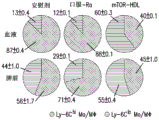
图2A-C显示了mTOR-HDL纳米免疫疗法重新平衡先天免疫系统。图2A显示了移植物浸润白细胞(graft-infiltrating leukocytes)、嗜中性粒细胞、巨噬细胞和树突细胞的总数。示出了移植后第6天,安慰剂、口服-Ra和mTOR-HDL处理的受体的移植心脏中不同细胞亚群的流式细胞术分析(ANOVA*P≤0.05;**P≤0.01)。图2B显示了来自安慰剂、口服-Ra和mTOR-HDL处理的受体的移植心脏中Ly-6Chi vs.Ly-6Clo巨噬细胞的频率。数据代表平均值±SEM;每组n=4;ANOVA*P≤0.05;**P≤0.01。图2C显示了GSEA基因阵列分析的图像。结果表明来自mTOR-HDL处理的受体的Ly-6Clo移植物内巨噬细胞中mTOR途径下调。显示了来自所选基因的GSEA数据的热图,所述基因在Ly-6Clo巨噬细胞中达到p<0.05,所述巨噬细胞来自移植后第6天mTOR-HDL处理的受体的同种异体移植物(每组n=3的平均值)。Figure 2A-C shows that mTOR-HDL nanoimmunotherapy rebalances the innate immune system. Figure 2A shows the total number of graft-infiltrating leukocytes, neutrophils, macrophages, and dendritic cells. Flow cytometry analysis of different cell subsets in transplanted hearts of placebo, oral-Ra, and mTOR-HDL treated recipients on
图3A-G显示了HDL纳米免疫疗法诱导调节性巨噬细胞累积并促进移植物接受。图3A显示了移植后第6天来自安慰剂和mTOR-HDL处理的小鼠的移植物浸润Ly-6Clo和Ly-6ChiMΦ和Ly-6G嗜中性粒细胞的功能表征。代表性和定量流式细胞术结果表明了来自安慰剂和mTOR-HDL处理的同种异体移植物受体的CD45+CD11b+同种异体移植物、骨髓细胞亚群中的Ly-6C和Ly-6G表达(顶部)。测量了来自安慰剂和mTOR-HDL处理的小鼠的移植物浸润性Ly-6Clo MΦ的体外抑制能力。显示了CFSE CD8+T细胞定量的流式细胞术结果,以及72小时后通过CSFE稀释测量细胞增殖百分比(中间)。评估了来自安慰剂和mTOR-HDL处理的小鼠的移植物浸润性Ly-6Clo MΦ的体外T-reg扩增能力。流式细胞术分析表明共培养72小时后CD4+T细胞上Foxp3表达的百分比(底部)。数据显示为平均值±SEM;每组n=4;t检验**P≤0.01。图3B显示了来自安慰剂和mTOR-HDL处理的同种异体移植物受体的移植物浸润性CD4+CD25+和CD4+CD25-T细胞的百分比。数据显示为平均值±SEM;每组n=4;t检验**P≤0.01。图3C的散点图和图表显示了移植后第6天来自mTOR-HDL处理的小鼠在Ly-6Clo MΦ消耗(depletion)后移植物浸润性Ly-6Clo和Ly-6Chi MΦ和Ly-6G嗜中性粒细胞的表型特征。接受DT用于Ly-6CloMΦ消耗的mTOR-HDL处理的CD169-DTR受体的移植物浸润CD45+CD11b+骨髓细胞亚群的代表性和定量流式细胞术结果。数据显示为平均值±SEM;每组n=4;t检验**P≤0.01。图3D的Kaplan-Meier曲线显示了在mTOR-HDL处理的受体中Ly-6Clo巨噬细胞消耗后的移植物存活。结果表明野生型单核细胞的过继转移在mTOR-HDL处理的巨噬细胞消耗的受体中恢复耐受性(每组n=4只小鼠;Kaplan-Meier**P≤0.01)。图3E的箱形图是从安慰剂和mTOR-HDL处理的受体的同种异体移植物获得的Ly-6Clo巨噬细胞中CD40表达的基因阵列(每组n=3的平均值;t-检验**P≤0.01)。图3F的Kaplan-Meier曲线显示了在有或没有TRAF6i-HDL纳米免疫疗法的情况下体内接受激动刺激性CD40 mAb的mTOR-HDL受体的移植物存活(每组n=5只小鼠;Kaplan-Meier**P≤0.01)。图3G的Kaplan-Meier曲线显示了安慰剂、口服-Ra、mTOR-HDL和mTOR-HDL/TRAF6i-HDL联合治疗的移植物存活曲线(每组n=8只小鼠,Kaplan-Meier生存分析;P≤0.001安慰剂相对于mTOR-HDL,P≤0.01口服-Ra相对于mTOR-HDL,P≤0.01TRAF6i-HDL相对于mTOR-HDL/TRAF6i-HDL,P≤0.01mTOR-HDL相对于mTOR-HDL/TRAF6i-HDL)。Figure 3A-G shows that HDL nanoimmunotherapy induces regulatory macrophage accumulation and promotes graft acceptance. Figure 3A shows the functional characterization of graft-infiltrating Ly-6C lo and Ly-6C hi MΦ and Ly-6G neutrophils from placebo and mTOR-HDL treated mice on
图4的透射电子显微图像显示了盘状形态的mTOR-HDL。FIG4 is a transmission electron micrograph showing the disc-like morphology of mTOR-HDL.
图5A-C显示了C57/B16野生型小鼠中的生理性生物分布和mTOR-HDL靶向。图5A显示了在移植前24小时注射PBS对照(第一排器官)或DiR标记的mTOR-HDL的器官的代表性近红外荧光图像(NIRF),显示了在肝脏、脾脏、肺、肾脏、心脏和肌肉中累积。右边具有误差棒的图表明每个器官中对照相对于mTOR-HDL-DiR累积比率,通过除以对照和mTOR-HDL-DiR组中每个器官的总信号计算。误差棒是平均值的标准误差(SEM),n=4;*P≤0.05;**P≤0.01,***P≤0.001。图5B显示了血液和脾脏中骨髓细胞分布。灰色直方图(右)表示与对照动物中的分布(黑色直方图)相比,在注射DiO标记的mTOR-HDL的小鼠中的分布。图5C显示了血液和脾脏中嗜中性粒细胞、单核细胞/巨噬细胞库、Ly-6Clo/Ly-6Chi单核细胞和树突细胞的平均荧光强度(MFI)。误差棒是平均值的标准误差(SEM),n=4;*P≤0.05;**P≤0.01。Figure 5A-C shows physiological biodistribution and mTOR-HDL targeting in C57/B16 wild-type mice. Figure 5A shows representative near-infrared fluorescence images (NIRF) of organs injected with PBS control (first row of organs) or DiR-labeled mTOR-
图6显示了根据移植的心脏、肾脏、肝脏和脾脏(n=3)中的平均%ID/g的PET定量摄取值。FIG. 6 shows PET quantitative uptake values according to mean %ID/g in transplanted heart, kidney, liver and spleen (n=3).
图7A-B的图和流式细胞术图像显示了mTOR-HDL纳米免疫疗法不靶向T淋巴细胞。图7A的散点图显示了用于区分血液和移植心脏中的T细胞的流式细胞术设门(gating)策略。灰色直方图(右)显示了与对照动物中的分布(黑色直方图)相比,在注射DiO标记的mTOR-HDL的小鼠中的T细胞分布。图7B显示了血液和移植心脏中单核细胞/巨噬细胞、CD3+T、CD4+T和CD8+T细胞的平均荧光强度(MFI)。误差棒是平均值的标准误差(SEM),n=4;**P≤0.01;***P≤0.001。Figures and flow cytometry images of Figures 7A-B show that mTOR-HDL nanoimmunotherapy does not target T lymphocytes. The scatter plot of Figure 7A shows the flow cytometry gating strategy for distinguishing T cells in blood and transplanted hearts. The gray histogram (right) shows the distribution of T cells in mice injected with DiO-labeled mTOR-HDL compared to the distribution in control animals (black histogram). Figure 7B shows the mean fluorescence intensity (MFI) of monocytes/macrophages, CD3 + T, CD4 + T, and CD8 + T cells in blood and transplanted hearts. Error bars are standard errors of the mean (SEM), n=4; **P≤0.01; ***P≤0.001.
图8显示了在移植后第6天从安慰剂、口服-Ra和mTOR-HDL处理的同种异体移植物受体的血液和脾中回收的细胞悬浮液的流式细胞术分析。数据显示为平均值±SEM;每组n=4;*P≤0.05;**P≤0.01。Figure 8 shows flow cytometric analysis of cell suspensions recovered from the blood and spleen of placebo, Oral-Ra, and mTOR-HDL treated allograft recipients on
图9A-B的图表涉及来自安慰剂、口服-Ra和mTOR-HDL处理的同种异体移植物受体的血液和脾脏中Ly-6Chi相对于Ly-6Clo单核细胞的频率。图9B显示了安慰剂、口服-Ra和mTOR-HDL处理的同种异体移植物受体的血液、脾脏和移植心脏中Ly-6Chi对Ly-6Clo单核细胞的比率。数据显示为平均值±SEM;每组n=4;*P≤0.05;**P≤0.01。Figures 9A-B are graphs relating to the frequency of Ly-6C hi relative to Ly-6C lo monocytes in the blood and spleen of allograft recipients treated with placebo, oral-Ra, and mTOR-HDL. Figure 9B shows the ratio of Ly-6C hi to Ly-6C lo monocytes in the blood, spleen, and transplanted heart of allograft recipients treated with placebo, oral-Ra, and mTOR-HDL. Data are shown as mean ± SEM; n = 4 per group; *P ≤ 0.05; **P ≤ 0.01.
图10显示了移植后第6天来自安慰剂、口服-Ra和mTOR-HDL处理的同种异体移植物受体的血清中的TNF-α分泌,通过ELISA分析。Figure 10 shows TNF-α secretion in sera from placebo, Oral-Ra, and mTOR-HDL treated allograft recipients at
图11A-B的透射电子显微图像显示了盘状形态的TRAF6i-HDL。纳米颗粒的平均流体力学半径为19.2±3.1nm,药物掺入效率为84.6±8.6%,分别通过DLS和HPLC测定。图11B显示了当颗粒堆叠形成时可以辨别TRAF6i-HDL颗粒的圆盘形状,而当从顶部向下观察颗粒时可以评估纳米颗粒的尺寸。The transmission electron microscopy images of Figures 11A-B show discoid morphology of TRAF6i-HDL. The average hydrodynamic radius of the nanoparticles was 19.2 ± 3.1 nm, and the drug incorporation efficiency was 84.6 ± 8.6%, as determined by DLS and HPLC, respectively. Figure 11B shows that the disc shape of TRAF6i-HDL particles can be discerned when the particles are stacked, and the size of the nanoparticles can be assessed when the particles are viewed from the top down.
图12A-B的图像和Kaplan-Meier曲线显示了mTOR-HDL纳米免疫疗法显著延长皮肤同种异体移植物存活。图12A显示了在移植后的不同时间点对照和mTOR-HDL处理的小鼠中皮肤同种异体移植物排斥,用数码相机的显微镜记录。图12B是皮肤同种异体移植物的Kaplan-Meier曲线(每组n=4只小鼠,安慰剂和mTOR-HDL之间P≤0.01)。The images and Kaplan-Meier curves of Figures 12A-B show that mTOR-HDL nanoimmunotherapy significantly prolongs skin allograft survival. Figure 12A shows skin allograft rejection in control and mTOR-HDL treated mice at different time points after transplantation, recorded with a microscope using a digital camera. Figure 12B is a Kaplan-Meier curve of skin allografts (n=4 mice per group, P≤0.01 between placebo and mTOR-HDL).
图13A-B显示了肾脏和肝脏图像(图13A)和心脏免疫组织化学(IHC)(图13B)用于毒性评估。苏木精/伊红(H&E)、过碘酸希夫(PAS)和Masson三色(Masson)染色的IHC的肾脏和肝脏代表性图像未显示出毒性迹象。在移植第100天后收集来自mTor/TRAF6i-HDL处理的受体的肾脏和肝脏(n=4;放大倍数×200)。在图13B中,H&E和天狼星红染色的IHC的代表性图像未显示慢性移植物血管病(CAV)的迹象。在移植第100天后收集来自mTor-HDL/TRAFi-HDL处理的受体的心脏同种异体移植物(n=4;放大倍数×200)。对于图13B,慢性移植物血管病分析,这些切片显示出轻度周围炎症而无动脉炎,并且没有内膜增生的迹象。小鼠主动脉节段没有表现出任何组织学改变,也没有内膜增厚和CAV迹象。Figure 13A-B shows kidney and liver images (Figure 13A) and cardiac immunohistochemistry (IHC) (Figure 13B) for toxicity assessment. Representative images of kidneys and livers of IHC stained with hematoxylin/eosin (H&E), periodic acid Schiff (PAS) and Masson's trichrome (Masson) showed no signs of toxicity. Kidneys and livers from recipients treated with mTor/TRAF6i-HDL were collected after
图14A-G的图像、示意图和图表显示了TRAF6i-HDL纳米颗粒生物分布和摄取。8周龄Apoe-/-小鼠喂食高胆固醇饮食12周,然后静脉注射89Zr-、DiR-或DiO-标记的TRAF6i-HDL纳米颗粒。24小时后,小鼠用于PET/CT成像或处死小鼠用于离体NIRF成像或流式细胞术分析。图14A是TRAF6i-HDL的示意图,其通过结合人apoA-I、脂质(DMPC和MHPC)和CD40-TRAF6相互作用的小分子抑制剂而产生。图14B的研究概述显示了为研究TRAF6i-HDL而采取的后续步骤。图14C显示了89Zr标记的TRAF6i-HDL在Apoe-/-小鼠中的药代动力学,显示了施用后24小时的血液衰减曲线(左图)和全身3D渲染的PET/CT融合图像(右图),表明肝脏、脾脏和肾脏中摄取量最高。图14D是施用后24小时89Zr标记的TRAF6i-HDL分布的γ计数图。主动脉的放射自显影显示了主动脉根部中可见的TRAF6i-HDL累积,主动脉根部是小鼠模型中动脉粥样硬化发展的优先位置。图14E显示了在小鼠主动脉(n=2)中DiR标记的TRAF6i-HDL分布的NIRF成像,相应的图表显示了TRAF6i-HDL在主动脉根部区域中的累积。图14F是DiO标记的TRAF6i-HDL的整个小鼠主动脉(n=8)的流式细胞术数据,显示了巨噬细胞和Ly6Chi单核细胞的高靶向效率,而谱系阳性CD11b阴性细胞不摄取纳米颗粒。***p<0.001。图14G是骨髓、血液、脾脏和主动脉细胞的流式细胞术分析图像,表明Ly6Chi单核细胞和巨噬细胞摄取DiO标记的TRAF6i-HDL。嗜中性粒细胞、Ly6Clo单核细胞和树突细胞也摄取DiO-TRAF6i-HDL,而谱系阳性细胞(所有非骨髓细胞)则不摄取。误差棒代表平均值的标准误差。The images, schematics and graphs of Figures 14A-G show the biodistribution and uptake of TRAF6i-HDL nanoparticles. 8-week-old Apoe -/- mice were fed a high cholesterol diet for 12 weeks and then intravenously injected with 89Zr-, DiR- or DiO-labeled TRAF6i-HDL nanoparticles. After 24 hours, the mice were used for PET/CT imaging or sacrificed for ex vivo NIRF imaging or flow cytometry analysis. Figure 14A is a schematic diagram of TRAF6i-HDL, which is produced by combining human apoA-I, lipids (DMPC and MHPC) and small molecule inhibitors of CD40-TRAF6 interaction. The research overview of Figure 14B shows the subsequent steps taken to study TRAF6i-HDL. Figure 14C shows the pharmacokinetics of 89Zr -labeled TRAF6i-HDL in Apoe -/- mice, showing the
图15A-B表明了TRAF6i-HDL治疗减少斑块巨噬细胞含量(通过组织学评估)。8周龄Apoe-/-小鼠喂食高胆固醇饮食12周,随后在7天过程中接受4次静脉注射PBS(n=10)、rHDL(n=10)或TRAF6i-HDL(n=10)处理。最后一次注射后24小时,将主动脉根部切片(4μM)并用免疫组织化学方法染色。图15A是主动脉根部的图像和图表,显示了处理组之间的斑块大小(H&E)、胶原蛋白含量(天狼猩红)或增殖细胞数(Ki67染色)没有差异。图15B的图像和图表显示了主动脉根部的Mac3染色,表明巨噬细胞阳性面积明显降低以及降低的巨噬细胞对胶原蛋白的比率。**p<0.01,***p<0.001。Figure 15A-B shows that TRAF6i-HDL treatment reduces plaque macrophage content (assessed by histology). 8-week-old Apoe -/- mice were fed a high cholesterol diet for 12 weeks and then received 4 intravenous injections of PBS (n=10), rHDL (n=10) or TRAF6i-HDL (n=10) over the course of 7 days. 24 hours after the last injection, the aortic root was sliced (4 μM) and stained with immunohistochemistry. Figure 15A is an image and chart of the aortic root, showing that there was no difference in plaque size (H&E), collagen content (sirius red) or proliferating cell number (Ki67 staining) between the treatment groups. The images and charts of Figure 15B show Mac3 staining of the aortic root, indicating a significant reduction in macrophage-positive area and a reduced ratio of macrophages to collagen. **p<0.01, ***p<0.001.
图16A-E显示了由于Ly6Chi单核细胞募集受损,TRAF6i-HDL减少斑块炎症。8周龄Apoe-/-小鼠喂食高胆固醇饮食12周,并在一周内四次静脉注射安慰剂(PBS)、rHDL或TRAF6i-HDL来处理。图16A的FMT/CT成像表明与安慰剂(n=8)处理组相比,TRAF6i-HDL处理组(n=7)中主动脉根部的蛋白酶活性显著降低。图16B是整个主动脉的流式细胞术分析图像,表明与安慰剂(n=27)和rHDL(n=26)相比,TRAF6i-HDL(n=27)处理组中巨噬细胞数量显著减少。在TRAF6i-HDL组中Ly6Chi单核细胞也显著减少的事实表明Ly6Chi单核细胞募集受损。图16C是骨髓、血液和脾脏的流式细胞术分析的图像和图表,表明斑块Ly6Chi单核细胞含量的降低不能归因于Ly6Chi单核细胞的全身性降低。图16D是体内BrdU掺入实验的图像,表明TRAF6i-HDL对斑块巨噬细胞增殖没有影响。图16E是用安慰剂、rHDL、TRAF6i-HDL、裸CD40-TRAF6小分子抑制剂或rHDL+裸CD40-TRAF6小分子抑制剂的组合处理24小时的RAW264.7巨噬细胞中BrdU掺入的体外实验(n=3)的图,表明对巨噬细胞增殖没有影响。**p<0.01,***p<0.001。Figure 16A-E shows that TRAF6i-HDL reduces plaque inflammation due to impaired Ly6C hi monocyte recruitment. 8-week-old Apoe -/- mice were fed a high cholesterol diet for 12 weeks and treated with placebo (PBS), rHDL or TRAF6i-HDL four times intravenously in one week. FMT/CT imaging of Figure 16A shows that the protease activity in the aortic root in the TRAF6i-HDL treatment group (n=7) was significantly reduced compared with the placebo (n=8) treatment group. Figure 16B is a flow cytometry analysis image of the entire aorta, showing that the number of macrophages in the TRAF6i-HDL (n=27) treatment group was significantly reduced compared with the placebo (n=27) and rHDL (n=26). The fact that Ly6Chi monocytes were also significantly reduced in the TRAF6i-HDL group indicates that Ly6Chi monocyte recruitment is impaired. Figure 16C is an image and graph of flow cytometric analysis of bone marrow, blood, and spleen, indicating that the reduction in plaque Ly6C hi monocyte content cannot be attributed to a systemic reduction in Ly6C hi monocytes. Figure 16D is an image of an in vivo BrdU incorporation experiment, indicating that TRAF6i-HDL has no effect on plaque macrophage proliferation. Figure 16E is a graph of an in vitro experiment (n=3) of BrdU incorporation in RAW264.7 macrophages treated for 24 hours with placebo, rHDL, TRAF6i-HDL, naked CD40-TRAF6 small molecule inhibitors, or a combination of rHDL+naked CD40-TRAF6 small molecule inhibitors, indicating no effect on macrophage proliferation. **p<0.01, ***p<0.001.
图17A-D反映了来自斑块单核细胞/巨噬细胞的全转录组分析的数据,表明了TRAF6i处理对细胞迁移的影响,以及其他受影响的过程。8周龄ApoE-/-小鼠喂食高胆固醇饮食12周,然后在7天内4次静脉注射安慰剂(n=10)或TRAF6i-HDL(n=10)处理。在最后一次注射后24小时,处死小鼠并通过激光捕获显微切割将主动脉根部的冷冻切片用于分离斑块巨噬细胞,然后进行RNA分离和测序。图17A的火山图显示了斑块单核细胞/巨噬细胞中差异表达的(DE)基因的分布。图17B显示了根据FDR阈值0.2的截止值明显上调和下调的基因的总数。FDR<0.2对应于p值<0.009。图17C显示了基因本体(GO)数据库中DE基因集的基因富集分析,显示了显著富集DE基因的15个GO术语。图17D是巨噬细胞的示意图,显示了两个明显改变的途径(粘着斑(focal adhesion)和内吞作用),通过将416个DE基因用京都基因和基因组百科全书(Kyoto Encyclopedia of Genes and Genomes)(KEGG)通路工具进行作图而鉴定。还描述了8个最显著的DE基因,FDR<0.05,并且它们位于细胞内(深黑色基因上调,浅灰色基因下调,基因列于图23-24)。Figure 17A-D reflects data from the whole transcriptome analysis of plaque monocytes/macrophages, showing the effects of TRAF6i treatment on cell migration, as well as other affected processes. 8-week-old ApoE -/- mice were fed a high cholesterol diet for 12 weeks and then treated with placebo (n=10) or TRAF6i-HDL (n=10) intravenously 4 times in 7 days. 24 hours after the last injection, the mice were killed and frozen sections of the aortic root were used to isolate plaque macrophages by laser capture microdissection, followed by RNA isolation and sequencing. The volcano map of Figure 17A shows the distribution of differentially expressed (DE) genes in plaque monocytes/macrophages. Figure 17B shows the total number of genes that were significantly upregulated and downregulated according to the cutoff value of the FDR threshold of 0.2. FDR<0.2 corresponds to a p value of <0.009. Figure 17C shows the gene enrichment analysis of the DE gene set in the gene ontology (GO) database, showing 15 GO terms that are significantly enriched in DE genes. FIG17D is a schematic diagram of macrophages showing two significantly altered pathways (focal adhesion and endocytosis) identified by mapping 416 DE genes with the Kyoto Encyclopedia of Genes and Genomes (KEGG) pathway tool. The eight most significant DE genes are also depicted with FDR<0.05, and they are located intracellularly (dark black genes upregulated, light grey genes downregulated, genes listed in FIGS. 23-24 ).
图18A-C表明了TRAF6i-HDL治疗在非人灵长类动物中未显示毒性作用。6只非人灵长类动物输注安慰剂(n=3)或1.25mg/kg TRAF6i-HDL(n=3)。在多个时间点收集血液,并在输注后72小时处死动物。图18A是全血计数的图,表明TRAF6i-HDL治疗对淋巴细胞、红细胞和血小板没有影响。图18B是广泛的血液化学分析图,表明TRAF6i-HDL输注对肝脏、肾脏、胰腺或肌肉细胞生物标志物没有毒性作用。脂质、葡萄糖、蛋白质(白蛋白和球蛋白)和电解质也不受影响。图18C是来自肝脏、肾脏和脾脏的样品的图像,其被切片并染色(H&E)用于组织学分析并由病理学家评估。在任何组织中均未发现组织损伤或组织结构紊乱的迹象。Figure 18A-C shows that TRAF6i-HDL treatment does not show toxic effects in non-human primates. 6 non-human primates were infused with placebo (n=3) or 1.25mg/kg TRAF6i-HDL (n=3). Blood was collected at multiple time points and animals were killed 72 hours after infusion. Figure 18A is a graph of complete blood counts, showing that TRAF6i-HDL treatment has no effect on lymphocytes, red blood cells and platelets. Figure 18B is a wide range of blood chemistry analysis graphs, showing that TRAF6i-HDL infusion has no toxic effects on liver, kidney, pancreas or muscle cell biomarkers. Lipids, glucose, protein (albumin and globulin) and electrolytes are also unaffected. Figure 18C is an image of samples from the liver, kidney and spleen, which were sliced and stained (H&E) for histological analysis and evaluated by a pathologist. No signs of tissue damage or tissue structure disorder were found in any tissue.
图19A-D显示了非人灵长类动物中TRAF6i-HDL的生物分布。6只非人灵长类动物输注89Zr标记的TRAF6i-HDL(1.25mg/kg)。输注后60分钟内获得动态PET图像。在24、48和72小时进行静态PET/MRI扫描。72小时后处死NHP。收集器官用于离体分析。图19A是1、5、15、30和60分钟的动态PET图像。将图像分开以分别可视化肝脏和其他器官。该图显示了在不同时间点代表性的器官中的量化摄取。右侧的旋转图像显示了60分钟时分布的3D表示。图19B是在24、48和72小时另外的静态PET/MR图像,显示了TRAF6i-HDL的分布和累积。该图显示了在不同时间点代表性的器官中的量化摄取。图19C包括反映89Zr-TRAF6i-HDL施用后24和72小时NHP中γ计数分布的图表和图像。图19D显示了89Zr-TRAF6i-HDL在NHP中的血液时间-活性曲线。Figure 19A-D shows the biodistribution of TRAF6i-HDL in non-human primates. 6 non-human primates were infused with 89 Zr-labeled TRAF6i-HDL (1.25 mg/kg). Dynamic PET images were obtained within 60 minutes after infusion. Static PET/MRI scans were performed at 24, 48 and 72 hours. NHPs were killed after 72 hours. Organs were collected for in vitro analysis. Figure 19A is a dynamic PET image at 1, 5, 15, 30 and 60 minutes. The images were separated to visualize the liver and other organs respectively. The figure shows the quantitative uptake in representative organs at different time points. The rotating image on the right shows the 3D representation of the distribution at 60 minutes. Figure 19B is another static PET/MR image at 24, 48 and 72 hours, showing the distribution and accumulation of TRAF6i-HDL. The figure shows the quantitative uptake in representative organs at different time points. Figure 19C includes graphs and images reflecting the distribution of gamma counts in
图20的表显示了安慰剂、HDL和TRAF6i-HDL处理的Apoe-/-小鼠的全血细胞计数值。用Kruskal Wallis检验计算P值。Figure 20 is a table showing complete blood cell count values for placebo, HDL, and TRAF6i-HDL treated Apoe -/- mice. P values were calculated using the Kruskal Wallis test.
图21的表显示了安慰剂和TRAF6i-HDL处理的Apoe-/-小鼠的血液化学值。通过MannWhitney U检验计算P值。除了碱性磷酸酶轻微增加外,在任何组之间没有观察到显著差异。Figure 21 is a table showing blood chemistry values for placebo and TRAF6i-HDL treated Apoe -/- mice. P values were calculated by MannWhitney U test. No significant differences were observed between any groups except for a slight increase in alkaline phosphatase.
图22的表格显示了基因本体术语中基因的差异表达。通过激光捕获显微切割分离来自Apoe-/-小鼠主动脉窦斑块的CD68阳性细胞。15个GO术语显示了富集差异表达的基因。P值显示为调整的p值。Figure 22 is a table showing differential expression of genes in gene ontology terms. CD68 positive cells from aortic sinus plaques of Apoe -/- mice were isolated by laser capture microdissection. 15 GO terms showed enrichment of differentially expressed genes. P values are shown as adjusted p values.
图23的表显示了在两种主要鉴定的KEGG通路中基因的差异表达。通过激光捕获显微切割分离来自Apoe-/-小鼠主动脉窦斑块的CD68阳性细胞。在安慰剂和TRAF6i-HDL处理的Apoe-/-小鼠之间,两种显著的KEGG通路(粘着斑和内吞作用)中基因的差异表达。P值显示为未调整的p值。Figure 23 is a table showing differential expression of genes in two major identified KEGG pathways. CD68 positive cells from aortic sinus plaques of Apoe -/- mice were isolated by laser capture microdissection. Differential expression of genes in two significant KEGG pathways (focal adhesion and endocytosis) between placebo and TRAF6i-HDL treated Apoe -/- mice. P values are shown as unadjusted p values.
图24的表显示了基因的差异表达,FDR<0.05。通过激光捕获显微切割分离来自Apoe-/-小鼠主动脉窦斑块的CD68阳性细胞。显示了安慰剂和TRAF6i-HDL处理的Apoe-/-小鼠之间基因的差异表达。P值显示为调整的p值。The table of Figure 24 shows the differential expression of genes, FDR < 0.05. CD68 positive cells from aortic sinus plaques of Apoe -/- mice were isolated by laser capture microdissection. The differential expression of genes between placebo and TRAF6i-HDL treated Apoe -/- mice is shown. P values are shown as adjusted p values.
图25的表显示了参与增殖、细胞凋亡和迁移运出(migratory egress)的基因的差异表达。通过激光捕获显微切割分离来自Apoe-/-小鼠主动脉窦斑块的CD68阳性细胞。显示了安慰剂和TRAF6i-HDL处理的Apoe-/-小鼠之间基因的差异表达。显示了未调整的p值。The table of Figure 25 shows the differential expression of genes involved in proliferation, apoptosis and migratory egress. CD68 positive cells from aortic sinus plaques of Apoe -/- mice were isolated by laser capture microdissection. The differential expression of genes between Apoe -/- mice treated with placebo and TRAF6i-HDL is shown. Unadjusted p values are shown.
具体实施方式DETAILED DESCRIPTION
已经开发出高密度脂蛋白衍生的纳米颗粒(HDL),以将雷帕霉素递送至先天免疫细胞。杂化的HDL纳米颗粒,称为雷帕霉素-HDL(例如mTOR-HDL),其将雷帕霉素包封在天然磷脂和载脂蛋白A-I(APOA1)的冠状物中,开发为延长同种异体移植物存活。HDL-纳米颗粒包含APOA1,其通过清道夫受体B-1型(sr-b1)和腺苷三磷酸结合盒转运蛋白A1(ABCA1)有效地结合巨噬细胞21,22。结果,mTOR-HDL纳米颗粒在体内特异性地将雷帕霉素递送至先天免疫细胞。mTOR-HDL纳米颗粒,直径约15nm,雷帕霉素包封率高达约65%。在移植的心脏中观察到放射标记的mTOR-HDL特异性累积并且主要与骨髓细胞关联。结果表明在移植的心脏中Ly-6Chi/Ly-6Clow以及CD25-/CD25+细胞显著减少。这种治疗还导致同种异体移植物存活显著增加。High-density lipoprotein-derived nanoparticles (HDL) have been developed to deliver rapamycin to innate immune cells. Hybrid HDL nanoparticles, called rapamycin-HDL (e.g., mTOR-HDL), which encapsulate rapamycin in a corona of native phospholipids and apolipoprotein AI (APOA1), were developed to prolong allograft survival. HDL-nanoparticles contain APOA1, which effectively binds macrophages through scavenger receptor type B-1 (sr-b1) and adenosine triphosphate-binding cassette transporter A1 (ABCA1) 21,22 . As a result, mTOR-HDL nanoparticles specifically deliver rapamycin to innate immune cells in vivo. mTOR-HDL nanoparticles, with a diameter of about 15 nm, have a rapamycin encapsulation efficiency of up to about 65%. Radiolabeled mTOR-HDL was observed to accumulate specifically in transplanted hearts and was primarily associated with bone marrow cells. The results showed a significant reduction in Ly-6C hi /Ly-6C low and CD25 - /CD25 + cells in transplanted hearts. This treatment also resulted in a significant increase in allograft survival.
另外,发明人发展了HDL纳米生物学,其掺入了针对TRAF6上的CD40结合结构域的小分子抑制剂(TRAF-STOP)(下文称为TRAF6i-HDL)。使用6877002抑制剂开发该TRAF6i-HDL(6877002抑制剂描述于Chatzigeorgiou等(2014)以及美国专利号9,408,829中,以及其他抑制剂)。TRAF6i-HDL纳米颗粒的平均流体力学半径为19.2±3.1nm,药物掺入效率为84.6±8.6%。TRAF6i-HDL纳米颗粒可以单独使用或与本文所述的mTOR-HDL纳米颗粒组合使用。In addition, the inventors developed HDL nanobiology, which incorporates a small molecule inhibitor (TRAF-STOP) targeting the CD40 binding domain on TRAF6 (hereinafter referred to as TRAF6i-HDL). The TRAF6i-HDL was developed using the 6877002 inhibitor (6877002 inhibitor is described in Chatzigeorgiou et al. (2014) and U.S. Patent No. 9,408,829, among other inhibitors). The average hydrodynamic radius of the TRAF6i-HDL nanoparticles is 19.2±3.1 nm, and the drug incorporation efficiency is 84.6±8.6%. TRAF6i-HDL nanoparticles can be used alone or in combination with the mTOR-HDL nanoparticles described herein.
在替代的实施例中,其他CD40-TRAF6抑制剂如SMI 6860766(描述于Van der Berg等(2015)中)可用于形成替代的TRAF6i-HDL。这些抑制剂可以单独使用或与本文所述的任何其他纳米生物制剂组合使用。用于阻断CD40-TRAF6相互作用的其它合适的化合物描述于美国专利号9,408,829中。In alternative embodiments, other CD40-TRAF6 inhibitors such as SMI 6860766 (described in Van der Berg et al. (2015)) can be used to form alternative TRAF6i-HDL. These inhibitors can be used alone or in combination with any other nanobiological agents described herein. Other suitable compounds for blocking CD40-TRAF6 interactions are described in U.S. Patent No. 9,408,829.
使用实验性心脏移植模型结合分子成像和免疫学技术,本发明的数据证明mTOR-HDL限制树突细胞的有效刺激能力,促进调节性巨噬细胞的增长,并且无限期地延长心脏同种异体移植物存活。该方案在移植后第一周仅包含三次静脉内尾静脉注射5mg/kg当量雷帕霉素。使用体内正电子发射断层扫描与计算机断层扫描(PET-CT)成像和一系列免疫测定的组合,我们评估了心脏同种异体移植物靶向和细胞特异性。我们随后广泛地研究了先天免疫响应、同种异体移植物存活和治疗机制。我们的数据表明,mTOR-HDL纳米颗粒治疗促进无限期的心脏同种异体移植物存活。另外,发明人能够将这些结果扩展到皮肤移植模型中。这些结果提供了关于如何在临床中操纵免疫响应来诱导供体特异性无响应以及鉴定可以预防人类同种异体移植物排斥的新治疗靶标的关键信息。Using an experimental cardiac transplant model combined with molecular imaging and immunological techniques, the data of the present invention demonstrate that mTOR-HDL limits the effective stimulatory capacity of dendritic cells, promotes the growth of regulatory macrophages, and prolongs cardiac allograft survival indefinitely. The regimen only includes three intravenous tail vein injections of 5mg/kg equivalent rapamycin in the first week after transplantation. Using a combination of in vivo positron emission tomography and computed tomography (PET-CT) imaging and a series of immunoassays, we evaluated cardiac allograft targeting and cell specificity. We then extensively studied innate immune responses, allograft survival, and therapeutic mechanisms. Our data show that mTOR-HDL nanoparticle therapy promotes indefinite cardiac allograft survival. In addition, the inventors were able to extend these results to a skin transplant model. These results provide key information on how to manipulate immune responses in the clinic to induce donor-specific unresponsiveness and identify new therapeutic targets that can prevent human allograft rejection.
此外,本发明的数据表明,mTOR-HDL与抑制性CD40-TRAF6特异性纳米免疫疗法(TRAF6i-HDL)组合的短期治疗性治疗协同促进器官移植接受,导致无限期的同种异体移植物存活。Furthermore, the present data demonstrate that short-term therapeutic treatment of mTOR-HDL in combination with an inhibitory CD40-TRAF6-specific nanoimmunotherapy (TRAF6i-HDL) synergistically promotes organ transplant acceptance, leading to indefinite allograft survival.
总之,结果表明,基于HDL的纳米疗法代表了诱导移植耐受性的有效治疗范例。该研究为开发新的治疗性纳米药物化合物和治疗提供了基础,所述治疗性纳米药物化合物和治疗产生诱导耐受性的免疫调节性巨噬细胞。此外,TRAF6i-HDL治疗已被证明可以解决动脉粥样硬化中的巨噬细胞累积,并在非人类灵长类动物中表现出所需的安全性和有效性。In conclusion, the results suggest that HDL-based nanotherapeutics represent an effective therapeutic paradigm for inducing transplant tolerance. This study provides a basis for the development of new therapeutic nanomedicine compounds and treatments that generate tolerance-inducing immunomodulatory macrophages. Furthermore, TRAF6i-HDL treatment has been shown to resolve macrophage accumulation in atherosclerosis and exhibit desirable safety and efficacy in non-human primates.
定义和方法Definition and Methodology
在某些实施例中,本发明的组合物包含高密度脂蛋白衍生的纳米颗粒(HDL),所述高密度脂蛋白衍生的纳米颗粒包含m-TOR抑制剂(表示为mTOR-抑制剂-HDL),其中例如m-TOR抑制剂的实例是雷帕霉素或其药学上可接受的盐、溶剂化物、多晶型物、互变异构体或前药,配制成雷帕霉素纳米颗粒(一种示例性的mTOR-HDL)。在替代的实施例中,组合物可以包含一种或多种雷帕霉素衍生物和雷帕霉素信号级联(S6K)的潜在靶标。In certain embodiments, the compositions of the invention comprise high-density lipoprotein derived nanoparticles (HDL) comprising an m-TOR inhibitor (denoted as mTOR-inhibitor-HDL), wherein for example, an example of an m-TOR inhibitor is rapamycin or a pharmaceutically acceptable salt, solvate, polymorph, tautomer or prodrug thereof, formulated as rapamycin nanoparticles (an exemplary mTOR-HDL). In alternative embodiments, the composition may comprise one or more rapamycin derivatives and a potential target of rapamycin signaling cascade (S6K).
在某些实施例中,组合物还可以包含药学上可接受的载体、稀释剂、赋形剂和/或佐剂。In certain embodiments, the composition may further comprise a pharmaceutically acceptable carrier, diluent, excipient and/or adjuvant.
在某些实施例中,HDL组合物可以与一种或多种其他免疫抑制剂组合施用,例如环孢菌素A、FK506或硫唑嘌呤、霉酚酸酯(mycophenolate mofetil)及其任何类似物(例如依维莫司、ABT-578、CCI-779、和AP23573)。In certain embodiments, the HDL composition may be administered in combination with one or more other immunosuppressants, such as cyclosporine A, FK506, or azathioprine, mycophenolate mofetil, and any of its analogs (eg, everolimus, ABT-578, CCI-779, and AP23573).
在一个实施例中,“患者”或“受试者”是指哺乳动物并且包括人和兽受试者。在一个实施例中,受试者是哺乳动物。In one embodiment, "patient" or "subject" refers to a mammal and includes both human and veterinary subjects. In one embodiment, the subject is a mammal.
在一个实施例中,复合物以组合物施用,所述组合物包含药学上可接受的载体。In one embodiment, the complex is administered in a composition comprising a pharmaceutically acceptable carrier.
在某些实施例中,本发明涉及一种治疗或预防由同种异体移植物排斥介导的病症或疾病的方法,包括向有此需要的患者施用治疗有效量的高密度脂蛋白衍生的纳米颗粒(HDL),所述高密度脂蛋白衍生的纳米颗粒包含m-TOR抑制剂,其中m-TOR抑制剂是雷帕霉素或其药学上可接受的盐、溶剂化物、多晶型物、互变异构体或前药,配制成雷帕霉素纳米颗粒(mTOR-HDL)或其药物组合物。在一个实施例中,受试者有同种异体移植物排斥的风险,并且该方法用于防止(即预防)或抑制同种异体移植物排斥。In certain embodiments, the present invention relates to a method of treating or preventing a condition or disease mediated by allograft rejection, comprising administering to a patient in need thereof a therapeutically effective amount of a high-density lipoprotein-derived nanoparticle (HDL), the high-density lipoprotein-derived nanoparticle comprising an m-TOR inhibitor, wherein the m-TOR inhibitor is rapamycin or a pharmaceutically acceptable salt, solvate, polymorph, tautomer or prodrug thereof, formulated as rapamycin nanoparticles (mTOR-HDL) or a pharmaceutical composition thereof. In one embodiment, the subject is at risk for allograft rejection, and the method is used to prevent (i.e., prophylaxis) or inhibit allograft rejection.
另外,由于任何移植都有排斥的风险,因此实施例包括使用本文所述的任何方法或组合物的辅助治疗以预防任何移植排斥。Additionally, since any transplant carries the risk of rejection, embodiments include adjunctive therapy using any of the methods or compositions described herein to prevent rejection of any transplant.
由同种异体移植物排斥介导的疾病包括但不限于心脏移植、皮肤移植、肝移植、肺移植、闭塞性细支气管炎综合征(BOS)、肾移植、胰腺移植、胰岛移植(pancreatic isletstransplant)、肠移植、骨移植、视网膜移植、骨髓移植、胰岛移植(islet transplantation)和角膜移植。在某些实施例中,通过施用mTOR-HDL促进治疗。在其他实施例中,通过施用mTOR-HDL和TRAF6i-HDL的组合来促进治疗,mTOR-HDL和TRAF6i-HDL的组合在单一的HDL中或两种单独的HDL组合物中。Diseases mediated by allograft rejection include, but are not limited to, heart transplantation, skin transplantation, liver transplantation, lung transplantation, bronchiolitis obliterans syndrome (BOS), kidney transplantation, pancreatic transplantation, pancreatic islet transplantation, intestinal transplantation, bone transplantation, retinal transplantation, bone marrow transplantation, islet transplantation, and corneal transplantation. In certain embodiments, treatment is facilitated by administering mTOR-HDL. In other embodiments, treatment is facilitated by administering a combination of mTOR-HDL and TRAF6i-HDL, the combination of mTOR-HDL and TRAF6i-HDL being in a single HDL or in two separate HDL compositions.
在某些实施例中,本发明涉及一种治疗或预防由同种异体移植物排斥介导的病症或疾病的方法,包括向有此需要的患者施用治疗有效量的(i)包含m-TOR抑制剂的高密度脂蛋白衍生的纳米颗粒(HDL),其中m-TOR抑制剂是雷帕霉素或其药学上可接受的盐、溶剂化物、多晶型物、互变异构体或前药,配制为雷帕霉素纳米颗粒(mTOR-HDL)或其药物组合物以及任选地(ii)包含CD40-TRAF6抑制剂的TRAFi-HDL纳米颗粒,其中CD40-TRAF6抑制剂是6877002或其药学上可接受的盐、溶剂化物、多晶形物、互变异构体或前药,配制为HDL纳米颗粒(TRAFi-HDL),或其药物组合物。在某些实施例中,mTOR-HDL和TRAFi-HDL纳米颗粒组合施用或依次施用于有此需要的患者。在一个实施例中,受试者有同种异体移植物排斥的风险,并且该方法用于防止(即预防)或抑制同种异体移植物排斥。由同种异体移植物排斥介导的疾病包括但不限于心脏移植、皮肤移植、肝移植、肺移植、闭塞性细支气管炎综合征(BOS)、肾移植、胰腺移植、胰岛移植、肠移植、骨移植、视网膜移植和角膜移植。In certain embodiments, the present invention relates to a method of treating or preventing a condition or disease mediated by allogeneic graft rejection, comprising administering to a patient in need thereof a therapeutically effective amount of (i) high-density lipoprotein-derived nanoparticles (HDL) comprising an m-TOR inhibitor, wherein the m-TOR inhibitor is rapamycin or a pharmaceutically acceptable salt, solvate, polymorph, tautomer or prodrug thereof, formulated as rapamycin nanoparticles (mTOR-HDL) or a pharmaceutical composition thereof and optionally (ii) TRAFi-HDL nanoparticles comprising a CD40-TRAF6 inhibitor, wherein the CD40-TRAF6 inhibitor is 6877002 or a pharmaceutically acceptable salt, solvate, polymorph, tautomer or prodrug thereof, formulated as HDL nanoparticles (TRAFi-HDL), or a pharmaceutical composition thereof. In certain embodiments, mTOR-HDL and TRAFi-HDL nanoparticles are administered in combination or sequentially to a patient in need thereof. In one embodiment, the subject is at risk of allograft rejection, and the method is used to prevent (i.e., prevent) or inhibit allograft rejection. Diseases mediated by allograft rejection include, but are not limited to, heart transplantation, skin transplantation, liver transplantation, lung transplantation, bronchiolitis obliterans syndrome (BOS), kidney transplantation, pancreas transplantation, islet transplantation, intestinal transplantation, bone transplantation, retinal transplantation, and corneal transplantation.
在其他实施例中,本发明涉及一种治疗或预防自身免疫疾病的方法。自身免疫性疾病的实例包括乳糜泻、I型糖尿病、多发性硬化症、甲状腺炎、格雷夫斯病、系统性红斑狼疮、硬皮病、牛皮癣、关节炎、类风湿性关节炎、秃头症、强直性脊柱炎、Churg-Strauss综合征、自身免疫性溶血性贫血、自身免疫性肝炎、白塞病综合征、克罗恩病、皮肌炎,肾小球性肾炎、格林-巴利综合征、IBD、狼疮性肾炎、重症肌无力、心肌炎、天疱疮/类天疱疮、恶性贫血、结节性多动脉炎、多肌炎、原发性胆汁性肝硬化、风湿热、结节病、干燥综合征、溃疡性结肠炎、葡萄膜炎、白癜风和韦格纳肉芽肿。In other embodiments, the present invention relates to a method for treating or preventing an autoimmune disease. Examples of autoimmune diseases include celiac disease, type I diabetes, multiple sclerosis, thyroiditis, Graves' disease, systemic lupus erythematosus, scleroderma, psoriasis, arthritis, rheumatoid arthritis, alopecia, ankylosing spondylitis, Churg-Strauss syndrome, autoimmune hemolytic anemia, autoimmune hepatitis, Behcet's syndrome, Crohn's disease, dermatomyositis, glomerulonephritis, Guillain-Barre syndrome, IBD, lupus nephritis, myasthenia gravis, myocarditis, pemphigus/pemphigoid, pernicious anemia, polyarteritis nodosa, polymyositis, primary biliary cirrhosis, rheumatic fever, sarcoidosis, Sjögren's syndrome, ulcerative colitis, uveitis, vitiligo, and Wegener's granulomatosis.
用本发明的组合物和方法也可以治疗的病症包括与增加的炎症有关的疾病。Schwarz等,Identification of differentially expressed genes induced bytransient ischemic stroke,Brain Res Mol Brain Res.2002;101(1-2):12-22。Conditions that may also be treated using the compositions and methods of the invention include diseases associated with increased inflammation. Schwarz et al., Identification of differentially expressed genes induced by transient ischemic stroke, Brain Res Mol Brain Res. 2002; 101(1-2): 12-22.
本发明的组合物和方法可以用于治疗或预防心血管疾病,例如动脉粥样硬化、狭窄、再狭窄、高血压、心力衰竭、左心室肥大(LVH)、心肌梗塞、急性冠状动脉综合征、中风、短暂性脑缺血发作、受损循环、心脏疾病、胆固醇和斑块形成、缺血、缺血再灌注损伤、周围性血管疾病、心肌感染、心脏病(例如胸痛和介入性手术的风险分层)、心肺复苏、肾衰竭、血栓症(例如静脉血栓症、深静脉血栓症、门静脉血栓症、肾静脉血栓症、颈静脉血栓症、脑静脉窦血栓症、动脉血栓症等)、血栓形成、血栓形成事件或并发症、布加综合症、Paget-Schroetter病、冠状动脉心脏病、冠状动脉病、需要冠状动脉血运重建、外周动脉疾病、肺循环系统疾病、肺栓塞、脑血管疾病、细胞增生和内皮功能障碍、移植物闭塞或失败、外周旁路移植术后需要或不良临床结果、冠状动脉搭桥(CABG)手术后需要或不良临床结果、血管成形术失败或不良结果、内乳动脉移植失败、静脉移植失败、自体静脉移植、静脉移植物闭塞、缺血性疾病、血管内凝血、脑血管疾病或任何其他与肥胖或超重状况有关的心血管疾病。The compositions and methods of the present invention can be used to treat or prevent cardiovascular diseases, such as atherosclerosis, stenosis, restenosis, hypertension, heart failure, left ventricular hypertrophy (LVH), myocardial infarction, acute coronary syndrome, stroke, transient ischemic attack, impaired circulation, heart disease, cholesterol and plaque formation, ischemia, ischemia-reperfusion injury, peripheral vascular disease, myocardial infection, heart disease (such as chest pain and risk stratification for interventional surgery), cardiopulmonary resuscitation, renal failure, thrombosis (such as venous thrombosis, deep vein thrombosis, portal vein thrombosis, renal vein thrombosis, jugular vein thrombosis, cerebral venous sinus thrombosis, arterial thrombosis, etc.), thrombosis, thrombotic events obese or overweight condition, Budd-Chiari syndrome, Paget-Schroetter disease, coronary heart disease, coronary artery disease, need for coronary revascularization, peripheral arterial disease, pulmonary circulatory system disease, pulmonary embolism, cerebrovascular disease, hyperplasia and endothelial dysfunction, graft occlusion or failure, need for or adverse clinical outcome after peripheral bypass grafting, need for or adverse clinical outcome after coronary artery bypass grafting (CABG), angioplasty failure or adverse outcome, internal mammary artery graft failure, vein graft failure, autologous vein graft, vein graft occlusion, ischemic disease, intravascular coagulation, cerebrovascular disease, or any other cardiovascular disease associated with obesity or overweight condition.
可以治疗任何类型的动脉粥样硬化病变,例如冠状动脉粥样硬化、糖尿病性动脉粥样硬化、动脉粥样硬化及其后遗症(例如急性冠状动脉综合征、心肌梗塞、心绞痛、周围性血管疾病、间歇性跛行、心肌缺血、中风、心力衰竭等)。Any type of atherosclerotic lesions can be treated, such as coronary atherosclerosis, diabetic atherosclerosis, atherosclerosis and its sequelae (such as acute coronary syndrome, myocardial infarction, angina pectoris, peripheral vascular disease, intermittent claudication, myocardial ischemia, stroke, heart failure, etc.).
在某些实施例中,可以通过向分子中加入长烷基链来改变化合物(例如雷帕霉素或本文所述的任何化合物)的疏水性。In certain embodiments, the hydrophobicity of a compound (eg, rapamycin or any compound described herein) can be altered by adding a long alkyl chain to the molecule.
在本发明的方法中使用的化合物包括本发明所用化合物的所有水合物、溶剂化物和络合物。如果在本发明的化合物中存在手性中心或另一种形式的异构中心,则本文旨在涵盖所有形式的此类一种异构体或多种异构体,包括对映异构体和非对映异构体。含有手性中心的化合物可以以外消旋混合物、富含对映异构体的混合物使用,或者可以使用已知的技术分离外消旋混合物并且可以独立地使用单独的对映异构体。本发明中描述的化合物是外消旋形式或单独的对映异构体。可以使用已知的技术分离对映异构体,例如在Pureand Applied Chemistry69,1469-1474,(1997)IUPAC中描述的那些技术。在化合物具有不饱和碳-碳双键的情况下,顺式(Z)和反式(E)异构体均在本发明的范围内。在化合物可以以互变异构形式存在的情况下,例如酮-烯醇互变异构体,考虑将每种互变异构形式包括在本发明中,无论是以平衡形式存在还是主要以一种形式存在。The compound used in the method of the present invention includes all hydrates, solvates and complexes of the compound used in the present invention. If there is a chiral center or another form of isomeric center in the compound of the present invention, it is intended to cover all forms of such one isomer or multiple isomers, including enantiomers and diastereomers. The compound containing the chiral center can be used in a racemic mixture, a mixture rich in enantiomers, or a racemic mixture can be separated using known techniques and a single enantiomer can be used independently. The compound described in the present invention is a racemic form or a single enantiomer. Enantiomers can be separated using known techniques, such as those described in Pure and Applied Chemistry 69, 1469-1474, (1997) IUPAC. In the case where the compound has an unsaturated carbon-carbon double bond, cis (Z) and trans (E) isomers are within the scope of the present invention. In cases where compounds can exist in tautomeric forms, such as keto-enol tautomers, each tautomeric form is contemplated as being included in the present invention, whether existing in equilibrium or predominantly in one form.
当本发明中使用的化合物的结构包括不对称碳原子时,这种化合物可以以外消旋体、外消旋混合物和分离的单一对映异构体形式存在。这些化合物的所有这些异构形式明确地包括在本发明中。每个立体异构碳可以是R或S构型。因此应当理解,除非另有说明,否则由这种不对称性造成的异构体(例如,所有对映异构体和非对映异构体)都包括在本发明的范围内。通过经典的分离技术和通过立体化学控制的合成(例如在“Enantiomers,Racemates and Resolutions”,J.Jacques,A.Collet和S.Wilen;John Wiley&Sons出版社,NY,1981中描述的那些),这些异构体可以以基本上纯的形式获得。例如,可以通过手性柱的制备色谱进行分离。When the structure of the compound used in the present invention includes an asymmetric carbon atom, this compound can exist in the form of a racemate, a racemic mixture and a separated single enantiomer. All these isomeric forms of these compounds are explicitly included in the present invention. Each stereoisomeric carbon can be an R or S configuration. It should therefore be understood that, unless otherwise stated, the isomers (e.g., all enantiomers and diastereomers) caused by this asymmetry are included within the scope of the present invention. By classical separation techniques and by stereochemically controlled synthesis (e.g., in "Enantiomers, Racemates and Resolutions", J. Jacques, A. Collet and S. Wilen; John Wiley & Sons Press, NY, those described in 1981), these isomers can be obtained in substantially pure form. For example, separation can be carried out by the preparative chromatography of a chiral column.
本发明还旨在包括本文公开的化合物存在的所有原子同位素的用途。同位素包括具有相同原子序数但质量数不同的原子。作为一般实例而非限制,氢的同位素包括氚和氘。碳的同位素包括碳-13和碳-14。The present invention is also intended to include the use of all isotopes of atoms present in the compounds disclosed herein. Isotopes include atoms having the same atomic number but different mass numbers. As a general example and not limitation, isotopes of hydrogen include tritium and deuterium. Isotopes of carbon include carbon-13 and carbon-14.
应当注意,当在没有进一步表示的情况下使用时,本申请中所有结构中的碳的任何符号旨在表示碳的所有同位素,例如12C、13C或14C。此外,含有13C或14C的任何化合物可以具体地具有本文公开的任何化合物的结构。It should be noted that any symbol for carbon in all structures in the present application, when used without further indication, is intended to represent all isotopes of carbon, such as 12 C, 13 C or 14 C. In addition, any compound containing 13 C or 14 C can specifically have the structure of any compound disclosed herein.
还应当注意,当在没有进一步表示的情况下使用时,本申请中所有结构中的氢的任何符号旨在表示氢的所有同位素,例如1H、2H或3H。此外,含有2H或3H的任何化合物可以具体地具有本文公开的任何化合物的结构。It should also be noted that any symbol for hydrogen in all structures in the present application, when used without further indication, is intended to represent all isotopes of hydrogen, such as 1 H, 2 H or 3 H. In addition, any compound containing 2 H or 3 H can specifically have the structure of any compound disclosed herein.
通常可以通过本领域技术人员已知的常规技术或通过与本文公开的实例中所述的那些类似的方法(使用适当的同位素标记的试剂代替所用的未标记的试剂)来制备同位素标记的化合物。Isotopically labeled compounds can generally be prepared by conventional techniques known to those skilled in the art or by processes analogous to those described in the Examples disclosed herein, using an appropriate isotopically labeled reagent in place of the non-labeled reagent employed.
本发明的化合物可以是盐的形式。本文所用的“盐”是本发明化合物的盐,其通过制备化合物的酸或碱、盐而被改性。在化合物用于治疗癌症的情况下,盐是药学上可接受的。药学上可接受的盐的实例包括但不限于碱性残基(例如胺)的无机或有机酸盐、酸性残基(例如酚基)的碱性或有机盐。可以使用有机酸或无机酸制备盐。此类酸盐是氯化物、溴化物、硫酸盐、硝酸盐、磷酸盐、磺酸盐、甲酸盐、酒石酸盐、马来酸盐、苹果酸盐、柠檬酸盐、苯甲酸盐、水杨酸盐、抗坏血酸盐等。酚盐是碱土金属盐、钠、钾或锂。在这方面,术语“药学上可接受的盐”是指本发明的化合物相对无毒的无机和有机酸或碱加成盐。这些盐可以在本发明的化合物最终分离和纯化过程中原位制备,或者通过用合适的有机或无机酸或碱分别处理游离碱或游离酸形式的本发明的纯化化合物并分离由此形成的盐。代表性的盐包括氢溴酸盐、盐酸盐、硫酸盐、硫酸氢盐、磷酸盐、硝酸盐、乙酸盐、戊酸盐、油酸盐、棕榈酸盐、硬脂酸盐、月桂酸盐、苯甲酸盐、乳酸盐、磷酸盐、甲苯磺酸盐、柠檬酸盐、马来酸盐、富马酸盐、琥珀酸盐、酒石酸盐、萘二甲酸盐(napthylate)、甲磺酸盐、葡庚糖酸盐、乳糖酸盐和月桂基磺酸盐等。(参见例如,Berge等(1977)“Pharmaceutical Salts”,J.Pharm.Sci.66:1-19)。The compounds of the present invention may be in the form of salts. "Salts" as used herein are salts of compounds of the present invention that are modified by preparing the acid or base, salt of the compound. In the case where the compound is used to treat cancer, the salt is pharmaceutically acceptable. Examples of pharmaceutically acceptable salts include, but are not limited to, inorganic or organic acid salts of basic residues (e.g., amines), alkaline or organic salts of acidic residues (e.g., phenolic groups). Salts may be prepared using organic or inorganic acids. Such acid salts are chlorides, bromides, sulfates, nitrates, phosphates, sulfonates, formates, tartrates, maleates, malates, citrates, benzoates, salicylates, ascorbates, etc. Phenolic salts are alkaline earth metal salts, sodium, potassium, or lithium. In this regard, the term "pharmaceutically acceptable salts" refers to relatively nontoxic inorganic and organic acid or base addition salts of the compounds of the present invention. These salts may be prepared in situ during the final separation and purification of the compounds of the present invention, or by treating the purified compounds of the present invention in free alkali or free acid form with suitable organic or inorganic acids or bases, respectively, and separating the salts thus formed. Representative salts include hydrobromide, hydrochloride, sulfate, bisulfate, phosphate, nitrate, acetate, valerate, oleate, palmitate, stearate, laurate, benzoate, lactate, phosphate, toluenesulfonate, citrate, maleate, fumarate, succinate, tartrate, napthylate, methanesulfonate, glucoheptonate, lactobionate, and laurylsulfonate, etc. (See, e.g., Berge et al. (1977) "Pharmaceutical Salts," J. Pharm. Sci. 66: 1-19).
如本文所用,“烷基”包括具有指定碳原子数的支链和直链饱和脂肪族烃基,并且可以是未取代的或取代的。烷基是C1-C10烷基,或其子集或个体。在一个非限制性实例中,其中烷基是如“C1-C5烷基”中的C1-C5,其定义为包括具有1、2、3、4或5个碳的直链或支链排列的基团,并且具体地包括甲基、乙基、正丙基、异丙基、正丁基、叔丁基和戊基。烷基可以任选地被苯基或取代的苯基所取代,以提供取代或未取代的苄基。As used herein, "alkyl" includes branched and straight chain saturated aliphatic hydrocarbon groups with a specified number of carbon atoms, and can be unsubstituted or substituted. Alkyl is a C1-C10 alkyl, or a subset or individual thereof. In a non-limiting example, wherein the alkyl is a C1-C5 such as in "C1-C5 alkyl", it is defined as a group including a straight or branched arrangement with 1, 2, 3, 4 or 5 carbons, and specifically includes methyl, ethyl, n-propyl, isopropyl, n-butyl, tert-butyl and amyl. Alkyl can be optionally substituted by phenyl or substituted phenyl to provide substituted or unsubstituted benzyl.
杂环基是指饱和或部分不饱和的单环基团,其含有3-8个环原子,优选5-6个环原子但不限于吡咯烷,所述环原子选自碳或氮。Heterocyclyl refers to a saturated or partially unsaturated monocyclic group containing 3 to 8 ring atoms, preferably 5 to 6 ring atoms but not limited to pyrrolidine, wherein the ring atoms are selected from carbon or nitrogen.
本文所用的术语“芳基”是指含有5-15个碳原子的芳香族单环或多环基团。芳基包括但不限于这样的基团,例如未取代或取代的苯基。当提及所述芳基被取代时,所述取代可以在环上的任何位置,除了与本发明化合物的其他环系统的连接点。因此,芳环上的任何氢原子都可以被本发明限定的取代基取代。在芳基是苯环的实施例中,所述取代可以相对于连接点位于间位和/或邻位和/或对位。芳基可以任选地被杂环基-C(O)-部分(moiety)取代,所述杂环基-C(O)-部分包括吡咯烷基-C(O)-部分。The term "aryl" as used herein refers to an aromatic monocyclic or polycyclic group containing 5-15 carbon atoms. Aryl includes, but is not limited to, such groups, such as unsubstituted or substituted phenyl. When it is mentioned that the aryl is substituted, the substitution can be at any position on the ring, except for the point of attachment to other ring systems of the compounds of the present invention. Therefore, any hydrogen atom on the aromatic ring can be substituted by a substituent defined by the present invention. In the embodiment where the aryl is a phenyl ring, the substitution can be located at the meta position and/or the ortho position and/or the para position relative to the point of attachment. Aryl can be optionally substituted by a heterocyclic-C (O)-moiety, and the heterocyclic-C (O)-moiety includes a pyrrolidinyl-C (O)-moiety.
本文所用的术语“杂芳基”表示在每个环中具有至多10个原子的稳定的单环、双环或多环,其中至少一个环是芳香族并且含有1-4个杂原子或特别是1-2个杂原子,所述杂原子选自O、N和S。双环芳香族杂芳基包括(a)与具有一个氮原子的6元芳香族(不饱和)杂环稠合的、(b)与具有两个氮原子的5或6元芳香族(不饱和)杂环稠合的、(c)与具有一个氮原子以及一个氧或一个硫原子的5元芳香族(不饱和)杂环稠合的,或(d)与具有一个杂原子(选自O、N或S)的5元芳香族(不饱和)杂环稠合的苯基、吡啶、嘧啶或哒嗪环。该定义范围内的杂芳基包括但不限于:苯并咪唑基、苯并呋喃基、苯并呋咱基、苯并吡唑基、苯并三唑基、苯并噻吩基、苯并噁唑基、咔唑基、咔啉基、噌啉基、呋喃基、二氢吲哚基、吲哚基、吲嗪基(indolazinyl)、吲唑基、异苯并呋喃基、异吲哚基、异喹啉基、异噻唑基、异噁唑基、萘吡啶基(naphthpyridinyl)、噁二唑基、噁唑基、噁唑啉、异噁唑啉、氧杂环丁烷基、吡喃基、吡嗪基、吡唑基、哒嗪基、吡啶并吡啶基、哒嗪基、吡啶基、嘧啶基、吡咯基、喹唑啉基、喹啉基、喹喔啉基、四唑基、四唑吡啶基、噻二唑基、噻唑基、噻吩基、三唑基、氮杂环丁烷基、氮丙啶基、1,4-二噁烷基、六氢氮杂基、二氢苯并咪唑基、二氢苯并呋喃基、二氢苯并噻吩基、二氢苯并噁唑基、二氢呋喃基、二氢咪唑基、二氢吲哚基、二氢异噁唑基、二氢异噻唑基、二氢噁二唑基、二氢噁唑基、二氢吡嗪基、二氢吡唑基、二氢吡啶基、二氢嘧啶基、二氢吡咯基、二氢喹啉基、二氢四唑基、二氢噻二唑基、二氢噻唑基、二氢噻吩基、二氢三唑基、二氢氮杂环丁烷基、亚甲基二氧基苯甲酰基、四氢呋喃基、四氢噻吩基、吖啶基、咔唑基、噌啉基、喹喔啉基、吡咯唑基(pyrrazolyl)、吲哚基、苯并三唑基、苯并噻唑基、苯并噁唑基、异噁唑基、异噻唑基、呋喃基、噻吩基、苯并噻吩基、苯并呋喃基、喹啉基、异喹啉基、噁唑基、异噁唑基、吲哚基、吡嗪基、哒嗪基、吡啶基、嘧啶基、吡咯基、四氢喹啉。在杂芳基取代是双环且一个环是非芳族的或不含杂原子的情况下,应当理解,分别通过芳香环或通过含杂原子的环连接。如果杂芳基含有氮原子,则应当理解其相应的N-氧化物也包括在该定义中。The term "heteroaryl" as used herein means a stable monocyclic, bicyclic or polycyclic ring having up to 10 atoms in each ring, wherein at least one ring is aromatic and contains 1-4 heteroatoms or in particular 1-2 heteroatoms selected from O, N and S. Bicyclic aromatic heteroaryl groups include phenyl, pyridine, pyrimidine or pyridazine rings (a) fused to a 6-membered aromatic (unsaturated) heterocyclic ring having one nitrogen atom, (b) fused to a 5- or 6-membered aromatic (unsaturated) heterocyclic ring having two nitrogen atoms, (c) fused to a 5-membered aromatic (unsaturated) heterocyclic ring having one nitrogen atom and one oxygen or one sulfur atom, or (d) fused to a 5-membered aromatic (unsaturated) heterocyclic ring having one heteroatom selected from O, N or S. The heteroaryl groups within the scope of this definition include, but are not limited to, benzimidazolyl, benzofuranyl, benzofurazanyl, benzopyrazolyl, benzotriazolyl, benzothiophenyl, benzoxazolyl, carbazolyl, carbolinyl, cinnolinyl, furanyl, dihydroindolinyl, indolyl, indolazinyl, indazolyl, isobenzofuranyl, isoindolyl, isoquinolyl, isothiazolyl, isoxazolyl, naphthpyridinyl, inyl), oxadiazolyl, oxazolyl, oxazoline, isoxazoline, oxetanyl, pyranyl, pyrazinyl, pyrazolyl, pyridazinyl, pyridopyridyl, pyridazinyl, pyridyl, pyrimidinyl, pyrrolyl, quinazolinyl, quinolinyl, quinoxalinyl, tetrazolyl, tetrazolylpyridyl, thiadiazolyl, thiazolyl, thienyl, triazolyl, azetidinyl, aziridinyl, 1,4-dioxanyl, hexahydroazepinyl, dihydrobenzimidazolyl, dihydrobenzene benzofuranyl, dihydrobenzothienyl, dihydrobenzoxazolyl, dihydrofuranyl, dihydroimidazolyl, dihydroindolyl, dihydroisoxazolyl, dihydroisothiazolyl, dihydrooxadiazolyl, dihydrooxazolyl, dihydropyrazinyl, dihydropyrazolyl, dihydropyridinyl, dihydropyrimidinyl, dihydropyrrolyl, dihydroquinolinyl, dihydrotetrazolyl, dihydrothiadiazolyl, dihydrothiazolyl, dihydrothienyl, dihydrotriazolyl, dihydroazetidinyl, methylenedioxybenzene , 1, 2, 4, 5, 6, 7, 8, 9, 10, 11, 12, 13, 14, 15, 16, 17, 18, 19, 20, 21, 22, 23, 24, 25, 26, 27, 28, 29, 30, 31, 32, 33, 34, 35, 36, 37, 38, 39, 40, 41, 42, 43, 44, 45, 46, 47, 48, 49, 50, 51, 52, 53, 54, 55, 56, 57, 58, 59, 61, 62, 63, 64, 65, 66, 67, 68, 69, 70, 71, 72, 73, 74, 75, 76, 77, 78, 79, 80, 81, 82, 83, 84, 85, 86, 87, 88, 89, 90, 91, 92, 93, 94, 95, 96, 97, 98, 99, 100, 101, 114, 115, 126, 136, 147, 158, 99, 101, 114, 127, 137, 148, 99, 102, 115, 128, 138, 149, 15
在本发明的化合物中,可以通过将一个或多个氢原子替换为替代的非氢基团,可以进一步取代烷基、芳基或杂芳基。这些包括但不限于选自烷基、烷氧基、卤素、羟基、巯基、氨基、羧基、氰基和氨基甲酰基的1-4个基团。In the compounds of the present invention, alkyl, aryl or heteroaryl groups may be further substituted by replacing one or more hydrogen atoms with alternative non-hydrogen groups. These include, but are not limited to, 1 to 4 groups selected from alkyl, alkoxy, halogen, hydroxyl, sulfhydryl, amino, carboxyl, cyano and carbamoyl.
术语“取代的”是指如上所述的官能团中,包含氢原子的一个或多个键被非氢或非碳原子的键取代,条件是保持正常的价态并且取代产生稳定的化合物。取代基还包括这样的基团,其中含碳原子或氢原子的一个或多个键被包含杂原子的一个或多个键(包括双键或三键)取代。取代基的实例包括上述官能团,特别是卤素(即F、Cl、Br和I)、烷基(如甲基、乙基、正丙基、异丙基、正丁基、叔丁基和三氟甲基)、羟基、烷氧基(如甲氧基、乙氧基、正丙氧基和异丙氧基)、芳氧基(如苯氧基)、芳基烷氧基(如苄氧基(苯基甲氧基)和对三氟甲基苄氧基(4-三氟甲基苯基甲氧基))、杂芳氧基、磺酰基(如三氟甲磺酰基、甲磺酰基和对甲苯磺酰基)、硝基、亚硝酰基、巯基、硫烷基(如甲硫基、乙硫基和丙硫基)、氰基、杂环基-C(O)-部分、氨基(如氨基、甲氨基,二甲氨基,乙氨基和二乙氨基)和羧基。当公开或要求保护多个取代基部分时,取代的化合物可以独立地被一个或多个公开的或要求保护的取代基部分单独或多个取代。独立地被取代是指(两个或更多个)取代基可以相同或不同。The term "substituted" refers to a functional group as described above in which one or more bonds containing hydrogen atoms are replaced by bonds of non-hydrogen or non-carbon atoms, provided that normal valence is maintained and the substitution produces a stable compound. Substituents also include groups in which one or more bonds containing carbon atoms or hydrogen atoms are replaced by one or more bonds (including double or triple bonds) containing heteroatoms. Examples of substituents include the functional groups described above, particularly halogen (i.e., F, Cl, Br, and I), alkyl (e.g., methyl, ethyl, n-propyl, isopropyl, n-butyl, tert-butyl, and trifluoromethyl), hydroxy, alkoxy (e.g., methoxy, ethoxy, n-propyloxy, and isopropyloxy), aryloxy (e.g., phenoxy), arylalkoxy (e.g., benzyloxy (phenylmethoxy) and p-trifluoromethylbenzyloxy (4-trifluoromethylphenylmethoxy)), heteroaryloxy, sulfonyl (e.g., trifluoromethanesulfonyl, methanesulfonyl, and p-toluenesulfonyl), nitro, nitrosyl, mercapto, sulfanyl (e.g., methylthio, ethylthio, and propylthio), cyano, heterocyclyl-C(O)- moieties, amino (e.g., amino, methylamino, dimethylamino, ethylamino, and diethylamino), and carboxyl. When multiple substituent moieties are disclosed or claimed, the substituted compound may be independently substituted with one or more of the disclosed or claimed substituent moieties, either singly or in multiples. Independently substituted means that the (two or more) substituents may be the same or different.
应当理解,本领域普通技术人员可以选择本发明的化合物上的取代基和取代模式,以提供化学稳定的化合物,并且这些化合物可以通过本领域已知的技术以及如下所述的那些方法由容易获得的原料容易地合成。如果取代基本身被多于一个基团取代,则应理解这些多个基团可以在相同的碳上或不同的碳上,只要产生稳定的结构即可。It should be understood that one of ordinary skill in the art can select substituents and substitution patterns on the compounds of the invention to provide chemically stable compounds, and these compounds can be readily synthesized from readily available starting materials by techniques known in the art and those described below. If a substituent itself is substituted with more than one group, it should be understood that these multiple groups can be on the same carbon or on different carbons, as long as a stable structure results.
在选择本发明的化合物时,本领域技术人员将意识到,各种取代基(即R1、R2等)应根据已知的化学结构连接原理进行选择。此外,在本文的碳基结构中未显示氢的情况下,隐含的氢理解为满足所需的化合价。In selecting compounds of the present invention, one skilled in the art will recognize that the various substituents (ie, R1 , R2 , etc.) should be selected based on known principles of chemical structural bonding. Additionally, where hydrogens are not shown in carbon-based structures herein, the implied hydrogens are understood to satisfy the required valences.
本发明的化合物可以是盐的形式。如本文所用,“盐”是本发明的化合物的盐,其通过制备化合物的酸或碱、盐而被改性。在化合物用于治疗癌症的情况下,盐是药学上可接受的。药学上可接受的盐的实例包括但不限于,碱性残基(例如胺)的无机或有机酸盐,酸性残基(例如酚)的碱性或有机盐。盐可以使用有机酸或无机酸制备。此类酸盐是氯化物、溴化物、硫酸盐、硝酸盐、磷酸盐、磺酸盐、甲酸盐、酒石酸盐、马来酸盐、苹果酸盐、柠檬酸盐、苯甲酸盐、水杨酸盐、抗坏血酸盐等。酚盐是碱土金属盐、钠、钾或锂。在这方面,术语“药学上可接受的盐”是指本发明的化合物相对无毒的无机和有机酸或碱加成盐。这些盐可以在本发明的化合物最终分离和纯化过程中原位制备,或者通过用合适的有机或无机酸或碱分别与游离碱或游离酸形式的本发明的纯化化合物反应,并分离由此形成的盐。代表性的盐包括氢溴酸盐、盐酸盐、硫酸盐、硫酸氢盐、磷酸盐、硝酸盐、乙酸盐、戊酸盐、油酸盐、棕榈酸盐、硬脂酸盐、月桂酸盐、苯甲酸盐、乳酸盐、磷酸盐、甲苯磺酸盐、柠檬酸盐、马来酸盐、富马酸盐、琥珀酸盐、酒石酸盐、萘二甲酸盐、甲磺酸盐、葡庚糖酸盐、乳糖酸盐和月桂基磺酸盐等。(参见例如,Berge等(1977)“Pharmaceutical Salts”,J.Pharm.Sci.66:1-19)。The compounds of the present invention may be in the form of salts. As used herein, "salts" are salts of compounds of the present invention that are modified by preparing the acid or base, salt of the compound. In the case where the compound is used to treat cancer, the salt is pharmaceutically acceptable. Examples of pharmaceutically acceptable salts include, but are not limited to, inorganic or organic acid salts of basic residues (e.g., amines), basic or organic salts of acidic residues (e.g., phenols). Salts can be prepared using organic or inorganic acids. Such acid salts are chlorides, bromides, sulfates, nitrates, phosphates, sulfonates, formates, tartrates, maleates, malates, citrates, benzoates, salicylates, ascorbates, etc. Phenolates are alkaline earth metal salts, sodium, potassium or lithium. In this regard, the term "pharmaceutically acceptable salts" refers to relatively nontoxic inorganic and organic acid or base addition salts of the compounds of the present invention. These salts can be prepared in situ during the final separation and purification of the compounds of the present invention, or by reacting the purified compounds of the present invention in free base or free acid form with suitable organic or inorganic acids or bases, respectively, and separating the salts thus formed. Representative salts include hydrobromide, hydrochloride, sulfate, bisulfate, phosphate, nitrate, acetate, valerate, oleate, palmitate, stearate, laurate, benzoate, lactate, phosphate, toluenesulfonate, citrate, maleate, fumarate, succinate, tartrate, naphthalate, methanesulfonate, glucoheptonate, lactobionate, and laurylsulfonate, etc. (See, e.g., Berge et al. (1977) "Pharmaceutical Salts," J. Pharm. Sci. 66: 1-19).
在本文对任何参数提供数值范围的情况下,应当理解,该数值范围的所有数值子集以及其中包含的所有单个整数值都作为本发明的一部分提供。因此,C1-C10烷基包括1-3个碳原子的烷基子集、2-5个碳原子的烷基子基等,以及具有1个碳原子的烷基、具有3个碳原子的烷基、具有10个碳原子的烷基等。Where a numerical range is provided for any parameter herein, it is to be understood that all numerical subsets of the numerical range and all single integer values contained therein are provided as part of the present invention. Thus, C1-C10 alkyl includes alkyl subsets of 1-3 carbon atoms, alkyl subgroups of 2-5 carbon atoms, etc., as well as alkyls with 1 carbon atom, alkyls with 3 carbon atoms, alkyls with 10 carbon atoms, etc.
在一个实施例中,本文讨论的嘌呤是腺苷、肌苷、次黄嘌呤或腺嘌呤中的一种或多种。在一个实施例中,本文使用的“确定”是指实验确定。In one embodiment, the purine discussed herein is one or more of adenosine, inosine, hypoxanthine or adenine. In one embodiment, "determined" as used herein refers to experimental determination.
术语“组合物”,如在药物组合物中,旨在包括这样的产品,其包含活性成分和构成载体的惰性成分(药学上可接受的赋形剂),以及任何这样的产品,其直接或间接地来自任何两种或更多种成分的组合、复合(complexation)或聚集,或来自一种或多种成分的解离,或来自一种或多种成分的其他类型的反应或相互作用。因此,本发明的药物组合物包括通过混合包含m-TOR抑制剂的高密度脂蛋白衍生的纳米颗粒(HDL)化合物的化合物和药学上可接受的赋形剂制备的任何组合物,其中m-TOR抑制剂是雷帕霉素或其药学上可接受的盐、溶剂化物、多晶型物、互变异构体或前药,配制成雷帕霉素纳米颗粒(mTOR-HDL)。The term "composition", as in pharmaceutical composition, is intended to include products comprising active ingredients and inert ingredients constituting carriers (pharmaceutically acceptable excipients), as well as any such products resulting directly or indirectly from the combination, complexation or aggregation of any two or more ingredients, or from the dissociation of one or more ingredients, or from other types of reactions or interactions of one or more ingredients. Thus, the pharmaceutical compositions of the present invention include any composition prepared by mixing a compound comprising a high-density lipoprotein-derived nanoparticle (HDL) compound of an m-TOR inhibitor and a pharmaceutically acceptable excipient, wherein the m-TOR inhibitor is rapamycin or a pharmaceutically acceptable salt, solvate, polymorph, tautomer or prodrug thereof, formulated as rapamycin nanoparticles (mTOR-HDL).
本文所用的术语“任选地”是指随后描述的事件可能发生或不发生,并且包括发生的事件和不发生的事件。As used herein, the term "optionally" means that the subsequently described event may or may not occur, and includes events that occur and events that do not occur.
本文所用的术语“被一个或多个基团取代”是指用指定的一个或多个取代基取代(多取代度),直至用相同或不同的取代基取代所有氢原子,除非明确说明了取代基的数目。在未明确说明取代基的数目的情况下,是指一个或更多个。The term "substituted with one or more groups" as used herein refers to substitution with the specified one or more substituents (multiple degrees of substitution) until all hydrogen atoms are replaced with the same or different substituents, unless the number of substituents is explicitly stated. In the case where the number of substituents is not explicitly stated, one or more is intended.
本文所用的“本发明的化合物”是指式I的化合物,或其盐、溶剂化物或生理功能衍生物。As used herein, "compound of the present invention" refers to a compound of Formula I, or a salt, solvate or physiologically functional derivative thereof.
本文所用的术语“溶剂化物”是指由溶质(例如,式I的化合物或其盐)和溶剂形成的可变化学计量的复合物。用于本发明目的的这些溶剂不干扰溶质的生物活性。合适的溶剂的实例包括但不限于水、丙酮、甲醇、乙醇和乙酸。优选地,使用的溶剂是药学上可接受的溶剂。合适的药学上可接受的溶剂的实例包括水、乙醇和乙酸。最优选地,溶剂是水。The term "solvate" as used herein refers to a complex of variable stoichiometry formed by a solute (e.g., a compound of Formula I or a salt thereof) and a solvent. These solvents for the purposes of the present invention do not interfere with the biological activity of the solute. Examples of suitable solvents include, but are not limited to, water, acetone, methanol, ethanol, and acetic acid. Preferably, the solvent used is a pharmaceutically acceptable solvent. Examples of suitable pharmaceutically acceptable solvents include water, ethanol, and acetic acid. Most preferably, the solvent is water.
在某些实施例中,术语“生理功能衍生物”是指这样的化合物(例如药物前体),其在体内转化以产生包含m-TOR抑制剂的高密度脂蛋白衍生的纳米颗粒(HDL)的化合物,其中m-TOR抑制剂是雷帕霉素或其药学上可接受的盐、溶剂化物、多晶型物、互变异构体或前药,配制成雷帕霉素纳米颗粒(mTOR-HDL),或该化合物药学上可接受的盐、水合物或溶剂化物。转化可以通过各种机制(例如,通过代谢或化学过程)发生,例如通过在血液中水解。前药是此类的衍生物,并且T.Higuchi和W.Stella(“Pro-drugs as Novel Delivery Systems”,A.C.S.研讨会系列第14期)以及Bioreversible Carriers in Drug Design(EdwardB.Roche编辑,American Pharmaceutical Association and Pergamon Press,1987)提供了关于前药使用的讨论。另外,该术语可以包括这样的化合物(例如药物前体),其在体内转化以产生HDL化合物,所述HDL化合物包含CD40-TRAF6抑制剂,例如TRAF6i-HDL。In certain embodiments, the term "physiologically functional derivative" refers to a compound (e.g., a prodrug) that is converted in vivo to produce a compound of a high-density lipoprotein-derived nanoparticle (HDL) containing an m-TOR inhibitor, wherein the m-TOR inhibitor is rapamycin or a pharmaceutically acceptable salt, solvate, polymorph, tautomer or prodrug thereof, formulated as rapamycin nanoparticles (mTOR-HDL), or a pharmaceutically acceptable salt, hydrate or solvate of the compound. The conversion can occur by various mechanisms (e.g., by metabolic or chemical processes), such as by hydrolysis in the blood. Prodrugs are derivatives of this type, and T. Higuchi and W. Stella ("Pro-drugs as Novel Delivery Systems", A.C.S. Seminar Series No. 14) and Bioreversible Carriers in Drug Design (Edward B. Roche, ed., American Pharmaceutical Association and Pergamon Press, 1987) provide a discussion of the use of prodrugs. Additionally, the term can include compounds (eg, prodrugs) that are converted in vivo to produce a HDL compound that includes a CD40-TRAF6 inhibitor, eg, TRAF6i-HDL.
除非本文另有说明或上下文明显矛盾,否则本文所述的各种要素的所有组合均在本发明的范围内。虽然每个变量的实施例通常在上面分别针对每个变量列出,但本发明还包括这些化合物,其中几个或每个实施例用于包含m-TOR抑制剂的高密度脂蛋白衍生的纳米颗粒(HDL)的化合物选自上文列出的每个实施例,其中m-TOR抑制剂是雷帕霉素或其药学上可接受的盐、溶剂化物、多晶型物、互变异构体或前药,配制成雷帕霉素纳米颗粒(mTOR-HDL)。因此,本发明旨在包括用于每个变量的实施例的所有组合。Unless otherwise indicated herein or clearly contradicted by context, all combinations of the various elements described herein are within the scope of the invention. Although embodiments of each variable are generally listed above for each variable, the present invention also includes these compounds, wherein several or each embodiment is selected from each embodiment listed above for compounds of high-density lipoprotein-derived nanoparticles (HDL) containing m-TOR inhibitors, wherein the m-TOR inhibitor is rapamycin or a pharmaceutically acceptable salt, solvate, polymorph, tautomer or prodrug thereof, formulated as rapamycin nanoparticles (mTOR-HDL). Therefore, the present invention is intended to include all combinations of embodiments for each variable.
在某些实施例中,本发明还包括这样的化合物,其还包含TRAF6i-HDL(也称为CD40-TRAF6抑制剂),其中所述抑制剂是6877002(描述于Zarzycka,T.等,J.Chem.Inf.Model.55:294-307(2015)中)或其药学上可接受的盐、溶剂化物、多晶型物、互变异构体或前药,配制为TRAF6i-HDL纳米颗粒(TRAF6i-HDL),选自上文列出的任何实施例。因此,本文考虑用于每个变量的实施例的所有组合。In certain embodiments, the present invention also includes compounds further comprising TRAF6i-HDL (also known as CD40-TRAF6 inhibitor), wherein the inhibitor is 6877002 (described in Zarzycka, T. et al., J. Chem. Inf. Model. 55: 294-307 (2015)) or a pharmaceutically acceptable salt, solvate, polymorph, tautomer or prodrug thereof, formulated as TRAF6i-HDL nanoparticles (TRAF6i-HDL), selected from any of the embodiments listed above. Therefore, all combinations of embodiments for each variable are contemplated herein.
包含m-TOR抑制剂的高密度脂蛋白衍生的纳米颗粒(HDL)化合物(其中m-TOR抑制剂是雷帕霉素或其药学上可接受的盐、溶剂化物、多晶型物、互变异构体或前药,配制为雷帕霉素纳米颗粒(mTOR-HDL))及其盐、溶剂化物和生理功能衍生物,被认为对治疗有同种异体移植物排斥风险的受试者有用,并且该方法用于防止(即预防)或抑制同种异体移植物排斥。应当注意,任何移植都有同种异体移植物排斥的风险,因此本文所述的组合物和方法预期用于任何移植病症的治疗用途。此外,将TRAF6i-HDL组合物与mTOR-HDL治疗方案组合,在防止(即预防)或抑制同种异体移植物排斥方面提供了协同效应。High-density lipoprotein-derived nanoparticle (HDL) compounds containing m-TOR inhibitors (wherein the m-TOR inhibitor is rapamycin or a pharmaceutically acceptable salt, solvate, polymorph, tautomer or prodrug thereof, formulated as rapamycin nanoparticles (mTOR-HDL)) and their salts, solvates and physiologically functional derivatives are considered to be useful for treating subjects at risk of allograft rejection, and the methods are used to prevent (i.e., prevent) or inhibit allograft rejection. It should be noted that any transplant carries a risk of allograft rejection, and thus the compositions and methods described herein are intended for therapeutic use in any transplantation disorder. In addition, combining the TRAF6i-HDL composition with the mTOR-HDL treatment regimen provides a synergistic effect in preventing (i.e., preventing) or inhibiting allograft rejection.
在另一个实施例中,本发明提供了高密度脂蛋白衍生的纳米颗粒(HDL)的化合物或其药学上可接受的盐或溶剂化物,或其生理功能衍生物在制备用于治疗由某些水平的免疫反应物介导的疾病的药物中的用途,所述免疫反应物指示免疫不耐受的可能性,所述高密度脂蛋白衍生的纳米颗粒包含m-TOR抑制剂,其中m-TOR抑制剂是雷帕霉素或其药学上可接受的盐、溶剂化物、多晶型物、互变异构体或前药,配制为雷帕霉素纳米颗粒(mTOR-HDL)。In another embodiment, the present invention provides the use of a compound of high-density lipoprotein-derived nanoparticles (HDL) or a pharmaceutically acceptable salt or solvate thereof, or a physiologically functional derivative thereof, in the preparation of a medicament for treating a disease mediated by certain levels of immune reactants, wherein the immune reactants indicate the possibility of immune intolerance, wherein the high-density lipoprotein-derived nanoparticles contain an m-TOR inhibitor, wherein the m-TOR inhibitor is rapamycin or a pharmaceutically acceptable salt, solvate, polymorph, tautomer or prodrug thereof, formulated as rapamycin nanoparticles (mTOR-HDL).
因此,本发明还提供了一种药物组合物,其包含高密度脂蛋白衍生的纳米颗粒(HDL)的化合物或其药学上可接受的盐、溶剂化物和生理功能衍生物,和一种或多种药学上可接受的载体、稀释剂或赋形剂,所述高密度脂蛋白衍生的纳米颗粒包含m-TOR抑制剂,其中m-TOR抑制剂是雷帕霉素或其药学上可接受的盐、溶剂化物、多晶型物、互变异构体或前药,配制为雷帕霉素纳米颗粒(mTOR-HDL)。高密度脂蛋白衍生的纳米颗粒(HDL)的化合物及其盐、溶剂化物和生理功能衍生物如上所述,所述化合物包含m-TOR抑制剂,其中m-TOR抑制剂是雷帕霉素或其药学上可接受的盐、溶剂化物、多晶型物、互变异构体或前药,配制成雷帕霉素纳米颗粒(mTOR-HDL)。在与制剂的其他成分相容并且对其受体无害的意义上,载体、稀释剂或赋形剂必须是可接受的。根据本发明的另一个方面,还提供了一种制备药物组合物的方法,包括将高密度脂蛋白衍生的纳米颗粒(HDL)的化合物或其盐、溶剂化物和生理功能衍生物与一种或多种药学上可接受的载体、稀释剂或赋形剂混合,所述高密度脂蛋白衍生的纳米颗粒包含m-TOR抑制剂,其中m-TOR抑制剂是雷帕霉素或其药学上可接受的盐、溶剂化物、多晶型物、互变异构体或前药,配制成雷帕霉素纳米颗粒(mTOR-HDL)。Therefore, the present invention also provides a pharmaceutical composition comprising a compound of a high-density lipoprotein-derived nanoparticle (HDL) or a pharmaceutically acceptable salt, solvate, and physiologically functional derivative thereof, and one or more pharmaceutically acceptable carriers, diluents, or excipients, wherein the high-density lipoprotein-derived nanoparticle comprises an m-TOR inhibitor, wherein the m-TOR inhibitor is rapamycin or a pharmaceutically acceptable salt, solvate, polymorph, tautomer, or prodrug thereof, formulated as rapamycin nanoparticles (mTOR-HDL). The compound of a high-density lipoprotein-derived nanoparticle (HDL) and its salt, solvate, and physiologically functional derivative as described above, the compound comprises an m-TOR inhibitor, wherein the m-TOR inhibitor is rapamycin or a pharmaceutically acceptable salt, solvate, polymorph, tautomer, or prodrug thereof, formulated as rapamycin nanoparticles (mTOR-HDL). The carrier, diluent, or excipient must be acceptable in the sense of being compatible with the other ingredients of the formulation and not harmful to its receptor. According to another aspect of the present invention, a method for preparing a pharmaceutical composition is also provided, comprising mixing a compound of high-density lipoprotein-derived nanoparticles (HDL) or its salts, solvates and physiologically functional derivatives with one or more pharmaceutically acceptable carriers, diluents or excipients, wherein the high-density lipoprotein-derived nanoparticles contain an m-TOR inhibitor, wherein the m-TOR inhibitor is rapamycin or a pharmaceutically acceptable salt, solvate, polymorph, tautomer or prodrug thereof, formulated into rapamycin nanoparticles (mTOR-HDL).
本发明还提供了一种药物组合物,其包含高密度脂蛋白衍生的纳米颗粒(HDL)的化合物及其盐、溶剂化物和生理功能衍生物和一种或多种药学上可接受的载体、稀释剂或赋形剂,所述高密度脂蛋白衍生的纳米颗粒包含CD40-TRAF6抑制剂,其中CD40-TRAF6抑制剂是6877002或其药学上可接受的盐、溶剂化物、多晶型物、互变异构体或前药,配制成CD40-TRAF6纳米颗粒(TRAF6i-HDL)。高密度脂蛋白衍生的纳米颗粒(HDL)的化合物及其盐、溶剂化物和生理功能衍生物如上所述,所述高密度脂蛋白衍生的纳米颗粒包含CD40-TRAF6抑制剂,其中CD40-TRAF6抑制剂是6877002或其药学上可接受的盐、溶剂化物、多晶型物、互变异构体或前药,配制成CD40-TRAF6纳米颗粒(TRAF6i-HDL)。在与制剂的其他成分相容并且对其受体无害的意义上,载体、稀释剂或赋形剂必须是可接受的。根据本发明的另一个方面,还提供了一种制备药物组合物的方法,包括将高密度脂蛋白衍生的纳米颗粒(HDL)的化合物或其盐、溶剂化物和生理功能衍生物与一种或多种药学上可接受的载体、稀释剂或赋形剂混合,所述高密度脂蛋白衍生的纳米颗粒包含CD40-TRAF抑制剂,其中CD40-TRAF6抑制剂是6877002或其药学上可接受的盐、溶剂化物、多晶型物、互变异构体或前药,配制成CD40-TRAF6纳米颗粒(TRAF6i-HDL)。The present invention also provides a pharmaceutical composition, which comprises a compound of a high-density lipoprotein-derived nanoparticle (HDL), and its salts, solvates and physiologically functional derivatives, and one or more pharmaceutically acceptable carriers, diluents or excipients, wherein the high-density lipoprotein-derived nanoparticle comprises a CD40-TRAF6 inhibitor, wherein the CD40-TRAF6 inhibitor is 6877002 or a pharmaceutically acceptable salt, solvate, polymorph, tautomer or prodrug thereof, and is formulated into CD40-TRAF6 nanoparticles (TRAF6i-HDL). The compound of a high-density lipoprotein-derived nanoparticle (HDL), and its salts, solvates and physiologically functional derivatives are as described above, wherein the high-density lipoprotein-derived nanoparticle comprises a CD40-TRAF6 inhibitor, wherein the CD40-TRAF6 inhibitor is 6877002 or a pharmaceutically acceptable salt, solvate, polymorph, tautomer or prodrug thereof, and is formulated into CD40-TRAF6 nanoparticles (TRAF6i-HDL). The carrier, diluent or excipient must be acceptable in the sense of being compatible with the other ingredients of the formulation and not deleterious to its receptor. According to another aspect of the present invention, there is also provided a method for preparing a pharmaceutical composition, comprising mixing a compound of high-density lipoprotein-derived nanoparticles (HDL) or its salts, solvates and physiologically functional derivatives with one or more pharmaceutically acceptable carriers, diluents or excipients, wherein the high-density lipoprotein-derived nanoparticles contain a CD40-TRAF inhibitor, wherein the CD40-TRAF6 inhibitor is 6877002 or a pharmaceutically acceptable salt, solvate, polymorph, tautomer or prodrug thereof, formulated into CD40-TRAF6 nanoparticles (TRAF6i-HDL).
另外,在某些实施例中,考虑了包含CD40-TRAF6抑制剂和m-TOR抑制剂的复合组合物,配制为组合的HDL纳米颗粒制剂。在这种复合组合物中,活性剂/化合物可以如上所述,但任何适当带电的CD40-TRAF6抑制剂或m-TOR抑制剂可以配制成组合的HDL纳米颗粒制剂。In addition, in certain embodiments, a composite composition comprising a CD40-TRAF6 inhibitor and an m-TOR inhibitor is contemplated, formulated as a combined HDL nanoparticle formulation. In such a composite composition, the active agent/compound may be as described above, but any appropriately charged CD40-TRAF6 inhibitor or m-TOR inhibitor may be formulated into a combined HDL nanoparticle formulation.
本发明的药物组合物可以以单位剂量形式存在,每单位剂量含有预定量的活性成分。这样的单位可以包含例如5μg-1g,优选地1mg-700mg,更优选地5mg-100mg的高密度脂蛋白衍生的纳米颗粒(HDL)的化合物,所述高密度脂蛋白衍生的纳米颗粒包含m-TOR抑制剂,其中m-TOR抑制剂是雷帕霉素或其药学上可接受的盐、溶剂化物、多晶型物、互变异构体或前药,配制成雷帕霉素纳米颗粒(mTOR-HDL),取决于所治疗的病症、给药途径和患者的年龄、体重和病情。因此,这样的单位剂量可以每天施用超过一次。优选的单位剂量组合物是包含日剂量或亚剂量(每天施用多于一次)的活性成分的那些,如上所述,或其适当部分。此外,此类药物组合物可以通过药学领域已知的任何方法制备。小鼠中的示例性剂量包括5mg/kg。The pharmaceutical composition of the present invention may be present in a unit dose form, each unit dose containing a predetermined amount of active ingredient. Such a unit may contain, for example, 5 μg-1g, preferably 1 mg-700 mg, more preferably 5 mg-100 mg of a compound of a high-density lipoprotein-derived nanoparticle (HDL), the high-density lipoprotein-derived nanoparticle comprising an m-TOR inhibitor, wherein the m-TOR inhibitor is rapamycin or a pharmaceutically acceptable salt, solvate, polymorph, tautomer or prodrug thereof, formulated into rapamycin nanoparticles (mTOR-HDL), depending on the condition being treated, the route of administration and the age, weight and condition of the patient. Therefore, such a unit dose may be administered more than once a day. Preferred unit dose compositions are those containing a daily dose or subdose (administered more than once a day) of an active ingredient, as described above, or an appropriate portion thereof. In addition, such pharmaceutical compositions may be prepared by any method known in the pharmaceutical field. Exemplary doses in mice include 5 mg/kg.
本发明的药物组合物可以适于通过任何适当的途径施用,例如通过口服(包括口腔或舌下)、吸入、鼻、眼或肠胃外(包括静脉内和肌肉内)途径。这种组合物可以通过药学领域中已知的任何方法制备,例如通过使活性成分与载体或赋形剂结合。The pharmaceutical composition of the present invention can be suitable for administration by any appropriate route, such as oral (including buccal or sublingual), inhalation, nasal, ocular or parenteral (including intravenous and intramuscular) routes. Such compositions can be prepared by any method known in the pharmaceutical art, such as by combining the active ingredient with a carrier or excipient.
治疗有效量的本发明的化合物将取决于许多因素,包括例如动物的年龄和体重、需要治疗的精确病症及其严重程度、制剂的性质和给药途径,并且最终由主治医师或兽医酌情决定。然而,有效量的高密度脂蛋白衍生纳米颗粒(HDL)的化合物,用于治疗与同种异体移植物排斥相关的疾病或病症—包括心脏移植、皮肤移植、肝移植、肺移植、闭塞性细支气管炎综合征(BOS)、肾移植、胰腺移植、胰岛移植、肠移植、骨移植、视网膜移植和角膜移植,通常为每天5μg-100mg/kg受体(哺乳动物)体重,更通常为每天5μg-10mg/kg体重,所述高密度脂蛋白衍生纳米颗粒包含m-TOR抑制剂,其中m-TOR抑制剂是雷帕霉素或其药学上可接受的盐、溶剂化物、多晶型物、互变异构体或前药,配制成雷帕霉素纳米颗粒(mTOR-HDL)。该量可以以每天单次剂量或更通常以每天多个(例如2、3、4、5、6)亚剂量给予,使得每日总剂量相同。有效量的其盐或溶剂化物可以确定为有效量的高密度脂蛋白衍生的纳米颗粒(HDL)的化合物的一比例,所述高密度脂蛋白衍生的纳米颗粒包含m-TOR抑制剂,其中m-TOR抑制剂雷帕霉素或其药学上可接受的盐、溶剂化物、多晶型物、互变异构体或前药,配制成雷帕霉素纳米颗粒(mTOR-HDL)本身。The therapeutically effective amount of the compound of the invention will depend on many factors, including, for example, the age and weight of the animal, the precise condition to be treated and its severity, the nature of the formulation and the route of administration, and is ultimately determined by the attending physician or veterinarian. However, an effective amount of a compound of high-density lipoprotein-derived nanoparticles (HDL) for treating diseases or conditions associated with allograft rejection, including heart transplants, skin transplants, liver transplants, lung transplants, bronchiolitis obliterans syndrome (BOS), kidney transplants, pancreas transplants, islet transplants, intestinal transplants, bone transplants, retinal transplants and corneal transplants, is typically 5 μg-100 mg/kg of recipient (mammal) body weight per day, more typically 5 μg-10 mg/kg of body weight per day, wherein the m-TOR inhibitor is rapamycin or a pharmaceutically acceptable salt, solvate, polymorph, tautomer or prodrug thereof, formulated as rapamycin nanoparticles (mTOR-HDL). This amount can be given as a single dose per day or more usually as multiple (e.g. 2, 3, 4, 5, 6) sub-doses per day so that the total daily dose is the same. An effective amount of a salt or solvate thereof can be determined as a ratio of a compound of an effective amount of a high-density lipoprotein derived nanoparticle (HDL) comprising an m-TOR inhibitor, wherein the m-TOR inhibitor rapamycin or a pharmaceutically acceptable salt, solvate, polymorph, tautomer or prodrug thereof is formulated into the rapamycin nanoparticle (mTOR-HDL) itself.
本发明的化合物及其盐和溶剂化物及其生理功能衍生物可以单独使用或与其它治疗剂组合使用,用于治疗与同种异体移植排斥相关的疾病和病症—包括心脏移植、皮肤移植、肝移植、肺移植、闭塞性细支气管炎综合征(BOS)、肾移植、胰腺移植、胰岛移植、肠移植、骨移植、视网膜移植和角膜移植。The compounds of the present invention, their salts and solvates, and their physiologically functional derivatives can be used alone or in combination with other therapeutic agents to treat diseases and conditions associated with allograft rejection, including heart transplantation, skin transplantation, liver transplantation, lung transplantation, bronchiolitis obliterans syndrome (BOS), kidney transplantation, pancreas transplantation, islet transplantation, intestinal transplantation, bone transplantation, retinal transplantation, and corneal transplantation.
因此,根据本发明的组合疗法包括施用至少一种高密度脂蛋白衍生的纳米颗粒(HDL)的化合物或其药学上可接受的盐或溶剂化物或其生理功能衍生物,以及使用至少一种其它药物活性剂,所述高密度脂蛋白衍生的纳米颗粒包含m-TOR抑制剂,其中m-TOR抑制剂是雷帕霉素或其药学上可接受的盐、溶剂化物、多晶型物、互变异构体或前药,配制成雷帕霉素纳米颗粒(mTOR-HDL)。高密度脂蛋白衍生的纳米颗粒(HDL)的化合物和其它药物活性剂可以一起或分开施用,所述高密度脂蛋白衍生的纳米颗粒包含m-TOR抑制剂,其中m-TOR抑制剂是雷帕霉素或其药学上可接受的盐、溶剂化物、多晶型物、互变异构体或前药,配制成雷帕霉素纳米颗粒(mTOR-HDL),当分开施用时,可以同时或以任何顺序依次进行。为了达到所需的联合治疗效果,选择高密度脂蛋白衍生的纳米颗粒(HDL)的化合物和其它药物活性剂的量以及相关的施用时间,所述高密度脂蛋白衍生的纳米颗粒包含m-TOR抑制剂,其中m-TOR抑制剂是雷帕霉素或其药学上可接受的盐、溶剂化物、多晶型物、互变异构体或前药,配制成雷帕霉素纳米颗粒(mTOR-HDL)。Therefore, the combination therapy according to the present invention comprises the administration of at least one compound of high-density lipoprotein derived nanoparticles (HDL) or a pharmaceutically acceptable salt or solvate thereof or a physiologically functional derivative thereof, and the use of at least one other pharmaceutically active agent, wherein the high-density lipoprotein derived nanoparticles contain an m-TOR inhibitor, wherein the m-TOR inhibitor is rapamycin or a pharmaceutically acceptable salt, solvate, polymorph, tautomer or prodrug thereof, formulated as rapamycin nanoparticles (mTOR-HDL). The compound of high-density lipoprotein derived nanoparticles (HDL) and the other pharmaceutically active agent can be administered together or separately, wherein the high-density lipoprotein derived nanoparticles contain an m-TOR inhibitor, wherein the m-TOR inhibitor is rapamycin or a pharmaceutically acceptable salt, solvate, polymorph, tautomer or prodrug thereof, formulated as rapamycin nanoparticles (mTOR-HDL), and when administered separately, they can be administered simultaneously or sequentially in any order. In order to achieve the desired combined therapeutic effect, the amounts of the compound and other pharmaceutically active agents in the high-density lipoprotein-derived nanoparticles (HDL) and the related administration time are selected, wherein the high-density lipoprotein-derived nanoparticles contain an m-TOR inhibitor, wherein the m-TOR inhibitor is rapamycin or a pharmaceutically acceptable salt, solvate, polymorph, tautomer or prodrug thereof, formulated into rapamycin nanoparticles (mTOR-HDL).
在某些实施例中,根据本发明的组合疗法因此包括施用(i)包含m-TOR抑制剂的高密度脂蛋白衍生的纳米颗粒(HDL)或其药物组合物,其中m-TOR抑制剂是雷帕霉素或其药学上可接受的盐、溶剂化物、多晶型物、互变异构体或前药,配制为雷帕霉素纳米颗粒(mTOR-HDL),和(ii)包含CD40-TRAF6抑制剂的TRAF6i-HDL纳米颗粒或其药物组合物,其中CD40-TRAF6抑制剂为6877002或其药学上可接受的盐、溶剂化物、多晶型物、互变异构体或前药,配制成TRAF6i-HDL纳米颗粒(通常也称为CD40-HDL)。In certain embodiments, the combination therapy according to the present invention thus comprises administering (i) high-density lipoprotein-derived nanoparticles (HDL) or pharmaceutical compositions thereof comprising an m-TOR inhibitor, wherein the m-TOR inhibitor is rapamycin or a pharmaceutically acceptable salt, solvate, polymorph, tautomer or prodrug thereof, formulated as rapamycin nanoparticles (mTOR-HDL), and (ii) TRAF6i-HDL nanoparticles or pharmaceutical compositions thereof comprising a CD40-TRAF6 inhibitor, wherein the CD40-TRAF6 inhibitor is 6877002 or a pharmaceutically acceptable salt, solvate, polymorph, tautomer or prodrug thereof, formulated as TRAF6i-HDL nanoparticles (also commonly referred to as CD40-HDL).
本领域技术人员将清楚,在适当的情况下,其他治疗成分可以以盐(例如作为碱金属盐或胺盐或酸加成盐),或前药,或酯(例如低级烷基酯),或溶剂化物(例如水合物)的形式使用,以优化治疗成分的活性和/或稳定性和/或物理特性,例如溶解度。还将清楚的是,在适当的情况下,治疗成分可以以光学纯的形式使用。It will be clear to those skilled in the art that, where appropriate, the other therapeutic ingredient may be used in the form of a salt (e.g., as an alkali metal salt or amine salt or acid addition salt), or a prodrug, or an ester (e.g., a lower alkyl ester), or a solvate (e.g., a hydrate) to optimize the activity and/or stability and/or physical properties, such as solubility, of the therapeutic ingredient. It will also be clear that, where appropriate, the therapeutic ingredient may be used in optically pure form.
上述提及的组合可以方便地以药物组合物的形式提供,因此包含如上定义的组合以及药学上可接受的稀释剂或载体的药物组合物代表本发明的另一方面。The above mentioned combinations may conveniently be presented in the form of a pharmaceutical composition and thus pharmaceutical compositions comprising a combination as defined above together with a pharmaceutically acceptable diluent or carrier represent a further aspect of the invention.
这些组合的各个化合物可以在分开的或组合的药物组合物中按顺序或同时施用。优选地,各个化合物在组合的药物组合物中同时施用。本领域技术人员容易理解已知治疗剂的适当剂量。The individual compounds of these combinations can be administered sequentially or simultaneously in separate or combined pharmaceutical compositions. Preferably, the individual compounds are administered simultaneously in a combined pharmaceutical composition. Appropriate dosages of known therapeutic agents are readily understood by those skilled in the art.
本发明的化合物可以通过多种方法制备,包括标准化学。除非另有说明,否则任何先前定义的可变因素继续具有先前定义的含义。以下列出了说明性的一般合成方法,并且在实例中制备了本发明具体的化合物。The compounds of the present invention can be prepared by a variety of methods, including standard chemistry. Unless otherwise indicated, any previously defined variable factors continue to have the meanings previously defined. Illustrative general synthetic methods are listed below, and specific compounds of the present invention are prepared in the examples.
本发明的化合物可以通过有机合成领域中已知的方法制备,如以下合成方案部分所述。在以下描述的所有方案中,应当理解,根据化学的一般原理,在必要时使用用于敏感或反应性基团的保护基团。根据有机合成的标准方法操作保护基团(T.W.Green和P.G.M.Wuts(1991)Protecting Groups in Organic Synthesis,John Wiley&Sons)。使用本领域技术人员显而易见的方法,在化合物合成的方便阶段除去这些基团。保护基团的选择以及反应条件和反应步骤的顺序应与本发明化合物的制备一致。本领域技术人员将意识到本发明的化合物中是否存在立构中心。因此,本发明包括所有可能的立体异构体,并且不仅包括立体异构体的混合物(例如外消旋化合物),还包括单独的立体异构体。当希望化合物为单一对映异构体时,其可以通过立体定向合成或通过拆分最终产物或任何方便的中间体来获得。最终产物、中间体或原料的拆分可以通过本领域已知的任何合适的方法进行。参见,例如,E.L.Eliel,S.H.Wilen和L.N.Mander的Stereochemistry of Organic Compounds(Wiley-Interscience,1994)。The compounds of the present invention can be prepared by methods known in the field of organic synthesis, as described in the following synthesis schemes. In all schemes described below, it should be understood that, according to the general principles of chemistry, protective groups for sensitive or reactive groups are used when necessary. Protective groups are operated according to standard methods for organic synthesis (T.W.Green and P.G.M.Wuts (1991) Protecting Groups in Organic Synthesis, John Wiley & Sons). These groups are removed at a convenient stage of compound synthesis using methods obvious to those skilled in the art. The selection of protective groups and the order of reaction conditions and reaction steps should be consistent with the preparation of the compounds of the present invention. Those skilled in the art will appreciate whether there is a stereocenter in the compounds of the present invention. Therefore, the present invention includes all possible stereoisomers, and not only includes a mixture of stereoisomers (such as a racemic compound), but also includes a single stereoisomer. When it is desired that the compound is a single enantiomer, it can be obtained by stereospecific synthesis or by splitting the final product or any convenient intermediate. The splitting of the final product, intermediate or raw material can be carried out by any suitable method known in the art. See, for example, E. L. Eliel, S. H. Wilen, and L. N. Mander, Stereochemistry of Organic Compounds (Wiley-Interscience, 1994).
“可移植的移植物”是指可以施用于受试者的生物材料,例如细胞、组织和器官(全部或部分)。可移植的移植物可以是例如生物材料的自体移植物、同种异体移植物或异种移植物,所述生物材料如器官、组织、皮肤、骨、神经、肌腱、神经元、血管、脂肪、角膜、多能细胞、分化细胞(在体内或体外获得或衍生)等。在某些实施例中,可移植的移植物例如由软骨、骨、细胞外基质或胶原基质形成。可移植的移植物也可以是单细胞、细胞悬浮液和可以移植的组织和器官中的细胞。可移植细胞通常具有治疗功能,例如,在受体受试者中缺乏或减弱的功能。可移植的细胞的一些非限制性实例是胰岛细胞、β-细胞、肝细胞、造血干细胞、神经元干细胞、神经元、神经胶质细胞或髓鞘细胞。可移植的细胞可以是未修饰的细胞,例如从供体受试者获得并且可用于移植而无需任何遗传或表观遗传修饰的细胞。在其他实施例中,可移植的细胞可以是修饰的细胞,例如从具有遗传缺陷的受试者获得的细胞,其中遗传缺陷已经被修正,或者来自重编程细胞的细胞,例如来自受试者的细胞的分化细胞。"Transplantable graft" refers to a biomaterial, such as cells, tissues and organs (all or part) that can be applied to a subject. A transplantable graft can be, for example, an autologous graft, an allograft or a xenograft of a biomaterial, such as an organ, tissue, skin, bone, nerve, tendon, neuron, blood vessel, fat, cornea, pluripotent cells, differentiated cells (obtained or derived in vivo or in vitro), etc. In certain embodiments, a transplantable graft is, for example, formed by cartilage, bone, extracellular matrix or collagen matrix. A transplantable graft can also be a cell in a single cell, a cell suspension and a tissue and organ that can be transplanted. Transplantable cells generally have a therapeutic function, for example, a function that is lacking or weakened in a recipient subject. Some non-limiting examples of transplantable cells are pancreatic islet cells, β-cells, hepatocytes, hematopoietic stem cells, neuronal stem cells, neurons, glial cells or myelin cells. Transplantable cells can be unmodified cells, such as obtained from a donor subject and can be used for transplantation without any genetic or epigenetic modification. In other embodiments, the transplantable cells can be modified cells, such as cells obtained from a subject having a genetic defect in which the genetic defect has been corrected, or cells from reprogrammed cells, such as differentiated cells from cells of a subject.
“移植”是指将可移植的移植物(例如来自供体受试者、来自体外来源(例如,分化的自体或异源天然或诱导的多能细胞))转移(移动)到受体受试者内和/或在相同的受试者中从一个身体位置转移到另一个身体位置的过程。"Transplantation" refers to the process of transferring (moving) a transplantable graft, e.g., from a donor subject, from an in vitro source (e.g., differentiated autologous or allogeneic natural or induced pluripotent cells) into a recipient subject and/or from one body location to another in the same subject.
“不希望的免疫响应”是指任何不希望的免疫响应,所述不希望的免疫响应由暴露于抗原而引起,促进或加剧本文所提供的疾病、紊乱或病症(或其症状),或者是有本文所提供的疾病、紊乱或病症的症状。此类免疫响应通常会对受试者的健康产生负面影响,或者是有对受试者健康产生负面影响的症状。An "unwanted immune response" refers to any undesirable immune response that results from exposure to an antigen, promotes or exacerbates a disease, disorder, or condition (or a symptom thereof) as provided herein, or has symptoms of a disease, disorder, or condition as provided herein. Such immune responses typically have a negative impact on the health of the subject, or have symptoms that have a negative impact on the health of the subject.
在一个实施例中,移植的组织是肺组织、心脏组织、肾组织、肝组织、视网膜组织、角膜组织、皮肤组织、胰腺组织、肠组织、生殖器组织、卵巢组织、骨组织、肌腱组织或血管组织。In one embodiment, the transplanted tissue is lung tissue, heart tissue, kidney tissue, liver tissue, retinal tissue, corneal tissue, skin tissue, pancreatic tissue, intestinal tissue, genital tissue, ovarian tissue, bone tissue, tendon tissue, or vascular tissue.
在一个实施例中,移植的组织作为完整的器官被移植。In one embodiment, the transplanted tissue is transplanted as a whole organ.
本文所用的“受体受试者”是将接受或已经接受来自另一受试者的移植细胞、组织或器官的受试者。As used herein, a "recipient subject" is a subject who will receive or has received transplanted cells, tissues, or organs from another subject.
本文所用的“供体受试者”是在将该细胞、组织或器官移植到受体受试者之前从中移除待移植的细胞、组织或器官的受试者。As used herein, a "donor subject" is a subject from which cells, tissues or organs to be transplanted are removed prior to transplanting the cells, tissues or organs into a recipient subject.
在一个实施例中,供体受试者是灵长类动物。在其他实施例中,供体受试者是人。在一个实施例中,受体受试者是灵长类动物。在一个实施例中,受体受试者是人。在一个实施例中,供体和受体受试者均为人。因此,本发明包括异种移植的实施例。In one embodiment, the donor subject is a primate. In other embodiments, the donor subject is a human. In one embodiment, the recipient subject is a primate. In one embodiment, the recipient subject is a human. In one embodiment, both the donor and recipient subjects are human. Thus, the present invention includes embodiments of xenotransplantation.
本文所用的“免疫系统排斥”描述了受体受试者免疫系统的超急性、急性和/或慢性响应事件,免疫系统将来自供体的移植细胞、组织或器官识别为非自身的并导致免疫响应。As used herein, "immune system rejection" describes an event in which a recipient subject's immune system recognizes transplanted cells, tissues or organs from a donor as non-self and results in an immune response.
术语“同种异体的”是指来自与引入材料的个体相同物种的不同动物的任何材料。当一个或多个基因座处的基因不相同时,称两个或更多个体彼此是同种异体的。The term "allogeneic" refers to any material from a different animal of the same species as the individual into which the material is introduced. Two or more individuals are said to be allogeneic to each other when the genes at one or more loci are not identical.
术语“自体的”是指来自同一个体、随后将其重新引入该同一个体的任何材料。The term "autologous" refers to any material derived from the same individual that is subsequently reintroduced into the same individual.
本文所用的“免疫抑制药物”是用于抑制受体受试者的免疫响应的药学上可接受的药物。非限制性实例包括环孢菌素A、FK506和雷帕霉素。As used herein, an "immunosuppressive drug" is a pharmaceutically acceptable drug used to suppress the immune response of a recipient subject. Non-limiting examples include cyclosporin A, FK506, and rapamycin.
如本文所用,“预防有效”量是在施用该物质的受试者中有效地预防或延迟给定病理状况发作的物质的量。预防有效量是指在必要的剂量和时间段内有效实现所需预防结果的量。通常,由于在疾病之前或疾病的早期阶段在受试者中使用预防剂量,因此预防有效量将小于治疗有效量。As used herein, a "prophylactically effective" amount is an amount of a substance that is effective in preventing or delaying the onset of a given pathological condition in a subject to which the substance is administered. A prophylactically effective amount is an amount that is effective at the dosage and time period necessary to achieve the desired prophylactic result. Typically, a prophylactic effective amount will be less than a therapeutically effective amount because a prophylactic dose is used in a subject prior to disease or in the early stages of disease.
如本文所用,“治疗有效”量是在患病的受试者中有效治疗、改善或减轻给定病理状况的症状或原因的物质的量。As used herein, a "therapeutically effective" amount is an amount of a substance effective to treat, ameliorate or alleviate the symptoms or causes of a given pathological condition in a subject suffering from the condition.
在一个实施例中,治疗或预防有效量为每次给药约1mg药剂/kg受试者至约1g药剂/kg受试者。在另一个实施例中,治疗或预防有效量为约10mg药剂/kg受试者至500mg药剂/受试者。在另一个实施例中,治疗或预防有效量为约50mg药剂/kg受试者至200mg药剂/kg受试者。在另一个实施例中,治疗或预防有效量为约100mg药剂/kg受试者。在又一个实施例中,治疗或预防有效量选自50mg药剂/kg受试者、100mg药剂/kg受试者、150mg药剂/kg受试者、200mg药剂/kg受试者、250mg药剂/kg受试者、300mg药剂/kg受试者、400mg药剂/kg受试者和500mg药剂/kg受试者。In one embodiment, the treatment or prevention effective amount is about 1 mg of drug/kg subject to about 1 g of drug/kg subject per administration. In another embodiment, the treatment or prevention effective amount is about 10 mg of drug/kg subject to 500 mg of drug/kg subject. In another embodiment, the treatment or prevention effective amount is about 50 mg of drug/kg subject to 200 mg of drug/kg subject. In another embodiment, the treatment or prevention effective amount is about 100 mg of drug/kg subject. In another embodiment, the treatment or prevention effective amount is selected from 50 mg of drug/kg subject, 100 mg of drug/kg subject, 150 mg of drug/kg subject, 200 mg of drug/kg subject, 250 mg of drug/kg subject, 300 mg of drug/kg subject, 400 mg of drug/kg subject and 500 mg of drug/kg subject.
“治疗(treating)”或“治疗(treatment)”状况、紊乱或病症包括:"Treating" or "treatment" of a condition, disorder or condition includes:
(1)在可能患有或易患该状况、紊乱或病症但尚未经历或显示该状况、紊乱或病症的临床症状的人中预防或延迟该状况、紊乱或病症的临床症状的出现;或(1) preventing or delaying the onset of clinical symptoms of a condition, disorder, or condition in a person who may be at risk of or susceptible to the condition, disorder, or condition but who does not yet experience or display clinical symptoms of the condition, disorder, or condition; or
(2)抑制状况、紊乱或病症,即阻止、减少或延迟疾病的发展或其复发(在维持治疗的情况下)或其至少一种临床症状、体征或测试;或(2) inhibiting a condition, disorder or symptom, i.e., arresting, reducing or delaying the development of the disease or its recurrence (in the case of maintenance treatment) or at least one clinical symptom, sign or test thereof; or
(3)缓解疾病,即导致状况、紊乱或病症或其至少一种临床或亚临床症状或体征的消退。(3) Alleviate the disease, i.e., cause regression of the condition, disorder or condition or at least one clinical or subclinical symptom or sign thereof.
对待治疗的受试者的益处是统计学上明显的或至少对患者或医生是可察觉的。The benefit to the treated subject is either statistically significant or at least perceptible to the patient or physician.
“预防有效量”是指在必要的剂量和时间段内有效实现所需预防结果的量。通常,由于在疾病之前或疾病的早期阶段在受试者中使用预防剂量,因此预防有效量将小于治疗有效量。A "prophylactically effective amount" refers to an amount effective, at dosages and for periods of time necessary, to achieve the desired prophylactic result. Typically, since a prophylactic dose is used in a subject prior to disease or at an earlier stage of disease, the prophylactically effective amount will be less than the therapeutically effective amount.
用于治疗用途的可接受的赋形剂、稀释剂和载体在制药领域中是公知的,并且描述于例如Remington:The Science and Practice of Pharmacy.Lippincott Williams&Wilkins(A.R.Gennaro编辑.2005)。药物赋形剂、稀释剂和载体的选择可以根据预期的给药途径和标准药学实践来选择。Acceptable excipients, diluents and carriers for therapeutic use are well known in the pharmaceutical art and are described, for example, in Remington: The Science and Practice of Pharmacy. Lippincott Williams & Wilkins (A.R. Gennaro ed. 2005). The choice of pharmaceutical excipients, diluents and carriers may be selected according to the intended route of administration and standard pharmaceutical practice.
本文所用的短语“药学上可接受的”是指当施用于人时,分子实体和组合物“通常被认为是安全的”,例如生理上可耐受的并且通常不产生过敏或类似的不良反应,例如胃部不适、头晕等。优选地,本文所用的术语“药学上可接受的”是指由联邦或州政府的管理机构批准或在美国药典(the U.S.Pharmacopoeia)或其他公认的药典中列出为用于动物,尤其是人类。The phrase "pharmaceutically acceptable" as used herein means that molecular entities and compositions are "generally regarded as safe" when administered to humans, e.g., physiologically tolerable and generally do not produce allergic or similar adverse reactions, such as stomach upset, dizziness, etc. Preferably, the term "pharmaceutically acceptable" as used herein means approved by a regulatory agency of the Federal or state government or listed in the U.S. Pharmacopoeia or other generally recognized pharmacopeia for use in animals, and more particularly in humans.
“患者”或“受试者”是指哺乳动物,包括人和兽受试者。某些兽受试者可能包括禽类。"Patient" or "subject" refers to mammals, including humans and veterinary subjects. Certain veterinary subjects may include birds.
从下面的实验细节可以更好地理解本发明。然而,本领域技术人员容易理解,所讨论的具体方法和结果仅仅是对本发明的说明,如在下文的权利要求中更全面地描述的。The present invention can be better understood from the following experimental details. However, it will be readily appreciated by those skilled in the art that the specific methods and results discussed are merely illustrative of the present invention as more fully described in the claims below.
一般方法General approach
分子生物学中的标准方法描述于Sambrook、Fritsch和Maniatis(1982和1989年第2版,2001年第3版)Molecular Cloning,A Laboratory Manual,冷泉港实验室出版社,冷泉港实验室,纽约;Sambrook和Russell(2001)Molecular Cloning,第3版,冷泉港实验室出版社,冷泉港实验室,纽约;Wu(1993)Recombinant DNA,第217卷,学术出版社,圣地亚哥,加利福尼亚州)。标准方法也出现在Ausbel等(2001)Current Protocols in MolecularBiology,第1-4卷,约翰威立出版有限公司(John Wiley and Sons,Inc.),New York,NY,其描述了细菌细胞中的克隆和DNA诱变(第1卷)、哺乳动物细胞和酵母中的克隆(第2卷)、糖缀合物和蛋白质表达(第3卷)以及生物信息学(第4卷)。Standard methods in molecular biology are described in Sambrook, Fritsch and Maniatis (2nd edition, 1982 and 1989, 3rd edition, 2001) Molecular Cloning, A Laboratory Manual, Cold Spring Harbor Laboratory Press, Cold Spring Harbor Laboratory, New York; Sambrook and Russell (2001) Molecular Cloning, 3rd edition, Cold Spring Harbor Laboratory Press, Cold Spring Harbor Laboratory, New York; Wu (1993) Recombinant DNA, Vol. 217, Academic Press, San Diego, CA). Standard methods also appear in Ausbel et al. (2001) Current Protocols in Molecular Biology, Vols. 1-4, John Wiley and Sons, Inc., New York, NY, which describes cloning and DNA mutagenesis in bacterial cells (Vol. 1), cloning in mammalian cells and yeast (Vol. 2), glycoconjugates and protein expression (Vol. 3), and bioinformatics (Vol. 4).
描述了蛋白质纯化的方法,包括免疫沉淀、色谱、电泳、离心和结晶(Coligan等(2000)Current Protocols in Protein Science,第1卷,约翰威立出版有限公司,NewYork)。描述了化学分析、化学修饰、翻译后修饰、产生融合蛋白、蛋白质的糖基化(参见,例如Coligan等(2000)Current Protocols in Protein Science,第2卷,约翰威立出版有限公司,New York;Ausubel等(2001)Current Protocols in Molecular Biology,第3卷,约翰威立出版有限公司,New York,NY,pp.16.0.5-16.22.17;Sigma-Aldrich,Co(2001)Products for Life Science Research,St.Louis,MO;pp.45-89;Amersham PharmaciaBiotech(2001)BioDirectory,Piscataway,N.J.,pp.384-391)。描述了多克隆和单克隆抗体的产生、纯化和片段化(Coligan等(2001)Current Protocols in Immunology,第1卷,约翰威立出版有限公司,New York;Harlow和Lane(1999)Using Antibodies,冷泉港实验室出版社,冷泉港实验室,NY;Harlow和Lane,同上)。用于表征配体/受体相互作用的标准技术是可利用的(参见,例如Coligan等(2001)Current Protocols in Immunology,第4卷,约翰威立出版有限公司,New York)。Methods for protein purification are described, including immunoprecipitation, chromatography, electrophoresis, centrifugation and crystallization (Coligan et al. (2000) Current Protocols in Protein Science, Vol. 1, John Wiley & Sons, Inc., New York). Chemical analysis, chemical modification, post-translational modification, production of fusion proteins, glycosylation of proteins are described (see, e.g., Coligan et al. (2000) Current Protocols in Protein Science, Vol. 2, John Wiley & Sons, Inc., New York; Ausubel et al. (2001) Current Protocols in Molecular Biology, Vol. 3, John Wiley & Sons, Inc., New York, NY, pp. 16.0.5-16.22.17; Sigma-Aldrich, Co (2001) Products for Life Science Research, St. Louis, MO; pp. 45-89; Amersham Pharmacia Biotech (2001) Bio Directory, Piscataway, N.J., pp. 384-391). The production, purification and fragmentation of polyclonal and monoclonal antibodies are described (Coligan et al. (2001) Current Protocols in Immunology, Vol. 1, John Wiley & Sons, Inc., New York; Harlow and Lane (1999) Using Antibodies, Cold Spring Harbor Laboratory Press, Cold Spring Harbor Laboratory, NY; Harlow and Lane, supra). Standard techniques for characterizing ligand/receptor interactions are available (see, e.g., Coligan et al. (2001) Current Protocols in Immunology, Vol. 4, John Wiley & Sons, Inc., New York).
雷帕霉素是已知的大环内酯类抗生素,由吸水链霉菌(Streptomyceshygroscopicus)产生。雷帕霉素合适的衍生物包括例如式I的化合物,其中R1为CH3或C3-6炔基,R2为H或-CH2-CH2-OH,X为.dbd.O,(H,H)或(H,OH),条件是当X是.dbd.O且R1是CH3时,R2不是H。雷帕霉素的结构如下所示:Rapamycin is a known macrolide antibiotic produced by Streptomyces hygroscopicus. Suitable derivatives of rapamycin include, for example, compounds of Formula I, wherein R 1 is CH 3 or C 3-6 alkynyl, R 2 is H or -CH 2 -CH 2 -OH, and X is .dbd.O, (H,H) or (H,OH), provided that when X is .dbd.O and R 1 is CH 3 ,
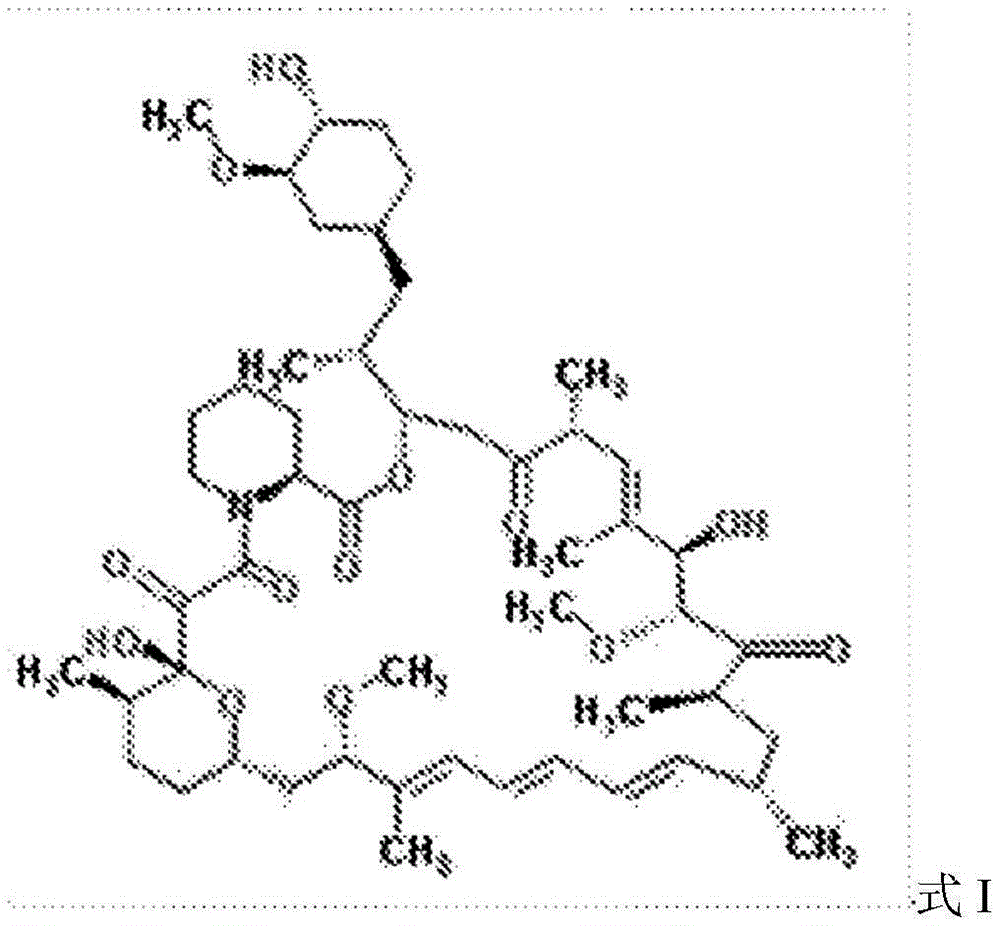
例如,在美国专利号5,665,772、6,440,990、5,985,890和6,200,985中公开了式I的化合物,其通过引用并入本文。它们可以如所公开的或类似于这些参考文献中描述的方法那样制备。For example, compounds of formula I are disclosed in US Pat. Nos. 5,665,772, 6,440,990, 5,985,890 and 6,200,985, which are incorporated herein by reference. They can be prepared as disclosed or analogously to the methods described in these references.
优选的化合物是32-脱氧雷帕霉素(32-deoxorapamycin)、16-戊-2-炔氧基-32-脱氧雷帕霉素(16-pent-2-ynyloxy-32-deoxorapambycin)、16-戊-2-炔氧基-32(S)-二氢-雷帕霉素(16-pent-2-ynyloxy-32(S)-dihydro-rapamycin)、16-戊-2-炔氧基-32(S)-二氢-40-O-(2-羟乙基)-雷帕霉素(16-pent-2-ynyloxy-32(S)-dihydro-40-O-(2-hydroxyethyl)-rapamycin),更优选地,40-O-(2-羟乙基)-雷帕霉素(40-O-(2-hydroxyethyl)-rapamycin)(此后称为化合物A),如美国专利号5,665,772和6,440,990的实施例8所公开的。Preferred compounds are 32-deoxorapamycin, 16-pent-2-ynyloxy-32-deoxorapambycin, 16-pent-2-ynyloxy-32(S)-dihydro-rapamycin, 16-pent-2-ynyloxy-32(S)-dihydro-rapamycin, 40-O-(2-hydroxyethyl)-rapamycin (16-pent-2-ynyloxy-32(S)-dihydro-40-O-(2-hydroxyethyl)-rapamycin), more preferably, 40-O-(2-hydroxyethyl)-rapamycin (40-O-(2-hydroxyethyl)-rapamycin) (hereinafter referred to as Compound A), as disclosed in Example 8 of U.S. Pat. Nos. 5,665,772 and 6,440,990.
基于观察到的活性,例如结合macrophilin-12(也称为FK-506结合蛋白或FKBP-12),例如在WO94/09010、WO95/16691或WO96/41807中所述,已经发现式I的化合物是有用的,例如作为免疫抑制剂,例如治疗急性同种异体移植物排斥。Based on the observed activity, e.g. binding to macrophilin-12 (also known as FK-506 binding protein or FKBP-12), e.g. as described in WO94/09010, WO95/16691 or WO96/41807, it has been found that the compounds of formula I are useful, e.g. as immunosuppressants, e.g. in the treatment of acute allograft rejection.
实施例还包括包含雷帕霉素衍生物的纳米颗粒,其具有改善的疏水性和/或混溶性。例如,雷帕霉素可以与烷基链缀合,如Zhao等(Augmenting drug-carriercompatibility improves tumour nanotherapy efficacy,Nature Communications 7,文章编号:11221(2016)doi:10.1038/ncomms11221)所述。Embodiments also include nanoparticles comprising rapamycin derivatives having improved hydrophobicity and/or miscibility. For example, rapamycin can be conjugated to an alkyl chain as described by Zhao et al. (Augmenting drug-carrier compatibility improves tumour nanotherapy efficacy, Nature Communications 7, Article No.: 11221 (2016) doi: 10.1038/ncomms11221).
在某些实施例中,加入胆固醇使制剂稳定并且使包封效率提高。在某些实施例中,胆固醇的重量百分比为纳米颗粒、脂质或组合物的约0%至约10%(w/w),约1%(w/w)至约10%(w/w),约2%(w/w)至约10%(w/w),约3%(w/w)至约10%(w/w),约4%(w/w)至约10%(w/w),约5%(w/w)至约10%(w/w),约6%(w/w)至约10%(w/w),约7%(w/w)至约10%(w/w),约8%(w/w)至约10%(w/w),约1%(w/w)至约9%(w/w),约1%(w/w)至约8%(w/w),约1%(w/w)至约7%(w/w),或约1%(w/w)至约6%(w/w)。In certain embodiments, the addition of cholesterol stabilizes the formulation and improves encapsulation efficiency. In certain embodiments, the weight percentage of cholesterol is about 0% to about 10% (w/w), about 1% (w/w) to about 10% (w/w), about 2% (w/w) to about 10% (w/w), about 3% (w/w) to about 10% (w/w), about 4% (w/w) to about 10% (w/w), about 5% (w/w) to about 10% (w/w), about 6% (w/w) to about 10% (w/w), about 7% (w/w) to about 10% (w/w), about 8% (w/w) to about 10% (w/w), about 1% (w/w) to about 9% (w/w), about 1% (w/w) to about 8% (w/w), about 1% (w/w) to about 7% (w/w), or about 1% (w/w) to about 6% (w/w) of the nanoparticle, lipid, or composition.
递送载体(例如脂质体、纳米胶囊、微粒、微球、脂质颗粒、囊泡等)可用于引入靶向先天免疫系统的本发明的组合物,例如靶向巨噬细胞以诱导移植耐受性。除了配制成mTOR-HDL的纳米疗法之外,靶向巨噬细胞的化合物可以配制成以多种不同的形式和方法递送,包括包封在脂质颗粒、脂质体、囊泡、纳米球或纳米颗粒中等。Delivery vehicles (e.g., liposomes, nanocapsules, microparticles, microspheres, lipid particles, vesicles, etc.) can be used to introduce compositions of the invention that target the innate immune system, such as targeting macrophages to induce transplant tolerance. In addition to being formulated as nanotherapies for mTOR-HDL, compounds targeting macrophages can be formulated for delivery in a variety of different forms and methods, including encapsulation in lipid particles, liposomes, vesicles, nanospheres or nanoparticles.
脂质体的形成和使用通常是本领域技术人员已知的。最近,开发了具有改善的血清稳定性和循环半衰期的脂质体(美国专利号5,741,516)。此外,已经描述了脂质体和类脂质体制剂作为潜在的药物载体的各种方法(美国专利号5,567,434、5,552,157、5,565,213、5,738,868和5,795,587)。The formation and use of liposomes are generally known to those skilled in the art. Recently, liposomes with improved serum stability and circulation half-life have been developed (U.S. Patent No. 5,741,516). In addition, various methods of liposome and niosome preparations as potential drug carriers have been described (U.S. Patent Nos. 5,567,434, 5,552,157, 5,565,213, 5,738,868 and 5,795,587).
脂质体已经成功地与许多细胞类型一起使用,这些细胞类型通常对其他过程的转染具有抗性。此外,脂质体没有DNA长度限制,DNA长度限制在基于病毒的递送系统中是典型的。脂质体已经有效地用于将基因、药物、放射治疗剂、病毒、转录因子和别构效应物引入多种培养的细胞系和动物中。此外,已经完成了几项成功的临床试验,这些试验检验脂质体介导的药物递送的有效性。Liposomes have been successfully used with many cell types that are usually resistant to transfection by other processes. In addition, liposomes do not have DNA length restrictions that are typical in virus-based delivery systems. Liposomes have been effectively used to introduce genes, drugs, radiotherapeutic agents, viruses, transcription factors, and allosteric effectors into a variety of cultured cell lines and animals. In addition, several successful clinical trials have been completed that test the effectiveness of liposome-mediated drug delivery.
脂质体由磷脂形成,磷脂分散在水性介质中并自发地形成多层同心双层囊泡(也称为多层囊泡(MLV))。MLV通常具有25nm至4μm的直径。超声处理MLV导致形成小单层囊泡(SUV),直径为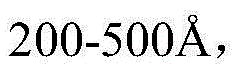
或者,可以使用靶向先天免疫系统的本发明的组合物的纳米胶囊制剂。纳米胶囊通常可以以稳定且可重复的方式包埋(entrap)物质。为了避免由细胞内聚合物过载引起的副作用,应该使用能够在体内降解的聚合物设计这种超细颗粒(大小约0.1μm)。考虑使用满足这些要求的可生物降解的聚烷基-氰基丙烯酸酯纳米颗粒。Alternatively, nanocapsule formulations of the compositions of the present invention targeting the innate immune system can be used. Nanocapsules can generally entrap substances in a stable and reproducible manner. In order to avoid side effects caused by intracellular polymer overload, such ultrafine particles (about 0.1 μm in size) should be designed using polymers that can degrade in vivo. Biodegradable polyalkyl-cyanoacrylate nanoparticles that meet these requirements are considered.
“合成的纳米载体”是指未在自然界中发现的离散物体,其具有至少一个小于或等于5微米的尺寸。白蛋白纳米颗粒通常被包含在合成的纳米载体中,然而在某些实施例中,合成的纳米载体不包括白蛋白纳米颗粒。在某些实施例中,合成的纳米载体不包括壳聚糖。在其他实施例中,本发明合成的纳米载体不是脂质基纳米颗粒。在其他实施例中,合成的纳米载体不包括磷脂。"Synthetic nanocarrier" refers to a discrete object not found in nature having at least one dimension less than or equal to 5 microns. Albumin nanoparticles are typically included in synthetic nanocarriers, however, in certain embodiments, the synthetic nanocarriers do not include albumin nanoparticles. In certain embodiments, the synthetic nanocarriers do not include chitosan. In other embodiments, the synthetic nanocarriers of the present invention are not lipid-based nanoparticles. In other embodiments, the synthetic nanocarriers do not include phospholipids.
合成的纳米载体可以是但不限于一种或多种的脂质基纳米颗粒(在本文中也称为脂质纳米颗粒,即这样的纳米颗粒,其中构成其结构的大部分材料是脂质)、聚合物纳米颗粒、金属纳米颗粒、表面活性剂基乳液、树枝状大分子、巴基球、纳米线、类病毒颗粒(即主要由病毒结构蛋白组成但不具有传染性或感染性低的颗粒)、肽或蛋白质基颗粒(在本文中也称为蛋白质颗粒,即这样的颗粒,其中构成其结构的大部分材料是肽或蛋白质)(例如白蛋白纳米颗粒)和/或使用纳米材料的组合形成的纳米颗粒(例如脂质-聚合物纳米颗粒)。合成的纳米载体可以是各种不同的形状,包括但不限于球形、立方形、金字塔形、椭圆形、圆柱形、环形等。根据本发明的合成的纳米载体包括一个或多个表面。适用于本发明的实践的示例性合成的纳米载体包括:(1)美国专利号5,543,158(Gref等)公开的可生物降解的纳米颗粒;(2)公开的美国专利申请20060002852(Saltzman等)的聚合物纳米颗粒;(3)公开的美国专利申请20090028910(DeSimone等)的光刻构造的纳米颗粒;(4)WO2009/051837(vonAndrian等)公开的;(5)公开的美国专利申请2008/0145441(Penades等)中公开的纳米颗粒;(6)公开的美国专利申请20090226525(de los Rios等)中公开的蛋白质纳米颗粒;(7)公开的美国专利申请20060222652(Sebbel等)中公开的类病毒颗粒;(8)公开的美国专利申请20060251677(Bachmann等)中公开的核酸偶联的类病毒颗粒;(9)WO2010047839A1或WO2009106999A2中公开的类病毒颗粒;(10)在P.Paolicelli等的“Surface-modifiedPLGA-based Nanoparticles that can Efficiently Associate and Deliver Virus-like Particles”Nanomedicine.5(6):843-853(2010)中公开的纳米沉淀的纳米颗粒;或(11)美国公开2002/0086049中公开的凋亡细胞、凋亡小体或合成或半合成的模拟物。在实施例中,合成的纳米载体可以具有大于1:1、1:1.2、1:1.5、1:2、1:3、1:5、1:7或大于1:10的长宽比(aspect ratio)。The synthetic nanocarrier may be, but is not limited to, one or more lipid-based nanoparticles (also referred to herein as lipid nanoparticles, i.e., nanoparticles in which the majority of the material constituting its structure is lipid), polymer nanoparticles, metal nanoparticles, surfactant-based emulsions, dendrimers, buckyballs, nanowires, virus-like particles (i.e., particles that are mainly composed of viral structural proteins but are not infectious or have low infectivity), peptide or protein-based particles (also referred to herein as protein particles, i.e., particles in which the majority of the material constituting its structure is peptide or protein) (e.g., albumin nanoparticles), and/or nanoparticles formed using a combination of nanomaterials (e.g., lipid-polymer nanoparticles). The synthetic nanocarrier may be in a variety of different shapes, including, but not limited to, spherical, cubic, pyramidal, elliptical, cylindrical, annular, etc. The synthetic nanocarrier according to the present invention comprises one or more surfaces. Exemplary synthetic nanocarriers suitable for the practice of the present invention include: (1) biodegradable nanoparticles disclosed in U.S. Patent No. 5,543,158 (Gref et al.); (2) polymer nanoparticles of published U.S. Patent Application No. 20060002852 (Saltzman et al.); (3) photolithographically structured nanoparticles of published U.S. Patent Application No. 20090028910 (DeSimone et al.); (4) nanoparticles disclosed in WO2009/051837 (vonAndrian et al.); (5) nanoparticles disclosed in published U.S. Patent Application No. 2008/0145441 (Penades et al.); (6) nanoparticles disclosed in published U.S. Patent Application No. 20090226525 (de los (7) virus-like particles disclosed in published U.S. patent application 20060222652 (Sebbel et al.); (8) nucleic acid-coupled virus-like particles disclosed in published U.S. patent application 20060251677 (Bachmann et al.); (9) virus-like particles disclosed in WO2010047839A1 or WO2009106999A2; (10) nanoprecipitated nanoparticles disclosed in P. Paolicelli et al. "Surface-modified PLGA-based Nanoparticles that can Efficiently Associate and Deliver Virus-like Particles" Nanomedicine.5(6):843-853 (2010); or (11) apoptotic cells, apoptotic bodies or synthetic or semi-synthetic mimetics disclosed in U.S. publication 2002/0086049. In embodiments, the synthesized nanocarriers may have an aspect ratio greater than 1:1, 1:1.2, 1:1.5, 1:2, 1:3, 1:5, 1:7, or greater than 1:10.
合成的纳米载体的最小尺寸可以等于或小于约100nm,优选地等于或小于100nm,不包括具有羟基的表面(所述羟基激活补体),或者包括基本上由非羟基部分组成的表面(所述羟基激活补体)。在某些实施例中,合成的纳米载体的最小尺寸等于或小于约100nm,优选地等于或小于100nm的,不包括基本上激活补体的表面或包括基本上由基本上不激活补体的部分组成的表面。在某些实施例中,合成的纳米载体的最小尺寸等于或小于约100nm,优选地等于或小于100nm,不包括激活补体的表面或包括基本上由不激活补体的部分组成的表面。在实施例中,合成的纳米载体排除类病毒颗粒。在实施例中,合成的纳米载体可以具有大于1:1、1:1.2、1:1.5、1:2、1:3、1:5、1:7或大于1:10的长宽比。The minimum dimension of the synthetic nanocarrier may be equal to or less than about 100 nm, preferably equal to or less than 100 nm, excluding a surface with hydroxyl groups (the hydroxyl groups activate complement), or including a surface consisting essentially of non-hydroxyl moieties (the hydroxyl groups activate complement). In certain embodiments, the minimum dimension of the synthetic nanocarrier is equal to or less than about 100 nm, preferably equal to or less than 100 nm, excluding a surface that substantially activates complement or including a surface consisting essentially of moieties that substantially do not activate complement. In certain embodiments, the minimum dimension of the synthetic nanocarrier is equal to or less than about 100 nm, preferably equal to or less than 100 nm, excluding a surface that activates complement or including a surface consisting essentially of moieties that do not activate complement. In embodiments, the synthetic nanocarrier excludes virus-like particles. In embodiments, the synthetic nanocarrier may have an aspect ratio greater than 1:1, 1:1.2, 1:1.5, 1:2, 1:3, 1:5, 1:7, or greater than 1:10.
在某些实施例中,本发明的组合物包含一种或多种类型的磷脂(基本上由其组成或由其组成)。In certain embodiments, compositions of the invention comprise, consist essentially of, or consist of one or more types of phospholipids.
合适的磷脂的实例包括但不限于磷脂酰胆碱、磷脂酰乙醇胺、磷脂酰肌醇、磷脂酰丝氨酸、鞘磷脂或其他神经酰胺,以及含磷脂的油,例如卵磷脂油。可以使用磷脂的组合或磷脂和其他物质的混合物。Examples of suitable phospholipids include, but are not limited to, phosphatidylcholine, phosphatidylethanolamine, phosphatidylinositol, phosphatidylserine, sphingomyelin or other ceramides, and phospholipid-containing oils, such as lecithin oil. Combinations of phospholipids or mixtures of phospholipids and other substances may be used.
可用于本发明的组合物的磷脂的非限制性实例包括二肉豆蔻酰磷脂酰胆碱(DMPC)、大豆卵磷脂、二棕榈酰磷脂酰胆碱(DPPC)、二硬脂酰磷脂酰胆碱(DSPC)、二月桂基磷脂酰胆碱(DLPC)、二油酰磷脂酰胆碱(DOPC)、二月桂酰磷脂酰甘油(DLPG)、二肉豆蔻酰磷脂酰甘油(dimyristoylphosphatidylglycerol)(DMPG)、二棕榈酰磷脂酰甘油(DPPG)、二硬脂酰磷脂酰甘油(DSPG)、二油酰磷脂酰甘油(dioleoylphosphatidylglycerol)(DOPG)、二肉豆蔻酰磷脂酸(DMPA)、二肉豆蔻酰磷脂酸(DMPA)、二棕榈酰磷脂酸(DPPA)、二棕榈酰磷脂酸(DPPA)、二肉豆蔻酰磷脂酰乙醇胺(DMPE)、二棕榈酰磷脂酰乙醇胺(DPPE)、二肉豆蔻酰基磷脂酰丝氨酸(DMPS)、二棕榈酰磷脂酰丝氨酸(DPPS)、二棕榈酰鞘磷脂(DPSP)、二硬脂酰鞘磷脂(DSSP)及其混合物。Non-limiting examples of phospholipids that can be used in the compositions of the present invention include dimyristoylphosphatidylcholine (DMPC), soy lecithin, dipalmitoylphosphatidylcholine (DPPC), distearoylphosphatidylcholine (DSPC), dilaurylphosphatidylcholine (DLPC), dioleoylphosphatidylcholine (DOPC), dilauroylphosphatidylglycerol (DLPG), dimyristoylphosphatidylglycerol (DMPG), dipalmitoylphosphatidylglycerol (DPPG), distearoylphosphatidylglycerol (DSPG), Dioleoylphosphatidylglycerol (DOPG), dimyristoylphosphatidic acid (DMPA), dimyristoylphosphatidic acid (DMPA), dipalmitoylphosphatidic acid (DPPA), dipalmitoylphosphatidic acid (DPPA), dimyristoylphosphatidylethanolamine (DMPE), dipalmitoylphosphatidylethanolamine (DPPE), dimyristoylphosphatidylserine (DMPS), dipalmitoylphosphatidylserine (DPPS), dipalmitoylsphingomyelin (DPSP), distearoylsphingomyelin (DSSP) and mixtures thereof.
在某些实施例中,当本发明的组合物包含两种或更多种类型的磷脂(基本上由其组成或由其组成)时,两种类型的磷脂的重量比可以为约1:10至约10:1,约2:1至约4:1,约1:1至约5:1,约2:1至约5:1,约6:1至约10:1,约7:1至约10:1,约8:1至约10:1,约7:1至约9:1,或约8:1至约9:1。例如,两种类型的磷脂的重量比可以为约1:10、约1:9、约1:8、约1:7、约1:6、约1:5、约1:4、约1:3、约1:2、约1:1、约2:1、约3:1、约4:1、约5:1、约6:1、约7:1、约8:1、约9:1或约10:1。In certain embodiments, when the composition of the present invention comprises, consists essentially of, or consists of two or more types of phospholipids, the weight ratio of the two types of phospholipids can be about 1:10 to about 10:1, about 2:1 to about 4:1, about 1:1 to about 5:1, about 2:1 to about 5:1, about 6:1 to about 10:1, about 7:1 to about 10:1, about 8:1 to about 10:1, about 7:1 to about 9:1, or about 8:1 to about 9:1. For example, the weight ratio of the two types of phospholipids can be about 1:10, about 1:9, about 1:8, about 1:7, about 1:6, about 1:5, about 1:4, about 1:3, about 1:2, about 1:1, about 2:1, about 3:1, about 4:1, about 5:1, about 6:1, about 7:1, about 8:1, about 9:1, or about 10:1.
在一个实施例中,本发明的高密度脂蛋白(HDL)衍生的纳米颗粒包含1,2-二肉豆蔻酰基-sn-甘油-3-磷脂酰胆碱(DMPC)和1-肉豆蔻酰基-2-羟基-sn-甘油-磷酸胆碱(MHPC)(基本上由其组成或由其组成)。DMPC与MHPC的重量比可以为约1:10至约10:1,约2:1至约4:1,约1:1至约5:1,约2:1至约5:1,约6:1至约10:1,约7:1至约10:1,约8:1至约10:1,约7:1至约9:1,或约8:1到大约9:1。DMPC与MHPC的重量比可为约1:10、约1:9、约1:8、约1:7、约1:6、约1:5、约1:4、约1:3、约1:2、约1:1、约2:1、约3:1、约4:1、约5:1、约6:1、约7:1、约8:1、约9:1或约10:1。In one embodiment, the high-density lipoprotein (HDL) derived nanoparticles of the present invention comprise (essentially consist of or consist of) 1,2-dimyristoyl-sn-glycero-3-phosphatidylcholine (DMPC) and 1-myristoyl-2-hydroxy-sn-glycero-phosphocholine (MHPC). The weight ratio of DMPC to MHPC can be from about 1:10 to about 10:1, from about 2:1 to about 4:1, from about 1:1 to about 5:1, from about 2:1 to about 5:1, from about 6:1 to about 10:1, from about 7:1 to about 10:1, from about 8:1 to about 10:1, from about 7:1 to about 9:1, or from about 8:1 to about 9:1. The weight ratio of DMPC to MHPC may be about 1:10, about 1:9, about 1:8, about 1:7, about 1:6, about 1:5, about 1:4, about 1:3, about 1:2, about 1:1, about 2:1, about 3:1, about 4:1, about 5:1, about 6:1, about 7:1, about 8:1, about 9:1, or about 10:1.
mTor抑制剂和与其他药物活性成分的组合mTor inhibitors and combinations with other pharmaceutical active ingredients
mTOR抑制剂的实例包括雷帕霉素及其类似物(例如CCL-779、RAD001、AP23573、C20-甲代烯丙基雷帕霉素(C20-methallylrapamycin)(C20-Marap)、C16-(S)-丁基磺酰胺基雷帕霉素(C16-BSrap)、C16-(S)-3-甲基吲哚雷帕霉素(C16-iRap)(Bayle等,Chemistry&Biology 2006,13:99-107))、AZD8055、BEZ235(NVP-BEZ235)、大黄根酸(大黄酚)、雷帕霉素(deforolimus)(MK-8669)、依维莫司(RAD0001)、KU-0063794、PI-103、PP242、西罗莫司和WYE-354(获得自Selleck,Houston,Tex.,USA)。Examples of mTOR inhibitors include rapamycin and its analogs (e.g., CCL-779, RAD001, AP23573, C20-methallylrapamycin (C20-Marap), C16-(S)-butylsulfonamidorapamycin (C16-BSrap), C16-(S)-3-methylindorapamycin (C16-iRap) (Bayle et al., Chemistry & Biology 2006, 13:99-107)), AZD8055, BEZ235 (NVP-BEZ235), rhubarb acid (chrysophanol), rapamycin (deforolimus) (MK-8669), everolimus (RAD0001), KU-0063794, PI-103, PP242, sirolimus and WYE-354 (obtained from Selleck, Houston, Tex., USA).
在某些实施例中,可以组合使用靶向PIRb+巨噬细胞并促进同种异体移植物存活的一种或多种另外的或替代的活性成分。任何一种或多种这些活性成可以配制在一个剂量单位中,或者是以组合的形式,如mTOR-HDL纳米颗粒可与包含第二种或第三种活性成分的脂质颗粒、脂质体、囊泡、纳米球组合施用。其他合适的活性剂包括一种或多种免疫抑制剂。In certain embodiments, one or more additional or alternative active ingredients that target PIRb+ macrophages and promote allograft survival may be used in combination. Any one or more of these active ingredients may be formulated in one dosage unit, or in a combined form, such as mTOR-HDL nanoparticles may be administered in combination with lipid particles, liposomes, vesicles, nanospheres containing a second or third active ingredient. Other suitable active agents include one or more immunosuppressants.
治疗方案/选择Treatment options/options
mTOR-HDL可以与靶向适应性免疫响应(例如T细胞和B细胞消耗)的其他诱导疗法组合使用。例如,对于肾脏活体供体,可以在移植前和移植后不久对移植受体进行治疗。目前免疫抑制治疗的患者可以转为mTOR-HDL治疗或联合mTOR-HDL/TRAF6i-HDL治疗。在另外的情况下,患者在移植前和移植后不久接受mTOR-HDL治疗,mTOR-HDL治疗可以每6或12个月重复一次,目的是消除或强烈减少免疫抑制治疗。在另外的情况下,患者接受mTOR-HDL治疗或联合mTOR-HDL/TRAF6i-HDL治疗而无需任何额外的免疫抑制治疗。mTOR-HDL can be used in combination with other induction therapies that target adaptive immune responses (e.g., T cell and B cell depletion). For example, for living kidney donors, transplant recipients can be treated before and shortly after transplantation. Patients currently on immunosuppressive therapy can be switched to mTOR-HDL therapy or combined mTOR-HDL/TRAF6i-HDL therapy. In other cases, patients receive mTOR-HDL therapy before and shortly after transplantation, and mTOR-HDL therapy can be repeated every 6 or 12 months with the goal of eliminating or strongly reducing immunosuppressive therapy. In other cases, patients receive mTOR-HDL therapy or combined mTOR-HDL/TRAF6i-HDL therapy without any additional immunosuppressive therapy.
示例性免疫抑制剂包括但不限于他汀类药物;mTOR抑制剂,例如雷帕霉素或雷帕霉素类似物;TGF-β信号转导剂;TGF-β受体激动剂;组蛋白去乙酰化酶(HDAC)抑制剂;皮质类固醇;线粒体功能抑制剂,如鱼藤酮;P38抑制剂;NF-.κ..β.抑制剂;腺苷受体激动剂;前列腺素E2激动剂;磷酸二酯酶抑制剂,如磷酸二酯酶4抑制剂;蛋白酶体抑制剂;激酶抑制剂;G蛋白偶联受体激动剂;G蛋白偶联受体拮抗剂;糖皮质激素;维甲酸;细胞因子抑制剂;细胞因子受体抑制剂;细胞因子受体激活剂;过氧化物酶体增殖物激活受体拮抗剂;过氧化物酶体增殖物激活受体激动剂;组蛋白去乙酰化酶抑制剂;钙调磷酸酶抑制剂;磷酸酶抑制剂和氧化的ATP。免疫抑制剂还包括IDO、维生素D3、环孢菌素A、芳香烃受体抑制剂、白藜芦醇、硫唑嘌呤、6-巯基嘌呤、阿司匹林、尼氟酸、雌三醇、雷公藤内酯醇、白细胞介素(如IL-1、IL-10)、环孢菌素A、siRNA靶向细胞因子或细胞因子受体等。他汀类药物的实例包括阿伐他汀(LIPITOR.RTM.,TORVAST.RTM.)、西立伐他汀,氟伐他汀(LESCOL.RTM.,LESCOL.RTM.XL)、洛伐他汀(MEVACOR.RTM.,ALTOCOR.RTM.,ALTOPREV.RTM.)、美伐他汀(COMPACTIN.RTM.)、匹伐他汀(LIVALO.RTM.,PIAVA.RTM.)、罗苏伐他汀(PRAVACHOL.RTM.,SELEKTINE.RTM.,LIPOSTAT.RTM.)、罗苏伐他汀(CRESTOR.RTM.)和辛伐他汀(ZOCOR.RTM.,LIPEX.RTM.)。Exemplary immunosuppressants include, but are not limited to, statins; mTOR inhibitors, such as rapamycin or rapamycin analogs; TGF-β signaling transducers; TGF-β receptor agonists; histone deacetylase (HDAC) inhibitors; corticosteroids; mitochondrial function inhibitors, such as rotenone; P38 inhibitors; NF-.κ..β. inhibitors; adenosine receptor agonists; prostaglandin E2 agonists; phosphodiesterase inhibitors, such as
在同种异体心脏移植小鼠模型中测试mTOR-HDL纳米疗法。该方案在移植后第一周内仅包括三次静脉内尾静脉注射5mg/kg当量雷帕霉素。使用体内正电子发射断层扫描与计算机断层扫描(PET-CT)成像和一系列免疫分析的组合,评估心脏同种异体移植物靶向和细胞特异性。随后,分析先天免疫响应以及同种异体移植物存活和治疗机制。这些结果证明,mTOR-HDL纳米颗粒治疗促进无限期的心脏同种异体移植物存活。另外,对于皮肤移植模型也观察到类似的结果。这些结果证明了如何操纵免疫响应,在临床中诱导供体特异性无响应并鉴定可预防人类中同种异体移植物排斥的新治疗靶标。mTOR-HDL nanotherapy was tested in an allogeneic heart transplant mouse model. The regimen consisted of only three intravenous tail vein injections of 5 mg/kg equivalent of rapamycin within the first week after transplantation. A combination of in vivo positron emission tomography and computed tomography (PET-CT) imaging and a series of immunoassays was used to assess cardiac allograft targeting and cell specificity. Subsequently, innate immune responses as well as allograft survival and therapeutic mechanisms were analyzed. These results demonstrate that mTOR-HDL nanoparticle therapy promotes indefinite cardiac allograft survival. In addition, similar results were observed for a skin transplant model. These results demonstrate how to manipulate immune responses, induce donor-specific unresponsiveness in the clinic, and identify new therapeutic targets that can prevent allograft rejection in humans.
实例Examples
实例1Example 1
开发mTOR-HDL纳米颗粒Development of mTOR-HDL nanoparticles
通过将包含雷帕霉素和磷脂的脂质膜与PBS中的APOA1水合来合成mTOR-HDL纳米颗粒(参见图1A)。随后,在剧烈均质化后,超声样品以产生mTOR-HDL纳米颗粒,其具有62±11%雷帕霉素包封效率和12.7±4.4nm平均流体力学直径,分别通过高效液相色谱和动态光散射确定。纳米颗粒的尺寸可以变化,但通常为约10nm至约250nm。mTOR-HDL nanoparticles were synthesized by hydrating a lipid film containing rapamycin and phospholipids with APOA1 in PBS (see Figure 1A). Subsequently, after vigorous homogenization, the sample was sonicated to produce mTOR-HDL nanoparticles with 62±11% rapamycin encapsulation efficiency and 12.7±4.4 nm average hydrodynamic diameter, as determined by high performance liquid chromatography and dynamic light scattering, respectively. The size of the nanoparticles can vary, but is typically about 10 nm to about 250 nm.
如通过透射电子显微镜(图4)所揭示的,mTOR-HDL具有盘状结构,盘状结构是HDL基纳米颗粒的典型16。使用离体近红外荧光(NIRF)成像和流式细胞术,在C57Bl/6野生型小鼠中评估了1,1'-二-N-十八烷基-3,3,3',3'-四甲基吲哚三羰花青碘化物(1,1'-Dioctadecyl-3,3,3',3'-Tetramethylindotricarbocyanine Iodide)(DiR)标记的mTOR-HDL的生物分布和细胞特异性。表明mTOR-HDL主要累积在肝脏、脾脏和肾脏中(图5A),同时在血液和脾脏中对单核细胞显示出比树突细胞(DC)或嗜中性粒细胞更高的亲和力(图5B,C)(分别地:P≤0.001,P≤0.01和P≤0.01,P≤0.01)。As revealed by transmission electron microscopy ( FIG4 ), mTOR-HDL has a discoid structure, which is typical of HDL-based nanoparticles 16 . The biodistribution and cellular specificity of 1,1'-dioctadecyl-3,3,3',3'-tetramethylindotricarbocyanine iodide (DiR)-labeled mTOR-HDL were evaluated in C57Bl/6 wild-type mice using ex vivo near-infrared fluorescence (NIRF) imaging and flow cytometry. mTOR-HDL was found to accumulate mainly in the liver, spleen, and kidney ( FIG5A ), while showing a higher affinity for monocytes than dendritic cells (DCs) or neutrophils in the blood and spleen ( FIG5B , C ) ( P ≤ 0.001, P ≤ 0.01 and P ≤ 0.01, P ≤ 0.01, respectively).
将mTOR-HDL治疗用于心脏移植小鼠模型(图1B)。使用体内PET-CT成像(图1B)和离体技术确定mTOR-HDL的生物分布、同种异体移植物靶向和细胞特异性。随后,利用一系列免疫学读数,包括流式细胞术、酶联免疫吸附分析和混合淋巴细胞反应,来评估短期mTOR-HDL纳米治疗方案的效果(图1B)。mTOR-HDL treatment was applied to a cardiac transplant mouse model (Figure 1B). In vivo PET-CT imaging (Figure 1B) and ex vivo techniques were used to determine the biodistribution, allograft targeting, and cell specificity of mTOR-HDL. Subsequently, a series of immunological readouts, including flow cytometry, enzyme-linked immunosorbent assay, and mixed lymphocyte reaction, were used to evaluate the effect of the short-term mTOR-HDL nanotherapy regimen (Figure 1B).
mTOR-HDL纳米疗法靶向先天免疫系统mTOR-HDL nanotherapy targets the innate immune system
为了定量研究组织靶向性和特异性,用89Zr放射标记mTOR-HDL纳米颗粒(89Zr-mTOR-HDL)。将心脏移植到小鼠腹部6天后,小鼠静脉内接受89Zr-mTOR-HDL。在小鼠进行体内PET-CT成像之前,允许纳米颗粒循环并分布24小时。在心脏同种异体移植物中观察到标记的89Zr-mTOR-HDL存在(图1C)。成像后,处死小鼠,收集器官,通过离体放射自显影进行89Zr-mTOR-HDL定量。确定同种异体移植物心脏(Tx)活性(25.2±2.4×10³计数/单位面积)比天然心脏(N)(11.1±1.9×103计数/单位面积)高,是其2.3倍(图1F)。伽玛计数评估89Zr-mTOR-HDL的完全生物分布。离体放射自显影表明89Zr-mTOR-HDL靶向许多组织(图1D),表明药物的全身生物分布,与载药HDL纳米颗粒的典型分布模式一致17。To quantitatively investigate tissue targeting and specificity, mTOR-HDL nanoparticles ( 89 Zr-mTOR-HDL) were radiolabeled with 89 Zr. Six days after the heart was transplanted into the abdomen of mice, the mice received 89 Zr-mTOR-HDL intravenously. The nanoparticles were allowed to circulate and distribute for 24 hours before the mice underwent in vivo PET-CT imaging. The presence of labeled 89 Zr-mTOR-HDL was observed in cardiac allografts ( FIG1C ). After imaging, the mice were sacrificed, the organs were collected, and 89 Zr-mTOR-HDL was quantified by ex vivo autoradiography. It was determined that the activity of the allograft heart (Tx) (25.2±2.4×10 3 counts/unit area) was higher than that of the native heart (N) (11.1±1.9×10 3 counts/unit area), which was 2.3 times higher ( FIG1F ). Gamma counting assessed the complete biodistribution of 89 Zr-mTOR-HDL. Ex vivo autoradiography demonstrated that 89 Zr-mTOR-HDL targeted many tissues ( FIG1D ), indicating systemic biodistribution of the drug, consistent with the typical distribution pattern of drug-loaded HDL nanoparticles 17 .
有利的器官分布模式和心脏同种异体移植物摄取,引导发明人评估心脏同种异体移植物、血液、脾脏和骨髓中细胞水平的mTOR-HDL靶向性和特异性。用荧光染料3,3'-二-N-十八烷基氧代羰花青高氯酸盐(DiO)标记mTOR-HDL纳米颗粒,静脉内施用并允许循环24小时。根据几种组织类型,提取骨髓细胞,包括嗜中性粒细胞;单核细胞/巨噬细胞(Mo/MΦ)池,包括Ly-6Clo和Ly-6Chi单核细胞、DC和T细胞,通过流式细胞术分析。The favorable organ distribution pattern and uptake in cardiac allografts led the inventors to evaluate the targeting and specificity of mTOR-HDL at the cellular level in cardiac allografts, blood, spleen, and bone marrow. mTOR-HDL nanoparticles were labeled with the
在心脏同种异体移植物、血液和脾脏中观察到骨髓细胞靶向性(图1F和1G)。重要地,发明人观察到对Mo/MΦ池和嗜中性粒细胞的细胞特异性,在心脏、血液和脾脏中,Mo/MΦ池对mTOR-HDL的摄取明显高于DC或嗜中性粒细胞(分别地:P≤0.01,P≤0.01,P≤0.05,以及P≤0.01,P≤0.01,P≤0.05)。相反,实际上T细胞没有摄取DiO标记的mTOR-HDL(图1F,1G),表明纳米疗法的先天免疫细胞特异性。总之,数据表明mTOR-HDL对发炎部位(例如心脏同种异体移植物)表现出高特异性,并且被骨髓细胞(包括单核细胞、DC和嗜中性粒细胞)强烈摄取。Myeloid cell targeting was observed in cardiac allografts, blood, and spleen (Figures 1F and 1G). Importantly, the inventors observed cell specificity for the Mo/MΦ pool and neutrophils, with the Mo/MΦ pool having significantly higher uptake of mTOR-HDL than DCs or neutrophils in the heart, blood, and spleen (respectively: P≤0.01, P≤0.01, P≤0.05, and P≤0.01, P≤0.01, P≤0.05). In contrast, T cells did not actually uptake DiO-labeled mTOR-HDL (Figures 1F, 1G), indicating the innate immune cell specificity of the nanotherapy. In summary, the data indicate that mTOR-HDL exhibits high specificity for inflamed sites (e.g., cardiac allografts) and is strongly taken up by myeloid cells (including monocytes, DCs, and neutrophils).
mTOR-HDL明显减少骨髓细胞区室mTOR-HDL significantly reduced the bone marrow cellular compartment
分析了白细胞群体,更广泛地分析了接受安慰剂、口服雷帕霉素(口服-Ra)和mTOR-HDL治疗的小鼠的血液、脾脏和同种异体移植物中骨髓细胞区室(compartment)(包括嗜中性粒细胞、Mo/MΦ和DC),其中治疗方案包括在移植当天以及移植后第2天和第5天静脉注射mTOR-HDL。与靶向性数据一致,与安慰剂(P≤0.05和P≤0.01)或口服-Ra治疗受体相比,在mTOR-HDL治疗受体的血液、脾脏和同种异体移植物中观察到明显降低的总白细胞(图2A和图8)。此外,这些数据表明,与安慰剂(P≤0.05,P≤0.05和P≤0.05)和口服-Ra治疗受体(P≤0.05)相比,mTOR-HDL治疗降低了血液、脾脏和同种异体移植物中的嗜中性粒细胞水平。此外,与安慰剂(P≤0.05,P≤0.01和P≤0.05)或口服-Ra治疗受体(P≤0.05)相比,mTOR-HDL治疗大幅降低循环、脾脏和心脏同种异体移植物中的Mo/MΦ数。最后,与安慰剂(P≤0.05,P≤0.01和P≤0.05)或口服-Ra治疗受体(P≤0.05)相比,mTOR-HDL治疗大幅降低循环、脾脏和同种异体移植物中的DC。总之,这些结果表明,mTOR-HDL治疗通过干扰移植的同种异体移植物中骨髓细胞累积来限制同种异体反应性免疫响应。Leukocyte populations were analyzed, and more broadly myeloid cell compartments (including neutrophils, Mo/MΦ, and DC) were analyzed in the blood, spleen, and allografts of mice treated with placebo, oral rapamycin (oral-Ra), and mTOR-HDL, where the treatment regimen included intravenous injection of mTOR-HDL on the day of transplantation and on
在这些骨髓细胞研究之后,评估了mTOR-HDL纳米疗法对Mo/MΦ组织分布的影响。Mo/MΦ包括两个不同的子集(Ly-6Chi和Ly-6Clo),具有区域迁移特性23。移植6天后,未治疗和口服-Ra治疗的小鼠的血液、脾脏和心脏同种异体移植物中累积的骨髓细胞数量增加(图2B和图9A)。此外,升高的Mo/MΦ群体含有高百分比的炎性Ly-6Chi单核细胞(图9A和2B)。相比之下,mTOR-HDL受体比安慰剂和口服-Ra治疗的动物在血液(60%vs.12%和13%)、脾脏(55%vs.29%和44%)和心脏同种异体移植(56%vs.20%和18%)中累积了显著更多的Ly-6Clo单核细胞(图2B,图9A)。因此,在mTOR-HDL治疗组中比在安慰剂或口服-Ra治疗接受者(分别为P≤0.05和P≤0.05)中鉴定出明显更少的循环Ly-6Chi单核细胞。脾脏和移植器官中的Mo/MΦ子集比例反映了外周血液中的水平(图1E)。数据表明,虽然Ly-6Chi单核细胞在移植排斥中主导骨髓响应,但Ly-6Clo单核细胞在耐受性期间主导骨髓响应。这表明mTOR-HDL治疗促进调节性Ly-6Clo MΦ累积,并且可以重新平衡骨髓区室以有利于体内平衡。Following these bone marrow cell studies, the effects of mTOR-HDL nanotherapy on the tissue distribution of Mo/MΦ were evaluated. Mo/MΦ include two distinct subsets (Ly-6C hi and Ly-6C lo ) with regional migration properties 23 . Six days after transplantation, increased numbers of bone marrow cells accumulated in the blood, spleen, and cardiac allografts of untreated and oral-Ra-treated mice (Figures 2B and 9A). In addition, the elevated Mo/MΦ population contained a high percentage of inflammatory Ly-6C hi monocytes (Figures 9A and 2B). In contrast, mTOR-HDL receptors accumulated significantly more Ly-6C lo monocytes in the blood (60% vs. 12% and 13%), spleen (55% vs. 29% and 44%), and cardiac allografts (56% vs. 20% and 18%) than placebo and oral-Ra-treated animals (Figures 2B, 9A). Thus, significantly fewer circulating Ly-6C hi monocytes were identified in the mTOR-HDL treated group than in placebo or oral-Ra treated recipients (P ≤ 0.05 and P ≤ 0.05, respectively). The Mo/MΦ subset ratios in the spleen and transplanted organs reflected the levels in the peripheral blood (Figure 1E). The data indicate that while Ly-6C hi monocytes dominate the bone marrow response in transplant rejection, Ly-6C lo monocytes dominate the bone marrow response during tolerance. This suggests that mTOR-HDL treatment promotes the accumulation of regulatory Ly-6C lo MΦ and can rebalance the bone marrow compartment to favor homeostasis.
mTOR-HDL负调节mTOR通路mTOR-HDL negatively regulates the mTOR pathway
使用mRNA的基因集富集分析法(GSEA),研究了mTOR-HDL纳米免疫疗法靶向的分子通路,mRNA分离自流式分选的MΦ,MΦ来自安慰剂或mTOR-HDL治疗受体的同种异体移植物。基因阵列结果表明,mTOR-HDL负调节mTOR(图2C)通路。The molecular pathways targeted by mTOR-HDL nanoimmunotherapy were investigated using gene set enrichment analysis (GSEA) of mRNA isolated from flow-sorted MΦ from allografts of placebo or mTOR-HDL treated recipients. Gene array results showed that mTOR-HDL negatively regulated the mTOR (Figure 2C) pathway.
mTOR-HDL治疗有利于通过促进调节性Ly-6Clo MΦ的增长来诱导移植耐受性mTOR-HDL treatment facilitates the induction of transplantation tolerance by promoting the growth of regulatory Ly-6C lo MΦ
然后,在体外评估了移植物浸润Ly-6Clo Mo/MΦ同种异体移植物的抑制功能。通过在体外抑制羧基荧光素二乙酸琥珀酰亚胺酯(CFSE)标记的CD8+T细胞增殖的能力来评估Ly-6Clo MΦ的调节性抑制功能。本发明的结果表明,从mTOR-HDL治疗的受体小鼠的同种异体移植物获得的调节性Ly-6Clo MΦ在体外阻止T细胞增殖(图3A)。发明人还观察到,与从安慰剂受体小鼠的同种异体移植物获得的Ly-6Clo MΦ不同,从mTOR-HDL治疗的受体的同种异体移植物获得的Ly-6Clo MΦ扩增免疫抑制性Foxp3表达T-regs(图3A)。与这些数据一致,发明人观察到同种异体移植物CD4+CD25+T细胞数量明显增加(图3B;图10)。这表明mTOR-HDL治疗可能有利于通过促进调节性Ly-6Clo MΦ的增长(development)来诱导移植耐受性。Then, the suppressive function of the graft-infiltrating Ly-6C lo Mo/MΦ allograft was evaluated in vitro. The regulatory suppressive function of Ly-6C lo MΦ was evaluated by the ability to inhibit the proliferation of CD8+T cells labeled with carboxyfluorescein diacetate succinimidyl ester (CFSE) in vitro. The results of the present invention show that regulatory Ly-6C lo MΦ obtained from allografts of mTOR-HDL-treated recipient mice prevented T cell proliferation in vitro (Figure 3A). The inventors also observed that, unlike Ly-6C lo MΦ obtained from allografts of placebo recipient mice, Ly-6C lo MΦ obtained from allografts of mTOR-HDL-treated recipients expanded immunosuppressive Foxp3-expressing T-regs (Figure 3A). Consistent with these data, the inventors observed a significant increase in the number of allograft CD4 + CD25 + T cells (Figure 3B; Figure 10). This suggests that mTOR-HDL treatment may be beneficial in inducing transplantation tolerance by promoting the development of regulatory Ly-6C lo MΦ.
mTOR-HDL纳米疗法阻止树突细胞的强效T细胞刺激mTOR-HDL nanotherapy blocks potent T cell stimulation by dendritic cells
由于树突细胞(DC)摄取mTOR-HDL纳米颗粒(图1F-G),因此研究了mTOR-HDL对免疫细胞激活、抗原呈递和DC介导的T细胞刺激的作用。首先,利用酶联免疫吸附分析(ELISA)评估肿瘤坏死因子α(TNF-α)的表达。这些数据表明,与安慰剂和口服-Ra相比,mTOR-HDL治疗明显降低血清TNF-α水平(图10;P≤0.05和P≤0.01)。然后,检查在急性排斥期间上调的共刺激和粘附分子的表达25,26。流式细胞术表明,与安慰剂和口服-Ra治疗的受体相比,来自mTOR-HDL治疗的受体的白细胞中的CD40和CD54分子均明显降低(图10)。使用Y-Ae单克隆抗体(mAb),其识别由受体MHC II类I-Ab分子呈递的供体来源的I-Ed肽,评估mTOR-HDL对抗原呈递的影响。与来自安慰剂或口服-Ra的受体相比,在mTOR-HDL治疗受体的主动脉旁淋巴结和脾脏中观察到明显更少的抗原呈递Y-Ae+细胞。然后,评估了从mTOR-HDL受体获得的DC在体外刺激抗原特异性T细胞的能力。将从安慰剂和mTOR-HDL处理的小鼠的脾脏中提取的CD11c+MHC-II+DC用作引发剂(initiator)以在体外刺激混合淋巴细胞反应(MLR)。分离抗原特异性TEa CD4+T细胞作为响应者(responder),因为这些T细胞识别与Y-Ae mAb识别所相同的肽和MHC的I-Ed-I-Ab复合物,用羧基荧光素琥珀酰亚胺酯(CFSE)标记细胞并如前所述用CD11c+MHC-II+脾脏DC培养27。通过流式细胞术测量T细胞中CFSE稀释度来测试CD11c+MHC-II+脾脏DC的刺激性质。这些数据表明,来自mTOR-HDL受体的DC在体外刺激初始T细胞增殖的能力明显低于从对照小鼠获得的DC。然后,测试了从移植的小鼠获得的T细胞的增殖能力。这些数据表明,类似于从安慰剂排斥小鼠获得的T细胞,来自mTOR-HDL受体的T细胞能够产生体外免疫响应。总之,这些结果说明,mTOR-HDL纳米颗粒治疗阻止DC介导的移植反应性T细胞免疫响应。Since dendritic cells (DCs) take up mTOR-HDL nanoparticles (Figure 1F-G), the effects of mTOR-HDL on immune cell activation, antigen presentation, and DC-mediated T cell stimulation were investigated. First, the expression of tumor necrosis factor α (TNF-α) was assessed using enzyme-linked immunosorbent assay (ELISA). These data showed that mTOR-HDL treatment significantly reduced serum TNF-α levels compared with placebo and oral-Ra (Figure 10; P≤0.05 and P≤0.01). Then, the expression of co-stimulatory and adhesion molecules that are upregulated during acute rejection was examined25,26 . Flow cytometry showed that both CD40 and CD54 molecules were significantly reduced in leukocytes from mTOR-HDL-treated recipients compared with placebo and oral-Ra-treated recipients (Figure 10). The effect of mTOR-HDL on antigen presentation was assessed using the Y-Ae monoclonal antibody (mAb), which recognizes donor-derived IE d peptides presented by recipient MHC class II IA b molecules. Significantly fewer antigen-presenting Y-Ae + cells were observed in the para-aortic lymph nodes and spleens of mTOR-HDL treated recipients compared to recipients from placebo or oral-Ra. The ability of DCs obtained from mTOR-HDL recipients to stimulate antigen-specific T cells in vitro was then evaluated. CD11c + MHC-II + DCs extracted from the spleens of placebo and mTOR-HDL treated mice were used as initiators to stimulate mixed lymphocyte reactions (MLRs) in vitro. Antigen-specific TEa CD4 + T cells were isolated as responders because these T cells recognized the same peptide and MHC IE d -IA b complex recognized by Y-Ae mAb, and cells were labeled with carboxyfluorescein succinimidyl ester (CFSE) and cultured with CD11c + MHC-II + spleen DCs as previously described 27. The stimulatory properties of CD11c + MHC-II + spleen DCs were tested by measuring CFSE dilution in T cells by flow cytometry. These data indicate that DCs from mTOR-HDL receptors are significantly less capable of stimulating proliferation of naive T cells in vitro than DCs obtained from control mice. T cells obtained from transplanted mice were then tested for their ability to proliferate. These data indicate that T cells from mTOR-HDL receptors are able to generate an in vitro immune response, similar to T cells obtained from placebo-rejecting mice. In summary, these results indicate that mTOR-HDL nanoparticle treatment prevents DC-mediated transplant-reactive T cell immune responses.
mTOR-HDL纳米疗法促进抑制性巨噬细胞的增长mTOR-HDL nanotherapy promotes growth of suppressive macrophages
在确定mTOR-HDL纳米颗粒靶向Mo/MΦ(图1F和1G)并影响它们的组织分布后,测试了在耐受性诱导期间同种异体移植物中累积的Ly-6Clo Mo/MΦ的功能特性。移植6天后收获供体心脏同种异体移植物,并通过流式细胞术分析骨髓区室。通过关注活CD45+CD11b+受体移植物浸润骨髓细胞,基于Ly-6Chi Mo/MΦ、Ly-6Clo Mo/MΦ和Ly-6G嗜中性粒细胞的差异表达模式,我们辨别出三个主要群体(图1D)。与安慰剂受体相比,流式细胞术分析证实在mTOR-HDL治疗的小鼠的同种异体移植物中存在比Ly-6Chi Mo/MΦ更多的Ly-6Clo Mo/MΦ(图1D)。各组间Ly-6G嗜中性粒细胞频率无差异。After establishing that mTOR-HDL nanoparticles target Mo/MΦ (Figures 1F and 1G) and affect their tissue distribution, the functional properties of Ly-6C lo Mo/MΦ accumulated in allografts during tolerance induction were tested. Donor cardiac allografts were harvested 6 days after transplantation and the bone marrow compartment was analyzed by flow cytometry. By focusing on live CD45 + CD11b + recipient graft-infiltrating bone marrow cells, we discerned three major populations based on the differential expression patterns of Ly-6C hi Mo/MΦ, Ly-6C lo Mo/MΦ, and Ly-6G neutrophils (Figure 1D). Flow cytometric analysis confirmed the presence of more Ly-6C lo Mo/MΦ than Ly-6C hi Mo/MΦ in the allografts of mTOR-HDL-treated mice compared with placebo recipients (Figure 1D). There was no difference in the frequency of Ly-6G neutrophils between the groups.
在mTOR-HDL治疗的受体的同种异体移植物中累积的Ly-6Clo巨噬细胞的基因阵列表征表明,mTORC1通路在这些小鼠中被负调节。这证实了mTOR-HDL治疗靶向移植物浸润巨噬细胞。Gene array characterization of Ly-6C lo macrophages that accumulate in allografts of mTOR-HDL-treated recipients showed that the mTORC1 pathway is downregulated in these mice. This confirms that mTOR-HDL therapy targets graft-infiltrating macrophages.
阻止成功器官移植的共刺激分子的综合分析表明,mTOR-HDL治疗增加了CD40表达。与该观察结果一致,发明人发现激动性CD40 mAb治疗在mTOR-HDL治疗的受体中消除延长的同种异体移植物存活率(图3F)。这表明表达CD40L的T细胞可刺激受体MΦ中的CD40信号传导,最终导致移植物损失。为了抑制有害的CD40信号传导,发明人开发了第二种纳米免疫疗法治疗,其由CD40-TRAF6抑制性HDL(称为CD40-HDL或TRAF6i-HDL;图11A-B)组成。小分子抑制剂CD40-TRAF6针对TRAF6上CD40的结合结构域并阻断CD40信号传导,导致Ly6Chi炎性巨噬细胞向抗炎表型极化。Comprehensive analysis of co-stimulatory molecules that prevent successful organ transplantation showed that mTOR-HDL treatment increased CD40 expression. Consistent with this observation, the inventors found that agonistic CD40 mAb treatment eliminated prolonged allograft survival in mTOR-HDL-treated recipients (Figure 3F). This suggests that T cells expressing CD40L can stimulate CD40 signaling in recipient MΦs, ultimately leading to graft loss. In order to inhibit harmful CD40 signaling, the inventors developed a second nanoimmunotherapy treatment consisting of CD40-TRAF6 inhibitory HDL (referred to as CD40-HDL or TRAF6i-HDL; Figures 11A-B). The small molecule inhibitor CD40-TRAF6 targets the binding domain of CD40 on TRAF6 and blocks CD40 signaling, resulting in the polarization of Ly6C hi inflammatory macrophages to an anti-inflammatory phenotype.
mTOR-HDL无限期地延长同种异体移植物存活mTOR-HDL prolongs allograft survival indefinitely
最后,评估了纳米免疫疗法治疗防止器官排斥和延长同种异体移植物存活的能力。将Balb/c(H2d)供体心脏同种异体移植物移植到完全同种异体的C57Bl/6(H2b)受体中,所述C57Bl/6(H2b)受体用以下物质处理:(1)安慰剂,(2)口服-Ra,(3)mTOR-HDL,(4)TRAF6i-HDL或(4)mTOR-HDL+TRAF6i-HDL。为了评估移植物存活,受体经受腹部触诊直至心脏收缩完全停止。本发明的数据表明,mTOR-HDL纳米疗法在50天内明显延长移植物存活,同种异体移植存活率超过85%(图3G)。相比之下,在相同的时间段内口服雷帕霉素治疗仅使同种异体移植物存活率延长了35%(P≤0.01,P≤0.01)。这是一个显著的结果,特别是考虑到在移植后第一周内方案仅包括三个剂量。Finally, the ability of nanoimmunotherapy treatment to prevent organ rejection and prolong allograft survival was evaluated. Balb/c (H2 d ) donor heart allografts were transplanted into fully allogeneic C57Bl/6 (H2 b ) recipients treated with the following substances: (1) placebo, (2) oral-Ra, (3) mTOR-HDL, (4) TRAF6i-HDL or (4) mTOR-HDL+TRAF6i-HDL. To assess graft survival, recipients were subjected to abdominal palpation until complete cardiac systolic arrest. The data of the present invention showed that mTOR-HDL nanotherapy significantly prolonged graft survival within 50 days, with allograft survival exceeding 85% ( FIG. 3G ). In contrast, oral rapamycin treatment only prolonged allograft survival by 35% over the same time period (P≤0.01, P≤0.01). This is a remarkable result, especially considering that the regimen consisted of only three doses within the first week after transplantation.
作为第二终点,我们在联合治疗100天后评估了同种异体移植物的组织学(图13A-B)。图13B显示了轻度周围炎症而无动脉炎,并且没有内膜增生的迹象。小鼠主动脉节段没有表现出任何组织学改变,没有内膜增厚,也没有慢性同种异体移植物血管病变(CAV)的迹象。此外,使用心脏同种异体移植物模型,发明人评估了在移植后的前五天内三次注射mTOR-HDL和TRAF6i-HDL的组合治疗方案。如图3G所示,组合mTOR-HDL/TRAF6i-HDL治疗协同促进器官移植,导致移植100天内存活率大于70%,明显优于mTOR-HDL和TRAF6i-HDL单一疗法。As a secondary endpoint, we evaluated the histology of the allografts after 100 days of combined treatment (Figures 13A-B). Figure 13B shows mild peripheral inflammation without arteritis and no signs of intimal hyperplasia. The mouse aortic segments did not show any histological changes, no intimal thickening, and no signs of chronic allograft vasculopathy (CAV). In addition, using a cardiac allograft model, the inventors evaluated a combined treatment regimen of three injections of mTOR-HDL and TRAF6i-HDL within the first five days after transplantation. As shown in Figure 3G, combined mTOR-HDL/TRAF6i-HDL treatment synergistically promoted organ transplantation, resulting in a survival rate of greater than 70% within 100 days of transplantation, which was significantly better than mTOR-HDL and TRAF6i-HDL monotherapy.
治疗的时间可以变化,并且可以在移植前、伴随移植或移植后开始。在一个实施例中,在器官移植前1-2天开始mTOR-HDL或组合mTOR-HDL/TRAF6i-HDL治疗。The timing of treatment can vary and can be initiated prior to, concomitant with, or after transplantation. In one embodiment, mTOR-HDL or combination mTOR-HDL/TRAF6i-HDL treatment is initiated 1-2 days prior to organ transplantation.
为了测试在mTOR-HDL治疗的受体中体外抑制性Ly-6Clo Mo/MΦ是否介导延长的移植物存活,发明人消耗了体内的Ly-6Clo Mo/MΦ,如最近所述9。简言之,在移植当天将Balb/c(H2d)供体心脏同种异体移植物移植到完全同种异体的CD169白喉毒素(DT)受体(DTR)(H2b)受体小鼠中以消耗受体Ly-6Clo巨噬细胞。在移植后第6天,通过流式细胞术检查移植物浸润白细胞,以确认Ly-6Clo体外抑制性巨噬细胞的特异性消耗(图3B)。随后的移植物存活实验表明,尽管进行mTOR-HDL治疗,但Ly-6Clo Mo/MΦ消耗导致第15天(12.3±1.8)的移植物排斥(图3D)。野生型单核细胞的过继转移恢复了同种异体移植物存活,证明纳米免疫疗法通过调节性MΦ发挥其作用。这些实验表明,mTOR-HDL治疗刺激调节性Ly-6Clo巨噬细胞在体内增长,而调节性Ly-6Clo巨噬细胞阻止T细胞介导的免疫响应,从而促进延长的同种异体移植物存活。To test whether in vitro inhibitory Ly-6C lo Mo/MΦ mediates prolonged graft survival in mTOR-HDL treated recipients, the inventors depleted Ly-6C lo Mo/MΦ in vivo as described recently 9 . Briefly, Balb/c (H2 d ) donor cardiac allografts were transplanted into fully allogeneic CD169 diphtheria toxin (DT) receptor (DTR) (H2 b ) recipient mice on the day of transplantation to deplete recipient Ly-6C lo macrophages. Graft infiltrating leukocytes were examined by flow cytometry on
为了进一步研究mTOR-HDL的一般治疗适用性,将本文所述的mTOR-HDL纳米疗法应用于完全同种异体的皮肤移植模型,在该模型中宏观监测排斥(图12A和12B)。使用相同的三剂量方案,mTOR-HDL纳米医学治疗显著增强移植物存活。mTOR-HDL治疗的受体中平均存活时间显著增加,第50天存活率大于75%;另一方面,安慰剂组的排斥率为100%(P≤0.01)(10.5±2.9天)。总之,这些实验和结果表明,mTOR-HDL纳米疗法阻止DC介导的T细胞刺激、促进Ly-6Clo Mo/MΦ的增长并显著延长同种异体移植物存活。To further investigate the general therapeutic applicability of mTOR-HDL, the mTOR-HDL nanotherapy described herein was applied to a fully allogeneic skin transplant model in which rejection was macroscopically monitored (Figures 12A and 12B). Using the same three-dose regimen, mTOR-HDL nanomedicine treatment significantly enhanced graft survival. The mean survival time was significantly increased in mTOR-HDL treated recipients, with a survival rate of greater than 75% on
图13A-B示出了与mTOR-HD治疗相比口服-Ra相关的毒性。受体小鼠接受mTOR-HDL治疗方案或给予口服-Ra治疗,增加口服-Ra的剂量以达到相同的治疗结果(n=4,灰色)或(n=4,黑色)。mTOR-HDL对血液尿素氮(BUN,如图13A所示)或血清肌酐(如图13B所示)没有明显影响,但肾脏毒性参数表明口服-Ra和mTOR-HDL之间的统计学差异,同时输注后30天没有观察到同系(syngeneic)和mTOR-HDL受体之间的差异(ANOVA*P≤0.05,**P≤0.01)。Figures 13A-B show the toxicity associated with oral-Ra compared to mTOR-HD treatment. Recipient mice received the mTOR-HDL treatment regimen or were given oral-Ra treatment with increasing doses of oral-Ra to achieve the same treatment outcome (n=4, gray) or (n=4, black). mTOR-HDL had no significant effect on blood urea nitrogen (BUN, as shown in Figure 13A) or serum creatinine (as shown in Figure 13B), but renal toxicity parameters showed statistical differences between oral-Ra and mTOR-HDL, while no differences were observed between syngeneic and mTOR-
来自肾脏的组织学切片,由H&E、PAS和Masson Trichrome染色并由肾病理学家检查,在肾实质的三个区室没有显示出明显变化(图13A)。有正常的肾小球而没有肾小球硬化的迹象。肾小管未显示出明显的萎缩或上皮细胞损伤的任何迹象,包括空泡形成、刷状缘丧失或有丝分裂。动脉和小动脉分别没有显示出内膜纤维化或小动脉透明变性的迹象。由H&E、PAS和Masson Trichrome染色并由肝脏病理学家检查的肝切片显示正常的腺泡和小叶结构。门静脉和肝实质中没有炎症或纤维化的迹象。肝细胞是正常的并且没有胆汁淤积、内含物或细胞凋亡的迹象(图13A)。在图13B中,该切片显示出轻微的周围炎症而没有动脉炎,并且没有内膜增生的迹象。小鼠主动脉节段没有表现出任何组织学改变且没有内膜增厚,也没有慢性同种异体移植血管病变(CAV)的迹象。Histological sections from kidney, dyed by H&E, PAS and Masson Trichrome and checked by a renal pathologist, do not show significant changes in the three compartments of renal parenchyma (Figure 13 A). There are normal glomeruli without signs of glomerular sclerosis. Renal tubules do not show any signs of obvious atrophy or epithelial cell damage, including vacuolation, brush border loss or mitosis. Arteries and arterioles do not show signs of intimal fibrosis or arteriolar hyalinization respectively. Liver sections dyed by H&E, PAS and Masson Trichrome and checked by a liver pathologist show normal acinar and lobular structures. There is no sign of inflammation or fibrosis in the portal vein and liver parenchyma. Hepatocytes are normal and do not have signs of cholestasis, inclusions or apoptosis (Figure 13 A). In Figure 13 B, the section shows slight peripheral inflammation without arteritis, and there is no sign of intimal hyperplasia. Mouse aortic segments did not show any histological changes and had no intimal thickening or signs of chronic allograft vasculopathy (CAV).
讨论discuss
用免疫抑制药物治疗移植患者以避免器官排斥30。免疫抑制剂靶向适应性免疫系统并具有严重的副作用31,32。目前的移植免疫学研究寻求使用不同的实验移植模型来开发新的耐受性方案。将基础免疫学与创新的纳米医学相结合是促进免疫耐受性的有前景的新方法。动物模型的使用在该研究中起着至关重要的作用。不幸的是,虽然一些实验的耐受性方案可以在小鼠和灵长类动物中诱导无限期的同种异体移植物存活33,34,但血栓栓塞性并发症阻止了这些方法转化为临床治疗35。因此,一直存在对免疫调节的替代方法的需求,例如靶向先天免疫系统,以防止移植排斥11,12,36。Transplant patients are treated with immunosuppressive drugs to avoid organ rejection30 . Immunosuppressants target the adaptive immune system and have severe side effects31,32 . Current transplant immunology research seeks to develop new tolerance regimens using different experimental transplant models. Combining basic immunology with innovative nanomedicine is a promising new approach to promote immune tolerance. The use of animal models plays a crucial role in this research. Unfortunately, although some experimental tolerance regimens can induce indefinite allograft survival in mice and primates33,34 , thromboembolic complications prevent the translation of these approaches into clinical treatment35 . Therefore, there is a constant need for alternative approaches to immunomodulation, such as targeting the innate immune system, to prevent transplant rejection11,12,36 .
在目前的研究中,数据表明,保守剂量的HDL包封的雷帕霉素延长了移植物存活。这表明只有包封的雷帕霉素——即非游离形式——可以用于诱导免疫耐受性,如最近所述37。数据还在机制上表明,mTOR-HDL降低血液、脾脏和同种异体移植物中的白细胞。与先前的研究38-41一致,降低的白细胞粘附和迁移与更好的移植物存活相关。更具体地,在同种异体移植物中观察到明显更低的Mo/MΦ和嗜中性粒细胞计数伴随着较少的骨髓细胞浸润。与本发明靶向骨髓区室的mTOR-HDL纳米疗法相比,95%吸收的口服雷帕霉素与红细胞结合42。因此,本发明的纳米疗法递送策略提供了一种创新的方式来显著提高药物的生物利用度。In the current study, the data showed that conservative doses of HDL-encapsulated rapamycin prolonged graft survival. This suggests that only encapsulated rapamycin—i.e., non-free form—can be used to induce immune tolerance, as recently described37 . The data also mechanistically showed that mTOR-HDL reduced leukocytes in the blood, spleen, and allografts. Consistent with previous studies38-41 , reduced leukocyte adhesion and migration were associated with better graft survival. More specifically, significantly lower Mo/MΦ and neutrophil counts were observed in allografts accompanied by less bone marrow cell infiltration. Compared to the mTOR-HDL nanotherapy of the present invention that targets the bone marrow compartment, 95% of the absorbed oral rapamycin was bound to red blood cells42 . Therefore, the nanotherapy delivery strategy of the present invention provides an innovative way to significantly improve the bioavailability of drugs.
与其减少移植器官中细胞浸润的能力相关,体内mTOR-HDL施用显著减少了促炎分子的产生并降低了DC诱导T细胞增殖的能力。这些结果符合先前的报道,而先前的报道表明在体外用雷帕霉素调节DC减少促炎介质并延长同种异体移植物存活43。另外,这些数据表明,mTOR-HDL纳米疗法还通过抑制DC的刺激功能来影响DC,从而表明同种异体抗原特异性T细胞激活可以被治疗性地调节。本发明的数据还证明,mTOR-HDL治疗减少同种异体抗原呈递至CD4+T细胞。这些免疫调节作用在移植期间是至关重要的,其中抗原呈递细胞介导针对移植器官的特异性同种异体反应性44。In association with its ability to reduce cellular infiltration in transplanted organs, in vivo mTOR-HDL administration significantly reduced the production of proinflammatory molecules and reduced the ability of DCs to induce T cell proliferation. These results are consistent with previous reports showing that DC modulation with rapamycin in vitro reduces proinflammatory mediators and prolongs allograft survival 43 . In addition, these data suggest that mTOR-HDL nanotherapy also affects DCs by inhibiting their stimulatory function, indicating that alloantigen-specific T cell activation can be therapeutically modulated. The data of the present invention also demonstrate that mTOR-HDL treatment reduces alloantigen presentation to CD4 + T cells. These immunomodulatory effects are critical during transplantation, where antigen-presenting cells mediate specific alloreactivity to transplanted organs 44 .
本发明的数据表明,mTOR-HDL治疗介导抑制性巨噬细胞的累积,抑制性巨噬细胞抑制细胞毒性T细胞响应。此外,来自HDL治疗受体的Ly-6Clo巨噬细胞在体外扩增Foxp3+Treg并且与体内移植物内Foxp3+Treg累积相关。移植器官中的调节性Ly-6Clo巨噬细胞累积似乎对TOR-HDL介导的延长的同种异体移植物存活至关重要,因为尽管进行mTOR-HDL治疗,但消耗Ly-6Clo巨噬细胞仍阻止耐受性诱导。这些结果与表明Ly-6Clo巨噬细胞抑制细胞毒性T细胞增殖、介导Treg扩增和促进移植耐受性的研究一致9。结果表明,基于HDL的纳米颗粒代表了开发靶向体内巨噬细胞的药物递送系统的新型治疗方法。The data of the present invention show that mTOR-HDL treatment mediates the accumulation of suppressive macrophages, which inhibit cytotoxic T cell responses. In addition, Ly-6C lo macrophages from HDL-treated recipients expand Foxp3 + Tregs in vitro and are associated with the accumulation of Foxp3 + Tregs in the transplant in vivo. Regulatory Ly-6C lo macrophage accumulation in transplanted organs appears to be critical for TOR-HDL-mediated prolonged allograft survival, because depletion of Ly-6C lo macrophages prevents tolerance induction despite mTOR-HDL treatment. These results are consistent with studies showing that Ly-6C lo macrophages inhibit cytotoxic T cell proliferation, mediate Treg expansion, and promote transplant tolerance 9. The results indicate that HDL-based nanoparticles represent a novel therapeutic approach for developing drug delivery systems targeting macrophages in vivo.
总的来说,这些数据表明,HDL纳米颗粒技术有效地将免疫抑制药物递送至先天免疫系统。mTOR-HDL阻止DC激活、促进调节性巨噬细胞增长并诱导无限期的同种异体移植物存活。mTOR-HDL技术是一种创新、有效且有潜力的转化治疗方法,其靶向先天免疫细胞以诱导长期的同种异体移植物存活。临床测试和优化的GMP方案的实施将确认长期的安全性和有效性。由于mTOR-HDL结合了现有的FDA批准的药物,其开发——或开发释放其他FDA批准的免疫抑制剂的HDL纳米颗粒系统——可能具有直接的转化途径。Collectively, these data demonstrate that HDL nanoparticle technology effectively delivers immunosuppressive drugs to the innate immune system. mTOR-HDL prevents DC activation, promotes regulatory macrophage growth, and induces indefinite allograft survival. mTOR-HDL technology is an innovative, effective, and potentially transformative therapeutic approach that targets innate immune cells to induce long-term allograft survival. Clinical testing and implementation of optimized GMP protocols will confirm long-term safety and efficacy. Because mTOR-HDL combines existing FDA-approved drugs, its development—or the development of HDL nanoparticle systems that release other FDA-approved immunosuppressants—may have a direct translational pathway.
材料和方法Materials and methods
纳米颗粒合成Nanoparticle synthesis
本发明的靶向方法使用新合成的高密度脂蛋白纳米颗粒平台递送药物雷帕霉素。使用改良的脂质膜水合法合成mTOR-HDL纳米颗粒。简言之,将重量比3:1:0.5的1,2-二肉豆蔻酰基-sn-甘油-3-磷脂酰胆碱(DMPC)、1-肉豆蔻酰基-2-羟基-sn-甘油-磷酸胆碱(MHPC)(均购自Avanti Polar Lipids)和雷帕霉素(Selleckchem)溶解在氯仿/甲醇(10:1v/v)混合物中。蒸发溶剂后,加入人APOA1(在PBS中)以水合脂质膜,磷脂与APOA1的重量比为5:1,并在冰浴中孵育20分钟。在冰浴中使用探头超声波仪(probe sonicator)将所得的混合物均质15分钟,得到mTOR-HDL纳米颗粒。洗涤mTOR-HDL并使用10kDa分子量截留(MWCO)过滤管通过离心过滤来浓缩。使用离心和过滤(0.22μm)除去聚集体。口服雷帕霉素溶液(口服-Ra)由PBS中4%乙醇、5%PEG300和5%TWEEN80组成,而静脉内雷帕霉素溶液(i.v.-Ra)包括在PBS中的4%乙醇和5%TWEEN80。在移植当天以及移植后第2天和第5天,动物接受口服剂量或静脉内尾注射(对于mTOR-HDL或i.v.-Ra)5mg/kg剂量的雷帕霉素。The targeted method of the present invention uses a newly synthesized high-density lipoprotein nanoparticle platform to deliver the drug rapamycin. The mTOR-HDL nanoparticles were synthesized using a modified lipid membrane hydration method. Briefly, 1,2-dimyristoyl-sn-glycero-3-phosphatidylcholine (DMPC), 1-myristoyl-2-hydroxy-sn-glycero-phosphocholine (MHPC) (all purchased from Avanti Polar Lipids) and rapamycin (Selleckchem) at a weight ratio of 3:1:0.5 were dissolved in a chloroform/methanol (10:1 v/v) mixture. After evaporation of the solvent, human APOA1 (in PBS) was added to hydrate the lipid film, the weight ratio of phospholipids to APOA1 was 5:1, and incubated in an ice bath for 20 minutes. The resulting mixture was homogenized for 15 minutes using a probe sonicator in an ice bath to obtain mTOR-HDL nanoparticles. The mTOR-HDL was washed and concentrated by centrifugal filtration using a 10 kDa molecular weight cutoff (MWCO) filter tube. Aggregates were removed using centrifugation and filtration (0.22 μm). The oral rapamycin solution (oral-Ra) consisted of 4% ethanol, 5% PEG300, and 5% TWEEN80 in PBS, while the intravenous rapamycin solution (i.v.-Ra) included 4% ethanol and 5% TWEEN80 in PBS. On the day of transplantation and on
根据与如上所述类似的方法合成CD40-HDL纳米颗粒。将重量比8.7:1:0.6的DMPC、MHPC和TRAF6-抑制剂(2E)-1-苯基-3-(2,5-二甲基苯胺基)-2-丙烯-1酮1((2E)-1-phenyl-3-(2,5-dimethylanilino)-2-propen-1one1)溶解在氯仿/甲醇混合物(10:1v/v)中,然后在真空下干燥以产生薄脂质膜。将含有APOA1的PBS加入到脂质膜中,磷脂与APOA1重量比为9.5:1,并在冰上孵育3小时直至膜水合并形成均匀的溶液。然后将溶液超声处理1小时以形成CD40-HDL纳米颗粒。随后,通过多个离心和过滤步骤纯化溶液。CD40-HDL nanoparticles were synthesized according to a method similar to that described above. DMPC, MHPC, and TRAF6-inhibitor (2E)-1-phenyl-3-(2,5-dimethylanilino)-2-propen-1one1 in a weight ratio of 8.7:1:0.6 were dissolved in a chloroform/methanol mixture (10:1 v/v) and then dried under vacuum to produce a thin lipid film. PBS containing APOA1 was added to the lipid film at a weight ratio of phospholipids to APOA1 of 9.5:1 and incubated on ice for 3 h until the film was hydrated and a homogeneous solution was formed. The solution was then sonicated for 1 h to form CD40-HDL nanoparticles. Subsequently, the solution was purified by multiple centrifugation and filtration steps.
小鼠Mouse
雌性C57BL/6J(B6 WT,H-2b)、BALB/c(H-2d)小鼠购自塔科尼克实验室(TaconicLaboratory)。8周龄的C57BL/6J(Foxp3tm1Flv/J)小鼠购自杰克逊实验室(The JacksonLaboratory)。C57BL/6J CD169DTR小鼠来自Masato Tanaka(Kawaguchi,日本)。识别代表与II类I-Ab分子结合的I-Eα链(Eα肽)的残基52-68的肽的C57BL/6J CD4+转基因TEa小鼠来自Alexander Rudensky(纽约,美国)。在8至10周龄登记动物(体重,20-25g)。根据实验动物管理与使用委员会(Institutional Animal Care and Utilization Committee)批准的方案,用8至12周龄的雌性匹配小鼠进行所有实验。Female C57BL/6J (B6 WT, H-2b), BALB/c (H-2d) mice were purchased from Taconic Laboratory. 8-week-old C57BL/6J (Foxp3tm1Flv/J) mice were purchased from The Jackson Laboratory. C57BL/6J CD169 DTR mice were from Masato Tanaka (Kawaguchi, Japan). C57BL/6J CD4 + transgenic TEa mice that recognize peptides representing residues 52-68 of the I-Eα chain (Eα peptide) bound to class II IA b molecules were from Alexander Rudensky (New York, USA). Animals were enrolled at 8 to 10 weeks of age (weight, 20-25 g). All experiments were performed with female matched mice aged 8 to 12 weeks according to protocols approved by the Institutional Animal Care and Utilization Committee.
血管化的心脏移植Vascularized heart transplantation
如前所述45,将BALB/c心脏以完全血管化的异位移植物移植到C57BL/6小鼠中。通过在供体和受体主动脉之间建立端-侧吻合以及在供体肺动脉干和受体下腔静脉之间建立端-侧吻合,将心脏移植到受体的腹膜腔中。随后通过每日触诊评估心脏同种异体移植物存活。排斥被定义为心脏收缩完全停止,并通过剖腹手术中的直接可视化来确认。使用Kaplan-Meier生存分析比较各组间的移植物存活。BALB/c hearts were transplanted into C57BL/6 mice as fully vascularized allografts as previously described45. The hearts were transplanted into the recipient's peritoneal cavity by establishing an end-to-side anastomosis between the donor and recipient aorta and an end-to - side anastomosis between the donor pulmonary artery trunk and the recipient inferior vena cava. Cardiac allograft survival was subsequently assessed by daily palpation. Rejection was defined as complete cardiac systolic arrest and confirmed by direct visualization during laparotomy. Graft survival was compared between groups using Kaplan-Meier survival analysis.
Micro-PET/CT成像和生物分布研究Micro-PET/CT imaging and biodistribution studies
通过其侧尾静脉向小鼠(n=6;3只心脏移植和3只皮肤移植)[体重:18.8±1.0g])注射在0.2mL PBS溶液中的89Zr-mTOR-HDL(0.17±0.01mCi,~0.25mg APOA1)。在24小时时,用异氟烷(Baxter Healthcare,Deerfield,IL,USA)/氧气混合物(2%用于诱导,1%用于维持)麻醉动物,然后使用Inveon PET/CT扫描仪(Siemens Healthcare Global,Erlangen,Germany)进行扫描。进行15分钟全身PET静态扫描(记录至少3000万个重合事件)。能量和重合时间窗口分别为350-700keV和6ns。将图像数据归一化(normalized)以校正PET响应非均匀性、死时间计数损失、正电子分支比和注入时的物理衰变(physical decay),但没有应用衰减(attenuation)、散射或部分体积平均校正。使用系统校准因子将重建图像中的计数率转换为活性浓度(每克组织的注射剂量百分比[%ID]),所述系统校准因子来自对含有89Zr的小鼠体积水当量体模(phantom)成像。使用ASIPro VMTM软件(Concorde Microsystems,Knoxville,TN,USA)分析图像。使用设置在80kV电压和500μA电流的X射线管进行全身标准低放大倍数CT扫描。使用120个旋转步骤获得CT扫描,总共220度,产生120秒的估计扫描时间,每帧145ms的曝光。在PET/CT扫描后立即处死动物并收集感兴趣的组织:肾脏、心脏、肝脏、脾脏、血液、骨、皮肤和肌肉,称重并在Wizard2 2480自动伽玛计数器(Perkin Elmer,沃尔瑟姆,马萨诸塞州)上计数以确定放射性含量。将这些值进行衰变校正并转换成每克注射剂量的百分比(%ID/g)。为了确定移植心脏内的放射性分布,将天然和移植的样品置于与磷光成像板(BASMS-2325,Fujifilm,Valhalla,NY)相对的膜盒中,在-20℃下保持4小时。用Typhoon 7000IP读板器(GE Healthcare,Pittsburgh,PA)以25μm的像素分辨率读板。使用ImageJ软件分析图像。Mice (n=6; 3 heart transplants and 3 skin transplants) [body weight: 18.8±1.0 g]) were injected with 89 Zr-mTOR-HDL (0.17±0.01 mCi, ~0.25 mg APOA1) in 0.2 mL PBS solution through their lateral tail vein. At 24 hours, the animals were anesthetized with an isoflurane (Baxter Healthcare, Deerfield, IL, USA)/oxygen mixture (2% for induction and 1% for maintenance) and then scanned using an Inveon PET/CT scanner (Siemens Healthcare Global, Erlangen, Germany). A 15-minute whole-body PET static scan was performed (at least 30 million coincident events were recorded). The energy and coincidence time windows were 350-700 keV and 6 ns, respectively. Image data were normalized to correct for PET response inhomogeneity, dead time count loss, positron branching ratio, and physical decay upon injection, but no attenuation, scattering, or partial volume averaging corrections were applied. Count rates in reconstructed images were converted to activity concentrations (percent injected dose per gram of tissue [% ID]) using system calibration factors derived from imaging a mouse volume water equivalent phantom containing 89 Zr. Images were analyzed using ASIPro VMTM software (Concorde Microsystems, Knoxville, TN, USA). Whole-body standard low magnification CT scans were performed using an X-ray tube set at 80 kV voltage and 500 μA current. CT scans were acquired using 120 rotation steps, a total of 220 degrees, resulting in an estimated scan time of 120 seconds, with an exposure of 145 ms per frame. Animals were killed immediately after PET/CT scanning and tissues of interest were collected: kidney, heart, liver, spleen, blood, bone, skin and muscle, weighed and counted on Wizard2 2480 automatic gamma counter (Perkin Elmer, Waltham, Massachusetts) to determine the radioactive content. These values were decay corrected and converted into percentages of injected dose per gram (% ID/g). In order to determine the distribution of radioactivity in the transplanted heart, natural and transplanted samples were placed in a membrane box relative to a phosphorimaging plate (BASMS-2325, Fujifilm, Valhalla, NY) and kept at -20°C for 4 hours. The plate was read with a Typhoon 7000IP plate reader (GE Healthcare, Pittsburgh, PA) at a pixel resolution of 25 μm. Images were analyzed using ImageJ software.
分离移植物浸润白细胞Isolation of graft-infiltrating leukocytes
用含有1%肝素的HBSS原位漂洗小鼠心脏。将外植的心脏切成小块并于37℃用在HBSS(Cellgro)中的400U/ml胶原酶IV(Sigma-Aldrich)、10mM HEPES(Cellgro)和0.01%DNaseI(MP Biomedicals)消化40分钟。将消化的悬浮液通过尼龙网并离心,将细胞沉淀重悬于完全HBSS中,染色并通过流式细胞术(BD LSR-II;BD Biosciences)分析。Mouse hearts were rinsed in situ with HBSS containing 1% heparin. The explanted hearts were cut into small pieces and digested with 400U/ml collagenase IV (Sigma-Aldrich), 10mM HEPES (Cellgro) and 0.01% DNaseI (MP Biomedicals) in HBSS (Cellgro) for 40 minutes at 37°C. The digested suspension was passed through a nylon mesh and centrifuged, and the cell pellet was resuspended in complete HBSS, stained and analyzed by flow cytometry (BD LSR-II; BD Biosciences).
流式细胞术和细胞分选Flow cytometry and cell sorting
对于骨髓细胞染色,对小鼠CD45(克隆30-F11)、CD11b(克隆M1/70)、CD11c(克隆N418)、F4/80(克隆CI:A3.1)、Ly-6C(克隆HK1.4)和相应的同种型对照特异性的荧光染料偶联的mAb购自eBioscience。Ly-6G(克隆1A8)mAb购自Biolegend。F4/80(克隆CI:A3.1)购自AbD Serotec。对于T细胞染色,针对CD45(克隆30-F11)、CD3(克隆2C11)、CD4(克隆GK1.5)、CD8(克隆53-6.7)、CD25(克隆PC61.5)、CD40(克隆1C10)和CD54(克隆YN1/1.7.4)的抗体购自eBioscience。使用countbright珠(Invitrogen)进行绝对细胞计数。为了检测抗原呈递,Y-Ae mAb购自eBioscience。在LSR II(BD Biosciences)上进行流式细胞术分析,并用FlowJo软件(Tree Star,Inc.)分析。结果以高于背景的细胞染色百分比或细胞计数(细胞/毫升)表示。在这些研究过程中定期滴定mAb以确保使用饱和浓度。为了纯化移植物浸润骨髓细胞,用InFlux细胞分选仪(BD)分选供体心脏单细胞悬浮液,以在西奈山伊坎医学院(Icahn School of Medicine at Mount Sinai)的流式细胞仪共享资源设施中获得>96%的纯度。For myeloid cell staining, fluorochrome-conjugated mAbs specific for mouse CD45 (clone 30-F11), CD11b (clone M1/70), CD11c (clone N418), F4/80 (clone CI: A3.1), Ly-6C (clone HK1.4), and corresponding isotype controls were purchased from eBioscience. Ly-6G (clone 1A8) mAb was purchased from Biolegend. F4/80 (clone CI: A3.1) was purchased from AbD Serotec. For T cell staining, antibodies against CD45 (clone 30-F11), CD3 (clone 2C11), CD4 (clone GK1.5), CD8 (clone 53-6.7), CD25 (clone PC61.5), CD40 (clone 1C10), and CD54 (clone YN1/1.7.4) were purchased from eBioscience. Absolute cell counts were performed using countbright beads (Invitrogen). To detect antigen presentation, Y-Ae mAb was purchased from eBioscience. Flow cytometry analysis was performed on an LSR II (BD Biosciences) and analyzed with FlowJo software (Tree Star, Inc.). Results are expressed as percentage of cells stained above background or cell counts (cells/ml). mAbs were titrated regularly during these studies to ensure saturating concentrations were used. To purify graft-infiltrating bone marrow cells, donor heart single cell suspensions were sorted with an InFlux cell sorter (BD) to obtain >96% purity at the Flow Cytometry Shared Resource Facility at the Icahn School of Medicine at Mount Sinai.
混合的淋巴细胞反应Mixed lymphocyte reaction
将抗原特异性TEa(H-2b)小鼠的脾脏轻轻解离成单细胞悬浮液,并使用低渗ACK裂解缓冲液除去红细胞。用5μM浓度的CFSE细胞增殖标记物(来自Invitrogen的分子探针)标记脾脏细胞,然后在冰上用抗CD4 mAb染色30分钟。使用FACS Aria II分选仪(BDBiosciences)分选响应者CFSE+CD4+T细胞,纯度>98%。使用EasySep Mouse CD11c阳性选择试剂盒(StemCell)富集来自mTOR-HDL处理的受体和安慰剂处理的受体脾脏细胞的CD11c+细胞。将富集的CD11c+脾脏细胞在冰上用抗小鼠CD11c mAb染色30分钟。使用FACSAria II分选仪(BD Biosciences)分选CD11c+细胞,然后用于刺激响应者CFSE+CD4+T细胞。将细胞在5%CO2培养箱中于37℃培养4天,并通过CFSE稀释的流式细胞术在CD4+T细胞上分析测量CFSE+CD4+T细胞增殖。The spleen of antigen-specific TEa (H-2 b ) mice was gently dissociated into a single cell suspension, and red blood cells were removed using hypotonic ACK lysis buffer. Spleen cells were labeled with CFSE cell proliferation markers (molecular probes from Invitrogen) at a concentration of 5 μM and then stained with anti-CD4 mAb on ice for 30 minutes. Responder CFSE + CD4 + T cells were sorted using a FACS Aria II sorter (BD Biosciences) with a purity of >98%. CD11c + cells from mTOR-HDL-treated recipients and placebo-treated recipient spleen cells were enriched using the EasySep Mouse CD11c Positive Selection Kit (StemCell). The enriched CD11c + spleen cells were stained with anti-mouse CD11c mAb on ice for 30 minutes. CD11c + cells were sorted using a FACSAria II sorter (BD Biosciences) and then used to stimulate responder CFSE + CD4 + T cells. The cells were cultured at 37 °C in a 5% CO2 incubator for 4 days and CFSE + CD4 + T cell proliferation was measured by flow cytometry analysis of CFSE dilution on CD4 + T cells.
体外抑制分析In vitro inhibition assay
将C57BL/6(H-2b)小鼠的脾脏轻轻解离成单细胞悬浮液,并使用低渗ACK裂解缓冲液除去红细胞。用5μM浓度的CFSE(来自Invitrogen的分子探针)标记脾脏细胞,然后在冰上用抗CD8 mAb染色30分钟。使用FACS Aria II(BD Biosciences)分选响应者CFSE+CD8+T细胞,纯度>98%。CFSE+CD8+T细胞与抗CD3/CD28微珠一起用作刺激物。将受刺激的CFSE+CD8+T细胞与移植物浸润Ly-6Clo巨噬细胞、mTOR-HDL或安慰剂一起在5%CO2培养箱中于37℃培养72小时。通过CFSE稀释的流式细胞术在CD8+T细胞上分析测量T细胞增殖。The spleen of C57BL/6 (H-2 b ) mice was gently dissociated into a single cell suspension, and red blood cells were removed using hypotonic ACK lysis buffer. Spleen cells were labeled with 5 μM concentration of CFSE (Molecular Probes from Invitrogen) and then stained with anti-CD8 mAb on ice for 30 minutes. Responder CFSE + CD8 + T cells were sorted using FACS Aria II (BD Biosciences) with a purity of >98%. CFSE + CD8 + T cells were used as stimulators together with anti-CD3/CD28 microbeads. Stimulated CFSE + CD8 + T cells were cultured in a 5% CO 2 incubator at 37 ° C for 72 hours. T cell proliferation was analyzed by flow cytometry of CFSE dilution on CD8 + T cells.
Treg扩增分析Treg expansion analysis
将C57BL/6-Foxp3tm1Flv/J(H-2b)小鼠的脾脏轻轻解离成单细胞悬浮液,并使用低渗ACK裂解缓冲液除去红细胞。将脾脏细胞在冰上用抗CD4 mAb染色30分钟。使用FACSAriaII(BD Biosciences)分选响应者CD4+,纯度>98%。CD4+T细胞与抗CD3/CD28微珠一起用作刺激物。将受刺激的CD4+T细胞与移植物浸润Ly-6Clo巨噬细胞、mTOR-HDL或安慰剂一起在5%CO2培养箱中于37℃培养72小时。通过Foxp3-RFP的流式细胞术在CD4+T细胞上分析测量Treg扩增。The spleen of C57BL/6-Foxp3tm1Flv/J(H-2 b ) mice was gently dissociated into a single cell suspension, and red blood cells were removed using hypotonic ACK lysis buffer. Spleen cells were stained with anti-CD4 mAb on ice for 30 minutes . Responder CD4 + was sorted using FACSAriaII (BD Biosciences) with a purity of >98%. CD4 + T cells were used as stimulators together with anti-CD3/CD28 microbeads. Stimulated CD4 + T cells were cultured in a 5% CO 2 incubator at 37 ° C for 72 hours. Treg expansion was measured by flow cytometry of Foxp3-RFP on CD4 + T cells.
微阵列Microarray
在移植后第6天,从mTOR-HDL处理的受体和安慰剂排斥的受体中分选移植物浸润受体Ly-6Clo巨噬细胞。用FACS Aria II分选仪(BD Biosciences)将细胞分选两次以达到>98%的纯度。用总共6个Affymetrix Mouse Exon GeneChip 2.0阵列对分选的细胞进行微阵列分析,Affymetrix Mouse Exon GeneChip 2.0阵列与感兴趣的样品运行三次。来自Affymetrix表达控制台(Affymetrix Expression Console)的原始CEL文件数据进行了背景校正、归一化,并使用RMA进行汇总。使用制造商提供的注释文件在转录本meta-probeset级别计算汇总表达得分。使用基因过滤器包基于IQR(0.25)过滤器过滤基因表达。log2归一化和过滤的数据(调整的P<0.05)用于进一步分析。在来自mTOR-HDL和安慰剂处理的受体的移植物内Ly6Clo巨噬细胞之间进行基因标记比较。使用来自Gene pattern version 3.9.6的GSEA版本17进行GSEA。用于分析的参数如下。基因集c2.cp.biocarta.v5.1.symbols.gmt、c2.cp.kegg.v5.1.symbols.gmt、c2.cp.reactome.v5.1.symbols.gmt、c6.all.v5.1.symbols.gmt(致癌标记)、c7.all.v5.1.symbols.gmt(免疫标记)和h.all.v5.1.symbols.gmt(特征)用于运行GSEA,1000个排列(permutation)用于计算p值,排列类型设置为基因集。每个基因集独立运行。所有基本和高级字段都设置为默认值。为了从每个基因集结果中选择显著通路,将0.25的fdrq-值设定为截止值。只考虑促进核心富集的基因。On
体内巨噬细胞消耗Macrophage depletion in vivo
为了消耗表达CD169的Ly-6Clo巨噬细胞,在移植后24、48和72小时,杂化CD169-DTR受体腹膜内注射10ng/g体重的DT(Sigma-Aldrich)。To deplete CD169-expressing Ly-6C lo macrophages, hybrid CD169-DTR recipients were injected intraperitoneally with 10 ng/g body weight of DT (Sigma-Aldrich) at 24, 48, and 72 hours after transplantation.
统计分析Statistical analysis
结果表示为平均值±SEM。使用曼-惠特尼检验评估2组之间的统计学比较。进行Kaplan-Meier生存图,并且组的对数秩比较计算P值。P≤0.05的值被认为是统计学显著的。IBM SPSS Statistics 22用于统计分析。Results are expressed as mean ± SEM. Statistical comparisons between the two groups were assessed using the Mann-Whitney test. Kaplan-Meier survival plots were performed, and P values were calculated for log-rank comparisons of the groups. Values of P≤0.05 were considered statistically significant.
近红外荧光成像Near-infrared fluorescence imaging
C57/B6野生型小鼠接受单次静脉内注射DiR染料标记的5mg/kg mTOR-HDL或磷酸盐缓冲盐水(PBS)。24小时后,处死小鼠并用PBS灌注。收集肝脏、脾脏、肺、肾脏、心脏和肌肉组织用于NIRF成像。用745nm激发滤光片和820nm发射滤光片,使用IVIS 200系统(Xenogen)以2秒曝光时间获得荧光图像。每个组织内的平均辐射效率以及与对照的比例都已定量。C57/B6 wild-type mice received a single intravenous injection of 5 mg/kg mTOR-HDL labeled with DiR dye or phosphate buffered saline (PBS). After 24 hours, the mice were sacrificed and perfused with PBS. Liver, spleen, lung, kidney, heart and muscle tissues were collected for NIRF imaging. Fluorescence images were obtained with an
放射标记mTOR-HDL纳米颗粒Radiolabeled mTOR-HDL nanoparticles
根据先前描述的步骤制备89Zr-mTOR-HDL[15]。简言之,在初始配方中以1,2-二肉豆蔻酰基-sn-甘油-3-磷酸胆碱(DMPC)为代价,通过加入1mol%的磷脂螯合剂1,2-二硬脂酰基-sn-甘油-3-磷酸乙醇胺-1,8-二氮杂-9-芴酮(DSPE-DFO)来获得随时可标记的mTOR-HDL[44]。通过使携带DFO的纳米颗粒与89Zr-草酸盐在PBS(pH=7.1)中于37℃反应1小时来实现89Zr的放射标记。使用10kDa分子量截留管通过离心过滤分离89Zr-mTOR-HDL。放射化学收率为75±2%(n=2)。 89Zr -mTOR-HDL was prepared according to a previously described procedure [15]. Briefly, ready-to-label mTOR-HDL was obtained by adding 1 mol % of the
89Zr-mTOR-HDL的生物分布Biodistribution of 89 Zr-mTOR-HDL
在PET/CT扫描后立即处死小鼠并收获、印迹和称重感兴趣的组织(血液、心脏、肾脏、肺、肝脏、脾脏、骨、皮肤、肌肉和移植物),然后在Wizard2 2480自动伽玛计数器(珀金埃尔默股份有限公司(Perkin Elmer),Waltham,MA,USA)上进行放射性计数。然后将放射性含量转换成放射性浓度并表示为注射剂量/每克组织的百分比(%ID/g)。Mice were sacrificed immediately after PET/CT scanning and tissues of interest (blood, heart, kidney, lung, liver, spleen, bone, skin, muscle and graft) were harvested, blotted and weighed, and then radioactivity was counted on a Wizard2 2480 automatic gamma counter (Perkin Elmer, Waltham, MA, USA). The radioactivity content was then converted to radioactivity concentration and expressed as a percentage of injected dose per gram of tissue (% ID/g).
酶联免疫吸附分析(ELISA)Enzyme-linked immunosorbent assay (ELISA)
在移植后第6天收获血液,在室温下孵育并短暂离心后,使用1.1ml Z-Gel微管(Sarstedt)纯化血清。根据制造商的方案通过ELISA(eBiosciences)评估血清中的TNF-α分泌(每组n=4)。根据制造商的指南(R&D系统),使用用于IL-6和TNFα的商业ELISA试剂盒在上清液中测定同种异体移植细胞因子的产生。Blood was harvested on
超声成像Ultrasound imaging
使用移植心脏的短轴横截面B模式图像监测心脏同种异体移植物移植速率(每分钟心跳次数,BPM),其中M模式光标线穿过其最大尺寸并追踪左心室壁。Cardiac allograft engraftment rate (beats per minute, BPM) was monitored using short-axis cross-sectional B-mode images of the transplanted heart with the M-mode cursor line passing through its greatest dimension and tracing the left ventricular wall.
皮肤移植Skin grafts
如前所述[42]放置全厚度躯干皮肤同种异体移植物。从BALB/C收获皮肤,切成0.5cm的片并置于C57BL/6受体中。将同种异体移植皮肤置于稍大的移植物床上,所述移植物床在受体的胸部上制备并使用凡士林、纱布和绷带固定。每天对移植物进行视觉评分以获得排斥反应的证据。通过数字显微镜摄影监测皮肤同种异体移植物排斥,并且当其>90%坏死时认为完全排斥。使用Kaplan-Meier生存分析比较各组间的移植物存活。Full-thickness trunk skin allografts were placed as previously described [42]. Skin was harvested from BALB/C, cut into 0.5 cm pieces and placed in C57BL/6 recipients. The allograft skin was placed on a slightly larger graft bed prepared on the recipient's chest and secured using petroleum jelly, gauze, and a bandage. Grafts were scored visually daily for evidence of rejection. Skin allograft rejection was monitored by digital microscopy photography and was considered complete when it was >90% necrosis. Graft survival was compared between groups using Kaplan-Meier survival analysis.
参考文献References
1.Demirkiran,A.,et al.Conversion from calcineurin inhibitor tomycophenotate mofcfil-based immunosuppression changes the frequency andphenotype of CD4+FOXP3+regulatory T cells.Transplantation 87,1062-1068(2009).1. Demirkiran, A., et al. Conversion from calcineurin inhibitor tomycophenotate mofcfil-based immunosuppression changes the frequency and phenotype of CD4+FOXP3+ regulatory T cells. Transplantation 87, 1062-1068 (2009).
2.Gardiner,K.M.,Tett,S.E.&Staatz,C.E.Multinational Evaluation ofMycophenohc Acid,Tacrolimos,Cyclosporin,Sirolimus,and EverolimusUtilization.Annals of transplantation 21,1-11(2016).2. Gardiner, K.M., Tett, S.E. & Staatz, C.E. Multinational Evaluation of Mycophenohc Acid, Tacrolimos, Cyclosporin, Sirolimus, and Everolimus Utilization. Annals of
3.Lien,Y.H.Top 10 things primary care physicians should know aboutmaintenance immonosuppression for transplant recipients.The American journalof medicine(2015).3.Lien,
4.Naesens,M.,Kuypers,D.R.&Sarwal,M.Calcineurin inhibitornephrotoxicity.Clin J Am Soc Nephrol 4,481-508(2009).4. Naesens, M., Kuypers, D.R. & Sarwal, M. Calcineurin inhibitornephrotoxicity. Clin J
5.Wells,A.D.,el at.Requirement for T-cell apoptosis in the indoetionof peripheral transplantation tolerance.Nature medicine 5,1303-1307(1999).5. Wells, A.D., el at. Requirement for T-cell apoptosis in the indoetion of peripheral transplantation tolerance.
6.Wu,Z.,et al,Homeostatic proliferation is a barrier totransplantation tolerance.Nature medicine 10,87-92(2004).6. Wu, Z., et al, Homeostatic proliferation is a barrier to transplantation tolerance.
7.Auchincloss,H.No tolerance for depletion.Nature medicine 10,21-23(2004).7. Auchincloss, H. No tolerance for depletion.
8.LaRosa,D.F.,Rahman,A.H.&Turka,L.A.The innate immune system inallograft rejection and tolerance.,I Immunol 178,7503-7509(2007).8. LaRosa, D.F., Rahman, A.H. & Turka, L.A. The innate immune system inallograft rejection and tolerance., I Immunol 178, 7503-7509 (2007).
9.Conde,P.,et al.DC-SIGN(+)Macrophages Control the Indnction ofTransplantation Tolerance.Immunity 42,1143-1158(2015).9. Conde, P., et al. DC-SIGN(+)Macrophages Control the Indnction of Transplantation Tolerance. Immunity 42, 1143-1158 (2015).
10.Zecher,D.,van Rooijen,N.,Rothstein,D.M.,Shlomchik,W.D.&Lakkis,F.G.An innate response to allogeneic nonself mediated by monocytes.J Immunol183,7810-7816(2009).10. Zecher, D., van Rooijen, N., Rothstein, D.M., Shlomchik, W.D. & Lakkis, F.G. An innate response to allogeneic nonself mediated by monocytes. J Immunol 183, 7810-7816 (2009).
11.Oberbarnscheidt,M.H.,et al. Non-self recognition by monocytesinitiates allograft rejection.The Journal of clinical investigation 124,3579-3589(2011).11. Oberbarnscheidt, M.H., et al. Non-self recognition by monocytes initiates allograft rejection. The Journal of clinical investigation 124, 3579-3589 (2011).
12.Oberbarnscheidt,M.H.&Lakkis,F.G.Innate allorecognition.Immunol Rev258,145-149(2014).12. Oberbarnscheidt, M.H. & Lakkis, F.G. Innate allorecognition. Immunol Rev258, 145-149 (2014).
13.Liu,W.,Xiac,X.,Demirci,G.,Madsen,J.&Li,X.C.Innate NK cells andmacrophages recognize and reject allogeneic nonself in vivo via differentmechanisms.J Immunol 188,2703-2711(2012).13. Liu, W., Xiac, X., Demirci, G., Madsen, J. & Li,
14.Sporri,R.&Reis e Sousa,C.Inflammatory mediators are insufficientfor full dendritic cell activation and promote expansion of CD4+T cellpopulatioas lacking helper function,Nature immunology 6,163-170(2005).14. Sporri, R. & Reis e Sousa, C. Inflammatory mediators are insufficient for full dendritic cell activation and promote expansion of CD4+T cell populatioas lacking helper function,
15.Perez-Medina,C.,et al.PET Imaging of Tumor-Associated Macrophageswith 89Zr-Labeled High-Density Lipoprotein Nanoparticles.J Nucl Med 56,1272-1277(2015).15. Perez-Medina, C., et al. PET Imaging of Tumor-Associated Macrophages with 89 Zr-Labeled High-Density Lipoprotein Nanoparticles. J Nucl Med 56, 1272-1277 (2015).
16.Duivenvoorden,R.,et al.A statin-loaded reconstituted high-densitylipoprotein nanoparticle inhibits atherosclerotic plaque inflammation.NatCommun 5,3065(2014).16. Duivenvoorden, R., et al. A statin-loaded reconstituted high-densitylipoprotein nanoparticle inhibits atherosclerotic plaque inflammation.
17.Tang,J.,et al.Inhibiting macrophage proliferation suppressesatherosclerotic plaque inflammation.Sci Adv 1(2015).17.Tang, J., et al.Inhibiting macrophage proliferation suppressesatherosclerotic plaque inflammation.Sci Adv 1(2015).
18.Fantus,D.&Thomson,A.W.The Ups and Downs of TORKinibs inTransplantation.Transplantation 99,e117-118(2015).18. Fantus, D. & Thomson, A. W. The Ups and Downs of TORKinibs in Transplantation. Transplantation 99, e117-118 (2015).
19.Pritchard,D.I,Sourcing a chemical succession for cyclosporin fromparasites and human pathogens,Drug Discov Today 10,688-691(2005).19. Pritchard, D.I. Sourcing a chemical succession for cyclosporin from parasites and human pathogens,
20.Shuchman,M.Trading restenosis for thrombosis?New questions aboutdrug-eluting stents.N Engl J Med 355,1949-1952(2006).20.Shuchman, M.Trading restenosis for thrombosis? New questions about drug-eluting stents. N Engl J Med 355, 1949-1952(2006).
21.Chambenoit,O.,et al.Specific docking of apolipoprotein A-I at thecell surface requires a functional ABCA1 transporter.The Journal ofbiological chemistry 276,9955-9960(2001).21.Chambenoit, O., et al.Specific docking of apolipoprotein A-I at the cell surface requires a functional ABCA1 transporter.The Journal of biological chemistry 276, 9955-9960(2001).
22.Yang,X.P.,et al.Scavenger receptor-Bl is a receptor forlipoprotein(a).Journal of lipid research 54,2450-2457(2013).22.Yang,
23.Geissmann,F.,Jung,S.&Littman,D.R.Blood monocytes consist of twopriacipal subsets with distinct migratory properties,Immunity 19,71-82(2003).23. Geissmann, F., Jung, S. & Littman, D.R. Blood monocytes consist of two priacipal subsets with distinct migratory properties,
24.Maury,C.P.&Teppo,A.M.Raised serum levels of cachectin/tumornecrosis factor alpha in renal allograft rejection.The Journal ofexperimental medicine 166.1132-1137(1987).24. Maury, C.P. & Teppo, A.M. Raised serum levels of cachectin/tumornecrosis factor alpha in renal allograft rejection. The Journal of experimental medicine 166.1132-1137 (1987).
25.Shimizu,K.,Schonbeck,U.,Mach,F.,Libby,P.&Mitchell,R.N.Host CD40ligand deficiency induces long-term allograft survival and donor-specifictolerance in mouse cardiac transplantation but does not prevent graftarteriosclerosis.J Immunol 165,3506-3518(2000).25. Shimizu, K., Schonbeck, U., Mach, F., Libby, P. & Mitchell, R.N. Host CD40ligand deficiency induces long-term allograft survival and donor-specific tolerance in mouse cardiac transplantation but does not prevent graftarteriosclerosis.J Immunol 165 , 3506-3518(2000).
26.Haug,C.E.,et al.A phase I trial of immunosoppression with anti-ICAM--1(CD54)mAb in renal allograft recipients.Transplantation 55,766-772;discussion 772-763(1993).26.Haug, C.E., et al. A phase I trial of immunosoppression with anti-ICAM--1(CD54)mAb in renal allograft recipients.
27.Ochando,J.C.,et al.Alloantigen-presenting plasmacytoid dendriticcells mediate tolerance to vascularized grafts.Nature immunology 7,652-662(2006).27. Ochando, J.C., et al. Alloantigen-presenting plasmacytoid dendriticcells mediate tolerance to vascularized grafts. Nature immunology 7, 652-662 (2006).
28.Endo,S.,Sakamoto,Y.,Kobayashi,E.,Nakamura,A.&Takai,T.Regulation ofcytotoxic T lymphocyte triggering by PIR-B on dendritic cells.Proceedings ofthe National Academy of Sciences of the United States of America 105,14515-14520(2008).28. Endo, S., Sakamoto, Y., Kobayashi, E., Nakamura, A. & Takai, T. Regulation of cytotoxic T lymphocyte triggering by PIR-B on dendritic cells. Proceedings of the National Academy of Sciences of the United States of America 105, 14515-14520(2008).
29.Liu,J.,et al.Rat CD8+FOXP3+T suppressor cells mediate tolerance toallogeneic heart transplants,inducing PIR-B in APC and rendering the graftinvulnerable to rejection.Transplantimmunology 13,239-247(2004).29. Liu, J., et al. Rat CD8+FOXP3+T suppressor cells mediate tolerance to allogeneic heart transplants, inducing PIR-B in APC and rendering the graft invulnerable to rejection. Transplantimmunology 13, 239-247 (2004).
30.Thomson,A.W.,Turnquist,H.R.&Raimondi,G.Immunoregulatory functionsof mTOR inhibition.Naiure reviews 9,324-337(2009).30. Thomson, A. W., Turnquist, H. R. & Raimondi, G. Immunoregulatory functions of mTOR inhibition. Naiure reviews 9, 324-337 (2009).
31.Demir,T.,et al.Cancer Sereening of Renal Transplant PatientsUndergoing Long-Term Immunosuppressive Therapy.Transplantation proceedings47,1413-1417(2015).31. Demir, T., et al. Cancer Sereening of Renal Transplant Patients Undergoing Long-Term Immunosuppressive Therapy. Transplantation proceedings 47, 1413-1417 (2015).
32.Kupeli,E.,et el.Long-term risk of pulmonary embolism in solid-organ transplant recipients.Exp Clin Transplant 13 Suppl 1,223-227(2015).32. Kupeli, E., et el. Long-term risk of pulmonary embolism in solid-organ transplant recipients. Exp Clin Transplant 13
33.Hancock,W.W.,et al.Costimulatory function and expression of CD40ligand,CD80,and CD86 in vascularized muriue cardiac allograftrejection.Proceedings of the National Academy of Sciences of the UnitedStates of America 93,13967-13972(1996).33. Hancock, W.W., et al. Costimulatory function and expression of CD40ligand, CD80, and CD86 in vascularized muriue cardiac allograftrejection. Proceedings of the National Academy of Sciences of the United States of America 93, 13967-13972 (1996).
34.Kirk,A.D.,el al. Treatment with humanized monoclonal antibodyagainst CD154 prevents acute renal allograft rejection in nonhumanprimates.Nature medicine 5,686-693(1999).34. Kirk, A.D., el al. Treatment with humanized monoclonal antibody against CD154 prevents acute renal allograft rejection in nonhumanprimates.
35.Kawai,T.,Andrews,D.,Colvin,R.B.,Sachs,D.H.&Cosimi,A.B.Thromboembolic complications after treatment with monoclonal antibodyagainst CD40 ligand.Nature medicine 6,114(2000).35. Kawai, T., Andrews, D., Colvin, R.B., Sachs, D.H. & Cosimi, A.B. Thromboembolic complications after treatment with monoclonal antibody against CD40 ligand.
36.Nakamura,T.,Nakao,T.,Yoshimura,N.&Ashihara,E.Rapamycin ProlongsCardiac Allograft Survival in a Mouse Model by Inducing Myeloid-DerivedSuppressor Cells,Am J Transplant 15,2364-2377(2015).36. Nakamura, T., Nakao, T., Yoshimura, N. & Ashihara, E. Rapamycin ProlongsCardiac Allograft Survival in a Mouse Model by Inducing Myeloid-DerivedSuppressor Cells,
37.Maldomado,R.A.,et al.Polymeric synthetic nanoparticles for theinduction of antigen-specific immunological tolerance.Proceedings of theNational Academy of Sciences of the United States of America 112,E156-165(2015).37. Maldomado, R.A., et al. Polymeric synthetic nanoparticles for the induction of antigen-specific immunological tolerance. Proceedings of the National Academy of Sciences of the United States of America 112, E156-165 (2015).
38.Swirski,F.K.,et al.Myeloperoxidase-rich Ly-6C+myeloid cellsinfiltrate allografts and contribute to an imaging signature of organrejection in mice.The dournal of clinicat investigation 120,2627-2634(2010).38. Swirski, F.K., et al. Myeloperoxidase-rich Ly-6C+myeloid cells infiltrate allografts and contribute to an imaging signature of organrejection in mice. The door of clinical investigation 120, 2627-2634 (2010).
39.Garcia,M,R.,et al.Monocytic suppressive cells mediatecardiovascular transplantation tolerance in mice.The Journal of clinicalinvestigation 120,2486-2496(2010).39. Garcia, M, R., et al. Monocytic suppressive cells mediatecardiovascular transplantation tolerance in mice. The Journal of clinical investigation 120, 2486-2496 (2010).
40.Nahrendorf, M.,et al.The healing myocardium sequentially mobilizestwo monocyte subsets with divergent and complementary functions.The Journalof experimental medicine 204,3037-3047(2007).40. Nahrendorf, M., et al. The healing myocardium sequentially mobilizes two monocyte subsets with divergent and complementary functions. The Journal of experimental medicine 204, 3037-3047 (2007).
41.Shi,C.&Pamer,E.G.Monocyte recruitment during infection andinflammation.Nature reviews 11,762-774(2011).41. Shi, C. & Pamer, E.G. Monocyte recruitment during infection and inflammation. Nature reviews 11, 762-774 (2011).
42.Garrod,K.R.&Cahalan,M.D.Murine skin transplantation.J Vis Exp,doi:10.3791/634(2008).42. Garrod, K. R. & Cahalan, M. D. Murine skin transplantation. J Vis Exp, doi: 10.3791/634 (2008).
43.Hackstein,H.,et al.Rapamycin inhibits IL-4~~induced dendriticcell maturation in vitro and dendritic cell mobilization and function invivo.Blood 101,4457-4463(2003).43. Hackstein, H., et al. Rapamycin inhibits IL-4~~induced dendritic cell maturation in vitro and dendritic cell mobilization and function invivo. Blood 101, 4457-4463 (2003).
44.Herrera,O.B.,et al.A novel pathway of alloantigen presentation bydendritic cells.J Immunol 173,4828-4837(2004).44. Herrera, O.B., et al. A novel pathway of alloantigen presentation by dendritic cells. J Immunol 173, 4828-4837 (2004).
45.Corry,R.J.,Winn,H.J,&Russell,P.S.Primarily vascularized allograftsof hearts in mice.The role of H-2D,H-2K,and non-H-2 antigens in rejection,Trunsplantation 16.343-350(1973).45. Corry, R.J., Winn, H.J., & Russell, P.S. Primarily vascularized allografts of hearts in mice. The role of H-2D, H-2K, and non-H-2 antigens in rejection, Trunsplantation 16.343-350 (1973).
46.Miyake,Y.,et al.Critical role of macrophages in the marginal zonein the suppression of immune responses to apoptotic cell-associatedantigens.The Journal of clinical investigation 117,2268-2278(2007).46. Miyake, Y., et al. Critical role of macrophages in the marginal zone in the suppression of immune responses to apoptotic cell-associated antigens. The Journal of clinical investigation 117, 2268-2278 (2007).
47.Zarzycka,T.et al.Discovery of small moleculce CD40-TRAF6inhibitors.J.Chem.Inf Model.55:294-307(2015).47. Zarzycka, T. et al. Discovery of small moleculce CD40-TRAF6inhibitors. J. Chem. Inf Model. 55: 294-307 (2015).
48.Chatzigeorgiou et al,2014;Blocking CD40-TRAF6 signaling is atherapeutic target in obesity associated insulin resistance.Proc Natl Acad Sci U S A.2014 Feb.18:111(7):2686-91.48. Chatzigeorgiou et al, 2014; Blocking CD40-TRAF6 signaling is atherapeutic target in obesity associated insulin resistance. Proc Natl Acad Sci US A. 2014 Feb.18: 111(7): 2686-91.
49.Van der Berg et al.2015;Blocking CD40-TRAF6 interactions by small-molecule inhibitor 6860766 ameliorates the complications of diet-inducedobesity in mice,Int JObes(Lond).2015 May;39(5):782-90.49. Van der Berg et al. 2015; Blocking CD40-TRAF6 interactions by small-molecule inhibitor 6860766 ameliorates the complications of diet-inducedobesity in mice, Int JObes (Lond). 2015 May; 39(5): 782-90.
实例2Example 2
靶向的CD40-TRAF6抑制解决动脉粥样硬化中巨噬细胞的累积Targeted CD40-TRAF6 inhibition resolves macrophage accumulation in atherosclerosis
在动脉粥样硬化中,巨噬细胞累积与斑块的不稳定和破裂直接相关,造成急性动脉粥样硬化血栓形成事件。循环的单核细胞进入斑块并分化成巨噬细胞,其中它们通过CD40-CD40配体信号传导由CD4+T淋巴细胞激活。在此,我们示出了单核细胞/巨噬细胞中这种信号通路的阻断在动脉粥样硬化的ApoE-/-小鼠模型中发挥快速的抗炎作用。为此,我们开发了一种难熔重组高密度脂蛋白纳米颗粒,其携带CD40与肿瘤坏死因子受体相关因子6相互作用的小分子抑制剂。我们示出了我们的纳米免疫疗法的单核细胞/巨噬细胞特异性靶向,这削弱了它们的迁移能力。通过该疗法快速减少斑块炎症代表了治疗动脉粥样硬化的新策略,具有很高的临床转化潜力,如非人灵长类动物中有利的毒性特征所示。In atherosclerosis, macrophage accumulation is directly related to the instability and rupture of plaques, causing acute atherosclerotic thrombotic events. Circulating monocytes enter plaques and differentiate into macrophages, where they are activated by CD4 + T lymphocytes through CD40-CD40 ligand signaling. Here, we show that the blockade of this signaling pathway in monocytes/macrophages exerts a rapid anti-inflammatory effect in the ApoE -/- mouse model of atherosclerosis. To this end, we have developed a refractory recombinant high-density lipoprotein nanoparticle that carries a small molecule inhibitor of CD40 interacting with tumor necrosis factor receptor-associated
分化为巨噬细胞的循环单核细胞的募集是加重动脉粥样硬化斑块炎症的关键过程[1]。在斑块中这种动态巨噬细胞的累积与动脉粥样硬化血栓形成事件的发展直接相关[1]。The recruitment of circulating monocytes into macrophages is a key process that exacerbates inflammation in atherosclerotic plaques[1]. The accumulation of this dynamic macrophage population in the plaque is directly associated with the development of atherothrombotic events[1].
早在20世纪90年代,人们就认识到CD4+T淋巴细胞通过CD40-CD40配体(CD40-CD40L)信号传导激活斑块巨噬细胞在促成斑块炎症中起着核心作用[2]。载脂蛋白e敲除(Apoe-/-)小鼠中CD40L的遗传破坏大幅降低了动脉粥样硬化病变的发展并减少了斑块T淋巴细胞和巨噬细胞的含量[3]。用抗小鼠CD40L抗体治疗低密度脂蛋白受体敲除(LDLr-/-)小鼠和Apoe-/-具有相似的动脉粥样硬化保护作用[4-6]。进一步的研究表明,肿瘤坏死因子受体相关因子6(TRAF6)在推动巨噬细胞内CD40信号级联反应中具有特殊的重要性[7]。TRAF是衔接蛋白,可以结合CD40的细胞质结构域,并将受体复合物与几种不同的信号转导途径偶联[8]。事实上,骨髓细胞中CD40-TRAF6相互作用的缺陷已被证明减少单核细胞向斑块的募集并消除Apoe-/-小鼠中动脉粥样硬化斑块的形成[7]。As early as the 1990s, it was recognized that CD4 + T lymphocytes play a central role in promoting plaque inflammation by activating plaque macrophages through CD40-CD40 ligand (CD40-CD40L) signaling [2]. Genetic disruption of CD40L in apolipoprotein e knockout (Apoe -/- ) mice significantly reduced the development of atherosclerotic lesions and reduced the content of plaque T lymphocytes and macrophages [3]. Treatment of low-density lipoprotein receptor knockout (LDLr -/- ) mice and Apoe -/- with anti-mouse CD40L antibodies had similar protective effects against atherosclerosis [4-6]. Further studies have shown that tumor necrosis factor receptor-associated factor 6 (TRAF6) is particularly important in driving the CD40 signaling cascade in macrophages [7]. TRAFs are adaptor proteins that can bind to the cytoplasmic domain of CD40 and couple the receptor complex to several different signal transduction pathways [8]. Indeed, deficiency of CD40-TRAF6 interaction in myeloid cells has been shown to reduce monocyte recruitment to plaques and abolish atherosclerotic plaque formation in Apoe −/− mice [ 7 ].
虽然CD40-TRAF6相互作用提供了有前景的治疗靶标,但主要的限制与其抑制有关。除了CD40-TRAF6相互作用在骨髓细胞中的作用外,它还能部分地控制B淋巴细胞的成熟和长寿血浆细胞的产生[9]。因此,长期抑制CD40-TRAF6相互作用可能会导致免疫缺陷,使其成为动脉粥样硬化不可行的治疗方法。Although the CD40-TRAF6 interaction offers a promising therapeutic target, the main limitation is related to its inhibition. In addition to the role of the CD40-TRAF6 interaction in myeloid cells, it also partially controls the maturation of B lymphocytes and the generation of long-lived plasma cells [9]. Therefore, long-term inhibition of the CD40-TRAF6 interaction may lead to immunodeficiency, making it an unfeasible treatment for atherosclerosis.
为了解决这个问题,我们开发了一种靶向的免疫疗法,其能够在单核细胞/巨噬细胞中特异性阻断CD40-TRAF6相互作用。为此,我们在重组的高密度脂蛋白中加入了最近开发的CD40-TRAF6相互作用的小分子抑制剂(TRAF6i-HDL)[10,11]。我们在动脉粥样硬化的Apoe-/-小鼠模型中显示了TRAF6i-HDL靶向单核细胞/巨噬细胞,而淋巴细胞不吸收纳米颗粒。在一周的TRAF6i-HDL免疫疗法后,观察到斑块炎症的快速减少和单核细胞募集的减少。与这些发现一致,整个转录组分析表明,细胞迁移是受影响的细胞过程之一。最后,为了评估其转化潜力,我们在非人灵长类动物(NHP)中评估了TRAF6i-HDL的药代动力学、生物分布和安全性。To address this issue, we developed a targeted immunotherapy that specifically blocks the CD40-TRAF6 interaction in monocytes/macrophages. To this end, we added a recently developed small molecule inhibitor of the CD40-TRAF6 interaction (TRAF6i-HDL) to recombinant high-density lipoprotein [10,11]. We showed in an Apoe -/- mouse model of atherosclerosis that TRAF6i-HDL targeted monocytes/macrophages, whereas lymphocytes did not take up the nanoparticles. After one week of TRAF6i-HDL immunotherapy, a rapid reduction in plaque inflammation and reduced monocyte recruitment were observed. Consistent with these findings, whole transcriptome analysis revealed that cell migration was one of the cellular processes affected. Finally, to assess its translational potential, we evaluated the pharmacokinetics, biodistribution, and safety of TRAF6i-HDL in nonhuman primates (NHPs).
结果result
TRAF6i-HDL特性TRAF6i-HDL Features
该研究的目的是通过靶向的纳米免疫疗法(TRAF6i-HDL)特异性抑制单核细胞/巨噬细胞中的CD40-TRAF6相互作用来减少斑块炎症。TRAF6i-HDL纳米颗粒从人载脂蛋白A-I(apoA-I)和磷脂1-肉豆蔻酰基-2-羟基-sn-甘油-磷酸胆碱(MHPC)和1,2-二肉豆蔻酰基-sn-甘油-3-磷脂酰胆碱(DMPC)构造,其中包封了CD40-TRAF6相互作用的亲脂性小分子抑制剂(SMI 6877002)[8,11]。因为apoA-I本身具有调节作用,所以纳米免疫疗法设计为具有低的apoA-I对药物比率。得到的TRAF6i-HDL纳米颗粒,在图14A中示意性地示出,测得直径为22.6+/-12nm(PDI=0.3),如通过动态光散射和透射电子显微镜(TEM)测定的。合成TRAF6i-HDL变体,其包含荧光染料(DiO或DiR)或锆-89(89Zr)放射标记的磷脂,以允许通过荧光技术、正电子发射断层扫描(PET)、γ计数和放射自显影检测。The aim of this study was to reduce plaque inflammation by specifically inhibiting the CD40-TRAF6 interaction in monocytes/macrophages through a targeted nanoimmunotherapy (TRAF6i-HDL). TRAF6i-HDL nanoparticles were constructed from human apolipoprotein AI (apoA-I) and the phospholipids 1-myristoyl-2-hydroxy-sn-glycero-phosphocholine (MHPC) and 1,2-dimyristoyl-sn-glycero-3-phosphatidylcholine (DMPC), in which a lipophilic small molecule inhibitor of the CD40-TRAF6 interaction (SMI 6877002) was encapsulated [8,11]. Because apoA-I itself has regulatory effects, the nanoimmunotherapy was designed to have a low apoA-I to drug ratio. The resulting TRAF6i-HDL nanoparticles, schematically shown in Figure 14A, measured 22.6 +/- 12 nm in diameter (PDI = 0.3) as determined by dynamic light scattering and transmission electron microscopy (TEM). TRAF6i-HDL variants were synthesized containing phospholipids radiolabeled with fluorescent dyes (DiO or DiR) or zirconium-89 ( 89Zr ) to allow detection by fluorescence techniques, positron emission tomography (PET), gamma counting and autoradiography.
示意图Schematic diagram
研究设计的示意图如图14B所示。该研究的第一部分在患有动脉粥样硬化的小鼠(高胆固醇饮食的Apoe-/-小鼠)中进行。在这些小鼠中,我们首先研究了TRAF6i-HDL的毒性、药代动力学、生物分布和动脉粥样硬化斑块单核细胞/巨噬细胞靶向性效率。随后,我们评估了一周TRAF6i-HDL方案的斑块消退效力(plaque regression efficacy),一周TRAF6i-HDL方案包括四次静脉输注。接下来,我们使用全转录组分析研究了TRAF6i-HDL影响斑块单核细胞/巨噬细胞的机制。该研究的第二部分集中于TRAF6i-HDL纳米免疫疗法的转化性。为此,我们研究了TRAF6i-HDL的毒性和药代动力学,同时进行了体内正电子发射断层扫描和磁共振(PET/MRI),以纵向研究非人类灵长类动物中的生物分布和血管壁靶向性。A schematic diagram of the study design is shown in Figure 14B. The first part of the study was conducted in mice with atherosclerosis (Apoe -/- mice on a high cholesterol diet). In these mice, we first studied the toxicity, pharmacokinetics, biodistribution, and atherosclerotic plaque monocyte/macrophage targeting efficiency of TRAF6i-HDL. Subsequently, we evaluated the plaque regression efficacy of a one-week TRAF6i-HDL regimen, which included four intravenous infusions. Next, we used whole transcriptome analysis to study the mechanism by which TRAF6i-HDL affects plaque monocytes/macrophages. The second part of the study focused on the transformation of TRAF6i-HDL nanoimmunotherapy. To this end, we studied the toxicity and pharmacokinetics of TRAF6i-HDL, and simultaneously performed in vivo positron emission tomography and magnetic resonance imaging (PET/MRI) to longitudinally study biodistribution and vascular wall targeting in non-human primates.
在Apoe-/-小鼠中的毒性、药代动力学和生物分布研究Toxicity, pharmacokinetics, and biodistribution studies in Apoe -/- mice
一周TRAF6i-HDL治疗对红细胞、血小板或白细胞水平没有影响(图20)。与安慰剂相比,网织红细胞和淋巴细胞的数量有所增加。TRAF6i-HDL治疗不影响骨髓血液和脾脏中T细胞和B细胞的数量。尽管碱性磷酸酶有所增加,但没有观察到对肾和肝功能的毒性作用(图21)。脂质、葡萄糖、蛋白质和电解质未受影响。One week of TRAF6i-HDL treatment had no effect on red blood cell, platelet or white blood cell levels (Figure 20). The number of reticulocytes and lymphocytes increased compared with placebo. TRAF6i-HDL treatment did not affect the number of T cells and B cells in the bone marrow blood and spleen. Although alkaline phosphatase increased, no toxic effects on kidney and liver function were observed (Figure 21). Lipids, glucose, protein and electrolytes were not affected.
为了研究其药代动力学和生物分布,Apoe-/-小鼠接受单次输注89Zr-放射标记的TRAF6i-HDL。在24小时内测量89Zr-TRAF6i-HDL的血液放射性清除率,并使用两相衰减非线性回归拟合数据。基于t1/2-快速为13.7分钟以及t1/2-慢速为195分钟,最终计算加权血液半衰期(t1/2)为124.4分钟(图14C)。通过体内PET/CT成像评估生物分布(图14C)并通过离体γ计数验证,后者表示为每克组织注射剂量的百分比(%ID/g;图14D)。如预期的那样,PET/CT成像表明TRAF6i-HDL主要累积在肝脏、脾脏和肾脏中,它们是已知的吸收和代谢HDL的器官。γ计数数据证实了这些结果,表明肝脏中纳米颗粒摄取为12.8%ID/g,脾脏中为8.9%ID/g,肾脏中为7.9%ID/g。相比之下,心脏(类似大小的器官)仅含有1.1%ID/g(图14D)。输注后24小时,离体近红外荧光(NIRF)成像证实了PET/CT和γ计数观察结果,表明TRAF6i-HDL主要累积在肝脏、脾脏和肾脏中。To study its pharmacokinetics and biodistribution, Apoe -/- mice received a single infusion of 89 Zr-radiolabeled TRAF6i-HDL. The blood radioactivity clearance of 89 Zr-TRAF6i-HDL was measured within 24 hours, and the data were fitted using a two-phase decay nonlinear regression. Based on t1/2-fast for 13.7 minutes and t1/2-slow for 195 minutes, the final calculated weighted blood half-life (t1/2) was 124.4 minutes (Figure 14C). Biodistribution was assessed by in vivo PET/CT imaging (Figure 14C) and verified by in vitro γ counting, which was expressed as a percentage of injected dose per gram of tissue (%ID/g; Figure 14D). As expected, PET/CT imaging showed that TRAF6i-HDL was mainly accumulated in the liver, spleen and kidneys, which are known organs for absorbing and metabolizing HDL. Gamma counting data confirmed these results, indicating that nanoparticle uptake was 12.8% ID/g in the liver, 8.9% ID/g in the spleen, and 7.9% ID/g in the kidney. In contrast, the heart (an organ of similar size) contained only 1.1% ID/g (Figure 14D). 24 hours after infusion, ex vivo near-infrared fluorescence (NIRF) imaging confirmed the PET/CT and gamma counting observations, indicating that TRAF6i-HDL accumulated primarily in the liver, spleen, and kidneys.
流式细胞术分析表明,血液、骨髓和脾脏中的Ly6Chi单核细胞和巨噬细胞摄取了DiO标记的TRAF6i-HDL。嗜中性粒细胞、Ly6Clo单核细胞和树突细胞也摄取了DiO-TRAF6i-HDL,而谱系阳性CD11b阴性细胞(所有非骨髓细胞)则没有摄取(图14G),表明骨髓细胞特异性。Flow cytometric analysis showed that Ly6Chi monocytes and macrophages in the blood, bone marrow, and spleen took up DiO-labeled TRAF6i-HDL. Neutrophils, Ly6Clo monocytes, and dendritic cells also took up DiO-TRAF6i-HDL, while lineage-positive CD11b-negative cells (all non-myeloid cells) did not take up DiO-TRAF6i-HDL (Figure 14G), indicating myeloid cell specificity.
TRAF6i-HDL在动脉粥样硬化病变中累积TRAF6i-HDL accumulates in atherosclerotic lesions
整个主动脉的离体γ计数表明,在输注后24小时累积了1.3%ID/g的89Zr-TRAF6i-HDL(图14D)。特别地观察整个主动脉中TRAF6i-HDL纳米颗粒的分布,主动脉窦区域的摄取最高,主动脉窦区域是该小鼠模型中斑块发展的优先位点。虽然仅占总区域的6.4%,但主动脉窦区域产生约29%的信号,相当于5.9%ID/g(图1D)。NIRF成像表明在主动脉窦区域中DiR标记的TRAF6i-HDL类似的优先累积(图14E)。通过流式细胞术评估DiO标记的TRAF6i-HDL摄取在主动脉斑块中的细胞特异性。我们发现86%的巨噬细胞和81%的Ly6Chi单核细胞摄取了DiO-TRAF6i-HDL,而谱系阳性细胞(所有非骨髓细胞)几乎没有摄取(图14F)。此外,发现主动脉斑块中的大多数嗜中性粒细胞(64%)和树突细胞(61%)含有标记的纳米颗粒(图14G)。这些结果反映了我们在血液、骨髓和脾脏中的发现,表明骨髓谱系的细胞,特别是Ly6Chi单核细胞亚群和巨噬细胞,优先被TRAF6i-HDL纳米颗粒靶向。The in vitro γ counts of the whole aorta showed that 1.3%ID/g of 89 Zr-TRAF6i-HDL was accumulated 24 hours after infusion (Figure 14D). The distribution of TRAF6i-HDL nanoparticles in the whole aorta was observed in particular, and the uptake in the aortic sinus region was the highest, which is the preferential site of plaque development in this mouse model. Although it only accounts for 6.4% of the total area, the aortic sinus region produces about 29% of the signal, equivalent to 5.9%ID/g (Figure 1D). NIRF imaging shows similar preferential accumulation of DiR-labeled TRAF6i-HDL in the aortic sinus region (Figure 14E). The cell specificity of DiO-labeled TRAF6i-HDL uptake in aortic plaques was assessed by flow cytometry. We found that 86% of macrophages and 81% of Ly6Chi monocytes took up DiO-TRAF6i-HDL, while lineage-positive cells (all non-bone marrow cells) had almost no uptake (Figure 14F). In addition, the majority of neutrophils (64%) and dendritic cells (61%) in aortic plaques were found to contain labeled nanoparticles (Figure 14G). These results mirror our findings in blood, bone marrow, and spleen, indicating that cells of the myeloid lineage, particularly Ly6Chi monocyte subsets and macrophages, are preferentially targeted by TRAF6i-HDL nanoparticles.
TRAF6i-HDL对斑块炎症的体内作用In vivo effects of TRAF6i-HDL on plaque inflammation
为了评估TRAF6i-HDL的治疗效果,我们使用20周龄的Apoe-/-小鼠,其已经进行了12周高胆固醇饮食以发展动脉粥样硬化病变。虽然所有小鼠都维持高胆固醇饮食,但他们在7天内接受了四次静脉输注安慰剂、无有效负载的对照HDL纳米颗粒或TRAF6i-HDL。每次输注施用的CD40-TRAF6抑制剂剂量为5mg/kg。为了限制apoA-I自身明显的治疗效果,我们使用9mg/kg的低apoA-I剂量。在最后一次输注后24小时处死所有小鼠。To evaluate the therapeutic effect of TRAF6i-HDL, we used 20-week-old Apoe -/- mice that had been on a 12-week high-cholesterol diet to develop atherosclerotic lesions. Although all mice maintained a high-cholesterol diet, they received four intravenous infusions of placebo, control HDL nanoparticles without payload, or TRAF6i-HDL over 7 days. The dose of CD40-TRAF6 inhibitor administered per infusion was 5 mg/kg. In order to limit the obvious therapeutic effect of apoA-I itself, we used a low apoA-I dose of 9 mg/kg. All mice were killed 24 hours after the last infusion.
对于第一个实验,我们对用安慰剂、HDL或TRAF6i-HDL(每组n=10)处理的小鼠的主动脉窦区域中的斑块进行了定量组织学分析。用苏木精和伊红(H&E)和天狼星红(胶原蛋白)染色横切片,并对Mac3(巨噬细胞)和Ki67(增殖细胞)进行免疫染色。在组间未观察到斑块大小或胶原含量的明显差异(图15A)。然而,与安慰剂组和HDL组相比,Mac3阳性区域的百分比分别明显地降低了36%(p=0.001)和37%(p<0.001)(图15B)。结果,斑块中Mac3对胶原蛋白的比率也被有利地影响以表明TRAF6i-HDL组中更稳定的斑块表型,因为与安慰剂和HDL组相比,该比率降低了31%(p<0.001)和36%(p=0.004)(图15B)。所有组中增殖巨噬细胞的数量相似(图15A),表明观察到的斑块巨噬细胞减少不是由巨噬细胞局部增殖减少引起的。先前的研究表明,除了单核细胞募集外,局部巨噬细胞增殖在激起斑块炎症中起着关键作用[12]。For the first experiment, we performed quantitative histological analysis of plaques in the aortic sinus region of mice treated with placebo, HDL or TRAF6i-HDL (n=10 per group). Cross sections were stained with hematoxylin and eosin (H&E) and Sirius red (collagen), and immunostained for Mac3 (macrophages) and Ki67 (proliferating cells). No significant differences in plaque size or collagen content were observed between groups (Figure 15A). However, the percentage of Mac3-positive areas was significantly reduced by 36% (p=0.001) and 37% (p<0.001) (Figure 15B) compared with the placebo group and the HDL group, respectively. As a result, the ratio of Mac3 to collagen in the plaque was also favorably affected to indicate a more stable plaque phenotype in the TRAF6i-HDL group, because the ratio was reduced by 31% (p<0.001) and 36% (p=0.004) (Figure 15B) compared with the placebo and HDL groups. The number of proliferating macrophages was similar in all groups (Figure 15A), indicating that the observed reduction in plaque macrophages was not caused by a decrease in local macrophage proliferation. Previous studies have shown that in addition to monocyte recruitment, local macrophage proliferation plays a key role in inciting plaque inflammation [12].
随后,我们进行了荧光分子断层扫描融合计算机断层扫描(FMT/CT)成像,以可视化主动脉窦区域的蛋白酶活性。安慰剂(n=8)和TRAF6i-HDL(n=7)处理的Apoe-/-小鼠在成像前24小时全部接受一次可激活的泛组织蛋白酶传感器注射。蛋白酶传感器被激活的巨噬细胞摄取,然后在内吞溶酶体(endolysosome)内切割蛋白酶传感器,产生作为酶活性函数的荧光。TRAF6i-HDL治疗使蛋白酶活性降低了60%(p=0.002,图16A)。然后,我们通过整个主动脉的流式细胞术来关注主动脉巨噬细胞含量的定量。再次,用安慰剂(n=27)、HDL(n=27)或TRAF6i-HDL(n=27)治疗高胆固醇饮食的20周龄Apoe-/-。与安慰剂组和HDL组相比,TRAF6i-HDL治疗组的主动脉巨噬细胞含量明显降低了66%和67%(两种比较均p<0.001)(图16B)。这些结果证实了组织学分析和FMT-CT的观察结果。此外,与安慰剂和HDL相比,在TRAF6i-HDL治疗组中主动脉T淋巴细胞含量分别降低了65%和49%。总之,这些数据表明,在仅一周的治疗后,TRAF6i-HDL在动脉粥样硬化斑块中具有强效的抗炎作用。Subsequently, we performed fluorescence molecular tomography fusion computed tomography (FMT/CT) imaging to visualize protease activity in the aortic sinus region. Placebo (n=8) and TRAF6i-HDL (n=7) treated Apoe -/- mice all received an injection of an activatable
由于我们已经观察到增殖的Ki67+巨噬细胞的数量不受治疗的影响,因此我们假设斑块巨噬细胞含量和炎症的减少可能是由于单核细胞募集减少引起的[13,14]。为了进一步研究这一点,我们首先在与我们测量巨噬细胞含量相同的流式细胞术实验中定量了主动脉Ly6Chi单核细胞。我们观察到,分别与安慰剂组和HDL组相比,巨噬细胞的减少平行于主动脉中Ly6Chi单核细胞49%和52%的减少(两种比较的p<0.001)(图16B)。有趣的是,主动脉Ly6Chi单核细胞含量的减少不能通过Ly6Chi单核细胞的全身性减少来解释(图16C)。Since we had observed that the number of proliferating Ki67+ macrophages was unaffected by treatment, we hypothesized that the reduction in plaque macrophage content and inflammation could be due to a reduction in monocyte recruitment [13,14]. To investigate this further, we first quantified aortic Ly6C hi monocytes in the same flow cytometry experiment in which we measured macrophage content. We observed that the reduction in macrophages paralleled a 49% and 52% reduction in Ly6C hi monocytes in the aorta compared to the placebo and HDL groups, respectively (p<0.001 for both comparisons) (Figure 16B). Interestingly, the reduction in aortic Ly6C hi monocyte content could not be explained by a systemic reduction in Ly6C hi monocytes (Figure 16C).
其次,我们进行了一项实验,其中在处死小鼠前2小时腹膜内注射胸苷类似物5-溴-2'-脱氧尿苷(BrdU)。BrdU掺入到新合成的DNA中,因此可用作增殖的标记。图16D表明,TRAF6i-HDL治疗未降低包含BrdU的斑块巨噬细胞的百分比。该结果与Ki67表达的组织学观察结果一致。在小鼠巨噬细胞RAW 264.7细胞系的体外实验中,与CD40-TRAF6抑制化合物或TRAF6i-HDL一起孵育不影响增殖速率,小鼠巨噬细胞RAW 264.7细胞系特征在于高增殖率[15](图16E)。Secondly, we performed an experiment in which the thymidine analog 5-bromo-2'-deoxyuridine (BrdU) was injected intraperitoneally 2 hours before the mice were sacrificed. BrdU is incorporated into newly synthesized DNA and can therefore be used as a marker of proliferation. Figure 16D shows that TRAF6i-HDL treatment did not reduce the percentage of plaque macrophages containing BrdU. This result is consistent with the histological observations of Ki67 expression. In in vitro experiments with the mouse macrophage RAW 264.7 cell line, incubation with a CD40-TRAF6 inhibitory compound or TRAF6i-HDL did not affect the proliferation rate, and the mouse macrophage RAW 264.7 cell line is characterized by a high proliferation rate [15] (Figure 16E).
总之,这些数据表明TRAF6i-HDL治疗降低了斑块巨噬细胞含量以及蛋白酶活性。TRAF6i-HDL减少斑块炎症的作用机制可能通过减少单核细胞募集来介导,同时局部巨噬细胞增殖不受影响。Taken together, these data suggest that TRAF6i-HDL treatment reduces plaque macrophage content and protease activity. The mechanism of action of TRAF6i-HDL in reducing plaque inflammation may be mediated by reduced monocyte recruitment, while local macrophage proliferation is not affected.
斑块单核细胞/巨噬细胞的比较全转录组分析Comparative whole transcriptome analysis of plaque monocytes/macrophages
为了深入了解TRAF6i-HDL对斑块单核细胞/巨噬细胞基因表达的影响,我们通过激光捕获显微切割从安慰剂或TRAF6i-HDL治疗的小鼠的主动脉窦斑块中分离了CD68阳性细胞。分离这些细胞的全RNA用于测序。To gain insight into the effects of TRAF6i-HDL on plaque monocyte/macrophage gene expression, we isolated CD68-positive cells from aortic sinus plaques of placebo- or TRAF6i-HDL-treated mice by laser capture microdissection. Total RNA from these cells was isolated for sequencing.
我们鉴定了安慰剂和TRAF6i-HDL治疗的小鼠之间差异表达(DE)的基因。对多次测试进行了校正,伪发现率(FDR)<0.2(图17A)。共鉴定了416个DE基因,其中209个基因被下调而207个被上调(图17B)。使用基因本体(GO)-功能来注释DE基因,并找到明显富集DE基因的细胞组分(图17C)。在明显富集DE基因的15个富集的GO术语中,“粘着斑(focal adhesion)”是最感兴趣的。其他富集的GO术语,例如“细胞-基底粘附连接”、“细胞-基底连接”、“粘附连接”和“锚定连接”与“粘着斑”密切相关,并且这些GO术语中的基因重叠程度很高(图22)。粘着斑是一个动态过程,其中蛋白质复合物与细胞外基质连接并在单核细胞/巨噬细胞迁移中发挥核心作用[16]。在随后的分析中,使用京都基因和基因组百科全书(kyotoEncyclopedia of Genes and Genomes)(KEGG)通路工具对相同的416个DE基因作图,通过该工具我们鉴定了两个明显改变的途径,即“粘着斑”和“内吞作用”(图17D,图23)。We identified genes that were differentially expressed (DE) between placebo and TRAF6i-HDL treated mice. Multiple testing was corrected with a false discovery rate (FDR) < 0.2 (Figure 17A). A total of 416 DE genes were identified, of which 209 genes were downregulated and 207 were upregulated (Figure 17B). Gene ontology (GO)-functions were used to annotate the DE genes and to find cellular components that were significantly enriched for DE genes (Figure 17C). Among the 15 enriched GO terms that were significantly enriched for DE genes, “focal adhesion” was the most interesting. Other enriched GO terms, such as “cell-substrate adhesion junction”, “cell-substrate junction”, “adherence junction”, and “anchoring junction” were closely related to “focal adhesion”, and the gene overlap in these GO terms was high (Figure 22). Focal adhesion is a dynamic process in which protein complexes connect to the extracellular matrix and play a central role in monocyte/macrophage migration [16]. In subsequent analysis, the same 416 DE genes were mapped using the Kyoto Encyclopedia of Genes and Genomes (KEGG) pathway tool, through which we identified two significantly altered pathways, “focal adhesion” and “endocytosis” ( FIG. 17D , FIG. 23 ).
最显著的DE基因,所有的FDR<0.05(图17D,图24),是Adcy3、Lgals3bp、Pltp和Stab1(上调)以及Impad1、Sept2、Slc4a7和Spcs2(下调)。在这些基因中,已知巨噬细胞衍生的PLTP发挥抗动脉粥样硬化作用[17],Stab1(编码Stabilin-1)在淋巴细胞归巢和细胞粘附中发挥作用并且与动脉粥样硬化保护性巨噬细胞表型相关[18,19]。已知Sept2(编码Septin2)在巨噬细胞中大量表达并且是吞噬体形成所必需的[20]。总之,转录组数据分析表明,在各种受影响的过程中,粘着斑明显受TRAF6i-HDL治疗影响。粘着斑(在细胞迁移中涉及的过程)受到重要影响的事实与我们的上述观察一致,上述观察即在TRAF6i-HDL治疗的小鼠中Ly6Chi单核细胞募集降低。我们没有观察到对与巨噬细胞增殖、凋亡或迁移运出相关的基因表达的影响(图25)。The most significant DE genes, all with FDR < 0.05 (Fig. 17D, Fig. 24), were Adcy3, Lgals3bp, Pltp, and Stab1 (upregulated) and Impad1, Sept2, Slc4a7, and Spcs2 (downregulated). Among these genes, macrophage-derived PLTPs are known to exert anti-atherogenic effects [17], and Stab1 (encoding Stabilin-1) plays a role in lymphocyte homing and cell adhesion and is associated with an atheroprotective macrophage phenotype [18, 19]. Sept2 (encoding Septin2) is known to be abundantly expressed in macrophages and is required for phagosome formation [20]. In summary, transcriptome data analysis showed that among the various affected processes, focal adhesions were significantly affected by TRAF6i-HDL treatment. The fact that focal adhesions, a process involved in cell migration, were significantly affected is consistent with our observations above that Ly6C hi monocyte recruitment was reduced in TRAF6i-HDL treated mice. We observed no effects on the expression of genes associated with macrophage proliferation, apoptosis, or migration egress (Figure 25).
在非人灵长类动物中的TRAF6i-HDL毒性、药代动力学和生物分布研究Toxicity, pharmacokinetics, and biodistribution of TRAF6i-HDL in nonhuman primates
为了评估TRAF6i-HDL治疗的转化性,我们在TRAF6i-HDL治疗的非人灵长类动物(NHP)中进行了全面的血液检测、组织学分析以及高级的(advanced)药代动力学和生物分布研究。六只NHP用于全面的血液学分析和死后组织学分析,另外六只用于生物分布成像(PET/MRI)和血液化学分析。NHP注射安慰剂或单剂量的TRAF6i-HDL(1.25mg/kg),并在72小时后处死或在多个时间点成像然后处死。To evaluate the translational potential of TRAF6i-HDL therapy, we performed comprehensive blood testing, histological analysis, and advanced pharmacokinetic and biodistribution studies in TRAF6i-HDL-treated nonhuman primates (NHPs). Six NHPs were used for comprehensive hematological analysis and postmortem histological analysis, and an additional six were used for biodistribution imaging (PET/MRI) and blood chemistry analysis. NHPs were injected with placebo or a single dose of TRAF6i-HDL (1.25 mg/kg) and sacrificed 72 hours later or imaged at multiple time points and then sacrificed.
注射后72小时内7个时间点的全血细胞计数数据表明,安慰剂和TRAF6i-HDL治疗的动物在白细胞、单核细胞、嗜中性粒细胞、淋巴细胞、红细胞、血小板或任何其他指标方面没有差异(图18A)。另外,与安慰剂组相比,血液化学分析表明在TRAF6i-HDL治疗组中没有肝脏、肾脏、胰腺或肌细胞毒性的迹象(图18B)。此外,两组中脂质、葡萄糖和蛋白质(白蛋白和球蛋白)水平相等(图18B)。电解质也未受影响。将来自肝脏、肾脏和脾脏的样本切片并染色(H&E)用于组织学分析并由病理学家评估。没有发现组织损伤或组织结构受干扰的迹象(图18C)。Complete blood cell count data at 7 time points within 72 hours after injection showed that there was no difference in leukocytes, monocytes, neutrophils, lymphocytes, erythrocytes, platelets or any other index between placebo and TRAF6i-HDL treated animals (Figure 18A). In addition, blood chemistry analysis showed no signs of liver, kidney, pancreas or myocyte toxicity in the TRAF6i-HDL treatment group compared with the placebo group (Figure 18B). In addition, lipid, glucose and protein (albumin and globulin) levels were equal in both groups (Figure 18B). Electrolytes were also unaffected. Samples from the liver, kidney and spleen were sliced and stained (H&E) for histological analysis and evaluated by a pathologist. No signs of tissue damage or disturbed tissue structure were found (Figure 18C).
为了评估生物分布,在静脉内施用89Zr标记的TRAF6i-HDL后,对六只NHP进行全身PET/MR成像。在施用后第一个小时内对动物进行动态成像,同时在第1、24、48和72小时时进行随后的静态扫描。动态PET成像表明肝脏、脾脏和肾脏中快速的放射性累积,随后是在骨髓中明显摄取(图19A)。注射后1小时,PET图像由来自肾脏的强信号主导,其次是第1小时时间点的肝脏和脾脏(图19A)。在第24、48和72小时,放射性主要累积在肝脏和脾脏中(图19B)。在第72小时时间点处死动物后,组织γ计数表明最大量的注射剂量(%ID/g)可以追溯到肝脏和脾脏,然后是肾脏,这证实了PET/MRI成像的发现(图19C)。在不同时间点收集血液并使用两相衰变非线性回归拟合数据。t1/2-快速为14.2分钟,t1/2-慢速为513分钟,得到加权血液半衰期(t1/2)为272分钟(图19D)。In order to assess biodistribution, after intravenous administration of 89Zr-labeled TRAF6i-HDL, six NHPs were subjected to whole-body PET/MR imaging. Animals were subjected to dynamic imaging in the first hour after administration, and subsequent static scanning was performed simultaneously at the 1st, 24th, 48th and 72nd hour. Dynamic PET imaging showed rapid radioactivity accumulation in liver, spleen and kidney, followed by obvious uptake in bone marrow (Figure 19 A). After
讨论discuss
在当前的研究中,我们描述了HDL基纳米免疫疗法的开发,所述HDL基纳米免疫疗法靶向单核细胞/巨噬细胞中的CD40-TRAF6相互作用。我们的数据表明TRAF6i-HDL在动脉粥样硬化病变中累积,并且对单核细胞/巨噬细胞具有强亲和力。一周的治疗快速减少斑块巨噬细胞含量,这可以部分归因于单核细胞募集抑制。证明TRAF6i-HDL在非人灵长类动物中是安全的这一事实说明了这种疗法的转化潜力。In the current study, we describe the development of an HDL-based nanoimmunotherapy that targets the CD40-TRAF6 interaction in monocytes/macrophages. Our data demonstrate that TRAF6i-HDL accumulates in atherosclerotic lesions and has a strong affinity for monocytes/macrophages. One week of treatment rapidly reduces plaque macrophage content, which can be attributed in part to monocyte recruitment inhibition. The fact that TRAF6i-HDL was demonstrated to be safe in nonhuman primates illustrates the translational potential of this therapy.
长期以来,人们已经认识到CD40-CD40L信号轴在引起动脉粥样硬化的免疫响应中发挥着必要的作用[2-5]。虽然其鉴定引起了很高的期望,但这种共刺激受体-配体对的治疗靶向性证明是麻烦的。抗CD40L抗体可有效减少小鼠动脉粥样硬化的发展[3-5],但由于血小板上CD40表达引起的血栓栓塞并发症阻碍了其在人体中的应用[21,22]。此外,CD40在B淋巴细胞上表达,而长时间的阻断会损害B淋巴细胞成熟,从而导致免疫缺陷[9]。在当前的研究中,我们通过特别是在单核细胞/巨噬细胞中靶向TRAF6与CD40细胞质结构域的相互作用来解决这些问题。这通过将HDL用作载有CD40-TRAF6相互作用的小分子抑制剂的纳米颗粒载体来实现。这些数据表明,我们的HDL基纳米颗粒将超过80%的单核细胞和巨噬细胞暴露于其负荷(cargo),而淋巴细胞不摄取任何纳米颗粒。It has long been recognized that the CD40-CD40L signaling axis plays an essential role in the immune response that drives atherosclerosis [2-5]. Although its identification raised high expectations, therapeutic targeting of this co-stimulatory receptor-ligand pair has proven troublesome. Anti-CD40L antibodies effectively reduce the development of atherosclerosis in mice [3-5], but their application in humans has been hampered by thromboembolic complications caused by CD40 expression on platelets [21,22]. In addition, CD40 is expressed on B lymphocytes, and prolonged blockade impairs B lymphocyte maturation, leading to immunodeficiency [9]. In the current study, we addressed these issues by targeting the interaction of TRAF6 with the CD40 cytoplasmic domain specifically in monocytes/macrophages. This was achieved by using HDL as a nanoparticle carrier loaded with small molecule inhibitors of the CD40-TRAF6 interaction. These data show that our HDL-based nanoparticles exposed more than 80% of monocytes and macrophages to their cargo, while lymphocytes did not take up any of the nanoparticles.
除了限制CD40-TRAF6抑制剂向单核细胞/巨噬细胞群体递送外,我们还旨在通过仅使用短短一周的疗程来最小化全身免疫抑制作用。先前靶向CD40-CD40L信号轴的治疗研究使用了延长的治疗时间[3-5]。我们发现在一周内斑块Ly6Chi单核细胞和巨噬细胞含量减少49%和66%的这一事实表明TRAF6i-HDL治疗的高效力。值得注意的是,我们证明了apoA-I对TRAF6i-HDL治疗效果的贡献很小。我们使用4次9mg/kg apoA-I输注,与先前发表的研究[24]相比相对较低,并且我们发现与安慰剂相比,空HDL对斑块单核细胞/巨噬细胞含量没有影响。In addition to limiting the delivery of the CD40-TRAF6 inhibitor to the monocyte/macrophage population, we also aimed to minimize systemic immunosuppression by using only a short one-week course of treatment. Previous therapeutic studies targeting the CD40-CD40L signaling axis have used extended treatment durations [3-5]. The fact that we found a 49% and 66% reduction in plaque Ly6Chi monocyte and macrophage content within one week suggests the high efficacy of TRAF6i-HDL treatment. Notably, we demonstrated that apoA-I contributed little to the therapeutic effect of TRAF6i-HDL. We used four infusions of 9 mg/kg apoA-I, which is relatively low compared with previously published studies [24], and we found that empty HDL had no effect on plaque monocyte/macrophage content compared with placebo.
在如此短的时间内TRAF6i-HDL减少斑块炎症的机制可以由单核细胞募集减少部分地解释。通常,斑块巨噬细胞含量由单核细胞募集以及巨噬细胞增殖、细胞凋亡和迁移运出的平衡决定。前两个过程被认为是最重要的决定因素[25-28]。我们的数据未显示对巨噬细胞增殖、凋亡或迁移运出的影响,但我们确实观察到斑块Ly6Chi单核细胞含量减少,表明单核细胞募集减少。此外,我们没有发现血液单核细胞减少(血液单核细胞减少可能是斑块中单核细胞数量减少的原因)。先前的研究表明,单核细胞的高动力学[13,14,26-28]和减少的募集在4周内导致斑块巨噬细胞含量减少70%以上[26]。相反,由心肌梗塞引起的单核细胞募集突然增加导致斑块巨噬细胞含量在1-3周内明显增加[27]。这些观察结果与我们的发现一致,即减少的单核细胞募集导致一周内斑块巨噬细胞含量减少66%。The mechanism by which TRAF6i-HDL reduced plaque inflammation in such a short period of time could be explained in part by reduced monocyte recruitment. In general, plaque macrophage content is determined by monocyte recruitment and the balance of macrophage proliferation, apoptosis, and migration. The first two processes are considered to be the most important determinants [25-28]. Our data did not show an effect on macrophage proliferation, apoptosis, or migration, but we did observe a reduction in plaque Ly6Chi monocyte content, indicating a reduction in monocyte recruitment. In addition, we did not find a reduction in blood monocytes (which could account for the reduced number of monocytes in plaques). Previous studies have shown that high monocyte dynamics [13, 14, 26-28] and reduced recruitment lead to a greater than 70% reduction in plaque macrophage content within 4 weeks [26]. In contrast, the sudden increase in monocyte recruitment caused by myocardial infarction leads to a significant increase in plaque macrophage content within 1-3 weeks [27]. These observations are consistent with our findings that reduced monocyte recruitment leads to a 66% reduction in plaque macrophage content within one week.
我们的转录组分析数据支持单核细胞募集受到影响。该分析未显示趋化因子受体或配体的明确作用。然而,GO功能分析表明,细胞迁移中的关键过程“粘着斑”明显富集了DE基因。KEGG通路分析也表明了“粘着斑”富集。在“粘着斑”通路中特别感兴趣的的基因是Rhoa、Rap1b和Rap1b,它们通过激活整联蛋白在调节单核细胞迁移中起核心作用[16]。它们都明显下调。这与先前在具有缺陷CD40-TRAF6信号传导的敲除小鼠模型中的观察结果一致,其中通过活体显微镜评估体内循环单核细胞与颈动脉的管腔粘连受损[7]。此外,巨噬细胞的迁移能力明显受到影响[7]。Our transcriptome analysis data support that monocyte recruitment was affected. This analysis did not reveal a clear role for chemokine receptors or ligands. However, GO functional analysis showed that the key process in cell migration, “focal adhesion”, was significantly enriched for DE genes. KEGG pathway analysis also showed “focal adhesion” enrichment. Genes of particular interest in the “focal adhesion” pathway were Rhoa, Rap1b, and Rap1b, which play a central role in regulating monocyte migration through activation of integrins [16]. They were all significantly downregulated. This is consistent with previous observations in a knockout mouse model with defective CD40-TRAF6 signaling, in which in vivo circulating monocytes had impaired adhesion to the lumen of the carotid artery assessed by intravital microscopy [7]. In addition, the migratory capacity of macrophages was significantly affected [7].
TRAF6i-HDL的作用不限于“粘着斑”,如显示为受影响的各种其他基因表达所证实的那样。总之,本数据表明TRAF6i-HDL影响斑块单核细胞/巨噬细胞中的各种生物过程,包括单核细胞/巨噬细胞迁移受损。关于非人灵长类动物(NHP)的药代动力学、生物分布和安全性的广泛实验说明了这种治疗的可转化性。先前已经证实重组HDL的使用对于人是安全的,其中apoA-I剂量为40mg/kg[24]。由于我们使用了9mg/kg apoA-I,因此不存在安全问题。最近开发的CD40-TRAF6相互作用的小分子抑制剂迄今尚未在人中进行评估。89Zr标记的TRAF6i-HDL的生物分布与在小鼠、兔和猪动脉粥样硬化模型中先前观察到的89Zr标记的HDL相似[29]。我们观察到肝脏、脾脏和肾脏中的累积最高。肝脏和肾脏是apoA-I和HDL分解代谢的主要部位,脾脏是主要的次级淋巴器官,含有许多骨髓细胞,从循环中清除纳米颗粒。在肝脏、肾脏或脾脏中没有毒性作用的迹象,并且所有组织在组织学分析中显示正常的组织结构。此外,全血计数未显示对血小板、淋巴细胞、单核细胞、嗜中性粒细胞或红细胞数量的任何影响。安全性数据的评估一直进行到施用后72小时。在当前的研究中未评估长期安全性。The effects of TRAF6i-HDL are not limited to "focal adhesions" as demonstrated by the expression of various other genes that were shown to be affected. In summary, the present data suggest that TRAF6i-HDL affects various biological processes in plaque monocytes/macrophages, including impaired monocyte/macrophage migration. Extensive experiments on pharmacokinetics, biodistribution, and safety in non-human primates (NHPs) illustrate the translatability of this treatment. The use of recombinant HDL has previously been shown to be safe in humans with an apoA-I dose of 40 mg/kg [24]. Since we used 9 mg/kg apoA-I, there were no safety concerns. Recently developed small molecule inhibitors of the CD40-TRAF6 interaction have not been evaluated in humans to date. The biodistribution of 89 Zr-labeled TRAF6i-HDL was similar to that previously observed for 89 Zr-labeled HDL in mouse, rabbit, and porcine models of atherosclerosis [29]. We observed the highest accumulation in the liver, spleen, and kidney. The liver and kidneys are the main sites of apoA-I and HDL catabolism, and the spleen is the main secondary lymphoid organ containing many myeloid cells that clear nanoparticles from the circulation. There were no signs of toxic effects in the liver, kidneys, or spleen, and all tissues showed normal tissue architecture in histological analysis. In addition, complete blood counts did not show any effects on the number of platelets, lymphocytes, monocytes, neutrophils, or red blood cells. Safety data were evaluated until 72 hours after administration. Long-term safety was not evaluated in the current study.
目前还没有解决斑块炎症的具体疗法,尽管目前正在大型III期临床试验中研究抗白细胞介素-1β抗体和低剂量甲氨蝶呤的慢性疗法[30-32]。免疫抑制在慢性疾病(例如动脉粥样硬化)中的挑战在于平衡风险与益处。与上述慢性免疫抑制策略相反,我们认为具有免疫调节特性的短期诱导纳米疗法可用于快速抑制心血管事件高风险患者中的斑块炎症。虽然靶向递送增强了药物的局部功效,但其短期应用最大限度地降低了与延长的免疫抑制相关的风险。患有急性冠状动脉综合征的患者可能是这种炎症诱导治疗的合适人群,因为在第一年内他们复发心肌梗死的风险明显增加,高达17.4%[33]。最近的研究已经提出,最初的心肌梗死本身会引起单核细胞募集到动脉粥样硬化斑块,导致它们发炎且斑块易于破裂[27]。在这种病理生理学背景下,我们认为在脆弱期快速抑制单核细胞募集的概念是预期相关的。通过靶向单核细胞/巨噬细胞中的CD40-TRAF6信号传导,该研究提供了一种快速诱导疗法以治疗动脉粥样硬化炎症的创新治疗方法。不溶性的TRAF6i-HDL纳米免疫疗法具有有前景的转化潜力,正如非人灵长类动物的有利安全性数据证明的那样。There are currently no specific therapies that address plaque inflammation, although chronic therapy with anti-IL-1β antibodies and low-dose methotrexate is currently being investigated in large phase III clinical trials [30–32]. The challenge of immunosuppression in chronic diseases such as atherosclerosis is balancing the risks and benefits. In contrast to the above-mentioned chronic immunosuppressive strategies, we propose that short-term induction nanotherapies with immunomodulatory properties could be used to rapidly suppress plaque inflammation in patients at high risk for cardiovascular events. While targeted delivery enhances the local efficacy of the drug, its short-term application minimizes the risks associated with prolonged immunosuppression. Patients with acute coronary syndromes may be a suitable population for such inflammation-inducing therapies, as they have a significantly increased risk of recurrent myocardial infarction within the first year, up to 17.4% [33]. Recent studies have suggested that the initial myocardial infarction itself induces the recruitment of monocytes to atherosclerotic plaques, rendering them inflamed and prone to rupture [27]. In this pathophysiological context, we believe that the concept of rapidly suppressing monocyte recruitment during the vulnerable phase is prospectively relevant. By targeting CD40-TRAF6 signaling in monocytes/macrophages, this study provides an innovative therapeutic approach to rapidly induce therapy to treat atherosclerotic inflammation. The insoluble TRAF6i-HDL nanoimmunotherapy has promising translational potential, as demonstrated by favorable safety data in nonhuman primates.
鉴于这些结果,预期TRAF6i-HDL纳米颗粒也可用于与肥胖和胰岛素抵抗相关的病症。这些病症和并发症包括:胰岛素抵抗、2型糖尿病和心血管疾病。阻断CD40-TRAF通路预期将导致缺乏胰岛素抵抗以及在饮食诱导的肥胖和类似病症中脂肪组织(AT)炎症和肝脂肪变性(hepatosteatosis)均减少。还预期本发明的TRAF6i-HDL纳米颗粒将能够防范AT炎症和与肥胖相关的代谢并发症。因此,单独或与其他标准护理治疗组合来施用TRAF6i-HDL纳米颗粒可改善患者结果并预防或逆转与这些病症相关的损伤。In view of these results, it is expected that TRAF6i-HDL nanoparticles can also be used for conditions associated with obesity and insulin resistance. These conditions and complications include: insulin resistance,
方法method
合成rHDL基纳米颗粒Synthesis of rHDL-based nanoparticles
基于先前发表的方法合成TRAF6i-HDL[34,23]。简言之,将CD40-TRAF6抑制剂6877002[10]与1-肉豆蔻酰基-2-羟基-sn-甘油-磷酸胆碱(MHPC)和1,2-二肉豆蔻酰基-sn-甘油-3-磷脂酰胆碱(DMPC)(Avanti Polar Lipids)在氯仿/甲醇混合物(体积比为9:1)中混合,然后真空干燥,得到薄的脂质膜。将人载脂蛋白A1(apoA-I)的PBS溶液加入到脂质膜中。将混合物在冰上孵育1小时或直至膜水合并形成均匀溶液。然后将溶液超声处理20分钟以形成TRAF6i-HDL纳米颗粒。随后,通过多个离心过滤步骤纯化溶液。对于靶向性、成像和生物分布实验,通过掺入荧光染料DiR或DiO(Invitrogen)或磷脂螯合剂DSPE-DFO(1mol%,以DMPC为代价)制备TRAF6i-HDL的类似物,所述磷脂螯合剂DSPE-DFO允许放射标记89Zr[35]。TRAF6i-HDL was synthesized based on previously published methods [34, 23]. Briefly, the CD40-TRAF6 inhibitor 6877002 [10] was mixed with 1-myristoyl-2-hydroxy-sn-glycero-phosphocholine (MHPC) and 1,2-dimyristoyl-sn-glycero-3-phosphatidylcholine (DMPC) (Avanti Polar Lipids) in a chloroform/methanol mixture (volume ratio of 9:1) and then vacuum dried to obtain a thin lipid film. A PBS solution of human apolipoprotein A1 (apoA-I) was added to the lipid film. The mixture was incubated on ice for 1 h or until the film was hydrated and a homogeneous solution was formed. The solution was then sonicated for 20 min to form TRAF6i-HDL nanoparticles. Subsequently, the solution was purified by multiple centrifugal filtration steps. For targeting, imaging and biodistribution experiments, analogs of TRAF6i-HDL were prepared by incorporating the fluorescent dyes DiR or DiO (Invitrogen) or the phospholipid chelator DSPE-DFO (1 mol % in DMPC), which allows radiolabeling with 89 Zr [35].
动物以及用于小鼠研究的饮食Animals and diets used in mouse studies
雌性Apoe-/-小鼠(B6.129P2-Apoetm1Unc,n=103)用于该研究。所有动物护理和程序均基于西奈山伊坎医学院批准的机构协议。8周龄的Apoe-/-小鼠购自Jackson Laboratory。给所有小鼠喂食高胆固醇饮食(HCD)(0.2%重量胆固醇;15.2%kcal蛋白质,42.7%kcal碳水化合物,42.0%kcal脂肪;Harlan TD.88137),持续12周。Female Apoe -/- mice (B6.129P2-Apoe tm1Unc , n=103) were used for this study. All animal care and procedures were based on institutional protocols approved by the Icahn School of Medicine at Mount Sinai. 8-week-old Apoe -/- mice were purchased from the Jackson Laboratory. All mice were fed a high cholesterol diet (HCD) (0.2% weight cholesterol; 15.2% kcal protein, 42.7% kcal carbohydrate, 42.0% kcal fat; Harlan TD.88137) for 12 weeks.
每个实验中的处理方案相同:将20周龄的Apoe-/-小鼠随机分成安慰剂(盐水)、空rHDL或TRAF6i-HDL(5mg/kg)组。在7天内4次静脉内注射来处理小鼠,同时在处理期间保持HCD。最后一次注射后24小时处死动物。The treatment scheme was the same in each experiment: 20-week-old Apoe -/- mice were randomly divided into placebo (saline), empty rHDL or TRAF6i-HDL (5 mg/kg) groups. Mice were treated with 4 intravenous injections over 7 days while maintaining HCD during the treatment period. Animals were sacrificed 24 hours after the last injection.
流式细胞术Flow cytometry
将Apoe-/-小鼠安乐死并用PBS灌注,然后轻轻地清除主动脉根部到髂动脉分叉处的主动脉的脂肪并收集主动脉。将整个主动脉置于含有释放酶TH(4U/mL)(Roche)、脱氧核糖核酸酶(DNase)I(40U/ml)(Sigma-Aldrich)和透明质酸酶(60U/mL)(Sigma-Aldrich)的酶消化溶液中,切碎并置于37℃培养箱中60分钟。将细胞通过70μm过滤器,离心两次并重悬于含血清的培养基中。将脾脏称重并推过70μm细胞过滤器,离心,重悬于红细胞裂解缓冲液中4分钟,然后使用含血清的培养基灭活,离心并将每100mg脾脏组织重悬于1000μL含血清的培养基中。将EDTA处理的血液离心,重悬于红细胞裂解缓冲液中4分钟,然后使用含血清的培养基灭活,离心并重悬于100μl含血清的培养基中。从单个股骨获得骨髓。用70%乙醇冲洗完整的股骨,然后在冰冻的无菌PBS中洗涤三次。切下骨骺,用PBS冲洗骨髓。将细胞通过70μm过滤器,离心并重悬于红细胞裂解缓冲液中30秒,然后使用含血清的培养基灭活,离心并重悬于1000μL含血清的培养基中。使用以下抗体:F4/80-PE-Cy7(克隆BM8,BioLegend);CD11b-PerCP/Cy5.5(克隆M1/70,BioLegend);CD11c-APC(克隆N418,BioLegend);CD45-亮紫510(克隆30-F11,BioLegend);Ly-6C-PE(克隆AL-21,BDBiosciences);Ly6CFITC(克隆AL-21),BD Biosciences);CD90.2-eFluor 450(克隆53-2.1,eBioscience);CD90.2-PE(克隆53-2.1,BD Biosciences);Ter119-eFluor 450(克隆TER-119,eBioscience);NK1.1-eFluor 450(克隆PK136,eBioscience);NK1.1-PE(克隆PK136,BD Biosciences);CD49b-eFluor 450(克隆DX5,eBioscience);CD45R-eFluor450(克隆RA3-6B2,eBioscience);Ly-6G-Pacific Blue(克隆1A8,BioLegend);Ly-6G-PE(克隆1A8,BD Biosciences);CD3-PE(克隆17A2;Biolegend);CD19-PE(克隆1D3,BDBioscience)。Apoe -/- mice were euthanized and perfused with PBS, and then the fat of the aorta from the aortic root to the iliac bifurcation was gently removed and the aorta was collected. The entire aorta was placed in an enzyme digestion solution containing release enzyme TH (4U/mL) (Roche), deoxyribonuclease (DNase) I (40U/ml) (Sigma-Aldrich) and hyaluronidase (60U/mL) (Sigma-Aldrich), minced and placed in a 37°C incubator for 60 minutes. The cells were passed through a 70μm filter, centrifuged twice and resuspended in serum-containing medium. The spleen was weighed and pushed through a 70μm cell filter, centrifuged, resuspended in red blood cell lysis buffer for 4 minutes, then inactivated using serum-containing medium, centrifuged and resuspended in 1000μL serum-containing medium per 100mg spleen tissue. EDTA-treated blood was centrifuged, resuspended in red blood cell lysis buffer for 4 minutes, then inactivated using serum-containing medium, centrifuged and resuspended in 100μl serum-containing medium. Bone marrow was obtained from a single femur. The intact femur was rinsed with 70% ethanol and then washed three times in ice-cold sterile PBS. The epiphysis was excised and the bone marrow was rinsed with PBS. The cells were passed through a 70 μm filter, centrifuged and resuspended in red blood cell lysis buffer for 30 seconds, then inactivated using serum-containing medium, centrifuged and resuspended in 1000 μL of serum-containing medium. The following antibodies were used: F4/80-PE-Cy7 (clone BM8, BioLegend); CD11b-PerCP/Cy5.5 (clone M1/70, BioLegend); CD11c-APC (clone N418, BioLegend); CD45-Brilliant Violet 510 (clone 30-F11, BioLegend); Ly-6C-PE (clone AL-21, BD Biosciences); Ly6CFITC (clone AL-21, BD Biosciences); CD90.2-eFluor 450 (clone 53-2.1, eBioscience); CD90.2-PE (clone 53-2.1, BD Biosciences); Ter119-eFluor 450 (clone TER-119, eBioscience); NK1.1-eFluor 450 (clone PK136, eBioscience); NK1.1-PE (clone PK136, BD Biosciences); CD49b-eFluor 450 (clone DX5, eBioscience); CD45R-eFluor450 (clone RA3-6B2, eBioscience); Ly-6G-Pacific Blue (clone 1A8, BioLegend); Ly-6G-PE (clone 1A8, BD Biosciences); CD3-PE (clone 17A2; Biolegend); CD19-PE (clone 1D3, BD Bioscience).
抗体稀释度为1:200至1:100。通过用溴脱氧尿苷(BrdU)进行体内标记来测定新制备的细胞对不同群体的贡献。根据制造商的方案(BD APC-BrdU试剂盒,552598),使用APC缀合的抗BrdU抗体测量掺入。使用与先前描述的方法类似的方法鉴定单核细胞和巨噬细胞[28]。具体地,Ly6Chi单核细胞被鉴定为CD11bhi、CD11clow、Lin-/low(Lin定义为CD90.2+、CD45R+、CD49b+、NK1.1+、Ly-6G+、Ter119+或CD90.2+、NK1.1+、Ly-6G+、CD19+、CD3+)F4/80low,其也是Ly-6Chi。巨噬细胞被鉴定为CD11bhi、CD11clow、Lin-/low、F4/80hi、CD11-/low。在LSRII流式细胞仪(BD Biosciences)上获得数据,并用FlowJo v10.0.7(Tree Star,Inc.)分析。Antibody dilutions ranged from 1:200 to 1:100. The contribution of freshly prepared cells to different populations was determined by in vivo labeling with bromodeoxyuridine (BrdU). Incorporation was measured using an APC-conjugated anti-BrdU antibody according to the manufacturer's protocol (BD APC-BrdU kit, 552598). Monocytes and macrophages were identified using methods similar to those described previously [28]. Specifically, Ly6C hi monocytes were identified as CD11b hi , CD11c low , Lin -/low (Lin was defined as CD90.2+, CD45R+, CD49b+, NK1.1+, Ly-6G+, Ter119+ or CD90.2+, NK1.1+, Ly-6G+, CD19+, CD3+) F4/80 low , which is also Ly-6C hi . Macrophages were identified as CD11b hi , CD11c low , Lin −/low , F4/80 hi , CD11 −/low . Data were acquired on a LSRII flow cytometer (BD Biosciences) and analyzed using FlowJo v10.0.7 (Tree Star, Inc.).
组织学和免疫组织化学Histology and immunohistochemistry
收集用于组织学分析的组织,在福尔马林中固定过夜并包埋在石蜡中。将主动脉根部切成4μm切片,每个根部产生总共90-100个横切片。用苏木精和伊红(HE)染色八个横切片并用于动脉粥样硬化斑块大小测量。将其他切片脱石蜡,封闭,在95℃抗原修复溶液(DAKO)中孵育,并用MAC-3大鼠单克隆抗体(1:30;BD Biosciences)或抗Ki67兔多克隆抗体(1:200,Abcam)免疫标记。用天狼星红染色分析胶原蛋白含量。通过Immpact AMEC red(Vectorlabs)或二氨基联苯胺(DAB)来可视化抗体染色。使用Leica DM6000显微镜(LeicaMicrosystems)或VENTANA iScan HT载玻片扫描仪(Ventana)分析切片。Tissues for histological analysis were collected, fixed overnight in formalin and embedded in paraffin. The aortic root was cut into 4 μm sections, and a total of 90-100 cross sections were produced for each root. Eight cross sections were stained with hematoxylin and eosin (HE) and used for atherosclerotic plaque size measurement. Other sections were deparaffinized, blocked, incubated in 95°C antigen retrieval solution (DAKO), and immunolabeled with MAC-3 rat monoclonal antibody (1:30; BD Biosciences) or anti-Ki67 rabbit polyclonal antibody (1:200, Abcam). Collagen content was analyzed with Sirius red staining. Antibody staining was visualized by Immpact AMEC red (Vectorlabs) or diaminobenzidine (DAB). Sections were analyzed using a Leica DM6000 microscope (LeicaMicrosystems) or a VENTANA iScan HT slide scanner (Ventana).
激光捕获显微切割和RNA测序Laser capture microdissection and RNA sequencing
如前所述在24个主动脉根部切片(6μm)上进行LCM(20)。简言之,将冷冻的切片在梯度乙醇溶液中脱水(70%两次,95%两次,100%一次),用DEPC处理的水洗涤,用Mayer的苏木精、伊红染色并在二甲苯中清洗。对于每8个切片,1个切片用于CD68染色(Abdserotec,1:250稀释),其用于指导LCM。使用ArcturusXT LCM系统鉴定并切割斑块内CD68富集的区域。收集的CD68阳性细胞用于RNA分离(PicoPure RNA Isolation Kit,Arcturus),随后根据制造商的方案(Ovation Pico WTA System,NuGEN)进行RNA扩增和cDNA制备。用Agilent2100生物分析仪测量收集的样品的质量和浓度。LCM (20) was performed on 24 aortic root sections (6 μm) as previously described. In brief, frozen sections were dehydrated in gradient ethanol solutions (70% twice, 95% twice, 100% once), washed with DEPC-treated water, stained with Mayer's hematoxylin and eosin and cleaned in xylene. For every 8 sections, 1 section was used for CD68 staining (Abdserotec, 1: 250 dilution), which was used to guide LCM. ArcturusXT LCM system was used to identify and cut the area of CD68 enrichment in the plaque. The CD68 positive cells collected were used for RNA separation (PicoPure RNA Isolation Kit, Arcturus), and RNA amplification and cDNA preparation were performed subsequently according to the manufacturer's protocol (Ovation Pico WTA System, NuGEN). The quality and concentration of the collected samples were measured with an Agilent2100 bioanalyzer.
RNA测序。制备并验证了双端(pair-end)库。测定纯度、片段大小、产量和浓度。在簇生成期间,将库分子杂交到Illumina流动细胞上。随后,使用桥式扩增来扩增杂交的分子,产生异质的簇群。使用Illumina HiSeq 2500测序仪获得数据集。RNA sequencing. Pair-end libraries were prepared and validated. Purity, fragment size, yield, and concentration were determined. During cluster generation, library molecules were hybridized to Illumina flow cells. Subsequently, bridge amplification was used to amplify the hybridized molecules, generating heterogeneous clusters. The data set was obtained using an Illumina HiSeq 2500 sequencer.
差异表达和功能注释分析Differential expression and functional annotation analysis
使用tophat对齐器(bowtie2)将双端测序读数与人类基因组hg19比对[36]。在读数比对后,基于GENCODE基因模型释放22[38]使用HTSeq[37]来定量基因水平的基因表达。使用M值归一化法的修剪平均值,将基因表达原始读数计数归一化为每百万计数,以调整样品之间的测序库大小差异[39]。使用Bioconductor package limma[40]鉴定药物处理和安慰剂之间的差异表达基因。为了校正多重测试问题,在标签排列之后使用limma计算随机样本中的统计值和p值。重复该过程1000次以获得零t统计量和p值分布,用于估计所有基因的伪发现率(FDR)。差异表达的(DE)基因通过校正p值的截止值小于0.2而鉴定。GO-功能[41]用于注释DE基因,并且发现明显富集DE基因的细胞成分。还用KEGG Mapper将DE基因作图至京都基因和基因组(KEGG)通路百科全书[42]。Paired-end sequencing reads were aligned to the human genome hg19 using the tophat aligner (bowtie2) [36]. After read alignment, HTSeq [37] was used to quantify gene expression at the gene level based on the GENCODE gene model release 22 [38]. Gene expression raw read counts were normalized to counts per million using the trimmed mean of the M-value normalization method to adjust for differences in sequencing library size between samples [39]. Differentially expressed genes between drug treatment and placebo were identified using the Bioconductor package limma [40]. To correct for multiple testing issues, statistics and p-values were calculated in random samples using limma after label permutation. This process was repeated 1000 times to obtain the null t statistic and p-value distribution, which was used to estimate the false discovery rate (FDR) for all genes. Differentially expressed (DE) genes were identified by correcting the p-value cutoff to less than 0.2. GO-functions [41] were used to annotate DE genes, and cellular components that were significantly enriched for DE genes were found. DE genes were also mapped to the Kyoto Encyclopedia of Genes and Genomes (KEGG) pathway using KEGG Mapper [ 42 ].
荧光分子断层扫描与CTFluorescence molecular tomography and CT
喂食高脂肪饮食12周的雌性Apoe-/-小鼠在7天内用四次TRAF6i-HDL输注(5mg/kg,n=7)或盐水(n=8)处理。在成像前24小时静脉内施用5nmol的泛组织蛋白酶(pancathepsin)蛋白酶传感器(ProSense 680,PerkinElmer,Cat no.NEV10003)。对于FMT/CT成像,将动物置于定制的成像盒中,该成像盒在成像期间配置用于施用异氟烷。首先用高分辨率计算机断层扫描(CT;Inveon PET-CT,Siemens)扫描动物,通过尾静脉导管以55μL/min的速率连续输注CT造影剂(isovue-370,Bracco Diagnostics)。随后用FMT扫描仪(PerkinElmer)在同一盒中扫描动物。暴露时间为370-400ms的CT X-射线源在80kVp和500mA下操作。对比增强的高分辨率CT图像用于定位主动脉根部,其用于指导感兴趣的体积(volume)的放置,用于定量FMT蛋白酶活性图。图像融合依赖于基准标记。用OsiriXv.6.5.2(The Osirix Foundation,日内瓦)进行图像融合和分析。Female Apoe -/- mice fed a high-fat diet for 12 weeks were treated with four TRAF6i-HDL infusions (5 mg/kg, n=7) or saline (n=8) over 7 days. A 5 nmol pancathepsin protease sensor (ProSense 680, PerkinElmer, Cat no.NEV10003) was administered intravenously 24 hours before imaging. For FMT/CT imaging, animals were placed in a custom imaging box configured for administration of isoflurane during imaging. Animals were first scanned with high-resolution computed tomography (CT; Inveon PET-CT, Siemens), and CT contrast agents (isovue-370, Bracco Diagnostics) were continuously infused at a rate of 55 μL/min through a tail vein catheter. Animals were subsequently scanned in the same box with an FMT scanner (PerkinElmer). The CT X-ray source with an exposure time of 370-400 ms was operated at 80 kVp and 500 mA. Contrast-enhanced high-resolution CT images were used to locate the aortic root, which was used to guide the placement of the volume of interest for quantitative FMT protease activity maps. Image fusion relied on fiducial markers. Image fusion and analysis were performed using OsiriX v.6.5.2 (The Osirix Foundation, Geneva).
放射标记HDL纳米颗粒Radiolabeled HDL nanoparticles
通过在配方混合物中包含1mol%的磷脂螯合物(phospholipidchelat)或DSPE-DFO(35)(以DMPC为代价)制备随时可标记的HDL纳米颗粒。然后如前所述(35)用锆-89(89Zr)标记含DFO的纳米颗粒。简言之,使纳米颗粒与89Zr-草酸盐在磷酸盐缓冲盐水(PBS,pH7.1)中于37℃反应1小时。使用10kDa分子量截止过滤管通过离心过滤进行纯化,并用新鲜无菌的PBS洗涤两次。放射化学产率为90±4%(n=3),放射化学纯度>97%,如通过尺寸排阻色谱法测定的。Ready-to-label HDL nanoparticles were prepared by including 1 mol% of phospholipidchelat or DSPE-DFO (35) in the formulation mixture at the expense of DMPC. The DFO-containing nanoparticles were then labeled with zirconium-89 ( 89Zr ) as previously described (35). Briefly, the nanoparticles were reacted with 89Zr -oxalate in phosphate-buffered saline (PBS, pH 7.1) at 37°C for 1 h. Purification was performed by centrifugal filtration using 10 kDa molecular weight cutoff filter tubes and washed twice with fresh sterile PBS. The radiochemical yield was 90±4% (n=3) and the radiochemical purity was >97% as determined by size exclusion chromatography.
小鼠中的药代动力学、生物分布和PET/CT成像研究Pharmacokinetics, biodistribution, and PET/CT imaging studies in mice
向喂食高脂肪饮食12周的雌性Apoe-/-小鼠(n=4,25.5±2.6g体重)注射89Zr-TRAF6i-HDL纳米颗粒(183±16μCi,5mg TRAF6i-HDL/kg)。在预定时间点(2、15和30分钟,以及1、4、8和24小时)采集血样,称重并使用2470Wizard自动伽玛计数器(Perkin Elmer)测量放射性含量。将数据转换为每克组织注射剂量的百分比[%ID/g],绘制在时间-活性曲线中,并使用Prism GraphPad(GraphPad Software inc,USA)中的非线性两相衰减回归拟合。最后计算加权血液放射性半衰期(t1/2)。Female Apoe -/- mice (n=4, 25.5±2.6 g body weight) fed a high-fat diet for 12 weeks were injected with 89 Zr-TRAF6i-HDL nanoparticles (183±16 μCi, 5 mg TRAF6i-HDL/kg). Blood samples were collected at predetermined time points (2, 15 and 30 minutes, and 1, 4, 8 and 24 hours), weighed and measured for radioactivity using a 2470 Wizard automatic gamma counter (Perkin Elmer). Data were converted to percentage of injected dose per gram of tissue [% ID/g], plotted in a time-activity curve, and fitted using a nonlinear two-phase decay regression in Prism GraphPad (GraphPad Software inc, USA). Finally, the weighted blood radioactivity half-life (t1/2) was calculated.
注射24小时后,在异氟醚/氧气混合物麻醉(2%用于诱导,1%用于维持)下在Inveon PET/CT扫描仪(Siemens Healthcare Global)上扫描动物。PET静态扫描记录了至少2500万个重合事件并持续了10分钟。能量和重合时间窗口分别为350-700keV和6ns。将图像数据归一化以校正PET响应的不均匀性、死时间计数损失、正电子分支比和物理衰变到注入时间,但是不应用衰减、散射或部分体积平均校正。通过使用从含89Zr的小鼠大小的水当量体模的成像得到的系统校准因子,将重建图像中的计数率转换成活性浓度(%ID/g)。使用ASIPro VMTM(Concorde Microsystems)和Inveon Research软件(Siemens HealthcareGlobal)分析图像。通过将在相邻感兴趣组织切片上绘制的至少5个ROI中的最大值进行平均来完成活性浓度的定量。使用设置为80kV电压和500μA电流的X-射线管进行全身标准低放大倍数CT扫描。使用120个旋转步骤获得CT扫描,总共220度,并且每帧的曝光量为145秒,估计扫描时间为120秒。在PET/CT扫描后立即处死动物并用PBS灌注。收集感兴趣的组织(肝脏、肾脏、脾脏、肺、肌肉、心脏、主动脉,骨和脑),印迹并称重。通过γ计数和放射性浓度测量放射性,表示为每克注射剂量的百分比[%ID/g]。Twenty-four hours after injection, animals were scanned on an Inveon PET/CT scanner (Siemens Healthcare Global) under isoflurane/oxygen mixture anesthesia (2% for induction and 1% for maintenance). PET static scans recorded at least 25 million coincident events and lasted for 10 minutes. The energy and coincidence time windows were 350-700 keV and 6 ns, respectively. Image data were normalized to correct for inhomogeneity of PET response, dead time count loss, positron branching ratio, and physical decay to injection time, but no attenuation, scattering, or partial volume averaging corrections were applied. The count rates in the reconstructed images were converted to activity concentrations (%ID/g) using system calibration factors obtained from imaging of a mouse-sized water-equivalent phantom containing 89 Zr. Images were analyzed using ASIPro VMTM (Concorde Microsystems) and Inveon Research software (Siemens Healthcare Global). Quantification of activity concentrations was accomplished by averaging the maximum values in at least 5 ROIs drawn on adjacent tissue sections of interest. Whole body standard low magnification CT scan was performed using an X-ray tube set to 80 kV voltage and 500 μA current. CT scans were obtained using 120 rotation steps, a total of 220 degrees, and the exposure of each frame was 145 seconds, with an estimated scan time of 120 seconds. Animals were killed immediately after the PET/CT scan and perfused with PBS. Tissues of interest (liver, kidney, spleen, lung, muscle, heart, aorta, bone and brain) were collected, blotted and weighed. Radioactivity was measured by gamma counting and radioactivity concentration, expressed as a percentage of per gram of injected dose [% ID/g].
放射自显影Autoradiography
放射性计数后,将主动脉放置在与磷光成像板(BASMS-2325,Fujifilm,Valhalla,NY)相对的膜盒中,在-20℃下放置24小时,以确定放射性分布。用Typhoon 7000IP读板器(GE Healthcare,Pittsburgh,PA)以25μm的像素分辨率读板。After radioactivity counting, the aorta was placed in a membrane box opposite a phosphorimaging plate (BASMS-2325, Fujifilm, Valhalla, NY) at -20°C for 24 hours to determine the distribution of radioactivity. The plate was read with a Typhoon 7000IP plate reader (GE Healthcare, Pittsburgh, PA) at a pixel resolution of 25 μm.
离体近红外荧光成像(NIRF)In vitro near-infrared fluorescence imaging (NIRF)
雌性Apoe-/-小鼠喂食高脂肪饮食12周,接受单次静脉注射DiR(0.5mg/kg)标记的TRAF6i-HDL(5mg/kg,n=2)或生理盐水(n=1)。注射24小时后处死小鼠并用60mL PBS灌注。收集肝脏、脾脏、肺、肾脏、心脏和肌肉组织用于NIRF成像。使用IVIS 200系统(Xenogen)获得荧光图像,曝光时间为2秒,使用745nm激发滤光片和820nm发射滤光片。使用供应商提供的软件在每个组织上绘制ROI,然后使用这些ROI内的平均辐射效率进行定量分析。Female Apoe -/- mice were fed a high-fat diet for 12 weeks and received a single intravenous injection of DiR (0.5 mg/kg) labeled TRAF6i-HDL (5 mg/kg, n=2) or saline (n=1). Mice were killed 24 hours after injection and perfused with 60 mL PBS. Liver, spleen, lung, kidney, heart and muscle tissues were collected for NIRF imaging. Fluorescence images were obtained using the
血液检测Blood tests
在处死时通过心脏穿刺收集小鼠血液。将血清送至IDEXX实验室(Totowa,NewJersey,USA)并用Olympus AU400化学分析仪分析。将全血收集至含EDTA的管中,并用IDEXXprocyte DX血液分析仪进行分析,以进行全血细胞计数分析。在输注后0和15分钟以及6、12、24、28、48和72小时收集非人灵长类动物血液。用Olymus AU400化学分析仪分析血清。还用IDEXX procyte DX血液分析仪分析全血样品。Mouse blood was collected by cardiac puncture at the time of execution. Serum was sent to IDEXX Laboratory (Totowa, New Jersey, USA) and analyzed with Olympus AU400 chemical analyzer. Whole blood was collected in a tube containing EDTA and analyzed with IDEXX procyte DX hematology analyzer to perform complete blood cell count analysis. Non-human primate blood was collected at 0 and 15 minutes and 6, 12, 24, 28, 48 and 72 hours after infusion. Serum was analyzed with Olymus AU400 chemical analyzer. Whole blood samples were also analyzed with IDEXX procyte DX hematology analyzer.
非人灵长类动物研究Nonhuman primate research
在肯塔基大学和西奈山的伊坎医学院用成年雄性食蟹猴(食蟹猕猴(Macacafascicularis))进行非人灵长类动物研究。动物平均年龄为7.3岁,体重为7.3±1.98千克(平均值±SD)。所有动物护理、程序和实验均基于西奈山伊坎医学院和肯塔基大学动物护理和使用委员会(University of Kentucky Institutional Anmial Care and UseCommittee)批准的机构协议。在可能的时候,在气候受控的12小时光照/黑暗周期条件下,配对饲养猴子。给猴子提供自由饮用的水并喂食Teklad Global 20%蛋白质灵长类饮食。对于肯塔基大学的实验,使用了六只雄性猴子。禁食过夜后,用氯胺酮(5mg/kg)和右美托咪定(0.0075-0.015mg/kg)麻醉猴子,并从股静脉采集血液。然后通过大隐静脉向猴子静脉注射载体(PBS,USP级)或TRAF6i-HDL,使得CD40-TRAF6抑制剂6877002的剂量为1.25mg/kg。注射后15分钟、6、12、24和48小时收集血液。抽血后,用阿替美唑(0.075-0.15mg/kg)逆转麻醉。注射72小时后,用氯胺酮(25mg/kg)麻醉禁食的猴子,最后一次采血,并在异氟烷(3-5%诱导,1-2%维持)麻醉的同时用全身盐水灌注放血安乐死。迅速取出组织并固定在10%中性缓冲福尔马林中。对血液进行全血计数(CBC)测试(ANTECH Diagnostics)。Nonhuman primate studies were performed using adult male cynomolgus monkeys (Macaca fascicularis) at the University of Kentucky and the Icahn School of Medicine at Mount Sinai. The average age of the animals was 7.3 years and the weight was 7.3 ± 1.98 kg (mean ± SD). All animal care, procedures, and experiments were based on institutional protocols approved by the Icahn School of Medicine at Mount Sinai and the University of Kentucky Institutional Anmial Care and Use Committee. When possible, monkeys were paired and housed under climate-controlled 12-hour light/dark cycle conditions. Monkeys were provided with free access to water and fed a
对于西奈山伊坎医学院的实验,使用了六只雌性猴子。对于89Zr-PET/MRI成像,给动物输注58.9±17.9MBq的89Zr标记的TRAF6i-HDL(1.25mg/kg),并在不同时间点通过PET/MRI成像。在输注后的前60分钟内进行动态PET成像。在24、48和72小时进行额外的PET/MRI扫描。在组合的3T PET/MRI系统(Biograph mMR,Siemens Healthineers,Erlangen,Germany)上获得PET和MR图像。在第1天,用89Zr标记的TRAF6i-HDL注射后,直接使用覆盖胸部和腹部的一个床位置进行动态PET成像60分钟。同时,使用质子密度(PD)加权可变翻转角快速自旋回波(weighed Sampling Perfection with Application optimized Contrastsusing different flip angle Evolution)(SPACE)序列获取解剖血管壁MR图像。MR成像参数为:采集平面,冠状面;重复时间(TR),1000ms;回波时间(TE),79ms;视场(FOV),300×187mm2;切片数量,144;平均数,4;带宽,601Hz/像素;加速因子(TF),51;回波序列/片,4;回波序列长度,192ms;回波间隔,3.7ms;采集持续时间,33分36秒。在动态PET采集后,使用3个连续的床位,每个10分钟,从颅骨到骨盆获得静态全身PET成像。与每个床同时,如上所述获取MR图像,除了仅使用1.4信号平均值(采集持续时间,每床11分44秒)。还使用3个床位置(每床的PET持续时间,30分钟;每床的MR持续时间,33分钟和36秒),在注射后24、48和72小时进行全身PET和MR成像。来自每床的全身MR图像由扫描仪自动整理在一起。采集后,使用西门子专有的e7tools和带有点扩散函数(PSF)校正的有序子集期望最大化(OSEM)算法,重建每床的PET原始数据并将它们离线整理在一起。双隔室(软组织和空气)衰减图用于衰减校正。For the experiments at the Icahn School of Medicine at Mount Sinai, six female monkeys were used. For 89 Zr-PET/MRI imaging, animals were infused with 58.9±17.9MBq of 89 Zr-labeled TRAF6i-HDL (1.25mg/kg) and imaged by PET/MRI at different time points. Dynamic PET imaging was performed within the first 60 minutes after infusion. Additional PET/MRI scans were performed at 24, 48, and 72 hours. PET and MR images were obtained on a combined 3T PET/MRI system (Biograph mMR, Siemens Healthineers, Erlangen, Germany). On
统计分析Statistical analysis
除非另有说明,否则连续变量表示为平均值±标准偏差。通过使用非参数Mann-Whitney U检验和Kruskal-Wallis检验计算差异的显著性。概率值P<0.05被认为是显著的。使用社会科学统计软件包(SPSS)版本22.0.0.0进行统计分析。Unless otherwise stated, continuous variables are expressed as mean ± standard deviation. The significance of differences was calculated by using the nonparametric Mann-Whitney U test and Kruskal-Wallis test. Probability values of P < 0.05 were considered significant. Statistical analyses were performed using the Statistical Package for Social Sciences (SPSS) version 22.0.0.0.
参考文献References
I.F.K.Swirski,M.Nahrendorf,Leukocyte behavior in atherosclerosis,myocardial infarction,and heart failure,Science 339,161-166(2013).I.F.K.Swirski, M.Nahrendorf, Leukocyte behavior in atherosclerosis, myocardial infarction, and heart failure, Science 339, 161-166 (2013).
2.U.
3.E.Lutgens,L.Gorelik,M.J.Daemea,E.D.de Muinck,I.S.Grewal,V.E.Koteliansky,R.A.Flavell,Requirement for CD154 in the progression ofatherosclerosis,Nat.Med.5,1313-1316(1999).3. E. Lutgens, L. Gorelik, M. J. Daemea, E. D. de Muinck, I. S. Grewal, V. E. Koteliansky, R. A. Flavell, Requirement for CD154 in the progression of atherosclerosis, Nat. Med. 5, 1313-1316 (1999).
4.F.Mach,U.
5.U.
6,E.Lutgens,K.B.Cleutjens,S.Heeneman,V.E.Koteliansky,L.C.Burkly,M.J.Daemen,Both early and delayed anti-CD40L antibody treatment induces astable plaque phenotype.Proc.Natl.Acad.Sci.U.S.A.97,7464-7469(2000).6. E. Lutgens, K. B. Cleutjens, S. Heeneman, V. E. Koteliansky, L. C. Burkly, M. J. Daemen, Both early and delayed anti-CD40L antibody treatment induces astable plaque phenotype. Proc. Natl. Acad. Sci. U.S.A. 97, 7464-7469 (2000).
7.E.Lutgens,D.Lievens,L.Beckers,E.Wijnands,O.Soehnlein,A.Zernecke,T.Seijkens,D.Engel,J.Cleutjens,A.M.Keller,S.H.Naik,L.Boon,H.A.Oafella,Z.Mallat.C.L.Ahonen.R.J.Noelle,M.P.de Winther,M.J.Daemen,E.A.Biessen,C.Weber,Deficient CD40-TRAF6 sigoaling in leukocytes prevents atherosclerosis byskewing the immune response toward an antiinflammatoryprofile.J.Exp.Med.207,391-404(2010).7.E.Lutgens, D.Lievens, L.Beckers, E.Wijnands, O.Soehnlein, A.Zernecke, T.Seijkens, D.Engel, J.Cleutjens, A.M.Keller, S.H.Naik, L.Boon, H.A.Oafella , Z.Mallat.C.L.Ahonen.R.J.Noelle, M.P.de Winther, M.J.Daemen, E.A.Biessen, C.Weber, Deficient CD40-TRAF6 sigoaling in leukocytes prevents atherosclerosis byskewing the immune response toward an antiinflammatory profile.J.Exp.Med.207, 391-404(2010).
8.S.S.Pullen,H.G.Miller,D.S.Everdeen,T.T.Dang,J.J.Crate,.M.R.Kehry,CD40-tumor necrosis factor receptor-associated factor(TRAF)interactions:regulation of CD40 signaling through multiple TRAF binding sites anti TRAFhetero-oligomerization.Biochemistry 37,11836-11845(1998).8.S.S.Pullen, H.G.Miller, D.S.Everdeen, T.T.Dang, J.J.Crate, .M.R.Kehry, CD40-tumor necrosis factor receptor-associated factor (TRAF) interactions: regulation of CD40 signaling through multiple TRAF binding sites anti TRAFhetero-oligomerization. Biochemistry 37, 11836-11845(1998).
9.C.Ahonen,E,Manning,L.D.Erickson,B.O'Connor,E.F.Lind,S.S.Pullen,M.R.Kehry,R.J.Noelle,The CD40-TRAF6 axis controls affinity maturation and thegeneration of long-lived plasma cells.Nat.Immanol.3.451-456(2002).9. C. Ahonen, E. Manning, L. D. Erickson, B. O'Connor, E. F. Lind, S. S. Pullen, M. R. Kehry, R. J. Noelle, The CD40-TRAF6 axis controls affinity maturation and the generation of long-lived plasma cells. Nat. Immanol.3.451-456(2002).
10.B.Zarzycka,T.Seijkens,S.B.Nabuurs,T.Ritschel,J.Grommes,O.Soehnlein,R.Schrijver,C.M.van Tiel,T.M.Hackeng,C.Weber,F.Giehler,A.Kieser,E.Lutgens,G.Vriend,G.A.Nicolaes,Discovery of small molecule CD40-TRAF6inhibitors.J.Chem.Inf.Model.55,294-307(2015),10. B. Zarzycka, T. Seijkens, S. B. Nabuurs, T. Ritschel, J. Grommes, O. Soehnlein, R. Schrijver, C. M. van Tiel, T. M. Hackeng, C. Weber, F. Giehler, A. Kieser, E. Lutgens, G. Vriend, G.A. Nicolaes, Discovery of small molecule CD40-TRAF6inhibitors. J. Chem. Inf. Model. 55, 294-307 (2015),
11.A.Chatzigeorgiou,T.Seijkens,B.Zarzycka.D.Engel,M.Poggi,S.van denBrag,S.van den Berg,O.Soehnlein,H.Winkels,L.Beckers,D.Lievens,A.Dfiessen,P.Kusters,E.Biessen,R.Garcia-Martin,A.Klotzsche-von Ameln,M.Gijbels,R.Noelle,L.Boon,T.Hackeng,K.M.Schulte,A.Xu,.G.Vriend,S.Nabuurs,K.J.Chung,K.Willems vanDijk,P.C.Rensen,N.Gerdes,M.de Winther,N.L.Block,A.V.Schally,C.Weber,S.R.Bornstein.,G.Nicolaes,T.Chavakis,E.Lutgens.Blocking CD40-TRAF6 signalingis a therapeutic target in obesity-associated insulin resistance.Proc.Natl.Acad.Sci.U.S.A.111,2686-2691(2014).11.A.Chatzigeorgiou, T.Seijkens, B.Zarzycka.D.Engel, M.Poggi, S.van denBrag, S.van den Berg, O.Soehnlein, H.Winkels, L.Beckers, D.Lievens, A. .Dfiessen, P.Kusters, E.Biessen, R.Garcia-Martin, A.Klotzsche-von Ameln, M.Gijbels, R.Noelle, L.Boon, T.Hackeng, K.M.Schulte, A.Xu, .G. Vriend, S.Nabuurs, K.J.Chung, K.Willems vanDijk, P.C.Rensen, N.Gerdes, M.de Winther, N.L. Block, A.V. Schally, C. Weber, S.R. Bornstein., G. Nicolaes, T. Chavakis, E. Lutgens. Blocking CD40-TRAF6 signaling is a therapeutic target in obesity-associated insulin resistance. Proc. Natl. Acad. Sci .U.S.A. 111, 2686-2691(2014).
12.C.S.Robbins.,1.Hilgendorf,G.F.Weber,I.Theuri,Y.Iwamoto,J.L.Figueiredo,R.Gorbatov,G.K.Sukbova,L.M.Gerhardt,D.Smyth,C.C.Zavitz,E.A.Shikatani,M.Parsons,N.van Rooije.n,H.Y.Lin,M.Husain,P.Libby,M.Nahrendorf,R.Weissleder,F.K.Swirski,Locai proliferation dominates lesional macrophageaccumulation ia atherosclerosis.Nat.Med.19,1166-1172(2013).12. C. S. Robbins., 1. Hilgendorf, G. F. Weber, I. Theuri, Y. Iwamoto, J. L. Figueiredo, R. Gorbatov, G. K. Sukbova, L. M. Gerhardt, D. Smyth, C. C. Zavitz, E. A. Shikatani, M. Parsons, N. van Rooije.n, H.Y.Lin, M.Husain, P.Libby, M.Nahrendorf, R.Weissleder, F.K.Swirski, Locai proliferation dominates lesional macrophageaccumulation ia atherosclerosis. Nat. Med. 19, 1166-1172 (2013).
13.F.K.Swirski,P.Libby,E.Aikawa,P.Alcaide,F.W.Luscinskas,R.Weissleder,M.J.Pittet.Ly-6Chi monocytes dominate hypercholesterolemia-associaled monocytosis and give rise to macrophages in atheromata.J ClinInvest.117,195-205(2007).13. F. K. Swirski, P. Libby, E. Aikawa, P. Alcaide, F. W. Luscinskas, R. Weissleder, M. J. Pittet. Ly-6Chi monocytes dominate hypercholesterolemia-associaled monocytosis and give rise to macrophages in atheromata. J ClinInvest. 117, 195 -205(2007).
14.F.KS.wirski,M.J.Pit,et,M.F.Kircher,E.Aikawa,F.A.Jaffer,P.Libby,R.Weissleder.Monocyte accumulation in mouse atherogenesis is progressive andproportional to extent of disease.Proc Natl Acad Sci U S A.103,10340-10345(2006).14. F. K. Wirski, M. J. Pit, et al., M. F. Kircher, E. Aikawa, F. A. Jaffer, P. Libby, R. Weissleder. Monocyte accumulation in mouse atherogenesis is progressive and proportional to extent of disease. Proc Natl Acad Sci U S A .103, 10340-10345(2006).
15.S.B.Iloki Assanga,A A.Gil-Salido,L.M.Lewis Luján,A.Rosas-Durazo,A.L..Acosta-Silva,E.G.Rivera-
16.B.A.Imhof,M.Aurrand-Lions,Adhesion mechanisms regulating themigration of monocytes.Nat.Rev.Immunol.4,432-444(2004).16. B.A. Imhof, M. Aurrand-Lions, Adhesion mechanisms regulating themigration of monocytes. Nat. Rev. Immunol. 4, 432-444 (2004).
17.D.T.Valenta,J.J.Bulgrien,D.J.Bonnet,L.K,Curtiss,Macrophage PLTP isatheroprotective in LDLr-deficient mice with systemic PLTPdeficiency.J.Lipid.Res49,24-32(2008).17. D.T. Valenta, J.J. Bulgrien, D.J. Bonnet, L.K, Curtiss, Macrophage PLTP isatheroprotective in LDLr-deficient mice with systemic PLTPdeficiency. J. Lipid. Res49, 24-32 (2008).
18.G.D.Wenger,M.S.O'Dorisio,Induction of cAMP-dependent proteinkinase I during humao monocyte differentiation.J.hnmunol.134,1836-1843(1985),18.G.D.Wenger, M.S.O'Dorisio, Induction of cAMP-dependent proteinkinase I during humao monocyte differentiation.J.hnmunol.134, 1836-1843 (1985),
19.G.Chinetti-Gbaguidi,S.Colin,B.Staels,Macrophage subsets in atherosclerosis.Nat.Rev.Cardiol.12,10-17(2015.).19. G. Chinetti-Gbaguidi, S. Colin, B. Staels, Macrophage subsets in atherosclerosis. Nat. Rev. Cardiol. 12, 10-17 (2015.).
20.Y.W.Huang,M.Yah,R.F.Collins,J,E.Diciccio,S.Grinstein,W.S.Trlmble,Mammalian septins are required for phagosome formation.Mol.Biol.Cell.19,1717-1726(2008).20. Y. W. Huang, M. Yah, R. F. Collins, J, E. Diciccio, S. Grinstein, W. S. Trlmble, Mammalian septins are required for phagosome formation. Mol. Biol. Cell. 19, 1717-1726 (2008).
21.T.Kawai,D,Andrews,R.B.Colvin,D.H.Sachs,A.B.Cosimi,Thrpmboemboliccomplications after treatment with monoclonal anti-body against CD40 ligand,Nat.Med.6,114(2000).21. T. Kawai, D. Andrews, R. B. Colvin, D. H. Sachs, A. B. Cosimi, Thrpmboembolic complications after treatment with monoclonal anti-body against CD40 ligand, Nat. Med. 6, 114 (2000).
22.P.André,K.S.Prasad,C.V.Denis,M.He,J.M.Papalia,R.O.Hynes,D.R.Phillips,D.D.Wagner,CD40L stabilizes arterial thrombibyabeta3 integrin-dependent mechanism,Nat.Meal.8,247-252(2002).22. P. André, K. S. Prasad, C. V. Denis, M. He, J. M. Papalia, R. O. Hynes, D. R. Phillips, D. D. Wagner, CD40L stabilizes arterial thrombibyabeta3 integrin-dependent mechanism, Nat. Meal. 8, 247-252 (2002).
23.R.Duiveavoorden,J.Tang,D.P.Cormode,A.J.Mieszawska.D.lzqtrierdo-Garcia,C.Ozcan.M.J.Otien,N.Zaidi,M.E.Lobaito,S.M.van Rijs.B.Priem,E.L.Koan,C.Martel,B.Hewing,H.Sager,M.Nahrendorf,G.J.Randolph.E.S.Stroes,V.Fuster,E.A.Eisher,Z.A.Fayad,W.J.Mulder,A statin-loaded reconstituted high-densitylipoprotein nanoparticle inhibits atherosclerotc plaqueinflammation.Nat.Commun.5,3065(2014).23. R.Duiveavoorden, J.Tang, D.P.Cormode, A.J.Mieszawska, D.lzqtrierdo-Garcia, C.Ozcan.M.J.Otien, N.Zaidi, M.E.Lobaito, S.M.van Rijs.B.Priem, E.L.Koan, C.Martel , B.Hewing, H.Sager, M.Nahrendorf, G.J.Randolph, E.S.Stroes, V.Fuster, E.A.Eisher, Z.A.Fayad, W.J.Mulder, A statin-loaded reconstituted high-densitylipoprotein nanoparticle inhibits atherosclerotc plaqueinflammation.Nat.Commun.5 , 3065(2014).
24.P.K.Shah,J.Nilsson,S.Kaul,M.C.Fishbein,H.Agelaad,A.Hamstea,J.Johansson,F,Karpe,B.Cercek,Effects of recombinant apolipoprotein A-l(Milaao)on aortic atherosclerosis in apolipoprotein E-deficientmice.Circulation 97,780-785(1998).24.P.K.Shah, J.Nilsson, S.Kaul, M.C.Fishbein, H.Agelaad, A.Hamstea, J.Johansson, F.Karpe, B.Cercek, Effects of recombinant apolipoprotein A-l(Milaao) on aortic atherosclerosis in apolipoprotein E -deficientmice.Circulation 97, 780-785(1998).
25.K.J.Moore,F.J.Sheedy,E.A.Fisher,Macrophages in atherosclerosis:adynamic balance.Nat.Rev.Immunol.13.709-721(2013).25. K.J. Moore, F.J. Sheedy, E.A. Fisher, Macrophages in atherosclerosis: a dynamic balance. Nat. Rev. Immunol. 13.709-721 (2013).
26.S.Potteaux,E.L.Gautier.S.B.Hutchison.N.van Rooijen,D.J.Rader,M.J.Thomas,M.G.Sorci-Thomas,G.J.Randolph,Suppressed monocyte recruitmentdrives macrophage removal from atherosclerotic plaques of Apoe-/-mice duringdisease regression.J.Clin.Invest.121,2025-2036(2011).26. S. Potteaux, EL Gautier, SB Hutchison, N. van Rooijen, DJ Rader, MJ Thomas, MGS Orci-Thomas, GJ Randolph, Suppressed monocyte recruitment drives macrophage removal from atherosclerotic plaques of Apoe -/- mice during disease regression. J. Clin. Invest. 121, 2025-2036(2011).
27.P.Dutta,G.Courties,Y.Wei,F.Leuschner,R.Gorbatov,C.S.Robbins,Y.Iwamoto,B.Thompson,A.L.Carlson,T.Heidt,M.D.Majmudar,F.Lasitschka,M.Etzrodt,P.Waterman,M.T.Wariag,A.T.Chicoiae,A.M.van der Laan,H.W.Niessen,J.J.Pick,B.B.Rubin,J.Butany,J.R.Stone,H.A.Katas,S.A.Morphy,D.A.Morrow,M.S.Sabatine,C.Vinegoni,M.A.Moskowilz,M.J.Pittet,P.Libby,C.P.Lin,F.K.Swirski,R.Weissleder,M.Nahrendorf, Myocardial infarcfion accelerates atherosclerosis.Nature 487,325-329(2012).27.P.Dutta, G.Courties, Y.Wei, F.Leuschner, R.Gorbatov, C.S.Robbins, Y.Iwamoto, B.Thompson, A.L.Carlson, T.Heidt, M.D.Majmudar, F.Lasitschka, M.Etzrodt , P. Waterman, M. T. Wariag, A. T. Chicoiae, A. M. van der Laan, H.W.Niessen, J.J.Pick, B.B.Rubin, J.Butany, J.R.Stone, H.A.Katas, S.A.Morphy, D.A.Morrow, M.S.Sabatine, C.Vinegoni, M.A.Moskowilz, M.J.Pittet, P.Libby, C.P.Lin, F.K.Swirski, R. Weissleder, M. Nahrendorf, Myocardial infarcfion accelerates atherosclerosis. Nature 487, 325-329 (2012).
28.C.S.Robbins,I.Hilgendorf,G.F.Weber,I.Theurl,Y.lwamoto,J.L.Figueiredo,R.Gorbatov.G.K.Sukhova,.L.M.Gerhardt,D,Smyth,C.C,Zavitz,E,A,Shikatani,M.Parsons,N.van Rooijen,H.Y.Lin,M.Husain,P.Libby,M.Nahrendorf,R.Weissleder,F.K.Swirski,Local proliferation dominates lesional macrophageaccumulation in atherosclerosis,Nat Med.19,1166-1172(2013).28. C. S. Robbins, I. Hilgendorf, G. F. Weber, I. Theurl, Y. lwamoto, J. L. Figueiredo, R. Gorbatov, G. K. Sukhova, . L. M. Gerhardt, D, Smyth, C. C, Zavitz, E, A, Shikatani, M. Parsons, N. van Rooijen, H.Y. Lin, M. Husain, P. Libby, M. Nahrendorf, R. Weissleder, F.K. Swirski, Local proliferation dominates lesional macrophageaccumulation in atherosclerosis, Nat Med. 19, 1166-1172 (2013).
29.C.Perez-Medina,T.Bindcrup,M.E.Lobatto,J.Tang,C.Calcagno,L.Gicsen,C.H.Wessel,J.Witjes,S.Ishino,S.Baxter,Y.Zhao,S.Ramachandran,M.Eldib,B.L.Sánchez-Gaytán,P.M.Robson,J.Bini,J.F.Granada,K.M.Fish,E.S.Stroes,R.Duivenvoorden,S.Tsimikas,J.S.Lewis,T.Reiaer,V.Fuster,A.
30.P.M.Ridker,T.Thuren,A.Zalewski,P.Li.bby,Interleukin-1βinhibitionand the prevention of recurrent cardiovascular events:rationale and design ofthe Canakinumab Anti-inflammatory Thrombosis Outcomes Study(CANTOS).Am.Heart,J.162,597-605(2011).30.P.M. Ridker, T. Thuren, A. Zalewski, P. Li.bby, Interleukin-1βinhibition and the prevention of recurrent cardiovascular events: rationale and design of the Canakinumab Anti-inflammatory Thrombosis Outcomes Study (CANTOS). Am. Heart, J. 162, 597-605(2011).
31.B.M.Everett,A.D.Pradhan,D.H.Solomon,N.Paynter,J.Macfadyen,E.Zaharris,M,Gupta,M.Clearfield,P.Libby,A.A.Hasan,R.J.Glyna,P.M.Ridkcr,Rationale and design of the Cardiovascular Inflammation Reduction Trial:atest of the inflammatory hypothesis of atherothrombosis.Am Heart J.166,199-207(2013).31. B. M. Everett, A. D. Pradhan, D. H. Solomon, N. Paynter, J. Macfadyen, E. Zaharris, M. Gupta, M. Clearfield, P. Libby, A. A. Hasan, R. J. Glyna, P. M. Ridkcr, Rationale and design of the Cardiovascular Inflammation Reduction Trial: test of the inflammatory hypothesis of atherothrombosis. Am Heart J. 166, 199-207 (2013).
32.M.
33.G.W.Stone,A.Maehara,A,J.Lansky,B,de Bruyne,E,Crístea,G.S.Mintz,R.Mehran,J.McPherson,N.Fro'trot,S.P.Marso,H,Parise,B.Templìn,R,White.Z.Zhang,P.W.Serruys,A prospective natural-h.istory study of coronary atherosclerosis,N.Engl.J.Med.364,226-235(2011).33. G. W. Stone, A. Maehara, A. J. Lansky, B. de Bruyne, E. Crístea, G. S. Mintz, R. Mehran, J. McPherson, N. Fro'trot, S. P. Marso, H. Parise, B. Templìn, R, White.Z.Zhang, P.W.Serruys, A prospective natural-h.history study of coronary atherosclerosis, N.Engl.J.Med.364, 226-235(2011).
34.Jonas A,Reconstitution of high-density lipoproteins,MethodsEnzymot 128,553-582(1986).34.Jonas A, Reconstitution of high-density lipoproteins, Methods Enzymot 128, 553-582 (1986).
3.5.C..Pérez-Medina,J.Tang,D.Abdel-Atti,B.Hogstad,M.Merad,E.A.Fisher,Z.A.Fayad,I.S.Lewis,W.J.Mulder,T.Reiner,PET Imaging of Tumor-AssociatedMacrophages with 89Zr-Labeled High-Density LipoproteinNanoparticles.J.Nucl.Med.56,1272-1277(2015).3.5.C..Pérez-Medina, J.Tang, D.Abdel-Atti, B.Hogstad, M.Merad, E.A.Fisher, Z.A.Fayad, I.S.Lewis, W.J.Mulder, T.Reiner, PET Imaging of Tumor-Associated Macrophages with 89Zr-Labeled High-Density LipoproteinNanoparticles. J. Nucl. Med. 56, 1272-1277 (2015).
36.B.Langmead,S.L.Salzberg.Fast gapped-read alignment with Bowtie2.Nat Methods 9,357-359(2012).36. B. Langmead, S. L. Salzberg. Fast gapped-read alignment with Bowtie2.
37,S.Anders,P.T.Pyl,W.Hu.ber.HTSeq-a Python framework to work withhighthroughput sequencing data.Bioinformattics 31,166~169(2015).37, S. Anders, P. T. Pyl, W. Hu. ber. HTSeq-a Python framework to work with high throughput sequencing data. Bioinformatics 31, 166~169 (2015).
38.J.M.Mudge,J.Harrow,Creating reference gene annotation for themouse C57BL6/J genome assembly.Mamm Genome.26,366-378(2015).38. J.M. Mudge, J. Harrow, Creating reference gene annotation for themouse C57BL6/J genome assembly. Mamm Genome. 26, 366-378 (2015).
39.M.E.Ritchie,B.Phipson,D.Wu,Y.Hu,C.W.Law,SW.Shi.,G.K.Smyth.Limmapowers differential expression analyses for RNA-sequencing and microarraystudìes.Nucleic.Acids.Res.43.e47(2015).39. M.E. Ritchie, B. Phipson, D. Wu, Y. Hu, C. W. Law, SW. Shi., G. K. Smyth. Limmapowers differential expression analyzes for RNA-sequencing and microarraystudìes. Nucleic. Acids. Res. 43.e47 (2015 ).
40.J.Wang,X.Zhou,J.Zhu,Y.Gu,W.Zhao,J.Zou.,Z.Guo.GO-funcfion:derivingbiologically relevant functions from statistically significantfunctions.Bricf Bioinform 13,216-227(2012).40.J.Wang, 2012).
41.M.Kanehisa,S.Gore,Y.Sato,M.Furumichi,M.Tanabe.KEGG for integrationand interpretation of large-scale molecular data sets,Nucleic Acids Res.40,D109-114(2012).41. M. Kanehisa, S. Gore, Y. Sato, M. Furumichi, M. Tanabe. KEGG for integration and interpretation of large-scale molecular data sets, Nucleic Acids Res. 40, D109-114 (2012).
本文引用的所有参考文献均以引用的方式并入本文,其引用程度如同每个单独的出版物、数据库登录(例如Genbank序列或GenelD登录)、专利申请或专利被具体和单独地指出通过引用并入的那样。根据37 C.F.R.§1.57(b)(1),申请人打算以引用方式并入本声明,涉及每个单独的出版物、数据库登录(例如Genbank序列或GenelD登录)、专利申请或专利,其中每一个都根据37 C.F.R.§1.57(b)(2)明确标识,即使此类引用不是与专有的引用说明紧密相邻。在说明书中包含通过引用并入的专用声明(如果有的话),并不以任何方式削弱通过引用并入的一般性声明。本文引用的参考文献并非旨在承认该参考文献是相关的现有技术,也不构成对这些出版物或文献的内容或日期的任何承认。All references cited herein are incorporated by reference to the same extent as if each individual publication, database entry (e.g., Genbank sequence or GenID entry), patent application, or patent was specifically and individually indicated as incorporated by reference. Pursuant to 37 C.F.R. §1.57(b)(1), applicant intends to incorporate by reference this statement to each individual publication, database entry (e.g., Genbank sequence or GenID entry), patent application, or patent, each of which is clearly identified pursuant to 37 C.F.R. §1.57(b)(2), even if such reference is not immediately adjacent to a proprietary citation statement. The inclusion of a specific statement of incorporation by reference in the specification, if any, does not in any way diminish the general statement of incorporation by reference. The citation of a reference herein is not intended to admit that the reference is relevant prior art, nor does it constitute any admission of the contents or date of these publications or documents.
本发明不限于本文所述的具体实施例的范围。实际上,除了本文所述的具体实施例之外,从前面的描述和附图中,本发明的各种修改对于本领域技术人员而言是显而易见的。这些修改旨在落入所附权利要求的范围内。The present invention is not limited to the scope of the specific embodiments described herein. In fact, in addition to the specific embodiments described herein, various modifications of the present invention will be apparent to those skilled in the art from the foregoing description and the accompanying drawings. These modifications are intended to fall within the scope of the appended claims.
前述书面的说明书足以使本领域技术人员能够实施本发明。除了本文所示和所述的那些之外,从前面的描述中,本发明的各种修改对于本领域技术人员而言是显而易见的,并且落入所附权利要求的范围内。The foregoing written description is sufficient to enable one skilled in the art to practice the invention. Various modifications of the invention in addition to those shown and described herein will be apparent to those skilled in the art from the foregoing description and fall within the scope of the appended claims.
Claims (59)
Applications Claiming Priority (4)
| Application Number | Priority Date | Filing Date | Title |
|---|---|---|---|
| US201662329676P | 2016-04-29 | 2016-04-29 | |
| US62/329,676 | 2016-04-29 | ||
| PCT/US2017/030444 WO2017190145A1 (en) | 2016-04-29 | 2017-05-01 | Targeting the innate immune system to induce long-term tolerance and to resolve macrophage accumulation in atherosclerosis |
| CN201780041257.3A CN109640959B (en) | 2016-04-29 | 2017-05-01 | Targeting the innate immune system to induce long-term tolerance and address macrophage accumulation in atherosclerosis |
Related Parent Applications (1)
| Application Number | Title | Priority Date | Filing Date |
|---|---|---|---|
| CN201780041257.3A Division CN109640959B (en) | 2016-04-29 | 2017-05-01 | Targeting the innate immune system to induce long-term tolerance and address macrophage accumulation in atherosclerosis |
Publications (1)
| Publication Number | Publication Date |
|---|---|
| CN116077439A true CN116077439A (en) | 2023-05-09 |
Family
ID=60161161
Family Applications (2)
| Application Number | Title | Priority Date | Filing Date |
|---|---|---|---|
| CN202310107087.1A Pending CN116077439A (en) | 2016-04-29 | 2017-05-01 | Targeting the innate immune system to induce long-term tolerance and address macrophage accumulation in atherosclerosis |
| CN201780041257.3A Active CN109640959B (en) | 2016-04-29 | 2017-05-01 | Targeting the innate immune system to induce long-term tolerance and address macrophage accumulation in atherosclerosis |
Family Applications After (1)
| Application Number | Title | Priority Date | Filing Date |
|---|---|---|---|
| CN201780041257.3A Active CN109640959B (en) | 2016-04-29 | 2017-05-01 | Targeting the innate immune system to induce long-term tolerance and address macrophage accumulation in atherosclerosis |
Country Status (11)
| Country | Link |
|---|---|
| US (2) | US20190290593A1 (en) |
| EP (2) | EP3448364B1 (en) |
| JP (2) | JP7262100B2 (en) |
| CN (2) | CN116077439A (en) |
| AU (3) | AU2017257189B2 (en) |
| CA (1) | CA3021645A1 (en) |
| DK (1) | DK3448364T3 (en) |
| ES (1) | ES2913073T3 (en) |
| PL (1) | PL3448364T3 (en) |
| PT (1) | PT3448364T (en) |
| WO (1) | WO2017190145A1 (en) |
Families Citing this family (8)
| Publication number | Priority date | Publication date | Assignee | Title |
|---|---|---|---|---|
| CN116077439A (en) * | 2016-04-29 | 2023-05-09 | 西奈山伊坎医学院 | Targeting the innate immune system to induce long-term tolerance and address macrophage accumulation in atherosclerosis |
| WO2019100044A1 (en) * | 2017-11-20 | 2019-05-23 | Icahn School Of Medicine At Mount Sinai | Inhibiting trained immunity with a therapeutic nanobilogic composition |
| CN114302741A (en) * | 2019-07-19 | 2022-04-08 | 密执安大学评议会 | Compositions and methods for treating autoimmune disorders |
| US20220409702A1 (en) * | 2019-11-22 | 2022-12-29 | The Research Foundation For The State University Of New York | Compositions and methods for use in type 1 diabetes |
| CN111494320A (en) * | 2020-04-24 | 2020-08-07 | 上海交通大学医学院附属仁济医院 | A glucocorticoid-loaded nanocarrier and its preparation and application |
| KR20230030644A (en) * | 2020-06-29 | 2023-03-06 | 인쎄름 (엥스띠뛰 나씨오날 드 라 쌍떼 에 드 라 흐쉐르슈 메디깔) | Anti-protein single-domain antibodies and polypeptides comprising them |
| IL306006A (en) * | 2021-03-19 | 2023-11-01 | Trained Therapeutix Discovery Inc | Compounds for regulating trained immunity, and their methods of use |
| CN114788835B (en) * | 2022-04-07 | 2024-01-23 | 中山大学附属第三医院 | Application of Foxp3-positive macrophages in the preparation of drugs for the treatment of acute cerebral infarction |
Family Cites Families (97)
| Publication number | Priority date | Publication date | Assignee | Title |
|---|---|---|---|---|
| EP0003833B2 (en) | 1978-02-24 | 1990-12-19 | Ciba-Geigy Ag | Antigen derivatives, process for their preparation, pharmaceutical compositions containing them |
| JPS5528933A (en) | 1978-08-21 | 1980-02-29 | Dai Ichi Seiyaku Co Ltd | Muramyldipeptide dimer |
| JPS5618996A (en) | 1979-06-21 | 1981-02-23 | Dai Ichi Seiyaku Co Ltd | Muramyldipeptide derivative |
| FI75578C (en) | 1979-07-25 | 1988-07-11 | Ciba Geigy Ag | Analogous procedure for the preparation of pharmacologically acting lipophilic a phosphatidylmuramyl peptides. |
| JPS58172399A (en) | 1982-04-05 | 1983-10-11 | Dai Ichi Seiyaku Co Ltd | Muramyl tripeptide derivative |
| EP0102319B1 (en) | 1982-07-23 | 1987-08-19 | Ciba-Geigy Ag | Prophylactic and therapeutic use of muramyl peptides and their analogues against viral infections |
| GR851293B (en) | 1984-05-29 | 1985-11-25 | Ciba Geigy Ag | |
| JPS6157597A (en) | 1984-08-29 | 1986-03-24 | Toshiyuki Hamaoka | Active ester derivative of muramyl peptide |
| EP0192609A3 (en) | 1985-02-20 | 1988-04-27 | Ciba-Geigy Ag | Acylated hexose derivatives and method for their preparation |
| FI860708A7 (en) | 1985-02-20 | 1986-08-21 | Ciba Geigy Ag | ACYLERADE HEXOSDERIVAT OCH FOERFARANDE FOER DERAS FRAMSTAELLNING. |
| US4640911A (en) | 1985-05-29 | 1987-02-03 | Ciba-Geigy Corporation | Acylated sugar derivatives, processes for their manufacture, and their use |
| US5540931A (en) * | 1989-03-03 | 1996-07-30 | Charles W. Hewitt | Methods for inducing site-specific immunosuppression and compositions of site specific immunosuppressants |
| US5549910A (en) | 1989-03-31 | 1996-08-27 | The Regents Of The University Of California | Preparation of liposome and lipid complex compositions |
| JP3218637B2 (en) | 1990-07-26 | 2001-10-15 | 大正製薬株式会社 | Stable aqueous liposome suspension |
| JP2958076B2 (en) | 1990-08-27 | 1999-10-06 | 株式会社ビタミン研究所 | Multilamellar liposome for gene transfer and gene-captured multilamellar liposome preparation and method for producing the same |
| US5506204A (en) | 1991-11-19 | 1996-04-09 | Peptech (Uk) Limited | Muramyl compounds for treatment of septic shock |
| GB9221220D0 (en) | 1992-10-09 | 1992-11-25 | Sandoz Ag | Organic componds |
| US5349060A (en) | 1993-01-07 | 1994-09-20 | American Home Products Corporation | Rapamycin 31-ester with N,N-dimethylglycine derivatives useful as immunosuppressive agents |
| US5543158A (en) | 1993-07-23 | 1996-08-06 | Massachusetts Institute Of Technology | Biodegradable injectable nanoparticles |
| GB9320820D0 (en) | 1993-10-08 | 1993-12-01 | Biokine Tech Ltd | Compounds for medicinal use |
| PL314238A1 (en) | 1993-12-17 | 1996-09-02 | Sandoz Ltd | Rapamycin derivatives |
| US5741516A (en) | 1994-06-20 | 1998-04-21 | Inex Pharmaceuticals Corporation | Sphingosomes for enhanced drug delivery |
| GB9413935D0 (en) | 1994-07-11 | 1994-08-31 | Peptech Uk Ltd | Use of maramyl peptide compounds |
| GB9419011D0 (en) | 1994-09-21 | 1994-11-09 | Peptech Uk Ltd | Use of muramyl peptide compounds |
| US5795587A (en) | 1995-01-23 | 1998-08-18 | University Of Pittsburgh | Stable lipid-comprising drug delivery complexes and methods for their production |
| CA2219659C (en) | 1995-06-09 | 2008-03-18 | Novartis Ag | Rapamycin derivatives |
| US5738868A (en) | 1995-07-18 | 1998-04-14 | Lipogenics Ltd. | Liposome compositions and kits therefor |
| GB9618673D0 (en) | 1996-09-06 | 1996-10-16 | Peptech Uk Ltd | The use of muramyl peptides |
| WO2001085208A2 (en) | 2000-05-05 | 2001-11-15 | Cytos Biotechnology Ag | Molecular antigen arrays and vaccines |
| CA2319928A1 (en) | 2000-09-18 | 2002-03-18 | Vasogen Ireland Limited | Apoptosis-mimicking synthetic entities and use thereof in medical treatments |
| GB0025414D0 (en) | 2000-10-16 | 2000-11-29 | Consejo Superior Investigacion | Nanoparticles |
| US7592008B2 (en) | 2000-11-20 | 2009-09-22 | The Board Of Trustees Of The University Of Illinois, A Body Corporate And Politic Of The State Of Illinois | Membrane scaffold proteins |
| EP1456652A4 (en) | 2001-11-13 | 2005-11-02 | Dana Farber Cancer Inst Inc | AGENTS MODULATING IMMUNE CELL ACTIVITY AND METHODS OF USE THEREOF |
| JP4511943B2 (en) | 2002-12-23 | 2010-07-28 | ワイス エルエルシー | Antibody against PD-1 and use thereof |
| AU2004224762B2 (en) | 2003-03-26 | 2009-12-24 | Kuros Us Llc | Packaging of immunostimulatory oligonucleotides into virus-like particles: method of preparation and use |
| KR101376715B1 (en) | 2003-12-19 | 2014-03-27 | 더 유니버시티 오브 노쓰 캐롤라이나 엣 채플 힐 | Methods for fabricating isolated micro- and nano- structures using soft or imprint lithography |
| AU2005238431A1 (en) | 2004-04-14 | 2005-11-10 | Wyeth | Regiospecific synthesis of rapamycin 42-ester derivatives |
| KR100560102B1 (en) | 2004-06-25 | 2006-03-13 | 한국생명공학연구원 | Proapolipoprotein A-I variants and antilipidemia or arteriosclerosis comprising the same |
| JP2008512350A (en) | 2004-07-01 | 2008-04-24 | イェール ユニバーシティ | Polymeric substances that are targeted and loaded with drugs at high density |
| CA2587411A1 (en) | 2004-11-17 | 2006-05-26 | Protiva Biotherapeutics, Inc. | Sirna silencing of apolipoprotein b |
| PL2161336T5 (en) | 2005-05-09 | 2017-10-31 | Ono Pharmaceutical Co | Human monoclonal antibodies to programmed death 1(PD-1) and methods for treating cancer using anti-PD-1 antibodies alone or in combination with other immunotherapeutics |
| CN104356236B (en) | 2005-07-01 | 2020-07-03 | E.R.施贵宝&圣斯有限责任公司 | Human monoclonal antibody against programmed death ligand 1 (PD-L1) |
| EP1926372A2 (en) | 2005-08-19 | 2008-06-04 | Cylene Pharmaceuticals, Inc. | HUMAN RIBOSOMAL DNA(rDNA) AND RIBOSOMAL RNA (rRNA) NUCLEIC ACIDS AND USES THEREOF |
| US20090226525A1 (en) | 2007-04-09 | 2009-09-10 | Chimeros Inc. | Self-assembling nanoparticle drug delivery system |
| CN101096386A (en) | 2007-06-05 | 2008-01-02 | 复旦大学 | Dectin-1 and Heat Shock Protein Hsp60 Polymer and Its Encoding Nucleic Acid and Application |
| CA2691357C (en) | 2007-06-18 | 2014-09-23 | N.V. Organon | Antibodies to human programmed death receptor pd-1 |
| KR101682867B1 (en) | 2007-10-05 | 2016-12-05 | 센화 바이오사이언시즈 인코포레이티드 | Quinolone analogs and methods related thereto |
| AU2008314647B2 (en) | 2007-10-12 | 2013-03-21 | Massachusetts Institute Of Technology | Vaccine nanotechnology |
| KR101198354B1 (en) | 2007-10-17 | 2013-03-14 | 주식회사 삼양바이오팜 | Ldl-like cationic nanoparticles for deliverying nucleic acid gene, method for preparing thereof and method for deliverying nucleic acid gene using the same |
| WO2009073984A1 (en) | 2007-12-12 | 2009-06-18 | University Health Network | High-density lipoprotein-like peptide-phospholipid scaffold ('hpps') nanoparticles |
| EP2262489A2 (en) | 2008-02-28 | 2010-12-22 | Deutsches Krebsforschungszentrum, Stiftung des öffentlichen Rechts | Hollow nanoparticles and uses thereof |
| US8168757B2 (en) | 2008-03-12 | 2012-05-01 | Merck Sharp & Dohme Corp. | PD-1 binding proteins |
| US8268796B2 (en) | 2008-06-27 | 2012-09-18 | Children's Hospital & Research Center At Oakland | Lipophilic nucleic acid delivery vehicle and methods of use thereof |
| CA2998281C (en) | 2008-09-26 | 2022-08-16 | Dana-Farber Cancer Institute, Inc. | Human anti-pd-1 antobodies and uses therefor |
| WO2010048452A2 (en) | 2008-10-22 | 2010-04-29 | Kathryn Jill Chavez | Polycyclic compounds and methods related thereto |
| WO2010047839A1 (en) | 2008-10-25 | 2010-04-29 | Aura Biosciences | Modified plant virus particles and uses therefor |
| EP4331604B9 (en) | 2008-12-09 | 2025-07-23 | F. Hoffmann-La Roche AG | Anti-pd-l1 antibodies and their use to enhance t-cell function |
| ES2629337T3 (en) | 2009-02-09 | 2017-08-08 | Inserm - Institut National De La Santé Et De La Recherche Médicale | Antibodies against PD-1 and antibodies against PD-L1 and uses thereof |
| WO2010147992A1 (en) | 2009-06-15 | 2010-12-23 | Alnylam Pharmaceuticals, Inc. | Methods for increasing efficacy of lipid formulated sirna |
| WO2011044545A2 (en) * | 2009-10-09 | 2011-04-14 | Sigalov Alexander B | Methods and compositions for targeted imaging |
| US20130017199A1 (en) | 2009-11-24 | 2013-01-17 | AMPLIMMUNE ,Inc. a corporation | Simultaneous inhibition of pd-l1/pd-l2 |
| WO2011082400A2 (en) | 2010-01-04 | 2011-07-07 | President And Fellows Of Harvard College | Modulators of immunoinhibitory receptor pd-1, and methods of use thereof |
| CA2802344C (en) | 2010-06-18 | 2023-06-13 | The Brigham And Women's Hospital, Inc. | Bi-specific antibodies against tim-3 and pd-1 for immunotherapy in chronic immune conditions |
| US8907053B2 (en) | 2010-06-25 | 2014-12-09 | Aurigene Discovery Technologies Limited | Immunosuppression modulating compounds |
| PL2620156T3 (en) | 2010-08-23 | 2019-10-31 | Kang Stem Biotech Co Ltd | Pharmaceutical composition for preventing or treating immune diseases or inflammatory diseases, containing stem cells treated with nod2 agonist or cultured product thereof |
| KR101253399B1 (en) | 2010-10-26 | 2013-04-11 | 영남대학교 산학협력단 | Rapamycin formulation encapsulated in reconstituted high-density lipoprotein containing V156K-apoA-I |
| WO2012123938A1 (en) | 2011-03-17 | 2012-09-20 | Tel Hashomer Medical Research Infrastructure And Services Ltd. | Quinolone analogs for treating autoimmune diseases |
| CN102178954B (en) | 2011-04-25 | 2014-05-28 | 中国药科大学 | Recombinant high density lipoprotein (HDL) medicament delivery system with functions of targeted and reverse cholesterol transport (RCT) on vascular wall and application thereof |
| WO2013143555A1 (en) | 2012-03-26 | 2013-10-03 | Biontech Ag | Rna formulation for immunotherapy |
| WO2013192310A1 (en) * | 2012-06-19 | 2013-12-27 | Massachusetts Institute Of Technology | Mass production and size control of nanoparticles through controlled microvortices |
| EP2703384A1 (en) | 2012-08-27 | 2014-03-05 | Ludwig-Maximilians-Universität München | Inhibitors of CD40-TRAF6 interaction |
| JP2016540042A (en) | 2013-11-05 | 2016-12-22 | コグネート バイオサービシズ, インコーポレイテッド | Combinations of checkpoint inhibitors and therapeutics to treat cancer |
| CN103589699B (en) | 2013-11-05 | 2015-05-13 | 江南大学 | Cyclodextrin glycosyl transferase for improving substrate specificity of soluble starch |
| WO2015079411A1 (en) | 2013-11-28 | 2015-06-04 | Tel Hashomer Medical Research Infrastructure And Services Ltd. | Rna polymerase i inhibitors and uses thereof |
| PL3981437T3 (en) | 2014-04-23 | 2025-02-24 | Modernatx, Inc. | Nucleic acid vaccines |
| US20160074473A1 (en) * | 2014-07-31 | 2016-03-17 | Kinemed, Inc. | Effect of phospholipid composition of reconstituted hdl on its cholesterol efflux and anti-inflammatory properties |
| US10610564B2 (en) | 2015-02-26 | 2020-04-07 | Stc.Unm | IRGM and precision autophagy controls for antimicrobial and inflammatory disease states and methods of detection of autophagy |
| EP3273944B1 (en) | 2015-03-25 | 2024-11-20 | The Regents of The University of Michigan | Compositions and methods for delivery of biomacromolecule agents |
| WO2016154542A2 (en) | 2015-03-25 | 2016-09-29 | The Regents Of The University Of Michigan | Compositions and methods for treating cardiovascular related disorders |
| WO2016155809A1 (en) | 2015-03-31 | 2016-10-06 | Biontech Rna Pharmaceuticals Gmbh | Lipid particle formulations for delivery of rna and water-soluble therapeutically effective compounds to a target cell |
| US20180140725A1 (en) | 2015-04-20 | 2018-05-24 | Memorial Sloan Kettering Cancer Center | Imaging of tumor-associated macrophages |
| WO2016172615A1 (en) | 2015-04-24 | 2016-10-27 | University Of Delaware | Synthetic n-acetyl-muramic acid derivatives and uses thereof |
| CN106714836A (en) | 2015-06-05 | 2017-05-24 | H·李·莫菲特癌症中心研究有限公司 | Gm-csf/cd40l vaccine and checkpoint inhibitor combination therapy |
| WO2017011685A1 (en) | 2015-07-15 | 2017-01-19 | Celator Pharmaceuticals, Inc. | Improved nanoparticle delivery systems |
| US20180221289A1 (en) | 2015-08-06 | 2018-08-09 | Autotelic Llc | Phospholipid-cholesteryl ester nanoformulations and related methods |
| WO2017106690A1 (en) * | 2015-12-18 | 2017-06-22 | Northwestern University | Nitric oxide releasing high density liporotein-like nanoparticles (no hdl nps) |
| WO2017156152A1 (en) | 2016-03-08 | 2017-09-14 | Bioxcel Corporation | Immunomodulation therapies for cancer |
| CN116077439A (en) * | 2016-04-29 | 2023-05-09 | 西奈山伊坎医学院 | Targeting the innate immune system to induce long-term tolerance and address macrophage accumulation in atherosclerosis |
| JP7160688B2 (en) | 2016-05-24 | 2022-10-25 | ジェネンテック, インコーポレイテッド | Heterocyclic inhibitors of CBP/EP300 and their use in treating cancer |
| WO2018071549A1 (en) | 2016-10-11 | 2018-04-19 | New York University | Nanoparticles and uses thereof |
| CN106831614B (en) | 2017-01-09 | 2020-07-28 | 清华大学 | Substituted benzodiazacyclo compound and its preparation method and use |
| WO2018187515A1 (en) | 2017-04-04 | 2018-10-11 | Avidea Technologies, Inc. | Peptide-based vaccines, methods of manufacturing, and uses thereof for inducing an immune response |
| WO2019100044A1 (en) | 2017-11-20 | 2019-05-23 | Icahn School Of Medicine At Mount Sinai | Inhibiting trained immunity with a therapeutic nanobilogic composition |
| EP3713548A4 (en) | 2017-11-21 | 2021-06-23 | Icahn School of Medicine at Mount Sinai | PROMOTING TRAINED IMMUNITY WITH THERAPEUTIC NANOBIOLOGICAL COMPOSITIONS |
| KR102198900B1 (en) | 2019-05-10 | 2021-01-07 | 서강대학교 산학협력단 | Nanoparticle complex for treating disease and Method for manufacturing the same |
| IL306006A (en) | 2021-03-19 | 2023-11-01 | Trained Therapeutix Discovery Inc | Compounds for regulating trained immunity, and their methods of use |
| CN119630391A (en) | 2022-03-31 | 2025-03-14 | 西奈山伊坎医学院 | Sphingolipid-loaded nanobiologics for immunomodulation |
-
2017
- 2017-05-01 CN CN202310107087.1A patent/CN116077439A/en active Pending
- 2017-05-01 AU AU2017257189A patent/AU2017257189B2/en active Active
- 2017-05-01 US US16/097,013 patent/US20190290593A1/en not_active Abandoned
- 2017-05-01 CN CN201780041257.3A patent/CN109640959B/en active Active
- 2017-05-01 WO PCT/US2017/030444 patent/WO2017190145A1/en not_active Ceased
- 2017-05-01 EP EP17790646.8A patent/EP3448364B1/en active Active
- 2017-05-01 PT PT177906468T patent/PT3448364T/en unknown
- 2017-05-01 ES ES17790646T patent/ES2913073T3/en active Active
- 2017-05-01 JP JP2018556339A patent/JP7262100B2/en active Active
- 2017-05-01 PL PL17790646.8T patent/PL3448364T3/en unknown
- 2017-05-01 DK DK17790646.8T patent/DK3448364T3/en active
- 2017-05-01 CA CA3021645A patent/CA3021645A1/en active Pending
- 2017-05-01 EP EP22155443.9A patent/EP4014967A1/en active Pending
-
2022
- 2022-06-30 AU AU2022204675A patent/AU2022204675B2/en active Active
-
2023
- 2023-03-14 US US18/121,527 patent/US12377054B2/en active Active
- 2023-04-04 JP JP2023060872A patent/JP2023085437A/en active Pending
-
2025
- 2025-08-14 AU AU2025217324A patent/AU2025217324A1/en active Pending
Also Published As
| Publication number | Publication date |
|---|---|
| US12377054B2 (en) | 2025-08-05 |
| EP3448364A4 (en) | 2019-12-25 |
| EP3448364A1 (en) | 2019-03-06 |
| US20190290593A1 (en) | 2019-09-26 |
| AU2017257189A1 (en) | 2018-11-15 |
| AU2025217324A1 (en) | 2025-09-04 |
| CA3021645A1 (en) | 2017-11-02 |
| AU2017257189B2 (en) | 2022-03-31 |
| ES2913073T3 (en) | 2022-05-31 |
| AU2022204675B2 (en) | 2025-09-04 |
| DK3448364T3 (en) | 2022-05-02 |
| US20230218537A1 (en) | 2023-07-13 |
| PT3448364T (en) | 2022-05-04 |
| JP2023085437A (en) | 2023-06-20 |
| EP3448364B1 (en) | 2022-02-09 |
| CN109640959B (en) | 2023-03-17 |
| WO2017190145A1 (en) | 2017-11-02 |
| EP4014967A1 (en) | 2022-06-22 |
| CN109640959A (en) | 2019-04-16 |
| JP2019515926A (en) | 2019-06-13 |
| PL3448364T3 (en) | 2022-08-16 |
| AU2022204675A1 (en) | 2022-09-15 |
| JP7262100B2 (en) | 2023-04-21 |
Similar Documents
| Publication | Publication Date | Title |
|---|---|---|
| US12377054B2 (en) | Targeting the innate immune system to induce long-term tolerance and to resolve macrophage accumulation in atherosclerosis | |
| US11077141B2 (en) | Anti-tumor T cell immunity induced by high dose radiation | |
| US20250213665A1 (en) | Methods for inhibiting trained immunity with nanobiologic compositions | |
| JP2020502094A (en) | Oxabicycloheptane for modulating the immune response | |
| WO2021092059A1 (en) | Cytotoxic lipid particles for treating glioblastoma | |
| HK40093107A (en) | Targeting the innate immune system to induce long-term tolerance and to resolve macrophage accumulation in atherosclerosis | |
| JP6878418B2 (en) | How to treat graft rejection | |
| WO2025064402A1 (en) | Method for treating sickle cell disease by targeting senescent cells | |
| HK40125917A (en) | Anti-tumor immune response enhancer |
Legal Events
| Date | Code | Title | Description |
|---|---|---|---|
| PB01 | Publication | ||
| PB01 | Publication | ||
| SE01 | Entry into force of request for substantive examination | ||
| SE01 | Entry into force of request for substantive examination | ||
| REG | Reference to a national code |
Ref country code: HK Ref legal event code: DE Ref document number: 40093107 Country of ref document: HK |