CN116052664A - Real-time semantic understanding method, system and electronic device for spoken dialogue - Google Patents
Real-time semantic understanding method, system and electronic device for spoken dialogue Download PDFInfo
- Publication number
- CN116052664A CN116052664A CN202310074489.6A CN202310074489A CN116052664A CN 116052664 A CN116052664 A CN 116052664A CN 202310074489 A CN202310074489 A CN 202310074489A CN 116052664 A CN116052664 A CN 116052664A
- Authority
- CN
- China
- Prior art keywords
- engine
- streaming
- voice
- voice recognition
- semantic
- Prior art date
- Legal status (The legal status is an assumption and is not a legal conclusion. Google has not performed a legal analysis and makes no representation as to the accuracy of the status listed.)
- Granted
Links
Images


Classifications
-
- G—PHYSICS
- G10—MUSICAL INSTRUMENTS; ACOUSTICS
- G10L—SPEECH ANALYSIS TECHNIQUES OR SPEECH SYNTHESIS; SPEECH RECOGNITION; SPEECH OR VOICE PROCESSING TECHNIQUES; SPEECH OR AUDIO CODING OR DECODING
- G10L15/00—Speech recognition
- G10L15/22—Procedures used during a speech recognition process, e.g. man-machine dialogue
-
- G—PHYSICS
- G10—MUSICAL INSTRUMENTS; ACOUSTICS
- G10L—SPEECH ANALYSIS TECHNIQUES OR SPEECH SYNTHESIS; SPEECH RECOGNITION; SPEECH OR VOICE PROCESSING TECHNIQUES; SPEECH OR AUDIO CODING OR DECODING
- G10L15/00—Speech recognition
- G10L15/04—Segmentation; Word boundary detection
- G10L15/05—Word boundary detection
-
- G—PHYSICS
- G10—MUSICAL INSTRUMENTS; ACOUSTICS
- G10L—SPEECH ANALYSIS TECHNIQUES OR SPEECH SYNTHESIS; SPEECH RECOGNITION; SPEECH OR VOICE PROCESSING TECHNIQUES; SPEECH OR AUDIO CODING OR DECODING
- G10L15/00—Speech recognition
- G10L15/26—Speech to text systems
-
- Y—GENERAL TAGGING OF NEW TECHNOLOGICAL DEVELOPMENTS; GENERAL TAGGING OF CROSS-SECTIONAL TECHNOLOGIES SPANNING OVER SEVERAL SECTIONS OF THE IPC; TECHNICAL SUBJECTS COVERED BY FORMER USPC CROSS-REFERENCE ART COLLECTIONS [XRACs] AND DIGESTS
- Y02—TECHNOLOGIES OR APPLICATIONS FOR MITIGATION OR ADAPTATION AGAINST CLIMATE CHANGE
- Y02D—CLIMATE CHANGE MITIGATION TECHNOLOGIES IN INFORMATION AND COMMUNICATION TECHNOLOGIES [ICT], I.E. INFORMATION AND COMMUNICATION TECHNOLOGIES AIMING AT THE REDUCTION OF THEIR OWN ENERGY USE
- Y02D10/00—Energy efficient computing, e.g. low power processors, power management or thermal management
Landscapes
- Engineering & Computer Science (AREA)
- Computational Linguistics (AREA)
- Health & Medical Sciences (AREA)
- Audiology, Speech & Language Pathology (AREA)
- Human Computer Interaction (AREA)
- Physics & Mathematics (AREA)
- Acoustics & Sound (AREA)
- Multimedia (AREA)
- Machine Translation (AREA)
Abstract
Description
技术领域technical field
本发明涉及智能语音领域,尤其涉及一种用于口语对话的实时语义理解方法、系统和电子设备。The invention relates to the field of intelligent voice, in particular to a real-time semantic understanding method, system and electronic equipment for spoken dialogue.
背景技术Background technique
为了提升用户的语音交互体验,不但需要提升语音识别的准确度,而且还要能够对识别结果进行准确、高效的进行语义理解。现有的语义理解技术需要输入完整的全量文本,然后解析出该全量文本对应的解析结果。例如,在与用户的口语对话中,检测到用户说完一句话之后得到对应的语音识别结果,再将语音识别结果输入至语义理解引擎中得到对应的语义解析结果。这就导致了,在口语对话中,语音识别和语义理解模块是串行的:用户说完一句话之后,将整句话的语音数据送入语音识别模块进行语音识别,在整句话全部识别后,才会将该整句的识别结果送入语义理解模块进行语义理解,得到整句话的解析结果。In order to improve the user's voice interaction experience, it is not only necessary to improve the accuracy of voice recognition, but also to be able to accurately and efficiently understand the semantics of the recognition results. The existing semantic understanding technology needs to input a complete full amount of text, and then parse out the analysis result corresponding to the full amount of text. For example, in a spoken dialogue with a user, after detecting that the user has finished speaking a sentence, a corresponding speech recognition result is obtained, and then the speech recognition result is input into the semantic understanding engine to obtain a corresponding semantic analysis result. This has led to the fact that in spoken dialogue, the speech recognition and semantic understanding modules are serial: after the user finishes speaking a sentence, the speech data of the entire sentence is sent to the speech recognition module for speech recognition, and the entire sentence is fully recognized After that, the recognition result of the whole sentence will be sent to the semantic understanding module for semantic understanding, and the analysis result of the whole sentence will be obtained.
在实现本发明过程中,发明人发现相关技术中至少存在如下问题:In the process of realizing the present invention, the inventors have found that there are at least the following problems in the related art:
在与用户的口语对话过程中,需要等待用户说完一句完整的话,经过语音识别引擎识别解码出完整的文本后,再进行语义理解,整个过程包括了整句话的语音识别耗时加上整句话的语义理解耗时。也就是说,要想得到用户输入的正确语义解析结果,需要等待用户说完后将用户完整的语句输入语义解析引擎。因此必须等待语音识别引擎输出完整的解码结果后才能进行语义解析,因而会增加链路的耗时,整体耗时比较长,用户需要一定的等待时间才能得到交互系统的反馈结果,导致用户体验较差。In the process of oral dialogue with the user, it is necessary to wait for the user to finish a complete sentence, and then perform semantic understanding after the speech recognition engine recognizes and decodes the complete text. The whole process includes the time-consuming speech recognition of the entire sentence plus the entire Semantic understanding of sentences is time consuming. That is to say, in order to obtain the correct semantic analysis result input by the user, it is necessary to wait for the user to finish speaking and input the user's complete sentence into the semantic analysis engine. Therefore, it is necessary to wait for the speech recognition engine to output a complete decoding result before performing semantic analysis, which will increase the time-consuming of the link, and the overall time-consuming is relatively long. The user needs a certain waiting time to get the feedback result of the interactive system, resulting in poor user experience. Difference.
发明内容Contents of the invention
为了至少解决现有技术中语义解析需要等待用户说完整句话,整体耗时较长,用户体验较差的问题。第一方面,本发明实施例提供一种用于口语对话的实时语义理解方法,包括:In order to at least solve the problems in the prior art that the semantic analysis needs to wait for the user to speak a complete sentence, the overall time-consuming is long, and the user experience is poor. In the first aspect, the embodiment of the present invention provides a real-time semantic understanding method for spoken dialogue, including:
将检测到的用户语音实时的输入至流式语音识别引擎,输出流式的语音识别结果,其中,所述语音识别结果包括用于判断是否为同一句话的语音请求标识;The detected user's voice is input to the streaming speech recognition engine in real time, and the streaming speech recognition result is output, wherein the speech recognition result includes a speech request identifier for judging whether it is the same sentence;
利用流式语义理解引擎接收所述流式的语音识别结果,查询所述流式的语音识别结果内语音请求标识对应的引擎状态;Using a streaming semantic understanding engine to receive the streaming speech recognition results, querying the engine state corresponding to the voice request identifier in the streaming speech recognition results;
所述流式语义理解引擎根据所述引擎状态对所述流式的语音识别结果进行推理,得到推理语义解析结果,并对所述引擎状态进行更新;The streaming semantic understanding engine performs inference on the streaming speech recognition result according to the engine state, obtains a reasoning semantic analysis result, and updates the engine state;
若检测到用户语音结束,将所述推理语义解析结果确定为所述用户语音的最终语义解析结果。If it is detected that the user's speech ends, the reasoning semantic analysis result is determined as the final semantic analysis result of the user's speech.
第二方面,本发明实施例提供一种用于口语对话的实时语义理解系统,包括:In a second aspect, an embodiment of the present invention provides a real-time semantic understanding system for spoken dialogue, including:
语音识别程序模块,用于将检测到的用户语音实时的输入至流式语音识别引擎,输出流式的语音识别结果,其中,所述语音识别结果包括用于判断是否为同一句话的语音请求标识;The voice recognition program module is used to input the detected user's voice to the streaming voice recognition engine in real time, and output the streaming voice recognition result, wherein the voice recognition result includes a voice request for judging whether it is the same sentence logo;
引擎状态确定程序模块,用于利用流式语义理解引擎接收所述流式的语音识别结果,查询所述流式的语音识别结果内语音请求标识对应的引擎状态;The engine state determination program module is used to receive the streamed speech recognition result by using the streamed semantic understanding engine, and query the engine state corresponding to the voice request identifier in the streamed speech recognition result;
语义推理程序模块,用于所述流式语义理解引擎根据所述引擎状态对所述流式的语音识别结果进行推理,得到推理语义解析结果,并对所述引擎状态进行更新;A semantic reasoning program module, used for the streaming semantic understanding engine to reason the streaming speech recognition result according to the engine state, obtain the reasoning semantic analysis result, and update the engine state;
语义理解程序模块,用于若检测到用户语音结束,将所述推理语义解析结果确定为所述用户语音的最终语义解析结果。The semantic understanding program module is configured to determine the reasoning semantic analysis result as the final semantic analysis result of the user voice if it is detected that the user's voice ends.
第三方面,提供一种电子设备,其包括:至少一个处理器,以及与所述至少一个处理器通信连接的存储器,其中,所述存储器存储有可被所述至少一个处理器执行的指令,所述指令被所述至少一个处理器执行,以使所述至少一个处理器能够执行本发明任一实施例的用于口语对话的实时语义理解方法的步骤。In a third aspect, an electronic device is provided, which includes: at least one processor, and a memory communicatively connected to the at least one processor, wherein the memory stores instructions executable by the at least one processor, The instructions are executed by the at least one processor, so that the at least one processor can execute the steps of the method for real-time semantic understanding of spoken dialogue in any embodiment of the present invention.
第四方面,本发明实施例提供一种存储介质,其上存储有计算机程序,其特征在于,该程序被处理器执行时实现本发明任一实施例的用于口语对话的实时语义理解方法的步骤。In a fourth aspect, an embodiment of the present invention provides a storage medium on which a computer program is stored, wherein when the program is executed by a processor, the real-time semantic understanding method for spoken dialogue in any embodiment of the present invention is implemented. step.
本发明实施例的有益效果在于:利用流式语音解析引擎,不需要等用户说完整句话之后再进行语音识别,也避免了实时语义理解所需的成倍增长的计算量。本方法语义解析的耗时为末帧延迟(指从有效音频检测模块检测到人说完话,到出最终识别结果的时间),当识别模块实时输出识别结果时,将该识别结果实时输入流式语义解析引擎,那么会实时输出语义解析结果,那么此时语义解析引擎的耗时仅仅是最后一个字的解析时间,该耗时被大大缩减了,在不增加计算量的基础上,减少了用户的等待时间,提升了用户体验。The beneficial effect of the embodiment of the present invention is that: using the streaming speech analysis engine, it is not necessary to wait for the user to speak a complete sentence before performing speech recognition, and it also avoids the exponentially increased calculation required for real-time semantic understanding. The time-consuming semantic analysis of this method is the last frame delay (referring to the time from when the effective audio detection module detects that the person has finished speaking to the final recognition result). When the recognition module outputs the recognition result in real time, the recognition result is input into the stream in real time type semantic analysis engine, then the semantic analysis results will be output in real time, then the time consumption of the semantic analysis engine is only the analysis time of the last word, which is greatly reduced, without increasing the amount of calculation. The user's waiting time is improved, and the user experience is improved.
附图说明Description of drawings
为了更清楚地说明本发明实施例或现有技术中的技术方案,下面将对实施例或现有技术描述中所需要使用的附图作一简单地介绍,显而易见地,下面描述中的附图是本发明的一些实施例,对于本领域普通技术人员来讲,在不付出创造性劳动的前提下,还可以根据这些附图获得其他的附图。In order to more clearly illustrate the technical solutions in the embodiments of the present invention or the prior art, the following will briefly introduce the drawings that need to be used in the description of the embodiments or the prior art. Obviously, the accompanying drawings in the following description These are some embodiments of the present invention. Those skilled in the art can also obtain other drawings based on these drawings without creative work.
图1是本发明一实施例提供的一种用于口语对话的实时语义理解方法的流程图;Fig. 1 is a flow chart of a real-time semantic understanding method for spoken dialogue provided by an embodiment of the present invention;
图2是本发明一实施例提供的一种用于口语对话的实时语义理解方法的流式语义理解引擎内部流程图;Fig. 2 is a flow semantic understanding engine internal flowchart of a real-time semantic understanding method for spoken dialogue provided by an embodiment of the present invention;
图3是本发明一实施例提供的一种用于口语对话的实时语义理解方法的口语对话整体交互流程图;FIG. 3 is an overall interaction flow chart of a spoken dialogue for a real-time semantic understanding method for spoken dialogue provided by an embodiment of the present invention;
图4是本发明一实施例提供的一种用于口语对话的实时语义理解系统的结构示意图;Fig. 4 is a schematic structural diagram of a real-time semantic understanding system for spoken dialogue provided by an embodiment of the present invention;
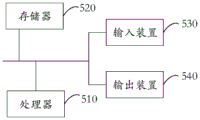
图5为本发明一实施例提供的一种用于口语对话的实时语义理解的电子设备的实施例的结构示意图。Fig. 5 is a schematic structural diagram of an embodiment of an electronic device for real-time semantic understanding of spoken dialogue provided by an embodiment of the present invention.
具体实施方式Detailed ways
为使本发明实施例的目的、技术方案和优点更加清楚,下面将结合本发明实施例中的附图,对本发明实施例中的技术方案进行清楚、完整地描述,显然,所描述的实施例是本发明一部分实施例,而不是全部的实施例。基于本发明中的实施例,本领域普通技术人员在没有作出创造性劳动前提下所获得的所有其他实施例,都属于本发明保护的范围。In order to make the purpose, technical solutions and advantages of the embodiments of the present invention clearer, the technical solutions in the embodiments of the present invention will be clearly and completely described below in conjunction with the drawings in the embodiments of the present invention. Obviously, the described embodiments It is a part of embodiments of the present invention, but not all embodiments. Based on the embodiments of the present invention, all other embodiments obtained by persons of ordinary skill in the art without creative efforts fall within the protection scope of the present invention.
如图1所示为本发明一实施例提供的一种用于口语对话的实时语义理解方法的流程图,包括如下步骤:As shown in Figure 1, it is a flowchart of a real-time semantic understanding method for spoken dialogue provided by an embodiment of the present invention, including the following steps:
S11:将检测到的用户语音实时的输入至流式语音识别引擎,输出流式的语音识别结果,其中,所述语音识别结果包括用于判断是否为同一句话的语音请求标识;S11: Input the detected user voice to the streaming speech recognition engine in real time, and output the streaming speech recognition result, wherein the speech recognition result includes a speech request identifier for judging whether it is the same sentence;
S12:利用流式语义理解引擎接收所述流式的语音识别结果,查询所述流式的语音识别结果内语音请求标识对应的引擎状态;S12: Use the streaming semantic understanding engine to receive the streaming speech recognition result, and query the engine status corresponding to the voice request identifier in the streaming speech recognition result;
S13:所述流式语义理解引擎根据所述引擎状态对所述流式的语音识别结果进行推理,得到推理语义解析结果,并对所述引擎状态进行更新;S13: The streaming semantic understanding engine performs inference on the streaming speech recognition result according to the engine state, obtains an inference semantic analysis result, and updates the engine state;
S14:若检测到用户语音结束,将所述推理语义解析结果确定为所述用户语音的最终语义解析结果。S14: If it is detected that the user's speech ends, determine the reasoning semantic analysis result as the final semantic analysis result of the user's speech.
在本实施方式中,可以将本方法应用于服务于智能语音设备的服务器中,例如,智能音响,智能手机等智能语音设备在进行语音服务请求时,搭载本方法的服务器可以为其提供语音设备、语义解析等服务。In this embodiment, this method can be applied to a server serving intelligent voice devices. For example, when intelligent voice devices such as smart speakers and smart phones make voice service requests, the server equipped with this method can provide voice equipment for them. , semantic analysis and other services.
在智能语音设备与用户进行交互时,用户直接进行口语输入,例如,用户说出了“我想听刘德华的歌”。如果是现有技术,会等待用户将整句话说完,向服务器进行语音服务请求,确定出语音识别结果后,再去进行整句的语义理解,这就会使得整个语义理解的过程耗时较长。When the smart voice device interacts with the user, the user directly performs oral input, for example, the user says "I want to listen to Andy Lau's song". If it is the existing technology, it will wait for the user to finish the whole sentence, make a voice service request to the server, and then carry out the semantic understanding of the whole sentence after the voice recognition result is determined, which will make the whole semantic understanding process time-consuming. long.
本领域技术人员,为了避免这种情况,也可能会进行实时的语义理解,例如,将实时的识别结果进行语义理解,做语义的提前计算,但是一句话的实时识别结果比较多,例如(Var表示流式语音识别引擎输出结果):Those skilled in the art, in order to avoid this situation, may also perform real-time semantic understanding, for example, perform semantic understanding on the real-time recognition results, and perform semantic pre-calculation, but there are many real-time recognition results in one sentence, for example (Var Indicates the output result of the streaming speech recognition engine):
Var:我想 //此时进行“我想”的语义理解;Var: I want //At this time, carry out the semantic understanding of "I think";
Var:我想听 //此时进行“我想听”的语义理解;Var: I want to listen //At this time, carry out the semantic understanding of "I want to listen";
Var:我想听刘 //此时进行“我想听刘”的语义理解;Var: I want to listen to Liu //At this time, carry out the semantic understanding of "I want to listen to Liu";
Var:我想听刘德华 //此时进行“我想听刘德华”的语义理解;Var: I want to listen to Andy Lau //At this time, carry out the semantic understanding of "I want to listen to Andy Lau";
Var:我想听刘德华的歌//此时进行“我想听刘德华的歌”的语义理解,最后得到语义解析结果。Var: I want to listen to Andy Lau's song//At this time, carry out the semantic understanding of "I want to listen to Andy Lau's song", and finally get the semantic analysis result.
也就是说,用户输入了一句话,但是在内部的处理中,进行了5次语义解析,虽然这种方式表面上看来能够提升整体的响应速度,但是每次的识别结果都会被送入到云端提供服务的语义解析引擎中,给提供语义解析的服务器造成了很大的计算压力,计算资源被大幅占用。That is to say, the user enters a sentence, but in the internal processing, semantic analysis is performed 5 times. Although this method seems to improve the overall response speed, each recognition result will be sent to the In the semantic analysis engine that provides services on the cloud, it puts a lot of computing pressure on the server that provides semantic analysis, and the computing resources are greatly occupied.
从单个用户使用的角度来看,只是进行了5次语义解析,提供语义解析的服务器计算量大幅度提升,但是能够提升用户口语交互整体的响应速度。然而,服务器并不单单是为一个用户服务的,服务器需要为大量的用户进行语义理解服务,在真实场景中,如果每个用户语义解析的计算量成倍数增长,对于服务器的压力是巨大的,很有可能就会出现由于大量用户的语义解析请求,服务器不堪重负难以处理,反而加剧了整个语义理解的过程耗时较长。本方法正是考虑到现有技术的缺陷,以及实时语义理解的缺陷,进行了语义理解步骤的整体优化。From the point of view of a single user, only 5 times of semantic analysis have been performed, and the calculation amount of the server providing semantic analysis has been greatly increased, but it can improve the overall response speed of the user's spoken language interaction. However, the server does not serve only one user. The server needs to provide semantic understanding services for a large number of users. In real scenarios, if the calculation amount of each user's semantic analysis increases exponentially, the pressure on the server is huge. It is very likely that due to a large number of users' semantic analysis requests, the server is overwhelmed and difficult to handle, which in turn aggravates the time-consuming process of the entire semantic understanding. This method just takes into account the defects of the existing technology and the defects of real-time semantic understanding, and performs the overall optimization of the semantic understanding steps.
对于步骤S11,例如,在实际使用中,用户与智能音箱进行口语对话,智能音箱实时进行VAD(Voice Activity Detection,语音端点检测,也可以称为语音活动检测),当智能音箱检测到用户说出了话语,将带有用户话语部分的语音作为有效音频,将有效音频实时的流式的送入语音识别模块。其中,流式是指可以在处理音频流的过程中,支持实时返回识别结果,流式可以更好地用于需要实时获取识别结果的场景,例如,实时语音交互、实时会议等。For step S11, for example, in actual use, the user conducts a spoken dialogue with the smart speaker, and the smart speaker performs VAD (Voice Activity Detection, voice endpoint detection, which can also be called voice activity detection) in real time. When the smart speaker detects that the user has spoken After the utterance is recognized, the voice with the user's utterance part is used as the effective audio, and the effective audio is sent to the speech recognition module in a real-time stream. Among them, streaming refers to the ability to support real-time return of recognition results during the process of processing audio streams, and streaming can be better used in scenarios that require real-time acquisition of recognition results, such as real-time voice interaction and real-time meetings.
用户说出“我想”的语音,智能音箱识别到用户的有效语音,实时地流式输入至流式语音识别引擎,流式语音识别引擎输出流式的语音识别结果,考虑到后续步骤中,本方法的流式语义理解引擎需要调用对应的引擎状态进行推理,因此,需要在流式语音识别引擎预先为流式的语音识别结果赋予对应的语音请求标识(Record ID),来判断不断输入的话语是否为同一句话。例如,“我想”的语音识别后,赋予的Record ID为:00SP057;随着用户不断的口语输入,例如用户要说的话为“我想听刘德华的歌,忘情水就可以”,“听”的语音识别后,赋予的Record ID还是为:00SP057;“刘德华”的语音识别后,赋予的Record ID还是为:00SP057;“的歌”的语音识别后,赋予的Record ID还是为:00SP057。“忘情水”的语音识别后,赋予的Record ID为:00SP058;“就可以”的语音识别后,赋予的Record ID为:00SP058。When the user speaks the voice of "I want", the smart speaker recognizes the effective voice of the user, and streams it into the streaming speech recognition engine in real time, and the streaming speech recognition engine outputs the streaming speech recognition results. Considering the subsequent steps, The streaming semantic understanding engine of this method needs to call the corresponding engine state for reasoning. Therefore, it is necessary to pre-assign the corresponding voice request identification (Record ID) for the streaming speech recognition results in the streaming speech recognition engine to judge the continuous input. Whether the utterance is the same sentence. For example, after the voice recognition of "I want", the given Record ID is: 00SP057; with the user's continuous spoken input, for example, what the user wants to say is "I want to listen to Andy Lau's song, Wangqingshui is fine", "Listen" After the speech recognition of "Andy Lau", the assigned Record ID is still: 00SP057; after the speech recognition of "Andy Lau", the assigned Record ID is still: 00SP057; after the speech recognition of "The Song", the assigned Record ID is still: 00SP057. After the voice recognition of "Wangqingshui", the assigned Record ID is: 00SP058; after the voice recognition of "Just OK", the assigned Record ID is: 00SP058.
对于步骤S12,利用本方法的流式语义理解引擎接收步骤S11中确定的带有语音请求标识的流式的语音识别结果,通过查询语音识别结果对应的流式语义理解引擎的引擎状态。For step S12, the streaming semantic understanding engine using this method receives the streaming speech recognition result with the voice request identifier determined in step S11, and queries the engine status of the streaming semantic understanding engine corresponding to the speech recognition result.
具体的,作为一种实施方式,所述利用流式语义理解引擎接收所述流式的语音识别结果,查询所述流式的语音识别结果内语音请求标识对应的引擎状态包括:Specifically, as an implementation manner, the use of the streaming semantic understanding engine to receive the streaming speech recognition result, and querying the engine state corresponding to the voice request identifier in the streaming speech recognition result includes:
若所述语音请求标识不存在,将所述流式语义理解引擎设置为初始状态;If the voice request identifier does not exist, the stream semantic understanding engine is set to an initial state;
若所述语音请求标识存在,读取所述语音请求标识对应的引擎状态。If the voice request identifier exists, read the engine state corresponding to the voice request identifier.
在本实施方式中,流式语义理解引擎接收到“我想”,对应的Record ID为00SP057,由于“我想”是首句输入,此时查询不到该Record ID,将流式语义理解引擎的引擎状态设置为初始状态,流式语义理解引擎初始状态来对“我想”进行语义理解,得到暂时的推理语义解析结果,此时将语音请求标识00SP057进行存储,以供后续语义理解的调用。In this embodiment, the streaming semantic understanding engine receives "I think", and the corresponding Record ID is 00SP057. Since "I think" is the first sentence input, the Record ID cannot be queried at this time, and the streaming semantic understanding engine The engine state of the engine is set to the initial state, and the initial state of the streaming semantic understanding engine is used to perform semantic understanding of "I think" and obtain a temporary reasoning semantic analysis result. At this time, the voice request identifier 00SP057 is stored for subsequent semantic understanding calls .
流式语义理解引擎又接收到“听”,对应的Record ID为00SP057,此时,查询到00SP057对应的流式语义理解引擎的引擎状态,此时,调用对“我想”语义理解后的引擎状态,对“听”进行语义理解,继续得到暂时的推理语义解析结果。The streaming semantic understanding engine receives "Listen" again, and the corresponding Record ID is 00SP057. At this time, the engine status of the streaming semantic understanding engine corresponding to 00SP057 is queried. At this time, the engine that understands the semantics of "I think" is called State, carry out semantic understanding of "listen", and continue to obtain temporary reasoning semantic analysis results.
以上述示例的方式继续依次将“刘德华”、“的歌”输入至流式语义理解引擎,流式语义理解引擎接收到“刘德华”,此时调用对“听”语义理解后的引擎状态,对“刘德华”进行语义理解;流式语义理解引擎接收到“的歌”,此时调用对“刘德华”语义理解后的引擎状态,对“的歌”进行语义理解,得到推理语义解析结果,在此不再赘述。Continue to input "Andy Lau" and "The Song" into the streaming semantic understanding engine in the same way as the above example. The streaming semantic understanding engine receives "Andy Lau". At this time, it calls the engine state after understanding the semantics of "listen", "Andy Lau" performs semantic understanding; the streaming semantic understanding engine receives "The Song", and at this time calls the engine state after the semantic understanding of "Andy Lau", performs semantic understanding on "The Song", and obtains the reasoning semantic analysis result, here No longer.
当流式语义理解引擎接收到“忘情水”,对应的Record ID为00SP058,此时查询不到该Record ID,将流式语义理解引擎的引擎状态设置为初始状态,进行下一句话的语义理解,如此循环,不再赘述,整体流程如图2所示。When the streaming semantic understanding engine receives "Wangqingshui", the corresponding Record ID is 00SP058. At this time, the Record ID cannot be queried, and the engine state of the streaming semantic understanding engine is set to the initial state, and the semantic understanding of the next sentence is performed. , so the cycle is not repeated, and the overall process is shown in Figure 2.
对于步骤S13,如S12所述,当流式语义理解引擎接收到“我想”时,此时语义理解引擎的引擎状态为初始状态,利用初始状态的语义理解引擎对“我想”进行推理,得到暂时的推理语义解析结果。也就是说,本方法的流式语义解析引擎是带有状态记忆的,会存储当前解析的内部结构和状态,保证下次输入时会接续上次解析的结果继续解析,从而实现增量解析。For step S13, as described in S12, when the streaming semantic understanding engine receives "I think", the engine state of the semantic understanding engine is the initial state at this time, and the semantic understanding engine in the initial state is used to reason about "I think", Get temporary reasoning semantic analysis results. That is to say, the streaming semantic analysis engine of this method has state memory, which will store the internal structure and state of the current analysis, so as to ensure that the next input will continue to analyze the results of the last analysis, thereby realizing incremental analysis.
当流式语义理解引擎接收到“听”时,此时语义理解引擎的引擎状态为对“我想”推理后的引擎状态,利用该状态继续对“听”继续进行推理,得到进一步的推理语义解析结果。When the streaming semantic understanding engine receives "listen", the engine state of the semantic understanding engine at this time is the engine state after reasoning about "I think", and use this state to continue reasoning about "listen" to obtain further reasoning semantics parse the result.
作为一种实施方式,若检测到用户语音没有结束,所述方法还包括:As an implementation manner, if it is detected that the user's speech has not ended, the method further includes:
持续的将检测到的用户语音实时的输入至流式语音识别引擎,输出流式的语音识别结果;Continuously input the detected user voice into the streaming speech recognition engine in real time, and output the streaming speech recognition results;
利用流式语义理解引擎接收所述流式的语音识别结果,查询所述流式的语音识别结果内语音请求标识对应的引擎状态;Using a streaming semantic understanding engine to receive the streaming speech recognition results, querying the engine state corresponding to the voice request identifier in the streaming speech recognition results;
所述流式语义理解引擎根据所述引擎状态对所述流式的语音识别结果进行持续的推理,得到推理语义解析结果,并持续的对所述引擎状态进行更新。The streaming semantic understanding engine performs continuous reasoning on the streaming speech recognition results according to the engine state, obtains reasoning semantic analysis results, and continuously updates the engine state.
在本实施方式中,VAD检测到用户语音没有结束,持续的将用户语音输入至流式语音识别引擎,输出流式的语音识别结果,例如,逐步的输出“刘德华”、“的歌”。In this embodiment, the VAD detects that the user's speech has not ended, continuously inputs the user's speech to the streaming speech recognition engine, and outputs the streaming speech recognition results, for example, gradually outputs "Andy Lau" and "Song".
流式语义理解引擎接收“刘德华”,查询Record ID为00SP057对应流式语义理解引擎的引擎状态,此时查询到流式语义理解引擎的引擎状态为:对“我想听”推理后的引擎状态,流式语义理解引擎在该状态下对“刘德华”进行推理,得到暂时的推理语义解析结果,在推理的过程中,流式语义理解引擎的引擎状态持续的更新。The streaming semantic understanding engine receives "Andy Lau", and queries the engine status of the streaming semantic understanding engine whose Record ID is 00SP057. At this time, the engine status of the streaming semantic understanding engine is queried: the engine status after reasoning about "I want to listen" , the streaming semantic understanding engine conducts reasoning on "Andy Lau" in this state, and obtains temporary reasoning semantic analysis results. During the reasoning process, the engine status of the streaming semantic understanding engine is continuously updated.
也就是说,本方法的流式语义理解引擎不需要获取完整的语音识别结果后再进行语义理解处理,本方法的流式语义理解引擎可以流式获取文本输入并实时输出解析结果。That is to say, the streaming semantic understanding engine of this method does not need to obtain complete speech recognition results before performing semantic understanding processing. The streaming semantic understanding engine of this method can acquire text input in a streaming manner and output analysis results in real time.
对于步骤S14,流式语义理解引擎接收“的歌”,查询Record ID为00SP057对应流式语义理解引擎的引擎状态,此时查询到流式语义理解引擎的引擎状态为:对“我想听刘德华”推理后的引擎状态,流式语义理解引擎在该状态下对“的歌”进行推理,得到暂时的推理语义解析结果。For step S14, the streaming semantic understanding engine receives "The Song", and queries the engine status of the streaming semantic understanding engine corresponding to the Record ID 00SP057. At this time, the engine status of the streaming semantic understanding engine is: yes "I want to listen to Andy Lau "The state of the engine after reasoning, in which the streaming semantic understanding engine performs reasoning on "The Song" and obtains a temporary reasoning semantic analysis result.
此时VAD检测到用户语音发生停顿,语音识别出该句话说完,确定为当前“我想听刘德华的歌”这句话结束,将流式语义理解引擎在“我想听刘德华”推理后对“的歌”推理得到的推理语义解析结果确定为用户这句话的最终语义解析结果。At this time, the VAD detects that the user's voice has paused, and the voice recognition recognizes that the sentence is finished, and it is determined that the current sentence "I want to listen to Andy Lau's song" is over, and the streaming semantic understanding engine will interpret the sentence after "I want to listen to Andy Lau" The inference semantic analysis result obtained from the inference of "The Song" is determined to be the final semantic analysis result of the user's sentence.
通过上述举例可以看出,本方法流式语义解析引擎的耗时大大减少,当用户说完“的歌”之后,用户仅仅需要等待“的歌”的语义解析时间,整体提高口语对话系统响应速度。From the above examples, it can be seen that the time consumption of the streaming semantic analysis engine in this method is greatly reduced. After the user finishes speaking "the song", the user only needs to wait for the semantic analysis time of "the song", which improves the response speed of the spoken dialogue system as a whole .
当语音识别引擎接收到下一句的“忘情水”后,通过查询语音请求标识00SP058,此时并没有查询到,流式语义理解引擎将利用初始状态对“忘情水”进行推理,后续步骤中,流式语义理解引擎接收到流式的语音识别结果后,步骤如上文所示,不再赘述。When the speech recognition engine receives the next sentence of "Wangqingshui", it queries the voice request identifier 00SP058, but it does not find it at this time. The streaming semantic understanding engine will use the initial state to reason about "Wangqingshui". In the subsequent steps, After the streaming semantic understanding engine receives the streaming speech recognition results, the steps are as shown above and will not be repeated here.
以用户只口语输入了“我想听刘德华的歌”为例,流式语义理解引擎确定出用户语音的最终语义解析结果之后,所述方法还包括:Taking the user only inputting "I want to listen to Andy Lau's song" in spoken language as an example, after the streaming semantic understanding engine determines the final semantic analysis result of the user's voice, the method also includes:
将所述最终语义解析结果发送至对话管理引擎,所述对话管理引擎根据所述最终语义解析结果生成用于响应用户的交互对话语音。The final semantic analysis result is sent to a dialogue management engine, and the dialogue management engine generates an interactive dialogue voice for responding to the user according to the final semantic analysis result.
在本实施方式中,将最终语义解析结果发送至对话管理引擎,通过对话管理引擎生成对应的操作指令,并生成用于反馈用户的交互对话语音,例如“给您播放恭喜发财”与用户完成交互,整体流程如图3所示。In this embodiment, the final semantic analysis result is sent to the dialogue management engine, and the corresponding operation instructions are generated through the dialogue management engine, and an interactive dialogue voice for feedback to the user is generated, such as "play Gong Xi Fa Cai for you" to complete the interaction with the user , the overall process is shown in Figure 3.
通过该实施方式可以看出,利用流式语音解析引擎,不需要等用户说完整句话之后再进行语音识别,也避免了实时语义理解所需的成倍增长的计算量。本方法语义解析的耗时为末帧延迟(指从有效音频检测模块检测到人说完话,到出最终识别结果的时间),当识别模块实时输出识别结果时,将该识别结果实时输入流式语义解析引擎,那么会实时输出语义解析结果,那么此时语义解析引擎的耗时仅仅是最后一个字的解析时间,该耗时被大大缩减了,在不大幅度增加计算量的基础上,减少了用户的等待时间,提升了用户体验。进一步地,基于本方法的语义理解,还可以实现实时语义打断。在系统播报合成音的时候,如果合成播报太长,用户不想等待合成音播报完成,想插话打断合成音的播报,此时用户的语音通过流式语音识别识别出文本,同时经过流式语义理解模块解析出语义结果,如果语义结果符合设定则打断合成音的播报,这样既能够避免误打断,又能够最快打断合成音的播报。It can be seen from this embodiment that by using the streaming speech analysis engine, it is not necessary to wait for the user to speak a complete sentence before performing speech recognition, and it also avoids the exponentially increased calculation required for real-time semantic understanding. The time-consuming semantic analysis of this method is the last frame delay (referring to the time from when the effective audio detection module detects that the person has finished speaking to the final recognition result). When the recognition module outputs the recognition result in real time, the recognition result is input into the stream in real time If a semantic analysis engine is used, the semantic analysis results will be output in real time. At this time, the time-consuming of the semantic analysis engine is only the analysis time of the last word, which is greatly reduced. On the basis of not greatly increasing the amount of calculation, The user's waiting time is reduced and the user experience is improved. Furthermore, based on the semantic understanding of this method, real-time semantic interruption can also be realized. When the system broadcasts the synthesized audio, if the synthesized broadcast is too long, the user does not want to wait for the completion of the synthesized audio broadcast, but wants to interrupt the broadcast of the synthesized audio. The comprehension module parses out the semantic result, and if the semantic result conforms to the setting, it will interrupt the broadcast of the synthesized sound, which can not only avoid accidental interruption, but also interrupt the broadcast of the synthesized sound as quickly as possible.
如图4所示为本发明一实施例提供的一种用于口语对话的实时语义理解系统的结构示意图,该系统可执行上述任意实施例所述的用于口语对话的实时语义理解方法,并配置在终端中。FIG. 4 is a schematic structural diagram of a real-time semantic understanding system for spoken dialogue provided by an embodiment of the present invention. The system can execute the real-time semantic understanding method for spoken dialogue described in any of the above embodiments, and configured in the terminal.
本实施例提供的一种用于口语对话的实时语义理解系统10包括:语音识别程序模块11,引擎状态确定程序模块12,语义推理程序模块13和语义理解程序模块14。A real-time
其中,语音识别程序模块11用于将检测到的用户语音实时的输入至流式语音识别引擎,输出流式的语音识别结果,其中,所述语音识别结果包括用于判断是否为同一句话的语音请求标识;引擎状态确定程序模块12用于利用流式语义理解引擎接收所述流式的语音识别结果,查询所述流式的语音识别结果内语音请求标识对应的引擎状态;语义推理程序模块13用于所述流式语义理解引擎根据所述引擎状态对所述流式的语音识别结果进行推理,得到推理语义解析结果,并对所述引擎状态进行更新;语义理解程序模块14用于若检测到用户语音结束,将所述推理语义解析结果确定为所述用户语音的最终语义解析结果。Wherein, the voice
本发明实施例还提供了一种非易失性计算机存储介质,计算机存储介质存储有计算机可执行指令,该计算机可执行指令可执行上述任意方法实施例中的用于口语对话的实时语义理解方法;The embodiment of the present invention also provides a non-volatile computer storage medium, the computer storage medium stores computer-executable instructions, and the computer-executable instructions can execute the real-time semantic understanding method for spoken dialogue in any of the above-mentioned method embodiments ;
作为一种实施方式,本发明的非易失性计算机存储介质存储有计算机可执行指令,计算机可执行指令设置为:As an implementation mode, the non-volatile computer storage medium of the present invention stores computer-executable instructions, and the computer-executable instructions are set to:
将检测到的用户语音实时的输入至流式语音识别引擎,输出流式的语音识别结果,其中,所述语音识别结果包括用于判断是否为同一句话的语音请求标识;The detected user's voice is input to the streaming speech recognition engine in real time, and the streaming speech recognition result is output, wherein the speech recognition result includes a speech request identifier for judging whether it is the same sentence;
利用流式语义理解引擎接收所述流式的语音识别结果,查询所述流式的语音识别结果内语音请求标识对应的引擎状态;Using a streaming semantic understanding engine to receive the streaming speech recognition results, querying the engine state corresponding to the voice request identifier in the streaming speech recognition results;
所述流式语义理解引擎根据所述引擎状态对所述流式的语音识别结果进行推理,得到推理语义解析结果,并对所述引擎状态进行更新;The streaming semantic understanding engine performs inference on the streaming speech recognition result according to the engine state, obtains a reasoning semantic analysis result, and updates the engine state;
若检测到用户语音结束,将所述推理语义解析结果确定为所述用户语音的最终语义解析结果。If it is detected that the user's speech ends, the reasoning semantic analysis result is determined as the final semantic analysis result of the user's speech.
作为一种非易失性计算机可读存储介质,可用于存储非易失性软件程序、非易失性计算机可执行程序以及模块,如本发明实施例中的方法对应的程序指令/模块。一个或者多个程序指令存储在非易失性计算机可读存储介质中,当被处理器执行时,执行上述任意方法实施例中的用于口语对话的实时语义理解方法。As a non-volatile computer-readable storage medium, it can be used to store non-volatile software programs, non-volatile computer-executable programs and modules, such as program instructions/modules corresponding to the methods in the embodiments of the present invention. One or more program instructions are stored in a non-volatile computer-readable storage medium, and when executed by a processor, execute the real-time semantic understanding method for spoken dialogue in any of the above method embodiments.
图5是本申请另一实施例提供的用于口语对话的实时语义理解方法的电子设备的硬件结构示意图,如图5所示,该设备包括:Fig. 5 is a schematic diagram of the hardware structure of an electronic device used in a real-time semantic understanding method for spoken dialogue provided by another embodiment of the present application. As shown in Fig. 5, the device includes:
一个或多个处理器510以及存储器520,图5中以一个处理器510为例。用于口语对话的实时语义理解方法的设备还可以包括:输入装置530和输出装置540。One or
处理器510、存储器520、输入装置530和输出装置540可以通过总线或者其他方式连接,图5中以通过总线连接为例。The
存储器520作为一种非易失性计算机可读存储介质,可用于存储非易失性软件程序、非易失性计算机可执行程序以及模块,如本申请实施例中的用于口语对话的实时语义理解方法对应的程序指令/模块。处理器510通过运行存储在存储器520中的非易失性软件程序、指令以及模块,从而执行服务器的各种功能应用以及数据处理,即实现上述方法实施例用于口语对话的实时语义理解方法。
存储器520可以包括存储程序区和存储数据区,其中,存储程序区可存储操作系统、至少一个功能所需要的应用程序;存储数据区可存储数据等。此外,存储器520可以包括高速随机存取存储器,还可以包括非易失性存储器,例如至少一个磁盘存储器件、闪存器件、或其他非易失性固态存储器件。在一些实施例中,存储器520可选包括相对于处理器510远程设置的存储器,这些远程存储器可以通过网络连接至移动装置。上述网络的实例包括但不限于互联网、企业内部网、局域网、移动通信网及其组合。The
输入装置530可接收输入的数字或字符信息。输出装置540可包括显示屏等显示设备。The
所述一个或者多个模块存储在所述存储器520中,当被所述一个或者多个处理器510执行时,执行上述任意方法实施例中的用于口语对话的实时语义理解方法。The one or more modules are stored in the
上述产品可执行本申请实施例所提供的方法,具备执行方法相应的功能模块和有益效果。未在本实施例中详尽描述的技术细节,可参见本申请实施例所提供的方法。The above-mentioned products can execute the method provided by the embodiment of the present application, and have corresponding functional modules and beneficial effects for executing the method. For technical details not described in detail in this embodiment, refer to the method provided in the embodiment of this application.
非易失性计算机可读存储介质可以包括存储程序区和存储数据区,其中,存储程序区可存储操作系统、至少一个功能所需要的应用程序;存储数据区可存储根据装置的使用所创建的数据等。此外,非易失性计算机可读存储介质可以包括高速随机存取存储器,还可以包括非易失性存储器,例如至少一个磁盘存储器件、闪存器件、或其他非易失性固态存储器件。在一些实施例中,非易失性计算机可读存储介质可选包括相对于处理器远程设置的存储器,这些远程存储器可以通过网络连接至装置。上述网络的实例包括但不限于互联网、企业内部网、局域网、移动通信网及其组合。The non-volatile computer-readable storage medium may include a program storage area and a data storage area, wherein the program storage area may store an operating system, an application program required by at least one function; the data storage area may store the data etc. In addition, the non-volatile computer-readable storage medium may include high-speed random access memory, and may also include non-volatile memory, such as at least one magnetic disk storage device, flash memory device, or other non-volatile solid-state storage devices. In some embodiments, the non-transitory computer-readable storage medium optionally includes memory located remotely from the processor, which remote memory may be connected to the device through a network. Examples of the aforementioned networks include, but are not limited to, the Internet, intranets, local area networks, mobile communication networks, and combinations thereof.
本发明实施例还提供一种电子设备,其包括:至少一个处理器,以及与所述至少一个处理器通信连接的存储器,其中,所述存储器存储有可被所述至少一个处理器执行的指令,所述指令被所述至少一个处理器执行,以使所述至少一个处理器能够执行本发明任一实施例的用于口语对话的实时语义理解方法的步骤。An embodiment of the present invention also provides an electronic device, which includes: at least one processor, and a memory connected in communication with the at least one processor, wherein the memory stores instructions that can be executed by the at least one processor , the instructions are executed by the at least one processor, so that the at least one processor can execute the steps of the method for real-time semantic understanding of spoken dialogue in any embodiment of the present invention.
本申请实施例的电子设备以多种形式存在,包括但不限于:Electronic devices in the embodiments of this application exist in various forms, including but not limited to:
(1)移动通信设备:这类设备的特点是具备移动通信功能,并且以提供话音、数据通信为主要目标。这类终端包括:智能手机、多媒体手机、功能性手机,以及低端手机等。(1) Mobile communication equipment: This type of equipment is characterized by mobile communication functions, and its main goal is to provide voice and data communication. Such terminals include: smart phones, multimedia phones, feature phones, and low-end phones.
(2)超移动个人计算机设备:这类设备属于个人计算机的范畴,有计算和处理功能,一般也具备移动上网特性。这类终端包括:PDA、MID和UMPC设备等,例如平板电脑。(2) Ultra-mobile personal computer equipment: This type of equipment belongs to the category of personal computers, has computing and processing functions, and generally has the characteristics of mobile Internet access. Such terminals include: PDA, MID, and UMPC equipment, such as tablet computers.
(3)便携式娱乐设备:这类设备可以显示和播放多媒体内容。该类设备包括:音频、视频播放器,掌上游戏机,电子书,以及智能玩具和便携式车载导航设备。(3) Portable entertainment equipment: This type of equipment can display and play multimedia content. Such devices include: audio and video players, handheld game consoles, e-books, as well as smart toys and portable car navigation devices.
(4)其他具有数据处理功能的电子装置。(4) Other electronic devices with data processing functions.
在本文中,诸如第一和第二等之类的关系术语仅仅用来将一个实体或者操作与另一个实体或操作区分开来,而不一定要求或者暗示这些实体或操作之间存在任何这种实际的关系或者顺序。而且,术语“包括”、“包含”,不仅包括那些要素,而且还包括没有明确列出的其他要素,或者是还包括为这种过程、方法、物品或者设备所固有的要素。在没有更多限制的情况下,由语句“包括……”限定的要素,并不排除在包括所述要素的过程、方法、物品或者设备中还存在另外的相同要素。In this document, relational terms such as first and second etc. are used only to distinguish one entity or operation from another without necessarily requiring or implying any such relationship between these entities or operations. Actual relationship or sequence. Moreover, the terms "comprising" and "comprising" not only include those elements, but also include other elements not explicitly listed, or also include elements inherent in such a process, method, article, or device. Without further limitations, an element defined by the statement "comprising..." does not exclude the presence of additional same elements in the process, method, article or device comprising said element.
以上所描述的装置实施例仅仅是示意性的,其中所述作为分离部件说明的单元可以是或者也可以不是物理上分开的,作为单元显示的部件可以是或者也可以不是物理单元,即可以位于一个地方,或者也可以分布到多个网络单元上。可以根据实际的需要选择其中的部分或者全部模块来实现本实施例方案的目的。本领域普通技术人员在不付出创造性的劳动的情况下,即可以理解并实施。The device embodiments described above are only illustrative, and the units described as separate components may or may not be physically separated, and the components shown as units may or may not be physical units, that is, they may be located in One place, or it can be distributed to multiple network elements. Part or all of the modules can be selected according to actual needs to achieve the purpose of the solution of this embodiment. It can be understood and implemented by those skilled in the art without any creative efforts.
通过以上的实施方式的描述,本领域的技术人员可以清楚地了解到各实施方式可借助软件加必需的通用硬件平台的方式来实现,当然也可以通过硬件。基于这样的理解,上述技术方案本质上或者说对现有技术做出贡献的部分可以以软件产品的形式体现出来,该计算机软件产品可以存储在计算机可读存储介质中,如ROM/RAM、磁碟、光盘等,包括若干指令用以使得一台计算机设备(可以是个人计算机,服务器,或者网络设备等)执行各个实施例或者实施例的某些部分所述的方法。Through the above description of the implementations, those skilled in the art can clearly understand that each implementation can be implemented by means of software plus a necessary general hardware platform, and of course also by hardware. Based on this understanding, the essence of the above technical solution or the part that contributes to the prior art can be embodied in the form of software products, and the computer software products can be stored in computer-readable storage media, such as ROM/RAM, magnetic discs, optical discs, etc., including several instructions to make a computer device (which may be a personal computer, server, or network device, etc.) execute the methods described in various embodiments or some parts of the embodiments.
最后应说明的是:以上实施例仅用以说明本发明的技术方案,而非对其限制;尽管参照前述实施例对本发明进行了详细的说明,本领域的普通技术人员应当理解:其依然可以对前述各实施例所记载的技术方案进行修改,或者对其中部分技术特征进行等同替换;而这些修改或者替换,并不使相应技术方案的本质脱离本发明各实施例技术方案的精神和范围。Finally, it should be noted that: the above embodiments are only used to illustrate the technical solutions of the present invention, rather than to limit them; although the present invention has been described in detail with reference to the foregoing embodiments, those of ordinary skill in the art should understand that: it can still be Modifications are made to the technical solutions described in the foregoing embodiments, or equivalent replacements are made to some of the technical features; and these modifications or replacements do not make the essence of the corresponding technical solutions deviate from the spirit and scope of the technical solutions of the various embodiments of the present invention.
Claims (10)
Priority Applications (1)
| Application Number | Priority Date | Filing Date | Title |
|---|---|---|---|
| CN202310074489.6A CN116052664B (en) | 2023-01-30 | 2023-01-30 | Real-time semantic understanding method and system for spoken dialog and electronic equipment |
Applications Claiming Priority (1)
| Application Number | Priority Date | Filing Date | Title |
|---|---|---|---|
| CN202310074489.6A CN116052664B (en) | 2023-01-30 | 2023-01-30 | Real-time semantic understanding method and system for spoken dialog and electronic equipment |
Publications (2)
| Publication Number | Publication Date |
|---|---|
| CN116052664A true CN116052664A (en) | 2023-05-02 |
| CN116052664B CN116052664B (en) | 2025-10-31 |
Family
ID=86133014
Family Applications (1)
| Application Number | Title | Priority Date | Filing Date |
|---|---|---|---|
| CN202310074489.6A Active CN116052664B (en) | 2023-01-30 | 2023-01-30 | Real-time semantic understanding method and system for spoken dialog and electronic equipment |
Country Status (1)
| Country | Link |
|---|---|
| CN (1) | CN116052664B (en) |
Cited By (3)
| Publication number | Priority date | Publication date | Assignee | Title |
|---|---|---|---|---|
| CN116453520A (en) * | 2023-05-05 | 2023-07-18 | 思必驰科技股份有限公司 | Dialog interaction method, system, electronic device and storage medium |
| CN119360855A (en) * | 2024-09-30 | 2025-01-24 | 中国第一汽车股份有限公司 | Streaming voice information processing method |
| CN119541490A (en) * | 2024-11-26 | 2025-02-28 | 广州小鹏汽车科技有限公司 | Voice interaction method, server and readable storage medium |
Citations (6)
| Publication number | Priority date | Publication date | Assignee | Title |
|---|---|---|---|---|
| EP1199630A2 (en) * | 2000-09-14 | 2002-04-24 | Microsoft | Method and apparatus for performing planbased dialog |
| WO2020135194A1 (en) * | 2018-12-26 | 2020-07-02 | 深圳Tcl新技术有限公司 | Emotion engine technology-based voice interaction method, smart terminal, and storage medium |
| CN112530437A (en) * | 2020-11-18 | 2021-03-19 | 北京百度网讯科技有限公司 | Semantic recognition method, device, equipment and storage medium |
| CN113194203A (en) * | 2020-09-30 | 2021-07-30 | 杭州方得智能科技有限公司 | Communication system, answering and dialing method and communication system for hearing-impaired people |
| CN114171016A (en) * | 2021-11-12 | 2022-03-11 | 北京百度网讯科技有限公司 | Voice interaction method and device, electronic equipment and storage medium |
| CN115346520A (en) * | 2022-08-15 | 2022-11-15 | 北京有竹居网络技术有限公司 | Method, apparatus, electronic device and medium for speech recognition |
-
2023
- 2023-01-30 CN CN202310074489.6A patent/CN116052664B/en active Active
Patent Citations (6)
| Publication number | Priority date | Publication date | Assignee | Title |
|---|---|---|---|---|
| EP1199630A2 (en) * | 2000-09-14 | 2002-04-24 | Microsoft | Method and apparatus for performing planbased dialog |
| WO2020135194A1 (en) * | 2018-12-26 | 2020-07-02 | 深圳Tcl新技术有限公司 | Emotion engine technology-based voice interaction method, smart terminal, and storage medium |
| CN113194203A (en) * | 2020-09-30 | 2021-07-30 | 杭州方得智能科技有限公司 | Communication system, answering and dialing method and communication system for hearing-impaired people |
| CN112530437A (en) * | 2020-11-18 | 2021-03-19 | 北京百度网讯科技有限公司 | Semantic recognition method, device, equipment and storage medium |
| CN114171016A (en) * | 2021-11-12 | 2022-03-11 | 北京百度网讯科技有限公司 | Voice interaction method and device, electronic equipment and storage medium |
| CN115346520A (en) * | 2022-08-15 | 2022-11-15 | 北京有竹居网络技术有限公司 | Method, apparatus, electronic device and medium for speech recognition |
Cited By (3)
| Publication number | Priority date | Publication date | Assignee | Title |
|---|---|---|---|---|
| CN116453520A (en) * | 2023-05-05 | 2023-07-18 | 思必驰科技股份有限公司 | Dialog interaction method, system, electronic device and storage medium |
| CN119360855A (en) * | 2024-09-30 | 2025-01-24 | 中国第一汽车股份有限公司 | Streaming voice information processing method |
| CN119541490A (en) * | 2024-11-26 | 2025-02-28 | 广州小鹏汽车科技有限公司 | Voice interaction method, server and readable storage medium |
Also Published As
| Publication number | Publication date |
|---|---|
| CN116052664B (en) | 2025-10-31 |
Similar Documents
| Publication | Publication Date | Title |
|---|---|---|
| CN116052664A (en) | Real-time semantic understanding method, system and electronic device for spoken dialogue | |
| CN108962233B (en) | Voice conversation processing method and system for voice conversation platform | |
| CN106409283B (en) | Man-machine mixed interaction system and method based on audio | |
| CN114171016B (en) | Voice interaction method and device, electronic equipment and storage medium | |
| CN107222757A (en) | A kind of voice search method, set top box, storage medium, server and system | |
| CN113362828A (en) | Method and apparatus for recognizing speech | |
| WO2017166649A1 (en) | Voice signal processing method and device | |
| WO2017016104A1 (en) | Question-answer information processing method and apparatus, storage medium, and device | |
| CN112291203A (en) | Locally saving data for voice actions with selective offline capability | |
| WO2017166650A1 (en) | Voice recognition method and device | |
| CN112700767B (en) | Man-machine conversation interruption method and device | |
| CN108882101B (en) | Playing control method, device, equipment and storage medium of intelligent sound box | |
| CN110223692A (en) | More wheel dialogue methods and system for voice dialogue platform across technical ability | |
| CN110807093A (en) | Voice processing method and device and terminal equipment | |
| US20240212687A1 (en) | Supplemental content output | |
| CN114064943A (en) | Conference management method, conference management device, storage medium and electronic equipment | |
| CN111324626B (en) | Search method, device, computer equipment and storage medium based on speech recognition | |
| CN111816190A (en) | Voice interaction method and device for upper computer and lower computer | |
| JP2022547418A (en) | Full-duplex voice interaction method | |
| CN114078478B (en) | Voice interaction method, device, electronic device and storage medium | |
| CN114187903B (en) | Voice interaction method, device, system, electronic equipment and storage medium | |
| CN116264078A (en) | Speech recognition processing method and device, electronic equipment and readable medium | |
| US10693944B1 (en) | Media-player initialization optimization | |
| CN111933149A (en) | Voice interaction method, wearable device, terminal and voice interaction system | |
| CN114512125B (en) | Voice interaction system, method, equipment and medium |
Legal Events
| Date | Code | Title | Description |
|---|---|---|---|
| PB01 | Publication | ||
| PB01 | Publication | ||
| SE01 | Entry into force of request for substantive examination | ||
| SE01 | Entry into force of request for substantive examination | ||
| GR01 | Patent grant | ||
| GR01 | Patent grant |