CN115916342A - Compounds, compositions and methods for treating fibrotic diseases and cancer - Google Patents
Compounds, compositions and methods for treating fibrotic diseases and cancer Download PDFInfo
- Publication number
- CN115916342A CN115916342A CN202180051458.8A CN202180051458A CN115916342A CN 115916342 A CN115916342 A CN 115916342A CN 202180051458 A CN202180051458 A CN 202180051458A CN 115916342 A CN115916342 A CN 115916342A
- Authority
- CN
- China
- Prior art keywords
- compound
- alkyl
- optionally substituted
- group
- formula
- Prior art date
- Legal status (The legal status is an assumption and is not a legal conclusion. Google has not performed a legal analysis and makes no representation as to the accuracy of the status listed.)
- Pending
Links
Images




Classifications
-
- A—HUMAN NECESSITIES
- A61—MEDICAL OR VETERINARY SCIENCE; HYGIENE
- A61K—PREPARATIONS FOR MEDICAL, DENTAL OR TOILETRY PURPOSES
- A61K47/00—Medicinal preparations characterised by the non-active ingredients used, e.g. carriers or inert additives; Targeting or modifying agents chemically bound to the active ingredient
- A61K47/50—Medicinal preparations characterised by the non-active ingredients used, e.g. carriers or inert additives; Targeting or modifying agents chemically bound to the active ingredient the non-active ingredient being chemically bound to the active ingredient, e.g. polymer-drug conjugates
- A61K47/51—Medicinal preparations characterised by the non-active ingredients used, e.g. carriers or inert additives; Targeting or modifying agents chemically bound to the active ingredient the non-active ingredient being chemically bound to the active ingredient, e.g. polymer-drug conjugates the non-active ingredient being a modifying agent
- A61K47/54—Medicinal preparations characterised by the non-active ingredients used, e.g. carriers or inert additives; Targeting or modifying agents chemically bound to the active ingredient the non-active ingredient being chemically bound to the active ingredient, e.g. polymer-drug conjugates the non-active ingredient being a modifying agent the modifying agent being an organic compound
- A61K47/55—Medicinal preparations characterised by the non-active ingredients used, e.g. carriers or inert additives; Targeting or modifying agents chemically bound to the active ingredient the non-active ingredient being chemically bound to the active ingredient, e.g. polymer-drug conjugates the non-active ingredient being a modifying agent the modifying agent being an organic compound the modifying agent being also a pharmacologically or therapeutically active agent, i.e. the entire conjugate being a codrug, i.e. a dimer, oligomer or polymer of pharmacologically or therapeutically active compounds
- A61K47/551—Medicinal preparations characterised by the non-active ingredients used, e.g. carriers or inert additives; Targeting or modifying agents chemically bound to the active ingredient the non-active ingredient being chemically bound to the active ingredient, e.g. polymer-drug conjugates the non-active ingredient being a modifying agent the modifying agent being an organic compound the modifying agent being also a pharmacologically or therapeutically active agent, i.e. the entire conjugate being a codrug, i.e. a dimer, oligomer or polymer of pharmacologically or therapeutically active compounds one of the codrug's components being a vitamin, e.g. niacinamide, vitamin B3, cobalamin, vitamin B12, folate, vitamin A or retinoic acid
-
- C—CHEMISTRY; METALLURGY
- C07—ORGANIC CHEMISTRY
- C07D—HETEROCYCLIC COMPOUNDS
- C07D471/00—Heterocyclic compounds containing nitrogen atoms as the only ring hetero atoms in the condensed system, at least one ring being a six-membered ring with one nitrogen atom, not provided for by groups C07D451/00 - C07D463/00
- C07D471/02—Heterocyclic compounds containing nitrogen atoms as the only ring hetero atoms in the condensed system, at least one ring being a six-membered ring with one nitrogen atom, not provided for by groups C07D451/00 - C07D463/00 in which the condensed system contains two hetero rings
- C07D471/04—Ortho-condensed systems
-
- A—HUMAN NECESSITIES
- A61—MEDICAL OR VETERINARY SCIENCE; HYGIENE
- A61P—SPECIFIC THERAPEUTIC ACTIVITY OF CHEMICAL COMPOUNDS OR MEDICINAL PREPARATIONS
- A61P35/00—Antineoplastic agents
-
- C—CHEMISTRY; METALLURGY
- C07—ORGANIC CHEMISTRY
- C07D—HETEROCYCLIC COMPOUNDS
- C07D519/00—Heterocyclic compounds containing more than one system of two or more relevant hetero rings condensed among themselves or condensed with a common carbocyclic ring system not provided for in groups C07D453/00 or C07D455/00
Landscapes
- Chemical & Material Sciences (AREA)
- Organic Chemistry (AREA)
- Health & Medical Sciences (AREA)
- Bioinformatics & Cheminformatics (AREA)
- Engineering & Computer Science (AREA)
- General Health & Medical Sciences (AREA)
- Veterinary Medicine (AREA)
- Pharmacology & Pharmacy (AREA)
- Life Sciences & Earth Sciences (AREA)
- Animal Behavior & Ethology (AREA)
- Medicinal Chemistry (AREA)
- Public Health (AREA)
- Nuclear Medicine, Radiotherapy & Molecular Imaging (AREA)
- General Chemical & Material Sciences (AREA)
- Chemical Kinetics & Catalysis (AREA)
- Epidemiology (AREA)
- Pharmaceuticals Containing Other Organic And Inorganic Compounds (AREA)
- Nitrogen Condensed Heterocyclic Rings (AREA)
- Nitrogen And Oxygen Or Sulfur-Condensed Heterocyclic Ring Systems (AREA)
- Medicinal Preparation (AREA)
Abstract
多种化合物(包括Toll样受体(TLR)激动剂(例如TLR7和TLR7/8激动剂及其叶酸或蝶酰氨基酸缀合物)),及其治疗癌症或纤维化疾病或病症的用途;以及制备包含叶酸受体的靶向配体与TLR7和TLR7/8激动剂的缀合物的方法。

Compounds, including Toll-like receptor (TLR) agonists, such as TLR7 and TLR7/8 agonists and folate or pteroyl amino acid conjugates thereof, and their use in the treatment of cancer or fibrotic diseases or conditions; and Methods of making conjugates of targeting ligands comprising folate receptors and TLR7 and TLR7/8 agonists.
Description
Priority
This application is related to and claims benefit of priority from U.S. provisional application No. 63/049,556 filed on 8/7/2020. The contents of the above-mentioned applications are incorporated herein by reference in their entirety.
Technical Field
The present disclosure relates to compounds, compositions and methods for treating various diseases, including, for example, cancer, fibrosis, and other disease states. In some embodiments, the disclosure relates to Toll-like receptor (TLR) agonists, such as TLR-7/8 agonists and folate or pteroylamino acid conjugates thereof, and uses thereof to treat cancer and inflammatory diseases (e.g., fibrotic diseases). In some embodiments, the disclosure also generally relates to methods of making conjugates comprising a targeting ligand for a folate receptor and a TLR7/8 agonist.
Background
Macrophages are key cellular components of innate immunity. M1-type macrophages are pro-inflammatory cells, while M2-type macrophages are anti-inflammatory cells. Overstimulation of M1-like and M2-like macrophages is associated with several diseases, such as fibrosis, inflammatory diseases and cancer. Among cancers, tumor-associated macrophages with the M2 phenotype (TAMs) are the most prominent cells in the Tumor Microenvironment (TME). In many cancers, an increase in TAM infiltration is associated with a worsening prognosis. Within TME, TAMs contribute to the suppression of immune function. In fibrotic diseases, activated macrophages of the M2 type produce profibrotic cytokines that induce myofibroblasts to produce extracellular matrix proteins, including collagen and fibronectin. Reprogramming these immunosuppressive phenotypes to more pro-inflammatory phenotypes can provide an effective treatment for such diseases.
Toll-like receptors (TLRs) can recognize pathogens and are abundantly expressed in immune cells. It is well known that synthetic small molecule agonists targeting TLR-7/8 can act as powerful immunostimulants. However, systemic administration of this untargeted form of the TLR-7/8 agonist is hampered by dose-limiting toxicity and causes toxic cytokine syndrome in humans. Thus, many of these drugs are applied topically.
Disclosure of Invention
Provided herein in certain embodiments are compounds and compositions, e.g., for use in methods of treatment. In some cases, the compounds and compositions are used in methods of treatment (e.g., treatment of cancer and/or fibrosis). In some embodiments, the compound is a Toll-like receptor (TLR) 7 and/or 8 agonist. In certain embodiments, the compounds are used alone or with a targeting agent.
The compounds provided herein can comprise a first group (radial). The first group can be attached (e.g., directly or through a linker) to a second group (radial). The second group can be a targeting moiety that targets a pattern recognition receptor of a cell (e.g., an immune cell receptor, such as a folate receptor, such as folate receptor beta (FR-beta)). In some embodiments, the targeting ligand comprises a folate receptor binding ligand, e.g., a folate or a functional fragment or analog thereof, e.g., a pteroylamino acid (e.g., a pteroylgroup linked to an amino acid or peptide comprising two or more amino acids).
In certain instances, such as when the compound is a (e.g., potent) TLR7/8 agonist, unconjugated compounds may be highly toxic when delivered systemically. It would be desirable to reduce and/or eliminate systemic toxicity associated with such compounds. The conjugate group of the compound can reduce toxicity (e.g., by at least 10%, at least 20%, at least 30%, at least 50%, at least 75%, or at least 90%) relative to the free form of the compound. Furthermore, in certain instances, the compound (conjugate) may be therapeutically effective at comparable or lower concentrations relative to the free form of the compound (e.g., an ED50 concentration of 120% or less, 100% or less, 80% or less, 60% or less, or 40% or less of the free form).
In certain embodiments, the compound comprises a first group linked to a second group by a non-releasable linkage (e.g., by a non-releasable linker). Non-releasable attachment of a compound or analog thereof in a conjugate can reduce systemic exposure (e.g., corresponding toxicity) of the compound.
In certain embodiments, the second (e.g., targeting) group is a folate or an analog, functional fragment, or derivative thereof (e.g., a pteroylamino acid). In some cases, such ligands are useful for targeting cell pattern recognition receptors (e.g., FR- β). In some cases, FR- β is overexpressed in activated bone marrow cells, while present at very low levels in healthy cells.
In some embodiments, the first group provided herein is an agonist of TLR7 and/or 8 (TLR 7/8), e.g., a potent agonist. In some embodiments, delivery of TLR-7/8 agonists by targeting ligands (e.g., folate or pteroylamino acids) has been shown to be effective in attenuating systemic cytokine release.
In some embodiments, the TLR-7/8 agonist conjugated to folate is specific for the diseased cell type. In one embodiment, a folate-TLR 7/8 agonist conjugate can be delivered (e.g., specifically) into the endosome of FR- β + macrophages, e.g., while limiting systemic exposure of the TLR7/8 agonist.
In some cases, direct alkylation of tertiary hydroxyl groups with alkyl halides is generally in low yield and produces a regioisomeric product due to steric hindrance effects of the bulky tertiary butyl group. In some embodiments, a compound comprising a group (e.g., a TLR7 agonist group) is more efficiently coupled to folate than a hindered compound. In some embodiments, an alkylene spacer (e.g., n >0, e.g., n =1-8, e.g., n =1, forming a methylene group) is placed between the tert-butyl group and the hydroxyl group (e.g., as shown in formula I below) to allow for efficient chemical synthesis and to obtain stable conjugates in high yield.
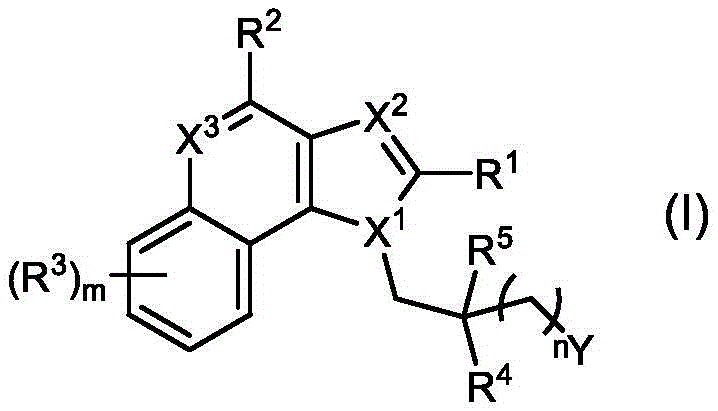
An advantage of such compounds is that in certain cases such compounds (the groups thereof) are linked to folate ligands or functional fragments or analogues thereof via non-releasable linkers to form stable conjugates. In some embodiments, for example when Y is hydroxy, the linkage with the linker forms an ester (-OCO-), carbonate (-OC (= O) O-) or carbamate (-OC (= O) NR-) at Y. In other instances, Y is another group described herein. In some embodiments, a spacer is added to link the conjugate having a group of formula (I) to a folate receptor ligand through a non-releasable linker to form a stable adduct. In certain instances, the conjugates are more stable (e.g., in vivo), thereby reducing systemic exposure to TLR7 agonists, e.g., reducing adverse reactions and side effects.
In some embodiments, provided herein are compounds represented by (or comprising a group (radial)) of the structure of formula (I):

wherein:
R 1 、R 3 、R 4 、R 5 each independently is H, alkyl, alkoxy, alkenyl, alkynyl, cycloalkyl, alicyclic, aryl (e.g., biaryl), halo, heteroaryl, -COR 2x 、 Or->
Or->
R 2 Is H, -OH, -NH 2 、-NHR 2x 、N 3 、-NH-CH 2 -NH 2 、-CONH 2 、-SO 2 NH 2 、-NH-CS-NH 2 、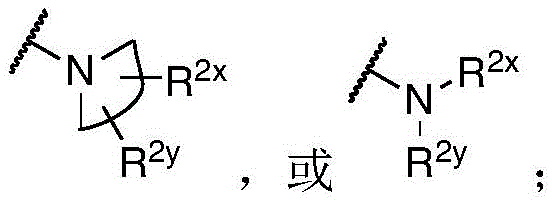
Y is H, -OH, -NH 2 、-NHR 2x 、-O-R 2x 、-SO-R 2x 、-SH、-SO 3 H、-N 3 、-CHO、-COOH、-CONH 2 、-COSH、-COR 2x 、-SO 2 NH 2 Alkenyl, alkynyl, alkoxy, -NH-CH 2 -NH 2 、-CONH 2 、-SO 2 NH 2 、-NH-CS-NH 2 、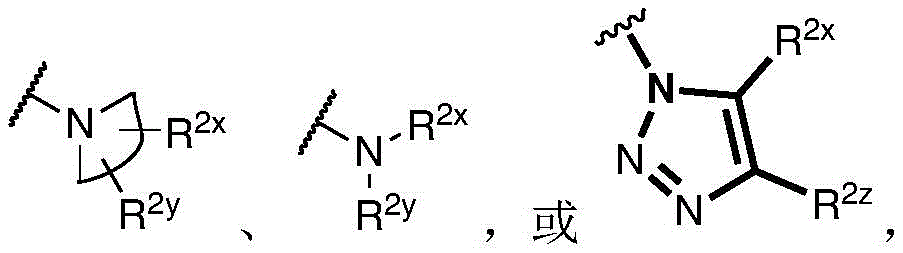 Wherein:
R 2x and R 2y Each independently selected from the group consisting of: H. -OH, -CH 2 -OH、-NH 2 、-CH 2 -NH 2 、-COOMe、-COOH、-CONH 2 、-COCH 3 Alkyl, alkenyl, alkynyl, cycloaliphatic, aryl, biaryl and heteroaryl, and each R 2z Independently selected from the group consisting of: -NH 2 、-NR 2q R 2q' 、-O-R 2q 、-SO-R 2q and-COR 2q ;
Wherein each R 2q And R 2q' Independently of one another is an alkyl group or H, is a 3-10 membered N containing non-aromatic, monocyclic or bicyclic heterocycle;
X 1 、X 2 and X 3 Is independently CR q Or N;
R 21 is H or alkyl; and is
n' is 0 to 30;
wherein, in formula I, X 1 、X 2 And X 3 Each of which is independently CR q Or N, wherein each R q Independently hydrogen, halogen or optionally substituted alkyl;
n is 0 to 30 (e.g., 1 to 8 or 1 to 6); m is 0 to 4; and is provided with
Wherein, when n is 0, Y is not H, -OH or-O-R 2x 。
In some embodiments, the compound of formula I is substituted with one or more R 3 Radicals (e.g. m R) 3 Groups, such as where m is 0-4).
Certain embodiments provide compounds having the structure of (or comprising the group of) formula (IA):

or a pharmaceutically acceptable salt thereof, wherein:
R 1 is optionally substituted C 3 -C 8 Alkyl (e.g., acyclic alkyl or cycloalkyl) (e.g., optionally substituted with one or more substituents each independently being halogen, alkyl, heteroalkyl, alkoxy, or cycloalkyl);
R 2 is H, -OR z 、-SO 2 N(R z ) 2 、-NR 2x R 2y Or N is 3 ;
Y is H, -OR z 、-NR 2x R 2y 、-SR z 、-SOR z 、-SO 3 R z 、-N 3 、-COR z 、-COOR z 、-CON(R z ) 2 、-COSR z 、-SO 2 N(R z ) 2 or-CON (R) z ) 2 Wherein;
R 2x and R 2y Each independently hydrogen, -N (R) z ) 2 、-CON(R z ) 2 、-C(R z ) 2 -N(R z ) 2 、-CS-N(R z ) 2 Or optionally substituted alkyl (e.g., optionally substituted with one or more substituents each independently being an oxylene, halogen, alkyl, heteroalkyl, alkoxy, or cycloalkyl), wherein each R is z Independently hydrogen, halogen or optionally substituted alkyl, or
R 2x And R 2y Together form an optionally substituted heterocycloalkyl (e.g., wherein the optionally substituted heterocycloalkyl is a monocyclic or bicyclic heterocycloalkyl and/or wherein the optionally substituted heterocycloalkyl is a 3-10 membered heterocycloalkyl);
each R 3 Independently halogen, -N 3 、-CN、-NO 2 、-COR z 、-COOR z 、-CON(R z ) 2 、-COSR z 、-SO 2 N(R z ) 2 、-CON(R z ) 2 Alkyl, heteroalkyl, cycloalkyl, heterocycloalkyl, alkoxy, amino, hydroxy, or mercapto, wherein the alkyl, alkoxy, heteroalkyl, cycloalkyl, or heterocycloalkyl is optionally substituted;
R 4 and R 5 Each independently is alkyl, alkoxy, halo, or cycloalkyl, wherein the alkyl, alkoxy, or cycloalkyl is optionally substituted;
n is 1 to 6; and is
m is 0 to 4.
In some embodiments, R of formula (I) or (IA) 1 Is optionally substituted C 3 -C 6 An alkyl group. In one embodiment, R of formula (I) or (IA) 1 Is optionally substituted acyclic C 3 -C 6 An alkyl group.
In some embodiments of formula (I) and formula (IA), R 2 is-NR 2x R 2y . In one embodiment of formula (I) or (IA), R 2 Is NH 2 。
In some embodiments, the compound is represented by (or includes a group (radial)) of any one or more of the following formulae:

or a pharmaceutically acceptable salt thereof.
In some embodiments, n is 1 to 3. In another embodiment, n is 1 or 2. In certain embodiments of the compounds of the present invention, n is 1.
One embodiment provides a compound having the structure of formula (I) or (IA) or a pharmaceutically acceptable salt thereof, wherein Y is-OH, OCH 3 、-NH 2 、-NHNH 2 、-NHCONH 2 、-SH、-SO 2 NH 2 、-N 3 、-COOH、-COCH 3 、-COOCH 3 or-CONH. In some embodiments, Y is OH. In other embodiments, Y is NH 2 。
In some embodiments, the compound is represented by (or includes a group (radial)) of any one or more of the following formulae:

or a pharmaceutically acceptable salt thereof.
In certain embodiments of formula (I) or (IA), R 4 And R 5 Each is an alkyl group. In certain embodiments of formula (I) or (IA), R 4 And R 5 Each independently is C 1 -C 4 An alkyl group. In one embodiment, R 4 And R 5 Each is methyl.
In some embodiments, the compound is represented by (or comprises a group (chemical) thereof) any of the following formulae:
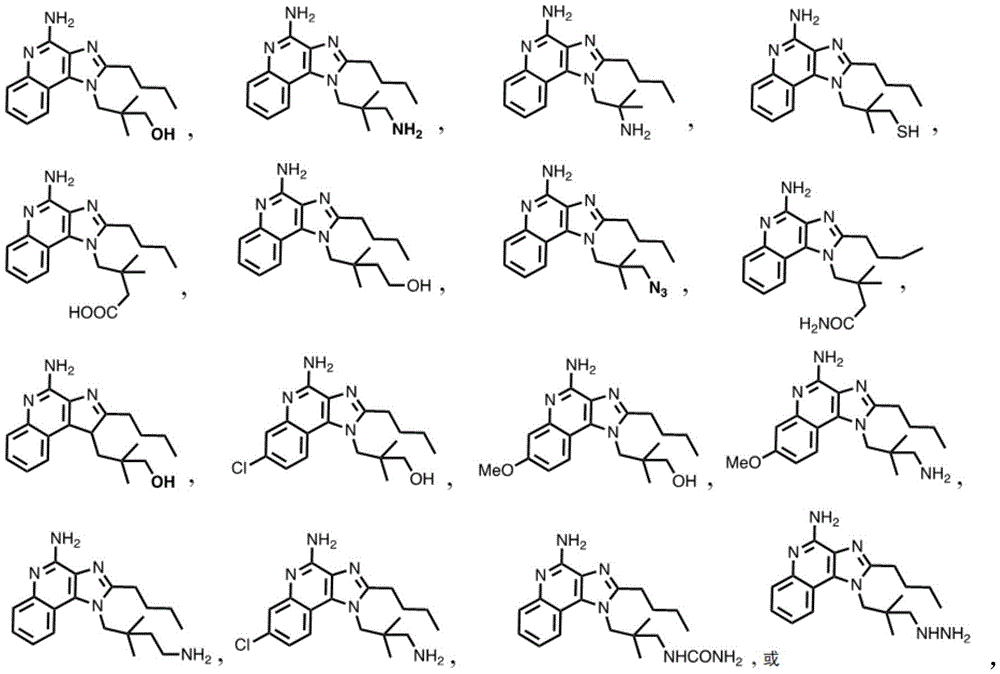
or a pharmaceutically acceptable salt thereof.
In certain embodiments, X 1 、X 2 And X 3 Each being N.
In certain embodiments of formula (I) or (IA), the compound is of the formula:

or a pharmaceutically acceptable salt thereof.
One embodiment provides a compound represented by the structure of formula (II):

or a pharmaceutically acceptable salt thereof, wherein:
R 1 、R 3 、R 4 、R 5 each independently is H, alkyl, alkoxy, alkenyl, alkynyl, alicyclic group,Aryl, biaryl, halo, heteroaryl, -COR 2x 、
R 2 Is H, -OH, -NH 2 、-NHR 2x 、N 3 、-NH-CH 2 -NH 2 、-CONH 2 、-SO 2 NH 2 、-NH-CS-NH 2 、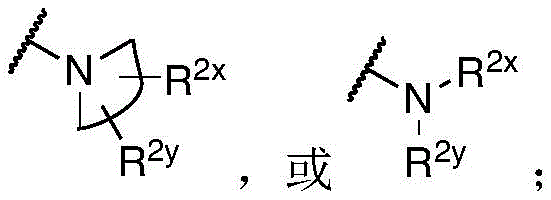
Z is a group of the formula: G-L-, G-O-, G-L-O-alkyl-, G-L-S-, G-SO 2 -NH-、G-L-NR a R b -、G-L-S(O) x -alkyl-, G-L-CO-, G-L-aryl-, G-L-NH-CO-NH-, G-L-NH-O-, G-L-NH-NH-, G-L-NH-CS-NH, G-L-C (O) -alkyl-, G-L-SO 2 -、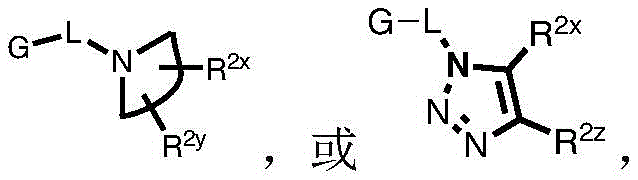 Wherein:
l is a linker and G is a folate receptor binding ligand;
R a and R b Each independently is H, halo, hydroxy, alkoxy, aryl, amino, acyl or C (O) R c Wherein R is c Is alkyl, aryl, oxy or alkoxy;
x is 0 to 3;
R 2x and R 2y Each independently selected from the group consisting of: H. -OH, -CH 2 -OH、-NH 2 、-CH 2 -NH 2 、-COOMe、-COOH、-CONH 2 、-COCH 3 Alkyl, alkenyl, alkynyl, alicyclic, aryl, biaryl and heteroaryl;
each R 2z Independently selected from the group consisting of: -NH 2 、-NR 2q R 2q' 、-O-R 2q 、-SO-R 2q and-COR 2q ;
Each R 2q And R 2q' Independently is alkyl or H, and is a 3-10 membered N-containing non-aromatic, monocyclic or bicyclic heterocycle;
R 21 is H or alkyl; and is
n' is 0 to 30;
wherein, in formula II:
X 1 、X 2 and X 3 Each independently is CR q Or N, wherein each R q Independently hydrogen, halogen or optionally substituted alkyl;
n is 0 to 30 (e.g., 1 to 8 or 1 to 6), m is 0 to 4; and is provided with
Wherein when n is 0, Z is not bonded to formula (II) through an oxygen atom.
One embodiment provides a compound represented by the structure of formula (IIA):

or a pharmaceutically acceptable salt thereof, wherein:
R 1 is optionally substituted alkyl (e.g., acyclic alkyl or cyclic alkyl) (e.g., optionally substituted with one or more substituents, each substituent independently being halogen, alkyl, heteroalkyl, alkoxy, or cyclic alkyl);
R 2 is H, -OR z 、-SO 2 N(R z ) 2 、-NR 2x R 2y Or N is 3 Wherein:
R 2x and R 2y Each independently hydrogen, -N (R) z ) 2 、-CON(R z ) 2 、-C(R z ) 2 -N(R z ) 2 、-CS-N(R z ) 2 Or optionally substituted alkyl (e.g., optionally substituted with one or more substituents each independently being an oxylene, a halogen, an alkyl, a heteroalkyl, an alkoxy, or a cycloalkyl);
each R z Independently hydrogen, halogen or optionally substituted alkyl; or
R 2x And R 2y Together form an optionally substituted heterocycloalkyl (e.g., where the optionally substituted heterocycloalkyl is a monocyclic or bicyclic heterocycloalkyl and/or the optionally substituted heterocycloalkyl is a 3-10 membered heterocycloalkyl);
each R 3 Independently halogen, -N 3 、-CN、-NO 2 Alkyl, heteroalkyl, cycloalkyl, heterocycloalkyl, alkoxy, aryl, heteroaryl, heterocycloalkyl, amino, hydroxy, carboxy, or mercapto, wherein the alkyl, alkoxy, heteroalkyl, cycloalkyl, or heterocycloalkyl is optionally substituted;
R 4 and R 5 Each independently is alkyl, alkoxy, halo, or cycloalkyl, wherein the alkyl, alkoxy, and cycloalkyl are optionally substituted;
each X 1 、X 2 And X 3 Independently is CR q Or N, wherein each R q Independently hydrogen, halogen or optionally substituted alkyl;
z is L-G, wherein L is a linker and G is a folate receptor binding ligand;
n is 1 to 6; and is
m is 0 to 4.
One embodiment provides a compound represented by the structure of formula (III):

or a pharmaceutically acceptable salt thereof, wherein:
R 1 、R 3 、R 4 、R 5 each independently H, alkyl, alkoxy, alkenyl, alkynyl, alicyclic, aryl, biaryl, halo, heteroaryl, -COR 2x 、 Wherein R is 2x And R 2y Each independently selected from the group consisting of: H. -OH, -CH 2 -OH、-NH 2 、-CH 2 -NH 2 、-COOMe、-COOH、-CONH 2 、-COCH 3 Alkyl, alkenyl, alkynyl, cycloaliphatic, aryl, biaryl and heteroaryl, and each R 2z Are each independently selected from the group consisting of: -NH 2 、-NR 2q R 2q' 、-O-R 2q 、-SO-R 2q and-COR 2q Wherein each R is 2q And R 2q' Independently is alkyl or H->
 Is a 3-to 10-membered N-containing non-aromatic, monocyclic or bicyclic heterocycle, R 21 Is H or alkyl, and n' is 0 to 30;
z is a group of formula G-L-, G-L-CO-, G-L-C (O) -alkyl-, wherein L is a linker and G is a folate receptor binding ligand;
X 1 、X 2 and X 3 Each independently is CR q Or N, wherein each R q Independently hydrogen, halogen or optionally substituted alkyl;
y is as described in formula I or IA;
n is 0 to 30; and is provided with
m is 0 to 4.
One embodiment provides a compound represented by the structure of formula (IIIA):
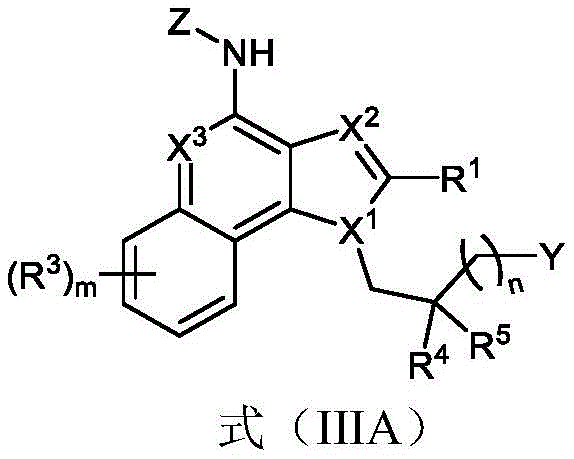
or a pharmaceutically acceptable salt thereof, wherein:
R 1 is optionally substituted alkyl (e.g., acyclic alkyl or cyclic alkyl) (e.g., optionally substituted with one or more substituents, each substituent independently being halogen, alkyl, heteroalkyl, alkoxy, or cyclic alkyl);
y is H, -OR z 、-NR 2x R 2y 、-SR z 、-SOR z 、-SO 3 R z 、-N 3 、-COR z 、-COOR z 、-CONR z 2 、-COSR z 、-SO 2 N(R z ) 2 or-CON (R) z ) 2 Wherein:
R 2x and R 2y Each independently hydrogen, -N (R) z ) 2 、-CON(R z ) 2 、-C(R z ) 2 -N(R z ) 2 、-CS-N(R z ) 2 Or optionally substituted alkyl (e.g., optionally substituted with one or more substituents each independently being an oxylene, a halogen, an alkyl, a heteroalkyl, an alkoxy, or a cycloalkyl), and each R z Independently hydrogen, halogen or optionally substituted alkyl; or
R 2x And R 2y Together form an optionally substituted heterocycloalkyl (e.g., wherein the optionally substituted heterocycloalkyl is a monocyclic or bicyclic heterocycloalkyl and/or wherein the optionally substituted heterocycloalkyl is a 3-10 membered heterocycloalkyl);
each R 3 Independently halogen, -N 3 、-CN、-NO 2 Alkyl, heteroalkyl, cycloalkyl, heterocycloalkyl, alkoxy, aryl, heteroaryl, heterocycloalkyl, amino, hydroxy, carbonyl, or mercapto, wherein the alkyl, alkoxy, heteroalkyl, cycloalkyl, or heterocycloalkyl is optionally substituted;
R 4 and R 5 Each independently is alkyl, alkoxy, halo, or cycloalkyl, wherein the alkyl, alkoxy, and cycloalkyl are optionally substituted;
each X 1 、X 2 And X 3 Independently is CR q Or N, wherein each R q Independently hydrogen, halogen or optionally substituted alkyl;
z is L-G, wherein L is a linker and G is a folate receptor binding ligand;
n is 1 to 6; and is provided with
m is 0 to 4.
In some embodiments of formula (II), (IIA), (III) or (IIIA), wherein X 1 、X 2 And X 3 Each is N.
In some embodiments of formula (II), (IIA), (III), or (IIIA), n is 1.
In some embodiments, the compound is represented by any one of the following formulae:

wherein Z is L-G, wherein L is a linker and G is a folate receptor binding ligand, or a pharmaceutically acceptable salt thereof.
In some embodiments, the compound is a compound of formula (IIA):
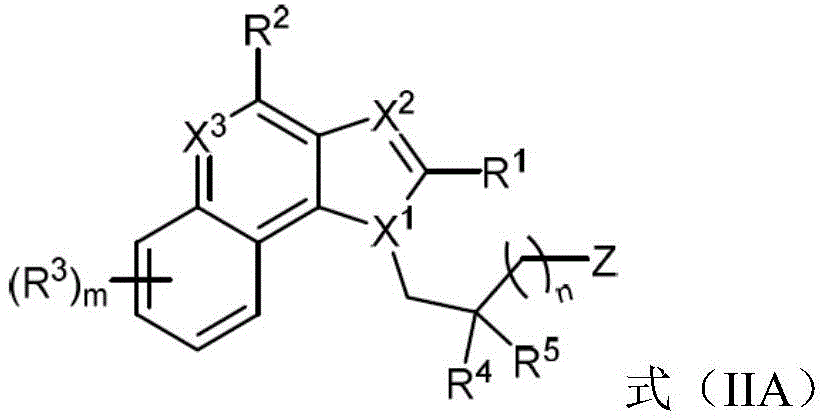
wherein:
R 1 is C optionally substituted by 1 to 3 substituents 1 -C 6 Alkyl, each substituent being independently halogen or C 1 -C 6 An alkoxy group;
R 2 is-NR 2x R 2y Wherein R is 2x And R 2y Each independently is hydrogen or C 1 -C 6 An alkyl group;
each R 3 Independently halogen, -CN, C 1 -C 6 Alkyl radical, C 1 -C 6 Heteroalkyl group, C 3 -C 7 Cycloalkyl radical, C 1 -C 6 Alkoxy, amino, hydroxyl, carboxyl or mercapto;
R 4 and R 5 Each independently is C 1 -C 6 An alkyl group;
each X 1 、X 2 And X 3 Is N;
z is G-L-or G-L-O-, wherein L is a linker and G is a folate receptor binding ligand;
n is 1; and is provided with
m is 0 to 4;
or a pharmaceutically acceptable salt thereof.
In some embodiments, R 1 Is C 1 -C 6 An alkyl group. In some embodiments, R 2 is-NH 2 . In some casesIn embodiments, m is 0. In certain embodiments, R 1 Is C 1 -C 6 Alkyl radical, R 2 is-NH 2 N is 1, m is 0.
In some embodiments, the compound of formula (II) is a compound of formula (IIB):
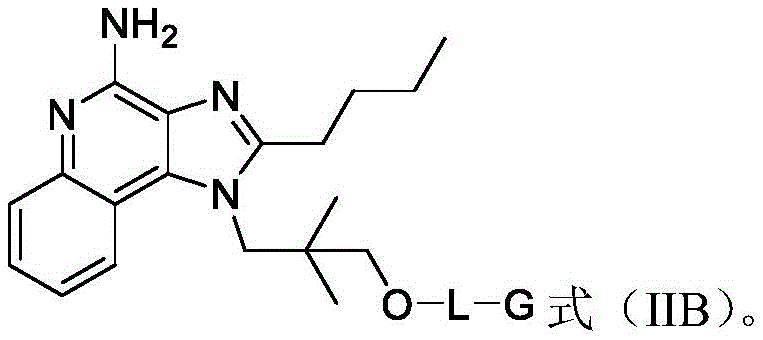
in some embodiments, the compound is represented by any one or more of the following structures:

wherein Z is L-G, wherein L is a linker and G is a folate receptor binding ligand, or a pharmaceutically acceptable salt thereof.
In some embodiments of formula (II), (IIA), (IIB), (III), or (IIIA), L is a cleavable (releasable) linker. In particular embodiments of formula (II), (IIA), (IIB), (III) or (IIIA), L is a hydrolyzable linker. In preferred embodiments, L is a non-cleavable or non-releasable linker. In particular embodiments of formula (II), (IIA), (IIB), (III) or (IIIA), L is a non-hydrolyzable linker.
In some embodiments, L comprises an optionally substituted heteroalkyl. In some embodiments, the heteroalkyl group is unsubstituted. In other embodiments, the heteroalkyl is substituted with at least one substituent selected from the group consisting of: alkyl, hydroxyl, acyl, polyethylene glycol (PEG), carboxylate, and halo. In another embodiment, L comprises a substituted heteroalkyl group having at least one disulfide bond in the backbone.
In some embodiments, L is a peptide or peptidoglycan having at least one disulfide bond in its backbone.
In some embodiments, L is a cleavable/releasable linker, cleavable by an enzymatic reaction, reactive Oxygen Species (ROS), or reducing conditions.
In some embodiments, L has the formula-NH-CH 2 -CR 6 R 7 -S-S-CH 2 -CH 2 -O-CO-, wherein R 6 And R 7 Each independently is H, alkyl or heteroalkyl. In some preferred embodiments, L does not comprise a disulfide bond.
In some embodiments, L is or comprises a group of the formula:
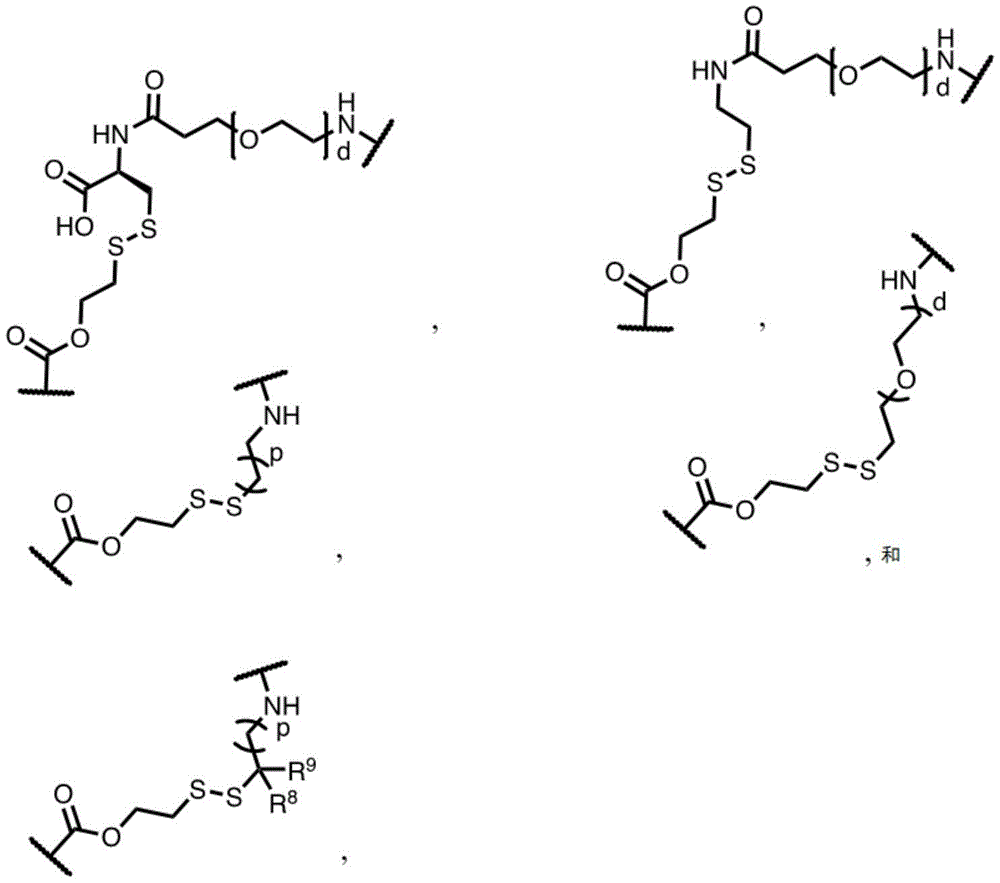
wherein p is an integer from 0 to 30; d is an integer from 1 to 40; and R is 8 And R 9 Each independently is H, alkyl, heterocyclyl, cycloalkyl, aryl or heteroalkyl.
In some embodiments of formula (II), (IIA), (IIB), (III), or (IIIA), L is a non-releasable linker. In some specific embodiments, L is a non-hydrolyzable linker.
In some embodiments, L comprises one or more group linker moieties (L ') (e.g., with L' n' Indicated). In some embodiments, each of the one or more linker moieties is independently selected from the group consisting of: alkylene, heteroalkylene, -O-alkynylene, alkenylene, acyl, aryl, heteroaryl, amide, oxime, ether, ester, triazole, PEG, carboxylate, carbonate, carbamate, amino acid, peptide (e.g., comprising two or more amino acid residues), and peptidoglycan.
In one embodiment, L is or comprises an alkyl ether. In another embodiment, L is or comprises an amide. In another embodiment, L is or comprises a peptide or peptidoglycan. In another embodiment, L is or comprises an amino acid. In another embodiment, L is or comprises PEG (e.g., -OCH) 2 -CH 2 -O-). In another embodiment, L is or comprises a polysaccharide.
In some embodiments, L is or comprises a group represented by the following structure:

wherein w is 0 to 5 and p is 1 to 30.
In one embodiment, L is or comprises:

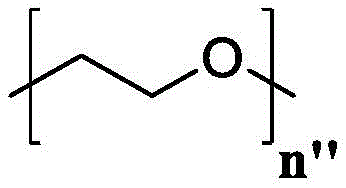


In certain embodiments, L is a bivalent linker.
In some embodiments of formula (II), (IIA), (IIB), (III), or (IIIA), G is a group of formula (IV) or comprises a group of formula (IV):
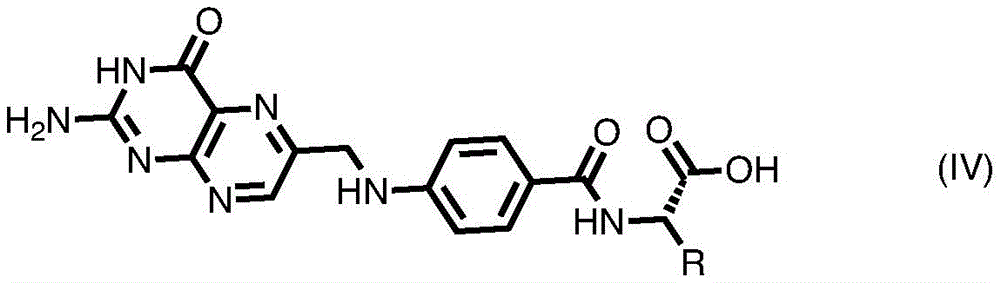
wherein R is or comprises any of the following formulae:

or a naturally occurring or non-natural amino acid or derivative or fragment thereof.
In certain embodiments of formula (II), (IIA), (IIB), (III), or (IIIA), G is a group having the structure of formula (V) (e.g., is or comprises a group having the structure of formula (VI)):
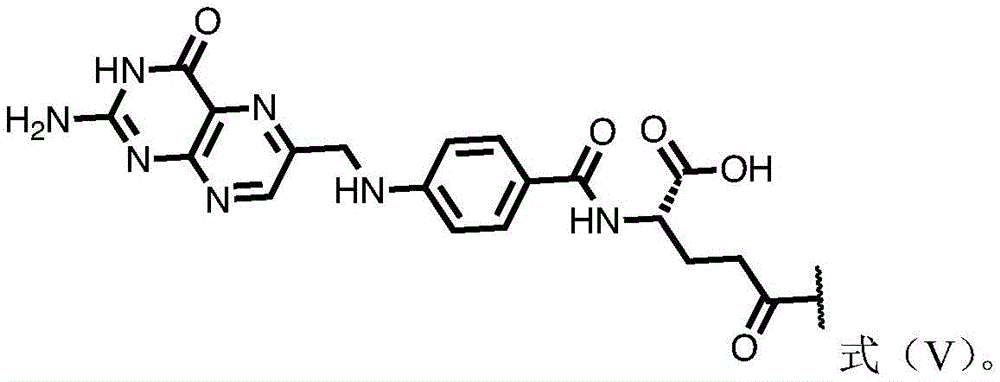
in some embodiments of formula (II), (IIA), (IIB), (III), or (IIIA), G is a group having the structure of formula (VI) (e.g., is or comprises a group having the structure of formula (VI)):
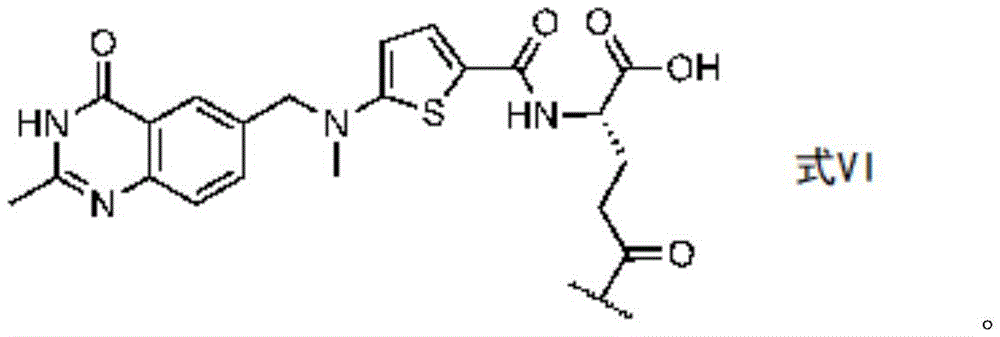
in some embodiments, the compound is represented by one of the following structures:

or a pharmaceutically acceptable salt thereof, wherein n1 is 0-10 and n2 is 0-10.
In some embodiments, the compound is represented by one of the following structures:


in some embodiments, the compound is represented by one of the following structures:
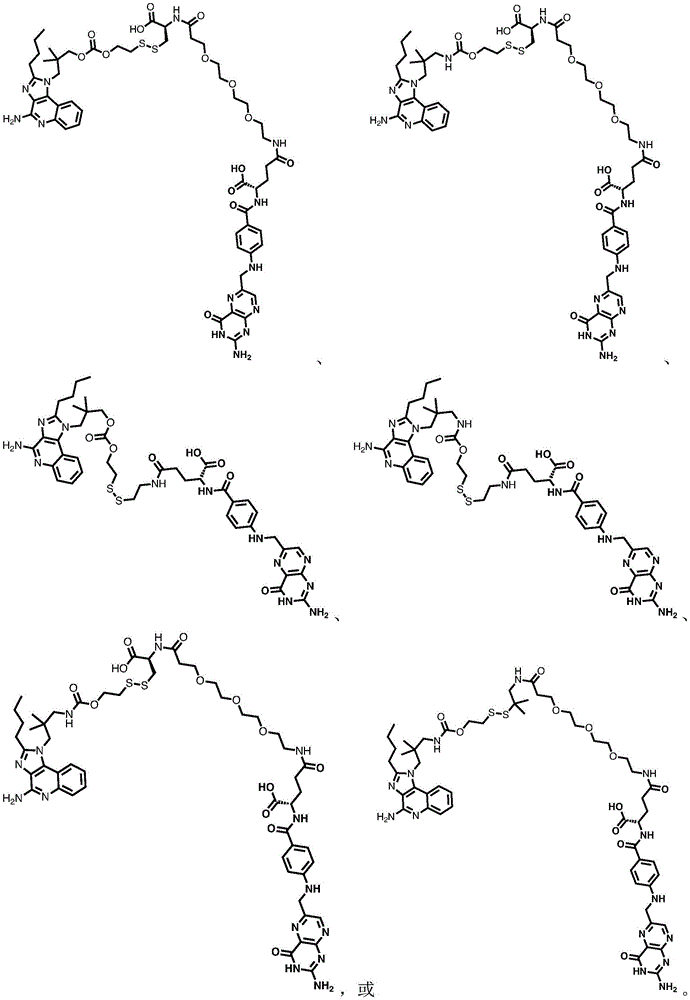
in certain embodiments, the compound is represented by one of the following structures:
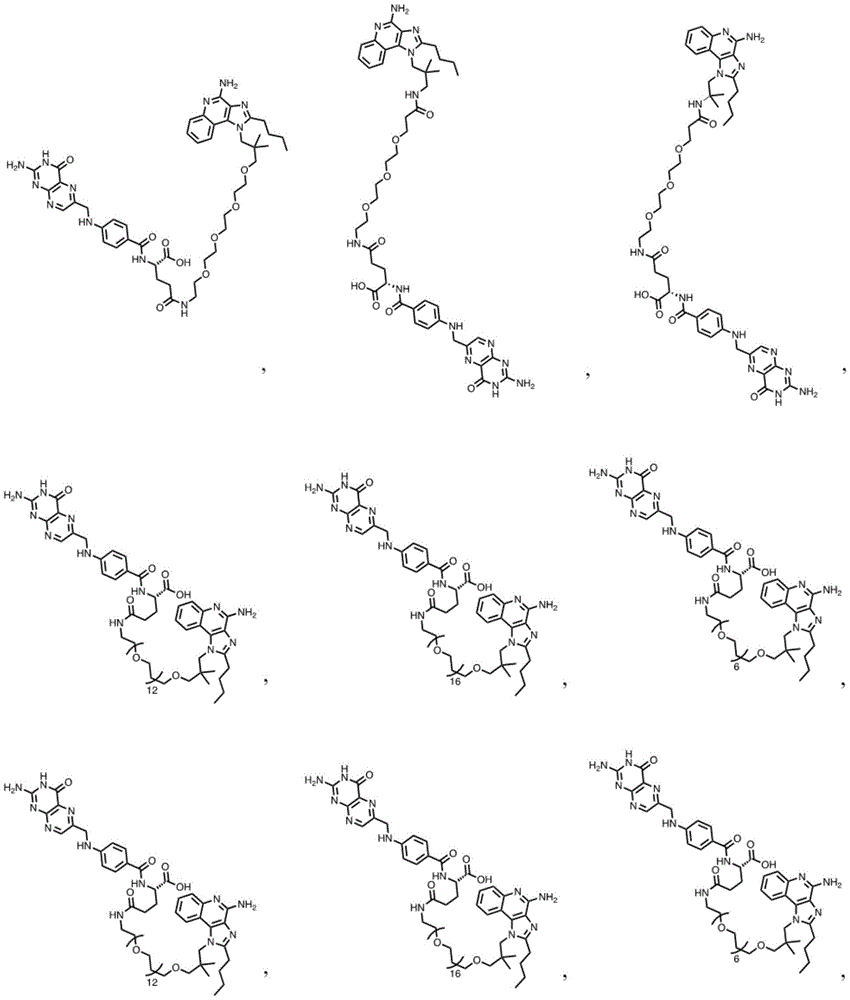

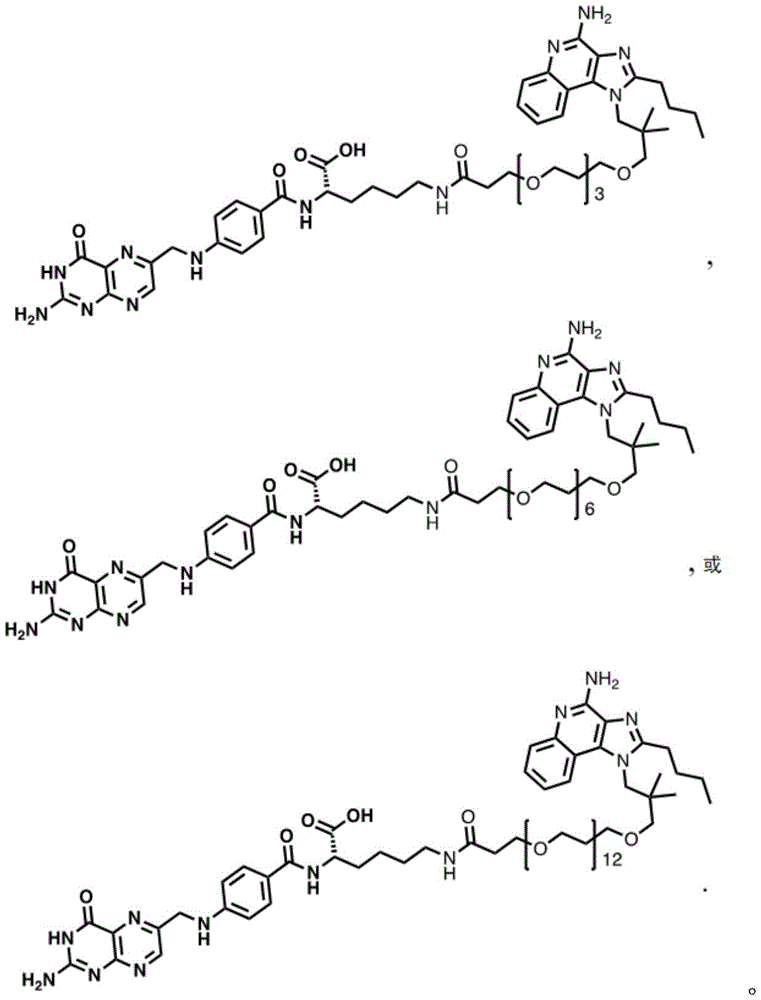
in certain embodiments, the compound is represented by one of the following structures:

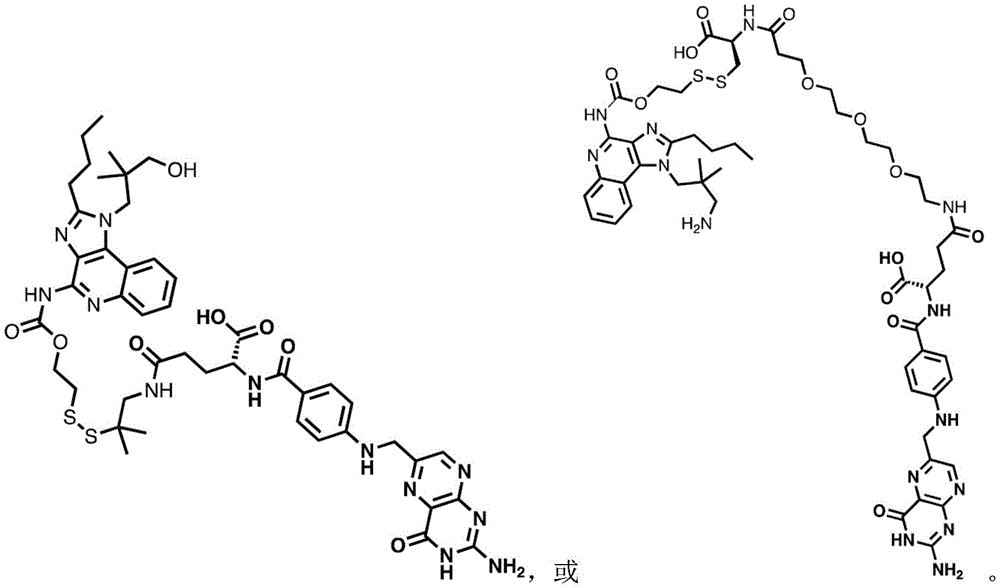
a pharmaceutical composition is provided comprising a compound of formula (I), (IA), (II), (IIA), (IIB), (III), or (IIIA), or any compound encompassed by such formula, or a pharmaceutically acceptable salt thereof, and at least one pharmaceutically acceptable excipient.
Also provided is a pharmaceutical composition comprising a therapeutically effective compound of formula (I), (IA), (II), (IIA), (IIB), (III), or (IIIA), or any compound encompassed by such formula, or a pharmaceutically acceptable salt thereof, and at least one pharmaceutically acceptable excipient.
Also provided is a method of treating cancer or an inflammatory disease or disorder (e.g., a fibrotic disease or disorder) in a subject in need thereof. The method comprises administering to a subject or subject in need thereof a therapeutically effective amount of one or more compounds of any of (I), (IA), (II), (IIA), (IIB), (III), or (IIIA), or any compound encompassed by such formula, or a pharmaceutically acceptable salt thereof, or a pharmaceutical composition comprising such compounds.
In certain embodiments, wherein the method is for treating an inflammatory disease or disorder selected from the group consisting of: lupus, inflammatory bowel disease (IBS), addison's disease, grave's disease, sjogren's syndrome, celiac disease, hashimoto's thyroiditis, myasthenia gravis, autoimmune vasculitis, reactive arthritis, psoriatic arthritis, pernicious anemia, ulcerative colitis, rheumatoid arthritis, type 1 diabetes, multiple sclerosis, transplant rejection, fatty liver disease, asthma, osteoporosis, sarcoidosis, ischemia reperfusion injury, prosthetic osteolysis, glomerulonephritis, scleroderma, psoriasis, autoimmune myocarditis, spinal cord injury, central nervous system, viral infection, influenza, coronavirus infection, cytokine storm syndrome, bone injury, inflammatory brain disease and atherosclerosis. In certain embodiments, the inflammatory disease or disorder is a fibrotic disease or disorder.
Even further provided is a method of treating a fibrotic disease or disorder in an individual in need thereof. The method comprises administering to a subject or subject in need thereof a therapeutically effective amount of one or more compounds of any of (I), (IA), (II), (IIA), (IIB), (III), or (IIIA), or any compound encompassed by such formula, or a pharmaceutically acceptable salt thereof, or a pharmaceutical composition comprising such compounds. In certain embodiments, the fibrotic disease or disorder is selected from the group consisting of: joint fibrosis, autoimmune pancreatitis, bladder fibrosis, chronic kidney disease, chronic wounds, crohn's disease, desmoid tumor, dupuytren's contracture, endometrial fibroma, fibromatosis, graft Versus Host Disease (GVHD), cardiac fibrosis, keloids, liver fibrosis (e.g., nonalcoholic steatohepatitis (NASH) or cirrhosis), mediastinal fibrosis, bone marrow fibrosis, fibrosis of the nephrogenic system, peloth's disease, pulmonary fibrosis, retroperitoneal fibrosis, scleroderma or systemic sclerosis, and skin fibrosis.
Another method provided is a method for treating cancer in an individual in need thereof. The methods comprise administering (e.g., to a subject) a compound of formula (I), (IA), (II), (IIA), (IIB), (III), or (IIIA), or any compound encompassed by such formula, or a pharmaceutically acceptable salt thereof, or a pharmaceutical composition comprising such a compound, to a subject in need thereof. In one embodiment, the cancer is selected from the group consisting of: lung cancer, bone cancer, pancreatic cancer, skin cancer, head cancer, neck cancer, skin melanoma, intraocular melanoma, uterine cancer, ovarian cancer, endometrial cancer (endometeral cancer), epithelial cancer, leiomyosarcoma, rectal cancer, gastric cancer (stomach cancer), colon cancer, breast cancer, triple negative breast cancer, fallopian tube cancer, endometrial cancer (carcinosoma of the endometerium), cervical cancer, vaginal cancer, vulvar cancer, hodgkin's disease, esophageal cancer, small bowel cancer, cancer of the endocrine system, thyroid cancer, parathyroid cancer, non-small cell lung cancer, adrenal cancer, soft tissue sarcoma, cancer of the urethra, penile cancer, prostate cancer, chronic leukemia, acute leukemia, lymphocytic lymphoma, pleural mesothelioma, bladder cancer, gastric cancer (gasteric cancer), burkitt lymphoma, cancer, renal cell carcinoma, renal pelvis cancer, tumors of the Central Nervous System (CNS), primary central nervous system lymphoma, spinal axis tumors, brain stem glioma, pituitary gland tumor, thyroid cancer, bile duct cancer, thyroid cancer. In other embodiments, the cancer is lung cancer, breast cancer (e.g., triple negative breast cancer), colon cancer, gastric cancer, bladder cancer, ovarian cancer, pancreatic cancer, or epithelial cancer.
However, another method provided is a method of inhibiting or reducing fibrosis (e.g., for an individual in need thereof, such as an individual with cancer or a fibrotic disease). The methods comprise administering (e.g., to a subject) to a subject in need thereof a compound of formula (I), (IA), (II), (IIA), (IIB), (III), or (IIIA) or any compound encompassed by such formula, or a pharmaceutically acceptable salt thereof, or a pharmaceutical composition comprising such compound. In some embodiments, the fibrotic disease or disorder is selected from the group consisting of: joint fibrosis, autoimmune pancreatitis, bladder fibrosis, chronic kidney disease, chronic wounds, crohn's disease, desmoid tumor, dupuytren's contracture, endometrial fibroma, fibromatosis, graft versus host disease, cardiac fibrosis, keloids, liver fibrosis (e.g., NASH or liver cirrhosis), mediastinal fibrosis, bone marrow fibrosis, nephrogenic systemic fibrosis, pelonetz's disease, pulmonary fibrosis, retroperitoneal fibrosis, scleroderma or systemic sclerosis, and skin fibrosis.
In one embodiment, the fibrotic disease or disorder is idiopathic pulmonary fibrosis, liver fibrosis, myelofibrosis, or myocardial fibrosis. In certain embodiments, the fibrotic disease or disorder is pulmonary fibrosis, liver fibrosis, scleroderma, myelofibrosis, crohn's disease, or chronic kidney disease.
A method of inhibiting or reducing fibrosis is provided (e.g., for a subject in need thereof, such as a subject having cancer or a fibrotic disease), such method comprising administering to a subject in need thereof an effective amount of a compound of formula (I), (IA), (II), (IIA), (IIB), (III), or (IIIA), or any compound encompassed by such formula, or a pharmaceutically acceptable salt thereof, or a pharmaceutical composition comprising such compound, thereby converting a population of macrophages that are predisposed to an M2-like phenotype (e.g., profibrotic) to an M1-like phenotype (e.g., anti-fibrotic), wherein the population of macrophages is present at a targeted location within the subject, the M2-like phenotype is associated with an anti-inflammatory/profibrotic state, and the M1-like phenotype is associated with a pro-inflammatory/anti-fibrotic state.
Further, a method of inhibiting or reducing the growth of cancer (e.g., for an individual in need thereof, such as an individual having cancer) is provided, the method comprising administering to an individual in need thereof an effective amount of a compound of formula (I), (IA), (II), (IIA), (IIB), (III), or (IIIA), or any compound encompassed by such formula, or a pharmaceutically acceptable salt thereof, or a pharmaceutical composition comprising such a compound, thereby converting a population of macrophages that are predisposed to an M2-like phenotype (e.g., profibrosis) to an M1-like phenotype (e.g., anti-fibrosis), wherein the population of macrophages are present at a targeted location within the individual, the M2-like phenotype is associated with an anti-inflammatory/profibrotic state, and the M1-like phenotype is associated with a pro-inflammatory/anti-fibrotic state. In at least one embodiment, the targeted site is a tumor microenvironment.
In any of the above embodiments, the method does not induce unnecessary inflammation in the subject.
In any of the embodiments above, the method further comprises administering a second therapeutic agent. In one embodiment, the second therapeutic agent is an anti-inflammatory agent. In any of the embodiments above, the method further comprises administering a chemotherapeutic agent.
Further embodiments and the full scope of applicability of the present disclosure will become apparent from the detailed description. It should be understood, however, that the detailed description and the specific examples are given by way of illustration only. Various changes and modifications within the spirit and scope of the disclosure will become apparent to those skilled in the art.
Drawings
The embodiments may be better understood with reference to the following drawings, in which:
fig. 1 shows the chemical structure of exemplary compounds provided herein.
FIG. 2 shows the effect of various exemplary compounds on interleukin-6 (IL-6) expression in Peripheral Blood Mononuclear Cells (PBMCs).
FIGS. 3A and 3B show the in vitro effect of various exemplary compounds on IL-6 (FIG. 3A) and CXCL-10 (FIG. 3B) induction in human monocyte-derived M2-macrophages for 48 hours.
FIGS. 3C and 3D show the effect of various exemplary compounds on IL-6 (FIG. 3C) and tumor necrosis factor alpha (TNF-alpha) (FIG. 3D) production in mice.
FIGS. 4A and 4B show the effect of Toll-like receptor 7 (TLR 7) agonists on IL-6 and TNF- α in mouse bone marrow derived M2-macrophages.
Fig. 5A and 5B show flow cytometry data for TLR7 and folate receptor beta (FR-beta) expression in immobilized and permeabilized human M2-polarized macrophages.
FIG. 6 shows confocal microscopy images of human PBMC-derived M2 macrophages fixed, permeabilized and stained simultaneously with the TLR7 antibody and the FR- β antibody (results show both are located in vivo).
Figures 7A and 7B show Liquid Chromatography Mass Spectrometry (LCMS) data for Folate (FA) -TLR7 conjugate FA-TLR7-1 (figure 7A) and FA-compound 1 (releasable conjugate) (compound 5) (figure 7B) disulfide cleavage studies, analyzed at 0 min, 7 min, 30 min and 50 min.
Figure 8 shows an example schematic of the possible mechanism of action of folate-TLR 7 conjugates that are believed to be certain releasable and non-releasable, according to the data obtained so far.
FIG. 9 shows graphical data representative of the use of the releasable folate-TLR 7 conjugate (FA-PEG) 3 -expression of the M1 marker IL-6 in PBMC derived macrophages after TLR7-1A (releasable ("Re")) treatment.
Figures 10A-10E show graphical data associated with releasable folate-TLR 7 conjugates in a 4T1 solid tumor model (compound 5 3 In vivo therapeutic studies of TLR7-1A (Re)) (10 nmol/mouse). Fig. 10A shows tumor volumes measured every other day after treatment. Figure 10B shows the average tumor weight measured at the end of the study. FIG. 10C shows the relative proportion of M1/M2 (CD 86+/CD206 +) macrophages. Fig. 10D shows CD8+ cells per 100,000 events. Fig. 10E shows CD4+ cells per 100,000 events.
Figures 11A-11D show graphical data relating to the interaction of folate-TLR 7 conjugates that are not releasable with the present disclosure (compound 4 3 TLR7-1A (NR)) treatment, various M1 markers were associated in human PBMC-derived macrophages. FIG. 11A shows the M1 marker IL-6 after 3 hours of treatmentmRNA levels varied, while FIG. 11B shows the mRNA level variation of the M1 marker TNF-. Alpha.after 3 hours of treatment. FIG. 11C shows the analysis of IL-6 protein expression using ELISA after treatment for 45 hours at 3+ C. Figure 11D shows analysis of macrophage cell surface expression of M2 marker CD206 by flow cytometry.
Fig. 12A and 12B show the binding of a peptide with a non-releasable folate-TLR 7 conjugate (compound 4 3 TLR7-1A (NR)) treatment, graphical data relating to cell surface markers CD40 and CD80, respectively, of human PBMC-derived M2 macrophages were analyzed using flow cytometry.
Figure 13 shows a non-releasable folate-TLR 7 conjugate (compound 4 3 Pharmacokinetic analysis data of TLR7-1A (NR)) in mice (column: agilent Eclipse Plus C18,2.1x50mm, sn: a-water +0.1% FA, B-CAN +0.1% FA).
Fig. 14A and 14B show interaction of a peptide with a non-releasable folate-TLR 7 conjugate (compound 4 3 TLR7-1A (NR)) at different concentrations and at different dosing intervals in vivo treatment studies. Fig. 14A shows the tumor volume measured after treatment. Figure 14B shows the tumor weight (grams) measured at the end of the study.
Figures 15A-15C show the non-releasable folate-TLR 7 conjugate (compound 4 3 Data from in vivo therapeutic studies of TLR7-1A (NR)) (1 nmol/week). Fig. 15A shows the tumor volumes measured during treatment, while fig. 15B shows quantification of metastatic tumor cells in the lung using the 6-thioguanine assay, and fig. 15C shows a representative image of the 6-thioguanine assay of fig. 15B.
Detailed Description
The present disclosure relates to the preparation and use of compounds and compositions for the prevention and/or treatment of fibrotic diseases. In certain embodiments, the provided compounds, compositions, and methods are also useful for preventing and/or treating cancer. In certain embodiments, the provided compounds, compositions, and methods utilize strategies that target (e.g., selectively) the innate immune system and reprogram the polarization of macrophages from M2 to M1, and, for example, utilize the anti-fibrotic/pro-inflammatory properties of the M1-like phenotype.
In at least one embodiment, such compounds and compositions comprise an immunomodulatory agent, or a pharmaceutically acceptable salt thereof (e.g., a Toll-like receptor (TLR) agonist, such as TLR7 or a TLR7/8 agonist), that, upon administration, can transform (e.g., reprogram) activated bone marrow cells (e.g., M2-like macrophages) into anti-fibrotic/pro-inflammatory M1 polarization.
In exemplary embodiments, the immunomodulator or pharmaceutically acceptable salt thereof is conjugated (directly or via a linker) to a targeting moiety or group thereof that targets a pattern recognition receptor of a fibrotic or cancerous cell. For example, the targeting moiety or group thereof may be a folate ligand or a functional fragment or analogue thereof. Such embodiments take advantage of the limited expression of the target of the targeting moiety, and direct localization of the systemically administered compound to cells expressing the target (e.g., cells of fibrotic and/or cancerous tissue), such that the immunomodulator can reprogram activated bone marrow cells (e.g., M2-like macrophages) to anti-fibrotic/pro-inflammatory M1 polarization. The advantage of this targeted design is that systemic activation of the immune system can be prevented, thereby avoiding subject toxicity.
In addition, exemplary embodiments may comprise a linker disposed between the targeting moiety and the immunomodulator or pharmaceutically acceptable salt thereof. Such a joint may be releasable or non-releasable. Compounds comprising a releasable linker (and compositions comprising the compounds) will, upon administration, cause the targeting moiety and immunomodulator to release from each other at or about the time the immunomodulator becomes active. In embodiments where a compound comprising a non-releasable linker (and compositions comprising the compound) is administered, the targeting moiety and the immunomodulator are not released rapidly under physiological conditions. Thus, these components remain together after the targeted cell (e.g., fibrotic or cancerous cell) has taken up and/or activated the immunomodulator.
Various embodiments will now be described, along with data relating to examples that support these schemes.
Compound (I)
One embodiment provides a compound (e.g., an immunomodulator) structurally represented by formula (I):
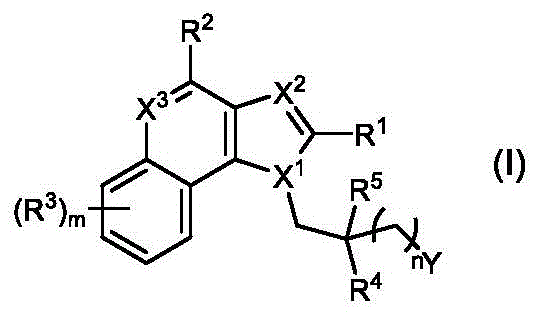
or a pharmaceutically acceptable salt thereof, wherein:
R 1 、R 3 、R 4 、R 5 each independently is H, alkyl, alkoxy, alkenyl, alkynyl, cycloalkyl, alicyclic, aryl (e.g., biaryl), halo, heteroaryl, -COR 2x 、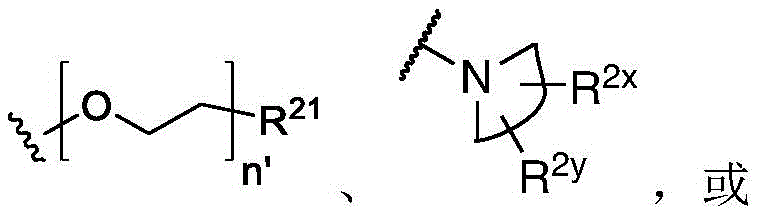

R 2 Is H, -OH, -NH 2 、-NHR 2x 、N 3 、-NH-CH 2 -NH 2 、-CONH 2 、-SO 2 NH 2 、-NH-CS-NH 2 、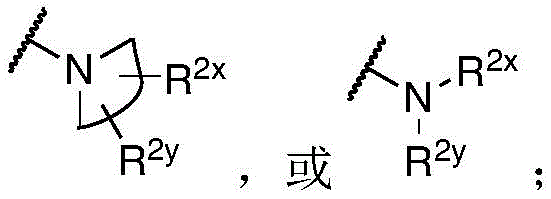
Y is H, -OH, -NH 2 、-NHR 2x 、-O-R 2x 、-SO-R 2x 、-SH、-SO 3 H、-N 3 、-CHO、-COOH、-CONH 2 、-COSH、-COR 2x 、-SO 2 NH 2 Alkenyl, alkynyl, alkoxy, -NH-CH 2 -NH 2 、-CONH 2 、-SO 2 NH 2 、-NH-CS-NH 2 、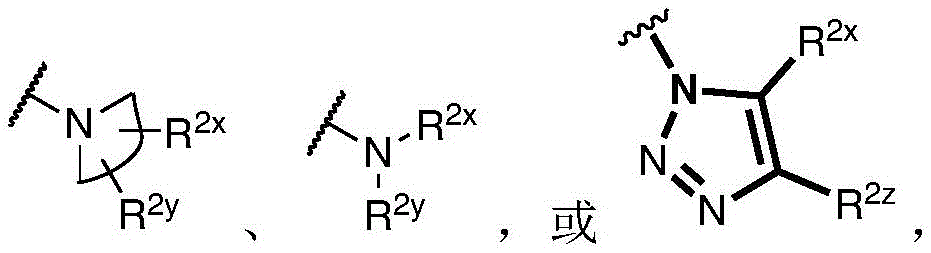 Wherein each R 2x And R 2y Independently selected from the group consisting of: H. -OH,-CH 2 -OH、-NH 2 、-CH 2 -NH 2 、-COOMe、-COOH、-CONH 2 、-COCH 3 Alkyl, alkenyl, alkynyl, cycloaliphatic, aryl, biaryl, and heteroaryl;
each R 2z Are each independently selected from the group consisting of: -NH 2 、-NR 2q R 2q' 、-O-R 2q 、-SO-R 2q and-COR 2q (ii) a Wherein each R 2q And R 2q' Independently is alkyl or H, and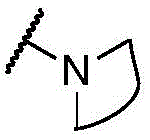 is a 3-10 membered N containing non-aromatic, monocyclic or bicyclic heterocycle;
R 21 is H or alkyl; and is
n' is 0 to 30;
wherein, in the formula (I), X 1 、X 2 、X 3 Is independently CR q Or N, wherein each R q Independently hydrogen, halogen or optionally substituted alkyl;
n is 0 to 30; and is
m is 0 to 4.
In at least one embodiment of formula (I), when n is 0, Y is not H, -OH or-O-R 2x 。
Another embodiment provides a compound (e.g., an immunomodulator) having the structure of formula (IA):

or a pharmaceutically acceptable salt thereof, wherein:
R 1 is optionally substituted C 3 -C 8 Alkyl (e.g., acyclic alkyl or cycloalkyl) (e.g., optionally substituted with one or more substituents each independently being halogen, alkyl, heteroalkyl, alkoxy, or cycloalkyl);
R 2 is H, -OR z 、-SO 2 N(R z ) 2 、-NR 2x R 2y Or N is 3 ;
Y is H, -OR z 、-NR 2x R 2y 、-SR z 、-SOR z 、-SO 3 R z 、-N 3 、-COR z 、-COOR z 、-CON(R z ) 2 、-COSR z 、-SO 2 N(R z ) 2 or-CON (R) z ) 2 Wherein:
R 2x and R 2y Each independently hydrogen, -N (R) z ) 2 、-CON(R z ) 2 、-C(R z ) 2 -N(R z ) 2 、-CS-N(R z ) 2 Or optionally substituted alkyl (e.g., optionally substituted with one or more substituents each independently being an oxylene, halogen, alkyl, heteroalkyl, alkoxy, or cycloalkyl), wherein each R is z Independently hydrogen, halogen or optionally substituted alkyl; or
R 2x And R 2y Together form an optionally substituted heterocycloalkyl (e.g., where the optionally substituted heterocycloalkyl is a monocyclic or bicyclic heterocycloalkyl and/or the optionally substituted heterocycloalkyl is a 3-10 membered heterocycloalkyl);
each R 3 Independently halogen, -N 3 、-CN、-NO 2 、-COR z 、-COOR z 、-CON(R z ) 2 、-COSR z 、-SO 2 N(R z ) 2 or-CON (R) z ) 2 Alkyl, heteroalkyl, cycloalkyl, heterocycloalkyl, alkoxy, amino, hydroxy, or mercapto, wherein the alkyl, alkoxy, heteroalkyl, cycloalkyl, or heterocycloalkyl is optionally substituted;
R 4 and R 5 Each independently is alkyl, alkoxy, halo, or cycloalkyl, wherein the alkyl, alkoxy, and cycloalkyl are optionally substituted;
n is 1 to 6; and is
m is 0 to 4.
One embodiment provides a compound having the structure of formula (I) or (IA), or a pharmaceutically acceptable salt thereof, whereinWherein n is 1-30. In one embodiment, n is 1 to 6. In another embodiment, n is 1 to 3. In another embodiment, n is 1 or 2. In another embodiment, n is 0. In another embodiment, n is 1. In another embodiment, n is 1 and Y is OH. In another embodiment, n is 1, Y is NH 2 . In one embodiment, the compound is represented by the structure of compound 1:

or a pharmaceutically acceptable salt thereof.
In one embodiment, the compound is represented by the structure of compound 2. In one embodiment, the compound is represented by the structure of compound 3. The structure of such compounds is shown in figure 1.
One embodiment provides a compound having the structure of formula (I) or (IA) or a pharmaceutically acceptable salt thereof, wherein Y is-OH, OCH 3 、-NH 2 、-NHNH 2 、-NHCONH 2 、-SH、-SO 2 NH 2 、-N 3 、-COOH、-COCH 3 、-COOCH 3 or-CONH 2 。
One embodiment provides a compound having the structure of formula (I) or (IA), or a pharmaceutically acceptable salt thereof, wherein Y is H, -NH 2 、-NHR 2x 、-O-R 2x 、-SO-R 2x 、-SH、-SO 3 H、-N 3 、-CHO、-COOH、-CONH 2 、-COSH、-COR 2x 、-SO 2 NH 2 Alkenyl, alkynyl, alkoxy, -NH-CH 2 -NH 2 、-CONH 2 、-SO 2 NH 2 、-NH-CS-NH 2 、
One embodiment provides a compound having the structure of formula (I) or (IA) or a pharmaceutically acceptable salt thereof, wherein Y is OH.
In one embodimentCompounds having the structure of formula (I) or (IA), or a pharmaceutically acceptable salt thereof, are provided, wherein Y is NH 2 。
One embodiment provides a compound having the structure of formula (I) or (IA) or a pharmaceutically acceptable salt thereof, wherein n is 1 and y is OH.
One embodiment provides a compound having the structure of formula (I) or (IA) or a pharmaceutically acceptable salt thereof, wherein n is 1, Y is NH 2 。
One embodiment provides a compound having the structure of formula (I) or (IA), or a pharmaceutically acceptable salt thereof, wherein n is 0, Y is NH 2 。
One embodiment provides a compound having the structure of formula (I) or (IA), or a pharmaceutically acceptable salt thereof, wherein R 1 Is an optionally substituted alkyl group. In one embodiment, R 1 Is optionally substituted C 3 -C 6 An alkyl group. In another embodiment, R 1 Is optionally substituted acyclic C 3 -C 6 An alkyl group. In another embodiment, R 1 Is a butyl group.
One embodiment provides a compound having the structure of formula (I) or (IA), or a pharmaceutically acceptable salt thereof, wherein R 2 is-NR 2x R 2y . In one embodiment, R 2 Is NH 2 。
One embodiment provides a compound having the structure of formula (I) or (IA) or a pharmaceutically acceptable salt thereof, wherein R 3 Is H.
One embodiment provides a compound having the structure of formula (I) or (IA), or a pharmaceutically acceptable salt thereof, wherein R 4 Is an alkyl group. In one embodiment, R 4 Is methyl.
One embodiment provides a compound having the structure of formula (I) or (IA), or a pharmaceutically acceptable salt thereof, wherein R 5 Is an alkyl group. In one embodiment, R 5 Is a methyl group.
One embodiment provides a compound having the structure of formula (I) or (IA), or a pharmaceutically acceptable salt thereof, wherein R 4 And R 5 Each is an alkyl group. In thatIn one embodiment, R 4 And R 5 Each independently is C 1 -C 4 An alkyl group. In one embodiment, R 4 And R 5 Each is methyl.
One embodiment provides a compound having the structure of formula (I) or (IA) or a pharmaceutically acceptable salt thereof, wherein m is 0. In another embodiment, m is 1. In another embodiment, m is 2. In another embodiment, m is 3. In another embodiment, m is 4.
One embodiment provides a compound having the structure of formula (I) or a pharmaceutically acceptable salt thereof, wherein X 1 、X 2 And X 3 Each being N. In one embodiment, X 1 Is N. In another embodiment, X 2 Is N. In another embodiment, X 3 Is N.
One embodiment provides a compound having the structure of formula (I) or a pharmaceutically acceptable salt thereof, with the exception of compounds in which n is 0.
One embodiment provides a compound having the structure of formula (I) or a pharmaceutically acceptable salt thereof, but excludes compounds wherein n is 0 and Y is OH.
One embodiment provides a compound having the structure of formula (I) or a pharmaceutically acceptable salt thereof, with the exception that n is 0, Y is OH, R 1 Is butyl, R 2 Is NH 2 、R 3 Is H and R 4 And R 5 Each being a methyl group.
One embodiment provides a compound having the structure of formula (I) or a pharmaceutically acceptable salt thereof, but excludes compound TLR7-1 shown in figure 1.
In some embodiments, the compound is represented by any one or more of the following formulae:

or a pharmaceutically acceptable salt thereof.
In some embodiments, the compound is represented by any one or more of the following formulae:

or a pharmaceutically acceptable salt thereof.
In some embodiments, the compound is represented by any one or more of the following formulae:
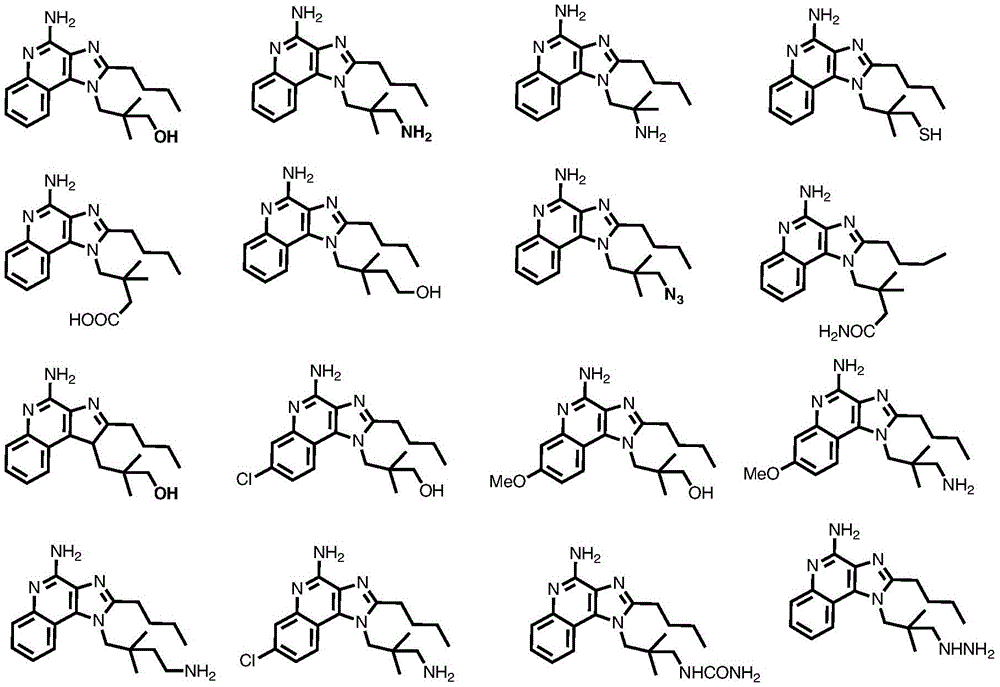
or a pharmaceutically acceptable salt thereof.
Conjugate
The disclosure also relates to compounds (and groups thereof) (e.g., TLR7/8 agonists) provided herein that are conjugated, directly or through a linker, to a targeting moiety that targets a pattern recognition receptor of a cell. In some embodiments, the targeting ligand comprises a folate ligand or a functional fragment or analog thereof, e.g., a pteroylamino acid. In some embodiments, the linker is not releasable. In some embodiments, the conjugates provide targeting moieties with non-releasable linkers, thereby reducing systemic exposure to TLR7/8 agonists. In some embodiments, the conjugates provide targeting moieties with non-releasable linkers, thereby reducing systemic adverse effects of TLR7/8 agonists.
One embodiment provides a compound represented by the structure of formula (II):

or a pharmaceutically acceptable salt thereof, wherein:
R 1 、R 3 、R 4 、R 5 each independently is H, alkyl, alkoxy, alkenyl, alkynyl, alicyclic, aryl, biaryl, halo, heteroaryl, -COR 2x 、
R 2 Is H, -OH, -NH 2 、-NHR 2x 、N 3 、-NH-CH 2 -NH 2 、-CONH 2 、-SO 2 NH 2 、-NH-CS-NH 2 、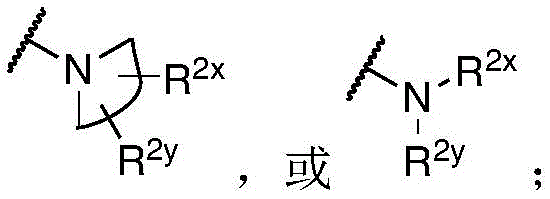
Z is a group of the formula: G-L-, G-O-, G-L-O-alkyl-, G-L-S-, G-SO 2 -NH-、G-L-NR a R b -、G-L-S(O) x -alkyl-, G-L-CO-, G-L-arene-, G-L-NH-CO-NH-, G-L-NH-O-, G-L-NH-CS-NH, G-L-C (O) -alkyl-, G-L-SO 2 -、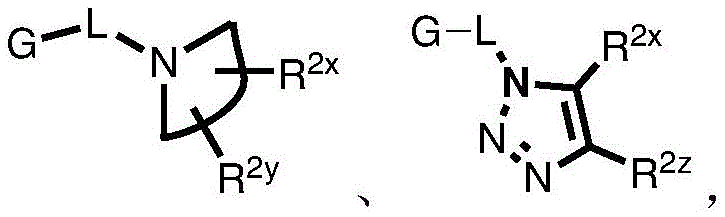 Wherein:
l is a linker, G is a folate receptor binding ligand; and is
R a And R b Each independently is H, halo, hydroxy, alkoxy, aryl, amino, acyl or C (O) R c Wherein R is c Is alkyl, aryl, oxy or alkoxy;
x is 0-3 (e.g., an integer varying between 0-3);
R 2x and R 2y Each of which is independently selected from the group consisting of: H. -OH, -CH 2 -OH、-NH 2 、-CH 2 -NH 2 、-COOMe、-COOH、-CONH 2 、-COCH 3 Alkyl, alkenyl, alkynyl, alicyclic, aryl, biaryl and heteroaryl;
each R 2z Independently selected from the group consisting of: -NH 2 、-NR 2q R 2q' 、-O-R 2q 、-SO-R 2q and-COR 2q Wherein each R is 2q And R 2q' Independently is alkyl or H, and

R 21 is H or alkyl; and is
n' is 0 to 30;
wherein, in formula II:
X 1 、X 2 、X 3 each independently is CR q Or N, wherein each R q Independently hydrogen, halogen or optionally substituted alkyl;
n is 0-30 (e.g., an integer varying between 0-30); and is provided with
m is 0 to 4.
In certain embodiments of the compounds of formula II, when n is 0, Z is not bound to formula (II) through an oxygen atom.
One embodiment provides a compound represented by the structure of formula (IIA):

or a pharmaceutically acceptable salt thereof, wherein:
R 1 is optionally substituted alkyl (e.g., acyclic alkyl or cyclic alkyl) (e.g., optionally substituted with one or more substituents, each substituent independently being halogen, alkyl, heteroalkyl, alkoxy, or cyclic alkyl);
R 2 is H, -OR z 、-SO 2 N(R z ) 2 、-NR 2x R 2y Or N is 3 Wherein:
R 2x and R 2y Each independently hydrogen, -N (R) z ) 2 、-CON(R z ) 2 、-C(R z ) 2 -N(R z ) 2 、-CS-N(R z ) 2 Or optionally substituted alkyl (e.g., optionally substituted with one or more substituents each independently being an oxylene, halogen, alkyl, heteroalkyl, alkoxy, or cycloalkyl), and each R z Independently hydrogen, halogen, or optionally substituted alkaneA group; or
R 2x And R 2y Together form an optionally substituted heterocycloalkyl (e.g., wherein the optionally substituted heterocycloalkyl is a monocyclic or bicyclic heterocycloalkyl and/or wherein the optionally substituted heterocycloalkyl is a 3-10 membered heterocycloalkyl);
each R 3 Independently halogen, -N 3 、-CN、-NO 2 Alkyl, heteroalkyl, cycloalkyl, heterocycloalkyl, alkoxy, aryl, heteroaryl, heterocycloalkyl, amino, hydroxy, carboxy, or mercapto, wherein the alkyl, alkoxy, heteroalkyl, cycloalkyl, or heterocycloalkyl is optionally substituted;
R 4 and R 5 Each independently is alkyl, alkoxy, halo, or cycloalkyl, wherein the alkyl, alkoxy, and cycloalkyl are optionally substituted;
each X 1 、X 2 And X 3 Independently is CR q Or N, wherein each R q Independently hydrogen, halogen or optionally substituted alkyl;
z is L-G, wherein L is a linker and G is a folate receptor binding ligand;
n is 1 to 6; and is provided with
m is 0 to 4.
One embodiment provides a compound represented by the structure of formula (IIA):

wherein:
R 1 is C optionally substituted by 1 to 3 substituents 1 -C 6 Alkyl, each substituent being independently halogen or C 1 -C 6 An alkoxy group;
R 2 is-NR 2x R 2y Wherein R is 2x And R 2y Each independently is hydrogen or C 1 -C 6 An alkyl group;
each R 3 Independently halogen, -CN, C 1 -C 6 Alkyl radical, C 1 -C 6 Heteroalkyl group, C 3 -C 7 Cycloalkyl radical, C 1 -C 6 Alkoxy, amino, hydroxyl, carboxyl or mercapto;
R 4 and R 5 Each independently is C 1 -C 6 An alkyl group;
each X 1 、X 2 And X 3 Is N;
z is G-L-or G-L-O-, wherein L is a linker and G is a folate receptor binding ligand;
n is 1; and is
m is 0 to 4;
or a pharmaceutically acceptable salt thereof.
One embodiment provides a compound of formula (II) having the structure of formula (IIB):

one embodiment provides a compound having the structure of formula (II) or (IIA) or (IIB), or a pharmaceutically acceptable salt thereof, wherein n is 1-30. In one embodiment, n is 1 to 6. In another embodiment, n is 1 to 3. In another embodiment, n is 1 or 2. In another embodiment, n is 0. In another embodiment, n is 1.
One embodiment provides a compound having the structure of formula (II) or (IIA) or (IIB) or a pharmaceutically acceptable salt thereof, wherein R is 1 Is an optionally substituted alkyl group. In one embodiment, R 1 Is optionally substituted C 3 -C 6 An alkyl group. In another embodiment, R 1 Is optionally substituted acyclic C 3 -C 6 An alkyl group. In another embodiment, R 1 Is a butyl group.
One embodiment provides a compound having the structure of formula (II) or (IIA), or a pharmaceutically acceptable salt thereof, wherein R 2 is-NR 2x R 2y . In one embodiment, R 2 Is NH 2 。
One embodiment provides a compound having formula (II) or (IIA)A compound of structure (la) or a pharmaceutically acceptable salt thereof, wherein R 3 Is H.
One embodiment provides a compound having the structure of formula (II) or (IIA), or a pharmaceutically acceptable salt thereof, wherein R 4 Is an alkyl group. In one embodiment, R 4 Is methyl.
One embodiment provides a compound having the structure of formula (II) or (IIA), or a pharmaceutically acceptable salt thereof, wherein R 5 Is an alkyl group. In one embodiment, R 5 Is methyl.
One embodiment provides a compound having the structure of formula (II) or (IIA), or a pharmaceutically acceptable salt thereof, wherein R 4 And R 5 Each is an alkyl group. In one embodiment, R 4 And R 5 Each is methyl.
One embodiment provides a compound having the structure of formula (II) or (IIA), or a pharmaceutically acceptable salt thereof, wherein m is 0, in another embodiment m is 1, in another embodiment m is 2, in another embodiment m is 3, in another embodiment m is 4.
One embodiment provides a compound having the structure of formula (II) or (IIA), or a pharmaceutically acceptable salt thereof, wherein X 1 、X 2 And X 3 Each being N. In one embodiment, X 1 Is N. In another embodiment, X 2 Is N. In another embodiment, X 3 Is N.
One embodiment provides a compound having the structure of formula (II) or (IIA), or a pharmaceutically acceptable salt thereof, wherein the compound is represented by the following structure:
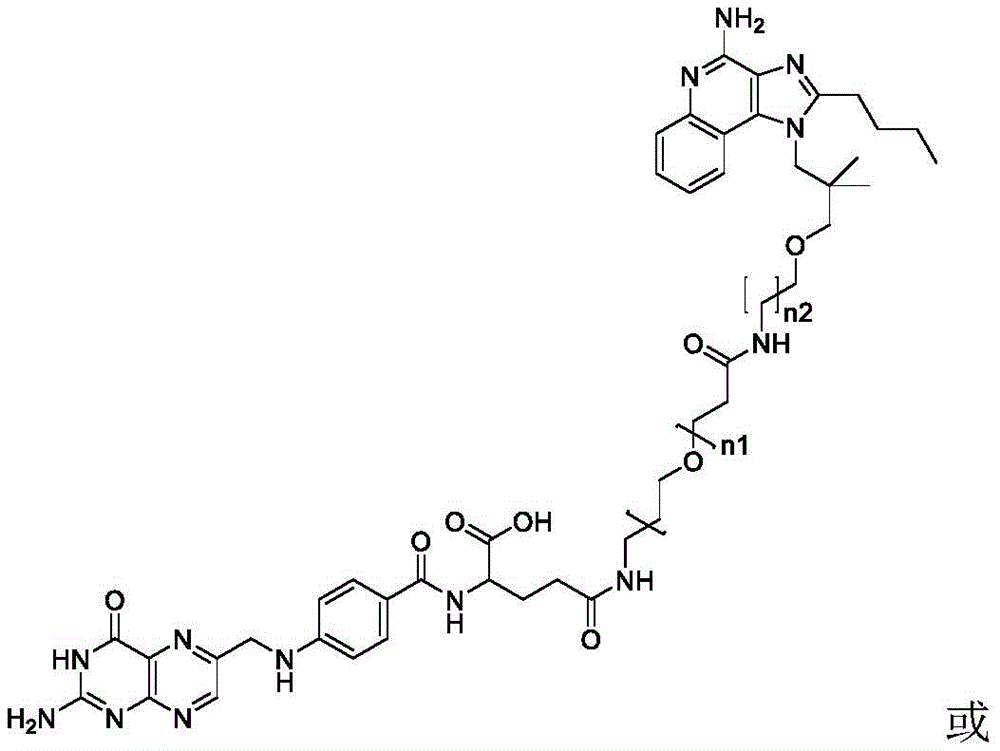

wherein n1 is 0-10, and n2 is 0-10.
One embodiment provides a compound represented by the structure of formula (III):

or a pharmaceutically acceptable salt thereof, wherein:
R 1 、R 3 、R 4 、R 5 each independently is H, alkyl, alkoxy, alkenyl, alkynyl, alicyclic, aryl, biaryl, halo, heteroaryl, -COR 2x 、 Wherein R is 2x And R 2y Each of which is independently selected from the group consisting of: H. -OH, -CH 2 -OH、-NH 2 、-CH 2 -NH 2 、-COOMe、-COOH、-CONH 2 、-COCH 3 Alkyl, alkenyl, alkynyl, alicyclic, aryl, biaryl and heteroaryl, and each R 2z Independently selected from the group consisting of: -NH 2 、-NR 2q R 2q' 、-O-R 2q 、-SO-R 2q and-COR 2q Wherein each R is 2q And R 2q' Independently of each other is an alkyl group or H,
 is a 3-to 10-membered N-containing nonaromatic, monocyclic or bicyclic heterocycle, R 21 Is H or alkyl, and n' is 0 to 30;
z is a group of formula G-L-, G-L-CO-, G-L-C (O) -alkyl-, wherein L is a linker and G is a folate receptor binding ligand;
X 1 、X 2 、X 3 each independently is CR q Or N, wherein each R q Independently hydrogen, halogen or optionally substituted alkyl;
n is 0-30 (e.g., an integer between 0-30); and is
m is 0 to 4.
One embodiment provides a compound represented by the structure of formula (IIIA):

or a pharmaceutically acceptable salt thereof, wherein:
R 1 is optionally substituted alkyl (e.g., acyclic alkyl or cyclic alkyl) (e.g., optionally substituted with one or more substituents, each substituent independently being halogen, alkyl, heteroalkyl, alkoxy, or cyclic alkyl);
y is H, -OR z 、-NR 2x R 2y 、-SR z 、-SOR z 、-SO 3 R z 、-N 3 、-COR z 、-COOR z 、-CONR z 2 、-COSR z 、-SO 2 N(R z ) 2 or-CON (R) z ) 2 Wherein:
R 2x and R 2y Each independently hydrogen, -N (R) z ) 2 、-CON(R z ) 2 、-C(R z ) 2 -N(R z ) 2 、-CS-N(R z ) 2 Or optionally substituted alkyl (e.g., optionally substituted with one or more substituents each independently being an oxylene, halogen, alkyl, heteroalkyl, alkoxy, or cycloalkyl), and each R z Independently hydrogen, halogen, or optionally substituted alkyl; or
R 2x And R 2y Together form an optionally substituted heterocycloalkyl (e.g., where the optionally substituted heterocycloalkyl is a monocyclic or bicyclic heterocycloalkyl and/or where the optionally substituted heterocycloalkyl is a 3-10 membered heterocycloalkyl);
each R 3 Independently halogen, -N 3 、-CN、-NO 2 Alkyl, heteroalkyl, cycloalkyl, heterocycloalkyl, alkoxy, aryl, heteroaryl, heterocycloalkyl, amino, hydroxy, carbonyl, or mercapto, wherein the alkyl, alkoxy, heteroalkyl, cycloalkyl, or heterocycloalkyl is optionally substituted;
R 4 and R 5 Each independently is alkyl, alkoxy, halo, or cycloalkyl, wherein the alkyl, alkoxy, and cycloalkyl are optionally substituted;
each X 1 、X 2 And X 3 Independently is CR q Or N, each R q Independently hydrogen, halogen or optionally substituted alkyl;
z is L-G, wherein L is a linker and G is a folate receptor binding ligand;
n is 1 to 6; and is provided with
m is 0 to 4.
One embodiment provides a compound having the structure of formula (III) or (IIIA) or a pharmaceutically acceptable salt thereof, wherein n is 1-30. In one embodiment, n is 1 to 6. In another embodiment, n is 1 to 3. In another embodiment, n is 1 or 2. In another embodiment, n is 0. In another embodiment, n is 1. In another embodiment, n is 1 and Y is OH. In another embodiment, n is 1 and Y is NH 2 。
One embodiment provides a compound having the structure of formula (III) or (IIIA) or a pharmaceutically acceptable salt thereof, wherein Y is OH.
One embodiment provides a compound having the structure of formula (III) or (IIIA), or a pharmaceutically acceptable salt thereof, wherein Y is NH 2 。
One embodiment provides a compound having the structure of formula (III) or (IIIA) or a pharmaceutically acceptable salt thereof, wherein n is 1 and Y is OH.
One embodiment provides a compound having the structure of formula (III) or (IIIA) or a pharmaceutically acceptable salt thereof, wherein n is 1, Y is NH 2 。
One embodiment provides a compound having the structure of formula (III) or (IIIA) or a pharmaceutically acceptable salt thereof, wherein n is 0, Y is NH 2 。
One embodiment provides a compound having the structure of formula (III) or (IIIA), or a pharmaceutically acceptable salt thereof, wherein R 1 Is an optionally substituted alkyl group. In one embodiment, R 1 Is optionally substituted C 3 -C 6 An alkyl group. In another embodiment, R 1 Is optionally substituted acyclic C 3 -C 6 An alkyl group. In another embodiment, R 1 Is a butyl group.
One embodiment provides a compound having the structure of formula (III) or (IIIA), or a pharmaceutically acceptable salt thereof, wherein R 3 Is H.
One embodiment provides a compound having the structure of formula (III) or (IIIA), or a pharmaceutically acceptable salt thereof, wherein R 4 Is an alkyl group. In one embodiment, R 4 Is methyl.
One embodiment provides a compound having the structure of formula (III) or (IIIA), or a pharmaceutically acceptable salt thereof, wherein R 5 Is an alkyl group. In one embodiment, R 5 Is a methyl group.
One embodiment provides a compound having the structure of formula (III) or (IIIA), or a pharmaceutically acceptable salt thereof, wherein R 4 And R 5 Each is an alkyl group. In one embodiment, R 4 And R 5 Each is methyl.
One embodiment provides a compound having the structure of formula (III) or (IIIA) or a pharmaceutically acceptable salt thereof, wherein m is 0. In another embodiment, m is 1. In another embodiment, m is 2. In another embodiment, m is 3. In another embodiment, m is 4.
One embodiment provides a compound having the structure of formula (III) or (IIIA), or a pharmaceutically acceptable salt thereof, wherein X 1 、X 2 And X 3 Each being N. In one embodiment, X 1 Is N. In another embodiment, X 2 Is N. In another embodiment, X 3 Is N.
In some embodiments, the compound is represented by any one or more of the following structures:
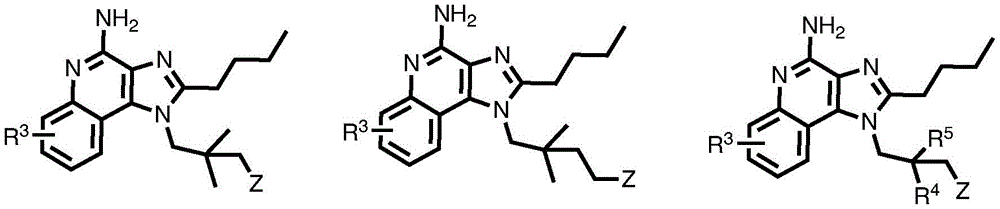
or a pharmaceutically acceptable salt thereof.
In some embodiments, the compound is represented by any one or more of the following structures:
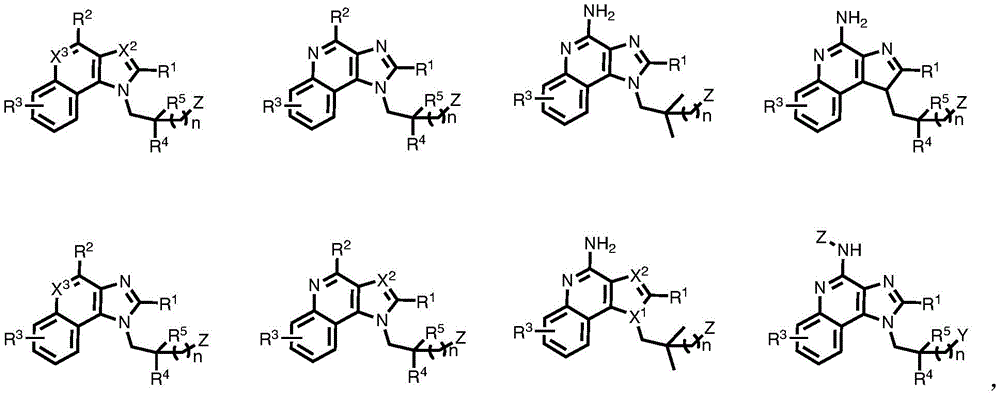
or a pharmaceutically acceptable salt thereof.
In some embodiments, the compound is represented by the following structure:
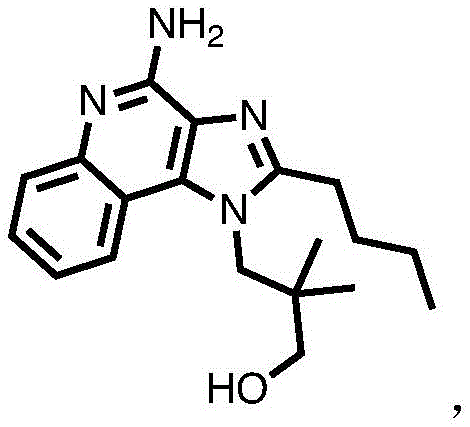
or a pharmaceutically acceptable salt thereof.
Joint
The compound may comprise an immunomodulatory agent, or a pharmaceutically acceptable salt thereof (e.g., a drug), conjugated to a targeting moiety or group thereof through a linker (e.g., optionally comprising a spacer). The joint may be releasable or non-releasable. In some cases, the target of the compound comprising the non-releasable linker is an endosome (e.g., of a cell of interest), and in some cases, the target of the compound comprising the releasable linker is an endosome, a cytoplasm, or both (e.g., of a cell of interest).
The term "releasable" in the context of a linker refers to a linker that includes at least one bond that can be cleaved (e.g., chemically or enzymatically hydrolyzed) under physiological conditions, e.g., via a reducing agent labile, pH labile, acid labile, base labile, oxidative labile, metabolic labile, biochemical labile, enzymatic labile bond, or via a polyvalent releasable bond based on p-aminobenzyl. It will be appreciated that the physiological conditions which cause bond cleavage need not necessarily include biological or metabolic processes, but may include standard chemical reactions (e.g. hydrolysis reactions), for example at physiological pH or due to compartmentalization into organelles (e.g. endosomes) having a pH below that of the cytoplasm. As described herein, a cleavable bond may connect two adjacent atoms within the releasable linker and/or connect other linker moieties or the targeting moiety and/or drug, e.g., at either or both ends of the releasable linker. In some cases, the releasable linker is cleaved into two or more fragments. In some cases, the releasable linker is separate from the targeting moiety. In some embodiments, the targeting moiety and the immunomodulator are released from each other, and the immunomodulator becomes more active.
Conversely, the term "non-releasable," in the context of a linker, refers to a linker that includes at least one bond that is not easily or rapidly cleaved under physiological conditions. In some embodiments, the non-releasable linker comprises a backbone that is stable under physiological conditions (e.g., the backbone is not readily hydrolyzed (e.g., aqueous or enzymatic hydrolysis)). In some embodiments, a compound comprising a non-releasable linker does not release any component of the compound (e.g., a targeting ligand (e.g., a FA-ligand) or an immunomodulatory agent (e.g., a TLR7 agonist)). In some embodiments, the non-releasable linker lacks a disulfide bond (e.g., S-S) or an ester in the backbone. In some embodiments, the compounds comprise a targeting moiety and an immunomodulatory agent linked by a backbone that is substantially stable throughout the compound cycle (e.g., during endocytosis into the endosome of a target cell). In some embodiments, compounds comprising the non-releasable linker are particularly advantageous when the immune modulator targets a TLR, a nucleotide binding oligomerization domain (NOD) -like receptor, and/or other pattern recognition receptors present in the endosome of a cell. The non-releasable linker may comprise an amide, an ester, an ether, an amine, and/or a thioether (e.g., a thiomaleimide). Although specific examples are provided herein, it will be appreciated that any molecule may be used for the non-releasable linker so long as at least one bond is formed that is not easily or rapidly cleaved under physiological conditions.
In some embodiments, the non-releasable linker comprises a linker that will hydrolyze in an aqueous solution (e.g., a buffered solution (e.g., a phosphate buffered solution)) over a period of time (e.g., 24 hours) at a neutral pH, e.g., less than ten percent (10%) (e.g., less than 5%, less than 4%, less than 3%, less than 2%, less than 1%, less than 0.1%, less than 0.01%, or less than 0.001%). In some embodiments, if a non-releasable linker is employed, less than about ten percent (10%), preferably less than five percent (5%) or none of the administered conjugate releases free drug (e.g., in the systemic circulation prior to targeted cell/tissue uptake). In some embodiments, less than five percent (5%) of the free drug is released from the conjugate when the compound is in the systemic circulation within one (1) hour of administration.
In some embodiments, the targeting moiety does not cleave from the drug/immunomodulator, such that the compound has a therapeutic effect in vivo. This may be advantageous because targeted compounds and compositions comprising potent drugs (e.g., TLR7 and TLR7/8 agonists) may be used, e.g., because only negligible, if any, amounts of the drug (e.g., an immunomodulatory agent, such as TLR7 or TLR7/8 agonist) are released (e.g., systemic release) prior to targeted delivery of the compound. In some embodiments, modulating the release profile of the active ingredient is a difficulty in preparing effective pharmaceutical compositions. In some embodiments, the compounds comprising a non-releasable linker provided herein avoid the difficulties of preparing effective pharmaceutical compositions (e.g., by eliminating the necessity for release timing). In some embodiments, an immunomodulator/warhead (warhead) of a compound provided herein is active upon binding (e.g., conjugation to the targeting conjugate). In some embodiments, when the warhead/immunomodulator is active, the non-releasable linker and the targeting moiety prevent (e.g., from the body of a subject) release of a toxic cytokine (e.g., IL-6) that activates the immune system (e.g., because the compound is specifically targeted (using, for example, folate or an analog thereof)). In certain instances, the immunomodulator is unable to access an appropriate (e.g., targeted) receptor within a cell until the compound binds to the targeted receptor (e.g., folate receptor), e.g., even if the warhead/immunomodulator of the compound is active when linked to the non-releasable linker.
Both releasable and non-releasable linkers can be engineered to optimize biodistribution, bioavailability, and PK/PD (e.g., of the compound) and/or increase uptake into targeted tissues (e.g., uptake of the compound) according to methods generally known in the art or developed below, e.g., by pegylation and the like. In some embodiments, the linker is configured to avoid significant release of a pharmaceutically active amount of the drug into the circulation prior to capture by a cell (e.g., a cell of interest (e.g., a macrophage in a fibrotic or cancerous tissue to be treated)).
In some embodiments, the compounds comprising a releasable linker of the present disclosure may be designed to diffuse across the endosomal membrane, e.g., into the cytoplasm of a targeted cell. In some embodiments, the releasable linker may be designed not to release the immunomodulator until the compound reaches the cytoplasm.
In some embodiments, the conjugates provided herein comprise a releasable linker (e.g., facilitating release of the immunomodulatory agent in the cytoplasm). For example, the releasable linker may prevent release of the immunomodulator until after the targeting moiety binds to an appropriate target (e.g., a macrophage folate receptor), internalizes into the endosome of the targeted cell, and/or diffuses into the cytoplasm (e.g., where the desired pattern recognition receptor is located). In some embodiments, the releasable linker releases the immunomodulator in vivo.
In some embodiments, the linker may comprise one or more spacers (e.g., to facilitate selection of a particular release time, to facilitate enhanced uptake by the targeted tissue, and/or to optimize the biodistribution, bioavailability, and/or PK/PD of the compound). The spacer may comprise one or more of an alkyl chain, polyethylene glycol (PEG), a peptide, a sugar, a peptidoglycan, a clickable linker (e.g., triazole), a rigid linker (e.g., polyproline and polypiperidine), and the like.
In some embodiments, comprising PEG 12 Is connected toThe head significantly reduces, if not completely avoids, non-specific uptake of a compound provided herein (e.g., into a non-targeted organ (e.g., uptake into the liver and/or kidney of a subject following administration)). In some embodiments, the compound avoids delivery to the liver and kidney. In some embodiments, the targeting moiety (in its free form, its group (radial), or a conjugate thereof) does not bind to uptake receptors on non-targeted cells (e.g., as long as the organ is not the target site, and thus, stimulation of immune complexes in these organs can be avoided, which is clinically very beneficial).
In some embodiments, a conjugate comprising a non-releasable linker reduces or eliminates toxicity of components released in free form from the conjugate (e.g., free form of a compound and/or ligand provided herein).
One embodiment provides a compound having a structure of formula (II), (IIA), (IIB), (III), or (IIIA), or a pharmaceutically acceptable salt thereof, wherein L is a cleavable linker.
In some embodiments, the one or more linkers of the compounds provided herein can comprise PEG, PEG derivatives, or any other linker known in the art or developed below that can achieve the purposes described herein. In some embodiments, the linker is repeated n times, wherein n is a positive integer. For example, and without limitation, n may be any integer selected from the range of 1-16, 1-32, 1-64, or 1-96. The number of repetitions of the linker may be selected to achieve the desired effect, size and/or potency of the compound, and/or to take into account the desired application. In some embodiments, the one or more linkers comprise one or more spacers (e.g., can also be used to specifically tailor the properties of the compound).
In some embodiments, the linker is a hydrolyzable linker. In some embodiments, the linker is a non-hydrolyzable linker. In some embodiments, the linker is an optionally substituted heteroalkyl. In some embodiments, the linker is a substituted heteroalkyl group comprising at least one substituent selected from the group consisting of: alkyl, hydroxy, oxy, PEG, carboxylate, and halo. In some embodiments, the linker comprises a spacer (e.g., as described elsewhere herein).
One embodiment provides a compound having the structure of formula (II), (IIA), (IIB), (III), or (IIIA), or a pharmaceutically acceptable salt thereof, wherein L is a hydrolyzable linker (e.g., an amide, ester, ether, or sulfonamide).
In another embodiment, L is optionally substituted heteroalkyl. In some embodiments, the heteroalkyl is unsubstituted. In other embodiments, the heteroaryl is substituted with at least one substituent selected from the group consisting of: alkyl, hydroxyl, acyl, PEG, carboxylate, and halo. In another embodiment, L is a substituted heteroalkyl group having at least one disulfide bond in its backbone.
In another embodiment, L is a peptide or peptidoglycan having at least one disulfide bond in its backbone.
In another embodiment, L is a cleavable linker that can be cleaved by enzymatic reactions, reactive Oxygen Species (ROS), or reducing conditions.
In some embodiments, L has the formula:
-NH-CH 2 -CR 6 R 7 -S-S-CH 2 -CH 2 -O-CO-, wherein R 6 And R 7 Each independently is H, alkyl or heteroalkyl.
In some embodiments, L is or includes a group of the formula:
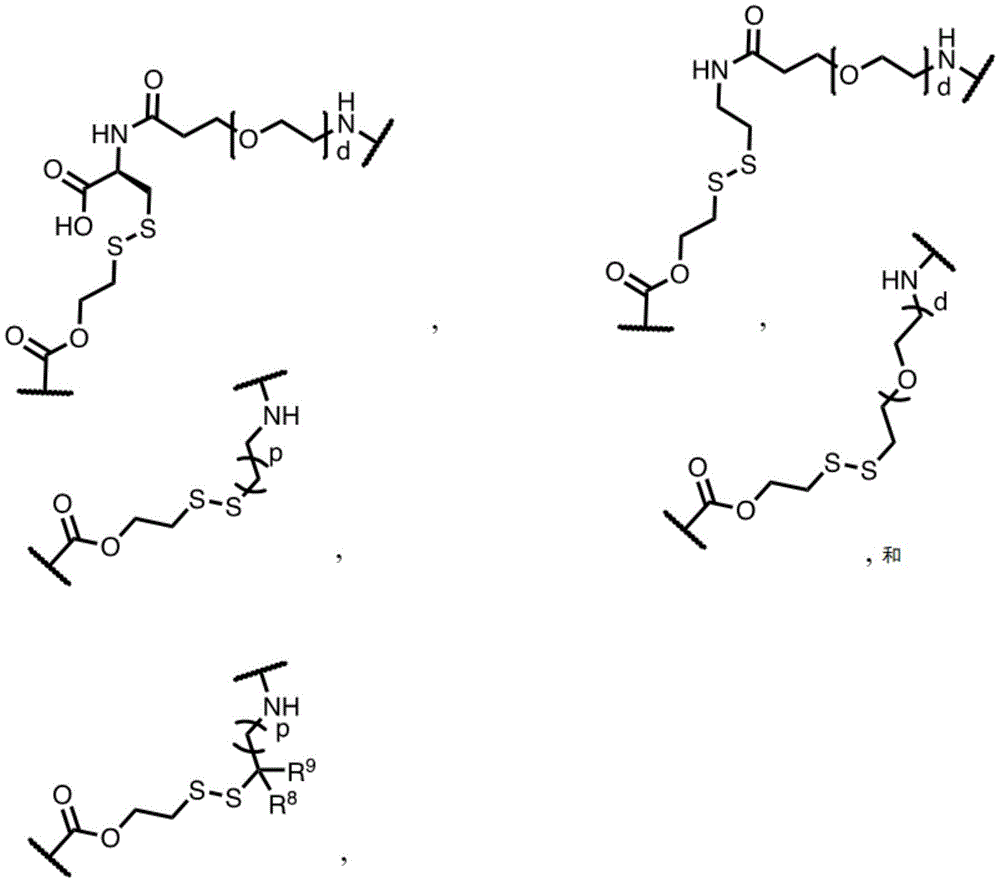
wherein:
p is an integer of 0 to 30.
d is an integer from 1 to 40; and is provided with
R 8 And R 9 Each independently is H, alkyl, heterocyclyl, cycloalkyl, aryl or heteroalkyl.
One embodiment provides a compound having the structure of formula (II), (IIA), (IIB), (III), or (IIIA), or a pharmaceutically acceptable salt thereof, wherein L is a non-releasable linker.
One embodiment provides a compound having the structure of formula (II), (IIA), (IIB), (III), or (IIIA), or a pharmaceutically acceptable salt thereof, wherein L is a non-hydrolyzable linker.
In some embodiments, L is selected from the group consisting of: alkylene, heteroalkylene, -O-alkylene, alkenylene, acyl, aryl, heteroaryl, amide, oxime, ether, ester, triazole, PEG, and carboxylate.
In one embodiment, L is or comprises an alkyl ether. In another embodiment, L is or comprises an amide. In another embodiment, L is or comprises a peptide or peptidoglycan. In another embodiment, L is or comprises an amino acid. In another embodiment, L is or comprises PEG (e.g., -OCH) 2 -CH 2 -O-). In another embodiment, L is or comprises a polysaccharide. In another embodiment, L is or includes a group represented by the following structure:

wherein w is 0 to 5 and p is 1 to 30.
In one embodiment, L is or comprises a linker moiety selected from the following list:


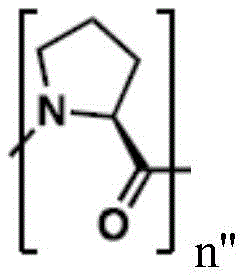

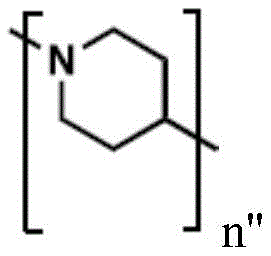


where n "is 0-30 (e.g., n" is an integer varying between 0-30).
In some embodiments, the linker comprises-CONH-CH (COOH) -CH 2 -S-S-CH 2 -R a R b -O-CO-、-CONH-CH(COOH)R a R b -O-CO-、-C(O)NHCH(COOH)(CH 2 ) 2 -CONH-CH(COOH)CR a R b -O-CO-or-C (O) NHCH (COOH) (CH) 2 ) 2 -CONH-CH(COOH)-CH 2 -S-S-CH 2 -R a R b -O-CO-, wherein R a And R b Independently H, alkyl or heteroalkyl (e.g., PEG).
In some embodiments, the linker L comprises the structure:

wherein n and m are each independently an integer of 0 to 10.
In some embodiments, the linker L comprises the structure:

wherein n and m are each independently an integer of 0 to 10.
In some embodiments, the linker L comprises the structure:

wherein n is an integer from 1 to 32.
In some embodiments, the linker comprises the following structure:

in some embodiments, the linker is a divalent linker (e.g., connecting two groups). In some embodiments, the linker is a releasable linker. In some embodiments, the linker is a non-releasable linker.
The linker present in the compounds described herein may be any suitable linker. For example, in some embodiments, the linker is a hydrophilic linker, such as a linker comprising one or more of: amino acids (the same or different), alkyl chains, PEG monomers, PEG oligomers, PEG polymers, or a combination of any of the foregoing. In some embodiments, the linker comprises a peptidoglycan, a glycan, or an oligomer of an anion.
For linkers comprising one or more PEG units, all carbon and oxygen atoms of the PEG unit are part of the backbone unless otherwise specified. The cleavable bond of the releasable linker is part of the backbone. The "backbone" of the linker L is at G 1 And G 2 The shortest continuous atom chain forming a covalent bond connection between them.
In some embodiments, the multivalent linker has a backbone of branches, each branch being a segment of the backbone linker until the end of the chain is reached.
Folate receptor binding ligands
In certain instances, toxicity associated with systemic administration of at least conventional drugs identified herein has precluded their practical use in the treatment of fibrotic diseases and conditions, cancer, and other disease states. For example, TLR agonists may not be tolerated by an individual and, in some cases, may result in the death of the subject (e.g., if administered systemically by conventional means). In some embodiments, the compounds (e.g., compounds having formula (I), (IA), (II), (IIA), (IIB), (III), and/or (IIIA)) are potent, may be used with mechanisms that circumvent systemic toxicity (e.g., targeting moieties and/or releasable and non-releasable linkers provided herein).
In some cases, the immunomodulator or pharmaceutically acceptable salt thereof is conjugated to a targeting moiety. In some embodiments, the targeting moiety comprises a ligand or other atom or molecule that targets a particular region or tissue of an individual (e.g., targets with high specificity), and in some cases may, for example, comprise a hormone, antibody, and/or vitamin. As described in further detail below, in at least one embodiment, the targeting moiety comprises a molecule having (e.g., high) affinity for folate receptor beta (FR-beta). In certain instances, the targeting moiety has a specific affinity for any receptor specific to the cell or tissue of the fibrotic disease or disorder or cancer, as desired.
In certain instances, FR- β is significantly upregulated in activated bone marrow cells (e.g., predominantly activated monocytes and M2-like macrophages), e.g., data recorded to date support that FR- β is induced only in bone marrow-derived cells following exposure to anti-or pro-inflammatory stimuli. The folate receptor can be upregulated in (e.g., more than 90% of) non-mucinous ovarian cancers. In certain instances, the folate receptor is present in kidney, brain, lung, and breast cancers. Although some cancers do not express sufficient numbers of folate receptors per se to have the required specificity, cancerous tumors do express Myeloid Derived Suppressor Cells (MDSCs), e.g., they do express FR- β and can be targeted by targeting moieties. In some embodiments, the folate receptor is substantially absent (e.g., present only at very low levels) in healthy (non-bone marrow) tissue (e.g., whether lung, liver, spleen, heart, brain, muscle, intestine, pancreas, bladder, etc.). In certain instances, the uptake of folate-targeted imaging agents is in, for example, inflammatory tissues, malignant lesions, and the kidney. In certain instances, subjects without cancer retain folate-targeted drugs only at the kidney and at sites of inflammation. In some cases, the difference in folate receptor expression provides a mechanism to selectively target fibrotic cancer cells.
In some embodiments, the compounds, compositions, and methods utilize limited expression of FR- β to target/localize a potent compound (e.g., a conjugate or drug) administered systemically to fibrotic and/or cancer tissue. In certain instances, the compounds are delivered directly to cells expressing FR- β, for example, which advantageously prevents systemic activation of the immune system, and, for example, can avoid (e.g., at least a portion of) toxicity that has heretofore prevented systemic use of non-targeted compounds (e.g., drugs). In some embodiments, for example, whether or not the cancer expresses folate receptors, the methods are for treating fibrotic diseases and/or cancers. In some embodiments, folate and other folate receptor binding ligands (or groups thereof), such as folate, are used as targeting moieties because, for example, they have affinity for FR- β.
Folic acid is a member of the B-family of vitamins and can play an important role in cell survival by participating in the biosynthesis of nucleic acids and amino acids. Folate can enhance the specificity of the conjugated immunomodulatory drug by targeting activated bone marrow cells and enhance the specificity of the conjugated anti-cancer drug by targeting folate receptor positive cancer cells. The compounds provided herein comprise a folate ligand (or a group thereof) or a functional fragment or analog thereof as a targeting moiety, and an immunomodulatory agent (such as a TLR7 or TLR7/8 agonist). In some cases, TLR7 and TLR7/8 are present in endosomes. In some embodiments, the compound or group thereof binds to a TLR (e.g., TLR7 or TLR 7/8).
Pyrido [2,3-d ] pyrimidine analog ligands (e.g., or groups thereof), functional fragments or analogs thereof, or any other molecule, fragment, or atom having affinity (e.g., and without limitation, high specificity) for FR- β, may alternatively be used as the targeting moiety (or group thereof). For example, the relative affinity of such folate analog molecules for binding FR-beta can be up to about 0.01 or greater as compared to folic acid at about 20 deg.C/25 deg.C/30 deg.C physiological temperature. Likewise, galectin-3 ligands, translocator (TSPO) ligands, and any other ligand or targeting moiety with a high specific affinity for fibrotic and/or cancerous cells or tissues may be employed.
Specific examples of suitable targeting moieties (or groups thereof) will now be provided; however, it will be appreciated that the targeting moiety (or group thereof) may comprise any ligand (or group thereof) for targeting FR- β and is not limited to the structures specified herein. The ligand (or group thereof) may bind to FR-beta.
One embodiment provides a compound having the structure of formula (II), (IIA), (IIB), (III), or (IIIA), or a pharmaceutically acceptable salt thereof, wherein G is a folate receptor binding ligand. In one embodiment, G is or is derived from folate, folic acid or a functional fragment or derivative thereof. In one embodiment, G is folate or a folate derivative. In another embodiment, G is pteroic acid or a pteroyl derivative.
In some embodiments, G is a reducing folate. In some embodiments, G is a naturally occurring folate. In some embodiments, G is selected from the group consisting of: 5-methyltetrahydrofolate (5-MTHF), 5-formyltetrahydrofolate (5-formyl-THF), 10-formyltetrahydrofolate (10-formyl-THF), 5, 10-methylenetetrahydrofolate (5, 10-methylene-THF), 5, 10-methenyltetrahydrofolate (5, 10-methenylTHF), 5, 10-iminomethyltetrahydrofolate (5, 10-iminomethyl-THF), 5,6,7, 8-Tetrahydrofolate (THF), and Dihydrofolate (DHF).
One embodiment provides a compound having a structure of formula (II), (IIA), (IIB), (III), or (IIIA), or a pharmaceutically acceptable salt thereof, wherein G is a group of or comprising formula (IV):

wherein each R is independently or comprises:
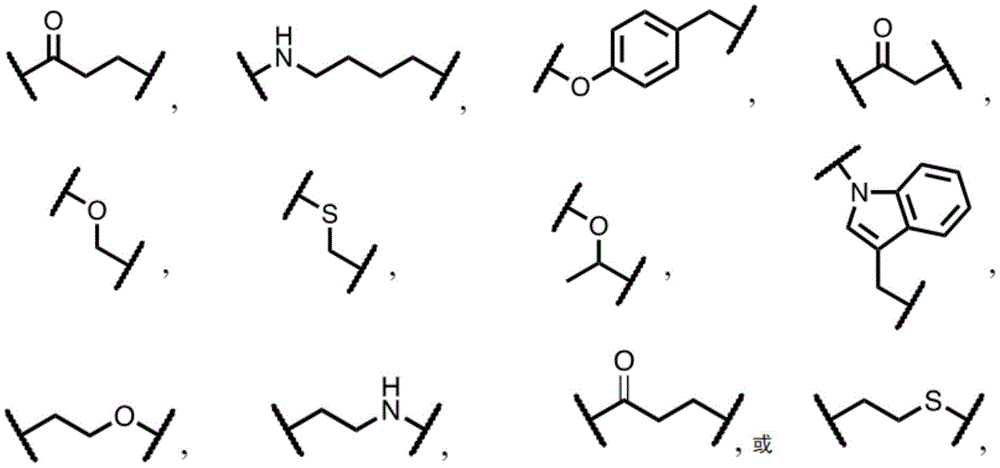
or R is a naturally occurring or non-natural amino acid or derivative or fragment thereof.
One embodiment provides a compound having a structure of formula (II), (IIA), (IIB), (III), or (IIIA), or a pharmaceutically acceptable salt thereof, wherein G is a group having a structure of formula (V) (e.g., is or includes a group having a structure of formula (V)):

one embodiment provides a compound having a structure of formula (II), (IIA), (IIB), (III), or (IIIA), or a pharmaceutically acceptable salt thereof, wherein G is a group having a structure of formula (VI) (e.g., is or includes a group having a structure of formula (VI)):
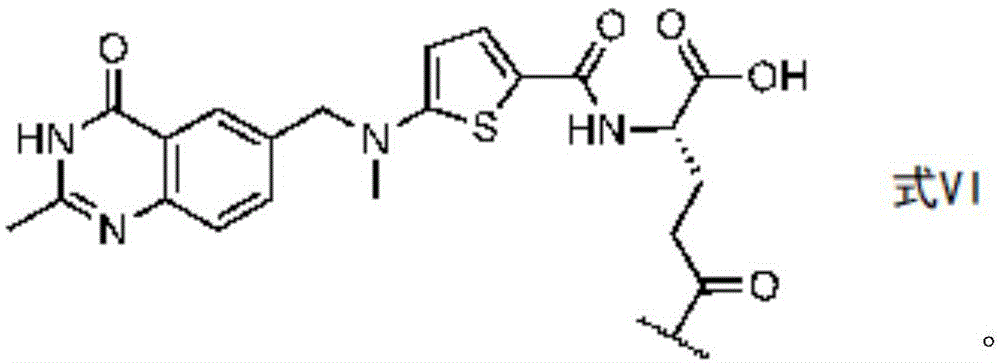
one embodiment provides a compound represented by one of the following structures:
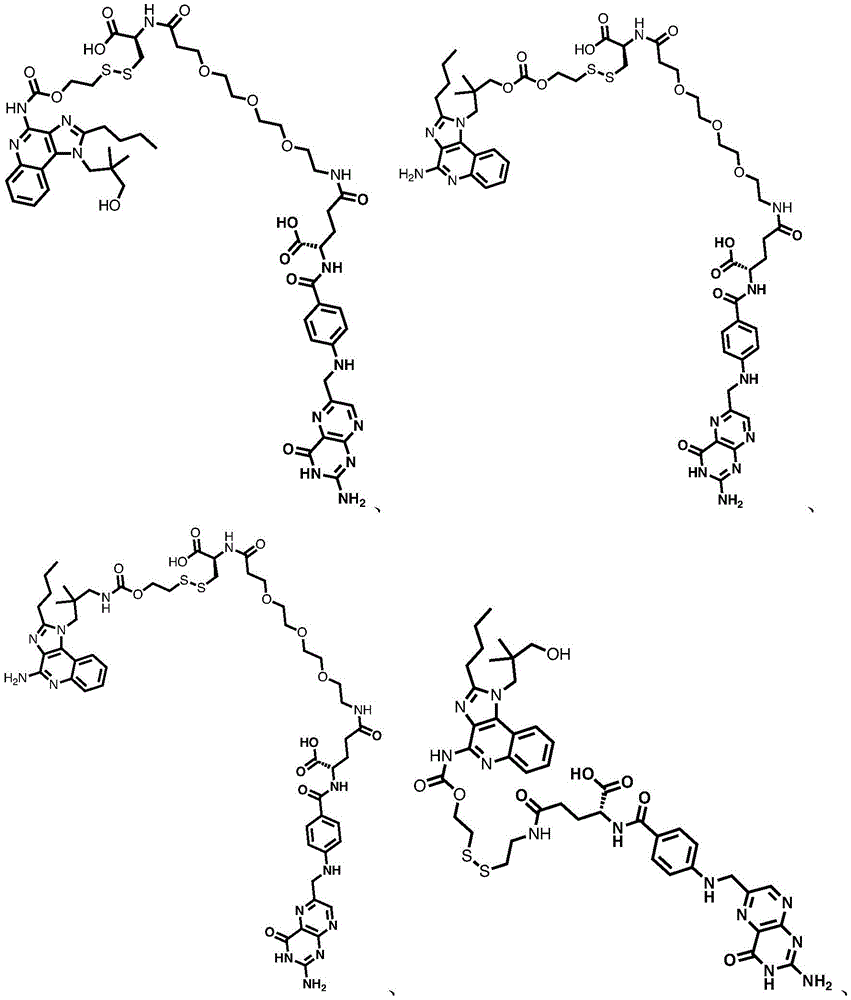

one embodiment provides a compound represented by one of the following structures:
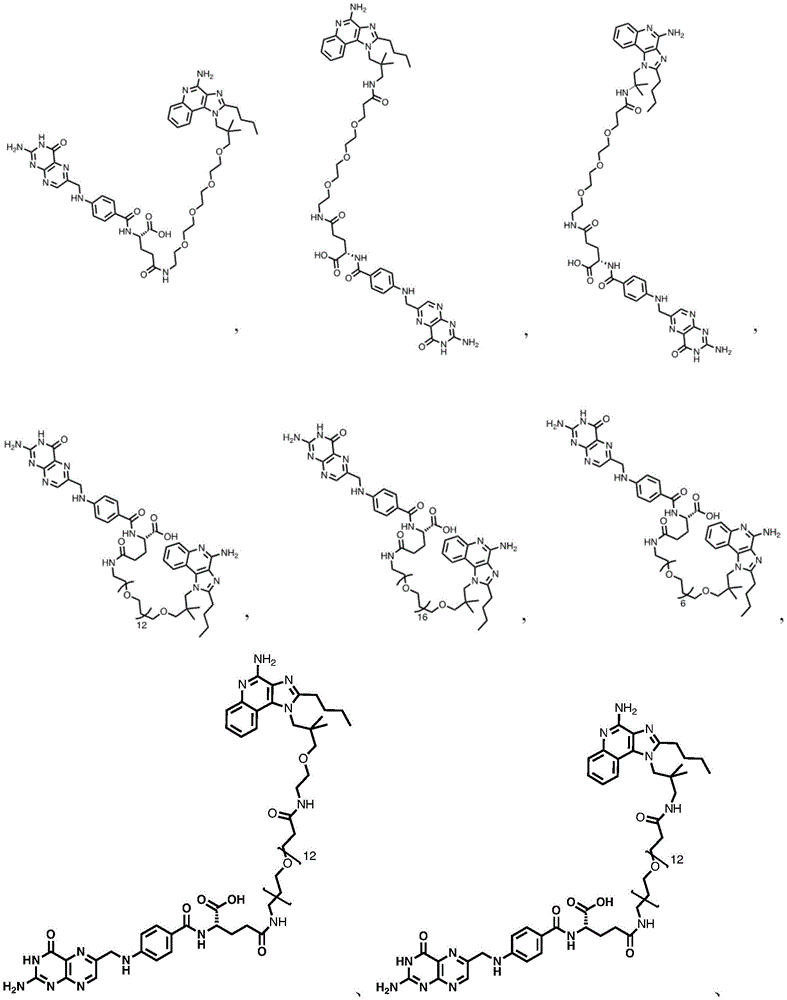

one embodiment provides a compound (compound 5) having the structure (e.g., folate-PEG comprising a releasable linker) 3 -TLR 7-1A), or a pharmaceutically acceptable salt thereof:

one embodiment provides a compound having the structure (compound 4) (e.g., folate-PEG comprising a non-releasable linker) 3 -TLR 7-1A), or a pharmaceutically acceptable salt thereof:
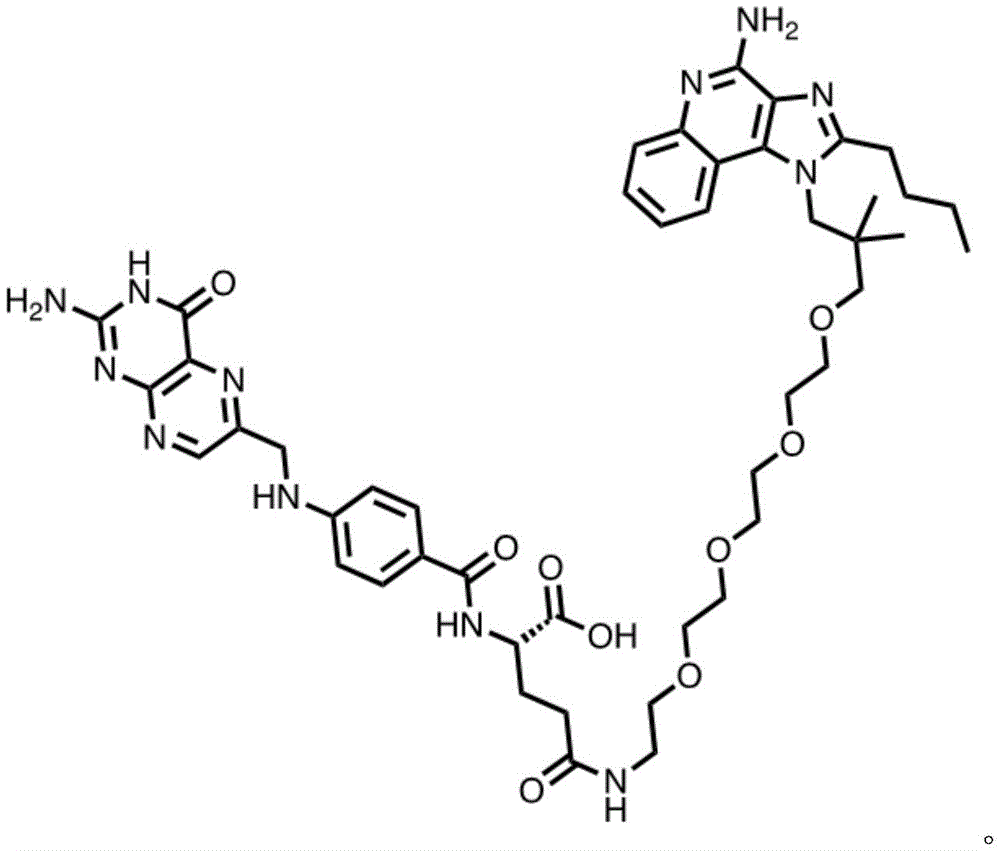
the compounds may be prepared by conventional organic synthesis methods practiced by those skilled in the art. The general reaction sequence outlined below represents a general procedure for preparing the compounds and is not meant to be limiting in scope or utility.
The description of the compounds herein is limited by the principles of chemical bonds known to those skilled in the art. Thus, when a group can be substituted with one or more of a number of substituents, these substituents are selected to comply with the principles of chemical bonding and to yield compounds that are stable in nature and/or compounds known to those of ordinary skill in the art that may be unstable under environmental conditions (e.g., aqueous, neutral, and several known physiological conditions). For example, a heterocycloalkyl or heteroaryl group is attached to the rest of the molecule through a ring heteroatom, according to chemical bonding principles known to those skilled in the art, thereby avoiding the production of intrinsically unstable compounds.
Pharmaceutical composition
The compounds described herein may be administered alone or may be formulated in pharmaceutical compositions comprising the compound or compounds and one or more pharmaceutically acceptable excipients. As used herein, the term "composition" generally refers to any product comprising more than one ingredient, including the compounds described herein. It is to be understood that the compositions described herein can be prepared from the isolated compounds or from salts, solutions, hydrates, solvates, and other forms of the compounds. It is understood that certain functional groups, such as hydroxyl, amino, and the like, may form complexes with water and/or various solvents, in various physical forms of the compounds. It is also to be understood that the compositions can be prepared from various amorphous, non-amorphous, partially crystalline, crystalline and/or other morphological forms of the compounds, and that the compositions can be prepared from various hydrates and/or solvates of the compounds. Accordingly, such pharmaceutical compositions which refer to the compounds include each of the various morphological forms and/or solvate or hydrate forms of the compounds, or any combination thereof, or individual forms thereof.
One embodiment provides a pharmaceutical composition comprising a compound of formula (I), (IA), (II), (IIA), (IIB), (III), or (IIIA), or any compound encompassed by such formula, or a pharmaceutically acceptable salt thereof, and at least one pharmaceutically acceptable excipient.
One embodiment provides a pharmaceutical composition comprising a therapeutically (or prophylactically) effective amount of a compound of formula (I), (IA), (II), (IIA), (IIB), (III), or (IIIA), or any compound encompassed by such formula, or a pharmaceutically acceptable salt thereof, and at least one pharmaceutically acceptable excipient.
The compounds and/or compositions described herein may be administered in unit dosage forms and/or compositions containing one or more pharmaceutically acceptable carriers, adjuvants, diluents, excipients and/or vehicles, and combinations thereof.
As used herein, the term "administering" generally refers to any and all means of introducing a compound described herein into a host subject, including, but not limited to, by oral, intravenous, intramuscular, subcutaneous, transdermal, inhalation, buccal, ocular, sublingual, vaginal, rectal, and similar routes of administration.
The compounds are also suitable for administration in the form of salts. Examples of acceptable salts include, but are not limited to, alkali metal (e.g., sodium, potassium, or lithium) or alkaline earth metal (e.g., calcium) salts; however, any salt that is generally non-toxic and effective when administered to a subject receiving treatment is acceptable. Likewise, "pharmaceutically acceptable salts" refer to those salts having a counterion, which are useful in pharmaceutical products. Such salts can include, but are not limited to, (1) acid addition salts, obtainable by reacting the free base of the parent compound with an inorganic acid (e.g., hydrochloric acid, hydrobromic acid, nitric acid, phosphoric acid, sulfuric acid, perchloric acid, and the like), or with an organic acid (e.g., acetic acid, oxalic acid, (D) or (L) malic acid, maleic acid, methanesulfonic acid, ethanesulfonic acid, p-toluenesulfonic acid, salicylic acid, tartaric acid, citric acid, succinic acid, malonic acid), and the like; or (2) salts of the parent compound in which an acidic proton is substituted with a metal ion (e.g., an alkali metal ion, an alkaline earth ion, or an aluminum ion) or coordinated with an organic base (e.g., ethanolamine, diethanolamine, triethanolamine, trimethylamine, N-methylglucamine, etc.). Pharmaceutically acceptable salts are well known to those skilled in the art and any such pharmaceutically acceptable salt is contemplated.
Acceptable salts can be obtained using standard procedures known in the art, including, but not limited to, reacting a sufficiently acidic compound with an appropriate base to produce a physiologically acceptable anion. Suitable acid addition salts are formed from acids which form non-toxic salts. Illustrative, although non-limiting, examples include acetate, aspartate, benzoate, benzenesulfonate, bicarbonate/carbonate, bisulfate/sulfate, borate, camphorsulfonate, citrate, edisylate, ethanesulfonate, formate, fumarate, glucoheptonate, gluconate, glucuronate, hexafluorophosphate, oxybenzoate, hydrochloride/chloride, hydrobromide/bromide, hydroiodide, isethionate, lactate, malate, maleate, malonate, methanesulfonate, methylsulfate, naphthenate, 2-naphthalenesulfonate, nicotinate, nitrate, orotate, oxalate, palmitate, pamoate, phosphate/biphosphate/dihydrogen phosphate, gluconate, stearate, succinate, tartrate, tosylate, and trifluoroacetate. Suitable base salts of the compounds described herein are formed from bases that form non-toxic salts. Illustrative, although non-limiting, examples include arginine salts, benzathine salts, calcium salts, choline salts, diethylamine salts, diethanolamine salts, glycine salts, lysine salts, magnesium salts, meglumine salts, ethanolamine salts, potassium salts, sodium salts, tromethamine salts, and zinc salts. Hemisalts of acids and bases, such as hemisulfate and hemicalcium salts, may also be formed.
The compounds may be formulated into pharmaceutical compositions and administered to a mammalian host, such as a patient, in a variety of forms suitable for the chosen route of administration. For example, the pharmaceutical composition may be formulated for administration and administered by oral or parenteral, intravenous, intraarterial, intraperitoneal, intrathecal, epidural, intracerebroventricular, intraurethral, intrasternal, intracranial, intratumoral, intramuscular, topical, inhalation, and/or subcutaneous routes. Indeed, in at least one embodiment, the compounds and/or compositions may be administered directly into the bloodstream, into muscles, or into internal organs.
For example, in at least one embodiment, the compound may be administered systemically (e.g., orally) in combination with a pharmaceutically acceptable vehicle (e.g., an inert diluent) or an assimilable edible carrier. For oral therapeutic administration, the active compound may be combined with one or more excipients and used in the form of ingestible tablets, troches, lozenges, capsules, elixirs, suspensions, syrups, wafers, and the like. The percentage of the compositions and formulations may vary and may range from about 1% to about 99% by weight of the active ingredient and binding agents, excipients, disintegrants, lubricants and/or sweeteners (as known in the art). The amount of such active compound used in the therapeutic composition should be such that an effective dosage level is achieved.
Preparation of parenteral compounds/compositions under sterile conditions, for example by freeze-drying, can be readily accomplished using standard pharmaceutical techniques well known to those skilled in the art. In at least one embodiment, the solubility of the compounds used to prepare the parenteral composition can be increased by using appropriate formulation techniques (e.g., addition of solubility enhancers).
As previously described, the compounds/compositions may also be administered by infusion or injection (e.g., using a needle (including microneedle) syringe and/or a needle-free syringe). Solutions of the active composition may be aqueous, optionally mixed with non-toxic surfactants and/or containing carriers or excipients such as salts, carbohydrates and buffers (preferably at a pH of 3 to 9), but for some applications they may be more suitably formulated as sterile non-aqueous solutions or in dry form for use with a suitable vehicle such as sterile, pyrogen-free water or phosphate buffered saline. For example, the dispersion can be prepared in glycerol, liquid PEG, glyceryl triacetate, and mixtures thereof, and oils. Under ordinary conditions of storage and use, these preparations may further contain a preservative to prevent the growth of microorganisms.
Pharmaceutical dosage forms suitable for injection or infusion may comprise sterile aqueous solutions or dispersions or sterile powders containing the active ingredient which are suitable for the extemporaneous preparation of sterile injectable or infusible solutions or dispersions, optionally encapsulated in liposomes. In all cases, the final dosage form should be sterile, fluid, and stable under the conditions of manufacture and storage. The liquid carrier or vehicle can be a solvent or liquid dispersion medium containing, for example, but not limited to, water, ethanol, polyol (e.g., glycerol, propylene glycol, liquid PEG, and the like), vegetable oil, nontoxic glyceryl esters, and/or suitable mixtures thereof. In at least one embodiment, proper fluidity can be maintained by the formation of liposomes, by the maintenance of the required particle size in the case of dispersions, or by the use of surfactants. The action of microorganisms can be prevented by adding various antibacterial and antifungal agents (e.g., parabens, chlorobutanol, phenol, sorbic acid, thimerosal, and the like). In some cases, it may be desirable to include one or more isotonic agents, for example, sugars, buffers, or sodium chloride. The duration of absorption of the injectable compositions can be prolonged by the addition of agents formulated to delay absorption such as aluminum monostearate and gelatin.
Sterile injectable solutions can be prepared by incorporating the active compound and/or composition in the required amount of the appropriate solvent with one or more of the other ingredients enumerated above, as required, followed by filtered sterilization. In the case of sterile powders for the preparation of sterile injectable solutions, the preferred methods of preparation are vacuum drying and freeze-drying which yields a powder of the active ingredient plus any additional desired ingredient in a previously sterile-filtered solution thereof.
For topical application, it is preferred that the compound be applied to the skin as a composition or formulation together with a dermatologically acceptable carrier, which may be solid or liquid. For example, in certain embodiments, the solid support may comprise finely divided solids such as talc, clay, microcrystalline cellulose, silica, alumina, and the like. Likewise, useful liquid carriers may comprise water, alcohols or glycols or water-alcohol/glycol blends, wherein the compounds may be dissolved or dispersed at effective levels, optionally with the aid of non-toxic surfactants. In addition or as an alternative, adjuvants, such as fragrances and antimicrobials, may also be added to optimize the properties for a particular use. The resulting liquid composition may be applied from an absorbent pad, used to impregnate bandages and/or other dressings, sprayed onto a target area using a pump or aerosol sprayer, or applied directly to a desired area of the subject.
Thickeners, such as synthetic polymers, fatty acids, fatty acid salts and esters, fatty alcohols, modified celluloses or modified mineral materials, can also be used with the liquid carrier to form spreadable creams, gels, ointments, soaps, etc., for direct application to the skin of the subject.
As used herein, the term "therapeutically (or prophylactically) effective dose" refers to an amount of a compound, unless otherwise specified, that, when administered at one time or over the course of a treatment period, affects the health, well-being, or death of a subject (e.g., and is not limited to delaying the onset of and/or reducing the severity of one or more signs and/or symptoms associated with a fibrotic disease or condition and/or cancer, as applicable). Useful doses of the compounds of the present disclosure can be determined by comparing their in vitro activity to the in vivo activity of animal models. Methods for extrapolating effective doses of mice and other animals to human subjects are known in the art. In fact, the dosage of the compound may vary widely depending on the condition of the host subject, the cancer or fibrotic disease being treated, the advanced degree of pathology, the route of administration and tissue distribution of the compound, and the possibility of co-using other therapeutic approaches (e.g., other drugs in radiation therapy or combination therapy). The amount of composition required for treatment (e.g., a therapeutically or diagnostically effective amount or dose) will vary not only with the particular application, but also with the salt selected, if applicable, and the characteristics of the subject (e.g., age, condition, sex, body surface area and/or mass of the subject, tolerance to drugs), and will be ultimately at the discretion of the attendant physician, clinician or other person. A therapeutically (or prophylactically) effective or diagnostically effective amount or dosage range can be, for example, from about 0.05mg/kg to about 30.0mg/kg, or from about 0.01mg/kg to about 5.0mg/kg, by weight of the patient, including, but not limited to, 0.01mg/kg, 0.02mg/kg, 0.03mg/kg, 0.04mg/kg, 0.05mg/kg, 0.1mg/kg, 0.2mg/kg, 0.3mg/kg, 0.4mg/kg, 0.5mg/kg, 1.0mg/kg, 1.5mg/kg, 2.0mg/kg, 2.5mg/kg, 3.0mg/kg, 3.5mg/kg, 4.0mg/kg, 4.5mg/kg, and 5.0mg/kg, all based on the weight of the patient. A total therapeutically (or prophylactically) or diagnostically effective amount of the compound may be administered in single or divided doses, and may be at the discretion of the medical practitioner and outside the typical ranges given herein.
In another embodiment, a therapeutically (or prophylactically) or diagnostically effective amount of the compound administered may be about 0.5g/m 2 To about 500mg/m 2 About 0.5g/m 2 To about 300mg/m 2 Or about 100g/m 2 To about 200mg/m 2 . In other embodiments, the effective amount may be about 0.5mg/m 2 To about 500mg/m 2 About 0.5mg/m 2 To about 300mg/m 2 About, an0.5mg/m 2 To about 200mg/m 2 About 0.5mg/m 2 To about 100mg/m 2 About 0.5mg/m 2 To about 50mg/m 2 About 0.5mg/m 2 To about 600mg/m 2 About 0.5mg/m 2 To about 6.0mg/m 2 About 0.5mg/m 2 To about 4.0mg/m 2 Or about 0.5mg/m 2 To about 2.0mg/m 2 . Administration of a total effective amount can be in a single or divided dose and can be determined by a physician and is not within the typical ranges given herein. These quantities are m in terms of body surface area 2 Is based.
Method of treatment
In certain embodiments, the compositions and methods are useful for preventing and/or treating fibrotic diseases. In certain embodiments, the compositions may also be used for the prevention and/or treatment of cancer. The compositions and methods may utilize strategies that target (e.g., selectively) the innate immune system and reprogram the polarization of macrophages from M2 to M1, e.g., utilizing their anti-fibrotic properties.
Mainly, two main immunization strategies are found in vertebrates: the innate immune system and the adaptive immune system. Innate or non-specific immune responses are the first line of defense against non-self pathogens and consist of physical, chemical and cellular defenses. On the other hand, the adaptive immune system is required to act on pathogens that are able to evade or overcome the original innate immune defenses.
Inflammatory responses play a role in immunity. For example, when tissue is damaged or a pathogen is detected, an inflammatory response is initiated and the immune system is mobilized. Immune cells of the innate immune system (such as neutrophils and eosinophils) are first recruited through the vascular and lymphatic systems to the site of tissue injury or damage or to the location of pathogens, and then macrophages.
Cells of the innate immune system can express specific pattern recognition receptors, sense and bind to specific protein sequences present in microbial pathogens or other non-self pathogens. For example, two classes of molecules that can bind to these pattern recognition receptors are pathogen-associated molecular patterns associated with microbial pathogens and damage-associated molecular patterns associated with the release of components by host cells upon cellular damage or death. Recognition of these protein sequences by the pattern recognition receptors may initiate signal transduction pathways that trigger the expression of certain genes whose products control the innate immune response (e.g., ultimately (if desired) direct the development of antigen-specific adaptive immunity). Thus, the pattern recognition receptors mediate these signaling pathways and can be used to actively or passively control innate-and even adaptive-immune responses.
More specifically, macrophages are a diverse population of white blood cells known to eliminate pathogens through phagocytosis. Macrophages are broadly classified as having either an M1 or M2 phenotype, depending on their specific differentiation in response to local tissue environment.
In some cases, macrophages are polarized towards the M1 phenotype by exposure to IFN- γ, lipopolysaccharide (LPS), and/or granulocyte-macrophage colony stimulating factor (GM-CSF). In some cases, the M1 phenotype is characterized by high levels of pro-inflammatory cytokines (e.g., IL-1 β, tumor Necrosis Factor (TNF), IL-12, IL-18, and/or IL-23), the ability to mediate pathogen resistance, strong microbicidal properties, the production of large amounts of reactive nitrogen and oxygen intermediates, and/or the promotion of Th1 responses. In some cases, M1 polarization is associated with the "attack and kill" phase of the innate immune response. In some cases, the role of M1 polarization is to inhibit or prevent the initial formation of infection and/or to clear damaged tissue.
In some cases, macrophages can reprogram themselves into a healing system after such "challenge and kill" phase of the innate immune system. In some cases, macrophages release growth factors to promote healing. Such growth factors may include, but are not limited to, certain cytokines such as IL-4, IL-10, platelet Derived Growth Factor (PDGF), TGF β, CCL18 and/or IL-13. In certain instances, exposure to such cytokines/growth factors may alternatively activate the M2 macrophage phenotype.
In contrast to M1, M2 macrophages are commonly associated with wound healing and tissue repair. In some cases, M2 macrophages are characterized by involvement in tissue remodeling, immunomodulation/inhibition, and/or tumor promotion. In particular instances, M2 macrophages produce polyamines to induce cell proliferation and/or proline to induce collagen production. While this healing response is beneficial in healthy subjects, for those with fibrotic disease or cancer, the presence of M2 macrophages can have a significant adverse effect by immunosuppression and/or promotion of tumor growth and fibrosis.
For example, fibrotic lesions may begin with unknown trauma or injury to epithelial cells. In response to the resulting tissue damage, chemokines and other factors may be released to promote infiltration of immune cells, e.g., monocytes and macrophages, having an M2-like phenotype, e.g., release of profibrotic cytokines, to the damaged tissue (e.g., innate immune response). Long-term secretion of these cytokines can activate fibroblasts/fibroblasts, where tissue is resident and infiltrated, to become myofibroblasts, which in turn secrete collagen and other extracellular matrix proteins, which can stiffen surrounding tissues. Thus, these M2 macrophages can exacerbate the disease and act to promote fibrosis. For example, M2 macrophages can infiltrate the lungs of a subject with Idiopathic Pulmonary Fibrosis (IPF) and promote fibrosis therein, thereby promoting progression of the disease.
Growth factors and other cytokines produced by the M2 phenotype can drive cancerous tumor growth through similar pathways. For example, cancer may also involve an anti-inflammatory immune response that promotes the growth of the cancerous tumor (e.g., due to growth factors secreted by activated M2-like macrophages, particularly tumor-associated macrophages (TAMs)) and/or promotes the formation of collagen in the cancerous tumor (e.g., by the production of downstream fibrotic collagen). In some cases, this can make the cancerous tumor more advanced and more difficult to treat, as its growth can reduce its drug permeability.
Reprogramming M2-like macrophages to M1-likeMacrophage cell
In certain cancers and fibrotic diseases, macrophages are disproportionately predisposed to the anti-inflammatory profibrotic (M2-like) phenotype. In certain instances, immune modulators (e.g., TLR7 agonists) can transform, e.g., reprogram, activated bone marrow cells (e.g., M2-like macrophages) to pro-inflammatory and anti-fibrotic M1 polarization (e.g., they produce little or no growth factors and/or related cytokines, and e.g., slow or even eliminate progression of the disease state). The compounds, compositions, and methods provided herein can reverse the anti-fibrotic/pro-inflammatory to pro-fibrotic/anti-inflammatory (M1 > M2) macrophage shift observed during fibrotic diseases (e.g., IPF) and certain cancer progression. In some embodiments, the compounds, compositions, and methods described herein reduce the amount of a profibrotic/anti-inflammatory biomarker (e.g., a profibrotic activity biomarker (e.g., CCL18, hydroxyproline, and collagen)) in an individual or sample thereof. In some embodiments, the compounds, compositions, and methods described herein can increase anti-fibrotic/pro-inflammatory biomarkers (e.g., TNF α and IFN- γ). In some embodiments, the compounds, compositions, and methods described herein reprogram M2-like macrophages to M1-like macrophages. In some embodiments, the compounds, compositions, and methods described herein alter cytokine secretion and chemoattractant factors produced by macrophages. In some embodiments, compositions are provided that reverse the M2-like phenotypic shift to effectively treat fibrotic diseases, disorders or conditions thereof, as well as certain types of cancer.
In at least one embodiment, drugs comprising immune modulators (e.g., TLR7 agonists) are used to prepare compounds and compositions for use in the methods. Any therapeutic agent (e.g., TLR7 agonist) suitable for reprogramming activated macrophages (M2-like phenotype) to an M1-like phenotype may be used, and the drug (or warhead) may act in the endosome and/or cytoplasm of the cell (e.g., depending on its structure). In at least one embodiment, the therapeutic agent (e.g., drug) is an immunomodulatory agent (e.g., an active control pattern recognition receptor and/or its downstream signaling pathway (in each case part of the innate immune system)), e.g., a TLR agonist. In some embodiments, the agent is a TLR7 agonist according to any one of formulas (I), (IA), (II), (IIA), (IIB), (III), or (IIIA).
In certain embodiments, a compound is provided comprising a targeting moiety (or moiety thereof (radial)) attached to an immunomodulator (or group thereof (raidcal); e.g., a TLR7 agonist) that targets a pattern recognition receptor of a cell, the targeting moiety comprising a folate ligand, or a functional fragment or analog thereof. In some embodiments, the immune modulator is a TLR7 agonist.
One embodiment provides a method for treating cancer in an individual in need thereof. The method comprises administering to the subject in need thereof a therapeutically effective amount of one or more compounds of any one of formulas (I), (IA), (II), (IIA), (IIB), (III), or (IIIA), any compound encompassed by such formula, or a composition comprising such compound. In some embodiments, the cancer is characterized by a tumor comprising TAM. In some embodiments, the cancer is selected from the group consisting of: lung cancer, bone cancer, pancreatic cancer, skin cancer, head cancer, neck cancer, skin melanoma, intraocular melanoma, uterine cancer, ovarian cancer, endometrial cancer (endometeral cancer), epithelial cancer, leiomyosarcoma, rectal cancer, gastric cancer (stomach cancer), colon cancer, breast cancer, triple negative breast cancer, fallopian tube cancer, endometrial cancer (carcinosoma of the endometerium), cervical cancer, vaginal cancer, vulvar cancer, hodgkin's disease, esophageal cancer, small bowel cancer, cancer of the endocrine system, thyroid cancer, parathyroid cancer, non-small cell lung cancer, adrenal cancer, soft tissue sarcoma, cancer of the urethra, penile cancer, prostate cancer, chronic leukemia, acute leukemia, lymphocytic lymphoma, pleural mesothelioma, bladder cancer, gastric cancer (gasteric cancer), burkitt lymphoma, cancer, renal cell carcinoma, renal pelvis cancer, tumors of the Central Nervous System (CNS), primary central nervous system lymphoma, spinal axis tumors, brain stem glioma, pituitary gland tumor, thyroid cancer, biliary tract cancer. In certain embodiments, the cancer is lung cancer, breast cancer, colon cancer, ovarian cancer, pancreatic cancer, or epithelial cancer.
In one embodiment, the cancer is lung cancer.
In one embodiment, the cancer is lung cancer, triple negative breast cancer, colon cancer, gastric cancer, bladder cancer, prostate cancer, or pancreatic cancer.
One embodiment provides a method of treating an inflammatory disease or disorder. The method comprises administering to a patient in need thereof a therapeutically effective amount of one or more compounds of any one of formulas (I), (IA), (II), (IIA), (IIB), (III), or (IIIA), any compound encompassed by such formula, or a composition comprising such compound.
One embodiment provides a method for treating a fibrotic disease or disorder in an individual in need thereof. The method comprises administering to a subject in need thereof a therapeutically effective amount of one or more compounds of any one of formulas (I), (IA), (II), (IIA), (IIB), (III), or (IIIA), any compound encompassed by such formula, or a composition comprising such compound.
In certain embodiments, the fibrotic disease or disorder is selected from the group consisting of: joint fibrosis, autoimmune pancreatitis, bladder fibrosis, chronic kidney disease, chronic wounds, crohn's disease, desmoid tumor, dupuytren's contracture, endometrial fibroma, fibromatosis, graft Versus Host Disease (GVHD), cardiac fibrosis, keloids, liver fibrosis (e.g., nonalcoholic steatohepatitis (NASH) or cirrhosis), mediastinal fibrosis, myelofibrosis, fibrosis of the nephrogenic system, pelonetz's disease, pulmonary fibrosis, retroperitoneal fibrosis, scleroderma or systemic sclerosis, and skin fibrosis.
In certain embodiments, the fibrotic disease or disorder is Idiopathic Pulmonary Fibrosis (IPF), liver fibrosis, myelofibrosis, or myocardial fibrosis.
In other embodiments, the fibrotic or inflammatory disease or disorder is selected from the group consisting of: lupus, inflammatory bowel disease (IBS), addison's disease, grave's disease, sjogren's syndrome, celiac disease, hashimoto's thyroiditis, myasthenia gravis, autoimmune vasculitis, reactive arthritis, psoriatic arthritis, pernicious anemia, ulcerative colitis, rheumatoid arthritis, type 1 diabetes, multiple sclerosis, transplant rejection, fatty liver disease, asthma, osteoporosis, sarcoidosis, ischemia reperfusion injury, prosthetic osteolysis, glomerulonephritis, scleroderma, psoriasis, autoimmune myocarditis, spinal cord injury, central nervous system, viral infection, influenza, coronavirus infection, cytokine storm syndrome, bone injury, inflammatory brain disease and atherosclerosis.
One embodiment provides a method of inhibiting or reducing an inflammatory disease or disorder. The methods comprise administering to a patient in need thereof a compound of formula (I), (IA), (II), (IIA), (IIB), (III), or (IIIA), any compound encompassed by such formula, or a composition comprising such compound.
One embodiment provides a compound of formula (I), (IA), (II), (IIA), (IIB), (III), or (IIIA), any compound encompassed by such formula, or a composition comprising such compound, for use in a method of treating cancer (e.g., any type of cancer listed herein).
One embodiment provides a compound of formula (I), (IA), (II), (IIA), (IIB), (III), or (IIIA), any compound encompassed by such formula, or a composition comprising such compound, for use in a method of treating an inflammatory disease or disorder. In some embodiments, the inflammatory disease or disorder is a fibrotic disease or disorder. In certain embodiments, the fibrotic disease or disorder is IPF, liver fibrosis, myelofibrosis, or myocardial fibrosis.
One embodiment provides a compound of formula (I), (IA), (II), (IIA), (IIB), (III), or (IIIA), any compound encompassed by such formula, or a composition comprising such compound, for use in a method of inhibiting or reducing cancer.
One embodiment provides a compound of formula (I), (IA), (II), (IIA), (IIB), (III), or (IIIA), any compound encompassed by such formula, or a composition comprising such compound, for use in a method of inhibiting or reducing fibrosis.
One embodiment provides the use of a compound of formula (I), (IA), (II), (IIA), (IIB), (III) or (IIIA), any compound encompassed by such formula, or a composition comprising such compound, for the manufacture of a medicament for the treatment of cancer.
One embodiment provides the use of a compound of formula (I), (IA), (II), (IIA), (IIB), (III) or (IIIA), any compound encompassed by such formula, or a composition comprising such compound in a method of manufacture of a medicament for the treatment of an inflammatory disease. In some embodiments, the inflammatory disease or disorder is a fibrotic disease or disorder.
A method of inhibiting or reducing fibrosis is provided (e.g., for an individual in need thereof, such as an individual having cancer or a fibrotic disease), the method comprising administering to an individual in need thereof an effective amount of one or more compounds of formula (I), (IA), (II), (IIA), (IIB), (III), or (IIIA), or a pharmaceutically acceptable salt thereof, or a pharmaceutical composition comprising such compounds, thereby converting a population of macrophages that are predisposed to an M2-like phenotype (e.g., profibrotic/anti-inflammatory) to an M1-like phenotype (e.g., anti-fibrotic/pro-inflammatory), wherein the population of macrophages are present at a targeted location within the individual, the M2-like phenotype is associated with an anti-inflammatory/profibrotic state, and the M1-like phenotype is associated with a pro-inflammatory/anti-fibrotic state).
Further, a method of inhibiting or reducing cancerous growth is provided (e.g., for an individual in need thereof, such as an individual having cancer), the method comprising administering to (e.g., to) the individual in need thereof an effective amount of one or more compounds of formula (I), (IA), (II), (IIA), (IIB), (III), or (IIIA), or pharmaceutically acceptable salts thereof, or a pharmaceutical composition comprising such compounds, thereby converting a population of macrophages that are predisposed to an M2-like phenotype (e.g., profibrotic/anti-inflammatory) to an M1 phenotype (e.g., anti-fibrotic/pro-inflammatory), wherein the population of macrophages are present at a targeted location within the individual, the M2 phenotype is associated with an anti-inflammatory/profibrotic state, and the M1 phenotype is associated with a pro-inflammatory/anti-fibrotic state). In at least one embodiment, the targeted site is a tumor microenvironment.
One embodiment provides the use of a compound of formula (I), (IA), (II), (IIA), (IIB), (III) or (IIIA), any compound encompassed by such formula, or a composition comprising such compound, for the manufacture of a medicament for the treatment of cancer.
In certain embodiments, provided herein is a method of treating lung cancer in a subject in need thereof, comprising administering to the subject a therapeutically effective amount of a compound of formula (I), (IA), (II), (IIA), (IIB), (III), or (IIIA), any compound encompassed by such formula, or a composition comprising such compound, thereby treating the lung cancer. In some embodiments, the lung cancer comprises a tumor comprising a form M2 (e.g., an M2-like phenotype) of TAM. In some embodiments, administration of a compound of formula (I), (IA), (II), (IIA), (IIB), (III), or (IIIA), any compound encompassed by such formula, or a composition comprising such compound reprograms M2 macrophages to the M1 phenotype.
In certain embodiments, provided herein is a method of treating triple negative breast cancer in a subject in need thereof, comprising administering to the subject a therapeutically effective amount of a compound of formula (I), (IA), (II), (IIA), (IIB), (III), or (IIIA), any compound encompassed by such formula, or a composition comprising such compound, thereby treating the triple negative breast cancer. In some embodiments, the triple negative breast cancer comprises a tumor comprising TAM in the form of M2. In some embodiments, a compound of formula (I), (IA), (II), (IIA), (IIB), (III), or (IIIA), any compound encompassed by such formula, or a composition comprising such compound, is administered to reprogram M2 macrophages to the M1 form.
In certain embodiments, provided herein is a method of treating colon cancer in a subject in need thereof, comprising administering to the subject a therapeutically effective amount of a compound of formula (I), (IA), (II), (IIA), (IIB), (III), or (IIIA), any compound encompassed by such formula, or a composition comprising such compound, thereby treating the colon cancer. In some embodiments, the colon cancer comprises a tumor comprising TAM in the form of M2. In some embodiments, a compound of formula (I), (IA), (II), (IIA), (IIB), (III), or (IIIA), any compound encompassed by such formula, or a composition comprising such compound is administered to reprogram M2 macrophages to the M1 form.
In certain embodiments, provided herein are methods of treating gastric cancer in a subject in need thereof, comprising administering to the subject a therapeutically effective amount of a compound of formula (I), (IA), (II), (IIA), (IIB), (III), or (IIIA), any compound encompassed by such formula, or a composition comprising such compound, thereby treating the gastric cancer. In some embodiments, the gastric cancer comprises a tumor comprising TAM in the form of M2. In some embodiments, a compound of formula (I), (IA), (II), (IIA), (IIB), (III), or (IIIA), any compound encompassed by such formula, or a composition comprising such compound is administered to reprogram M2 macrophages to the M1 form.
In certain embodiments, provided herein are methods of treating prostate cancer in a subject in need thereof, comprising administering to the subject a therapeutically effective amount of a compound of formula (I), (IA), (II), (IIA), (IIB), (III), or (IIIA), any compound encompassed by such formula, or a composition comprising such compound, thereby treating the prostate cancer. In some embodiments, the prostate cancer comprises a tumor comprising TAM in the form of M2. In some embodiments, a compound of formula (I), (IA), (II), (IIA), (IIB), (III), or (IIIA), any compound encompassed by such formula, or a composition comprising such compound is administered to reprogram M2 macrophages to the M1 form.
In certain embodiments, provided herein are methods of treating bladder cancer in a subject in need thereof, comprising administering to the subject a therapeutically effective amount of a compound of formula (I), (IA), (II), (IIA), (IIB), (III), or (IIIA), any compound encompassed by such formula, or a composition comprising such compound, thereby treating the bladder cancer. In some embodiments, the bladder cancer comprises a tumor comprising TAM in the form of M2. In some embodiments, a compound of formula (I), (IA), (II), (IIA), (IIB), (III), or (IIIA), any compound encompassed by such formula, or a composition comprising such compound is administered to reprogram M2 macrophages to the M1 form.
In certain embodiments, provided herein are methods of treating pancreatic cancer in a subject in need thereof, comprising administering to the subject a therapeutically effective amount of a compound of formula (I), (IA), (II), (IIA), (IIB), (III), or (IIIA), any compound encompassed by such formula, or a composition comprising such compound, thereby treating the pancreatic cancer. In some embodiments, the pancreatic cancer comprises a tumor comprising TAM in the form of M2. In some embodiments, a compound of formula (I), (IA), (II), (IIA), (IIB), (III), or (IIIA), any compound encompassed by such formula, or a composition comprising such compound, is administered to reprogram M2 macrophages to the M1 form.
One embodiment provides the use of a compound of formula (I), (IA), (II), (IIA), (IIB), (III) or (IIIA), any compound encompassed by such formula, or a composition comprising such compound, for the manufacture of a medicament for inhibiting or reducing fibrosis.
In one embodiment, the fibrosis is pulmonary fibrosis (e.g., IPF), liver fibrosis, or myocardial fibrosis. In some embodiments, the fibrosis is selected from the group consisting of: fatty liver disease, cirrhosis, colitis, chronic liver disease, myocardial fibrosis and scleroderma. In certain embodiments, the fibrotic disease or disorder is pulmonary fibrosis, liver fibrosis, scleroderma, myelofibrosis, crohn's disease, or chronic kidney disease.
In certain embodiments, provided herein are methods of treating pulmonary fibrosis in a subject in need thereof, comprising administering to the subject a therapeutically effective amount of a compound of formula (I), (IA), (II), (IIA), (IIB), (III), or (IIIA), any compound encompassed by such formula, or a composition comprising such compound, thereby treating the pulmonary fibrosis. In some embodiments, the pulmonary fibrosis comprises M2 form of profibrotic macrophages. In some embodiments, a compound of formula (I), (IA), (II), (IIA), (IIB), (III), or (IIIA), any compound encompassed by such formula, or a composition comprising such compound, is administered to reprogram M2 macrophages to the M1 form.
In certain embodiments, provided herein is a method of treating liver fibrosis in a subject in need thereof, comprising administering to the subject a therapeutically effective amount of a compound of formula (I), (IA), (II), (IIA), (IIB), (III), or (IIIA), any compound encompassed by such formula, or a composition comprising such compound, thereby treating said liver fibrosis. In some embodiments, the liver fibrosis comprises a profibrotic macrophage in the M2 form. In some embodiments, a compound of formula (I), (IA), (II), (IIA), (IIB), (III), or (IIIA), any compound encompassed by such formula, or a composition comprising such compound, is administered to reprogram M2 macrophages to the M1 form.
In certain embodiments, provided herein are methods of treating scleroderma in an individual in need thereof, comprising administering to the individual a therapeutically effective amount of a compound of formula (I), (IA), (II), (IIA), (IIB), (III), or (IIIA), any compound encompassed by such formula, or a composition comprising such compound, thereby treating said scleroderma. In some embodiments, the scleroderma comprises M2 form of profibrotic macrophages. In some embodiments, a compound of formula (I), (IA), (II), (IIA), (IIB), (III), or (IIIA), any compound encompassed by such formula, or a composition comprising such compound, is administered to reprogram M2 macrophages to the M1 form.
In certain embodiments, provided herein is a method of treating myelofibrosis in a subject in need thereof, comprising administering to the subject a therapeutically effective amount of a compound of formula (I), (IA), (II), (IIA), (IIB), (III), or (IIIA), any compound encompassed by such formula, or a composition comprising such compound, thereby treating said myelofibrosis. In some embodiments, the myelofibrosis comprises profibrotic macrophages in the form of M2. In some embodiments, a compound of formula (I), (IA), (II), (IIA), (IIB), (III), or (IIIA), any compound encompassed by such formula, or a composition comprising such compound is administered to reprogram M2 macrophages to the M1 form.
In certain embodiments, provided herein are methods of treating crohn's disease in a subject in need thereof, comprising administering to the subject a therapeutically effective amount of a compound of formula (I), (IA), (II), (IIA), (IIB), (III), or (IIIA), any compound encompassed by such formula, or a composition comprising such compound, thereby treating the crohn's disease. In some embodiments, the crohn's disease comprises M2 forms of profibrotic macrophages. In some embodiments, a compound of formula (I), (IA), (II), (IIA), (IIB), (III), or (IIIA), any compound encompassed by such formula, or a composition comprising such compound is administered to reprogram M2 macrophages to the M1 form.
In certain embodiments, provided herein are methods of treating chronic kidney disease in a subject in need thereof, comprising administering to the subject a therapeutically effective amount of a compound of formula (I), (IA), (II), (IIA), (IIB), (III), or (IIIA), any compound encompassed by such formula, or a composition comprising such compound, thereby treating chronic kidney disease. In some embodiments, the chronic kidney disease comprises a profibrotic macrophage in the form of M2. In some embodiments, a compound of formula (I), (IA), (II), (IIA), (IIB), (III), or (IIIA), any compound encompassed by such formula, or a composition comprising such compound, is administered to reprogram M2 macrophages to the M1 form.
In some embodiments of any of the methods of treating cancer or a fibrotic disease or disorder disclosed herein, the method (e.g., administering the one or more compounds) does not induce unnecessary inflammation in the individual.
In some embodiments of any of the methods of treating cancer or a fibrotic disease or disorder disclosed herein, the method further comprises administering a second therapeutic agent. In some embodiments, the second therapeutic agent is an anti-inflammatory agent. In some embodiments, the second therapeutic agent is a pro-inflammatory agent (e.g., if the method is for treating a fibrotic disease or condition). In some embodiments, the second therapeutic agent is a chemotherapeutic agent (e.g., if the method is for treating cancer). In some embodiments, the compound or composition of the present disclosure is administered in combination with the second therapeutic agent, either simultaneously or sequentially.
All patents, patent application publications, journal articles, texts, and other publications mentioned in the specification are indicative of the level of skill of those skilled in the art to which the disclosure pertains. All of these publications are herein incorporated by reference to the same extent as if each individual publication was specifically and individually indicated to be incorporated by reference.
While certain embodiments of the present disclosure have been shown and described herein, it will be obvious to those skilled in the art that such embodiments are provided by way of example only. The claimed invention is not limited by the specific examples provided in the specification.
While the invention has been described with reference to the above specification, the descriptions and illustrations of the embodiments herein are not meant to be construed in a limiting sense. Numerous variations, changes, and substitutions will now occur to those skilled in the art without departing from the invention. Further, it is to be understood that all aspects of the present invention are not limited to the specific depictions, configurations or relative proportions set forth herein which depend upon a variety of conditions and variables. It should be understood that various alternatives to the embodiments of the invention described herein may be employed in practicing the invention. It is therefore contemplated that the present invention shall also cover any such alternatives, modifications, variations or equivalents. It is intended that the following claims define the scope of the invention and that methods and structures within the scope of these claims and their equivalents be covered thereby.
Certain definitions
As used herein and in the appended claims, the singular forms "a," "an," and "the" include plural referents unless the context clearly dictates otherwise. Thus, for example, reference to "a compound" includes a plurality of such compounds. When ranges of physical properties (e.g., molecular weight) or chemical properties (e.g., chemical formula) are used herein, all combinations and subcombinations of ranges and specific embodiments therein are intended to be included. The term "about" when referring to a number or a numerical range means that the number or numerical range referred to is an approximation within experimental variation (or statistical experimental error), and thus the number or numerical range may vary from 1% to 15% of the number or numerical range so recited. The term "comprising" (and related terms such as "comprises" or "comprising" or "having" or "including") is not intended to exclude any compound, composition, method, process, etc., embodiment that may "consist of or" consist essentially of the recited features.
The terms "treat," "treating," or "treatment" include reducing, alleviating, eliminating, ameliorating, alleviating or diminishing the symptoms associated with a cancer, fibrotic disease or disorder, or inflammatory condition or disease in a chronic or acute therapeutic setting. In some embodiments, the treatment of a fibrotic disease or disorder comprises reducing fibrosis. In some embodiments, the treatment of cancer comprises reducing the number of M2-like macrophages found in the associated tumor.
As used herein, the terms "patient," "subject," and "individual" are used interchangeably. Neither of these terms requires supervision by medical personnel. For example, administration to an individual includes the individual administering a therapeutic agent to himself, and a medical professional administering the therapeutic agent to the individual.
"cycloaliphatic" refers to the following groups (radial): at least one of which may be a fully or partially saturated all-carbon ring, and optionally may have one or more attached straight chain groups. For example, cycloalkyl and cycloalkenyl groups (e.g., cyclobutyl and cyclohex-3-enyl) will be considered alicyclic groups, as will cycloalkyl groups attached to one or more straight chain alkyl groups, such as cyclohexylmethyl, 3-n-propylcyclopent-2-enylmethyl, or 2,3, 4-trimethylcyclohexyl. The point of attachment of the cycloaliphatic group may be at a ring atom or a chain atom.
"alkyl" means a straight or branched or cyclic hydrocarbon chain radical (radial) consisting only of carbon and hydrogen atoms, containing no unsaturation, and having from 1 to 15 carbon atoms (e.g., C) 1 -C 15 Alkyl groups). In various embodiments, the alkyl group contains 3 to 6 carbon atoms (e.g., C) 3 -C 6 Alkyl), 1 to 13 carbon atoms (e.g., C) 1 -C 13 Alkyl), 1 to 8 carbon atoms (e.g., C) 1 -C 8 Alkyl), 1 to 5 carbon atoms (e.g., C) 1 -C 5 Alkyl), 1 to 4 carbon atoms (e.g., C) 1 -C 4 Alkyl), 1 to 3 carbon atoms (e.g., C) 1 -C 3 Alkyl), 1 to 2 carbon atoms (e.g. C) 1 -C 2 Alkyl), 1 carbon atom (e.g. C) 1 Alkyl), 5 to 15 carbon atoms (e.g. C) 5 -C 15 Alkyl), 5 to 8 carbon atoms (e.g. C) 5 -C 8 Alkyl), 2 to 5 carbon atoms (e.g. C) 2 -C 5 Alkyl), or 3 to 5 carbon atoms (e.g. C) 3 -C 5 Alkyl groups). In other embodiments, the alkyl group is selected from the group consisting of methyl, ethyl, 1-propyl (n-propyl), 1-methylethyl (isopropyl), 1-butyl (n-butyl), 1-methylpropyl (sec-butyl), 2-methylpropyl (isobutyl), 1-dimethylethyl (tert-butyl), and 1-pentyl (n-pentyl). The alkyl group is attached to the rest of the molecule by a single bond. Unless otherwise specifically stated in the specification, an alkyl group is optionally substituted with one or more of the following substituents: halo, cyano, nitro, oxylidene, thiolidene, imino, hydroxyimino, -trimethylsilyl, -OR a 、-SR a 、-OC(O)-R a 、-N(R a ) 2 、-C(O)R a 、-C(O)OR a 、-C(O)N(R a ) 2 、-N(R a )C(O)OR a 、-OC(O)-N(R a ) 2 、-N(R a )C(O)R a 、-N(R a )S(O) t R a (wherein t is 1 or 2), -S (O) t OR a (wherein t is 1 or 2), -S (O) t R a (wherein t is 1 or 2) and-S (O) t N(R a ) 2 (wherein t is 1 or 2) wherein each R a Independently is hydrogen, alkyl (optionally substituted with halogen, hydroxy, methoxy, or trifluoromethyl), fluoroalkyl, carbocyclyl (optionally substituted with halogen, hydroxy, methoxy, or trifluoromethyl), arene (optionally substituted with halogen, hydroxy, methoxy, or trifluoromethyl), aralkyl (optionally substituted with halogen, hydroxy, methoxy, or trifluoromethyl), heterocyclyl (optionally substituted with halogen, hydroxy, methoxy, or trifluoromethyl), heterocycloalkyl (optionally substituted with halogen, hydroxy, methoxy, or trifluoromethyl), heteroaryl (optionally substituted with halogen, hydroxy, methoxy, or trifluoromethyl), or heteroaralkyl (optionally substituted with halogen, hydroxy, methoxy, or trifluoromethyl).
The alkyl group may comprise a carbocyclyl group or carbocyclyl group. "carbocyclyl" refers to a stable nonaromatic monocyclic or polycyclic hydrocarbon radical consisting only of carbon and hydrogen atoms and includes fused or bridged ring systems having from 3 to 15 carbon atoms. In certain embodiments, carbocyclyl comprises 3 to 10 carbon atoms. In other embodiments, carbocyclyl contains 5 to 7 carbon atoms. The carbocyclyl group is attached to the rest of the molecule by a single bond. Carbocyclyl groups are saturated (i.e., contain only a single C-C bond) or unsaturated (i.e., contain one or more double or triple bonds). Fully saturated carbocyclyl groups are also referred to as "cycloalkyl". Examples of monocyclic cycloalkyl groups include, for example, cyclopropyl, cyclobutyl, cyclopentyl, cyclohexyl, cycloheptyl, and cyclooctyl. Unsaturated carbocyclyl groups are also known as "cycloalkenyl". Examples of monocyclic cycloalkenyl groups include, for example, cyclopentenyl, cyclohexenyl, cycloheptenyl, and cyclooctenyl. Polycyclic carbocyclyl groups include, for example, adamantyl, norbornyl (i.e., bicyclo [ 2.2.1)]Heptylalkyl), norbornenyl, naphthylalkyl, 7-dimethyl-bicyclo [2.2.1]Heptalkyl, and the like. Unless otherwise specified in the specification, the term "carbocyclyl" is meant to include carbocyclyl optionally substituted with one or more substituents independently selected from alkyl, alkenyl, alkynyl, halo, fluoroalkyl, oxy, thio, and the likeSubunit, cyano, nitro, optionally substituted aryl, optionally substituted aralkyl, optionally substituted aralkenyl, optionally substituted aralkynyl, optionally substituted carbocyclyl, optionally substituted carbocycloalkyl, optionally substituted heterocyclyl, optionally substituted heterocycloalkyl, optionally substituted heteroaryl, optionally substituted heteroaralkyl, -R b -OR a 、-R b -OC(O)-R a 、-R b -OC(O)-OR a 、-R b -OC(O)-N(R a ) 2 、-R b -N(R a ) 2 、-R b -C(O)R a 、-R b -C(O)OR a 、-R b -C(O)N(R a ) 2 、-R b -O-R c -C(O)N(R a ) 2 、-R b -N(R a )C(O)OR a 、-R b -N(R a )C(O)R a 、-R b -N(R a )S(O) t R a (wherein t is 1 or 2), -R b -S(O) t R a (wherein t is 1 or 2), -R b -S(O) t OR a (wherein t is 1 or 2) and-R b -S(O) t N(R a ) 2 (wherein t is 1 or 2) wherein each R a Independently is hydrogen, alkyl (optionally substituted with halogen, hydroxy, methoxy or trifluoromethyl), fluoroalkyl, cycloalkyl (optionally substituted with halogen, hydroxy, methoxy or trifluoromethyl), cycloalkylalkyl (optionally substituted with halogen, hydroxy, methoxy or trifluoromethyl), aryl (optionally substituted with halogen, hydroxy, methoxy or trifluoromethyl), aralkyl (optionally substituted with halogen, hydroxy, methoxy or trifluoromethyl), heterocyclyl (optionally substituted with halogen, hydroxy, methoxy or trifluoromethyl), heterocycloalkyl (optionally substituted with halogen, hydroxy, methoxy or trifluoromethyl), heteroaryl (optionally substituted with halogen, hydroxy, methoxy or trifluoromethyl), or heteroaralkyl (optionally substituted with halogen, hydroxy, methoxy or trifluoromethyl), each R b Independently a direct bond or a linear or branched alkylene or alkenylene group, R c Is a straight or branched chain alkylene or alkenylene group, each of which is unsubstituted, unless otherwise specified.
"alkoxy" means a group (radial) bonded through an oxygen atom of the formula-O-alkyl, wherein alkyl is an alkyl chain as defined above.
"alkenyl" means a straight or branched chain hydrocarbon group consisting of only carbon atoms and hydrogen atoms, containing at least one carbon-carbon double bond, and having 2 to 12 carbon atoms. In certain embodiments, alkenyl groups contain 2 to 8 carbon atoms. In other embodiments, alkenyl groups include 2 to 4 carbon atoms. The alkenyl group is attached to the remainder of the molecule by a single bond, for example, ethenyl (i.e., vinyl), prop-1-enyl (i.e., allyl), but-1-enyl, pent-1, 4-dienyl, and the like. Unless specifically stated otherwise in the specification, an alkenyl group is optionally substituted with one or more of the following substituents: halo, cyano, nitro, oxy, thio, imino, oximino, trimethylsilyl, -OR a 、-SR a 、-OC(O)-R a 、-N(R a ) 2 、-C(O)R a 、-C(O)OR a 、-C(O)N(R a ) 2 、-N(R a )C(O)OR a 、-OC(O)-N(R a ) 2 、-N(R a )C(O)R a 、-N(R a )S(O) t R a (wherein t is 1 or 2), -S (O) t OR a (wherein t is 1 or 2), -S (O) t R a (wherein t is 1 or 2) and-S (O) t N(R a ) 2 (wherein t is 1 or 2) wherein each R a Independently is hydrogen, alkyl (optionally substituted with halogen, hydroxy, methoxy, or trifluoromethyl), fluoroalkyl, carbocyclyl (optionally substituted with halogen, hydroxy, methoxy, or trifluoromethyl), aryl (optionally substituted with halogen, hydroxy, methoxy, or trifluoromethyl), aralkyl (optionally substituted with halogen, hydroxy, methoxy, or trifluoromethyl), heterocyclyl (optionally substituted with halogen, hydroxy, methoxy, or trifluoromethyl), heterocycloalkyl (optionally substituted with halogen, hydroxy, methoxy, or trifluoromethyl), heteroaryl (optionally substituted with halogen, hydroxy, methoxy, or trifluoromethyl), or heteroaralkyl (optionally substituted with halogen, hydroxy, methoxy, or trifluoromethyl).
"alkynyl" means composed of carbon onlyA straight or branched hydrocarbon group of atoms and hydrogen atoms, containing at least one carbon-carbon triple bond, having 2 to 12 carbon atoms. In certain embodiments, alkynyl groups contain 2 to 8 carbon atoms. In other embodiments, alkynyl groups contain 2 to 6 carbon atoms. In other embodiments, alkynyl groups contain 2 to 4 carbon atoms. The alkynyl group is attached to the rest of the molecule by a single bond, such as ethynyl, propynyl, butynyl, pentynyl, hexynyl, and the like. Unless specifically stated otherwise in the specification, alkynyl groups are optionally substituted with one or more of the following substituents: halo, cyano, nitro, oxylidene, thiolidene, imino, hydroxyimino, -trimethylsilyl, -OR a 、-SR a 、-OC(O)-R a 、-N(R a ) 2 、-C(O)R a 、-C(O)OR a 、-C(O)N(R a ) 2 、-N(R a )C(O)OR a 、-OC(O)-N(R a ) 2 、-N(R a )C(O)R a 、-N(R a )S(O) t R a (wherein t is 1 or 2), -S (O) t OR a (wherein t is 1 or 2), -S (O) t R a (wherein t is 1 or 2) and-S (O) t N(R a ) 2 (wherein t is 1 or 2) wherein each R a Independently is hydrogen, alkyl (optionally substituted with halogen, hydroxy, methoxy, or trifluoromethyl), fluoroalkyl, carbocyclyl (optionally substituted with halogen, hydroxy, methoxy, or trifluoromethyl), aryl (optionally substituted with halogen, hydroxy, methoxy, or trifluoromethyl), aralkyl (optionally substituted with halogen, hydroxy, methoxy, or trifluoromethyl), heterocyclyl (optionally substituted with halogen, hydroxy, methoxy, or trifluoromethyl), heterocycloalkyl (optionally substituted with halogen, hydroxy, methoxy, or trifluoromethyl), heteroaryl (optionally substituted with halogen, hydroxy, methoxy, or trifluoromethyl), or heteroaralkyl (optionally substituted with halogen, hydroxy, methoxy, or trifluoromethyl).
"alkylene" or "alkylene chain" means a straight or branched divalent hydrocarbon chain connecting the remainder of the molecule to a radical group, consisting only of carbon and hydrogen, containing no unsaturation and having from 1 to 12 carbon atomsCarbon atoms such as methylene, ethylene, propylene, n-butylene, etc. The alkylene chain is connected to the rest of the molecule by a single bond and to the radical group by a single bond. The point of attachment of the alkylene chain to the rest of the molecule and to the radical group is achieved through one carbon in the alkylene chain or through any two carbons in the chain. In certain embodiments, the alkylene group contains 1 to 8 carbon atoms (e.g., C) 1 -C 8 Alkylene) of 1 to 7 carbon atoms (e.g. C) 1 -C 7 Alkylene), 1 to 6 carbon atoms (e.g., C) 1 -C 6 Alkylene), 1 to 5 carbon atoms (e.g., C) 1 -C 5 Alkylene), 1 to 4 carbon atoms (e.g., C) 1 -C 4 Alkylene), 1 to 3 carbon atoms (e.g., C) 1 -C 3 Alkylene) or 1 to 2 carbon atoms (e.g. C) 1 -C 2 Alkylene). In other embodiments, the alkylene group contains 1 carbon atom (e.g., C) 1 Alkylene), 5 to 8 carbon atoms (e.g. C) 5 -C 8 Alkylene) of 2 to 5 carbon atoms (e.g. C) 2 -C 5 Alkylene) or 3 to 5 carbon atoms (e.g. C) 3 -C 5 Alkylene). Unless otherwise specifically stated, the alkylene chain is optionally substituted with one or more of the following substituents: halo, cyano, nitro, oxylidene, thiolidene, imino, hydroxyimino, -trimethylsilyl, -OR a 、-SR a 、-OC(O)-R a 、-N(R a ) 2 、-C(O)R a 、-C(O)OR a 、-C(O)N(R a ) 2 、-N(R a )C(O)OR a 、-OC(O)-N(R a ) 2 、-N(R a )C(O)R a 、-N(R a )S(O) t R a (wherein t is 1 or 2), -S (O) t OR a (wherein t is 1 or 2), -S (O) t R a (wherein t is 1 or 2) and-S (O) t N(R a ) 2 (wherein t is 1 or 2) wherein each R a Independently hydrogen, alkyl (optionally substituted with halogen, hydroxy, methoxy or trifluoromethyl), fluoroalkyl, carbocyclyl (optionally substituted with halogen, hydroxy, methoxy or trifluoromethyl), carbocycloalkyl (optionally substituted with halogen, hydroxy, methoxy or trifluoromethyl)) Aryl (optionally substituted with halogen, hydroxy, methoxy or trifluoromethyl), aralkyl (optionally substituted with halogen, hydroxy, methoxy or trifluoromethyl), heterocyclyl (optionally substituted with halogen, hydroxy, methoxy or trifluoromethyl), heterocycloalkyl (optionally substituted with halogen, hydroxy, methoxy or trifluoromethyl), heteroaryl (optionally substituted with halogen, hydroxy, methoxy or trifluoromethyl), or heteroaralkyl (optionally substituted with halogen, hydroxy, methoxy or trifluoromethyl).
"alkenylene" or "alkenylene chain" refers to a straight or branched divalent hydrocarbon chain connecting the remainder of the molecule to a radical group, consisting solely of carbon and hydrogen, containing at least one carbon-carbon double bond, and having from 2 to 12 carbon atoms. The alkenylene chain is linked to the rest of the molecule by a single bond and to the radical group by a single bond. In certain embodiments, the alkenylene group contains 2 to 8 carbon atoms (e.g., C) 2 -C 8 Alkenylene), 2 to 5 carbon atoms (e.g. C) 2 -C 5 Alkenylene), 2 to 4 carbon atoms (e.g. C) 2 -C 4 Alkenylene), or 2 to 3 carbon atoms (e.g. C) 2 -C 3 Alkenylene). In other embodiments, alkenylene contains 2 carbon atoms (e.g., C) 2 Alkenylene). In other embodiments, alkenylene contains 5 to 8 carbon atoms (e.g., C) 5 -C 8 Alkenylene) or 3 to 5 carbon atoms (e.g. C) 3 -C 5 Alkenylene). Unless otherwise specifically indicated, the alkenylene chain is optionally substituted with one or more of the following substituents: halo, cyano, nitro, oxy, thio, imino, oximino, trimethylsilyl, -OR a 、-SR a 、-OC(O)-R a 、-N(R a ) 2 、-C(O)R a 、-C(O)OR a 、-C(O)N(R a ) 2 、-N(R a )C(O)OR a 、-OC(O)-N(R a ) 2 、-N(R a )C(O)R a 、-N(R a )S(O) t R a (wherein t is 1 or 2), -S (O) t OR a (wherein t is 1 or 2), -S (O) t R a (wherein t is 1 or 2) and-S (O) t N(R a ) 2 (wherein t is 1 or 2), each of whichR a Independently is hydrogen, alkyl (optionally substituted with halogen, hydroxy, methoxy, or trifluoromethyl), fluoroalkyl, carbocyclyl (optionally substituted with halogen, hydroxy, methoxy, or trifluoromethyl), aryl (optionally substituted with halogen, hydroxy, methoxy, or trifluoromethyl), aralkyl (optionally substituted with halogen, hydroxy, methoxy, or trifluoromethyl), heterocyclyl (optionally substituted with halogen, hydroxy, methoxy, or trifluoromethyl), heterocycloalkyl (optionally substituted with halogen, hydroxy, methoxy, or trifluoromethyl), heteroaryl (optionally substituted with halogen, hydroxy, methoxy, or trifluoromethyl), or heteroaralkyl (optionally substituted with halogen, hydroxy, methoxy, or trifluoromethyl).
"alkynylene" or "alkynylene chain" means a straight or branched divalent hydrocarbon chain connecting the remainder of the molecule to a radical group, consisting solely of carbon and hydrogen, containing at least one carbon-carbon triple bond, and having from 2 to 12 carbon atoms. The alkynylene chain is connected to the rest of the molecule by a single bond and to the group by a single bond. In certain embodiments, alkynylene contains 2 to 8 carbon atoms (e.g., C) 2 -C 8 Alkynylene), 2 to 5 carbon atoms (e.g. C) 2 -C 5 Alkynylene), 2 to 4 carbon atoms (e.g. C) 2 -C 4 Alkynylene), 2 to 3 carbon atoms (e.g. C) 2 -C 3 Alkynylene), or 2 carbon atoms (e.g. C) 2 Alkynylene). In other embodiments, alkynylene includes 5 to 8 carbon atoms (e.g., C) 5 -C 8 Alkynylene) or 3 to 5 carbon atoms (e.g. C) 3 -C 5 Alkynylene). Unless stated otherwise specifically in the specification, an alkynylene chain is optionally substituted with one or more of the following substituents: halo, cyano, nitro, oxy, thio, imino, oximino, trimethylsilyl, -OR a 、-SR a 、-OC(O)-R a 、-N(R a ) 2 、-C(O)R a 、-C(O)OR a 、-C(O)N(R a ) 2 、-N(R a )C(O)OR a 、-OC(O)-N(R a ) 2 、-N(R a )C(O)R a 、-N(R a )S(O) t R a (wherein t is 1 or 2), -S (O) t OR a (wherein t is 1 or 2), -S (O) t R a (wherein t is 1 or 2) and-S (O) t N(R a ) 2 (wherein t is 1 or 2) wherein each R a Independently is hydrogen, alkyl (optionally substituted with halogen, hydroxy, methoxy, or trifluoromethyl), fluoroalkyl, carbocyclyl (optionally substituted with halogen, hydroxy, methoxy, or trifluoromethyl), aryl (optionally substituted with halogen, hydroxy, methoxy, or trifluoromethyl), aralkyl (optionally substituted with halogen, hydroxy, methoxy, or trifluoromethyl), heterocyclyl (optionally substituted with halogen, hydroxy, methoxy, or trifluoromethyl), heterocycloalkyl (optionally substituted with halogen, hydroxy, methoxy, or trifluoromethyl), heteroaryl (optionally substituted with halogen, hydroxy, methoxy, or trifluoromethyl), or heteroaralkyl (optionally substituted with halogen, hydroxy, methoxy, or trifluoromethyl).
"aryl" refers to a group derived from an aromatic monocyclic or polycyclic hydrocarbon ring system by the removal of a hydrogen atom from a ring carbon atom. The aromatic monocyclic or polycyclic hydrocarbon ring system contains only hydrogen and carbon of 5 to 18 carbon atoms, wherein at least one ring of the ring system is fully unsaturated, i.e. it contains a cyclic, delocalized (4 n + 2) p-electron system according to Huckel theory. The ring systems from which the aryl groups are derived include, but are not limited to, groups such as benzene, fluorene, indane, indene, tetralin, and naphthalene. Unless otherwise specified, the term "aryl" or the prefix "ar-" (as in "aralkyl") is meant to include aryl groups optionally substituted with one or more substituents independently selected from alkyl, alkenyl, alkynyl, halo, fluoroalkyl, cyano, nitro, optionally substituted aryl, optionally substituted aralkyl, optionally substituted aralkenyl, optionally substituted aralkynyl, optionally substituted carbocyclyl, optionally substituted heterocyclyl, optionally substituted heterocycloalkyl, optionally substituted heteroaryl, optionally substituted heteroaralkyl, -R b -OR a 、-R b -OC(O)-R a 、-R b -OC(O)-OR a 、-R b -OC(O)-N(R a ) 2 、-R b -N(R a ) 2 、-R b -C(O)R a 、-R b -C(O)OR a 、-R b -C(O)N(R a ) 2 、-R b -O-R c -C(O)N(R a ) 2 、-R b -N(R a )C(O)OR a 、-R b -N(R a )C(O)R a 、-R b -N(R a )S(O) t R a (wherein t is 1 or 2), -R b -S(O) t R a (wherein t is 1 or 2), -R b -S(O) t OR a (wherein t is 1 or 2) and-R b -S(O) t N(R a ) 2 (wherein t is 1 or 2) wherein each R a Independently is hydrogen, alkyl (optionally substituted with halogen, hydroxy, methoxy or trifluoromethyl), fluoroalkyl, cycloalkyl (optionally substituted with halogen, hydroxy, methoxy or trifluoromethyl), cycloalkylalkyl (optionally substituted with halogen, hydroxy, methoxy or trifluoromethyl), aryl (optionally substituted with halogen, hydroxy, methoxy or trifluoromethyl), aralkyl (optionally substituted with halogen, hydroxy, methoxy or trifluoromethyl), heterocyclyl (optionally substituted with halogen, hydroxy, methoxy or trifluoromethyl), heterocycloalkyl (optionally substituted with halogen, hydroxy, methoxy or trifluoromethyl), heteroaryl (optionally substituted with halogen, hydroxy, methoxy or trifluoromethyl), or heteroaralkyl (optionally substituted with halogen, hydroxy, methoxy or trifluoromethyl), each R b Independently a direct bond or a linear or branched alkylene or alkenylene group, R c Is a straight or branched chain alkylene or alkenylene group, each of which is unsubstituted, unless otherwise specified.
"aralkyl" refers to the formula-R c -a radical of an aryl radical, wherein R c Is an alkylene chain as defined above (e.g., methylene, ethylene, etc.). The alkylene portion of the arylalkyl group is optionally substituted as described above for the alkylene chain. The aryl portion of the arylalkyl group is optionally substituted as described above for aryl.
"aralkenyl" means a group of formula-R d -a radical of an aryl radical, wherein R d Is thatDefined alkenylene chains. The aryl portion of the aralkenyl group is optionally substituted as described above for the aryl group. The alkenylene moiety of the aralkenyl group is optionally substituted as defined above for the alkenylene group.
"aralkynyl" means the formula-R e -a radical of an aryl radical, wherein R e Is an alkynylene chain as defined above. The aryl portion of the arylalkynyl group is optionally substituted as described above for the aryl group. The alkynylene chain portion of the aralkynyl group is optionally substituted as defined above for the alkynylene chain.
"aralkoxy" refers to the general formula through-O-R c -an oxygen atom-bonded radical of an aryl radical, in which R c Is an alkylene chain as defined above (e.g. methylene, ethylene, etc.). The alkylene chain portion of the aralkyloxy group is optionally substituted as described above for the alkylene chain. The aryl portion of the aralkoxy group is optionally substituted as described above for aryl.
"biaryl" refers to a group of the formula-Ar-Ar wherein two aryl groups are connected by a single bond. Biphenyl is an example of a biaryl group.
"Carbocycloalkyl" means a compound of the formula-R c -a radical of carbocyclyl, wherein R c Is an alkylene chain as defined above. The alkylene chain and the carbocyclyl group may be optionally substituted as defined above.
"carbocyclic alkenyl" means a group of the formula-R c -a radical of carbocyclyl, wherein R c Is an alkenylene chain as defined above. The alkenylene chain and the carbocyclyl group may be optionally substituted as defined above.
"carbocyclic alkynyl" means a compound of the formula-R c -a carbocyclic group, wherein R c Is an alkynylene chain as defined above. The alkynylene chain and the carbocyclyl group may be optionally substituted as defined above.
"Cycloalkoxy" refers to a compound of the formula-O-R c Oxygen atom-bonded group of carbocyclic group, wherein R c Is an alkylene chain as defined above. The alkylene chain and the carbocyclyl group may be optionally substituted as defined above.
"halo" or "halogen" refers to a bromo substituent, a chloro substituent, a fluoro substituent, or an iodo substituent.
"cyano" refers to the group-CN.
"oxy" means a group = O.
"haloalkyl" refers to an alkyl group having one or more halo substituents. For example, haloalkyl includes groups such as trifluoromethyl, 3-fluoro-2-chloropropyl, and 4-bromocyclohexyl.
"haloalkylene" refers to an alkenyl group having one or more halogen substituents. For example, haloalkenyl includes groups such as 2, 2-difluorovinyl and 4-chloro-2-butenyl.
"heteroalkyl" refers to a saturated straight or branched alkyl chain radical in which at least one carbon atom in the chain is replaced with a heteroatom (e.g., O, S, or N). In certain embodiments, the heteroalkyl group may contain, for example, 1-12, 1-10, or 1-6 carbon atoms, referred to herein as C 1 -C 12 Heteroalkyl group, C 1 -C 10 Heteroalkyl group and C 1 -C 6 A heteroalkyl group. In some cases, a heteroalkyl group contains 1,2, 3, or 4 independently selected heteroatoms in place of 1,2, 3, or 4 individual carbon atoms in the alkyl chain. Representative heteroalkyl groups include, for example, -CH 2 CH 2 OCH 3 、-CH 2 CH 2 NHCH 3 、-CH 2 CH 2 N(CH 3 )CH 3 And the like.
"heterocyclyl" refers to a stable 3-to 18-membered non-aromatic ring group containing 2 to 12 carbon atoms and 1 to 6 heteroatoms selected from nitrogen, oxygen, and sulfur. Unless otherwise specifically stated, the heterocyclyl group is a monocyclic, bicyclic, tricyclic, or tetracyclic ring system, which optionally includes fused or bridged ring systems. The heteroatoms in the heterocyclyl group are optionally oxidized. One or more nitrogen atoms (if present) are optionally quaternized. The heterocyclyl group is partially or fully saturated. The heterocyclic group is attached to the rest of the molecule through any atom of the ring. Examples of such heterocyclyl groups include, but are not limited to, dioxolanyl, thienyl [1,3 ]]Dithianyl radicalDecahydroisoquinolinyl, imidazolinyl, imidazolidinyl, isothiazolidinyl, isoxazolidinyl, morpholinyl, octahydroindolyl, octahydroisoindolyl, 2-oxopiperazinyl, 2-oxopiperidinyl, 2-oxopyrrolidinyl, oxazolidinyl, piperidinyl, piperazinyl, 4-piperidinonyl, pyrrolidinyl, pyrazolidinyl, quinuclidinyl, thiazolidinyl, tetrahydrofuranyl, trithianyl, tetrahydropyranyl, thiomorpholinyl (thiomorpholinyl), 1-oxo-thiomorpholinyl, and 1, 1-dioxo-thiomorpholinyl. Unless otherwise specifically stated, the term "heterocyclyl" is meant to include heterocyclyl groups as defined above, which are optionally substituted with one or more substituents selected from alkyl, alkenyl, alkynyl, halo, fluoroalkyl, oxylidene, thiolidene, cyano, nitro, optionally substituted aryl, optionally substituted aralkyl, optionally substituted aralkenyl, optionally substituted aralkynyl, optionally substituted carbocyclyl, optionally substituted carbocycloalkyl, optionally substituted heterocyclyl, optionally substituted heterocycloalkyl, optionally substituted heteroaryl, optionally substituted heteroaralkyl, -R b -OR a 、-R b -OC(O)-R a 、-R b -OC(O)-OR a 、-R b -OC(O)-N(R a ) 2 、-R b -N(R a ) 2 、-R b -C(O)R a 、-R b -C(O)OR a 、-R b -C(O)N(R a ) 2 、-R b -O-R c -C(O)N(R a ) 2 、-R b -N(R a )C(O)OR a 、-R b -N(R a )C(O)R a 、-R b -N(R a )S(O) t R a (wherein t is 1 or 2), -R b -S(O) t R a (wherein t is 1 or 2), -R b -S(O) t OR a (wherein t is 1 or 2) and-R b -S(O) t N(R a ) 2 (wherein t is 1 or 2) wherein each R a Independently hydrogen, alkyl (optionally substituted with halogen, hydroxy, methoxy or trifluoromethyl), fluoroalkyl, cycloalkyl (optionally substituted with halogen, hydroxy, methoxy or trifluoromethyl), cycloalkylalkyl (optionally substituted with halogenPreferably, the compound is selected from the group consisting of aryl (optionally substituted with halogen, hydroxy, methoxy or trifluoromethyl), aralkyl (optionally substituted with halogen, hydroxy, methoxy or trifluoromethyl), heterocyclyl (optionally substituted with halogen, hydroxy, methoxy or trifluoromethyl), heterocycloalkyl (optionally substituted with halogen, hydroxy, methoxy or trifluoromethyl), heteroaryl (optionally substituted with halogen, hydroxy, methoxy or trifluoromethyl), or heteroaralkyl (optionally substituted with halogen, hydroxy, methoxy or trifluoromethyl), each R b Independently a direct bond or a linear or branched alkylene or alkenylene chain, R c Is a straight or branched alkylene or alkenylene chain wherein each of the above substituents is unsubstituted, unless otherwise specified.
"N-heterocyclyl" or "N-linked heterocyclyl" refers to a heterocyclyl group as defined above that contains at least one nitrogen, wherein the point of attachment of the heterocyclyl group to the rest of the molecule is a nitrogen atom in the heterocyclyl group. The N-heterocyclyl group is optionally substituted as described above for the heterocyclyl group. Examples of such N-heterocyclyl groups include, but are not limited to, 1-morpholinyl, 1-piperidinyl, 1-piperazinyl, 1-pyrrolidinyl, pyrazolidinyl, imidazolinyl, and imidazolidinyl.
"Heterocycloalkyl" means a compound of the formula-R c -a group of heterocyclic groups, wherein R c Is an alkylene chain as defined above. If the heterocyclic group is a nitrogen-containing heterocyclic group, the heterocyclic group is optionally attached to an alkyl group at the nitrogen atom. The alkylene chain of the heterocycloalkyl group is optionally substituted as described above for the alkylene chain. The heterocyclyl portion of the heterocycloalkyl group is optionally substituted as described above for the heterocyclyl group.
"Heterocycloalkylalkoxy" refers to a compound of the formula-O-R c -an oxygen atom-bonded group of a heterocyclic group, wherein R c Is an alkylene chain as defined above. If the heterocyclic group is a nitrogen-containing heterocyclic group, the heterocyclic group is optionally attached to an alkyl group at the nitrogen atom. The alkylene chain of the heterocycloalkoxy group is optionally substituted as described above for the alkylene chain. The heterocyclyl portion of the heterocycloalkoxy group is as described aboveSaid heterocyclyl group being optionally substituted.
"heteroaryl" refers to a group derived from a 3 to 18 membered aromatic ring group containing 2 to 17 carbon atoms and 1 to 6 heteroatoms selected from nitrogen, oxygen and sulfur. As used herein, the heteroaryl group is a monocyclic, bicyclic, tricyclic or tetracyclic system, wherein at least one ring in the ring system is fully unsaturated, i.e., it contains a cyclic, delocalized (4n + 2) p-electron system according to Huckel theory. Heteroaryl includes fused or bridged ring systems. The heteroatoms in the heteroaryl group are optionally oxidized. One or more nitrogen atoms (if present) are optionally quaternized. The heteroaryl group is attached to the rest of the molecule through any atom of the ring. Examples of heteroaryl groups include, but are not limited to, azepinyl, acridinyl, benzimidazolyl, benzindolyl, 1, 3-benzodioxolyl, benzofuranyl, benzoxazolyl, benzo [ d [ ] -]Thiazolyl, benzothiadiazolyl, benzo [ b ]][1,4]Dioxane radical, benzo [ b ]][1,4]Oxazinyl, 1, 4-benzodioxanyl, benzonaphthofuranyl, benzoxazolyl, benzodioxolyl, benzodioxinyl, benzopyranyl, benzopyranonyl, benzofuranyl, benzofuranonyl, benzothienyl (benzothiophenyl), benzothieno [3,2-d ] o]Pyrimidinyl, benzotriazolyl, benzo [4,6 ] benzo]Imidazo [1,2-a ]]Pyridyl, carbazolyl, cinnolinyl, cyclopenta [ d ]]Pyrimidinyl, 6, 7-dihydro-5H-cyclopenta [4,5 ] o]Thieno [2,3d]Pyrimidinyl, 5, 6-dihydrobenzo [ h ]]Quinazolinyl, 5, 6-dihydrobenzo [ h ]]Cinnolinyl, 6, 7-dihydro-5H-benzo [6,7 ]]Cyclohepta [1,2-c ]]Pyridazinyl, dibenzofuranyl, dibenzothiophenyl, furanyl, furanonyl, furo [3,2-c ]]Pyridyl, 5,6,7,8,9,10-hexahydrocycloocta [ d ]]Pyrimidinyl, 5,6,7,8, 9-hexahydrocyclooctane [ d ]]Pyridazinyl, 5,6,7,8,9,10-hexahydrocyclooctane [ d ]]Pyridyl, isothiazolyl, imidazolyl, indazolyl, indolyl, indazolyl, isoindolyl, indolinyl, isoindolinyl, isoquinolinyl, indolizinyl, isoxazolyl, 5, 8-methano-5, 6,7, 8-tetrahydroquinazolinyl, naphthyridinyl, 1, 6-naphthyridonyl, oxadiazolyl, 2-azepinyl, oxazolyl, oxiranyl, 5, 6a,7,8,9,10 a-octahydrobenzo [ h ] h]Quinazolinyl, 1-phenyl-1H-pyrrolyl, phenazinyl, phenothiazinyl, phenoxazinyl, phthalazinyl, pteridinyl, purinyl, pyrrolyl, pyrazolyl, pyrazolo [3, 4-d)]Pyrimidinyl, pyridinyl, pyrido [3,2-d ]]Pyrimidinyl, pyrido [3,4-d ]]Pyrimidinyl, pyrazinyl, pyrimidinyl, pyridazinyl, pyrrolyl, quinazolinyl, quinoxalinyl, quinolinyl, isoquinolinyl, tetrahydroquinolinyl, 5,6,7,8-tetrahydroquinazolinyl, 5,6,7,8-tetrahydrobenzo [4,5 ] quinolinyl]Thieno [2,3-d ]]Pyrimidinyl, 6,7,8,9-tetrahydro-5H-cyclohepta [4,5 ]]Thieno [2,3-d ]]Pyrimidinyl, 5,6,7, 8-tetrahydropyrido [4, 5-c)]Pyridazinyl, thiazolyl, thiadiazolyl, triazolyl, tetrazolyl, triazinyl, thieno [2,3-d ]]Pyrimidinyl, thieno [3,2-d ]]Pyrimidinyl, thieno [2,3-c ] s]Pyridyl and thiophenyl (i.e., thienyl). Unless specifically stated otherwise, the term "heteroaryl" is intended to include heteroaryl groups as defined above, which are optionally substituted by one or more substituents selected from alkyl, alkenyl, alkynyl, halo, fluoroalkyl, haloalkenyl, haloalkynyl, oxylene, thiolene, cyano, nitro, optionally substituted aryl, optionally substituted aralkyl, optionally substituted aralkenyl, optionally substituted aralkynyl, optionally substituted carbocyclyl, optionally substituted carbocycloalkyl, optionally substituted heterocyclyl, optionally substituted heterocycloalkyl, optionally substituted heteroaryl, optionally substituted heteroaralkyl, -R b -OR a 、-R b -OC(O)-R a 、-R b -OC(O)-OR a 、-R b -OC(O)-N(R a ) 2 、-R b -N(R a ) 2 、-R b -C(O)R a 、-R b -C(O)OR a 、-R b -C(O)N(R a ) 2 、-R b -O-R c -C(O)N(R a ) 2 、-R b -N(R a )C(O)OR a 、-R b -N(R a )C(O)R a 、-R b -N(R a )S(O) t R a (wherein t is 1 or 2), -R b -S(O) t R a (wherein t is 1 or 2), -R b -S(O) t OR a (wherein t is 1 or 2) and-R b -S(O) t N(R a ) 2 (wherein t is 1 or 2) wherein each R a Independently is hydrogen, alkyl (optionally substituted with halogen, hydroxy, methoxy or trifluoromethyl), fluoroalkyl, cycloalkyl (optionally substituted with halogen, hydroxy, methoxy or trifluoromethyl), cycloalkylalkyl (optionally substituted with halogen, hydroxy, methoxy or trifluoromethyl), aryl (optionally substituted with halogen, hydroxy, methoxy or trifluoromethyl), aralkyl (optionally substituted with halogen, hydroxy, methoxy or trifluoromethyl), heterocyclyl (optionally substituted with halogen, hydroxy, methoxy or trifluoromethyl), heterocycloalkyl (optionally substituted with halogen, hydroxy, methoxy or trifluoromethyl), heteroaryl (optionally substituted with halogen, hydroxy, methoxy or trifluoromethyl), or heteroaralkyl (optionally substituted with halogen, hydroxy, methoxy or trifluoromethyl), each R b Independently a direct bond or a linear or branched alkylene or alkenylene chain, R c Is a straight or branched alkylene or alkenylene chain wherein each of the above substituents is unsubstituted, unless otherwise specified.
"N-heteroaryl" refers to a heteroaryl group as defined above containing at least one nitrogen, wherein the point of attachment of the heteroaryl group to the rest of the molecule is a nitrogen atom in the heteroaryl group. The N-heteroaryl group is optionally substituted as described above for the heteroaryl group.
"C-heteroaryl" refers to a heteroaryl group as defined above, wherein the point of attachment of the heteroaryl group to the rest of the molecule is a carbon atom in the heteroaryl group. C-heteroaryl is optionally substituted as described above for heteroaryl groups.
"Heteroaralkyl" means a group of formula-R c -a radical of heteroaryl, wherein R c Is an alkylene chain as defined above. If the heteroaryl group is a nitrogen-containing heteroaryl group, the heteroaryl group is optionally attached to an alkyl group at a nitrogen atom. The alkylene chain of the heteroaralkyl is optionally substituted as described above for the alkylene chain. The heteroaryl portion of the heteroaralkyl group is optionally substituted as defined above for the heteroaryl group.
"Heteroaralkyloxy" refers to a compound of the formula-O-R c -an oxygen atom-bonded radical of a heteroaryl radical, wherein R c Is as defined aboveAn alkylene chain. If the heteroaryl is a nitrogen-containing heteroaryl, the heteroaryl is optionally attached to an alkyl group at a nitrogen atom. The alkylene chain of the heteroarylalkoxy group is optionally substituted as described above for the alkylene chain. The heteroaryl portion of the heteroarylalkoxy group is optionally substituted as defined above for the heteroaryl group.
"pharmacokinetic" properties refer to the property of action of a living body (e.g., the body of a subject to which a compound has been administered) on the compound. These properties include absorption, bioavailability, distribution, metabolism and clearance. Improving these properties means changing to more desirable values for the pharmaceutical properties of the administered compound. For example, higher bioavailability is generally considered to improve pharmacokinetic properties.
"pharmacodynamic" properties refer to the property of action of a compound on a living body (e.g., the body of a subject to which the compound has been administered). These properties may include receptor binding, agonism, antagonism, interaction with carrier proteins, and the like. Improving these properties means changing to more desirable values for the pharmaceutical properties of the administered compound. For example, more potent binding to target receptors is generally considered to improve pharmacokinetic properties.
As described herein, certain compounds of the present disclosure may contain an "optionally substituted" moiety. In general, the term "substituted", whether preceded by the term "optionally" or not, means that one or more hydrogens of the designated moiety are replaced with a suitable substituent. Unless otherwise specified, an "optionally substituted" group may have a suitable substituent at each substitutable position of the group, and when more than one position in any given structure may be substituted with more than one substituent selected from a particular group, the substituents may be the same or different at each position. The combination of substituents envisaged is preferably a combination which forms a stable or chemically feasible compound.
As used herein, the term "stable" refers to a compound that does not substantially change when subjected to conditions to effect its production, detection, and, in certain embodiments, its recovery, purification, and use for one or more of the purposes disclosed herein.
Suitable substituents for optionally substituted alkyl, alkylene, haloalkyl, haloalkylene, heteroalkyl, heteroalkylene, carbocyclyl, heterocyclyl, aryl group, and heteroaryl group include, but are not limited to, halogen, = O, CN, -OR c 、-NR d R e 、-S(O) k R c 、-NR c S(O) 2 R c 、-S(O) 2 NR d R e 、-C(=O)OR c 、-OC(=O)OR c 、-OC(=O)R c 、-OC(=S)OR c 、-C(=S)OR c 、-O(C=S)R c 、-C(=O)NR d R e 、-NR c C(=O)R c 、-C(=S)NR d R e 、-NR c C(=S)R c 、-NR c (C=O)OR c 、-O(C=O)NR d R e 、-NR c (C=S)OR c 、-O(C=S)NR d R e 、-NR c (C=O)NR d R e 、-NR c (C=S)NR d R e 、-C(=S)R c 、-C(=O)R c 、C 1 -C 6 Alkyl radical, C 1 -C 6 Haloalkyl, C 1 -C 6 Heteroalkyl, carbocyclyl, (C) 1 -C 6 Alkylene) -carbocyclyl, (C) 1 -C 6 -heteroalkylene) carbocyclyl, heterocyclyl, (C) 1 -C 6 -alkylene) -heterocyclyl (C) 1 -C 6 -heteroalkylene) -heterocyclyl, aryl, (C) 1 -C 6 Alkylene) -aryl, (C) 1 -C 6 -heteroalkylene) -aryl, heteroaryl, (C) 1 -C 6 Alkylene) -heteroaryl or (C) 1 -C 6 -heteroalkylene) -heteroaryl, wherein each of the alkyl, alkylene, heteroalkyl, heteroalkylene, carbocyclyl, heterocyclyl, aryl, and heteroaryl is optionally substituted with one or more of: halogen, OR c 、-NO 2 、-CN、-NR c C(=O)R c 、-NR d R e 、-S(O) k R c 、-C(=O)OR c 、-C(=O)NR d R e 、-C(=O)R c 、C 1 -C 6 Alkyl radical, C 1 -C 6 Haloalkyl, C 1 -C 6 Heteroalkyl group, wherein R c Is hydrogen, hydroxy, C 1 -C 6 Alkyl radical, C 1 -C 6 Heteroalkyl, carbocyclyl, (C) 1 -C 6 -alkylene) -carbocyclyl, (C) 1 -C 6 -alkylene) -carbocyclyl, heterocyclyl, (C) 1 -C 6 -alkylene) -heterocyclyl (C) 1 -C 6 -heteroalkylene) -heterocyclyl, aryl, (C) 1 -C 6 -alkylene) -aryl, (C) 1 -C 6 -heteroalkylene) -aryl, heteroaryl, (C) 1 -C 6 -alkylene) -heteroaryl, or (C) 1 -C 6 -heteroalkylene) -heteroaryl, each of which is optionally substituted by halogen, hydroxy, C 1 -C 6 Alkyl radical, C 1 -C 6 Haloalkyl, C 1 -C 6 One or more substitutions of heteroalkyl, carbocyclyl, heterocyclyl, aryl, or heteroaryl; r is d And R e Each independently selected from hydrogen and C 1 -C 6 Alkyl or C 1 -C 6 A heteroalkyl group; and k is 0,1 or 2.
As used herein, the term "group" refers to a fragment of a molecule, wherein the fragment has an open valency as a point of attachment to form a bond. A monovalent group has one open valence, so it can form a bond with another chemical group. In some embodiments, as used herein, a group of a molecule (e.g., a group of a folate receptor binding agent) is generated by removing a hydrogen atom from the molecule to produce a monovalent group having an open valence at the location of the hydrogen atom removed. Where appropriate, a group may be divalent, trivalent, etc., wherein two, three, or more hydrogen atoms have been removed to produce a group to which two, three, or more chemical groups may be bonded. Where appropriate, the group open valency may be generated by the removal of atoms other than hydrogen atoms (e.g., halogen atoms), or by the removal of two or more atoms (e.g., hydroxyl groups), so long as the atoms removed represent only a small fraction (about 20% or less of the number of atoms) of the total atoms in the molecule from which the group is formed.
In some embodiments, the compounds disclosed herein contain one or more asymmetric centers, thus yielding enantiomers, diastereomers, and other stereoisomeric forms, which are defined as (R) or (S) from an absolute stereochemical perspective. Unless otherwise indicated, all stereoisomeric forms of the compounds disclosed herein are contemplated by the present disclosure. When the compounds described herein contain olefinic double bonds, the disclosure is intended to include both E and Z geometric isomers (e.g., cis or trans), unless otherwise specified. Likewise, all possible isomers and racemic and optically pure forms thereof, as well as all tautomeric forms are also intended to be included. The term "geometric isomer" refers to an E or Z geometric isomer (e.g., cis or trans) of an olefinic double bond. The term "positional isomers" refers to structural isomers around a central ring, such as ortho-, meta-, and para-isomers around a benzene ring.
Examples
All solvents, reagents and starting materials were purchased from commercial suppliers and were used without further purification or synthesized according to the methods described herein or using literature procedures, unless otherwise indicated.
Cysteine Wang resin was obtained from Novabichem (san Diego, calif.). Amino acids were purchased from Chem-Impex International (chicago, il). All reagents used for the synthesis were purchased from Sigma-Aldrich (st louis, missouri). Bromo PEG compounds were purchased from Broadphorm (san Diego, calif.). All other cell culture reagents, syringes, and disposables were purchased from VWR (chicago, il).
All reactions were carried out at room temperature unless otherwise indicated.
NMR spectra were recorded on a 500MHz Bruker AV500HD spectrometer. All preparative High Performance Liquid Chromatography (HPLC) was performed using an Agilent 1200Instrument, a reversed-phase Xbridge OBD preparative column (19X 150mm,5 μm) manufactured by Waters (Milford, mass.) with a UV detection wavelength of 254nm. Low resolution Mass Spectrometry-liquid chromatography/Mass Spectrometry (LRMS-LC/MS) was performed on an Agilent 1220Infinity LC, equipped with a reversed phase Xbridge Shield RP18 column (3.0X 50mm,3.5 μm). Compounds were purified using CombiFlash column chromatography. All final compounds were > 95% pure as determined by analytical HPLC on a reverse phase column with binary systems of ammonium acetate (20mM, pH-7) and acetonitrile as eluents.
Example 1: synthesis of TLR7 agonist (Compound 1)
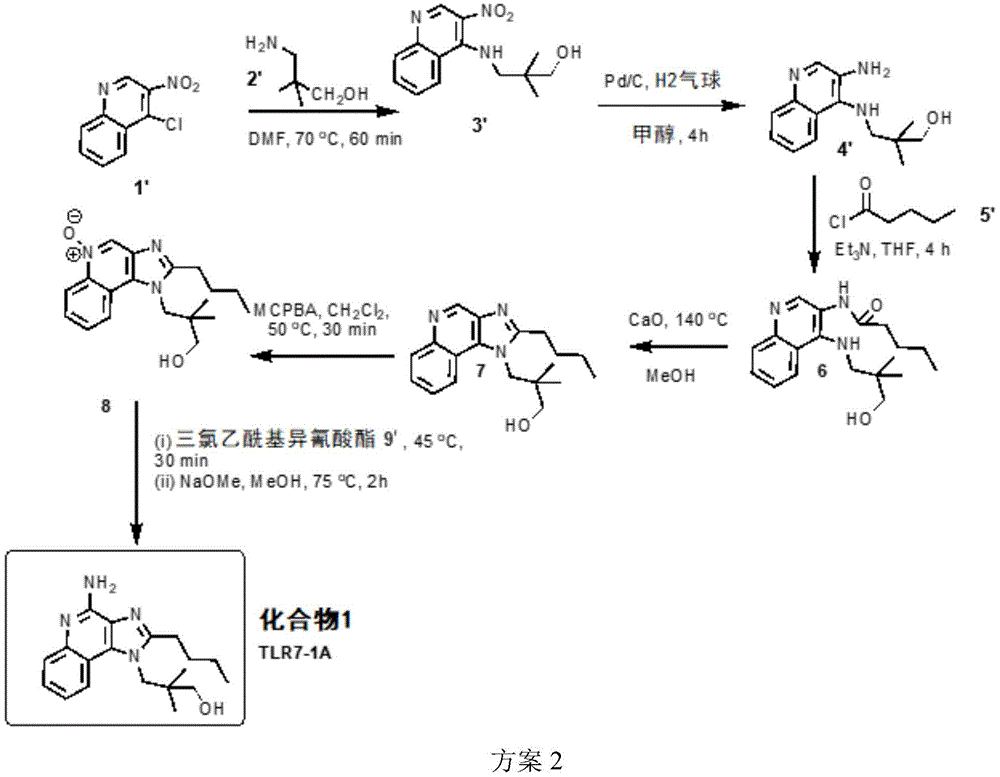
step 1: synthesis of 2, 2-dimethyl-3- ((3-nitroquinolin-4-yl) amino) propan-1-ol:
to a stirred solution of 4-chloro-3-nitroquinoline (1.2 equivalents) (compound 1 'in scheme 2) in N, N-dimethylformamide (10 mL) was added 3-amino-2, 2-dimethylpropan-1-ol (1.5 equivalents) (compound 2' in scheme 2) and triethylamine (2 equivalents). The reaction mixture was heated at 70 ℃ for 60 minutes and monitored by liquid chromatography-mass spectrometry (LCMS). Then cooled, diluted with water and stirred for an additional 15 minutes. The precipitated solid was filtered and washed with water. The solid was dried under vacuum to give a yellow solid material (compound 3' in scheme 2). The yield was 80%.
And 2, step: synthesis of 3- ((3-aminoquinolin-4-yl) amino) -2, 2-dimethylpropan-1-ol:
2, 2-dimethyl-3- (3-nitroquinolin-4-ylamino) propan-1-ol (1 g) (compound 3' in scheme 2) was dissolved in methanol (15 mL) and reduced under hydrogen balloon conditions with Pd/C (100mg, 10mol%) as a catalyst for 4 hours. The solution was then filtered and evaporated under reduced pressure to give 3- (3-aminoquinolin-4-ylamino) -2, 2-dimethylpropan-1-ol (compound 4' in scheme 2).
And step 3: synthesis of N- (4- ((3-hydroxy-2, 2-dimethylpropyl) amino) quinolin-3-yl) pentanamide:
triethylamine (2 equiv.) and n-valeryl chloride (5 ',1.5 equiv. In scheme 2) were added to a stirred solution of compound 4' (1 g) in anhydrous Tetrahydrofuran (THF) (10 mL). The reaction mixture was then stirred for 4 hours, after which the solvent was removed under reduced pressure. The crude residue was dissolved in ethyl acetate (EtOAc), washed with water and brine and dried over sodium sulfate. The combined organic layers were evaporated to dryness under vacuum to give intermediate amide compound 6 (see scheme 2). The overall yield was 70%.
And 4, step 4: synthesis of 3- (2-butyl-1H-imidazo [4,5-c ] quinolin-1-yl) -2, 2-dimethylpropan-1-ol:
to a stirred solution of amide compound 6 (1 g) in MeOH (15 mL) was added excess calcium oxide (10 equiv) and the solution was heated at 110 ℃ for 96 hours. The solvent was then removed under vacuum and the residue was purified using flash column chromatography (MeOH/dichloromethane as mobile phase) to afford compound 7 of scheme 2. The yield was 60%.
And 5: synthesis of 3- (4-amino-2-butyl-1H-imidazo [4,5-c ] quinolin-1-yl) -2, 2-dimethylpropan-1-ol (Compound 1):
3-Chloroperoxybenzoic acid (1.5 equiv.) was added to a stirred solution of Compound 7 of scheme 2 (100 mg) in anhydrous dichloromethane (1 mL) and the solution was refluxed at 50 ℃ for 30 min. Once the starting material was completely consumed, the solvent was evaporated to dryness under vacuum.
The residue was then redissolved in anhydrous dichloromethane (1 mL) and trichloroacetyl isocyanate (2.0 equivalents) was then added (see compound 9' in scheme 2) and the reaction mixture was heated at 45 ℃ for 30 minutes. After completion of the reaction, the solvent was removed under vacuum, and the residue was redissolved in anhydrous MeOH (1 mL) and then 25% methanol in sodium methoxide solution (0.2 mL) was added. Then heated at 75 ℃ for 1 hour and cooled. The solvent was removed under vacuum and the residue was purified by column chromatography (MeOH/dichloromethane) to give compound 1 (TLR 7-1A) as a colorless liquid. The overall yield was 70%. LCMS: [ M + H ] + M/z =327.
Example 2: synthesis of TLR7 agonist (Compound 2)

synthetic procedures for the preparation of tert-butyl (3- (4-amino-2-butyl-1H-imidazo [4,5-c ] quinolin-1-yl) -2, 2-dimethylpropyl) carbamate (compound 16 in scheme 3) the above procedure was followed using tert-butyl (3-amino-2, 2-dimethylpropyl) carbamate as starting material.
Boc deprotection of tert-butyl (3- (4-amino-2-butyl-1H-imidazo [4,5-c ] quinolin-1-yl) -2, 2-dimethylpropyl) carbamate:
to a stirred solution of tert-butyl (3- (4-amino-2-butyl-1H-imidazo [4,5-c ] quinolin-1-yl) -2, 2-dimethylpropyl) carbamate (100mg, 1 eq) (compound 16 in scheme 3) in 1, 2-dichloromethane (1 mL) was added trifluoroacetic acid (10 eq). Stirred under nitrogen for 1 hour. Once complete consumption of the starting material was determined by Thin Layer Chromatography (TLC), it was evaporated to dryness under vacuum and basified with saturated sodium bicarbonate. It was then purified using column chromatography (MeOH/dichloromethane) to obtain 1- (3-amino-2, 2-dimethylpropyl) -2-butyl-1H-imidazo [4,5-c ] quinolin-4-amine (compound 2-TLR 7-1B) as a colorless liquid. LCMS: [ M + H ] + M/z =326.
Example 3: synthesis of TLR7 agonist (Compound 3)

synthetic procedures for the preparation of tert-butyl (3- (4-amino-2-butyl-1H-imidazo [4,5-c ] quinolin-1-yl) -2, 2-dimethylpropyl) carbamate (compound 23 of scheme 4) the above procedure was followed, using tert-butyl (1-amino-2-methylpropan-2-yl) carbamate (compound 17) as starting material.
Boc deprotection of tert-butyl (3- (4-amino-2-butyl-1H-imidazo [4,5-c ] quinolin-1-yl) -2, 2-dimethylpropyl) carbamate:
trifluoroacetic acid (10 equivalents) was added to a stirred solution of tert-butyl (3- (4-amino-2-butyl-1H-imidazo [4,5-c ] quinolin-1-yl) -2, 2-dimethylpropyl) carbamate (100mg, 1 equivalent) (compound 23 in scheme 4) in 1, 2-dichloromethane (1 mL). Stirred under nitrogen atmosphere for 1 hour. Once the starting material was completely consumed as determined by TLC, it was evaporated to dryness under vacuum and basified with saturated sodium bicarbonate. It was then purified using column chromatography (MeOH/dichloromethane) to obtain 1- (2-amino-2-methylpropyl) -2-butyl-1H-imidazo [4,5-C ] quinolin-4-amine (compound 3-TLR 7-1C) as a colorless liquid. LCMS [ + H ] + M/z =312.
Example 4: synthesis of folate-NHS ester (Compound 25):
the synthesis of the releasable TLR 7-folate conjugate is described in scheme 5:

DMSO (20 mL), dicyclohexylcarbodiimide (0.94 g), triethylamine (0.5 mL), and N-hydroxysuccinimide (0.52 g) were added to a stirred solution of folic acid (1 g) (compound 24 of scheme 5). It was stirred under a nitrogen atmosphere for about 12 hours. The solution was filtered to remove dicyclohexylurea byproduct. The folate-NHS (Compound 25) was precipitated with excess ethyl acetate, washed three times with anhydrous ether, dried under vacuum and stored at-20 ℃. The yield was 60%.
Example 5: synthesis of non-releasable TLR 7-folate conjugate-1 (compound 4):
the synthesis of non-releasable TLR 7-folate conjugates (e.g. compound 4) is described in scheme 6:

(S) -1- (4-amino-2-butyl-1H-imidazo [4, 5-c)]Quinolin-1-yl) -20- (4- (((2-amino-4-oxo-3, 4-dihydropteridin-6-yl) methyl) amino) benzamido) -2,2-dimethyl 17-oxo-4, 7,10, 13-tetraoxa-16-azaheneicosane-21-oic acid (compound 4 3 -TLR7-1A non-releasable ("NR")).
Step 1: (tert-butyl 15- (2-butyl-1H-imidazo [4,5-c ] quinolin-1-yl) -14, 14-dimethyl-3, 6,9, 12-tetraoxapentadecyl) carbamate (compound 27 in scheme 6):
NaH (2 eq) and N-Boc-PEG 3 Bromide (2 equivalents) (compound 26 in scheme 6) was added to a stirred solution of the intermediate hydroxy compound 7 (500 mg) synthesized above (scheme 2) in THF (5 mL). It was stirred under nitrogen atmosphere for about 5 hours, and then the solvent was evaporated to dryness using a rotary evaporator. Then quenched with water and diluted with dimethyl sulfoxide (DMSO). The crude reaction mixture was purified by HPLC using ammonium acetate and acetonitrile as mobile phases to give compound 27 as a colorless liquid (see scheme 6). The yield was 60%.
Step 2: (tert-butyl 15- (4-amino-2-butyl-1H-imidazo [4,5-c ] quinolin-1-yl) -14, 14-dimethyl-3, 6,9, 12-tetraoxapentadecyl) carbamate (Compound 28):
3-Chloroperoxybenzoic acid (1.5 equiv.) was added to a stirred solution of Compound 27 (100 mg) in anhydrous dichloromethane (1 mL) and the solution was refluxed at 45 ℃ for 30 min. Once the starting material was completely consumed, the solvent was evaporated to dryness under vacuum. The residue was then redissolved in anhydrous dichloromethane (1 mL) and trichloroacetyl isocyanate (2.0 equivalents) was then added and the reaction mixture was heated at 45 ℃ for 30 minutes.
After completion of the reaction, the solvent was removed under vacuum, and the residue was redissolved in anhydrous MeOH (1 mL) and then 25% methanol in sodium methoxide solution (0.2 mL) was added. It was then heated at 75 ℃ for 1 hour and cooled. The solvent was removed in vacuo and the residue was purified by column chromatography (MeOH/dichloromethane) to afford compound 28 as a colorless liquid. The total yield was 40%.
And 3, step 3:1- (1-amino-14, 14-dimethyl-3, 6,9, 12-tetraoxapentadecan-15-yl) -2-butyl-1H-imidazo [4,5-c ] quinolin-4-amine:
trifluoroacetic acid (10 equiv.) was added to a stirred solution of intermediate compound 28 (100 mg) in dichloromethane (1 mL). It was stirred under nitrogen atmosphere for about 1 hour and the solvent was evaporated to dryness using a rotary evaporator. After complete removal of the residual acid, the residue was dissolved in DMSO (1 mL) to give a DMSO solution.
And 4, step 4: (S) -1- (4-amino-2-butyl-1H-imidazo [4,5-c ] quinolin-1-yl) -20- (4- (((2-amino-4-oxo-3, 4-dihydropteridin-6-yl) methyl) amino) benzamido) -2, 2-dimethyl 17-oxo-4, 7,10, 13-tetraoxa-16-azaheneicosane-21-oic acid (Compound 4):
to the DMSO solution of the previous step was added folate-NHS (2.0 equivalents) (compound 25 of scheme 5) and N, N-diisopropylethylamine (2 equivalents) and stirred for 60 min. The reaction was monitored by LCMS. After complete consumption of the starting material, the product was purified by HPLC using ammonium acetate and acetonitrile as mobile phase to afford the product compound 4 as a yellow solid. The yield was 70%. The product was confirmed using LCMS. C 46 H 60 N 12 O 9 Calculated mass of (3) is 924.46, mass obtained [ M + H]+ is 925.
3 Example 6: synthesis of folate-PEG-cysteine conjugate (compound 33):
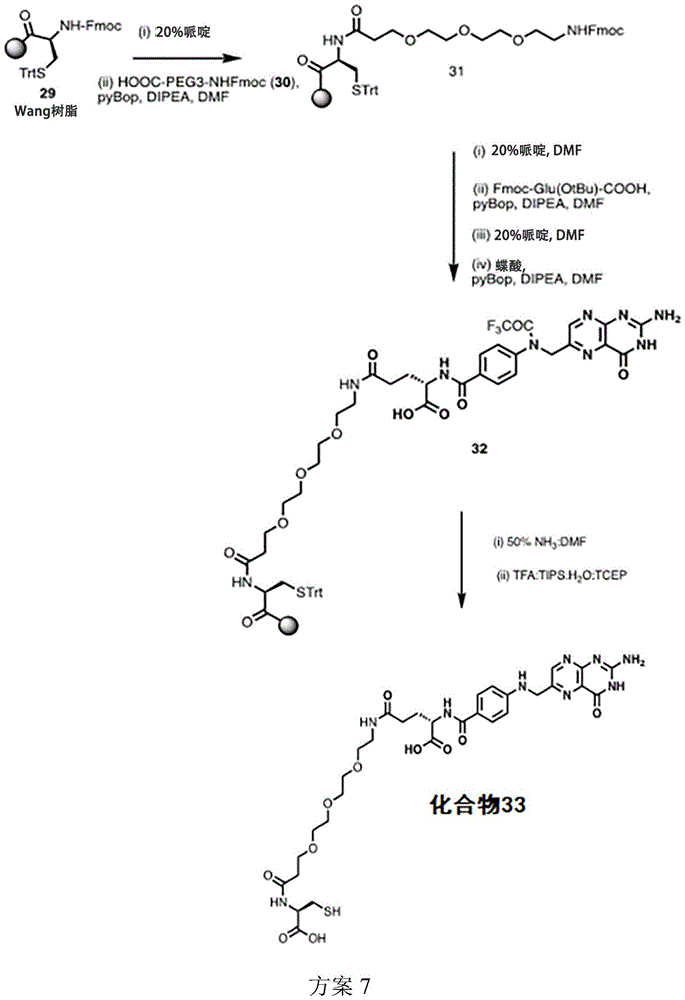
NH-Fmoc-Cys (Trt) -Wang resin (Compound 29) was initially deprotected (3X 10 min) using 20% piperidine in DMF. With F in the presence of benzotriazol-1-yl-oxytripyrrolidinophosphonium hexafluorophosphate (PyBop) (2 equiv.), diisopropylethylamine (DIPEA) (3 equiv.) and Dimethylformamide (DMF) moc -PEG 3 Acid (1.5 equiv) (compound 30) treatment of the free amine. Once the starting material was consumed, the resin was washed three times with DMF to afford compound 31.
Deprotection was then carried out with 20% piperidine in DMF (3X 10 min) and washed with DMF. In PyBop (2 equiv.), DIPEA (3 equiv.)) And DMF with Fmoc-Glu (O) t Bu) -COOH (2 equivalents) the free amine obtained. The coupled product was deprotected using 20% piperidine in DMF (3 × 10 min) and treated with pteroic acid (1.5 eq) in the presence of PyBop (2 eq), DIPEA (2 eq) and DMF. Once coupling was complete to give compound 32, the trifluoroacetyl group was deprotected with 50% ammonia in DMF (3 × 20 min). Finally, the resin was cleaved with TFA, TIPS, water, TCEP cocktail solution and purified using HPLC to give folate-PEG as a yellow solid 3 -cysteine (compound 33).
For HPLC purification, 20mM ammonium acetate (pH-5) and acetonitrile were used as mobile phases.
Example 7: synthesis of compounds 35 and 36:
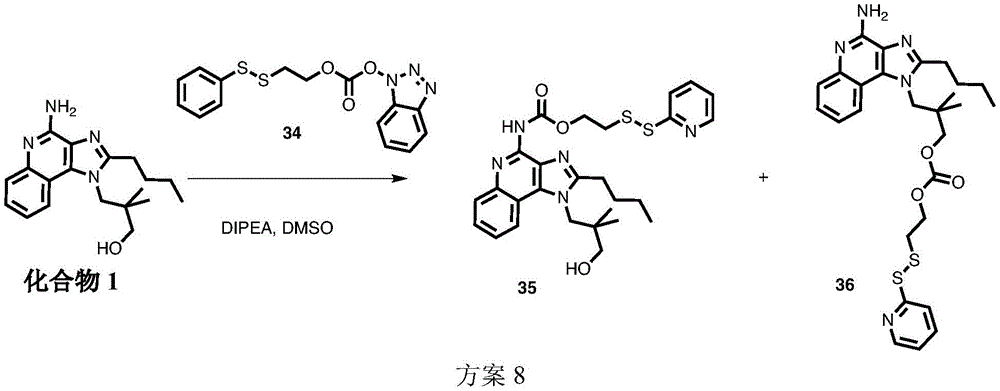
synthesis of 3- (4-amino-2-butyl-1H-imidazo [4,5-c ] quinolin-1-yl) -2, 2-dimethylpropyl (2- (pyridin-2-yl-disulfanyl) ethyl) carbonate (Compound 36 in scheme 8):
at room temperature and N 2 The heterobifunctional linker (2 equivalents) (compound 34) was added to a solution of TLR7-1 ( compound 1,1 equivalent) and 4-Dimethylaminopyridine (DMAP) (0.2 equivalents) in 1mL of dichloromethane under an atmosphere. Stirring was then carried out at room temperature for 12 hours and purification by HPLC using ammonium acetate, methanol mobile phase afforded compounds 35 and 36 in scheme 8.
Example 8: synthesis of releasable TLR 7-folate conjugates:

mixing folate with PEG 3 Cysteine (compound 33,1.2 equivalents) was added to a stirred solution of compound 36 (1 equivalent) in DMSO and stirred under a nitrogen atmosphere for about 1-2 hours. LCMS analysis of the mixture indicated the formation of Compound 5 (FA-PEG) 3 TLR7-1A (Re)). The mixture was then purified by preparative HPLC using ammonium acetate and acetonitrile as mobile phases.
Example 9: synthesis of non-releasable TLR 7-folate conjugates:

synthesis of (9H-fluoren-9-yl) carbamic acid (9H-fluoren-9-yl) methyl ester of (16- (4-amino-2-butyl-1H-imidazo [4,5-c ] quinolin-1-yl) -15, 15-dimethyl-12-oxo-3, 6, 9-trioxa-13-azahexadecyl):
Fmoc-N-amino PEG 3 Acid (1.5 equiv.), pyBop (2 equiv.) and DIPEA (2 equiv.) were added to 1- (3-amino-2, 2-dimethylpropyl) -2-butyl-1H-imidazo [4,5-c ]]Quinoline-4-amine (compound 2. It was stirred under nitrogen for about 2 hours and purified using HPLC to give the title compound.
And 2, step: synthesis of (S) -1- (4-amino-2-butyl-1H-imidazo [4,5-c ] quinolin-1-yl) -21- (4- (((2-amino-4-oxo-3, 4-dihydropteridin-6-yl) methyl) amino) benzamido) -2, 2-dimethyl-5, 18-dioxo-8, 11, 14-trioxa-4, 17-diaza-docosan-22-oic acid (Compound 9):
tris (2-aminoethyl) amine (10 eq) was added to a stirred solution of (9H-fluoren-9-yl) methyl (16- (4-amino-2-butyl-1H-imidazo [4,5-c ] quinolin-1-yl) -15, 15-dimethyl-12-oxo-3, 6, 9-trioxa-13-azahexadecyl) carbamate (1 eq) in THF. It was stirred for about 1 hour and the reaction was monitored by LCMS. Once the starting material was completely consumed, HPLC purification was used. The purified sample (1 eq) was dissolved in DMSO and treated with folate-NHS (compound 25,2 eq in scheme 5) and DIPEA (2 eq) for 2 hours. Purification by HPLC then gave the non-releasable TLR 7-folate conjugate (compound 9).
Example 10: therapeutic effects in human cells
To evaluate the therapeutic efficacy of TLR-7 agonists, human Peripheral Blood Mononuclear Cells (PBMCs) were treated with compound 1 (TLR 7-1A), compound 2 (TLR 7-1B), and compound 3 (TLR 7-1C) for 24 hours, and cytokine production was then evaluated. Human PBMCs were isolated from healthy donors by density gradient centrifugation according to standard procedures. 18mL of blood was diluted with 2% Fetal Bovine Serum (FBS) in Phosphate Buffered Saline (PBS) (1 dilution) and slowly transferred to a container containing 12mL of Ficoll 50mL SepMateTMPBMC separation tube. The separation tube was centrifuged at 1200g for 10 min and PBMCs were transferred to a new 50mL tube.
PBMC were washed with 2X50mL 2-FBS in PBS and washed at 2X10 5 The density of individual cells/200 mL RPMI medium was seeded in 96-well plates. Treated with different concentrations of TLR7 agonist for 24 hours.
Compound A (TLR 7-1) was used as a control. Cell culture supernatants were isolated and cytokine levels were calculated using enzyme-linked immunosorbent assay (ELISA) kits (fig. 2). As shown in figure 2, TLR7 agonists ( compounds 1,2 and 3) resulted in increased expression of IL-6 in PBMCs compared to controls.
When human primary monocyte-derived M2-macrophages were treated with compounds 1,2 and 3 for 48 hours, they induced interleukin-6 (IL-6) and C-X-C motif chemokine ligand 10 (CXCL-10) more efficiently than the parent compound TLR7-1 (fig. 3A and 3B). Compounds 1,2 and 3 polarized M2 macrophages to M1 macrophages, as evidenced by the increased M1 markers IL-6 (fig. 3A) and CXCL10 (fig. 3B).
Example 11: therapeutic efficacy in mice
Female Balb/c mice were purchased from Charles Rivers, housed in a sterile environment, used a standard 12-hour light and dark cycle, and maintained on a folate-deficient diet. All Animal procedures were approved by the institutional Animal Care and Use Committee of general university (Purdue Animal Care and Use Committee), in compliance with national institutes of health guidelines.
Healthy mice were injected intravenously with 10nmol of compound a (TLR 7-1) or compound 1 (TLR 7-1A) and peripheral blood was collected at the indicated time points after drug injection (fig. 3C and 3D). The effect of the drug on plasma IL-6 levels (FIG. 3C) and tumor necrosis factor alpha (TNF-. Alpha.) levels (FIG. 3D) was determined at 1 hour or 1.5 hours post-treatment. Both compound a and compound 1 stimulated systemic cytokine release in healthy mice.
Example 12: macrophage polarization
Bone marrow cells were isolated from tibia and femur of male C57BL/6 mice and differentiated into macrophages with mouse M-CSF (20 ng/mL). Macrophages were then polarized to the M2 phenotype with 20ng/mL IL-4/IL-6/IL-13 for 48 hours. Interferon-gamma (IFN-. Gamma.), interleukin-4 (IL-4) and interleukin-13 (IL-13) were obtained from Biolgend (san Diego, calif.). Lipopolysaccharide (LPS) was purchased from Sigma-Aldrich (St. Louis, mo.).
The resulting M2 macrophages were then incubated with different concentrations of ranisimmod (resiquimod), GSK2245035, compound 1, compound 2 and compound 3 for 48 hours. Supernatants were harvested and analyzed for cytokines using ELISA. (Leximot and GSK2245035 are known agonists of TLR 7.)
As shown in FIGS. 4A and 4B and the increase in M1 markers IL-6 and TNF- α, compound 1 effectively polarized macrophages from the M2 phenotype to the M1 phenotype.
Example 13: expression of FR-beta and TLR7 in human M2 macrophages
The M2 polarized macrophages obtained above were isolated using an Accutase cell isolation solution (Biolegged, san Diego, calif.) and gently lifted with a cell scraper. Cells were then washed with PBS and non-specific binding blocked by incubation with Fc receptor blocking solution (Biolegend, san diego, california) for 10 minutes. The cells were then washed with PBS and resuspended in 150. Mu.l of Cyto-FastTMFix/Perm Buffer (san Diego Biolegend, calif.). It was incubated at room temperature for 20 minutes and washed with 1mL of the 1X Cyto-Fast Perm wash solution. It was centrifuged at 350g for 5 minutes and the supernatant discarded. A cocktail of TLR7 and folate receptor beta (FR-. Beta.) antibodies was prepared in 1X Cyto-FastTMPerm wash solution and 100mL was incubated with the cell suspension for 20 minutes in the dark. Cells were washed with 1mL of Perm solution and resuspended in staining buffer. This was used in flow cytometry and confocal microscopy images were obtained. FIGS. 5A and 5B demonstrate that M2 macrophages express TLR7 and FR- β, and FIG. 6 shows that TLR7 is co-localized with FR- β in the same endosome of macrophages.
Example 14: disulfide cleavage study
The kinetics of stability of folate-TLR 7 conjugates was evaluated, figure 7A shows the stability of FA-compound a (FA-TLR 7-1) in the presence of thiol, figure 7B shows the stability of compound 5 (releasable conjugate ("Re") in the presence of thiol the synthesis of FA-TLR7-1 is described in WO2021007277A1, which publication is incorporated herein by reference in its entirety, two conjugates were treated with Dithiothreitol (DTT) (40 equivalents) in PBS solution, samples were extracted and analyzed by LCMS at 0 min, 7 min, 30 min and 50 min, as shown in figures 7A and 7B, the two conjugates rapidly cleaved in the presence of DTT and released free drug (e.g. immunomodulator; compound a) within 30 min.
Figure 8 shows a schematic of the mechanism of action of the releasable and non-releasable folate-TLR 7 conjugates. The releasable conjugate can release the free drug TLR7 agonist upon disulfide cleavage in the endosome. Since TLR7 and FR- β are present in the same endosome, the non-releasable/non-cleavable conjugate can induce an immune response without cleavage. This can avoid premature release of the drug, improve the stability of the compound in circulation, prolong its residence time in the endosome, and ultimately require lower doses to achieve a therapeutic effect.
Example 15: study of therapeutic effects
To assess the efficacy of the releasable and non-releasable conjugates, freshly isolated PBMCs were dosed at 100 ten thousandCells/cm 2 The seeding density of (2) is seeded in monocyte attachment medium. It is in 5% CO 2 And incubated at 37 ℃ for about 2 hours. The non-adherent cells were removed and the monocytes were washed three times with warmed monocyte attachment medium. Monocytes were cultured in folate-deficient RPMI 1640 medium. It was differentiated into non-polarized macrophages by incubation with fresh RPMI medium containing 20ng/mL M-CSF supplemented with 1% penicillin-streptomycin (Invitrogen, calif.) and 10% FBS.
After 3 days, the medium was replaced with fresh RPMI medium containing 20ng/mL M-CSF. On day 7, the macrophages produced were polarized into M2 macrophages by incubation with 20ng/ml IL-4 and 20ng/ml IL-13 for 2 days.
Macrophages were isolated using AccutaseTM cell isolation solution and seeded into 96-well plates at a density of 60,000 cells/well. To assess whether a TLR7 agonist or conjugate thereof is able to reprogram M2-like macrophages to the M1 phenotype, different concentrations of TLR7 agonist (Compound A; TLR 7-1) or corresponding conjugate thereof (e.g., FA-PEG) were used 3 TLR7-1A conjugate, releasable (compound 5) and non-releasable (compound 4)) incubated cells.
Different concentrations of TLR7 agonist or folate conjugate thereof (e.g. compounds 4 and 5) were incubated with the above polarized M2-like macrophages for the indicated time. The media was harvested to analyze secreted cytokines and cells were collected for qPCR analysis. According to the manufacturer's recommended protocol, quick-RNA was used TM MicroPerp kit (Zymo Research, lkay, calif.) from about 2X10 5 Total RNA was isolated from individual macrophages. The RNA samples were then reverse transcribed into cDNA using a high capacity cDNA reverse transcription kit (Applied Biosystems, #4368814, foster, calif.).
qPCR analysis was performed using iTaqTM Universal SYBR Green SuperMix (Bio-Rad Laboratories, inc.; #1725121, heracler thermocycler and iCyclerer iQ 3.0 software (Bio-Rad Laboratories Inc. of Heracles, calif.) to track the expression of markers characteristic of the polarization state of macrophages. IL-6 and TNF- α were used as markers for the M1 phenotype. Each sample was analyzed in triplicate for each marker independently. The expression of IL-6, CXCL-10 and TNF-. Alpha.proteins in the cell culture supernatants was calculated using a commercially available ELISA kit (Biolegend, san Diego, calif.).
FIG. 9 shows the results of treatment of human PMBC-derived M2 macrophage at 3+45 hours with compound 5, demonstrating that treatment with compound 5 polarizes M2 macrophage to M1 macrophage (as evidenced by increased M1 marker).
FIGS. 11A-11D show the results of treating human PMBC-derived M2 macrophages with compound 4 for 3 hours or 3+45 hours. In the latter case, after 3 hours of incubation, the cell culture medium was replaced with fresh medium without drug and incubated for an additional 45 hours. As demonstrated in figures 11A-11D, compound 4 polarized M2 macrophages to M1 macrophages (as evidenced by increased M1 markers).
Example 16: analysis of surface markers during macrophage polarization
Human PMBC-derived M2 macrophages were treated with various concentrations of folate-TLR 7 agonist (e.g., compound 4) for 48 hours, the macrophages were isolated with Accutase cell isolation solution (Biolegged #423201, san Diego, calif.) and gently lifted with a cell scraper. Cells were washed with PBS and incubated with Fc receptor blocking solution (Biolegend, san diego, ca) for 10 minutes at room temperature to block non-specific binding. The resulting single cell suspensions were stained for the M2 macrophage marker CD206 and the M1 macrophage markers CD80 and CD 40. All samples were then analyzed by flow cytometry.
As shown in fig. 12A and 12B, the non-releasable conjugate compound 4 polarized M2 macrophages to M1 macrophages as shown by an increase in the M1 surface markers CD40 and CD 80.
Example 17: study of in vivo efficacy
Referring to fig. 13, 20 nmol/mouse folate-TLR 7-1A conjugate (compound 4 3 TLR7-1A (NR)) was injected intravenously to healthy C57BL/6-NCrl mice. After the injection of the drugBlood was collected at 10 min, 30 min, 60 min, 120 min, 180 min, 250 min, 360 min, 480 min, 600 min, 720 min, 1440 min, and 2880 min. The blood was centrifuged at 1000g for 10 minutes and the plasma carefully collected into a clean tube. Acetonitrile (acetonitrile/plasma sample =2/1 (v/v)) was added to the plasma followed by the addition of the internal standard (0.5 ng rassimotent). The mixture was vortexed thoroughly and centrifuged at 13,000rpm for 10 minutes. The supernatant was collected and injected into Agilent 6410NanoLC QQQ, resulting in the pharmacokinetic analysis shown in fig. 13.
In an additional in vivo study, 6-8 week old female BalB/c mice (wilmington Charles River Laboratories International, inc.) were changed to a folate deficient diet upon arrival (td.95247, indianapolis Envigo Corporation, indiana). On day 14, mice were implanted subcutaneously at 5.0X 10 4 4T1 cells and allowing the tumor to grow until-50 mm is reached 3 . Mice were then injected intravenously with different concentrations of 100 μ l folate-TLR 7 conjugate compound 4 or 10 nmol/mouse compound 5). The control group received 100. Mu.l of 3% DMSO in PBS according to the same schedule.
Tumor volume was measured simultaneously with calipers, formula (a × b) 2 ) 2 (a is the maximum tumor diameter and B is the minimum tumor diameter) (see FIGS. 10A, 10B and 14). When needed, mice were sacrificed and derived tumor fragments were dissociated using a human tumor dissociation kit. The resulting single cell suspension was stained with an antibody, and the sample was analyzed by flow cytometry. The percentage of CD4 and CD 8T cell populations were tested in live cells isolated from 4T1 solid tumors in untreated control and folate-TLR 7 conjugate treated groups. Figures 10A-10E are the results of treatment with compound 5 and figure 14 is the results of treatment with compound 4. Both compounds reduce tumor size and switch macrophage polarization from the M2 phenotype to the M1 phenotype.
Additional 4T1 solid tumor metastatic studies were also performed. The measurement of metastatic colony formation of lung was performed according to the reported procedure (Cresswell et al, platelet receptor beta-designates immunological measured myoid)cells, which can be programmed with template-targeted drugs, cancer Research 2021,81 (3), 671-684. Balb/c mice 6-8 weeks old were implanted with 50,000 4T1 cells in the mammary fat pad and allowed tumor growth until-50 mm was reached 3 . Mice were then injected intravenously with 100 μ l folate-TLR 7 conjugate (compound 4) (50 nmol/kg) once a week. The control group received an equal amount of PBS according to the same schedule. At the end of the treatment, pulmonary metastasis was assessed in disease control and treatment groups by co-culturing the lung digested cells with 6-thioguanine (60 mmol/L) in complete RPMI-1640 medium for 10 days in petri dishes. Metastatic colonies were visualized by fixing the well plate with 5mL of methanol, then washing with 5mL of deionized water, then staining with 0.03% methylene blue (see fig. 15C). The total number of blue colonies per well plate was then counted.
As shown in figures 15A-C, treatment with folate-TLR 7 conjugate significantly reduced the tumor volume and number of metastatic colonies present in the subject.
Claims (72)
1. A compound represented by formula (I):

or a pharmaceutically acceptable salt thereof, wherein, in formula I:
R 1 、R 3 、R 4 、R 5 each independently is H, alkyl, alkoxy, alkenyl, alkynyl, cycloalkyl, aryl, halo, heteroaryl, -COR 2x 、
R 2 Is H, -OH, -NH 2 、-NHR 2x 、N 3 、-NH-CH 2 -NH 2 、-CONH 2 、-SO 2 NH 2 、-NH-CS-NH 2 、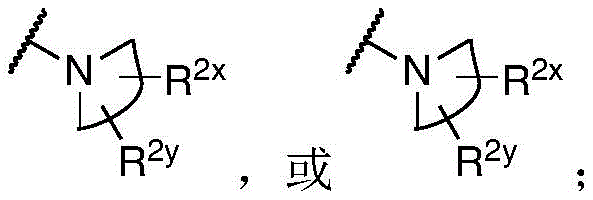
Y is H, -OH, -NH 2 、-NHR 2x 、-O-R 2x 、-SO-R 2x 、-SH、-SO 3 H、-N 3 、-CHO、-COOH、-CONH 2 、-COSH、-COR 2x 、-SO 2 NH 2 Alkenyl, alkynyl, alkoxy, -NH-CH 2 -NH 2 、-CONH 2 、-SO 2 NH 2 、-NH-CS-NH 2 、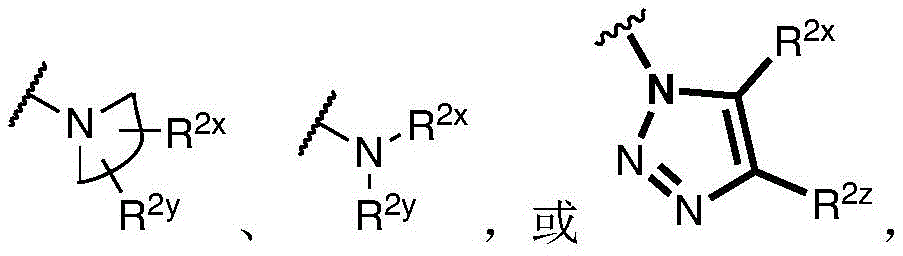 Wherein:
each R 2x And R 2y Independently selected from the group consisting of: H. -OH, -CH 2 -OH、-NH 2 、-CH 2 -NH 2 、-COOMe、-COOH、-CONH 2 、-COCH 3 Alkyl, alkenyl, alkynyl, alicyclic, aryl, biaryl and heteroaryl; and is
Each R 2z Independently selected from the group consisting of: -NH 2 、-NR 2q R 2q '、-O-R 2q 、-SO-R 2q and-COR 2q ;
Wherein each R 2q And R 2q ' is independently alkyl or H, and is a 3-10 membered N containing non-aromatic, monocyclic or bicyclic heterocycle;
R 21 is H or alkyl; and is provided with
n' is 0 to 30;
wherein, in formula I, X 1 、X 2 、X 3 Each is independently CR q Or N, wherein each R q Independently hydrogen, halogen or optionally substituted alkyl;
n is 0 to 30;
m is 0 to 4; and is
Wherein when n is 0, Y is not H, -OH or-O-R 2x 。
2. A compound represented by formula (IA):
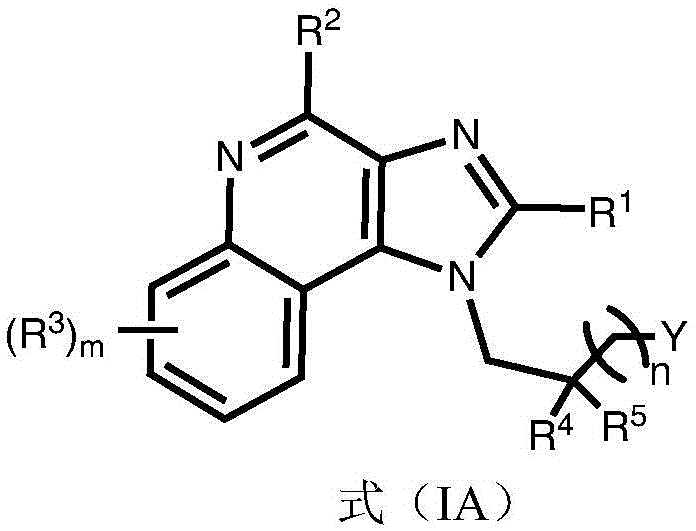
or a pharmaceutically acceptable salt thereof, wherein:
R 1 is optionally substituted C 3 -C 8 An alkyl group;
R 2 is H, -OR z 、-SO 2 N(R z ) 2 、-NR 2x R 2y Or N is 3 ;
Y is H, -OR z 、-NR 2x R 2y 、-SR z 、-SOR z 、-SO 3 R z 、-N 3 、-COR z 、-COOR z 、-CON(R z ) 2 、-COSR z 、-SO 2 N(R z ) 2 or-CON (R) z ) 2 Wherein:
R 2x and R 2y Each independently hydrogen, -N (R) z ) 2 、-CON(R z ) 2 、-C(R z ) 2 -N(R z ) 2 、-CS-N(R z ) 2 Or optionally substituted alkyl, wherein each R is z Independently hydrogen, halogen or optionally substituted alkyl, or
R 2x And R 2y Together form an optionally substituted heterocycloalkyl;
each R 3 Independently halogen, -N 3 、-CN、-NO 2 、-COR z 、-COOR z 、-CON(R z ) 2 、-COSR z 、-SO 2 N(R z ) 2 or-CON (R) z ) 2 Alkyl, heteroalkyl, cycloalkyl, heterocycloalkyl, alkoxy, amino, hydroxy, or mercapto, wherein the alkyl, alkoxy, heteroalkyl, cycloalkyl, or heterocycloalkyl is optionally substituted;
R 4 and R 5 Each independently is alkyl, alkoxy, halogen or cycloalkyl, wherein the alkyl, alkoxy, halogen or cycloalkyl is,Alkoxy and cycloalkyl are optionally substituted;
n is 1 to 6; and is provided with
m is 0 to 4.
3. The compound of claim 1 or 2, wherein R 1 Is optionally substituted C 3 -C 6 An alkyl group.
4. The compound of claim 1 or 2, wherein R 1 Is optionally substituted acyclic C 3 -C 6 An alkyl group.
5. The compound according to any one of claims 1 and 2, wherein R 2 is-NR 2x R 2y 。
6. The compound according to any one of claims 1 and 2, wherein R 2 is-NH 2 。
7. The compound according to claim 1, represented by one of the following formulae:

or a pharmaceutically acceptable salt thereof.
8. The compound of any one of claims 1,2, and 7, wherein n is 1-3.
9. The compound of any one of claims 1,2, and 7, wherein n is 1 or 2.
10. The compound of any one of claims 1,2, and 7, wherein n is 1.
11. The compound of any one of claims 1,2 and 7, wherein Y is-OH, OCH 3 、-NH 2 、-NHNH 2 、-NHCONH 2 、-SH、-SO 2 NH 2 、-N 3 、-COOH、-COCH 3 、-COOCH 3 or-CONH 2 。
12. The compound according to claim 1 or 2, represented by one of the following formulae:
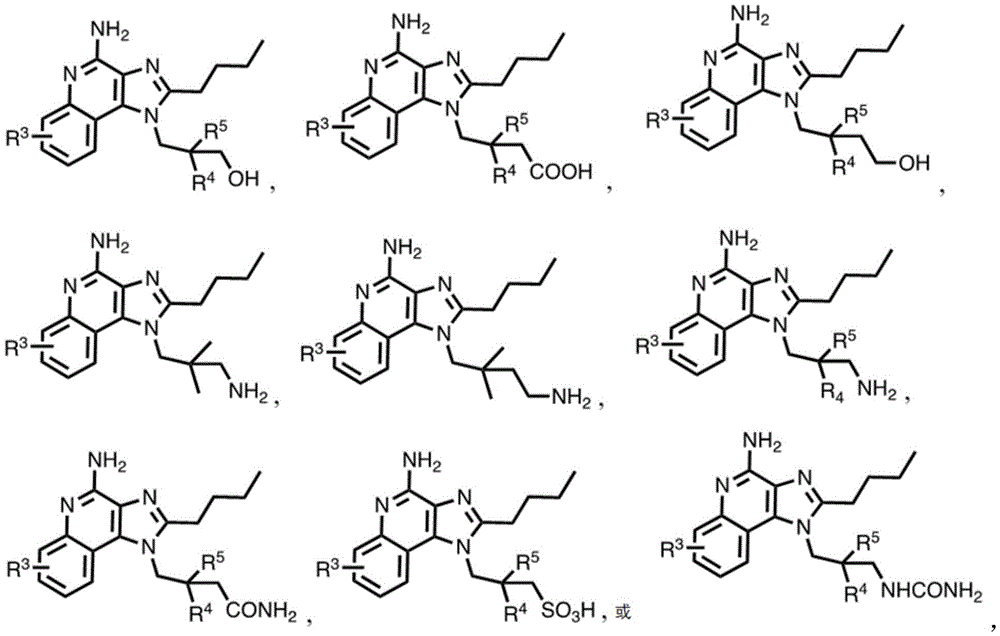
or a pharmaceutically acceptable salt thereof.
13. The compound of any one of claims 1,2, 7, and 12, wherein R 4 And R 5 Each independently is C 1 -C 4 An alkyl group.
14. The compound of any one of claims 1,2, 7, and 12, wherein R 4 And R 5 Each is methyl.
15. The compound according to any one of claims 1,2, 7 and 12, represented by one of the following formulae:
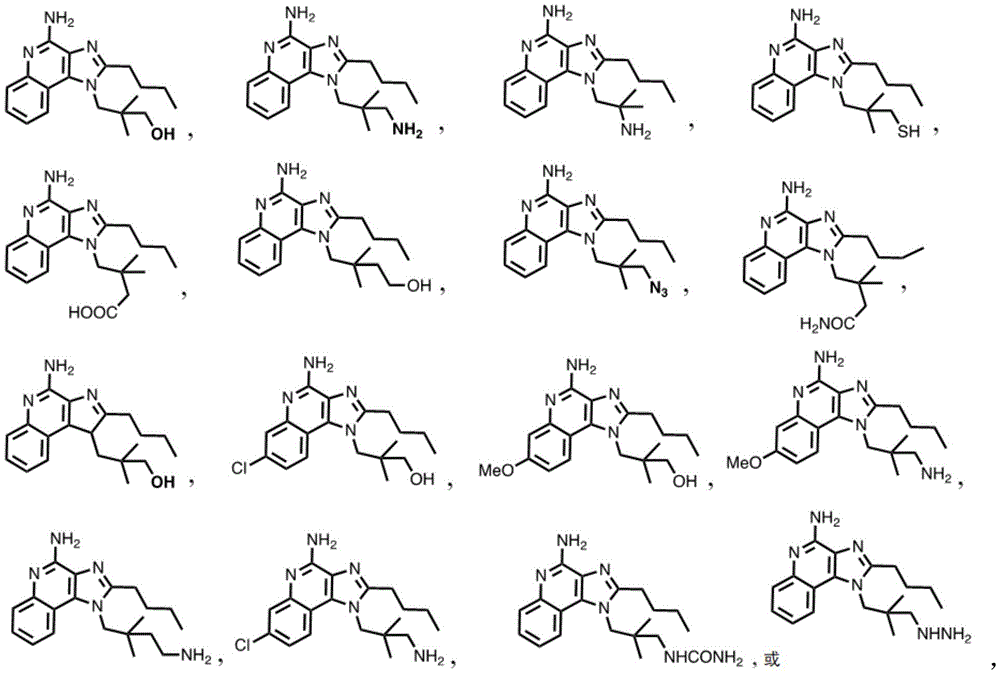
or a pharmaceutically acceptable salt thereof.
16. The compound of claim 1 or 2, wherein the compound is of the formula:

or a pharmaceutically acceptable salt thereof.
17. A compound of formula (II):

or a pharmaceutically acceptable salt thereof, wherein:
R 1 、R 3 、R 4 、R 5 each independently is H, alkyl, alkoxy, alkenyl, alkynyl, alicyclic, aryl, biaryl, halo, heteroaryl, -COR 2x 、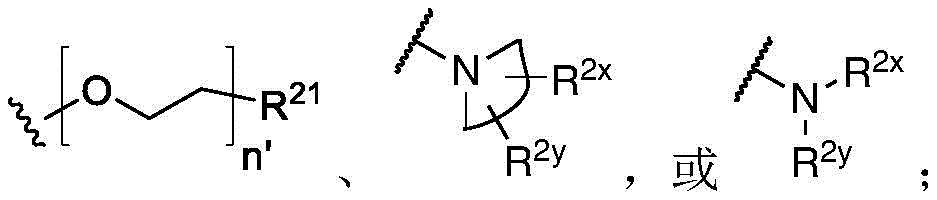
R 2 Is H, -OH, -NH 2 、-NHR 2x 、N 3 、-NH-CH 2 -NH 2 、-CONH 2 、-SO 2 NH 2 、-NH-CS-NH 2 、
Z is of the formula G-L-, G-O-, G-L-O-alkyl-, G-L-S-, G-SO 2 -NH-、G-L-NR a R b -、G-L-S(O) x -alkyl-, G-L-CO-, G-L-aryl-, G-L-NH-CO-NH-, G-L-NH-O-, G-L-NH-CS-NH, G-L-C (O) -alkyl-, G-L-SO 2 -、 The group of (a) or (b),
wherein:
l is a linker, G is a folate receptor binding ligand;
R a and R b Each independently is H, halo, hydroxy, alkoxy, aryl, amino, acyl or C (O) R c Wherein R is c Is alkyl, aryl, oxy or alkoxy;
x is 0 to 3;
R 2x and R 2y Each independently selected from the group consisting of: H. -OH, -CH 2 -OH、-NH 2 、-CH 2 -NH 2 、-COOMe、-COOH、-CONH 2 、-COCH 3 Alkyl, alkenyl, alkynyl, alicyclic, aryl, biaryl and heteroaryl;
each R 2z Independently selected from the group consisting of: -NH 2 、-NR 2q R 2q '、-O-R 2q 、-SO-R 2q and-COR 2q ;
Each R 2q And R 2q ' is independently alkyl or H, and is a 3-10 membered N containing non-aromatic, monocyclic or bicyclic heterocycle; />
R 21 Is H or alkyl; and is provided with
n' is 0 to 30;
wherein, in formula II:
X 1 、X 2 and X 3 Each independently is CR q Or N, wherein each R q Independently hydrogen, halogen or optionally substituted alkyl,
n is 0-30 and m is 0-4; and is
Wherein when n is 0, Z is not bonded to formula (II) through an oxygen atom.
18. A compound of formula (IIA):
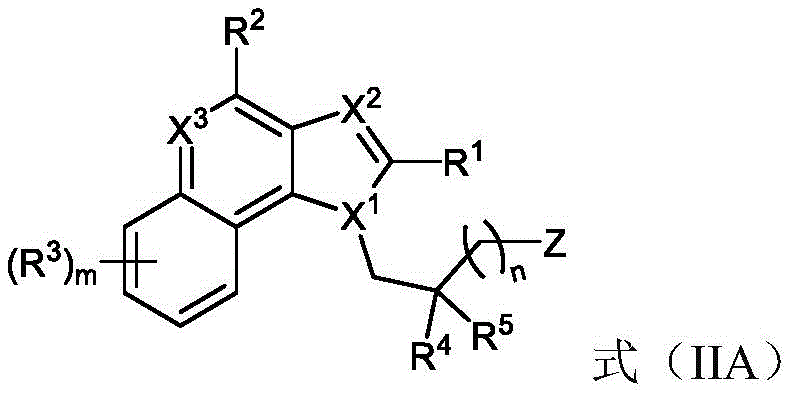
or a pharmaceutically acceptable salt thereof, wherein:
R 1 is optionally substituted alkyl;
R 2 is H, -OR z 、-SO 2 N(R z ) 2 、-NR 2x R 2y Or N is 3 Wherein:
R 2x and R 2y Each independently hydrogen, -N (R) z ) 2 、-CON(R z ) 2 、-C(R z ) 2 -N(R z ) 2 、-CS-N(R z ) 2 Or optionally substituted alkyl, and each R z Independently hydrogen, halogen or optionally substituted alkyl; or
R 2x And R 2y Together form an optionally substituted heterocycloalkyl;
each R 3 Independently halogen, -N 3 、-CN、-NO 2 Alkyl, heteroalkyl, cycloalkyl, heterocycloalkyl, alkoxy, aryl, heteroaryl, heterocycloalkyl, amino, hydroxy, carboxy, or mercapto, wherein the alkyl, alkoxy, heteroalkyl, cycloalkyl, or heterocycloalkyl is optionally substituted;
R 4 and R 5 Each independently is alkyl, alkoxy, halo, or cycloalkyl, wherein the alkyl, alkoxy, and cycloalkyl are optionally substituted;
X 1 、X 2 and X 3 Each of which is independently CR q Or N, wherein each R q Are each independently hydrogen, halogen or optionally substituted alkyl;
z is L-G, wherein L is a linker and G is a folate receptor binding ligand;
n is 1 to 6; and is
m is 0 to 4.
19. A compound represented by formula (III):
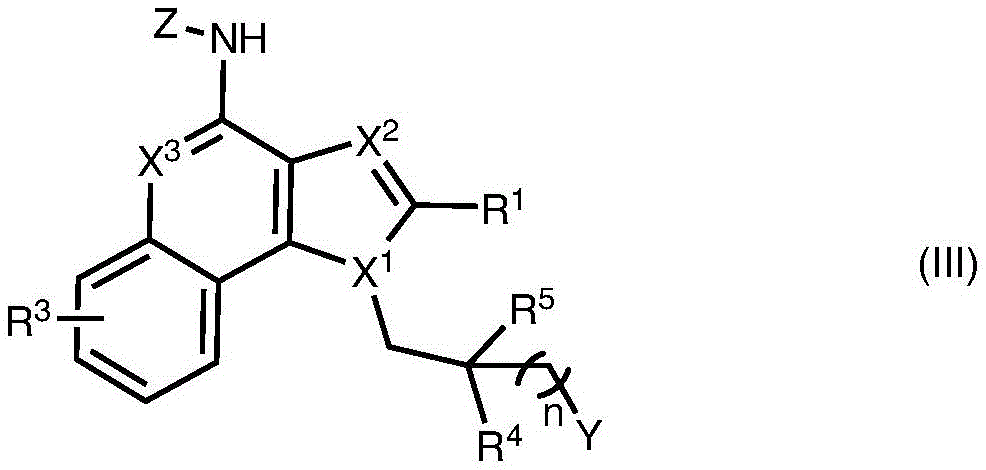
or a pharmaceutically acceptable salt thereof, wherein:
R 1 、R 3 、R 4 、R 5 each independently H, alkyl, alkoxy, alkenyl, alkynyl, alicyclic, aryl, biaryl, halo, heteroaryl, -COR 2x 、 Wherein R is 2x And R 2y Each independently of one anotherIs selected from the group consisting of: H. -OH, -CH 2 -OH、-NH 2 、-CH 2 -NH 2 、-COOMe、-COOH、-CONH 2 、-COCH 3 Alkyl, alkenyl, alkynyl, alicyclic, aryl, biaryl and heteroaryl, and each R 2z Independently selected from the group consisting of: -NH 2 、-NR 2q R 2q '、-O-R 2q 、-SO-R 2q and-COR 2q Wherein each R is 2q And R 2q ' independently alkyl or H>
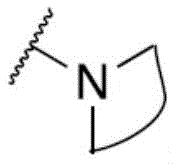 Is a 3-10 membered N-containing nonaromatic, monocyclic or bicyclic heterocycle, R 21 Is H or alkyl, and n' is 0 to 30;
z is a group of formula G-L-, G-L-CO-, G-L-C (O) -alkyl-, wherein L is a linker and G is a folate receptor binding ligand;
X 1 、X 2 and X 3 Each independently is CR q Or N, wherein each R q Independently hydrogen, halogen or optionally substituted alkyl;
n is 0 to 30; and is
m is 0 to 4.
20. A compound represented by formula (IIIA):
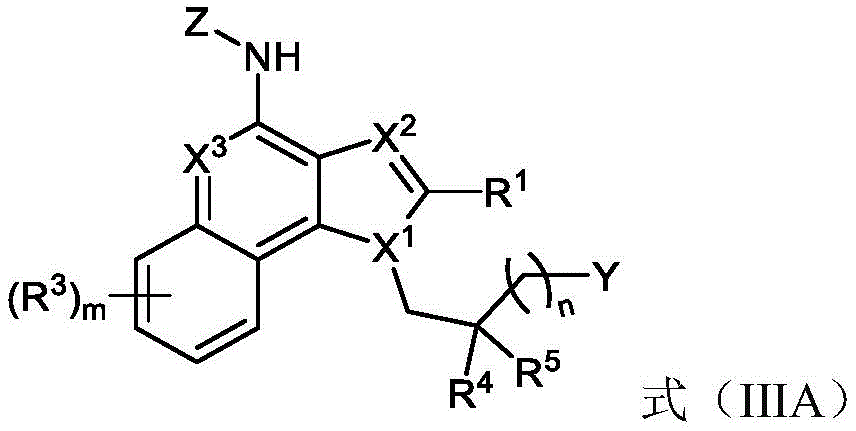
or a pharmaceutically acceptable salt thereof, wherein:
R 1 is optionally substituted alkyl;
y is H, -OR z 、-NR 2x R 2y 、-SR z 、-SOR z 、-SO 3 R z 、-N 3 、-COR z 、-COOR z 、-CONR z 2 、-COSR z 、-SO 2 N(R z ) 2 or-CON (R) z ) 2 Wherein:
R 2x and R 2y Each independently hydrogen, -N (R) z ) 2 、-CON(R z ) 2 、-C(R z ) 2 -N(R z ) 2 、-CS-N(R z ) 2 Or optionally substituted alkyl, and each R z Independently hydrogen, halogen or optionally substituted alkyl, or
R 2x And R 2y Together form an optionally substituted heterocycloalkyl;
each R 3 Independently halogen, -N 3 、-CN、-NO 2 Alkyl, heteroalkyl, cycloalkyl, heterocycloalkyl, alkoxy, aryl, heteroaryl, heterocycloalkyl, amino, hydroxy, carbonyl, or mercapto, wherein the alkyl, alkoxy, heteroalkyl, cycloalkyl, or heterocycloalkyl is optionally substituted;
R 4 and R 5 Each independently is alkyl, alkoxy, halo, or cycloalkyl, wherein the alkyl, alkoxy, and cycloalkyl are optionally substituted;
each X 1 、X 2 And X 3 Independently is CR q Or N, wherein each R q Independently hydrogen, halogen or optionally substituted alkyl;
z is L-G, wherein L is a linker and G is a folate receptor binding ligand;
n is 1 to 6; and is provided with
m is 0 to 4.
21. The compound of any one of claims 1,2, 7, and 17-20, wherein X 1 、X 2 And X 3 Each being N.
22. The compound of any one of claims 17-20, wherein n is 1.
23. The compound of claim 17 or 18, represented by one of the following formulae:

or a pharmaceutically acceptable salt thereof.
24. The compound of any one of claims 17-20, represented by one of the following formulae:
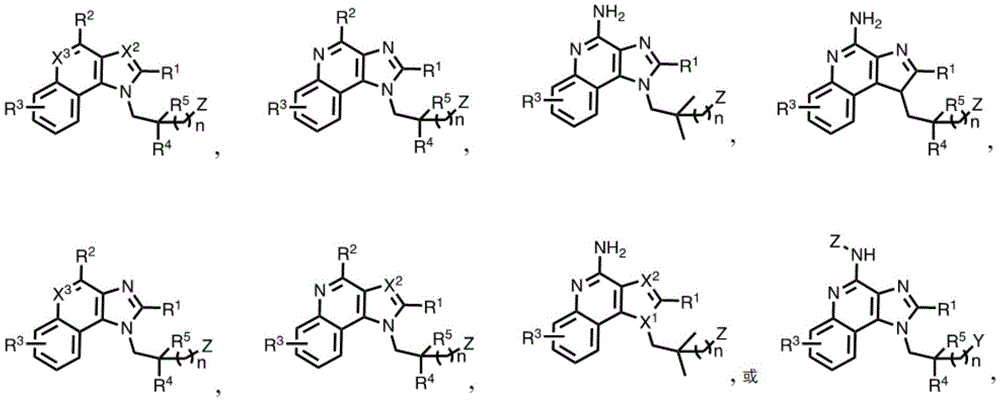
or a pharmaceutically acceptable salt thereof.
25. The compound of claim 18, wherein the compound is of formula (IIA):

wherein:
R 1 is C optionally substituted by 1 to 3 substituents 1 -C 6 Alkyl, each substituent being independently halogen or C 1 -C 6 An alkoxy group;
R 2 is-NR 2x R 2y Wherein R is 2x And R 2y Each independently is hydrogen or C 1 -C 6 An alkyl group;
each R 3 Independently halogen, -CN, C 1 -C 6 Alkyl radical, C 1 -C 6 Heteroalkyl group, C 3 -C 7 Cycloalkyl, C 1 -C 6 Alkoxy, amino, hydroxyl, carboxyl or mercapto;
R 4 and R 5 Each independently is C 1 -C 6 An alkyl group;
each X 1 、X 2 And X 3 Is N;
z is G-L-or G-L-O-, wherein L is a linker and G is a folate receptor binding ligand;
n is 1; and is provided with
m is 0 to 4;
or a pharmaceutically acceptable salt thereof.
26. The compound of any one of claims 17, 18, or 25, wherein R 1 Is C 1 -C 6 An alkyl group.
27. The compound of any one of claims 17, 18, or 25, wherein R 2 is-NH 2 。
28. The compound of any one of claims 17, 18, or 25, wherein m is 0.
29. The compound of any one of claims 17, 18, or 25, wherein:
R 1 is C 1 -C 6 An alkyl group;
R 2 is-NH 2 ;
n is 1; and is
m is 0.
30. The compound of claim 17, wherein the compound of formula (II) is a compound of formula (IIB):
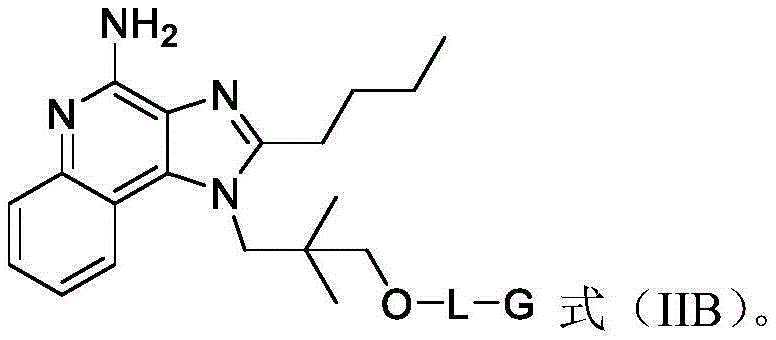
31. the compound of any one of claims 17-20, 25, and 30, wherein L is a cleavable linker.
32. The compound of any one of claims 17-20, 25, and 30, wherein L is a hydrolyzable linker.
33. The compound of any one of claims 17-20, 25, and 30, wherein L comprises an optionally substituted heteroalkyl.
34. The compound of claim 33, wherein the optionally substituted heteroalkyl is substituted with at least one substituent selected from the group consisting of: alkyl, hydroxyl, acyl, polyethylene glycol (PEG), carboxylate, and halo.
35. The compound of any one of claims 17-20, 25, and 30, wherein L comprises a substituted heteroalkyl group having at least one disulfide bond in the backbone.
36. The compound of any one of claims 17-20, 25 and 30, wherein L is a peptide or peptidoglycan having at least one disulfide bond in its backbone.
37. The compound of any one of claims 17-20, 25, and 30, wherein L is a releasable linker that can be cleaved by an enzymatic reaction, a Reactive Oxygen Species (ROS), or reducing conditions.
38. The compound of any one of claims 17-20, 25, and 30, wherein L has the formula: -NH-CH 2 -CR 6 R 7 -S-S-CH 2 -CH 2 -O-CO-, wherein R 6 And R 7 Each independently hydrogen (H), alkyl or heteroalkyl.
39. The compound of any one of claims 17-20, 25, and 30, wherein L is or comprises a group of the formula:
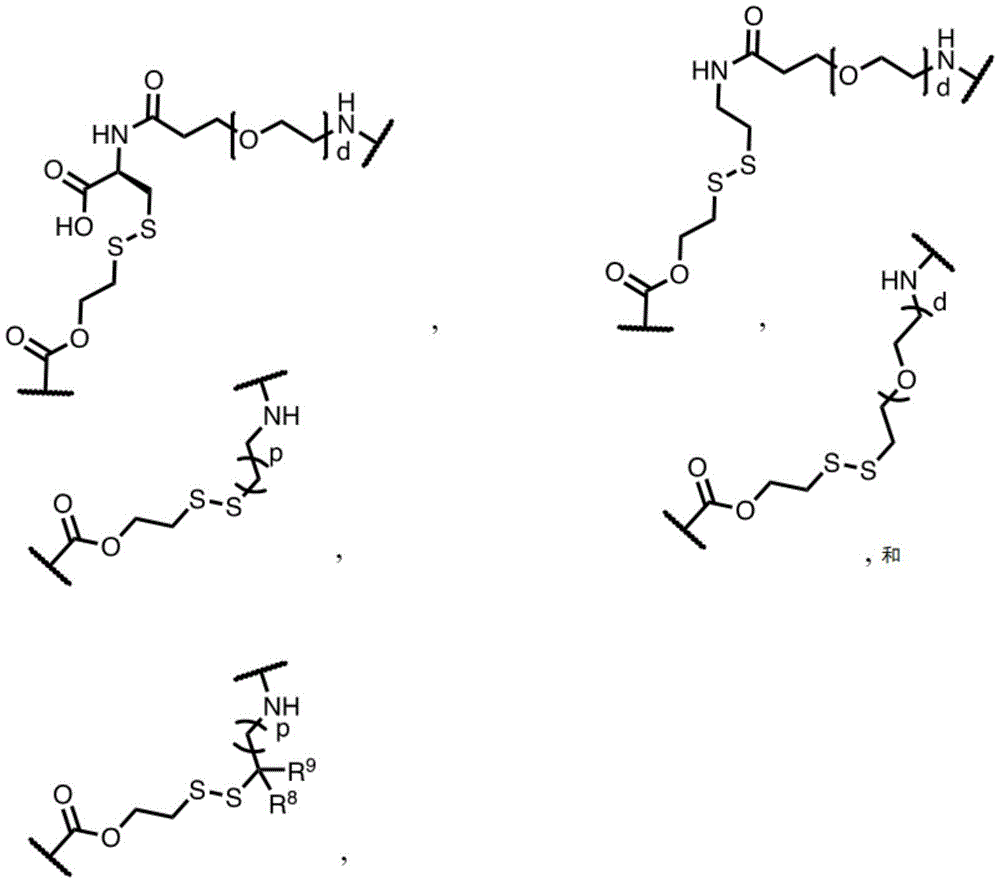
wherein:
p is an integer of 0 to 30;
d is an integer from 1 to 40; and is provided with
R 8 And R 9 Each independently is hydrogen, alkyl, heterocyclyl, cycloalkyl, aryl or heteroalkyl.
40. The compound of any one of claims 17-20, 25, and 30, wherein L is a non-releasable linker.
41. The compound of any one of claims 17-20 and 30, wherein L is a non-hydrolyzable linker.
42. The compound of any one of claims 17-20, 25, and 30, wherein L comprises one or more linker moieties, each one or more linker moieties independently selected from the group consisting of: alkylene, heteroalkylene, -O-alkynylene, alkenylene, acyl, aryl, heteroaryl, amide, oxime, ether, ester, triazole, PEG, carboxylate, carbonate, carbamate, amino acid, peptide, and peptidoglycan.
43. The compound of any one of claims 17-20, wherein L is or comprises an alkyl ether.
44. The compound of any one of claims 17-20, wherein L is or comprises an amide.
45. The compound of any one of claims 17-20, wherein L is or comprises a peptide or peptidoglycan.
46. The compound of any one of claims 17-20, wherein L is or comprises an amino acid.
47. The compound of any one of claims 17-20, wherein L is or comprises PEG.
48. The compound of any one of claims 17-20, wherein L is or comprises a polysaccharide.
49. The compound of any one of claims 17-20, wherein L is or comprises a group represented by the following structure:

wherein w is 0-5 and p is 1-30.
50. The compound of any one of claims 17-20, wherein L is or comprises a linker moiety selected from the group consisting of:
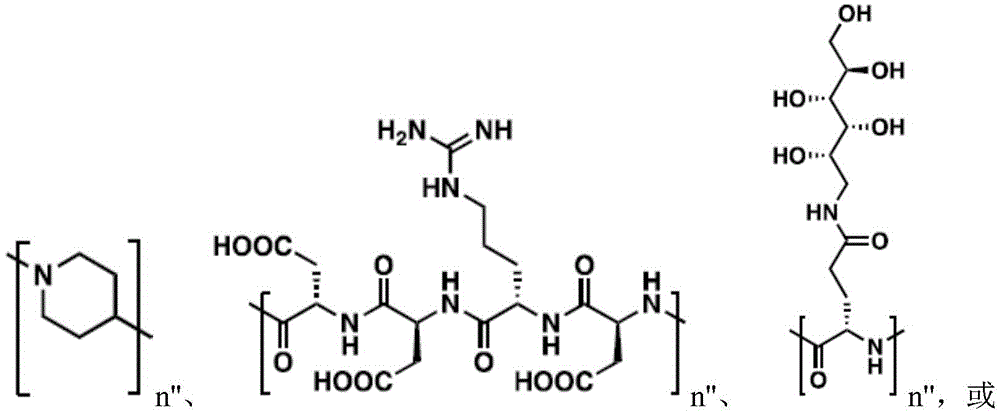

wherein n' is 0 to 30.
51. The compound of any one of claims 17-20, 25, and 30, wherein L is a divalent linker.
52. The compound of any one of claims 17-20, 25, and 30, wherein G is or comprises a group of formula (IV):
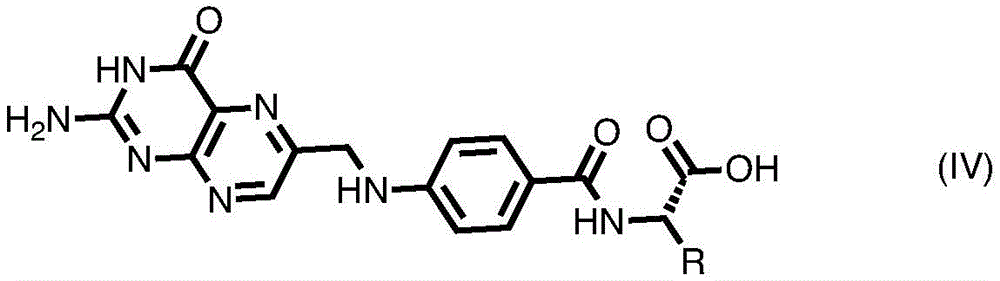
wherein R is or comprises any one of:

or a naturally occurring or non-natural amino acid or derivative or fragment thereof.
53. The compound of any one of claims 17-20, 25, and 30, wherein G is a group having the structure of formula (V):

54. the compound of any one of claims 17-20, 25, and 30, wherein G is a group having the structure of formula (VI):
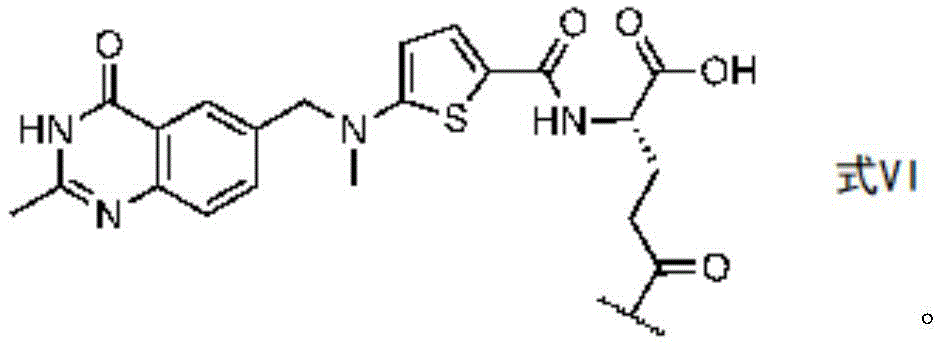
55. the compound of claim 17, represented by one of the following structures:

or a pharmaceutically acceptable salt thereof, wherein n1 is 0-10 and n2 is 0-10.
56. The compound according to claim 17, represented by one of the following structures:
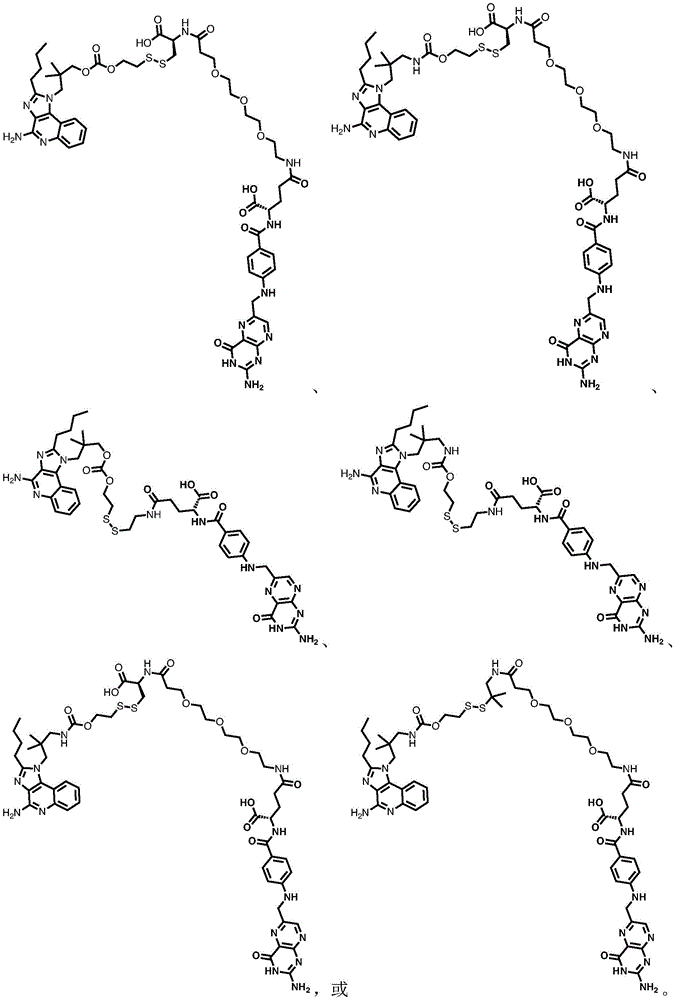
57. the compound according to any one of claims 1,2, 7, 17-20, 25, 30, 55, and 56, represented by one of the following structures:

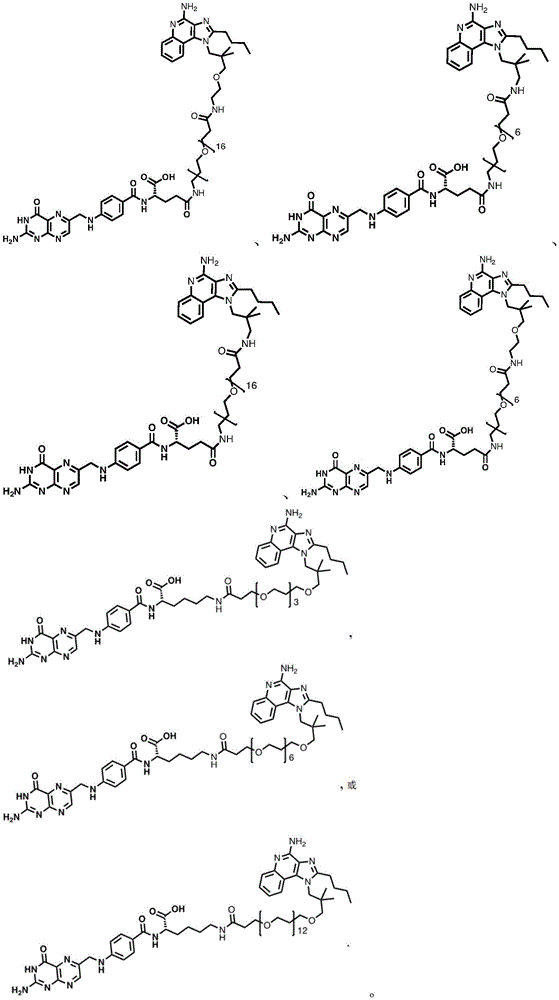
58. the compound according to claim 19, represented by one of the following structures:

59. a pharmaceutical composition comprising a compound of any one of claims 1-58 and at least one pharmaceutically acceptable excipient.
60. A pharmaceutical composition comprising a therapeutically effective amount of one or more compounds of any one of claims 1-58, and at least one pharmaceutically acceptable excipient.
61. A method of treating cancer or a fibrotic disease or disorder in an individual in need thereof, the method comprising administering to the individual a therapeutically effective amount of one or more compounds or compositions of any one of claims 1-60.
62. The method of claim 61, wherein the method is for treating cancer.
63. The method of claim 62, wherein the cancer is selected from the group consisting of lung cancer and breast cancer.
64. The method of claim 61, wherein the method is for treating a fibrotic disease or disorder.
65. A method of treating a fibrotic disease or disorder or cancer in an individual in need thereof, the method comprising administering to the individual one or more compounds or compositions of any one of claims 1-60 in an amount effective to convert a population of macrophages predisposed to an M2-like phenotype to an M1-like phenotype, wherein the population of macrophages is present at a targeted location within the individual, the M2-like phenotype is associated with an anti-inflammatory/profibrotic state, and the M1-like phenotype is associated with a pro-inflammatory/anti-fibrotic state.
66. The method of claim 65, wherein the method is for treating cancer.
67. The method of claim 66, wherein the targeted site within the individual is a tumor microenvironment.
68. The method of claim 65, wherein the method is for treating a fibrotic disease or disorder.
69. The method of any one of claims 61-68, wherein administration of the one or more compounds does not induce unnecessary inflammation in the individual.
70. The method of any one of claims 61-68, further comprising administering a second therapeutic agent.
71. The method of claim 70, wherein the method is for treating a fibrotic disease or disorder and the second therapeutic agent is an anti-inflammatory agent.
72. The method of claim 70, wherein the method is for treating cancer and the second therapeutic agent is a chemotherapeutic agent or is undergoing radiation therapy.
Applications Claiming Priority (3)
| Application Number | Priority Date | Filing Date | Title |
|---|---|---|---|
| US202063049556P | 2020-07-08 | 2020-07-08 | |
| US63/049,556 | 2020-07-08 | ||
| PCT/US2021/040736 WO2022011043A2 (en) | 2020-07-08 | 2021-07-07 | Compounds, compositions, and methods for the treatment of fibrotic diseases and cancer |
Publications (1)
| Publication Number | Publication Date |
|---|---|
| CN115916342A true CN115916342A (en) | 2023-04-04 |
Family
ID=79553738
Family Applications (1)
| Application Number | Title | Priority Date | Filing Date |
|---|---|---|---|
| CN202180051458.8A Pending CN115916342A (en) | 2020-07-08 | 2021-07-07 | Compounds, compositions and methods for treating fibrotic diseases and cancer |
Country Status (7)
| Country | Link |
|---|---|
| US (1) | US20230248835A1 (en) |
| EP (1) | EP4178574A4 (en) |
| JP (1) | JP2023533961A (en) |
| CN (1) | CN115916342A (en) |
| AU (1) | AU2021305193A1 (en) |
| CA (1) | CA3184740A1 (en) |
| WO (1) | WO2022011043A2 (en) |
Cited By (1)
| Publication number | Priority date | Publication date | Assignee | Title |
|---|---|---|---|---|
| CN119215159A (en) * | 2024-09-24 | 2024-12-31 | 深圳市格茵莱生物科技有限公司 | Dendritic cell multi-antigen loading immunotherapy |
Families Citing this family (3)
| Publication number | Priority date | Publication date | Assignee | Title |
|---|---|---|---|---|
| CN120381528A (en) * | 2019-07-08 | 2025-07-29 | 普渡研究基金会 | Compounds and methods for treating and preventing fibrotic disease states and cancer |
| CN117858706A (en) * | 2021-01-04 | 2024-04-09 | 普渡研究基金会 | Methods to enhance engineered cell therapies in cancer treatment |
| EP4683669A2 (en) * | 2023-03-23 | 2026-01-28 | Purdue Research Foundation | Combinations and methods for enhancing checkpoint inhibitor therapies in cancer treatment |
Citations (8)
| Publication number | Priority date | Publication date | Assignee | Title |
|---|---|---|---|---|
| WO2005051317A2 (en) * | 2003-11-25 | 2005-06-09 | 3M Innovative Properties Company | Substituted imidazo ring systems and methods |
| WO2005066169A2 (en) * | 2003-12-30 | 2005-07-21 | 3M Innovative Properties Company | Imidazoquinolinyl, imidazopyridinyl, and imidazonaphthyridinyl sulfonamides |
| WO2005094531A2 (en) * | 2004-03-24 | 2005-10-13 | 3M Innovative Properties Company | Amide substituted imidazopyridines, imidazoquinolines, and imidazonaphthyridines |
| WO2006098852A2 (en) * | 2005-02-23 | 2006-09-21 | Coley Pharmaceutical Group, Inc. | Hydroxyalkyl substituted imidazoquinolines |
| WO2008135791A1 (en) * | 2007-05-08 | 2008-11-13 | Astrazeneca Ab | Imidazoquinolines with immuno-modulating properties |
| WO2017040233A1 (en) * | 2015-08-31 | 2017-03-09 | 3M Innovative Properties Company | GUANIDINE SUBSTITUTED IMIDAZO[4,5-c] RING COMPOUNDS |
| WO2019048353A1 (en) * | 2017-09-06 | 2019-03-14 | Biontech Ag | Substituted imidazoquinolines as agonists of tlr7 |
| WO2020139618A1 (en) * | 2018-12-26 | 2020-07-02 | Birdie Biopharmaceuticals, Inc. | Immune modulatory combinations and methods for treating cancers |
Family Cites Families (7)
| Publication number | Priority date | Publication date | Assignee | Title |
|---|---|---|---|---|
| AU2004266641A1 (en) * | 2003-08-12 | 2005-03-03 | 3M Innovative Properties Company | Oxime substituted imidazo-containing compounds |
| JP2007530579A (en) * | 2004-06-10 | 2007-11-01 | スリーエム イノベイティブ プロパティズ カンパニー | Amide-substituted imidazopyridines, imidazoquinolines, and imidazonaphthyridines |
| WO2017100305A2 (en) * | 2015-12-07 | 2017-06-15 | Opi Vi - Ip Holdco Llc | Composition of antibody construct-agonist conjugates and methods of use thereof |
| CN109475558A (en) * | 2016-05-25 | 2019-03-15 | 普渡研究基金会 | Methods of treating cancer by targeting myeloid-derived suppressor cells |
| AU2019311102A1 (en) * | 2018-07-24 | 2021-02-25 | Torque Therapeutics, Inc | TLR7/8 agonists and liposome compositions |
| US20210214354A1 (en) * | 2018-09-07 | 2021-07-15 | Birdie Biopharmaceuticals, Inc. | Imidazoquinoline compounds and uses thereof |
| JP2022533791A (en) * | 2019-05-20 | 2022-07-25 | マサチューセッツ インスティテュート オブ テクノロジー | Boronic ester prodrugs and their uses |
-
2021
- 2021-07-07 WO PCT/US2021/040736 patent/WO2022011043A2/en not_active Ceased
- 2021-07-07 EP EP21837283.7A patent/EP4178574A4/en active Pending
- 2021-07-07 US US18/004,656 patent/US20230248835A1/en active Pending
- 2021-07-07 CA CA3184740A patent/CA3184740A1/en active Pending
- 2021-07-07 AU AU2021305193A patent/AU2021305193A1/en active Pending
- 2021-07-07 JP JP2023500997A patent/JP2023533961A/en active Pending
- 2021-07-07 CN CN202180051458.8A patent/CN115916342A/en active Pending
Patent Citations (8)
| Publication number | Priority date | Publication date | Assignee | Title |
|---|---|---|---|---|
| WO2005051317A2 (en) * | 2003-11-25 | 2005-06-09 | 3M Innovative Properties Company | Substituted imidazo ring systems and methods |
| WO2005066169A2 (en) * | 2003-12-30 | 2005-07-21 | 3M Innovative Properties Company | Imidazoquinolinyl, imidazopyridinyl, and imidazonaphthyridinyl sulfonamides |
| WO2005094531A2 (en) * | 2004-03-24 | 2005-10-13 | 3M Innovative Properties Company | Amide substituted imidazopyridines, imidazoquinolines, and imidazonaphthyridines |
| WO2006098852A2 (en) * | 2005-02-23 | 2006-09-21 | Coley Pharmaceutical Group, Inc. | Hydroxyalkyl substituted imidazoquinolines |
| WO2008135791A1 (en) * | 2007-05-08 | 2008-11-13 | Astrazeneca Ab | Imidazoquinolines with immuno-modulating properties |
| WO2017040233A1 (en) * | 2015-08-31 | 2017-03-09 | 3M Innovative Properties Company | GUANIDINE SUBSTITUTED IMIDAZO[4,5-c] RING COMPOUNDS |
| WO2019048353A1 (en) * | 2017-09-06 | 2019-03-14 | Biontech Ag | Substituted imidazoquinolines as agonists of tlr7 |
| WO2020139618A1 (en) * | 2018-12-26 | 2020-07-02 | Birdie Biopharmaceuticals, Inc. | Immune modulatory combinations and methods for treating cancers |
Non-Patent Citations (1)
| Title |
|---|
| CHRISTOPHER B. RODELL,等: "TLR7/8-agonist-loaded nanoparticles promote the polarization of tumour-associated macrophages to enhance cancer immunotherapy", NATURE BIOMEDICAL ENGINEERING, vol. 2, no. 08, 21 May 2018 (2018-05-21), pages 580 * |
Cited By (1)
| Publication number | Priority date | Publication date | Assignee | Title |
|---|---|---|---|---|
| CN119215159A (en) * | 2024-09-24 | 2024-12-31 | 深圳市格茵莱生物科技有限公司 | Dendritic cell multi-antigen loading immunotherapy |
Also Published As
| Publication number | Publication date |
|---|---|
| CA3184740A1 (en) | 2022-01-13 |
| JP2023533961A (en) | 2023-08-07 |
| WO2022011043A3 (en) | 2022-03-03 |
| EP4178574A2 (en) | 2023-05-17 |
| US20230248835A1 (en) | 2023-08-10 |
| AU2021305193A1 (en) | 2023-02-09 |
| EP4178574A4 (en) | 2024-04-10 |
| WO2022011043A2 (en) | 2022-01-13 |
Similar Documents
| Publication | Publication Date | Title |
|---|---|---|
| CN115916342A (en) | Compounds, compositions and methods for treating fibrotic diseases and cancer | |
| CA2653941C (en) | Substituted amino purine derivatives and uses thereof | |
| EP2809660B1 (en) | Macrocyclic compounds for modulating il-17 | |
| JP2024520283A (en) | Chemical coupling linkers and uses thereof | |
| CA3134765A1 (en) | Bi-functional molecules to degrade circulating proteins | |
| US20170029422A1 (en) | Novel substituted imidazoquinolines | |
| WO2020028608A1 (en) | 1H-PYRAZOLO[4,3-d]PYRIMIDINE COMPOUNDS AS TOLL-LIKE RECEPTOR 7 (TLR7) AGONISTS AND METHODS AND USES THEREFOR | |
| CN113195469B (en) | Nitrogen-containing cyclic compound, preparation method and use thereof | |
| CN112654622B (en) | Paracyclic compounds, their preparation methods and uses | |
| JP2013032290A (en) | Novel fused pyrimidine derivative | |
| AU2020216345B2 (en) | Imidazoquinoline amine derivatives, pharmaceutical composition, use thereof | |
| WO2022247909A1 (en) | Guaiane sesquiterpene derivatives and pharmaceutical use thereof | |
| CN119604504A (en) | A type of bicyclic compound, preparation method and use thereof | |
| WO2022156678A1 (en) | Macrocyclic tlr7 agonist, and preparation method therefor, pharmaceutical composition thereof and use thereof | |
| CN117980305A (en) | Spirocyclic pyridine-1, 5-diones exhibiting MNK inhibition and methods of use thereof | |
| AU2023403996A1 (en) | Compound usable in conjugation reaction and conjugate thereof | |
| CN121449666A (en) | STING agonists | |
| AU2017217663B2 (en) | Tetrahydroisoquinoline derivatives | |
| CN114599360A (en) | 4-Amino-imidazoquinoline compound and use thereof | |
| CN116406301A (en) | SN38 peptide conjugates useful in the treatment of cancer | |
| TW202521540A (en) | Imidazo[4,5-d]pyridazine compounds and conjugates thereof, their preparation, and their therapeutic applications | |
| CN110903289B (en) | Purine-aminomethyl-pyridone derivatives and their preparation methods and uses | |
| CN114555565A (en) | Nitrogen-containing heterocyclic compound, preparation method and application thereof | |
| EP4674840A1 (en) | Chemical coupling linker and use thereof | |
| JP2025501049A (en) | Tricyclic compounds, methods for preparing same, and uses thereof |
Legal Events
| Date | Code | Title | Description |
|---|---|---|---|
| PB01 | Publication | ||
| PB01 | Publication | ||
| SE01 | Entry into force of request for substantive examination | ||
| SE01 | Entry into force of request for substantive examination |