CN115826743A - SSVEP brain-computer interface-oriented multi-channel electroencephalogram signal modeling method - Google Patents
SSVEP brain-computer interface-oriented multi-channel electroencephalogram signal modeling method Download PDFInfo
- Publication number
- CN115826743A CN115826743A CN202211433424.8A CN202211433424A CN115826743A CN 115826743 A CN115826743 A CN 115826743A CN 202211433424 A CN202211433424 A CN 202211433424A CN 115826743 A CN115826743 A CN 115826743A
- Authority
- CN
- China
- Prior art keywords
- ssvep
- channel
- signal
- brain
- frequency
- Prior art date
- Legal status (The legal status is an assumption and is not a legal conclusion. Google has not performed a legal analysis and makes no representation as to the accuracy of the status listed.)
- Granted
Links
Images


Landscapes
- Measurement And Recording Of Electrical Phenomena And Electrical Characteristics Of The Living Body (AREA)
Abstract
本申请公开了一种面向SSVEP脑机接口的多通道脑电信号建模方法,步骤包括:确定被测者的SSVEP信号频率范围和信号数;基于信号数,建立基本神经元群模型,用于产生频率范围的多种节律窄带信号;基于具有多种节律窄带信号的频率范围,确定多动态神经元群模型,用于调制出适合被测者的单通道SSVEP频率信号;基于多动态神经元群模型和单通道SSVEP频率信号构建多通道多动态神经元群模型,用于设定耦合系数矩阵,进而通过调整不同基本神经元群之间的耦合系数,来构建多通道脑电信号,并体现被测者之间的差异性。本申请从模型的角度生成应用在脑控智能器械中的面向SSVEP脑机接口的多通道脑电信号,解决现有技术成本高昂的问题。
This application discloses a multi-channel EEG signal modeling method for SSVEP brain-computer interface. The steps include: determining the SSVEP signal frequency range and signal number of the subject; based on the signal number, establishing a basic neuron group model for Generate a variety of rhythmic narrowband signals in the frequency range; based on the frequency range with a variety of rhythmic narrowband signals, determine the multi-dynamic neuron group model, which is used to modulate a single-channel SSVEP frequency signal suitable for the subject; based on the multi-dynamic neuron group The model and the single-channel SSVEP frequency signal construct a multi-channel multi-dynamic neuron group model, which is used to set the coupling coefficient matrix, and then by adjusting the coupling coefficient between different basic neuron groups, a multi-channel EEG signal is constructed, and it reflects the inter-tester variability. This application generates multi-channel EEG signals for SSVEP brain-computer interface for application in brain-controlled intelligent devices from the perspective of models, and solves the problem of high cost in the prior art.
Description
技术领域technical field
本申请涉及信号处理领域,具体涉及一种面向SSVEP脑机接口的多通道脑电信号建模方法。The present application relates to the field of signal processing, in particular to a multi-channel EEG signal modeling method for SSVEP brain-computer interface.
背景技术Background technique
脑机接口(Brain Computer Interface,BCI)为用户和外界物理设备提供了一条直接的实时信息交流和控制通道,可以将用户的大脑活动从神经生理信号直接解码为对外界设备的控制指令。BCI技术完成脑电信号的获取、数据的预处理、特征提取、分类和命令量化。针对于脑电信号的获取,脑电所采集的数据仅为部分神经元的活动,但是脑内的具体活动情况又是无穷多的,为了解决这个问题,研究人员主要通过侵入式和非侵入式两种手段进行脑电信号的采集。Brain Computer Interface (Brain Computer Interface, BCI) provides a direct real-time information exchange and control channel for users and external physical devices, which can directly decode the user's brain activity from neurophysiological signals into control instructions for external devices. BCI technology completes the acquisition of EEG signals, data preprocessing, feature extraction, classification and command quantification. For the acquisition of EEG signals, the data collected by EEG is only the activity of some neurons, but there are infinitely many specific activities in the brain. In order to solve this problem, researchers mainly use invasive and non-invasive Two methods are used to collect EEG signals.
侵入式方法有一定的创伤性,而对比于侵入式方法,非侵入式方法价格则较为低廉,在目前的研究中非侵入式方法使用比较广泛,易被大众接受。而在非侵入式方法中,最广泛应用的是脑电图(Electroencephalograph,EEG)。EEG是大脑组织中大量的神经元群突触后电流的综合表现,可以分解为特定的频率范围(δ:1–4Hz,θ:4–8Hz,α:8–12Hz,β:12–30Hz,γ:30–70Hz)。其监测方法具体为,电极沿着头皮放置,然后通过放置在头皮上的多个电极,记录大脑在一段时间内自发进行的电活动。虽然脑电图的空间分辨率有限,信号伪迹比较多,但它仍然是研究和诊断的宝贵工具。Invasive methods are somewhat traumatic, while non-invasive methods are relatively cheap compared to invasive methods. In current research, non-invasive methods are widely used and are easily accepted by the public. In the non-invasive method, the most widely used is the electroencephalogram (Electroencephalograph, EEG). EEG is a comprehensive expression of the post-synaptic currents of a large number of neuron groups in brain tissue, which can be decomposed into specific frequency ranges (δ: 1–4Hz, θ: 4–8Hz, α:8–12Hz, β:12–30Hz, gamma: 30–70Hz). The monitoring method is specifically that electrodes are placed along the scalp, and then through multiple electrodes placed on the scalp, the brain's spontaneous electrical activity is recorded over a period of time. Despite its limited spatial resolution and high signal artifacts, the EEG remains an invaluable tool for research and diagnosis.
稳态视觉刺激(Steady-State Visual Evoked Potentials,SSVEP)是指大脑对于特定频率的视觉刺激会诱发的EEG脑电信号,当视网膜接收到3.5Hz至75Hz的视觉刺激,大脑会产生和视觉刺激相同频率或倍数频率的电活动。基于SSVEP-EEG的BCI技术已经被广泛用于开发各种脑控智能器械,如脑控光标、脑控虚拟键盘、脑控浏览网页、脑控假肢、脑控轮椅、脑控车辆、脑控机器人等系统。目前上述脑控智能器械的研究中,仍然需要招募受试者,并需佩戴采集仪甚至涂抹导电膏,清洗毛发等操作,消耗了一定的人力物力,如何能用较低的成本,通过仿真建模,产生出正确的、类似的、适用的脑电信号是非常重要且有意义的。Steady-State Visual Evoked Potentials (SSVEP) refers to the EEG EEG signals that the brain will induce for visual stimuli of a specific frequency. When the retina receives visual stimuli from 3.5Hz to 75Hz, the brain will produce the same Electrical activity at a frequency or multiples of frequency. BCI technology based on SSVEP-EEG has been widely used in the development of various brain-controlled intelligent devices, such as brain-controlled cursors, brain-controlled virtual keyboards, brain-controlled web browsing, brain-controlled prosthetics, brain-controlled wheelchairs, brain-controlled vehicles, and brain-controlled robots. and other systems. At present, in the research of the above-mentioned brain-controlled intelligent devices, it is still necessary to recruit subjects, and it is necessary to wear an acquisition device or even apply conductive paste, wash hair, etc., which consumes a certain amount of manpower and material resources. It is very important and meaningful to generate correct, similar and applicable EEG signals.
目前已经提出了多种神经模型,通常可分为两类。一类是注重细节的模型,即对神经元的建模。显然信息传递是由许多神经元相互协作完成,仅从微观层次上研究单个神经元的放电,对于研究大脑的复杂行为远远不够。于是有研究者直接研究多个神经元构成的神经网络,研究神经网络的放电行为,但是神经元的种类繁多,很难确定每个神经元模型的参数,同时各种神经元之间的连接非常复杂,且运算量巨大,因此在神经元水平上模拟实际的神经网络相当困难。另一类神经模型为神经群模型,该模型不需要对网络结构中的单个细胞建模,而是对特定种类细胞组成的神经元群整体特性的建模。A variety of neural models have been proposed, which can generally be divided into two categories. One type is the detail-oriented model, that is, the modeling of neurons. Obviously, information transmission is completed by the cooperation of many neurons, and it is not enough to study the complex behavior of the brain only by studying the discharge of a single neuron at the microscopic level. Therefore, some researchers directly study the neural network composed of multiple neurons, and study the discharge behavior of the neural network. However, there are many types of neurons, and it is difficult to determine the parameters of each neuron model. At the same time, the connections between various neurons are very complex. It is complex and has a huge amount of calculation, so it is quite difficult to simulate the actual neural network at the neuron level. Another type of neural model is the neural group model, which does not need to model individual cells in the network structure, but models the overall characteristics of neuron groups composed of specific types of cells.
神经群模型的主要思想是“平均区域近似”,即模型中采用集总的状态变量表示神经网络中整个细胞群的平均行为,模型既简单又具有生理学上的意义,是从神经系统“组织结构”的角度构建脑电信号的模型。耦合的神经群模型可以反映神经元群之间的相互联系,可以在宏观的水平上仿真大尺度相互作用的神经网络。The main idea of the neural group model is "average area approximation", that is, the aggregated state variables are used in the model to represent the average behavior of the entire cell population in the neural network. The model is simple and has physiological significance. "Construct the model of EEG signal from the point of view. The coupled neural group model can reflect the interconnection between neuron groups, and can simulate large-scale interactive neural networks at the macro level.
Jasen等研究者于1995年首次提出大脑皮层柱耦合数学模型中的脑电信号和视觉诱发电位生成。在此基础上,让BCI与生理学模型的联系成为可能,尤其是基于SSVEP范式的脑机接口。电信号模型的关键技术是如何让模型能正确的仿真出面向SSVEP脑机接口的多通道脑电信号。模型需要从信号频率,不同被试的区分几个角度进行考虑。In 1995, researchers such as Jasen first proposed the generation of EEG signals and visual evoked potentials in the mathematical model of cerebral cortex column coupling. On this basis, it is possible to connect BCI with physiological models, especially the brain-computer interface based on the SSVEP paradigm. The key technology of the electrical signal model is how to make the model correctly simulate the multi-channel EEG signals for the SSVEP brain-computer interface. The model needs to be considered from several angles of signal frequency and the distinction of different subjects.
发明内容Contents of the invention
本申请通过构建出基本神经元群模型,令兴奋性或抑制性的子群由若干个不同的动力学特性的线性转换函数并行加权控制,从而产生频率更加丰富、频带更宽的信号,适用于SSVEP范式所需要的信号频率,之后通过调整多通道多动态神经元群模型耦合系数对不同的被试进行区分。This application constructs a basic neuron group model, so that excitatory or inhibitory subgroups are weighted and controlled by several linear transfer functions with different dynamic characteristics in parallel, thereby generating signals with richer frequencies and wider frequency bands, which are suitable for The signal frequency required by the SSVEP paradigm is then adjusted to distinguish between different subjects by adjusting the coupling coefficient of the multi-channel multi-dynamic neuron group model.
为实现上述目的,本申请公开了一种面向SSVEP脑机接口的多通道脑电信号建模方法,步骤包括:In order to achieve the above purpose, the application discloses a multi-channel EEG signal modeling method for SSVEP brain-computer interface, the steps include:
确定被测者的SSVEP信号频率范围和信号数;Determine the SSVEP signal frequency range and signal number of the subject;
基于所述频率范围和所述信号数,建立基本神经元群模型,用于产生所述频率范围的多种节律窄带信号;Based on the frequency range and the number of signals, a basic neuron group model is established for generating a variety of rhythmic narrowband signals in the frequency range;
基于具有多种所述节律窄带信号的所述频率范围,确定多动态神经元群模型,用于调制出适合被测者的单通道SSVEP频率信号;Based on the frequency range with a variety of rhythmic narrowband signals, determine a multi-dynamic neuron group model for modulating a single-channel SSVEP frequency signal suitable for the subject;
基于所述多动态神经元群模型和所述单通道SSVEP频率信号构建多通道多动态神经元群模型,用于设定耦合系数矩阵,进而通过调整不同所述基本神经元群之间的耦合系数,来体现被测者之间的差异性。Construct a multi-channel multi-dynamic neuron group model based on the multi-dynamic neuron group model and the single-channel SSVEP frequency signal, for setting the coupling coefficient matrix, and then by adjusting the coupling coefficients between different basic neuron groups , to reflect the differences among the subjects.
优选的,所述多动态神经元群模型可通过权重系数的设定对所需要的脑电信号频率进行限定。Preferably, the multi-dynamic neuron group model can limit the required EEG signal frequency through the setting of weight coefficients.
优选的,获得所述SSVEP信号频率范围及信号数的方法包括:通过SSVEP刺激诱发来获得受测者的脑电信号;根据所述脑电信号来选择受试者所需要的SSVEP频率;调制所述SSVEP刺激对应的频率,确定适用于控制脑控智能器械的所述SSVEP信号频率范围及信号数。Preferably, the method for obtaining the frequency range and signal number of the SSVEP signal includes: obtaining the subject's EEG signal through SSVEP stimulation; selecting the SSVEP frequency required by the subject according to the EEG signal; modulating the The frequency corresponding to the SSVEP stimulation is determined to determine the frequency range and signal number of the SSVEP signal suitable for controlling the brain-controlled intelligent device.
优选的,产生所述节律窄带信号的方法包括:利用所述基本神经元群模型来调整兴奋性和抑制性线性变换函数的参数,并产生不同频率的所述窄带信号。Preferably, the method for generating the rhythmic narrowband signal includes: using the basic neuron group model to adjust the parameters of excitatory and inhibitory linear transformation functions, and generating the narrowband signal at different frequencies.
优选的,调制所述单通道SSVEP频率信号的方法包括:根据受试者在所述频率范围中所选择的频率,确定所需的所述多动态神经元群模型及其线性转换函数的兴奋和抑制性参数组合,并且通过对权重进行调整,调制出适合的所述单通道SSVEP频率信号。Preferably, the method for modulating the single-channel SSVEP frequency signal includes: according to the frequency selected by the subject in the frequency range, determining the required excitation and activation of the multi-dynamic neuron group model and its linear transfer function Inhibitory parameter combinations, and by adjusting the weights, a suitable single-channel SSVEP frequency signal is modulated.
优选的,调制所述单通道SSVEP频率信号的方法包括:通过所述多动态神经元群模型调整权重并设定若干个不同的线性转换函数的兴奋和抑制性参数,调整具有不同动力学特性的皮层区域信号的相对比例,从而产生频率更加丰富、频带更宽的所述单通道SSVEP频率信号。Preferably, the method for modulating the single-channel SSVEP frequency signal includes: adjusting weights through the multi-dynamic neuron group model and setting excitatory and inhibitory parameters of several different linear transfer functions, adjusting neurons with different dynamic characteristics The relative proportion of cortical area signals, thereby generating the single-channel SSVEP frequency signal with richer frequency and wider frequency band.
优选的,区别所述差异性的方法包括:所述多通道多动态神经元群模型通过设定耦合系数矩阵,实现不同频率的脑电信号之间不同强度的耦合,选择出面向SSVEP脑机接口的通道,所述通道选择完成后,通过所述多通道多动态神经元群模型对通道间的耦合系数进行调整,进而调制出不同的受试者的脑电信号,所述差异性通过调整耦合系数进行区分。Preferably, the method for distinguishing the differences includes: the multi-channel multi-dynamic neuron group model realizes the coupling of different intensities between EEG signals of different frequencies by setting the coupling coefficient matrix, and selects the SSVEP-oriented brain-computer interface channel, after the channel selection is completed, the coupling coefficient between the channels is adjusted through the multi-channel multi-dynamic neuron group model, and then the EEG signals of different subjects are modulated, and the difference is adjusted by adjusting the coupling coefficient coefficients are distinguished.
优选的,所述多通道多动态神经元群模型的参数包括:平均兴奋突触增益、平均抑制突触增益、兴奋性膜平均时间常数和树突平均时间延迟、抑制性膜平均时间常数、树突平均时间延迟、兴奋回馈环上平均突触连接数、抑制回馈环上平均突触连接数、非线性S-函数参数、若干对权重系数和结合到其它通道的耦合系数。Preferably, the parameters of the multi-channel multi-dynamic neuron group model include: average excitatory synaptic gain, average inhibitory synaptic gain, excitatory membrane average time constant and dendritic average time delay, inhibitory membrane average time constant, tree Synaptic average time delay, average number of synaptic connections on excitatory feedback loop, average number of synaptic connections on inhibitory feedback loop, nonlinear S-function parameters, several pairs of weight coefficients and coupling coefficients to other channels.
与现有技术相比,本申请的有益效果如下:Compared with the prior art, the beneficial effects of the present application are as follows:
本申请通过调整转换函数中的兴奋性和抑制性参数,基本神经元群模型可以产生多种节律的窄带信号,调整具有不同动力学特性的皮层区域信号的相对比例,从而产生频率更加丰富、频带更宽的信号,调整出适合的SSVEP频率,通过模型对通道间的耦合系数进行调整,进而对不同的受试者进行区分,本申请从模型的角度生成应用在脑控智能器械中的面向SSVEP脑机接口的多通道脑电信号,解决采集真实脑电信号成本高昂的问题。In this application, by adjusting the excitatory and inhibitory parameters in the transfer function, the basic neuron group model can generate a variety of rhythmic narrow-band signals, and adjust the relative proportion of cortical area signals with different dynamic characteristics, thereby generating more abundant frequencies and frequency bands. Wider signals, adjust the appropriate SSVEP frequency, adjust the coupling coefficient between channels through the model, and then distinguish different subjects. This application generates SSVEP-oriented brain-controlled intelligent devices from the perspective of the model. The multi-channel EEG signal of the brain-computer interface solves the problem of high cost of collecting real EEG signals.
附图说明Description of drawings
为了更清楚地说明本申请实施例或现有技术中的技术方案,下面将对实施例中所需要使用的附图作简单地介绍,显而易见地,下面描述中的附图仅仅是本申请的一些实施例,对于本领域普通技术人员来讲,在不付出创造性劳动性的前提下,还可以根据这些附图获得其他的附图。In order to more clearly illustrate the technical solutions in the embodiments of the present application or the prior art, the following will briefly introduce the accompanying drawings required in the embodiments. Obviously, the accompanying drawings in the following description are only some of the present application. Embodiments, for those of ordinary skill in the art, other drawings can also be obtained according to these drawings without paying creative labor.
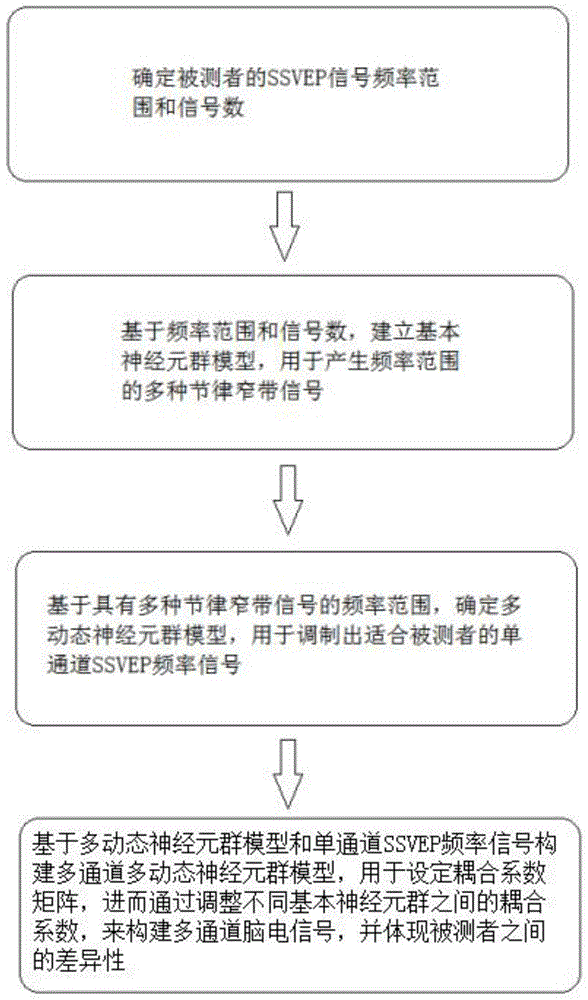
图1为申请实施例一中方法流程示意图;Fig. 1 is the schematic flow chart of the method in application embodiment one;
图2为申请实施例一中通道内部产生神经震荡基本神经元群模型作用示意图;Fig. 2 is a schematic diagram of the function of the basic neuron group model of neural oscillations generated inside the channel in Example 1 of the application;
图3为本申请实施例一中通道内部产生神经震荡多通道多动态神经元群模型作用示意图;Fig. 3 is a schematic diagram of the function of the multi-channel multi-dynamic neuron group model of neural oscillations generated inside the channel in Embodiment 1 of the present application;
图4为本申请实施例二的多通道耦合的神经群模型构成原理示意图。FIG. 4 is a schematic diagram of the composition principle of the multi-channel coupled neural group model in Embodiment 2 of the present application.
具体实施方式Detailed ways
下面将结合本发明实施例中的附图,对本发明实施例中的技术方案进行清楚、完整地描述,显然,所描述的实施例仅仅是本发明一部分实施例,而不是全部的实施例。基于本发明中的实施例,本领域普通技术人员在没有做出创造性劳动前提下所获得的所有其他实施例,都属于本发明保护的范围。The following will clearly and completely describe the technical solutions in the embodiments of the present invention with reference to the accompanying drawings in the embodiments of the present invention. Obviously, the described embodiments are only some, not all, embodiments of the present invention. Based on the embodiments of the present invention, all other embodiments obtained by persons of ordinary skill in the art without making creative efforts belong to the protection scope of the present invention.
为使本发明的上述目的、特征和优点能够更加明显易懂,下面结合附图和具体实施方式对本发明作进一步详细的说明。In order to make the above objects, features and advantages of the present invention more comprehensible, the present invention will be further described in detail below in conjunction with the accompanying drawings and specific embodiments.
实施例一Embodiment one
如图1所示,为本申请实施例一的方法流程示意图,步骤包括:确定被测者的SSVEP信号频率范围和信号数;基于频率范围和信号数,建立基本神经元群模型,用于产生频率范围的多种节律窄带信号;基于具有多种节律窄带信号的频率范围,确定多动态神经元群模型,用于调制出适合被测者的单通道SSVEP频率信号;基于多动态神经元群模型和单通道SSVEP频率信号构建多通道多动态神经元群模型,用于设定耦合系数矩阵,进而通过调整不同基本神经元群之间的耦合系数,来构建多通道脑电信号,并体现被测者之间的差异性。As shown in Figure 1, it is a schematic flow chart of the method of Embodiment 1 of the present application. The steps include: determining the frequency range and signal number of the SSVEP signal of the subject; based on the frequency range and signal number, establishing a basic neuron group model for generating A variety of rhythmic narrowband signals in the frequency range; based on the frequency range with a variety of rhythmic narrowband signals, determine the multi-dynamic neuron group model, which is used to modulate a single-channel SSVEP frequency signal suitable for the subject; based on the multi-dynamic neuron group model Construct a multi-channel multi-dynamic neuron group model with the single-channel SSVEP frequency signal, which is used to set the coupling coefficient matrix, and then construct a multi-channel EEG signal by adjusting the coupling coefficient between different basic neuron groups, and reflect the measured difference between them.
其中,本实施例一针对于脑控智能器械的实际应用,发展建立SSVEP脑电信号模型的方法,该方法可从基本神经元群模型的建立扩展到多动态神经元群模型,最终实现多通道多动态神经元群模型的构建;基本神经元群模型用于调整兴奋性和抑制性线性变换函数的参数,并产生不同频率的窄带信号;多动态神经元群模型通过调整权重并设定若干个不同的线性转换函数的兴奋和抑制性参数,即可调整具有不同动力学特性的皮层区域信号的相对比例,从而产生频率更加丰富、频带更宽的信号;多通道多动态神经元群模型用于通过设定耦合系数矩阵,可实现不同频率的脑电信号之间不同强度的耦合。不需要对网络结构中的单个细胞建模,而是对特定种类细胞组成的神经元群整体特性的建模,可以实现大脑不同区域之间的耦合。Among them, this embodiment 1 is aimed at the practical application of brain-controlled intelligent devices, and develops a method for establishing an SSVEP EEG signal model. This method can be extended from the establishment of a basic neuron group model to a multi-dynamic neuron group model, and finally realizes multi-channel The construction of multi-dynamic neuron group model; the basic neuron group model is used to adjust the parameters of the excitatory and inhibitory linear transformation functions, and generate narrow-band signals of different frequencies; the multi-dynamic neuron group model adjusts the weight and sets several Different excitatory and inhibitory parameters of the linear transfer function can adjust the relative ratio of cortical area signals with different dynamic characteristics, thereby generating signals with richer frequencies and wider frequency bands; the multi-channel multi-dynamic neuron group model is used for By setting the coupling coefficient matrix, different intensities of coupling between EEG signals of different frequencies can be realized. It is not necessary to model individual cells in the network structure, but to model the overall characteristics of neuron groups composed of specific types of cells, which can realize the coupling between different regions of the brain.
在本实施一中,多通道脑电信号模型的参数信息包括模型的平均兴奋突触增益、平均抑制突触增益、兴奋性膜平均时间常数和树突平均时间延迟、抑制性膜平均时间常数和树突平均时间延迟、兴奋回馈环上平均突触连接数、抑制回馈环上平均突触连接数、非线性S-函数参数、若干对权重系数、以及结合到其它通道的耦合系数。In the first embodiment, the parameter information of the multi-channel EEG signal model includes the average excitatory synaptic gain, the average inhibitory synaptic gain, the average time constant of the excitatory membrane and the average time delay of the dendrites, the average time constant of the inhibitory membrane and the average time delay of the model. Dendritic mean time delay, mean number of synaptic connections in excitatory feedback loops, mean number of synaptic connections in inhibitory feedback loops, nonlinear S-function parameters, several pairs of weighting coefficients, and coupling coefficients to other channels.
下面将结合本实施例一详细介绍本申请的方法操作步骤。The operation steps of the method of the present application will be described in detail below in conjunction with the first embodiment.
首先,受试者通过“盯注”SSVEP刺激诱发脑电信号来控制脑控智能器械,如:盯注某频率闪烁的方块,则视觉区收集到的脑电信号中可以识别出该频率及其谐波,这样控制端就知道受试者就完成了一次选择,并由脑机接口选择出受试者所需要的SSVEP频率;本步骤调制相应刺激对应的频率,确定适用于控制脑控智能器械的SSVEP信号频率范围及信号数;First, the subject controls the brain-controlled intelligent device by "staring" at the SSVEP stimulation-induced EEG signal, for example, staring at a square that flickers at a certain frequency, the frequency and its frequency can be identified in the EEG signal collected by the visual area. Harmonic, so that the control end knows that the subject has completed a selection, and the brain-computer interface selects the SSVEP frequency required by the subject; this step modulates the frequency corresponding to the corresponding stimulus, and determines that it is suitable for controlling the brain-controlled intelligent device SSVEP signal frequency range and number of signals;
之后,根据上述确定出的信号数的生理学意义以及产生δ,α和γ波典型波形的参数取值,建立基本神经元群模型,如图2所示。通过调整转换函数中的兴奋性和抑制性参数,产生对应上述步骤中频率范围的多种节律窄带信号。根据受试者在频率范围内所选择的频率,确定所需的多动态神经元群模型,如图3所示;及其线性转换函数的兴奋和抑制性参数组合,并且通过对权重进行调整,调制出适合的单通道SSVEP频率信号。Afterwards, based on the physiological significance of the determined signal numbers and the parameter values for generating typical waveforms of delta, alpha and gamma waves, a basic neuron group model is established, as shown in Figure 2. By adjusting the excitatory and inhibitory parameters in the transfer function, a variety of rhythmic narrowband signals corresponding to the frequency range in the above steps are generated. According to the frequency selected by the subject in the frequency range, the required multi-dynamic neuron group model is determined, as shown in Figure 3; and the combination of excitatory and inhibitory parameters of its linear transfer function, and by adjusting the weight, A suitable single-channel SSVEP frequency signal is modulated.
最后,选择面向脑控智能器械的SSVEP脑机接口通道,通道选择完成后,通过模型对通道间的耦合系数进行调整,进而对不同的受试者进行区分,调整耦合系数即可体现被试的差异性。Finally, select the SSVEP brain-computer interface channel for brain-controlled smart devices. After the channel selection is completed, adjust the coupling coefficient between channels through the model, and then distinguish different subjects. Adjusting the coupling coefficient can reflect the subject's difference.
在本实施例一中,多动态神经元群模型对基本神经元群模型的信号频率调整过程为:通过多动态神经元群模型调整权重W并设定若干个不同的线性转换函数的兴奋和抑制性参数,调整具有不同动力学特性的皮层区域信号的相对比例,从而产生频率更加丰富、频带更宽的信号。此外,多动态神经元群模型可通过权重系数的设定对所需要的脑电信号频率进行限定。In this embodiment one, the signal frequency adjustment process of the multi-dynamic neuron group model to the basic neuron group model is: adjust the weight W through the multi-dynamic neuron group model and set the excitation and inhibition of several different linear transfer functions parameters that adjust the relative proportions of signals in cortical regions with different dynamics, resulting in signals with richer frequencies and wider bandwidths. In addition, the multi-dynamic neuron group model can limit the required EEG signal frequency through the setting of weight coefficients.
需要说明的是,在本实施例一中,多通道脑电信号模型的生成过程包括:多通道多动态神经元群模型用于通过设定耦合系数矩阵,可实现不同频率的脑电信号之间不同强度的耦合,选择出面向SSVEP脑机接口的通道,通道选择完成后,通过模型对通道间的耦合系数进行调整,进而调制出不同的受试者的脑电信号,被试的差异通过调整耦合系数进行区分。It should be noted that, in the first embodiment, the generation process of the multi-channel EEG signal model includes: the multi-channel multi-dynamic neuron group model is used to realize the interaction between EEG signals of different frequencies by setting the coupling coefficient matrix. Coupling with different strengths, select the channel facing the SSVEP brain-computer interface. After the channel selection is completed, adjust the coupling coefficient between the channels through the model, and then modulate the EEG signals of different subjects. The differences between the subjects are adjusted Coupling coefficients are distinguished.
实施例二Embodiment two
在本实施例二中,着重说明上述提到的多通道多动态神经元群模型的建模方法,步骤包括:In the second embodiment, the modeling method of the above-mentioned multi-channel multi-dynamic neuron group model is emphatically described, and the steps include:
S1.兴奋性或抑制性动态线性变换函数:将动作电位的平均脉冲密度转变为突触后平均膜电位,动态线性变换函数的单位阶跃响应如:S1. Excitatory or inhibitory dynamic linear transfer function: convert the average pulse density of the action potential into the post-synaptic average membrane potential, and the unit step response of the dynamic linear transfer function is as follows:


式中:t为时间常数,u(t)为单位跃阶函数,He、Hi分别为平均兴奋突触增益、平均抑制突触增益,ae、ai分别为兴奋性膜平均时间常数和树突平均时间延迟的倒数、抑制性膜平均时间常数和树突平均时间延迟的倒数,he(t)、hi(t)分别为兴奋突触后平均膜电位、抑制突触后平均膜电位,e为自然对数函数的底数。In the formula: t is the time constant, u(t) is the unit step function, He e , H i are the average excitatory synaptic gain and the average inhibitory synaptic gain respectively, a e , a i are the average time constants of the excitatory membrane and the reciprocal of the mean time delay of the dendrites, the mean time constant of the inhibitory membrane and the reciprocal of the mean time delay of the dendrites, he (t) and hi (t) are the mean membrane potential of the excitatory postsynaptic and the mean mean of the inhibitory postsynaptic Membrane potential, e is the base of the natural logarithm function.
S2.静态非线性函数:主要将突触前平均膜电位变换为动作电位的平均脉冲密度,如式:S2. Static nonlinear function: mainly transforms the average presynaptic membrane potential into the average pulse density of the action potential, such as the formula:

式中:S(v)为:静态非线性函数,2e0为最大点燃率,v0为相对于点燃率e0的突触后电位,r表示S型函数的弯曲程度。v为突触前平均膜电位。神经元群模型中的静态非线性函数都是一致的。In the formula: S(v) is a static nonlinear function, 2e 0 is the maximum firing rate, v 0 is the post-synaptic potential relative to the firing rate e 0 , and r is the bending degree of the S-type function. v is the average presynaptic membrane potential. The static nonlinear functions in the neuron population model are all consistent.
S3.来自不定区域和皮层下区域的所有外界输入,由Gauss分布的兴奋输入p(t)表示。锥体细胞群和中间神经元群间的平均突触连接数用连接常数C1,C2,C3,C4表示。综上所述,基本神经细胞群落模型可由以下微分方程表示:S3. All external inputs from indeterminate and subcortical areas, represented by Gaussian distributed excitatory inputs p(t). The average number of synaptic connections between pyramidal cell populations and interneuron populations is represented by connection constants C 1 , C 2 , C 3 , and C 4 . In summary, the basic neural cell community model can be expressed by the following differential equation:

式中:y0,y1,y2,y3,y4,y5分别为子群1的输出信号、子群2的兴奋性反馈、子群2的抑制性反馈、y0的一阶导数、y1的一阶导数、y2的一阶导数,He、Hi分别为平均兴奋突触增益、平均抑制突触增益,ae、ai分别为兴奋性膜平均时间常数和树突平均时间延迟的倒数、抑制性膜平均时间常数和树突平均时间延迟的倒数,C1,C2,C3,C4为连接常数,表示锥体细胞群和中间神经元群间的平均突触连接数,S(y1(t)-y2(t))为将子群1的突触前平均膜电压转换成动作电位的平均密度。In the formula: y 0 , y 1 , y 2 , y 3 , y 4 , y 5 are the output signal of subgroup 1, the excitatory feedback of subgroup 2, the inhibitory feedback of subgroup 2, and the first - order Derivative, the first derivative of y 1 , the first derivative of y 2 , He and Hi are the average excitatory synaptic gain and the average inhibitory synaptic gain respectively, ae and ai are the average time constant of the excitatory membrane and the average dendrite Reciprocal of time delay, average time constant of inhibitory membrane and reciprocal of average time delay of dendrites, C 1 , C 2 , C 3 , C 4 are connection constants representing the average synapse between a population of pyramidal cells and a population of interneurons The number of connections, S( y1 (t) -y2 (t)) is the average density that converts the presynaptic average membrane voltage of subpopulation 1 into action potentials.
S4.脑功能是由较远距离的区域之间强耦合形成,且大脑皮层对较远目标的输出都是兴奋性的。其中,qjk表示j通道对k通道的耦合系数,综上所述,多通道多动态神经群模型可用微分方程表示为:S4. Brain function is formed by strong coupling between distant regions, and the output of the cerebral cortex to distant targets is excitatory. Among them, q jk represents the coupling coefficient of channel j to channel k. In summary, the multi-channel multi-dynamic neural group model can be expressed as a differential equation:

式中:y0,y1,y2,y3,y4,y5分别为j通道子群1的第i个输出信号、j通道子群2的第i个兴奋性反馈、j通道子群2的第i个抑制性反馈、y0的一阶导数、y1的一阶导数、y2的一阶导数,He、Hi分别为平均兴奋突触增益、平均抑制突触增益,ae、ai分别为兴奋性膜平均时间常数和树突平均时间延迟的倒数、抑制性膜平均时间常数和树突平均时间延迟的倒数,C1,C2,C3,C4为连接常数,表示锥体细胞群和中间神经元群间的平均突触连接数。S(.)表示静态非线性函数,具体的,如S(C3∑Wjiy0 ji)表示将j通道子群2的第1到N个抑制性反馈结合成的抑制性膜电压转换成平均密度,Skj为其他通道输入到j通道的耦合信号。In the formula: y 0 , y 1 , y 2 , y 3 , y 4 , y 5 are respectively the ith output signal of j-channel subgroup 1, the i-th excitatory feedback of j-channel subgroup 2, and the j-th channel subgroup The ith inhibitory feedback of group 2, the first derivative of y 0 , the first derivative of y 1 , and the first derivative of y 2 , He and Hi are the average excitatory synapse gain and the average inhibitory synapse gain, respectively, a e , a i are the reciprocals of the average time constant of the excitatory membrane and the average time delay of the dendrites, and the reciprocals of the average time constant of the inhibitory membrane and the average time delay of the dendrites, respectively, and C 1 , C 2 , C 3 , and C 4 are connections Constant, denoting the average number of synaptic connections between the pyramidal cell population and the interneuron population. S(.) represents a static nonlinear function, specifically, S(C 3 ∑W ji y 0 ji ) represents the conversion of the inhibitory membrane voltage obtained by combining the first to N inhibitory feedbacks of the j-channel subgroup 2 into The average density, S kj is the coupling signal input to channel j from other channels.
S5、脑控操作者根据自己的控制意图来控制脑控智能器械,盯注相应的刺激界面(通过SSVEP方式)来产生对应的脑电信号,脑机接口通过解析该脑电信号,获得操作者的控制意图,输出对应的识别控制命令。对被试者所需要的频率进行记录,并通过S1、S2、S3、S4所述模型调整出相应的频率,最后通过调节耦合系数完成对不同被试的区分。S5. The brain-controlled operator controls the brain-controlled intelligent device according to his own control intention, and focuses on the corresponding stimulation interface (through SSVEP) to generate the corresponding EEG signal. The brain-computer interface obtains the operator's information by analyzing the EEG signal. control intention, and output the corresponding recognition control command. Record the frequencies required by the subjects, adjust the corresponding frequencies through the models described in S 1 , S 2 , S 3 , and S 4 , and finally distinguish different subjects by adjusting the coupling coefficient.
如图4所示,还提供一种不同通道之间的耦合方式,通过调整耦合系数将不同通道输出的Sjx耦合信号完成不同程度的耦合,对被试者完成区分。As shown in Figure 4, a coupling method between different channels is also provided. By adjusting the coupling coefficient, the S jx coupled signals output by different channels are coupled to different degrees, and the subjects are distinguished.
以上所述的实施例仅是对本发明的优选方式进行描述,并非对本发明的范围进行限定,在不脱离本发明设计精神的前提下,本领域普通技术人员对本发明的技术方案做出的各种变形和改进,均应落入本发明权利要求书确定的保护范围内。The above-mentioned embodiments are only to describe the preferred mode of the present invention, not to limit the scope of the present invention. Without departing from the design spirit of the present invention, those skilled in the art may make various Variations and improvements should fall within the scope of protection defined by the claims of the present invention.
Claims (8)
Priority Applications (1)
| Application Number | Priority Date | Filing Date | Title |
|---|---|---|---|
| CN202211433424.8A CN115826743B (en) | 2022-11-16 | 2022-11-16 | Multi-channel brain-computer signal modeling method for SSVEP brain-computer interface |
Applications Claiming Priority (1)
| Application Number | Priority Date | Filing Date | Title |
|---|---|---|---|
| CN202211433424.8A CN115826743B (en) | 2022-11-16 | 2022-11-16 | Multi-channel brain-computer signal modeling method for SSVEP brain-computer interface |
Publications (2)
| Publication Number | Publication Date |
|---|---|
| CN115826743A true CN115826743A (en) | 2023-03-21 |
| CN115826743B CN115826743B (en) | 2023-10-20 |
Family
ID=85528416
Family Applications (1)
| Application Number | Title | Priority Date | Filing Date |
|---|---|---|---|
| CN202211433424.8A Active CN115826743B (en) | 2022-11-16 | 2022-11-16 | Multi-channel brain-computer signal modeling method for SSVEP brain-computer interface |
Country Status (1)
| Country | Link |
|---|---|
| CN (1) | CN115826743B (en) |
Cited By (2)
| Publication number | Priority date | Publication date | Assignee | Title |
|---|---|---|---|---|
| CN117322890A (en) * | 2023-09-28 | 2024-01-02 | 西北工业大学深圳研究院 | Neuron group model-based generation type multichannel electroencephalogram modeling method |
| CN118750006A (en) * | 2024-06-05 | 2024-10-11 | 天津大学 | A method and device for generating a digital twin brain model |
Citations (6)
| Publication number | Priority date | Publication date | Assignee | Title |
|---|---|---|---|---|
| US20030225340A1 (en) * | 2002-05-30 | 2003-12-04 | Collura Thomas F. | Repetitive visual stimulation to EEG neurofeedback protocols |
| KR20130142476A (en) * | 2012-06-19 | 2013-12-30 | 서울대학교산학협력단 | Brain wave analysis system using amplitude-modulated steady-state visual evoked potential visual stimulus |
| CN105022486A (en) * | 2015-07-17 | 2015-11-04 | 西安交通大学 | Electroencephalogram identification method based on different expression drivers |
| CN110413116A (en) * | 2019-07-24 | 2019-11-05 | 西安交通大学 | A kind of Steady State Visual Evoked Potential brain-computer interface design method based on FPGA |
| US20210041953A1 (en) * | 2019-08-06 | 2021-02-11 | Neuroenhancement Lab, LLC | System and method for communicating brain activity to an imaging device |
| CN114521904A (en) * | 2022-01-25 | 2022-05-24 | 中山大学 | Electroencephalogram activity simulation method and system based on coupled neuron group |
-
2022
- 2022-11-16 CN CN202211433424.8A patent/CN115826743B/en active Active
Patent Citations (6)
| Publication number | Priority date | Publication date | Assignee | Title |
|---|---|---|---|---|
| US20030225340A1 (en) * | 2002-05-30 | 2003-12-04 | Collura Thomas F. | Repetitive visual stimulation to EEG neurofeedback protocols |
| KR20130142476A (en) * | 2012-06-19 | 2013-12-30 | 서울대학교산학협력단 | Brain wave analysis system using amplitude-modulated steady-state visual evoked potential visual stimulus |
| CN105022486A (en) * | 2015-07-17 | 2015-11-04 | 西安交通大学 | Electroencephalogram identification method based on different expression drivers |
| CN110413116A (en) * | 2019-07-24 | 2019-11-05 | 西安交通大学 | A kind of Steady State Visual Evoked Potential brain-computer interface design method based on FPGA |
| US20210041953A1 (en) * | 2019-08-06 | 2021-02-11 | Neuroenhancement Lab, LLC | System and method for communicating brain activity to an imaging device |
| CN114521904A (en) * | 2022-01-25 | 2022-05-24 | 中山大学 | Electroencephalogram activity simulation method and system based on coupled neuron group |
Non-Patent Citations (2)
| Title |
|---|
| 崔冬 等: "多通道神经群模型建模及分析", 中国科学:信息科学, vol. 41, no. 08, pages 978 - 988 * |
| 张小栋 等: "表情驱动下脑电信号的建模仿真及分类识别", 西安交通大学学报, vol. 50, no. 06, pages 1 - 8 * |
Cited By (3)
| Publication number | Priority date | Publication date | Assignee | Title |
|---|---|---|---|---|
| CN117322890A (en) * | 2023-09-28 | 2024-01-02 | 西北工业大学深圳研究院 | Neuron group model-based generation type multichannel electroencephalogram modeling method |
| CN118750006A (en) * | 2024-06-05 | 2024-10-11 | 天津大学 | A method and device for generating a digital twin brain model |
| CN118750006B (en) * | 2024-06-05 | 2025-01-24 | 天津大学 | A method and device for generating a digital twin brain model |
Also Published As
| Publication number | Publication date |
|---|---|
| CN115826743B (en) | 2023-10-20 |
Similar Documents
| Publication | Publication Date | Title |
|---|---|---|
| Fabiani et al. | Conversion of EEG activity into cursor movement by a brain-computer interface (BCI) | |
| CN105022486B (en) | EEG signals discrimination method based on the driving of different expressions | |
| Sanchez et al. | Ascertaining the importance of neurons to develop better brain-machine interfaces | |
| Heitman et al. | Testing pseudo-linear models of responses to natural scenes in primate retina | |
| CN101596101B (en) | Method for determining fatigue state according to electroencephalogram | |
| CN107168524B (en) | A classification method for steady-state visual evoked potentials based on a deep learning hybrid model | |
| CN115281692B (en) | A closed-loop adaptive transcranial electrical stimulation device and method | |
| CN115826743A (en) | SSVEP brain-computer interface-oriented multi-channel electroencephalogram signal modeling method | |
| Jingwei et al. | Deep learning EEG response representation for brain computer interface | |
| CN114521904B (en) | A brain electrical activity simulation method and system based on coupled neuron groups | |
| CN112675428B (en) | Anti-epileptic electrical stimulation hardware-in-the-loop simulation system | |
| CN114081506B (en) | A classification method of steady-state visual evoked potential based on long short-term memory network | |
| CN115445050B (en) | A physical and mental state adjustment system based on a two-way closed-loop brain-computer music interface | |
| CN113197585B (en) | Neuromuscular information interaction model construction and parameter identification optimization method | |
| CN117398112A (en) | A neural control system and method | |
| CN115251909A (en) | Electroencephalogram signal hearing assessment method and device based on space-time convolutional neural network | |
| CN117322890B (en) | A generative multi-channel EEG modeling method based on neuron population model | |
| CN114504730A (en) | Portable brain-controlled hand electrical stimulation rehabilitation system based on deep learning | |
| Çelebi et al. | An emotion recognition method based on EWT-3D–CNN–BiLSTM-GRU-AT model | |
| CN117195038A (en) | A cross-subject EEG cognitive load assessment method based on cross-attention network | |
| CN116340824A (en) | EMG signal action recognition method based on convolutional neural network | |
| CN118444782B (en) | A brain-computer intelligent interaction system with a very large instruction set based on edge frequency modulation | |
| Chan et al. | Adaptive federated learning for EEG emotion recognition | |
| CN118319335B (en) | A multi-point electrophysiological signal processing method and system | |
| CN111638803B (en) | EEG data processing method, device, equipment and medium based on federated migration |
Legal Events
| Date | Code | Title | Description |
|---|---|---|---|
| PB01 | Publication | ||
| PB01 | Publication | ||
| SE01 | Entry into force of request for substantive examination | ||
| SE01 | Entry into force of request for substantive examination | ||
| GR01 | Patent grant | ||
| GR01 | Patent grant |