[go: up one dir, main page]

CN115668238A - Machine learning model error detection - Google Patents

Machine learning model error detection Download PDF

Info

Publication number
CN115668238A
CN115668238A CN202180037911.XA CN202180037911A CN115668238A CN 115668238 A CN115668238 A CN 115668238A CN 202180037911 A CN202180037911 A CN 202180037911A CN 115668238 A CN115668238 A CN 115668238A
Authority
CN
China
Prior art keywords
base model
machine learning
global
level importance
learning base
Prior art date
Legal status (The legal status is an assumption and is not a legal conclusion. Google has not performed a legal analysis and makes no representation as to the accuracy of the status listed.)
Pending
Application number
CN202180037911.XA
Other languages
Chinese (zh)
Inventor
刘喆
郭玙璠
J·马穆德
R·K·阿基拉朱
Current Assignee (The listed assignees may be inaccurate. Google has not performed a legal analysis and makes no representation or warranty as to the accuracy of the list.)
International Business Machines Corp
Original Assignee
International Business Machines Corp
Priority date (The priority date is an assumption and is not a legal conclusion. Google has not performed a legal analysis and makes no representation as to the accuracy of the date listed.)
Filing date
Publication date
Application filed by International Business Machines Corp filed Critical International Business Machines Corp
Publication of CN115668238A publication Critical patent/CN115668238A/en
Pending legal-status Critical Current

Links

Images

Classifications

    • GPHYSICS
    • G06COMPUTING OR CALCULATING; COUNTING
    • G06NCOMPUTING ARRANGEMENTS BASED ON SPECIFIC COMPUTATIONAL MODELS
    • G06N20/00Machine learning
    • GPHYSICS
    • G06COMPUTING OR CALCULATING; COUNTING
    • G06NCOMPUTING ARRANGEMENTS BASED ON SPECIFIC COMPUTATIONAL MODELS
    • G06N5/00Computing arrangements using knowledge-based models
    • G06N5/02Knowledge representation; Symbolic representation

Landscapes

  • Engineering & Computer Science (AREA)
  • Theoretical Computer Science (AREA)
  • Software Systems (AREA)
  • Evolutionary Computation (AREA)
  • General Physics & Mathematics (AREA)
  • Artificial Intelligence (AREA)
  • Mathematical Physics (AREA)
  • Physics & Mathematics (AREA)
  • Computing Systems (AREA)
  • General Engineering & Computer Science (AREA)
  • Data Mining & Analysis (AREA)
  • Computer Vision & Pattern Recognition (AREA)
  • Medical Informatics (AREA)
  • Computational Linguistics (AREA)
  • Management, Administration, Business Operations System, And Electronic Commerce (AREA)
  • Machine Translation (AREA)
  • Testing And Monitoring For Control Systems (AREA)
  • Manipulator (AREA)
  • Feedback Control In General (AREA)

Abstract

一种系统包括存储器,其中具有指令;以及与存储器通信的至少一个处理器,其中至少一个处理器被配置为执行指令以:基于机器学习基础模型的第一预测来确定机器学习基础模型的可解释特征的全局级重要性的全局级重要性幅度值。至少一个处理器还被配置为执行指令以基于第一预测来确定可解释特征的全局级重要性的全局级重要性方向标签。至少一个处理器还被配置为执行指令以基于机器学习基础模型的第二预测、基于全局级重要性幅度值、并且基于全局级重要性方向标签,生成用于呈现给用户的传送。

Figure 202180037911

A system includes a memory having instructions therein; and at least one processor in communication with the memory, wherein the at least one processor is configured to execute the instructions to: determine an interpretable of the machine learning base model based on a first prediction of the machine learning base model The global-level importance magnitude value of the feature's global-level importance. The at least one processor is further configured to execute instructions to determine a global-level importance direction label that explains the global-level importance of the feature based on the first prediction. The at least one processor is further configured to execute instructions to generate a communication for presentation to the user based on the second prediction of the machine learning base model, based on the global level importance magnitude value, and based on the global level importance direction label.

Figure 202180037911

Description

机器学习模型错误检测Machine Learning Model Error Detection

背景技术Background technique

本发明总体上涉及人工智能领域,更具体地涉及提高机器学习模型的准确性。The present invention relates generally to the field of artificial intelligence, and more specifically to improving the accuracy of machine learning models.

机器获取和应用知识和技能的各种能力已被归类为人工智能(“AI”)。机器学习被认为是AI的一种形式。机器学习已经采用了算法和统计模型,这些算法和统计模型使计算机系统能够主要基于数据模式和相关联的推理而不是显式指令来执行任务。一些机器学习模型已经执行了分类和/或其他预测任务。提供对这种模型何时以及如何被破坏的可操作洞察是有挑战性的。Various capabilities of machines to acquire and apply knowledge and skills have been classified as artificial intelligence (“AI”). Machine learning is considered a form of AI. Machine learning has employed algorithms and statistical models that enable computer systems to perform tasks based primarily on data patterns and associated reasoning rather than explicit instructions. Some machine learning models already perform classification and/or other predictive tasks. Providing actionable insight into when and how such models are broken is challenging.

发明内容Contents of the invention

公开了一种用于校正针对用户的机器学习基础模型的错误预测的方法,方法包括:基于机器学习基础模型的第一预测,确定机器学习基础模型的可解释特征对于机器学习基础模型的全局级重要性的全局级重要性幅度值。方法还包括:基于机器学习基础模型的第一预测,确定机器学习基础模型的可解释特征对机器学习基础模型的全局级重要性的全局级重要性方向标签。方法还包括:基于机器学习基础模型的第二预测、基于全局级重要性幅度值、并且基于全局级重要性方向标签,生成用于呈现给用户的传送。A method for correcting erroneous predictions of a machine learning base model for a user is disclosed, the method comprising: determining, based on a first prediction of the machine learning base model, an interpretable feature of the machine learning base model for a global level of the machine learning base model Global level importance magnitude value for importance. The method further includes: based on the first prediction of the basic machine learning model, determining a global-level importance direction label of the global-level importance of the interpretable features of the basic machine learning model to the basic machine learning model. The method also includes generating a communication for presentation to the user based on the second prediction of the machine learning base model, based on the global level importance magnitude value, and based on the global level importance direction label.

还公开了一种用于向用户警告机器学习基础模型的错误预测的方法,方法包括:在第一输入数据集上运行机器学习基础模型,以由机器学习基础模型生成基线预测对,并且确定机器学习基础模型的第一可解释特征对机器学习基础模型的预测类的局部级重要性。方法还包括:基于机器学习基础模型的第一可解释特征的局部级重要性来确定机器学习基础模型的第一可解释特征对机器学习基础模型的全局级重要性。方法还包括:在第二输入数据集上运行机器学习基础模型,以由机器学习基础模型生成新预测。方法还包括:基于机器学习基础模型的第一可解释特征的局部级重要性和机器学习基础模型的第一可解释特征的全局级重要性来确定针对新预测的错误指定。方法还包括:传送新预测和针对新预测的错误指定的指示以用于呈现给用户。Also disclosed is a method for alerting a user to an erroneous prediction of a machine learning base model, the method comprising: running the machine learning base model on a first input data set to generate a baseline prediction pair from the machine learning base model, and determining the machine learning Learning the local-level importance of the base model's first interpretable features to the machine learning base model's predicted class. The method also includes determining the global level importance of the first interpretable feature of the machine learning base model to the machine learning base model based on the local level importance of the first interpretable feature of the machine learning base model. The method also includes running the machine learning base model on the second input data set to generate new predictions from the machine learning base model. The method also includes determining a misassignment for the new prediction based on the local-level importance of the first interpretable feature of the machine-learned base model and the global-level importance of the first interpretable feature of the machine-learned base model. The method also includes communicating the new prediction and an indication of the misspecification for the new prediction for presentation to the user.

还公开了一种用于校正针对用户的机器学习基础模型的错误预测的系统,系统包括:存储器,其中具有指令;以及与存储器通信的至少一个处理器,其中至少一个处理器被配置为执行指令以:基于机器学习基础模型的第一预测来确定机器学习基础模型的可解释特征对机器学习基础模型的全局级重要性的全局级重要性幅度值。至少一个处理器还被配置为执行指令以基于机器学习基础模型的第一预测来确定机器学习基础模型的可解释特征对机器学习基础模型的全局级重要性的全局级重要性方向标签。至少一个处理器还被配置为执行指令以基于机器学习基础模型的第二预测、基于全局级重要性幅度值、并且基于全局级重要性方向标签,生成用于呈现给用户的传送。Also disclosed is a system for correcting erroneous predictions of a machine learning base model for a user, the system comprising: a memory having instructions therein; and at least one processor in communication with the memory, wherein the at least one processor is configured to execute the instructions To: determine a global-level importance magnitude value of the global-level importance of the interpretable features of the basic machine learning model to the basic machine learning model based on the first prediction of the basic machine learning model. The at least one processor is further configured to execute instructions to determine a global-level importance direction label of global-level importance of the interpretable features of the machine-learning base model to the machine-learning base model based on the first prediction of the machine-learning base model. The at least one processor is further configured to execute instructions to generate a communication for presentation to the user based on the second prediction of the machine learning base model, based on the global level importance magnitude value, and based on the global level importance direction label.

还公开了一种用于向用户警告机器学习基础模型的错误预测的系统,该系统包括:存储器,其中具有指令;以及与存储器通信的至少一个处理器,其中至少一个处理器被配置为执行指令以:在第一输入数据集上运行机器学习基础模型,以由机器学习基础模型生成基线预测对,并且确定机器学习基础模型的第一可解释特征对机器学习基础模型的预测类的局部级重要性。至少一个处理器还被配置为执行指令以基于机器学习基础模型的第一可解释特征的局部级重要性来确定机器学习基础模型的第一可解释特征对机器学习基础模型的全局级重要性。至少一个处理器还被配置为执行指令以在第二输入数据集上运行机器学习基础模型,以由机器学习基础模型生成新预测。至少一个处理器还被配置为执行指令以基于机器学习基础模型的第一可解释特征的局部级重要性和机器学习基础模型的第一可解释特征的全局级重要性来确定针对新预测的错误指定。至少一个处理器还被配置为执行指令以传送新预测和针对新预测的错误指定的指示以用于呈现给用户。Also disclosed is a system for alerting a user to an erroneous prediction of a machine learning underlying model, the system comprising: a memory having instructions therein; and at least one processor in communication with the memory, wherein the at least one processor is configured to execute the instructions to: run the machine-learning base model on a first input dataset to generate a baseline prediction pair from the machine-learning base model, and determine that a first interpretable feature of the machine-learning base model is important to a local level of the machine-learning base model's predicted class sex. The at least one processor is further configured to execute instructions to determine a global level importance of the first interpretable feature of the machine learning base model to the machine learning base model based on the local level importance of the first interpretable feature of the machine learning base model. The at least one processor is also configured to execute instructions to run the machine learning base model on the second input data set to generate new predictions from the machine learning base model. The at least one processor is further configured to execute instructions to determine an error for the new prediction based on the local-level importance of the first interpretable feature of the machine-learned base model and the global-level importance of the first interpretable feature of the machine-learned base model specified. The at least one processor is also configured to execute instructions to communicate the new prediction and an indication of the misspecification for the new prediction for presentation to the user.

还公开了一种用于向用户警告机器学习基础模型的错误预测的计算机程序产品,计算机程序产品包括计算机可读存储介质,计算机可读存储介质具有包含在其中的程序指令,程序指令由至少一个处理器可执行,以使至少一个处理器:在第一输入数据集上运行机器学习基础模型,以由机器学习基础模型生成基线预测对,并且确定机器学习基础模型的第一可解释特征对机器学习基础模型的预测类的局部级重要性。程序指令还由至少一个处理器可执行,以使至少一个处理器:基于机器学习基础模型的第一可解释特征的局部级重要性来确定机器学习基础模型的第一可解释特征对机器学习基础模型的全局级重要性。程序指令还由至少一个处理器可执行,以使至少一个处理器:在第二输入数据集上运行机器学习基础模型,以由机器学习基础模型生成新预测。程序指令还由至少一个处理器可执行,以使至少一个处理器:基于机器学习基础模型的第一可解释特征的局部级重要性和机器学习基础模型的第一可解释特征的全局级重要性来确定针对新预测的错误指定。程序指令还由至少一个处理器可执行,以使至少一个处理器:传送新预测和针对新预测的错误指定的指示以用于呈现给用户。Also disclosed is a computer program product for alerting a user to an erroneous prediction of a machine learning base model, the computer program product comprising a computer readable storage medium having program instructions embodied therein, the program instructions being composed of at least one The processor is executable to cause the at least one processor to: run the machine learning base model on the first input data set to generate a baseline prediction pair from the machine learning base model, and determine a first interpretable feature pair of the machine learning base model Learning the local-level importance of the base model's predicted classes. The program instructions are also executable by the at least one processor to cause the at least one processor to: determine the contribution of the first interpretable feature of the machine learning base model to the machine learning base The global level importance of the model. The program instructions are also executable by the at least one processor to cause the at least one processor to: run the machine learning base model on the second input data set to generate new predictions from the machine learning base model. The program instructions are also executable by the at least one processor to cause the at least one processor to: to identify misspecifications for new predictions. The program instructions are also executable by the at least one processor to cause the at least one processor to: transmit the new prediction and an indication of the misspecification for the new prediction for presentation to the user.

附图说明Description of drawings

为了更完整地理解本公开,现在结合附图和详细描述参考以下简要描述,其中相同的附图标记表示相同的部件。For a more complete understanding of the present disclosure, reference is now made to the following brief description taken in conjunction with the accompanying drawings and detailed description, wherein like reference numerals refer to like parts.

图1是根据本公开的各方面的假设示例情感分类模型(未示出)的LIME分析所产生的示例局部级特征贡献或重要性的表格图示。1 is a tabular illustration of example local-level feature contributions or importances resulting from LIME analysis of a hypothetical example sentiment classification model (not shown) in accordance with aspects of the present disclosure.

图2是根据本公开的各方面的机器学习预测系统的框图图示。2 is a block diagram illustration of a machine learning prediction system in accordance with aspects of the present disclosure.

图3是示出根据本公开的各方面的、在一些情况下如何为诸如例如“不足”等不可解释的特征计算全局级重要性大小和方向的数据流图。3 is a data flow diagram illustrating how, in some cases, global-level importance magnitudes and directions are computed for non-interpretable features, such as "deficiency," for example, in accordance with aspects of the present disclosure.

图4是根据本公开的各方面的机器学习预测过程的流程图图示。4 is a flowchart illustration of a machine learning prediction process in accordance with aspects of the present disclosure.

图5是根据本公开的各方面的数据处理系统的硬件架构的框图图示。5 is a block diagram illustration of a hardware architecture of a data processing system in accordance with aspects of the present disclosure.

所图示的图仅是示例性的,并且不旨在断言或暗示关于其中可以实现不同实施例的环境,架构,设计或过程的任何限制。The illustrated diagrams are exemplary only, and are not intended to assert or imply any limitation as to the environment, architecture, design, or process in which different embodiments may be implemented.

具体实施方式Detailed ways

首先应当理解,虽然下面提供了一个或多个实施例的说明性实现,但是所公开的系统,计算机程序产品和/或方法可以使用当前已知或存在的任何数目的技术来实现。本公开绝不应限于以下示出的说明性实现,附图和技术,包括在此示出和描述的示例性设计和实现方式,而是可以在所附权利要求及其等同物的全部范围内进行修改。It should be understood at the outset that although illustrative implementations of one or more embodiments are provided below, the disclosed systems, computer program products and/or methods may be implemented using any number of techniques currently known or in existence. The present disclosure should in no way be limited to the illustrative implementations shown below, the drawings and techniques, including the exemplary designs and implementations shown and described herein, but may be touted within the full scope of the appended claims and their equivalents to modify.

如在书面公开和权利要求中所使用的,术语“包括”和“包含”(及其变形)以开放式方式使用,因此应解释为意指“包括但不限于”。除非另外指明,否则如本文通篇使用的“或”不要求相互排他性,并且单数形式“一”,“一个”和“该”也旨在包括复数形式,除非上下文另外清楚地指明。As used in the written disclosure and claims, the terms "comprises" and "comprises" (and variations thereof) are used in an open-ended manner and therefore should be construed to mean "including but not limited to". As used throughout, "or" does not require mutual exclusivity unless otherwise indicated, and the singular forms "a", "an" and "the" are also intended to include the plural unless the context clearly indicates otherwise.

这里提到的“模块”或“单元”(及其变形)包括一个或多个硬件或电子组件,例如电路,处理器和存储器,它们可以被专门配置成执行特定功能。存储器可以包括存储数据的易失性存储器或非易失性存储器,所述数据例如但不限于计算机可执行指令,机器代码和其它各种形式的数据。模块或单元可以被配置为使用数据来执行一个或多个指令以执行一个或多个任务。在某些情况下,模块或单元还可以指被配置成执行特定任务的特定功能集,软件指令或电路。例如,模块或单元可以包括软件组件,例如但不限于数据访问对象、服务组件、用户界面组件、应用编程接口(“API”)组件;硬件组件,例如电路、处理器和存储器;和/或其组合。如这里所引用的,计算机可执行指令可以是任何形式,包括但不限于机器代码,汇编代码和以任何编程语言编写的高级编程代码。A "module" or "unit" (and variants thereof) referred to herein includes one or more hardware or electronic components, such as circuits, processors and memories, which may be specially configured to perform specific functions. Memory may include volatile memory or nonvolatile memory that stores data such as, but not limited to, computer-executable instructions, machine code, and other various forms of data. A module or unit may be configured to use data to execute one or more instructions to perform one or more tasks. In some cases, a module or unit may also refer to a specific set of functions, software instructions or circuits configured to perform specific tasks. For example, a module or unit may include software components such as, but not limited to, data access objects, service components, user interface components, application programming interface ("API") components; hardware components such as circuits, processors, and memories; and/or their combination. As referred to herein, computer-executable instructions may be in any form, including but not limited to machine code, assembly code, and high-level programming code written in any programming language.

此外,如本文所使用的,术语“传送”(及其变形)意味着通过传送链路接收和/或发送数据或信息。传送链路可以包括有线和无线链路,并且可以包括直接链路,或者可以包括通过一个或多个传送网络或网络设备(例如但不限于路由器、防火墙、服务器和交换机)的多条链路。传送网络可以包括任何类型的有线或无线网络。网络可以包括私有网络和/或诸如互联网的公共网络。另外,在一些实施例中,术语“传送”还可以包括系统的各种组件之间和/或与诸如键盘或显示设备之类的外部输入/输出设备的内部传送。Furthermore, as used herein, the term "transmit" (and variations thereof) means to receive and/or send data or information over a transmission link. Transport links may include wired and wireless links, and may include direct links, or may include multiple links through one or more transport networks or network devices such as, but not limited to, routers, firewalls, servers, and switches. The transport network may include any type of wired or wireless network. Networks may include private networks and/or public networks such as the Internet. Additionally, in some embodiments, the term "transfer" may also include internal transfers between various components of the system and/or with external input/output devices such as keyboards or display devices.

本文使用的“可解释特征”(及其变形)表示人类可理解的数据表示。文本数据的直观可解释特征是单词(或其它单字)或短语,尽管实际的相应机器学习模型可以在嵌入时建立。对于图像,可能的可解释特征可以是超像素,尽管可以使用像素级特征来训练相应的模型。As used herein, "interpretable features" (and variants thereof) mean human-understandable representations of data. The intuitively interpretable features of text data are words (or other single words) or phrases, although the actual corresponding machine learning model can be built at embedding time. For images, possible interpretable features could be superpixels, although the corresponding models can be trained using pixel-level features.

本文使用的“局部级可解释性”,“局部可解释性”,“局部级”,“局部”等(及其变形)是指用于证明相应机器学习模型为单个实例做出特定预测的原因的解释。在一些实施例中,本公开的各方面采用局部可解释模型不可知解释(“LIME”)技术来进行局部级可解释性确定。LIME通过扰动输入到机器学习模型的给定数据的可解释特征并且记录模型的结果预测概率中的相应变化来工作。基于扰动的数据输入和相应的预测输出,LIME使用线性回归来为可解释特征的重要性分配相对权重。As used herein, "local-level interpretability", "local interpretability", "local level", "local", etc. (and variations thereof) are used to justify why the corresponding machine learning model made a specific prediction for a single instance explanation of. In some embodiments, aspects of the present disclosure employ locally interpretable model-agnostic explanation ("LIME") techniques for local-level interpretability determinations. LIME works by perturbing the interpretable features of a given data input to a machine learning model and recording the corresponding change in the model's resulting predicted probability. Based on perturbed data inputs and corresponding predicted outputs, LIME uses linear regression to assign relative weights to the importance of interpretable features.

图1是根据本公开的各方面的假设示例情感分类模型(未示出)的LIME分析所产生的示例局部级特征贡献或重要性的表格图示100。在所描述的例子中,模型预测句子“Panera gives me hiccups。”2(a)中为“正”。一元特征“panera”对幅度为0.576的正预测有正贡献,而“hiccup”对正预测有幅度为0.159的消极贡献。应当理解,通过观察局部级特征贡献,可以通过将单词“panera”视为正的重要指示符来确定模型产生预测误差,从而导致模型将正标签分配给负句子。本公开的各种实施例可以采用LIME分析来确定机器学习模型的可解释特征的局部级重要性。然而,还应当理解,其它实施例可以采用任何多个其它合适的局部级可确定性技术。用于进行局部级解释的合适的备选方法的非限制性示例包括shapley加法解释(“SHAP”)和通过透明近似的黑框解释(“BETA”)。1 is a tabular illustration 100 of example local-level feature contributions or importances resulting from a LIME analysis of a hypothetical example sentiment classification model (not shown) in accordance with aspects of the present disclosure. In the depicted example, the model predicts "positive" in the sentence "Panera gives me hiccups." 2(a). The univariate feature "panera" has a positive contribution to the positive prediction with a magnitude of 0.576, while "hiccup" has a negative contribution to the positive prediction with a magnitude of 0.159. It should be appreciated that by looking at the local-level feature contributions, it can be determined that the model produces prediction errors by considering the word "panera" as a significant indicator of positive, leading the model to assign positive labels to negative sentences. Various embodiments of the present disclosure may employ LIME analysis to determine the local level importance of interpretable features of a machine learning model. However, it should also be understood that other embodiments may employ any of a number of other suitable local-level deterministic techniques. Non-limiting examples of suitable alternative methods for local-level interpretation include Shapley Additive Explanation ("SHAP") and Black Box Interpretation by Transparent Approximation ("BETA").

本文使用的术语“全局级可解释性”,“全局可解释性”,“全局级”,“全局”等(及其变形)是指可解释特征如何影响相应机器学习模型关于整个或全部输入数据集的预测,而不是其对从整个数据集的单独数据实例做出的预测的影响。在一些情况下,机器学习模型可能已经在数百万个数据实例上进行了训练,而人类可能仅能够基于局部解释用更有限数目的输入来标记。应当理解,全局级可解释性可以允许个人获得对机器学习模型的更一般的理解,而不知道详细的实例级预测,并且在该意义上,全局可解释性可以帮助提取更多的提取知识以用于更少的人力。The terms "global-level interpretability", "global interpretability", "global level", "global", etc. (and variations thereof) as used herein refer to how interpretable features affect the corresponding machine learning model with respect to the entire or total input data predictions of a set, rather than its influence on predictions made from individual data instances across the entire dataset. In some cases, machine learning models may have been trained on millions of data instances, while humans may only be able to label with a more limited number of inputs based on local interpretations. It should be appreciated that global-level interpretability can allow individuals to gain a more general understanding of machine learning models without knowledge of detailed instance-level predictions, and in this sense, global interpretability can help extract more distilled knowledge to for less manpower.

本公开的方面提供了一种用于检测机器学习模型中的一个或多个错误的系统。给定预先训练的黑盒机器学习模型(“机器学习基础模型”或“基础模型”)和第一输入数据集,系统使用数据扰动过程在第一输入数据集上运行机器学习基础模型,以由机器学习基础模型生成基线预测,并且确定机器学习基础模型的可解释特征对基线预测中的每个基线预测的机器学习基础模型的每个预测类的局部级重要性。针对机器学习基础模型的相应预测类,局部级重要性中的每个局部级重要性对应于第一预测概率与第二预测概率之间的差,该第一预测概率由来自在包括该相应可解释特征的第一输入上运行机器学习基础模型生成,该第二预测概率由来自在排除该相应可解释特征的第二输入上运行机器学习基础模型生成。该系统聚合机器学习基础模型的可解释特征的局部级重要性,以确定可解释特征对于整个机器学习基础模型的全局级重要性。相应可解释特征的每个全局级重要性包括幅度值(“全局级重要性幅度值”)和方向标签(“全局级重要性方向标签”)。全局级重要性幅度值对应于机器学习基础模型的预测类中的相应可解释特征的相对最高的重要性幅度,并且全局级重要性方向标签对应于与该幅度值相关联的机器学习基础模型的预测类。该系统根据可解释特征相应的全局级重要性幅度值对可解释特征进行排序,传送排序最高的可解释特征中的一个或多个特征,并且传送针对这种排序最高的可解释特征中的一个或多个特征中的每个特征的相应的全局级重要性方向标签(用于呈现给一个或多个人类评估方)。根据相应的一致的人类评估,该系统接收这种排序最高的可解释特征中的一个或多个特征每个特征的传送,该特征具有错误的全局级重要性方向。该系统还接收第二输入数据集。系统在第二输入数据集上运行机器学习基础模型,以由机器学习基础模型生成一个或多个新的预测。该系统将计算针对每个新预测的局部错误得分,以作为由最高排序的可解释特征引入每个新预测的累积错误的归一化版本,该可解释特征根据相应的一致人类评估具有相应的错误全局级重要性方向。系统基于针对新预测的相应局部错误得分是否超过阈值来确定针对新预测中的每个预测的相应错误指定(例如,“有问题”或“可疑错误”,而非“无问题”或“非可疑错误”)。在一些实施例中,系统传送每个新预测和针对新预测的相应错误指定的指示(用于呈现给一个或多个系统开发者或一个或多个其它用户)。应当理解,一个或多个系统开发者或一个或多个其他用户可以进一步分析任何一个或多个有问题的新预测,和/或分析机器学习基础模型的任何关联数据或其他特性,并且可以修改机器学习基础模型和/或采取一个或多个其他改善和/或校正动作。在一些实施例中,系统传送一个或多个校正的预测(用于呈现给一个或多个用户)。每个这种校正的预测是基于一个或多个新预测中的相应的预测以及针对新预测的错误指定。更具体地,当针对新预测的错误指定是“有问题的”或“可疑错误”时,相应的校正预测是该新预测的逆预测。相反,当新预测的错误指示是“无问题的”或“不怀疑的错误”时,相应的校正预测与新预测相同。Aspects of the present disclosure provide a system for detecting one or more errors in a machine learning model. Given a pre-trained black-box machine learning model ("machine learning base model" or "base model") and a first input data set, the system runs the machine learning base model on the first input data set using a data perturbation process to generate The machine-learned base model generates baseline predictions and determines local-level importance of the machine-learned base model's interpretable features for each prediction class of the machine-learned base model for each of the baseline predictions. Each of the local-level importances corresponds to the difference between a first predicted probability and a second predicted probability derived from including the corresponding possible The second predicted probability is generated from running the machine learning base model on a first input that explains the feature and is generated from running the machine learning base model on a second input that excludes the corresponding interpretable feature. The system aggregates the local-level importance of interpretable features of the machine learning base model to determine the global-level importance of the interpretable features for the entire machine learning base model. Each global-level importance of a corresponding interpretable feature includes a magnitude value ("global-level importance magnitude value") and a direction label ("global-level importance direction label"). The global-level importance magnitude value corresponds to the relatively highest magnitude of importance for the corresponding interpretable feature in the predicted class of the machine-learning base model, and the global-level importance direction label corresponds to the Forecast class. The system ranks the interpretable features according to their corresponding global-level importance magnitude values, transmits one or more of the highest-ranked interpretable features, and transmits a or a corresponding global-level importance direction label (for presentation to one or more human evaluators) for each of the multiple features. The system receives a delivery of one or more of such top-ranked interpretable features per feature with a wrong global-level importance direction, according to corresponding consistent human evaluations. The system also receives a second input data set. The system runs the machine learning base model on the second input data set to generate one or more new predictions from the machine learning base model. The system will compute a local error score for each new prediction as a normalized version of the cumulative error introduced into each new prediction by the highest-ranked interpretable feature with the corresponding False global level importance direction. The system determines the corresponding error designation for each prediction in the new prediction based on whether the corresponding local error score for the new prediction exceeds a threshold (e.g., "problematic" or "suspicious error" rather than "no problem" or "non-suspicious mistake"). In some embodiments, the system transmits each new prediction and an indication of the corresponding misspecification for the new prediction (for presentation to one or more system developers or one or more other users). It should be understood that one or more system developers or one or more other users may further analyze any one or more problematic new predictions, and/or analyze any associated data or other characteristics of the machine learning underlying model, and may modify The machine learns the underlying model and/or takes one or more other improving and/or corrective actions. In some embodiments, the system transmits one or more corrected predictions (for presentation to one or more users). Each such corrected prediction is based on a corresponding one of the one or more new predictions and a misdesignation for the new predictions. More specifically, when an error designation for a new prediction is "problematic" or "suspectly wrong," the corresponding corrective prediction is the inverse prediction of the new prediction. Conversely, when the error indication of the new prediction is "no problem" or "not suspected of being wrong", the corresponding corrected prediction is the same as the new prediction.

图2是根据本公开的各方面的机器学习预测系统200的框图图示。机器学习预测系统200被配置为实现根据本公开的各方面的机器学习预测过程400(机器学习预测过程400本身未在图2中明确示出,但参见图4)。机器学习预测系统200包括局部级重要性生成模块212。局部级重要性生成模块212被配置为接收机器学习基础模型216和第一输入数据集220的传送。应当理解,机器学习基础模型216可以是用于诸如情感分析、意图预测、图像分类等任务的预先训练的分类模型,或者可以是可以被视为黑盒的任何其他预先训练的机器学习模型。还应当理解,机器学习基础模型216可以包括逻辑回归,支持向量机(“SVM”),随机森林,组合神经网络(“CNN”),递归神经网络(“RNN”)和/或任何其他一种或多种类型的机器学习和/或深度学习模型。局部级重要性生成模块212还被配置为通过从包含可解释的特征j的每个数据实例di,i∈{0,1,...,N}中一次一个地掩蔽每个单独的可解释特征j,来对第一输入数据集220的所有数据实例在局部级上运行基于扰动的LIME分析,,并且被配置为将与机器学习基础模型216的每个类别标签k∈{0,1,...,K}相关联的机器学习基础模型216的预测概率中的绝对变化计算为:FIG. 2 is a block diagram illustration of a machine learning prediction system 200 in accordance with aspects of the present disclosure. The machine learning prediction system 200 is configured to implement a machine learning prediction process 400 according to aspects of the present disclosure (the machine learning prediction process 400 itself is not explicitly shown in FIG. 2 , but see FIG. 4 ). The machine learning prediction system 200 includes a local level importance generation module 212 . The local level importance generation module 212 is configured to receive a delivery of a machine learning base model 216 and a first set of input data 220 . It should be understood that the machine learning base model 216 can be a pre-trained classification model for tasks such as sentiment analysis, intent prediction, image classification, etc., or any other pre-trained machine learning model that can be considered a black box. It should also be understood that the machine learning base model 216 may include logistic regression, support vector machine ("SVM"), random forest, ensemble neural network ("CNN"), recurrent neural network ("RNN") and/or any other or multiple types of machine learning and/or deep learning models. The local-level importance generation module 212 is also configured to mask each individual interpretable feature j one at a time by masking each individual interpretable Interpret feature j, to run a perturbation-based LIME analysis at the local level on all data instances of the first input dataset 220, and is configured to associate with each class label k ∈ {0, 1 , ..., K} The absolute change in the predicted probability of the associated machine learning base model 216 is calculated as:

Figure BDA0003962237030000081
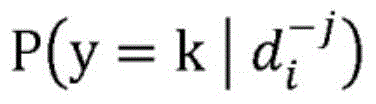
其中P(y=k|di)表示具有可解释特征j的机器学习基础模型216的预测概率,其中
Figure BDA0003962237030000082
表示不具有可解释特征j的机器学习基础模型216的预测概率,并且其中
Figure BDA0003962237030000083
表示可解释特征j对于数据实例di的与类k相关联的局部重要性。
Figure BDA0003962237030000081
where P(y=k|d i ) represents the predicted probability of the machine learning base model 216 with interpretable feature j, where
Figure BDA0003962237030000082
Denotes the predicted probability of a machine learning base model 216 that does not have an interpretable feature j, and where
Figure BDA0003962237030000083
Denotes the local importance of interpretable feature j for data instance d i associated with class k.

局部级重要性生成模块212还被配置为将得到的

Figure BDA0003962237030000084
集作为局部级重要性224进行传送。在一些实施例中,局部级重要性生成模块212可以包括数据处理系统中的对应的一个或多个数据处理系统,如数据处理系统500(数据处理系统500本身未在图2中明确示出,但参见图5)。The local level importance generation module 212 is also configured to obtain
Figure BDA0003962237030000084
Sets are communicated as local level importance 224 . In some embodiments, the local level importance generation module 212 may include corresponding one or more of the data processing systems, such as the data processing system 500 (the data processing system 500 itself is not explicitly shown in FIG. But see Figure 5).

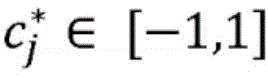
机器学习预测系统200还包括全局级重要性生成模块228。全局级重要性生成模块228传送地耦合到局部级重要性生成模块212。全局级重要性生成模块228被配置为接收局部级重要性224的传送。全局级重要性生成模块228还被配置为,对于包含每个可解释特征j的所有N个数据实例di,通过计算以下公式,将可解释特征j的局部级重要性聚合为全局级的所有N个数据实例diThe machine learning prediction system 200 also includes a global level importance generation module 228 . The global level importance generation module 228 is communicatively coupled to the local level importance generation module 212 . The global level importance generation module 228 is configured to receive the transmission of the local level importance 224 . The global-level importance generation module 228 is also configured to, for all N data instances d i containing each interpretable feature j, aggregate the local-level importance of the interpretable feature j into all of the global-level N data instances d i :

Figure BDA0003962237030000091

其中k*表示具有最大平均概率变化的类标签并且表示可解释特征j’的全局级重要性的方向,并且其中

Figure BDA0003962237030000092
表示可解释特征j’的与对每个数据实例di的每个类k相关联的局部重要性。全局级重要性生成模块228还被配置为,将每个可解释特征j的全局级重要性的关联幅度计算为:where k* denotes the class label with the largest mean probability change and denotes the direction that explains the global-level importance of feature j', and where
Figure BDA0003962237030000092
Denotes the local importance of interpretable feature j' associated with each class k for each data instance d i . The global-level importance generation module 228 is further configured to calculate the magnitude of association of the global-level importance of each interpretable feature j as:

Figure BDA0003962237030000093

其中相关联的

Figure BDA0003962237030000094
表示全局级重要性幅度。which is associated with
Figure BDA0003962237030000094
Indicates the global-level importance magnitude.

图3是根据本公开的各方面的在一些情况下如何针对一元可解释的特征(例如,“不足”)计算全局级重要性幅度和方向的数据流图图示300。应当理解,全局级重要性测量可以被视为局部级重要性的聚合,其中基本假设是如果去除特征可以或多或少显著地改变预测概率,则该特征或多或少是重要的。3 is a data flow graph illustration 300 of how global-level importance magnitude and direction are computed in some cases for unary interpretable features (eg, "deficiency") in accordance with aspects of the present disclosure. It should be understood that a global-level importance measure can be viewed as an aggregation of local-level importance, where the underlying assumption is that a feature is more or less important if its removal can change the predicted probability more or less significantly.

再次参考图2,全局级重要性生成模块228还被配置为将k*的结果集作为相应的全局级重要性方向232进行传送,并且将相关联的
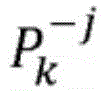
Figure BDA0003962237030000095
的结果集合作为相应的全局级重要性幅度236进行传送。在一些实施例中,全局级重要性生成模块228可以包括数据处理系统中的对应的一个或多个数据处理系统,如数据处理系统500(数据处理系统500本身未在图2中明确示出,但参见图5)。Referring again to FIG. 2 , the global-level importance generation module 228 is also configured to transmit the result set of k* as a corresponding global-level importance direction 232, and the associated
Figure BDA0003962237030000095
The result set of is communicated as a corresponding global level importance magnitude 236 . In some embodiments, global-level importance generation module 228 may include corresponding one or more of data processing systems, such as data processing system 500 (data processing system 500 itself is not explicitly shown in FIG. But see Figure 5).

机器学习预测系统200还包括可解释特征排序模块240。可解释特征排序模块240传送地耦合到全局级重要性生成模块228。可解释特征排序模块240被配置为接收全局级重要性方向232与全局级重要性幅度236的传送。可解释特征排序模块240还被配置为根据可解释特征j的相应全局级重要性幅度236以降序对其进行排序。可解释特征排序模块240还被配置为将可解释特征j的这种排序最高中的一个或多个特征的数目T与它们相应的全局级重要性方向232一起分别传送为T个排序最高的可解释特征244和T个全局级重要性方向248,以便最终呈现给一个或多个人类评估方252。在一些实施例中,可解释特征排序模块240可以包括对应的一个或多个数据处理系统,如数据处理系统500(数据处理系统500本身未在图2中明确示出,但参见图5)。The machine learning prediction system 200 also includes an interpretable feature ranking module 240 . Interpretable feature ranking module 240 is communicatively coupled to global level importance generation module 228 . Interpretable feature ranking module 240 is configured to receive communication of global level importance direction 232 and global level importance magnitude 236 . The interpretable feature ranking module 240 is also configured to sort the interpretable features j according to their corresponding global-level importance magnitudes 236 in descending order. The interpretable feature ranking module 240 is further configured to communicate the number T of one or more of such highest-ranked features of the interpretable feature j together with their corresponding global-level importance directions 232 as the T highest-ranked interpretable features j, respectively. Features 244 and T global-level importance directions 248 are interpreted for eventual presentation to one or more human evaluators 252 . In some embodiments, interpretable feature ranking module 240 may include corresponding one or more data processing systems, such as data processing system 500 (data processing system 500 itself is not explicitly shown in FIG. 2, but see FIG. 5).

人类评估方252可以包括专家,在线人群工作者和/或能够标识T个最高排序的可解释特征244中的那些特征的任何其他人,其中T个全局级重要性方向248中的相应方向中的任何一个或多个方向不是人类评估方252认为它们应该是什么。例如,这样的评估任务可以包括人类评估方252对T个最高排序的可解释特征244中的每个特征和相应T个全局级重要性方向248中的每个方向作出是或否判断(例如,在情感分析任务的情况下是肯定的或否定的),其中询问人类评估方252T个全局级重要性方向248中的每个相应方向是否看起来正确。示例任务问题可能是“单词”panera“是否为”正情感极化?”,“其中评估方预期选择”否"作为回答。在T个最高排序的可解释特征244中,人类评估方252的共识可以确定它们中的一个或多个的数目E,以具有有问题的或不正确的T个全局级重要性方向248中的相应方向(即,不是人类评估方252的共识认为它们应该是什么)。如下面进一步描述的,机器学习预测系统200可以使用E有问题的可解释特征260的相应标识。Human evaluators 252 may include experts, online crowdworkers, and/or any other person capable of identifying those of the T highest-ranked interpretable features 244 for which one of the T global-level importance directions 248 is a corresponding one of Any one or more directions are not what the human evaluator 252 thinks they should be. For example, such an evaluation task may include a human evaluator 252 making a yes or no judgment for each of the T highest-ranked interpretable features 244 and each of the corresponding T global-level importance directions 248 (e.g., Yes or No in the case of the sentiment analysis task), where the human evaluator is asked whether each of the 252T global-level importance directions 248 looks correct. An example task question might be "Does the word "panera" positively polarize emotion?" "," where the evaluator is expected to select "No" as the answer. Of the T highest-ranked interpretable features 244 , a consensus of human evaluators 252 can determine the number E of one or more of them to have problematic or incorrect T global-level importance directions 248 Corresponding directions (ie, not what the human evaluator 252 consensus thinks they should be). As described further below, machine learning prediction system 200 may use the corresponding identification of E problematic interpretable features 260 .

机器学习预测系统200还包括新预测生成模块264。新预测生成模块264被配置为接收机器学习基础模型216和第二输入数据集268的传送。新预测生成模块264还被配置为在第二输入数据集268上运行机器学习基础模型216,以由机器学习基础模型216基于第二输入数据集268来生成新预测272。新预测生成模块264还被配置为传送新预测272。在一些实施例中,新预测生成模块264可以包括对应的一个或多个数据处理系统,如数据处理系统500(数据处理系统500本身未在图2中明确示出,但参见图5)。The machine learning prediction system 200 also includes a new prediction generation module 264 . New prediction generation module 264 is configured to receive communication of machine learning base model 216 and second input data set 268 . New prediction generation module 264 is also configured to run machine learning base model 216 on second input data set 268 to generate new prediction 272 by machine learning base model 216 based on second input data set 268 . New prediction generation module 264 is also configured to communicate new prediction 272 . In some embodiments, new prediction generation module 264 may include corresponding one or more data processing systems, such as data processing system 500 (data processing system 500 itself is not explicitly shown in FIG. 2, but see FIG. 5).

机器学习预测系统200还包括局部错误得分生成模块276。局部错误得分生成模块276传送地耦合到局部级重要性生成模块212、全局级重要性生成模块228、和新预测生成模块264。局部错误得分生成模块276被配置成接收局部级重要性224的传送,接收全局级重要性方向232的传送,接收新预测272的传送,以及接收E有问题可解释特征260的标识的传送。应当理解,即使T个排序最高的可解释特征244可以帮助标识未标记实例上的有问题的预测,但在一些实例中,仅基于由E个有问题的可解释特征260的标识所标识的有问题的可解释特征来标记各个实例级上的错误发生有时可能有些不可靠。例如,如图1所示,注意到“panera”被错误地学习为“正”可以帮助准确地标识句子2(a)的错误预测;然而,其对句子2(b)的错误影响被另一正特征“良”的存在所掩盖,该正特征可以在全局水平上被正确地学习。再次参看图2,为了更准确地确定有问题的预测,局部错误得分产生模块276还经配置以计算称为局部错误得分e的测量度量,以解决全局错误特征对局部等级的相对影响。更特定来说,局部错误得分产生模块276经配置以计算新预测272中的每个新预测的局部错误得分e,作为由E有问题可解释特征260的标识所标识的有问题可解释特征引入新预测272中的每个新预测的累积错误贡献的归一化化版本,如下:The machine learning prediction system 200 also includes a local error score generation module 276 . Local error score generation module 276 is communicatively coupled to local level importance generation module 212 , global level importance generation module 228 , and new prediction generation module 264 . Local error score generation module 276 is configured to receive communication of local level importance 224 , receive communication of global level importance direction 232 , receive communication of new prediction 272 , and receive communication of identification of E problematic interpretable features 260 . It should be appreciated that even though the T highest-ranked interpretable features 244 can help identify problematic predictions on unlabeled instances, in some instances only based on the Interpretable features of the problem to flag occurrences of errors at the individual instance level can sometimes be somewhat unreliable. For example, as shown in Figure 1, noticing that "panera" was incorrectly learned as "positive" can help to accurately identify the misprediction of sentence 2(a); however, its erroneous influence on sentence 2(b) is masked by the existence of the positive feature "good", which can be correctly learned at the global level. Referring again to FIG. 2, in order to more accurately determine problematic predictions, the local error score generation module 276 is also configured to calculate a measurement metric called the local error score e to account for the relative impact of global error features on local levels. More specifically, local error score generation module 276 is configured to compute a local error score e for each of new predictions 272 introduced as problematic interpretable features identified by identification of E problematic interpretable features 260 A normalized version of the cumulative error contribution for each new prediction in the new predictions 272, as follows:
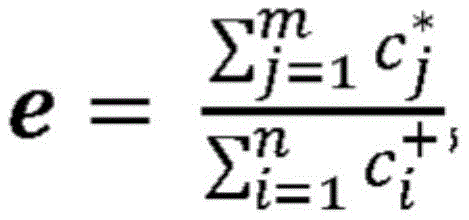
Figure BDA0003962237030000111

其中

Figure BDA0003962237030000112
表示特定实例上错误可解释特征j的局部贡献,其中m表示从全局角度标识的错误特征的总数,其中
Figure BDA0003962237030000113
表示可解释特征i的局部贡献,i的全局级重要性方向与新预测272的相应预测相同,且其中n表示正贡献的可解释特征的总数目。例如,参考图1,可以看到句子2(a)得出比句子2(b)得分(0.502)高得多的局部错误得分(0.926)。应了解,每个局部错误得分e将具有-∞到1之间的值。in
Figure BDA0003962237030000112
denote the local contribution of wrongly explainable feature j on a particular instance, where m denotes the total number of wrongly identified features from a global perspective, where
Figure BDA0003962237030000113
denotes the local contribution of an interpretable feature i whose global-level importance is in the same direction as the corresponding prediction of the new prediction 272, and where n denotes the total number of interpretable features that are positively contributing. For example, referring to Figure 1, it can be seen that sentence 2(a) yields a much higher local error score (0.926) than sentence 2(b) score (0.502). It will be appreciated that each local error score e will have a value between -∞ and 1 .

再次参看图2,局部错误得分产生模块276还经配置以将局部错误得分e中的每个局部错误得分与新预测272中的相应新预测相关联,并且将所得集合传送为e得分的预测280。在一些实施例中,局部错误得分产生模块276可以包含数据处理系统对应的一个或多个数据处理系统,例如数据处理系统500(数据处理系统500本身未在图2中明确说明,但参见图5)。Referring again to FIG. 2 , the local error score generation module 276 is also configured to associate each of the local error scores e with a corresponding new prediction in the new predictions 272 and communicate the resulting set as the e-scored predictions 280 . In some embodiments, the local error score generation module 276 may include one or more data processing systems corresponding to the data processing system, such as the data processing system 500 (the data processing system 500 itself is not explicitly illustrated in FIG. 2, but see FIG. 5 ).

机器学习预测系统200还包括输出逻辑模块284。输出逻辑模块284以传送方式耦合到局部错误得分产生模块276。输出逻辑模块284被配置成接收e得分预测280的传送。输出逻辑模块284还经配置以基于用于e得分预测280中的预测的相应局部错误得分e是否超过预定义阈值τ来确定用于e得分预测280中的每个预测(并且因此也用于相关联的新预测272中的每个预测)的相应错误指定。举例来说,在一些实施例中,输出逻辑模块284经配置以将具有超过预定义阈值τ的局部错误得分e的e得分预测280中的每个预测(并且因此,相关联的新预测272中的每一者)指定为“有问题的”或“有问题的新预测”。输出逻辑模块284还被配置为基于相应的e得分预测280中的预测是否超过预定阈值τ,自动生成针对相应的电子评分预测280中的每个预测的校正的新预测288中的相应预测。举例来说,当e得分预测280中的特定预测为“否”或“否定”并且针对e得分预测280中的预测的局部错误得分e超过预定义阈值τ时,输出逻辑模块284可以自动生成“是”或“肯定”预测作为经校正新预测288中的对应预测。相反,当e得分预测280中的特定预测为“是”或“正”并且e得分预测280中的预测的局部错误得分e超过预定义阈值τ时,输出逻辑模块284可以自动生成“否”或“负”预测作为经校正的新预测288中的对应预测。输出逻辑模块284被配置成针对经校正的新预测288中的每个预测,使经校正的新预测288中的预测与新预测272中的预测相同,其中对于该经校正的新预测288中的相应预测,e得分预测280中的相应预测不超过预定阈值τ。The machine learning prediction system 200 also includes an output logic module 284 . The output logic module 284 is communicatively coupled to the local error score generation module 276 . Output logic module 284 is configured to receive transmission of e-score prediction 280 . The output logic module 284 is also configured to determine for each prediction in the e-score prediction 280 (and thus also for the correlation) based on whether the corresponding local error score e for the prediction in the e-score prediction 280 exceeds a predefined threshold τ corresponding misspecifications for each of the associated new predictions 272). For example, in some embodiments, the output logic module 284 is configured to convert each of the e-score predictions 280 (and thus, the associated new prediction 272 Each of ) is designated as "problematic" or "problematic new prediction". Output logic module 284 is also configured to automatically generate corresponding predictions in corrected new predictions 288 for each of corresponding e-score predictions 280 based on whether the predictions in corresponding e-score predictions 280 exceed a predetermined threshold τ. For example, when a particular prediction in e-score prediction 280 is "No" or "Negative" and the local error score e for a prediction in e-score prediction 280 exceeds a predefined threshold τ, output logic module 284 may automatically generate " "Yes" or "positive" prediction as the corresponding prediction in corrected new prediction 288 . Conversely, output logic module 284 may automatically generate a "No" or The "negative" prediction serves as the corresponding prediction in the corrected new prediction 288 . The output logic module 284 is configured to make the predictions in the new corrected predictions 288 the same as the predictions in the new predictions 272 for each prediction in the new corrected predictions 288 for which Corresponding predictions, the corresponding predictions in e-score predictions 280 do not exceed a predetermined threshold τ.

输出逻辑模块284还被配置为传送校正的新预测288。输出逻辑模块284还经配置以将任意的具有超过预定义阈值T的相应局部错误得分e的e得分预测280(并且且因此任意相关联新预测272)传送为一个或多个相应有问题新预测292的对应集合。在一些实施例中,输出逻辑模块284可以包括数据处理系统中的对应的一个或多个数据处理系统,如数据处理系统500(数据处理系统500本身未在图2中明确示出,但参见图5)。The output logic module 284 is also configured to transmit the corrected new prediction 288 . The output logic module 284 is also configured to communicate any e-score predictions 280 (and thus any associated new predictions 272 ) having a respective local error score e exceeding a predefined threshold T as one or more corresponding problematic new predictions 292 corresponding sets. In some embodiments, output logic module 284 may include corresponding one or more of data processing systems, such as data processing system 500 (data processing system 500 itself is not explicitly shown in FIG. 5).

图4是根据本公开的各方面的机器学习预测过程400的流程图图示。在一些情况下,机器学习预测过程400的一个或多个步骤可以由机器学习预测系统200的一个或多个组件和/或本文所述的一个或多个其他系统、组件、方法和/或过程来执行。为了说明的清楚,机器学习预测过程400的以下描述可以指一个或多个这样的系统、组件、方法和/或过程。然而,应当理解,机器学习预测过程400和/或其任何一个或多个特定步骤可以由任何合适的(多个)系统、(多个)组件、(多个)方法和/或(多个)过程来执行。还应当理解,机器学习预测过程400可以与这里描述的任何其他(多个)方法和/或(多个)过程同时或基本上同时执行。4 is a flowchart illustration of a machine learning prediction process 400 in accordance with aspects of the present disclosure. In some cases, one or more steps of machine learning prediction process 400 may be implemented by one or more components of machine learning prediction system 200 and/or one or more other systems, components, methods, and/or processes described herein to execute. For clarity of illustration, the following description of machine learning prediction process 400 may refer to one or more such systems, components, methods and/or processes. However, it should be understood that machine learning prediction process 400 and/or any particular step or steps thereof may be implemented by any suitable system(s), component(s), method(s) and/or process to execute. It should also be understood that the machine learning prediction process 400 may be performed concurrently or substantially concurrently with any other method(s) and/or process(s) described herein.

在步骤412处,机器学习预测过程400接收机器学习基础模型。因此,在一些情况下,局部级重要性生成模块212和/或新预测生成模块264可以接收机器学习基础模型216的传送。从步骤412,机器学习预测过程400进入(并且继续)步骤418处。At step 412, the machine learning prediction process 400 receives a machine learning base model. Thus, in some cases, local-level importance generation module 212 and/or new prediction generation module 264 may receive delivery of machine learning base model 216 . From step 412 , machine learning prediction process 400 enters (and continues) at step 418 .

在步骤418处,机器学习预测过程400接收第一输入数据集。因此,在一些情况下,局部级重要性生成模块212可以接收第一输入数据集220的传送。从步骤418,机器学习预测过程400进入(并且继续)步骤424。At step 418, the machine learning prediction process 400 receives a first input data set. Thus, in some cases, local-level importance generation module 212 may receive a transmission of first input data set 220 . From step 418 , machine learning prediction process 400 enters (and continues) at step 424 .

在步骤424处,机器学习预测过程400使用数据扰动过程在第一输入数据集上运行机器学习基础模型,以通过机器学习基础模型生成基线预测,并且确定机器学习基础模型的可解释特征对于每个基线预测的机器学习基础模型的每个预测类的局部级重要性。因此,在一些情况下,局部级重要性生成模块212可以使用LIME数据扰动技术在第一输入数据集220上运行机器学习基础模型216,以确定局部级重要性224。从步骤424,机器学习预测过程400进入(并且继续)步骤430。At step 424, the machine learning prediction process 400 runs the machine learning base model on the first input data set using a data perturbation process to generate a baseline prediction from the machine learning base model and determines interpretable features of the machine learning base model for each The local-level importance of each predicted class of the machine learning base model predicted by the baseline. Accordingly, in some cases, local-level importance generation module 212 may run machine learning base model 216 on first input dataset 220 using LIME data perturbation techniques to determine local-level importance 224 . From step 424 , machine learning prediction process 400 enters (and continues) at step 430 .

在步骤430处,机器学习预测过程400聚合机器学习基础模型的可解释特征的局部级重要性,以确定可解释特征对于整个机器学习基础模型的全局级重要性。因此,在某些情况下,全局级重要性生成模块228可以使用局部级重要性224来确定全局级重要性方向232和全局级重要性幅度236。从步骤430,机器学习预测过程400进入(并且继续)步骤436。At step 430, the machine learning prediction process 400 aggregates the local level importance of the interpretable features of the machine learning base model to determine the global level importance of the interpretable features for the entire machine learning base model. Thus, in some cases, global-level importance generation module 228 may use local-level importance 224 to determine global-level importance direction 232 and global-level importance magnitude 236 . From step 430 , machine learning prediction process 400 enters (and continues) at step 436 .

在步骤436处,机器学习预测过程400根据可解释特征相应的全局级重要性幅度值对可解释特征进行排序。因此,在一些情况下,可解释特征排序模块240可以根据相应的全局级重要性幅度236以降序对可解释特征进行排序。从步骤436,机器学习预测过程400进入(并且继续)步骤442。At step 436, the machine learning prediction process 400 ranks the interpretable features according to their corresponding global-level importance magnitude values. Thus, in some cases, interpretable feature ranking module 240 may rank interpretable features in descending order according to corresponding global-level importance magnitudes 236 . From step 436 , machine learning prediction process 400 proceeds to (and continues with) step 442 .

在步骤442处,机器学习预测过程400传送最高排序的可解释特征中的一个或多个特征,并且传送用于这种最高排序的可解释特征中的每个特征的相应全局级重要性方向标签。因此,在某些情况下,可解释特征排序模块240可以将可解释特征j中排序最高的一个或多个特征连同它们相应的全局级重要性方向232分别作为T个排序最高的可解释特征244和T个全局级重要性方向248进行传送,以便最终呈现给一个或多个人类评估方252。从步骤442,机器学习预测过程400进入(并且继续)步骤448。At step 442, the machine learning prediction process 400 communicates one or more of the highest-ranked interpretable features and a corresponding global-level importance direction label for each of such highest-ranked interpretable features . Therefore, in some cases, the interpretable feature ranking module 240 may take the highest-ranked one or more features among the interpretable features j together with their corresponding global-level importance directions 232 as the T highest-ranked interpretable features 244 and T global-level importance directions 248 for eventual presentation to one or more human evaluators 252 . From step 442 , machine learning prediction process 400 enters (and continues) at step 448 .

在步骤448处,机器学习预测过程400接收最高排序的可解释特征中的一个或多个特征中的每个特征的传送,该可解释特征根据一个或多个一致的人类评估具有错误的全局级重要性方向。因此,在一些实例中,局部错误得分产生模块276可以接收E有问题的可解释特征260的标识的传送。从步骤448,机器学习预测过程400进入(并且继续)步骤454。At step 448, the machine learning prediction process 400 receives a delivery of each of one or more of the highest ranked interpretable features having a global level of error according to one or more consistent human assessments direction of importance. Accordingly, in some examples, local error score generation module 276 may receive a transmission of an identification of E problematic interpretable features 260 . From step 448 , machine learning prediction process 400 enters (and continues) at step 454 .

在步骤454,机器学习预测过程400接收第二输入数据集。因此,在一些情况下,新预测生成模块264可以接收第二输入数据集268的传送。从步骤454,机器学习预测过程400进入(并且继续)步骤460。At step 454, the machine learning prediction process 400 receives a second input data set. Accordingly, in some cases, new prediction generation module 264 may receive a transmission of second input data set 268 . From step 454 , machine learning prediction process 400 enters (and continues) at step 460 .

在步骤460,机器学习预测过程400在第二输入数据集上运行机器学习基础模型,以通过机器学习基础模型生成一个或多个新的预测。因此,在一些情况下,新预测生成模块264可以在第二输入数据集268上运行机器学习基础模型216以生成新预测272。从步骤460,机器学习预测过程400进入(并且继续)步骤466。At step 460, the machine learning prediction process 400 runs the machine learning base model on the second input data set to generate one or more new predictions by the machine learning base model. Accordingly, in some cases, new prediction generation module 264 may run machine learning base model 216 on second input dataset 268 to generate new prediction 272 . From step 460 , machine learning prediction process 400 enters (and continues) at step 466 .

在步骤466,机器学习预测过程400计算作为由最高排序的可解释特征引入每个新预测中的累积误差的归一化版本的机器学习基础模型的新预测中的每个新预测的局部误差得分,该可解释特征根据相应的共识人类评估具有相应的错误全局级重要性方向。因此,在一些实例中,局部错误得分产生模块276可以计算针对新预测272中的每个预测的局部错误得分e,作为由E有问题可解释特征260的标识所标识的有问题可解释特征引入到新预测272中的每个预测中的累积错误贡献的归一化版本。从步骤466,机器学习预测过程400进入(并且继续)步骤472。In step 466, the machine learning prediction process 400 calculates a local error score for each new prediction in the new predictions of the machine learning base model as a normalized version of the cumulative error introduced into each new prediction by the highest ranked interpretable feature , the interpretable feature has a corresponding error global-level importance direction according to the corresponding consensus human evaluation. Thus, in some examples, local error score generation module 276 may compute local error scores e for each of new predictions 272 introduced as problematic interpretable features identified by identification of E problematic interpretable features 260 A normalized version of the cumulative error contribution in each prediction to the new prediction 272. From step 466 , machine learning prediction process 400 enters (and continues) at step 472 .

在步骤472处,机器学习预测过程400基于机器学习基础模型的每个新预测的相应局部错误得分是否超过阈值来确定该新预测中的预测的相应错误指定。因此,在一些实例中,输出逻辑模块284可以基于e得分预测280中的预测的相应局部错误得分e是否超过预定义阈值τ来确定e得分预测280中的每个预测(并且因此也用于相关联的新预测272中的每个预测)的相应错误指定。从步骤472,机器学习预测过程400进入(并且继续)步骤478。At step 472, the machine learning prediction process 400 determines the corresponding misassignment of the predictions in each new prediction of the machine learning base model based on whether the corresponding local error score for the new prediction exceeds a threshold. Thus, in some examples, output logic module 284 may determine each of e-score predictions 280 (and thus also for correlation corresponding misspecifications for each of the associated new predictions 272). From step 472 , machine learning prediction process 400 enters (and continues) at step 478 .

在步骤478处,机器学习预测过程400传送机器学习基础模型的新预测中的每个预测和该新预测的相应错误指定的指示,和/或传送每个相应校正预测。因此,在一些情况下,输出逻辑模块284可以传送校正的新预测288和/或传送一个或多个相应的有问题的新预测292。At step 478 , the machine learning prediction process 400 communicates each of the new predictions of the machine learning base model and an indication of a corresponding misassignment for the new prediction, and/or communicates each corresponding corrected prediction. Thus, in some cases, output logic module 284 may transmit corrected new prediction 288 and/or transmit one or more corresponding problematic new predictions 292 .

图5是根据本公开的各方面的数据处理系统500的硬件架构的框图图示。在一些实施例中,本文描述的一个或多个系统和/或组件(例如,机器学习预测系统200和/或其一个或多个组件)可以使用相应的一个或多个数据处理系统500来实现。此外,数据处理系统500可以被配置为存储和执行用于执行机器学习预测过程400的一个或多个步骤和/或用于执行本文描述的任何其他方法和/或过程的一个或多个步骤的一个或多个指令。5 is a block diagram illustration of the hardware architecture of a data processing system 500 in accordance with aspects of the present disclosure. In some embodiments, one or more systems and/or components described herein (e.g., machine learning prediction system 200 and/or one or more components thereof) can be implemented using corresponding one or more data processing systems 500 . Additionally, data processing system 500 may be configured to store and execute information for performing one or more steps of machine learning prediction process 400 and/or for performing one or more steps of any other methods and/or processes described herein. one or more directives.

数据处理系统500采用包括北桥和存储器控制器集线器(“NB/MCH”)506以及南桥和输入/输出(“I/O”)控制器集线器(“SB/ICH”)510的集线器架构。处理器502、主存储器504和图形处理器508连接到NB/MCH506。图形处理器508可以通过加速图形端口(“AGP”)连接到NB/MCH506。诸如总线532或总线534的计算机总线可以使用任何类型的传送结构或架构来实现,该传送结构或架构提供在附连到该结构或架构的不同组件或设备之间的数据传输。Data processing system 500 employs a hub architecture including North Bridge and memory controller hub (“NB/MCH”) 506 and South Bridge and input/output (“I/O”) controller hub (“SB/ICH”) 510 . Processor 502 , main memory 504 and graphics processor 508 are connected to NB/MCH 506 . Graphics processor 508 may be connected to NB/MCH 506 through an accelerated graphics port ("AGP"). A computer bus, such as bus 532 or bus 534, may be implemented using any type of transport structure or architecture that provides transfer of data between different components or devices attached to the structure or architecture.

网络适配器516连接到SB/ICH510。音频适配器530、键盘和鼠标适配器522、调制解调器524、只读存储器(“ROM”)526,硬盘驱动器(“HDD”)512、光盘只读存储器(“CD-ROM”)驱动器514、通用串行总线(“USB”)端口和其它传送端口518、以及外围组件互连/外围组件互连快速(“PCI/PCIe”)设备520通过总线532和总线534连接到SB/ICH510。PCI/PCIe设备可以包括例如以太网适配器,内插卡和用于笔记本计算机的个人计算(“PC”)卡。PCI使用卡总线控制器,而PCIe不使用卡总线控制器。ROM 526可以包括例如闪存基本输入/输出系统(“BIOS”)。调制解调器524或网络适配器516可以用于通过网络发送和接收数据。Network adapter 516 is connected to SB/ICH 510 . Audio Adapter 530, Keyboard and Mouse Adapter 522, Modem 524, Read Only Memory ("ROM") 526, Hard Disk Drive ("HDD") 512, Compact Disk Read Only Memory ("CD-ROM") Drive 514, Universal Serial Bus (“USB”) ports and other transfer ports 518 , and peripheral component interconnect/peripheral component interconnect express (“PCI/PCIe”) devices 520 are connected to SB/ICH 510 via bus 532 and bus 534 . PCI/PCIe devices may include, for example, Ethernet adapters, add-in cards, and personal computing ("PC") cards for notebook computers. PCI uses a card bus controller while PCIe does not. ROM 526 may include, for example, a flash basic input/output system ("BIOS"). Modem 524 or network adapter 516 may be used to send and receive data over the network.

HDD 512和CD-ROM驱动器514通过总线534连接到SB/ICH510。HDD 512和CD-ROM驱动器514可以使用例如集成驱动电子设备(“IDE”)或串行高级技术附件(“SATA”)接口。在一些实施例中,HDD512可以由其它形式的数据存储设备代替,包括但不限于固态驱动器(“SSD”)。超级I/O(“SIO”)设备528可以连接到SB/ICH510。SIO装置528可以包括主板上的芯片,该芯片被配置为帮助执行用于SB/ICH510的较不苛刻的控制器功能,例如控制打印机端口,控制风扇,和/或控制数据处理系统500的小发光二极管(“LED”)。HDD 512 and CD-ROM drive 514 are connected to SB/ICH 510 via bus 534 . HDD 512 and CD-ROM drive 514 may use, for example, Integrated Drive Electronics ("IDE") or Serial Advanced Technology Attachment ("SATA") interfaces. In some embodiments, HDD 512 may be replaced by other forms of data storage devices, including but not limited to solid state drives ("SSD"). Super I/O (“SIO”) devices 528 may be connected to SB/ICH 510 . SIO device 528 may include a chip on the motherboard configured to help perform less demanding controller functions for SB/ICH 510, such as controlling printer ports, controlling fans, and/or controlling small lights of data processing system 500 Diodes ("LEDs").

数据处理系统500可以包括单个处理器502或者可以包括多个处理器502。另外,处理器502可以具有多个核。在一些实施例中,数据处理系统500可以采用包括数百或数千个处理器核的大量处理器502。在一些实施例中,处理器502可被配置成并行地执行协调计算集。Data processing system 500 may include a single processor 502 or may include multiple processors 502 . Additionally, processor 502 may have multiple cores. In some embodiments, data processing system 500 may employ a large number of processors 502 including hundreds or thousands of processor cores. In some embodiments, processor 502 may be configured to perform coordinated sets of computations in parallel.

使用处理器502在数据处理系统500上执行操作系统。操作系统协调和提供数据处理系统500内的各种组件的控制。各种应用和服务可以结合操作系统运行。用于操作系统,应用程序和其它数据的指令位于诸如HDD 512中的一个或多个HDD的存储设备上,并且可以被加载到主存储器504中以便由处理器502执行。在一些实施例中,附加指令或数据可以存储在一个或多个外部设备上。本文针对说明性实施例描述的过程可以由(多个)处理器502使用计算机可用程序代码来执行,该计算机可用程序代码可以位于诸如主存储器504、ROM526的存储器中、或者位于一个或多个外围设备中。An operating system is executed on data processing system 500 using processor 502 . The operating system coordinates and provides control of the various components within data processing system 500 . Various applications and services can run in conjunction with the operating system. Instructions for the operating system, application programs, and other data are located on storage devices, such as one or more of HDD 512 , and may be loaded into main memory 504 for execution by processor 502 . In some embodiments, additional instructions or data may be stored on one or more external devices. The processes described herein for the illustrative embodiments may be performed by processor(s) 502 using computer usable program code, which may reside in a memory such as main memory 504, ROM 526, or in one or more peripheral in the device.

本发明可以是处于任何可能的集成技术细节水平的系统,方法和/或计算机程序产品。计算机程序产品可以包括其上具有用于使处理器执行本发明的各方面的计算机可读程序指令的计算机可读存储介质(或媒介)。The invention can be a system, method and/or computer program product at any possible level of integrated technical detail. A computer program product may include a computer readable storage medium (or medium) having computer readable program instructions thereon for causing a processor to perform aspects of the present invention.

计算机可读存储介质可以是可保留和存储供指令执行设备使用的指令的有形设备。计算机可读存储介质可以是,例如但不限于,电子存储设备,磁存储设备,光存储设备,电磁存储设备,半导体存储设备,或前述的任何合适的组合。计算机可读存储介质的更具体示例的非穷举列表包括以下项:便携式计算机磁盘,硬盘,随机存取存储器(RAM)、只读存储器(ROM)、可擦除可编程只读存储器(EPROM或闪存)、静态随机存取存储器(SRAM)、便携式光盘只读存储器(CD-ROM)、数字多功能盘(DVD)、记忆棒、软盘、机械编码的设备(诸如其上记录有指令的槽中的穿孔卡或凸起结构),以及前述的任何合适的组合。在此使用的计算机可读存储介质不能被解释为瞬时信号本身,例如无线电波或其它自由传播的电磁波,通过波导或其它传输介质传播的电磁波(例如,通过光纤电缆的光脉冲),或通过导线传输的电信号。A computer readable storage medium may be a tangible device that can retain and store instructions for use by an instruction execution device. A computer readable storage medium may be, for example and without limitation, an electronic storage device, a magnetic storage device, an optical storage device, an electromagnetic storage device, a semiconductor storage device, or any suitable combination of the foregoing. A non-exhaustive list of more specific examples of computer-readable storage media includes the following: portable computer diskettes, hard disks, random access memory (RAM), read-only memory (ROM), erasable programmable read-only memory (EPROM or flash memory), static random access memory (SRAM), portable compact disk read-only memory (CD-ROM), digital versatile disk (DVD), memory stick, floppy disk, mechanically encoded devices (such as punched cards or raised structures), and any suitable combination of the foregoing. As used herein, computer-readable storage media should not be construed as transient signals per se, such as radio waves or other freely propagating electromagnetic waves, electromagnetic waves propagating through waveguides or other transmission media (for example, pulses of light through fiber optic cables), or through wires transmitted electrical signals.

本文描述的计算机可读程序指令可以从计算机可读存储介质下载到相应的计算/处理设备,或者经由网络(例如互联网,局域网,广域网和/或无线网络)下载到外部计算机或外部存储设备。网络可以包括铜传输电缆、光传输光纤、无线传输、路由器、防火墙、交换机、网关计算机和/或边缘服务器。每个计算/处理设备中的网络适配器卡或网络接口从网络接收计算机可读程序指令,并我转发该计算机可读程序指令以存储在相应计算/处理设备内的计算机可读存储介质中。Computer-readable program instructions described herein may be downloaded from a computer-readable storage medium to a corresponding computing/processing device, or downloaded to an external computer or external storage device via a network (eg, the Internet, a local area network, a wide area network, and/or a wireless network). The network may include copper transmission cables, optical transmission fibers, wireless transmission, routers, firewalls, switches, gateway computers, and/or edge servers. A network adapter card or network interface in each computing/processing device receives computer-readable program instructions from the network and forwards the computer-readable program instructions for storage in a computer-readable storage medium within the corresponding computing/processing device.

用于执行本发明的操作的计算机可读程序指令可以是汇编指令,指令集架构(ISA)指令、机器指令、机器相关指令、微代码、固件指令、状态设置数据、用于集成电路的配置数据,或以一种或多种编程语言的任何组合编写的源代码或目标代码,所述编程语言包括诸如Smalltalk,C++等的面向对象的编程语言,以及诸如“C”编程语言或类似编程语言的过程编程语言。计算机可读程序指令可以完全在用户的计算机上执行,部分在用户的计算机上执行,作为独立的软件包,部分在用户的计算机上执行,部分在远程计算机上执行,或者完全在远程计算机或服务器上执行。在后一种情况下,远程计算机可以通过任何类型的网络连接到用户的计算机,包括局域网(LAN)或广域网(WAN),或者连接到外部计算机(例如,通过使用互联网服务提供方的互联网)。根据本发明的各方面,包括例如可编程逻辑电路,现场可编程门阵列(FPGA)或可编程逻辑阵列(PLA)的电子电路可通过利用计算机可读程序指令的状态信息来使电子电路个性化来执行计算机可读程序指令,以便执行本发明的各方面。The computer readable program instructions for carrying out the operations of the present invention may be assembly instructions, instruction set architecture (ISA) instructions, machine instructions, machine dependent instructions, microcode, firmware instructions, state setting data, configuration data for integrated circuits , or source or object code written in any combination of one or more programming languages, including object-oriented programming languages such as Smalltalk, C++, etc., and programming languages such as "C" or similar programming languages procedural programming language. The computer readable program instructions may execute entirely on the user's computer, partly on the user's computer, as a stand-alone software package, partly on the user's computer, partly on a remote computer, or entirely on the remote computer or server to execute. In the latter case, the remote computer can be connected to the user's computer over any type of network, including a local area network (LAN) or wide area network (WAN), or to an external computer (e.g., through the Internet using an Internet service provider). According to aspects of the invention, electronic circuits comprising, for example, programmable logic circuits, field programmable gate arrays (FPGAs) or programmable logic arrays (PLAs) can be personalized by utilizing state information of computer readable program instructions to execute computer readable program instructions to carry out aspects of the invention.

本文参考根据本发明实施例的方法,装置(系统)和计算机程序产品的流程图和/或框图来描述本发明的各方面。应当理解,流程图图示和/或框图的每个框以及流程图图示和/或框图中的框的组合可以由计算机可读程序指令来实现。Aspects of the present invention are described herein with reference to flowchart illustrations and/or block diagrams of methods, apparatus (systems) and computer program products according to embodiments of the invention. It will be understood that each block of the flowchart illustrations and/or block diagrams, and combinations of blocks in the flowchart illustrations and/or block diagrams, can be implemented by computer readable program instructions.

这些计算机可读程序指令可以被提供给通用计算机,专用计算机或其他可编程数据处理设备的处理器以产生机器,使得经由计算机或其他可编程数据处理设备的处理器执行的指令创建用于实现在流程图和/或框图的一个或多个框中指定的功能/动作的装置。这些计算机可读程序指令还可以存储在计算机可读存储介质中,该计算机可读存储介质可以指示计算机,可编程数据处理装置和/或其他设备以特定方式起作用,使得其中存储有指令的计算机可读存储介质包括制品,该制品包括实现在流程图和/或框图的一个或多个框中指定的功能/动作的各方面的指令。These computer-readable program instructions may be provided to a processor of a general purpose computer, a special purpose computer or other programmable data processing device to produce a machine, such that the instructions executed by the processor of the computer or other programmable data processing device create a Means for the function/action specified in one or more blocks of a flowchart and/or block diagram. These computer-readable program instructions can also be stored in a computer-readable storage medium, which can instruct a computer, programmable data processing apparatus and/or other equipment to function in a specific way, so that the computer with the instructions stored therein The readable storage medium includes an article of manufacture comprising instructions for implementing aspects of the functions/acts specified in one or more blocks of the flowcharts and/or block diagrams.

计算机可读程序指令还可以被加载到计算机,其他可编程数据处理装置或其他设备上,以使得在计算机,其他可编程装置或其他设备上执行一系列操作步骤,从而产生计算机实现的方法,使得在计算机,其他可编程装置或其他设备上执行的指令实现在流程图和/或框图的一个或多个框中指定的功能/动作。Computer-readable program instructions can also be loaded onto a computer, other programmable data processing device or other equipment, so that a series of operation steps are executed on the computer, other programmable device or other equipment, thereby producing a computer-implemented method, such that Instructions executing on a computer, other programmable apparatus, or other equipment implement the functions/acts specified in one or more blocks of the flowcharts and/or block diagrams.

图中的流程图和框图示出了根据本发明各种实施例的系统,方法和计算机程序产品的可能实现的架构,功能和操作。在这点上,流程图或框图中的每个框可以表示指令的模块,段或部分,其包括用于实现(多个)指定逻辑功能的一个或多个可执行指令。在一些可替换的实现方式中,方框中指出的功能可以不按照图中指出的顺序发生。例如,连续示出的两个框实际上可以作为一个步骤完成,以部分或全部时间上重叠的方式并发地,基本上并发地执行,或者这些框有时可以以相反的顺序执行,这取决于所涉及的功能。还将注意到,框图和/或流程图图示中的每个框以及框图和/或流程图图示中的框的组合可以由执行指定功能或动作或执行专用硬件和计算机指令的组合的基于专用硬件的系统来实现。The flowchart and block diagrams in the figures illustrate the architecture, functionality, and operation of possible implementations of systems, methods and computer program products according to various embodiments of the present invention. In this regard, each block in the flowchart or block diagrams may represent a module, segment or portion of instructions, which includes one or more executable instructions for implementing the specified logical function(s). In some alternative implementations, the functions noted in the block may occur out of the order noted in the figures. For example, two blocks shown in succession may, in fact, be performed as one step, be executed concurrently, with some or all of them overlapping in time, or the blocks may sometimes be executed in the reverse order, depending on the steps involved. the functions involved. It will also be noted that each block in the block diagrams and/or flowchart illustrations, and combinations of blocks in the block diagrams and/or flowchart illustrations, can be implemented by instructions for performing the specified function or action, or performing combinations of special purpose hardware and computer instructions. Realized by dedicated hardware system.

已经出于说明的目的给出了对本发明的各种实施例的描述,但是这些描述并不旨在是穷尽的或限于所公开的实施例。在不脱离所描述的实施例的范围和精神的情况下,许多修改和变化对于本领域的普通技术人员将是清楚的。此外,本文所述的方法的步骤可以以任何合适的顺序进行,或在适当的情况下同时进行。选择本文中使用的术语以最佳地解释实施例的原理,实际应用或对市场中存在的技术的技术改进,或使所属领域的技术人员能够理解本文中所揭示的实施例。Descriptions of various embodiments of the invention have been presented for purposes of illustration, but are not intended to be exhaustive or limited to the disclosed embodiments. Many modifications and variations will be apparent to those of ordinary skill in the art without departing from the scope and spirit of the described embodiments. Furthermore, the steps of the methods described herein may be performed in any suitable order, or, where appropriate, concurrently. The terminology used herein was chosen to best explain the principle of the embodiments, the practical application or technical improvement over technologies existing in the market, or to enable a person skilled in the art to understand the embodiments disclosed herein.

Claims (25)

1.一种用于校正针对用户的机器学习基础模型的错误预测的方法,所述方法包括:1. A method for correcting erroneous predictions of a machine learning base model for a user, the method comprising: 基于所述机器学习基础模型的第一预测,确定所述机器学习基础模型的可解释特征对于所述机器学习基础模型的全局级重要性的全局级重要性幅度值;determining a global-level importance magnitude value of the global-level importance of the interpretable features of the machine-learning base model to the machine-learning base model based on the first prediction of the machine-learning base model; 基于所述机器学习基础模型的所述第一预测,确定所述机器学习基础模型的所述可解释特征对所述机器学习基础模型的所述全局级重要性的全局级重要性方向标签;以及determining a global-level importance direction label of the global-level importance of the interpretable features of the machine-learning base model to the machine-learning base model based on the first prediction of the machine-learning base model; and 基于所述机器学习基础模型的第二预测、基于所述全局级重要性幅度值、并且基于所述全局级重要性方向标签,生成用于呈现给所述用户的传送。A communication for presentation to the user is generated based on the second prediction of the machine learning base model, based on the global-level importance magnitude value, and based on the global-level importance direction label. 2.根据权利要求1所述的方法,其中生成用于呈现给所述用户的所述传送包括:接收对所述全局级重要性方向标签的错误评估。2. The method of claim 1, wherein generating the communication for presentation to the user comprises receiving an incorrect evaluation of the global level importance direction label. 3.根据权利要求2所述的方法,还包括:基于所述全局级重要性方向标签、基于对所述全局级重要性方向标签的所述错误评估、并且基于所述机器学习基础模型的所述可解释特征对所述机器学习基础模型的预测类的局部级重要性,校正所述错误预测。3. The method of claim 2, further comprising: based on the global-level importance direction label, based on the error evaluation of the global-level importance direction label, and based on the machine learning base model's The misprediction is corrected based on the local level importance of the interpretable feature to the predicted class of the machine learning base model. 4.根据权利要求3所述的方法,其中接收对所述全局级重要性方向标签的所述错误评估包括:接收对所述全局级重要性方向标签的人类错误评估。4. The method of claim 3, wherein receiving the erroneous assessment of the global-level importance direction label comprises receiving a human erroneous assessment of the global-level importance direction label. 5.一种用于向用户警告机器学习基础模型的错误预测的方法,所述方法包括:5. A method for alerting a user to an erroneous prediction of a machine learning underlying model, the method comprising: 在第一输入数据集上运行所述机器学习基础模型,以由所述机器学习基础模型生成基线预测对,并且确定所述机器学习基础模型的第一可解释特征对所述机器学习基础模型的预测类的局部级重要性;Running the machine-learned base model on a first input dataset to generate a baseline prediction pair from the machine-learned base model, and determining a first interpretable feature of the machine-learned base model versus the machine-learned base model Local-level importance of predicted classes; 基于所述机器学习基础模型的所述第一可解释特征的所述局部级重要性,确定所述机器学习基础模型的所述第一可解释特征对所述机器学习基础模型的全局级重要性;Determining the global level importance of the first interpretable feature of the machine learning base model to the machine learning base model based on the local level importance of the first interpretable feature of the machine learning base model ; 在第二输入数据集上运行所述机器学习基础模型,以由所述机器学习基础模型生成新预测;running the machine learning base model on a second input data set to generate new predictions from the machine learning base model; 基于所述机器学习基础模型的所述第一可解释特征的所述局部级重要性和所述机器学习基础模型的所述第一可解释特征的所述全局级重要性,确定针对所述新预测的错误指定;以及Based on the local level importance of the first interpretable feature of the machine learning base model and the global level importance of the first interpretable feature of the machine learning base model, determining misspecification of predictions; and 传送所述新预测和针对所述新预测的所述错误指定的指示,以用于呈现给所述用户。The new prediction and an indication of the misspecification for the new prediction are communicated for presentation to the user. 6.根据权利要求5所述的方法,还包括:6. The method of claim 5, further comprising: 基于全局级重要性幅度值,确定所述机器学习基础模型的所述第一可解释特征相对于所述机器学习基础模型的第二可解释特征的排序;determining a rank of the first interpretable feature of the machine learning base model relative to a second interpretable feature of the machine learning base model based on a global level importance magnitude value; 基于所述机器学习基础模型的所述第一可解释特征的所述排序,传送所述机器学习基础模型的所述第一可解释特征;transmitting the first interpretable features of the machine learning base model based on the ranking of the first interpretable features of the machine learning base model; 传送全局级重要性方向标签;Transmit global level importance direction labels; 接收所述机器学习基础模型的所述第一可解释特征的传送;以及receiving a transmission of the first interpretable features of the machine learning base model; and 计算针对所述新预测的局部错误得分,以作为由所述机器学习基础模型的所述第一可解释特征引入到所述新预测中的错误的归一化版本,computing a local error score for said new prediction as a normalized version of the error introduced into said new prediction by said first interpretable feature of said machine learning base model, 其中所述机器学习基础模型的所述第一可解释特征的所述全局级重要性包括所述全局级重要性幅度值和所述全局级重要性方向标签,wherein said global-level importance of said first interpretable feature of said machine learning base model comprises said global-level importance magnitude value and said global-level importance direction label, 其中根据人类评估,所述全局级重要性方向标签是错误的,并且where the global-level importance direction labels are wrong according to human evaluation, and 其中确定针对所述新预测的所述错误指定包括:基于针对所述新预测的所述局部错误得分是否超过阈值来确定针对每个新预测的所述错误指定。Wherein determining the misassignment for the new prediction includes determining the misassignment for each new prediction based on whether the local error score for the new prediction exceeds a threshold. 7.根据权利要求6所述的方法,其中在所述第一输入数据集上运行所述机器学习基础模型,以由所述机器学习基础模型生成所述基线预测对,并且确定所述机器学习基础模型的所述第一可解释特征对所述机器学习基础模型的所述预测类的所述局部级重要性包括:使用数据扰动过程来由所述机器学习基础模型生成所述基线预测对,并且确定所述机器学习基础模型的所述第一可解释特征对所述机器学习基础模型的所述预测类的所述局部级重要性。7. The method of claim 6, wherein the machine learning base model is run on the first input data set to generate the baseline prediction pair from the machine learning base model, and determine the machine learning base model The local-level importance of the first interpretable feature of a base model to the predicted class of the machine-learned base model comprises using a data perturbation procedure to generate the baseline prediction pair from the machine-learned base model, and determining the local-level importance of the first interpretable feature of the machine-learned base model to the predicted class of the machine-learned base model. 8.根据权利要求7所述的方法,其中使用所述数据扰动过程来由所述机器学习基础模型生成所述基线预测对,并且确定所述机器学习基础模型的所述第一可解释特征对所述机器学习基础模型的所述预测类的所述局部级重要性包括:计算8. The method of claim 7, wherein the data perturbation process is used to generate the baseline prediction pair from the machine learning base model, and to determine the first interpretable feature pair of the machine learning base model The local-level importance of the predicted class of the machine learning base model includes: calculating
Figure FDA0003962237020000031
其中j表示所述第一可解释特征,where j represents the first interpretable feature, 其中di,i∈{0,1,...,N}表示所述第一输入数据集中的第一数据实例,where d i , i∈{0, 1, ..., N} represents the first data instance in the first input data set, 其中di包括所述第一可解释特征j,where d i includes said first interpretable feature j, 其中
Figure FDA0003962237020000033
表示除所述第一可解释特征j之外的所有第一数据实例di
in
Figure FDA0003962237020000033
denote all first data instances d i except said first interpretable feature j,
其中k∈{0,1,...,K}表示所述机器学习基础模型的对应的预测类,where k ∈ {0, 1, ..., K} represents the corresponding prediction class of the machine learning basic model, 其中P(y=k|di)表示由所述机器学习基础模型从在所述第一数据实例di上运行所述机器学习基础模型而生成的针对所述机器学习基础模型的对应的所述预测类k的第一预测概率,where P(y=k|d i ) represents all the correspondences for the machine learning base model generated by the machine learning base model from running the machine learning base model on the first data instance d i The first predicted probability of the predicted class k, 其中
Figure FDA0003962237020000032
表示由所述机器学习基础模型从在
Figure FDA0003962237020000034
上运行所述机器学习基础模型而生成的针对所述机器学习基础模型的对应的所述预测类k的第二预测概率,并且
in
Figure FDA0003962237020000032
Represented by the machine learning base model from the
Figure FDA0003962237020000034
The second prediction probability for the corresponding prediction class k of the machine learning basic model generated by running the machine learning basic model on the above, and
其中
Figure FDA0003962237020000035
表示与对应的所述预测类k相关联的所述第一可解释特征j对所述第一数据实例di的所述局部级重要性。
in
Figure FDA0003962237020000035
Denotes the local level importance of the first interpretable feature j associated with the corresponding predicted class k to the first data instance di .
9.根据权利要求8所述的方法,其中基于所述机器学习基础模型的所述第一可解释特征的所述局部级重要性来确定所述机器学习基础模型的所述第一可解释特征对所述机器学习基础模型的所述全局级重要性包括:计算9. The method of claim 8, wherein the first interpretable feature of the machine learning base model is determined based on the local level importance of the first interpretable feature of the machine learning base model The global-level importance to the machine learning base model includes: computing
Figure FDA0003962237020000041
其中N表示所述第一输入数据集中的数据实例集的基数,Wherein N represents the cardinality of the data instance set in the first input data set, 其中所述数据实例集中的每个数据实例包括所述第一可解释特征,并且wherein each data instance in said set of data instances includes said first interpretable feature, and 其中k*表示所述第一可解释特征的所述全局级重要性的所述全局级重要性方向标签。where k * denotes the global-level importance direction label of the global-level importance of the first interpretable feature.
10.根据权利要求9所述的方法,其中基于所述机器学习基础模型的所述第一可解释特征的所述局部级重要性来确定所述机器学习基础模型的所述第一可解释特征对所述机器学习基础模型的所述全局级重要性包括:计算10. The method of claim 9, wherein the first interpretable feature of the machine learning base model is determined based on the local level importance of the first interpretable feature of the machine learning base model The global-level importance to the machine learning base model includes: computing
Figure FDA0003962237020000042
其中
Figure FDA0003962237020000045
表示由所述机器学习基础模型生成的、并且与所述第一可解释特征的所述全局级重要性的所述全局级重要性方向标签相关联的第三预测概率的幅度,并且
in
Figure FDA0003962237020000045
representing the magnitude of a third predicted probability generated by said machine learning base model and associated with said global-level importance direction label of said global-level importance of said first interpretable feature, and
其中
Figure FDA0003962237020000046
表示所述第一可解释特征的所述全局级重要性的所述全局级重要性幅度值。
in
Figure FDA0003962237020000046
The global-level importance magnitude value representing the global-level importance of the first interpretable feature.
11.根据权利要求10所述的方法,其中计算针对所述新预测的所述局部错误得分包括:计算11. The method of claim 10, wherein calculating the local error score for the new prediction comprises: calculating
Figure FDA0003962237020000043
其中
Figure FDA0003962237020000044
表示第一相应可解释特征j对由所述机器学习基础模型从在所述第二输入数据集中的第二数据实例上运行所述机器学习基础模型而生成的预测概率的贡献,
in
Figure FDA0003962237020000044
represents the contribution of a first corresponding interpretable feature j to the predicted probability generated by said machine learning base model from running said machine learning base model on a second data instance in said second input dataset,
其中根据所述人类评估,全局级重要性方向标签集中的每个全局级重要性方向标签是错误的,where each global-level importance-direction label in the set of global-level importance-direction labels is wrong according to the human evaluation, 其中m表示所述全局级重要性方向标签集的基数,where m represents the cardinality of the global-level importance direction label set, 其中
Figure FDA0003962237020000047
表示第二相应可解释特征i对由所述机器学习基础模型从在所述第二输入数据集中的所述第二数据实例上运行所述机器学习基础模型而生成的所述预测概率的贡献,
in
Figure FDA0003962237020000047
represents the contribution of a second corresponding interpretable feature i to said predicted probability generated by said machine learning base model from running said machine learning base model on said second data instance in said second input dataset,
其中所述第二相应可解释特征i的贡献方向与所述新预测一致,wherein the direction of contribution of the second corresponding interpretable feature i is consistent with the new prediction, 其中n表示可解释特征集的基数,并且where n denotes the cardinality of the interpretable feature set, and 其中所述可解释特征集中的每个可解释特征的贡献方向与所述新预测一致。Wherein the contribution direction of each interpretable feature in the set of interpretable features is consistent with the new prediction.
12.一种用于校正针对用户的机器学习基础模型的错误预测的系统,所述系统包括:12. A system for correcting erroneous predictions of a machine learning base model for a user, the system comprising: 存储器,其中具有指令;以及a memory having instructions therein; and 与所述存储器通信的至少一个处理器,其中所述至少一个处理器被配置为执行所述指令以:at least one processor in communication with the memory, wherein the at least one processor is configured to execute the instructions to: 基于所述机器学习基础模型的第一预测,确定所述机器学习基础模型的可解释特征对所述机器学习基础模型的全局级重要性的全局级重要性幅度值;determining a global-level importance magnitude value of the global-level importance of the interpretable features of the machine-learning base model to the machine-learning base model based on the first prediction of the machine-learning base model; 基于所述机器学习基础模型的所述第一预测,确定所述机器学习基础模型的所述可解释特征对所述机器学习基础模型的所述全局级重要性的全局级重要性方向标签;以及determining a global-level importance direction label of the global-level importance of the interpretable features of the machine-learning base model to the machine-learning base model based on the first prediction of the machine-learning base model; and 基于所述机器学习基础模型的第二预测、基于所述全局级重要性幅度值、并且基于所述全局级重要性方向标签,生成用于呈现给所述用户的传送。A communication for presentation to the user is generated based on the second prediction of the machine learning base model, based on the global-level importance magnitude value, and based on the global-level importance direction label. 13.根据权利要求12所述的系统,其中所述至少一个处理器还被配置以执行所述指令以:13. The system of claim 12, wherein the at least one processor is further configured to execute the instructions to: 接收对所述全局级重要性方向标签的错误评估;以及receiving an erroneous evaluation of the global-level importance direction label; and 基于所述错误评估来生成用于呈现给所述用户的所述传送。The communication for presentation to the user is generated based on the error evaluation. 14.根据权利要求13所述的系统,其中所述至少一个处理器还被配置为执行所述指令,以基于所述全局级重要性方向标签、基于对所述全局级重要性方向标签的所述错误评估、并且基于所述机器学习基础模型的所述可解释特征对所述机器学习基础模型的预测类的局部级重要性来校正所述错误预测。14. The system of claim 13 , wherein the at least one processor is further configured to execute the instructions to, based on the global level importance direction tags, based on the and correcting the misprediction based on the local level importance of the interpretable features of the machine learning base model to the predicted class of the machine learning base model. 15.根据权利要求14所述的系统,其中所述至少一个处理器还被配置为执行所述指令,以接收对所述全局级重要性方向标签的人类错误评估。15. The system of claim 14, wherein the at least one processor is further configured to execute the instructions to receive human error assessments of the global level importance direction labels. 16.一种用于向用户警告机器学习基础模型的错误预测的系统,该系统包括:16. A system for alerting a user to erroneous predictions of a machine learning underlying model, the system comprising: 存储器,其中具有指令;以及a memory having instructions therein; and 与所述存储器通信的至少一个处理器,其中所述至少一个处理器被配置为执行所述指令以:at least one processor in communication with the memory, wherein the at least one processor is configured to execute the instructions to: 在第一输入数据集上运行所述机器学习基础模型,以由所述机器学习基础模型生成基线预测对,并且确定所述机器学习基础模型的第一可解释特征对所述机器学习基础模型的预测类的局部级重要性;Running the machine-learned base model on a first input dataset to generate a baseline prediction pair from the machine-learned base model, and determining a first interpretable feature of the machine-learned base model versus the machine-learned base model Local-level importance of predicted classes; 基于所述机器学习基础模型的所述第一可解释特征的所述局部级重要性,确定所述机器学习基础模型的所述第一可解释特征对所述机器学习基础模型的全局级重要性;Determining the global level importance of the first interpretable feature of the machine learning base model to the machine learning base model based on the local level importance of the first interpretable feature of the machine learning base model ; 在第二输入数据集上运行所述机器学习基础模型,以由所述机器学习基础模型生成新预测;running the machine learning base model on a second input data set to generate new predictions from the machine learning base model; 基于所述机器学习基础模型的所述第一可解释特征的所述局部级重要性和所述机器学习基础模型的所述第一可解释特征的所述全局级重要性,确定针对所述新预测的错误指定;以及Based on the local level importance of the first interpretable feature of the machine learning base model and the global level importance of the first interpretable feature of the machine learning base model, determining misspecification of predictions; and 传送所述新预测和针对所述新预测的错误指定的指示以用于呈现给所述用户。The new prediction and an indication of a misspecification for the new prediction are communicated for presentation to the user. 17.根据权利要求16所述的系统,其中所述至少一个处理器还被配置为以执行所述指令以:17. The system of claim 16, wherein the at least one processor is further configured to execute the instructions to: 基于全局级别重要性幅度值,确定所述机器学习基础模型的所述第一可解释特征相对于所述机器学习基础模型的第二可解释特征的排序;determining a rank of the first interpretable feature of the machine learning base model relative to a second interpretable feature of the machine learning base model based on a global level importance magnitude value; 基于所述机器学习基础模型的第一可解释特征的所述排序,传送所述机器学习基础模型的所述第一可解释特征;transmitting the first interpretable features of the machine learning base model based on the ranking of the first interpretable features of the machine learning base model; 传送全局级重要性方向标签;Transmit global level importance direction labels; 接收所述机器学习基础模型的所述第一可解释特征的传送;receiving a transmission of the first interpretable feature of the machine learning base model; 计算针对所述新预测的局部错误得分,以作为由所述机器学习基础模型的所述第一可解释特征引入到所述新预测中的错误的归一化版本;以及computing a local error score for the new prediction as a normalized version of the error introduced into the new prediction by the first interpretable feature of the machine learning base model; and 基于针对所述新预测的所述局部错误得分是否超过阈值来确定针对每个新预测的所述错误指定,determining said misassignment for each new prediction based on whether said local error score for said new prediction exceeds a threshold, 其中所述机器学习基础模型的所述第一可解释特征的所述全局级重要性包括:所述全局级重要性幅度值和所述全局级重要性方向标签,并且wherein said global-level importance of said first interpretable feature of said machine learning base model comprises: said global-level importance magnitude value and said global-level importance direction label, and 其中所述全局级重要性方向标签已经被标识为是错误的。Wherein the global-level importance direction label has been identified as being wrong. 18.根据权利要求17所述的系统,其中所述至少一个处理器还被配置成执行所述指令,以使用数据扰动过程来由所述机器学习基础模型生成所述基线预测对,并且确定所述机器学习基础模型的所述第一可解释特征对所述机器学习基础模型的所述预测类的所述局部级重要性。18. The system of claim 17 , wherein the at least one processor is further configured to execute the instructions to generate the baseline prediction pair from the machine learning base model using a data perturbation process, and determine the The local-level importance of the first interpretable feature of the machine-learned base model to the predicted class of the machine-learned base model. 19.根据权利要求18所述的系统,其中所述至少一个处理器还被配置以执行所述指令,以计算:19. The system of claim 18, wherein the at least one processor is further configured to execute the instructions to calculate:
Figure FDA0003962237020000071
其中j表示所述第一可解释特征,where j represents the first interpretable feature, 其中di,i∈{0,1,...,N}表示所述第一输入数据集中的第一数据实例,where d i , i∈{0, 1, ..., N} represents the first data instance in the first input data set, 其中di包括所述第一可解释特征j,where d i includes said first interpretable feature j, 其中
Figure FDA0003962237020000073
表示除所述第一可解释特征j之外的所有第一数据实例di
in
Figure FDA0003962237020000073
denote all first data instances d i except said first interpretable feature j,
其中k∈(0,1,...,K}表示所述机器学习基础模型的对应的预测类,Where k ∈ (0, 1, ..., K} represents the corresponding prediction class of the machine learning basic model, 其中P(y=k|di)表示由所述机器学习基础模型从在所述第一数据实例di上运行所述机器学习基础模型而生成的针对所述机器学习基础模型的对应的所述预测类k的第一预测概率,where P(y=k|d i ) represents all the correspondences for the machine learning base model generated by the machine learning base model from running the machine learning base model on the first data instance d i The first predicted probability of the predicted class k, 其中
Figure FDA0003962237020000072
表示由所述机器学习基础模型从在
Figure FDA0003962237020000074
上运行所述机器学习基础模型而生成的针对所述机器学习基础模型的对应的所述预测类k的第二预测概率,并且
in
Figure FDA0003962237020000072
Represented by the machine learning base model from the
Figure FDA0003962237020000074
The second prediction probability for the corresponding prediction class k of the machine learning basic model generated by running the machine learning basic model on the above, and
其中
Figure FDA0003962237020000085
表示与对应的所述预测类k相关联的所述第一可解释特征j对所述第一数据实例di的所述局部级重要性。
in
Figure FDA0003962237020000085
Denotes the local level importance of the first interpretable feature j associated with the corresponding predicted class k to the first data instance di .
20.根据权利要求19所述的系统,其中所述至少一个处理器还被配置为以执行所述指令以计算:20. The system of claim 19, wherein the at least one processor is further configured to execute the instructions to calculate:
Figure FDA0003962237020000081
其中N表示所述第一输入数据集中的数据实例集的基数,Wherein N represents the cardinality of the data instance set in the first input data set, 其中所述数据实例集中的每个数据实例包括所述第一可解释特征,并且wherein each data instance in said set of data instances includes said first interpretable feature, and 其中k*表示所述第一可解释特征的所述全局级重要性的所述全局级重要性方向标签。where k * denotes the global-level importance direction label of the global-level importance of the first interpretable feature.
21.根据权利要求20所述的系统,其中所述至少一个处理器还被配置为执行所述指令以计算:21. The system of claim 20, wherein the at least one processor is further configured to execute the instructions to calculate:
Figure FDA0003962237020000082
其中
Figure FDA0003962237020000086
表示由所述机器学习基础模型生成的、并且与所述第一可解释特征的所述全局级重要性的所述全局级重要性方向标签相关联的第三预测概率的幅度,并且
in
Figure FDA0003962237020000086
representing the magnitude of a third predicted probability generated by said machine learning base model and associated with said global-level importance direction label of said global-level importance of said first interpretable feature, and
其中
Figure FDA0003962237020000087
表示所述第一可解释特征的所述全局级重要性的所述全局级重要性幅度值。
in
Figure FDA0003962237020000087
The global-level importance magnitude value representing the global-level importance of the first interpretable feature.
22.根据权利要求21所述的系统,其中所述至少一个处理器还被配置为执行所述指令以计算:22. The system of claim 21 , wherein the at least one processor is further configured to execute the instructions to calculate:
Figure FDA0003962237020000083
其中
Figure FDA0003962237020000084
表示第一相应可解释特征j对由所述机器学习基础模型从在所述第二输入数据集中的第二数据实例上运行所述机器学习基础模型而生成的预测概率的贡献,
in
Figure FDA0003962237020000084
represents the contribution of a first corresponding interpretable feature j to the predicted probability generated by said machine learning base model from running said machine learning base model on a second data instance in said second input dataset,
其中根据所述人类评估,全局级重要性方向标签集中的每个全局级重要性方向标签是错误的,where each global-level importance-direction label in the set of global-level importance-direction labels is wrong according to the human evaluation, 其中m表示所述全局级重要性方向标签集的基数,where m represents the cardinality of the global-level importance direction label set, 其中
Figure FDA0003962237020000091
表示第二相应可解释特征i对由所述机器学习基础模型从在所述第二输入数据集中的所述第二数据实例上运行所述机器学习基础模型而生成的所述预测概率的贡献,
in
Figure FDA0003962237020000091
represents the contribution of a second corresponding interpretable feature i to said predicted probability generated by said machine learning base model from running said machine learning base model on said second data instance in said second input dataset,
其中所述第二相应可解释特征i的贡献方向与所述新预测一致,wherein the direction of contribution of the second corresponding interpretable feature i is consistent with the new prediction, 其中n表示可解释特征集的基数,并且where n denotes the cardinality of the interpretable feature set, and 其中所述可解释特征集中的每个可解释特征的贡献方向与所述新预测一致。Wherein the contribution direction of each interpretable feature in the set of interpretable features is consistent with the new prediction.
23.一种用于向用户警告机器学习基础模型的错误预测的计算机程序产品,所述计算机程序产品包括计算机可读存储介质,所述计算机可读存储介质具有包含在其中的程序指令,所述程序指令由至少一个处理器可执行,以使所述至少一个处理器:23. A computer program product for alerting a user to erroneous predictions of a machine learning underlying model, the computer program product comprising a computer readable storage medium having program instructions embodied therein, the Program instructions are executable by at least one processor such that the at least one processor: 在第一输入数据集上运行所述机器学习基础模型,以由所述机器学习基础模型生成基线预测对,并且确定所述机器学习基础模型的第一可解释特征对所述机器学习基础模型的预测类的局部级重要性;Running the machine-learned base model on a first input dataset to generate a baseline prediction pair from the machine-learned base model, and determining a first interpretable feature of the machine-learned base model versus the machine-learned base model Local-level importance of predicted classes; 基于所述机器学习基础模型的所述第一可解释特征的所述局部级重要性,确定所述机器学习基础模型的所述第一可解释特征对所述机器学习基础模型的全局级重要性;Determining the global level importance of the first interpretable feature of the machine learning base model to the machine learning base model based on the local level importance of the first interpretable feature of the machine learning base model ; 在第二输入数据集上运行所述机器学习基础模型,以由所述机器学习基础模型生成新预测;running the machine learning base model on a second input data set to generate new predictions from the machine learning base model; 基于所述机器学习基础模型的所述第一可解释特征的所述局部级重要性和所述机器学习基础模型的所述第一可解释特征的所述全局级重要性来确定针对所述新预测的错误指定;以及Based on the local level importance of the first interpretable feature of the machine learning base model and the global level importance of the first interpretable feature of the machine learning base model for the new misspecification of predictions; and 传送所述新预测和针对所述新预测的所述错误指定的指示以用于呈现给所述用户。The new prediction and an indication of the misspecification for the new prediction are communicated for presentation to the user. 24.根据权利要求23所述的计算机程序产品,其中所述程序指令还由所述至少一个处理器可执行,以使所述至少一个处理器:24. The computer program product of claim 23, wherein the program instructions are further executable by the at least one processor such that the at least one processor: 基于全局级重要性幅度值,确定所述机器学习基础模型的所述第一可解释特征相对于所述机器学习基础模型的第二可解释特征的排序;determining a rank of the first interpretable feature of the machine learning base model relative to a second interpretable feature of the machine learning base model based on a global level importance magnitude value; 基于所述机器学习基础模型的所述第一可解释特征的所述排序,传送所述机器学习基础模型的所述第一可解释特征;transmitting the first interpretable features of the machine learning base model based on the ranking of the first interpretable features of the machine learning base model; 传送全局级重要性方向标签;Transmit global level importance direction labels; 接收所述机器学习基础模型的所述第一可解释特征的传送;receiving a transmission of the first interpretable feature of the machine learning base model; 计算针对所述新预测的局部错误得分,以作为由所述机器学习基础模型的所述第一可解释特征引入到所述新预测中的错误的归一化版本;以及computing a local error score for the new prediction as a normalized version of the error introduced into the new prediction by the first interpretable feature of the machine learning base model; and 基于针对所述新预测的所述局部错误得分是否超过阈值来确定针对每个新预测的所述错误指定,并且determining the misassignment for each new prediction based on whether the local error score for the new prediction exceeds a threshold, and 其中所述机器学习基础模型的所述第一可解释特征的所述全局级重要性包括所述全局级重要性幅度值和所述全局级重要性方向标签,并且wherein said global-level importance of said first interpretable feature of said machine learning base model comprises said global-level importance magnitude value and said global-level importance direction label, and 其中所述全局级重要性方向标签已经被标识为是错误的。Wherein the global-level importance direction label has been identified as being wrong. 25.根据权利要求24所述的计算机程序产品,所述程序指令还由所述至少一个处理器可执行以使所述至少一个处理器使用数据扰动过程来由所述机器学习基础模型生成所述基线预测对,并且确定所述机器学习基础模型的所述第一可解释特征对所述机器学习基础模型的所述预测类的所述局部级重要性。25. The computer program product of claim 24, the program instructions further executable by the at least one processor to cause the at least one processor to use a data perturbation process to generate the A baseline prediction pair, and determining the local-level importance of the first interpretable feature of the machine-learned base model to the predicted class of the machine-learned base model.
CN202180037911.XA 2020-05-29 2021-05-18 Machine learning model error detection Pending CN115668238A (en)

Applications Claiming Priority (3)

Application Number Priority Date Filing Date Title
US16/888,356 2020-05-29
US16/888,356 US11720819B2 (en) 2020-05-29 2020-05-29 Machine learning model error detection
PCT/IB2021/054267 WO2021240300A1 (en) 2020-05-29 2021-05-18 Machine learning model error detection

Publications (1)

Publication Number Publication Date
CN115668238A true CN115668238A (en) 2023-01-31

Family

ID=78705076

Family Applications (1)

Application Number Title Priority Date Filing Date
CN202180037911.XA Pending CN115668238A (en) 2020-05-29 2021-05-18 Machine learning model error detection

Country Status (5)

Country Link
US (2) US11720819B2 (en)
JP (1) JP7580485B2 (en)
CN (1) CN115668238A (en)
GB (1) GB2610775A (en)
WO (1) WO2021240300A1 (en)

Cited By (2)

* Cited by examiner, † Cited by third party
Publication number Priority date Publication date Assignee Title
CN117112445A (en) * 2023-10-07 2023-11-24 太平金融科技服务(上海)有限公司 A machine learning model stability detection method, device, equipment and medium
US12380368B2 (en) 2020-05-29 2025-08-05 International Business Machines Corporation Machine learning model error detection

Families Citing this family (7)

* Cited by examiner, † Cited by third party
Publication number Priority date Publication date Assignee Title
US20220189501A1 (en) * 2020-12-16 2022-06-16 Truleo, Inc. Audio analysis of body worn camera
US20230025826A1 (en) * 2021-07-12 2023-01-26 Servicenow, Inc. Anomaly Detection Using Graph Neural Networks
JP7713684B2 (en) * 2021-12-22 2025-07-28 富士通株式会社 Information processing program, information processing device, and information processing method
US20240281700A1 (en) * 2023-02-17 2024-08-22 Capital One Services, Llc Determining quality of machine learning model output
CN116482604A (en) * 2023-03-06 2023-07-25 中铁工程服务有限公司 3D label positioning prediction method and device based on machine learning PPO algorithm
US12229313B1 (en) 2023-07-19 2025-02-18 Truleo, Inc. Systems and methods for analyzing speech data to remove sensitive data
US12438790B1 (en) 2024-03-26 2025-10-07 Servicenow, Inc. Network anomaly detection using clustering

Citations (4)

* Cited by examiner, † Cited by third party
Publication number Priority date Publication date Assignee Title
US20020157095A1 (en) * 2001-03-02 2002-10-24 International Business Machines Corporation Content digest system, video digest system, user terminal, video digest generation method, video digest reception method and program therefor
CN102138140A (en) * 2008-07-01 2011-07-27 多斯维公司 Information processing with integrated semantic contexts
US20190122135A1 (en) * 2017-09-06 2019-04-25 BigML, Inc. Prediction characterization for black box machine learning models
US20190325333A1 (en) * 2018-04-20 2019-10-24 H2O.Ai Inc. Model interpretation

Family Cites Families (8)

* Cited by examiner, † Cited by third party
Publication number Priority date Publication date Assignee Title
JP2004086896A (en) * 2002-08-06 2004-03-18 Fuji Electric Holdings Co Ltd Adaptive prediction model construction method and adaptive prediction model construction system
CN101515313B (en) 2009-03-27 2012-02-01 吉林大学 A set of microarray mislabeled sample detection methods
US20130311244A1 (en) * 2012-05-16 2013-11-21 David D. Abotchie Computer Automated System for Selecting, Tracking, and Rating Workers
EP3588392A4 (en) 2017-12-25 2020-05-20 SONY Corporation INFORMATION PROCESSING DEVICE, INFORMATION PROCESSING METHOD, AND PROGRAM
CN109472318B (en) 2018-11-27 2021-06-04 创新先进技术有限公司 Method and device for selecting features for constructed machine learning model
US20220231981A1 (en) * 2019-09-18 2022-07-21 Hewlett-Packard Development Company, L.P. Notification ouput timing based on weighted importance scores
CN111008898B (en) 2020-03-10 2020-08-28 支付宝(杭州)信息技术有限公司 Method and apparatus for evaluating model interpretation tools
US11720819B2 (en) 2020-05-29 2023-08-08 International Business Machines, Incorporated Machine learning model error detection

Patent Citations (4)

* Cited by examiner, † Cited by third party
Publication number Priority date Publication date Assignee Title
US20020157095A1 (en) * 2001-03-02 2002-10-24 International Business Machines Corporation Content digest system, video digest system, user terminal, video digest generation method, video digest reception method and program therefor
CN102138140A (en) * 2008-07-01 2011-07-27 多斯维公司 Information processing with integrated semantic contexts
US20190122135A1 (en) * 2017-09-06 2019-04-25 BigML, Inc. Prediction characterization for black box machine learning models
US20190325333A1 (en) * 2018-04-20 2019-10-24 H2O.Ai Inc. Model interpretation

Cited By (3)

* Cited by examiner, † Cited by third party
Publication number Priority date Publication date Assignee Title
US12380368B2 (en) 2020-05-29 2025-08-05 International Business Machines Corporation Machine learning model error detection
CN117112445A (en) * 2023-10-07 2023-11-24 太平金融科技服务(上海)有限公司 A machine learning model stability detection method, device, equipment and medium
CN117112445B (en) * 2023-10-07 2024-01-16 太平金融科技服务(上海)有限公司 Machine learning model stability detection method, device, equipment and medium

Also Published As

Publication number Publication date
GB202218708D0 (en) 2023-01-25
WO2021240300A1 (en) 2021-12-02
JP7580485B2 (en) 2024-11-11
US20230334375A1 (en) 2023-10-19
US12380368B2 (en) 2025-08-05
US11720819B2 (en) 2023-08-08
US20210374601A1 (en) 2021-12-02
JP2023526772A (en) 2023-06-23
GB2610775A (en) 2023-03-15

Similar Documents

Publication Publication Date Title
CN115668238A (en) Machine learning model error detection
CN111967604B (en) Data enhancement for text-based AI applications
US12061880B2 (en) Systems and methods for generating code using language models trained on computer code
US10423519B2 (en) Proactive cognitive analysis for inferring test case dependencies
Branavan et al. Reinforcement learning for mapping instructions to actions
US10430722B2 (en) Learning parameters in a feed forward probabilistic graphical model
US11443209B2 (en) Method and system for unlabeled data selection using failed case analysis
US11797776B2 (en) Utilizing machine learning models and in-domain and out-of-domain data distribution to predict a causality relationship between events expressed in natural language text
CN112560912A (en) Method and device for training classification model, electronic equipment and storage medium
US11972216B2 (en) Autonomous detection of compound issue requests in an issue tracking system
US9760626B2 (en) Optimizing parsing outcomes of documents
US11151117B2 (en) Increasing the accuracy of a statement by analyzing the relationships between entities in a knowledge graph
CN110442877B (en) Using robotic planning as a parallel language corpus
US20260017023A1 (en) Systems and methods for generating natural language using language models trained on computer code
US10824659B2 (en) Predicting the temporal stability of answers in a deep question answering system
CN113924560B (en) Understanding query intent for medical artificial intelligence systems using semi-supervised deep learning
CN111950580A (en) Predictive accuracy of a classifier using a balanced training set
US10318885B2 (en) Cognitive system virtual corpus training and utilization
US20220092452A1 (en) Automated machine learning tool for explaining the effects of complex text on predictive results
Duppils et al. Semi-Supervised Text Classification: Automated Weak Vulnerability Detection
CN114761976A (en) System and method for warning of model degradation based on survival analysis
Rawat et al. Proposed Novel Hybrid Approach For Improvement in Bug Severity prediction

Legal Events

Date Code Title Description
PB01 Publication
PB01 Publication
SE01 Entry into force of request for substantive examination