CN115414026A - Automatic breath segmentation method and system based on flow velocity waveform - Google Patents
Automatic breath segmentation method and system based on flow velocity waveform Download PDFInfo
- Publication number
- CN115414026A CN115414026A CN202211056849.1A CN202211056849A CN115414026A CN 115414026 A CN115414026 A CN 115414026A CN 202211056849 A CN202211056849 A CN 202211056849A CN 115414026 A CN115414026 A CN 115414026A
- Authority
- CN
- China
- Prior art keywords
- respiratory
- data
- waveform
- cycle
- time
- Prior art date
- Legal status (The legal status is an assumption and is not a legal conclusion. Google has not performed a legal analysis and makes no representation as to the accuracy of the status listed.)
- Pending
Links
Images


Classifications
-
- A—HUMAN NECESSITIES
- A61—MEDICAL OR VETERINARY SCIENCE; HYGIENE
- A61B—DIAGNOSIS; SURGERY; IDENTIFICATION
- A61B5/00—Measuring for diagnostic purposes; Identification of persons
- A61B5/08—Measuring devices for evaluating the respiratory organs
Landscapes
- Health & Medical Sciences (AREA)
- Life Sciences & Earth Sciences (AREA)
- Biomedical Technology (AREA)
- Heart & Thoracic Surgery (AREA)
- Pulmonology (AREA)
- Biophysics (AREA)
- Pathology (AREA)
- Engineering & Computer Science (AREA)
- Physiology (AREA)
- Physics & Mathematics (AREA)
- Medical Informatics (AREA)
- Molecular Biology (AREA)
- Surgery (AREA)
- Animal Behavior & Ethology (AREA)
- General Health & Medical Sciences (AREA)
- Public Health (AREA)
- Veterinary Medicine (AREA)
- Measurement Of The Respiration, Hearing Ability, Form, And Blood Characteristics Of Living Organisms (AREA)
Abstract
本发明公开了一种基于流速波形的呼吸自动切分方法、系统、设备和计算机可读存储介质,方法其包括:获取待测者的呼吸波形数据;对所述呼吸波形数据进行预处理,得到预处理过的所述呼吸波形数据;将所述预处理过的所述呼吸波形数据切分为具有多个呼吸周期的呼吸数据,得到预处理过的且具有多个呼吸周期的呼吸数据;所述切分为寻找所有流速过零点且导数大于零的点;对所述预处理过的且具有多个呼吸周期的呼吸数据进行特征提取,得到特征提取后的具有多个呼吸周期的呼吸数据作为特征数据;将待测者的所述特征数据输入到分类模型中,得到所述特征数据的分类结果。
The invention discloses a method, system, device and computer-readable storage medium for automatic breathing segmentation based on a flow velocity waveform. The method includes: acquiring the respiratory waveform data of a subject to be tested; performing preprocessing on the respiratory waveform data to obtain The preprocessed respiratory waveform data; cutting the preprocessed respiratory waveform data into respiratory data with multiple respiratory cycles to obtain preprocessed respiratory data with multiple respiratory cycles; The above segmentation is to find all points where the flow velocity crosses zero and the derivative is greater than zero; perform feature extraction on the preprocessed respiratory data with multiple respiratory cycles, and obtain the respiratory data with multiple respiratory cycles after feature extraction as Feature data: input the feature data of the subject into the classification model to obtain the classification result of the feature data.
Description
技术领域technical field
本发明涉及呼吸监测领域,更具体地,涉及一种基于流速波形的呼吸自动切分方法及其系统。The present invention relates to the field of respiratory monitoring, and more particularly, to a method and system for automatic respiratory segmentation based on flow velocity waveforms.
背景技术Background technique
机械通气是指当呼吸器官不能维持正常的气体交换,即发生呼吸衰竭时,以呼吸机代替或辅助呼吸肌的工作。机械通气为临床上各种原因所致呼吸衰竭,以及其它各类需要呼吸功能支持的疾病争取治疗时间和创造条件。Mechanical ventilation refers to the use of a ventilator to replace or assist the work of the respiratory muscles when the respiratory organs cannot maintain normal gas exchange, that is, when respiratory failure occurs. Mechanical ventilation strives for treatment time and creates conditions for clinical respiratory failure caused by various reasons, as well as other diseases that require respiratory function support.
有创机械通气治疗是呼吸功能衰竭的重症患者重要的治疗手段,然而不恰当的有创机械通气有可能会造成气压伤、容积伤等呼吸机相关肺损伤,在机械通气期间进行恰当的监测有助于避免机械通气的不良反应。实施有创机械通气监测期间,采集到的流速及压力波形通常是连续的波形,然而大多数监测参数,如气道峰压、气道平台压、呼气末正压等都是基于单口呼吸进行测量的,因此在连续的呼吸机波形数据中准确的识别切分出每一口呼吸至关重要,其切分结果直接影响有创机械通气期间监测参数的获取。Invasive mechanical ventilation is an important treatment for critically ill patients with respiratory failure. However, inappropriate invasive mechanical ventilation may cause ventilator-related lung injuries such as barotrauma and volutrauma. Proper monitoring during mechanical ventilation is helpful. Helps avoid adverse reactions to mechanical ventilation. During the implementation of invasive mechanical ventilation monitoring, the collected flow velocity and pressure waveforms are usually continuous waveforms. However, most monitoring parameters, such as airway peak pressure, airway plateau pressure, and positive end-expiratory pressure, are based on single-mouth breathing. Therefore, it is very important to accurately identify and segment each breath in the continuous ventilator waveform data, and the segmentation results directly affect the acquisition of monitoring parameters during invasive mechanical ventilation.
此外,机械通气期间患者需求与呼吸机提供的帮助在幅度或时相上不匹配而导致的人机不同步(patient-ventilator asynchrony,PVA)现象也会对患者造成危害,准确的切分呼吸有助于PVA的识别与分类,从而提高PVA自动识别算法的准确性并为针对不同PVA类型给出辅助治疗决策提供可能。In addition, the patient-ventilator asynchrony (PVA) phenomenon caused by the mismatch between the magnitude and phase of the patient's needs and the help provided by the ventilator during mechanical ventilation will also cause harm to the patient. It helps the identification and classification of PVA, thereby improving the accuracy of the PVA automatic identification algorithm and making it possible to give auxiliary treatment decisions for different PVA types.
有创机械通气治疗期间,呼吸机主要依靠吸气阀、呼气阀的开闭以及流量传感器监测到的数据进行吸气及呼气的判定,一次完整的吸气过程加上一次完整的呼吸过程会被判定为一次完整的呼吸,吸气相的开始定义为呼吸的开始,呼气相的结束(即下一口呼吸吸气相的开始)定义为呼吸的结束时刻。目前,尚无基于流速波形实现呼吸自动切分的技术;对于离线数据的分析,呼吸切分的方法主要有人工切分和基于流速或气道压力波形周期性变化规律和特征进行呼吸的切分。上述方式主要有以下缺陷:1、呼吸机自带的算法和监测系统可以进行呼吸的自动拆分,但是不同呼吸机厂家的算法不同且不公开,导致不同品牌呼吸机间呼吸自动切分的结果不同,不具有可比较性,此外,自动切分的结果难以导出为后续离线分析和处理数据带来困难;2、人工切分的方法准确率最高,但费时费力,床旁产生的海量呼吸监测数据难以实现逐一的切分;3、基于流速或气道压力周期性变化规律和特征的规则进行呼吸的切分可以实现一定程度的自动化,但是对于存在波形扰动,尤其是存在PVA现象时,准确率不足。During invasive mechanical ventilation treatment, the ventilator mainly relies on the opening and closing of the inspiratory valve, the exhalation valve and the data monitored by the flow sensor to determine inhalation and exhalation. A complete inspiratory process plus a complete breathing process It will be judged as a complete breath, the beginning of the inspiratory phase is defined as the beginning of the breath, and the end of the expiratory phase (that is, the beginning of the inspiratory phase of the next breath) is defined as the end of the breath. At present, there is no technology for automatic breathing segmentation based on the flow velocity waveform; for the analysis of offline data, the methods of respiratory segmentation mainly include manual segmentation and respiratory segmentation based on the periodic changes and characteristics of flow velocity or airway pressure waveform . The above method mainly has the following defects: 1. The algorithm and monitoring system that comes with the ventilator can automatically split the breath, but the algorithms of different ventilator manufacturers are different and not public, resulting in the result of automatic splitting of breath between different brands of ventilators Different, not comparable. In addition, the results of automatic segmentation are difficult to export, which brings difficulties for subsequent offline analysis and data processing; 2. The method of manual segmentation has the highest accuracy, but it is time-consuming and laborious. Massive respiratory monitoring generated at the bedside It is difficult to segment the data one by one; 3. Respiration segmentation based on the rules of the flow rate or airway pressure periodic changes and characteristics can achieve a certain degree of automation, but for the presence of waveform disturbances, especially when there is a PVA phenomenon, accurate Insufficient rate.
发明内容Contents of the invention
本发明旨在至少解决现有技术中存在的技术问题之一。为此,本发明提供一种基于流速波形的呼吸自动切分方法,能够基于实时或离线流速波形实现呼吸的自动切分,并有效保证呼吸切分的准确性,有助于PVA的识别与分类,并为针对不同PVA类型给出辅助治疗决策提供可能。The present invention aims to solve at least one of the technical problems existing in the prior art. For this reason, the present invention provides an automatic breathing segmentation method based on flow velocity waveform, which can realize automatic breathing segmentation based on real-time or offline flow velocity waveform, and effectively ensure the accuracy of breathing segmentation, which is helpful for the identification and classification of PVA , and provide the possibility for adjuvant treatment decisions for different types of PVA.
本申请公开一种基于流速波形的呼吸自动切分方法,包括:The present application discloses a breath automatic segmentation method based on flow velocity waveform, including:
获取待测者的呼吸波形数据;Obtain the respiratory waveform data of the subject;
对所述呼吸波形数据进行预处理,得到预处理过的所述呼吸波形数据;将所述预处理过的所述呼吸波形数据切分为具有多个呼吸周期的呼吸数据,得到预处理过的且具有多个呼吸周期的呼吸数据;所述切分为寻找所有流速过零点且导数大于零的点;Preprocessing the respiratory waveform data to obtain preprocessed respiratory waveform data; cutting the preprocessed respiratory waveform data into respiratory data with multiple respiratory cycles to obtain preprocessed respiratory waveform data And there are respiratory data of multiple respiratory cycles; the segmentation is to find all flow velocity zero-crossing points and points whose derivatives are greater than zero;
对所述预处理过的且具有多个呼吸周期的呼吸数据进行特征提取,得到特征提取后的具有多个呼吸周期的呼吸数据作为特征数据;Perform feature extraction on the preprocessed respiratory data with multiple respiratory cycles, and obtain the feature-extracted respiratory data with multiple respiratory cycles as feature data;
将待测者的所述特征数据输入到分类模型中,得到所述特征数据的分类结果。The feature data of the subject is input into the classification model to obtain the classification result of the feature data.
所述呼吸波形数据包括:基于呼吸打点时间的呼吸流速数据;The respiratory waveform data includes: respiratory flow rate data based on breathing time;
所述预处理过的所述呼吸波形数据包括:从所述基于呼吸打点时间的呼吸流速数据的呼吸流速波形中,寻找流速过零点且导数大于零的点,并分别记录所述点的时间索引,得到的所述预处理过的所述呼吸波形数据;The pre-processed respiratory waveform data includes: from the respiratory flow velocity waveform of the respiratory flow velocity data based on the breathing point time, find the point where the flow velocity crosses zero and the derivative is greater than zero, and record the time index of the point respectively , the obtained preprocessed respiratory waveform data;
可选的,所述预处理为对所述呼吸波形数据按照顺序进行遍历,至少遍历一次。Optionally, the preprocessing is to traverse the respiratory waveform data sequentially, at least once.
所述预处理过的且具有多个呼吸周期的呼吸数据包括:对相邻所述点分别进行切分,切分形成对应每一口呼吸的波形,得到的所述多个呼吸周期的呼吸数据;The preprocessed respiratory data with multiple respiratory cycles includes: segmenting the adjacent points respectively, and segmenting to form a waveform corresponding to each breath, and obtain the respiratory data of the multiple respiratory cycles;
可选的,分别取第n和n+1所述相邻所述点,将第n和n+1所述点之间定义为单个呼吸周期;其中,1≤n<N-1,N为所有所述点的时间索引总个数。Optionally, the nth and n+1th adjacent points are respectively taken, and the interval between the nth and n+1th points is defined as a single breathing cycle; wherein, 1≤n<N-1, N is The total number of time indices for all said points.
所述特征数据包括:单个呼吸周期的呼吸时间间隔,单个呼吸周期的流速变化,单个呼吸周期的呼气时长与单个呼吸周期总呼吸时间的占比,单个呼吸周期的呼气波形上升斜率;The characteristic data include: the breathing time interval of a single breathing cycle, the flow rate change of a single breathing cycle, the ratio of the exhalation duration of a single breathing cycle to the total breathing time of a single breathing cycle, and the rising slope of the expiratory waveform of a single breathing cycle;
可选的,所述单个呼吸周期的呼吸时间间隔为:所述相邻所述点分别对应的时间索引之间的时间间隔a;Optionally, the breathing time interval of the single breathing cycle is: the time interval a between the time indexes respectively corresponding to the adjacent points;
可选的,所述a的取值范围为0s<a<1s;Optionally, the value range of a is 0s<a<1s;
可选的,所述单个呼吸周期的流速变化为:所述相邻所述点分别对应的时间索引之间的流速变化b;Optionally, the flow velocity change of the single respiratory cycle is: the flow velocity change b between the time indexes respectively corresponding to the adjacent points;
可选的,所述b的取值范围为0L/min<b<20L/min;Optionally, the value range of b is 0L/min<b<20L/min;
可选的,所述单个呼吸周期的呼气时长与单个呼吸周期总呼吸时间的占比为:所述相邻所述点分别对应的时间索引之间的呼气时长占所述相邻所述点分别对应的时间索引之间总呼吸时间的比例c%;Optionally, the ratio of the exhalation duration of the single breathing cycle to the total breathing time of the single breathing cycle is: the exhalation duration between the time indexes corresponding to the adjacent points respectively accounts for the ratio of the exhalation duration between the adjacent points The proportion c% of the total breathing time between the time indices corresponding to the points respectively;
可选的,所述c%的取值范围为20%-80%;Optionally, the range of c% is 20%-80%;
所述单个呼吸周期的呼气波形上升斜率为:所述相邻所述点分别对应的时间索引之间的呼气波形上升斜率d;可选的,在吸气初100ms内,所述d的取值范围为10-50L/min/s。The rising slope of the expiratory waveform of the single respiratory cycle is: the rising slope d of the expiratory waveform between the time indexes corresponding to the adjacent points; optionally, within the first 100ms of inspiration, the d's The value range is 10-50L/min/s.
所述将待测者的所述特征数据输入到分类模型中,得到所述待测者的所述特征数据的分类结果的方法或步骤包括:The method or step of inputting the characteristic data of the subject into the classification model and obtaining the classification result of the characteristic data of the subject comprises:
将所述待测者的所述单个呼吸周期的呼吸时间间隔输入到分类模型中,判断所述待测者的所述单个呼吸周期的呼吸时间间隔是否落入a范围内;在所述待测者的所述单个呼吸周期的呼吸时间间隔落入a范围内的情况下,输出是,并进入将所述待测者的所述单个呼吸周期的流速变化输入到分类模型的阶段;否则输出否,运行终止;Input the respiratory time interval of the single respiratory cycle of the subject into the classification model, and judge whether the respiratory time interval of the single respiratory cycle of the subject falls within the range of a; If the respiratory time interval of the single respiratory cycle of the subject falls within the range of a, the output is yes, and enters the stage of inputting the flow rate change of the single respiratory cycle of the subject to the classification model; otherwise, the output is no , the operation is terminated;
将所述待测者的所述单个呼吸周期的流速变化输入到分类模型,判断所述待测者的所述单个呼吸周期的流速变化是否落入b范围内;在所述待测者的所述单个呼吸周期的流速变化落入b范围内的情况下,输出是,并进入将所述待测者的所述单个呼吸周期的呼气时长与单个呼吸周期总呼吸时间的占比输入到分类模型的阶段;否则输出否,运行终止;Input the flow velocity change of the single respiratory cycle of the subject into the classification model, and judge whether the flow velocity change of the single respiratory cycle of the subject falls within the range of b; In the case that the flow velocity change of the single breathing cycle falls within the range of b, the output is, and enter the ratio of the exhalation duration of the single breathing cycle of the test subject to the total breathing time of the single breathing cycle into the classification the stage of the model; otherwise the output is NO and the run terminates;
将所述待测者的所述单个呼吸周期的呼气时长与单个呼吸周期总呼吸时间的占比输入到分类模型,判断所述待测者的所述单个呼吸周期的呼气时长与单个呼吸周期总呼吸时间的占比是否落入c范围内;在所述待测者的所述单个呼吸周期的呼气时长与单个呼吸周期总呼吸时间的占比落入c范围内的情况下,输出是,并进入将所述待测者的所述单个呼吸周期的呼气波形上升斜率到分类模型的阶段;否则输出否,运行终止;Input the ratio of the exhalation duration of the single breathing cycle of the subject to the test to the total breathing time of the single breathing cycle into the classification model, and judge the difference between the exhalation duration of the single breathing cycle of the test subject and the ratio of the total breathing time of the single breathing cycle. Whether the proportion of the total breathing time of the cycle falls within the range of c; when the ratio of the exhalation duration of the single breathing cycle of the subject to the test to the total breathing time of the single breathing cycle falls within the range of c, the output Yes, and enter the stage of adding the rising slope of the expiratory waveform of the single respiratory cycle of the subject to the classification model; otherwise output No, the operation is terminated;
将所述待测者的所述单个呼吸周期的呼气波形上升斜率输入到分类模型,判断所述待测者的所述单个呼吸周期的呼气波形上升斜率是否落入d范围内;在所述待测者的所述单个呼吸周期的呼气波形上升斜率落入d范围内的情况下,输出是,并输出待测者的呼吸波形数据的分类结果;否则输出否,运行终止。Input the rising slope of the expiratory waveform of the single respiratory cycle of the subject into the classification model, and judge whether the rising slope of the expiratory waveform of the single respiratory cycle of the subject falls within the range of d; When the upward slope of the expiratory waveform of the single respiratory cycle of the test subject falls within the range of d, the output is yes, and the classification result of the test subject's respiratory waveform data is output; otherwise, the output is no, and the operation is terminated.
所述呼吸波形数据为具有连续波形信号的呼吸波形数据。The respiratory waveform data is respiratory waveform data with a continuous waveform signal.
一种基于流速波形的呼吸自动切分设备,所述设备包括:存储器和处理器;A device for automatically segmenting breath based on a flow velocity waveform, the device comprising: a memory and a processor;
所述存储器用于存储程序指令;The memory is used to store program instructions;
所述处理器用于调用程序指令,当程序指令被执行时,用于执行上述的基于流速波形的呼吸自动切分方法。The processor is used for invoking program instructions, and when the program instructions are executed, is used for executing the above-mentioned automatic breathing segmentation method based on the flow velocity waveform.
一种基于流速波形的呼吸自动切分的分析系统,包括:An analysis system for automatic breath segmentation based on flow velocity waveform, including:
获取单元,用于获取待测者的呼吸波形数据;an acquisition unit, configured to acquire the respiratory waveform data of the subject;
第一处理单元,用于对所述呼吸波形数据进行预处理,得到预处理过的所述呼吸波形数据;将所述预处理过的所述呼吸波形数据切分为具有多个呼吸周期的呼吸数据,得到预处理过的且具有多个呼吸周期的呼吸数据;所述切分为寻找所有流速过零点且导数大于零的点;The first processing unit is configured to preprocess the respiratory waveform data to obtain the preprocessed respiratory waveform data; segment the preprocessed respiratory waveform data into breaths with multiple respiratory cycles Data, obtain the preprocessed respiratory data with multiple respiratory cycles; the segmentation is to find all flow velocity zero-crossing points and points whose derivatives are greater than zero;
第二处理单元,用于对所述预处理过的且具有多个呼吸周期的呼吸数据进行特征提取,得到特征提取后的具有多个呼吸周期的呼吸数据作为特征数据;The second processing unit is configured to perform feature extraction on the preprocessed respiratory data with multiple respiratory cycles, and obtain the feature-extracted respiratory data with multiple respiratory cycles as feature data;
分类单元,用于将待测者的所述特征数据输入到分类模型中,得到所述特征数据的分类结果。The classification unit is used to input the characteristic data of the subject into the classification model to obtain the classification result of the characteristic data.
一种计算机可读存储介质,其上存储有计算机程序,所述计算机程序被处理器执行时实现上述的基于流速波形的呼吸自动切分方法。A computer-readable storage medium, on which a computer program is stored, and when the computer program is executed by a processor, the above-mentioned automatic breathing segmentation method based on a flow velocity waveform is realized.
下列应用中的任意一种:Any of the following applications:
上述的设备在人机失调检测中的应用;The application of the above-mentioned equipment in the detection of human-machine imbalance;
上述的设备在呼吸参数提取中的应用;可选的,基于实时或离线流速波形切分出每一口呼吸之后,每一口呼吸的气道压,食道压,容积的变化可以提取出很多特征的参数,用作呼吸治疗的监测。The application of the above-mentioned equipment in respiratory parameter extraction; optional, after each breath is segmented based on the real-time or offline flow velocity waveform, many characteristic parameters can be extracted from the airway pressure, esophageal pressure, and volume changes of each breath , for the monitoring of respiratory therapy.
本申请具有以下有益效果:The application has the following beneficial effects:
1、本申请创新性的公开一种基于实时或离线流速波形的呼吸自动切分方法,有效保证单口呼吸切分的准确性,标准化呼吸切分结果,具有可比较性;有助于PVA的识别与分类,从而提高PVA自动识别算法的准确性,并为针对不同PVA类型给出辅助治疗决策提供可能;1. This application innovatively discloses an automatic breathing segmentation method based on real-time or offline flow velocity waveforms, which can effectively ensure the accuracy of single-mouth breathing segmentation, standardize the breathing segmentation results, and be comparable; it is helpful for the identification of PVA and classification, so as to improve the accuracy of PVA automatic identification algorithm, and provide the possibility to give auxiliary treatment decisions for different PVA types;
2、本申请提出的呼吸自动切分方法克服了采用人工切分时费时费力、采用基于流速或气道压力周期性变化规律和特征的规则进行呼吸切分时准确率不足的缺陷;2. The automatic breathing segmentation method proposed by this application overcomes the time-consuming and labor-intensive defects of manual segmentation, and the lack of accuracy when performing breathing segmentation based on the rules and characteristics of the periodic change of flow velocity or airway pressure;
3、本申请能够自动切分呼吸波形为单口的呼吸,方便医生快速识别患者呼吸是否正常,大大缩短医生的诊断时间,为ICU患者争取宝贵的救治时间;另外参照此切分规则,可以使用计算机程序实现呼吸波形的自动切分,方便后续进行呼吸波形异常的识别和监控。3. This application can automatically segment the respiratory waveform into single-mouth breathing, which is convenient for doctors to quickly identify whether the patient's breathing is normal, greatly shortens the doctor's diagnosis time, and strives for valuable treatment time for ICU patients; in addition, referring to this segmentation rule, you can use a computer The program realizes the automatic segmentation of respiratory waveforms, which facilitates the subsequent identification and monitoring of abnormal respiratory waveforms.
附图说明Description of drawings
为了更清楚地说明本发明实施例中的技术方案,下面将对实施例描述中所需要使用的附图作简单地介绍,显而易见地,下面描述中的附图仅仅是本发明的一些实施例,对于本领域技术人员来讲,在不付出创造性劳动的前提下,还可以根据这些附图获取其他的附图。In order to more clearly illustrate the technical solutions in the embodiments of the present invention, the drawings that need to be used in the description of the embodiments will be briefly introduced below. Obviously, the drawings in the following description are only some embodiments of the present invention. For those skilled in the art, other drawings can also be obtained based on these drawings without creative work.
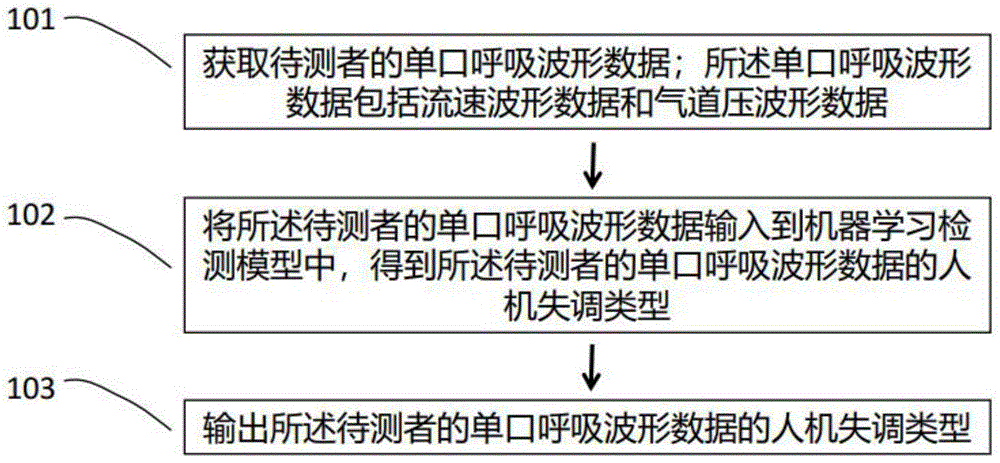
图1是本发明实施例提供的基于流速波形的呼吸自动切分方法的示意流程图;FIG. 1 is a schematic flow chart of a method for automatically segmenting breath based on a flow velocity waveform provided by an embodiment of the present invention;
图2是本发明实施例提供的基于流速波形的呼吸自动切分设备的示意图;Fig. 2 is a schematic diagram of a breath automatic segmentation device based on a flow velocity waveform provided by an embodiment of the present invention;
图3是本发明实施例提供的基于流速波形的呼吸自动切分系统的示意流程图;Fig. 3 is a schematic flow chart of the breath automatic segmentation system based on the flow velocity waveform provided by the embodiment of the present invention;
图4是本发明实施例提供的基于流速波形的呼吸自动切分方法的分类流程图;Fig. 4 is a classification flow chart of the automatic breathing segmentation method based on the flow velocity waveform provided by the embodiment of the present invention;
图5是本发明实施例提供的基于流速波形的呼吸自动切分方法的流速过零且导数大于零的点的示意图;Fig. 5 is a schematic diagram of the point where the flow velocity crosses zero and the derivative is greater than zero in the breath automatic segmentation method based on the flow velocity waveform provided by the embodiment of the present invention;
图6是本发明实施例提供的基于流速波形的呼吸自动切分方法的时间间隔a的示意图;Fig. 6 is a schematic diagram of the time interval a of the breath automatic segmentation method based on the flow velocity waveform provided by the embodiment of the present invention;
图7是本发明实施例提供的基于流速波形的呼吸自动切分方法的流速变化b的示意图;Fig. 7 is a schematic diagram of the flow velocity change b of the breath automatic segmentation method based on the flow velocity waveform provided by the embodiment of the present invention;
图8是本发明实施例提供的基于流速波形的呼吸自动切分方法的呼气波形上升斜率d的示意图。Fig. 8 is a schematic diagram of the ascending slope d of the expiratory waveform in the method of automatic breathing segmentation based on the flow velocity waveform provided by the embodiment of the present invention.
具体实施方式detailed description
为了使本技术领域的人员更好地理解本发明方案,下面将结合本发明实施例中的附图,对本发明实施例中的技术方案进行清楚、完整地描述。In order to enable those skilled in the art to better understand the solutions of the present invention, the technical solutions in the embodiments of the present invention will be clearly and completely described below in conjunction with the drawings in the embodiments of the present invention.
在本发明的说明书和权利要求书及上述附图中的描述的一些流程中,包含了按照特定顺序出现的多个操作,但是应该清楚了解,这些操作可以不按照其在本文中出现的顺序来执行或并行执行,操作的序号如101、102等,仅仅是用于区分开各个不同的操作,序号本身不代表任何的执行顺序。另外,这些流程可以包括更多或更少的操作,并且这些操作可以按顺序执行或并行执行。需要说明的是,本文中的“第一”、“第二”等描述,是用于区分不同的消息、设备、模块等,不代表先后顺序,也不限定“第一”和“第二”是不同的类型。In some processes described in the specification and claims of the present invention and the above-mentioned drawings, a plurality of operations appearing in a specific order are contained, but it should be clearly understood that these operations may not be performed in the order in which they appear herein Execution or parallel execution, the serial numbers of the operations, such as 101, 102, etc., are only used to distinguish different operations, and the serial numbers themselves do not represent any execution order. Additionally, these processes can include more or fewer operations, and these operations can be performed sequentially or in parallel. It should be noted that the descriptions of "first" and "second" in this article are used to distinguish different messages, devices, modules, etc. are different types.
下面将结合本发明实施例中的附图,对本发明实施例中的技术方案进行清楚、完整地描述,显然,所描述的实施例仅仅是本发明一部分实施例,而不是全部的实施例。基于本发明中的实施例,本领域技术人员在没有做出创造性劳动前提下所获取的所有其他实施例,都属于本发明保护的范围。The following will clearly and completely describe the technical solutions in the embodiments of the present invention with reference to the accompanying drawings in the embodiments of the present invention. Obviously, the described embodiments are only some, not all, embodiments of the present invention. Based on the embodiments of the present invention, all other embodiments obtained by those skilled in the art without making creative efforts belong to the protection scope of the present invention.
图1是本发明实施例提供的基于流速波形的呼吸自动切分方法的示意流程图,具体地,所述方法包括如下步骤:Fig. 1 is a schematic flowchart of a method for automatically segmenting breath based on a flow velocity waveform provided by an embodiment of the present invention. Specifically, the method includes the following steps:
101:获取待测者的呼吸波形数据;101: Obtain the respiratory waveform data of the subject;
在一个实施例中,所述呼吸波形数据包括:基于呼吸打点时间的呼吸流速数据;所述基于呼吸打点时间的呼吸流速数据为横坐标为Time(s),纵坐标为Flow(L/min)的流速波形数据;所述呼吸打点时间为Time(s),Time根据呼吸机的采样频率hz和数据的序列号number设置,计算公式为:Time=(number-1)/hz;number为采样点的序列号。In one embodiment, the respiratory waveform data includes: respiratory flow rate data based on the breathing time; the respiratory flow data based on the breathing time is Time (s) on the abscissa and Flow (L/min) on the ordinate The flow velocity waveform data; the breathing time is Time (s), and Time is set according to the sampling frequency hz of the ventilator and the serial number number of the data, and the calculation formula is: Time=(number-1)/hz; number is the sampling point serial number.
在一个实施例中,所述呼吸波形数据还包括:基于呼吸打点时间的气道压波形数据;所述气道压波形数据为横坐标为Time,纵坐标为气道压数据Paw(cmH2O)的气道压波形数据;In one embodiment, the respiratory waveform data also includes: airway pressure waveform data based on the breathing time; Airway pressure waveform data;
在一个实施例中,所述呼吸波形数据还包括:基于呼吸打点时间的食道压波形数据;所述食道压波形数据为横坐标为Time,纵坐标为食道压数据Pes(cmH2O)的食道压波形数据;In one embodiment, the respiratory waveform data further includes: esophageal pressure waveform data based on breathing time; the esophageal pressure waveform data is the esophageal pressure waveform whose abscissa is Time, and whose ordinate is esophageal pressure data Pes (cmH2O) data;
在一个实施例中,所述呼吸波形数据还包括:基于呼吸打点时间的容积波形数据;所述容积波形数据为横坐标为Time,纵坐标为容积数据Volume(ml)的容积波形数据;所述容积数据的计算公式为:
102:对所述呼吸波形数据进行预处理,得到预处理过的所述呼吸波形数据;将所述预处理过的所述呼吸波形数据切分为具有多个呼吸周期的呼吸数据,得到预处理过的且具有多个呼吸周期的呼吸数据;所述切分为寻找所有流速过零(一个点小于等于0,另一个点大于等于0)点且导数大于零的点,此点如图5圆圈所示;102: Perform preprocessing on the respiratory waveform data to obtain preprocessed respiratory waveform data; segment the preprocessed respiratory waveform data into respiratory data with multiple respiratory cycles to obtain preprocessed respiratory waveform data The respiratory data that has been passed and has multiple respiratory cycles; the segmentation is to find all the points where the flow velocity crosses zero (one point is less than or equal to 0, and the other point is greater than or equal to 0) and the derivative is greater than zero. This point is circled in Figure 5 shown;
在一个实施例中,所述预处理过的所述呼吸波形数据包括:从所述基于呼吸打点时间的呼吸流速数据的呼吸流速波形中,寻找流速过零点且导数大于零的点,并分别记录所述点的时间索引,得到的所述预处理过的所述呼吸波形数据;所述预处理为对所述呼吸波形数据按照顺序进行遍历,至少遍历一次。In one embodiment, the pre-processed respiratory waveform data includes: from the respiratory flow velocity waveform of the respiratory flow velocity data based on the breathing point time, find the points where the flow velocity crosses zero and the derivative is greater than zero, and record them respectively The time index of the point is obtained from the preprocessed respiratory waveform data; the preprocessing is to traverse the respiratory waveform data in order, at least once.
在一个实施例中,所述预处理过的且具有多个呼吸周期的呼吸数据包括:对相邻所述点分别进行切分,切分形成对应每一口呼吸的波形,得到的所述多个呼吸周期的呼吸数据;In one embodiment, the preprocessed respiratory data with multiple respiratory cycles includes: respectively segmenting the adjacent points to form a waveform corresponding to each breath, and the obtained multiple Respiration data for the respiration cycle;
每一口呼吸即为单口呼吸,单口呼吸的定义:一个完整的吸气相加一个完整的呼气相;吸气流速(Flow)由负变为正记为一口呼吸的开始;呼吸的终止为下一口呼吸开始的前一个采样点。Each mouthful of breath is a single breath, the definition of a single breath: a complete inhalation plus a complete expiratory phase; the inspiratory flow rate (Flow) changes from negative to positive as the beginning of a breath; the end of the breath is the next The previous sample point at which a breath was started.
可选的,分别取第n和n+1所述相邻所述点,将第n和n+1所述点之间定义为单个呼吸周期;其中,1≤n<N-1,N为所有所述点的时间索引总个数。Optionally, the nth and n+1th adjacent points are respectively taken, and the interval between the nth and n+1th points is defined as a single breathing cycle; wherein, 1≤n<N-1, N is The total number of time indices for all said points.
103:对所述预处理过的且具有多个呼吸周期的呼吸数据进行特征提取,得到特征提取后的具有多个呼吸周期的呼吸数据作为特征数据;103: Perform feature extraction on the preprocessed respiratory data with multiple respiratory cycles, and obtain the feature-extracted respiratory data with multiple respiratory cycles as feature data;
在一个实施例中,所述特征数据包括:单个呼吸周期的呼吸时间间隔,单个呼吸周期的流速变化,单个呼吸周期的呼气时长与单个呼吸周期总呼吸时间的占比,单个呼吸周期的呼气波形上升斜率;In one embodiment, the feature data includes: the breathing time interval of a single breathing cycle, the flow rate change of a single breathing cycle, the ratio of the exhalation duration of a single breathing cycle to the total breathing time of a single breathing cycle, and the breathing time of a single breathing cycle. Gas waveform rising slope;
可选的,所述单个呼吸周期的呼吸时间间隔为:所述相邻所述点分别对应的时间索引之间的时间间隔a,即相邻两个圆圈之间的时间间隔,如图6中箭头所示;Optionally, the breathing time interval of the single breathing cycle is: the time interval a between the time indexes corresponding to the adjacent points, that is, the time interval between two adjacent circles, as shown in Figure 6 indicated by the arrow;
可选的,所述a的取值范围为0s<a<1s;所述a优选为0s<a<0.6s;正常人呼吸频率约8-20次/分,在病理情况下患者的呼吸可达30-60次/分,因此呼吸时间a的取值范围为0s<a<1s,呼吸频率>100次的极端情况极为罕见,因此a的优选取值范围为0s<a<0.6s。Optionally, the value range of the a is 0s<a<1s; the a is preferably 0s<a<0.6s; the respiratory rate of a normal person is about 8-20 times/min, and the patient’s breathing can be Up to 30-60 times/min, so the value range of breathing time a is 0s<a<1s, and the extreme case of breathing frequency>100 times is extremely rare, so the preferred value range of a is 0s<a<0.6s.
可选的,所述单个呼吸周期的流速变化为:所述相邻所述点分别对应的时间索引之间的流速变化b;如图7中箭头所示;Optionally, the flow velocity change of the single respiratory cycle is: the flow velocity change b between the time indexes corresponding to the adjacent points; as shown by the arrow in FIG. 7 ;
可选的,所述b的取值范围为0L/min<b<20L/min;所述b优选为0L/min<b<10L/min;正常人吸气流速为40-60L/min,小儿为5-10L/min,因此一次呼吸间的流速变化b的取值范围0L/min<b<20L/min,考虑到部分患者存在吸气力量不足,b的优选取值范围为0L/min<b<10L/min。Optionally, the value range of b is 0L/min<b<20L/min; the b is preferably 0L/min<b<10L/min; the inspiratory flow rate of normal people is 40-60L/min, children It is 5-10L/min, so the value range of the flow rate change b between one breath is 0L/min<b<20L/min, considering that some patients have insufficient inspiratory force, the preferred value range of b is 0L/min< b<10L/min.
可选的,所述单个呼吸周期的呼气时长(流速为负的时间)与单个呼吸周期总呼吸时间(相邻2个圆圈之间的时间)的占比为:所述相邻所述点分别对应的时间索引之间的呼气时长占所述相邻所述点分别对应的时间索引之间总呼吸时间的比例c%;Optionally, the ratio of the exhalation duration (the time when the flow rate is negative) of the single breathing cycle to the total breathing time (the time between two adjacent circles) of the single breathing cycle is: the adjacent points The exhalation duration between the corresponding time indexes accounts for the proportion c% of the total breathing time between the time indexes corresponding to the adjacent points;
可选的,所述c%的取值范围为20%-80%;所述c优选为30%-50%;根据双重触发的定义,两个吸气周期之间的呼气时间小于平均吸气时间的一半,c的取值范围为20%-80%,其中c的优选取值范围为30%-50%。此种设置能够很好地规避双重或多重触发的情况对结果的影响;临床呼吸急促呼吸,呼吸异常时,短时间呼吸2次呼吸,本切分方法计算单次呼吸的准确性更好;中间做一次判断,出现异常情况时本参考至有效辅助如何处理。Optionally, the value range of c% is 20%-80%; the c is preferably 30%-50%; according to the definition of double triggering, the expiratory time between two inspiratory cycles is less than the average inspiratory cycle. Half of the gas time, the value range of c is 20%-80%, wherein the preferred value range of c is 30%-50%. This setting can well avoid the influence of double or multiple triggers on the results; when there is clinical shortness of breath and abnormal breathing, take 2 breaths in a short period of time, and the accuracy of calculating a single breath by this segmentation method is better; the middle Make a judgment, and this reference can effectively assist how to deal with abnormal situations.
可选的,所述单个呼吸周期的呼气波形上升斜率为:所述相邻所述点分别对应的时间索引之间的呼气波形上升斜率d;如图8中方框所示Optionally, the rising slope of the expiratory waveform of the single respiratory cycle is: the rising slope d of the expiratory waveform between the time indexes corresponding to the adjacent points; as shown in the box in Figure 8
可选的,在吸气初100ms内,所述d的取值范围为10-50L/min/s;所述d优选为5-25L/min/s;流速触发设置值约为1-5L/min,在吸气初100ms内,d的取值范围约为10-50L/min/s,考虑到部分触发延迟,d优选范围为5-25L/min/s。Optionally, within the first 100ms of inhalation, the value range of d is 10-50L/min/s; the d is preferably 5-25L/min/s; the flow rate trigger setting value is about 1-5L/min/s min, within the first 100ms of inhalation, the value range of d is about 10-50L/min/s, and considering the partial trigger delay, the preferred range of d is 5-25L/min/s.
104:将待测者的所述特征数据输入到分类模型中,得到所述特征数据的分类结果。104: Input the feature data of the subject into a classification model to obtain a classification result of the feature data.
在一个实施例中,所述将待测者的所述特征数据输入到分类模型中,得到所述待测者的所述特征数据的分类结果的方法或步骤包括:In one embodiment, the method or step of inputting the characteristic data of the subject into the classification model and obtaining the classification result of the characteristic data of the subject comprises:
将所述待测者的所述单个呼吸周期的呼吸时间间隔输入到分类模型中,判断所述待测者的所述单个呼吸周期的呼吸时间间隔是否落入a范围内;在所述待测者的所述单个呼吸周期的呼吸时间间隔落入a范围内的情况下,输出是,并进入将所述待测者的所述单个呼吸周期的流速变化输入到分类模型的阶段;否则输出否,运行终止;此步骤中的a在附图4中记做1;Input the respiratory time interval of the single respiratory cycle of the subject into the classification model, and judge whether the respiratory time interval of the single respiratory cycle of the subject falls within the range of a; If the respiratory time interval of the single respiratory cycle of the subject falls within the range of a, the output is yes, and enters the stage of inputting the flow rate change of the single respiratory cycle of the subject to the classification model; otherwise, the output is no , the operation is terminated; a in this step is recorded as 1 in accompanying drawing 4;
将所述待测者的所述单个呼吸周期的流速变化输入到分类模型,判断所述待测者的所述单个呼吸周期的流速变化是否落入b范围内;在所述待测者的所述单个呼吸周期的流速变化落入b范围内的情况下,输出是,并进入将所述待测者的所述单个呼吸周期的呼气时长与单个呼吸周期总呼吸时间的占比输入到分类模型的阶段;否则输出否,运行终止;此步骤中的b在附图4中记做2;Input the flow velocity change of the single respiratory cycle of the subject into the classification model, and judge whether the flow velocity change of the single respiratory cycle of the subject falls within the range of b; In the case that the flow velocity change of the single breathing cycle falls within the range of b, the output is, and enter the ratio of the exhalation duration of the single breathing cycle of the test subject to the total breathing time of the single breathing cycle into the classification The stage of the model; otherwise the output is No, and the operation is terminated; b in this step is recorded as 2 in accompanying drawing 4;
将所述待测者的所述单个呼吸周期的呼气时长与单个呼吸周期总呼吸时间的占比输入到分类模型,判断所述待测者的所述单个呼吸周期的呼气时长与单个呼吸周期总呼吸时间的占比是否落入c范围内;在所述待测者的所述单个呼吸周期的呼气时长与单个呼吸周期总呼吸时间的占比落入c范围内的情况下,输出是,并进入将所述待测者的所述单个呼吸周期的呼气波形上升斜率到分类模型的阶段;否则输出否,运行终止;此步骤中的c在附图4中记做3;Input the ratio of the exhalation duration of the single breathing cycle of the subject to the test to the total breathing time of the single breathing cycle into the classification model, and judge the difference between the exhalation duration of the single breathing cycle of the test subject and the ratio of the total breathing time of the single breathing cycle. Whether the proportion of the total breathing time of the cycle falls within the range of c; when the ratio of the exhalation duration of the single breathing cycle of the subject to the test to the total breathing time of the single breathing cycle falls within the range of c, the output Yes, and enter the stage of increasing the slope of the expiratory waveform of the single respiratory cycle of the subject to the classification model; otherwise the output is no, and the operation is terminated; c in this step is recorded as 3 in accompanying drawing 4;
将所述待测者的所述单个呼吸周期的呼气波形上升斜率输入到分类模型,判断所述待测者的所述单个呼吸周期的呼气波形上升斜率是否落入d范围内;在所述待测者的所述单个呼吸周期的呼气波形上升斜率落入d范围内的情况下,输出是,并输出待测者的呼吸波形数据的分类结果;否则输出否,运行终止。此步骤中的d在附图4中记做4;Input the rising slope of the expiratory waveform of the single respiratory cycle of the subject into the classification model, and judge whether the rising slope of the expiratory waveform of the single respiratory cycle of the subject falls within the range of d; When the upward slope of the expiratory waveform of the single respiratory cycle of the test subject falls within the range of d, the output is yes, and the classification result of the test subject's respiratory waveform data is output; otherwise, the output is no, and the operation is terminated. D in this step is recorded as 4 in accompanying drawing 4;
在一个实施例中,所述呼吸波形数据为具有连续波形信号的呼吸波形数据。In one embodiment, the respiratory waveform data is respiratory waveform data with a continuous waveform signal.
所述分类模型的确定方式包括:The method for determining the classification model includes:
获取正常人的呼吸波形数据;Obtain the respiratory waveform data of normal people;
对所述呼吸波形数据进行预处理,得到预处理过的所述呼吸波形数据;将所述预处理过的所述呼吸波形数据切分为具有多个呼吸周期的呼吸数据,得到预处理过的且具有多个呼吸周期的呼吸数据;Preprocessing the respiratory waveform data to obtain preprocessed respiratory waveform data; cutting the preprocessed respiratory waveform data into respiratory data with multiple respiratory cycles to obtain preprocessed respiratory waveform data and have breathing data of multiple breathing cycles;
对所述预处理过的且具有多个呼吸周期的呼吸数据进行特征选择或特征提取,得到特征选择或特征提取后的具有多个呼吸周期的呼吸数据作为特征数据;Perform feature selection or feature extraction on the preprocessed respiratory data with multiple respiratory cycles, and obtain the respiratory data with multiple respiratory cycles after feature selection or feature extraction as feature data;
采用机器学习的方法对所述特征数据进行特征提取,得到特征提取后的特征数据,利用特征提取后的特征数据构建分类模型,得到构建好的分类模型。Feature extraction is performed on the feature data by using a machine learning method to obtain feature data after feature extraction, and a classification model is constructed using the feature data after feature extraction to obtain a constructed classification model.
图2是本发明实施例提供的基于流速波形的呼吸自动切分设备的示意图,所述设备包括:存储器和处理器; Fig. 2 is a schematic diagram of an automatic respiratory segmentation device based on a flow velocity waveform provided by an embodiment of the present invention, the device includes: a memory and a processor;
所述存储器用于存储程序指令;The memory is used to store program instructions;
所述处理器用于调用程序指令,当程序指令被执行时,用于执行上述的基于流速波形的呼吸自动切分方法。The processor is used for invoking program instructions, and when the program instructions are executed, is used for executing the above-mentioned automatic breathing segmentation method based on the flow velocity waveform.
图3是本发明实施例提供的基于流速波形的呼吸自动切分系统的示意流程图,包括: Fig. 3 is a schematic flow chart of the breath automatic segmentation system based on the flow velocity waveform provided by the embodiment of the present invention, including:
获取单元301,用于获取待测者的呼吸波形数据;An
第一处理单元302,用于对所述呼吸波形数据进行预处理,得到预处理过的所述呼吸波形数据;将所述预处理过的所述呼吸波形数据切分为具有多个呼吸周期的呼吸数据,得到预处理过的且具有多个呼吸周期的呼吸数据;所述切分为寻找所有流速过零点且导数大于零的点;The
第二处理单元303,用于对所述预处理过的且具有多个呼吸周期的呼吸数据进行特征提取,得到特征提取后的具有多个呼吸周期的呼吸数据作为特征数据;The
分类单元,用于将待测者的所述特征数据输入到分类模型中,得到所述特征数据的分类结果。The classification unit is used to input the characteristic data of the subject into the classification model to obtain the classification result of the characteristic data.
一种计算机可读存储介质,其上存储有计算机程序,所述计算机程序被处理器执行时实现上述的基于流速波形的呼吸自动切分方法。A computer-readable storage medium, on which a computer program is stored, and when the computer program is executed by a processor, the above-mentioned automatic breathing segmentation method based on a flow velocity waveform is realized.
本验证实施例的验证结果表明,为适应症分配固有权重相对于默认设置来说可以适度改善本方法的性能。The validation results of this validation example show that assigning intrinsic weights to indications can moderately improve the performance of the method relative to the default setting.
所属领域的技术人员可以清楚地了解到,为描述的方便和简洁,上述描述的系统,装置和单元的具体工作过程,可以参考前述方法实施例中的对应过程,在此不再赘述。Those skilled in the art can clearly understand that for the convenience and brevity of the description, the specific working process of the above-described system, device and unit can refer to the corresponding process in the foregoing method embodiment, which will not be repeated here.
在本申请所提供的几个实施例中,应该理解到,所揭露的系统,装置和方法,可以通过其它的方式实现。例如,以上所描述的装置实施例仅仅是示意性的,例如,所述单元的划分,仅仅为一种逻辑功能划分,实际实现时可以有另外的划分方式,例如多个单元或组件可以结合或者可以集成到另一个系统,或一些特征可以忽略,或不执行。另一点,所显示或讨论的相互之间的耦合或直接耦合或通信连接可以是通过一些接口,装置或单元的间接耦合或通信连接,可以是电性,机械或其它的形式。In the several embodiments provided in this application, it should be understood that the disclosed system, device and method can be implemented in other ways. For example, the device embodiments described above are only illustrative. For example, the division of the units is only a logical function division. In actual implementation, there may be other division methods. For example, multiple units or components can be combined or May be integrated into another system, or some features may be ignored, or not implemented. In another point, the mutual coupling or direct coupling or communication connection shown or discussed may be through some interfaces, and the indirect coupling or communication connection of devices or units may be in electrical, mechanical or other forms.
所述作为分离部件说明的单元可以是或者也可以不是物理上分开的,作为单元显示的部件可以是或者也可以不是物理单元,即可以位于一个地方,或者也可以分布到多个网络单元上。可以根据实际的需要选择其中的部分或者全部单元来实现本实施例方案的目的。The units described as separate components may or may not be physically separated, and the components shown as units may or may not be physical units, that is, they may be located in one place, or may be distributed to multiple network units. Part or all of the units can be selected according to actual needs to achieve the purpose of the solution of this embodiment.
另外,在本发明各个实施例中的各功能单元可以集成在一个处理单元中,也可以是各个单元单独物理存在,也可以两个或两个以上单元集成在一个单元中。上述集成的单元既可以采用硬件的形式实现,也可以采用软件功能单元的形式实现。In addition, each functional unit in each embodiment of the present invention may be integrated into one processing unit, each unit may exist separately physically, or two or more units may be integrated into one unit. The above-mentioned integrated units can be implemented in the form of hardware or in the form of software functional units.
本领域普通技术人员可以理解上述实施例的各种方法中的全部或部分步骤是可以通过程序来指令相关的硬件来完成,该程序可以存储于一计算机可读存储介质中,存储介质可以包括:只读存储器(ROM,Read Only Memory)、随机存取存储器(RAM,RandomAccess Memory)、磁盘或光盘等。Those of ordinary skill in the art can understand that all or part of the steps in the various methods of the above-mentioned embodiments can be completed by instructing related hardware through a program, and the program can be stored in a computer-readable storage medium, and the storage medium can include: Read Only Memory (ROM, Read Only Memory), Random Access Memory (RAM, Random Access Memory), magnetic disk or optical disk, etc.
本领域普通技术人员可以理解实现上述实施例方法中的全部或部分步骤是可以通过程序来指令相关的硬件完成,所述的程序可以存储于一种计算机可读存储介质中,上述提到的存储介质可以是只读存储器,磁盘或光盘等。Those of ordinary skill in the art can understand that all or part of the steps in the method of the above-mentioned embodiments can be completed by instructing related hardware through a program, and the program can be stored in a computer-readable storage medium, and the above-mentioned storage The medium can be read-only memory, magnetic or optical disk, etc.
以上对本发明所提供的一种计算机设备进行了详细介绍,对于本领域的一般技术人员,依据本发明实施例的思想,在具体实施方式及应用范围上均会有改变之处,综上所述,本说明书内容不应理解为对本发明的限制。The computer equipment provided by the present invention has been introduced in detail above. For those of ordinary skill in the art, according to the idea of the embodiment of the present invention, there will be changes in the specific implementation and application range. In summary, , the contents of this specification should not be construed as limiting the present invention.
Claims (10)
Priority Applications (1)
| Application Number | Priority Date | Filing Date | Title |
|---|---|---|---|
| CN202211056849.1A CN115414026A (en) | 2022-08-31 | 2022-08-31 | Automatic breath segmentation method and system based on flow velocity waveform |
Applications Claiming Priority (1)
| Application Number | Priority Date | Filing Date | Title |
|---|---|---|---|
| CN202211056849.1A CN115414026A (en) | 2022-08-31 | 2022-08-31 | Automatic breath segmentation method and system based on flow velocity waveform |
Publications (1)
| Publication Number | Publication Date |
|---|---|
| CN115414026A true CN115414026A (en) | 2022-12-02 |
Family
ID=84201038
Family Applications (1)
| Application Number | Title | Priority Date | Filing Date |
|---|---|---|---|
| CN202211056849.1A Pending CN115414026A (en) | 2022-08-31 | 2022-08-31 | Automatic breath segmentation method and system based on flow velocity waveform |
Country Status (1)
| Country | Link |
|---|---|
| CN (1) | CN115414026A (en) |
Cited By (1)
| Publication number | Priority date | Publication date | Assignee | Title |
|---|---|---|---|---|
| CN116226231A (en) * | 2023-02-23 | 2023-06-06 | 北京思维实创科技有限公司 | Data segmentation method and related device |
Citations (5)
| Publication number | Priority date | Publication date | Assignee | Title |
|---|---|---|---|---|
| US5303700A (en) * | 1991-07-04 | 1994-04-19 | Dragerwerk Aktiengesellschaft | Method for detecting the respiratory phases of a patient during an assisted ventilating process |
| CN103977491A (en) * | 2003-06-20 | 2014-08-13 | 雷斯梅德有限公司 | Method and apparatus for improving the comfort of CPAP |
| CN109803708A (en) * | 2016-10-07 | 2019-05-24 | 皇家飞利浦有限公司 | Use pressure-controlled breathing to estimate lung compliance and lung resistance to allow all respiratory muscle recoil-generated pressure to dissipate |
| CN111563451A (en) * | 2020-05-06 | 2020-08-21 | 浙江工业大学 | Identification method of ineffective inspiratory effort in mechanical ventilation based on multi-scale wavelet features |
| CN113951868A (en) * | 2021-10-29 | 2022-01-21 | 北京富通东方科技有限公司 | Method and device for detecting man-machine asynchrony of mechanically ventilated patient |
-
2022
- 2022-08-31 CN CN202211056849.1A patent/CN115414026A/en active Pending
Patent Citations (5)
| Publication number | Priority date | Publication date | Assignee | Title |
|---|---|---|---|---|
| US5303700A (en) * | 1991-07-04 | 1994-04-19 | Dragerwerk Aktiengesellschaft | Method for detecting the respiratory phases of a patient during an assisted ventilating process |
| CN103977491A (en) * | 2003-06-20 | 2014-08-13 | 雷斯梅德有限公司 | Method and apparatus for improving the comfort of CPAP |
| CN109803708A (en) * | 2016-10-07 | 2019-05-24 | 皇家飞利浦有限公司 | Use pressure-controlled breathing to estimate lung compliance and lung resistance to allow all respiratory muscle recoil-generated pressure to dissipate |
| CN111563451A (en) * | 2020-05-06 | 2020-08-21 | 浙江工业大学 | Identification method of ineffective inspiratory effort in mechanical ventilation based on multi-scale wavelet features |
| CN113951868A (en) * | 2021-10-29 | 2022-01-21 | 北京富通东方科技有限公司 | Method and device for detecting man-machine asynchrony of mechanically ventilated patient |
Non-Patent Citations (1)
| Title |
|---|
| 范刚: "心理测试技术研究与应用 认知综合测试法的理论及实践", vol. 1, 31 July 2021, 中国法制出版社, pages: 117 * |
Cited By (2)
| Publication number | Priority date | Publication date | Assignee | Title |
|---|---|---|---|---|
| CN116226231A (en) * | 2023-02-23 | 2023-06-06 | 北京思维实创科技有限公司 | Data segmentation method and related device |
| CN116226231B (en) * | 2023-02-23 | 2023-10-27 | 北京思维实创科技有限公司 | Data segmentation method and related device |
Similar Documents
| Publication | Publication Date | Title |
|---|---|---|
| US20220265944A1 (en) | Detection of asynchrony | |
| RU2515401C2 (en) | System and method of identifying respiratory insufficiency of subject's respiration | |
| EP2536333B1 (en) | Nitric oxide measurement method and apparatus | |
| CN113539501A (en) | A ventilator man-machine asynchronous classification method, system, terminal and storage medium | |
| CN111563451B (en) | Method for identifying ineffective inspiratory effort in mechanical ventilation based on multi-scale wavelet features | |
| US20190015614A1 (en) | Systems, devices, and methodologies to provide protective and personalized ventilation | |
| US20120239435A1 (en) | Automated annotation of clinical data | |
| JP2018536456A (en) | Abnormality detection apparatus and method for respiratory mechanics parameter estimation | |
| Doheny et al. | Estimation of respiratory rate and exhale duration using audio signals recorded by smartphone microphones | |
| WO2022242123A1 (en) | Mechanical ventilation man-machine asynchronous detection method and apparatus, and computer-readable storage medium | |
| WO2022267382A1 (en) | Human-machine asynchronous classification method and system for ventilator, terminal and storage medium | |
| CN115414026A (en) | Automatic breath segmentation method and system based on flow velocity waveform | |
| CN108024759A (en) | Capnography with DSS framework | |
| CN115381432A (en) | Single-mouth respiration waveform-based man-machine disorder detection method and system | |
| CN116052878B (en) | Construction method and prediction system of extubation outcome prediction model based on respiratory variability and machine learning | |
| CN115381431A (en) | Method and system for extracting respiratory parameters | |
| CN116726331B (en) | A method and apparatus for assessing the compliance of static mechanical operations | |
| US20240197201A1 (en) | Remote Monitoring of Respiration | |
| CN114708972B (en) | VTE risk early warning system | |
| CN116153516B (en) | A disease big data mining analysis system based on distributed computing | |
| CN113808078B (en) | A method to identify ineffective inspiratory effort based on electrical impedance tomography | |
| CN115775629A (en) | Method for assessing PPCs risk based on sub-polar motion test before operation | |
| CN115068760A (en) | Intelligent identification and classification method for asynchronous phenomenon of breathing machine-patient | |
| WO2022133942A1 (en) | Medical ventilation device and ventilation monitoring method | |
| CN118320258B (en) | A method for detecting abnormal carbon dioxide waveforms during mechanical ventilation and an anesthesia machine |
Legal Events
| Date | Code | Title | Description |
|---|---|---|---|
| PB01 | Publication | ||
| PB01 | Publication | ||
| SE01 | Entry into force of request for substantive examination | ||
| SE01 | Entry into force of request for substantive examination |