CN115357319A - User interface rendering method and device - Google Patents
User interface rendering method and device Download PDFInfo
- Publication number
- CN115357319A CN115357319A CN202210929171.7A CN202210929171A CN115357319A CN 115357319 A CN115357319 A CN 115357319A CN 202210929171 A CN202210929171 A CN 202210929171A CN 115357319 A CN115357319 A CN 115357319A
- Authority
- CN
- China
- Prior art keywords
- user interface
- data
- target
- template
- interface
- Prior art date
- Legal status (The legal status is an assumption and is not a legal conclusion. Google has not performed a legal analysis and makes no representation as to the accuracy of the status listed.)
- Pending
Links
Images


Classifications
-
- G—PHYSICS
- G06—COMPUTING OR CALCULATING; COUNTING
- G06F—ELECTRIC DIGITAL DATA PROCESSING
- G06F9/00—Arrangements for program control, e.g. control units
- G06F9/06—Arrangements for program control, e.g. control units using stored programs, i.e. using an internal store of processing equipment to receive or retain programs
- G06F9/44—Arrangements for executing specific programs
- G06F9/451—Execution arrangements for user interfaces
-
- G—PHYSICS
- G06—COMPUTING OR CALCULATING; COUNTING
- G06F—ELECTRIC DIGITAL DATA PROCESSING
- G06F8/00—Arrangements for software engineering
- G06F8/30—Creation or generation of source code
- G06F8/38—Creation or generation of source code for implementing user interfaces
Landscapes
- Engineering & Computer Science (AREA)
- Software Systems (AREA)
- Theoretical Computer Science (AREA)
- General Engineering & Computer Science (AREA)
- Human Computer Interaction (AREA)
- Physics & Mathematics (AREA)
- General Physics & Mathematics (AREA)
- Stored Programmes (AREA)
Abstract
Description
技术领域technical field
本发明涉及计算机技术领域,特别是涉及一种用户界面渲染方法及装置。The present invention relates to the field of computer technology, in particular to a user interface rendering method and device.
背景技术Background technique
随着用户需求的不断扩展,各种各样的应用程序向用户提供的业务越来越多,为便于用户与客户端交互,进而请求各种业务,客户端会展示用户界面。由于用户界面是与业务相关联的,且各种业务不断发生变化,为此,需要提供一种能够随着业务动态变化而动态渲染用户界面的方案。With the continuous expansion of user needs, various applications provide more and more services to users. In order to facilitate the interaction between users and the client, and then request various services, the client will display a user interface. Since the user interface is associated with services and various services are constantly changing, it is necessary to provide a solution that can dynamically render the user interface as the services change dynamically.
发明内容Contents of the invention
本发明实施例的目的在于提供一种用户界面渲染方法及装置,以实现对用户界面进行动态渲染。具体技术方案如下:The purpose of the embodiments of the present invention is to provide a user interface rendering method and device, so as to implement dynamic rendering of the user interface. The specific technical scheme is as follows:
在本发明实施的第一方面,首先提供了一种用户界面渲染方法,应用于应用于客户端,所述客户端集成有用于对用户界面模板和业务数据进行合并的模板引擎,所述方法包括:In the first aspect of the implementation of the present invention, a user interface rendering method is firstly provided, which is applied to a client, and the client is integrated with a template engine for merging user interface templates and business data, and the method includes :
向服务器发送针对用户界面的数据请求;Send a data request for the user interface to the server;
接收所述服务器发送的目标业务的目标用户界面模板和目标业务数据,其中,所述目标业务为:所述数据请求所指示的业务;receiving the target user interface template and target service data of the target service sent by the server, wherein the target service is: the service indicated by the data request;
调用所述模板引擎按照预设的跨平台界面描述规则合并所述目标用户界面模板和所述目标业务数据,得到目标用户界面数据;Invoking the template engine to merge the target user interface template and the target business data according to preset cross-platform interface description rules to obtain target user interface data;
对所述目标用户界面数据进行数据渲染,得到目标用户界面。Data rendering is performed on the target user interface data to obtain a target user interface.
在本发明实施的第二方面,还提供了一种用户界面渲染方法,应用于服务器,所述方法包括:In the second aspect of the implementation of the present invention, a user interface rendering method is also provided, which is applied to a server, and the method includes:
接收客户端发送的针对用户界面的数据请求;Receive the data request for the user interface sent by the client;
确定所述数据请求所指示的目标业务的目标用户界面模板和目标业务数据;determining the target user interface template and target service data of the target service indicated by the data request;
向所述客户端发送所述目标用户界面模板和所述目标业务数据,以使得所述客户端根据所述目标用户界面模板和所述目标业务数据,渲染用户界面。Sending the target user interface template and the target service data to the client, so that the client renders a user interface according to the target user interface template and the target service data.
在本发明实施的第三方面,还提供了一种用户界面渲染装置,应用于客户端,所述客户端集成有用于对用户界面模板和业务数据进行合并的模板引擎,所述装置包括:In the third aspect of the implementation of the present invention, a user interface rendering device is also provided, which is applied to a client, and the client is integrated with a template engine for merging user interface templates and business data, and the device includes:
数据请求发送模块,用于向服务器发送针对用户界面的数据请求;A data request sending module, configured to send a data request for the user interface to the server;
模板及数据接收模块,用于接收所述服务器发送的目标业务的目标用户界面模板和目标业务数据,其中,所述目标业务为:所述数据请求所指示的业务;The template and data receiving module is configured to receive the target user interface template and target service data of the target service sent by the server, wherein the target service is: the service indicated by the data request;
用户界面数据获得模块,用于调用所述模板引擎按照预设的跨平台界面描述规则合并所述目标用户界面模板和所述目标业务数据,得到目标用户界面数据;The user interface data acquisition module is used to call the template engine to merge the target user interface template and the target business data according to the preset cross-platform interface description rules to obtain the target user interface data;
第一数据渲染模块,用于对所述目标用户界面数据进行数据渲染,得到目标用户界面。The first data rendering module is configured to perform data rendering on the target user interface data to obtain the target user interface.
在本发明实施的第四方面,还提供了一种用户界面渲染装置,应用于服务器,所述装置包括:In the fourth aspect of the implementation of the present invention, a user interface rendering device is also provided, which is applied to a server, and the device includes:
数据请求接收模块,用于接收客户端发送的针对用户界面的数据请求;The data request receiving module is used to receive the data request sent by the client for the user interface;
模板及数据确定模块,用于确定所述数据请求所指示的目标业务的目标用户界面模板和目标业务数据;A template and data determination module, configured to determine the target user interface template and target business data of the target business indicated by the data request;
模板及数据发送模块,用于向所述客户端发送所述目标用户界面模板和所述目标业务数据,以使得所述客户端根据所述目标用户界面模板和所述目标业务数据,渲染用户界面。A template and data sending module, configured to send the target user interface template and the target service data to the client, so that the client renders a user interface according to the target user interface template and the target service data .
在本发明实施的第五方面,还提供了一种电子设备,包括处理器、通信接口、存储器和通信总线,其中,处理器,通信接口,存储器通过通信总线完成相互间的通信;In the fifth aspect of the implementation of the present invention, an electronic device is also provided, including a processor, a communication interface, a memory, and a communication bus, wherein, the processor, the communication interface, and the memory complete mutual communication through the communication bus;
存储器,用于存放计算机程序;memory for storing computer programs;
处理器,用于执行存储器上所存放的程序时,实现上述任一所述的用户界面渲染方法步骤。The processor is configured to implement the steps of any one of the user interface rendering methods described above when executing the program stored in the memory.
在本发明实施的第六方面,还提供了一种计算机可读存储介质,所述计算机可读存储介质内存储有计算机程序,所述计算机程序被处理器执行时实现上述任一所述的用户界面渲染方法步骤。In the sixth aspect of the implementation of the present invention, a computer-readable storage medium is also provided. A computer program is stored in the computer-readable storage medium. When the computer program is executed by a processor, any of the above-mentioned user Interface rendering method steps.
在本发明实施的第七方面,还提供了一种包含指令的计算机程序产品,当其在计算机上运行时,使得计算机执行上述任一所述的用户界面渲染方法步骤。In the seventh aspect of the implementation of the present invention, there is also provided a computer program product containing instructions, which, when run on a computer, causes the computer to execute the steps of any one of the user interface rendering methods described above.
由上可见,本发明实施例提供的方案中,客户端集成了模板引擎,进而客户端具有了对用户界面模板和业务数据进行合并的能力。在此基础上,客户端进行用户界面渲染时,从服务器获得目标用户界面模板和目标业务数据即可,这样客户端就能够按照跨平台界面描述规则合并得到目标用户界面数据,对用户界面数据进行渲染之后,能够得到目标用户界面。由于目标业务发生变化后目标业务数据也会发生改变,这样客户端能够随着目标业务数据的变化而合并得到变化的目标用户界面数据,进而能够渲染得到变化的用户界面,因此,本发明实施例提供的方案实现了随着业务动态变化,动态渲染不同的用户界面。It can be seen from the above that in the solution provided by the embodiment of the present invention, the client integrates the template engine, and the client has the capability of merging user interface templates and business data. On this basis, when the client renders the user interface, it only needs to obtain the target user interface template and target business data from the server. In this way, the client can merge the target user interface data according to the cross-platform interface description rules, and perform user interface data After rendering, the target user interface can be obtained. Since the target service data will also change after the target service changes, the client can merge with the change of the target service data to obtain the changed target user interface data, and then can render the changed user interface. Therefore, the embodiment of the present invention The solution provided enables dynamic rendering of different user interfaces as the business changes dynamically.
另外,由于在本发明实施例提供的方案中,客户端完成了用户界面模板和业务数据的合并过程,这样服务器不需要参与该合并过程,也就不需要实现合并的功能。相比于客户端接收服务器已经合并好的用户界面数据进行数据渲染,本发明实施例提供的方案降低了客户端对服务器在功能上的依赖,降低了客户端与服务器的耦合程度。In addition, because in the solution provided by the embodiment of the present invention, the client completes the merging process of the user interface template and the service data, the server does not need to participate in the merging process, nor does it need to implement the merging function. Compared with the client receiving the merged user interface data from the server for data rendering, the solution provided by the embodiment of the present invention reduces the functional dependence of the client on the server and reduces the degree of coupling between the client and the server.
对于服务器而言,不参与合并过程,在开发过程中,服务器侧的开发人员不需要学习合并得到用户界面数据所需的跨平台界面描述规则,降低了服务器侧开发人员的学习成本,提高了开发效率。For the server, it does not participate in the merging process. During the development process, the developers on the server side do not need to learn the cross-platform interface description rules required for merging user interface data, which reduces the learning cost of the server-side developers and improves the development process. efficiency.
附图说明Description of drawings
为了更清楚地说明本发明实施例或现有技术中的技术方案,下面将对实施例或现有技术描述中所需要使用的附图作简单地介绍。In order to more clearly illustrate the embodiments of the present invention or the technical solutions in the prior art, the following briefly introduces the drawings that are required in the description of the embodiments or the prior art.
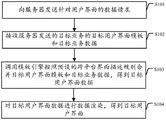
图1为本发明实施例提供的第一种用户界面渲染方法的流程示意图;FIG. 1 is a schematic flowchart of a first user interface rendering method provided by an embodiment of the present invention;
图2为本发明实施例提供的第二种用户界面渲染方法的流程示意图;FIG. 2 is a schematic flowchart of a second user interface rendering method provided by an embodiment of the present invention;
图3为本发明实施例提供的第三种用户界面渲染方法的流程示意图;FIG. 3 is a schematic flowchart of a third user interface rendering method provided by an embodiment of the present invention;
图4为本发明实施例提供的一种用户界面渲染方法的流程框图;FIG. 4 is a flowchart of a user interface rendering method provided by an embodiment of the present invention;
图5为本发明实施例提供的一种用户界面刷新方法的流程框图;FIG. 5 is a flowchart of a user interface refreshing method provided by an embodiment of the present invention;
图6为本发明实施例提供的第一种用户界面渲染装置的结构示意图;FIG. 6 is a schematic structural diagram of a first user interface rendering device provided by an embodiment of the present invention;
图7为本发明实施例提供的第二种用户界面渲染装置的结构示意图;FIG. 7 is a schematic structural diagram of a second user interface rendering device provided by an embodiment of the present invention;
图8为本发明实施例提供的第三种用户界面渲染装置的结构示意图;FIG. 8 is a schematic structural diagram of a third user interface rendering device provided by an embodiment of the present invention;
图9为本发明实施例提供的一种电子设备的结构示意图。FIG. 9 is a schematic structural diagram of an electronic device provided by an embodiment of the present invention.
具体实施方式Detailed ways
下面将结合本发明实施例中的附图,对本发明实施例中的技术方案进行描述。The technical solutions in the embodiments of the present invention will be described below with reference to the drawings in the embodiments of the present invention.
下面对本发明涉及的概念进行说明。The concepts involved in the present invention are described below.
客户端:客户端为向用户提供服务的软件端。客户端可以通过用户界面与用户交互。客户端也可以被称为前端。Client: The client is the software side that provides services to users. The client can interact with the user through the user interface. A client can also be called a front end.
服务器:服务器为用于处理业务数据的设备。业务数据的种类和处理方式根据服务器所提供业务的不同而不同,例如,针对商品交易业务的业务数据可以是商品、订单的属性,处理方式可以是统计订单的总量等。服务器也可以被成为后端。Server: A server is a device used to process business data. The types and processing methods of business data vary according to the services provided by the server. For example, the business data for commodity transaction business can be the attributes of commodities and orders, and the processing method can be to count the total amount of orders, etc. A server can also be called a backend.
服务器和客户端可以基于预设的协议发送和接收数据,且服务器以及客户端均可以作为发送方或者接收方。预设的协议可以是HTTP(Hyper Text Transfer Protocol,HTTP)、FTP(File Transfer Protocol,文件传输协议)等。The server and the client can send and receive data based on a preset protocol, and both the server and the client can act as a sender or a receiver. The preset protocol may be HTTP (Hyper Text Transfer Protocol, HTTP), FTP (File Transfer Protocol, file transfer protocol) and so on.
用户界面数据:用户界面数据按照一定的界面描述规则,描述具有指定布局和内容的用户界面。例如,用户界面数据可以是一个HTML(HyperText Markup Language,超文本标记语言)文档,在该文档中,不同的标签对应界面上不同组件的内容,标签之间的包含或者并列关系对应用户界面的布局。用户界面数据也可以是XML(Extensible MarkupLanguage,可扩展标记语言)文档等,本发明实施例并不对生成的用户界面数据的具体类型进行限定。User interface data: User interface data describes a user interface with a specified layout and content according to certain interface description rules. For example, the user interface data can be an HTML (HyperText Markup Language, hypertext markup language) document, in this document, different labels correspond to the content of different components on the interface, and the inclusion or parallel relationship between labels corresponds to the layout of the user interface . The user interface data may also be an XML (Extensible Markup Language, Extensible Markup Language) document, etc., and the embodiment of the present invention does not limit the specific type of the generated user interface data.
模板引擎:模板引擎可以理解为生成用户界面数据的程序。模板引擎采用用户界面模板和业务数据得到用户界面数据。Template engine: A template engine can be understood as a program that generates user interface data. The template engine uses user interface templates and business data to obtain user interface data.
采用不同的编程语言可以编写出不同的模板引擎。例如,模板引擎可以基于JavaScript语言实现,或者可以基于PHP语言实现。Different template engines can be written in different programming languages. For example, the template engine can be implemented based on the JavaScript language, or can be implemented based on the PHP language.
不同的编程语言实现的模板引擎,能够基于相应编程语言实现的用户界面模板,得到用户界面数据。例如,模板引擎为基于JavaScript语言实现的引擎,也简称为JS模板引擎,用户界面模板为基于JavaScript语言实现的模板,以下简称为JS模板。此种情况下,可以应用JS模板引擎获得用于渲染用户界面的用户界面数据。Template engines implemented in different programming languages can obtain user interface data based on user interface templates implemented in corresponding programming languages. For example, the template engine is an engine implemented based on JavaScript language, also referred to as JS template engine for short, and the user interface template is a template implemented based on JavaScript language, hereinafter referred to as JS template for short. In this case, a JS template engine may be used to obtain user interface data for rendering the user interface.
用户界面模板:用户界面模板是采用预设的描述规则描述布局的文本。在用户界面模板中可以固定设置用户界面的具体布局信息,也可以设置生成具体的用户界面中界面元素的函数,且基于上述函数记录生成的方式,将具体的界面元素的布局信息作为上述函数的变量。其中,具体布局信息可以是用户界面中界面元素的颜色、尺寸等,具体布局信息可以由业务数据中记录的布局信息指定。User interface template: The user interface template is a text describing the layout using preset description rules. The specific layout information of the user interface can be fixed in the user interface template, and the function that generates the interface elements in the specific user interface can also be set, and based on the method of generating the above function records, the layout information of the specific interface elements is used as the above function variable. Wherein, the specific layout information may be the color and size of the interface elements in the user interface, and the specific layout information may be specified by the layout information recorded in the service data.
下面通过具体实施例对本发明实施例提供的用户界面渲染方法进行详细说明。The user interface rendering method provided by the embodiment of the present invention will be described in detail below through specific embodiments.
本发明的一个实施例中,提供了一种用户界面渲染方法,应用于客户端,客户端集成有用于对用户界面模板和业务数据进行合并的模板引擎,该方法包括:In one embodiment of the present invention, a user interface rendering method is provided, which is applied to a client, and the client is integrated with a template engine for merging user interface templates and business data. The method includes:
向服务器发送针对用户界面的数据请求;Send a data request for the user interface to the server;
接收服务器发送的目标业务的目标用户界面模板和目标业务数据,其中,目标业务为:数据请求所指示的业务;receiving the target user interface template and target service data of the target service sent by the server, wherein the target service is: the service indicated by the data request;
调用模板引擎按照预设的跨平台界面描述规则合并目标用户界面模板和目标业务数据,得到目标用户界面数据;Invoke the template engine to merge the target user interface template and target business data according to the preset cross-platform interface description rules to obtain the target user interface data;
对目标用户界面数据进行数据渲染,得到目标用户界面。Data rendering is performed on the target user interface data to obtain the target user interface.
由上可见,本发明实施例提供的方案中,客户端集成了模板引擎,进而客户端具有了对用户界面模板和业务数据进行合并的能力。在此基础上,客户端进行用户界面渲染时,从服务器获得目标用户界面模板和目标业务数据即可,这样客户端就能够按照跨平台界面描述规则合并得到目标用户界面数据,对用户界面数据进行渲染之后,能够得到目标用户界面。由于目标业务发生变化后目标业务数据也会发生改变,这样客户端能够随着目标业务数据的变化而合并得到变化的目标用户界面数据,进而能够渲染得到变化的用户界面,因此,本发明实施例提供的方案实现了随着业务动态变化,动态渲染不同的用户界面。It can be seen from the above that in the solution provided by the embodiment of the present invention, the client integrates the template engine, and the client has the capability of merging user interface templates and business data. On this basis, when the client renders the user interface, it only needs to obtain the target user interface template and target business data from the server. In this way, the client can merge the target user interface data according to the cross-platform interface description rules, and perform user interface data After rendering, the target user interface can be obtained. Since the target service data will also change after the target service changes, the client can merge with the change of the target service data to obtain the changed target user interface data, and then can render the changed user interface. Therefore, the embodiment of the present invention The solution provided enables dynamic rendering of different user interfaces as the business changes dynamically.
另外,由于在本发明实施例提供的方案中,客户端完成了用户界面模板和业务数据的合并过程,这样服务器不需要参与该合并过程,也就不需要实现合并的功能。相比于客户端接收服务器已经合并好的用户界面数据进行数据渲染,本发明实施例提供的方案降低了客户端对服务器在功能上的依赖,降低了客户端与服务器的耦合程度。In addition, because in the solution provided by the embodiment of the present invention, the client completes the merging process of the user interface template and the service data, the server does not need to participate in the merging process, nor does it need to implement the merging function. Compared with the client receiving the merged user interface data from the server for data rendering, the solution provided by the embodiment of the present invention reduces the functional dependence of the client on the server and reduces the degree of coupling between the client and the server.
对于服务器而言,不参与合并过程,在开发过程中,服务器侧的开发人员不需要学习合并得到用户界面数据所需的跨平台界面描述规则,降低了服务器侧开发人员的学习成本,提高了开发效率。For the server, it does not participate in the merging process. During the development process, the developers on the server side do not need to learn the cross-platform interface description rules required for merging user interface data, which reduces the learning cost of the server-side developers and improves the development process. efficiency.
本发明的一个实施例中,参见图1,提供了第一种用户界面渲染方法的流程示意图,该方法应用于客户端,客户端集成有用于对用户界面模板和业务数据进行合并的模板引擎。该方法包括以下步骤S101-S104。In one embodiment of the present invention, referring to FIG. 1 , a schematic flowchart of a first user interface rendering method is provided. The method is applied to a client, and the client is integrated with a template engine for merging user interface templates and business data. The method includes the following steps S101-S104.
步骤S101:向服务器发送针对用户界面的数据请求。Step S101: Send a data request for the user interface to the server.
数据请求用于获取描述用户界面的数据。数据请求可以基于预设的通信协议形成,上述预设的通信协议为:客户端与作为数据请求发送的目标的服务器之间的通信协议,例如,当预设的通信协议为HTTP协议时,数据请求可以是HTTP请求。Data requests are used to obtain data describing the user interface. The data request can be formed based on a preset communication protocol. The above preset communication protocol is: a communication protocol between the client and the server as the target of the data request. For example, when the preset communication protocol is the HTTP protocol, the data The request can be an HTTP request.
客户端向服务器发送数据请求是为了从服务器获得数据,下面说明两种通过数据请求从服务器处获得数据的实现方式。The client sends a data request to the server to obtain data from the server. The following describes two implementations of obtaining data from the server through data requests.
其一,可以在数据请求的请求信息中指定渲染用户界面所需数据的URL(uniformresource locator,统一资源定位符)地址。相应的,接收到该数据请求的服务器可以从该URL地址获取发送至客户端的数据。First, a URL (uniform resource locator, uniform resource locator) address of the data required for rendering the user interface may be specified in the request information of the data request. Correspondingly, the server receiving the data request can obtain the data sent to the client from the URL address.
其二,不同的业务可以采用不同的用户界面进行展示。在此情况下,业务与用户界面具有预先指定的匹配关系。则在数据请求的请求信息中,可以设置业务名称作为请求参数,即,数据请求通过业务名称指示了业务。在发送这样的数据请求后,服务器接收该数据请求,根据数据请求得到的请求参数中的业务名称,确定数据请求对应的业务,再根据业务与用户界面的匹配关系,确定用于展示业务的用户界面,并将渲染用户界面的数据发送至客户端。Second, different services can be displayed using different user interfaces. In this case, business and user interface have a pre-specified matching relationship. Then, in the request information of the data request, the service name can be set as a request parameter, that is, the data request indicates the service through the service name. After sending such a data request, the server receives the data request, determines the business corresponding to the data request according to the business name in the request parameter obtained from the data request, and then determines the user for displaying the business according to the matching relationship between the business and the user interface interface, and send the data for rendering the user interface to the client.
步骤S102:接收服务器发送的目标业务的目标用户界面模板和目标业务数据。Step S102: receiving the target user interface template of the target service and the target service data sent by the server.
其中,上述目标业务为:数据请求所指示的业务。指示方式参见步骤S101,此处不再详述。Wherein, the above-mentioned target service is: the service indicated by the data request. Refer to step S101 for the indication method, which will not be described in detail here.
上述目标用户界面模板描述向用户提供目标业务时所使用的用户界面的模板。上述目标业务数据为实现目标业务所使用的业务数据。The above target user interface template describes the template of the user interface used when providing the target service to the user. The above target service data is service data used to realize the target service.
目标业务数据和目标用户界面模板间存在预设的匹配关系,匹配关系可以通过在目标用户界面模板和目标业务数据中设置相同的变量名表示。例如,目标用户界面模板中设置了引入图片的字符串“<img src=”{{imgURL}}”>”,imgURL为引入图片的地址的变量名,则业务数据中具有imgURL变量名对应的图片地址与模板中引入图片的字符串具有匹配关系。There is a preset matching relationship between the target business data and the target user interface template, and the matching relationship can be represented by setting the same variable name in the target user interface template and the target business data. For example, if the target user interface template sets the string "<img src="{{imgURL}}">" for importing pictures, and imgURL is the variable name of the address of the imported picture, then the business data has the picture corresponding to the imgURL variable name The address has a matching relationship with the character string introduced into the image in the template.
步骤S103:调用模板引擎按照预设的跨平台界面描述规则合并目标用户界面模板和目标业务数据,得到目标用户界面数据。Step S103: Invoke the template engine to combine the target user interface template and the target business data according to the preset cross-platform interface description rules to obtain the target user interface data.
上述跨平台界面描述规则为预设的、用于合并得到用户界面数据的规则,该规则定义用户界面数据描述用户界面的语言,以及使用该语言描述用户界面中元素时采用的格式。例如,跨平台界面描述规则可以规定“->”字符串在用户界面上形成一个箭头图案。The above-mentioned cross-platform interface description rule is a preset rule for merging user interface data, which defines the language used by the user interface data to describe the user interface, and the format used when using the language to describe elements in the user interface. For example, cross-platform interface description rules may specify that the "->" string forms an arrow pattern on the user interface.
跨平台界面描述规则在不同的软件平台上通用,例如,跨平台界面描述规则可以基于DSL(domain specific language,特定领域语言)制定。具体的,DSL可以采用JSON(JavaScript Object Notation,JavaScript对象简谱)进行描述。The cross-platform interface description rules are commonly used on different software platforms. For example, the cross-platform interface description rules can be formulated based on DSL (domain specific language, domain specific language). Specifically, the DSL can be described using JSON (JavaScript Object Notation, JavaScript Object Notation).
另外,跨平台界面描述规则也可以基于通用语言制定,例如,采用HTML和CSS(Cascading Style Sheets,层叠样式表)制定跨平台界面描述规则。In addition, the cross-platform interface description rules can also be formulated based on a common language, for example, HTML and CSS (Cascading Style Sheets, Cascading Style Sheets) are used to formulate the cross-platform interface description rules.
对目标用户界面模板和目标业务数据进行合并,可以是将目标业务数据作为参数,替换目标用户界面模板中的待替换的标识,其中,待替换的标识可以是变量、表达式、占位符等。替换过程中,根据跨平台界面描述规则,将具有各种格式的业务数据转换为符合跨平台界面描述规则的格式的参数。例如,跨平台界面描述规则采用JSON进行描述,则可以在JavaScript模板中,可以采用stringify()方法将字符串格式的业务数据转成JSON格式的参数。这样,合并后的目标用户界面数据中界面元素的表示方式均符合跨平台界面描述规则。To merge the target user interface template with the target business data, the target business data can be used as a parameter to replace the identifier to be replaced in the target user interface template, where the identifier to be replaced can be a variable, an expression, a placeholder, etc. . During the replacement process, according to the cross-platform interface description rules, the business data in various formats are converted into parameters in formats conforming to the cross-platform interface description rules. For example, if the cross-platform interface description rules are described in JSON, in the JavaScript template, the stringify() method can be used to convert the business data in string format into parameters in JSON format. In this way, the presentation modes of the interface elements in the merged target user interface data conform to the cross-platform interface description rules.
完成赋值后,以目标业务数据作为实际参数的目标用户界面模板可以表示具有实际样式的界面元素。After the assignment is completed, the target user interface template with the target business data as the actual parameter can represent the interface element with the actual style.
步骤S104:对目标用户界面数据进行数据渲染,得到目标用户界面。Step S104: performing data rendering on the target user interface data to obtain the target user interface.
本发明的一个实施例中,可以确定目标用户界面数据描述的用户界面中各元素的布局信息,根据所确定的布局信息形成渲染树,渲染树的节点为各元素,并按照渲染树节点的层次结构绘制其表示的界面元素,最终得到目标用户界面。In one embodiment of the present invention, the layout information of each element in the user interface described by the target user interface data can be determined, and a rendering tree is formed according to the determined layout information. The structure draws the interface elements it represents, resulting in the target user interface.
由上可见,本发明实施例提供的方案中,客户端集成了模板引擎,进而客户端具有了对用户界面模板和业务数据进行合并的能力。在此基础上,客户端进行用户界面渲染时,从服务器获得目标用户界面模板和目标业务数据即可,这样客户端就能够按照跨平台界面描述规则合并得到目标用户界面数据,对用户界面数据进行渲染之后,能够得到目标用户界面。由于目标业务发生变化后目标业务数据也会发生改变,这样客户端能够随着目标业务数据的变化而合并得到变化的目标用户界面数据,进而能够渲染得到变化的用户界面,因此,本发明实施例提供的方案实现了随着业务动态变化,动态渲染不同的用户界面。It can be seen from the above that in the solution provided by the embodiment of the present invention, the client integrates the template engine, and the client has the capability of merging user interface templates and business data. On this basis, when the client renders the user interface, it only needs to obtain the target user interface template and target business data from the server. In this way, the client can merge the target user interface data according to the cross-platform interface description rules, and perform user interface data After rendering, the target user interface can be obtained. Since the target service data will also change after the target service changes, the client can merge with the change of the target service data to obtain the changed target user interface data, and then can render the changed user interface. Therefore, the embodiment of the present invention The solution provided enables dynamic rendering of different user interfaces as the business changes dynamically.
另外,由于在本发明实施例提供的方案中,客户端完成了用户界面模板和业务数据的合并过程,这样服务器不需要参与该合并过程,也就不需要实现合并的功能。相比于客户端接收服务器已经合并好的用户界面数据进行数据渲染,本发明实施例提供的方案降低了客户端对服务器在功能上的依赖,降低了客户端与服务器的耦合程度。In addition, because in the solution provided by the embodiment of the present invention, the client completes the merging process of the user interface template and the service data, the server does not need to participate in the merging process, nor does it need to implement the merging function. Compared with the client receiving the merged user interface data from the server for data rendering, the solution provided by the embodiment of the present invention reduces the functional dependence of the client on the server and reduces the degree of coupling between the client and the server.
对于服务器而言,不参与合并过程,在开发过程中,服务器侧的开发人员不需要学习合并得到用户界面数据所需的跨平台界面描述规则,降低了服务器侧开发人员的学习成本,提高了开发效率。For the server, it does not participate in the merging process. During the development process, the developers on the server side do not need to learn the cross-platform interface description rules required for merging user interface data, which reduces the learning cost of the server-side developers and improves the development process. efficiency.
在完成上述步骤S104,得到目标用户界面之后,目标用户界面在用于和用户进行交互时可以根据用户的交互行为进行刷新,在此过程中,需要用新的用户界面代替原有的目标用户界面用于交互。下面对新的用户界面的具体获得方式进行说明。After the above step S104 is completed and the target user interface is obtained, the target user interface can be refreshed according to the user's interaction behavior when used to interact with the user. In this process, the original target user interface needs to be replaced with a new user interface for interaction. The specific way of obtaining the new user interface will be described below.
本发明的一个实施例中,参见图2,提供了第二种用户界面渲染方法的流程示意图,该方法应用于客户端,包括以下步骤S201-S209。In one embodiment of the present invention, referring to FIG. 2 , a schematic flowchart of a second user interface rendering method is provided. The method is applied to a client and includes the following steps S201-S209.
步骤S201:向服务器发送针对用户界面的数据请求。Step S201: Send a data request for the user interface to the server.
步骤S202:接收服务器发送的目标业务的目标用户界面模板和目标业务数据。Step S202: receiving the target user interface template and target service data of the target service sent by the server.
步骤S203:调用模板引擎按照预设的跨平台界面描述规则合并目标用户界面模板和目标业务数据,得到目标用户界面数据。Step S203: Invoke the template engine to merge the target user interface template and the target business data according to the preset cross-platform interface description rules to obtain the target user interface data.
步骤S204:对目标用户界面数据进行数据渲染,得到目标用户界面。Step S204: performing data rendering on the target user interface data to obtain the target user interface.
上述步骤S201-S204分别与前述步骤S101-S104相同,此处不再详述。The above-mentioned steps S201-S204 are respectively the same as the above-mentioned steps S101-S104, and will not be described in detail here.
步骤S205:响应于目标用户界面的更改事件,从目标业务数据中,确定更改事件所指示的发生更改的目标界面元素对应的第一业务数据。Step S205: In response to a change event of the target user interface, from the target business data, determine the first business data corresponding to the changed target interface element indicated by the change event.
其中,上述更改事件为:响应于目标用户界面被操作而引起的界面发生变化的事件。Wherein, the above-mentioned change event is: an event caused by an interface change in response to the operation of the target user interface.
更改事件可以是预先设置为对应用户界面元素的UI(User Interface,用户界面)事件,在目标用户界面被操作时,由不同操作行为触发,引起界面发生不同的变化,具体的操作行为可由用户选择并实施。例如,更改事件为click(点击)事件,该事件可以被用户在用户界面上的点击行为触发;更改事件为load(加载)事件,该事件可以被用户打开用户界面上的新窗口的操作行为触发。The change event can be a UI (User Interface, user interface) event that is pre-set to correspond to the user interface element. When the target user interface is operated, it is triggered by different operation behaviors, causing different changes in the interface. The specific operation behavior can be selected by the user and implement. For example, the change event is a click (click) event, which can be triggered by the user's click behavior on the user interface; the change event is a load (load) event, which can be triggered by the user's operation behavior of opening a new window on the user interface .
本发明的一个实施例中,可以预先设置更改事件被触发后发生更改的界面元素,并为界面元素设置更改事件发生后的事件处理方式。例如,用户界面上存在的元素为超链接A,在用户界面显示时,超链接A引用图片a并展示在用户界面上。更改事件可以设置为用户点击图片a,事件处理方式可以是获取引用图片b的超链接B,并将超链接A替换为引用图片b的超链接B。In an embodiment of the present invention, it is possible to pre-set the interface elements that are changed after the change event is triggered, and set an event processing method for the interface elements after the change event occurs. For example, the element existing on the user interface is a hyperlink A, and when the user interface is displayed, the hyperlink A refers to the picture a and is displayed on the user interface. The change event can be set to the user clicking picture a, and the event processing method can be to obtain hyperlink B referencing picture b, and replace hyperlink A with hyperlink B referencing picture b.
由上可知,可以根据用户界面元素的设置信息确定更改事件所指示的发生更改的目标界面元素。在此情况下,上述第一业务数据即为更改事件发生之前目标界面元素对应的业务数据。延用上述实施例,用户点击图片a的更改事件发生时,所更改的目标界面元素为超链接A,对应的第一业务数据为超链接A的字符串。It can be known from the above that the changed target interface element indicated by the change event may be determined according to the setting information of the user interface element. In this case, the above-mentioned first business data is the business data corresponding to the target interface element before the change event occurs. Continuing from the above-mentioned embodiment, when a change event occurs when the user clicks on picture a, the target interface element to be changed is hyperlink A, and the corresponding first service data is the character string of hyperlink A.
步骤S206:根据预先设定的目标界面元素对应的业务数据获得逻辑,获得目标界面元素对应的第二业务数据。Step S206: Obtain the second business data corresponding to the target interface element according to the preset business data acquisition logic corresponding to the target interface element.
业务数据获得逻辑可以表示获取业务数据的方式,在业务数据获得逻辑中,可以声明获取业务数据的内容,指定业务数据的来源和限定获取业务数据的数据量等。The business data acquisition logic can represent the way to acquire business data. In the business data acquisition logic, you can declare the content of the acquired business data, specify the source of the business data, and limit the amount of acquired business data.
目标界面元素与业务数据获得逻辑的对应关系可以预先设定。具体的,可以为用户界面上的每一界面元素设定对应的脚本或者关联的本地代码,在脚本或者本地代码中描述上述业务数据获得逻辑的实现方式。The corresponding relationship between target interface elements and business data acquisition logic can be preset. Specifically, a corresponding script or associated local code may be set for each interface element on the user interface, and the implementation of the above business data acquisition logic is described in the script or local code.
上述方式中,采用脚本描述业务数据获得逻辑的过程可以参考如下:In the above method, the process of using scripts to describe the business data acquisition logic can be referred to as follows:
本发明的一个实施例中,上述模板引擎中内嵌不同界面元素对应的逻辑脚本,逻辑脚本用于描述获得界面元素对应的业务数据的逻辑;In one embodiment of the present invention, logic scripts corresponding to different interface elements are embedded in the template engine, and the logic scripts are used to describe the logic of obtaining business data corresponding to interface elements;
在此情况下,可以确定模板引擎中内嵌的目标界面元素对应的目标逻辑脚本;运行目标逻辑脚本获得目标界面元素对应的第二业务数据。In this case, the target logic script corresponding to the target interface element embedded in the template engine may be determined; the target logic script is run to obtain the second business data corresponding to the target interface element.
目标逻辑脚本实现的业务数据获得逻辑中指定获取的业务数据为目标界面元素对应的业务数据,第二业务数据。The business data obtained in the business data acquisition logic implemented by the target logic script is the business data corresponding to the target interface element, the second business data.
目标逻辑脚本为目标界面元素对应的逻辑脚本,可以由目标界面元素接收的用户的交互行为触发,触发后,运行目标逻辑脚本获取第二业务数据。The target logic script is a logic script corresponding to the target interface element, which can be triggered by the user's interaction behavior received by the target interface element. After being triggered, the target logic script is run to obtain the second business data.
具体的,可以在目标逻辑脚本中指定存储第二业务数据的文件或者数据库表,按照所指定的存储方式所设置的存储位置中获取第二业务数据。Specifically, the file or database table for storing the second business data may be specified in the target logic script, and the second business data may be obtained from the storage location set according to the specified storage mode.
采用逻辑脚本相对于采用本地代码表示业务数据获得逻辑具有更强的灵活性。即,更改本地代码需要额外的修改本地文件,而逻辑脚本通常可以内嵌于用户界面模板中,只需要在模板内修改即可调整业务数据获得逻辑,不涉及用户界面模板之外的其他客户端代码。The use of logic scripts has greater flexibility than the use of local codes to express business data and obtain logic. That is, changing the local code requires additional modification of the local file, and the logic script can usually be embedded in the user interface template, and only needs to be modified in the template to adjust the business data acquisition logic without involving other clients outside the user interface template code.
逻辑脚本的类型可以根据其内嵌的用户界面模板的模板类型不同而不同,例如,模板类型为JavaScript模板类型时,逻辑脚本可以是JavaScript脚本类型;模板类型为ASP模板类型时,逻辑脚本可以是VBScript脚本类型。The type of the logic script can be different according to the template type of the embedded user interface template. For example, when the template type is a JavaScript template type, the logic script can be a JavaScript script type; when the template type is an ASP template type, the logic script can be a VBScript script type.
由上可见,本发明实施例提供的方案中,采用逻辑脚本实现业务数据获得逻辑,使得可以运行目标界面元素对应的目标逻辑脚本,获得第二业务数据,使得用户界面可以根据所得第二业务数据完成后续的更新。并且,使用逻辑脚本便于对业务数据获得逻辑进行调整和修改,仅需要调整内嵌逻辑脚本的模板,不要更改其它客户端文件或者本地文件,提高了开发效率。It can be seen from the above that in the solution provided by the embodiment of the present invention, the logic script is used to realize the business data acquisition logic, so that the target logic script corresponding to the target interface element can be run to obtain the second business data, so that the user interface can be obtained according to the obtained second business data. Complete subsequent updates. In addition, the use of logic scripts facilitates the adjustment and modification of business data acquisition logic. It is only necessary to adjust the template of the embedded logic script without changing other client files or local files, which improves development efficiency.
步骤S207:将目标业务数据中的第一业务数据替换为第二业务数据,得到第三业务数据。Step S207: Replace the first business data in the target business data with the second business data to obtain third business data.
本发明的一个实施例中,可以为各业务数据设置不同的变量名,按照变量名对各业务数据进行引用。改变引用第一业务数据的变量的引用指向,使其引用第二业务数据,即可完成替换。替换后,包含第二业务数据的目标业务数据为第三业务数据。In one embodiment of the present invention, different variable names can be set for each business data, and each business data can be referenced according to the variable names. The replacement can be completed by changing the reference point of the variable referencing the first business data so that it refers to the second business data. After replacement, the target service data containing the second service data is the third service data.
步骤S208:调用模板引擎按照跨平台界面描述规则合并目标用户界面模板和第三业务数据。Step S208: calling the template engine to merge the target user interface template and the third service data according to the cross-platform interface description rules.
合并目标用户界面模板和第三业务数据的方式类似前述步骤S103中合并目标用户界面模板和目标业务数据,区别仅在于第三业务数据和目标业务数据等名称概念上的替换,此处不再详述。The method of merging the target user interface template and the third business data is similar to the method of merging the target user interface template and the target business data in the aforementioned step S103, the difference is only in the replacement of the names and concepts of the third business data and the target business data, which will not be detailed here. stated.
步骤S209:对合并后的数据进行数据渲染,得到新的用户界面。Step S209: Perform data rendering on the merged data to obtain a new user interface.
由上可见,当目标用户界面发生了更改事件时,将发生改更的目标界面元素的第一业务数据替换为第二业务数据,并根据替换后得到的第三业务数据与目标用户界面合并。这样,对合并后的数据进行数据渲染得到的新的用户界面中包含第二业务数据对应的新的界面元素,实现了用户界面的动态更新,进一步增强了客户端的动态化能力。It can be seen from the above that when a change event occurs in the target user interface, the first business data of the changed target interface element is replaced with the second business data, and the third business data obtained after replacement is merged with the target user interface. In this way, the new user interface obtained by performing data rendering on the merged data includes new interface elements corresponding to the second service data, which realizes dynamic updating of the user interface and further enhances the dynamic capability of the client.
并且,上述过程仅在客户端中就可以完成,服务器并不参与合并得到新的用户界面数据的过程,在调试客户端的情况下,不需要与服务器进行交互,在客户端实时调整业务数据或者用户界面模板,就能够实时地调试用户界面数据生成的功能,提高了调试的效率,缩短了包含该客户端的软件产品的迭代周期。Moreover, the above process can be completed only in the client, and the server does not participate in the process of merging and obtaining new user interface data. In the case of debugging the client, there is no need to interact with the server, and the business data or user interface can be adjusted in real time on the client. The interface template can debug the function of user interface data generation in real time, improve the efficiency of debugging, and shorten the iteration cycle of the software product including the client.
对应于客户端所用的用户界面渲染方法,本发明的一个实施例中,提供了第三种用户界面渲染方法,应用于服务器,参见图3的流程示意图,该方法包括以下步骤S301-S303。Corresponding to the user interface rendering method used by the client, in one embodiment of the present invention, a third user interface rendering method is provided, which is applied to the server. Referring to the flowchart in FIG. 3 , the method includes the following steps S301-S303.
步骤S301:接收客户端发送的针对用户界面的数据请求。Step S301: Receive a data request for a user interface sent by a client.
上述客户端为前述步骤S101中向服务器发送数据请求的客户端。服务器可以接收多个客户端发送的针对用户界面的数据请求,并针对每一个客户端进行下述步骤的处理。The aforementioned client is the client that sends the data request to the server in the aforementioned step S101. The server may receive data requests for the user interface sent by multiple clients, and perform the following steps for each client.
步骤S302:确定数据请求所指示的目标业务的目标用户界面模板和目标业务数据。Step S302: Determine the target user interface template and target service data of the target service indicated by the data request.
以下对目标用户界面模板的确定方式进行举例说明。The method for determining the target user interface template is illustrated below with an example.
按照前述步骤S102所提及的方式,数据请求可以指示目标业务。因此,根据所接收的数据请求,确定所指示的目标业务后,可以从预先存储于服务器的所有包含用户界面模板的文件中,查找与目标业务具有匹配关系的用户界面所具有的用户界面模板作为目标用户界面模板。According to the manner mentioned in the aforementioned step S102, the data request may indicate the target service. Therefore, after determining the indicated target business according to the received data request, it is possible to search for the user interface template of the user interface that has a matching relationship with the target business from all files containing user interface templates stored in the server in advance as Target UI template.
以下对目标业务数据的确定方式进行举例说明。The manner of determining the target service data is illustrated below with an example.
本发明的一个实施例中,可以预设目标业务所需的数据类型,并从服务器存储的业务数据中选出具有指定数据类型的业务数据作为目标业务数据。也可以将属于不同业务的业务数据分别存储在不同的存储单元中,并为存储单元标记其存储的业务数据所属业务的业务名称,这样就可以根据目标业务的业务名称确定存储单元,再从存储单元中获得目标业务数据。存储单元具体可以数据库表等。In one embodiment of the present invention, the data type required by the target business can be preset, and the business data with the specified data type can be selected from the business data stored in the server as the target business data. It is also possible to store business data belonging to different businesses in different storage units, and mark the business name of the business to which the business data stored belongs to the storage unit, so that the storage unit can be determined according to the business name of the target business, and then from the storage The target business data is obtained in the unit. Specifically, the storage unit may be a database table or the like.
步骤S303:向客户端发送目标用户界面模板和目标业务数据,以使得客户端根据目标用户界面模板和目标业务数据,渲染用户界面。Step S303: sending the target user interface template and target service data to the client, so that the client renders the user interface according to the target user interface template and target service data.
具体的渲染用户界面的方式参见前述实施例,此处不再详述。For the specific manner of rendering the user interface, refer to the foregoing embodiments, which will not be described in detail here.
由上可见,结合前述客户端的用户界面渲染方案实施例可知,在本发明实施例提供的方案中,服务器只负责业务数据和用户界面模板的发送,通过集成有模板引擎的客户端对用户界面模板和业务数据进行合并,得到用户界面数据,可以完成用户界面渲染,并且根据服务器发送的业务数据不同,合并得到的用户界面数据不同,进而能够根据业务数据的不同渲染得到不同的用户界面。因此,本发明实施例提供的方案实现了随着业务动态变化,动态渲染不同的用户界面。It can be seen from the above that, in combination with the above-mentioned embodiment of the user interface rendering solution of the client, in the solution provided by the embodiment of the present invention, the server is only responsible for sending business data and user interface templates. Merging with business data to obtain user interface data can complete user interface rendering, and according to different business data sent by the server, the merged user interface data is different, and then different user interfaces can be obtained according to different rendering of business data. Therefore, the solutions provided by the embodiments of the present invention realize dynamic rendering of different user interfaces as services change dynamically.
另外,服务器不需要参与合并得到用户界面数据获得过程,减轻了服务器压力,在此情况下,再者,开发服务器的过程中不涉及获得用户界面数据的过程中需要采用的前端开发方法,降低了服务器的开发成本,服务器的资源包中不需要配置实现上述前端开发方法所需的数据,减少了服务器资源包的大小。In addition, the server does not need to participate in the process of obtaining user interface data through merging, which reduces the pressure on the server. In this case, furthermore, the process of developing the server does not involve the front-end development method that needs to be adopted in the process of obtaining user interface data, reducing the burden on the server. For the development cost of the server, the resource package of the server does not need to configure the data required to implement the above front-end development method, which reduces the size of the server resource package.
下面以JS模板引擎为例,对本发明实施例提供用户界面渲染的方案流程进行整体描述。Taking the JS template engine as an example, the flow of the solution for rendering the user interface provided by the embodiment of the present invention will be described as a whole.
参见图4,template.json为用户界面模板。预先编写该模板时,所采用的编写方式符合跨平台界面描述规则,此处为基于JSON格式的DSL描述的跨平台界面描述规则。对template.json所表示的用户界面模板进行预编译,使其转换为JS模板,即图中template.js。See Figure 4, template.json is the user interface template. When pre-writing the template, the writing method used complies with the cross-platform interface description rules, here is the cross-platform interface description rules based on the DSL description in JSON format. Precompile the user interface template represented by template.json to convert it into a JS template, namely template.js in the figure.
具体的预编译可以采用如下方式:Specific precompilation can be done in the following ways:
按照art-template模板引擎预设的格式转换方式,将用户界面模板转换art-template格式的过渡模板。art-template模板引擎可以对art-template格式的过渡模板进行编译,得到最终的JS模板。According to the format conversion method preset by the art-template template engine, the user interface template is converted into a transition template in the art-template format. The art-template template engine can compile the transitional template in the art-template format to obtain the final JS template.
JS模板被传递给Card(卡片)模板后台,并且数据后台也将数据传递给Card模板后台,所传递的数据为业务数据。The JS template is passed to the Card (card) template background, and the data background also passes the data to the Card template background, and the transferred data is business data.
Card模板后台接收JS模板和业务数据,并判断所接收的JS模板和业务数据是否属于同一目标业务,并将属于同一目标业务的JS模板和业务数据发送至客户端,即图中发送模板/数据的过程。The Card template background receives JS templates and business data, and judges whether the received JS templates and business data belong to the same target business, and sends the JS templates and business data belonging to the same target business to the client, that is, sending templates/data in the figure the process of.
JS模板引擎对接收到的JS模板和业务数据进行合并,得到用户界面数据,并按照DSL描述的跨平台界面描述规则对用户界面数据进行数据渲染,完成最后UI渲染的过程。The JS template engine merges the received JS template and business data to obtain the user interface data, and performs data rendering on the user interface data according to the cross-platform interface description rules described by the DSL, and completes the final UI rendering process.
完成渲染得到用户界面后,根据更改事件对用户界面进行刷新的方式可以参考图5所示的流程框图。After the rendering is completed and the user interface is obtained, the method of refreshing the user interface according to the change event may refer to the flowchart shown in FIG. 5 .
其中,Native端的流程表示客户端本地进行的流程,JS端的流程表示模板引擎中进行流程,在本实施例中,客户端继承的模板引擎为JS模板引擎。Wherein, the process at the Native end represents the process performed locally by the client, and the process at the JS end represents the process performed in the template engine. In this embodiment, the template engine inherited by the client is the JS template engine.
UI事件为本实施例中发生的更改事件。事件处理模块捕捉到所发生的更改事件,并按照前述实施例的描述,确定发生更改的目标界面元素对应的第一业务数据,即图中的oldData(旧数据)。oldData被发送给业务逻辑模块进行处理,确定用于替换oldData的第二业务数据,即图中的newData(新数据)。The UI event is a change event that occurs in this embodiment. The event processing module captures the change event that occurs, and determines the first business data corresponding to the changed target interface element, that is, oldData (old data) in the figure, according to the description of the foregoing embodiments. oldData is sent to the business logic module for processing to determine the second business data used to replace oldData, that is, newData (new data) in the figure.
第二业务数据替换第一业务数据后,得到第三业务数据,并在渲染数据模块中,根据第三业务数据,按照前述实施例的步骤,得到新的用户界面数据,即newDSL,客户端的DSL比对模块会将newDSL与旧的用户界面数据比对,确定用户界面上存在待修改的界面内容,用户界面更新模块根据所确定的待修改的界面内容,重新渲染用户界面,实现用户界面的刷新。After the second business data replaces the first business data, the third business data is obtained, and in the rendering data module, according to the third business data, according to the steps of the foregoing embodiments, new user interface data is obtained, namely newDSL, the DSL of the client The comparison module will compare the newDSL with the old user interface data, and determine that there is an interface content to be modified on the user interface, and the user interface update module will re-render the user interface according to the determined interface content to be modified, and realize the refresh of the user interface .
与上述实施例中,应用于客户端的用户界面渲染方法相对应,本发明实施例还提供了一种用户界面渲染装置。Corresponding to the user interface rendering method applied to the client in the above embodiments, the embodiment of the present invention also provides a user interface rendering device.
本发明的实施例中,参见图6,提供了第一种用户界面渲染装置的结构示意图,应用于客户端,所述客户端集成有用于对用户界面模板和业务数据进行合并的模板引擎,所述装置包括:In the embodiment of the present invention, referring to FIG. 6 , a schematic structural diagram of a first user interface rendering device is provided, which is applied to a client, and the client is integrated with a template engine for merging user interface templates and business data, so Said devices include:
数据请求发送模块601,用于向服务器发送针对用户界面的数据请求;A data request sending module 601, configured to send a data request for the user interface to the server;
模板及数据接收模块602,用于接收所述服务器发送的目标业务的目标用户界面模板和目标业务数据,其中,所述目标业务为:所述数据请求所指示的业务;The template and data receiving module 602 is configured to receive the target user interface template and target service data of the target service sent by the server, wherein the target service is: the service indicated by the data request;
用户界面数据获得模块603,用于调用所述模板引擎按照预设的跨平台界面描述规则合并所述目标用户界面模板和所述目标业务数据,得到目标用户界面数据;The user interface data obtaining module 603 is used to call the template engine to merge the target user interface template and the target business data according to the preset cross-platform interface description rules to obtain the target user interface data;
第一数据渲染模块604,用于对所述目标用户界面数据进行数据渲染,得到目标用户界面。The first
由上可见,本发明实施例提供的方案中,客户端集成了模板引擎,进而客户端具有了对用户界面模板和业务数据进行合并的能力。在此基础上,客户端进行用户界面渲染时,从服务器获得目标用户界面模板和目标业务数据即可,这样客户端就能够按照跨平台界面描述规则合并得到目标用户界面数据,对用户界面数据进行渲染之后,能够得到目标用户界面。由于目标业务发生变化后目标业务数据也会发生改变,这样客户端能够随着目标业务数据的变化而合并得到变化的目标用户界面数据,进而能够渲染得到变化的用户界面,因此,本发明实施例提供的方案实现了随着业务动态变化,动态渲染不同的用户界面。It can be seen from the above that in the solution provided by the embodiment of the present invention, the client integrates the template engine, and the client has the capability of merging user interface templates and business data. On this basis, when the client renders the user interface, it only needs to obtain the target user interface template and target business data from the server. In this way, the client can merge the target user interface data according to the cross-platform interface description rules, and perform user interface data After rendering, the target user interface can be obtained. Since the target service data will also change after the target service changes, the client can merge with the change of the target service data to obtain the changed target user interface data, and then can render the changed user interface. Therefore, the embodiment of the present invention The solution provided enables dynamic rendering of different user interfaces as the business changes dynamically.
另外,由于在本发明实施例提供的方案中,客户端完成了用户界面模板和业务数据的合并过程,这样服务器不需要参与该合并过程,也就不需要实现合并的功能。相比于客户端接收服务器已经合并好的用户界面数据进行数据渲染,本发明实施例提供的方案降低了客户端对服务器在功能上的依赖,降低了客户端与服务器的耦合程度。In addition, because in the solution provided by the embodiment of the present invention, the client completes the merging process of the user interface template and the service data, the server does not need to participate in the merging process, nor does it need to implement the merging function. Compared with the client receiving the merged user interface data from the server for data rendering, the solution provided by the embodiment of the present invention reduces the functional dependence of the client on the server and reduces the degree of coupling between the client and the server.
对于服务器而言,不参与合并过程,在开发过程中,服务器侧的开发人员不需要学习合并得到用户界面数据所需的跨平台界面描述规则,降低了服务器侧开发人员的学习成本,提高了开发效率。For the server, it does not participate in the merging process. During the development process, the developers on the server side do not need to learn the cross-platform interface description rules required for merging user interface data, which reduces the learning cost of the server-side developers and improves the development process. efficiency.
本发明的一个实施例中,参见图7,提供了第二种用户界面渲染装置的结构示意图,应用于客户端,所述装置包括:In one embodiment of the present invention, referring to FIG. 7 , a schematic structural diagram of a second user interface rendering device is provided, which is applied to a client, and the device includes:
数据请求发送模块701,用于向服务器发送针对用户界面的数据请求;A data request sending module 701, configured to send a data request for the user interface to the server;
模板及数据接收模块702,用于接收所述服务器发送的目标业务的目标用户界面模板和目标业务数据,其中,所述目标业务为:所述数据请求所指示的业务;The template and data receiving module 702 is configured to receive the target user interface template and target service data of the target service sent by the server, wherein the target service is: the service indicated by the data request;
用户界面数据获得模块703,用于调用所述模板引擎按照预设的跨平台界面描述规则合并所述目标用户界面模板和所述目标业务数据,得到目标用户界面数据;The user interface data acquisition module 703 is used to call the template engine to merge the target user interface template and the target business data according to the preset cross-platform interface description rules to obtain the target user interface data;
第一数据渲染模块704,用于对所述目标用户界面数据进行数据渲染,得到目标用户界面。The first
第一业务数据确定模块705,用于所述第一数据渲染模块对所述目标用户界面数据进行数据渲染,得到目标用户界面之后,响应于所述目标用户界面的更改事件,从所述目标业务数据中,确定所述更改事件所指示的发生更改的目标界面元素对应的第一业务数据,其中,所述更改事件为:响应于所述目标用户界面被操作而引起的界面发生变化的事件;The first service
第二业务数据获得模块706,用于根据预先设定的所述目标界面元素对应的业务数据获得逻辑,获得所述目标界面元素对应的第二业务数据;The second business data obtaining module 706 is configured to obtain the second business data corresponding to the target interface element according to the preset business data obtaining logic corresponding to the target interface element;
第三业务数据获得模块707,用于将所述目标业务数据中的所述第一业务数据替换为所述第二业务数据,得到第三业务数据;A third business data obtaining module 707, configured to replace the first business data in the target business data with the second business data to obtain third business data;
模板及数据合并模块708,用于调用所述模板引擎按照所述跨平台界面描述规则合并所述目标用户界面模板和所述第三业务数据;A template and data merging module 708, configured to call the template engine to merge the target user interface template and the third business data according to the cross-platform interface description rules;
第二数据渲染模块709,用于对合并后的数据进行数据渲染,得到新的用户界面。The second
由上可见,当目标用户界面发生了更改事件时,将发生改更的目标界面元素的第一业务数据替换为第二业务数据,并根据替换后得到的第三业务数据与目标用户界面合并。这样,对合并后的数据进行数据渲染得到的新的用户界面中包含第二业务数据对应的新的界面元素,实现了用户界面的动态更新,进一步增强了客户端的动态化能力。It can be seen from the above that when a change event occurs in the target user interface, the first business data of the changed target interface element is replaced with the second business data, and the third business data obtained after replacement is merged with the target user interface. In this way, the new user interface obtained by performing data rendering on the merged data includes new interface elements corresponding to the second service data, which realizes dynamic updating of the user interface and further enhances the dynamic capability of the client.
并且,上述过程仅在客户端中就可以完成,服务器并不参与合并得到新的用户界面数据的过程,在调试客户端的情况下,不需要与服务器进行交互,在客户端实时调整业务数据或者用户界面模板,就能够实时地调试用户界面数据生成的功能,提高了调试的效率,缩短了包含该客户端的软件产品的迭代周期。Moreover, the above process can be completed only in the client, and the server does not participate in the process of merging and obtaining new user interface data. In the case of debugging the client, there is no need to interact with the server, and the business data or user interface can be adjusted in real time on the client. The interface template can debug the function of user interface data generation in real time, improve the efficiency of debugging, and shorten the iteration cycle of the software product including the client.
本发明的一个实施例中,所述模板引擎中内嵌不同界面元素对应的逻辑脚本,所述逻辑脚本用于描述获得界面元素对应的业务数据的逻辑;In one embodiment of the present invention, logic scripts corresponding to different interface elements are embedded in the template engine, and the logic scripts are used to describe the logic for obtaining business data corresponding to interface elements;
所述第二业务数据获得模块706,具体用于确定所述模板引擎中内嵌的所述目标界面元素对应的目标逻辑脚本;运行所述目标逻辑脚本获得所述目标界面元素对应的第二业务数据。The second service data obtaining module 706 is specifically configured to determine the target logic script corresponding to the target interface element embedded in the template engine; run the target logic script to obtain the second service corresponding to the target interface element data.
由上可见,本发明实施例提供的方案中,采用逻辑脚本实现业务数据获得逻辑,使得可以运行目标界面元素对应的目标逻辑脚本,获得第二业务数据,使得用户界面可以根据所得第二业务数据完成后续的更新。并且,使用逻辑脚本便于对业务数据获得逻辑进行调整和修改,仅需要调整内嵌逻辑脚本的模板,不要更改其它客户端文件或者本地文件,提高了开发效率。It can be seen from the above that in the solution provided by the embodiment of the present invention, the logic script is used to realize the business data acquisition logic, so that the target logic script corresponding to the target interface element can be run to obtain the second business data, so that the user interface can be obtained according to the obtained second business data. Complete subsequent updates. In addition, the use of logic scripts facilitates the adjustment and modification of business data acquisition logic. It is only necessary to adjust the template of the embedded logic script without changing other client files or local files, which improves development efficiency.
本发明的一个实施例中,所述模板引擎为:基于JavaScript语言实现的引擎;所述用户界面模板为:基于JavaScript语言实现的模板。In an embodiment of the present invention, the template engine is: an engine implemented based on JavaScript language; the user interface template is: a template implemented based on JavaScript language.
此种情况下,可以应用JS模板引擎获得用于渲染用户界面的用户界面数据。In this case, a JS template engine may be used to obtain user interface data for rendering the user interface.
与上述实施例中,应用于服务器的用户界面渲染方法相对应,本发明实施例还提供了一种用户界面渲染装置。Corresponding to the user interface rendering method applied to the server in the above embodiments, the embodiment of the present invention further provides a user interface rendering device.
本发明的一个实施例中,参见图8,提供了第三种用户界面渲染装置的结构示意图,应用于服务器,所述装置包括:In one embodiment of the present invention, referring to FIG. 8 , a schematic structural diagram of a third user interface rendering device is provided, which is applied to a server, and the device includes:
数据请求接收模块801,用于接收客户端发送的针对用户界面的数据请求;A data request receiving module 801, configured to receive a data request sent by the client for the user interface;
模板及数据确定模块802,用于确定所述数据请求所指示的目标业务的目标用户界面模板和目标业务数据;Template and data determining module 802, configured to determine the target user interface template and target business data of the target business indicated by the data request;
模板及数据发送模块803,用于向所述客户端发送所述目标用户界面模板和所述目标业务数据,以使得所述客户端根据所述目标用户界面模板和所述目标业务数据,渲染用户界面。The template and
由上可见,结合前述客户端的用户界面渲染方案实施例可知,在本发明实施例提供的方案中,服务器只负责业务数据和用户界面模板的发送,通过集成有模板引擎的客户端对用户界面模板和业务数据进行合并,得到用户界面数据,可以完成用户界面渲染,并且根据服务器发送的业务数据不同,合并得到的用户界面数据不同,进而能够根据业务数据的不同渲染得到不同的用户界面。因此,本发明实施例提供的方案实现了随着业务动态变化,动态渲染不同的用户界面。It can be seen from the above that, in combination with the above-mentioned embodiment of the user interface rendering solution of the client, in the solution provided by the embodiment of the present invention, the server is only responsible for sending business data and user interface templates. Merging with business data to obtain user interface data can complete user interface rendering, and according to different business data sent by the server, the merged user interface data is different, and then different user interfaces can be obtained according to different rendering of business data. Therefore, the solutions provided by the embodiments of the present invention realize dynamic rendering of different user interfaces as services change dynamically.
另外,服务器不需要参与合并得到用户界面数据获得过程,减轻了服务器压力,在此情况下,再者,开发服务器的过程中不涉及获得用户界面数据的过程中需要采用的前端开发方法,降低了服务器的开发成本,服务器的资源包中不需要配置实现上述前端开发方法所需的数据,减少了服务器资源包的大小。In addition, the server does not need to participate in the process of obtaining user interface data through merging, which reduces the pressure on the server. In this case, furthermore, the process of developing the server does not involve the front-end development method that needs to be adopted in the process of obtaining user interface data, reducing the burden on the server. For the development cost of the server, the resource package of the server does not need to configure the data required to implement the above front-end development method, which reduces the size of the server resource package.
本发明实施例还提供了一种电子设备,如图9所示,包括处理器901、通信接口902、存储器903和通信总线904,其中,处理器901,通信接口902,存储器903通过通信总线904完成相互间的通信,The embodiment of the present invention also provides an electronic device, as shown in FIG. complete the mutual communication,
存储器903,用于存放计算机程序;
处理器901,用于执行存储器903上所存放的程序时,实现前述应用于客户端的用户界面渲染方法的步骤,或者实现前述应用于服务器的用户界面渲染方法的步骤。The
上述终端提到的通信总线可以是外设部件互连标准(Peripheral ComponentInterconnect,简称PCI)总线或扩展工业标准结构(Extended Industry StandardArchitecture,简称EISA)总线等。该通信总线可以分为地址总线、数据总线、控制总线等。为便于表示,图中仅用一条粗线表示,但并不表示仅有一根总线或一种类型的总线。The communication bus mentioned by the terminal above may be a Peripheral Component Interconnect (PCI for short) bus or an Extended Industry Standard Architecture (EISA for short) bus, etc. The communication bus can be divided into an address bus, a data bus, a control bus, and the like. For ease of representation, only one thick line is used in the figure, but it does not mean that there is only one bus or one type of bus.
通信接口用于上述终端与其他设备之间的通信。The communication interface is used for communication between the terminal and other devices.
存储器可以包括随机存取存储器(Random Access Memory,简称RAM),也可以包括非易失性存储器(non-volatile memory),例如至少一个磁盘存储器。可选的,存储器还可以是至少一个位于远离前述处理器的存储装置。The memory may include a random access memory (Random Access Memory, RAM for short), and may also include a non-volatile memory (non-volatile memory), such as at least one disk memory. Optionally, the memory may also be at least one storage device located far away from the aforementioned processor.
上述的处理器可以是通用处理器,包括中央处理器(Central Processing Unit,简称CPU)、网络处理器(Network Processor,简称NP)等;还可以是数字信号处理器(Digital Signal Processor,简称DSP)、专用集成电路(Application SpecificIntegrated Circuit,简称ASIC)、现场可编程门阵列(Field-Programmable Gate Array,简称FPGA)或者其他可编程逻辑器件、分立门或者晶体管逻辑器件、分立硬件组件。Above-mentioned processor can be general-purpose processor, comprises central processing unit (Central Processing Unit, be called for short CPU), network processor (Network Processor, be called for short NP) etc.; Can also be Digital Signal Processor (Digital Signal Processor, be called for short DSP) , Application Specific Integrated Circuit (ASIC for short), Field Programmable Gate Array (Field-Programmable Gate Array, FPGA for short) or other programmable logic devices, discrete gate or transistor logic devices, discrete hardware components.
在本发明提供的又一实施例中,还提供了一种计算机可读存储介质,所述计算机可读存储介质内存储有计算机程序,所述计算机程序被处理器执行时实现上述实施例中任一所述的用户界面渲染方法。In yet another embodiment provided by the present invention, a computer-readable storage medium is also provided. A computer program is stored in the computer-readable storage medium. When the computer program is executed by a processor, any of the above-mentioned embodiments can be implemented. A user interface rendering method.
在本发明提供的又一实施例中,还提供了一种包含指令的计算机程序产品,当其在计算机上运行时,使得计算机执行上述实施例中任一所述的用户界面渲染方法。In yet another embodiment provided by the present invention, a computer program product including instructions is also provided, and when it is run on a computer, it causes the computer to execute the user interface rendering method described in any one of the above embodiments.
在上述实施例中,可以全部或部分地通过软件、硬件、固件或者其任意组合来实现。当使用软件实现时,可以全部或部分地以计算机程序产品的形式实现。所述计算机程序产品包括一个或多个计算机指令。在计算机上加载和执行所述计算机程序指令时,全部或部分地产生按照本发明实施例所述的流程或功能。所述计算机可以是通用计算机、专用计算机、计算机网络、或者其他可编程装置。所述计算机指令可以存储在计算机可读存储介质中,或者从一个计算机可读存储介质向另一个计算机可读存储介质传输,例如,所述计算机指令可以从一个网站站点、计算机、服务器或数据中心通过有线(例如同轴电缆、光纤、数字用户线(DSL))或无线(例如红外、无线、微波等)方式向另一个网站站点、计算机、服务器或数据中心进行传输。所述计算机可读存储介质可以是计算机能够存取的任何可用介质或者是包含一个或多个可用介质集成的服务器、数据中心等数据存储设备。所述可用介质可以是磁性介质,(例如,软盘、硬盘、磁带)、光介质(例如,DVD)、或者半导体介质(例如固态硬盘Solid State Disk(SSD))等。In the above embodiments, all or part of them may be implemented by software, hardware, firmware or any combination thereof. When implemented using software, it may be implemented in whole or in part in the form of a computer program product. The computer program product includes one or more computer instructions. When the computer program instructions are loaded and executed on the computer, all or part of the processes or functions according to the embodiments of the present invention will be generated. The computer can be a general purpose computer, a special purpose computer, a computer network, or other programmable devices. The computer instructions may be stored in or transmitted from one computer-readable storage medium to another computer-readable storage medium, for example, the computer instructions may be transmitted from a website, computer, server or data center Transmission to another website site, computer, server, or data center by wired (eg, coaxial cable, optical fiber, digital subscriber line (DSL)) or wireless (eg, infrared, wireless, microwave, etc.). The computer-readable storage medium may be any available medium that can be accessed by a computer, or a data storage device such as a server or a data center integrated with one or more available media. The available medium may be a magnetic medium (for example, a floppy disk, a hard disk, or a magnetic tape), an optical medium (for example, DVD), or a semiconductor medium (for example, a Solid State Disk (SSD)).
需要说明的是,在本文中,诸如第一和第二等之类的关系术语仅仅用来将一个实体或者操作与另一个实体或操作区分开来,而不一定要求或者暗示这些实体或操作之间存在任何这种实际的关系或者顺序。而且,术语“包括”、“包含”或者其任何其他变体意在涵盖非排他性的包含,从而使得包括一系列要素的过程、方法、物品或者设备不仅包括那些要素,而且还包括没有明确列出的其他要素,或者是还包括为这种过程、方法、物品或者设备所固有的要素。在没有更多限制的情况下,由语句“包括一个……”限定的要素,并不排除在包括所述要素的过程、方法、物品或者设备中还存在另外的相同要素。It should be noted that in this article, relational terms such as first and second are only used to distinguish one entity or operation from another entity or operation, and do not necessarily require or imply that there is a relationship between these entities or operations. any such actual relationship or order exists between them. Furthermore, the term "comprises", "comprises" or any other variation thereof is intended to cover a non-exclusive inclusion such that a process, method, article, or apparatus comprising a set of elements includes not only those elements, but also includes elements not expressly listed. other elements of or also include elements inherent in such a process, method, article, or apparatus. Without further limitations, an element defined by the phrase "comprising a ..." does not exclude the presence of additional identical elements in the process, method, article or apparatus comprising said element.
本说明书中的各个实施例均采用相关的方式描述,各个实施例之间相同相似的部分互相参见即可,每个实施例重点说明的都是与其他实施例的不同之处。尤其,对于装置实施例而言,由于其基本相似于方法实施例,所以描述的比较简单,相关之处参见方法实施例的部分说明即可。Each embodiment in this specification is described in a related manner, the same and similar parts of each embodiment can be referred to each other, and each embodiment focuses on the differences from other embodiments. In particular, as for the device embodiment, since it is basically similar to the method embodiment, the description is relatively simple, and for relevant parts, please refer to part of the description of the method embodiment.
以上所述仅为本发明的较佳实施例而已,并非用于限定本发明的保护范围。凡在本发明的精神和原则之内所作的任何修改、等同替换、改进等,均包含在本发明的保护范围内。The above descriptions are only preferred embodiments of the present invention, and are not intended to limit the protection scope of the present invention. Any modification, equivalent replacement, improvement, etc. made within the spirit and principles of the present invention are included in the protection scope of the present invention.
Claims (10)
Priority Applications (1)
| Application Number | Priority Date | Filing Date | Title |
|---|---|---|---|
| CN202210929171.7A CN115357319A (en) | 2022-08-03 | 2022-08-03 | User interface rendering method and device |
Applications Claiming Priority (1)
| Application Number | Priority Date | Filing Date | Title |
|---|---|---|---|
| CN202210929171.7A CN115357319A (en) | 2022-08-03 | 2022-08-03 | User interface rendering method and device |
Publications (1)
| Publication Number | Publication Date |
|---|---|
| CN115357319A true CN115357319A (en) | 2022-11-18 |
Family
ID=84033101
Family Applications (1)
| Application Number | Title | Priority Date | Filing Date |
|---|---|---|---|
| CN202210929171.7A Pending CN115357319A (en) | 2022-08-03 | 2022-08-03 | User interface rendering method and device |
Country Status (1)
| Country | Link |
|---|---|
| CN (1) | CN115357319A (en) |
Cited By (2)
| Publication number | Priority date | Publication date | Assignee | Title |
|---|---|---|---|---|
| CN116156440A (en) * | 2022-12-29 | 2023-05-23 | 中国联合网络通信集团有限公司 | A data display method, device and storage medium |
| CN118295760A (en) * | 2024-04-26 | 2024-07-05 | 广东保伦电子股份有限公司 | A display method, system and storage medium for a multi-skin client |
-
2022
- 2022-08-03 CN CN202210929171.7A patent/CN115357319A/en active Pending
Cited By (2)
| Publication number | Priority date | Publication date | Assignee | Title |
|---|---|---|---|---|
| CN116156440A (en) * | 2022-12-29 | 2023-05-23 | 中国联合网络通信集团有限公司 | A data display method, device and storage medium |
| CN118295760A (en) * | 2024-04-26 | 2024-07-05 | 广东保伦电子股份有限公司 | A display method, system and storage medium for a multi-skin client |
Similar Documents
| Publication | Publication Date | Title |
|---|---|---|
| CN112650533B (en) | Interface document generation method and device and terminal equipment | |
| CN107622135B (en) | Method and apparatus for displaying information | |
| CN111552627A (en) | User interface testing method and device, storage medium and computer equipment | |
| WO2020253389A1 (en) | Page translation method and apparatus, medium, and electronic device | |
| CN112905178A (en) | Method, device, equipment and medium for generating business function page | |
| CN109902247B (en) | Page rendering method and device and electronic equipment | |
| US20160072927A1 (en) | Odata enabled mobile software applications | |
| CN112486482B (en) | Page display method and device | |
| CN112015468B (en) | Interface document processing method and device, electronic equipment and storage medium | |
| CN112631564A (en) | Content management system-based interface generation method, device, equipment and storage medium | |
| CN114564203A (en) | Service operation method and device, electronic equipment and readable medium | |
| CN111767053A (en) | A kind of front-end page data acquisition method and device | |
| CN114443577A (en) | Drawing processing method, device, equipment and storage medium | |
| CN107330087A (en) | Pagefile generation method and device | |
| CN111294395A (en) | Terminal page transmission method, device, medium and electronic equipment | |
| CN112527738A (en) | Project description file optimization method, system and storage medium | |
| CN113220381A (en) | Click data display method and device | |
| CN115357319A (en) | User interface rendering method and device | |
| CN113050921A (en) | Webpage conversion method, device, storage medium and computer equipment | |
| CN111444235A (en) | Django-based data serialization method, device, computer equipment and storage medium | |
| CN114637672A (en) | Automated data testing method, device, computer equipment and storage medium | |
| CN113495730B (en) | Resource package generation and parsing method and device | |
| CN117873486A (en) | A method, device, equipment and storage medium for automatic generation of front-end and back-end codes | |
| CN118194837A (en) | Method and device for generating report file | |
| CN112083982B (en) | Information processing method and device |
Legal Events
| Date | Code | Title | Description |
|---|---|---|---|
| PB01 | Publication | ||
| PB01 | Publication | ||
| SE01 | Entry into force of request for substantive examination | ||
| SE01 | Entry into force of request for substantive examination | ||
| CB02 | Change of applicant information | ||
| CB02 | Change of applicant information |
Country or region after: China Address after: 100080 Room 108, 1st Floor, No. 52 West Beisihuan Road, Haidian District, Beijing Applicant after: BEIJING QIYI CENTURY SCIENCE & TECHNOLOGY Co.,Ltd. Address before: 10 / F and 11 / F, Hongcheng development building, 2 Haidian North 1st Street, Haidian District, Beijing 100080 Applicant before: BEIJING QIYI CENTURY SCIENCE & TECHNOLOGY Co.,Ltd. Country or region before: China |