CN114733477A - A method of thermal plasma coupling catalytic natural gas and CO2 dry gas reforming to syngas - Google Patents
A method of thermal plasma coupling catalytic natural gas and CO2 dry gas reforming to syngas Download PDFInfo
- Publication number
- CN114733477A CN114733477A CN202210119703.0A CN202210119703A CN114733477A CN 114733477 A CN114733477 A CN 114733477A CN 202210119703 A CN202210119703 A CN 202210119703A CN 114733477 A CN114733477 A CN 114733477A
- Authority
- CN
- China
- Prior art keywords
- gas
- metal
- deposition
- reactor
- methane
- Prior art date
- Legal status (The legal status is an assumption and is not a legal conclusion. Google has not performed a legal analysis and makes no representation as to the accuracy of the status listed.)
- Granted
Links
- VNWKTOKETHGBQD-UHFFFAOYSA-N methane Chemical compound C VNWKTOKETHGBQD-UHFFFAOYSA-N 0.000 title claims abstract description 143
- 239000007789 gas Substances 0.000 title claims abstract description 139
- 238000000034 method Methods 0.000 title claims abstract description 42
- 239000003345 natural gas Substances 0.000 title claims abstract description 17
- 238000002407 reforming Methods 0.000 title claims abstract description 14
- 230000008878 coupling Effects 0.000 title claims abstract description 4
- 238000010168 coupling process Methods 0.000 title claims abstract description 4
- 238000005859 coupling reaction Methods 0.000 title claims abstract description 4
- 230000003197 catalytic effect Effects 0.000 title claims description 86
- 238000006243 chemical reaction Methods 0.000 claims abstract description 104
- CURLTUGMZLYLDI-UHFFFAOYSA-N Carbon dioxide Chemical compound O=C=O CURLTUGMZLYLDI-UHFFFAOYSA-N 0.000 claims abstract description 85
- 230000008021 deposition Effects 0.000 claims abstract description 53
- 229910002092 carbon dioxide Inorganic materials 0.000 claims abstract description 46
- 239000003054 catalyst Substances 0.000 claims abstract description 45
- 239000001569 carbon dioxide Substances 0.000 claims abstract description 39
- 229910002091 carbon monoxide Inorganic materials 0.000 claims abstract description 32
- 230000015572 biosynthetic process Effects 0.000 claims abstract description 13
- 238000003786 synthesis reaction Methods 0.000 claims abstract description 11
- UGFAIRIUMAVXCW-UHFFFAOYSA-N Carbon monoxide Chemical compound [O+]#[C-] UGFAIRIUMAVXCW-UHFFFAOYSA-N 0.000 claims abstract description 4
- 229910052751 metal Inorganic materials 0.000 claims description 105
- 239000002184 metal Substances 0.000 claims description 100
- HEMHJVSKTPXQMS-UHFFFAOYSA-M Sodium hydroxide Chemical compound [OH-].[Na+] HEMHJVSKTPXQMS-UHFFFAOYSA-M 0.000 claims description 87
- 229910045601 alloy Inorganic materials 0.000 claims description 74
- 239000000956 alloy Substances 0.000 claims description 74
- PXHVJJICTQNCMI-UHFFFAOYSA-N Nickel Chemical compound [Ni] PXHVJJICTQNCMI-UHFFFAOYSA-N 0.000 claims description 66
- 229910052759 nickel Inorganic materials 0.000 claims description 54
- 238000000151 deposition Methods 0.000 claims description 51
- XEEYBQQBJWHFJM-UHFFFAOYSA-N Iron Chemical compound [Fe] XEEYBQQBJWHFJM-UHFFFAOYSA-N 0.000 claims description 49
- 229910052742 iron Inorganic materials 0.000 claims description 45
- 239000012298 atmosphere Substances 0.000 claims description 44
- 239000000243 solution Substances 0.000 claims description 43
- 229910052739 hydrogen Inorganic materials 0.000 claims description 42
- 239000007864 aqueous solution Substances 0.000 claims description 38
- BASFCYQUMIYNBI-UHFFFAOYSA-N platinum Chemical compound [Pt] BASFCYQUMIYNBI-UHFFFAOYSA-N 0.000 claims description 36
- 239000002019 doping agent Substances 0.000 claims description 30
- 238000010891 electric arc Methods 0.000 claims description 30
- 238000010438 heat treatment Methods 0.000 claims description 29
- 229910052684 Cerium Inorganic materials 0.000 claims description 27
- 239000001257 hydrogen Substances 0.000 claims description 27
- XLYOFNOQVPJJNP-UHFFFAOYSA-N water Chemical compound O XLYOFNOQVPJJNP-UHFFFAOYSA-N 0.000 claims description 27
- UFHFLCQGNIYNRP-UHFFFAOYSA-N Hydrogen Chemical compound [H][H] UFHFLCQGNIYNRP-UHFFFAOYSA-N 0.000 claims description 26
- 229910052746 lanthanum Inorganic materials 0.000 claims description 24
- 238000004070 electrodeposition Methods 0.000 claims description 21
- 239000012299 nitrogen atmosphere Substances 0.000 claims description 20
- 239000000203 mixture Substances 0.000 claims description 18
- 238000001556 precipitation Methods 0.000 claims description 17
- 229910052725 zinc Inorganic materials 0.000 claims description 16
- 239000011701 zinc Substances 0.000 claims description 16
- 239000002243 precursor Substances 0.000 claims description 14
- 239000002994 raw material Substances 0.000 claims description 13
- IJGRMHOSHXDMSA-UHFFFAOYSA-N Atomic nitrogen Chemical compound N#N IJGRMHOSHXDMSA-UHFFFAOYSA-N 0.000 claims description 12
- 229910052782 aluminium Inorganic materials 0.000 claims description 12
- 229910052707 ruthenium Inorganic materials 0.000 claims description 10
- 229910052802 copper Inorganic materials 0.000 claims description 9
- 239000010949 copper Substances 0.000 claims description 9
- 229910052737 gold Inorganic materials 0.000 claims description 9
- 239000010931 gold Substances 0.000 claims description 9
- 229910052757 nitrogen Inorganic materials 0.000 claims description 9
- KDLHZDBZIXYQEI-UHFFFAOYSA-N Palladium Chemical compound [Pd] KDLHZDBZIXYQEI-UHFFFAOYSA-N 0.000 claims description 8
- 229910052788 barium Inorganic materials 0.000 claims description 8
- 239000011248 coating agent Substances 0.000 claims description 7
- 238000000576 coating method Methods 0.000 claims description 7
- PCHJSUWPFVWCPO-UHFFFAOYSA-N gold Chemical compound [Au] PCHJSUWPFVWCPO-UHFFFAOYSA-N 0.000 claims description 6
- 229910052749 magnesium Inorganic materials 0.000 claims description 6
- 239000011777 magnesium Substances 0.000 claims description 6
- 229910052697 platinum Inorganic materials 0.000 claims description 6
- 238000006057 reforming reaction Methods 0.000 claims description 6
- RYGMFSIKBFXOCR-UHFFFAOYSA-N Copper Chemical compound [Cu] RYGMFSIKBFXOCR-UHFFFAOYSA-N 0.000 claims description 5
- MHAJPDPJQMAIIY-UHFFFAOYSA-N Hydrogen peroxide Chemical compound OO MHAJPDPJQMAIIY-UHFFFAOYSA-N 0.000 claims description 5
- 229910052786 argon Inorganic materials 0.000 claims description 5
- 229910052734 helium Inorganic materials 0.000 claims description 5
- WFKWXMTUELFFGS-UHFFFAOYSA-N tungsten Chemical compound [W] WFKWXMTUELFFGS-UHFFFAOYSA-N 0.000 claims description 5
- 229910052721 tungsten Inorganic materials 0.000 claims description 5
- 239000010937 tungsten Substances 0.000 claims description 5
- XKRFYHLGVUSROY-UHFFFAOYSA-N Argon Chemical compound [Ar] XKRFYHLGVUSROY-UHFFFAOYSA-N 0.000 claims description 4
- VYZAMTAEIAYCRO-UHFFFAOYSA-N Chromium Chemical compound [Cr] VYZAMTAEIAYCRO-UHFFFAOYSA-N 0.000 claims description 4
- GYHNNYVSQQEPJS-UHFFFAOYSA-N Gallium Chemical compound [Ga] GYHNNYVSQQEPJS-UHFFFAOYSA-N 0.000 claims description 4
- ZOKXTWBITQBERF-UHFFFAOYSA-N Molybdenum Chemical compound [Mo] ZOKXTWBITQBERF-UHFFFAOYSA-N 0.000 claims description 4
- KJTLSVCANCCWHF-UHFFFAOYSA-N Ruthenium Chemical compound [Ru] KJTLSVCANCCWHF-UHFFFAOYSA-N 0.000 claims description 4
- RTAQQCXQSZGOHL-UHFFFAOYSA-N Titanium Chemical compound [Ti] RTAQQCXQSZGOHL-UHFFFAOYSA-N 0.000 claims description 4
- HCHKCACWOHOZIP-UHFFFAOYSA-N Zinc Chemical compound [Zn] HCHKCACWOHOZIP-UHFFFAOYSA-N 0.000 claims description 4
- XAGFODPZIPBFFR-UHFFFAOYSA-N aluminium Chemical compound [Al] XAGFODPZIPBFFR-UHFFFAOYSA-N 0.000 claims description 4
- DSAJWYNOEDNPEQ-UHFFFAOYSA-N barium atom Chemical compound [Ba] DSAJWYNOEDNPEQ-UHFFFAOYSA-N 0.000 claims description 4
- GWXLDORMOJMVQZ-UHFFFAOYSA-N cerium Chemical compound [Ce] GWXLDORMOJMVQZ-UHFFFAOYSA-N 0.000 claims description 4
- 238000005229 chemical vapour deposition Methods 0.000 claims description 4
- 229910052804 chromium Inorganic materials 0.000 claims description 4
- 239000011651 chromium Substances 0.000 claims description 4
- 229910017052 cobalt Inorganic materials 0.000 claims description 4
- 239000010941 cobalt Substances 0.000 claims description 4
- GUTLYIVDDKVIGB-UHFFFAOYSA-N cobalt atom Chemical compound [Co] GUTLYIVDDKVIGB-UHFFFAOYSA-N 0.000 claims description 4
- 229910052733 gallium Inorganic materials 0.000 claims description 4
- FZLIPJUXYLNCLC-UHFFFAOYSA-N lanthanum atom Chemical compound [La] FZLIPJUXYLNCLC-UHFFFAOYSA-N 0.000 claims description 4
- WPBNNNQJVZRUHP-UHFFFAOYSA-L manganese(2+);methyl n-[[2-(methoxycarbonylcarbamothioylamino)phenyl]carbamothioyl]carbamate;n-[2-(sulfidocarbothioylamino)ethyl]carbamodithioate Chemical compound [Mn+2].[S-]C(=S)NCCNC([S-])=S.COC(=O)NC(=S)NC1=CC=CC=C1NC(=S)NC(=O)OC WPBNNNQJVZRUHP-UHFFFAOYSA-L 0.000 claims description 4
- 229910052750 molybdenum Inorganic materials 0.000 claims description 4
- 239000011733 molybdenum Substances 0.000 claims description 4
- 229910052758 niobium Inorganic materials 0.000 claims description 4
- 239000010955 niobium Substances 0.000 claims description 4
- GUCVJGMIXFAOAE-UHFFFAOYSA-N niobium atom Chemical compound [Nb] GUCVJGMIXFAOAE-UHFFFAOYSA-N 0.000 claims description 4
- 229910052763 palladium Inorganic materials 0.000 claims description 4
- 238000005240 physical vapour deposition Methods 0.000 claims description 4
- 229910052719 titanium Inorganic materials 0.000 claims description 4
- 239000010936 titanium Substances 0.000 claims description 4
- 229910052720 vanadium Inorganic materials 0.000 claims description 4
- LEONUFNNVUYDNQ-UHFFFAOYSA-N vanadium atom Chemical compound [V] LEONUFNNVUYDNQ-UHFFFAOYSA-N 0.000 claims description 4
- 150000001335 aliphatic alkanes Chemical class 0.000 claims description 3
- 239000010953 base metal Substances 0.000 claims description 3
- 239000000126 substance Substances 0.000 claims description 3
- OYPRJOBELJOOCE-UHFFFAOYSA-N Calcium Chemical compound [Ca] OYPRJOBELJOOCE-UHFFFAOYSA-N 0.000 claims description 2
- FYYHWMGAXLPEAU-UHFFFAOYSA-N Magnesium Chemical compound [Mg] FYYHWMGAXLPEAU-UHFFFAOYSA-N 0.000 claims description 2
- 229910019142 PO4 Inorganic materials 0.000 claims description 2
- QAOWNCQODCNURD-UHFFFAOYSA-L Sulfate Chemical compound [O-]S([O-])(=O)=O QAOWNCQODCNURD-UHFFFAOYSA-L 0.000 claims description 2
- ATJFFYVFTNAWJD-UHFFFAOYSA-N Tin Chemical compound [Sn] ATJFFYVFTNAWJD-UHFFFAOYSA-N 0.000 claims description 2
- QCWXUUIWCKQGHC-UHFFFAOYSA-N Zirconium Chemical compound [Zr] QCWXUUIWCKQGHC-UHFFFAOYSA-N 0.000 claims description 2
- 239000002152 aqueous-organic solution Substances 0.000 claims description 2
- 229910052791 calcium Inorganic materials 0.000 claims description 2
- 239000011575 calcium Substances 0.000 claims description 2
- 239000012159 carrier gas Substances 0.000 claims description 2
- 239000008367 deionised water Substances 0.000 claims description 2
- 229910021641 deionized water Inorganic materials 0.000 claims description 2
- 238000009713 electroplating Methods 0.000 claims description 2
- 150000004820 halides Chemical class 0.000 claims description 2
- 239000001307 helium Substances 0.000 claims description 2
- SWQJXJOGLNCZEY-UHFFFAOYSA-N helium atom Chemical compound [He] SWQJXJOGLNCZEY-UHFFFAOYSA-N 0.000 claims description 2
- 229910001510 metal chloride Inorganic materials 0.000 claims description 2
- 229910001960 metal nitrate Inorganic materials 0.000 claims description 2
- 150000004767 nitrides Chemical class 0.000 claims description 2
- 229910021332 silicide Inorganic materials 0.000 claims description 2
- 239000011135 tin Substances 0.000 claims description 2
- 229910052718 tin Inorganic materials 0.000 claims description 2
- 229910052726 zirconium Inorganic materials 0.000 claims description 2
- 238000001035 drying Methods 0.000 claims 3
- 238000005406 washing Methods 0.000 claims 3
- QTBSBXVTEAMEQO-UHFFFAOYSA-M Acetate Chemical compound CC([O-])=O QTBSBXVTEAMEQO-UHFFFAOYSA-M 0.000 claims 2
- BDAGIHXWWSANSR-UHFFFAOYSA-M Formate Chemical compound [O-]C=O BDAGIHXWWSANSR-UHFFFAOYSA-M 0.000 claims 2
- 238000010411 cooking Methods 0.000 claims 2
- HHFAWKCIHAUFRX-UHFFFAOYSA-N ethoxide Chemical compound CC[O-] HHFAWKCIHAUFRX-UHFFFAOYSA-N 0.000 claims 2
- NBTOZLQBSIZIKS-UHFFFAOYSA-N methoxide Chemical compound [O-]C NBTOZLQBSIZIKS-UHFFFAOYSA-N 0.000 claims 2
- BVKZGUZCCUSVTD-UHFFFAOYSA-L Carbonate Chemical compound [O-]C([O-])=O BVKZGUZCCUSVTD-UHFFFAOYSA-L 0.000 claims 1
- 238000007598 dipping method Methods 0.000 claims 1
- 230000001939 inductive effect Effects 0.000 claims 1
- 229910052743 krypton Inorganic materials 0.000 claims 1
- DNNSSWSSYDEUBZ-UHFFFAOYSA-N krypton atom Chemical compound [Kr] DNNSSWSSYDEUBZ-UHFFFAOYSA-N 0.000 claims 1
- 229910052754 neon Inorganic materials 0.000 claims 1
- GKAOGPIIYCISHV-UHFFFAOYSA-N neon atom Chemical compound [Ne] GKAOGPIIYCISHV-UHFFFAOYSA-N 0.000 claims 1
- 229910052755 nonmetal Inorganic materials 0.000 claims 1
- NBIIXXVUZAFLBC-UHFFFAOYSA-K phosphate Chemical compound [O-]P([O-])([O-])=O NBIIXXVUZAFLBC-UHFFFAOYSA-K 0.000 claims 1
- 239000010452 phosphate Substances 0.000 claims 1
- 238000007747 plating Methods 0.000 claims 1
- FVBUAEGBCNSCDD-UHFFFAOYSA-N silicide(4-) Chemical compound [Si-4] FVBUAEGBCNSCDD-UHFFFAOYSA-N 0.000 claims 1
- OKTJSMMVPCPJKN-UHFFFAOYSA-N Carbon Chemical compound [C] OKTJSMMVPCPJKN-UHFFFAOYSA-N 0.000 abstract description 20
- 229910052799 carbon Inorganic materials 0.000 abstract description 20
- 230000008569 process Effects 0.000 abstract description 13
- 238000006555 catalytic reaction Methods 0.000 abstract description 2
- KRKNYBCHXYNGOX-UHFFFAOYSA-N citric acid Chemical compound OC(=O)CC(O)(C(O)=O)CC(O)=O KRKNYBCHXYNGOX-UHFFFAOYSA-N 0.000 description 69
- 238000004458 analytical method Methods 0.000 description 41
- 229910001026 inconel Inorganic materials 0.000 description 30
- 229910001293 incoloy Inorganic materials 0.000 description 26
- 239000012153 distilled water Substances 0.000 description 24
- 238000002360 preparation method Methods 0.000 description 19
- 229910001055 inconels 600 Inorganic materials 0.000 description 15
- 230000001681 protective effect Effects 0.000 description 15
- 229910000856 hastalloy Inorganic materials 0.000 description 12
- 230000009466 transformation Effects 0.000 description 12
- 238000004062 sedimentation Methods 0.000 description 11
- GRYLNZFGIOXLOG-UHFFFAOYSA-N Nitric acid Chemical compound O[N+]([O-])=O GRYLNZFGIOXLOG-UHFFFAOYSA-N 0.000 description 9
- 229910017604 nitric acid Inorganic materials 0.000 description 9
- 229910000934 Monel 400 Inorganic materials 0.000 description 8
- OANFWJQPUHQWDL-UHFFFAOYSA-N copper iron manganese nickel Chemical compound [Mn].[Fe].[Ni].[Cu] OANFWJQPUHQWDL-UHFFFAOYSA-N 0.000 description 8
- 239000000463 material Substances 0.000 description 8
- VEXZGXHMUGYJMC-UHFFFAOYSA-N Hydrochloric acid Chemical compound Cl VEXZGXHMUGYJMC-UHFFFAOYSA-N 0.000 description 6
- 238000005245 sintering Methods 0.000 description 6
- 230000000052 comparative effect Effects 0.000 description 5
- 229910001090 inconels X-750 Inorganic materials 0.000 description 5
- 239000002245 particle Substances 0.000 description 5
- 230000008901 benefit Effects 0.000 description 4
- 238000005516 engineering process Methods 0.000 description 4
- 229910000816 inconels 718 Inorganic materials 0.000 description 4
- 229910052748 manganese Inorganic materials 0.000 description 4
- 239000011572 manganese Substances 0.000 description 4
- 238000013112 stability test Methods 0.000 description 4
- OKKJLVBELUTLKV-UHFFFAOYSA-N Methanol Chemical compound OC OKKJLVBELUTLKV-UHFFFAOYSA-N 0.000 description 3
- 150000001336 alkenes Chemical class 0.000 description 3
- 125000004432 carbon atom Chemical group C* 0.000 description 3
- 239000006185 dispersion Substances 0.000 description 3
- -1 5Inconel 754 Inorganic materials 0.000 description 2
- LCGLNKUTAGEVQW-UHFFFAOYSA-N Dimethyl ether Chemical compound COC LCGLNKUTAGEVQW-UHFFFAOYSA-N 0.000 description 2
- 102000020897 Formins Human genes 0.000 description 2
- 108091022623 Formins Proteins 0.000 description 2
- 229910004298 SiO 2 Inorganic materials 0.000 description 2
- 150000001242 acetic acid derivatives Chemical class 0.000 description 2
- 239000002253 acid Substances 0.000 description 2
- 238000004587 chromatography analysis Methods 0.000 description 2
- 239000000571 coke Substances 0.000 description 2
- 238000004939 coking Methods 0.000 description 2
- 238000012937 correction Methods 0.000 description 2
- 238000005260 corrosion Methods 0.000 description 2
- 230000007423 decrease Effects 0.000 description 2
- 238000009826 distribution Methods 0.000 description 2
- 230000009977 dual effect Effects 0.000 description 2
- 230000000694 effects Effects 0.000 description 2
- 238000005485 electric heating Methods 0.000 description 2
- 239000011159 matrix material Substances 0.000 description 2
- 150000004704 methoxides Chemical class 0.000 description 2
- 239000000843 powder Substances 0.000 description 2
- 238000011160 research Methods 0.000 description 2
- 238000004088 simulation Methods 0.000 description 2
- 229910000851 Alloy steel Inorganic materials 0.000 description 1
- VEXZGXHMUGYJMC-UHFFFAOYSA-M Chloride anion Chemical compound [Cl-] VEXZGXHMUGYJMC-UHFFFAOYSA-M 0.000 description 1
- OTMSDBZUPAUEDD-UHFFFAOYSA-N Ethane Chemical compound CC OTMSDBZUPAUEDD-UHFFFAOYSA-N 0.000 description 1
- 229910002651 NO3 Inorganic materials 0.000 description 1
- NHNBFGGVMKEFGY-UHFFFAOYSA-N Nitrate Chemical compound [O-][N+]([O-])=O NHNBFGGVMKEFGY-UHFFFAOYSA-N 0.000 description 1
- 229910018487 Ni—Cr Inorganic materials 0.000 description 1
- 229910019891 RuCl3 Inorganic materials 0.000 description 1
- BQCADISMDOOEFD-UHFFFAOYSA-N Silver Chemical compound [Ag] BQCADISMDOOEFD-UHFFFAOYSA-N 0.000 description 1
- 230000004913 activation Effects 0.000 description 1
- 239000008186 active pharmaceutical agent Substances 0.000 description 1
- 239000000654 additive Substances 0.000 description 1
- 230000003321 amplification Effects 0.000 description 1
- 238000004873 anchoring Methods 0.000 description 1
- 239000010405 anode material Substances 0.000 description 1
- 230000009286 beneficial effect Effects 0.000 description 1
- 150000004649 carbonic acid derivatives Chemical class 0.000 description 1
- 239000010406 cathode material Substances 0.000 description 1
- VNNRSPGTAMTISX-UHFFFAOYSA-N chromium nickel Chemical compound [Cr].[Ni] VNNRSPGTAMTISX-UHFFFAOYSA-N 0.000 description 1
- 239000003245 coal Substances 0.000 description 1
- 230000005495 cold plasma Effects 0.000 description 1
- 230000009849 deactivation Effects 0.000 description 1
- 230000018044 dehydration Effects 0.000 description 1
- 238000006297 dehydration reaction Methods 0.000 description 1
- 238000006392 deoxygenation reaction Methods 0.000 description 1
- 230000001419 dependent effect Effects 0.000 description 1
- 238000013461 design Methods 0.000 description 1
- 238000011161 development Methods 0.000 description 1
- 230000005611 electricity Effects 0.000 description 1
- 238000007772 electroless plating Methods 0.000 description 1
- 238000003379 elimination reaction Methods 0.000 description 1
- 230000007613 environmental effect Effects 0.000 description 1
- 150000004675 formic acid derivatives Chemical class 0.000 description 1
- 239000000446 fuel Substances 0.000 description 1
- 238000004817 gas chromatography Methods 0.000 description 1
- 229910002804 graphite Inorganic materials 0.000 description 1
- 239000010439 graphite Substances 0.000 description 1
- 239000005431 greenhouse gas Substances 0.000 description 1
- 229910052735 hafnium Inorganic materials 0.000 description 1
- VBJZVLUMGGDVMO-UHFFFAOYSA-N hafnium atom Chemical compound [Hf] VBJZVLUMGGDVMO-UHFFFAOYSA-N 0.000 description 1
- 150000002431 hydrogen Chemical class 0.000 description 1
- 229910001063 inconels 617 Inorganic materials 0.000 description 1
- 229910001119 inconels 625 Inorganic materials 0.000 description 1
- 229910001098 inconels 690 Inorganic materials 0.000 description 1
- 229910000913 inconels 751 Inorganic materials 0.000 description 1
- 238000009616 inductively coupled plasma Methods 0.000 description 1
- 239000007788 liquid Substances 0.000 description 1
- 238000011068 loading method Methods 0.000 description 1
- 230000007774 longterm Effects 0.000 description 1
- 238000004519 manufacturing process Methods 0.000 description 1
- 150000001247 metal acetylides Chemical class 0.000 description 1
- 229910001092 metal group alloy Inorganic materials 0.000 description 1
- 239000007769 metal material Substances 0.000 description 1
- VUZPPFZMUPKLLV-UHFFFAOYSA-N methane;hydrate Chemical compound C.O VUZPPFZMUPKLLV-UHFFFAOYSA-N 0.000 description 1
- 238000002156 mixing Methods 0.000 description 1
- 229910000510 noble metal Inorganic materials 0.000 description 1
- 238000003199 nucleic acid amplification method Methods 0.000 description 1
- 230000000737 periodic effect Effects 0.000 description 1
- 235000021317 phosphate Nutrition 0.000 description 1
- 150000003013 phosphoric acid derivatives Chemical class 0.000 description 1
- 239000011148 porous material Substances 0.000 description 1
- 230000001737 promoting effect Effects 0.000 description 1
- 239000010453 quartz Substances 0.000 description 1
- 230000004044 response Effects 0.000 description 1
- YBCAZPLXEGKKFM-UHFFFAOYSA-K ruthenium(iii) chloride Chemical compound [Cl-].[Cl-].[Cl-].[Ru+3] YBCAZPLXEGKKFM-UHFFFAOYSA-K 0.000 description 1
- 150000003839 salts Chemical class 0.000 description 1
- 238000005070 sampling Methods 0.000 description 1
- 238000000926 separation method Methods 0.000 description 1
- 238000007086 side reaction Methods 0.000 description 1
- HBMJWWWQQXIZIP-UHFFFAOYSA-N silicon carbide Chemical compound [Si+]#[C-] HBMJWWWQQXIZIP-UHFFFAOYSA-N 0.000 description 1
- 229910010271 silicon carbide Inorganic materials 0.000 description 1
- VYPSYNLAJGMNEJ-UHFFFAOYSA-N silicon dioxide Inorganic materials O=[Si]=O VYPSYNLAJGMNEJ-UHFFFAOYSA-N 0.000 description 1
- 229910052709 silver Inorganic materials 0.000 description 1
- 239000004332 silver Substances 0.000 description 1
- 238000006467 substitution reaction Methods 0.000 description 1
- 239000000758 substrate Substances 0.000 description 1
- 150000003467 sulfuric acid derivatives Chemical class 0.000 description 1
- 230000009897 systematic effect Effects 0.000 description 1
- 238000012932 thermodynamic analysis Methods 0.000 description 1
- 229910052723 transition metal Inorganic materials 0.000 description 1
- 150000003624 transition metals Chemical class 0.000 description 1
- 229910001868 water Inorganic materials 0.000 description 1
Classifications
-
- B—PERFORMING OPERATIONS; TRANSPORTING
- B01—PHYSICAL OR CHEMICAL PROCESSES OR APPARATUS IN GENERAL
- B01J—CHEMICAL OR PHYSICAL PROCESSES, e.g. CATALYSIS OR COLLOID CHEMISTRY; THEIR RELEVANT APPARATUS
- B01J19/00—Chemical, physical or physico-chemical processes in general; Their relevant apparatus
- B01J19/32—Packing elements in the form of grids or built-up elements for forming a unit or module inside the apparatus for mass or heat transfer
-
- B—PERFORMING OPERATIONS; TRANSPORTING
- B01—PHYSICAL OR CHEMICAL PROCESSES OR APPARATUS IN GENERAL
- B01D—SEPARATION
- B01D53/00—Separation of gases or vapours; Recovering vapours of volatile solvents from gases; Chemical or biological purification of waste gases, e.g. engine exhaust gases, smoke, fumes, flue gases, aerosols
- B01D53/007—Separation of gases or vapours; Recovering vapours of volatile solvents from gases; Chemical or biological purification of waste gases, e.g. engine exhaust gases, smoke, fumes, flue gases, aerosols by irradiation
-
- B—PERFORMING OPERATIONS; TRANSPORTING
- B01—PHYSICAL OR CHEMICAL PROCESSES OR APPARATUS IN GENERAL
- B01D—SEPARATION
- B01D53/00—Separation of gases or vapours; Recovering vapours of volatile solvents from gases; Chemical or biological purification of waste gases, e.g. engine exhaust gases, smoke, fumes, flue gases, aerosols
- B01D53/32—Separation of gases or vapours; Recovering vapours of volatile solvents from gases; Chemical or biological purification of waste gases, e.g. engine exhaust gases, smoke, fumes, flue gases, aerosols by electrical effects other than those provided for in group B01D61/00
-
- B—PERFORMING OPERATIONS; TRANSPORTING
- B01—PHYSICAL OR CHEMICAL PROCESSES OR APPARATUS IN GENERAL
- B01D—SEPARATION
- B01D53/00—Separation of gases or vapours; Recovering vapours of volatile solvents from gases; Chemical or biological purification of waste gases, e.g. engine exhaust gases, smoke, fumes, flue gases, aerosols
- B01D53/34—Chemical or biological purification of waste gases
- B01D53/46—Removing components of defined structure
- B01D53/62—Carbon oxides
-
- B—PERFORMING OPERATIONS; TRANSPORTING
- B01—PHYSICAL OR CHEMICAL PROCESSES OR APPARATUS IN GENERAL
- B01D—SEPARATION
- B01D53/00—Separation of gases or vapours; Recovering vapours of volatile solvents from gases; Chemical or biological purification of waste gases, e.g. engine exhaust gases, smoke, fumes, flue gases, aerosols
- B01D53/34—Chemical or biological purification of waste gases
- B01D53/74—General processes for purification of waste gases; Apparatus or devices specially adapted therefor
- B01D53/86—Catalytic processes
- B01D53/8671—Removing components of defined structure not provided for in B01D53/8603 - B01D53/8668
-
- B—PERFORMING OPERATIONS; TRANSPORTING
- B01—PHYSICAL OR CHEMICAL PROCESSES OR APPARATUS IN GENERAL
- B01J—CHEMICAL OR PHYSICAL PROCESSES, e.g. CATALYSIS OR COLLOID CHEMISTRY; THEIR RELEVANT APPARATUS
- B01J19/00—Chemical, physical or physico-chemical processes in general; Their relevant apparatus
- B01J19/0053—Details of the reactor
-
- B—PERFORMING OPERATIONS; TRANSPORTING
- B01—PHYSICAL OR CHEMICAL PROCESSES OR APPARATUS IN GENERAL
- B01J—CHEMICAL OR PHYSICAL PROCESSES, e.g. CATALYSIS OR COLLOID CHEMISTRY; THEIR RELEVANT APPARATUS
- B01J19/00—Chemical, physical or physico-chemical processes in general; Their relevant apparatus
- B01J19/08—Processes employing the direct application of electric or wave energy, or particle radiation; Apparatus therefor
- B01J19/087—Processes employing the direct application of electric or wave energy, or particle radiation; Apparatus therefor employing electric or magnetic energy
- B01J19/088—Processes employing the direct application of electric or wave energy, or particle radiation; Apparatus therefor employing electric or magnetic energy giving rise to electric discharges
-
- C—CHEMISTRY; METALLURGY
- C01—INORGANIC CHEMISTRY
- C01B—NON-METALLIC ELEMENTS; COMPOUNDS THEREOF; METALLOIDS OR COMPOUNDS THEREOF NOT COVERED BY SUBCLASS C01C
- C01B3/00—Hydrogen; Gaseous mixtures containing hydrogen; Separation of hydrogen from mixtures containing it; Purification of hydrogen
- C01B3/02—Production of hydrogen or of gaseous mixtures containing a substantial proportion of hydrogen
- C01B3/32—Production of hydrogen or of gaseous mixtures containing a substantial proportion of hydrogen by reaction of gaseous or liquid organic compounds with gasifying agents, e.g. water, carbon dioxide, air
- C01B3/34—Production of hydrogen or of gaseous mixtures containing a substantial proportion of hydrogen by reaction of gaseous or liquid organic compounds with gasifying agents, e.g. water, carbon dioxide, air by reaction of hydrocarbons with gasifying agents
- C01B3/38—Production of hydrogen or of gaseous mixtures containing a substantial proportion of hydrogen by reaction of gaseous or liquid organic compounds with gasifying agents, e.g. water, carbon dioxide, air by reaction of hydrocarbons with gasifying agents using catalysts
- C01B3/40—Production of hydrogen or of gaseous mixtures containing a substantial proportion of hydrogen by reaction of gaseous or liquid organic compounds with gasifying agents, e.g. water, carbon dioxide, air by reaction of hydrocarbons with gasifying agents using catalysts characterised by the catalyst
-
- C—CHEMISTRY; METALLURGY
- C25—ELECTROLYTIC OR ELECTROPHORETIC PROCESSES; APPARATUS THEREFOR
- C25D—PROCESSES FOR THE ELECTROLYTIC OR ELECTROPHORETIC PRODUCTION OF COATINGS; ELECTROFORMING; APPARATUS THEREFOR
- C25D5/00—Electroplating characterised by the process; Pretreatment or after-treatment of workpieces
-
- C—CHEMISTRY; METALLURGY
- C25—ELECTROLYTIC OR ELECTROPHORETIC PROCESSES; APPARATUS THEREFOR
- C25D—PROCESSES FOR THE ELECTROLYTIC OR ELECTROPHORETIC PRODUCTION OF COATINGS; ELECTROFORMING; APPARATUS THEREFOR
- C25D5/00—Electroplating characterised by the process; Pretreatment or after-treatment of workpieces
- C25D5/34—Pretreatment of metallic surfaces to be electroplated
-
- B—PERFORMING OPERATIONS; TRANSPORTING
- B01—PHYSICAL OR CHEMICAL PROCESSES OR APPARATUS IN GENERAL
- B01D—SEPARATION
- B01D2255/00—Catalysts
- B01D2255/80—Type of catalytic reaction
- B01D2255/802—Photocatalytic
-
- B—PERFORMING OPERATIONS; TRANSPORTING
- B01—PHYSICAL OR CHEMICAL PROCESSES OR APPARATUS IN GENERAL
- B01D—SEPARATION
- B01D2257/00—Components to be removed
- B01D2257/50—Carbon oxides
- B01D2257/504—Carbon dioxide
-
- B—PERFORMING OPERATIONS; TRANSPORTING
- B01—PHYSICAL OR CHEMICAL PROCESSES OR APPARATUS IN GENERAL
- B01D—SEPARATION
- B01D2259/00—Type of treatment
- B01D2259/80—Employing electric, magnetic, electromagnetic or wave energy, or particle radiation
- B01D2259/818—Employing electrical discharges or the generation of a plasma
-
- C—CHEMISTRY; METALLURGY
- C01—INORGANIC CHEMISTRY
- C01B—NON-METALLIC ELEMENTS; COMPOUNDS THEREOF; METALLOIDS OR COMPOUNDS THEREOF NOT COVERED BY SUBCLASS C01C
- C01B2203/00—Integrated processes for the production of hydrogen or synthesis gas
- C01B2203/02—Processes for making hydrogen or synthesis gas
- C01B2203/0205—Processes for making hydrogen or synthesis gas containing a reforming step
- C01B2203/0227—Processes for making hydrogen or synthesis gas containing a reforming step containing a catalytic reforming step
- C01B2203/0238—Processes for making hydrogen or synthesis gas containing a reforming step containing a catalytic reforming step the reforming step being a carbon dioxide reforming step
-
- C—CHEMISTRY; METALLURGY
- C01—INORGANIC CHEMISTRY
- C01B—NON-METALLIC ELEMENTS; COMPOUNDS THEREOF; METALLOIDS OR COMPOUNDS THEREOF NOT COVERED BY SUBCLASS C01C
- C01B2203/00—Integrated processes for the production of hydrogen or synthesis gas
- C01B2203/08—Methods of heating or cooling
- C01B2203/0805—Methods of heating the process for making hydrogen or synthesis gas
- C01B2203/0861—Methods of heating the process for making hydrogen or synthesis gas by plasma
-
- C—CHEMISTRY; METALLURGY
- C01—INORGANIC CHEMISTRY
- C01B—NON-METALLIC ELEMENTS; COMPOUNDS THEREOF; METALLOIDS OR COMPOUNDS THEREOF NOT COVERED BY SUBCLASS C01C
- C01B2203/00—Integrated processes for the production of hydrogen or synthesis gas
- C01B2203/10—Catalysts for performing the hydrogen forming reactions
- C01B2203/1005—Arrangement or shape of catalyst
- C01B2203/1035—Catalyst coated on equipment surfaces, e.g. reactor walls
-
- C—CHEMISTRY; METALLURGY
- C01—INORGANIC CHEMISTRY
- C01B—NON-METALLIC ELEMENTS; COMPOUNDS THEREOF; METALLOIDS OR COMPOUNDS THEREOF NOT COVERED BY SUBCLASS C01C
- C01B2203/00—Integrated processes for the production of hydrogen or synthesis gas
- C01B2203/10—Catalysts for performing the hydrogen forming reactions
- C01B2203/1041—Composition of the catalyst
-
- C—CHEMISTRY; METALLURGY
- C01—INORGANIC CHEMISTRY
- C01B—NON-METALLIC ELEMENTS; COMPOUNDS THEREOF; METALLOIDS OR COMPOUNDS THEREOF NOT COVERED BY SUBCLASS C01C
- C01B2203/00—Integrated processes for the production of hydrogen or synthesis gas
- C01B2203/10—Catalysts for performing the hydrogen forming reactions
- C01B2203/1041—Composition of the catalyst
- C01B2203/1047—Group VIII metal catalysts
- C01B2203/1052—Nickel or cobalt catalysts
-
- C—CHEMISTRY; METALLURGY
- C01—INORGANIC CHEMISTRY
- C01B—NON-METALLIC ELEMENTS; COMPOUNDS THEREOF; METALLOIDS OR COMPOUNDS THEREOF NOT COVERED BY SUBCLASS C01C
- C01B2203/00—Integrated processes for the production of hydrogen or synthesis gas
- C01B2203/10—Catalysts for performing the hydrogen forming reactions
- C01B2203/1041—Composition of the catalyst
- C01B2203/1047—Group VIII metal catalysts
- C01B2203/1052—Nickel or cobalt catalysts
- C01B2203/1058—Nickel catalysts
-
- C—CHEMISTRY; METALLURGY
- C01—INORGANIC CHEMISTRY
- C01B—NON-METALLIC ELEMENTS; COMPOUNDS THEREOF; METALLOIDS OR COMPOUNDS THEREOF NOT COVERED BY SUBCLASS C01C
- C01B2203/00—Integrated processes for the production of hydrogen or synthesis gas
- C01B2203/10—Catalysts for performing the hydrogen forming reactions
- C01B2203/1041—Composition of the catalyst
- C01B2203/1047—Group VIII metal catalysts
- C01B2203/1064—Platinum group metal catalysts
-
- C—CHEMISTRY; METALLURGY
- C01—INORGANIC CHEMISTRY
- C01B—NON-METALLIC ELEMENTS; COMPOUNDS THEREOF; METALLOIDS OR COMPOUNDS THEREOF NOT COVERED BY SUBCLASS C01C
- C01B2203/00—Integrated processes for the production of hydrogen or synthesis gas
- C01B2203/10—Catalysts for performing the hydrogen forming reactions
- C01B2203/1041—Composition of the catalyst
- C01B2203/1047—Group VIII metal catalysts
- C01B2203/1064—Platinum group metal catalysts
- C01B2203/107—Platinum catalysts
-
- C—CHEMISTRY; METALLURGY
- C01—INORGANIC CHEMISTRY
- C01B—NON-METALLIC ELEMENTS; COMPOUNDS THEREOF; METALLOIDS OR COMPOUNDS THEREOF NOT COVERED BY SUBCLASS C01C
- C01B2203/00—Integrated processes for the production of hydrogen or synthesis gas
- C01B2203/10—Catalysts for performing the hydrogen forming reactions
- C01B2203/1041—Composition of the catalyst
- C01B2203/1076—Copper or zinc-based catalysts
-
- C—CHEMISTRY; METALLURGY
- C01—INORGANIC CHEMISTRY
- C01B—NON-METALLIC ELEMENTS; COMPOUNDS THEREOF; METALLOIDS OR COMPOUNDS THEREOF NOT COVERED BY SUBCLASS C01C
- C01B2203/00—Integrated processes for the production of hydrogen or synthesis gas
- C01B2203/12—Feeding the process for making hydrogen or synthesis gas
- C01B2203/1205—Composition of the feed
- C01B2203/1211—Organic compounds or organic mixtures used in the process for making hydrogen or synthesis gas
- C01B2203/1235—Hydrocarbons
- C01B2203/1241—Natural gas or methane
-
- Y—GENERAL TAGGING OF NEW TECHNOLOGICAL DEVELOPMENTS; GENERAL TAGGING OF CROSS-SECTIONAL TECHNOLOGIES SPANNING OVER SEVERAL SECTIONS OF THE IPC; TECHNICAL SUBJECTS COVERED BY FORMER USPC CROSS-REFERENCE ART COLLECTIONS [XRACs] AND DIGESTS
- Y02—TECHNOLOGIES OR APPLICATIONS FOR MITIGATION OR ADAPTATION AGAINST CLIMATE CHANGE
- Y02P—CLIMATE CHANGE MITIGATION TECHNOLOGIES IN THE PRODUCTION OR PROCESSING OF GOODS
- Y02P20/00—Technologies relating to chemical industry
- Y02P20/50—Improvements relating to the production of bulk chemicals
- Y02P20/52—Improvements relating to the production of bulk chemicals using catalysts, e.g. selective catalysts
Landscapes
- Chemical & Material Sciences (AREA)
- Chemical Kinetics & Catalysis (AREA)
- Engineering & Computer Science (AREA)
- Organic Chemistry (AREA)
- Health & Medical Sciences (AREA)
- Oil, Petroleum & Natural Gas (AREA)
- General Chemical & Material Sciences (AREA)
- Analytical Chemistry (AREA)
- Environmental & Geological Engineering (AREA)
- Biomedical Technology (AREA)
- Metallurgy (AREA)
- Materials Engineering (AREA)
- Electrochemistry (AREA)
- General Health & Medical Sciences (AREA)
- Toxicology (AREA)
- Thermal Sciences (AREA)
- Physics & Mathematics (AREA)
- Combustion & Propulsion (AREA)
- Inorganic Chemistry (AREA)
- Catalysts (AREA)
Abstract
Description
技术领域technical field
本发明涉及一种热等离子体耦合催化天然气和CO2干气重整制合成气的方法,该过程实现天然气和CO2高效一步转化,具有高电热转化效率、催化剂稳定性优异和积碳少的特性。The invention relates to a method for producing synthesis gas by coupling catalytic natural gas and CO 2 dry gas with thermal plasma. The process realizes efficient one-step conversion of natural gas and CO 2 , and has the advantages of high electrothermal conversion efficiency, excellent catalyst stability and low carbon deposition. characteristic.
背景技术Background technique
催化甲烷和二氧化碳重整(Dry Reforming of Methane,DRM)制取合成气(CO和H2) 被认为是最佳的反应路径。该路径可极大地提高甲烷的转化效率,而且得到的极具工业价值的合成气H2/CO≈1,可直接作为液体燃料、低碳烯烃、甲醇、二甲醚以及其他含氧化物合成等的原料气,且能够方便地与煤化工的相关技术并轨,具有巨大的经济与环境效益。Catalytic methane and carbon dioxide reforming (Dry Reforming of Methane, DRM) to syngas (CO and H 2 ) is considered to be the best reaction path. This route can greatly improve the conversion efficiency of methane, and the obtained synthetic gas H 2 /CO≈1 with great industrial value can be directly used as liquid fuel, light olefins, methanol, dimethyl ether and other oxygenates for synthesis, etc. The raw material gas can be easily integrated with the related technologies of coal chemical industry, which has huge economic and environmental benefits.
早在1888年,DRM反应就已吸引到研究者们的注意。1928年Fischer和Tropsch对Ni基和Co基催化剂上DRM反应的性能和积炭行为开展了系统研究。然而,在随后的几十年内,该反应并没有得到足够重视,相关研究较少。直到1991年,Ashcroft等人在Nature上报道了该反应可以制备较低H2/CO比的合成气,越来越多的研究者重新将注意力放在该反应上。在过去的几十年间,关于DRM反应催化剂的研发和相关科学问题的认识取得了长足发展。As early as 1888, the DRM reaction has attracted the attention of researchers. In 1928, Fischer and Tropsch carried out a systematic study on the performance and carbon deposition behavior of DRM reaction on Ni-based and Co-based catalysts. However, in the ensuing decades, this reaction has not received enough attention, and related research is less. Until 1991, Ashcroft et al. reported in Nature that this reaction could produce syngas with lower H 2 /CO ratio, and more and more researchers refocused on this reaction. Over the past few decades, there has been considerable progress in the development of catalysts for DRM reactions and the understanding of related scientific issues.
研究报道的甲烷干气重整催化剂主要为贵金属和过渡金属催化剂,其中镍基催化剂由于性能优异、储量丰富、廉价易得被广泛关注,是最具工业前景的甲烷干气重整催化剂。然而,颗粒烧结和积碳是镍基催化剂面临的严重问题,容易导致催化剂失活、反应器堵塞。例如,使用比表面积大、孔道结构发达的载体,增加镍的分散和锚定;通过限域的策略,通过对镍颗粒的包覆,增加镍颗粒的稳定性,通过添加助剂,提高催化活化CO2的能力,通过促进消碳过程来减少积碳等(CN 104841442 A,CN 105688916 A)。但是仍然存在催化剂制备过程复杂、抗积碳效果差、难以兼顾高活性和抗积碳性能等问题。因此,设计构建高温抗烧结的 Ni基催化剂已成为目前国际催化与材料领域最活跃的研究方向之一。探索开发新型抗烧结策略以及发展普适性的抗烧结理论对于催化剂设计具有重大的理论和现实意义。The reported catalysts for methane dry gas reforming are mainly noble metal and transition metal catalysts. Among them, nickel-based catalysts have attracted wide attention due to their excellent performance, abundant reserves, cheap and easy availability, and are the most industrially promising methane dry gas reforming catalysts. However, particle sintering and carbon deposition are serious problems faced by nickel-based catalysts, which easily lead to catalyst deactivation and reactor clogging. For example, the use of a carrier with a large specific surface area and a well-developed pore structure can increase the dispersion and anchoring of nickel; through the strategy of confinement, the stability of the nickel particles can be increased by coating the nickel particles, and the catalytic activation can be improved by adding additives. The ability of CO2 to reduce carbon deposition by promoting the carbon elimination process, etc. (CN 104841442 A, CN 105688916 A). However, there are still some problems, such as the complex preparation process of the catalyst, the poor anti-coking effect, and the difficulty in taking into account high activity and anti-coking performance. Therefore, designing and constructing Ni-based catalysts with high temperature resistance and sintering resistance has become one of the most active research directions in the field of catalysis and materials in the world. Exploring and developing novel anti-sintering strategies and developing a universal anti-sintering theory have great theoretical and practical significance for catalyst design.
然而,目前国内外尚未有甲烷干重整相关技术工业化成功的报道,究其原因主要是该反应所用Ni基催化剂易积炭、烧结的现象,极大地限制了催化剂长周期运转。如何有效解决或克服催化剂积碳、烧结的难题是该过程工业化的关键。However, there is no report on the successful industrialization of methane dry reforming technology at home and abroad. The main reason is that the Ni-based catalyst used in this reaction is prone to coke deposition and sintering, which greatly limits the long-term operation of the catalyst. How to effectively solve or overcome the problems of catalyst carbon deposition and sintering is the key to the industrialization of this process.
发明内容SUMMARY OF THE INVENTION
本发明对甲烷干重整反应中催化剂出现上述问题的原因进行了研究,其中,干气重整反应的热力学分析表明,积碳量随着反应温度的升高而降低,当反应温度高于900℃,积碳便不再生成。其次,从固定床催化剂的温度CFD模拟可以看出,从反应器内壁到催化剂床层中心温度呈倒立抛物线趋势,即催化剂床层整体温度不均匀且轴中心温度最低;同时干气重整反应为强吸热过程,会进一步加剧床层温度分布的不均匀性,这种不均匀会导致贴近壁面催化剂积碳少或不积碳而远离部分会严重积碳。为了解决该问题,本发明开发了一体式涂覆金属催化反应器(即将活性组分直接负载到金属管的内壁),有效克服了轴向温差避免积碳生成。In the present invention, the reasons for the above problems of the catalyst in the methane dry reforming reaction are studied, wherein, the thermodynamic analysis of the dry gas reforming reaction shows that the amount of carbon deposits decreases with the increase of the reaction temperature, and when the reaction temperature is higher than 900 ℃, carbon deposits will no longer be generated. Secondly, from the temperature CFD simulation of the fixed-bed catalyst, it can be seen that the temperature from the inner wall of the reactor to the center of the catalyst bed presents an inverted parabolic trend, that is, the overall temperature of the catalyst bed is not uniform and the temperature at the center of the axis is the lowest; at the same time, the dry gas reforming reaction is The strong endothermic process will further aggravate the inhomogeneity of the temperature distribution of the bed, which will lead to less or no carbon deposition on the catalyst close to the wall surface, and severe carbon deposition in the far away part. In order to solve this problem, the present invention develops an integrated coated metal catalytic reactor (that is, the active components are directly loaded on the inner wall of the metal tube), which effectively overcomes the axial temperature difference and avoids the formation of carbon deposits.
对于传统电加热或燃气供热的CFD模拟,可以看出,反应器内温度分布极不均匀,极大地限制了强吸热的甲烷干气重整过程。传统电加热过程,电转化为热经反应器壁导热到气体,整个过程供热效率约为30-40%;即使燃气供热,其供热效率仍约40-50%。For the CFD simulation of traditional electric heating or gas heating, it can be seen that the temperature distribution in the reactor is extremely uneven, which greatly limits the strongly endothermic methane dry gas reforming process. In the traditional electric heating process, electricity is converted into heat and conducts heat to the gas through the reactor wall, and the heating efficiency of the whole process is about 30-40%; even if the gas is used for heating, the heating efficiency is still about 40-50%.
为了解决上述问题,本发明提供了一种热等离子体体耦合催化转化CH4和CO2干气重整制合成气的方法,实现两种温室气体甲烷和二氧化碳的共催化转化,同时联产高质量的合成气。本发明技术方案具体如下:In order to solve the above-mentioned problems, the present invention provides a method for thermal plasma coupled catalytic conversion of CH4 and CO2 dry gas reforming to produce synthesis gas, which realizes the co-catalytic conversion of two greenhouse gases, methane and carbon dioxide, while co-producing high quality syngas. The technical scheme of the present invention is as follows:
一种催化天然气和CO2干气重整制合成气的方法,所述利用热等离子体供热实现天然气和二氧化碳的共催化转化,制备合成气。A method for catalyzing natural gas and CO 2 dry gas reforming to produce synthesis gas, which utilizes thermal plasma heating to realize co-catalytic conversion of natural gas and carbon dioxide to prepare synthesis gas.
优选地,热等离子体供热通过热等离子体装置实现,该热等离子体是电弧放电等离子体和电感耦合等离子体中的一种或两种的结合。Preferably, the thermal plasma heating is realized by a thermal plasma device, and the thermal plasma is one or a combination of arc discharge plasma and inductively coupled plasma.
优选地,所述的电弧放电等离子体,其功率为0.1kW-100MW。Preferably, the power of the arc discharge plasma is 0.1kW-100MW.
优选地,所述的电弧放电等离子体,其工质气体载气为Ar、He、CH4、CO2、CO、H2中的一种或两种以上的组合。Preferably, in the arc discharge plasma, the working gas carrier gas is one or a combination of two or more of Ar, He, CH 4 , CO 2 , CO, and H 2 .
优选地,所述的电弧放电等离子体,其电极保护气为Ar、He、CO、H2中的一种或两种以上的组合。Preferably, in the arc discharge plasma, the electrode shielding gas is one or a combination of two or more of Ar, He, CO, and H 2 .
优选地,所述的电弧放电等离子体,采用直流电。Preferably, the arc discharge plasma adopts direct current.
优选地,所述的电弧放电等离子体,其阴、阳极材质为铜,钨,银,铪,合金、石墨中的一种或两种以上的组合。Preferably, the cathode and anode materials of the arc discharge plasma are copper, tungsten, silver, hafnium, alloy, and graphite, or a combination of two or more.
优选地,所述的电弧放电等离子体,其电流范围为10-10000A,电压范围10-10000V。Preferably, the arc discharge plasma has a current range of 10-10000A and a voltage range of 10-10000V.
优选地,所述电弧放电等离子体的工质气体为部分待转化的天然气和CO2,将待转化的天然气和CO2与等离子体射流快速混合,全部待转化的天然气和CO2总焓值ΔH15℃<160kJ/mol。Preferably, the working gas of the arc discharge plasma is part of the natural gas to be converted and CO 2 , the natural gas and CO 2 to be converted are rapidly mixed with the plasma jet, and the total enthalpy value ΔH of the natural gas to be converted and CO 2 is ΔH 15℃ <160kJ/mol.
优选地,所述电弧放电等离子体的工质气体为转化后的合成气,将待转化的天然气和 CO2与等离子体射流快速混合,全部待转化的天然气和CO2总焓值ΔH15℃<160kJ/mol。Preferably, the working gas of the arc discharge plasma is the converted synthesis gas, the natural gas to be converted and CO 2 are rapidly mixed with the plasma jet, and the total enthalpy of all the natural gas to be converted and CO 2 ΔH 15°C < 160kJ/mol.
优选地,将等离子体加热的天然气和CO2混合气体通入金属催化反应器进行干气重整反应,所述金属催化反应器包括活性组分和金属管,所述催化剂活性组分直接涂覆掺杂于金属管与原料的接触面,在金属管与反应原料的接触面上形成催化掺杂物薄层,催化剂活性组分与金属管接触面基底金属形成催化剂,具有这样催化层催化功能的金属反应器称为催化反应器,该一体式催化反应器具有反应器和催化剂双重功能。所述的接触面是指金属管的内壁或外壁。Preferably, the plasma-heated natural gas and CO 2 mixed gas is passed into a metal catalytic reactor for dry gas reforming reaction, the metal catalytic reactor includes active components and metal pipes, and the catalytic active components are directly coated Doped on the contact surface of the metal tube and the raw material, a thin layer of catalytic dopant is formed on the contact surface of the metal tube and the reaction raw material, and the active component of the catalyst and the base metal of the contact surface of the metal tube form a catalyst, which has the catalytic function of such a catalytic layer. The metal reactor is called a catalytic reactor, and the integrated catalytic reactor has the dual functions of a reactor and a catalyst. The contact surface refers to the inner wall or outer wall of the metal pipe.
优选地,所述的掺杂为晶格掺杂;所谓的晶格掺杂是指掺杂金属元素与基质金属材料中某些元素形成化学键,使掺杂金属元素被限制于掺杂基质的晶格中,从而产生特定的催化性能。Preferably, the doping is lattice doping; the so-called lattice doping refers to the formation of chemical bonds between the doping metal element and some elements in the matrix metal material, so that the doping metal element is limited to the crystallinity of the doping matrix. in the lattice, resulting in specific catalytic properties.
优选地,所述涂覆掺杂物薄层的厚度为100nm-1mm,优选为200nm-0.5mm,更优选500nm-200μm,进一步优选1-50μm。Preferably, the thickness of the dopant-coated thin layer is 100 nm-1 mm, preferably 200 nm-0.5 mm, more preferably 500 nm-200 μm, further preferably 1-50 μm.
优选地,按掺杂物薄层的总重量为100%计,金属元素掺杂的催化剂中金属掺杂量为 0.1~20wt.%,优选0.1~15wt.%,进一步优选0.1~5wt.%。Preferably, based on the total weight of the dopant thin layer as 100%, the metal doping amount in the metal element-doped catalyst is 0.1-20 wt.%, preferably 0.1-15 wt.%, more preferably 0.1-5 wt.%.
优选地,所述的涂覆掺杂金属元素,涂覆掺杂金属的存在状态为氧化物、碳化物、氮化物、硅化物、合金的一种或多种。Preferably, in the coating doped metal element, the existing state of the coating doped metal is one or more of oxides, carbides, nitrides, silicides, and alloys.
优选地,所述的涂覆掺杂金属元素包括:镁、铝、钙、钡、钛、锰、钒、铌、钨、钼、铬、铁、钴、镍、铜、锌、锡、镓、锆、镧、铈、钌、金、钯或铂中的一种或二种以上。优选为铝、钡、钛、锰、钒、铌、钨、钼、铬、铁、钴、镍、铜、锌、镓、金、镧、铈、钌、金、钯或铂中的一种或二种以上。Preferably, the coating dopant metal elements include: magnesium, aluminum, calcium, barium, titanium, manganese, vanadium, niobium, tungsten, molybdenum, chromium, iron, cobalt, nickel, copper, zinc, tin, gallium, One or more of zirconium, lanthanum, cerium, ruthenium, gold, palladium or platinum. It is preferably one of aluminum, barium, titanium, manganese, vanadium, niobium, tungsten, molybdenum, chromium, iron, cobalt, nickel, copper, zinc, gallium, gold, lanthanum, cerium, ruthenium, gold, palladium or platinum or Two or more.
优选地,所述涂覆掺杂金属元素的前驱体(预掺杂金属元素的存在状态)包括:硝酸盐、可溶性氯化物、可溶性硫酸盐中的一种或二种以上;Preferably, the precursor for coating the doped metal element (existing state of the pre-doped metal element) includes: one or more of nitrate, soluble chloride, and soluble sulfate;
优选地,所述金属催化反应器,其中基底金属管的材质包括:GH1015、GH1040、GH1131、 GH1140、GH2018、GH2036、GH2038、GH2130、GH2132、GH2135、GH2136、GH2302、GH2696、GH3030、GH3039、GH3044、GH3028、GH3128、GH3536、GH605、GH600、GH4033、 GH4037、GH4043、GH4049、GH4133、GH4133B、GH4169、GH4145、Hastelloy G-30、Hastelloy G-35、Hastelloy N、Hastelloy S、Inconel 600、Inconel 601、Inconel 601GC、Inconel 617、Inconel 622、Inconel 625、Inconel 625LCF、Inconel 671、Inconel 672、Inconel 686、Inconel 690、Inconel 706、Inconel 718、Inconel 718SPF、Inconel 725、Inconel X-750、Inconel 751、Inconel 754、Inconel 758、Inconel 783、Incoloy DS、Incoloy 800、Incoloy 800H、Incoloy 802、Incoloy 803、 Incoloy 804、Incoloy 825、Incoloy 903、Incoloy 907、Incoloy 909、Incoloy 925、Incoloy MA956、 Incoloy A-286、Incoloy 25-6Mo、Monel 400、中的一种或两种以上的组合;Preferably, in the metal catalytic reactor, the material of the base metal tube includes: GH1015, GH1040, GH1131, GH1140, GH2018, GH2036, GH2038, GH2130, GH2132, GH2135, GH2136, GH2302, GH2696, GH3030, GH3039, GH3044, GH3028, GH3128, GH3536, GH605, GH600, GH4033, GH4037, GH4043, GH4049, GH4133, GH4133B, GH4169, GH4145, Hastelloy G-30, Hastelloy G-35, Hastelloy N, Hastelloy S, Inconel 600, Inconel 601GC Inconel , Inconel 617, Inconel 622, Inconel 625, Inconel 625LCF, Inconel 671, Inconel 672, Inconel 686, Inconel 690, Inconel 706, Inconel 718, Inconel 718SPF, Inconel 725, Inconel X-750, Inconel 751, 5Inconel 754, Inconel , Inconel 783, Incoloy DS, Incoloy 800, Incoloy 800H, Incoloy 802, Incoloy 803, Incoloy 804, Incoloy 825, Incoloy 903, Incoloy 907, Incoloy 909, Incoloy 925, Incoloy MA956, Incoloy A-286, Incoloy 25-6Mo, One or a combination of two or more of Monel 400;
优选地,所述金属催化反应器采用下述涂覆掺杂技术来制备获得;电镀、化学镀、电化学沉积法、转化沉积沉淀法、化学气相沉积法(CVD)、物理气相沉淀法(PVD)中的一种或两种以上。Preferably, the metal catalytic reactor is prepared by the following coating and doping techniques; electroplating, electroless plating, electrochemical deposition, conversion deposition deposition, chemical vapor deposition (CVD), physical vapor deposition (PVD) ) one or more of them.
以下制备过程的目的是提高金属元素在金属基底表面的分散、沉积和掺杂。The purpose of the following preparation process is to improve the dispersion, deposition and doping of metal elements on the surface of the metal substrate.
优选地,所述电化学沉积法具体包括如下步骤:Preferably, the electrochemical deposition method specifically includes the following steps:
(1)将基体管材在10-20wt.%的NaOH或KOH溶液中进行蒸煮1-2h,进行脱油处理,冲洗干净、常温晾干后备用;(1) Cook the base pipe material in 10-20wt.% NaOH or KOH solution for 1-2h, carry out deoiling treatment, rinse clean, dry at room temperature and then use for later use;
(2)将步骤(1)处理后的基体管材在热N2氛围中进行加热,加热温度为300-500℃,加热时间为1-2h,形成防腐导电薄膜层;(2) heating the base pipe material treated in step (1) in a hot N 2 atmosphere, the heating temperature is 300-500 ° C, and the heating time is 1-2 h, to form an anti-corrosion conductive film layer;
(3)在室温下,配制特定浓度的掺杂金属元素前驱体的水溶液或有机溶液,调配溶液的pH值至3.3-6.5,将待掺杂金属管材浸渍于前驱体溶液中连接电源,并作为阴极,铂作为阳极,连接电路后调整阴阳极的距离为2-5cm,调节直流稳压电源,保持恒流模式,电流为5mA~0.5A,电沉积时间为0.5-2h后用去离子水清洗基底材料表面2-3次,然后在60℃下干燥放置30min,即完成电沉积过程。(3) At room temperature, prepare an aqueous solution or organic solution of a doped metal element precursor with a specific concentration, adjust the pH value of the solution to 3.3-6.5, immerse the metal pipe to be doped in the precursor solution, connect the power source, and use it as Cathode, platinum as the anode, after connecting the circuit, adjust the distance between the cathode and anode to 2-5cm, adjust the DC stabilized power supply, maintain the constant current mode, the current is 5mA ~ 0.5A, the electrodeposition time is 0.5-2h, and then rinse with deionized water The surface of the base material was placed on the surface of the base material for 2-3 times, and then dried at 60° C. for 30 minutes to complete the electrodeposition process.
优选地,所述转化沉积沉淀法具体包括如下步骤:Preferably, the transformation deposition precipitation method specifically comprises the following steps:
(1)将基体管材在10-20wt.%的NaOH或KOH溶液中进行蒸煮1-2h,进行脱油处理,冲洗干净、常温晾干后备用;(1) Cook the base pipe material in 10-20wt.% NaOH or KOH solution for 1-2h, carry out deoiling treatment, rinse clean, dry at room temperature and then use for later use;
(2)将步骤(1)处理后的基体管材在热N2氛围中进行加热,加热温度为300-500℃,加热时间为1-2h,形成防腐导电薄膜层;(2) heating the base pipe material treated in step (1) in a hot N 2 atmosphere, the heating temperature is 300-500 ° C, and the heating time is 1-2 h, to form an anti-corrosion conductive film layer;
(3)在室温下,配制特定浓度的掺杂金属元素前驱体的水溶液或有机溶液,调配溶液的pH值至3.8-7.2,将待掺杂金属管材浸渍于前驱体溶液中,使溶液在待沉积金属管材的内部为流动状态,进而加入10-20wt%H2O2(双氧水)进行转化沉积沉淀,沉积时间为0.5~5h,沉积完成后,得到所述金属反应器。(3) At room temperature, prepare an aqueous solution or an organic solution of a doped metal element precursor with a specific concentration, adjust the pH value of the solution to 3.8-7.2, and immerse the metal pipe to be doped in the precursor solution. The inside of the deposited metal pipe is in a flowing state, and then 10-20wt% H 2 O 2 (hydrogen peroxide) is added for conversion deposition and precipitation. The deposition time is 0.5-5h. After the deposition is completed, the metal reactor is obtained.
优选地,所述电沉积掺杂技术中使用的金属元素前驱体为金属硝酸盐、可溶性卤化物、可溶性硫酸盐、可溶性碳酸盐、可溶性磷酸盐、可溶性C甲醇盐、可溶性乙醇盐、可溶性甲酸盐、可溶性乙酸盐中的一种或二种以上。Preferably, the metal element precursors used in the electrodeposition doping technique are metal nitrates, soluble halides, soluble sulfates, soluble carbonates, soluble phosphates, soluble C methoxides, soluble ethoxides, soluble formazanes One or two or more of acid salts and soluble acetates.
优选地,所述转化沉积沉淀技术中使用的金属元素前驱体为金属氯化物、甲醇盐、乙醇盐、甲酸盐、乙酸盐中的一种或二种以上。Preferably, the metal element precursor used in the conversion deposition precipitation technology is one or more of metal chlorides, methoxides, ethoxides, formates, and acetates.
优选地,天然气和CO2干重整制合成气的方法中,反应原料气体组成包括除甲烷和二氧化碳之外,还可能包括惰性气氛气体和非惰性气氛气体中的一种或两种;惰性气氛气体为氮气、氦气、氩气中的一种或二种以上,惰性气氛气体在反应原料气中的体积含量为0~95%;非惰性气氛气体为一氧化碳、氢气、二氧化碳、水、C数为2~4烷烃中的一种或二种以上的混合物,非惰性气氛气体与甲烷的体积含量比为0~10%;反应原料气体中甲烷和二氧化碳的体积总含量为5~100%,甲烷和二氧化碳的体积含量比为0.5~2,优选为0.9~1.1。Preferably, in the method for dry reforming natural gas and CO 2 to syngas, the composition of the reaction raw material gas may include, in addition to methane and carbon dioxide, one or both of an inert atmosphere gas and a non-inert atmosphere gas; an inert atmosphere The gas is one or more of nitrogen, helium, and argon, and the volume content of the inert atmosphere gas in the reaction raw material gas is 0-95%; the non-inert atmosphere gas is carbon monoxide, hydrogen, carbon dioxide, water, and carbon monoxide. It is one or more mixtures of 2 to 4 alkanes, and the volume content ratio of non-inert atmosphere gas to methane is 0 to 10%; the total volume content of methane and carbon dioxide in the reaction raw gas is 5 to 100%, and methane The volume content ratio with carbon dioxide is 0.5-2, preferably 0.9-1.1.
优选地,该反应过程为连续流动反应模式。连续流动反应模式:反应压力为0.05~1MPa,优选0.1~0.5Mpa;反应原料气流量为1-100L/min。Preferably, the reaction process is in a continuous flow reaction mode. Continuous flow reaction mode: the reaction pressure is 0.05-1MPa, preferably 0.1-0.5Mpa; the flow rate of the reaction raw material gas is 1-100L/min.
有益效果beneficial effect
1.本发明提供了一种利用热等离子体供热催化天然气和CO2干气重整制合成气的方法,具有如下优点:焦耳热直接到其气体,能量密度高(1-100kW/cm2),加热效率>90%,启停响应快,毫秒级混合,为强吸热反应的干重整反应提高高效供热系统,实现甲烷和二氧化碳共转化生成高附加值的合成气;虽然冷等离子体可以将电子能直接用于激发分子,但交流电产生的DBD等离子体在能量密度和能量利用率方面都偏低,难以进行规模化应用。1. The present invention provides a method for utilizing thermal plasma heating to catalyze natural gas and CO 2 dry gas reforming to produce synthesis gas, which has the following advantages: the Joule heat directly reaches its gas, and the energy density is high (1-100kW/cm 2 ) . ), heating efficiency > 90%, fast start-stop response, millisecond-level mixing, improve high-efficiency heating system for dry reforming reaction with strong endothermic reaction, and realize co-conversion of methane and carbon dioxide to generate high value-added syngas; although cold plasma The body can directly use the electron energy to excite molecules, but the DBD plasma generated by alternating current is low in energy density and energy utilization, making it difficult for large-scale applications.
2.本发明将活性金属组分掺杂于具有独特外形的镍铬特种合金钢中制成一体化催化反应器,使催化剂和反应器二者成为一体,该方法具有以下一些优点:2. In the present invention, the active metal component is doped into the nickel-chromium special alloy steel with a unique shape to make an integrated catalytic reactor, so that the catalyst and the reactor are integrated, and the method has the following advantages:
(1)一体式金属合金催化反应器较石英和碳化硅掺杂工艺简单、条件更加温和、金属活性组分分散更均匀等特点;(1) Compared with quartz and silicon carbide, the integrated metal alloy catalytic reactor has the characteristics of simpler doping process, milder conditions, and more uniform dispersion of metal active components;
(2)与传统颗粒催化剂相比,反应过程避免了催化剂轴向或径向温差。因为当催化剂填充于反应器内后,而且催化剂本身导热性较差,导致床层径向温差增大(从反应器壁至中心,温度呈现逐渐降低趋势),所以为了使中心部位催化剂达到反应温度需供应更多热量,结果造成热量损失和近壁段(高温端)副反应多的问题。(2) Compared with the traditional particle catalyst, the reaction process avoids the axial or radial temperature difference of the catalyst. Because when the catalyst is filled in the reactor, and the catalyst itself has poor thermal conductivity, the radial temperature difference of the bed increases (from the reactor wall to the center, the temperature gradually decreases), so in order to make the catalyst in the center reach the reaction temperature More heat needs to be supplied, resulting in problems of heat loss and side reactions near the wall (high temperature end).
(3)与颗粒催化剂相比,由于没有催化剂床层,不存在床层压降,反应过程更加平稳。(3) Compared with the granular catalyst, since there is no catalyst bed, there is no bed pressure drop, and the reaction process is more stable.
(4)与颗粒催化剂相比,克服了放大的问题。(4) Compared with the particle catalyst, the problem of enlargement is overcome.
3.本发明甲烷的转化率为80~96%;二氧化碳转化率为80~98%;CO选择性为>99%;低积碳。该方法具有电热转化效率高(>90%)催化剂寿命长、甲烷和二氧化碳转化率高、低积碳、产物易于分离、催化剂无需放大、工业化难度小、过程重复性好、操作安全可靠等特点,具有广阔的工业应用前景。3. The conversion rate of methane in the present invention is 80-96%; the conversion rate of carbon dioxide is 80-98%; the CO selectivity is >99%; and the carbon deposition is low. The method has the characteristics of high electrothermal conversion efficiency (>90%), long catalyst life, high conversion rate of methane and carbon dioxide, low carbon deposition, easy separation of products, no need for catalyst amplification, low industrialization difficulty, good process repeatability, safe and reliable operation, etc. It has broad industrial application prospects.
具体实施方式Detailed ways
但以下的实施例仅限于解释本发明,本发明的保护范围应包括权利要求的全部内容,不仅仅限于本实施例。另外,以下实施例及对比例中所述的NaOH溶液的浓度、金属前驱体溶液的浓度以及H2O2溶液的浓度指的均为质量百分比浓度。However, the following embodiments are only intended to explain the present invention, and the protection scope of the present invention should include the entire contents of the claims, and is not limited to this embodiment. In addition, the concentration of the NaOH solution, the concentration of the metal precursor solution, and the concentration of the H 2 O 2 solution described in the following examples and comparative examples all refer to the concentration in mass percentage.
一、催化反应器的制备1. Preparation of the catalytic reactor
实施例1Example 1
选用Inconel 601合金管材(内径10外径14,id10od14),在15%NaOH溶液中进行蒸煮,时间1h进行脱油处理,蒸馏水冲洗干净、常温晾干,随后在300℃和连续流动200ml/min的N2氛围中处理2h。随后在温度为500℃高纯氢气氛下处理2.5小时,空白金属催化反应器,即获得空白
实施例2Example 2
电化学沉积法Electrochemical Deposition
选用GH3030合金管材(内径15外径20,id15od20),在15%NaOH溶液中进行蒸煮,时间1h进行脱油处理,蒸馏水冲洗干净、常温晾干,随后在300℃和连续流动200ml/min的 N2氛围中处理2h。配制10%的RuCl3水溶液2L,加入20ml的0.1mol/L的柠檬酸,盐酸调节pH至4.5,连接0.5mm铂丝作为阳极,连接GH3030合金管材作为阴极,连接电源,铂丝距合金管距离为2cm。采用恒流模式,设定电流为20mA,沉积0.5小时后,获得Ru沉积的GH3030合金管材。随后在温度为500℃高纯氢气氛下处理2小时,在反应器接触面形成 100nm厚度的Ru掺杂物薄层,然后自然冷却,即获得
实施例3Example 3
电化学沉积法Electrochemical Deposition
选用GH3030合金管材(内径12外径16,id12od16),在15%NaOH溶液中进行蒸煮,时间1h进行脱油处理,蒸馏水冲洗干净、常温晾干,随后在300℃和连续流动200ml/min的 N2氛围中处理2h。配制10%的RuCl3和15%FeCl3的混合水溶液2L,加入30ml的0.1mol/L 的柠檬酸,盐酸调节pH至4.5,连接0.5mm铂丝作为阳极,连接GH3030合金管材作为阴极,连接电源,铂丝距合金管距离为2cm。采用恒流模式,设定电流为25mA,沉积0.5小时后,获得Ru和Fe沉积的GH3030合金管材。随后在温度为500℃高纯氢气氛下处理2小时,在反应器接触面形成110nm厚度的Ru和Fe掺杂物薄层,然后自然冷却,即获得
实施例4Example 4
电化学沉积法Electrochemical Deposition
选用Inconel 601合金管材(内径10外径14,id10od14),在15%NaOH溶液中进行蒸煮,时间1h进行脱油处理,蒸馏水冲洗干净、常温晾干,随后在300℃和连续流动200ml/min的N2氛围中处理2h。配制20%的Co(NO3)2和15%FeCl3的混合水溶液2L,加入20ml的0.1mol/L的柠檬酸,盐酸调节pH至3.8,连接0.5mm铂丝作为阳极,连接Inconel 601合金管材作为阴极,连接电源,铂丝距合金管距离为2cm。采用恒流模式,设定电流为25mA,沉积1小时后,获得Co和Fe沉积的Inconel 601合金管材。随后在温度为500℃高纯氢气氛下处理2.5小时,在反应器接触面形成110nm厚度的Co和Fe掺杂物薄层,然后自然冷却,即获得
实施例5Example 5
电化学沉积法Electrochemical Deposition
选用Inconel 601合金管材(内径10外径14,id10od14),在15%NaOH溶液中进行蒸煮,时间1h进行脱油处理,蒸馏水冲洗干净、常温晾干,随后在300℃和连续流动200ml/min的 N2氛围中处理2h。配制20%的Ni(NO3)2和15%Co(NO3)2的混合水溶液2L,加入19ml的0.1mol/L的柠檬酸,硝酸调节pH至3.8,连接0.5mm铂丝作为阳极,连接Inconel 601合金管材作为阴极,连接电源,铂丝距合金管距离为2cm。采用恒流模式,设定电流为30mA,沉积1小时后,获得Co和Ni沉积的Inconel 601合金管材。随后在温度为500℃高纯氢气氛下处理2.5小时,在反应器接触面形成110nm厚度的Co和Ni掺杂物薄层,然后自然冷却,即获得
实施例6Example 6
电化学沉积法Electrochemical Deposition
选用Inconel 600合金管材(内径16外径20,id16od20),在15%NaOH溶液中进行蒸煮,时间1h进行脱油处理,蒸馏水冲洗干净、常温晾干,随后在300℃和连续流动200ml/min的 N2氛围中处理2h。配制10%的RuCl3和15%Cu(NO3)2的混合水溶液2L,加入32ml的0.1mol/L 的柠檬酸,硝酸调节pH至4.1,连接0.5mm铂丝作为阳极,连接Inconel 600合金管材作为阴极,连接电源,铂丝距合金管距离为2cm。采用恒流模式,设定电流为25mA,沉积1小时后,获得Ru和Cu沉积的Inconel 600合金管材。随后在温度为500℃高纯氢气氛下处理 2小时,在反应器接触面形成120nm厚度的Ru和Cu掺杂物薄层,然后自然冷却,即获得
实施例7Example 7
电化学沉积法Electrochemical Deposition
选用Incoloy 800合金管材(内径15外径20,id15od20),在15%NaOH溶液中进行蒸煮,时间1h进行脱油处理,蒸馏水冲洗干净、常温晾干,随后在300℃和连续流动200ml/min的N2氛围中处理2h。配制20%的Ni(NO3)2和15%Co(NO3)2的混合水溶液2L,加入36ml 的0.1mol/L的柠檬酸,硝酸调节pH至4.3,连接0.5mm铂丝作为阳极,连接Incoloy 800合金管材作为阴极,连接电源,铂丝距合金管距离为1cm。采用恒流模式,设定电流为80mA,沉积1小时后,获得Ni和Co沉积的Incoloy 800合金管材。随后在温度为500℃高纯氢气氛下处理2小时,在反应器接触面形成150nm厚度的Ni和Co掺杂物薄层,然后自然冷却,即获得
实施例8Example 8
电化学沉积法Electrochemical Deposition
选用Monel 400合金管材(内径15外径20,id15od20),在15%NaOH溶液中进行蒸煮,时间1h进行脱油处理,蒸馏水冲洗干净、常温晾干,随后在300℃和连续流动200ml/min的N2氛围中处理2h。配制20%的Ni(NO3)2和15%Co(NO3)2的混合水溶液2L,加入41ml的0.1mol/L的柠檬酸,硝酸调节pH至4.3,连接0.5mm铂丝作为阳极,连接Incoloy 800合金管材作为阴极,连接电源,铂丝距合金管距离为1cm。采用恒流模式,设定电流为80mA,沉积1小时后,获得Ni和Co沉积的Monel 400合金管材。随后在温度为500℃高纯氢气氛下处理2小时,在反应器接触面形成150nm厚度的Ni和Co掺杂物薄层,然后自然冷却,即获得
实施例9Example 9
电化学沉积法Electrochemical Deposition
选用Inconel X-750合金管材(内径15外径20,id15od20),在15%NaOH溶液中进行蒸煮,时间1h进行脱油处理,蒸馏水冲洗干净、常温晾干,随后在300℃和连续流动200ml/min 的N2氛围中处理2h。配制20%的Ni(NO3)2和15%Zn(NO3)2的混合水溶液2L,加入31ml 的0.1mol/L的柠檬酸,硝酸调节pH至4.3,连接0.5mm铂丝作为阳极,连接Incoloy 800合金管材作为阴极,连接电源,铂丝距合金管距离为1cm。采用恒流模式,设定电流为100mA,沉积1小时后,获得Ni和Zn沉积的Inconel X-750合金管材。随后在温度为500℃高纯氢气氛下处理2小时,在反应器接触面形成180nm厚度的Ni和Zn掺杂物薄层,然后自然冷却,即获得
实施例10Example 10
电化学沉积法Electrochemical Deposition
选用Hastelloy G-30合金管材(内径16外径20,id16od20),在15%NaOH溶液中进行蒸煮,时间1h进行脱油处理,蒸馏水冲洗干净、常温晾干,随后在300℃和连续流动200ml/min 的N2氛围中处理2h。配制25%的Ni(NO3)2和15%La(NO3)3的混合水溶液2L,加入26ml的0.1mol/L的柠檬酸,硝酸调节pH至4.3,连接0.5mm铂丝作为阳极,连接Hastelloy G-30合金管材作为阴极,连接电源,铂丝距合金管距离为1cm。采用恒流模式,设定电流为100mA,沉积1小时后,获得Ni和La沉积的Hastelloy G-30合金管材。随后在温度为500℃高纯氢气氛下处理2小时,在反应器接触面形成180nm厚度的Ni和La掺杂物薄层,然后自然冷却,即获得
实施例11Example 11
电化学沉积法Electrochemical Deposition
选用Inconel 600合金管材(内径10外径14,id10od14),在15%NaOH溶液中进行蒸煮,时间1h进行脱油处理,蒸馏水冲洗干净、常温晾干,随后在300℃和连续流动200ml/min的N2氛围中处理2h。配制10%的氯金酸和15%La(NO3)3的混合水溶液2L,加入35ml的0.1mol/L的柠檬酸,硝酸调节pH至4.1,连接0.5mm铂丝作为阳极,连接GH2130合金管材作为阴极,连接电源,铂丝距合金管距离为2cm。采用恒流模式,设定电流为30mA,沉积1小时后,获得Au和La沉积的Inconel 600合金管材。随后在温度为500℃高纯氢气氛下处理2小时,在反应器接触面形成120nm厚度的Au和La掺杂物薄层,然后自然冷却,即获得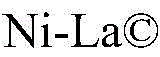
实施例12Example 12
电化学沉积法Electrochemical Deposition
选用GH4169合金管材(内径12外径18,id12od18),在15%NaOH溶液中进行蒸煮,时间1h进行脱油处理,蒸馏水冲洗干净、常温晾干,随后在300℃和连续流动200ml/min的 N2氛围中处理2h。配制25%的Ni(NO3)2、16%Al(NO3)3和15%Fe(NO3)3的混合水溶液2L,加入30ml的0.1mol/L的柠檬酸,硝酸调节pH至4.0,连接0.5mm铂丝作为阳极,连接GH4169 合金管材作为阴极,连接电源,铂丝距合金管距离为2cm。采用恒流模式,设定电流为100mA,沉积1小时后,获得Ni、Al和Fe沉积的GH4169合金管材。随后在温度为500℃高纯氢气氛下处理2小时,在反应器接触面形成160nm厚度的Ni、Al和Fe掺杂物薄层,然后自然冷却,即获得
实施例13Example 13
电化学沉积法Electrochemical Deposition
选用Incoloy 903合金管材(内径14外径18,id14od18),在15%NaOH溶液中进行蒸煮,时间1h进行脱油处理,蒸馏水冲洗干净、常温晾干,随后在300℃和连续流动200ml/min的N2氛围中处理2h。配制25%的La(NO3)3、15%Ce(NO3)3和15%Fe(NO3)3的混合水溶液2L,加入22ml的0.1mol/L的柠檬酸,硝酸调节pH至3.6,连接0.5mm铂丝作为阳极,连接Incoloy903合金管材作为阴极,连接电源,铂丝距合金管距离为2cm。采用恒流模式,设定电流为200mA,沉积1小时后,获得La、Ce和Fe沉积的Incoloy903合金管材。随后在温度为500℃高纯氢气氛下处理2小时,在反应器接触面形成180nm厚度的Ni、Al和Fe掺杂物薄层,然后自然冷却,即获得
实施例14Example 14
转化沉积沉淀法transformation sedimentation precipitation
选用Incoloy 800合金管材(内径12外径18,id12od18),在15%NaOH溶液中进行蒸煮,时间1h进行脱油处理,蒸馏水冲洗干净、常温晾干,随后在300℃和连续流动200ml/min的N2氛围中处理2h。配制10%的Ce(NO3)2的水溶液2L,加入25ml的0.1mol/L的柠檬酸,加入12ml的10%H2O2。水溶液循环沉积1小时后,获得Ce沉积的Incoloy 800合金管材。随后在温度为500℃高纯氢气氛下处理2小时,在反应器接触面形成100nm厚度的Ce掺杂物薄层,然后自然冷却,即获得
实施例15Example 15
转化沉积沉淀法transformation sedimentation precipitation
选用GH4169合金管材(内径14外径18,id14od18),在15%NaOH溶液中进行蒸煮,时间1h进行脱油处理,蒸馏水冲洗干净、常温晾干,随后在300℃和连续流动200ml/min的 N2氛围中处理2h。配制10%的Ce(NO3)2和20%Fe(NO3)3的混合水溶液2L,加入20ml的 0.1mol/L的柠檬酸,加入22ml的10%H2O2。水溶液循环沉积1小时后,获得Ce沉积的GH4169 合金管材。随后在温度为500℃高纯氢气氛下处理2小时,在反应器接触面形成100nm厚度的Ce和Fe掺杂物薄层,然后自然冷却,即获得
实施例16Example 16
转化沉积沉淀法transformation sedimentation precipitation
选用Incoloy 800合金管材(内径14外径18,id14od18),在15%NaOH溶液中进行蒸煮,时间1h进行脱油处理,蒸馏水冲洗干净、常温晾干,随后在300℃和连续流动200ml/min的N2氛围中处理2h。配制20%的La(NO3)3、15%Ce(NO3)3和20%Fe(NO3)3的混合水溶液2L,加入26ml的0.1mol/L的柠檬酸,加入22ml的10%H2O2。水溶液循环沉积1.5小时后,获得 La、Ce和Fe沉积的Incoloy 800合金管材。随后在温度为500℃高纯氢气氛下处理2小时,在反应器接触面形成100nm厚度的La、Ce和Fe掺杂物薄层,然后自然冷却,即获得
实施例17Example 17
转化沉积沉淀法transformation sedimentation precipitation
选用Inconel 725合金管材(内径14外径18,id14od18),在15%NaOH溶液中进行蒸煮,时间1h进行脱油处理,蒸馏水冲洗干净、常温晾干,随后在300℃和连续流动200ml/min的N2氛围中处理2h。配制20%的Al(NO3)3、15%Ce(NO3)3和20%Fe(NO3)3的混合水溶液2L,加入26ml的0.1mol/L的柠檬酸,加入22ml的10%H2O2。水溶液循环沉积1.5小时后,获得 La、Ce和Fe沉积的Inconel 725合金管材。随后在温度为500℃高纯氢气氛下处理2小时,在反应器接触面形成140nm厚度的Al、Ce和Fe掺杂物薄层,然后自然冷却,即获得
实施例18Example 18
转化沉积沉淀法transformation sedimentation precipitation
选用Inconel 718合金管材(内径21外径25,id21od25),在15%NaOH溶液中进行蒸煮,时间1h进行脱油处理,蒸馏水冲洗干净、常温晾干,随后在300℃和连续流动200ml/min的N2氛围中处理2h。配制20%的Ni(NO3)2和15%Zn(NO3)2的混合水溶液2L,加入30ml 的0.1mol/L的柠檬酸,加入50ml的10%H2O2。水溶液循环沉积1.5小时后,获得Ni和Zn 沉积的Inconel 718合金管材。随后在温度为500℃高纯氢气氛下处理2小时,在反应器接触面形成130nm厚度的Ni和Zn掺杂物薄层,然后自然冷却,即获得
实施例19Example 19
转化沉积沉淀法transformation sedimentation precipitation
选用Inconel 600合金管材(内径10外径14,id10od14),在15%NaOH溶液中进行蒸煮,时间1h进行脱油处理,蒸馏水冲洗干净、常温晾干,随后在300℃和连续流动200ml/min的N2氛围中处理2h。配制20%的La(NO3)3、15%Ce(NO3)3和20%Fe(NO3)3的水溶液2L,加入26ml的0.1mol/L的柠檬酸,加入22ml的10%H2O2。水溶液循环沉积1.5小时后,获得La、Ce和Fe沉积的Inconel 600合金管材。随后在温度为500℃高纯氢气氛下处理2小时,在反应器接触面形成100nm厚度的La、Ce和Fe掺杂物薄层,然后自然冷却,即获得
实施例20Example 20
转化沉积沉淀法transformation sedimentation precipitation
选用选用GH600合金管材(内径10外径14,id10od14),在15%NaOH溶液中进行蒸煮,时间1h进行脱油处理,蒸馏水冲洗干净、常温晾干,随后在300℃和连续流动200ml/min的N2氛围中进行加热处理2h。配制20%的Ni(NO3)2和15%Ce(NO3)3的水溶液2L,加入100ml的0.1mol/L的柠檬酸,加入40ml的10%H2O2。水溶液循环沉积2小时后,获得Ni和Ce沉积的GH600合金管材。随后在温度为500℃高纯氢气氛下处理2小时,在反应器接触面形成100nm厚度的Ni和Ce掺杂物薄层,然后自然冷却,即获得
实施例21Example 21
转化沉积沉淀法transformation sedimentation precipitation
选用选用Hastelloy G-35合金管材(内径10外径14,id10od14),在15%NaOH溶液中进行蒸煮,时间1h进行脱油处理,蒸馏水冲洗干净、常温晾干,随后在300℃和连续流动200ml/min的N2氛围中进行加热处理2h。配制20%的Ni(NO3)2和25%Fe(NO3)3的水溶液2L,加入100ml的0.1mol/L的柠檬酸,加入35ml的10%H2O2。水溶液循环沉积3小时后,获得 Ni和Fe沉积的Hastelloy G-35合金管材。随后在温度为500℃高纯氢气氛下处理2小时,在反应器接触面形成130nm厚度的Ni和Fe掺杂物薄层,然后自然冷却,即获得
实施例22Example 22
转化沉积沉淀法transformation sedimentation precipitation
选用Monel 400合金管材(内径12外径16,id12od16),在15%NaOH溶液中进行蒸煮,时间1h进行脱油处理,蒸馏水冲洗干净、常温晾干,随后在300℃和连续流动200ml/min的 N2氛围中进行加热处理2h。配制20%的Ba(NO3)2和15%Fe(NO3)3的水溶液2L,加入33ml的0.1mol/L的柠檬酸,加入40ml的10%H2O2。水溶液循环沉积1.5小时后,获得Ba和Fe 沉积的Monel 400合金管材。随后在温度为500℃高纯氢气氛下处理2小时,在反应器接触面形成120nm厚度的Ba和Fe掺杂物薄层,然后自然冷却,即获得
实施例23Example 23
转化沉积沉淀法transformation sedimentation precipitation
选用GH1015合金管材(内径10外径14,id10od14),在15%NaOH溶液中进行蒸煮,时间1h进行脱油处理,蒸馏水冲洗干净、常温晾干,随后在300℃和连续流动200ml/min的 N2氛围中进行加热处理2h。配制15%的Ni(NO3)2和25%Mg(NO3)2的水溶液2L,加入45ml 的0.1mol/L的柠檬酸,加入45ml的10%H2O2。水溶液循环沉积3小时后,获得Ni和Mg 沉积的GH1015合金管材。随后在温度为500℃高纯氢气氛下处理2小时,在反应器接触面形成120nm厚度的Ni和Mg掺杂物薄层,然后自然冷却,即获得
实施例24Example 24
转化沉积沉淀法transformation sedimentation precipitation
选用Inconel 783合金管材(内径12外径16,id12od16),在15%NaOH溶液中进行蒸煮,时间1h进行脱油处理,蒸馏水冲洗干净、常温晾干,随后在300℃和连续流动200ml/min的N2氛围中进行加热处理2h。配制20%的Ni(NO3)2、10%Mn(NO3)2、15%Fe(NO3)3和 10%Zn(NO3)2的水溶液2L,加入40ml的0.1mol/L的柠檬酸,加入50ml的10%H2O2。水溶液循环沉积3小时后,获得Ni、Mn、Fe和Zn沉积的Inconel 783合金管材。随后在温度为 500℃高纯氢气氛下处理2小时,在反应器接触面形成160nm厚度的Ni、Mn、Fe和Zn掺杂物薄层,然后自然冷却,即获得
二.在连续流动条件下直接催化甲烷和二氧化碳干气重整为合成气2. Direct catalytic dry gas reforming of methane and carbon dioxide to syngas under continuous flow conditions
直接使用以上所述所有催化反应器,无需装填催化剂。All of the catalytic reactors described above were used directly without catalyst loading.
所有反应实例均在连续流动微反应装置中进行,该装置配备气体质量流量计、气体脱氧脱水管和在线产物分析色谱(反应器的尾气直接与色谱的定量阀连接,进行周期实时采样分析)。除特殊说明之外,反应原料气中的N2作为内标气。在线产物分析使用Agilent7890B 气相色谱配备FID和TCD双检测器,其中FID检测器配备HP-1毛细管柱对低碳烯烃、低碳烷烃和芳烃进行分析;TCD检测器配备Hayesep D填充柱对低碳烯烃、低碳烷烃、甲烷、氢气和内标氮气进行分析。甲烷转化率、产物选择性和积炭,依据反应前后的碳平衡,计算公式如下:All reaction examples were carried out in a continuous flow microreaction device equipped with a gas mass flow meter, a gas deoxygenation dehydration tube and an online product analysis chromatography (the tail gas of the reactor was directly connected to the quantitative valve of the chromatography for periodic real-time sampling analysis). Unless otherwise specified, N2 in the reaction feed gas was used as the internal standard gas. On-line product analysis uses Agilent7890B gas chromatograph equipped with FID and TCD dual detectors, in which the FID detector is equipped with HP-1 capillary column for the analysis of light olefins, light alkanes and aromatics; TCD detector is equipped with Hayesep D packed column for light olefins , low-carbon alkanes, methane, hydrogen and internal standard nitrogen were analyzed. The methane conversion rate, product selectivity and carbon deposition are calculated as follows according to the carbon balance before and after the reaction:
甲烷转化率,methane conversion,

CO2转化率, CO2 conversion rate,

其中,


CO的选择性,CO selectivity,


其中,
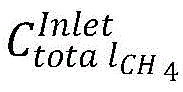


以下实施例中各产物均为气相色谱能检测到的产物。Each product in the following examples is a product that can be detected by gas chromatography.
对比例1Comparative Example 1
使用没有掺杂金属活性组分的1.6米空白
对比例2Comparative Example 2
使用没有掺杂金属活性组分的1.6米空白
对比例3Comparative Example 3
使用
应用例1Application example 1
使用没有掺杂金属活性组分的1.6米空白
应用例2Application example 2
在使用1.6米
应用例3Application example 3
在使用1.6米
应用例4Application example 4
在使用1.6米
应用例5Application example 5
使用1.6米
应用例6Application example 6
使用1.6米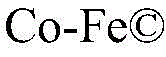
应用例7Application example 7
使用
应用例8Application example 8
使用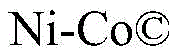
应用例(9-30)Application example (9-30)
使用1.6米

应用例31Application example 31
使用1.6米
应用例32Application example 32
使用1.6米
应用例33Application example 33
使用1.6米
应用例34~47Application examples 34 to 47
使用1.6米


应用例48Application example 48
使用1.6米
应用例49Application example 49
使用20米
应用例50Application example 50
使用1.6米
综上,本发明在使用等离子体耦合催化反应器模式下,甲烷和二氧化碳的转化率分别为83~98%;CO选择性为>96%;CO/H2>0.95;零积碳。To sum up, in the mode of using the plasma coupled catalytic reactor, the conversion rates of methane and carbon dioxide are respectively 83-98%; CO selectivity is >96%; CO/H 2 >0.95; zero carbon deposition.
由此得出结论:本发明催化反应器的热电转化效率>90%、催化剂具有寿命长、产物选择性高、积碳少、过程重复性好、操作安全可靠等特点,具有广阔的工业应用前景。From this, it is concluded that the thermoelectric conversion efficiency of the catalytic reactor of the present invention is more than 90%, the catalyst has the characteristics of long life, high product selectivity, less carbon deposition, good process repeatability, safe and reliable operation, etc., and has broad industrial application prospects. .
需要说明的是,按照本发明上述各实施例,本领域技术人员是完全可以实现本发明独立权利要求及从属权利的全部范围的,实现过程及方法同上述各实施例;且本发明未详细阐述部分属于本领域公知技术。It should be noted that, according to the above-mentioned embodiments of the present invention, those skilled in the art can fully realize the full scope of the independent claims and dependent rights of the present invention, and the implementation process and method are the same as the above-mentioned embodiments; and the present invention is not elaborated. Part of it belongs to the well-known technology in the art.
以上所述,仅为本发明部分具体实施方式,但本发明的保护范围并不局限于此,任何熟悉本领域的人员在本发明披露的技术范围内,可轻易想到的变化或替换,都应涵盖在本发明的保护范围之内。The above is only a part of the specific embodiments of the present invention, but the protection scope of the present invention is not limited to this. Any person familiar with the art within the technical scope disclosed by the present invention can easily think of changes or substitutions, all should be Included within the scope of protection of the present invention.
Claims (10)
Priority Applications (1)
| Application Number | Priority Date | Filing Date | Title |
|---|---|---|---|
| CN202210119703.0A CN114733477B (en) | 2022-02-08 | 2022-02-08 | Thermal plasma coupling catalytic natural gas and CO 2 Method for preparing synthetic gas by reforming dry gas |
Applications Claiming Priority (1)
| Application Number | Priority Date | Filing Date | Title |
|---|---|---|---|
| CN202210119703.0A CN114733477B (en) | 2022-02-08 | 2022-02-08 | Thermal plasma coupling catalytic natural gas and CO 2 Method for preparing synthetic gas by reforming dry gas |
Publications (2)
| Publication Number | Publication Date |
|---|---|
| CN114733477A true CN114733477A (en) | 2022-07-12 |
| CN114733477B CN114733477B (en) | 2023-11-28 |
Family
ID=82274432
Family Applications (1)
| Application Number | Title | Priority Date | Filing Date |
|---|---|---|---|
| CN202210119703.0A Active CN114733477B (en) | 2022-02-08 | 2022-02-08 | Thermal plasma coupling catalytic natural gas and CO 2 Method for preparing synthetic gas by reforming dry gas |
Country Status (1)
| Country | Link |
|---|---|
| CN (1) | CN114733477B (en) |
Cited By (6)
| Publication number | Priority date | Publication date | Assignee | Title |
|---|---|---|---|---|
| CN116173966A (en) * | 2023-02-15 | 2023-05-30 | 中国科学院福建物质结构研究所 | NiFe bimetallic catalyst and preparation method and application thereof |
| CN116236994A (en) * | 2023-02-25 | 2023-06-09 | 中国科学院山西煤炭化学研究所 | Reactor for preparing synthesis gas by converting hydrogen sulfide and carbon dioxide mixed gas |
| CN117776184A (en) * | 2023-12-29 | 2024-03-29 | 西南化工研究设计院有限公司 | A method to fully reduce carbon dioxide to carbon monoxide |
| CN118108181A (en) * | 2023-12-29 | 2024-05-31 | 西南化工研究设计院有限公司 | A method for converting methane and carbon dioxide into acetylene carbonylation reaction raw gas in one step |
| MA61696A1 (en) * | 2023-07-11 | 2025-01-31 | Universite Chouaïb Doukkali | Plasma reactor for the catalytic conversion of CO2 into clean energy. |
| CN120790636A (en) * | 2025-09-09 | 2025-10-17 | 山东省科学院能源研究所 | Graded gasification and reforming recovery method and device for retired fan blades |
Citations (5)
| Publication number | Priority date | Publication date | Assignee | Title |
|---|---|---|---|---|
| US20050220695A1 (en) * | 2004-04-06 | 2005-10-06 | Nicolas Abatzoglou | Carbon sequestration and dry reforming process and catalysts to produce same |
| US20080260628A1 (en) * | 2007-04-17 | 2008-10-23 | Korea Institute Of Science And Technology | Ni-based catalyst for tri-reforming of methane and its catalysis application for the production of syngas |
| CN111333479A (en) * | 2018-12-18 | 2020-06-26 | 中国科学院大连化学物理研究所 | A method for catalytic conversion of methane to olefins, aromatic hydrocarbons and hydrogen under hydrogen conditions |
| US20210162339A1 (en) * | 2019-12-03 | 2021-06-03 | MHI Health Devices, LLC. | High temperature co2 steam and h2 reactions for environmental benefits. |
| CN113716654A (en) * | 2021-09-01 | 2021-11-30 | 安徽康菲尔检测科技有限公司 | Preparation method of high-conductivity alloy catalytic electrode and prepared electrode |
-
2022
- 2022-02-08 CN CN202210119703.0A patent/CN114733477B/en active Active
Patent Citations (5)
| Publication number | Priority date | Publication date | Assignee | Title |
|---|---|---|---|---|
| US20050220695A1 (en) * | 2004-04-06 | 2005-10-06 | Nicolas Abatzoglou | Carbon sequestration and dry reforming process and catalysts to produce same |
| US20080260628A1 (en) * | 2007-04-17 | 2008-10-23 | Korea Institute Of Science And Technology | Ni-based catalyst for tri-reforming of methane and its catalysis application for the production of syngas |
| CN111333479A (en) * | 2018-12-18 | 2020-06-26 | 中国科学院大连化学物理研究所 | A method for catalytic conversion of methane to olefins, aromatic hydrocarbons and hydrogen under hydrogen conditions |
| US20210162339A1 (en) * | 2019-12-03 | 2021-06-03 | MHI Health Devices, LLC. | High temperature co2 steam and h2 reactions for environmental benefits. |
| CN113716654A (en) * | 2021-09-01 | 2021-11-30 | 安徽康菲尔检测科技有限公司 | Preparation method of high-conductivity alloy catalytic electrode and prepared electrode |
Cited By (6)
| Publication number | Priority date | Publication date | Assignee | Title |
|---|---|---|---|---|
| CN116173966A (en) * | 2023-02-15 | 2023-05-30 | 中国科学院福建物质结构研究所 | NiFe bimetallic catalyst and preparation method and application thereof |
| CN116236994A (en) * | 2023-02-25 | 2023-06-09 | 中国科学院山西煤炭化学研究所 | Reactor for preparing synthesis gas by converting hydrogen sulfide and carbon dioxide mixed gas |
| MA61696A1 (en) * | 2023-07-11 | 2025-01-31 | Universite Chouaïb Doukkali | Plasma reactor for the catalytic conversion of CO2 into clean energy. |
| CN117776184A (en) * | 2023-12-29 | 2024-03-29 | 西南化工研究设计院有限公司 | A method to fully reduce carbon dioxide to carbon monoxide |
| CN118108181A (en) * | 2023-12-29 | 2024-05-31 | 西南化工研究设计院有限公司 | A method for converting methane and carbon dioxide into acetylene carbonylation reaction raw gas in one step |
| CN120790636A (en) * | 2025-09-09 | 2025-10-17 | 山东省科学院能源研究所 | Graded gasification and reforming recovery method and device for retired fan blades |
Also Published As
| Publication number | Publication date |
|---|---|
| CN114733477B (en) | 2023-11-28 |
Similar Documents
| Publication | Publication Date | Title |
|---|---|---|
| CN114733477B (en) | Thermal plasma coupling catalytic natural gas and CO 2 Method for preparing synthetic gas by reforming dry gas | |
| CN114768746B (en) | A metal catalytic reactor and its preparation and application in the reforming of natural gas and CO2 dry gas to produce synthesis gas | |
| CN107649157B (en) | A supported nickel indium carbide catalyst for reverse water gas shift reaction, dimethyl oxalate hydrogenation to ethylene glycol reaction or carbon dioxide hydrogenation to methanol reaction, preparation method and application thereof | |
| CN105944746B (en) | Carbon-supported nickel nitride catalyst and preparation method and application thereof | |
| CN110538669B (en) | A kind of copper-cobalt metal carbide catalyst for producing oxygen-containing chemicals from syngas and preparation method thereof | |
| CN111389404A (en) | A kind of preparation method of cerium oxide supported nickel catalyst and use thereof | |
| CN113816831B (en) | Method for preparing methanol by reforming plasma-thermal coupling methane and steam | |
| CN110876941B (en) | Load type iron-tungsten bimetal composite oxide and preparation method and application thereof | |
| CN108355699B (en) | A kind of carbon-supported nickel-copper binary nitride catalyst and its preparation method and application | |
| CN109999814A (en) | Nano metal Raney nickel and preparation method for carbon dioxide methanation reaction | |
| CN106040237A (en) | Preparation method and application of a nano-gold catalyst for catalyzing CO2 hydrogenation reduction to CO | |
| CN111514889A (en) | Ruthenium-based carbon dioxide hydromethanation catalyst and preparation method thereof | |
| CN115920917B (en) | Titanium-containing oxide-supported nickel-based catalyst for hydrogen production from acetic acid autothermal reforming | |
| CN114308057B (en) | Manganese-tungsten ore type oxide-supported cobalt-based catalyst for autothermal reforming of acetic acid to produce hydrogen | |
| CN106944067B (en) | A kind of preparation method of the catalyst for synthesizing gas by reforming methane with co 2 | |
| CN111659432A (en) | CO2Iron-based catalyst for preparing ethanol by hydrogenation, preparation method and application | |
| CN111644197A (en) | Catalytic system for preparing aromatic hydrocarbon by low-temperature methane conversion, preparation method and application | |
| CN113426472B (en) | A kind of cobalt-based catalyst, CO2 catalytic hydrogenation method for producing CO | |
| CN102909036A (en) | Catalyst for hydrogen production by virtue of catalytic decomposition of hydrogen iodide and preparation method for catalyst | |
| CN112522738B (en) | Preparation method and application of MOF-derived CuAl/N-C catalyst | |
| CN117384001A (en) | Method for preparing olefin, aromatic hydrocarbon and hydrogen by oxygen-free catalytic conversion of methane through thermal plasma coupling metal catalytic reactor | |
| CN116037133B (en) | A Samarium-Praseodymium Solid Solution Nickel-Based Catalyst for Autothermal Reforming of Acetic Acid to Produce Hydrogen | |
| CN116514062A (en) | Joule thermal coupling catalysis natural gas and CO 2 Method for preparing synthetic gas by reforming dry gas | |
| CN116943669A (en) | Ni-Ce solid solution catalyst and preparation method and application thereof | |
| CN116809094A (en) | Single-site Ni/MoC catalyst and preparation method and application thereof |
Legal Events
| Date | Code | Title | Description |
|---|---|---|---|
| PB01 | Publication | ||
| PB01 | Publication | ||
| SE01 | Entry into force of request for substantive examination | ||
| SE01 | Entry into force of request for substantive examination | ||
| GR01 | Patent grant | ||
| GR01 | Patent grant |