CN114365465A - Message recommendation system - Google Patents
Message recommendation system Download PDFInfo
- Publication number
- CN114365465A CN114365465A CN202080057515.9A CN202080057515A CN114365465A CN 114365465 A CN114365465 A CN 114365465A CN 202080057515 A CN202080057515 A CN 202080057515A CN 114365465 A CN114365465 A CN 114365465A
- Authority
- CN
- China
- Prior art keywords
- message
- users
- user
- item
- entity
- Prior art date
- Legal status (The legal status is an assumption and is not a legal conclusion. Google has not performed a legal analysis and makes no representation as to the accuracy of the status listed.)
- Granted
Links
Images


Classifications
-
- H—ELECTRICITY
- H04—ELECTRIC COMMUNICATION TECHNIQUE
- H04L—TRANSMISSION OF DIGITAL INFORMATION, e.g. TELEGRAPHIC COMMUNICATION
- H04L51/00—User-to-user messaging in packet-switching networks, transmitted according to store-and-forward or real-time protocols, e.g. e-mail
- H04L51/04—Real-time or near real-time messaging, e.g. instant messaging [IM]
- H04L51/046—Interoperability with other network applications or services
-
- G—PHYSICS
- G06—COMPUTING OR CALCULATING; COUNTING
- G06Q—INFORMATION AND COMMUNICATION TECHNOLOGY [ICT] SPECIALLY ADAPTED FOR ADMINISTRATIVE, COMMERCIAL, FINANCIAL, MANAGERIAL OR SUPERVISORY PURPOSES; SYSTEMS OR METHODS SPECIALLY ADAPTED FOR ADMINISTRATIVE, COMMERCIAL, FINANCIAL, MANAGERIAL OR SUPERVISORY PURPOSES, NOT OTHERWISE PROVIDED FOR
- G06Q30/00—Commerce
- G06Q30/02—Marketing; Price estimation or determination; Fundraising
-
- G—PHYSICS
- G06—COMPUTING OR CALCULATING; COUNTING
- G06F—ELECTRIC DIGITAL DATA PROCESSING
- G06F16/00—Information retrieval; Database structures therefor; File system structures therefor
- G06F16/90—Details of database functions independent of the retrieved data types
- G06F16/901—Indexing; Data structures therefor; Storage structures
- G06F16/9024—Graphs; Linked lists
-
- G—PHYSICS
- G06—COMPUTING OR CALCULATING; COUNTING
- G06N—COMPUTING ARRANGEMENTS BASED ON SPECIFIC COMPUTATIONAL MODELS
- G06N3/00—Computing arrangements based on biological models
- G06N3/02—Neural networks
- G06N3/04—Architecture, e.g. interconnection topology
- G06N3/0464—Convolutional networks [CNN, ConvNet]
-
- G—PHYSICS
- G06—COMPUTING OR CALCULATING; COUNTING
- G06N—COMPUTING ARRANGEMENTS BASED ON SPECIFIC COMPUTATIONAL MODELS
- G06N3/00—Computing arrangements based on biological models
- G06N3/02—Neural networks
- G06N3/08—Learning methods
-
- G—PHYSICS
- G06—COMPUTING OR CALCULATING; COUNTING
- G06N—COMPUTING ARRANGEMENTS BASED ON SPECIFIC COMPUTATIONAL MODELS
- G06N3/00—Computing arrangements based on biological models
- G06N3/02—Neural networks
- G06N3/08—Learning methods
- G06N3/09—Supervised learning
-
- G—PHYSICS
- G06—COMPUTING OR CALCULATING; COUNTING
- G06Q—INFORMATION AND COMMUNICATION TECHNOLOGY [ICT] SPECIALLY ADAPTED FOR ADMINISTRATIVE, COMMERCIAL, FINANCIAL, MANAGERIAL OR SUPERVISORY PURPOSES; SYSTEMS OR METHODS SPECIALLY ADAPTED FOR ADMINISTRATIVE, COMMERCIAL, FINANCIAL, MANAGERIAL OR SUPERVISORY PURPOSES, NOT OTHERWISE PROVIDED FOR
- G06Q10/00—Administration; Management
- G06Q10/10—Office automation; Time management
- G06Q10/107—Computer-aided management of electronic mailing [e-mailing]
-
- H—ELECTRICITY
- H04—ELECTRIC COMMUNICATION TECHNIQUE
- H04L—TRANSMISSION OF DIGITAL INFORMATION, e.g. TELEGRAPHIC COMMUNICATION
- H04L51/00—User-to-user messaging in packet-switching networks, transmitted according to store-and-forward or real-time protocols, e.g. e-mail
- H04L51/02—User-to-user messaging in packet-switching networks, transmitted according to store-and-forward or real-time protocols, e.g. e-mail using automatic reactions or user delegation, e.g. automatic replies or chatbot-generated messages
Landscapes
- Engineering & Computer Science (AREA)
- Theoretical Computer Science (AREA)
- Physics & Mathematics (AREA)
- Business, Economics & Management (AREA)
- General Physics & Mathematics (AREA)
- Data Mining & Analysis (AREA)
- General Engineering & Computer Science (AREA)
- Software Systems (AREA)
- Strategic Management (AREA)
- General Health & Medical Sciences (AREA)
- Molecular Biology (AREA)
- Computing Systems (AREA)
- Evolutionary Computation (AREA)
- Computational Linguistics (AREA)
- Mathematical Physics (AREA)
- Biophysics (AREA)
- Biomedical Technology (AREA)
- Artificial Intelligence (AREA)
- Life Sciences & Earth Sciences (AREA)
- Health & Medical Sciences (AREA)
- Human Resources & Organizations (AREA)
- Entrepreneurship & Innovation (AREA)
- Computer Networks & Wireless Communication (AREA)
- Signal Processing (AREA)
- Databases & Information Systems (AREA)
- Accounting & Taxation (AREA)
- Economics (AREA)
- Marketing (AREA)
- General Business, Economics & Management (AREA)
- Development Economics (AREA)
- Finance (AREA)
- Operations Research (AREA)
- Quality & Reliability (AREA)
- Tourism & Hospitality (AREA)
- Computer Hardware Design (AREA)
- Game Theory and Decision Science (AREA)
- Information Retrieval, Db Structures And Fs Structures Therefor (AREA)
Abstract
Description
技术领域technical field
所公开的主题总体涉及用于自动生成推荐的系统和方法,并且更具体而言涉及用于推荐生成的基于图的神经网络架构。The disclosed subject matter relates generally to systems and methods for automatically generating recommendations, and more particularly to graph-based neural network architectures for recommendation generation.
背景技术Background technique
现代数据丰富的世界的特点不仅在于对数字信息源的日常依赖,而且还在于从信息取回的“拉模型”(其中,用户明确地搜索信息)到“推模型”(其中,自动向用户推荐相关信息)的范式转移。因此,不足为奇的是,诸如电子商务网站和社交网络等大型在线服务提供商倾向于将某种形式的“实体推荐”集成到其服务产品中,作为用户体验的核心部分。在大型系统内,在正确的上下文中的服务相关信息——例如,从电子商务网站上的数亿种产品中向用户推荐相关产品,或者显现用户可能希望在当前上下文中在社交媒体平台上数百万个帖子中消费的正确帖子——构成了具有挑战性的计算问题。The modern data-rich world is characterized not only by the day-to-day reliance on digital sources of information, but also by the transition from a "pull model" of information retrieval (in which users explicitly search for information) to a "push model" (in which recommendations are automatically made to users) related information) paradigm shift. Therefore, it is not surprising that large online service providers such as e-commerce sites and social networks tend to integrate some form of "physical recommendations" into their service offerings as a core part of the user experience. Within large systems, service-related information in the right context—for example, recommending relevant products to users from hundreds of millions of products on an e-commerce website, or revealing that users might want to count on social media platforms in the current context The correct post consumed in a million posts - poses a challenging computational problem.
机器学习社区已经对实体推荐问题进行了大量研究,并且开发了针对其技术方案的多种方法。然而,在文献中所描述的典型公式通过仅对两个实体(诸如用户和待推荐的项目)进行建模,对整个系统采取了相当简单的观点。尽管这样的简单的抽象提供了能够使用严格算法解决的易于处理的公式,但是其忽略了系统中可用的关键信息的微妙性和复杂性。为了捕获系统中的关键信息,若干实际的推荐系统使用内容过滤方案,其中,针对(用户、项目)元组的联合特征是手动设计的,并且然后被馈送到分类器中。然而,设计特征是个难题,尤其对于具有若干个信息源的真实世界系统。因此,这样的方法常常遇到诸如例如准确度差或维护周期困难等问题。因此,需要一种自动地捕获信息的微妙性和复杂性的实体推荐方法。The machine learning community has done a lot of research on the entity recommendation problem and has developed a variety of approaches to its technical solutions. However, typical formulations described in the literature take a rather simplistic view of the overall system by modeling only two entities, such as the user and the item to be recommended. While such a simple abstraction provides tractable formulations that can be solved using rigorous algorithms, it ignores the subtlety and complexity of the critical information available in the system. To capture key information in the system, several practical recommender systems use a content filtering scheme, where joint features for (user, item) tuples are manually designed and then fed into a classifier. However, designing features is a challenge, especially for real-world systems with several sources of information. Therefore, such methods often suffer from problems such as, for example, poor accuracy or difficult maintenance cycles. Therefore, an entity recommendation method that automatically captures the subtlety and complexity of information is needed.
发明内容SUMMARY OF THE INVENTION
在本文中所描述的是用于实体推荐的数据处理系统、方法和计算机程序产品(体现在机器可读介质中)的各个方面,其能够通过允许待推荐的项目和推荐的接收者(例如,用户)被建模为由一个或多个静态子实体和/或动态组件组成的“复杂实体”并且通过利用关于所述子实体之间的多个关系的信息来捕获在过分简单的两实体模型中没有考虑的微妙性和复杂性。所述推荐的接收者在下文中也被称为“第一项目”,并且待推荐的项目在下文中也被称为“第二项目”。为了提供一些非限制性示例,第一项目和第二项目分别可以是例如用户和推荐以供其消费的消息,或者研究出版物和对其他出版物的建议引用。Described herein are various aspects of a data processing system, method, and computer program product (embodied in a machine-readable medium) for entity recommendation that enable the item to be recommended and the recipient of the recommendation (eg, User) is modeled as a "complex entity" consisting of one or more static sub-entities and/or dynamic components and is captured in an overly simplistic two-entity model by exploiting information about multiple relationships between the sub-entities The subtleties and complexities not considered in. The recipient of the recommendation is also referred to hereinafter as the "first item", and the item to be recommended is also referred to hereinafter as the "second item". To provide some non-limiting examples, the first and second items may be, for example, users and messages recommended for consumption, or research publications and suggested citations to other publications, respectively.
静态子实体,下文也被简称为“实体”,通常是多种实体类型的独有的固定实例。第一项目和第二项目分别是第一复杂实体类型和第二复杂实体类型的实例。根据本文,每种复杂实体类型由相关联的(子)实体类型(在多种实体类型中选择)的对应集合来定义,有时与呈现独有的每个复杂实体实例(即,每个项目)的动态组件相结合。例如,出版物项目可以由构成所述动态组件的其作者(可以在多个出版物之间共享的静态实体)、在其中发表其的期刊(可以在多个出版物之间共享的另一静态实体)、以及其文本或者其文本的独有部分(例如,标题或摘要)来表示。作为与“退化”复杂实体类型相对应的特例,项目集合可以仅由单一类型的实体组成。例如,可以使用用户实体以便表示第一项目或第二项目。Static child entities, also referred to hereafter simply as "entities", are usually unique fixed instances of multiple entity types. The first item and the second item are instances of the first complex entity type and the second complex entity type, respectively. According to this paper, each complex entity type is defined by a corresponding set of associated (sub)entity types (selected among multiple entity types), sometimes with presentations unique to each complex entity instance (ie, each item) of dynamic components. For example, a publication item may be composed of its authors (a static entity that can be shared among multiple publications), the journal in which it is published (another static entity that may be shared among multiple publications) that make up the dynamic component entity), and its text or a unique portion of its text (eg, title or abstract). As a special case corresponding to "degenerate" complex entity types, item collections can consist of only a single type of entity. For example, a user entity may be used in order to represent the first item or the second item.
实体(或者同义词“实体实例”)之间的关系能够由图来表示。根据各种实施例,任意两种实体类型的配对之间的关系被反映在二分图中。尽管讨论集中在表示两种不同类型实体的二分图上,但是所述概念能够被直接扩展到相同类型的实体之间的实体之间的图。(在二分图的框架内,这样做的一种非限制性方式是将单一实体类型的实体之间的关系表示为该单一类型实体的两个副本之间的二分图。)图(例如,二分图)在本文中被用于将对第二项目的推荐的计算通知给第一项目;在某种程度上,第一项目和第二项目“继承”了在其相关联的实体之间的关系。Relationships between entities (or synonymously "entity instances") can be represented by graphs. According to various embodiments, the relationship between pairs of any two entity types is reflected in a bipartite graph. Although the discussion focuses on bipartite graphs representing two different types of entities, the concepts can be directly extended to graphs between entities between entities of the same type. (Within the framework of a bipartite graph, one non-limiting way of doing this is to represent the relationship between entities of a single entity type as a bipartite graph between two copies of that single type entity.) A graph (eg, a bipartite Figure) is used herein to inform a first item of the computation of a recommendation for a second item; to the extent that the first item and the second item "inherit" the relationship between their associated entities .
给定第一项目和第二项目的定义以及其子实体和动态组件(如果有的话)的数学表示,并且基于表示所述子实体之间的关系的二分图,在本文中所描述的方案根据第二项目到第一项目的相关性来自动地对第一项目和第二项目的配对进行评分,使得能够基于所述评分进行推荐,而无需手动设计特征来捕获在复杂实体定义和图中所反映的丰富信息。在各种实施例中,所述评分利用多层架构。在第一层中,针对二分图的计算模型(例如,基于图的卷积神经网络(CNN))被用于计算与第一项目和第二项目相关联的实体实例的向量表示。通常,每个项目都具有多个这样的相关联的向量表示(在本文中也被称为“实体向量表示”,以将其与项目的整体表示区分开来),其可能对应于不同的子实体以及其各自相关联的二分图,或者对应于涉及相同子实体的多个不同的二分图。在一个或多个后续层中,这些多个实体向量表示以及任何动态组件被组合成项目向量表示(例如,使用神经网络来合并与相同的两种实体类型之间的不同二分图相关联的实体向量表示,和/或串联实体向量表示和动态内容表示)。针对第一项目和第二项目的配对的所得到的项目向量表示在最后一层中被馈送到分类器(例如,多层感知器(MLP))以生成相关性分数。然后,能够基于相关性分数通过过滤、排名等来生成推荐。Given the definitions of the first item and the second item and the mathematical representation of their sub-entities and dynamic components (if any), and based on a bipartite graph representing the relationship between said sub-entities, the scheme described in this paper Pairs of first and second items are automatically scored based on their correlation to the first item, enabling recommendations based on the scores without manually designing features to capture in complex entity definitions and graphs rich information reflected. In various embodiments, the scoring utilizes a multi-tier architecture. In the first layer, a computational model for bipartite graphs (eg, a graph-based convolutional neural network (CNN)) is used to compute vector representations of entity instances associated with the first and second items. Typically, each item has multiple such associated vector representations (also referred to herein as "entity vector representations" to distinguish it from the item's overall representation), which may correspond to different sub- Entities and their respective associated bipartite graphs, or correspond to multiple different bipartite graphs involving the same subentity. In one or more subsequent layers, these multiple entity vector representations and any dynamic components are combined into an item vector representation (eg, using a neural network to merge entities associated with different bipartite graphs between the same two entity types) vector representation, and/or concatenating entity vector representation and dynamic content representation). The resulting item vector representation for the pairing of the first item and the second item is fed to a classifier (eg, a multilayer perceptron (MLP)) in the final layer to generate a relevance score. Recommendations can then be generated by filtering, ranking, etc. based on the relevance score.
在一些实施例中,能够利用合适的学习算法端到端地训练所述多层架构,以基于经标记的训练数据来优化指定的性能度量。在本文中所描述的是度量——特别适用于不平衡数据——不仅奖励评分最高的项目中相关项目的出现,而且也惩罚评分最高的项目中不相关项目的出现。该度量能够在迭代过程中被间接地优化,所述迭代过程涉及在每次迭代中训练所述架构以优化代理度量,并且然后使用经训练的架构对所述训练数据进行评分,并且基于分数来选择所述训练数据的子集作为针对下一次迭代的训练数据集。In some embodiments, the multi-layer architecture can be trained end-to-end with a suitable learning algorithm to optimize a specified performance metric based on labeled training data. Described in this paper is a metric - particularly suitable for imbalanced data - that not only rewards the occurrence of relevant items in the highest rated item, but also penalizes the occurrence of irrelevant items in the highest rated item. This metric can be indirectly optimized in an iterative process that involves training the architecture in each iteration to optimize the surrogate metric, and then scoring the training data using the trained architecture, and based on the scores A subset of the training data is selected as the training data set for the next iteration.
在一个方面中,在本文中所描述的推荐方案被应用于对话平台内的消息推荐,其中,消息被发布到信道并且用户可以访问与其相关联的所有信道。为了避免用户在面对大量其能够访问的消息时信息过载,自动消息推荐被用于仅向给定用户显现少量特别相关的消息。这些消息推荐可以在消息进入时实时地计算,首先基于与消息作者相关联的接收者候选名单(shortlist)剔除潜在的大量接收者,然后使用在复杂实体上操作的多层架构和上文所描述的二分图对候选名单上的用户进行评分,并且可选地使用显式用户反馈进一步细化基于所述评分识别出的用户子集。In one aspect, the recommendation scheme described herein is applied to message recommendation within a conversation platform, where messages are posted to channels and users have access to all channels associated with them. To avoid information overload for users when faced with a large number of messages they have access to, automatic message recommendations are used to present only a small number of particularly relevant messages to a given user. These message recommendations can be computed in real-time as messages come in, first by culling a potentially large number of recipients based on a shortlist of recipients associated with the message author, and then using a multi-layered architecture operating on complex entities and as described above The bipartite graph scores users on the shortlist, and optionally uses explicit user feedback to further refine the subset of users identified based on the scores.
前述概述介绍了本发明主题的关键概念和选定方面和特征,但是并不旨在作为在本文中寻求获得专利的主题的所有实施例的详尽说明。The foregoing summary introduces key concepts and selected aspects and features of the inventive subject matter, but is not intended to be an exhaustive description of all embodiments of the patented subject matter herein.
附图说明Description of drawings
通过以下特别是结合附图对各种实施例的详细描述,将更容易理解前述内容。The foregoing will be more readily understood from the following detailed description of various embodiments, particularly in conjunction with the accompanying drawings.
图1是根据各种实施例的推荐系统的示意框图。FIG. 1 is a schematic block diagram of a recommendation system according to various embodiments.
图2是概念性地图示出根据各种实施例的实体的示例性集合以及在其之间的关系的图。2 is a diagram conceptually illustrating an exemplary set of entities and relationships among them in accordance with various embodiments.
图3是根据各种实施例的用于计算推荐的示例性神经网络架构的示意图。3 is a schematic diagram of an exemplary neural network architecture for computing recommendations, according to various embodiments.
图4是根据各种实施例的生成推荐的方法的流程图。4 is a flowchart of a method of generating a recommendation according to various embodiments.
图5是根据各种实施例的神经网络训练系统的示意框图。5 is a schematic block diagram of a neural network training system according to various embodiments.
图6是根据各种实施例的训练用于计算推荐的神经网络架构的方法的流程图。6 is a flowchart of a method of training a neural network architecture for computing recommendations, according to various embodiments.
图7是根据各种实施例的消息推荐系统的示意框图。7 is a schematic block diagram of a message recommendation system according to various embodiments.
图8是根据各种实施例的消息推荐方法的流程图。8 is a flowchart of a message recommendation method according to various embodiments.
图9是根据各种实施例的可以用于实现图1、图5和图7的系统的示例性计算系统的框图。9 is a block diagram of an example computing system that may be used to implement the systems of FIGS. 1, 5, and 7, according to various embodiments.
具体实施方式Detailed ways
本公开描述了一种用于适用于多种推荐问题、实体类型、以及实体之间的关系的自动推荐生成的方案。实体可以包括例如:用户(例如,作为出版物、帖子、或者其他内容的作者;消息的发送者或接收者;产品的购买者或销售者等)、文档(例如,出版物、帖子、消息、媒体内容等)、场所(例如,期刊、会议、城市、通信信道等)、联系(例如,机构、社交网络团体等)、产品/服务等等。这些实体之间的关系可以包括:例如,相同类型的实体之间的连接或相似性(例如,用户之间的社交连接、文档之间的引用、产品之间的相似性)以及不同类型的实体之间的交易或关联(例如,用户针对产品的购买交易、文档与出版场所或作者的关联、用户与机构的联系等)。推荐问题的特征能够在于推荐的接收者的性质(即,第一项目)和待推荐的项目的种类(即,第二项目),这两者在本文中均以(静态)实体和(通常但是不一定)动态组件的方式来定义。在下文中,关于附图描述了用于根据实体的数学表示和组成项目的动态组件以及实体之间的关系生成第二项目到第一项目的推荐的系统和神经网络架构。The present disclosure describes a scheme for automatic recommendation generation applicable to a variety of recommendation problems, entity types, and relationships between entities. Entities may include, for example: users (eg, as authors of publications, posts, or other content; senders or recipients of messages; buyers or sellers of products, etc.), documents (eg, publications, posts, messages, media content, etc.), venues (eg, journals, conferences, cities, communication channels, etc.), connections (eg, institutions, social networking groups, etc.), products/services, etc. Relationships between these entities can include, for example, connections or similarities between entities of the same type (eg, social connections between users, references between documents, similarities between products) and entities of different types Transactions or associations between them (eg, a user's purchase transaction for a product, a document's association with a place of publication or author, a user's association with an institution, etc.). Recommendation problems can be characterized by the nature of the recipient of the recommendation (ie, the first item) and the kind of item to be recommended (ie, the second item), both of which are presented herein as (static) entities and (usually but not necessarily) in the way of dynamic components. In the following, a system and neural network architecture for generating a recommendation from a second item to a first item based on the mathematical representation of the entities and the dynamic components that make up the item and the relationships between the entities are described with respect to the figures.
图1是根据各种实施例的用于生成推荐的数据处理系统(在下文中也被称为“推荐系统”100)的示意框图。推荐系统100能够利用硬件和/或软件的适当组合来实现,并且通常包括一个或多个适当配置或编程的硬件处理器(诸如中央处理单元(CPU)、图形处理单元(GPU)、数字信号处理器(DSP)、现场可编程门阵列(FPGA)、专用集成电路(ASIC)等)。在各种实施例中,推荐系统100由运行软件的通用计算机(例如,如在图9中所图示的)或者经由网络相互通信的多个这样的计算机的集群来实现。简言之,计算机或集群包括一个或多个CPU和/或GPU,以及存储数据和程序代码以供CPU和/或GPU运行的(易失性和/或非易失性)计算机存储器。计算机还可以包括输入/输出设备(例如,用于用户交互的键盘/鼠标和屏幕显示器)和/或网络接口(例如,用于连接到互联网)。1 is a schematic block diagram of a data processing system (hereinafter also referred to as a "recommendation system" 100) for generating recommendations, according to various embodiments.
推荐系统100在存储器中存储针对推荐接受者的项目定义102和根据实体类型和动态组件的集合的待推荐项目(即,第一项目和第二项目),以及实体104和动态组件106以及反映实体104之间的关系的图108的数学输入表示。在各种实施例中,实体104和动态组件106的所述输入表示采用向量的形式,诸如从实体的属性导出的特征向量、一位独热编码(二进制向量反映例如数据集内的实体ID的数值)、文本输入的词袋向量等;这些和其他合适的实体向量表示对于本领域普通技术人员而言是公知的。在各种实施例中,所述图表示为邻接矩阵,即,其维度对应于相应实体类型的实例的数量(图的节点)并且其单元反映一种类型的实体是否与另一种类型的实体连接以及可选地该连接的强度如何的矩阵。实体104、动态组件106和图108的数学输入表示可以直接作为输入提供给系统100,或者可以由系统100根据其他输入表示(例如,从构成动态组件的文本、独有实体名称或者以文本、图像等形式定义实体的数据集)来计算。The
推荐系统100还包括多个功能块110、112、114、116,其实现用于处理项目定义102以及实体104、动态组件106和图108的数学输入表示以生成推荐的计算模型和算法。具体而言,根据各种图108(例如,基于图的卷积神经网络)的表示创建的基于图的计算模型110针对每个图对所述图的实体104(构成节点)的输入向量表示独立地操作,以计算相应的实体向量表示120,实体向量表示120捕获在所述图中所反映的关系。由于所述实体之间的关系不受所述项目定义的影响,实体向量表示120可以被预先计算并且在与其相关的多个推荐问题之间共享。基于针对给定推荐问题的项目定义102,合并组件112将与每个项目相关联的所有实体向量表示120连同所述项目的任何动态组件106的输入表示组合成项目向量表示122。分类器模型114然后能够对第一项目和第二项目的任何配对进行评分,将相关联的项目向量表示122作为输入。量化第二项目与第一项目的相关性的所得到的分数124可以由推荐生成器116用于生成推荐,例如,通过识别配对集合中具有高于特定阈值的相关性分数124的第一项目和第二项目的配对,或者通过基于其相关性分数124对配对进行排名并且返回指定数量的排名靠前的配对。所述推荐可以作为输出例如经由合适的用户界面提供给用户,或者提供给下游计算过程。The
在一些实施例中,由合并组件112对项目向量表示的计算和对配对的评分由推荐生成器116触发并且被限于当时感兴趣的项目。例如,可以通过对给定用户的项目向量表示和所有潜在相关的第二项目的项目表示的配对进行评分,来为该用户(构成特定的“第一项目”)按需生成推荐。相反,在系统中接收待推荐的新项目(例如,新消息)可以触发对对应项目向量表示的计算和对项目与所有潜在推荐接收者的相关性的评分。In some embodiments, the computation of the item vector representations and the scoring of pairs by the merging
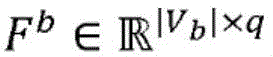
针对根据各种实施例的用于对第一项目和第二项目的配对进行评分的算法的更正式的数学描述,考虑以下问题构想:令第一项目(推荐接收者)表示为


其中,每个用户
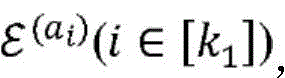


其中,每个项目
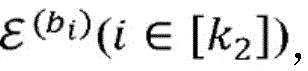


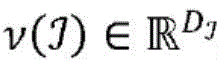


在静态实体之间的关系能够由二分图(通常是针对多个关系的多个图)来表示,其节点对应于实体,并且其边对应于任意两个实体之间的关系。例如,作者-会议图的边可以表示作者过去在特定会议上已经发表文章的次数。令类型ε(a)(其数量为|εa|)和ε(b)(其数量为|εb|)的实体之间的二分图表示为:Relationships between static entities can be represented by a bipartite graph (usually multiple graphs for multiple relationships), whose nodes correspond to entities and whose edges correspond to relationships between any two entities. For example, the edges of an author-conference graph can represent the number of times an author has published articles at a particular conference in the past. Let the bipartite graph between entities of type ε (a) (whose number is |ε a |) and ε (b) (whose number is |ε b |) be expressed as:
Ga,b=(Va,b,Aa,b),G a,b =(V a,b ,A a,b ),
其中,Va,b是(|εa|+|εb|)节点的集合,并且

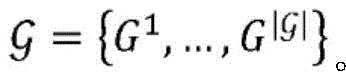
图2是概念性地图示出根据各种实施例的实体的示例性集合以及其之间的关系的图。三种类型的实体ε(a)、ε(b)和ε(c)分别被描绘为正方形、圆形和三角形。如所示的,实体实例的数量可能在实体类型之间不同。实体的配对之间的关系被反映在多个(在本示例中为五个)二分图200、202、204、206、208中。二分图200、202、204、206捕获两种不同类型的实体之间的关系,其中,二分图204、206对应于实体的相同配对之间的两种不同的关系。二分图208表示单一类型的实体之间的关系,这些实体被复制以将所述关系拟合到二分图的框架中。为了通过示例的方式例示说明,假设正方形、圆形和三角形分别表示研究人员ε(a)、研究领域ε(b)和科学期刊ε(c)。二分图200可以反映其中各种研究人员工作的研究领域,并且二分图202可以表示哪些期刊包括各个研究领域的出版物。二分图204、206可以捕获研究人员与期刊之间的两种不同的关系,诸如研究人员在哪些期刊上发表过文章,或者研究人员先前曾担任过哪些期刊的审稿人。二分图208可以表示研究人员自身之间的关系,诸如出版物的共同作者。关于三个实体之间的关系的这样的丰富信息可能是有用的,例如,用于生成在其中发表研究文章


现在转向根据各种实施例的用于计算推荐的示例性算法,图3是图示出适用于该目的的多层神经网络架构300的示意图。在第一层302中,各种二分图304、306的计算模型110被用于计算实体向量表示308、309、310、311(对应于图1中的120),在本文中也用于构成图304、306的节点的实例的实体实例的“实体嵌入”。(术语“嵌入”在本文中被理解为与其在神经网络的上下文中的一般用途相一致,作为离散或分类变量的学习的连续向量表示(即,连续数量的向量))。在所描绘的(非限制性)示例中,二分图304表示类型ε(a)与ε(b)的实体之间的关系,并且二分图306表示类型ε(a)与ε(c)的实体之间的关系;当然,架构300可以类似地并入另外的实体以及不同类型或相同类型的实体之间的另外的关系。Turning now to an exemplary algorithm for computing recommendations in accordance with various embodiments, FIG. 3 is a schematic diagram illustrating a multi-layer
在各种实施例中,针对所述二分图的计算模型是或者包括本领域普通技术人员已知的基于图的CNN。针对给定的图G=(V,A),利用通过傅立叶域中的

cW*x:=UcWUTx,c W *x: =Uc W U T x,
其中,U是图G的经归一化的拉普拉斯算子L的特征向量矩阵。为了减少计算开销(否则由于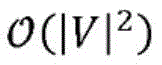

其中,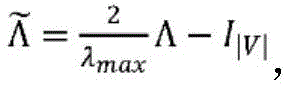

其中,
返回到将CNN应用于二分图Ga,b,其表示类型ε(a)与ε(b)的实体之间的关系,为了解释的简单,令所述图表示为G={Va∪Vb,A},其中,Va和Vb分别对应于类型ε(a)和ε(b)的实体实例,并且A是节点之间的邻接矩阵,被定义为:Returning to applying CNN to a bipartite graph G a,b representing the relationship between entities of type ε (a) and ε (b) , let the graph be denoted G={V a ∪ V for simplicity of explanation b , A}, where V a and V b correspond to entity instances of type ε (a) and ε (b) , respectively, and A is the adjacency matrix between nodes, defined as:

针对所述图的经归一化的拉普拉斯算子被定义为:The normalized Laplacian for the graph is defined as:
L=I-D-1/2AD-1/2,L=ID -1/2 AD -1/2 ,
其中,D是A的对角度矩阵,并且I是大小为|εa|+|εb|的单位矩阵。此外,
原则上,多项式近似的阶H能够通过对训练数据的交叉验证来确定,但是该过程在计算上是昂贵的。理论和经验两者都已经表明,对于较大的H值,所有实体嵌入在优化过程期间收敛到相同向量,从而恶化所述分类结果。因此,在各种实施例中,选择小的值,例如,H=2。启发式地,所述图卷积操作是一种消息传递的形式,其中,消息/特征跨图的边进行转换。对于二分图,期望为与具有类似强度(以边权重反映)的类型ε(b)的相同实体实例交互的类型ε(a)的多个实体实例获取相同的实体嵌入,并且反之亦然;这就是协同过滤的现象。选取卷积运算的2阶近似意味着消息从针对ε(a)的节点集合传递到针对ε(b)的节点集合。在H=2时,所述卷积运算简化为:In principle, the order H of the polynomial approximation can be determined by cross-validation on the training data, but this process is computationally expensive. Both theory and experience have shown that for larger values of H, all entity embeddings converge to the same vector during the optimization process, deteriorating the classification results. Therefore, in various embodiments, a small value is chosen, eg, H=2. Heuristically, the graph convolution operation is a form of message passing, where messages/features are transformed across the edges of the graph. For a bipartite graph, the expectation is to obtain the same entity embedding for multiple entity instances of type ε (a) interacting with the same entity instance of type ε (b) with similar strength (reflected by edge weights), and vice versa; this This is the phenomenon of collaborative filtering. Taking the 2nd order approximation of the convolution operation means that messages are passed from the set of nodes for ε (a) to the set of nodes for ε (b) . When H=2, the convolution operation is simplified to:

在一些实施例中,通过约束W1=W0+W2进一步减少网络中的参数数量,以避免过度拟合和数值不稳定性,导致:In some embodiments, the number of parameters in the network is further reduced by constraining W 1 =W 0 +W 2 to avoid overfitting and numerical instability, resulting in:

给定上述卷积运算以及在两种类型的实体ε(a)与ε(b)之间的图Ga,b以及其经归一化的拉普拉斯算子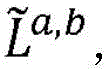


其中,RELU:=max(0,a),并且


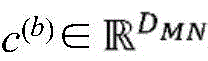
如上文所提到的,在实体类型ε(a)与ε(b)之间能够存在多个图。例如,由作者在会议中诸如“发表论文数量”或“被引用论文数量”的关系可以由两个不同的图来表示。在架构300的层314(在本文中也被称为“嵌入合并层”)中,跨所有那些关系(即,跨在第一实体与第二实体之间的所有图)合并从与给定第二实体类型(在特殊情况下,其可以与第一实体类型相同)的关系合并的给定第一实体类型的(G2-P2)实体嵌入。例如,参考图3,在ε(a)中相对于ε(b)的实体的所有实体嵌入308被合并到合并的实体嵌入316中;在ε(b)中相对于ε(a)的实体的所有实体嵌入309被合并到经合并的实体嵌入317中;在ε(a)中相对于ε(c)的实体的所有实体嵌入310被合并到经合并的实体嵌入318中;以及在ε(c)中相对于ε(a)的实体的所有实体嵌入311被合并到经合并的实体嵌入319中。As mentioned above, there can be multiple graphs between entity types ε (a) and ε (b) . For example, a relationship such as "number of papers published" or "number of papers cited" by author in a conference can be represented by two different graphs. In
能够例如通过首先将第一类型相对于第二类型的实体嵌入相连接,并且然后使用完全连接的神经网络层将其合并,来实现合并。正式地,利用表示实体类型ε(a)与ε(b)之间的图集的ga,b,合并关于ε(b)的实体实例计算出的ε(a)的实体实例的实体嵌入,并且对于ε(b)相对于ε(a)的那些的实体实例也如此。以特征矩阵形式联合为ε(a)和ε(b)的所有实体实例写入,所述合并能够被表达为:Merging can be achieved, for example, by first connecting entity embeddings of the first type with respect to the second type, and then merging them using a fully connected neural network layer. Formally, merging the entity embeddings of entity instances of ε (a) computed with respect to entity instances of ε (b) using ga ,b representing the atlas between entity types ε (a) and ε (b) , And the same is true for entity instances where ε (b) is relative to those of ε (a) . Written jointly for all entity instances of ε (a) and ε (b) in the form of a feature matrix, the combination can be expressed as:

其中,


在跨实体类型的给定配对之间的图合并实体嵌入后,经合并的实体嵌入跨项目的子实体进行组合,并且如果适用的话,在层320(在本文中也被称为“静态-动态层”)中利用项目的动态组件106的嵌入来增强,以创建项目向量表示122。组合能够例如采用相应向量表示的串联的形式。因此,第一项目和第二项目可以被表示为:After merging entity embeddings across the graph between a given pairing of entity types, the merged entity embeddings are combined across the project's sub-entities and, if applicable, at layer 320 (also referred to herein as "static-dynamic" Layer") is augmented with the embedding of the


其中,


例如串联向量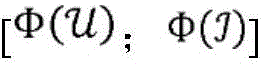



其中,
图4以流程图的形式总结了根据各种实施例的生成推荐的方法400。方法400可以由如在图1中所示的推荐系统100来执行,其可以实现例如在图3中所示的神经网络架构300。方法400涉及接收表示在多种实体类型的实体实例之间的关系的二分图的图数据作为输入,以及将所述图和实体实例的表示存储在存储器中(动作402)。此外,方法400包括对所存储的表示进行操作,使用针对二分图的计算模型110来计算针对实体实例的实体向量表示(例如,如上文针对图Ga,b定义的实体嵌入Z(a)、Z(b))(动作404)。在各种实施例中,这些计算模型是或者包括基于图的CNN,但是也可以使用其他类型的模型,诸如例如基于图的递归神经网络(GRNN)或者基于元路径的模型(例如,metapath2vec)。FIG. 4 summarizes, in flowchart form, a
基于第一项目和第二项目(即,要接收推荐的项目和要推荐的项目)在其组成静态子实体和/或动态组件方面的定义,所述实体向量表示被跨二分图组合,并且如果适用的话,在动作406(由合并组件112来执行)中与动态组件的表示相组合,以生成针对第一项目和第二项目的项目向量表示。在一些实施例中,该动作涉及例如使用可以包括完全连接的神经网络的嵌入合并层314,跨反映实体类型的配对之间的多个相应关系的多个二分图,来合并针对给定第一实体类型的实例相对于给定第二实体类型的实例计算的实体向量表示。此外,针对除了静态子实体或实体之外还包括多个静态子实体和/或动态组件的项目,合并的实体向量表示和/或动态组件可以被串联在例如静态-动态层320中。替代地,实体向量表示可以彼此组合和/或以其他方式与动态组件相组合,例如,使用外积。然后,使用分类器模型114、322,诸如MLP、递归神经网络(RNN)或其他神经网络模型、内核支持向量机或者其他类型的分类器,基于对应的项目向量表示来计算针对第一项目和第二项目的配对的相关性分数(动作408)。一旦已经根据第二项目与第一项目的相关性对项目的配对进行了评分,就基于相关性分数来生成推荐并且输出(动作410)到例如用户或者另一计算组件。例如,生成所述推荐可以涉及基于所述分数的排名和/或过滤。Based on the definition of the first item and the second item (ie, the item to receive recommendation and the item to recommend) in terms of their composition of static sub-entities and/or dynamic components, the entity vector representations are combined across the bipartite graph, and if If applicable, combined with the representation of the dynamic component in act 406 (performed by the merge component 112) to generate an item vector representation for the first item and the second item. In some embodiments, this action involves, for example, using an embedding
取决于特定应用,可以响应于一些触发事件而预先计算或计算(例如,实时地)动作404-410。例如,在一些情况下,针对所述静态实体的实体向量表示是基于二分图被预先计算的并且被存储以供以后响应于触发事件而使用,所述触发事件诸如例如是对给定第一项目(例如,特定用户)的推荐的请求或者对新的第二项目(例如,新消息)的接受。例如,响应于用户的推荐请求,针对该用户以及针对一些或所有第二项目(例如,从一些初步过滤得到的第二项目的子集)的项目向量表示可以根据相关性被成对地创建和评分。类似地,对要推荐的新项目的添加可能触发对针对该项目和第一项目的至少子集(例如,针对新消息,可能对所述消息感兴趣的用户子集)的项目向量表示的计算,并且根据第二项目与第一项目的相关性来对所述第一项目进行评分。在一些实施例中,基于二分图对实体向量表示的计算同样在触发事件时执行。例如,在新用户注册到社交网络时,与用户和/或其他实体(例如,用户创作的出版物)相关联的图可以被更新以包括新用户,并且然后实体向量表示可以根据更新后的图进行计算(或者重新计算)。Depending on the particular application, actions 404-410 may be pre-computed or computed (eg, in real-time) in response to some triggering event. For example, in some cases the entity vector representation for the static entity is precomputed based on the bipartite graph and stored for later use in response to a triggering event, such as, for example, for a given first item A request for a recommendation (eg, a specific user) or an acceptance of a new second item (eg, a new message). For example, in response to a user's recommendation request, item vector representations for the user and for some or all of the second items (eg, a subset of the second items from some preliminary filtering) may be created pairwise according to correlations and score. Similarly, the addition of a new item to recommend may trigger computation of a vector representation of the item for that item and at least a subset of the first item (eg, for a new message, a subset of users who may be interested in the message). , and the first item is scored according to its relevance to the first item. In some embodiments, the computation of the entity vector representation based on the bipartite graph is also performed when the event is triggered. For example, when a new user registers to the social network, a graph associated with the user and/or other entities (eg, user-authored publications) may be updated to include the new user, and the entity vector representation may then be based on the updated graph Calculate (or recalculate).
用于根据诸如神经网络架构300生成推荐的计算模型和算法可以基于经标记的训练数据进行训练:Computational models and algorithms for generating recommendations from, for example, the

其中,yi是所述数据集中的第一项目和第二项目的第i配对的标签,其例如能够是针对多类别问题(许多现实世界问题能够向其转换)的1与C之间的任意整数。(替代地,为了允许在各个维度上进行比较,标签yi可以被转换为C实数的向量)。给定D、实体ε(1),...ε(E)和图

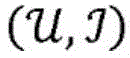

对于一些推荐问题,所描述的方法的性能能够利用常规度量来充分评估,诸如例如曲线下面积(AUC)、归一化折扣累积增益(NDCG)、精确度@k、或者本领域普通技术人员已知的其他度量。然而,许多重要的推荐问题都以不平衡的数据为特征,其中,不相关项目的数量远超相关项目的数量(其中,相关性的概念可能例如考虑到在给定时间要推荐的项目数量的截止值)。例如,在消息推荐系统的上下文中,用户期望在给定时间段(例如,一天)内显现的消息数量可能仅仅是在该时间期间被提交给所述系统的新消息数量的一小部分。在这种情况和类似情况下,重要的是,k个分数最高的项目(下文被简称“前k个”项目)(其是将被推荐的项目)不仅包括高度相关的项目,而且避免不相关的项目(因为不相关的项目将不必要地占用下一最相关项目可用的空间)。AUC没有捕获到该方面。For some recommendation problems, the performance of the described methods can be adequately evaluated using conventional metrics such as, for example, Area Under the Curve (AUC), Normalized Discounted Cumulative Gain (NDCG), Accuracy@k, or those of ordinary skill in the art have other metrics known. However, many important recommendation problems are characterized by imbalanced data, where the number of irrelevant items far exceeds the number of relevant items (where the notion of relevance may, for example, take into account the difference in the number of items to be recommended at a given time. cutoff value). For example, in the context of a message recommendation system, the number of messages a user expects to appear in a given time period (eg, a day) may be only a fraction of the number of new messages submitted to the system during that time. In this and similar situations, it is important that the k highest scoring items (hereinafter referred to simply as "top k" items), which are items to be recommended, not only include highly relevant items, but also avoid irrelevant items items (since irrelevant items will unnecessarily take up the space available for the next most relevant item). AUC does not capture this aspect.
因此,根据各种实施例,下文被称为“AUC-Rel@k”的新度量被用于优化和/或评估所述推荐算法的性能。为了定义该度量,考虑n个经标记的数据点的集合(x1,y1),…,(xn,yn),其中,





其中,S(s,i)表示评分高于项目i的项目j的集合,并且Tk,n(s,i)是指示函数,当项目i位于按分数s排序的前k个项目中时该指示函数为一。此外,定义:where S(s,i) represents the set of items j with higher scores than item i, and Tk ,n (s,i) is the indicator function that is the indicator function when item i is in the top k items sorted by score s The indicator function is one. Also, define:


其中,S+(s,i)表示评分高于正标记项目i的正标记项目j的集合,并且T+ k,n(s,i)是指示函数,当项目i位于按分数s排序的前min(k,n+)(即,前k或者前n+个,以较小者为准)个正标记项目中时该指示函数为一。where S + (s,i) represents the set of positively-labeled items j with higher scores than positive-labeled item i, and T + k,n (s,i) is the indicator function when item i is at the top sorted by score s The indicator function is one when min(k,n + ) (ie, the top k or the top n + , whichever is less) positive marked items.
现在,假设前k个元素(按s排序)中的正负数分别为k+和k-。然后,AUC-Rel@k被定义为:Now, suppose the positive and negative numbers in the first k elements (sorted by s) are k + and k- . Then, AUC-Rel@k is defined as:

其中,II是指示函数,当满足方括号中的条件时,所述指示函数为一。该度量考虑了前k个项目中的不相关项目与前min(k,n+)个相关项目(按分数s排序)之间的成对比较,并且计算在成对比较中相关项目比不相关项目具有更高分数的次数。因此,AUC-Rel@k奖励前k个项目中每个相关项目的存在,并且惩罚前k个项目中不相关项目的存在而不是前k个项目之外的相关项目。注意,AUC-Rel@k的上限是AUC@k(亦即,仅针对前k个项目计算的AUC),因为AUC-Rel@k比AUC@k考虑更多的成对比较,亦即,前k个之外的相关项目与前k中的不相关项目的比较,这些项目在计入归一化(即,分母)时总是丢失(即,等于零)。能够表明:Wherein, II is an indicator function, which is one when the conditions in square brackets are satisfied. This measure takes into account pairwise comparisons between the uncorrelated items in the top k items and the top min(k,n + ) related items (ordered by score s), and computes the ratio of correlated items in pairwise comparisons to uncorrelated items The number of times an item has a higher score. Therefore, AUC-Rel@k rewards the presence of each relevant item in the top k items, and penalizes the presence of irrelevant items in the top k items rather than related items outside the top k items. Note that the upper bound of AUC-Rel@k is AUC@k (i.e., the AUC computed only for the first k items), because AUC-Rel@k considers more pairwise comparisons than AUC@k, i.e., the previous A comparison of relevant items out of the k to irrelevant items in the top k, which are always missing (ie, equal to zero) when factored into the normalization (ie, the denominator). be able to show:

针对多个第一项目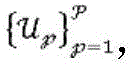

其中,

类似地,宏版本能够被定义如下:Similarly, the macro version can be defined as follows:

其中,符号与上文定义的含义相同,除了其现在对应于
图5是根据各种实施例的用于训练推荐系统100(例如,神经网络架构300)(下文也被称为“训练系统”500)的神经网络组件的示例性数据处理系统的示意框图。与推荐系统100一样,训练系统500能够利用硬件和/或软件的适当组合来实现,诸如例如利用通用计算机(例如,如在图9中所图示的)或计算机集群来实现,将合适的软件存储在计算机存储器中,并且利用一个或多个CPU或GPU或者利用一个或多个专用处理器(诸如DSP、FPGA或ACIC)来运行所述软件。训练系统500用于通过针对可以被指定为对训练系统500的输入的给定度量506优化神经网络架构502的可调整网络参数504,来训练实现计算模型110、合并组件112和分类器模型114的神经网络架构502。针对上文关于图3所描述的神经网络架构300,例如,这些可调参数504可以包括卷积滤波器参数



对参数504的优化涉及运行学习算法508以基于作为输入被提供给训练系统500的经标记的训练数据512来迭代地优化针对性能度量506的代理度量510。学习算法508可以利用例如对机器学习领域的普通技术人员而言是公知的错误的反向传播,或者利用任何其他合适的技术。诸如AUC或准确度的常规性能度量能够通过诸如例如交叉熵的标准代理度量510来直接地优化。然而,这种关系并不适用于上文定义的度量AUC-Rel@k,其着眼于部分数据,而不是像标准代理度量那样对数据采用整体视图。换言之,优化(例如,交叉熵)通常将不会导致最优的AUC-Rel@k。因此,在各种实施例中,如在图5中所图示的,添加额外的优化层:在利用训练数据512的初始集合运行学习算法508之后,使用经训练的神经网络架构502对训练数据512中的第一项目和第二项目的所有配对进行评分,并且然后所述评分被用于选择(如下详述的)训练数据的合适子集514以用于使用学习算法508的另一轮网络训练。迭代地重复该过程,例如,直到已经完成了指定数量的迭代。评估组件516然后能够使用AUC-Rel@k作为性能度量506来量化由此训练的神经网络架构502的性能。Optimization of
由于推荐和训练系统100、500两者都使用神经网络架构502,所以在一些实施例中,其可以与彼此集成并且共享资源。在其他实施例中,训练系统500和推荐系统100是单独并且不同的实体,例如,其中,仅有训练系统500实现学习算法508,并且仅有推荐系统100包括推荐生成器116。这两个实体都可以包括神经网络架构502的相应副本,并且针对训练系统500内的副本而确定的网络参数504一旦被优化,就可以被传送到推荐系统100以用于与其神经网络架构502的副本一起使用。替代地,训练系统500不需要包括神经网络架构502自身的副本,而是可以替代地在训练过程期间与推荐系统100交换数据以直接调整推荐系统100内的网络参数504,并且一旦参数504已经被确定,这些通信就可以停止。Since both recommendation and
图6是更详细地图示出根据各种实施例的用于计算推荐以优化AUC-Rel@k的训练神经网络架构502的示例性方法600的流程图。方法600将训练数据、测试数据、以及迭代的指定次数作为输入,并且返回AUC-Rel@k的值作为输出。在接收到所述输入(在动作602中)并且初始化神经网络参数504、训练数据集和迭代计数器(在动作604中)之后,方法600进入迭代循环,只要迭代计数器低于迭代的指定次数(如在606处所确定的),则进行迭代循环。FIG. 6 is a flow chart illustrating in greater detail an
在每次迭代中,在动作608中,在当前训练数据集上训练神经网络架构502,以最小化目标函数,诸如,例如预测分数

其中,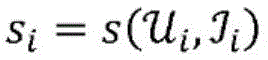


上文参考图1-6所描述的推荐方法能够被应用于许多不同的问题和实体,诸如推荐相关研究论文以用于在给定论文中潜在引用、推荐社交网络或媒体共享平台内的群组以供用户发布图像等、或者向在共享企业对话平台内的用户推荐消息,等等。The recommendation methods described above with reference to Figures 1-6 can be applied to many different problems and entities, such as recommending relevant research papers for potential citations in a given paper, recommending groups within social networks or media sharing platforms For users to post images, etc., or to recommend messages to users within a shared enterprise conversation platform, etc.
为了提供特定示例,图7和图8图示了用于在企业对话平台(下文也被称为“消息系统”)中的消息推荐的系统和方法,诸如例如但不限于Microsoft
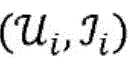
针对所描述的场景的推荐问题能够被描述为针对给定用户

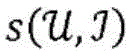


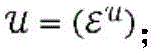

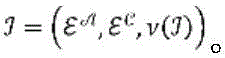
原则上,上文所描述的推荐方法(例如,如使用神经网络架构300所实现的)能够被用于针对给定传入消息对用户进行评分,以确定消息与每个用户的相关性。然而,在实践中,该应用提出了挑战。一方面,消息系统可以提供无状态的消息通知,这样,一旦有新消息进来,就决定将所述消息通知哪些用户。此外,能够访问所述信道并且因此决定是否显现所述消息的用户的数量会非常大;例如,流行的消息信道可能有成千上万的注册用户。利用可用计算资源,每个度量可能实时地调用数千次评分函数
图7是根据各种实施例的用于生成消息推荐的示例性数据处理系统(下文也被称为“消息推荐系统”700)的框图。与推荐系统100一样,消息推荐系统700能够利用硬件和/或软件的适当组合来实现,诸如例如利用通用计算机(例如,如在图9中所图示的)或者计算机集群来实现,将合适的软件存储在计算机存储器中,并且利用一个或多个CPU或GPU,或者利用一个或多个专用处理器(诸如DSP、FPGA或ACIC)运行所述软件。消息推荐系统700可以形成更大的消息系统的一部分,所述消息系统包括用于用户注册消息信道、发布和阅读消息等的用户界面,并且可以保持消息记录并且跟踪用户对消息的参与。系统700将消息702和相关联的元数据(诸如作者和消息信道)作为输入,并且识别应当向其推荐消息的用户,例如,通过在通知窗格704中对其进行显现。为了以计算上易于处理的方式使用评分函数

在第一层706(在本文中也被称为“过滤层”)中,基于(例如,数十个)用户的特定于作者的候选名单708来过滤具有访问给定消息被发布到的信道的最初通常大集合的用户,将管线成本降低几个数量级。针对给定作者的候选名单708列出来自该作者的消息可能与其相关的用户,如可以基于例如在用户、作者与信道之间的静态关系独立于任何消息内容而确定的。在一些实施例中,所述候选名单基于静态用户-作者特征来离线地编译,其中,学习的标准分类器在顶部操作。为了实现对过滤层706的快速操作,候选名单708可以被预先计算并且用于简单的查找。对于来自特定作者的消息,然后在第二层710(在本文中也被称为“评分层”)中仅针对候选名单708上的用户来调用所述评分函数
图8是根据各种实施例的示例性消息推荐方法800(例如,如由消息推荐系统700执行)的流程图。方法800涉及针对用户、作者和信道来存储预先计算的实体向量表示(动作802)。在接收到消息804时,识别可以访问与所述消息相关联的信道的用户(动作806),并且然后,例如基于与所述消息的作者相关联的用户候选名单708,来过滤所识别出的用户,以创建通常包括比可以访问所述消息的用户数量少得多的用户的集合(动作808)。根据消息与所述用户中的每个用户的相关性对该较小集合内的用户进行评分(动作810)。所述评分可以涉及针对所述消息和针对所述集合内的所有用户来计算项目向量表示,并且将分类器模型应用于所述项目向量表示(例如,如在图3中所示的)。然后,基于所述评分来确定经评分的用户的通常甚至更小的子集(动作812),例如,通过仅保留评分超过特定阈值的用户。所述阈值可以是用户相关的,并且可以根据经验来设置以至少平均地实现将在通知窗格中显现给用户的期望数量的消息。事后比较逻辑单元可以被应用于用户的子集以添加和/或移除用户(动作814)。例如,如果用户期望看到来自特定作者或者来自特定信道的更少或更多的消息,则我们能够从我们的已排序消息列表中移除或添加这样的消息。本领域普通技术人员将想到用于细化所述消息推荐的合适的事后比较逻辑单元的其他示例。最后,所述消息被推荐给保留在经细化的子集中的所有用户(动作816)。8 is a flow diagram of an exemplary message recommendation method 800 (eg, as performed by message recommendation system 700 ) in accordance with various embodiments.
通常,在本文中所描述的操作、算法和方法可以以软件、硬件和/或固件的任何适当组合来实现,并且所提供的功能可以被分组为多个组件、模块或机制。模块和组件能够构成软件组件(例如,被体现在非暂时性机器可读介质上的代码)或硬件实现的组件。硬件实现的组件是能够执行特定操作并且能够以特定方式配置或布置的有形单元。在示例性实施例中,一个或多个计算机系统(例如,独立的、客户端或服务器计算机系统)或者一个或多个处理器能够由软件(例如,应用或应用部分)配置为硬件实现的组件,其操作用于以执行在本文中所描述的特定操作。In general, the operations, algorithms and methods described herein may be implemented in any suitable combination of software, hardware and/or firmware, and the functionality provided may be grouped into multiple components, modules or mechanisms. Modules and components can constitute software components (eg, code embodied on a non-transitory machine-readable medium) or hardware-implemented components. A hardware-implemented component is a tangible unit capable of performing certain operations and capable of being configured or arranged in a certain manner. In an exemplary embodiment, one or more computer systems (eg, stand-alone, client or server computer systems) or one or more processors can be configured by software (eg, applications or application portions) as hardware-implemented components , which operate to perform certain operations described herein.
在各种实施例中,硬件实现的组件能够机械地或电子地实现。例如,硬件实现的组件能够包括被永久配置的专用电路或逻辑单元(例如,作为专用处理器,诸如现场可编程门阵列(FPGA)或专用集成电路(ASIC))以执行特定操作。硬件实现的组件还能够包括由软件临时配置以执行特定操作的可编程逻辑单元或电路(例如,被包含在通用处理器或其他可编程处理器内)。将意识到,在专用和永久配置的电路中或者在临时配置的电路(例如,由软件配置的)中机械地实现硬件实现的组件的决定能够由成本和时间考虑来驱动。In various embodiments, hardware-implemented components can be implemented mechanically or electronically. For example, hardware-implemented components can include special-purpose circuits or logic units that are permanently configured (eg, as a special-purpose processor, such as a field programmable gate array (FPGA) or an application-specific integrated circuit (ASIC)) to perform particular operations. Hardware-implemented components can also include programmable logic units or circuits (eg, contained within a general-purpose processor or other programmable processor) that are temporarily configured by software to perform particular operations. It will be appreciated that the decision to mechanically implement hardware-implemented components in dedicated and permanently configured circuitry or in temporarily configured circuitry (eg, configured by software) can be driven by cost and time considerations.
因此,术语“硬件实现的组件”应当被理解为涵盖有形实体,即被物理构造、永久配置(例如,硬连线)或者被临时或暂时配置(例如,编程)以特定方式操作和/或执行在本文中所描述的特定操作的实体。考虑到其中硬件实现的组件被临时配置(例如,被编程)的实施例,所述硬件实现的组件中的每个硬件实现的组件不需要在任意一个时间实例被配置或实例化。例如,在硬件实现的组件包括使用软件配置的通用处理器的情况下,通用处理器能够在不同的时间被配置为相应的不同的硬件实现的组件。软件能够相应地配置处理器,例如,以在一个时间实例处构成特定的硬件实现的组件并且在不同的时间实例构成不同的硬件实现的组件。Accordingly, the term "hardware-implemented component" should be understood to encompass tangible entities, ie, physically constructed, permanently configured (eg, hardwired), or temporarily or temporarily configured (eg, programmed) to operate and/or perform in a particular manner Entities for specific operations described in this document. Considering embodiments in which hardware-implemented components are temporarily configured (eg, programmed), each of the hardware-implemented components need not be configured or instantiated at any one instance of time. For example, where the hardware-implemented components include a general-purpose processor configured using software, the general-purpose processor can be configured at different times as corresponding different hardware-implemented components. The software can configure the processor accordingly, eg, to constitute a particular hardware-implemented component at one instance of time and a different hardware-implemented component at a different instance of time.
硬件实现的组件能够向其他硬件实现的组件提供信息并且从其接收信息。因此,所描述的硬件实现的组件能够被认为是通信耦合的。在同时存在多个这样的硬件实现的组件的情况下,能够通过信号传输(例如,通过连接硬件实现的组件的适当电路和总线)来实现通信。在其中多个硬件实现的组件在不同时间被配置或实例化的实施例中,在这样的硬件实现的组件之间的通信能够例如通过在多个硬件实现的组件可以访问的存储器结构中存储和取回信息来实现。例如,一个硬件实现的组件能够执行操作并且将该操作的输出存储在与其通信耦合的存储器设备中。然后,另外的硬件实现的组件能够在以后访问存储器设备以取回和处理所存储的输出。硬件实现的组件还能够发起与输入设备或输出设备的通信,并且能够对资源(例如,信息集合)进行操作。Hardware-implemented components can provide information to and receive information from other hardware-implemented components. Accordingly, the described hardware-implemented components can be considered to be communicatively coupled. Where multiple such hardware-implemented components are present simultaneously, communication can be achieved through signal transmission (eg, through appropriate circuits and buses connecting the hardware-implemented components). In embodiments in which multiple hardware-implemented components are configured or instantiated at different times, communication between such hardware-implemented components can be accomplished, for example, by storing and Retrieve information to implement. For example, a hardware-implemented component can perform an operation and store the output of the operation in a memory device communicatively coupled therewith. Additional hardware-implemented components can then later access the memory device to retrieve and process the stored output. Hardware-implemented components are also capable of initiating communications with input devices or output devices, and capable of operating on resources (eg, collections of information).
在本文中所描述的示例性方法的各种操作能够至少部分地由一个或多个处理器来执行,所述一个或多个处理器被临时配置(例如,通过软件)或永久配置为执行相关操作。无论是被临时配置的还是永久配置,这样的处理器都能够构成处理器实现的组件,所述组件操作用于执行一个或多个操作或功能。在一些示例性实施例中,在本文中所提及的组件能够包括处理器实现的组件。The various operations of the example methods described herein can be performed, at least in part, by one or more processors that are temporarily configured (eg, by software) or permanently configured to perform the relevant operate. Whether temporarily or permanently configured, such processors can constitute processor-implemented components operative to perform one or more operations or functions. In some example embodiments, the components referred to herein can include processor-implemented components.
类似地,在本文中所描述的方法能够是至少部分地处理器实现的。例如,方法的操作中的至少一些操作能够由处理器或处理器实现的组件之一来执行。对某些操作的执行能够分布在一个或多个处理器之间,所述处理器不仅驻留在单台机器内,而且跨多台机器部署。在一些示例性实施例中,一个或多个处理器能够位于单个位置中(例如,在办公室环境或服务器场内),而在其他实施例中,所述处理器能够跨多个位置来分布。Similarly, the methods described herein can be at least partially processor-implemented. For example, at least some of the operations of the method can be performed by a processor or one of processor-implemented components. The execution of certain operations can be distributed among one or more processors not only residing within a single machine, but also deployed across multiple machines. In some exemplary embodiments, one or more processors can be located in a single location (eg, within an office environment or server farm), while in other embodiments, the processors can be distributed across multiple locations.
一个或多个处理器还能够操作用于支持在“云计算”环境中或者作为“软件即服务”(SaaS)的相关操作的执行。例如,所述操作中的至少一些操作能够由一组计算机(作为包括处理器的机器的示例)来执行,这些操作可以经由网络(例如,互联网)并且经由一个或多个适当的接口(例如,应用程序接口(API))来访问。The one or more processors are also operable to support the execution of related operations in a "cloud computing" environment or as a "software as a service" (SaaS). For example, at least some of the described operations can be performed by a set of computers (as an example of a machine including a processor) via a network (eg, the Internet) and via one or more suitable interfaces (eg, application programming interface (API)).
示例性实施例能够在数字电子电路中、在计算机硬件、固件或软件中或者在其组合中实现。示例性实施例能够使用计算机程序产品来实现,例如,有形地体现在信息载体中的计算机程序,例如,在机器可读介质中用于由数据处理装置(例如,可编程处理器、计算机或多台计算机)运行或者控制数据处理装置的操作。The exemplary embodiments can be implemented in digital electronic circuitry, in computer hardware, firmware or software, or in combinations of them. Exemplary embodiments can be implemented using a computer program product, eg, a computer program tangibly embodied in an information carrier, eg, in a machine-readable medium for use by a data processing apparatus (eg, a programmable processor, a computer or multiple computer) to run or control the operation of the data processing apparatus.
计算机程序能够以任何形式的描述语言来编写,包括编译或解释语言,并且能够以任何形式来部署,包括作为独立程序或组件、子例程或者适用于计算环境的其他单元。能够部署计算机程序以在一台计算机或者在一个站点或跨多个站点分布并且由通信网络互连的多台计算机上运行。Computer programs can be written in any form of description language, including compiled or interpreted languages, and can be deployed in any form, including as stand-alone programs or components, subroutines, or other units suitable for use in a computing environment. A computer program can be deployed to run on one computer or on multiple computers distributed at one site or across multiple sites and interconnected by a communication network.
在示例性实施例中,操作能够由一个或多个可编程处理器来执行,所述处理器运行计算机程序以通过对输入数据进行操作并且生成输出来执行功能。方法操作也能够由专用逻辑电路来执行,并且示例性实施例的装置能够被实现为专用逻辑电路,例如,FPGA或ASIC。In exemplary embodiments, operations can be performed by one or more programmable processors running a computer program to perform functions by operating on input data and generating output. Method operations can also be performed by, and the apparatus of, example embodiments can be implemented as, special purpose logic circuitry, eg, an FPGA or an ASIC.
计算系统能够包括客户端和服务器。客户端和服务器通常彼此远离并且通常通过通信网络进行交互。客户端和服务器的关系是通过在相应的计算机上运行并且彼此具有客户端-服务器关系的计算机程序产生的。在部署可编程计算系统的实施例中,将意识到,硬件和软件架构两者都值得考虑。具体而言,将意识到,选择是在永久配置的硬件(例如,ASIC)中、在临时配置的硬件(例如,软件和可编程处理器的组合)中还是在永久和临时配置的硬件的组合中实现特定功能能够是设计选择。下文陈述在各种示例性实施例中能够部署的硬件(例如,机器)和软件架构。A computing system can include clients and servers. Clients and servers are usually remote from each other and usually interact through a communication network. The relationship of client and server arises by virtue of computer programs running on the respective computers and having a client-server relationship to each other. In embodiments deploying programmable computing systems, it will be appreciated that both hardware and software architectures merit consideration. In particular, it will be appreciated whether the choice is in permanently configured hardware (eg, an ASIC), in temporarily configured hardware (eg, a combination of software and a programmable processor), or a combination of permanently and temporarily configured hardware Implementing a specific function in a . The hardware (eg, machine) and software architectures that can be deployed in various exemplary embodiments are set forth below.
图9是根据各种实施例可以被用于实现图1、图5和图7的系统的示例性计算系统的框图。在替代实施例中,所述计算系统可以是作为独立设备操作的机器,或者替代地,被连接(例如,联网)到其他机器。在联网部署中,机器能够在服务器-客户端网络环境中以服务器或客户端机器的容量运行,或者在对等(或者分布式)网络环境中作为对等机器运行。机器能够是个人计算机(PC)、平板PC、机顶盒(STB)、个人数字助理(PDA)、蜂窝电话、网络设备、网络路由器、交换机或桥,或者能够执行指定要由该机器采取的动作的指令(顺序的或者以其他方式)的任何机器。此外,尽管仅图示出了单个机器,但是术语“机器”也应当被理解为包括个体地或联合地运行一组(或多组)指令以执行在本文中所讨论的方法中的任意一种或多种方法的机器的任意集合。9 is a block diagram of an exemplary computing system that may be used to implement the systems of FIGS. 1, 5, and 7 in accordance with various embodiments. In alternative embodiments, the computing system may be a machine operating as a stand-alone device, or alternatively, connected (eg, networked) to other machines. In a networked deployment, machines can operate at the capacity of a server or client machine in a server-client network environment, or as a peer machine in a peer-to-peer (or distributed) network environment. A machine can be a personal computer (PC), tablet PC, set-top box (STB), personal digital assistant (PDA), cellular phone, network device, network router, switch, or bridge, or capable of executing instructions specifying actions to be taken by the machine any machine (sequential or otherwise). Furthermore, although only a single machine is shown, the term "machine" should also be understood to include executing a set (or sets) of instructions, individually or jointly, to perform any of the methods discussed herein or any collection of machines with multiple methods.
示例性计算机系统900包括处理器902(例如,中央处理单元(CPU)、图形处理单元(GPU)或者这两者)、主存储器904和静态存储器906,其经由总线908与彼此进行通信。计算机系统900还能够包括视频显示器910(例如,液晶显示器(LCD)或阴极射线管(CRT))。计算机系统900还包括字母数字输入设备912(例如,键盘或触敏显示屏)、用户界面(UI)导航(或者光标控制)设备914(例如,鼠标)、磁盘驱动单元916、信号生成设备918(例如,扬声器)以及网络接口设备920。
磁盘驱动单元916包括机器可读介质922,在机器可读介质922上存储有一组或多组数据结构和指令924(例如,软件),其体现在本文中所描述的方法或功能中的任意一种或多种方法或功能或者由其使用。指令924在由计算机系统900运行期间还能够完全或至少部分地驻留在主存储器904内和/或在处理器902内,其中,主存储器904和处理器902也构成机器可读介质。
尽管机器可读介质922在示例性实施例中被示为单个介质,但是术语“机器可读介质”能够包括存储一个或多个指令924或数据结构的单个介质或多个介质(例如,集中式或分布式数据库,和/或相关联的高速缓存和服务器)。术语“机器可读介质”还应当被理解为包括任何有形介质,其能够存储、编码或携带指令924以供机器执行并使机器执行本公开的任何一种或多种方法,或者能够存储、编码或者承载由这样的指令924使用或者与其相关联的数据结构。术语“机器可读介质”因此应当被理解为包括但不限于固态存储器,以及光学和磁性介质。机器可读介质922的具体示例包括非易失性存储器,包括例如半导体存储器设备,例如,可擦除可编程只读存储器(EPROM)、电可擦除可编程只读存储器(EEPROM)和闪存设备;磁盘,诸如内部硬盘和可移动磁盘;磁光盘;以及CD-ROM和DVD-ROM磁盘。Although machine-
能够使用传输介质在通信网络926上发送或接收指令924。能够使用网络接口设备920和许多公知的传输协议(例如,HTTP)中的任意一种来传输指令924。通信网络的示例包括局域网(LAN)、广域网(WAN)、互联网、移动电话网络、普通老式电话(POTS)网络和无线数据网络(例如,Wi-Fi和WiMax网络)。术语“传输介质”应当被理解为包括能够存储、编码或承载指令924以供机器运行的任何无形介质,并且包括数字或模拟通信信号或其他无形介质以促进这样的软件的通信。
以下编号的示例是说明性实施例。The following numbered examples are illustrative embodiments.
1、一种由数据处理系统执行的、用于在多个第一项目与多个第二项目之间生成推荐的方法,其中,所述第一项目至少部分地由多种实体类型的第一子集的相应实体实例来定义并且所述第二项目至少部分地由所述多种实体类型的第二子集的相应实体实例来定义。所述方法包括:在所述数据处理系统的计算机存储器中存储表示在所述多种实体类型的实体实例之间的关系的二分图的表示;由所述数据处理系统的一个或多个计算机处理器通过使用针对所述二分图的计算模型来计算所述第一子集和所述第二子集的所述实体类型的所述实体实例的实体向量表示,根据第二项目与第一项目的相关性对所述第一项目和所述第二项目的配对进行评分,其中,所述第一项目和所述第二项目各自具有与多个相应二分图相对应的多个相关联的实体向量表示;至少部分地通过组合所述第一子集的所述相应实体实例的所述相关联的实体向量表示来生成所述第一项目的项目向量表示,并且至少部分地通过组合所述第二子集的所述相应实体实例的所述相关联的实体向量表示来生成所述第二项目的项目表示;以及使用分类器模型根据所述相应的项目向量表示来计算针对第一项目和第二项目的配对的相关性分数;以及基于所述相关性分数来输出所述第二项目到所述第一项目的推荐。1. A method performed by a data processing system for generating recommendations between a plurality of first items and a plurality of second items, wherein the first items are at least partially composed of a first item of a plurality of entity types corresponding entity instances of the subset and the second item is defined at least in part by corresponding entity instances of the second subset of the plurality of entity types. The method includes: storing a representation of a bipartite graph representing relationships between entity instances of the plurality of entity types in a computer memory of the data processing system; processing by one or more computers of the data processing system The processor computes entity vector representations of the entity instances of the entity types of the first subset and the second subset by using a computational model for the bipartite graph, according to the difference between the second item and the first item. Correlation scores pairs of the first item and the second item, wherein the first item and the second item each have a plurality of associated entity vectors corresponding to a plurality of corresponding bipartite graphs a representation; generating an item vector representation of the first item at least in part by combining the associated entity vector representations of the corresponding entity instances of the first subset, and at least in part by combining the second the associated entity vector representations of the respective entity instances of the subset to generate an item representation for the second item; and using a classifier model to compute from the respective item vector representations for the first item and the second item a relevance score for pairs of items; and outputting a recommendation of the second item to the first item based on the relevance score.
2、根据示例1所述的方法,其中,针对所述二分图的所述计算模型包括基于图的卷积神经网络。2. The method of example 1, wherein the computational model for the bipartite graph comprises a graph-based convolutional neural network.
3、根据示例2所述的方法,其中,所述实体向量表示是二阶多项式图卷积嵌入。3. The method of example 2, wherein the entity vector representation is a second-order polynomial graph convolution embedding.
4、根据示例1-3中的任一项所述的方法,其中,所述分类器模型包括分类器神经网络。4. The method of any of examples 1-3, wherein the classifier model comprises a classifier neural network.
5、根据示例4所述的方法,其中,所述分类器神经网络包括多层感知器。5. The method of example 4, wherein the classifier neural network comprises a multilayer perceptron.
6、根据示例1-5中的任一项所述的方法,其中,组合所述实体向量表示包括:使用完全连接的神经网络来合并针对跨多个二分图的实体类型的配对的给定实体类型的实体实例计算出的实体向量表示,所述二分图表示在所述实体类型的该配对的所述实体实例之间的多个相应关系。6. The method of any of examples 1-5, wherein combining the entity vector representations comprises using a fully connected neural network to combine given entities for pairs of entity types across a plurality of bipartite graphs A computed entity vector representation of entity instances of a type, the bipartite graph representing a plurality of corresponding relationships between the entity instances of the pairing of the entity type.
7、根据示例1-6中的任一项所述的方法,其中,所述第一子集或所述第二子集中的至少一个包括至少两种实体类型,并且其中,组合所述实体向量表示包括串联所述至少两种实体类型的所述实体实例的所述实体向量表示。7. The method of any of examples 1-6, wherein at least one of the first subset or the second subset includes at least two entity types, and wherein the entity vectors are combined Representing the entity vector representation comprising concatenating the entity instances of the at least two entity types.
8、根据示例1-7中的任一项所述的方法,其中,所述第一项目或所述第二项目中的至少一个由动态组件进一步定义,并且其中,生成所述第一项目或所述第二项目中的至少一个的所述项目向量表示还包括将所述动态组件的相应实例的向量表示与相应组合实体向量表示相串联。8. The method of any of examples 1-7, wherein at least one of the first item or the second item is further defined by a dynamic component, and wherein generating the first item or The item vector representation of at least one of the second items further includes concatenating the vector representation of the respective instance of the dynamic component with the respective combined entity vector representation.
9、根据示例1-9中的任一项所述的方法,其中,用于对第一项目和第二项目的所述配对进行评分的计算模型被端到端地训练,所述计算模型包括针对所述二分图的所述计算模型和所述分类器模型。9. The method of any of examples 1-9, wherein a computational model for scoring the pairings of first and second items is trained end-to-end, the computational model comprising The computational model and the classifier model for the bipartite graph.
10、一种用于在多个第一项目与多个第二项目之间生成推荐的系统,其中,所述第一项目至少部分地由多种实体类型的第一子集的相应实体实例来定义并且所述第二项目至少部分地由所述多种实体类型的第二子集的相应实体实例来定义,所述系统包括:计算机存储器,其存储表示所述多种实体类型的实体实例之间的关系的二分图的表示;以及计算机处理器,其运行被存储在所述计算机存储器中的指令,以执行根据第二项目与第一项目的相关性对所述第一项目和所述第二项目的配对进行评分的操作,所述操作包括:使用针对所述二分图的计算模型来计算所述第一子集和所述第二子集的所述实体类型的所述实体实例的实体向量表示,其中,所述第一项目和所述第二项目各自具有与多个相应二分图相对应的多个相关联的实体向量表示;至少部分地通过组合所述第一子集的所述相应实体实例的所述相关联的实体向量表示来生成所述第一项目的项目向量表示,并且至少部分地通过组合所述第二子集的所述相应实体实例的所述相关联的实体向量表示来生成所述第二项目的项目表示;使用分类器模型根据所述相应的项目向量表示来计算针对第一项目和第二项目的配对的相关性分数;以及基于所述相关性分数来导致输出所述第二项目到所述第一项目的推荐。10. A system for generating recommendations between a plurality of first items and a plurality of second items, wherein the first items are at least partially derived from corresponding entity instances of a first subset of a plurality of entity types Defined and the second item is defined at least in part by respective entity instances of a second subset of the plurality of entity types, the system includes: a computer memory storing one of the entity instances representing the plurality of entity types; A representation of a bipartite graph of relationships between; and a computer processor executing instructions stored in the computer memory to perform a comparison between the first item and the first item based on the correlation of the second item with the first item An operation of scoring pairs of two items, the operation comprising computing entities of the entity instances of the entity types of the first subset and the second subset using a computational model for the bipartite graph a vector representation, wherein the first item and the second item each have a plurality of associated entity vector representations corresponding to a plurality of corresponding bipartite graphs; at least in part by combining the first subsets of the generating an item vector representation of the first item by combining the associated entity vector representations of the corresponding entity instances of the second subset at least in part by combining the associated entity vector representations of the corresponding entity instances of the second subset representation to generate an item representation for the second item; use a classifier model to calculate a relevance score for pairings of the first item and the second item from the corresponding item vector representation; and cause based on the relevance score A recommendation of the second item to the first item is output.
11、根据示例10所述的系统,其中,针对所述二分图的所述计算模型包括基于图的卷积神经网络。11. The system of example 10, wherein the computational model for the bipartite graph comprises a graph-based convolutional neural network.
12、根据示例11所述的系统,其中,所述实体向量表示是二阶多项式图卷积嵌入。12. The system of example 11, wherein the entity vector representation is a second order polynomial graph convolution embedding.
13、根据示例10-12中的任一项所述的系统,其中,所述分类器模型包括分类器神经网络。13. The system of any of examples 10-12, wherein the classifier model comprises a classifier neural network.
14、根据示例13所述的系统,其中,所述分类器神经网络包括多层感知器。14. The system of example 13, wherein the classifier neural network comprises a multilayer perceptron.
15、根据示例10-14中的任一项所述的系统,其中,组合所述实体向量表示包括:使用完全连接的神经网络来合并针对跨多个二分图的实体类型的配对的给定实体类型的实体实例计算出的实体向量表示,所述二分图表示实体类型的该配对的所述实体实例之间的多个相应关系。15. The system of any of examples 10-14, wherein combining the entity vector representations comprises using a fully connected neural network to combine given entities for pairings of entity types across a plurality of bipartite graphs A computed entity vector representation of entity instances of a type, said bipartite graph representing a plurality of corresponding relationships between said entity instances of this pairing of entity types.
16、根据示例10-15中的任一项所述的系统,其中,所述第一子集或所述第二子集中的至少一个包括至少两种实体类型,并且其中,组合所述实体向量表示包括串联所述至少两种实体类型的所述实体实例的所述实体向量表示。16. The system of any of examples 10-15, wherein at least one of the first subset or the second subset includes at least two entity types, and wherein the entity vectors are combined Representing the entity vector representation comprising concatenating the entity instances of the at least two entity types.
17、根据示例10-16中的任一项所述的系统,其中,所述第一项目或所述第二项目中的至少一个由动态组件进一步定义,并且其中,生成所述第一项目或所述第二项目中的所述至少一个的所述项目向量表示还包括将所述动态组件的相应实例的向量表示与相应组合实体向量表示相串联。17. The system of any of examples 10-16, wherein at least one of the first item or the second item is further defined by a dynamic component, and wherein generating the first item or The item vector representation of the at least one of the second items further includes concatenating the vector representation of the respective instance of the dynamic component with the respective combined entity vector representation.
18、根据示例10-17中的任一项所述的系统,其中,用于对第一项目和第二项目的所述配对进行评分的计算模型被端到端地训练,所述计算模型包括针对所述二分图的计算模型和分类器模型。18. The system of any of examples 10-17, wherein a computational model for scoring the pairings of a first item and a second item is trained end-to-end, the computational model comprising Computational model and classifier model for the bipartite graph.
19、一个或多个用于在多个第一项目与多个第二项目之间生成推荐的计算机可读介质,其中,所述第一项目至少部分地由多种实体类型的第一子集的相应实体实例来定义并且所述第二项目至少部分地由所述多种实体类型的第二子集的相应实体实例来定义,所述一个或多个计算机可读介质存储:表示所述多种实体类型的实体实例之间的关系的二分图的表示;以及处理器可执行指令,所述处理器可执行指令当由一个或多个计算机处理器运行时使得所述一个或多个计算机处理器执行根据第二项目与第一项目的相关性对所述第一项目和所述第二项目的配对进行评分的操作,所述操作包括:使用针对所述二分图的计算模型来计算所述第一子集和所述第二子集的所述实体类型的所述实体实例的实体向量表示,其中,所述第一项目和所述第二项目各自具有与多个相应二分图相对应的多个相关联的实体向量表示;至少部分地通过组合所述第一子集的所述相应实体实例的所述相关联的实体向量表示来生成所述第一项目的项目向量表示,并且至少部分地通过组合所述第二子集的所述相应实体实例的所述相关联的实体向量表示来生成所述第二项目的项目表示;使用分类器模型根据相应的项目向量表示来计算针对第一项目和第二项目的配对的相关性分数;以及基于所述相关性分数导致输出所述第二项目到所述第一项目的推荐。19. One or more computer-readable media for generating recommendations between a plurality of first items and a plurality of second items, wherein the first items are composed at least in part of a first subset of a plurality of entity types and the second item is defined at least in part by corresponding entity instances of a second subset of the plurality of entity types, the one or more computer-readable media storing: representing the plurality of entity types A representation of a bipartite graph of relationships between entity instances of an entity type; and processor-executable instructions that, when executed by one or more computer processors, cause the one or more computers to process The processor performs an operation of scoring the pairing of the first item and the second item according to the correlation of the second item with the first item, the operation comprising: using a computational model for the bipartite graph to calculate the Entity vector representations of the entity instances of the entity types of the first subset and the second subset, wherein the first item and the second item each have a corresponding number of bipartite graphs a plurality of associated entity vector representations; generating an item vector representation of the first item at least in part by combining the associated entity vector representations of the corresponding entity instances of the first subset, and at least in part generating an item representation of the second item by combining the associated entity vector representations of the corresponding entity instances of the second subset; using a classifier model to calculate the first item representation from the corresponding item vector representation a relevance score for a pairing of an item and a second item; and resulting in outputting a recommendation of the second item to the first item based on the relevance score.
20、根据示例19所述的一个或多个计算机可读介质,其中,针对所述二分图的所述计算模型包括基于图的卷积神经网络。20. The one or more computer-readable media of example 19, wherein the computational model for the bipartite graph comprises a graph-based convolutional neural network.
21、一种用于在多个第一项目与多个第二项目之间生成推荐的系统,其中,所述第一项目至少部分地由多种实体类型的第一子集的相应实体实例来定义并且所述第二项目至少部分地由所述多种实体类型的第二子集的相应实体实例来定义,所述系统包括:用于存储表示所述多种实体类型的实体实例之间的关系的二分图的表示的单元;用于通过使用针对所述二分图的计算模型来计算所述第一子集和所述第二子集的所述实体类型的所述实体实例的实体向量表示而根据第二项目与第一项目的相关性对所述第一项目和所述第二项目的配对进行评分的单元,其中,所述第一项目和所述第二项目各自具有与多个相应二分图相对应的多个相关联的实体向量表示;用于至少部分地通过组合所述第一子集的所述相应实体实例的所述相关联的实体向量表示来生成所述第一项目的项目向量表示并且至少部分地通过组合所述第二子集的所述相应实体实例的所述相关联的实体向量表示来生成所述第二项目的项目表示的单元;用于使用分类器模型根据所述相应的项目向量表示来计算针对第一项目和第二项目的配对的相关性分数的单元;以及用于基于所述相关性分数来输出所述第二项目到所述第一项目的推荐的单元。21. A system for generating recommendations between a plurality of first items and a plurality of second items, wherein the first items are at least partially derived from corresponding entity instances of a first subset of a plurality of entity types Defined and the second item is defined at least in part by respective entity instances of a second subset of the plurality of entity types, the system includes: for storing a communication between entity instances representing the plurality of entity types; a unit for a representation of a bipartite graph of relationships; for computing entity vector representations of the entity instances of the entity types of the first subset and the second subset by using a computational model for the bipartite graph and a unit for scoring the pairing of the first item and the second item according to the correlation between the second item and the first item, wherein the first item and the second item each have a corresponding number of a plurality of associated entity vector representations corresponding to a bipartite graph; for generating a representation of the first item at least in part by combining the associated entity vector representations of the corresponding entity instances of the first subset an item vector representation and generating, at least in part, an item representation of the second item by combining the associated entity vector representations of the corresponding entity instances of the second subset; for using a classifier model according to the corresponding item vectors represent a unit for calculating a relevance score for a pairing of a first item and a second item; and for outputting a recommendation of the second item to the first item based on the relevance score unit.
22、一种用于在消息系统内确定对用户的消息推荐的方法,在所述消息系统中,每条消息被分配给多个消息信道中的一个或多个消息信道并且多个用户中的每个用户都能够访问所述多个消息信道中的一个或多个消息信道,所述方法包括:在计算机存储器中存储所述多个用户、多个作者和所述多个消息信道的向量表示,所述向量表示是基于二分图来计算的,每个二分图表示在所述用户、作者和消息信道的组合之间的关系;以及通过以下操作使用计算机处理器来针对多条消息中的每条消息识别所述多个用户中要向其推荐所述消息的一个或多个用户:基于与所述消息的作者相关联的用户候选名单,在所述多个用户之间过滤能够访问被分配所述消息的消息信道的用户以确定用户的集合,所述用户候选名单是基于对来自所述作者的消息与所述候选名单上的用户的相关性的确定的;利用分类器模型针对所述用户的集合中的每个用户对所述消息进行评分,所述分类器模型将所述消息的内容的向量表示以及所述用户、所述消息的所述作者和与所述消息相关联的所述消息信道的所述向量表示作为输入;以及基于所述评分来将所述多个用户中要向其推荐所述消息的所述一个或多个用户确定为所述用户的集合的子集。22. A method for determining message recommendations for users within a messaging system in which each message is assigned to one or more of a plurality of message channels and Each user has access to one or more of the plurality of message channels, the method comprising: storing in computer memory a vector representation of the plurality of users, the plurality of authors, and the plurality of message channels , the vector representation is computed based on bipartite graphs, each bipartite graph representing a relationship between the combinations of users, authors, and message channels; and using a computer processor for each of the plurality of messages by The message identifies one or more of the plurality of users to whom the message is to be recommended: filtering among the plurality of users to be able to access is assigned based on a user shortlist associated with the author of the message users of the message channel of the message to determine a set of users, the user shortlist is determined based on a determination of the relevance of the message from the author to the users on the shortlist; utilizing a classifier model for the Each user in the set of users scores the message, and the classifier model assigns a vector representation of the content of the message along with the user, the author of the message, and all the people associated with the message. and determining the one or more users of the plurality of users to whom the message is to be recommended as a subset of the set of users based on the scores.
23、根据示例22所述的方法,其中,识别要向其推荐所述消息的所述一个或多个用户还包括以下中的至少一项:基于接收到的针对先前消息推荐的用户反馈来将一个或多个用户添加到所述子集或者从所述子集中移除一个或多个用户。23. The method of example 22, wherein identifying the one or more users to recommend the message further comprises at least one of: based on received user feedback for previous message recommendations One or more users are added to or removed from the subset.
24、根据示例22或示例23所述的方法,其中,所述二分图包括表示用户之间的关系的一个或多个二分图、表示用户与作者之间的关系的一个或多个二分图、以及表示用户与信道之间的关系的一个或多个二分图。24. The method of example 22 or example 23, wherein the bipartite graph comprises one or more bipartite graphs representing relationships between users, one or more bipartite graphs representing relationships between users and authors, and one or more bipartite graphs representing the relationship between users and channels.
25、根据示例22-24中的任一项所述的方法,其中,所述多个用户、所述多个作者和所述多个消息信道的所述向量表示是利用针对所述二分图的基于图的卷积神经网络来计算的。25. The method of any of examples 22-24, wherein the vector representation of the plurality of users, the plurality of authors, and the plurality of message channels utilizes a method for the bipartite graph Computed based on graph convolutional neural networks.
26、根据示例22-25中的任一项所述的方法,其中,所述基于图的卷积神经网络和所述分类器模型的分类器神经网络已经基于包括用户和消息的配对的训练数据以及所述消息是否与所述用户相关的指示被端对端地训练。26. The method of any of examples 22-25, wherein the graph-based convolutional neural network and the classifier neural network of the classifier model have been based on training data comprising pairs of users and messages And the indication of whether the message is relevant to the user is trained end-to-end.
27、根据示例26所述的方法,其中,所述基于图的卷积神经网络和所述分类器神经网络已经被训练以优化推荐-性能度量,针对每个用户,所述推荐-性能度量奖励在针对所述用户的指定数量的评分最高的消息中相关消息的出现,并且惩罚在针对所述用户的所述指定数量的评分最高的消息中不相关消息的出现。27. The method of example 26, wherein the graph-based convolutional neural network and the classifier neural network have been trained to optimize a recommendation-performance metric that rewards, for each user, a recommendation-performance metric Occurrences of relevant messages in the specified number of highest rated messages for the user and occurrences of irrelevant messages in the specified number of highest rated messages for the user are penalized.
28、根据示例22-27中的任一项所述的方法,其中,所述分类器模型是分类器神经网络,所述分类器神经网络将所述消息的所述内容的嵌入与所述用户、所述消息的所述作者和与所述消息相关联的所述消息信道的所述向量表示的串联作为输入。28. The method of any of examples 22-27, wherein the classifier model is a classifier neural network that associates the embedding of the content of the message with the user. , the author of the message and the concatenation of the vector representation of the message channel associated with the message as input.
29、根据示例22-28中的任一项所述的方法,其中,要向其推荐所述消息的所述一个或多个用户是在将所述消息发布到所述相关联的消息信道时实时地识别的。29. The method of any of examples 22-28, wherein the one or more users to whom the message is to be recommended is when the message is published to the associated message channel identified in real time.
30、一种用于在消息系统内确定对用户的消息推荐的推荐系统,在所述消息系统中,每条消息被分配给多个消息信道中的一个或多个消息信道并且多个用户中的每个用户都能够访问所述多个消息信道中的一个或多个消息信道,所述系统包括:计算机存储器,其存储所述多个用户、多个作者和所述多个消息信道的向量表示,所述向量表示是基于二分图来计算的,每个二分图表示在所述用户、作者和消息信道的组合之间的关系;以及计算机处理器,其运行被存储在所述计算机存储器中的指令,以执行用于针对多条消息中的每条消息识别所述多个用户中要向其推荐所述消息的一个或多个用户的操作,所述操作包括:基于与所述消息的作者相关联的用户候选名单,在所述多个用户之间过滤能够访问向其分配所述消息的消息信道的用户以确定用户的集合,所述用户候选名单是基于对来自作者的消息与所述候选名单上的用户的相关性的确定的;利用分类器模型针对所述用户的集合中的每个用户对所述消息进行评分,所述分类器模型将所述消息的内容的向量表示以及所述用户、所述消息的所述作者和与所述消息相关联的所述消息信道的向量表示作为输入;以及基于所述评分来将所述多个用户中要向其推荐所述消息的所述一个或多个用户来确定为所述用户的集合的子集。30. A recommendation system for determining message recommendations for users within a messaging system in which each message is assigned to one or more of a plurality of message channels and among a plurality of users Each user of is capable of accessing one or more of the plurality of message channels, the system comprising: a computer memory storing a vector of the plurality of users, the plurality of authors and the plurality of message channels a representation, the vector representation is computed based on a bipartite graph, each bipartite graph representing a relationship between the combination of the user, the author and the message channel; and a computer processor whose operations are stored in the computer memory instructions to perform operations for identifying, for each of the plurality of messages, one or more of the plurality of users to whom the message is to be recommended, the operations comprising: based on an association with the message A shortlist of users associated with an author, the users having access to the message channel to which the message is assigned is filtered among the plurality of users to determine a set of users, the shortlist of users based on a comparison of messages from the author with all determining the relevance of the users on the shortlist; scoring the message for each user in the set of users using a classifier model that represents a vector representation of the content of the message and the user, the author of the message, and a vector representation of the message channel associated with the message as input; and a ranking of the plurality of users to whom the message is to be recommended based on the score; The one or more users are determined to be a subset of the set of users.
31、根据示例30所述的推荐系统,其中,所述操作还包括以下中的至少一项:基于接收到的针对先前消息推荐的用户反馈来将一个或多个用户添加到所述子集或者从所述子集中移除一个或多个用户。31. The recommendation system of example 30, wherein the operations further comprise at least one of: adding one or more users to the subset based on received user feedback for previous message recommendations or Remove one or more users from the subset.
32、根据示例30或示例31所述的推荐系统,其中,所述二分图包括表示用户之间的关系的一个或多个二分图、表示用户与作者之间的关系的一个或多个二分图、以及表示用户与信道之间的关系的一个或多个二分图。32. The recommendation system of example 30 or example 31, wherein the bipartite graph comprises one or more bipartite graphs representing relationships between users, one or more bipartite graphs representing relationships between users and authors , and one or more bipartite graphs representing the relationship between users and channels.
33、根据示例性权利要求30-32中的任一项所述的推荐系统,其中,所述多个用户、所述多个作者和所述多个消息信道的所述向量表示是利用针对所述二分图的基于图的卷积神经网络来计算的。33. The recommender system of any of the exemplary claims 30-32, wherein the vector representations of the plurality of users, the plurality of authors and the plurality of message channels are It is calculated using the graph-based convolutional neural network of the bipartite graph.
34、根据示例30-33中的任一项所述的推荐系统,其中,所述基于图的卷积神经网络和所述分类器模型的分类器神经网络已经基于包括用户与消息的配对的训练数据以及所述消息是否与所述用户相关的指示被端对端地训练。34. The recommender system of any of examples 30-33, wherein the graph-based convolutional neural network and the classifier neural network of the classifier model have been based on training that includes user-message pairings The data and the indication of whether the message is relevant to the user is trained end-to-end.
35、根据示例34所述的推荐系统,其中,所述基于图的卷积神经网络和所述分类器神经网络已经被训练以优化推荐-性能度量,针对每个用户,所述推荐-性能度量奖励在针对所述用户的指定数量的评分最高的消息中相关消息的出现,并且惩罚在针对所述用户的所述指定数量的评分最高的消息中不相关消息的出现。35. The recommender system of example 34, wherein the graph-based convolutional neural network and the classifier neural network have been trained to optimize a recommendation-performance metric, for each user, the recommendation-performance metric The occurrence of relevant messages in the specified number of highest rated messages for the user is rewarded, and the occurrence of irrelevant messages in the specified number of highest rated messages for the user is penalized.
36、根据示例30-35中的任一项所述的推荐系统,其中,所述分类器模型是分类器神经网络,所述分类器神经网络将所述消息的所述内容的嵌入与所述用户、所述消息的所述作者和与所述消息相关联的所述消息信道的所述向量表示的串联作为输入。36. The recommender system of any of examples 30-35, wherein the classifier model is a classifier neural network that associates the embedding of the content of the message with the . The concatenation of the user, the author of the message and the vector representation of the message channel associated with the message takes as input.
37、根据权利要求30-36中的任一项所述的推荐系统,其中,要向其推荐所述消息的所述一个或多个用户是在将所述消息发布到所述相关联的消息信道时被实时地识别地。37. The recommendation system of any of claims 30-36, wherein the one or more users to whom the message is to be recommended are publishing the message to the associated message The channel is identified in real time.
38、一个或多个用于在消息系统内确定对用户的消息推荐的计算机可读介质,在所述消息系统中,每条消息被分配给多个消息信道中的一个或多个消息信道并且多个用户中的每个用户都能够访问所述多个消息信道中的一个或多个消息信道,所述一个或多个计算机可读介质存储:所述多个用户、多个作者和所述多个消息信道的向量表示,所述向量表示是基于二分图来计算的,每个二分图表示在所述用户、作者与消息信道的组合之间的关系;以及处理器可执行指令,所述处理器可执行指令当由一个或多个计算机处理器运行时使得所述一个或多个计算机处理器执行用于针对多条消息中的每条消息识别所述多个用户中要向其推荐所述消息的一个或多个用户的操作,所述操作包括:基于与所述消息的作者相关联的用户候选名单,在所述多个用户之间过滤能够访问被分配所述消息的消息信道的用户以确定用户的集合,所述用户候选名单是基于对来自所述作者的消息与所述候选名单上的用户的相关性的确定的;利用分类器模型针对所述用户的集合中的每个用户对所述消息进行评分,所述分类器模型将所述消息的内容的向量表示以及所述用户、所述消息的所述作者和与所述消息相关联的所述消息信道的向量表示作为输入;以及基于所述评分来将所述多个用户中要向其推荐所述消息的所述一个或多个用户确定为所述用户的集合的子集。38. One or more computer-readable media for determining message recommendations to a user within a messaging system in which each message is assigned to one or more of a plurality of message channels and Each of the plurality of users has access to one or more of the plurality of message channels, the one or more computer-readable media storing: the plurality of users, the plurality of authors and the a vector representation of a plurality of message channels, the vector representation being computed based on a bipartite graph, each bipartite graph representing a relationship between the user, author, and message channel combination; and processor-executable instructions, the The processor-executable instructions, when executed by one or more computer processors, cause the one or more computer processors to execute, for each of the plurality of messages, for each of the plurality of messages, which of the plurality of users are to be recommended operations by one or more users of the message, the operations comprising filtering among the plurality of users for access to the message channel to which the message is assigned based on a user shortlist associated with an author of the message a user to determine a set of users whose shortlist is based on a determination of the relevance of messages from the author to users on the shortlist; using a classifier model for each of the set of users A user scores the message, and the classifier model takes a vector representation of the content of the message and a vector representation of the user, the author of the message, and the message channel associated with the message as input; and determining the one or more users of the plurality of users to recommend the message to as a subset of the set of users based on the score.
39、根据示例38所述的一个或多个计算机可读介质,其中,所述操作还包括以下中的至少一项:基于接收到的针对先前消息推荐的用户反馈来将一个或多个用户添加到所述子集或者从所述子集中移除一个或多个用户。39. The one or more computer-readable media of example 38, wherein the operations further comprise at least one of: adding one or more users based on received user feedback for previous message recommendations to the subset or remove one or more users from the subset.
40、根据示例38或示例39所述的一个或多个计算机可读介质,其中,所述二分图包括表示用户之间的关系的一个或多个二分图、表示用户与作者之间的关系的一个或多个二分图、以及表示用户与信道之间的关系的一个或多个二分图。40. The one or more computer-readable media of example 38 or example 39, wherein the bipartite graph comprises one or more bipartite graphs representing relationships between users, One or more bipartite graphs, and one or more bipartite graphs representing the relationship between users and channels.
41、根据示例38-40中的任一项所述的一个或多个计算机可读介质,其中,所述多个用户、所述多个作者和所述多个消息信道的所述向量表示是利用针对所述二分图的基于图的卷积神经网络来计算的。41. The one or more computer-readable media of any of examples 38-40, wherein the vector representation of the plurality of users, the plurality of authors, and the plurality of message channels is Computed using a graph-based convolutional neural network for the bipartite graph.
42、一种用于在消息系统内确定对用户的消息推荐的推荐系统,在所述消息系统中,每条消息被分配给多个消息信道中的一个或多个消息信道并且多个用户中的每个用户都能够访问所述多个消息信道中的一个或多个消息信道,所述系统包括:用于存储所述多个用户、多个作者和所述多个消息信道的向量表示的单元,所述向量表示是基于二分图来计算的,每个二分图表示在所述用户、作者和消息信道的组合之间的关系;用于针对所述多条消息中的每条消息识别所述多个用户中要向其推荐所述消息的一个或多个用户的单元,包括:用于基于与所述消息的作者相关联的用户候选名单,在所述多个用户之间过滤能够访问被分配所述消息的消息信道的用户以确定用户的集合的单元,所述用户候选名单是基于对来自所述作者的消息与所述候选名单上的用户的相关性的确定的;用于利用分类器模型针对所述用户的集合中的每个用户对所述消息进行评分的单元,所述分类器模型将所述消息的内容的向量表示以及所述用户、所述消息的所述作者和与所述消息相关联的所述消息信道的所述向量表示作为输入;以及用于基于所述评分将所述多个用户中要向其推荐所述消息的一个或多个用户确定为所述用户的集合的子集的单元。42. A recommendation system for determining message recommendations for users within a messaging system in which each message is assigned to one or more of a plurality of message channels and among a plurality of users. Each user of is capable of accessing one or more of the plurality of message channels, the system comprising: a vector representation for storing the plurality of users, the plurality of authors and the plurality of message channels unit, the vector representation is computed based on a bipartite graph, each bipartite graph representing a relationship between the combination of the user, the author and the message channel; for identifying, for each of the plurality of messages, the means for recommending one or more of the plurality of users to whom the message is to be recommended, comprising: for filtering access among the plurality of users based on a shortlist of users associated with the author of the message a unit to which users of a message channel of said message are assigned to determine a set of users, said shortlist of users based on a determination of the relevance of messages from said author to users on said shortlist; for utilizing A unit of scoring the message for each user in the set of users by a classifier model, the classifier model assigning a vector representation of the content of the message and the user, the author of the message and the as input the vector representation of the message channel associated with the message; and for determining, based on the score, one or more users of the plurality of users to whom the message is to be recommended as the A unit of a subset of a user's collection.
尽管已经参考特定示例性实施例描述了实施例,但是显然可以对这些实施例进行各种修改和改变而不背离本发明的更宽泛范围。因此,说明书和附图被认为是说明性的而非限制性的。形成其一部分的附图通过说明而非限制的方式示出了可以实践本主题的特定实施例。对所图示的实施例进行了足够详细的描述,以使本领域技术人员能够实践在本文中所公开的教导。可以使用其他实施例并从中派生出其他实施例,从而可以在不背离本公开的范围的情况下进行结构和逻辑替换和改变。因此,该描述不应当被理解为限制性意义,并且各种实施例的范围仅由所附的权利要求以及这些权利要求所享有的全部等效物范围来限定。Although embodiments have been described with reference to specific exemplary embodiments, it will be evident that various modifications and changes may be made to these embodiments without departing from the broader scope of the invention. Accordingly, the specification and drawings are to be regarded in an illustrative rather than a restrictive sense. The accompanying drawings, which form a part hereof, show, by way of illustration and not limitation, specific embodiments in which the subject matter may be practiced. The illustrated embodiments are described in sufficient detail to enable those skilled in the art to practice the teachings disclosed herein. Other embodiments may be utilized and derived therefrom, such that structural and logical substitutions and changes may be made without departing from the scope of the present disclosure. Therefore, this description should not be taken in a limiting sense, and the scope of various embodiments is defined only by the appended claims, along with the full scope of equivalents to which such claims are entitled.
Claims (15)
Applications Claiming Priority (3)
| Application Number | Priority Date | Filing Date | Title |
|---|---|---|---|
| US16/541,818 | 2019-08-15 | ||
| US16/541,818 US11184301B2 (en) | 2019-08-15 | 2019-08-15 | Message recommendation system |
| PCT/US2020/036853 WO2021029945A1 (en) | 2019-08-15 | 2020-06-09 | Message recommendation system |
Publications (2)
| Publication Number | Publication Date |
|---|---|
| CN114365465A true CN114365465A (en) | 2022-04-15 |
| CN114365465B CN114365465B (en) | 2023-09-01 |
Family
ID=71899948
Family Applications (1)
| Application Number | Title | Priority Date | Filing Date |
|---|---|---|---|
| CN202080057515.9A Active CN114365465B (en) | 2019-08-15 | 2020-06-09 | Systems, methods, and computer-readable media for automatically generating recommendations |
Country Status (4)
| Country | Link |
|---|---|
| US (1) | US11184301B2 (en) |
| EP (1) | EP3994645B1 (en) |
| CN (1) | CN114365465B (en) |
| WO (1) | WO2021029945A1 (en) |
Families Citing this family (12)
| Publication number | Priority date | Publication date | Assignee | Title |
|---|---|---|---|---|
| US11403700B2 (en) * | 2019-04-23 | 2022-08-02 | Target Brands, Inc. | Link prediction using Hebbian graph embeddings |
| US11886971B2 (en) | 2019-08-15 | 2024-01-30 | Microsoft Technology Licensing, Llc | Multiple-entity-based recommendation system |
| US11620472B2 (en) | 2020-04-23 | 2023-04-04 | Citrix Systems, Inc. | Unified people connector |
| US11818091B2 (en) | 2020-05-10 | 2023-11-14 | Salesforce, Inc. | Embeddings-based discovery and exposure of communication platform features |
| US11334935B2 (en) * | 2020-09-04 | 2022-05-17 | International Business Machines Corporation | Method, system, and manufacture for light hypergraph based recommendation |
| CN112035683B (en) * | 2020-09-30 | 2024-10-18 | 北京百度网讯科技有限公司 | User interaction information processing model generation method and user interaction information processing method |
| US20220405588A1 (en) * | 2021-05-26 | 2022-12-22 | Ishaan Kumar | System, method, and computer-readable media for leakage correction in graph neural network based recommender systems |
| WO2023024004A1 (en) * | 2021-08-26 | 2023-03-02 | Citrix Systems, Inc. | Enterprise-oriented contact recommendations |
| CN113641920B (en) * | 2021-10-13 | 2022-02-18 | 中南大学 | Commodity personalized recommendation method and system based on community discovery and graph neural network |
| US11823031B1 (en) * | 2022-06-02 | 2023-11-21 | Internet Investments Group Limited | Systems and methods for a multi-model message generation architecture |
| FR3136769B1 (en) | 2022-06-16 | 2025-05-02 | Arkema France | Rheology control additive compositions |
| US20240354703A1 (en) * | 2023-04-20 | 2024-10-24 | Microsoft Technology Licensing, Llc | Intelligent system and method of optimizing cross-team information flow |
Citations (9)
| Publication number | Priority date | Publication date | Assignee | Title |
|---|---|---|---|---|
| US8825759B1 (en) * | 2010-02-08 | 2014-09-02 | Google Inc. | Recommending posts to non-subscribing users |
| CN105074741A (en) * | 2012-12-20 | 2015-11-18 | 微软技术许可有限责任公司 | Suggesting related items |
| CN105279180A (en) * | 2014-07-07 | 2016-01-27 | 南京理工大学常熟研究院有限公司 | Two-way selection based recommendation framework |
| CN107533683A (en) * | 2015-04-28 | 2018-01-02 | 微软技术许可有限责任公司 | Relevant group suggestion |
| CN107580704A (en) * | 2015-04-28 | 2018-01-12 | 微软技术许可有限责任公司 | Context personage recommends |
| US20180121827A1 (en) * | 2016-10-28 | 2018-05-03 | Facebook, Inc. | Generating Recommendations Using a Deep-Learning Model |
| CN109754305A (en) * | 2018-11-13 | 2019-05-14 | 北京码牛科技有限公司 | The preference method of excavation and device based on matrix decomposition algorithm |
| US20190205964A1 (en) * | 2018-01-03 | 2019-07-04 | NEC Laboratories Europe GmbH | Method and system for multimodal recommendations |
| CN110059262A (en) * | 2019-04-19 | 2019-07-26 | 武汉大学 | A kind of construction method and device, item recommendation method of the project recommendation model based on hybrid neural networks |
Family Cites Families (10)
| Publication number | Priority date | Publication date | Assignee | Title |
|---|---|---|---|---|
| US7185065B1 (en) * | 2000-10-11 | 2007-02-27 | Buzzmetrics Ltd | System and method for scoring electronic messages |
| US20030195937A1 (en) | 2002-04-16 | 2003-10-16 | Kontact Software Inc. | Intelligent message screening |
| US8996529B2 (en) * | 2010-11-16 | 2015-03-31 | John Nicholas and Kristin Gross Trust | System and method for recommending content sources |
| US9118432B2 (en) * | 2011-03-31 | 2015-08-25 | CSC Holdings, LLC | Systems and methods for real time media consumption feedback |
| US20130246441A1 (en) | 2012-03-13 | 2013-09-19 | Congoo, Llc | Method for Evaluating Short to Medium Length Messages |
| US9785883B2 (en) * | 2012-04-27 | 2017-10-10 | Excalibur Ip, Llc | Avatars for use with personalized generalized content recommendations |
| WO2018236761A1 (en) | 2017-06-19 | 2018-12-27 | Vettd, Inc. | Systems and methods to determine and utilize semantic relatedness between multiple natural language sources to determine strengths and weaknesses |
| US20190073580A1 (en) | 2017-09-01 | 2019-03-07 | Facebook, Inc. | Sparse Neural Network Modeling Infrastructure |
| US11381651B2 (en) * | 2019-05-29 | 2022-07-05 | Adobe Inc. | Interpretable user modeling from unstructured user data |
| US11886971B2 (en) | 2019-08-15 | 2024-01-30 | Microsoft Technology Licensing, Llc | Multiple-entity-based recommendation system |
-
2019
- 2019-08-15 US US16/541,818 patent/US11184301B2/en active Active
-
2020
- 2020-06-09 EP EP20750529.8A patent/EP3994645B1/en active Active
- 2020-06-09 WO PCT/US2020/036853 patent/WO2021029945A1/en not_active Ceased
- 2020-06-09 CN CN202080057515.9A patent/CN114365465B/en active Active
Patent Citations (9)
| Publication number | Priority date | Publication date | Assignee | Title |
|---|---|---|---|---|
| US8825759B1 (en) * | 2010-02-08 | 2014-09-02 | Google Inc. | Recommending posts to non-subscribing users |
| CN105074741A (en) * | 2012-12-20 | 2015-11-18 | 微软技术许可有限责任公司 | Suggesting related items |
| CN105279180A (en) * | 2014-07-07 | 2016-01-27 | 南京理工大学常熟研究院有限公司 | Two-way selection based recommendation framework |
| CN107533683A (en) * | 2015-04-28 | 2018-01-02 | 微软技术许可有限责任公司 | Relevant group suggestion |
| CN107580704A (en) * | 2015-04-28 | 2018-01-12 | 微软技术许可有限责任公司 | Context personage recommends |
| US20180121827A1 (en) * | 2016-10-28 | 2018-05-03 | Facebook, Inc. | Generating Recommendations Using a Deep-Learning Model |
| US20190205964A1 (en) * | 2018-01-03 | 2019-07-04 | NEC Laboratories Europe GmbH | Method and system for multimodal recommendations |
| CN109754305A (en) * | 2018-11-13 | 2019-05-14 | 北京码牛科技有限公司 | The preference method of excavation and device based on matrix decomposition algorithm |
| CN110059262A (en) * | 2019-04-19 | 2019-07-26 | 武汉大学 | A kind of construction method and device, item recommendation method of the project recommendation model based on hybrid neural networks |
Non-Patent Citations (2)
| Title |
|---|
| XUNING TANG等: "Leveraging User Interest to Improve Thread Recommendation in Online Forum" * |
| 陈壁生: "基于图论的个性化视频推荐算法研究" * |
Also Published As
| Publication number | Publication date |
|---|---|
| EP3994645B1 (en) | 2024-11-20 |
| WO2021029945A1 (en) | 2021-02-18 |
| US11184301B2 (en) | 2021-11-23 |
| EP3994645A1 (en) | 2022-05-11 |
| US20210051121A1 (en) | 2021-02-18 |
| CN114365465B (en) | 2023-09-01 |
Similar Documents
| Publication | Publication Date | Title |
|---|---|---|
| CN114365465A (en) | Message recommendation system | |
| US11886971B2 (en) | Multiple-entity-based recommendation system | |
| US12288236B2 (en) | Recommendation with neighbor-aware hyperbolic embedding | |
| Wang et al. | Neural graph collaborative filtering | |
| Pan et al. | A novel enhanced collaborative autoencoder with knowledge distillation for top-N recommender systems | |
| Xu et al. | Graphcar: Content-aware multimedia recommendation with graph autoencoder | |
| El Alaoui et al. | Deep GraphSAGE-based recommendation system: jumping knowledge connections with ordinal aggregation network | |
| Xu et al. | A multi-view graph contrastive learning framework for cross-domain sequential recommendation | |
| Hao et al. | A multi-strategy-based pre-training method for cold-start recommendation | |
| CN114282077A (en) | Session recommendation method and system based on session data | |
| US20190130296A1 (en) | Populating a user interface using quadratic constraints | |
| Xie et al. | Heterogeneous graph contrastive learning for cold start cross-domain recommendation | |
| Zheng et al. | Incorporating price into recommendation with graph convolutional networks | |
| Su et al. | Link prediction in recommender systems with confidence measures | |
| Xu | Research on Graph Network Social Recommendation Algorithm Based on AGRU-GNN | |
| US20250005440A1 (en) | Two tower network extension for jointly optimizing multiple different types of recommendations | |
| Khurana et al. | Session-aware recommender system using double deep reinforcement learning | |
| Do et al. | Gamma-Poisson dynamic matrix factorization embedded with metadata influence | |
| Lu et al. | Dmmd4sr: Diffusion model-based multi-level multimodal denoising for sequential recommendation | |
| Jha et al. | A trustworthy model of recommender system using hyper-tuned restricted boltzmann machine | |
| Maruthupandi et al. | Sem-AI: A unique framework for sentiment analysis and opinion mining using social network data | |
| Ding et al. | Hypergraph denoising neural network for session-based recommendation: J. Ding et al. | |
| Ma et al. | QoS prediction for neighbor selection via deep transfer collaborative filtering in video streaming P2P networks | |
| CN114842247B (en) | Semi-supervised node classification method of graph convolutional network based on feature accumulation | |
| Xin | Deep learning-based implicit feedback recommendation |
Legal Events
| Date | Code | Title | Description |
|---|---|---|---|
| PB01 | Publication | ||
| PB01 | Publication | ||
| SE01 | Entry into force of request for substantive examination | ||
| SE01 | Entry into force of request for substantive examination | ||
| GR01 | Patent grant | ||
| GR01 | Patent grant |