[go: up one dir, main page]

CN114359978A - Under-screen fingerprint sensing device and fingerprint sensing method - Google Patents

Under-screen fingerprint sensing device and fingerprint sensing method Download PDF

Info

Publication number
CN114359978A
CN114359978A CN202210028086.3A CN202210028086A CN114359978A CN 114359978 A CN114359978 A CN 114359978A CN 202210028086 A CN202210028086 A CN 202210028086A CN 114359978 A CN114359978 A CN 114359978A
Authority
CN
China
Prior art keywords
color
values
color correction
reference value
processor
Prior art date
Legal status (The legal status is an assumption and is not a legal conclusion. Google has not performed a legal analysis and makes no representation as to the accuracy of the status listed.)
Pending
Application number
CN202210028086.3A
Other languages
Chinese (zh)
Inventor
林冠仪
杨宸
谢博强
刘佩珊
Current Assignee (The listed assignees may be inaccurate. Google has not performed a legal analysis and makes no representation or warranty as to the accuracy of the list.)
Egis Technology Inc
Original Assignee
Egis Technology Inc
Priority date (The priority date is an assumption and is not a legal conclusion. Google has not performed a legal analysis and makes no representation as to the accuracy of the date listed.)
Filing date
Publication date
Application filed by Egis Technology Inc filed Critical Egis Technology Inc
Priority to US17/683,368 priority Critical patent/US20220292869A1/en
Publication of CN114359978A publication Critical patent/CN114359978A/en
Pending legal-status Critical Current

Links

Images

Classifications

    • GPHYSICS
    • G06COMPUTING OR CALCULATING; COUNTING
    • G06VIMAGE OR VIDEO RECOGNITION OR UNDERSTANDING
    • G06V10/00Arrangements for image or video recognition or understanding
    • G06V10/40Extraction of image or video features
    • G06V10/56Extraction of image or video features relating to colour
    • GPHYSICS
    • G06COMPUTING OR CALCULATING; COUNTING
    • G06VIMAGE OR VIDEO RECOGNITION OR UNDERSTANDING
    • G06V40/00Recognition of biometric, human-related or animal-related patterns in image or video data
    • G06V40/10Human or animal bodies, e.g. vehicle occupants or pedestrians; Body parts, e.g. hands
    • G06V40/12Fingerprints or palmprints
    • G06V40/13Sensors therefor
    • G06V40/1318Sensors therefor using electro-optical elements or layers, e.g. electroluminescent sensing
    • GPHYSICS
    • G06COMPUTING OR CALCULATING; COUNTING
    • G06VIMAGE OR VIDEO RECOGNITION OR UNDERSTANDING
    • G06V40/00Recognition of biometric, human-related or animal-related patterns in image or video data
    • G06V40/10Human or animal bodies, e.g. vehicle occupants or pedestrians; Body parts, e.g. hands
    • G06V40/12Fingerprints or palmprints
    • G06V40/1382Detecting the live character of the finger, i.e. distinguishing from a fake or cadaver finger
    • G06V40/1388Detecting the live character of the finger, i.e. distinguishing from a fake or cadaver finger using image processing
    • GPHYSICS
    • G06COMPUTING OR CALCULATING; COUNTING
    • G06VIMAGE OR VIDEO RECOGNITION OR UNDERSTANDING
    • G06V40/00Recognition of biometric, human-related or animal-related patterns in image or video data
    • G06V40/40Spoof detection, e.g. liveness detection

Landscapes

  • Engineering & Computer Science (AREA)
  • Physics & Mathematics (AREA)
  • General Physics & Mathematics (AREA)
  • Multimedia (AREA)
  • Theoretical Computer Science (AREA)
  • Human Computer Interaction (AREA)
  • Computer Vision & Pattern Recognition (AREA)
  • Image Input (AREA)
  • Collating Specific Patterns (AREA)
  • Measurement Of The Respiration, Hearing Ability, Form, And Blood Characteristics Of Living Organisms (AREA)

Abstract

The invention provides an under-screen fingerprint sensing device and a fingerprint sensing method. The under-screen fingerprint sensing device comprises a fingerprint sensor and a processor. The processor respectively performs planarization correction on the plurality of first color original numerical values, the plurality of second color original numerical values and the plurality of third color original numerical values provided by the fingerprint sensor to generate a plurality of first color correction numerical values, a plurality of second color correction numerical values and a plurality of third color correction numerical values. The processor inputs the plurality of first color correction values, the plurality of second color correction values and the plurality of third color correction values into the judgment module to judge whether the target object is a real finger. The under-screen fingerprint sensing device and the fingerprint sensing method can effectively judge whether the target object for fingerprint sensing is a real finger or not.

Description

屏下指纹感测装置以及指纹感测方法Under-screen fingerprint sensing device and fingerprint sensing method

技术领域technical field

本发明涉及一种屏下指纹感测装置以及指纹感测方法。The invention relates to an under-screen fingerprint sensing device and a fingerprint sensing method.

背景技术Background technique

目前指纹感测技术已被应用在各种电子设备中,以提供安全性的身分辨别功能。然而,当他人使用伪造的假指模指纹进行指纹感测时,目前的指纹感测往往无法有效地判断真假手指。并且,在指纹感测过程中,当感测环境改变时,目前指纹感测技术也容易受到感测环境改变的影响而导致无法正确地判断真假手指。At present, fingerprint sensing technology has been applied in various electronic devices to provide a secure identification function. However, when others use fake fake fingerprints for fingerprint sensing, the current fingerprint sensing is often unable to effectively determine the real and fake fingers. In addition, in the process of fingerprint sensing, when the sensing environment changes, the current fingerprint sensing technology is also easily affected by the change of the sensing environment, which makes it impossible to correctly determine the true and false fingers.

发明内容SUMMARY OF THE INVENTION

有鉴于此,本发明提供一种屏下指纹感测装置以及指纹感测方法,可有效地判断进行指纹感测的目标物件是否为真实手指。In view of this, the present invention provides an under-screen fingerprint sensing device and a fingerprint sensing method, which can effectively determine whether the target object for fingerprint sensing is a real finger.

根据本发明的实施例,本发明的屏下指纹感测装置适用于具有显示装置的电子设备。屏下指纹感测装置包括指纹感测器以及处理器。指纹感测器设置于显示装置下方。指纹感测器具有像素阵列。像素阵列具有第一颜色像素、第二颜色像素以及第三颜色像素。当指纹感测器感测目标物件时,第一颜色像素、第二颜色像素以及第三颜色像素分别输出第一颜色原始数值、第二颜色原始数值以及第三颜色原始数值。处理器耦接感测像素阵列。处理器对第一颜色原始数值、第二颜色原始数值以及第三颜色原始数值分别进行平坦化校正,以产生第一颜色校正数值、第二颜色校正数值以及第三颜色校正数值。处理器判断第一颜色校正数值、第二颜色校正数值以及第三颜色校正数值是否满足预设条件,以判断目标物件是否为真实手指。According to an embodiment of the present invention, the under-screen fingerprint sensing device of the present invention is suitable for an electronic device having a display device. The under-screen fingerprint sensing device includes a fingerprint sensor and a processor. The fingerprint sensor is arranged below the display device. The fingerprint sensor has an array of pixels. The pixel array has pixels of a first color, pixels of a second color, and pixels of a third color. When the fingerprint sensor senses the target object, the first color pixel, the second color pixel and the third color pixel output the first color original value, the second color original value and the third color original value respectively. The processor is coupled to the sensing pixel array. The processor performs flattening correction on the first color original value, the second color original value and the third color original value respectively to generate the first color correction value, the second color correction value and the third color correction value. The processor determines whether the first color correction value, the second color correction value and the third color correction value satisfy a preset condition, so as to determine whether the target object is a real finger.

根据本发明的实施例,本发明的指纹感测方法包括以下步骤:当指纹感测器感测目标物件时,通过指纹感测器的像素阵列的第一颜色像素、第二颜色像素以及第三颜色像素分别输出第一颜色原始数值、第二颜色原始数值以及第三颜色原始数值;对第一颜色原始数值、第二颜色原始数值以及第三颜色原始数值分别进行平坦化校正,以产生第一颜色校正数值、第二颜色校正数值以及第三颜色校正数值;以及判断第一颜色校正数值、第二颜色校正数值以及第三颜色校正数值是否满足预设条件,以判断目标物件是否为真实手指。According to an embodiment of the present invention, the fingerprint sensing method of the present invention includes the following steps: when the fingerprint sensor senses the target object, passing the first color pixel, the second color pixel and the third color pixel of the pixel array of the fingerprint sensor The color pixels output the first color original value, the second color original value and the third color original value respectively; the first color original value, the second color original value and the third color original value are respectively flattened and corrected to generate the first color original value The color correction value, the second color correction value, and the third color correction value; and determining whether the first color correction value, the second color correction value, and the third color correction value satisfy a preset condition, so as to determine whether the target object is a real finger.

基于上述,本发明的屏下指纹感测装置以及指纹感测方法可对于指纹感测器所取得的不同颜色的颜色原始数值进行平坦化校正,以根据校正后的数值来有效地判断目标物件是否为真实手指。Based on the above, the under-screen fingerprint sensing device and fingerprint sensing method of the present invention can perform flattening correction on the original color values of different colors obtained by the fingerprint sensor, so as to effectively determine whether the target object is based on the corrected values. for real fingers.

为让本发明的上述特征和优点能更明显易懂,下文特举实施例,并配合所附图式作详细说明如下。In order to make the above-mentioned features and advantages of the present invention more obvious and easy to understand, the following embodiments are given and described in detail with the accompanying drawings as follows.

附图说明Description of drawings

图1是本发明的一实施例的屏下指纹感测装置的电路示意图;1 is a schematic circuit diagram of an under-screen fingerprint sensing device according to an embodiment of the present invention;

图2是本发明的一实施例的像素阵列的示意图;2 is a schematic diagram of a pixel array according to an embodiment of the present invention;

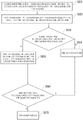
图3是本发明的第一实施例的指纹感测方法的流程图;3 is a flowchart of a fingerprint sensing method according to the first embodiment of the present invention;

图4是本发明的第一实施例的判断感测环境的流程图;FIG. 4 is a flowchart of judging the sensing environment according to the first embodiment of the present invention;

图5是本发明的另一实施例的屏下指纹感测装置的电路示意图;5 is a schematic circuit diagram of an under-screen fingerprint sensing device according to another embodiment of the present invention;

图6是本发明的第二实施例的指纹感测方法的流程图;6 is a flowchart of a fingerprint sensing method according to a second embodiment of the present invention;

图7是本发明的第三实施例的指纹感测方法的流程图;7 is a flowchart of a fingerprint sensing method according to a third embodiment of the present invention;

图8是本发明的第四实施例的指纹感测方法的流程图。FIG. 8 is a flowchart of a fingerprint sensing method according to a fourth embodiment of the present invention.

附图标记说明Description of reference numerals

100、500:屏下指纹感测装置;100, 500: fingerprint sensing device under the screen;

110、510:处理器;110, 510: processor;

120、520:指纹感测器;120, 520: fingerprint sensor;

130、530:存储装置;130, 530: storage device;

200:像素阵列;200: pixel array;

210_1~210_M:像素;210_1~210_M: pixel;

211_1~211_N:像素组;211_1~211_N: pixel group;

211R_1~211R_N:第一颜色像素;211R_1~211R_N: first color pixel;

211G_1~211G_N:第二颜色像素;211G_1~211G_N: the second color pixel;

211B_1~211B_N:第三颜色像素;211B_1~211B_N: the third color pixel;

531:判断模块;531: judgment module;

532:第一数据库;532: the first database;

533:第二数据库;533: the second database;

S310~S350、S410~S440、S610~630、S710~S780、S810~S870:步骤。S310~S350, S410~S440, S610~630, S710~S780, S810~S870: steps.

具体实施方式Detailed ways

现将详细地参考本发明的示范性实施例,示范性实施例的实例说明于附图中。只要有可能,相同元件符号在图式和描述中用来表示相同或相似部分。Reference will now be made in detail to the exemplary embodiments of the present invention, examples of which are illustrated in the accompanying drawings. Wherever possible, the same reference numerals are used in the drawings and description to refer to the same or like parts.

图1是本发明的一实施例的屏下指纹感测装置的电路示意图。图2是本发明的一实施例的像素阵列的示意图。参考图1以及图2,屏下指纹感测装置100包括处理器110、指纹感测器120以及存储装置130。处理器110耦接指纹感测器120以及存储装置130。在本实施例中,屏下指纹感测装置100 适用于具有显示装置的电子设备(或称终端设备)。指纹感测器120可为光学式指纹感测器。指纹感测器120可设置于显示装置下方,并且可用于感测位于显示装置上方法的目标物件。在屏下指纹感测装置100进行指纹感测时,电子设备的显示装置或设置在屏下的其他光源元件可提供照明光至目标物件,以使指纹感测器120可接收目标物件的表面(即手指表面)所反射的感测光,以产生指纹影像。FIG. 1 is a schematic circuit diagram of an under-screen fingerprint sensing device according to an embodiment of the present invention. FIG. 2 is a schematic diagram of a pixel array according to an embodiment of the present invention. Referring to FIG. 1 and FIG. 2 , the under-screen fingerprint sensing device 100 includes a processor 110 , a fingerprint sensor 120 and a storage device 130 . The processor 110 is coupled to the fingerprint sensor 120 and the storage device 130 . In this embodiment, the under-screen fingerprint sensing device 100 is suitable for an electronic device (or terminal device) having a display device. The fingerprint sensor 120 may be an optical fingerprint sensor. The fingerprint sensor 120 can be disposed under the display device, and can be used to sense a target object located on the display device. When the under-screen fingerprint sensing device 100 performs fingerprint sensing, the display device of the electronic device or other light source elements disposed under the screen can provide illumination light to the target object, so that the fingerprint sensor 120 can receive the surface ( That is, the sensing light reflected by the finger surface) to generate a fingerprint image.

在本实施例中,屏下指纹感测装置100可为指纹感测模块,并且指纹感测模块为整合在具有显示装置的电子设备中,其中电子设备例如是智慧型手机,但本发明并不限于此。处理器110以及存储装置130可为设置在指纹感测模块中的处理晶片(chip)与记忆体(memory),并且可提供指纹影像以及目标物件是否为真实手指的判断结果至电子设备的中央处理器,以使电子设备的中央处理器根据纹影像以及目标物件是否为真实手指的判断结果进行其他后续功能或操作。或者,在一实施例中,处理器110可为设置在指纹感测模块中的处理晶片,并且存储装置130可设置在电子设备中。又或者,在另一实施例中,屏下指纹感测装置100可指的是具有指纹感测功能的电子设备本身,并且处理器110以及存储装置130可为电子设备的中央处理器(或图形处理器)与记忆体。In this embodiment, the under-screen fingerprint sensing device 100 can be a fingerprint sensing module, and the fingerprint sensing module is integrated in an electronic device with a display device, wherein the electronic device is, for example, a smart phone, but the present invention does not limited to this. The processor 110 and the storage device 130 can be a processing chip and a memory provided in the fingerprint sensing module, and can provide the fingerprint image and the judgment result of whether the target object is a real finger to the central processing of the electronic device so that the central processing unit of the electronic device can perform other subsequent functions or operations according to the fingerprint image and the judgment result of whether the target object is a real finger. Alternatively, in one embodiment, the processor 110 may be a processing wafer provided in the fingerprint sensing module, and the storage device 130 may be provided in the electronic device. Or, in another embodiment, the under-screen fingerprint sensing device 100 may refer to an electronic device itself with a fingerprint sensing function, and the processor 110 and the storage device 130 may be the central processing unit (or graphics card) of the electronic device. processor) and memory.

在本实施例中,如图2所示,指纹感测器120可包括像素阵列200。像素阵列200包括多个像素210_1~210_M,其中M为正整数。值得注意的是,像素阵列200的至少一部份可划分为多个像素组211_1~211_N,其中N为正整数。在本实施例中,多个像素组211_1~211_N的可分别包括第一颜色像素 211R_1~211R_N、第二颜色像素211G_1~211G_N以及第三颜色像素 211B_1~211B_N。在一实施例中,第一颜色像素211R_1~211R_N、第二颜色像素211G_1~211G_N以及第三颜色像素211B_1~211B_N分别包括红色滤光器 (color filter)、绿色滤光器以及蓝色滤光器形成在各像素的入光面上。对此,第一颜色像素211R_1~211R_N、第二颜色像素211G_1~211G_N以及第三颜色像素211B_1~211B_N可分别为红色感测像素(R)、绿色感测像素(G)以及蓝色感测像素(B)。In this embodiment, as shown in FIG. 2 , the fingerprint sensor 120 may include a pixel array 200 . The pixel array 200 includes a plurality of pixels 210_1 to 210_M, where M is a positive integer. It should be noted that at least a part of the pixel array 200 can be divided into a plurality of pixel groups 211_1 - 211_N, where N is a positive integer. In this embodiment, the plurality of pixel groups 211_1-211_N may respectively include first-color pixels 211R_1-211R_N, second-color pixels 211G_1-211G_N, and third-color pixels 211B_1-211B_N. In one embodiment, the first color pixels 211R_1 - 211R_N, the second color pixels 211G_1 - 211G_N, and the third color pixels 211B_1 - 211B_N include a red color filter, a green color filter, and a blue color filter, respectively formed on the light incident surface of each pixel. In this regard, the first color pixels 211R_1 to 211R_N, the second color pixels 211G_1 to 211G_N, and the third color pixels 211B_1 to 211B_N may be red sensing pixels (R), green sensing pixels (G), and blue sensing pixels, respectively. (B).

在本实施例中,在屏下指纹感测装置100进行指纹感测时,例如第一颜色像素211R_1、第二颜色像素211G_1以及第三颜色像素211B_1可分别输出感测结果(模拟数据)至模拟至数字转换器(Analog to Digital Converter, ADC),以使模拟至数字转换器可输出对应的多个模拟至数字转换器数值(ADC code)(数字数据)至处理器110,以作为第一颜色原始数值(raw data)、第二颜色原始数值以及第三颜色原始数值。前述的模拟至数字转换器可设置在处理器110或指纹感测器120中。在本实施例中,存储装置130可例如存储第一平坦化算法及/或第二平坦化算法。处理器110可执行第一平坦化算法及/ 或第二平坦化算法,以对前述取得的第一颜色原始数值、第二颜色原始数值以及第三颜色原始数值进行第一平坦化校正(Flat-filed correction,FFC) 及/或第二平坦化校正。In this embodiment, when the under-screen fingerprint sensing device 100 performs fingerprint sensing, for example, the first color pixel 211R_1 , the second color pixel 211G_1 , and the third color pixel 211B_1 can output the sensing results (simulation data) to the simulation respectively. to a digital converter (Analog to Digital Converter, ADC), so that the analog to digital converter can output a plurality of corresponding analog to digital converter values (ADC codes) (digital data) to the processor 110 as the first color Raw data, raw data for the second color, and raw data for the third color. The aforementioned analog-to-digital converter may be provided in the processor 110 or the fingerprint sensor 120 . In this embodiment, the storage device 130 may store, for example, the first flattening algorithm and/or the second flattening algorithm. The processor 110 can execute the first flattening algorithm and/or the second flattening algorithm to perform a first flattening correction (Flat- filed correction, FFC) and/or second flattening correction.

在本实施例中,所述第一平坦化校正是指,处理器110可根据预先存储的第一低参考数值(对应于红色的低参考数值Rb)、第二低参考数值(对应于绿色的低参考数值Gb)、第三低参考数值(对应于蓝色的低参考数值Bb)、第一高参考数值(对应于红色的高参考数值Rs)、第二高参考数值(对应于绿色的高参考数值Gs)以及第三高参考数值(对应于蓝色的高参考数值Bs)来对前述取得的第一颜色原始数值(R1)、第二颜色原始数值(G1)以及第三颜色原始数值(B1)进行第一平坦化校正。在本实施例中,第一低参考数值(Rb)、第二低参考数值(Gb)以及第三低参考数值(Bb)为指纹感测器120(例如在出厂前) 一次感测标准黑色物件(例如:黑色橡胶块)后所产生的分别对应于第一颜色、第二颜色以及第三颜色的三个模拟至数字转换器数值,或多次感测标准黑色物件(例如:黑色橡胶块)后所产生的分别对应于第一颜色、第二颜色以及第三颜色的三个平均模拟至数字转换器数值。第一高参考数值(Rs)、第二高参考数值(Gs)以及第三高参考数值(Bs)可为指纹感测器120(例如在出厂后所执行的指纹感测结果)一次感测标准皮肤色物件(例如:肤色橡胶块)后所产生的分别对应于第一颜色、第二颜色以及第三颜色的三个模拟至数字转换器数值,或多次感测标准皮肤色物件(例如:肤色橡胶块)后所产生的分别对应于第一颜色、第二颜色以及第三颜色的三个平均模拟至数字转换器数值。In this embodiment, the first flattening correction means that the processor 110 can perform the pre-stored first low reference value (corresponding to the red low reference value Rb), the second low reference value (corresponding to the green low reference value Gb), the third low reference value (corresponding to the blue low reference value Bb), the first high reference value (corresponding to the red high reference value Rs), the second high reference value (corresponding to the green high The reference value Gs) and the third highest reference value (corresponding to the blue high reference value Bs) are used to compare the first color original value (R1), the second color original value (G1) and the third color original value ( B1) Perform the first flattening correction. In this embodiment, the first low reference value (Rb), the second low reference value (Gb), and the third low reference value (Bb) are for the fingerprint sensor 120 to sense a standard black object once (for example, before leaving the factory). (for example: black rubber block) three analog-to-digital converter values corresponding to the first color, the second color and the third color are generated, or a standard black object (for example: black rubber block) is sensed multiple times The resulting three average analog-to-digital converter values corresponding to the first color, the second color, and the third color, respectively. The first high reference value (Rs), the second high reference value (Gs), and the third high reference value (Bs) can be one-time sensing standards for the fingerprint sensor 120 (eg, the fingerprint sensing result performed after the factory is shipped from the factory). Three analog-to-digital converter values corresponding to the first color, the second color, and the third color generated after a skin-colored object (such as a skin color rubber block), or multiple sensing of a standard skin-colored object (such as: The three averaged analog-to-digital converter values corresponding to the first, second, and third colors, respectively, are generated after the skin tone rubber patch.

在本实施例中,处理器110可执行如以下式(1)~式(3),以进行第一平坦化校正,以使处理器110可取得第一颜色校正数值(FFC1_R1)、第二颜色校正数值(FFC1_G1)以及第三颜色校正数值(FFC1_B1)。在本实施例中,处理器110 将第一颜色原始数值(R1)与第一低参考数值(Rb)相减,以取得第一运算数值,并且处理器110将第一高参考数值(Rs)与第一低参考数值(Rb)相减,以取得第二运算数值,其中处理器110将第一运算数值除以第二运算数值,以取得第一颜色校正数值(FFC1_R1)。处理器110将第二颜色原始数值(G1)与第二低参考数值(Rb)相减,以取得第三运算数值,并且处理器110将第二高参考数值(Gs)与第二低参考数值(Gb)相减,以取得第四运算数值,其中处理器110 将第三运算数值除以第四运算数值,以取得第二颜色校正数值(FFC1_G1)。处理器110将第三颜色原始数值(B1)与第三低参考数值(Gb)相减,以取得第五运算数值,并且处理器110将第三高参考数值(Bs)与第三低参考数值(Bb)相减,以取得第六运算数值,其中处理器110将第五运算数值除以第六运算数值,以取得第三颜色校正数值(FFC1_B1)。In this embodiment, the processor 110 can execute the following equations (1) to (3) to perform the first flattening correction, so that the processor 110 can obtain the first color correction value (FFC1_R1), the second color Correction value (FFC1_G1) and third color correction value (FFC1_B1). In this embodiment, the processor 110 subtracts the first color original value (R1) and the first low reference value (Rb) to obtain the first operation value, and the processor 110 subtracts the first high reference value (Rs) The first low reference value (Rb) is subtracted to obtain the second operand value, wherein the processor 110 divides the first operand value by the second operand value to obtain the first color correction value (FFC1_R1). The processor 110 subtracts the second color raw value (G1) and the second low reference value (Rb) to obtain a third operation value, and the processor 110 subtracts the second high reference value (Gs) and the second low reference value (Gb) is subtracted to obtain the fourth operand value, wherein the processor 110 divides the third operand value by the fourth operand value to obtain the second color correction value (FFC1_G1). The processor 110 subtracts the third color raw value (B1) and the third low reference value (Gb) to obtain a fifth operation value, and the processor 110 subtracts the third high reference value (Bs) and the third low reference value (Bb) Subtract to obtain the sixth operand value, wherein the processor 110 divides the fifth operand value by the sixth operand value to obtain the third color correction value (FFC1_B1).

Figure BDA0003465091970000051

Figure BDA0003465091970000061

Figure BDA0003465091970000062

在本实施例中,所述第二平坦化校正是指,处理器110可根据预先存储的第一低参考数值(对应于红色的低参考数值Rb)、第二低参考数值(对应于绿色的低参考数值Gb)、第三低参考数值(对应于蓝色的低参考数值Bb)、另一第一高参考数值(对应于红色的高参考数值Rw)、另一第二高参考数值(对应于绿色的高参考数值Gw)以及另一第三高参考数值(对应于蓝色的高参考数值Bw)来对前述取得的第一颜色原始数值(R1)、第二颜色原始数值(G1)以及第三颜色原始数值(B1)进行第二平坦化校正。在本实施例中,第一低参考数值(Rb)、第二低参考数值(Gb)以及第三低参考数值(Bb)为指纹感测器120(例如在出厂前)感测标准黑色物件后所产生的分别对应于第一颜色、第二颜色以及第三颜色的三个模拟至数字转换器数值。第一高参考数值(Rw)、第二高参考数值(Gw)以及第三高参考数值(Bw)可为指纹感测器120(例如在出厂前)感测一次标准白色物件或多次标准白色物件平均后所产生的分别对应于第一颜色、第二颜色以及第三颜色的三个模拟至数字转换器数值。In this embodiment, the second flattening correction means that the processor 110 can perform the pre-stored first low reference value (corresponding to the red low reference value Rb), the second low reference value (corresponding to the green A low reference value Gb), a third low reference value (corresponding to the blue low reference value Bb), another first high reference value (corresponding to the red high reference value Rw), another second high reference value (corresponding to the red high reference value Rw) Based on the green high reference value Gw) and another third highest reference value (corresponding to the blue high reference value Bw), the obtained first color original value (R1), the second color original value (G1) and The third color raw value (B1) is subjected to the second flattening correction. In this embodiment, the first low reference value (Rb), the second low reference value (Gb), and the third low reference value (Bb) are after the fingerprint sensor 120 (for example, before leaving the factory) senses a standard black object Three analog-to-digital converter values are generated corresponding to the first color, the second color, and the third color, respectively. The first high reference value (Rw), the second high reference value (Gw), and the third high reference value (Bw) can be used by the fingerprint sensor 120 (for example, before leaving the factory) to sense a standard white object once or multiple times of standard white The objects are averaged to produce three analog-to-digital converter values corresponding to the first color, the second color, and the third color, respectively.

在本实施例中,处理器110可执行如以下式(4)~式(6),以进行第二平坦化校正,以使处理器110可取得另一第一颜色校正数值(FFC2_R1)、另一第二颜色校正数值(FFC2_G1)以及另一第三颜色校正数值(FFC2_B1)。以下式(4)~式(6)的详细运算说明可参照上述式(1)~式(3)的说明而类推,因此在此不多加赘述。In this embodiment, the processor 110 can execute the following equations (4) to (6) to perform the second flattening correction, so that the processor 110 can obtain another first color correction value (FFC2_R1), another A second color correction value (FFC2_G1) and another third color correction value (FFC2_B1). The detailed operation descriptions of the following equations (4) to (6) can be analogized with reference to the descriptions of the above equations (1) to (3), so they are not repeated here.

Figure BDA0003465091970000063

Figure BDA0003465091970000064

Figure BDA0003465091970000065

另外,值得注意的是,以下各实施例的防伪判断可针对像素阵列200中的多个像素组211_1~211_N的各别的第一颜色像素、第二颜色像素以及第三颜色像素的感测结果分别进行如以下各实施例所述的数值分析与运算。并且,处理器110可对像素组211_1~211_N的多个判断结果进行计数,并且根据计数结果来决定最后真假手指的判断结果。例如,像素组211_1~211_N中有P 组的判断结果为真手指,并且若P大于预设阈值,则处理器110确认目标物件为真实手指。反之,若P小于或等于预设阈值,则处理器110确认目标物件为假手指。以下各实施例所述的数值分析与运算是先以单一组像素组的第一颜色像素、第二颜色像素以及第三颜色像素的感测结果进行说明,并且可类推至多个像素组211_1~211_N的数值分析与运算结果。In addition, it is worth noting that the anti-counterfeiting determination in the following embodiments can be based on the sensing results of the respective first color pixels, second color pixels and third color pixels of the plurality of pixel groups 211_1 to 211_N in the pixel array 200 Numerical analysis and calculation as described in the following examples were carried out respectively. In addition, the processor 110 may count the plurality of determination results of the pixel groups 211_1 to 211_N, and determine the final determination result of the true and false fingers according to the counting results. For example, the determination results of P groups in the pixel groups 211_1 to 211_N are real fingers, and if P is greater than a preset threshold, the processor 110 determines that the target object is a real finger. On the contrary, if P is less than or equal to the preset threshold, the processor 110 determines that the target object is a fake finger. Numerical analysis and operations described in the following embodiments are first described with the sensing results of the first color pixel, second color pixel and third color pixel of a single pixel group, and can be analogized to multiple pixel groups 211_1 to 211_N The numerical analysis and operation results of .

图3是本发明的第一实施例的指纹感测方法的流程图。参考图1至图3,屏下指纹感测装置100可执行如以下步骤S310~S350,以实现防伪功能。在本实施例中,屏下指纹感测装置100执行步骤S310~S350。在步骤S310,屏下指纹感测装置100可通过指纹感测器120感测目标物件,以使指纹感测器 120的像素阵列200的第一颜色像素211R_1、第二颜色像素211G_1以及第三颜色像素211B_1分别输出第一颜色原始数值(R1)、第二颜色原始数值(G1)以及第三颜色原始数值(B1)。在步骤S320,处理器110可对第一颜色原始数值(R1)、第二颜色原始数值(G1)以及第三颜色原始数值(B1)分别进行平坦化校正,以产生第一颜色校正数值、第二颜色校正数值以及第三颜色校正数值。值得注意的是,在本实施例中,处理器110可对第一颜色原始数值(R1)、第二颜色原始数值(G1)以及第三颜色原始数值(B1)分别进行前述的第一平坦化校正或第二平坦化校正。或者,处理器110可对第一颜色原始数值(R1)、第二颜色原始数值(G1)以及第三颜色原始数值(B1)分别同时进行前述的第一平坦化校正以及第二平坦化校正,以针对两种数值平坦化校正的结果进行以下预设条件的判断。在步骤S330,处理器110可判断第一颜色校正数值、第二颜色校正数值以及第三颜色校正数值是否满足预设条件。若否,在步骤S350,处理器110判断目标物件为假手指,以停止使用当前指纹影像进行后续的指纹分析。若是,在步骤S340,处理器110判断目标物件为真实手指。因此,本实施例的屏下指纹感测装置100以及指纹感测方法可实现能判断目标物件是否为真实手指的功能。FIG. 3 is a flowchart of a fingerprint sensing method according to the first embodiment of the present invention. Referring to FIG. 1 to FIG. 3 , the under-screen fingerprint sensing device 100 may perform the following steps S310 to S350 to realize the anti-counterfeiting function. In this embodiment, the under-screen fingerprint sensing device 100 executes steps S310-S350. In step S310 , the under-screen fingerprint sensing device 100 can sense the target object through the fingerprint sensor 120 , so that the first color pixel 211R_1 , the second color pixel 211G_1 and the third color pixel of the pixel array 200 of the fingerprint sensor 120 The pixel 211B_1 outputs the first color original value (R1), the second color original value (G1), and the third color original value (B1), respectively. In step S320, the processor 110 may perform flattening correction on the first color raw value (R1), the second color raw value (G1), and the third color raw value (B1), respectively, to generate the first color correction value, the third color raw value Two color correction values and a third color correction value. It should be noted that, in this embodiment, the processor 110 may perform the aforementioned first flattening on the first color raw value ( R1 ), the second color raw value ( G1 ), and the third color raw value ( B1 ), respectively. Correction or second flattening correction. Alternatively, the processor 110 may simultaneously perform the aforementioned first flattening correction and second flattening correction on the first color raw value (R1), the second color raw value (G1), and the third color raw value (B1), respectively, The following preset conditions are determined based on the results of the two types of numerical flattening correction. In step S330, the processor 110 may determine whether the first color correction value, the second color correction value and the third color correction value satisfy a preset condition. If not, in step S350, the processor 110 determines that the target object is a fake finger, so as to stop using the current fingerprint image for subsequent fingerprint analysis. If so, in step S340, the processor 110 determines that the target object is a real finger. Therefore, the under-screen fingerprint sensing device 100 and the fingerprint sensing method of the present embodiment can realize the function of judging whether the target object is a real finger.

在本实施例中,所述预设条件可例如是指以下说明的第一数值分析方式。第一数值分析方式可指的是理器110判断第一颜色校正数值除以第二颜色校正数值、第二颜色校正数值除以第三颜色校正数值以及第一颜色校正数值除以第三颜色校正数值是否分别大于第一阈值且小于第二阈值。In this embodiment, the preset condition may, for example, refer to the first numerical analysis method described below. The first numerical analysis method may refer to the processor 110 determining that the first color correction value is divided by the second color correction value, the second color correction value is divided by the third color correction value, and the first color correction value is divided by the third color correction value Whether the value is greater than the first threshold and less than the second threshold, respectively.

以处理器110对第一颜色原始数值(R1)、第二颜色原始数值(G1)以及第三颜色原始数值(B1)分别进行前述的第一平坦化校正为例。处理器110可对第一平坦化校正后的第一颜色校正数值(FFC1_R1)、第二颜色校正数值 (FFC1_G1)以及第三颜色校正数值(FFC1_B1),进行如以下式(7)~式(9)的判断,以判断目标物件为假手指或真实手指。对此,若式(7)~式(9)皆满足,则判断目标物件为真实手指。若式(7)~式(9)的至少其中之一未满足,则判断目标物件为假手指。参数TH1为第一阈值。参数TH2为第二阈值。在一实施例中,参数TH1可为0.8,并且参数TH2可为1.2。Take the processor 110 performing the aforementioned first flattening correction on the first color raw value ( R1 ), the second color raw value ( G1 ), and the third color raw value ( B1 ) as an example. The processor 110 may perform the following equations (7) to (9) for the first color correction value (FFC1_R1), the second color correction value (FFC1_G1) and the third color correction value (FFC1_B1) after the first flattening correction ) to judge whether the target object is a fake finger or a real finger. In this regard, if all of equations (7) to (9) are satisfied, it is determined that the target object is a real finger. If at least one of the equations (7) to (9) is not satisfied, it is determined that the target object is a fake finger. The parameter TH1 is the first threshold. The parameter TH2 is the second threshold. In one embodiment, the parameter TH1 may be 0.8, and the parameter TH2 may be 1.2.

Figure BDA0003465091970000081

Figure BDA0003465091970000082

Figure BDA0003465091970000083

以处理器110对第一颜色原始数值(R1)、第二颜色原始数值(G1)以及第三颜色原始数值(B1)分别进行前述的第二平坦化校正为例。处理器110可对第二平坦化校正后的第一颜色校正数值(FFC2_R1)、第二颜色校正数值 (FFC2_G1)以及第三颜色校正数值(FFC2_B1),进行如以下式(10)~式(12)的判断,以判断目标物件为假手指或真实手指。对此,若式(10)~式(12)皆满足,则判断目标物件为真实手指。若式(10)~式(12)的至少其中之一未满足,则判断目标物件为假手指。Take the processor 110 performing the aforementioned second flattening correction on the first color raw value ( R1 ), the second color raw value ( G1 ), and the third color raw value ( B1 ) as an example. The processor 110 may perform the following equations (10) to (12) for the first color correction value (FFC2_R1), the second color correction value (FFC2_G1) and the third color correction value (FFC2_B1) after the second flattening correction ) to judge whether the target object is a fake finger or a real finger. In this regard, if all of equations (10) to (12) are satisfied, it is determined that the target object is a real finger. If at least one of the equations (10) to (12) is not satisfied, it is determined that the target object is a fake finger.

Figure BDA0003465091970000084

Figure BDA0003465091970000085

Figure BDA0003465091970000086

在一实施例中,所述预设条件可例如是指以下说明的第二数值分析方式。第二数值分析方式可指的是屏下指纹感测装置100可通过指纹感测器120连续感测目标物件两次,以使指纹感测器120的像素阵列的第一颜色像素 211R_1、第二颜色像素211G_1以及第三颜色像素211B_1分别输出对应于第一次感测操作(取得第一张影像)的第一颜色原始数值(R1)、第二颜色原始数值(G1)以及第三颜色原始数值(B1),以及对应于第二次感测操作(取得第二张影像)的另一第一颜色原始数值(R1’)、另一第二颜色原始数值(G1’)以及另一第三颜色原始数值(B1’)。处理器110可对第一颜色原始数值(R1)、第二颜色原始数值(G1)、第三颜色原始数值(B1)、另一第一颜色原始数值、另一第二颜色原始数值以及另一第三颜色原始数值分别进行相同的平坦化校正 (例如进行第一平坦化校正及/或第二平坦化校正),以产生第一颜色校正数值、第二颜色校正数值、第三颜色校正数值、另一第一颜色校正数值、另一第二颜色校正数值以及另一第三颜色校正数值。接着,处理器110可判断第一颜色校正数值与另一第一颜色校正数值的第一差值、第二颜色校正数值与另一第二颜色校正数值的第二差值以及第三颜色校正数值与另一第三颜色校正数值的第三差值是否分别大于0。若否,在步骤S350,处理器110判断目标物件为假手指,以停止使用当前两张指纹影像进行后续的指纹分析。若是,在步骤S340,处理器110判断目标物件为真实手指,并且处理器110或电子设备的中央处理器可对当前两张指纹影像的至少其中之一进行后续的指纹分析。因此,本实施例的屏下指纹感测装置100以及指纹感测方法可实现能判断目标物件是否为真实手指的功能。In one embodiment, the preset condition may, for example, refer to the second numerical analysis method described below. The second numerical analysis method may refer to that the under-screen fingerprint sensing device 100 can continuously sense the target object twice through the fingerprint sensor 120 , so that the first color pixel 211R_1 and the second color pixel 211R_1 of the pixel array of the fingerprint sensor 120 and the second The color pixel 211G_1 and the third color pixel 211B_1 respectively output the first color raw value (R1), the second color raw value (G1) and the third color raw value corresponding to the first sensing operation (acquiring the first image) (B1), and another first color original value (R1'), another second color original value (G1') and another third color corresponding to the second sensing operation (acquiring the second image) The original value (B1'). The processor 110 can compare the first color raw value (R1), the second color raw value (G1), the third color raw value (B1), another first color raw value, another second color raw value, and another The third color raw values are respectively subjected to the same flattening correction (for example, the first flattening correction and/or the second flattening correction) to generate the first color correction value, the second color correction value, the third color correction value, Another first color correction value, another second color correction value, and another third color correction value. Next, the processor 110 may determine a first difference between the first color correction value and another first color correction value, a second difference between the second color correction value and another second color correction value, and a third color correction value Whether the third difference with another third color correction value is greater than 0, respectively. If not, in step S350, the processor 110 determines that the target object is a fake finger, so as to stop using the current two fingerprint images for subsequent fingerprint analysis. If so, in step S340, the processor 110 determines that the target object is a real finger, and the processor 110 or the central processing unit of the electronic device can perform subsequent fingerprint analysis on at least one of the two current fingerprint images. Therefore, the under-screen fingerprint sensing device 100 and the fingerprint sensing method of the present embodiment can realize the function of judging whether the target object is a real finger.

以处理器110对第一张指纹影像的第一颜色原始数值(R1)、第二颜色原始数值(G1)以及第三颜色原始数值(B1)分别进行前述的第一平坦化校正,并且对第二张指纹影像的第一颜色原始数值(R1’)、第二颜色原始数值(G1’) 以及第三颜色原始数值(B1’)分别进行前述的第一平坦化校正为例。处理器 110可对第一张指纹影像的第一平坦化校正后的第一颜色校正数值 (FFC1_R1)、第二颜色校正数值(FFC1_G1)、第三颜色校正数值(FFC1_B1)以及第二张指纹影像的第一平坦化校正后的第一颜色校正数值(FFC1_R1’)、第二颜色校正数值(FFC1_G1’)、第三颜色校正数值(FFC1_B1’)进行如以下式 (13)~式(15)的判断,以判断目标物件为假手指或真实手指。对此,若式(13)~式(15)皆满足,则判断目标物件为真实手指。若式(13)~式(15)的至少其中之一未满足,则判断目标物件为假手指。The processor 110 respectively performs the aforementioned first flattening correction on the first color raw value (R1), the second color raw value (G1) and the third color raw value (B1) of the first fingerprint image, and performs the first flattening correction on the first fingerprint image. The first color original value (R1'), the second color original value (G1') and the third color original value (B1') of the two fingerprint images are respectively subjected to the aforementioned first flattening correction as an example. The processor 110 can perform the first flattening correction of the first color correction value (FFC1_R1), the second color correction value (FFC1_G1), the third color correction value (FFC1_B1) of the first fingerprint image and the second fingerprint image The first color correction value (FFC1_R1'), the second color correction value (FFC1_G1'), and the third color correction value (FFC1_B1') after the first flattening correction are carried out as the following formulas (13) to (15) Judgment, to judge whether the target object is a fake finger or a real finger. In this regard, if all equations (13) to (15) are satisfied, the target object is determined to be a real finger. If at least one of the equations (13) to (15) is not satisfied, it is determined that the target object is a fake finger.

FFC1_R1-FFC1_R1′>0…………式(13)FFC1_R1-FFC1_R1′>0…………Formula (13)

FFC1_G1-FFC1_G1′>0…………式(14)FFC1_G1-FFC1_G1′>0 ………… Equation (14)

FFC1_B1-FFC1_B1′>0…………式(15)FFC1_B1-FFC1_B1′>0 ………… Equation (15)

以处理器110对第一张指纹影像的第一颜色原始数值(R1)、第二颜色原始数值(G1)以及第三颜色原始数值(B1)分别进行前述的第二平坦化校正,并且对第二张指纹影像的第一颜色原始数值(R1’)、第二颜色原始数值(G1’) 以及第三颜色原始数值(B1’)分别进行前述的第二平坦化校正为例。处理器 110可对第一张指纹影像的第二平坦化校正后的第一颜色校正数值 (FFC2_R1)、第二颜色校正数值(FFC2_G1)、第三颜色校正数值(FFC2_B1)以及第二张指纹影像的第二平坦化校正后的第一颜色校正数值(FFC2_R1’)、第二颜色校正数值(FFC2_G1’)、第三颜色校正数值(FFC2_B1’)进行如以下式 (16)~式(18)的判断,以判断目标物件为假手指或真实手指。对此,若式(16)~式(18)皆满足,则判断目标物件为真实手指。若式(16)~式(18)的至少其中之一未满足,则判断目标物件为假手指。The processor 110 respectively performs the aforementioned second flattening correction on the first color original value (R1), the second color original value (G1) and the third color original value (B1) of the first fingerprint image, and the The first color original value (R1'), the second color original value (G1') and the third color original value (B1') of the two fingerprint images are respectively subjected to the aforementioned second flattening correction as an example. The processor 110 may perform the first color correction value (FFC2_R1), the second color correction value (FFC2_G1), the third color correction value (FFC2_B1) after the second flattening correction of the first fingerprint image and the second fingerprint image The first color correction value (FFC2_R1'), the second color correction value (FFC2_G1'), and the third color correction value (FFC2_B1') after the second flattening correction are as follows: Judgment, to judge whether the target object is a fake finger or a real finger. In this regard, if all equations (16) to (18) are satisfied, the target object is determined to be a real finger. If at least one of equations (16) to (18) is not satisfied, it is determined that the target object is a fake finger.

FFC2_R1-FFC2_R1′>0…………式(16)FFC2_R1-FFC2_R1′>0…………Formula (16)

FFC2_G1-FFC2_G1′>0…………式(17)FFC2_G1-FFC2_G1′>0…………Formula (17)

FFC2_B1-FFC2_B1′>0…………式(18)FFC2_B1-FFC2_B1′>0…………Formula (18)

值得注意的是,在另一些实施例中,处理器110也可先执行如上述第一数值分析方式的判断,并且若判断为“否”,则在执行如上述第二数值分析方式的判断。或者,处理器110也可先执行如上述第二数值分析方式的判断,并且若判断为“否”,则在执行如上述第一数值分析方式的判断。It should be noted that, in other embodiments, the processor 110 may also perform the judgment in the first numerical analysis method described above first, and if the judgment is "No", the processor 110 is executing the judgment in the second numerical analysis method described above. Alternatively, the processor 110 may also first execute the judgment in the second numerical analysis method described above, and if the judgment is "No", then execute the judgment in the first numerical analysis method described above.

此外,在本发明的另一些实施例中,处理器110还可针对像素阵列200 中的像素组211_1~211_N的各别的第一颜色像素、第二颜色像素以及第三颜色像素的感测结果分别进行如上述的数值分析与运算,并且将像素组 211_1~211_N的多个判断结果进行统计。对此,当像素组211_1~211_N的多个判断结果为判断为真实手指的数量大于第一预设判断阈值,则输出最终判断结果为目标物件为真实手指。反之,则输出最终判断结果为目标物件为假手指。In addition, in other embodiments of the present invention, the processor 110 may further target the sensing results of the respective first color pixels, second color pixels, and third color pixels of the pixel groups 211_1 ˜ 211_N in the pixel array 200 Numerical analysis and calculation as described above are respectively performed, and a plurality of judgment results of the pixel groups 211_1 to 211_N are counted. In this regard, when the multiple determination results of the pixel groups 211_1 to 211_N indicate that the number of real fingers is greater than the first preset determination threshold, the final determination result is output as that the target object is a real finger. On the contrary, the output final judgment result is that the target object is a fake finger.

图4是本发明的第一实施例的判断感测环境的流程图。参考图1以及图 4,在本发明的另一些实施例中,屏下指纹感测装置100可在上述的步骤 S330(即可依序执行步骤S310~S330、S410~440)判断为“否”(基于第一平坦化校正的数值结果)之后,以进一步判断确认当前感测环境的结果是否为例外情况,以使处理器110或电子设备的中央处理器还是对当前指纹影像进行后续的指纹分析。在步骤S410中,处理器110可判断当前感测环境是否为强光环境。对此,处理器110可先对第一颜色原始数值、第二颜色原始数值以及第三颜色原始数值进行第一平坦化校正,以取得第一颜色校正数值 (FFC1_R1)、第二颜色校正数值(FFC1_G1)、第三颜色校正数值(FFC1_B1),并且处理器110执行如以下式(19)~式(21),以判断当前感测环境是否为强光环境。处理器110可将第一颜色校正数值(FFC1_R1)除以第二颜色校正数值 (FFC1_G1),以取得第七运算数值,并且判断第七运算数值是否大于或等于 1.2。处理器110可将第三颜色校正数值(FFC1_B1)除以第二颜色校正数值 (FFC1_G1),以取得第八运算数值,并且判断第八运算数值是否大于或等于1。处理器110可将第一颜色校正数值(FFC1_R1)除以第三颜色校正数值 (FFC1_B1),以取得第九运算数值,并且判断第九运算数值是否大于或等于1。对此,若式(19)~式(21)皆满足,则执行步骤S420。若式(19)~式(21)的至少其中之一未满足,则执行步骤S430。FIG. 4 is a flow chart of judging the sensing environment according to the first embodiment of the present invention. Referring to FIG. 1 and FIG. 4 , in other embodiments of the present invention, the under-screen fingerprint sensing device 100 may determine “No” in the above-mentioned step S330 (that is, steps S310-S330 and S410-440 can be executed in sequence). (based on the numerical result of the first flattening correction), to further determine whether the result of confirming the current sensing environment is an exception, so that the processor 110 or the central processing unit of the electronic device still performs subsequent fingerprint analysis on the current fingerprint image . In step S410, the processor 110 may determine whether the current sensing environment is a strong light environment. For this, the processor 110 may first perform a first flattening correction on the first color original value, the second color original value and the third color original value to obtain the first color correction value (FFC1_R1), the second color correction value ( FFC1_G1), the third color correction value (FFC1_B1), and the processor 110 executes the following equations (19) to (21) to determine whether the current sensing environment is a strong light environment. The processor 110 may divide the first color correction value (FFC1_R1) by the second color correction value (FFC1_G1) to obtain a seventh operand value, and determine whether the seventh operand value is greater than or equal to 1.2. The processor 110 may divide the third color correction value (FFC1_B1) by the second color correction value (FFC1_G1) to obtain an eighth operand value, and determine whether the eighth operand value is greater than or equal to 1. The processor 110 may divide the first color correction value (FFC1_R1) by the third color correction value (FFC1_B1) to obtain a ninth operand value, and determine whether the ninth operand value is greater than or equal to 1. In this regard, if all of the equations (19) to (21) are satisfied, step S420 is executed. If at least one of the equations (19) to (21) is not satisfied, step S430 is executed.

Figure BDA0003465091970000111

Figure BDA0003465091970000112

Figure BDA0003465091970000113

在步骤S430中,处理器110可判断照明目标物件的照明光是否为暖色光。值得注意的是,所述暖色光可能是显示设备或其他光源元件所提供的照明光相比于指纹感测前较为亮或显示较红的荧幕图片所导致,但本发明并不限于此。对此,处理器110可先对第一颜色原始数值、第二颜色原始数值以及第三颜色原始数值进行第一平坦化校正,以取得第一颜色校正数值(FFC1_R1)、第二颜色校正数值(FFC1_G1)以及第三颜色校正数值(FFC1_B1),并且处理器 110执行如以下式(22),以判断照明目标物件的照明光是否为暖色光。在本实施例中,处理器110可比对第一颜色校正数值(FFC1_R1)是否大于第二颜色校正数值(FFC1_G1),并且第二颜色校正数值(FFC1_G1)是否大于第三颜色校正数值(FFC1_B1)。对此,若式(22)成立,则执行步骤S420。若式(22)未成立,则执行步骤S440。In step S430, the processor 110 may determine whether the illumination light for illuminating the target object is warm color light. It is worth noting that the warm color light may be caused by the illumination light provided by the display device or other light source elements being brighter or displaying a redder screen image than before the fingerprint sensing, but the present invention is not limited to this. For this, the processor 110 may first perform a first flattening correction on the first color original value, the second color original value and the third color original value to obtain the first color correction value (FFC1_R1), the second color correction value ( FFC1_G1) and the third color correction value (FFC1_B1), and the processor 110 executes the following formula (22) to determine whether the illuminating light for illuminating the target object is warm color light. In this embodiment, the processor 110 can compare whether the first color correction value (FFC1_R1) is greater than the second color correction value (FFC1_G1), and whether the second color correction value (FFC1_G1) is greater than the third color correction value (FFC1_B1). In this regard, if the formula (22) is established, step S420 is executed. If the formula (22) is not established, step S440 is executed.

FFC1_R1>FFC1_G1>FFC1_B1…………式(22)FFC1_R1>FFC1_G1>FFC1_B1………… Equation (22)

在步骤S420,处理器110判断当前感测环境的结果为例外情况(即当前感测环境为强光环境或当前照明光为暖色光的情况)。处理器110可对第一颜色原始数值、第二颜色原始数值以及第三颜色原始数值进行第二平坦化校正,并且再次判断目标物件为真实手指或为假手指。在本实施例中,处理器110 可先对第一颜色原始数值、第二颜色原始数值以及第三颜色原始数值进行第二平坦化校正,以取得第一颜色校正数值(FFC2_R1)、第二颜色校正数值 (FFC2_G1)以及第三颜色校正数值(FFC2_B1),并且处理器110基于第二平坦化校正的数值结果执行如上述预设条件的判断,以再次判断目标物件为真实手指或为假手指。在一实施例中,处理器110还可提供相关判断资讯至电子设备的中央处理器,以使电子设备的中央处理器可据此执行其他相关功能或处理,而本发明并不加以限制。在步骤S440,处理器110判断当前感测环境的结果并非例外情况,以判断目标物件为假手指。In step S420, the processor 110 determines that the result of the current sensing environment is an exceptional case (ie, the current sensing environment is a strong light environment or the current lighting light is a warm color light). The processor 110 may perform a second flattening correction on the first color raw value, the second color raw value, and the third color raw value, and again determine whether the target object is a real finger or a fake finger. In this embodiment, the processor 110 may first perform the second flattening correction on the first color original value, the second color original value, and the third color original value to obtain the first color correction value (FFC2_R1), the second color The correction value (FFC2_G1) and the third color correction value (FFC2_B1), and the processor 110 executes the above-mentioned pre-determined judgment based on the numerical result of the second flattening correction, so as to judge again whether the target object is a real finger or a fake finger. In one embodiment, the processor 110 can also provide relevant judgment information to the central processing unit of the electronic device, so that the central processing unit of the electronic device can perform other related functions or processing accordingly, but the invention is not limited thereto. In step S440, the processor 110 determines that the result of the current sensing environment is not an exceptional case, so as to determine that the target object is a fake finger.

值得注意的是,在一实施例中,处理器110还可针对像素阵列200中的像素组211_1~211_N的各别的第一颜色像素、第二颜色像素以及第三颜色像素的感测结果分别进行如上述的当前感测环境判断的运算与分析,并且将像素组211_1~211_N的多个判断结果进行统计。对此,当像素组211_1~211_N 的多个判断结果为判断为强光环境的数量大于第二预设判断阈值,则输出最终判断结果为当前环境为强光环境。当像素组211_1~211_N的多个判断结果为判断为暖色光的数量大于第三预设判断阈值,则输出最终判断结果为当前照明光为暖色光。反之,则判断目标物件为假手指。It is worth noting that, in an embodiment, the processor 110 may further target the sensing results of the first color pixels, the second color pixels, and the third color pixels of the pixel groups 211_1 ˜ 211_N in the pixel array 200 , respectively. The calculation and analysis of the current sensing environment judgment as described above are performed, and a plurality of judgment results of the pixel groups 211_1 to 211_N are counted. In this regard, when the multiple determination results of the pixel groups 211_1 to 211_N are that the number of strong light environments is determined to be greater than the second preset determination threshold, the final determination result is output that the current environment is a strong light environment. When the multiple determination results of the pixel groups 211_1 to 211_N are that the quantity of the warm color light is determined to be greater than the third preset determination threshold, the final determination result is output that the current illumination light is the warm color light. On the contrary, it is determined that the target object is a fake finger.

图5是本发明的另一实施例的屏下指纹感测装置的电路示意图。参考图 5,屏下指纹感测装置500包括处理器510、指纹感测器520以及存储装置530。处理器510耦接指纹感测器520以及存储装置530。在本实施例中,屏下指纹感测装置500适用于具有显示装置的电子设备(或称终端设备)。值得注意的是,本实施例的屏下指纹感测装置500的相关硬体特征与实施方式可参照上述图1至图4实施例的说明,其中本实施例的屏下指纹感测装置500可包含上述图1实施例的屏下指纹感测装置100的全部技术特征。然而,本实施例的屏下指纹感测装置500的存储装置530还可进一步存储有判断模块531、第一数据库532以及第二数据库533。在本实施例中,判断模块531为机器学习(Machine Learning,ML)模块,并且可例如包括K-近邻算法(k-nearest neighbors(KNN)algorithm)及/或基于规则的系统算法(rule-based algorithm)。FIG. 5 is a schematic circuit diagram of an under-screen fingerprint sensing device according to another embodiment of the present invention. Referring to FIG. 5 , the under-screen fingerprint sensing device 500 includes a processor 510, a fingerprint sensor 520, and a storage device 530. The processor 510 is coupled to the fingerprint sensor 520 and the storage device 530 . In this embodiment, the under-screen fingerprint sensing device 500 is suitable for an electronic device (or terminal device) having a display device. It is worth noting that the relevant hardware features and implementation of the under-screen fingerprint sensing device 500 of this embodiment can refer to the descriptions of the above-mentioned embodiments in FIGS. 1 to 4 , wherein the under-screen fingerprint sensing device 500 of this embodiment can be It includes all the technical features of the under-screen fingerprint sensing device 100 of the above-mentioned embodiment of FIG. 1 . However, the storage device 530 of the under-screen fingerprint sensing device 500 in this embodiment may further store a determination module 531 , a first database 532 and a second database 533 . In this embodiment, the judgment module 531 is a machine learning (ML) module, and may include, for example, a K-nearest neighbors (KNN) algorithm and/or a rule-based algorithm. algorithm).

在本实施例中,第一数据库532可包括多个假手(指)分类,并且第二数据库533可包括多个真手(指)分类。所述多个假手分类以及所述多个真手分类可各别对应于不同组合的第一颜色参考数值、第二颜色参考数值以及第三颜色参考数值。In this embodiment, the first database 532 may include a plurality of artificial hand (finger) categories, and the second database 533 may include a plurality of real hand (finger) categories. The plurality of artificial hand classifications and the plurality of real hand classifications may correspond to different combinations of the first color reference value, the second color reference value, and the third color reference value, respectively.

在本实施例中,这些假手分类可例如包括以下表1中对应于不同物体底色、不同色温、假指纹颜色或不同假手材质的至少其中之一。In this embodiment, these prosthetic hand classifications may, for example, include at least one of the background colors of different objects, different color temperatures, fake fingerprint colors, or different prosthetic hand materials in Table 1 below.

假手(指)分类Prosthetic hand (finger) classification 荧幕色温screen color temperature 物体底色Object background color 假指纹颜色fake fingerprint color 假手材质Prosthetic hand material 假手指1fake finger 1 暖色warm color 橘色orange black 色纸colored paper 假手指2fake finger 2 暖色warm color 红色red black 色纸colored paper 假手指3fake finger 3 暖色warm color 黄色yellow black 色纸colored paper 假手指4fake finger 4 暖色warm color 咖啡色brown black 色纸colored paper 假手指5fake finger 5 暖色warm color 粉红色Pink black 色纸colored paper 假手指6fake finger 6 冷色cool color 蓝色blue red 色纸colored paper 假手指7fake finger 7 冷色cool color 绿色green black 色纸colored paper 假手指8fake finger 8 冷色cool color 紫色Purple black 色纸colored paper 假手指9fake finger 9 其他other White red 色纸colored paper 假手指10fake finger 10 其他other black black 色纸colored paper 假手指11fake finger 11 其他other 深灰dark grey black 色卡Color Card 假手指12fake finger 12 其他other 浅灰light grey black 色卡Color Card 假手指13fake finger 13 其他other 亮红bright red black 色卡Color Card 假手指14fake finger 14 其他other 深红deep red black 色卡Color Card 假手指15fake finger 15 其他other 高灰high gray black 色卡 Color Card

表1Table 1

在本实施例中,这些真手分类可例如包括以下表2中对应于不同手指按压力量、不同手指覆盖程度、不同手指感测环境或不同手指状态的至少其中之一。In this embodiment, these real hand classifications may, for example, include at least one of the following Table 2 corresponding to different finger pressing forces, different finger coverage degrees, different finger sensing environments, or different finger states.

Figure BDA0003465091970000141

Figure BDA0003465091970000151

表2Table 2

图6是本发明的第二实施例的指纹感测方法的流程图。参考图5以及图 6,屏下指纹感测装置500可执行如以下步骤S610~S630,以实现防伪功能。在步骤S610,当指纹感测器520感测目标物件时,通过指纹感测器520的像素阵列的多个像素组(例如图2的像素阵列200的像素组211_1~211_N的多个第一颜色像素211R_1~211R_N、多个第二颜色像素211G_1~211G_N以及多个第三颜色像素211B_1~211B_N)分别输出多个第一颜色原始数值(例如R1~RN)、多个第二颜色原始数值(例如G1~GN)以及多个第三颜色原始数值(例如B1~BN)。在步骤S620,处理器510可对这些第一颜色原始数值(例如R1~RN)、这些第二颜色原始数值(例如G1~GN)以及这些第三颜色原始数值(例如B1~BN) 分别进行平坦化校正,以产生多个第一颜色校正数值、多个第二颜色校正数值以及多个第三颜色校正数值。在步骤S630,处理器510可将这些第一颜色校正数值、这些第二颜色校正数值以及这些的第三颜色校正数值输入至判断模块531,以使与第一数据库532以及第二数据库533的至少其中之一进行比对,以判断目标物件是否为真实手指。因此,本实施例的屏下指纹感测装置500以及指纹感测方法可实现能判断目标物件是否为真实手指的功能。FIG. 6 is a flowchart of a fingerprint sensing method according to the second embodiment of the present invention. Referring to FIG. 5 and FIG. 6 , the under-screen fingerprint sensing device 500 can perform the following steps S610-S630 to realize the anti-counterfeiting function. In step S610 , when the fingerprint sensor 520 senses the target object, the plurality of first colors of the pixel groups of the pixel array of the fingerprint sensor 520 (for example, the plurality of first colors of the pixel groups 211_1 to 211_N of the pixel array 200 of FIG. 2 ) are passed. The pixels 211R_1 to 211R_N, the plurality of second color pixels 211G_1 to 211G_N, and the plurality of third color pixels 211B_1 to 211B_N) respectively output a plurality of first color original values (for example, R1 to RN), and a plurality of second color original values (for example, G1-GN) and a plurality of third color original values (eg B1-BN). In step S620, the processor 510 may respectively flatten the first color raw values (eg R1-RN), the second color raw values (eg G1-GN) and the third color raw values (eg B1-BN) The color correction is performed to generate a plurality of first color correction values, a plurality of second color correction values, and a plurality of third color correction values. In step S630, the processor 510 may input the first color correction values, the second color correction values, and the third color correction values to the determination module 531, so that at least the first database 532 and the second database 533 are at least One of them is compared to determine whether the target object is a real finger. Therefore, the under-screen fingerprint sensing device 500 and the fingerprint sensing method of this embodiment can realize the function of judging whether the target object is a real finger.

在前述的步骤S620中,处理器510可对于多个第一颜色原始数值(例如 R1~RN)、多个第二颜色原始数值(例如G1~GN)以及多个第三颜色原始数值(例如B1~BN)分别进行如上述式(1)~式(3)的第一平坦化校正,以产生多个第一颜色校正数值(例如FFC1_R1~FFC1_RN)、多个第二颜色校正数值(例如 FFC1_G1~FFC1_GN)以及多个第三颜色校正数值(例如FFC1_B1~FFC1_BN)。或者,在一实施例中,处理器510可对于多个第一颜色原始数值(例如R1~RN)、多个第二颜色原始数值(例如G1~GN)以及多个第三颜色原始数值(例如B1~BN) 分别进行如上述式(4)~式(6)的第二平坦化校正,以产生多个第一颜色校正数值(例如FFC2_R1~FFC2_RN)、多个第二颜色校正数值(例如FFC2_G1~FFC2_GN) 以及多个第三颜色校正数值(例如FFC2_B1~FFC2_BN)。In the aforementioned step S620, the processor 510 may perform the processing for a plurality of first color raw values (eg R1-RN), a plurality of second color raw values (eg G1-GN) and a plurality of third color raw values (eg B1) ~BN) respectively perform the first flattening correction according to the above equations (1) to (3) to generate a plurality of first color correction values (for example, FFC1_R1 to FFC1_RN) and a plurality of second color correction values (for example, FFC1_G1 to FFC1_GN) and a plurality of third color correction values (eg, FFC1_B1 to FFC1_BN). Alternatively, in one embodiment, the processor 510 may perform multiple first color raw values (for example, R1 to RN), a plurality of second color raw values (for example, G1 to GN), and a plurality of third color raw values (for example, B1 to BN) respectively perform the second flattening correction according to the above equations (4) to (6) to generate a plurality of first color correction values (for example, FFC2_R1 to FFC2_RN) and a plurality of second color correction values (for example, FFC2_G1 ~FFC2_GN) and a plurality of third color correction values (eg FFC2_B1~FFC2_BN).

在前述的步骤S630中,处理器510可执行判断模块531中的K-近邻算法,以根据这些第一颜色校正数值、这些第二颜色校正数值以及这些第三颜色校正数值经由K-近邻算法所输出对应于在第一数据库532以及第二数据库 533的至少其中之一当中的分类结果,来判断目标物件是否为真实手指。对此,处理器510可执行判断模块531中的K-近邻算法,以判断这些第一颜色校正数值、这些第二颜色校正数值以及这些第三颜色校正数值是最接近于第一数据库532以及第二数据库533的至少其中之一当中的多个真假手分类结果的何者,并且判断模块531可直接输出判断结果。In the aforementioned step S630, the processor 510 can execute the K-nearest neighbor algorithm in the judgment module 531, so as to determine the values obtained by the K-nearest neighbor algorithm according to the first color correction values, the second color correction values and the third color correction values. The output corresponds to the classification result in at least one of the first database 532 and the second database 533 to determine whether the target object is a real finger. In this regard, the processor 510 can execute the K-nearest neighbor algorithm in the judgment module 531 to judge whether the first color correction values, the second color correction values and the third color correction values are the closest to the first database 532 and the first color correction value. Which of the plurality of real and fake hand classification results in at least one of the two databases 533, and the judgment module 531 can directly output the judgment result.

或者,处理器510可执行判断模块531中的基于规则的系统算法,以根据这些第一颜色校正数值、这些第二颜色校正数值以及这些第三颜色校正数值经由基于规则的系统算法所输出对应于在第一数据库532以及第二数据库 533的至少其中之一的多个真手分数进行计数,来判断目标物件是否为真实手指。对此,处理器510可判断所述多个真手分数是否超过预设分数阈值,并且计数超过预设分数阈值的真手分数的数量。接着,处理器510可判断超过预设分数阈值的真手分数的数量是否大于预设数量阈值来决定最后真假手指的判断结果。若超过预设分数阈值的真手分数的数量大于预设数量阈值,则处理器510确认目标物件为真实手指。反之,若超过预设分数阈值的真手分数的数量小于或等于预设数量阈值,则处理器510确认目标物件为假手指。处理器510可执行判断模块531中的基于规则的系统算法,以将这些第一颜色校正数值、这些第二颜色校正数值以及这些第三颜色校正数值分别分类于第一数据库532以及第二数据库533的至少其中之一当中的多个真假手分类结果,并且判断模块531可根据这些真假手分类结果中具有最大计数值的一者,来直接输出判断结果。Alternatively, the processor 510 can execute the rule-based system algorithm in the judgment module 531 to correspond to the output according to the first color correction value, the second color correction value and the third color correction value through the rule-based system algorithm. A plurality of real hand scores in at least one of the first database 532 and the second database 533 are counted to determine whether the target object is a real finger. In this regard, the processor 510 may determine whether the plurality of real-hand scores exceeds a preset score threshold, and count the number of real-hand scores exceeding the preset score threshold. Next, the processor 510 may determine whether the number of real-hand scores exceeding the preset score threshold is greater than the preset number threshold to determine the final determination result of the true and false fingers. If the number of real-hand scores exceeding the preset score threshold is greater than the preset number threshold, the processor 510 determines that the target object is a real finger. Conversely, if the number of real-hand scores exceeding the preset score threshold is less than or equal to the preset number threshold, the processor 510 determines that the target object is a fake finger. The processor 510 can execute a rule-based system algorithm in the determination module 531 to classify the first color correction values, the second color correction values, and the third color correction values into the first database 532 and the second database 533, respectively The judging module 531 can directly output the judgment result according to the one with the largest count value in at least one of the real and fake hand classification results.

图7是本发明的第三实施例的指纹感测方法的流程图。参考图5以及图 7,屏下指纹感测装置500可执行如以下步骤S710~S780,以实现防伪功能。在步骤S710,屏下指纹感测装置500可通过指纹感测器520感测目标物件,以使指纹感测器520的像素阵列(如图2的像素阵列200)的第一颜色像素、第二颜色像素以及第三颜色像素分别输出第一颜色原始数值(R1)、第二颜色原始数值(G1)以及第三颜色原始数值(B1)。在步骤S720,处理器510可对第一颜色原始数值(R1)、第二颜色原始数值(G1)以及第三颜色原始数值(B1)分别进行第一平坦化校正,以产生第一颜色校正数值(FFC1_R1)、第二颜色校正数值(FFC1_G1)以及第三颜色校正数值(FFC1_B1)。在本实施例中,处理器510 可进行如上述式(1)~式(3)的第一平坦化校正。在步骤S730,处理器510可根据第一颜色校正数值(FFC1_R1)、第二颜色校正数值(FFC1_G1)以及第三颜色校正数值(FFC1_B1)判断当前感测环境是否为强光环境。在本实施例中,处理器510可进行如上述式(19)~式(21)的运算,以判断当前感测环境是否为强光环境。FIG. 7 is a flowchart of a fingerprint sensing method according to a third embodiment of the present invention. Referring to FIG. 5 and FIG. 7 , the under-screen fingerprint sensing device 500 can perform the following steps S710-S780 to realize the anti-counterfeiting function. In step S710, the under-screen fingerprint sensing device 500 can sense the target object through the fingerprint sensor 520, so that the pixels of the first color and the second color of the pixel array of the fingerprint sensor 520 (such as the pixel array 200 of FIG. 2) are The color pixel and the third color pixel output the first color original value (R1), the second color original value (G1), and the third color original value (B1), respectively. In step S720, the processor 510 may perform a first flattening correction on the first color raw value (R1), the second color raw value (G1), and the third color raw value (B1), respectively, to generate a first color correction value (FFC1_R1), a second color correction value (FFC1_G1), and a third color correction value (FFC1_B1). In this embodiment, the processor 510 may perform the first flattening correction as described above in equations (1) to (3). In step S730, the processor 510 may determine whether the current sensing environment is a strong light environment according to the first color correction value (FFC1_R1), the second color correction value (FFC1_G1) and the third color correction value (FFC1_B1). In this embodiment, the processor 510 can perform the operations of the above equations (19) to (21) to determine whether the current sensing environment is a strong light environment.

在一实施例中,指纹感测器520的像素阵列的多个像素组可分别输出多个第一颜色原始数值、多个第二颜色原始数值以及多个第三颜色原始数值,并且处理器510对这些第一颜色原始数值、这些第二颜色原始数值以及这些第三颜色原始数值分别进行第一平坦化校正,以产生多个第一颜色校正数值、多个第二颜色校正数值以及多个第三颜色校正数值。处理器510可执行判断模块531中的K-近邻算法,以根据这些第一颜色校正数值、这些第二颜色校正数值以及这些第三颜色校正数值经由K-近邻算法所输出对应于在第二数据库533当中的分类结果,来判断当前感测环境是否为强光环境(例如表2中的真手指13、14、23、24的手指感测环境)。或者,处理器510也可执行判断模块531中的基于规则的系统算法,以根据这些第一颜色校正数值、这些第二颜色校正数值以及这些第三颜色校正数值经由基于规则的系统算法所输出对应于在第二数据库533的多个强光环境分数进行计数,来判断当前感测环境是否为强光环境(例如表2中的真手指13、14、23、24的手指感测环境)。In one embodiment, a plurality of pixel groups of the pixel array of the fingerprint sensor 520 can output a plurality of first color raw values, a plurality of second color raw values, and a plurality of third color raw values, respectively, and the processor 510 The first flattening correction is performed on the first color raw values, the second color raw values, and the third color raw values, respectively, to generate a plurality of first color correction values, a plurality of second color correction values, and a plurality of first color correction values. Three color correction values. The processor 510 can execute the K-nearest neighbor algorithm in the judging module 531 to correspond to the values in the second database according to the output of the K-nearest neighbor algorithm according to the first color correction values, the second color correction values and the third color correction values. The classification result in 533 is used to determine whether the current sensing environment is a strong light environment (for example, the finger sensing environment of real fingers 13, 14, 23, and 24 in Table 2). Alternatively, the processor 510 can also execute the rule-based system algorithm in the judging module 531 to correspond to the first color correction value, the second color correction value and the third color correction value through the rule-based system algorithm output Counting multiple strong light environment scores in the second database 533 to determine whether the current sensing environment is a strong light environment (eg, the finger sensing environments of real fingers 13, 14, 23, and 24 in Table 2).

若是,处理器510执行步骤S740。若否,处理器510执行步骤S760。在步骤S740,处理器510可根据第一颜色校正数值(FFC1_R1)、第二颜色校正数值(FFC1_G1)以及第三颜色校正数值(FFC1_R1)判断目标物件是否为真实手指。在本实施例中,处理器510可执行如上述式(7)~式(9)的运算,以判断目标物件是否为真实手指。或者,在一实施例中,指纹感测器520的像素阵列的多个像素组可分别输出多个第一颜色原始数值、多个第二颜色原始数值以及多个第三颜色原始数值,并且处理器510对这些第一颜色原始数值、这些第二颜色原始数值以及这些第三颜色原始数值分别进行第一平坦化校正,以产生多个第一颜色校正数值、多个第二颜色校正数值以及多个第三颜色校正数值。处理器510可对这些第一颜色校正数值、这些第二颜色校正数值以及这些第三颜色校正数值执行如上述图6实施例的步骤S630的方式来判断目标物件是否为真实手指。若是,在步骤S750,处理器510判断目标物件为真实手指,并且处理器110或电子设备的中央处理器可对当前指纹影像进行后续的指纹分析。若否,在步骤S780,处理器510判断目标物件为假手指。If so, the processor 510 executes step S740. If not, the processor 510 executes step S760. In step S740, the processor 510 may determine whether the target object is a real finger according to the first color correction value (FFC1_R1), the second color correction value (FFC1_G1) and the third color correction value (FFC1_R1). In this embodiment, the processor 510 can perform the operations of the above equations (7) to (9) to determine whether the target object is a real finger. Alternatively, in one embodiment, a plurality of pixel groups of the pixel array of the fingerprint sensor 520 may output a plurality of first color raw values, a plurality of second color raw values, and a plurality of third color raw values, respectively, and process the The device 510 performs a first flattening correction on the first color raw values, the second color raw values, and the third color raw values, respectively, to generate a plurality of first color correction values, a plurality of second color correction values, and a plurality of second color correction values. A third color correction value. The processor 510 may perform the method of step S630 in the above-mentioned embodiment of FIG. 6 for the first color correction values, the second color correction values and the third color correction values to determine whether the target object is a real finger. If so, in step S750, the processor 510 determines that the target object is a real finger, and the processor 110 or the central processing unit of the electronic device can perform subsequent fingerprint analysis on the current fingerprint image. If not, in step S780, the processor 510 determines that the target object is a fake finger.

在步骤S760,处理器510可对第一颜色原始数值(R1)、第二颜色原始数值(G1)以及第三颜色原始数值(B1)进行第二平坦化校正,以产生第四颜色校正数值(FFC2_R1)、第五颜色校正数值(FFC2_G1)以及第六颜色校正数值 (FFC2_B1)。在本实施例中,处理器510可进行如上述式(4)~式(6)的第二平坦化校正。In step S760, the processor 510 may perform a second flattening correction on the first color raw value (R1), the second color raw value (G1), and the third color raw value (B1) to generate a fourth color correction value ( FFC2_R1), a fifth color correction value (FFC2_G1), and a sixth color correction value (FFC2_B1). In this embodiment, the processor 510 may perform the second flattening correction as described above in equations (4) to (6).

在步骤S770,处理器510可根据第四颜色校正数值(FFC2_R1)、第五颜色校正数值(FFC2_G1)以及第六颜色校正数值(FFC2_B1)判断目标物件是否为真实手指。在本实施例中,处理器510可执行如上述式(10)~式(12)的运算,以判断目标物件是否为真实手指。或者,在一实施例中,指纹感测器520的像素阵列的多个像素组可分别输出多个第一颜色原始数值、多个第二颜色原始数值以及多个第三颜色原始数值,并且处理器510对这些第一颜色原始数值、这些第二颜色原始数值以及这些第三颜色原始数值分别进行第二平坦化校正,以产生多个第四颜色校正数值、多个第五颜色校正数值以及多个第六颜色校正数值。处理器510可对这些第四颜色校正数值、这些第五颜色校正数值以及这些第六颜色校正数值执行如上述图6实施例的步骤S630的方式来判断目标物件是否为真实手指。若是,在步骤S750,处理器510判断目标物件为真实手指,并且处理器110或电子设备的中央处理器可对当前指纹影像进行后续的指纹分析。若否,在步骤S780,处理器510判断目标物件为假手指。因此,本实施例的屏下指纹感测装置500以及指纹感测方法可实现能判断目标物件是否为真实手指的功能。In step S770, the processor 510 may determine whether the target object is a real finger according to the fourth color correction value (FFC2_R1), the fifth color correction value (FFC2_G1) and the sixth color correction value (FFC2_B1). In this embodiment, the processor 510 can perform the operations of the above equations (10) to (12) to determine whether the target object is a real finger. Alternatively, in one embodiment, a plurality of pixel groups of the pixel array of the fingerprint sensor 520 may output a plurality of first color raw values, a plurality of second color raw values, and a plurality of third color raw values, respectively, and process the The device 510 performs a second flattening correction on the first color raw values, the second color raw values, and the third color raw values, respectively, to generate a plurality of fourth color correction values, a plurality of fifth color correction values, and a plurality of The sixth color correction value. The processor 510 may perform the method of step S630 in the above-mentioned embodiment of FIG. 6 for the fourth color correction values, the fifth color correction values and the sixth color correction values to determine whether the target object is a real finger. If so, in step S750, the processor 510 determines that the target object is a real finger, and the processor 110 or the central processing unit of the electronic device can perform subsequent fingerprint analysis on the current fingerprint image. If not, in step S780, the processor 510 determines that the target object is a fake finger. Therefore, the under-screen fingerprint sensing device 500 and the fingerprint sensing method of this embodiment can realize the function of judging whether the target object is a real finger.

图8是本发明的第四实施例的指纹感测方法的流程图。参考图5以及图 8,屏下指纹感测装置500可执行如以下步骤S810~S870,以实现防伪功能。在步骤S810,屏下指纹感测装置500可通过指纹感测器520感测目标物件,以使指纹感测器520的像素阵列(如图2的像素阵列200)的第一颜色像素、第二颜色像素以及第三颜色像素分别输出第一颜色原始数值(R1)、第二颜色原始数值(G1)以及第三颜色原始数值(B1)。在步骤S820,处理器510可对第一颜色原始数值(R1)、第二颜色原始数值(G1)以及第三颜色原始数值(B1)分别进行第一平坦化校正,以产第一颜色校正数值(FFC1_R1)、第二颜色校正数值(FFC1_G1)以及第三颜色校正数值(FFC1_B1)。在本实施例中,处理器510 可进行如上述式(1)~式(3)的第一平坦化校正。FIG. 8 is a flowchart of a fingerprint sensing method according to a fourth embodiment of the present invention. Referring to FIG. 5 and FIG. 8 , the under-screen fingerprint sensing device 500 can perform the following steps S810-S870 to realize the anti-counterfeiting function. In step S810, the under-screen fingerprint sensing device 500 can sense the target object through the fingerprint sensor 520, so that the pixels of the first color and the second color of the pixel array of the fingerprint sensor 520 (such as the pixel array 200 of FIG. The color pixel and the third color pixel output the first color original value (R1), the second color original value (G1), and the third color original value (B1), respectively. In step S820, the processor 510 may perform a first flattening correction on the first color raw value (R1), the second color raw value (G1), and the third color raw value (B1), respectively, to generate a first color correction value (FFC1_R1), a second color correction value (FFC1_G1), and a third color correction value (FFC1_B1). In this embodiment, the processor 510 may perform the first flattening correction as described above in equations (1) to (3).

在步骤S830,处理器510可根据第一颜色校正数值(FFC1_R1)、第二颜色校正数值(FFC1_G1)以及第三颜色校正数值(FFC1_B1)判断目标物件是否为真实手指。在本实施例中,处理器510可执行如上述式(7)~式(9)的运算,以判断目标物件是否为真实手指。或者,在一实施例中,指纹感测器520的像素阵列的多个像素组可分别输出多个第一颜色原始数值、多个第二颜色原始数值以及多个第三颜色原始数值,并且处理器510对这些第一颜色原始数值、这些第二颜色原始数值以及这些第三颜色原始数值分别进行第一平坦化校正,以产生多个第一颜色校正数值、多个第二颜色校正数值以及多个第三颜色校正数值。处理器510可对这些第一颜色校正数值、这些第二颜色校正数值以及这些第三颜色校正数值执行如上述图6实施例的步骤S630的方式来判断目标物件是否为真实手指。若是,在步骤S840,处理器510判断目标物件为真实手指,并且处理器510或电子设备的中央处理器可对当前指纹影像进行后续的指纹分析。若否,处理器510执行步骤S850。In step S830, the processor 510 may determine whether the target object is a real finger according to the first color correction value (FFC1_R1), the second color correction value (FFC1_G1) and the third color correction value (FFC1_B1). In this embodiment, the processor 510 can perform the operations of the above equations (7) to (9) to determine whether the target object is a real finger. Alternatively, in one embodiment, a plurality of pixel groups of the pixel array of the fingerprint sensor 520 may output a plurality of first color raw values, a plurality of second color raw values, and a plurality of third color raw values, respectively, and process the The device 510 performs a first flattening correction on the first color raw values, the second color raw values, and the third color raw values, respectively, to generate a plurality of first color correction values, a plurality of second color correction values, and a plurality of second color correction values. A third color correction value. The processor 510 may perform the method of step S630 in the above-mentioned embodiment of FIG. 6 for the first color correction values, the second color correction values and the third color correction values to determine whether the target object is a real finger. If so, in step S840, the processor 510 determines that the target object is a real finger, and the processor 510 or the central processing unit of the electronic device can perform subsequent fingerprint analysis on the current fingerprint image. If not, the processor 510 executes step S850.

在步骤S850,处理器510可对第一颜色原始数值(R1)、第二颜色原始数值(G1)以及第三颜色原始数值(B1)进行第二平坦化校正,以产生第四颜色校正数值(FFC2_R1)、第五颜色校正数值(FFC2_G1)以及第六颜色校正数值 (FFC2_B1)。在本实施例中,处理器510可进行如上述式(4)~式(6)的第二平坦化校正。In step S850, the processor 510 may perform a second flattening correction on the first color raw value (R1), the second color raw value (G1), and the third color raw value (B1) to generate a fourth color correction value ( FFC2_R1), a fifth color correction value (FFC2_G1), and a sixth color correction value (FFC2_B1). In this embodiment, the processor 510 may perform the second flattening correction as described above in equations (4) to (6).

在步骤S860,处理器510可根据第四颜色校正数值(FFC2_R1)、第五颜色校正数值(FFC2_G1)以及第六颜色校正数值(FFC2_B1)判断目标物件是否为真实手指。在本实施例中,处理器510可执行如上述式(10)~式(12)的运算,以判断目标物件是否为真实手指。或者,在一实施例中,指纹感测器520的像素阵列的多个像素组可分别输出多个第一颜色原始数值、多个第二颜色原始数值以及多个第三颜色原始数值,并且处理器510对这些第一颜色原始数值、这些第二颜色原始数值以及这些第三颜色原始数值分别进行第二平坦化校正,以产生多个第四颜色校正数值、多个第五颜色校正数值以及多个第六颜色校正数值。处理器510可对这些第四颜色校正数值、这些第五颜色校正数值以及这些第六颜色校正数值执行如上述图6实施例的步骤S630的方式来判断目标物件是否为真实手指。若是,在步骤S840,处理器510判断目标物件为真实手指,并且处理器510或电子设备的中央处理器可对当前指纹影像进行后续的指纹分析。若否,在步骤S850,处理器510判断目标物件为假手指,以停止使用当前指纹影像进行后续的指纹分析。因此,本实施例的屏下指纹感测装置500以及指纹感测方法可实现能判断目标物件是否为真实手指的功能。In step S860, the processor 510 may determine whether the target object is a real finger according to the fourth color correction value (FFC2_R1), the fifth color correction value (FFC2_G1) and the sixth color correction value (FFC2_B1). In this embodiment, the processor 510 can perform the operations of the above equations (10) to (12) to determine whether the target object is a real finger. Alternatively, in one embodiment, a plurality of pixel groups of the pixel array of the fingerprint sensor 520 may output a plurality of first color raw values, a plurality of second color raw values, and a plurality of third color raw values, respectively, and process the The device 510 performs a second flattening correction on the first color raw values, the second color raw values, and the third color raw values, respectively, to generate a plurality of fourth color correction values, a plurality of fifth color correction values, and a plurality of The sixth color correction value. The processor 510 may perform the method of step S630 in the above-mentioned embodiment of FIG. 6 for the fourth color correction values, the fifth color correction values and the sixth color correction values to determine whether the target object is a real finger. If so, in step S840, the processor 510 determines that the target object is a real finger, and the processor 510 or the central processing unit of the electronic device can perform subsequent fingerprint analysis on the current fingerprint image. If not, in step S850, the processor 510 determines that the target object is a fake finger, so as to stop using the current fingerprint image for subsequent fingerprint analysis. Therefore, the under-screen fingerprint sensing device 500 and the fingerprint sensing method of this embodiment can realize the function of judging whether the target object is a real finger.

另外,在另一实施例中,当处理器510在步骤S840判断目标物件为真实手指时,处理器510可进一步将第一颜色校正数值、第二颜色校正数值以及第三颜色校正数值至判断模块531,或是将第四颜色校正数值、第五颜色校正数值以及第六颜色校正数值输入至判断模块531,以使与第二数据库533 进行比对,以判断目标物件的目标物件状态,其中比对方式可例如是处理器 510执行如上述图6实施例的步骤S630所述的判断模块531中的K-近邻算法的分析方式或是判断模块531中的基于规则的系统算法的分析方式来判断之。对此,所述目标物件状态可例如是判断如上述表2中的真手(指)分类、手指按压情况、手指覆盖程度以及手指感测环境的至少其中之一的结果。处理器510可将所述目标物件状态的资讯用于后续指纹辨识、指纹影像处理或其他应用程式使用。In addition, in another embodiment, when the processor 510 determines in step S840 that the target object is a real finger, the processor 510 may further send the first color correction value, the second color correction value and the third color correction value to the determination module 531, or input the fourth color correction value, the fifth color correction value and the sixth color correction value to the judgment module 531, so as to compare with the second database 533 to judge the target object state of the target object, wherein the comparison For example, the processor 510 executes the analysis method of the K-nearest neighbor algorithm in the judgment module 531 described in the step S630 of the embodiment of FIG. 6 or the analysis method of the rule-based system algorithm in the judgment module 531 to judge. Of. For this, the state of the target object may be, for example, a result of judging at least one of the classification of the real hand (finger), the pressing condition of the finger, the degree of coverage of the finger, and the finger sensing environment as shown in Table 2 above. The processor 510 can use the information on the state of the target object for subsequent fingerprint identification, fingerprint image processing or other application programs.

综上所述,本发明的屏下指纹感测装置以及指纹感测方法,可运用两种平坦化校正的其中之一,来对于指纹感测器所取得多个颜色原始数值进行校正,以有效判断当前感测的目标物件为假手指或真实手指。并且,本发明的屏下指纹感测装置以及指纹感测方法所采用判断真假手指的手段还可包括利用数值分析以及机器学习的方式来实现,以使屏下指纹感测装置可提供高精确度的防伪功能。To sum up, the under-screen fingerprint sensing device and fingerprint sensing method of the present invention can use one of two flattening corrections to correct multiple color raw values obtained by the fingerprint sensor, so as to effectively It is determined that the currently sensed target object is a fake finger or a real finger. In addition, the means for judging true and false fingers adopted by the under-screen fingerprint sensing device and fingerprint sensing method of the present invention may also include numerical analysis and machine learning, so that the under-screen fingerprint sensing device can provide high accuracy Degree of anti-counterfeiting function.

最后应说明的是:以上各实施例仅用以说明本发明的技术方案,而非对其限制;尽管参照前述各实施例对本发明进行了详细的说明,本领域的普通技术人员应当理解:其依然可以对前述各实施例所记载的技术方案进行修改,或者对其中部分或者全部技术特征进行等同替换;而这些修改或者替换,并不使相应技术方案的本质脱离本发明各实施例技术方案的范围。Finally, it should be noted that the above embodiments are only used to illustrate the technical solutions of the present invention, but not to limit them; although the present invention has been described in detail with reference to the foregoing embodiments, those of ordinary skill in the art should understand that: The technical solutions described in the foregoing embodiments can still be modified, or some or all of the technical features thereof can be equivalently replaced; and these modifications or replacements do not make the essence of the corresponding technical solutions deviate from the technical solutions of the embodiments of the present invention. scope.

Claims (24)

1. An underscreen fingerprint sensing apparatus adapted for use in an electronic device having a display device, comprising:
a fingerprint sensor disposed under the display device and having a pixel array, wherein a plurality of pixel groups of the pixel array have a plurality of first color pixels, a plurality of second color pixels, and a plurality of third color pixels, and when the fingerprint sensor senses a target object, the plurality of first color pixels, the plurality of second color pixels, and the plurality of third color pixels of the plurality of pixel groups respectively output a plurality of first color original numerical values, a plurality of second color original numerical values, and a plurality of third color original numerical values; and
a processor coupled to the sensing pixel array, wherein the processor performs a planarization correction on the plurality of first color raw numerical values, the plurality of second color raw numerical values and the plurality of third color raw numerical values respectively to generate a plurality of first color correction numerical values, a plurality of second color correction numerical values and a plurality of third color correction numerical values,
the processor inputs the first color correction values, the second color correction values and the third color correction values into a judgment module so as to compare the color correction values with at least one of a first database and a second database to judge whether the target object is a real finger.
2. The device according to claim 1, wherein the first database comprises a plurality of artificial hand classifications and the second database comprises a plurality of real hand classifications, wherein the plurality of artificial hand classifications and the plurality of real hand classifications correspond to different combinations of the first color reference value, the second color reference value, and the third color reference value, respectively.
3. The underscreen fingerprint sensing device of claim 2, wherein the plurality of hand prosthesis classifications correspond to at least one of different finger colors, different color temperatures, or different hand prosthesis materials.
4. The underscreen fingerprint sensing device of claim 2, wherein the plurality of real hand classifications correspond to at least one of different finger pressing strengths, different finger coverage degrees, different finger sensing environments, or different finger states.
5. The device of claim 2, wherein the decision learning module comprises a K-neighbor neighbors algorithm (K-neighbor neighbors algorithms), and wherein the processor determines whether the target object is the real finger based on the classification result corresponding to at least one of the first database and the second database output by the processor via the K-neighbor algorithm from the first color correction values, the second color correction values, and the third color correction values.
6. The device of claim 2, wherein the determining module comprises a rule-based algorithm (rule-based algorithm), and the processor determines whether the target object is the real finger according to a count result output by the rule-based algorithm corresponding to at least one of the first database and the second database.
7. The underscreen fingerprint sensing device of claim 1, wherein the planarization correction comprises:
the processor subtracts the first low reference value from the first color original values to obtain first operation values, and subtracts the first high reference value from the first low reference value to obtain second operation values, wherein the processor divides the first operation values by the second operation values to obtain the first color correction values,
the processor subtracts the second color original values from the second low reference values to obtain third operation values, and subtracts the second high reference values from the second low reference values to obtain fourth operation values, wherein the processor divides the third operation values by the fourth operation values to obtain the second color correction values,
the processor subtracts the third color original values from the third low reference values to obtain fifth operation values, and subtracts the third high reference values from the third low reference values to obtain sixth operation values, wherein the processor divides the fifth operation values by the sixth operation values to obtain the third color correction values.
8. The device of claim 7, wherein the first, second and third high reference values are three first ADC values corresponding to a first color, a second color and a third color respectively generated after the fingerprint sensor senses a standard white object.
9. The device of claim 7, wherein the first, second, and third high reference values are three other first ADC values corresponding to the first, second, and third colors, respectively, generated after the fingerprint sensor senses a standard skin tone object.
10. The device of claim 7, wherein the first low reference value, the second low reference value, and the third low reference value are three second ADC values corresponding to a first color, a second color, and a third color, respectively, generated by the fingerprint sensor after sensing a black object.
11. The device according to claim 1, wherein the first, second, and third color pixels are red, green, and blue sensing pixels, respectively.
12. The underscreen fingerprint sensing device of claim 1, wherein the plurality of first color pixels, the plurality of second color pixels, and the plurality of third color pixels comprise a plurality of red filters, a plurality of green filters, and a plurality of blue filters, respectively.
13. A fingerprint sensing method, comprising:
when the fingerprint sensor senses a target object, a plurality of first color pixels, a plurality of second color pixels and a plurality of third color pixels of a plurality of pixel groups of a pixel array of the fingerprint sensor respectively output a plurality of first color original numerical values, a plurality of second color original numerical values and a plurality of third color original numerical values;
respectively performing flattening correction on the plurality of first color original numerical values, the plurality of second color original numerical values and the plurality of third color original numerical values to generate a plurality of first color correction numerical values, a plurality of second color correction numerical values and a plurality of third color correction numerical values; and
inputting the first color correction values, the second color correction values and the third color correction values into a judgment module, so as to compare the first color correction values with at least one of a first database and a second database, and judge whether the target object is a real finger.
14. The fingerprint sensing method according to claim 13, wherein the first database comprises a plurality of artificial hand classifications and the second database comprises a plurality of real hand classifications, wherein the plurality of artificial hand classifications and the plurality of real hand classifications correspond to different combinations of the first color reference value, the second color reference value and the third color reference value, respectively.
15. The fingerprint sensing method of claim 14, wherein the plurality of hand prosthesis classifications correspond to at least one of different finger colors, different color temperatures, or different hand prosthesis materials.
16. The fingerprint sensing method of claim 14, wherein the plurality of real hand classifications correspond to at least one of different finger press strengths, different finger coverage degrees, different finger sensing environments, or different finger states.
17. The fingerprint sensing method of claim 14, wherein the determining module comprises a K-nearest neighbors algorithms (K-nearest neighbors algorithms), and the step of determining whether the target object is the real finger comprises:
determining whether the target object is the real finger according to a classification result corresponding to at least one of the first database and the second database output by the first color correction values, the second color correction values, and the third color correction values through the K-proximity algorithm.
18. The fingerprint sensing method of claim 14, wherein the determining module comprises a rule-based system algorithm (rule-based algorithm), and the step of determining whether the target object is the real finger comprises:
determining whether the target object is the real finger according to a count result corresponding to at least one of the first database and the second database output by the rule-based system algorithm according to the first color correction values, the second color correction values, and the third color correction values.
19. The fingerprint sensing method of claim 13, wherein the flattening correction comprises:
subtracting the first low reference value from each of the plurality of first color original values to obtain a plurality of first operation values, subtracting the first high reference value from the first low reference value to obtain a second operation value, and dividing each of the plurality of first operation values by the second operation value to obtain a plurality of first color correction values;
subtracting the second low reference value from the plurality of second color original values to obtain a plurality of third operation values, subtracting the second high reference value from the second low reference value to obtain a fourth operation value, and dividing the plurality of third operation values by the fourth operation value to obtain a plurality of second color correction values; and
subtracting the third low reference value from the plurality of third color original values to obtain a plurality of fifth operation values, subtracting the third high reference value from the third low reference value to obtain a sixth operation value, and dividing the plurality of fifth operation values by the sixth operation value to obtain the plurality of third color correction values.
20. The method of claim 19, wherein the first, second and third high reference values are three first adc values corresponding to a first color, a second color and a third color respectively generated after the fingerprint sensor senses a standard white object.
21. The fingerprint sensing method of claim 19, wherein the first high reference value, the second high reference value and the third high reference value are three other first adc values corresponding to the first color, the second color and the third color respectively generated after the fingerprint sensor senses a standard skin color object.
22. The fingerprint sensing method of claim 19, wherein the first low reference value, the second low reference value and the third low reference value are three second adc values corresponding to a first color, a second color and a third color respectively generated after the fingerprint sensor senses a normally black object.
23. The fingerprint sensing method of claim 13, wherein the plurality of first color pixels, the plurality of second color pixels, and the plurality of third color pixels are a plurality of red sensing pixels, a plurality of green sensing pixels, and a plurality of blue sensing pixels, respectively.
24. The fingerprint sensing method of claim 13, wherein the plurality of first color pixels, the plurality of second color pixels, and the plurality of third color pixels comprise a plurality of red filters, a plurality of green filters, and a plurality of blue filters, respectively.
CN202210028086.3A 2021-03-03 2022-01-11 Under-screen fingerprint sensing device and fingerprint sensing method Pending CN114359978A (en)

Priority Applications (1)

Application Number Priority Date Filing Date Title
US17/683,368 US20220292869A1 (en) 2021-03-03 2022-03-01 Under-screen fingerprint sensing device and fingerprint sensing method

Applications Claiming Priority (2)

Application Number Priority Date Filing Date Title
US202163155742P 2021-03-03 2021-03-03
US63/155,742 2021-03-03

Publications (1)

Publication Number Publication Date
CN114359978A true CN114359978A (en) 2022-04-15

Family

ID=81109374

Family Applications (4)

Application Number Title Priority Date Filing Date
CN202210028086.3A Pending CN114359978A (en) 2021-03-03 2022-01-11 Under-screen fingerprint sensing device and fingerprint sensing method
CN202210028856.4A Pending CN114359979A (en) 2021-03-03 2022-01-11 Under-screen fingerprint sensing device and fingerprint sensing method
CN202210033690.5A Pending CN114359981A (en) 2021-03-03 2022-01-12 Under-screen fingerprint sensing device and fingerprint sensing method
CN202210032459.4A Pending CN114359980A (en) 2021-03-03 2022-01-12 Under-screen fingerprint sensing device and fingerprint sensing method

Family Applications After (3)

Application Number Title Priority Date Filing Date
CN202210028856.4A Pending CN114359979A (en) 2021-03-03 2022-01-11 Under-screen fingerprint sensing device and fingerprint sensing method
CN202210033690.5A Pending CN114359981A (en) 2021-03-03 2022-01-12 Under-screen fingerprint sensing device and fingerprint sensing method
CN202210032459.4A Pending CN114359980A (en) 2021-03-03 2022-01-12 Under-screen fingerprint sensing device and fingerprint sensing method

Country Status (3)

Country Link
US (4) US20220292869A1 (en)
CN (4) CN114359978A (en)
TW (4) TWI792846B (en)

Citations (6)

* Cited by examiner, † Cited by third party
Publication number Priority date Publication date Assignee Title
TW201506807A (en) * 2013-08-15 2015-02-16 Gingy Technology Inc Identification method and identification device for authentic fingerprint
CN107657240A (en) * 2017-10-09 2018-02-02 上海天马微电子有限公司 Display device, fingerprint identification calibration method thereof and electronic equipment
CN109934211A (en) * 2019-03-11 2019-06-25 Oppo广东移动通信有限公司 Fingerprint calibration method and related device
CN111801687A (en) * 2020-02-25 2020-10-20 深圳市汇顶科技股份有限公司 Fingerprint identification devices and electronic equipment
CN112183483A (en) * 2020-03-02 2021-01-05 神盾股份有限公司 Integrated real finger spectrum sensing device and sensing method
CN112232213A (en) * 2020-01-21 2021-01-15 神盾股份有限公司 Method and system for identifying and preventing counterfeit of fingerprint under screen

Family Cites Families (34)

* Cited by examiner, † Cited by third party
Publication number Priority date Publication date Assignee Title
US6658164B1 (en) 1999-08-09 2003-12-02 Cross Match Technologies, Inc. Calibration and correction in a fingerprint scanner
DE10009539A1 (en) 2000-02-29 2001-09-20 Infineon Technologies Ag Analysis of electronically generated fingerprint images
JP2003075135A (en) * 2001-08-31 2003-03-12 Nec Corp Fingerprint image input device and biometric identification method using fingerprint image
EP2500862B1 (en) * 2009-11-10 2018-09-19 Nec Corporation Fake-finger determination device, fake-finger determination method and fake-finger determination program
JP5618199B2 (en) * 2010-09-29 2014-11-05 大日本印刷株式会社 Authenticity determination system and authenticity determination method of luminescent medium
CN102446268A (en) * 2010-09-30 2012-05-09 神盾股份有限公司 Fingerprint anti-counterfeiting device and method thereof
CN102467671B (en) * 2010-11-03 2014-10-08 神盾股份有限公司 Fingerprint anti-counterfeiting device and method thereof
US9183085B1 (en) * 2012-05-22 2015-11-10 Pmc-Sierra, Inc. Systems and methods for adaptively selecting from among a plurality of error correction coding schemes in a flash drive for robustness and low latency
CN103077377B (en) 2012-12-31 2015-07-29 清华大学 Based on the fingerprint correction method of field of direction distribution
JP3206040U (en) * 2013-08-28 2016-09-01 イルミナ インコーポレイテッド Optical alignment tool
CN105981049A (en) 2014-02-25 2016-09-28 Hid环球公司 Bioimpedance spoof detection
US9977947B2 (en) * 2015-08-25 2018-05-22 Gingy Technology Inc. Fingerprint identification method and device thereof
US10127428B2 (en) * 2014-08-26 2018-11-13 Gingy Technology Inc. Fingerprint identification method and fingerprint identification device
CN104392227B (en) 2014-12-15 2018-02-09 金虎林 Living body finger print determination methods and system
TWI549065B (en) 2015-01-26 2016-09-11 Gingytech Technology Inc Fingerprint identification method and device thereof
KR101596298B1 (en) * 2015-03-20 2016-02-24 이상훈 Contactless fingerprint image acquistion method using smartphone
TWI530887B (en) * 2015-03-31 2016-04-21 友達光電股份有限公司 Anti-fake method of fingerprint and fingerprint recognizing apparatus
US9342733B2 (en) 2015-11-24 2016-05-17 Secugen Corporation Fingerprint sensing and calibration apparatus
WO2018220415A1 (en) 2017-06-02 2018-12-06 Next Biometrics Group Asa Fingerprint sensor with liveness detection
TW201941018A (en) 2018-03-23 2019-10-16 大陸商北京集創北方科技股份有限公司 Control method of fingerprint identification module being suitable for the fingerprint identification module and a control module including a classifier
TWI716695B (en) 2018-04-10 2021-01-21 義隆電子股份有限公司 Biometric identification method and electronic device with the biometric identification function
CN109313706B (en) * 2018-09-25 2020-11-24 深圳市汇顶科技股份有限公司 Fingerprint identification device, method and terminal device
WO2020102945A1 (en) * 2018-11-19 2020-05-28 深圳市汇顶科技股份有限公司 Fingerprint identification method, apparatus and electronic device
TWI709918B (en) 2018-12-03 2020-11-11 大陸商北京集創北方科技股份有限公司 Processing method for improving finger recognition rate and fingerprint recognition device
EP3693887B1 (en) * 2018-12-13 2022-02-16 Shenzhen Goodix Technology Co., Ltd. Fingerprint recognition apparatus and method, and electronic device
CN109657606B (en) 2018-12-17 2020-10-02 上海箩箕技术有限公司 Correction method of optical fingerprint sensor module
CN110472518B (en) 2019-07-24 2022-05-17 杭州晟元数据安全技术股份有限公司 Fingerprint image quality judgment method based on full convolution network
CN111476215A (en) 2020-05-25 2020-07-31 上海菲戈恩微电子科技有限公司 Biological characteristic identification structure and method, display device and electronic equipment using biological characteristic identification structure and method
TWI785377B (en) 2020-01-02 2022-12-01 神盾股份有限公司 Touch display device with fingerprint anti-spoofing function and associated fingerprint anti-spoofing method
CN111837128A (en) * 2020-01-06 2020-10-27 深圳市汇顶科技股份有限公司 Fingerprint anti-counterfeiting method, fingerprint identification device and electronic device
CN111837132B (en) * 2020-03-27 2024-02-06 深圳市汇顶科技股份有限公司 Fingerprint detection devices and electronic equipment
KR102667988B1 (en) * 2020-04-08 2024-05-21 선전 구딕스 테크놀로지 컴퍼니, 리미티드 Fingerprint recognition methods, devices and electronic devices
US11495048B2 (en) * 2020-08-17 2022-11-08 Au Optronics Corporation Fingerprint sensing module
CN112069942B (en) * 2020-08-24 2021-07-02 深圳阜时科技有限公司 Under-screen optical detection system and electronic equipment

Patent Citations (6)

* Cited by examiner, † Cited by third party
Publication number Priority date Publication date Assignee Title
TW201506807A (en) * 2013-08-15 2015-02-16 Gingy Technology Inc Identification method and identification device for authentic fingerprint
CN107657240A (en) * 2017-10-09 2018-02-02 上海天马微电子有限公司 Display device, fingerprint identification calibration method thereof and electronic equipment
CN109934211A (en) * 2019-03-11 2019-06-25 Oppo广东移动通信有限公司 Fingerprint calibration method and related device
CN112232213A (en) * 2020-01-21 2021-01-15 神盾股份有限公司 Method and system for identifying and preventing counterfeit of fingerprint under screen
CN111801687A (en) * 2020-02-25 2020-10-20 深圳市汇顶科技股份有限公司 Fingerprint identification devices and electronic equipment
CN112183483A (en) * 2020-03-02 2021-01-05 神盾股份有限公司 Integrated real finger spectrum sensing device and sensing method

Also Published As

Publication number Publication date
US20220292869A1 (en) 2022-09-15
TW202236151A (en) 2022-09-16
US11580776B2 (en) 2023-02-14
TWI792846B (en) 2023-02-11
US11636706B2 (en) 2023-04-25
TWI799075B (en) 2023-04-11
US20220292873A1 (en) 2022-09-15
CN114359980A (en) 2022-04-15
US20220284730A1 (en) 2022-09-08
TW202236150A (en) 2022-09-16
TW202236165A (en) 2022-09-16
CN114359979A (en) 2022-04-15
TWI799071B (en) 2023-04-11
US20220284727A1 (en) 2022-09-08
TW202236152A (en) 2022-09-16
CN114359981A (en) 2022-04-15

Similar Documents

Publication Publication Date Title
Gijsenij et al. Improving color constancy by photometric edge weighting
Cheng et al. Effective learning-based illuminant estimation using simple features
Wang et al. Statistical analysis of tongue images for feature extraction and diagnostics
US20100195902A1 (en) System and method for calibration of image colors
CN114648594B (en) Textile color detection method and system based on image recognition
CN114730473A (en) Method and apparatus for identifying effect pigments in target coatings
CN111428814B (en) Blended yarn color automatic identification matching method
CN118691607B (en) Visual detection method and system for milk powder quality
Wang et al. Facial image medical analysis system using quantitative chromatic feature
CN114926661B (en) Textile surface color data processing and identifying method and system
CN114486895A (en) Method for detecting sample substance concentration based on pushing of urine drying test strip to identification
Mazin et al. Estimation of illuminants from projections on the planckian locus
Huang et al. HEp-2 cell images classification based on textural and statistic features using self-organizing map
CN112365485A (en) Melanoma identification method based on Circular LBP and color space conversion algorithm
US20050190966A1 (en) Self-contained integrated color processing imager
JP2019046134A (en) Image inspection device, and image inspection method
TWI792846B (en) Under-screen fingerprint sensing device and fingerprint sensing method
CN112381073A (en) IQ (in-phase/quadrature) adjustment method and adjustment module based on AI (Artificial Intelligence) face detection
Zhang et al. Tongue color analysis for medical application
CN114913512A (en) Automobile seat leather classification method, device and system based on computer vision
CN113705681A (en) Lipstick number identification method based on machine learning
Berbar Novel colors correction approaches for natural scenes and skin detection techniques
CN111160366A (en) Color image identification method
dos Santos et al. On the Influence of the Color Model for Image Boundary Detection Algorithms based on Convolutional Neural Networks
Kumar et al. An efficient segmentation of retinal blood vessels using singular value decomposition and morphological operator

Legal Events

Date Code Title Description
PB01 Publication
PB01 Publication
SE01 Entry into force of request for substantive examination
WD01 Invention patent application deemed withdrawn after publication

Application publication date: 20220415