CN113652362B - Strain HSU-6 for producing heat-resistant acidic cellulase and application thereof - Google Patents
Strain HSU-6 for producing heat-resistant acidic cellulase and application thereof Download PDFInfo
- Publication number
- CN113652362B CN113652362B CN202110579381.3A CN202110579381A CN113652362B CN 113652362 B CN113652362 B CN 113652362B CN 202110579381 A CN202110579381 A CN 202110579381A CN 113652362 B CN113652362 B CN 113652362B
- Authority
- CN
- China
- Prior art keywords
- cellulase
- strain
- hsu
- enzyme activity
- application
- Prior art date
- Legal status (The legal status is an assumption and is not a legal conclusion. Google has not performed a legal analysis and makes no representation as to the accuracy of the status listed.)
- Active
Links
Images


Classifications
-
- C—CHEMISTRY; METALLURGY
- C11—ANIMAL OR VEGETABLE OILS, FATS, FATTY SUBSTANCES OR WAXES; FATTY ACIDS THEREFROM; DETERGENTS; CANDLES
- C11D—DETERGENT COMPOSITIONS; USE OF SINGLE SUBSTANCES AS DETERGENTS; SOAP OR SOAP-MAKING; RESIN SOAPS; RECOVERY OF GLYCEROL
- C11D3/00—Other compounding ingredients of detergent compositions covered in group C11D1/00
- C11D3/16—Organic compounds
- C11D3/38—Products with no well-defined composition, e.g. natural products
- C11D3/386—Preparations containing enzymes, e.g. protease or amylase
- C11D3/38645—Preparations containing enzymes, e.g. protease or amylase containing cellulase
-
- C—CHEMISTRY; METALLURGY
- C12—BIOCHEMISTRY; BEER; SPIRITS; WINE; VINEGAR; MICROBIOLOGY; ENZYMOLOGY; MUTATION OR GENETIC ENGINEERING
- C12N—MICROORGANISMS OR ENZYMES; COMPOSITIONS THEREOF; PROPAGATING, PRESERVING, OR MAINTAINING MICROORGANISMS; MUTATION OR GENETIC ENGINEERING; CULTURE MEDIA
- C12N1/00—Microorganisms, e.g. protozoa; Compositions thereof; Processes of propagating, maintaining or preserving microorganisms or compositions thereof; Processes of preparing or isolating a composition containing a microorganism; Culture media therefor
- C12N1/20—Bacteria; Culture media therefor
-
- C—CHEMISTRY; METALLURGY
- C12—BIOCHEMISTRY; BEER; SPIRITS; WINE; VINEGAR; MICROBIOLOGY; ENZYMOLOGY; MUTATION OR GENETIC ENGINEERING
- C12N—MICROORGANISMS OR ENZYMES; COMPOSITIONS THEREOF; PROPAGATING, PRESERVING, OR MAINTAINING MICROORGANISMS; MUTATION OR GENETIC ENGINEERING; CULTURE MEDIA
- C12N9/00—Enzymes; Proenzymes; Compositions thereof; Processes for preparing, activating, inhibiting, separating or purifying enzymes
- C12N9/14—Hydrolases (3)
- C12N9/24—Hydrolases (3) acting on glycosyl compounds (3.2)
- C12N9/2402—Hydrolases (3) acting on glycosyl compounds (3.2) hydrolysing O- and S- glycosyl compounds (3.2.1)
- C12N9/2405—Glucanases
- C12N9/2434—Glucanases acting on beta-1,4-glucosidic bonds
- C12N9/2437—Cellulases (3.2.1.4; 3.2.1.74; 3.2.1.91; 3.2.1.150)
-
- C—CHEMISTRY; METALLURGY
- C12—BIOCHEMISTRY; BEER; SPIRITS; WINE; VINEGAR; MICROBIOLOGY; ENZYMOLOGY; MUTATION OR GENETIC ENGINEERING
- C12N—MICROORGANISMS OR ENZYMES; COMPOSITIONS THEREOF; PROPAGATING, PRESERVING, OR MAINTAINING MICROORGANISMS; MUTATION OR GENETIC ENGINEERING; CULTURE MEDIA
- C12N9/00—Enzymes; Proenzymes; Compositions thereof; Processes for preparing, activating, inhibiting, separating or purifying enzymes
- C12N9/14—Hydrolases (3)
- C12N9/24—Hydrolases (3) acting on glycosyl compounds (3.2)
- C12N9/2402—Hydrolases (3) acting on glycosyl compounds (3.2) hydrolysing O- and S- glycosyl compounds (3.2.1)
- C12N9/2405—Glucanases
- C12N9/2434—Glucanases acting on beta-1,4-glucosidic bonds
- C12N9/2445—Beta-glucosidase (3.2.1.21)
-
- C—CHEMISTRY; METALLURGY
- C12—BIOCHEMISTRY; BEER; SPIRITS; WINE; VINEGAR; MICROBIOLOGY; ENZYMOLOGY; MUTATION OR GENETIC ENGINEERING
- C12Y—ENZYMES
- C12Y302/00—Hydrolases acting on glycosyl compounds, i.e. glycosylases (3.2)
- C12Y302/01—Glycosidases, i.e. enzymes hydrolysing O- and S-glycosyl compounds (3.2.1)
- C12Y302/01004—Cellulase (3.2.1.4), i.e. endo-1,4-beta-glucanase
-
- C—CHEMISTRY; METALLURGY
- C12—BIOCHEMISTRY; BEER; SPIRITS; WINE; VINEGAR; MICROBIOLOGY; ENZYMOLOGY; MUTATION OR GENETIC ENGINEERING
- C12Y—ENZYMES
- C12Y302/00—Hydrolases acting on glycosyl compounds, i.e. glycosylases (3.2)
- C12Y302/01—Glycosidases, i.e. enzymes hydrolysing O- and S-glycosyl compounds (3.2.1)
- C12Y302/01021—Beta-glucosidase (3.2.1.21)
-
- C—CHEMISTRY; METALLURGY
- C12—BIOCHEMISTRY; BEER; SPIRITS; WINE; VINEGAR; MICROBIOLOGY; ENZYMOLOGY; MUTATION OR GENETIC ENGINEERING
- C12Y—ENZYMES
- C12Y302/00—Hydrolases acting on glycosyl compounds, i.e. glycosylases (3.2)
- C12Y302/01—Glycosidases, i.e. enzymes hydrolysing O- and S-glycosyl compounds (3.2.1)
- C12Y302/01091—Cellulose 1,4-beta-cellobiosidase (3.2.1.91)
-
- Y—GENERAL TAGGING OF NEW TECHNOLOGICAL DEVELOPMENTS; GENERAL TAGGING OF CROSS-SECTIONAL TECHNOLOGIES SPANNING OVER SEVERAL SECTIONS OF THE IPC; TECHNICAL SUBJECTS COVERED BY FORMER USPC CROSS-REFERENCE ART COLLECTIONS [XRACs] AND DIGESTS
- Y02—TECHNOLOGIES OR APPLICATIONS FOR MITIGATION OR ADAPTATION AGAINST CLIMATE CHANGE
- Y02E—REDUCTION OF GREENHOUSE GAS [GHG] EMISSIONS, RELATED TO ENERGY GENERATION, TRANSMISSION OR DISTRIBUTION
- Y02E50/00—Technologies for the production of fuel of non-fossil origin
- Y02E50/10—Biofuels, e.g. bio-diesel
Landscapes
- Chemical & Material Sciences (AREA)
- Organic Chemistry (AREA)
- Life Sciences & Earth Sciences (AREA)
- Health & Medical Sciences (AREA)
- Engineering & Computer Science (AREA)
- Wood Science & Technology (AREA)
- Bioinformatics & Cheminformatics (AREA)
- Zoology (AREA)
- Genetics & Genomics (AREA)
- General Engineering & Computer Science (AREA)
- General Health & Medical Sciences (AREA)
- Biochemistry (AREA)
- Biotechnology (AREA)
- Microbiology (AREA)
- Medicinal Chemistry (AREA)
- Biomedical Technology (AREA)
- Molecular Biology (AREA)
- Chemical Kinetics & Catalysis (AREA)
- Oil, Petroleum & Natural Gas (AREA)
- Tropical Medicine & Parasitology (AREA)
- Virology (AREA)
- Micro-Organisms Or Cultivation Processes Thereof (AREA)
- Enzymes And Modification Thereof (AREA)
Abstract
本发明属于微生物领域,具体涉及一种产耐热酸性纤维素酶菌株HSU‑6及其应用,所述菌株为蜡样芽胞杆菌(Bacillus cereus),于2021年5月24日保藏于中国典型培养物保藏中心(CCTCC),菌株保藏编号为:CCTCC NO:M2021599。所述菌株产的纤维素酶能耐受40~50℃的温度,对金属离子Fe3+、Ca2+、Cu2+、Ni2+和Hg2+及有机溶剂等具备一定的耐受力,这些特性显示该纤维素酶特别适合在工业化生产上使用。
The invention belongs to the field of microorganisms, and in particular relates to a heat-resistant acid cellulase-producing strain HSU‑6 and its application. The strain is Bacillus cereus, which was preserved in China's typical culture on May 24, 2021. Culture Collection Center (CCTCC), the strain preservation number is: CCTCC NO: M2021599. The cellulase produced by the strain can withstand the temperature of 40-50°C, and has certain tolerance to metal ions Fe 3+ , Ca 2+ , Cu 2+ , Ni 2+ and Hg 2+ and organic solvents, etc. , these properties show that the cellulase is particularly suitable for use in industrial production.
Description
技术领域technical field
本发明属于微生物领域,具体涉及一种产耐热酸性纤维素酶菌株HSU-6及其应用。The invention belongs to the field of microorganisms, and in particular relates to a heat-resistant acid cellulase-producing strain HSU-6 and an application thereof.
背景技术Background technique
能源是制约社会发展和人类进步的重要因素,处在“后石油时代”的当今社会能源问题已不容忽视;因此,开发可再生的清洁能源刻不容缓。纤维素是构成植物秸秆的主要成分之一,也是自然界中分布最广、含量最多的多糖;其每年可通过植物光合作用产生750亿吨以上,是一种来源丰富的可再生生物质能源;对其进行开发和利用已成为能源领域的研究热点。Energy is an important factor restricting social development and human progress. In the "post-petroleum era", the energy problem in today's society cannot be ignored; therefore, it is urgent to develop renewable clean energy. Cellulose is one of the main components of plant straw, and it is also the most widely distributed and abundant polysaccharide in nature; it can produce more than 75 billion tons through plant photosynthesis every year, and is a renewable biomass energy with abundant sources; Its development and utilization has become a research hotspot in the field of energy.
纤维素由D-吡喃葡萄糖经β-1,4-糖苷键聚合而成,其聚合度可达10000左右,是一种高聚合度多糖。同时,纤维素糖链上存在大量羟基,可形成分子内或分子间氢键,造成其难溶于水或有机溶剂,影响其开发与利用。目前,用于降解纤维素的方法主要分为物理、化学与生物学方法。物理法主要是采用超微粉碎、蒸汽爆破等方法改变纤维素的天然结构以增加其可溶性和反应活性,但这些方法耗能大、成本高,不利于纤维素的利用。化学法主要是采用强酸或强碱进行处理,其虽可有效的降解纤维素,但强酸或强碱具有非常强的腐蚀性,对反应设备要求高且对工艺要求较高,需强化后续产物中酸或碱处理工艺,对环境污染较为严重。因此,对环境友好、能耗低、常温常压下即可进行纤维素降解的生物学方法已成为纤维素资源开发与利用的重点与热点。Cellulose is polymerized by D-glucopyranose through β-1,4-glycosidic bonds, and its degree of polymerization can reach about 10,000, which is a kind of polysaccharide with high degree of polymerization. At the same time, there are a large number of hydroxyl groups on the cellulose sugar chain, which can form intramolecular or intermolecular hydrogen bonds, making it difficult to dissolve in water or organic solvents, affecting its development and utilization. At present, the methods for degrading cellulose are mainly divided into physical, chemical and biological methods. Physical methods mainly use superfine pulverization, steam explosion and other methods to change the natural structure of cellulose to increase its solubility and reactivity, but these methods consume a lot of energy and cost, which is not conducive to the utilization of cellulose. The chemical method mainly uses strong acid or strong base for treatment. Although it can effectively degrade cellulose, strong acid or strong base is very corrosive, which requires high reaction equipment and high process requirements, and needs to be strengthened in subsequent products. Acid or alkali treatment process is more serious to environmental pollution. Therefore, biological methods that are environmentally friendly, low in energy consumption, and capable of degrading cellulose under normal temperature and pressure have become the focus and focus of the development and utilization of cellulose resources.
发明内容Contents of the invention
针对现有技术存在的问题,本发明提供一种产耐热酸性纤维素酶菌株HSU-6及其应用,所述菌株产的纤维素酶能耐受40~50℃的温度,对金属离子Fe3+、Ca2+、Cu2+、Ni2+和Hg2 +及有机溶剂等具备一定的耐受力,这些特性显示该纤维素酶特别适合在工业化生产上使用。Aiming at the problems existing in the prior art, the present invention provides a heat-resistant acid cellulase producing strain HSU-6 and its application. The cellulase produced by the strain can withstand the temperature of 40-50° C. 3+ , Ca 2+ , Cu 2+ , Ni 2+ , Hg 2 + , and organic solvents have a certain tolerance, and these characteristics show that the cellulase is particularly suitable for use in industrial production.
本发明为实现上述目的所采用的技术方案为:The technical scheme that the present invention adopts for realizing the above object is:
一株产耐热酸性纤维素酶菌株,所述菌株为蜡样芽胞杆菌(Bacillus cereus),于2021年5月24日保藏于中国典型培养物保藏中心(CCTCC),菌株保藏编号为:CCTCC NO:M2021599,保藏地址:中国,武汉,武汉大学。A heat-resistant acid cellulase-producing strain, said strain is Bacillus cereus, was preserved in China Center for Type Culture Collection (CCTCC) on May 24, 2021, and the strain preservation number is: CCTCC NO : M2021599, deposit address: China, Wuhan, Wuhan University.
进一步的,所述菌株的16S rDNA序列如SEQ ID NO.1所示。Further, the 16S rDNA sequence of the strain is shown in SEQ ID NO.1.
进一步的,所述菌株16S rDNA序列的扩增引物为:Further, the amplification primers of the strain 16S rDNA sequence are:
27F:5′-AGAGTTTGATCCTGGCTCAG-3′;27F: 5'-AGAGTTTGATCCTGGCTCAG-3';
1492R:5′-TACGGCTACCTTGTTACGACTT-3′。1492R: 5'-TACGGCTACCTTGTTACGACTT-3'.
一种纤维素酶制备方法,将上述菌株培养发酵,并在发酵后的培养液中提取纤维素酶。The invention discloses a method for preparing cellulase, which comprises culturing and fermenting the above bacterial strain, and extracting cellulase from the fermented culture solution.
一种纤维素酶,所述纤维素酶采用上述方法制备而成。A cellulase, which is prepared by the above method.
一株产耐热酸性纤维素酶菌剂,所述菌剂包含上述菌株。A heat-resistant acid cellulase-producing bacterial agent, the bacterial agent comprising the above strains.
上述菌株或纤维素酶在生物发酵或生产去污产品中的应用。Application of the above bacterial strain or cellulase in biological fermentation or production of decontamination products.
进一步的,应用温度为40~50℃,pH值为4~6。Further, the application temperature is 40-50° C., and the pH value is 4-6.
一种去污剂,包括上述纤维素酶,并包括Fe3+、K+、Ca2+、Cu2+、Ni2+或Hg2+中的一种或多种。A detergent, comprising the above-mentioned cellulase, and one or more of Fe 3+ , K + , Ca 2+ , Cu 2+ , Ni 2+ or Hg 2+ .
一种去污剂,包括上述纤维素酶,同时也包括甲醇、乙醇、异丙醇、二甲基亚砜和Triton X-100中的一种或多种。A detergent, including the above cellulase, also includes one or more of methanol, ethanol, isopropanol, dimethyl sulfoxide and Triton X-100.
有益效果:Beneficial effect:
生物学上主要采用各种纤维素酶如外切葡萄糖苷酶(exo-1,4-β-glucanase,CBH)、内切葡萄糖苷酶(endo-1,4-β-glucanase,CMCase或EG)和β-葡萄糖苷酶(β-glucosidase,BG)对纤维素进行降解,以获得纤维素寡糖、纤维二糖等产物,并最终将其分解为葡萄糖用于生产生物乙醇、单细胞蛋白等。故筛选高活力、应用广泛的纤维素酶具有重要价值。本发明以反刍动物羊瘤胃为实验材料,采用刚果红选择培养基从中筛选高活力的纤维素酶,并分别用16S rDNA测序技术和酶活力测定方法对筛选的菌株进行分子鉴定及其产纤维素酶酶学参数进行测定,以期为筛选适合工业化应用的纤维素酶提供菌种资源。Various cellulases are mainly used in biology such as exo-1,4-β-glucanase (CBH), endo-glucosidase (endo-1,4-β-glucanase, CMCase or EG) and β-glucosidase (β-glucosidase, BG) to degrade cellulose to obtain products such as cellulose oligosaccharides and cellobiose, and finally decompose them into glucose for the production of bioethanol and single-cell protein. Therefore, it is of great value to screen cellulase with high activity and wide application. The present invention uses the rumen of ruminant sheep as the experimental material, adopts Congo red selection medium to screen cellulase with high activity, and uses 16S rDNA sequencing technology and enzyme activity measurement method to carry out molecular identification and cellulose production of the screened bacterial strain respectively. The enzymatic parameters of enzymes were determined in order to provide strain resources for screening cellulase suitable for industrial applications.
附图说明Description of drawings
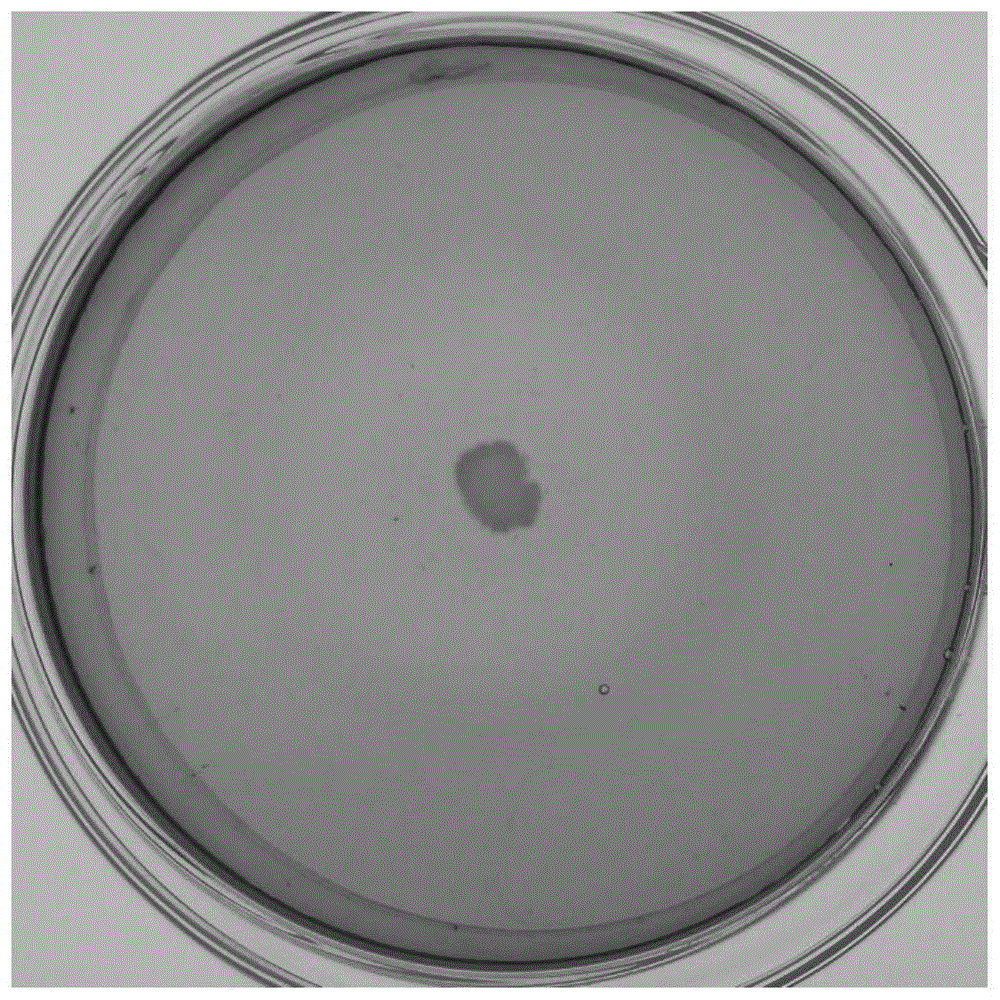
图1为菌株HSU-6的菌落特征。Figure 1 is the colony characteristics of strain HSU-6.
图2为菌株HSU-6基于16S rDNA序列构建的分子进化树。Figure 2 is the molecular phylogenetic tree of strain HSU-6 based on the 16S rDNA sequence.
图3为pH值对纤维素酶酶活力的影响。Figure 3 is the effect of pH value on cellulase enzyme activity.
图4为温度对纤维素酶酶活力的影响。Figure 4 is the effect of temperature on cellulase enzyme activity.
图5为发酵时间对纤维素酶酶活力的影响。Figure 5 is the effect of fermentation time on cellulase enzyme activity.
图6为金属离子对纤维素酶酶活力的影响。Figure 6 shows the effect of metal ions on cellulase enzyme activity.
图7为有机溶剂对纤维素酶酶活力的影响。Figure 7 is the effect of organic solvents on the enzyme activity of cellulase.
图8为有机溶剂对纤维素酶酶活力的影响。Figure 8 is the effect of organic solvents on cellulase enzyme activity.
具体实施方式Detailed ways
下面结合附图和实施例对本发明的实施方式作进一步详细描述。以下实施例用于说明本发明,但不能用来限制本发明的范围。Embodiments of the present invention will be further described in detail below in conjunction with the accompanying drawings and examples. The following examples are used to illustrate the present invention, but should not be used to limit the scope of the present invention.
1.材料与方法1. Materials and methods
1.1实验材料1.1 Experimental materials
1.1.1菌株初筛样品1.1.1 Preliminary screening samples of bacterial strains
本实验用于产纤维素酶菌株筛选的羊瘤胃于当地农贸市场购买,并于4℃保存备用。The sheep rumens used in this experiment for the screening of cellulase-producing strains were purchased from local farmers’ markets and stored at 4°C for later use.
1.1.2实验仪器1.1.2 Experimental Instruments
生物安全柜(新加坡Esco,AC2-4S1型)、高压灭菌锅(重庆雅马拓,SQ510C型)、恒温振荡培养箱(上海旻泉,MQD-B2R型)、电热三温区恒温水槽(上海匡贝实业,DK-8D型)、紫外可见分光光度计(上海精密科学仪器,UV-765型)、高速离心机(美国贝克库尔特公司,AvantiJ-E型)。Biological safety cabinet (Singapore Esco, AC2-4S1 type), autoclave (Chongqing Yamato, SQ510C type), constant temperature oscillation incubator (Shanghai Minquan, MQD-B2R type), electric three-temperature zone constant temperature water tank (Shanghai Kuangbei Industry, DK-8D type), ultraviolet-visible spectrophotometer (Shanghai Precision Scientific Instrument, UV-765 type), high-speed centrifuge (Baker Coulter Company of the United States, AvantiJ-E type).
1.1.3实验试剂1.1.3 Experimental reagents
羧甲基纤维素钠(CMC-Na)、3,5-二硝基水杨酸、苯酚、柠檬酸、酒石酸钾钠、柠檬酸三钠、NaCl、NaOH、ZnCl2、HCl、CaCl2、KCl、NiCl2·6H2O等购买于国药集团化学试剂有限公司。刚果红、蛋白胨、酵母粉、琼脂糖等购于上海生工生物工程有限公司;细菌基因组DNA提取试剂盒(DP302)购自天根生化科技(北京)有限公司。Carboxymethylcellulose Sodium (CMC-Na), 3,5-Dinitrosalicylic Acid, Phenol, Citric Acid, Potassium Sodium Tartrate, Trisodium Citrate, NaCl, NaOH, ZnCl 2 , HCl, CaCl 2 , KCl , NiCl 2 ·6H 2 O, etc. were purchased from Sinopharm Chemical Reagent Co., Ltd. Congo red, peptone, yeast powder, agarose, etc. were purchased from Shanghai Sangon Bioengineering Co., Ltd.; bacterial genomic DNA extraction kit (DP302) was purchased from Tiangen Biochemical Technology (Beijing) Co., Ltd.
1.1.4 DNS试剂及培养基配制1.1.4 Preparation of DNS reagent and culture medium
还原糖检测试剂DNS配制如下:用电子天平称量酒石酸钾钠182g,放入烧杯中加入450~650mL的蒸馏水,用玻璃棒不断地搅拌使其充分溶解,然后按照顺序依次加入3,5-二硝基水杨酸6.3g、NaOH 21g和苯酚5g充分搅拌直至无颗粒性物质,冷却至室温并定容至1000mL,经过滤除菌和杂质,保存于棕色瓶子中,避光保存一周方可使用。产纤维素酶菌株的富集和发酵培养基配制如下:精确称取CMC-Na 10g、酵母粉5.0g、氯化钠10g、蛋白胨10g放入烧杯中并加入400mL蒸馏水进行搅拌至完全溶解,将其转移到锥形瓶中定容至1000mL,121℃,0.1MPa,灭菌20min即可。刚果红固体选择培养基如下制备:精确称量CMC-Na 1.88g、蛋白胨10g、K2HPO4 0.5g、酵母粉5g、MgSO4.7H2O 0.25g、琼脂14g、明胶2.00g放入烧杯中并加入400mL蒸馏水进行搅拌至完全溶解,转移到锥形瓶中定容至1000mL,121℃,0.1MPa,灭菌20min。同时将配制好的1mg/mL的刚果红染液0.1MPa,115℃,灭菌30min。最后冷却至一定温度,并在培养基中加入刚果红染液5mL,混匀(不要产生气泡)倒平板,待刚果红培养基凝固后放入4℃冰箱保存。The reducing sugar detection reagent DNS is prepared as follows: Weigh 182g of potassium sodium tartrate with an electronic balance, add 450-650mL of distilled water into a beaker, stir continuously with a glass rod to fully dissolve it, and then add 3,5-Di Stir 6.3g of nitrosalicylic acid, 21g of NaOH and 5g of phenol until there is no particulate matter, cool to room temperature and set the volume to 1000mL, filter to remove bacteria and impurities, store in a brown bottle, and keep it away from light for a week before use . The enrichment and fermentation medium preparation of cellulase-producing strains is as follows: Accurately weigh 10 g of CMC-Na, 5.0 g of yeast powder, 10 g of sodium chloride, and 10 g of peptone into a beaker and add 400 mL of distilled water to stir until completely dissolved. Transfer it to an Erlenmeyer flask to 1000mL, sterilize at 121°C, 0.1MPa for 20min. Congo red solid selection medium is prepared as follows: accurately weigh 1.88g of CMC-Na, 10g of peptone, 0.5g of K 2 HPO4, 5g of yeast powder, 0.25g of MgSO 4 .7H 2 O, 14g of agar, and 2.00g of gelatin into a beaker And add 400mL of distilled water to stir until completely dissolved, transfer to a Erlenmeyer flask to constant volume to 1000mL, 121°C, 0.1MPa, sterilize for 20min. At the same time, sterilize the prepared 1mg/mL Congo red dye solution at 0.1MPa at 115°C for 30min. Finally, cool to a certain temperature, add 5 mL of Congo red dye solution to the culture medium, mix well (do not generate air bubbles), pour it onto a plate, and store it in a 4°C refrigerator after the Congo red culture medium solidifies.
1.2实验方法1.2 Experimental method
1.2.1菌种初筛样本的制备1.2.1 Preparation of samples for primary screening of strains
用灭菌后的手术剪从新鲜羊瘤胃上随机剪取几块组织,放入同一无菌烧杯;用手术剪将其剪碎后,放入无菌匀浆器中,加入适量无菌水后匀浆。倒出匀浆液后静置半小时,再吸取1.0mL溶液为初始菌液。Use sterilized surgical scissors to randomly cut several pieces of tissue from the rumen of fresh sheep, and put them into the same sterile beaker; cut them into pieces with surgical scissors, put them into a sterile homogenizer, add appropriate amount of sterile water homogenate. Pour out the homogenate and let it stand for half an hour, then draw 1.0mL of the solution as the initial bacterial solution.
1.2.2产纤维素酶菌株的分离与纯化1.2.2 Isolation and purification of cellulase-producing strains
从上述原始菌液中吸取0.5mL并转接至富集培养基(以羧甲基纤维素钠为唯一碳源)中,于37℃恒温培养箱中180r·min-1富集培养。培养12h后,分别吸取该富集培养液稀释至10-4、10-5和10-6并分别涂布于刚果红筛选培养基上,37℃恒温培养2~3d;同时,每隔24h观察刚果红培养基上是否形成透明水解圈。待有稳定的水解圈形成后,分别测量菌落直径(C)和水解圈直径(H),并计算H/C比值;取比值大的菌株进行划线纯化,直至单菌落稳定形成。分别给纯化后的菌株进行编号,并保存备用。Take 0.5 mL from the above-mentioned original bacterial solution and transfer it to the enrichment medium (with sodium carboxymethyl cellulose as the sole carbon source), and enrich the culture in a constant temperature incubator at 37°C at 180r·min −1 . After culturing for 12 hours, absorb the enriched culture solution and dilute to 10 -4 , 10 -5 and 10 -6 , respectively spread on the Congo red screening medium, and incubate at 37°C for 2-3 days; at the same time, observe every 24 hours Whether a transparent hydrolysis circle is formed on the Congo red medium. After a stable hydrolysis zone is formed, measure the diameter of the colony (C) and the diameter of the hydrolysis zone (H) respectively, and calculate the H/C ratio; take the strain with a larger ratio for streak purification until a single colony is formed stably. Number the purified strains respectively and save them for future use.
1.2.3产纤维素酶菌株的分子鉴定1.2.3 Molecular identification of cellulase-producing strains
选取菌株HSU-6(H/C比值大的菌株之一)为研究材料,观察其菌落特征;再用基因组DNA抽提试剂盒提取其基因组DNA并检测其纯度。合成细菌通用引物27F:5′-AGAGTTTGATCCTGGCTCAG-3′和The strain HSU-6 (one of the strains with a large H/C ratio) was selected as the research material, and its colony characteristics were observed; then its genomic DNA was extracted with a genomic DNA extraction kit and its purity was tested. Synthetic bacterial universal primer 27F: 5′-AGAGTTTGATCCTGGCTCAG-3′ and
1492R:5′-TACGGCTACCTTGTTACGACTT-3′,并用这对引物扩增菌株HSU-6的16SrDNA序列,验证纯度后委托上海生工生物工程有限公司测序。获得该菌株的16S rDNA序列后于16S ribosomal RNA sequences数据库(NCBI数据库子库)进行序列比对。从比对结果中挑选序列一致性高的代表序列,用软件Clustal X 2.1和MEGA 6.06进行同源性分析及构建分子进化树,以确定菌株HSU-6的种属。1492R: 5′-TACGGCTACCTTGTTACGACTT-3′, and use this pair of primers to amplify the 16S rDNA sequence of strain HSU-6, and after verifying the purity, entrust Shanghai Sangon Bioengineering Co., Ltd. to perform sequencing. After obtaining the 16S rDNA sequence of the strain, the sequence was compared with the 16S ribosomal RNA sequences database (a sub-library of the NCBI database). Representative sequences with high sequence identity were selected from the comparison results, and the homology analysis and molecular phylogenetic tree were constructed with the software Clustal X 2.1 and MEGA 6.06 to determine the species of strain HSU-6.
1.2.4葡萄糖标准曲线的绘制1.2.4 Drawing of glucose standard curve
配制1mg/mL的标准葡萄糖溶液,并测定其与DNS溶液混匀后在波长540nm处的吸光值,重复3次,求平均值后绘制葡萄糖标准曲线。本文测得的标准液葡萄糖浓度(Y)与吸光值(Z)的回归方程是Z=12.868Y-0.2372,R2=0.9995;线性度良好,可用于后续酶活力定量实验。Prepare a 1 mg/mL standard glucose solution, and measure the absorbance at a wavelength of 540 nm after mixing it with the DNS solution,
1.2.5粗酶液制备1.2.5 Preparation of crude enzyme solution
从-80℃冰箱中取出保存的HSU-6菌株,于刚果红培养基上划线复苏;再从复苏的平板上挑取一个菌株HSU-6的单克隆菌落转接于发酵培养基中培养12h;然后按照1.0%接种量接种于新发酵培基中,并置于28℃摇床中180r·min-1发酵3d。取发酵液于4℃冷冻离心机中12 000r·min-1离心10min,将离心获得的上清液作为粗酶液。Take out the preserved HSU-6 strain from the -80°C refrigerator, streak it on the Congo red medium for recovery; then pick a single clone colony of strain HSU-6 from the recovered plate and transfer it to the fermentation medium for 12 hours ; Then inoculate in new fermentation medium according to 1.0% inoculum size, and place in a shaker at 28°C for 180r·min -1 fermentation for 3 days. The fermentation broth was centrifuged at 12 000r·min −1 in a refrigerated centrifuge at 4°C for 10 minutes, and the supernatant obtained by centrifugation was used as the crude enzyme solution.
1.2.6纤维素酶最佳反应pH值1.2.6 Optimum reaction pH value of cellulase
取6支干净的玻璃试管,分别加入2.0mL不同pH值3、4、5、6、7和8缓冲液配制的1%CMC-Na底物,再加入1.0mL粗酶液并混匀,Take 6 clean glass test tubes, add 2.0mL of 1% CMC-Na substrate prepared by buffer solutions with different pH values of 3, 4, 5, 6, 7 and 8 respectively, then add 1.0mL of crude enzyme solution and mix well,
然后置于40℃恒温水浴锅中反应20min。向反应液中加入2.0mL DNS试剂,混合均匀后于沸水中煮10min;其冷却至室温后定容至10mL,并于540nm处测量其吸光值,重复3次。同时,取灭活的粗酶液为对照组,测量相同条件的吸光值,计算酶活力。纤维素酶活力的定义为一定条件下,每毫升粗酶液每小时水解CMC-Na底物产生1μmol葡萄糖所需的酶量。Then placed in a constant temperature water bath at 40°C for 20 min. Add 2.0mL DNS reagent to the reaction solution, mix well and boil in boiling water for 10min; after cooling to room temperature, dilute to 10mL, and measure the absorbance value at 540nm,
1.2.7纤维素酶最佳反应温度1.2.7 Optimum reaction temperature of cellulase
参考参照在1.2.6确定的最佳反应pH值下,以步骤1.2.6的方法测定该纤维素酶在不同反应温度30、40、50、60和70℃下的酶活力。Under the optimal reaction pH value determined in 1.2.6, the enzyme activity of the cellulase at different reaction temperatures of 30, 40, 50, 60 and 70° C. was measured by the method of step 1.2.6.
1.2.8发酵时间对酶活力的影响1.2.8 Effect of fermentation time on enzyme activity
参考步骤1.2.5中的方法,在不同发酵时间2、3、4、5、6和7d分别取发酵液制备粗酶液,并在步骤1.2.6和1.2.7确定的最佳反应pH值和温度下,测定发酵液的酶活力。Referring to the method in step 1.2.5, take the fermented liquid at
1.2.9金属离子对酶活力的影响1.2.9 Effect of metal ions on enzyme activity
加入终浓度为1mmol·L-1的CaCl2、HgCl2、KCl、NiCl2和CuCl2等金属离子处理,参照步骤1.2.7方法测定不同金属离子对此纤维素酶的影响。Add metal ions such as CaCl 2 , HgCl 2 , KCl, NiCl 2 and CuCl 2 at a final concentration of 1 mmol·L -1 for treatment, and refer to step 1.2.7 to measure the influence of different metal ions on the cellulase.
1.2.10纤维素酶对高温的耐受能力1.2.10 Cellulase tolerance to high temperature
将发酵5d后的粗酶液分别置于30、40、50、60和70℃等温度下处理0.5、1和2h,然后参照步骤1.2.7确定的最佳反应pH值和温度,测定该纤维素酶在不同温度处理下的酶活力。同时,以未经耐热处理的粗酶液为对照组,比较该纤维素酶对不同温度的耐受能力。Put the crude enzyme solution after 5 days of fermentation at 30, 40, 50, 60 and 70°C for 0.5, 1 and 2 hours, and then refer to the optimal reaction pH and temperature determined in step 1.2.7 to measure the fiber Enzyme activity of the enzyme under different temperature treatments. At the same time, the crude enzyme solution without heat-resistant treatment was used as a control group to compare the tolerance of the cellulase to different temperatures.
1.2.11纤维素酶对有机溶剂的耐受能力1.2.11 Cellulase tolerance to organic solvents
在纤维素酶活力测定体系中分别加入终浓度为1%和15%(v/v)的甲醇、异丙醇、乙醇、Triton X-100和二甲基亚砜等有机试剂,参照步骤1.2.7方法测定其酶活力;同时,以加入等量反应缓冲液处理的纤维素酶为对照组,比较该纤维素酶对不同有机试剂的耐受能力。Add organic reagents such as methanol, isopropanol, ethanol, Triton X-100 and dimethyl sulfoxide at final concentrations of 1% and 15% (v/v) to the cellulase activity assay system, refer to step 1.2.
2.结果与分析2. Results and Analysis
2.1产纤维素酶菌株HSU-6的分子鉴定2.1 Molecular identification of cellulase-producing strain HSU-6
采用刚果红筛选培养基自羊瘤胃内筛选到一株编号为HSU-6的菌株,其能产纤维素酶(图1)。由图1结果可知,菌株HSU-6可在以CMC-Na为唯一碳源的刚果红固体培养基上产生稳定、明显的水解透明圈;其产生的透明圈直径(H)为44.5mm,菌株HSU-6菌落直径(C)为8.5mm,两者比值H/C约为5.2;革兰氏染色发现该菌株是一种革兰氏阳性杆菌。A strain numbered HSU-6 was screened from sheep rumen using Congo red screening medium, which can produce cellulase (Figure 1). As can be seen from the results in Figure 1, strain HSU-6 can produce stable and obvious hydrolysis transparent circles on the Congo red solid medium with CMC-Na as the only carbon source; the diameter (H) of the transparent circles produced by it is 44.5mm, and the bacterial strain The colony diameter (C) of HSU-6 was 8.5mm, and the ratio H/C was about 5.2; the strain was found to be a Gram-positive bacillus by Gram staining.
用细菌鉴定通用引物27F和1492R对提取的菌株HSU-6基因组上16S rDNA序列进行扩增和测序,将测序后的结果在NCBI数据库的Nucleotide BLAST工具中进行比对分析,从比对结果中选择序列一致性99%以上的序列构建菌株HSU-6的分子进化树(图2)。从构建的进化树结果知,菌株HSU-6与Bacillus cereus strain NBRC 15305等蜡样芽孢杆菌位于相同的进化树分支上;综合菌落特征、革兰氏染色和分子进化树分析结果,可将菌株HSU-6鉴定是蜡样芽胞杆菌HSU-6(Bacillus cereus strain HSU-6)。The 16S rDNA sequence on the genome of the extracted strain HSU-6 was amplified and sequenced with the general primers 27F and 1492R for bacterial identification, and the sequenced results were compared and analyzed in the Nucleotide BLAST tool of the NCBI database, and selected from the comparison results The molecular phylogenetic tree of the strain HSU-6 was constructed with sequences with more than 99% sequence identity (Fig. 2). From the results of the constructed phylogenetic tree, the strain HSU-6 is located on the same branch of the phylogenetic tree as Bacillus cereus strain NBRC 15305 and other Bacillus cereus strains; based on the results of colony characteristics, Gram staining and molecular phylogenetic tree analysis, the strain HSU -6 identified as Bacillus cereus strain HSU-6 (Bacillus cereus strain HSU-6).
2.2pH值对纤维素酶酶活力的影响2.2 Effect of pH value on cellulase enzyme activity
为探究该纤维素酶的最佳反应pH值,用不同pH值缓冲液测试该纤维素酶的酶活力(图3)。从测定的实验结果可知,菌株HSU-6产纤维素酶在pH值3.0时,酶活力约为3.3U·mL-1;随着pH升高至4.0,其酶活力也迅速升至6.3U·mL-1;当pH值继续升高时,其酶活力不再继续升高,反而缓慢下降;当pH值升至7.0、8.0时,该酶酶活力降低至4.1U·mL-1及以下。以上结果表明,该纤维素酶的最适反应pH值为4.0。In order to explore the optimal reaction pH value of the cellulase, the enzyme activity of the cellulase was tested with buffers of different pH values ( FIG. 3 ). It can be seen from the experimental results that the cellulase produced by strain HSU-6 has an enzyme activity of about 3.3U·mL -1 at pH 3.0; as the pH rises to 4.0, its enzyme activity also rapidly increases to 6.3U·mL -1 . mL -1 ; when the pH value continued to rise, the enzyme activity did not continue to increase, but decreased slowly; when the pH value rose to 7.0 or 8.0, the enzyme activity decreased to 4.1U·mL -1 and below. The above results indicated that the optimum reaction pH value of the cellulase was 4.0.
2.3温度对纤维素酶酶活力的影响2.3 Effect of temperature on cellulase enzyme activity
在上述确定的最佳反应pH值4.0时,测定菌株HSU-6产纤维素酶在30~70℃温度下的酶活力(图4)。由实验结果可知,反应温度在30~40℃时,该纤维素酶酶活力随温度升高而升高,并在40℃时达到最大值7.5U·mL-1;当反应温度继续上升,其酶活力不再继续上升反而下降,并在70℃时达到最低值4.8U·mL-1。该实验结果表明,此纤维素酶的最适反应温度为40℃。When the optimal reaction pH value determined above was 4.0, the enzyme activity of the cellulase produced by the strain HSU-6 at a temperature of 30-70° C. was measured ( FIG. 4 ). It can be seen from the experimental results that when the reaction temperature is 30-40°C, the activity of the cellulase increases with the increase of temperature, and reaches the maximum value of 7.5U·mL -1 at 40°C; when the reaction temperature continues to rise, its The enzyme activity did not continue to increase but decreased, and reached the lowest value of 4.8U·mL -1 at 70°C. The experimental results show that the optimum reaction temperature of the cellulase is 40°C.
2.4发酵时间对纤维素酶酶活力的影响2.4 Effect of fermentation time on cellulase enzyme activity
在上述确定的最佳反应pH值和温度下,测定不同发酵时间产纤维素酶的酶活力(图5)。从实验测定结果知,发酵2d时该发酵液纤维素酶酶活力可达8.3U·mL-1;随着发酵时间的增加,发酵液中纤维素酶酶活力也缓慢升高,并在发酵第5d时达到最大酶活力9.1U·mL-1;当发酵时间继续增加至6、7d时,该发酵液中纤维素酶酶活力下降至7.5U·mL-1,保持相对稳定。Under the optimal reaction pH value and temperature determined above, the enzyme activity of cellulase produced at different fermentation times was measured ( FIG. 5 ). According to the experimental results, the cellulase activity in the fermentation broth can reach 8.3 U·mL -1 in 2 days of fermentation; with the increase of fermentation time, the cellulase activity in the fermentation broth also increases slowly, and in the fermentation broth The maximum enzyme activity was 9.1U·mL -1 at 5 days; when the fermentation time continued to increase to 6 and 7 days, the cellulase activity in the fermentation broth decreased to 7.5U·mL -1 and remained relatively stable.
2.5金属离子对纤维素酶酶活力的影响2.5 Effect of metal ions on cellulase enzyme activity
在最适反应pH值4.0和最佳反应温度40℃时,测定不同金属离子对该纤维素酶酶活力的影响(图6)。从测定的实验数据看,Fe3+离子对该纤维素酶酶活力略有提高;K+和Ca2+离子可略微降低该纤维素酶酶活力至93.9%和92.5%;Cu2+、Ni2+和Hg2+离子可显著降低该酶活力至80.2%、79.8%和76.1%。实验结果表明,该纤维素酶对金属离子有一定的耐受能力。When the optimal reaction pH value was 4.0 and the optimal reaction temperature was 40° C., the effects of different metal ions on the cellulase enzyme activity were determined ( FIG. 6 ). From the measured experimental data, Fe 3+ ions can slightly increase the enzyme activity of the cellulase; K + and Ca 2+ ions can slightly reduce the enzyme activity of the cellulase to 93.9% and 92.5%; Cu 2+ , Ni 2+ and Hg 2+ ions can significantly reduce the enzyme activity to 80.2%, 79.8% and 76.1%. The experimental results show that the cellulase has a certain tolerance to metal ions.
2.6纤维素酶对高温的耐受能力2.6 Cellulase tolerance to high temperature
将该纤维素酶粗酶液分别置于30~70℃温度下处理不同时间,测定其对不同温度的耐受能力(图7)。从测定的实验结果看,在30~50℃温度范围内,处理1或2h有利于维持该纤维素酶酶活力;而在60或70℃时,处理1或2h会迅速降低该酶酶活力,并使其降至正常酶活力的10%左右。故该纤维素酶能耐受40~50℃温度,是一种耐热纤维素酶。The crude cellulase enzyme solution was placed at a temperature of 30-70° C. for different periods of time, and its tolerance to different temperatures was determined ( FIG. 7 ). According to the experimental results, in the temperature range of 30-50°C, treatment for 1 or 2 hours is beneficial to maintain the enzyme activity of the cellulase; while at 60 or 70°C, treatment for 1 or 2 hours will rapidly reduce the enzyme activity, And make it down to about 10% of normal enzyme activity. Therefore, the cellulase can withstand the temperature of 40-50°C, and is a kind of heat-resistant cellulase.
2.7纤维素酶对有机溶剂的耐受能力2.7 Cellulase tolerance to organic solvents
以最适pH和温度值条件下测定的纤维素酶活力为100%,比较添加1%和15%(v/v)两个浓度的有机溶剂对该纤维素酶酶活力的影响(图8)。从图8结果知,当有机溶剂浓度为1%时,甲醇、异丙醇和二甲基亚砜(DMSO)对该纤维素酶酶活力的影响不大,乙醇会使酶活力轻微减小,但Triton X-100会使酶活力小幅度升高。当有机溶剂浓度增加至15%时,甲醇、乙醇、异丙醇和二甲基亚砜会使该纤维素酶酶活力小幅度减小,但酶活力皆在85%以上;而Triton X-100会使酶活力明显升高,这说明该纤维素酶对有机溶有一定耐受能力。The cellulase activity determined under the optimal pH and temperature conditions is 100%, and the effect of adding 1% and 15% (v/v) organic solvents at two concentrations on the cellulase enzyme activity is compared (Figure 8) . Know from Fig. 8 result, when organic solvent concentration is 1%, methanol, isopropanol and dimethyl sulfoxide (DMSO) have little effect on the enzyme activity of this cellulase, and ethanol can slightly reduce enzyme activity, but Triton X-100 will slightly increase the enzyme activity. When the concentration of organic solvent increased to 15%, methanol, ethanol, isopropanol and dimethyl sulfoxide would slightly reduce the enzyme activity of the cellulase, but the enzyme activity was above 85%; while Triton X-100 would The enzyme activity was significantly increased, which indicated that the cellulase had a certain tolerance to organic solvents.
纤维素是一种来源丰富的可再生生物质能源,可用于能源、饲料等行业,具有重大开发价值;而纤维素酶在纤维素开发与利用中发挥举足轻重的作用,故从植物、动物肠道、反刍动物瘤胃等筛选纤维素酶高产菌株一直是微生物领域研究的热点。Cellulose is a kind of renewable biomass energy with rich sources, which can be used in energy, feed and other industries, and has great development value; and cellulase plays a pivotal role in the development and utilization of cellulose, so it can be obtained from the intestinal tract of plants and animals. Screening strains with high cellulase production, rumen of ruminants, etc. has always been a hot spot in the field of microbiology.
反刍动物瘤胃内存在着原生动物、细菌和古细菌等微生物群落,在纤维素分解过程中发挥重要作用,是高产纤维素酶菌株筛选的重要来源。本发明以黄山当地饲养的羊瘤胃为材料,从中筛选出一株产纤维素酶菌株HSU-6,经分子鉴定为蜡样芽孢杆菌。后续通过酶活力参数测定,发现菌株HSU-6产纤维素酶的最适pH值是4.0,且在pH值4.0~6.0范围内维持比较高的酶活力,是一种酸性纤维素酶;酸性纤维素酶在畜牧业、能源和环境保护行业等具有重要应用价值,故本发明筛选的纤维素酶具有重要应用价值。同时,本发明还发现该纤维素酶能耐受40~50℃的温度,对金属离子Fe3+、Ca2+、Cu2+、Ni2+和Hg2+及有机溶剂等具备一定的耐受力,这些特性显示该纤维素酶特别适合在工业化生产上使用,故菌株HSU-6值得开发与利用。后续可采用现代分子生物学技术对该纤维素酶的编码基因和蛋白氨基酸序列进行研究与分析,为构建该纤维素酶高产大肠杆菌菌株奠定基础。There are microbial communities such as protozoa, bacteria and archaea in the rumen of ruminants, which play an important role in the process of cellulose decomposition and are an important source for screening high-producing cellulase strains. The invention uses the rumen of sheep raised locally in Huangshan as materials, and screens out a cellulase-producing strain HSU-6, which is identified as bacillus cereus by molecular identification. Subsequent measurement of enzyme activity parameters found that the optimal pH value of cellulase produced by strain HSU-6 is 4.0, and maintains a relatively high enzyme activity in the range of pH 4.0-6.0, which is an acid cellulase; acid fiber Sulfase has important application value in animal husbandry, energy and environmental protection industries, so the cellulase screened by the present invention has important application value. At the same time, the present invention also found that the cellulase can withstand the temperature of 40-50°C, and has a certain resistance to metal ions Fe 3+ , Ca 2+ , Cu 2+ , Ni 2+ and Hg 2+ and organic solvents. These characteristics show that the cellulase is particularly suitable for use in industrial production, so the strain HSU-6 is worth developing and utilizing. In the follow-up, modern molecular biology techniques can be used to study and analyze the coding gene and protein amino acid sequence of the cellulase, laying the foundation for the construction of the cellulase high-yielding Escherichia coli strain.
本发明从羊瘤胃中筛选出一株产耐热酸性纤维素B.cereus菌株HSU-6,其产纤维素酶的最适pH值和温度分别是4.0和40℃,是一种耐热酸性纤维素酶;且对有机溶剂也有一定耐受能力。该菌株产纤维素酶的粗酶液在最适条件下的酶活力可达9.1U·mL-1,可为纤维素的体外降解提供新纤维素酶资源。The present invention screens a heat-resistant acid cellulose-producing B. cereus strain HSU-6 from the rumen of sheep. The optimum pH value and temperature for producing cellulase are 4.0 and 40°C respectively, and it is a heat-resistant acidic fiber Sulfase; and also has a certain tolerance to organic solvents. The enzyme activity of the crude cellulase solution produced by the strain can reach 9.1U·mL -1 under optimal conditions, which can provide new cellulase resources for in vitro degradation of cellulose.
菌株HSU-6的16S rDNA序列如SEQ ID NO.1所示。The 16S rDNA sequence of strain HSU-6 is shown in SEQ ID NO.1.
>HSU-6>HSU-6
TGGATTAAGAGCTTGCTCTTATGAAGTTAGCGGCGGACGGGTGAGTAACACGTGGGTAACCTGCCCATAAGACTGGGATAACTCCGGGAAACCGGGGCTAATACCGGATAACATTTTGAACCGCATGGTTCGAAATTGAAAGGCGGCTTCGGCTGTCACTTATGGATGGACCCGCGTCGCATTAGCTAGTTGGTGAGGTAACGGCTCACCAAGGCAACGATGCGTAGCCGACCTGAGAGGGTGATCGGCCACACTGGGACTGAGACACGGCCCAGACTCCTACGGGAGGCAGCAGTAGGGAATCTTCCGCAATGGACGAAAGTCTGACGGAGCAACGCCGCGTGAGTGATGAAGGCTTTCGGGTCGTAAAACTCTGTTGTTAGGGAAGAACAAGTGCTAGTTGAATAAGCTGGCACCTTGACGGTACCTAACCAGAAAGCCACGGCTAACTACGTGCCAGCAGCCGCGGTAATACGTAGGTGGCAAGCGTTATCCGGAATTATTGGGCGTAAAGCGCGCGCAGGTGGTTTCTTAAGTCTGATGTGAAAGCCCACGGCTCAACCGTGGAGGGTCATTGGAAACTGGGAGACTTGAGTGCAGAAGAGGAAAGTGGAATTCCATGTGTAGCGGTGAAATGCGTAGAGATATGGAGGAACACCAGTGGCGAAGGCGACTTTCTGGTCTGTAACTGACACTGAGGCGCGAAAGCGTGGGGAGCAAACAGGATTAGATACCCTGGTAGTCCACGCCGTAAACGATGAGTGCTAAGTGTTAGAGGGTTTCCGCCCTTTAGTGCTGAAGTTAACGCATTAAGCACTCCGCCTGGGGAGTACGGCCGCAAGGCTGAAACTCAAAGGAATTGACGGGGGCCCGCACAAGCGGTGGAGCATGTGGTTTAATTCGAAGCAACGCGAAGAACCTTACCAGGTCTTGACATCCTCTGAAAACCCTAGAGATAGGGCTTCTCCTTCGGGAGCAGAGTGACAGGTGGTGCATGGTTGTCGTCAGCTCGTGTCGTGAGATGTTGGGTTAAGTCCCGCAACGAGCGCAACCCTTGATCTTAGTTGCCATCATTAAGTTGGGCACTCTAAGGTGACTGCCGGTGACAAACCGGAGGAAGGTGGGGATGACGTCAAATCATCATGCCCCTTATGACCTGGGCTACACACGTGCTACAATGGACGGTACAAAGAGCTGCAAGACCGCGAGGTGGAGCTAATCTCATAAAACCGTTCTCAGTTCGGATTGTAGGCTGCAACTCGCCTACATGAAGCTGGAATCGCTAGTAATCGCGGATCAGCATGCCGCGGTGAATACGTTCCCGGGCCTTGTACACACCGCCCGTCACACCACGAGAGTTTGTAACACCCGAAGTCGGTGGGGTAACC。TGGATTAAGAGCTTGCTCTTATGAAGTTAGCGGCGGACGGGTGAGTAACACGTGGGTAACCTGCCCATAAGACTGGGATAACTCCGGGAAACCGGGGCTAATACCGGATAACATTTTGAACCGCATGGTTCGAAATTGAAAGGCGGCTTCGGCTGTCACTTATGGATGGACCCGCGTCGCATTAGCTAGTTGGTGAGGTAACG GCTCACCAAGGCAACGATGCGTAGCCGACCTGAGAGGGTGATCGGCCACACTGGGACTGAGACACGGCCCAGACTCCTACGGGAGGCAGCAGTAGGGAATCTTCCGCAATGGACGAAAGTCTGACGGAGCAACGCCGCGTGAGTGATGAAGGCTTTCGGGTCGTAAAACTCTGTTGTTAGGGAAGAACAAGTGCTAGTTGAATAAGCTGGCA CCTTGACGGTACCTAACCAGAAAAGCCACGGCTAACTACGTGCCAGCAGCCGCGGTAATACGTAGGTGGCAAGCGTTATCCGGAATTATTGGGCGTAAAGCGCGCGCAGGTGTTTCTAAGTCTGATGTGAAAGCCCACGGCTCAACCGTGGAGGGTCATTGGAAACTGGGAGACTTGAGTGCAGAAGAGGAAAGTGGAATTCCATGTGTAGCGGTGA AATGCGTAGAGATATGGAGGAACACCAGTGGCGAAGGCGACTTTCTGGTCTGTAACTGACACTGAGGCGCGAAAGCGTGGGGAGCAAACAGGATTAGATACCCTGGTAGTCCACGCCGTAAACGATGAGTGCTAAGTGTTAGAGGGTTTCCGCCCTTTAGTGCTGAAGTTAACGCATTAAGCACTCCGCCTGGGGAGTACGGCCGCAAGGCTGAAACTC AAAGGAATTGACGGGGGCCCGCACAAGCGGTGGAGCATGTGGTTTAATTCGAAGCAACGCGAAGAACCTTACCAGGTCTTGACATCCTCTGAAAACCCTAGAGATAGGGCTTCTCCTTCGGGAGCAGATGACAGGTGGTGCATGGTTGTCGTCAGCTCGTGTCGTGAGATGTTGGGTTAAGTCCCGCAACGAGCGCAACCCTTGATCTTAGTTGC CATCATTAAGTTGGGCACTCTAAGGTGACTGCCGGTGACAAACCGGAGGAAGGTGGGGATGACGTCAAATCATCATGCCCCTTATGACCTGGGCTACACACGTGCTACAATGGACGGTACAAAAGAGCTGCAAGACCGCGAGGTGGAGCTAATCTTCATAAAACCGTTCTCAGTTCGGATTGTAGGCTGCAACTCGCCTACATGAAGCTGGAATCGCTA GTAATCGCGGATCAGCATGCCGCGGTGAATACGTTCCCGGGCCTTGTACACACCGCCCGTCACACCACGAGAGTTTGTAACACCCGAAGTCGGTGGGGTAACC.
序列表sequence listing
<110> 黄山学院<110> Huangshan College
<120> 一种产耐热酸性纤维素酶菌株HSU-6及其应用<120> A thermostable acid cellulase producing strain HSU-6 and its application
<160> 1<160> 1
<170> SIPOSequenceListing 1.0<170> SIPOSequenceListing 1.0
<210> 1<210> 1
<211> 1388<211> 1388
<212> DNA<212>DNA
<213> 人工序列(Artificial Sequence)<213> Artificial Sequence (Artificial Sequence)
<400> 1<400> 1
tggattaaga gcttgctctt atgaagttag cggcggacgg gtgagtaaca cgtgggtaac 60tggattaaga gcttgctctt atgaagttag cggcggacgg gtgagtaaca cgtgggtaac 60
ctgcccataa gactgggata actccgggaa accggggcta ataccggata acattttgaa 120ctgcccataa gactgggata actccgggaa accggggcta ataccggata aattttgaa 120
ccgcatggtt cgaaattgaa aggcggcttc ggctgtcact tatggatgga cccgcgtcgc 180ccgcatggtt cgaaattgaa aggcggcttc ggctgtcact tatggatgga cccgcgtcgc 180
attagctagt tggtgaggta acggctcacc aaggcaacga tgcgtagccg acctgagagg 240attagctagt tggtgaggta acggctcacc aaggcaacga tgcgtagccg acctgagagg 240
gtgatcggcc acactgggac tgagacacgg cccagactcc tacgggaggc agcagtaggg 300gtgatcggcc acactgggac tgagacacgg cccagactcc tacgggaggc agcagtaggg 300
aatcttccgc aatggacgaa agtctgacgg agcaacgccg cgtgagtgat gaaggctttc 360aatcttccgc aatggacgaa agtctgacgg agcaacgccg cgtgagtgat gaaggctttc 360
gggtcgtaaa actctgttgt tagggaagaa caagtgctag ttgaataagc tggcaccttg 420gggtcgtaaa actctgttgt tagggaagaa caagtgctag ttgaataagc tggcaccttg 420
acggtaccta accagaaagc cacggctaac tacgtgccag cagccgcggt aatacgtagg 480acggtaccta accagaaagc cacggctaac tacgtgccag cagccgcggt aatacgtagg 480
tggcaagcgt tatccggaat tattgggcgt aaagcgcgcg caggtggttt cttaagtctg 540tggcaagcgt tatccggaat tattgggcgt aaagcgcgcg caggtggttt cttaagtctg 540
atgtgaaagc ccacggctca accgtggagg gtcattggaa actgggagac ttgagtgcag 600atgtgaaagc ccacggctca accgtggagg gtcattggaa actgggagac ttgagtgcag 600
aagaggaaag tggaattcca tgtgtagcgg tgaaatgcgt agagatatgg aggaacacca 660aagaggaaag tggaattcca tgtgtagcgg tgaaatgcgt agagatatgg aggaacacca 660
gtggcgaagg cgactttctg gtctgtaact gacactgagg cgcgaaagcg tggggagcaa 720gtggcgaagg cgactttctg gtctgtaact gacactgagg cgcgaaagcg tggggagcaa 720
acaggattag ataccctggt agtccacgcc gtaaacgatg agtgctaagt gttagagggt 780acaggattag ataccctggt agtccacgcc gtaaacgatg agtgctaagt gttagagggt 780
ttccgccctt tagtgctgaa gttaacgcat taagcactcc gcctggggag tacggccgca 840ttccgccctt tagtgctgaa gttaacgcat taagcactcc gcctggggag tacggccgca 840
aggctgaaac tcaaaggaat tgacgggggc ccgcacaagc ggtggagcat gtggtttaat 900aggctgaaac tcaaaggaat tgacgggggc ccgcacaagc ggtggagcat gtggtttaat 900
tcgaagcaac gcgaagaacc ttaccaggtc ttgacatcct ctgaaaaccc tagagatagg 960tcgaagcaac gcgaagaacc ttaccaggtc ttgacatcct ctgaaaaccc tagagatagg 960
gcttctcctt cgggagcaga gtgacaggtg gtgcatggtt gtcgtcagct cgtgtcgtga 1020gcttctcctt cgggagcaga gtgacaggtg gtgcatggtt gtcgtcagct cgtgtcgtga 1020
gatgttgggt taagtcccgc aacgagcgca acccttgatc ttagttgcca tcattaagtt 1080gatgttgggt taagtcccgc aacgagcgca acccttgatc ttagttgcca tcattaagtt 1080
gggcactcta aggtgactgc cggtgacaaa ccggaggaag gtggggatga cgtcaaatca 1140gggcactcta aggtgactgc cggtgacaaa ccggaggaag gtggggatga cgtcaaatca 1140
tcatgcccct tatgacctgg gctacacacg tgctacaatg gacggtacaa agagctgcaa 1200tcatgcccct tatgacctgg gctacacacg tgctacaatg gacggtacaa agagctgcaa 1200
gaccgcgagg tggagctaat ctcataaaac cgttctcagt tcggattgta ggctgcaact 1260gaccgcgagg tggagctaat ctcataaaac cgttctcagt tcggattgta ggctgcaact 1260
cgcctacatg aagctggaat cgctagtaat cgcggatcag catgccgcgg tgaatacgtt 1320cgcctacatg aagctggaat cgctagtaat cgcggatcag catgccgcgg tgaatacgtt 1320
cccgggcctt gtacacaccg cccgtcacac cacgagagtt tgtaacaccc gaagtcggtg 1380cccgggcctt gtacacaccg cccgtcacac cacgagagtt tgtaacaccc gaagtcggtg 1380
gggtaacc 1388gggtaacc 1388
Claims (5)
Priority Applications (1)
| Application Number | Priority Date | Filing Date | Title |
|---|---|---|---|
| CN202110579381.3A CN113652362B (en) | 2021-05-26 | 2021-05-26 | Strain HSU-6 for producing heat-resistant acidic cellulase and application thereof |
Applications Claiming Priority (1)
| Application Number | Priority Date | Filing Date | Title |
|---|---|---|---|
| CN202110579381.3A CN113652362B (en) | 2021-05-26 | 2021-05-26 | Strain HSU-6 for producing heat-resistant acidic cellulase and application thereof |
Publications (2)
| Publication Number | Publication Date |
|---|---|
| CN113652362A CN113652362A (en) | 2021-11-16 |
| CN113652362B true CN113652362B (en) | 2023-04-07 |
Family
ID=78477071
Family Applications (1)
| Application Number | Title | Priority Date | Filing Date |
|---|---|---|---|
| CN202110579381.3A Active CN113652362B (en) | 2021-05-26 | 2021-05-26 | Strain HSU-6 for producing heat-resistant acidic cellulase and application thereof |
Country Status (1)
| Country | Link |
|---|---|
| CN (1) | CN113652362B (en) |
Citations (1)
| Publication number | Priority date | Publication date | Assignee | Title |
|---|---|---|---|---|
| CN112111428A (en) * | 2020-09-26 | 2020-12-22 | 华中农业大学 | A kind of artificially induced Geobacillus thermoglucosidase and its application in cellulose degradation |
Family Cites Families (5)
| Publication number | Priority date | Publication date | Assignee | Title |
|---|---|---|---|---|
| EP3453765A1 (en) * | 2013-06-12 | 2019-03-13 | Renescience A/S | Methods of processing municipal solid waste (msw) using microbial hydrolysis and fermentation and slurry resulting therefrom |
| SI3282847T1 (en) * | 2015-04-14 | 2020-11-30 | Abitep Gmbh | Selection and use of cold-tolerant bacillus strains as biological phytostimulators |
| CN107475145B (en) * | 2017-04-21 | 2021-05-25 | 宜春学院 | Medium and high temperature resistant cellulase-producing strain and its screening method |
| CN110656063B (en) * | 2019-10-21 | 2020-09-25 | 黄山学院 | A high temperature resistant protease strain |
| CN112410266A (en) * | 2020-12-09 | 2021-02-26 | 山东隆科特酶制剂有限公司 | Strain for high-yield heat-resistant alkaline cellulase and production method thereof |
-
2021
- 2021-05-26 CN CN202110579381.3A patent/CN113652362B/en active Active
Patent Citations (1)
| Publication number | Priority date | Publication date | Assignee | Title |
|---|---|---|---|---|
| CN112111428A (en) * | 2020-09-26 | 2020-12-22 | 华中农业大学 | A kind of artificially induced Geobacillus thermoglucosidase and its application in cellulose degradation |
Also Published As
| Publication number | Publication date |
|---|---|
| CN113652362A (en) | 2021-11-16 |
Similar Documents
| Publication | Publication Date | Title |
|---|---|---|
| El-Sheekh et al. | Application of a novel biological-nanoparticle pretreatment to Oscillatoria acuminata biomass and coculture dark fermentation for improving hydrogen production | |
| Liu et al. | Whole genome sequencing and the lignocellulose degradation potential of Bacillus subtilis RLI2019 isolated from the intestine of termites | |
| CN119193415B (en) | Bacillus subtilis and application thereof | |
| CN102690773B (en) | Enterobacteria FY-07 and its static liquid submerged fermentation method for producing bacterial cellulose | |
| CN114591924A (en) | Application of bacterial laccase CueO protein in degradation of aflatoxin B1 | |
| Shokrkar et al. | Exploring strategies for the use of mixed microalgae in cellulase production and its application for bioethanol production | |
| CN117229979B (en) | A strain of Microvesica elongata producing algin lyase and its application | |
| CN101701198A (en) | Peach Gum Decomposing Enzyme Production Strain and Its Application in Preparation of Peach Gum Polysaccharide | |
| CN117363520A (en) | Bacillus subtilis GJ231 and application thereof | |
| CN110317746B (en) | A cellulose-degrading bacteria CX10 from the gut of termites and its application | |
| CN108913629B (en) | Bacterium for producing cellulase, preparation method and application thereof | |
| CN104357364A (en) | Streptomycete strain and method for preparing alkali-resistant salt-resistant xylanase by using same | |
| Paul et al. | Purified cellulase‐mediated simultaneous sugar utilization by Bacillus albus isolated from Similipal, Odisha, India | |
| CN101942406B (en) | Marine nocardiopsissp.HY-G and beta-glucosidase produced by same | |
| CN114134077B (en) | Cellulose degrading bacterium DC11 derived from silkworm excrement, screening method and application thereof | |
| CN117106612A (en) | Cold-resistant cellulase-producing bacterium and application thereof | |
| CN113652362B (en) | Strain HSU-6 for producing heat-resistant acidic cellulase and application thereof | |
| CN104919044A (en) | Highly potent cellulolytic enzyme preparations and processes for producing same | |
| CN113652363B (en) | A heat- and acid-resistant cellulase-producing strain HSU-12 and its application | |
| CN110295122B (en) | Cellulose degrading bacterium CX9 from termite intestinal tract and application thereof | |
| CN114657073B (en) | Penicillium citrinum strain for high cellobiase production and application thereof | |
| CN111893065A (en) | A low-temperature cellulose-degrading bacteria | |
| Wang et al. | Isolation and characterization of Shigella flexneri G3, capable of effective cellulosic saccharification under mesophilic conditions | |
| CN116103187B (en) | A kind of Paenibacillus strain with high saccharifying enzyme production and its application | |
| CN112322525B (en) | Acetobacter orientalis for cellulose degradation and application thereof |
Legal Events
| Date | Code | Title | Description |
|---|---|---|---|
| PB01 | Publication | ||
| PB01 | Publication | ||
| SE01 | Entry into force of request for substantive examination | ||
| SE01 | Entry into force of request for substantive examination | ||
| GR01 | Patent grant | ||
| GR01 | Patent grant | ||
| OL01 | Intention to license declared | ||
| OL01 | Intention to license declared | ||
| EE01 | Entry into force of recordation of patent licensing contract | ||
| EE01 | Entry into force of recordation of patent licensing contract |
Application publication date: 20211116 Assignee: Huangshan Camellia Flower Agricultural Technology Development Co.,Ltd. Assignor: HUANGSHAN University Contract record no.: X2025980039787 Denomination of invention: A thermophilic acid-tolerant cellulase-producing strain HSU-6 and its application Granted publication date: 20230407 License type: Open License Record date: 20251128 |