CN1135823A - Adaptive videoconferencing system - Google Patents
Adaptive videoconferencing system Download PDFInfo
- Publication number
- CN1135823A CN1135823A CN94194258.9A CN94194258A CN1135823A CN 1135823 A CN1135823 A CN 1135823A CN 94194258 A CN94194258 A CN 94194258A CN 1135823 A CN1135823 A CN 1135823A
- Authority
- CN
- China
- Prior art keywords
- camera
- mentioned
- video
- controller
- user
- Prior art date
- Legal status (The legal status is an assumption and is not a legal conclusion. Google has not performed a legal analysis and makes no representation as to the accuracy of the status listed.)
- Pending
Links
Images







Classifications
-
- H—ELECTRICITY
- H04—ELECTRIC COMMUNICATION TECHNIQUE
- H04N—PICTORIAL COMMUNICATION, e.g. TELEVISION
- H04N7/00—Television systems
- H04N7/14—Systems for two-way working
- H04N7/15—Conference systems
-
- H—ELECTRICITY
- H04—ELECTRIC COMMUNICATION TECHNIQUE
- H04N—PICTORIAL COMMUNICATION, e.g. TELEVISION
- H04N23/00—Cameras or camera modules comprising electronic image sensors; Control thereof
- H04N23/60—Control of cameras or camera modules
- H04N23/66—Remote control of cameras or camera parts, e.g. by remote control devices
Landscapes
- Engineering & Computer Science (AREA)
- Multimedia (AREA)
- Signal Processing (AREA)
- Closed-Circuit Television Systems (AREA)
- Two-Way Televisions, Distribution Of Moving Picture Or The Like (AREA)
- Studio Devices (AREA)
Abstract
Description
本发明涉及电视会议系统,特别是一种能适合多种不同设备,并且使用户能够轻松使用的电视会议系统。The invention relates to a video conferencing system, in particular to a video conferencing system which can be adapted to a variety of different devices and can be easily used by users.
以前技术上典型的电视会议系统可归纳为两种类型:一类是智能被集中在编码器—译码器(编译码器)或系统控制单元中;另一类是智能被分散开,以使在系统中的每一需要直接控制其它外围设备(简称外设)的外围设备控制器有智能。集中式智能系统的一个缺点是不易于调整来适应新的设备和现有设备的新改型。在原有计划数目之外的另一个外设的补充,或新型外设的补充会需要及时的基础投资和货币,以适应所需的补充设备或新设备。再者,大多数集中式智能系统就可得到的与外设相连的端口的数量而论具有有限的容量。一旦达到该容量,仅能通过移去现有设备,例如较少使用的设备,才能增加新设备,或者采用另一种能适应增加的设备数目的编译码器或系统控制器。In the past, the typical video conferencing systems in technology can be classified into two types: one is that the intelligence is concentrated in the coder-decoder (codec) or system control unit; the other is that the intelligence is dispersed so that Every peripheral device controller in the system that needs to directly control other peripheral devices (referred to as peripherals) has intelligence. One disadvantage of centralized intelligence systems is that they are not easily adaptable to new equipment and new modifications to existing equipment. The addition of another peripheral beyond the original planned number, or the addition of a new type of peripheral, will require timely capital investment and currency to accommodate the required additional or new equipment. Furthermore, most centralized intelligent systems have limited capacity in terms of the number of ports available to connect peripherals. Once this capacity is reached, new devices can only be added by removing existing devices, such as those that are less used, or by employing another codec or system controller that can accommodate the increased number of devices.
如由授给Corey的美国专利No.5,218,627所示的分布式智能系统有一个缺点:每一个外设控制器必须需要有智能以控制每种与网络相连的外设,并且每种附加外设必须有外设控制器,该控制器需要有智能以控制所有网络中现存的设备。因此,每一种新型外设的增加需要为每一现存的外设控制器提供新的编程,并且需要为新型设备的控制器编程,以适应现有外设。Distributed intelligence systems such as those shown in U.S. Patent No. 5,218,627 to Corey have a disadvantage: each peripheral controller must have intelligence to control each peripheral connected to the network, and each additional peripheral must There is a peripheral controller which needs to have the intelligence to control all the devices present in the network. Thus, the addition of each new type of peripheral requires new programming for each existing peripheral controller, and the need to program the controller for the new type of device to accommodate the existing peripherals.
因此,需要一种电视会议系统,对于附加外设和新型外设它都容易适应。Therefore, there is a need for a video conferencing system that is easily adaptable to both additional peripherals and new types of peripherals.
电视会议及几种其它活动,例如监视,要求电视摄像机的定位。术语摇镜头(pan)、俯仰(tilt)、变焦(zoom)及聚焦(focus)是用来定义调整摄像机的四个主要轴的工业标准。传统摄像定位采用这些轴及按钮的人工调整,那些按钮用于自动将摄像机定位于一预定位置。预定功能回忆摇镜头、俯仰、变焦及聚焦设置等一些已经为预定位置被预先确定并存储的设置。Videoconferencing and several other activities, such as surveillance, require positioning of television cameras. The terms pan, tilt, zoom and focus are industry standards used to define the four major axes of adjustment of a camera. Traditional camera positioning employs manual adjustment of these axes and buttons that are used to automatically position the camera in a predetermined position. The preset function recalls pan, tilt, zoom and focus settings that have been predetermined and stored for the preset position.
传统电视会议系统规定了相当基本的摄像机功能的控制。即,用户有一个手动控制摄像机功能的控制盘,例如控制上/下、左/右、变焦移向/移离目标及聚焦的按钮。用户一般也选择几个预定摄像设置之一,以便通过按下单一按钮,摄像机将自动定位并聚焦在某预选目标上。当然,预定功能要求计划,这是因为摄像机必须为预定做人工调整,然后存储该设置。那么,预定钮仅仅回忆这些设置并相应地调整摄像机。如果某个位置没有被预定,那么用户必须针对该位置手动调整摇镜头、仰角、变焦及聚焦。Traditional videoconferencing systems dictate fairly basic control of camera functions. That is, the user has a control pad to manually control camera functions, such as buttons that control up/down, left/right, zoom toward/off target, and focus. The user also typically selects one of several predetermined camera settings so that with the push of a single button, the camera will automatically position and focus on a preselected target. Of course, the scheduling function requires planning, since the camera must be manually adjusted for scheduling and then store the settings. The preset button then simply recalls these settings and adjusts the camera accordingly. If a position is not predetermined, the user must manually adjust pan, tilt, zoom and focus for that position.
然而,这些控制直观上不是明显的并不易采用,部分原因是因为用户为把一个目标放在中央可能认为摄像机应该向某个方向上摇镜头,然而由于就用户和目标(该目标可是用户)的位置而言考虑摄像机所处的位置,摄像机实际上应该向相反方向移动。例如,用户一般坐在桌边并面对摄像机,在摄像机旁是一个监视器屏幕,通过它,用户可以看到摄像机正在捕捉的图像。如果用户被置于图像中央,并希望摄像机将他的右肩膀置于中央,用户可能认为自己应将摄像机向左摇镜头,因由用户看来,在屏幕上用户的右肩是在用户中心点的左侧。但是,从摄像机看,用户的右肩是在用户中心点的右侧,所以摄像机实际上应该是向右侧摇镜头。However, these controls are not intuitively obvious and easy to adopt, in part because the user may think that the camera should pan in a certain direction in order to center an object, but due to the relationship between the user and the object (the object can be the user) In terms of position considering where the camera is located, the camera should actually move in the opposite direction. For example, the user typically sits at a table facing the camera, and next to the camera is a monitor screen through which the user can see the image the camera is capturing. If the user is placed in the center of the image and wants the camera to center his right shoulder, the user may think that he should pan the camera to the left, since the user sees the user's right shoulder on the screen as being at the center of the user left side. However, as seen from the camera, the user's right shoulder is to the right of the user's center point, so the camera should actually be panning to the right.
还有,目前手动摄像机定位技术一般采用固定的马达速度。这导致当摄像机变焦移向一个目标时,摇镜头速度太快,景象飞过,或者当摄像机在宽视野设置时(变焦移离),摇镜头太慢并花很长的时间才能把场景改变到所需的位置。Also, current manual camera positioning techniques typically use a fixed motor speed. This results in pans being too fast and the scene flying by when the camera is zoomed towards an object, or panning too slowly and taking a long time to change the scene to desired location.
再者,在传统的电视会议系统中,当摄像机移动到一个预定位置时,摇镜头和俯仰系统以同样速率移动。如果所需要的摇镜头动程不同于所需要的俯仰动程,那么摄像机将在其已经完成沿着其它轴的运动前完成它沿着一个轴的运动。这使摄像机的运动看上去不平稳并且不自然。Furthermore, in a traditional video conferencing system, when the camera moves to a predetermined position, the pan and tilt systems move at the same rate. If the desired pan motion is different than the desired tilt motion, the camera will complete its motion along one axis before it has completed motion along the other axis. This makes camera motion look jerky and unnatural.
在已经完成改变摄像机位置的过程后,用户可能不得不重新聚焦摄像机。因为第一次重新聚焦摄像机的尝试经常是在错误的方向上进行。也就是说,用户无意中散焦(defocus)了摄像机。学习过程是短暂的,但是这种聚焦的需要产生了延迟和失效(frustration)。After having completed the process of changing the camera position, the user may have to refocus the camera. Because the first attempt to refocus the camera is often done in the wrong direction. That is, the user inadvertently defocuses the camera. The learning process is short-lived, but this need for focus creates delay and frustration.
当系统中有多种由用户控制的摄像机时,一般系统要求用户使用控制盘上的按钮人工地选择受控制的摄像机,并/或为各摄像机指定了独立的键。用户经常选错摄像机或错误地调整了别的摄像机。When there are multiple cameras controlled by the user in the system, the general system requires the user to manually select the camera to be controlled using the buttons on the control panel, and/or assigns an independent key to each camera. Users often select the wrong camera or adjust another camera by mistake.
本发明提出了一种电视远程会议系统,它把集中式智能与分布式智能结合起来,形成了一种通用的自适应系统。该系统包括控制器和多个网络转换器。每一个网络转换器连接于系统网络及一种或多种外设。控制器包含它本身工作和每一个网络转换器工作所必需的软件。用户选择与网络转换器连接的设备类型,同时控制器发送适当的软件给与网络转换器相连的那种类型的设备。网络转换器将软件加载到它自己的存储器中,从而为那种类型设备的操作而设置。这允许一个网络转换器针对一特定的外设被快速编程。也允许系统快速和方便地升级以适应新的设备。不是必须为每一种新的外设设计一种网络转换器,而是为新设备写了软件并存储在控制器中。那么,当在系统中加入新设备时,软件可以被加载到网络转换器中。因此,现有网络转换器可以被用来适应新的设备。这减少了在设备清单中必须维护的网络转换器的数目和种类,并减小了由于新设备和现有设备的新改型的出现导致的网络转换器的报废。The present invention proposes a teleconferencing system for television, which combines centralized intelligence and distributed intelligence to form a general self-adaptive system. The system includes a controller and multiple network switches. Each network switch is connected to the system network and one or more peripheral devices. The controller contains the software necessary for its own operation and for each network switch to function. The user selects the type of device connected to the network switch, and the controller sends the appropriate software to that type of device connected to the network switch. The network switch loads software into its own memory, thereby setting it up for operation of that type of device. This allows a network converter to be quickly programmed for a specific peripheral. Also allows the system to be quickly and easily upgraded to accommodate new equipment. Instead of having to design a network switch for each new peripheral, software is written for the new device and stored in the controller. The software can then be loaded into the network switch when a new device is added to the system. Thus, existing network converters can be adapted to new devices. This reduces the number and variety of network switches that must be maintained in the equipment inventory, and reduces obsolescence of network switches due to the emergence of new equipment and new modifications of existing equipment.
另外,本发明提出:控制器将实现从初始化设备,例如鼠标器到受控设备,例如摄像机的指令的转换。这允许轻松方便地进行系统升级以适应新的设备,因为该外设不需要懂得来自其它外设的信号。控制器完成所需的设备到设备间的信号翻译。例如,网络控制器将把来自鼠标器的信号转换成代表鼠标器运动的网络标准控制信号,例如上、下、左、右、按钮1按下、按钮1释放等,而无需考虑所使用的鼠标器的类型。那么,控制器检查这些网络标准控制信号以确定用户所要求的动作类型。接着,控制器产生响应于所需动作的网络标准控制信号并把这些信号放到网络上。打算用于摄像机控制的网络标准控制信号的例子可能是向左摇镜头、向右摇镜头等。摄像机网络转换器实现从控制器到特定的摄像机所要求的控制信号类型的网络标准信号的转换,例如+12伏、-12伏、二进制命令0110等。当一种新型外设,例如一种新的摄像机被加入时,新设备可能需要控制信号,所需的控制信号完全不同于任何现有设备所具有的控制信号,以致目前由摄像机网络转换器提供的控制信号将不能够带来所需的效果。在本发明中,网络标准信号不改变。更确切地说,为摄像机网络转换器编写了新的软件,以便摄像机网络转换器向新的摄像机提供适当的信号,例如+7伏、-3伏、二进制命令100110等。在这种方式下,来自不同厂家的外设和新的外设被通过为控制器加上新的软件的方式来调整。用户可以通知控制器把新的软件加载到转换器中,以便为新的设备对转换器进行当前设置。In addition, the present invention proposes that the controller will implement the conversion of instructions from an initializing device, such as a mouse, to a controlled device, such as a camera. This allows easy and convenient system upgrades to accommodate new devices, since the peripheral does not need to understand signals from other peripherals. The controller performs the required device-to-device signal translation. For example, a network controller will convert signals from a mouse into network-standard control signals representing mouse movements, such as up, down, left, right,
本发明也提供远程系统中的设备的控制。网络标准信号的采用允许用户在所处地点方便地控制一个远处的设备,即使所处地点的控制器没有适合于那种设备的软件。在所处地点的控制器接收网络标准信号,该信号对应于用户采取的动作,并决定在远处所要求的动作(向左摇镜头、向右摇镜头等)。本地控制器就句远程控制器发送对于该动作的网络标准信号。远程控制器从本地控制器接收网络标准信号,并向该设备的远程网络转换器发送这些网络标准信号,同时,远程网络转换器的确有适合于远程设备的软件。远程网络变换器就将网络标准信号转换为适合于那种类型的外设的信号。The invention also provides control of devices in remote systems. The use of network standard signals allows a user to conveniently control a remote device at a site, even if the site's controller does not have the appropriate software for that device. The controller at the location receives the network standard signal corresponding to the action taken by the user and determines the desired action at a distance (pan the camera left, pan the camera right, etc.). The local controller sends a network standard signal for this action to the remote controller. The remote controller receives network standard signals from the local controller and sends these network standard signals to the device's remote network switch, which does have software appropriate for the remote device. Remote network converters convert network standard signals to signals appropriate for that type of peripheral.
本发明提供调整摄像机的摇镜头、俯仰、变焦和聚焦的替代的方法。在一种方法中,用户将指针定位在监视器所显示的目标上并点击鼠标器按钮。这使摄像机被自动定位,为的是把目标置于监视器显示的中心。在另一种方法中,用户用指针在目标或感兴趣的区域周围画一个矩形。这使得摄像机可以自动地定位,使目标居于监视器显示的中心,并调整变焦和聚焦使在矩形中指定的区域填满显示。这是对过去技术的系统的本质的改进,改进在于摄像机可以在没有预定值的目标和区域被自动定位。The present invention provides alternative methods of adjusting pan, tilt, zoom and focus of a camera. In one method, the user positions the pointer over an object displayed on the monitor and clicks a mouse button. This causes the camera to be automatically positioned in order to center the subject on the monitor display. In another method, the user draws a rectangle around a target or region of interest with a pointer. This allows the camera to be automatically positioned so that the subject is centered on the monitor display, and the zoom and focus are adjusted so that the area specified in the rectangle fills the display. This is an essential improvement over the systems of the prior art in that the camera can be automatically positioned at objects and areas without predetermined values.
本发明提出一种对摇镜头的改进。根据当前的变焦(视野)设置,摇镜头的速度可以被自动调整。当摄像机变焦移向(目标)时,将以较慢的速度来摇镜头,以便目标不以高速飞动。当摄像机变焦移离(目标)时,将以较快的速度来摇镜头,以便目标不慢速蠕动。这种结果是,不管变焦的设置,目标似乎以用户所选择的固定的、舒适的速率在场景中横向移动。The present invention proposes an improvement to panning. Depending on the current zoom (field of view) setting, the pan speed can be automatically adjusted. When the camera zooms towards (Target), it pans at a slower rate so that the target is not flying at high speed. When the camera zooms away from (the target), it pans at a faster rate so that the target doesn't creep slowly. The result of this is that, regardless of the zoom setting, the subject appears to move across the scene at a fixed, comfortable rate selected by the user.
本发明提出了一种对摄像机摇镜头和俯仰的改进方案。当摄像机的位置被改变时,完成在摇镜头位置上改变的时间被确定,并且在俯仰位置上的改变时间也被确定。那么,较快的过程被放慢,以便与较慢的过程在同样时间内被完成。这使摄像机从起始位置到结束位置平滑及线性地移动。The invention proposes an improved scheme for camera panning and pitching. When the position of the camera is changed, the time to complete the change in the pan position is determined, and the time to change in the tilt position is also determined. Then, the faster process is slowed down so that it is completed in the same amount of time as the slower process. This makes the camera move smoothly and linearly from the start position to the end position.
本发明提出了一种自动聚焦摄像机的方法。每次摄像机向一个目标或区域定位,并手动聚焦在该目标或区域上时,系统自动存储摄像机位置和焦距设定。当摄像机下次向该目标或区域定位时,系统自动回忆所存储的焦距设定并完成该设置。本发明定义了区域间的关系,以便即使那个区域以前没有用过,仍可以确定焦距设定。The invention proposes a method for automatically focusing a camera. The system automatically stores the camera position and focus setting each time the camera is positioned to a target or area and manually focused on that target or area. When the camera locates to the target or area next time, the system automatically recalls the stored focal length setting and completes the setting. The present invention defines the relationship between regions so that the focus setting can be determined even if that region has not been used before.
本发明还提出了受控摄像机的自动选择。用户简单地在所需场景上定位一个指针,为了进一步控制,系统自动选择用于那个场景的摄像机。当画中画、屏幕分割及四象限屏幕显示被采用时,这种方法特别有用。The invention also proposes automatic selection of controlled cameras. The user simply positions a pointer over the desired scene, and for further control, the system automatically selects the camera for that scene. This method is especially useful when picture-in-picture, screen split, and four-quadrant screen displays are used.
附图的简要描述Brief description of the drawings
图1是本发明的最佳实施例的方框图。Figure 1 is a block diagram of a preferred embodiment of the present invention.
图2是一种串行接口类型的网络转换器的方框图。Fig. 2 is a block diagram of a serial interface type network converter.
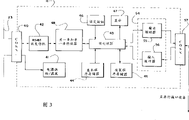
图3是一种并行接口类型的网络转换器的方框图。Fig. 3 is a block diagram of a parallel interface type network converter.
图4是一种特殊类型的网络转换器的方框图。Figure 4 is a block diagram of a particular type of network switch.
图5A和5B是定位摄像机所采用的方法的流程图。5A and 5B are flowcharts of methods employed to position cameras.
图6A和6B是本发明的自动变焦特点的操作的图解说明。6A and 6B are diagrammatic illustrations of the operation of the auto-zoom feature of the present invention.
图7是控制本摄像机的瞄准点和变焦操作的方法的流程图。Figure 7 is a flowchart of a method of controlling the aiming point and zoom operation of the present video camera.
图8是视频单元控制结点的示意性的方框图。Figure 8 is a schematic block diagram of a video unit control node.
图9是音频单元控制结点的示意性的方框图。Fig. 9 is a schematic block diagram of an audio unit control node.
图10A-10C是区域间关系的图解说明。10A-10C are diagrammatic illustrations of inter-region relationships.
图11A和11B是摄像机聚焦过程的流程图。11A and 11B are flowcharts of the camera focusing process.
图12A是本发明的摄像机的最佳实施例的图解说明。Figure 12A is a diagrammatic illustration of a preferred embodiment of the video camera of the present invention.
图12B是与摄像机控制相关的反馈系统的图解说明。Figure 12B is a diagrammatic illustration of the feedback system associated with camera control.
图13是本发明的双监视器电视会议系统的图解说明。Figure 13 is a diagrammatic illustration of the dual monitor video conferencing system of the present invention.
现在转向附图,在其中同类的数字涉及贯穿于几幅图中的同类的组成部分,本发明的最佳实施例将被描述。Turning now to the drawings, in which like numerals refer to like component parts throughout the several figures, preferred embodiments of the present invention will be described.
图1是本发明的最佳实施例的方框图。电视会议系统包括控制器10,与网络23相连的多个网络转换器(C)11A-11K,鼠标器12,控制盘13,音频单元控制结点14,视频单元控制结点15,编码器—译码器(编译码器codec)16,摄像机单元控制结点17,控制杆18,电源供电19,视频磁带录像机/放像机单元(VCR)20,监视器21和调制解调器22。视频远程电话会议系统还包括以下几项,为了简明,图1中没有表示它们,例如摄像机、摄像机的摇镜头/俯仰(pan/tilt)和变焦/聚焦(zoom/focus)单元、麦克风、扬声器、音频电缆、视频电缆及电话和电源线。每一个设备10,12-22与转换器11A-11K相连。转换器最好以菊花链(串行)方式经由通常被指定为23的网络连接。转换器11A被表示为控制器10的一部分,转换器11B-11K被表示为独立于它们相应的连接设备12-22的单独的部件。然而,这仅仅是一个优先选择,任何转换器11可以是单独存在的部件或与它有关的设备的一部分。在该最佳实施例中,网络23是由位于加州,PaloAlto的Echelong公司开发的LON-based网络。但是,也可以采用其它的网络,例如以太网。Figure 1 is a block diagram of a preferred embodiment of the present invention. The video conferencing system includes a
每一个转换器11包含以下信息,或者是把网络23上的网络标准信号转换为相连设备10,12-22的控制信号,把相连设备的控制/状态信号转换为网络23的网络标准信号,或者两者兼有。例如,网络控制器11B从鼠标器12把信号转换成代表鼠标器运动的网络标准控制信号,例如左、右、上、下、按钮1按下、按钮1释放等。网络转换器11B对一特定类型的鼠标器运动提供同样的网络标准控制信号,而与所采用的鼠标器类型无关。在操作中,来自于控制设备,例如鼠标器12、控制盘13、控制杆18或编译码器16的网络标准控制信号经由转换器11和网络23被发送到控制器10。单一转换器也有可能服务于两种或多种设备,例如转换器11B服务于鼠标器12和控制杆18,转换器11I服务于两个监视器21A和21B。当发送与设备12或18的用户运动有关的信息时,转换器11B还发送有关是否活动与鼠标器12和控制杆18有联系的信息。然后控制器10检查这些网络标准控制信号以确定用户所请求的动作类型和应该采取动作的设备,产生对应于所需动作的网络标准控制信号,把这些信号放在网络23上。因为在任何网络中,转换器11在网络23上检查输入网络标准信号的地址,以确定该数据是否是要给那种转换器或与其相连的外设的。如果是这样,那么转换器将捕捉该数据,这些数据是代表着所需动作的网络标准控制信号,并把这些数据转换为相连设备的适当的信号类型。Each converter 11 contains information to either convert network standard signals on
例如,假设用户已经使用鼠标器12选择了一个摄像机(图1中没有表示),并且已经在指示所选摄像机应该向左摇镜头的方向上移动了鼠标器。转换器11B把鼠标器运动信号转换为网络标准控制信号,后者指明了例如鼠标器移动的方向和鼠标器按钮的状态(按下、非按下)。然后,转换器11B产生控制器10的地址,并把这些网络标准信号放在网络23上。因为该地址指出这些信号不是给转换器11C-11K的,所以它们忽略这些信号。转换器11A辨认出这个地址是它自己的,捕捉这些信号并把它们提供给控制器10。控制器10决定网络标准控制信号标明对应于所选摄像机向左摇镜头的指令的鼠标器运动,从而产生对应于这种摄像机运动的网络标准控制信号。控制器11通知转换器11A为摇镜头/俯仰单元控制结点17寻址到网络转换器的这些信号,并把这些信号放在网络23上。转换器11G辨认出这个地址是它自己的(或者是给它相连的摇镜头/俯仰设备的),并捕捉这些网络标准信号。然后,转换器11G产生适合于所选择摄像机采用的那种类型摇镜头装置(未显示)的控制信号。For example, assume that the user has selected a camera (not shown in FIG. 1 ) using the
所以,即使鼠标器类型被改变,或者摇镜头/俯仰装置的类型被改变,来自鼠标器或给摇镜头/俯仰装置的网络标准信号将不改变。相反,网络转换器11将把来自鼠标器12的信号转换为网络标准信号,并且将把网络标准信号转换为适合于摇镜头/俯仰装置的信号。So, even if the mouse type is changed, or the pan/tilt type is changed, the network standard signal from the mouse or to the pan/tilt will not change. Instead, the network converter 11 will convert the signal from the
作为一个例子,来自于鼠标器12的信号可以表明鼠标器以一定的速率被向左移动,并且向摇镜头马达提供的适当的信号可能是+12伏,或者如果该摇镜头马达有一个数字控制器或接口,由转换器11G提供的信号也许是二进制信号,如101011,或是与完成指定动作所需的代码和格式相对应的其它代码。As an example, the signal from the
可以认为,对于一个简单动作,例如向左或向右摇镜头,向上仰或向下俯,可以不请求控制器10,转换器11B和11G可以被编程以完成鼠标器12运动、控制盘13的按钮的按下和摇镜头马达运动之间所需的对应。但是,在最佳实施例中,鼠标器12也被用来确定鼠标器运动和摇镜头马达动作之间没有一对一对应的那些功能,例如下面所描述的点击(point-and-click)和拖放(draw-and-release)操作,因而所有网络信号都被指向或来自于控制器10。It can be considered that for a simple action, such as panning the camera to the left or right, tilting up or down, the
类似地,来自监视器控制结点21的状态信息被转换器11I寻址到控制器10(转换器11A),然后放在网络23上。然后,控制器10检查状态信息以确定是否所选择的监视器(未表示)处于适当的模式,例如开或关。Similarly, status information from monitor control node 21 is addressed by switch 11I to controller 10 (switch 11A) and placed on
控制盘13是一个技术上众所周知的常规电视会议系统控制盘,它通过按钮提供下列诸功能,例如:向左摇镜头、向右摇镜头、向上仰、向下俯、哑音开/关、变焦移向/移离目标、聚焦、可预定的摄像机设置及音量高低等。音频单元控制结点14控制着发送或接收音频信号的设备间的音频信号流,例如麦克风、扬声器、编译码器16、电话线和VCR20。视频单元控制结点15控制着不同设备间的视频信号路由,这些设备,例如编译码器16、VCR20、摄像机及监视器21,发送或接收视频信号。编译码器16提供常规的编译码功能。摄像机单元控制结点17控制着摄像机的摇镜头、俯仰、变焦和聚焦,并针对这些参数提供反馈。电源供应器19为转换器11及其它与该系统相连的设备10、12-18、20-22提供工作电源。VCR20是一个常规视频盒式录像/放像设备。监视器21是在市场上可得到的监视器,在最佳实施例中,它是三菱(Mitsubishi)彩色电视机,型号CS-35EX1,由位于加州Cypress的三菱电子美国公司生产。调制解调器22是一种常规的调制解调器,最好具有至少每秒9600比特的数据通信速率。The
那些技术上的内行可以理解,一种典型的编译码器16具有一个与一种或多种拨号或专用电话线相连的端口。有几种不同的协议可以用于编译码器与编译码器的通信。如果这些编译码器正在使用同样的协议,那么它们可以针对在电视会议中采用什么特点进行协商,诸如数据传输率、数据压缩算法等等。然而,编译码器必须被设置为采用同样的协议,否则信息传输是不可能的。如果一个编译码器已经被设为采用第一协议并且第二个编译码器被设为采用第二协议,那么,上述编译码器之间将不能通信。编译码器通常带有被用来设置它的小键盘和显示器。但是,设置码和指示设置阶段或输入码结果的显示一般是不直观的。因此,在大多数情况下,设置(configuring)一个特殊的协议的编译码器是冗长乏味和耗时的任务,该任务最好由一位熟悉那种编译码器所采用的指令和最终码的技术人员来完成。但是,编译码器还带有一个能够被用于传输数据和设置该编译码器的数据端口。在本发明中,这个数据端口被优先采用,以允许编译码器16由控制器10来设置。在最佳实施例中,编译码器16是Visu-alink5000型,由位于Hillsboro,Oregon的NEC美国公司制造。Those skilled in the art will understand that a
例如,通过采用鼠标器12或控制盘13,用户可以命令控制器10建立电视会议对话。控制器10将通过转换器11A和11F及网络23命令编译码器16拨号,否则访问远程编译码器(该编译码器在另一电视会议地点)。然后,编译码器16将试图与远程编译码器建立通信。如果成功地建立了通信,这些编译码器将协商采用什么特征,然后可以开始对话。但是,如果不能建立通信,例如,因为这些编译码器被设置为不同的协议,本地编译码器16将报告控制器10:编译码器16能够与远程编译码器联系,但是不能与远程编译码器建立通信(握手),这是因为远程编译码器正在使用不同的协议。然后,控制器10将通过转换器11A和11N通知调制解调器22向远程调制解调器(该电视会议系统的调制解调器位于另一端)拨号。一旦通过调制解调器已经建立起了控制器到控制器的通信,那么,控制器10可以命令远程控制器设置采用特殊协议的远程编译码器。如果需要,该远程控制器将采取行动把远程编译码器设置为同样协议。相反,控制器10能够接收来自远程编译码器的信息,和/或就远程编译码器所支持的协议或它当前的设置与远程控制器进行协商,然后,把编译码器16设置为与远程编译码器采用同样的协议。那么,控制器10能够再次命令编译码器16与远程编译码器建立通信,并且,由于两个编译码器目前已经被设置为同样协议,两个编译码器间能够建立通信和协商特征,进而可以开始电视会议对话。For example, by using the
本发明还提供了远程设备的本地控制。除了控制器10可以与本地网络23中的任意设备12-18,20-22进行通信之外,控制器10还可以通过编译码器16上的数据端口与远处的(没有表示)一个类似定位的控制器进行通信。用户使用鼠标器12、控制盘13或控制杆18,可以命令完成远地点处的一个特定动作,例如,使远程摄像机向左或向右摇镜头,使远程摄像机向上或向下俯仰等。用户的动作被转换为网络标准控制信号,转换器11B把这些信号发送到控制器10。控制器10在远地点处确定所请求的动作,并通过网络23和编译码器16把与该动作相对应的网络标准控制信号发送给远程控制器。然后,远程控制器通过它自己的网络把网络标准信号发送给远程摇镜头/俯仰单元的转换器。远程转换器接着产生对于远程摇镜头/俯仰单元控制结点的适当的指令,它依次使所选择的远程摄像机的摇镜头/俯仰装置执行由用户在本地所规定的动作。因此,即使远地点处有本地点所没有的设备,本地点的用户也能够控制远地点处所有设备的全部功能,这些功能是远地点处的用户所能控制的。然而,实际上,在某处的一些功能最好仅由在那个特定地点的用户来控制,诸如麦克风哑音、监视器开/关操作及扬声器音量控制设定等。The invention also provides local control of remote devices. In addition to the
本发明还提供了系统诊断。在最佳实施例中,摄像机单元控制结点17除了接收来自控制器10的指令外,还向控制器10报告指令的结果。每一个摇镜头/俯仰单元有一个定位指示器,作为单元的一部分,或者作为一种翻新改进的设备。该定位指示器指示当前的摇镜头位置和当前的俯仰位置。摄像机单元控制结点接收来自定位指示器的定位信号,并把这些信号提供给控制器10。控制器10检查这些信号以确定是否所选择的摇镜头/俯仰单元采取了针对控制信号的适当的动作。例如,假设控制器10已经通知了一个特定的摇镜头/俯仰单元以某一速率在某一方向上摇镜头,但是,该摇镜头/俯仰单元或者不摇动,或者以不同的速率摇动。摄像机单元控制结点17向控制器10报告所选择的摇镜头/俯仰单元的响应。如果所选择的摇镜头/俯仰单元的响应是不恰当的,那么控制器10将产生一个报告来提醒系统操作员这个问题。该报告可以以多种方式提供。例如,报告的呈现可以由监视器21屏幕上的图符来指示。这提醒了系统操作员选择报告以查明问题的本质。或者,控制器10可打印一个报告,或者由与控制器10上的打印机端口相连的打印机(未表示)来打印,或者由作为网络23上另一个设备的相连的打印机(未表示)来打印。这个报告还可以指出问题的严重性。例如,缓慢的摇镜头通常不是苛刻的,但是它表明摇镜头/俯仰单元应该在不久的将来被维修,以防止该单元完全失效和/或损坏。相反,根本不摇镜头的单元需要马上维修,因为用户连续尝试使摇镜头/俯仰单元摇镜头会导致齿轮损坏或马达烧毁。The invention also provides system diagnostics. In the preferred embodiment, the camera
调制解调器22还允许远程诊断和报告。例如,如果电视会议系统正在被远方的人员维修,那么远方的人员使用个人计算机和调制解调器可以呼叫调制解调器22,与控制器10建立通信,并且通知控制器10通过调制解调器22发送当前的系统诊断。再者,控制器10可以被编程使用调制解调器22呼叫远方的人员,与远程计算机建立通信,并自动地发送当前的系统诊断。该程序可以规定在一天的某一时间执行呼叫,例如下班后的数小时里,或者出现了严重故障,例如摇镜头/俯仰单元完全失效了的时侯,或者两种情况下都执行。
通过编译码器或调制解调器的控制器到控制器的通信还允许在一个地点,例如在一个远地点的控制器通知在另一个地点,例如在本地的控制器:在远地点的特定设备或功能不工作了。那么,当用户试图使用那个设备或功能时,本地控制器将不处理来自用户的指令,并通知用户那种设备或功能停止服务了。Controller-to-controller communication via codec or modem also allows a controller at one location, such as a remote location, to notify a controller at another location, such as a local location, that a particular device or function at the remote location is not working . Then, when the user tries to use that device or function, the local controller will not process the instruction from the user, and notify the user that that device or function is out of service.
控制器10除了实现系统诊断外,还尝试简单的系统维修。例如,如果摇镜头/俯仰单元在一个方向上不摇镜头了,控制器10将通知摇镜头/俯仰单元在其它方向上摇镜头,以便尝试取出可能被绊住的电缆。如果这个动作成功同时摇镜头/俯仰单元是可操作的,那么控制器10将记录该故障及修理,以便维修技术人员将知道检查那个单元中松动或被绊住的电缆,并维修那个单元。如果该动作不成功,那么控制器10将不处理那些来自用户的有关摇镜头/俯仰单元的所需运动的将来的指令,并且将不尝试发送以后那些有关故障功能的进一步的指令。也就是说,因为摇镜头功能不工作了,所以将不发送摇镜头的指令,但是由于俯仰功能还在工作,故俯仰指令可以发送。不过,作为一种选择,控制器10可以被编程,以使工作电源全部被从出现故障的摇镜头/俯仰单元中移去。In addition to implementing system diagnostics, the
与其它的功能和设备相对应,类似的动作和报告可以被采取。例如,摄像机单元控制结点17还控制着相连的摄像机的变焦和聚焦(未表示)。在最佳实施例中,摄像机具有变焦位置指示器和聚焦位置指示器,或者作为单元的一部分,或者作为一种翻新改进的设备。控制器10因而能够确定所选择的摄像机是否正在正常工作。再者,每个监视器21有一个下面描述的开/关指示器,转换器11I报告每个监视器的状态。控制器10因此能够确定所选择的监视器是开启还是关闭。再者,编译码器16在其工作期间执行有限的自我诊断。控制器10或响应于来自编译码器16的故障信息,或者在周期间隔中,将命令编译码器16报告它的状态。如果需要,控制器10可以采取适当的报告动作,和/或切换到与网络23相连的另一个编译码器(未表示)。Similar actions and reports may be taken corresponding to other functions and devices. For example, the camera
在本发明的最佳实施例中,因为转换器11一般通过网络23引出工作电源,并且不要求独立的电源,也不需要来自相连设备的电源,所以LON网络被采用。这个优点在于:即使一个相连的设备,如VCR20或调制解调器22被从网络中移走或者其电源被关闭了,网络和系统将继续起作用。在最佳实施例中,电源19与网络23相连,并为转换器11提供工作电源。电源19还向每个外设提供工作电源,例如110伏交流和12伏直流。这个工作电源可以通过网络23或者通过独立的电缆线提供给每个外设。电源19提供所需要的交流或直流电源给每个外设。电源19与转换器11K相连,因此可以由用户来控制。这允许用户根据需要通过从设备中移去电源来接通和关闭所选择的外设。如果设备不响应于通过网络23所发出的信号,那么,这提供了一种补充的关闭设备的方法,并且也提供了一个安全因素,即用户能够完全地把一个工作电源从设备中移去。再者,在最佳实施例中,转换器11K有一个内部定时器。如果没有用户活动,表现为缺乏鼠标器12、控制盘13或控制杆18的活动,那么转换器11K将向控制器10发送一个“睡眠”信号。这使控制器10进入准备(Standby)模式,从而节省电源。转换器11K还将通知电源19从外设中移去工作电源。尽管转换器11K和电源19被表示为独立的设备,可以认为两个功能可以由单一设备来完成。在一个替代的实施例中,电源19不响应于网络23上的信号,而仅仅是向转换器11提供工作电源。在这个实施例中,控制器10或转换器11可以具有内部定时器。在另一个替代的实施例中,没有采用电源19,控制器10具有内部定时器,还通过与转换器11A的连接为网络23上的转换器11提供工作电源。In the preferred embodiment of the invention, a LON network is used because converter 11 typically draws operating power through
在最佳实施例中,控制器10是一台个人计算机,例如一台COMPAC Prolinea,它具有120M(megabyte)的硬盘,4M的随机存取存储器及一个3.5英寸的软盘驱动器。控制器10不需要带有屏幕或键盘,因为在最佳实施例中,监视器21被用作屏幕,鼠标器12和控制盘13可被用来代替键盘。但是,如果需要,屏幕和键盘可以直接与控制器10相连。另外,即使鼠标器12、游戏杆18和调制解调器22被表示为与网络23上的转换器11相连,也可以理解为:如果有在控制器10中控制这些设备的卡槽,并且设备和控制器10间的距离不是非常远,那么与这些设备相联系的转换器可以被省去。In the preferred embodiment,
再有,即使仅表示出了一种鼠标器12、编译码器16、控制杆18、VCR20和调制解调器22,可以认为本发明不局限于此,如果愿意或需要,每种类型的多个设备可以与网络23连接。Also, even though only one type of
另外,即使表示了鼠标器12、控制盘13和控制杆18通过电缆与转换器11B和11C相连,也可以理解为有市场上买到的设备12、13和18,它们不具有电缆连接,而是代之以通过红外(IR)信号通信。这些设备也可以被用在本发明中。在这种情况下,适当的网络转换器11将有一个红外(IR)接收机,它响应于红外信号,并且将把相应的网络标准信号提供给控制器10。这样,转换器11I应该是一种专用的转换器。下面描述了专用的转换器,它向监视器里的IR接收机发射IR信号。在这种情况下,发射器和接收器的作用被颠倒过来,即:设备12、13、18发射,同时转换器11B、11C接收。In addition, even though it is shown that the
转换器11可归纳为三种一般的类型:串行接口、并行接口和专用的。典型地,编译码器16是一个串行接口设备,因而转换器11F应该是一个串行接口类型的转换器,同时,VCR20可以是并行接口设备,因而转换器11H应该是并行接口类型的转换器。在最佳实施例中,监视器21是可以被例如一种手持式红外遥控器遥控的类型。转换器11I因而是一种特殊类型的转换器,即:它能够提供控制监视器21所需的红外信号,并且具有监控监视器21的工作状态所需的部件。Converters 11 can be grouped into three general types: serial interface, parallel interface, and application specific. Typically,
将上述俯仰的量与一个预定值相比较;comparing the aforementioned amount of pitch with a predetermined value;
如果上述俯仰的量少于上述预定值,那么使上述摄像机俯仰到上述第二位置;If the amount of tilting is less than the predetermined value, tilting the camera to the second position;
如果上述俯仰的量超过了上述预定值,那么使上述摄像机变焦移离目标并且使上述摄像机俯仰到第二位置。If the amount of tilt exceeds the predetermined value, zooming the camera away from the target and tilting the camera to a second position.
73。权利要求72中的方法,如果上述俯仰的量超过了上述预定值,那么还包括:当上述俯仰步骤执行完成时,使上述摄像机变焦移向目标。73. 72. The method of claim 72, if said amount of pitching exceeds said predetermined value, further comprising: zooming said camera toward a target when said pitching step is performed.
74。一套具有差错检测的电视会议系统,包括:74. A set of video conferencing system with error detection, including:
一台用于形成图像的摄像机,该摄像机包括一个变焦装置和一个聚焦装置;a camera for forming the image, the camera including a zooming device and a focusing device;
一个用于把上述摄像机对准所需位置的摇镜头和俯仰装置;A pan and tilt device for aiming the aforementioned camera at the desired position;
一个用于提供变焦状态信号的变焦位置指示器;a zoom position indicator to signal the zoom status;
一个用于提供聚焦状态信号的聚焦位置指示器;a focus position indicator for providing a focus status signal;
一个用于提供摇镜头状态信号的摇镜头位置指示器;a pan position indicator to signal pan status;
一个用于提供俯仰状态信号的俯仰位置指示器;a pitch position indicator to provide a pitch status signal;
一台用于显示上述图像的监视器;和A monitor used to display the above image; and
一个控制器,用于对上述摄像机提供变焦和聚焦命令,并对上述摇镜头和俯仰装置提供摇镜头和俯仰命令,并且用于监视上述变焦状态信号、上述聚焦状态信号、上述摇镜头状态信号、上述俯仰状态信号,以便确定上述命令是否被正确地执行了,如果任何上述命令没有被正确地执行时确定错误的发生,并且,如果上述错误出现,就提供一个错误检测信号。a controller, which is used to provide zoom and focus commands to the above-mentioned camera, and to provide pan and tilt commands to the above-mentioned pan and tilt device, and to monitor the above-mentioned zoom status signal, the above-mentioned focus status signal, the above-mentioned pan status signal, said pitch status signal to determine whether said commands have been correctly executed, to determine the occurrence of an error if any of said commands have not been correctly executed, and to provide an error detection signal if said error occurs.
75。权利要求74中的电视会议系统,其特征是:上述控制器有光发射二极管(LED),当微处理器43已经被适当地设置(config-ured)时,它熄灭;当微处理器43处于设置模式(not configured)时,它闪烁。75. The video conference system in claim 74, it is characterized in that: above-mentioned controller has light-emitting diode (LED), when
在最佳实施例中,控制器10在它的存储器(未表示)中包含了多个用于转换器11操作的程序。对于每一种可以与转换器连接的设备类型都有一个独立的程序。转换器11F和11J都是串行接口类型的转换器。但是,一个与编译码器16相连,另一个与调制解调器22相连。因此,为了相连设备的适当连接,每一个要求不同的操作指令。因此对于每一种类型的转换器,对每一种与那种转换器相连的设备都有一个独立的程序。一个程序,它可以包括软件、固件、数据、格式、转换代码等等,可以被从控制器10下载(download)到所选择的转换器11中,以便恰当地为转换器11的类型(串行、并行、专用)及与它连接的设备的类型设置转换器11。这就提供了灵活性,即:如果一种新型设备被连接到网络上,那么就为那种类型的设备编写程序并把它装入控制器10中。然后,控制器10把该程序下载到与那种新型设备相连的转换器11。因此,一般地讲,串行接口类型的转换器能够被任何串行接口设备采用,这是通过简单地把适当的串行接口程序从控制器10下载到转换器11中来实现的,对于并行接口设备也是这样。再者,附加设备能够通过采用适当的类(串行类型或并行类型)转换器被方便地支持,然后使控制器10把适当的程序下载到增加的每一个转换器中。这减少了用户必须提交修理或加到系统中的不同类型控制器的清单。In the preferred embodiment,
在最佳实施例中,在串行类型转换器11中的存储器45在制造时没有被所安装的程序编程,尽管如果希望的话,它可以被这样编程。因此,当转换器11第一次被安装在电视会议系统中并加上电源的时侯,转换器11将不被设置。再者,如果用户改变了与转换器11相连的串行设备的类型,例如,从编译码器16拆下转换器11,并把转换器11连接到调制解调器22,那么,转换器11将为新近连接的外设而被不适当地设置。因此,用户将按下设置按钮46,这使微处理器43引发显示47开始闪烁。同样,微处理器43将发送它的识别码和类型及网络标准信号到控制器10,这是通知控制器10:转换器11需要被设置。In the preferred embodiment,
然后,用户将转向控制器10,最好采用鼠标器12下拉一个初始的设置菜单(未表示)。该设置菜单将列出最后一个被报告需要设置的转换器11。然后,用户将下拉另一个菜单,它列出了由电视会议系统所支持的串行接口设备的类型。一旦被连接的串行接口设备被用户识别,控制器10将通过网络23下载程序,该程序是允许转换器11到网络23和相连的串行设备间的接口所需要的。微处理器43将把该程序安装于安装程序存储器45中。为了明了,微处理器43和存储器44、45被作为独立的部件表示,但是可以是在同一设备中。如果转换器11B以前没有被设置,那么一个鼠标器,例如鼠标12为了设置转换器11B可以与控制器10上的鼠标器控制端口相连。因而,剩余的转换器可以采用鼠标器12或与控制器10直接相连的鼠标器来设置。The user will then turn to the
图3是一个并行接口类型网络转换器11的方框图。并行类型转换器11类似于串行类型转换器,除了转换器11将用一个输出收发信机54和并行连接器57代替收发信机50和连接器51之外。输出收发信机54包括输出驱动器55和输入缓冲器56。收发信机54最好在微处理器43和并行接口设备间提供隔离。同样,设备54最好由微处理器43来设置,以选择连接器57上的哪一个针是输出插针,哪一个针是输入插针。实现或能够被连接来实现收发信机54的功能的设备在技术上是众所周知的。在最佳实施例中,收发信机54的作用由所指定的Neuron微处理器43来实现。并行类型转换器11的作用与串行类型转换器的功能是一致的,除了在连接器57上的输入和输出被设置为用于一种并行接口设备,例如VCR20。FIG. 3 is a block diagram of a network switch 11 of a parallel interface type. Parallel type converter 11 is similar to serial type converter except that converter 11 will replace
图4是一个专用类型网络转换器,如转换器11I的方框图。在相连的设备没有串行或并行接口的地方,或者在那个接口已经为某种目的所占用,而还有其它控制设备的装置,例如由红外信号或电压电平和/或极化信号(模拟信号),在这种情况下,专用转换器是有用的。作为与监视器21接口的转换器11I是专用转换器的一个例子。像其它串行类型和并行类型转换器,专用类型转换器带有一个用于连接到网络23的连接器40、电源供给/滤波器电路41、RS-485收发信机42、微处理器43、基本程序存储器44、安装程序存储器45、设置按钮46和显示47。另外,专用转换器11上有一个驱动器61,它能够驱动红外(IR)发光二极管62A和62B。为了方便,对应于两个监视器21仅仅表示了两个红外发光二极管,但是可以采用更多的监视器21。在最佳实施例中,通过采用红外信号,每一个监视器21是可控的,同时监视器21里安装有红外探测器。这种类型的监视器在技术上是众所周知的。一个红外发光二极管如62A被定位在监视器21上红外探测器的前面,以便微处理器43向驱动器61发送信号,驱动器61向发光二极管62A提供信号,它发射适当的红外信号来使监视器21执行一个特定的动作,例如打开或关闭,在监视器21上的扬声器使用时向高或向低调整音量,调节亮度,对比度等。Figure 4 is a block diagram of a dedicated type of network switch, such as switch 11I. Where the connected equipment does not have a serial or parallel interface, or where that interface is already occupied for some purpose, there are other means of controlling the equipment, e.g. by infrared signals or voltage level and/or polarization signals (analog ), in which case a dedicated converter is useful. The converter 11I that interfaces with the monitor 21 is an example of a dedicated converter. Like other serial type and parallel type converters, the dedicated type converter has a
另外,一个线圈,例如线圈63A和63B被附连在每个监视器21上。线圈63用于测知呈现在监视器21中的水平偏转线圈的磁场。线圈63A和63B分别与放大器/探测器64A和64B相连。放大器/探测器64放大由线圈63提供的信号,并探测(检波)该信号。每个放大器64的输出与缓冲器65相连,缓冲器65与微处理器43相连。在放大器/探测器64的输出和微处理器43间,缓冲器65提供所有需要的缓冲和电压电平转换。在很多监视器21中开关控制信号是同样的信号,并且监视器21仅在开启和关闭状态间往复。为了确定监视器是开启还是关闭,线圈63被附连在监视器21上,用于测知在监视器21中的水平偏转线圈的发射的辐射。如果用户发出一个打开监视器21的指令,微处理器43将检查缓冲器65的输出以确定与那一特定监视器21相关的线圈63和放大器/探测器64是否正在探测辐射。如果辐射被探测到,那么监视器已经打开,并且微处理器43将不采取任何动作。但是,如果监视器21关闭着,那么辐射将不被探测到,随之而来的是,微处理器43将使驱动器61用往复那个监视器21的开/关控制所需的码来脉冲地输入到LED62。然后,微处理器43将检测线圈63的输出,以确定是否该操作是成功的。如果操作是成功的,那么微处理器43将不采取进一步的动作。但是,如果监视器21没有开启,那么微处理器43将再多次尝试开启监视器21。如果几次尝试后监视器21仍没有被打开,那么微处理器43将向控制器10报告故障。In addition, a coil such as
在最佳实施例中,线圈63是70F103AI型,由位于加州RanchoDominnguez的J.W.Millen制造。线圈63在监视器21中的定位不是很关键的,但是最好把线圈63放在当监视器21打开时,能够接收到最高测知(强度)的位置,以便开/关指示的可靠性都是高的。In the preferred embodiment, coil 63 is a Type 70F103AI manufactured by J.W. Millen of Rancho Dominnguez, California. The positioning of the coil 63 in the monitor 21 is not critical, but it is preferable to place the coil 63 where it receives the highest detection (intensity) when the monitor 21 is turned on, so that the reliability of the on/off indication is guaranteed. is high.
如果转换器11仅被用于某种类型的监视器,那么,基本程序存储器44可以包含所需的红外发射指令,这样,将不需要安装程序存储器45、设置按钮46及显示47。但是,如果转换器11被用于多种不同类型的显示器,那么针对多种类型的显示器需要的指令可以被包括在基本程序存储器44中,或者,可以从控制器10上的下拉菜单选择所用的监视器的类型,所需的红外发射程序从控制器10被下载到存储器45。If the converter 11 is only to be used with a certain type of monitor, then the
实际上,图中所示的多个试验和/或功能由同时进行的程序或子程序来实现,以便一个试验和/或功能可以与另一个试验和/或功能同时进行。即:鼠标器运动、鼠标器按钮按下/释放、控制杆运动、控制盘选择等的试验可以被连续执行或可以是中断驱动功能。但是,为了清楚地图解说明本发明的操作,采用了流程图。In practice, several of the tests and/or functions shown in the figures are performed by concurrent programs or subroutines, so that one test and/or function can be performed concurrently with another test and/or function. That is: trials of mouse movement, mouse button press/release, joystick movement, control pad selection, etc. may be performed continuously or may be interrupt driven functions. However, in order to clearly illustrate the operation of the present invention, a flowchart is employed.
图5A和5B是定位摄像机所用的方法的流程图。在最佳实施例中,鼠标器12或控制杆18可以被用来移动出现在监视器,例如监视器21A屏幕上的指针。为了方便,仅讨论使用鼠标器12的操作,尽管可以认为带有控制按钮的控制杆18能够被用来实现同样结果。这种特定的定位摄像机的方法在这里被看成是“点击”。该短语描述了用户重定位摄像机所要求的动作。即:使用鼠标器12,用户使指针被定位(点pointed)在感兴趣的目标上,然后按击鼠标器12上的按钮。然后控制器10使所选择的摄像机瞄准在所选择的点上,以使所选择的点名义上是在用户观看的屏幕显示的中央。这允许用户快速方便地指定所选择的摄像机应该被点在何处,以使用户能够方便地看到所要的目标。应该注意到这种方法对于两种摄像机都有用,即:一种是处于与用户同样地点的本地摄像机,另一种是处于远程地点的远程摄像机。因此,用户能够轻松地调整远程摄像机使其指向一个所需目标。这允许用户把摄像机聚焦在感兴趣的目标上,而不必通知另一端的人停止他或她正在做的工作,并按照用户所希望的来定位摄像机。5A and 5B are flowcharts of a method for positioning a camera. In a preferred embodiment,
这个程序最好由控制器10来执行。启动步骤100被表示,但是可以认为控制器10完成很多操作,因此,应该懂得启动步骤是一个进入子程序,例如,一个摄像机定位所采用的子程序的入口点。在判定101中,进行了有关任何鼠标器12A、12B是否被按下的测试。如果这样,那么用户指示一些功能而不是点击摄像机定位应该被完成,因此,在步骤102其它的功能被试验和/或在步骤102被执行。如果没有鼠标器按钮被按下,那么,在判定103中做了鼠标器运动的试验。如果没有鼠标器运动,那么就回到判定101。如果有鼠标器运动,那么判定104测试监视器21A屏幕上所显示的指针是否处于为图像所指定的监视器区域之外。即:指针目前被定位于控制条、选择图符、其它功能符号、不同的画面(画中画)或不同的监视器上。如果指针处于图像区域之外,那么用户表示执行其它的功能,并且控制器10进行到步骤102以实现其它功能。如果指针处于图像区域内,那么判定105测试鼠标器按钮,例如鼠标器按钮12A是否已经被按击。如果没有,那么返回到判定101。如果这样,那么控制器10在步骤106中确定完成用户的请求所需要的摇镜头和俯仰的量。这通过测量相对于屏幕中心的鼠标器的点击位置及当前采用的变焦的量来决定。判定107测试是否所需要的摇镜头的量大于摇镜头装置的分辨力误差。即:如果所需要的摇镜头的量是1度,而摇镜头装置有着2度的分辨力误差,那么将不进行摇镜头。如果不进行摇镜头,那么执行判定108。判定108测试是否所需要的俯仰量大于俯仰装置的分辨力误差。如果所需要的俯仰量不大于分辨力误差,那么返回到判定101,这是因为已经确定了既不需要摇镜头也不需要俯仰。如果在判定108中所需要俯仰量大于分辨力误差,那么下一步执行步骤112。再回去看判定107,如果所需要的摇镜头量大于分辨力误差,那么在步骤110中确定摇镜头速率。接着,在判定111中,进行有关俯仰是否大于分辨力误差的测试。如果不大于,那么接着执行步骤113。但是,如果俯仰大于分辨力误差,那么在步骤112中确定俯仰。This routine is preferably performed by the
尽管这个过程使沿着两个轴的运动被同时完成,当长距离移动时,例如当视野狭窄时从一个预定地点向另一处的移动,一个消极影响可能出现,比如假设视野是6度,同时摇镜头角度是60度。如果选择摇镜头速率使目标在时间T内穿过视野(6度),那么摄像机到达它的目标将花费10T秒。但是,选择摇镜头速率使摄像机在T秒内扫过全程,那么6度的视野将使目标在模糊中飞快通过场景。因此,在最佳实施例中,如果摄像机要在长距离上摇镜头,摄像机就应变焦移离目标(同时相应聚焦),以使摄像机具有宽广的视野。这样,高速摇镜头速率将允许以一种定时方式从起点到终点的运动,但是,因为摄像机被变焦移离目标,将减小目标尺寸,并且目标将以可接受的速率穿过显示屏幕。摇镜头操作结束时,摄像机将根据目标位置被变焦移向目标(并相应聚焦)。Although this process enables motion along both axes to be accomplished simultaneously, a negative effect may arise when moving over long distances, such as moving from one intended location to another when the field of view is narrow, say, assuming a field of view of 6 degrees, At the same time, the panning angle is 60 degrees. If a pan rate is chosen such that the target crosses the field of view (6 degrees) in time T, then the camera will take 10T seconds to reach its target. However, if the panning rate is selected so that the camera can sweep the entire distance in T seconds, then the 6-degree field of view will make the target fly through the scene in a blur. Therefore, in the preferred embodiment, if the camera is to be panned over a long distance, the camera should focus away from the subject (while focusing accordingly) so that the camera has a wide field of view. Thus, a high pan rate will allow movement from start to finish in a timed fashion, but, as the camera is zoomed away from the target, the size of the target will be reduced and the target will move across the display screen at an acceptable rate. At the end of the pan operation, the camera will be zoomed towards the target (and focused accordingly) based on the target position.
因此,在判定113中,控制器10确定是否摇镜头距离对于变焦移离是足够大的。如果不足够大,将执行步骤115。如果足够大,摄像机被变焦移离目标,然后执行步骤115。Therefore, in decision 113, the
在步骤115中,所要求的摇镜头、俯仰、和/或变焦开始执行。In step 115, the required pan, tilt, and/or zoom is performed.
判定116测试摇镜头/俯仰操作是否已经完成。如果没有,那么返回判定116。如果完成了操作,那么如果需要的话,在步骤117中变焦和聚焦被存储,摄像机运动的过程在步骤118中结束。Decision 116 tests whether the pan/tilt operation has completed. If not, then return to decision 116 . If the operation is complete, then in step 117 the zoom and focus are stored, if necessary, and the process of camera movement ends in step 118 .
通过考虑一个目标从视野的一端向视野的另一端运动所需要的秒数来确定摇镜头和俯仰的速率。在最佳实施例中,在控制器10这个设置是可编程的。显示被认为有一个2×3的高宽比(aspectradio)(V to H)。如果希望目标保留在视野中,例如2秒,比如视野是30度,摇镜头速度将被设定为每秒15度,同时俯仰速率将被设定为每秒10度。在这个方法中通过对摇镜头和俯仰装置的运动进行同步,摄像机将相对于两个轴几乎同时到达所需位置。这有一个希望的效果,即:使摄像机看起来更平滑地定位。否则,摄像机可能相对于一个轴例如垂直轴首先到达目标,然后不得不相对于另一个轴连续运动直到到达所需的位置,这使摄像机的运动看上去笨拙。Pan and tilt rates are determined by considering the number of seconds it takes for an object to move from one end of the field of view to the other. In the preferred embodiment, this setting is programmable at the
摄像机控制的点击方法是对现有摄像机控制的按钮方法的主要改进。但是,如果视野狭窄,摄像机从一个位置向另一个位置摇镜头就需要花费几次点击操作。因此,本发明提出了一种替代的运动形式,而不是当鼠标器按钮被按击时仅以离散增量跟着指针运动。如果这种替代形式由用户选择,例如采用下拉式菜单或按压不同的鼠标按钮如按钮12B,摄像机将动态地跟随该指针。在这种情况下,如果指针朝着显示侧慢速移动,控制器10使摄像机朝着那一侧慢速摇镜头。当指针总是被定位在显示一侧或某些预定的边界点上时,控制器10指示摇镜头/俯仰单元以最大速率移动。当高速摇镜头时,控制器10自动变焦拉远摄像机,当指针不再是在显示一方时,控制器自动使摄像机变焦移向目标到它的初始设置,同时摇镜头速度下降到一个较慢的速率。当然,用户在任何时侯都能够调整变焦。The point-and-click method of camera control is a major improvement over the existing button method of camera control. However, if the field of view is narrow, it takes a few clicks to pan the camera from one position to another. Therefore, the present invention proposes an alternative form of motion, rather than just following the pointer in discrete increments when a mouse button is clicked. If this alternative is selected by the user, for example using a drop-down menu or pressing a different mouse button such as button 12B, the camera will dynamically follow the pointer. In this case, if the pointer moves slowly toward the display side, the
图6A和6B是本发明的自动聚焦(“拖—放”)操作的图解说明。图6A是带有屏幕125的监视器21的图解说明,监视器显示一个人126坐在桌子127的一端。现在假设用户希望对人物126聚焦。为了变焦移向人物126,采用常规系统的用户可以调整摇镜头和俯仰控制,然后调整变焦和聚焦控制。但是,采用本发明的用户将简单地使用鼠标器12,把指针放在所想要的指针起始点(PSP)上,按下并压住预定的鼠标器按钮,例如左按钮12A,并拖着指针穿过感兴趣的区域,这使矩形方框开始在有一个角在PSP处的屏幕上扩展。当用户到达所希望的结束点指针结束点(PEP)后,用户将释放该鼠标按钮。用户因而绕感兴趣的区域画一个矩形并释放鼠标器按钮。然后,控制器10将为摄像机确定适当的摇镜头和俯仰,并使摄像机将它的视野中心定位在矩形的中心(CR),然后使摄像机变焦移向目标,以便矩形128尽可能满地填充屏幕125,如果需要还使摄像机重新聚焦。图6B中可以看到最终显示,它图解说明了摄像机已经被重新定位,以便CR目前是在显示的中央(MD)。因此,通过在所想要的场景的一角定位指针的简单任务,按下鼠标器按钮,拖动鼠标器画一个矩形,及释放鼠标器按钮,用户已经使所选择的画面面积被扩大来填满显示125。一般地讲,使用点(point)、击(click)、拖(drag)、放(release)等技术来画一个方框,例如方框128,在计算机领域是众所周知的。6A and 6B are diagrammatic illustrations of the autofocus ("drag-and-drop") operation of the present invention. FIG. 6A is an illustration of a monitor 21 with a screen 125 showing a person 126 seated at one end of a table 127 . Now assume that the user wishes to focus on character 126 . To zoom toward the person 126, a user with a conventional system would adjust the pan and tilt controls, and then adjust the zoom and focus controls. However, a user employing the present invention would simply use the
图7是一个控制摄像机的瞄准点和变焦操作的方法的流程图。在起始130后,控制器10在判定131测试是否适当的鼠标器按钮已经被按下。如果没有按下,那么在步骤132控制器10测试和/或执行其它功能。如果鼠标器按钮已经按下,那么在步骤133,控制器10记录初始的指针位置PSP。然后,在判定134,控制器10测试是否鼠标器按钮已经被释放。如果鼠标器按钮没有被释放,那么用户没有完成所需矩形128的绘制。一旦鼠标器按钮被释放,那么用户已经完成了矩形128的绘制,从而指定了感兴趣的区域。因此控制器10转到步骤135,并执行下面的操作。首先,记录最后的指针位置。那么所画矩形128的中点CR根据初始和最终指针位置PSP和PEP来计算。然后控制器10计算矩形128的中点CR和显示125的中点MD间的差。这些步骤确定把所要求的图像放在屏幕125的中心所需要的摇镜头和俯仰,尽管是自动执行,这些步骤模拟用户移动指针到位置CR,并点击鼠标器,正如在与图5相对应的程序中所描述的那样。然后,控制器10执行图5中的步骤106到117,除了判定108的“No”输出不返回步骤101而是转到步骤135的子步骤5。步骤135的子步骤1-4的结果是:为了把矩形128的中心CR放在显示125的中点MD,控制器10已经使摄像机摇镜头和俯仰。但是控制器10还必须确定需要多少变焦量来满足用户的要求。因此,控制器10确定指针的X轴位移XM和指针的Y轴位移YM。控制器10把X轴位移和Y轴位移相加得到指针的全部位移。控制器10然后确定全部位移(XM+YM)相对于监视器21的屏幕125的全部尺寸(XD+YD)的比率。控制器10然后通过把上述比率与当前的视野相乘来确定新的视野。可以认为,当前视野是可由摄像机上的变焦装置得到的信息。然后,控制器10使摄像机变焦为新的视野,或者,如果新的视野小于摄像机所支持的最小视野,使摄像机变焦为所支持的最小视野。控制器10通过自动聚焦过程或者通过如下面所描述的存储过程,指示摄像机聚焦,然后该程序结束。Fig. 7 is a flowchart of a method of controlling the aiming point and zoom operation of a camera. After initiation 130,
被图解说明的与图6A相关的矩形128具有的XM和YM比例使变焦移向目标将使矩形很好地填充屏幕125。但是,可以认为用户可能不总是画这样一个比例较好的矩形。用户可以画了一个非常宽而高度很小的矩形,或者非常高但宽度很小的矩形。在这种情况下,由于屏幕125的形状所带来的限制,不可能象用户所希望的那样扩充图像。因此,必须跟随一个替代过程。一种可能的替代方法是扩充矩形128,以便XM和YM中较大的那个被用来确定所要求的变焦。这种方法将向用户显示所有被矩形128包围的区域及一些矩形128之外的图像区域作为填充屏幕125所必需的。在另一种替代方法中,XM和YM中较小的那个被用来确定变焦所要求的量。在这种情况下,较小的尺寸被扩大以填充屏幕125,并且由矩形128的较大的尺寸所包围的矩形128的一些面积将超出屏幕125的限制,因而将不被显示给用户。The rectangle 128 illustrated in relation to FIG. 6A has XM and YM scales such that moving the zoom toward the target will cause the rectangle to fill the screen 125 well. However, it can be considered that the user may not always draw such a well-proportioned rectangle. The user may have drawn a very wide rectangle with a small height, or a very tall rectangle with a small width. In this case, due to the restriction imposed by the shape of the screen 125, it is impossible to expand the image as the user desires. Therefore, an alternative process must be followed. A possible alternative is to expand rectangle 128 so that the larger of XM and YM is used to determine the required zoom. This approach will display to the user all the area enclosed by rectangle 128 and some image area outside rectangle 128 as necessary to fill screen 125 . In another alternative, the smaller of XM and YM is used to determine the required amount of zoom. In this case, the smaller size is enlarged to fill the screen 125 and some area of the rectangle 128 enclosed by the larger size of the rectangle 128 will exceed the limits of the screen 125 and thus will not be displayed to the user.
图8是视频单元控制结点15的示意性的方框图。在所表示的例子中,视频单元控制15与三台摄像机150A-150C、三台监视器21A-21C及一台VCR20相连。应该明白,摄像机、监视器及VCR的数目是一个设计选择,仅由节点15的视频切换能力来限制,这主要由考虑成本来决定。视频单元控制结点15有选择地把来自于摄像机150、VCR20、编译码器16及辅助输入的视频信号分路给监视器21、编译码器16、VCR20和辅助输出。正如技术上众所周知的那样,对于场景频繁改变,编译码器16有着一个运动输入和运动输出,并且对于场景不频繁改变,有着一个图形输入和图形输出,例如滑动和图形。FIG. 8 is a schematic block diagram of the video
视频单元控制结点15包括多个一般被标示为151的视频输入缓冲器151,该缓冲器151与一个8×8的视频切换矩阵152的输入相连,152被连接到一般被标示为153的多个输出缓冲器、控制逻辑154、视频叠加设备155、同步发生器输入锁定信号缓冲器160、多个同步分离器161A-161C、同步发生器和相位锁定环路(PLL)电路162及一个消隐(black)脉冲序列输出分配式放大器164。缓冲器151还执行对输入信号的直流恢复,并且缓冲器153采用常规方法提供对输入及输出视频信号的缓冲。同样,切换矩阵152把来自摄像机150、VCR20、编译码器16、视频叠加电路155和辅助输入信号切换到所需的目标设备,例如监视器21、编译码器16、VCR20和视频叠加电路155。控制逻辑154连接于转换器11E和切换矩阵152之间。正如将从回忆与图1相连的系统操作所读到的那样,转换器11E从网络23取出为视频控制结点15准备的信号,并把这些信号转换为控制结点15的适当格式。控制逻辑154从转换器11E接收这些信号并发出相应的控制信号给切换矩阵152、同步发生器和PLL电路160以及视频叠加电路155。The video
同步发生器输入锁定信号缓冲器160有一个与通用锁定(Gen-lock)输入信号相连的输入和一个与同步分离器161A相连的输出。同步分离器161A以一种广为人知的方式从水平同步信号中恢复并分离出垂直同步信号。缓冲器160的输出和同步分离器161A的输出与同步发生器和PLL电路162的输入相连。电路162提供一个用来同步于所选择的输入信号的消隐脉冲输出。对于NTSC信号,缓冲器160的输出被用作同步源;对于PAL信号,同步分离器161A的输出被用作同步源。控制逻辑154控制电路162关于哪一个输入信号应该被用作同步信号。The sync generator input lock signal buffer 160 has an input connected to the generic lock (Gen-lock) input signal and an output connected to the sync separator 161A. Sync separator 161A recovers and separates the vertical sync signal from the horizontal sync signal in a well known manner. The output of buffer 160 and the output of sync separator 161A are connected to the input of sync generator and
缓冲器151C和151D的输出分别与同步分离器电路161B和161C的输入相连。电路161B和161C的输出反过来分别连接到缓冲器151C和151D的输入,以便根据实际的输入信号执行直流恢复。在类似方式下,缓冲器151A、151B和151E-151H的输出可以被提供给同步分离电路,并且同步分离电路的输出被分路回到它们相应的缓冲器。但是,在最佳实施例中,为了降低成本,控制逻辑154向这些用于直流恢复的缓冲器提供一个同步信号。这个由控制逻辑154提供的同步信号最好是由同步发生器和PLL电路162提供的同步信号。缓冲器151A、151B和151E-151H最好被用作能够同步于一个外部源的设备(例如摄像机)的输入。缓冲器151C和151D最好被用作一般不能同步于外部源的设备(例如VCR)的输入。因此,对于可以同步的设备,基于一个主(Genlock)同步信号来完成直流恢复;对于不能同步的设备,基于来自该设备的同步信号来完成直流恢复。The outputs of buffers 151C and 151D are connected to the inputs of
同步发生器和PLL电路162的一个输出与控制逻辑154的一个输入相连。这允许控制逻辑154确定一个视频帧的开始或一行的开始,以使视频切换发生在一幅图像的适当位置。再者,一些编译码器要求垂直间隔的信息,在此间隔中应该出现切换;控制逻辑154还使用来自同步电路162的信号来提供这个信息。电路162的输出与提供几个输出G1-G4的分配放大器164的输入相连,输出G1-G4是消隐脉冲发生器锁定输出。这些输出被用来同步摄像机150,以使来自所有摄像机150的图像处于同步状态。An output of sync generator and
视频叠加电路155被用来提供特殊视频效果,例如画中画和叠加的图形和图符。视频叠加电路155可以是控制结点15的一部分、控制器10的一部分或者一个独立的设备。
辅助输入被用来提供图形用户界面(GUI)信息,例如视频图符、监视器屏幕上的控制“按钮”、控制边框和指针等。在最佳实施例中,这个信息由控制器10来产生。产生GUI信息的方法是普通技术人员所熟悉的。Auxiliary inputs are used to provide graphical user interface (GUI) information such as video icons, control "buttons" on the monitor screen, control borders and pointers, and the like. In the preferred embodiment, this information is generated by
图9是一个音频单元控制结点14的示意性方框图。控制结点14有选择地把来自各种来源的音频信号分路到各种目的地。在最佳实施例中,通过举例方法,音频输入来自于辅助输入,左右信道输入来自于VCR20、麦克风174A-174D、电话连接及编译码器16的音频输出。还采用举例方法,音频信号的目的地是VCR20的记录输入、电话连接和编译码器16的音频输入。任何音频输入信号可以被分路到所需的目的地,同样,任何目的地可以接收到任意选择的音频输入信号。可以认为,就电话线连接(TELCO)而言,将要求附加电路(该电路没有表示出)遵从关于设备与电话线连接的FCC规范,并且还把电话线上的组合输入/输出信号分解为输入信号和输出信号。与电话线连接来完成连线的方法和设备是普通技术人员所了解的。FIG. 9 is a schematic block diagram of an audio
所有输入和输出信号,由一般被标示为173的多个缓冲器/放大器,或者由一个混合电路172来缓冲。辅助输入、TELCO输入和来自麦克风174A-174D的输入分别由缓冲器/放大器173A-173C来缓冲。同样,来自编译码器16的输入由缓冲器/放大器173E来缓冲。来自VCR20的输入被混合器172A来缓冲。辅助输入、VCR20的输入、TELCO输入、麦克风174A-174D输入及编译码器16音频输出的每一个都分别通过静噪电路170A-170E,并且还分别通过增益控制电路171A-171H。然后,辅助输入、VCR输入和TELCO输入被提供给通常被标示为172C的多个混合器。混合器172C包含单独的混合器,它们分别对应于向VCR20的输出、向TELCO的输出及向编译码器16的音频输入的输出。但是,在最佳实施例中,来自麦克风174的输入被分路到一个数字信号处理回波消除器176。然后,回波消除器176的输出被分路到混合器172C。172C的三个混合器的输出通过增益控制电路171I-171K和缓冲器/放大器173E在提供给VCR20、TELCO连接及编译码器16的音频输入之前被分路。来自编译码器16的音频输出通过增益控制电路171H和静噪控制电路170E被分路,然后送到混合器172C。混合器172C的第四个混合器的输出被分路到回波消除器176所接收的输入。回波消除器176所接收的输出在其被分路到扬声器175之前,通过静噪电路170F、增益控制电路171L和放大器173D被分路。All input and output signals are buffered by buffers/amplifiers, generally designated 173, or by a mixing circuit 172. The auxiliary input, TELCO input and input from
在最佳实施例中,由静噪电路170A所示,静噪电路170包括一个模拟开关。静噪电路170被控制逻辑177控制。同样,在最佳实施例中,增益控制电路171,例如增益控制171A是数字控制增益电路,并且为控制逻辑177所控制。In the preferred embodiment,
在最佳实施例中,用户可以使用鼠标器12下拉一个菜单,并且选择一个特定的输入或输出设备,然后选择那个特定设备所需要的增益和静噪。如前面所谈到的那样,来自鼠标器12的信号被转换器11B提供给控制器10。控制器10解释该鼠标器信号以确定由用户所要求的动作,在这种情况下,向转换器11D发送适当的增益和静噪信号。转换器11D从网络11取出这个信息,并把适当的控制信号发送到控制逻辑177,控制逻辑177向增益电路171和静噪电路170提供适当的信号。In the preferred embodiment, the user can use the
正如技术上大家所了解的那样,在最佳实施例中,通常需要某些回波抑制或消除形式,并且,回波消除器176是一种回波消除卡,它由位于Utah盐湖城的Gentner通信公司制造。回波典型地是由在同一房间中的扬声器175和麦克风174间的反馈引起的,并且由于编译码器16所带来的时间延迟,及当信号经由卫星传输时出现的附加延迟,回波会变得更加明显和混乱。As is well known in the art, in preferred embodiments some form of echo suppression or cancellation is usually required, and echo canceller 176 is an echo cancellation card developed by Gentner Inc. of Salt Lake City, Utah. Made by Communications Corporation. Echoes are typically caused by feedback between the
本发明允许摄像机焦距的选择被摄像机的定位来控制。这个特征建立了一个房间布局的数据库,并且当用户点击和/或变焦移向一个区域时,数据库被查询以确定焦距设定,数据库中的焦距设定被自动应用于摄像机。如果所选择的目标有些聚焦不清,那么用户将手动调整该焦距设定。当用户手动调整该焦距设定时,目标的区域和/或适当的焦距设定被加入数据库中。当然,很有可能用户将不会每次把指针定位在恰好是与所选择的目标同样的地方或每次以同样的度数精确地变焦。因此,摇镜头位置、俯仰位置和视野角度每次都可能稍有变化,即使用户指定的是同样的目标。为了防止数据库不必要地膨胀并减少查询数据库的处理时间,本发明采用区域而不是像素来确定是否用户已经选择了同样的目标。因此,数据库由区域树组成。一个区域被定义为摄像机所看到的一个视野,它由指明了摇镜头位置、俯仰位置和摄像机视野角度的极坐标系统来识别。图10A-10C是区域间关系的图解说明。如图10A所示,如果两个区域的相交部分包含每一区域的一定比例,那么两个区域就被认为是匹配的或是同一个区域。在最佳实施例中,这个百分比是可编程的,并且默认设定是80%。如果所选择的区域不匹配于一个预先记录的区域(图10B),那么,那个新区域的焦距设定可从与它最近的父区域来得到。如图10B所示,父区域是一个完全包围了另一个区域的区域。如图10C所示,一个父区域可以被包围在另一个更大的区域之内,因此,一个父区域可以是另一个父区域的子区域。在这个限制下,最佳实施例中有一个主要的父区域,它是所有区域的父区域,并且是默认的聚焦设定。可以被存储在数据库中的区域的数目没有限制。但是,在最佳实施例中,当需要为一个新的区域安排设置的存储时,使用了区域数目的可编程限制,并且以最近最少被使用为条件将一些区域抛弃。因此,本发明允许电视会议系统(控制器10)学习并记住房间内的不同物体和那个房间的焦距设定,并动态地适应变化着的房间布置和用户喜好。图10A-10C图解说明了区域间的关系。The invention allows the choice of camera focal length to be controlled by the positioning of the camera. This feature builds a database of room layouts, and when the user clicks and/or zooms over an area, the database is queried to determine the focus setting, which is automatically applied to the camera. If the selected target is somewhat out of focus, the user will manually adjust this focus setting. When the user manually adjusts the focus setting, the area of the target and/or the appropriate focus setting is added to the database. Of course, it is quite possible that the user will not position the pointer at exactly the same place as the selected target or zoom precisely by the same degree each time. Therefore, the pan position, tilt position, and field of view angle may vary slightly each time, even if the user specifies the same target. In order to prevent unnecessary expansion of the database and reduce the processing time of querying the database, the present invention uses regions instead of pixels to determine whether the user has selected the same object. Therefore, the database consists of region trees. A region is defined as a field of view seen by the camera, identified by a polar coordinate system specifying pan position, tilt position, and camera field of view angle. 10A-10C are diagrammatic illustrations of inter-region relationships. As shown in Figure 10A, two regions are considered to match or be the same region if the intersection of the two regions encompasses a certain proportion of each region. In the preferred embodiment, this percentage is programmable and the default setting is 80%. If the selected region does not match a pre-recorded region (FIG. 10B), then the focus setting for that new region is taken from its closest parent region. As shown in FIG. 10B, a parent area is an area that completely surrounds another area. As shown in FIG. 1OC, a parent region can be enclosed within another larger region, so a parent region can be a child region of another parent region. Within this constraint, the preferred embodiment has a main parent region that is the parent of all regions and is the default focus setting. There is no limit to the number of regions that can be stored in the database. However, in the preferred embodiment, a programmable limit on the number of regions is used and regions are discarded on a least recently used basis when storage for a new region needs to be arranged. Thus, the present invention allows the videoconferencing system (controller 10) to learn and remember the different objects in a room and the focus setting for that room, and dynamically adapt to changing room arrangements and user preferences. Figures 10A-10C illustrate the relationship between regions.
现在转到图11A和11B,它们是本发明的摄像机聚焦过程的流程图。当摄像机的摇镜头、俯仰、变焦或焦距设定有了改变时,就会进入图11A。在步骤201,控制器10根据摇镜头位置、俯仰位置和视野角度(变焦设置)来确定极坐标的区域。在步骤202,确定是否该坐标区域是在数据库中。如果极坐标区域在数据库中,那么在步骤203,从数据库中相匹配的极坐标区域得到焦距设定,然后执行步骤205。如果极坐标区域不在数据库中,那么在步骤204,得到数据库中一个父区域的焦距设定,并执行步骤205。在这点上可以认为:如果存在一个匹配的极坐标区域,那么焦距设定将极其近似于所需的焦距设定。如果不存在一个匹配的极坐标区域,那么通过采用父区域,得到的焦距设定可能是满足要求的或将允许用户轻松地精细调整该焦距设定。在步骤205,控制器10向转换器11G和控制结点17发送信号来调整所选择摄像机的聚焦。再者,焦距设定的起始时间被记录。在下面的步骤215中,用到了这个起始时间。判定206确定是否已经选择了一个新的区域,例如通过点击、拖放、手动控制等。如果这样,那么返回到步骤201。如果不是这样,那么判定207测试自从它已经在步骤205被设定以来是否用户已经调整了焦距。如果用户没有调整焦距,那么返回到判定206。如果用户已经调整了聚焦,那么在步骤210中控制器10按照用户的指令发送调整焦距的信号并记录该焦距设定的起始时间。在判定211中,控制器10确定当前的极坐标区域是否处于数据库中。如果这样,那么控制器10相应于由用户实际选择的焦距设定来调整数据库中的焦距设定,然后返回到判定206。通过这个过程,完成了对一特定极坐标区域的聚焦以附合用户的特别需要。如果该极坐标区域不在数据库中,那么判定213测试是否数据库已经满了。如果没有满,那么控制器10把新的极坐标区域和聚焦设定加到数据库中,并返回判定206。但是,如果数据库已经满了,那么在步骤215中,控制器10在数据库中查询最不重要的区域并把它删除。在最佳实施例中,最近最少被使用的区域被认为是最不重要的区域并被删除。当然,这是一个理想的选择,其它的标准可以被用来确定应该删除哪个区域,例如:最不经常使用的区域、包围了某个父区域的一部分的区域、匹配于另一个区域的区域等。最不重要的区域被删除后,在步骤214,控制器10把新的区域和焦距设定加到数据库中。Turning now to Figures 11A and 11B, which are flow diagrams of the camera focusing process of the present invention. When the pan, tilt, zoom or focal length setting of the camera has been changed, it will enter Fig. 11A. In
因此,通过上面的过程,摄像机被自动聚焦于由用户所选择的目标上,并且如果用户对所选择的焦距设定不满意,用户就调整该焦距设定,然后用户所选择的焦距设定被存储以备使用,并在下次用户选择那个区域时使用它。Therefore, through the above process, the camera is automatically focused on the target selected by the user, and if the user is not satisfied with the selected focus setting, the user adjusts the focus setting, and then the user-selected focus setting is selected. Store it for later and use it the next time the user selects that region.
图12A是本发明的摄像机150的最佳实施例的图解说明。摄像机150包括摄像机机身235、聚焦透镜系统230、变焦/视野透镜系统231、摇镜头系统232、俯仰系统233及摄像机底座234。聚焦系统、变焦系统、摇镜头系统、俯仰系统和摄像机它们本身的设计在技术上是众所周知的。在最佳实施例中,系统向控制器10提供反馈,而不是系统230-233用控制器10开环操作,以使控制器10能够评价系统对所发送指令的响应。Figure 12A is a diagrammatic illustration of a preferred embodiment of the camera 150 of the present invention. The camera 150 includes a camera body 235 , a focus lens system 230 , a zoom/view lens system 231 , a pan system 232 , a
图12B是与摄像机控制:系统230-233和控制结点17相联系的反馈系统的图解说明。作为系统230-233一部分的反馈单元包括驱动马达240、驱动手柄241、定位传感装置242和驱动链243。位置传感装置242可以是一个可变电阻器、电位计、数字手柄位置编码器等。驱动链243驱动适当的聚焦、变焦、摇镜头或俯仰功能。系统230-233与摄像机单元控制结点17相连。控制结点17包括控制逻辑250、马达电源251和位置—数字转换器252。假设用户指示所选择的摄像机应该向左摇镜头,控制器10将向转换器11G发送适当的指令,转换器11G将再把该指令转到控制结点17的控制逻辑250。控制逻辑250接下来将使马达电源251把适当的电压加到马达240上,使马达通过驱动手柄241和驱动链243在使摄像机向左摇镜头的方向上转动。随着驱动手柄241旋转,它改变了位置传感装置242的电阻。位置—数字转换器252把电阻的改变转换为数字信号,并把这些数字信号提供给控制逻辑250。在一个实施例中,为了完成由控制器10给定的摇镜头位置,控制逻辑250可以关闭回路并控制马达电源251。在另一个实施例中,控制逻辑250把当前的摇镜头位置发回到控制器10,控制器10确定是否摄像机150已经达到了理想的位置。依靠所采用的特殊马达,马达240的控制可以受到电压、脉冲宽度和/或马达电源251所提供的电压极性的影响,电源251受控于控制逻辑250。位置—数字转换器252可以直接在位置传感装置242中测量电位计的电阻,可以把一个电压加在位置传感装置242中的电位计上,并且测量来自电位计的输出;或者采用其它装置,例如数字手柄位置编码技术。位置传感装置不很苛刻,但应该足够精确地提供使用户满意的控制度数。在最佳实施例中,采用了0.1度的位置分辨率、0.1度的俯仰分辨率和0.03度的视野分辨率。位置传感装置242可以是一个工厂安装的系统230-233的部件,或者是一个改型品。在最佳实施例中,摄像机150是一部日立(Hitachi)CCD彩色摄像机,型号KB-C550,由位于Woodbury,New York的HitachiDenshi America制造;透镜是一个Rainbow Automatic Iris电子驱动变焦系统,型号是H6X8MEA-II,由位于HuntingtonBeach,California的International Space Optics制造。FIG. 12B is a diagrammatic illustration of the feedback system associated with the camera control: systems 230-233 and the
为了图解清楚,图1仅仅图解表示了单个摄像机单元控制结点17。但是,在最佳实施例中,存在一个独立的摄像机控制结点17和一个与每个摄像机相关联的独立转换器11G,以使摄像机150可以通过连接上或拆开最小数目的电线和电缆就接到系统上或从系统上移走。尽管图12B图解表示了对于每个系统230-233的一个独立的马达电源251、位置—数字转换器252和控制逻辑250,但是,本发明不局限于此。如果不同系统230-233的马达240是类似型式的,那么,单一马达电源251可以被用来控制所有马达。进一步讲,设置的改变,诸如摇镜头、俯仰、聚焦和变焦发生在与其它系统操作相比相对较慢的速率上。因此,有可能把几个位置传感装置242的输出多路复用为单一位置—数字转换器252,从而降低成本。控制逻辑250选择与系统230的马达240相一致的适当的位置传感装置242,马达240正在被驱动并需要被监控。在这种方式下,单一控制逻辑电路250、马达电源251和位置—数字转换器252与多路复用器组合在一起(图中未表示),可以被用来服务于两个或多个系统230-233。For clarity of illustration, only a single camera
图13是一个本发明的双监视器电视会议系统的图解。在该图解中,有两个监视器21A和21B:监视器21A描绘了本地摄像机所看到的场景,监视器21B描绘了由远程摄像机所看到的场景。本地摄像机显示了有两个人301和302的课桌300,两人之一通常是用户。监视器21B显示了有一个人304坐在课桌或桌子303旁的远程场景。监视器21A还显示了一个控制棒270。我们将注意到人物304不在监视器21B屏幕的中央,而用户希望把304居中。用户将使用鼠标器12移动光标280到控制棒270,并下拉摄像机选择菜单271。在一个实施例中,将通过简单地把光标移动到控制棒的适当位置上来下拉菜单;在另一个实施例中,如果用户把指针定位在控制棒的适当位置上并按下或按击鼠标器12上的按钮12A和12B,菜单就将被下拉。下拉菜单的方法在计算机领域是众所周知的。摄像机菜单271列出了可用的摄像机,诸如本地摄像机、远程摄像机和图形摄像机。在这种情况下,用户希望选择远程摄像机,以便用户将在菜单271的适当的点272处按击,以选择远程摄像机。这将使第二菜单273下拉列出那个摄像机所能完成的功能,诸如向左/右摇镜头、向上/下俯仰、变焦移向/移离目标及聚焦。在这种情况下,用户希望把人物304移到监视器21B的中央并决定首先使摄像机摇镜头,把人物304居中。因此,用户将选择摇镜头功能274。这将使一个摇镜头控制图符275出现在监视器21B上。图符275表示了允许用户指定摄像机运动向右276或向左277的箭头。因此,用户将把指针280定位在适当的箭头上,并按击和按住鼠标器按钮12A或12B,直到已经到达理想的人物304的位置。在该点上,用户能够回到菜单273选择俯仰并调整理想的俯仰位置及变焦和聚焦。换句话说,用户能够简单地采用上述点击技术。也就是说,把指针280放在人物304中间并在那里按击,从而使控制器10自动地把人物304定位在监视器21B的中央。再者,用户能够采用上述拖放技术使人物304在监视器21B上居中。Figure 13 is a diagram of a dual monitor video conferencing system of the present invention. In this illustration, there are two
尽管控制棒270和菜单271及273被显示在监视器21上,图符275显示在监视器21B上,可以理解为这仅仅是设计上的选择,并且控制棒、菜单、图符可以被显示在两个监视器的任一个上,如果需要,能够使用控制棒270把它们从一个监视器移到另一个上。鼠标器12最好被用来在监视器21A和21B间移动指针280。光标或指针在屏幕间的移动在计算机领域是众所周知的。Although the
在最佳实施例中,控制器10还支持画中画操作、屏幕分割操作及四象限图像操作。在这些情况下,控制器10控制并因而知道一幅图像到下一幅图像间的切换点,并因而能够确定是否指针处于由第一摄像机、第二摄像机或甚至远程摄像机所控制的场景上。监视器21B图解了所图示的更宽广图像内的一幅图像281。在这个图解中,图像281是一个图形282的视图。因此,用户能够把光标280定位在图像281上,并且控制器10知道随之而来的用户动作被指向图像281,并不指向描绘用户304的较大的图像。如果图像281正在由一台远程摄像机产生,那么控制器10将向远程控制器发送对应于所需动作的网络标准信号,远程控制器将使远程摄像机完成所需的动作。In the preferred embodiment, the
图像281的来源可以是可选择的任一摄像机。视频单元控制结点15由控制器10来编程,在适当的设备间动态地连接适当的视频信号,以使画中画和其它类型的图像可以被得到。在电视广播领域实现各种多图像显示的方法是众所周知的。The source of the
本发明的其它实施例对于那些读了上面详细的描述并看了附图后的技术人员将是显而易见的。因此,本发明的范围应该仅由下面的权利要求来限定。Other embodiments of the invention will be apparent to those skilled in the art upon reading the above detailed description and viewing the accompanying drawings. Accordingly, the scope of the invention should be limited only by the following claims.
Claims (116)
Applications Claiming Priority (2)
| Application Number | Priority Date | Filing Date | Title |
|---|---|---|---|
| US13964593A | 1993-10-20 | 1993-10-20 | |
| US08/139645 | 1993-10-20 |
Publications (1)
| Publication Number | Publication Date |
|---|---|
| CN1135823A true CN1135823A (en) | 1996-11-13 |
Family
ID=22487635
Family Applications (1)
| Application Number | Title | Priority Date | Filing Date |
|---|---|---|---|
| CN94194258.9A Pending CN1135823A (en) | 1993-10-20 | 1994-09-28 | Adaptive videoconferencing system |
Country Status (8)
| Country | Link |
|---|---|
| US (7) | US5568183A (en) |
| EP (1) | EP0724809A1 (en) |
| JP (1) | JPH09506217A (en) |
| CN (1) | CN1135823A (en) |
| AU (1) | AU7921094A (en) |
| CA (1) | CA2174336A1 (en) |
| SG (1) | SG67927A1 (en) |
| WO (1) | WO1995011566A1 (en) |
Cited By (5)
| Publication number | Priority date | Publication date | Assignee | Title |
|---|---|---|---|---|
| CN100438577C (en) * | 2004-08-23 | 2008-11-26 | 株式会社日立国际电气 | Camera system |
| CN101617533A (en) * | 2006-12-22 | 2009-12-30 | 法国电信 | Device for allowing video conference communication and related communication method |
| CN101087398B (en) * | 2006-06-08 | 2010-05-12 | 中兴通讯股份有限公司 | A method and device for realizing remote monitoring in video conference system |
| CN102143323A (en) * | 2011-03-31 | 2011-08-03 | 郑明� | Novel camera controller |
| CN107547790A (en) * | 2016-06-27 | 2018-01-05 | 中兴通讯股份有限公司 | The processing method of IMAQ, apparatus and system |
Families Citing this family (426)
| Publication number | Priority date | Publication date | Assignee | Title |
|---|---|---|---|---|
| WO1992017875A1 (en) * | 1991-04-08 | 1992-10-15 | Hitachi, Ltd. | Method and apparatus for image or data processing, and monitoring method and apparatus using the same |
| US10361802B1 (en) | 1999-02-01 | 2019-07-23 | Blanding Hovenweep, Llc | Adaptive pattern recognition based control system and method |
| US8352400B2 (en) | 1991-12-23 | 2013-01-08 | Hoffberg Steven M | Adaptive pattern recognition based controller apparatus and method and human-factored interface therefore |
| US7298851B1 (en) * | 1992-12-09 | 2007-11-20 | Discovery Communications, Inc. | Electronic book security and copyright protection system |
| ATE190180T1 (en) | 1992-12-09 | 2000-03-15 | Discovery Communicat Inc | REPEATEDLY PROGRAMMABLE TERMINAL FOR PROGRAM SUGGESTIONS OF A DISTRIBUTION SYSTEM FOR TELEVISION PROGRAMS |
| US7401286B1 (en) | 1993-12-02 | 2008-07-15 | Discovery Communications, Inc. | Electronic book electronic links |
| US7849393B1 (en) | 1992-12-09 | 2010-12-07 | Discovery Communications, Inc. | Electronic book connection to world watch live |
| US7509270B1 (en) * | 1992-12-09 | 2009-03-24 | Discovery Communications, Inc. | Electronic Book having electronic commerce features |
| US7835989B1 (en) | 1992-12-09 | 2010-11-16 | Discovery Communications, Inc. | Electronic book alternative delivery systems |
| US6675386B1 (en) * | 1996-09-04 | 2004-01-06 | Discovery Communications, Inc. | Apparatus for video access and control over computer network, including image correction |
| US8073695B1 (en) | 1992-12-09 | 2011-12-06 | Adrea, LLC | Electronic book with voice emulation features |
| US7336788B1 (en) | 1992-12-09 | 2008-02-26 | Discovery Communicatoins Inc. | Electronic book secure communication with home subsystem |
| JP3382276B2 (en) | 1993-01-07 | 2003-03-04 | キヤノン株式会社 | Electronic device and control method thereof |
| USRE43462E1 (en) | 1993-04-21 | 2012-06-12 | Kinya (Ken) Washino | Video monitoring and conferencing system |
| US6466263B1 (en) * | 1993-04-28 | 2002-10-15 | Olympus Optical Co., Ltd. | Electronic still camera having pointing indicator showing operation mode |
| US5745161A (en) * | 1993-08-30 | 1998-04-28 | Canon Kabushiki Kaisha | Video conference system |
| US6037936A (en) * | 1993-09-10 | 2000-03-14 | Criticom Corp. | Computer vision system with a graphic user interface and remote camera control |
| DE69434779T2 (en) * | 1993-09-20 | 2007-06-14 | Canon K.K. | video system |
| JPH07135594A (en) * | 1993-11-11 | 1995-05-23 | Canon Inc | Imaging control device |
| US5524110A (en) * | 1993-11-24 | 1996-06-04 | Intel Corporation | Conferencing over multiple transports |
| US5574934A (en) * | 1993-11-24 | 1996-11-12 | Intel Corporation | Preemptive priority-based transmission of signals using virtual channels |
| US7861166B1 (en) | 1993-12-02 | 2010-12-28 | Discovery Patent Holding, Llc | Resizing document pages to fit available hardware screens |
| US7865567B1 (en) | 1993-12-02 | 2011-01-04 | Discovery Patent Holdings, Llc | Virtual on-demand electronic book |
| US9053640B1 (en) | 1993-12-02 | 2015-06-09 | Adrea, LLC | Interactive electronic book |
| US8095949B1 (en) | 1993-12-02 | 2012-01-10 | Adrea, LLC | Electronic book with restricted access features |
| US6476868B1 (en) * | 1994-04-11 | 2002-11-05 | Canon Kabushiki Kaisha | Image pickup apparatus provided with enlargement process means for enlarging image signals output from an image pickup device |
| JP3797678B2 (en) * | 1994-05-26 | 2006-07-19 | 富士通株式会社 | Window and camera cooperative control method and apparatus |
| JP3658036B2 (en) * | 1994-06-03 | 2005-06-08 | キヤノン株式会社 | Image input system and method for controlling image input system |
| US5835140A (en) * | 1994-06-27 | 1998-11-10 | Matsushita Electric Industrial Co., Ltd. | Remote-control method and apparatus for rotating image device |
| US6707484B1 (en) * | 1994-07-28 | 2004-03-16 | Semiconductor Energy Laboratory Co., Ltd. | Information processing system |
| US5802281A (en) | 1994-09-07 | 1998-09-01 | Rsi Systems, Inc. | Peripheral audio/video communication system that interfaces with a host computer and determines format of coded audio/video signals |
| JP3491990B2 (en) * | 1994-10-26 | 2004-02-03 | キヤノン株式会社 | Document camera device |
| US5767897A (en) * | 1994-10-31 | 1998-06-16 | Picturetel Corporation | Video conferencing system |
| TW250616B (en) * | 1994-11-07 | 1995-07-01 | Discovery Communicat Inc | Electronic book selection and delivery system |
| US6266085B1 (en) | 1994-11-17 | 2001-07-24 | Canon Kabushiki Kaisha | Camera imaging and magnification device |
| JP3335017B2 (en) * | 1994-11-29 | 2002-10-15 | キヤノン株式会社 | Camera device control device |
| US5661785A (en) * | 1994-12-22 | 1997-08-26 | Lucent Technologies Inc. | Flexible telecommunications line interface |
| US6195122B1 (en) * | 1995-01-31 | 2001-02-27 | Robert Vincent | Spatial referenced photography |
| JP3265893B2 (en) * | 1995-02-13 | 2002-03-18 | 株式会社日立製作所 | Image display device |
| JP2981408B2 (en) * | 1995-02-16 | 1999-11-22 | 日本電気システム建設株式会社 | Method and apparatus for controlling high-speed introduction of a target object in a camera image |
| JPH08223561A (en) * | 1995-02-17 | 1996-08-30 | Nippon Denki Syst Kensetsu Kk | Method and device for controlling camera by the use of monitor area diagram |
| US5854898A (en) | 1995-02-24 | 1998-12-29 | Apple Computer, Inc. | System for automatically adding additional data stream to existing media connection between two end points upon exchange of notifying and confirmation messages therebetween |
| US7079177B2 (en) * | 1995-02-27 | 2006-07-18 | Canon Kabushiki Kaisha | Remote control system and access control method for information input apparatus with limitation by user for image access and camemremote control |
| US5657246A (en) * | 1995-03-07 | 1997-08-12 | Vtel Corporation | Method and apparatus for a video conference user interface |
| EP0872120A1 (en) | 1995-03-07 | 1998-10-21 | Interval Research Corporation | System and method for selective recording of information |
| JPH08256318A (en) * | 1995-03-17 | 1996-10-01 | Fujitsu Ltd | Camera control device for video conference system |
| JP3315555B2 (en) * | 1995-04-07 | 2002-08-19 | キヤノン株式会社 | Camera control device |
| JP3272185B2 (en) * | 1995-04-07 | 2002-04-08 | キヤノン株式会社 | Display device |
| US6122005A (en) * | 1995-04-14 | 2000-09-19 | Canon Kabushiki Kaisha | Camera control system having list of camera names updated in accordance with frequency of use and other ease of use features |
| US5793415A (en) * | 1995-05-15 | 1998-08-11 | Imagetel International Inc. | Videoconferencing and multimedia system |
| US5742845A (en) | 1995-06-22 | 1998-04-21 | Datascape, Inc. | System for extending present open network communication protocols to communicate with non-standard I/O devices directly coupled to an open network |
| US5689800A (en) * | 1995-06-23 | 1997-11-18 | Intel Corporation | Video feedback for reducing data rate or increasing quality in a video processing system |
| US5926209A (en) * | 1995-07-14 | 1999-07-20 | Sensormatic Electronics Corporation | Video camera apparatus with compression system responsive to video camera adjustment |
| JPH0946591A (en) * | 1995-07-31 | 1997-02-14 | Canon Inc | Image processing apparatus and image processing system |
| US6731334B1 (en) * | 1995-07-31 | 2004-05-04 | Forgent Networks, Inc. | Automatic voice tracking camera system and method of operation |
| US6008837A (en) * | 1995-10-05 | 1999-12-28 | Canon Kabushiki Kaisha | Camera control apparatus and method |
| JP3335816B2 (en) * | 1995-10-19 | 2002-10-21 | 富士通株式会社 | Video presentation system |
| US5963250A (en) * | 1995-10-20 | 1999-10-05 | Parkervision, Inc. | System and method for controlling the field of view of a camera |
| US5706049A (en) * | 1995-11-30 | 1998-01-06 | Eastman Kodak Company | Camera that records an active image area identifier with an image |
| US6266082B1 (en) * | 1995-12-19 | 2001-07-24 | Canon Kabushiki Kaisha | Communication apparatus image processing apparatus communication method and image processing method |
| US6314140B1 (en) * | 1995-12-28 | 2001-11-06 | Lucent Technologies Inc. | Dynamic video focus control |
| JP3996960B2 (en) * | 1996-01-30 | 2007-10-24 | キヤノン株式会社 | Camera control system |
| JP3696999B2 (en) * | 1996-01-30 | 2005-09-21 | キヤノン株式会社 | Camera control system and camera control device |
| JP3573309B2 (en) * | 1996-02-06 | 2004-10-06 | ソニー株式会社 | Monitoring device and method |
| US5719622A (en) * | 1996-02-23 | 1998-02-17 | The Regents Of The University Of Michigan | Visual control selection of remote mechanisms |
| JPH09238385A (en) * | 1996-02-29 | 1997-09-09 | Victor Co Of Japan Ltd | Remote control method for home appliances |
| US5841992A (en) * | 1996-03-25 | 1998-11-24 | Snap-On Tools Company | Network-to-serial device intelligent converter |
| US6112083A (en) * | 1996-03-27 | 2000-08-29 | Amsc Subsidiary Corporation | Full service dispatcher for satellite trunked radio service system |
| US6295549B1 (en) | 1996-05-08 | 2001-09-25 | Apple Computer, Inc. | Method and apparatus for listening for incoming calls on multiple port/socket combinations |
| US6189034B1 (en) * | 1996-05-08 | 2001-02-13 | Apple Computer, Inc. | Method and apparatus for dynamic launching of a teleconferencing application upon receipt of a call |
| US5959667A (en) * | 1996-05-09 | 1999-09-28 | Vtel Corporation | Voice activated camera preset selection system and method of operation |
| US5946470A (en) * | 1996-05-15 | 1999-08-31 | Intel Corporation | Method and apparatus for voltage level shifting and deskewing the inputs to a high performance microprocessor |
| US5805812A (en) * | 1996-05-15 | 1998-09-08 | Electronic Data Systems Corporation | Communication system for the remote control of equipment |
| JPH104531A (en) * | 1996-06-14 | 1998-01-06 | Nikon Corp | Information processing device |
| JP3839881B2 (en) * | 1996-07-22 | 2006-11-01 | キヤノン株式会社 | Imaging control apparatus and control method thereof |
| JP3202606B2 (en) | 1996-07-23 | 2001-08-27 | キヤノン株式会社 | Imaging server and its method and medium |
| JP3862321B2 (en) | 1996-07-23 | 2006-12-27 | キヤノン株式会社 | Server and control method thereof |
| US6525761B2 (en) | 1996-07-23 | 2003-02-25 | Canon Kabushiki Kaisha | Apparatus and method for controlling a camera connected to a network |
| US5956523A (en) * | 1996-08-09 | 1999-09-21 | Advantech Co., Ltd. | Method and apparatus for reducing the number of RS232/RS485 transmission converters required for communicating between a PC and a plurality of instruments |
| US5903302A (en) * | 1996-10-04 | 1999-05-11 | Datapoint Corporation | Automated video call distribution |
| US6476854B1 (en) * | 1996-10-18 | 2002-11-05 | Compaq Information Technologies Group, L.P. | Video eavesdropping and reverse assembly to transmit video action to a remote console |
| WO1998018046A1 (en) * | 1996-10-24 | 1998-04-30 | Sony Corporation | Camera device |
| JP3943674B2 (en) * | 1996-10-25 | 2007-07-11 | キヤノン株式会社 | Camera control system, camera server and control method thereof |
| US5874944A (en) * | 1996-11-13 | 1999-02-23 | Vlsi Technology, Inc. | Variable voltage detector power-up and power-down circuit for a joystick interface |
| US5893062A (en) | 1996-12-05 | 1999-04-06 | Interval Research Corporation | Variable rate video playback with synchronized audio |
| US6263507B1 (en) | 1996-12-05 | 2001-07-17 | Interval Research Corporation | Browser for use in navigating a body of information, with particular application to browsing information represented by audiovisual data |
| US8982856B2 (en) | 1996-12-06 | 2015-03-17 | Ipco, Llc | Systems and methods for facilitating wireless network communication, satellite-based wireless network systems, and aircraft-based wireless network systems, and related methods |
| US7054271B2 (en) | 1996-12-06 | 2006-05-30 | Ipco, Llc | Wireless network system and method for providing same |
| US6181381B1 (en) * | 1996-12-13 | 2001-01-30 | Ncr Corporation | Camera lens within pivoting hinge in portable electronic device |
| US6275258B1 (en) * | 1996-12-17 | 2001-08-14 | Nicholas Chim | Voice responsive image tracking system |
| JP3869897B2 (en) * | 1997-01-28 | 2007-01-17 | キヤノン株式会社 | Camera control system, video receiving apparatus, control method, and storage medium |
| US6356303B1 (en) * | 1997-02-05 | 2002-03-12 | Canon Kabushiki Kaisha | Camera control system with zoom lens control based on transmission time |
| US7137550B1 (en) | 1997-02-14 | 2006-11-21 | Statsignal Ipc, Llc | Transmitter for accessing automated financial transaction machines |
| US6233327B1 (en) | 1997-02-14 | 2001-05-15 | Statsignal Systems, Inc. | Multi-function general purpose transceiver |
| US7079810B2 (en) | 1997-02-14 | 2006-07-18 | Statsignal Ipc, Llc | System and method for communicating with a remote communication unit via the public switched telephone network (PSTN) |
| US6061055A (en) * | 1997-03-21 | 2000-05-09 | Autodesk, Inc. | Method of tracking objects with an imaging device |
| US6275252B1 (en) * | 1997-03-25 | 2001-08-14 | Sony Corporation | Method and apparatus for improving video conferencing video capture by distance adaptive filtering |
| US5898459A (en) * | 1997-03-26 | 1999-04-27 | Lectrolarm Custom Systems, Inc. | Multi-camera programmable pan-and-tilt apparatus |
| US7143177B1 (en) | 1997-03-31 | 2006-11-28 | West Corporation | Providing a presentation on a network having a plurality of synchronized media types |
| WO1998044733A1 (en) | 1997-03-31 | 1998-10-08 | Broadband Associates | Method and system for providing a presentation on a network |
| US7412533B1 (en) | 1997-03-31 | 2008-08-12 | West Corporation | Providing a presentation on a network having a plurality of synchronized media types |
| US7490169B1 (en) | 1997-03-31 | 2009-02-10 | West Corporation | Providing a presentation on a network having a plurality of synchronized media types |
| US6624846B1 (en) * | 1997-07-18 | 2003-09-23 | Interval Research Corporation | Visual user interface for use in controlling the interaction of a device with a spatial region |
| JP3575957B2 (en) * | 1997-07-28 | 2004-10-13 | シャープ株式会社 | Region extraction method for videophone and videophone terminal |
| JP3581560B2 (en) * | 1997-07-29 | 2004-10-27 | キヤノン株式会社 | Camera control system, computer terminal, control method thereof, and storage medium storing program for executing the control |
| US7071971B2 (en) * | 1997-08-25 | 2006-07-04 | Elbex Video Ltd. | Apparatus for identifying the scene location viewed via remotely operated television camera |
| KR100260936B1 (en) | 1997-08-30 | 2000-07-01 | 윤종용 | Apparatus and a method of debuging multifunctional product |
| RU2219677C2 (en) * | 1997-09-04 | 2003-12-20 | Дискавери Коммьюникейшнз, Инк. | Device for video signal access and control through computer network including image correction |
| JP3649883B2 (en) * | 1997-12-08 | 2005-05-18 | 三洋電機株式会社 | Imaging apparatus and network system |
| US7054916B2 (en) * | 1997-12-08 | 2006-05-30 | Sanyo Electric Co., Ltd. | Imaging apparatus and network system using the same |
| US6380968B1 (en) * | 1998-01-06 | 2002-04-30 | Intel Corporation | Method and apparatus for controlling a remote video camera in a video conferencing system |
| JP4109739B2 (en) * | 1998-01-19 | 2008-07-02 | キヤノン株式会社 | CAMERA CONTROL DEVICE, CAMERA CONTROL SYSTEM, CAMERA CONTROL DEVICE CONTROL METHOD, AND STORAGE MEDIUM |
| RU2122293C1 (en) * | 1998-02-10 | 1998-11-20 | Товарищество с ограниченной ответственностью "КОМСТАР" | Method for synchronous teleconferencing and device which implements said method |
| US6819345B1 (en) * | 1998-02-17 | 2004-11-16 | Microsoft Corporation | Managing position and size for a desktop component |
| US6208378B1 (en) * | 1998-02-23 | 2001-03-27 | Netergy Networks | Video arrangement with remote activation of appliances and remote playback of locally captured video data |
| US6346962B1 (en) | 1998-02-27 | 2002-02-12 | International Business Machines Corporation | Control of video conferencing system with pointing device |
| DE19811286C2 (en) * | 1998-03-16 | 2003-06-26 | Plettac Ag | Camera motion control |
| US6178204B1 (en) * | 1998-03-30 | 2001-01-23 | Intel Corporation | Adaptive control of video encoder's bit allocation based on user-selected region-of-interest indication feedback from video decoder |
| CN1178467C (en) * | 1998-04-16 | 2004-12-01 | 三星电子株式会社 | Method and device for automatically tracking a moving target |
| JPH11306119A (en) | 1998-04-17 | 1999-11-05 | Minolta Co Ltd | Network system |
| US6775361B1 (en) * | 1998-05-01 | 2004-08-10 | Canon Kabushiki Kaisha | Recording/playback apparatus with telephone and its control method, video camera with telephone and its control method, image communication apparatus, and storage medium |
| US7355621B1 (en) | 1998-06-10 | 2008-04-08 | Fernandez Dennis S | Digital television with subscriber conference overlay |
| US6339842B1 (en) | 1998-06-10 | 2002-01-15 | Dennis Sunga Fernandez | Digital television with subscriber conference overlay |
| JP2000002913A (en) * | 1998-06-15 | 2000-01-07 | Matsushita Electric Ind Co Ltd | Surveillance camera rotation control device |
| US6028522A (en) * | 1998-10-14 | 2000-02-22 | Statsignal Systems, Inc. | System for monitoring the light level around an ATM |
| US6914533B2 (en) | 1998-06-22 | 2005-07-05 | Statsignal Ipc Llc | System and method for accessing residential monitoring devices |
| US6891838B1 (en) | 1998-06-22 | 2005-05-10 | Statsignal Ipc, Llc | System and method for monitoring and controlling residential devices |
| US6218953B1 (en) | 1998-10-14 | 2001-04-17 | Statsignal Systems, Inc. | System and method for monitoring the light level around an ATM |
| US8410931B2 (en) | 1998-06-22 | 2013-04-02 | Sipco, Llc | Mobile inventory unit monitoring systems and methods |
| US6437692B1 (en) | 1998-06-22 | 2002-08-20 | Statsignal Systems, Inc. | System and method for monitoring and controlling remote devices |
| US6914893B2 (en) | 1998-06-22 | 2005-07-05 | Statsignal Ipc, Llc | System and method for monitoring and controlling remote devices |
| US6847334B2 (en) | 1998-06-29 | 2005-01-25 | William Hayhurst | Mobile telecommunication device for simultaneously transmitting and receiving sound and image data |
| JP4032404B2 (en) * | 1998-07-10 | 2008-01-16 | フジノン株式会社 | Operating device |
| US6212632B1 (en) | 1998-07-31 | 2001-04-03 | Flashpoint Technology, Inc. | Method and system for efficiently reducing the RAM footprint of software executing on an embedded computer system |
| US6704048B1 (en) * | 1998-08-27 | 2004-03-09 | Polycom, Inc. | Adaptive electronic zoom control |
| FR2782877B1 (en) * | 1998-08-31 | 2000-10-13 | France Telecom | AUTOMATIC SOUND AND IMAGE SYSTEM |
| CN1278980A (en) * | 1998-09-18 | 2001-01-03 | 三菱电机株式会社 | Pick-up camera control system |
| US7103511B2 (en) | 1998-10-14 | 2006-09-05 | Statsignal Ipc, Llc | Wireless communication networks for providing remote monitoring of devices |
| US20020013679A1 (en) * | 1998-10-14 | 2002-01-31 | Petite Thomas D. | System and method for monitoring the light level in a lighted area |
| US6226696B1 (en) | 1998-10-29 | 2001-05-01 | Fairchild Semiconductor Corporation | Programmable circuit for sensing computer pointing devices to sink a different amount of current depending on the requirements of the device |
| US6201562B1 (en) | 1998-10-31 | 2001-03-13 | Kar-Wing E. Lor | Internet protocol video phone adapter for high bandwidth data access |
| US7057636B1 (en) | 1998-12-22 | 2006-06-06 | Koninklijke Philips Electronics N.V. | Conferencing system and method for the automatic determination of preset positions corresponding to participants in video-mediated communications |
| US7966078B2 (en) | 1999-02-01 | 2011-06-21 | Steven Hoffberg | Network media appliance system and method |
| US7263073B2 (en) | 1999-03-18 | 2007-08-28 | Statsignal Ipc, Llc | Systems and methods for enabling a mobile user to notify an automated monitoring system of an emergency situation |
| US7650425B2 (en) | 1999-03-18 | 2010-01-19 | Sipco, Llc | System and method for controlling communication between a host computer and communication devices associated with remote devices in an automated monitoring system |
| US6532218B1 (en) * | 1999-04-05 | 2003-03-11 | Siemens Information & Communication Networks, Inc. | System and method for multimedia collaborative conferencing |
| JP4250802B2 (en) * | 1999-04-16 | 2009-04-08 | フジノン株式会社 | Remote head system |
| JP4209535B2 (en) * | 1999-04-16 | 2009-01-14 | パナソニック株式会社 | Camera control device |
| AU5727800A (en) * | 1999-06-07 | 2000-12-28 | Iviewit Holdings, Inc. | System and method for video playback over a network |
| US8212893B2 (en) * | 1999-06-08 | 2012-07-03 | Verisign, Inc. | Digital camera device and methodology for distributed processing and wireless transmission of digital images |
| US6260023B1 (en) | 1999-06-14 | 2001-07-10 | Ncr Corporation | Transaction processing system including a networked produce recognition system |
| US6888565B1 (en) * | 1999-08-31 | 2005-05-03 | Canon Kabushiki Kaisha | Apparatus and method for remote-controlling image sensing apparatus in image sensing system |
| JP2001069496A (en) * | 1999-08-31 | 2001-03-16 | Matsushita Electric Ind Co Ltd | Surveillance camera device and control method of surveillance camera |
| US6992702B1 (en) | 1999-09-07 | 2006-01-31 | Fuji Xerox Co., Ltd | System for controlling video and motion picture cameras |
| US7155735B1 (en) | 1999-10-08 | 2006-12-26 | Vulcan Patents Llc | System and method for the broadcast dissemination of time-ordered data |
| US6625812B2 (en) | 1999-10-22 | 2003-09-23 | David Hardin Abrams | Method and system for preserving and communicating live views of a remote physical location over a computer network |
| US7299405B1 (en) | 2000-03-08 | 2007-11-20 | Ricoh Company, Ltd. | Method and system for information management to facilitate the exchange of ideas during a collaborative effort |
| US7653925B2 (en) | 1999-11-17 | 2010-01-26 | Ricoh Company, Ltd. | Techniques for receiving information during multimedia presentations and communicating the information |
| DE60038982D1 (en) * | 1999-12-02 | 2008-07-03 | Western Digital Tech Inc | SYSTEM FOR REMOVING TELEVISION PROGRAMS |
| US8688797B2 (en) * | 1999-12-02 | 2014-04-01 | Western Digital Technologies, Inc. | Managed peer-to-peer applications, systems and methods for distributed data access and storage |
| US7120692B2 (en) | 1999-12-02 | 2006-10-10 | Senvid, Inc. | Access and control system for network-enabled devices |
| US8793374B2 (en) * | 1999-12-02 | 2014-07-29 | Western Digital Technologies, Inc. | Managed peer-to-peer applications, systems and methods for distributed data access and storage |
| AU2135801A (en) * | 1999-12-17 | 2001-06-25 | Telum Canada, Inc. | Network-based talk show system |
| US7542068B2 (en) * | 2000-01-13 | 2009-06-02 | Polycom, Inc. | Method and system for controlling multimedia video communication |
| US6757682B1 (en) | 2000-01-28 | 2004-06-29 | Interval Research Corporation | Alerting users to items of current interest |
| US20040189804A1 (en) * | 2000-02-16 | 2004-09-30 | Borden George R. | Method of selecting targets and generating feedback in object tracking systems |
| US6980526B2 (en) * | 2000-03-24 | 2005-12-27 | Margalla Communications, Inc. | Multiple subscriber videoconferencing system |
| JP2004507803A (en) * | 2000-04-03 | 2004-03-11 | ザ ピューグリーズ カンパニー | System and method for displaying and selling goods and services |
| DE60142437D1 (en) | 2000-07-26 | 2010-08-05 | Smiths Detection Inc | METHOD AND SYSTEMS FOR NETWORKED CAMERA CONTROL |
| US7382397B2 (en) * | 2000-07-26 | 2008-06-03 | Smiths Detection, Inc. | Systems and methods for controlling devices over a network |
| US20030093430A1 (en) * | 2000-07-26 | 2003-05-15 | Mottur Peter A. | Methods and systems to control access to network devices |
| US7151562B1 (en) * | 2000-08-03 | 2006-12-19 | Koninklijke Philips Electronics N.V. | Method and apparatus for external calibration of a camera via a graphical user interface |
| US20020015003A1 (en) * | 2000-08-07 | 2002-02-07 | Masami Kato | Virtual space system structured by plural user terminals and server device |
| JP2002112098A (en) * | 2000-10-03 | 2002-04-12 | Olympus Optical Co Ltd | Electronic image pickup apparatus |
| US7698450B2 (en) * | 2000-11-17 | 2010-04-13 | Monroe David A | Method and apparatus for distributing digitized streaming video over a network |
| CA2328795A1 (en) | 2000-12-19 | 2002-06-19 | Advanced Numerical Methods Ltd. | Applications and performance enhancements for detail-in-context viewing technology |
| US20020130955A1 (en) * | 2001-01-12 | 2002-09-19 | Daniel Pelletier | Method and apparatus for determining camera movement control criteria |
| JP2002251608A (en) * | 2001-02-23 | 2002-09-06 | Mixed Reality Systems Laboratory Inc | Device and method for controlling imaging device, device and method for image processing, program code, and storage medium |
| US6965394B2 (en) * | 2001-03-30 | 2005-11-15 | Koninklijke Philips Electronics N.V. | Remote camera control device |
| US7502770B2 (en) * | 2001-04-11 | 2009-03-10 | Metaweb Technologies, Inc. | Knowledge web |
| US6930702B1 (en) * | 2001-04-11 | 2005-08-16 | Applied Minds, Inc. | Device for positioning and operating audio and video equipment |
| US8416266B2 (en) | 2001-05-03 | 2013-04-09 | Noregin Assetts N.V., L.L.C. | Interacting with detail-in-context presentations |
| CA2345803A1 (en) | 2001-05-03 | 2002-11-03 | Idelix Software Inc. | User interface elements for pliable display technology implementations |
| US20020167617A1 (en) * | 2001-05-11 | 2002-11-14 | Vornsand Steven J. | Closed loop television control system |
| JP4802397B2 (en) * | 2001-05-30 | 2011-10-26 | コニカミノルタホールディングス株式会社 | Image photographing system and operation device |
| JP2002369073A (en) * | 2001-06-04 | 2002-12-20 | Toshiba Corp | Mobile wireless terminal |
| US7084886B2 (en) | 2002-07-16 | 2006-08-01 | Idelix Software Inc. | Using detail-in-context lenses for accurate digital image cropping and measurement |
| WO2002101534A1 (en) | 2001-06-12 | 2002-12-19 | Idelix Software Inc. | Graphical user interface with zoom for detail-in-context presentations |
| US9760235B2 (en) | 2001-06-12 | 2017-09-12 | Callahan Cellular L.L.C. | Lens-defined adjustment of displays |
| GB0116877D0 (en) * | 2001-07-10 | 2001-09-05 | Hewlett Packard Co | Intelligent feature selection and pan zoom control |
| WO2003013140A1 (en) * | 2001-07-25 | 2003-02-13 | Stevenson Neil J | A camera control apparatus and method |
| US20030023700A1 (en) * | 2001-07-27 | 2003-01-30 | Lightsurf Technologies, Inc. | System and methodology providing on-board user interface |
| AUPR667801A0 (en) | 2001-07-27 | 2001-08-23 | Honeywell Limited | A control system for allowing an operator to proportionally control a work piece |
| US7082270B2 (en) * | 2001-10-01 | 2006-07-25 | Xerox Corporation | Machine optimization methodology |
| US7480501B2 (en) | 2001-10-24 | 2009-01-20 | Statsignal Ipc, Llc | System and method for transmitting an emergency message over an integrated wireless network |
| US8489063B2 (en) | 2001-10-24 | 2013-07-16 | Sipco, Llc | Systems and methods for providing emergency messages to a mobile device |
| US6980485B2 (en) * | 2001-10-25 | 2005-12-27 | Polycom, Inc. | Automatic camera tracking using beamforming |
| US7424527B2 (en) | 2001-10-30 | 2008-09-09 | Sipco, Llc | System and method for transmitting pollution information over an integrated wireless network |
| CA2361341A1 (en) | 2001-11-07 | 2003-05-07 | Idelix Software Inc. | Use of detail-in-context presentation on stereoscopically paired images |
| WO2003063484A1 (en) * | 2002-01-16 | 2003-07-31 | Polycom, Inc. | Method and system for controlling multimedia video communication |
| US7724281B2 (en) * | 2002-02-04 | 2010-05-25 | Syniverse Icx Corporation | Device facilitating efficient transfer of digital content from media capture device |
| CA2370752A1 (en) * | 2002-02-05 | 2003-08-05 | Idelix Software Inc. | Fast rendering of pyramid lens distorted raster images |
| US20050084086A1 (en) * | 2002-02-15 | 2005-04-21 | Hesse Thomas H. | Systems and methods for conferencing among governed and external participants |
| US20070285504A1 (en) * | 2002-02-15 | 2007-12-13 | Hesse Thomas H | Systems and methods for conferencing among governed and external participants |
| US7046779B2 (en) * | 2002-02-15 | 2006-05-16 | Multimedia Telesys, Inc. | Video conference system and methods for use at multi-station sites |
| US20030195834A1 (en) * | 2002-04-10 | 2003-10-16 | Hillis W. Daniel | Automated online purchasing system |
| US7844610B2 (en) * | 2003-12-12 | 2010-11-30 | Google Inc. | Delegated authority evaluation system |
| US8069175B2 (en) | 2002-04-10 | 2011-11-29 | Google Inc. | Delegating authority to evaluate content |
| CA2386560A1 (en) * | 2002-05-15 | 2003-11-15 | Idelix Software Inc. | Controlling optical hardware and dynamic data viewing systems with detail-in-context viewing tools |
| US20040070616A1 (en) * | 2002-06-02 | 2004-04-15 | Hildebrandt Peter W. | Electronic whiteboard |
| US6880987B2 (en) * | 2002-06-21 | 2005-04-19 | Quickset International, Inc. | Pan and tilt positioning unit |
| JP2004032372A (en) * | 2002-06-26 | 2004-01-29 | Fuji Photo Film Co Ltd | Image data processing method, portable terminal device and program |
| US8120624B2 (en) | 2002-07-16 | 2012-02-21 | Noregin Assets N.V. L.L.C. | Detail-in-context lenses for digital image cropping, measurement and online maps |
| CA2393887A1 (en) | 2002-07-17 | 2004-01-17 | Idelix Software Inc. | Enhancements to user interface for detail-in-context data presentation |
| FR2842687B1 (en) * | 2002-07-19 | 2005-02-04 | France Telecom | VISIOPHONIC STATION AND METHOD FOR VISIOPHONIC RELATIONSHIP |
| US20040162637A1 (en) | 2002-07-25 | 2004-08-19 | Yulun Wang | Medical tele-robotic system with a master remote station with an arbitrator |
| US6925357B2 (en) * | 2002-07-25 | 2005-08-02 | Intouch Health, Inc. | Medical tele-robotic system |
| FR2843516B1 (en) * | 2002-08-12 | 2004-12-24 | France Telecom | METHOD FOR REAL-TIME BROADCAST OF MULTIMEDIA FILES DURING A VIDEO CONFERENCE, WITHOUT COMMUNICATION BREAK, AND MAN-MACHINE INTERFACE FOR IMPLEMENTATION |
| AU2003268402A1 (en) * | 2002-09-10 | 2004-04-30 | Sigcom, Inc. | Software architecture system for a security management system |
| CA2406047A1 (en) | 2002-09-30 | 2004-03-30 | Ali Solehdin | A graphical user interface for digital media and network portals using detail-in-context lenses |
| US20070097109A1 (en) * | 2005-10-18 | 2007-05-03 | Idelix Software Inc. | Method and system for generating detail-in-context presentations in client/server systems |
| CA2449888A1 (en) | 2003-11-17 | 2005-05-17 | Idelix Software Inc. | Navigating large images using detail-in-context fisheye rendering techniques |
| CA2411898A1 (en) | 2002-11-15 | 2004-05-15 | Idelix Software Inc. | A method and system for controlling access to detail-in-context presentations |
| US8012025B2 (en) * | 2002-12-13 | 2011-09-06 | Applied Minds, Llc | Video game controller hub with control input reduction and combination schemes |
| WO2004055647A2 (en) | 2002-12-13 | 2004-07-01 | Applied Minds, Inc. | Meta-web |
| US6686794B1 (en) * | 2002-12-19 | 2004-02-03 | Intel Corporation | Differential charge pump |
| US6747506B1 (en) * | 2002-12-20 | 2004-06-08 | Intel Corporation | Charge pump architecture |
| US7446797B2 (en) * | 2003-02-10 | 2008-11-04 | Activeye, Inc. | User assisted customization of automated video surveillance systems |
| JP4136712B2 (en) * | 2003-02-25 | 2008-08-20 | キヤノン株式会社 | Imaging control device and imaging system |
| JP4474106B2 (en) * | 2003-02-27 | 2010-06-02 | キヤノン株式会社 | Image processing apparatus, image processing method, recording medium, and program |
| FR2852473A1 (en) * | 2003-03-13 | 2004-09-17 | France Telecom | Remote video processing network control process for use in videophonic telecommunication, involves execution of modification command on video flow by video processing network before transmitting it to terminal e.g. server |
| US20040180689A1 (en) * | 2003-03-14 | 2004-09-16 | Logicacmg Wireless Networks, Inc. | Systems and methods for establishing communication between a first wireless terminal and a second wireless terminal differing in respect to at least one feature |
| US7559026B2 (en) * | 2003-06-20 | 2009-07-07 | Apple Inc. | Video conferencing system having focus control |
| US7397495B2 (en) * | 2003-06-20 | 2008-07-08 | Apple Inc. | Video conferencing apparatus and method |
| KR20050000276A (en) * | 2003-06-24 | 2005-01-03 | 주식회사 성진씨앤씨 | Virtual joystick system for controlling the operation of a security camera and controlling method thereof |
| US7995090B2 (en) * | 2003-07-28 | 2011-08-09 | Fuji Xerox Co., Ltd. | Video enabled tele-presence control host |
| US8228377B2 (en) * | 2003-09-12 | 2012-07-24 | Logitech Europe S.A. | Pan and tilt camera |
| US7689712B2 (en) | 2003-11-26 | 2010-03-30 | Ricoh Company, Ltd. | Techniques for integrating note-taking and multimedia information |
| US7813836B2 (en) | 2003-12-09 | 2010-10-12 | Intouch Technologies, Inc. | Protocol for a remotely controlled videoconferencing robot |
| US20050131918A1 (en) * | 2003-12-12 | 2005-06-16 | W. Daniel Hillis | Personalized profile for evaluating content |
| IL159838A0 (en) | 2004-01-13 | 2004-06-20 | Yehuda Binder | Information device |
| KR100617702B1 (en) * | 2004-01-13 | 2006-08-28 | 삼성전자주식회사 | Portable terminal capable of image editing and image editing method using same |
| JP3847753B2 (en) | 2004-01-30 | 2006-11-22 | 株式会社ソニー・コンピュータエンタテインメント | Image processing apparatus, image processing method, recording medium, computer program, semiconductor device |
| US7366995B2 (en) * | 2004-02-03 | 2008-04-29 | Roland Wescott Montague | Combination tool that zooms in, zooms out, pans, rotates, draws, or manipulates during a drag |
| US7388601B2 (en) | 2004-02-18 | 2008-06-17 | Inter-cité Vidéo Inc. | System and method for the automated, remote diagnostic of the operation of a digital video recording network |
| US7756086B2 (en) | 2004-03-03 | 2010-07-13 | Sipco, Llc | Method for communicating in dual-modes |
| US8031650B2 (en) | 2004-03-03 | 2011-10-04 | Sipco, Llc | System and method for monitoring remote devices with a dual-mode wireless communication protocol |
| US7126816B2 (en) * | 2004-03-12 | 2006-10-24 | Apple Computer, Inc. | Camera latch |
| US7486302B2 (en) | 2004-04-14 | 2009-02-03 | Noregin Assets N.V., L.L.C. | Fisheye lens graphical user interfaces |
| JP4337614B2 (en) * | 2004-04-26 | 2009-09-30 | カシオ計算機株式会社 | Electronic camera and program |
| US8106927B2 (en) | 2004-05-28 | 2012-01-31 | Noregin Assets N.V., L.L.C. | Graphical user interfaces and occlusion prevention for fisheye lenses with line segment foci |
| US7864937B2 (en) * | 2004-06-02 | 2011-01-04 | Clearone Communications, Inc. | Common control of an electronic multi-pod conferencing system |
| US7916849B2 (en) * | 2004-06-02 | 2011-03-29 | Clearone Communications, Inc. | Systems and methods for managing the gating of microphones in a multi-pod conference system |
| US8031853B2 (en) * | 2004-06-02 | 2011-10-04 | Clearone Communications, Inc. | Multi-pod conference systems |
| US8644525B2 (en) * | 2004-06-02 | 2014-02-04 | Clearone Communications, Inc. | Virtual microphones in electronic conferencing systems |
| US9317945B2 (en) | 2004-06-23 | 2016-04-19 | Callahan Cellular L.L.C. | Detail-in-context lenses for navigation |
| NO323527B1 (en) * | 2004-07-01 | 2007-06-04 | Tandberg Telecom As | Monitoring and control of management systems |
| US8077963B2 (en) | 2004-07-13 | 2011-12-13 | Yulun Wang | Mobile robot with a head-based movement mapping scheme |
| US7623156B2 (en) * | 2004-07-16 | 2009-11-24 | Polycom, Inc. | Natural pan tilt zoom camera motion to preset camera positions |
| JP2006041886A (en) * | 2004-07-27 | 2006-02-09 | Sony Corp | Information processing apparatus and method, recording medium, and program |
| JP4716083B2 (en) * | 2004-07-27 | 2011-07-06 | ソニー株式会社 | Information processing apparatus and method, recording medium, and program |
| US7714859B2 (en) * | 2004-09-03 | 2010-05-11 | Shoemaker Garth B D | Occlusion reduction and magnification for multidimensional data presentations |
| JP2006084999A (en) * | 2004-09-17 | 2006-03-30 | Fujinon Corp | Af-area control system |
| US7995078B2 (en) | 2004-09-29 | 2011-08-09 | Noregin Assets, N.V., L.L.C. | Compound lenses for multi-source data presentation |
| US7917935B2 (en) * | 2004-10-01 | 2011-03-29 | Logitech Europe S.A. | Mechanical pan, tilt and zoom in a webcam |
| US7473040B2 (en) * | 2004-10-15 | 2009-01-06 | Lifesize Communications, Inc. | High definition camera pan tilt mechanism |
| US8149739B2 (en) * | 2004-10-15 | 2012-04-03 | Lifesize Communications, Inc. | Background call validation |
| US7717629B2 (en) * | 2004-10-15 | 2010-05-18 | Lifesize Communications, Inc. | Coordinated camera pan tilt mechanism |
| US7545435B2 (en) * | 2004-10-15 | 2009-06-09 | Lifesize Communications, Inc. | Automatic backlight compensation and exposure control |
| US7572073B2 (en) * | 2004-10-15 | 2009-08-11 | Lifesize Communications, Inc. | Camera support mechanism |
| US7602141B2 (en) * | 2004-10-15 | 2009-10-13 | Lifesize Communications, Inc. | Battery operated speakerphone and charging stand |
| US20060106929A1 (en) * | 2004-10-15 | 2006-05-18 | Kenoyer Michael L | Network conference communications |
| US8054336B2 (en) * | 2004-10-15 | 2011-11-08 | Lifesize Communications, Inc. | High definition pan tilt zoom camera with embedded microphones and thin cable for data and power |
| US7667728B2 (en) * | 2004-10-15 | 2010-02-23 | Lifesize Communications, Inc. | Video and audio conferencing system with spatial audio |
| US8339447B2 (en) * | 2004-10-21 | 2012-12-25 | Truevision Systems, Inc. | Stereoscopic electronic microscope workstation |
| WO2006066451A1 (en) * | 2004-12-21 | 2006-06-29 | Zte Corporation | A method for upgrading software in the teleconference video terminal |
| JP4770178B2 (en) * | 2005-01-17 | 2011-09-14 | ソニー株式会社 | Camera control apparatus, camera system, electronic conference system, and camera control method |
| US7599989B2 (en) * | 2005-01-24 | 2009-10-06 | Microsoft Corporation | System and method for gathering and reporting screen resolutions of attendees of a collaboration session |
| US9439126B2 (en) | 2005-01-25 | 2016-09-06 | Sipco, Llc | Wireless network protocol system and methods |
| US8274534B2 (en) * | 2005-01-31 | 2012-09-25 | Roland Wescott Montague | Methods for combination tools that zoom, pan, rotate, draw, or manipulate during a drag |
| JP4641424B2 (en) * | 2005-02-02 | 2011-03-02 | キヤノン株式会社 | Imaging device |
| US7710452B1 (en) | 2005-03-16 | 2010-05-04 | Eric Lindberg | Remote video monitoring of non-urban outdoor sites |
| TWI306213B (en) * | 2005-03-24 | 2009-02-11 | Via Tech Inc | Display mode management system and method |
| US8457614B2 (en) * | 2005-04-07 | 2013-06-04 | Clearone Communications, Inc. | Wireless multi-unit conference phone |
| US7580036B2 (en) | 2005-04-13 | 2009-08-25 | Catherine Montagnese | Detail-in-context terrain displacement algorithm with optimizations |
| US20060232550A1 (en) * | 2005-04-15 | 2006-10-19 | Buckner Nathan C | Integrated mouse in remote control |
| US20060248210A1 (en) * | 2005-05-02 | 2006-11-02 | Lifesize Communications, Inc. | Controlling video display mode in a video conferencing system |
| US7750944B2 (en) * | 2005-05-02 | 2010-07-06 | Ge Security, Inc. | Methods and apparatus for camera operation |
| US7945938B2 (en) * | 2005-05-11 | 2011-05-17 | Canon Kabushiki Kaisha | Network camera system and control method therefore |
| US8805929B2 (en) * | 2005-06-20 | 2014-08-12 | Ricoh Company, Ltd. | Event-driven annotation techniques |
| US7554576B2 (en) * | 2005-06-20 | 2009-06-30 | Ricoh Company, Ltd. | Information capture and recording system for controlling capture devices |
| FI20055369A0 (en) * | 2005-06-30 | 2005-06-30 | Nokia Corp | Method and device for processing digital media files |
| US9198728B2 (en) | 2005-09-30 | 2015-12-01 | Intouch Technologies, Inc. | Multi-camera mobile teleconferencing platform |
| US8031206B2 (en) | 2005-10-12 | 2011-10-04 | Noregin Assets N.V., L.L.C. | Method and system for generating pyramid fisheye lens detail-in-context presentations |
| US8358330B2 (en) * | 2005-10-21 | 2013-01-22 | True Vision Systems, Inc. | Stereoscopic electronic microscope workstation |
| US20070116458A1 (en) * | 2005-11-18 | 2007-05-24 | Mccormack Kenneth | Methods and systems for operating a pan tilt zoom camera |
| US8120638B2 (en) * | 2006-01-24 | 2012-02-21 | Lifesize Communications, Inc. | Speech to text conversion in a videoconference |
| US8125508B2 (en) * | 2006-01-24 | 2012-02-28 | Lifesize Communications, Inc. | Sharing participant information in a videoconference |
| US20070171275A1 (en) * | 2006-01-24 | 2007-07-26 | Kenoyer Michael L | Three Dimensional Videoconferencing |
| US8531275B2 (en) * | 2006-02-02 | 2013-09-10 | The Directv Group, Inc. | Remote control mode on-screen displays and methods for producing the same |
| JP2007235502A (en) | 2006-03-01 | 2007-09-13 | Sony Corp | Audio communication system |
| EP2011183B1 (en) * | 2006-04-03 | 2016-06-08 | Bloom Energy Corporation | Fuel cell system and balance of plant configuration |
| US7983473B2 (en) | 2006-04-11 | 2011-07-19 | Noregin Assets, N.V., L.L.C. | Transparency adjustment of a presentation |
| US8952974B2 (en) * | 2006-04-20 | 2015-02-10 | Cisco Technology, Inc. | Latency reduction in a display device |
| US7710450B2 (en) | 2006-04-20 | 2010-05-04 | Cisco Technology, Inc. | System and method for dynamic control of image capture in a video conference system |
| US7558823B2 (en) * | 2006-05-31 | 2009-07-07 | Hewlett-Packard Development Company, L.P. | System and method for managing virtual collaboration systems |
| US20070291104A1 (en) * | 2006-06-07 | 2007-12-20 | Wavetronex, Inc. | Systems and methods of capturing high-resolution images of objects |
| US20070291128A1 (en) * | 2006-06-15 | 2007-12-20 | Yulun Wang | Mobile teleconferencing system that projects an image provided by a mobile robot |
| US8849679B2 (en) | 2006-06-15 | 2014-09-30 | Intouch Technologies, Inc. | Remote controlled robot system that provides medical images |
| TW200801933A (en) * | 2006-06-22 | 2008-01-01 | Univ Nat Central | Positioning apparatus and method for a remote control camera combined with electronic map |
| US7667762B2 (en) * | 2006-08-01 | 2010-02-23 | Lifesize Communications, Inc. | Dual sensor video camera |
| US20080063389A1 (en) * | 2006-09-13 | 2008-03-13 | General Instrument Corporation | Tracking a Focus Point by a Remote Camera |
| GB0619850D0 (en) * | 2006-10-06 | 2006-11-15 | Vitec Group Plc The | Camera control interface |
| AU2007221976B2 (en) * | 2006-10-19 | 2009-12-24 | Polycom, Inc. | Ultrasonic camera tracking system and associated methods |
| KR101306706B1 (en) * | 2006-11-09 | 2013-09-11 | 엘지전자 주식회사 | Auto install apparatus and Method for AV Device connection with digital TV |
| US20080171458A1 (en) * | 2007-01-17 | 2008-07-17 | Pelco, Inc. | Apparatus for facilitating video connections to surveillance devices |
| EP1959389B1 (en) * | 2007-02-16 | 2017-11-15 | Axis AB | Providing area zoom functionality for a camera |
| WO2008103418A2 (en) * | 2007-02-22 | 2008-08-28 | Roy Sandberg | Method and apparatus for panning, tilting, and adjusting the height of a remotely controlled camera |
| TW200836563A (en) * | 2007-02-27 | 2008-09-01 | Awind Inc | Pointing control system for multi-site presentation conference |
| US9160783B2 (en) | 2007-05-09 | 2015-10-13 | Intouch Technologies, Inc. | Robot system that operates through a network firewall |
| US8319814B2 (en) | 2007-06-22 | 2012-11-27 | Lifesize Communications, Inc. | Video conferencing system which allows endpoints to perform continuous presence layout selection |
| US8139100B2 (en) | 2007-07-13 | 2012-03-20 | Lifesize Communications, Inc. | Virtual multiway scaler compensation |
| NO327899B1 (en) | 2007-07-13 | 2009-10-19 | Tandberg Telecom As | Procedure and system for automatic camera control |
| US9026938B2 (en) | 2007-07-26 | 2015-05-05 | Noregin Assets N.V., L.L.C. | Dynamic detail-in-context user interface for application access and content access on electronic displays |
| CN101809992B (en) | 2007-07-30 | 2016-05-04 | 康道尔有限责任公司 | Components of a camcorder |
| US9661267B2 (en) * | 2007-09-20 | 2017-05-23 | Lifesize, Inc. | Videoconferencing system discovery |
| US20090099923A1 (en) * | 2007-09-24 | 2009-04-16 | Koenig Jesse D | Spacecraft advertisement systems and methods |
| KR101187909B1 (en) * | 2007-10-04 | 2012-10-05 | 삼성테크윈 주식회사 | Surveillance camera system |
| CN101448142A (en) * | 2007-11-27 | 2009-06-03 | 鸿富锦精密工业(深圳)有限公司 | Image tracking device and image tracking method thereof |
| JP5062478B2 (en) * | 2007-11-28 | 2012-10-31 | ソニー株式会社 | Imaging apparatus and method, information processing apparatus and method, and program |
| US20090102919A1 (en) * | 2007-12-31 | 2009-04-23 | Zamierowski David S | Audio-video system and method for telecommunications |
| USD589995S1 (en) | 2008-02-07 | 2009-04-07 | Lifesize Communications, Inc. | Mountable camera |
| USD590000S1 (en) | 2008-02-07 | 2009-04-07 | Lifesize Communications, Inc. | Camera stand |
| USD589996S1 (en) | 2008-02-07 | 2009-04-07 | Lifesize Communications, Inc. | Flat mounted camera |
| US10875182B2 (en) | 2008-03-20 | 2020-12-29 | Teladoc Health, Inc. | Remote presence system mounted to operating room hardware |
| US8179418B2 (en) | 2008-04-14 | 2012-05-15 | Intouch Technologies, Inc. | Robotic based health care system |
| WO2009128884A1 (en) * | 2008-04-14 | 2009-10-22 | Thomson Licensing | Technique for automatically tracking an object |
| US8170241B2 (en) | 2008-04-17 | 2012-05-01 | Intouch Technologies, Inc. | Mobile tele-presence system with a microphone system |
| GB0807744D0 (en) * | 2008-04-29 | 2008-06-04 | Smith Howard | Camera control systems |
| US9193065B2 (en) | 2008-07-10 | 2015-11-24 | Intouch Technologies, Inc. | Docking system for a tele-presence robot |
| US9842192B2 (en) | 2008-07-11 | 2017-12-12 | Intouch Technologies, Inc. | Tele-presence robot system with multi-cast features |
| US8340819B2 (en) | 2008-09-18 | 2012-12-25 | Intouch Technologies, Inc. | Mobile videoconferencing robot system with network adaptive driving |
| JP5410720B2 (en) | 2008-09-25 | 2014-02-05 | 日立コンシューマエレクトロニクス株式会社 | Digital information signal transmitting / receiving apparatus and digital information signal transmitting / receiving method |
| US8996165B2 (en) | 2008-10-21 | 2015-03-31 | Intouch Technologies, Inc. | Telepresence robot with a camera boom |
| US20100110160A1 (en) * | 2008-10-30 | 2010-05-06 | Brandt Matthew K | Videoconferencing Community with Live Images |
| US20100123785A1 (en) * | 2008-11-17 | 2010-05-20 | Apple Inc. | Graphic Control for Directional Audio Input |
| US9138891B2 (en) | 2008-11-25 | 2015-09-22 | Intouch Technologies, Inc. | Server connectivity control for tele-presence robot |
| US8463435B2 (en) | 2008-11-25 | 2013-06-11 | Intouch Technologies, Inc. | Server connectivity control for tele-presence robot |
| US8488001B2 (en) * | 2008-12-10 | 2013-07-16 | Honeywell International Inc. | Semi-automatic relative calibration method for master slave camera control |
| US8849680B2 (en) * | 2009-01-29 | 2014-09-30 | Intouch Technologies, Inc. | Documentation through a remote presence robot |
| US8643695B2 (en) * | 2009-03-04 | 2014-02-04 | Lifesize Communications, Inc. | Videoconferencing endpoint extension |
| US8456510B2 (en) * | 2009-03-04 | 2013-06-04 | Lifesize Communications, Inc. | Virtual distributed multipoint control unit |
| US8380866B2 (en) * | 2009-03-20 | 2013-02-19 | Ricoh Company, Ltd. | Techniques for facilitating annotations |
| US8897920B2 (en) | 2009-04-17 | 2014-11-25 | Intouch Technologies, Inc. | Tele-presence robot system with software modularity, projector and laser pointer |
| JP5322287B2 (en) * | 2009-05-28 | 2013-10-23 | パナソニック株式会社 | Camera device with turntable |
| US20100302403A1 (en) * | 2009-06-02 | 2010-12-02 | Raytheon Company | Generating Images With Different Fields Of View |
| JP5453953B2 (en) * | 2009-06-24 | 2014-03-26 | ソニー株式会社 | Movable mechanism control device, movable mechanism control method, program |
| US8305421B2 (en) * | 2009-06-29 | 2012-11-06 | Lifesize Communications, Inc. | Automatic determination of a configuration for a conference |
| US8723988B2 (en) * | 2009-07-17 | 2014-05-13 | Sony Corporation | Using a touch sensitive display to control magnification and capture of digital images by an electronic device |
| FR2948808B1 (en) * | 2009-07-30 | 2012-08-03 | Dassault Aviat | DIGITAL DISPLAY DEVICE, IN PARTICULAR FOR THE PREPARATION OF A PATH |
| US11399153B2 (en) | 2009-08-26 | 2022-07-26 | Teladoc Health, Inc. | Portable telepresence apparatus |
| US8384755B2 (en) * | 2009-08-26 | 2013-02-26 | Intouch Technologies, Inc. | Portable remote presence robot |
| GB2473479A (en) * | 2009-09-11 | 2011-03-16 | Vitec Group Plc | Camera system control and interface |
| NO332170B1 (en) * | 2009-10-14 | 2012-07-16 | Cisco Systems Int Sarl | Camera control device and method |
| US8350891B2 (en) * | 2009-11-16 | 2013-01-08 | Lifesize Communications, Inc. | Determining a videoconference layout based on numbers of participants |
| KR20110055244A (en) * | 2009-11-19 | 2011-05-25 | 삼성전자주식회사 | Recording medium storing digital photographing device and method thereof and program for executing same |
| US7865629B1 (en) * | 2009-11-24 | 2011-01-04 | Microsoft Corporation | Configurable connector for system-level communication |
| US8719112B2 (en) * | 2009-11-24 | 2014-05-06 | Microsoft Corporation | Invocation of accessory-specific user experience |
| US9495697B2 (en) * | 2009-12-10 | 2016-11-15 | Ebay Inc. | Systems and methods for facilitating electronic commerce over a network |
| US11154981B2 (en) | 2010-02-04 | 2021-10-26 | Teladoc Health, Inc. | Robot user interface for telepresence robot system |
| US8670017B2 (en) | 2010-03-04 | 2014-03-11 | Intouch Technologies, Inc. | Remote presence system including a cart that supports a robot face and an overhead camera |
| US9294716B2 (en) * | 2010-04-30 | 2016-03-22 | Alcatel Lucent | Method and system for controlling an imaging system |
| US10343283B2 (en) | 2010-05-24 | 2019-07-09 | Intouch Technologies, Inc. | Telepresence robot system that can be accessed by a cellular phone |
| US10808882B2 (en) | 2010-05-26 | 2020-10-20 | Intouch Technologies, Inc. | Tele-robotic system with a robot face placed on a chair |
| US8963987B2 (en) | 2010-05-27 | 2015-02-24 | Microsoft Corporation | Non-linguistic signal detection and feedback |
| US8670018B2 (en) * | 2010-05-27 | 2014-03-11 | Microsoft Corporation | Detecting reactions and providing feedback to an interaction |
| US8331760B2 (en) | 2010-06-02 | 2012-12-11 | Microsoft Corporation | Adaptive video zoom |
| US8848054B2 (en) * | 2010-07-29 | 2014-09-30 | Crestron Electronics Inc. | Presentation capture with automatically configurable output |
| CN103210639B (en) | 2010-09-13 | 2019-05-07 | 康道尔知识产权控股有限责任公司 | Portable digital video camera configured for remote image capture control and viewing |
| US8174931B2 (en) | 2010-10-08 | 2012-05-08 | HJ Laboratories, LLC | Apparatus and method for providing indoor location, position, or tracking of a mobile computer using building information |
| US9264664B2 (en) | 2010-12-03 | 2016-02-16 | Intouch Technologies, Inc. | Systems and methods for dynamic bandwidth allocation |
| US12093036B2 (en) | 2011-01-21 | 2024-09-17 | Teladoc Health, Inc. | Telerobotic system with a dual application screen presentation |
| US9323250B2 (en) | 2011-01-28 | 2016-04-26 | Intouch Technologies, Inc. | Time-dependent navigation of telepresence robots |
| CN103459099B (en) | 2011-01-28 | 2015-08-26 | 英塔茨科技公司 | Interact with a mobile telebot |
| US8791911B2 (en) | 2011-02-09 | 2014-07-29 | Robotzone, Llc | Multichannel controller |
| US11482326B2 (en) | 2011-02-16 | 2022-10-25 | Teladog Health, Inc. | Systems and methods for network-based counseling |
| US10769739B2 (en) | 2011-04-25 | 2020-09-08 | Intouch Technologies, Inc. | Systems and methods for management of information among medical providers and facilities |
| US9098611B2 (en) | 2012-11-26 | 2015-08-04 | Intouch Technologies, Inc. | Enhanced video interaction for a user interface of a telepresence network |
| US20140139616A1 (en) | 2012-01-27 | 2014-05-22 | Intouch Technologies, Inc. | Enhanced Diagnostics for a Telepresence Robot |
| US8736661B2 (en) * | 2011-06-03 | 2014-05-27 | Adobe Systems Incorporated | Device information index and retrieval service for scalable video conferencing |
| US9390617B2 (en) * | 2011-06-10 | 2016-07-12 | Robotzone, Llc | Camera motion control system with variable autonomy |
| US8836751B2 (en) | 2011-11-08 | 2014-09-16 | Intouch Technologies, Inc. | Tele-presence system with a user interface that displays different communication links |
| US8860777B2 (en) * | 2011-12-22 | 2014-10-14 | Verizon Patent And Licensing Inc. | Multi-enterprise video conference service |
| US8902278B2 (en) | 2012-04-11 | 2014-12-02 | Intouch Technologies, Inc. | Systems and methods for visualizing and managing telepresence devices in healthcare networks |
| US9251313B2 (en) | 2012-04-11 | 2016-02-02 | Intouch Technologies, Inc. | Systems and methods for visualizing and managing telepresence devices in healthcare networks |
| US9361021B2 (en) | 2012-05-22 | 2016-06-07 | Irobot Corporation | Graphical user interfaces including touchpad driving interfaces for telemedicine devices |
| WO2013176758A1 (en) | 2012-05-22 | 2013-11-28 | Intouch Technologies, Inc. | Clinical workflows utilizing autonomous and semi-autonomous telemedicine devices |
| US9473740B2 (en) * | 2012-10-24 | 2016-10-18 | Polycom, Inc. | Automatic positioning of videoconference camera to presenter at presentation device |
| US9232176B2 (en) * | 2013-03-04 | 2016-01-05 | Janus Technologies, Inc. | Method and apparatus for securing computer video and audio subsystems |
| US9462225B2 (en) | 2013-03-15 | 2016-10-04 | Zeller Digital Innovations, Inc. | Presentation systems and related methods |
| US9930293B2 (en) | 2013-03-15 | 2018-03-27 | Zeller Digital Innovations, Inc. | Presentation systems and related methods |
| US20150022674A1 (en) * | 2013-07-18 | 2015-01-22 | Koss Corporation | Wireless video camera |
| JP6269014B2 (en) * | 2013-12-13 | 2018-01-31 | ソニー株式会社 | Focus control device and focus control method |
| US9726463B2 (en) | 2014-07-16 | 2017-08-08 | Robtozone, LLC | Multichannel controller for target shooting range |
| JP6392600B2 (en) * | 2014-09-12 | 2018-09-19 | 古野電気株式会社 | Operating device and cursor movement control method |
| JP6887745B2 (en) * | 2014-12-26 | 2021-06-16 | キヤノンメディカルシステムズ株式会社 | Medical image display device |
| US9667859B1 (en) | 2015-12-28 | 2017-05-30 | Gopro, Inc. | Systems and methods for determining preferences for capture settings of an image capturing device |
| US9681097B1 (en) | 2016-01-20 | 2017-06-13 | Global Tel*Link Corporation | Secure video visitation system |
| US9967457B1 (en) | 2016-01-22 | 2018-05-08 | Gopro, Inc. | Systems and methods for determining preferences for capture settings of an image capturing device |
| US10296994B2 (en) | 2016-02-11 | 2019-05-21 | Global Tel*Link Corporation | System and method for visitation management in a controlled environment |
| US9558523B1 (en) | 2016-03-23 | 2017-01-31 | Global Tel* Link Corp. | Secure nonscheduled video visitation system |
| US10560636B1 (en) * | 2017-03-24 | 2020-02-11 | Cisco Technology, Inc. | Crop synchronized auto focus and exposure |
| US11862302B2 (en) | 2017-04-24 | 2024-01-02 | Teladoc Health, Inc. | Automated transcription and documentation of tele-health encounters |
| US10483007B2 (en) | 2017-07-25 | 2019-11-19 | Intouch Technologies, Inc. | Modular telehealth cart with thermal imaging and touch screen user interface |
| US11636944B2 (en) | 2017-08-25 | 2023-04-25 | Teladoc Health, Inc. | Connectivity infrastructure for a telehealth platform |
| US11785180B2 (en) | 2017-09-11 | 2023-10-10 | Reelay Meetings, Inc. | Management and analysis of related concurrent communication sessions |
| US11290686B2 (en) | 2017-09-11 | 2022-03-29 | Michael H Peters | Architecture for scalable video conference management |
| US10382722B1 (en) | 2017-09-11 | 2019-08-13 | Michael H. Peters | Enhanced video conference management |
| US11122240B2 (en) | 2017-09-11 | 2021-09-14 | Michael H Peters | Enhanced video conference management |
| US10617299B2 (en) | 2018-04-27 | 2020-04-14 | Intouch Technologies, Inc. | Telehealth cart that supports a removable tablet with seamless audio/video switching |
| GB2608016B (en) * | 2018-10-03 | 2023-06-07 | Cmr Surgical Ltd | Feature identification |
| GB2577719B (en) | 2018-10-03 | 2023-04-26 | Cmr Surgical Ltd | Navigational aid |
| GB2577718B (en) | 2018-10-03 | 2022-08-24 | Cmr Surgical Ltd | Feature identification |
| JP2021052325A (en) * | 2019-09-25 | 2021-04-01 | キヤノン株式会社 | Image capture device, system, method for controlling image capture device, and program |
| US11036375B1 (en) * | 2020-02-20 | 2021-06-15 | Lenovo (Singapore) Pte. Ltd. | Dynamic zoom based on media |
| US11651541B2 (en) * | 2021-03-01 | 2023-05-16 | Roblox Corporation | Integrated input/output (I/O) for a three-dimensional (3D) environment |
Family Cites Families (45)
| Publication number | Priority date | Publication date | Assignee | Title |
|---|---|---|---|---|
| US3984628A (en) * | 1975-01-13 | 1976-10-05 | Paul Grayson Sharp | Remote camera-position control |
| US4123782A (en) * | 1975-07-18 | 1978-10-31 | Canon Kabushiki Kaisha | Control device for television camera |
| US4425664A (en) * | 1975-11-26 | 1984-01-10 | Bell Telephone Laboratories, Incorporated | Multiport programmable digital data set |
| FR2407511A1 (en) * | 1977-10-26 | 1979-05-25 | Rank Organisation Ltd | SIGNAL GENERATOR DEVICE FOR REMOTE CONTROL OF A SLAVE SYSTEM |
| US4589063A (en) * | 1983-08-04 | 1986-05-13 | Fortune Systems Corporation | Data processing system having automatic configuration |
| JPS6196879A (en) * | 1984-10-17 | 1986-05-15 | Canon Inc | Control equipment for TV cameras, etc. |
| JPS61140281A (en) * | 1984-12-12 | 1986-06-27 | Oki Electric Ind Co Ltd | Rotation controlling system of industrial television camera |
| JPH0654953B2 (en) * | 1985-04-25 | 1994-07-20 | ソニー株式会社 | Electronic device controller |
| JPH0810905B2 (en) * | 1986-10-04 | 1996-01-31 | キヤノン株式会社 | Lens position control device |
| JPS63276371A (en) * | 1987-05-08 | 1988-11-14 | Hitachi Ltd | Method and apparatus for adjusting picture angle of video camera |
| JPS63284990A (en) * | 1987-05-18 | 1988-11-22 | Daiwa Seisakusho:Kk | Tracing device for video camera |
| JPS6433473A (en) * | 1987-07-30 | 1989-02-03 | Hitachi Ltd | Low-temperature refrigerator |
| JPS6490092A (en) * | 1987-09-30 | 1989-04-05 | Suido Kiko Kk | Method for removing trihalomethane precursor in water |
| JPH01114171A (en) * | 1987-10-27 | 1989-05-02 | Matsushita Electric Works Ltd | Camera driving device |
| GB2215942B (en) * | 1988-02-12 | 1992-01-08 | Pearpoint Ltd | Scanning t.v.camera |
| JPH01288069A (en) * | 1988-05-13 | 1989-11-20 | Maruwa Denshi Kagaku Kk | Remote controller for television camera turning base |
| JPH027775A (en) * | 1988-06-27 | 1990-01-11 | Nec Corp | Video conference camera control system |
| DE3823219C1 (en) * | 1988-07-08 | 1989-05-18 | Telenorma Telefonbau Und Normalzeit Gmbh, 6000 Frankfurt, De | |
| JPH02211780A (en) * | 1989-02-10 | 1990-08-23 | Sharp Corp | Videophone device |
| JPH0378373A (en) * | 1989-08-22 | 1991-04-03 | Fuji Photo Optical Co Ltd | Television camera operating device |
| JPH03109879A (en) * | 1989-09-25 | 1991-05-09 | Canon Inc | Zoom controller |
| US5161169A (en) * | 1990-05-15 | 1992-11-03 | Codex Corporation | Dcd with reprogramming instructions contained in removable cartridge |
| US5230059A (en) * | 1990-07-16 | 1993-07-20 | Kraft Systems, Inc. | Software - configurable adaptive computer interface |
| JPH04196774A (en) * | 1990-11-28 | 1992-07-16 | Hitachi Ltd | Video camera device |
| US5218627A (en) * | 1990-12-19 | 1993-06-08 | U S West Advanced Technologies | Decentralized video telecommunication system |
| AU654992B2 (en) * | 1991-01-04 | 1994-12-01 | Csir | Communication system |
| JP2930257B2 (en) * | 1991-04-22 | 1999-08-03 | 株式会社東芝 | Portable electronic devices |
| WO1992021211A1 (en) * | 1991-05-21 | 1992-11-26 | Videotelecom Corp. | A multiple medium message recording system |
| US5236199A (en) * | 1991-06-13 | 1993-08-17 | Thompson Jr John W | Interactive media system and telecomputing method using telephone keypad signalling |
| US5202899A (en) * | 1991-08-16 | 1993-04-13 | Rockwell International Corporation | Apparatus for providing dynamic selection of modem protocol to support multiple modem types |
| DE69221070T2 (en) * | 1991-09-05 | 1998-01-15 | Canon Kk | Video conferencing system and terminal for use in the same |
| JPH0575995A (en) * | 1991-09-17 | 1993-03-26 | Canon Inc | Terminal device for video conference |
| GB9119863D0 (en) * | 1991-09-17 | 1991-10-30 | Radamec Epo Ltd | Pictorial based shot and recall method and equipment for remotely controlled camera systems |
| JP2778320B2 (en) * | 1991-11-30 | 1998-07-23 | 日本電気株式会社 | Remote control surveillance TV camera system |
| JPH05176217A (en) * | 1991-12-24 | 1993-07-13 | Sony Corp | Pantilta for video cameras |
| JPH05183577A (en) * | 1991-12-26 | 1993-07-23 | Nec Corp | Packet communication system |
| JPH05207458A (en) * | 1992-01-29 | 1993-08-13 | Sony Corp | Controller |
| JPH05207453A (en) * | 1992-01-29 | 1993-08-13 | Sony Corp | Video conference system |
| JPH05207451A (en) * | 1992-01-29 | 1993-08-13 | Sony Corp | Video conference system |
| JP3497184B2 (en) * | 1992-02-25 | 2004-02-16 | 富士写真光機株式会社 | TV camera operation control device using pan head |
| JP3496945B2 (en) * | 1992-03-17 | 2004-02-16 | 富士写真光機株式会社 | TV camera remote control |
| WO1994007327A1 (en) * | 1992-09-21 | 1994-03-31 | Rolm Company | Method and apparatus for on-screen camera control in video-conference equipment |
| US5440632A (en) * | 1992-12-02 | 1995-08-08 | Scientific-Atlanta, Inc. | Reprogrammable subscriber terminal |
| US5689553A (en) * | 1993-04-22 | 1997-11-18 | At&T Corp. | Multimedia telecommunications network and service |
| JPH06313951A (en) * | 1993-04-28 | 1994-11-08 | Mitsubishi Paper Mills Ltd | Image formation |
-
1994
- 1994-09-28 CN CN94194258.9A patent/CN1135823A/en active Pending
- 1994-09-28 EP EP94929914A patent/EP0724809A1/en not_active Withdrawn
- 1994-09-28 WO PCT/US1994/010968 patent/WO1995011566A1/en not_active Ceased
- 1994-09-28 SG SG1996007999A patent/SG67927A1/en unknown
- 1994-09-28 CA CA002174336A patent/CA2174336A1/en not_active Abandoned
- 1994-09-28 JP JP7511844A patent/JPH09506217A/en active Pending
- 1994-09-28 AU AU79210/94A patent/AU7921094A/en not_active Abandoned
-
1995
- 1995-01-17 US US08/373,868 patent/US5568183A/en not_active Expired - Lifetime
- 1995-01-17 US US08/373,655 patent/US5598209A/en not_active Expired - Lifetime
- 1995-01-17 US US08/373,415 patent/US5515099A/en not_active Expired - Lifetime
- 1995-01-17 US US08/373,412 patent/US5589878A/en not_active Expired - Fee Related
- 1995-01-17 US US08/373,417 patent/US5583565A/en not_active Expired - Lifetime
- 1995-01-17 US US08/373,411 patent/US5528289A/en not_active Expired - Lifetime
- 1995-01-17 US US08/373,657 patent/US5526037A/en not_active Expired - Lifetime
Cited By (6)
| Publication number | Priority date | Publication date | Assignee | Title |
|---|---|---|---|---|
| CN100438577C (en) * | 2004-08-23 | 2008-11-26 | 株式会社日立国际电气 | Camera system |
| CN101087398B (en) * | 2006-06-08 | 2010-05-12 | 中兴通讯股份有限公司 | A method and device for realizing remote monitoring in video conference system |
| CN101617533A (en) * | 2006-12-22 | 2009-12-30 | 法国电信 | Device for allowing video conference communication and related communication method |
| CN101617533B (en) * | 2006-12-22 | 2013-04-03 | 法国电信 | Device for allowing video conference communication, related lighting device and related communication method |
| CN102143323A (en) * | 2011-03-31 | 2011-08-03 | 郑明� | Novel camera controller |
| CN107547790A (en) * | 2016-06-27 | 2018-01-05 | 中兴通讯股份有限公司 | The processing method of IMAQ, apparatus and system |
Also Published As
| Publication number | Publication date |
|---|---|
| US5589878A (en) | 1996-12-31 |
| US5598209A (en) | 1997-01-28 |
| JPH09506217A (en) | 1997-06-17 |
| US5583565A (en) | 1996-12-10 |
| EP0724809A1 (en) | 1996-08-07 |
| US5515099A (en) | 1996-05-07 |
| SG67927A1 (en) | 1999-10-19 |
| AU7921094A (en) | 1995-05-08 |
| US5568183A (en) | 1996-10-22 |
| EP0724809A4 (en) | 1996-08-28 |
| WO1995011566A1 (en) | 1995-04-27 |
| US5526037A (en) | 1996-06-11 |
| US5528289A (en) | 1996-06-18 |
| CA2174336A1 (en) | 1995-04-27 |
Similar Documents
| Publication | Publication Date | Title |
|---|---|---|
| CN1135823A (en) | Adaptive videoconferencing system | |
| US10462350B2 (en) | Camera control apparatus and camera control method | |
| US11146726B2 (en) | Control device, camera system and program | |
| CN1194549C (en) | Computer-based remote monitoring CCTV system, computer video matrix converter, and control program components | |
| JP5338498B2 (en) | Control device, camera system and program used in surveillance camera system | |
| CN102648626B (en) | For equipment and the method for camera control | |
| US6580451B2 (en) | Communication apparatus, image processing apparatus, communication method, and image processing method | |
| JPH07135594A (en) | Imaging control device | |
| US20080062250A1 (en) | Panoramic worldview network camera with instant reply and snapshot of past events | |
| JP2003125365A (en) | Controlling device, program, and recording medium | |
| US20100045817A1 (en) | Camera control apparatus and camera control method | |
| CN1397888A (en) | Multichannel image processor and security system using same | |
| JP4763881B2 (en) | COMMUNICATION DEVICE, COMMUNICATION DEVICE CONTROL METHOD, AND STORAGE MEDIUM | |
| CN102497502A (en) | Method and system for controlling remote monitoring by utilizing visual telephone | |
| JP2013141328A (en) | Controller, control method, and camera system | |
| CN1741580A (en) | camera system | |
| JP2001268556A (en) | Remote monitoring system and control terminal device | |
| JP2011205574A (en) | Control device, camera system, and program | |
| KR20110112685A (en) | Broadcasting system and service method thereof, user interface method of broadcasting system | |
| JP2022124337A (en) | Imaging control device, imaging system, imaging control method and program |
Legal Events
| Date | Code | Title | Description |
|---|---|---|---|
| C06 | Publication | ||
| PB01 | Publication | ||
| C10 | Entry into substantive examination | ||
| SE01 | Entry into force of request for substantive examination | ||
| C01 | Deemed withdrawal of patent application (patent law 1993) |