CN113411665B - Computing device and method for providing video information - Google Patents
Computing device and method for providing video information Download PDFInfo
- Publication number
- CN113411665B CN113411665B CN202110560400.8A CN202110560400A CN113411665B CN 113411665 B CN113411665 B CN 113411665B CN 202110560400 A CN202110560400 A CN 202110560400A CN 113411665 B CN113411665 B CN 113411665B
- Authority
- CN
- China
- Prior art keywords
- video
- categories
- frame
- data
- frames
- Prior art date
- Legal status (The legal status is an assumption and is not a legal conclusion. Google has not performed a legal analysis and makes no representation as to the accuracy of the status listed.)
- Active
Links
Images


Classifications
-
- H—ELECTRICITY
- H04—ELECTRIC COMMUNICATION TECHNIQUE
- H04N—PICTORIAL COMMUNICATION, e.g. TELEVISION
- H04N21/00—Selective content distribution, e.g. interactive television or video on demand [VOD]
- H04N21/40—Client devices specifically adapted for the reception of or interaction with content, e.g. set-top-box [STB]; Operations thereof
- H04N21/43—Processing of content or additional data, e.g. demultiplexing additional data from a digital video stream; Elementary client operations, e.g. monitoring of home network or synchronising decoder's clock; Client middleware
- H04N21/44—Processing of video elementary streams, e.g. splicing a video clip retrieved from local storage with an incoming video stream or rendering scenes according to encoded video stream scene graphs
- H04N21/44016—Processing of video elementary streams, e.g. splicing a video clip retrieved from local storage with an incoming video stream or rendering scenes according to encoded video stream scene graphs involving splicing one content stream with another content stream, e.g. for substituting a video clip
-
- G—PHYSICS
- G06—COMPUTING OR CALCULATING; COUNTING
- G06N—COMPUTING ARRANGEMENTS BASED ON SPECIFIC COMPUTATIONAL MODELS
- G06N3/00—Computing arrangements based on biological models
- G06N3/02—Neural networks
- G06N3/04—Architecture, e.g. interconnection topology
- G06N3/044—Recurrent networks, e.g. Hopfield networks
-
- G—PHYSICS
- G06—COMPUTING OR CALCULATING; COUNTING
- G06N—COMPUTING ARRANGEMENTS BASED ON SPECIFIC COMPUTATIONAL MODELS
- G06N3/00—Computing arrangements based on biological models
- G06N3/02—Neural networks
- G06N3/04—Architecture, e.g. interconnection topology
- G06N3/0464—Convolutional networks [CNN, ConvNet]
-
- G—PHYSICS
- G06—COMPUTING OR CALCULATING; COUNTING
- G06N—COMPUTING ARRANGEMENTS BASED ON SPECIFIC COMPUTATIONAL MODELS
- G06N3/00—Computing arrangements based on biological models
- G06N3/02—Neural networks
- G06N3/08—Learning methods
-
- G—PHYSICS
- G06—COMPUTING OR CALCULATING; COUNTING
- G06N—COMPUTING ARRANGEMENTS BASED ON SPECIFIC COMPUTATIONAL MODELS
- G06N3/00—Computing arrangements based on biological models
- G06N3/02—Neural networks
- G06N3/08—Learning methods
- G06N3/09—Supervised learning
-
- G—PHYSICS
- G06—COMPUTING OR CALCULATING; COUNTING
- G06N—COMPUTING ARRANGEMENTS BASED ON SPECIFIC COMPUTATIONAL MODELS
- G06N3/00—Computing arrangements based on biological models
- G06N3/02—Neural networks
- G06N3/08—Learning methods
- G06N3/092—Reinforcement learning
-
- G—PHYSICS
- G06—COMPUTING OR CALCULATING; COUNTING
- G06N—COMPUTING ARRANGEMENTS BASED ON SPECIFIC COMPUTATIONAL MODELS
- G06N5/00—Computing arrangements using knowledge-based models
- G06N5/02—Knowledge representation; Symbolic representation
- G06N5/022—Knowledge engineering; Knowledge acquisition
- G06N5/025—Extracting rules from data
-
- G—PHYSICS
- G06—COMPUTING OR CALCULATING; COUNTING
- G06V—IMAGE OR VIDEO RECOGNITION OR UNDERSTANDING
- G06V10/00—Arrangements for image or video recognition or understanding
- G06V10/70—Arrangements for image or video recognition or understanding using pattern recognition or machine learning
- G06V10/82—Arrangements for image or video recognition or understanding using pattern recognition or machine learning using neural networks
-
- G—PHYSICS
- G06—COMPUTING OR CALCULATING; COUNTING
- G06V—IMAGE OR VIDEO RECOGNITION OR UNDERSTANDING
- G06V20/00—Scenes; Scene-specific elements
- G06V20/40—Scenes; Scene-specific elements in video content
- G06V20/41—Higher-level, semantic clustering, classification or understanding of video scenes, e.g. detection, labelling or Markovian modelling of sport events or news items
-
- G—PHYSICS
- G06—COMPUTING OR CALCULATING; COUNTING
- G06V—IMAGE OR VIDEO RECOGNITION OR UNDERSTANDING
- G06V20/00—Scenes; Scene-specific elements
- G06V20/40—Scenes; Scene-specific elements in video content
- G06V20/46—Extracting features or characteristics from the video content, e.g. video fingerprints, representative shots or key frames
- G06V20/47—Detecting features for summarising video content
-
- H—ELECTRICITY
- H04—ELECTRIC COMMUNICATION TECHNIQUE
- H04N—PICTORIAL COMMUNICATION, e.g. TELEVISION
- H04N21/00—Selective content distribution, e.g. interactive television or video on demand [VOD]
- H04N21/20—Servers specifically adapted for the distribution of content, e.g. VOD servers; Operations thereof
- H04N21/23—Processing of content or additional data; Elementary server operations; Server middleware
- H04N21/234—Processing of video elementary streams, e.g. splicing of video streams or manipulating encoded video stream scene graphs
- H04N21/23418—Processing of video elementary streams, e.g. splicing of video streams or manipulating encoded video stream scene graphs involving operations for analysing video streams, e.g. detecting features or characteristics
-
- H—ELECTRICITY
- H04—ELECTRIC COMMUNICATION TECHNIQUE
- H04N—PICTORIAL COMMUNICATION, e.g. TELEVISION
- H04N21/00—Selective content distribution, e.g. interactive television or video on demand [VOD]
- H04N21/20—Servers specifically adapted for the distribution of content, e.g. VOD servers; Operations thereof
- H04N21/23—Processing of content or additional data; Elementary server operations; Server middleware
- H04N21/234—Processing of video elementary streams, e.g. splicing of video streams or manipulating encoded video stream scene graphs
- H04N21/2343—Processing of video elementary streams, e.g. splicing of video streams or manipulating encoded video stream scene graphs involving reformatting operations of video signals for distribution or compliance with end-user requests or end-user device requirements
- H04N21/234345—Processing of video elementary streams, e.g. splicing of video streams or manipulating encoded video stream scene graphs involving reformatting operations of video signals for distribution or compliance with end-user requests or end-user device requirements the reformatting operation being performed only on part of the stream, e.g. a region of the image or a time segment
-
- H—ELECTRICITY
- H04—ELECTRIC COMMUNICATION TECHNIQUE
- H04N—PICTORIAL COMMUNICATION, e.g. TELEVISION
- H04N21/00—Selective content distribution, e.g. interactive television or video on demand [VOD]
- H04N21/40—Client devices specifically adapted for the reception of or interaction with content, e.g. set-top-box [STB]; Operations thereof
- H04N21/43—Processing of content or additional data, e.g. demultiplexing additional data from a digital video stream; Elementary client operations, e.g. monitoring of home network or synchronising decoder's clock; Client middleware
- H04N21/44—Processing of video elementary streams, e.g. splicing a video clip retrieved from local storage with an incoming video stream or rendering scenes according to encoded video stream scene graphs
- H04N21/44008—Processing of video elementary streams, e.g. splicing a video clip retrieved from local storage with an incoming video stream or rendering scenes according to encoded video stream scene graphs involving operations for analysing video streams, e.g. detecting features or characteristics in the video stream
-
- H—ELECTRICITY
- H04—ELECTRIC COMMUNICATION TECHNIQUE
- H04N—PICTORIAL COMMUNICATION, e.g. TELEVISION
- H04N21/00—Selective content distribution, e.g. interactive television or video on demand [VOD]
- H04N21/40—Client devices specifically adapted for the reception of or interaction with content, e.g. set-top-box [STB]; Operations thereof
- H04N21/45—Management operations performed by the client for facilitating the reception of or the interaction with the content or administrating data related to the end-user or to the client device itself, e.g. learning user preferences for recommending movies, resolving scheduling conflicts
- H04N21/4508—Management of client data or end-user data
- H04N21/4532—Management of client data or end-user data involving end-user characteristics, e.g. viewer profile, preferences
-
- H—ELECTRICITY
- H04—ELECTRIC COMMUNICATION TECHNIQUE
- H04N—PICTORIAL COMMUNICATION, e.g. TELEVISION
- H04N21/00—Selective content distribution, e.g. interactive television or video on demand [VOD]
- H04N21/40—Client devices specifically adapted for the reception of or interaction with content, e.g. set-top-box [STB]; Operations thereof
- H04N21/45—Management operations performed by the client for facilitating the reception of or the interaction with the content or administrating data related to the end-user or to the client device itself, e.g. learning user preferences for recommending movies, resolving scheduling conflicts
- H04N21/454—Content or additional data filtering, e.g. blocking advertisements
- H04N21/4542—Blocking scenes or portions of the received content, e.g. censoring scenes
-
- H—ELECTRICITY
- H04—ELECTRIC COMMUNICATION TECHNIQUE
- H04N—PICTORIAL COMMUNICATION, e.g. TELEVISION
- H04N21/00—Selective content distribution, e.g. interactive television or video on demand [VOD]
- H04N21/40—Client devices specifically adapted for the reception of or interaction with content, e.g. set-top-box [STB]; Operations thereof
- H04N21/45—Management operations performed by the client for facilitating the reception of or the interaction with the content or administrating data related to the end-user or to the client device itself, e.g. learning user preferences for recommending movies, resolving scheduling conflicts
- H04N21/454—Content or additional data filtering, e.g. blocking advertisements
- H04N21/4545—Input to filtering algorithms, e.g. filtering a region of the image
- H04N21/45452—Input to filtering algorithms, e.g. filtering a region of the image applied to an object-based stream, e.g. MPEG-4 streams
-
- H—ELECTRICITY
- H04—ELECTRIC COMMUNICATION TECHNIQUE
- H04N—PICTORIAL COMMUNICATION, e.g. TELEVISION
- H04N21/00—Selective content distribution, e.g. interactive television or video on demand [VOD]
- H04N21/40—Client devices specifically adapted for the reception of or interaction with content, e.g. set-top-box [STB]; Operations thereof
- H04N21/45—Management operations performed by the client for facilitating the reception of or the interaction with the content or administrating data related to the end-user or to the client device itself, e.g. learning user preferences for recommending movies, resolving scheduling conflicts
- H04N21/466—Learning process for intelligent management, e.g. learning user preferences for recommending movies
-
- H—ELECTRICITY
- H04—ELECTRIC COMMUNICATION TECHNIQUE
- H04N—PICTORIAL COMMUNICATION, e.g. TELEVISION
- H04N21/00—Selective content distribution, e.g. interactive television or video on demand [VOD]
- H04N21/40—Client devices specifically adapted for the reception of or interaction with content, e.g. set-top-box [STB]; Operations thereof
- H04N21/47—End-user applications
- H04N21/475—End-user interface for inputting end-user data, e.g. personal identification number [PIN], preference data
- H04N21/4755—End-user interface for inputting end-user data, e.g. personal identification number [PIN], preference data for defining user preferences, e.g. favourite actors or genre
-
- H—ELECTRICITY
- H04—ELECTRIC COMMUNICATION TECHNIQUE
- H04N—PICTORIAL COMMUNICATION, e.g. TELEVISION
- H04N21/00—Selective content distribution, e.g. interactive television or video on demand [VOD]
- H04N21/80—Generation or processing of content or additional data by content creator independently of the distribution process; Content per se
- H04N21/83—Generation or processing of protective or descriptive data associated with content; Content structuring
- H04N21/84—Generation or processing of descriptive data, e.g. content descriptors
-
- H—ELECTRICITY
- H04—ELECTRIC COMMUNICATION TECHNIQUE
- H04N—PICTORIAL COMMUNICATION, e.g. TELEVISION
- H04N5/00—Details of television systems
- H04N5/44—Receiver circuitry for the reception of television signals according to analogue transmission standards
- H04N5/445—Receiver circuitry for the reception of television signals according to analogue transmission standards for displaying additional information
-
- G—PHYSICS
- G06—COMPUTING OR CALCULATING; COUNTING
- G06N—COMPUTING ARRANGEMENTS BASED ON SPECIFIC COMPUTATIONAL MODELS
- G06N5/00—Computing arrangements using knowledge-based models
- G06N5/02—Knowledge representation; Symbolic representation
- G06N5/027—Frames
Landscapes
- Engineering & Computer Science (AREA)
- Multimedia (AREA)
- Signal Processing (AREA)
- Theoretical Computer Science (AREA)
- Databases & Information Systems (AREA)
- Physics & Mathematics (AREA)
- General Physics & Mathematics (AREA)
- Software Systems (AREA)
- Computational Linguistics (AREA)
- Evolutionary Computation (AREA)
- General Engineering & Computer Science (AREA)
- Computing Systems (AREA)
- Artificial Intelligence (AREA)
- Mathematical Physics (AREA)
- Data Mining & Analysis (AREA)
- General Health & Medical Sciences (AREA)
- Health & Medical Sciences (AREA)
- Molecular Biology (AREA)
- Biophysics (AREA)
- Biomedical Technology (AREA)
- Life Sciences & Earth Sciences (AREA)
- Human Computer Interaction (AREA)
- Computer Vision & Pattern Recognition (AREA)
- Medical Informatics (AREA)
- Two-Way Televisions, Distribution Of Moving Picture Or The Like (AREA)
Abstract
提供了一种提供视频信息的计算装置和方法,所述计算装置包括:存储器,包括利用多个视频训练的人工智能模型;以及至少一个处理器,其可操作地耦合到所述存储器,并且配置为:将利用多个视频训练的人工智能模型应用于视频,基于将利用多个视频训练的人工智能模型应用于视频,针对所述视频的一个或多个部分,获得与所述视频的一个或多个部分是否具有有害内容有关的多个得分,基于所述多个得分和多个预定阈值,确定所述视频的一个或多个部分是否具有有害内容,以及基于确定所述视频的所述至少一个部分具有有害内容,提供在所述视频的一个或多个部分中的具有有害内容的所述视频的所述至少一个部分。

A computing device and method for providing video information are provided, the computing device comprising: a memory including an artificial intelligence model trained using a plurality of videos; and at least one processor operatively coupled to the memory and configured to is: applying the artificial intelligence model trained by using multiple videos to the video, based on applying the artificial intelligence model trained by using multiple videos to the video, for one or more parts of the video, obtaining one or determining whether one or more portions of the video have harmful content based on the plurality of scores and a plurality of predetermined thresholds, and based on determining the at least One portion has harmful content, providing said at least one portion of said video having objectionable content among one or more portions of said video.
Description
本案是申请日为2017年11月16日、申请号为201780086358.2、发明名称为“用于对视频进行过滤的方法和设备”的发明专利申请的分案申请。This case is a divisional application of an invention patent application with an application date of November 16, 2017, an application number of 201780086358.2, and an invention title of "Method and Device for Filtering Video".
技术领域technical field
本公开涉及用于对视频进行过滤的方法和设备。更具体地,本公开涉及用于根据有害或不期望内容的预测对要播放的视频进行过滤的设备和方法。The present disclosure relates to methods and devices for filtering video. More specifically, the present disclosure relates to devices and methods for filtering video to be played based on predictions of harmful or undesirable content.
背景技术Background technique
人工智能(AI)系统是实现人类级别智能并允许机器自身学习、做出决策的计算机系统,并且与现有的基于规则的智能系统不同的是变得更加智能。当使用AI系统时,AI系统具有改进的识别速率并准确地理解用户的偏好,使得现有的基于规则的智能系统逐渐由基于深度学习的AI系统替换。Artificial intelligence (AI) systems are computer systems that achieve human-level intelligence and allow machines to learn by themselves, make decisions, and become more intelligent than existing rule-based intelligent systems. When the AI system is used, the AI system has an improved recognition rate and accurately understands the user's preference, so that the existing rule-based intelligent system is gradually replaced by the deep learning-based AI system.
AI技术包括机器学习(深度学习)和使用机器学习的元素技术。AI technology includes machine learning (deep learning) and element technology using machine learning.
机器学习是通过机器对输入数据的特性进行分类/学习的算法技术,并且元素技术是通过使用机器学习算法(诸如深度学习)来模拟人脑的诸如识别、决策等的功能的技术,并且包括诸如语言理解、视觉理解、推断/预测、知识表达和操作控制等等的技术领域。Machine learning is an algorithm technology that classifies/learns characteristics of input data by a machine, and element technology is a technology that simulates functions of the human brain such as recognition, decision-making, etc., by using machine learning algorithms such as deep learning, and includes such as The technical domains of language understanding, visual understanding, inference/prediction, knowledge representation, and operational control, among others.
AI技术采用各种领域。例如,语言理解是识别和应用/处理人类语言/文字的技术,并且包括自然语言处理、机器翻译、对话系统、查询和应答、语音识别/合成等等。视觉理解是以与人类视觉系统相同的方式识别和处理对象的技术,并且包括对象识别、对象跟踪、图像搜索、人物识别、场景理解、空间理解、图像增强等。推理/预测是确定信息并进行逻辑推理和预测的技术,并且包括基于知识/概率的推理、最佳预测、基于偏好的计划/推荐等等。知识表达是将人类的经验信息自动处理为知识数据的技术,并且包括知识建构(数据生成/分类)、知识管理(数据利用)等等。操作控制是控制车辆的自动驾驶和机器人的运动的技术,并且包括运动控制(导航、碰撞、驾驶)、操纵控制(行为控制)等等。AI techniques are employed in various fields. For example, language understanding is the technology of recognizing and applying/processing human language/text, and includes natural language processing, machine translation, dialog systems, query and answering, speech recognition/synthesis, and more. Visual understanding is a technique for recognizing and processing objects in the same manner as the human visual system, and includes object recognition, object tracking, image search, person recognition, scene understanding, spatial understanding, image enhancement, and the like. Reasoning/prediction is the technique of determining information and making logical reasoning and prediction, and includes knowledge/probability-based reasoning, optimal prediction, preference-based planning/recommendation, and the like. Knowledge expression is a technology that automatically processes human experience information into knowledge data, and includes knowledge construction (data generation/classification), knowledge management (data utilization), and so on. Manipulation control is a technique of controlling automatic driving of a vehicle and movement of a robot, and includes motion control (navigation, collision, driving), manipulation control (behavior control), and the like.
深度学习还可用于对视频中所包括的有害图像进行过滤的装置,使得存在对用于有效地对用户不希望观看的有害图像进行过滤的深度学习技术的需要。Deep learning can also be used in an apparatus for filtering harmful images included in a video, so that there is a need for a deep learning technique for effectively filtering harmful images that users do not want to watch.
以上信息仅作为背景信息呈现,以帮助理解本公开。关于以上任何内容是否可以用作关于本公开的现有技术,没有做出决定并且没有做出断言。The above information is presented as background information only to facilitate an understanding of the present disclosure. No determination has been made, and no assertion is made, as to whether any of the above might be applicable as prior art with respect to the present disclosure.
发明内容Contents of the invention
技术方案Technical solutions
本公开的各方面是为了解决至少上述问题和/或缺点并且提供至少下述优点。因此,本公开的一方面在于提供用于对视频进行过滤的方法和设备。Aspects of the present disclosure are to address at least the above-mentioned problems and/or disadvantages and to provide at least the advantages described below. Accordingly, an aspect of the present disclosure is to provide a method and apparatus for filtering a video.
有益效果Beneficial effect
根据本公开,有效地对有害图像进行过滤。According to the present disclosure, harmful images are effectively filtered.
本发明的一方面,提供了一种提供视频信息的计算装置,所述计算装置包括:存储器,包括利用多个视频训练的人工智能模型;以及至少一个处理器,所述至少一个处理器可操作地耦合到所述存储器,并且配置为:将利用多个视频训练的人工智能模型应用于视频,基于将利用多个视频训练的人工智能模型应用于视频,针对所述视频的一个或多个部分,获得与所述视频的一个或多个部分是否具有有害内容有关的多个得分,所述多个得分中的每一个对应于多个类别中的不同的类别,基于所述多个得分和多个预定阈值,确定所述视频的一个或多个部分是否具有有害内容,所述多个预定阈值中的每一个对应于多个类别中的不同的类别,以及基于确定所述视频的所述至少一个部分具有有害内容,提供在所述视频的一个或多个部分中的具有有害内容的所述视频的所述至少一个部分,其中,具有有害内容的所述视频的所述至少一个部分中的每一个与所述视频的任何其他部分分开提供。In one aspect of the present invention, there is provided a computing device for providing video information, the computing device comprising: a memory including an artificial intelligence model trained using a plurality of videos; and at least one processor, the at least one processor being operable coupled to the memory and configured to: apply the artificial intelligence model trained using the plurality of videos to the video, for one or more portions of the video based on applying the artificial intelligence model trained using the plurality of videos to the video , obtaining a plurality of scores related to whether one or more parts of the video have harmful content, each of the plurality of scores corresponds to a different category in a plurality of categories, based on the plurality of scores and the plurality of predetermined thresholds for determining whether one or more portions of the video have harmful content, each of the plurality of predetermined thresholds corresponding to a different one of a plurality of categories, and based on determining the at least one portion of the video A portion has harmful content, providing said at least one portion of said video with harmful content in one or more portions of said video, wherein said at least one portion of said video with harmful content Each is provided separately from any other part of said video.
本发明的另一方面,提供了一种通过计算装置提供视频信息的方法,所述方法包括:通过至少一个处理器将利用多个视频训练的人工智能模型应用于视频;基于将利用多个视频训练的人工智能模型应用于所述视频,针对所述视频的一个或多个部分,通过至少一个处理器,获得与所述视频的一个或多个部分是否具有有害内容有关的多个得分,所述多个得分中的每一个对应于多个类别中的不同的类别;基于所述多个得分和多个预定阈值,通过所述至少一个处理器,确定所述视频的一个或多个部分是否具有有害内容,所述多个预定阈值中的每一个对应于多个类别中的不同的类别;以及基于确定所述视频的至少一个部分具有有害内容,通过所述至少一个处理器,提供在所述视频的一个或多个部分中的具有有害内容的视频的至少一个部分,其中,具有有害内容的所述视频的至少一个部分中的每一个与所述视频的任何其他部分分开提供。Another aspect of the present invention provides a method for providing video information through a computing device, the method comprising: applying an artificial intelligence model trained using a plurality of videos to a video by at least one processor; The trained artificial intelligence model is applied to the video, and for the one or more parts of the video, by at least one processor, a plurality of scores related to whether the one or more parts of the video have harmful content is obtained, so Each of the plurality of scores corresponds to a different one of the plurality of categories; based on the plurality of scores and a plurality of predetermined thresholds, by the at least one processor, determining whether the one or more portions of the video having harmful content, each of the plurality of predetermined thresholds corresponding to a different one of a plurality of categories; and based on determining that at least one portion of the video has harmful content, by the at least one processor, providing in the At least one portion of the one or more portions of the video having objectionable content, wherein each of the at least one portion of the video having objectionable content is provided separately from any other portion of the video.
本发明的另一方面,提供了一种非暂时性计算机的计算机可读记录介质,在其上记录有程序,所述程序在通过计算装置的至少一个处理器执行时,使所述至少一个处理器执行提供视频信息的方法,所述方法包括:将利用多个视频训练的人工智能模型应用于视频;基于利用经多个视频训练的人工智能模型应用于所述视频,针对所述视频的一个或多个部分,获得与所述视频的一个或多个部分是否具有有害内容有关的多个得分,所述多个得分中的每一个对应于多个类别中的不同的类别;基于所述多个得分和多个预定阈值,确定所述视频的一个或多个部分是否具有有害内容,所述多个预定阈值中的每一个对应于多个类别中的不同的类别;以及基于确定所述视频的至少一个部分具有有害内容,提供在所述视频的一个或多个部分中的具有有害内容的视频的至少一个部分,其中,具有有害内容的所述视频的至少一个部分中的每一个与所述视频的任何其他部分分开提供。Another aspect of the present invention provides a computer-readable recording medium of a non-transitory computer, on which is recorded a program that, when executed by at least one processor of a computing device, causes the at least one processing A device performs a method of providing video information, the method comprising: applying an artificial intelligence model trained using a plurality of videos to a video; or a plurality of parts, obtaining a plurality of scores related to whether one or more parts of the video have harmful content, each of the plurality of scores corresponding to a different category in a plurality of categories; based on the plurality of a score and a plurality of predetermined thresholds for determining whether one or more portions of the video have harmful content, each of the plurality of predetermined thresholds corresponding to a different one of a plurality of categories; and having harmful content, providing at least one portion of the video having harmful content among the one or more portions of the video, wherein each of the at least one portion of the video having harmful content is identical to all provided separately from any other part of the video.
附图说明Description of drawings
通过以下结合附图的描述,本公开的某些实施例的上述和其他方面、特征和优点将更加明显,在附图中:The above and other aspects, features and advantages of certain embodiments of the present disclosure will be more apparent from the following description in conjunction with the accompanying drawings, in which:
图1展示了根据本公开的实施例的其中装置对视频进行过滤的示例;FIG. 1 shows an example in which a device filters a video according to an embodiment of the present disclosure;
图2是根据本公开的实施例的由装置对视频进行过滤的方法的流程图;FIG. 2 is a flowchart of a method for filtering video by a device according to an embodiment of the present disclosure;
图3展示了根据本公开的实施例的关于先前帧的元数据;Figure 3 illustrates metadata about previous frames according to an embodiment of the present disclosure;
图4展示了根据本公开的实施例的示例,其中装置将危害性级别与过滤级别进行比较以对视频进行过滤;Figure 4 illustrates an example in which a device compares a criticality level to a filtering level to filter a video according to an embodiment of the present disclosure;
图5A、图5B和图5C展示了根据本公开的各种实施例的设置过滤级别的示例;5A, 5B and 5C illustrate examples of setting filtering levels according to various embodiments of the present disclosure;
图6是根据本公开的实施例的将下一帧的预期危害性级别与预设过滤级别进行比较的方法的流程图;FIG. 6 is a flowchart of a method of comparing an expected hazard level of a next frame with a preset filter level according to an embodiment of the present disclosure;
图7展示了根据本公开的实施例的示例,其中生成关于前一帧的有害区域的元数据;Fig. 7 shows an example according to an embodiment of the present disclosure, wherein metadata about a harmful region of a previous frame is generated;
图8展示了根据本公开的实施例的示例,其中基于元数据对下一帧进行过滤;Fig. 8 shows an example according to an embodiment of the present disclosure, wherein the next frame is filtered based on metadata;
图9和图10是根据本公开的各种实施例的装置的框图;9 and 10 are block diagrams of apparatuses according to various embodiments of the present disclosure;
图11是根据本公开的实施例的控制器的框图;11 is a block diagram of a controller according to an embodiment of the present disclosure;
图12是根据本公开的实施例的学习器的框图;Figure 12 is a block diagram of a learner according to an embodiment of the present disclosure;
图13是根据本公开的实施例的数据识别器的框图;并且Figure 13 is a block diagram of a data identifier according to an embodiment of the present disclosure; and
图14展示了根据本公开的实施例的示例,其中装置和服务器通过彼此交互工作来学习和识别数据。Fig. 14 shows an example in which a device and a server learn and recognize data by interworking with each other, according to an embodiment of the present disclosure.
贯穿附图,应当注意,相同参考标号用于描绘相同或相似元素、特征和结构。Throughout the drawings, it should be noted that like reference numbers are used to depict the same or similar elements, features, and structures.
具体实施方式Detailed ways
根据本发明的一个方面,提供一种由装置对视频进行过滤的方法。所述方法包括:从所述视频中所包括的多个帧中选择正在播放的当前帧之前的至少一个前一帧;生成关于所选择的至少一个前一帧的元数据;基于所生成的元数据来预测在回放所述当前帧之后要在所述装置上显示的至少一个下一帧的危害性;以及基于所预测的危害性来对所述下一帧进行过滤。According to one aspect of the present invention, a method of filtering video by an apparatus is provided. The method includes: selecting at least one previous frame before the current frame being played from a plurality of frames included in the video; generating metadata about the selected at least one previous frame; data to predict a hazard of at least one next frame to be displayed on the device after playback of the current frame; and filter the next frame based on the predicted hazard.
其中所述预测所述下一帧的所述危害性包括:预测所述下一帧针对用于预测所述危害性的多个类别中的每一个的所述危害性。The predicting the hazard of the next frame includes: predicting the hazard of the next frame for each of a plurality of categories used to predict the hazard.
其中所述预测所述下一帧的所述危害性还包括:提供用于设置用于预测危害性的类别的图形用户界面(GUI);接收关于所提供的GUI的用户输入;以及根据所接收输入来设置与危害性相关的新类别。Wherein said predicting said hazard of said next frame further comprises: providing a graphical user interface (GUI) for setting a category for predicting hazard; receiving user input on the provided GUI; and according to the received Enter to set a new category related to hazard.
其中对所述下一帧进行过滤包括:将所预测的危害性级别与预设过滤级别进行比较;以及基于所述比较的结果来对所述下一帧进行过滤。Wherein, filtering the next frame includes: comparing the predicted hazard level with a preset filtering level; and filtering the next frame based on a result of the comparison.
其中所述方法还包括:基于用户输入来改变预设过滤级别,其中所述比较包括:将预测的危害性级别与改变的过滤级别进行比较。Wherein the method further includes: changing a preset filtering level based on user input, wherein the comparing includes: comparing the predicted criticality level with the changed filtering level.
其中生成所述元数据包括:将所选择的前一帧的部分区域确定为包括有害内容的有害区域;以及生成用于确定所述有害区域的危害性的元数据。Wherein generating the metadata includes: determining the selected partial area of the previous frame as a harmful area including harmful content; and generating metadata for determining the harmfulness of the harmful area.
其中生成所述元数据包括:基于所选择的前一帧中所包括的图像信息、语音信息和文本信息中的至少一者来生成元数据。Wherein generating the metadata includes: generating metadata based on at least one of image information, voice information and text information included in the selected previous frame.
其中选择所述至少一个前一帧包括:基于所述视频中所包括的相邻先前帧之间的数据变化来选择具有相似性的一个或多个相邻先前帧。Wherein selecting the at least one previous frame includes: selecting one or more adjacent previous frames with similarity based on data changes between adjacent previous frames included in the video.
其中对所述下一帧进行过滤包括:降低所述下一帧或所述下一帧的部分区域的可视性。Wherein, filtering the next frame includes: reducing the visibility of the next frame or a part of the next frame.
根据本公开的另一方面,提供一种用于对视频进行过滤的装置。所述装置包括:显示器,配置来显示所述视频;存储器,配置来存储至少一个指令;以及至少一个处理器,所述至少一个处理器通过执行所述至少一个指令配置来:从所述视频中所包括的多个帧中选择正在播放的当前帧之前的至少一个前一帧;生成关于所选择的至少一个前一帧的元数据;基于所生成的元数据来预测在回放所述当前帧之后要在所述装置上显示的至少一个下一帧的危害性;以及基于所预测的危害性来对所述下一帧进行过滤。According to another aspect of the present disclosure, an apparatus for filtering a video is provided. The apparatus includes: a display configured to display the video; a memory configured to store at least one instruction; and at least one processor configured by executing the at least one instruction to: Selecting at least one previous frame before the current frame being played from the included plurality of frames; generating metadata about the selected at least one previous frame; predicting based on the generated metadata that after playing back the current frame criticality of at least one next frame to be displayed on the device; and filtering the next frame based on the predicted criticality.
所述至少一个处理器进一步被配置来预测所述下一帧针对用于预测所述危害性的多个类别中的每一个的危害性。The at least one processor is further configured to predict the criticality of the next frame for each of the plurality of categories used to predict the criticality.
其中所述至少一个处理器进一步被配置来:提供用于设置用于预测危害性的类别的图形用户界面(GUI);接收关于所提供的GUI的用户输入;以及根据所接收输入来设置与危害性相关的新类别。Wherein said at least one processor is further configured to: provide a graphical user interface (GUI) for setting a category for predicting hazard; receive user input on the provided GUI; and set and hazard according to the input received. A new category related to sex.
其中所述至少一个处理器进一步被配置来:将所预测的危害性级别与预设过滤级别进行比较;以及基于所述比较的结果来对所述下一帧进行过滤。Wherein the at least one processor is further configured to: compare the predicted criticality level with a preset filtering level; and filter the next frame based on a result of the comparison.
其中所述至少一个处理器进一步被配置来:基于用户输入来改变预设过滤级别,并且将预测的危害性级别与改变的过滤级别进行比较。Wherein the at least one processor is further configured to: change a preset filtering level based on user input, and compare the predicted criticality level with the changed filtering level.
其中所述至少一个处理器进一步被配置来:将所选择的前一帧的部分区域确定为包括有害内容的有害区域;以及生成用于确定所述有害区域的危害性的元数据。Wherein the at least one processor is further configured to: determine the selected partial region of the previous frame as a harmful region including harmful content; and generate metadata for determining the harmfulness of the harmful region.
其中所述至少一个处理器进一步被配置来基于所选择的前一帧中所包括的图像信息、语音信息和文本信息中的至少一者来生成元数据。Wherein the at least one processor is further configured to generate metadata based on at least one of image information, voice information and text information included in the selected previous frame.
其中所述至少一个处理器进一步被配置来基于所述视频中所包括的相邻先前帧之间的数据变化来选择具有相似性的相邻先前帧。Wherein the at least one processor is further configured to select adjacent previous frames with similarity based on data changes between adjacent previous frames included in the video.
其中所述至少一个处理器进一步被配置来降低所述下一帧或所述下一帧的部分区域的可视性。Wherein the at least one processor is further configured to reduce visibility of the next frame or a portion of the next frame.
根据本公开的另一方面,一种非暂时性计算机可读记录介质在其上记录有程序,所述程序在由计算机执行时执行根据实施例的第一方面的方法。According to another aspect of the present disclosure, a non-transitory computer-readable recording medium has recorded thereon a program that, when executed by a computer, performs the method according to the first aspect of the embodiments.
通过以下结合附图来公开本公开的各种实施例的详细描述,本公开的其他方面、优点和显著特征对于本领域技术人员将变得显而易见。Other aspects, advantages and salient features of the present disclosure will become apparent to those skilled in the art from the following detailed description of various embodiments of the present disclosure disclosed in conjunction with the accompanying drawings.
本发明的模式Mode of the invention
提供以下参照附图进行的描述以便有助于全面理解如由权利要求书及其等效物限定的本公开的各种实施例。本公开的实施例包括有助于全面理解的各种具体细节,但这些实施例应当被视为仅仅是示例性的。因此,本领域的普通技术人员将认识到,在不脱离本公开的范围和精神的情况下,可以对本文所描述的各种实施例做出各种改变和修改。另外,为了清楚和简洁起见,可以省略对众所周知的功能和构造的描述。The following description with reference to the accompanying drawings is provided to facilitate a comprehensive understanding of various embodiments of the present disclosure as defined by the claims and their equivalents. Embodiments of the present disclosure include various specific details to facilitate a thorough understanding, but these embodiments should be considered as exemplary only. Accordingly, those of ordinary skill in the art will recognize that various changes and modifications of the various embodiments described herein can be made without departing from the scope and spirit of the disclosure. Also, descriptions of well-known functions and constructions may be omitted for clarity and conciseness.
以下描述和权利要求书中所使用的术语和词语不限于书目含义,而是仅供发明人用来实现对本公开的清楚且一致的理解。因此,本领域的技术人员应当明白,提供以下对本公开的各种实施例的描述仅出于说明目的,而不是出于限制如由所附权利要求书及其等效物定义的本公开的目的。The terms and words used in the following description and claims are not limited to the bibliographical meanings, but, are merely used by the inventor to enable a clear and consistent understanding of the present disclosure. Accordingly, it should be appreciated by those skilled in the art that the following description of various embodiments of the present disclosure is provided for illustration only and not for the purpose of limiting the disclosure as defined by the appended claims and their equivalents .
应当理解,除非上下文明确地另有说明,否则单数形式“一个(a)”、“一种(an)”以及“所述(the)”包括复数指示物。因此,例如,对“部件表面”的引用包括对一个或多个此类表面的引用。It should be understood that the singular forms "a," "an," and "the" include plural referents unless the context clearly dictates otherwise. Thus, for example, reference to "a component surface" includes reference to one or more of such surfaces.
本公开的一些实施例可以由块部件和各种处理操作表示。所有或一些此类功能块可以由执行特定功能的各种数量的硬件和/或软件部件来实现。例如,本公开的功能块可以利用用于特定功能的一个或多个微处理器或电路元件实现。本公开的功能块还可以利用各种编程或脚本语言来实现。功能块可以实现为在一个或多个处理器中执行的算法。此外,本公开可以采用任何数量的用于电子配置、信号处理和/或控制、数据处理等的常规技术。术语“机制”、“元件”、“装置”或“部件”广泛使用,并且不限于机械或物理实施例。Some embodiments of the disclosure may be represented by block components and various processing operations. All or some of such functional blocks may be realized by various numbers of hardware and/or software components performing the specified functions. For example, the functional blocks of the present disclosure may be implemented with one or more microprocessors or circuit elements dedicated to the specified functions. The functional blocks of the present disclosure can also be implemented using various programming or scripting languages. Functional blocks may be implemented as algorithms executed in one or more processors. Furthermore, the present disclosure may employ any number of conventional techniques for electronics configuration, signal processing and/or control, data processing, and the like. The terms "mechanism", "element", "means" or "part" are used broadly and are not limited to mechanical or physical embodiments.
在附图中示出的元件之间的连接线或连接构件旨在仅展示功能连接和/或物理或电路连接。在实际装置中,元件之间的连接可以通过可替换或添加的各种功能连接、物理连接或电路连接来指示。The connecting lines or connecting members between elements shown in the figures are intended to show functional connections and/or physical or electrical connections only. In an actual device, connections between elements may be indicated by various functional connections, physical connections, or circuit connections that may be replaced or added.
在下文中,将参考附图描述本公开。Hereinafter, the present disclosure will be described with reference to the accompanying drawings.
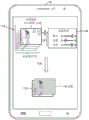
图1展示了根据本公开的实施例的示例,其中装置对视频进行过滤。Figure 1 illustrates an example in which a device filters video according to an embodiment of the present disclosure.
参考图1,装置10可以从装置10中正播放的视频110中所包括的帧中过滤包括有害内容的帧。在一个实施例中,装置10的用户可以预设有害内容类型(例如,暴力、淫秽和恐怖)以及用于对内容进行过滤的过滤级别,并且装置10可以基于要过滤的有害内容类型和特定于所述有害内容类型的过滤级别来预期在回放当前播放的帧之后要显示的帧的危害性并且执行过滤。Referring to FIG. 1 , the
例如,如果用户不希望观看视频110的淫秽场景,则用户可以针对“淫秽”类别设置低过滤级别以使得易于过滤掉淫秽场景,并且如果装置10确定在回放当前播放的帧之后要显示的帧包括淫秽场景,则装置10可以对要显示的帧进行过滤。For example, if the user does not wish to view obscene scenes of the
在一个实施例中,帧过滤降低了帧中所包括的有害内容的可视性,并且可以包括通过使用图像过滤器来处理帧。例如,装置10可以通过使帧的整个区域或其显示有害内容的部分区域模糊或变暗来对包括有害内容的帧进行过滤。In one embodiment, frame filtering reduces the visibility of objectionable content included in a frame, and may include processing the frame through the use of an image filter. For example,
在一个实施例中,视频110中所包括的帧可以被分类成当前在装置10上播放的当前帧112、在当前帧112之前在装置10上显示的至少一个先前帧111、以及在回放当前帧112之后要在装置10上显示的至少一个后续帧113。然而,帧的分类标准不限于该示例。In one embodiment, the frames included in the
通过分析先前帧111,装置10可以预期在回放当前帧112之后要在装置10上显示的下一帧113的危害性。在一个实施例中,可以针对与危害性有关的多个类别121中的每一个预期下一帧113的危害性。例如,多个类别121可以包括“暴力”、“淫秽”和“恐怖”,并且装置10可以针对“暴力”、“淫秽”和“恐怖”类别中的每一个预期下一帧113的危害性。By analyzing the previous frame 111 , the
在一个实施例中,装置10通过将下一帧113的预期危害性级别(未示出)与预设过滤级别120进行比较来对下一帧113进行过滤。危害性级别(未示出)展示下一帧113中所包括的有害内容的程度,并且例如,可以将危害性级别(未示出)设置为整数值并且如果装置10确定下一帧113的危害性具有最高级别,则装置10可以将下一帧113的危害性级别(未示出)预期为10。过滤级别120指示下一帧113的有害内容的级别,其导致下一帧113的过滤,并且可以设置在与可以设置危害性级别(未示出)的范围相似的范围内。例如,如果危害性级别(未示出)被设置为0至10的整数值,则过滤级别120也可以被设置为0至10的整数值。当过滤级别120被设置为7时,如果危害性级别(未示出)被设置为7至10的整数值,则可以确定要对下一帧113进行过滤。In one embodiment, the
在一个实施例中,如果针对多个类别121中的每一个预期下一帧113的危害性,则装置10可以通过将相同类别的危害性级别(未示出)和过滤级别120彼此进行比较来对下一帧113进行过滤。In one embodiment, if the hazardness of the next frame 113 is expected for each of the plurality of
在一个实施例中,如果下一帧113的预期危害性级别(未示出)高于或等于预设过滤级别120,则装置10可以对下一帧113进行过滤。例如,如果下一帧113针对“淫秽”类别的危害性级别被预期为9并且因此高于设置为8的“淫秽”类别的过滤级别120,则装置10可以对下一帧113进行过滤。In one embodiment, if the expected hazard level (not shown) of the next frame 113 is higher than or equal to the
装置10可以是例如但不限于智能电话、平板个人计算机(PC)、智能电视(TV)、个人数字助理(PDA)、膝上型电脑、媒体播放器、微型服务器、全球定位系统(GPS)装置、电子书(e-Book)终端、数字广播终端、导航系统、售货亭、运动图像专家组阶段1或阶段2(MPEG-1或MPEG-2)音频层3(MP3)播放器、数码相机、可穿戴装置以及其他移动或非移动计算装置。装置10还可以包括能够接收触摸输入的各种装置,诸如电子板、触摸台等。装置10还可以是手表、眼镜、发带或环,其具有通信功能和数据处理功能。
图2是根据本公开的实施例的由装置对视频进行过滤的方法的流程图。FIG. 2 is a flow chart of a method for filtering a video by a device according to an embodiment of the present disclosure.
参考图2,在操作S210中,装置10从视频中所包括的帧中选择当前播放的当前帧之前的帧中的至少一个。在一个实施例中,装置10可以基于视频中所包括的相邻先前帧之间的数据变化来选择具有相似性的多个相邻先前帧。装置10可以从外部装置或服务器接收视频。视频可以通过装置10的相机等输入到装置10。Referring to FIG. 2 , in operation S210 , the
在操作S220中,装置10生成关于所选择的前一帧的元数据。所述元数据可以包括用于确定下一帧的危害性的信息。在一个实施例中,装置10可以基于所选择的前一帧中所包括的图像信息、语音信息和文本信息中的至少一者来生成元数据。In operation S220, the
例如,装置10可以提取所选择的前一帧的图像特性,识别所选择的前一帧中所包括的语音,并且使用包括前一帧的视频的场景信息,从而将关于前一帧中所包括的人数、人的性别、人的动作、人的面部表情、人的情绪状态和肤色暴露程度的信息生成为元数据。然而,元数据类型不限于上述示例。For example, the
在一个实施例中,装置10可以将所选择的前一帧的部分区域确定为包括有害内容的有害区域。装置10生成关于作为前一帧的部分区域的有害区域的元数据。装置10通过提取所选择的前一帧的部分区域的图像特性来生成元数据。In one embodiment, the
在操作S230中,装置10基于所生成的元数据来预期在回放当前帧之后要在装置10上显示的至少一个下一帧的危害性。In operation S230, the
在一个实施例中,装置10预期下一帧针对与危害性相关的多个类别中的每一个的危害性。例如,多个类别可以包括“暴力”、“淫秽”和“恐怖”,并且装置10可以针对“暴力”、“淫秽”和“恐怖”类别中的每一个预期下一帧的危害性。In one embodiment,
在操作S240中,装置10基于预期的危害性来对下一帧进行过滤。在一个实施例中,装置10通过将下一帧的预期危害性级别与预设过滤级别进行比较来对下一帧进行过滤。如果针对多个类别中的每一个预期下一帧的危害性,则装置10可以通过将相同类别的危害性级别和过滤级别彼此进行比较来对下一帧进行过滤。在一个实施例中,如果下一帧的预期危害性级别高于或等于预设过滤级别,则装置10对下一帧进行过滤。In operation S240, the
在一个实施例中,装置10通过使用图像过滤器来对下一帧进行过滤。例如,装置10可以通过使下一帧的整个区域或其显示有害内容的部分区域模糊或变暗来对下一帧进行过滤。In one embodiment, the
装置10可以在装置10上显示经过滤的下一帧。装置10可以将经过滤的下一帧传输到外部装置或外部服务器。
图3展示了根据本公开的实施例的关于先前帧的元数据。FIG. 3 illustrates metadata about previous frames according to an embodiment of the disclosure.
参考图3,关于先前帧310的元数据320可以包括用于确定下一帧的危害性的信息。在一个实施例中,装置10可以基于所选择的前一帧中所包括的图像信息、语音信息和文本信息中的至少一者来生成元数据320。然而,为了便于描述,提供了图3所示的元数据320,并且由装置10生成的元数据320不限于该描述。Referring to FIG. 3,
为了生成关于所选择的先前帧310的元数据320,装置10可以使用自相关、尺度不变特征(SIFT)方法和加速鲁棒特征(SURF)算法作为用于提取先前帧310的图像特性的方法。装置10可以使用诸如动态时间扭曲(DTW)、隐马尔可夫建模(HMM)、神经网络等的语音识别算法来生成关于所选择的先前帧310的元数据。装置10可以通过使用关于视频的场景和脚本信息来生成元数据320。然而,本公开不限于此,并且能够指示帧中所包括并且用于区分图像的属性的图像特性的数据可以包括在元数据中。In order to generate the
在一个实施例中,装置10可以提取所选择的先前帧310的图像特性,识别所选择的先前帧310中所包括的语音,并且使用包括先前帧310的视频的场景信息,从而将关于先前帧310中所包括的人数、人的性别、人的动作、人的面部表情、人的情绪状态和肤色暴露程度的信息生成为元数据。In one embodiment, the
例如,如果先前帧310示出用于准备淋浴的场景,则装置10可以生成关于先前帧310的元数据320,“性别、人数:女人、一位;皮肤暴露程度:75%;动作:脱掉衣服;情绪:快乐;语音信息:“温暖”;情景信息:淋浴场景”。For example, if the
在一个实施例中,装置10可以将所选择的先前帧310的部分区域确定为包括有害内容的有害区域311。装置10生成用于确定有害区域311的危害性的元数据320。In one embodiment, the
图4展示了根据本公开的实施例的示例,其中装置将危害性级别与过滤级别进行比较以对视频进行过滤。FIG. 4 illustrates an example in which a device compares a criticality level to a filtering level to filter a video, according to an embodiment of the present disclosure.
参考图4,在装置10上播放的帧410可以包括先前帧411a和当前播放的当前帧412。Referring to FIG. 4 , frames 410 played on the
装置10可以选择当前帧412之前的先前帧411a中的至少一个。在一个实施例中,装置10可以基于相邻先前帧411a之间的数据变化来选择具有相似性的多个相邻先前帧411b。The
装置10生成关于所选择的先前帧411b的元数据420。在一个实施例中,装置10可以基于所选择的先前帧411b中所包括的图像信息、语音信息和文本信息中的至少一者来生成元数据420。The
装置10提取所选择的先前帧411b的图像特性,从而将关于所选择的先前帧411b中所包括的人数、人的性别、人的动作、人的面部表情以及肤色暴露程度的信息生成为元数据。例如,装置10可以将指示“一个女人、80%的肤色暴露程度、在淋浴期间、快乐的面部表情”的信息生成为关于所选择的先前帧411b的元数据420。The
装置10基于生成的元数据420来预期至少一个下一帧413的危害性。在一个实施例中,装置10可以预期下一帧413针对与危害性相关的多个类别431中的每一个的危害性。在一个实施例中,多个类别431可以包括“暴力”、“淫秽”和“恐怖”,并且装置10可以针对“暴力”、“淫秽”和“恐怖”类别中的每一个预期下一帧413的危害性。例如,如果关于所选择的先前帧411b的元数据420包括“一个女人、80%的肤色暴露程度、在淋浴期间、快乐的面部表情”,并且因此包括指示淫秽的信息,但不包括指示“暴力”或“恐怖”的信息,则装置10可将“暴力:0、淫秽:8、恐怖:3”预期为下一帧413针对每个类别的危害性级别。The
装置10通过将预期危害性级别430与预设过滤级别440进行比较来确定是否对下一帧413进行过滤。在一个实施例中,如果针对多个类别431中的每一个预期下一帧413的危害性,则装置10可以通过将相同类别的危害性级别430和过滤级别440彼此进行比较来对下一帧413进行过滤。例如,如果下一帧413针对“淫秽”类别的危害性级别430被预期为8并且“淫秽”类别的过滤级别440被设置为3,则危害性级别430高于过滤级别440并且因此装置10可以对下一帧413进行过滤。The
同时,装置10基于用户输入来将新类别添加到预设危害性相关的类别。在一个实施例中,如果添加了要预期的新类别,则装置10通过将下一帧413针对相同类别的危害性级别430和过滤级别440彼此进行比较来对下一帧413进行过滤。Meanwhile, the
装置10基于用户输入来改变每个类别的过滤级别440。在一个实施例中,如果通过用户输入改变了特定类别的过滤级别440,则装置10通过对于特定类别将危害性级别430和过滤级别440彼此进行比较来对下一帧413进行过滤。The
装置10通过将下一帧413的预期危害性级别430与预设过滤级别440进行比较来对下一帧413进行过滤。例如,装置10可以通过使下一帧413的整个区域模糊来对下一帧413进行过滤。The
在一个实施例中,装置10对预设数量的后续帧进行过滤。例如,装置10可以通过使预设数量的后续帧模糊来对预设数量的后续帧进行过滤。In one embodiment, the
图5A至图5C展示了根据本公开的各种实施例的设置过滤级别的示例。5A to 5C illustrate examples of setting filtering levels according to various embodiments of the present disclosure.
参考图5A至图5C,装置10提供用于设置要预期下一帧的危害性的类别的图形用户界面(GUI)510a、410b和520。Referring to FIGS. 5A to 5C , the
参考图5A,装置10通过GUI 510a接收用于设置危害性类别的用户输入511以用于预期下一帧的危害性。Referring to FIG. 5A , the
参考图5B,装置10响应于用于设置危害性类别的用户输入511来提供GUI 520。在一个实施例中,装置10通过GUI 520提供预设类别和新添加类别的列表。例如,除预设类别“暴力”、“淫秽”和“恐怖”之外,装置10还可以通过GUI 520提供新类别“血迹”。Referring to FIG. 5B , the
在一个实施例中,装置10可以接收用于添加新类别“血迹”的用户输入521。在一个实施例中,装置10可以通过GUI 520接收用于排除用于预期危害性的正在预设的类别的用户输入(未示出)。In one embodiment,
参考图5C,装置10响应于用于添加新类别的用户输入521来提供GUI 410b。例如,装置10可以响应于用于添加新类别“血迹”的用户输入521来将“血迹”类别512添加到用于预期危害性的类别中。装置10通过GUI 410b提供预设的“暴力”、“淫秽”和“恐怖”类别以及新添加的“血迹”类别512的列表。Referring to FIG. 5C ,
装置10基于用户输入513来改变类别的预设过滤级别。例如,装置10可以接收用户输入513,以便将“暴力”类别的过滤级别从“5”改变为“0”。The
装置10可以通过将新添加类别的危害性级别和过滤级别进行比较来对下一帧进行过滤。装置10可以通过将特定类别的改变的过滤级别和危害性级别彼此进行比较来对下一帧进行过滤。The
图6是根据本公开的实施例的将下一帧的预期危害性级别与预设过滤级别进行比较的方法的流程图。FIG. 6 is a flowchart of a method of comparing an expected criticality level of a next frame with a preset filtering level according to an embodiment of the present disclosure.
参考图6,在操作S602中,装置10将下一帧的预期危害性级别与预设过滤级别进行比较。在一个实施例中,装置10可以针对与危害性相关的多个类别中的每一个将下一帧的预期危害性级别与预设过滤级别进行比较。例如,装置10可以将下一帧针对“淫秽”类别的预期危害性级别与“淫秽”类别的预设过滤级别进行比较。Referring to FIG. 6, in operation S602, the
下一帧的预期危害性级别可能因类别而异,并且预设过滤级别也可能因类别而异。例如,如果用户不希望观看视频的淫秽场景,则用户可以针对“淫秽”类别设置低过滤级别,并且针对“暴力”和“恐怖”类别设置高过滤级别。The expected hazard level of the next frame may vary by category, and the preset filtering level may also vary by category. For example, if a user does not wish to view obscene scenes of a video, the user may set a low filtering level for the "obscene" category, and a high filtering level for the "violence" and "horror" categories.
下一帧的危害性级别还可以基于使用先前帧生成的元数据来确定。例如,如果将信息“一个女人、80%的肤色暴露程度、在淋浴期间、快乐的面部表情”生成为元数据,则装置10可以确定下一帧针对“淫秽”类别的高危害性级别和下一帧针对“暴力”和“恐怖”类别的低危害性级别。The hazard level for the next frame may also be determined based on metadata generated using previous frames. For example, if the information "a woman, 80% skin color exposure, in the shower, happy facial expression" is generated as metadata, the
在操作S604中,装置10确定至少一个类别的预期危害性级别是否高于预设过滤级别。如果由于预期要播放的下一帧的危害性级别而确定“淫秽”类别的危害性级别高于“淫秽”类别的过滤类别,则装置10前进到操作S608。如果“淫秽”类别的预期危害性级别不高于“淫秽”类别的过滤级别,则装置10前进到操作S606。In operation S604, the
在操作S604中,装置10确定两个或更多个类别的预期危害性级别是否高于预设过滤级别或者任意组合类别的预期危害性级别是否高于预设过滤级别。例如,如果“暴力”类别和“恐怖”类别的危害性级别均高于预设过滤级别,则装置10可以对下一帧进行过滤。In operation S604, the
如果在操作S604中确定至少一个类别的预期危害性级别不高于预设过滤级别,则装置10进入不对下一帧进行过滤的操作S606。If it is determined in operation S604 that the expected harmfulness level of at least one category is not higher than the preset filtering level, the
如果在操作S604中确定至少一个类别的预期危害性级别高于预设过滤级别,则装置10进入不对下一帧进行过滤的操作S608。If it is determined in operation S604 that the expected harmfulness level of at least one category is higher than the preset filtering level, the
图7展示了根据本公开的实施例的示例,其中生成关于前一帧的有害区域的元数据。Fig. 7 illustrates an example in which metadata about a harmful region of a previous frame is generated, according to an embodiment of the present disclosure.
在以下描述中,为方便起见,将不提供与图4的描述重叠的描述。In the following description, for convenience, a description overlapping with that of FIG. 4 will not be provided.
参考图7,装置10可以将所选择的先前帧711的部分区域确定为包括有害内容的有害区域710a。在一个实施例中,装置10可以通过提取所选择的先前帧711的图像特性来将所选择的先前帧711的部分区域确定为包括有害内容的有害区域710a。正在播放的当前帧712在图7中示出。Referring to FIG. 7 , the
如果设置了与危害性相关的多个类别,则装置10可以将先前帧711的包括由所述多个类别指示的有害内容的部分区域确定为有害区域710a。例如,如果设置了作为多个类别的“淫秽”和“恐怖”类别,则装置10可以将先前帧711的包括与“淫秽”和“恐怖”相关的有害内容的部分区域确定为有害区域710a。装置10可以根据多个设置类别的类型来不同地确定包括有害内容的有害区域710a。If multiple categories related to harmfulness are set, the
为了预期下一帧713的危害性,装置10生成关于有害区域710a的元数据720来代替关于先前帧711的整个区域的元数据。装置10基于所生成的元数据720来预期下一帧713的有害区域710b的危害性级别730,并且将预期过滤级别730与过滤级别740进行比较。在一个实施例中,装置10将相同类别的预期危害性级别730和过滤级别740彼此进行比较。In anticipation of the harmfulness of the next frame 713 , the
如果下一帧713的有害区域710b的预期危害性级别730高于过滤级别740,则装置10对整个下一帧713或下一帧713的有害区域710b进行过滤。例如,装置10可以通过使下一帧713的整个区域或有害区域710b模糊或变暗来对下一帧713进行过滤。If the expected
图8展示了根据本公开的实施例的示例,其中基于元数据对下一帧进行过滤。Figure 8 illustrates an example in which the next frame is filtered based on metadata, according to an embodiment of the present disclosure.
如果它与上文提供的描述重叠,则将不再提供描述。If it overlaps with the description provided above, no description will be provided.
参考图8,在一个实施例中,在装置10上播放的视频可以具有包括残酷场景的帧组810和包括淫秽场景的第二帧组820。第一帧组810和第二帧组820可以包括具有相似性的多个相邻的先前帧,所述先前帧基于视频中所包括的相邻先前帧之间的数据变化来选择。可以将“淫秽”类别的过滤级别830设置为低,并且可以将“暴力”和“恐怖”类别的过滤级别830设置为高。例如,如果将每个类别的过滤级别830设置为0至10的整数值,则可以将过滤级别830设置为“暴力:10、淫秽:3、恐怖:10”。在这种情况下,如果“淫秽”类别的危害性级别813和823被确定为3至10或者“暴力”和“恐怖”类别的危害性级别813和823被确定为10,则可以对第一后续帧814和第二后续帧824进行过滤。Referring to FIG. 8 , in one embodiment, a video played on
在一个实施例中,装置10生成关于第一帧组810中所包括的第一先前帧811的第一元数据812。在一个实施例中,装置10生成关于第二帧组820中所包括的第二先前帧821的第二元数据822。In one embodiment, the
例如,可将信息“性别、人数:女人、两位,男人、两位;皮肤暴露程度:15%;动作:男人抓着女人的头发;情绪:男人生气,女人害怕;言语信息:男人-“说话!”女人-“请帮助我”等生成为关于包括残酷场景的第一先前帧811的第一元数据812。例如,可将信息“性别,人数:女人,一位;皮肤暴露程度:75%;动作:淋浴;情绪:快乐;语音信息:“温暖”等生成为关于包括淫秽场景的第二先前帧821的第二元数据822。For example, the message "gender, number of people: woman, two, man, two; skin exposure: 15%; action: man grabs woman's hair; emotion: man is angry, woman is afraid; verbal message: man-" say! "Woman - "Please help me" etc. are generated as the
在一个实施例中,装置10基于所生成的第一元数据812和第二元数据822来预期第一后续帧814和第二后续帧824的危害性。在一个实施例中,装置10可以针对“淫秽”、“暴力”和“恐怖”类别中的每一个预期第一后续帧814和第二后续帧824的危害性。In one embodiment, the
例如,如下一帧413针对每个类别的有害性级别,基于第一元数据812,可以将包括残酷场景的第一帧组810针对每个类别的第一危害性级别813预期为“暴力:9、淫秽:1、恐怖:6”。如下一帧413针对每个类别的有害性级别,基于第二元数据822,可以将包括淫秽场景的第二帧组820针对每个类别的第二危害性级别823预期为“暴力:0、淫秽:7、恐怖:0”。For example, based on the
装置10通过将下一帧的预期危害性级别与预设过滤级别进行比较来确定是否对下一帧进行过滤。在一个实施例中,装置10将第一后续帧814的预期第一危害性级别813与预设过滤级别830进行比较。装置10还将第二后续帧824的预期第二危害性级别823与预设过滤级别830进行比较。The
例如,如果第一危害性级别813被预期为“暴力:9、淫秽:1、恐怖:6”,并且因此对应于全部危害性类别的值低于预设过滤级别830“暴力:10、淫秽:7,恐怖:10”,则装置10可以不对第一后续帧814进行过滤。如果第二危害性级别823被预期为“暴力:0、淫秽:7、恐怖:0”,并且因此对应于“淫秽”类别的值高于预设过滤级别830,则装置10可以对第二后续帧824进行过滤。For example, if the
如果第二先前帧821的部分区域被确定为有害区域825a,则装置10可以过滤对应于第二后续帧824的有害区域825b。If a partial region of the second previous frame 821 is determined to be the
在一个实施例中,装置10可以通过使第二后续帧824的整个区域或有害区域825b模糊或变暗来对后续帧824进行过滤。In one embodiment, the
图9和图10是根据本公开的各种实施例的装置的框图。9 and 10 are block diagrams of devices according to various embodiments of the present disclosure.
参考图9,根据实施例的装置10可以包括控制器910、输出接口920和存储器930。然而,图9所示的所有元件不都是装置10的必要元件。可以使用比图9所示的元件更多的元件或更少的元件来实现装置10。Referring to FIG. 9 , the
例如,如图9所示,除控制器1300和输出接口1200之外,根据实施例的装置10还可以包括输入接口1100、通信器1500、传感器1400和音频/视频(A/V)输入接口1600。For example, as shown in FIG. 9 , in addition to the
用户输入接口1100是用户通过其输入用于控制装置10的数据的装置。例如,用户输入接口1100可以包括但不限于键盘、弹片开关、触摸板(电容覆盖类型、电阻覆盖类型、红外光束类型、表面声波类型、积分应变计类型、压电效应类型等)、滚轮、拨动开关等。The
用户输入接口1100接收用于设置预设危害性相关的类别的用户输入和用于改变类别特定的过滤级别的用户输入。The
输出接口1200输出音频信号、视频信号或振动信号,并且可以包括显示器1210、音频输出接口1220和振动电机1230。The
显示器1210显示由装置10处理的信息。例如,显示器1210可以显示输入到装置10的视频中所包括的帧,或者可以显示经过滤的下一帧。The
当显示器1210和触摸板被构造为呈层结构的触摸屏时,显示器1210可以用作输入装置以及输出装置。显示器1210可以包括以下中的至少一者:液晶显示器(LCD)、薄膜晶体管(TFT)LCD、有机发光二极管(OLED)、柔性显示器、三维(3D)显示器和电泳显示器。根据装置10的实现类型,装置10可以包括两个或更多个显示器1210。在这种情况下,两个或更多个显示器1210可以设置成通过使用铰链而彼此面对。When the
音频输出接口1220输出从通信器1500接收或存储在存储器1700中的音频数据。音频输出接口1220输出与在装置10中执行的功能(例如,呼叫信号接收声音、消息接收声音、警报声等)相关的音频信号。音频输出接口1220可以包括扬声器、蜂鸣器等。The
振动电机1230输出振动信号。例如,振动电机1230可以输出对应于音频数据或视频数据(例如,呼叫信号接收声音或消息接收声音)的输出的振动信号。在将触摸输入到触摸屏时,振动电机1230输出振动信号。The
控制器1300控制装置10的整体操作。例如,控制器1300可以通过执行存储在存储器1700中的程序来整体控制用户输入接口1100、输出接口1200、传感器1400、通信器1500和A/V输入接口1600。The
控制器1300执行图1至图4、图5A至图5C、图6至图8和图11至图14中公开的装置10的操作。The
更具体地,控制器1300从视频中所包括的帧中选择当前播放的当前帧之前的先前帧中的至少一个。在一个实施例中,控制器1300可以基于视频中所包括的相邻先前帧之间的数据变化来选择具有相似性的多个相邻先前帧。More specifically, the
控制器1300生成关于所选择的前一帧的元数据。在一个实施例中,控制器1300可以基于所选择的前一帧中所包括的图像信息、语音信息和文本信息中的至少一者来生成元数据。The
在一个实施例中,控制器1300可以将所选择的前一帧的部分区域确定为包括有害内容的有害区域。控制器1300生成关于作为前一帧的部分区域的有害区域的元数据。In one embodiment, the
控制器1300基于所生成的元数据来预期在回放当前帧之后要在装置上显示的至少一个下一帧的危害性。The
控制器1300基于预期危害性来对下一帧进行过滤。在一个实施例中,控制器1300通过将下一帧的预期危害性级别与预设过滤级别进行比较来对下一帧进行过滤。如果针对多个类别中的每一个预期下一帧的危害性,则控制器1300通过将相同类别的危害性级别和过滤级别彼此进行比较来对下一帧进行过滤。在一个实施例中,如果下一帧的预期危害性级别高于或等于预设过滤级别,则控制器1300对下一帧进行过滤。The
控制器1300提供用于设置用于预期下一帧的危害性的类别的GUI。控制器1300基于用户输入来改变类别的预设过滤级别。控制器1300可以通过针对新添加类别将危害性级别和下一帧的过滤级别进行比较来对下一帧进行过滤。控制器1300可以通过将特定类别的改变的过滤级别和危害性级别彼此进行比较来对下一帧进行过滤。The
控制器1300将下一帧的预期危害性级别与预设过滤级别进行比较。在一个实施例中,控制器1300确定至少一个类别的预期危害性级别是否高于预设过滤级别。如果确定至少一个类别的预期危害性级别不高于预设过滤级别,则控制器1300不对下一帧进行过滤。如果确定至少一个类别的预期危害性级别高于预设过滤级别,则控制器1300对下一帧进行过滤。The
传感器1400感测装置10的状态或装置10周围的状态,并将感测到的信息输送到控制器1300。The
传感器1400可以包括但不局限于以下中的至少一者:磁传感器1410、加速度传感器1420、温度/湿度传感器1430、红外传感器1440、陀螺仪传感器1450、位置传感器(例如,全球定位系统(GPS))1460、压力传感器1470、接近传感器1480和红/绿/蓝(RGB)传感器(或照度传感器)1490。每个传感器的功能可以由本领域普通技术人员从每个传感器的名称直观地解释,因此将不再详细描述。The
同时,通信器1500可以包括一个或多个元件,所述一个或多个元件使得能够在装置10与外部装置(未示出)之间进行通信。例如,通信器1500可以包括短距离无线通信单元1510、移动通信单元1520和广播接收单元1530。Meanwhile, the
短距离无线通信单元1510可以包括但不限于蓝牙低功耗(BLE)通信单元、近场通信(NFC)单元、无线局域网(WLAN)通信单元或Wi-Fi通信单元、ZigBee通信单元、红外数据协会(IrDA)通信单元、Wi-Fi直连(WFD)通信单元、超宽带(UWB)通信单元和Ant+通信单元。The short-range
移动通信单元1520通过移动通信网络将无线电信号发射到以下中的至少一者或者从以下中的至少一者接收无线电信号:基站、外部终端和服务器。在此,无线电信号可以包括与语音呼叫信号、视频通信呼叫信号或文本/多媒体消息的发射/接收相对应的各种形式的数据。The
广播接收单元1530通过广播信道从外部源接收广播信号和/或广播相关信息。广播信道可以包括卫星信道和地面信道。根据实施示例,装置10可以不包括广播接收单元1530。The
通信器1500向头戴式显示器(HMD)装置(未示出)、服务器(未示出)和外围装置(未示出)发射和从其接收预期下一帧的危害性所需的信息。The
A/V输入接口1600输入音频信号或视频信号,并且可以包括相机1610、麦克风1620等等。相机1610通过图像传感器以视频通信模式或拍摄模式获取诸如静止图像或运动图像的图像帧。通过图像传感器捕获的图像可以由控制器1300或单独的图像处理器(未示出)处理。The A/
由相机1610处理的图像帧可以存储在存储器1700中或者通过通信器1500发射到外部源。根据装置的结构方面,可以提供两个或更多个相机1610。Image frames processed by the
麦克风1620接收外部音频信号,并且将接收信号处理成电子语音数据。例如,麦克风1620可以从外部装置或扬声器接收音频信号。麦克风1620使用各种噪声消除算法来消除在接收外部音频信号期间生成的噪声。The
存储器1700存储用于处理和控制控制器1300的程序,并且存储输入到装置10和/或从装置输出的数据。The
存储器1700可以包括以下中的至少一种类型的存储介质:快闪存储器类型、硬盘类型、微型多媒体卡类型、卡型存储器(例如,安全数字(SD)或极端数字(XD)存储器等)、随机存取存储器(RAM)、静态RAM(SRAM)、只读存储器(ROM)、电可擦除可编程ROM(EEPROM)、可编程ROM(PROM)、磁存储器、磁盘、光盘等等。The
存储在存储器1700中的程序可以根据其功能被分类成多个模块,例如,用户接口(UI)模块1710、触摸屏模块1720、通知模块1730等等。Programs stored in the
UI模块1710为每个应用提供与第一装置1000交互工作的专用UI或图形UI(GUI)。触摸屏模块1720在触摸屏上感测用户的触摸手势,并且将关于触摸手势的信息传送到控制器1300。根据一些实施例的触摸屏模块1720识别并分析触摸代码。触摸屏模块1720配置有包括控制器的单独硬件。The
为了感测触摸屏上的触摸或接近触摸,可以在触摸屏内部或附近提供各种传感器。用于感测触摸屏上的触摸的传感器的示例可以是触觉传感器。触觉传感器是指感测特定对象的触摸到人感觉到触摸的程度或更大的传感器。触觉传感器感测许多信息,诸如接触表面的粗糙度、接触对象的硬度、接触点的温度等。In order to sense a touch or proximity touch on the touch screen, various sensors may be provided inside or near the touch screen. An example of a sensor for sensing a touch on a touch screen may be a tactile sensor. A tactile sensor refers to a sensor that senses the touch of a specific object to the extent that a human feels the touch or greater. The tactile sensor senses a lot of information, such as roughness of a contact surface, hardness of a contact object, temperature of a contact point, and the like.
用于感测触摸屏上的触摸的传感器的示例可以是接近传感器。An example of a sensor for sensing a touch on a touch screen may be a proximity sensor.
接近传感器是指在没有机械接触的情况下通过使用电磁场的力或红外线来检测接近或邻近检测表面的对象的存在或不存在的传感器。接近传感器的示例可以包括透射光电传感器、直接反射光电传感器、镜面反射光电传感器、射频振荡接近传感器、静电电容接近传感器、磁接近传感器、红外接近传感器等等。用户的触摸手势可以包括轻击、触摸和保持、双击、拖动、平移、轻拂、拖放、挥击等等。A proximity sensor refers to a sensor that detects the presence or absence of an object approaching or adjacent to a detection surface by using force of an electromagnetic field or infrared rays without mechanical contact. Examples of the proximity sensor may include a transmissive photoelectric sensor, a direct reflective photoelectric sensor, a mirror reflective photoelectric sensor, a radio frequency oscillation proximity sensor, an electrostatic capacitance proximity sensor, a magnetic proximity sensor, an infrared proximity sensor, and the like. A user's touch gesture may include tap, touch and hold, double tap, drag, pan, flick, drag and drop, swipe, and the like.
通知模块1730生成用于通知第一装置1000事件发生的信号。在第一装置1000中发生的事件的示例可以包括键信号输入等等。通知模块1730通过显示器1210以视频信号的形式、通过音频输出接口1220以音频信号的形式、和/或通过振动电机1230以振动信号的形式输出通知信号。The
图11是根据本公开的实施例的控制器的框图。FIG. 11 is a block diagram of a controller according to an embodiment of the present disclosure.
参考图11,控制器1300可以包括数据学习器1310和数据识别器1320。Referring to FIG. 11 , a
数据学习器1310学习用于预测至少一个下一帧的危害性的标准。在一个实施例中,数据学习器1310通过使用输入到数据学习器1310的训练视频来学习标准。数据学习器1310可以学习关于训练视频中所包括的哪些数据将用于预期下一帧的危害性以及关于如何使用数据确定下一帧的危害性的标准。数据学习器1310获取要用于学习的数据,并将所获取的数据应用于稍后描述的数据识别模型,从而学习预期下一帧的危害性的标准。The
数据识别器1320基于数据来预期下一帧的危害性。数据识别器1320通过使用习得的数据识别模型从数据中预期下一帧的危害性。数据识别器1320根据通过学习预设的标准获取数据,并使用数据识别模型与作为输入值的所获取的数据,从而基于数据来预测下一帧的危害性。可使用从数据识别模型输出的结果和作为输入值的所获取的数据来更新数据识别模型。The
数据学习器1310和数据识别器1320中的至少一者可以以至少一个硬件芯片的形式制造,并且被安装在电子装置上。例如,数据学习器1310和数据识别器1320中的至少一者可以以用于人工智能(AI)的专用硬件芯片的形式制造,或者制造为现有通用处理器的(例如,中央处理单元(CPU)或应用处理器)或图形专用处理器(例如,图形处理单元(GPU))的一部分,并且被安装在各种电子装置上。At least one of the
在这种情况下,数据学习器1310和数据识别器1320可以被安装在一个电子装置上,以及被安装在单独的电子装置中。例如,数据学习器1310和数据识别器1320中的一者可以包括在一个电子装置中,而另一者可以包括在服务器中。数据学习器1310和数据识别器1320可以以有线或无线方式连接,使得由数据学习器1310建立的模型信息可以被提供给数据识别器1320,或者输入到数据识别器1320的数据可以作为另外的学习数据提供给数据学习器1310。In this case, the
同时,数据学习器1310和数据识别器1320中的至少一者可以用软件模块实现。当数据学习器1310和数据识别器1320中的至少一者用软件模块(或包括指令的程序模块)实现时,所述软件模块可以存储在非暂时性计算机可读介质中。在这种情况下,至少一个软件模块由操作系统(OS)或由某一应用程序提供。可替代地,至少一个软件模块的一部分可以由OS提供,而其另一部分可以由某一应用程序提供。Meanwhile, at least one of the
图12是根据本公开的实施例的学习器的框图。FIG. 12 is a block diagram of a learner according to an embodiment of the disclosure.
参考图12,根据一些实施例的数据学习器1310可以包括数据获取器1310-1、预处理器1310-2、学习数据选择器1310-3、模型学习器1310-4、以及模型评估器1310-5。Referring to FIG. 12, a
数据获取器1310-1获取预期下一帧的危害性所需的数据。The data acquirer 1310-1 acquires data necessary to anticipate the hazardness of the next frame.
数据获取器1310-1接收要用于获取数据的训练视频。所述训练视频可以包括多个图像(或帧)。例如,数据获取器1310-1可以通过包括数据学习器1310的电子装置的相机或能够与包括数据学习器1310的电子装置通信的外部相机(例如,闭路电视(CCTV)、黑匣子等)接收视频。在此,相机可以包括一个或多个图像传感器(例如,前置传感器或后置传感器)、透镜、图像信号处理器(ISP)或闪光灯(例如,LED或氙灯等)。The data acquirer 1310-1 receives training videos to be used for acquiring data. The training video may include multiple images (or frames). For example, the data acquirer 1310-1 may receive video through a camera of the electronic device including the
例如,数据获取器1310-1可以获取训练视频中所包括的语音数据、视频数据、文本数据或生物信号数据。数据获取器1310-1可以通过电子装置的输入装置(例如,麦克风、相机、传感器等)接收数据。可替代地,数据获取器1310-1通过能够与电子装置通信的外部装置获取数据。For example, the data acquirer 1310-1 may acquire voice data, video data, text data, or biological signal data included in the training video. The data acquirer 1310-1 may receive data through an input device (eg, microphone, camera, sensor, etc.) of the electronic device. Alternatively, the data acquirer 1310-1 acquires data through an external device capable of communicating with the electronic device.
预处理器1310-2对所获取的数据进行预处理,使得可以在学习中使用所获取的数据来预期下一帧的危害性。预处理器1310-2将所获取的数据处理成预设格式,使得模型学习器1310-4可以在用于预期危害性的学习中使用所获取的数据。The preprocessor 1310-2 preprocesses the acquired data so that the acquired data can be used in learning to predict the hazard of the next frame. The pre-processor 1310-2 processes the acquired data into a preset format so that the model learner 1310-4 can use the acquired data in learning for expected harmfulness.
例如,预处理器1310-2提取并识别输入训练视频中所包括的语音数据、视频数据、文本数据或生物信号数据,并累积地学习从输入数据中提取的特性和结果值,从而学习用于预期下一帧的危害性的标准。在这种情况下,预处理器1310-2可以基于训练视频中所包括的相邻先前帧之间的数据变化来提取并识别具有相似性的相邻先前帧的语音数据、视频数据、文本数据或生物信号数据。预处理器1310-2还可以提取并识别关于作为输入训练视频中所包括的先前帧的部分区域的有害区域的语音数据、视频数据、文本数据或生物信号数据。For example, the preprocessor 1310-2 extracts and recognizes speech data, video data, text data, or biosignal data included in the input training video, and cumulatively learns the characteristics and result values extracted from the input data, thereby learning to use Criteria for the expected hazard of the next frame. In this case, the preprocessor 1310-2 can extract and identify the speech data, video data, text data of adjacent previous frames with similarity based on the data changes between the adjacent previous frames included in the training video. or biosignal data. The pre-processor 1310-2 may also extract and recognize speech data, video data, text data, or biosignal data regarding harmful regions that are partial regions of previous frames included in the input training video.
学习数据选择器1310-3从预处理数据中选择学习所需的数据。所选择的数据可以提供给模型学习器1310-4。学习数据选择器1310-3根据用于预测下一帧的危害性的预设标准来从预处理数据中选择学习所需的数据。学习数据选择器1310-3还可以根据由模型学习器1310-4的学习预设的标准来选择数据。Learning data selector 1310-3 selects data required for learning from preprocessed data. The selected data may be provided to a model learner 1310-4. The learning data selector 1310-3 selects the data required for learning from the preprocessed data according to the preset standard for predicting the hazard of the next frame. The learning data selector 1310-3 may also select data according to the criteria preset by the learning of the model learner 1310-4.
学习数据选择器1310-3从预处理数据中选择用于预测下一帧的危害性的数据。如果预设了与危害性相关的类别,则学习数据选择器1310-3针对每个预设类别选择用于预测下一帧的危害性的数据。The learning data selector 1310-3 selects data for predicting the harmfulness of the next frame from the preprocessed data. If categories related to hazard are preset, the learning data selector 1310-3 selects data for predicting hazard of the next frame for each preset category.
模型学习器1310-4基于学习数据来学习关于如何预测下一帧的危害性的标准。模型学习器1310-4还可以学习关于哪个学习数据将用于预测下一帧的危害性的标准。The model learner 1310-4 learns criteria on how to predict the harmfulness of the next frame based on the learning data. The model learner 1310-4 can also learn criteria about which learning data will be used to predict the harmfulness of the next frame.
例如,如果设置了与危害性相关的多个类别,则模型学习器1310-4可以学习关于类别“淫秽”、“恐怖”或“暴力”类别的标准以及关于特定的危害性相关类别的危害性级别的标准。For example, if a plurality of categories related to harmfulness are set, the model learner 1310-4 can learn the criteria about the category "obscenity", "horror" or "violence" and the harmfulness of the specific harmfulness-related category. level standards.
模型学习器1310-4使用学习数据来学习用于预测下一帧的危害性的数据识别模型。在这种情况下,数据识别模型可以是预先建立的。例如,可以使用输入的基本学习数据(例如,样本单词等)来预先建立数据识别模型。The model learner 1310-4 uses the learning data to learn a data recognition model for predicting the harmfulness of the next frame. In this case, the data recognition model can be pre-built. For example, the input basic learning data (for example, sample words, etc.) can be used to pre-establish a data recognition model.
可以基于识别模型的应用领域、学习目的、装置的计算机性能等来建立数据识别模型。数据识别模型可以基于例如神经网络。例如,可以使用诸如但不限于深度神经网络(DNN)、递归神经网络(RNN)、双向递归深度神经网络(BRDNN)等的模型作为数据识别模型。The data recognition model may be established based on the application field of the recognition model, the purpose of learning, the computer performance of the device, and the like. The data recognition model can be based on neural networks, for example. For example, models such as but not limited to deep neural network (DNN), recurrent neural network (RNN), bidirectional recurrent deep neural network (BRDNN), etc. can be used as the data recognition model.
在各种实施例中,如果存在预先建立的多个数据识别模型,则模型学习器1310-4将在输入学习数据与基本学习数据之间具有高相关性的数据识别模型确定为要学习的数据识别模型。在这种情况下,可以根据数据类型预先对基本学习数据进行分类,并且可以针对每种数据类型预先建立数据识别模型。例如,基本学习数据可以根据各种标准而分类,诸如生成学习数据的区域、生成学习数据的时间、学习数据的大小、学习数据的种类、学习数据的发生器、学习数据中的对象类型等等。In various embodiments, if there are a plurality of pre-established data recognition models, the model learner 1310-4 determines a data recognition model with a high correlation between the input learning data and the basic learning data as the data to be learned Identify the model. In this case, the basic learning data can be classified in advance according to data types, and a data recognition model can be established in advance for each data type. For example, the basic learning data can be classified according to various criteria such as the area where the learning data was generated, the time when the learning data was generated, the size of the learning data, the kind of learning data, the generator of the learning data, the type of objects in the learning data, etc. .
模型学习器1310-4可以使用学习算法来学习数据识别模型,所述学习算法诸如误差反向传播或梯度下降。The model learner 1310-4 may learn the data recognition model using a learning algorithm, such as error backpropagation or gradient descent.
模型学习器1310-4致使数据识别模型使用具有学习数据作为输入值的监督学习来学习。模型学习器1310-4可以致使数据识别模型使用无监督学习来学习,其中数据识别模型通过在没有单独监督的情况下学习预测下一帧的危害性所需的数据类型来发现用于预测下一帧的危害性的标准。模型学习器1310-4基于关于基于学习的下一帧的危害性的预测结果是否正确的反馈来使用强化学习来学习数据识别模型。The model learner 1310-4 causes the data recognition model to learn using supervised learning with learning data as input values. The model learner 1310-4 can cause the data recognition model to learn using unsupervised learning, where the data recognition model discovers the types of data needed to predict the next frame's hazard by learning without separate supervision. Frame hazard criteria. The model learner 1310-4 learns a data recognition model using reinforcement learning based on feedback on whether the prediction result of the learned-based harmfulness of the next frame is correct.
当习得数据识别模型时,模型学习器1310-4存储习得的数据识别模型。在这种情况下,模型学习器1310-4将习得的数据识别模型存储在包括数据识别器1320的电子装置的存储器中。可替代地,模型学习器1310-4将习得的数据识别模型存储在包括稍后要描述的数据识别器1320的电子装置的存储器中。可替代地,模型学习器1310-4将习得的数据识别模型存储在与电子装置有线地或无线地连接的服务器的存储器中。When learning a data recognition model, the model learner 1310-4 stores the learned data recognition model. In this case, the model learner 1310 - 4 stores the learned data recognition model in the memory of the electronic device including the
在这种情况下,其中存储有习得的数据识别模型的存储器还可以存储与电子装置的至少一个其他元件相关的指令或数据。存储器还可以存储软件和/或程序。程序可以包括内核、中间件、应用编程接口(API)和/或应用程序(或“应用”)等。In this case, the memory in which the learned data recognition model is stored may also store instructions or data related to at least one other element of the electronic device. The memory can also store software and/or programs. Programs may include kernels, middleware, application programming interfaces (APIs), and/or application programs (or "applications"), among others.
如果在将评估数据输入到数据识别模型之后输出的识别结果不满足预定标准,则模型评估器1310-5可以致使模型学习器1310-4再次学习。在这种情况下,评估数据可以是用于评估数据识别模型的预设数据。If the recognition result output after inputting the evaluation data to the data recognition model does not satisfy the predetermined standard, the model evaluator 1310-5 may cause the model learner 1310-4 to learn again. In this case, the evaluation data may be preset data for the evaluation data identification model.
例如,如果在关于评估数据的习得的数据识别模型的识别结果中,具有不准确识别结果的评估数据的数量或比率超过预设阈值,则模型评估器1310-5可以评估不满足预定标准。对于预定标准被限定为比率2%而言,如果习得的数据识别模型在总共1000个评估数据中输出20个或更多个评估数据的错误识别结果,则模型评估器1310-5可以评估为习得的数据识别模型不合适。For example, the model evaluator 1310-5 may evaluate that the predetermined standard is not satisfied if the number or ratio of evaluation data having inaccurate recognition results exceeds a preset threshold among recognition results of the learned data recognition model on the evaluation data. For the predetermined standard being limited to a ratio of 2%, if the learned data recognition model outputs erroneous recognition results for 20 or more evaluation data out of a total of 1000 evaluation data, the model evaluator 1310-5 may evaluate as The learned data recognition model is not suitable.
评估数据可以从用户的评论输入中导出。例如,用户可以输入指示对输出识别结果的满意或不满意的评论消息。评论输入可以包括关于输出识别结果的用户反馈信息。Evaluation data can be derived from user review input. For example, the user may input a review message indicating satisfaction or dissatisfaction with the output recognition result. The review input may include user feedback information on output recognition results.
同时,当存在多个习得的数据识别模型时,模型评估器1310-5评估每个习得的数据识别模型是否满足预定标准,并且将满足预定标准的习得的数据识别模型确定为最终数据识别模型。在这种情况下,如果多个习得的数据识别模型满足预定标准,则模型评估器1310-5将预设的任何一个模型或预定数量的模型确定为更高的评估等级序列中的一个或多个最终数据识别模型。Meanwhile, when there are a plurality of learned data recognition models, the model evaluator 1310-5 evaluates whether each learned data recognition model satisfies a predetermined standard, and determines the learned data recognition model that satisfies the predetermined standard as the final data Identify the model. In this case, if a plurality of acquired data recognition models satisfy predetermined criteria, the model evaluator 1310-5 determines any one of the preset models or a predetermined number of models as one or more of the higher evaluation rank sequences. Multiple final data recognition models.
数据获取器1310-1、预处理器1310-2、学习数据选择器1310-3、模型学习器1310-4和模型评估器1310-5中的至少一者可以以至少一个硬件芯片的形式制造,并且被安装在电子装置上。例如,数据获取器1310-1、预处理器1310-2、学习数据选择器1310-3、模型学习器1310-4和模型评估器1310-5中的至少一者可以以用于AI的专用硬件芯片的形式制造,或者制造为现有通用处理器(例如,CPU或应用处理器(AP))或图形专用处理器(例如,GPU)的一部分,并且被安装在各种电子装置上。At least one of the data acquirer 1310-1, the preprocessor 1310-2, the learning data selector 1310-3, the model learner 1310-4 and the model evaluator 1310-5 may be manufactured in the form of at least one hardware chip, And be installed on the electronic device. For example, at least one of the data acquirer 1310-1, the preprocessor 1310-2, the learning data selector 1310-3, the model learner 1310-4, and the model evaluator 1310-5 may use dedicated hardware for AI It is manufactured in the form of a chip, or manufactured as a part of an existing general-purpose processor (for example, a CPU or an application processor (AP)) or a graphics-specific processor (for example, a GPU), and mounted on various electronic devices.
数据获取器1310-1、预处理器1310-2、学习数据选择器1310-3、模型学习器1310-4和模型评估器1310-5可以被安装在一个电子装置上,或者分别被安装在单独的电子装置上。例如,数据获取器1310-1、预处理器1310-2、学习数据选择器1310-3、模型学习器1310-4和模型评估器1310-5中的一些可以包括在电子装置中,而另一些可以包括在服务器中。The data acquirer 1310-1, the preprocessor 1310-2, the learning data selector 1310-3, the model learner 1310-4, and the model evaluator 1310-5 may be installed on one electronic device, or may be installed on separate on the electronic device. For example, some of the data acquirer 1310-1, preprocessor 1310-2, learning data selector 1310-3, model learner 1310-4, and model evaluator 1310-5 may be included in the electronic device, while others can be included in the server.
数据获取器1310-1、预处理器1310-2、学习数据选择器1310-3、模型学习器1310-4和模型评估器1310-5中的至少一者可以用软件模块实现。当数据获取器1310-1、预处理器1310-2、学习数据选择器1310-3、模型学习器1310-4和模型评估器1310-5中的至少一者用软件模块(或包括指令的程序模块)实现时,软件模块可以存储在非暂时性计算机可读介质中。在这种情况下,至少一个软件模块由OS或由某一应用程序提供。可替代地,至少一个软件模块的一部分可以由OS提供,而其另一部分可以由某一应用程序提供。At least one of the data acquirer 1310-1, the preprocessor 1310-2, the learning data selector 1310-3, the model learner 1310-4, and the model evaluator 1310-5 may be implemented with a software module. When at least one of the data acquirer 1310-1, preprocessor 1310-2, learning data selector 1310-3, model learner 1310-4, and model evaluator 1310-5 uses a software module (or a program including instructions module), a software module may be stored on a non-transitory computer-readable medium. In this case, at least one software module is provided by the OS or by a certain application. Alternatively, a part of at least one software module may be provided by the OS, and another part thereof may be provided by a certain application program.
图13是根据本公开的实施例的数据识别器的框图。FIG. 13 is a block diagram of a data identifier according to an embodiment of the disclosure.
参考图13,根据一些示例实施例的数据识别器1320可以包括数据获取器1320-1、预处理器1320-2、识别数据选择器1320-3、识别结果提供器1320-4和模型更新器1320-5。Referring to FIG. 13 , a
数据获取器1320-1获取用于预测下一帧的危害性所需的数据,并且预处理器1320-2对所获取的数据进行预处理,使得可以使用所获取的数据来预测下一帧的危害性。预处理器1320-2将所获取的数据处理成预设格式,使得识别结果提供器1320-4可以使用所获取的数据来预期下一帧的危害性。The data acquirer 1320-1 acquires data required for predicting the hazard of the next frame, and the preprocessor 1320-2 preprocesses the acquired data so that the acquired data can be used to predict the hazard of the next frame. Hazardous. The pre-processor 1320-2 processes the acquired data into a preset format, so that the recognition result provider 1320-4 can use the acquired data to predict the hazard of the next frame.
识别数据选择器1320-3从预处理数据中选择预测下一帧的危害性所需的数据。所选择的数据可以提供到识别结果提供器1320-4。识别数据选择器1320-3根据用于预测下一帧的危害性的预设标准来选择整个预处理数据或其一部分。识别数据选择器1320-3还可以根据由模型学习器1310-4的学习预设的标准来选择数据。The recognition data selector 1320-3 selects data necessary to predict the hazardness of the next frame from the preprocessed data. The selected data may be provided to the recognition result provider 1320-4. The identification data selector 1320-3 selects the entire preprocessing data or a part thereof according to a preset standard for predicting the hazardness of the next frame. The identification data selector 1320-3 may also select data according to the criteria preset by the learning of the model learner 1310-4.
识别结果提供器1320-4将所选择的数据应用于数据识别模型以预测下一帧的危害性。识别结果提供器1320-4基于数据识别目的来提供识别结果。识别结果提供器1320-4通过使用由识别数据选择器1320-3选择的数据作为输入值来将所选择的数据应用于数据识别模型。识别结果可以由数据识别模型确定。The recognition result provider 1320-4 applies the selected data to the data recognition model to predict the hazard of the next frame. The recognition result provider 1320-4 provides a recognition result based on a data recognition purpose. The recognition result provider 1320-4 applies the selected data to the data recognition model by using the data selected by the recognition data selector 1320-3 as an input value. The recognition result may be determined by a data recognition model.
例如,可以以文本、音频、视频、图像或指令(例如,应用程序执行指令、模块功能执行指令等)的形式提供视频的识别结果。识别结果可以提供关于视频中所包括的下一帧的信息,诸如呈文本、音频、视频、图像、指令等形式的“淫秽”、“暴力”和“恐怖”。For example, the recognition result of the video may be provided in the form of text, audio, video, image or instruction (eg, application program execution instruction, module function execution instruction, etc.). The recognition results may provide information about the next frame included in the video, such as "obscenity", "violence" and "scary" in the form of text, audio, video, images, instructions, and the like.
模型更新器1320-5基于对由识别结果提供器1320-4提供的识别结果的评估来更新数据识别模型。例如,模型更新器1320-5将由识别结果提供器1320-4提供的识别结果提供给模型学习器1310-4,从而允许模型学习器1310-4更新数据识别模型。The model updater 1320-5 updates the data recognition model based on the evaluation of the recognition result provided by the recognition result provider 1320-4. For example, the model updater 1320-5 provides the recognition result provided by the recognition result provider 1320-4 to the model learner 1310-4, thereby allowing the model learner 1310-4 to update the data recognition model.
数据获取器1320-1、预处理器1320-2、识别数据选择器1320-3、识别结果提供器1320-4和模型更新器1320-5中的至少一者可以以至少一个硬件芯片的形式制造,并且被安装在电子装置上。例如,数据获取器1320-1、预处理器1320-2、识别数据选择器1320-3、识别结果提供器1320-4和模型更新器1320-5中的至少一者可以以用于AI的专用硬件芯片的形式制造,或者制造为现有通用处理器(例如,CPU或AP)或图形专用处理器(例如,GPU)的一部分,并且被安装在各种电子装置上。At least one of the data acquirer 1320-1, the preprocessor 1320-2, the recognition data selector 1320-3, the recognition result provider 1320-4 and the model updater 1320-5 can be manufactured in the form of at least one hardware chip , and is installed on the electronic device. For example, at least one of the data acquirer 1320-1, the preprocessor 1320-2, the recognition data selector 1320-3, the recognition result provider 1320-4, and the model updater 1320-5 can be used for AI-specific It is manufactured in the form of a hardware chip, or manufactured as a part of an existing general-purpose processor (eg, CPU or AP) or a graphics-specific processor (eg, GPU), and mounted on various electronic devices.
数据获取器1320-1、预处理器1320-2、识别数据选择器1320-3、识别结果提供器1320-4和模型更新器1320-5可以被安装在一个电子装置上,或者分别被安装在单独的电子装置上。例如,数据获取器1320-1、预处理器1320-2、识别数据选择器1320-3、识别结果提供器1320-4和模型更新器1320-5中的一些可以包括在电子装置中,而另一些可以包括在服务器中。The data acquirer 1320-1, the preprocessor 1320-2, the recognition data selector 1320-3, the recognition result provider 1320-4 and the model updater 1320-5 may be installed on one electronic device, or may be installed on on a separate electronic device. For example, some of the data acquirer 1320-1, the preprocessor 1320-2, the recognition data selector 1320-3, the recognition result provider 1320-4, and the model updater 1320-5 may be included in the electronic device, while others Some can be included in the server.
数据获取器1320-1、预处理器1320-2、识别数据选择器1320-3、识别结果提供器1320-4和模型更新器1320-5中的至少一者可以用软件模块实现。当数据获取器1320-1、预处理器1320-2、识别数据选择器1320-3、识别结果提供器1320-4和模型更新器1320-5中的至少一者用软件模块(或包括指令的程序模块)实现时,软件模块可以存储在非暂时性计算机可读介质中。在这种情况下,至少一个软件模块由OS或由某一应用程序提供。可替代地,至少一个软件模块的一部分可以由OS提供,而其另一部分可以由某一应用程序提供。At least one of the data acquirer 1320-1, the preprocessor 1320-2, the recognition data selector 1320-3, the recognition result provider 1320-4, and the model updater 1320-5 may be implemented with a software module. When at least one of the data acquirer 1320-1, preprocessor 1320-2, recognition data selector 1320-3, recognition result provider 1320-4 and model updater 1320-5 uses a software module (or a When implemented as program modules), software modules can be stored in a non-transitory computer-readable medium. In this case, at least one software module is provided by the OS or by a certain application. Alternatively, a part of at least one software module may be provided by the OS, and another part thereof may be provided by a certain application program.
图14展示了根据本公开的实施例的示例,其中装置和服务器通过彼此交互工作来学习和识别。Fig. 14 shows an example according to an embodiment of the present disclosure, where a device and a server learn and recognize by interworking with each other.
参考图14,服务器20学习用于预测下一帧的危害性的标准,并且装置10基于服务器20的学习结果来预测下一帧的危害性。服务器20包括数据识别器2300,所述数据识别器可包括数据获取器2310、预处理器2320、学习数据选择器2330、模型学习器2340和模型评估器2350。Referring to FIG. 14 , the
在这种情况下,服务器20的模型学习器2340执行图11所示的数据学习器1310的功能。服务器20的模型学习器2340可以学习关于哪个数据将用于预期下一帧的危害性以及关于如何使用数据来预测下一帧的危害性的标准。模型学习器2340获取要用于学习的数据并将所获取的数据应用于稍后描述的数据识别模型,从而学习预期下一帧的危害性的标准。In this case, the
装置10的识别结果提供器1320-4通过将由识别数据选择器1320-3选择的数据应用于由服务器20生成的数据识别模型来预测下一帧的危害性。例如,装置10的识别结果提供器1320-4可以将由识别数据选择器1320-3选择的数据发射到服务器20,并且通过将由识别数据选择器1320-3选择的数据应用于识别模型来请求服务器20预测下一帧的危害性。识别结果提供器1320-4从服务器20接收由服务器20预测的关于下一帧的危害性的信息。The recognition result provider 1320-4 of the
例如,装置10可以生成关于前一帧的元数据并将所述元数据发射到服务器20。装置10从服务器20接收关于下一帧的预测危害性的信息。For example,
装置10的识别结果提供器1320-4接收由服务器20生成的识别模型,并且通过使用所接收的识别模型来预测下一帧的危害性。在这种情况下,装置10的识别结果提供器1320-4通过将由识别数据选择器1320-3选择的数据应用于从服务器20接收的数据识别模型来预测下一帧的危害性。The recognition result provider 1320-4 of the
实施例可以用包括计算机可执行命令(诸如计算机可执行编程模块)的记录介质来实现。计算机可读记录介质可以是可由计算机访问的可用介质,并且包括易失性介质、非易失性介质、分离介质和非分离介质中的全部。计算机可读记录介质还可以包括计算机存储介质和通信介质两者。计算机存储介质包括暂时性介质、非暂时性介质、分离介质和非分离介质中的全部,其通过用于存储诸如计算机可读命令、数据结构编程模块或其他数据的信息的方法或技术来实现。通信介质包括计算机可读命令、数据结构、编程模块或具有诸如载波或其他传输机制的已调制数据信号的其他数据,并且包括信息输送介质。Embodiments can be implemented with a recording medium including computer-executable commands, such as computer-executable programming modules. The computer-readable recording medium may be available media that can be accessed by a computer, and includes all of volatile media, nonvolatile media, detachable media, and non-detachable media. Computer readable recording media may also include both computer storage media and communication media. Computer storage media includes all of transitory, non-transitory, discrete and non-separate media implemented by methods or technologies for storage of information such as computer readable commands, data structures programming modules or other data. Communication media includes computer readable commands, data structures, programming modules or other data having a modulated data signal such as a carrier wave or other transport mechanism and includes information delivery media.
在说明书中,术语“单元”可以是诸如处理器或电路的硬件部件,和/或由诸如处理器的硬件部件执行的软件部件。In the specification, the term "unit" may be a hardware component such as a processor or a circuit, and/or a software component executed by a hardware component such as a processor.
本公开所属领域的普通技术人员将理解,在不脱离本公开的技术精神或本质特性的情况下,本公开可以以不同的详细方式实现。因此,前述实施例应被解释为仅是说明性的,而不应被构造为对所有方面的限制。例如,描述为单一类型的每个元素可以以分布式方式实现,并且同样地,被描述为分布式的元素可以实现为耦合类型。Those of ordinary skill in the art to which the present disclosure pertains will understand that the present disclosure can be implemented in various detailed manners without departing from the technical spirit or essential characteristics of the present disclosure. Therefore, the foregoing embodiments should be interpreted as illustrative only, and should not be construed as restrictive in all respects. For example, each element described as a single type may be implemented in a distributed manner, and likewise, elements described as distributed may be implemented as a coupled type.
本公开的范围由以下权利要求而不是详细描述限定,并且权利要求的含义和范围以及从其等同物衍生的所有变化或修改的形式应当被解释为落入本公开的范围内。The scope of the present disclosure is defined by the following claims rather than the detailed description, and the meaning and scope of the claims and all changes or modified forms derived from equivalents thereof should be construed as falling within the scope of the present disclosure.
应该理解,本文描述的各种实施例应当仅被认为是描述性意义而不是为了限制的目的。通常应当认为每个实施例中的特征或各方面的描述可用于其他实施例中的其他类似特征或各方面。It should be understood that the various embodiments described herein should be considered in a descriptive sense only and not for purposes of limitation. Descriptions of features or aspects within each embodiment should typically be considered as available for other similar features or aspects in other embodiments.
虽然已参考本公开的各种实施例示出并描述本公开,但是本领域技术人员将理解,在不脱离如由以下权利要求及其等同物所限定的本公开的精神和范围的情况下,可以在其中对形式和细节进行各种改变。While the present disclosure has been shown and described with reference to various embodiments of the present disclosure, it will be understood by those skilled in the art that the present disclosure may be made without departing from the spirit and scope of the present disclosure as defined by the following claims and their equivalents. Various changes in form and detail are made therein.
Claims (18)
Priority Applications (1)
| Application Number | Priority Date | Filing Date | Title |
|---|---|---|---|
| CN202110560400.8A CN113411665B (en) | 2016-12-19 | 2017-11-16 | Computing device and method for providing video information |
Applications Claiming Priority (7)
| Application Number | Priority Date | Filing Date | Title |
|---|---|---|---|
| KR10-2016-0173624 | 2016-12-19 | ||
| KR20160173624 | 2016-12-19 | ||
| KR1020170131643A KR102384878B1 (en) | 2016-12-19 | 2017-10-11 | Method and apparatus for filtering video |
| KR10-2017-0131643 | 2017-10-11 | ||
| CN201780086358.2A CN110291794B (en) | 2016-12-19 | 2017-11-16 | Method and apparatus for filtering video |
| CN202110560400.8A CN113411665B (en) | 2016-12-19 | 2017-11-16 | Computing device and method for providing video information |
| PCT/KR2017/012974 WO2018117428A1 (en) | 2016-12-19 | 2017-11-16 | Method and apparatus for filtering video |
Related Parent Applications (1)
| Application Number | Title | Priority Date | Filing Date |
|---|---|---|---|
| CN201780086358.2A Division CN110291794B (en) | 2016-12-19 | 2017-11-16 | Method and apparatus for filtering video |
Publications (2)
| Publication Number | Publication Date |
|---|---|
| CN113411665A CN113411665A (en) | 2021-09-17 |
| CN113411665B true CN113411665B (en) | 2023-06-02 |
Family
ID=62562233
Family Applications (1)
| Application Number | Title | Priority Date | Filing Date |
|---|---|---|---|
| CN202110560400.8A Active CN113411665B (en) | 2016-12-19 | 2017-11-16 | Computing device and method for providing video information |
Country Status (4)
| Country | Link |
|---|---|
| US (3) | US10349126B2 (en) |
| EP (1) | EP4280612A1 (en) |
| CN (1) | CN113411665B (en) |
| WO (1) | WO2018117428A1 (en) |
Families Citing this family (31)
| Publication number | Priority date | Publication date | Assignee | Title |
|---|---|---|---|---|
| US11553157B2 (en) | 2016-10-10 | 2023-01-10 | Hyperconnect Inc. | Device and method of displaying images |
| US11222413B2 (en) * | 2016-11-08 | 2022-01-11 | Samsung Electronics Co., Ltd. | Method for correcting image by device and device therefor |
| US10349126B2 (en) * | 2016-12-19 | 2019-07-09 | Samsung Electronics Co., Ltd. | Method and apparatus for filtering video |
| US10070154B2 (en) * | 2017-02-07 | 2018-09-04 | Fyusion, Inc. | Client-server communication for live filtering in a camera view |
| KR101932844B1 (en) | 2017-04-17 | 2018-12-27 | 주식회사 하이퍼커넥트 | Device and method of making video calls and method of mediating video calls |
| US10524016B2 (en) * | 2017-12-12 | 2019-12-31 | Stern Ip Holder I, Llc | System and method for content monitoring and filtering to improve network efficiency |
| US20200029109A1 (en) * | 2018-07-23 | 2020-01-23 | International Business Machines Corporation | Media playback control that correlates experiences of multiple users |
| US12205348B2 (en) * | 2018-08-02 | 2025-01-21 | Veritone, Inc. | Neural network orchestration |
| CN109005423A (en) * | 2018-08-10 | 2018-12-14 | 北京奇艺世纪科技有限公司 | A kind of video broadcasting method and device |
| CN109660828B (en) * | 2018-09-27 | 2022-04-22 | 深圳壹账通智能科技有限公司 | Video resource management method, device and computer readable storage medium |
| US20200133308A1 (en) * | 2018-10-18 | 2020-04-30 | Cartica Ai Ltd | Vehicle to vehicle (v2v) communication less truck platooning |
| US20200228612A1 (en) * | 2019-01-16 | 2020-07-16 | Joshua Salters | Digital assistant system providing advanced customizable services for a user |
| US11250461B2 (en) | 2019-03-01 | 2022-02-15 | Mastercard International Incorporated | Deep learning systems and methods in artificial intelligence |
| US11157549B2 (en) * | 2019-03-06 | 2021-10-26 | International Business Machines Corporation | Emotional experience metadata on recorded images |
| KR102282963B1 (en) | 2019-05-10 | 2021-07-29 | 주식회사 하이퍼커넥트 | Mobile, server and operating method thereof |
| US11172257B2 (en) | 2019-06-11 | 2021-11-09 | Sony Corporation | Managing audio and video content blocking |
| KR102158747B1 (en) * | 2019-10-30 | 2020-09-22 | 김민석 | Harmful contents posting blocking and preventing system |
| KR102259730B1 (en) * | 2019-10-31 | 2021-06-02 | 김민석 | Apparatus for blocking harmful contents based on artificial intelligence |
| KR102293422B1 (en) | 2020-01-31 | 2021-08-26 | 주식회사 하이퍼커넥트 | Mobile and operating method thereof |
| KR102287704B1 (en) | 2020-01-31 | 2021-08-10 | 주식회사 하이퍼커넥트 | Terminal, Operation Method Thereof and Computer Readable Recording Medium |
| KR20210115442A (en) | 2020-03-13 | 2021-09-27 | 주식회사 하이퍼커넥트 | Report evaluation device and operating method thereof |
| US11806629B2 (en) * | 2020-03-24 | 2023-11-07 | Virtuous AI, Inc. | Artificial intelligence models for moral insight prediction and methods for use therewith |
| US11533355B2 (en) * | 2020-08-05 | 2022-12-20 | Agora Lab, Inc. | Scalable multi-level collaborative content moderation |
| US10944805B1 (en) * | 2020-08-05 | 2021-03-09 | Agora Lab, Inc. | Scalable multi-level collaborative content moderation |
| US11582243B2 (en) * | 2020-10-08 | 2023-02-14 | Google Llc | Systems and methods for protecting against exposure to content violating a content policy |
| CN112788356B (en) * | 2020-12-30 | 2023-04-28 | 百果园技术(新加坡)有限公司 | Live broadcast auditing method, device, server and storage medium |
| DE102021116285A1 (en) | 2021-06-23 | 2022-12-29 | Deutsche Telekom Ag | Method and arrangement for converting and transmitting instructional content and presentations |
| US12160634B2 (en) * | 2022-05-31 | 2024-12-03 | Sony Interactive Entertainment LLC | Automated visual trigger profiling and detection |
| WO2024128644A1 (en) * | 2022-12-13 | 2024-06-20 | Samsung Electronics Co., Ltd. | Method, and electronic device for processing a video |
| US20240379128A1 (en) * | 2023-05-12 | 2024-11-14 | Centurylink Intellectual Property Llc | Category-based media editing |
| US12524994B1 (en) | 2025-02-26 | 2026-01-13 | Safetonet Limited | Artificial intelligence system and method for automatic content detection and blocking |
Citations (3)
| Publication number | Priority date | Publication date | Assignee | Title |
|---|---|---|---|---|
| CN1636388A (en) * | 2001-03-30 | 2005-07-06 | 皇家菲利浦电子有限公司 | System for parental control in video programs based on multimedia content information |
| CN1735914A (en) * | 2003-01-30 | 2006-02-15 | 电影教学系统股份有限公司 | Video-based language learning system |
| CN101631249A (en) * | 2008-05-13 | 2010-01-20 | 波尔图科技有限责任公司 | Inserting advance content alerts into media items during playback |
Family Cites Families (25)
| Publication number | Priority date | Publication date | Assignee | Title |
|---|---|---|---|---|
| US6408128B1 (en) * | 1998-11-12 | 2002-06-18 | Max Abecassis | Replaying with supplementary information a segment of a video |
| US20030037329A1 (en) * | 2001-05-02 | 2003-02-20 | Koninklijke Philips Electronics N.V. | Alternative video program display control system |
| US20070168853A1 (en) * | 2006-01-05 | 2007-07-19 | Jarman Matthew T | Apparatus, system and method for creation, delivery and utilization of recommended multimedia filter settings |
| CN100490532C (en) | 2006-04-30 | 2009-05-20 | 华为技术有限公司 | Video code stream filtering method and filtering node |
| KR101264297B1 (en) | 2007-12-03 | 2013-05-22 | 에스케이플래닛 주식회사 | System and Method for Selecting Part of Moving Picture |
| US8032539B2 (en) * | 2008-03-11 | 2011-10-04 | International Business Machines Corporation | Method and apparatus for semantic assisted rating of multimedia content |
| US8358837B2 (en) | 2008-05-01 | 2013-01-22 | Yahoo! Inc. | Apparatus and methods for detecting adult videos |
| US20090288131A1 (en) | 2008-05-13 | 2009-11-19 | Porto Technology, Llc | Providing advance content alerts to a mobile device during playback of a media item |
| KR101010523B1 (en) | 2008-08-05 | 2011-01-25 | 구진국 | Method and system for replacing harmful content during TV broadcasting |
| KR101062672B1 (en) | 2010-01-05 | 2011-09-06 | (주)필링크 | Harmful video detection device and method |
| US20110179436A1 (en) * | 2010-01-15 | 2011-07-21 | Sony Corporation | Parental control for a mixed viewing audience using shutter glasses |
| US20110321075A1 (en) * | 2010-06-29 | 2011-12-29 | International Business Machines Corporation | Dynamically modifying media content for presentation to a group audience |
| CN102360422A (en) | 2011-10-19 | 2012-02-22 | 湖南德顺电子科技有限公司 | Violent behavior detecting method based on video analysis |
| US9355406B2 (en) * | 2013-07-18 | 2016-05-31 | GumGum, Inc. | Systems and methods for determining image safety |
| GB201315859D0 (en) | 2013-09-05 | 2013-10-23 | Image Analyser Ltd | Video analysis method and system |
| KR20150051711A (en) | 2013-11-05 | 2015-05-13 | 한국전자통신연구원 | Apparatus and method for extracting skin area for blocking harmful content image |
| KR20150092546A (en) | 2014-02-05 | 2015-08-13 | 한국전자통신연구원 | Harmless frame filter and apparatus for harmful image block having the same, method for filtering harmless frame |
| KR20150108028A (en) | 2014-03-16 | 2015-09-24 | 삼성전자주식회사 | Control method for playing contents and contents playing apparatus for performing the same |
| US9672865B2 (en) * | 2014-05-30 | 2017-06-06 | Rovi Guides, Inc. | Systems and methods for temporal visualization of media asset content |
| KR20160104826A (en) | 2015-02-26 | 2016-09-06 | 한국전자통신연구원 | Method and apparatus for detecting obscene video |
| KR20160107734A (en) | 2015-03-05 | 2016-09-19 | 한국전자통신연구원 | Method for classifying objectionable movies using duration information and apparatus for the same |
| KR20160116585A (en) | 2015-03-30 | 2016-10-10 | 한국전자통신연구원 | Method and apparatus for blocking harmful area of moving poctures |
| US20160350675A1 (en) * | 2015-06-01 | 2016-12-01 | Facebook, Inc. | Systems and methods to identify objectionable content |
| WO2017102988A1 (en) * | 2015-12-17 | 2017-06-22 | Thomson Licensing | Method and apparatus for remote parental control of content viewing in augmented reality settings |
| US10349126B2 (en) * | 2016-12-19 | 2019-07-09 | Samsung Electronics Co., Ltd. | Method and apparatus for filtering video |
-
2017
- 2017-11-15 US US15/813,752 patent/US10349126B2/en active Active
- 2017-11-16 EP EP23186994.2A patent/EP4280612A1/en active Pending
- 2017-11-16 WO PCT/KR2017/012974 patent/WO2018117428A1/en not_active Ceased
- 2017-11-16 CN CN202110560400.8A patent/CN113411665B/en active Active
-
2019
- 2019-04-05 US US16/376,711 patent/US10631045B2/en active Active
-
2020
- 2020-04-08 US US16/843,400 patent/US11470385B2/en active Active
Patent Citations (4)
| Publication number | Priority date | Publication date | Assignee | Title |
|---|---|---|---|---|
| CN1636388A (en) * | 2001-03-30 | 2005-07-06 | 皇家菲利浦电子有限公司 | System for parental control in video programs based on multimedia content information |
| CN1735914A (en) * | 2003-01-30 | 2006-02-15 | 电影教学系统股份有限公司 | Video-based language learning system |
| CN1742300A (en) * | 2003-01-30 | 2006-03-01 | 电影教学系统股份有限公司 | System for learning language through embedded content on a single medium |
| CN101631249A (en) * | 2008-05-13 | 2010-01-20 | 波尔图科技有限责任公司 | Inserting advance content alerts into media items during playback |
Also Published As
| Publication number | Publication date |
|---|---|
| US20180176641A1 (en) | 2018-06-21 |
| WO2018117428A1 (en) | 2018-06-28 |
| US20200236425A1 (en) | 2020-07-23 |
| US11470385B2 (en) | 2022-10-11 |
| CN113411665A (en) | 2021-09-17 |
| US20190238934A1 (en) | 2019-08-01 |
| US10349126B2 (en) | 2019-07-09 |
| US10631045B2 (en) | 2020-04-21 |
| EP4280612A1 (en) | 2023-11-22 |
Similar Documents
| Publication | Publication Date | Title |
|---|---|---|
| CN113411665B (en) | Computing device and method for providing video information | |
| KR102453169B1 (en) | method and device for adjusting an image | |
| US11042728B2 (en) | Electronic apparatus for recognition of a user and operation method thereof | |
| US12430561B2 (en) | Method and electronic device for providing text-related image | |
| KR102359391B1 (en) | method and device for adjusting an image | |
| US12039109B2 (en) | System and method of determining input characters based on swipe input | |
| US20220375478A1 (en) | Electronic device and control method thereof | |
| US11227594B2 (en) | Method and device for providing response to voice input of user | |
| CN110291794B (en) | Method and apparatus for filtering video | |
| EP3539056B1 (en) | Electronic apparatus and operation method thereof | |
| CN111344671A (en) | Electronic device and method of operation | |
| US20190251355A1 (en) | Method and electronic device for generating text comment about content | |
| US11188158B2 (en) | System and method of determining input characters based on swipe input | |
| KR102748633B1 (en) | Electronic device and operating method for generating caption information for a image sequence |
Legal Events
| Date | Code | Title | Description |
|---|---|---|---|
| PB01 | Publication | ||
| PB01 | Publication | ||
| SE01 | Entry into force of request for substantive examination | ||
| SE01 | Entry into force of request for substantive examination | ||
| GR01 | Patent grant | ||
| GR01 | Patent grant |