CN113115458B - Frequency domain resource dividing method and device - Google Patents
Frequency domain resource dividing method and device Download PDFInfo
- Publication number
- CN113115458B CN113115458B CN202110389824.2A CN202110389824A CN113115458B CN 113115458 B CN113115458 B CN 113115458B CN 202110389824 A CN202110389824 A CN 202110389824A CN 113115458 B CN113115458 B CN 113115458B
- Authority
- CN
- China
- Prior art keywords
- network
- frequency
- frequency domain
- domain resource
- frequency band
- Prior art date
- Legal status (The legal status is an assumption and is not a legal conclusion. Google has not performed a legal analysis and makes no representation as to the accuracy of the status listed.)
- Active
Links
Images




Classifications
-
- H—ELECTRICITY
- H04—ELECTRIC COMMUNICATION TECHNIQUE
- H04W—WIRELESS COMMUNICATION NETWORKS
- H04W72/00—Local resource management
- H04W72/04—Wireless resource allocation
- H04W72/044—Wireless resource allocation based on the type of the allocated resource
- H04W72/0453—Resources in frequency domain, e.g. a carrier in FDMA
-
- H—ELECTRICITY
- H04—ELECTRIC COMMUNICATION TECHNIQUE
- H04W—WIRELESS COMMUNICATION NETWORKS
- H04W72/00—Local resource management
- H04W72/50—Allocation or scheduling criteria for wireless resources
- H04W72/54—Allocation or scheduling criteria for wireless resources based on quality criteria
- H04W72/542—Allocation or scheduling criteria for wireless resources based on quality criteria using measured or perceived quality
Landscapes
- Engineering & Computer Science (AREA)
- Quality & Reliability (AREA)
- Computer Networks & Wireless Communication (AREA)
- Signal Processing (AREA)
- Mobile Radio Communication Systems (AREA)
Abstract
本申请关于一种频域资源的划分方法与装置,涉及通信技术领域。该方法包括:确定与第一网络对应的第一预设工作频带;确定与第二网络对应的第二预设工作频带;基于第一预设工作频带与第二预设工作频带的频域差异,划分第一频域资源以及第二频域资源。对应第一网络和第二网络确定二者分别对应的预设工作频带,并在确定二者在工作频域的差异的基础上,为第一网络的下行数据传输以及第二网络的数据传输分配不同的资源,根据两种网络的不同情况,通过协调频域资源分配,避免或降低共信道干扰,提高了网络传输性能,改善了业务体验。

The present application relates to a method and device for dividing frequency domain resources, and relates to the technical field of communication. The method includes: determining a first preset working frequency band corresponding to the first network; determining a second preset working frequency band corresponding to the second network; based on the frequency domain difference between the first preset working frequency band and the second preset working frequency band , divide the first frequency domain resource and the second frequency domain resource. Corresponding to the first network and the second network, determine the preset operating frequency bands corresponding to the two, and on the basis of determining the difference between the two in the operating frequency domain, allocate the downlink data transmission for the first network and the data transmission for the second network Different resources, according to the different situations of the two networks, by coordinating frequency domain resource allocation, co-channel interference is avoided or reduced, network transmission performance is improved, and service experience is improved.
Description
技术领域technical field
本申请涉及通信技术领域,特别涉及一种频域资源的划分方法与装置。The present application relates to the field of communication technologies, and in particular to a method and device for dividing frequency domain resources.
背景技术Background technique
在现今互联网技术当中,异构网络技术向用户提供随时随地的网络接入方式。异构网络是由两种或多种不同网络构成的网络,两种或多种不同网络使用不同的无线技术,网络之间相互独立,不进行信息交互或资源协调。In today's Internet technology, heterogeneous network technology provides users with network access methods anytime and anywhere. A heterogeneous network is a network composed of two or more different networks. Two or more different networks use different wireless technologies. The networks are independent of each other and do not perform information exchange or resource coordination.
相关技术当中,异构网络由诸如长期演进网络(Long Term Evolution,LTE)的无线蜂窝网络和无线自组网构成。无线蜂窝网络包括时分复用(Time Division Duplexing,TDD)以及频分复用(Frequency Division Duplexing,FDD)两种模式,蜂窝基站和终端之间的上下行传输根据工作模式具有不同的对应关系;在无线自组网中,不同节点之间相互对等,每个通信节点均具有临时自治的,包括发送、转发和接收的网络功能,以实现两个节点之间的直接链路或多跳链路通信。在无线蜂窝网络和无线自组网的结合下,异构网络技术可以向用户提供多样化的网络接入方式。In related technologies, a heterogeneous network is composed of a wireless cellular network such as a long term evolution network (Long Term Evolution, LTE) and a wireless ad hoc network. The wireless cellular network includes two modes: Time Division Duplexing (TDD) and Frequency Division Duplexing (FDD). The uplink and downlink transmissions between cellular base stations and terminals have different correspondences according to the working modes; in In the wireless ad hoc network, different nodes are equal to each other, and each communication node has temporary autonomy, including sending, forwarding and receiving network functions, so as to realize a direct link or a multi-hop link between two nodes communication. Under the combination of wireless cellular network and wireless ad hoc network, heterogeneous network technology can provide users with diversified network access methods.
然而,相关技术中,在由无线宽带蜂窝网络和无线自组网组成的异构网络中,当两种网络使用相同的频域资源时,由于缺乏协调机制,两种网络内的数据传输可能相互干扰,造成数据的传输性能下降。However, in related technologies, in a heterogeneous network composed of wireless broadband cellular network and wireless ad hoc network, when the two networks use the same frequency domain resources, due to the lack of coordination mechanism, the data transmission in the two networks may be mutually exclusive. Interference, resulting in data transmission performance degradation.
发明内容Contents of the invention
本申请关于一种频域资源的划分方法与装置,能够提高异构网络的传输性能。该技术方案如下:The present application relates to a method and device for dividing frequency domain resources, which can improve the transmission performance of a heterogeneous network. The technical solution is as follows:
一方面,提供了一种频域资源的划分方法,该方法包括:On the one hand, a method for dividing frequency domain resources is provided, the method comprising:
确定与第一网络对应的第一预设工作频带,所述第一网络包括无线宽带蜂窝网络,所述第一预设工作频带为下行传输的预设工作频带;Determining a first preset working frequency band corresponding to the first network, where the first network includes a wireless broadband cellular network, and the first preset working frequency band is a preset working frequency band for downlink transmission;
确定与第二网络对应的第二预设工作频带,所述第二网络为与所述第一网络不同种的网络,所述第二网络包括无线自组网络;determining a second preset working frequency band corresponding to a second network, where the second network is a network different from the first network, and the second network includes a wireless ad hoc network;
基于所述第一预设工作频带与所述第二预设工作频带的频域差异,划分第一频域资源以及第二频域资源,其中,所述第一频域资源为通过第一网络进行下行数据传输时占用的频域资源,所述第二频域资源为通过所述第二网络进行数据传输时占用的频域资源;Based on the frequency domain difference between the first preset working frequency band and the second preset working frequency band, divide the first frequency domain resource and the second frequency domain resource, wherein the first frequency domain resource is passed through the first network A frequency domain resource occupied during downlink data transmission, the second frequency domain resource is a frequency domain resource occupied during data transmission through the second network;
所述第二网络中包括至少两个第二网络节点,所述至少两个第二网络节点位于所述第一网络的覆盖区域内;The second network includes at least two second network nodes, and the at least two second network nodes are located within the coverage area of the first network;
所述确定与第一网络对应的第一预设工作频带之前,还包括:Before determining the first preset working frequency band corresponding to the first network, it also includes:
确定所述第二网络节点的接收性能;determining reception performance of said second network node;
基于所述接收性能对所述第一网络的覆盖区域进行划分,得到第一覆盖区域和第二覆盖区域,其中,位于所述第一覆盖区域内的所述第二网络节点具有第一通信能力,位于所述第二覆盖区域内的所述第二网络节点具有第二通信能力;Dividing the coverage area of the first network based on the receiving performance to obtain a first coverage area and a second coverage area, wherein the second network node located in the first coverage area has a first communication capability , the second network node located in the second coverage area has a second communication capability;
所述基于所述第一预设工作频带与所述第二预设工作频带的频域差异,划分第一频域资源以及第二频域资源,具体包括:The dividing the first frequency domain resource and the second frequency domain resource based on the frequency domain difference between the first preset working frequency band and the second preset working frequency band specifically includes:
当所述第一预设工作频带与所述第二预设工作频带完全重合,且重合部分的单位时频资源的数量为n1个,所述第一网络对应有第一网络吞吐量,所述第一覆盖区域对应有第一覆盖区域平均吞吐量;When the first preset working frequency band completely overlaps with the second preset working frequency band, and the number of unit time-frequency resources in the overlapping part is n1, the first network corresponds to the first network throughput, so The first coverage area corresponds to the average throughput of the first coverage area;
所述基于所述第一预设工作频带与所述第二预设工作频带的频域差异,划分第一频域资源以及第二频域资源,包括:The dividing the first frequency domain resource and the second frequency domain resource based on the frequency domain difference between the first preset working frequency band and the second preset working frequency band includes:
确定吞吐量变化阈值;Determine the throughput change threshold;
向所述第一频域资源配置m1个所述单位时频资源;configuring m1 of the unit time-frequency resources to the first frequency-domain resource;
当向所述第一频域资源配置m1+1个所述单位时频资源,所述第一网络吞吐量变化大于所述吞吐量变化阈值时,确定所述第一频域资源中的所述单位时频资源数量为n1-m1个;When m 1 +1 units of time-frequency resources are configured for the first frequency-domain resource, and the first network throughput change is greater than the throughput change threshold, determine all of the first frequency-domain resources The number of time-frequency resources per unit is n 1 -m 1 ;
向所述第二频域资源配置k1个所述单位时频资源;configuring k 1 unit time-frequency resources to the second frequency-domain resource;
当向所述第二频域资源配置k1+1个所述单位时频资源,所述第一覆盖区域吞吐量不变时,确定所述第二频域资源中的所述单位时频资源为k1个,其中,k1<n1-m1<n1,且所述k1、n1、m1均为正整数;When configuring k 1 +1 unit time-frequency resources to the second frequency domain resources and the throughput of the first coverage area remains unchanged, determine the unit time-frequency resources in the second frequency domain resources is k 1 , wherein, k 1 <n 1 -m 1 <n 1 , and the k 1 , n 1 , and m 1 are all positive integers;
当所述第一预设工作频带与所述第二预设工作频带部分重合,重合部分的单位时频资源的数量为n2个,且所述第二预设工作频带上不与所述第一预设工作频带重合的所述单位时频资源数量为r1个,所述第一网络对应有第一网络吞吐量;When the first preset working frequency band partially overlaps with the second preset working frequency band, the number of unit time-frequency resources in the overlapping part is n2 , and the second preset working frequency band is not overlapped with the second preset working frequency band. The number of unit time-frequency resources overlapped by a preset working frequency band is r1 , and the first network corresponds to a first network throughput;
所述基于所述第一预设工作频带与所述第二预设工作频带的频域差异,划分第一频域资源以及第二频域资源,包括:The dividing the first frequency domain resource and the second frequency domain resource based on the frequency domain difference between the first preset working frequency band and the second preset working frequency band includes:
确定不重合比值,所述不重合比值为所述n2与所述第二预设工作频带的所述单位时频资源数量的比值;determining a non-overlapping ratio, where the non-overlapping ratio is the ratio of the n 2 to the number of unit time-frequency resources in the second preset working frequency band;
当所述不重合比值不低于频域资源比例阈值时,向所述第一频域资源配置m2个所述单位时频资源;When the non-overlapping ratio is not lower than the frequency-domain resource ratio threshold, configure m 2 of the unit time-frequency resources to the first frequency-domain resource;
当向所述第一频域资源配置m2-1个所述单位时频资源,所述第一网络吞吐量变化时,确定所述第一频域资源中的所述单位时频资源数量为m2个;When configuring m 2 -1 unit time-frequency resources to the first frequency-domain resource and the throughput of the first network changes, determine that the number of unit time-frequency resources in the first frequency-domain resource is m 2 pieces;
确定所述第二频域资源中的所述单位时频资源数量为n2+r1个,其中,所述第一覆盖区域内的可用单位时频资源数量为n2个,所述第二覆盖区域内的可用单位时频资源数量为n2+r1个,m2、n2与r1均为正整数;determining that the number of unit time-frequency resources in the second frequency domain resources is n 2 +r 1 , wherein the number of available unit time-frequency resources in the first coverage area is n 2 , and the second The number of available unit time-frequency resources in the coverage area is n 2 +r 1 , and m 2 , n 2 and r 1 are all positive integers;
当所述第一预设工作频带与所述第二预设工作频带不重合;When the first preset working frequency band does not overlap with the second preset working frequency band;
所述基于所述第一预设工作频带与所述第二预设工作频带的频域差异,划分第一频域资源以及第二频域资源,包括:The dividing the first frequency domain resource and the second frequency domain resource based on the frequency domain difference between the first preset working frequency band and the second preset working frequency band includes:
将所述第一预设工作频带确定为所述第一频域资源,并将所述第二预设工作频带确定为所述第二频域资源。determining the first preset working frequency band as the first frequency domain resource, and determining the second preset working frequency band as the second frequency domain resource.
另一方面,提供了一种频域资源的划分装置,所述装置适用于如上述任一所述的频域资源的划分方法当中,该装置包括:On the other hand, a device for dividing frequency domain resources is provided, the device is suitable for any method for dividing frequency domain resources as described above, and the device includes:
确定模块,用于确定与第一网络对应的第一预设工作频带,第一网络包括无线宽带蜂窝网络;A determining module, configured to determine a first preset working frequency band corresponding to the first network, where the first network includes a wireless broadband cellular network;
确定模块,还用于确定与第二网络对应的第二预设工作频带,第二网络为与第一网络不同种的网络,第二网络包括无线自组网络;The determination module is also used to determine a second preset working frequency band corresponding to the second network, the second network is a network different from the first network, and the second network includes a wireless ad hoc network;
划分模块,用于基于第一预设工作频带与第二预设工作频带的频域差异,划分第一频域资源以及第二频域资源,其中,第一频域资源为通过第一网络进行下行数据传输时占用的频域资源,第二频域资源为通过第二网络进行数据传输时占用的频域资源。A dividing module, configured to divide the first frequency domain resource and the second frequency domain resource based on the frequency domain difference between the first preset working frequency band and the second preset working frequency band, wherein the first frequency domain resource is performed through the first network The frequency domain resource occupied during downlink data transmission, the second frequency domain resource is the frequency domain resource occupied during data transmission through the second network.
另一方面,提供了一种计算机设备,计算机设备包括处理器和存储器,存储器中存储有至少一条指令、至少一段程序、代码集或指令集,处理器可加载并执行至少一条指令、至少一段程序、代码集或指令集,以实现上述本申请实施例中提供的频域资源的划分方法。In another aspect, a computer device is provided, the computer device includes a processor and a memory, at least one instruction, at least one section of program, code set or instruction set are stored in the memory, the processor can load and execute at least one instruction, at least one section of program , a code set or an instruction set, so as to implement the method for dividing frequency domain resources provided in the above embodiments of the present application.
另一方面,提供了一种计算机可读存储介质,可读存储介质中存储有至少一条指令、至少一段程序、代码集或指令集,处理器可加载并执行至少一条指令、至少一段程序、代码集或指令集,以实现上述本申请实施例中提供的频域资源的划分方法。In another aspect, a computer-readable storage medium is provided, wherein at least one instruction, at least one section of program, code set or instruction set are stored in the readable storage medium, and the processor can load and execute at least one instruction, at least one section of program, code set A set or an instruction set to implement the method for dividing frequency domain resources provided in the above embodiments of the present application.
另一方面,提供了一种计算机程序产品或计算机程序,该计算机程序产品或计算机程序包括计算机程序指令,该计算机程序指令存储于计算机可读存储介质中。处理器从计算机可读存储介质读取该计算机指令,并执行该计算机指令,使得该计算机设备执行上述实施例中任一所述的频域资源的划分方法。In another aspect, a computer program product or computer program is provided, the computer program product or computer program comprising computer program instructions stored in a computer readable storage medium. The processor reads the computer instruction from the computer-readable storage medium, and executes the computer instruction, so that the computer device executes the frequency domain resource division method described in any one of the above embodiments.
本申请提供的技术方案带来的有益效果至少包括:The beneficial effects brought by the technical solution provided by the application at least include:
对应第一网络和第二网络确定二者分别对应的预设工作频带,并在确定二者在工作频域的差异的基础上,为第一网络的下行数据传输以及第二网络的数据传输分配不同的资源,根据两种网络的不同情况,通过协调频域资源分配,避免或降低共信道干扰,提高了网络传输性能,改善了业务体验。Corresponding to the first network and the second network, determine the preset operating frequency bands corresponding to the two, and on the basis of determining the difference between the two in the operating frequency domain, allocate the downlink data transmission for the first network and the data transmission for the second network Different resources, according to the different situations of the two networks, by coordinating frequency domain resource allocation, co-channel interference is avoided or reduced, network transmission performance is improved, and service experience is improved.
附图说明Description of drawings
为了更清楚地说明本申请实施例中的技术方案,下面将对实施例描述中所需要使用的附图作简单地介绍,显而易见地,下面描述中的附图仅仅是本申请的一些实施例,对于本领域普通技术人员来讲,在不付出创造性劳动的前提下,还可以根据这些附图获得其他的附图。In order to more clearly illustrate the technical solutions in the embodiments of the present application, the drawings that need to be used in the description of the embodiments will be briefly introduced below. Obviously, the drawings in the following description are only some embodiments of the present application. For those skilled in the art, other drawings can also be obtained based on these drawings without creative effort.
图1示出了相关技术中异构网络的结构示意图;FIG. 1 shows a schematic structural diagram of a heterogeneous network in the related art;
图2示出了相关技术中工作频带上单位时频资源的示意图;FIG. 2 shows a schematic diagram of a unit time-frequency resource on a working frequency band in the related art;
图3示出了本申请一个示例性实施例提供的一种频域资源的划分方法的流程图;FIG. 3 shows a flowchart of a method for dividing frequency domain resources provided by an exemplary embodiment of the present application;
图4示出了本申请一个示例性实施例提供的一种第一预设工作频带与第二预设工作频带完全重合时的示意图;Fig. 4 shows a schematic diagram when a first preset working frequency band and a second preset working frequency band completely overlap provided by an exemplary embodiment of the present application;
图5示出了本申请一个示例性实施例提供的一种第一预设工作频带与第二预设工作频带部分重合时的示意图;Fig. 5 shows a schematic diagram when a first preset working frequency band partially overlaps with a second preset working frequency band provided by an exemplary embodiment of the present application;
图6示出了本申请一个示例性实施例提供的一种第一预设工作频带与第二预设工作频带完全不重合时的示意图;Fig. 6 shows a schematic diagram when the first preset working frequency band and the second preset working frequency band do not overlap at all provided by an exemplary embodiment of the present application;
图7示出了本申请一个示例性实施例提供的一种频域资源的划分方法的流程图;FIG. 7 shows a flowchart of a method for dividing frequency domain resources provided by an exemplary embodiment of the present application;
图8示出了本申请一个示例性实施例提供的一种对第一网络的覆盖区域进行划分的过程示意图;Fig. 8 shows a schematic diagram of a process of dividing the coverage area of the first network provided by an exemplary embodiment of the present application;
图9示出了本申请一个示例性实施例提供的一种频域资源的划分方法的过程示意图;FIG. 9 shows a schematic diagram of the process of a method for dividing frequency domain resources provided by an exemplary embodiment of the present application;
图10示出了本申请一个示例性实施例提供的一种频域资源的划分装置的示意图;FIG. 10 shows a schematic diagram of an apparatus for dividing frequency domain resources provided by an exemplary embodiment of the present application;
图11示出了本申请一个示例性实施例提供的另一种频域资源的划分装置的示意图Fig. 11 shows a schematic diagram of another device for dividing frequency domain resources provided by an exemplary embodiment of the present application
图12示出了本申请一个示例性实施例提供的一种终端的结构示意图。Fig. 12 shows a schematic structural diagram of a terminal provided by an exemplary embodiment of the present application.
具体实施方式detailed description
为使本申请的目的、技术方案和优点更加清楚,下面将结合附图对本申请实施方式作进一步地详细描述。In order to make the purpose, technical solution and advantages of the present application clearer, the implementation manners of the present application will be further described in detail below in conjunction with the accompanying drawings.
首先,对本申请实施例中涉及的名词进行简单的介绍:First, a brief introduction to the nouns involved in the embodiments of this application:
异构网络,是由两种或多种不同网络构成的网络,两种或多种不同网络使用不同的无线技术,网络之间相互独立,不进行信息交互或资源协调。在一个示例中,异构网络包括诸如LTE的无线蜂窝网络和无线自组网。无线自组网是一种包含多个通信节点的临时自治网络。网络中的节点之间都是对等的,每个通信节点都装置无线收发装置,具有发送、转发和接收功能,因此网络中任意两个节点可以通过直接链路或多跳链路进行通信。相比传统蜂窝网络,无线自组网不需要依赖基础设施,具有组网灵活简便、网络可靠性高以及覆盖范围大等优点。而无线蜂窝网络包括TDD和FDD两种模式,在TDD-LTE中,蜂窝基站和终端之间的上下行传输使用相同的工作频带,上下行传输发生在不同的子帧内。而在FDD-LTE中,蜂窝基站和终端之间的上下行传输使用不同的工作频带,每个工作频带上仅进行上行传输和下行传输。请参考图1,在异构网络100中,具有与无线蜂窝网络对应的无线宽带蜂窝网络基站110,至少两个无线自组网节点120以及终端130,其中,终端130可以实现为一个无线自组网节点,以加入无线自组网网络,或,终端可以接收无线宽带蜂窝网络基站110发送的信号,实现通过无线宽带蜂窝网络基站110进行的通信功能,也即此时,终端130位于异构网络100中。A heterogeneous network is a network composed of two or more different networks. Two or more different networks use different wireless technologies. The networks are independent of each other and do not perform information exchange or resource coordination. In one example, heterogeneous networks include wireless cellular networks such as LTE and wireless ad hoc networks. Wireless ad hoc network is a temporary autonomous network including multiple communication nodes. The nodes in the network are all equal, and each communication node is equipped with a wireless transceiver, which has the functions of sending, forwarding and receiving, so any two nodes in the network can communicate through a direct link or a multi-hop link. Compared with traditional cellular networks, wireless ad hoc networks do not need to rely on infrastructure, and have the advantages of flexible and simple networking, high network reliability, and large coverage. The wireless cellular network includes two modes of TDD and FDD. In TDD-LTE, the uplink and downlink transmissions between the cellular base station and the terminal use the same working frequency band, and the uplink and downlink transmissions occur in different subframes. In FDD-LTE, different working frequency bands are used for the uplink and downlink transmission between the cellular base station and the terminal, and only uplink transmission and downlink transmission are performed on each working frequency band. Please refer to FIG. 1, in the
在无线宽带LTE蜂窝网络或采用LTE技术的无线自组网中,工作频带包含保护频带和传输频带两部分,传输频带划分为多个子载波,请参考图2,将10MHz的工作频带200划分为600个子载波201时,每个子载波201带宽为15kHz。在一个0.5ms的时隙内,由7个正交频分复用(Orthogonal Frequency Division Multiplexing,OFDM)符号202和12个子载波201组成的时频资源称为一个物理资源块(Physical Resource Block,PRB),也即,单位时频资源203。单位时频资源203是频域资源分配的最小单位,每次数据传输需要使用一个或多个单位时频资源。In the wireless broadband LTE cellular network or the wireless ad hoc network using LTE technology, the working frequency band includes two parts: the guard frequency band and the transmission frequency band, and the transmission frequency band is divided into multiple subcarriers. Please refer to Figure 2 to divide the 10MHz working
在如图1所示的异构网络中,由于网络之间相互独立,当终端与异构网络之间产生诸如数据传输的通信交互时,易产生干扰,从而导致数据的传输效率降低。故需要对于不同种类的网络通信时,所使用的频域资源进行确定。In the heterogeneous network as shown in FIG. 1 , since the networks are independent of each other, when a communication interaction such as data transmission occurs between the terminal and the heterogeneous network, interference is likely to occur, thereby reducing the efficiency of data transmission. Therefore, it is necessary to determine frequency domain resources used for different types of network communications.
图3示出了本申请一个示例性实施例提供的一种频域资源的划分方法的流程图,以该方法应用于计算机设备中为例进行说明,该方法包括:FIG. 3 shows a flow chart of a method for dividing frequency domain resources provided by an exemplary embodiment of the present application. Taking the application of the method in computer equipment as an example for illustration, the method includes:
步骤301,确定与第一网络对应的第一预设工作频带,第一网络包括无线宽带蜂窝网络。
本申请的执行主体为具有计算功能的计算机。可选地,在进行对于第一预设工作频带的确定之前,该计算机首先对第一网络的网络状态进行获取。其中,第一网络的网络状态包括第一网络对应的第一预设工作频带,也即,第一网络进行通信时对于终端所占用的频率范围。第一网络的网络状态还包括第一网络的网络标识、第一网络在预设情况下的信号强度以及第一网络在预设情况下的传输能力中的至少一种。The subject of execution of this application is a computer with computing functions. Optionally, before determining the first preset working frequency band, the computer first acquires the network status of the first network. Wherein, the network state of the first network includes a first preset working frequency band corresponding to the first network, that is, a frequency range occupied by the terminal when the first network communicates. The network status of the first network further includes at least one of the network identifier of the first network, the signal strength of the first network under preset conditions, and the transmission capability of the first network under preset conditions.
在本申请实施例中,第一网络即对应无线宽带蜂窝网络。在无线宽带蜂窝网络中,其上行传输的发射功率较小,不会引起无线自组网内传输的终端,故在本申请实施例中,第一网络对应的第一预设工作频带,即为无线宽带蜂窝网络的下行传输预设的工作频带。In the embodiment of the present application, the first network corresponds to the wireless broadband cellular network. In the wireless broadband cellular network, the transmission power of its uplink transmission is relatively small, which will not cause terminals transmitted in the wireless ad hoc network. Therefore, in the embodiment of the present application, the first preset working frequency band corresponding to the first network is The preset working frequency band for the downlink transmission of the wireless broadband cellular network.
在本申请中,第一网络还可以为性质与无线宽带蜂窝网络相同的不同种类无线网络,也即,对应具有信号发送基站的网络,本申请对于第一网络的具体形式不做限定。In this application, the first network may also be a different type of wireless network with the same properties as the wireless broadband cellular network, that is, a network corresponding to a signal sending base station. This application does not limit the specific form of the first network.
步骤302,确定与第二网络对应的第二预设工作频带,第二网络为与第一网络不同种的网络,第二网络包括无线自组网络。
如前文中所述,在进行对于第二预设工作频带的确定之前,该计算机对第二网络的网络状态进行获取。其中,第二网络的网络状态包括第二网络对应的第二预设工作频带,也即,第二网络进行通信时对于终端所占用的频率范围。第二网络的网络状态还包括第二网络的网络标识、第二网络在预设情况下的信号强度以及第二网络在预设情况下的传输能力中的至少一种。As mentioned above, before determining the second preset working frequency band, the computer acquires the network status of the second network. Wherein, the network status of the second network includes a second preset working frequency band corresponding to the second network, that is, a frequency range occupied by the terminal when the second network communicates. The network state of the second network further includes at least one of the network identifier of the second network, the signal strength of the second network under preset conditions, and the transmission capability of the second network under preset conditions.
在本申请实施例中,第二网络即对应无线自组网络。无线自组网是一种包含多个通信节点的临时自治网络。网络中的节点之间都是对等的,每个通信节点都装置无线收发装置,具有发送、转发和接收功能,因此网络中任意两个节点可以通过直接链路或多跳链路进行通信。相比传统蜂窝网络,无线自组网不需要依赖基础设施,具有组网灵活简便、网络可靠性高以及覆盖范围大等优点。In the embodiment of the present application, the second network corresponds to a wireless ad hoc network. Wireless ad hoc network is a temporary autonomous network including multiple communication nodes. The nodes in the network are all equal, and each communication node is equipped with a wireless transceiver, which has the functions of sending, forwarding and receiving, so any two nodes in the network can communicate through a direct link or a multi-hop link. Compared with traditional cellular networks, wireless ad hoc networks do not need to rely on infrastructure, and have the advantages of flexible and simple networking, high network reliability, and large coverage.
在本申请中,第一网络还可以为性质与无线宽带蜂窝网络相同的不同种类无线网络,也即,对应具有至少两个无线节点的网络,本申请对于第二网络的具体形式不做限定。In this application, the first network may also be a different type of wireless network with the same properties as the wireless broadband cellular network, that is, a network corresponding to at least two wireless nodes, and this application does not limit the specific form of the second network.
步骤303,基于第一预设工作频带与第二预设工作频带的频域差异,划分第一频域资源以及第二频域资源,其中,第一频域资源为通过第一网络进行下行数据传输时占用的频域资源,第二频域资源为通过第二网络进行数据传输时占用的频域资源。Step 303: Based on the frequency domain difference between the first preset working frequency band and the second preset working frequency band, divide the first frequency domain resource and the second frequency domain resource, wherein the first frequency domain resource is for downlink data through the first network The frequency domain resource occupied during transmission, the second frequency domain resource is the frequency domain resource occupied during data transmission through the second network.
如前文中所述,在计算机设备获取第一预设频带和第二预设频带之后,经过对于第一预设工作频带以及第二预设工作频带的对比,即可确定第一预设工作频带与第二预设工作频带的频带差异。可选地,在本申请中,仅考虑频域资源的差异度,以获取第一预设工作频带与第二预设工作频带的频带差异,也即,频带中单位时频资源的重合度。在一个示例中,请参考图4,第一预设工作频带401中包括50个单位时频资源,第二预设工作频带402中包括50个单位时频资源,且在第一预设工作频带401中的单位时频资的频率与在第二预设工作频带402中的单位时频资源的频率对应相等,此时,第一预设工作频带401与第二预设工作频带402完全重合;在另一个示例中,请参考图5,第一预设工作频带501中包括A+B个单位时频资源,第二预设工作频带502中包括B+C个单位时频资源,且B+C=50。且第一预设工作频带501中的B个单位时频资源与第二预设工作频带502中的B个单位时频资源相互重合。也即,第一预设工作频带501与第二预设工作频带502中具有重复的B个单位时频资源,此时,第一预设工作频带501与第二预设工作频带502部分重合;在另一个示例中,请参考图6,第一预设工作频带601中包括50个单位时频资源,第二预设工作频带602中包括50个单位时频资源,第一预设工作频带601中的任一单位时频资源的频率均不与第二预设工作频带602中的任一单位时频资源对应相等,也即,第一预设工作频带601与第二预设工作频带602完全不重合。As mentioned above, after the computer device acquires the first preset frequency band and the second preset frequency band, the first preset working frequency band can be determined by comparing the first preset working frequency band with the second preset working frequency band The difference between the frequency band and the second preset working frequency band. Optionally, in this application, only the difference degree of frequency domain resources is considered to obtain the frequency band difference between the first preset working frequency band and the second preset working frequency band, that is, the overlap degree of unit time-frequency resources in the frequency band. In one example, please refer to FIG. 4 , the first preset
如前文中所述,可将第一预设工作频带与第二预设工作频带完全重合的情况作为第一耦合情况,将第一预设工作频带与第二预设工作频带部分重合的情况作为第二耦合情况,将第一预设工作频带与第二预设工作频带完全不重合的情况作为第三耦合情况。在一个示例中,该过程即为基于第一预设工作平带与第二预设工作频带的耦合情况,确定第一预设工作频带与第二预设工作频带的频域差异,并进而划分第一频域资源以及第二频域资源的过程。As mentioned above, the case where the first preset working frequency band completely overlaps with the second preset working frequency band can be regarded as the first coupling situation, and the situation where the first preset working frequency band partially overlaps with the second preset working frequency band can be regarded as In the second coupling situation, the situation that the first preset working frequency band does not overlap with the second preset working frequency band is taken as the third coupling situation. In one example, the process is to determine the frequency domain difference between the first preset working frequency band and the second preset working frequency band based on the coupling between the first preset working flat band and the second preset working frequency band, and then divide The process of the first frequency domain resource and the second frequency domain resource.
在确定第一预设工作频带与第二预设工作频带的频域差异后,计算机设备即可根据该频带差异,进行第一时频资源以及第二时频资源的分配,其中,第一时频资源为分配后供第一网络进行下行数据传输的频域资源,第二时频资源为分配后共第二网络进行数据传输的频域资源。After determining the frequency domain difference between the first preset working frequency band and the second preset working frequency band, the computer device can allocate the first time-frequency resource and the second time-frequency resource according to the frequency band difference, wherein the first time-frequency The frequency resources are allocated frequency domain resources for the first network to perform downlink data transmission, and the second time-frequency resources are allocated frequency domain resources for the second network to perform data transmission.
在本申请实施例中,当无线宽带蜂窝网络基站具有与无线自组网中的节点进行信息交互的能力时,具有计算能力的计算机设备可以实现为无线宽带蜂窝网络基站,该基站直接进行频域资源的分配方式的计算与配置;当无线宽带蜂窝网络基站与无线自组网中的节点无法进行通信,即不具有信息交互的能力时,具有计算能力的计算机设备实现为第三方计算机设备,通过该第三方计算机设备进行频域资源的分配方式的计算与配置后,将配置结果分别发送至无线宽带蜂窝网络基站以及无线自组网的节点中,以进行频域资源的对应划分。In the embodiment of this application, when the wireless broadband cellular network base station has the ability to exchange information with the nodes in the wireless ad hoc network, the computer equipment with computing power can be implemented as a wireless broadband cellular network base station, and the base station directly performs frequency domain Calculation and configuration of resource allocation methods; when the wireless broadband cellular network base station and the nodes in the wireless ad hoc network cannot communicate, that is, when they do not have the ability to exchange information, the computer equipment with computing power is implemented as a third-party computer equipment, through After the third-party computer equipment calculates and configures the allocation method of frequency domain resources, it sends the configuration results to the base stations of the wireless broadband cellular network and the nodes of the wireless ad hoc network for corresponding division of frequency domain resources.
综上所述,本实施例提供的方法,对应第一网络和第二网络确定二者分别对应的预设工作频带,并在确定二者在工作频域的差异的基础上,为第一网络的下行数据传输以及第二网络的数据传输分配不同的资源,根据两种网络的不同情况,通过协调频域资源分配,避免或降低共信道干扰,提高了网络传输性能,改善了业务体验。To sum up, the method provided in this embodiment determines the preset operating frequency bands corresponding to the first network and the second network respectively, and determines the difference between the two in the operating frequency domain, and determines the frequency band for the first network. Different resources are allocated for the downlink data transmission of the second network and the data transmission of the second network. According to the different situations of the two networks, by coordinating frequency domain resource allocation, co-channel interference is avoided or reduced, network transmission performance is improved, and service experience is improved.
如上所述,在本申请的一些实施例中,第一预设工作频带与第二预设工作频带的差异共包括如下三种:第一预设工作频带与第二预设工作频带完全重合、第一预设工作频带与第二预设工作频带完全不重合以及第一预设工作频带与第二预设工作频带不完全重合。对应三种情况,与第一网络对应的第一频域资源以及与第二网络对应的第二频域资源将发生改变。同时,在进行频域资源的分配之间,将根据第一网络与第二网络之间产生的干扰情况,对第一网络所覆盖的区域进行划分,以针对不同的网络节点位置,提供不同的频域资源。图7示出了本申请一个示例性实施例提供的一种频域资源的划分方法的流程图,以该方法应用于计算机设备中为例进行说明,该方法包括:As mentioned above, in some embodiments of the present application, the differences between the first preset working frequency band and the second preset working frequency band include the following three types: the first preset working frequency band completely overlaps with the second preset working frequency band, The first preset working frequency band does not completely overlap with the second preset working frequency band and the first preset working frequency band does not completely overlap with the second preset working frequency band. Corresponding to the three situations, the first frequency domain resource corresponding to the first network and the second frequency domain resource corresponding to the second network will change. At the same time, before allocating frequency domain resources, the area covered by the first network will be divided according to the interference between the first network and the second network, so as to provide different network node locations for different network nodes. frequency domain resources. FIG. 7 shows a flow chart of a method for dividing frequency domain resources provided by an exemplary embodiment of the present application. The application of the method in computer equipment is used as an example for illustration. The method includes:
步骤701,确定第二网络节点的接收性能。
在本申请实施例中,第一网络即为无线宽带蜂窝网络,第二网络即为无线自组网。对应地,第二网络中包括至少两个网络节点。在本申请实施例中,上述节点即为第二网络节点。由于第一网络与第二网络处于叠加状态,故第二网络节点位于第一网络的覆盖区域内。在本申请实施例中,第二网络中的节点即对应有接收性能。第二网络中的节点对于信号的接收能力受到第一网络的影响。故在本申请实施例中,第二网络节点的接收性能即为第二网络节点的信干噪比值。In the embodiment of the present application, the first network is the wireless broadband cellular network, and the second network is the wireless ad hoc network. Correspondingly, the second network includes at least two network nodes. In the embodiment of the present application, the foregoing node is the second network node. Since the first network and the second network are in an overlapping state, the second network node is located within the coverage area of the first network. In the embodiment of the present application, the nodes in the second network correspond to receiving capabilities. The ability of nodes in the second network to receive signals is affected by the first network. Therefore, in the embodiment of the present application, the receiving performance of the second network node is the SINR value of the second network node.
步骤702,当与第二网络节点对应的信干噪比值不大于信干噪比值阈值时,确定第二网络节点属于第一覆盖区域。
信干噪比值即为系统中信号与干扰的噪声之和的比。在本申请实施例中,信干噪比值即为第二网络节点,也即无线自组网中的节点接收到其他节点发送到的信号,以及节点接收到的来自无线宽带蜂窝网络基站发送的干扰信号的比例。在本申请实施例中,对在无线宽带蜂窝网络基站的辐射区域内的,且属于无线自组网中的节点,通过设置理想节点的方式进行信干噪比值的确定。在一个示例中,在无线自组网中的节点的预设距离处设置预设信号强度的理想节点,并对于无线自组网中的节点的信干噪比值进行检测,以确定第二网络节点对应的信干噪比值是否大于信干噪比值阈值。当第二网络节点对应的信干噪比值不大于信干噪比值阈值时,即说明第二网络节点收到无线宽带蜂窝网络的影响较大,此时,第二网络节点即属于第一覆盖区域。The signal-to-interference-noise ratio is the ratio of the sum of signal and interference noise in the system. In the embodiment of this application, the SINR value is the second network node, that is, the signal received by the node in the wireless ad hoc network from other nodes, and the interference received by the node from the base station of the wireless broadband cellular network ratio of the signal. In the embodiment of the present application, for the nodes within the radiation area of the base station of the wireless broadband cellular network and belonging to the wireless ad hoc network, the signal-to-interference-noise ratio value is determined by setting an ideal node. In one example, an ideal node with preset signal strength is set at a preset distance from the node in the wireless ad hoc network, and the signal-to-interference-noise ratio value of the node in the wireless ad hoc network is detected to determine the second network node Whether the corresponding SINR value is greater than the SINR threshold. When the SINR value corresponding to the second network node is not greater than the SINR threshold value, it means that the second network node is greatly affected by the wireless broadband cellular network, and at this time, the second network node belongs to the first coverage area .
需要说明的是,包括信干噪比阈值在内,本申请中出现多种“阈值”。在本申请涉及的实施例中,阈值可以为计算机设备当中所预存,在程序执行过程中被调用的数值,也可以为在执行相应程序是临时设置的数值。本申请对于阈值的具体设置方式不做限定。It should be noted that, including the SINR threshold, various "thresholds" appear in this application. In the embodiments involved in the present application, the threshold may be a value pre-stored in the computer device and invoked during program execution, or a value temporarily set during execution of the corresponding program. This application does not limit the specific way of setting the threshold.
步骤703,基于属于第一覆盖区域的第二网络节点确定第一覆盖区域。Step 703: Determine the first coverage area based on the second network nodes belonging to the first coverage area.
在本申请实施例中,通过步骤702中的方法,将所有信干噪比值不大于信干噪比值阈值的节点均划分至第一覆盖区域内。In the embodiment of the present application, through the method in
步骤704,在所述第一网络的覆盖区域内确定与所述第一覆盖区域不重合的所述第二覆盖区域。Step 704: Determine the second coverage area that does not overlap with the first coverage area within the coverage area of the first network.
在本申请实施例中,第一网络的覆盖区域内,第一覆盖区域与第二覆盖区域互不重合。在一个示例中,在第一网络的覆盖区域内,在确定第一覆盖区域后,按照计算机设备内存储的预设规则对于剩余部分进行划分,将剩余部分的50%划分为第二覆盖区域;在另一个示例中,在第一网络的覆盖区域内,除第一覆盖区域的位置均为第二覆盖区域。在本申请实施例中,以在第一网络的覆盖区域内,除第一覆盖区域的位置均为第二覆盖区域为例进行说明。由于本申请实施例中,无线宽带蜂窝网络基站的数量为1个,且无线宽带蜂窝网络基站的信号强度随信号发出的距离减弱,故如图8所示,对应无线宽带蜂窝网络基站800,有第一覆盖区域801和第二覆盖区域802,其中,第一覆盖区域801为以无线宽带蜂窝网络基站800为圆心的圆,第二覆盖区域802为位于其外侧的圆环。在第一覆盖区域801以及第二覆盖区域802中,均包括至少一个无线自组网节点810。In the embodiment of the present application, within the coverage area of the first network, the first coverage area and the second coverage area do not overlap with each other. In an example, within the coverage area of the first network, after the first coverage area is determined, the remaining part is divided according to preset rules stored in the computer device, and 50% of the remaining part is divided into the second coverage area; In another example, within the coverage area of the first network, all locations except the first coverage area are the second coverage area. In the embodiment of the present application, description is made by taking as an example that in the coverage area of the first network, all locations except the first coverage area are the second coverage area. Since in the embodiment of the present application, the number of wireless broadband cellular network base stations is 1, and the signal strength of the wireless broadband cellular network base stations weakens with the distance from the signal, so as shown in FIG. 8, corresponding to the wireless broadband cellular network base station 800, there are A first coverage area 801 and a second coverage area 802, wherein the first coverage area 801 is a circle with the wireless broadband cellular network base station 800 as the center, and the second coverage area 802 is a circle outside it. Both the first coverage area 801 and the second coverage area 802 include at least one wireless ad hoc network node 810 .
步骤705,确定与第一网络对应的第一预设工作频带。
步骤706,确定与第二网络对应的第二预设工作频带。
步骤705至步骤706为与步骤301至步骤302对应,在此不作赘述。
步骤707,当第一预设工作频带与第二预设工作频带完全重合时,确定吞吐量变化阈值。
在本申请实施例的一个示例中,第一预设工作频带和第二预设工作频带完全重合。In an example of the embodiment of the present application, the first preset working frequency band and the second preset working frequency band are completely overlapped.
在本申请实施例中,第一网络,也即无线宽带蜂窝网络对应有第一网络吞吐量,且无线自组网的节点均对应有节点吞吐量。对应节点吞吐量,第一覆盖区域内有第一覆盖区域平均吞吐量,第二覆盖区域内有第二覆区区域平均吞吐量,且在无线自组网范围内的节点还对应有节点总平均吞吐量,也即第二网络吞吐量。In the embodiment of the present application, the first network, that is, the wireless broadband cellular network corresponds to the first network throughput, and all the nodes of the wireless ad hoc network correspond to the node throughput. Corresponding to the node throughput, the first coverage area has the average throughput of the first coverage area, the second coverage area has the average throughput of the second coverage area, and the nodes within the scope of the wireless ad hoc network also correspond to the total average throughput of the nodes Throughput, that is, the throughput of the second network.
在计算机设备内,对应有与第一网络吞吐量对应的第一网络吞吐量阈值。在一个示例中,第一网络吞吐量阈值可以指示吞吐量变化比例,在另一个示例中,第一网络吞吐量阈值可以为当前的吞吐量变化值。本申请对于第一网络吞吐量阈值不作限制。In the computer device, there is a first network throughput threshold corresponding to the first network throughput. In one example, the first network throughput threshold may indicate a throughput change ratio, and in another example, the first network throughput threshold may be a current throughput change value. The present application makes no limitation on the first network throughput threshold.
步骤708,向第一频域资源配置m1个单位时频资源。
步骤709,当向第一频域资源配置m1+1个单位时频资源,第一网络吞吐量变化大于吞吐量变化阈值时,确定第一频域资源中的单位时频资源数量为n1-m1个。
在本申请实施例中,n1为第一预设工作频带与第二预设工作频带重合的单位时频资源的数量。由于第一预设工作频带与第二预设工作频带完全重合,n1即为第一预设工作频带中的单位时频资源的数量,或,第二预设工作频带中的单位时频资源的数量。In the embodiment of the present application, n1 is the number of unit time-frequency resources where the first preset working frequency band overlaps with the second preset working frequency band. Since the first preset working frequency band completely overlaps with the second preset working frequency band, n 1 is the number of unit time-frequency resources in the first preset working frequency band, or the unit time-frequency resources in the second preset working frequency band quantity.
在本申请实施例中,当向第一频域资源配置的单位时频资源的数量过多时,对应无线宽带蜂窝网络的第一网络吞吐量将会降低,在其降低的变化量大于吞吐量变化阈值时,即确定第一频域资源中的单位时频资源数量为n1-m1个。In the embodiment of the present application, when the number of unit time-frequency resources allocated to the first frequency domain resource is too large, the throughput of the first network corresponding to the wireless broadband cellular network will decrease, and the variation of the decrease is greater than the variation of the throughput. When the threshold is reached, it is determined that the number of unit time-frequency resources in the first frequency-domain resources is n 1 -m 1 .
步骤710,向第二频域资源配置k1个单位时频资源。
在确定第一频域资源中的单位时频资源的数量为n1-m1个后,即进行第二频域资源中的单位时频资源的配置。在一个示例中,可以直接配置m1个单位时频资源作为第二频域资源内的单位时频资源的数量。但为保证第二频域资源内的信号传输效率,对于m1个频域资源进行选取。After it is determined that the number of unit time-frequency resources in the first frequency domain resource is n 1 -m 1 , configuration of unit time-frequency resources in the second frequency domain resource is performed. In an example, m1 unit time - frequency resources may be directly configured as the number of unit time-frequency resources in the second frequency domain resource. However, in order to ensure signal transmission efficiency in the second frequency domain resources, m1 frequency domain resources are selected.
步骤711,当向第二频域资源配置k1+1个单位时频资源,第一覆盖区域吞吐量不变时,确定第二频域资源中的单位时频资源为k1个。
在本申请实施例中,当进行单位时频资源的配置后,第一覆盖区域对应的吞吐量不变,也即,第一覆盖区域中的通信不受到时频资源的配置影响,此时,即确定第二频域资源中的单位时频资源为k1个。In the embodiment of the present application, after the unit time-frequency resources are configured, the throughput corresponding to the first coverage area remains unchanged, that is, the communication in the first coverage area is not affected by the configuration of time-frequency resources. At this time, That is, it is determined that there are k 1 unit time-frequency resources in the second frequency-domain resources.
在本申请的另一个实施例中,第一预设工作频带与第二预设工作频带部分重合。In another embodiment of the present application, the first preset working frequency band partially overlaps with the second preset working frequency band.
在本申请实施例中,k1<m1<n1,且k1、n1、m1均为正整数。In the embodiment of the present application, k 1 <m 1 <n 1 , and k 1 , n 1 , and m 1 are all positive integers.
步骤712,当第一预设工作频带与第二预设工作频带部分重合时,确定n2与第二预设工作频带的单位时频资源数量的不重合比值。
该不重合比值即为重合部分的单位时频资源数量与无线自组网对应的第二预设工作频带上的总单位时频资源数量的比值。在一个示例中,第二预设工作频带上的总单位时频资源数量为100个,重合部分的单位时频资源的数量为10个,则不重合比例即为10/100=0.1。The non-overlapping ratio is the ratio of the unit time-frequency resource quantity in the overlapping part to the total unit time-frequency resource quantity on the second preset working frequency band corresponding to the wireless ad hoc network. In an example, the total number of unit time-frequency resources on the second preset working frequency band is 100, and the number of unit time-frequency resources in the overlapping part is 10, then the non-overlapping ratio is 10/100=0.1.
步骤713,当不重合比值不低于频域资源比例阈值时,向第一频域资源配置m2个单位时频资源。Step 713, when the non-overlapping ratio is not lower than the frequency-domain resource ratio threshold, allocate m2 unit time-frequency resources to the first frequency-domain resource.
在本申请实施例中,计算机设备中对应存储有频域资源比例阈值。该频域资源比例阈值即为不重合比值所对应的阈值,当不重合比值高于或等于资源比例阈值时,执行步骤713至步骤717,不重合比值低于资源比例阈值时,执行步骤718至步骤719。In the embodiment of the present application, the frequency domain resource proportion threshold is correspondingly stored in the computer device. The frequency domain resource ratio threshold is the threshold corresponding to the non-overlapping ratio. When the non-overlapping ratio is higher than or equal to the resource ratio threshold, execute steps 713 to 717. When the non-overlapping ratio is lower than the resource ratio threshold, execute
在本申请实施例中,m2为对应第一预设工作频带与第二预设工作频带部分重合,且不重合1不低于频域资源比例阈值时,向第一频域资源配置的单位时频资源的个数。In the embodiment of the present application, m 2 is the unit allocated to the first frequency domain resource when the corresponding first preset working frequency band partially overlaps with the second preset working frequency band, and the non-overlapping 1 is not lower than the frequency domain resource ratio threshold The number of time-frequency resources.
步骤714,当向第一频域资源配置m2-1个单位时频资源,第一网络吞吐量变化时,确定第一频域资源中的单位时频资源数量为m2个。Step 714: When m 2 -1 unit time-frequency resources are allocated to the first frequency-domain resource and the throughput of the first network changes, determine that the number of unit time-frequency resources in the first frequency-domain resource is m 2 .
在本申请实施例中,与步骤709所述相同,以第一网络吞吐量对于第一频域资源中的单位时频资源数量进行确定,在本申请实施例中,第一频域资源中的单位时频资源的数量为2个。In this embodiment of the application, as described in
步骤715,确定第二频域资源中的单位时频资源数量为n2+r1个,其中,第一覆盖区域内的可用单位时频资源数量为n2个,第二覆盖区域内的可用单位时频资源数量为n2+r1个。Step 715, determine that the number of unit time-frequency resources in the second frequency domain resources is n 2 +r1, wherein the number of available unit time-frequency resources in the first coverage area is n 2 , and the number of available unit time-frequency resources in the second coverage area The number of time-frequency resources is n 2 +r1.
在本申请实施例中,由于第一覆盖区域内的部分单位时频资源受到无线宽带蜂窝网络的影响,可用的单位时频资源数量较少,而第二覆盖区域内的单位时频资源受到无线宽带网络的影响较少,可用的单位时频资源数量较多,故配置至无线自组网的第二频域资源中的单位时频资源数量共n2+r1个,其中,第一覆盖区域内的可用的单位时频资源数量为n2个,第二覆盖区域内的可用的单位时频资源数量为n2+r1个。In the embodiment of the present application, since part of the unit time-frequency resources in the first coverage area are affected by the wireless broadband cellular network, the available unit time-frequency resources are relatively small, while the unit time-frequency resources in the second coverage area are affected by the wireless broadband cellular network. The impact of the broadband network is less, and the number of available unit time-frequency resources is large, so the number of unit time-frequency resources allocated to the second frequency domain resources of the wireless ad hoc network is n 2 +r1 in total, wherein the first coverage area The number of available unit time-frequency resources in the second coverage area is n 2 , and the number of available unit time-frequency resources in the second coverage area is n 2 +r1 .
需要说明的是,在本申请实施例中,m2、n2与r1均为正整数。It should be noted that, in the embodiment of the present application, m 2 , n 2 and r1 are all positive integers.
步骤716,当向第一频域资源配置m2-r2个单位时频资源,第一网络吞吐量不变化,且向第一频域资源配置m2-r2-1个单位时频资源,第一网络吞吐量变化时,确定第一频域资源中的单位时频资源的数量为m2-r2个。Step 716, when m 2 -r 2 unit time-frequency resources are allocated to the first frequency domain resources, the throughput of the first network does not change, and m 2 -r 2 -1 unit time-frequency resources are allocated to the first frequency domain resources , when the throughput of the first network changes, it is determined that the number of unit time-frequency resources in the first frequency-domain resources is m 2 -r 2 .
步骤717,确定第二频域资源中的单位时频资源的数量为n2+r1个,其中,第一覆盖区域内的可用单位时频资源的数量为n2个,第二覆盖区域内的可用单位时频资源的数量为n2+r1个,r2为正整数。Step 717, determine that the number of unit time-frequency resources in the second frequency domain resource is n 2 +r1, wherein the number of available unit time-frequency resources in the first coverage area is n 2 , and the number of unit time-frequency resources in the second coverage area The number of available unit time-frequency resources is n 2 +r1, and r 2 is a positive integer.
步骤716至步骤717为对应配置的单位时频资源数量变化,但第一网络吞吐量不发生变化时,第一频域资源以及第二频域资源中分配的单位时频资源数量的过程。Steps 716 to 717 are the process of assigning the number of unit time-frequency resources in the first frequency domain resource and the second frequency domain resource when the number of correspondingly configured unit time-frequency resources changes but the throughput of the first network does not change.
步骤718,当不重合比值低于频域资源比例阈值时,确定单位时频资源数量集合。
步骤719,根据单位时频资源数量集合确定第一频域资源中的单位时频资源数量,以及第二频域资源中的单位时频资源数量。Step 719: Determine the unit time-frequency resource quantity in the first frequency domain resource and the unit time-frequency resource quantity in the second frequency domain resource according to the set of unit time-frequency resource quantity.
如步骤718至步骤719中所述,当不重合比值低于频域资源比例阈值时,即指示第一预设工作频带与第二预设工作频带的不重合比例较小,可供分配的时频资源也即受到限制。此时,将确定与第一频域资源以及第二频域资源所对应的单位时频资源数量集合,进而对于第一频域资源以及第二频域资源中的单位时频资源数量进行确定。As described in
步骤720,当第一预设工作频带与第二预设工作频带不重合时,将第一预设工作频带确定为第一频域资源,并将第二预设工作频带确定为第二频域资源。Step 720, when the first preset working frequency band does not overlap with the second preset working frequency band, determine the first preset working frequency band as the first frequency domain resource, and determine the second preset working frequency band as the second frequency domain resource resource.
在本申请实施例中,当第一预设工作频带与第二预设工作频带完全不重合是,在通信过程中,第一网络与第二网络之间的通信难以互相产生干扰,故第一频域资源将与第一预设工作频带直接对应,第二频域资源将与第二预设工作频带直接对应。In the embodiment of the present application, when the first preset working frequency band does not overlap with the second preset working frequency band at all, it is difficult for the communication between the first network and the second network to interfere with each other during the communication process, so the first The frequency domain resource will directly correspond to the first preset working frequency band, and the second frequency domain resource will directly correspond to the second preset working frequency band.
综上所述,本实施例提供的方法,对应第一网络和第二网络确定二者分别对应的预设工作频带,并在确定二者在工作频域的差异的基础上,为第一网络的下行数据传输以及第二网络的数据传输分配不同的资源,根据两种网络的不同情况,通过协调频域资源分配,避免或降低共信道干扰,提高了网络传输性能,改善了业务体验。To sum up, the method provided in this embodiment determines the preset operating frequency bands corresponding to the first network and the second network respectively, and determines the difference between the two in the operating frequency domain, and determines the frequency band for the first network. Different resources are allocated for the downlink data transmission of the second network and the data transmission of the second network. According to the different situations of the two networks, by coordinating frequency domain resource allocation, co-channel interference is avoided or reduced, network transmission performance is improved, and service experience is improved.
本实施例提供的方法,对应第二网络的节点接收性能,将第一网络的覆盖区域进行划分,并在划分之后对应不同的工作频域差异以及不同的覆盖区域情况,设置不同的频域资源分配方式,在对应不同节点状态的情况下,进一步提高了数据的传输性能。The method provided in this embodiment divides the coverage area of the first network according to the receiving performance of the nodes of the second network, and sets different frequency domain resources corresponding to different working frequency domain differences and different coverage area conditions after division. The allocation method further improves the data transmission performance in the case of corresponding to different node states.
图9示出了本申请一个示例性实施例提供的一种频域资源的划分方法的过程示意图,请参考图9,该过程包括:Fig. 9 shows a schematic diagram of the process of a method for dividing frequency domain resources provided by an exemplary embodiment of the present application. Please refer to Fig. 9, the process includes:
步骤901,根据不同位置的无线自组网节点的接收性能,无线宽带蜂窝网络基站的覆盖区域划分为第一覆盖区域和第二覆盖区域,无线自组网节点划分为第一覆盖区域节点和第二覆盖区域节点。
该过程即为对于第一网络的覆盖区域进行覆盖区域划分的过程,在进行第一覆盖区域以及第二覆盖区域的划分之后,第二网络对应的网络节点也被对应归纳至与自身对应的覆盖区域。This process is the process of dividing the coverage area of the first network. After the division of the first coverage area and the second coverage area, the network nodes corresponding to the second network are also correspondingly summarized into the coverage area corresponding to itself. area.
在一个示例中,根据不同位置的无线自组网节点的接收性能划分第一覆盖区域和第二覆盖区域的方法如下:In an example, the method of dividing the first coverage area and the second coverage area according to the receiving performance of the wireless ad hoc network nodes at different locations is as follows:
假设两个无线自组网节点A和节点B,节点A为发送节点,节点B为接收节点。两个节点之间的传输距离为预设传输距离,节点A的发射功率为最大发射功率。在相同信道上,当节点B同时收到节点A的发送信号和蜂窝网络基站的干扰信号时,节点B的接收信干噪比值不高于预设信干噪比值门限,满足上述条件的节点B的位置集合为第一覆盖区域,蜂窝网络基站的覆盖区域内其他区域为第二覆盖区域。Suppose there are two wireless ad hoc network nodes A and B, node A is the sending node, and node B is the receiving node. The transmission distance between the two nodes is the preset transmission distance, and the transmission power of node A is the maximum transmission power. On the same channel, when Node B receives the transmission signal of Node A and the interference signal of the cellular network base station at the same time, the received SINR value of Node B is not higher than the preset SINR threshold, and Node B that meets the above conditions The set of locations is the first coverage area, and other areas within the coverage area of the cellular network base station are the second coverage area.
步骤902,如果无线宽带蜂窝网络下行传输和无线自组网使用相同的工作频带,则所述工作频带的频域资源按照PRB比例划分为第一频域资源集合和第二频域资源集合。
本过程实施例中的“第一频域资源集合”即对应前述实施例中的“第二频域资源”,本过程实施例中的“第二频域资源集合”即对应前述实施例中的“第一频域资源”。步骤902至步骤903即为对应第一预设工作频带与第二预设工作频带完全重合时,第一频域资源以及第二频域资源的划分过程。The "first frequency domain resource set" in this process embodiment corresponds to the "second frequency domain resource" in the preceding embodiments, and the "second frequency domain resource set" in this process embodiment corresponds to the preceding embodiment "First Frequency Domain Resource".
步骤903,无线宽带蜂窝网络内的下行传输使用第二频域资源集合,第一覆盖区域节点之间的传输,以及与第二覆盖区域节点之间的传输使用第一频域资源集合,第二覆盖区域节点之间的传输使用工作频带的所有频域资源。
在此情况下,如下示例中所述:In this case, as in the following example:
①如果第二频域资源集合内的PRB数目比整个工作频带的PRB数目少N(N>0)个PRB时,蜂窝网络吞吐量没有降低,但少N+1个PRB时,蜂窝网络吞吐量开始降低,则第一频域资源集合包含N个PRB。进一步地,假设存在一个PRB数目M<N,如果PRB数目为M和M+1时第一覆盖区域节点的平均吞吐量相同,则第一频域资源集合包含M个PRB。①If the number of PRBs in the second frequency domain resource set is N (N>0) PRBs less than the number of PRBs in the entire working frequency band, the throughput of the cellular network does not decrease, but when there are N+1 PRBs less, the throughput of the cellular network Starting to decrease, the first frequency-domain resource set includes N PRBs. Further, assuming that there is a PRB number M<N, if the average throughput of the first coverage area node is the same when the number of PRBs is M and M+1, then the first frequency domain resource set includes M PRBs.
②如果第二频域资源集合内的PRB数目比整个工作频带的PRB数目少1个PRB时,蜂窝网络吞吐量开始降低,则预设一个吞吐量比例门限。当第二频域资源集合内的PRB数目比整个工作频带的PRB数目少N个PRB时,吞吐量降低比例不超过预设吞吐量比例门限,但少N+1个PRB时,吞吐量降低比例开始超过预设吞吐量比例门限,则第一频域资源集合包含N个PRB。进一步地,假设存在一个PRB数目M<N,如果PRB数目为M和M+1时第一覆盖区域节点的平均吞吐量相同,则第一频域资源集合包含M个PRB。② If the number of PRBs in the second frequency domain resource set is one PRB less than the number of PRBs in the entire working frequency band, the throughput of the cellular network starts to decrease, and a throughput ratio threshold is preset. When the number of PRBs in the second frequency domain resource set is N PRBs less than the number of PRBs in the entire working frequency band, the throughput reduction ratio does not exceed the preset throughput ratio threshold, but when there are N+1 PRBs less, the throughput reduction ratio Start to exceed the preset throughput ratio threshold, the first frequency domain resource set includes N PRBs. Further, assuming that there is a PRB number M<N, if the average throughput of the first coverage area node is the same when the number of PRBs is M and M+1, then the first frequency domain resource set includes M PRBs.
步骤904,如果无线宽带蜂窝网络和无线自组网使用的工作频带存在部分重合,根据不同情况下无线蜂窝网络的网络吞吐量和第一覆盖区域节点的平均吞吐量确定重合部分频域资源的分配。
步骤904至步骤905即为对应第一预设工作频带与第二预设工作频带部分重合时,第一频域资源以及第二频域资源的划分过程。
步骤905,无线宽带蜂窝网络内的下行传输使用其工作频带上的非重合部分频域资源和全部/部分重合部分的频域资源,第一覆盖区域节点之间的传输,以及与第二覆盖区域节点之间的传输使用无线自组网工作频带上的非重合部分频域资源和全部/部分重合部分的频域资源,第二覆盖区域节点之间的传输使用无线自组网工作频带上的所有频域资源。
在此情况下,如下示例中所述:In this case, as in the following example:
①假设无线自组网工作频带上不重合部分的PRB数目为N,如果PRB数目为N和N+1时第一覆盖区域节点的平均吞吐量相同,则无线宽带蜂窝网络内的下行传输使用蜂窝网络工作频带上的频域资源,第一覆盖区域节点之间传输,以及与第二覆盖区域节点之间的传输使用无线自组网工作频带上不重合部分的频域资源,第二覆盖区域节点之间的传输使用无线自组网工作频带的所有频域资源。① Assuming that the number of PRBs in the non-overlapping part of the working frequency band of the wireless ad hoc network is N, if the average throughput of the nodes in the first coverage area is the same when the number of PRBs is N and N+1, the downlink transmission in the wireless broadband cellular network uses cellular The frequency domain resources on the working frequency band of the network, the transmission between the nodes in the first coverage area, and the transmission with the nodes in the second coverage area use the frequency domain resources of the non-overlapping part of the working frequency band of the wireless ad hoc network, and the nodes in the second coverage area The transmission between uses all the frequency domain resources of the working frequency band of the wireless ad hoc network.
②假设无线自组网工作频带上不重合部分的PRB数目为N,重合部分的PRB数目为R,无线宽带蜂窝网络工作频带上不重合部分的PRB数目为M,且PRB数目为N+1时第一覆盖区域节点的平均吞吐量高于PRB数目为N时:②Assuming that the number of PRBs in the non-overlapping part of the wireless ad hoc network operating frequency band is N, the number of PRBs in the overlapping part is R, and the number of PRBs in the non-overlapping part of the wireless broadband cellular network operating frequency band is M, and the number of PRBs is N+1 The average throughput of nodes in the first coverage area is higher than when the number of PRBs is N:
(a)如果N/(N+R)不低于预设频域资源比例门限,且PRB数目为R+M-1时蜂窝网络吞吐量低于R+M时,则无线宽带蜂窝网络内的下行传输使用蜂窝网络工作频带上的M+R个PRB,第一覆盖区域节点之间传输,以及与第二覆盖区域节点之间的传输使用无线自组网工作频带上的N个PRB,第二覆盖区域节点之间的传输使用无线自组网工作频带的N+R个PRB。(a) If N/(N+R) is not lower than the preset frequency domain resource ratio threshold, and the cellular network throughput is lower than R+M when the number of PRBs is R+M-1, then the wireless broadband cellular network The downlink transmission uses M+R PRBs on the working frequency band of the cellular network, the transmission between nodes in the first coverage area, and the transmission with the nodes in the second coverage area use N PRBs on the working frequency band of the wireless ad hoc network, and the second The transmission between nodes in the coverage area uses N+R PRBs of the working frequency band of the wireless ad hoc network.
(b)如果PRB数目为R+M-R1(R1<R)和R+M时蜂窝网络吞吐量相同,且PRB数目为R+M-R1-1时的网络吞吐量低于PRB数目为R+M-R1时,则第一覆盖区域节点之间传输,以及与第二覆盖区域节点之间的传输使用N+R1个PRB。进一步地,假设存在一个PRB数目R2<R1,如果PRB数目为R2和R2+1时第一覆盖区域节点的平均吞吐量相同,则第一覆盖区域节点之间传输,以及与第二覆盖区域节点之间的传输使用N+R2个PRB。无线宽带蜂窝网络内的下行传输使用M+R-R2个PRB,第二覆盖区域节点之间的传输使用无线自组网工作频带的N+R个PRB。(b) If the number of PRBs is R+MR 1 (R 1 <R) and R+M, the cellular network throughput is the same, and the network throughput when the number of PRBs is R+MR 1 -1 is lower than the number of PRBs R+ When MR is 1 , N+R 1 PRBs are used for transmission between nodes in the first coverage area and transmission with nodes in the second coverage area. Further, assuming that there is a PRB number R 2 <R 1 , if the average throughput of the nodes in the first coverage area is the same when the number of PRBs is R 2 and R 2 +1, the transmission between nodes in the first coverage area, and the The transmission between nodes in the two coverage areas uses N+R 2 PRBs. The downlink transmission in the wireless broadband cellular network uses M+RR 2 PRBs, and the transmission between nodes in the second coverage area uses N+R PRBs in the working frequency band of the wireless ad hoc network.
(c) 如果N/(N+R)低于预设频域资源比例门限,且PRB数目为R+M-1时蜂窝网络吞吐量低于R+M。假设存在一个PRB数目集合T,T内的PRB数目R1满足(N+R1)/(N+R)不低于预设频域资源比例门限,且PRB数目为R+M-R1时的蜂窝吞吐量降低比例不超过预设吞吐量比例门限,则第一覆盖区域节点之间传输,以及与第二覆盖区域节点之间的传输使用N+min(R1)个PRB。无线宽带蜂窝网络内的下行传输使用M+R-min(R1)个PRB,第二覆盖区域节点之间的传输使用无线自组网工作频带的N+R个PRB,其中min(R1)表示集合T内满足条件的PRB数目R1的最小值。(c) If N/(N+R) is lower than the preset frequency-domain resource ratio threshold, and the number of PRBs is R+M-1, the throughput of the cellular network is lower than R+M. Suppose there is a PRB number set T, and the PRB number R 1 in T satisfies (N+R1)/(N+R) not lower than the preset frequency domain resource ratio threshold, and the cellular throughput when the number of PRBs is R+MR 1 If the throughput reduction ratio does not exceed the preset throughput ratio threshold, N+min(R 1 ) PRBs are used for transmission between nodes in the first coverage area and transmission with nodes in the second coverage area. The downlink transmission in the wireless broadband cellular network uses M+R-min(R 1 ) PRBs, and the transmission between nodes in the second coverage area uses N+R PRBs in the working frequency band of the wireless ad hoc network, where min(R 1 ) Indicates the minimum value of the number R 1 of PRBs satisfying the condition in the set T.
步骤906,如果无线宽带蜂窝网络和无线自组网使用的工作频带互不重合,第一覆盖区域节点和第二覆盖区域节点之间的传输均使用无线自组网工作频带,无线宽带蜂窝网络的下行传输使用蜂窝网络的工作频带。
步骤906即为对应第一预设工作频带与第二预设工作频带完全不重合时,第一频域资源以及第二频域资源的划分过程。Step 906 is a process of dividing the first frequency domain resource and the second frequency domain resource when the first preset working frequency band does not overlap with the second preset working frequency band at all.
综上所述,本申请实施例提供的方法,对应第一网络和第二网络确定二者分别对应的预设工作频带,并在确定二者在工作频域的差异的基础上,为第一网络的下行数据传输以及第二网络的数据传输分配不同的资源,根据两种网络的不同情况,通过协调频域资源分配,避免或降低共信道干扰,提高了网络传输性能,改善了业务体验。To sum up, the method provided by the embodiment of the present application determines the preset operating frequency bands corresponding to the first network and the second network respectively, and determines the difference between the two in the operating frequency domain, for the first network. Different resources are allocated for the downlink data transmission of the network and the data transmission of the second network. According to different situations of the two networks, by coordinating frequency domain resource allocation, co-channel interference is avoided or reduced, network transmission performance is improved, and service experience is improved.
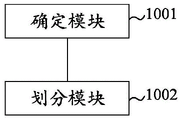
图10示出了本申请一个示例性实施例提供的一种频域资源的划分装置的示意图,请参考图10,该装置适用于如上述实施例中任一所述的频域资源的划分方法当中,该装置包括:Fig. 10 shows a schematic diagram of an apparatus for dividing frequency domain resources provided by an exemplary embodiment of the present application, please refer to Fig. 10, the apparatus is applicable to the method for dividing frequency domain resources as described in any of the above embodiments Among other things, the device includes:
确定模块1001,用于确定与第一网络对应的第一预设工作频带,第一网络包括无线宽带蜂窝网络;A determining
确定模块1001,还用于确定与第二网络对应的第二预设工作频带,第二网络为与第一网络不同种的网络,第二网络包括无线自组网络;The
划分模块1002,用于基于第一预设工作频带与第二预设工作频带的频域差异,划分第一频域资源以及第二频域资源,其中,第一频域资源为通过第一网络进行下行数据传输时占用的频域资源,第二频域资源为通过第二网络进行数据传输时占用的频域资源。A
在一个可选的实施例中,第二网络中包括至少两个第二网络节点,至少两个第二网络节点位于第一网络的覆盖区域内;In an optional embodiment, the second network includes at least two second network nodes, and the at least two second network nodes are located within the coverage area of the first network;
确定与第一网络对应的第一预设工作频带之前,确定模块1001,还用于确定第二网络节点的接收性能;Before determining the first preset working frequency band corresponding to the first network, the determining
划分模块1002,还用于基于接收性能对第一网络的覆盖区域进行划分,得到第一覆盖区域和第二覆盖区域,其中,位于第一覆盖区域内的第二网络节点具有第一通信能力,位于第二覆盖区域内的第二网络节点具有第二通信能力。The
在一个可选的实施例中,接收性能包括信干噪比值;In an optional embodiment, the receiving performance includes a signal-to-interference-noise ratio value;
确定模块1001,还用于当与第二网络节点对应的信干噪比值不大于信干噪比值阈值时,确定第二网络节点属于第一覆盖区域;The
确定模块1001,还用于基于属于第一覆盖区域的第二网络节点确定第一覆盖区域;The determining
确定模块1001,还用于在第一网络的覆盖区域内确定与第一覆盖区域不重合的第二覆盖区域。The determining
在一个可选的实施例中,第一预设工作频带与第二预设工作频带完全重合,且重合部分的单位时频资源数量为n1个,第一网络对应有第一网络吞吐量,第一覆盖区域对应有第一覆盖区域平均吞吐量;In an optional embodiment, the first preset working frequency band completely overlaps with the second preset working frequency band, and the number of unit time-frequency resources in the overlapping part is n1, and the first network corresponds to the first network throughput, The first coverage area corresponds to the average throughput of the first coverage area;
确定模块1001,还用于确定吞吐量变化阈值;The
请参考图11,该装置,还包括配置模块1003,用于向第一频域资源配置m1个单位时频资源;Please refer to FIG. 11, the device further includes a
确定模块1001,还用于当向第一频域资源配置m1+1个单位时频资源,第一网络吞吐量变化大于吞吐量变化阈值时,确定第一频域资源中的单位时频资源数量为n1-m1个;The determining
配置模块1003,还用于向第二频域资源配置k1个单位时频资源;The
确定模块1001,还用于当向第二频域资源配置k1+1个单位时频资源,第一覆盖区域吞吐量不变时,确定第二频域资源中的单位时频资源为k1个,其中,k1<n1-m1<n1,且k1、n1、m1均为正整数。The determining
在一个可选的实施例中,第一预设工作频带与第二预设工作频带部分重合,重合部分的单位时频资源的数量为n2个,且第二预设工作频带上不与第一预设工作频带重合的单位时频资源数量为r1个,第一网络对应有第一网络吞吐量;In an optional embodiment, the first preset working frequency band partially overlaps with the second preset working frequency band, the number of unit time-frequency resources in the overlapping part is n2 , and the second preset working frequency band does not overlap with the second preset working frequency band. The number of unit time-frequency resources overlapping the preset working frequency band is r1 , and the first network corresponds to the first network throughput;
确定模块1001,还用于确定不重合比值,不重合比值为n2与第二预设工作频带的单位时频资源数量的比值;The determining
配置模块1003,还用于当不重合比值不低于频域资源比例阈值时,向第一频域资源配置m2个单位时频资源;The
确定模块1001,还用于当向第一频域资源配置m2-1个单位时频资源,第一网络吞吐量变化时,确定第一频域资源中的单位时频资源数量为m2个;The determining
确定模块1001,还用于确定第二频域资源中的单位时频资源数量为n2+r1个,其中,第一覆盖区域内的可用单位时频资源数量为n2个,第二覆盖区域内的可用单位时频资源数量为n2+r1个,m2、n2与r1均为正整数。The determining
在一个可选的实施例中,响应于不重合比值不低于频域资源比例阈值,向第一频域资源配置m2个单位时频资源之后,In an optional embodiment, after configuring m 2 unit time-frequency resources to the first frequency domain resource in response to the non-overlapping ratio being not lower than the frequency domain resource ratio threshold,
确定模块1001,还用于当向第一频域资源配置m2-r2个单位时频资源,第一网络吞吐量不变化,且向第一频域资源配置m2-r2-1个单位时频资源,第一网络吞吐量变化时,确定第一频域资源中的单位时频资源数量为m2-r2个;The determining
确定模块1001,还用于确定第二频域资源中的单位时频资源数量为n2+r1个,其中,第一覆盖区域内的可用单位时频资源数量为n2个,第二覆盖区域内的可用单位时频资源数量为n2+r1个,r2为正整数。The determining
在一个可选的实施例中,确定n2与第二预设工作频带的单位时频资源数量的不重合比值之后,确定模块1001,还用于当不重合比值低于频域资源比例阈值时,确定单位时频资源数量集合;In an optional embodiment, after determining the non-overlapping ratio of n 2 and the unit time-frequency resource quantity of the second preset working frequency band, the
确定模块1001,还用于根据单位时频资源数量集合确定第一频域资源中的单位时频资源数量,以及第二频域资源中的单位时频资源数量。The
在一个可选的实施例中,第一预设工作频带与第二预设工作频带不重合;In an optional embodiment, the first preset working frequency band does not overlap with the second preset working frequency band;
确定模块1001,用于将第一预设工作频带确定为第一频域资源,并将第二预设工作频带确定为第二频域资源。The determining
综上所述,本申请实施例提供的装置,对应第一网络和第二网络确定二者分别对应的预设工作频带,并在确定二者在工作频域的差异的基础上,为第一网络的下行数据传输以及第二网络的数据传输分配不同的资源,根据两种网络的不同情况,通过协调频域资源分配,避免或降低共信道干扰,提高了网络传输性能,改善了业务体验。To sum up, the device provided by the embodiment of the present application determines the preset operating frequency bands corresponding to the first network and the second network respectively, and determines the difference between the two in the operating frequency domain, for the first network. Different resources are allocated for the downlink data transmission of the network and the data transmission of the second network. According to different situations of the two networks, by coordinating frequency domain resource allocation, co-channel interference is avoided or reduced, network transmission performance is improved, and service experience is improved.
需要说明的是:上述实施例提供的频域资源的划分装置,仅以上述各功能模块的划分进行举例说明,实际应用中,可以根据需要而将上述功能分配由不同的功能模块完成,即将设备的内部结构划分成不同的功能模块,以完成以上描述的全部或者部分功能。It should be noted that: the device for dividing frequency domain resources provided by the above-mentioned embodiments is only illustrated with the division of the above-mentioned functional modules. The internal structure of the system is divided into different functional modules to complete all or part of the functions described above.
图12示出了本申请一个示例性实施例提供的一种执行频域资源的划分方法的终端的结构示意图,该终端包括:Fig. 12 shows a schematic structural diagram of a terminal performing a method for dividing frequency domain resources provided by an exemplary embodiment of the present application, the terminal includes:
处理器1201包括一个或者一个以上处理核心,处理器1201通过运行软件程序以及模块,从而执行各种功能应用以及数据处理。The
接收器1202和发射器1203可以实现为一个通信组件,该通信组件可以是一块通信芯片。可选地,该通信组件可以实现包括信号传输功能。也即,发射器1203可以用于发射控制信号,接收器1202可以用于接收对应的控制指令。The
存储器1204通过总线1205与处理器1201相连。The
存储器1204可用于存储至少一个指令,处理器1201用于执行该至少一个指令,以实现上述方法实施例中的各个步骤。The
本申请实施例还提供一种计算机可读存储介质,该可读存储介质中存储有至少一条指令、至少一段程序、代码集或指令集,以由处理器加载并执行以实现上述频域资源的划分方法。The embodiment of the present application also provides a computer-readable storage medium, where at least one instruction, at least one program, code set or instruction set is stored in the readable storage medium, so as to be loaded and executed by a processor to implement the above-mentioned frequency domain resources. division method.
本申请还提供了一种计算机程序产品或计算机程序,该计算机程序产品或计算机程序包括计算机指令,该计算机指令存储在计算机可读存储介质中。计算机设备的处理器从计算机可读存储介质读取该计算机指令,处理器执行该计算机指令,使得该计算机设备执行上述实施例中任一所述的频域资源的划分方法。The present application also provides a computer program product or computer program, the computer program product or computer program comprising computer instructions stored in a computer-readable storage medium. The processor of the computer device reads the computer instruction from the computer-readable storage medium, and the processor executes the computer instruction, so that the computer device executes the frequency domain resource division method described in any one of the above embodiments.
可选地,该计算机可读存储介质可以包括:只读存储器(ROM,Read OnlyMemory)、随机存取记忆体(RAM,Random Access Memory)、固态硬盘(SSD,Solid StateDrives)或光盘等。其中,随机存取记忆体可以包括电阻式随机存取记忆体(ReRAM,Resistance Random Access Memory)和动态随机存取存储器(DRAM,Dynamic RandomAccess Memory)。上述本申请实施例序号仅仅为了描述,不代表实施例的优劣。 Optionally, the computer-readable storage medium may include: a read-only memory (ROM, Read Only Memory), a random access memory (RAM, Random Access Memory), a solid-state hard drive (SSD, Solid State Drives), or an optical disc. Wherein, the random access memory may include a resistive random access memory (ReRAM, Resistance Random Access Memory) and a dynamic random access memory (DRAM, Dynamic Random Access Memory). The serial numbers of the above embodiments of the present application are for description only, and do not represent the advantages and disadvantages of the embodiments.
本领域普通技术人员可以理解实现上述实施例的全部或部分步骤可以通过硬件来完成,也可以通过程序来指令相关的硬件完成,的程序可以存储于一种计算机可读存储介质中,上述提到的存储介质可以是只读存储器,磁盘或光盘等。Those of ordinary skill in the art can understand that all or part of the steps for implementing the above-mentioned embodiments can be completed by hardware, or can be completed by instructing related hardware through a program, and the program can be stored in a computer-readable storage medium. The above-mentioned The storage medium can be read-only memory, magnetic disk or optical disk and so on.
上述仅为本申请的可选实施例,并不用以限制本申请,凡在本申请的精神和原则之内,所作的任何修改、等同替换、改进等,均应包含在本申请的保护范围之内。The above are only optional embodiments of the application, and are not intended to limit the application. Any modifications, equivalent replacements, improvements, etc. made within the spirit and principles of the application shall be included in the protection scope of the application. Inside.
Claims (5)
Priority Applications (1)
| Application Number | Priority Date | Filing Date | Title |
|---|---|---|---|
| CN202110389824.2A CN113115458B (en) | 2021-04-12 | 2021-04-12 | Frequency domain resource dividing method and device |
Applications Claiming Priority (1)
| Application Number | Priority Date | Filing Date | Title |
|---|---|---|---|
| CN202110389824.2A CN113115458B (en) | 2021-04-12 | 2021-04-12 | Frequency domain resource dividing method and device |
Publications (2)
| Publication Number | Publication Date |
|---|---|
| CN113115458A CN113115458A (en) | 2021-07-13 |
| CN113115458B true CN113115458B (en) | 2023-01-03 |
Family
ID=76715720
Family Applications (1)
| Application Number | Title | Priority Date | Filing Date |
|---|---|---|---|
| CN202110389824.2A Active CN113115458B (en) | 2021-04-12 | 2021-04-12 | Frequency domain resource dividing method and device |
Country Status (1)
| Country | Link |
|---|---|
| CN (1) | CN113115458B (en) |
Citations (5)
| Publication number | Priority date | Publication date | Assignee | Title |
|---|---|---|---|---|
| CN102547721A (en) * | 2009-08-25 | 2012-07-04 | 华为技术有限公司 | Method, device and system for sharing spectrum resources |
| CN104521264A (en) * | 2012-06-06 | 2015-04-15 | 伊甸石通信股份有限公司 | Adjacent network aware self organizing network system |
| CN109067425A (en) * | 2018-08-27 | 2018-12-21 | 维沃移动通信有限公司 | A kind of method and device reducing interference |
| CN111526519A (en) * | 2020-04-29 | 2020-08-11 | 无锡职业技术学院 | A Working Band Selection Method for Subnet Fusion |
| CN111885612A (en) * | 2020-09-01 | 2020-11-03 | 无锡职业技术学院 | Working frequency band selection method for wireless ad hoc network during subnet splitting |
-
2021
- 2021-04-12 CN CN202110389824.2A patent/CN113115458B/en active Active
Patent Citations (5)
| Publication number | Priority date | Publication date | Assignee | Title |
|---|---|---|---|---|
| CN102547721A (en) * | 2009-08-25 | 2012-07-04 | 华为技术有限公司 | Method, device and system for sharing spectrum resources |
| CN104521264A (en) * | 2012-06-06 | 2015-04-15 | 伊甸石通信股份有限公司 | Adjacent network aware self organizing network system |
| CN109067425A (en) * | 2018-08-27 | 2018-12-21 | 维沃移动通信有限公司 | A kind of method and device reducing interference |
| CN111526519A (en) * | 2020-04-29 | 2020-08-11 | 无锡职业技术学院 | A Working Band Selection Method for Subnet Fusion |
| CN111885612A (en) * | 2020-09-01 | 2020-11-03 | 无锡职业技术学院 | Working frequency band selection method for wireless ad hoc network during subnet splitting |
Also Published As
| Publication number | Publication date |
|---|---|
| CN113115458A (en) | 2021-07-13 |
Similar Documents
| Publication | Publication Date | Title |
|---|---|---|
| US11671982B2 (en) | Method, apparatus, and system for allocating resources in wireless communication system | |
| US20240195440A1 (en) | Communication method and communication apparatus | |
| CN112449746B (en) | Method and apparatus for transmitting/receiving downlink control channel | |
| JP7699257B2 (en) | Terminal, communication method and integrated circuit | |
| US20230276498A1 (en) | Rate matching for wideband carrier operation in nr-u | |
| US20210176610A1 (en) | V2x communication method and v2x communications apparatus | |
| JP7386252B2 (en) | Techniques for handling control channels on component carriers | |
| CN115804219A (en) | Method and apparatus for signal transmission/reception using aggregated carriers | |
| CN110830195B (en) | Information processing method and communication device | |
| EP4096318A1 (en) | Resource configuration method and network device | |
| US20230049307A1 (en) | Device-to-Device Based Resource Determining Method and Device | |
| JP7072650B2 (en) | How to schedule subslots in a communication system | |
| CN113692771B (en) | Method and apparatus for determining a channel access procedure in a wireless communication system | |
| CN112771915A (en) | Method and apparatus for monitoring radio link in wireless communication system | |
| CN116033558A (en) | A sending method, a receiving method and a communication device of a physical uplink control channel | |
| CN115175361A (en) | Communication method and device | |
| US20240073867A1 (en) | Resource selection method and apparatus, device and storage medium | |
| CN116887426A (en) | Downlink transmission detection methods, devices, equipment and storage media | |
| CN115245030A (en) | Method and apparatus for transmitting uplink data in wireless communication system | |
| JP7662819B2 (en) | Information transmission method, base station, terminal, and communication system | |
| US11997714B2 (en) | Transmission method with LBT access to a channel, corresponding device and program | |
| JP7662877B2 (en) | Terminal device, communication method and integrated circuit | |
| CN110890953B (en) | Communication method and communication device using unlicensed frequency band | |
| CN113115458B (en) | Frequency domain resource dividing method and device | |
| CN118433904A (en) | Communication method and device |
Legal Events
| Date | Code | Title | Description |
|---|---|---|---|
| PB01 | Publication | ||
| PB01 | Publication | ||
| SE01 | Entry into force of request for substantive examination | ||
| SE01 | Entry into force of request for substantive examination | ||
| GR01 | Patent grant | ||
| GR01 | Patent grant | ||
| CP03 | Change of name, title or address |
Address after: No. 1600, gaolang West Road, Wuxi, Jiangsu Province, 214129 Patentee after: Wuxi Vocational and Technical University Country or region after: China Address before: No. 1600, gaolang West Road, Wuxi, Jiangsu Province, 214129 Patentee before: WUXI INSTITUTE OF TECHNOLOGY Country or region before: China |