CN112930407A - Methods of diagnosing and treating cancer using non-human nucleic acids - Google Patents
Methods of diagnosing and treating cancer using non-human nucleic acids Download PDFInfo
- Publication number
- CN112930407A CN112930407A CN201980071301.4A CN201980071301A CN112930407A CN 112930407 A CN112930407 A CN 112930407A CN 201980071301 A CN201980071301 A CN 201980071301A CN 112930407 A CN112930407 A CN 112930407A
- Authority
- CN
- China
- Prior art keywords
- cancer
- microbial
- subject
- abundance
- carcinoma
- Prior art date
- Legal status (The legal status is an assumption and is not a legal conclusion. Google has not performed a legal analysis and makes no representation as to the accuracy of the status listed.)
- Pending
Links
Images


Classifications
-
- C—CHEMISTRY; METALLURGY
- C12—BIOCHEMISTRY; BEER; SPIRITS; WINE; VINEGAR; MICROBIOLOGY; ENZYMOLOGY; MUTATION OR GENETIC ENGINEERING
- C12Q—MEASURING OR TESTING PROCESSES INVOLVING ENZYMES, NUCLEIC ACIDS OR MICROORGANISMS; COMPOSITIONS OR TEST PAPERS THEREFOR; PROCESSES OF PREPARING SUCH COMPOSITIONS; CONDITION-RESPONSIVE CONTROL IN MICROBIOLOGICAL OR ENZYMOLOGICAL PROCESSES
- C12Q1/00—Measuring or testing processes involving enzymes, nucleic acids or microorganisms; Compositions therefor; Processes of preparing such compositions
- C12Q1/68—Measuring or testing processes involving enzymes, nucleic acids or microorganisms; Compositions therefor; Processes of preparing such compositions involving nucleic acids
- C12Q1/6876—Nucleic acid products used in the analysis of nucleic acids, e.g. primers or probes
- C12Q1/6883—Nucleic acid products used in the analysis of nucleic acids, e.g. primers or probes for diseases caused by alterations of genetic material
- C12Q1/6886—Nucleic acid products used in the analysis of nucleic acids, e.g. primers or probes for diseases caused by alterations of genetic material for cancer
-
- G01N33/5758—
-
- C—CHEMISTRY; METALLURGY
- C12—BIOCHEMISTRY; BEER; SPIRITS; WINE; VINEGAR; MICROBIOLOGY; ENZYMOLOGY; MUTATION OR GENETIC ENGINEERING
- C12Q—MEASURING OR TESTING PROCESSES INVOLVING ENZYMES, NUCLEIC ACIDS OR MICROORGANISMS; COMPOSITIONS OR TEST PAPERS THEREFOR; PROCESSES OF PREPARING SUCH COMPOSITIONS; CONDITION-RESPONSIVE CONTROL IN MICROBIOLOGICAL OR ENZYMOLOGICAL PROCESSES
- C12Q1/00—Measuring or testing processes involving enzymes, nucleic acids or microorganisms; Compositions therefor; Processes of preparing such compositions
- C12Q1/68—Measuring or testing processes involving enzymes, nucleic acids or microorganisms; Compositions therefor; Processes of preparing such compositions involving nucleic acids
- C12Q1/6876—Nucleic acid products used in the analysis of nucleic acids, e.g. primers or probes
- C12Q1/6888—Nucleic acid products used in the analysis of nucleic acids, e.g. primers or probes for detection or identification of organisms
- C12Q1/689—Nucleic acid products used in the analysis of nucleic acids, e.g. primers or probes for detection or identification of organisms for bacteria
-
- G—PHYSICS
- G01—MEASURING; TESTING
- G01N—INVESTIGATING OR ANALYSING MATERIALS BY DETERMINING THEIR CHEMICAL OR PHYSICAL PROPERTIES
- G01N33/00—Investigating or analysing materials by specific methods not covered by groups G01N1/00 - G01N31/00
- G01N33/48—Biological material, e.g. blood, urine; Haemocytometers
- G01N33/50—Chemical analysis of biological material, e.g. blood, urine; Testing involving biospecific ligand binding methods; Immunological testing
- G01N33/53—Immunoassay; Biospecific binding assay; Materials therefor
- G01N33/569—Immunoassay; Biospecific binding assay; Materials therefor for microorganisms, e.g. protozoa, bacteria, viruses
-
- G—PHYSICS
- G16—INFORMATION AND COMMUNICATION TECHNOLOGY [ICT] SPECIALLY ADAPTED FOR SPECIFIC APPLICATION FIELDS
- G16H—HEALTHCARE INFORMATICS, i.e. INFORMATION AND COMMUNICATION TECHNOLOGY [ICT] SPECIALLY ADAPTED FOR THE HANDLING OR PROCESSING OF MEDICAL OR HEALTHCARE DATA
- G16H50/00—ICT specially adapted for medical diagnosis, medical simulation or medical data mining; ICT specially adapted for detecting, monitoring or modelling epidemics or pandemics
- G16H50/20—ICT specially adapted for medical diagnosis, medical simulation or medical data mining; ICT specially adapted for detecting, monitoring or modelling epidemics or pandemics for computer-aided diagnosis, e.g. based on medical expert systems
-
- C—CHEMISTRY; METALLURGY
- C12—BIOCHEMISTRY; BEER; SPIRITS; WINE; VINEGAR; MICROBIOLOGY; ENZYMOLOGY; MUTATION OR GENETIC ENGINEERING
- C12Q—MEASURING OR TESTING PROCESSES INVOLVING ENZYMES, NUCLEIC ACIDS OR MICROORGANISMS; COMPOSITIONS OR TEST PAPERS THEREFOR; PROCESSES OF PREPARING SUCH COMPOSITIONS; CONDITION-RESPONSIVE CONTROL IN MICROBIOLOGICAL OR ENZYMOLOGICAL PROCESSES
- C12Q2600/00—Oligonucleotides characterized by their use
- C12Q2600/106—Pharmacogenomics, i.e. genetic variability in individual responses to drugs and drug metabolism
-
- G—PHYSICS
- G01—MEASURING; TESTING
- G01N—INVESTIGATING OR ANALYSING MATERIALS BY DETERMINING THEIR CHEMICAL OR PHYSICAL PROPERTIES
- G01N2800/00—Detection or diagnosis of diseases
- G01N2800/52—Predicting or monitoring the response to treatment, e.g. for selection of therapy based on assay results in personalised medicine; Prognosis
-
- G—PHYSICS
- G01—MEASURING; TESTING
- G01N—INVESTIGATING OR ANALYSING MATERIALS BY DETERMINING THEIR CHEMICAL OR PHYSICAL PROPERTIES
- G01N2800/00—Detection or diagnosis of diseases
- G01N2800/56—Staging of a disease; Further complications associated with the disease
-
- Y—GENERAL TAGGING OF NEW TECHNOLOGICAL DEVELOPMENTS; GENERAL TAGGING OF CROSS-SECTIONAL TECHNOLOGIES SPANNING OVER SEVERAL SECTIONS OF THE IPC; TECHNICAL SUBJECTS COVERED BY FORMER USPC CROSS-REFERENCE ART COLLECTIONS [XRACs] AND DIGESTS
- Y02—TECHNOLOGIES OR APPLICATIONS FOR MITIGATION OR ADAPTATION AGAINST CLIMATE CHANGE
- Y02A—TECHNOLOGIES FOR ADAPTATION TO CLIMATE CHANGE
- Y02A90/00—Technologies having an indirect contribution to adaptation to climate change
- Y02A90/10—Information and communication technologies [ICT] supporting adaptation to climate change, e.g. for weather forecasting or climate simulation
Landscapes
- Health & Medical Sciences (AREA)
- Chemical & Material Sciences (AREA)
- Life Sciences & Earth Sciences (AREA)
- Engineering & Computer Science (AREA)
- Organic Chemistry (AREA)
- Proteomics, Peptides & Aminoacids (AREA)
- Analytical Chemistry (AREA)
- Immunology (AREA)
- Pathology (AREA)
- Wood Science & Technology (AREA)
- Zoology (AREA)
- Genetics & Genomics (AREA)
- General Health & Medical Sciences (AREA)
- Molecular Biology (AREA)
- Biochemistry (AREA)
- Physics & Mathematics (AREA)
- Biotechnology (AREA)
- Microbiology (AREA)
- Biomedical Technology (AREA)
- Bioinformatics & Cheminformatics (AREA)
- Biophysics (AREA)
- General Engineering & Computer Science (AREA)
- Oncology (AREA)
- Hospice & Palliative Care (AREA)
- Urology & Nephrology (AREA)
- Hematology (AREA)
- Medical Informatics (AREA)
- Public Health (AREA)
- Tropical Medicine & Parasitology (AREA)
- Primary Health Care (AREA)
- Epidemiology (AREA)
- Virology (AREA)
- Cell Biology (AREA)
- Databases & Information Systems (AREA)
- Data Mining & Analysis (AREA)
- Food Science & Technology (AREA)
- Medicinal Chemistry (AREA)
- General Physics & Mathematics (AREA)
- Measuring Or Testing Involving Enzymes Or Micro-Organisms (AREA)
- Management, Administration, Business Operations System, And Electronic Commerce (AREA)
Abstract
基于宿主受试者的组织(包括血液来源的组织)中的微生物存在或丰度,诊断癌症、其亚型、分子特征和对治疗的反应可能性以及其他疾病的方法。还提供了治疗受试者中所确定的癌症的方法。

Methods of diagnosing cancer, its subtypes, molecular characteristics, and likelihood of response to therapy, and other diseases, based on the presence or abundance of microorganisms in host subject tissues, including blood-derived tissues. Also provided are methods of treating an identified cancer in a subject.
Description
Cross Reference to Related Applications
The present application claims priority to U.S. provisional application No.62/754,696 filed on 2.11.2018, which is incorporated herein by reference.
Technical Field
The present invention relates to the field of methods for accurately diagnosing and treating diseases from human tissue biopsy or blood-derived samples using non-human-derived nucleic acids.
Background
Although cancer is widely recognized as a 'disease of the human genome', there is increasing evidence that the microbiota plays a key role in carcinogenesis, tumor progression and therapeutic response. In fact, it is estimated that up to 20% of the global cancer burden is caused by microbial agents. Many researchers believe that the underlying mechanism is through the influence of our in vivo microorganisms on the immune system, which can enhance or inhibit inflammation and manipulate our immune cell's ability and response.
Based on research data using a sterile animal mouse model that utilizes colonization by one or more specific bacteria, the microbiota appears to alter the susceptibility and progression of cancer through a variety of mechanisms, such as modulating inflammation, inducing DNA damage, and producing metabolites involved in tumor formation or tumor suppression. In addition to carcinogenesis and cancer progression, emerging evidence suggests that microbiota can predict response to or be manipulated to improve cancer therapy, including "traditional" chemotherapy (e.g., gemcitabine) and more "innovative" immunotherapy (e.g., PD-1 blockade). However, almost all of these references rely on examining variants of host gut microbiota and their effects on cancer, and a few examples in the literature exploring cancer tissue-specific microbiota (almost ubiquitous in gastrointestinal cancer) only examine pathogenesis problems. In contrast, none of the prior art describes a broad relationship between the parenteral microbiota and pan cancer diagnosis, including samples from blood sources; similarly, there is no prior art describing how a resident microbiota of cancer tissue can predict or affect a patient's responsiveness to cancer treatment, including in particular, immunotherapy responses. The closest relevant prior art known to the inventors in this field (US20180291463a1, WO2018200813a1 and WO2018031545a1) (all assigned to Robertson et al) relies on microarray-based techniques to detect preselected ("biased") populations of microorganisms in tumor tissue samples (non-blood or other body fluids); furthermore, this prior art covers only three cancer types (breast, ovarian and oral squamous cell carcinoma) without taking the pan-cancerous approach.
The prior art of the present invention builds on the core concept of cancer diagnosis using nucleic acids of human origin in solid tissue biopsies or liquid (i.e. blood-based) biopsies. It also builds on the following concept: circulating tumor DNA (ctDNA) is tested to diagnose the presence of tumor (e.g., PMID: 24553385) and recently described microorganism-free cellular DNA to detect infectious agents in suspected sepsis (PMID: 30742071) patients. Notably, these host-based ctDNA assays are almost always not diagnostic of the cancer species, since most genomic changes in cancer are shared between cancer types. From a biological point of view, it is well known for several years that isolation of certain species of bacteria from blood (by microbial blood culture) has highly implicated potential colorectal cancer (e.g. Streptococcus bovis; PMID: 21247505), and recent studies of >13,000 patients have demonstrated that in those patients eventually suffering from colorectal cancer (PMID: 29729257), extensive, transient bacteremia is detected by traditional blood culture. For blood-based diagnosis, the present invention extends the concept of cancer-specific bacteremia to include more tumor types; it further does not rely on traditional blood culture methods nor necessarily requires a pre-selection of the microbial population of interest and uses this concept to create a broad range of diagnostic assays. The present invention also extends to tumor tissue-based diagnostics to distinguish between dozens of cancer types (i.e., "pan-cancer" diagnostics), their subtypes, their molecular characteristics (e.g., mutations), and their predicted response to therapy, including immunotherapy. In addition, the present invention extends diagnostic information to select or create new treatments based on the microbial characteristics within the tumor.
Other prior art related to the field is as follows: U.S. publication No. 2018/0223338 describes the use of solid tissue microbiomes or sage microbiomes in the identification and diagnosis of head and neck cancer; and U.S. publication No. 2018/0258495a1 describes a kit for detecting colon cancer, some kinds of mutations associated with colon cancer, and collecting and amplifying the corresponding microorganisms using solid tissue microbiome or fecal microbiome.
Disclosure of Invention
The present disclosure provides a method to accurately diagnose cancer and other diseases, subtypes thereof, and the likelihood of their response to certain treatments from human tissue biopsies or blood-derived samples using only non-human-derived nucleic acids.
In embodiments, the present invention provides a method of using blood-derived tissue to broadly create patterns of microbial presence or abundance ("signatures") associated with the presence and/or type of cancer. These "signatures" can then be developed to diagnose the presence, kind and/or subtype of cancer in humans.
In embodiments, the present invention provides a method of using primary tumor tissue to broadly create a pattern of microbial presence or abundance that correlates with the presence and/or type of cancer. These "signatures" can then be developed to diagnose the presence, kind and/or subtype of cancer in humans.
In an embodiment, the present invention provides a method of broadly diagnosing a disease in a mammalian subject, comprising: detecting the presence or abundance of a microorganism in a tissue sample from the subject; determining that the detected presence or abundance of said microorganism is different from the presence or abundance of a microorganism in a normal tissue sample; and correlating the detected presence or abundance of said microorganism with the known presence or abundance of a microorganism for a disease, thereby diagnosing said disease.
In an embodiment, the present invention provides a method of broadly diagnosing the type of disease in a mammalian subject, comprising: detecting the presence or abundance of a microorganism in a tumor tissue sample from the subject; determining that the detected microbial presence or abundance is similar to or different from a microbial presence or abundance in a previously studied tumor population; and correlating the detected presence or abundance of said microorganisms with the most similar tumor type, thereby diagnosing the type of disease.
In an embodiment, the present invention provides a method of diagnosing the type of disease in a mammalian subject, comprising: detecting the presence or abundance of a microorganism in a blood-derived tissue sample from the subject; determining the microbial presence or abundance detected is similar to or different from that in a population of cancer and/or healthy patients having a previously studied blood-derived tissue sample; and correlating the detected presence or abundance of said microorganism to the most similar blood-derived tissue sample in the panel, thereby diagnosing the disease and/or disease species.
In an embodiment, the invention provides a method of diagnosing a body location of a disease, wherein the disease is cancer, wherein the site of origin is bone (acute myelogenous leukemia, sarcoma), adrenal gland, bladder, brain, breast, cervix, gall bladder, colon, esophagus, neck (head and neck squamous cell carcinoma), kidney, liver, lung, lymph node (diffuse large B-cell lymphoma), skin, ovary, prostate, rectum, stomach, thyroid, and uterus, and wherein the subject is a human.
In an embodiment, the invention provides a method of diagnosing a disease, wherein the disease is a cancer, wherein the cancer is leukemia (acute myelogenous), adrenocortical carcinoma, bladder carcinoma, brain cancer (lower glioma; glioblastoma), breast cancer, cervical cancer, cholangiocarcinoma, colon cancer, esophageal cancer, head and neck cancer, kidney cancer (chromophobe; clear cell carcinoma of the kidney; papillary cell carcinoma), liver cancer, lung cancer (adenocarcinoma; squamous cell carcinoma), lymphoma diffuse large B-cell lymphoma, melanoma (cutaneous melanoma, uveal melanoma), ovarian cancer, prostate cancer, rectal cancer, sarcoma, gastric cancer, thyroid cancer (thyroid cancer, thymoma), and uterine sarcoma, and wherein the subject is a human.
In an embodiment, the present invention provides a method of diagnosing a disease, further comprising diagnosing a stage of a disease, wherein the disease is cancer.
In an embodiment, the present invention provides a method of diagnosing a disease when the disease is in a low pathological stage, wherein the disease is cancer, wherein the pathological stage is stage I or stage II.
In an embodiment, the present invention provides a method of using a non-mammalian feature to predict a molecular feature of a mammalian disease, wherein the mammalian disease is cancer, wherein the molecular feature is a mutant state.
In an embodiment, the present invention provides a method of predicting which subjects will respond or not respond to a particular treatment for a disease, wherein the disease is cancer, wherein the subject is a human, wherein the treatment is an immunotherapy, wherein the immunotherapy is a PD-1 blockade (e.g., nivolumitumumab, pembrolizumab).
In an embodiment, the present invention provides a method of diagnosing a disease, further comprising treating a disease in a subject based on a non-mammalian characteristic of the determined disease, wherein the disease is cancer, wherein the non-mammalian characteristic is a microorganism, wherein the subject is a human.
In an embodiment, the present invention provides a method of diagnosing a disease, further comprising designing a novel treatment for treating a mammalian disease in a subject based on its non-mammalian characteristics, wherein the disease is cancer, wherein the non-mammalian characteristics are microorganisms, wherein the subject is a human.
In embodiments, new treatments can be designed to target and exploit non-mammalian features identified in mammalian diseases using one or more of the following modalities: small molecules, biologics, cell types of engineered host origin, probiotics, engineered bacteria, natural but selective viruses, engineered viruses, and bacteriophages.
In an embodiment, the invention provides a method of diagnosing a disease, further comprising longitudinal monitoring of a non-mammalian feature thereof to indicate a response to treatment of the disease, wherein the disease is cancer, wherein the non-mammalian feature is a microorganism, wherein the subject is a human.
In an embodiment, the present invention provides a kit for measuring the presence or abundance of microorganisms in a particular tissue sample, thereby allowing diagnosis of a disease.
In an embodiment, the present invention utilizes a machine learning architecture based diagnostic model.
In an embodiment, the present invention utilizes a diagnostic model based on a regularized machine learning architecture.
In an embodiment, the present invention utilizes an integrated diagnostic model based on a machine learning architecture.
In an embodiment, the present invention identifies and selectively removes certain non-mammalian features that are contaminants referred to as noise, while selectively retaining other non-mammalian features that are non-contaminants referred to as signal, wherein the non-mammalian features are microorganisms.
In an embodiment, the present invention provides a method of diagnosing a disease, wherein the microorganism is derived from a virus, a bacterium, an archaea and/or a fungus.
In an embodiment, the present invention provides a method of diagnosing a disease, wherein the microbial presence or abundance information is combined with additional information about the host (subject) and/or the host's (subject's) cancer to create a diagnostic model with greater predictive performance than information having microbial presence or abundance alone.
In embodiments, the diagnostic model utilizes information in combination with microbial presence or abundance information from one or more of the following sources: cell-free tumor DNA, cell-free tumor RNA, tumor DNA derived from exosomes, tumor RNA derived from exosomes, DNA derived from circulating tumor cells, RNA derived from circulating tumor cells, methylation pattern of cell-free tumor DNA, methylation pattern of cell-free tumor RNA, methylation pattern of DNA derived from circulating tumor cells, and/or methylation pattern of RNA derived from circulating tumor cells.
In embodiments, the microbial presence or abundance is detected by nucleic acid detection by one or more of the following methods: targeted microbial sequencing (e.g., 16S rRNA sequencing, 18S rRNA ITS sequencing), ecoshotgun sequencing, quantitative polymerase chain reaction (qPCR), Immunohistochemistry (IHC), In Situ Hybridization (ISH), flow cytometry, host whole genome sequencing, host transcriptome sequencing, cancer whole genome sequencing, and cancer transcriptome sequencing.
In embodiments, the geospatial distribution of the presence or absence of microorganisms in the cancer tissue of the host is measured by one or more of the following methods: multiple sampling of tumor tissue and/or its microenvironment, IHC, ISH, digital space genomics, digital space transcriptomics.
In embodiments, microbial nucleic acids are detected simultaneously with nucleic acids from the host and subsequently distinguished.
In embodiments, prior to measuring (e.g., sequencing) the pool of combined nucleic acids, the host nucleic acids are selectively depleted while the microbial nucleic acids are selectively retained.
In an embodiment, the invention provides that the tissue is blood, a component of blood (e.g., plasma), or a tissue biopsy, wherein the tissue biopsy may be malignant or non-malignant.
In embodiments, the microbial presence or abundance of a cancer is determined by measuring the microbial presence or abundance elsewhere in the host.
Drawings
Fig. 1A to 1D: fig. 1A (left) shows the total percentage of sequencing reads determined as "microbes" by bioinformatics microbe detection lines for 33 cancer types in cancer genomic map (TCGA) and over 10,000 patients, and the percentage of microbe reads retained when summarized to the genus classification level (right). Fig. 1B-1C show Principal Component Analysis (PCA) of normalized (i.e., its distribution is approximately normal), but without batch correction microbial abundance (1B) and normalized and batch corrected microbial abundance (1C). The legend shows data from a total of eight sequencing centers. FIG. 1D shows the results of a Principal Variance Component Analysis (PVCA) before and after batch corrections to estimate the amount of microbial variance ("signal") attributed to each primary metadata variable in the dataset. Fold increases and fold decreases are shown above the primary metadata variable that changes during the batch correction process.
Fig. 2A to 2F: in fig. 2A, patients clinically evaluated for cervical squamous cell carcinoma and cervical adenocarcinoma infected with HPV were examined for different abundances of the alpha papillomavirus genus in their tumors and matched blood samples. Primary tumor samples were compared as positive controls and normal blood-derived samples were compared as negative controls. In FIG. 2B, the different abundances of the genus alpha papillomavirus in patients clinically evaluated with HPV infected head and neck squamous cell carcinoma (TCGA-HNSCC; primary tumor samples) were compared using In Situ Hybridization (ISH) and Immunohistochemistry (IHC) assays (p 16). In fig. 2C, patients with gastric adenocarcinoma and epstein-barr virus (EBV) subtypes, which were designated as integrating molecular subtypes by the cancer genome mapping study network, were subjected to selective over-abundance examination of the EBV genus (i.e., the lymphocryptovirus genus). Samples from normal blood sources and normal solid tissue samples are shown as negative controls. Other molecular subtypes of STAD: CIN — chromosomal instability; GS-genome stable; MSI ═ microsatellite instability. In FIG. 2D, patients with clinically determined risk factors for hepatocellular carcinoma are plotted against the normalized abundance of positive hepadnavirus to examine the selective abundance of positive hepadnavirus in patients with a history of hepatitis B infection. "EtOH" indicates that high alcohol consumption was a previous risk factor, while "Hep C" indicates a previous hepatitis C infection. Samples from normal blood sources were shown as negative controls; the solid tissue normal samples revealed high viral load of hepatitis b. In fig. 2E, different abundances of related fusobacterium species in the literature for common gastrointestinal cancer were evaluated. Blood-derived normal samples and solid tissue normal samples are shown for comparison of negative controls. In fig. 2F, the abundance of clostridium was examined between gastrointestinal (GI tract) and parenteral cancers. The gastrointestinal tract group includes the following cancers: colon adenocarcinoma, rectal adenocarcinoma, cholangiocarcinoma, hepatocellular carcinoma, pancreatic carcinoma, head and neck squamous cell carcinoma, esophageal carcinoma, and gastric adenocarcinoma. The remaining cancer types in Table 1 were placed in parenteral cancer, except for acute myelogenous leukemia, which was treatedExcluded from this analysis. The abundance of clostridia from adjacent non-malignant tissues was included in both groups as a negative control. For all figures: y-axis shows log2Normalized microbial abundance of a scale; all comparisons were tested for significance using the two-sided mann-whitney test; the symbols are as follows: represents a p value of 0.0001 or less, represents a p value of 0.001 or less, represents a p value of 0.01 or less, represents a p value of 0.05 or less, and "ns" represents insignificant.
FIG. 3: the abundance of alphapapillomaviruses is distributed among 32 cancer types and 3 specimen types (normal solid tissue, normal and primary tumors of normal blood origin). For clinical determination of cancer types in patients with HPV infection, cancer types are classified into groups that test for HPV infection as "positive" or "negative". The dashed line is the average abundance value of all patients tested "negative" in each sample type.
Fig. 4A to 4F: the complete transcriptome data (RNA-Seq) collected by Hugo et al for patients prior to receiving anti-PD-1 immunotherapy (pembrolizumab or nivolumitumumab) was explored for microbial RNA readings (2016; Science; PMID: 26997480). Figure 4A shows the principal coordinate analysis of Complete Response (CR) patients versus Progressive Disease (PD) patients. "Adonis" refers to the permaanova test for significant separation between the two centroids of the group. Fig. 4B shows the distance of each patient to his or her respective centroid (i.e., CR or PD), which is a measure of beta diversity, i.e., the beta scatter of CR patients is significantly lower than that of PD patients. "Betaderper Perm Test" indicates an alignment Test to discern whether the beta dispersion differs significantly between groups. Fig. 4C shows principal coordinate analysis of fully responsive (CR) patients versus Partially Responsive (PR) patients. "Adonis" refers to the permaanova test for significant separation between the two centroids of the group. Fig. 4D shows the distance of each patient to his or her respective centroid (i.e., CR or PR), which is a measure of beta diversity, i.e., the beta scatter of CR patients is significantly lower than PR patients. "Betaderper Perm Test" indicates an alignment Test to discern whether the beta dispersion differs significantly between groups. Fig. 4E shows ROC and PR curves (i.e., machine learning model performance) for predicting microsatellite instability in colon adenocarcinoma samples in TCGA using only microbial DNA or RNA abundance. These performances are based on a randomly selected 30% retention test set after the model was trained from 70% of the data and internally parameterized using k-fold cross validation of the training data. Fig. 4F shows ROC and PR curves used to predict which TCGA breast cancer samples were triple negative. These performances are based on a randomly selected 30% retention test set after the model was trained from 70% of the data and internally parameterized using k-fold cross validation of the training data.
Fig. 5A to 5F: ROC and PR curves for the following cancer types: adrenocortical carcinoma, bladder urothelial carcinoma. Sample arrows are given in the first ROC and PR graphs and for a given probability cutoff threshold of 1.0 or 0.0, point to the respective extreme positions on the graph; the remainder of the probability cutoff threshold spectrum, and their respective ROC or PR points, proportionally span between the two points indicated by the arrows on the graph. Abbreviations are as follows: "PT" means "primary tumor", "BDN" means "normal blood derived", and "STN" means "normal solid tissue". For the plots labeled "PT" and "BDN", the prediction was made in a manner of one cancer type versus all other types; for the graph labeled "PT versus STN", predictions were made to distinguish between primary tumor tissue and adjacent normal solid tissue within a given cancer type. All predicted performance was generated from a randomly selected 30% retention test set after training the corresponding model from the remaining 70% of the data for a given comparison; during model training, k-fold cross-validation was used to fine-tune the model parameters. Furthermore, in the case of class imbalance, a few classes are sampled up to facilitate generalization of the model.
Fig. 6A to 6F: ROC and PR curves for the following cancer types: bladder urothelial cancer, brain low-grade glioma. Abbreviations are given in the headings of fig. 5A to 5F. The model performance is generated in the same manner as described in the headings of fig. 5A-5F.
Fig. 7A to 7F: ROC and PR curves for the following cancer types: invasive carcinoma of the breast. Abbreviations are given in the headings of fig. 5A to 5F. The model performance is generated in the same manner as described in the headings of fig. 5A-5F.
Fig. 8A to 8F: ROC and PR curves for the following cancer types: squamous cell carcinoma of cervix, adenocarcinoma of cervix, cancer of bile duct. Abbreviations are given in the headings of fig. 5A to 5F. The model performance is generated in the same manner as described in the headings of fig. 5A-5F.
Fig. 9A to 9F: ROC and PR curves for the following cancer types: colon adenocarcinoma. Abbreviations are given in the headings of fig. 5A to 5F. The model performance is generated in the same manner as described in the headings of fig. 5A-5F.
Fig. 10A to 10F: ROC and PR curves for the following cancer types: esophageal cancer. Abbreviations are given in the headings of fig. 5A to 5F. The model performance is generated in the same manner as described in the headings of fig. 5A-5F.
Fig. 11A to 11F: ROC and PR curves for the following cancer types: glioblastoma multiforme, head and neck squamous cell carcinoma. Abbreviations are given in the headings of fig. 5A to 5F. The model performance is generated in the same manner as described in the headings of fig. 5A-5F.
Fig. 12A to 12F: ROC and PR curves for the following cancer types: squamous cell carcinoma of head and neck, renal chromophobe carcinoma. Abbreviations are given in the headings of fig. 5A to 5F. The model performance is generated in the same manner as described in the headings of fig. 5A-5F.
Fig. 13A to 13F: ROC and PR curves for the following cancer types: renal chromophobe carcinoma, renal clear cell carcinoma. Abbreviations are given in the headings of fig. 5A to 5F. The model performance is generated in the same manner as described in the headings of fig. 5A-5F.
Fig. 14A to 14F: ROC and PR curves for the following cancer types: renal papillary cell carcinoma. Abbreviations are given in the headings of fig. 5A to 5F. The model performance is generated in the same manner as described in the headings of fig. 5A-5F.
Fig. 15A to 15F: ROC and PR curves for the following cancer types: hepatocellular carcinoma. Abbreviations are given in the headings of fig. 5A to 5F. The model performance is generated in the same manner as described in the headings of fig. 5A-5F.
Fig. 16A to 16F: ROC and PR curves for the following cancer types: lung adenocarcinoma. Abbreviations are given in the headings of fig. 5A to 5F. The model performance is generated in the same manner as described in the headings of fig. 5A-5F.
Fig. 17A to 17F: ROC and PR curves for the following cancer types: squamous cell lung carcinoma, diffuse large B cell lymphoma of lymphoma. Abbreviations are given in the headings of fig. 5A to 5F. The model performance is generated in the same manner as described in the headings of fig. 5A-5F.
Fig. 18A to 18F: ROC and PR curves for the following cancer types: mesothelioma, ovarian serous cystadenocarcinoma. Abbreviations are given in the headings of fig. 5A to 5F. The model performance is generated in the same manner as described in the headings of fig. 5A-5F.
Fig. 19A to 19F: ROC and PR curves for the following cancer types: pancreatic cancer, pheochromocytoma and paraganglioma, prostate cancer. Abbreviations are given in the headings of fig. 5A to 5F. The model performance is generated in the same manner as described in the headings of fig. 5A-5F.
Fig. 20A to 20F: ROC and PR curves for the following cancer types: prostate cancer, rectal adenocarcinoma. Abbreviations are given in the headings of fig. 5A to 5F. The model performance is generated in the same manner as described in the headings of fig. 5A-5F.
Fig. 21A to 21F: ROC and PR curves for the following cancer types: rectal adenocarcinoma, sarcoma. Abbreviations are given in the headings of fig. 5A to 5F. The model performance is generated in the same manner as described in the headings of fig. 5A-5F.
Fig. 22A to 22F: ROC and PR curves for the following cancer types: melanoma of skin, gastric adenocarcinoma. Abbreviations are given in the headings of fig. 5A to 5F. The model performance is generated in the same manner as described in the headings of fig. 5A-5F.
Fig. 23A to 23F: ROC and PR curves for the following cancer types: gastric adenocarcinoma, testicular germ cell tumors. Abbreviations are given in the headings of fig. 5A to 5F. The model performance is generated in the same manner as described in the headings of fig. 5A-5F.
Fig. 24A to 24F: ROC and PR curves for the following cancer types: thymoma, thyroid cancer. Abbreviations are given in the headings of fig. 5A to 5F. The model performance is generated in the same manner as described in the headings of fig. 5A-5F.
Fig. 25A to 25F: ROC and PR curves for the following cancer types: thyroid cancer, uterine sarcoma, endometrial carcinoma of uterine body. Abbreviations are given in the headings of fig. 5A to 5F. The model performance is generated in the same manner as described in the headings of fig. 5A-5F.
Fig. 26A to 26F: ROC and PR curves for the following cancer types: endometrial carcinoma of uterine body, uveal melanoma. Abbreviations are given in the headings of fig. 5A to 5F. The model performance is generated in the same manner as described in the headings of fig. 5A-5F.
Fig. 27A to 27B: ROC and PR curves for the following cancer types: uveal melanoma. Abbreviations are given in the headings of fig. 5A to 5F. The model performance is generated in the same manner as described in the headings of fig. 5A-5F.
FIG. 28: fig. 28A shows one embodiment of a decontamination line that attempts to determine and subsequently remove contaminating microorganisms ("noise") from the initial surgical resection of tissue by nucleic acid sequencing and data analysis, while retaining non-contaminating microorganisms ("signal"). Fig. 28B and 28C show comparative model performance as areas under ROC and PR curves on a model built based on complete ("no decontamination") data and decontamination data, respectively. Linear regression with gray standard error histogram shows data points; the diagonal lines are shown to indicate the perfect (1:1) correspondence that will be made between the two sets of model properties. In this particular embodiment, the classification of microorganisms suspected of being contaminants by the decontamination line is completely removed prior to model construction and testing (see fig. 28A). As previously described, models were constructed and tested as described in fig. 5A-5F, i.e., predicting one cancer type versus all other types using "primary tumor" or "normal blood-derived" tissue. Model performance was generated from a randomly selected 30% retention test set after training the model from the remaining 70% of the data and performing internal k-fold cross validation on the model parameterization.
Fig. 29A to 29I: FIG. 29A shows one embodiment of verifying the performance of the model observed in FIGS. 5A-27B. Specifically, prior to normalization and batch correction, the raw microbial count data is divided in half in a hierarchical manner. Then, each half of the raw data is processed through the normalization and batch correction pipeline before the machine learning model is built. In this case, the model learning model constructed from the first half is tested from the second half, and vice versa. The resulting model performance was compared to model based on 50% of the full, non-subset, normalized, batch corrected data, and then the remaining 50% of the full, non-subset, normalized, batch corrected data was tested. The area under the curve values of the ROC and PR curves are shown and labeled in the heatmap, with each row being (and labeled as) a different TCGA cancer type (see table 1 for abbreviations). Fig. 29B and 29C show comparative model performance (ROC and PR curve areas) between models constructed to distinguish one cancer type from all other cancer types using DNA and RNA ("complete data") or RNA alone. DNA and/or RNA of all microorganisms were from primary tumors in TCGA, and each data point was labeled with TCGA cancer type separately. Model performance was generated by applying the trained model to a randomly selected 30% retention test set. Fig. 29D and 29E show comparative model performance (ROC and PR curve areas) between models constructed to distinguish one cancer type from all other cancer types using DNA and RNA ("complete data") or DNA only. The RNA and/or DNA of all microorganisms was from a primary tumor of TCGA, and each data point was labeled with TCGA cancer type separately. Model performance was generated by applying the trained model to a randomly selected 30% retention test set. Fig. 29F and 29G show comparative model performance (ROC and PR curve areas) between models constructed to distinguish one cancer type from all other cancer types using sequencing data from all eight TCGA sequencing centers ("complete data") or just from University of North Carolina (UNC). Notably, all sequencing data from UNCs are RNA only (RNA-Seq), so this comparison eliminates differences that may arise from the inclusion of multiple sequencing centers and experimental types. DNA and/or RNA of all microorganisms were from primary tumors in TCGA, and each data point was labeled with TCGA cancer type separately. Model performance was generated by applying the trained model to a randomly selected 30% retention test set. Fig. 29H and 29I show comparative model performance (ROC and PR curve areas) between models constructed to distinguish one cancer type from all other cancer types using sequencing data from all eight TCGA sequencing centers ("complete data") or just from the harvard medical institute (HMS). Notably, all sequencing data from HMS is only DNA (whole genome sequencing, WGS), so this comparison eliminates differences that may arise from the inclusion of multiple sequencing centers and experimental types. The RNA and/or DNA of all microorganisms was from a primary tumor in TCGA, and each data point was labeled with TCGA cancer type separately. Model performance was generated by applying the trained model to a randomly selected 30% retention test set.
Fig. 30A to 30J: the mutation status of the five most common mutations in TCGA (TP53, PTEN, PIK3CA, ARID1A, APC) is predicted only by the abundance of microbial DNA and RNA within the tumor. The areas under the ROC curve and PR curve are shown on the respective graphs.
FIG. 31: to perform a benchmarking test, patients with all stage I and II cancers in TCGA were explored to differentiate performance between cancer types using only the microbial DNA identified in their matching blood samples. The model was constructed and tested as described previously: training the discriminant model using 70% of the data (randomly selected) and performing internal k-fold cross validation for model tuning, and generating final performance values based on the remaining, 30% retained data; one cancer type can be predicted for all other types using only microbial DNA. Furthermore, model performance was compared at three decontamination stringency levels, which resulted in models constructed based on four different data sets with different proportions of the original microorganisms removed; for example, in the "most stringent filtering" embodiment, more than 90% of the original reads and taxa are discarded. One skilled in the art will recognize that there are many possible variations in stain removal stringency that can be used herein, and that by shifting the stringency level higher or lower, model performance can be improved or worsened.
Fig. 32A to 32C: conservative comparison analysis against existing cell-free tumor dna (ctDNA) assays, all TCGA patients whose tumors contained at least one mutation, as detected by two commercial ctDNA assays (GUARDANT360, foundation fluids), were excluded. The remaining patients who could not be detected with these two commercial ctDNA assays in any case had microbial DNA extracted from their matching blood samples in TCGA. Using this microbial DNA, a machine learning model was subsequently trained and tested to predict one cancer type versus all other cancer types; as previously described, performance was generated based on applying the model to a randomly selected 30% retention test set. The final model performance of patients without any detectable genomic alterations on the GUARDANT360 ctDNA plate plot is shown in figure 32A; similarly, the model performance of patients without any detectable genomic alterations on the foundation liquid ctDNA plate plot is shown in fig. 32B. An accurate listing of the genomic changes detected by these commercial ctDNA assay plate maps is shown in FIG. 32C
Fig. 33A to 33B: a website was developed to host and display microbial presence and abundance information for TCGA for several dozen cancer types (fig. 33A), as well as to show the discriminatory performance of the models in comparison of one cancer type to all other types and tumor to normal and their graded microbial signatures (fig. 33B).
Detailed Description
In embodiments, the present invention provides a method for accurately diagnosing human cancers, subtypes thereof, and therapeutic response possibilities thereof from malignant or non-malignant human tissue biopsies or blood-derived samples using non-human-derived nucleic acids. It assigns a specific probability by determining the specific pattern of microbial nucleic acids and their presence or abundance in the sample ('signature'): the sample (1) is derived from a tumor rather than a 'normal' tissue site (e.g., the sample is a surgically excised biopsy of solid tissue); (2) an individual has cancer (e.g., a sample from a typical blood draw, with or without the intent to diagnose cancer); (3) an individual has cancer from a particular body part (e.g., a sample from a typical blood draw, with or without intent to diagnose cancer); (4) an individual has a particular type of cancer (e.g., a suspected cancer patient draws blood to quickly diagnose what type of cancer is likely, rather than performing radiation-based imaging studies [ e.g., PET-CT ] or other expensive imaging studies [ e.g., MRI ]; alternatively, a biopsy of a newly discovered neoplastic lesion may be taken and a microbial 'signature' may indicate what type of cancer it is); (5) cancers that may or may not be diagnosed at the time have a high or low likelihood or response to a particular cancer therapy (e.g., taking a biopsy of tissue of a suspicious neoplastic lesion for which a microbial "signature" predicts whether the patient will respond to the treatment; alternatively, a blood sample from the same patient for which a microbial ' signature ' can predict the immunogenicity of the patient's tumor); (6) cancers that may or may not be diagnosed at the time are found to have microbial characteristics (e.g., microbial antigens) that can be targeted for use in formulating personalized treatments to treat the cancer in a subject (e.g., solid tissue biopsy reveals unique microbial neoantigens in tumor tissue that can be used to develop personalized cancer vaccines for the subject). Other uses of these methods are reasonably imaginable and easily implementable to those skilled in the art.
The present invention is novel, in part, because it uses nucleic acids of non-human origin to diagnose conditions of diseases traditionally thought of as the human genome (i.e., cancer). It is superior to typical pathology reports in that it does not necessarily rely on observed tissue structure, cellular abnormalities, or any other subjective measure traditionally used to diagnose cancer. It also has better sensitivity by focusing only on microbial sources, rather than modified human (i.e. cancer) sources which are often modified at very low frequencies in the context of 'normal' human sources. It can be done using samples of solid tissue or blood origin, the latter of which requires minimal sample preparation and is minimally invasive. It can also predict the response to treatment for which the prognosis remains challenging, including distinguishing "complete responders" to immunotherapy from subjects who will experience "progressive disease". In certain instances, it may further provide information about host molecular aberrations and processes, such as the mutational status of a subject's cancer. Furthermore, blood-based assays cannot address the same challenges presented by circulating tumor DNA (ctdna) assays, which may have sensitivity issues due to cell-free DNA (cfdna) derived from non-malignant human cells. Furthermore, based on the data presented in fig. 5A-27B, blood-based microbial assays can distinguish between cancer types, whereas ctDNA assays generally cannot, because most common cancer genomic aberrations are common between cancer types (e.g., TP53 mutation, KRAS mutation). By limiting the size of the signature, the method of which would be expected by one skilled in the art (e.g., regularized machine learning), microbiological assays can be performed by using, for example, multiplexed qPCR, ISH, or a desktop sequencer (e.g., MinION, MiniSeq).
Machine learning models including microbial signatures herein can be deployed based on real-time sequencing data or retrospective sequencing data. These signatures themselves were originally developed from data aimed at sequencing host nucleic acids, but also included (but not analyzed) microbial signatures (i.e., human whole genome sequencing and RNA-Seq). These include sequencing studies of over 17,000 samples, over 10,000 patients, and tens of cancer types from patients in different geographic regions. However, if desired, the input data for these models can also be from target metagenomic studies (e.g., 16S rRNA sequencing, shotgun sequencing). In addition, such microbial presence or abundance information can be combined with host nucleic acid information to improve the predictive performance of these models in practice. When put into practice, this may or may not include performing the following (i.e., other examples are possible and would be expected by one skilled in the art):
-collecting a blood sample from a patient during a routine outpatient visit;
-removing an aliquot of said blood sample, extracting nucleic acids therein, and amplifying sequences of specific microbial genes indicative of microbial classification (e.g. V4 region of the 16S rRNA gene);
-obtaining a digital readout of the presence and/or abundance of these microbial sequences;
-normalizing presence and/or abundance data on neighboring computers or cloud computing infrastructure and feeding it into a previously trained machine learning model;
-reading a prediction and a degree of confidence that this sample is (1) associated with how the cancer is present or absent, (2) associated with how the cancer is of a particular type or body location, or (3) associated with how a high likelihood, an intermediate likelihood, or a low likelihood of response to a series of cancer treatments; and
-if the user later enters additional information, continuing training the machine learning model using the microbiological information of this sample.
All publications, patents, and patent applications mentioned in this specification are herein incorporated by reference to the same extent as if each individual publication, patent, or patent application was specifically and individually indicated to be incorporated by reference.
Unless defined otherwise, all technical and scientific terms and any acronyms used herein have the same meanings as commonly understood by one of ordinary skill in the art in the field of the invention. Although any methods and materials similar or equivalent to those described herein can be used in the practice of the present invention, the exemplary methods, devices, and materials are described herein.
The practice of the present invention will employ, unless otherwise indicated, conventional techniques of molecular biology (including recombinant techniques), microbiology, cell biology, biochemistry and immunology, which are within the skill of the art. These techniques are explained fully in the following documents: such as Molecular Cloning A Laboratory Manual,2nded. (Sambrook et al, 1989); oligonucleotide Synthesis (m.j. gate, ed., 1984); animal Cell Culture (r.i. freshney, ed., 1987); methods in Enzymology (Academic Press, Inc.); current Protocols in Molecular Biology (F.M. Ausubel et al, eds.,1987, and periodic updates); and (3) PCR: the Polymerase Chain Reaction (Mullis et al, eds., 1994); remington, The Science and Practice of Pharmacy,20th ed.,(Lippincott,Williams&Wilkins 2003) and Remington,The Science and Practice of Pharmacy,22th ed.,(Pharmaceutical Press and Philadelphia College of Pharmacy at University of the Sciences 2012)。
Definition of
To facilitate an understanding of the present invention, a number of terms and abbreviations used herein are defined as follows:
when introducing elements of the present invention or the preferred embodiments thereof, the articles "a," "an," "the," and "said" are intended to mean that there are one or more of the elements. The terms "comprising," "including," and "having" are intended to be inclusive and mean that there may be additional elements other than the listed elements.
The term "and/or," when used in a list of two or more items, means that any one of the listed items can be used alone, or in combination with any one or more of the listed items. For example, the expression "a and/or B" is intended to mean either or both of a and B, i.e., a alone, B alone, or a and B in combination. The expression "A, B and/or C" is intended to mean a alone, B alone, C, A and B in combination, a and C in combination, B and C in combination, or A, B and C in combination.
It is to be understood that the aspects and embodiments of the invention described herein include "consisting of and/or" consisting essentially of aspects and embodiments.
It is to be understood that the description of the range format is merely for convenience and brevity and should not be construed as an inflexible limitation on the scope of the invention. Accordingly, the description of a range should be considered to have specifically disclosed all the possible sub-ranges as well as individual numerical values within that range. For example, description of a range such as from 1 to 6 should be considered to have specifically disclosed sub-ranges such as from 1 to 3, from 1 to 4, from 1 to 5, from 2 to 4, from 2 to 6, from 3 to 6, etc., as well as individual numbers within the range, such as 1, 2, 3, 4, 5, and 6. This applies regardless of how wide the range is. Values or ranges can also be expressed herein as "about," from "about" one particular value, and/or to "about" another particular value. When such values or ranges are expressed, other embodiments disclosed include the particular values recited, from one particular value, and/or to another particular value. Similarly, when values are expressed as approximations, by use of the antecedent "about," it will be understood that the particular value forms another embodiment. It will be further understood that a plurality of values are disclosed herein, and that each value is also disclosed herein as "about" that particular value, in addition to the value itself. In embodiments, "about" may be used to mean, for example, within 10% of the stated value, within 5% of the stated value, or within 2% of the stated value.
As used herein, "patient" or "subject" refers to a human or mammalian subject to be treated.
The term "pharmaceutical composition" as used herein refers to a pharmaceutically acceptable composition, wherein the composition comprises a pharmaceutically active agent, and in some embodiments, further comprises a pharmaceutically acceptable carrier. In some embodiments, the pharmaceutical composition may be a combination of a pharmaceutically active agent and a carrier.
The term "pharmaceutically acceptable carrier" as used herein refers to excipients, diluents, preservatives, solubilizers, emulsifiers, adjuvants and/or excipients that are administered with the demethylated compound. These carriers can be sterile liquids, such as water and oils, including those of petroleum, animal, vegetable or synthetic origin (such as peanut oil, soybean oil, mineral oil, sesame oil and the like), polyethylene glycols, glycerine, propylene glycol or other synthetic solvents. Antibacterial agents such as benzyl alcohol or methyl paraben; antioxidants such as ascorbic acid or sodium bisulfite; chelating agents such as ethylenediaminetetraacetic acid; and agents for adjusting tonicity, such as sodium chloride or dextrose, may also be carriers. Methods for producing compositions bound to a carrier are known to those skilled in the art. In some embodiments, the language "pharmaceutically acceptable carrier" is intended to include any and all solvents, dispersion media, coatings, isotonic and absorption delaying agents, and the like, compatible with pharmaceutical administration. The use of such media and agents for pharmaceutically active substances is well known in the art. See, for example, Remington, The Science and Practice of Pharmacy,20th ed., (Lippincott, Williams & Wilkins 2003). Such use in compositions is contemplated, except insofar as any conventional media or agent is incompatible with the active compound.
As used herein, "therapeutically effective" refers to an amount of a pharmaceutically active compound sufficient to treat or ameliorate or in some way alleviate symptoms associated with diseases and medical conditions. When used with reference to a method, the method is sufficient to effectively treat or ameliorate or in some way alleviate symptoms associated with the disease or disorder. For example, an effective amount in relation to an age-related eye condition is an amount sufficient to block or prevent the onset of the condition; or if disease pathology has begun, reducing, ameliorating, stabilizing, reversing or slowing disease progression or reducing the amount of pathological consequences of the disease. In any case, the effective amount may be administered in a single dose or in divided doses.
The term "treating" or "treatment" as used herein includes the amelioration of at least the symptoms associated with the disease in the patient, wherein amelioration is used in a broad sense to refer to at least the magnitude of the parameter, e.g., the reduction of symptoms associated with the disease or disorder being treated. Thus, "treating" also includes situations where a disease, disorder, or pathological condition, or at least symptoms associated therewith, are completely inhibited (e.g., prevented from occurring) or stopped (e.g., terminated) such that the patient no longer suffers from the condition, or at least no longer suffers from symptoms that are characteristic of the condition.
"amplification" refers to any known procedure for obtaining multiple copies of a target nucleic acid or its complement, or a fragment thereof. Multiple copies may be referred to as amplicons or amplification products. In the context of fragments, amplification refers to the production of amplified nucleic acids containing less than the entire target nucleic acid or its complement, e.g., by using amplification oligonucleotides that hybridize to and polymerize from internal locations of the target nucleic acid. Known amplification methods include, for example, replicase-mediated amplification, Polymerase Chain Reaction (PCR), reverse transcription polymerase chain reaction (RT-PCR), Ligase Chain Reaction (LCR), Strand Displacement Amplification (SDA), and transcription-mediated or transcription-associated amplification. Amplification is not limited to the strict replication of the starting molecule. For example, the use of Reverse Transcription (RT) -PCR to generate multiple cDNA molecules from RNA in a sample is one form of amplification. In addition, the production of multiple RNA molecules from a single DNA molecule during transcription is also an amplified form. During amplification, the amplified product may be labeled, for example, using labeled primers or by incorporating labeled nucleotides.
"amplicon" or "amplification product" refers to a nucleic acid molecule that is complementary or homologous to a target nucleic acid or region thereof produced during an amplification procedure. The amplicon may be double stranded or single stranded, and may comprise DNA, RNA, or both. Methods for generating amplicons are known to those of skill in the art.
"codon" refers to a sequence of three nucleotides that together form a genetic coding unit in a nucleic acid.
"codon of interest" refers to a specific codon in a target nucleic acid that has diagnostic or therapeutic significance (e.g., an allele associated with a viral genotype/subtype or drug resistance).
"complementary" or "the complement thereof" means that a contiguous sequence of nucleic acid bases is capable of hybridizing to another base sequence by standard base pairing (hydrogen bonding) between a series of complementary bases. Complementary sequences may be fully complementary (i.e., no mismatches in the nucleic acid duplex) at each position in the oligomer sequence relative to its target sequence by using standard base pairing (e.g., G: C, A: T or a: U pairing), or the sequences may contain one or more non-complementary positions (e.g., at least one mismatched or unmatched base in the nucleic acid duplex) by base pairing, but such sequences are sufficiently complementary because the entire oligomer sequence is capable of specifically hybridizing (i.e., partially complementary) to its target sequence under appropriate hybridization conditions. The contiguous bases in the oligomer are typically at least 80%, preferably at least 90%, and more preferably completely complementary to the intended target sequence.
"configured to" or "designed to" refers to the actual arrangement of the nucleic acid sequence configuration of the reference oligonucleotide. For example, a primer configured to produce a particular amplicon from a target nucleic acid has a nucleic acid sequence that hybridizes to the target nucleic acid or a region thereof and can be used in an amplification reaction to produce the amplicon. Also by way of example, an oligonucleotide configured to specifically hybridize to a target nucleic acid or region thereof has a nucleic acid sequence that specifically hybridizes to a reference sequence under stringent hybridization conditions.
"polymerase chain reaction" (PCR) generally refers to a process of exponentially increasing the copy number of a target nucleic acid sequence using multiple cycles of nucleic acid denaturation, primer pair annealing to opposite strands (forward and reverse), and primer extension. In a variant known as RT-PCR, complementary DNA (cDNA) is made from mRNA using Reverse Transcriptase (RT), and the cDNA is then amplified by PCR to produce multiple copies of the DNA. For those of ordinary skill in the art, many permutations of PCR exist.
"position" refers to a particular amino acid or amino acids in a nucleic acid sequence.
"primer" refers to an enzymatically extended oligonucleotide, typically having a defined sequence designed to hybridize in an antiparallel fashion to a complementary primer-specific portion of a target nucleic acid. When placed under suitable nucleic acid synthesis conditions (e.g., a primer that anneals to a target can be extended in the presence of nucleotides and a DNA/RNA polymerase at a suitable temperature and pH), the primer can initiate polymerization of the nucleotides in a template-dependent manner to produce a nucleic acid that is complementary to the target nucleic acid. Suitable reaction conditions and reagents are known to those of ordinary skill in the art. The primer is typically single stranded for maximum amplification efficiency, but may alternatively be double stranded. If double stranded, the primer is typically first treated to separate its strands before being used to prepare the extension product. The primer is typically long enough to prime the synthesis of extension products in the presence of an inducing agent (e.g., a polymerase). The specific length and sequence will depend on the complexity of the desired DNA or RNA target, as well as the conditions under which the primer is used, such as temperature and ionic strength. Preferably, the primer is about 5-100 nucleotides. Thus, the length of a primer may be, for example, 5, 8, 9, 10, 11, 12, 13, 14, 15, 16, 17, 18, 19, 20, 21, 22, 23, 24, 25, 26, 27, 28, 29, 30, 31, 32, 33, 34, 35, 40, 45, 50, 55, 60, 65, 70, 75, 80, 85, 90, 95, or 100 nucleotides. Primer extension occurs without the need for 100% complementarity of the primer to its template; primers with complementarity less than 100% may be sufficient for hybridization and polymerase elongation to occur. The primers may be labeled, if desired. The label used on the primer may be any suitable label and may be detected, for example, spectroscopically, photochemically, biochemically, immunochemically, chemically, or by other detection means. Thus, a labeled primer refers to an oligomer that specifically hybridizes to a target sequence in a nucleic acid or amplified nucleic acid under conditions that promote hybridization to allow selective detection of the target sequence.
If desired, the primer nucleic acid may be labeled by incorporating a label that is detectable, for example, by spectroscopic, photochemical, biochemical, immunochemical, chemical or other techniques. To illustrate, useful labels include radioisotopes, fluorescent dyes, electron-dense reagents, enzymes (as commonly used in ELISAs), biotin or haptens, and proteins available for antisera or monoclonal antibodies. Many of these and other markers are further described herein and/or known in the art. One skilled in the art will recognize that in certain embodiments, primer nucleic acids may also be used as probe nucleic acids.
An "RNA-dependent DNA polymerase" or "reverse transcriptase" ("RT") refers to an enzyme that synthesizes a complementary DNA copy from an RNA template. All known reverse transcriptases also have the ability to make complementary DNA copies from a DNA template; thus, they are both RNA and DNA dependent DNA polymerases. RT may also have RNAse H activity. Primers are required to initiate synthesis with both RNA and DNA templates.
"DNA-dependent DNA polymerase" refers to an enzyme that synthesizes a complementary DNA copy from a DNA template. Examples are DNA polymerase from E.coli, bacteriophage T7 DNA polymerase or DNA polymerase from bacteriophage T4, Phi-29, M2 or T5. DNA-dependent DNA polymerases may be naturally occurring enzymes isolated from bacteria or bacteriophages or expressed recombinantly, or may be in modified or "evolved" form that are engineered to possess certain desirable properties, such as thermostability, or the ability to recognize or synthesize DNA strands from a variety of modified templates. All known DNA-dependent DNA polymerases require complementary primers to initiate synthesis. It is well known that under appropriate conditions, a DNA-dependent DNA polymerase can synthesize a complementary DNA copy from an RNA template. RNA-dependent DNA polymerases also typically have DNA-dependent DNA polymerase activity.
A "DNA-dependent RNA polymerase" or "transcriptase" is an enzyme that synthesizes multiple RNA copies from a double-stranded or partially double-stranded DNA molecule having a promoter sequence that is typically double-stranded. RNA molecules ("transcripts") are synthesized in the 5 '-to 3' -direction starting from specific positions downstream of the promoter. Examples of transcriptases are DNA-dependent RNA polymerases from E.coli and the phages T7, T3 and SP 6.
"sequence" of a nucleic acid refers to the order and identity of the nucleotides in the nucleic acid. Sequences are typically read in the 5 'to 3' direction. The term "identical" or percent "identity," in the context of two or more nucleic acid or polypeptide sequences, refers to two or more sequences or subsequences that are the same or have a specified percentage of amino acid residues or nucleotides that are the same, or that are the same, when compared and aligned for maximum correspondence, e.g., as measured using one of the sequence comparison algorithms available to the skilled artisan or by visual inspection. An exemplary algorithm suitable for determining percent sequence identity and sequence similarity is the BLAST program, which is set forth in: for example, Altschul et al (1990) "Basic local alignment search tool" J.Mol.biol.215: 403-. Many other optimal alignment algorithms are also known in the art and are optionally used to determine percent sequence identity.
"label" refers to a moiety attached (covalently or non-covalently) or capable of being attached to a molecule that provides or is capable of providing information about the molecule (e.g., describes, recognizes information about the molecule, etc.) or another molecule that interacts with (e.g., hybridizes to, etc.) a labeling molecule. Exemplary labels include fluorescent labels (including, e.g., quenchers or absorbents), weakly fluorescent labels, non-fluorescent labels, colorimetric labels, chemiluminescent labels, bioluminescent labels, radioactive labels, mass modifying groups, antibodies, antigens, biotin, haptens, enzymes (including, e.g., peroxidases, phosphatases, etc.), and the like.
"linker" refers to a chemical moiety that covalently or non-covalently links a compound or substituent to another moiety, e.g., a nucleic acid, an oligonucleotide probe, a primer nucleic acid, an amplicon, a solid support, and the like. For example, oligonucleotide probes are optionally attached to a solid support using a linker (e.g., in a linear or other logical probe array). To further illustrate, the linker optionally attaches a label (e.g., a fluorescent dye, a radioisotope, etc.) to the oligonucleotide probe, nucleic acid primer, etc. The linkers are typically at least bifunctional chemical moieties, and in certain embodiments, they comprise cleavable attachments that can be cleaved by, for example, heat, enzymes, chemicals, electromagnetic radiation, and the like, to release the material or compound from, for example, a solid support. Careful selection of the linker allows cleavage under appropriate conditions compatible with the stability of the compound and the assay method. Generally, a linker has no specific biological activity, other than, for example, linking chemical species together, or maintaining some minimum distance or other spatial relationship between the species. However, the composition of the linker may be selected to affect some property of the attached chemical species, such as three-dimensional configuration, net charge, hydrophobicity, and the like. Exemplary linkers include, for example, oligopeptides, oligonucleotides, oligoamides, oligoethylene glycols, oligopolyacrylamides, alkyl chains, and the like. Additional descriptions of linker molecules are provided in the following references: for example, Hermanson, Bioconjugate technologies, Elsevier Science (1996), Lyttle et al (1996) Nucleic Acids Res.24(14):2793, Shchepino et al (2001) Nucleic Acids, & Nucleic Acids 20:369, Doronina et al (2001) Nucleic Acids, & Nucleic Acids 20:1007, Track et al (2001) Bioconjugate Chem.12:900, Olejnik et al (1998) Methods in Enzymology 291:135 and Pjevaljjjjjjcic et al (2003) J.Am.Chem.Soc.125(12):3486, each of which is incorporated by reference.
A "fragment" refers to a contiguous stretch of nucleic acid comprising fewer nucleotides than the entire nucleic acid.
"hybridization," "annealing," "selective binding," or "selectively binding" refers to the base-pairing interaction of one nucleic acid with another nucleic acid (typically an antiparallel nucleic acid) that results in the formation of a duplex or other higher order structure (i.e., a hybridization complex). The major interactions between antiparallel nucleic acid molecules are usually base specific, such as A/T and G/C. Two nucleic acids are not required to have 100% complementarity over their entire length to achieve hybridization. Nucleic acid hybridization is due to a variety of well-characterized physico-chemical forces such as hydrogen bonding, solvent exclusion, base stacking, and the like. Extensive guidelines for nucleic acid hybridization are found in the following documents: tijssen (1993) Laboratory Techniques in Biochemistry and Molecular Biology- -Hybridization with Nucleic acids Probes part Icache 2, "Overview of principles of Hybridization and the protocol of Nucleic Acid probe assays," (Elsevier, New York) and Ausubel (Ed.) Current Protocols in Molecular Biology, Volumes I, II, and III,1997, which are incorporated by reference.
The term "attached" or "conjugated" refers to an interaction and/or state in which materials or compounds are linked or otherwise joined to one another. These interactions and/or states are typically produced by, for example, covalent bonding, ionic bonding, chemisorption, physisorption, and combinations thereof.
"composition" refers to a combination of two or more different components. In certain embodiments, for example, the composition comprises one or more oligonucleotide probes in solution.
"nucleic acid" or "nucleic acid molecule" refers to a multimeric compound comprising two or more covalently bonded nucleosides or nucleoside analogs or base analogs with nitrogen-containing heterocyclic bases, wherein the nucleosides are linked together by phosphodiester or other chain linkages to form a polynucleotide. Nucleic acids include RNA, DNA, or chimeric DNA-RNA polymers or oligonucleotides and analogs thereof. The nucleic acid backbone can be comprised of a variety of linkages, including one or more of sugar-phosphodiester linkages, peptide-nucleic acid linkages, phosphorothioate linkages, methylphosphonate linkages, or combinations thereof. The sugar moiety of the nucleic acid can be ribose, deoxyribose, or similar compounds with known substitutions (e.g., 2 '-methoxy substitutions and 2' -halide substitutions). The nitrogenous base can be a conventional base (A, G, C, T, U) or an analog thereof (e.g., inosine, 5-methylisocytosine, isoguanine).
An "oligonucleotide" or "oligomer" refers to a nucleic acid comprising at least two monomeric units (e.g., nucleotides) of nucleic acid, typically more than three monomeric units, and more typically more than ten monomeric units. The exact size of the oligonucleotide will generally depend on various factors, including the ultimate function or use of the oligonucleotide. Oligonucleotides are optionally prepared by any suitable method, including but not limited to isolation of existing or native sequences, DNA replication or amplification, reverse transcription, cloning and restriction digestion of appropriate sequences or direct chemical synthesis by methods such as: the phosphotriester method, Narang et al (1979) meth. Enzymol.68: 90-99; the phosphodiester method, Brown et al (1979) meth.enzymol.68: 109-151; the diethylphosphoramidite method, Beaucage et al (1981) Tetrahedron Lett.22: 1859-1862; the triester method, Matteucci et al (1981) J.Am.chem.Soc.103: 3185-3191; an automatic synthesis method; or solid support methods, U.S. Pat. No. 4,458,066 or other methods known in the art. All of these references are incorporated herein by reference.
"mixture" refers to a combination of two or more different components. By "reaction mixture" is meant a mixture comprising molecules capable of participating in and/or facilitating a given reaction. By "amplification reaction mixture" is meant a solution containing the reagents necessary to carry out the amplification reaction, and typically comprising primers, a thermostable DNA polymerase, dNTPs and divalent metal cations in a suitable buffer. A reaction mixture is said to be complete if it contains all the reagents necessary to carry out the reaction, and incomplete if it contains only a subset of the necessary reagents. One skilled in the art will appreciate that for reasons of convenience, storage stability, or application-dependent adjustment to account for component concentrations, the reaction components are typically stored as separate solutions, each solution containing a subset of the total components, and the reaction components are combined prior to reaction to produce a complete reaction mixture. Furthermore, one skilled in the art will appreciate that the reaction components are packaged separately for commercialization, and that useful commercial kits may contain any subset of reaction components that include the modified primers of the invention.
Examples of the invention
Extensive assessment of microorganisms in cancer patient sequencing data is shown in fig. 1A across 33 cancer types in TCGA. Since these data come from multiple sequencing centers, they must be batch corrected under supervision (fig. 1B to 1C), allowing to selectively reduce technical batch variables while maintaining or increasing the importance of the biological variables (fig. 1D).
Ecological validation was subsequently performed to ensure that the identified microorganisms met expected and/or observed clinical and literature findings (fig. 2A-3).
Meanwhile, another data set of Hugo et al (2016; Science; PMID: 26997480), i.e., the complete transcriptome data collected of a patient's tumor was harvested for microbial readings prior to the patient receiving anti-PD-1 immunotherapy (i.e., either nivolumab or pembrolizumab). The intratumoral microbial RNA was then used to distinguish "Complete Response (CR)" patients from "Progressive Disease (PD)" patients and to distinguish "Complete Response (CR)" patients from "Partial Response (PR)" patients according to the iRECIST classification. PCoA plots are shown in fig. 4A and 4C, and the differential beta dispersion between comparisons is shown in fig. 4B and 4D.
Since the concept of immunogenicity is important in predicting response to certain types of cancer treatment, immunogenic subtypes of cancer have been explored in TCGA to see if they can be distinguished from non-immunogenic subtypes of cancer by microbial DNA and RNA. Examples presented herein include differentiated cases of microsatellite instability in colon cancer (fig. 4E) and differentiated cases of triple negative ("basal-like") subtype breast cancer among other breast cancer subtypes (fig. 4F).
Taking hepatocellular carcinoma as an example, a total of 13,883 primary tumor samples of 32 cancer types were treated by using only microbial DNA and RNA to differentiate primary tumor samples from a particular cancer type, of which 416 were liver cancers. After training on the randomly selected, class-stratified 70% of cases and testing on the remaining 30% of cases, the model showed near perfect discrimination, an area under the receiver operator curve (AUROC) of 0.991300703, and an area under the precision-recall curve (aurr) of 0.940399017. Fig. 15E and 16F show the PR curve and ROC curve, respectively, of the performance of the model on a randomly selected 30% retention test set. Model performance is also shown in the web site screenshot of FIG. 33B.
Taking hepatocellular carcinoma as another example, a total of 1866 normal blood-derived samples were processed, 32 of which were from liver cancer, by using only microbial DNA to differentiate normal samples from blood sources of a particular cancer type. After training on the basis of randomly selected, class-stratified 70% of cases, the model was tested on the basis of the remaining 30% of cases and showed exceptionally good discrimination, with an AUROC of 0.998585859 and an aurr of 0.888716603. Corresponding PR and ROC plots are shown in fig. 15A and 15B.
Again using hepatocellular carcinoma as another example of using only microbial DNA and RNA to distinguish tumor tissue from normal tissue, all primary tumor and adjacent solid tissue normal samples from liver cancer patients were extracted for treatment (n 488, where 416 are primary tumors and 72 are adjacent solid tissue normal samples). After training on the basis of 70% of randomly selected cases, the model was tested on the basis of the remaining 30% of cases and showed striking differentiation, with an AUROC of 0.983102919 and an aurr of 0.997228962. Corresponding PR and ROC plots are shown in fig. 15C and 15D.
Similar procedures as described above were applied for each possible differentiation of each cancer type in the TCGA dataset as long as the minority class contained at least 20 samples, and are shown in fig. 5A-27B. The cancer types shown include the following: acute myelogenous leukemia, adrenocortical carcinoma, urothelial carcinoma of the bladder, brain lower gliomas, breast invasive carcinoma, cervical squamous cell carcinoma and adenocarcinoma of the cervix, cholangiocarcinoma, colon adenocarcinoma, esophageal carcinoma, glioblastoma multiforme, squamous cell carcinoma of the head and neck, renal chromophobe carcinoma, renal clear cell carcinoma, renal papillary cell carcinoma, hepatocellular carcinoma, lung adenocarcinoma, lung squamous carcinoma, lymphoid tumor diffuse large B-cell lymphoma, mesothelioma, ovarian serous cystadenocarcinoma, pancreatic carcinoma, pheochromocytoma and paraganglioma, prostate adenocarcinoma, rectal adenocarcinoma, sarcoma, cutaneous melanoma, gastric adenocarcinoma, testicular germ cell tumor, thymoma, thyroid carcinoma, uterine sarcoma, endometrial carcinoma or uveal melanoma. Differential performance data for acute myelogenous leukemia specimens are shown in the interim application, but are not shown here.
As shown herein, in the case of class imbalance, upsampling of a few classes is used to facilitate model generalization. In provisional applications, many other strategies were previously tried and proposed, including: differential weighting of samples during model training (i.e., higher weight for minority classes and lower weight for majority classes); down-sampling a plurality of categories; and several interpolation algorithms (i.e., SMOTE and ROSE) are used to interpolate a few classes of new examples. Minor variations in model performance are possible, and those skilled in the art will anticipate ways to improve model performance through their implementation and fine tuning. For example, some of these strategies result in identically differentiated models that differ greatly in sensitivity and specificity, and these models can be combined into a whole to form a better performing model overall.
Notably, the models presented herein have been minimally refined, and there are anticipated opportunities to increase their prediction accuracy by further model refinement and/or employing different training strategies, increasing sample size, regularization, model type, building model integration, or combinations thereof, among other performance metrics.
To investigate the effect of (de) contamination on model prediction, decontamination lines were theoretically built and implemented before machine learning model building and testing (fig. 28A). Notably, the decontamination line depicted in fig. 28A represents one of many ways to assess the impact of and remove contaminants from such cancer microbiome data, and those skilled in the art will contemplate other such methods to expand or reduce the complexity of the line presented. After decontamination, fig. 28B and 28C show that classifier performance is maintained relative to models constructed and tested based on the "complete data set" without decontamination.
To explore the generality of the findings described herein, several additional analytical steps were performed. The raw microbial count data is first divided in half in a hierarchical manner, then each half is normalized and batch corrected separately, and then an independent machine learning model is built for each half. The trained machine learning model is then tested based on the other half of the data to estimate overall performance and model generalization. These predictions include the use of only microbial DNA and RNA from the primary tumor to label one cancer type with all other cancer types. These performance values were then compared to models trained and tested on the complete data set, which had been normalized and batch corrected by 50% -50% of training test divisions, likewise using only microbial DNA and RNA from the primary tumor to predict one cancer type versus all other cancer types. The results are shown in fig. 29A. Furthermore, further comparative analytical models built and tested based on RNA only data (fig. 29B-29C) or DNA only data (fig. 29D-29E) did not show significant reduction in overall model performance. Even the more stringent comparative analysis, in which data from a single sequencing center performing only one sequencing (university of North Carolina: RNA-Seq) or the other (Harvard medical institute: whole genome sequencing) was used to train and test the model, showed no significant reduction in predictive performance when predicting one cancer type versus all others based on microbial nucleic acid information alone (FIGS. 29F-29I).
Fig. 30 shows a few examples of predicting the mutation status of the first five most common mutations in TCGA in pan-cancerous fashion using only microbial DNA and RNA in the primary tumor.
Since many currently available liquid biopsy diagnostic methods do not accurately diagnose low-stage cancers (stage I and II), a conservative benchmarking analysis was performed using microbial DNA derived from blood samples of TCGA patients with stage I or II cancer alone. Fig. 31 shows that it is readily feasible to use only microbial DNA to distinguish which cancer type a given blood sample belongs to, and further that different degrees of decontamination stringency do not significantly affect the performance of the model classification.
Fig. 32 also depicts a very conservative benchmarking analysis for predicting cancer type using microbial DNA from blood samples of TCGA patients who did not have any detectable genomic changes in their tumors as measured by two commercial ctDNA assays. The results show that it is readily possible to distinguish which cancer type a given blood sample belongs to based solely on the microbial DNA found in the blood sample, especially when the presence of cancer cannot even be detected by the two main liquid biopsy assays even assuming 100% sensitivity and 100% specificity.
Fig. 33 depicts how an electronic website interface can be built for hosting, presenting, and sharing information about the presence and abundance of microbes in various cancer types, as well as showing the performance of the model and which microbial characteristics are most important for a particular differentiation of the model. It is contemplated for anyone skilled in the art that a similar electronic online interface may be used for remote assessment and diagnosis of cancer using microbial nucleic acids that are measured as part of a deployable kit.
Appendix a is a list of microbial signatures (i.e., generic class names) detected in TCGA (n ═ 1993). The models presented herein are not regularized and can utilize information for all 1993 available genera, although many models work well in 30-1200 genera. Furthermore, many "decontaminated" datasets are constructed from this raw "complete dataset" with varying degrees of decontamination. Since the number of combinations of models trained and tested based on all possible comparisons and data sets is high, and since the number of genera per model is even higher (i.e., several to many genera per model), it is not necessary to list every ordered, unique model feature (estimated to be > 120,000 features) in this patent application. Rather, it is expected that one skilled in the art will be able to readily replicate the present invention using the methods described herein and the provided list of microbial characteristics. It is further contemplated that any subset of these microbial characteristics, selected by some algorithm or machine learning process, may be used to make various discriminative predictions between various cancer types, subtypes, mutation states, sample types, treatment responses, and the like.
The diagnostic methods described herein further provide a basis for the following methods: a method of treating a diagnosed subject with an effective amount of treatment for a diagnosed cancer, wherein the treatment is known in the art or discovered later.
Examples of similar machine learning model creations known to those skilled in the art are Ridgeway, "Generalized boost Models: a guide to the gbm package" 2007 and Kuhn, Max, and Kjell Johnson, Applied predictive modeling. Vol.26.New York: Springer,2013, which are incorporated herein by reference.
These and other aspects, features, alternatives and advantages of the present invention will be apparent to those skilled in the art upon reading the specific embodiments disclosed herein, which should not be considered as limiting the scope of the claimed invention.
Appendix A


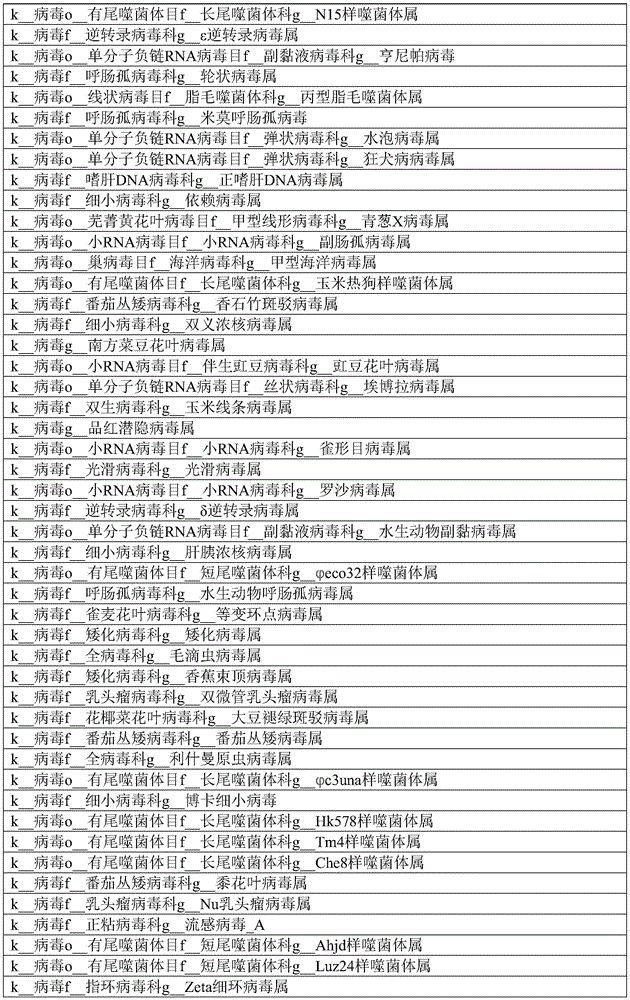


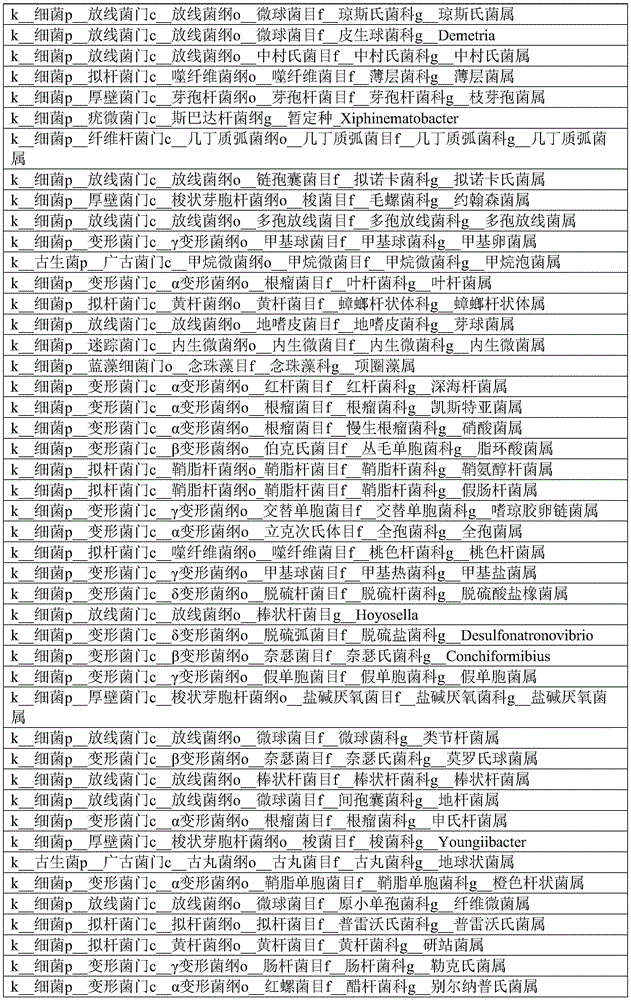


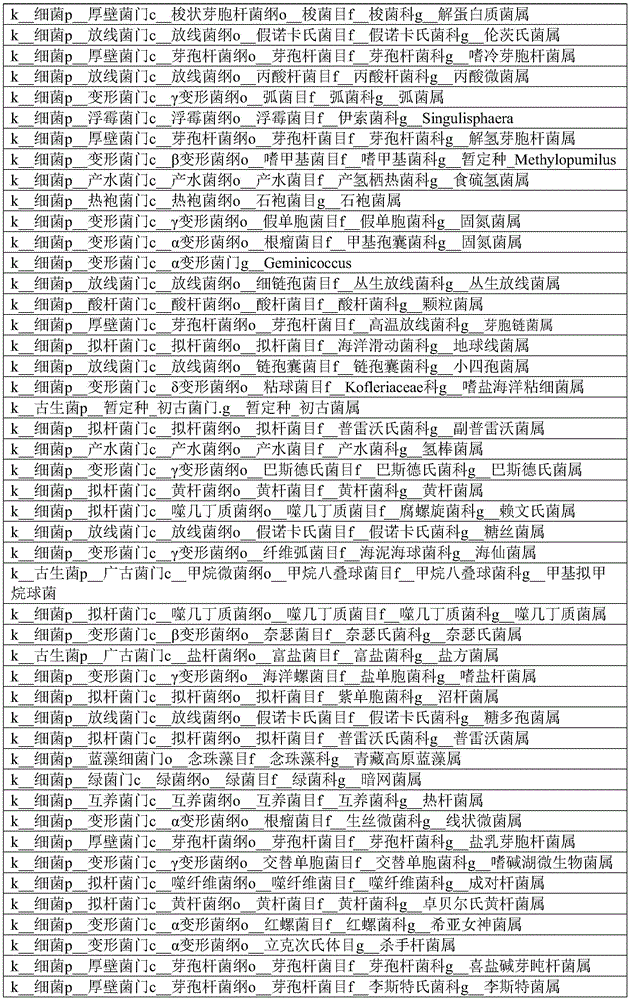


Claims (80)
Applications Claiming Priority (3)
| Application Number | Priority Date | Filing Date | Title |
|---|---|---|---|
| US201862754696P | 2018-11-02 | 2018-11-02 | |
| US62/754,696 | 2018-11-02 | ||
| PCT/US2019/059647 WO2020093040A1 (en) | 2018-11-02 | 2019-11-04 | Methods to diagnose and treat cancer using non-human nucleic acids |
Publications (1)
| Publication Number | Publication Date |
|---|---|
| CN112930407A true CN112930407A (en) | 2021-06-08 |
Family
ID=70463919
Family Applications (1)
| Application Number | Title | Priority Date | Filing Date |
|---|---|---|---|
| CN201980071301.4A Pending CN112930407A (en) | 2018-11-02 | 2019-11-04 | Methods of diagnosing and treating cancer using non-human nucleic acids |
Country Status (6)
| Country | Link |
|---|---|
| US (1) | US20210355546A1 (en) |
| EP (1) | EP3874068A4 (en) |
| CN (1) | CN112930407A (en) |
| AU (1) | AU2019372440B2 (en) |
| CA (1) | CA3118304A1 (en) |
| WO (1) | WO2020093040A1 (en) |
Cited By (1)
| Publication number | Priority date | Publication date | Assignee | Title |
|---|---|---|---|---|
| TWI817795B (en) * | 2022-10-28 | 2023-10-01 | 臺北醫學大學 | Cancer progression discriminant method and system thereof |
Families Citing this family (11)
| Publication number | Priority date | Publication date | Assignee | Title |
|---|---|---|---|---|
| CN115989322A (en) * | 2020-09-21 | 2023-04-18 | 加利福尼亚大学董事会 | Identification of the presence and tissue of origin of metastatic cancer using microbial nucleic acids |
| EP4244374A4 (en) * | 2020-11-16 | 2024-09-18 | Micronoma, Inc. | DIAGNOSIS AND CLASSIFICATION OF CANCER BY NON-HUMAN METAGENOMIC PATHWAY ANALYSIS |
| EP4268232A4 (en) | 2020-12-22 | 2024-11-27 | Micronoma, Inc. | TAXINOMY-INDEPENDENT CANCER DIAGNOSIS AND CLASSIFICATION USING MICROBIAL NUCLEIC ACIDS AND SOMATIC MUTATIONS |
| US20240153588A1 (en) * | 2021-03-12 | 2024-05-09 | Pragma Biosciences Inc. | Systems and methods for identifying microbial biosynthetic genetic clusters |
| US12456539B2 (en) * | 2021-06-01 | 2025-10-28 | Tata Consultancy Services Limited | Method and system for preparing knowledgebase of microbes and microbial functions helping reducing cancer risk |
| WO2023287953A1 (en) * | 2021-07-14 | 2023-01-19 | The Regents Of The University Of California | Mycobiome in cancer |
| JP2024535736A (en) * | 2021-09-03 | 2024-10-02 | マイクロノーマ,インク. | Methods for identifying cancer-associated microbial biomarkers |
| CN118369734A (en) * | 2021-10-08 | 2024-07-19 | 麦克诺玛公司 | Disease diagnosis based on meta-epigenomics |
| WO2023177707A1 (en) * | 2022-03-16 | 2023-09-21 | The Regents Of The University Of California | Methods and systems for microbial tumor hypoxia diagnostics and theranostics |
| CN120239873A (en) * | 2022-09-30 | 2025-07-01 | 液体活检控股有限责任公司 | Multimodal methods and systems for disease diagnosis |
| TWI826332B (en) * | 2023-06-08 | 2023-12-11 | 宏碁股份有限公司 | Method and system for establishing disease prediction model |
Citations (4)
| Publication number | Priority date | Publication date | Assignee | Title |
|---|---|---|---|---|
| CN104507538A (en) * | 2012-06-08 | 2015-04-08 | 艾杜罗生物科技公司 | Compositions and methods for cancer immunotherapy |
| CN106574294A (en) * | 2014-03-03 | 2017-04-19 | 何塞普特鲁塔博士赫罗纳生物医学研究所 | Method for diagnosing colorectal cancer from human feces sample by quantitive pcr, primers and kit |
| WO2018109219A1 (en) * | 2016-12-15 | 2018-06-21 | University College Cork - National University Of Ireland, Cork | Methods of determining colorectal cancer status in an individual |
| WO2018200813A1 (en) * | 2017-04-26 | 2018-11-01 | The Trustees Of The University Of Pennsylvania | Compositions and methods for detecting microbial signatures associated with different breast cancer types |
Family Cites Families (18)
| Publication number | Priority date | Publication date | Assignee | Title |
|---|---|---|---|---|
| US20090061422A1 (en) * | 2005-04-19 | 2009-03-05 | Linke Steven P | Diagnostic markers of breast cancer treatment and progression and methods of use thereof |
| EP2959291A4 (en) * | 2013-02-19 | 2016-08-31 | Wayne John Cancer Inst | METHODS OF DIAGNOSING AND TREATING CANCER BY DETECTING AND HANDLING MICROBES IN TUMORS |
| US10076546B2 (en) * | 2013-03-15 | 2018-09-18 | Seres Therapeutics, Inc. | Network-based microbial compositions and methods |
| ES2902420T3 (en) * | 2013-05-13 | 2022-03-28 | Univ Tufts | Compositions for the treatment of cancer expressing ADAM8 |
| JP6637885B2 (en) * | 2013-07-21 | 2020-01-29 | ペンデュラム セラピューティクス, インコーポレイテッド | Methods and systems for microbiome characterization, monitoring, and treatment |
| EP3130680A1 (en) * | 2015-08-11 | 2017-02-15 | Universitat de Girona | Method for the detection, follow up and/or classification of intestinal diseases |
| EP3141612A1 (en) * | 2015-09-10 | 2017-03-15 | Fraunhofer-Gesellschaft zur Förderung der angewandten Forschung e.V. | Method and device for nucleic acid based diagnostic approaches including the determination of a deviant condtion, especially a health condition and/or pathogenic condition of a sample |
| WO2017062625A1 (en) * | 2015-10-06 | 2017-04-13 | Regents Of The University Of Minnesota | Method to detect colon cancer by means of the microbiome |
| BR112018008783A8 (en) * | 2015-10-30 | 2019-02-26 | Aleta Biotherapeutics Inc | cancer target therapy |
| WO2017123676A1 (en) * | 2016-01-11 | 2017-07-20 | Synlogic, Inc. | Recombinant bacteria engineered to treat diseases and disorders associated with amino acid metabolism and methods of use thereof |
| WO2017156431A1 (en) * | 2016-03-11 | 2017-09-14 | The Joan & Irwin Jacobs Technion-Cornell Institute | Systems and methods for characterization of viability and infection risk of microbes in the environment |
| WO2018026742A1 (en) * | 2016-08-01 | 2018-02-08 | Askgene Pharma Inc. | Novel antibody-albumin-drug conjugates (aadc) and methods for using them |
| WO2018031545A1 (en) * | 2016-08-11 | 2018-02-15 | The Trustees Of The University Of Pennsylvania | Compositions and methods for detecting oral squamous cell carcinomas |
| ES3053343T3 (en) * | 2016-08-25 | 2026-01-21 | Resolution Bioscience Inc | Methods for quantitative genetic analysis of dna fragments using adaptors with unique molecular identifiers and sample tags |
| WO2018112365A2 (en) * | 2016-12-16 | 2018-06-21 | Evelo Biosciences, Inc. | Methods of treating colorectal cancer and melanoma using parabacteroides goldsteinii |
| WO2018136598A1 (en) * | 2017-01-18 | 2018-07-26 | Evelo Biosciences, Inc. | Methods of treating cancer |
| US20180291463A1 (en) * | 2017-03-31 | 2018-10-11 | The Trustees Of The University Of Pennsylvania | Compositions and Methods for Detecting the Ovarian Cancer Oncobiome |
| EP3612198A4 (en) * | 2017-04-17 | 2021-01-13 | The Regents of the University of California | Engineered commensal bacteria and methods of use |
-
2019
- 2019-11-04 CN CN201980071301.4A patent/CN112930407A/en active Pending
- 2019-11-04 US US17/286,083 patent/US20210355546A1/en active Pending
- 2019-11-04 EP EP19877693.2A patent/EP3874068A4/en active Pending
- 2019-11-04 CA CA3118304A patent/CA3118304A1/en active Pending
- 2019-11-04 AU AU2019372440A patent/AU2019372440B2/en active Active
- 2019-11-04 WO PCT/US2019/059647 patent/WO2020093040A1/en not_active Ceased
Patent Citations (4)
| Publication number | Priority date | Publication date | Assignee | Title |
|---|---|---|---|---|
| CN104507538A (en) * | 2012-06-08 | 2015-04-08 | 艾杜罗生物科技公司 | Compositions and methods for cancer immunotherapy |
| CN106574294A (en) * | 2014-03-03 | 2017-04-19 | 何塞普特鲁塔博士赫罗纳生物医学研究所 | Method for diagnosing colorectal cancer from human feces sample by quantitive pcr, primers and kit |
| WO2018109219A1 (en) * | 2016-12-15 | 2018-06-21 | University College Cork - National University Of Ireland, Cork | Methods of determining colorectal cancer status in an individual |
| WO2018200813A1 (en) * | 2017-04-26 | 2018-11-01 | The Trustees Of The University Of Pennsylvania | Compositions and methods for detecting microbial signatures associated with different breast cancer types |
Non-Patent Citations (2)
| Title |
|---|
| SALTER等: "Reagent and laboratory contamination can critically impact sequence-based microbiome analyses", BMC BIOLOGY, vol. 12, no. 87, 12 November 2014 (2014-11-12), pages 1 - 12 * |
| VLADIMIR等: "Decontamination of 16S rRNA gene amplicon sequence datasets based on bacterial load assessment by qPCR", BMC MICROBIOLOGY, vol. 16, no. 73, 23 April 2016 (2016-04-23), pages 1 - 8 * |
Cited By (1)
| Publication number | Priority date | Publication date | Assignee | Title |
|---|---|---|---|---|
| TWI817795B (en) * | 2022-10-28 | 2023-10-01 | 臺北醫學大學 | Cancer progression discriminant method and system thereof |
Also Published As
| Publication number | Publication date |
|---|---|
| AU2019372440B2 (en) | 2025-12-04 |
| US20210355546A1 (en) | 2021-11-18 |
| EP3874068A1 (en) | 2021-09-08 |
| CA3118304A1 (en) | 2020-05-07 |
| EP3874068A4 (en) | 2022-08-17 |
| AU2019372440A1 (en) | 2021-05-27 |
| WO2020093040A1 (en) | 2020-05-07 |
Similar Documents
| Publication | Publication Date | Title |
|---|---|---|
| CN112930407A (en) | Methods of diagnosing and treating cancer using non-human nucleic acids | |
| KR102529113B1 (en) | Analysis of cell-free DNA in urine and other samples | |
| US20230366034A1 (en) | Compositions and methods for diagnosing lung cancers using gene expression profiles | |
| CN105431737B (en) | A system for predicting the prognosis of locally advanced gastric cancer | |
| MX2013013746A (en) | BIOMARCATORS FOR LUNG CANCER. | |
| CN105981026A (en) | Biomarker identification method and device and kit for it | |
| US20130345161A1 (en) | Methods of Treating Breast Cancer With Taxane Therapy | |
| TW200914623A (en) | Prognosis prediction for melanoma cancer | |
| CN114875142B (en) | Including the application of exosome miR-106b-3p, miR550-5p, etc. in the diagnosis of lung cancer | |
| KR20230025895A (en) | Multimodal analysis of circulating tumor nucleic acid molecules | |
| CN110023512A (en) | Methods for predicting the effectiveness of chemotherapy in breast cancer patients | |
| Xin et al. | Characterization of tumor microbiome and associations with prognosis in intrahepatic cholangiocarcinoma | |
| CN112567050A (en) | Detection method | |
| KR20230070199A (en) | Identification of presence of metastatic cancer and tissue of origin by microbial nucleic acids | |
| WO2015153566A1 (en) | 16s rrna saliva analysis unveils microbiome biomonitors linked to human papilloma virus and oropharyngeal squamous cell carcinoma | |
| HK40044055A (en) | Methods to diagnose and treat cancer using non-human nucleic acids | |
| WO2018165532A1 (en) | Methods for diagnosing and treating gastric cancer using mirna expression | |
| Henrion et al. | Oncogenic Human Papillomaviruses Drive One‐Third of Sinonasal Squamous Cell Carcinoma and Are Not Mutually Exclusive for Gene Mutations | |
| Rubio et al. | Liquid Biopsy Characterization of CTCs and THCs Isolated in Patients with UC | |
| Sambruni | Reconstruction of the condition-and location-specific colon cancer microbiome from human RNA sequencing data | |
| Jiang et al. | Nasal Mycology of Chronic Rhinosinusitis Revealed by Nanopore Sequencing. Diagnostics 2022, 12, 2735 | |
| WO2024001668A1 (en) | Methylation molecular marker for detecting benign and malignant pulmonary nodules and use thereof | |
| CN117701716A (en) | Liver cell cancer related marker, detection reagent, detection method and therapeutic drug | |
| CN117604100A (en) | Marker combination for gastric cancer diagnosis, reagent, method and therapeutic drug for gastric cancer | |
| HK40082581A (en) | Identifying the presence of metastatic cancer and tissue of origin with microbial nucleic acids |
Legal Events
| Date | Code | Title | Description |
|---|---|---|---|
| PB01 | Publication | ||
| PB01 | Publication | ||
| REG | Reference to a national code |
Ref country code: HK Ref legal event code: DE Ref document number: 40044055 Country of ref document: HK |
|
| SE01 | Entry into force of request for substantive examination | ||
| SE01 | Entry into force of request for substantive examination |