Detailed Description
The following description with reference to the accompanying drawings is provided to assist in a comprehensive understanding of various embodiments of the disclosure as defined by the claims and their equivalents. It includes various specific details that are helpful for understanding, but these are to be considered merely illustrative. Accordingly, those of ordinary skill in the art will recognize that various changes and modifications of the various embodiments described herein can be made without departing from the scope and spirit of the present disclosure. Moreover, descriptions of well-known functions and constructions may be omitted for clarity and conciseness.
The terms and words used in the following description and claims are not limited to bibliographic meanings, but are used only by the inventors to enable a clear and consistent understanding of the disclosure. Therefore, it will be apparent to those skilled in the art that the following descriptions of the various embodiments of the present disclosure are provided for illustration only and not for the purpose of limiting the disclosure as defined by the appended claims and their equivalents.
It is to be understood that the singular forms "a," "an," and "the" include plural referents unless the context clearly dictates otherwise. Thus, for example, reference to "a component surface" includes reference to one or more of such surfaces.
The term "substantially" means that the property, parameter or value does not need to be achieved exactly, but includes deviations or variations from, for example, tolerances, measurement error, measurement accuracy limitations and other factors known to those skilled in the art, which may occur in amounts that do not preclude the effect that the property is intended to provide.
As is known to those skilled in the art, the blocks of the flowchart (or sequence diagram) and combinations of blocks in the flowchart may be represented by computer program instructions and executed. These computer program instructions may be loaded onto a processor of a general purpose computer, special purpose computer, or a programmable data processing apparatus. When the loaded program instructions are executed by a processor, they create means for implementing the functions specified in the flowchart. Because the computer program instructions may be stored in a computer-readable memory available in a special purpose computer or a programmable data processing apparatus, an article of manufacture may also be created which performs the function described in the flowchart. Because the computer program instructions may be loaded onto a computer or programmable data processing apparatus, they may perform the operations of the functions described in the flowcharts when executed as a process.
A block of the flowchart may correspond to a module, segment, or code, or may correspond to a portion thereof, containing one or more executable instructions for implementing one or more logical functions. In some cases, the functions described by the blocks may be performed in an order different than the order listed. For example, two blocks listed in order may be performed concurrently or in reverse order.
In this specification, the words "unit", "module", and the like may refer to a software component or a hardware component, such as a Field Programmable Gate Array (FPGA) or an Application Specific Integrated Circuit (ASIC), which is capable of performing a function or an operation. However, "unit" and the like are not limited to hardware or software. A unit or the like may be configured to reside in the addressable storage medium or to drive one or more processors. A unit, etc. may also refer to a software component, an object-oriented software component, a class component, a task component, a process, a function, an attribute, a procedure, a subroutine, a segment of program code, a driver, firmware, microcode, circuitry, data, a database, a data structure, a table, an array, or a variable. The functionality provided by the components and units may be combined in smaller components and units and may be combined with other components and units to form larger components and units. The components and units may be configured to drive one or more processors in a device or secure multimedia card.
Before the detailed description, terms or definitions necessary for understanding the present disclosure are described. However, these terms should be construed in a non-limiting manner.
A "Base Station (BS)" is an entity that communicates with User Equipment (UE) and may be referred to as a BS, a Base Transceiver Station (BTS), a Node B (NB), an evolved NB (enb), an Access Point (AP), a fifth generation (5G) NB (5GNB), or a next Generation NB (GNB).
The "UE" is an entity communicating with the BS, and may be referred to as a UE, a device, a Mobile Station (MS), a Mobile Equipment (ME), or a terminal.
In the present disclosure, the 2-step Random Access (RA) procedure including the message a (msga) and the message b (msgb) refers to the following procedure: in the first step of the 2-step contention-based RA (cbra) procedure, the UE sends the RA preamble on the physical RA channel (PRACH) and the payload on the Physical Uplink Shared Channel (PUSCH). The RA preamble and payload transmission is also referred to as MsgA. In a second step, after the MsgA transmission, the UE monitors for a response from the network within a configured window. The response is also called MsgB. The UE performs contention resolution using the contention resolution information in the MsgB. If the contention resolution is successful, the RA procedure is considered to be successfully completed. Instead of contention resolution information corresponding to the transmitted MsgA, MsgB may include a back-off indication corresponding to the RA preamble transmitted in MsgA. If a back-off indication is received, the UE sends Msg3 as in a 4-step CBRA procedure and performs contention resolution using message 4(Msg 4). If the contention resolution is successful, the RA procedure is considered to be successfully completed. And if the contention resolution fails during rollback, the UE retransmits the MsgA. If the configured window in which the UE monitors the network response expires after sending the MsgA, and the UE does not receive MsgB including contention resolution information or a fallback indication as described above, the UE retransmits the MsgA. If the RA procedure is not successfully completed even after sending MsgA a configurable number of times, the UE falls back to the 4-step Random Access Channel (RACH) procedure, i.e., the UE sends only the PRACH preamble. In the 2-step RA procedure, depending on the RRC state of the UE (i.e., idle, inactive, or connected) or events that trigger the RA procedure (such as scheduling request, Physical Downlink Control Channel (PDCCH) order, beam failure recovery, etc.), one or more types of information may be included in the MsgA payload, such as Radio Resource Control (RRC) messages, buffer status reports, power headroom reports, Uplink (UL) data, UE Identifiers (IDs) (e.g., cell-radio temporary identifier (C-RNTI), System Architecture Evolution (SAE) -temporary mobile subscriber identity (S-TMSI), recovery IDs, etc.
The information in the MsgA payload may include one or more of: a connection request message, a connection recovery request message, a System Information (SI) request message, a buffer status indication, beam information (e.g., one or more Downlink (DL) Transmission (TX) beam IDs or Synchronization Signal Block (SSB) IDs), a beam failure recovery indication/information, a data indicator, a cell/BS/Transmission Reception Point (TRP) transition indication, a connection re-establishment message, a reconfiguration complete or handover complete message, etc. Note that any other information is not excluded. In case MsgA includes a dedicated RACH preamble, the UE ID (i.e. C-RNTI) may be skipped (i.e. not included) in the MsgA payload. In this case, the gNB can identify the UE based on the dedicated preamble and send the PDCCH addressed to the C-RNTI in a response. In the present disclosure, a 4-step RA process refers to a conventional RA process including Msg1 to Msg4 as described in the TS 38.321 and 36.321 specifications.
1. Method of processing variable-size Msg1
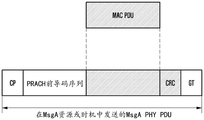
Fig. 1 illustrates an MsgA Physical (PHY) Protocol Data Unit (PDU) sent in an MsgA opportunity (or MsgA resource) for a 2-step RA, according to an embodiment of the disclosure.
Referring to fig. 1, the MsgA PHY PDU consists of a Cyclic Prefix (CP), a PRACH preamble sequence, a Medium Access Control (MAC) PDU, a Cyclic Redundancy Check (CRC), and a Guard Time (GT). MsgA is another name for Msg1 for a 2-step RACH.
Fig. 2 shows another MsgA PHY PDU sent in an MsgA PUSCH occasion (or MsgA PUSCH resource) according to an embodiment of the disclosure.
In this case, only the payload portion of MsgA is sent on the MsgAPUSCH occasion (or MsgAPUSCH resource). The RA preamble part of MsgA is sent separately in PRACH occasion.
Referring to fig. 2, an MsgAPHY PDU for transmitting a payload part of MsgA is composed of a CP, a MAC PDU, a CRC, and a GT. The MsgA PUSCH occasion (or MsgA PUSCH resource) is a time/frequency occasion at which the MsgA payload is sent. The MsgA PUSCH occasion (or MsgA PUSCH resource) includes one or more Physical Resource Blocks (PRBs) in the frequency domain and one or more Orthogonal Frequency Division Multiplexing (OFDM) symbols/slots in the time domain.
In an embodiment, a MAC PDU of the MsgA PHY PDU may include one or more of: common Control Channel (CCCH) Service Data Units (SDUs), Dedicated Control Channels (DCCH) SDUs, Dedicated Traffic Channels (DTCH) SDUs, Buffer Status Report (BSR) MAC Control Elements (CEs), Power Headroom Report (PHR) MAC CEs, SSB information, C-RNTI MAC CE, or padding.
In another embodiment, MsgA may include a UE ID (e.g., random ID, S-TMSI, C-RNTI, recovery ID, etc.) with the preamble in the first step. The UE ID may be included in the MAC PDU of MsgA. The UE ID may be carried in a MAC CE, such as a C-RNTI, which is included in the MAC PDU. Other UE IDs (such as random ID, S-TMSI, C-RNTI, recovery ID, etc.) may be carried in the CCCH SDU. The UE ID may be one of: random ID, S-TMSI, C-RNTI, recovery ID, International Mobile Subscriber Identity (IMSI), Idle mode ID, InActive mode ID, etc. The UE ID may be different in different scenarios where the UE performs the RA procedure. When the UE performs RA after power-up (before attaching to the network), the UE ID is a random ID. The UE ID is S-TMSI when the UE performs RA in idle state after attaching to the network. The UE ID is C-RNTI if the UE has an allocated C-RNTI (e.g., in a connected state). In case the UE is in an inactive state, the UE ID is a recovery ID. In addition to the UE ID, some additional control information may be sent in MsgA. The control information may be included in the MAC PDU of MsgA. The control information may include one or more of the following: a connection request indication, a connection recovery request indication, an SI request indication, a buffer status indication, beam information (e.g., one or more DL TX beam IDs or SSB IDs), a beam failure recovery indication/information, a data indicator, a cell/BS/TRP switch indication, a connection re-establishment indication, a reconfiguration complete or handover complete message, etc. Note that any other control information is not excluded. In case MsgA includes a dedicated RACH preamble, the UE ID (i.e. C-RNTI) may be skipped (i.e. not included) in Msg 1. In this case, the gNB can identify the UE from the dedicated preamble and send a PDCCH addressed to the C-RNTI in response to the MsgA.
According to embodiments of the present disclosure, to support variable size information to be sent in the MsgA payload, multiple MsgA PUSCH resource pools (or RACH configuration) for 2-step RA procedures may be configured. The MsgA PUSCH occasions (or PUSCH resources) in each of these multiple resource pools support different MsgA sizes (or MAC PDU sizes or sizes of information carried in MsgA). The MsgA PUSCH resource pool is signaled by the gNB in SI and/or dedicated RRC signaling.
Fig. 3 illustrates a process performed by a UE to support variable size information to be sent in Msg1, according to an embodiment of the disclosure.
Referring to fig. 3, in operation 310, the UE receives a plurality of MsgA PUSCH resource pools/configurations for a 2-step RA procedure. For MsgA payload transmission, the UE selects a resource pool from a plurality of resource pools in operation 320. The size of the MsgA payload (or the size of the MAC PDU or the size of the information carried in the MsgA) that can be sent in the MsgA PUSCH occasion (or PUSCH resource) of the selected resource pool is greater than or equal to the size of the MsgA payload (or the size of the MAC PDU or the size of the information carried in the MsgA) that the UE intends to send. Each MsgA PUSCH occasion (or PUSCH resource) in the selected resource pool is mapped to one or more SSBs. In operation 330, the UE selects an MsgA PUSCH occasion (or PUSCH resource) from the selected resource pool corresponding to the appropriate SSB. An SS block is appropriate if the SS block Reference Signal Received Power (RSRP) is greater than a threshold, which is signaled by the gNB. If there are no suitable SSBs, the UE may select an MsgA PUSCH occasion (or PUSCH resource) from the selected resource pool corresponding to any SSB. If there are multiple MsgA PUSCH occasions (or PUSCH resources) corresponding to the selected SSB, the UE may randomly select one MsgA PUSCH occasion from among the multiple MsgA PUSCH occasions (or PUSCH resources) corresponding to the selected SSB, or the UE may select the earliest MsgA PUSCH occasion from among the multiple MsgA PUSCH occasions (or PUSCH resources) corresponding to the selected SSB. Then, in operation 340, the UE sends the MsgA payload (i.e., MsgA MAC PDU) in the selected MsgA PUSCH occasion (or PUSCH resource). In an embodiment of this process, the multiple MsgA PUSCH resource pools refer to multiple MsgA PUSCH resource pools configured in an active UL bandwidth part (BWP) of the selected UL carrier. Note that both normal ul (nul) and supplemental ul (sul) carriers may be configured in a cell. For RA on a serving cell configured with both NUL and SUL carriers, the UE selects one of the carriers based on the DLRSRP of the cell. If the RSRP of the DL path loss reference (i.e., SSB) is less than the configured threshold, the UE selects the SUL; otherwise, NUL is selected.
In embodiments where RACH preambles are also sent in MsgA, the list of RACH preambles that can be used is signaled by the gNB. Each RACH preamble in the list is mapped to one or more SSBs. The UE selects a RACH preamble corresponding to a suitable SSB (SSB is suitable if the SS block RSRP is greater than a threshold, which is signaled by the gNB). If there are no suitable SSBs, the UE may select a RACH preamble corresponding to any SSB. If there are multiple RACH preambles corresponding to the selected SSB, the UE may randomly select one from the multiple RACH preambles corresponding to the selected SSB. In one embodiment, each MsgA PUSCH resource pool may be associated with a different preamble set, such that the gNB may identify the MsgA PUSCH resources used by the UE and decode the MsgA payload accordingly. In this case, the UE selects a preamble corresponding to the selected SSB from among the preambles associated with the selected MsgA PUSCH resource pool. In an embodiment, two groups (group a and group B) of RA preambles may be signaled. The UE selects a group of preambles based on MsgA payload size, or based on MsgA payload size and path loss (if group is configured and if MsgA payload size (UL data available for transmission plus MAC header and, if needed, MAC CE) is larger than SizeGroupA and path loss is smaller than a threshold, or if RA procedure is initiated for CCCH logical channel and CCCH SDU size plus MAC subheader is larger than SizeGroupA, preamble group b is selected otherwise group a. SizeGroupA is selected by the gbb). In this case, the UE selects a preamble corresponding to the selected SSB from among the preambles associated with the selected preamble group.
Up to now, MsgA transmission in a 2-step RA procedure,
UE selects UL carrier (NUL or SUL) at RA procedure start.
-the UE selects the SSB for each MsgA transmission during the RA procedure.
-as described above, the UE selects a PUSCH resource pool from the PUSCH resource pools for active UL BWP. This step may be performed only once during the RA procedure.
-the UE selecting a PUSCH occasion corresponding to the selected SSB from the selected PUSCH resource pool.
-the UE selecting a preamble corresponding to the selected SSB from the preambles of the selected PUSCH resource pool. Alternatively, the UE selects a preamble group, and then the UE selects a preamble corresponding to the selected SSB from among the preambles of the selected preamble group.
-the UE selecting a PRACH opportunity corresponding to the selected SSB. The PRACH timing for the 2-step RA is mapped to the SSB as in the 4-part RA. If there are multiple RACH occasions corresponding to the selected SSB, the UE may randomly select one RACH occasion from the multiple RACH occasions corresponding to the selected SSB, or the UE may select the earliest RACH occasion from the multiple RACH occasions corresponding to the selected SSB.
The UE then transmits the selected preamble at the selected PRACH opportunity. The UE sends the MsgA payload at the selected PUSCH occasion.
Fig. 4 is an illustration in which a gNB may signal up to two MsgA PUSCH resource pools (such as resource pool a and resource pool B), according to an embodiment of the disclosure.
Referring to fig. 4, in operation 410, the UE receives one or more MsgA PUSCH resource pools/configurations for a 2-step RA. Resource pool a should be signaled but resource pool B may be selectively signaled. In operation 420, the UE determines whether resource pool B has been signaled. Further, in operation 430, the UE determines whether the MsgA payload size (or the size of the MAC PDU size or information carried in the MsgA) is greater than a threshold, i.e., msgaas threshold. If resource pool B is signaled and if the MsgA payload size (or MAC PDU size or size of information carried in Msg1) is greater than a threshold, i.e., msgaas threshold, then in operation 440 the UE selects MsgA PUSCH resources (or PUSCH occasions) from resource pool B. Otherwise, the UE selects an MsgA PUSCH resource from resource pool a in operation 450. Msgsizethreshold is signaled by the gNB. Each MsgA PUSCH occasion (or PUSCH resource) in the selected resource pool is mapped to one or more SSBs. The UE selects an MsgA PUSCH occasion (or PUSCH resource) from the selected resource pool corresponding to a suitable SSB (SSB is suitable if SS block RSRP is greater than a threshold, which is signaled by the gNB). If there are no suitable SSBs, the UE may select an MsgA PUSCH occasion (or PUSCH resource) from the selected resource pool corresponding to any SSB. If there are multiple MsgA PUSCH occasions (or PUSCH resources) corresponding to the selected SSB, the UE may randomly select one MsgA PUSCH occasion from among the multiple MsgA PUSCH occasions (or PUSCH resources) corresponding to the selected SSB, or the UE may select the earliest MsgA PUSCH occasion from among the multiple MsgA PUSCH occasions (or PUSCH resources) corresponding to the selected SSB. Then, in operation 460, the UE sends the MsgA payload (or MAC PDU) in the selected MsgA PUSCH occasion (or PUSCH resource). In an embodiment of this process, the MsgA PUSCH resource pool refers to the MsgA PUSCH resource pool configured in the active UL BWP of the selected UL carrier. Note that both the NUL and SUL carriers may be configured in a cell. For RA on a serving cell configured with both NUL and SUL carriers, the UE selects one of these carriers based on the DL RSRP of the cell. If the RSRP of the DL path loss reference (i.e., SSB) is less than the configured threshold, the UE selects the SUL; otherwise, NUL is selected.
Fig. 5 is a flowchart illustrating a UE operation for performing an RA procedure according to an embodiment of the present disclosure.
Referring to fig. 5, when the RA procedure is initiated in operation 510, the UE determines in operation 520 whether the MsgA payload size for the 2-step RA (or the size of the MAC PDU size or information carried in MsgA) is larger than the MsgA payload size that can be sent in the MsgA PUSCH resources of the PUSCH resource pool for the 2-step RA (or any MsgA PUSCH resource pool if multiple PUSCH resource pools are configured). As shown in fig. 5, if the MsgA payload size (or MAC PDU size or size of information carried in the MsgA payload) for the 2-step RA is larger than the MsgA payload size (or MAC PDU size or size of information carried in the MsgA payload) that can be sent in the MsgA PUSCH resources of the PUSCH resource pool (or any Msg1 resource pool if multiple PUSCH resource pools are configured) for the 2-step RA, the UE performs a 4-step RA procedure in operation 530. Otherwise, the UE performs a 2-step RA procedure in operation 540.
2. Method for handling reliability of MsgA
Unlike the 4-step RACH procedure, the MsgA of the 2-step RA procedure includes information bits. In a 4-step RACH procedure, these information bits are sent using Msg3, where hybrid automatic repeat request (HARQ) or Transmission Time Interval (TTI) bundling is used for Msg3 transmissions. HARQ or TTI bundling ensures that Msg3 can be reliably sent by UEs that are close to or far away from the gNB (i.e., at the cell edge). In the case of MsgA, a mechanism is needed so that MsgA can be reliably sent by UEs close to and far from the gNB.
In accordance with embodiments of the present disclosure, to support reliable transmission of MsgA by UEs close to and far from the gNB, multiple MsgA PUSCH resource pools for 2-step RA procedures may be configured. The MsgA PUSCH occasions (or PUSCH resources) in each of these multiple resource pools support different numbers of repetitions of MsgA information (except for CP and GT). The number of repetitions in each resource pool is indicated in the resource pool configuration. The MsgA PUSCH resource pool is signaled by the gNB in system information and/or dedicated RRC signaling. The gNB also indicates the DL RSRP range for which a particular resource pool may be selected. In an embodiment of this process, the multiple MsgA PUSCH resource pools refer to multiple MsgA PUSCH resource pools configured in the active UL BWP of the selected UL carrier. Note that both the NUL and SUL carriers may be configured in a cell. For RA on a serving cell configured with both NUL and SUL carriers, the UE selects one of the carriers based on the DL RSRP of the cell.
Fig. 6 illustrates a process performed by a UE to support reliable transmission of MsgA according to an embodiment of the disclosure.
Referring to fig. 6, in operation 610, the UE receives a plurality of MsgA PUSCH resource pools/configurations for a 2-step RA procedure. For MsgA payload transmission, the UE selects a resource pool from a plurality of resource pools in operation 620, wherein the DL RSRP measured by the UE is within a range of DL RSRPs of the selected resource pool. The range of DL RSRPs that can be used for each of its resource pools is signaled by the gNB. For example, three resource pools are configured. When DL RSRP < > is threshold 1, resource pool 1 is used. When threshold 1< DL RSRP < ═ threshold 2, resource pool 2 is used. When threshold 2< DL RSRP, resource pool 3 is used. Thresholds 1 and 2 are signaled by the gNB. In an embodiment, the UE performs the selection of the resource pool at the beginning of the RA procedure for the first MsgA transmission, and then uses the same resource pool for all RA transmissions during the RA procedure. In another embodiment, the UE performs the selection of the resource pool before each MsgA transmission or RA attempt during the RA procedure. In an embodiment, the DLRSRP used for resource pool selection is the RSRP derived from the SSB measurements of the cell sending MsgA. In another embodiment, the DL RSRP used for resource pool selection is the RSRP of the DL path loss reference. The DL path loss reference may be a synchronization signal, i.e., SSB. The DL path loss reference may be the SSB selected for selecting PRACH resources (preamble, PRACH opportunity) and PUSCH resources for MsgA transmission. In an embodiment, the DLRSRP used for resource pool selection is the synchronization signal RSRP (SS-RSRP) of the best SSB (i.e., the highest RSRP value among the SS-RSRP values of all SSBs). In another embodiment, the DL RSRP used for resource pool selection is the DL RSRP of the cell on which the MsgA is sent. It is obtained as follows: the maximum number of beams (or SSBs) (nrofSS-resources to average) and the threshold (absThreshSS-association) are signaled by the gNB. The UE acquires them from SI or RRC signaling. The RSRP value of the cell is the highest of the SS-RSRP values of all SSBs (or beams) if the highest of the SS-RSRP values of all SSBs is below a threshold. Otherwise, the RSRP of the cell is a linear average of the SS-RSRP of the highest SS-RSRP values up to a maximum number (nrofSS-resources ToAvage) above the threshold.
Each MsgA PUSCH occasion (or PUSCH resource) in the selected resource pool is mapped to one or more SSBs. In operation 630, the UE selects an MsgA PUSCH occasion (or PUSCH resource) from the selected resource pool corresponding to the appropriate SSB. SS blocks are appropriate if the SS block RSRP is greater than a threshold, which is signaled by the gNB. If there are no suitable SSBs, the UE may select an MsgA PUSCH occasion (or PUSCH resource) from the selected resource pool corresponding to any SSB. If there are multiple MsgA PUSCH occasions (or PUSCH resources) corresponding to the selected SSB, the UE may randomly select one MsgA PUSCH occasion from among the multiple MsgA PUSCH occasions (or PUSCH resources) corresponding to the selected SSB, or the UE may select the earliest MsgA PUSCH occasion from among the multiple MsgA PUSCH occasions (or PUSCH resources) corresponding to the selected SSB. Then, in operation 640, the UE sends MsgA in the selected MsgAPUSCH occasion (or PUSCH resource). In an embodiment of this process, the multiple MsgA PUSCH resource pools refer to multiple msg apusch resource pools configured in the active UL BWP of the selected UL carrier. Note that both the NUL and SUL carriers may be configured in a cell. For RA on a serving cell configured with both NUL and SUL carriers, the UE selects one of the carriers based on the DL RSRP of the cell.
In embodiments where RACH preambles are also sent in MsgA, the list of RACH preambles that can be used is signaled by the gNB. Each RACH preamble in the list is mapped to one or more SSBs. The UE selects (SSB is appropriate if the SSB block RSRP is greater than a threshold signaled by the gNB) the RACH preamble corresponding to the appropriate SSB. If there is no suitable SSB, the UE may select a RACH preamble corresponding to any SSB. If there are multiple RACH preambles corresponding to the selected SSB, the UE may randomly select one from the multiple RACH preambles corresponding to the selected SSB. In an embodiment, each MsgA PUSCH resource pool may be associated with a different preamble set, such that the gNB may identify the MsgA PUSCH resources used by the UE and decode the MsgA payload accordingly. In this case, the UE selects a preamble corresponding to the selected SSB from among the preambles associated with the selected MsgA PUSCH resource pool. In an embodiment, two sets of RA preambles may be signaled. The UE selects a group of preambles based on MsgA payload size, or based on MsgA payload size and path loss (if group is configured and if MsgA payload size (UL data available for transmission plus MAC header and if needed MAC header) is larger than sizegappa and path loss is smaller than a threshold, or if RA procedure is initiated for CCCH logical channel and CCCH SDU size plus MAC subheader is larger than sizegappa, preamble group b is selected otherwise group a. sizegappa is selected by gbb). In this case, the UE selects a preamble corresponding to the selected SSB from among the preambles associated with the selected preamble group. Up to now, MsgA transmission in a 2-step RA procedure,
UE selects UL carrier (NUL or SUL) at RA procedure start.
-the UE selects the SSB for each MsgA transmission during the RA procedure.
-as described above, the UE selects a PUSCH resource pool from the PUSCH resource pools for active UL BWP. This step may be performed only once during the RA procedure.
-the UE selecting a PUSCH occasion corresponding to the selected SSB from the selected PUSCH resource pool.
-the UE selecting a preamble corresponding to the selected SSB from the preambles of the selected PUSCH resource pool. Alternatively, the UE selects a preamble group, and then the UE selects a preamble corresponding to the selected SSB from among the preambles of the selected preamble group.
-the UE selecting a PRACH opportunity corresponding to the selected SSB. The PRACH occasion for the 2-step RA is mapped to the SSB as in the 4-step RA.
The UE then transmits the selected preamble at the selected PRACH opportunity. The UE sends the MsgA payload at the selected PUSCH occasion.
Fig. 7 is an illustration of another embodiment of the disclosure where the gNB can signal up to two MsgA PUSCH resource pools (such as resource pool a and resource pool B), in accordance with an embodiment of the disclosure.
Referring to fig. 7, in operation 710, the UE receives one or more MsgA PUSCH resource pools/configurations for a 2-step RA. Resource pool a should be signaled but resource pool B may be selectively signaled. In operation 720, the UE determines whether resource pool B has been signaled. Further, in operation 730, the UE determines whether DLRSRP of a cell on which the UE will transmit MsgA is less than Threshold. If resource pool B is signaled and if DL RSRP of the cell on which the UE will send MsgA is less than Threshold, then in operation 740 the UE selects MsgA PUSCH resources from resource pool B. Otherwise, the UE selects an MsgA PUSCH resource from resource pool a in operation 750. Threshold is signaled by the gNB. Each MsgA PUSCH occasion (or PUSCH resource) in the selected resource pool is mapped to one or more SSBs. In an embodiment, the DL RSRP used for resource pool selection is the RSRP derived from the SSB measurements of the cell sending MsgA. In another embodiment, the DL RSRP used for resource pool selection is the RSRP of the DL path loss reference. The DL path loss reference may be a synchronization signal, i.e., SSB. The DL path loss reference may be the SSB selected for selecting PRACH resources (preamble, PRACH opportunity) and PUSCH resources for MsgA transmission. In an embodiment, the DL RSRP used for resource pool selection is the SS-RSRP value of the best SSB (i.e., the highest RSRP value among the SS-RSRP values of all SSBs). In another embodiment, the DL RSRP used for resource pool selection is the DL RSRP of the cell on which Msg1 is sent. It is obtained as follows: the maximum number of beams (or SSBs) (nrofSS-resources to average) and the threshold (absThreshSS-association) are signaled by the gNB. The UE acquires them from SI or RRC signaling. The RSRP value of the cell is the highest of the SS-RSRP values of all SSBs (or beams) if the highest of the SS-RSRP values of all SSBs is below a threshold. Otherwise, the RSRP of the cell is a linear average of the SS-RSRP of the highest SS-RSRP values up to a maximum number (nrofSS-resources ToAvage) above the threshold. The UE selects an MsgA PUSCH occasion (or PUSCH resource) from the selected resource pool corresponding to a suitable SSB (SSB is suitable if the SSB block RSRP is greater than a threshold, which is signaled by the gNB). If there is no suitable SSB, the UE may select an MsgAPUSCH occasion (or resource) from the selected resource pool corresponding to any SSB. If there are multiple MsgA PUSCH occasions (or PUSCH resources) corresponding to the selected SSB, the UE may randomly select one MsgA PUSCH occasion from among the multiple MsgA PUSCH occasions (or PUSCH resources) corresponding to the selected SSB, or the UE may select the earliest MsgA PUSCH occasion from among the multiple MsgA PUSCH occasions (or PUSCH resources) corresponding to the selected SSB. Then, in operation 760, the UE sends the MsgA payload (or MAC PDU) in the selected MsgA PUSCH occasion (or PUSCH resource). In an embodiment of this process, the MsgA PUSCH resource pool refers to the MsgA PUSCH resource pool configured in the active UL bwp of the selected UL carrier. Note that both the NUL and SUL carriers may be configured in a cell. For RA on a serving cell configured with both NUL and SUL carriers, the UE selects one of the carriers based on the DL RSRP of the cell.
Fig. 8 illustrates a process performed by a UE to support reliable transmission of MsgA according to another embodiment of the disclosure.
This procedure is applied when both 2-step and 4-step RA are supported in the cell where RA is initiated, and the UE supports both 2-step and 4-step RA procedures. In a system supporting BWP: in the RRC IDLE/INACTIVE state, the UE performs an RRC procedure on the initial dl BWP and the initial UL BWP of the camped cell. In the case where the camped cell is configured with both NUL and SUL, the UE selects the UL carrier based on the DL RSRP of the camped cell (e.g., if the RSRP of the DL path loss reference (i.e., SSB) is less than a configured threshold, the UE selects SUL; else NUL), and the initial UL BWP of the RA procedure is the initial UL BWP of the selected UL carrier. In case that the camping cell is configured with only NUL, then the UE selects NUL and the initial UL BWP for the RA procedure is the initial UL BWP of NUL. Thus, the UE in RRC IDLE/INACTIVE applies this procedure when both 2-step and 4-step RA are supported in the initial UL BWP for the selected UL carrier (i.e. the SI received from the camped cell includes both 2-step and 4-step RA configurations). In the RRC CONNECTED state, the UE performs an RA procedure on an active DL BWP and an active UL BWP of the serving cell that initiated the RA. In case the serving cell initiating RA is configured with both NUL and SUL, the active UL BWP for the RA procedure is the active UL BWP of the selected UL carrier. The UL carrier (NUL or SUL) to be used may be indicated by the gNB, and if not, the UE selects the UL carrier based on the DL RSRP of the serving cell on which the RA is initiated (e.g., if the RSRP of the DL path loss reference (i.e., SSB) is less than a configured threshold, the UE selects the SUL; otherwise NUL). In case that the serving cell initiating RA is configured with NUL only, the UE selects NUL. Thus, when active UL BWP supports both 2-step and 4-step RA for the selected UL carrier (i.e., the dedicated RRC signaling received from the gNB includes both 2-step and 4-step RA configuration), the UE in RRC CONNECTED applies this procedure.
The gNB signals the DLRSRP threshold for selecting 2/4 step RA procedure. In an embodiment, DL RSRP thresholds may be configured for the NUL and SUL carriers, respectively, and the UE uses the DL RSRP threshold corresponding to the UL carrier selected for the RA. In another embodiment, the DL RSRP threshold may be included in the RA configuration, where the RA configuration is signaled per UL BWP, and the UE uses the DL RSRP threshold included in the RA configuration corresponding to the active UL BWP (note that in RRC IDLE/INACTIVE, the initial UL BWP is the active UL BWP). In another embodiment, the DL RSRP threshold may be cell-specific, i.e., common for all BWPs, but may be configured separately for NUL and SUL. In another embodiment, the DLRSRP threshold is common for all BWP and UL carriers of the cell.
In an embodiment of the present disclosure, the UE measures the DL RSRP of the serving cell on which RA is initiated (i.e., the cell on which the UE will send Msg1 for a 4-step RA and MsgA for a 2-step RA). In an embodiment, the DL RSRP is the RSRP derived from the SSB measurements of the cell on which RA was initiated (i.e., the cell on which the UE will send Msg1 for a 4-step RA and MsgA for a 2-step RA). In another embodiment, the DL RSRP is the RSRP of the DL path loss reference. The DL path loss reference may be a synchronization signal, i.e., SSB. The DL path loss reference may be the SSB selected for selecting the PRACH resource (preamble, PRACH opportunity). In another embodiment, the DL RSRP is the SS-RSRP of the best SSB (i.e., the highest RSRP value among the SS-RSRP values of all SSBs). In another embodiment, the DL RSRP is the DL RSRP of the cell on which the RA is started, and it is obtained as follows: the maximum number of beams (or SSBs) (nrofSS-resources to average) and the threshold (absThreshSS-association) are signaled by the gNB. The UE acquires them from SI or RRC signaling. The DL RSRP value of the cell is the highest of the SS-RSRP values of all SSBs (or beams) if the highest of the SS-RSRP values of all SSBs is below a threshold. Otherwise, the DL RSRP of the cell is a linear average of the SS-RSRP of the highest SS-RSRP value up to a maximum number (nrofSS-resources ToAvage) above the threshold. In an embodiment, the DL RSRP of a cell may be a channel state information RSRP (CSI-RSRP).
If the DL RSRP of the serving cell on which RA is initiated (i.e., the cell on which the UE will send Msg1 for 4-step RA and MsgA for 2-step RA) measured by the UE is less than or equal to the DL RSRP threshold, the UE performs a 4-step RA procedure. In an embodiment of the present disclosure, if the DL RSRP of the serving cell on which RA is started (i.e., the cell on which the UE will send Msg1 for a 4-step RA and MsgA for a 2-step RA) measured by the UE is greater than the DL RSRP threshold, the UE performs a 2-step RA procedure. The DL RSRP threshold is signaled by the gNB (as described above). Referring to fig. 8, upon initiating an RA procedure in operation 810, the UE checks in operation 820 whether the DL RSRP of the serving cell (i.e., the cell on which the UE will send Msg1 for a 4-step RA and MsgA for a 2-step RA) is less than or equal to the DL RSRP threshold. If so, the UE performs a 4-step RA procedure in operation 830. Otherwise (i.e., the DL RSRP of the serving cell is greater than the DL RSRP threshold), the UE performs a 2-step RA procedure in operation 840.
In an alternative embodiment of the present disclosure, the UE may perform a 4-step or 2-step RA procedure if the DL RSRP of the serving cell on which RA is initiated (i.e., the cell on which the UE will send Msg1 for a 4-step RA and MsgA for a 2-step RA) measured by the UE is greater than the DL RSRP threshold. In this case, the selection of the 4-step or 2-step RA procedure may depend on the implementation of the UE. Alternatively, in this case, the UE may randomly select a 4-step or 2-step RA procedure. Alternatively, the gNB may signal the distribution factor. And the UE randomly selects numbers in the designated range, if the selected numbers are larger than the distribution factor, the UE selects the 2-step RA process, and otherwise, the UE selects the 4-step RA process.
In an alternative embodiment of the present disclosure, the selection of the 2/4-step RA procedure may be based on DL Reference Signal Received Quality (RSRQ) instead of DLRSRP.
In an embodiment of the present disclosure, if the DL RSRP of the serving cell on which RA is started (i.e., the cell on which the UE will send Msg1 for a 4-step RA and MsgA for a 2-step RA) measured by the UE is less than the DL RSRP threshold, the UE performs a 4-step RA procedure. In an embodiment of the present disclosure, if the DL RSRP of the serving cell on which RA is initiated (i.e., the cell on which the UE will send Msg1 for a 4-step RA and MsgA for a 2-step RA) measured by the UE is greater than or equal to the DL RSRP threshold, the UE performs a 2-step RA procedure. The DL RSRP threshold is signaled by the gNB (as described above). In an alternative embodiment of the present disclosure, the UE may perform a 4-step or 2-step RA procedure if the DL RSRP of the serving cell on which RA is initiated (i.e., the cell on which the UE will send Msg1 for a 4-step RA and MsgA for a 2-step RA) measured by the UE is greater than or equal to the DL RSRP threshold. In this case, the selection of the 4-step or 2-step RA procedure may depend on the implementation of the UE. Alternatively, in this case, the UE may randomly select a 4-step or 2-step RA procedure. Alternatively, the gNB may signal the distribution factor. And the UE randomly selects numbers in the designated range, if the selected numbers are larger than the distribution factor, the UE selects the 2-step RA process, and otherwise, the UE selects the 4-step RA process.
Fig. 9 shows a process performed by a UE to support reliable transmission of MsgA according to another embodiment of the disclosure.
This procedure is applied when both 2-step and 4-step RA are supported in the cell where RA is initiated, and the UE supports both 2-step and 4-step RA procedures. In a system supporting BWP: in the RRC IDLE/INACTIVE state, the UE performs an RRC procedure on the initial DL BWP and the initial UL BWP of the camping cell. In the case where the camped cell is configured with both NUL and SUL, the UE selects an UL carrier based on the DL RSRP of the camped cell (e.g., if the RSRP of the DL path loss reference (i.e., SSB) is less than a configured threshold, the UE selects SUL; else NUL), and the initial UL bwp of the RA procedure is the initial UL bwp of the selected UL carrier. In case that the camping cell is configured with only NUL, the UE selects NUL, and the initial UL BWP for the RA procedure is the initial UL BWP of NUL. Thus, the UE in RRC IDLE/INACTIVE applies this procedure when both 2-step and 4-step RA are supported in the initial UL BWP for the selected UL carrier (i.e. the SI received from the camped cell includes both 2-step and 4-step RA configurations). In the RRC CONNECTED state, the UE performs an RA procedure on the active DL BWP and the active ul BWP of the serving cell that initiated the RA. In case the serving cell initiating RA is configured with both NUL and SUL at the same time, the active UL BWP for the RA procedure is the active UL BWP of the selected UL carrier. The UL carrier (NUL or SUL) to be used may be indicated by the gNB, and if not, the UE selects the UL carrier based on the DL RSRP of the serving cell on which the RA is initiated (e.g., if the RSRP of the DL path loss reference (i.e., SSB) is less than a configured threshold, the UE selects the SUL; otherwise NUL). In case that the serving cell initiating RA is configured with NUL only, the UE selects NUL. Thus, a UE in RRC CONNECTED applies this procedure when active UL BWP supports both 2-step and 4-step RA for the selected UL carrier (i.e., the dedicated RRC signaling received from the gNB includes both 2-step and 4-step RA configurations).
The gNB signals the DL RSRP threshold used to select the 2/4 step RA procedure. In an embodiment, DL RSRP thresholds may be configured for the NUL and SUL carriers, respectively, and the UE uses the DL RSRP threshold corresponding to the UL carrier selected for the RA. In another embodiment, the DL RSRP threshold may be included in the RA configuration, where the RA configuration is signaled per UL BWP, and the UE uses the DL RSRP threshold included in the RA configuration corresponding to the active UL BWP (note that in RRC IDLE/INACTIVE, the initial UL BWP is the active UL BWP). In another embodiment, the DL RSRP threshold may be cell-specific, i.e., common for all BWPs, but may be configured separately for NUL and SUL. In another embodiment, the DL RSRP threshold is common for all BWP and UL carriers of the cell.
In an embodiment of the present disclosure, the UE measures the DL RSRP of the serving cell on which RA is initiated (i.e., the cell on which the UE will send Msg1 for a 4-step RA and MsgA for a 2-step RA). In an embodiment, the DL RSRP is the RSRP derived from the SSB measurements of the cell on which RA was initiated (i.e., the cell on which the UE will send Msg1 for a 4-step RA and MsgA for a 2-step RA). In another embodiment, the DL RSRP is the RSRP of the DL path loss reference. The DL path loss reference may be a synchronization signal, i.e., SSB. The DL path loss reference may be the SSB selected for selecting PRACH resources (preamble, PRACH opportunity) and PUSCH resources for MsgA transmission. In another embodiment, the DL RSRP is the SS-RSRP of the best SSB (i.e., the highest RSRP value among the SS-RSRP values of all SSBs). In another embodiment, the DL RSRP is the DL RSRP of the cell on which RA is initiated (i.e., the cell on which the UE will send Msg1 for a 4-step RA and MsgA for a 2-step RA), and it is obtained as follows: the maximum number of beams (or SSBs) (nrofSS-resources to average) and the threshold (absThreshSS-association) are signaled by the gNB. The UE acquires them from SI or RRC signaling. The DL RSRP of the cell is the highest of the SS-RSRP values of all SSBs (or beams) if the highest of the SS-RSRP values of all SSBs is below a threshold. Otherwise, the DL RSRP of the cell is a linear average of the SS-RSRP of the highest SS-RSRP value up to a maximum number (nrofSS-resources ToAvage) above the threshold. In an embodiment, the DL RSRP of a cell may be a CSI-RSRP.
In the process shown in fig. 9 of the present disclosure, the UE may perform the selection between 2 and 4 steps based on the DL RSRP of the cell initiating the RA before each RA attempt of the RA procedure, rather than at the beginning of the RA procedure.
Referring to fig. 9, upon RA (re) transmission, the UE determines whether DL RSRP of a cell on which RA is initiated (i.e., a cell on which the UE will send Msg1 for a 4-step RA and MsgA for a 2-step RA) is less than or equal to a threshold in operation 920. If the DL RSRP of the serving cell (i.e., the cell on which the UE will send Msg1 for the 4-step RA and MsgA for the 2-step RA) is less than or equal to the threshold, the UE selects RA resources (preamble/RA occasion) from the resources configured for the 4-step RA in operation 930. Otherwise (i.e., the DL RSRP of the serving cell on which RA is initiated is greater than the threshold), the UE selects RA resources (preamble/MsgA PUSCH occasion/RA occasion) from the resources configured for 2-step RA in operation 940. This is beneficial because channel conditions may change during RA.
Fig. 10 shows a process performed by a UE to support reliable transmission of MsgA according to another embodiment of the present disclosure.
This procedure is applied when both 2-step and 4-step RA are supported in the cell where RA is initiated, and the UE supports both 2-step and 4-step RA procedures. In a system supporting BWP: in the RRC IDLE/INACTIVE state, the UE performs an RRC procedure on the initial DL BWP and the initial UL BWP of the camping cell. In the case where the camped cell is configured with both NUL and SUL, the UE selects an UL carrier based on the DL RSRP of the camped cell (e.g., if the RSRP of the DL path loss reference (i.e., SSB) is less than a configured threshold, the UE selects SUL; else NUL), and the initial UL bwp of the RA procedure is the initial UL bwp of the selected UL carrier. In case the camped cell is configured with NUL only, then the UE selects NUL and the initial UL BWP for the RA procedure is the initial UL BWP of NUL. Thus, the UE in RRC IDLE/INACTIVE applies this procedure when both 2-step and 4-step RA are supported in the initial UL BWP for the selected UL carrier (i.e. the SI received from the camped cell includes both 2-step and 4-step RA configurations). In the RRC CONNECTED state, the UE performs an RRC procedure on the active DL BWP and the active ul BWP of the serving cell initiating the RA. In case the serving cell on which RA is initiated is configured with both NUL and SUL at the same time, then the active UL BWP for the RA procedure is the active UL BWP of the selected UL carrier. The UL carrier (NUL or SUL) to be used may be indicated by the gNB, and if not, the UE selects the UL carrier based on the DL RSRP of the serving cell on which the RA is initiated (e.g., if RSRP of the DL path loss reference (i.e., SSB) is less than a configured threshold, the UE selects the SUL; otherwise NUL). In case that the serving cell initiating RA is configured with NUL only, the UE selects NUL. Thus, when active UL BWP for the selected UL carrier supports both 2-step and 4-step RA (i.e., the dedicated RRC signaling received from the gNB includes both 2-step and 4-step RA configurations), the UE in RRC CONNECTED applies this procedure.
The gNB signals the DL RSRP threshold used to select the 2/4 step RA procedure. In an embodiment, DL RSRP thresholds may be configured for the NUL and SUL carriers, respectively, and the UE uses the DL RSRP threshold corresponding to the UL carrier selected for the RA. In another embodiment, the DL RSRP threshold may be included in the RA configuration, where the RA configuration is signaled per UL BWP, and the UE uses the DL RSRP threshold included in the RA configuration corresponding to the active UL BWP (note that in RRC IDLE/INACTIVE, the initial UL BWP is the active UL BWP). In another embodiment, the DL RSRP threshold may be cell-specific, i.e., common for all BWPs, but may be configured separately for NUL and SUL. In another embodiment, the DL RSRP threshold is common for all BWP and UL carriers of the cell.
In an embodiment of the present disclosure, the UE measures the DL RSRP of the serving cell on which RA is initiated (i.e., the cell on which the UE will send Msg1 for a 4-step RA and MsgA for a 2-step RA). In an embodiment, the DL RSRP is the RSRP derived from the SSB measurements of the cell that initiated the RA (i.e., the cell on which the UE will send Msg1 for a 4-step RA and MsgA for a 2-step RA). In another embodiment, the DL RSRP is the RSRP of the DL path loss reference. The DL path loss reference may be a synchronization signal, i.e., SSB. The DL path loss reference may be the SSB selected for selecting PRACH resources (preamble, PRACH opportunity) and PUSCH resources for MsgA transmission. In another embodiment, the DL RSRP is the SS-RSRP of the best SSB (i.e., the highest RSRP value among the SS-RSRP values of all SSBs). In another embodiment, the DL RSRP is the DL RSRP of the cell on which RA is initiated (i.e., the cell on which the UE will send Msg1 for a 4-step RA and MsgA for a 2-step RA), and it is obtained as follows: the maximum number of beams (or SSBs) (nrofSS-resources to average) and the threshold (absThreshSS-association) are signaled by the gNB. The UE acquires them from SI or RRC signaling. The DL RSRP of the cell is the highest of the SS-RSRP values of all SSBs (or beams) if the highest of the SS-RSRP values of all SSBs is below a threshold. Otherwise, the DL RSRP of the cell is a linear average of the SS-RSRP of the highest SS-RSRP value up to a maximum number (nrofSS-resources ToAvage) above the threshold. In an embodiment, the DL RSRP of a cell may be a CSI-RSRP.
In another embodiment of the present disclosure, if the DL RSRP of the serving cell on which RA is started (i.e., the cell on which the UE will send Msg1 for 4-step RA and MsgA for 2-step RA) measured by the UE is less than or equal to the threshold and TTI bundling supporting Msg3 transmission, the UE performs the 4-step RA procedure as shown in fig. 10. The threshold is signaled by the gNB (as described above).
Referring to fig. 10, upon initiating an RA procedure in operation 1010, the UE checks in operation 1020 whether DL RSRP of a cell on which RA is initiated (i.e., a cell on which the UE will send Msg1 for a 4-step RA and MsgA for a 2-step RA) is less than or equal to a threshold. Further, in operation 1030, the UE determines whether TTI bundling for Msg3 transmission is supported. If it is, that is, the DL RSRP of the serving cell on which RA is initiated (i.e., the cell on which the UE will send Msg1 for 4-step RA and MsgA for 2-step RA) is less than or equal to the threshold and TTI bundling for Msg3 transmission is supported, the UE performs a 4-step RA procedure in operation 1040. Otherwise (i.e., the DL RSRP of the serving cell on which the RA is initiated is greater than the threshold), the UE performs a 2-step RA procedure in operation 1050. In an alternative embodiment, the UE may perform this selection between 2 and 4 steps based on the cell's DLRSRP before each RA attempt of the RA procedure, rather than at the beginning of the RA procedure. This is beneficial because channel conditions may change during the RA procedure.
In another embodiment of the present disclosure, if the DL RSRP of the serving cell on which RA is started (i.e., the cell on which the UE will send Msg1 for 4-step RA and MsgA for 2-step RA) measured by the UE is less than a threshold and TTI bundling for Msg3 transmission is supported, the UE performs a 4-step RA procedure. The threshold is signaled by the gNB (as described above). Upon initiating the RA procedure, the UE checks whether the DLRSRP of the cell on which RA was initiated (i.e., the cell on which the UE will send Msg1 for a 4-step RA and MsgA for a 2-step RA) is less than a threshold. Further, the UE determines whether TTI bundling for Msg3 transmission is supported. If yes, i.e., the DL RSRP of the serving cell on which RA is initiated (i.e., the cell on which the UE will send Msg1 for 4-step RA and MsgA for 2-step RA) is less than the threshold and TTI bundling for Msg3 transmission is supported, the UE performs a 4-step RA procedure. Otherwise (i.e., the DL RSRP of the serving cell on which the RA is initiated is greater than or equal to the threshold), the UE performs a 2-step RA. In an alternative embodiment, the UE may perform this selection between 2 and 4 steps based on the DL RSRP of the cell before each RA attempt of the RA procedure, rather than at the beginning of the RA procedure.
Fig. 11 shows a process performed by a UE to support reliable transmission of MsgA according to another embodiment of the disclosure.
In an embodiment of the present disclosure, the UE measures the DL RSRP of the serving cell on which RA is initiated (i.e., the cell on which the UE will send Msg1 for a 4-step RA and MsgA for a 2-step RA). In an embodiment, the DL RSRP is the RSRP derived from the SSB measurements of the cell on which RA was initiated (i.e., the cell on which the UE will send Msg1 for a 4-step RA and MsgA for a 2-step RA). In another embodiment, the DL RSRP is the RSRP of the DL path loss reference. The DL path loss reference may be a synchronization signal, i.e., SSB. The DL path loss reference may be the SSB selected for selecting PRACH resources (preamble, PRACH opportunity) and PUSCH resources for MsgA transmission. In another embodiment, the DL RSRP is the SS-RSRP of the best SSB (i.e., the highest RSRP value among the SS-RSRP values of all SSBs). In another embodiment, the DL RSRP is the DL RSRP of the cell on which RA is initiated (i.e., the cell on which the UE will send Msg1 for a 4-step RA and MsgA for a 2-step RA), and it is obtained as follows: the maximum number of beams (or SSBs) (nrofSS-resources to average) and the threshold (absThreshSS-association) are signaled by the gNB. The UE acquires them from SI or RRC signaling. The DL RSRP value of the cell is the highest of the SS-RSRP values of all SSBs (or beams) if the highest of the SS-RSRP values of all SSBs is below a threshold. Otherwise, the DL RSRP of the cell is a linear average of the SS-RSRP of the highest SS-RSRP value up to a maximum number (nrofSS-resources ToAvage) above the threshold. In an embodiment, the DL RSRP of a cell may be a CSI-RSRP.
Referring to fig. 11, in operation 1110, the UE receives a plurality of MsgA resource pools (or MsgA PUSCH resource pools)/configurations for a 2-step RA procedure. The range of DL RSRPs that can be used for each of its MsgA resource pools (or MsgA PUSCH resource pools) is signaled by the gNB. The MsgA payload size that can be sent in the MsgA PUSCH occasion (or PUSCH resource) of the resource pool is also indicated by the gNB. For MsgA payload transmission, the UE selects a resource pool from a plurality of resource pools in operation 1120. The DL RSRP of the serving cell on which RA is initiated (i.e., the cell on which the UE will send MsgA for 2-step RA) measured by the UE (i.e., the RSRP of the RS used as DL path loss reference) is within the range of DL RSRPs of the selected resource pool. In addition, the size of the MsgA payload (or the size of the MAC PDU or the size of the information carried in the MsgA) that can be sent in the MsgA PUSCH resource of the selected resource pool is greater than or equal to the size of the MsgA payload (or the size of the MAC PDU or the size of the information carried in the MsgA) that the UE intends to send. For example, four resource pools are configured. Resource pool 1 is used when DL RSRP < ═ threshold 1 and MsgA payload size < ═ X. Resource pool 2 is used when DL RSRP > threshold 1 and MsgA payload size < ═ X. Resource pool 3 is used when DL RSRP < ═ threshold 1 and MsgA payload size > X. Resource pool 4 is used when DL RSRP > threshold 1 and MsgA payload size > X. Each Msg1 PUSCH occasion (or PUSCH resource) in the selected resource pool is mapped to one or more SSBs. In operation 1130, the UE selects an MsgA PUSCH occasion (or PUSCH resource) from the selected resource pool corresponding to the appropriate SSB. SSB is appropriate if the SS block RSRP is greater than a threshold, which is signaled by the gNB. If there are no suitable SSBs, the UE may select an MsgA PUSCH occasion (or PUSCH resource) from the selected resource pool corresponding to any SSB. If there are multiple MsgA PUSCH occasions (or PUSCH resources) corresponding to the selected SSB, the UE may randomly select one MsgA PUSCH occasion from among the multiple MsgA PUSCH occasions (or PUSCH resources) corresponding to the selected SSB, or the UE may select the earliest MsgA PUSCH occasion from among the multiple MsgA PUSCH occasions (or PUSCH resources) corresponding to the selected SSB. The UE then sends the MsgA payload in the selected MsgA PUSCH occasion (or PUSCH resource).
Fig. 12 shows a process performed by a UE to support reliable transmission of MsgA according to another embodiment of the disclosure.
This procedure is applied when both 2-step and 4-step RA are supported in the cell where RA is initiated, and the UE supports both 2-step and 4-step RA procedures. In a system supporting BWP: in the RRC IDLE/INACTIVE state, the UE performs an RRC procedure on the initial DL BWP and the initial UL BWP of the camping cell. In the case where the camped cell is configured with both NUL and SUL, the UE selects the UL carrier based on the DL RSRP of the camped cell (e.g., if the RSRP of the DL path loss reference (i.e., SSB) is less than a configured threshold, the UE selects SUL; else NUL), and the initial UL BWP of the RA procedure is the initial UL BWP of the selected UL carrier. In case that the camping cell is configured with only NUL, then the UE selects NUL and the initial UL BWP for the RA procedure is the initial UL BWP of NUL. Thus, a UE in RRC IDLE/INACTIVE applies this procedure when 2-step and 4-step RA are supported in the initial UL BWP for the selected UL carrier for NUL and SUL, respectively (i.e., SI received from the camped cell includes both 2-step and 4-step RA configurations). In the RRC CONNECTED state, the UE performs an RA procedure on an active DL BWP and an active UL BWP of the serving cell that initiated the RA. In case the serving cell initiating RA is configured with NUL and SUL, the active UL BWP for the RA procedure is the active UL BWP of the selected UL carrier. The UL carrier (NUL or SUL) to be used may be indicated by the gNB, and if not, the UE selects the UL carrier based on the DL RSRP of the serving cell on which the RA is initiated (e.g., if the RSRP of the DL path loss reference (i.e., SSB) is less than a configured threshold, the UE selects the SUL; otherwise NUL). In case that the serving cell initiating RA is configured with NUL only, the UE selects NUL. Thus, when active UL BWP supports 2-step and 4-step RA for the selected UL carrier (i.e., the dedicated RRC signaling received from the gNB includes 2-step and 4-step RA configurations), the UE in RRC CONNECTED applies this procedure.
The gNB signals the DL RSRP threshold used to select the 2/4 step RA procedure. In an embodiment, DL RSRP thresholds may be configured for the NUL and SUL carriers, respectively, and the UE uses the DL RSRP threshold corresponding to the UL carrier selected for the RA. In another embodiment, the DL RSRP threshold may be included in the RA configuration, where the RA configuration is signaled per UL BWP, and the UE uses the DL RSRP threshold included in the RA configuration corresponding to the active UL BWP (note that in RRC IDLE/INACTIVE, the initial UL BWP is the active UL BWP). In another embodiment, the DL RSRP threshold may be cell-specific, i.e., common for all BWPs, but may be configured separately for NUL and SUL. In another embodiment, the DL RSRP threshold is common for all BWP and UL carriers of the cell.
In an embodiment of the present disclosure, the UE measures the DL RSRP of the serving cell on which RA is initiated (i.e., the cell on which the UE will send Msg1 for a 4-step RA and MsgA for a 2-step RA). In an embodiment, the DL RSRP is the RSRP derived from the SSB measurements of the cell on which RA was initiated (i.e., the cell on which the UE will send Msg1 for a 4-step RA and MsgA for a 2-step RA). In another embodiment, the DL RSRP is the RSRP of the DL path loss reference. The DL path loss reference may be a synchronization signal, i.e., SSB. The DL path loss reference may be the SSB selected for selecting PRACH resources (preamble, PRACH opportunity) and PUSCH resources for MsgA transmission. In another embodiment, the DL RSRP is the SS-RSRP of the best SSB (i.e., the highest RSRP value among the SS-RSRP values of all SSBs). In another embodiment, the DL RSRP is the DL RSRP of the cell on which RA is initiated (i.e., the cell on which the UE will send Msg1 for a 4-step RA and MsgA for a 2-step RA), and it is obtained as follows: the maximum number of beams (or SSBs) (nrofSS-resources to average) and the threshold (absThreshSS-association) are signaled by the gNB. The UE acquires them from SI or RRC signaling. The DL RSRP of the cell is the highest of the SS-RSRP values of all SSBs (or beams) if the highest of the SS-RSRP values of all SSBs is below a threshold. Otherwise, the DL RSRP of the cell is a linear average of the SS-RSRP of the highest SS-RSRP value up to a maximum number (nrofSS-resources ToAvage) above the threshold. In an embodiment, the DL RSRP of a cell may be a CSI-RSRP.
Referring to fig. 12, upon initiating the RA procedure in operation 1210, the UE determines in operation 1220 whether DL RSRP measured by the UE of the cell on which the RA is initiated (i.e., the cell on which the UE will send Msg1 for a 4-step RA and MsgA for a 2-step RA) is less than or equal to a threshold and/or whether the MsgA payload size for a 2-step RA (or the MAC PDU size or information size carried in MsgA) is greater than the MsgA payload size that can be sent in the MsgA PUSCH resource for a 2-step RA (or the MAC PDU size or information size carried in MsgA). If the DL RSRP of the cell on which RA is initiated (i.e., the cell on which the UE will send Msg1 for 4-step RA and MsgA for 2-step RA) measured by the UE is less than or equal to the threshold, or if the MsgA payload size for 2-step RA (or the MAC PDU size or information size carried in MsgA) is greater than the MsgA payload size that can be sent in the MsgA PUSCH resource for 2-step RA (or the MAC PDU size or information size carried in MsgA), the UE performs a 4-step RA procedure in operation 1230, as shown in fig. 12. Otherwise, the UE performs a 2-step RA procedure in operation 1240. The threshold is signaled by the gNB (as described above).
Fig. 13 shows a process performed by a UE to support reliable transmission of MsgA according to another embodiment of the disclosure.
This procedure is applied when both 2-step and 4-step RA are supported in the cell where RA is initiated, and the UE supports both 2-step and 4-step RA procedures. In a system supporting BWP: in the RRC IDLE/INACTIVE state, the UE performs an RRC procedure on the initial DL BWP and the initial UL BWP of the camping cell. In the case where the camped cell is configured with both NUL and SUL, the UE selects the UL carrier based on the DL RSRP of the camped cell (e.g., if the RSRP of the DL path loss reference (i.e., SSB) is less than a configured threshold, the UE selects SUL; else NUL), and the initial UL BWP of the RA procedure is the initial UL BWP of the selected UL carrier. In case that the camping cell is configured with only NUL, then the UE selects NUL and the initial UL BWP for the RA procedure is the initial UL BWP of NUL. Thus, the UE in RRC IDLE/INACTIVE applies this procedure when both 2-step and 4-step RA are supported in the initial UL BWP for the selected UL carrier (i.e. the SI received from the camped cell includes both 2-step and 4-step RA configurations). In the RRC CONNECTED state, the UE performs an RA procedure on an active DL BWP and an active UL BWP of the serving cell that initiated the RA. In case the serving cell initiating RA is configured with both NUL and SUL, the active UL BWP for the RA procedure is the active UL BWP of the selected UL carrier. The UL carrier (NUL or SUL) to be used may be indicated by the gNB, and if not, the UE selects the UL carrier based on the DL RSRP of the serving cell on which the RA is initiated (e.g., if the RSRP of the DL path loss reference (i.e., SSB) is less than a configured threshold, the UE selects the SUL; otherwise NUL). In case that the serving cell initiating RA is configured with NUL only, the UE selects NUL. Thus, when active UL BWP supports both 2-step and 4-step RA for the selected UL carrier (i.e., the dedicated RRC signaling received from the gNB includes both 2-step and 4-step RA configuration), the UE in RRC CONNECTED applies this procedure.
The gNB signals the DL RSRP threshold used to select the 2/4 step RA procedure. In an embodiment, DL RSRP thresholds may be configured for the NUL and SUL carriers, respectively, and the UE uses the DL RSRP threshold corresponding to the UL carrier selected for the RA. In another embodiment, the DL RSRP threshold may be included in the RA configuration, where the RA configuration is signaled per UL BWP, and the UE uses the DL RSRP threshold included in the RA configuration corresponding to the active UL BWP (note that in RRC IDLE/INACTIVE, the initial UL BWP is the active UL BWP). In another embodiment, the DL RSRP threshold may be cell-specific, i.e., common for all BWPs, but may be configured separately for NUL and SUL. In another embodiment, the DL RSRP threshold is common for all BWP and UL carriers of the cell.
In an embodiment of the present disclosure, the UE measures the DL RSRP of the serving cell on which RA is initiated (i.e., the cell on which the UE will send Msg1 for a 4-step RA and MsgA for a 2-step RA). In an embodiment, the DL RSRP is the RSRP derived from the SSB measurements of the cell on which RA was initiated (i.e., the cell on which the UE will send Msg1 for a 4-step RA and MsgA for a 2-step RA). In another embodiment, the DL RSRP is the RSRP of the DL path loss reference. The DL path loss reference may be a synchronization signal, i.e., SSB. The DL path loss reference may be the SSB selected for selecting PRACH resources (preamble, PRACH opportunity) and PUSCH resources for MsgA transmission. In another embodiment, the DL RSRP is the SS-RSRP of the best SSB (i.e., the highest RSRP value among the SS-RSRP values of all SSBs). In another embodiment, the DL RSRP is the DL RSRP of the cell on which RA is initiated (i.e., the cell on which the UE will send Msg1 for a 4-step RA and MsgA for a 2-step RA), and it is obtained as follows: the maximum number of beams (or SSBs) (nrofSS-resources to average) and the threshold (absThreshSS-association) are signaled by the gNB. The UE acquires them from SI or RRC signaling. The DL RSRP of the cell is the highest of the SS-RSRP values of all SSBs (or beams) if the highest of the SS-RSRP values of all SSBs is below a threshold. Otherwise, the DL RSRP of the cell is a linear average of the SS-RSRP of the highest SS-RSRP value up to a maximum number (nrofSS-resources ToAvage) above the threshold. In an embodiment, the DL RSRP of a cell may be a CSI-RSRP.
Referring to fig. 13, upon initiating the RA procedure in operation 1310, the UE determines in operation 1320 whether DL RSRP measured by the UE of the cell on which RA is initiated (i.e., the cell on which the UE will send Msg1 for a 4-step RA and MsgA for a 2-step RA) is within the range of DL RSRP of any resource pool for a 2-step RA and/or whether MsgA payload size for a 2-step RA (or the size of MAC PDU size or information carried in MsgA) is larger than MsgA payload size that can be sent in MsgA PUSCH resources for a 2-step RA (or the size of MAC PDU size or information carried in MsgA). If the DL RSRP of the cell on which RA is initiated, measured by the UE (i.e., the cell on which the UE will send Msg1 for 4-step RA and MsgA for 2-step RA), is not within the range of DL RSRPs of any resource pool for 2-step RA, or if the MsgA payload size for 2-step RA (or the MAC PDU size or information size carried in MsgA) is larger than the MsgA payload size that can be sent in MsgA PUSCH resources for 2-step RA (or the MAC PDU size or information size carried in MsgA), then in operation 1330 the UE performs a 4-step RA procedure, as shown in fig. 13. Otherwise, the UE performs a 2-step RA procedure in operation 1340.
Fig. 14 shows a process performed by a UE to support reliable transmission of MsgA according to another embodiment of the disclosure.
Referring to fig. 14, when initiating an RA procedure in operation 1410, the UE determines whether the RA procedure is initiated for CCCH transmission and whether the CCCH is CCCH 2 in operation 1420. If the RA procedure is initiated for transmission of CCCH 2, the UE performs a 4-step RA procedure in operation 1430. Otherwise, for example, if the CCCH is CCCH1, the UE performs a 2-step RA at operation 1440, as shown in fig. 14.
Fig. 15a and 15b illustrate a process performed by a UE to support reliable transmission of MsgA according to another embodiment of the present disclosure.
This procedure is applied when both 2-step and 4-step RA are supported in the cell where RA is initiated, and the UE supports both 2-step and 4-step RA procedures. In a system supporting BWP: in the RRC IDLE/INACTIVE state, the UE performs an RRC procedure on the initial DL BWP and the initial ul BWP of the camping cell. In the case where the camped cell is configured with both NUL and SUL, the UE selects the UL carrier based on the DL RSRP of the camped cell (e.g., if the RSRP of the DL path loss reference (i.e., SSB) is less than a configured threshold, the UE selects SUL; else NUL), and the initial UL BWP of the RA procedure is the initial UL BWP of the selected UL carrier. In case that the camping cell is configured with only NUL, the UE selects NUL, and the initial UL BWP for the RA procedure is the initial UL BWP of NUL. Thus, the UE in RRC IDLE/INACTIVE applies this procedure when both 2-step and 4-step RA are supported in the initial UL BWP for the selected UL carrier (i.e. the SI received from the camped cell includes both 2-step and 4-step RA configurations). In the RRC CONNECTED state, the UE performs an RA procedure on an active DL BWP and an active UL BWP of the serving cell that initiated the RA. In case the serving cell initiating RA is configured with both NUL and SUL, the active UL BWP for the RA procedure is the active UL BWP of the selected UL carrier. The UL carrier (NUL or SUL) to be used may be indicated by the gNB, and if not, the UE selects the UL carrier based on the DL RSRP of the serving cell on which the RA is initiated (e.g., if the RSRP of the DL path loss reference (i.e., SSB) is less than a configured threshold, the UE selects the SUL; otherwise NUL). In case that the serving cell initiating RA is configured with NUL only, the UE selects NUL. Thus, when active UL BWP supports both 2-step and 4-step RA for the selected UL carrier (i.e., the dedicated RRC signaling received from the gNB includes both 2-step and 4-step RA configuration), the UE in RRC CONNECTED applies this procedure.
The gNB signals the DLRSRP threshold for selecting 2/4 step RA procedure. In an embodiment, DL RSRP thresholds may be configured for the NUL and SUL carriers, respectively, and the UE uses the DL RSRP threshold corresponding to the UL carrier selected for the RA. In another embodiment, the DL RSRP threshold may be included in the RA configuration, where the RA configuration is signaled per UL BWP, and the UE uses the DL RSRP threshold included in the RA configuration corresponding to the active UL BWP (note that in RRC IDLE/INACTIVE, the initial UL BWP is the active UL BWP). In another embodiment, the DL RSRP threshold may be cell-specific, i.e., common for all BWPs, but may be configured separately for NUL and SUL. In another embodiment, the DL RSRP threshold is common for all BWP and UL carriers of the cell.
In an embodiment of the present disclosure, the UE measures the DL RSRP of the serving cell on which RA is initiated (i.e., the cell on which the UE will send Msg1 for a 4-step RA and MsgA for a 2-step RA). In an embodiment, the DL RSRP is the RSRP derived from the SSB measurements of the cell on which RA was initiated (i.e., the cell on which the UE will send Msg1 for a 4-step RA and MsgA for a 2-step RA). In another embodiment, the DL RSRP is the RSRP of the DL path loss reference. The DL path loss reference may be a synchronization signal, i.e., SSB. The DL path loss reference may be the SSB selected for selecting the PRACH resource (preamble, PRACH opportunity). In another embodiment, the DLRSRP is the SS-RSRP of the best SSB (i.e., the highest RSRP value among the SS-RSRP values of all SSBs). In another embodiment, the DL RSRP is the DL RSRP of the cell on which the RA is started, and it is obtained as follows: the maximum number of beams (or SSBs) (nrofSS-resources to average) and the threshold (absThreshSS-association) are signaled by the gNB. The UE acquires them from SI or RRC signaling. The DL RSRP of the cell is the highest of the SS-RSRP values of all SSBs (or beams) if the highest of the SS-RSRP values of all SSBs is below a threshold. Otherwise, the DL RSRP of the cell is a linear average of the SS-RSRP of the highest SS-RSRP value up to a maximum number (nrofSS-resources ToAvage) above the threshold. In an embodiment, the DL RSRP of a cell may be a CSI-RSRP.
Referring to fig. 15a, upon initiating the RA procedure at operation 1510, the UE checks at operation 1520 whether the DL RSRP of the serving cell (i.e., the cell on which the UE will send Msg1 for a 4-step RA and MsgA for a 2-step RA) is greater than the DL RSRP threshold.
In an embodiment of the present disclosure, if the DL RSRP of the serving cell on which RA is started (i.e., the cell on which the UE will send Msg1 for 4-step RA and MsgA for 2-step RA) measured by the UE is less than or equal to the DL RSRP threshold at operation 1520, the UE performs the following operations:
in operation 1530, the UE determines whether contention-free ra (cfra) resources associated with the SSBs and/or CSI reference signals (CSI-RS) are signaled by the gNB. If it is determined to be yes at operation 1530, the UE determines whether at least one SSB/CSI-RS having a SS-RSRP/CSI-RSRP higher than RSRP-threshold SSB/RSRP-threshold sirs among the associated SSB/CSI-RSs is available at operation 1540. If the determination at operation 1540 is yes, the UE performs a CFRA, i.e., sends Msg1 using CFRA resources at operation 1550. If the UE fails to receive an RAR corresponding to its sent Msg1 in the RAR window and the maximum number of RA attempts has not been reached, the UE performs operation 1530.
If the determination at operation 1530 or operation 1540 is no, the UE performs a 4-step CBRA, i.e., sends Msg1 using CBRA resources at operation 1560. If the UE fails to receive an RAR corresponding to its sent Msg1 in the RAR window or the contention resolution timer expires and the maximum number of RA attempts has not been reached, the UE performs operation 1530.
In an embodiment of the present disclosure, if the DL RSRP of the serving cell on which RA is started (i.e., the cell on which the UE will send Msg1 for 4-step RA and MsgA for 2-step RA) measured by the UE is greater than the DL RSRP threshold at operation 1520, the UE performs the following operations:
referring to fig. 15b, in operation 1570, the UE determines whether CFRA resources associated with an SSB and/or CSI-RS are signaled by a gNB. If it is determined to be yes at operation 1570, the UE determines whether at least one SSB/CSI-RS having a SS-RSRP/CSI-RSRP higher than RSRP-ThresholdSSB/RSRP-ThresholdSIRS among the associated SSB/CSI-RSs is available at operation 1580. If it is determined to be yes at operation 1580, the UE performs CFRA, i.e., sends Msg1 using CFRA resources at operation 1590. If the UE fails to receive a RAR corresponding to its sent Msg1 in the RAR window and the maximum number of RA attempts has not been reached, the UE performs operation 1570.
If it is determined to be no at operation 1570 or operation 1580, the UE performs a 2-step CBRA, i.e., transmits MsgA using CBRA resources at operation 1600. If the UE fails to receive an MsgB in the MsgB window corresponding to its sent MsgA, or if a back-off indication is received in the MsgB, the contention resolution timer expires upon sending Msg 3; and the maximum number of RA attempts has not been reached, the UE performs operation 1570.
If the maximum number of MsgA transmissions is configured, the UE will perform operation 1530 if the UE fails to receive the MsgB corresponding to the MsgA it sent in the MsgB window, or if a back-off indication is received in the MsgB and the contention resolution timer expires when sending Msg 3.
Fig. 16a and 16b are flowcharts illustrating UE operations for performing an RA procedure according to alternative embodiments of the present disclosure.
Referring to fig. 16a, upon initiating an RA procedure in operation 1610, the UE checks in operation 1620 whether the DL RSRP of the serving cell (i.e., the cell on which the UE will send Msg1 for a 4-step RA and MsgA for a 2-step RA) is greater than the DL RSRP threshold.
In an embodiment of the present disclosure, if the DL RSRP of the serving cell on which RA is started (i.e., the cell on which the UE will send Msg1 for 4-step RA and MsgA for 2-step RA) measured by the UE is less than or equal to the DL RSRP threshold in operation 1620, the UE performs the following operations:
in operation 1630, the UE determines whether CFRA resources associated with the SSBs and/or CSI-RS are signaled by the gNB. If it is determined to be yes at operation 1630, the UE determines whether at least one SSB/CSI-RS having a SS-RSRP/CSI-RSRP higher than RSRP-threshold SSB/RSRP-threshold sirs among the associated SSB/CSI-RSs is available at operation 1640. If the determination is yes at operation 1640, the UE performs a CFRA, i.e., sends Msg1 using CFRA resources at operation 1650. If the UE fails to receive a RAR corresponding to its sent Msg1 in the RAR window and the maximum number of RA attempts has not been reached, the UE performs operation 1630.
If the determination is no at operation 1630 or operation 1640, the UE performs a 4-step CBRA, i.e., sends Msg1 using CBRA resources at operation 1660, and if the UE fails to receive a RAR corresponding to its sent Msg1 in a RAR window or the contention resolution timer expires and the maximum number of RA attempts has not been reached, the UE performs operation 1630.
In an embodiment of the present disclosure, if the DL RSRP of the serving cell on which RA is initiated (i.e., the cell on which the UE will send Msg1 for a 4-step RA and MsgA for a 2-step RA) is greater than the DL RSRP threshold in operation 1620, the UE performs the following operations:
referring to fig. 16b, in operation 1670, the UE determines whether CFRA resources associated with the SSB and/or CSI-RS are signaled by the gNB. If the determination is yes at operation 1670, the UE determines whether at least one SSB/CSI-RS having a SS-RSRP/CSI-RSRP higher than RSRP-ThresholdSSB/RSRP-ThresholdSIRRS among the associated SSB/CSI-RSs is available at operation 1680. If the determination is yes at operation 1680, the UE performs CFRA, i.e., transmits Msg1 using CFRA resources if the CFRA resources are for a legacy CFRA or transmits MsgA using CFRA resources if the CFRA resources are for a 2-step CFRA at operation 1690. If the UE fails to receive a RAR/MsgB corresponding to its sent Msg1/MsgA within the response window and the maximum number of RA attempts has not been reached, the UE performs operation 1670.
If the determination is no at operation 1670 or operation 1680, the UE performs a 2-step CBRA, i.e., sends MsgA at operation 1700. If the UE fails to receive an MsgB in the MsgB window corresponding to the MsgA it sent, or if a back-off indication is received in MsgB, the contention resolution timer expires at the time of sending Msg 3; and the maximum number of RA attempts has not been reached, the UE performs operation 1670.
If the maximum number of MsgA transmissions is configured, the UE will perform operation 1630 if the UE fails to receive the MsgB corresponding to its sent MsgA in the MsgB window, or if a back-off indication is received in the MsgB and the contention resolution timer expires when sending Msg 3.
3. Method for processing RA-RNTI ambiguity between 2-step and 4-step RA processes
There may be an ambiguity in determining whether the network response sent by the gNB is for a 2-step or 4-step RA. For example, the UE1 sends Msg1 for a 4-step RA. UE2 sends MsgA for a 2-step RA. For network responses (i.e., Msg2 for 4-step RA procedure, MsgB for 2-step RA procedure), the UE monitors the PDCCH addressed to the RA-RNTI, which is determined as follows: RA-RNTI + 1+ s _ id +14 × t _ id +14 × 80 × f _ id +14 × 80 × 8 × ul _ carrier _ id. The s _ id, t _ id, f _ id, and ul _ carrier _ id corresponding to the MsgA timing for a 2-step RA and the Msg1 timing for a 4-step RA may be the same. A method is needed to avoid this ambiguity.
In an embodiment, an additional parameter "RACH _ Type (RACH Type)" is added in the RA-RNTI calculation. RA-RNTI is derived as follows:
RA-RNTI=1+s_id+14*t_id+14*80*f_id+14*80*8*ul_carrier_id+14*80*8*2*RACH_Type,
wherein, the RACH type of the conventional RACH procedure is 0; the RACH type of the new 2-step RACH procedure is 1,
s _ id is the index of the first OFDM symbol of the designated PRACH or Msg1 occasion (0 ≦ s _ id <14), MsgA occasion may be a PRACH or PUSCH occasion,
t _ id is the index of the first slot of the designated PRACH or Msg1 occasion (0 ≦ t _ id <80), MsgA occasion may be a PRACH or PUSCH occasion,
f _ id is an index of a PRACH or MsgA occasion designated within the slot in the frequency domain, the MsgA occasion may be a PRACH occasion or a PUSCH occasion, and
UL _ carrier _ id is UL carrier for Msg1 transmission (0 for NUL, 1 for SUL).
For a conventional RA procedure, for a RA response (RAR), the UE monitors the PDCCH addressed to RA-RNTI-1 + s _ id +14 t _ id +14 f _ id +14 80 ul _ carrier _ id. For the new 2-step RA procedure, for MsgB, the UE monitors the PDCCH addressed to RA-RNTI + 1+ s _ id +14 t _ id +14 f _ id +14 80 x 8 ul _ carrier _ id +14 x 8 RACH _ Type.
In another embodiment, separate control resource sets (CORESET) or search spaces for the new 2-step RA procedure and the conventional 4-step RA procedure are signaled. For a conventional RA procedure, for RAR, the UE monitors the PDCCH in RAR CORESET/search spaces (say X, X is the ID of the search space, the list of search spaces is configured, with each search space having a unique ID). For the new 2-step RA procedure, for MsgB, the UE monitors the PDCCH in the MsgB CORESET/search space (say Y, Y is the ID of the search space, the search space list is configured with each search space having a unique ID). The RAR CORESET/search space for the legacy RA and the MsgB CORESET/search space for the new 2-step RA are signaled by the gNB. In an embodiment, the configuration of the MsgB CORESET/search space for the new 2-step RA is optionally signaled by the gNB. For example, if RACH occasions for 2-step and legacy RA procedures are shared, the gNB may not signal this. If MsgB CORESET/search space is not signaled, then for MsgB the UE monitors PDCCH in RAR CORESET/search space.
In another embodiment, the PDCCH is addressed for the MsgB of the new 2-step RA using a fixed RNTI value instead of RA-RNTI. If the UE selects Msg1 resources from the resource pool or RACH configuration for the legacy RA procedure, in other words, for the legacy RA procedure, the UE monitors the PDCCH addressed to RA-RNTI + 1+ s _ id +14 t _ id +14 x 80 f _ id +14 x 80 ul _ carrier _ id. If the UE selects MsgA resources from a resource pool or RACH configuration for a new 2-step RA procedure, in other words, for a 2-step RA procedure, the UE monitors the PDCCH addressed to the RA-RNTI, a fixed RNTI value. The fixed RNTI value may be reserved and predefined in the specification.
In another embodiment, in BWPs that configure RACH or MsgA occasions for new 2-step RA, there is no RACH or Msg1 occasion configured for legacy RA procedures. For example, RACH or Msg1 occasions for legacy RA procedures are configured in BWP X by gNB, then RACH or MsgA occasions for new 2-step RA procedures are configured in BWP Y by gNB, where Y is not equal to X. The DL BWP for receiving the net response (Msg2/MsgB) has the same BWP ID as the UL BWP ID in which Msg1/MsgB was sent. Thus, this approach will ensure that the DL BWP for Msg2 for the legacy RA procedure and MsgB for the new 2-step RA procedure are different.
In another embodiment, the gNB may configure non-overlapping (i.e., t _ id, f _ id, and s _ id of PRACH occasion of new 2-step RA and legacy RA are all different) RACH occasion for new 2-step RA and legacy RA procedure. This will ensure that the RA-RNTIs determined for the new 2-step RA and the conventional RA procedure will be different.
In another embodiment, an additional parameter "RA preamble id (rapid) is added to the RA-RNTI calculation. RA-RNTI is derived as follows:
RA-RNTI=1+s_id+14*t_id+14*80*f_id+14*80*8*ul_carrier_id+14*80*8*2*RAPID,
wherein, RAPID is RAPID of RACH preamble transmitted in MsgA,
s _ id is the index of the first OFDM symbol of the designated PRACH or Msg1 occasion (0 ≦ s _ id <14),
t _ id is the index of the first slot of the designated PRACH or Msg1 occasion (0 ≦ t _ id <80),
f _ id is an index of the PRACH specified within the slot in the frequency domain, and
UL _ carrier _ id is UL carrier for Msg1 transmission (0 for NUL, 1 for SUL).
If the UE selects Msg1 resources from the resource pool or RACH configuration for the legacy RA procedure, i.e. for RARs, the UE monitors the PDCCH addressed to RA-RNTI-1 + s _ id +14 t _ id +14 x 80 x f _ id +14 x 80 x 8 ul _ carrier _ id. If the UE selects MsgA resources from the resource pool or RACH configuration for the new 2-step RA procedure, in other words, for the 2-step RA procedure, i.e. for MsgB, the UE monitors the PDCCH addressed to RA-RNTI + 1+ s _ id +14 _ t _ id +14 _ 80 _ f _ id +14 _ 80 _ 8 _ ul _ carrier _ id +14 _ 8 _ 2 _ RAPID. This will ensure that the RA-RNTIs determined for the new 2-step RA and the conventional RA procedure will be different.
In another embodiment, an additional parameter "f _ id offset" is added to the RNTI calculation. RA-RNTI is derived as follows:
RA-RNTI=1+s_id+14*t_id+14*80*(f_id+f_id offset)+14*80*8*ul_carrier_id+14*80*8*2*RAPID,
wherein, RAPID is RAPID of RACH preamble transmitted in MsgA,
s _ id is the index of the first OFDM symbol of the designated PRACH or Msg1 occasion (0 ≦ s _ id <14),
t _ id is the index of the first slot of the designated PRACH or Msg1 occasion (0 ≦ t _ id <80),
f _ id is the index of the PRACH specified within the slot in the frequency domain,
UL _ carrier _ id is the UL carrier (0 for NUL, 1 for SUL) used for Msg1 transmission, and
the f _ id offset is signaled by the gNB for a new 2-step RA. If not signaled, then f _ id offset is zero.
If the UE selects Msg1 resources from the resource pool or RACH configuration for the legacy RA procedure, i.e. for RARs, the UE monitors the PDCCH addressed to RA-RNTI-1 + s _ id +14 t _ id +14 x 80 x f _ id +14 x 80 x 8 ul _ carrier _ id. If the UE selects MsgA resources from the resource pool or RACH configuration for the new 2-step RA procedure, in other words, for the 2-step RA procedure, i.e. for MsgB, the UE monitors the PDCCH addressed to RA-RNTI ═ 1+ s _ id +14 × t _ id +14 × 80 (f _ id + f _ id offset) +14 × 80 × 8 ul _ carrier _ id. This will ensure that the RA-RNTIs determined for the new 2-step RA and the conventional RA procedure will be different.
In another embodiment, the gNB signals the parameter "f _ id start offset". The PRACH occasions for frequency division multiplexing for 2-step RA are numbered sequentially starting from 'f _ id start offset'. The PRACH occasions of frequency division multiplexing for 2-step RA are sequentially numbered starting from 0 if "f _ id start offset" is not signaled.
In another embodiment, ul _ carrier _ id may be set to 2 (if NUL is used for MsgA transmission) and 3 (if SUL is used for MsgA transmission) in RA-RNTI calculation for the new 2-step RA. If the UE selects Msg1 resources from the resource pool or RACH configuration for the legacy RA procedure, i.e. for RARs, the UE monitors the PDCCH addressed to RA-RNTI-1 + s _ id +14 t _ id +14 x 80 x f _ id +14 x 80 x 8 ul _ carrier _ id.
s _ id is the index of the first OFDM symbol of the designated PRACH or Msg1 occasion (0 ≦ s _ id <14),
t _ id is the index of the first slot of the designated PRACH or Msg1 occasion (0 ≦ t _ id <80),
f _ id is an index of the PRACH specified within the slot in the frequency domain, and
UL _ carrier _ id is UL carrier for Msg1 transmission (0 for NUL, 1 for SUL).
If the UE selects MsgA resources from the resource pool or RACH configuration for the new 2-step RA procedure, i.e. for MsgB, the UE monitors the PDCCH addressed to RA-RNTI-1 + s _ id +14 t _ id +14 80 f _ id +14 80 8 ul _ carrier _ id, where:
s _ id is the index of the first OFDM symbol of the designated PRACH or Msg1 occasion (0 ≦ s _ id <14),
t _ id is the index of the first slot of the designated PRACH or Msg1 occasion (0 ≦ t _ id <80),
f _ id is an index of the PRACH specified within the slot in the frequency domain, and
UL _ carrier _ id is the UL carrier for MsgA transmission (2 for NUL, 3 for SUL).
It is noted that in the RA-RNTI calculation, additional parameter(s) indicating the frame index or BWP index may also be included.
Fig. 17 is a block diagram of a terminal according to an embodiment of the present disclosure.
Referring to fig. 17, the terminal includes a transceiver 1710, a controller 1720, and a memory 1730. Controller 1720 may refer to a circuit, an ASIC, or at least one processor. The transceiver 1710, the controller 1720, and the memory 1730 are configured to perform the operations of the UE illustrated in the figures (e.g., fig. 1-16B) or otherwise described above. Although the transceiver 1710, controller 1720, and memory 1730 are shown as separate entities, they may be implemented as a single entity, such as a single chip. The transceiver 1710, controller 1720, and memory 1730 can also be electrically connected or coupled to each other.
The transceiver 1710 can transmit signals to and receive signals from other network entities (e.g., base stations).
The controller 1720 may control the UE to perform the functions according to one of the above-described embodiments. For example, controller 1720 is configured to measure the DL RSRP of a cell (the cell on which the terminal will send Msg 1). The controller 1720 may be configured to identify a DL RSRP of the cell based on the SSB measurement or the channel CSI-RS measurement of the serving cell. The controller 1720 may be configured to perform measurement of DL RSRP of a cell at the start of an RA procedure or before each RA attempt of an RA procedure. The controller 1720 is configured to determine whether the DL RSRP of the cell is greater than a threshold. The controller 1720 is configured to perform a 2-step RA procedure on the cell if the DL RSRP of the cell is greater than a threshold, or perform a 4-step RA procedure on the cell if the DL RSRP of the cell is less than or equal to the threshold. The controller 1720 may be configured to perform the 2-step RA procedure by controlling the transceiver 1710 to transmit MsgA including the RA preamble and the MAC PDU to the base station of the control cell, and controlling the transceiver 1710 to receive MsgB corresponding to the MsgA from the base station. The controller 1720 may be configured to control the transceiver 1710 to receive information about the threshold from the base station. The controller 1720 may be configured to determine whether the cell supports a 2-step RA procedure. The 2-step RA procedure can be performed only when the cell supports the 2-step RA procedure. The controller 1720 may be configured to control the transceiver 1710 to receive one or more resource pools for the 2-step RA procedure from the base station and to select an opportunity for transmitting MsgA in the 2-step RA procedure from the one or more resource pools. The controller 1720 may be configured to determine whether a size of the MsgA to be transmitted in the 2-step RA procedure is larger than a size of the MsgA that may be transmitted in the 2-step RA procedure. The 2-step RA procedure may be performed if the size of the MsgA to be sent in the 2-step RA procedure is less than or equal to the size of the MsgA that may be sent in the 2-step RA procedure.
In an embodiment, the operation of the terminal may be implemented using the memory 1730 storing the corresponding program code. In particular, the terminal can be equipped with memory 1730 to store program code that enables desired operations. To perform desired operations, the controller 1720 may read and execute program code stored in the memory 1730 using a processor or Central Processing Unit (CPU).
Fig. 18 is a block diagram of a base station according to an embodiment of the present disclosure.
Referring to fig. 18, the base station includes a transceiver 1810, a controller 1820, and a memory 1830. The controller 1820 may refer to a circuit, an ASIC, or at least one processor. The transceiver 1810, controller 1820, and memory 1830 are configured to perform the operations of the network (e.g., the gNB) as described above. Although the transceiver 1810, the controller 1820, and the memory 1830 are shown as separate entities, they may be implemented as a single entity like a single chip. The transceiver 1810, controller 1820, and memory 1830 may also be electrically connected or coupled to each other.
The transceiver 1810 may transmit signals to and receive signals from other network entities (e.g., terminals). The controller 1820 may control the base station to perform functions according to one of the above-described embodiments. For example, the controller 1820 may be configured to control the transceiver 1810 to receive MsgA including a RA preamble and a MAC PDU from the terminal and to transmit MsgB corresponding to MsgA to the terminal. The controller 1820 may be configured to control the transceiver 1810 to transmit information about a threshold for determining whether to perform the 2-step RA procedure or the 4-step RA procedure to the terminal. The controller 1820 may be configured to control the transceiver 1810 to transmit one or more resource pools for a 2-step RA procedure to the terminal. The controller 1820 may be configured to control the transceiver 1810 to transmit information about a maximum number (nrofSS-resources to average) and a threshold (absThreshSS-association) of beams (or SSBs). In an embodiment, the operation of the base station may be implemented using the memory 1830 storing the corresponding program code. In particular, the base station may be equipped with a memory 1830 to store program code to implement the desired operations. The controller 1820 can read and execute program code stored in the memory 1830 by using a processor or CPU in order to perform desired operations.
While the disclosure has been shown and described with reference to various embodiments thereof, it will be understood by those skilled in the art that various changes in form and details may be made therein without departing from the spirit and scope of the disclosure as defined by the appended claims and their equivalents.