CN112739830A - Methods and compositions for paired-end sequencing using single surface primers - Google Patents
Methods and compositions for paired-end sequencing using single surface primers Download PDFInfo
- Publication number
- CN112739830A CN112739830A CN201980042671.5A CN201980042671A CN112739830A CN 112739830 A CN112739830 A CN 112739830A CN 201980042671 A CN201980042671 A CN 201980042671A CN 112739830 A CN112739830 A CN 112739830A
- Authority
- CN
- China
- Prior art keywords
- amplification
- strand
- nucleic acid
- sequencing
- nucleotides
- Prior art date
- Legal status (The legal status is an assumption and is not a legal conclusion. Google has not performed a legal analysis and makes no representation as to the accuracy of the status listed.)
- Pending
Links
Images


Classifications
-
- C—CHEMISTRY; METALLURGY
- C12—BIOCHEMISTRY; BEER; SPIRITS; WINE; VINEGAR; MICROBIOLOGY; ENZYMOLOGY; MUTATION OR GENETIC ENGINEERING
- C12Q—MEASURING OR TESTING PROCESSES INVOLVING ENZYMES, NUCLEIC ACIDS OR MICROORGANISMS; COMPOSITIONS OR TEST PAPERS THEREFOR; PROCESSES OF PREPARING SUCH COMPOSITIONS; CONDITION-RESPONSIVE CONTROL IN MICROBIOLOGICAL OR ENZYMOLOGICAL PROCESSES
- C12Q1/00—Measuring or testing processes involving enzymes, nucleic acids or microorganisms; Compositions therefor; Processes of preparing such compositions
- C12Q1/68—Measuring or testing processes involving enzymes, nucleic acids or microorganisms; Compositions therefor; Processes of preparing such compositions involving nucleic acids
- C12Q1/6869—Methods for sequencing
- C12Q1/6874—Methods for sequencing involving nucleic acid arrays, e.g. sequencing by hybridisation
-
- C—CHEMISTRY; METALLURGY
- C12—BIOCHEMISTRY; BEER; SPIRITS; WINE; VINEGAR; MICROBIOLOGY; ENZYMOLOGY; MUTATION OR GENETIC ENGINEERING
- C12N—MICROORGANISMS OR ENZYMES; COMPOSITIONS THEREOF; PROPAGATING, PRESERVING, OR MAINTAINING MICROORGANISMS; MUTATION OR GENETIC ENGINEERING; CULTURE MEDIA
- C12N15/00—Mutation or genetic engineering; DNA or RNA concerning genetic engineering, vectors, e.g. plasmids, or their isolation, preparation or purification; Use of hosts therefor
- C12N15/09—Recombinant DNA-technology
- C12N15/10—Processes for the isolation, preparation or purification of DNA or RNA
- C12N15/1034—Isolating an individual clone by screening libraries
- C12N15/1093—General methods of preparing gene libraries, not provided for in other subgroups
Landscapes
- Life Sciences & Earth Sciences (AREA)
- Chemical & Material Sciences (AREA)
- Proteomics, Peptides & Aminoacids (AREA)
- Organic Chemistry (AREA)
- Health & Medical Sciences (AREA)
- Engineering & Computer Science (AREA)
- Zoology (AREA)
- Wood Science & Technology (AREA)
- Genetics & Genomics (AREA)
- Bioinformatics & Cheminformatics (AREA)
- Biotechnology (AREA)
- General Engineering & Computer Science (AREA)
- Molecular Biology (AREA)
- Biochemistry (AREA)
- Biophysics (AREA)
- Microbiology (AREA)
- General Health & Medical Sciences (AREA)
- Physics & Mathematics (AREA)
- Analytical Chemistry (AREA)
- Immunology (AREA)
- Biomedical Technology (AREA)
- Crystallography & Structural Chemistry (AREA)
- Bioinformatics & Computational Biology (AREA)
- Plant Pathology (AREA)
- Measuring Or Testing Involving Enzymes Or Micro-Organisms (AREA)
- Enzymes And Modification Thereof (AREA)
Abstract
本公开涉及用于靶核酸的配对末端测序的组合物和方法,并且更具体地涉及使用具有单一类型的表面引物的扩增位点从靶核酸的两个分开的区域获得核苷酸序列信息。The present disclosure relates to compositions and methods for paired-end sequencing of target nucleic acids, and more particularly to obtaining nucleotide sequence information from two separate regions of a target nucleic acid using amplification sites with a single type of surface primer.
Description
Technical Field
The present disclosure relates, inter alia, to paired-end sequencing of target nucleic acids, and more particularly, to obtaining nucleotide sequence information from two separate regions of a target nucleic acid using a single population of amplification sites with surface primers.
Background
Next Generation Sequencing (NGS) techniques rely on highly parallel sequencing of a monoclonal population of amplicons generated from a single target nucleic acid. NGS methods greatly increase sequencing speed and data output, resulting in large sample throughput for current sequencing platforms. Further reduction in the time to sequence the template is highly desirable, but it is necessary to maintain a useful signal-to-noise ratio, intensity, and increased percentage of clusters that pass through the filter, all of which contribute to increased data output and data quality.
Cluster generation has proven to be very useful in preparing libraries. It generally involves the generation of a library, wherein the members of the library comprise universal sequences present at each end. The library was loaded into a flow cell and individual members of the library were captured on a site (lawn) of surface-bound oligos complementary to the universal sequence. Each member is then amplified by bridge amplification into distinct clonal clusters.
Sequencing of templates in clusters typically involves techniques of "paired-end" or "paired-pair" sequencing (U.S. Pat. No.8,017,335). Paired-end sequencing is a multi-step process that allows two "reads" of a sequence to be determined from two locations on a single template. The paired-end approach has the advantage that significantly more information is obtained from sequencing two segments of bases each from a single template than from sequencing the same number of bases each from two independent templates in a random pattern. By using appropriate software tools to assemble the sequence information, the following knowledge can be exploited: "paired-end" sequences are not completely random, but are known to occur on a single template and thus can be ligated or paired in a genome. This information has been shown to greatly aid in the assembly of whole genome sequences into consensus sequences.
Summary of The Invention
Provided herein are methods for paired-end sequencing of target nucleic acids that significantly reduce the time required for sequencing target nucleic acids present on an array amplification site. Standard methods typically involve sequencing one strand using two populations of amplification sites with surface primers, and then taking several steps to complete the turn-around (turnaround) commonly used in paired-end sequencing. In contrast, the methods provided herein do not require flipping. Instead, amplification sites with one surface primer are used and the number of steps to obtain sequence data from both strands is reduced. This method provides a percentage of clusters that pass through the filter comparable to the standard method, and a percentage of clusters that pass through the filter higher than the standard method when using longer inserts.
The method allows for sequencing of two regions (referred to herein as the first and second regions) of a target nucleic acid for sequence determination. The first and second regions for sequence determination are located on the complementary strands of the target nucleic acid and are referred to herein as the first and second templates, respectively. The two regions used for sequencing may or may not be complementary to each other. Standard methods for sequencing two regions of a target nucleic acid typically involve pairing end turns (paired-end turns), e.g., using amplification sites with two different surface primers (also referred to herein as capture nucleic acids), and forming one template followed by a second template. As described in detail herein, no mating end turns are used. In contrast, these methods include the advantage of using amplification sites filled with a single surface primer.
Provided herein are methods for pair-wise sequencing of first and second regions of a target nucleic acid, wherein the first and second regions are in complementary strands of the target nucleic acid. In one embodiment, the method comprises providing an array comprising a plurality of amplification sites. The amplification site includes a plurality of capture nucleic acids and a plurality of clonal single-stranded amplicons. Each single-stranded amplicon is attached at its 5' end to a capture nucleic acid, and the capture nucleic acid comprises a cleavage site. The method further includes hybridizing a first sequencing primer to the universal sequence present on each single-stranded amplicon and performing a first sequencing reaction. The first sequencing reaction comprises the sequential addition of nucleotides to a first sequencing primer using the single-stranded amplicon as a first template. The sequencing reaction results in the identification of the sequence of the first region and the generation of the complementary strand of the first region. The complementary strand is extended to form a double-stranded amplicon comprising a first sequencing primer, nucleotides incorporated during a sequencing reaction, and nucleotides incorporated during extension of the complementary strand.
The method further comprises cleaving the capture nucleic acid attached to the single stranded amplicon. Cleavage converts the single stranded amplicon into a shortened capture nucleic acid and an unattached first template that is unattached to the capture nucleic acid at the 5' end. The sequence of the second region is determined by sequentially adding nucleotides to a second sequencing primer hybridized to the complementary strand and performing a second sequencing reaction using the complementary strand as a second template.
Compositions are also provided herein. In one embodiment, the composition comprises an array of amplification sites. The amplification site comprises a plurality of clonal double-stranded amplicons. Each double-stranded amplicon comprises a first strand attached to the surface of an amplification site by a 5' end and a second strand that is not attached to the surface of the amplification site and has nucleotides that are complementary to and hybridize with the nucleotides of the first strand. The first strand has a break in the backbone, wherein the break in the backbone of the first strand is flanked on both sides by complementary nucleotides of the second strand.
Definition of
Unless otherwise defined, terms used herein should be understood to have ordinary meanings in the relevant art. Several terms used herein and their meanings are listed below.
As used herein, the term "amplicon" when used in reference to a nucleic acid refers to a product of replication of the nucleic acid, wherein the product has a nucleotide sequence that is identical or complementary to at least a portion of the nucleotide sequence of the nucleic acid. Amplicons can be generated by any of a variety of amplification methods that use a nucleic acid, e.g., a target nucleic acid or an amplicon thereof, as a template, including, e.g., polymerase extension, Polymerase Chain Reaction (PCR), Rolling Circle Amplification (RCA), ligation extension, or ligation chain reaction. An amplicon may be a nucleic acid molecule having a single copy of a particular nucleotide sequence (e.g., a polymerase extension product) or multiple copies of a nucleotide sequence (e.g., a concatamer (concatamer) product of RCA). The first amplicon of the target nucleic acid is typically a complementary copy. Subsequent amplicons are copies created from the target nucleic acid or from the first amplicon after the first amplicon is generated. Subsequent amplicons can have a sequence that is substantially complementary to the target nucleic acid or substantially identical to the target nucleic acid.
As used herein, the term "amplification site" refers to a site in or on an array at which one or more amplicons can be generated. The amplification site may be further configured to contain, hold, or attach at least one amplicon generated at the site.
As used herein, the term "array" refers to a population of sites that can be distinguished from each other by relative position. Different molecules located at different sites of the array can be distinguished from each other according to the position of the site in the array. Individual sites of an array may comprise one or more molecules of a particular type. For example, a site can include a single target nucleic acid molecule having a particular sequence, or a site can comprise several nucleic acid molecules having the same sequence (and/or its complement). The sites of the array may be different features located on the same substrate. Exemplary features include, but are not limited to, pores in the substrate, beads (or other particles) in or on the substrate, protrusions from the substrate, ridges on the substrate, or channels in the substrate. The sites of the array may be separate substrates each carrying a different molecule. Different molecules attached to separate substrates can be identified based on the location of the substrate on a surface associated with the substrate or based on the location of the substrate in a liquid or gel. Exemplary arrays where separate substrates are located on the surface include, but are not limited to, those having beads in the wells.
As used herein, the term "volume" when used in reference to a site and nucleic acid material refers to the maximum amount of nucleic acid material that can occupy the site, e.g., amplicons derived from a target nucleic acid. For example, the term can refer to the total number of nucleic acid molecules that can occupy the site under particular conditions. Other measures may also be used, including, for example, the total mass of nucleic acid material or the total number of copies of a particular nucleotide sequence that may occupy the site under particular conditions. Typically, the capacity of a site of the target nucleic acid will be substantially equivalent to the capacity of a site of an amplicon of the target nucleic acid.
As used herein, the term "capture agent" refers to a material, chemical, molecule, or portion thereof that is capable of attaching, retaining, or binding a target molecule (e.g., a target nucleic acid). Exemplary capture agents include, but are not limited to, a capture nucleic acid complementary to at least a portion of the modified target nucleic acid (e.g., a universal capture binding sequence), a member of a receptor-ligand binding pair (e.g., avidin, streptavidin, biotin, lectin, carbohydrate, nucleic acid binding protein, epitope, antibody, etc.) capable of binding to the modified target nucleic acid (or a linking moiety attached thereto), or a chemical agent capable of forming a covalent bond with the modified target nucleic acid (or a linking moiety attached thereto). In one embodiment, the capture agent is a nucleic acid. Nucleic acid capture agents may also be used as amplification primers or sequencing primers.
When referring to a nucleic acid capture agent, the terms "P5" and "P7" may be used. The terms "P5 '" (P5 prime) and "P7'" (P7 prime) refer to the complements of P5 and P7, respectively. It will be appreciated that any suitable nucleic acid capture agent may be used in the methods set forth herein, and that the use of P5 and P7 are merely exemplary embodiments. The use of nucleic acid capture agents such as P5 and P7 on flow cells is known in the art, as disclosed in WO 2007/010251, WO 2006/064199, WO 2005/065814, WO 2015/106941, WO 1998/044151 and WO 2000/018957 for example. One skilled in the art will recognize that a nucleic acid capture agent may also function as an amplification primer or a sequencing primer. For example, any suitable nucleic acid capture agent can function as a forward amplification primer, whether immobilized or in solution, and can be used in the methods presented herein to hybridize to a sequence (e.g., a universal capture binding sequence) and sequence amplification. Similarly, any suitable nucleic acid capture agent can function as a reverse amplification primer, whether immobilized or in solution, and can be used in the methods presented herein to hybridize to (e.g., universal capture binding sequences) and amplify sequences. Furthermore, as described herein, a nucleic acid capture agent can also function as a sequencing primer. For example, any suitable nucleic acid capture agent or portion thereof can serve as a sequencing primer, whether immobilized or in solution, and can be used in the methods presented herein for hybridization to sequences (e.g., universal capture binding sequences) and nucleotide sequencing located 3' to the primer. In view of the available general knowledge and the teachings of the present disclosure, the skilled artisan will understand how to design and use sequences suitable for capturing and amplifying target nucleic acids as set forth herein.
As used herein, the term "universal sequence" refers to a sequence region that is common to two or more target nucleic acids, wherein the molecules also have sequence regions that are different from one another. The presence of a universal sequence in different members of a collection of molecules may allow for the capture of multiple different nucleic acids using a population of capture nucleic acids that are complementary to a portion of the universal sequence (e.g., a universal capture binding sequence). Non-limiting examples of universal capture binding sequences include sequences identical or complementary to the P5 and P7 primers. Similarly, the universal sequences present in different members of a collection of molecules may allow for the replication or amplification of multiple different nucleic acids using a population of universal primers that are complementary to a universal sequence, e.g., a portion of a universal primer binding site. As described herein, a target nucleic acid molecule can be modified to attach universal adaptors (also referred to herein as adaptors) at, for example, one or both ends of different target sequences.
As used herein, the term "adaptor" and derivatives thereof, such as universal adaptors, generally refer to any linear oligonucleotide that can be ligated to a target nucleic acid. In some embodiments, the adapter is substantially non-complementary to the 3 'end or the 5' end of any target sequence present in the sample. In some embodiments, suitable adaptors are in the range of about 10-100 nucleotides, about 12-60 nucleotides, and about 15-50 nucleotides in length. In general, the adapters may include any combination of nucleotides and/or nucleic acids. In some aspects, the adapter may comprise one or more cleavable groups at one or more positions. In another aspect, the adapter can comprise a sequence that is substantially identical or substantially complementary to at least a portion of a primer, e.g., a capture nucleic acid. In some embodiments, the adapters may include barcodes, also known as indexes or tags, to aid in downstream correction, identification, or sequencing. The terms "adaptor" and "adaptor" are used interchangeably.
As defined herein, "sample" and its derivatives are used in their broadest sense and include any sample, culture, etc., suspected of including a target nucleic acid. In some embodiments, the sample comprises a chimeric or hybrid form of DNA, RNA, PNA, LNA, nucleic acid. The sample may include any biological, clinical, surgical, agricultural, atmospheric or aquatic based sample containing one or more nucleic acids. The term also includes any isolated nucleic acid sample, such as genomic DNA, freshly frozen or formalin fixed paraffin embedded nucleic acid samples. It is also contemplated that the sample may be from a single individual, from a collection of nucleic acid samples of genetically related members, from nucleic acid samples of genetically unrelated members, from a single individual (matched), e.g., tumor samples and normal tissue samples, or from samples containing two unique forms of genetic material, such as a single source of maternal and fetal DNA obtained from a maternal subject, or the presence of contaminating bacterial DNA in a sample containing plant or animal DNA. In some embodiments, the source of nucleic acid material may include nucleic acid obtained from a neonate, such as nucleic acid typically used for neonatal screening.
As used herein, the terms "clone" and "monoclonal" are used interchangeably and refer to a population of nucleic acids that are homogeneous with respect to a particular nucleotide sequence. Homologous sequences are typically at least 10 nucleotides in length, but may be even longer, including, for example, at least 50, at least 100, at least 250, at least 500, or at least 1000 nucleotides in length. The clonal population can be derived from a single target nucleic acid. Typically, all nucleic acids in a clonal population will have the same nucleotide sequence. It is understood that a few mutations, for example due to amplification artifacts (artifacts), may occur in a clonal population without deviating from clonality. It is also understood that a few different target nucleic acids (e.g., due to non-amplified or to a limited degree amplified target nucleic acids) can occur in a clonal population without departing from clonality.
As used herein, the term "different" when used in reference to a nucleic acid means that the nucleic acids have different nucleotide sequences from one another. Two or more nucleic acids may have nucleotide sequences that differ along their entire length. Alternatively, two or more nucleic acids may have nucleotide sequences that differ along a substantial portion of their length. For example, two or more nucleic acids may have target nucleotide sequence portions that are different from each other while also having common sequence regions that are identical to each other. As used herein, the term "different" when used in reference to amplification sites means that the amplification sites are present at distinct, separate locations on the same array.
As used herein, the term "fluidic access" when used to refer to molecules in a fluid and a site in contact with the fluid refers to the ability of a molecule to move in or through the fluid to contact or enter the site. The term may also refer to the ability of a molecule to separate from a site or to leave a site to enter a solution. Fluid entry may occur in the absence of a barrier that prevents molecules from entering, contacting, separating from and/or leaving the site. However, the presence of fluid ingress is understood as long as ingress is not absolutely prevented, even if diffusion is delayed, reduced or altered.
As used herein, the term "double-stranded" when used in reference to a nucleic acid molecule means that substantially all of the nucleotides in the nucleic acid molecule are hydrogen bonded to complementary nucleotides. A partially double-stranded nucleic acid can have at least 10%, at least 25%, at least 50%, at least 60%, at least 70%, at least 80%, at least 90%, or at least 95% of its nucleotides that are hydrogen-bonded to a complementary nucleotide.
As used herein, the term "each" when used in reference to a collection of items is intended to identify an individual item in the collection, but does not necessarily refer to each item in the collection, unless the context clearly indicates otherwise.
As used herein, the term "interstitial regions" refers to regions in or on a substrate that are separated from other regions of the substrate or surface. For example, a gap region may separate one feature of an array from another feature of the array. The two regions separated from each other may be discrete, lacking contact with each other. In another example, the gap region may separate a first portion of the feature from a second portion of the feature. The separation provided by the gap region may be partial or complete. The gap region will typically have a different surface material than the surface material of the features on the surface. For example, a feature of an array may have an amount or concentration of capture agent that exceeds the amount or concentration present in the interstitial regions. In some embodiments, the capture agent may not be present at the interstitial regions.
As used herein, the term "polymerase" is intended to be consistent with its use in the art and includes, for example, enzymes that use a nucleic acid as a template strand to produce complementary repeats of a nucleic acid molecule. Typically, a DNA polymerase binds to the template strand and then moves down the template strand, sequentially adding nucleotides to the free hydroxyl groups at the 3' end of the growing strand of nucleic acid. DNA polymerases typically synthesize complementary DNA molecules from a DNA template, while RNA polymerases typically synthesize RNA molecules from a DNA template (transcription). Polymerases can use short RNA or DNA strands, called primers, to initiate strand growth. As described in detail herein, a polymerase can be used during amplification to generate clonal clusters, a polymerase can be used during a sequencing reaction to determine the sequence of a nucleic acid, and different polymerases can be used in various aspects of these. Some polymerases can displace strands upstream of the site where they are adding bases to the strand. Such polymerases are considered strand-displacing, meaning that they have the activity of removing the complementary strand from the template strand read by the polymerase. Exemplary polymerases with strand displacement activity include, but are not limited to, Bsu (Bacillus subtilis), Bst (Bacillus stearothermophilus) polymerase, exo-Klenow polymerase, or large fragments of sequencing grade T7 exo-polymerase. Some polymerases degrade their former strand, effectively replacing it with a later growing strand (5' exonuclease activity). Some polymerases have the activity to degrade their subsequent strand (3' exonuclease activity). Some useful polymerases have been modified by mutation or other means to reduce or eliminate 3 'and/or 5' exonuclease activity.
As used herein, the term "nucleic acid" is intended to be consistent with its use in the art, and includes naturally occurring nucleic acids and functional analogs thereof. Particularly useful functional analogs can hybridize to nucleic acids in a sequence-specific manner or can serve as templates for replicating a particular nucleotide sequence. Naturally occurring nucleic acids typically have a backbone comprising phosphodiester bonds. The analog structure may have alternating backbone linkages, including any of a variety of backbone linkages known in the art. Naturally occurring nucleic acids typically have a deoxyribose sugar (e.g., found in deoxyribonucleic acid (DNA)) or a ribose sugar (e.g., found in ribonucleic acid (RNA)). The nucleic acid may contain any of a variety of analogs of these sugar moieties known in the art. Nucleic acids may include natural or unnatural bases. In this regard, the natural deoxyribonucleic acid may have one or more bases selected from adenine, thymine, cytosine, or guanine, and the ribonucleic acid may have one or more bases selected from uracil, adenine, cytosine, or guanine. Useful non-natural bases that can be included in a nucleic acid are known in the art. The term "target" when used in reference to a nucleic acid is intended in the context of the methods or compositions described herein as a semantic identifier of the nucleic acid and does not necessarily limit the structure or function of the nucleic acid beyond what is explicitly indicated otherwise. Target nucleic acids having universal sequences at each end, e.g., universal adaptors at each end, can be referred to as modified target nucleic acids.
As used herein, the term "transport" refers to the movement of molecules through a fluid. The term may include passive transport, such as movement of a molecule along its concentration gradient (e.g., passive diffusion). The term may also include active transport whereby the molecule may move along or against a concentration gradient of the molecule. Thus, transporting may include applying energy to move one or more molecules in a desired direction or to a desired location, such as an amplification site.
As used herein, the term "rate" when used in reference to transport, amplification, capture, or other chemical processes is intended to be consistent with its meaning in chemical kinetics and biochemical kinetics. The rates of the two processes may be compared in terms of maximum rate (e.g., at saturation), pre-steady state rate (e.g., prior to equilibrium), kinetic rate constant, or other metrics known in the art. In particular embodiments, the rate of a particular process may be determined in terms of the total time to complete the process. For example, the rate of amplification can be determined in terms of the time it takes to complete the amplification. However, the rate of a particular process need not be determined in terms of the total time to complete the process.
The term "and/or" refers to one or all of the listed elements or a combination of any two or more of the listed elements.
The words "preferred" and "preferably" refer to embodiments of the invention that may provide certain benefits under certain circumstances. However, other embodiments may also be preferred, under the same or other circumstances. Furthermore, the recitation of one or more preferred embodiments does not imply that other embodiments are not useful, and is not intended to exclude other embodiments from the scope of the invention.
The term "comprising" and its variants are not to be taken in a limiting sense when these terms appear in the description and claims.
It should be understood that wherever embodiments are described in language "comprising" or the like, other similarly described embodiments are also provided in the term "consisting of … …" and/or "consisting essentially of … …".
Unless otherwise specified, "a", "an", "the" and "at least one" are used interchangeably and mean one or more than one.
Conditions that are "suitable" for the occurrence of an event, such as exonuclease-mediated digestion of nucleic acids, or that do not prevent the occurrence of such an event. Thus, these conditions allow, enhance, facilitate, and/or favor the event.
As used herein, "providing" in the context of a composition, article, or nucleic acid refers to preparing the composition, article, or nucleic acid, purchasing the composition, article, or nucleic acid, or otherwise obtaining the compound, composition, article, nucleic acid.
Also herein, the recitations of numerical ranges by endpoints include all numbers subsumed within that range (e.g., 1 to 5 includes 1, 1.5, 2, 2.75, 3, 3.80, 4,5, etc.).
Reference throughout the specification to "one embodiment," "an embodiment," "certain embodiments," or "some embodiments," etc., means that a particular feature, configuration, composition, or characteristic described in connection with the embodiment is included in at least one embodiment of the present disclosure. Thus, the appearances of such phrases in various places throughout this specification are not necessarily referring to the same embodiment of the present disclosure. Furthermore, the particular features, configurations, compositions, or characteristics may be combined in any suitable manner in one or more embodiments.
In the description herein, specific embodiments may be described separately for clarity. Unless otherwise expressly stated that features of a particular embodiment are incompatible with features of another embodiment, certain embodiments may include a combination of compatible features described herein in connection with one or more embodiments.
For any of the methods disclosed herein that include discrete steps, the steps may be performed in any order that is practicable. Also, any combination of two or more steps may be performed simultaneously, as appropriate.
The above summary of the present invention is not intended to describe each disclosed embodiment or every implementation of the present invention. The following description more particularly exemplifies illustrative embodiments. At various places throughout the application, guidance is provided through lists of examples, which examples can be used in various combinations. In various instances, the enumerated lists merely serve as representative groups and should not be construed as exclusive lists.
Brief Description of Drawings
The following detailed description of exemplary embodiments of the present disclosure can be best understood when read in conjunction with the following drawings.
Fig. 1A-1G show schematic diagrams of embodiments of preparing a target nucleic acid for sequencing according to various aspects of the present disclosure presented herein. For simplicity, only one amplicon is shown.
For fig. 2,3 and 5: the diagram labeled "flow cell diagram" shows flow cells with lanes 1-8 from left to right; the graph labeled "data by cycle" shows the progress of the quality metric during run-time; the graph labeled "data by lane" shows the quality metric for each lane; the graph labeled "QScore distribution" shows the number of reads by quality score; the graph labeled "QScore heat map" displays the Q score in cycles.
FIG. 2 shows the results of read 1(R1) sequencing of a single primer amplification site. The left panel shows primers attached to the surface of the amplification sites and R1 primers used for sequencing in each lane of the flow cell. "grafting" refers to a surface primer (also referred to herein as a capture nucleic acid) attached to the surface of an amplification site. T6-P5/P7 indicates a lane to which both P5 and P7 surface primers are attached, and T10-P7 indicates only a lane having a P7 surface primer. "R1 hyb" refers to the R1 sequencing primer used. SBS3+ T is a standard R1 primer and Bio-P5-SBS3+ T is a primer with added dual biotin.
Figure 3 shows the results of processing the flow cell from example 2 for read 2(R2) sequencing. The left panel shows primers attached to the surface of the amplification sites and R1 primers used for sequencing in each lane of the flow cell and is the same as in fig. 2. The left panel also shows additional processing of each pass of the flow cell. "extension/nick" refers to treatment with Bst amplification mix and FpG to cleave one strand; "kinase" refers to treatment with a kinase; "Dehyb? "refers to whether and how unattached strands are removed; and "" R2 "" hyb (40) "means the R2 primer used.
Fig. 4 shows the data by cycle for lanes 5 (fig. 4A) and 6 (fig. 4B) of the results presented in fig. 3.
FIG. 5 shows the results of treating the flow cell from example 3 for sequencing with R2 after dehybridization. The left panel shows lanes as described in fig. 2 and fig. 3 with additional treatments with NaOH to denature double stranded amplicons and R2 primers for additional sequencing reactions.
The schematic drawings are not necessarily drawn to scale. Like numbers used in the figures refer to like components, steps, etc. It should be understood, however, that the use of a number to refer to a component in a given figure is not intended to limit the component in another figure labeled with the same number. Additionally, the use of different numbers to refer to components is not intended to indicate that the different numbered components cannot be the same or similar to other numbered components.
Detailed Description
Presented herein are methods and compositions related to sequencing nucleic acids. The present disclosure provides methods for pairwise sequencing of first and second regions of a target nucleic acid, wherein the first and second regions are in complementary strands. In one embodiment, the method comprises providing an array comprising a plurality of amplification sites. Each amplification site comprises a plurality of capture nucleic acids attached to the amplification site by a 5' end. The capture nucleic acid comprises a cleavage site. Each amplification site further comprises a plurality of clonal single-stranded amplicons, wherein each single-stranded amplicon is attached at its 5 'end to a capture nucleic acid and the 3' end of the single-stranded amplicon is not attached to the surface of the amplification site. There is one population of capture nucleic acids. For example, in FIG. 1A, an amplification site 10 is shown having one member of a plurality of single-stranded amplicons 11 attached to a capture nucleic acid 12. Also shown in FIG. 1A is a cleavage site, labeled with an X on the capture nucleic acid 12.
The method further comprises hybridizing the sequencing primer to the single-stranded amplicon. For example, in FIG. 1B, the sequencing primer 13 anneals to the single stranded amplicon 11. The first sequencing reaction is performed by sequentially adding nucleotides to the 3' end of the sequencing primer. DNA polymerase uses a sequencing primer to initiate synthesis, and the single-stranded amplicon serves as the first template. The sequencing reaction results in sequencing of the first region and the generation of a complementary strand of the first region. For example, in FIG. 1C, the sequencing primer 13 annealed to the single-stranded amplicon 11 has been extended during the sequencing reaction and integrated into the resulting complementary strand 14 of the first region to produce a partially double-stranded structure 15.
The complementary strand is further extended to form a double-stranded amplicon that is the complement of the majority of the single-stranded amplicon and comprises a first sequencing primer, nucleotides incorporated during a sequencing reaction, and nucleotides incorporated during extension of the complementary strand. For example, in fig. 1D, the extended complementary strand 16 comprises the nucleotides of the first sequencing primer, the nucleotides incorporated during the sequencing reaction, and the nucleotides incorporated during extension.
The method further comprises cleaving the capture nucleic acid attached to the single stranded amplicon. For example, as shown in FIG. 1E, cleavage site X is cleaved, leaving cleaved strand 11 'and shortened capture nucleic acid 12' no longer attached to the array.
In one embodiment, the method may further comprise subjecting the structure shown in fig. 1E to denaturing conditions to remove portions of the cleavage strands (11' in fig. 1D) that are not attached to the array. This results in the extended complementary strand 16 being single stranded over most of its length. A second sequencing primer (17 in FIG. 1F) can be annealed to the extended complementary strand 16 and used in a second sequencing reaction, wherein the extended complementary strand 16 serves as a second template.
In another embodiment, the shortened capture nucleic acid 12' can be used as a primer for priming a sequencing reaction. When shortened capture nucleic acids 12 'are used as sequencing primers, it is optional to remove the cut strands (11' in FIG. 1E) that are not attached to the array. The use of a DNA polymerase with strand displacement activity can sequence from shortened capture nucleic acids and displace the cleaved strand during synthesis. In some embodiments, it may be necessary to modify the 3 'end of the shortened capture nucleic acid to terminate at a 3' -OH. For example, in fig. 1G, the extension sequence 18 of the shortened capture nucleic acid 12 'with the strand displacing DNA polymerase results in displacement of the cleaved strand 11'.
Array of cells
The array of amplification sites used in the methods described herein can be present as one or more substrates. Example types of substrate materials that may be used for the array include glass, modified glass, functionalized glass, inorganic glass, microspheres (e.g., inert and/or magnetic particles), plastics, polysaccharides, nylon, nitrocellulose, ceramics, resins, silica-based materials, carbon, metals, optical fibers or fiber bundles, polymers, and multi-well (e.g., microtiter) plates. Exemplary plastics include acrylic, polystyrene, copolymers of styrene with other materials, polypropylene, polyethylene, polybutylene, polyurethane, and TeflonTM. Exemplary silica-based materials include silicon and various forms of modified silicon.
In particular embodiments, the substrate may be within or part of a container such as a well, tube, channel, dish, culture dish, bottle, and the like. Particularly useful containers are flow cells, for example, as described in U.S. Pat. No.8,241,573 or Bentley et al, Nature 456:53-59 (2008). An exemplary flow cell is one available from Illumina, Inc. Another particularly useful container is a well in a multiwell plate or microtiter plate.
In some embodiments, the amplification sites of the array may be configured as features on the surface. These features may be present in any of a variety of desired forms. For example, the sites may be holes, pits, channels, ridges, raised regions, pegs, posts, and the like. In one embodiment, the amplification sites may comprise beads. However, in particular embodiments, the site need not contain beads or particles. Exemplary sites include wells present in substrates for commercial sequencing platforms sold by 454Life sciences (a subsidiary of Roche, Basel Switzerland) or Ion Torrent (a subsidiary of Life Technologies, Carlsbad, Calif., USA). Other substrates having holes include, for example, etched optical fibers and other substrates described in U.S. Pat. Nos. 6,266,459; U.S. patent nos. 6,355,431; U.S. patent nos. 6,770,441; U.S. patent nos. 6,859,570; U.S. Pat. Nos. 6,210,891; U.S. Pat. Nos. 6,258,568; U.S. Pat. Nos. 6,274,320; U.S. patent nos. 8,262,900; U.S. patent nos. 7,948,015; U.S. patent publication nos. 2010/0137143; U.S. patent No.8,349,167, or PCT publication No. wo 00/63437. In several cases, the use of a bead substrate in a well is exemplified in these references. In the methods or compositions of the present disclosure, the substrate containing the pores may be used with or without beads. In some embodiments, the wells of the substrate may comprise a gel material (with or without beads), as described in U.S. patent No.9,512,422.
The amplification sites of the array can be metallic features on a non-metallic surface, such as glass, plastic, or other materials exemplified herein. The metal layer may be deposited on the surface using methods known in the art, such as wet plasma etching, dry plasma etching, atomic layer deposition, ion beam etching, chemical vapor deposition, vacuum sputtering, and the like. Any of a variety of commercial instruments may be suitably used, including, for example Ionfab
 Or Optofab
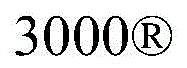 System (Oxford Instruments, UK). The metal layer may also be deposited by electron beam evaporation or sputtering, such as Thornton, Ann. RevThe term "modified starch" as used herein means a starch modified starch as described in Mater. Sci.7:239-60 (1977). Metal layer deposition techniques, such as those exemplified herein, may be combined with photolithographic techniques to create metal areas or patches on the surface. Exemplary methods for combining metal layer deposition techniques and photolithography techniques are provided in U.S. Pat. No.8,778,848 and U.S. Pat. No.8,895,249.
The array of features may appear as a grid of spots or patches. The features may be positioned in a repeating pattern or an irregular non-repeating pattern. Particularly useful patterns are hexagonal patterns, rectilinear patterns, grid patterns, patterns with reflective symmetry, patterns with rotational symmetry, and the like. Asymmetric patterns may also be useful. The spacing between different pairs of nearest neighbor features may be the same, or there may be variations in the spacing between different pairs of nearest neighbor features. In particular embodiments, the features of the array may each have a size greater than about 100nm2、250nm2、500nm2、1μm2、2.5μm2、5μm2、10μm2、100μm2Or 500 μm2The area of (a). Alternatively, or in addition, the features of the array may each have less than about 1mm2、500μm2、100μm2、25μm2、10μm2、5μm2、1μm2、500nm2Or 100nm2The area of (a). Indeed, the region may have a size within a range selected from between the upper and lower limits of the above-exemplified ones.
For embodiments that include an array of features on the surface, the features may be discrete, separated by interstitial regions. There may be variations in the size of the features and/or the spacing between regions such that the array may be high density, medium density, or lower density. The high density array is characterized by having regions spaced less than about 15 μm apart. The medium density array has regions spaced about 15 to 30 μm apart, while the low density array has regions spaced greater than 30 μm apart. Arrays useful in the present disclosure may have regions less than 100 μm, 50 μm, 10 μm, 5 μm, 1 μm, or 0.5 μm apart.
In particular embodiments, the array may comprise a collection of beads or other particles. The particles may be suspended in a solution or they may be positioned on the surface of a substrate. Examples of bead arrays in solution are those commercialized by Luminex (Austin, TX, USA). Examples of arrays with beads located on the surface include arrays in which the beads are located in wells, such as a BeadChip array (Illumina Inc., San Diego, Calif., USA) or a substrate for use in a sequencing platform from 454Life sciences (a subsidiary of Roche, Basel, Switzerland) or Ion Torque (a subsidiary of Life Technologies, Carlsbad, Calif., USA). Other arrays having beads on a surface are described in U.S. Pat. Nos. 6,266,459; U.S. patent nos. 6,355,431; U.S. patent nos. 6,770,441; U.S. patent nos. 6,859,570; U.S. Pat. Nos. 6,210,891; U.S. Pat. Nos. 6,258,568; U.S. Pat. Nos. 6,274,320; U.S. patent publication nos. 2009/0026082 a 1; U.S. patent publication nos. 2009/0127589 a 1; U.S. patent publication nos. 2010/0137143 a 1; U.S. patent publication nos. 2010/0282617 a 1; or PCT publication No. wo 00/63437. Several references above describe methods of attaching target nucleic acids to beads in or before loading the beads on an array substrate. However, it will be appreciated that the beads can be made to contain amplification primers and then the beads can be used to load an array, thereby forming amplification sites for use in the methods described herein. As previously described herein, the substrate may be used without beads. For example, the amplification primers can be directly attached to the wells or to the gel material in the wells. Thus, the references exemplify materials, compositions, or devices that may be modified for use in the methods and compositions described herein.
The amplification sites of the array can comprise a plurality of capture agents capable of binding to the target nucleic acids. In one embodiment, the capture agent comprises a capture nucleic acid. The nucleotide sequence of the capture nucleic acid is complementary to the universal sequence of the target nucleic acid. In some embodiments, the capture nucleic acid can also serve as a primer for amplification of the target nucleic acid. In some embodiments, one population of capture nucleic acids comprises the P5 primer or its complement. In some embodiments, the amplification site further comprises a plurality of second capture nucleic acids, and this second capture nucleic acid may comprise the P7 primer or its complement. In some embodiments, the capture nucleic acid can include a cleavage site. Cleavage sites in capture nucleic acids are described in more detail herein.
In particular embodiments, a capture agent, such as a capture nucleic acid, can be attached to the amplification site. For example, it can be seen that the capture agent is attached to the surface of the array feature. Attachment may be through an intermediate structure such as a bead, particle or gel. Examples of attaching capture nucleic acids to an array via a gel are described in U.S. patent No.8,895,249 and are further exemplified by flow cells available from Illumina Inc (San Diego, CA, USA) or described in WO 2008/093098. Exemplary gels that can be used in the methods and devices described herein include, but are not limited to, those having a colloidal structure, such as agarose; polymer networks, such as gelatin; or a crosslinked polymer structure such as polyacrylamide, SFA (see, e.g., U.S. patent publication No.2011/0059865 a1), or PAZAM (see, e.g., U.S. patent No.9,012,022). Attachment via beads can be achieved as illustrated in the description and cited references previously described herein.
In some embodiments, the features on the surface of the array substrate are discontinuous, separated by interstitial regions of the surface. Interstitial regions having a substantially lower number or concentration of capture agents compared to the features of the array are advantageous. Interstitial regions lacking the capture agent are particularly advantageous. For example, the relatively small amount or absence of capture moieties at the gap region facilitates localization of the target nucleic acid and subsequently generated clusters to desired features. In particular embodiments, the features may be concave features in the surface (e.g., pores), and the features may contain a gel material. The gel-containing features may be separated from each other by interstitial regions on the surface in which the gel is substantially absent or, if present, substantially incapable of supporting localization of the nucleic acid. Methods and compositions for making and using substrates having gel-containing features, such as wells, are set forth in U.S. application No.9,512,422.
Target nucleic acid
Arrays used in the methods described herein include double-stranded modified target nucleic acids. The terms "target nucleic acid," "target fragment," "target nucleic acid fragment," "target molecule," and "target nucleic acid molecule" are used interchangeably to refer to a nucleic acid molecule for which it is desired to identify its nucleotide sequence. The target nucleic acid can be essentially any nucleic acid of known or unknown sequence. For example, it may be a fragment of genomic DNA or cDNA. Sequencing may result in the determination of the sequence of all or part of the target molecule. The target may be derived from a primary nucleic acid sample that has been randomly fragmented. In one embodiment, the target may be processed into a template suitable for amplification by placing a universal amplification sequence, such as a sequence present in a universal adaptor, at the end of each target fragment. A target nucleic acid having a universal adaptor at each end can be referred to as a "modified target nucleic acid". Universal adaptors are detailed herein.
The primary nucleic acid sample may be derived from a double stranded DNA (dsDNA) form from the sample (e.g. genomic DNA fragments, PCR and amplification products etc.) or may be derived from the sample in single stranded form (e.g. DNA or RNA) and converted to dsDNA form. For example, mRNA molecules can be replicated into double-stranded cDNA suitable for use in the methods described herein using standard techniques well known in the art. The exact sequence of the polynucleotide molecules from the primary nucleic acid sample is generally not important to the present disclosure and may be known or unknown.
In one embodiment, the primary polynucleotide molecules from the primary nucleic acid sample are DNA molecules. More particularly, the primary polynucleotide molecule represents the entire genetic complement of an organism and is a genomic DNA molecule that includes both intron and exon sequences, as well as non-coding regulatory sequences, such as promoter and enhancer sequences. In one embodiment, a specific subset of polynucleotide sequences or genomic DNA may be used, such as, for example, a specific chromosome. More particularly, the sequence of the primary polynucleotide molecule is unknown. Still more particularly, the primary polynucleotide molecule is a human genomic DNA molecule. The DNA target fragments may be chemically or enzymatically treated before or after any random fragmentation process, and before or after ligation of the universal adaptor sequences.
The nucleic acid sample may comprise high molecular weight material, such as genomic dna (gdna). The sample may comprise low molecular weight material, such as nucleic acid molecules obtained from formalin-fixed paraffin-embedded or archived DNA samples. In another embodiment, the low molecular weight material comprises an enzyme or mechanically fragmented DNA. The sample may comprise cell-free circulating DNA. In some embodiments, the sample may include nucleic acid molecules obtained from biopsies, tumors, scrapings, swabs, blood, mucus, urine, plasma, semen, hair, laser capture microdissection, surgical resection, and other clinically or laboratory obtained samples. In some embodiments, the sample may be an epidemiological, agricultural, forensic, or etiologic sample. In some embodiments, the sample may comprise nucleic acid molecules obtained from an animal, such as a human or mammalian source. In another embodiment, the sample may comprise nucleic acid molecules obtained from a non-mammalian source, such as a plant, bacteria, virus, or fungus. In some embodiments, the source of the nucleic acid molecule can be an archived or depleted sample or species.
Furthermore, the methods and compositions disclosed herein can be used to amplify nucleic acid samples with low quality nucleic acid molecules, such as degraded and/or fragmented genomic DNA from forensic samples. In one embodiment, a forensic sample may include nucleic acid obtained from a crime scene, a database of missing personnel DNA, a laboratory associated with a forensic investigation, or a forensic sample obtained from a law enforcement agency, one or more military departments, or any such personnel. The nucleic acid sample may be a purified sample or a lysate containing crude DNA, e.g. from a buccal swab, paper, fabric or other substrate which may be impregnated with saliva, blood or other body fluids. Thus, in some embodiments, a nucleic acid sample may include a small amount of DNA (e.g., genomic DNA) or a fragmented portion of that DNA. In some embodiments, the target sequence may be present in one or more bodily fluids, including but not limited to blood, sputum, plasma, semen, urine, and serum. In some embodiments, the target sequence may be obtained from hair, skin, tissue samples, autopsies, or remains of the victim. In some embodiments, a nucleic acid comprising one or more target sequences can be obtained from a deceased animal or human. In some embodiments, the target sequence may include nucleic acids obtained from non-human DNA, such as microbial, plant, or entomologic DNA. In some embodiments, the target sequence or amplified target sequence is for human identification purposes. In some embodiments, the methods described herein can be used to identify characteristics of a forensic sample. In some embodiments, the methods described herein can be used in human identification methods using one or more target-specific primers or one or more target-specific primers designed using known primer design criteria. In one embodiment, a forensic or human identification sample comprising at least one target sequence may be amplified using any one or more target-specific primers obtained using known primer standards.
Other non-limiting examples of sources of biological samples may include whole organisms as well as samples obtained from patients. Biological samples can be obtained from any biological fluid or tissue and can be in a variety of forms, including liquid fluids and tissues, solid tissues, and preserved forms, such as dried, frozen, and fixed forms. The sample may be of any biological tissue, cell or body fluid. Such samples include, but are not limited to, sputum, blood, serum, plasma, blood cells (e.g., leukocytes), ascites, urine, saliva, tears, sputum, vaginal fluid (drainage), wash fluids obtained during medical procedures (e.g., pelvic or other wash obtained during biopsy, endoscopy, or surgery), tissue, nipple aspirate, core or fine needle biopsy samples, cell-containing bodily fluids, free floating nucleic acids, peritoneal fluid, and pleural fluid, or cells therefrom. Biological samples may also include tissue sections, such as frozen or fixed sections taken for histological purposes, or microdissected cells or extracellular portions thereof. In some embodiments, the sample may be a blood sample, such as, for example, a whole blood sample. In another example, the sample is an untreated dried blood spot sample. In another example, the sample is a formalin fixed paraffin embedded sample. In yet another example, the sample is a saliva sample. In yet another example, the sample is a dried saliva stain sample.
Exemplary biological samples from which the target nucleic acid can be derived include, for example, samples from eukaryotes, such as mammals, e.g., rodents, mice, rats, rabbits, guinea pigs, ungulates, horses, sheep, pigs, goats, cows, cats, dogs, primates, human or non-human primates; plants, such as Arabidopsis thaliana (Arabidopsis thaliana), maize, sorghum, oats, wheat, rice, canola or soybean; algae, such as Chlamydomonas reinhardtii (Chlamydomonas reinhardtii); nematodes, such as Caenorhabditis elegans (Caenorhabditis elegans); insects, such as Drosophila melanogaster (Drosophila melanogaster), mosquitoes, fruit flies, bees, or spiders; fish, such as zebrafish; a reptile; amphibians, such as frogs or Xenopus laevis (Xenopus laevis); dictyostelium discodermatum (Dictyostelium discoidea); fungi, such as Pneumocystis carinii (Pneumocystis carinii), Takifugu rubripes (Takifugu rubripes), yeasts such as saccharomyces cerevisiae (saccharomyces cerevisiae) or Schizosaccharomyces pombe (Schizosaccharomyces pombe); or Plasmodium falciparum (Plasmodium falciparum). The target nucleic acid may also be derived from a prokaryote, such as a bacterium, e.coli, staphylococcus, or Mycoplasma pneumoniae (Mycoplasma pneumoniae); archaea (archaeon); viruses, such as human hepatitis c virus or human immunodeficiency virus; or a viroid. The target nucleic acid may be derived from a homogeneous culture or population of organisms, or alternatively from a collection of several different organisms, e.g., in a community or ecosystem.
Random fragmentation refers to the fragmentation of polynucleotide molecules from a primary nucleic acid sample in a disordered manner by enzymatic, chemical or mechanical means. Magnetic fragmentation methods are known in the art and use standard methods (Sambrook and Russell, Molecular Cloning, A Laboratory Manual, third edition). In one embodiment, fragmentation can be achieved using a process commonly referred to as tagmentation. Tagmentation uses transposome complexes and is combined into one step fragmentation and ligation for addition of universal adaptors (Gunderson et al, WO 2016/130704). For clarity, amplification of smaller fragments by specific PCR to produce such smaller fragments of a larger nucleic acid is not equivalent to fragmenting the larger nucleic acid because the larger nucleic acid sequence remains intact (i.e., is not fragmented by PCR amplification) with the nucleic acid sequence of the larger fragment remaining intact (i.e., intact nucleic acid sequence is retained). Furthermore, random fragmentation is designed to generate fragments regardless of sequence identity or position of the nucleotides comprising and/or surrounding the fragment. More particularly, random fragmentation is by mechanical means, such as nebulization or sonication, to produce fragments of about 50 base pairs in length to about 1500 base pairs in length, still more particularly 50-700 base pairs in length, and more particularly 50-400 base pairs in length. Most particularly, the method is used to generate smaller fragments of 50-150 base pairs in length.
Fragmentation of polynucleotide molecules by mechanical means (e.g., nebulization, sonication, and Hydroshear) produces heterogeneously mixed fragments with blunt ends and 3 '-and 5' -overhangs. Thus, it is desirable to repair the ends of the fragments using methods or kits known in the art (e.g., Lucigen DNA terminator end repair kit) to produce ends that are optimal for insertion into, for example, the flat sites of a cloning vector. In a specific embodiment, the ends of the fragments of the nucleic acid population are blunt-ended. More particularly, the fragment ends are blunt-ended and phosphorylated. The phosphate moiety may be introduced by enzymatic treatment, for example using a polynucleotide kinase.
The target population of nucleic acids can have an average chain length that is desired or suitable for a particular application of the methods or compositions described herein. For example, the average strand length can be less than about 100,000 nucleotides, 50,000 nucleotides, 10,000 nucleotides, 5,000 nucleotides, 1,000 nucleotides, 500 nucleotides, 100 nucleotides, or 50 nucleotides. Alternatively, or in addition, the average chain length can be greater than about 10 nucleotides, 50 nucleotides, 100 nucleotides, 500 nucleotides, 1,000 nucleotides, 5,000 nucleotides, 10,000 nucleotides, 50,000 nucleotides, or 100,000 nucleotides. The average chain length of the target population of nucleic acids can be within a range between the maximum and minimum values described herein. It will be appreciated that amplicons generated at an amplification site (or otherwise prepared or used herein) can have an average strand length within a range selected between the upper and lower limits exemplified above.
In some cases, a target nucleic acid population can be produced or otherwise configured under conditions to have a maximum length of its members. For example, the maximum length of a member used in one or more steps of the methods described herein or present in a particular composition can be less than 100,000 nucleotides, less than 50,000 nucleotides, less than 10,000 nucleotides, less than 5,000 nucleotides, less than 1,000 nucleotides, less than 500 nucleotides, less than 100 nucleotides, or less than 50 nucleotides. Alternatively, or in addition, a target nucleic acid population can be generated or otherwise configured under conditions to have a minimum length of its target members. For example, the minimum length of a member for use in one or more steps of the methods described herein or present in a particular composition can be greater than 10 nucleotides, greater than 50 nucleotides, greater than 100 nucleotides, greater than 500 nucleotides, greater than 1000 nucleotides, greater than 5,000 nucleotides, greater than 10,000 nucleotides, greater than 50,000 nucleotides, or greater than 100,000 nucleotides. The maximum and minimum strand lengths of target nucleic acids in a population can be within a range between the maximum and minimum values set forth above. It will be appreciated that amplicons generated at an amplification site (or otherwise prepared or used herein) can have maximum and/or minimum strand lengths within a range between the upper and lower limits of the above-exemplified.
In a specific embodiment, target fragment sequences having a single overhanging nucleotide are prepared by, for example, the activity of certain types of DNA polymerases, such as Taq polymerase or Klenow exo minus polymerase, which has template-independent terminal transferase activity that adds a single deoxynucleotide, such as deoxyadenosine (a), to the 3' end of a DNA molecule, such as a PCR product. Such enzymes can be used to add a single nucleotide "a" to the blunt-ended 3' end of each strand of a double-stranded target fragment. Thus, an "a" may be added at the 3 'end of each end-modified strand of the double-stranded target fragment by reaction with Taq or Klenow exo minus polymerase, while the universal adaptor polynucleotide construct may be a T construct with compatible "T" overhangs present at the 3' ends of the respective regions of the double-stranded nucleic acid of the universal adaptor. This end modification also prevents self-ligation of both the vector and the target, such that there is a preference for target nucleic acid formation with universal adaptors at each end.
In some cases, target nucleic acids derived from such sources can be amplified prior to use in the methods or compositions herein. Any of a variety of known amplification techniques may be used, including but not limited to Polymerase Chain Reaction (PCR), Rolling Circle Amplification (RCA), Multiple Displacement Amplification (MDA), or Random Prime Amplification (RPA). It will be appreciated that amplification of the target nucleic acid is optional prior to use in the methods or compositions described herein. Thus, the target nucleic acid may not be amplified prior to use in some embodiments of the methods and compositions described herein. The target nucleic acid can optionally be derived from a synthetic library. The synthetic nucleic acid may have a natural DNA or RNA composition or may be an analogue thereof.
Universal adaptor
Target nucleic acids for use in the methods or compositions described herein include universal adaptors attached to each end. A target nucleic acid having a universal adaptor at each end can be referred to as a "modified target nucleic acid". Methods for attaching universal adaptors to each end of a target nucleic acid for use in the methods described herein are known to those skilled in the art. Ligation can be performed by standard library preparation techniques using ligation (U.S. patent publication No.2018/0305753), or by tagmentation using transposase complexes (Gunderson et al, WO 2016/130704).
In one embodiment, double stranded target nucleic acids from a sample, e.g., a fragmented sample, are processed by first ligating identical universal adaptor molecules ("mismatched adaptors," general characteristics of which are defined below and further described in Gormley et al, U.S. Pat. No.7,741,463 and Bignell et al, U.S. Pat. No.8,053,192) to the 5 'and 3' ends of the double stranded target nucleic acids. In one embodiment, the universal adaptors comprise universal capture binding sequences necessary to immobilize the target nucleic acids on the array for subsequent sequencing. In another embodiment, the universal adaptors present at each end of the target nucleic acid are further modified using a PCR step prior to immobilization and sequencing. For example, an initial primer extension reaction is performed using a universal primer binding site, wherein extension products complementary to both strands of each individual target nucleic acid are formed and a universal capture binding sequence is added. The resulting primer extension products and optionally amplified copies thereof together provide a library of modified target nucleic acids that can be immobilized and then sequenced. The term "library" refers to a collection of target nucleic acids that contain known common sequences at their 3 'and 5' ends, and may also be referred to as a 3 'and 5' modified library.
The universal adaptors used in the methods of the present disclosure are referred to as "mismatched" adaptors because, as explained in detail herein, the adaptors comprise regions of sequence mismatch, i.e., they are not formed by annealing fully complementary polynucleotide strands.
Mismatched adaptors for use herein are formed by annealing two partially complementary polynucleotide strands to provide at least one double-stranded region (also referred to as a double-stranded nucleic acid region) and at least one mismatched single-stranded region (also referred to as a region of single-stranded non-complementary nucleic acid strand) when the two strands are annealed.
The double-stranded region of the universal adaptor is a short double-stranded region, typically comprising 5 or more consecutive base pairs, formed by annealing two partially complementary polynucleotide strands. The term refers to the region of the nucleic acid duplex where two strands anneal and does not imply any particular structural conformation.
It is generally advantageous that the double-stranded region is as short as possible without loss of function. As used herein, "function" refers to the ability of the double-stranded region to form a stable duplex under standard reaction conditions of an enzyme-catalyzed nucleic acid ligation reaction, which conditions are well known to the skilled reader (e.g., incubation at a temperature in the range of 4 ℃ to 25 ℃ in a ligation buffer suitable for enzymes), such that the two strands forming the universal adaptor remain partially annealed during ligation of the universal adaptor to the target molecule. It is not absolutely necessary that the double-stranded region be stable under the conditions normally used in the primer extension or annealing step of the PCR reaction.
The double-stranded region of the universal adaptor is typically the same in all universal adaptors used in ligation. Because the universal adaptors are ligated to both ends of each target molecule, the modified target nucleic acid may be flanked by complementary sequences derived from the double-stranded region of the universal adaptor. The longer the double-stranded region and the complementary sequence derived therefrom in the modified target nucleic acid construct, the greater the likelihood that the modified target nucleic acid construct will be able to fold back within these regions of internal self-complementarity and base-pair with itself under the annealing conditions used in primer extension and/or PCR. Therefore, it is generally preferred that the duplex region be 20 or less, 15 or less, or 10 or less base pairs in length to reduce this effect. The stability of the double-stranded region, and thus potentially its length, can be increased by including unnatural nucleotides that exhibit stronger base pairing than standard Watson-Crick base pairs.
In one embodiment, the two strands of the universal adaptor are 100% complementary in the double-stranded region. It will be appreciated that one or more nucleotide mismatches may be tolerated within the duplex region, provided that the two strands are capable of forming a stable duplex under standard ligation conditions.
Universal adaptors for use herein can generally include a double-stranded region that forms a "ligatable" end of an adaptor, such as the end that is ligated to a double-stranded target nucleic acid in a ligation reaction. The ligatable end of the universal adaptor may be blunt ended or, in other embodiments, a short 5 'or 3' overhang of one or more nucleotides may be present to facilitate/facilitate ligation. The 5 'terminal nucleotide of the ligatable end of the universal adaptor is typically phosphorylated to effect phosphodiester ligation to the 3' hydroxyl group on the target polynucleotide.
The term "mismatch region" refers to a region of a universal adaptor, a region of a single-stranded non-complementary nucleic acid strand, wherein the sequence of the two polynucleotide strands forming the universal adaptor exhibit a degree of non-complementarity such that the two strands cannot fully anneal to each other under standard annealing conditions of primer extension or PCR reactions. The mismatch region may exhibit some degree of annealing under standard reaction conditions for enzyme-catalyzed ligation reactions, provided that both strands are converted to single-stranded form under the annealing conditions in the amplification reaction.
It will be appreciated that the "mismatch regions" are provided by different portions of the same two polynucleotide strands forming the duplex region. Mismatches in the adaptor construct may take the form of one strand being longer than the other, such that a single stranded region is present on one strand, or a sequence selected such that the two strands do not hybridize, thereby forming a single stranded region on the two strands. Mismatches can also take the form of "bubbles" in which the two ends of the universal adaptor construct are able to hybridize to each other and form a duplex, while the central region is not. The portion of the strand that forms the mismatch region does not anneal under conditions that anneal other portions of the same two strands to form one or more double-stranded regions. For the avoidance of doubt, it will be understood that in the context of the present disclosure, the single stranded or single base overhang at the 3' end of the polynucleotide duplex which is subsequently subjected to ligation with the target sequence does not constitute a "mismatch region".
The lower limit of the length of the mismatch region is usually determined by function, such as the need to provide a sequence suitable for: i) primer binding for primer extension, PCR and/or sequencing (e.g., binding of primer to universal primer binding site), or ii) binding of universal capture binding sequence to capture nucleic acid to immobilize the modified target nucleic acid to the surface. In theory, there is no upper limit on the length of the mismatch region, but it is generally advantageous to minimize the total length of the universal adaptors, e.g., to facilitate separation of unbound universal adaptors from the modified target nucleic acid construct after the ligation step. Thus, it is generally preferred that the length of the mismatch region should be less than 50, or less than 40, or less than 30, or less than 25 contiguous nucleotides.
The region of the single-stranded non-complementary nucleic acid strand comprises at least one universal capture binding sequence at the 3' end. The 3' end of the universal adaptor comprises a universal capture binding sequence that will hybridize to the capture nucleic acids present at the array amplification sites. Optionally, the 5' end of the universal adaptor comprises a second universal capture binding sequence attached to each end of the target nucleic acid, wherein the second universal capture binding sequence will hybridize to a different capture nucleic acid present at an amplification site of the array.
The region of the single-stranded non-complementary nucleic acid strand typically further comprises at least one universal primer binding site. The universal primer binding site is a universal sequence that can be used to amplify and/or sequence a target nucleic acid that is attached to a universal linker.
The region of the single-stranded non-complementary nucleic acid strand can also include at least one index. The index can be used as a marker characteristic of the source of a particular target nucleic acid on the array (U.S. Pat. No.8,053,192). Typically, the index is a synthetic sequence of nucleotides that are part of a universal adaptor that is added to the target nucleic acid as part of the library preparation step. Thus, an index is a nucleic acid sequence of each target molecule attached to a particular sample, the presence of which is indicative of or used to identify the sample or source from which the target molecule was isolated. In one embodiment, a dual index system may be used. In a dual index system, the universal linker attached to the target nucleic acid comprises two different index sequences (U.S. patent publication No.2018/0305750, U.S. patent publication No.2018/0305751, U.S. patent publication No.2018/0305752, and U.S. patent publication No. 2018/0305753).
Preferably, the index may be up to 20 nucleotides in length, more preferably 1-10 nucleotides in length, and most preferably 4-6 nucleotides in length. The 4 nucleotide index gives the possibility to multiplex 256 samples on the same array, and the 6 base index enables the processing of 4096 samples on the same array.
In one embodiment, the universal capture binding sequence is part of the universal adaptor when ligated to the double stranded target fragment, and in another embodiment, the universal primer extension binding site is added to the universal adaptor after the universal adaptor is ligated to the double stranded target fragment. The addition can be accomplished using conventional methods, including amplification-based methods such as PCR.
The precise nucleotide sequence of the universal adaptor is generally not important to the present disclosure and can be selected by the user such that the desired sequence elements are ultimately included in a common sequence of a plurality of different modified target nucleic acids, e.g., to provide a universal capture binding sequence and binding sites for a specific set of universal amplification primers and/or sequencing primers. Other sequence elements may be included, for example, to provide binding sites for sequencing primers that will ultimately be used for sequencing of target nucleic acids in the library, index sequencing or products derived from amplification of target nucleic acids in the library, e.g., on a solid support.
Although the precise nucleotide sequence of the universal adaptor is generally not limited to the present disclosure, the sequence of the individual strands in the mismatch region should be such that none of the individual strands exhibit any internal self-complementarity which can result in self-annealing, hairpin formation, and the like under standard annealing conditions. Self-annealing of strands in the mismatch region should be avoided because it prevents or reduces specific binding of amplification primers to such strands.
Mismatched adaptors are preferably formed from two strands of DNA, but may include a mixture of natural and non-natural nucleotides (e.g., one or more ribonucleotides) joined by a mixture of phosphodiester and non-phosphodiester backbones.
Ligation and amplification of Universal adaptors
The methods of attachment are known in the art and standard methods are used. Such methods use a ligase, such as a DNA ligase, to effect or catalyze the ligation of the ends of the two polynucleotide strands of the universal adaptor and the double-stranded target nucleic acid in this case, thereby forming a covalent linkage. The universal linker may contain a 5 '-phosphate moiety to facilitate attachment to the 3' -OH present on the target fragment. The double stranded target nucleic acid contains a 5 '-phosphate moiety, either remaining from the cleavage process or added using an enzymatic treatment step, and has been end-repaired and optionally extended by one or more overhanging bases to give a 3' -OH suitable for ligation. In this context, a linkage refers to a covalent linkage of polynucleotide chains that have not previously been covalently linked. In particular aspects of the present disclosure, such linkage occurs by forming a phosphodiester linkage between two polynucleotide strands, although other means of covalent linkage (e.g., non-phosphodiester backbone linkages) may be used.
As discussed herein, in one embodiment, the universal adaptors used for ligation are intact and include universal capture binding sequences and other universal sequences, such as universal primer binding sites and index sequences. The resulting plurality of modified target nucleic acids can be used to prepare an immobilized sample for sequencing.
Also as discussed herein, in one embodiment, the universal adaptor used for ligation comprises a universal primer binding site and an index sequence, and does not comprise a universal capture binding sequence. The resulting plurality of modified target nucleic acids can be further modified to include a specific sequence, such as a universal capture binding sequence. Methods for adding specific sequences, such as a universal capture binding sequence, to universal primers ligated to double stranded target fragments include amplification based methods, such as PCR, and are known in the art and described, for example, in: bignell et al (US 8,053,192) and Gunderson et al (WO 2016/130704).
In embodiments where the universal linker is modified, an amplification reaction is prepared. The contents of the amplification reaction are known to those skilled in the art and include the appropriate substrates (e.g., dntps), enzymes (e.g., DNA polymerase) and buffer components required for the amplification reaction. Typically, an amplification reaction requires at least two amplification primers, often denoted as "forward" and "reverse" primers (primer oligonucleotides), which are capable of specifically annealing to a portion of a polynucleotide sequence to be amplified (e.g., a modified target nucleic acid) under conditions encountered in the primer annealing steps of each cycle of the amplification reaction. It will be appreciated that if the primer contains any nucleotide sequence that does not anneal to the modified target nucleic acid in the first amplification cycle, this sequence can be copied into the amplification product. For example, using primers having a universal capture binding sequence, e.g., a sequence that does not anneal to the modified target nucleic acid, the universal capture binding sequence will be incorporated into the resulting amplicon.
Amplification primers are typically single-stranded polynucleotide structures. They may also contain a mixture of natural and non-natural bases and natural and non-natural backbone linkages, provided that any non-natural modifications do not preclude function as primers-defined as the ability to anneal to a template polynucleotide strand during the conditions of the amplification reaction and serve as a point of initiation for the synthesis of a new polynucleotide strand that is complementary to the template strand. In addition, the primer may contain non-nucleotide chemical modifications, such as phosphorothioates to increase exonuclease resistance, again provided that the modification does not prevent primer function.
Amplification to produce clusters
Methods known to those skilled in the art can be used to generate an array comprising amplification sites, each amplification site comprising a clonal population (also referred to as a cluster) of amplicons. In one embodiment, an isothermal amplification method is used and includes generating a clonal population of double-stranded amplicons from individual target nucleic acids (single-stranded or double-stranded) that have been seeded to the site. In some embodiments, the amplification reaction is conducted to a capacity to produce a sufficient number of amplicons to fill the corresponding amplification sites. Filling the already seeded site in this way to the capacity exclusion point where the subsequent target nucleic acid falls, thereby generating a clonal population of amplicons at that site. Thus, in some embodiments, it is desirable that the rate at which amplicons are generated to fill the capacity of an amplification site exceeds the rate at which individual target nucleic acids are transported to individual amplification sites.
In some embodiments, the amplification method includes, but is not limited to, solid phase amplification. The term "solid phase amplification" as used herein refers to any polynucleotide amplification reaction that is performed on or bound to a solid support such that all or a portion of the amplification products are immobilized on the solid support as they are formed. In particular, the term encompasses solid phase polymerase chain reaction (solid phase PCR) and solid phase isothermal amplification, which is a reaction similar to standard solution phase amplification except that one or both of the forward and reverse amplification primers are immobilized on a solid support. Solid phase amplification includes, but is not limited to, systems such as arrays, where one primer is anchored to the array surface and the other is in free solution; an emulsion in which one primer is anchored to the bead and the other is in free solution; and colony formation in a solid gel matrix, wherein one primer is anchored to the surface and one is in free solution. In some embodiments, bridge amplification-dependent methods are used in which both primers are attached to a surface (see, e.g., WO 2000/018957, U.S. Pat. No.7,972,820; U.S. Pat. No.7,790,418 and Adessi et al; Nucleic Acids Research (2000):28(20): E87). In some embodiments, a kinetic exclusion-dependent method is used in which a recombinase-facilitated amplification and isothermal conditions amplify the library (U.S. patent No.9,309,502, U.S. patent No.8,895,249, U.S. patent No.8,071,308). The amplification reaction may be carried out in a temperature or isothermal manner.
In some embodiments, significant clonality may be achieved even if the amplification site is not filled to capacity before amplification of the second target nucleic acid begins at the site. Under certain conditions, amplification of the first nucleic acid target can proceed to a point where a sufficient number of copies are produced to effectively outweigh or overwhelm the production of copies of the second nucleic acid target transported to that site. For example, in embodiments using a bridge amplification process on circular features less than 500nm in diameter, it has been determined that after 14 cycles of exponential amplification of a first target nucleic acid, contamination from a second target nucleic acid at the same locus will produce an insufficient number of contaminating amplicons to adversely affect sequencing-by-synthesis analysis on the Illumina sequencing platform.
In all embodiments, the amplification sites in the array need not be fully cloned. Conversely, for certain applications, an individual amplification site can be primarily filled with amplicons from a first target nucleic acid, and can also have a low level of contaminating amplicons from a second target nucleic acid. The array may have one or more amplification sites with low levels of contaminating amplicons, as long as the contamination level does not have an unacceptable impact on the subsequent use of the array. For example, when the array is to be used in an inspection application, an acceptable contamination level is a level that does not affect the signal-to-noise ratio or resolution of the inspection technique in an unacceptable manner. Thus, apparent clonality is generally associated with a particular use or application of the arrays made by the methods described herein. Exemplary levels of contamination acceptable at an individual amplification site for a particular application include, but are not limited to, up to 0.1%, 0.5%, 1%, 5%, 10%, or 25% contaminating amplicons. The array may include one or more amplification sites having these exemplary levels of contaminating amplicons. For example, up to 5%, 10%, 25%, 50%, 75%, or even 100% of the amplification sites in the array may have some contaminating amplicons.
In some embodiments, the methods of making an array useful for the methods described herein can be performed under conditions that transport (e.g., by diffusion) the target nucleic acid to the amplification site while amplification occurs. Thus, some amplification methods may utilize both a relatively slow transport rate and a relatively slow production of the first amplicon relative to subsequent amplicon formation. For example, the amplification reactions described herein can be performed such that the target nucleic acid is transferred from solution to the amplification site concurrently with: (i) generating a first amplicon, and (ii) generating subsequent amplicons at other sites of the array. In particular embodiments, the average rate of subsequent amplicon production at the amplification site can exceed the average rate of target nucleic acid transport from solution to the amplification site. In some cases, a sufficient number of amplicons can be generated from a single target nucleic acid at an individual amplification site to fill the capacity of the corresponding amplification site. The rate at which amplicons are generated to fill the capacity of the respective amplification sites can, for example, exceed the rate at which individual target nucleic acids are transported from solution to the amplification sites.
Compositions for amplifying a target nucleic acid at an amplification site, referred to herein as "amplification reagents," are generally capable of rapidly preparing copies of the target nucleic acid at the amplification site. Amplification reagents used in the methods of the present disclosure will typically include a polymerase and a Nucleotide Triphosphate (NTP). Any of a variety of polymerases known in the art may be used, but in some embodiments, exonuclease-negative polymerases may be preferred. Examples of nucleic acid polymerases suitable for use in embodiments of the present disclosure include, but are not limited to, DNA polymerases (e.g., Klenow fragment, T4 DNA polymerase, Bst (bacillus stearothermophilus) polymerase), thermostable DNA polymerases (e.g., Taq, Vent, Deep Vent, Pfu, Tfl, and 9 ° N DNA polymerases), and genetically modified derivatives thereof (see, e.g., U.S. patent No.9,677,057, U.S. provisional application No.62/753,558, and U.S. provisional application No.62/775,662). In some embodiments, amplification reagents may also include a recombinase, a helper protein, and a single-stranded DNA binding (SSB) protein for recombinase-facilitated amplification (see, e.g., U.S. patent No.8,071,308).
For embodiments in which a copy of DNA is produced, the NTP may be a deoxyribonucleotide triphosphate (dNTP). Generally, four natural species, dATP, dTTP, dGTP and dCTP, will be present in a DNA amplification reagent. However, analogs may be used if desired. For embodiments in which RNA copies are generated, the NTP may be a ribonucleotide triphosphate (rNTP). Generally, four natural species, rATP, rUTP, rGTP and rCTP, are present in RNA amplification reagents. However, analogs may be used if desired. NTPs can be modified with fluorescent or radioactive groups. To increase the detectability and/or functional diversity of nucleic acids, a wide variety of synthetically modified nucleic acids have been developed for use in chemical and biological methods. These functionalized/modified molecules (e.g., nucleotide analogs) can be fully compatible with the native polymerase, thereby maintaining the base pairing and replication properties of the native counterpart.
In some embodiments, four modified nucleotide triphosphate types, referred to as reversibly blocked nucleotide triphosphates (rbntps), are used (see, e.g., U.S. patent No.9,453,258). rbNTP possesses a 3 'terminator comprising both alkoxy and azido functionalities at the 3' ribose position, which can be removed by cleavage with a phosphine reagent, creating a nucleotide that is reversibly blocked and once again functional to further extend (i.e., fully functional or ff). Fully functional nucleotides, ffNTP, are commercially available from Illumina, inc. (San Diego, CA), and are exemplary of rbntps. In some embodiments, one or more rbntps comprise a fluorescent label attached via a linker. The linker may include one or more cleavage groups, or no cleavage groups. For example, a linker attaching one or more rbntps to a fluorophore may comprise an azide and/or an alkoxy group, e.g., on the same carbon, such that the linker may be cleaved by a phosphine reagent as previously mentioned after each cycle of incorporation, thereby releasing the fluorescent moiety for further sequence extension.
Thus, it is possible to provideOther components of the amplification solution are added to the selection of polymerases and they essentially correspond to compounds known in the art to be effective in supporting various polymerase activities. Compounds such as dimethyl sulfoxide (DMSO), Bovine Serum Albumin (BSA), polyethylene glycol (PEG), betaine, Triton X-100, denaturants (e.g., formamide), or MgCl2The concentration of such compounds is known in the prior art to be important for having optimal amplification, and thus such concentrations can be readily adjusted by the operator for the methods of the present disclosure based on the examples given below and the generally available knowledge.
The rate at which an amplification reaction occurs can be increased by increasing the concentration or amount of one or more active components of the amplification reaction, e.g., the amount or concentration of polymerase, nucleotide triphosphates, or primers. In some cases, one or more active components of an amplification reaction that are increased in amount or concentration (or otherwise manipulated in the methods described herein) are non-nucleic acid components of the amplification reaction.
The rate of amplification can also be increased in the methods described herein by adjusting the temperature. For example, the amplification rate at one or more amplification sites can be increased by raising the temperature at one or more sites to a maximum temperature at which the reaction rate is reduced due to denaturation or other adverse events. The optimum or desired temperature may be determined empirically from known characteristics of the amplification components used or for a given amplification reaction mixture. Such adjustments can be made based on a priori prediction of primer melting temperature (Tm) or empirically. In certain embodiments, the temperature of the amplification reaction is at least 35 ℃ to no greater than 70 ℃. For example, the amplification reaction can be at least 35 ℃ to no greater than 48 ℃. In contrast to other methods of determining the sequence of nucleic acids anchored to a surface, nucleic acids sequenced according to the present disclosure are attached to a surface by hybridization to nucleic acids anchored to the surface. Therefore, lower temperatures are often preferred.
After amplification, a double-stranded amplicon present at the amplification site can be converted into a single-stranded amplicon by subjecting the amplicon to denaturing conditions. Denaturing conditions include, but are not limited to, formamide, heat, or a base.
Preparation of immobilized samples for sequencing
The result of the amplification is a clonal amplification product, i.e., a population of single-stranded amplicons, at the amplification site. Single-stranded amplicons are immobilized on the surface of an amplification site at the 5 'end (see, e.g., fig. 1A, where a single-stranded amplicon 11 is attached to a capture nucleic acid 12, which is attached to an amplification site 10 at the 5' end). The amplicons within the amplification site will be cloned and derived from the amplification of a single target nucleic acid, or have acceptable levels of one or more other amplicons, as described herein.
Sequencing of the amplicon is initiated by hybridizing a first sequencing primer to the single-stranded amplicon. Sequencing methods are described in detail herein. In one embodiment, the first sequencing primer is complementary to a universal sequence present in the 3' region of the amplicon. Sequencing is performed by sequentially adding nucleotides (in one embodiment a predetermined number of nucleotides) to a first sequencing primer using the single-stranded amplicon as a template. In some embodiments, the sequencing reaction may proceed to the end of the template. In other embodiments, after the sequencing reaction is complete, the newly synthesized nucleotide sequence extends along the remainder of the single-stranded amplicon to the end of the immobilized capture nucleic acid, creating a complementary strand and converting the single-stranded amplicon into a double-stranded structure. For example, as shown in FIG. 1C, a sequencing primer 13 annealed to a single-stranded amplicon 11 has been extended during the sequencing reaction and integrated into the resulting complementary strand 14. FIG. 1D shows the fully extended complementary strand 16. The complementary strand is not attached to the amplification site.
In one embodiment, the 5 'end of the first sequencing primer may be blocked, meaning that the 5' end of the primer is modified to prevent the action of an exonuclease. The blocking of the 5' end may be accomplished in any suitable manner.
To facilitate sequencing of the newly synthesized complementary strand, the capture nucleic acid attached to the surface and also to the original single-stranded amplicon (e.g., 12 and 11, respectively, in fig. 1A) is cleaved to allow selective removal of the original single-stranded amplicon from the double-stranded structure. This cleavage is in the double-stranded region present between the capture nucleic acid and the complementary strand, and results only in cleavage of the capture nucleic acid. Cleavage of a nucleotide sequence to allow for optional removal of a particular strand is referred to herein as "linearization". Examples of suitable linearization methods are described herein and described in application nos. WO 2007/010251, us patent No.8,431,348, and us patent No.8,017,335.
The cleavage site is present in the capture nucleic acid and is typically located in a position that results in a surface of the original single-stranded amplicon that is largely free of amplification sites-no longer immobilized-and is prone to loss after the removal step. For example, as shown in fig. 1E, the single-stranded amplicon 11 is cleaved at cleavage site X, leaving a cleaved strand 11 'and shortened capture nucleic acid 12'. The nucleotide at the 3 'end of the complementary strand 16 hybridizes to the shortened base of the capture nucleic acid 12' resulting in the complementary strand 16 remaining associated with the amplification site 10. One of ordinary skill in the art will appreciate that the cleavage site is also typically located in a position that results in a shortened capture nucleic acid with sufficient nucleotides to hybridize to nucleotides at the 3' end of the complementary strand. Cleavage makes the complementary strand available for hybridization of the second sequencing primer and results in a method that allows paired-end sequencing, i.e., the determination of two "reads" of sequence from two locations on a single polynucleotide template. Advantageously, paired-end sequencing possible in the methods described herein does not require the steps necessary for paired-end rotation, e.g., using an amplification site with two different capture nucleic acids and forming a suitable single-stranded template using the two different capture nucleic acids.
Any suitable enzymatic, chemical or photochemical cleavage reaction may be used for cleavage at site X, provided that conditions do not disrupt hybridization between the nucleotide and the complementary strand of the shortened capture nucleic acid. Cleavage can be achieved by, for example, nickase digestion, in which case the cleavage site is a suitable restriction site for an enzyme that directs cleavage of the captured nucleic acid; rnase digestion or chemical cleavage of the bond between deoxyribonucleotides and ribonucleotides, in which case the cleavage site may comprise one or more ribonucleotides; chemical reduction of disulfide bonds with reducing agents (e.g., TCEP), in which case the cleavage site should include an appropriate disulfide linkage; chemical cleavage of the diol linkage with periodate, in which case the cleavage site would include the diol linkage; and generating abasic sites and subsequent hydrolysis.
Suitable cleavage techniques for the methods of the present disclosure include, but are not limited to, chemical cleavage, cleavage of abasic sites, cleavage of ribonucleotides, photochemical cleavage, cleavage of hemimethylated DNA, PCR stop agents (stoppers), cleavage of peptide linkers, and enzymatic digestion with nicking endonucleases. One of ordinary skill in the art will recognize that the use of some of the conditions described herein (e.g., heat or base) may be undesirable in view of the potential to denature the complementary strand from the shortened capture nucleic acid.
Chemical cutting
The term "chemical cleavage" includes any method that uses non-nucleic acid and non-enzymatic chemical reagents to facilitate/effect cleavage of the original single-stranded amplicon. If desired, the single-stranded amplicon may include one or more non-nucleotide chemical moieties and/or non-natural nucleotides and/or non-natural backbone linkages to allow for a chemical cleavage reaction. In one embodiment, the capture nucleic acid comprises a diol linkage, which allows cleavage by treatment with periodate (e.g., sodium periodate). It is understood that more than one diol may be included at the cleavage site.
Suitable for incorporation into capture nucleic acid based on phosphoramidite chemistry of glycol connecting unit available from Fidelity systems Inc. (Gaithersburg, Md., USA). One or more diol units can be incorporated into the capture nucleic acid using standard methods for automated chemical DNA synthesis. Thus, capture nucleic acids comprising one or more diol linkers can be conveniently prepared by chemical synthesis.
The diol linker is cleaved by treatment with a "cleaving agent", which may be any substance that facilitates cleavage of the diol. A preferred cutting agent is a periodate, such as aqueous sodium periodate (NaIO)4). After treatment with a cleaving agent (e.g., periodate) to cleave the diol, the cleavage product may be treated with a "capping agent" to neutralize the reactive species generated in the cleavage reaction. End-capping reagent packages suitable for this purposeIncluding amines such as ethanolamine. Advantageously, a capping agent (e.g., ethanolamine) may be included in the mixture along with a cutting agent (e.g., periodate) such that the reactive species are capped as soon as they are formed.
In another embodiment, the capture nucleic acid may include a disulfide group that allows cleavage with a chemical reducing agent such as Tris (2-carbonylethyl) phosphate (Tris (2-carboxylethyl) -phosphate hydrochloride TCEP).
Cleavage of abasic sites
"abasic site" is defined as a position in a nucleic acid from which a base component has been removed. Abasic sites may occur naturally in DNA under physiological conditions through hydrolysis of nucleoside residues, but may also be formed chemically under artificial conditions or by the action of enzymes. Once formed, the abasic sites can be cleaved (e.g., by treatment with an endonuclease or other single-stranded cleaving enzyme, exposure to heat, or alkali) to provide a means for site-specific cleavage of the captured nucleic acids. One of ordinary skill in the art will recognize that the use of heat or base may be undesirable in view of the potential to denature the complementary strand from the shortened capture nucleic acid.
In one embodiment, abasic sites may be created at predetermined positions of the capture nucleic acid and then cleaved by first incorporating deoxyuridine (U) at the predetermined cleavage sites. Uracil bases can then be removed using Uracil DNA Glycosylase (UDG), thereby creating abasic sites. The strand comprising the abasic site may then be cleaved at the abasic site by treatment with an endonuclease (e.g., EndoIV endonuclease, AP lyase, FPG glycosylase/AP lyase, EndoVIII glycosylase/AP lyase), heat, or base.
Abasic sites can also be created on non-natural/modified deoxyribonucleotides other than deoxyuridine and cleaved in a similar manner by treatment with endonucleases, heat or alkali. For example, 8-oxoguanine can be converted to an abasic site by exposure to FPG glycosylase. Deoxyinosine can be converted to abasic sites by exposure to AlkA glycosylase. The resulting abasic sites can then be cleaved, typically by treatment with a suitable endonuclease (e.g., EndoIV, AP lyase). Because the non-natural/modified nucleotides will be incorporated into the capture nucleic acids for use in generating arrays and amplification of target nucleic acids, the non-natural/modified nucleotides should be capable of being replicated by the polymerase used in the amplification reaction.
In one embodiment, the molecule to be cleaved can be exposed to a mixture containing a suitable glycosylase and one or more suitable endonucleases. In such mixtures, the glycosylase and endonuclease will typically be present in a ratio of activity of at least about 2: 1. In a specific embodiment, USER reagents available from New England Biolabs (NEB # M5505S) are used to create single nucleotide gaps at uracil bases in the capture nucleic acids. Treatment with an endonuclease generates a 3' -phosphate moiety at the cleavage site, which can be removed with a suitable phosphatase, such as alkaline phosphatase. For example, as shown in figure 1E, if the USER reagent is used to generate the cleavage site X, the shortened capture nucleic acid 12 'will terminate with a 3' -phosphate group.
Advantages of this method include the option of releasing free 3 'phosphate groups on the cleaved strand, which after phosphatase treatment can provide a starting point for sequencing a region of the complementary strand (e.g., sequencing a region of strand 16 of fig. 1G, using shortened capture nucleic acid 12' as a sequencing primer). Since cleavage reactions require residues in the DNA that do not occur naturally, but are otherwise independent of sequence context, such as deoxyuridine, there is no possibility that glycosylase mediated cleavage will occur elsewhere at unwanted positions in the duplex if it contains only one unnatural base. Another advantage gained by cleavage of abasic sites in the double-stranded region of the immobilized amplicon resulting from the action of UDG on uracil is that the first base incorporated in a sequencing-by-synthesis reaction initiated at the free 3' hydroxyl formed by cleavage will always be T. Thus, for all clonal clusters at different amplification sites of an array that are cleaved in this manner to generate a sequencing template, the first base that is universally incorporated throughout the array will be T. This can provide a sequence-independent assay of the individual cluster intensities at the beginning of a sequencing run.
Cleavage of ribonucleotides
Incorporation of one or more ribonucleotides into a nucleic acid that is otherwise composed of deoxyribonucleotides (with or without additional non-nucleotide chemical moieties, non-natural bases, or non-natural backbone linkages) can provide sites for cleavage using chemical reagents capable of selectively cleaving phosphodiester bonds between deoxyribonucleotides and ribonucleotides, or using ribonucleases (rnases). Thus, sequencing templates can be generated by cleaving the capture nucleic acid at sites containing one or more contiguous ribonucleotides using such chemical cleaving agents or rnases. In one embodiment, the strand to be cleaved comprises a single ribonucleotide to provide a site for chemical cleavage.
Suitable chemical cleavage agents capable of selectively cleaving the phosphodiester bond between deoxyribonucleotides and ribonucleotides include metal ions, such as rare earth metal ions (particularly La)3+In particular Tm3+、Yb3+Or Lu3+(Chen et al biotechniques.2002,32: 518-520; Komiyama et al Chem. Commun.1999,1443-1451)), Fe (3) or Cu (3) or exposure to elevated pH, for example treatment with a base such as sodium hydroxide. "selectively cleaving a phosphodiester bond between a deoxyribonucleotide and a ribonucleotide" means that a chemical cleavage agent cannot cleave the phosphodiester bond between two deoxyribonucleotides under the same conditions.
The basic composition of ribonucleotides is generally not important, but may be selected to optimize chemical (or enzymatic) cleavage. For example, rUMP or rpmp is generally preferred if the cleavage is to be performed by exposure to metal ions, particularly rare earth metal ions.
Phosphodiester bonds between ribonucleotides and deoxyribonucleotides or between two ribonucleotides can also be cleaved by rnases. Any endocytic ribonuclease with the appropriate substrate specificity can be used for this purpose. For cleavage with a ribonuclease, two or more consecutive ribonucleotides, for example 2 to 10 or 5 to 10 consecutive ribonucleotides, are preferably included. The precise sequence of ribonucleotides is usually not important, only that certain rnases are specific for cleavage after certain residues. Suitable rnases include, for example, rnase a, which cleaves after C and U residues. Thus, when cleaved with RNase A, the cleavage site must contain at least one ribonucleotide as C or U.
Capture nucleic acids incorporating one or more ribonucleotides can be readily synthesized with appropriate ribonucleotide precursors using standard techniques for chemical synthesis of oligonucleotides.
Photochemical cutting
The term "photochemical cleavage" encompasses any method of using light energy to effect cleavage of captured nucleic acids. A non-nucleotide chemical spacer unit in a capture nucleic acid can provide a site for photochemical cleavage. Suitable photochemically cleavable spacers include the PC spacer phosphoramidite (4- (4, 4' -dimethoxytrityloxy) butyrylaminomethyl) -1- (2-nitrophenyl) -ethyl ] -2-cyanoethyl- (N, N-diisopropyl) -phosphoramidite supplied by Glen Research, Sterling, Va., USA (Cat. No. 10-4913-XX) having the structure:

the spacer elements may be cut by exposure to a uv light source.
This spacer unit can be attached to the 5' end of the polynucleotide using standard techniques for chemical synthesis of oligonucleotides, together with a phosphorothioate group that allows attachment to a solid surface.
Cleavage of hemimethylated DNA
Site-specific cleavage of the capture nucleic acid can also be achieved by incorporating one or more methylated nucleotides into the capture nucleic acid, followed by cleavage with an endonuclease that is specific for a recognition sequence comprising methylated nucleotides.
Methylated nucleotides in the capture nucleic acid will oppose unmethylated deoxyribonucleotides on the complementary strand such that annealing of the two strands produces a hemimethylated duplex structure. The hemimethylated duplexes can then be cleaved by the action of an appropriate endonuclease.
Capture nucleic acids incorporating one or more methylated nucleotides can be prepared using standard techniques of automated DNA synthesis using appropriate methylated nucleotide precursors.
Enzymatic digestion with nicking endonucleases
The cleavage of one strand of a double-stranded nucleic acid with a nicking endonuclease is a technique conventionally used in the field of molecular biology. Nicking endonucleases are enzymes that selectively cut or "nick" one strand of double-stranded nucleic acid and are well known in the field of molecular biology. Essentially any nicking endonuclease can be used, provided that a suitable recognition sequence can be included at the cleavage site present on the capture nucleic acid.
After cleavage of the capture nucleic acid, the sequence of the complementary strand is determined. In one embodiment, the sequencing reaction is initiated by hybridizing a second sequencing primer to the complementary strand. The second sequencing primer may be complementary to a universal sequence present in the 3' region of the amplicon. Typically, the cleaved strand hybridized to the complementary strand is removed prior to hybridization of the second sequencing primer. The cut chain may be removed by any suitable method.
In one embodiment, the cleaved strand may be removed enzymatically, for example by using an exonuclease. In one embodiment, the exonuclease is a 5 '-3' DNA exonuclease. Optionally, the 5 '-3' DNA exonuclease has a preference for double stranded DNA. Examples of 5 'to 3' exonucleases that favor dsDNA include, but are not limited to, T7 exonuclease and exonuclease III (New England Biolabs). Optionally, the 5 '-3' DNA exonuclease has a preference for double stranded DNA with a 5 'phosphate at the 5' end. Examples of 5 '-3' DNA exonucleases that favor dsDNA with a 5 'phosphate at the 5' end include, but are not limited to, lambda exonuclease (New England Biolabs). One of ordinary skill in the art will recognize that denaturation can be used to remove the cleaved strand, but conditions need to be carefully considered due to the need to maintain hybridization between the shortened capture nucleic acid and the complementary strand to allow sequencing of the complementary strand.
In another embodiment, the sequencing reaction to determine the sequence of the complementary strand is initiated by using the shortened 3' end of the capture nucleic acid as a second sequencing primer. Sequencing is performed by sequentially adding nucleotides, e.g., a predetermined number of nucleotides, to the second sequencing primer using the complementary strand as a template. In this aspect of the disclosure, removal of the cleavage chain is optional. In one embodiment, the sequence of the complementary strand can be determined by using a DNA polymerase having strand displacement activity. In another embodiment, the cut strand may be removed as described herein, and a DNA polymerase without displacement activity may be used.
Sequencing method
Arrays of the present disclosure, for example, that have been produced by the methods described herein and include amplified target nucleic acids at amplification sites, can be used in any of a variety of applications. A particularly useful application is nucleic acid sequencing. One example is Sequencing By Synthesis (SBS). In SBS, extension of a nucleic acid primer along a nucleic acid template (e.g., a target nucleic acid or amplicon thereof) is monitored to determine the sequence of nucleotides in the template. The potential chemical process may be a polymerization reaction (e.g., as catalyzed by a polymerase). In certain polymerase-based SBS embodiments, fluorescently labeled nucleotides are added to the primer (thereby extending the primer) in a template-dependent manner so that the sequence of the template can be determined using detection of the order and type of nucleotides added to the primer. A plurality of different templates at different sites of the arrays described herein may be subjected to SBS techniques under conditions where events occurring for the different templates can be distinguished due to their location in the array.
Flow cells provide a convenient form of housing arrays produced by the methods of the present disclosure and subjected to SBS or other detection techniques that involve repeated delivery of reagents in a cycle. For example, to initiate the first SBS cycle, one or more labeled nucleotides, DNA polymerase, etc., can be flowed into/to a flow cell that houses an array of nucleic acid templates. Those sites of the array where primer extension results in incorporation of labeled nucleotides can be detected. Optionally, the labeled nucleotide may further comprise a reversible termination property that terminates further primer extension once the nucleotide has been added to the primer. For example, a nucleotide analog having a reversible terminator moiety can be added to a primer such that subsequent extension does not occur until the deblocking agent is delivered to remove the moiety. Thus, for embodiments using reversible termination, the deblocking agent can be delivered to the flow cell (either before or after detection occurs). Washing may be performed between each delivery step. The cycle may then be repeated n times to extend the primer n nucleotides, thereby detecting a sequence of length n. Exemplary SBS procedures, fluidic systems, and detection platforms that may be readily adapted for use with arrays produced by the methods of the present disclosure are described, for example, in Bentley et al, Nature 456:53-59(2008), WO 04/018497; U.S. patent nos. 7,057,026; WO 91/06678; WO 07/123,744; U.S. patent nos. 7,329,492; U.S. patent nos. 7,211,414; U.S. patent nos. 7,315,019; U.S. patent No.7,405,281, and U.S. patent No.8,343,746.
Other sequencing procedures using cycling reactions, such as pyrophosphate sequencing, may be used. Pyrosequencing detects the release of inorganic pyrophosphate (PPi) when a particular nucleotide is incorporated into a nascent nucleic acid strand (Ronaghi, et al, Analytical Biochemistry 242(1),84-9 (1996); Ronaghi, Genome Res.11(1),3-11 (2001); Ronaghi et al, Science 281(5375),363 (1998); U.S. Pat. Nos. 6,210,891; 6,258,568 and 6,274,320). In pyrosequencing, the released PPi may be detected by immediate conversion to Adenosine Triphosphate (ATP) by ATP sulfurylase, and the level of ATP produced may be detected by photons produced by luciferase. Thus, the sequencing reaction can be monitored by a luminescence detection system. The pyrophosphate sequencing procedure does not require an excitation radiation source for a fluorescence-based detection system. Useful fluidic systems, detectors, and procedures that can be used to apply pyrosequencing to arrays of the present disclosure are described, for example, in WIPO published patent application 2012/058096, US 2005/0191698 a1, US patent No.7,595,883, and US patent No.7,244,559.
Ligation sequencing reactions are also useful, including, for example, Shendre et al Science 309:1728-1732 (2005); U.S. patent nos. 5,599,675; and U.S. Pat. No.5,750,341. Some embodiments may include a sequencing by hybridization program, such as that described in Bains et al, Journal of Theoretical Biology 135(3),303-7 (1988); drmanac et al, Nature Biotechnology 16,54-58 (1998); fodor et al, Science 251(4995),767-773 (1995); and WO 1989/10977. In both ligation sequencing and hybridization sequencing procedures, repeated cycles of oligonucleotide delivery and detection are performed on template nucleic acids (e.g., target nucleic acids or amplicons thereof) present at array sites. Fluidic systems for SBS methods as described herein or in references cited herein can be readily adapted to deliver reagents for use in ligation sequencing or hybridization sequencing procedures. Typically, the oligonucleotides are fluorescently labeled and can be detected using a fluorescence detector similar to that described for the SBS procedure in this document or in references cited herein.
Some embodiments may employ methods involving monitoring DNA polymerase activity in real time. For example, nucleotide incorporation can be detected by Fluorescence Resonance Energy Transfer (FRET) interaction between a fluorophore-bearing polymerase and a gamma-phosphate labeled nucleotide or using a zero mode waveguide. Techniques and reagents for FRET-based sequencing are described, for example, in Leven et al Science 299,682-686 (2003); lundquist et al, opt.33, 1026-1028 (2008); korlach et al Proc. Natl. Acad. Sci. USA 105,1176-1181 (2008).
Some SBS embodiments include detecting protons released upon incorporation of nucleotides into the extension products. For example, sequencing based on detection of liberated protons may use electrical detectors and related Technologies available from Ion Torrent (Guilford, con., a Life Technologies, inc.) or US 2009/0026082 a 1; US 2009/0127589 a 1; US 2010/0137143 a 1; or the sequencing methods and systems described in US 2010/0282617 a 1. The methods described herein for amplifying target nucleic acids using exclusion amplification can be readily applied to substrates for detecting photons. More specifically, the methods described herein can be used for clonal populations of amplicons at sites of an array for detecting photons.
A useful application of the arrays of the present disclosure, which have been produced, for example, by the methods described herein, is gene expression analysis. Gene expression can be detected or quantified using RNA sequencing techniques, such as those known as digital RNA sequencing. RNA sequencing techniques can be performed using sequencing methods known in the art, such as those described above. Gene expression can also be detected or quantified using hybridization techniques by direct hybridization to an array or using multiplex assays that detect their products on an array. For example, arrays of the present disclosure that have been produced by the methods described herein can also be used to determine the genotype of genomic DNA samples from one or more individuals. Exemplary methods for array-based expression and genotyping analysis that can be performed on the arrays of the present disclosure are described in U.S. patent nos. 7,582,420; 6,890,741, respectively; 6,913,884 or 6,355,431 or U.S. patent publication No.2005/0053980 a 1; 2009/0186349 a1 or US 2005/0181440 a 1.
Another useful application of arrays that have been produced by the methods described herein is single cell sequencing. When combined with an indexing method, single cell sequencing can be used in chromatin accessibility assays to generate a profile of active regulatory elements in thousands of single cells, and single cell whole genome libraries can be generated. Examples of single cell sequencing that can be performed on the arrays of the present disclosure are described in U.S. published patent application 2018/0023119 a1, U.S. provisional application serial nos. 62/673,023 and 62/680,259.
The methods described herein provide for the rapid and efficient creation of arrays from any of a variety of nucleic acid libraries. Thus, the present disclosure provides integrated systems that are capable of preparing arrays using one or more of the methods set forth herein and are also capable of detecting nucleic acids on arrays using techniques known in the art (e.g., those exemplified above). Thus, the integrated systems of the present disclosure may include fluidic components, such as pumps, valves, reservoirs, fluidic lines, etc., capable of delivering amplification reagents to the array of amplification sites. A particularly useful fluid component is a flow cell. Flow cells can be configured and/or used in an integrated system to create the present disclosureAnd detecting the array. Exemplary flow cells are described, for example, in US 2010/0111768 a1 and US patent No.8,951,781. As exemplified by a flow cell, one or more fluidic components of an integrated system may be used for amplification methods and detection methods. Taking the nucleic acid sequencing embodiment as an example, one or more fluidic components of the integrated system may be used for delivery of sequencing reagents for use in amplification methods described herein and in sequencing methods such as those described above. Alternatively, the integrated system may comprise separate fluidic systems for performing the amplification method and for performing the detection method. Examples of integrated sequencing systems capable of creating nucleic acid arrays and determining nucleic acid sequences include, but are not limited to, MiSeq from Illumina, IncTM、HiSeqTM、NextSeqTM、MiniSeqTM、NovaSeqTMAnd iSeqTMSequencing platforms and devices described in U.S. patent No.8,951,781. Such devices can be modified according to the teachings set forth herein to prepare arrays using exclusion amplification.
A system capable of performing the methods described herein need not be integrated with a detection device. But rather may be a stand-alone system or a system integrated with other devices. Fluidic components similar to those exemplified above in the context of an integrated system may be used in such embodiments.
Whether integrated with detection capabilities or not, a system capable of performing the methods presented herein may include a system controller capable of executing a set of instructions to perform one or more steps of the methods, techniques, or processes described herein. For example, the instructions may direct performance of the step of creating the array under conditions that exclude amplification. Optionally, the instructions may further direct the performance of the step of detecting the nucleic acid using the methods previously described herein. Useful system controllers may include any processor-based or microprocessor-based system including systems using microcontrollers, Reduced Instruction Set Computers (RISC), Application Specific Integrated Circuits (ASICs), Field Programmable Gate Arrays (FPGAs), logic circuits, and any other circuit or processor capable of executing the functions described herein. The set of instructions for the system controller may be in the form of a software program. As used herein, the terms "software" and "firmware" are interchangeable, and include any computer program stored in memory for execution by a computer, including RAM memory, ROM memory, EPROM memory, EEPROM memory, and non-volatile RAM (NVRAM) memory. The software may take various forms, such as system software or application software. Further, the software may take the form of a collection of separate programs, or a program module or portion of a program module within a larger program. The software may also include modular programming in the form of object-oriented programming.
It will be appreciated that arrays of the present disclosure, for example, that have been produced by the methods described herein need not be used in detection methods. Instead, the array can be used to store a library of nucleic acids. Thus, the array can be stored in a state in which the nucleic acid is preserved. For example, the array may be stored in a dry state, a frozen state (e.g., in liquid nitrogen), or in a solution that protects the nucleic acids. Alternatively, or in addition, the array may be used to replicate a nucleic acid library. For example, the array may be used to create duplicate amplicons from one or more sites on the array.
Composition comprising a metal oxide and a metal oxide
Different compositions can be obtained during or after performing the methods described herein. In one embodiment, a composition includes an array of amplification sites comprising a plurality of clonal double-stranded amplicons. Each double-stranded amplicon comprises a first strand attached to the surface of an amplification site by a 5' end and further comprises a break in the backbone. Each double-stranded amplicon also includes a second strand that is not attached to the surface of the amplification site, and nucleotides that are complementary to and hybridize with the nucleotides of the first strand (see, e.g., fig. 1E). A break in the backbone of the first strand is flanked on both sides by complementary nucleotides of the second strand (see, e.g., fig. 1E, where 11 'and 12' make up the first strand, and 16 is the second strand). A double-stranded amplicon may be partially double-stranded, e.g., in some embodiments, the nucleotides at the 3' end of a first strand do not hybridize to the nucleotides of a second strand.
Exemplary embodiments
(a) providing an array comprising a plurality of amplification sites,
wherein the amplification sites comprise (i) a plurality of capture nucleic acids, and (ii) a plurality of clonal single-stranded amplicons,
wherein each single-stranded amplicon is attached at its 5' end to a capture nucleic acid,
wherein the capture nucleic acid comprises a cleavage site;
(b) hybridizing a first sequencing primer to the universal sequence present on each single-stranded amplicon;
(c) performing a first sequencing reaction by sequentially adding nucleotides to the first sequencing primer using the single-stranded amplicon as a first template to determine the sequence of a first region and generate a complementary strand of the first region;
(d) extending the complementary strand of the first region to form a double-stranded amplicon comprising the first sequencing primer, nucleotides incorporated during the sequencing reaction, and nucleotides incorporated during the extension;
(e) cleaving the capture nucleic acid attached to the single-stranded amplicon,
wherein the cleavage converts the single-stranded amplicon into (i) a shortened capture nucleic acid and (ii) an unattached first template that is not attached to the capture nucleic acid at the 5' end;
(f) determining the sequence of the second region by sequentially adding nucleotides to a second sequencing primer hybridized to the complementary strand and performing a second sequencing reaction using the complementary strand as a second template.
wherein the cleavage occurs at the cleavage site.
Embodiment 19 the method of any one of embodiments 1-18, wherein the nucleotides incorporated during (d) or (f) comprise fully functional nucleotides.
Embodiment 21 the method of any one of embodiments 1 to 20, wherein the second sequencing reaction comprises the sequential addition of a predetermined number of nucleotides to the second sequencing primer.
Embodiment 22 the method of any one of embodiments 1-21, wherein said capture nucleic acid, said first sequencing primer, or said second sequencing primer comprises at least one non-nucleotide chemical moiety, non-naturally occurring nucleotide, or non-naturally occurring backbone linkage.
Embodiment 23 the method of any one of embodiments 1 to 22, wherein the single stranded amplicon comprises two indices.
Embodiment 24 the method of any one of embodiments 1-23, further comprising sequencing the index.
Embodiment 25 the method of any one of embodiments 1 to 24, wherein the first index is sequenced after (c).
Embodiment 26 the method of any one of embodiments 1-25, wherein the second index is sequenced after (f).
Embodiment 27 the method of any one of embodiments 1 to 26, wherein said array is produced by a method comprising:
(a) providing an amplification reagent comprising
(i) An array of amplification sites, wherein the array of amplification sites,
(ii) a solution comprising a plurality of different target nucleic acids and primers,
wherein the amplification sites each comprise the plurality of capture nucleic acids capable of hybridizing to a universal sequence present on the different target nucleic acids in the solution,
wherein the number of different target nucleic acids in the solution exceeds the number of amplification sites in the array,
wherein the different target nucleic acids have fluidic access to the plurality of amplification sites, and
wherein the amplification sites each comprise the capacity of several nucleic acids of the plurality of different target nucleic acids; and
(b) reacting the amplification reagents to generate a plurality of amplification sites each comprising a clonal population of double-stranded amplicons of an individual target nucleic acid from the solution,
wherein the double-stranded amplicon comprises a first strand attached at its 5' end to a capture nucleic acid and a second strand that is not attached to the amplification site,
wherein the reaction comprises the simultaneous reaction
(i) Transporting the different target nucleic acids to the amplification sites at an average transport rate, and
(ii) amplifying the target nucleic acid at the amplification site at an average amplification rate, wherein the average amplification rate exceeds the average transport rate.
Embodiment 28 the method of any one of embodiments 1-27, further comprising subjecting said double stranded amplicon to conditions that remove said second strand not attached to said amplification site.
Embodiment 29 the method of any one of embodiments 1 to 28, wherein the conditions for removing the second strand comprise a denaturant.
Embodiment 31 the method of any one of embodiments 1 to 30, wherein the solution comprises a molecular crowding agent.
Embodiment 32 the method of any one of embodiments 1-31, wherein the primers hybridize to a universal sequence present on each single-stranded amplicon.
Embodiment 33A composition comprising an array of amplification sites,
wherein the amplification site comprises a plurality of clonal double-stranded amplicons,
wherein each double-stranded amplicon comprises a first strand attached by a 5' terminus to a surface of the amplification site and comprising a break in the backbone and a second strand that is not attached to a surface of the amplification site and comprises nucleotides that are complementary to and hybridize with the nucleotides of the first strand,
wherein the break in the backbone of the first strand is flanked on both sides by complementary nucleotides of the second strand.
Embodiment 34 the composition of embodiment 33, wherein at least 95% of said amplification sites on said array comprise clonal single-stranded amplicons.
Embodiment 35 the composition of embodiment 33 or 34, wherein the break in the backbone comprises a break in a first strand comprising at least one missing phosphodiester bond.
Embodiment 36 the composition of any one of embodiments 33 to 35, wherein the first strand comprises a non-naturally occurring backbone linkage.
Embodiment 37 the composition of any one of embodiments 33 to 36, wherein the break in the backbone comprises a break in a first chain comprising at least one absent non-naturally occurring backbone linkage.
Embodiment 38 the composition of any one of embodiments 33 to 37, wherein the break in the backbone comprises at least one abasic site.
Embodiment 39 the composition of any one of embodiments 33 to 38, wherein said second strand is complementary to less than all nucleotides of said first strand.
Embodiment 41 the composition of any one of embodiments 33 to 40, wherein said break in said backbone is located 5 to 50 nucleotides from the attached 5' terminus.
Embodiment 42 the composition of any one of embodiments 33 to 41, wherein said first strand comprises at least 5 nucleotides 5' to said break, which hybridize to said second strand.
Embodiment 43. a compound, composition or method comprising one or more features described herein.
Examples
The disclosure is illustrated by the following examples. It is to be understood that the specific examples, materials, numbers, and procedures are to be interpreted broadly in accordance with the scope and spirit of the disclosure as set forth herein.
Example 1
General assay methods and conditions
This describes the general assay conditions used in the examples described herein, unless otherwise indicated.
Experiments were run using a v2.5 HiSeqX flow cell (ILMN) on cbot (ILMN). During the experiment, the various enzyme mixtures were pumped into a flow cell and incubated for 15 minutes at 37 ℃. T7 exonuclease, USER enzyme and FpG (PLM2v2) are supplied by New England Biolabs. In HiSeqTMSequencing was performed on X-system (Illumina, Inc., San Diego, Calif.) according to the manufacturer's instructions.
The P7 primer contained an 8-oxoguanine cleavage site that was cleavable by FpG glycosylase. The P5 primer contains a uracil cleavage site that can be cleaved by the USER enzyme.
HiSeqX was coated with a single primer P7 or both P5 and P7 primers using standard methodsTMAmplification site of lanes of flow cell. The amplification sites were inoculated by adding 300pM of single stranded DNA to all lanes and then amplified. Lanes with two primers attached to the amplification sites were amplified by exclusion amplification for 30 min using an EPX mix (Illumina, San Diego, CA). Lanes with single primers attached to the amplification sites were amplified by exclusion amplification for 30 minutes using EPX mix supplemented with second primer P5 in solution. Amplification in a single surface primer lane requires the P5 primer in solution. After amplification, some lanes were linearized with USER reagents. Read 1(R1) primer was added to each lane. Digestion of the 5 'end of the R1 primer was expected after exposure to T7 exonuclease in a subsequent step, so the 5' end of the primer was blocked. One R1 primer was SBS3+ T, standard R1 sequencing primer, and the other R1 primer was SBS3+ T primer modified to include two biotins (bio-P5-SBS3+ T). Standard 1x36 cycle HiSeqX sequencing runs were used.
Read 2
Following read 1 from a single primer cluster, the flow cell was processed on a cBot to give read 2, and then sequenced. In some lanes, the strand synthesized by extension from the R1 primer was further extended using AMX cocktail (Bst amplification cocktail (Illumina, San Diego, CA)). After extension, the P7 primer was cleaved at the cleavage site, and the resulting strand located 3' of the cleavage site was removed with T7 exonuclease. Read 2(R2) primers were added to each lane and run using a standard 1x36 cycle HiSeqX sequencing. In one lane, T7 exonuclease was replaced with T4 kinase to convert 3 'phosphate 3' to 3 'OH on the 3' side of the cleavage site, and sequencing runs were performed without addition of R2 primer. All sequencing runs were performed at low temperature (45 ℃) to reduce strand de-hybridization during sequencing and to show reasonable strength, PF and quality metrics.
To further evaluate the hypothetical structures that occurred during the workflow, the flow cell was removed from the sequencer after read 2(R2) and exposed to NaOH to denature the clusters. The R1 or R2 primers were added again to the lanes and another sequencing was performed under the same conditions.
Example 2
Single primer clusters provide useful sequence data with first reads
The single surface primer clusters in lanes 4(SBS3+ T primer), 5(bio-P5-SBS3+ T primer), 6(SBS3+ T primer) and 8(bio-P5-SBS3+ T primer) generated useful sequence data, showing that the single primer clusters provided useful sequence data obtained with the first read primer (FIG. 2). Single surface primer clusters (lanes 1-3) exhibit higher intensity but lower PF than results from the dual primer cluster. The higher intensity may be due to higher effective surface primer density and the lower PF may be due to the use of DNA concentrations that have not been optimized for this new process. The data also indicate that the different primers behave identically. Lane 7 failed to pump on cBot and is therefore a fluidics failure.
Example 3
Single primer clusters provide useful sequence data with second reads in the presence and absence of second read primers
FIG. 3 shows the results of sequencing with R2. Those lanes with single primer amplification sites and processes involving strand removal by T7 exonuclease produced useful sequence data ( lanes 4 and 5, and fig. 4A). This is the first evidence for obtaining R2 information from a single surface primer cluster. Lanes not containing the R2 primer (lane 6) also show some evidence of sequencing from the cleavage site.
The second sequencing run showed that the only lanes recovered were lane 1 (control lane, rehybridized with R1 primer) and lane 5 (no NaOH denaturation was performed and no R1 primer was added, thus remaining at cycle 37+ of read 2). All other lanes are blank because the strand that was held in place only by hybridization to the surface P7 primer was removed by denaturation.
Example 4
Denaturation of those lanes with predicted attachment by hybridization and subsequent R2 sequencing did not generate a signal
As a control to assess whether expected sequence data was obtained, the flow cell was removed from the sequencer after read 2 and "rehybridized" with NaOH to denature the clusters prior to R2 primer hybridization. FIG. 5 shows that the only lanes recovered after rehybridization are lane 1 (control lane, rehybridization with R1 primer) and lane 5 (no NaOH denaturation or hybridization, as it is still at cycle 37+ of reading 2). All other lanes are blank because we performed de-hybridization (dehybed) of the strand, which was only held in place by hybridization to the surface P7 oligo.
The complete disclosures of all patents, patent applications, and publications, and electronically available material (including, for example, nucleotide sequence submissions in, e.g., GenBank and RefSeq, and amino acid sequence submissions in, e.g., SwissProt, PIR, PRF, PDB, and translations from annotated coding regions in GenBank and RefSeq) cited herein are incorporated by reference in their entirety. Supplementary materials (e.g., supplementary tables, supplementary figures, supplementary materials and methods and/or supplementary experimental data) cited in the publications are likewise incorporated by reference in their entirety. In the event of any inconsistency between the disclosure of the present application and the disclosure of any document incorporated herein by reference, the disclosure of the present application shall prevail. The foregoing detailed description and examples have been given for clarity of understanding only. No unnecessary limitations are to be understood therefrom. The disclosure is not limited to the exact details shown and described, and variations that will be apparent to those skilled in the art are intended to be included within the disclosure as defined by the claims.
Unless otherwise indicated, all numbers expressing quantities of ingredients, molecular weights, and so forth used in the specification and claims are to be understood as being modified in all instances by the term "about". Accordingly, unless indicated to the contrary, the numerical parameters set forth in the specification and claims are approximations that may vary depending upon the desired properties sought to be obtained by the present disclosure. At the very least, and not as an attempt to limit the doctrine of equivalents to the scope of the claims, each numerical parameter should at least be construed in light of the number of reported significant digits and by applying ordinary rounding techniques.
Notwithstanding that the numerical ranges and parameters setting forth the broad scope of the disclosure are approximations, the numerical values set forth in the specific examples are reported as precisely as possible. All numerical values, however, inherently contain a range of values necessarily resulting from the standard deviation found in their respective testing measurements.
Unless otherwise noted, all headings are for the convenience of the reader and should not be used to limit the meaning of the text following the heading.
The claims (modification according to treaty clause 19)
1. A method for pairwise sequencing of a first and a second region of a target nucleic acid, wherein the first and second regions are in complementary strands of the target nucleic acid, the method comprising:
(a) providing an array comprising a plurality of amplification sites,
wherein the amplification sites comprise (i) a plurality of capture nucleic acids, and (ii) a plurality of clonal single-stranded amplicons,
wherein each single-stranded amplicon is attached at its 5' end to a capture nucleic acid,
wherein the capture nucleic acid comprises a cleavage site;
(b) hybridizing a first sequencing primer to the universal sequence present on each single-stranded amplicon;
(c) performing a first sequencing reaction by sequentially adding nucleotides to the first sequencing primer using the single-stranded amplicon as a first template to determine the sequence of a first region and generate a complementary strand of the first region;
(d) extending the complementary strand of the first region to form a double-stranded amplicon comprising the first sequencing primer, nucleotides incorporated during the sequencing reaction, and nucleotides incorporated during the extension, wherein the complementary strand of the first region is not attached to the surface of the amplification site;
(e) cleaving the capture nucleic acid attached to the single-stranded amplicon,
wherein the cleavage converts the single-stranded amplicon into (i) a shortened capture nucleic acid and (ii) an unattached first template that is not attached to the capture nucleic acid at the 5' end;
(f) determining the sequence of a second region by sequentially adding nucleotides to a second sequencing primer hybridized to the complementary strand and performing a second sequencing reaction using the complementary strand as a second template, wherein the second sequencing primer is in solution, and wherein the second sequencing reaction comprises subjecting the cleaved double-stranded amplicon to conditions that remove the unattached first template and hybridizing the second sequencing primer to the universal sequence present on the complementary strand.
2. The method of claim 1, wherein the cleavage site allows enzymatic, chemical or photochemical cleavage.
3. The method of claim 2, wherein the cleavage site is a site that is cleaved with a nicking endonuclease.
4. The method of claim 2, wherein said cleaving comprises contacting said array with a composition comprising at least one enzyme to produce an abasic site at said cleavage site,
wherein the cleavage occurs at the cleavage site.
5. The method of claim 4, wherein the capture nucleic acid comprises a uracil base or an 8-oxoguanine base.
6. The method of claim 4 or 5, wherein the at least one enzyme that produces an abasic site at the cleavage site comprises a uracil DNA glycosylase and an endonuclease selected from the group consisting of DNA glycosylase-lyase endonucleases VIII or FpG glycosylases.
7. The method of claim 1, wherein the first sequencing primer is in solution.
8. The method of claim 7, wherein the 5' end of the first sequencing primer is blocked.
9. The method of claim 1, wherein the second sequencing primer comprises the 3' end of the cleavage site.
10. The method of claim 6, wherein the 3' end of the cleavage site that results in termination with a 3' -phosphate is cleaved with an enzyme, the method further comprising contacting the array with a phosphatase to result in a cleavage site that terminates with a 3' -OH.
11. The method of claim 9 or 10, wherein the second sequencing reaction comprises the use of a DNA polymerase having strand displacement activity.
12. The method of claim 1, wherein said removing unattached first templates comprises contacting said array with an exonuclease comprising 5 'to 3' exonuclease activity.
13. The method of claim 12, wherein said exonuclease is T7 exonuclease.
14. The method of claim 1, wherein at least 95% of the amplification sites on the array comprise amplified, cloned single-stranded amplicons derived from different single target nucleic acids.
15. The method of claim 1, wherein the first sequencing reaction determines the sequence of a region of the single-stranded amplicon, wherein the second sequencing reaction determines the sequence of a region of the complementary strand, and wherein the region of the single-stranded amplicon is complementary to the region of the complementary strand.
16. The method of claim 1, wherein the first sequencing reaction determines the sequence of a region of the single-stranded amplicon, wherein the second sequencing reaction determines the sequence of a region of the complementary strand, and wherein the region of the single-stranded amplicon is not complementary to the region of the complementary strand.
17. The method of claim 1, wherein said nucleotides incorporated during (d) or (f) comprise fully functional nucleotides.
18. The method of claim 1, wherein the first sequencing reaction comprises the sequential addition of a predetermined number of nucleotides to the first sequencing primer.
19. The method of claim 1, wherein the second sequencing reaction comprises the sequential addition of a predetermined number of nucleotides to the second sequencing primer.
20. The method of claim 1, wherein the capture nucleic acid, the first sequencing primer, or the second sequencing primer comprises at least one non-nucleotide chemical moiety, non-naturally occurring nucleotide, or non-naturally occurring backbone linkage.
21. The method of claim 1, wherein the single-stranded amplicon comprises two indices.
22. The method of claim 21, further comprising sequencing the index.
23. The method of claim 22, wherein the first index is sequenced after (c).
24. The method of claim 22, wherein the second index is sequenced after (f).
25. The method of claim 1, wherein the array is produced by a method comprising:
(a) providing an amplification reagent comprising
(i) An array of amplification sites, wherein the array of amplification sites,
(ii) a solution comprising a plurality of different target nucleic acids and primers,
wherein the amplification sites each comprise the plurality of capture nucleic acids capable of hybridizing to a universal sequence present on the different target nucleic acids in the solution,
wherein the number of different target nucleic acids in the solution exceeds the number of amplification sites in the array,
wherein the different target nucleic acids have fluidic access to the plurality of amplification sites, an
Wherein the amplification sites each comprise the capacity of several nucleic acids of the plurality of different target nucleic acids; and
(b) reacting the amplification reagents to generate a plurality of amplification sites each comprising a clonal population of double-stranded amplicons of an individual target nucleic acid from the solution,
wherein the double-stranded amplicon comprises a first strand attached at its 5' end to a capture nucleic acid and a second strand that is not attached to the amplification site,
wherein the reaction comprises the simultaneous reaction
(i) Transporting the different target nucleic acids to the amplification sites at an average transport rate, and
(ii) amplifying the target nucleic acid at the amplification site at an average amplification rate, wherein the average amplification rate exceeds the average transport rate.
26. The method of claim 25, further comprising subjecting the double-stranded amplicon to conditions that remove the second strand that is not attached to the amplification site.
27. The method of claim 26, wherein the conditions for removing the second strand comprise a denaturant.
28. The method of claim 27, wherein the denaturant comprises formamide.
29. The method of claim 25, wherein the solution comprises a molecular crowding agent (molecular crowding agent).
30. The method of claim 25, wherein the primers hybridize to a universal sequence present on each single-stranded amplicon.
31. A composition comprising an array of amplification sites,
wherein the amplification site comprises a plurality of clonal double-stranded amplicons,
wherein each double-stranded amplicon comprises a first strand attached by a 5' terminus to a surface of the amplification site and comprising a break in the backbone and a second strand that is not attached to a surface of the amplification site and comprises nucleotides that are complementary to and hybridize with the nucleotides of the first strand,
wherein the break in the backbone of the first strand is flanked on both sides by complementary nucleotides of the second strand, and
wherein the break in the backbone is located 5 to 50 nucleotides from the attached 5' terminus.
32. The composition of claim 31, wherein at least 95% of the amplification sites on the array comprise clonal single-stranded amplicons.
33. The composition of claim 31, wherein the break in the backbone comprises a break in a first strand comprising at least one missing phosphodiester bond.
34. The composition of claim 31, wherein the first strand comprises a non-naturally occurring backbone linkage.
35. The composition of claim 34, wherein the break in the backbone comprises a break in a first chain comprising at least one absent non-naturally occurring backbone linkage.
36. The composition of claim 31, wherein the break in the backbone comprises at least one abasic site.
37. The composition of claim 31, wherein the second strand is complementary to less than all of the nucleotides of the first strand.
38. The composition of claim 31, wherein the 5 'end of the second strand comprises a 5' block.
39. The composition of claim 31, wherein the first strand comprises at least 5 nucleotides 5' of the break that hybridize to the second strand.
40. A composition comprising an array of amplification sites,
wherein the amplification site comprises a plurality of clonal double-stranded amplicons,
wherein each double-stranded amplicon comprises a first strand attached by a 5' end to a surface of the amplification site and comprising a break in the backbone, and a second strand that is not attached to a surface of the amplification site and comprises nucleotides that are complementary to and hybridize to nucleotides of the first strand,
wherein the break in the backbone of the first strand is flanked on both sides by complementary nucleotides of the second strand, and
wherein the first strand comprises at least 5 nucleotides 5' of the break that hybridize to the second strand.
41. The composition of claim 40, wherein at least 95% of the amplification sites on the array comprise clonal single-stranded amplicons.
42. The composition of claim 40, wherein said breaks in said backbone comprise breaks in a first strand comprising at least one missing phosphodiester bond.
43. The composition of claim 40, wherein the first strand comprises a non-naturally occurring backbone linkage.
44. The composition of claim 43, wherein the breaks in the backbone comprise breaks in a first chain comprising at least one absent non-naturally occurring backbone linkage.
45. The composition of claim 40, wherein the break in the backbone comprises at least one abasic site.
46. The composition of claim 40, wherein the second strand is complementary to less than all of the nucleotides of the first strand.
47. The composition of claim 40, wherein the 5 'end of the second strand comprises a 5' block.
48. The composition of claim 40, wherein the break in the backbone is located 5 to 50 nucleotides from the attached 5' terminus.
Claims (43)
Applications Claiming Priority (3)
| Application Number | Priority Date | Filing Date | Title |
|---|---|---|---|
| US201862781273P | 2018-12-18 | 2018-12-18 | |
| US62/781,273 | 2018-12-18 | ||
| PCT/EP2019/084183 WO2020126602A1 (en) | 2018-12-18 | 2019-12-09 | Methods and compositions for paired end sequencing using a single surface primer |
Publications (1)
| Publication Number | Publication Date |
|---|---|
| CN112739830A true CN112739830A (en) | 2021-04-30 |
Family
ID=68887016
Family Applications (1)
| Application Number | Title | Priority Date | Filing Date |
|---|---|---|---|
| CN201980042671.5A Pending CN112739830A (en) | 2018-12-18 | 2019-12-09 | Methods and compositions for paired-end sequencing using single surface primers |
Country Status (9)
| Country | Link |
|---|---|
| US (2) | US11634765B2 (en) |
| EP (1) | EP3899041A1 (en) |
| JP (1) | JP7587425B2 (en) |
| KR (1) | KR102872035B1 (en) |
| CN (1) | CN112739830A (en) |
| AU (1) | AU2019411272B2 (en) |
| CA (1) | CA3103633A1 (en) |
| SG (1) | SG11202012807YA (en) |
| WO (1) | WO2020126602A1 (en) |
Cited By (1)
| Publication number | Priority date | Publication date | Assignee | Title |
|---|---|---|---|---|
| CN114457146A (en) * | 2022-01-28 | 2022-05-10 | 赛纳生物科技(北京)有限公司 | Method for sequencing on surface of solid-phase medium by double-end amplification |
Families Citing this family (12)
| Publication number | Priority date | Publication date | Assignee | Title |
|---|---|---|---|---|
| SG11202012762WA (en) | 2018-12-05 | 2021-01-28 | Illumina Cambridge Ltd | Methods and compositions for cluster generation by bridge amplification |
| US12359193B2 (en) | 2022-03-04 | 2025-07-15 | Element Biosciences, Inc. | Single-stranded splint strands and methods of use |
| US12371743B2 (en) | 2022-03-04 | 2025-07-29 | Element Biosciences, Inc. | Double-stranded splint adaptors and methods of use |
| BR112022026930A2 (en) * | 2020-09-11 | 2023-03-28 | Illumina Inc | COMPOSITIONS AND METHODS TO DETECT AN ABASIC SITE OF A NUCLEIC ACID |
| CA3224352A1 (en) * | 2021-06-17 | 2022-12-22 | Element Biosciences, Inc. | Compositions and methods for pairwise sequencing |
| WO2022266470A1 (en) * | 2021-06-17 | 2022-12-22 | Element Biosciences, Inc. | Compositions and methods for pairwise sequencing |
| US11859241B2 (en) | 2021-06-17 | 2024-01-02 | Element Biosciences, Inc. | Compositions and methods for pairwise sequencing |
| US11427855B1 (en) | 2021-06-17 | 2022-08-30 | Element Biosciences, Inc. | Compositions and methods for pairwise sequencing |
| CN118272513A (en) * | 2022-01-28 | 2024-07-02 | 赛纳生物科技(北京)有限公司 | Method for double-end amplification sequencing of chip surface |
| AU2023246691A1 (en) * | 2022-03-30 | 2024-01-18 | Illumina, Inc. | Methods for chemical cleavage of surface-bound polynucleotides |
| AU2023325064A1 (en) | 2022-08-15 | 2025-03-06 | Element Biosciences, Inc. | Spatially resolved surface capture of nucleic acids |
| KR20250086817A (en) | 2022-09-12 | 2025-06-13 | 엘리먼트 바이오사이언스, 인크. | Double strand splint adapter with universal long splint strands and method of use |
Citations (3)
| Publication number | Priority date | Publication date | Assignee | Title |
|---|---|---|---|---|
| US20130012399A1 (en) * | 2011-07-07 | 2013-01-10 | Life Technologies Corporation | Sequencing methods and compositions |
| WO2014031163A1 (en) * | 2012-08-24 | 2014-02-27 | Life Technologies Corporation | Methods, compositions, systems, apparatuses and kits for nucleic acid paired end sequencing |
| CN104379766A (en) * | 2012-06-15 | 2015-02-25 | 伊鲁米那股份有限公司 | Kinetic exclusion amplification of nucleic acid libraries |
Family Cites Families (67)
| Publication number | Priority date | Publication date | Assignee | Title |
|---|---|---|---|---|
| GB8810400D0 (en) | 1988-05-03 | 1988-06-08 | Southern E | Analysing polynucleotide sequences |
| CA2044616A1 (en) | 1989-10-26 | 1991-04-27 | Roger Y. Tsien | Dna sequencing |
| US5552278A (en) | 1994-04-04 | 1996-09-03 | Spectragen, Inc. | DNA sequencing by stepwise ligation and cleavage |
| US5750341A (en) | 1995-04-17 | 1998-05-12 | Lynx Therapeutics, Inc. | DNA sequencing by parallel oligonucleotide extensions |
| GB9620209D0 (en) | 1996-09-27 | 1996-11-13 | Cemu Bioteknik Ab | Method of sequencing DNA |
| GB9626815D0 (en) | 1996-12-23 | 1997-02-12 | Cemu Bioteknik Ab | Method of sequencing DNA |
| US6327410B1 (en) | 1997-03-14 | 2001-12-04 | The Trustees Of Tufts College | Target analyte sensors utilizing Microspheres |
| US6023540A (en) | 1997-03-14 | 2000-02-08 | Trustees Of Tufts College | Fiber optic sensor with encoded microspheres |
| EP3034626A1 (en) | 1997-04-01 | 2016-06-22 | Illumina Cambridge Limited | Method of nucleic acid sequencing |
| DE19812103A1 (en) | 1998-03-19 | 1999-09-23 | Bernauer Annette | Iteratively synthesizing nucleic acid from oligonucleotides which contain cleavable sites, useful for preparation of genes, ribozymes etc. |
| AR021833A1 (en) | 1998-09-30 | 2002-08-07 | Applied Research Systems | METHODS OF AMPLIFICATION AND SEQUENCING OF NUCLEIC ACID |
| US6355431B1 (en) | 1999-04-20 | 2002-03-12 | Illumina, Inc. | Detection of nucleic acid amplification reactions using bead arrays |
| US20060275782A1 (en) | 1999-04-20 | 2006-12-07 | Illumina, Inc. | Detection of nucleic acid reactions on bead arrays |
| US20050244870A1 (en) | 1999-04-20 | 2005-11-03 | Illumina, Inc. | Nucleic acid sequencing using microsphere arrays |
| EP1923471B1 (en) | 1999-04-20 | 2012-12-19 | Illumina, Inc. | Detection of nucleic acid reactions on bead arrays |
| US6274320B1 (en) | 1999-09-16 | 2001-08-14 | Curagen Corporation | Method of sequencing a nucleic acid |
| US7244559B2 (en) | 1999-09-16 | 2007-07-17 | 454 Life Sciences Corporation | Method of sequencing a nucleic acid |
| US7582420B2 (en) | 2001-07-12 | 2009-09-01 | Illumina, Inc. | Multiplex nucleic acid reactions |
| CA2399733C (en) | 2000-02-07 | 2011-09-20 | Illumina, Inc. | Nucleic acid detection methods using universal priming |
| US6913884B2 (en) | 2001-08-16 | 2005-07-05 | Illumina, Inc. | Compositions and methods for repetitive use of genomic DNA |
| US6770441B2 (en) | 2000-02-10 | 2004-08-03 | Illumina, Inc. | Array compositions and methods of making same |
| DE60131194T2 (en) | 2000-07-07 | 2008-08-07 | Visigen Biotechnologies, Inc., Bellaire | SEQUENCE PROVISION IN REAL TIME |
| WO2002044425A2 (en) | 2000-12-01 | 2002-06-06 | Visigen Biotechnologies, Inc. | Enzymatic nucleic acid synthesis: compositions and methods for altering monomer incorporation fidelity |
| AR031640A1 (en) | 2000-12-08 | 2003-09-24 | Applied Research Systems | ISOTHERMAL AMPLIFICATION OF NUCLEIC ACIDS IN A SOLID SUPPORT |
| US7057026B2 (en) | 2001-12-04 | 2006-06-06 | Solexa Limited | Labelled nucleotides |
| US8030000B2 (en) | 2002-02-21 | 2011-10-04 | Alere San Diego, Inc. | Recombinase polymerase amplification |
| EP2607369B1 (en) | 2002-08-23 | 2015-09-23 | Illumina Cambridge Limited | Modified nucleotides for polynucleotide sequencing |
| US7595883B1 (en) | 2002-09-16 | 2009-09-29 | The Board Of Trustees Of The Leland Stanford Junior University | Biological analysis arrangement and approach therefor |
| DE20214753U1 (en) | 2002-09-24 | 2002-12-12 | Hando Handels Ges. M.B.H., Graz | Pharmaceutical composition for the treatment and / or prevention of light eruption |
| CA2528577C (en) | 2003-06-20 | 2012-08-07 | Illumina, Inc. | Methods and compositions for whole genome amplification and genotyping |
| JP2007525571A (en) | 2004-01-07 | 2007-09-06 | ソレクサ リミテッド | Modified molecular array |
| JP2008513782A (en) | 2004-09-17 | 2008-05-01 | パシフィック バイオサイエンシーズ オブ カリフォルニア, インコーポレイテッド | Apparatus and method for molecular analysis |
| WO2006064199A1 (en) | 2004-12-13 | 2006-06-22 | Solexa Limited | Improved method of nucleotide detection |
| GB0514936D0 (en) | 2005-07-20 | 2005-08-24 | Solexa Ltd | Preparation of templates for nucleic acid sequencing |
| GB0514910D0 (en) | 2005-07-20 | 2005-08-24 | Solexa Ltd | Method for sequencing a polynucleotide template |
| US7405281B2 (en) | 2005-09-29 | 2008-07-29 | Pacific Biosciences Of California, Inc. | Fluorescent nucleotide analogs and uses therefor |
| GB0522310D0 (en) | 2005-11-01 | 2005-12-07 | Solexa Ltd | Methods of preparing libraries of template polynucleotides |
| DK1987159T4 (en) | 2006-02-08 | 2020-11-16 | Illumina Cambridge Ltd | PROCEDURE FOR SEQUENCE OF A POLYNUCLEOTID TEMPLATE |
| EP3722409A1 (en) | 2006-03-31 | 2020-10-14 | Illumina, Inc. | Systems and devices for sequence by synthesis analysis |
| WO2008035205A2 (en) | 2006-05-04 | 2008-03-27 | Asm Scientific, Inc. | Recombinase polymerase amplification |
| US7754429B2 (en) | 2006-10-06 | 2010-07-13 | Illumina Cambridge Limited | Method for pair-wise sequencing a plurity of target polynucleotides |
| US8343746B2 (en) | 2006-10-23 | 2013-01-01 | Pacific Biosciences Of California, Inc. | Polymerase enzymes and reagents for enhanced nucleic acid sequencing |
| US8349167B2 (en) | 2006-12-14 | 2013-01-08 | Life Technologies Corporation | Methods and apparatus for detecting molecular interactions using FET arrays |
| US8262900B2 (en) | 2006-12-14 | 2012-09-11 | Life Technologies Corporation | Methods and apparatus for measuring analytes using large scale FET arrays |
| EP3285067B1 (en) | 2006-12-14 | 2022-06-22 | Life Technologies Corporation | Apparatus for measuring analytes using fet arrays |
| WO2008093098A2 (en) | 2007-02-02 | 2008-08-07 | Illumina Cambridge Limited | Methods for indexing samples and sequencing multiple nucleotide templates |
| US8198023B2 (en) | 2008-08-05 | 2012-06-12 | Pacific Biosciences Of California, Inc. | Prevention and alleviation of steric hindrance during single molecule nucleic acid synthesis by a polymerase |
| US8586310B2 (en) | 2008-09-05 | 2013-11-19 | Washington University | Method for multiplexed nucleic acid patch polymerase chain reaction |
| US20100137143A1 (en) | 2008-10-22 | 2010-06-03 | Ion Torrent Systems Incorporated | Methods and apparatus for measuring analytes |
| US9029103B2 (en) | 2010-08-27 | 2015-05-12 | Illumina Cambridge Limited | Methods for sequencing polynucleotides |
| EP2632593B1 (en) | 2010-10-27 | 2021-09-29 | Illumina, Inc. | Flow cells for biological or chemical analysis |
| CN110079588B (en) | 2010-12-17 | 2024-03-15 | 生命技术公司 | Methods, compositions, systems, instruments and kits for nucleic acid amplification |
| US8951781B2 (en) | 2011-01-10 | 2015-02-10 | Illumina, Inc. | Systems, methods, and apparatuses to image a sample for biological or chemical analysis |
| US8778848B2 (en) | 2011-06-09 | 2014-07-15 | Illumina, Inc. | Patterned flow-cells useful for nucleic acid analysis |
| CA3104322C (en) | 2011-09-23 | 2023-06-13 | Illumina, Inc. | Methods and compositions for nucleic acid sequencing |
| US9012022B2 (en) | 2012-06-08 | 2015-04-21 | Illumina, Inc. | Polymer coatings |
| US9512422B2 (en) | 2013-02-26 | 2016-12-06 | Illumina, Inc. | Gel patterned surfaces |
| US9677132B2 (en) | 2014-01-16 | 2017-06-13 | Illumina, Inc. | Polynucleotide modification on solid support |
| DK3201355T3 (en) | 2014-09-30 | 2019-10-14 | Illumina Inc | Modified polymerases for improved incorporation of nucleotide analogues |
| PL3218511T3 (en) | 2014-11-11 | 2020-10-19 | Illumina Cambridge Limited | Methods and arrays for producing and sequencing monoclonal clusters of nucleic acid |
| JP7001475B2 (en) | 2015-02-10 | 2022-01-19 | イラミーナ インコーポレーテッド | Methods and compositions for analyzing cellular constituents |
| KR102709499B1 (en) | 2016-07-22 | 2024-09-24 | 오레곤 헬스 앤드 사이언스 유니버시티 | Single cell whole genome libraries and combinatorial indexing methods of making thereof |
| DK3872187T3 (en) | 2017-04-23 | 2022-12-05 | Illumina Cambridge Ltd | COMPOSITIONS AND METHODS FOR IMPROVING SAMPLE IDENTIFICATION IN INDEXED NUCLEIC ACID LIBRARIES |
| SG11201909916YA (en) | 2017-04-23 | 2019-11-28 | Illumina Cambridge Ltd | Compositions and methods for improving sample identification in indexed nucleic acid libraries |
| SG11201909914RA (en) | 2017-04-23 | 2019-11-28 | Illumina Cambridge Ltd | Compositions and methods for improving sample identification in indexed nucleic acid libraries |
| CN110770353B (en) | 2017-04-23 | 2024-11-26 | 伊鲁米那股份有限公司 | Compositions and methods for improving sample identification in indexed nucleic acid libraries |
| SG11202012762WA (en) | 2018-12-05 | 2021-01-28 | Illumina Cambridge Ltd | Methods and compositions for cluster generation by bridge amplification |
-
2019
- 2019-12-09 CN CN201980042671.5A patent/CN112739830A/en active Pending
- 2019-12-09 WO PCT/EP2019/084183 patent/WO2020126602A1/en not_active Ceased
- 2019-12-09 AU AU2019411272A patent/AU2019411272B2/en active Active
- 2019-12-09 CA CA3103633A patent/CA3103633A1/en active Pending
- 2019-12-09 KR KR1020207037096A patent/KR102872035B1/en active Active
- 2019-12-09 EP EP19820701.1A patent/EP3899041A1/en active Pending
- 2019-12-09 SG SG11202012807YA patent/SG11202012807YA/en unknown
- 2019-12-09 JP JP2020572480A patent/JP7587425B2/en active Active
- 2019-12-17 US US16/717,303 patent/US11634765B2/en active Active
-
2022
- 2022-12-27 US US18/089,352 patent/US20230137106A1/en active Pending
Patent Citations (3)
| Publication number | Priority date | Publication date | Assignee | Title |
|---|---|---|---|---|
| US20130012399A1 (en) * | 2011-07-07 | 2013-01-10 | Life Technologies Corporation | Sequencing methods and compositions |
| CN104379766A (en) * | 2012-06-15 | 2015-02-25 | 伊鲁米那股份有限公司 | Kinetic exclusion amplification of nucleic acid libraries |
| WO2014031163A1 (en) * | 2012-08-24 | 2014-02-27 | Life Technologies Corporation | Methods, compositions, systems, apparatuses and kits for nucleic acid paired end sequencing |
Non-Patent Citations (1)
| Title |
|---|
| MA ET AL.: "Isothermal amplification method for next-generation sequencing", PROC NATL ACAD SCI U S A, vol. 110, no. 35, 27 August 2013 (2013-08-27), pages 14320 - 14323, XP055094278, DOI: 10.1073/pnas.1311334110 * |
Cited By (1)
| Publication number | Priority date | Publication date | Assignee | Title |
|---|---|---|---|---|
| CN114457146A (en) * | 2022-01-28 | 2022-05-10 | 赛纳生物科技(北京)有限公司 | Method for sequencing on surface of solid-phase medium by double-end amplification |
Also Published As
| Publication number | Publication date |
|---|---|
| WO2020126602A1 (en) | 2020-06-25 |
| US11634765B2 (en) | 2023-04-25 |
| KR20210104554A (en) | 2021-08-25 |
| SG11202012807YA (en) | 2021-01-28 |
| US20230137106A1 (en) | 2023-05-04 |
| JP2022513546A (en) | 2022-02-09 |
| KR102872035B1 (en) | 2025-10-16 |
| JP7587425B2 (en) | 2024-11-20 |
| AU2019411272A1 (en) | 2021-01-07 |
| CA3103633A1 (en) | 2020-06-25 |
| EP3899041A1 (en) | 2021-10-27 |
| US20200190578A1 (en) | 2020-06-18 |
| AU2019411272B2 (en) | 2025-08-14 |
Similar Documents
| Publication | Publication Date | Title |
|---|---|---|
| US20230137106A1 (en) | Methods and compositions for paired end sequencing using a single surface primer | |
| EP3615671B1 (en) | Compositions and methods for improving sample identification in indexed nucleic acid libraries | |
| CN112654718B (en) | Methods and compositions for cluster generation by bridge amplification | |
| CN112654715B (en) | Method for improving clonality priority of polynucleotide clusters | |
| WO2024249200A1 (en) | Methods for preserving methylation status during clustering | |
| CN117222747A (en) | Methods for improving clonality of nucleic acid clusters | |
| WO2026006314A9 (en) | Tagging target regions prior to nucleotide sequencing | |
| WO2026006314A1 (en) | Tagging target regions prior to nucleotide sequencing | |
| HK40053507A (en) | Compositions and methods for improving sample identification in indexed nucleic acid libraries | |
| HK40014780B (en) | Compositions and methods for improving sample identification in indexed nucleic acid libraries | |
| HK40014780A (en) | Compositions and methods for improving sample identification in indexed nucleic acid libraries |
Legal Events
| Date | Code | Title | Description |
|---|---|---|---|
| PB01 | Publication | ||
| PB01 | Publication | ||
| SE01 | Entry into force of request for substantive examination | ||
| SE01 | Entry into force of request for substantive examination |