CN112566673A - Sustained release formulations for topical delivery of CDK9 inhibitors - Google Patents
Sustained release formulations for topical delivery of CDK9 inhibitors Download PDFInfo
- Publication number
- CN112566673A CN112566673A CN201980042367.0A CN201980042367A CN112566673A CN 112566673 A CN112566673 A CN 112566673A CN 201980042367 A CN201980042367 A CN 201980042367A CN 112566673 A CN112566673 A CN 112566673A
- Authority
- CN
- China
- Prior art keywords
- microparticles
- cdk9
- days
- inhibitor
- plga
- Prior art date
- Legal status (The legal status is an assumption and is not a legal conclusion. Google has not performed a legal analysis and makes no representation as to the accuracy of the status listed.)
- Pending
Links
Images


Classifications
-
- A—HUMAN NECESSITIES
- A61—MEDICAL OR VETERINARY SCIENCE; HYGIENE
- A61K—PREPARATIONS FOR MEDICAL, DENTAL OR TOILETRY PURPOSES
- A61K9/00—Medicinal preparations characterised by special physical form
- A61K9/14—Particulate form, e.g. powders, Processes for size reducing of pure drugs or the resulting products, Pure drug nanoparticles
- A61K9/16—Agglomerates; Granulates; Microbeadlets ; Microspheres; Pellets; Solid products obtained by spray drying, spray freeze drying, spray congealing,(multiple) emulsion solvent evaporation or extraction
- A61K9/1605—Excipients; Inactive ingredients
- A61K9/1629—Organic macromolecular compounds
- A61K9/1641—Organic macromolecular compounds obtained otherwise than by reactions only involving carbon-to-carbon unsaturated bonds, e.g. polyethylene glycol, poloxamers
- A61K9/1647—Polyesters, e.g. poly(lactide-co-glycolide)
-
- A—HUMAN NECESSITIES
- A61—MEDICAL OR VETERINARY SCIENCE; HYGIENE
- A61K—PREPARATIONS FOR MEDICAL, DENTAL OR TOILETRY PURPOSES
- A61K31/00—Medicinal preparations containing organic active ingredients
- A61K31/33—Heterocyclic compounds
- A61K31/395—Heterocyclic compounds having nitrogen as a ring hetero atom, e.g. guanethidine or rifamycins
- A61K31/435—Heterocyclic compounds having nitrogen as a ring hetero atom, e.g. guanethidine or rifamycins having six-membered rings with one nitrogen as the only ring hetero atom
- A61K31/44—Non condensed pyridines; Hydrogenated derivatives thereof
- A61K31/445—Non condensed piperidines, e.g. piperocaine
- A61K31/4523—Non condensed piperidines, e.g. piperocaine containing further heterocyclic ring systems
- A61K31/453—Non condensed piperidines, e.g. piperocaine containing further heterocyclic ring systems containing a six-membered ring with oxygen as a ring hetero atom
-
- A—HUMAN NECESSITIES
- A61—MEDICAL OR VETERINARY SCIENCE; HYGIENE
- A61K—PREPARATIONS FOR MEDICAL, DENTAL OR TOILETRY PURPOSES
- A61K31/00—Medicinal preparations containing organic active ingredients
- A61K31/33—Heterocyclic compounds
- A61K31/395—Heterocyclic compounds having nitrogen as a ring hetero atom, e.g. guanethidine or rifamycins
- A61K31/40—Heterocyclic compounds having nitrogen as a ring hetero atom, e.g. guanethidine or rifamycins having five-membered rings with one nitrogen as the only ring hetero atom, e.g. sulpiride, succinimide, tolmetin, buflomedil
- A61K31/4025—Heterocyclic compounds having nitrogen as a ring hetero atom, e.g. guanethidine or rifamycins having five-membered rings with one nitrogen as the only ring hetero atom, e.g. sulpiride, succinimide, tolmetin, buflomedil not condensed and containing further heterocyclic rings, e.g. cromakalim
-
- A—HUMAN NECESSITIES
- A61—MEDICAL OR VETERINARY SCIENCE; HYGIENE
- A61K—PREPARATIONS FOR MEDICAL, DENTAL OR TOILETRY PURPOSES
- A61K31/00—Medicinal preparations containing organic active ingredients
- A61K31/33—Heterocyclic compounds
- A61K31/395—Heterocyclic compounds having nitrogen as a ring hetero atom, e.g. guanethidine or rifamycins
- A61K31/435—Heterocyclic compounds having nitrogen as a ring hetero atom, e.g. guanethidine or rifamycins having six-membered rings with one nitrogen as the only ring hetero atom
- A61K31/44—Non condensed pyridines; Hydrogenated derivatives thereof
- A61K31/445—Non condensed piperidines, e.g. piperocaine
- A61K31/4523—Non condensed piperidines, e.g. piperocaine containing further heterocyclic ring systems
- A61K31/454—Non condensed piperidines, e.g. piperocaine containing further heterocyclic ring systems containing a five-membered ring with nitrogen as a ring hetero atom, e.g. pimozide, domperidone
-
- A—HUMAN NECESSITIES
- A61—MEDICAL OR VETERINARY SCIENCE; HYGIENE
- A61K—PREPARATIONS FOR MEDICAL, DENTAL OR TOILETRY PURPOSES
- A61K31/00—Medicinal preparations containing organic active ingredients
- A61K31/33—Heterocyclic compounds
- A61K31/395—Heterocyclic compounds having nitrogen as a ring hetero atom, e.g. guanethidine or rifamycins
- A61K31/495—Heterocyclic compounds having nitrogen as a ring hetero atom, e.g. guanethidine or rifamycins having six-membered rings with two or more nitrogen atoms as the only ring heteroatoms, e.g. piperazine or tetrazines
- A61K31/505—Pyrimidines; Hydrogenated pyrimidines, e.g. trimethoprim
- A61K31/519—Pyrimidines; Hydrogenated pyrimidines, e.g. trimethoprim ortho- or peri-condensed with heterocyclic rings
-
- A—HUMAN NECESSITIES
- A61—MEDICAL OR VETERINARY SCIENCE; HYGIENE
- A61K—PREPARATIONS FOR MEDICAL, DENTAL OR TOILETRY PURPOSES
- A61K9/00—Medicinal preparations characterised by special physical form
- A61K9/0012—Galenical forms characterised by the site of application
- A61K9/0019—Injectable compositions; Intramuscular, intravenous, arterial, subcutaneous administration; Compositions to be administered through the skin in an invasive manner
-
- A—HUMAN NECESSITIES
- A61—MEDICAL OR VETERINARY SCIENCE; HYGIENE
- A61K—PREPARATIONS FOR MEDICAL, DENTAL OR TOILETRY PURPOSES
- A61K9/00—Medicinal preparations characterised by special physical form
- A61K9/48—Preparations in capsules, e.g. of gelatin, of chocolate
- A61K9/50—Microcapsules having a gas, liquid or semi-solid filling; Solid microparticles or pellets surrounded by a distinct coating layer, e.g. coated microspheres, coated drug crystals
- A61K9/5005—Wall or coating material
- A61K9/5021—Organic macromolecular compounds
- A61K9/5031—Organic macromolecular compounds obtained otherwise than by reactions only involving carbon-to-carbon unsaturated bonds, e.g. polyethylene glycol, poly(lactide-co-glycolide)
-
- A—HUMAN NECESSITIES
- A61—MEDICAL OR VETERINARY SCIENCE; HYGIENE
- A61P—SPECIFIC THERAPEUTIC ACTIVITY OF CHEMICAL COMPOUNDS OR MEDICINAL PREPARATIONS
- A61P1/00—Drugs for disorders of the alimentary tract or the digestive system
-
- A—HUMAN NECESSITIES
- A61—MEDICAL OR VETERINARY SCIENCE; HYGIENE
- A61P—SPECIFIC THERAPEUTIC ACTIVITY OF CHEMICAL COMPOUNDS OR MEDICINAL PREPARATIONS
- A61P19/00—Drugs for skeletal disorders
- A61P19/02—Drugs for skeletal disorders for joint disorders, e.g. arthritis, arthrosis
-
- A—HUMAN NECESSITIES
- A61—MEDICAL OR VETERINARY SCIENCE; HYGIENE
- A61P—SPECIFIC THERAPEUTIC ACTIVITY OF CHEMICAL COMPOUNDS OR MEDICINAL PREPARATIONS
- A61P29/00—Non-central analgesic, antipyretic or antiinflammatory agents, e.g. antirheumatic agents; Non-steroidal antiinflammatory drugs [NSAID]
Landscapes
- Health & Medical Sciences (AREA)
- Veterinary Medicine (AREA)
- Public Health (AREA)
- General Health & Medical Sciences (AREA)
- Chemical & Material Sciences (AREA)
- Animal Behavior & Ethology (AREA)
- Life Sciences & Earth Sciences (AREA)
- Medicinal Chemistry (AREA)
- Pharmacology & Pharmacy (AREA)
- Epidemiology (AREA)
- Engineering & Computer Science (AREA)
- Bioinformatics & Cheminformatics (AREA)
- Organic Chemistry (AREA)
- General Chemical & Material Sciences (AREA)
- Chemical Kinetics & Catalysis (AREA)
- Nuclear Medicine, Radiotherapy & Molecular Imaging (AREA)
- Rheumatology (AREA)
- Immunology (AREA)
- Orthopedic Medicine & Surgery (AREA)
- Physical Education & Sports Medicine (AREA)
- Dermatology (AREA)
- Pain & Pain Management (AREA)
- Pharmaceuticals Containing Other Organic And Inorganic Compounds (AREA)
- Medicinal Preparation (AREA)
- Medicines That Contain Protein Lipid Enzymes And Other Medicines (AREA)
- Nitrogen Condensed Heterocyclic Rings (AREA)
Abstract
本公开描述了用于局部递送CDK9抑制剂的新型缓释制剂。

The present disclosure describes novel sustained-release formulations for topical delivery of CDK9 inhibitors.
Description
Cross Reference to Related Applications
This application claims the benefit of U.S. provisional application 62/661,599 filed on 23.4.2018, the contents of which are incorporated herein by reference.
Statement of invention rights in federally sponsored research or development
The invention was made with government support under grant numbers R21AR063348 and ARMY/MRMC grant number W81XWH-12-1-0311 from the National Institutes of Health (NIH). The government has certain rights in the invention.
Background
Recent advances have finally shown that the general transcription factor P-TEFb, comprising cyclin-dependent kinase 9(CDK9) and cyclin T, controls the rate-limiting step in activating all major response genes. The major response gene (PRG) is a gene that needs to be activated immediately at the transcriptional level in response to acute changes in the environment. PRG includes typical inflammatory genes (IL-1, TNF, IL-6, iNOS, etc.), as well as other cell type specific genes. In the event of an acute change in the cellular environment (e.g., joint injury), CDK9 activity is required for transcription of PRG. CDK9 is therefore a novel therapeutic target designed to limit the response of cells to acute events (e.g. injury). Small molecule inhibitors of CDK9 exist, but they diffuse rapidly, often with a short half-life in vivo, and systemic administration can cause undesirable off-target effects.
Disclosure of Invention
Provided herein are particulate formulations of CDK9 inhibitors that provide local sustained release of the inhibitor to the affected tissues while avoiding unwanted systemic effects. The formulations of the invention comprise a CDK9 inhibitor encapsulated in microparticles of poly (lactic-co-glycolic) acid (PLGA). Surprisingly, we found that many combinations of microparticle components failed to provide sufficient sustained release, resulting in an average microparticle size that was too large to release at least about 80% of the encapsulated drug, and/or an insufficient amount of the CDK9 inhibitor that was encapsulated.
The microparticle formulations herein provide sustained release of the CDK9 inhibitor over a period of about 4 to about 6 weeks, with a limited amount being released within the first 24 hours after administration.
The microparticles of the present invention comprise a CDK9 inhibitor and a PLGA polymer having an average size of about 2 microns to about 150 microns.
Also provided herein are pharmaceutical compositions comprising a plurality of microparticles of the present disclosure and a pharmaceutically acceptable carrier.
Also provided herein is a method of treating a subject (e.g., a human) or a veterinary subject having a disease or disorder of a joint, the method comprising injecting a therapeutically effective amount of the pharmaceutical composition into the joint.
One aspect of the invention is a microparticle comprising a cyclin dependent kinase 9(CDK9) inhibitor and poly (lactic-glycolic) acid (PLGA), wherein the CDK9 inhibitor is encapsulated by the PLGA, and wherein the microparticle provides sustained release of the CDK9 inhibitor.
Another aspect of the invention is a pharmaceutical composition comprising a plurality of microparticles of the invention and a pharmaceutically acceptable carrier.
Another aspect of the invention is a method of treating a subject in need thereof, the method comprising administering a therapeutically effective amount of a plurality of microparticles comprising a CDK9 inhibitor and poly (lactic-co-glycolic) acid (PLGA), wherein the CDK9 inhibitor is encapsulated by the PLGA, and wherein the microparticles provide sustained release of the CDK9 inhibitor.
Another aspect of the invention is a method of treating a subject in need thereof comprising administering a pharmaceutical composition comprising a plurality of microparticles of the invention and a pharmaceutically acceptable carrier.
Another aspect of the invention is a method of treating a site of inflammation, the method comprising administering to the site a composition comprising a CDK9 inhibitor formulated as a plurality of microparticles, wherein the microparticles provide sustained release of the CDK9 inhibitor at the site for at least 24 hours, thereby reducing or ameliorating inflammation at the site.
Brief description of the drawings
FIG. 1 shows the effect of treatment with 10ng/mL IL-1 β with or without 300nM fusiformity on primary human chondrocyte gene expression for 5 hours in monolayer cultures. CDK9 inhibits transcription of genes that potently inhibit primary inflammatory responses.
Figures 2A, 2B, 2C and 2D show that inhibition of CDK9 is effective in inhibiting transcription of major response genes following ACL disruption in mice by systemic administration of frataxin. FIG. 2A shows increased IL-1 β mRNA expression with and without frataxime. FIG. 2B shows increased IL-6 mRNA expression with and without frataxime. FIG. 2C shows increased MMP-13 mRNA expression with and without fusiformity. FIG. 2D shows the increase in ADAMTS4 mRNA expression with and without frothy flatness.
Figures 3A, 3B, 3C and 3D inhibition using CDK9 repeatedly given systemically to fusiformity effectively inhibited transcription of major response genes following ACL disruption in mice. There was at least a 3 hour time window following injury during which inhibition of CDK9 with frataxin was effective in preventing transcription of major response genes. FIG. 3A shows that IL-1 β gene expression increases after 0, 1 or 2 doses of fusiformity. FIG. 3B shows the increase in IL-6 gene expression after 0, 1 or 2 fusiformity doses. FIG. 3C shows increased IL-1 β gene expression after a delay of 0, 1, 2, or 3 hours prior to administration of fusiformity (left-most bar shows expression without fusiformity treatment). FIG. 3D shows that IL-6 gene expression increases after 0, 1, 2, or 3 hours delay before administration of fusiformin (the leftmost bar shows expression without fusiformin treatment).
FIG. 4 typical size distribution of PLGA microparticles containing Franzapine prepared in example 1. Figure 4A graphically depicts the size distribution of PLGA microparticles lot 53024 with a measurement table. Fig. 4B is an optical microscope image of the microparticles of the present invention. Figure 4C is an optical microscope image of microparticles of the present invention of different formulations. Figure 4D is an optical microscope image of microparticles of the present invention in another formulation.
FIG. 5 1% in 1 XPBS The in vitro release profile of fravelin in a batch of PLGA microparticles in 20 (example 1) showed that the kinetics of fravelin release from the microparticles was almost linear up to 30 days, with about 90% of the drugAnd (4) releasing.
FIG. 6 encapsulation of the degree of frataxis in a ratio of 1% w/v in use PDLG 5004A (cobion) was incorporated in PLGA Microparticles (MP) synthesized at a ratio of 20% w/v in dichloromethane and mixed in a mixture of 2: after addition of polyvinyl alcohol (10%) at a ratio of 1, vortex vigorously for 30 seconds. The solution was then added dropwise to 1% PVA and mixed overnight, washed 3 times the next day and lyophilized overnight. The average loading efficiency of 51.5% was determined by dissolving the frataxin PLGA MP in DMF, measuring the frataxin concentration from the standard curve and comparing it with the starting amount (n-3 for all data points). FIG. 6A: the size of the Fragrangian MP was determined using an accurate grading (AccuSizer) optical particle sizer type 770, and the mean diameter was 6.87. mu.M (the mean diameter of the blank MP was 10.77. mu.m). FIG. 6B: linear standard curves of different concentrations of Fralazone in DMSO solutions of PLGA dissolved were obtained using a Nanodrop 2000 spectrophotometer at 274 nm. FIG. 6C: after 42 days, 1 percent
 In PBS solution, the release kinetics of the frataxin-loaded MP showed nearly linear release. FIG. 6D: SEM images of fraleveling MP using a Phillips XL30 microscope.
Figure 7 intra-articular injection of sustained release PLGA-fraleveling in an ACL-disrupted PTOA rat model protects the knee joint from OA damage for at least 3 weeks. Fig. 7A shows localized MMP expression in an untreated injured knee compared to a treated knee and a control knee. FIG. 7B: frataxin-PLGA microparticles rats with ACL rupture injury were treated by IA injection (triangles) and blank drug-free PLGA microparticles were used as controls (squares). Joint MMPSense activity was repeatedly measured using MMPSense750 reagent and activity of the injured leg was normalized to that of the uninjured contralateral leg of the same animal. A ratio of 1.0 indicates no detrimental effect. These results indicate that the microparticles releasing fravelin last at least 3 weeks in terms of MMP enzyme activation preventing cartilage degradation.
Figure 8 shows that the release of fraleveling from PLGA microparticles retains its potency using a cell-based assay. FIG. 8A: as shown in this figure, bars 3-5, the fusiformity, as measured by the luciferase reporter gene, prevented more than 99% of the IL-1 β response with IL-1 stimulation (bar 2), which is consistent with fusiformity before PLGA encapsulation (bar 5) and after (bars 3, 4). IL-1 β treatment is a stimulus that causes transcriptional activation of many major response genes. The readout for luciferase activity is driven by the NF κ B-responsive promoter, the major response gene that can be easily quantified. The baseline value in the control was low, < 5000. When frolatness was present, no such increase induced by IL-1 β was observed, and importantly, the activity of frolatness released from the two different PLGA formulations (53010 and 53012) was the same as frolatness (Flavo) prior to PLGA encapsulation. Note the logarithmic scale on the fig. 8A fig. 8B Y axis: the shorter plot is on the linear Y-axis, showing that frataxin prevents 99.6% to 99.8% of the IL-1 β response, and that PLGA-encapsulated frataxin retains its potency.
Figure 9 shows that the PLGA-fraleveling formulation is off specification because the microparticles form large aggregates. In this case, the microparticles with PLGA encapsulated Freund flatness formed aggregates of 100-200 microns as shown by the particle size distribution plot. These particles showed caking (see example 6, table 3 (formulations E and H) below.
Figure 10 shows that the PLGA-fraxidil formulation fails to meet specification requirements due to incomplete release of fraxidil. The figure shows two different formulations of PLGA-fravelin that did not meet specification as they showed incomplete release of fravelin < 80%. These formulations corresponded to formulations J and L after treatment with gamma radiation (see example 6, table 3 below), which treatment could be used in some cases for sterilization, but here adversely affected the release profile of the frataxin.
Figure 11 shows that the PLGA-fraveline formulation failed specification due to a non-linear release of fraveline (initial burst followed by almost no other release). The figure shows two formulations of PLGA-fraleveling that do not meet specification, as they have: (a) the initial burst of frataxis; (b) the release of fraleveling after the first burst is very slow. (see example 6, Table 3, formulations M and N, below).
Detailed description of the invention
I. Summary of the invention
In one embodiment, the present invention describes novel sustained release formulations for the local delivery of CDK9 inhibitors, wherein the inhibitor is encapsulated in a bioabsorbable polymer and released over time as the polymer degrades. The inhibitor is locally available at therapeutic levels over a prolonged period of time while minimizing the total systemic dose.
Definition of
"PLGA" is poly (lactic-glycolic) acid.
"CDK" refers to cyclin dependent kinases. CDK9 is cyclin-dependent kinase 9.
An "IL" is an interleukin.
"TNF" is tumor necrosis factor.
"MMP" is a matrix metalloproteinase.
The "ACL" is the anterior cruciate ligament.
"PTOA" is post-traumatic osteoarthritis.
A "derivative" of a CDK9 inhibitor is an ester, amide or prodrug of CDK9 inhibitor, wherein the ester, amide or prodrug substituent is cleaved or hydrolyzed upon administration to a subject.
The term "microparticles" refers to PLGA particles having a diameter of about 0.5 μm to about 100 μm.
The term "sustained release" means that the CDK9 inhibitor is released over an extended period of time following administration, typically between about 1 hour to about 30-60 days.
The term "intrinsic viscosity" (abbreviated herein as "IV") refers to the properties of the polymers used in the present invention. Intrinsic viscosity etaiFrom equation ηi=(lnηr) C is calculated, where c is the concentration of the polymer in solution,. etarIs the relative viscosity. Relative viscosity is again defined byr=η/η0Given, where eta is the measured viscosity, eta0Is the viscosity of the solvent. IV can be extrapolated to a concentration of 0 and the result is calledIs "intrinsic viscosity" ("[ eta. ])]") which is related to the molecular weight of the polymer. Thus, IV is an indication of the molecular weight of the polymer. IV is expressed in deciliters per gram, dL/g. The viscosity is generally measured by a viscometer such as a rotational viscometer, a tuning fork vibration viscometer, a glass capillary viscometer, a falling ball viscometer, or the like. The IV of the polymer used in the present invention can be determined using a glass capillary viscometer in which the polymer is dissolved in chloroform or Hexafluoroisopropanol (HFIP).
As used herein, the term "subject" refers to a mammal, which may be a human or non-human mammal, such as a companion animal, e.g., a dog, cat, rat, etc., or a farm animal, e.g., a horse, donkey, mule, goat, sheep, pig, or cow, etc.
The term "therapeutically effective amount" refers to an amount of the microparticles of the present invention sufficient to inhibit undesired inflammation and eliminate or at least partially prevent symptoms and/or complications. Specifically, a therapeutically effective amount is an amount sufficient to inhibit the expression of major responsive genes, such as IL-1 β and IL-6, to no more than 50%, 40%, 30%, 20%, 10%, 5% or 1% of the expected gene activity. Amounts effective for such use will depend, for example, on the composition of the inhibitor, the mode of administration, the stage and severity of the disease being treated, the weight and general health of the patient and the judgment of the prescribing physician. In practice, due to the local nature of particulate drug release, the amount of CDK9 inhibitor required for therapeutic effect in the methods of the present invention will be less than that required for systemic administration. The microparticles of the present invention may be administered chronically or acutely to reduce, inhibit or prevent inflammation, cartilage degradation and traumatic osteoarthritis.
By "site of inflammation" is meant a particular tissue or region within a subject exhibiting inflammation. Inflammation can be caused by a variety of factors, including physical trauma (including burns, freezing, foreign bodies, degeneration from use or overuse, etc.), infection, cancer, chemical exposure (including exposure to smoke), radiation, ischemia, idiopathic immune disease, asthma, etc. Likewise, "wound site" refers to that portion of the subject's body that has suffered trauma. The wound site may be soft or hard tissue (e.g., bone, cartilage, and joints).
Compositions and methods
The methods and compositions herein provide sustained release formulations of CDK9 inhibitors for topical delivery. An important advantage of encapsulating an active drug in a sustained release formulation is that the drug remains locally available at therapeutically effective concentrations for extended periods of time. The duration of release is regulated by parameters such as the intrinsic viscosity of the polymer, the L: G ratio, the terminal groups of the polymer and the particle size. As shown herein, these parameters can be designed to correspond to the duration of a typical inflammatory response, which may vary from days to weeks following an acute injury event. This is an improvement over conventional systemic administration because it can be metabolized and inactivated rapidly (e.g., the in vivo half-life of fradapine is about 5-6 hours). A second important advantage of the formulation of the present invention is the local delivery of the drug. For example, when microparticles with encapsulated fraveline are injected intra-articularly, they remain within the joint capsule. This provides therapeutically effective local drug concentrations in the joint space over time while greatly reducing the systemic drug burden.
A. Compound (I)
Provided herein are formulations of therapeutic agents targeting CDK9 kinase activity using existing small molecule inhibitors of CDK 9. The formulations provided herein are suitable for use with frolat, voruciclib and a class of CDK9 inhibitors structurally related to frolat and voruciclib, such that the inhibitors are delivered to an affected site of a subject, such as an injured tissue or cell type, with appropriate overall release potential and release kinetics.
In some embodiments, the CDK9 inhibitor is flazapine or an ester, prodrug, or pharmaceutically acceptable salt thereof. In some embodiments, the CDK9 inhibitor is frataxin or a derivative or salt thereof. In some embodiments, the CDK9 inhibitor is frataxime, SNS-032, or voruciclib.
In some embodiments, the CDK9 inhibitor is flazapine or an ester, prodrug, or pharmaceutically acceptable salt thereof. In some embodiments, the CDK9 inhibitor is frataxin or a derivative or salt thereof. In some embodiments, the CDK9 inhibitor is flazapine (IUPAC name: 2- (2-chlorophenyl) -5, 7-dihydroxy-8- [ (3S, 4R) -3-hydroxy-1-methyl-4-piperidinyl ] -4-benzopyrone; CAS #146426-40-6) having the structure:

CDK9 inhibitors (e.g., Fralazone) are broadly effective in inhibiting transcriptional activation of major response genes, including inflammatory genes (e.g., IL-1, TNF, IL-6, iNOS, etc.) and matrix degrading enzymes (MMPs, ADAMTS, etc.). However, fra-latness is rapidly metabolized and degraded and has a half-life in vivo of less than 6 hours. As a small molecule (-400 Da), it rapidly diffuses from the site of administration and is therefore usually administered systemically. Provided herein are formulations of a CDK9 inhibitor and a PLGA polymer, wherein the CDK9 inhibitor is encapsulated in particles of appropriate size and with appropriate release potential and release kinetics such that a therapeutically effective amount of the CDK9 inhibitor is provided over a period of time to treat injury, reduce inflammation, reduce symptoms, and/or prevent further damage to injured tissue of a subject.
In some embodiments, the inhibitor of CDK9 is SNS-032, or a prodrug or pharmaceutically acceptable salt thereof. In some embodiments, the CDK9 inhibitor is SNS-032 or a salt thereof. In some embodiments, the CDK9 inhibitor is SNS-032, having the structure:
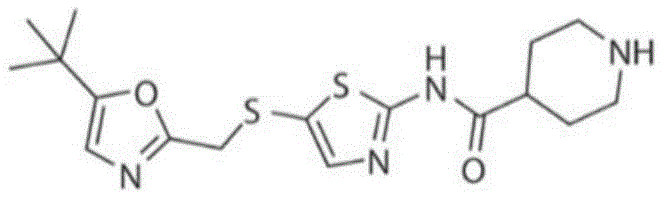
in some embodiments, the CDK9 inhibitor is vorucinib (voruciclib) or an ester, prodrug, or pharmaceutically acceptable salt thereof. In some embodiments, the CDK9 inhibitor is vorucinib (voruciclib) or a derivative or salt thereof. In some embodiments, the CDK9 inhibitor is vorucinib (voruciclib), having the structure:

another CDK9 inhibitor is dinaciclib. Dinaciclib is not effectively encapsulated or properly released in the microparticles of the present invention:
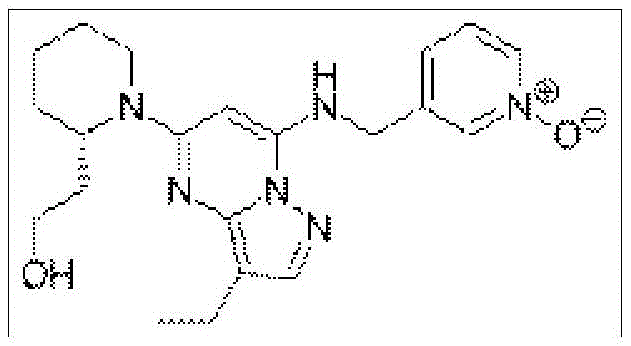
provided herein are formulations of CDK9 inhibitors, wherein the CDK9 inhibitor is SNS-32, voruciclib or flazapine, and a PLGA polymer, wherein the CDK9 inhibitor is encapsulated in particles of appropriate size, with appropriate release potential and release kinetics, such that a therapeutically effective amount of the CDK9 inhibitor is provided over a period of time to treat injury, reduce inflammation, reduce symptoms, and/or prevent further damage to injured tissue of a subject.
Also provided are pharmaceutically acceptable salts, hydrates, solvates, tautomeric forms, polymorphs, and prodrugs of the CDK9 inhibitors described herein. "pharmaceutically acceptable" or "physiologically acceptable" refers to compounds, salts, compositions, dosage forms and other materials that can be used to prepare pharmaceutical compositions suitable for veterinary or human pharmaceutical use.
The compounds described herein may be prepared and/or formulated as pharmaceutically acceptable salts or, where appropriate, as free bases. A "pharmaceutically acceptable salt" is a non-toxic salt of the free base form of a compound that retains the desired pharmacological activity of the free base. These salts may be derived from inorganic or organic acids or bases. For example, pharmaceutically acceptable salts can be prepared by contacting a compound containing a basic nitrogen with an inorganic or organic acid. Non-limiting examples of pharmaceutically acceptable salts include sulfate, pyrosulfate, bisulfate, sulfite, bisulfite, phosphate, monohydrogenphosphate, dihydrogenphosphate, metaphosphate, pyrophosphate, chloride, bromide, iodide, acetate, propionate, decanoate, octanoate, acrylate, formate, isobutyrate, hexanoate, heptanoate, propionate, oxalate, malonate, succinate, suberate, sebacate, fumarate, maleate, butyne 1, 4-dioate, hexyne 1, 6-dioate, benzoate, chlorobenzoate, methylbenzoate, dinitrobenzoate, hydroxybenzoate, methoxybenzoate, phthalate, sulfonate, methylsulfonate, propylsulfonate, benzenesulfonate, xylenesulfonate, naphthalene-1-sulfonate, naphthalene-2-sulfonate, phenylacetate, phenylpropionate, phenylbutyrate, citrate, lactate, gamma-hydroxybutyrate, glycolate, tartrate and mandelate. In Remington: other suitable pharmaceutically acceptable salts have been discovered in the pharmaceutical sciences and practices (21 st edition, lipocott williams and wilkins, p.n., philadelphia, 2006).
Examples of pharmaceutically acceptable salts of the compounds disclosed herein also include salts derived from suitable bases, such as alkali metals (e.g., sodium, potassium), alkaline earth metals (e.g., magnesium), ammonium, and NX4 +(wherein X is C1-C4Alkyl groups). Also included are base addition salts, such as sodium or potassium salts.
B. Composition comprising a metal oxide and a metal oxide
Provided herein are novel sustained release formulations of CDK9 inhibitors, wherein the inhibitors are encapsulated in bioabsorbable polymers. As the polymer degrades, the inhibitor is continuously released over time. The polymer is in particulate form and remains at the site of administration (e.g., intra-articular injection into the injured joint). In some embodiments, the microparticles have a diameter size in the range of 4 microns to 50 microns in diameter, with a target diameter size of about 15 microns. In some embodiments, the average diameter of the microparticles is 4, 5, 6, 7, 8, 9, 10, 11, 12, 13, 14, 15, 16, 17, 18, 19, 20, 21, 22, 23, 24, 25, 26, 27, 28, 29, 30, 31, 32, 33, 34, 35, 36, 37, 38, 39, 40, 41, 42, 43, 44, 45, 46, 47, 48, 49, 50, 55, 60, 65, 70, 75, 80, 85, 90, 95, 100 microns. In some embodiments, the microparticles have an average diameter of less than or equal to 100 micrometers, less than or equal to 70 micrometers, less than or equal to 50 micrometers, less than or equal to 45 micrometers, less than or equal to 40 micrometers, less than or equal to 35 micrometers less than or equal to 30 micrometers less than or equal to 25 micrometers less than or equal to 20 micrometers less than or equal to 15 micrometers, less than or equal to 10 micrometers, or less than or equal to 5 micrometers. In some embodiments, the microparticles have an average diameter between about 20 microns and about 50 microns, between about 20 microns and about 30 microns, or between about 10 microns and about 20 microns. In some embodiments, the microparticles have an average diameter between about 12 microns and about 18 microns. In some embodiments, the microparticles have an average diameter of about 15 microns, about 20 microns, about 25 microns, about 30 microns, about 35 microns, about 40 microns, about 45 microns, or about 50 microns. In some embodiments, the bioabsorbable polymer is PLGA. The microparticles remain at the site of administration (e.g., intra-articular injection into the injured joint). An advantage of a microparticle encapsulated pharmaceutical formulation is that the microparticles remain localized upon injection, so that the inhibitor can be locally obtained at a therapeutically effective concentration over an extended period of time that can be precisely designed. For example, the drug may be designed to be released over a time span ranging from days to months during the catabolic inflammatory phase of the injury response.
One embodiment of the invention is a microparticle comprising a cyclin dependent kinase 9(CDK9) inhibitor and poly (lactic-co-glycolic) acid (PLGA), wherein the CDK9 inhibitor is encapsulated by the PLGA, and wherein the microparticle provides sustained release of the CDK9 inhibitor.
In some embodiments, the bioabsorbable polymer is a PLGA copolymer. PLGA copolymers useful for sustained release of the CDK9 inhibitors of the present disclosure include those that degrade at a rate such that the CDK9 inhibitor is substantially released over a period of about 30 days. In some embodiments, PLGA copolymers include those comprising lactic acid to glycolic acid monomers in a ratio of about 10: 90 to about 90: 10 (L: G ratio). In some embodiments, PLGA copolymers include those comprising lactic acid to glycolic acid monomers in a ratio of about 50:50 to about 75:25 (L: G ratio), including copolymers having about 50:50 to about 75: 25. In some embodiments, the PLGA copolymer comprises a PLGA having an L: those of the G ratio. In thatIn some embodiments herein, the PLGA copolymers of the present disclosure are acid terminated. In an embodiment of the invention, the PLGA is an acid-terminated 50:50 poly (DL-lactide-co-glycolide). In an embodiment of the invention, the PLGA is a polymer (Durect Corp.). In an embodiment of the invention, the PLGA is B6013-1, B6013-2 or B6012-4 polymers. In an embodiment of the invention, the PLGA is
 Polymer (Corbion). In an embodiment of the invention, the PLGA is
 5004A 50:50 Poly (DL-lactide-co-glycolide).
In some embodiments, the PLGA-encapsulated CDK9 inhibitor microparticles have a diameter of about 1 to about 50 microns, e.g., about 1 to about 50, about 1 to about 40, about 2 to about 50, about 2 to about 40, a diameter of about 3 to about 50, or about 3 to about 40 microns. It is desirable to uniformly produce micron-sized particles for use in the process of the present invention, at least about 90%, 95%, 96%, 98% or at least about 99% by mass of particles for pharmaceutical formulation having a diameter of less than about 20, about 25, about 30, about 35, about 40, about 45, about 50, about 60, about 70, about 80, about 90 or about 100 microns.
In some embodiments of the invention, the microparticles release the CDK9 inhibitor at an approximately constant rate over the treatment period. In some embodiments, the microparticles are released at a constant rate after an initial release of about 3% to about 10% of the encapsulated CDK9 inhibitor. In some embodiments, the initial release occurs within about 24 hours. In some embodiments, the initial release occurs within about 12 hours. In some embodiments, the initial release occurs within about 8 hours. In some embodiments, the initial release occurs within about 1 hour. In some embodiments, the microparticles release about 3% to about 30%, about 3% to about 20%, about 3% to about 10%, about 5% to about 30%, about 5% to about 20%, or about 5% to 10% of the inhibitor of CDK9 within 24 hours. In some embodiments, the microparticles release about 5% to about 40%, about 5% to about 30%, about 5% to about 20%, about 10% to about 40%, about 10% to about 30%, about 10% to about 20%, or about 10% to about 15% of the inhibitor of CDK9 within 2 days. In some embodiments, the microparticles release about 10% to about 50%, about 10% to about 40%, about 10% to about 30%, about 15% to about 40%, about 15% to about 30%, or about 15% to 25% of the inhibitor of CDK9 within 5 days. In some embodiments, the microparticles release from about 20% to about 70%, from about 20% to about 60%, from about 20% to about 50%, from about 20% to about 40%, or from about 25% to about 35% of the inhibitor of CDK9 over a period of 8 days. In some embodiments, the microparticles release about 30% to about 70%, about 30% to about 60%, about 30% to about 50%, about 40% to about 70%, about 40% to about 60%, or about 40% to about 50% of the inhibitor of CDK9 within 12 days. In some embodiments, the microparticles release about 40% to about 80%, about 40% to about 70%, about 50% to about 70%, or about 55% to about 65% of the inhibitor of CDK9 within 15 days. In some embodiments, the microparticles release about 40% to about 80%, about 50% to about 80%, about 60% to about 80%, or about 65% to about 75% of the inhibitor of CDK9 within 19 days. In some embodiments, the microparticles release about 40% to about 90%, about 50% to about 90%, about 60% to about 90%, about 70% to about 90%, or about 75% to about 85% of the inhibitor of CDK9 within 22 days. In some embodiments, the microparticles release about 50% to about 90%, about 60% to about 90%, about 70% to about 90%, or about 80% to about 90% of the inhibitor of CDK9 within 26 days. In some embodiments, the microparticles release about 60% to about 95%, about 70% to about 95%, about 80% to about 95%, or about 85% to about 95% CDK9 inhibitor within 30 days.
In embodiments of the invention, at least about 80% of the encapsulated CDK9 inhibitor is released at the end of the treatment period. In some embodiments, the amount of the encapsulated CDK9 inhibitor released is at least about 85%, at least about 90%, at least about 94%, at least about 95%, at least about 96%, at least about 97%, at least about 98%, at least about 99%, or at least about 99.5%. In embodiments of the invention, the treatment period is at least about 24 hours, at least about 2 days, at least about 5 days, at least about 7 days, at least about 10 days, at least about 14 days, at least about 20 days, at least about 21 days, at least about 28 days, at least about 30 days, at least about 31 days, at least about 40 days, at least about 42 days, at least about 45 days, at least about 48 days, at least about 50 days, or at least about 60 days. In embodiments of the invention, the treatment period is less than about 60 days, less than about 55 days, less than about 50 days, less than about 45 days, less than about 40 days, less than about 30 days, less than about 28 days, less than about 25 days, less than about 21 days, less than about 20 days, less than about 14 days, less than about 10 days, less than about 7 days, less than about 5 days, or less than about 2 days.
In some embodiments, the microparticles release about 3% to about 10% of the inhibitor of CDK9 within about 24 hours; about 10% to about 20% of the CDK9 inhibitor is released within about 2 days; about 15% to about 25% of the CDK9 inhibitor is released within about 5 days; about 25% to 35% of the CDK9 inhibitor is released within about 8 days; about 40% to about 50% of the CDK9 inhibitor is released within about 12 days; about 55% to about 65% of the CDK9 inhibitor is released within about 15 days; about 65% to 75% of the CDK9 inhibitor is released within about 19 days; about 75% to about 85% of the CDK9 inhibitor is released within about 22 days; about 80% to about 90% of the CDK9 inhibitor is released within about 26 days; and/or release from about 85% to about 95% of the inhibitor CDK9 within about 30 days.
One embodiment of the invention is a microparticle, wherein the inhibitor of CDK9 is frataxin, SNS-032, voruciclib, or a pharmaceutically acceptable salt thereof. One embodiment of the invention is a microparticle, wherein the inhibitor of CDK9 is frataxin. One embodiment of the invention is microparticles wherein the PLGA has a ratio of lactic acid to glycolic acid (L: G) of about 50:50 to about 75: 25. One embodiment of the present invention is a microparticle wherein the PLGA has an Intrinsic Viscosity (IV) of about 0.4 to about 0.9. One embodiment of the present invention is a microparticle wherein the PLGA has an Intrinsic Viscosity (IV) of about 0.4, about 0.55 to about 0.75, or about 0.7 to about 0.9. One embodiment of the present invention is microparticles, wherein the PLGA is B6013-2,
 5004A or
 B6012-4. One embodiment of the present invention is a microparticle, wherein the microparticle has a diameter of about 3 to about 50 microns.
One embodiment of the invention is a microparticle, wherein the microparticle releases the CDK9 inhibitor over a duration selected from the group consisting of: about 24 hours, about 2 days, about 5 days, about 10 days, about 14 days, about 21 days, about 30 days, about 45 days and about 60 days. One embodiment of the invention is a microparticle, wherein the microparticle releases about 5% to about 40%, about 5% to about 30%, about 5% to about 20%, about 10% to about 40%, about 10% to about 30%, about 10% to about 20%, or about 10% to about 15% of the inhibitor of CDK9 within 2 days after administration. One embodiment of the invention is a microparticle, wherein the microparticle releases an amount of the inhibitor of CDK9 of about 10% to about 50%, about 10% to about 40%, about 10% to about 30%, about 15% to about 40%, about 15% to about 30%, or about 15% to about 25% within 5 days after administration. One embodiment of the invention is a microparticle, wherein the microparticle releases about 20% to about 70%, about 20% to about 60%, about 20% to about 50%, about 20% to about 40%, or about 25% to about 35% of the CDK9 inhibitor over 8 days after administration. One embodiment of the present invention is a microparticle, wherein the microparticle releases about 30% to about 70%, about 30% to about 60%, about 30% to about 50%, about 40% to about 70%, about 40% to about 60%, or about 40% to about 50% of the inhibitor of CDK9 within 12 days after administration. One embodiment of the invention is a microparticle, wherein the microparticle releases about 40% to about 80%, about 40% to about 70%, about 50% to about 70%, or about 55% to about 65% of the inhibitor of CDK9 within 15 days after administration. One embodiment of the invention is a microparticle, wherein the microparticle releases about 40% to about 80%, about 50% to about 80%, about 60% to about 80%, or about 65% to about 75% of the inhibitor of CDK9 within 19 days after administration. One embodiment of the invention is a microparticle, wherein the microparticle releases about 40% to about 90%, about 50% to about 90%, about 60% to about 90%, about 70% to about 90%, or about 75% to about 85% of the CDK9 inhibitor within 22 days after administration. One embodiment of the invention is a microparticle, wherein the microparticle releases about 50% to about 90%, about 60% to about 90%, about 70% to about 90%, or about 80% to about 90% of the inhibitor of CDK9 within 26 days after administration. One embodiment of the invention is a microparticle, wherein the microparticle releases about 60% to about 95%, about 70% to about 95%, about 80% to about 95%, or about 85% to about 95% of the inhibitor of CDK9 within 30 days after administration.
Another embodiment of the invention is a pharmaceutical composition comprising a plurality of microparticles of the invention and a pharmaceutically acceptable carrier. One embodiment of the present invention is a composition wherein the plurality of microparticles have an average diameter of about 5 to about 20 microns, or about 10 to about 20 microns, or about 20 to about 50 microns. One embodiment of the present invention is a composition wherein 10% of the mass of the plurality of microparticles (D10) have a diameter of less than about 9 or about 10 microns. One embodiment of the invention is a composition wherein 50% of the mass of the plurality of microparticles (D50) have a diameter of less than about 18, less than about 19, or less than about 20 microns. One embodiment of the invention is a composition wherein 90% by mass (D90) of the plurality of microparticles has a diameter of less than about 26, about 27, about 28, about 29, or about 30 microns. One embodiment of the invention is a composition, wherein the plurality of microparticles has from about 0.5% to about 5%, from about 0.5% to about 4%, from about 0.5% to about 3%, or from about 0.5% to about 2% by weight of the inhibitor of CDK 9.
The pharmaceutical compositions of the present invention comprise microparticles of the present invention dispersed or suspended in a pharmaceutically acceptable carrier. As used herein, "pharmaceutically acceptable carrier" includes any and all solvents, dispersion media, coatings, surfactants, antioxidants, preservatives (e.g., antibacterial agents, antifungal agents), isotonic agents, absorption delaying agents, salts, preservatives, drugs, drug stabilizers, gels, binders, excipients, disintegrants, lubricants, dyes, similar materials, and combinations thereof, as known to those of ordinary skill in the art (see, for example, leimington's pharmaceutical sciences, 18 th edition, mark press, 1990, 1289-. Unless any conventional carrier is incompatible with the microparticles of the present invention, it is contemplated that it may be used in a pharmaceutical composition. It is contemplated that the compositions of the present invention will be administered primarily by injection or other parenteral methods; however, gel and aerosol compositions may also be used, for example, in surgical procedures. Suitable carriers include water, water for injection, saline, phosphate buffered saline and the like. The compositions of the present invention may further comprise a propellant, an anti-aggregation agent and other agents listed above.
One embodiment of the invention is a method wherein the microparticles are administered in a pharmaceutically acceptable carrier. One embodiment of the invention is a method, wherein said inhibitor of CDK9 is selected from the group consisting of: frataxin, SNS-032, voruciclib and derivatives or pharmaceutically acceptable salts thereof. One embodiment of the invention is a method wherein the inhibitor of CDK9 is frataxin, SNS-032 or voruciclib or a pharmaceutically acceptable salt thereof. One embodiment of the invention is a method wherein the inhibitor of CDK9 is flazability. One embodiment of the invention is a method wherein the subject treated is a human. One embodiment of the invention is a method wherein the subject treated is a horse. One embodiment of the invention is a method wherein a therapeutically effective amount of the CDK9 inhibitor is released over a sustained period of 1 to 42 days.
In one embodiment of the invention, the composition comprises a carrier comprising water and polyvinyl alcohol (PVA). In one embodiment of the invention, the carrier comprises ethanol, a polyol (e.g., glycerol, propylene glycol or liquid polyethylene glycol, and the like), or a suitable mixture thereof. In one embodiment of the invention, the carrier comprises a gelling agent. In compositions of the invention to be hydrated or suspended immediately prior to administration, the carrier may be a dry particulate solid suitable for suspending and disintegrating the microparticles of the invention, for example mannitol, sucrose, and the like.
C. Method of producing a composite material
Another embodiment of the invention is a method of treating a subject in need thereof comprising administering a therapeutically effective amount of a plurality of microparticles comprising a CDK9 inhibitor and poly (lactic-glycolic) acid (PLGA), wherein the CDK9 inhibitor is encapsulated by PLGA, and wherein the microparticles provide sustained release of the CDK9 inhibitor.
The methods herein provide a formulated, sustained release CDK9 inhibitor for topical delivery such that the drug remains topically available at therapeutically effective doses for extended periods of time. Inhibitors of CDK9 formulated into microparticles may release CDK9 inhibitors over the duration of the inflammatory response, which may vary from days to weeks following an acute injury event. Also provided herein are methods of administering a formulated CDK9 inhibitor for topical delivery of a drug. For example, when injected intra-articularly, microparticles with encapsulated CDK9 inhibitor remain within the tissue of interest (e.g., joint capsule) to provide therapeutically effective local concentrations of the drug within the tissue over time while greatly reducing the systemic drug burden.
The subject that can be treated by the methods of the present disclosure is a human or non-human mammal, e.g., a companion animal such as a dog, cat, rat, etc., or a farm animal such as a horse, donkey, mule, goat, sheep, pig, or cow, etc.
In the methods of the invention, systemic drug burden is greatly reduced because the therapeutic dose is administered locally, and therefore much lower doses can be used. For example, when the compositions of the present invention are administered by intra-articular injection of a single knee joint, a locally effective concentration of a CDK9 inhibitor, such as frataxin, in humans, can be achieved with about 80 to 100 times less drug than systemic doses, which is even greater in the case of equine joint injury. In order to significantly reduce the complications associated with systemic and local excessive inflammation following trauma, sustained release methods are useful.
These complications to avoid may include acute lung injury, fat embolism, multiple organ failure, delayed healing, severe post-injury immunosuppression, and the like. The present invention can be used to reduce swelling caused by inflammation, limit tissue damage in severe brain/spinal cord injury, prevent systemic inflammation in severe multifocal trauma cases, such as trauma inflicted in an automobile accident, limit muscle damage following myocardial infarction, and other conditions of acute inflammatory reaction. The invention is particularly suited to situations where a secondary immune response causes adverse effects. Specific examples include: (a) joint damage, such as meniscal or ACL tears, immune responses activate cartilage matrix degrading enzymes, predispose the joint to future osteoarthritis, (b) nerve damage caused by toxins (nerve gases, organophosphates, etc.), where the immune response may be pre-convulsions, (c) medical implants that do not require local or foreign body reactions.
CDK9 inhibitors have an effect on inflammatory response pathways. For example, the pharmacological CDK9 inhibitor, frazapine, was effective in inhibiting the activation of multiple primary inflammatory response genes in human cell cultures treated with IL-1 β for 5 hours (see figure 1). Of the 67 different genes induced by IL-1 β (of the 84 total target NF-. kappa.B genes tested), 59 were co-treated with Fragrangian (including the most representative pro-inflammatory cytokines such as IL-1 β, Il-6 and TNF). The average magnitude of the depression was greater than 86% of the maximum induction. These data indicate that CDK9 inhibition is very effective in inhibiting the induction of a broad range of primary inflammatory genes. Importantly, the housekeeping genes and non-inducible genes were unaffected by CDK9 inhibition for a short period of time, indicating that potential side effects were reduced.
Current anti-inflammatory agents target either various components of the upstream inflammatory signaling pathway or downstream effector genes (IL-1 antagonists, TNF antagonists, antioxidants, etc.). The emphasis is on inhibiting specific pathways, leaving the corresponding response genes from transcription, or inhibiting the function of a single downstream effector gene. None of these prior studies address the rate-limiting process of CDK 9-controlled transcriptional extension. These existing drugs may be less effective in addressing various physiological pro-inflammatory challenges and may not prevent activation of a variety of different downstream inflammatory response genes. Thus, CDK9, which targets the rate-limiting step of controlling activation of all inflammatory genes, is more effective. The inhibition of transcriptional elongation by CDK9 was limited to primary reactive inflammatory genes, whereas CDK9 inhibition did not affect transcription of housekeeping and non-inducible genes during the acute inflammatory phase tested and therefore was not harmful to cells or tissues for a short period of time. One advantage of inhibiting CDK9 is that it can reduce transcriptional elongation of inflammatory genes from a variety of inflammatory stimuli. CDK9 can be specifically and reversibly inhibited by small molecule drugs such as frataxin and other drugs disclosed herein, including SNS-032, voruciclib, and frataxin. In conjunction with the formulations and methods herein, CDK9 inhibitors are delivered locally to the site of inflammation, thereby reducing, alleviating, preventing or reducing the inflammatory response and its symptoms.
In some embodiments, the methods herein comprise administering at least one CDK9 inhibitor and a PLGA polymer described herein in particulate form, wherein the CDK9 inhibitor is selected from the group consisting of: frataxin, SNS-032 and voruciclib or esters, prodrugs or pharmaceutically acceptable salts thereof.
In some embodiments, the formulated CDK9 inhibitor is administered to a target tissue, cell type or region of a subject including, but not limited to, a wound site, an inflamed or potentially inflamed region, a joint, cartilage, a tissue having the following characteristics: tissues or areas that have undergone surgery, have been damaged by sports injury, explants (e.g., osteochondral explants), including but not limited to allogeneic cartilage, areas of cartilage degradation and/or chondrocyte death.
In some embodiments, the formulated inhibitor of CDK9 is administered within 10 days of the traumatic injury or inflammatory response. In some embodiments, the formulated inhibitor of CDK9 is administered within 10, 9, 8, 7, 6, 5, 4, 3, 2, or 1 days after traumatic injury or inflammatory response. In some embodiments, the formulated inhibitor of CDK9 is administered within 24, 23, 22, 21, 20, 19, 18, 17, 16, 15, 14, 13, 12, 11, 10, 9, 8, 7, 6, 5, 4, 3, 2, 1, 0.5 hours or less than 0.5 hours after trauma, injury or inflammation. In some embodiments, the formulated inhibitor of CDK9 is administered once, twice, 3 times or more after traumatic injury or inflammatory response.
In some embodiments, a formulated CDK9 inhibitor is administered to a subject having a past disorder or disease, such as synovitis or arthritis. In some embodiments, a formulated CDK9 inhibitor is administered to such a pre-existing disorder on a chronic basis, e.g., weekly, every 2 weeks, every 3 weeks, monthly (e.g., 4 weeks), every 5, 6, 7, 8, 9, or 10 weeks. In some embodiments, a formulated inhibitor of CDK9 is chronically used for such a pre-existing disorder until the disorder, inflammation, or other sign or disease is alleviated, ameliorated, reduced, or otherwise affected by the treatment. In some embodiments, a formulated CDK9 inhibitor is administered on a chronic basis against a disease or disorder in the subject's life cycle or from diagnosis or onset of such a pre-existing disorder.
Another embodiment of the invention is a method of treating a subject in need thereof comprising administering a pharmaceutical composition comprising a plurality of microparticles of the invention.
One embodiment of the present invention is a method wherein the subject has a disease or condition selected from the group consisting of arthritis, osteoarthritis, post-traumatic osteoarthritis and traumatic injury. One embodiment of the invention is a method wherein the disease or condition affects a joint. One embodiment of the invention is a method wherein the joint is a knee joint. One embodiment of the invention is a method wherein the pharmaceutical composition is administered by injection.
Another embodiment of the invention is a method of treating a site of inflammation, the method comprising administering to the site a composition comprising a CDK9 inhibitor formulated as a plurality of microparticles, wherein the microparticles provide sustained release of the CDK9 inhibitor at the site for at least 24 hours, thereby reducing or alleviating inflammation at the site.
One embodiment of the invention is a method wherein the site of inflammation is a site of joint, cartilage or traumatic injury. One embodiment of the invention is a method, wherein the microparticles comprise PLGA, and wherein the inhibitor of CDK9 is selected from the group consisting of: frataxin, SNS-032, voruciclib and derivatives or pharmaceutically acceptable salts thereof. One embodiment of the present invention is a method wherein the microparticles have an average diameter of about 20 to about 50 microns.
Example IV
Example 1 Synthesis of particles comprising polylactic-glycolic acid and Franzapine
The preparation of the particles of frataxin-polylactic-glycolic acid (PLGA) was performed using a single emulsion-solvent evaporation technique. Briefly, PLGA was dissolved in dichloromethane (5% w/v), frataxin was added, and the solution was added to a large amount of polyvinyl alcohol in distilled water while homogenizing (35,000rpm, 2 minutes) to form an emulsion. The particles thus formed were stirred for 24 hours to evaporate the remaining dichloromethane. The MP was washed, lyophilized and stored at-20 ℃. The size distribution was measured by a Microtrac Nanotrac dynamic light scattering particle analyzer and confirmed by scanning electron microscopy.
We produced different versions of CDK9 inhibitor-releasing microparticles that showed sustained release of frataxin. Examples are shown in table 1 and fig. 4A-D and fig. 5. The differences between these formulations arise from the properties of the PLGA encapsulating the CDK9 inhibitor (in this case, fraveline), which in turn affects the release kinetics of fraveline. These polymers are selected for their physical properties, such as intrinsic viscosity or average molecular weight, their compatibility with CDK9 inhibitors (e.g., frataxin), their L/G ratios, and their predicted release kinetics. In this case, the polymer is B6013-2,
 5004A (Corbion) and
 B6012-4。
the properties of these polymers are shown in Table 1. The particles had a median particle size of about 15 microns (in the range of 4-50 microns) and a frataxin content of about 0.5% to about 1.5% by weight (fig. 4).
TABLE 1 formulation of PLGA-encapsulated fusiformin particles with given characteristics (L/G ratio, intrinsic viscosity, end groups). Preparation 1: b6013-2, LG ratio 50:50, IV: 0.55-0.75dL/g, acid end capping; preparation 2:
 5004A, LG ratio 50:50, IV 0.4dL/g, acid capping; preparation 3:
 b6012-4, LG ratio is 75:25, IV is 0.7-0.9dL/g, and the end is blocked by acid.
| |
|
|
|
| Batch number | 53010 | 53012 | 53024 |
| Average particle diameter | 16.21±6.229μm | 16.72±60.35μm | 14.84±5.809μm |
| D10 | 8.007μm | 8.528μm | 7.053μm |
| D50 | 16.08μm | 16.79μm | 14.69μm |
| D90 | 24.95μm | 25.01μm | 22.62μm |
| API load | 1.58% | 1.13% | 0.51% |
Example 2 in vitro evaluation of PLGA/Fragrangian particles
In that The release of frataxin from the particles was quantified within 42 days by absorbance at 247 nm. FIG. 5 shows the nearly linear release kinetics of a polymer from 30 days to about 90% of the fusiformity released from the
 microparticles 30 days in vitro.
Example 3 PLGA/Fralazone particles are active in the rat osteoarthritis model
To induce post-traumatic osteoarthritis (PTOA) in rats (IACUC certified), 4 rats (Sprague Dawley) were anesthetized and a single mechanical load was applied to the knee joint to rupture the ACL. 5mg of particles were suspended in 50 μ l saline and injected into the joint cavity using a 23 gauge needle, with 2 rats receiving Fralazine-PLGA and 2 rats receiving blank-PLGA. To assess the development of OA and joint degeneration, we performed longitudinal (up to 3 weeks) in vivo imaging of MMP activity using the MMPSense750-FAST intra-articular injection on IVIS-200.
In the rat PTOA model, we observed a significant increase in MMP activity in vivo 3 days after injury. However, intra-articular injection of the Fralazine-PLGA microparticles significantly reduced MMP activity in vivo at all time points tested.
Furthermore, in vivo data in the case of joint injury indicate that frolatness injections effectively and selectively inhibit the mRNA expression of inflammatory cytokines IL-1 β and IL-6 at the injured site 4-8 hours after injury (see fig. 2A-2D, fig. 3A-3D), as assessed by our non-invasive knee injury model for studying post-traumatic osteoarthritis (b.a. christiansen et al, osteoarthritic cartilage (2012)20 (7): 773-82). In addition, the housekeeping gene 18S rRNA, as well as the matrix gene type 2 collagen and aggrecan were not affected by either damage or by fusiformity treatment. These data indicate that CDK9 inhibition can effectively inhibit the production of the major pro-inflammatory cytokines IL-1 β and IL-6 in vivo at the site of injury even when fusional is administered both distally and systemically by intraperitoneal injection. The data in fig. 3A and 3B show that repeated administrations of frataxin are more effective than single administrations.
Similar to the mouse study described above, other in vivo data were also generated in the rat model, in which PTOA was triggered by ACL rupture. In this example, PLGA-encapsulated CDK9 inhibitor was delivered to the injured knee joint via intra-articular injection. Has no obvious toxicity or other adverse reactions. The preparation has an effective effect in reducing MMP activity in ACL-disrupted joints. Activation of the damage-induced catabolic enzyme-linked degradation was monitored in vivo using the MMPSense750 reagent.
MMPSense750 fluoresces in the presence of localized MMP activity, and ACL rupture injury can result in a significant increase in fluorescence of untreated knees and knees with empty PLGA microparticles. This damage-induced MMP activity is detectable within days following injury and increases in the injured joint for at least 3 weeks. However, in the frothed knee encapsulated with PLGA, the MMPSense750 signal did not increase after injury. This suggests that a single injection within the joint cavity releasing frataxin PLGA microparticles is effective in preventing MMP activity in the injured joint, and that the benefit of a single injection lasts for at least 3 weeks (see fig. 7A). This is consistent with sustained inhibition of CDK9 activity, as we have previously shown that in this model MMP activity in vivo depends on transcriptional activation of major responsive genes and can be inhibited by repeated systemic administration of frataxin.
Example 4 comparative Synthesis of PLGA-Freulat particles with varying Release Profile
(A) Polymers end-capped with high viscosity esters ( 5010, LG ratio 50:50, IV ═ 1.0) two batches of PLGA-fravision microparticles were made. The ester-terminated form incorporated less CDK9 inhibitor into the microparticles than the acid-terminated PLGA microparticles (see, e.g., table 1). As shown in table 2, the loading percentage was too low (0.14% to 0.17%), and thus, it was not available for commercialization.
Table 2: loading and particle size of ester terminated PLGA
| Batch number | 41227 | 53002 |
| Average particle diameter | 15.24±6.584μm | 12.47±6.584μm |
| D10 | 5.884μm | 5.374μm |
| D50 | 15.63μm | 11.90μm |
| D90 | 23.94μm | 20.24μm |
| Load(s) | 0.14% | 0.17% |
Figures 8-10 show comparative particles of PLGA/fraleveling with altered loading and/or release profiles. Figure 8 shows the population of loaded and released microparticles with a lower level of frataxis. These microparticles are made with ester-terminated PLGA and have a higher intrinsic viscosity (1.0dL/g) than microparticles made with acid-terminated PLGA having an intrinsic viscosity generally equal to or less than about 0.75 dL/g.
Figure 9 shows a microparticle formulation in which the release of the CDK9 inhibitor was limited to about 60-75% of the CDK9 inhibitor, with no 80% release of microparticles being achieved. These microparticles were formulated with ester terminated PLGA, had an inherent viscosity of 1.0dL/g, and further showed caking.
FIG. 10 shows two microparticle formulations of acid-capped PLGA with intrinsic viscosities between 0.7 and 0.9 dL/g. These microparticles exhibited a load of fraleveling, but released the CDK9 inhibitor in the initial burst, which was about 20% of the inhibitor, and did not release the inhibitor any further over the period shown. Table 3 below shows a comparative summary of the loading and release efficiency of frataxin in various PLGA formulations.
TABLE 3 formulation characteristics

(1) Load is insufficient; (2) unsuitable particle size or particle size distribution; (3) polymerization; (4) unsuitable release profile
Example 5 formulation of Fralazone administration to equine subjects
The pharmaceutical preparation comprises the following components: a dose of fraleveling (0.122mg) was embedded in 10.26mg PLGA microparticles. The microparticles were resuspended in 2mL of sterile saline for injection.
(A) Surgical cases: a total of 60 horses were studied, with 52 of the condyloid fractures and 8 of the first phalanges (P1). Horses were divided into 2 groups, receiving 36 treatments and 24 controls (saline only), respectively. During surgery surgical cases were randomized into treatment and control groups. The surgeon is provided with a ready syringe and the affected horse is treated immediately after the lag screw compresses the intra-articular fracture. All horses received the same antibiotic and NSAIDs treatment after surgery, and were manually walked daily to assess comfort. When the bandage was changed, the extremities were assessed for joint cavity effusion, edema, incision outflow and flexion pain. The surgical site was radiographed monthly to assess fracture healing.
The comfort score was similar in the treated and control groups for condyloid fractures, but improved significantly in the P1 fracture. In both groups, effusion scores were significantly improved in the treated groups starting 24 hours post-surgery. Although in this group of horses the edema was mainly concentrated around the stab incision for lag screw insertion, no significant difference was found in the edema score.
At time points above 90 days after the operation, the range of motion, hydrops score and comfort of the treated horses are proved to be obviously improved. No significant difference in cure rate was observed between the treated and untreated controls, indicating that inhibition of the inflammatory response did not negatively affect the cure.
(B) Training case (competitive horse in race): performance-limiting horses with lameness problems of the metacarpophalangeal and metatarsophalangeal joints and the wrist joint were treated with the above-mentioned microparticles.
Cases were evaluated by radiography, computed tomography and ultrasonography prior to injection to determine the extent of pre-existing disease. Cases were classified as having pre-existing osteochondral fragments (n-18), osteophyte (n-65), partial collapse of joints (n-3), extensive subchondral cystic changes (n-1) and moderate-severe subchondral remodeling (n-15). Horses were examined daily for lameness, fluid accumulation and response to flexion. A total of 206 injections were performed. No adverse reaction occurs.
In the synovitis-only cases, synovial fluid accumulation decreased by an average of 25% in the first 24 hours, 75% in 48 hours, and returned to normal within 60-72 hours. Comfort scores increased within 36 hours after injection. On average, horses with signs of arthritis showed an improvement in clinical score within 3-4 weeks after injection.
Several horses were injected every 30 days from the start of the experiment. Clinical examination of synovial fluid showed that in all cases, the viscosity was improved and the total protein fraction was reduced. In these cases, the severity of the radiographic or tomographic abnormalities did not increase after repeated treatments.
Example 6 formulations of SNS-32, voruciclib and Daiseili
(A) Preparation: the encapsulation of the CDK-9 inhibitors SNS-032 (non-flavonoid), voruciclib (flavonoid) and Daisy sitarib (non-flavonoid) in PLGA or Polycaprolactone (PCL) is as follows. The preparation of polylactic-glycolic acid (PLGA) or Polycaprolactone (PCL) particles with CDK9 inhibitors was performed using a single emulsion solvent evaporation technique. Briefly, 500mg of PLGA or PCL was dissolved in 2.5mL of 2% v/v dimethylsulfoxide in either dichloromethane (for PLGA) or chloroform (for PCL). CDK9 inhibitor (2% g/g polymer, Daisy (dinaciclib), SNS-032 and voruciclib) was added to the polymer solution, then to 5mL of 10% aqueous polyvinyl alcohol. The solution was vortexed at full speed (30 seconds for PLGA, or 45 seconds for PCL) to form microparticles. The microparticle suspension was transferred to 150mL of 1% polyvinyl alcohol and stirred for 24 hours. The particles were precipitated, washed with water, lyophilized and stored at-20 ℃ for further use. The size distribution was measured using an AccuSizer model 770 optical particle sizer (particle sizing system). The results are shown in table 4 below.
TABLE 4 efficiency of particulate loading

Table 4 shows the percentage of CDK9 inhibitor loaded into microparticles (e.g., 2g percentage) using each CDK9 inhibitor with PLGA or PCL. For example, SNS-032 has a loading efficiency of 30.7%, such that about 0.61g of the initial SNS-032 is encapsulated in PLGA microparticles. Lower drug encapsulation results in a reduction of inhibitor per microparticle. If loading efficiency falls below a certain threshold, the number of microparticles required to deliver a therapeutic dose of the CDK9 inhibitor may become prohibitive (in terms of cost, efficiency, injected volume, and potential adverse effects of the subject on administering the microparticles). The results show that PCL failed to incorporate a sufficient amount of CDK9 inhibitor, while PLGA failed to incorporate a sufficient amount of the non-flavonoid inhibitor, dinaciclib.
(B) Releasing: the release profile of the microparticles prepared above was determined using the method described in example 2. The results are shown in Table 5 below.
TABLE 5 Release of CDK9 inhibitor from different microparticle formulations.

The results indicate that microparticles containing dinaciclib failed to release the compound at a sufficient therapeutic rate, and microparticles using PCL failed to release any of the CDK9 inhibitors tested at an appropriate therapeutic rate.
Table 6 the following compares the loading and release of CDK9 inhibitor and formulation in PLGA and PCL
TABLE 6 Loading and unloading efficiencies

Although the foregoing invention has been described in some detail by way of illustration and example for purposes of clarity of understanding, it will be apparent to those skilled in the art that certain changes and modifications may be practiced within the scope of the appended claims. In addition, each reference provided herein is incorporated by reference in its entirety to the same extent as if each reference was individually incorporated by reference. In the event of a conflict between the present application and a reference provided herein, the present application controls.
Claims (43)

Applications Claiming Priority (3)
| Application Number | Priority Date | Filing Date | Title |
|---|---|---|---|
| US201862661599P | 2018-04-23 | 2018-04-23 | |
| US62/661,599 | 2018-04-23 | ||
| PCT/US2019/028721 WO2019209825A1 (en) | 2018-04-23 | 2019-04-23 | Sustained release formulation for local delivery of cdk9 inhibitors |
Publications (1)
| Publication Number | Publication Date |
|---|---|
| CN112566673A true CN112566673A (en) | 2021-03-26 |
Family
ID=68295775
Family Applications (1)
| Application Number | Title | Priority Date | Filing Date |
|---|---|---|---|
| CN201980042367.0A Pending CN112566673A (en) | 2018-04-23 | 2019-04-23 | Sustained release formulations for topical delivery of CDK9 inhibitors |
Country Status (9)
| Country | Link |
|---|---|
| US (1) | US20220175750A1 (en) |
| EP (1) | EP3784291A4 (en) |
| JP (1) | JP7417958B2 (en) |
| KR (1) | KR20210021452A (en) |
| CN (1) | CN112566673A (en) |
| AU (1) | AU2019257680A1 (en) |
| CA (1) | CA3098129A1 (en) |
| MX (1) | MX2020011247A (en) |
| WO (1) | WO2019209825A1 (en) |
Families Citing this family (2)
| Publication number | Priority date | Publication date | Assignee | Title |
|---|---|---|---|---|
| MX2023005806A (en) * | 2020-11-19 | 2023-07-31 | Mei Pharma Inc | Treatment of kras mutant cancers. |
| EP4572804A2 (en) * | 2022-08-17 | 2025-06-25 | The Regents of the University of California | Inhalable compositions of cdk9 inhibitors |
Citations (6)
| Publication number | Priority date | Publication date | Assignee | Title |
|---|---|---|---|---|
| US20060034925A1 (en) * | 2004-04-02 | 2006-02-16 | Au Jessie L | Tumor targeting drug-loaded particles |
| CN101056613A (en) * | 2004-09-02 | 2007-10-17 | 华沙整形外科股份有限公司 | Controlled and directed local delivery of anti-inflammatory compositions |
| US20090061010A1 (en) * | 2007-03-30 | 2009-03-05 | Massachusetts Institute Of Technology | Cancer cell targeting using nanoparticles |
| US8609142B2 (en) * | 2008-06-16 | 2013-12-17 | Bind Therapeutics, Inc. | Drug loaded polymeric nanoparticles and methods of making and using same |
| WO2016019096A1 (en) * | 2014-07-31 | 2016-02-04 | Xavier University Of Louisiana | Inhibition of hsv-1-associated corneal neovascularization using inhibitors of cyclin-dependent kinase 9 |
| CN107427584A (en) * | 2015-01-28 | 2017-12-01 | 阿勒根公司 | Joint fat pad preparation and its application method |
Family Cites Families (1)
| Publication number | Priority date | Publication date | Assignee | Title |
|---|---|---|---|---|
| EP2971010B1 (en) * | 2013-03-14 | 2020-06-10 | ModernaTX, Inc. | Formulation and delivery of modified nucleoside, nucleotide, and nucleic acid compositions |
-
2019
- 2019-04-23 CN CN201980042367.0A patent/CN112566673A/en active Pending
- 2019-04-23 US US17/049,798 patent/US20220175750A1/en not_active Abandoned
- 2019-04-23 AU AU2019257680A patent/AU2019257680A1/en not_active Abandoned
- 2019-04-23 KR KR1020207033544A patent/KR20210021452A/en not_active Ceased
- 2019-04-23 WO PCT/US2019/028721 patent/WO2019209825A1/en not_active Ceased
- 2019-04-23 JP JP2021509951A patent/JP7417958B2/en active Active
- 2019-04-23 EP EP19792105.9A patent/EP3784291A4/en not_active Withdrawn
- 2019-04-23 MX MX2020011247A patent/MX2020011247A/en unknown
- 2019-04-23 CA CA3098129A patent/CA3098129A1/en active Pending
Patent Citations (6)
| Publication number | Priority date | Publication date | Assignee | Title |
|---|---|---|---|---|
| US20060034925A1 (en) * | 2004-04-02 | 2006-02-16 | Au Jessie L | Tumor targeting drug-loaded particles |
| CN101056613A (en) * | 2004-09-02 | 2007-10-17 | 华沙整形外科股份有限公司 | Controlled and directed local delivery of anti-inflammatory compositions |
| US20090061010A1 (en) * | 2007-03-30 | 2009-03-05 | Massachusetts Institute Of Technology | Cancer cell targeting using nanoparticles |
| US8609142B2 (en) * | 2008-06-16 | 2013-12-17 | Bind Therapeutics, Inc. | Drug loaded polymeric nanoparticles and methods of making and using same |
| WO2016019096A1 (en) * | 2014-07-31 | 2016-02-04 | Xavier University Of Louisiana | Inhibition of hsv-1-associated corneal neovascularization using inhibitors of cyclin-dependent kinase 9 |
| CN107427584A (en) * | 2015-01-28 | 2017-12-01 | 阿勒根公司 | Joint fat pad preparation and its application method |
Non-Patent Citations (5)
| Title |
|---|
| A. BOLANDPARVAZ 等: "SUSTAINED INTRA-ARTICULAR DELIVERY OF CYCLIN-DEPENDENT KINASE 9 INHIBITORS PROTECTS AGAINST PROTEOLYTIC ACTIVITY IN AN ACL RUPTURE RAT MODEL OF PTOA", OSTEOARTHRITIS AND CARTILAGE, vol. 26, no. 1, pages 303 * |
| HAO REN 等: "Repair of spinal cord injury by inhibition of astrocyte growth and inflammatory factor synthesis through local delivery of flavopiridol in PLGA nanoparticles", 《BIOMATERIALS》 * |
| HAO REN 等: "Repair of spinal cord injury by inhibition of astrocyte growth and inflammatory factor synthesis through local delivery of flavopiridol in PLGA nanoparticles", 《BIOMATERIALS》, vol. 35, no. 24, 5 May 2015 (2015-05-05), pages 2 * |
| 刘昭升等: "环孢霉素A缓释制剂在眼科的应用", 《国外医学.眼科学分册》 * |
| 刘昭升等: "环孢霉素A缓释制剂在眼科的应用", 《国外医学.眼科学分册》, no. 05, 22 October 2000 (2000-10-22), pages 303 - 307 * |
Also Published As
| Publication number | Publication date |
|---|---|
| WO2019209825A1 (en) | 2019-10-31 |
| MX2020011247A (en) | 2021-02-18 |
| EP3784291A1 (en) | 2021-03-03 |
| EP3784291A4 (en) | 2022-01-26 |
| JP7417958B2 (en) | 2024-01-19 |
| KR20210021452A (en) | 2021-02-26 |
| US20220175750A1 (en) | 2022-06-09 |
| CA3098129A1 (en) | 2019-10-31 |
| AU2019257680A1 (en) | 2020-12-03 |
| JP2021522343A (en) | 2021-08-30 |
Similar Documents
| Publication | Publication Date | Title |
|---|---|---|
| US8956642B2 (en) | Bupivacaine formulation in a polyorthoester carrier | |
| JP6857214B2 (en) | Sustained release composition for injection and its use for treating joint inflammation and associated pain | |
| JP3007687B2 (en) | Biodegradable polymer matrix for sustained delivery of local anesthetics | |
| RU2494731C2 (en) | Compounds containing clonidine in degradable polymer | |
| RU2510263C2 (en) | Methods and compositions containing clonidine, applicable for treating postoperative pain | |
| US8940315B2 (en) | Benzodiazepine formulation in a polyorthoester carrier | |
| US20210212934A1 (en) | Methods for providing long-lasting anesthetic effect using microparticles | |
| US9132119B2 (en) | Clonidine formulation in a polyorthoester carrier | |
| CN101765422A (en) | Locally administrated low doses of corticosteroids | |
| JP2004511431A (en) | Biodegradable vehicles and delivery systems containing bioactive agents | |
| JP2017528527A (en) | Injectable microparticles for superlocalized release of therapeutic agents | |
| CN117715625A (en) | Intra-articular injection dosage form comprising colchicine for the treatment of crystalline and amorphous-related acute inflammatory arthritis | |
| JPWO1999012571A1 (en) | Nanocapsule formulations for the treatment of intra-articular diseases | |
| CN112566673A (en) | Sustained release formulations for topical delivery of CDK9 inhibitors | |
| CN118891032A (en) | Microspheres for extended release of fenofibrate | |
| JP2026503608A (en) | Intra-articular injection dosage form containing colchicine for use in the treatment of joint diseases such as osteoarthritis | |
| US20070184082A1 (en) | Biocompatible polymeric delivery systems for sustained release of quinazolinones | |
| KR101646795B1 (en) | A pharmaceutical depot containing N- {5- [(cyclopropylamino) carbonyl]] - 2-methylphenyl} -3-fluoro-4- (pyridin- 2- ylmethoxy) | |
| BR112020021751A2 (en) | prolonged release formulation for local supply of cdk9 inhibitors | |
| CN116370419A (en) | A kind of pharmaceutical composition and application for intra-articular injection | |
| HK40065551A (en) | Intracanalicular hydrogel inserts for the delivery of anesthetics |
Legal Events
| Date | Code | Title | Description |
|---|---|---|---|
| PB01 | Publication | ||
| PB01 | Publication | ||
| SE01 | Entry into force of request for substantive examination | ||
| SE01 | Entry into force of request for substantive examination | ||
| WD01 | Invention patent application deemed withdrawn after publication | ||
| WD01 | Invention patent application deemed withdrawn after publication |
Application publication date: 20210326 |