CN112447163A - Noise reduction method and acoustic silencing structure in vehicle cab - Google Patents
Noise reduction method and acoustic silencing structure in vehicle cab Download PDFInfo
- Publication number
- CN112447163A CN112447163A CN201910808243.0A CN201910808243A CN112447163A CN 112447163 A CN112447163 A CN 112447163A CN 201910808243 A CN201910808243 A CN 201910808243A CN 112447163 A CN112447163 A CN 112447163A
- Authority
- CN
- China
- Prior art keywords
- noise
- sound
- target
- layer
- point
- Prior art date
- Legal status (The legal status is an assumption and is not a legal conclusion. Google has not performed a legal analysis and makes no representation as to the accuracy of the status listed.)
- Granted
Links
Images


Classifications
-
- G—PHYSICS
- G10—MUSICAL INSTRUMENTS; ACOUSTICS
- G10K—SOUND-PRODUCING DEVICES; METHODS OR DEVICES FOR PROTECTING AGAINST, OR FOR DAMPING, NOISE OR OTHER ACOUSTIC WAVES IN GENERAL; ACOUSTICS NOT OTHERWISE PROVIDED FOR
- G10K11/00—Methods or devices for transmitting, conducting or directing sound in general; Methods or devices for protecting against, or for damping, noise or other acoustic waves in general
- G10K11/16—Methods or devices for protecting against, or for damping, noise or other acoustic waves in general
- G10K11/175—Methods or devices for protecting against, or for damping, noise or other acoustic waves in general using interference effects; Masking sound
- G10K11/178—Methods or devices for protecting against, or for damping, noise or other acoustic waves in general using interference effects; Masking sound by electro-acoustically regenerating the original acoustic waves in anti-phase
- G10K11/1785—Methods, e.g. algorithms; Devices
- G10K11/17861—Methods, e.g. algorithms; Devices using additional means for damping sound, e.g. using sound absorbing panels
-
- B—PERFORMING OPERATIONS; TRANSPORTING
- B32—LAYERED PRODUCTS
- B32B—LAYERED PRODUCTS, i.e. PRODUCTS BUILT-UP OF STRATA OF FLAT OR NON-FLAT, e.g. CELLULAR OR HONEYCOMB, FORM
- B32B15/00—Layered products comprising a layer of metal
- B32B15/14—Layered products comprising a layer of metal next to a fibrous or filamentary layer
-
- B—PERFORMING OPERATIONS; TRANSPORTING
- B32—LAYERED PRODUCTS
- B32B—LAYERED PRODUCTS, i.e. PRODUCTS BUILT-UP OF STRATA OF FLAT OR NON-FLAT, e.g. CELLULAR OR HONEYCOMB, FORM
- B32B15/00—Layered products comprising a layer of metal
- B32B15/20—Layered products comprising a layer of metal comprising aluminium or copper
-
- B—PERFORMING OPERATIONS; TRANSPORTING
- B32—LAYERED PRODUCTS
- B32B—LAYERED PRODUCTS, i.e. PRODUCTS BUILT-UP OF STRATA OF FLAT OR NON-FLAT, e.g. CELLULAR OR HONEYCOMB, FORM
- B32B17/00—Layered products essentially comprising sheet glass, or glass, slag, or like fibres
- B32B17/06—Layered products essentially comprising sheet glass, or glass, slag, or like fibres comprising glass as the main or only constituent of a layer, next to another layer of a specific material
- B32B17/061—Layered products essentially comprising sheet glass, or glass, slag, or like fibres comprising glass as the main or only constituent of a layer, next to another layer of a specific material of metal
-
- B—PERFORMING OPERATIONS; TRANSPORTING
- B32—LAYERED PRODUCTS
- B32B—LAYERED PRODUCTS, i.e. PRODUCTS BUILT-UP OF STRATA OF FLAT OR NON-FLAT, e.g. CELLULAR OR HONEYCOMB, FORM
- B32B25/00—Layered products comprising a layer of natural or synthetic rubber
- B32B25/04—Layered products comprising a layer of natural or synthetic rubber comprising rubber as the main or only constituent of a layer, which is next to another layer of the same or of a different material
- B32B25/042—Layered products comprising a layer of natural or synthetic rubber comprising rubber as the main or only constituent of a layer, which is next to another layer of the same or of a different material of natural rubber or synthetic rubber
-
- B—PERFORMING OPERATIONS; TRANSPORTING
- B32—LAYERED PRODUCTS
- B32B—LAYERED PRODUCTS, i.e. PRODUCTS BUILT-UP OF STRATA OF FLAT OR NON-FLAT, e.g. CELLULAR OR HONEYCOMB, FORM
- B32B25/00—Layered products comprising a layer of natural or synthetic rubber
- B32B25/04—Layered products comprising a layer of natural or synthetic rubber comprising rubber as the main or only constituent of a layer, which is next to another layer of the same or of a different material
- B32B25/045—Layered products comprising a layer of natural or synthetic rubber comprising rubber as the main or only constituent of a layer, which is next to another layer of the same or of a different material of foam
-
- B—PERFORMING OPERATIONS; TRANSPORTING
- B32—LAYERED PRODUCTS
- B32B—LAYERED PRODUCTS, i.e. PRODUCTS BUILT-UP OF STRATA OF FLAT OR NON-FLAT, e.g. CELLULAR OR HONEYCOMB, FORM
- B32B27/00—Layered products comprising a layer of synthetic resin
- B32B27/06—Layered products comprising a layer of synthetic resin as the main or only constituent of a layer, which is next to another layer of the same or of a different material
-
- B—PERFORMING OPERATIONS; TRANSPORTING
- B32—LAYERED PRODUCTS
- B32B—LAYERED PRODUCTS, i.e. PRODUCTS BUILT-UP OF STRATA OF FLAT OR NON-FLAT, e.g. CELLULAR OR HONEYCOMB, FORM
- B32B27/00—Layered products comprising a layer of synthetic resin
- B32B27/12—Layered products comprising a layer of synthetic resin next to a fibrous or filamentary layer
-
- B—PERFORMING OPERATIONS; TRANSPORTING
- B32—LAYERED PRODUCTS
- B32B—LAYERED PRODUCTS, i.e. PRODUCTS BUILT-UP OF STRATA OF FLAT OR NON-FLAT, e.g. CELLULAR OR HONEYCOMB, FORM
- B32B5/00—Layered products characterised by the non- homogeneity or physical structure, i.e. comprising a fibrous, filamentary, particulate or foam layer; Layered products characterised by having a layer differing constitutionally or physically in different parts
- B32B5/02—Layered products characterised by the non- homogeneity or physical structure, i.e. comprising a fibrous, filamentary, particulate or foam layer; Layered products characterised by having a layer differing constitutionally or physically in different parts characterised by structural features of a fibrous or filamentary layer
-
- B—PERFORMING OPERATIONS; TRANSPORTING
- B32—LAYERED PRODUCTS
- B32B—LAYERED PRODUCTS, i.e. PRODUCTS BUILT-UP OF STRATA OF FLAT OR NON-FLAT, e.g. CELLULAR OR HONEYCOMB, FORM
- B32B5/00—Layered products characterised by the non- homogeneity or physical structure, i.e. comprising a fibrous, filamentary, particulate or foam layer; Layered products characterised by having a layer differing constitutionally or physically in different parts
- B32B5/18—Layered products characterised by the non- homogeneity or physical structure, i.e. comprising a fibrous, filamentary, particulate or foam layer; Layered products characterised by having a layer differing constitutionally or physically in different parts characterised by features of a layer of foamed material
-
- B—PERFORMING OPERATIONS; TRANSPORTING
- B60—VEHICLES IN GENERAL
- B60R—VEHICLES, VEHICLE FITTINGS, OR VEHICLE PARTS, NOT OTHERWISE PROVIDED FOR
- B60R13/00—Elements for body-finishing, identifying, or decorating; Arrangements or adaptations for advertising purposes
- B60R13/02—Internal Trim mouldings ; Internal Ledges; Wall liners for passenger compartments; Roof liners
-
- G—PHYSICS
- G10—MUSICAL INSTRUMENTS; ACOUSTICS
- G10K—SOUND-PRODUCING DEVICES; METHODS OR DEVICES FOR PROTECTING AGAINST, OR FOR DAMPING, NOISE OR OTHER ACOUSTIC WAVES IN GENERAL; ACOUSTICS NOT OTHERWISE PROVIDED FOR
- G10K11/00—Methods or devices for transmitting, conducting or directing sound in general; Methods or devices for protecting against, or for damping, noise or other acoustic waves in general
- G10K11/16—Methods or devices for protecting against, or for damping, noise or other acoustic waves in general
- G10K11/162—Selection of materials
- G10K11/168—Plural layers of different materials, e.g. sandwiches
-
- G—PHYSICS
- G10—MUSICAL INSTRUMENTS; ACOUSTICS
- G10K—SOUND-PRODUCING DEVICES; METHODS OR DEVICES FOR PROTECTING AGAINST, OR FOR DAMPING, NOISE OR OTHER ACOUSTIC WAVES IN GENERAL; ACOUSTICS NOT OTHERWISE PROVIDED FOR
- G10K11/00—Methods or devices for transmitting, conducting or directing sound in general; Methods or devices for protecting against, or for damping, noise or other acoustic waves in general
- G10K11/16—Methods or devices for protecting against, or for damping, noise or other acoustic waves in general
- G10K11/175—Methods or devices for protecting against, or for damping, noise or other acoustic waves in general using interference effects; Masking sound
- G10K11/178—Methods or devices for protecting against, or for damping, noise or other acoustic waves in general using interference effects; Masking sound by electro-acoustically regenerating the original acoustic waves in anti-phase
- G10K11/1781—Methods or devices for protecting against, or for damping, noise or other acoustic waves in general using interference effects; Masking sound by electro-acoustically regenerating the original acoustic waves in anti-phase characterised by the analysis of input or output signals, e.g. frequency range, modes, transfer functions
- G10K11/17813—Methods or devices for protecting against, or for damping, noise or other acoustic waves in general using interference effects; Masking sound by electro-acoustically regenerating the original acoustic waves in anti-phase characterised by the analysis of input or output signals, e.g. frequency range, modes, transfer functions characterised by the analysis of the acoustic paths, e.g. estimating, calibrating or testing of transfer functions or cross-terms
-
- G—PHYSICS
- G10—MUSICAL INSTRUMENTS; ACOUSTICS
- G10K—SOUND-PRODUCING DEVICES; METHODS OR DEVICES FOR PROTECTING AGAINST, OR FOR DAMPING, NOISE OR OTHER ACOUSTIC WAVES IN GENERAL; ACOUSTICS NOT OTHERWISE PROVIDED FOR
- G10K11/00—Methods or devices for transmitting, conducting or directing sound in general; Methods or devices for protecting against, or for damping, noise or other acoustic waves in general
- G10K11/16—Methods or devices for protecting against, or for damping, noise or other acoustic waves in general
- G10K11/175—Methods or devices for protecting against, or for damping, noise or other acoustic waves in general using interference effects; Masking sound
- G10K11/178—Methods or devices for protecting against, or for damping, noise or other acoustic waves in general using interference effects; Masking sound by electro-acoustically regenerating the original acoustic waves in anti-phase
- G10K11/1787—General system configurations
- G10K11/17873—General system configurations using a reference signal without an error signal, e.g. pure feedforward
-
- B—PERFORMING OPERATIONS; TRANSPORTING
- B32—LAYERED PRODUCTS
- B32B—LAYERED PRODUCTS, i.e. PRODUCTS BUILT-UP OF STRATA OF FLAT OR NON-FLAT, e.g. CELLULAR OR HONEYCOMB, FORM
- B32B2262/00—Composition or structural features of fibres which form a fibrous or filamentary layer or are present as additives
- B32B2262/10—Inorganic fibres
- B32B2262/101—Glass fibres
-
- B—PERFORMING OPERATIONS; TRANSPORTING
- B32—LAYERED PRODUCTS
- B32B—LAYERED PRODUCTS, i.e. PRODUCTS BUILT-UP OF STRATA OF FLAT OR NON-FLAT, e.g. CELLULAR OR HONEYCOMB, FORM
- B32B2266/00—Composition of foam
- B32B2266/02—Organic
-
- B—PERFORMING OPERATIONS; TRANSPORTING
- B32—LAYERED PRODUCTS
- B32B—LAYERED PRODUCTS, i.e. PRODUCTS BUILT-UP OF STRATA OF FLAT OR NON-FLAT, e.g. CELLULAR OR HONEYCOMB, FORM
- B32B2266/00—Composition of foam
- B32B2266/02—Organic
- B32B2266/0214—Materials belonging to B32B27/00
- B32B2266/0278—Polyurethane
-
- B—PERFORMING OPERATIONS; TRANSPORTING
- B32—LAYERED PRODUCTS
- B32B—LAYERED PRODUCTS, i.e. PRODUCTS BUILT-UP OF STRATA OF FLAT OR NON-FLAT, e.g. CELLULAR OR HONEYCOMB, FORM
- B32B2307/00—Properties of the layers or laminate
- B32B2307/10—Properties of the layers or laminate having particular acoustical properties
- B32B2307/102—Insulating
-
- B—PERFORMING OPERATIONS; TRANSPORTING
- B32—LAYERED PRODUCTS
- B32B—LAYERED PRODUCTS, i.e. PRODUCTS BUILT-UP OF STRATA OF FLAT OR NON-FLAT, e.g. CELLULAR OR HONEYCOMB, FORM
- B32B2307/00—Properties of the layers or laminate
- B32B2307/30—Properties of the layers or laminate having particular thermal properties
- B32B2307/304—Insulating
-
- B—PERFORMING OPERATIONS; TRANSPORTING
- B32—LAYERED PRODUCTS
- B32B—LAYERED PRODUCTS, i.e. PRODUCTS BUILT-UP OF STRATA OF FLAT OR NON-FLAT, e.g. CELLULAR OR HONEYCOMB, FORM
- B32B2605/00—Vehicles
- B32B2605/08—Cars
-
- B—PERFORMING OPERATIONS; TRANSPORTING
- B60—VEHICLES IN GENERAL
- B60R—VEHICLES, VEHICLE FITTINGS, OR VEHICLE PARTS, NOT OTHERWISE PROVIDED FOR
- B60R13/00—Elements for body-finishing, identifying, or decorating; Arrangements or adaptations for advertising purposes
- B60R13/02—Internal Trim mouldings ; Internal Ledges; Wall liners for passenger compartments; Roof liners
- B60R2013/0287—Internal Trim mouldings ; Internal Ledges; Wall liners for passenger compartments; Roof liners integrating other functions or accessories
-
- G—PHYSICS
- G10—MUSICAL INSTRUMENTS; ACOUSTICS
- G10K—SOUND-PRODUCING DEVICES; METHODS OR DEVICES FOR PROTECTING AGAINST, OR FOR DAMPING, NOISE OR OTHER ACOUSTIC WAVES IN GENERAL; ACOUSTICS NOT OTHERWISE PROVIDED FOR
- G10K2210/00—Details of active noise control [ANC] covered by G10K11/178 but not provided for in any of its subgroups
- G10K2210/10—Applications
- G10K2210/128—Vehicles
- G10K2210/1282—Automobiles
Landscapes
- Engineering & Computer Science (AREA)
- Physics & Mathematics (AREA)
- Acoustics & Sound (AREA)
- Multimedia (AREA)
- Mechanical Engineering (AREA)
- Soundproofing, Sound Blocking, And Sound Damping (AREA)
Abstract
The invention discloses a method for reducing noise in a vehicle cab and an acoustic silencing structure, wherein the method for reducing noise in the vehicle cab comprises the following steps: collecting noise data corresponding to a noise source point, a noise test point and a noise transfer point corresponding to a driving state; performing spectrum conversion on the noise data to obtain a spectrum corresponding to the noise data; based on the frequency spectrum corresponding to the noise data, carrying out path transmission analysis on the noise data to determine a target transmission path; determining an acoustic muffling structure according to the target transmission path; and performing acoustic wrapping on a target sound source point corresponding to the target transmission path by adopting the acoustic muffling structure to realize noise reduction. The method can control from a noise transmission path, block noise transmission and realize noise reduction.
Description
Technical Field
The invention relates to the field of automobile acoustic packaging, in particular to a noise reduction method and an acoustic silencing structure in a vehicle cab.
Background
With the improvement of living conditions, drivers, passengers and other drivers have higher requirements on driving experience and higher requirements on the noise level in the vehicle. In the current vehicle interior noise generation process, noise emitted from a noise sound source point (i.e., a noise source) on the vehicle is transmitted into the vehicle interior through a noise transmission point (i.e., a noise transmission medium) so that the driver and the passenger hear the corresponding noise. The noise source points are multiple, and the noise transfer points are multiple, so that the noise emitted by the multiple noise source points is transferred to the interior of the vehicle through different noise transfer paths, and the current noise reduction mode in the vehicle cab mainly comprises the steps of determining an acoustic package structure, manufacturing an acoustic package according to the determined acoustic package structure, and wrapping the vehicle noise source to reduce the noise. However, for the determination of the transmission path, it is necessary to perform a more complicated test and analysis work on the noise transmission path and the noise source, which results in a large workload and a high cost.
Disclosure of Invention
The embodiment of the invention provides a noise reduction method in a vehicle cab, and aims to solve the problems that the existing acoustic package structure needs to be determined to perform complicated noise transmission path and noise source test analysis work, the workload is large, and the cost is consumed.
A method of reducing noise within a vehicle cab, comprising:
collecting noise data corresponding to a noise source point, a noise test point and a noise transfer point corresponding to a driving state;
fourier transform processing is carried out on the noise data to obtain a frequency spectrum corresponding to the noise data;
based on the frequency spectrum corresponding to the noise data, carrying out path transmission analysis on the noise data to determine a target transmission path;
determining an acoustic muffling structure according to the target transmission path;
and performing acoustic wrapping on the noise transmission point corresponding to the target transmission path by adopting the acoustic muffling structure to realize noise reduction.
An acoustic muffling structure comprises a first muffling structure used for wrapping a noise source point, wherein the first muffling structure comprises a heat insulation layer arranged on the opposite surface of the noise source point, a sound absorption layer tightly combined with the heat insulation layer and a sound insulation layer tightly combined with the sound absorption layer.
In the noise reduction method and the acoustic muffling structure in the vehicle cab, noise data corresponding to a noise sound source point, a noise test point and a noise transfer point corresponding to a driving state are collected, and then frequency spectrum conversion is performed on the noise data, so that the noise data in a time domain is converted into a frequency domain to obtain a corresponding frequency spectrum, and the energy distribution of noise is analyzed conveniently. Then, based on the frequency spectrum corresponding to the noise data, path transmission analysis is carried out on the noise data, and a target transmission path is determined, so that through analyzing the correlation of the frequency spectrum corresponding to the noise data, complex test and calculation are not needed, the workload is reduced, and the development cost is reduced. And then, determining an acoustic silencing structure according to the target transmission path, and performing acoustic wrapping on a noise transmission point corresponding to the target transmission path by adopting the acoustic silencing structure so as to control the noise transmission path, block the noise transmission and realize noise reduction.
Drawings
In order to more clearly illustrate the technical solutions of the embodiments of the present invention, the drawings required to be adopted in the description of the embodiments of the present invention will be briefly introduced below, and it is obvious that the drawings in the following description are only some embodiments of the present invention, and it is obvious for those skilled in the art that other drawings can be obtained according to these drawings without inventive labor.
FIG. 1 is a schematic diagram of an application environment of a noise reduction method in a vehicle cab according to an embodiment of the invention;
FIG. 2 is a detailed flowchart of step S30 in FIG. 1;
FIG. 3 is a detailed flowchart of step S32 in FIG. 2;
FIG. 4 is a detailed flowchart of step S321 in FIG. 3;
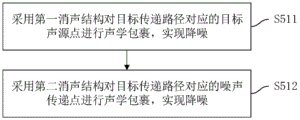
fig. 5 is a specific flowchart of step S50 in fig. 1.
Detailed Description
The technical solutions in the embodiments of the present invention will be clearly and completely described below with reference to the drawings in the embodiments of the present invention, and it is obvious that the described embodiments are some, not all, embodiments of the present invention. All other embodiments, which can be derived by a person skilled in the art from the embodiments given herein without making any creative effort, shall fall within the protection scope of the present invention.
In one embodiment, as shown in fig. 1, there is provided a method for reducing noise in a vehicle cab, comprising the steps of:
s10: and collecting noise data corresponding to the noise source point, the noise test point and the noise transfer point corresponding to the driving state.
The noise source point refers to a vehicle noise source, and the vehicle noise source includes, but is not limited to, noise sources such as an engine, a hub, a motor controller, and a transmission. The noise test point refers to a noise receiving point in a vehicle cabin, and the noise test point includes but is not limited to a main driving right ear, a secondary driving and the like, and the vehicle cabin refers to a cab of the vehicle. The noise transmission points refer to structures that transmit noise by vibration in the vehicle interior, and include noise transmission points corresponding to an indoor ceiling, noise transmission points corresponding to an indoor floor, noise transmission points corresponding to an indoor door, noise transmission points corresponding to an indoor rear periphery, and the like. The noise data refers to noise signal data collected by a sensor.
Specifically, the noise data transmitted by the noise in the air medium is obtained by arranging the sound sensors at the noise sound source point and the noise test point respectively, and the noise data transmitted by the noise in the solid medium is obtained by arranging the vibration signal sensor at the noise transmission point. It should be noted that, when arranging the vibration signal sensor, a plurality of vibration signal sensors may be arranged in different areas of the noise transmission point, for example, when arranging the vibration signal sensor on the indoor floor, the vibration signal sensor may be arranged in the driving area, the operation area, the middle position of the front and rear seats, and the like, so as to improve the accuracy of the subsequent noise path transmission analysis by arranging a plurality of vibration signal sensors for a plurality of noise transmission points in the vehicle. Because the noise source point and the noise test point are provided with the sound sensors, the collected noise data is sound signal data; the vibration signal sensor is arranged at the noise transmission point, and the collected noise data is vibration signal data.
S20: and carrying out spectrum conversion on the noise data to obtain a spectrum corresponding to the noise data.
Because the noise data collected by the sensor is expressed in a time domain form, and the characteristics of the signal are usually difficult to see through the transformation of the signal in the time domain, the collected noise data needs to be converted into energy distribution in a frequency domain for analysis, and different energy distributions represent the characteristics of different sounds.
In this embodiment, the noise data may be subjected to spectrum conversion by fourier transform processing or fast fourier transform, so as to obtain a spectrum corresponding to the noise data, so as to analyze acoustic characteristics according to the spectrum. Since the collected noise data includes the sound signal data corresponding to the noise source point, the sound signal data corresponding to the noise test point, and the vibration signal data corresponding to the noise transfer point, the frequency spectrum corresponding to the noise data acquired in step S20 includes the sound signal frequency spectrum corresponding to the noise source point, the sound signal frequency spectrum corresponding to the noise test point, and the vibration signal frequency spectrum corresponding to the noise transfer point.
S30: and performing path transmission analysis on the noise data based on the frequency spectrum corresponding to the noise data, and determining a target transmission path.
The following three methods are mainly used to reduce noise: control at the noise source, control during the transfer, and take protective action at the receiver. In this embodiment, noise reduction is mainly achieved by controlling in a transmission process, that is, a noise transmission path is predetermined to control the noise transmission path, and an acoustic muffling structure is designed to block noise transmission of a noise source.
In this embodiment, based on the spectrum corresponding to the noise data, path transmission analysis is performed on the noise data, that is, according to the sound signal spectrum corresponding to the noise source point, the sound signal spectrum corresponding to the noise test point, and the vibration signal spectrum corresponding to the noise transmission point, path transmission analysis is performed on the noise data to determine a main noise transmission path, where the main noise transmission path is a target transmission path, so as to control from the noise transmission path, block noise transmission, implement noise reduction, and improve noise reduction effect. Since the target transmission path is a main noise transmission path, the noise sound source point corresponding to the target transmission path can be determined as the target sound source point, and the noise transmission point corresponding to the target transmission path can be determined as the target transmission point.
S40: and determining the acoustic muffling structure according to the target transmission path.
The acoustic muffling structure comprises a first muffling structure and a second muffling structure. The first muffling structure is an acoustic package structure designed according to the noise source characteristics of the target sound source point. The second muffling structure is an acoustic package structure designed according to the noise characteristics of the target delivery point. Specifically, the target sound source point and the target transmission point corresponding to different target transmission paths are different, and the acoustic muffling structures corresponding to the target transmission paths are different, so that the acoustic muffling structures need to be determined according to the characteristics of the noise source corresponding to the target transmission paths.
For example, if the target sound source point corresponding to the target transmission path is an engine, the engine is half-wrapped due to the large size and the complex structure of the engine, and more heat is generated during the operation of the engine, so that an acoustic muffling structure capable of achieving both a heat insulation effect and a noise reduction effect is required during the design of the acoustic muffling structure.
Because the aluminum foil and the chemical cross-linked polyethylene foam material are generally adopted as the acoustic noise elimination structure when the engine is subjected to acoustic wrapping at present, the acoustic noise elimination structure has defects in acoustic noise reduction, namely the main effect is heat insulation, and the noise reduction effect is poor; therefore, the corresponding acoustic muffling structure needs to be designed according to the noise source characteristics corresponding to the target sound source point of the engine, so that the acoustic muffling structure can achieve the heat insulation effect and the noise reduction effect.
S50: and an acoustic silencing structure is adopted to carry out acoustic wrapping on the noise transmission point corresponding to the target transmission path, so that noise reduction is realized.
In this embodiment, an acoustic muffling structure is adopted to perform acoustic wrapping on the noise transmission points corresponding to the target transmission path, so that the noise transmission points corresponding to the main transmission path are acoustically wrapped to control the noise transmission path, block the noise transmission, achieve the purpose of noise reduction, and improve the noise reduction effect.
Further, the noise transfer point may be all noise transfer points or a target transfer point corresponding to a target transfer path. When the acoustic silencing structure is adopted to perform acoustic wrapping on the noise transmission point, the target sound source point and the target transmission point corresponding to the target transmission path can be acoustically wrapped so as to achieve the purpose of noise reduction and reduce the cost of acoustic wrapping; and the target sound source points and all noise transfer points corresponding to the target transfer path can be acoustically wrapped so as to effectively reduce the overall noise in the vehicle room.
Exemplarily, since a power system inside a truck is a main noise source, namely a target sound source point, and an engine of the truck is large in size and complex in structure, a traditional acoustic package is difficult to fully wrap, so that the traditional acoustic package needs to be half-wrapped, and since the target sound source point is half-wrapped and not fully wrapped, the half-wrapping mode still has large noise; therefore, only the target transfer points corresponding to the target transfer path are subjected to acoustic wrapping, the noise reduction effect is poor, and the noise source semi-wrapping and the noise transfer point full-wrapping scheme in the vehicle room can be adopted, so that the noise reduction effect is better. In one embodiment, when the noise transmission point in the vehicle interior is fully wrapped, the material wrapping the noise transmission point corresponding to the target transmission path may be thickened, and the thicknesses of other noise transmission points may be appropriately reduced to reduce the cost.
In this embodiment, noise data corresponding to a noise source point, a noise test point, and a noise transfer point corresponding to a driving state is collected, and then spectrum conversion is performed on the noise data to convert the noise data in a time domain into a frequency domain, so as to obtain a corresponding spectrum, so as to analyze energy distribution of noise. And then, based on the frequency spectrum corresponding to the noise data, path transmission analysis is carried out on the noise data to determine a target transmission path, and complex test and calculation are not needed, so that the workload is reduced, and the development cost is reduced. And then, determining an acoustic silencing structure according to the target transmission path, and performing acoustic wrapping on the noise transmission point corresponding to the target transmission path by adopting the acoustic silencing structure so as to control the noise transmission path, block the noise transmission, realize noise reduction and effectively improve the noise reduction effect.
In the embodiment of performing path transfer analysis on a pair of frequency spectrums corresponding to noise data to determine a target transfer path, as shown in fig. 2, in step S30, the step of performing path transfer analysis on the frequency spectrums corresponding to the noise data to determine a target transfer path specifically includes the following steps:
s31: and performing characteristic analysis on the noise data based on the frequency spectrum corresponding to the noise data to determine a target sound source point.
In this embodiment, based on a frequency spectrum corresponding to noise data, feature analysis is performed on the noise data, and a target sound source point is determined, so as to determine that a main noise source is a target sound source point, so that path transfer analysis is performed according to a sound source feature of the target sound source point.
Specifically, the spectral characteristics and the sound pressure level (that is, the intensity of sound) of the frequency spectrum corresponding to the noise sound source point and the noise transfer point may be analyzed, and if the main noise energy (which may be described by using the sound pressure level) in the frequency spectrum corresponding to the noise sound source point is distributed in the same frequency region or has a peak value under some frequencies, the noise sound source point may be regarded as the main noise sound source point and determined as the target sound source point, so that the determination process of the target sound source point is simple and convenient, and the reduction of the workload is facilitated.
S32: and according to the sound source characteristics corresponding to the target sound source point, performing path transmission analysis on the noise data, and determining a target transmission path.
Specifically, since the noise transmission can be further transmitted based on the vibration of the structural body in the vehicle interior, the present embodiment can perform path transmission analysis on the noise data based on the frequency spectrum corresponding to the target sound source point, the frequency spectrum corresponding to the noise test point, and the frequency spectrum corresponding to the noise transmission point, further determine the main noise transmission path, determine the main noise transmission path as the target transmission path, and provide a technical source for performing noise control on the target transmission path in the following.
In an embodiment, as shown in fig. 3, in step S32, that is, according to the sound source characteristics corresponding to the target sound source point, the path transfer analysis is performed on the noise data to determine the target transfer path, which specifically includes the following steps:
s321: and performing correlation analysis on the target sound source point and the noise test point according to the sound source characteristics of the target sound source point corresponding to the same driving state to obtain correlation frequency data corresponding to the driving state.
The related frequency data refers to noise frequency bands with similar or similar noise energy in frequency spectrums corresponding to the target sound source point and the noise test point.
Specifically, correlation analysis is performed on frequency spectrums corresponding to the target sound source point and the noise test point in the same driving state, that is, a correlation analysis function (e.g., corrcoef) can be used to analyze in which noise frequency band the noise energies of the target sound source point and the noise test point are similar or close to each other, so as to determine the relevant frequency data corresponding to the driving state.
In an embodiment, after step S321, the method for reducing noise in a vehicle cabin further includes:
and counting the relevant frequency data corresponding to all the driving states, removing frequency abnormal points in the relevant frequency data, and updating the relevant frequency data.
Specifically, since correlation analysis is performed only according to frequency spectrums corresponding to the target sound source point and the noise test point corresponding to the same driving state to obtain related frequency data corresponding to the driving state, which has randomness and may cause an inaccurate result of a noise transmission path determined subsequently according to the related frequency data, in this embodiment, it is necessary to count related frequency data corresponding to all driving states and remove frequency outliers in the related frequency data to update the related frequency data, thereby ensuring accuracy of subsequently determining the noise transmission path.
In this embodiment, the frequency outliers in the relevant frequency data are removed by counting the relevant frequency data corresponding to all the driving states, and the relevant frequency data are updated to eliminate interference, thereby ensuring the accuracy of subsequently determining the noise transmission path.
S322: and performing path transmission analysis on the noise transmission points based on the related frequency data to determine a target transmission path.
Specifically, based on the relevant frequency data, energy analysis is performed on a frequency spectrum corresponding to the noise transfer point, specifically, noise energy corresponding to the relevant frequency data in the frequency spectrum corresponding to the noise transfer point is counted, that is, the contribution amount of the noise transfer point to the vehicle indoor noise is analyzed, so that the target transfer path is determined.
In this embodiment, correlation analysis is performed on frequency spectrums corresponding to the target sound source point and the noise test point corresponding to the same driving state to obtain related frequency data corresponding to the driving state, so that energy analysis is performed on the frequency spectrums corresponding to the noise transfer point based on the related frequency data, that is, the contribution amount of the noise transfer point to the noise in the vehicle room is analyzed, and thus the target transfer path is determined.
In an embodiment, as shown in fig. 4, in step S322, that is, based on the relevant frequency data, performing energy analysis on the frequency spectrum corresponding to the noise transfer point, and determining the target transfer path specifically includes the following steps:
s3221: and carrying out energy analysis on the noise transfer points based on the related frequency data to obtain energy maximum points corresponding to the related frequency data.
S3222: and determining a target transfer path based on the noise transfer point corresponding to the energy maximum point.
The point with the maximum energy refers to a noise transfer point with the maximum noise energy corresponding to the relevant frequency data in the frequency spectrum corresponding to the noise transfer point.
Specifically, noise energy corresponding to relevant frequency data in a frequency spectrum corresponding to each noise transfer point is counted to determine an energy maximum point, the energy maximum point is determined as a target transfer point, a target transfer path can be determined according to a target sound source point and the target transfer point, and for example, if the position of an indoor vehicle door is determined as the target transfer point, the target transfer path is the target sound source point and is transferred to the noise test point through the target transfer point.
In this embodiment, energy analysis is performed on a frequency spectrum corresponding to the noise transfer point based on the relevant frequency data to obtain an energy maximum point corresponding to the relevant frequency data, the noise transfer point corresponding to the energy maximum point is used to determine a target transfer point, and a target transfer path is determined according to the target sound source point and the target transfer point.
In one embodiment, as shown in fig. 5, in step S51, the method for reducing noise in a vehicle cab further includes the steps of:
s511: and performing acoustic wrapping on a target sound source point corresponding to the target transmission path by adopting the first silencing structure to realize noise reduction.
Because the aluminum foil and the chemical cross-linked polyethylene foam material are generally adopted as the acoustic noise elimination structure when the engine is subjected to acoustic wrapping at present, the acoustic noise elimination structure has defects in acoustic noise reduction, namely the main effect is heat insulation, and the noise reduction effect is poor; therefore, the corresponding acoustic muffling structure needs to be designed according to the noise source characteristics corresponding to the target sound source point of the engine, so that the acoustic muffling structure can achieve the heat insulation effect and the noise reduction effect.
In one embodiment, the first sound-deadening structure includes a heat-insulating layer provided on the opposite side of the target sound source point, a sound-absorbing layer closely bonded to the heat-insulating layer, and a sound-deadening layer closely bonded to the sound-absorbing layer.
The engine is bulky, the structure is complicated, so carry out half parcel to the engine, and because the engine operation, can produce more heat, so need both can reach thermal-insulated effect when designing acoustics noise cancelling structure and can realize the acoustics noise cancelling structure of noise reduction effect again, design including setting up the insulating layer of target sound source point opposite face promptly, with the sound-absorbing layer of insulating layer closely combined and with the first noise cancelling structure of the puigging of sound-absorbing layer closely combined to reach thermal-insulated effect while can satisfy the demand of making an uproar again.
In one embodiment, the thermal insulation layer comprises an aluminum foil layer or a glass fiber layer, the sound absorption layer comprises a foamed polyurethane layer or a sound absorption cotton layer, and the sound insulation layer comprises a rubber-plastic foamed sound insulation layer or a rubber sound insulation layer.
Specifically, when the acoustic silencing structure material is selected, a high polymer material with high density such as a foamed polyurethane material and a rubber-plastic foamed material can be selected, closed-cell foaming is performed, and the hardness of the material can be reduced in the material manufacturing process so as to reduce vibration in the cockpit while blocking noise.
In this embodiment, the aluminum foil layer may be an aluminum foil, and the glass fiber layer may be a glass fiber layer, so as to achieve a heat insulation effect; the foamed polyurethane layer can be foamed polyurethane, and the sound-absorbing cotton layer can be made of flame-retardant sound-absorbing cotton so as to achieve the effect of absorbing noise; the sound insulation layer includes, but is not limited to, a rubber and plastic foam material or a rubber sound insulation pad to reduce vibration in the cockpit while blocking noise.
S512: and a second silencing structure is adopted to carry out acoustic wrapping on the noise transmission point corresponding to the target transmission path, so that noise reduction is realized.
The second noise elimination structure is used for eliminating noise and reducing noise of a noise transmission point corresponding to the target transmission path. Because the noise transfer point includes the noise transfer point that indoor ceiling corresponds, the noise transfer point that indoor floor corresponds, the noise transfer point that indoor door corresponds and indoor back enclose corresponding noise transfer point etc. and set up the structure through vibration transmission noise in the vehicle is indoor, the shape of each kind of noise transfer point, position and manufacturing material are inequality, make the effect of the noise of its vibration process transmission inequality, consequently, can adopt different second noise cancelling structure to carry out the acoustics parcel to different noise transfer points, realize making an uproar, the efficiency of making an uproar is fallen in the improvement.
In one embodiment, the second sound attenuation structure comprises a sound absorption layer arranged on the opposite surface of the noise transmission point and a damping layer or a sound insulation layer tightly combined with the sound absorption layer, and is used for acoustically wrapping the noise transmission point corresponding to the indoor ceiling and the noise transmission point corresponding to the indoor rear wall, so that noise reduction is realized.
Specifically, the second noise elimination structure is including setting up the noise-absorbing layer and the damping layer or the puigging with the noise-absorbing layer close coupling in the noise transfer point opposite face for carry out the acoustics parcel to the noise transfer point that the indoor ceiling corresponds and the noise transfer point that the indoor back corresponds, in order to absorb because the produced low frequency noise of vibration through the sound-absorbing layer, and through the transmission of puigging or damping layer isolation or damping vibration, realize the purpose of making an uproar that falls in the damping. In addition, laminate mutually with the car panel beating on the puigging or the damping layer to prevent to produce the cavity sympathetic response of panel beating resonance and driver's cabin.
The second silencing structure comprises a sound absorption layer or a damping layer and is used for acoustically wrapping noise transmission points corresponding to the indoor floor to reduce noise.
Particularly, the sound absorption layer or the damping layer is adopted for acoustic wrapping, so that low-frequency noise generated by chassis vibration caused by the fact that vibration generated when the automobile runs is transmitted to the chassis through the suspension system and vibration of other systems is transmitted to the chassis can be greatly reduced.
The second noise elimination structure comprises a sound absorption layer and is used for acoustically wrapping the noise transmission points corresponding to the indoor car door to reduce noise.
Specifically, when carrying out the acoustics parcel to indoor door, can adopt the sound absorbing layer to carry out sealed parcel to reduce the noise that the door vibration produced and absorb and alleviate external noise and spread into the vehicle indoor, reach the purpose of inhaling the sound and falling the noise.
Preferably, the indoor floor is acoustically wrapped by a sound absorption layer formed by compounding 20 mm-thick foamed polyurethane and 2 mm-thick rubber-plastic foamed material and a second sound attenuation structure corresponding to the sound insulation layer; enclose the rubber and plastic expanded material that the latter half adopted 2mm thick after indoor, paste the second noise-abatement structure that the cotton formation sound absorbing layer and puigging correspond of 600g sound absorption that 20mm is thick outward and carry out acoustics parcel, enclose the foamed polyurethane that 4mm is thick after indoor, paste the second noise-abatement structure that the cotton formation sound absorbing layer and puigging correspond of 600g sound absorption that 20mm is thick outward and carry out acoustics parcel, indoor door is followed the 600g that shape installation 20mm is thick and is inhaled the second noise-abatement structure that the cotton formation sound absorbing layer corresponds and carry out acoustics parcel, indoor ceiling adopts the foamed polyurethane that 4mm is thick, paste the second noise-abatement structure that the cotton formation sound absorbing layer and the puigging correspond of 600g sound absorption that 20mm is thick outward and carry out acoustics parcel.
It should be noted that the foamed polyurethane and the rubber and plastic foam material are directly attached to the metal plate of the vehicle, so that the foamed polyurethane and the rubber and plastic foam material play a role of a sound insulation layer on one hand, and can serve as a damping layer on the other hand to prevent the metal plate resonance and the cavity resonance of the cab.
In the embodiment, the noise transfer points in the cab are fully wrapped to control the overall noise in the vehicle cab, so that the overall noise in the vehicle cab is effectively reduced.
In one embodiment, an acoustic muffling structure is provided, comprising a first muffling structure for wrapping a noise source point, the first muffling structure comprising a heat-insulating layer disposed opposite the noise source point, a sound-absorbing layer in intimate contact with the heat-insulating layer, and a sound-insulating layer in intimate contact with the sound-absorbing layer.
Further, the acoustic muffling structure further comprises a second muffling structure for encasing the noise delivery point.
Further, the noise transmission points comprise an indoor ceiling, an indoor rear wall, an indoor floor and an indoor vehicle door; the second noise elimination structure comprises a sound absorption layer arranged on the opposite surface of an indoor ceiling or an indoor rear wall, a damping layer or a sound insulation layer tightly combined with the sound absorption layer, a sound absorption layer or a damping layer arranged on the opposite surface of an indoor floor, and a sound absorption layer arranged on the opposite surface of an indoor vehicle door.
Further, the insulating layer includes aluminium foil layer or glass fiber layer, and the sound absorbing layer includes foaming polyurethane layer or inhales the cotton layer of sound, and the puigging includes rubber and plastic foaming puigging or rubber puigging.
The specific implementation details in this embodiment correspond to the descriptions in the above method embodiments one to one, and are not described here again to avoid repetition.
It should be understood that, the sequence numbers of the steps in the foregoing embodiments do not imply an execution sequence, and the execution sequence of each process should be determined by its function and inherent logic, and should not constitute any limitation to the implementation process of the embodiments of the present invention.
It will be understood by those skilled in the art that all or part of the processes of the methods of the embodiments described above can be implemented by hardware instructions of a computer program, which can be stored in a non-volatile computer-readable storage medium, and when executed, can include the processes of the embodiments of the methods described above. Any reference to memory, storage, database, or other medium employed in the embodiments provided herein may include non-volatile and/or volatile memory, among others. Non-volatile memory can include read-only memory (ROM), Programmable ROM (PROM), Electrically Programmable ROM (EPROM), Electrically Erasable Programmable ROM (EEPROM), or flash memory. Volatile memory can include Random Access Memory (RAM) or external cache memory. By way of illustration and not limitation, RAM is available in a variety of forms such as Static RAM (SRAM), Dynamic RAM (DRAM), Synchronous DRAM (SDRAM), Double Data Rate SDRAM (DDRSDRAM), Enhanced SDRAM (ESDRAM), Synchronous Link DRAM (SLDRAM), Rambus Direct RAM (RDRAM), direct bus dynamic RAM (DRDRAM), and memory bus dynamic RAM (RDRAM).
It will be apparent to those skilled in the art that, for convenience and brevity of description, only the above-mentioned division of the functional units and modules is illustrated, and in practical applications, the above-mentioned function distribution may be performed by different functional units and modules according to needs, that is, the internal structure of the apparatus is divided into different functional units or modules to perform all or part of the above-mentioned functions.
The above-mentioned embodiments are only used for illustrating the technical solutions of the present invention, and not for limiting the same; although the present invention has been described in detail with reference to the foregoing embodiments, it will be understood by those of ordinary skill in the art that: the technical solutions described in the foregoing embodiments may still be modified, or some technical features may be equivalently replaced; such modifications and substitutions do not substantially depart from the spirit and scope of the embodiments of the present invention, and are intended to be included within the scope of the present invention.
Claims (14)
1. A method of reducing noise in a vehicle cab, comprising:
collecting noise data corresponding to a noise source point, a noise test point and a noise transfer point corresponding to a driving state;
performing spectrum conversion on the noise data to obtain a spectrum corresponding to the noise data;
based on the frequency spectrum corresponding to the noise data, carrying out path transmission analysis on the noise data to determine a target transmission path;
determining an acoustic muffling structure according to the target transmission path;
and performing acoustic wrapping on the noise transmission point corresponding to the target transmission path by adopting the acoustic muffling structure to realize noise reduction.
2. The method of reducing noise in a vehicle cabin according to claim 1, wherein the performing a path transfer analysis on the noise data based on a spectrum corresponding to the noise data to determine a target transfer path comprises:
performing characteristic analysis on the noise data based on a frequency spectrum corresponding to the noise data to determine a target sound source point;
and according to the sound source characteristics corresponding to the target sound source point, carrying out path transmission analysis on the noise data, and determining the target transmission path.
3. The method of reducing noise in a vehicle cabin according to claim 1, wherein the performing a path transfer analysis on the noise data according to the sound source characteristics corresponding to the target sound source point to determine the target transfer path comprises:
according to the sound source characteristics of the target sound source point corresponding to the same driving state, carrying out correlation analysis on the target sound source point and the noise test point to obtain related frequency data corresponding to the driving state;
and performing path transmission analysis on the noise transmission points based on the related frequency data to determine the target transmission path.
4. The method of reducing noise in a vehicle cabin according to claim 3, wherein after performing correlation analysis on a target sound source point and the noise test point according to the sound source characteristic of the target sound source point corresponding to the same driving state to obtain correlation frequency data corresponding to the driving state, the method of reducing noise in a vehicle cabin further comprises:
and counting the relevant frequency data corresponding to all the running states, removing frequency abnormal points in the relevant frequency data, and updating the relevant frequency data corresponding to the running states.
5. The method of reducing noise in a vehicle cab of claim 3, wherein the determining the target transfer path by performing an energy analysis of the noise transfer point based on the correlation frequency data comprises:
based on the related frequency data, performing energy analysis on the noise transfer points to obtain energy maximum points corresponding to the related frequency data;
and determining the target transfer path based on the noise transfer point corresponding to the energy maximum point.
6. The method for reducing noise in the vehicle cab according to claim 2, wherein the acoustic muffling structure is used for acoustically wrapping a target sound source point and a noise transfer point corresponding to the target transfer path to reduce noise, and the method comprises the following steps:
a first noise elimination structure is adopted to carry out acoustic wrapping on a target sound source point corresponding to the target transmission path, so that noise reduction is realized;
and performing acoustic wrapping on the noise transmission point corresponding to the target transmission path by adopting a second silencing structure to realize noise reduction.
7. A method of reducing noise in a vehicle cabin according to claim 6, wherein said first sound-deadening structure includes an insulating layer provided on an opposite side of said target sound source point, a sound-absorbing layer closely bonded to said insulating layer, and a sound-insulating layer closely bonded to said sound-absorbing layer.
8. The method of reducing noise in a vehicle cabin according to claim 7, wherein the thermal insulation layer comprises an aluminum foil layer or a glass fiber layer, the sound absorption layer comprises a foamed polyurethane layer or a sound absorption cotton layer, and the sound insulation layer comprises a rubber-plastic foamed sound insulation layer or a rubber sound insulation layer.
9. The method of reducing noise in a vehicle cab according to claim 6, wherein the noise transfer points include a noise transfer point corresponding to an indoor ceiling, a noise transfer point corresponding to an indoor floor, a noise transfer point corresponding to an indoor door, and a noise transfer point corresponding to an indoor rear periphery.
10. A method for reducing noise in a vehicle cab as claimed in claim 9, wherein the second muffling structure comprises a sound absorbing layer disposed on an opposite surface of the noise transmission point and a damping layer or a sound insulating layer closely bonded to the sound absorbing layer, and is configured to acoustically wrap the noise transmission point corresponding to the indoor ceiling and the indoor rear wall, so as to reduce noise;
the second silencing structure comprises a sound absorption layer or a damping layer and is used for acoustically wrapping noise transmission points corresponding to the indoor floor to realize noise reduction;
the second noise elimination structure comprises a sound absorption layer and is used for acoustically wrapping noise transmission points corresponding to the indoor car door to reduce noise.
11. An acoustic muffling structure is characterized by comprising a first muffling structure used for wrapping a noise source point, wherein the first muffling structure comprises a heat insulation layer arranged on the opposite surface of the noise source point, a sound absorption layer tightly combined with the heat insulation layer and a sound insulation layer tightly combined with the sound absorption layer.
12. The acoustic muffling structure of claim 11, wherein the acoustic muffling structure further comprises a second muffling structure for encasing the point of noise transmission.
13. The acoustic muffling structure of claim 11, wherein the noise transfer points comprise an indoor ceiling, an indoor back, an indoor floor, and an indoor door; the second noise elimination structure comprises a sound absorption layer arranged on the opposite surface of the indoor ceiling or the indoor rear wall, a damping layer or a sound insulation layer tightly combined with the sound absorption layer, a sound absorption layer or a damping layer arranged on the opposite surface of the indoor floor, and a sound absorption layer arranged on the opposite surface of the indoor vehicle door.
14. The acoustic muffling structure of claim 13, wherein the thermal insulation layer comprises an aluminum foil layer or a fiberglass layer, the sound absorbing layer comprises a foamed polyurethane layer or a sound absorbing cotton layer, and the sound insulating layer comprises a rubber-plastic foamed sound insulating layer or a rubber sound insulating layer.
Priority Applications (1)
| Application Number | Priority Date | Filing Date | Title |
|---|---|---|---|
| CN201910808243.0A CN112447163B (en) | 2019-08-29 | 2019-08-29 | Noise reduction method and acoustic noise reduction structure in vehicle cab |
Applications Claiming Priority (1)
| Application Number | Priority Date | Filing Date | Title |
|---|---|---|---|
| CN201910808243.0A CN112447163B (en) | 2019-08-29 | 2019-08-29 | Noise reduction method and acoustic noise reduction structure in vehicle cab |
Publications (2)
| Publication Number | Publication Date |
|---|---|
| CN112447163A true CN112447163A (en) | 2021-03-05 |
| CN112447163B CN112447163B (en) | 2024-05-07 |
Family
ID=74740806
Family Applications (1)
| Application Number | Title | Priority Date | Filing Date |
|---|---|---|---|
| CN201910808243.0A Active CN112447163B (en) | 2019-08-29 | 2019-08-29 | Noise reduction method and acoustic noise reduction structure in vehicle cab |
Country Status (1)
| Country | Link |
|---|---|
| CN (1) | CN112447163B (en) |
Cited By (7)
| Publication number | Priority date | Publication date | Assignee | Title |
|---|---|---|---|---|
| CN113488032A (en) * | 2021-07-05 | 2021-10-08 | 湖北亿咖通科技有限公司 | Vehicle and voice recognition system and method for vehicle |
| CN113536055A (en) * | 2021-07-16 | 2021-10-22 | 三一重机有限公司 | Method for determining acoustic material on construction machine |
| CN113665315A (en) * | 2021-08-19 | 2021-11-19 | 浙江吉利控股集团有限公司 | Noise control method and system for vehicle and vehicle |
| CN113963676A (en) * | 2021-10-20 | 2022-01-21 | 深圳技术大学 | Noise control method for passenger car |
| CN115452140A (en) * | 2022-10-11 | 2022-12-09 | 中车株洲电力机车有限公司 | Locomotive cab vibration noise detection method, device and storage medium |
| CN116453535A (en) * | 2023-05-06 | 2023-07-18 | 吉林大学 | Sound source identification test system for eliminating specific noise |
| WO2024260341A1 (en) * | 2023-06-20 | 2024-12-26 | 北京罗克维尔斯科技有限公司 | Method and apparatus for processing noise data, and electronic device and vehicle |
Citations (10)
| Publication number | Priority date | Publication date | Assignee | Title |
|---|---|---|---|---|
| US20080144849A1 (en) * | 2006-12-14 | 2008-06-19 | Ford Global Technologies, Llc | Adaptive noise control system |
| CN101271022A (en) * | 2008-05-15 | 2008-09-24 | 上海交通大学 | Transmission Path Detection System for Vehicle System Structural Vibration and Noise |
| KR20100054381A (en) * | 2008-11-14 | 2010-05-25 | 한양대학교 산학협력단 | Analysis system of transfer path for vibration/noise and analysis method of transfer path for vibration/noise |
| CN102508204A (en) * | 2011-11-24 | 2012-06-20 | 上海交通大学 | Indoor noise source locating method based on beam forming and transfer path analysis |
| CN104131626A (en) * | 2014-07-16 | 2014-11-05 | 沈阳化工大学 | Turboset noise control method |
| CN104315879A (en) * | 2014-10-30 | 2015-01-28 | 沈阳化工大学 | Noise control method for cooling tower |
| CN106482919A (en) * | 2015-08-28 | 2017-03-08 | 上海汽车集团股份有限公司 | Vehicle bang path acquisition methods and device |
| CN106558302A (en) * | 2015-09-29 | 2017-04-05 | 国网智能电网研究院 | A kind of sound source device noise-reduction method |
| CN107179201A (en) * | 2017-05-27 | 2017-09-19 | 北京交通大学 | The recognition methods of bullet train internal noise source and system |
| CN208664534U (en) * | 2018-01-22 | 2019-03-29 | 比亚迪股份有限公司 | Noise reduction device and dust cover |
-
2019
- 2019-08-29 CN CN201910808243.0A patent/CN112447163B/en active Active
Patent Citations (10)
| Publication number | Priority date | Publication date | Assignee | Title |
|---|---|---|---|---|
| US20080144849A1 (en) * | 2006-12-14 | 2008-06-19 | Ford Global Technologies, Llc | Adaptive noise control system |
| CN101271022A (en) * | 2008-05-15 | 2008-09-24 | 上海交通大学 | Transmission Path Detection System for Vehicle System Structural Vibration and Noise |
| KR20100054381A (en) * | 2008-11-14 | 2010-05-25 | 한양대학교 산학협력단 | Analysis system of transfer path for vibration/noise and analysis method of transfer path for vibration/noise |
| CN102508204A (en) * | 2011-11-24 | 2012-06-20 | 上海交通大学 | Indoor noise source locating method based on beam forming and transfer path analysis |
| CN104131626A (en) * | 2014-07-16 | 2014-11-05 | 沈阳化工大学 | Turboset noise control method |
| CN104315879A (en) * | 2014-10-30 | 2015-01-28 | 沈阳化工大学 | Noise control method for cooling tower |
| CN106482919A (en) * | 2015-08-28 | 2017-03-08 | 上海汽车集团股份有限公司 | Vehicle bang path acquisition methods and device |
| CN106558302A (en) * | 2015-09-29 | 2017-04-05 | 国网智能电网研究院 | A kind of sound source device noise-reduction method |
| CN107179201A (en) * | 2017-05-27 | 2017-09-19 | 北京交通大学 | The recognition methods of bullet train internal noise source and system |
| CN208664534U (en) * | 2018-01-22 | 2019-03-29 | 比亚迪股份有限公司 | Noise reduction device and dust cover |
Non-Patent Citations (1)
| Title |
|---|
| 王海玲等: "《CRH2型动车噪声传递路径及降噪研究》", 《数码设计》, vol. 6, no. 3, pages 37 - 40 * |
Cited By (9)
| Publication number | Priority date | Publication date | Assignee | Title |
|---|---|---|---|---|
| CN113488032A (en) * | 2021-07-05 | 2021-10-08 | 湖北亿咖通科技有限公司 | Vehicle and voice recognition system and method for vehicle |
| CN113536055A (en) * | 2021-07-16 | 2021-10-22 | 三一重机有限公司 | Method for determining acoustic material on construction machine |
| CN113665315A (en) * | 2021-08-19 | 2021-11-19 | 浙江吉利控股集团有限公司 | Noise control method and system for vehicle and vehicle |
| CN113665315B (en) * | 2021-08-19 | 2024-03-08 | 浙江吉利控股集团有限公司 | Noise control method, control system and vehicle for vehicles |
| CN113963676A (en) * | 2021-10-20 | 2022-01-21 | 深圳技术大学 | Noise control method for passenger car |
| CN113963676B (en) * | 2021-10-20 | 2022-06-03 | 深圳技术大学 | Noise control method for passenger car |
| CN115452140A (en) * | 2022-10-11 | 2022-12-09 | 中车株洲电力机车有限公司 | Locomotive cab vibration noise detection method, device and storage medium |
| CN116453535A (en) * | 2023-05-06 | 2023-07-18 | 吉林大学 | Sound source identification test system for eliminating specific noise |
| WO2024260341A1 (en) * | 2023-06-20 | 2024-12-26 | 北京罗克维尔斯科技有限公司 | Method and apparatus for processing noise data, and electronic device and vehicle |
Also Published As
| Publication number | Publication date |
|---|---|
| CN112447163B (en) | 2024-05-07 |
Similar Documents
| Publication | Publication Date | Title |
|---|---|---|
| CN112447163A (en) | Noise reduction method and acoustic silencing structure in vehicle cab | |
| CN110715724B (en) | Method for measuring and calculating noise in vehicle based on noise of rack and acoustic transmission function | |
| CN104062075A (en) | Finished automobile sound transmission loss testing method | |
| CN208664534U (en) | Noise reduction device and dust cover | |
| Zhou et al. | Evaluation of trim absorption to exterior dynamic and acoustic excitations using a hybrid physical-modal approach | |
| JP2006513925A (en) | Engine compartment partition layer | |
| CN112270916A (en) | A vehicle noise suppression device and method based on automatic tracking | |
| Dong et al. | Highly efficient robust optimization design method for improving automotive acoustic package performance | |
| CN202686213U (en) | Automobile acoustic part | |
| CN106080429A (en) | Acoustics bag method for designing, device and the electric automobile of a kind of electric automobile | |
| CN101177131B (en) | Sound-insulation endergonic front warehouse structure and manufacturing method thereof | |
| CN110406554B (en) | Dust cover noise reduction structure and noise reduction method of rail train | |
| CN109660912B (en) | Vehicle-mounted sound box and automobile | |
| Wei et al. | Noise reduction analysis of front compartment sound package of electric vehicle based on SEA method | |
| Liu et al. | Statistical energy analysis of tire/road noise | |
| CN117636832B (en) | Vehicle interior noise reduction method, vehicle and storage medium | |
| CN114166949B (en) | In-vehicle sound absorption testing method, device and equipment | |
| Aravind et al. | Studies on sound absorption properties of 3D-printed open-porous PLA material structures for noise suppression in hybrid electric vehicles | |
| Du et al. | Optimization of sound package for automotive dash panel | |
| CN211500794U (en) | Supercharger for engine, engine assembly and vehicle | |
| Atmojo et al. | ANC Gen1: BBTA3-BPPT 1st Prototype of Active Noise Control for Vehicle Cabin Noise | |
| Rondeau | Vehicle acoustic synthesis method: run-up simulation and 3D design of weight reduction technologies | |
| Yan et al. | Study on Acoustic Characteristics of Passenger Cabin-Headrest Resonator Coupling System | |
| CN209558657U (en) | A kind of information management data storage computer room denoising device | |
| Wu et al. | Analysis of a Battery Electric Vehicle Interior Mid-frequency Noise and Sound Package Optimization Based on Hybrid FE-SEA Method |
Legal Events
| Date | Code | Title | Description |
|---|---|---|---|
| PB01 | Publication | ||
| PB01 | Publication | ||
| SE01 | Entry into force of request for substantive examination | ||
| SE01 | Entry into force of request for substantive examination | ||
| GR01 | Patent grant | ||
| GR01 | Patent grant |