CN111903138A - Information processing apparatus, information processing method, transmission apparatus, and transmission method - Google Patents
Information processing apparatus, information processing method, transmission apparatus, and transmission method Download PDFInfo
- Publication number
- CN111903138A CN111903138A CN201980021237.9A CN201980021237A CN111903138A CN 111903138 A CN111903138 A CN 111903138A CN 201980021237 A CN201980021237 A CN 201980021237A CN 111903138 A CN111903138 A CN 111903138A
- Authority
- CN
- China
- Prior art keywords
- voice
- voice response
- time
- content
- response
- Prior art date
- Legal status (The legal status is an assumption and is not a legal conclusion. Google has not performed a legal analysis and makes no representation as to the accuracy of the status listed.)
- Pending
Links
Images






Classifications
-
- G—PHYSICS
- G10—MUSICAL INSTRUMENTS; ACOUSTICS
- G10L—SPEECH ANALYSIS TECHNIQUES OR SPEECH SYNTHESIS; SPEECH RECOGNITION; SPEECH OR VOICE PROCESSING TECHNIQUES; SPEECH OR AUDIO CODING OR DECODING
- G10L13/00—Speech synthesis; Text to speech systems
- G10L13/02—Methods for producing synthetic speech; Speech synthesisers
-
- H—ELECTRICITY
- H04—ELECTRIC COMMUNICATION TECHNIQUE
- H04N—PICTORIAL COMMUNICATION, e.g. TELEVISION
- H04N21/00—Selective content distribution, e.g. interactive television or video on demand [VOD]
- H04N21/40—Client devices specifically adapted for the reception of or interaction with content, e.g. set-top-box [STB]; Operations thereof
- H04N21/43—Processing of content or additional data, e.g. demultiplexing additional data from a digital video stream; Elementary client operations, e.g. monitoring of home network or synchronising decoder's clock; Client middleware
- H04N21/442—Monitoring of processes or resources, e.g. detecting the failure of a recording device, monitoring the downstream bandwidth, the number of times a movie has been viewed, the storage space available from the internal hard disk
- H04N21/44213—Monitoring of end-user related data
- H04N21/44218—Detecting physical presence or behaviour of the user, e.g. using sensors to detect if the user is leaving the room or changes his face expression during a TV program
-
- G—PHYSICS
- G10—MUSICAL INSTRUMENTS; ACOUSTICS
- G10L—SPEECH ANALYSIS TECHNIQUES OR SPEECH SYNTHESIS; SPEECH RECOGNITION; SPEECH OR VOICE PROCESSING TECHNIQUES; SPEECH OR AUDIO CODING OR DECODING
- G10L13/00—Speech synthesis; Text to speech systems
-
- G—PHYSICS
- G10—MUSICAL INSTRUMENTS; ACOUSTICS
- G10L—SPEECH ANALYSIS TECHNIQUES OR SPEECH SYNTHESIS; SPEECH RECOGNITION; SPEECH OR VOICE PROCESSING TECHNIQUES; SPEECH OR AUDIO CODING OR DECODING
- G10L15/00—Speech recognition
- G10L15/22—Procedures used during a speech recognition process, e.g. man-machine dialogue
-
- G—PHYSICS
- G10—MUSICAL INSTRUMENTS; ACOUSTICS
- G10L—SPEECH ANALYSIS TECHNIQUES OR SPEECH SYNTHESIS; SPEECH RECOGNITION; SPEECH OR VOICE PROCESSING TECHNIQUES; SPEECH OR AUDIO CODING OR DECODING
- G10L15/00—Speech recognition
- G10L15/28—Constructional details of speech recognition systems
- G10L15/30—Distributed recognition, e.g. in client-server systems, for mobile phones or network applications
-
- H—ELECTRICITY
- H04—ELECTRIC COMMUNICATION TECHNIQUE
- H04H—BROADCAST COMMUNICATION
- H04H60/00—Arrangements for broadcast applications with a direct linking to broadcast information or broadcast space-time; Broadcast-related systems
- H04H60/09—Arrangements for device control with a direct linkage to broadcast information or to broadcast space-time; Arrangements for control of broadcast-related services
-
- H—ELECTRICITY
- H04—ELECTRIC COMMUNICATION TECHNIQUE
- H04H—BROADCAST COMMUNICATION
- H04H60/00—Arrangements for broadcast applications with a direct linking to broadcast information or broadcast space-time; Broadcast-related systems
- H04H60/76—Arrangements characterised by transmission systems other than for broadcast, e.g. the Internet
- H04H60/81—Arrangements characterised by transmission systems other than for broadcast, e.g. the Internet characterised by the transmission system itself
- H04H60/82—Arrangements characterised by transmission systems other than for broadcast, e.g. the Internet characterised by the transmission system itself the transmission system being the Internet
-
- H—ELECTRICITY
- H04—ELECTRIC COMMUNICATION TECHNIQUE
- H04N—PICTORIAL COMMUNICATION, e.g. TELEVISION
- H04N21/00—Selective content distribution, e.g. interactive television or video on demand [VOD]
- H04N21/20—Servers specifically adapted for the distribution of content, e.g. VOD servers; Operations thereof
- H04N21/23—Processing of content or additional data; Elementary server operations; Server middleware
- H04N21/235—Processing of additional data, e.g. scrambling of additional data or processing content descriptors
-
- H—ELECTRICITY
- H04—ELECTRIC COMMUNICATION TECHNIQUE
- H04N—PICTORIAL COMMUNICATION, e.g. TELEVISION
- H04N21/00—Selective content distribution, e.g. interactive television or video on demand [VOD]
- H04N21/40—Client devices specifically adapted for the reception of or interaction with content, e.g. set-top-box [STB]; Operations thereof
- H04N21/41—Structure of client; Structure of client peripherals
- H04N21/422—Input-only peripherals, i.e. input devices connected to specially adapted client devices, e.g. global positioning system [GPS]
- H04N21/42203—Input-only peripherals, i.e. input devices connected to specially adapted client devices, e.g. global positioning system [GPS] sound input device, e.g. microphone
-
- H—ELECTRICITY
- H04—ELECTRIC COMMUNICATION TECHNIQUE
- H04N—PICTORIAL COMMUNICATION, e.g. TELEVISION
- H04N21/00—Selective content distribution, e.g. interactive television or video on demand [VOD]
- H04N21/40—Client devices specifically adapted for the reception of or interaction with content, e.g. set-top-box [STB]; Operations thereof
- H04N21/43—Processing of content or additional data, e.g. demultiplexing additional data from a digital video stream; Elementary client operations, e.g. monitoring of home network or synchronising decoder's clock; Client middleware
- H04N21/4302—Content synchronisation processes, e.g. decoder synchronisation
-
- H—ELECTRICITY
- H04—ELECTRIC COMMUNICATION TECHNIQUE
- H04N—PICTORIAL COMMUNICATION, e.g. TELEVISION
- H04N21/00—Selective content distribution, e.g. interactive television or video on demand [VOD]
- H04N21/40—Client devices specifically adapted for the reception of or interaction with content, e.g. set-top-box [STB]; Operations thereof
- H04N21/43—Processing of content or additional data, e.g. demultiplexing additional data from a digital video stream; Elementary client operations, e.g. monitoring of home network or synchronising decoder's clock; Client middleware
- H04N21/439—Processing of audio elementary streams
-
- H—ELECTRICITY
- H04—ELECTRIC COMMUNICATION TECHNIQUE
- H04N—PICTORIAL COMMUNICATION, e.g. TELEVISION
- H04N21/00—Selective content distribution, e.g. interactive television or video on demand [VOD]
- H04N21/40—Client devices specifically adapted for the reception of or interaction with content, e.g. set-top-box [STB]; Operations thereof
- H04N21/43—Processing of content or additional data, e.g. demultiplexing additional data from a digital video stream; Elementary client operations, e.g. monitoring of home network or synchronising decoder's clock; Client middleware
- H04N21/439—Processing of audio elementary streams
- H04N21/4394—Processing of audio elementary streams involving operations for analysing the audio stream, e.g. detecting features or characteristics in audio streams
-
- H—ELECTRICITY
- H04—ELECTRIC COMMUNICATION TECHNIQUE
- H04N—PICTORIAL COMMUNICATION, e.g. TELEVISION
- H04N21/00—Selective content distribution, e.g. interactive television or video on demand [VOD]
- H04N21/40—Client devices specifically adapted for the reception of or interaction with content, e.g. set-top-box [STB]; Operations thereof
- H04N21/45—Management operations performed by the client for facilitating the reception of or the interaction with the content or administrating data related to the end-user or to the client device itself, e.g. learning user preferences for recommending movies, resolving scheduling conflicts
- H04N21/458—Scheduling content for creating a personalised stream, e.g. by combining a locally stored advertisement with an incoming stream; Updating operations, e.g. for OS modules ; time-related management operations
-
- H—ELECTRICITY
- H04—ELECTRIC COMMUNICATION TECHNIQUE
- H04N—PICTORIAL COMMUNICATION, e.g. TELEVISION
- H04N21/00—Selective content distribution, e.g. interactive television or video on demand [VOD]
- H04N21/40—Client devices specifically adapted for the reception of or interaction with content, e.g. set-top-box [STB]; Operations thereof
- H04N21/47—End-user applications
- H04N21/482—End-user interface for program selection
- H04N21/4825—End-user interface for program selection using a list of items to be played back in a given order, e.g. playlists
-
- H—ELECTRICITY
- H04—ELECTRIC COMMUNICATION TECHNIQUE
- H04N—PICTORIAL COMMUNICATION, e.g. TELEVISION
- H04N21/00—Selective content distribution, e.g. interactive television or video on demand [VOD]
- H04N21/80—Generation or processing of content or additional data by content creator independently of the distribution process; Content per se
- H04N21/83—Generation or processing of protective or descriptive data associated with content; Content structuring
- H04N21/845—Structuring of content, e.g. decomposing content into time segments
- H04N21/8456—Structuring of content, e.g. decomposing content into time segments by decomposing the content in the time domain, e.g. in time segments
-
- G—PHYSICS
- G10—MUSICAL INSTRUMENTS; ACOUSTICS
- G10L—SPEECH ANALYSIS TECHNIQUES OR SPEECH SYNTHESIS; SPEECH RECOGNITION; SPEECH OR VOICE PROCESSING TECHNIQUES; SPEECH OR AUDIO CODING OR DECODING
- G10L15/00—Speech recognition
- G10L15/22—Procedures used during a speech recognition process, e.g. man-machine dialogue
- G10L2015/223—Execution procedure of a spoken command
Landscapes
- Engineering & Computer Science (AREA)
- Multimedia (AREA)
- Signal Processing (AREA)
- Health & Medical Sciences (AREA)
- Human Computer Interaction (AREA)
- Computational Linguistics (AREA)
- Audiology, Speech & Language Pathology (AREA)
- Physics & Mathematics (AREA)
- Acoustics & Sound (AREA)
- Databases & Information Systems (AREA)
- Social Psychology (AREA)
- General Health & Medical Sciences (AREA)
- Computer Networks & Wireless Communication (AREA)
- Two-Way Televisions, Distribution Of Moving Picture Or The Like (AREA)
Abstract
Description
技术领域technical field
本技术涉及信息处理装置、信息处理方法、发送装置以及发送方法。具体地,本技术涉及能够提高结合内容使用的语音AI辅助服务的便利性的信息处理装置、信息处理方法、发送装置以及发送方法。The present technology relates to an information processing apparatus, an information processing method, a transmission apparatus, and a transmission method. Specifically, the present technology relates to an information processing apparatus, an information processing method, a transmission apparatus, and a transmission method capable of improving the convenience of a voice AI-assisted service used in conjunction with content.
背景技术Background technique
开发了一种结合广播内容而运行的广播应用程序(例如,见专利文献1)。例如,广播应用程序的使用使得可以显示与广播内容有关的信息。A broadcast application that operates in conjunction with broadcast content has been developed (for example, see Patent Document 1). For example, the use of a broadcast application makes it possible to display information related to broadcast content.
进一步地,开发了一种关于对用户的话语内容进行分析的语音识别的技术(例如,见专利文献2)。例如,应用于电视机或便携式终端设备的本技术使得可以对用户发出的词汇进行分析并且执行与话语对应的处理。Further, a technology regarding speech recognition that analyzes the content of a user's utterance has been developed (for example, see Patent Document 2). For example, the present technology applied to a television set or a portable terminal device makes it possible to analyze the vocabulary uttered by the user and perform processing corresponding to the utterance.
引用列表Citation List
专利文献Patent Literature
专利文献1:日本专利申请特开公开号2013-187781Patent Document 1: Japanese Patent Application Laid-Open No. 2013-187781
专利文献2:日本专利申请特开公开号2014-153663Patent Document 2: Japanese Patent Application Laid-Open No. 2014-153663
发明内容SUMMARY OF THE INVENTION
发明要解决的问题Invention to solve problem
近年来,语音AI辅助服务已经快速普及。存在结合诸如电视机等接收器中所回放的广播内容或广播应用程序而使用语音AI辅助服务的情况。在这种情况下,对观看诸如广播内容等内容的观看者的话语的响应语音的输出能够与内容的语音重叠,这可能干扰观看者的观看。由此,存在对这样的技术的需求,即,通过在输出对观看者的话语的响应语音时消除对观看者的观看的干扰而提高语音AI辅助服务的便利性。Voice AI-assisted services have rapidly gained popularity in recent years. There are cases where voice AI-assisted services are used in conjunction with broadcast content or broadcast applications played back in receivers such as televisions. In this case, the output of the voice in response to the utterance of the viewer watching the content such as broadcast content can overlap with the voice of the content, which may interfere with the viewer's viewing. Thus, there is a need for a technology that improves the convenience of a voice AI-assisted service by eliminating disturbance to a viewer's viewing when outputting a responsive voice to the viewer's utterance.
鉴于这种情况而做出本技术并且本技术致力于提高结合内容使用的语音AI辅助服务的便利性。The present technology is made in view of this situation and aims to improve the convenience of a voice AI-assisted service used in conjunction with content.
问题的解决方案solution to the problem
根据本技术的第一方面的信息处理装置包括:控制单元,被配置为在结合内容使用语音AI辅助服务时基于语音响应时间信息控制语音响应的时间,语音响应时间信息指示适合于对观看内容的观看者的话语做出语音响应的时间。An information processing apparatus according to a first aspect of the present technology includes: a control unit configured to control a time of a voice response based on voice response time information indicating an appropriate response time for viewing content when a voice AI assistance service is used in conjunction with content The time at which the viewer's utterance has a voice response.
根据本技术的第一方面的信息处理装置能够是独立设备或能够是构成一个设备的内部模块。此外,根据本技术的第一方面的信息处理方法是与根据本技术的第一方面的上述所述信息处理装置对应的信息处理方法。The information processing apparatus according to the first aspect of the present technology can be an independent device or can be an internal module constituting one device. Furthermore, the information processing method according to the first aspect of the present technology is an information processing method corresponding to the above-described information processing apparatus according to the first aspect of the present technology.
在根据本技术的第一方面的信息处理方法和信息处理装置中,在结合内容使用语音AI辅助服务时,基于指示适合于对观看者内容的观看者的话语做出语音响应的时间的语音响应时间信息来控制语音响应的时间。In the information processing method and the information processing apparatus according to the first aspect of the present technology, when the voice AI assistance service is used in conjunction with the content, based on a voice response indicating a time suitable for a voice response to the utterance of the viewer of the viewer content Timing information to control the timing of the voice response.
根据本技术的第二方面的发送装置包括:生成单元,被配置为在结合内容使用语音AI辅助服务时生成元数据,该元数据包括指示适合于对观看内容的观看者的话语做出语音响应的时间的语音响应时间信息;以及发送单元,被配置为发送已生成的元数据。A transmission apparatus according to a second aspect of the present technology includes: a generating unit configured to generate metadata when the voice AI assistance service is used in conjunction with the content, the metadata including indicating that it is suitable to make a voice response to a utterance of a viewer viewing the content voice response time information of the time; and a sending unit configured to send the generated metadata.
根据本技术的第二方面的发送装置能够是独立设备或能够是构成一个设备的内部模块。此外,根据本技术的第二方面的发送方法是与根据本技术的第二方面的上述所述发送装置对应的发送方法。The transmitting apparatus according to the second aspect of the present technology can be an independent device or can be an internal module constituting one device. Further, a transmission method according to a second aspect of the present technology is a transmission method corresponding to the above-described transmission apparatus according to the second aspect of the present technology.
在根据本技术的第二方面的发送装置和发送方法中,在结合内容使用语音AI辅助服务时,生成包括指示适合于对观看内容的观看者的话语做出语音响应的时间的语音响应时间信息的元数据,并且发送已生成的元数据。In the transmission apparatus and transmission method according to the second aspect of the present technology, when the voice AI assistance service is used in conjunction with the content, the voice response time information including the voice response time information indicating the time suitable for the voice response to the utterance of the viewer viewing the content is generated , and send the generated metadata.
发明效果Invention effect
根据本技术的第一方面和第二方面,可以提高结合内容使用的语音AI辅助服务的便利性。According to the first and second aspects of the present technology, the convenience of a voice AI-assisted service used in conjunction with content can be improved.
应注意,此处所述的有利效果并非是限制性的并且可以获得本公开中描述的任意有利效果。It should be noted that the advantageous effects described herein are not limiting and any of the advantageous effects described in this disclosure may be obtained.
附图说明Description of drawings
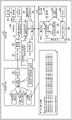
图1是示出应用本技术的内容-语音AI协作系统的实施方式的配置的示例的框图。FIG. 1 is a block diagram showing an example of the configuration of an embodiment of a content-voice AI collaboration system to which the present technology is applied.
图2是示出结合内容使用的语音AI辅助服务的响应时间的示例的示图。FIG. 2 is a diagram illustrating an example of a response time of a voice AI-assisted service used in conjunction with content.
图3是示出第一实施方式的配置的第一示例的示图。FIG. 3 is a diagram showing a first example of the configuration of the first embodiment.
图4是示出根据第一实施方式的各个设备的细节配置的第一示例的框图。4 is a block diagram showing a first example of a detailed configuration of each device according to the first embodiment.
图5是示出语音辅助服务器与处理服务器之间的通信的示例的示图。FIG. 5 is a diagram illustrating an example of communication between a speech assistance server and a processing server.
图6是示出语音辅助服务器与处理服务器之间的通信的示例的示图。FIG. 6 is a diagram illustrating an example of communication between a speech assistance server and a processing server.
图7是示出语音-用户接口设备与语音辅助服务器之间的通信的示例的示图。7 is a diagram illustrating an example of communication between a speech-user interface device and a speech assistance server.
图8是示出描述根据第一实施方式的各个设备中的处理过程的第一示例的流程的流程图。8 is a flowchart showing a flow describing a first example of the processing procedure in each device according to the first embodiment.
图9是示出第一实施方式的配置的第二示例的示图。FIG. 9 is a diagram showing a second example of the configuration of the first embodiment.
图10是示出根据第一实施方式的各个设备的细节配置的第二示例的框图。10 is a block diagram showing a second example of the detailed configuration of each device according to the first embodiment.
图11是示出在广播传送系统与接收装置之间交换的元数据的示例的示图。FIG. 11 is a diagram showing an example of metadata exchanged between a broadcast delivery system and a reception apparatus.
图12是示出MPD的描述的示例的示图。FIG. 12 is a diagram showing an example of the description of the MPD.
图13是示出描述根据第一实施方式的各个设备中的处理过程的第二示例的流程的流程图。13 is a flowchart showing a flow describing a second example of the processing procedure in each device according to the first embodiment.
图14是示出第二实施方式的配置的示例的示图。FIG. 14 is a diagram showing an example of the configuration of the second embodiment.
图15是示出根据第二实施方式的各个设备的细节配置的示例的框图。FIG. 15 is a block diagram showing an example of a detailed configuration of each device according to the second embodiment.
图16是示出描述根据第二实施方式的各个设备中的处理过程的流程图。FIG. 16 is a flowchart showing a description of a processing procedure in each device according to the second embodiment.
图17是示出根据第三实施方式的各个设备的细节配置的第一示例的框图。17 is a block diagram showing a first example of a detailed configuration of each device according to the third embodiment.
图18是示出描述根据第三实施方式的各个设备中的处理过程的第一示例的流程的流程图。18 is a flowchart showing a flow describing a first example of the processing procedure in each device according to the third embodiment.
图19是示出根据第三实施方式的各个设备的细节配置的第二示例的框图。19 is a block diagram showing a second example of the detailed configuration of each device according to the third embodiment.
图20是示出描述根据第三实施方式的各个设备中的处理过程的第二示例的流程的流程图。20 is a flowchart showing a flow describing a second example of the processing procedure in each device according to the third embodiment.
图21是示出接收装置的另一配置的示例的框图。FIG. 21 is a block diagram showing an example of another configuration of the receiving apparatus.
图22是示出计算机的配置的示例的示图。FIG. 22 is a diagram showing an example of the configuration of a computer.
具体实施方式Detailed ways
现将参考附图对本技术的实施方式进行描述。应注意,按照下列顺序展开描述。Embodiments of the present technology will now be described with reference to the accompanying drawings. It should be noted that the description is expanded in the following order.
1.系统的配置1. System configuration
2.本技术的实施方式2. Embodiments of the present technology
(1)第一实施方式:用于基于语音响应时间进行语音响应的时间控制的配置(1) First Embodiment: Configuration for Time Control of Voice Response Based on Voice Response Time
(2)第二实施方式:用于基于来自观看者的指令话语进行语音响应的时间控制的配置(2) Second Embodiment: Configuration for Time Control of Voice Response Based on Command Words from the Viewer
(3)第三实施方式:在基于语音响应时间进行语音响应的时间控制时,基于来自观看者的指令话语进行语音响应的时间控制的配置(3) Third Embodiment: When the time control of the voice response is performed based on the voice response time, the configuration of the time control of the voice response based on the instruction utterance from the viewer
3.变形3. Deformation
4.计算机的配置4. Configuration of the computer
<1.系统的配置><1. System configuration>
(内容-语音AI协作系统的配置)(Configuration of Content-Voice AI Collaboration System)
图1是示出应用本技术的内容-语音AI协作系统的实施方式的配置的示例的框图。FIG. 1 is a block diagram showing an example of the configuration of an embodiment of a content-voice AI collaboration system to which the present technology is applied.
内容-语音AI协作系统1是用于传送内容的系统并且允许结合所传送的内容使用语音AI辅助服务。The content-voice
在图1中,内容-语音AI协作系统1包括广播传送系统10、接收装置20、语音-用户接口设备30、语音辅助服务器40以及处理服务器50。In FIG. 1 , the content-voice
进一步地,在内容-语音AI协作系统1中,安装在观看者的房屋中的接收装置20和语音-用户接口设备30能够经由因特网60连接至安装在数据中心等中的的各个服务器(诸如语音辅助服务器40和处理服务器50)以用于交换各种数据。Further, in the content-voice
广播传送系统10包括一个或多个广播服务器等。广播传送系统10对待传送的内容执行必要的处理并且从安装在发送站处的发送天线发出通过处理而获得的生成的广播信号(广播波)。The
例如,接收装置20被配置成诸如电视机和个人计算机等固定接收器、或者诸如智能手机、蜂窝电话、以及平板电脑等移动接收器。接收装置20接收并且处理从广播传送系统10发送的广播信号并且对所传送的内容(例如,诸如广播节目或AD等)进行回放。For example, the receiving
例如,语音-用户接口设备30是能够执行诸如蓝牙(注册商标)、无线局域网(LAN)、以及蜂窝通信等无线通信、或有线通信的语音处理设备(例如,扬声器),例如,其也被称为智能扬声器或家用代理。例如,除播放音乐之外,这种类型的扬声器能够用作语音AI辅助服务的用户接口、或者能够对诸如照明装置或空调装置等仪器执行语音操作。For example, the voice-
语音-用户接口设备30能够结合诸如云端上的语音辅助服务器40等服务器为端用户(内容的观看者)提供语音AI辅助服务。在本说明书中,例如,语音AI辅助服务是结合诸如语音识别或自然语言分析等处理而响应端用户的问题或请求进行适当答复或操作的功能或服务。The voice-
语音辅助服务器40具有提供语音AI辅助服务、各种数据库等的功能。语音辅助服务器40响应来自语音-用户接口设备30的请求而执行提供语音AI辅助服务的处理并且经由因特网60向语音-用户接口设备30回复处理结果(响应)。The
处理服务器50与语音辅助服务器40协作,以执行提供语音AI辅助服务的处理,并且经由因特网60或网络70(例如,诸如租赁线路等通信线路)将处理结果(响应)发送至语音辅助服务器40。而且,经由因特网60通过处理服务器50获得的处理结果不仅能够发送至语音辅助服务器40,而且还能够发送至接收装置20或语音-用户接口设备30。The
内容-语音AI协作系统1的配置如上所述。The configuration of the content-voice
顺便提及,存在观看者在观看诸如广播节目或TV广告(商业)等内容的同时使用语音AI辅助服务向关于内容的应用程序发出话语的情况。在这种情况下,对观看者的话语的响应语音与诸如广播节目等内容的声音重叠,这引起对内容的观看/收听的干扰。Incidentally, there is a case where a viewer utters a utterance to an application about the content using the voice AI assistance service while watching content such as a broadcast program or a TV commercial (commercial). In this case, the response voice to the viewer's utterance overlaps with the sound of the content such as a broadcast program, which causes interference with viewing/listening of the content.
例如,图2示出了这样的情景,即,在观看者2观看戏剧节目并且希望知道特定情景中出现的女演员是谁的情况下,观看者使用语音AI辅助服务并且发出话语“这个女演员是谁?”。For example, Figure 2 shows a scenario where, in a situation where
在这种情况下,语音-用户接口设备30通过麦克风拾取观看者2的话语并且经由因特网60将话语的语音数据发送至语音辅助服务器40。语音辅助服务器40结合为每个广播站提供的处理服务器50执行处理,以生成用于响应话语的语音数据,并且经由因特网60将语音数据发送至语音-用户接口设备30。In this case, the speech-
在该描述中,存在语音-用户接口设备30从语音辅助服务器40接收用于响应的语音数据并且输出与语音数据对应的响应语音的情况。在这种情况下,因为输出响应语音在时间上与观看者2使用接收装置20观看的戏剧节目中的女演员话语重叠,所以存在观看者2不能收听到女演员发出的话语的可能性。In this description, there is a case where the speech-
在图2的示例中,“这个女演员的名字是XXXX并且主要代表作品是…”的响应语音与女演员发出的“是的!我们今天去吃印度食物”的词语重叠。由此,根据语音响应的时间,语音AI辅助服务可能干扰观看者2对戏剧节目的观看/收听。In the example of Figure 2, the response speech of "This actress's name is XXXX and the main representative work is..." overlaps with the words "Yes! Let's go eat Indian food today" from the actress. Thus, depending on the time of the voice response, the voice AI assistance service may interfere with the viewing/listening of the drama program by the
由此,在结合诸如广播节目等内容使用语音AI辅助服务时,存在通过使对观看者的话语的语音响应是观看者所需的时间以提高语音AI辅助服务的便利性的需求。Thus, when using the voice AI assistance service in conjunction with content such as a broadcast program, there is a need to improve the convenience of the voice AI assistance service by making the voice response to the viewer's utterance time required by the viewer.
由此,本技术允许基于指示适合于对观看者话语进行语音响应的时间的信息(以下被称为语音响应时间信息)来控制语音响应的时间。由此,可以提高结合诸如广播节目等内容使用的语音AI辅助服务的便利性。现描述作为本技术的方式的第一实施方式至第三实施方式。Thus, the present technology allows the timing of the voice response to be controlled based on information indicating a time suitable for voice response to a viewer's utterance (hereinafter referred to as voice response time information). Thereby, the convenience of the voice AI-assisted service used in conjunction with content such as broadcast programs can be improved. The first to third embodiments, which are modes of the present technology, will now be described.
<2.本技术的实施方式><2. Embodiment of the present technology>
(1)第一实施方式(1) First Embodiment
首先,参考图3至图13,将用于基于经由通信或经由广播获取的语音响应时间信息控制语音响应的时间的配置描述为第一实施方式。First, with reference to FIGS. 3 to 13 , a configuration for controlling the timing of a voice response based on voice response time information acquired via communication or via broadcasting will be described as a first embodiment.
(配置的第一示例)(first example of configuration)
图3是示出第一实施方式的配置的第一示例的示图。FIG. 3 is a diagram showing a first example of the configuration of the first embodiment.
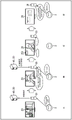
图3示出了按照使用图3中的部分A至C的时间序列,根据观看者2观看的广播节目的进度进行处理的过程。FIG. 3 shows a process of processing according to the progress of the broadcast program viewed by the
在10:10:00(10h:10m:00s),当观看者2在观看戏剧节目的同时发出话语“这个女演员是谁?”时,用户接口设备30通过麦克风拾取观看者2的话语,并且将话语的语音数据作为问题请求发送至语音辅助服务器40(图3中的部分A)。At 10:10:00 (10h:10m:00s), when the
语音辅助服务器40通过结合由产生正在观看的戏剧节目的广播站所提供的处理服务器50执行处理,来生成对话语的响应的语音数据。此外,在本描述中,与用于响应的语音数据一起,生成指示适合于语音响应的时间的语音响应时间信息作为语音响应时间元数据。然后,将语音响应时间元数据(语音响应时间信息)与用于响应的语音数据一起发送至用户接口设备30(图3中的部分B)。The
在10:10:02(10h:10m:02s),用户接口设备30从语音辅助服务器40接收到语音响应时间元数据以及用于响应的语音数据,但是,由语音响应时间信息指示的时间(当天时间)是10:10:10,因此,其等待直至该时间(当天时间)(图3中的部分B)。换言之,例如,在正在观看的戏剧节目中,在约10:10:02发生对话情景,并且因此,改变语音响应的时间,以防止其与女演员的话语“是的!我们今天去吃印度食物!”重叠。At 10:10:02 (10h:10m:02s), the
然后,当时间到达10:10:10时,时间(当天时间)是由语音响应时间信息指示的时间,用户接口设备30基于等待期间在缓存器中保存的响应语音数据而输出响应语音“这个女演员的名字是XXXX并且主要代表作品是...”(图3中的部分C)。在这种情况下,正在观看的戏剧节目不是对话情景,因此,观看者2不可能干扰戏剧节目的观看。Then, when the time reaches 10:10:10, the time (the time of the day) is the time indicated by the voice response time information, the
由此,用户接口设备30可以在适合于语音响应的时间执行语音响应,即,在不涉及对观看的打扰的时间,诸如正在观看的节目发展的对话中断等。基于经由通信获得的语音响应时间元数据(语音响应时间信息)执行此操作。这使得观看者2可以在不干扰节目的观看的情况下收听响应语音(希望知道的信息)。Thus, the
而且,为了易于理解图3中的描述,给出了使用实际时间作为示例的情况的描述。然而,实际上,可以使用在接收装置20中播放的内容的媒体时间控制语音响应的时间。Also, for easy understanding of the description in FIG. 3 , a description is given of a case using the actual time as an example. In practice, however, the time of the voice response may be controlled using the media time of the content being played in the receiving
(各个设备的细节配置的第一示例)(First example of detailed configuration of each device)
图4是示出根据第一实施方式的各个设备的细节配置的第一示例的框图。4 is a block diagram showing a first example of a detailed configuration of each device according to the first embodiment.
图4示出了设置在广播站侧(发送侧)上的广播传送系统10及设置在本地侧(接收侧)上的接收装置20的配置的示例。此外,图4示出了设置在本地侧上的语音-用户接口设备30的配置与设置在云端上的语音辅助服务器40和处理服务器50的配置的示例。FIG. 4 shows an example of the configuration of the
在图4中,广播传送系统10包括节目内容处理单元101、伴随广播的应用程序生成单元102、多路复用器103、以及发送单元104。In FIG. 4 , the
节目内容处理单元101对输入其中的内容执行必要的处理(例如,诸如AV编码等)并且将结果提供至多路复用器103。而且,例如,内容是广播节目、广告等、并且从外部服务器、摄像头、记录介质等获取。The program
伴随广播的应用程序生成单元102生成伴随广播的应用程序并且将其提供至多路复用器103。在本描述中,伴随广播的应用程序是结合诸如广播节目等内容而运行的应用程序。The broadcast-accompanying
多路复用器103对从节目内容处理单元101提供的内容和从伴随广播的应用程序生成单元102提供的伴随广播的应用程序执行多路复用并且将生成的流提供至发送单元104。The
发送单元104对从多路复用器103提供的流执行必要处理(例如,诸如纠错编码或调制处理等),并且通过安装在发送站处的发送天线发送生成的广播信号(广播流)。The
在图4中,接收装置20包括调谐器201、解多路复用器202、AV解码器203、伴随广播的应用程序运行单元204、渲染器205、显示器206、扬声器207、媒体-时间管理单元208、以及通信单元209。In FIG. 4, the receiving
调谐器201通过安装在观看者的房屋等中的接收天线而接收从广播传送系统10发送的广播信号(广播流),对其执行必要的处理(例如,诸如解调处理或纠错解码等),并且将生成的流提供至解多路复用器202。The
解多路复用器202将从调谐器201提供的流分成视频流、音频流、以及伴随广播的应用程序的流。解多路复用器202将视频和音频流提供至AV解码器203并且将伴随广播的应用程序的流提供至伴随广播的应用程序运行单元204。The
AV解码器203对从解多路复用器202提供的视频流进行解码并且将结果提供至渲染器205。此外,AV解码器203还对从解多路复用器202提供的音频流进行解码并且将结果提供至渲染器205。The
渲染器205对从AV解码器203提供的视频数据执行渲染并且使生成的视频显示在诸如液晶显示器(LCD)或有机发光二极管(OLED)等显示器206上。The
进一步地,渲染器205对从AV解码器203提供的语音数据执行渲染并且通过扬声器207输出生成的音频。在接收装置20中,这允许在显示器206上显示诸如广播节目等内容的视频并且通过扬声器207输出与视频同步的音频。Further, the
例如,伴随广播的应用程序运行单元204是与HTML5、JavaScript(注册商标)等兼容的浏览器。伴随广播的应用程序运行单元204基于从解多路复用器202提供的应用数据而运行伴随广播的应用程序并且将视频数据提供至渲染器205。For example, the
渲染器205对从伴随广播的应用程序运行单元204提供的视频数据执行渲染并且使生成的视频显示在显示器206上。在接收装置20中,这允许在显示器206上显示与诸如广播节目等内容相结合的伴随广播的应用程序的视频。The
媒体-时间管理单元208管理在接收装置20中播放的内容的媒体时间。媒体-时间管理单元208提供响应于来自伴随广播的应用程序运行单元204的查询而播放的内容的当前媒体时间。The media-
通信单元209被配置成与诸如无线LAN或蜂窝通信等无线通信、或有线通信兼容的通信模块。通信单元209根据预定通信方案经由因特网60与处理服务器50(其通信单元501)通信,以交换各种数据。在本描述中,例如,使用WebSocket等执行通信,并且通信单元209能够将从伴随广播的应用程序运行单元204提供的当前媒体时间传送至处理服务器50(其通信单元501)。The
在图4中,语音-用户接口设备30包括麦克风301、扬声器302、通信单元303、语音响应输出控制单元304、计时器305、缓存器306、以及设置管理单元307。In FIG. 4 , the voice-
麦克风301拾取观看者2的话语并且将话语的语音数据提供至通信单元303。The
通信单元303被配置成通信模块,其与诸如无线LAN和蜂窝通信等无线通信、或有线通信兼容。The
通信单元303经由因特网60将从麦克风301提供的话语的语音数据发送至语音辅助服务器40。此外,通信单元303经由因特网60接收从语音辅助服务器40发送的用于响应的语音数据和语音响应时间元数据(语音响应时间信息)并且将其提供至语音响应输出控制单元304。而且,尽管将在后面进行详细描述,然而,在第二响应消息中包括并且发送用于响应的语音数据和语音响应时间元数据。The
从通信单元303向语音响应输出控制单元304提供用于响应的语音数据和语音响应时间元数据。语音响应输出控制单元304基于经由通信获取的语音响应时间元数据而在与由语音响应时间信息指示的时间对应的时间,将用于响应的语音数据提供至扬声器302。The voice data for the response and the voice response time metadata are supplied from the
在本描述中,将由语音响应时间信息指示的时间从语音响应输出控制单元304传送至计时器305来测量时间,并且缓存器306临时保存用于响应的语音数据,直至达到适合于语音响应的时间。然后,当达到适合于语音响应的时间时,语音响应输出控制单元304读取临时保存在缓存器306中的用于响应的语音数据并且将其提供至扬声器302。In this description, the time indicated by the voice response time information is transferred from the voice response
扬声器302输出与从语音响应输出控制单元304提供的用于响应的语音数据对应的响应语音。The
设置管理单元307根据观看者2的设置输入而进行各种设置。在本描述中,例如,在输出响应语音时,设置等由是否等待直至适合于语音响应的时间的时间控制构成。而且,在本描述中,通过观看者2用按钮或触摸面板(未示出)的操作输入接收设置输入,或者观看者2通过麦克风301的语音输入接收设置输入。The
在图4中,语音辅助服务器40包括通信单元401、通信单元402、语音分析单元403、以及消息生成单元404。In FIG. 4 , the
通信单元401经由因特网60接收从语音-用户接口设备30发送的话语的语音数据并且将其提供至语音分析单元403。The
语音分析单元403对从通信单元401提供的话语的语音数据进行分析并且将话语的语音数据转换成文本数据。语音分析单元403将与话语的语音数据的分析结果对应的请求消息提供至通信单元402。The
通信单元402经由网络70将从语音分析单元403提供的请求消息发送至处理服务器50。此外,通信单元402经由网络70接收从处理服务器50发送的第一响应消息并且将第一响应消息提供至消息生成单元404。The
消息生成单元404对从通信单元402提供的第一响应消息进行转换,以生成用于响应语音-用户接口设备30的第二响应消息,并且将其提供至通信单元401。The
而且,在本描述中,为便于描述,从处理服务器50发送并且由语音辅助服务器40接收的响应消息不同于从语音辅助服务器40发送并且由语音-用户接口设备30接收的响应消息。为了对其进行区分,将前者称为第一响应消息,并且将后者称为第二响应消息。Also, in this description, the response message sent from the
消息生成单元404包括语音生成单元404-1和元数据合并单元404-2。此外,第一响应消息包括语音响应数据和语音响应时间元数据(语音响应时间信息)。The
语音生成单元404-1将从处理服务器50传送的第一响应消息中所包括的语音响应数据转换成用于响应的语音数据。元数据合并单元404-2将从处理服务器50传送的第一响应消息中所包括的语音响应时间元数据(语音响应时间信息)与包括用于响应的语音数据的第二响应消息进行合并。The voice generation unit 404-1 converts voice response data included in the first response message transmitted from the
由此,在消息生成单元404中,语音生成单元404-1和元数据合并单元404-2对包括文本-格式数据(语音响应数据和语音响应时间元数据)的第一响应消息(例如,HTTP响应数据)进行处理。由此,生成包括语音-格式数据(响应语音数据)和文本-格式数据(语音响应时间元数据)的第二响应消息(例如,HTTP响应)。而且,将参考图5至图7描述第一响应消息和第二响应消息的细节。Thus, in the
通信单元410经由因特网60将从管理生成单元404提供的第二响应消息发送至语音-用户接口设备30。The communication unit 410 transmits the second response message provided from the
而且,通信单元401和通信单元402被配置成通信模块,即,与无线通信或有线通信兼容。此外,在图4中,为便于描述,将通信单元401和通信单元402描述为独立通信模块,但是,能够将其集成为一个通信模块。Also, the
在图4中,处理服务器50包括通信单元501、处理单元502、以及记录单元503。In FIG. 4 , the
通信单元501经由网络70接收从语音辅助服务器40发送的请求消息并且将其提供至处理单元502。此外,通信单元501通过使用WebSocket等进行通信而接收从接收装置20发送的当前媒体时间并且将其提供至处理单元502。而且,通信单元501被配置成通信模块,其与无线通信或有线通信兼容。The
处理单元502基于从通信单元501提供的请求消息而提取记录单元503中所记录的语音响应数据并且将结果提供至通信单元501。该语音响应数据是对观看者2的话语进行语音响应的数据。The
进一步地,处理单元502基于从通信单元501提供的当前媒体时间从记录单元503中所记录的语音响应时间元数据(整个节目的元数据)中提取指示适合于语音响应的时间的语音响应时间信息。然后,处理单元502将其作为语音响应时间元数据提供至通信单元501。Further, the
记录单元503是诸如半导体存储器、HDD、或光盘等记录介质,并且能够将诸如语音响应数据和语音响应时间元数据等各种数据记录在其中。而且,语音响应数据和语音响应时间元数据并不局限于被记录在记录单元503中的数据,并且例如,能够基于诸如从外部服务器获取或记录在记录单元503中的数据或者从外部服务器获取的数据等各种类型的数据而通过处理单元502生成。The
通信单元501经由网络70将从处理单元502提供的语音响应数据和语音响应时间元数据作为第一响应消息发送至语音辅助服务器40。The
而且,内容-语音AI协作系统1执行被称为技能(skill)的程序,这使得可以结合诸如广播节目等内容使用语音AI辅助服务。例如,在语音辅助服务器40中,从多个技能之中指定目标技能并且通过所指定的目标技能的端点URL将目标技能与处理服务器50的处理单元502相结合。由此,执行对观看者的话语做出语音响应的处理。换言之,可以说,处理单元502构成目标技能的一部分。Also, the content-voice
在本描述中,技能包括诸如响应什么样的语音、什么功能使用什么词语作为参数、或哪一处理服务器(处理程序)实际上执行功能等信息。此外,技能是指用于基于上述所述信息执行与从语音-用户接口设备30发送的语音对应的处理的程序(计算机程序)。In this description, skills include information such as what speech is responded to, what function uses what words as parameters, or which processing server (handler) actually executes the function. Further, the skill refers to a program (computer program) for executing processing corresponding to the voice transmitted from the voice-
内容-语音AI协作系统1的配置如上所述,并且现在参考图5至图7详细给出在语音辅助服务器40与处理服务器50之间通过通信所交换的语音响应数据和语音响应时间元数据的描述。The configuration of the content-voice
如图5中所示,在处理服务器50中,记录单元503中记录有经由通信而传送的语音响应时间元数据。提供该语音响应时间元数据作为经由广播传送的每个广播节目的整个节目的元数据。图5中的示例示出了如下四个语音-响应时间。As shown in FIG. 5 , in the
第一语音响应时间:2018-01-29 18:00:05至2018-01-29 18:00:55The first voice response time: 2018-01-29 18:00:05 to 2018-01-29 18:00:55
第二语音响应时间:2018-01-29 18:01:05至2018-01-29 18:01:55Second voice response time: 2018-01-29 18:01:05 to 2018-01-29 18:01:55
第三语音响应时间:2018-01-29 18:02:05至2018-01-29 18:02:55The third voice response time: 2018-01-29 18:02:05 to 2018-01-29 18:02:55
第四语音响应时间:2018-01-29 18:03:05至2018-01-29 18:03:55Fourth voice response time: 2018-01-29 18:03:05 to 2018-01-29 18:03:55
......
处理单元502通过使用接收装置20与处理服务器50之间的WebSocket等通信而获取当前媒体时间,因此,可以基于该媒体时间从整个节目的元数据中仅提取适合于语音响应的一个语音响应时间。然后,处理单元502通过HTTP响应的预定格式的消息等将所提取的一个语音响应时间(语音响应时间信息)作为语音响应时间元数据发送至语音辅助服务器40。The
如图6中所示,在本描述中,当从整个节目的元数据中提取第三语音响应时间作为适合于语音响应的时间时,存在使用HTTP响应作为第一响应消息的情况。在这种情况下,在HTTP响应的主体中描述所提取的第三语音响应时间的文本数据。此外,可以在HTTP响应的主体中描述语音响应数据的文本数据。As shown in FIG. 6, in this description, when the third voice response time is extracted from the metadata of the entire program as a time suitable for the voice response, there is a case of using the HTTP response as the first response message. In this case, the extracted text data of the third voice response time is described in the body of the HTTP response. Also, text data of the voice response data may be described in the body of the HTTP response.
例如,可以将上述所述文本数据描述为JavaScript(注册商标)对象记号(JSON)的格式的数据。由具有冒号(:)的键值对表达JSON格式对象,并且这些配对由逗号(,)隔开,列出了零个或多个配对,并且将整体封闭在大括号({})中。For example, the above-described text data can be described as data in a JavaScript (registered trademark) object notation (JSON) format. A JSON-formatted object is expressed by key-value pairs with colons (:), and these pairs are separated by commas (,), zero or more pairs are listed, and the whole is enclosed in curly braces ({}).
在图6的示例中,关于语音响应数据(“输出语言”)的对象,将“纯文本”格式描述为“类型”值,并且将“XXXX”的文本数据描述为“文本”值。此外,关于语音响应时间的对象(“responseTiming”),将开始时间“2018-01-29T18:02:05Z”描述为“开始”值并且将结束时间“2018-01-29T18:02:55Z”描述为“结束”值。In the example of FIG. 6, regarding the object of speech response data ("output language"), the "plain text" format is described as the "type" value, and the text data of "XXXX" is described as the "text" value. Also, regarding the object of the voice response time ("responseTiming"), the start time "2018-01-29T18:02:05Z" is described as the "start" value and the end time "2018-01-29T18:02:55Z" is described is the "end" value.
进一步地,语音辅助服务器40接收并且处理该HTTP响应。例如,在使用HTTP响应作为第二响应消息的情况下,执行如图7中所示的处理。Further, the
换言之,语音辅助服务器40将从处理服务器50接收的HTTP响应的主体中所描述的语音响应数据的文本数据转换成用于响应的语音数据,并且通过将其与语音响应时间的文本数据(语音响应时间信息)进行合并而生成多部分HTTP响应。In other words, the
由此,在语音辅助服务器40中,对从处理服务器50接收的第一响应消息(HTTP响应)进行处理,并且将文本格式数据(语音响应数据和语音响应时间元数据(语音响应时间信息))转换成语音格式的数据(响应的语音数据)和文本格式的数据(语音响应时间元数据(语音响应时间信息))。然后,语音辅助服务器40将转换的结果作为第二响应消息(多部分格式的HTTP响应)发送至语音-用户接口设备30。Thus, in the
而且,尽管提供整个节目的元数据作为经由通信传送的语音响应时间元数据,然而,能够针对特定节目的全部时区或一些时区准备语音响应时间。此外,在本技术的实施方式中,语音响应时间元数据能够表示整个节目的元数据或能够表示从元数据中提取的语音响应时间信息,并且因此,在必须进行区分的情况下,明确指出。Also, although the metadata for the entire program is provided as the voice response time metadata delivered via the communication, the voice response time can be prepared for all or some of the time zones of a particular program. Furthermore, in the embodiment of the present technology, the voice response time metadata can represent the metadata of the entire program or can represent the voice response time information extracted from the metadata, and therefore, where distinction is necessary, it is clearly indicated.
(各个设备中的处理的第一示例的过程)(Procedure of the first example of processing in each device)
现参考图8中的流程图描述第一实施方式的各个设备中的处理的第一示例的过程。The procedure of a first example of processing in each device of the first embodiment will now be described with reference to the flowchart in FIG. 8 .
在本描述中,执行步骤S101的处理作为预设置。换言之,在语音-用户接口设备30中,设置管理单元307设置为根据观看者2的指令而开启响应语音的输出的自动定时控制。In this description, the process of step S101 is performed as a preset. In other words, in the voice-
在该预设置之后,广播传送系统10发送广播流(S131)。在这种情况下,在广播传送系统10中,伴随广播的应用程序生成单元102生成伴随广播的应用程序,并且多路复用器103将所生成的伴随广播的应用程序插入到包括诸如广播节目等内容的流中。After this preset, the
接收装置20接收广播流,播放诸如广播节目等内容,并且执行步骤S132的处理。在步骤S132中,伴随广播的应用程序运行单元204基于从通过解多路复用器202分离的流所获得的应用程序数据而运行伴随广播的应用程序。这允许接收装置20对观看者2所选择的广播节目进行回放并且运行与节目链接的伴随广播的应用程序。The
因此,在正在观看广播节目的观看者2发出问题话语的情况下,执行步骤S102中的处理操作及后续步骤。Therefore, in the case where the
具体地,在语音-用户接口设备30中,麦克风301拾取观看者2的话语,并且将话语的语音数据发送至语音辅助服务器40。然后,在语音辅助服务器40中,对来自语音-用户接口设备30的话语的语音数据进行分析,并且将与分析结果对应的请求消息发送至处理服务器50。Specifically, in the speech-
处理服务器50经由网络70接收该请求消息,并且执行步骤S103和S104的处理操作。The
在步骤S103中,处理单元502基于来自语音辅助服务器40的请求消息而获取当前媒体时间。在该阶段,例如,处理服务器50(其通信单元501)与接收装置20(其通信单元209)根据WebSocket的通信方案等而彼此进行通信。由此,可以使处理单元502从运行伴随广播的应用程序的伴随广播的应用程序运行单元204获取当前媒体时间。In step S103 , the
在步骤S104,处理单元502基于所获取的当前媒体时间,从记录单元503中所记录的整个节目的元数据中提取指示适合于语音响应的时间的语音响应时间信息。然后,处理单元502将所提取的语音响应时间信息与和请求消息对应的语音响应数据一起作为第一响应消息发送至语音辅助服务器40。In step S104, the
在本描述中,例如,除不干扰观看的时间之外,诸如正在观看的节目的发展中对话中断等,能够视为适合于语音响应的时间还包括响应语音的时间长度(响应长度)。换言之,即使不干扰观看,在该时间内不能完成响应语音的输出的情况下,能够提取另一较长的时间作为适合于语音响应的时间。此外,例如,在接收装置20中正在播放的内容的回放时间轴上,存在能够提取最近时区作为适合于语音响应的时间的情况。即使在这种情况下,当在观看者的话语之后,需要花费时间输出响应语音时,能够提取更早的时区作为适合于语音响应的时间。In this description, the time that can be regarded as being suitable for a voice response includes, for example, a time length (response length) for responding to a voice, in addition to a time that does not interfere with viewing, such as a developing dialogue interruption of a program being watched. In other words, in the case where the output of the response voice cannot be completed within this time, even if viewing is not disturbed, another longer time can be extracted as a time suitable for the voice response. Further, for example, on the playback time axis of the content being played in the receiving
在语音辅助服务器40中,基于来自处理服务器50的第一请求消息而从语音响应数据生成用于响应的语音数据,并且将语音响应时间信息与用于响应的语音数据进行合并,以生成第二响应消息。语音-用户接口设备30经由因特网60接收第二响应消息,并且执行步骤S105至S108中的处理操作。In the
在步骤S105中,语音响应输出控制单元304基于来自语音辅助服务器40的第二响应消息而确认是否将语音响应时间信息添加至用于响应的语音数据。在步骤S105中判断添加语音响应时间信息的情况下(在S105中,“是”),处理进行至步骤S106。In step S105 , the voice response
在步骤S106,语音响应输出控制单元304通过向设置管理单元307进行询问而确认(判断)是否将自动定时控制设置为开启。在步骤S106中确定通过例如预设置处理将自动定时控制设置为开启的情况下(在S106中,“是”),处理进行至步骤S107。In step S106, the voice response
在步骤S107,语音响应输出控制单元304基于所添加的语音响应时间信息,等待直至达到适合于语音响应的时间。然后,当达到适合于语音响应的时间时,语音响应输出控制单元304通过将用于响应的语音数据提供至扬声器302而输出响应语音(S108)。In step S107, the voice response
由此,可以使语音-用户接口设备30在适合于语音响应的时间执行语音响应,即,在不干扰观看的时间,诸如正在观看的节目的发展中对话中断等。基于经由通信获取的语音响应时间元数据(语音响应时间信息)执行此操作。这使得可以在不干扰观看者观看节目的情况下,使观看者2收听到响应语音(希望知道的信息)。Thereby, the speech-
而且,在语音-用户接口设备3中,在判断不添加语音响应时间信息的情况下(在S105中,“否”),或在判断将自动定时控制设置为关闭的情况下(在S106中,“否”),跳过步骤S107的处理并且执行步骤S108的处理。换言之,在这种情况下,在不等待语音响应时间的情况下,立即输出响应语音。Also, in the voice-user interface device 3, in the case of judging that the voice response time information is not to be added (in S105, "NO"), or in the case of judging that the automatic timing control is set to OFF (in S106, "No"), the process of step S107 is skipped and the process of step S108 is executed. In other words, in this case, the response voice is output immediately without waiting for the voice response time.
在基于经由通信获取的语音响应时间元数据(语音响应时间信息)控制对观看者2的话语的语音响应的时间的情况下,给出处理过程的上述描述作为第一实施方式的各个设备中的处理的第一示例的过程。In the case where the time of the voice response to the utterance of the
(配置的第二示例)(Second example of configuration)
图9是示出第一实施方式的配置的第二示例的示图。FIG. 9 is a diagram showing a second example of the configuration of the first embodiment.
与图3相似,图9按照参考图9中的部分A至C的时间序列方式示出了根据观看者2正在观看的广播节目的进度的处理过程。另一方面,图9中所示的处理与图3中所示的处理的不同之处在于,经由广播而非经由通信发送用于响应的语音数据和语音响应时间元数据。Similar to FIG. 3 , FIG. 9 shows a processing procedure according to the progress of the broadcast program being watched by the
接收装置20将从广播传送系统10发送的语音响应时间元数据(整个节目的元数据)与诸如广播节目等内容和伴随广播的应用程序一起获取并且记录。响应来自用户接口设备30的询问,接收装置20能够从整个记录节目的元数据中提取指示适合于语音响应的时间的语音响应时间信息并且将其作为语音响应时间元数据进行通知。The
在10:10:00(10h:10m:00s),当观看者2在观看戏剧节目的同时发出话语“这个女演员是谁?”时,用户接口设备30通过麦克风拾取观看者2的话语并且将话语的语音数据发送至语音辅助服务器40(图9中的部分A)。At 10:10:00 (10h:10m:00s), when the
在10:10:02(10h:10m:02s),用户接口设备30从语音辅助服务器40接收用于响应的语音数据,但是,基于从接收装置20获取的语音响应时间元数据,由语音响应时间信息指示的时间(当天时间)是10:10:10,因此,其等待直至该时间(当天时间)(图9中的部分B)。换言之,在正在观看的戏剧节目中,在约10:10:02出现对话情景,并且因此,将语音响应的时间移位,以防止其与女演员的话语等重叠。At 10:10:02 (10h:10m:02s), the
然后,当时间达到10:10:10时,时间是由语音响应时间信息指示的时间(当天时间),用户接口设备30基于等待期间保存在缓存器中的用于响应的语音数据而输出响应语音“这个女演员的名字是XXXX并且主要代表作品是…”(图9中的部分C)。Then, when the time reaches 10:10:10, which is the time indicated by the voice response time information (time of the day), the
由此,可以使用户接口设备30在适合于语音响应的时间执行语音响应,即,在不干扰观看的时间,诸如正在观看的节目的发展对话中断等。基于经由广播获得的语音响应时间元数据(语音响应时间信息)执行此操作。这使得观看者2可以在不干扰观看节目的情况下收听响应语音(希望知道的信息)。Thus, the
而且,与图3相似,还给出了使用实际时间的情况的描述作为图9中的示例。然而,实际上,可以使用接收装置20中播放的内容的媒体时间控制语音响应的时间。Also, similar to FIG. 3 , a description is given of the case of using the actual time as an example in FIG. 9 . However, in practice, the time of the voice response can be controlled using the media time of the content being played in the receiving
(各个设备的细节配置的第二示例)(Second example of detailed configuration of each device)
图10是示出根据第一实施方式的各个设备的细节配置的第二示例的框图。10 is a block diagram showing a second example of the detailed configuration of each device according to the first embodiment.
与图4相似,图10示出了设置在广播站侧(发送侧)上的广播传送系统10和设置在本地侧(接收侧)上的接收装置20的配置的示例,此外,图10示出了设置在本地侧上的语音-用户接口设备30的配置及设置在云端上的语音辅助服务器40和处理服务器50的配置的示例。Similar to FIG. 4 , FIG. 10 shows an example of the configuration of the
在图10中,广播传送系统10包括节目内容处理单元101、伴随广播的应用程序生成单元102、多路复用器103、发送单元104、以及元数据生成单元105。换言之,与图4中所示的配置相比较,在图10所示的广播传送系统10中,添加了元数据生成单元105。In FIG. 10 , the
元数据生成单元105生成语音响应时间元数据并且将其提供至多路复用器103。语音响应时间元数据是针对经由广播传送的每个节目的整个节目的元数据,并且包括作为包括适合于语音响应的时间的语音响应时间信息所提取的元数据候选。The
多路复用器103对从元数据生成单元105提供的语音响应时间元数据与内容和伴随广播的应用程序一起进行多路复用,并且将生成流提供至发送单元104。The
在图10中,接收装置20包括调谐器201、解多路复用器202、AV解码器203、伴随广播的应用程序运行单元204、渲染器205、显示器206、扬声器207、媒体-时间管理单元208、通信单元210、语音响应时间元数据管理单元211、以及记录单元212。换言之,与图4中所示的配置相比较,图10中所示的接收装置20具有通信单元210、语音响应时间元数据管理单元211、以及记录单元212作为附加的部件,来取代通信单元209。In FIG. 10, the receiving
例如,通信单元210被配置成通信模块,其与诸如蓝牙(注册商标)、无线LAN、以及蜂窝通信等无线通信、或有线通信兼容。通信单元210根据预定通信方案与语音-用户接口设备30(具体地,其通信单元309)通信,以交换各种数据。For example, the
语音响应时间元数据管理单元211获取从通过解多路复用器202分离的流而获得的语音响应时间元数据(整个节目的元数据)并且将其记录在记录单元212中。The voice response time
进一步地,在从语音-用户接口设备30(其语音响应输出控制单元304)接收语音响应时间元数据获取请求的情况下,语音响应时间元数据管理单元211对媒体-时间管理单元208进行询问,以获取当前媒体时间。语音响应时间元数据管理单元211基于所获取的当前媒体时间,从记录单元212中所记录的语音响应时间元数据(整个节目的元数据)中提取指示适合于语音响应的时间的语音响应时间信息。然后,语音响应时间元数据管理单元211将语音响应时间信息作为语音响应时间元数据发送至语音-用户接口设备30。Further, in the case of receiving a voice response time metadata acquisition request from the voice-user interface device 30 (its voice response output control unit 304), the voice response time
记录单元212是诸如半导体存储器、HDD、或光盘等记录介质,并且能够将包括语音响应时间元数据的各种数据记录其中。The recording unit 212 is a recording medium such as a semiconductor memory, HDD, or optical disc, and can record therein various data including voice response time metadata.
在图10中,语音-用户接口设备30包括麦克风301、扬声器302、通信单元303、语音响应输出控制单元304、计时器305、缓存器306、设置管理单元307、语音分析单元308、以及通信单元309。换言之,与图4中所示的配置相比较,在图10所示的语音-用户接口设备30中,添加了语音分析单元308和通信单元309。In FIG. 10, the voice-
语音分析单元308对从麦克风301提供的话语的语音数据进行处理并且将其提供至通信单元303。此外,语音分析单元308对话语的语音数据进行分析,并且结合设置管理单元307基于话语的语音数据的分析结果而执行定时控制目标话语设置。The
例如,通信单元309被配置成支持诸如蓝牙(注册商标)等无线通信或有线通信的通信模块。通信单元309根据预定通信方案与接收装置20(其通信单元210)通信,以交换各种数据。而且,为便于描述,在图10中,将通信单元303和通信单元309描述为独立的通信模块,但是,能够将通信单元303和通信单元309集成为一个通信模块。For example, the
从通信单元303向语音响应输出控制单元304提供用于响应的语音数据并且从通信单元309向语音响应输出控制单元304提供语音响应时间元数据。语音响应输出控制单元304基于经由广播获取的语音响应时间元数据在与由语音响应时间信息指示的时间(适合于语音响应的时间)对应的时间将用于响应的语音数据提供至扬声器302。Voice data for a response is supplied from the
在图10中,语音辅助服务器40包括通信单元401、通信单元402、语音分析单元403、以及语音生成单元404-1。换言之,在图10所示的语音辅助服务器40中,不经由通信传送语音响应时间元数据并且因此不需要执行与其有关的处理。由此,与图4中的配置不同,省去了图4中所示的消息生成单元404的元数据合并单元405-2。In FIG. 10, the
进一步地,在图10中,处理服务器50包括通信单元501、处理单元502、以及记录单元503。换言之,图10中所示的处理服务器50具有与图4中所示的配置相似的配置,但是不经由通信传送语音响应时间元数据,并且因此,在记录单元503中,不记录语音响应时间元数据,而是仅记录语音响应数据。Further, in FIG. 10 , the
内容-语音AI协作系统1的配置如上所述。参考图11和图12详细给出了经由广播在广播传送系统10与接收装置20之间交换语音响应时间元数据的描述。The configuration of the content-voice
如图11中所示,在广播传送系统10中,元数据生成单元105生成经由广播传送的语音响应时间元数据。对于经由广播传送的各个节目(不包括直播),生成该语音响应时间元数据作为整个节目的元数据。As shown in FIG. 11, in the
第一语音响应时间:2018-01-29 18:00:05~2018-01-29 18:00:55The first voice response time: 2018-01-29 18:00:05~2018-01-29 18:00:55
第二语音响应时间:2018-01-29 18:01:05~2018-01-29 18:01:55Second voice response time: 2018-01-29 18:01:05~2018-01-29 18:01:55
第三语音响应时间:2018-01-29 18:02:05~2018-01-29 18:02:55The third voice response time: 2018-01-29 18:02:05~2018-01-29 18:02:55
第四语音响应时间:2018-01-29 18:03:05~2018-01-29 18:03:55Fourth voice response time: 2018-01-29 18:03:05~2018-01-29 18:03:55
......
多路复用器103将语音响应时间元数据转换成适合于内容的格式并且将其插入到其中对内容和伴随广播的应用程序被多路复用的流中。The
在本描述中,例如,在将内容作为与经由HTTP(DASH)的MPEG-动态自适应流兼容的流传送的情况下,可以使用媒体呈现描述(MPD)发送语音响应时间元数据,媒体呈现描述(MPD)是视频或音频文件的控制信息。In this description, for example, where the content is delivered as a stream compatible with MPEG-Dynamic Adaptive Streaming over HTTP (DASH), the voice response time metadata may be sent using the Media Presentation Description (MPD), which (MPD) is control information for video or audio files.
图12示出了其中将语音响应时间元数据插入到MPD中的示例。在本示例中,MPD将时间段(Period)、自适应集(AdaptationSet)、以及表示(Representation)的元素包括在层级结构中。FIG. 12 shows an example in which speech response time metadata is inserted into the MPD. In this example, the MPD includes elements of a period (Period), an adaptation set (AdaptationSet), and a representation (Representation) in a hierarchical structure.
元素Period是描述诸如广播节目等内容的配置的元素。此外,构成内容的诸如视频、音频、以及字幕等的组成的各个流所使用的元素AdaptationSet和Representation能够描述各个流的属性。The element Period is an element describing the configuration of content such as a broadcast program. Furthermore, the elements AdaptationSet and Representation used by the respective streams constituting the composition such as video, audio, and subtitles of the content can describe the attributes of the respective streams.
进一步地,可以在元素Period中描述元素EventStream。此外,在元素EventStream中能够将属性schemeIdUri和timescale描述为其属性。Further, the element EventStream can be described in the element Period. Furthermore, the attributes schemeIdUri and timescale can be described as attributes in the element EventStream.
在属性schemeIdUri中,描述了用于标识方案的统一资源标识符(URI)。在图12的MPD描述示例中,将“urn:XXX”定义为用于标识发送语音响应时间元数据的方案的URI并且将“urn:XXX”描述成属性schemeIdUri的属性值。此外,在属性timescale中,将timescale“1000”描述为其属性值。In the attribute schemeIdUri, a Uniform Resource Identifier (URI) for identifying the scheme is described. In the MPD description example of FIG. 12 , "urn:XXX" is defined as a URI for identifying a scheme for transmitting voice response time metadata and "urn:XXX" is described as an attribute value of the attribute schemeIdUri. Also, in the attribute timescale, timescale "1000" is described as its attribute value.
元素EventStream是元素Event的上级元素。在元素Event中,能够将其中指定呈现时间(开始时间)的属性presentationTime和其中指定自开始时间起的时间段的属性duration描述为其属性。The element EventStream is the parent element of the element Event. In the element Event, an attribute presentationTime in which a presentation time (start time) is specified and an attribute duration in which a time period from the start time is specified can be described as attributes thereof.
在图12的MPD描述示例中,将整个节目的元数据划分成与其对应的各个元素时间段并且将整个节目的元数据描述为元素EventStream中的属性presentationTime和duration的属性值。In the MPD description example of FIG. 12 , the metadata of the entire program is divided into respective element time periods corresponding thereto and described as attribute values of the attributes presentationTime and duration in the element EventStream.
具体地,在第一Period元素(属性开始=‘PT0S’)中描述了整个节目的元数据中所描述的第一语音响应时间和第二语音响应时间,并且在第二Period元素(属性开始=‘PT2M0S’)中描述了第三语音响应时间和第四语音响应时间。Specifically, the first voice response time and the second voice response time described in the metadata of the entire program are described in the first Period element (attribute start='PTOS'), and in the second Period element (attribute start='PTOS') The third voice response time and the fourth voice response time are described in 'PT2MOS').
如上所述,使用MPD发送语音响应时间元数据使得接收装置20可以从广播流中所插入的MPD获取语音响应时间元数据(整个节目的元数据)并且将其记录在记录单元212中。然后,可以使接收装置20响应于来自语音-用户接口设备30的询问而从记录单元212中所记录的语音响应时间元数据(整个节目的元数据)中,提取指示适合于语音响应的时间的语音响应时间信息并且将其作为语音响应时间元数据进行通知。As described above, using the MPD to transmit the voice response time metadata enables the receiving
而且,尽管提供整个节目的元数据作为经由广播而传送的语音响应时间元数据,然而,能够针对特定节目的全部时区或一些时区准备语音响应时间。Also, although the metadata of the entire program is provided as the voice response time metadata delivered via broadcast, the voice response time can be prepared for all or some time zones of a specific program.
(各个设备中的处理的第二示例的过程)(Procedure of the second example of processing in each device)
现参考图13中的流程图描述第一实施方式的各个设备中的处理的第二示例的过程。The procedure of the second example of the processing in each device of the first embodiment will now be described with reference to the flowchart in FIG. 13 .
在本描述中,执行步骤S151的处理作为预设置。换言之,在语音-用户接口设备30中,设置管理单元307根据观看者2的指令设置为开启自动定时控制。此外,在本描述中,设置定时控制目标的调用名称或用于获取语音响应时间元数据的目的地(元数据获取通信的目的地)。In this description, the processing of step S151 is performed as a preset. In other words, in the voice-
而且,调用名称是用于调用技能的调用名称。换言之,端用户(观看内容的观看者)在使用技能时需要说出调用名称。在本描述中,例如,能够将“电视秀”设置为定时控制目标的调用名称,并且能够将接收装置20设置为用于元数据获取通信的目的地。Also, the invocation name is the invocation name used to invoke the skill. In other words, the end user (the viewer watching the content) needs to speak the call name when using the skill. In this description, for example, "TV show" can be set as the calling name of the timing control target, and the receiving
在预设置之后,在广播传送系统10中执行步骤S181至S182的处理操作。After the presetting, the processing operations of steps S181 to S182 are performed in the
换言之,元数据生成单元105生成语音响应时间元数据(整个节目的元数据),并且多路复用器103将所生成的语音响应时间元数据插入到包括诸如广播节目等内容的流中(S181)。此外,发送单元104发送其中插入了语音响应时间元数据的广播流(S182)。In other words, the
通过接收装置20接收广播流,播放诸如广播节目等内容,并且执行步骤S183的处理。在步骤S183,语音响应时间元数据管理单元211获取从通过解多路复用器202分离的流所获得的语音响应时间元数据。将语音响应时间元数据(整个节目的元数据)记录在记录单元212中。The broadcast stream is received by the
然后,在观看广播节目的观看者2发出问题话语的情况下,执行步骤S152的处理操作及后续步骤。Then, in the case where the
具体地,在语音-用户接口设备30中,麦克风301拾取观看者2的话语,并且将话语的语音数据发送至语音辅助服务器40(S152)。然后,在语音辅助服务器40中,对来自语音-用户接口设备30的话语的语音数据进行分析,并且将与分析结果对应的请求消息发送至处理服务器50。Specifically, in the voice-
在这种情况下,在语音-用户接口设备30中,语音分析单元308与设置管理单元307协作,以基于话语的语音数据的分析结果从观看者2的话语中提取通过预设置处理而设置的目标调用名称(S151)并且将从中提取了调用名称的话语设置为定时控制目标话语(S153)。In this case, in the speech-
进一步地,处理服务器50从语音辅助服务器40接收经由网络70发送的请求消息,并且执行步骤S154的处理。Further, the
在步骤S154,处理单元502基于来自语音辅助服务器40的请求消息提取记录单元503中所记录的语音响应数据并且将其发送至语音辅助服务器40。在语音辅助服务器40中,语音生成单元404-1生成与语音响应数据对应的用于响应的语音数据并且将其发送至语音-用户接口设备30。In step S154 , the
语音-用户接口设备30经由因特网60接收用于响应的该语音数据,并且执行步骤S155的处理操作及后续步骤。The voice-
在步骤S155,语音响应输出控制单元304通过向设置管理单元307进行询问而确认(判断)所接收的用于响应的语音数据是否是对定时控制目标话语的响应。在步骤S155中判断所接收的响应是对步骤S153的处理中所设置的定时控制目标话语的响应的情况下(在S155,“是”),处理进行至步骤S156。In step S155, the voice response
在步骤S156,语音响应输出控制单元304通过向设置管理单元307进行询问而确认(判断)是否将自动定时控制设置为开启。在步骤S156中确定通过预设置处理(S151)将自动定时控制设置为开启的情况下(在S156中,“是”),处理进行至步骤S157。In step S156, the voice response
在步骤S157,语音响应输出控制单元304通过从接收装置20接收语音响应时间元数据而获取语音响应时间信息,在预设置处理(S151)中,语音响应时间元数据被设置为元数据获取通信的目的地。In step S157, the voice response
换言之,在本描述中,语音响应输出控制单元304将语音响应时间元数据获取请求派送至接收装置20,并且因此,接收装置20执行步骤S158至S159的处理操作。In other words, in the present description, the voice response
在步骤S158,语音响应时间元数据管理单元211通过基于来自语音-用户接口设备30的获取请求向媒体-时间管理单元208进行询问,来获取当前媒体时间。In step S158, the voice response time
在步骤S159,语音响应时间元数据管理单元211基于所获取的当前媒体时间,从记录单元212中所记录的语音响应时间元数据(整个节目的元数据)中提取指示适合于语音响应的时间的语音响应时间信息。然后,语音响应时间元数据管理单元211将所提取的信息作为语音响应时间元数据发送至语音-用户接口设备30。在本描述中,例如,除了不干扰观看的时间(诸如正在观看的节目的发展对话中断等)之外,适合于语音响应的时间可以认为还包括响应语音的时间长度(响应长度)、正在播放的内容的回放时间轴上的时区等。In step S159, based on the acquired current media time, the voice response time
语音-用户接口设备30接收语音响应时间元数据(语音响应时间信息),并且执行步骤S160至S161的处理操作。The voice-
在步骤S160,语音响应输出控制单元304基于所获取的语音响应时间信息而等待,直至达到适合于语音响应的时间。然后,当达到适合于语音响应的时间时,语音响应输出控制单元304通过向扬声器302提供用于响应的语音数据而输出响应语音(S161)。In step S160, the voice response
由此,语音-用户接口设备30可以在适合于语音响应的时间执行语音响应,即,在不干扰观看的时间,诸如正在观看的节目的发展对话中断等。基于经由广播所获取的语音响应时间元数据(语音响应时间信息)执行此操作。这使得可以在不干扰节目的观看的情况下,使观看者2收听到响应语音(希望知道的信息)。Thus, the speech-
而且,在语音-用户接口设备30中,在判断所接收的响应不是对定时控制目标话语的响应的情况下(在S155,“否”),或在判断将自动定时控制设置为关闭的情况下(在S156,“否”),跳过步骤S157至S160的处理并且执行步骤S161的处理。换言之,在这种情况下,在不等待语音响应时间的情况下,立即输出响应语音。Also, in the speech-
在基于经由广播获取的语音响应时间元数据(语音响应时间信息)控制对观看者2的话语的语音响应的时间的情况下,给出处理过程的上述描述作为第一实施方式的各个设备中的处理的第二示例的过程。In the case where the time of the voice response to the utterance of the
如上所述,在第一实施方式中,存在语音-用户接口设备30的语音响应输出控制单元304结合诸如广播节目等内容使用语音AI辅助服务的情况。在这种情况下,基于指示适合于对观看内容的观看者的话语进行语音响应的时间的语音响应时间信息而控制语音响应的时间。该语音响应时间信息可以是在诸如广播节目等内容的回放时间轴上指示适合于语音响应的时间的信息。As described above, in the first embodiment, there is a case where the voice response
在本描述中,在经由通信获取语音响应时间信息(语音响应时间元数据)的情况下,在接收装置20(第一设备)中播放诸如广播节目等内容,并且由处理服务器50(第二设备)经由通信传送语音响应时间信息。在处理服务器50(第二设备)中,从语音响应时间元数据(整个节目的元数据)中提取指示适合于对接收装置20(第一设备)中所播放的内容进行语音响应的时间的语音响应时间信息并且将其传送。该语音响应时间元数据包括关于内容的回放时间轴上的全部或部分时间的语音响应时间信息。因此,在语音-用户接口设备30中,语音响应输出控制单元304基于经由通信传送的语音响应时间信息而控制语音响应的时间。In this description, in the case where voice response time information (voice response time metadata) is acquired via communication, content such as a broadcast program is played in the reception apparatus 20 (first device), and the processing server 50 (second device) ) conveys voice response time information via communication. In the processing server 50 (second device), a voice indicating a time suitable for voice response to the content played in the receiving apparatus 20 (first device) is extracted from the voice response time metadata (metadata of the entire program) Response time information and transmit it. The voice response time metadata includes voice response time information about all or part of the time on the playback timeline of the content. Therefore, in the voice-
进一步地,在经由广播获取语音响应时间信息(语音响应时间元数据)的情况下,在接收装置20(第一设备)中播放诸如广播节目等内容。由广播传送系统10的广播服务器(第二设备)经由广播传送语音响应时间信息。在广播服务器(第二设备)中,传送包括关于内容的回放时间轴上的全部或部分时间的语音响应时间信息的语音响应时间元数据(整个节目的元数据)。在接收装置20(第一设备)中,从经由广播传送的语音响应时间元数据(整个节目的元数据)中提取指示适合于对正在播放的内容进行语音响应的时间的语音响应时间信息。因此,在语音-用户接口设备30中,语音响应输出控制单元304基于通过接收装置20(第一设备)提取的语音响应时间信息而控制语音响应的时间。Further, in the case of acquiring voice response time information (voice response time metadata) via broadcasting, content such as a broadcast program is played in the receiving apparatus 20 (first device). The voice response time information is delivered via broadcast by the broadcast server (second device) of the
可以说,具有该功能的语音-用户接口设备30是包括语音响应输出控制单元304的信息处理装置。It can be said that the voice-
(2)第二实施方式(2) Second Embodiment
顺便提及,尽管上述所述第一实施方式示出了基于系统侧上的语音响应时间信息控制对观看者的话语进行语音响应的时间的配置,然而,认为语音响应的时间不同于取决于观看者2的希望时间。Incidentally, although the above-described first embodiment shows a configuration in which the timing of the voice response to the utterance of the viewer is controlled based on the voice response time information on the system side, it is considered that the timing of the voice response is different depending on the viewing The desired time of
因此,现参考图14至图16描述基于观看者2的指令话语控制语音响应的时间的配置作为第二实施方式。Therefore, a configuration of controlling the timing of the voice response based on the instruction utterance of the
(配置的示例)(Example of configuration)
图14是示出第二实施方式的配置的示例的示图。FIG. 14 is a diagram showing an example of the configuration of the second embodiment.
图14示出了按照使用图14中的部分A至D的时间序列根据观看者2所观看的广播节目的进度的处理的过程。FIG. 14 shows a procedure of processing according to the progress of the broadcast program viewed by the
如图14中的A示出的,当观看者2在观看戏剧节目的同时发出话语“这个女演员是谁?”时,用户接口设备30通过麦克风拾取观看者2的话语,并且将话语的语音数据发送至语音辅助服务器40。As shown in A in FIG. 14 , when the
因此,如图14中的部分B示出的,语音辅助服务器40结合由正在观看的戏剧节目的广播站提供的处理服务器50而执行处理、并且因此生成对话语的响应语音数据并且将其发送至用户接口设备30。Therefore, as shown in part B in FIG. 14, the
然后,用户接口设备30从语音辅助服务器40输出与用于响应的语音数据对应的响应语音,但是,响应语音的输出与正在观看的戏剧节目的对话情景重叠。在这种情况下,在观看者2给出诸如“等一会儿!”等停止指令(等待指令)的情况下,停止响应语音的输出并且呈现指示其处于等待状态的图标(以下称为等待图标),以使响应在等待。Then, the
换言之,如图14中的部分C所示,停止从用户接口设备30输出响应语音,并且在接收装置20的屏幕上显示等待图标251,以叠加在戏剧节目的视频上。In other words, as shown in part C in FIG. 14 , the output of the response voice from the
然而,当正在观看的戏剧节目继续并且例如频道转换至电视广告时,在观看者2给出诸如“现在可以!”等开始指令(等待释放指令)的情况下,开始(重新开始)已经停止的响应语音的输出并且擦除等待图标251。However, when the drama program being watched is continued and, for example, the channel is switched to a TV commercial, in the case where the
换言之,如图14中的部分D所示,开始(重新开始)响应语音的输出。用户接口设备30基于来自语音辅助服务器40的用于响应的语音数据而输出响应语音“这个女演员的名字是XXXX并且主要代表作品是…”。In other words, as shown in part D in FIG. 14 , the output of the response voice is started (restarted). The
在这种情况下,在接收装置20中,播放电视广告,并且例如,在不干扰观看戏剧节目的观看者2的观看的时间输出语音响应。换言之,在本示例中,观看者2希望不仅在对话情景中而且还在无对话的情景中集中注意力于戏剧节目,并且因此,观看者等待做出响应,直至播放电视广告。In this case, in the receiving
(各个设备的细节配置的示例)(Example of detailed configuration for each device)
图15是示出第二实施方式的各个设备的细节配置的示例的框图。FIG. 15 is a block diagram showing an example of the detailed configuration of each device of the second embodiment.
与图4和图10相似,图15示出了广播传送系统10和接收装置20的配置的示例,此外,图15示出了设置在本地侧上的语音-用户接口设备30及设置在云端上的语音辅助服务器40和处理服务器50的配置的示例。Similar to FIGS. 4 and 10 , FIG. 15 shows an example of the configuration of the
而且,在图15中,广播传送系统10的配置与图4中所示的配置相似,并且因此,此处省去其描述。此外,在图15中,语音辅助服务器40和处理服务器50的配置与图10中所示的配置相似,并且由此,此处省去其描述。Also, in FIG. 15 , the configuration of the
在图15中,接收装置20包括调谐器201、解多路复用器202、AV解码器203、伴随广播的应用程序运行单元204、渲染器205、显示器206、扬声器207、通信单元210、以及语音响应等待通知单元213。换言之,与图4中所示的配置相比较,图15中所示的接收装置20的配置设置有语音响应等待通知单元213和通信单元210,代替了媒体-时间管理单元208和通信单元209。In FIG. 15, the receiving
在从语音-用户接口设备30(其语音响应输出控制单元304)接收指示等待状态的通知的情况下,语音响应等待通知单元213指示渲染器205显示等待图标。此外,在从语音-用户接口设备(其语音响应输出控制单元304)接收指示释放状态的通知的情况下,语音响应等待通知单元213指示渲染器205删除等待图标。In the case of receiving a notification indicating a waiting state from the voice-user interface device 30 (its voice response output control unit 304), the voice response waiting
在图15中,语音-用户接口设备30包括麦克风301、扬声器302、通信单元303、语音响应输出控制单元304、缓存器306、语音分析单元308、以及通信单元309。换言之,与图4中所示的配置相比较,在图15所示的语音-用户接口设备30中,作为被排出的计时器305和设置管理单元307的替代,添加了语音分析单元308和通信单元309。In FIG. 15 , the voice-
语音分析单元308对从麦克风301提供的话语的语音数据进行分析,并且基于通过分析所获得的结果,确认(判断)是否对响应语音的输出执行停止指令(等待指令)或开始指令(等待释放指令)的话语。The
在判断不对响应语音的输出执行停止指令或开始指令的话语的情况下,语音分析单元308将话语的语音数据提供至通信单元303。这允许经由因特网60将话语的语音数据发送至语音辅助服务器40。此外,在判断对响应语音的输出执行停止指令或开始指令的话语的情况下,语音分析单元308将判断结果通知给语音响应输出控制单元304。In the case of judging that the utterance of the stop instruction or the start instruction is not executed in response to the output of the voice, the
在指示停止输出响应语音的情况下,语音响应输出控制单元304基于来自语音分析单元308的通知执行控制以停止当前正在输出的响应语音的输出,并且在指示开始(重新开始)响应语音的输出的情况下,执行控制以开始(重新开始)处于等待状态(停止)的响应语音的输出。此外,语音响应输出控制单元304基于来自语音分析单元308的通知进行控制,使得将指示等待状态或释放状态的通知提供给接收装置20(其语音响应等待通知单元213)。In the case of instructing to stop the output of the response voice, the voice response
(各个设备中的处理过程)(Processing in each device)
现参考图16中的流程图描述第二实施方式的各个设备中的处理过程。The processing procedure in each device of the second embodiment will now be described with reference to the flowchart in FIG. 16 .
在观看接收装置20中所播放的广播节目的观看者2发出话语的情况下,在语音-用户接口设备30中,麦克风301拾取话语(S201)。此外,语音分析单元308对所拾取的话语的语音数据进行分析并且基于分析结果确认(判断)是否发出关于响应语音的输出的停止指令(等待指令)或开始指令(等待释放指令)(S202)。In the case where the
在本描述中,根据步骤S202中的判断处理结果执行下列三种处理操作之一:正常话语、停止话语、以及开始话语。In the present description, one of the following three processing operations is performed according to the result of the judgment processing in step S202: normal utterance, stop utterance, and start utterance.
在第一种情况下,在步骤S202的判断处理中,在判断发出正常话语(例如,诸如“这个女演员是谁?”的话语等),而非发出关于响应语音的输出的停止指令或开始指令的话语的情况下,处理进行至步骤S203并且执行正常话语处理。In the first case, in the judgment process of step S202, it is judged to issue a normal speech (for example, words such as "Who is this actress?", etc.) instead of issuing a stop instruction or start regarding the output of the response speech In the case of the instructed utterance, the process proceeds to step S203 and normal utterance processing is performed.
在该正常话语处理中,语音-用户接口设备30将话语的语音数据发送至语音辅助服务器40(S203A)。语音辅助服务器40对来自语音-用户接口设备30的话语的语音数据进行分析并且基于分析结果生成请求消息。In this normal speech processing, the speech-
处理服务器50接收该请求消息并且执行步骤S203B的处理。换言之,处理单元502基于请求消息提取语音响应数据并且将所提取的数据发送至语音辅助服务器40。在语音辅助服务器40中,基于语音响应数据生成用于响应的语音数据并且将其发送至语音-用户接口设备30。The
在语音-用户接口设备30中,语音响应输出控制单元304使扬声器302输出与来自语音辅助服务器40的用于响应的语音数据对应的响应语音。这使得观看者2可以确认从语音-用户接口设备30输出的响应语音。In the voice-
在第二种情况下,在步骤S202的判断处理中,在判断发出停止响应语音的输出的指令(例如,诸如话语“等一会儿!”)的情况下,处理进行至步骤S204,并且执行停止话语处理。In the second case, in the determination process of step S202, in the case where it is determined that an instruction to stop the output of the response speech (for example, words such as "Wait a while!") is issued, the process proceeds to step S204, and the stop speech is executed deal with.
在该停止话语处理中,语音-用户接口设备30执行步骤S204A至S204C的处理操作。换言之,语音分析单元308向语音响应输出控制单元304通知(公告)停止响应语音的输出(S204A)。In this stop speech processing, the speech-
这使语音响应输出控制单元304根据来自语音分析单元308的通知,而停止当前从扬声器302输出响应语音(S204B)。在这种情况下,语音响应输出控制单元304使缓存器306临时保存用于响应的语音数据。This causes the voice response
进一步地,语音响应输出控制单元304通知接收装置20响应语音的输出处于等待状态(S204C)。接收装置20通过使用诸如蓝牙(注册商标)等无线通信来接收指示等待状态的通知,并且执行步骤S204D的处理。Further, the voice response
换言之,语音响应等待通知单元213基于来自语音-用户接口设备30(其语音响应输出控制单元304)的指示等待状态的通知,指示渲染器205显示等待图标(S204D)。这允许在接收装置20的显示器206的屏幕上显示等待图标251,并且因此,观看者2能够使用观看者自身的话语确认响应语音正在等待。In other words, the voice response wait
在第三种情况下,在步骤S202的判断处理中,在判断发出开始响应语音的输出的指令(例如,诸如话语“现在可以”等)的情况下,处理进行至步骤S205并且执行开始话语处理。In the third case, in the judgment processing of step S202, in the case where it is judged that an instruction to start the output of the response voice (for example, such as the utterance "can now", etc.) is issued, the processing proceeds to step S205 and the start utterance processing is performed .
在该开始话语处理中,语音-用户接口设备30执行步骤S205A至S205C的处理。换言之,语音分析单元308使语音响应输出控制单元304通知开始响应语音的输出(S205A)。In this start speech processing, the speech-
这允许语音响应输出控制单元304根据来自语音分析单元308的通知,使扬声器302输出与临时保存在缓存器306中的用于响应的语音数据对应的响应语音,并且重新开始处于等待的响应语音的输出(S205B)。This allows the voice response
进一步地,语音响应输出控制单元304向接收装置20通知,正在等待的响应语音的输出被释放(S205C)。接收装置20接收指示释放状态的通知并且执行步骤S205D的处理。Further, the voice response
换言之,语音响应等待通知单元213基于来自语音-用户接口设备30的指示释放状态的通知,指示渲染器205删除等待图标(S205D)。这允许擦除接收装置20的显示器206的屏幕上的等待图标251。In other words, the voice response wait
例如,在观看者2观看戏剧节目直至电视广告的期间使响应语音的输出处于等待的情况下,观看者2能够发出开始响应语音的输出的指令。相应地,观看者2能够确认响应语音“这个女演员的名字是XXXX并且主要代表作品是…”。这使得观看者2可以在观看者希望听到的时间收听响应语音(希望知道的信息)。For example, in the case where the
在基于观看者2的指令话语控制语音响应的时间的情况下,给出处理过程的上述描述作为第二实施方式的各个设备中的处理过程。In the case where the timing of the voice response is controlled based on the instruction utterance of the
而且,等待图标是指示响应语音的输出处于等待状态的信息的示例,并且只要能够通知其处于等待状态的信息,则能够使用其他类型的信息。此外,例如,在接收装置20或语音-用户接口设备30中,能够使用灯的闪光作为等待信息。Also, the waiting icon is an example of information indicating that the output of the response voice is in a waiting state, and other types of information can be used as long as the information that it is in a waiting state can be notified. Furthermore, for example, in the receiving
(3)第三实施方式(3) Third Embodiment
顺便提及,在第一实施方式中,系统侧基于语音响应时间信息控制对观看者的话语的语音响应的时间。由此,假设一些人希望在取决于观看者2的希望时间听到语音响应。换言之,与第二实施方式中所示的配置相似,第一实施方式中所示的配置也能够基于观看者2的指令话语执行语音响应的时间的控制。Incidentally, in the first embodiment, the system side controls the time of the voice response to the viewer's utterance based on the voice response time information. Thus, it is assumed that some people wish to hear a speech response at a desired time depending on the
由此,参考图17至图20,基于经由通信或广播所获取的语音响应时间元数据(语音响应时间信息)及观看者2的指令话语而控制语音响应的时间的配置被示出作为第三实施方式。Thus, referring to FIGS. 17 to 20 , a configuration of controlling the timing of the voice response based on the voice response time metadata (voice response time information) acquired via communication or broadcasting and the instruction utterance of the
(各个设备的细节配置的第一示例)(First example of detailed configuration of each device)
图17是示出根据第三实施方式的各个设备的细节配置的第一示例的框图。17 is a block diagram showing a first example of a detailed configuration of each device according to the third embodiment.
与图4和图15相似,图17示出了广播传送系统10和接收装置20的配置的示例,此外,图17示出了设置在本地侧上的语音-用户接口设备30的配置及设置在云端上的语音辅助服务器40和处理服务器50的配置的示例。Similar to FIGS. 4 and 15 , FIG. 17 shows an example of the configuration of the
而且,在图17中,广播传送系统10、语音辅助服务器40、以及处理服务器50在配置上与图4中示出的那些相似,并且因此省去其描述。Also, in FIG. 17 , the
在图17中,接收装置20包括调谐器201、解多路复用器202、AV解码器203、伴随广播的应用程序运行单元204、渲染器205、显示器206、扬声器207、媒体-时间管理单元208、通信单元209、通信单元210、以及语音响应等待通知单元213。换言之,与图4中所示的配置相比较,图17中所示的接收装置20的配置添加了语音响应等待通知单元213和通信单元210。In FIG. 17, the receiving
在从语音-用户接口设备30(其语音响应输出控制单元304)接收指示等待状态的通知的情况下,语音响应等待通知单元213指示渲染器205显示等待图标,并且在接收指示释放状态的通知的情况下,指示渲染器205删除等待图标。In the case of receiving the notification indicating the wait state from the voice-user interface device 30 (its voice response output control unit 304), the voice response wait
在图17中,语音-用户接口设备30包括麦克风301、扬声器302、通信单元303、语音响应输出控制单元304、计时器305、缓存器306、设置管理单元307、语音分析单元308、以及通信单元309。换言之,与图4中所示的配置相比较,在图17所示的语音-用户接口设备30的配置中,添加了语音分析单元308和通信单元309。In FIG. 17, the voice-
当等待直至基于经由通信获取的语音响应时间元数据(语音响应时间信息)的语音响应时间期间,语音响应输出控制单元304使接收装置20(其语音响应等待通知单元213)发出指示等待状态的通知。此外,当基于来自语音分析单元308的通知而指示开始(重新开始)响应语音的输出时,语音响应输出控制单元304开始(重新开始)处于等待状态(处于停止状态)的响应语音的输出。此时,语音响应输出控制单元304基于来自语音分析单元308的通知进行控制,使得将指示释放状态的通知提供至接收装置20(其语音响应等待通知单元213)。While waiting until the voice response time based on the voice response time metadata (voice response time information) acquired via communication, the voice response
(各个设备中的处理的第一示例的过程)(Procedure of the first example of processing in each device)
现参考图18中的流程图描述第三实施方式的各个设备中的处理的第一示例的过程。The procedure of the first example of the processing in each device of the third embodiment will now be described with reference to the flowchart in FIG. 18 .
在观看接收装置20中所播放的广播节目的观看者2发出问题的情况下,执行步骤S301至S303的处理操作。In the case where the
与上述所述图8中的步骤S102至S107相似,在步骤S301至S303,将与话语的语音数据的分析结果对应的请求消息发送至处理服务器50。在处理服务器50中,基于从接收装置20获取的当前媒体时间,从语音响应时间元数据(整个节目的元数据)中提取指示适合于语音响应的时间的语音响应时间信息,并且发送与请求消息对应的语音响应数据(S301和S302)。Similar to steps S102 to S107 in FIG. 8 described above, in steps S301 to S303 , a request message corresponding to the analysis result of the speech data of the utterance is sent to the
然后,由语音-用户接口设备30经由因特网60接收用于响应的语音数据和语音响应时间元数据(语音响应时间信息)。语音响应输出控制单元304基于经由通信获取的语音响应时间元数据(语音响应时间信息)等待,直至语音响应时间(S303)。Then, the voice data for the response and the voice response time metadata (voice response time information) are received by the voice-
在步骤S304,语音响应输出控制单元304向接收装置20通知响应语音的输出处于等待状态。接收装置20接收指示其处于等待状态的通知并且执行步骤S305的处理。In step S304, the voice response
换言之,语音响应等待通知单元213基于来自语音-用户接口设备30(其语音响应输出控制单元304)的指示等待状态的通知而指示渲染器205显示等待图标(S305)。这允许在接收装置20的显示器206的屏幕上显示等待图标251,并且因此,观看者2能够确认响应语音正在等待。In other words, the voice response wait
在本描述中,例如,当观看者2确认等待图标251并且通知语音响应处于等待状态时,视为需要发出指令话语以开始响应语音(例如,诸如“现在可以”等)的输出(S306和S307)。In the present description, for example, when the
在这种情况下,在语音-用户接口设备30中,语音分析单元308对通过麦克风301拾取的话语的语音数据进行分析,并且执行步骤S308至S310的处理操作。换言之,语音分析单元308向语音响应输出控制单元304通知开始输出响应语音(S308)。In this case, in the speech-
这允许语音响应输出控制单元304根据来自语音分析单元308的通知,使扬声器302输出与临时保存在缓存器306中的用于响应的语音数据对应的响应语音,并且重新开始正在等待的响应语音的输出(S309)。This allows the voice response
进一步地,语音响应输出控制单元304向接收装置20通知释放正在等待的响应语音的输出(S310)。接收装置20接收指示释放状态的通知并且执行步骤S311的处理。Further, the voice response
换言之,语音响应等待通知单元213基于来自语音-用户接口设备30的指示释放状态的通知,指示渲染器205删除等待图标251,以使得删除显示器206的屏幕上所显示的等待状态(S311)。In other words, the voice response wait
而且,本示例假设了注意到等待图标251的观看者2发出开始指令。然而,在不发出开始指令的话语的情况下,例如,当之后达到由语音响应时间信息指示的时间时,从扬声器302输出响应语音。Also, this example assumes that the
在基于经由通信获取的语音响应时间元数据(语音响应时间信息)及观看者2的指令话语控制语音响应的时间的情况下,给出了处理过程的上述描述作为第三实施方式的各个设备中的处理的第一示例的过程。In the case where the time of the voice response is controlled based on the voice response time metadata (voice response time information) acquired via communication and the instruction utterance of the
(各个设备的细节配置的第二示例)(Second example of detailed configuration of each device)
图19是示出根据第三实施方式的各个设备的细节配置的第二示例的框图。19 is a block diagram showing a second example of the detailed configuration of each device according to the third embodiment.
与图10和图15相似,图19示出了广播传送系统10和接收装置20的配置的示例,此外,图19示出了设置在本地侧上的语音-用户接口设备30的配置及设置在云端上的语音辅助服务器40和处理服务器50的配置的示例。Similar to FIGS. 10 and 15, FIG. 19 shows an example of the configuration of the
而且,在图19中,广播传送系统10、语音辅助服务器40、以及处理服务器50在配置上与图10中示出的配置相似,并且因此省去其描述。Also, in FIG. 19 , the
在图19中,接收装置20包括调谐器201、解多路复用器202、AV解码器203、伴随广播的应用程序运行单元204、渲染器205、显示器206、扬声器207、媒体-时间管理单元208、通信单元210、语音响应时间元数据管理单元211、记录单元212、以及语音响应等待通知单元213。换言之,与图10中所示的配置相比较,图19中所示的接收装置20的配置添加了语音响应等待通知单元213。In FIG. 19, the receiving
在从语音-用户接口设备30(其语音响应输出控制单元304)接收指示等待状态的通知的情况下,语音响应等待通知单元213指示渲染器205显示等待图标,并且在接收指示释放状态的通知的情况下,指示渲染器205删除等待图标。In the case of receiving the notification indicating the wait state from the voice-user interface device 30 (its voice response output control unit 304), the voice response wait
在图19中,语音-用户接口设备30包括麦克风301、扬声器302、通信单元303、语音响应输出控制单元304、计时器305、缓存器306、设置管理单元307、语音分析单元308、以及通信单元309。换言之,图19中所示的语音-用户接口设备30具有与图10中所示的语音-用户接口设备30相似的配置,但是,语音响应输出控制单元304以及语音分析单元308的处理细节不同。In FIG. 19, the voice-
当等待直至基于经由广播获取的语音响应时间元数据(语音响应时间信息)的语音响应时间时,语音响应输出控制单元304使接收装置20(其语音响应等待通知单元213)发出指示等待状态的通知。此外,当基于来自语音分析单元308的通知而指示开始(重新开始)响应语音的输出时,语音响应输出控制单元304开始(重新开始)处于等待状态(处于停止状态)的响应语音的输出。此时,语音响应输出控制单元304基于来自语音分析单元308的通知进行控制,使得将指示释放状态的通知给至接收装置20(其语音响应等待通知单元213)。When waiting until the voice response time based on the voice response time metadata (voice response time information) acquired via broadcasting, the voice response
(各个设备中的处理的第二示例的过程)(Procedure of the second example of processing in each device)
现参考图20中的流程图描述第三实施方式的各个设备中的处理的第二示例的过程。The procedure of the second example of the processing in each device of the third embodiment will now be described with reference to the flowchart in FIG. 20 .
在观看接收装置20中所播放的广播节目的观看者发出问题的情况下,执行步骤S351至S354的处理操作。In the case where the viewer who watches the broadcast program played in the receiving
与上述所述图13中的步骤S152至S160相似,在步骤S351至S354,将与话语的语音数据的分析结果对应的请求消息发送至处理服务器50,并且发送与请求消息对应的语音响应数据(S351和S352)。Similar to steps S152 to S160 in Figure 13 described above, in steps S351 to S354, the request message corresponding to the analysis result of the voice data of the speech is sent to the
另一方面,在语音-用户接口设备30中,在所接收的响应的语音数据是对定时控制目标话语的响应的情况下,从接收装置20获取语音响应时间元数据(语音响应时间信息)(S353)。相应地,语音响应输出控制单元304基于经由广播获取的语音响应时间元数据(语音响应时间信息)而等待,直至语音响应时间(S354)。On the other hand, in the speech-
与上述所述图18中的步骤S304至S305相似,在步骤S355至S356,语音响应输出控制单元304通知响应语音的输出处于等待状态,并且在接收装置20接收该通知时,语音响应等待通知单元213指示显示等待图标。Similar to steps S304 to S305 in FIG. 18 described above, in steps S355 to S356, the voice response
进一步地,与上述所述图18中的步骤S306至S311相似,在步骤S357至S362,在观看者2发出开始响应语音的输出的指令的情况下,在语音-用户接口设备30中,重新开始处于等待状态的响应语音的输出。此外,在这种情况下,语音响应输出控制单元304通知响应语音的输出处于释放状态,并且在接收装置20接收到该通知时,语音响应等待通知单元213发出删除所显示的等待图标的指令。Further, similar to steps S306 to S311 in FIG. 18 described above, in steps S357 to S362, when the
在基于经由广播获取的语音响应时间元数据(语音响应时间信息)及观看者2的指令话语而控制语音响应的时间的情况下,给出处理过程的上述描述作为第三实施方式的各个设备中的处理的第二示例的过程。In the case where the time of the voice response is controlled based on the voice response time metadata (voice response time information) acquired via broadcasting and the instruction utterance of the
如上所述,在第三实施方式中,存在语音-用户接口设备30的语音响应输出控制单元304将诸如广播节目等内容与语音AI辅助服务相结合使用的情况。在这种情况下,基于指示适合于对观看内容的观看者的话语进行语音响应的时间的语音响应时间信息及观看者的话语而控制语音响应的时间。As described above, in the third embodiment, there is a case where the voice response
进一步地,在语音-用户接口设备30中,当等待达到语音响应的时间时,语音响应输出控制单元304能够使指示其处于等待状态的信息呈现。进一步地,在观看者给出开始语音响应的指令的情况下,语音响应输出控制单元304能够使处于等待状态的语音响应开始输出。Further, in the voice-
进一步地,在等待语音响应的时间的情况下,语音响应输出控制单元304向播放诸如广播节目等内容的接收装置20(第一设备)发出指示等待状态的通知(第一消息)。在接收装置20(第一设备)中,基于指示等待状态的通知(第一消息)显示等待图标251(图标)。在观看者发出开始语音响应的指令的情况下,将指示释放状态的通知(第二消息)提供至接收装置20(第一设备)。在接收装置20(第一设备)中,可以基于指示释放状态的通知(第二消息)而删除等待图标251(图标)的显示。Further, in the case of waiting time for a voice response, the voice response
可以说,具有这种功能的语音-用户接口设备30是包括语音响应输出控制单元304的信息处理装置。It can be said that the voice-
如上所述,在第一实施方式所示的配置中,在系统侧上自动控制语音响应的时间。由此,例如,对于希望早点听到响应语音的观看者,存在冗余干扰的可能性,因为其与主要部分的对话重叠。由此,与第二实施方式相似,在第三实施方式的配置中,即使在语音-用户接口设备30基于语音响应时间信息等待响应语音的输出期间,会使接收装置20显示等待图标。希望早点听到响应语音的观看者对等待图标进行确认,并且当识别响应语音的输出处于等待状态时,则发出诸如“现在可以!”等响应语音输出的开始指令,这能够使得立即听到响应语音。而且,不同于第二实施方式的配置,如果自动定时调整适合于观看者,则还存在不需要冗余交互的优点。As described above, in the configuration shown in the first embodiment, the timing of the voice response is automatically controlled on the system side. Thus, for example, for viewers who wish to hear the response speech earlier, there is the potential for redundant interference, since it overlaps with the main part of the dialogue. Thus, similarly to the second embodiment, in the configuration of the third embodiment, even while the voice-
<3.变形><3. Deformation>
(其他配置的示例)(Examples of other configurations)
给出了接收装置20与语音-用户接口设备30是不同的设备的上述描述。然而,例如,如图21中示出的,能够对这些设备进行集成,以形成一个设备(信息处理装置)。The above description is given that the receiving
换言之,图21中示出的接收装置20是支持语音AI辅助服务的设备,诸如电视机或智能手机。除调谐器201至媒体-时间管理单元208及语音响应等待通知单元213之外,接收装置20还设置有在语音-用户接口设备30的一侧上的麦克风301、通信单元303、语音响应输出控制单元304、计时器305、缓存器306、设置管理单元307、以及语音分析单元308。然而,在图21中,还使用扬声器207作为语音-用户接口设备30的一侧上的扬声器302。此外,还使用通信单元303作为接收装置20的一侧上的通信单元209。In other words, the receiving
在图21所示的接收装置20中,语音响应输出控制单元304基于语音响应时间信息而控制语音响应的时间。此外,语音响应等待通知单元213呈现等待图标。In the receiving
而且,参考图21描述了其中接收装置20与语音AI辅助服务兼容的配置。然而,语音响应等待通知单元213等的功能设置在语音-用户接口设备30的一侧,并且能够从接收装置20的一侧获取必要的信息。此外,尽管图21中示出了与第三实施方式对应的配置,然而,能够对接收装置20和语音-用户接口设备30进行集成,这与第一实施方式和第二实施方式相似。Also, a configuration in which the receiving
进一步地,作为用于提供语音AI辅助服务的功能,存在本地侧上的功能(例如,诸如语音响应输出控制单元304或语音分析单元308的功能等)与云端上的功能(例如,诸如语音分析单元403和语音生成单元404-1、元数据合并单元404-2的功能等)。然而,能够在本地侧上的设备(终端)或云端上的设备(服务器)中实现全部这些功能,或者能够在本地侧上的设备(终端)或云端上的设备(服务器)中实现这些功能中的一些功能。Further, as functions for providing voice AI assistance services, there are functions on the local side (eg, functions such as the voice response
进一步地,在上述所述图1的内容-语音AI协作系统1中,示出了其中将一个接收装置20(例如,电视机)和一个语音-用户接口设备30(智能扬声器)安装在观看者的房屋中的情况。然而,例如,可以针对每个观看者的房屋提供将应用了本技术的接收装置20和语音-用户接口设备30。此外,尽管假设将接收装置20和语音-用户接口设备30安装在观看者的房屋的相同的房间中,然而,能够将其安装在不同的房间中。进一步地,能够为一个接收装置20提供多个语音-用户接口设备30,或相反,能够为一个语音-用户接口设备30提供多个接收装置20。Further, in the content-voice
进一步地,在上述所述图1的内容-语音AI协作系统1中,示出了其中安装一个语音辅助服务器40和一个处理服务器50的情况,但是,例如,可以为每个功能或提供商(例如,广播公司)安装多个这些服务器。另一方面,能够通过一个或多个服务器集成并且提供语音辅助服务器40和处理服务器50的全部或部分功能。Further, in the content-speech
(广播系统的示例)(Example of broadcasting system)
作为用于将从广播传送系统10传送的广播信号(数字广播信号)发送至接收装置20的广播系统,例如,可以应用高级的电视系统委员会(ATSC),即,美国等所采用的系统。除此之外,可以应用集成服务数字广播(ISDB),即,日本及其他国家采用的系统,或可以应用数字视频广播(DVB),即,欧洲国家等采用的系统。此外,传输路径并不局限于陆地广播,并且例如,其还能够应用于使用广播卫星(BS)、通信卫星(CS)等的卫星广播、或者诸如有线电视(CATV)等有线广播。As a broadcasting system for transmitting a broadcasting signal (digital broadcasting signal) transmitted from the
进一步地,上述广播传送系统10包括一个或多个广播服务器等。例如,在一般数字广播系统中,能够将多路复用器103(多路复用器服务器)和发送单元104(发送服务器)安装在不同的地方。更具体地,例如,将多路复用器103安装在广播站,而将发送单元104安装在发送站。进一步地,能够将节目内容处理单元101(节目内容服务器)、伴随广播的应用程序生成单元102(伴随广播的应用程序服务器)、以及元数据生成单元105(元数据服务器)与多路复用器103(多路复用器服务器)安装在相同的位置(例如,广播站内的地方)或不同的地方(例如,广播站之外的地方)。Further, the above-mentioned
(内容应用程序的示例)(Example of content application)
而且,在上述描述中,例示了节目和广播作为待传送的内容,但是,应用本技术的内容不仅包括移动图像或音乐,而且还包括诸如电子书、游戏、以及广告等任意类型的内容应用程序。此外,在上文中,将广播传送系统10经由广播进行的传送描述为内容的传送路线,但是,提供顶级(OTT)服务等的通信分布系统能够经由通信传送流。进一步地,能够经由广播或通信传送包括诸如节目等内容的全部组成(例如,诸如视频、音频、或字幕等),或者能够经由广播或通信传送组成的一部分(经由通信或广播传送剩余部分)。Also, in the above description, programs and broadcasts are exemplified as contents to be delivered, however, contents to which the present technology is applied include not only moving images or music, but also any type of content applications such as e-books, games, and advertisements . Further, in the above, the delivery by the
进一步地,例如,伴随广播的应用程序可以是以诸如HTML5等标记语言或者诸如JavaScript(注册商标)等脚本语言开发的应用程序,但并不局限于此。例如,其可以是以诸如Java(注册商标)等编程语言开发的应用程序。此外,伴随广播的应用程序并不局限于通过浏览器(伴随广播的应用程序运行单元204)运行的应用程序,而是能够在操作系统(OS)环境等中作为所谓的本机应用程序而运行。Further, for example, the application program accompanying the broadcast may be an application program developed in a markup language such as HTML5 or a script language such as JavaScript (registered trademark), but is not limited thereto. For example, it may be an application program developed in a programming language such as Java (registered trademark). Further, the broadcast-accompanying application is not limited to an application that runs through a browser (broadcast-accompanying application execution unit 204 ), but can be run as a so-called native application in an operating system (OS) environment or the like .
进一步地,给出了其中由广播传送系统10经由广播传送伴随广播的应用程序的情况的上述描述,其并不局限于此。例如,生成伴随广播的应用程序的应用程序服务器能够经由通信(经由因特网60)传送伴随广播的应用程序。此外,给出了伴随广播的应用程序与经由广播传送的内容结合的上述描述,但是,其能够是结合经由通信所传送的内容而运行的应用程序。Further, the above description is given of the case where the application program accompanying the broadcast is delivered by the
(其他)(other)
而且,此处使用的术语是示例,并且实际上,在一些情况下,使用其他术语。然而,这些术语的不同在于形式不同,但对象的实质内容是相同的。例如,在一些情况下,将上述所述“技能”称为“动作”、“应用程序”等。进一步地,在一些情况下,将上述所述“AI辅助服务”称为“AI辅助服务”等。Also, the terms used here are examples, and indeed, in some cases, other terms are used. However, the terms differ in form, but the substance of the object is the same. For example, in some cases, the "skills" described above are referred to as "actions," "applications," and the like. Further, in some cases, the above-mentioned "AI-assisted service" is referred to as "AI-assisted service" and the like.
<4.计算机的配置><4. Configuration of the computer>
能够通过硬件或软件执行上述所述一系列过程。在由软件执行一系列过程的情况下,将构成软件的程序安装在计算机中。图22是示出由程序执行上述所述一系列的处理的计算机的示例性硬件配置的示图。The series of processes described above can be performed by hardware or software. In the case where a series of processes are executed by software, a program constituting the software is installed in a computer. FIG. 22 is a diagram showing an exemplary hardware configuration of a computer that executes the above-described series of processes by a program.
在该计算机1000中,中央处理单元(CPU)1001、只读存储器(ROM)1002、以及随机访问存储器(RAM)1003通过总线1004彼此连接。输入/输出接口1005进一步连接至总线1004。输入单元1006、输出单元1007、记录单元1008、通信单元1009、以及驱动器1010连接至输入/输出接口1005。In this
输入单元1006包括键盘、鼠标、麦克风等。输出单元1007包括显示器、扬声器等。记录单元1008包括硬盘、非易失性存储器等。通信单元1009包括网络接口等。驱动器1010驱动诸如磁盘、光盘、磁光盘、或半导体存储器等可移除记录介质1011。The
在上述所述配置的计算机1000中,CPU 1001经由输入/输出接口1005和总线1004将记录在ROM 1002或记录单元1008中的程序加载到RAM 1003中并且运行程序。由此,执行上述一系列的处理。In the
例如,提供记录在可移除记录介质1011(即,封装介质等)中由计算机1000(CPU1001)执行的程序。此外,可以经由诸如局域网、因特网、或数字卫星广播等有线或无线传输介质提供程序。For example, a program recorded in a removable recording medium 1011 (ie, a package medium or the like) to be executed by the computer 1000 (CPU 1001 ) is provided. Also, the program may be provided via a wired or wireless transmission medium such as a local area network, the Internet, or digital satellite broadcasting.
在计算机1000中,能够通过将可移除记录介质1011安装在驱动器1010上而经由输入/输出接口1005将程序安装在记录单元1008上。此外,通信单元1009能够经由有线或无线传输介质接收程序并且能够将程序安装在记录单元1008上。此外,能够将程序提前安装在ROM 1002或记录单元1008上。In the
此处,在本说明书中,由计算机根据程序而执行的过程不一定必须按照流程图中描述的时间顺序执行。即,由计算机根据程序执行的过程还包括并行或单独执行的过程(例如。并行过程或对象过程)。此外,可以通过一个计算机(处理器)处理程序或者可以通过多个计算机分布并且处理程序。Here, in the present specification, the processes performed by the computer according to the program do not necessarily have to be performed in the chronological order described in the flowcharts. That is, a process executed by a computer according to a program also includes a process executed in parallel or individually (eg, a parallel process or an object process). Also, the program may be processed by one computer (processor) or the program may be distributed and processed by a plurality of computers.
此外,本技术的实施方式并不局限于上述所述实施方式,并且在不偏离本技术的范围的情况下,可以做出各种变化和变形。Further, the embodiments of the present technology are not limited to the above-described embodiments, and various changes and modifications may be made without departing from the scope of the present technology.
此外,本技术还可以配置成如下。In addition, the present technology may also be configured as follows.
(1)一种信息处理装置,包括:(1) An information processing device, comprising:
控制单元,被配置为在结合内容使用语音AI辅助服务时,基于指示适合于对观看内容的观看者的话语的语音响应的时间的语音响应时间信息控制语音响应的时间。The control unit is configured to control the time of the voice response based on the voice response time information indicating the time suitable for the voice response to the utterance of the viewer viewing the content when the voice AI assistance service is used in conjunction with the content.
(2)根据(1)所述的信息处理装置,(2) The information processing device according to (1),
其中,语音响应时间信息是指示内容的回放时间轴上适合于语音响应的时间的信息。Among them, the voice response time information is information indicating a time suitable for voice response on the playback time axis of the content.
(3)根据(1)或(2)所述的信息处理装置,(3) The information processing apparatus according to (1) or (2),
其中,经由通信获取语音响应时间信息。Wherein, the voice response time information is acquired via communication.
(4)根据(3)所述的信息处理装置,(4) The information processing device according to (3),
其中,通过第一设备对内容进行回放;wherein, the content is played back through the first device;
由第二设备经由通信传送语音响应时间信息;communicating, by the second device, voice response time information via communication;
第二设备从包括作为内容的回放时间轴上的全部或部分时间的对象的语音响应时间信息的元数据中提取指示适合于对第一设备中所播放的内容进行语音响应的时间的语音响应时间信息;并且The second device extracts a voice response time indicating a time suitable for voice response to the content played in the first device from metadata including voice response time information of an object that is all or part of the time on the playback timeline of the content information; and
控制单元基于经由通信传送的语音响应时间信息而控制语音响应的时间。The control unit controls the time of the voice response based on the voice response time information transmitted via the communication.
(5)根据(1)或(2)所述的信息处理装置,(5) The information processing apparatus according to (1) or (2),
其中,经由广播获取语音响应时间信息。Wherein, the voice response time information is obtained via broadcasting.
(6)根据(5)所述的信息处理装置,(6) The information processing device according to (5),
其中,通过第一设备对内容进行回放;wherein, the content is played back through the first device;
由第二设备经由广播传送语音响应时间信息;transmitting, by the second device, voice response time information via broadcast;
第二设备传送包括作为内容的回放时间轴上的全部或部分时间的对象的语音响应时间信息的元数据;The second device transmits metadata including voice response time information for objects that are all or part of the time on the playback timeline of the content;
第一设备从经由广播传送的元数据中提取指示适合于对正在播放的内容的语音响应的时间的语音响应时间信息;并且the first device extracts, from the metadata delivered via the broadcast, voice response time information indicating a time suitable for a voice response to the content being played; and
控制单元基于通过第一设备提取的语音响应时间信息而控制语音响应的时间。The control unit controls the time of the voice response based on the voice response time information extracted by the first device.
(7)根据(1)至(6)中任一项所述的信息处理装置,(7) The information processing device according to any one of (1) to (6),
其中,控制单元基于观看者的话语而控制语音响应的时间。Wherein, the control unit controls the time of the voice response based on the speech of the viewer.
(8)根据(7)所述的信息处理装置,(8) The information processing device according to (7),
其中,在等待直至达到语音响应的时间时,控制单元使指示等待状态的信息呈现。Wherein, when waiting until the time for the voice response is reached, the control unit causes the information indicating the waiting state to be presented.
(9)根据(7)所述的信息处理装置,(9) The information processing device according to (7),
其中,在从观看者接收开始语音响应的指令时,控制单元使处于等待状态的语音响应开始。Here, when receiving an instruction to start a voice response from the viewer, the control unit starts the voice response in a waiting state.
(10)根据(9)所述的信息处理装置,(10) The information processing device according to (9),
其中,在等待直至达到语音响应的时间时,控制单元向第一设备通知对指示等待状态的第一消息的内容进行回放;Wherein, when waiting until the voice response time is reached, the control unit notifies the first device to play back the content of the first message indicating the waiting state;
第一设备基于已通知的第一消息而使指示等待状态的图标显示;The first device displays an icon indicating a waiting state based on the notified first message;
在从观看者接收开始语音响应的指令时,控制单元向第一设备通知指示释放语音响应的等待状态的第二消息;并且upon receiving an instruction to start the voice response from the viewer, the control unit notifies the first device of a second message indicating the release of the waiting state of the voice response; and
第一设备基于已通知的第二消息而使指示等待状态的显示图标被擦除。The first device causes the display icon indicating the waiting state to be erased based on the notified second message.
(11)根据(2)所述的信息处理装置,(11) The information processing device according to (2),
其中,语音响应时间信息包括其间不输出正在播放的内容的发出语音的时间作为适合于语音响应的时间。Among them, the voice response time information includes the time of uttered voice during which the content being played is not output as the time suitable for the voice response.
(12)根据(1)至(11)中任一项所述的信息处理装置,(12) The information processing apparatus according to any one of (1) to (11),
其中,内容是经由广播传送的广播内容;并且wherein the content is broadcast content delivered via broadcast; and
语音响应是对观看广播内容的观看者的话语的响应。The voice response is a response to the utterance of the viewer watching the broadcast content.
(13)根据(3)或(4)所述的信息处理装置,(13) The information processing apparatus according to (3) or (4),
其中,经由通信使用HTTP响应一起传送语音响应的语音数据以及语音响应时间信息。Among them, the voice data of the voice response and the voice response time information are transmitted together via the communication using the HTTP response.
(14)根据(5)或(6)所述的信息处理装置,(14) The information processing apparatus according to (5) or (6),
其中,经由广播传送内容作为与MPEG-DASH兼容的流;并且wherein the content is delivered via broadcast as a stream compatible with MPEG-DASH; and
使用MPD经由广播传送语音响应时间信息。Voice response time information is delivered via broadcast using MPD.
(15)根据(1)至(14)中任一项所述的信息处理装置,(15) The information processing apparatus according to any one of (1) to (14),
其中,信息处理装置被配置成语音处理设备,语音处理设备配置为用作语音AI辅助服务的用户接口。Wherein, the information processing apparatus is configured as a voice processing device, and the voice processing device is configured as a user interface for the voice AI assistance service.
(16)根据(1)至(14)中任一项所述的信息处理装置,(16) The information processing apparatus according to any one of (1) to (14),
其中,信息处理装置被配置成接收装置,接收装置配置为接收并且回放经由广播传送的内容。Among them, the information processing apparatus is configured as a receiving apparatus configured to receive and play back content transmitted via broadcasting.
(17)一种通过信息处理装置执行的信息处理方法,该方法包括:(17) An information processing method performed by an information processing apparatus, the method comprising:
在结合内容使用语音AI辅助服务时,由信息处理装置基于指示适合于对观看内容的观看者的话语进行语音响应的时间的语音响应时间信息,控制语音响应的时间。When the voice AI assistance service is used in conjunction with the content, the time of the voice response is controlled by the information processing apparatus based on the voice response time information indicating the time suitable for the voice response to the utterance of the viewer viewing the content.
(18)一种发送装置,包括:(18) A transmission device, comprising:
生成单元,被配置为在结合内容使用语音AI辅助服务时生成包括指示适合于对观看内容的观看者的话语进行语音响应的时间的语音响应时间信息的元数据;和a generating unit configured to generate metadata including voice response time information indicating a time suitable for voice response to a utterance of a viewer viewing the content when the voice AI-assisted service is used in conjunction with the content; and
发送单元,被配置为发送已生成的元数据。A sending unit configured to send the generated metadata.
(19)根据(18)所述的发送装置,(19) The transmitting device according to (18),
其中,生成单元生成MPD,所述MPD表现为通过标识信息能够识别作为内容的回放时间轴上的全部或部分时间的对象的语音响应时间信息,所述标识信息用于识别为语音AI辅助服务所使用的所述语音响应时间信息;并且Wherein, the generating unit generates an MPD, and the MPD is expressed as voice response time information that can identify all or part of the time on the playback timeline of the content through identification information, and the identification information is used to identify the voice AI assistance service. the voice response time information used; and
发送单元经由广播将内容与MPD一起作为与MPEG-DASH兼容的流传送。The sending unit delivers the content together with the MPD as an MPEG-DASH compliant stream via broadcasting.
(20)一种通过发送装置执行的发送方法,方法包括:(20) A sending method performed by a sending device, the method comprising:
在结合内容使用语音AI辅助服务时,通过发送装置生成包括指示适合于对观看内容的观看者的话语进行语音响应的时间的语音响应时间信息的元数据;并且generating, by the transmitting device, metadata including voice response time information indicating a time suitable for a voice response to a utterance of a viewer viewing the content when the voice AI assistance service is used in conjunction with the content; and
通过发送装置发送已生成的元数据。The generated metadata is sent by the sending device.
参考标号列表List of reference signs
1 内容-语音AI协作系统1 Content-Voice AI Collaboration System
10 广播传送系统10 Broadcast delivery system
20 接收装置20 Receiver
30 语音-用户接口设备30 Voice-User Interface Devices
40 语音辅助服务器40 Voice Assistance Servers
50 处理服务器50 processing server
60 因特网60 Internet
70 网络70 Network
101 节目内容处理单元101 Program content processing unit
102 伴随广播的应用程序生成单元102 Application generation unit accompanying broadcast
103 多路复用器103 Multiplexer
104 发送单元104 Sending unit
105 元数据生成单元105 Metadata Generation Unit
201 调谐器201 Tuner
202 解多路复用器202 Demultiplexer
203 AV解码器203 AV decoder
204 伴随广播的应用程序运行单元204 Application running unit accompanying broadcast
205 渲染器205 Renderer
206 显示器206 monitors
207 扬声器207 speakers
208 媒体-时间管理单元208 Media-Time Management Unit
209 通信单元209 Communication unit
210 通信单元210 Communication unit
211 语音响应时间元数据管理单元211 Voice Response Time Metadata Management Unit
212 记录单元212 recording unit
213 语音响应等待通知单元213 Voice response waiting notification unit
301 麦克风301 Microphone
302 扬声器302 speakers
303 通信单元303 Communication unit
304 语音响应输出控制单元304 Voice Response Output Control Unit
305 计时器305 timer
306 缓存器306 register
307 设置管理单元307 Settings snap-in
308 语音分析单元308 Speech Analysis Unit
309 通信单元309 Communication unit
401 通信单元401 Communication unit
402 通信单元402 Communication unit
403 语音分析单元403 Speech Analysis Unit
404 消息生成单元404 message generation unit
404-1 语音生成单元404-1 Speech Generation Unit
404-2 元数据合并单元404-2 Metadata Merge Unit
501 通信单元501 Communication Unit
502 处理单元502 processing unit
503 记录单元503 Recording unit
1000 计算机1000 computers
1001 CPU1001 CPUs
Claims (20)
Priority Applications (1)
| Application Number | Priority Date | Filing Date | Title |
|---|---|---|---|
| CN202510050666.6A CN119767087A (en) | 2018-03-29 | 2019-03-15 | Information processing apparatus |
Applications Claiming Priority (3)
| Application Number | Priority Date | Filing Date | Title |
|---|---|---|---|
| JP2018-064977 | 2018-03-29 | ||
| JP2018064977 | 2018-03-29 | ||
| PCT/JP2019/010762 WO2019188393A1 (en) | 2018-03-29 | 2019-03-15 | Information processing device, information processing method, transmission device and transmission method |
Related Child Applications (1)
| Application Number | Title | Priority Date | Filing Date |
|---|---|---|---|
| CN202510050666.6A Division CN119767087A (en) | 2018-03-29 | 2019-03-15 | Information processing apparatus |
Publications (1)
| Publication Number | Publication Date |
|---|---|
| CN111903138A true CN111903138A (en) | 2020-11-06 |
Family
ID=68058377
Family Applications (2)
| Application Number | Title | Priority Date | Filing Date |
|---|---|---|---|
| CN202510050666.6A Pending CN119767087A (en) | 2018-03-29 | 2019-03-15 | Information processing apparatus |
| CN201980021237.9A Pending CN111903138A (en) | 2018-03-29 | 2019-03-15 | Information processing apparatus, information processing method, transmission apparatus, and transmission method |
Family Applications Before (1)
| Application Number | Title | Priority Date | Filing Date |
|---|---|---|---|
| CN202510050666.6A Pending CN119767087A (en) | 2018-03-29 | 2019-03-15 | Information processing apparatus |
Country Status (6)
| Country | Link |
|---|---|
| US (3) | US11438650B2 (en) |
| EP (1) | EP3780640A4 (en) |
| JP (1) | JP7366003B2 (en) |
| KR (1) | KR102630037B1 (en) |
| CN (2) | CN119767087A (en) |
| WO (1) | WO2019188393A1 (en) |
Cited By (2)
| Publication number | Priority date | Publication date | Assignee | Title |
|---|---|---|---|---|
| CN115565535A (en) * | 2022-09-21 | 2023-01-03 | 深圳琪乐科技有限公司 | Intelligent voice customer service system |
| US11798545B2 (en) | 2020-01-08 | 2023-10-24 | Beijing Xiaomi Pinecone Electronics Co., Ltd. | Speech interaction method and apparatus, device and storage medium |
Families Citing this family (2)
| Publication number | Priority date | Publication date | Assignee | Title |
|---|---|---|---|---|
| US11722731B2 (en) * | 2020-11-24 | 2023-08-08 | Google Llc | Integrating short-term context for content playback adaption |
| CN115244615A (en) * | 2021-02-25 | 2022-10-25 | 松下知识产权经营株式会社 | Sound control method, server device, and sound generator |
Citations (13)
| Publication number | Priority date | Publication date | Assignee | Title |
|---|---|---|---|---|
| US20080299894A1 (en) * | 2007-06-01 | 2008-12-04 | Kabushiki Kaisha Toshiba | Mobile communication device |
| JP2008301362A (en) * | 2007-06-01 | 2008-12-11 | Toshiba Corp | Mobile radio terminal device |
| JP2008306426A (en) * | 2007-06-07 | 2008-12-18 | Toshiba Corp | Mobile phone |
| JP2010004545A (en) * | 2009-07-21 | 2010-01-07 | Toshiba Corp | Mobile radio terminal device |
| CN102549553A (en) * | 2009-10-19 | 2012-07-04 | 夏普株式会社 | Network system, communication method, communication device, and computer readable recording medium on which communication program has been recorded |
| CN104284249A (en) * | 2013-07-11 | 2015-01-14 | 腾讯科技(深圳)有限公司 | Video playing method and device |
| CN106462646A (en) * | 2015-03-31 | 2017-02-22 | 索尼公司 | Control device, control method, and computer program |
| CN107003797A (en) * | 2015-09-08 | 2017-08-01 | 苹果公司 | Intelligent automated assistants in the media environment |
| WO2017197329A1 (en) * | 2016-05-13 | 2017-11-16 | Google Llc | Personalized and contextualized audio briefing |
| US20170329848A1 (en) * | 2016-05-13 | 2017-11-16 | Google Inc. | Personalized and Contextualized Audio Briefing |
| WO2017197184A1 (en) * | 2016-05-13 | 2017-11-16 | Google Llc | Led design language for visual affordance of voice user interfaces |
| WO2018005334A1 (en) * | 2016-06-27 | 2018-01-04 | Amazon Technologies, Inc. | Systems and methods for routing content to an associated output device |
| US20180081618A1 (en) * | 2016-09-16 | 2018-03-22 | Lenovo Enterprise Solutions (Singapore) Pte. Ltd. | Audio segment playback coordination |
Family Cites Families (12)
| Publication number | Priority date | Publication date | Assignee | Title |
|---|---|---|---|---|
| US6993606B1 (en) * | 1999-11-18 | 2006-01-31 | Sony Corporation | Communication method and communication apparatus for data communication between devices connected by a network |
| US20080208589A1 (en) * | 2007-02-27 | 2008-08-28 | Cross Charles W | Presenting Supplemental Content For Digital Media Using A Multimodal Application |
| JP5903939B2 (en) * | 2012-03-08 | 2016-04-13 | ソニー株式会社 | Receiving apparatus, receiving method, and program |
| JP2014153663A (en) | 2013-02-13 | 2014-08-25 | Sony Corp | Voice recognition device, voice recognition method and program |
| WO2015195950A1 (en) | 2014-06-20 | 2015-12-23 | Principia Biophamram Inc. | Lmp7 inhibitors |
| US10659851B2 (en) * | 2014-06-30 | 2020-05-19 | Apple Inc. | Real-time digital assistant knowledge updates |
| US9338493B2 (en) * | 2014-06-30 | 2016-05-10 | Apple Inc. | Intelligent automated assistant for TV user interactions |
| US10332513B1 (en) * | 2016-06-27 | 2019-06-25 | Amazon Technologies, Inc. | Voice enablement and disablement of speech processing functionality |
| US10271093B1 (en) * | 2016-06-27 | 2019-04-23 | Amazon Technologies, Inc. | Systems and methods for routing content to an associated output device |
| US10033870B1 (en) * | 2017-04-12 | 2018-07-24 | Noble Systems Corporation | Agent interaction with a party using multiple channels of communication |
| US20190034542A1 (en) * | 2017-07-26 | 2019-01-31 | Scripps Networks Interactive, Inc. | Intelligent agent system and method of accessing and delivering digital files |
| US11025919B2 (en) * | 2017-10-03 | 2021-06-01 | Koninklijke Kpn N.V. | Client-based adaptive streaming of nonlinear media |
-
2019
- 2019-03-15 KR KR1020207025449A patent/KR102630037B1/en active Active
- 2019-03-15 CN CN202510050666.6A patent/CN119767087A/en active Pending
- 2019-03-15 EP EP19774967.4A patent/EP3780640A4/en active Pending
- 2019-03-15 JP JP2020510644A patent/JP7366003B2/en active Active
- 2019-03-15 US US16/976,995 patent/US11438650B2/en active Active
- 2019-03-15 CN CN201980021237.9A patent/CN111903138A/en active Pending
- 2019-03-15 WO PCT/JP2019/010762 patent/WO2019188393A1/en not_active Ceased
-
2022
- 2022-07-26 US US17/873,209 patent/US11930248B2/en active Active
-
2024
- 2024-02-05 US US18/432,643 patent/US20240251126A1/en active Pending
Patent Citations (13)
| Publication number | Priority date | Publication date | Assignee | Title |
|---|---|---|---|---|
| US20080299894A1 (en) * | 2007-06-01 | 2008-12-04 | Kabushiki Kaisha Toshiba | Mobile communication device |
| JP2008301362A (en) * | 2007-06-01 | 2008-12-11 | Toshiba Corp | Mobile radio terminal device |
| JP2008306426A (en) * | 2007-06-07 | 2008-12-18 | Toshiba Corp | Mobile phone |
| JP2010004545A (en) * | 2009-07-21 | 2010-01-07 | Toshiba Corp | Mobile radio terminal device |
| CN102549553A (en) * | 2009-10-19 | 2012-07-04 | 夏普株式会社 | Network system, communication method, communication device, and computer readable recording medium on which communication program has been recorded |
| CN104284249A (en) * | 2013-07-11 | 2015-01-14 | 腾讯科技(深圳)有限公司 | Video playing method and device |
| CN106462646A (en) * | 2015-03-31 | 2017-02-22 | 索尼公司 | Control device, control method, and computer program |
| CN107003797A (en) * | 2015-09-08 | 2017-08-01 | 苹果公司 | Intelligent automated assistants in the media environment |
| WO2017197329A1 (en) * | 2016-05-13 | 2017-11-16 | Google Llc | Personalized and contextualized audio briefing |
| US20170329848A1 (en) * | 2016-05-13 | 2017-11-16 | Google Inc. | Personalized and Contextualized Audio Briefing |
| WO2017197184A1 (en) * | 2016-05-13 | 2017-11-16 | Google Llc | Led design language for visual affordance of voice user interfaces |
| WO2018005334A1 (en) * | 2016-06-27 | 2018-01-04 | Amazon Technologies, Inc. | Systems and methods for routing content to an associated output device |
| US20180081618A1 (en) * | 2016-09-16 | 2018-03-22 | Lenovo Enterprise Solutions (Singapore) Pte. Ltd. | Audio segment playback coordination |
Cited By (3)
| Publication number | Priority date | Publication date | Assignee | Title |
|---|---|---|---|---|
| US11798545B2 (en) | 2020-01-08 | 2023-10-24 | Beijing Xiaomi Pinecone Electronics Co., Ltd. | Speech interaction method and apparatus, device and storage medium |
| CN115565535A (en) * | 2022-09-21 | 2023-01-03 | 深圳琪乐科技有限公司 | Intelligent voice customer service system |
| CN115565535B (en) * | 2022-09-21 | 2024-04-12 | 南京浮点智算数字科技有限公司 | Intelligent voice customer service system |
Also Published As
| Publication number | Publication date |
|---|---|
| CN119767087A (en) | 2025-04-04 |
| US11930248B2 (en) | 2024-03-12 |
| EP3780640A1 (en) | 2021-02-17 |
| WO2019188393A1 (en) | 2019-10-03 |
| JPWO2019188393A1 (en) | 2021-04-15 |
| JP7366003B2 (en) | 2023-10-20 |
| KR102630037B1 (en) | 2024-01-29 |
| US20210006862A1 (en) | 2021-01-07 |
| KR20200136382A (en) | 2020-12-07 |
| EP3780640A4 (en) | 2021-02-17 |
| US20240251126A1 (en) | 2024-07-25 |
| US20220360849A1 (en) | 2022-11-10 |
| US11438650B2 (en) | 2022-09-06 |
Similar Documents
| Publication | Publication Date | Title |
|---|---|---|
| JP6247309B2 (en) | Apparatus and method for processing interactive services | |
| US11930248B2 (en) | Information processing apparatus, information processing method, transmission apparatus, and transmission method | |
| US8832750B2 (en) | Media synchronization within home network using set-top box as gateway | |
| CN103748895B (en) | Reception device, method of reseptance and information processing system | |
| US20120082424A1 (en) | Method and apparatus for synchronizing content playback | |
| US20120174170A1 (en) | Information processing apparatus, data management method, and program | |
| KR20150076163A (en) | Apparatus and method for processing an interactive service | |
| JP2012168801A (en) | Information processing device | |
| CN103765912A (en) | Reception device, reception method, program, and information processing system | |
| US11405683B2 (en) | Reception apparatus, reception method, transmission apparatus, and transmission method for controlling termination of application | |
| KR102640835B1 (en) | Transmitting devices, receiving devices, and data processing methods | |
| US11343588B2 (en) | Information processing apparatus, information processing method, transmission apparatus, and transmission method | |
| KR102628917B1 (en) | Transmitting devices, receiving devices, and data processing methods | |
| JP7738407B2 (en) | Receiving device, client terminal device, and program | |
| US20150026752A1 (en) | Information processing method, information processing device, and information processing system | |
| JP2026004543A (en) | Receiving device and receiving method | |
| JP2023134110A (en) | Broadcasting system, receiver, reception method, and program | |
| JP2024099992A (en) | Receiving device and program |
Legal Events
| Date | Code | Title | Description |
|---|---|---|---|
| PB01 | Publication | ||
| PB01 | Publication | ||
| SE01 | Entry into force of request for substantive examination | ||
| SE01 | Entry into force of request for substantive examination |