CN111658786A - Molecular probe APT10-3.2-MZF-NPs for diagnosing prostate cancer and preparation method thereof - Google Patents
Molecular probe APT10-3.2-MZF-NPs for diagnosing prostate cancer and preparation method thereof Download PDFInfo
- Publication number
- CN111658786A CN111658786A CN202010540795.0A CN202010540795A CN111658786A CN 111658786 A CN111658786 A CN 111658786A CN 202010540795 A CN202010540795 A CN 202010540795A CN 111658786 A CN111658786 A CN 111658786A
- Authority
- CN
- China
- Prior art keywords
- mzf
- nps
- apt10
- prostate cancer
- peg
- Prior art date
- Legal status (The legal status is an assumption and is not a legal conclusion. Google has not performed a legal analysis and makes no representation as to the accuracy of the status listed.)
- Pending
Links
- 206010060862 Prostate cancer Diseases 0.000 title claims abstract description 37
- 208000000236 Prostatic Neoplasms Diseases 0.000 title claims abstract description 37
- 239000003068 molecular probe Substances 0.000 title claims abstract description 12
- 238000002360 preparation method Methods 0.000 title abstract description 9
- 108091023037 Aptamer Proteins 0.000 claims abstract description 21
- 230000008878 coupling Effects 0.000 claims abstract description 14
- 238000010168 coupling process Methods 0.000 claims abstract description 14
- 238000005859 coupling reaction Methods 0.000 claims abstract description 14
- 239000002105 nanoparticle Substances 0.000 claims abstract description 13
- 229910001289 Manganese-zinc ferrite Inorganic materials 0.000 claims abstract description 6
- JIYIUPFAJUGHNL-UHFFFAOYSA-N [O--].[O--].[O--].[O--].[O--].[O--].[O--].[O--].[O--].[O--].[O--].[O--].[O--].[O--].[O--].[O--].[O--].[O--].[O--].[O--].[Mn++].[Mn++].[Mn++].[Fe+3].[Fe+3].[Fe+3].[Fe+3].[Fe+3].[Fe+3].[Fe+3].[Fe+3].[Fe+3].[Fe+3].[Zn++].[Zn++] Chemical compound [O--].[O--].[O--].[O--].[O--].[O--].[O--].[O--].[O--].[O--].[O--].[O--].[O--].[O--].[O--].[O--].[O--].[O--].[O--].[O--].[Mn++].[Mn++].[Mn++].[Fe+3].[Fe+3].[Fe+3].[Fe+3].[Fe+3].[Fe+3].[Fe+3].[Fe+3].[Fe+3].[Fe+3].[Zn++].[Zn++] JIYIUPFAJUGHNL-UHFFFAOYSA-N 0.000 claims abstract description 6
- 239000000523 sample Substances 0.000 claims abstract description 4
- 238000000034 method Methods 0.000 claims description 10
- 238000010382 chemical cross-linking Methods 0.000 claims description 3
- 230000008685 targeting Effects 0.000 abstract description 11
- 238000003384 imaging method Methods 0.000 abstract description 10
- 239000002872 contrast media Substances 0.000 abstract description 6
- 230000000694 effects Effects 0.000 abstract description 5
- 238000001514 detection method Methods 0.000 abstract description 4
- 210000004027 cell Anatomy 0.000 description 45
- 238000002595 magnetic resonance imaging Methods 0.000 description 10
- 239000002245 particle Substances 0.000 description 10
- XEEYBQQBJWHFJM-UHFFFAOYSA-N Iron Chemical compound [Fe] XEEYBQQBJWHFJM-UHFFFAOYSA-N 0.000 description 7
- 108091008103 RNA aptamers Proteins 0.000 description 7
- 230000004048 modification Effects 0.000 description 7
- 238000012986 modification Methods 0.000 description 7
- 238000010186 staining Methods 0.000 description 7
- 206010028980 Neoplasm Diseases 0.000 description 6
- 238000010521 absorption reaction Methods 0.000 description 6
- 238000003745 diagnosis Methods 0.000 description 6
- 238000002296 dynamic light scattering Methods 0.000 description 6
- DCYOBGZUOMKFPA-UHFFFAOYSA-N iron(2+);iron(3+);octadecacyanide Chemical compound [Fe+2].[Fe+2].[Fe+2].[Fe+3].[Fe+3].[Fe+3].[Fe+3].N#[C-].N#[C-].N#[C-].N#[C-].N#[C-].N#[C-].N#[C-].N#[C-].N#[C-].N#[C-].N#[C-].N#[C-].N#[C-].N#[C-].N#[C-].N#[C-].N#[C-].N#[C-] DCYOBGZUOMKFPA-UHFFFAOYSA-N 0.000 description 6
- 239000002122 magnetic nanoparticle Substances 0.000 description 6
- 229960003351 prussian blue Drugs 0.000 description 6
- 239000013225 prussian blue Substances 0.000 description 6
- 238000012512 characterization method Methods 0.000 description 5
- 238000002474 experimental method Methods 0.000 description 5
- 230000002401 inhibitory effect Effects 0.000 description 5
- 238000011282 treatment Methods 0.000 description 5
- 239000006185 dispersion Substances 0.000 description 4
- 239000003446 ligand Substances 0.000 description 4
- 238000005259 measurement Methods 0.000 description 4
- 108091008104 nucleic acid aptamers Proteins 0.000 description 4
- UCSJYZPVAKXKNQ-HZYVHMACSA-N streptomycin Chemical compound CN[C@H]1[C@H](O)[C@@H](O)[C@H](CO)O[C@H]1O[C@@H]1[C@](C=O)(O)[C@H](C)O[C@H]1O[C@@H]1[C@@H](NC(N)=N)[C@H](O)[C@@H](NC(N)=N)[C@H](O)[C@H]1O UCSJYZPVAKXKNQ-HZYVHMACSA-N 0.000 description 4
- 238000002560 therapeutic procedure Methods 0.000 description 4
- XLYOFNOQVPJJNP-UHFFFAOYSA-N water Substances O XLYOFNOQVPJJNP-UHFFFAOYSA-N 0.000 description 4
- 230000005540 biological transmission Effects 0.000 description 3
- 238000000338 in vitro Methods 0.000 description 3
- 230000005764 inhibitory process Effects 0.000 description 3
- 229910052742 iron Inorganic materials 0.000 description 3
- 239000000463 material Substances 0.000 description 3
- 239000002086 nanomaterial Substances 0.000 description 3
- 230000035945 sensitivity Effects 0.000 description 3
- 239000000243 solution Substances 0.000 description 3
- 210000001519 tissue Anatomy 0.000 description 3
- 238000000108 ultra-filtration Methods 0.000 description 3
- 108091003079 Bovine Serum Albumin Proteins 0.000 description 2
- UQSXHKLRYXJYBZ-UHFFFAOYSA-N Iron oxide Chemical compound [Fe]=O UQSXHKLRYXJYBZ-UHFFFAOYSA-N 0.000 description 2
- 229930012538 Paclitaxel Natural products 0.000 description 2
- 229930182555 Penicillin Natural products 0.000 description 2
- JGSARLDLIJGVTE-MBNYWOFBSA-N Penicillin G Chemical compound N([C@H]1[C@H]2SC([C@@H](N2C1=O)C(O)=O)(C)C)C(=O)CC1=CC=CC=C1 JGSARLDLIJGVTE-MBNYWOFBSA-N 0.000 description 2
- 238000002835 absorbance Methods 0.000 description 2
- 230000003698 anagen phase Effects 0.000 description 2
- 238000004458 analytical method Methods 0.000 description 2
- 239000003098 androgen Substances 0.000 description 2
- 201000011510 cancer Diseases 0.000 description 2
- 229910002091 carbon monoxide Inorganic materials 0.000 description 2
- 238000005119 centrifugation Methods 0.000 description 2
- 230000008859 change Effects 0.000 description 2
- 239000008367 deionised water Substances 0.000 description 2
- 229910021641 deionized water Inorganic materials 0.000 description 2
- 238000011161 development Methods 0.000 description 2
- 230000018109 developmental process Effects 0.000 description 2
- 238000009826 distribution Methods 0.000 description 2
- 239000003814 drug Substances 0.000 description 2
- 238000005516 engineering process Methods 0.000 description 2
- SZVJSHCCFOBDDC-UHFFFAOYSA-N ferrosoferric oxide Chemical compound O=[Fe]O[Fe]O[Fe]=O SZVJSHCCFOBDDC-UHFFFAOYSA-N 0.000 description 2
- 239000012091 fetal bovine serum Substances 0.000 description 2
- 229960004275 glycolic acid Drugs 0.000 description 2
- 239000006249 magnetic particle Substances 0.000 description 2
- 239000002609 medium Substances 0.000 description 2
- 239000002101 nanobubble Substances 0.000 description 2
- 239000002159 nanocrystal Substances 0.000 description 2
- 150000007523 nucleic acids Chemical group 0.000 description 2
- 229960001592 paclitaxel Drugs 0.000 description 2
- 229940049954 penicillin Drugs 0.000 description 2
- 229920006395 saturated elastomer Polymers 0.000 description 2
- 238000007619 statistical method Methods 0.000 description 2
- 229960005322 streptomycin Drugs 0.000 description 2
- 239000000126 substance Substances 0.000 description 2
- 238000010863 targeted diagnosis Methods 0.000 description 2
- RCINICONZNJXQF-MZXODVADSA-N taxol Chemical compound O([C@@H]1[C@@]2(C[C@@H](C(C)=C(C2(C)C)[C@H](C([C@]2(C)[C@@H](O)C[C@H]3OC[C@]3([C@H]21)OC(C)=O)=O)OC(=O)C)OC(=O)[C@H](O)[C@@H](NC(=O)C=1C=CC=CC=1)C=1C=CC=CC=1)O)C(=O)C1=CC=CC=C1 RCINICONZNJXQF-MZXODVADSA-N 0.000 description 2
- 238000012360 testing method Methods 0.000 description 2
- 238000012285 ultrasound imaging Methods 0.000 description 2
- 238000005406 washing Methods 0.000 description 2
- 238000000733 zeta-potential measurement Methods 0.000 description 2
- 108091032973 (ribonucleotides)n+m Proteins 0.000 description 1
- 229920000936 Agarose Polymers 0.000 description 1
- 101100096977 Caenorhabditis elegans unc-41 gene Proteins 0.000 description 1
- RYGMFSIKBFXOCR-UHFFFAOYSA-N Copper Chemical compound [Cu] RYGMFSIKBFXOCR-UHFFFAOYSA-N 0.000 description 1
- 101710181478 Envelope glycoprotein GP350 Proteins 0.000 description 1
- LFQSCWFLJHTTHZ-UHFFFAOYSA-N Ethanol Chemical compound CCO LFQSCWFLJHTTHZ-UHFFFAOYSA-N 0.000 description 1
- 229910052688 Gadolinium Inorganic materials 0.000 description 1
- 102100041003 Glutamate carboxypeptidase 2 Human genes 0.000 description 1
- 101000892862 Homo sapiens Glutamate carboxypeptidase 2 Proteins 0.000 description 1
- 239000002616 MRI contrast agent Substances 0.000 description 1
- 206010027476 Metastases Diseases 0.000 description 1
- 108091028043 Nucleic acid sequence Proteins 0.000 description 1
- 108091034117 Oligonucleotide Proteins 0.000 description 1
- 206010033128 Ovarian cancer Diseases 0.000 description 1
- 206010061535 Ovarian neoplasm Diseases 0.000 description 1
- 229930040373 Paraformaldehyde Natural products 0.000 description 1
- 206010057249 Phagocytosis Diseases 0.000 description 1
- 239000012980 RPMI-1640 medium Substances 0.000 description 1
- 108091027967 Small hairpin RNA Proteins 0.000 description 1
- 102000004142 Trypsin Human genes 0.000 description 1
- 108090000631 Trypsin Proteins 0.000 description 1
- 206010064390 Tumour invasion Diseases 0.000 description 1
- 230000001464 adherent effect Effects 0.000 description 1
- 230000032683 aging Effects 0.000 description 1
- WLDHEUZGFKACJH-UHFFFAOYSA-K amaranth Chemical compound [Na+].[Na+].[Na+].C12=CC=C(S([O-])(=O)=O)C=C2C=C(S([O-])(=O)=O)C(O)=C1N=NC1=CC=C(S([O-])(=O)=O)C2=CC=CC=C12 WLDHEUZGFKACJH-UHFFFAOYSA-K 0.000 description 1
- 238000009167 androgen deprivation therapy Methods 0.000 description 1
- 238000009739 binding Methods 0.000 description 1
- 230000000975 bioactive effect Effects 0.000 description 1
- 230000009400 cancer invasion Effects 0.000 description 1
- 125000003178 carboxy group Chemical group [H]OC(*)=O 0.000 description 1
- 238000004113 cell culture Methods 0.000 description 1
- 239000006143 cell culture medium Substances 0.000 description 1
- 239000003795 chemical substances by application Substances 0.000 description 1
- 229910052802 copper Inorganic materials 0.000 description 1
- 239000010949 copper Substances 0.000 description 1
- 238000004132 cross linking Methods 0.000 description 1
- 230000008021 deposition Effects 0.000 description 1
- 238000009792 diffusion process Methods 0.000 description 1
- 229940079593 drug Drugs 0.000 description 1
- 238000013535 dynamic contrast enhanced MRI Methods 0.000 description 1
- 238000009261 endocrine therapy Methods 0.000 description 1
- 229940034984 endocrine therapy antineoplastic and immunomodulating agent Drugs 0.000 description 1
- 230000007613 environmental effect Effects 0.000 description 1
- 239000000706 filtrate Substances 0.000 description 1
- 239000000834 fixative Substances 0.000 description 1
- UIWYJDYFSGRHKR-UHFFFAOYSA-N gadolinium atom Chemical compound [Gd] UIWYJDYFSGRHKR-UHFFFAOYSA-N 0.000 description 1
- 230000000004 hemodynamic effect Effects 0.000 description 1
- 230000005847 immunogenicity Effects 0.000 description 1
- 238000001727 in vivo Methods 0.000 description 1
- 238000011221 initial treatment Methods 0.000 description 1
- 238000007689 inspection Methods 0.000 description 1
- 230000005865 ionizing radiation Effects 0.000 description 1
- 230000004807 localization Effects 0.000 description 1
- 231100000053 low toxicity Toxicity 0.000 description 1
- 239000000696 magnetic material Substances 0.000 description 1
- 230000036210 malignancy Effects 0.000 description 1
- 239000011159 matrix material Substances 0.000 description 1
- 239000012528 membrane Substances 0.000 description 1
- 230000004060 metabolic process Effects 0.000 description 1
- 230000009401 metastasis Effects 0.000 description 1
- 239000000203 mixture Substances 0.000 description 1
- 108020004707 nucleic acids Proteins 0.000 description 1
- 102000039446 nucleic acids Human genes 0.000 description 1
- 238000001543 one-way ANOVA Methods 0.000 description 1
- 238000011369 optimal treatment Methods 0.000 description 1
- 229920002866 paraformaldehyde Polymers 0.000 description 1
- 238000003921 particle size analysis Methods 0.000 description 1
- 230000008782 phagocytosis Effects 0.000 description 1
- NTGBUUXKGAZMSE-UHFFFAOYSA-N phenyl n-[4-[4-(4-methoxyphenyl)piperazin-1-yl]phenyl]carbamate Chemical compound C1=CC(OC)=CC=C1N1CCN(C=2C=CC(NC(=O)OC=3C=CC=CC=3)=CC=2)CC1 NTGBUUXKGAZMSE-UHFFFAOYSA-N 0.000 description 1
- 238000010837 poor prognosis Methods 0.000 description 1
- 208000017497 prostate disease Diseases 0.000 description 1
- 210000000064 prostate epithelial cell Anatomy 0.000 description 1
- 108090000623 proteins and genes Proteins 0.000 description 1
- 102000004169 proteins and genes Human genes 0.000 description 1
- 239000010453 quartz Substances 0.000 description 1
- 230000011664 signaling Effects 0.000 description 1
- VYPSYNLAJGMNEJ-UHFFFAOYSA-N silicon dioxide Inorganic materials O=[Si]=O VYPSYNLAJGMNEJ-UHFFFAOYSA-N 0.000 description 1
- 239000004055 small Interfering RNA Substances 0.000 description 1
- 210000004872 soft tissue Anatomy 0.000 description 1
- 230000009870 specific binding Effects 0.000 description 1
- 239000012192 staining solution Substances 0.000 description 1
- 230000001954 sterilising effect Effects 0.000 description 1
- 238000004659 sterilization and disinfection Methods 0.000 description 1
- 238000012353 t test Methods 0.000 description 1
- 238000002626 targeted therapy Methods 0.000 description 1
- 238000005979 thermal decomposition reaction Methods 0.000 description 1
- 238000004627 transmission electron microscopy Methods 0.000 description 1
- 239000012588 trypsin Substances 0.000 description 1
- 210000004881 tumor cell Anatomy 0.000 description 1
- 238000001132 ultrasonic dispersion Methods 0.000 description 1
Images


Classifications
-
- A—HUMAN NECESSITIES
- A61—MEDICAL OR VETERINARY SCIENCE; HYGIENE
- A61K—PREPARATIONS FOR MEDICAL, DENTAL OR TOILETRY PURPOSES
- A61K49/00—Preparations for testing in vivo
- A61K49/06—Nuclear magnetic resonance [NMR] contrast preparations; Magnetic resonance imaging [MRI] contrast preparations
- A61K49/08—Nuclear magnetic resonance [NMR] contrast preparations; Magnetic resonance imaging [MRI] contrast preparations characterised by the carrier
- A61K49/10—Organic compounds
Landscapes
- Health & Medical Sciences (AREA)
- Chemical & Material Sciences (AREA)
- Medicinal Chemistry (AREA)
- Nuclear Medicine, Radiotherapy & Molecular Imaging (AREA)
- Radiology & Medical Imaging (AREA)
- Epidemiology (AREA)
- Life Sciences & Earth Sciences (AREA)
- Animal Behavior & Ethology (AREA)
- General Health & Medical Sciences (AREA)
- Public Health (AREA)
- Veterinary Medicine (AREA)
- Medicines Containing Antibodies Or Antigens For Use As Internal Diagnostic Agents (AREA)
Abstract
本发明属于医疗检测领域,具体涉及一种用于诊断前列腺癌的分子探针APT10‑3.2‑MZF‑NPs及其制备方法。该探针是将适配体A10‑3.2与锰锌铁氧体纳米粒偶联而制得。本发明构建的APT10‑3.2‑MZF‑NPs分子探针,对前列腺癌LNCaP细胞具有特异性靶向作用,且能够通过MR检测,有望成为新型靶向造影剂运用于MR分子成像。

The invention belongs to the field of medical detection, in particular to a molecular probe APT10-3.2-MZF-NPs for diagnosing prostate cancer and a preparation method thereof. The probe is prepared by coupling the aptamer A10-3.2 with manganese-zinc ferrite nanoparticles. The APT10-3.2-MZF-NPs molecular probe constructed in the present invention has a specific targeting effect on prostate cancer LNCaP cells, can be detected by MR, and is expected to be a new type of targeted contrast agent for MR molecular imaging.
Description
技术领域technical field
本发明属于医疗检测领域,具体涉及一种用于诊断前列腺癌的分子探针APT10-3.2-MZF-NPs及其制备方法。The invention belongs to the field of medical detection, in particular to a molecular probe APT10-3.2-MZF-NPs for diagnosing prostate cancer and a preparation method thereof.
背景技术Background technique
前列腺癌(PCa)是一种在欧美男性中具有极高发病率的泌尿系统恶性肿瘤。我国前列腺癌的发生率虽低于欧美发达国家,但近年来因生活方式的改变以及人口的日渐老龄化,其发病率逐年攀升,且有低龄化趋势。前列腺癌发病隐匿,且现有的检测手段缺乏较高的敏感性和特异性,不少病患在初治时己达进展期或晚期,从而错过了最佳治疗时间。雄激素剥夺治疗(ADT)是进展期前列腺癌的经典治疗方法,但多数病患治疗后会逐步发展为去势抵抗性前列腺癌,此阶段患者缺乏有效的治疗手段,预后极差。因此,探索有效诊断前列腺癌的新方法具有重要的现实意义。Prostate cancer (PCa) is a urological malignancy with a very high incidence in European and American men. Although the incidence of prostate cancer in my country is lower than that of developed countries in Europe and the United States, in recent years, due to changes in lifestyle and the aging of the population, the incidence of prostate cancer is increasing year by year, and there is a trend of younger age. The incidence of prostate cancer is insidious, and the existing detection methods lack high sensitivity and specificity. Many patients have reached the advanced or advanced stage at the initial treatment, thus missing the optimal treatment time. Androgen deprivation therapy (ADT) is a classic treatment for advanced prostate cancer, but most patients will gradually develop castration-resistant prostate cancer after treatment. Patients at this stage lack effective treatments and have a very poor prognosis. Therefore, it is of great practical significance to explore new methods for the effective diagnosis of prostate cancer.
磁共振成像技术(MRI)作为非侵入性检査,无离子辐射,可进行多参数、多序列成像,且具有良好的软组织分辨率,现成为前列腺疾病的主要检查手段之一,其中DCE-MRI、DWI、MRS等检查序列分别从血流动力学、水分子扩散及物质代谢水平等方面对前列腺癌进行评估,多参数、不同成像序列的联合应用实现了优势互补,大大提高了诊断准确率。现有的MRI技术在前列腺癌的诊断、分级及后期随访中发挥着日益重要的作用,但对于早期前列腺癌尤其是低级别且瘤体较小的前列腺癌诊断仍缺乏较高的敏感性。另外,目前临床应用最广泛的是基于钆剂为基础的T1驰豫造影剂(如Gd-DTPA),这类造影剂虽可以增强组织间的对比度,但其缺乏诊断特异性,且在体内循环时间短,因而限制了其在肿瘤诊断中的应用。Magnetic resonance imaging (MRI), as a non-invasive examination, has no ionizing radiation, can perform multi-parameter and multi-sequence imaging, and has good soft tissue resolution. It has now become one of the main examination methods for prostate diseases. Among them, DCE-MRI , DWI, MRS and other inspection sequences are used to evaluate prostate cancer from the aspects of hemodynamics, water molecule diffusion and material metabolism. Existing MRI technology plays an increasingly important role in the diagnosis, grading and follow-up of prostate cancer, but it still lacks high sensitivity for the diagnosis of early-stage prostate cancer, especially low-grade and small-sized prostate cancer. In addition, gadolinium-based T1 relaxation contrast agents (such as Gd-DTPA) are currently the most widely used clinically. Although these contrast agents can enhance the contrast between tissues, they lack diagnostic specificity and circulate in the body. The time is short, thus limiting its application in tumor diagnosis.
纳米技术的飞速发展为肿瘤的诊疗带来了新的契机。其中,磁性纳米颗粒(MNPs)融合了磁性颗粒和纳米颗粒的优势,特殊的理化性质、磁学特性以及良好的生物相容性使其在生物医学领域受到广泛关注。因其毒性小、粒径小,加之独特的超顺磁特性及高磁化率,MNPs作为MRI造影剂性能更为优越(Groult H,Poupard N,Herranz F,et al.Family ofBioactive Heparin-Coated Iron Oxide Nanoparticles with Positive Contrast inMagnetic Resonance Imaging for Specific Biomedical Applications[J].Biomacromolecules,2017,18:3156-3167)。MNPs可修饰性强,经过修饰的纳米粒不仅稳定性得到极大改善,且被赋予了更为多样化的功能。例如,连接了不同配体的MNPs可以与肿瘤表面的特异性分子相结合,在体内经由RES吞噬作用、EPR效应以及受体-配体特异性结合反应,积聚在肿瘤细胞或组织中作为MRI造影剂达到诊断目的(胡平.纳米Fe3O4磁性颗粒表面改性及其在医学和环保领域的应用[J].化工学报,2017,68(7):2641-2652)。The rapid development of nanotechnology has brought new opportunities for the diagnosis and treatment of tumors. Among them, magnetic nanoparticles (MNPs) combine the advantages of magnetic particles and nanoparticles, and their special physicochemical properties, magnetic properties and good biocompatibility make them widely concerned in the field of biomedicine. Because of its low toxicity, small particle size, unique superparamagnetic properties and high magnetic susceptibility, MNPs have better performance as MRI contrast agents (Groult H, Poupard N, Herranz F, et al. Family of Bioactive Heparin-Coated Iron Oxide). Nanoparticles with Positive Contrast in Magnetic Resonance Imaging for Specific Biomedical Applications [J]. Biomacromolecules, 2017, 18: 3156-3167). MNPs are highly modifiable, and the modified nanoparticles not only have greatly improved stability, but are also endowed with more diverse functions. For example, MNPs linked to different ligands can bind to specific molecules on the tumor surface and accumulate in tumor cells or tissues as MRI contrast via RES phagocytosis, EPR effect, and receptor-ligand-specific binding reactions in vivo. The agent can achieve the purpose of diagnosis (Hu Ping. Surface modification of nano Fe3O4 magnetic particles and its application in the fields of medicine and environmental protection [J]. Chinese Journal of Chemical Industry, 2017,68(7):2641-2652).
PSMA是前列腺上皮细胞膜的固有蛋白,在前列腺癌组织中高度表达,且随着肿瘤的侵袭、转移和复发而表达升高,具有较高的灵敏度(65.9%)和特异性(94.5%)。其表达不依赖于体内雄激素的水平,这对内分泌治疗后转变为雄激素抵抗性前列腺癌的患者相当有意义(Kiess AP,Banerjee SR,Mease RC,et al.Prostate-specific membrane antigenas a target for cancer imaging and therapy[J].Q J Nucl Med Mol Imaging,2015,59:241-268)。因此,PSMA被认为是一种较为理想的前列腺癌成像和治疗的靶点。PSMA is an intrinsic protein of prostate epithelial cell membrane, which is highly expressed in prostate cancer tissue, and its expression increases with tumor invasion, metastasis and recurrence, with high sensitivity (65.9%) and specificity (94.5%). Its expression does not depend on the level of androgen in the body, which is quite meaningful for patients who have transformed into androgen-resistant prostate cancer after endocrine therapy (Kiess AP, Banerjee SR, Mease RC, et al.Prostate-specific membrane antigen as a target for Cancer imaging and therapy[J].Q J Nucl Med Mol Imaging, 2015, 59: 241-268). Therefore, PSMA is considered to be an ideal target for prostate cancer imaging and therapy.
核酸适配体(aptamer)是通过SELEX系统筛选得到的能与多种靶分子特异性高效结合的单链寡核苷酸分子。其中,A10-3.2,具体序列为:“5’-GGGAGGACGAUGCGGAUCAGCCAUGUUUACGUCACUCCU-spacer-NH2-3’with 2’-fluoro pyrimidines(Wu M,Wang Y,Wang Y,etal.Paclitaxel-loaded and A10-3.2 aptamer-targeted poly(lactide-co-glycolicacid)nanobubbles for ultrasound imaging and therapy of prostate cancer[J].IntJ Nanomedicine,2017,12:5313-5330)是可以与PSMA特异性结合的RNA适配体,较其他靶向配体或载体具有无免疫源性、靶向特异性高、有分子量小、价廉易得等多种优势。将核酸适配体作为靶向修饰的配体,增加药物或造影剂在肿瘤局部的浓度,在前列腺癌靶向诊断与靶向治疗方面具有极佳的应用前景。Nucleic acid aptamers (aptamers) are single-stranded oligonucleotide molecules screened by SELEX system that can specifically and efficiently bind to various target molecules. Among them, A10-3.2, the specific sequence is: "5'-GGGAGGACGAUGCGGAUCAGCCAUGUUUACGUCACUCCU-spacer-NH2-3'with 2'-fluoro pyrimidines(Wu M,Wang Y,Wang Y,etal.Paclitaxel-loaded and A10-3.2 aptamer-targeted poly(lactide-co-glycolicacid) nanobubbles for ultrasound imaging and therapy of prostate cancer[J]. IntJ Nanomedicine, 2017, 12:5313-5330) is an RNA aptamer that can specifically bind to PSMA. Compared with other targeting ligands The aptamer or carrier has many advantages such as no immunogenicity, high targeting specificity, small molecular weight, cheap and easy to obtain, etc. The nucleic acid aptamer is used as a targeted modification ligand to increase the localization of the drug or contrast agent in the tumor. It has excellent application prospects in the targeted diagnosis and targeted therapy of prostate cancer.
发明内容SUMMARY OF THE INVENTION
本发明要解决的技术问题是提供一种前列腺癌的分子探针。The technical problem to be solved by the present invention is to provide a molecular probe of prostate cancer.
本发明提供了一种用于诊断前列腺癌的分子探针APT10-3.2-MZF-NPs,该探针将适配体A10-3.2与锰锌铁氧体纳米粒偶联而制得。The present invention provides a molecular probe APT10-3.2-MZF-NPs for diagnosing prostate cancer, which is prepared by coupling aptamer A10-3.2 and manganese-zinc ferrite nanoparticles.
本发明还提供了所述分子探针APT10-3.2-MZF-NPs的制备方法,是先制得锰锌铁氧体纳米粒PEG-MZF-NPs和适配体A10-3.2,再通过EDC/NHS化学交联法将APT10-3.2与PEG-MZF-NPs偶联,构建获得APT10-3.2-MZF-NPs分子探针。The present invention also provides a method for preparing the molecular probe APT10-3.2-MZF-NPs, which is to first prepare manganese-zinc ferrite nanoparticles PEG-MZF-NPs and aptamer A10-3.2, and then use EDC/NHS chemical APT10-3.2 was coupled with PEG-MZF-NPs by cross-linking method to construct APT10-3.2-MZF-NPs molecular probe.
本发明采用EDC/NHS化学交联法,将能与前列腺癌特异性膜抗原(PSMA)特异性结合的A10-3.2核酸适配体修饰至已制备的PEG-MZF-NPs上,得到靶向分子探针。根据DLS测定结果,结合TEM观察可知APT偶联前后,纳米颗粒水动力尺寸轻度增大,而形貌及分散性未见明显改变;Zeta电位的负值增大和260nm吸光度检测验证了PEG-MZF-NPs与APT的偶联,其偶联率为89.8%。为观察并分析APT10-3.2-MZF-NPs的细胞特异性靶向摄取能力,探讨其作为MRI靶向对比剂的潜能,我们将相同铁浓度的PEG-MZF-NPs、APT10-3.2-MZF-NPs分别与前列腺癌LNCaP细胞(PSMA+)及PC-3细胞(PSMA-)共孵育后行普鲁士蓝染色实验及MRI T2WI扫描,结果显示:两种细胞均能摄取PEG-MZF-NPs和APT10-3.2-MZF-NPs,但LNCaP细胞对APT10-3.2-MZF-NPs的摄取量显著高于PEG-MZF-NPs,具体表现为镜下大量蓝色铁颗粒沉积位于细胞内;LNCaP细胞对APT10-3.2-MZF-NPs的摄取能力也明显强于PC-3细胞;PC-3细胞对两者的摄取量无明显差异。MRI体外成像实验表明APT10-3.2-MZF-NPs对LNCaP细胞T2信号的抑制作用明显强于PC-3细胞;APT10-3.2-MZF-NPs对LNCaP细胞T2信号的抑制作用明显强于PEG-MZF-NPs,而APT10-3.2-MZF-NPs和PEG-MZF-NPs对PC-3细胞的T2信号抑制作用并无明显差异。从而证实了APT10-3.2-MZF-NPs对前列腺癌LNCaP细胞的具有一定的靶向性,可通过MRI检测。The present invention adopts EDC/NHS chemical cross-linking method to modify the A10-3.2 nucleic acid aptamer that can specifically bind to prostate cancer specific membrane antigen (PSMA) on the prepared PEG-MZF-NPs to obtain targeting molecules probe. According to the DLS measurement results, combined with TEM observation, it can be seen that the hydrodynamic size of the nanoparticles increased slightly before and after APT coupling, while the morphology and dispersion did not change significantly. -Conjugation of NPs and APT, the coupling rate was 89.8%. In order to observe and analyze the cell-specific targeting uptake ability of APT10-3.2-MZF-NPs and explore its potential as a targeted contrast agent for MRI, we used PEG-MZF-NPs and APT10-3.2-MZF-NPs with the same iron concentration. After co-incubating with prostate cancer LNCaP cells (PSMA + ) and PC-3 cells (PSMA - ), Prussian blue staining and MRI T2WI scanning were performed. The results showed that both cells could uptake PEG-MZF-NPs and APT10-3.2 -MZF-NPs, but the uptake of APT10-3.2-MZF-NPs by LNCaP cells was significantly higher than that of PEG-MZF-NPs, which showed that a large number of blue iron particles were deposited in the cells under the microscope; The uptake capacity of MZF-NPs was also significantly stronger than that of PC-3 cells; PC-3 cells had no significant difference in uptake between the two. MRI in vitro imaging experiments showed that the inhibitory effect of APT10-3.2-MZF-NPs on the T2 signal of LNCaP cells was significantly stronger than that of PC-3 cells; the inhibitory effect of APT10-3.2-MZF-NPs on the T2 signal of LNCaP cells was significantly stronger than that of PEG-MZF- NPs, while APT10-3.2-MZF-NPs and PEG-MZF-NPs had no significant difference in the inhibition of T2 signaling in PC-3 cells. Thus, it was confirmed that APT10-3.2-MZF-NPs had certain targeting to prostate cancer LNCaP cells, which could be detected by MRI.
本发明构建的APT10-3.2-MZF-NPs分子探针,对前列腺癌LNCaP细胞具有特异性靶向作用,且能够通过MR检测,有望成为新型靶向造影剂运用于MR分子成像。The APT10-3.2-MZF-NPs molecular probe constructed in the present invention has a specific targeting effect on prostate cancer LNCaP cells, can be detected by MR, and is expected to become a new type of targeted contrast agent for MR molecular imaging.
附图说明Description of drawings
图1为APT10-3.2-MZF-NPs透射电镜照片Figure 1 shows the TEM photo of APT10-3.2-MZF-NPs
图2:a-d分别为PEG-MZF-NPs及APT10-3.2-MZF-NPs的粒径、Zeta电位分析:a、b分别为PEG-MZF-NPs的粒径及Zeta表征;c、d分别为APT10-3.2-MZF-NPs的粒径及Zeta表征Figure 2: a-d are the particle size and Zeta potential analysis of PEG-MZF-NPs and APT10-3.2-MZF-NPs, respectively: a, b are the particle size and Zeta characterization of PEG-MZF-NPs, respectively; c, d are APT10 -3.2 Particle size and Zeta characterization of MZF-NPs
图3:a-d分别为PEG-MZF-NPs及APT10-3.2-MZF-NPs与PC-3和LNCaP细胞共孵育后普鲁士蓝染色图:a为LNCaP细胞与PEG-MZF-NPs共孵育;b为LNCaP细胞与APT10-3.2-MZF-NPs共孵育;c为PC-3细胞与PEG-MZF-NPs共孵育;d为PC-3细胞与APT10-3.2-MZF-NPs共孵育Figure 3: a-d are Prussian blue staining images of PEG-MZF-NPs and APT10-3.2-MZF-NPs co-incubated with PC-3 and LNCaP cells, respectively: a is LNCaP cells co-incubated with PEG-MZF-NPs; b is LNCaP Cells co-incubated with APT10-3.2-MZF-NPs; c is PC-3 cells co-incubated with PEG-MZF-NPs; d is PC-3 cells co-incubated with APT10-3.2-MZF-NPs
图4为PEG-MZF-NPs及APT10-3.2-MZF-NPs与PC-3和LNCaP细胞共同孵育后磁共振扫描结果:a.所测T2加权图像;b.T2信号抑制程度Figure 4 shows the magnetic resonance scan results of PEG-MZF-NPs and APT10-3.2-MZF-NPs after co-incubating with PC-3 and LNCaP cells: a. The measured T2-weighted image; b. The degree of T2 signal inhibition
具体实施方式Detailed ways
一、APT10-3.2-MZF-NPs的制备、表征及靶向性研究1. Preparation, characterization and targeting of APT10-3.2-MZF-NPs
1、APT10-3.2-MZF-NPs的制备及表征1. Preparation and characterization of APT10-3.2-MZF-NPs
1)制备PEG-MZF-NPs1) Preparation of PEG-MZF-NPs
参照文献(郭婷.基于MFH技术的shRNA/DDP磁性纳米脂质体靶向诊疗卵巢癌的体外实验研究[M]:[硕士学位论文],南通:南通大学,2016)中的高温热分解法,制备获得PEG-MZF-NPs;Refer to the literature (Guo Ting. In vitro experimental study of shRNA/DDP magnetic nanoliposomes based on MFH technology for targeted diagnosis and treatment of ovarian cancer [M]: [Master's thesis], Nantong: Nantong University, 2016) High temperature thermal decomposition method , to prepare PEG-MZF-NPs;
2)适配体A10-3.2制备2) Preparation of aptamer A10-3.2
根据文献(Wu M,Wang Y,Wang Y,et al.Paclitaxel-loaded and A10-3.2aptamer-targeted poly(lactide-co-glycolic acid)nanobubbles for ultrasoundimaging and therapy of prostate cancer[J].Int J Nanomedicine,2017,12:5313-5330)中A10-3.2的核酸序列,制备适配体A10-3.2。According to the literature (Wu M, Wang Y, Wang Y, et al. Paclitaxel-loaded and A10-3.2aptamer-targeted poly(lactide-co-glycolic acid) nanobubbles for ultrasoundimaging and therapy of prostate cancer[J]. Int J Nanomedicine, 2017, 12:5313-5330) in the nucleic acid sequence of A10-3.2, to prepare the aptamer A10-3.2.
3)APT10-3.2-MZF-NPs的制备3) Preparation of APT10-3.2-MZF-NPs
移取5mL已制得的PEG化MZF-NPs(Fe:1mg/ml)样品,将其与EDC(500μl)及NHS(500μl)混匀后置于摇床上振荡30min,以保证PEG化MZF-NPs表面末端的游离-COOH充分活化。随后超滤离心(10KDa),经去离子水洗涤(3mL×5次)即得到活化的磁性纳米晶。将RNA适配体A10-3.2(10OD)于85℃变性后随即冰浴10min复性。将活化的纳米粒与处理后的核酸适配体于常温下震荡10h。之后反复超滤离心、去离子水洗涤,直至滤液中检测不出RNA适配体的存在,最终方可得到适配体修饰的磁性纳米晶(APT10-3.2-MZF-NPs)溶液。Pipette 5 mL of the prepared PEGylated MZF-NPs (Fe: 1 mg/ml) sample, mix it with EDC (500 μl) and NHS (500 μl), and place it on a shaker to shake for 30 min to ensure the PEGylated MZF-NPs The free -COOH at the surface end is fully activated. Then ultrafiltration centrifugation (10KDa), and deionized water washing (3mL×5 times) to obtain activated magnetic nanocrystals. The RNA aptamer A10-3.2 (10OD) was denatured at 85°C and then renatured in an ice bath for 10min. The activated nanoparticles and the treated aptamers were shaken at room temperature for 10 h. After repeated ultrafiltration centrifugation and deionized water washing, the aptamer-modified magnetic nanocrystal (APT10-3.2-MZF-NPs) solution was finally obtained until no RNA aptamer could be detected in the filtrate.
4)透射电镜(TEM)观察APT10-3.2-MZF-NPs的形貌4) The morphology of APT10-3.2-MZF-NPs was observed by transmission electron microscope (TEM).
向APT10-3.2-MZF-NPs中加入适量无水乙醇,超声分散后滴加于有膜铜网上,使用TecnaiG20型透射电镜观察分析。An appropriate amount of anhydrous ethanol was added to APT10-3.2-MZF-NPs, and after ultrasonic dispersion, it was added dropwise to the coated copper mesh, and the TecnaiG20 transmission electron microscope was used for observation and analysis.
5)利用动态光散射(DLS)分析RNA适配体修饰前后PEG-MZF-NPs水合动力学粒径及Zeta电位值5) Dynamic light scattering (DLS) analysis of PEG-MZF-NPs hydrodynamic particle size and Zeta potential before and after RNA aptamer modification
吸取已制备的PEG-MZF-NPs及APT10-3.2-MZF-NPs纳米材料各lmL,分别置于用于粒径测量的石英皿与Zeta电位测定的量杯中,在动态光散射仪下测量粒径及Zeta电位。Pipette 1 mL each of the prepared PEG-MZF-NPs and APT10-3.2-MZF-NPs nanomaterials, and place them in a quartz dish for particle size measurement and a measuring cup for Zeta potential measurement, and measure the particle size under a dynamic light scattering instrument. and Zeta potential.
6)A10-3.2适配体修饰前后的MZF纳米粒(PEG-MZF-NPs及APT10-3.2-MZF-NPs)紫外可见分光光度计检测6) Detection of MZF nanoparticles (PEG-MZF-NPs and APT10-3.2-MZF-NPs) before and after A10-3.2 aptamer modification by UV-Vis spectrophotometer
由于核酸中碱基分子的共轭双键具有吸收紫外线的性质,它们的最大吸收峰在波长260nm处,所以本实验运用了紫外可见分光光度计对适配体修饰前后MZF纳米粒进行测定,用以确定RNA适配体A10-3.2是否成功偶联至纳米材料表面。2、APT10-3.2-MZF-NPs靶向性研究1)普鲁士蓝染色实验Since the conjugated double bonds of base molecules in nucleic acids have the property of absorbing ultraviolet light, their maximum absorption peak is at the wavelength of 260 nm, so in this experiment, a UV-visible spectrophotometer was used to measure the MZF nanoparticles before and after aptamer modification. To determine whether the RNA aptamer A10-3.2 was successfully coupled to the nanomaterial surface. 2. APT10-3.2-MZF-NPs targeting study 1) Prussian blue staining experiment
细胞培养:将前列腺癌LNCaP细胞(PSMA+)接种于(含10%胎牛血清、1%的青霉素和链霉素)的RPMI-1640培养液中、前列腺癌PC-3细胞(PSMA-)接种于(含10%胎牛血清、1%的青霉素和链霉素)的F-12K培养液中,于37℃、饱和湿度5%CO2的培养箱中常规培养,使细胞处于贴壁状态。待细胞铺满时(达85%-95%)用0.25%的胰酶消化,每2~3天传代一次,实验时选对数生长期细胞。Cell culture: Prostate cancer LNCaP cells (PSMA + ) were inoculated in RPMI-1640 medium (containing 10% fetal bovine serum, 1% penicillin and streptomycin), and prostate cancer PC-3 cells (PSMA - ) were inoculated In the F-12K medium (containing 10% fetal bovine serum, 1% penicillin and streptomycin), the cells were routinely cultured in an incubator at 37°C and a saturated humidity of 5% CO 2 , so that the cells were in an adherent state. When the cells are confluent (up to 85%-95%), they are digested with 0.25% trypsin, and passaged every 2 to 3 days, and cells in logarithmic growth phase are selected for the experiment.
操作步骤:将APT10-3.2-MZF-NPs、PEG-MZF-NPs用相应细胞培养液稀释到70μg/ml,分别与前列腺癌LNCaP及PC-3细胞共孵育12h;吸去培养基,PBS洗涤3次,加入1mL体积分数为4%多聚甲醛固定液固定30min;PBS缓冲液洗涤细胞3次,加入1mL普鲁士蓝染液染色10min(染磁性纳米材料);PBS缓冲液洗涤细胞3次,加入核固红溶液染色5min(染细胞核);待显色后再用PBS洗涤3次,置于光学显微镜下观察。Operation steps: Dilute APT10-3.2-MZF-NPs and PEG-MZF-NPs with the corresponding cell culture medium to 70 μg/ml, and incubate with prostate cancer LNCaP and PC-3 cells for 12 h respectively; remove the medium and wash with PBS for 3 1 mL of 4% paraformaldehyde fixative solution was added for 30 min; PBS buffer was added to wash cells for 3 times, and 1 mL of Prussian blue staining solution was added for staining for 10 min (staining magnetic nanomaterials); PBS buffer was added to wash
2)体外MRI分子成像2) In vitro MRI molecular imaging
将对数生长期的PC-3细胞和LNCaP细胞分别接种于6孔培养板(2×10⁶/孔),在37℃、5%CO2饱和湿度条件下过夜,分别加入等浓度灭菌后的PEG-MZF-NPs和APT-PEG-MZF-NPs,对照组加入PBS,置培养箱中。收集并洗涤细胞,琼脂糖分散、固定后,置于西门子3.0TMR中成像。扫描参数:视野(FOV):160mm×160mm;矩阵:384×384;层厚:1.0mm;TE:80ms;TR:2000ms;扫描时间:15min。PC-3 cells and LNCaP cells in logarithmic growth phase were inoculated in 6-well culture plates (2×10 6 /well), at 37°C, 5% CO 2 saturated humidity overnight, and after adding equal concentration sterilization The PEG-MZF-NPs and APT-PEG-MZF-NPs of the control group were added with PBS and placed in an incubator. Cells were collected and washed, dispersed and fixed with agarose, and then placed in Siemens 3.0 TMR for imaging. Scanning parameters: field of view (FOV): 160mm×160mm; matrix: 384×384; slice thickness: 1.0mm; TE: 80ms; TR: 2000ms; scanning time: 15min.
三、统计学分析3. Statistical analysis
数据使用SPSS22.0软件进行统计学分析,以均数±标准差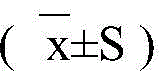
1.APT10-3.2-MZF-NPs的制备及表征1. Preparation and characterization of APT10-3.2-MZF-NPs
1)APT10-3.2-MZF-NPs的透射电镜(TEM)观测在已制备的PEG-MZF-NPs基础上,通过EDC/NHS化学交联法偶联APT制备得到APT10-3.2-MZF-NPs,TEM结果表明其尺寸均一,分散性良好,约10nm。(见图1)1) Transmission electron microscopy (TEM) observation of APT10-3.2-MZF-NPs On the basis of the prepared PEG-MZF-NPs, APT10-3.2-MZF-NPs were prepared by coupling APT by EDC/NHS chemical cross-linking method. TEM The results show that the size is uniform and the dispersion is good, about 10 nm. (see picture 1)
2)动态光散射仪(DLS)测定结果2) Dynamic light scattering (DLS) measurement results
PEG-MZF-NPs水动力平均粒径为56.55nm,电位-32.5mV,分散系数(PDI)为0.188;APT10-3.2-MZF-NPs水动力平均粒径为63.12nm,电位-38.3mV,分散系数(PDI)为0.23。结合透射电镜的观察可知核酸适配体(APT)偶联前后,材料尺寸轻度增大。而形貌及分散性未见明显改变,均呈现出良好的单分散特性。Zeta电位由-32.5mV变为-38.3mV,这些实验结果均从侧面证实了电负性RNA适配体的修饰成功。(图2a-d)The hydrodynamic average particle size of PEG-MZF-NPs is 56.55nm, the potential is -32.5mV, and the dispersion coefficient (PDI) is 0.188; the hydrodynamic average particle size of APT10-3.2-MZF-NPs is 63.12nm, the potential is -38.3mV, and the dispersion coefficient is 63.12nm. (PDI) was 0.23. Combined with the observation of transmission electron microscope, it can be seen that the size of the material increases slightly before and after the nucleic acid aptamer (APT) coupling. The morphology and dispersibility did not change significantly, showing good monodisperse properties. The Zeta potential changed from -32.5mV to -38.3mV. These experimental results all confirmed the successful modification of the electronegative RNA aptamer. (Fig. 2a-d)
3)260nm吸光度检测结果3) 260nm absorbance test results
用紫外可见分光光度计对材料进行测定,结果表明:A10-3.2核酸适配体在260nm处有明显的RNA特征吸收峰,而修饰了核酸适配体的APT10-3.2-MZF-NPss即使超滤后于该处仍有吸收峰,从而证实了A10-3.2适配体己成功偶联至纳米颗粒表面,且其活性不受影响,偶联率为89.8%(表1)。偶联率(%)=(偶联前260nm吸收值-偶联后260nm吸收值)/偶联前260nm吸收值*100%。The material was measured by UV-visible spectrophotometer, the results showed that: A10-3.2 aptamer had an obvious RNA characteristic absorption peak at 260nm, while APT10-3.2-MZF-NPss modified aptamer even after ultrafiltration There is still an absorption peak there, which confirms that the A10-3.2 aptamer has been successfully coupled to the nanoparticle surface, and its activity is not affected, and the coupling rate is 89.8% (Table 1). Coupling rate (%)=(absorption value at 260 nm before coupling-absorption value at 260 nm after coupling)/absorption value at 260 nm before coupling*100%.
表1 RNA适配体偶联前后260nm吸光度及偶联率Table 1 Absorbance at 260 nm and coupling rate before and after RNA aptamer coupling

2.APT10-3.2-MZF-NPs的靶向性研究2. Targeting study of APT10-3.2-MZF-NPs
1)普鲁士蓝染色结果1) Prussian blue staining results
前列腺癌LNCaP与前列腺癌PC-3细胞按照2.271的实验步骤,经普鲁士蓝与核固红依次染色后,实验结果如图3a-d所示:适配体修饰前后的锰锌铁氧体纳米粒(PEG-MZF-NPs、APT10-3.2-MZF-NPs)分别同LNCaP细胞、PC-3细胞共孵育后,PEG-MZF-NPs/PC-3、APT10-3.2-MZF-NPs/PC-3组的细胞于镜下均未见明显铁颗粒沉积,而APT10-3.2-MZF-NPs/LNCaP组细胞内可见大量铁颗粒沉积,明显多于PEG-MZF-NPs/LNCaP组、PEG-MZF-NPs/PC-3组、APT10-3.2-MZF-NPs/PC-3组。提示APT与PEG-MZF-NPs的偶联增强了PSMA阳性的LNCaP细胞对磁性材料的特异性摄取。Prostate cancer LNCaP and prostate cancer PC-3 cells were sequentially stained with Prussian blue and nuclear fast red according to the experimental procedure of 2.271. The experimental results are shown in Figure 3a-d: manganese-zinc ferrite nanoparticles before and after aptamer modification (PEG-MZF-NPs, APT10-3.2-MZF-NPs) were co-incubated with LNCaP cells and PC-3 cells, respectively, the PEG-MZF-NPs/PC-3, APT10-3.2-MZF-NPs/PC-3 groups There were no obvious iron particles deposition in the cells of APT10-3.2-MZF-NPs/LNCaP group, which was significantly more than that in PEG-MZF-NPs/LNCaP group and PEG-MZF-NPs/LNCaP group. PC-3 group, APT10-3.2-MZF-NPs/PC-3 group. It was suggested that the coupling of APT to PEG-MZF-NPs enhanced the specific uptake of magnetic materials by PSMA-positive LNCaP cells.
2)MRI分子成像结果2) MRI molecular imaging results
PEG-MZF-NPs及APT10-3.2-MZF-NPs与前列腺癌LNCaP细胞及PC-3细胞共同孵育并收集后行MR扫描,结果显示:与对照组相比,两种材料对LNCaP及PC-3的T2WI信号均有一定程度的抑制作用。组间观察可知:APT10-3.2-MZF-NPs对LNCaP细胞T2信号的抑制作用明显强于PC-3细胞;组内观察可知:APT10-3.2-MZF-NPs对LNCaP细胞T2信号的抑制作用明显强于PEG-MZF-NPs,而APT10-3.2-MZF-NPs和PEG-MZF-NPs对PC-3细胞的T2信号抑制作用并无明显差异,这说明APT10-3.2-MZF-NPs对PSMA高表达的前列腺癌LNCaP细胞具有一定靶向作用,且能够通过MR检测(图4a-b)。PEG-MZF-NPs and APT10-3.2-MZF-NPs were co-incubated with prostate cancer LNCaP cells and PC-3 cells and collected, and then MR scanning was performed. The T 2 WI signal of the two groups has a certain degree of inhibition. Observation between groups showed that the inhibitory effect of APT10-3.2-MZF-NPs on the T2 signal of LNCaP cells was significantly stronger than that of PC-3 cells; the observation within the group showed that the inhibitory effect of APT10-3.2-MZF-NPs on the T2 signal of LNCaP cells was significantly stronger Compared with PEG-MZF-NPs, APT10-3.2-MZF-NPs and PEG-MZF-NPs had no significant difference in the inhibitory effect of T2 signal on PC-3 cells, which indicated that APT10-3.2-MZF-NPs could inhibit the high expression of PSMA. Prostate cancer LNCaP cells have a certain targeting effect and can be detected by MR (Fig. 4a-b).
Claims (2)
Priority Applications (1)
| Application Number | Priority Date | Filing Date | Title |
|---|---|---|---|
| CN202010540795.0A CN111658786A (en) | 2020-06-15 | 2020-06-15 | Molecular probe APT10-3.2-MZF-NPs for diagnosing prostate cancer and preparation method thereof |
Applications Claiming Priority (1)
| Application Number | Priority Date | Filing Date | Title |
|---|---|---|---|
| CN202010540795.0A CN111658786A (en) | 2020-06-15 | 2020-06-15 | Molecular probe APT10-3.2-MZF-NPs for diagnosing prostate cancer and preparation method thereof |
Publications (1)
| Publication Number | Publication Date |
|---|---|
| CN111658786A true CN111658786A (en) | 2020-09-15 |
Family
ID=72387483
Family Applications (1)
| Application Number | Title | Priority Date | Filing Date |
|---|---|---|---|
| CN202010540795.0A Pending CN111658786A (en) | 2020-06-15 | 2020-06-15 | Molecular probe APT10-3.2-MZF-NPs for diagnosing prostate cancer and preparation method thereof |
Country Status (1)
| Country | Link |
|---|---|
| CN (1) | CN111658786A (en) |
Cited By (3)
| Publication number | Priority date | Publication date | Assignee | Title |
|---|---|---|---|---|
| CN113289033A (en) * | 2021-05-12 | 2021-08-24 | 泰州市人民医院 | A10-3.2/Fe3O4@mSiO2Preparation method and application of magnetic resonance imaging nanoparticles |
| CN114949210A (en) * | 2022-05-20 | 2022-08-30 | 泰州市人民医院 | Preparation method and application of S2.2-PEG-MZF-NPs molecular probe |
| CN114949211A (en) * | 2022-05-20 | 2022-08-30 | 泰州市人民医院 | Preparation and application of S2.2-PEG-MZF-NPs/DOX nanoliposomes |
Citations (2)
| Publication number | Priority date | Publication date | Assignee | Title |
|---|---|---|---|---|
| US20150366968A1 (en) * | 2013-02-15 | 2015-12-24 | Case Western Reserve University | Psma ligands and uses thereof |
| CN110898233A (en) * | 2019-12-12 | 2020-03-24 | 北京肿瘤医院(北京大学肿瘤医院) | Three-modal prostate cancer targeted nanoparticle imaging agent and preparation method thereof |
-
2020
- 2020-06-15 CN CN202010540795.0A patent/CN111658786A/en active Pending
Patent Citations (2)
| Publication number | Priority date | Publication date | Assignee | Title |
|---|---|---|---|---|
| US20150366968A1 (en) * | 2013-02-15 | 2015-12-24 | Case Western Reserve University | Psma ligands and uses thereof |
| CN110898233A (en) * | 2019-12-12 | 2020-03-24 | 北京肿瘤医院(北京大学肿瘤医院) | Three-modal prostate cancer targeted nanoparticle imaging agent and preparation method thereof |
Non-Patent Citations (4)
| Title |
|---|
| 张薇薇等: "EDC/NHS交联剂在新型生物材料磁小体修饰中的应用", 《甘肃中医药大学学报》 * |
| 樊祥山等: "具有磁感应定向加热治疗肿瘤作用的锰锌铁氧体纳米粒子的制备及其特性检测", 《生物医学工程学杂志》 * |
| 许晓宇等: "前列腺癌诊疗中前列腺特异膜抗原分子靶向探针的应用", 《华西医学》 * |
| 雷容等: "核酸适配体在前列腺癌诊断应用的研究进展", 《重庆医学》 * |
Cited By (4)
| Publication number | Priority date | Publication date | Assignee | Title |
|---|---|---|---|---|
| CN113289033A (en) * | 2021-05-12 | 2021-08-24 | 泰州市人民医院 | A10-3.2/Fe3O4@mSiO2Preparation method and application of magnetic resonance imaging nanoparticles |
| CN114949210A (en) * | 2022-05-20 | 2022-08-30 | 泰州市人民医院 | Preparation method and application of S2.2-PEG-MZF-NPs molecular probe |
| CN114949211A (en) * | 2022-05-20 | 2022-08-30 | 泰州市人民医院 | Preparation and application of S2.2-PEG-MZF-NPs/DOX nanoliposomes |
| CN114949210B (en) * | 2022-05-20 | 2024-07-05 | 泰州市人民医院 | Preparation method and application of S2.2-PEG-MZF-NPs molecular probe |
Similar Documents
| Publication | Publication Date | Title |
|---|---|---|
| Sharma et al. | Neurocytoma: a comprehensive review | |
| Thorek et al. | Size, charge and concentration dependent uptake of iron oxide particles by non-phagocytic cells | |
| Zhou et al. | In vivo aggregation-induced transition between T 1 and T 2 relaxations of magnetic ultra-small iron oxide nanoparticles in tumor microenvironment | |
| CN111658786A (en) | Molecular probe APT10-3.2-MZF-NPs for diagnosing prostate cancer and preparation method thereof | |
| Zhu et al. | Aptamer-PEG-modified Fe3O4@ Mn as a novel T1-and T2-dual-model MRI contrast agent targeting hypoxia-induced cancer stem cells | |
| Hao et al. | Stem cell-mediated delivery of nanogels loaded with ultrasmall iron oxide nanoparticles for enhanced tumor MR imaging | |
| CN104826139B (en) | A kind of preparation method of the extra small ferroso-ferric oxide MRI positive nano-probes of rgd peptide targeting | |
| Chen et al. | A novel MMP-responsive nanoplatform with transformable magnetic resonance property for quantitative tumor bioimaging and synergetic chemo-photothermal therapy | |
| Vu-Quang et al. | Targeted delivery of mannan-coated superparamagnetic iron oxide nanoparticles to antigen-presenting cells for magnetic resonance-based diagnosis of metastatic lymph nodes in vivo | |
| Luo et al. | Hyaluronic acid-mediated multifunctional iron oxide-based MRI nanoprobes for dynamic monitoring of pancreatic cancer | |
| Ma et al. | Imaging characteristics of USPIO nanoparticles (< 5 nm) as MR contrast agent in vitro and in the liver of rats | |
| CN115252828B (en) | Gossypol-loaded cluster type ultra-small ferroferric oxide nanoparticle and preparation and application thereof | |
| Wang et al. | Survivin-targeted nanoparticles for pancreatic tumor imaging in mouse model | |
| CN105963719B (en) | A kind of target polypeptide nano-probe and its preparation method and application | |
| Jiang et al. | Novel gadopentetic acid-doped silica nanoparticles conjugated with YPSMA-1 targeting prostate cancer for MR imaging: an in vitro study | |
| CN111437400B (en) | Preparation method of core-shell structure dendrimer CT/MR imaging contrast agent | |
| Ghanbarei et al. | Effects of labeling human mesenchymal stem cells with superparamagnetic zinc–nickel ferrite nanoparticles on cellular characteristics and adipogenesis/osteogenesis differentiation | |
| Shan et al. | Detection of human breast cancer cells using a 2-deoxy-D-glucose-functionalized superparamagnetic iron oxide nanoparticles | |
| CN105560190B (en) | Novel double target gene delivery systems based on magnetic nano particle and preparation method thereof | |
| Shahbazi-Gahrouei et al. | A novel method for quantitative analysis of anti-MUC1 expressing ovarian cancer cell surface based on magnetic cell separation | |
| Nikolaev et al. | Magnetic epidermal growth factor conjugate for targeted delivery to grafted tumor in mouse model | |
| CN116370656A (en) | Exosome ferroferric oxide nano probe and preparation method and application thereof | |
| CN101474414A (en) | Preparation and application of polymer-coated magnetic nanoparticle contrast agent | |
| Rasouli et al. | Lymph node metastases detection using Gd2O3@ PCD as novel multifunctional contrast imaging agent in metabolic magnetic resonance molecular imaging | |
| Zhang et al. | Lactose-modified enzyme-sensitive branched polymers as a nanoscale liver cancer-targeting MRI contrast agent |
Legal Events
| Date | Code | Title | Description |
|---|---|---|---|
| PB01 | Publication | ||
| PB01 | Publication | ||
| SE01 | Entry into force of request for substantive examination | ||
| SE01 | Entry into force of request for substantive examination | ||
| WD01 | Invention patent application deemed withdrawn after publication | ||
| WD01 | Invention patent application deemed withdrawn after publication |
Application publication date: 20200915 |