CN111514656A - One-step melt-blown polypropylene electret filter material production process - Google Patents
One-step melt-blown polypropylene electret filter material production process Download PDFInfo
- Publication number
- CN111514656A CN111514656A CN202010306138.XA CN202010306138A CN111514656A CN 111514656 A CN111514656 A CN 111514656A CN 202010306138 A CN202010306138 A CN 202010306138A CN 111514656 A CN111514656 A CN 111514656A
- Authority
- CN
- China
- Prior art keywords
- melt
- blown
- exhaust port
- polypropylene
- vacuum exhaust
- Prior art date
- Legal status (The legal status is an assumption and is not a legal conclusion. Google has not performed a legal analysis and makes no representation as to the accuracy of the status listed.)
- Pending
Links
Images


Classifications
-
- B—PERFORMING OPERATIONS; TRANSPORTING
- B01—PHYSICAL OR CHEMICAL PROCESSES OR APPARATUS IN GENERAL
- B01D—SEPARATION
- B01D39/00—Filtering material for liquid or gaseous fluids
- B01D39/14—Other self-supporting filtering material ; Other filtering material
- B01D39/16—Other self-supporting filtering material ; Other filtering material of organic material, e.g. synthetic fibres
- B01D39/1692—Other shaped material, e.g. perforated or porous sheets
-
- B—PERFORMING OPERATIONS; TRANSPORTING
- B01—PHYSICAL OR CHEMICAL PROCESSES OR APPARATUS IN GENERAL
- B01D—SEPARATION
- B01D2239/00—Aspects relating to filtering material for liquid or gaseous fluids
- B01D2239/04—Additives and treatments of the filtering material
- B01D2239/0435—Electret
-
- B—PERFORMING OPERATIONS; TRANSPORTING
- B01—PHYSICAL OR CHEMICAL PROCESSES OR APPARATUS IN GENERAL
- B01D—SEPARATION
- B01D2239/00—Aspects relating to filtering material for liquid or gaseous fluids
- B01D2239/06—Filter cloth, e.g. knitted, woven non-woven; self-supported material
- B01D2239/0604—Arrangement of the fibres in the filtering material
- B01D2239/0622—Melt-blown
-
- B—PERFORMING OPERATIONS; TRANSPORTING
- B01—PHYSICAL OR CHEMICAL PROCESSES OR APPARATUS IN GENERAL
- B01D—SEPARATION
- B01D2239/00—Aspects relating to filtering material for liquid or gaseous fluids
- B01D2239/10—Filtering material manufacturing
Landscapes
- Chemical & Material Sciences (AREA)
- Chemical Kinetics & Catalysis (AREA)
- Filtering Materials (AREA)
- Electrostatic Separation (AREA)
- Chemical Or Physical Treatment Of Fibers (AREA)
Abstract
本发明涉及一种一步法熔喷聚丙烯驻极过滤材料生产工艺,包括以下步骤:⑴在双螺杆挤出机中距离喂料口28~36个螺杆长径比的位置,设置第一个真空排气口;距喂料口40~52个长径比的位置,设置第二个真空排气口;第一个真空排气口与第二个真空排气口分别与高真空系统相连;⑵双螺杆挤出机预热;⑶将普通聚丙烯、过氧化物、驻极剂加入到双螺杆挤出机中,经过16个螺杆长径比的距离,物料完成塑化;⑷采用高真空系统脱除VOC至500ppm以下,形成熔喷料的熔体;⑸熔喷料的熔体与热空气输送到喷头中,经驻极装置融熔纺丝形成熔喷布;⑹熔喷布依次经过接收装置、切片装置、卷绕装置及后整理,即得成品熔喷聚丙烯驻极过滤材料。本发明可有效降低VOC含量,提高品质。
The invention relates to a one-step melt-blown polypropylene electret filter material production process, comprising the following steps: (1) In a twin-screw extruder, a first vacuum is set at a distance of 28 to 36 screw length-diameter ratios from a feeding port in a twin-screw extruder. Exhaust port; a second vacuum exhaust port is set at a position of 40~52 aspect ratios from the feeding port; the first vacuum exhaust port and the second vacuum exhaust port are respectively connected to the high vacuum system; (2) The twin-screw extruder is preheated; (3) ordinary polypropylene, peroxide, and electret are added to the twin-screw extruder, and the material is plasticized after 16 screw length-diameter ratios; (4) High vacuum system is used Remove VOC to less than 500ppm to form a melt of melt-blown material; (5) The melt of melt-blown material and hot air are transported to the nozzle, and melt-spun by electret device to form melt-blown cloth; (6) Melt-blown cloth is received in turn device, slicing device, winding device and finishing to obtain the finished melt-blown polypropylene electret filter material. The invention can effectively reduce the VOC content and improve the quality.
Description
技术领域technical field
本发明涉及空气过滤材料生产技术领域,尤其涉及一步法熔喷聚丙烯驻极过滤材料生产工艺。The invention relates to the technical field of air filter material production, in particular to a one-step melt-blown polypropylene electret filter material production process.
背景技术Background technique
熔喷聚丙烯驻极过滤材料是一种无纺布材料,或称非织布材料,具有网状超细纤维结构,是一种良好的空气过滤材料,广泛应用于过滤材料、医疗材料、环境保护材料、服装材料、电池隔膜材料以及擦拭材料等领域。特别在医疗材料领域,驻极熔喷布可以有效阻挡细菌和病毒,是目前最好的医用口罩材料。熔喷布还可以有效阻挡PM2.5颗粒,是工业防护和个人防护的首选材料。Melt-blown polypropylene electret filter material is a kind of non-woven material, or non-woven material, with a reticulated ultra-fine fiber structure, is a good air filter material, widely used in filter materials, medical materials, environmental Protective materials, clothing materials, battery separator materials, and wiping materials. Especially in the field of medical materials, electret meltblown cloth can effectively block bacteria and viruses, and is currently the best medical mask material. Meltblown cloth can also effectively block PM2.5 particles and is the material of choice for industrial protection and personal protection.
目前常用的熔喷布的生产工艺,主要可以分为两大工序:聚丙烯改性成为熔喷料(参见图1)和熔喷布成型(参见图2)。At present, the commonly used production process of melt-blown cloth can be divided into two major processes: polypropylene modification into melt-blown material (see Figure 1) and melt-blown cloth forming (see Figure 2).
用于熔喷布生产的熔喷料具有很高的熔体流动速率,达到1400g/10min或以上,而常规聚丙烯的熔体流动速率仅为12~35g/10min,因此需要对聚丙烯进行改性,一般通过在普通聚丙烯中加入过氧化物等助剂的方式来实现改性。改性过程需要将普通聚丙烯加热融熔形成熔体,再加入过氧化物混合均匀。在过氧化物和高温的共同作用下,聚丙烯分子链发生变化,从而实现改变聚丙烯性能的目的。改性后的聚丙烯还需要挤出拉条、冷却、吹干、造粒、掺混、包装,才能形成可供销售的熔喷料产品。具体过程如图1所示。The melt-blown material used for the production of melt-blown cloth has a very high melt flow rate, reaching 1400g/10min or more, while the melt flow rate of conventional polypropylene is only 12~35g/10min, so it is necessary to modify the polypropylene. It is generally modified by adding additives such as peroxide to ordinary polypropylene. In the modification process, ordinary polypropylene needs to be heated and melted to form a melt, and then peroxide is added to mix evenly. Under the combined action of peroxide and high temperature, the molecular chain of polypropylene changes, so as to achieve the purpose of changing the properties of polypropylene. The modified polypropylene also needs to be extruded, cooled, dried, granulated, blended, and packaged to form a saleable meltblown product. The specific process is shown in Figure 1.
一般情况下,熔喷布成型的工艺如图2所示,其主要设备是挤出机和喷头(模具)。熔喷布的生产中,驻极是很重要的一个过程,驻极过程使得熔喷布表面带有电荷,具有吸附空气中病毒、细菌和污染颗粒的作用。为了保证驻极效果,一般需要在熔喷料中再加入驻极剂并混合均匀。驻极剂一般为天然蜡、松香、脂肪酸或脂肪酸盐等,这些物料都有一定的气味,因此需要对熔喷布进行脱气味处理,目前一般采用静置自然脱气味法,脱气味时间较长,而且难以完全脱除。In general, the process of forming meltblown cloth is shown in Figure 2, and its main equipment is an extruder and a nozzle (mold). In the production of meltblown cloth, electret is a very important process. The electret process makes the surface of meltblown cloth charged, which has the effect of adsorbing viruses, bacteria and pollution particles in the air. In order to ensure the electret effect, it is generally necessary to add an electret to the melt-blown material and mix it evenly. Electrets are generally natural wax, rosin, fatty acid or fatty acid salt, etc. These materials have a certain odor, so it is necessary to deodorize the meltblown cloth. At present, the natural deodorization method is generally used, and the deodorization time is relatively short. long and difficult to remove completely.
发明内容SUMMARY OF THE INVENTION
本发明所要解决的技术问题是提供一种可以有效脱出物料内部VOC的一步法熔喷聚丙烯驻极过滤材料生产工艺。The technical problem to be solved by the present invention is to provide a one-step melt-blown polypropylene electret filter material production process that can effectively remove VOC from the material.
为解决上述问题,本发明所述的一步法熔喷聚丙烯驻极过滤材料生产工艺,包括以下步骤:In order to solve the above problems, the one-step melt-blown polypropylene electret filter material production process of the present invention comprises the following steps:
⑴在双螺杆挤出机中距离喂料口28~36个螺杆长径比的位置,设置第一个真空排气口;距所述喂料口40~52个长径比的位置,设置第二个真空排气口;所述第一个真空排气口与所述第二个真空排气口分别与高真空系统相连;(1) In the twin-screw extruder, set the first vacuum exhaust port at a position of 28~36 screw aspect ratios away from the feeding port; set the first vacuum exhaust port at a position of 40~52 aspect ratios away from the feeding port. Two vacuum exhaust ports; the first vacuum exhaust port and the second vacuum exhaust port are respectively connected to the high vacuum system;
⑵将所述双螺杆挤出机升温至200~280℃,保温40~50min;(2) The twin-screw extruder is heated to 200~280℃, and the temperature is kept for 40~50min;
⑶将普通聚丙烯、过氧化物、驻极剂通过计量秤加入到所述双螺杆挤出机中,经过16个螺杆长径比的距离,物料完成塑化;所述普通聚丙烯、所述过氧化物、所述驻极剂的质量比为96.0~99.5:0.1~2.0:0.4~2.0;(3) Add ordinary polypropylene, peroxide and electret into the twin-screw extruder through a metering scale, and after 16 screw length-diameter ratios, the material is plasticized; the ordinary polypropylene, the described The mass ratio of the peroxide to the electret is 96.0~99.5:0.1~2.0:0.4~2.0;
⑷采用所述高真空系统使所述第一个真空排气口的真空度为~-0.05MPa、所述第二个真空排气口的真空度为~-0.09MPa,并脱除聚丙烯熔体物料内部的VOC,使VOC的含量降低到500ppm以下,形成熔喷料的熔体;(4) Using the high vacuum system, the vacuum degree of the first vacuum exhaust port is ~-0.05MPa, the vacuum degree of the second vacuum exhaust port is ~-0.09MPa, and the polypropylene melt is removed. The VOC inside the bulk material reduces the VOC content to below 500ppm, forming a melt of the meltblown material;
⑸所述熔喷料的熔体经熔体齿轮泵输送到喷头中,同时空气经空气压缩机、气体加热器加热至240~250℃后进入所述喷头中;然后经驻极装置融熔纺丝形成熔喷布;(5) The melt of the melt-blown material is transported to the nozzle through the melt gear pump, and the air is heated to 240~250 ℃ by the air compressor and the gas heater and then enters the nozzle; then it is melted and spun through the electret device. filaments form meltblown cloth;
⑹所述熔喷布依次经过接收装置、切片装置、卷绕装置及后整理,即得成品熔喷聚丙烯驻极过滤材料。(6) The melt-blown cloth passes through the receiving device, the slicing device, the winding device and the finishing in sequence to obtain the finished melt-blown polypropylene electret filter material.
所述步骤⑴中双螺杆挤出机的直径为30~150mm,螺杆长径比为52~60,螺杆转速为50~1000 r/min。In the described step (1), the diameter of the twin-screw extruder is 30 to 150 mm, the length-to-diameter ratio of the screw is 52 to 60, and the rotational speed of the screw is 50 to 1000 r/min.
所述步骤⑶中过氧化物是指二叔丁基过氧化物。In described step (3), peroxide refers to di-tert-butyl peroxide.
所述步骤⑶中驻极剂是指天然蜡、松香、脂肪酸或脂肪酸盐中的一种。In described step (3), electret refers to a kind of in natural wax, rosin, fatty acid or fatty acid salt.
所述步骤⑸中熔体齿轮泵入口压力为1~4MPa±0.5MPa。In the step (5), the inlet pressure of the melt gear pump is 1-4MPa±0.5MPa.
本发明与现有技术相比具有以下优点:Compared with the prior art, the present invention has the following advantages:
1、本发明将传统熔喷布生产工艺中的两个工艺步骤合二为一,缩短了工艺流程,减少了设备,降低了投资。1. The present invention combines two process steps in the traditional meltblown cloth production process into one, shortens the process flow, reduces equipment, and reduces investment.
2、本发明在高真空脱VOC之前加入驻极剂,可以有效脱出驻极剂中的低分子挥发物,降低VOC含量,提高熔喷布品质。2. In the present invention, adding an electret before high-vacuum VOC removal can effectively remove low-molecular-weight volatiles in the electret, reduce the VOC content, and improve the quality of the melt-blown cloth.
3、本发明脱VOC在熔体状态下进行,选用高真空系统,并使用双螺杆挤出机进行混合搅拌,可以有效脱出物料内部的VOC,并使VOC降低到500ppm以下。3. The VOC removal of the present invention is carried out in a melt state, a high vacuum system is selected, and a twin-screw extruder is used for mixing and stirring, which can effectively remove the VOC inside the material and reduce the VOC to below 500ppm.
4、传统熔喷布两步法生产工艺中的聚丙烯需要两次加热融熔,而本发明一步法中聚丙烯只需要一次加热融熔,可以有效降低单位产品能耗约20%。4. The polypropylene in the two-step production process of the traditional melt-blown cloth needs to be heated and melted twice, while the polypropylene in the one-step method of the present invention only needs to be heated and melted once, which can effectively reduce the energy consumption per unit product by about 20%.
5、由于单螺杆挤出机混合能力较弱,传统熔喷布两步法生产工艺中必须选用驻极母粒,该驻极母粒是驻极剂和聚丙烯在双螺杆挤出机混合挤出造粒而成。而本发明一步法工艺采用设有两个真空排气口的双螺杆挤出机,不需要制造驻极母粒的过程,进一步缩短了工艺流程。5. Due to the weak mixing ability of the single-screw extruder, electret masterbatch must be selected in the traditional two-step production process of meltblown cloth. The electret masterbatch is a mixture of electret and polypropylene in a twin-screw extruder. out of granulation. However, the one-step process of the present invention adopts a twin-screw extruder provided with two vacuum exhaust ports, and does not require the process of producing electret masterbatch, thereby further shortening the technological process.
附图说明Description of drawings
下面结合附图对本发明的具体实施方式作进一步详细的说明。The specific embodiments of the present invention will be described in further detail below with reference to the accompanying drawings.
图1为现有技术中熔喷料生产工艺流程图。Fig. 1 is the flow chart of the production process of meltblown material in the prior art.
图2为现有技术中熔喷布生产工艺流程图。Fig. 2 is a flow chart of the production process of melt-blown cloth in the prior art.
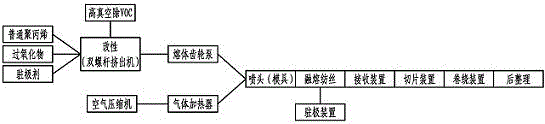
图3为本发明生产工艺流程图。Fig. 3 is the production process flow chart of the present invention.
具体实施方式Detailed ways
实施例1 一步法熔喷聚丙烯驻极过滤材料生产工艺,如图3所示,包括以下步骤:Example 1 One-step melt-blown polypropylene electret filter material production process, as shown in Figure 3, includes the following steps:
⑴在双螺杆挤出机中距离喂料口28~36个螺杆长径比的位置,设置第一个真空排气口;距喂料口40~52个长径比的位置,设置第二个真空排气口;第一个真空排气口与第二个真空排气口分别与高真空系统相连。⑴In the twin-screw extruder, set the first vacuum exhaust port at a position of 28~36 screw aspect ratios away from the feeding port; set the second vacuum exhaust port at a position of 40~52 aspect ratios away from the feeding port Vacuum exhaust port; the first vacuum exhaust port and the second vacuum exhaust port are respectively connected to the high vacuum system.
⑵将双螺杆挤出机升温至200~280℃,保温40~50min。(2) Heat up the twin-screw extruder to 200~280℃, and keep the temperature for 40~50min.
⑶将96.0kg普通聚丙烯、2.0kg二叔丁基过氧化物、2.0kg天然蜡通过计量秤加入到双螺杆挤出机中,经过16个螺杆长径比的距离,物料完成塑化。(3) 96.0kg of ordinary polypropylene, 2.0kg of di-tert-butyl peroxide, and 2.0kg of natural wax were added to the twin-screw extruder through a metering scale. After 16 screw length-diameter ratios, the material was plasticized.
⑷采用高真空系统使第一个真空排气口的真空度为~-0.05MPa,脱除聚丙烯熔体物料内部80%~90%的VOC;第二个真空排气口的真空度为~-0.09MPa,脱除聚丙烯熔体物料内部剩余10%~20%的VOC,使VOC的含量降低到500ppm以下,形成熔喷料的熔体。⑷ The high vacuum system is used to make the vacuum degree of the first vacuum exhaust port ~-0.05MPa to remove 80%~90% of the VOC in the polypropylene melt material; the vacuum degree of the second vacuum exhaust port is ~ -0.09MPa, remove the remaining 10%~20% VOC in the polypropylene melt material, reduce the VOC content to below 500ppm, and form a melt blown material.
⑸熔喷料的熔体经熔体齿轮泵输送到喷头中,熔体齿轮泵采取闭环自动控制实现稳定喷丝,入口压力为1MPa±0.5MPa。同时空气经空气压缩机、气体加热器加热至240~250℃后进入喷头中;然后经驻极装置融熔纺丝形成熔喷布。⑸ The melt of the melt-blown material is transported to the nozzle by the melt gear pump, and the melt gear pump adopts closed-loop automatic control to achieve stable spinning, and the inlet pressure is 1MPa±0.5MPa. At the same time, the air is heated to 240~250 ℃ by an air compressor and a gas heater and then enters the nozzle; then it is melt-spun by an electret device to form a melt-blown cloth.
⑹熔喷布依次经过接收装置、切片装置、卷绕装置及后整理,即得成品熔喷聚丙烯驻极过滤材料。⑹ The melt-blown cloth passes through the receiving device, the slicing device, the winding device and the finishing in sequence to obtain the finished melt-blown polypropylene electret filter material.
实施例2 一步法熔喷聚丙烯驻极过滤材料生产工艺,如图3所示,包括以下步骤:Embodiment 2 The production process of one-step melt-blown polypropylene electret filter material, as shown in Figure 3, includes the following steps:
⑴在双螺杆挤出机中距离喂料口28~36个螺杆长径比的位置,设置第一个真空排气口;距喂料口40~52个长径比的位置,设置第二个真空排气口;第一个真空排气口与第二个真空排气口分别与高真空系统相连。⑴In the twin-screw extruder, set the first vacuum exhaust port at a position of 28~36 screw aspect ratios away from the feeding port; set the second vacuum exhaust port at a position of 40~52 aspect ratios away from the feeding port Vacuum exhaust port; the first vacuum exhaust port and the second vacuum exhaust port are respectively connected to the high vacuum system.
⑵将双螺杆挤出机升温至200~280℃,保温40~50min。(2) Heat up the twin-screw extruder to 200~280℃, and keep the temperature for 40~50min.
⑶将99.5kg普通聚丙烯、0.1kg二叔丁基过氧化物、0.4kg松香通过计量秤加入到双螺杆挤出机中,经过16个螺杆长径比的距离,物料完成塑化。(3) 99.5kg of ordinary polypropylene, 0.1kg of di-tert-butyl peroxide, and 0.4kg of rosin were added to the twin-screw extruder through a weighing scale. After 16 screw length-diameter ratios, the material was plasticized.
⑷采用高真空系统使第一个真空排气口的真空度为~-0.05MPa,脱除聚丙烯熔体物料内部80%~90%的VOC;第二个真空排气口的真空度为~-0.09MPa,脱除聚丙烯熔体物料内部剩余10%~20%的VOC,使VOC的含量降低到500ppm以下,形成熔喷料的熔体。⑷ The high vacuum system is used to make the vacuum degree of the first vacuum exhaust port ~-0.05MPa to remove 80%~90% of the VOC in the polypropylene melt material; the vacuum degree of the second vacuum exhaust port is ~ -0.09MPa, remove the remaining 10%~20% VOC in the polypropylene melt material, reduce the VOC content to below 500ppm, and form a melt blown material.
⑸熔喷料的熔体经熔体齿轮泵输送到喷头中,熔体齿轮泵采取闭环自动控制实现稳定喷丝,入口压力为4MPa±0.5MPa。同时空气经空气压缩机、气体加热器加热至240~250℃后进入喷头中;然后经驻极装置融熔纺丝形成熔喷布。⑸ The melt of the melt blown material is transported to the nozzle by the melt gear pump, and the melt gear pump adopts closed-loop automatic control to achieve stable spinning, and the inlet pressure is 4MPa±0.5MPa. At the same time, the air is heated to 240~250 ℃ by an air compressor and a gas heater and then enters the nozzle; then it is melt-spun by an electret device to form a melt-blown cloth.
⑹熔喷布依次经过接收装置、切片装置、卷绕装置及后整理,即得成品熔喷聚丙烯驻极过滤材料。⑹ The melt-blown cloth passes through the receiving device, the slicing device, the winding device and the finishing in sequence to obtain the finished melt-blown polypropylene electret filter material.
实施例3 一步法熔喷聚丙烯驻极过滤材料生产工艺,如图3所示,包括以下步骤:Embodiment 3 The production process of one-step melt-blown polypropylene electret filter material, as shown in Figure 3, includes the following steps:
⑴在双螺杆挤出机中距离喂料口28~36个螺杆长径比的位置,设置第一个真空排气口;距喂料口40~52个长径比的位置,设置第二个真空排气口;第一个真空排气口与第二个真空排气口分别与高真空系统相连。⑴In the twin-screw extruder, set the first vacuum exhaust port at a position of 28~36 screw aspect ratios away from the feeding port; set the second vacuum exhaust port at a position of 40~52 aspect ratios away from the feeding port Vacuum exhaust port; the first vacuum exhaust port and the second vacuum exhaust port are respectively connected to the high vacuum system.
⑵将双螺杆挤出机升温至200~280℃,保温40~50min。(2) Heat up the twin-screw extruder to 200~280℃, and keep the temperature for 40~50min.
⑶将97.5kg普通聚丙烯、1.0kg二叔丁基过氧化物、1.5kg脂肪酸通过计量秤加入到双螺杆挤出机中,经过16个螺杆长径比的距离,物料完成塑化。(3) 97.5kg of ordinary polypropylene, 1.0kg of di-tert-butyl peroxide, and 1.5kg of fatty acid were added to the twin-screw extruder through a weighing scale. After 16 screw length-diameter ratios, the material was plasticized.
⑷采用高真空系统使第一个真空排气口的真空度为~-0.05MPa,脱除聚丙烯熔体物料内部80%~90%的VOC;第二个真空排气口的真空度为~-0.09MPa,脱除聚丙烯熔体物料内部剩余10%~20%的VOC,使VOC的含量降低到500ppm以下,形成熔喷料的熔体。⑷ The high vacuum system is used to make the vacuum degree of the first vacuum exhaust port ~-0.05MPa to remove 80%~90% of the VOC in the polypropylene melt material; the vacuum degree of the second vacuum exhaust port is ~ -0.09MPa, remove the remaining 10%~20% VOC in the polypropylene melt material, reduce the VOC content to below 500ppm, and form a melt blown material.
⑸熔喷料的熔体经熔体齿轮泵输送到喷头中,熔体齿轮泵采取闭环自动控制实现稳定喷丝,入口压力为2MPa±0.5MPa。同时空气经空气压缩机、气体加热器加热至240~250℃后进入喷头中;然后经驻极装置融熔纺丝形成熔喷布。⑸ The melt of the melt-blown material is transported to the nozzle by the melt gear pump. The melt gear pump adopts closed-loop automatic control to realize stable spinning, and the inlet pressure is 2MPa±0.5MPa. At the same time, the air is heated to 240~250 ℃ by an air compressor and a gas heater and then enters the nozzle; then it is melt-spun by an electret device to form a melt-blown cloth.
⑹熔喷布依次经过接收装置、切片装置、卷绕装置及后整理,即得成品熔喷聚丙烯驻极过滤材料。⑹ The melt-blown cloth passes through the receiving device, the slicing device, the winding device and the finishing in sequence to obtain the finished melt-blown polypropylene electret filter material.
实施例4 一步法熔喷聚丙烯驻极过滤材料生产工艺,如图3所示,包括以下步骤:Example 4 The one-step melt-blown polypropylene electret filter material production process, as shown in Figure 3, includes the following steps:
⑴在双螺杆挤出机中距离喂料口28~36个螺杆长径比的位置,设置第一个真空排气口;距喂料口40~52个长径比的位置,设置第二个真空排气口;第一个真空排气口与第二个真空排气口分别与高真空系统相连。⑴In the twin-screw extruder, set the first vacuum exhaust port at a position of 28~36 screw aspect ratios away from the feeding port; set the second vacuum exhaust port at a position of 40~52 aspect ratios away from the feeding port Vacuum exhaust port; the first vacuum exhaust port and the second vacuum exhaust port are respectively connected to the high vacuum system.
⑵将双螺杆挤出机升温至200~280℃,保温40~50min。(2) Heat up the twin-screw extruder to 200~280℃, and keep the temperature for 40~50min.
⑶将98.0kg普通聚丙烯、1.3kg二叔丁基过氧化物、0.7kg脂肪酸盐通过计量秤加入到双螺杆挤出机中,经过16个螺杆长径比的距离,物料完成塑化。(3) 98.0kg of ordinary polypropylene, 1.3kg of di-tert-butyl peroxide, and 0.7kg of fatty acid salt are added to the twin-screw extruder through a weighing scale. After 16 screw length-diameter ratios, the material is plasticized.
⑷采用高真空系统使第一个真空排气口的真空度为~-0.05MPa,脱除聚丙烯熔体物料内部80%~90%的VOC;第二个真空排气口的真空度为~-0.09MPa,脱除聚丙烯熔体物料内部剩余10%~20%的VOC,使VOC的含量降低到500ppm以下,形成熔喷料的熔体。⑷ The high vacuum system is used to make the vacuum degree of the first vacuum exhaust port ~-0.05MPa to remove 80%~90% of the VOC in the polypropylene melt material; the vacuum degree of the second vacuum exhaust port is ~ -0.09MPa, remove the remaining 10%~20% VOC in the polypropylene melt material, reduce the VOC content to below 500ppm, and form a melt blown material.
⑸熔喷料的熔体经熔体齿轮泵输送到喷头中,熔体齿轮泵采取闭环自动控制实现稳定喷丝,入口压力为3MPa±0.5MPa。同时空气经空气压缩机、气体加热器加热至240~250℃后进入喷头中;然后经驻极装置融熔纺丝形成熔喷布。⑸ The melt of the melt-blown material is transported to the nozzle by the melt gear pump, and the melt gear pump adopts closed-loop automatic control to achieve stable spinning, and the inlet pressure is 3MPa±0.5MPa. At the same time, the air is heated to 240~250 ℃ by an air compressor and a gas heater and then enters the nozzle; then it is melt-spun by an electret device to form a melt-blown cloth.
⑹熔喷布依次经过接收装置、切片装置、卷绕装置及后整理,即得成品熔喷聚丙烯驻极过滤材料。⑹ The melt-blown cloth passes through the receiving device, the slicing device, the winding device and the finishing in sequence to obtain the finished melt-blown polypropylene electret filter material.
上述实施例1~4中,双螺杆挤出机的直径为30~150mm,螺杆长径比为52~60,螺杆转速为50~1000 r/min。In the above-mentioned embodiments 1-4, the diameter of the twin-screw extruder is 30-150 mm, the screw length-diameter ratio is 52-60, and the screw rotational speed is 50-1000 r/min.
高真空系统、驻极装置、接收装置、切片装置、卷绕装置及后整理均同现有技术。The high vacuum system, electret device, receiving device, slicing device, winding device and finishing are all the same as the prior art.
Claims (5)
Priority Applications (1)
| Application Number | Priority Date | Filing Date | Title |
|---|---|---|---|
| CN202010306138.XA CN111514656A (en) | 2020-04-17 | 2020-04-17 | One-step melt-blown polypropylene electret filter material production process |
Applications Claiming Priority (1)
| Application Number | Priority Date | Filing Date | Title |
|---|---|---|---|
| CN202010306138.XA CN111514656A (en) | 2020-04-17 | 2020-04-17 | One-step melt-blown polypropylene electret filter material production process |
Publications (1)
| Publication Number | Publication Date |
|---|---|
| CN111514656A true CN111514656A (en) | 2020-08-11 |
Family
ID=71901741
Family Applications (1)
| Application Number | Title | Priority Date | Filing Date |
|---|---|---|---|
| CN202010306138.XA Pending CN111514656A (en) | 2020-04-17 | 2020-04-17 | One-step melt-blown polypropylene electret filter material production process |
Country Status (1)
| Country | Link |
|---|---|
| CN (1) | CN111514656A (en) |
Cited By (1)
| Publication number | Priority date | Publication date | Assignee | Title |
|---|---|---|---|---|
| CN113121914A (en) * | 2021-04-13 | 2021-07-16 | 青岛国恩科技股份有限公司 | Melt-blown polypropylene material and preparation method and application thereof |
Citations (8)
| Publication number | Priority date | Publication date | Assignee | Title |
|---|---|---|---|---|
| CN1279700A (en) * | 1997-11-21 | 2001-01-10 | 阿克佐诺贝尔公司 | Extrusion process for enhancing the melt strength of polypropylene |
| KR20030032574A (en) * | 2001-10-18 | 2003-04-26 | (주)크린앤사이언스 | A manufacturing method and a material of filtering inflow air for engine |
| CN1675260A (en) * | 2002-08-22 | 2005-09-28 | 桑诺克公司(R&M) | Very Low Melt Viscosity Resins |
| US20060264141A1 (en) * | 2000-08-09 | 2006-11-23 | Choi Kyung J | Arrangement for Forming a Layered Fibrous Mat of Varied Porosity |
| CN106012077A (en) * | 2016-05-30 | 2016-10-12 | 佛山市保乐进出口贸易有限公司 | Additive for producing melt-blown nonwoven fabrics, and use method thereof |
| CN107190502A (en) * | 2017-06-28 | 2017-09-22 | 南京际华三五二环保科技有限公司 | A kind of nano-tourmaline hybridisation emulsion and preparation method thereof |
| CN209395076U (en) * | 2018-12-14 | 2019-09-17 | 大韩道恩高分子材料(上海)有限公司 | A kind of low polyacrylic preparation facilities of smell high transparency super-high fluidity |
| CN110331515A (en) * | 2019-06-10 | 2019-10-15 | 北京高科迈科技开发有限公司 | A kind of electret charging non-woven fabrics PP Pipe Compound |
-
2020
- 2020-04-17 CN CN202010306138.XA patent/CN111514656A/en active Pending
Patent Citations (8)
| Publication number | Priority date | Publication date | Assignee | Title |
|---|---|---|---|---|
| CN1279700A (en) * | 1997-11-21 | 2001-01-10 | 阿克佐诺贝尔公司 | Extrusion process for enhancing the melt strength of polypropylene |
| US20060264141A1 (en) * | 2000-08-09 | 2006-11-23 | Choi Kyung J | Arrangement for Forming a Layered Fibrous Mat of Varied Porosity |
| KR20030032574A (en) * | 2001-10-18 | 2003-04-26 | (주)크린앤사이언스 | A manufacturing method and a material of filtering inflow air for engine |
| CN1675260A (en) * | 2002-08-22 | 2005-09-28 | 桑诺克公司(R&M) | Very Low Melt Viscosity Resins |
| CN106012077A (en) * | 2016-05-30 | 2016-10-12 | 佛山市保乐进出口贸易有限公司 | Additive for producing melt-blown nonwoven fabrics, and use method thereof |
| CN107190502A (en) * | 2017-06-28 | 2017-09-22 | 南京际华三五二环保科技有限公司 | A kind of nano-tourmaline hybridisation emulsion and preparation method thereof |
| CN209395076U (en) * | 2018-12-14 | 2019-09-17 | 大韩道恩高分子材料(上海)有限公司 | A kind of low polyacrylic preparation facilities of smell high transparency super-high fluidity |
| CN110331515A (en) * | 2019-06-10 | 2019-10-15 | 北京高科迈科技开发有限公司 | A kind of electret charging non-woven fabrics PP Pipe Compound |
Cited By (1)
| Publication number | Priority date | Publication date | Assignee | Title |
|---|---|---|---|---|
| CN113121914A (en) * | 2021-04-13 | 2021-07-16 | 青岛国恩科技股份有限公司 | Melt-blown polypropylene material and preparation method and application thereof |
Similar Documents
| Publication | Publication Date | Title |
|---|---|---|
| CN103409837B (en) | The method of water-soluble polyvinyl alcohol fibers prepared by a kind of melt spinning | |
| NO146987B (en) | PROCEDURE FOR THE PREPARATION OF FORMED ARTICLES OF CELLULOSE. | |
| CN114534513B (en) | Polyether-ether-ketone hollow fiber porous membrane and preparation method thereof | |
| CN113026206A (en) | One-step production process of water electret melt-blown fabric | |
| CN110205703A (en) | A kind of antioxidant polyphenylene sulfide/modified manometer silicon dioxide composite fibre and preparation method thereof | |
| CN108486683B (en) | PET/PVA sea-island fiber with water-soluble sea phase and production process thereof | |
| CN108660524B (en) | Sea-island fiber composite melt-spinning method using water-soluble modified PVA as sea | |
| CN118639341A (en) | A high-efficiency carbon-forming anti-drip flame retardant and its preparation method and application | |
| CN114921868A (en) | Preparation method of nano biochar modified melt direct spinning superfine denier polyester fibers | |
| CN102864516B (en) | Manufacture method for producing high-shrinkage regenerated terylene short fiber with recovered polyester bottle chips | |
| CN111514656A (en) | One-step melt-blown polypropylene electret filter material production process | |
| CN104072622B (en) | The preparation of cellulose carbamate and dissolution in low temperature spinning process thereof | |
| CN105239186A (en) | Water-soluble polyvinyl alcohol fiber and preparation method thereof | |
| CN115305722B (en) | Photochromic fabric and preparation method thereof | |
| CN108265392A (en) | A kind of preparation method of bloom oxidative stability reinforced polypropylene non-woven fabrics | |
| CN111472101A (en) | In-situ polymerization modified graphene polypropylene spunbonded fabric and preparation method thereof | |
| CN117845428B (en) | Ultraviolet-resistant flash evaporation non-woven fabric and manufacturing method thereof | |
| CN102581979A (en) | Method for preparing ultra high molecular weight polyethylene gel granules and application of polyethylene gel granules | |
| CN112080065A (en) | Production formula and process of special modified polypropylene for melt-blown fabric | |
| CN102094296A (en) | A kind of preparation method of PP fiber adsorption material modified with PEW surface | |
| CN109467793A (en) | A kind of transparent multifactor degradation modified polyethylene film and preparation method thereof | |
| CN106948090B (en) | A kind of preparation method and process equipment of low temperature water-soluble polyvinyl alcohol non-woven cloth | |
| CN116065259A (en) | Milk ES large biological fiber and preparation method thereof | |
| CN110126136A (en) | Utilize the technics of enhancing viscosity of Pillar recovery bottle piece processing HMLS Polyester silk | |
| CN116041858A (en) | A kind of electret masterbatch and preparation method thereof |
Legal Events
| Date | Code | Title | Description |
|---|---|---|---|
| PB01 | Publication | ||
| PB01 | Publication | ||
| SE01 | Entry into force of request for substantive examination | ||
| SE01 | Entry into force of request for substantive examination | ||
| RJ01 | Rejection of invention patent application after publication |
Application publication date: 20200811 |
|
| RJ01 | Rejection of invention patent application after publication |