CN111459929A - Multi-source data linking and collaborative sharing method based on peer-to-peer model - Google Patents
Multi-source data linking and collaborative sharing method based on peer-to-peer model Download PDFInfo
- Publication number
- CN111459929A CN111459929A CN202010234320.9A CN202010234320A CN111459929A CN 111459929 A CN111459929 A CN 111459929A CN 202010234320 A CN202010234320 A CN 202010234320A CN 111459929 A CN111459929 A CN 111459929A
- Authority
- CN
- China
- Prior art keywords
- data
- source
- sharing method
- data unit
- peer
- Prior art date
- Legal status (The legal status is an assumption and is not a legal conclusion. Google has not performed a legal analysis and makes no representation as to the accuracy of the status listed.)
- Granted
Links
Images


Classifications
-
- G—PHYSICS
- G06—COMPUTING OR CALCULATING; COUNTING
- G06F—ELECTRIC DIGITAL DATA PROCESSING
- G06F16/00—Information retrieval; Database structures therefor; File system structures therefor
- G06F16/20—Information retrieval; Database structures therefor; File system structures therefor of structured data, e.g. relational data
- G06F16/21—Design, administration or maintenance of databases
- G06F16/215—Improving data quality; Data cleansing, e.g. de-duplication, removing invalid entries or correcting typographical errors
-
- G—PHYSICS
- G06—COMPUTING OR CALCULATING; COUNTING
- G06F—ELECTRIC DIGITAL DATA PROCESSING
- G06F16/00—Information retrieval; Database structures therefor; File system structures therefor
- G06F16/20—Information retrieval; Database structures therefor; File system structures therefor of structured data, e.g. relational data
- G06F16/24—Querying
- G06F16/245—Query processing
- G06F16/2457—Query processing with adaptation to user needs
- G06F16/24573—Query processing with adaptation to user needs using data annotations, e.g. user-defined metadata
-
- G—PHYSICS
- G06—COMPUTING OR CALCULATING; COUNTING
- G06F—ELECTRIC DIGITAL DATA PROCESSING
- G06F16/00—Information retrieval; Database structures therefor; File system structures therefor
- G06F16/20—Information retrieval; Database structures therefor; File system structures therefor of structured data, e.g. relational data
- G06F16/25—Integrating or interfacing systems involving database management systems
-
- H—ELECTRICITY
- H04—ELECTRIC COMMUNICATION TECHNIQUE
- H04L—TRANSMISSION OF DIGITAL INFORMATION, e.g. TELEGRAPHIC COMMUNICATION
- H04L67/00—Network arrangements or protocols for supporting network services or applications
- H04L67/01—Protocols
- H04L67/10—Protocols in which an application is distributed across nodes in the network
- H04L67/104—Peer-to-peer [P2P] networks
- H04L67/1074—Peer-to-peer [P2P] networks for supporting data block transmission mechanisms
- H04L67/1078—Resource delivery mechanisms
Landscapes
- Engineering & Computer Science (AREA)
- Theoretical Computer Science (AREA)
- Databases & Information Systems (AREA)
- Physics & Mathematics (AREA)
- Data Mining & Analysis (AREA)
- General Engineering & Computer Science (AREA)
- General Physics & Mathematics (AREA)
- Quality & Reliability (AREA)
- Signal Processing (AREA)
- Computer Networks & Wireless Communication (AREA)
- Library & Information Science (AREA)
- Computational Linguistics (AREA)
- Information Retrieval, Db Structures And Fs Structures Therefor (AREA)
Abstract
本发明提供一种基于对等模式的多源数据链接与协同共享方法,包括以下步骤:(a)建造多个数据单元封装与挂载,将可聚合嵌套的每个数据单元借助一个数据单元储存管理层实现信息上传、存储、访问;(b)建立一个数据单元目录快速检索系统;和(c)实现多源异构数据的表征体系构建,实现多源异构数据的链接关联。
The present invention provides a multi-source data linking and collaborative sharing method based on a peer-to-peer mode, comprising the following steps: (a) building a plurality of data units to encapsulate and mount, and use a data unit for each data unit that can be aggregated and nested The storage management layer realizes information uploading, storage, and access; (b) establishes a data unit directory rapid retrieval system; and (c) realizes the construction of the representation system of multi-source heterogeneous data, and realizes the link association of multi-source heterogeneous data.
Description
技术领域technical field
本发明涉及一种数据协同共享的方法,具体来讲是一种基于对等模式的多源数据链接与协同共享方法。The invention relates to a method for data collaborative sharing, in particular to a multi-source data linking and collaborative sharing method based on a peer-to-peer mode.
背景技术Background technique
目前在进行海量异构数据管理时,信息服务系统中常遇到多源数据与多种类应用程序间的跨应用访问的局限性和同种业务在不同应用场景中的数据接入复杂问题,对数据的链接与协同共享提出了新的挑战。此外,信息服务系统也同样具有数据的访问控制和数据挂载的需求,以及在海量数据单元目录的同步和检索过程中存在着时延问题。总而言之,运行环境中海量数据的异构性对统一存储管理提出了挑战,同时多源异构数据不断变化,造成对数据认知理解难度大,数据使用不便等问题。At present, in the management of massive heterogeneous data, the information service system often encounters the limitation of cross-application access between multi-source data and various types of applications, and the complex problem of data access for the same business in different application scenarios. Linking and collaborative sharing pose new challenges. In addition, the information service system also has the requirements of data access control and data mounting, and there is a delay problem in the synchronization and retrieval process of the massive data unit directory. All in all, the heterogeneity of massive data in the operating environment poses challenges to unified storage management, and at the same time, multi-source heterogeneous data is constantly changing, which makes it difficult to understand and understand data, and inconvenient to use data.
发明内容SUMMARY OF THE INVENTION
本发明的一个优势在于提供一种基于对等模式的多源数据链接与协同共享方法,其中数据单元封装与挂载技术增强平台级的动态控制服务依赖数据的能力,实现数据管理系统的业务互通。One advantage of the present invention is to provide a multi-source data linking and collaborative sharing method based on a peer-to-peer mode, wherein the data unit encapsulation and mounting technology enhances the ability of the platform-level dynamic control service to depend on data, and realizes the business intercommunication of the data management system .
本发明的另一优势在于提供一种基于对等模式的多源数据链接与协同共享方法,其中面向数据单元的目录同步与快速检索技术实现了数据单元目录存储持久化和数据单元目录检索的快速响应。Another advantage of the present invention is to provide a multi-source data linking and collaborative sharing method based on a peer-to-peer mode, wherein the data unit-oriented directory synchronization and fast retrieval technology realizes the storage persistence of the data unit directory and the fast retrieval of the data unit directory response.
本发明的另一优势在于提供一种基于对等模式的多源数据链接与协同共享方法,其中多源异构数据表征体系构建与链接关联技术通过对数据进行多维度的表征体系构建,从多个维度梳理面向关联的信息要素,保障数据的高效存储管理,支撑多源异构数据链接关联。Another advantage of the present invention is to provide a multi-source data linking and collaborative sharing method based on a peer-to-peer model, wherein the multi-source heterogeneous data representation system construction and link association technology construct a multi-dimensional representation system for data, from multiple This dimension sorts out the association-oriented information elements, ensures the efficient storage management of data, and supports the link association of multi-source heterogeneous data.
本发明的另一优势在于提供一种基于对等模式的多源数据链接与协同共享方法,其中通过多源异构数据链接关联,将数据整合至语义级,表达数据高层内涵,提高数据查询传输效率。Another advantage of the present invention is to provide a multi-source data linking and collaborative sharing method based on a peer-to-peer mode, wherein through multi-source heterogeneous data link association, data is integrated to the semantic level, high-level connotation of data is expressed, and data query transmission is improved. efficiency.
本发明的其它优势和特点通过下述的详细说明得以充分体现并可通过所附权利要求中特地指出的手段和装置的组合得以实现。Other advantages and features of the invention will be fully realized from the following detailed description and may be realized by means of the instrumentalities and combinations particularly pointed out in the appended claims.
依本发明的一个方面,能够实现前述目的和其他目的和优势的本发明一种基于对等模式的多源数据链接与协同共享方法,包括以下步骤:According to one aspect of the present invention, a peer-to-peer mode-based multi-source data linking and collaborative sharing method of the present invention that can achieve the foregoing object and other objects and advantages includes the following steps:
(a)建造多个数据单元封装与挂载,将可聚合嵌套的每个数据单元借助一个数据单元储存管理层实现信息上传、存储、访问;(a) Construct multiple data units to encapsulate and mount, and use a data unit storage management layer for each data unit that can be aggregated and nested to achieve information upload, storage, and access;
(b)建立一个数据单元目录快速检索系统;和(b) establish a rapid retrieval system for the catalogue of data units; and
(c)实现多源异构数据的表征体系构建,实现多源异构数据的链接关联。(c) Realize the construction of the representation system of multi-source heterogeneous data, and realize the link association of multi-source heterogeneous data.
进一步地,其中,该步骤(a)包括子步骤:该数据单元适应灵活访问。Further, wherein, the step (a) includes a sub-step: the data unit is adapted to flexible access.
进一步地,其中,该步骤(a)包括子步骤:统一上下层间链接关联的标准。Further, wherein, the step (a) includes a sub-step: unifying the standard of link association between upper and lower layers.
进一步地,其中,该步骤(a)包括子步骤:加入面向该数据单元的一个权限管理和动态挂载机制,实现管理平台对服务依赖数据的动态控制。Further, the step (a) includes a sub-step: adding a rights management and dynamic mounting mechanism for the data unit, so as to realize the dynamic control of the service-dependent data by the management platform.
进一步地,其中,该步骤(b)包括子步骤:采用动态数据管理算法、协商算法以及更新日志机制实现数据单元目录的同步过程。Further, the step (b) includes a sub-step: adopting a dynamic data management algorithm, a negotiation algorithm and an update log mechanism to realize the synchronization process of the data unit directory.
进一步地,其中,该步骤(b)包括子步骤:在此基础上结合数据缓存过程和多级检索过程,实现管理平台数据单元目录的快速检索。Further, wherein, the step (b) includes a sub-step: on this basis, combining the data caching process and the multi-level retrieval process, realizes the rapid retrieval of the data unit directory of the management platform.
进一步地,其中,该步骤(c)包括子步骤:面向海量异构数据的统一存储问题,对数据进行多维度的表征体系构建,从多个维度梳理面向关联的信息要素。Further, this step (c) includes sub-steps: facing the problem of unified storage of massive heterogeneous data, constructing a multi-dimensional representation system for the data, and sorting out association-oriented information elements from multiple dimensions.
进一步地,其中,该步骤(c)包括子步骤:针对高变化性多源异构数据的理解与运用中的局限性,将多源异构数据整合至语义级,表达数据高层内涵。Further, the step (c) includes a sub-step: aiming at the limitations in the understanding and application of the highly variable multi-source heterogeneous data, integrating the multi-source heterogeneous data to the semantic level and expressing the high-level connotation of the data.
通过对随后的描述和附图的理解,本发明进一步的目的和优势将得以充分体现。Further objects and advantages of the present invention will be fully realized by an understanding of the ensuing description and drawings.
本发明的这些和其它目的、特点和优势,通过下述的详细说明,附图和权利要求得以充分体现。These and other objects, features and advantages of the present invention are fully embodied by the following detailed description, drawings and claims.
附图说明Description of drawings
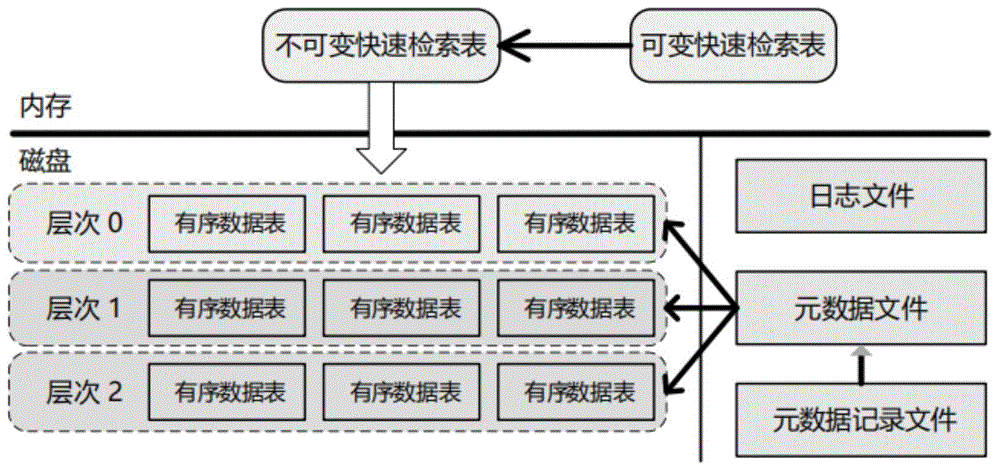
图1是根据本发明的一个实施例的基于对等模式的多源数据链接与协同共享方法的数据单元目录快速检索系统的结构示意图。FIG. 1 is a schematic structural diagram of a data unit catalog fast retrieval system based on a peer-to-peer mode-based multi-source data linking and collaborative sharing method according to an embodiment of the present invention.
图2是根据本发明的上述实施例的基于对等模式的多源数据链接与协同共享方法的数据的检索流程示意图。FIG. 2 is a schematic diagram of a data retrieval process of the peer-to-peer mode-based multi-source data linking and collaborative sharing method according to the above-mentioned embodiment of the present invention.
图3是根据本发明的上述实施例的基于对等模式的多源数据链接与协同共享方法的信息表征模型的结构示意图。FIG. 3 is a schematic structural diagram of an information representation model of the peer-to-peer mode-based multi-source data linking and collaborative sharing method according to the above-mentioned embodiment of the present invention.
图4是根据本发明的上述实施例的基于对等模式的多源数据链接与协同共享方法的多源异构数据链接关联过程的流程示意图。4 is a schematic flowchart of a multi-source heterogeneous data link association process of the peer-to-peer mode-based multi-source data link and collaborative sharing method according to the above-mentioned embodiment of the present invention.
具体实施方式Detailed ways
以下描述用于揭露本发明以使本领域技术人员能够实现本发明。以下描述中的优选实施例只作为举例,本领域技术人员可以想到其他显而易见的变型。在以下描述中界定的本发明的基本原理可以应用于其他实施方案、变形方案、改进方案、等同方案以及没有背离本发明的精神和范围的其他技术方案。The following description serves to disclose the invention to enable those skilled in the art to practice the invention. The preferred embodiments described below are given by way of example only, and other obvious modifications will occur to those skilled in the art. The basic principles of the invention defined in the following description may be applied to other embodiments, variations, improvements, equivalents, and other technical solutions without departing from the spirit and scope of the invention.
本领域技术人员应理解的是,在本发明的揭露中,术语“纵向”、 “横向”、 “上”、“下”、 “前”、 “后”、 “左”、 “右”、 “竖直”、 “水平”、 “顶”、 “底”、 “内”、 “外”等指示的方位或位置关系是基于附图所示的方位或位置关系,其仅是为了便于描述本发明和简化描述,而不是指示或暗示所指的装置或元件必须具有特定的方位、以特定的方位构造和操作,因此上述术语不能理解为对本发明的限制。It should be understood by those skilled in the art that in the disclosure of the present invention, the terms "portrait", "horizontal", "upper", "lower", "front", "rear", "left", "right", " The orientations or positional relationships indicated by vertical, horizontal, top, bottom, inner, outer, etc. are based on the orientations or positional relationships shown in the drawings, which are only for the convenience of describing the present invention and to simplify the description, rather than to indicate or imply that the device or element referred to must have a particular orientation, be constructed and operate in a particular orientation, and thus the above terms should not be construed as limiting the invention.
可以理解的是,术语“一”应理解为“至少一”或“一个或多个”,即在一个实施例中,一个元件的数量可以为一个,而在另外的实施例中,该元件的数量可以为多个,术语“一”不能理解为对数量的限制。It should be understood that the term "a" should be understood as "at least one" or "one or more", that is, in one embodiment, the number of an element may be one, while in another embodiment, the number of the element may be one. The number may be plural, and the term "one" should not be understood as a limitation on the number.
参考本发明说明书附图之图1至4,依本发明的一个实施例的基于对等模式的多源数据链接与协同共享方法被揭露,其中针对一个信息服务系统中不同应用场景中海量数据的数据访问安全性问题以及数据的动态挂载需求,建立适应灵活访问控制的多个数据单元封装与挂载,将可聚合嵌套的每个数据单元借助一个数据单元储存管理层实现信息上传、存储、访问,并统一上下层间链接关联的标准,进一步加入一个面向每个数据单元的权限管理和动态挂载机制,通过一个管理平台实现对服务依赖数据的一个动态控制;进而采用动态数据管理算法、协商算法以及更新日志机制实现该数据单元目录的同步过程,在此基础上结合数据缓存过程和多级检索过程,建立一个数据单元目录快速检索系统,实现对该管理平台数据单元目录的快速检索;以及面向海量异构数据的统一存储问题,对数据进行多维度的表征体系构建,从多个维度梳理面向关联的信息要素,构建一个多源异构数据的表征体系,针对高变化性多源异构数据的理解与运用中的局限性,将多源异构数据整合至语义级,表达数据高层内涵,实现多源异构数据的链接关联。Referring to FIGS. 1 to 4 of the accompanying drawings of the present invention, a method for linking and collaborative sharing of multi-source data based on a peer-to-peer mode according to an embodiment of the present invention is disclosed, wherein the method for mass data in different application scenarios in an information service system is disclosed. Data access security issues and data dynamic mounting requirements, establish multiple data unit encapsulation and mounting suitable for flexible access control, and use a data unit storage management layer for each data unit that can be aggregated and nested to achieve information upload and storage , access, and unify the link association standards between the upper and lower layers, further add a rights management and dynamic mounting mechanism for each data unit, and realize a dynamic control of service-dependent data through a management platform; and then use dynamic data management algorithms , negotiation algorithm and update log mechanism to realize the synchronization process of the data unit directory. On this basis, combined with the data caching process and multi-level retrieval process, a data unit directory fast retrieval system is established to realize the management platform. The rapid retrieval of the data unit directory ; And for the unified storage problem of massive heterogeneous data, build a multi-dimensional representation system for data, sort out related information elements from multiple dimensions, and build a multi-source heterogeneous data representation system for high variability and multi-source. The limitations in understanding and application of heterogeneous data, integrate multi-source heterogeneous data to the semantic level, express the high-level connotation of data, and realize the link association of multi-source heterogeneous data.
进一步地,在该信息服务系统中首先将该数据单元作为一个数据分布管理机制的核心,进而在一个应用程序层与该多源数据间建立该数据单元储存管理层,同时为该数据单元储存管理层相关的信息上传、存储、访问以及上下层间链接关联方式设立一个预设标准,该预设标准为同一标准,以便实现该信息服务系统中的业务互通。其中,该数据单元能够是一个服务、用户、数据间的动态挂载关联服务,该用户通过访问该应用服务层获取该信息服务系统提供的各种服务,而该应用服务层与该数据单元储存管理层进行层间交互获取该数据单元储存管理层的该数据单元。该用户借助该应用服务层访问该数据单元储存管理层,该数据单元存储管理层链接具有多个数据库表格及对象的该数据单元,该数据单元存储管理层同时管理多种该数据单元,为该应用服务层提供海量的数据支撑。Further, in the information service system, firstly use the data unit as the core of a data distribution management mechanism, and then establish the data unit storage management layer between an application layer and the multi-source data, and simultaneously store and manage the data unit. A preset standard is established for layer-related information upload, storage, access, and link association between upper and lower layers, and the preset standard is the same standard, so as to realize business interoperability in the information service system. Wherein, the data unit can be a dynamic mount associated service among a service, a user, and data. The user obtains various services provided by the information service system by accessing the application service layer, and the application service layer and the data unit store The management layer performs inter-layer interaction to obtain the data unit and stores the data unit of the management layer. The user accesses the data unit storage management layer via the application service layer, the data unit storage management layer links the data unit with a plurality of database tables and objects, and the data unit storage management layer simultaneously manages a variety of the data units, for the The application service layer provides massive data support.
进一步地,该数据单元的创建时间可以在该数据生命周期的任何时刻,在数据采集期,该信息服务系统根据数据来源、数据时空属性、数据采集手段等方式划分该数据单元,利用数据单元的机制提升数据采集过程的效率;在数据存储期,该信息服务系统根据数据落地的目的位置,如某个目录、某个库、某个表来划分该数据单元,由此增加数据存储管理的灵活性;在数据处理期,该信息服务系统根据在数据处理过程中可以对数据集合声明为一个该数据单元,然后将各种算子运用在该数据单元上,加快数据处理过程的速度;在数据分发共享期,该信息服务系统以该数据单元为单位进行数据分发、数据共享和数据订阅过程。Further, the creation time of the data unit can be at any moment in the data life cycle. During the data collection period, the information service system divides the data unit according to data sources, data spatiotemporal attributes, data collection means, etc. The mechanism improves the efficiency of the data collection process; during the data storage period, the information service system divides the data unit according to the destination location of the data, such as a directory, a library, and a table, thereby increasing the flexibility of data storage management During the data processing period, the information service system can declare the data set as a data unit according to the data processing process, and then apply various operators to the data unit to speed up the data processing process; During the distribution and sharing period, the information service system performs data distribution, data sharing and data subscription processes with the data unit as a unit.
该信息服务系统中的该数据单元相关权限管理的目的是建立一个包含用户权限,服务应用权限和可访问数据权限在内的权限管理机制,该数据单元的该权限管理机制负责统一管理边缘信息服务平台上资源、数据、应用、服务等安全对象的访问控制规则和权限,支持权限的新增、删除、修改、查询、激活等操作,通过构建安全访问控制策略和规则,以服务、应用、指标、数据分类等为单位,划分出不同粒度的资源访问权限,向不同用户角色授予访问权限,只有经过授权的该用户才能访问与之匹配的资源,且只能访问其权限以内的服务、应用、功能模块、数据、程序代码等各类资源;对于不同的该服务应用同样授予相应的访问权限,只有符合规定等级授权的用户使用符合规定等级的该服务应用才能访问与相应等级的资源。The purpose of the rights management related to the data unit in the information service system is to establish a rights management mechanism including user rights, service application rights and accessible data rights. The rights management mechanism of the data unit is responsible for the unified management of edge information services Access control rules and permissions for security objects such as resources, data, applications, and services on the platform, support operations such as adding, deleting, modifying, querying, and activating permissions. By building security access control policies and rules, services, applications, indicators , data classification, etc., divide resource access rights of different granularities, grant access rights to different user roles, only the authorized user can access the matching resources, and can only access services, applications, Function modules, data, program codes and other resources; corresponding access rights are also granted to different service applications, and only users who meet the specified level of authorization can access resources of the corresponding level by using the service application that meets the specified level.
进一步地,该信息服务系统在进行高安全性的数据单元权限控制的同时,还可以与服务实现一个动态挂载机制,以提升对该服务进行外部控制的灵活性。该信息服务系统通过切换同种类不同数据内容的该数据单元,可以实现对不同服务场景的切换,在例如,拥有一级权限的该用户A借助具有二级权限的地图应用与该数据单元储存管理层的该数据单元1进行数据交互时,经该权限管理机制审核符合要求,该用户成功获取到了A地区的地图服务,而该用户想要接下来访问B地区的地图时,地图应用只需要将该数据单元2挂载到该数据单元储存管理层,就可以获取B地区的地图服务,而因为该用户的权限低于C地区地图的可访问数据权限,因此无法使用C地区的地图服务。Further, the information service system can implement a dynamic mounting mechanism with the service while performing high-security data unit authority control, so as to improve the flexibility of external control of the service. The information service system can realize switching of different service scenarios by switching the data units of the same type with different data contents. For example, the user A with the first-level authority uses a map application with the second-level authority to store and manage the data unit. When the data unit 1 of the layer interacts with the data, after the permission management mechanism checks and meets the requirements, the user successfully obtains the map service in the A region, and when the user wants to access the map in the B region next, the map application only needs to The
综上所述,该信息服务系统利用加入该数据单元机制的方式来实现该权限管理及动态挂载机制,一是为了让平台具备动态控制服务依赖数据的能力,二是为了权限和安全的考量,且实现动态的权限和安全控制。To sum up, the information service system implements the authority management and dynamic mounting mechanism by adding the data unit mechanism. One is to enable the platform to have the ability to dynamically control service-dependent data, and the other is to consider authority and security. , and realize dynamic permissions and security control.
如图1至2所示,为解决海量数据单元目录检索过程的时延问题,提出面向数据单元的快速检索技术。值得注意的是,该数据单元目录可以是一个标准的键值检索系统。该数据单元目录快速检索系统的组成结构以及相关的数据写入、删除、读取过程如下所述。As shown in Figures 1 to 2, in order to solve the problem of time delay in the retrieval process of the massive data unit directory, a data unit-oriented fast retrieval technology is proposed. Notably, the data unit directory may be a standard key-value retrieval system. The composition structure of the data unit directory quick retrieval system and the related data writing, deleting and reading processes are described below.
如图1所示,该数据单元目录快速检索系统的主要包括六个部分:存在于内存中的一个可变快速检索表和一个不可变快速检索表以及存在于磁盘上的多个有序数据表、一个日志文件、一个元数据文件以及一个元数据记录文件。As shown in Figure 1, the data unit directory fast retrieval system mainly includes six parts: a variable fast retrieval table and an immutable fast retrieval table existing in the memory and a plurality of ordered data tables existing on the disk , a log file, a metadata file, and a metadata log file.
进一步地,该不可变快速检索表与该可变快速检索表文件从结构上讲是一致的,区别仅仅在于该不可变快速检索表文件不允许写入操作,而该可变快速检索表则是允许写入和读取的。当该可变快速检索表写入的数据占用内存到达一定程度,则自动转换为该不可变快速检索表。该可变快速检索表提供数据写入,删除以及读取记录的操作接口,表中的键值对是根据键大小有序存储的,在系统插入新的键值对时,系统要把这个键值对插到合适的位置上以保持这种键有序性。Further, the immutable fast retrieval table and the variable fast retrieval table file are structurally consistent, the only difference is that the immutable fast retrieval table file does not allow write operations, while the variable fast retrieval table is Both write and read are allowed. When the data written in the variable fast retrieval table occupies a certain level of memory, it is automatically converted into the immutable fast retrieval table. The variable fast retrieval table provides operation interfaces for data writing, deleting and reading records. The key-value pairs in the table are stored in an orderly manner according to the key size. When the system inserts a new key-value pair, the system will Value pairs are inserted into the appropriate positions to maintain this key order.
该有序数据表在物理结构上会划分为固定大小的物理存储块,每个块分为三个部分:一个数据存储区、一个类型区以及一个循环冗余校验码。该数据存储区用于储存具体的目录数据;该类型区用于标识该数据存储区是否采用了数据压缩算法;该循环冗余校验码用于判别数据是否在生成和传输中出错。The ordered data table is physically divided into fixed-size physical storage blocks, and each block is divided into three parts: a data storage area, a type area, and a cyclic redundancy check code. The data storage area is used to store specific directory data; the type area is used to identify whether the data storage area adopts a data compression algorithm; the cyclic redundancy check code is used to determine whether there is an error in data generation and transmission.
该日志文件在系统中的作用主要为了避免系统崩溃恢复时的数据丢失情况。系统在写入内存前先将写入操作记录到日志文件中,然后再记入内存中,这样即使系统崩溃,也可以从该日志文件中恢复可变快速检索表的内容。The role of the log file in the system is mainly to avoid data loss during system crash recovery. The system records the write operation to the log file before writing to the memory, and then logs it to the memory, so that even if the system crashes, the contents of the variable fast retrieval table can be recovered from the log file.
该元数据文件用于记录该有序数据表各个文件的管理信息,该有序数据表中的某个文件属于特定层级,而且其存储的记录是键有序的,该元数据文件记录了该有序数据表属于哪个层级,文件名称以及文件的最小键大小和最大键大小等信息。The metadata file is used to record the management information of each file in the ordered data table. A certain file in the ordered data table belongs to a specific level, and the records stored in it are key-ordered. The metadata file records the Information about which level the ordered data table belongs to, the file name, and the minimum and maximum key size of the file.
该元数据记录文件记录有当前的该元数据文件名。在系统运行过程中,不同层次的该有序数据表会随着数据的写入和删除发生变化,会有新的文件产生,老的文件被废弃,此时往往会新生成元数据文件来记载这种变化,而该元数据记录文件则用来标记当前使用的该元数据文件。The metadata record file records the current metadata file name. During the operation of the system, the ordered data tables at different levels will change with the writing and deletion of data, new files will be generated, and old files will be discarded. At this time, a new metadata file is often generated to record This change, and the metadata record file is used to mark the currently used metadata file.
当该可变快速检索表插入的数据占用内存到了一个界限后,需要将内存的记录导出到外存文件中,系统会生成新的该日志文件和该可变快速检索表,原先的该可变快速检索表就成为该不可变快速检索表,原先的该不可变快速检索表的数据导出到磁盘,形成一个新的该有序数据表。该有序数据表就是由内存中的数据不断导出后形成的,而且该有序数据表之间具有一种层级结构,第一层为层级0,第二层为层级1,依次类推,层级逐渐增高,层级0的该有序数据表和其它层级的该有序数据表相比有所不同:层级0的两个该有序数据表可能存在键重叠。当某个层级下的该有序数据表数目超过一定设置值后,该数据单元目录快速检索系统会从这个层级的该有序数据表集合中选择一个文件将其和高一层级的该有序数据表合并。When the data inserted into the variable fast retrieval table occupies a limit of memory, the memory records need to be exported to the external memory file, and the system will generate a new log file and the variable fast retrieval table. The original variable fast retrieval table The fast retrieval table becomes the immutable fast retrieval table, and the data of the original immutable fast retrieval table is exported to the disk to form a new ordered data table. The ordered data table is formed by continuously exporting the data in the memory, and there is a hierarchical structure between the ordered data tables, the first level is
如图2所示,对于一次数据的检索操作,系统首先会去查看该可变快速检索表,如果该可变快速检索表中包含键及其对应的值,则返回数据内容即可。如果在该可变快速检索表没有读到键,则接下来到同样处于内存中的该不可变快速检索表中去读取,如果读到就返回,若是没有读到,则从该有序数据表中查找。在该有序数据表中的读取原则为:首先从属于层级0的文件中查找,如果找到则返回对应的值,如果没有找到那么到层级1中的文件中去找,如此循环往复,直到在某层该有序数据表中找到这个键对应的值为止,此种搜索顺序是可以保障搜索到的该数据单元目录数据是此系统中最新的数据。在具体的搜索过程中,层级0下的不同文件可能键的范围有重叠,某个要查询的键有可能多个文件都包含,此时的检索策略是先找出层级0中哪些文件包含这个键(元数据文件中记载有各文件中键的范围信息),之后按照文件的新鲜程度排序,新的文件排在前面,之后依次查找,读出键对应的值。而如果是非层级0的话,因为这个层级的文件之间键是不重叠的,所以只从一个文件就可以找到键对应的值。As shown in Figure 2, for a data retrieval operation, the system will first check the variable fast retrieval table. If the variable fast retrieval table contains keys and their corresponding values, the data content can be returned. If the key is not read in the variable fast retrieval table, then go to the immutable fast retrieval table also in memory to read, if it is read, it will return, if it is not read, it will be read from the ordered data Find in the table. The reading principle in the ordered data table is: first, search from the files belonging to
当此系统没有从该可变快速检索表和该不可变快速检索表中找到对应的数据时,为加快数据读取速度,需要利用数据表缓存进行磁盘相关的数据检索过程。首先,系统会先在内存中的数据表缓存中查找是否包含这个文件的缓存记录,如果包含,则从缓存中读取;如果不包含,则打开该有序数据表,同时将这个文件的索引部分加载到内存中并放入缓存中。这样缓存里面就有了该有序数据表的缓存项,但是只有索引部分在内存中,之后该数据单元目录快速检索系统根据索引可以定位到具体的某个内容块会包含这条键,从文件中读出这个块的内容,在根据记录一一比较,如果找到则返回结果,如果没有找到,那么说明这个层级的该有序数据表并不包含这个键,所以到下一级别的该有序数据表中去查找,若查到最高层级还没有找到对应数据,则说明该系统中不存在此数据。When the system does not find corresponding data from the variable fast retrieval table and the immutable fast retrieval table, in order to speed up the data reading speed, the data table cache needs to be used for the disk-related data retrieval process. First of all, the system will first look in the data table cache in memory to see if the cache record of this file is included. If it is included, it will be read from the cache; if it is not included, the ordered data table will be opened, and the index of this file will be set at the same time. Parts are loaded into memory and put into cache. In this way, there are cache items of the ordered data table in the cache, but only the index part is in the memory. After that, the data unit directory fast retrieval system can locate a specific content block according to the index and will contain this key. From the file Read the content of this block in the , compare the records one by one, and return the result if found. If not found, it means that the ordered data table at this level does not contain this key, so the order to the next level Search in the data table, if the corresponding data is not found at the highest level, it means that the data does not exist in the system.
大量数据的异构性对统一存储管理提出了挑战,要实现多源异构数据的汇聚存储,梳理实际接入的信息情况,需要对数据进行多维度的表征体系构建。同时针对数据海量、异构、动态、变化等特点造成对数据认知理解难度大,导致数据使用不便的问题,必须采取新的技术方法对数据进行有效的链接关联。表达数据高层内涵,发现内在规律与特点,将数据整合至语义级,便于数据的查询与传输。The heterogeneity of a large amount of data poses a challenge to unified storage management. To realize the aggregated storage of multi-source heterogeneous data and sort out the actual access information, it is necessary to construct a multi-dimensional representation system for the data. At the same time, in view of the massive, heterogeneous, dynamic, and changing characteristics of data, it is difficult to understand and understand data, resulting in inconvenient use of data. New technical methods must be adopted to effectively link and associate data. Express the high-level connotation of data, discover internal laws and characteristics, integrate data to the semantic level, and facilitate data query and transmission.
对多源异构数据进行数据接入与表征建模研究,具体来说(1)从类型、来源、形式、内容等方面梳理了相关信息,确定汇集与关联的信息范围,研究信息的高效接入与预处理。(2)以支撑多源异构信息的关联为驱动,从多个维度梳理面向关联的信息要素,建立信息关联要素表征体系。Conduct data access and representation modeling research on multi-source heterogeneous data, specifically (1) sort out relevant information from the aspects of type, source, form, content, etc., determine the scope of information collection and association, and study the efficient connection of information. input and preprocessing. (2) Driven by the association of supporting multi-source heterogeneous information, sort out association-oriented information elements from multiple dimensions, and establish a representation system for information association elements.
以支撑多源异构数据关联为驱动,从语义特征、基础元数据、时间、空间、实体、事件、任务等维度梳理了面向关联的信息要素,形成数据统一表征体系,实现了对多源异构数据的统一描述,便于存储管理。显性化数据特征,以支持后续的信息关联。如图3所示,统一表征包括一个基础元数据、一个时空维度、一个实体维度、一个任务维度和一个语义特征维度,其中该基础元数据用来描述数据的基本信息,是用户组织、浏览和筛选信息的常用元素,该时空维度是指数据中携带的事件或地理信息,该实体维度用来描述信息中包含的对象,例如文本、图像中所描述的飞机、坦克等关键对象,该任务维度的属性用来描述该信息的用户和任务属性,包括数据可支撑的任务与系统具备的功能活动,该语义特征维度的属性用来对各种格式的数据进行底层、体现语义特征的描述,重点关注文本与图像两种格式数据的语义特征。Driven by supporting the association of multi-source heterogeneous data, the association-oriented information elements are sorted out from the dimensions of semantic features, basic metadata, time, space, entity, event, task, etc. The unified description of the structured data is convenient for storage management. Explicit data features to support subsequent information associations. As shown in Figure 3, the unified representation includes a basic metadata, a spatiotemporal dimension, an entity dimension, a task dimension and a semantic feature dimension, where the basic metadata is used to describe the basic information of the data, including user organization, browsing and A common element for filtering information. The spatiotemporal dimension refers to the events or geographic information carried in the data. The entity dimension is used to describe the objects contained in the information, such as texts, key objects such as aircraft and tanks described in images. The task dimension The attributes of the information are used to describe the user and task attributes of the information, including the tasks that the data can support and the functional activities of the system. The attributes of the semantic feature dimension are used to describe the underlying and semantic features of data in various formats. Focus on the semantic features of data in both text and image formats.
进一步地,多源异构数据链接关联是应用和数据衔接的中间核心环节,是高效提供数据访问和服务的基础。建立一个数据组织管理机制,对多源异构数据进行科学组织,自主关联,通过对各类要素进行归一化处理,构建多源异构数据组织管理知识图谱。动态建立一个实体关联关系,解决关联关系自主学习、动态关联网络构建、关系按需更新等问题。Furthermore, the multi-source heterogeneous data link association is the intermediate core link of the connection between applications and data, and is the basis for efficiently providing data access and services. Establish a data organization and management mechanism to scientifically organize and independently associate multi-source heterogeneous data, and construct a multi-source heterogeneous data organization and management knowledge map by normalizing various elements. Dynamically establish an entity relationship to solve the problems of self-learning of relationship, construction of dynamic relationship network, and on-demand update of relationship.
如图4所示,通过构建的多源异构数据表征体系,构建一个数据单元模型库,使数据可扩可管。该开放式数据单元模型库是多源异构数据链接关联的基础。通过该数据单元实现对数据的理解,增强对多源异构数据的可关联能力。通过分析多模态、异构、动态数据的特点,根据构建的数据表征模型,适配结构化和非结构化数据。As shown in Figure 4, through the constructed multi-source heterogeneous data representation system, a data unit model library is constructed to make the data expandable and manageable. The open data unit model library is the basis for multi-source heterogeneous data link association. Through this data unit, the understanding of data is realized, and the ability to correlate multi-source heterogeneous data is enhanced. By analyzing the characteristics of multi-modal, heterogeneous and dynamic data, it adapts structured and unstructured data according to the constructed data representation model.
在数据链接环节越来越丰富的多源异构数据给链接后数据质量的提升带来了多种挑战。一个数据清洗转换是数据可用可算的基础,使用数据清洗、转换等预处理通用工具集,针对噪声数据、冲突数据、非标数据和外军数据等,进行错误数据剔除、一致性检测、格式转换、时空基准统一等操作,解决数据属性要素确实、数据碎片化、时空不一致等问题。The increasingly abundant multi-source heterogeneous data in the data link link brings a variety of challenges to the improvement of data quality after linking. A data cleaning and transformation is the basis for data availability and calculation. It uses a common tool set for preprocessing such as data cleaning and transformation to perform error data elimination, consistency detection, and format conversion for noisy data, conflict data, non-standard data, and foreign military data. , unification of space-time benchmarks, etc., to solve problems such as the authenticity of data attribute elements, data fragmentation, and space-time inconsistency.
研制数据关联算法模型进行归一化处理,基于归一化的属性要素,实现多源异构数据科学组织,自主关联,构建多源异构数据组织管理知识图谱。动态建立数据关联关系,解决关联关系自主学习、动态关联网络构建、关系按需更新等问题,使知识图谱可以自主学习、动态演化、使用可控。Develop a data association algorithm model for normalization, based on the normalized attribute elements, realize multi-source heterogeneous data scientific organization, independent association, and build multi-source heterogeneous data organization and management knowledge map. Dynamically establish data associations, solve problems such as independent learning of associations, dynamic association network construction, and on-demand update of relationships, so that knowledge graphs can learn independently, evolve dynamically, and use controllable.
通过面向时空基准的实体链接、基于频繁共现的文本对象实体关联、多特征融合的图像视频分析等技术,在语义级别建立数据间的关联关系。同时在语义级别关系构建的基础上,通过知识表示、概念实体映射、实体向量相似度计算等技术建立数据关联分析模型。针对建立的关联关系,对关联关系进行自动分类、冗余检查和动态重建,从而进行深度挖掘与分析,保障关联的有效性和准确性。The relationship between data is established at the semantic level through technologies such as entity linking oriented to spatiotemporal benchmarks, text object entity association based on frequent co-occurrence, and image and video analysis based on multi-feature fusion. At the same time, based on the construction of semantic level relationship, a data association analysis model is established through technologies such as knowledge representation, conceptual entity mapping, and entity vector similarity calculation. For the established associations, the associations are automatically classified, redundantly checked and dynamically reconstructed, so as to conduct in-depth mining and analysis to ensure the validity and accuracy of the associations.
建立数据统计评估处理机制,提供数据统计分析、数据生命周期管理、数据日志处理、数据版本控制、数据质量化评估等功能,实现数据行为分析、数据质量分析、数据关注度分析、数据热度分析等,易于理解于数据的统一访问。建立数据质量评估模型、体系与指标,对关联的数据进行评估,形成评价基线,确定数据质量维度和元素,以及用于考核每个维度的指标。对数据通过定性和定量评价方法,采用不同策略匹配多源异构数据应用情景、过程复杂性与动态性。Establish a data statistical evaluation processing mechanism, provide data statistical analysis, data life cycle management, data log processing, data version control, data quality assessment and other functions, and realize data behavior analysis, data quality analysis, data attention analysis, data heat analysis, etc. , easy to understand for unified access to data. Establish data quality evaluation models, systems and indicators, evaluate the associated data, form an evaluation baseline, determine data quality dimensions and elements, and evaluate indicators for each dimension. Through qualitative and quantitative evaluation methods for the data, different strategies are used to match the application scenarios, process complexity and dynamics of multi-source heterogeneous data.
本领域的技术人员应理解,上述描述及附图中所示的本发明的实施例只作为举例而并不限制本发明。本发明的目的已经完整并有效地实现。本发明的功能及结构原理已在实施例中展示和说明,在没有背离所述原理下,本发明的实施方式可以有任何变形或修改。It should be understood by those skilled in the art that the embodiments of the present invention shown in the above description and the accompanying drawings are only examples and do not limit the present invention. The objects of the present invention have been fully and effectively achieved. The functional and structural principles of the present invention have been shown and described in the embodiments, and the embodiments of the present invention may be modified or modified in any way without departing from the principles.
Claims (8)
Priority Applications (1)
| Application Number | Priority Date | Filing Date | Title |
|---|---|---|---|
| CN202010234320.9A CN111459929B (en) | 2020-03-30 | 2020-03-30 | Multi-source data linking and collaborative sharing method based on peer-to-peer model |
Applications Claiming Priority (1)
| Application Number | Priority Date | Filing Date | Title |
|---|---|---|---|
| CN202010234320.9A CN111459929B (en) | 2020-03-30 | 2020-03-30 | Multi-source data linking and collaborative sharing method based on peer-to-peer model |
Publications (2)
| Publication Number | Publication Date |
|---|---|
| CN111459929A true CN111459929A (en) | 2020-07-28 |
| CN111459929B CN111459929B (en) | 2024-02-06 |
Family
ID=71681561
Family Applications (1)
| Application Number | Title | Priority Date | Filing Date |
|---|---|---|---|
| CN202010234320.9A Active CN111459929B (en) | 2020-03-30 | 2020-03-30 | Multi-source data linking and collaborative sharing method based on peer-to-peer model |
Country Status (1)
| Country | Link |
|---|---|
| CN (1) | CN111459929B (en) |
Cited By (3)
| Publication number | Priority date | Publication date | Assignee | Title |
|---|---|---|---|---|
| CN112632052A (en) * | 2020-12-29 | 2021-04-09 | 中通服公众信息产业股份有限公司 | Heterogeneous data sharing method and intelligent sharing system |
| CN113919315A (en) * | 2021-11-18 | 2022-01-11 | 上海芯与网络科技有限公司 | Brain Mapping and Collaborative Digital Intelligence System |
| CN115729993A (en) * | 2022-10-27 | 2023-03-03 | 中通服软件科技有限公司 | Method and system for unified management of multi-source heterogeneous data based on metadata |
Citations (5)
| Publication number | Priority date | Publication date | Assignee | Title |
|---|---|---|---|---|
| US20080155614A1 (en) * | 2005-12-22 | 2008-06-26 | Robin Ross Cooper | Multi-source bridge content distribution system and method |
| CN101945126A (en) * | 2010-09-09 | 2011-01-12 | 中国林业科学研究院资源信息研究所 | Forest resource heterogeneous data distributed management system |
| CN103744846A (en) * | 2013-08-13 | 2014-04-23 | 北京航空航天大学 | Multidimensional dynamic local knowledge map and constructing method thereof |
| CN105159951A (en) * | 2015-08-17 | 2015-12-16 | 成都中科大旗软件有限公司 | Open tourism multi-source heterogeneous data fusion method and system |
| CN108304267A (en) * | 2018-01-31 | 2018-07-20 | 中科边缘智慧信息科技(苏州)有限公司 | The multi-source data of highly reliable low-resource expense draws the method for connecing |
-
2020
- 2020-03-30 CN CN202010234320.9A patent/CN111459929B/en active Active
Patent Citations (5)
| Publication number | Priority date | Publication date | Assignee | Title |
|---|---|---|---|---|
| US20080155614A1 (en) * | 2005-12-22 | 2008-06-26 | Robin Ross Cooper | Multi-source bridge content distribution system and method |
| CN101945126A (en) * | 2010-09-09 | 2011-01-12 | 中国林业科学研究院资源信息研究所 | Forest resource heterogeneous data distributed management system |
| CN103744846A (en) * | 2013-08-13 | 2014-04-23 | 北京航空航天大学 | Multidimensional dynamic local knowledge map and constructing method thereof |
| CN105159951A (en) * | 2015-08-17 | 2015-12-16 | 成都中科大旗软件有限公司 | Open tourism multi-source heterogeneous data fusion method and system |
| CN108304267A (en) * | 2018-01-31 | 2018-07-20 | 中科边缘智慧信息科技(苏州)有限公司 | The multi-source data of highly reliable low-resource expense draws the method for connecing |
Cited By (4)
| Publication number | Priority date | Publication date | Assignee | Title |
|---|---|---|---|---|
| CN112632052A (en) * | 2020-12-29 | 2021-04-09 | 中通服公众信息产业股份有限公司 | Heterogeneous data sharing method and intelligent sharing system |
| CN112632052B (en) * | 2020-12-29 | 2022-10-28 | 中通服公众信息产业股份有限公司 | Heterogeneous data sharing method and intelligent sharing system |
| CN113919315A (en) * | 2021-11-18 | 2022-01-11 | 上海芯与网络科技有限公司 | Brain Mapping and Collaborative Digital Intelligence System |
| CN115729993A (en) * | 2022-10-27 | 2023-03-03 | 中通服软件科技有限公司 | Method and system for unified management of multi-source heterogeneous data based on metadata |
Also Published As
| Publication number | Publication date |
|---|---|
| CN111459929B (en) | 2024-02-06 |
Similar Documents
| Publication | Publication Date | Title |
|---|---|---|
| CN107315776B (en) | A data management system based on cloud computing | |
| US9507807B1 (en) | Meta file system for big data | |
| CN107819824B (en) | An urban data opening and information service system and service method | |
| JP4222947B2 (en) | Method, program, and system for representing multimedia content management objects | |
| Hu et al. | Toward scalable systems for big data analytics: A technology tutorial | |
| CN104750681B (en) | A kind of processing method and processing device of mass data | |
| CN117725283A (en) | An archival data storage system based on big data | |
| Bouaziz et al. | Design a data warehouse schema from document-oriented database | |
| US11068459B2 (en) | Computer implemented and computer controlled method, computer program product and platform for arranging data for processing and storage at a data storage engine | |
| US12124460B2 (en) | Deep mining of enterprise data sources | |
| CN111459929B (en) | Multi-source data linking and collaborative sharing method based on peer-to-peer model | |
| CN114969441A (en) | Knowledge mining engine system based on graph database | |
| US7469257B2 (en) | Generating and monitoring a multimedia database | |
| CN112699410B (en) | Massive graph data fine-grained access control method based on security label | |
| Hua et al. | SANE: Semantic-aware namespacein ultra-large-scale file systems | |
| US20170344634A1 (en) | Computer implemented and computer controlled method, computer program product and platform for arranging data for processing and storage at a data storage engine | |
| US9275059B1 (en) | Genome big data indexing | |
| US8135760B1 (en) | Determining the lineage of a content unit on an object addressable storage system | |
| Gahar et al. | Towards Big Data modeling and management systems: From DBMS to BDMS | |
| WO2017078774A1 (en) | Relevance optimized representative content associated with a data storage system | |
| Gupta et al. | A Study on Various Database Models: Relational, Graph, and Hybrid Databases | |
| Mayer et al. | Variety management for big data | |
| US20150286700A1 (en) | Recording medium having stored thereon database access control program, method for controlling database access, and information processing apparatus | |
| US12204501B2 (en) | Integration of structural information into an asset management catalog | |
| CN118779476B (en) | Management system and method for massive multi-source heterogeneous real-scene three-dimensional data |
Legal Events
| Date | Code | Title | Description |
|---|---|---|---|
| PB01 | Publication | ||
| PB01 | Publication | ||
| SE01 | Entry into force of request for substantive examination | ||
| SE01 | Entry into force of request for substantive examination | ||
| GR01 | Patent grant | ||
| GR01 | Patent grant | ||
| TR01 | Transfer of patent right | ||
| TR01 | Transfer of patent right |
Effective date of registration: 20241129 Address after: B-1608, 16th Floor, Building 1, No. 18 Zhongguancun East Road, Haidian District, Beijing 100190 Patentee after: Beijing Zhongke Frontier Technology Co.,Ltd. Country or region after: China Address before: 215123 unit g1-701, No. 88 Jinjihu Avenue Road, Suzhou Industrial Park, Jiangsu Province Patentee before: EDGE INTELLIGENCE OF CAS Co.,Ltd. Country or region before: China |