CN111417731A - Universal early cancer diagnosis - Google Patents
Universal early cancer diagnosis Download PDFInfo
- Publication number
- CN111417731A CN111417731A CN201880042384.XA CN201880042384A CN111417731A CN 111417731 A CN111417731 A CN 111417731A CN 201880042384 A CN201880042384 A CN 201880042384A CN 111417731 A CN111417731 A CN 111417731A
- Authority
- CN
- China
- Prior art keywords
- cancer
- ctdna
- methylation
- sample
- exe
- Prior art date
- Legal status (The legal status is an assumption and is not a legal conclusion. Google has not performed a legal analysis and makes no representation as to the accuracy of the status listed.)
- Pending
Links
Images






Classifications
-
- C—CHEMISTRY; METALLURGY
- C12—BIOCHEMISTRY; BEER; SPIRITS; WINE; VINEGAR; MICROBIOLOGY; ENZYMOLOGY; MUTATION OR GENETIC ENGINEERING
- C12Q—MEASURING OR TESTING PROCESSES INVOLVING ENZYMES, NUCLEIC ACIDS OR MICROORGANISMS; COMPOSITIONS OR TEST PAPERS THEREFOR; PROCESSES OF PREPARING SUCH COMPOSITIONS; CONDITION-RESPONSIVE CONTROL IN MICROBIOLOGICAL OR ENZYMOLOGICAL PROCESSES
- C12Q1/00—Measuring or testing processes involving enzymes, nucleic acids or microorganisms; Compositions therefor; Processes of preparing such compositions
- C12Q1/68—Measuring or testing processes involving enzymes, nucleic acids or microorganisms; Compositions therefor; Processes of preparing such compositions involving nucleic acids
- C12Q1/6876—Nucleic acid products used in the analysis of nucleic acids, e.g. primers or probes
- C12Q1/6883—Nucleic acid products used in the analysis of nucleic acids, e.g. primers or probes for diseases caused by alterations of genetic material
- C12Q1/6886—Nucleic acid products used in the analysis of nucleic acids, e.g. primers or probes for diseases caused by alterations of genetic material for cancer
-
- A—HUMAN NECESSITIES
- A61—MEDICAL OR VETERINARY SCIENCE; HYGIENE
- A61P—SPECIFIC THERAPEUTIC ACTIVITY OF CHEMICAL COMPOUNDS OR MEDICINAL PREPARATIONS
- A61P35/00—Antineoplastic agents
-
- C—CHEMISTRY; METALLURGY
- C12—BIOCHEMISTRY; BEER; SPIRITS; WINE; VINEGAR; MICROBIOLOGY; ENZYMOLOGY; MUTATION OR GENETIC ENGINEERING
- C12N—MICROORGANISMS OR ENZYMES; COMPOSITIONS THEREOF; PROPAGATING, PRESERVING, OR MAINTAINING MICROORGANISMS; MUTATION OR GENETIC ENGINEERING; CULTURE MEDIA
- C12N15/00—Mutation or genetic engineering; DNA or RNA concerning genetic engineering, vectors, e.g. plasmids, or their isolation, preparation or purification; Use of hosts therefor
- C12N15/09—Recombinant DNA-technology
- C12N15/10—Processes for the isolation, preparation or purification of DNA or RNA
- C12N15/102—Mutagenizing nucleic acids
-
- C—CHEMISTRY; METALLURGY
- C12—BIOCHEMISTRY; BEER; SPIRITS; WINE; VINEGAR; MICROBIOLOGY; ENZYMOLOGY; MUTATION OR GENETIC ENGINEERING
- C12N—MICROORGANISMS OR ENZYMES; COMPOSITIONS THEREOF; PROPAGATING, PRESERVING, OR MAINTAINING MICROORGANISMS; MUTATION OR GENETIC ENGINEERING; CULTURE MEDIA
- C12N2310/00—Structure or type of the nucleic acid
- C12N2310/10—Type of nucleic acid
- C12N2310/20—Type of nucleic acid involving clustered regularly interspaced short palindromic repeats [CRISPR]
-
- C—CHEMISTRY; METALLURGY
- C12—BIOCHEMISTRY; BEER; SPIRITS; WINE; VINEGAR; MICROBIOLOGY; ENZYMOLOGY; MUTATION OR GENETIC ENGINEERING
- C12Q—MEASURING OR TESTING PROCESSES INVOLVING ENZYMES, NUCLEIC ACIDS OR MICROORGANISMS; COMPOSITIONS OR TEST PAPERS THEREFOR; PROCESSES OF PREPARING SUCH COMPOSITIONS; CONDITION-RESPONSIVE CONTROL IN MICROBIOLOGICAL OR ENZYMOLOGICAL PROCESSES
- C12Q2600/00—Oligonucleotides characterized by their use
- C12Q2600/154—Methylation markers
-
- G—PHYSICS
- G01—MEASURING; TESTING
- G01N—INVESTIGATING OR ANALYSING MATERIALS BY DETERMINING THEIR CHEMICAL OR PHYSICAL PROPERTIES
- G01N2800/00—Detection or diagnosis of diseases
- G01N2800/52—Predicting or monitoring the response to treatment, e.g. for selection of therapy based on assay results in personalised medicine; Prognosis
Landscapes
- Chemical & Material Sciences (AREA)
- Health & Medical Sciences (AREA)
- Life Sciences & Earth Sciences (AREA)
- Organic Chemistry (AREA)
- Genetics & Genomics (AREA)
- Engineering & Computer Science (AREA)
- Proteomics, Peptides & Aminoacids (AREA)
- Zoology (AREA)
- Wood Science & Technology (AREA)
- Pathology (AREA)
- Immunology (AREA)
- Analytical Chemistry (AREA)
- General Engineering & Computer Science (AREA)
- Biotechnology (AREA)
- Bioinformatics & Cheminformatics (AREA)
- General Health & Medical Sciences (AREA)
- Molecular Biology (AREA)
- Biochemistry (AREA)
- Physics & Mathematics (AREA)
- Microbiology (AREA)
- Biophysics (AREA)
- Hospice & Palliative Care (AREA)
- Biomedical Technology (AREA)
- Oncology (AREA)
- Plant Pathology (AREA)
- General Chemical & Material Sciences (AREA)
- Public Health (AREA)
- Veterinary Medicine (AREA)
- Animal Behavior & Ethology (AREA)
- Pharmacology & Pharmacy (AREA)
- Nuclear Medicine, Radiotherapy & Molecular Imaging (AREA)
- Medicinal Chemistry (AREA)
- Chemical Kinetics & Catalysis (AREA)
- Crystallography & Structural Chemistry (AREA)
- Measuring Or Testing Involving Enzymes Or Micro-Organisms (AREA)
- Medicines That Contain Protein Lipid Enzymes And Other Medicines (AREA)
- Investigating Or Analysing Biological Materials (AREA)
Abstract
本发明公开了用于定量DNA甲基化的方法,其可用于筛查疾病(例如癌症)、诊断疾病(例如癌症类型)、监测疾病的进展、以及监测对治疗的反应。

This invention discloses a method for quantifying DNA methylation, which can be used to screen for diseases (e.g., cancer), diagnose diseases (e.g., cancer type), monitor disease progression, and monitor response to treatment.
Description
相关申请Related applications
本申请要求于2017年9月19日提交的美国临时申请No.62/560,660、于2017年5月26日提交的美国临时申请No.62/511,648和于2017年5月12日提交的美国临时申请No.62/505,647的权益。上述申请的全部示教通过引用并入本文。This application claims US Provisional Application No. 62/560,660, filed September 19, 2017, US Provisional Application No. 62/511,648, filed May 26, 2017, and US Provisional Application No. 62/511,648, filed May 12, 2017 The benefit of Application No. 62/505,647. The entire teachings of the above applications are incorporated herein by reference.
政府支持governmental support
本发明是在国立卫生研究院(National Institutes of Health)授予的拨款No.CA193461、HG006193、GM099117和DA036898下由政府支持完成的。政府拥有本发明的某些权利。This invention was made with government support under Grant Nos. CA193461, HG006193, GM099117 and DA036898 awarded by the National Institutes of Health. The government has certain rights in this invention.
发明背景Background of the Invention
DNA甲基化在过去的二十年中已用于癌症检测,但是目前的方法依赖于特定基因或基因组套(gene panels)的平均甲基化,这对于无创癌症诊断既缺乏灵敏度也缺乏特异性。在哺乳动物中,规范的体细胞DNA甲基化全景是在胚体的特化上建立的,并随后在许多癌症类型中被破坏。然而,指导这种基因组尺度转化的潜在机制仍然难以捉摸,对于其系统性获取或潜在开发实用性尚无明确的模型。DNA methylation has been used for cancer detection over the past two decades, but current methods rely on the average methylation of specific genes or gene panels, which lacks both sensitivity and specificity for non-invasive cancer diagnosis . In mammals, the canonical somatic DNA methylation landscape is established on the specialization of the embryoid body and subsequently disrupted in many cancer types. However, the underlying mechanisms guiding this genome-scale transformation remain elusive, with no clear model for its systematic acquisition or potential exploitative utility.
发明内容SUMMARY OF THE INVENTION
本文公开了用于定量DNA甲基化的方法,其可用于筛查疾病(例如癌症)、诊断疾病(例如癌症类型)、监测疾病进展以及监测对治疗的反应。Disclosed herein are methods for quantifying DNA methylation, which can be used to screen for disease (eg, cancer), diagnose disease (eg, cancer type), monitor disease progression, and monitor response to therapy.
本文公开了检测样品中的循环肿瘤DNA(ctDNA)的方法,所述方法包括使用样品的一致甲基化读段的比例(PMR)来检测样品中的ctDNA。在一个方面,获得了样品的甲基化序列,并且在所述甲基化序列上鉴定至少一个CpG岛(CGI)。计算已鉴定的CpG岛的PMR,并将其与正常组织或上胚层的对照本底进行比较。当样品的PMR大于对照本底时(例如,通过秩和检验(bank sum test)信号较高时),则检测到样品中ctDNA的存在。Disclosed herein are methods of detecting circulating tumor DNA (ctDNA) in a sample, the methods comprising using the proportion of consensus methylated reads (PMR) of the sample to detect ctDNA in the sample. In one aspect, a methylated sequence of a sample is obtained, and at least one CpG island (CGI) is identified on the methylated sequence. The PMR of the identified CpG islands was calculated and compared to a control background of normal tissue or epiblast. The presence of ctDNA in a sample is detected when the PMR of the sample is greater than the control background (eg, when the signal is high by the bank sum test).
在某些方面,样品选自血浆、尿液、大便、月经液或淋巴液。样品可以包含无细胞的DNA。在一些方面,在样品中检测到0.01%至1%的ctDNA,更具体地,0.01%的ctDNA。在某些方面,以大于80%的灵敏度检测到样品中ctDNA的存在。在一些方面,以大于75%的特异性检测到样品中ctDNA的存在。可以100%的灵敏度和95%的特异性检测到样品中ctDNA的存在。In certain aspects, the sample is selected from plasma, urine, stool, menstrual fluid, or lymphatic fluid. The sample can contain cell-free DNA. In some aspects, 0.01% to 1% of ctDNA is detected in the sample, more specifically, 0.01% of ctDNA. In certain aspects, the presence of ctDNA in the sample is detected with a sensitivity greater than 80%. In some aspects, the presence of ctDNA in the sample is detected with a specificity of greater than 75%. The presence of ctDNA in the sample can be detected with 100% sensitivity and 95% specificity.
在一些方面,ctDNA的存在指示癌症的存在。样品可以从被诊断为癌症、患有癌症、有发生癌症的风险、或疑似患有癌症的个体获得。所述癌症可以选自膀胱尿路上皮癌、乳腺浸润癌、结肠腺癌、结直肠腺癌、食道癌、头颈鳞状细胞癌、肾透明细胞癌、肾乳头状细胞癌、肝细胞癌、肺腺癌、肺鳞状细胞癌、前列腺腺癌、胃和食道癌、甲状腺癌、子宫体内膜癌和慢性淋巴细胞性白血病。在一些方面,ctDNA的存在指示肿瘤的存在。In some aspects, the presence of ctDNA is indicative of the presence of cancer. A sample can be obtained from an individual diagnosed with cancer, suffering from cancer, at risk of developing cancer, or suspected of having cancer. The cancer may be selected from bladder urothelial carcinoma, breast invasive carcinoma, colon adenocarcinoma, colorectal adenocarcinoma, esophageal carcinoma, head and neck squamous cell carcinoma, renal clear cell carcinoma, renal papillary cell carcinoma, hepatocellular carcinoma, lung Adenocarcinoma, lung squamous cell carcinoma, prostate adenocarcinoma, gastric and esophageal cancer, thyroid cancer, endometrial cancer, and chronic lymphocytic leukemia. In some aspects, the presence of ctDNA is indicative of the presence of a tumor.
本文还公开了筛查癌症的方法,所述方法包括使用样品的一致甲基化读段的比例(PMR)来检测样品中的ctDNA,其中ctDNA的存在指示对象患有癌症。Also disclosed herein are methods of screening for cancer, the methods comprising using the ratio of consensus methylated reads (PMR) of the sample to detect ctDNA in the sample, wherein the presence of the ctDNA is indicative of cancer in a subject.
本文还公开了治疗有癌症治疗需要的对象的方法,所述方法包括:使用样品的一致甲基化读段的比例(PMR)来检测样品中的ctDNA,其中ctDNA的存在指示对象患有癌症;以及治疗对象的癌症。Also disclosed herein are methods of treating a subject in need of cancer treatment, the methods comprising: detecting ctDNA in the sample using the ratio of consensus methylated reads (PMR) of the sample, wherein the presence of the ctDNA is indicative of the subject having cancer; and cancer of the treated subjects.
本文还公开了监测对象对癌症治疗的反应的方法,所述方法包括使用在对象接受癌症治疗之前获得的第一样品的一致甲基化读段的比例(PMR)来检测所述第一样品中的ctDNA量;使用在对象接受癌症治疗之后获得的第二样品的一致甲基化读段的比例(PMR)来检测所述第二样品中的ctDNA量;并比较从所述第一样品获得的ctDNA量和从所述第二样品获得的ctDNA量,其中ctDNA增加指示对象对癌症治疗的阴性反应,并且ctDNA减少指示对象对癌症治疗的阳性反应。Also disclosed herein is a method of monitoring a subject's response to cancer treatment, the method comprising detecting the first sample using the proportion of consensus methylated reads (PMR) of a first sample obtained before the subject received cancer treatment the amount of ctDNA in the sample; use the ratio of consensus methylated reads (PMR) for the second sample obtained after the subject received cancer treatment to detect the amount of ctDNA in the second sample; and compare the amount of ctDNA in the second sample from the first sample The amount of ctDNA obtained from the sample and the amount of ctDNA obtained from the second sample, wherein an increase in ctDNA indicates a negative response to cancer treatment in a subject, and a decrease in ctDNA indicates a positive response in the subject to cancer treatment.
本文还公开了监测对象中癌症的进展或改善的方法,所述方法包括使用一致甲基化读段的比例从对象的cfDNA中鉴定ctDNA,其中如果存在ctDNA,则所述对象有发生癌症的风险,并监测随时间推移cfDNA中的ctDNA量,其中cfDNA中ctDNA量的变化指示病情的进展或改善。Also disclosed herein are methods of monitoring the progression or amelioration of cancer in a subject, the method comprising identifying ctDNA from the cfDNA of the subject using the ratio of consensus methylated reads, wherein the subject, if present, is at risk of developing cancer , and monitor the amount of ctDNA in cfDNA over time, where changes in the amount of ctDNA in cfDNA are indicative of disease progression or improvement.
本文还公开了评估对象的癌症的方法,所述方法包括使用一致甲基化读段的比例从对象的cfDNA中鉴定ctDNA的存在,其中如果存在ctDNA,则所述对象患有癌症或有发生癌症的风险。Also disclosed herein are methods of assessing cancer in a subject, the methods comprising identifying the presence of ctDNA from the cfDNA of the subject using the ratio of consensus methylated reads, wherein, if the ctDNA is present, the subject has or has developed cancer risks of.
本文还公开了破坏CpG岛的甲基化的方法,所述方法包括降低PRC2的表达。还公开了破坏CpG岛的甲基化的方法,所述方法包括降低Eed的表达。通过基因组修饰(例如CRISPR)可降低Eed的表达。本文进一步公开了破坏CpG岛的甲基化的方法,所述方法包括降低Dnmtl、Dnmt3l或Dnmt3b的表达。通过基因组修饰(例如CRISPR)可降低Dnmtl、Dnmt3l或Dnmt3b的表达。Also disclosed herein are methods of disrupting the methylation of CpG islands, the methods comprising reducing the expression of PRC2. Also disclosed are methods of disrupting the methylation of CpG islands, the methods comprising reducing the expression of Eed. The expression of Eed can be reduced by genome modifications such as CRISPR. Further disclosed herein are methods of disrupting methylation of CpG islands, the methods comprising reducing the expression of Dnmtl, Dnmt3l or Dnmt3b. The expression of Dnmtl, Dnmt3l or Dnmt3b can be reduced by genome modification (eg, CRISPR).
本文还公开了破坏CpG岛的甲基化的方法,所述方法包括使FGF途径成员突变。本文进一步公开了破坏CpG岛的甲基化的方法,所述方法包括使FGFR途径成员突变。Also disclosed herein are methods of disrupting methylation of CpG islands comprising mutating FGF pathway members. Further disclosed herein are methods of disrupting methylation of CpG islands comprising mutating FGFR pathway members.
附图说明Description of drawings
本专利或申请文件包含至少一张以彩色绘制的附图。根据请求并支付必要的费用,专利局将提供带有彩色附图的本专利或专利申请公布的副本。The patent or application file contains at least one drawing executed in color. Copies of this patent or patent application publication with color drawing(s) will be provided by the Office upon request and payment of the necessary fee.
图1A-1E展示了不同的着床后DNA甲基化全景。图1A显示了为该研究收集的早期发育时间序列,包括致密化前8细胞期胚胎(受精后2.25天;E2.25)、E3.5胚泡的滋养外胚层(TE)和内细胞团(ICM)、以及E6.5孕体的胚外外胚层(ExE)和上胚层(n=2个WGBS库/样品,参见方法部分)。图1B显示了100bp瓦片(tiles)的CpG甲基化分布(上图);中位100bp瓦片甲基化随局部CpG密度而变(下图),其中阴影区域表示第25和第75百分位数。图1C显示了与基因组本底相比,差异甲基化CpG的特征水平富集。ExE-低甲基化CpG主要存在于非基因序列中,而ExE-超甲基化CpG则位于CpG岛(CGI)、转录起始位点(TSS)和5’外显子。在此,TSS仅指注释的TSS的上游1kb,而5’外显子表示非重叠集。图1D显示了胚胎组织和胚外组织内ExE-超甲基化TSS侧翼的中位甲基化结构,以及相对甲基化差异(Δ),其在着床时分化很大。阴影区域表示每100bp箱(bin)的第25和第75百分位数。图1E提供了WGBS、用高通量测序(ATAC-seq)对于转座酶易近染色质的测定和捕获三个标志性基因座的RNA-seq数据的基因组浏览器轨道。密度是指每100bp基本序列的甲基化CpG的预计数量,并突出显示了ExE内这些区域上存在的广泛的表观遗传信号(Δ密度是指与上胚层相比的差异)。对于Otx2和Gata4,ExE特异性甲基化和抑制是同时发生的,而HoxC簇在胚胎发育后期表达。CGI以绿色突出显示。TPM,每百万转录本。Figures 1A-1E illustrate the different post-implantation DNA methylation landscapes. Figure 1A shows the early developmental time series collected for this study, including pre-compact 8-cell stage embryos (2.25 days post-fertilization; E2.25), trophectoderm (TE) and inner cell mass of E3.5 blastocysts ( ICM), and the extraembryonic ectoderm (ExE) and epiblast of E6.5 pregnancies (n=2 WGBS pools/sample, see Methods section). Figure 1B shows the distribution of CpG methylation for 100 bp tiles (top panel); median 100 bp tile methylation as a function of local CpG density (bottom panel), with shaded areas representing the 25th and 75th century quantile. Figure 1C shows the feature-level enrichment of differentially methylated CpGs compared to the genomic background. ExE-hypomethylated CpGs are mainly found in nongenic sequences, whereas ExE-hypermethylated CpGs are located in CpG islands (CGIs), transcription start sites (TSSs) and 5' exons. Here, the TSS refers only to the upstream 1 kb of the annotated TSS, while the 5' exons denote the non-overlapping set. Figure 1D shows the median methylation structures flanking ExE-hypermethylated TSSs in embryonic and extraembryonic tissues, as well as relative methylation differences (Δ), which are highly differentiated at implantation. Shaded areas represent the 25th and 75th percentiles per 100 bp bin. Figure IE provides a genome browser track for WGBS, determination of transposase-accessible chromatin with high-throughput sequencing (ATAC-seq), and capture of RNA-seq data for three landmark loci. Density refers to the predicted number of methylated CpGs per 100 bp of base sequence and highlights the extensive epigenetic signal present on these regions within ExE (delta density refers to difference compared to epiblast). For Otx2 and Gata4, ExE-specific methylation and repression occur simultaneously, whereas HoxC clusters are expressed later in embryonic development. CGIs are highlighted in green. TPM, transcripts per million.
图2A-2F展示早期发育基因启动子的从头甲基化可以通过外部条件进行调节。图2A提供了上胚层(蓝色)和ExE(红色)之间的信号传导途径相互作用的示意图。上胚层产生的成纤维细胞生长因子(FGF)促进ExE发育,ExE表达骨形态发生蛋白4(BMP4)以诱导上胚层中的WNT蛋白。上胚层分泌的前体Nodal被ExE加工以建立近端至远端梯度和原条10。图2B显示了ExE和上胚层之间关键信号传导组分的差异表达和启动子甲基化。许多Fgf和相关的受体表现出交互的表达和启动子甲基化。Wnt3诱导在上胚层中明显,而Wnt6和7b在滋养外胚层和ExE中均高表达。差异启动子甲基化是指具有最大绝对差值的注释的TSS(±1kb)。图2C显示ICM生长晕在意欲刺激或抑制FGF和WNT活性的全然不同的生长因子或小分子条件下培养四天。轮廓突出显示了纯化的组分(方法部分)。图2D显示了对图2C中描述的条件的甲基化箱形图,包括所有RRBS捕获的100bp瓦片和ExE靶向的CGI(ExE hyper CGI)。边缘分别是第25和第75百分位数,须线分别是第2.5和第97.5百分位数。图2E显示了ExE、FGF/CHIR外部、和FGF生长晕均显示出显著的CGI甲基化。显示了与上胚层相比,甲基化CGI的交集增加≥0.1(n=3,420)。FGF4条件具有最高的甲基化CGI数量,但与ExE相交少于存在CHIR时的情况:25%的ExE hyper CGI与这两种情况均重叠,而与FGF/CHIR外部生长晕(外部)51%重叠。图2F显示了图2E中差异甲基化CGI的聚类,其中包括ExE中的甲基化状态、PRC2对胚胎的调节、和TSS邻近度(±2kb)。F/C内和外分别是指内部和外部FGF/CHIR生长晕情况。Figures 2A-2F demonstrate that de novo methylation of early developmental gene promoters can be regulated by external conditions. Figure 2A provides a schematic representation of the signaling pathway interactions between epiblast (blue) and ExE (red). Epiblast-produced fibroblast growth factor (FGF) promotes ExE development, and ExE expresses bone morphogenetic protein 4 (BMP4) to induce WNT proteins in the epiblast. The epiblast-secreted precursor Nodal is processed by ExE to establish a proximal-to-distal gradient and primitive streak 10 . Figure 2B shows differential expression and promoter methylation of key signaling components between ExE and epiblast. Many Fgfs and related receptors exhibit reciprocal expression and promoter methylation. Wnt3 induction was evident in the epiblast, whereas Wnt6 and 7b were highly expressed in both the trophectoderm and ExE. Differential promoter methylation refers to the annotated TSS with the largest absolute difference (±1 kb). Figure 2C shows that ICM growth halos were cultured for four days under disparate growth factor or small molecule conditions intended to stimulate or inhibit FGF and WNT activity. Outlines highlight purified components (Methods section). Figure 2D shows methylation boxplots for the conditions described in Figure 2C, including all RRBS-captured 100 bp tiles and ExE-targeted CGIs (ExE hyper CGI). The edges are the 25th and 75th percentiles, respectively, and the whiskers are the 2.5th and 97.5th percentiles, respectively. Figure 2E shows that ExE, FGF/CHIR outer, and FGF outgrowth all show significant CGI methylation. An increase in intersection of methylated CGIs of > 0.1 (n=3,420) is shown compared to epiblast. The FGF4 condition had the highest number of methylated CGIs, but intersected with ExE less than in the presence of CHIR: 25% of the ExE hyper CGI overlapped with both conditions, while 51% with the FGF/CHIR outer outgrowth halo (outer) overlapping. Figure 2F shows the clustering of differentially methylated CGIs in Figure 2E, including methylation status in ExE, regulation of embryos by PRC2, and TSS proximity (±2 kb). F/C inner and outer refer to the inner and outer FGF/CHIR outgrowth conditions, respectively.
图3A-3D展示了新型结构的表观遗传调节子对胚外甲基化全景的贡献。图3A提供了野生型(WT)和CRISPR–Cas9破坏样品的E6.5上胚层的箱形图,包括通过RRBS测量的100bp瓦片和ExE hyper CGI。边缘分别是第25和第75百分位数,须线分别是第2.5和第97.5百分位数。图3B提供了对于样本匹配ExE的如同图3A的箱形图。与Dnmt3a-和Dnmt3b-阳性上胚层相比,Dnmt1或Dnmt3b破坏对总体甲基化水平的影响更大得多,并导致基因组高度消耗。图3C提供了通过敲除状态得到的ExE hyper CGI的合成图。在Eed-无效的ExE中CGI甲基化被破坏,特别是在TSS的+1kb内,而不影响总体水平。黑色线表示野生型中位数。复合图从RRBS数据映射了以50bp间隔的200bp窗口的中位数。灰色箱指示TSS的±1kb。图3D提供了CRISPR–Cas9靶向的上胚层或ExE与它们的野生型对应物(n=2,461)之间的差异CGI甲基化(≥0.1)的热图。与上胚层和TSS邻近度(±2kb)相比较的差异ExE甲基化状态包括在内以供参考。Figures 3A-3D demonstrate the contribution of novel structural epigenetic regulators to the extraembryonic methylation landscape. Figure 3A provides box plots of E6.5 epiblasts for wild-type (WT) and CRISPR–Cas9 disrupted samples, including 100 bp tiles measured by RRBS and ExE hyper CGI. The edges are the 25th and 75th percentiles, respectively, and the whiskers are the 2.5th and 97.5th percentiles, respectively. Figure 3B provides a boxplot like Figure 3A for the sample matching ExE. Compared with Dnmt3a- and Dnmt3b-positive epiblasts, Dnmt1 or Dnmt3b disruption had a much greater impact on overall methylation levels and resulted in a high depletion of the genome. Figure 3C provides a composite image of the ExE hyper CGI obtained by the knockout state. CGI methylation was disrupted in Eed-null ExE, especially within +1 kb of the TSS, without affecting overall levels. The black line represents the wild-type median. Composite plots map medians of 200 bp windows at 50 bp intervals from RRBS data. Grey boxes indicate ±1 kb of TSS. Figure 3D provides a heatmap of differential CGI methylation (≥0.1) between CRISPR–Cas9-targeted epiblast or ExE and their wild-type counterparts (n=2,461). Differential ExE methylation status compared to epiblast and TSS proximity (±2 kb) is included for reference.
图4A-4E展示了胚外靶向的CpG岛在人类癌症类型中被普遍甲基化。图4A显示了在ExE/上胚层或者患者-或年龄-匹配的正常/癌症组织比较之间,总体甲基化的破坏对CGI和启动子产生了相似的偏倚。热图显示了通过对上述比较以及对滋养外胚层/ICM(TE)的二项式检验,对于特征富集的log z分数。在这16种癌症类型中,只有THCA没有显示出明显失调的甲基化组(methylome)。n值是指每种类型中匹配的癌症/正常组织分离物的数量。癌症基因组图集(The Cancer Genome Atlas,TCGA)样品包括膀胱尿路上皮癌(BLCA)、乳腺浸润癌(BRCA)、结肠腺癌(COAD)、结直肠腺癌(READ)、食道癌(ESCA)、头颈鳞状细胞癌(HNSC)、肾透明细胞癌(KIRC)、肾乳头细胞癌(KIRP)、肝细胞癌(LIHC)、肺腺癌(LUAD)、肺鳞状细胞癌(LUSC)、前列腺腺癌(PRAD)、胃和食道癌(STES)、甲状腺癌(THCA)、和子宫体内膜癌(UCEC)。在这里,慢性淋巴细胞性白血病(CLL)与B淋巴细胞的比较是通过WGBS测量的年龄匹配的样品之间的比较。图4B提供了489个ExE hyper CGI的特征水平箱形图,所述ExE hyper CGI在人类中保持其状态,对于CGI甲基化通常明显的15种癌症类型按每种癌症或正常组织的特征计算。星号:CLL样品通过RRBS测量(n=119),并表示年龄匹配的健康B淋巴细胞之间的比较(n=24)。边缘分别是第25和第75百分位数,须线分别是第2.5和第97.5百分位数。图4C显示了在TCGA中或通过RRBS测量并通过Euclidean距离聚类的8,942个直系同源CGI的差异甲基化热图。DMR条包括其中给定CGI被称为超甲基化的癌症类型的累计数,以及人类胎盘与人类胚胎干(ES)细胞相比的(人类胎盘)、小鼠ExE与上胚层相比的(鼠ExE)、或这两个比较之间共有(保守的)的DMR状态。PRC2表示在人类ES细胞中由多梳蛋白调节。数字反映了在至少一种癌症类型中各集的差异甲基化的比例。图4D显示了TCGA和CLL样本中DMR状态的相交分析。在至少一种人类癌症类型中胎盘和ExE DMR都相似地富集甲基化(分别为86%和84%,相比之下所有CGI为35%),并且在它们中更频繁地甲基化。对保守DMR的富集大于对每个个体物种的胚外DMR的富集,并且在至少一种癌症类型中94%被甲基化。图4E提供了107个ENCODE/Roadmap表观基因组学项目(ENCODE/Roadmap Epigenomics Project)样品中直系同源ExE hyper CGI的箱形图,按平均甲基化分等级并突出显示了癌症或癌细胞系赋值(红色)。与癌症一起分类并被赋值“正常”的样品按降序包括滋养层细胞系HTR8svn、原代结肠和结肠粘膜、胎盘、和CD8+T淋巴细胞。图13A包括其他样品特性。Figures 4A-4E demonstrate that extraembryonic targeted CpG islands are prevalently methylated in human cancer types. Figure 4A shows that disruption of overall methylation produced similar biases for CGI and promoters between ExE/epoderm or patient- or age-matched normal/cancer tissue comparisons. Heatmap shows log z scores for feature enrichment by binomial test for trophectoderm/ICM(TE) for the above comparisons. Of the 16 cancer types, only THCA did not show a markedly dysregulated methylome. The n value refers to the number of matched cancer/normal tissue isolates in each type. The Cancer Genome Atlas (TCGA) samples include bladder urothelial carcinoma (BLCA), breast invasive carcinoma (BRCA), colon adenocarcinoma (COAD), colorectal adenocarcinoma (READ), esophageal carcinoma (ESCA) ), head and neck squamous cell carcinoma (HNSC), clear cell renal cell carcinoma (KIRC), papillary renal cell carcinoma (KIRP), hepatocellular carcinoma (LIHC), lung adenocarcinoma (LUAD), lung squamous cell carcinoma (LUSC), Prostate adenocarcinoma (PRAD), stomach and esophagus (STES), thyroid cancer (THCA), and endometrial cancer (UCEC). Here, the comparison of chronic lymphocytic leukemia (CLL) with B lymphocytes was between age-matched samples as measured by WGBS. Figure 4B provides feature-level boxplots of the 489 ExE hyper CGIs that maintained their status in humans, calculated as a feature for each cancer or normal tissue for the 15 cancer types where CGI methylation is often evident . Asterisks: CLL samples were measured by RRBS (n=119) and represent comparisons between age-matched healthy B lymphocytes (n=24). The edges are the 25th and 75th percentiles, respectively, and the whiskers are the 2.5th and 97.5th percentiles, respectively. Figure 4C shows a heatmap of differential methylation of 8,942 orthologous CGIs measured in TCGA or by RRBS and clustered by Euclidean distance. DMR bars include the cumulative number of cancer types in which a given CGI is called hypermethylation, as well as human placenta compared to human embryonic stem (ES) cells (human placenta), mouse ExE compared to epiblast ( Murine ExE), or a DMR status shared (conserved) between these two comparisons. PRC2 is expressed in human ES cells regulated by Polycomb. Numbers reflect the proportion of differential methylation across clusters in at least one cancer type. Figure 4D shows the intersection analysis of DMR states in TCGA and CLL samples. Both placental and ExE DMRs were similarly enriched for methylation in at least one human cancer type (86% and 84%, respectively, compared to 35% for all CGIs) and were more frequently methylated in them . The enrichment for conserved DMRs was greater than the enrichment for extraembryonic DMRs for each individual species and was 94% methylated in at least one cancer type. Figure 4E provides a boxplot of the orthologous ExE hyper CGI in 107 ENCODE/Roadmap Epigenomics Project samples, graded by mean methylation and highlighted cancer or cancer cell line Assignment (red). Samples classified with cancer and assigned "normal" included, in descending order, the trophoblast cell line HTR8svn, primary colon and colonic mucosa, placenta, and CD8+ T lymphocytes. Figure 13A includes additional sample properties.
图5A-5G展示了在小鼠着床期间DNA甲基化全景中的示踪分化。图5A-5F分别提供了对WGBS、RNA-seq和ATAC-seq数据的测序指标和覆盖度信息,包括对CpG、基因和基因启动子的层次聚类和Pearson相关性。WGBS数据还包括Euclidean距离,其对于检查总体低甲基化样品中的样品相似性以及对100bp瓦片的相似性分数有利,这局部合并中等甲基化CpG的固有较高变异性以降低噪声。对于RNA-seq和ATAC-seq数据,将生物重复样本聚类在一起,8细胞和着床后WGBS数据也这样做,而E3.5胚泡的组织聚类在一起,而不作为分立的内细胞团(ICM)和滋养外胚层(TE)区室。一般而言,在ICM和滋养外胚层的甲基化状态之间的变异极少,只在该发育期期间达到的最小总值左右有轻度偏差。图5G显示了从E6.5着床后胚胎中分离的上胚层和ExE。首先从母体蜕膜组织中取出孕体,然后将其分成上胚层和ExE部分,并小心取下顶端外胎盘锥(EPC)。然后,对内脏内胚层(VE)外部和滋养层细胞进行酶消化并使用薄玻璃毛细管机械去除。Figures 5A-5G demonstrate tracer differentiation in the DNA methylation landscape during mouse implantation. Figures 5A-5F provide sequencing metrics and coverage information for WGBS, RNA-seq, and ATAC-seq data, respectively, including hierarchical clustering and Pearson correlations for CpGs, genes, and gene promoters. The WGBS data also included Euclidean distances, which were beneficial for examining sample similarity in overall hypomethylated samples and similarity scores for 100 bp tiles, which locally incorporated the inherently higher variability of moderately methylated CpGs to reduce noise. For RNA-seq and ATAC-seq data, biological replicates were clustered together, 8-cell and post-implantation WGBS data did the same, and the tissue of E3.5 blastocysts was clustered together, not as discrete intracellular Cell mass (ICM) and trophectoderm (TE) compartments. In general, there was little variation between the methylation status of the ICM and the trophectoderm, with only a slight deviation around the minimum total value achieved during this developmental stage. Figure 5G shows epiblast and ExE isolated from E6.5 postimplantation embryos. The gestation was first removed from the maternal decidual tissue, which was then divided into epiblast and ExE sections, and the apical extraplacental cone (EPC) was carefully removed. Then, visceral endoderm (VE) outer and trophoblast cells were enzymatically digested and mechanically removed using thin glass capillaries.
图6A-6G展示了胚外甲基化全景的独特特征。图6A提供了所有涵盖的CpG以及在ExE内与上胚层相比显著超甲基化或低甲基化(分别为ExE hyper或ExE hypo)的那些的CpG甲基化箱形图。在整个基因组上,与上胚层相比,ExE hypo CpG在很大程度上反映了差异再甲基化。另外,ExE hyper CpG在ICM和滋养外胚层中大多未甲基化,并在上胚层中保持如此,表明ExE特异性机制。边缘分别是第25和第75百分位数,须线分别是第2.5和第97.5百分位数。图6B显示了与上胚层相比,ExE hyper或hypo CpG的差异甲基化分布。低甲基化似乎是ExE的一个总体特征并偏离了上胚层中默认的超甲基化状态。或者,DNA甲基化增加似乎定点集中在上胚层内未甲基化的区域并由此开始并随后到胚胎和成人体细胞组织。图6C显示了ExE hypo和hyper CpG的交替CpG密度分布,表明不同基因组特征内的差异富集。然而ExE hypo CpG与总体平均水平相似,而ExE hyper CpG出现在CpG密度较高的区域内。图6D显示了落入注释的外显子内的动态甲基化CpG的分率随距其分配的TSS的距离而变。44%的外显子ExE hyper CpG落入其相关TSS的2kb之内。图6E显示了基于动态甲基化CpG与最近的TSS的邻近度,落入注释的CpG岛(CGI)内的动态甲基化CpG的分率。ExE hyper CpG通常是在TSS近端并斜向TSS的下游,43%落在±2kb内。图6F显示了包括与基因(TSS、外显子、内含子和CGI)和重复(LINE、SINE和LTR)序列的不同基因组特征的DNA甲基化分布。为了参考,黑色条和箭头分别突出显示了总体中位数以及第25和第75百分位数。总体上,在着床时再甲基化之前的E3.5胚泡的ICM和滋养外胚层内,所有特征均表现出预期的通过最小DNA甲基化值。与其总体分布相比,ExE在外显子和内含子内的从头甲基化水平更高,而在LINE和LTR反转座子起源的区域内则低于总体水平。取决于基因组特征,上胚层显示出几乎完全的超甲基化或低甲基化,并在TSS处为双模态,TSS经常含有CGI。n值是指给定类型的注释特征的数量。图6G提供了早期胚胎、胎盘和胎儿组织的100bp甲基化数据的小提琴图,展示出在整个随后发育中,体上胚层或胚外结构的大体表观遗传保留。白色点突出显示了总体中位数,蓝色和红色分别反映了ExE低甲基化100bp瓦片和ExE hyper CGI的中位数。值得注意的是,胎盘在ExE内很大程度上保留了低甲基化的总体全景和靶向CGI甲基化,如同它们由E6.5建立的那样。我们分别显示了对于ExE特异性的低甲基化和超甲基化的100bp瓦片和CGI,以将CpG限制为一个显著特征,其中它们作为整体发生变化。体细胞组织和孕中期胎盘的WGBS数据取自参考文献11。Figures 6A-6G demonstrate unique features of the extraembryonic methylation landscape. Figure 6A provides boxplots of CpG methylation for all CpGs covered and those significantly hypermethylated or hypomethylated within ExE compared to epiblast (ExE hyper or ExE hypo, respectively). Across the genome, ExE hypo CpG largely reflects differential remethylation compared to epiblast. Additionally, ExE hyper CpG was mostly unmethylated in the ICM and trophectoderm and remained so in the epiblast, suggesting an ExE-specific mechanism. The edges are the 25th and 75th percentiles, respectively, and the whiskers are the 2.5th and 97.5th percentiles, respectively. Figure 6B shows the differential methylation distribution of ExE hyper or hypo CpG compared to epiblast. Hypomethylation appears to be a general feature of ExE and deviates from the default hypermethylation state in the epiblast. Alternatively, the increase in DNA methylation appears to be localized to unmethylated regions within the epiblast and from there and subsequently to embryonic and adult human tissue. Figure 6C shows alternating CpG density distributions for ExE hypo and hyper CpGs, indicating differential enrichment within different genomic signatures. Whereas ExE hypo CpG was similar to the overall average level, ExE hyper CpG appeared in regions of higher CpG density. Figure 6D shows the fraction of dynamically methylated CpGs falling within annotated exons as a function of distance from their assigned TSS. 44% of exon ExE hyper CpGs fell within 2 kb of their associated TSS. Figure 6E shows the fraction of dynamically methylated CpGs falling within annotated CpG islands (CGIs) based on their proximity to the nearest TSS. ExE hyper CpGs are usually proximal to the TSS and obliquely downstream of the TSS, with 43% falling within ±2 kb. Figure 6F shows the distribution of DNA methylation including different genomic features associated with gene (TSS, exon, intron and CGI) and repeat (LINE, SINE and LTR) sequences. For reference, black bars and arrows highlight the overall median and the 25th and 75th percentiles, respectively. Overall, within the ICM and trophectoderm of E3.5 blastocysts prior to remethylation at implantation, all features exhibited the expected passing minimal DNA methylation values. Compared with its overall distribution, ExE has higher de novo methylation levels within exons and introns and lower levels within the regions of LINE and LTR retrotransposon origin. Depending on the genomic features, the epiblast shows almost complete hypermethylation or hypomethylation and is bimodal at the TSS, which often contains CGIs. The n value refers to the number of annotated features of a given type. Figure 6G provides a violin plot of 100 bp methylation data for early embryonic, placental and fetal tissue demonstrating gross epigenetic retention of somatic epiblast or extraembryonic structures throughout subsequent development. White dots highlight the overall median, blue and red reflect the median of ExE hypomethylated 100bp tiles and ExE hyper CGI, respectively. Notably, the placenta largely retained the overall panorama of hypomethylation and targeted CGI methylation within ExE, as they were established by E6.5. We show hypomethylated and hypermethylated 100 bp tiles and CGIs specific to ExE, respectively, to limit CpGs to one distinct feature where they vary as a whole. WGBS data for somatic tissue and second-trimester placenta were taken from ref.
图7A-7H展示了上胚层和ExE之间的转录差异是部分通过DNA甲基化来指导的。图7A显示了ExE超甲基化的TSS的选定基因集富集分析,包括基因本体、规范途径以及遗传和化学扰动,显示了参与早期胚胎模式化的转录因子和信号传导途径的高度富集。而且,这些含有启动子CGI的基因是PRC2的规范靶标,PRC2协调原肠胚形成期间关键发育调控因子的选择性表达。图7B显示了肿瘤抑制子p16Ink4a、p19Arf(二者均由Cdkn2a编码)和p15Ink4b(由Cdkn2b编码)的DNA甲基化和开放性染色质动力学。虽然这些基因座在早期发育期间是基础转录或非转录的,但三个区域是在ExE中动态甲基化的(以灰色突出显示),包括一个>10-kb的区域,该区域涵盖了整个p16Ink4a基因座,并且在上胚层中完全未甲基化或是在ExE中被广泛甲基化。CGI以绿色突出显示,并以红色突出显示包含的TSS的位置。图7C提供了log2表达动力学对上胚层和ExE之间差异CGI甲基化的散点图。尽管大多数含有动态甲基化的CGI启动子的基因在后来的胚胎发育中具有功能并且尚未高度表达,但ExE中的从头甲基化通常与转录抑制有关。ExE hyper CGI以粉红色突出显示。启动子CGI被分配给±2kb边界内最接近的基因。图7D提供了在胚外和胚胎区室的限制中关于启动子甲基化和表达的箱形图。启动子定义为注释的TSS的±1kb,如果与上胚层的差异≥0.1,则在ExE中评分为动态甲基化。在增加的阈值上提供了动态甲基化启动子集和本底启动子集之间的表达变化,是根据它们在上胚层中的表达。虽然许多含有CGI启动子的基因在上胚层或ExE中没有动态表达并且与下游的发育功能相关,但转录抑制是启动子甲基化的一致特征,即使在这种低阈值下也是如此。图7E显示了在从着床前到着床后的转变中,对ExE hyper CGI相关的TSS通过ATAC–seq测量的中位开放性染色质信号。ExE hyper CGI-相关基因为了在胚体模式形成中的作用而被大量富集,并且直到原肠胚形成开始才主要表达。在从胚泡向上胚层的转变中,这些启动子获得开放染色质信号,提示转录引发或激活,这在所述启动子被从头甲基化的ExE内则没有观察到。阴影区域反映了每固定的100bp箱的第25和第75百分位数。图7F显示了早期胚胎和胚外发育过程中关键表观遗传和主转录调节子的表达和差异启动子甲基化。大多数表观遗传调节子在上胚层和ExE之间表现出最小的表达差异,但Dnmts明显例外。Dnmt3a和Dnmt3b的关键同工型与总体再甲基化一起在上胚层中被上调,而ExE中Dnmt3a的抑制与从头启动子甲基化相对应。或者,在胚泡内诱导维持性甲基转移酶Dnmt1和非催化辅因子Dnmt31,并在ExE中维持较高的水平,而上胚层中Dnmt3l启动子发生可逆甲基化。H3K36脱甲基酶Kdm2b在上胚层和ExE内分别显示催化活性和无活性同工型的差异表达,其中同工型转换似乎是在由体细胞使用的CGI启动子周围的从头甲基化施行的。ExE的特征在于主调节子Cdx2、Eomes和Elf5的持续表达(参考文献48-51),然而仍然具有多能性的上胚层仍保持Pou5f1(也称为Oct4)阳性。后续发育阶段的许多其他调节子基本在上胚层中表达,并且它们的启动子在ExE中从头甲基化。启动子甲基化的差异是指在ExE和上胚层之间表现出最大绝对差异的注释的TSS。TPM,每百万的转录本。在图8和11中分别显示了对于选定的转录和表观遗传调节子的其他高分辨率基因组浏览器轨道。图7G显示了着床前晚期和着床后早期发育中11,780个基因的无监督分层聚类,分为20个不同的动力学(“簇”)。簇10包括在上胚层内而不是在ExE内特异性诱导的基因。热图强度反映了行归一化的z分数。图7H是图7F中表征的20种基因表达动力学的重要基因本体(Significant Gene Ontology)富集,包括由ExE甲基化CGI启动子调节的那些基因,是利用二项式检验计算的。簇10富集了发育功能和ExE启动子甲基化二者。Figures 7A-7H demonstrate that transcriptional differences between epiblast and ExE are directed in part by DNA methylation. Figure 7A shows selected gene set enrichment analysis of ExE hypermethylated TSS, including gene ontology, canonical pathways, and genetic and chemical perturbations, showing high enrichment of transcription factors and signaling pathways involved in early embryo patterning . Moreover, these promoter CGI-containing genes are canonical targets of PRC2, which orchestrates the selective expression of key developmental regulators during gastrulation. Figure 7B shows DNA methylation and open chromatin dynamics of the tumor suppressors p16 Ink4a , p19 Arf (both encoded by Cdkn2a) and p15 Ink4b (encoded by Cdkn2b). While these loci are either basally transcribed or non-transcribed during early development, three regions are dynamically methylated in ExE (highlighted in grey), including a >10-kb region that spans the entire The p16 Ink4a locus is either completely unmethylated in epiblast or extensively methylated in ExE. The CGI is highlighted in green and the location of the included TSS is highlighted in red. Figure 7C provides a scatter plot of log2 expression kinetics versus differential CGI methylation between epiblast and ExE. Although most genes containing dynamically methylated CGI promoters are functional in later embryonic development and are not yet highly expressed, de novo methylation in ExE is often associated with transcriptional repression. ExE hyper CGI is highlighted in pink. Promoter CGIs were assigned to the closest genes within ±2 kb boundaries. Figure 7D provides box plots for promoter methylation and expression in the restriction of extraembryonic and embryonic compartments. Promoters were defined as ±1 kb of the annotated TSS and were scored as dynamically methylated in ExE if the difference from epiblast was ≥0.1. Expression changes between the set of dynamically methylated promoters and the set of background promoters are provided at increasing thresholds, according to their expression in the epiblast. While many genes containing CGI promoters are not dynamically expressed in epiblast or ExE and are associated with downstream developmental functions, transcriptional repression is a consistent feature of promoter methylation, even at this low threshold. Figure 7E shows the median open chromatin signal measured by ATAC-seq for ExE hyper CGI-associated TSS in the transition from preimplantation to postimplantation. ExE hyper CGI-related genes were heavily enriched for a role in embryoid body patterning and were not predominantly expressed until the onset of gastrulation. During the transition from blastocyst to upper germ layer, these promoters acquired open chromatin signals, suggesting transcriptional initiation or activation, which was not observed in ExE where the promoters were de novo methylated. Shaded areas reflect the 25th and 75th percentiles per fixed 100bp bin. Figure 7F shows the expression and differential promoter methylation of key epigenetic and master transcriptional regulators during early embryonic and extraembryonic development. Most epigenetic regulators showed minimal expression differences between epiblast and ExE, with the notable exception of Dnmts. Key isoforms of Dnmt3a and Dnmt3b are upregulated in the epiderm along with overall remethylation, whereas repression of Dnmt3a in ExE corresponds to de novo promoter methylation. Alternatively, the maintenance methyltransferase Dnmt1 and the non-catalytic cofactor Dnmt31 are induced within the blastocyst and maintained at higher levels in ExE, whereas the Dnmt3l promoter is reversibly methylated in the epiblast. The H3K36 demethylase Kdm2b shows differential expression of catalytically active and inactive isoforms in epiblast and ExE, respectively, where isoform switching appears to be enforced by de novo methylation around CGI promoters used by somatic cells . ExE is characterized by persistent expression of the master regulators Cdx2, Eomes and Elf5 (refs 48-51), whereas the still pluripotent epiblast remains positive for Pou5f1 (also known as Oct4). Many other regulators of subsequent developmental stages are essentially expressed in the epiblast, and their promoters are de novo methylated in ExE. Differences in promoter methylation refer to the annotated TSS showing the largest absolute difference between ExE and epiblast. TPM, transcripts per million. Additional high-resolution genome browser tracks for selected transcriptional and epigenetic regulators are shown in Figures 8 and 11, respectively. Figure 7G shows an unsupervised hierarchical clustering of 11,780 genes in late preimplantation and early postimplantation development, grouped into 20 distinct dynamics ("clusters").
图8A-8D展示了着床后发育期间转录调节子的独特分支(bifurcation)和表观遗传增强。a,与胚胎或胚外发育相关的转录调节子的WGBS、ATAC-seq和RNA-seq数据的基因组浏览器轨道。CGI以绿色突出显示,并以红色突出显示包含的TSS的位置。胚胎调节子包括Pou5f1、Nanog和Pdrm14,它们在着床前渐进性表达并且其中Pou5f1和Nanog保持在上胚层中表达。对于这些基因,在ExE中的抑制伴随着它们的TSS的差异甲基化,这作为Pou5f1基因座处原本在上胚层中低甲基化的~5kb区域内的局部超甲基化“峰”是显而易见的。在Nanog基因座处,上游区域在这两种组织中均保持低甲基化。最后,Prdm14启动子的从头甲基化对于发生在具有下游发育功能的数百个基因处的ExE特异性CGI启动子甲基化是代表性的。密度是指每100bp基本序列的甲基化CpG的预计数量,并特别突出显示了ExE内这些区域上存在的广泛的表观遗传信号(Δ密度是指与上胚层相比的差异)。图8B显示了胚外发育部分受主调节子Elf5的指导,该调节子直到着床才被诱导并在上胚层中它的TSS处被可逆甲基化。有趣的是,与多能性和种系发育相关的许多转录调节子都在ExE内持续存在,包括Zfp42以及旁系同源物Dppa2和Dppa4。与Elf5一样,这些基因的启动子在上胚层中差异甲基化,并经常以ExE中其TSS周围广泛的千碱基级低甲基化为特征。图8C提供了log2 TPM随启动子甲基化而变的散点图,揭示了与上胚层相比,对ExE中的低甲基化水平的敏感性更高。包括在0.1甲基化箱内表达的中位数、第25和第75百分位数,以供参考。各组织之间未甲基化的启动子的分率非常相似,并且表现出可比的表达值。启动子计算为注释的TSS的±1kb。垂直虚线指示ExE hyper CGI的中位甲基化值。图8D显示了ExE和上胚层中ExE hyper CGI的读段水平甲基化。将给定的CGI内每个测序读段的甲基化状态分等级,并按百分位数分箱。绘制ExE和上胚层二者的ExE hyper CGI中这些等级的中位数、第25和第75百分位数。通常,落入这些区域内的约80%的读段在ExE中被甲基化,中位甲基化值为0.25。该值非常接近对整体CGI的平均未定相测量结果,表明在高分率的细胞中在ExE内发生从头甲基化并且程度相似。Figures 8A-8D demonstrate unique bifurcation and epigenetic enhancement of transcriptional regulators during post-implantation development. a, Genome browser tracks of WGBS, ATAC-seq, and RNA-seq data for transcriptional regulators associated with embryonic or extraembryonic development. The CGI is highlighted in green and the location of the included TSS is highlighted in red. Embryonic regulators include Pou5f1, Nanog and Pdrm14, which are progressively expressed before implantation and where Pou5f1 and Nanog remain expressed in the epiblast. For these genes, suppression in ExE was accompanied by differential methylation of their TSSs as a localized hypermethylation "peak" within a ~5kb region at the Pou5f1 locus that was otherwise hypomethylated in the epiblast is Obvious. At the Nanog locus, the upstream region remained hypomethylated in both tissues. Finally, de novo methylation of the Prdm14 promoter is representative of ExE-specific CGI promoter methylation that occurs at hundreds of genes with downstream developmental functions. Density refers to the predicted number of methylated CpGs per 100 bp of base sequence and specifically highlights the extensive epigenetic signal present on these regions within ExE (delta density refers to difference compared to epiblast). Figure 8B shows that extraembryonic development is partially directed by the master regulator Elf5, which is not induced until implantation and is reversibly methylated at its TSS in the epiblast. Interestingly, many transcriptional regulators related to pluripotency and germline development persist within ExE, including Zfp42 as well as the paralogs Dppa2 and Dppa4. Like Elf5, the promoters of these genes are differentially methylated in the epiblast and are often characterized by extensive kilobase-level hypomethylation around their TSSs in ExE. Figure 8C provides a scatter plot of log2 TPM as a function of promoter methylation, revealing a higher sensitivity to hypomethylation levels in ExE compared to epiblast. Median, 25th, and 75th percentiles expressed within 0.1 methylation bins are included for reference. Fractions of unmethylated promoters were very similar across tissues and exhibited comparable expression values. Promoters were calculated as ±1 kb of the annotated TSS. The vertical dashed line indicates the median methylation value of ExE hyper CGI. Figure 8D shows read-level methylation of ExE hyper CGI in ExE and epiblast. The methylation status of each sequenced read within a given CGI was graded and binned by percentile. The median, 25th and 75th percentiles of these grades in ExE hyper CGI for both ExE and epiblast are plotted. Typically, about 80% of reads falling within these regions were methylated in ExE, with a median methylation value of 0.25. This value is very close to the mean unphased measurement of overall CGI, indicating that de novo methylation occurs within ExE and to a similar extent in high fraction cells.
图9A-9C展示了FGF生产的表观遗传学限制和对胚胎或胚外区室的感应。图9A显示了在着床后早期发育期间动态调节的选定的生长因子、受体和增强因子的WGBS、ATAC-seq和RNA-seq数据的基因组浏览器轨道。Fgf基因座例如ICM表达的Fgf4以及上胚层表达的Fgf5和Fgf8均由在ExE中从头甲基化的含CGI启动子调节。或者,FGF感应基因例如Fgfr2和增强蛋白Fgfbp1的表达变得对ExE具有特异性并以在该组织中其各自TSS周围的广泛千碱基级低甲基化结构域为特征。此外,在ICM的特化期间Fgfr2表达细胞的不对称分布表明,在着床期间由DNA甲基化施加表观遗传限制之前,该组织仍对这些生长因子敏感52,53。CGI以绿色突出显示,并以红色突出显示包含的TSS的位置。密度是指每100bp基本序列的甲基化CpG的预计数量,并特别突出显示了ExE内这些区域上存在的广泛的表观遗传信号(Δ密度是指与上胚层相比的差异)。图9B提供了在全然不同的生长因子或小分子条件下两到四天后ICM生长晕的明视野图像。所有ICM均在补充有白血病抑制因子(LIF)的基础N2/B27培养基中在受过辐照的饲养层细胞上培养。2i是指规范的FGF抑制、WNT活性条件,包含MEK抑制剂PD0325901和GSK3β抑制剂CHIR99021,后者起到WNT激动剂的作用37。PD是指单独用PD0325901进行培养,并且在没有额外WNT输入的情况下表示受抑制的FGF信号传导54。FGF4/CHIR通过在重组FGF4和CHIR99021培养呈现出双重FGF和WNT活性,并且包括在培养期间出现并独立地分离和模式化的明显的内部和外部组织结构。最后,将ICM在单独的FGF4中培养。轮廓突出显示了每个生长晕的特定部分,随后将其纯化用于双重RNA-seq和RRBS分析(参见方法部分)。比例尺在右下方显示。图9C显示,根据发育轨迹,在体外培养期间CGI的差异甲基化与ExE不同。显示了特定的TSS相关CGI,其在ExE以及ExE和FGF/CHIR两种条件、或只有ExE下甲基化,以及在基因表达中相应的平均调节的log2倍数变化。共有的靶标包括在每种情况下均被抑制的早期发育基因,例如Prdm14,尽管其经常在FGF/CHIR内部高度表达。值得注意的是,这些基因中的有些,特别是与种系相关的那些基因,可以在胚胎发育后期从头甲基化55。FGF与ExE和FGF/CHIR条件的不同之处在于与上胚层或神经外胚层相关的CGI的甲基化,包括在FGF条件下表达的基因,例如Otx2、Igfbp2和Sfrp2,尽管该集包括尚未表达的其他神经外胚层主调节子,例如Pax6。最后,ExE和FGF/CHIR在内胚层主调节子的启动子甲基化上分化,所述主调节子例如在从FG/CHIR内部向外部的转变中高度表达的Foxa2、Hnf1b、Gata4和Sox17。值得注意的是,CGI甲基化的分支对应于Fgfr2的表达和Fgf4的抑制,如在体内观察到的:Fgf4在内部高度表达而在外部被抑制(32.0至3.5TPM),同时Fgfr2(2.3至13.5TPM)被诱导。PD和FGF/CHIR条件对于Dnmt3b和3l的表达也都是唯一阳性的,但是在PD0325901存在下没有观察到ExE hyper CGI甲基化(在FGF/CHIR外部Dnmt3b和Dnmt3l的TPM=30.2和60.9,而对于PD则为61.0和41.3),表明需要额外的辅助因子或翻译后修饰以将这些酶重新引导至该特征集。Figures 9A-9C demonstrate epigenetic restriction of FGF production and induction of embryonic or extraembryonic compartments. Figure 9A shows genome browser tracks of WGBS, ATAC-seq and RNA-seq data for selected growth factors, receptors and enhancers dynamically regulated during early post-implantation development. Fgf loci such as ICM-expressed Fgf4 and epiblast-expressed Fgf5 and Fgf8 are both regulated by CGI-containing promoters de novo methylated in ExE. Alternatively, the expression of FGF-sensing genes such as Fgfr2 and the enhancer protein Fgfbp1 became specific for ExE and characterized by extensive kilobase-scale hypomethylated domains around their respective TSSs in this tissue. Furthermore, the asymmetric distribution of Fgfr2-expressing cells during the specification of the ICM suggests that the tissue remains sensitive to these growth factors until epigenetic constraints are imposed by DNA methylation during implantation 52,53 . The CGI is highlighted in green and the location of the included TSS is highlighted in red. Density refers to the predicted number of methylated CpGs per 100 bp of base sequence and specifically highlights the extensive epigenetic signal present on these regions within ExE (delta density refers to difference compared to epiblast). Figure 9B provides bright field images of ICM growth halos after two to four days under disparate growth factor or small molecule conditions. All ICMs were cultured on irradiated feeder cells in basal N2/B27 medium supplemented with leukemia inhibitory factor (LIF). 2i refers to canonical FGF inhibition, WNT active conditions, and includes the MEK inhibitor PD0325901 and the GSK3β inhibitor CHIR99021, which acts as a WNT agonist 37 . PD refers to incubation with PD0325901 alone and expresses suppressed FGF signaling in the absence of additional WNT input 54 . FGF4/CHIR exhibited dual FGF and WNT activity by culture in recombinant FGF4 and CHIR99021 and included distinct internal and external tissue structures that emerged and independently isolated and patterned during culture. Finally, ICMs were cultured in FGF4 alone. Outlines highlight specific parts of each outgrowth that were subsequently purified for dual RNA-seq and RRBS analysis (see Methods section). The scale bar is shown at the bottom right. Figure 9C shows that CGI differs from ExE in differential methylation during in vitro culture according to developmental trajectories. Shown are specific TSS-associated CGIs that are methylated under both ExE and both ExE and FGF/CHIR conditions, or ExE alone, and the corresponding mean regulated log2 fold changes in gene expression. Common targets include early developmental genes that are repressed in each case, such as Prdm14, although it is often highly expressed within FGF/CHIR. Notably, some of these genes, especially those associated with germline, can be de novo methylated later in embryonic development 55 . FGF differs from ExE and FGF/CHIR conditions by methylation of CGIs associated with epiblast or neuroectoderm, including genes expressed under FGF conditions, such as Otx2, Igfbp2, and Sfrp2, although this set includes not yet expressed of other neuroectodermal master regulators, such as Pax6. Finally, ExE and FGF/CHIR differentiated on the promoter methylation of endoderm master regulators such as Foxa2, Hnf1b, Gata4 and Sox17 which are highly expressed in the transition from inside to outside of FG/CHIR. Notably, the branch of CGI methylation corresponds to the expression of Fgfr2 and the repression of Fgf4, as observed in vivo: Fgf4 is highly expressed inside and repressed outside (32.0 to 3.5 TPM), while Fgfr2 (2.3 to 3.5 TPM) 13.5TPM) was induced. Both PD and FGF/CHIR conditions were also uniquely positive for Dnmt3b and 3l expression, but no ExE hyper CGI methylation was observed in the presence of PD0325901 (TPM = 30.2 and 60.9 for Dnmt3b and Dnmt3l outside FGF/CHIR, while no ExE hyper CGI methylation was observed in the presence of PD0325901. 61.0 and 41.3 for PD), indicating that additional cofactors or post-translational modifications are required to redirect these enzymes to this feature set.
图10A-10C展示了从生长晕和胚胎敲除数据生成双重的表达和甲基化文库。图10A-10B提供了为了评价ICM生长晕和CRISPR–Cas9破坏的E6.5胚胎而生成的双重RNA-seq和RRBS文库的测序指标和覆盖度信息,包括重复样本之间的相似性指标(对于RRBS的Euclidean距离和Pearson相关性以及对于RNA-seq的Pearson相关性)。RRBS样品还包括100bp瓦片的甲基化平均值和中位数。图10C显示了CRISPR–Cas9破坏的胚胎是通过合子注入三种单链向导RNA(sgRNA)序列而产生的,所述单链向导RNA序列对不同同工型中共有的早期外显子具有特异性。提供了基因组坐标和前间区序列(参见方法部分)。Figures 10A-10C demonstrate the generation of dual expression and methylation libraries from growth halo and embryo knockout data. Figures 10A-10B provide sequencing metrics and coverage information for duplex RNA-seq and RRBS libraries generated to evaluate ICM outgrowth and CRISPR–Cas9 disrupted E6.5 embryos, including similarity metrics between replicate samples (for Euclidean distance and Pearson correlation for RRBS and Pearson correlation for RNA-seq). RRBS samples also included methylation mean and median for 100bp tiles. Figure 10C shows that CRISPR–Cas9 disrupted embryos were generated by zygotic injection of three single-stranded guide RNA (sgRNA) sequences specific for early exons shared by different isoforms . Genomic coordinates and protospacer sequences are provided (see Methods section).
图11A-11H展示了早期着床期间关键表观遗传调节子的动态行为。WGBS、ATAC-seq和RNA-seq数据的基因组浏览器轨道(对选定的同工型显示log2 TPM)。CGI以绿色突出显示,并以红色突出显示包含的TSS的位置。图11A显示Dnmt1在早期分裂中未明显表达,部分是由于暂时性母体印记超过体细胞使用的TSS(Dnmt1s)33,56,但在ICM内显示出中等诱导。然后,在着床时,它在上胚层和ExE两者中均被诱导。Dnmt1在ExE内以较高的水平表达,并在母体特异性TSS(Dnmt1o)周围显示出持续局灶性低甲基化,这在上胚层中未观察到,其将着床前特异性低甲基化的区域变成超甲基化的基因组平均值。图11B显示了短的Dnmt3a2同工型在上胚层中被诱导至高水平,并且也在胚胎干(ES)细胞内表达。或者,Dnmt3a2的含CGI启动子在ExE中甲基化并抑制其转录。图11C显示,与Dnmt1一样,Dnmt3b启动子含有在着床前期间被母体印记的CGI33,56。在胚泡中明显被诱导,但是在着床后的上胚层内的丰度变得不对称。图11D显示DNMT3L是一种非催化辅因子,其提高DNMT3A和B的从头活性,在早期胚胎和种系中具有特定功能57。在着床过程中,Dnmt3l最初在ICM和滋养外胚层中都表达,但它保持在ExE中表达并在上胚层中通过从头启动子甲基化而被沉默。图11E显示,H3K36脱甲基酶KDM2B在建立启动子和活跃转录的基因体之间的边界以及在PRC2募集和兼性异染色质的建立中具有特定作用58–61。无催化活性的同工型,Kdm2b2,从编码催化活性Kdm2b1的去甲基Jumonji结构域的外显子下游的另一个TSS起始(参考文献17)。Kdm2b2是在着床前发育期间最普遍的同工型,并且仍在ExE中表达。或者,Kdm2b1仅在着床期间上胚层内被诱导,而其含CGI的启动子在ExE中获得甲基化。像Dnmt1s和Dnmt3b一样,Kdm2b1的CGI启动子是母体甲基化印记,其在着床期间变成低甲基化33,56。图11F显示胚外基因组再甲基化高度取决于DNMT3B和DNMT1。通过RRBS测量的野生型上胚层和ExE(y轴)对匹配的CRISPR-Cas9破坏组织(x轴)的100bp瓦片进行成对比较。当Dnmt1、Dnmt3b和Dnmt31被破坏时,胚外甲基化水平在全基因组水平上削弱。上胚层仅对Dnmt1和Dnmt3b破坏敏感,两者的程度均低于ExE,推测是由于DNMT3A的补偿。值得注意的是,当Dnmt1缺失时,ExE的总体甲基化水平的降低大于上胚层,表明该组织对维持的依赖性更高而从头甲基转移酶活性的效率较低。包含灰色的标识线,以及红色的LOESS回归最佳拟合。每个图的左上方包括每个比较中使用的100bp瓦片的数量和r2值。图11G分别提供了CRISPR-Cas9靶向的上胚层和ExE中含ExE hyper CGI启动子的复合图。一般而言,在Eed无效的样品内,除了外周甲基化略有增加外,只在上胚层中观察到有限的作用。或者,在Dnmt1-、Dnmt3b-和Dnmt3l-无效ExE中TSS近端和外周甲基化均减少。Eed-无效ExE在削弱TSS处、尤其第一千碱基内下游的甲基化上有其独特的特异性。在上胚层和ExE两者中,均包含黑色的野生型中位数以供比较。线表示中位数以及阴影区域分别表示第25和第75百分位数。对于RRBS数据,复合图为间隔为50bp的200bp窗口的中位数。图11H提供了对ExE hyper CGI相关基因的抑制的统计检验,证明了在上胚层和ExE二者中对Eed的需求相当。使用DESeq2,以原始计数作为输入,将敲除样品的基因表达与匹配的野生型样品进行比较。通过Wilcoxon秩和检验评估ExE hyper CGI相关基因的富集,并表示为z-分数,假定正态分布将其转换为P值。多重检验的Bonferroni校正用于得出FDR。Figures 11A-11H demonstrate the dynamic behavior of key epigenetic regulators during early implantation. Genome browser tracks for WGBS, ATAC-seq and RNA-seq data (log2 TPM shown for selected isoforms). The CGI is highlighted in green and the location of the included TSS is highlighted in red. Figure 11A shows that Dnmt1 is not significantly expressed in early division, in part due to transient maternal imprinting over TSS (Dnmt1s) used by somatic cells 33,56 , but shows moderate induction within the ICM. Then, upon implantation, it is induced in both epiblast and ExE. Dnmt1 is expressed at higher levels within ExE and shows persistent focal hypomethylation around the maternal-specific TSS (Dnmt1o), which is not observed in the epidermis, which translates to preimplantation-specific hypomethylation The methylated regions become hypermethylated genome averages. Figure 11B shows that the short Dnmt3a2 isoform is induced to high levels in the epiblast and is also expressed in embryonic stem (ES) cells. Alternatively, the CGI-containing promoter of Dnmt3a2 is methylated in ExE and represses its transcription. Figure 11C shows that, like Dnmtl, the Dnmt3b promoter contains CGI33'56 that is maternally imprinted during preimplantation. Induction was evident in blastocysts, but abundance became asymmetric within the postimplantation epiblast. Figure 1 ID shows that DNMT3L is a non-catalytic cofactor that enhances the de novo activity of DNMT3A and B, with specific functions in the early embryo and germline 57 . During implantation, Dnmt3l is initially expressed in both ICM and trophectoderm, but it remains expressed in ExE and is silenced in epiblast by de novo promoter methylation. Figure 11E shows that the H3K36 demethylase KDM2B has a specific role in establishing the boundary between the promoter and the actively transcribed gene body, as well as in PRC2 recruitment and establishment of facultative heterochromatin 58-61 . The catalytically inactive isoform, Kdm2b2, starts from another TSS downstream of the exon encoding the demethylated Jumonji domain of catalytically active Kdm2b1 (ref. 17). Kdm2b2 is the most prevalent isoform during preimplantation development and is still expressed in ExE. Alternatively, Kdm2b1 is induced only in the epiblast during implantation, while its CGI-containing promoter acquires methylation in ExE. Like Dnmt1s and Dnmt3b, the CGI promoter of Kdm2b1 is a maternal methylation imprint that becomes hypomethylated during implantation 33,56 . Figure 11F shows that extraembryonic genome remethylation is highly dependent on DNMT3B and DNMT1. Pairwise comparison of 100 bp tiles of matched CRISPR-Cas9 disrupted tissue (x-axis) by wild-type epiblast and ExE (y-axis) measured by RRBS. When Dnmt1, Dnmt3b, and Dnmt31 were disrupted, extraembryonic methylation levels were attenuated at the genome-wide level. The epiblast is only sensitive to Dnmt1 and Dnmt3b disruption, both to a lower extent than ExE, presumably due to compensation by DNMT3A. Notably, when Dnmt1 was depleted, the reduction in overall methylation levels of ExE was greater than in epiblast, suggesting that this tissue is more dependent on maintenance and less efficient in de novo methyltransferase activity. Contains the grey marker line, and the red LOESS regression best fit. The upper left of each figure includes the number of 100bp tiles and the r2 value used in each comparison. Figure 11G provides a composite map of the CRISPR-Cas9-targeted epiblast and the ExE hyper CGI-containing promoter in ExE, respectively. In general, within the Eed null samples, apart from a slight increase in peripheral methylation, only a limited effect was observed in the epiblast. Alternatively, both TSS proximal and peripheral methylation were reduced in Dnmtl-, Dnmt3b- and Dnmt3l-null ExE. Eed-null ExE has its unique specificity in attenuating methylation at the TSS, especially downstream within the first kilobase. In both epiblast and ExE, black wild-type medians are included for comparison. Lines represent the median and shaded areas represent the 25th and 75th percentiles, respectively. For RRBS data, composite plots are medians of 200 bp windows spaced 50 bp apart. Figure 11H provides a statistical test of suppression of ExE hyper CGI-related genes, demonstrating that the requirement for Eed is comparable in both epiblast and ExE. Using DESeq2, with raw counts as input, gene expression of knockout samples was compared to matched wild-type samples. Enrichment of ExE hyper CGI-related genes was assessed by Wilcoxon rank-sum test and expressed as z-scores, which were converted to P-values assuming normal distribution. Bonferroni correction for multiple testing was used to derive the FDR.
图12A-12F展示了癌症甲基化组和CGI DMR的一般特征。图12A显示了通过WGBS测量,原发结肠肿瘤分离物和CLL中差异调节的含CGI启动子的中位甲基化与结肠和B淋巴细胞的比较。包含如本研究中鉴定并在图1中显示的ExE hyper CGI供参考。还包括胚外组织或癌组织与上胚层或正常组织比较之间的中位甲基化差异。这两个癌症甲基化组的一般特征类似于ExE的一般特征,以TSS为中心的DNA甲基化最大增加在外围内稳定地减弱。或者,胚外或致瘤环境中的低甲基化CGI在距TSS一定距离的边界或“CpG岛岸”内有最大不同,如先前关于癌症的报道62。阴影区域表示每100bp箱的第25和第75百分位数。图12B显示了ExE对上胚层、结肠肿瘤对结肠、以及CLL对B淋巴细胞中的超甲基化CGI的读段水平甲基化,包括在所述癌症和胚外发育之间具有差异甲基化状态的那些作为子集。将给定的超甲基化CGI内每个测序读段的甲基化状态分等级,并按百分位数分箱。绘制了在每个成对比较中被称为超甲基化的CGI中这些等级的中位数以及第25和第75百分位数。所述ExE/上胚层和CLL/B淋巴细胞的比较呈现出指示总体不一致性的非常相似的分布,意味着在所述特征中的聚集甲基化与同相观察到的相似,这很可能是通过群体内大部分等位基因中的分散性从头甲基化而获得的。结肠肿瘤表现出明显较高的读段水平甲基化,中位数为~0.7。但是,匹配结肠组织的非肿瘤性的每读取甲基化水平也相当高,>50%的读段呈现出一定的甲基化。这可能表明结肠组织内这些基因座的表观遗传状态转变先于肿瘤生成,如图13中对几种其他组织已经注意到的。所述读段水平甲基化分布对于癌症类型特异性CGI都相同,不管它们是否也是ExE hyper CGI。因此,靶向ExE hyper CGI是人类癌症类型的保守特征,但是它们被甲基化的程度可能是对系统特异性的。图13C提供了从ENCODE样品获取的数据,其反映了与表征明确的人类癌细胞系HCT116相比,人类的胚胎和胚外一致性。人类ES细胞系HUES64是多能上胚层的代表,显示出在直系同源ExE hyper CGI处对抑制性PRC2沉积的H3K27me3和激活性H3K4me3修饰二者的显著富集。另外,人类胎盘表现出在这些区域处对这两种修饰的富集减弱,HCT116也是如此。如图4和图13所示,这两个系统都显示出超过ExE hyper CGI的明显甲基化。作为对照,‘ExE hypo’CGI统一地展示出高H3K4me3水平。提供了整个ExEhyper CGI集的富集密度热图,并根据它们在HUES64中对H3K27me3的富集在图上分等级。归一化的富集表示针对样品匹配的全细胞提取物(WCE)的染色质免疫沉淀富集倍数。图12D提供了对于14种组织匹配的显示出DNA甲基化全景失调的TCGA癌症类型和CLL中489种ExE甲基化直系同源CGI(ExE hyper CGI)的平均甲基化箱形图。星号:CLL样品通过RRBS测量(n=119),并表示年龄匹配的健康B淋巴细胞之间的比较(n=24)。边缘分别是第25和第75百分位,须线分别是第2.5和第97.5百分位。图12E提供了对于TCGA数据集和CLL箱线图的所有直系同源映射的CGI、在癌症类型中都甲基化的CGI、以及专门在小鼠ExE中甲基化的CGI的绝对甲基化值。在所有15种表现出一般总体低甲基化和CGI甲基化作为它们偏离体细胞的一部分的恶性肿瘤中,特别富集ExE hyper CGI,比在任何给定癌症类型中观察到为超甲基化的CGI更为富集。图12F提供了对于癌症类型特异性CGI DMR和在小鼠ExE中也甲基化的CGIDMR的相同数据的箱形图。值得注意的是,小鼠ExE hyper CGI甲基化的程度反映了癌症类型,其中某些表现出比其他更高的绝对甲基化值。然而,在15种情况的14种中,癌症类型特异性CGI DMR和在ExE中也被甲基化的CMR DMR的绝对甲基化状态几乎相同,并经常略高。因此,绝对甲基化值似乎由特定的癌症或癌症类型决定,而靶向胚外甲基化CGI是一个一般特征。Figures 12A-12F show general features of cancer methylomes and CGI DMRs. Figure 12A shows differentially regulated median methylation of CGI-containing promoters in primary colon tumor isolates and CLL compared to colon and B lymphocytes as measured by WGBS. ExE hyper CGI as identified in this study and shown in Figure 1 is included for reference. Also included are differences in median methylation between extraembryonic or cancerous tissue compared to epiblast or normal tissue. The general features of these two cancer methylomes are similar to those of ExE, with the largest increase in DNA methylation centered on the TSS steadily diminishing within the periphery. Alternatively, hypomethylated CGIs in extraembryonic or tumorigenic settings differ most within boundaries or "CpG island shores" at a distance from the TSS, as previously reported in cancer 62 . Shaded areas indicate the 25th and 75th percentiles per 100bp bin. Figure 12B shows read-level methylation of hypermethylated CGIs in epiblasts by ExE, colon tumors on colon, and CLL on B lymphocytes, including differential methylation between the cancer and extraembryonic development The ones that are in the state as a subset. The methylation status of each sequenced read within a given hypermethylated CGI was graded and binned by percentile. The median and 25th and 75th percentiles of these ranks in the CGI known as hypermethylation in each pairwise comparison were plotted. The comparison of the ExE/epidermal and CLL/B lymphocytes showed very similar distributions indicative of overall inconsistency, implying that the aggregated methylation in the signature was similar to that observed in the same phase, most likely by Obtained by scattered de novo methylation among most alleles within a population. Colon tumors exhibited significantly higher read-level methylation, with a median of ~0.7. However, non-neoplastic matched colon tissue also had fairly high methylation levels per read, with >50% of reads exhibiting some methylation. This may suggest that epigenetic state transitions at these loci within colonic tissue precede tumorigenesis, as has been noted in Figure 13 for several other tissues. The read-level methylation profiles were the same for cancer type-specific CGIs, whether they were also ExE hyper CGIs. Thus, targeting ExE hyper CGIs is a conserved feature of human cancer types, but the extent to which they are methylated may be system-specific. Figure 13C presents data obtained from ENCODE samples reflecting embryonic and extraembryonic consistency in humans compared to the well-characterized human cancer cell line HCT116. The human ES cell line HUES64, a representative of the pluripotent epiblast, showed significant enrichment for both repressive PRC2-deposited H3K27me3 and activating H3K4me3 modifications at the orthologous ExE hyper CGI. In addition, human placenta showed attenuated enrichment for both modifications at these regions, as did HCT116. As shown in Figure 4 and Figure 13, both systems showed significant methylation over ExE hyper CGI. As a control, the 'ExE hypo' CGI uniformly displayed high H3K4me3 levels. A heatmap of enrichment densities for the entire ExEhyper CGI set is provided and ranked on the graph according to their enrichment for H3K27me3 in HUES64. Normalized enrichment represents fold chromatin immunoprecipitation enrichment for sample-matched whole cell extracts (WCE). Figure 12D provides a boxplot of mean methylation for 14 tissue-matched TCGA cancer types showing a panoptic dysregulation of DNA methylation and 489 ExE methylation orthologous CGIs (ExE hyper CGIs) in CLL. Asterisks: CLL samples were measured by RRBS (n=119) and represent comparisons between age-matched healthy B lymphocytes (n=24). The margins are the 25th and 75th percentiles, respectively, and the whiskers are the 2.5th and 97.5th percentiles, respectively. Figure 12E provides absolute methylation of all orthologous mapped CGIs, CGIs that are all methylated in cancer types, and CGIs that are exclusively methylated in mouse ExE for the TCGA dataset and CLL boxplots value. In all 15 malignancies that exhibited general overall hypomethylation and CGI methylation as part of their departure from somatic, ExE hyper CGI was particularly enriched, more hypermethylated than observed in any given cancer type The modified CGI is more enriched. Figure 12F provides a box plot of the same data for cancer type specific CGI DMRs and CGIDMRs that are also methylated in mouse ExE. Notably, the extent of mouse ExE hyper CGI methylation reflects cancer type, with some exhibiting higher absolute methylation values than others. However, in 14 of the 15 cases, the absolute methylation status of cancer-type-specific CGI DMRs and CMR DMRs that were also methylated in ExE were nearly identical, and often slightly higher. Thus, absolute methylation values appear to be determined by specific cancers or cancer types, whereas targeting extraembryonic methylation CGIs is a general feature.
图13A-13B展示了跨癌症类型和细胞系的胚外甲基化模式的广泛保守性。图13A提供了如图4所示的107个ENCODE/Roadmap表观基因组学项目样品中的直系同源ExE hyperCGI的箱形图,各样品值得注意的附加特征在下面突出显示。人胚外组织,包括滋养层细胞系和原胎盘,也与小鼠共有保守的CGI甲基化。表现出ExE hyper CGI平均甲基化较高的正常组织包括许多内胚层谱系,例如结肠粘膜、胃和肝脏(平均甲基化值分别为0.225、0.185和0.179)以及适应性免疫系统的成熟细胞类型,例如CD8+和CD4+T淋巴细胞以及B淋巴细胞(平均甲基化值分别为0.199、0.173和0.173)。相比之下,外胚层细胞和上胚层的甲基化程度要比其他体细胞组织低,虽然源自这些组织的癌细胞系和原发性肿瘤仍然对超甲基化敏感。图13B显示了对于三种代表每个胚层(大脑,外胚层;心脏,中胚层;胃,内胚层)的人胎儿组织、人原代B淋巴细胞和CLL样品,图1中最初为小鼠发育呈现的直系同源基因座的基因组浏览器轨道。这些基因座周围的CGI在胚胎发育期间以低甲基化状态保存,其中DNA甲基化全景的双模态结构被明确维持。在B淋巴细胞中,一些低水平的侵占性甲基化已经明显超过发育中低甲基化的区域,如图13A在Roadmap样品中所观察的。然而,在向CLL的转变中,虽然周围区域的甲基化值下降,但在这些CGI上观察到了广泛的甲基化。红线和阴影区域反映了通过局部回归(LOESS)计算的局部平均值和标准偏差,以补偿与小鼠相比人类直系同源物内更大数量的CpG,这会使在这些尺度下视觉估算局部甲基化变得复杂。CGI以绿色突出显示。Figures 13A-13B demonstrate the broad conservation of extraembryonic methylation patterns across cancer types and cell lines. Figure 13A provides a boxplot of the orthologous ExE hyperCGI among the 107 ENCODE/Roadmap Epigenomics Project samples shown in Figure 4, with additional features of note for each sample highlighted below. Human extraembryonic tissues, including trophoblast cell lines and primary placenta, also share conserved CGI methylation with mice. Normal tissues exhibiting higher mean methylation in ExE hyper CGI include many endodermal lineages such as colonic mucosa, stomach and liver (mean methylation values of 0.225, 0.185 and 0.179, respectively) and mature cell types of the adaptive immune system , such as CD8+ and CD4+ T lymphocytes and B lymphocytes (mean methylation values of 0.199, 0.173 and 0.173, respectively). In contrast, ectodermal cells and epiblasts are less methylated than other somatic tissues, although cancer cell lines and primary tumors derived from these tissues remain sensitive to hypermethylation. Figure 13B shows human fetal tissue, human primary B lymphocytes and CLL samples for three samples representing each germ layer (brain, ectoderm; heart, mesoderm; stomach, endoderm), initially mouse development in Figure 1 Rendered genome browser tracks of orthologous loci. CGIs surrounding these loci are conserved in a hypomethylated state during embryonic development, where the bimodal structure of the DNA methylation panorama is clearly maintained. In B lymphocytes, some low levels of invasive methylation already clearly outnumbered developing hypomethylated regions, as observed in the Roadmap samples in Figure 13A. However, in the transition to CLL, extensive methylation was observed on these CGIs, although the methylation values of the surrounding regions decreased. The red line and shaded area reflect the local mean and standard deviation calculated by local regression (LOESS) to compensate for the greater number of CpGs within human orthologs compared to mouse, which would make visual estimation local at these scales Methylation gets complicated. CGIs are highlighted in green.
图14A-14F展示了癌症中ExE CGI甲基化的遗传特征。图14A显示了对于14种TCGA癌症类型和CLL中的癌症低甲基化CGI,如图4D所示的相交分析,所述癌症低甲基化CGI与CGI超甲基化串联表现出总体甲基化损失。通常,CGI低甲基化更具特异性,使得跨癌症的相交呈指数衰减。值得注意的是,即使对于低甲基化CGI,那些在小鼠ExE、人类胎盘或二者中也是低甲基化的CGI(保守)跨癌症类型的相交仍然较高。图14B显示了对于跨TCGA癌症类型的癌症失调基因的交叉分析。在至少n(0-14)种TCGA癌症类型中显著失调的基因中,使用通过文本挖掘建立的总基因网络,通过GRAIL预测了与ExE hyper CGI相关基因在功能上有关的基因的分率。FDR为5%用作截止值。随着TCGA癌症类型数量增加,下调的集内ExE hyperCGI相关的基因的分率通常增加,而上调的分率则显著减少。图14C提供了TCGA中现有的10,629种癌症中489种直系同源ExE hyper CGI的平均甲基化的箱形图,所述癌症具有匹配的突变和甲基化数据,根据作为FGF信号传导途径的一部分的基因的突变状态进行分隔。总体而言,具有FGF途径突变的癌症的中位平均ExE hyper CGI甲基化水平为0.328,相比之下,没有FGF途径突变的癌症为0.275(P<10-16,秩和检验)。边缘分别是第25和第75百分位,须线分别是第2.5和第97.5百分位。图14D显示了正如GRAIL的预测,在癌症的前10位复发突变途径中存在的539个基因中,有68个与ExE hyper CGI相关基因在功能上相关(FDR<5%)。FGF信号传导途径中的基因以红色突出显示。通常,FGF信号传导途径基因与ExE hyper CGI相关基因具有高连接度分数(所有539个基因的P值分布内FGF途径成员的富集z分数=3.88)。图14E提供了对于在TCGA数据库内的扩增或缺失明显偏向扩增的FGF途径基因的统计学富集,表明该途径在肿瘤发生中通常致癌的性质。图14F显示了在从头甲基转移酶活性受到干扰的结肠和造血小鼠癌症模型中,ExE hyper CGI的甲基化状态。所有样品均通过RRBS测量。数据集包括:Dnmt3b过表达的原代结肠组织(报道了启动子甲基化状态,参考文献63);急性骨髓性白血病(AML)的遗传模型,包括通过MLL-AF9融合(参考文献64)、cMyc和BCL2过表达(参考文献64)以及FLT3内部串联重复(FLT3-IDT,参考文献65)而转化的模型;以及单独通过Dnmt3a基因敲除驱动的急性和慢性淋巴细胞白血病模型(参考文献66和67)。在结肠Dnmt3b过表达和造血Dnmt3a敲除中均观察到ExE hyper CGI的甲基化。其他致癌驱动基因似乎在存在或不存在DNMT3表达的情况下诱导这些区域的从头甲基化,表明实现相同分子表型的众多潜在路径。包括野生型造血组织供参考,并取自参考文献66和67。边缘分别是第25和第75百分位,须线分别是第2.5和第97.5百分位。Figures 14A-14F show the genetic signature of ExE CGI methylation in cancer. Figure 14A shows the intersection analysis shown in Figure 4D for cancer hypomethylated CGIs in 14 TCGA cancer types and in CLL that exhibit overall methylation in tandem with CGI hypermethylation quantify losses. In general, CGI hypomethylation is more specific, allowing exponential decay of intersection across cancers. Notably, even for hypomethylated CGIs, the intersection of those CGIs that were hypomethylated in mouse ExE, human placenta, or both (conserved) remained high across cancer types. Figure 14B shows a crossover analysis of cancer deregulated genes across TCGA cancer types. Among genes significantly deregulated in at least n (0-14) TCGA cancer types, the fractions of genes functionally related to ExE hyper CGI-related genes were predicted by GRAIL using a total gene network established by text mining. An FDR of 5% was used as the cutoff value. As the number of TCGA cancer types increased, the fraction of ExE hyperCGI-related genes within the down-regulated set generally increased, while the up-regulated fraction decreased significantly. Figure 14C provides a boxplot of the mean methylation of 489 orthologous ExE hyper CGIs in the 10,629 existing cancers in TCGA with matched mutation and methylation data, according to FGF signaling pathway The mutation status of a part of the gene is separated. Overall, the median mean ExE hyper CGI methylation level was 0.328 in cancers with mutations in the FGF pathway, compared to 0.275 in cancers without mutations in the FGF pathway (P<10-16, rank-sum test). The margins are the 25th and 75th percentiles, respectively, and the whiskers are the 2.5th and 97.5th percentiles, respectively. Figure 14D shows that of the 539 genes present in the top 10 recurrent mutation pathways in cancer, 68 were functionally associated with ExE hyper CGI-related genes (FDR < 5%), as predicted by GRAIL. Genes in the FGF signaling pathway are highlighted in red. In general, FGF signaling pathway genes had high connectivity scores with ExE hyper CGI-related genes (enrichment z-score = 3.88 for FGF pathway members within the P-value distribution for all 539 genes). Figure 14E provides a statistical enrichment for FGF pathway genes for which amplification or deletion within the TCGA database is significantly biased towards amplification, indicating the often oncogenic nature of this pathway in tumorigenesis. Figure 14F shows the methylation status of ExE hyper CGI in colonic and hematopoietic mouse cancer models with perturbed de novo methyltransferase activity. All samples were measured by RRBS. Data sets include: Dnmt3b-overexpressing primary colon tissue (promoter methylation status reported, ref. 63); genetic models of acute myeloid leukemia (AML), including via MLL-AF9 fusion (ref. 64), models transformed by overexpression of cMyc and BCL2 (ref. 64) and FLT3 internal tandem repeats (FLT3-IDT, ref. 65); and models of acute and chronic lymphocytic leukemia driven by knockout of Dnmt3a alone (ref. 66 and ref. 65). 67). Methylation of ExE hyper CGI was observed in both colonic Dnmt3b overexpression and hematopoietic Dnmt3a knockout. Other oncogenic driver genes appear to induce de novo methylation in these regions in the presence or absence of DNMT3 expression, suggesting numerous potential pathways to achieve the same molecular phenotype. Wild-type hematopoietic tissue is included for reference and taken from refs 66 and 67. The margins are the 25th and 75th percentiles, respectively, and the whiskers are the 2.5th and 97.5th percentiles, respectively.
图15A-15C展示了单倍型水平甲基化增加了循环肿瘤DNA(ctDNA)检测中的信噪比。图15A显示甲基化读段可分类为一致未甲基化读段、不一致读段和一致甲基化读段。图15B显示了胚外外胚层(ExE)的超甲基化CpG岛,当使用平均甲基化时,在上胚层(Epi)中仍观察到明显的甲基化(5%)。相反,当应用完全甲基化读段的比例(PMR)时,本底噪声会显著降低(图15C)。15A-15C show that haplotype-level methylation increases signal-to-noise ratio in circulating tumor DNA (ctDNA) detection. Figure 15A shows that methylated reads can be classified into consensus unmethylated reads, inconsistent reads, and consensus methylated reads. Figure 15B shows hypermethylated CpG islands in the extraembryonic ectoderm (ExE), when using average methylation, significant methylation (5%) was still observed in the epiblast (Epi). In contrast, when the ratio of fully methylated reads (PMR) was applied, the noise floor was significantly reduced (Fig. 15C).
图16A-16D展示了通过模拟从无细胞DNA(cfDNA)检测低频肿瘤(0.01%)。从肿瘤样ExE组织和正常样Epi组织模拟测序读段。为了检测早期癌症患者的ctDNA,肿瘤样读段的分率覆盖了1%(图16A)、0.1%(图16B)和0.01%(图16C)。还包括阴性对照,其中没有模拟肿瘤样读段(图16D)。Y轴上显示了基于秩和检验的检测p值。各图中显示了模拟覆盖率,其保证了肿瘤样DNA的5x覆盖率。Figures 16A-16D demonstrate the detection of low frequency tumors (0.01%) from cell-free DNA (cfDNA) by simulation. Sequencing reads were simulated from tumor-like ExE tissues and normal-like Epi tissues. For detection of ctDNA in early stage cancer patients, the fractions of tumor-like reads covered 1% (FIG. 16A), 0.1% (FIG. 16B) and 0.01% (FIG. 16C). A negative control was also included in which no mock tumor-like reads were present (FIG. 16D). Detected p-values based on the rank-sum test are shown on the Y-axis. Simulated coverage is shown in each figure, which guarantees 5x coverage of tumor-like DNA.
图17A-17B提供了癌症的遗传模型。图17A显示了癌症从正常组织向转移癌的演变。图17B鉴定了在肺腺癌中可能突变的许多基因。17A-17B provide genetic models of cancer. Figure 17A shows the evolution of cancer from normal tissue to metastatic cancer. Figure 17B identifies a number of genes that may be mutated in lung adenocarcinoma.
图18A-18D展示了使用甲基化签名(signature)进行通用癌症诊断的开发框架。癌细胞可从一种基因型发生分化而变得更为独特(图18A)。例如,在许多癌症类型中,可以在不同分率的肿瘤中检测到p53突变(图18B)。癌细胞将以逐步的方式朝向共同状态会聚(图18C)。对于各种癌症类型,在大分率的肿瘤中都可以检测到甲基化签名(图18D)。18A-18D illustrate a development framework for general cancer diagnosis using methylation signatures. Cancer cells can differentiate from one genotype to become more unique (FIG. 18A). For example, in many cancer types, p53 mutations can be detected in tumors of varying fractions (FIG. 18B). Cancer cells will converge towards a common state in a stepwise fashion (FIG. 18C). For various cancer types, methylation signatures were detected in a large fraction of tumors (FIG. 18D).
图19显示了使用新型甲基化签名来预测癌症起源组织的精确分子检测。鉴定了搜索空间(左图),并提供使用新型甲基化签名跨组织系统的灵敏性/特异性检测(右图)。Figure 19 shows precise molecular assays using novel methylation signatures to predict tissue of cancer origin. The search space was identified (left panel) and provided sensitive/specific detection across tissue systems using novel methylation signatures (right panel).
图20A-20E展示了靶向共同分子途径的方法。图20A和图20B示出了涉及癌样状态(图20A)和体细胞状态(图20B)的途径和因素。靶向共同分子途径的普遍问题包括大多数分子靶标在癌症状态和体细胞状态之间共享,并且依赖于差异敏感性(图20C)。靶向分子途径的解决方案包括鉴定靶标特异性的协调子、诱导子或增殖子以及癌症特异性的相互作用(图20D)。图20E提供了一种鉴定涉及癌样状态的分子途径的靶标的方法,包括单一动物筛查、使用perturb-seq、鉴定候选物、以及抑制/靶向误导共同调节子的对接位点。20A-20E illustrate methods for targeting common molecular pathways. Figures 20A and 20B show pathways and factors involved in the cancer-like state (Figure 20A) and the somatic state (Figure 20B). Common problems with targeting common molecular pathways include that most molecular targets are shared between cancer and somatic states and rely on differential sensitivities (Figure 20C). Solutions for targeting molecular pathways include the identification of target-specific orchestrators, inducers or proliferators and cancer-specific interactions (Figure 20D). Figure 20E provides a method for identifying targets of molecular pathways involved in cancer-like states, including single animal screening, use of perturb-seq, identification of candidates, and inhibition/targeting of docking sites of misdirected co-regulators.
具体实施方式Detailed ways
本文公开了用于定量DNA甲基化的方法,其可用于筛查疾病(例如癌症)、诊断疾病(例如癌症类型)、监测疾病进展、以及监测对治疗方案的反应。本文还公开了一种用于开发早期无创诊断的平台,该平台为新型治疗方式提供了信息。本文还公开了用于早期检测高度预测性表观基因组改变、包括发育基因启动子的全基因组失调的方法,以及用于以ppm分辨率精确检测的优化诊断方法。本文还公开了新分子疗法的开发逻辑,包括通过靶向泛癌“细胞状态”的独特特征来扩大治疗窗口。Disclosed herein are methods for quantifying DNA methylation, which can be used to screen for disease (eg, cancer), diagnose disease (eg, cancer type), monitor disease progression, and monitor response to treatment regimens. Also disclosed herein is a platform for the development of early non-invasive diagnostics that inform novel therapeutic modalities. Also disclosed herein are methods for early detection of highly predictive epigenomic alterations, including genome-wide dysregulation of developmental gene promoters, and optimized diagnostic methods for accurate detection at ppm resolution. The paper also discloses the logic for the development of new molecular therapeutics, including broadening the therapeutic window by targeting unique features of the pan-cancer "cell state."
用于本文中时,“CpG”和“CpG二核苷酸”可互换使用,是指含有相邻鸟嘌呤和胞嘧啶的二核苷酸序列,其中胞嘧啶位于鸟嘌呤的5'。As used herein, "CpG" and "CpG dinucleotide" are used interchangeably and refer to a dinucleotide sequence containing adjacent guanines and cytosines, where the cytosine is located 5' to the guanine.
用于本文中时,“CpG岛”或“CGI”是指具有高频率CpG位点的区域。所述区域至少200bp,GC百分比大于50%,并且观察与预计的CpG比率大于60%。As used herein, a "CpG island" or "CGI" refers to a region with a high frequency of CpG sites. The region is at least 200 bp, the GC percentage is greater than 50%, and the observed to predicted CpG ratio is greater than 60%.
用于本文中时,“单倍型”是指在同一条染色体上发现的CpG位点的组合。类似地,“DNA甲基化单倍型”表示同一条染色体上CpG位点的DNA甲基化状态。As used herein, "haplotype" refers to a combination of CpG sites found on the same chromosome. Similarly, "DNA methylation haplotype" refers to the DNA methylation status of CpG sites on the same chromosome.
在某些实施方式中,筛查样品(例如,流体样品)。所述样品可以使用全基因组亚硫酸氢盐测序(WGBS)、TCGA Illumina Infinium HumanMethylation450K BeadChip测序(TCGA)和/或简并代表性亚硫酸氢盐测序(RRBS)、或通过本领域已知的其他合适的甲基化检测测定进行筛查。可以对鉴定的甲基化序列进行分析,以鉴定差异甲基化的基因座和/或区域(例如CpG岛)。在本文所述的一些方面,对于WGBS数据,如果CGI被至少5个CpG覆盖且它们中的80%是显著超/低甲基化的,则认为CGI是差异甲基化的。在本文所述的一些方面,对于TCGA数据,如果被覆盖的CpG的80%是显著超或低甲基化的,则认为CGI是差异甲基化的。在本文所述的一些方面,对于RRBS数据,使用CGI水平甲基化中10%差异的截止值来鉴定差异甲基化。在一些方面,还使用RNA测序(RNA-seq)和/或利用测序的转座酶易近染色质测定(ATAC-seq)来筛查样品。In certain embodiments, a sample (eg, a fluid sample) is screened. The sample can be sequenced using Whole Genome Bisulfite Sequencing (WGBS), TCGA Illumina Infinium HumanMethylation450K BeadChip Sequencing (TCGA), and/or Degenerate Representative Bisulfite Sequencing (RRBS), or by other suitable sequencing known in the art. Screening with methylation detection assays. The identified methylated sequences can be analyzed to identify differentially methylated loci and/or regions (eg, CpG islands). In some aspects described herein, for WGBS data, a CGI is considered differentially methylated if it is covered by at least 5 CpGs and 80% of them are significantly hyper/hypomethylated. In some aspects described herein, for TCGA data, a CGI is considered to be differentially methylated if 80% of the CpGs covered are significantly hyper- or hypomethylated. In some aspects described herein, for RRBS data, a cutoff of 10% difference in CGI level methylation is used to identify differential methylation. In some aspects, the sample is also screened using RNA sequencing (RNA-seq) and/or Assay for Transposase Accessible Chromatin Using Sequencing (ATAC-seq).
在一些实施方案中,从所述筛查中鉴定出与CpG的甲基化模式相对应的DNA甲基化单倍型。DNA甲基化单倍型可分为三类:一致未甲基化单倍型、无序单倍型和一致甲基化单倍型。单倍型在本文中也称为测序读段。在一些方面,计算了一致非甲基化读段的比例(PUR)、无序读段的比例(PDR)和一致甲基化读段的比例(PMR)。如本文所述,PMR可用于定量DNA甲基化(例如,为了诊断目的)。In some embodiments, DNA methylation haplotypes corresponding to CpG methylation patterns are identified from the screening. DNA methylation haplotypes can be divided into three categories: consensus unmethylated haplotypes, disordered haplotypes and consensus methylated haplotypes. Haplotypes are also referred to herein as sequencing reads. In some aspects, the proportion of consensus unmethylated reads (PUR), the proportion of disordered reads (PDR), and the proportion of consensus methylated reads (PMR) are calculated. As described herein, PMR can be used to quantify DNA methylation (eg, for diagnostic purposes).
在某些实施方式中,本文公开的发明涉及使用一致甲基化读段(即,完全甲基化的单倍型)的比例(PMR)来检测样品中循环肿瘤DNA(ctDNA)的方法。在某些方面,获得了样品的甲基化序列,并且在所述甲基化序列上鉴定了至少一个CpG岛(CGI)。计算已鉴定的CpG岛的PMR,然后与正常组织或上胚层的对照本底进行比较。当样品的PMR大于对照本底时(例如,通过秩和检验(bank sum test)信号较高时),则在样品中检测到ctDNA的存在。In certain embodiments, the inventions disclosed herein relate to methods for detecting circulating tumor DNA (ctDNA) in a sample using the ratio (PMR) of consistently methylated reads (ie, fully methylated haplotypes). In certain aspects, a methylated sequence of the sample is obtained, and at least one CpG island (CGI) is identified on the methylated sequence. The PMR of the identified CpG islands was calculated and then compared to a control background of normal tissue or epiblast. The presence of ctDNA is detected in a sample when the PMR of the sample is greater than the control background (eg, when the signal is high by the bank sum test).
在一些方面,样品选自血浆、尿液、大便、月经液、淋巴液、或ctDNA可能所处的任何其他体液。样品可包含DNA(例如,无细胞DNA(cfDNA))。I在一些方面,样品得自肿瘤。通常理解样品中ctDNA(例如cfDNA)的分率通常很低。在一些方面,可以通过使用完全甲基化的单倍型来降低检测样品中ctDNA的本底噪声。In some aspects, the sample is selected from plasma, urine, stool, menstrual fluid, lymph, or any other bodily fluid in which ctDNA may be located. The sample can contain DNA (eg, cell-free DNA (cfDNA)). I In some aspects, the sample is obtained from a tumor. It is generally understood that the fraction of ctDNA (eg, cfDNA) in a sample is often low. In some aspects, the noise floor of detecting ctDNA in a sample can be reduced by using fully methylated haplotypes.
可以在cfDNA中检测到ctDNA的存在,其灵敏度和特异性比本领域技术人员先前已知的方法更高。例如,可以使用PMR以高于75%、80%、85%、90%、95%或99%的灵敏度检测样品中的ctDNA。在某些方面,使用PMR以100%的灵敏度检测样品中的ctDNA。可以使用PMR以高于50%、55%、60%、65%、70%、75%、80%、85%、90%或95%的特异性检测样品中的ctDNA。在某些方面,使用PMR以95%的特异性检测样品中的ctDNA。在一些方面,使用PMR以至少90%的灵敏度和至少90%的特异性检测样品中的ctDNA。在一些方面,使用PMR以至少100%的灵敏度和至少95%的特异性检测样品中的ctDNA。The presence of ctDNA can be detected in cfDNA with greater sensitivity and specificity than methods previously known to those skilled in the art. For example, PMR can be used to detect ctDNA in a sample with a sensitivity greater than 75%, 80%, 85%, 90%, 95% or 99%. In certain aspects, PMR is used to detect ctDNA in a sample with 100% sensitivity. PMR can be used to detect ctDNA in a sample with a specificity greater than 50%, 55%, 60%, 65%, 70%, 75%, 80%, 85%, 90% or 95%. In certain aspects, PMR is used to detect ctDNA in a sample with 95% specificity. In some aspects, PMR is used to detect ctDNA in a sample with a sensitivity of at least 90% and a specificity of at least 90%. In some aspects, PMR is used to detect ctDNA in a sample with a sensitivity of at least 100% and a specificity of at least 95%.
可以测量和定量在样品中检测到的ctDNA的量。在一些方面,样品包含0.005%至1.5%ctDNA、0.01%至1%ctDNA、0.05%至0.5%ctDNA、0.1%至0.3%ctDNA。在一些实施方式中,样品包含0.01%ctDNA。在某些方面,使用PMR以约100%的灵敏度和约95%的特异性检测到cfDNA中0.01%ctDNA的存在,p值截止值为10-4。The amount of ctDNA detected in the sample can be measured and quantified. In some aspects, the sample comprises 0.005% to 1.5% ctDNA, 0.01% to 1% ctDNA, 0.05% to 0.5% ctDNA, 0.1% to 0.3% ctDNA. In some embodiments, the sample contains 0.01% ctDNA. In certain aspects, the presence of 0.01% ctDNA in cfDNA is detected with a sensitivity of about 100% and a specificity of about 95% using PMR, with a p-value cutoff of 10<" 4 >.
在某些实施方式中,样品中ctDNA的存在指示癌症的存在。在一些方面,CtDNA的存在指示肿瘤的存在。在替代的方面,样品是从没有肿瘤的个体获得的。例如,样品可以从处于癌症早期但尚未发生肿瘤或患有血癌(例如白血病)的个体获得。在一些方面,样品可以从被诊断为癌症、患有癌症、有发生癌症的风险、或疑似患有癌症的个体获得。In certain embodiments, the presence of ctDNA in the sample is indicative of the presence of cancer. In some aspects, the presence of ctDNA is indicative of the presence of a tumor. In an alternative aspect, the sample is obtained from a tumor-free individual. For example, a sample can be obtained from an individual who is at an early stage of cancer but has not yet developed a tumor or has a blood cancer such as leukemia. In some aspects, the sample can be obtained from an individual diagnosed with, having cancer, at risk of developing cancer, or suspected of having cancer.
用于本文中时,短语“癌症”旨在广泛应用于任何癌性疾患。在一些方面,癌症选自胶质母细胞瘤、结肠癌、肺癌、乳腺癌和前列腺癌。在某些方面,癌症选自膀胱尿路上皮癌、乳腺浸润癌、结肠腺癌、结直肠腺癌、食道癌、头颈鳞状细胞癌、肾透明细胞癌、肾乳头状细胞癌、肝细胞癌、肺腺癌、肺鳞状细胞癌、前列腺腺癌、胃和食道癌、甲状腺癌、子宫体内膜癌和慢性淋巴细胞性白血病。As used herein, the phrase "cancer" is intended to apply broadly to any cancerous condition. In some aspects, the cancer is selected from glioblastoma, colon cancer, lung cancer, breast cancer, and prostate cancer. In certain aspects, the cancer is selected from bladder urothelial carcinoma, breast invasive carcinoma, colon adenocarcinoma, colorectal adenocarcinoma, esophageal carcinoma, head and neck squamous cell carcinoma, renal clear cell carcinoma, renal papillary cell carcinoma, hepatocellular carcinoma , lung adenocarcinoma, lung squamous cell carcinoma, prostate adenocarcinoma, gastric and esophageal cancer, thyroid cancer, endometrial cancer and chronic lymphocytic leukemia.
在一些实施方式中,本文公开的发明涉及通过如本文所述使用PMR检测样品中的ctDNA来筛查癌症的方法,其中所述样品中ctDNA的存在指示对象患有癌症。In some embodiments, the invention disclosed herein relates to a method of screening for cancer by detecting ctDNA in a sample using PMR as described herein, wherein the presence of ctDNA in the sample is indicative of a subject having cancer.
本文所述的方法可以应用于有癌症风险或有癌症复发风险的对象。有癌症风险的对象可以是,例如,未被诊断出癌症但发生癌症的风险增加的对象。确定对象是否被认为处于癌症“风险增加”在普通执业医师的技能范围内。可以使用任何合适的检验和/或标准。例如,如果适用以下任何一项或多项,则对象可被视为发生癌症的“风险增加”:(i)对象具有某种遗传突变或遗传多态性,相对于一般群体中没有这样的突变或遗传多态性的其他成员,所述遗传突变或遗传多态性与发生或罹患癌症的风险增加相关(例如,已知某些TSG中的遗传突变与癌症风险增加相关);(ii)对象具有某种基因或蛋白质表达谱,和/或从对象获得的样品(例如血液)中存在特定物质,其相对于一般群体,与发生或罹患癌症的风险增加相关;(iii)对象有一个或多个风险因数,例如癌症家族史、暴露于肿瘤促进剂或致癌物(例如,物理致癌物,例如紫外线或电离辐射;化学致癌物,例如石棉、烟草或烟雾成分、黄曲霉毒素、砷;生物致癌物,例如某些病毒或寄生虫);(iv)对象超过指定年龄,例如,年龄超过60岁。疑似患有癌症的对象可以是具有一种或多种癌症症状或已经进行所建议的或与可能存在的癌症相符的诊断程序的对象。有癌症复发风险的对象可以是已接受癌症治疗并且显得没有癌症(例如通过适当的方法评估)的对象。The methods described herein can be applied to subjects at risk for cancer or at risk for cancer recurrence. A subject at risk of cancer can be, for example, a subject who has not been diagnosed with cancer but has an increased risk of developing cancer. It is within the skill of a general practitioner to determine whether a subject is considered to be at "increased risk" for cancer. Any suitable tests and/or criteria can be used. For example, a subject may be considered to be at "increased risk" for developing cancer if any one or more of the following applies: (i) the subject has a certain genetic mutation or genetic polymorphism relative to the absence of such mutation in the general population or other members of a genetic polymorphism that is associated with an increased risk of developing or developing cancer (e.g., genetic mutations in certain TSGs are known to be associated with an increased risk of cancer); (ii) the subject Having a gene or protein expression profile, and/or the presence of a particular substance in a sample (eg, blood) obtained from a subject, which, relative to the general population, is associated with an increased risk of developing or developing cancer; (iii) the subject has one or more risk factors such as family history of cancer, exposure to tumor promoters or carcinogens (eg, physical carcinogens, such as ultraviolet or ionizing radiation; chemical carcinogens, such as asbestos, tobacco or smoke constituents, aflatoxins, arsenic; biological carcinogens (such as certain viruses or parasites); (iv) the subject is over a specified age, eg, over the age of 60. A subject suspected of having cancer can be one who has one or more symptoms of cancer or who has undergone diagnostic procedures suggested or consistent with the possible presence of cancer. A subject at risk of cancer recurrence can be a subject who has been treated for cancer and appears to be free of cancer (eg, assessed by an appropriate method).
在其他实施方式中,本发明提供了治疗有癌症治疗需要的对象的方法。如本文所述,使用PMR检测样品中的ctDNA,其中ctDNA的存在指示对象患有癌症。然后使用本领域技术人员通常已知的任何治疗方法(例如,治疗剂或程序)对个体进行癌症治疗。In other embodiments, the present invention provides methods of treating a subject in need of cancer treatment. As described herein, PMR is used to detect ctDNA in a sample, wherein the presence of ctDNA is indicative of cancer in a subject. The individual is then treated for cancer using any method of treatment (eg, a therapeutic agent or procedure) generally known to those of skill in the art.
例如,可用于治疗对象的疗法或抗癌剂包括可用于治疗有癌症治疗需要的对象的抗癌剂、化疗药、手术、放射疗法(例如,γ射线、中子束放射疗法、电子束放射疗法、质子疗法、近距离放射疗法、和全身放射性同位素)、内分泌疗法、生物反应调节剂(例如干扰素、白介素)、热疗、冷冻疗法、减轻任何不良作用的药物、或其组合。可以使用的癌症化疗剂的非限制性例子包括,例如,烷基化和烷基化样剂,例如氮芥子气(例如,苯丁酸氮芥、氮芥、环磷酰胺、异环磷酰胺和美法仑),亚硝基脲类(例如卡莫司汀、福莫司汀、洛莫司汀、链佐星);铂剂(例如,烷基化样剂例如卡铂、顺铂、奥沙利铂、BBR3464、沙铂),白消安,达卡巴嗪,丙卡巴嗪,替莫唑胺,噻替派,曲奥舒凡,和尿嘧啶氮芥;抗代谢物类例如叶酸类(例如氨基蝶呤、甲氨蝶呤、培美曲塞、雷替曲塞);嘌呤类例如克拉屈滨、氯法拉滨、氟达拉滨、巯基嘌呤、喷司他丁、硫代鸟嘌呤;嘧啶类例如卡培他滨、阿糖胞苷、氟尿嘧啶、氟尿苷、吉西他滨;纺锤体毒素/有丝分裂抑制剂例如紫杉烷类(例如多西他赛、紫杉醇),长春花类(例如长春碱、长春新碱、长春地辛和长春瑞滨),埃博霉素类;细胞毒性/抗肿瘤抗生素,例如蒽环类(例如柔红霉素、多柔比星、表柔比星、依达比星、米托蒽醌、匹克蒽醌(pixantrone)和戊柔比星),各种链霉菌天然产生的化合物(例如放线菌素、博莱霉素、丝裂霉素、普卡霉素)和羟基脲;拓扑异构酶抑制剂,例如喜树类(例如喜树碱、拓扑替康、伊立替康)和鬼臼类(例如依托泊苷、替尼泊苷);用于癌症疗法的单克隆抗体,例如抗受体酪氨酸激酶(例如西妥昔单抗、帕尼单抗、曲妥珠单抗)、抗CD20(例如利妥昔单抗和托西莫单抗),以及其他例如阿仑单抗、aevacizumab、吉妥珠单抗;光敏剂,例如氨基乙酰丙酸、氨基乙酰丙酸甲酯、卟吩姆钠和维替泊芬;酪氨酸和/或丝氨酸/苏氨酸激酶抑制剂,例如,Abl、Kit、胰岛素受体家族成员、VEGF受体家族成员、EGF受体家族成员、PDGF受体家族成员、FGF受体家族成员、mTOR、Raf激酶家族、磷脂酰肌醇(PI)激酶例如PI3激酶、PI激酶样激酶家族成员、细胞周期蛋白依赖性激酶(CDK)家族成员、Aurora激酶家族成员的抑制剂(例如上市或已在至少一项肿瘤III期临床试验中显示出疗效的抑制剂,例如西地尼布、克唑替尼、达沙替尼、厄洛替尼、吉非替尼、伊马替尼、拉帕替尼、尼罗替尼、索拉非尼、舒尼替尼、凡德他尼),生长因子受体拮抗剂;以及其他,例如类视色素(如阿利维甲酸和维甲酸)、六甲蜜胺、安吖啶、阿那格雷、三氧化二砷、天冬酰胺酶(例如培门冬酶)、蓓萨罗丁、硼替佐米、地尼白介素-毒素连接物、雌莫司汀、伊沙匹隆、马索罗酚、米托坦和睾内酯,Hsp90抑制剂,蛋白酶体抑制剂(例如硼替佐米),血管生成抑制剂例如抗血管内皮生长因子剂如贝伐珠单抗(Avastin)或VEGF受体拮抗剂),基质金属蛋白酶抑制剂,各种促凋亡剂(例如,凋亡诱导剂),Ras抑制剂,抗炎剂,癌症疫苗或其他免疫调节疗法等。应理解,前述分类是非限制性的。For example, therapies or anticancer agents that can be used to treat a subject include anticancer agents, chemotherapeutic agents, surgery, radiation therapy (eg, gamma rays, neutron beam radiation therapy, electron beam radiation therapy, etc.) that can be used to treat a subject in need of cancer treatment , proton therapy, brachytherapy, and systemic radioisotopes), endocrine therapy, biological response modifiers (eg, interferons, interleukins), hyperthermia, cryotherapy, drugs to alleviate any adverse effects, or combinations thereof. Non-limiting examples of cancer chemotherapeutic agents that can be used include, for example, alkylating and alkylating-like agents, such as nitrogen mustards (eg, chlorambucil, nitrogen mustard, cyclophosphamide, ifosfamide, and melphalan) urea), nitrosoureas (eg, carmustine, falmustine, lomustine, streptozocin); platinum agents (eg, alkylating-like agents such as carboplatin, cisplatin, oxaliplatin) platinum, BBR3464, satraplatin), busulfan, dacarbazine, procarbazine, temozolomide, thiotepa, triosulfan, and uracil; antimetabolites such as folic acids (eg, aminopterin, methotrexate, pemetrexed, raltitrexed); purines such as cladribine, clofarabine, fludarabine, mercaptopurine, pentostatin, thioguanine; pyrimidines such as cape Tabine, cytarabine, fluorouracil, floxuridine, gemcitabine; spindle toxin/mitotic inhibitors such as taxanes (e.g. docetaxel, paclitaxel), periwinkle (e.g. vinblastine, vincristine, vindesine and vinorelbine), epothilones; cytotoxic/antineoplastic antibiotics such as anthracyclines (eg, daunorubicin, doxorubicin, epirubicin, idarubicin, mitox anthraquinones, pixantrone and valrubicin), various compounds naturally produced by Streptomyces species (eg actinomycin, bleomycin, mitomycin, prucamycin) and hydroxyurea; Topoisomerase inhibitors such as camptothecins (eg camptothecin, topotecan, irinotecan) and podophyllotoxins (eg etoposide, teniposide); monoclonal antibodies for cancer therapy, such as anti-receptor tyrosine kinases (eg, cetuximab, panitumumab, trastuzumab), anti-CD20 (eg, rituximab and tositumomab), and others such as alen Monoclonal antibodies, aevacizumab, gemtuzumab; photosensitizers such as aminolevulinic acid, methyl aminolevulinate, porfimer sodium, and verteporfin; tyrosine and/or serine/threonine kinase inhibitors Agents such as Ab1, Kit, insulin receptor family members, VEGF receptor family members, EGF receptor family members, PDGF receptor family members, FGF receptor family members, mTOR, Raf kinase family, phosphatidylinositol (PI ) kinases such as PI3 kinases, members of the PI kinase-like kinase family, members of the cyclin-dependent kinase (CDK) family, members of the Aurora kinase family (e.g., marketed or have demonstrated efficacy in at least one oncology phase III clinical trial) inhibitors such as cediranib, crizotinib, dasatinib, erlotinib, gefitinib, imatinib, lapatinib, nilotinib, sorafenib, sunitinib, vandetanib), growth factor receptor antagonists; and others, such as retinoids (eg, aliretinoic acid and retinoid), hexamethylmelamine, amacridine, anagrelide, arsenic trioxide, day Paraginases (eg, pegasparaginase), bexarotene, bortezomib, denileukin-toxin conjugate, estramustine, ixabepilone, massorofol, mitotane, and testosterone , Hsp90 inhibitors, proteasome inhibitors (eg such as bortezomib), angiogenesis inhibitors such as anti-vascular endothelial growth factor agents such as bevacizumab (Avastin) or VEGF receptor antagonists), matrix metalloproteinase inhibitors, various pro-apoptotic agents (eg, apoptosis death inducers), Ras inhibitors, anti-inflammatory agents, cancer vaccines or other immunomodulatory therapies, etc. It should be understood that the foregoing classifications are non-limiting.
本发明还提供了一种监测对象对癌症治疗的反应的方法,所述方法包括:使用在对象接受癌症治疗之前获得的第一样品的PMR来检测第一样品中ctDNA的量,使用在对象接受癌症治疗之后获得的第二样品的PMR来检测第二样品中ctDNA的量,并将在第一样品中检测到的ctDNA量和在第二样品中检测到的ctDNA量进行比较。在一些方面,在第二样品中检测到的ctDNA量将小于在第一样品中检测到的ctDNA量,指示对象对癌症治疗的阳性反应(例如治疗有效)。在替代的方面,在第二样品中检测到的ctDNA量将大于或等同于在第一样品中检测到的ctDNA量,指示对象对癌症治疗的阴性或中性反应(例如,治疗无效)。The present invention also provides a method of monitoring a subject's response to cancer treatment, the method comprising: detecting the amount of ctDNA in the first sample using the PMR of the first sample obtained before the subject receives cancer treatment, using The amount of ctDNA in the second sample is detected by a PMR of a second sample obtained after the subject has received cancer treatment, and the amount of ctDNA detected in the first sample is compared to the amount of ctDNA detected in the second sample. In some aspects, the amount of ctDNA detected in the second sample will be less than the amount of ctDNA detected in the first sample, indicating that the subject has a positive response to cancer treatment (eg, the treatment is effective). In alternative aspects, the amount of ctDNA detected in the second sample will be greater than or equal to the amount of ctDNA detected in the first sample, indicating a negative or neutral response to cancer therapy in the subject (eg, treatment failure).
在其他实施方式中,本发明提供了一种监测对象的癌症的进展或改善的方法。所述方法包括如本文所述使用PMR从对象的cfDNA中鉴定ctDNA,其中如果存在ctDNA,则所述对象有发生癌症的风险,并随时间监测cfDNA中ctDNA的量,其中cfDNA中ctDNA量的改变指示癌症的进展或改善。In other embodiments, the present invention provides a method of monitoring the progression or amelioration of cancer in a subject. The method comprises using PMR as described herein to identify ctDNA from cfDNA of a subject, wherein if ctDNA is present, the subject is at risk of developing cancer, and monitoring the amount of ctDNA in cfDNA over time, wherein the amount of ctDNA in cfDNA changes Indicates the progression or improvement of cancer.
在别的其他实施方式中,本发明提供了一种评估对象的癌症的方法,所述方法包括如本文所述使用PMR从所述对象的cfDNA中鉴定ctDNA的存在,其中如果存在ctDNA,则所述对象患有癌症或有发生癌症的风险。In yet other embodiments, the present invention provides a method of assessing cancer in a subject, the method comprising using PMR as described herein to identify the presence of ctDNA from the cfDNA of the subject, wherein if ctDNA is present, the The subject has or is at risk of developing cancer.
在进一步的实施方式中,本发明提供了鉴定个体癌症类型的DNA甲基化签名的方法。例如,对于特定癌症类型,可以量化代表单个DNA甲基化单倍型的CpG甲基化模式。癌症类型的例子包括但不限于结肠癌、肺癌、肺(鳞状细胞)癌、乳腺癌、前列腺癌、胶质母细胞瘤、膀胱癌、食道癌、头颈癌、肾(透明细胞)癌、肾(乳头状细胞)癌、肝癌和子宫(体)癌。In a further embodiment, the present invention provides a method of identifying the DNA methylation signature of an individual's cancer type. For example, CpG methylation patterns representing individual DNA methylation haplotypes can be quantified for specific cancer types. Examples of cancer types include, but are not limited to, colon, lung, lung (squamous cell), breast, prostate, glioblastoma, bladder, esophagus, head and neck, kidney (clear cell), kidney (papillary cell) cancer, liver cancer and uterine (body) cancer.
在一些方面,本发明使用DNA甲基化签名提供了对癌症起源组织的预测。例如,可以在各种组织系统中以灵敏性和特异性检测甲基化标记。这样的组织的例子包括但不限于,肾上腺、B细胞、膀胱、骨/软组织、脑、乳腺、宫颈、结肠、眼、生殖细胞、头颈、肾、肝、肺、骨髓、间皮、神经内分泌、胰腺、前列腺、皮肤、胃、胸腺和子宫。In some aspects, the present invention provides prediction of cancer tissue of origin using DNA methylation signatures. For example, methylated markers can be detected with sensitivity and specificity in various tissue systems. Examples of such tissues include, but are not limited to, adrenal glands, B cells, bladder, bone/soft tissue, brain, breast, cervix, colon, eye, germ cells, head and neck, kidney, liver, lung, bone marrow, mesothelial, neuroendocrine, Pancreas, prostate, skin, stomach, thymus and uterus.
本发明还提供了在一种或多种分子途径内鉴定治疗靶标的方法。在一些方面,所述分子途径在体细胞状态和癌样状态之间是共同的。在一些方面,鉴定治疗靶标包括单个动物筛查、perturb-seq、鉴定候选者、以及抑制和/或靶向误导共同调节子的对接位点。The present invention also provides methods of identifying therapeutic targets within one or more molecular pathways. In some aspects, the molecular pathways are common between the somatic state and the cancer-like state. In some aspects, identifying therapeutic targets includes single animal screening, perturb-seq, identifying candidates, and inhibiting and/or targeting docking sites of misdirected co-regulators.
本发明还提供了一种破坏CpG岛的甲基化的方法,所述方法包括降低PRC2的表达。本发明还提供了一种破坏CpG岛的甲基化的方法,所述方法包括降低Eed的表达。本发明进一步提供了一种破坏CpG岛的甲基化的方法,所述方法包括降低Dnmtl、Dnmt3l或Dnmt3b的表达。在一些方面,通过基因组修饰(例如,使用CRISPR/Cas或TALEN系统)来降低表达。The present invention also provides a method of disrupting the methylation of CpG islands, the method comprising reducing the expression of PRC2. The present invention also provides a method of disrupting the methylation of CpG islands, the method comprising reducing the expression of Eed. The present invention further provides a method of disrupting the methylation of CpG islands, the method comprising reducing the expression of Dnmtl, Dnmt3l or Dnmt3b. In some aspects, expression is reduced by genome modification (eg, using the CRISPR/Cas or TALEN systems).
CRISPR/Cas系统可以利用各种Cas蛋白(Haft等人PLoS Comput Biol.2005;1(6)e60)。在一些实施方式中,CRISPR/Cas系统是CRISPR I型系统。在一些实施方式中,CRISPR/Cas系统是CRISPR II型系统。在一些实施方式中,CRISPR/Cas系统是CRISPR V型系统。应当理解,虽然在本文中详细描述了利用CRISPR/Cas(例如Cas9和Cpf1)和TALEN的方法的例子,但是本发明不限于使用这些方法/系统。本文中可以利用本领域技术人员已知的靶向多核苷酸序列以降低或消除靶细胞中的表达的其他方法。The CRISPR/Cas system can utilize various Cas proteins (Haft et al. PLoS Comput Biol. 2005; 1(6)e60). In some embodiments, the CRISPR/Cas system is a CRISPR type I system. In some embodiments, the CRISPR/Cas system is a CRISPR type II system. In some embodiments, the CRISPR/Cas system is a CRISPR type V system. It should be understood that although examples of methods utilizing CRISPR/Cas (eg, Cas9 and Cpf1) and TALENs are described in detail herein, the present invention is not limited to the use of these methods/systems. Other methods known to those of skill in the art for targeting polynucleotide sequences to reduce or eliminate expression in target cells can be utilized herein.
本发明考虑出于任何目的,但特别要使得编码产物的表达或活性降低或消除,来改变、例如修饰或切割细胞中的靶多核苷酸序列。在一些实施方式中,所述改变导致靶多核苷酸序列的表达降低。术语“减少”和“降低”在本文中通常全部用来表示减少统计显著的量。但是,为了避免疑问,“减少”、“降低”包括与参比水平相比减少至少10%,例如减少至少约20%、或至少约30%、或至少约40%、或至少约50%、或至少约60%、或至少约70%、或至少约80%、或至少约90%或直至并包括减少100%(即与参比样品相比不存在水平),或与参比水平相比在10-100%之间的任何减少。The present invention contemplates altering, eg, modifying or cleaving, a target polynucleotide sequence in a cell for any purpose, but in particular such that the expression or activity of the encoded product is reduced or eliminated. In some embodiments, the alteration results in decreased expression of the target polynucleotide sequence. The terms "reduce" and "reduce" are generally used herein to refer to a reduction by a statistically significant amount. However, for the avoidance of doubt, "reduction", "reduction" includes a reduction of at least 10% compared to a reference level, such as a reduction of at least about 20%, or at least about 30%, or at least about 40%, or at least about 50%, or at least about 60%, or at least about 70%, or at least about 80%, or at least about 90% or up to and including a 100% reduction (i.e. a level not present compared to a reference sample), or compared to a reference level Any reduction between 10-100%.
应当领会,CRISPR/Cas系统可以用多种方式切割靶多核苷酸序列。在一些实施方式中,切割靶多核苷酸序列,从而导致双链断裂。在一些实施方式中,切割靶多核苷酸序列,从而导致单链断裂。It should be appreciated that the CRISPR/Cas system can cleave a target polynucleotide sequence in a variety of ways. In some embodiments, the target polynucleotide sequence is cleaved, resulting in a double-strand break. In some embodiments, the target polynucleotide sequence is cleaved, resulting in single-strand breaks.
在一些实施方式中,CRISPR/Cas系统包括Cas蛋白或编码Cas蛋白的核酸序列,以及至少一种至两种能够将Cas蛋白引导至靶多核苷酸序列的靶基序并与之杂交的核糖核酸(例如,gRNA)。在一些实施方式中,CRISPR/Cas系统包括Cas蛋白或编码Cas蛋白的核酸序列,以及能够将Cas蛋白引导至靶多核苷酸序列的靶基序并与之杂交的单核糖核酸或至少一对核糖核酸(例如,gRNA)。用于本文中时,“蛋白”和“多肽”可互换使用以指示通过肽键接合的一系列氨基酸残基(即氨基酸的聚合物)并包括修饰的氨基酸(例如磷酸化、糖化、糖基化(glycosolated)等)和氨基酸类似物。示例性的多肽或蛋白包括基因产物、天然存在的蛋白、同系物、旁系同源物、片段和其他等同物、变体、以及上述的类似物。In some embodiments, the CRISPR/Cas system includes a Cas protein or a nucleic acid sequence encoding a Cas protein, and at least one to two ribonucleic acids capable of directing the Cas protein to and hybridizing to a target motif of a target polynucleotide sequence (eg, gRNA). In some embodiments, a CRISPR/Cas system includes a Cas protein or a nucleic acid sequence encoding a Cas protein, and a single ribonucleic acid or at least one pair of ribose sugars capable of directing the Cas protein to and hybridizing to a target motif of a target polynucleotide sequence Nucleic acid (eg, gRNA). As used herein, "protein" and "polypeptide" are used interchangeably to refer to a series of amino acid residues (ie, polymers of amino acids) joined by peptide bonds and include modified amino acids (eg, phosphorylation, glycation, glycosyl glycosolated, etc.) and amino acid analogs. Exemplary polypeptides or proteins include gene products, naturally occurring proteins, homologs, paralogs, fragments and other equivalents, variants, and analogs of the foregoing.
在一些实施方式中,Cas蛋白包含一个或多个氨基酸取代或修饰。在一些实施方式中,所述一个或多个氨基酸取代包括保守氨基酸取代。在一些情况下,取代和/或修饰可以防止或降低蛋白水解性降解和/或延长多肽在细胞中的半衰期。在一些实施方式中,Cas蛋白可包含肽键替代物(例如,脲、硫脲、氨基甲酸酯、磺酰脲等)。在一些实施方式中,Cas蛋白可包含天然存在的氨基酸。在一些实施方式中,Cas蛋白可包含替代性氨基酸(例如D-氨基酸、β-氨基酸、高半胱氨酸、磷酸丝氨酸等)。在一些实施方式中,Cas蛋白可包含修饰以包括某个部分(例如,PEG化、糖基化、脂质化、乙酰化、封端等)。In some embodiments, the Cas protein comprises one or more amino acid substitutions or modifications. In some embodiments, the one or more amino acid substitutions comprise conservative amino acid substitutions. In some cases, substitutions and/or modifications can prevent or reduce proteolytic degradation and/or extend the half-life of the polypeptide in cells. In some embodiments, the Cas protein may comprise peptide bond surrogates (eg, ureas, thioureas, carbamates, sulfonylureas, etc.). In some embodiments, the Cas protein may comprise naturally occurring amino acids. In some embodiments, the Cas protein may comprise alternative amino acids (eg, D-amino acids, beta-amino acids, homocysteine, phosphoserine, etc.). In some embodiments, the Cas protein may contain modifications to include a certain moiety (eg, PEGylation, glycosylation, lipidation, acetylation, capping, etc.).
在一些实施方式中,Cas蛋白包含核心Cas蛋白。示例性的Cas核心蛋白包括但不限于Cas1、Cas2、Cas3、Cas4、Cas5、Cas6、Cas7、Cas8和Cas9。在一些实施方式中,Cas蛋白包含大肠杆菌亚型的Cas蛋白(也称为CASS2)。示例性的大肠杆菌亚型的Cas蛋白包括但不限于Cse1、Cse2、Cse3、Cse4和Cas5e。在一些实施方式中,Cas蛋白包含Ypest亚型的Cas蛋白(也称为CASS3)。示例性的Ypest亚型的Cas蛋白包括但不限于Csy1、Csy2、Csy3和Csy4。在一些实施方式中,Cas蛋白包含Nmeni亚型的Cas蛋白(也称为CASS4)。示例性的Nmeni亚型的Cas蛋白包括但不限于Csn1和Csn2。在一些实施方式中,Cas蛋白包含Dvulg亚型的Cas蛋白(也称为CASS1)。示例性的Dvulg亚型的Cas蛋白包括Csd1、Csd2和Cas5d。在一些实施方式中,Cas蛋白包含Tneap亚型的Cas蛋白(也称为CASS7)。示例性的Tneap亚型的Cas蛋白包括但不限于Cst1、Cst2、Cas5t。在一些实施方式中,Cas蛋白包含Hmari亚型的Cas蛋白。示例性的Hmari亚型的Cas蛋白包括但不限于Csh1、Csh2和Cas5h。在一些实施方式中,Cas蛋白包含Apern亚型的Cas蛋白(也称为CASS5)。示例性的Apern亚型的Cas蛋白包括但不限于Csa1、Csa2、Csa3、Csa4、Csa5和Cas5a。在一些实施方式中,Cas蛋白包含Mtube亚型的Cas蛋白(也称为CASS6)。示例性的Mtube亚型的Cas蛋白包括但不限于Csm1、Csm2、Csm3、Csm4、and Csm5在一些实施方式中,Cas蛋白包含RAMP模块Cas蛋白。示例性的RAMP模块Cas蛋白包括但不限于Cmr1、Cmr2、Cmr3、Cmr4、Cmr5和Cmr6。In some embodiments, the Cas protein comprises a core Cas protein. Exemplary Cas core proteins include, but are not limited to, Cas1, Cas2, Cas3, Cas4, Cas5, Cas6, Cas7, Cas8, and Cas9. In some embodiments, the Cas protein comprises an E. coli isoform of the Cas protein (also known as CASS2). Exemplary E. coli isoforms of Cas proteins include, but are not limited to, Cse1, Cse2, Cse3, Cse4, and Cas5e. In some embodiments, the Cas protein comprises a Ypest isoform of Cas protein (also known as CASS3). Exemplary Ypest isoforms of Cas proteins include, but are not limited to, Csy1, Csy2, Csy3, and Csy4. In some embodiments, the Cas protein comprises an Nmeni isoform of Cas protein (also known as CASS4). Exemplary Nmeni isoform Cas proteins include, but are not limited to, Csn1 and Csn2. In some embodiments, the Cas protein comprises a Cas protein of the Dvulg subtype (also known as CASS1). Exemplary Dvulg isoform Cas proteins include Csdl, Csd2, and Cas5d. In some embodiments, the Cas protein comprises a Cas protein of the Tneap subtype (also known as CASS7). Exemplary Cas proteins of the Tneap subtype include, but are not limited to, Cst1, Cst2, Cas5t. In some embodiments, the Cas protein comprises a Cas protein of the Hmari subtype. Exemplary Hmari isoforms of Cas proteins include, but are not limited to, Csh1, Csh2, and Cas5h. In some embodiments, the Cas protein comprises an Apern isoform of Cas protein (also known as CASS5). Exemplary Apern isoforms of Cas proteins include, but are not limited to, Csa1, Csa2, Csa3, Csa4, Csa5, and Cas5a. In some embodiments, the Cas protein comprises an Mtube isoform of Cas protein (also known as CASS6). Exemplary Mtube isoform Cas proteins include, but are not limited to, Csm1, Csm2, Csm3, Csm4, and Csm5. In some embodiments, the Cas protein comprises a RAMP module Cas protein. Exemplary RAMP module Cas proteins include, but are not limited to, Cmr1, Cmr2, Cmr3, Cmr4, Cmr5, and Cmr6.
在一些实施方式中,所述Cas蛋白是化脓性链球菌(Streptococcus pyogenes)Cas9蛋白或其功能部分。在一些实施方式中,所述Cas蛋白是金黄色葡萄球菌(Staphylococcus aureus)Cas9蛋白或其功能部分。在一些实施方式中,所述Cas蛋白是嗜热链球菌(Streptococcus thermophilus)Cas9蛋白或其功能部分。在一些实施方式中,所述Cas蛋白是脑膜炎奈瑟氏球菌(Neisseria meningitides)Cas9蛋白或其功能部分。在一些实施方式中,所述Cas蛋白是齿垢密螺旋体(Treponema denticola)Cas9蛋白或其功能部分。在一些实施方式中,所述Cas蛋白是来自任何细菌物种的Cas9蛋白或其功能部分。Cas9蛋白是II型CRISPR系统的成员,所述系统通常包括反式编码小RNA(tracrRNA)、内源性核糖核酸酶3(rnc)和Cas蛋白。Cas9蛋白(也称为CRISPR相关核酸内切酶Cas9/Csn1)是一种包含1368个氨基酸的多肽。Cas 9包含2个核酸内切酶结构域,包括RuvC样结构域(残基7-22、759-766和982-989),其切割与crRNA不互补的靶DNA;以及HNH核酸酶结构域(残基810-872),其切割与crRNA互补的靶DNA。In some embodiments, the Cas protein is a Streptococcus pyogenes Cas9 protein or a functional portion thereof. In some embodiments, the Cas protein is a Staphylococcus aureus Cas9 protein or a functional portion thereof. In some embodiments, the Cas protein is a Streptococcus thermophilus Cas9 protein or a functional portion thereof. In some embodiments, the Cas protein is a Neisseria meningitides Cas9 protein or a functional portion thereof. In some embodiments, the Cas protein is a Treponema denticola Cas9 protein or a functional portion thereof. In some embodiments, the Cas protein is a Cas9 protein or a functional portion thereof from any bacterial species. The Cas9 protein is a member of the Type II CRISPR system, which typically includes a trans-encoded small RNA (tracrRNA), endogenous ribonuclease 3 (rnc), and a Cas protein. The Cas9 protein (also known as the CRISPR-associated endonuclease Cas9/Csn1) is a polypeptide comprising 1368 amino acids.
在一些实施方式中,所述Cas蛋白是Cpf1蛋白或其功能部分。在一些实施方式中,所述Cas蛋白是来自任何细菌物种的Cpf1或其功能部分。在一些方面,Cpf1是新凶手弗朗西丝菌(Francisella novicida)U112蛋白或其功能部分。在一些方面,Cpf1是氨基酸球菌属物种(Acidaminococcus sp.)BV3L6蛋白或其功能部分。在一些方面,Cpf1是毛螺旋菌科细菌(Lachnospiraceae bacterium)ND2006蛋白或其功能部分。Cpf1蛋白是V型CRISPR系统的成员。Cpf1蛋白是包含约1300个氨基酸的多肽。Cpf1包含RuvC样核酸内切酶结构域。Cpf1利用单个核糖核酸酶结构域以交错模式切割靶DNA。交错的DNA双链断裂导致4或5-nt 5'突出端。In some embodiments, the Cas protein is a Cpf1 protein or a functional portion thereof. In some embodiments, the Cas protein is Cpf1 or a functional portion thereof from any bacterial species. In some aspects, Cpf1 is the Francisella novicida U112 protein or a functional portion thereof. In some aspects, Cpfl is an Acidaminococcus sp. BV3L6 protein or a functional portion thereof. In some aspects, Cpf1 is a Lachnospiraceae bacterium ND2006 protein or a functional portion thereof. The Cpf1 protein is a member of the V-type CRISPR system. The Cpf1 protein is a polypeptide comprising about 1300 amino acids. Cpf1 contains a RuvC-like endonuclease domain. Cpf1 utilizes a single ribonuclease domain to cleave target DNA in a staggered pattern. Staggered DNA double-strand breaks result in 4 or 5-nt 5' overhangs.
用于本文中时,“功能部分”是指肽的一部分,其保留了肽与至少一种核糖核酸(例如,向导RNA(gRNA))复合和切割靶多核苷酸序列的能力。在一些实施方式中,所述功能部分包含可操作地连接的Cas9蛋白功能结构域的组合,所述功能结构域选自DNA结合域、至少一个RNA结合结构域、解旋酶结构域和核酸内切酶结构域。在一些实施方式中,所述功能部分包含可操作地连接的Cpf1蛋白功能结构域的组合,所述功能结构域选自DNA结合结构域、至少一个RNA结合结构域、解旋酶结构域和核酸内切酶结构域。在一些实施方式中,所述功能结构域形成复合体。在一些实施方式中,所述Cas9蛋白的功能部分包含RuvC样结构域的功能部分。在一些实施方式中,所述Cas9蛋白的功能部分包含HNH核酸酶结构域的功能部分。在一些实施方式中,所述Cpf1蛋白的功能部分包含RuvC样结构域的功能部分。As used herein, "functional moiety" refers to a portion of a peptide that retains the ability of the peptide to complex with at least one ribonucleic acid (eg, a guide RNA (gRNA)) and to cleave a target polynucleotide sequence. In some embodiments, the functional moiety comprises a combination of operably linked Cas9 protein functional domains selected from the group consisting of a DNA binding domain, at least one RNA binding domain, a helicase domain, and an intranucleic acid domain. Dicer domain. In some embodiments, the functional moiety comprises a combination of operably linked Cpf1 protein functional domains selected from the group consisting of a DNA binding domain, at least one RNA binding domain, a helicase domain, and a nucleic acid endonuclease domain. In some embodiments, the functional domains form a complex. In some embodiments, the functional portion of the Cas9 protein comprises a functional portion of a RuvC-like domain. In some embodiments, the functional portion of the Cas9 protein comprises a functional portion of an HNH nuclease domain. In some embodiments, the functional portion of the Cpf1 protein comprises a functional portion of a RuvC-like domain.
应当领会,本发明考虑了使靶多核苷酸序列与Cas蛋白(例如,Cas9)接触的各种方式。在一些实施方式中,可以将外源性Cas蛋白以多肽形式引入细胞。在某些实施方式中,Cas蛋白可以与细胞穿透多肽或细胞穿透肽缀合或融合。用于本文中时,“细胞穿透多肽”和“细胞穿透肽”分别是指促进分子摄入细胞的多肽或肽。细胞穿透的肽可含有可检测标记物。It should be appreciated that the present invention contemplates various ways of contacting a target polynucleotide sequence with a Cas protein (eg, Cas9). In some embodiments, the exogenous Cas protein can be introduced into a cell as a polypeptide. In certain embodiments, the Cas protein can be conjugated or fused to a cell penetrating polypeptide or a cell penetrating peptide. As used herein, "cell penetrating polypeptide" and "cell penetrating peptide" refer to polypeptides or peptides, respectively, that facilitate the uptake of molecules into cells. The cell penetrating peptide may contain a detectable label.
在某些实施方式中,Cas蛋白可以与带电荷的蛋白(例如,带有正、负或整体中性电荷的蛋白)缀合或融合。这样的连接可以是共价的。在一些实施方式中,所述Cas蛋白可以与带超级正电荷的GFP融合,以显著增加Cas蛋白穿透细胞的能力(Cronican等人ACS ChemBiol.2010;5(8):747-52)。在某些实施方式中,所述Cas蛋白可以与蛋白转换结构域(PTD)融合,以促进它进入细胞。示例性的PTD包括Tat、低聚精氨酸和穿膜肽(penetratin)。在一些实施方式中,所述Cas9蛋白包含与细胞穿透肽融合的Cas9多肽。在一些实施方式中,所述Cas9蛋白包含与PTD融合的Cas9多肽。在一些实施方式中,所述Cas9蛋白包含与tat结构域融合的Cas9多肽。在一些实施方式中,所述Cas9蛋白包含与低聚精氨酸结构域融合的Cas9多肽。在一些实施方式中,所述Cas9蛋白包含与穿膜肽结构域融合的Cas9多肽。在一些实施方式中,所述Cas9蛋白包含与带超级正电荷的GFP融合的Cas9多肽。在一些实施方式中,所述Cpf1蛋白包含与细胞穿透肽融合的Cpf1多肽。在一些实施方式中,所述Cpf1蛋白包含与PTD融合的Cpf1多肽。在一些实施方式中,所述Cpf1蛋白包含与tat结构域融合的Cpf1多肽。在一些实施方式中,所述Cpf1蛋白包含与低聚精氨酸结构域融合的Cpf1多肽。在一些实施方式中,所述Cpf1蛋白包含与穿膜肽结构域融合的Cpf1多肽。在一些实施方式中,所述Cpf1蛋白包含与带超级正电荷的GFP融合的Cpf1多肽。In certain embodiments, the Cas protein can be conjugated or fused to a charged protein (eg, a protein with a positive, negative, or overall neutral charge). Such linkages may be covalent. In some embodiments, the Cas protein can be fused to super-positively charged GFP to significantly increase the ability of the Cas protein to penetrate cells (Croncan et al. ACS ChemBiol. 2010;5(8):747-52). In certain embodiments, the Cas protein can be fused to a protein switch domain (PTD) to facilitate its entry into the cell. Exemplary PTDs include Tat, oligoarginine, and penetratin. In some embodiments, the Cas9 protein comprises a Cas9 polypeptide fused to a cell penetrating peptide. In some embodiments, the Cas9 protein comprises a Cas9 polypeptide fused to a PTD. In some embodiments, the Cas9 protein comprises a Cas9 polypeptide fused to a tat domain. In some embodiments, the Cas9 protein comprises a Cas9 polypeptide fused to an oligo-arginine domain. In some embodiments, the Cas9 protein comprises a Cas9 polypeptide fused to a transmembrane peptide domain. In some embodiments, the Cas9 protein comprises a Cas9 polypeptide fused to a super-positively charged GFP. In some embodiments, the Cpf1 protein comprises a Cpf1 polypeptide fused to a cell penetrating peptide. In some embodiments, the Cpf1 protein comprises a Cpf1 polypeptide fused to a PTD. In some embodiments, the Cpf1 protein comprises a Cpf1 polypeptide fused to a tat domain. In some embodiments, the Cpf1 protein comprises a Cpf1 polypeptide fused to an oligo-arginine domain. In some embodiments, the Cpf1 protein comprises a Cpf1 polypeptide fused to a penetrating peptide domain. In some embodiments, the Cpf1 protein comprises a Cpf1 polypeptide fused to a super-positively charged GFP.
在一些实施方式中,可以将所述Cas蛋白以编码Cas蛋白(例如,Cas9或Cpf1)的核酸的形式引入含有靶多核苷酸序列的细胞中。可以通过任何合适的技术来实现将所述核酸引入细胞的过程。合适的技术包括磷酸钙或脂质介导的转染、电穿孔、以及使用病毒载体的转导或感染。在一些实施方式中,所述核酸包含DNA。在一些实施方式中,所述核酸包含如本文所述的修饰DNA。在一些实施方式中,所述核酸包含mRNA。在一些实施方式中,所述核酸包含如本文所述的修饰mRNA(例如合成的修饰mRNA)。In some embodiments, the Cas protein can be introduced into a cell containing a target polynucleotide sequence in the form of a nucleic acid encoding a Cas protein (eg, Cas9 or Cpf1). Introduction of the nucleic acid into the cell can be accomplished by any suitable technique. Suitable techniques include calcium phosphate or lipid-mediated transfection, electroporation, and transduction or infection using viral vectors. In some embodiments, the nucleic acid comprises DNA. In some embodiments, the nucleic acid comprises modified DNA as described herein. In some embodiments, the nucleic acid comprises mRNA. In some embodiments, the nucleic acid comprises a modified mRNA (eg, a synthetic modified mRNA) as described herein.
在一些实施方式中,通过病毒转导(例如,慢病毒转导)将编码Cas蛋白的核酸和编码所述至少一种至两种核糖核酸的核酸引入细胞。In some embodiments, the nucleic acid encoding the Cas protein and the nucleic acid encoding the at least one to two ribonucleic acids are introduced into the cell by viral transduction (eg, lentiviral transduction).
在一些实施方式中,所述Cas蛋白与一到两种核糖核酸复合。在一些实施方式中,所述Cas蛋白与两种核糖核酸复合。在一些实施方式中,所述Cas蛋白与一种核糖核酸复合。在一些实施方式中,所述Cas蛋白由如本文所述的修饰核酸(例如,合成的修饰mRNA)编码。In some embodiments, the Cas protein is complexed with one or two ribonucleic acids. In some embodiments, the Cas protein is complexed with two ribonucleic acids. In some embodiments, the Cas protein is complexed with a ribonucleic acid. In some embodiments, the Cas protein is encoded by a modified nucleic acid (eg, a synthetic modified mRNA) as described herein.
本发明的方法考虑了使用能够将Cas蛋白引导至靶多核苷酸序列的靶基序并与其杂交的任何核糖核酸。在一些实施方式中,所述核糖核酸中的至少一种包含tracrRNA。在一些实施方式中,所述核糖核酸中的至少一种包含CRISPR RNA(crRNA)。在一些实施方式中,单一核糖核酸包含将所述Cas蛋白引导至细胞中靶多核苷酸序列的靶基序并与其杂交的向导RNA。在一些实施方式中,所述核糖核酸中的至少一种包含将所述Cas蛋白引导至细胞中靶多核苷酸序列的靶基序并与其杂交的向导RNA。在一些实施方式中,所述一到两种核糖核酸均包含将所述Cas蛋白引导至细胞中靶多核苷酸序列的靶基序并与其杂交的向导RNA。如本领域技术人员将领会的,可以取决于所采用的特定CRISPR/Cas系统以及靶多核苷酸的序列来选择本发明的核糖核酸以与各种不同的靶基序杂交。也可以选择所述一到两种核糖核酸以最小化与靶多核苷酸序列以外的核酸序列杂交。在一些实施方式中,所述一到两种核糖核酸杂交到当与细胞中所有其他基因组核苷酸序列比较时含有至少两个错配的靶基序上。在一些实施方式中,所述一到两种核糖核酸杂交到当与细胞中所有其他基因组核苷酸序列比较时含有至少一个错配的靶基序上。在一些实施方式中,所述一到两种核糖核酸被设计成杂交到与Cas蛋白识别的脱氧核糖核酸基序紧邻的靶基序上。在一些实施方式中,所述一到两种核糖核酸各自被设计成杂交到与Cas蛋白识别的脱氧核糖核酸基序紧邻的靶基序上,所脱氧核糖核酸基序侧翼带有位于所述靶基序之间的突变等位基因。The methods of the present invention contemplate the use of any ribonucleic acid capable of directing a Cas protein to and hybridizing to a target motif of a target polynucleotide sequence. In some embodiments, at least one of the ribonucleic acids comprises tracrRNA. In some embodiments, at least one of the ribonucleic acids comprises CRISPR RNA (crRNA). In some embodiments, a single ribonucleic acid comprises a guide RNA that guides and hybridizes to a target motif that directs the Cas protein to a target polynucleotide sequence in a cell. In some embodiments, at least one of the ribonucleic acids comprises a guide RNA that guides and hybridizes to a target motif that guides the Cas protein to a target polynucleotide sequence in a cell. In some embodiments, both of the one or both ribonucleic acids comprise a guide RNA that directs and hybridizes to a target motif that directs the Cas protein to a target polynucleotide sequence in a cell. As those skilled in the art will appreciate, the ribonucleic acids of the invention can be selected to hybridize to a variety of different target motifs depending on the particular CRISPR/Cas system employed and the sequence of the target polynucleotide. The one or two ribonucleic acids can also be selected to minimize hybridization to nucleic acid sequences other than the target polynucleotide sequence. In some embodiments, the one or two ribonucleic acids hybridize to a target motif that contains at least two mismatches when compared to all other genomic nucleotide sequences in the cell. In some embodiments, the one or two ribonucleic acids hybridize to a target motif that contains at least one mismatch when compared to all other genomic nucleotide sequences in the cell. In some embodiments, the one or two ribonucleic acids are designed to hybridize to a target motif immediately adjacent to the deoxyribonucleic acid motif recognized by the Cas protein. In some embodiments, the one or two ribonucleic acids are each designed to hybridize to a target motif immediately adjacent to a deoxyribonucleic acid motif recognized by the Cas protein, the deoxyribonucleic acid motif flanking the target Mutant alleles between motifs.
本领域技术人员容易理解,本发明非常适于实现所提到的目的并获得所提到的结果和优点,以及其中固有的那些。本文的描述和实施例的细节是某些实施方式代表性的,是示例性的,并不意图作为对本发明范围的限制。本领域技术人员将想到其中的修改和其他用途。这些修改包涵在本发明的精神内。在不背离本发明的范围和精神下可以对在本文中公开的发明做出各种取代和修改,这对本领域技术人员而言将是容易显而易见的。Those skilled in the art will readily appreciate that the present invention is well adapted to carry out the ends and obtain the ends and advantages mentioned, as well as those inherent therein. The details of the description and examples herein are representative of certain embodiments, are exemplary, and are not intended to limit the scope of the invention. Modifications therein and other uses will occur to those skilled in the art. These modifications are encompassed within the spirit of the present invention. It will be readily apparent to those skilled in the art that various substitutions and modifications of the invention disclosed herein can be made without departing from the scope and spirit of the invention.
除非另有明确指示,否则本说明书和权利要求书中没有具体数量指示的指称物应理解为包括复数指称物。如果组中成员的一个、多于一个或全部在给定产品或工艺中存在、采用或以其他方式相关,则认为满足在组中的一个或多个成员之间包括“或”的权利要求或描述,除非另有指示或以其它方式从上下文中明显看出。本发明包括组中恰好一个成员在给定产品或工艺中存在、采用、或以其他方式相关的实施方式。本发明还包括组中成员的多于一个或全部在给定产品或工艺中存在、采用或以其它方式相关的实施方式。此外,应该理解,本发明提供了所有变化、组合和置换,其中来自一个或多个所列权利要求中的一个或多个限制、要素、条款、说明项等被引入另一个从属于同一个基本权利要求(或者,相关的任何其他权利要求)的权利要求,除非另有说明或者除非本领域普通技术人员将会明显看出将产生矛盾或不一致。考虑本文描述的所有实施方式在适当的情况下可应用于本发明的所有不同方面。还考虑任一所述实施方式或方面可以在适当时自由地与一个或多个其他这样的实施方式或方面组合。在元素作为清单、例如以马库什组或类似格式呈现的情况下,应当理解,元素的每个亚组也被公开,并且任何元素均可以从组中移除。应当理解,一般而言,在本发明或本发明的方面被称为包含特定的元素、特征等的情况下,某些本发明的实施方式或本发明的方面由这样的元素、特征等组成,或基本由其组成。出于简化的目的,这些实施方式并未将所有个例都在本文中明确地具体阐述。还应该理解,本发明的任何实施方式或方面都可以明确地从权利要求中排除,无论说明书中是否叙述了该特定排除。例如,可以排除任何一种或多种活性剂、添加剂、成分、任选的药剂、生物体类型、病症、对象或其组合。Unless expressly indicated otherwise, references in the specification and claims without a specific quantitative indication should be construed to include plural references. A claim including an "or" between one or more members of a group is deemed satisfied if one, more than one, or all of the members of the group are present, employed, or otherwise related in a given product or process, or description unless otherwise indicated or otherwise apparent from the context. The invention includes embodiments in which exactly one member of the group is present, employed, or otherwise related in a given product or process. The invention also includes embodiments in which more than one or all of the members of the group are present, employed or otherwise related in a given product or process. Furthermore, it is to be understood that the invention provides all variations, combinations and permutations in which one or more limitations, elements, clauses, recitations, etc. from one or more of the enumerated claims are introduced into another subordinate to the same basic The claims of the claims (or, any other claims that are related), unless stated otherwise or unless it would be apparent to one of ordinary skill in the art that a contradiction or inconsistency would arise. It is contemplated that all the embodiments described herein are applicable, where appropriate, to all the different aspects of the invention. It is also contemplated that any described embodiment or aspect may be freely combined with one or more other such embodiments or aspects, as appropriate. Where elements are presented as a list, eg, in a Markush group or similar format, it should be understood that each subgroup of the elements is also disclosed, and that any element may be removed from the group. It is to be understood that, in general, where the invention or aspects of the invention are referred to as comprising particular elements, features, etc., that certain embodiments of the invention or aspects of the invention consist of such elements, features, etc., or consist essentially of it. For the sake of simplicity, these embodiments do not expressly specify all examples herein. It should also be understood that any embodiment or aspect of the invention may be expressly excluded from the claims, whether or not the specification recites that specific exclusion. For example, any one or more active agents, additives, ingredients, optional agents, organism types, disorders, subjects, or combinations thereof can be excluded.
在本文给出了范围的情况下,本发明包括包含端点的实施方式、排除两个端点的实施方式、以及包含一个端点并排除另一个端点的实施方式。应该设想两个端点都包括,除非另有说明。此外,应理解,除非另有说明或本领域普通技术人员从上下文明显看出并理解,否则表示为范围的值可以在本发明的不同实施方式中采取所述范围内的任何具体值或子范围,至所述范围下限单位的十分之一,除非上下文另有明确规定。还应理解,在本文陈述一系列数值的情况下,本发明包括与由系列中的任何两个值限定的任何中间值或范围类似相关的实施方式,并且最低值可以被视为最小值并且最高值可以被视为最大值。本文所用的数值包括以百分比表示的值。对于其中数值以“约”或“近似”为前缀的任何本发明实施方式,本发明包括叙述了精确值的实施方式。对于其中数值未以“约”或“近似”为前缀的任何本发明实施方式,本发明包括其中数值以“约”或“近似”为前缀的的实施方式。Where ranges are given herein, the invention includes embodiments that include the endpoints, embodiments that exclude both endpoints, and embodiments that include one endpoint and exclude the other endpoint. Both endpoints should be assumed to be inclusive unless otherwise stated. Furthermore, it is to be understood that the values expressed as ranges may assume any specific value or sub-range within the stated range in various embodiments of the invention unless otherwise indicated or apparent and understood from the context by those of ordinary skill in the art , to one tenth of the lower unit of the stated range, unless the context clearly dictates otherwise. It is also to be understood that where a series of values is set forth herein, the invention includes embodiments that are similarly related to any intervening value or range defined by any two values in the series, and that the lowest value can be regarded as the minimum and the highest value can be considered as the maximum value. Numerical values used herein include values expressed as percentages. For any embodiment of the invention in which a numerical value is prefixed with "about" or "approximately", the invention includes embodiments in which the exact value is recited. For any embodiment of the invention in which a value is not prefixed with "about" or "approximately," the invention includes embodiments in which the value is prefixed with "about" or "approximately."
“大致”或“约”通常包括在任一方向上(大于或小于该数字)落入数字的1%的范围内或在一些实施方式中落入5%的范围内或在一些实施例中落入10%的范围内,除非另有说明或以其他方式从上下文明显看出(除非该值将不允许超过可能值的100%)。应当理解,除非明确地另有说明,否则在本文要求保护的包括多于一个动作的任何方法中,所述方法的动作顺序不一定限于所叙述的方法的动作的顺序,但是本发明包括如此限制顺序的实施方式。还应理解,除非另有说明或从上下文中明显看出,否则本文所述的任何产品或组合物可被认为是“分离的”。"Substantially" or "about" generally includes within 1% of a number in either direction (greater or less than the number) or within 5% in some embodiments or within 10 in some embodiments % unless otherwise stated or otherwise apparent from the context (unless the value would not allow more than 100% of the possible value). It should be understood that, in any method claimed herein that includes more than one action, the order of the actions of the method is not necessarily limited to the order of the actions of the method recited, but the invention includes such limitations, unless expressly stated otherwise. Sequential implementation. It should also be understood that any product or composition described herein may be considered "isolated" unless otherwise stated or clear from the context.
用于本文中时,术语“包含”用于指示对本发明必不可少的组成、方法及其相应组分,但对于包含未指明的元素,无论是否必要,仍然是开放的。As used herein, the term "comprising" is used to indicate compositions, methods, and their corresponding components essential to the invention, but remains open to inclusion of unspecified elements, whether necessary or not.
用于本文中时,术语“基本上由...组成”是指给定实施方式所需要的那些元素。该术语允许存在不实质影响本发明的该实施方式的基本和新颖或功能性特征的其他元素。As used herein, the term "consisting essentially of" refers to those elements required for a given embodiment. The term allows for the presence of other elements that do not materially affect the basic and novel or functional characteristics of the embodiment of the invention.
术语“由...组成”是指如本文所述的组成、方法及其相应组分,其不包括在该实施方式的描述中未叙述的任何元素。The term "consisting of" refers to the compositions, methods, and corresponding components thereof, as described herein, excluding any elements not recited in the description of this embodiment.
应当理解,本文公开的发明在其应用方面不限于说明书中或作为示例阐述的细节。本发明包括其他实施方式并且能够以各种方式实践和实施。此外,应理解在本文中使用的用语和术语是为了描述的目的而不应该被认为是限制。It is to be understood that the invention disclosed herein is not limited in its application to the details set forth in the specification or by way of example. The invention includes other embodiments and is capable of being practiced and carried out in various ways. Also, it is to be understood that the phraseology and terminology used herein is for the purpose of description and should not be regarded as limiting.
虽然已经根据某些实施方案具体描述了本发明的某些组成、方法和测定,但是以下实施例仅用于说明本发明的方法和组成,而无意于限制它们。While certain compositions, methods, and assays of the present invention have been described in detail according to certain embodiments, the following examples are intended to illustrate the methods and compositions of the present invention, and are not intended to limit them.
实施例Example
实施例1:胚外谱系的表观遗传限制反映了体细胞向癌症的转变Example 1: Epigenetic restriction of extraembryonic lineage reflects somatic transition to cancer
在哺乳动物中,规范的体细胞DNA甲基化全景是在胚体特化时确定的,并随后在许多癌症类型中被破坏1–4。然而,引导这种基因组尺度转化的潜在机制仍然难以捉摸,对于其系统性获取或潜在开发效用尚无明确的模型5,6。在此,分析了从小鼠着床前胚胎到早期上胚层和胚外外胚层的总体再甲基化。表明这两种状态获得高度分化的基因组分布,并显著破坏胎盘祖细胞中的双模态、CpG密度依赖性甲基化7,8。胚外表观基因组在数百个胚胎时受保护的CpG岛启动子处,特别是那些与关键发育调节子相关并且在大多数人类癌症类型中被直系同源甲基化的那些启动子处,包括特定的从头甲基化9。数据提示,胚外组织的进化创新可能需要共同选项基于DNA甲基化的抑制作为通过多梳蛋白类蛋白质进行调节的替代,多梳蛋白类蛋白质响应胚外线索协调胚胎胚层的形成10。此外,经确认,这种决策是通过表观遗传辅因子的新颖组合,在混杂使用且经常致癌的信号传导途径的下游确定性地做出的。因此,在肿瘤发生期间发育基因启动子的甲基化可能反映了侵吞先天轨迹并自发获得潜在的、发育编码的表观遗传全景。In mammals, the canonical somatic DNA methylation landscape is determined upon embryoid body specification and subsequently disrupted in many cancer types 1–4 . However, the underlying mechanisms guiding this genome-scale transformation remain elusive, with no clear model for its systematic acquisition or potential exploitative utility 5,6 . Here, global remethylation from mouse preimplantation embryos to early epiblast and extra-embryonic ectoderm was analyzed. showed that these two states acquired a highly differentiated genomic distribution and significantly disrupted bimodal, CpG density-dependent methylation in placental progenitors 7,8 . The extraembryonic epigenome is at hundreds of embryonic CpG island promoters that are protected, particularly those associated with key developmental regulators and orthologously methylated in most human cancer types, including Specific de novo methylation 9 . The data suggest that evolutionary innovations in extraembryonic tissue may require common options based on DNA methylation repression as an alternative to regulation by Polycomb-like proteins that coordinate embryonic germ layer formation in response to extraembryonic cues 10 . Furthermore, it was confirmed that such decisions are made definitively downstream of a promiscuously used and often oncogenic signaling pathway through a novel combination of epigenetic cofactors. Therefore, methylation of developmental gene promoters during tumorigenesis may reflect the encroachment of innate trajectories and the spontaneous acquisition of an underlying, developmentally encoded epigenetic landscape.
为了比较表观遗传全景在早期哺乳动物发育期间的演化方式,从小鼠致密化前8细胞期胚胎、胚胎日(E)3.5胚泡的内细胞团(ICM)和滋养外胚层、以及从这些祖细胞基本上保持同质和未分化的最晚阶段的E6.5孕体的上胚层和胚外外胚层(ExE)生成了全基因组亚硫酸氢盐测序(WGBS)和RNA测序(RNA-seq)数据集(图1A,图5)。从整体上看,所述时间序列通过无差别低甲基化的、但在转录上不同的胚泡期组织捕获了预期的转变,随后在着床时发生了明显的偏离,此时大约80%的基因组变得差异甲基化(图6A)。具体而言,所述胚外谱系缺乏典型的双模态性:大部分CpGs与上胚层相比甲基化不完全,而在ExE中1.36%被甲基化(图1B,图6B)。ExE特异性的低或超甲基化CpG按CpG密度和位置分离成不同的基因组区室,优先富集转录起始位点(TSS)和5'外显子附近的CpG岛(CGI)的从头甲基化(图1C,图6C-6F)。一旦建立,这两种替代全景就分别在胚胎组织中或孕中期胎盘中被基本保存11,12(图6G)。To compare how the epigenetic panorama evolved during early mammalian development, data from mouse densified pre-8-cell stage embryos, the inner cell mass (ICM) and trophectoderm of embryonic day (E) 3.5 blastocysts, and from these progenitors The epiblast and extra-embryonic ectoderm (ExE) of the late-stage E6.5 embryos remain largely homogenous and undifferentiated by genome-wide bisulfite sequencing (WGBS) and RNA-sequencing (RNA-seq) datasets (Fig. 1A, Fig. 5). Taken as a whole, the time series captures the expected transition through indiscriminately hypomethylated, but transcriptionally distinct blastocyst stage tissues, followed by a clear deviation at implantation, when approximately 80% The genome became differentially methylated (Fig. 6A). Specifically, the extraembryonic lineage lacked the typical bimodality: the majority of CpGs were incompletely methylated compared to epiblast, while 1.36% were methylated in ExE (Fig. IB, Fig. 6B). ExE-specific hypo- or hypermethylated CpGs segregate into distinct genomic compartments by CpG density and location, preferentially enriched for de novo transcription start sites (TSS) and CpG islands (CGIs) near the 5' exon Methylation (Figure 1C, Figures 6C-6F). Once established, these two surrogate panoramas are largely preserved in embryonic tissue or in the second- trimester placenta, respectively11,12 (Fig. 6G).
值得注意的是,ExE甲基化CGI(ExE hyper CGI)经常与多梳蛋白抑制性复合体2(PRC2)调节的基因重叠,包括引导胚层和体轴形成的主转录因子(图7A-7B)。尽管大多数靶向的基因尚未在上胚层中表达,但ExE特异性启动子甲基化通常与抑制相关,包括许多多能性特异性调节子,以及染色质易及性的同时丧失(图7-8)。此外,启动子甲基化与基因抑制之间的总体关系在ExE中比在上胚层中更为明显(图8C)。这些启动子周围的DNA甲基化基本上是分散的,侧翼区域在ExE中的甲基化比在上胚层中低,但具体在TSS处的增加最大(图1D-1E)。ExE hyper CGI只达到~0.25的甲基化水平,但是甲基化的CpG分布在落入它们之内的测序读段的80%中,并且每读段的中位甲基化状态与未定相测量结果相匹配(图4D)。每分子甲基化和聚集甲基化之间的一致性最可能的解释是整个群体的从头甲基转移酶募集,随后在个体CpG处同相地随机增益,类似于各种癌症系统13,14。重要的是,即使每CpG甲基化状态处于中等,ExE靶向的区域的较高CpG密度也总是会导致较高的局部甲基化密度(图1E)。Notably, ExE methylated CGIs (ExE hyper CGIs) frequently overlap with genes regulated by polycomb repressive complex 2 (PRC2), including master transcription factors that direct germ layer and body axis formation (Figures 7A-7B). . Although most of the targeted genes are not yet expressed in the epiblast, ExE-specific promoter methylation is often associated with repression, including many pluripotency-specific regulators, and a concurrent loss of chromatin accessibility (Figure 7). -8). Furthermore, the overall relationship between promoter methylation and gene repression was more pronounced in ExE than in epiblast (Fig. 8C). DNA methylation around these promoters was largely scattered, with flanking regions being less methylated in ExE than in epiblast, but with the greatest increase specifically at the TSS (Figure 1D-1E). ExE hyper CGI only reached a methylation level of ~0.25, but methylated CpGs were distributed in 80% of the sequenced reads that fell within them, and the median methylation status per read was compared with unphased measurements The results match (Figure 4D). The most likely explanation for the consistency between per-molecule and aggregated methylation is de novo methyltransferase recruitment across the population, followed by in-phase stochastic gains at individual CpGs, similar to various cancer systems 13,14 . Importantly, higher CpG densities in regions targeted by ExE always resulted in higher local methylation densities, even when the methylation status per CpG was moderate (Fig. 1E).
抑制与在近端上胚层中诱导的WNT途径效应子重叠,促进了原条形成(图2A)。然而,ExE表达替代性WNT蛋白,通过从头甲基化抑制成纤维细胞生长因子(Fgf)启动子,并特异性表达上胚层分泌的因子的受体(图2B,图9A)。胚外全景可以从这两个主要的信号传导途径确定性地进行,这两个途径在许多下游发育过程中混杂使用,并且在癌症中经常被错误调节。为了研究这种假设,选择ICM作为模型,因为它与滋养外胚层无差别地低甲基化,并且可以独立于FGF培养,而胚外发育迅速减弱15。使用FGF4、促分裂原活化的蛋白激酶(MAPKK或MEK)抑制剂PD0325901、和GSK3β抑制剂、WNT激动剂CHIR99021(CHIR)的组合,在四种条件下培养ICM(图2C,图9B)。分离的生长晕通过组合的RNA-seq和简并代表性亚硫酸氢盐测序(RRBS)方式进行双重测定(图10,方法部分)。在FGF4加上CHIR中培养的那些细胞逐渐分化成两种分开的、在形态上可区分的内部和外部组织,将它们独立地分离。Inhibition overlapped with WNT pathway effectors induced in the proximal epiderm, promoting primitive streak formation (Fig. 2A). However, ExE expresses an alternative WNT protein, represses the fibroblast growth factor (Fgf) promoter by de novo methylation, and specifically expresses receptors for epiblast-secreted factors (Fig. 2B, Fig. 9A). The extraembryonic landscape can proceed definitively from these two major signaling pathways, which are used promiscuously in many downstream developmental processes and are often misregulated in cancer. To investigate this hypothesis, the ICM was chosen as a model because it is indiscriminately hypomethylated from the trophectoderm and can be cultured independently of FGF, whereas extraembryonic development is rapidly attenuated 15 . ICMs were cultured under four conditions using a combination of FGF4, the mitogen-activated protein kinase (MAPKK or MEK) inhibitor PD0325901, and the GSK3β inhibitor, the WNT agonist CHIR99021 (CHIR) (Figure 2C, Figure 9B). Isolated outgrowth halos were duplex assayed by combined RNA-seq and degenerate representative bisulfite sequencing (RRBS) approaches (Figure 10, Methods section). Those cells cultured in FGF4 plus CHIR gradually differentiated into two separate, morphologically distinguishable inner and outer tissues, which were isolated independently.
组合起来,PD0325901和CHIR构成“2i”条件,这是FGF阻碍的WNT激活状态,维持着着床前样总体低甲基化16。或者,外源性FGF足以驱动基因组和CGI甲基化至高于生理水平(图2D)。意外的是,当与FGF联合时,WNT激动剂可有效地阻止基因组再甲基化,但将CGI水平甲基化重新引导至更大的胚外靶标子集(图2E-2F)。CGI靶向对于FGF加CHIR生长晕外部是特异性的,这在内部建立了不对称的Fgfr2和Fgf4表达模式,类似于体内发生的情况。体外启动子和ExE-甲基化CGI启动子之间的特异性重叠似乎反映了在早期发育中潜在靶标的逐步限制:跨条件共有的靶标具有早期发育功能,并经常在ICM和2i条件中表达,例如Prdm14;在ExE和在FGF加CHIR中甲基化、但不在单独FGF中甲基化的靶标,通常包括神经外胚层调节子,例如Otx2和Pax6;以及ExE专属靶标经常是内胚层的并由双重FGF和WNT活性诱导,例如FoxA2和Sox17(图9C)。看起来,可以通过WNT和FGF在体外重演ExE样总体低甲基化和CGI甲基化,但是可以调节靶标特异性以包括多重分立的发育程序。In combination, PD0325901 and CHIR constitute the "2i" condition, a state of FGF-blocked WNT activation that maintains preimplantation-like overall hypomethylation 16 . Alternatively, exogenous FGF is sufficient to drive genomic and CGI methylation above physiological levels (Fig. 2D). Unexpectedly, when combined with FGF, WNT agonists were effective in preventing genomic remethylation but redirecting CGI level methylation to a larger subset of extraembryonic targets (Figures 2E-2F). CGI targeting is specific to the outside of the FGF plus CHIR outgrowth, which establishes an asymmetric Fgfr2 and Fgf4 expression pattern inside, similar to what happens in vivo. The specific overlap between in vitro promoters and ExE-methylated CGI promoters appears to reflect a progressive restriction of potential targets in early development: targets shared across conditions have early developmental functions and are frequently expressed in ICM and 2i conditions , such as Prdm14; targets methylated in ExE and in FGF plus CHIR, but not in FGF alone, often include neuroectodermal regulators such as Otx2 and Pax6; and ExE-specific targets are often endodermal and Induced by dual FGF and WNT activities, eg FoxA2 and Sox17 (Figure 9C). It appears that ExE-like global hypomethylation and CGI methylation can be recapitulated in vitro by WNT and FGF, but target specificity can be modulated to include multiple discrete developmental programs.
接下来研究特异性执行这种转变的表观遗传调控子的构造。虽然Dnmt1和Dnmt3b在两种组织中均表达,但Dnmt31和Dnmt3a同工型2在ExE或上胚层中交互表达,并在另一组织中受到从头启动子甲基化的调节(图11A-11D)。组蛋白3赖氨酸36(H3K36)脱甲基酶Kdm2b的截短的非催化同工型在着床前期间以及在ExE内表达,而较长的含有Jumonji脱甲基酶结构域的同工型在上胚层中特异性诱导17(图11E)。在其它方面,此时表观遗传调节子表达在这两种组织之间显得相对稳定,因此它们的特异性整合可以解释这种极度差异的全景的组装。为了比较它们引导总体甲基化和CGI甲基化的能力,我们通过合子CRISPR–Cas9注射急性破坏了Dnmt1、Dnmt3a、Dnmt3b和Dnmt3l、必要的PRC2组分Eed、以及Kdm2b(方法部分)。我们发现,Dnmt1、Dnmt3b和Dnmt3l消融基本上破坏了ExE甲基化组,包括在CGI靶标处,但对这些区域没有明显的特异性或没有相应的表达变化(图3A-3B,图11F-11H)。与样品匹配的上胚层相比在Dnmt1-无效的ExE中几乎完全丧失甲基化表明从头活性减弱,以及对表观遗传维持的依赖性更大,尽管Dnmt31表达延长(图3A-3B)。或者,Eed-无效的ExE破坏CGI甲基化而不影响总体水平,提示PRC2可能特异性协调DNMT3B上游的抑制作为新的发育途径的一部分(图3B-3D,图11F-11G)。一致的是,Eed-无效的ExE不能抑制相关基因,所述基因被诱导到与样品匹配的上胚层相似的水平(图11H)。The construction of epigenetic regulators that specifically perform this transition was next investigated. While Dnmt1 and Dnmt3b are expressed in both tissues, Dnmt31 and
所述数据指示了在早期发育中的点,在该点处对混杂使用的生长因子的敏感性指导了下游个体发育期间未观察到的不同的表观基因组。然而,从头CGI甲基化也是组织培养物、癌细胞系和原发肿瘤的一般特征,指示体细胞中潜在的弱点5,18(图4,图12-13)。为了研究与随后这种全景在癌症中再次出现的可能联系,映射了直系同源CGI以比较癌症基因组图集(TCGA)项目、年龄匹配的慢性淋巴细胞白血病(CLL)群组、以及来自DNA元件百科全书(Encyclopedia of DNA Elements,ENCODE)和Roadmap表观基因组学项目的数据的患者匹配的DNA甲基化谱14,19–21。在具有足够的正常活检样品的16种癌症类型中,有15种显著甲基化的ExE hyper CGI(图4A-4B)。当作为跨患者的特征测量时或当检查CGI水平变化时,该信号令人惊讶地强大,并且将癌症和正常组织分开(图4B,图12)。在至少一种癌症类型中,有84%的ExE hyper CGI被甲基化,并且它们作为保守的泛癌靶标更经常是共有的(图4C-4D,图14A-14B)。一些直接和间接的证据发现,CGI甲基化可能受FGF感应的影响。例如,对整个TCGA数据集(n=10,629癌症)进行的匹配突变和甲基化分析表明,当任何FGF途径成员突变时,ExE hyper CGI的平均甲基化增加了19.3%(从0.275到0.328,图14C)。类似地,对ExEhyper CGI与癌症中10个最突变的途径之间的连接度进行的统计评估揭示了疾病中FGFR信号传导的明显富集(富集z-分数=3.88,图14D-14E)。在范围更广、但内部控制较少的ENCODE和Roadmap数据中,癌症和永生细胞系通过其ExE hyper CGI甲基化状态与原发组织明显分离(图4E)。值得注意的是,成熟的适应性免疫细胞和内胚层谱系在这些区域内通常更容易受到低水平甲基化,提示即使在正常群体中也预先存在异质性。The data indicate a point in early development where sensitivity to promiscuous use of growth factors directs distinct epigenomes not observed during downstream ontogeny. However, de novo CGI methylation is also a general feature of tissue cultures, cancer cell lines and primary tumors, indicating a potential vulnerability in somatic cells5,18 (Figure 4, Figures 12-13). To investigate possible links to the subsequent re-emergence of this panorama in cancer, orthologous CGIs were mapped to compare the Cancer Genome Atlas (TCGA) project, age-matched chronic lymphocytic leukemia (CLL) cohorts, and DNA from Patient-matched DNA methylation profiles from data from the Encyclopedia of DNA Elements (ENCODE) and Roadmap Epigenomics Projects 14,19–21 . Of the 16 cancer types with sufficient normal biopsy samples, there were 15 significantly methylated ExE hyper CGIs (Figures 4A-4B). When measured as a feature across patients or when examining CGI level changes, the signal was surprisingly robust and separated cancer from normal tissue (Fig. 4B, Fig. 12). In at least one cancer type, 84% of ExE hyper CGIs were methylated, and they were more frequently shared as conserved pan-cancer targets (FIGS. 4C-4D, 14A-14B). Some direct and indirect evidence found that CGI methylation may be affected by FGF sensing. For example, matched mutation and methylation analysis of the entire TCGA dataset (n = 10,629 cancers) showed that when any FGF pathway member was mutated, the average methylation of ExE hyper CGI increased by 19.3% (from 0.275 to 0.328, Figure 14C). Similarly, statistical assessment of connectivity between ExEhyper CGI and the 10 most mutated pathways in cancer revealed a clear enrichment of FGFR signaling in disease (enrichment z-score = 3.88, Figures 14D-14E). In the broader, but less internally controlled, ENCODE and Roadmap data, cancer and immortalized cell lines were clearly separated from primary tissue by their ExE hyper CGI methylation status (Fig. 4E). Notably, mature adaptive immune cells and endoderm lineages are generally more susceptible to low levels of methylation within these regions, suggesting pre-existing heterogeneity even in normal populations.
提出了划分胚胎人类癌症内胚外组织的表观遗传全景的发育性获得。该全景与第一主要信号传导轴的建立同时发生,在体外可以部分由低甲基化ICM引导,并且似乎是由DNMT和相关辅因子的全然不同的调节所决定的。值得注意的是,ExE中CGI的从头甲基化需要PRC2,这表明与DNMT3B的瞬时生化相互作用或上游作用决定ExE状态或引发CGI进行抑制。这种替代的、并推测更持久的抑制机制的协调值得进一步研究,并共有与体细胞向癌变转变的特征。最明显的是,FGF感应通过RAS/MAPK/ERK信号传导,该信号传导在癌症甲基化组的建立中具有广泛的潜在和推定的致癌作用。22–24。类似地,ExE显示出完全由DNMT3B引导的从头甲基化活性减弱,明显类似于急性骨髓性白血病和骨髓增生异常综合征或在结直肠转化期间DNMT3B引导的CGI甲基化的高频体细胞DNMT3A突变25–28。转基因小鼠癌症模型证实了在相似的环境下保守的ExE hyper CGI甲基化(图14F)。所述胚外全景取决于具有许多下游发育功能的非本征线索,这可能为不会在以后发育中发生遗传干扰的自发状态转变提供潜在的机会。如果是这样,那么这样的转变的可能性可能与给定的调节网络与管控胚外特化的调节网络的相似程度有关。胎盘发育中似乎类似于癌症标志29,30—例如免疫抑制、组织浸润和血管生成—的其他形态和分子特征是作为该主要表观遗传转换的一部分还是在下游进行的尚待探索,但将为它们在转化期间的系统性出现提供节约的发育根基。Developmental acquisition of an epigenetic panorama that divides the endo-extra-embryonic tissues of embryonic human cancers is presented. This panorama coincides with the establishment of the first major signaling axis, may be guided in part by hypomethylated ICM in vitro, and appears to be dictated by disparate regulation of DNMT and related cofactors. Notably, PRC2 is required for de novo methylation of CGIs in ExE, suggesting that transient biochemical interactions or upstream actions with DNMT3B determine ExE status or trigger CGIs for repression. The coordination of this alternative, and presumably more durable, inhibitory mechanism warrants further investigation and shares features with the somatic to carcinogenesis transition. Most notably, FGF sensing is through RAS/MAPK/ERK signaling, which has a broad potential and putative oncogenic role in the establishment of the cancer methylome. 22–24 . Similarly, ExE showed attenuated de novo methylation activity entirely directed by DNMT3B, clearly similar to the high frequency of somatic DNMT3A in acute myeloid leukemia and myelodysplastic syndromes or DNMT3B-directed CGI methylation during colorectal transformation Mutations 25–28 . A transgenic mouse cancer model demonstrated conserved ExE hyper CGI methylation under similar circumstances (FIG. 14F). The extraembryonic panorama depends on extrinsic cues with many downstream developmental functions, which may provide potential opportunities for spontaneous state transitions without genetic perturbation in later development. If so, the likelihood of such a transition may be related to how similar a given regulatory network is to those that govern extra-embryonic specialization. Whether other morphological and molecular features in placental development that appear to resemble hallmarks of cancer, such as immunosuppression, tissue infiltration, and angiogenesis, remain to be explored as part of this major epigenetic switch or downstream, but will provide Their systematic appearance during transformation provides a frugal developmental basis.
其他额外细节和补充信息提供于Smith等人,“表胚外谱系的表观遗传限制反映了体细胞向癌症的转变(Epigentic restriction of extraembryonic lineages mirrorsthe somatic transition to cancer)”Nature 549,543-547(2017年9月28日),所述文献通过引用整体并入本文,包括扩展数据和补充信息在内。Additional details and supplementary information are provided in Smith et al., "Epigentic restriction of extraembryonic lineages mirrors the somatic transition to cancer" Nature 549, 543-547 ( September 28, 2017), which is hereby incorporated by reference in its entirety, including Extended Data and Supplementary Information.
实施例2:单倍型水平甲基化显著降低正常细胞的本底噪声Example 2: Haplotype-level methylation significantly reduces the noise floor of normal cells
最近已证明在癌症中经常观察到甲基化紊乱。这是为什么单一基于CpG的诊断灵敏度低的原因之一,因为甲基化可以发生在附近的CpG位点。例如,在结直肠癌中单一基于CpG的诊断对SEPT9的总灵敏度仅为60%。此外,对早期癌症(<0.1%ctDNA)的诊断需要本底接近于零。然而,当在单个CpG位点测量时,由于随机过程,正常细胞获得低水平甲基化(~1%)。Methylation disturbances have recently been shown to be frequently observed in cancer. This is one of the reasons why single CpG-based diagnostics have low sensitivity, since methylation can occur at nearby CpG sites. For example, the overall sensitivity of a single CpG-based diagnosis for SEPT9 in colorectal cancer was only 60%. Furthermore, the diagnosis of early stage cancer (<0.1% ctDNA) requires a background close to zero. However, normal cells acquire low levels of methylation (-1%) due to random processes when measured at individual CpG sites.
发现DNA甲基化单倍型为诊断目的提供了更好的选择。在此,单倍型是指在同一条染色体上发现的CpG位点的组合。类似地,DNA甲基化单倍型表示同一条染色体上CpG位点的DNA甲基化状态。在大量亚硫酸氢盐测序中,测量了数以千/百万个细胞的DNA甲基化状态。尽管测序的是DNA的片段,但保证每一个片段都来自单个染色体和单个细胞。因此,各片段上CpG的甲基化模式代表单个DNA甲基化单倍型。The discovery of DNA methylation haplotypes provides better options for diagnostic purposes. Here, a haplotype refers to a combination of CpG sites found on the same chromosome. Similarly, DNA methylation haplotypes represent the DNA methylation status of CpG sites on the same chromosome. In bulk bisulfite sequencing, the DNA methylation status of thousands/millions of cells is measured. Although fragments of DNA are sequenced, each fragment is guaranteed to come from a single chromosome and a single cell. Thus, the methylation pattern of CpGs on each fragment represents a single DNA methylation haplotype.
例如,如图15A所示,对于具有4个CpG位点的基因座,如果确定14个读段覆盖该基因座,则表明观察到14个DNA甲基化单倍型。传统上,只将这4个位点中的聚集甲基化测量为甲基化CpG的分率除以所有测量的CpG(在此例中为0.57、0.43、0.43和0.5)(图15A)。与此相反,改为检查单倍型。具体而言,将这些单倍型分为三类:一致未甲基化单倍型,无序单倍型,和一致甲基化单倍型。由于下一代测序通常应用于DNA甲基化,因此对读数和单倍型的测序可互换使用。For example, as shown in Figure 15A, for a locus with 4 CpG sites, if 14 reads are determined to cover the locus, it indicates that 14 DNA methylation haplotypes are observed. Traditionally, aggregated methylation in only these 4 sites was measured as the fraction of methylated CpGs divided by all measured CpGs (0.57, 0.43, 0.43 and 0.5 in this example) (Figure 15A). Instead, check for haplotypes instead. Specifically, these haplotypes were divided into three categories: consensus unmethylated haplotypes, disordered haplotypes, and consensus methylated haplotypes. Since next-generation sequencing is often applied to DNA methylation, sequencing of reads and haplotypes are used interchangeably.
为了将总测序深度归一化,计算了一致未甲基化读段的比例(PUR)、无序读段的比例(PDR)和一致甲基化读段的比例(PMR)。因此,PUR、PDR和PMR始终介于0到1的范围,并且PUR+PDR+PMR=1。目前,计算具有至少4个Cp位点的PUR/PDR/PMR且覆盖至少20x。To normalize the total sequencing depth, the proportion of consensus unmethylated reads (PUR), the proportion of disordered reads (PDR), and the proportion of consensus methylated reads (PMR) were calculated. Therefore, PUR, PDR and PMR are always in the range of 0 to 1, and PUR+PDR+PMR=1. Currently, PUR/PDR/PMR are calculated with at least 4 Cp sites and cover at least 20x.
PUR/PDR/PMR也可以使用其他参数设置来计算。例如,随着测序技术的进步,可以对覆盖更多CpG的更长读段进行测序。或者,利用当前技术,在CpG密集区域(CpG岛,启动子,增强子)中,较短的读段可覆盖较多的CpG位点。它也可以用在所有测序平台、包括Sanger测序、下一代测序和单分子测序生成的测序读段上。PUR/PDR/PMR can also be calculated using other parameter settings. For example, as sequencing technology advances, longer reads covering more CpGs can be sequenced. Alternatively, with current technology, in CpG dense regions (CpG islands, promoters, enhancers), shorter reads can cover more CpG sites. It can also be used on sequencing reads generated by all sequencing platforms, including Sanger sequencing, next-generation sequencing, and single-molecule sequencing.
检查了癌症样组织(ExE)和正常样组织(Epi),发现在正常细胞中完全甲基化的读段/单倍型非常罕见,因此可显著降低本底噪声(图15C)。相反,当使用当前方法的平均甲基化时,观察到明显的本底甲基化(图15B)。Cancer-like tissue (ExE) and normal-like tissue (Epi) were examined, and reads/haplotypes that were fully methylated in normal cells were found to be very rare, thus significantly reducing the noise floor (Figure 15C). In contrast, when the average methylation of the current method was used, significant background methylation was observed (FIG. 15B).
实施例3:通过模拟从cfDNA中检测低频肿瘤(0.01%)Example 3: Detection of low frequency tumors (0.01%) from cfDNA by simulation
已经表明,在癌症的早期阶段,ctDNA仅占血浆中cfDNA的0.01%至1%。鉴于传统的甲基化分析方法,这具有挑战性。本文建立了一种从cfDNA预测ctDNA的新方式,分辨率高达0.01%,其中存在五个肿瘤DNA拷贝(图16)。根据所述模拟,可以预测0.01%ctDNA的存在,灵敏度为100%,特异性为95%,且p值截止值为of 10-4。It has been shown that in the early stages of cancer, ctDNA constitutes only 0.01% to 1% of cfDNA in plasma. This is challenging given traditional methylation analysis methods. This paper establishes a new way to predict ctDNA from cfDNA with a resolution of up to 0.01%, in which five copies of tumor DNA are present (Figure 16). From the simulations, the presence of 0.01% ctDNA can be predicted with a sensitivity of 100%, a specificity of 95%, and a p-value cutoff of 10<" 4 >.
将肿瘤样组织(ExE)的测序读段以1%、0.1%和0.01%的分率与来自正常样组织(Epi)的读段混合,进行模拟。(注意:仅对位于CpG岛中并在肿瘤和正常之间有区别的读段取样(参见实施例1))。0.01%的肿瘤DNA模仿了在早期癌症患者的无细胞DNA中的循环肿瘤DNA(ctDNA)分率。模拟中肿瘤读段的随机脱失模仿了样品制备或测序期间的实验性脱失。在每一模拟样品(肿瘤样读段与正常样读段的混合物)中,计算各CpG岛的PMR,然后与本底(纯正常样组织)进行比较。如果模拟样品中的信号明显更高(通过秩和检验),那么得出结论,该样品含有肿瘤DNA。Sequencing reads from tumor-like tissue (ExE) were mixed with reads from normal-like tissue (Epi) at fractions of 1%, 0.1% and 0.01% for simulation. (Note: Only reads located in CpG islands and differentiated between tumor and normal were sampled (see Example 1)). The 0.01% tumor DNA mimics the circulating tumor DNA (ctDNA) fraction in cell-free DNA of early stage cancer patients. Random dropout of tumor reads in the simulation mimics experimental dropout during sample preparation or sequencing. In each mock sample (mixture of tumor-like reads and normal-like reads), the PMR for each CpG island was calculated and then compared to the background (pure normal-like tissue). If the signal in the mock sample is significantly higher (by rank sum test), then it is concluded that the sample contains tumor DNA.
方法method
数据报告data report
没有使用统计方法来预定样品数量。实验不是随机化的,研究人员在实验和结果评估期间也是盲法分配的。No statistical method was used to predetermine the sample size. Experiments were not randomized and researchers were assigned blindly during the experiment and outcome assessment.
样品分离和文库制备Sample isolation and library preparation
如参考文献31所述进行着床前和着床后样品的制备。简而言之,,对5和8周龄之间的B6D2F1杂种雌性小鼠(Charles River)用5IU妊娠母马促性腺激素(Sigma)、然后在46小时后用5IU人绒毛膜促性腺激素(Millipore)连续引发,随后与≤6月龄的B6D2F1雄性小鼠交配。对于着床前时间点,第二天早晨(E0.5)从输卵管中分离出交配雌性的合子,并在矿物油下的KSOM培养基(Millipore)液滴中培养直至E2.25。通过从~E2开始仔细监测4细胞胚胎来收集8细胞样品,并将出现的8细胞胚胎交换到补充有1μg ml-1的阿非迪霉素(aphidicolin)(Sigma)的KSOM中,以确保同步并最少进入第四复制周期。8细胞胚胎在第一个该阶段的明显胚胎的4小时内收集。在收集之前,将胚胎连续转移通过酸性台氏液(Acidic Tyrode’s solution)(Sigma)以去除透明带,并通过拉制的玻璃毛细管小心抽吸通过0.25%胰蛋白酶-EDTA(Life Technologies)以去除母体极性体。E3.5胚泡也用酸性台氏液处理以去除透明带,并使用标准显微操作设备(Eppendorf)和Hamilton ThorneXYClone激光器以100%的强度进行300μs脉冲来解剖匹配的样品的ICM和滋养外胚层。按照描述32进行着床后组织的分离。在E6.5的早晨分离出交配的雌性小鼠的蜕膜,并移除孕体。然后,在立体显微镜下,将胚胎沿胚外-胚轴小心地一分为二,从表皮外胚层中去除绒膜锥,如果明显的话。分离后,将上胚层和ExE在溶解于PBS的0.5%胰蛋白酶、2.5%胰酶中于4℃温育15分钟,并使其在室温下在KSOM中静置5–10分钟。最后,通过狭窄的、火焰拉制的玻璃毛细管将胚胎抽出,去除内脏内胚层,仅收集没有明显污染的样品。平均起来,按照测定收集来自5–10个胚胎或来自20或更多个8细胞胚胎的匹配的ExE和上胚层或ICM和滋养外胚层样品。Preparation of pre-implantation and post-implantation samples was performed as described in ref. Briefly, B6D2F1 hybrid female mice (Charles River) between 5 and 8 weeks of age were treated with 5 IU gestational mare gonadotropin (Sigma) followed by 5 IU human chorionic gonadotropin ( Millipore) were serially primed and subsequently mated with B6D2F1 male mice ≤6 months of age. For the preimplantation time point, zygotes of mated females were isolated from the oviduct the next morning (E0.5) and cultured in droplets of KSOM medium (Millipore) under mineral oil until E2.25. 8-cell samples were collected by carefully monitoring 4-cell embryos starting at ~E2, and emerging 8-cell embryos were exchanged into KSOM supplemented with 1 μg ml -1 of aphidicolin (Sigma) to ensure synchronization And at least enter the fourth replication cycle. 8-cell embryos were collected within 4 hours of the first apparent embryo at this stage. Prior to collection, embryos were serially transferred through Acidic Tyrode's solution (Sigma) to remove the zona pellucida and carefully aspirated through 0.25% trypsin-EDTA (Life Technologies) through a drawn glass capillary to remove the mother polar body. E3.5 blastocysts were also treated with acidic Tyrode's solution to remove the zona pellucida, and matched samples of ICM and trophectoderm were dissected using standard micromanipulation equipment (Eppendorf) and a Hamilton ThorneXYClone laser pulsed at 100% intensity for 300 μs . Post-implantation tissue isolation was performed as described in 32 . The decidua of mated female mice were isolated on the morning of E6.5 and the gravid removed. Then, under a stereomicroscope, the embryos were carefully bisected along the extra-embryonic axis and the chorionic cones were removed from the epidermal ectoderm, if evident. After isolation, epiblasts and ExE were incubated in 0.5% trypsin, 2.5% trypsin in PBS for 15 min at 4°C and allowed to stand in KSOM for 5-10 min at room temperature. Finally, the embryos are withdrawn through narrow, flame-drawn glass capillaries, the visceral endoderm is removed, and only samples with no apparent contamination are collected. On average, matched ExE and epiblast or ICM and trophectoderm samples from 5–10 embryos or from 20 or more 8-cell embryos were collected as assayed.
如以前所述33分离用于全基因组亚硫酸氢盐测序的DNA,并使用Accel-NGS亚硫酸氢盐DNA文库试剂盒(Swift Biosciences)根据制造商的方案制备文库。最终文库是从10–12个PCR循环生成的。使用RNeasy微型试剂盒(Qiagen)纯化RNA,并使用SMRTseq v4超低输入试剂盒(Clontech)根据制造商的方案以10–11个长距离PCR循环生成RNA-seq文库。使用Nextera XT DNA文库制备试剂盒(Illumina)和12个PCR循环,从150pg后续cDNA中生成文库。如前所述34,利用与TN5转座酶混合物(Nextera DNA库制备试剂盒,Illumina)的10μl反应并温育45分钟,生成ATAC–seq库。根据以前所述的方案35停止反应,并使用硅烷珠(Thermo Fisher)纯化。将体段化(Tagmented)的DNA扩增了12–14个循环以生成文库。使用HiSeq X 10平台(Illumina)将WGBS库作为一个池进行测序,并使用HiSeq 2500(Illumina)对RNA-seq和ATAC-seq数据进行测序。DNA for whole-genome bisulfite sequencing was isolated as previously described 33 and libraries were prepared using the Accel-NGS bisulfite DNA library kit (Swift Biosciences) according to the manufacturer's protocol. Final libraries were generated from 10–12 PCR cycles. RNA was purified using the RNeasy mini kit (Qiagen) and RNA-seq libraries were generated using the SMRTseq v4 Ultra Low Input Kit (Clontech) according to the manufacturer's protocol in 10–11 cycles of long-range PCR. Libraries were generated from 150 pg of subsequent cDNA using the Nextera XT DNA Library Prep Kit (Illumina) and 12 PCR cycles. ATAC-seq libraries were generated using a 10 μl reaction with TN5 transposase mix (Nextera DNA library preparation kit, Illumina) and incubation for 45 minutes as previously described 34 . The reaction was stopped and purified using silane beads (Thermo Fisher) according to
生长晕实验Growth halo experiment
为了产生受控的生长晕数据,按照所述,在受精后96小时从BDF1×129S1/SvImJ品系胚泡中以免疫外科法分离ICM31。简而言之,在施用人绒毛膜促性腺激素后12–14小时,通过激素引发从B6D2F1雌性中分离卵母细胞,并通过压电致动注射129S1/SvImJ品系精子进行细胞质内精子注射而受精36。受精后96小时,胚泡通过在酸性台氏液中短暂温育剥去其透明带,并在CO2平衡的KSOM中在1:10稀释的全小鼠抗血清(Sigma)中温育30分钟,随后通过在1:10稀释的豚鼠补体血清(Sigma)中培养来破坏滋养外胚层。在37℃下15分钟后,将ICM与补体溶解的滋养外胚层分离,并可以通过狭窄玻璃毛细管的短暂脉冲来干净地分离。以~12/滴分批分离ICM。一旦分离,就将ICM在补充有1,000U ml-1白血病抑制因子(自制)和以下条件之一的基础N2/B27培养基中进行铺板;‘2i’:补充有1μM PD0325901和3μMCHIR99021的(Reagents Direct)37;‘PD0325901’:补充有1μM PD0325901和10ng ml-1BMP4以促进生长晕扩大(Peprotech)38;‘FGF加CHIR’:补充有25ng ml-1小鼠重组FGF4(R&Dsystems)和3μM CHIR99021;以及‘FGF’:只补充有25ng ml-1FGF4。选择FGF4是因为它是着床前胚胎中表达最高的FGF家族成员,我们试图按在体内的观察来引导特异性再甲基化变化。将ICM置于明胶处理过并铺有辐照过的CF-1品系胚胎成纤维细胞以促进附着的组织培养皿中。四天的培养之后,分离ICM的原代生长晕,特征为中央膨大的三维团块。在除了2i条件的所有情况下,分化细胞的外层都是明显的,并利用与上述从E6.5样品中去除内脏内胚层相同的策略去除。然而,在FGF加CHIR条件下,“外层”的大小经常与内部生长晕相同或更大,并且仅在培养的后部分期间才变得分明(参见图9B)。因此,我们收集了内部和外部两部分,因为可以清楚地将它们辩明为共同ICM源性的。温育并分离或去除外部细胞后,将生长晕通过在矿物油下的几滴KSOM连续洗涤,然后以最小体积速冻以供RNA-seq和RRBS谱分析。To generate controlled growth halo data, ICM31 was immunosurgically isolated from blastocysts of the BDF1 x 129S1/ SvImJ line at 96 hours post-fertilization as described. Briefly, oocytes were isolated from B6D2F1 females by
通过合子CRISPR–Cas9注射产生敲除胚胎Generation of knockout embryos by zygotic CRISPR–Cas9 injection
合子注射基本上按照所描述的39进行。为了提高生成无效等位基因的效率,每靶标设计了三个单独的单向导RNA(sgRNA)序列,以使用CHOPCHOP网络工具40没有高得分的脱靶位点并且作为5'尽可能给出这些约束以破坏编码框来确定高得分前间区序列的顺序。将前间区序列输入到以下寡核苷酸引物对中,并用于扩增pX300质粒(Addgene):正向引物,AGTCAGTTAATACGACTCACTATAGN19GTTTTAGAGCTAGAAATAGCAAG(SEQ ID NO:1);反向引物,AAAAAAAGCACCGACTCGGTGCCAC(SEQ ID NO:2)。插入没有以G开头来启动T7转录的前间区序列,并添加一个额外的5'G。使用200ng凝胶纯化的、含T7启动子的sgRNA模板,使用MEGAshortscript T7转录试剂盒(Thermo Fisher)通过体外转录生成sgRNA,然后用苯酚:氯仿和乙醇沉淀进行纯化。使用mMESSAGE mMACHINE T7 Ultra试剂盒(Thermo Fisher)从类似设计的T7启动子驱动的模板体外转录具有翻译能力的spCas9 RNA,并使用RNA Cleanand Concentrator试剂盒(Zymo Research)进行纯化。将RNA重悬在pH 7.4的包含5mMTris-HCl和0.1mM EDTA的注射缓冲液中。从如上所述与B6D2F1雄性交配的激素引发的B6D2F1雌性分离出合子。形成可见的原核后不久(原核3期),将合子细胞质注射100ngμl-1以1:1:1合并的所有三种靶向sgRNA和200ngμl-1Cas9 mRNA。在E3.5时,将空化的胚泡以10-15个的一组受精卵转移到两天前与输精管切除的雄性Swiss-Weber品系小鼠(Taconic)交配过的假孕CD-1品系小鼠(Charles River)的一个子宫角中。为了解决由于子宫转移导致的发展进展~1天的偏移,适当地在子宫转移后4天分离E6.5期孕体,并如上所述分离上胚层和胚外外胚层组织,然后以最小体积速冻。每个重复样本由至少4个胚胎组成,所有实验系列均包括至少2轮合子注射产生的重复样本。注意要确保每个重复样本组都包括来自匹配的胚胎的上胚层和胚外外胚层组织,并且这两个部分没有以各≥5×的覆盖率覆盖>1百万个CpG的RRBS数据被排除在进一步分析之外。通过使用位于所有三个前间区序列的侧翼的引物以同相捕获多个同时的扰动或截断,从初级cDNA进行PCR扩增,证实了靶等位基因的破坏。 Zygote injections were performed essentially as described39. To improve the efficiency of generating null alleles, three separate single guide RNA (sgRNA) sequences per target were designed to have no high-scoring off-target sites using the CHOPCHOP network tool40 and to give these constraints as 5' as possible to Destruction of the coding frame to determine the order of the high-scoring prespacer sequences. The protospacer sequence was imported into the following oligonucleotide primer pair and used to amplify the pX300 plasmid (Addgene): forward primer, AGTCAGTTAATACGACTCACTATAGN19GTTTTAGAGCTAGAAATAGCAAG (SEQ ID NO:1); reverse primer, AAAAAAAGCACCGACTCGGTGCCAC (SEQ ID NO:2 ). A protospacer sequence that does not start with a G to initiate T7 transcription is inserted, and an additional 5'G is added. sgRNAs were generated by in vitro transcription using the MEGAshortscript T7 transcription kit (Thermo Fisher) using 200 ng of gel-purified sgRNA templates containing the T7 promoter, followed by purification by phenol:chloroform and ethanol precipitation. Translation-competent spCas9 RNA was in vitro transcribed from a similarly designed T7 promoter-driven template using the mMESSAGE mMACHINE T7 Ultra kit (Thermo Fisher) and purified using the RNA Cleanand Concentrator kit (Zymo Research). RNA was resuspended in injection buffer pH 7.4 containing 5 mM Tris-HCl and 0.1 mM EDTA. Zygotes were isolated from hormone-primed B6D2F1 females mated with B6D2F1 males as described above. Shortly after the formation of visible pronuclei (prokaryotic phase 3), the zygotic cytoplasm was injected with 100 ng μl −1 of all three targeting sgRNAs combined 1:1:1 and 200 ng μl −1 Cas9 mRNA. At E3.5, cavitated blastocysts were transferred in groups of 10-15 fertilized eggs to pseudopregnant CD-1 strains mated to vasectomized male Swiss-Weber strain mice (Taconic) two days earlier in a uterine horn of a mouse (Charles River). To address the ~1 day shift in developmental progression due to uterine transfer, E6.5 stage pregnancies were appropriately isolated 4 days after uterine transfer, and epiblast and extraembryonic ectoderm tissues were isolated as described above, followed by minimal volume Frozen. Each replicate consisted of at least 4 embryos, and all experimental series included replicates resulting from at least 2 rounds of zygotic injections. Take care to ensure that each replicate sample set includes epiblast and extraembryonic ectoderm tissue from matched embryos, and that RRBS data that did not cover >1 million CpGs at ≥5× each were excluded from both sections beyond further analysis. Disruption of the target allele was confirmed by PCR amplification from the primary cDNA using primers flanking all three protospacer sequences to capture multiple simultaneous perturbations or truncations in phase.
双重RNA-seq和RRBS谱分析Dual RNA-seq and RRBS profiling
如以前所述并加以修改41,对来自低输入量样品进行基因组DNA和mRNA纯化。简而言之,将细胞与15μl的含有1Uμl-1SUPERase·In RNase抑制剂(ThermoFisher)、1%β-巯基乙醇(Sigma)的RLT plus缓冲液(Qiagen)混合,然后转移到96孔DNA LoBind板(Eppendorf)中的1个孔。向每个样品添加10μl的M-280链霉亲和素珠缀合的逆转录引物后,将反应在热循环仪中于72℃温育3分钟,然后在室温下伴温和旋转温育25分钟。在DynaMag-96边磁体(Thermo Fisher)中分离基因组DNA和mRNA。如以前所述41将带有珠标签的mRNA进行逆转录,并将上清液中的基因组DNA转移到新鲜的96孔DNA LoBind板中。逆转录后,根据Smart-seq2方案42PCR扩增cDNA并生成RNA-seq文库。合并指出的RNA-seq文库并在Illumina Hiseq2500测序仪中测序。Genomic DNA and mRNA purification from low input samples was performed as previously described with modifications 41 . Briefly, cells were mixed with 15 μl of RLT plus buffer (Qiagen) containing 1 U μl −1 SUPERase In RNase inhibitor (ThermoFisher), 1% β-mercaptoethanol (Sigma) and transferred to 96-
使用1x Agencourt AMPure珠(Beckman Coulter)分离基因组DNA,并用15μl低Tris-EDTA缓冲液洗脱。按以前的报告并加以修改43,生成RRBS文库。我们使用CutSmart缓冲液(New England Biolabs)进行所有三种酶促反应,包括MspI消化、末端修复/加A尾和T4DNA连接。为了最小化DNA损失,在每个酶促反应后取消了DNA纯化步骤。简而言之,将基因组DNA在37℃下用16个单位的MspI(New England Biolabs)消化80分钟,然后在65℃下热灭活15分钟。对消化的DNA片段通过添加4个单位的Klenow片段(3′→5′exo-)(New EnglandBiolabs)、0.03mM dCTP、0.03mM dGTP和0.3mM dATP进行末端修复和加A尾;反应在30℃进行25分钟并在37℃进行25分钟,然后在70℃温育10分钟使酶失活。然后,我们通过添加2,000U的T4 DNA连接酶、0.75mM ATP和7nM的衔接子,在16℃下将加A尾的DNA片段与指出的衔接子连接过夜。在将文库合并在一起之前,将T4连接酶在65℃下热灭活15分钟。为了除去衔接子二聚体,使用1.8x AMPure珠清除了文库池,并将带有衔接子标签的DNA片段洗脱到30μl的低Tris-EDTA缓冲液中。使用Qiagen EpiTect快速亚硫酸氢盐转化试剂盒,按照制造商的说明并进行少量修改,对带有衔接子标签的DNA片段进行亚硫酸氢盐转化。我们将亚硫酸氢盐转化时间从10分钟的2个循环延长到20分钟的2个循环,以实现亚硫酸氢盐转化率>99%。按照以下热循环仪设置,将亚硫酸氢盐转化的DNA片段进行PCR扩增:98℃下45秒,6个循环的98℃下20秒、58℃下30秒、72℃下1分钟,然后8–10个循环的98℃下20秒、65℃下30秒、72℃下1分钟,随后在72℃下进行5分钟的最终延伸。PCR扩增的文库DNA使用1.3xAMPure珠清理,并将RRBS文库进行配对末端测序2×100个循环。仅包括其中来自给定重复样本的上胚层和ExE的匹配池都具有以≥5x覆盖的>1百万个CpG的实例用于下游分析。Genomic DNA was isolated using 1x Agencourt AMPure beads (Beckman Coulter) and eluted with 15 μl of low Tris-EDTA buffer. The RRBS library was generated as previously reported with modifications 43 . We used CutSmart buffer (New England Biolabs) for all three enzymatic reactions including MspI digestion, end repair/A-tailing and T4 DNA ligation. To minimize DNA loss, DNA purification steps were eliminated after each enzymatic reaction. Briefly, genomic DNA was digested with 16 units of MspI (New England Biolabs) for 80 minutes at 37°C, followed by heat inactivation at 65°C for 15 minutes. Digested DNA fragments were end-repaired and A-tailed by adding 4 units of Klenow fragment (3'→5' exo-) (New England Biolabs), 0.03 mM dCTP, 0.03 mM dGTP, and 0.3 mM dATP; reaction at 30°C The enzyme was inactivated by incubation for 25 minutes at 37°C for 25 minutes, followed by incubation at 70°C for 10 minutes. We then ligated the A-tailed DNA fragments to the indicated adaptors by adding 2,000 U of T4 DNA ligase, 0.75 mM ATP and 7 nM of adaptors overnight at 16°C. The T4 ligase was heat-inactivated at 65°C for 15 min before pooling the libraries together. To remove adaptor dimers, the library pool was cleared using 1.8x AMPure beads and the adaptor-tagged DNA fragments were eluted into 30 μl of low Tris-EDTA buffer. Bisulfite conversion of adaptor-tagged DNA fragments was performed using the Qiagen EpiTect Rapid Bisulfite Conversion Kit, following the manufacturer's instructions with minor modifications. We extended the bisulfite conversion time from 2 cycles of 10 min to 2 cycles of 20 min to achieve bisulfite conversion >99%. PCR amplification of bisulfite-converted DNA fragments was performed with the following thermocycler settings: 45 sec at 98°C, 6 cycles of 20 sec at 98°C, 30 sec at 58°C, 1 min at 72°C, and then 8–10 cycles of 20 sec at 98 °C, 30 sec at 65 °C, 1 min at 72 °C, followed by a final extension of 5 min at 72 °C. PCR amplified library DNA was cleaned up using 1.3xAMPure beads, and the RRBS library was subjected to paired-end sequencing for 2x100 cycles. Only instances where the matched pools of epiblast and ExE from a given replicate sample both had >1 million CpGs covered by >5x were included for downstream analysis.
对于每个样品,按照制造商的建议制备10μl的M-280链霉亲和素珠(ThermoFisher)。具体而言,依次用溶液A(0.1M NaOH,0.05M NaCl)和B(0.1M NaCl)洗涤后,将珠重悬于10μl的2x结合和洗涤缓冲液(10mM Tris-HCl,1mM EDTA,2M NaCl)中,然后与等体积的2μM逆转录引物混合41。将所述混合物在室温下伴温和旋转温育15分钟。使用磁体收集珠结合的逆转录引物,随后将其重悬于10μl的结合缓冲液(10mM Tris-HCl(pH 8.0),167mMNaCl,0.05%Tween-20)中。For each sample, 10 μl of M-280 streptavidin beads (ThermoFisher) were prepared as recommended by the manufacturer. Specifically, after washing sequentially with solutions A (0.1M NaOH, 0.05M NaCl) and B (0.1M NaCl), the beads were resuspended in 10 μl of 2x binding and washing buffer (10 mM Tris-HCl, 1 mM EDTA, 2 M NaCl) and then mixed with an equal volume of 2 μM reverse transcription primer 41 . The mixture was incubated for 15 minutes at room temperature with gentle rotation. Bead-bound reverse transcription primers were collected using a magnet and then resuspended in 10 μl of binding buffer (10 mM Tris-HCl (pH 8.0), 167 mM NaCl, 0.05% Tween-20).
估算甲基化水平Estimating methylation levels
将每个取样的胞嘧啶的甲基化水平估算为报告C的读段数除以报告C或T的读段总数。单一CpG甲基化水平限于具有至少五倍覆盖率的那些CpG。对于100bp瓦片,将所述瓦片内覆盖超过5倍的所有CpG的读段合并,并用于如单个CpG所述的估算甲基化水平。给定的单一CpG的CpG密度是该CpG上下游50bp的CpG数。100bp瓦片的CpG密度是所述瓦片中的CpG数。报告的样品的甲基化水平是通过合并重复样本中所有读段的平均甲基化。The methylation level of each sampled cytosine was estimated as the number of C-reporting reads divided by the total number of C- or T-reporting reads. Single CpG methylation levels were limited to those CpGs with at least five-fold coverage. For 100 bp tiles, reads covering more than 5-fold of all CpGs within the tile were pooled and used to estimate methylation levels as described for individual CpGs. The CpG density of a given single CpG is the number of CpGs 50 bp upstream and downstream of that CpG. The CpG density of a 100bp tile is the number of CpGs in the tile. The reported methylation level of a sample is the average methylation of all reads in duplicate samples by pooling.
基因组特征genomic features
LINE、LTR和SINE注释是从UCSC(加利福尼亚大学(University of California),Santa Cruz)浏览器(mm9)RepeatMasker轨道下载的。CGI注释是从UCSC浏览器(mm9)CpGIslands轨道下载的。基因注释(外显子,5'外显子,内含子)是从UCSC浏览器(mm9)RefSeq轨道下载的。启动子(TSS)定义为RefSeq注释的±2kb。相应的人类注释是UCSC浏览器下载的对hg19的注释。在每种情况下,个体特征的甲基化水平是通过对特征内覆盖大于五倍的所有CpG的甲基化进行平均来估算的。将CGI分配给给定的TSS(CGI启动子)包括在此边界内的注释的CGI。甲基化是针对定义为RefSeq注释的±1kb的‘核心TSS’序列估算的,并仅包括在这两种样品(WGBS)或合并样品(RRBS)中以≥5×测量的CpG。对于图2B、图7F和图9C,包括所有同工型的启动子,并报告了最大不同的替代TSS。以这种方式计算并报告了所有注释的TSS的甲基化水平,以及对所有相关TSS报告了所述基因的平均每百万的转录本(TPM)估算。LINE, LTR and SINE annotations were downloaded from the UCSC (University of California, Santa Cruz) browser (mm9) RepeatMasker track. CGI annotations were downloaded from the UCSC Browser (mm9) CpGIslands track. Gene annotations (exons, 5' exons, introns) were downloaded from the UCSC browser (mm9) RefSeq track. The promoter (TSS) was defined as ±2 kb of the RefSeq annotation. The corresponding human annotations are the annotations for hg19 downloaded from the UCSC browser. In each case, the methylation level of an individual signature was estimated by averaging the methylation of all CpGs within the signature covering greater than five-fold. Assigns a CGI to a given TSS (CGI promoter) annotated CGI included within this boundary. Methylation was estimated against a 'core TSS' sequence of ±1 kb defined as RefSeq annotations and included only CpGs measured at ≥5× in both samples (WGBS) or pooled samples (RRBS). For Figure 2B, Figure 7F and Figure 9C, promoters of all isoforms were included and the most distinct alternative TSS was reported. Methylation levels for all annotated TSSs were calculated and reported in this way, as well as mean transcripts per million (TPM) estimates for the gene for all relevant TSSs.
差异甲基化的基因座和区域的鉴定Identification of differentially methylated loci and regions
对于WGBS数据,使用DSS包进行差异甲基化基因座的鉴定,所述DSS包使用生物重复样本和来自基因组中CpG位点的信息以稳定分散参数的估算44。对于给定的比较,仅考虑在所有样品中覆盖至少五倍的CpG。5%的假发现率(FDR)截止值用于鉴定差异甲基化的CpG。如果一个CGI被至少5个CpG覆盖并且它们的80%被显著超/低甲基化,则该CGI被称为差异甲基化。对于TCGA Illumina Infinium HumanMethylation450K BeadChip数据,鉴于大多数癌症类型具有多于20个癌症和正常样品,使用Wilcoxon秩和检验来鉴定差异甲基化的CpG,FDR截止值为5%。整个该研究中的所有统计检验都是双侧的。如果覆盖的CpG中的80%被显著超/低甲基化,则CGI被称为差异甲基化。对于RRBS数据,使用CGI水平甲基化中10%差异的截止值来预测差异甲基化。For WGBS data, identification of differentially methylated loci was performed using the DSS package, which uses biological replicate samples and information from CpG sites in the genome to stabilize estimates of dispersion parameters 44 . For a given comparison, only CpGs covering at least five-fold in all samples were considered. A 5% false discovery rate (FDR) cutoff was used to identify differentially methylated CpGs. A CGI is said to be differentially methylated if it is covered by at least 5 CpGs and 80% of them are significantly hyper/hypomethylated. For the TCGA Illumina Infinium HumanMethylation450K BeadChip data, the Wilcoxon rank-sum test was used to identify differentially methylated CpGs with an FDR cutoff of 5%, given that most cancer types have more than 20 cancer and normal samples. All statistical tests throughout this study were two-sided. A CGI is said to be differentially methylated if 80% of the covered CpGs are significantly hyper/hypomethylated. For RRBS data, a cutoff of 10% difference in CGI level methylation was used to predict differential methylation.
基因表达分析gene expression analysis
使用针对小鼠基因组组装mm9的TopHat2以默认设置进行比对。同工型水平表达通过Kallisto定量,kallisto对转录本的cDNA序列进行读段的假比对。基因水平表达被估算为相关同工型表达的总和。Refseq mRNA序列是从UCSC基因组浏览器下载的。表达水平报道为每百万的转录本(TPM)。Alignments were performed using TopHat2 against mouse genome assembly mm9 with default settings. Isoform level expression was quantified by Kallisto, which performs pseudo-alignment of reads against the cDNA sequences of transcripts. Gene-level expression was estimated as the sum of the expressions of related isoforms. Refseq mRNA sequences were downloaded from the UCSC genome browser. Expression levels are reported as transcripts per million (TPM).
途径富集pathway enrichment
途径富集是使用GSEA在线工具通过超几何检验进行的。根据Benjamini和Hochberg,针对多重假设检验调整了P值,以5%作为截止值。人ES细胞中通过PRC2的调节取自参考文献45。Pathway enrichment was performed by hypergeometric testing using the GSEA online tool. P-values were adjusted for multiple hypothesis testing with a 5% cutoff according to Benjamini and Hochberg. Regulation by PRC2 in human ES cells was taken from ref.
连接度分析Connectivity Analysis
我们使用了GRAIL(gene relationships across implicated loci(跨关联基因座的基因关系))46来检验某个查询基因是否在功能上与一组种子基因相关。GRAIL使用文本挖掘来量化基因组中两个基因之间的相关性,以此建立总基因网络。已经证明,以相同途径起作用的基因倾向于分布在相干的子网络中。在这项研究中,我们使用以在若干途径中显著富集的ExE hyper CGI相关基因建立了一个子网络。为了预测某个查询基因是否与ExEhyper子网络在功能上相关,我们将该基因投射到总网络,并检验该基因与子网络的连接是随机的还是有统计意义的。We used GRAIL (gene relationships across implicated loci)46 to examine whether a query gene is functionally related to a set of seed genes. GRAIL uses text mining to quantify the correlation between two genes in the genome to build a total gene network. It has been shown that genes acting in the same pathway tend to be distributed in coherent sub-networks. In this study, we established a sub-network using ExE hyper CGI-related genes that were significantly enriched in several pathways. To predict whether a query gene is functionally related to the ExEhyper sub-network, we project the gene to the overall network and test whether the gene's connection to the sub-network is random or statistically significant.
ATAC–seq数据处理ATAC–seq data processing
使用BWA以默认参数将读段与小鼠基因组mm9进行比对。通过Picard工具包(Picard tool kit)的PicDuplicates功能删除重复项。去除映射质量低(<10)或在线粒体染色体中的读段。用NucleoATAC产生插入片段密度,将其通过每个样品中的插入总数归一化47。Reads were aligned to the mouse genome mm9 using BWA with default parameters. Remove duplicates with the PicDuplicates feature of the Picard tool kit. Reads with low mapping quality (<10) or in mitochondrial chromosomes were removed. Insert density was generated with NucleoATAC, normalized by the total number of inserts in each sample 47 .
人类与小鼠之间的直系同源映射Orthologous mapping between humans and mice
使用带有链文件mm9ToHg19.over.chain的liftOver将小鼠mm9CGI映射到人类hg19区段。然后将人类直系同源的CGI定义为最接近映射区段的CGI。The mouse mm9CGI was mapped to the human hg19 segment using liftOver with the chain file mm9ToHg19.over.chain. The human orthologous CGI was then defined as the CGI closest to the mapped segment.
数据可用性data availability
所有数据集均已保存在Gene Expression Omnibus中,可在GSE84236下访问。其他数据包括:来自RnBeads甲基化组资源(RnBeads Methylome Resource)(rnbeads.mpiinf.mpg.de/methylomes.php)的Roadmap和ENCODE样品,来自GSE42836的成年小鼠组织,以及来自CSE58889的CLL和正常B淋巴细胞。All datasets have been deposited in the Gene Expression Omnibus, accessible under GSE84236. Additional data include: Roadmap and ENCODE samples from the RnBeads Methylome Resource (rnbeads.mpiinf.mpg.de/methylomes.php), adult mouse tissue from GSE42836, and CLL and normal from CSE58889 B lymphocytes.

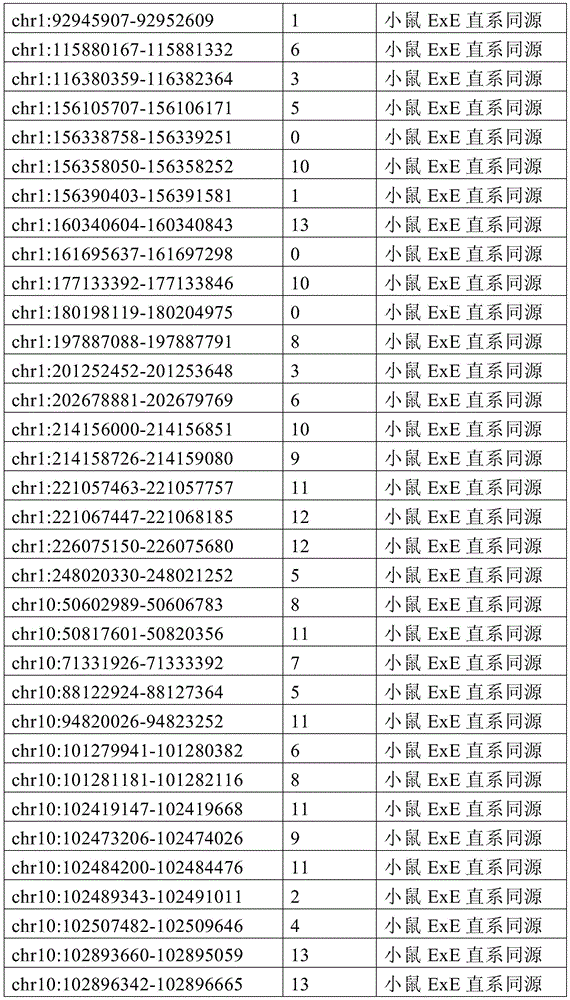
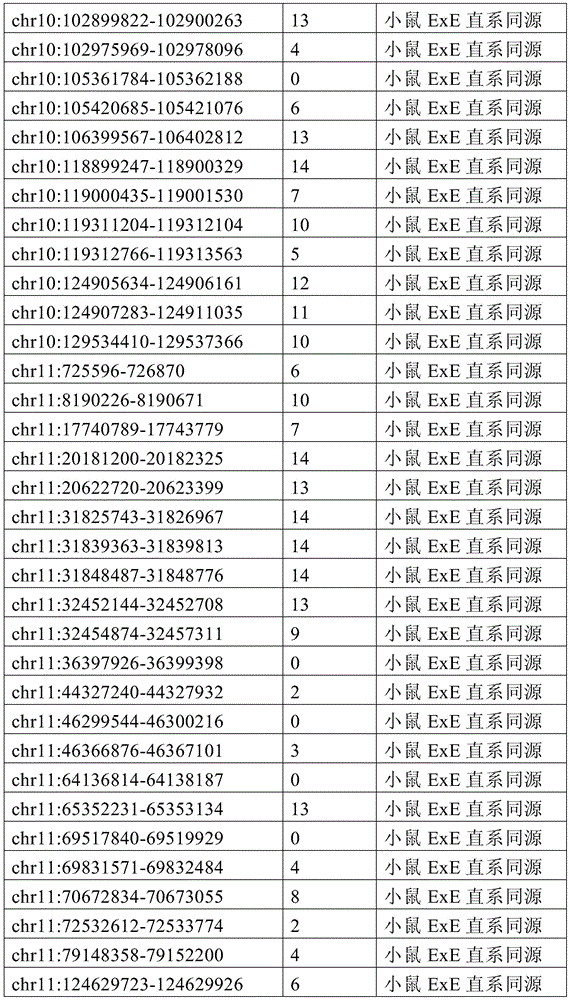


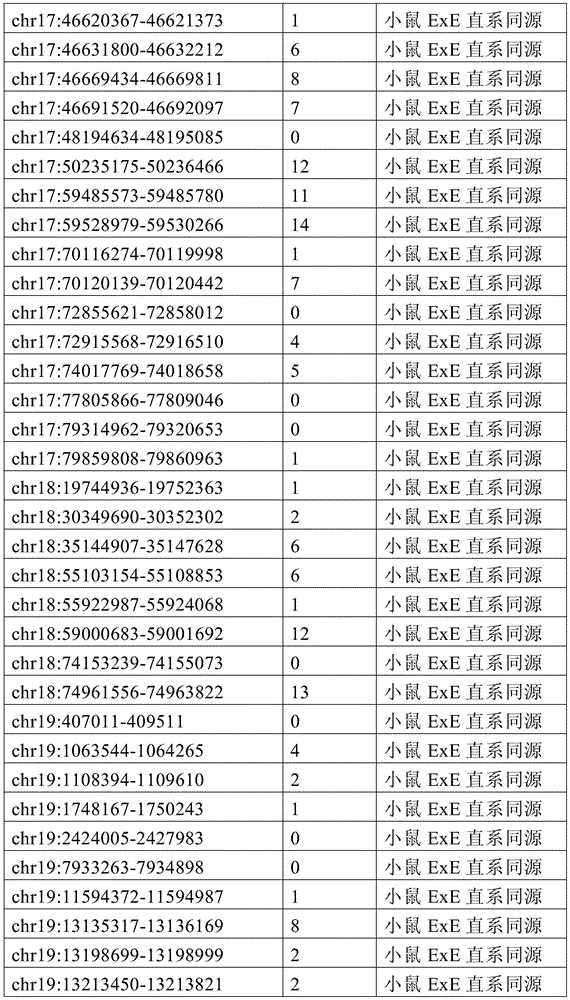


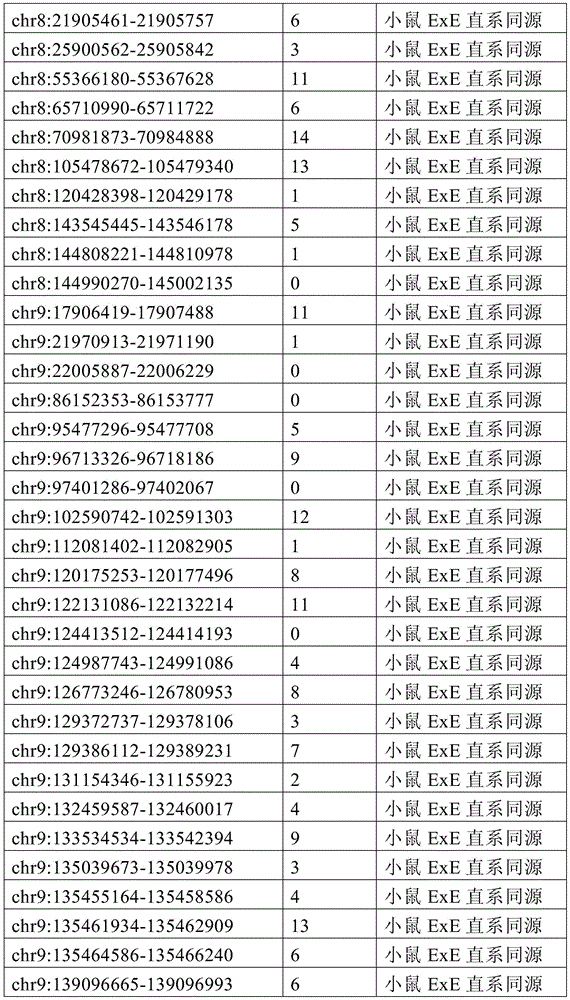
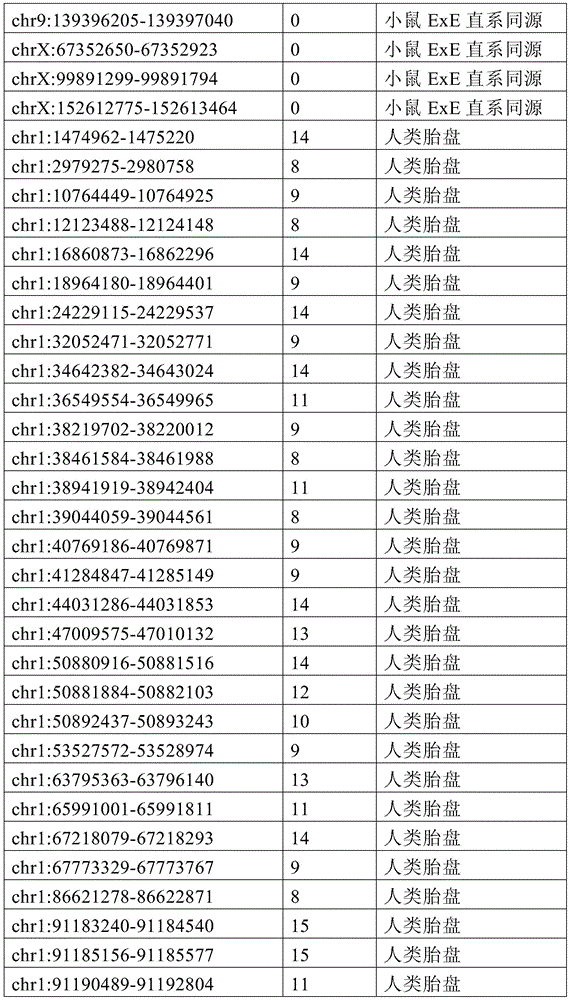


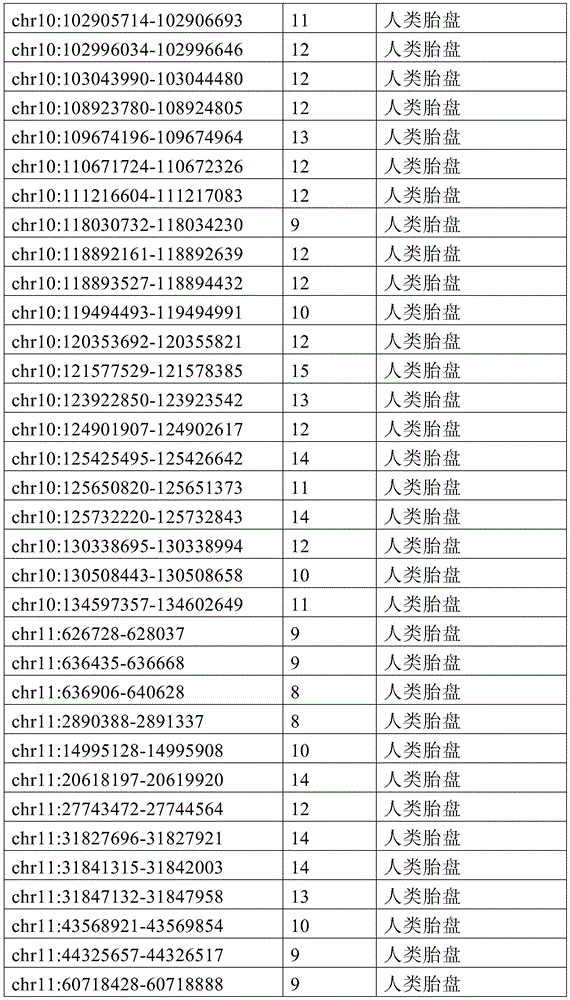
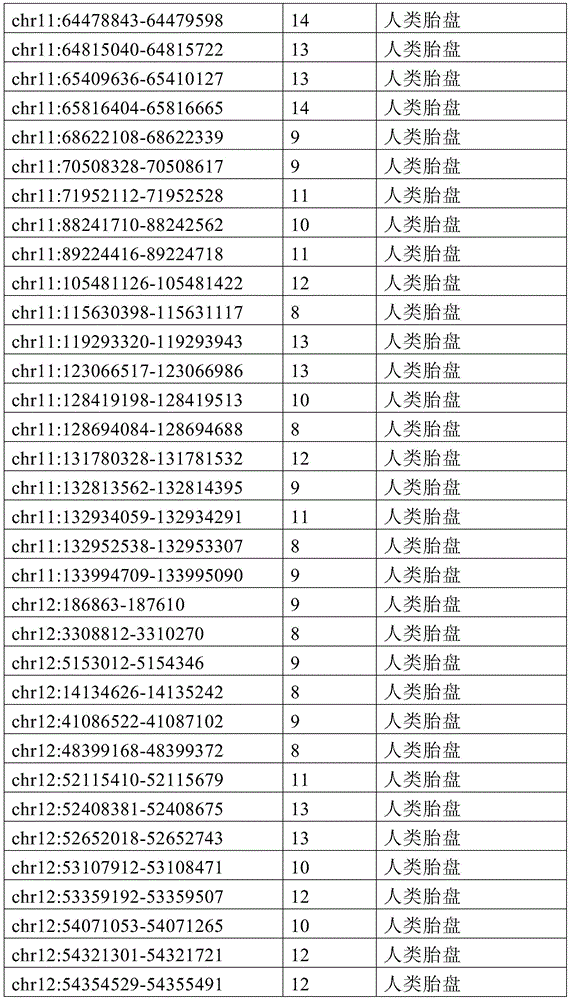


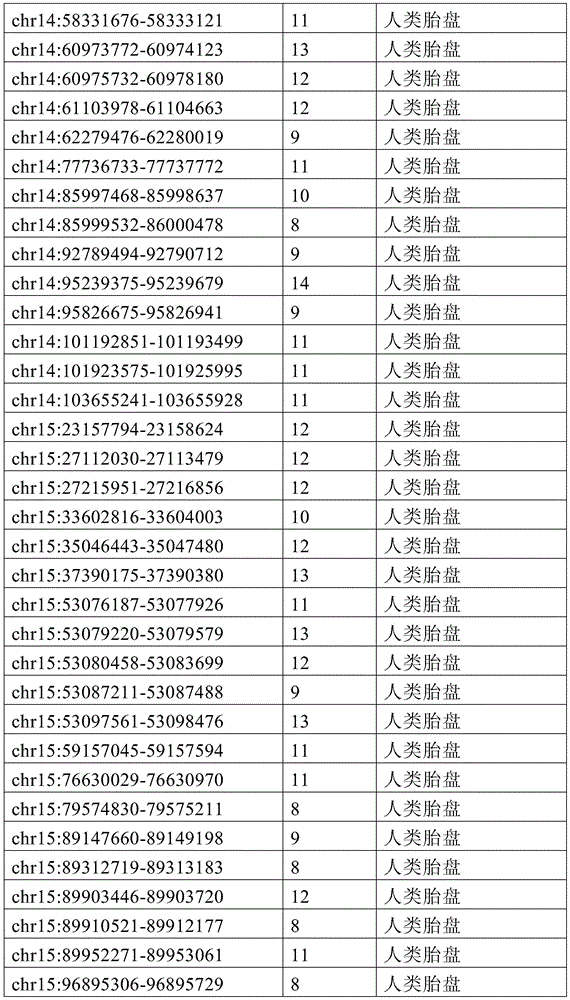

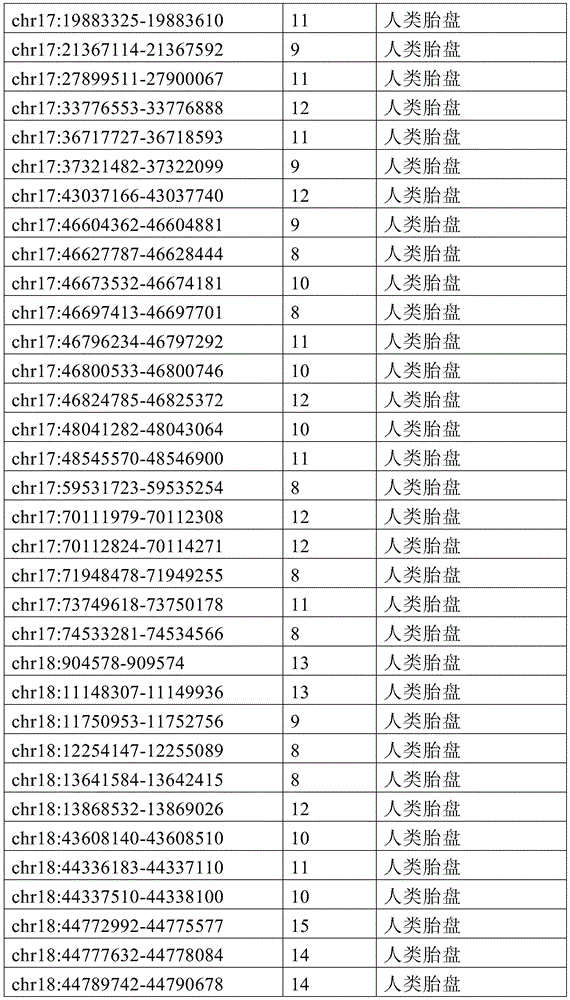
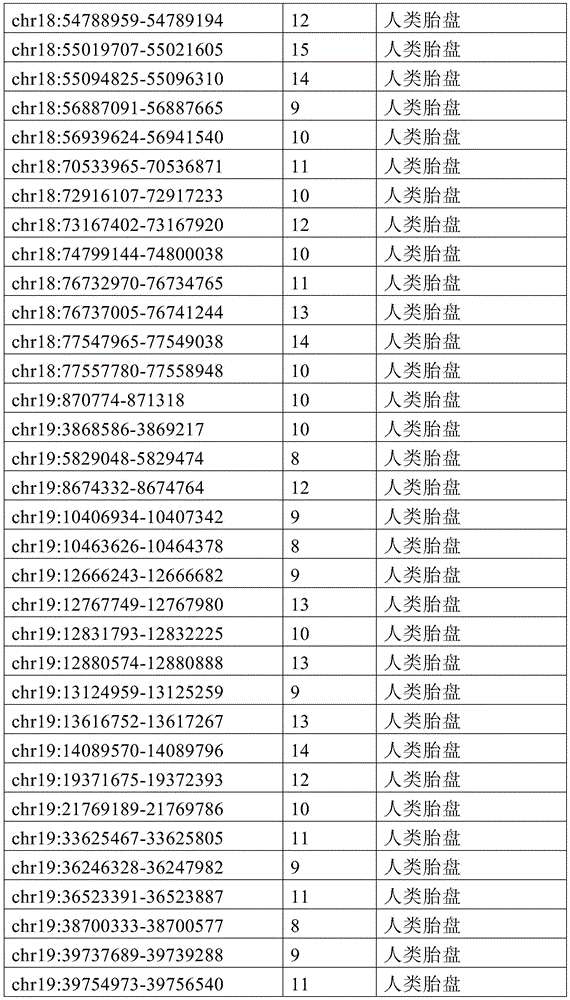


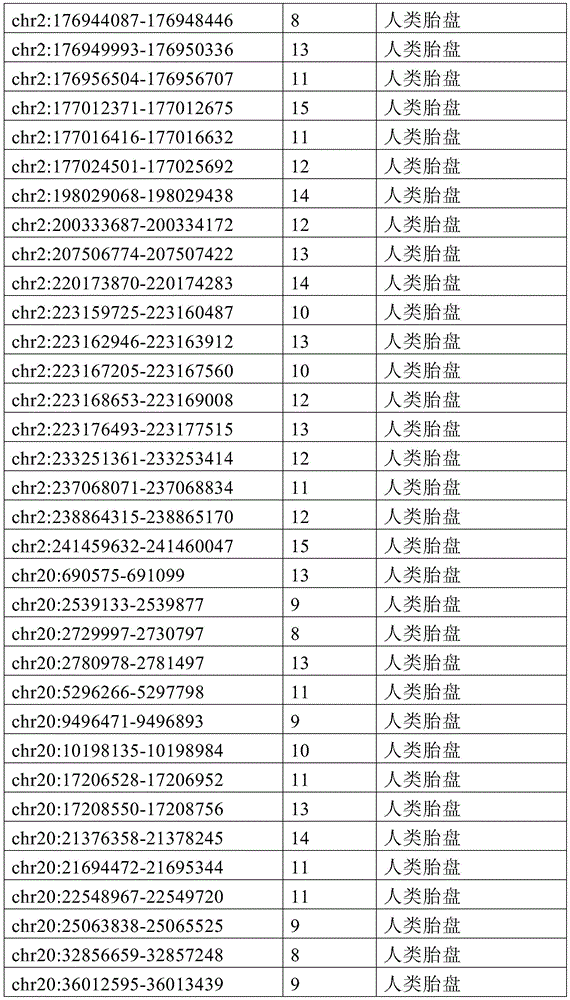

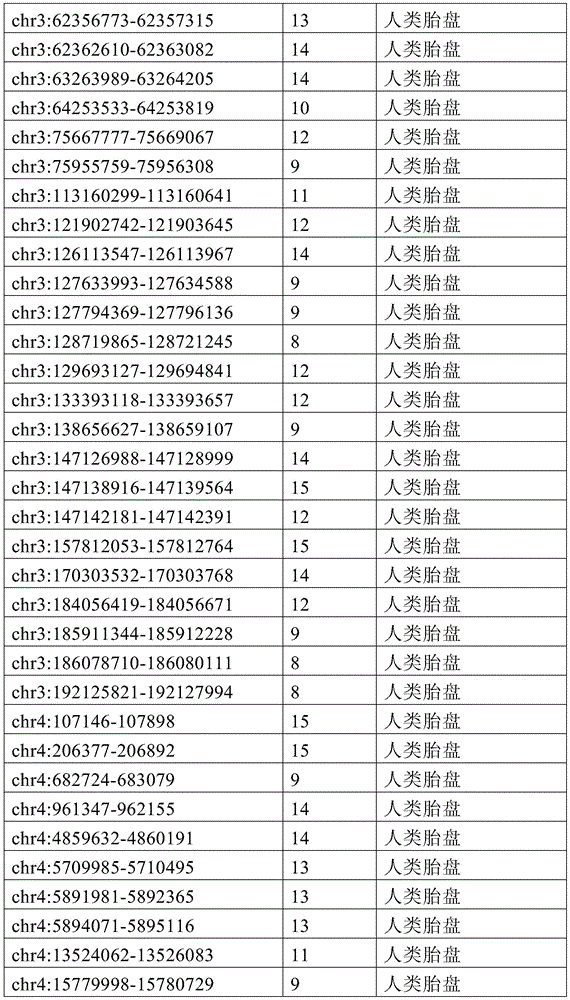
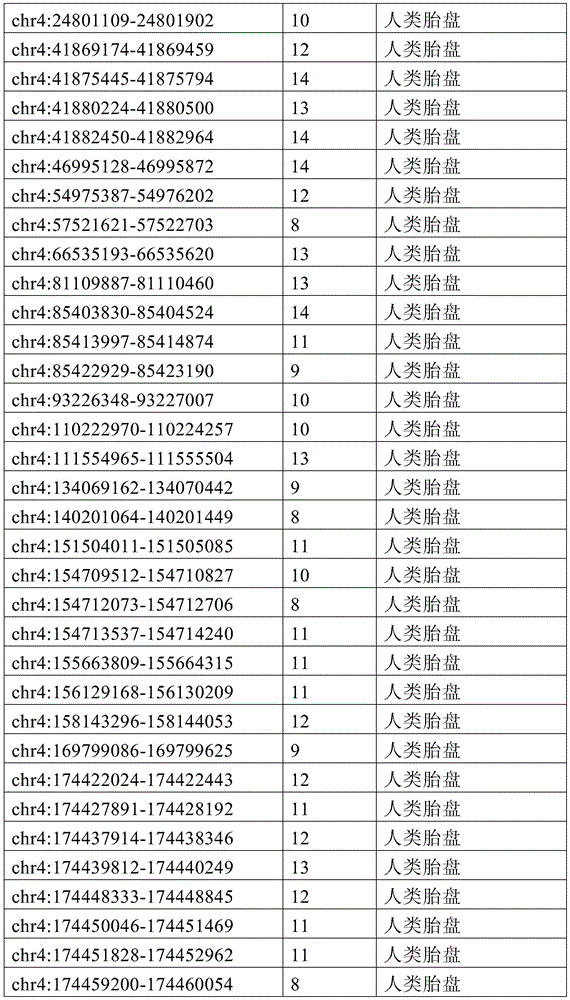


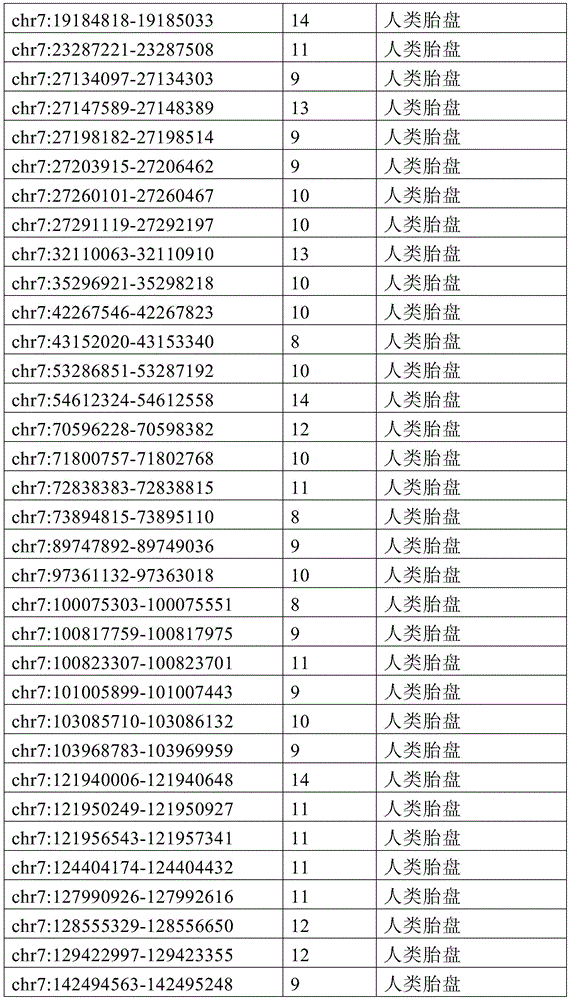
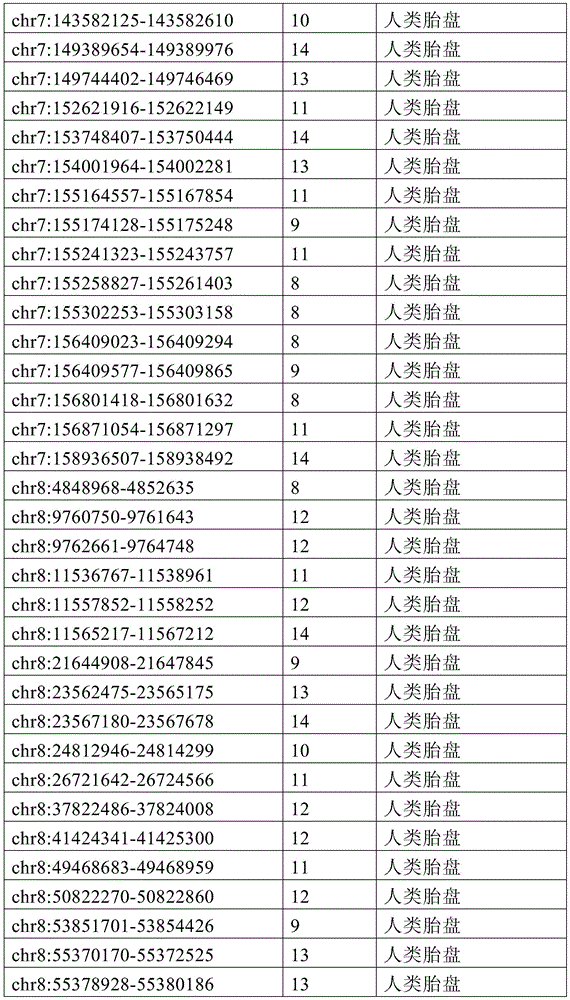
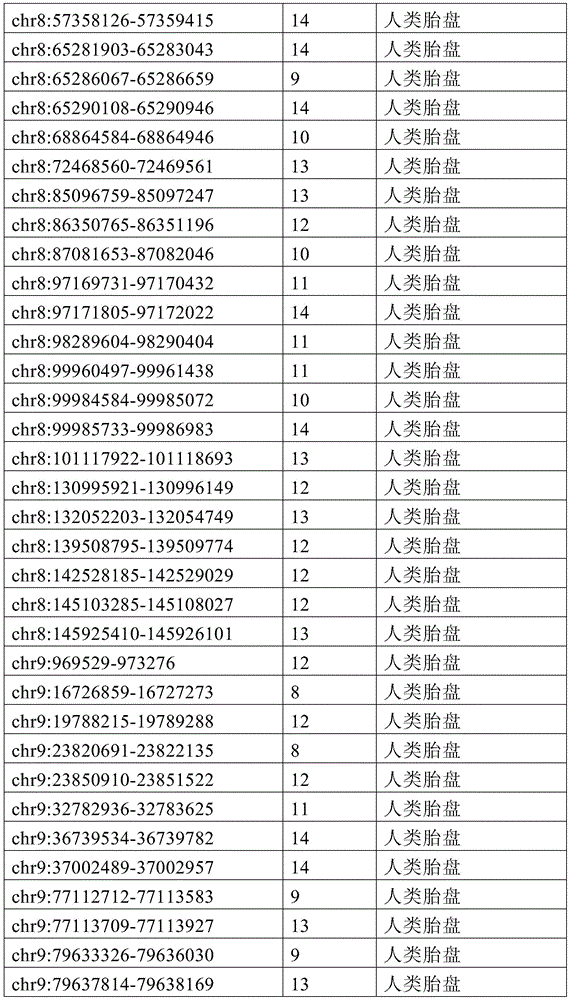
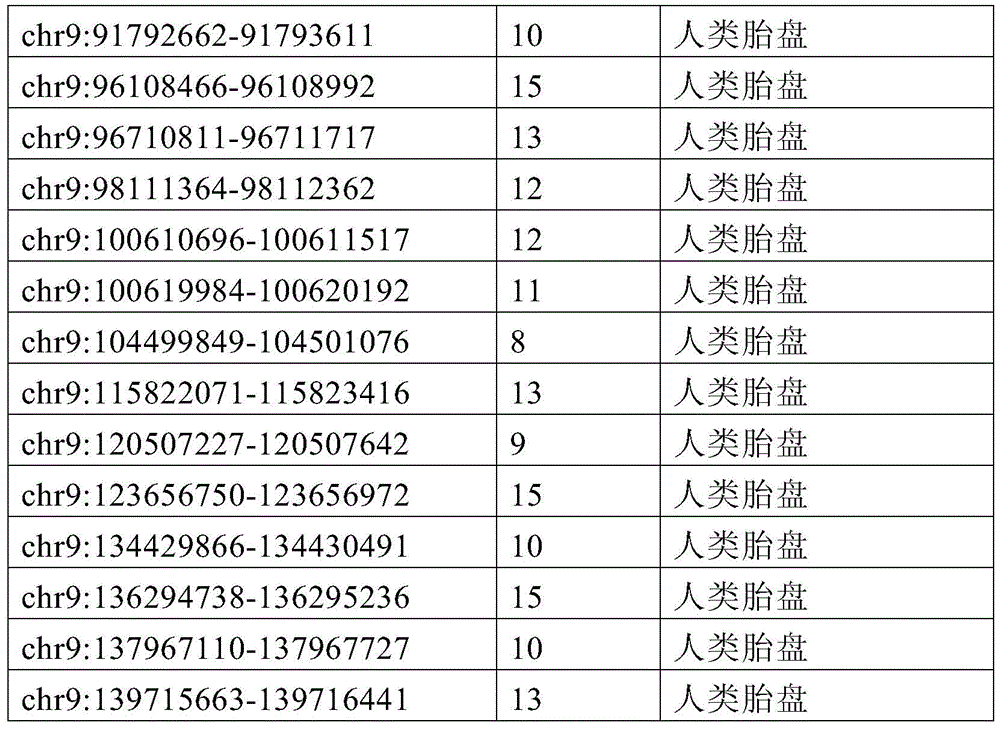
参考文献references
1.Smith,Z.D.&Meissner,A.DNA甲基化:在哺乳动物发育中的作用(DNAmethylation:roles in mammalian development).Nat.Rev.Genet.14,204–220(2013).1. Smith, Z. D. & Meissner, A. DNA methylation: roles in mammalian development. Nat. Rev. Genet. 14, 204–220 (2013).
2.Ohm,J.E.等人干细胞样染色质模式可能使肿瘤抑制基因易于发生DNA甲基化和可遗传沉默(A stem cell-like chromatin pattern may predispose tumor suppressorgenes to DNA hypermethylation and heritable silencing).Nat.Genet.39,237–242(2007).2. Ohm, J.E. et al. A stem cell-like chromatin pattern may predispose tumor suppressorgenes to DNA hypermethylation and heritable silencing. Nat.Genet .39, 237–242 (2007).
3.Schlesinger,Y.等人组蛋白H3标记前体基因的Lys27上多梳蛋白介导的甲基化用于癌症中的从头甲基化(Polycomb-mediated methylation on Lys27 of histone H3premarks genes for de novo methylation in cancer).Nat.Genet.39,232–236(2007).3. Schlesinger, Y. et al. Polycomb-mediated methylation on Lys27 of histone H3 premarks genes for de novo methylation in cancer. Nat. Genet. 39, 232–236 (2007).
4.Widschwendter,M.等人表观遗传干细胞签名在癌症中的作用(Epigeneticstem cell signature in cancer).Nat.Genet.39,157–158(2007).4. Widschwendter, M. et al. Epigeneticstem cell signature in cancer. Nat.Genet.39, 157–158 (2007).
5.Feinberg,A.P.,Ohlsson,R.&Henikoff,S.人类癌症的表观遗传祖源(Theepigenetic progenitor origin of human cancer).Nat.Rev.Genet.7,21–33(2006).5. Feinberg, A.P., Ohlsson, R. & Henikoff, S. The epigenetic progenitor origin of human cancer. Nat. Rev. Genet. 7, 21–33 (2006).
6.Flavahan,W.A.,Gaskell,E.&Bernstein,B.E.癌症的表观遗传可塑性和标志(Epigenetic plasticity and the hallmarks of cancer).Science 357,eaal2380(2017).6. Flavahan, W.A., Gaskell, E. & Bernstein, B.E. Epigenetic plasticity and the hallmarks of cancer. Science 357, eaal2380 (2017).
7.Schroeder,D.I.等人人类胎盘甲基化组(The human placenta methylome).Proc.Natl Acad.Sci.USA 110,6037–6042(2013).7. Schroeder, D.I., et al. The human placenta methylome. Proc. Natl Acad. Sci. USA 110, 6037–6042 (2013).
8.Branco,M.R.等人母体DNA甲基化调节早期滋养层发育(Maternal DNAmethylation regulates early trophoblast development).Dev.Cell 36,152–163(2016).8. Branco, M.R., et al. Maternal DNA methylation regulates early trophoblast development. Dev. Cell 36, 152–163 (2016).
9.Deaton,A.M.&Bird,A.CpG岛和转录调节(CpG islands and the regulationof transcription).Genes Dev.25,1010–1022(2011).9. Deaton, A.M. & Bird, A. CpG islands and the regulation of transcription. Genes Dev. 25, 1010–1022 (2011).
10.Arnold,S.J.&Robertson,E.J.做出承诺:小鼠早期胚胎中的细胞谱系分配和轴模式形成(Making a commitment:cell lineage allocation and axis patterning inthe early mouse embryo).Nat.Rev.Mol.Cell Biol.10,91–103(2009).10. Arnold, S.J. & Robertson, E.J. Making a commitment: cell lineage allocation and axis patterning in the early mouse embryo. Nat. Rev. Mol. Cell Biol .10, 91–103 (2009).
11.Hon,G.C.等人在成年小鼠组织的DNA甲基化映射中鉴定的胚胎增强子处的表观遗传记忆(Epigenetic memory at embryonic enhancers identified in DNAmethylation maps from adult mouse tissues).Nat.Genet.45,1198–1206(2013).11. Hon, G.C. et al. Epigenetic memory at embryonic enhancers identified in DNA methylation maps from adult mouse tissues. Nat.Genet. 45, 1198–1206 (2013).
12.Ziller,M.J.等人绘制人类基因组的动态DNA甲基化全景(Charting adynamic DNA methylation landscape of the human genome).Nature 500,477–481(2013).12. Ziller, M.J. et al. Charting a dynamic DNA methylation landscape of the human genome. Nature 500, 477–481 (2013).
13.Landan,G.等人正常和癌变组织中的表观遗传多态性以及甲基化差异区域随机形成(Epigenetic polymorphism and the stochastic formation of differentiallymethylated regions in normal and cancerous tissues).Nat.Genet.44,1207–1214(2012).13. Landan, G. et al. Epigenetic polymorphism and the stochastic formation of differentially methylated regions in normal and cancerous tissues. Nat.Genet.44 , 1207–1214 (2012).
14.Landau,D.A.等人局部紊乱的甲基化形成慢性淋巴细胞性白血病的肿瘤内甲基化组变异的基础(Locally disordered methylation forms the basis of intratumormethylome variation in chronic lymphocytic leukemia).Cancer Cell 26,813–825(2014).14. Landau, D.A. et al. Locally disordered methylation forms the basis of intratumor methylome variation in chronic lymphocytic leukemia. Cancer Cell 26, 813 –825 (2014).
15.Arman,E.,Haffner-Krausz,R.,Chen,Y.,Heath,J.K.&Lonai,P.靶向破坏成纤维细胞生长因子(FGF)受体2提示FGF信号传导在原肠胚形成前期哺乳动物发育中的作用(Targeted disruption of fibroblast growth factor(FGF)receptor 2 suggests arole for FGF signaling in pregastrulation mammalian development).Proc.NatlAcad.Sci.USA 95,5082–5087(1998).15. Arman, E., Haffner-Krausz, R., Chen, Y., Heath, J.K. & Lonai, P. Targeted disruption of fibroblast growth factor (FGF)
16.Leitch,H.G.等人原始态多能性与总体DNA低甲基化有关(Naivepluripotency is associated with global DNA hypomethylation).Nat.Struct.Mol.Biol.20,311–316(2013).16. Leitch, H.G., et al. Naivepluripotency is associated with global DNA hypomethylation. Nat. Struct. Mol. Biol. 20, 311–316 (2013).
17.Boulard,M.,Edwards,J.R.&Bestor,T.H.FBXL10消融后X染色体异常失活和性别特异性基因失调(Abnormal X chromosome inactivation and sex-specific genedysregulation after ablation of FBXL10).Epigenet.Chromatin 9,22(2016)17.Boulard, M., Edwards, J.R. & Bestor, T.H. Abnormal X chromosome inactivation and sex-specific genedysregulation after ablation of FBXL10. Epigenet.
18.Meissner,A.等人多能和分化细胞的基因组尺度DNA甲基化映射(Genome-scale DNA methylation maps of pluripotent and differentiated cells).Nature454,766–770(2008).18. Meissner, A. et al. Genome-scale DNA methylation maps of pluripotent and differentiated cells. Nature 454, 766–770 (2008).
19.ENCODE项目联盟(The ENCODE Project Consortium).人类基因组中DNA元件的集成百科全书(An integrated encyclopedia of DNA elements in the humangenome).Nature 489,57–74(2012).19. The ENCODE Project Consortium. An integrated encyclopedia of DNA elements in the humangenome.
20.Hoadley,K.A.等人12种癌症类型的多平台分析揭示起源组织内和跨起源组织的分子分类(Multiplatform analysis of 12 cancer types reveals molecularclassification within and across tissues of origin).Cell 158,929–944(2014).20. Hoadley, K.A. et al. Multiplatform analysis of 12 cancer types reveals molecular classification within and across tissues of origin. Cell 158, 929–944 ( 2014).
21.Kundaje,A.等人111种参考人类表观基因组的综合分析(Integrativeanalysis of 111 reference human epigenomes).Nature 518,317–330(2015).21. Kundaje, A. et al. Integrative analysis of 111 reference human epigenomes. Nature 518, 317–330 (2015).
22.MacLeod,A.R.,Rouleau,J.&Szyf,M.通过Ras信号传导途径调节DNA甲基化(Regulation of DNA methylation by the Ras signaling pathway).J.Biol.Chem.270,11327–11337(1995).22. MacLeod, A.R., Rouleau, J. & Szyf, M. Regulation of DNA methylation by the Ras signaling pathway. J. Biol. Chem. 270, 11327-11337 (1995) .
23.Lu,C.W.等人Ras-MAPK信号传导促进胚胎干细胞和小鼠胚胎的滋养外胚层形成(Ras-MAPK signaling promotes trophectoderm formation from embryonic stemcells and mouse embryos).Nat.Genet.40,921–926(2008).23. Lu, C.W. et al. Ras-MAPK signaling promotes trophectoderm formation from embryonic stemcells and mouse embryos. Nat.Genet.40, 921–926 ( 2008).
24.Serra,R.W.,Fang,M.,Park,S.M.,Hutchinson,L.&Green,M.R.A介导CpG岛甲基化子表型的KRAS定引导的转录沉默途径(KRAS-directed transcriptional silencingpathway that mediates the CpG island methylator phenotype).eLife 3,e02313(2014).24. Serra, R.W., Fang, M., Park, S.M., Hutchinson, L. & Green, M.R.A. KRAS-directed transcriptional silencing pathway that mediates the CpG island methylator phenotype island methylator phenotype.
25.Ley,T.J.等人急性骨髓性白血病中的DNMT3A突变(DNMT3A mutations inacute myeloid leukemia).N.Engl.J.Med.363,2424–2433(2010).25. Ley, T.J., et al. DNMT3A mutations inacute myeloid leukemia. N.Engl.J.Med.363, 2424–2433 (2010).
26.Walter,M.J.等人骨髓增生异常综合征患者中复发性DNMT3A突变(RecurrentDNMT3A mutations in patients with myelodysplastic syndromes).Leukemia 25,1153–1158(2011)26. Walter, M.J., et al. Recurrent DNMT3A mutations in patients with myelodysplastic syndromes. Leukemia 25, 1153–1158 (2011)
27.Rhee,I.等人DNMT1和DNMT3b协同沉默人类癌细胞中的基因(DNMT1 andDNMT3b cooperate to silence genes in human cancer cells).Nature 416,552–556(2002)27. Rhee, I. et al. DNMT1 and DNMT3b cooperate to silence genes in human cancer cells. Nature 416, 552–556 (2002)
28.Lin,H.等人通过删除Dnmt3b抑制肠肿瘤形成(Suppression of intestinalneoplasia by deletion of Dnmt3b).Mol.Cell.Biol.26,2976–2983(2006).28. Lin, H. et al. Suppression of intestinalneoplasia by deletion of Dnmt3b. Mol. Cell. Biol. 26, 2976–2983 (2006).
29.Novakovic,B.&Saffery,R.从DNA甲基化角度看胎盘假恶性病:未回答的问题和未来的方向(Placental pseudo-malignancy from a DNA methylation perspective:unanswered questions and future directions).Front.Genet.4,285(2013).29. Novakovic, B. & Saffery, R. Placental pseudo-malignancy from a DNA methylation perspective: unanswered questions and future directions. Front. Genet.4, 285 (2013).
30.Hanahan,D.&Weinberg,R.A.癌症的标志:下一代(Hallmarks of cancer:thenext generation).Cell 144,646–674(2011).30. Hanahan, D. & Weinberg, R.A. Hallmarks of cancer: next generation. Cell 144, 646–674 (2011).
31.Smith,Z.D.等人人类着床前胚胎的DNA甲基化动力学(DNA methylationdynamics of the human preimplantation embryo).Nature 511,611–615(2014).31. Smith, Z.D. et al. DNA methylation dynamics of the human preimplantation embryo. Nature 511, 611–615 (2014).
32.Chenoweth,J.G.&Tesar,P.J.小鼠上胚层干细胞的分离和维持(Isolationand maintenance of mouse epiblast stem cells).Methods Mol.Biol.636,25–44(2010).32. Chenoweth, J.G. & Tesar, P.J. Isolation and maintenance of mouse epiblast stem cells. Methods Mol. Biol. 636, 25–44 (2010).
33.Smith,Z.D.等人哺乳动物早期胚胎中DNA甲基化的独特调节期(A uniqueregulatory phase of DNA methylation in the early mammalian embryo).Nature484,339–344(2012).33. Smith, Z.D. et al. A unique regulatory phase of DNA methylation in the early mammalian embryo. Nature 484, 339–344 (2012).
34.Buenrostro,J.D.,Giresi,P.G.,Zaba,L.C.,Chang,H.Y.&Greenleaf,W.J.天然染色质易位用于开放染色质、DNA结合蛋白和核小体位置的快速而灵敏的表观基因组谱分析(Transposition of native chromatin for fast and sensitive epigenomicprofiling of open chromatin,DNA-binding proteins and nucleosome position).Nat.Methods 10,1213–1218(2013).34. Buenrostro, J.D., Giresi, P.G., Zaba, L.C., Chang, H.Y. & Greenleaf, W.J. Native chromatin translocation for rapid and sensitive epigenomic profiling of open chromatin, DNA-binding proteins, and nucleosome locations ( Transposition of native chromatin for fast and sensitive epigenomic profiling of open chromatin, DNA-binding proteins and nucleosome position. Nat.
35.Lara-Astiaso,D.等人免疫遗传学.血液形成期间的染色质状态动力学(Immunogenetics.Chromatin state dynamics during blood formation).Science 345,943–949(2014).35. Lara-Astiaso, D. et al. Immunogenetics. Immunogenetics. Chromatin state dynamics during blood formation. Science 345, 943–949 (2014).
36.Yoshida,N.&Perry,A.C.压电致动的小鼠胞浆内精子注射(ICSI)(Piezo-actuated mouse intracytoplasmic sperm injection(ICSI)).Nat.Protocols 2,296–304(2007).36. Yoshida, N. & Perry, A.C. Piezo-actuated mouse intracytoplasmic sperm injection (ICSI). Nat.
37.Ying,Q.L.等人胚胎干细胞自我更新的基态(The ground state ofembryonic stem cell self-renewal).Nature 453,519–523(2008)37. Ying, Q.L. et al. The ground state of embryonic stem cell self-renewal. Nature 453, 519–523 (2008)
38.Ying,Q.L.,Nichols,J.,Chambers,I.&Smith,A.Id蛋白的BMP诱导与STAT3协同抑制分化和支持胚胎干细胞自我更新(BMP induction of Id proteins suppressesdifferentiation and sustains embryonic stem cell self-renewal incollaboration with STAT3).Cell 115,281–292(2003).38. Ying, Q.L., Nichols, J., Chambers, I. & Smith, A. BMP induction of Id proteins and STAT3 synergistically suppress differentiation and support embryonic stem cell self-renewal (BMP induction of Id proteins suppresses differentiation and sustains embryonic stem cell self-renewal incollaboration with STAT3). Cell 115, 281–292 (2003).
39.Wang,H.等人通过CRISPR/Cas介导的基因组工程一步生成在多个基因中携带突变的小鼠(One-step generation of mice carrying mutations in multiple genesby CRISPR/Cas-mediated genome engineering).Cell 153,910–918(2013).39. Wang, H. et al. One-step generation of mice carrying mutations in multiple genes by CRISPR/Cas-mediated genome engineering. Cell 153, 910–918 (2013).
40.Labun,K.,Montague,T.G.,Gagnon,J.A.,Thyme,S.B.&Valen,E.CHOPCHOP v2:用于下一代CRISPR基因组工程的网络工具(CHOPCHOP v2:a web tool for the nextgeneration of CRISPR genome engineering).Nucleic Acids Res.44,W272–W276(2016).40. Labun, K., Montague, T.G., Gagnon, J.A., Thyme, S.B. & Valen, E. CHOPCHOP v2: a web tool for the next generation of CRISPR genome engineering . Nucleic Acids Res. 44, W272–W276 (2016).
41.Macaulay,I.C.等人G&T-seq:单细胞基因组和转录组的平行测序(G&T-seq:parallel sequencing of single-cell genomes and transcriptomes).Nat.Methods12,519–522(2015).41. Macaulay, I.C. et al. G&T-seq: parallel sequencing of single-cell genomes and transcriptomes. Nat.
42.Picelli,S.等人使用Smart-seq2从单个细胞的全长RNA-seq(Full-lengthRNA-seq from single cells using Smart-seq2).Nat.Protocols 9,171–181(2014).42. Picelli, S. et al. Full-length RNA-seq from single cells using Smart-seq2. Nat.
43.Gu,H.等人用于基因组尺度的DNA甲基化谱分析的简并代表性亚硫酸氢盐测序文库的制备(Preparation of reduced representation bisulfite sequencinglibraries for genome-scale DNA methylation profiling).Nat.Protocols 6,468–481(2011).43. Gu, H. et al. Preparation of reduced representation bisulfite sequencing libraries for genome-scale DNA methylation profiling. Nat.
44.Wu,H.等人从全基因组亚硫酸氢盐测序数据中无需重复地检测差异甲基化区域(Detection of differentially methylated regions from whole-genome bisulfitesequencing data without replicates).Nucleic Acids Res.43,e141(2015).44. Wu, H. et al. Detection of differentially methylated regions from whole-genome bisulfitesequencing data without replicates. Nucleic Acids Res.43, e141 (2015).
45.Ben-Porath,I.等人低分化侵袭性人类肿瘤中的胚胎干细胞样基因表达签名(An embryonic stem cell-like gene expression signature in poorlydifferentiated aggressive human tumors).Nat.Genet.40,499–507(2008).45. Ben-Porath, I. et al. An embryonic stem cell-like gene expression signature in poorly differentiated aggressive human tumors. Nat. Genet. 40, 499–507 (2008).
46.Raychaudhuri,S.等人鉴定基因组疾病区域之间的关系:致病性SNP关联和罕见缺失处的预测基因(Identifying relationships among genomic disease regions:predicting genes at pathogenic SNP associations and rare deletions)PLoSGenet.5,e1000534(2009)46. Raychaudhuri, S., et al. Identifying relationships among genomic disease regions: Identifying relationships among genomic disease regions: predicting genes at pathogenic SNP associations and rare deletions PLoSGenet.5 , e1000534 (2009)
47.Schep,A.N.等人结构化的核小体指纹实现调节区域内染色质结构的高分辨率映射(Structured nucleosome fingerprints enable high-resolution mapping ofchromatin architecture within regulatory regions).Genome Res.25,1757–1770(2015).47. Schep, A.N. et al. Structured nucleosome fingerprints enable high-resolution mapping of chromatin architecture within regulatory regions. Genome Res. 25, 1757–1770 (2015).
48.Ciruna,B.G.&Rossant,J.T-box基因Eomesodermin在小鼠早期发育期间的表达(Expression of the T-box gene Eomesodermin during early mouse development).Mech.Dev.81,199–203(1999).48. Ciruna, B. G. & Rossant, J. Expression of the T-box gene Eomesodermin during early mouse development. Mech. Dev. 81, 199–203 (1999).
49.Ralston,A.&Rossant,J.Cdx2在细胞极化的下游作用以细胞自主性促进小鼠早期胚胎中的滋养外胚层命运(Cdx2 acts downstream of cell polarization to cell-autonomously promote trophectoderm fate in the early mouse embryo).Dev.Biol.313,614–629(2008).49. Ralston, A. & Rossant, J. Cdx2 acts downstream of cell polarization to cell-autonomously promote trophectoderm fate in the early mouse embryo with cell autonomy mouse embryo). Dev. Biol. 313, 614–629 (2008).
50.Savory,J.G.等人Cdx2通过非Hox靶标调节后部发育(Cdx2 regulation ofposterior development through non-Hox targets).Development 136,4099–4110(2009).50. Savory, J.G. et al. Cdx2 regulation of posterior development through non-Hox targets. Development 136, 4099–4110 (2009).
51.Donnison,M.等人Elf5突变体中胚外外胚层丢失导致胚胎模式形成的缺陷(Loss of the extraembryonic ectoderm in Elf5 mutants leads to defects inembryonic patterning).Development 132,2299–2308(2005).51. Donnison, M. et al. Loss of the extraembryonic ectoderm in Elf5 mutants leads to defects in inembryonic patterning. Development 132, 2299–2308 (2005).
52.Goldin,S.N.&Papaioannou,V.E.围着床期发育期间FGF4的旁分泌作用维持滋养外胚层和原始内胚层(Paracrine action of FGF4 during periimplantationdevelopment maintains trophectoderm and primitive endoderm).Genesis 36,40–47(2003).52. Goldin, S.N. & Papaioannou, V.E. Paracrine action of FGF4 during periimplantation development maintains trophectoderm and primitive endoderm.
53.Kang,M.,Piliszek,A.,Artus,J.&Hadjantonakis,A.K.FGF4是原始内胚层因子的谱系限制和黑白分配所需的,但它们在小鼠中的初始表达则不是(FGF4 is requiredfor lineage restriction and salt-and-pepper distribution of primitiveendoderm factors but not their initial expression in the mouse).Development140,267–279(2013)53. Kang, M., Piliszek, A., Artus, J. & Hadjantonakis, A.K. FGF4 is required for lineage restriction and black and white assignment of primitive endoderm factors, but their initial expression in mice is not (FGF4 is required for lineage restriction and salt-and-pepper distribution of primitiveendoderm factors but not their initial expression in the mouse). Development 140, 267–279 (2013)
54.Nichols,J.,Silva,J.,Roode,M.&Smith,A.抑制Erk信号促进小鼠胚胎的基态多能性(Suppression of Erk signaling promotes ground state pluripotency in themouse embryo).Development 136,3215–3222(2009).54. Nichols, J., Silva, J., Roode, M. & Smith, A. Suppression of Erk signaling promotes ground state pluripotency in the mouse embryo. Development 136, 3215 –3222 (2009).
55.Auclair,G.,Guibert,S.,Bender,A.&Weber,M.小鼠胚胎发育期间CpG岛甲基化的个体发生和DNMT3甲基转移酶的特异性(Ontogeny of CpG island methylation andspecificity of DNMT3 methyltransferases during embryonic development in themouse).Genome Biol.15,545(2014).55. Auclair, G., Guibert, S., Bender, A. & Weber, M. Ontogeny of CpG island methylation and specificity of CpG island methylation and specificity of CpG island methylation during mouse embryonic development DNMT3 methyltransferases during embryonic development in themouse). Genome Biol. 15, 545 (2014).
56.Smallwood,S.A.等人卵母细胞和着床前胚胎中的动态CpG岛甲基化全景(Dynamic CpG island methylation landscape in oocytes and preimplantationembryos).Nat.Genet.43,811–814(2011).56. Smallwood, S.A. et al. Dynamic CpG island methylation landscape in oocytes and preimplantationembryos. Nat.Genet.43, 811–814 (2011).
57.Ooi,S.K.等人DNMT3L将组蛋白H3的未甲基化赖氨酸4与DNA的从头甲基化连接(DNMT3L connects unmethylated lysine 4 of histone H3 to de novo methylationof DNA).Nature 448,714–717(2007).57. Ooi, S.K. et al. DNMT3L connects
58.He,J.等人Kdm2b通过将PRC1复合体募集到发育基因的CpG岛上来维持鼠胚胎干细胞状态(Kdm2b maintains murine embryonic stem cell status by recruitingPRC1 complex to CpG islands of developmental genes).Nat.Cell Biol.15,373–384(2013).58. He, J. et al. Kdm2b maintains murine embryonic stem cell status by recruiting PRC1 complex to CpG islands of developmental genes. Nat.Cell Biol .15, 373–384 (2013).
59.Wu,X.,Johansen,J.V.&Helin,K.Fbxl10/Kdm2b将多梳抑制复合体1募集到CpG岛并调节H2A泛素化(Fbxl10/Kdm2b recruits polycomb repressive complex 1 to CpGislands and regulates H2A ubiquitylation).Mol.Cell 49,1134–1146(2013).59. Wu, X., Johansen, J.V. & Helin, K. Fbxl10/Kdm2b recruits polycomb
60.Blackledge,N.P.等人变异的PRC1复合体依赖性H2A泛素化驱动PRC2募集和多梳蛋白结构域形成(Variant PRC1 complex-dependent H2A ubiquitylation drivesPRC2 recruitment and polycomb domain formation).Cell 157,1445–1459(2014).60. Blackledge, N.P. et al. Variant PRC1 complex-dependent H2A ubiquitylation drives PRC2 recruitment and polycomb domain formation. Cell 157, 1445–1459 (2014).
61.Boulard,M.,Edwards,J.R.&Bestor,T.H.FBXL10保护多梳结合的基因免于超甲基化(FBXL10 protects Polycomb-bound genes from hypermethylation).Nat.Genet.47,479–485(2015).61. Boulard, M., Edwards, J.R. & Bestor, T.H. FBXL10 protects Polycomb-bound genes from hypermethylation. Nat.Genet.47, 479–485 (2015).
62.Irizarry,R.A.等人人类结肠癌甲基化组在保守的组织特异性CpG岛岸处显示相似的低和超甲基化(The human colon cancer methylome shows similar hypo andhypermethylation at conserved tissue-specific CpG island shores).Nat.Genet.41,178–186(2009)62. Irizarry, R.A., et al. The human colon cancer methylome shows similar hypo and hypermethylation at conserved tissue-specific CpG island shores. shores). Nat. Genet. 41, 178–186 (2009)
63.Steine,E.J.等人通过DNA甲基转移酶3b甲基化的基因在小鼠肠和人类结肠癌中相似(Genes methylated by DNA methyltransferase 3b are similar in mouseintestine and human colon cancer).J.Clin.Invest.121,1748–1752(2011).63. Steine, E.J., et al. Genes methylated by
64.Schulze,I.等人Dnmt3b靶标的DNA甲基化增加削弱白血病生成(IncreasedDNA methylation of Dnmt3b targets impairs leukemogenesis).Blood 127,1575–1586(2016).64. Schulze, I. et al. Increased DNA methylation of Dnmt3b targets impairs leukemogenesis. Blood 127, 1575–1586 (2016).
65.Yang,L.等人DNMT3A丢失驱动FLT3-ITD相关性白血病中增强子的低甲基化(DNMT3A loss drives enhancer hypomethylation in FLT3-ITDassociatedleukemias).Cancer Cell 29,922–934(2016);erratum 30,363–365,(2016).65. Yang, L. et al. DNMT3A loss drives enhancer hypomethylation in FLT3-ITD associated leukemias. Cancer Cell 29, 922–934 (2016);
66.Mayle,A.等人Dnmt3a丢失易使鼠造血干细胞发生恶性转化(Dnmt3a losspredisposes murine hematopoietic stem cells to malignant transformation).Blood 125,629–638(2015).66. Mayle, A. et al. Dnmt3a loss predisposes murine hematopoietic stem cells to malignant transformation. Blood 125, 629–638 (2015).
67.Haney,S.L.等人在Dnmt3a减少或失活诱导的小鼠慢性淋巴细胞白血病中启动子低甲基化和表达是保守的(Promoter hypomethylation and expression is conservedin mouse chronic lymphocytic leukemia induced by decreased or inactivatedDnmt3a).Cell Rep.15,1190–1201(2016).67.Haney, S.L. et al. Promoter hypomethylation and expression is conserved in mouse chronic lymphocytic leukemia induced by decreased or inactivated Dnmt3a . Cell Rep. 15, 1190–1201 (2016).
Claims (26)
Applications Claiming Priority (7)
| Application Number | Priority Date | Filing Date | Title |
|---|---|---|---|
| US201762505647P | 2017-05-12 | 2017-05-12 | |
| US62/505,647 | 2017-05-12 | ||
| US201762511648P | 2017-05-26 | 2017-05-26 | |
| US62/511,648 | 2017-05-26 | ||
| US201762560660P | 2017-09-19 | 2017-09-19 | |
| US62/560,660 | 2017-09-19 | ||
| PCT/US2018/032612 WO2018209361A2 (en) | 2017-05-12 | 2018-05-14 | Universal early cancer diagnostics |
Publications (1)
| Publication Number | Publication Date |
|---|---|
| CN111417731A true CN111417731A (en) | 2020-07-14 |
Family
ID=64105039
Family Applications (1)
| Application Number | Title | Priority Date | Filing Date |
|---|---|---|---|
| CN201880042384.XA Pending CN111417731A (en) | 2017-05-12 | 2018-05-14 | Universal early cancer diagnosis |
Country Status (7)
| Country | Link |
|---|---|
| US (2) | US12195802B2 (en) |
| EP (1) | EP3622091A4 (en) |
| JP (2) | JP7368235B2 (en) |
| CN (1) | CN111417731A (en) |
| AU (2) | AU2018266964B2 (en) |
| CA (1) | CA3063405A1 (en) |
| WO (1) | WO2018209361A2 (en) |
Cited By (1)
| Publication number | Priority date | Publication date | Assignee | Title |
|---|---|---|---|---|
| CN115132274A (en) * | 2022-09-01 | 2022-09-30 | 臻和(北京)生物科技有限公司 | Methylation level analysis method and device for circulating cell-free DNA transcription factor binding site |
Families Citing this family (29)
| Publication number | Priority date | Publication date | Assignee | Title |
|---|---|---|---|---|
| WO2017136482A1 (en) * | 2016-02-01 | 2017-08-10 | The Board Of Regents Of The University Of Nebraska | Method of identifying important methylome features and use thereof |
| US12195802B2 (en) | 2017-05-12 | 2025-01-14 | President And Fellows Of Harvard College | Universal early cancer diagnostics |
| CA3094717A1 (en) | 2018-04-02 | 2019-10-10 | Grail, Inc. | Methylation markers and targeted methylation probe panels |
| AU2019351130B2 (en) | 2018-09-27 | 2025-10-23 | Grail, Inc. | Methylation markers and targeted methylation probe panel |
| EP4485464A3 (en) * | 2019-02-05 | 2025-02-19 | Grail, Inc. | Detecting cancer, cancer tissue of origin, and/or a cancer cell type |
| CN111662978B (en) * | 2019-03-08 | 2021-11-16 | 北京大学 | DNA methylation marker of colorectal cancer and method and kit for detecting colorectal cancer using the same |
| WO2020212992A2 (en) * | 2019-04-17 | 2020-10-22 | Yissum Research Development Company Of The Hebrew University Of Jerusalem Ltd. | Cancer cell methylation markers and use thereof |
| US11396679B2 (en) | 2019-05-31 | 2022-07-26 | Universal Diagnostics, S.L. | Detection of colorectal cancer |
| US11898199B2 (en) | 2019-11-11 | 2024-02-13 | Universal Diagnostics, S.A. | Detection of colorectal cancer and/or advanced adenomas |
| CN117265120A (en) * | 2019-12-31 | 2023-12-22 | 上海奕谱生物科技有限公司 | Novel tumor diagnosis marker and application thereof |
| GB202000747D0 (en) * | 2020-01-17 | 2020-03-04 | Institute Of Cancer Res | Monitoring tumour evolution |
| CN113528658B (en) * | 2020-04-20 | 2024-09-13 | 江苏鹍远生物科技股份有限公司 | Thyroid tumor benign and malignant identification model and application thereof |
| US12467096B2 (en) | 2020-05-15 | 2025-11-11 | Universal Diagnostics, S.A. | Methods and systems for identifying methylation biomarkers |
| CN111564177B (en) * | 2020-05-22 | 2023-03-31 | 四川大学华西医院 | Construction method of early non-small cell lung cancer recurrence model based on DNA methylation |
| EP4150121A1 (en) | 2020-06-30 | 2023-03-22 | Universal Diagnostics, S.A. | Systems and methods for detection of multiple cancer types |
| CA3205667A1 (en) * | 2020-12-17 | 2022-06-23 | President And Fellows Of Harvard College | Methods of cancer detection using extraembryonically methylated cpg islands |
| CN116377071A (en) * | 2020-12-30 | 2023-07-04 | 上海奕谱生物科技有限公司 | Tumor marker located on chromosome 10 and application of tumor marker in tumor detection |
| CN115772565B (en) * | 2021-09-08 | 2023-09-05 | 广州市基准医疗有限责任公司 | Methylation site for auxiliary detection of lung cancer somatic EGFR gene mutation and application thereof |
| US12152280B2 (en) | 2021-09-20 | 2024-11-26 | Droplet Biosciences, Inc. | Drain fluid for diagnostics |
| KR102810244B1 (en) * | 2021-11-05 | 2025-05-21 | 서울대학교병원 | Method for predicting anti-cancer drug responsiveness by analyzing the status of genome DNA methylation |
| CN114107513B (en) * | 2022-01-27 | 2022-05-03 | 北京优乐复生科技有限责任公司 | Detection method and kit for bladder urothelial cancer diagnosis |
| US11788152B2 (en) | 2022-01-28 | 2023-10-17 | Flagship Pioneering Innovations Vi, Llc | Multiple-tiered screening and second analysis |
| US20250313898A1 (en) * | 2022-06-02 | 2025-10-09 | The Board Of Trustees Of The Leland Stanford Junior University | Single molecule sequencing and methylation profiling of cell-free dna |
| CA3265906A1 (en) * | 2022-08-29 | 2024-03-07 | Flagship Pioneering Innovations Vi, Llc | Detection of a genetic fusion or deletion that results in expression of a neoantigen |
| WO2024050350A1 (en) | 2022-08-29 | 2024-03-07 | Flagship Pioneering Innovations Vi, Llc | Encoding features for use in machine learning systems to detect health conditions |
| CA3268038A1 (en) * | 2022-09-23 | 2024-03-28 | Flagship Pioneering Innovations Vi, Llc | Methods for epitype enriched pcr screening |
| EP4634407A1 (en) | 2022-12-12 | 2025-10-22 | Flagship Pioneering Innovations VI, LLC | Phased sequencing information from circulating tumor dna |
| WO2025147572A1 (en) | 2024-01-05 | 2025-07-10 | Flagship Pioneering Innovations Vi, Llc | Multi-tiered testing for tracking cancer heterogeneity |
| WO2025247632A1 (en) | 2024-05-27 | 2025-12-04 | European Molecular Biology Laboratory | Preparation of cell-free fragmented nucleic acids for genetic analysis sequencing |
Citations (8)
| Publication number | Priority date | Publication date | Assignee | Title |
|---|---|---|---|---|
| US20120202202A1 (en) * | 2011-01-28 | 2012-08-09 | Michael Xia Wang | Methods for detecting rare circulating cancer cells using dna methylation biomarkers |
| WO2014043763A1 (en) * | 2012-09-20 | 2014-03-27 | The Chinese University Of Hong Kong | Non-invasive determination of methylome of fetus or tumor from plasma |
| US20150011403A1 (en) * | 2012-09-20 | 2015-01-08 | The Chinese University Of Hong Kong | Non-invasive determination of methylome of tumor from plasma |
| WO2015181804A2 (en) * | 2014-05-30 | 2015-12-03 | Pontificia Universidad Católica De Chile | Method and assay for the non-invasive detection of early gastric cancer by the combined use of methylated reprimo cell-free dna and pepsinogen i/ii |
| US20160210403A1 (en) * | 2015-01-18 | 2016-07-21 | The Regents Of The University Of California | Method and system for determining cancer status |
| WO2017181146A1 (en) * | 2016-04-14 | 2017-10-19 | Guardant Health, Inc. | Methods for early detection of cancer |
| WO2017190215A1 (en) * | 2016-05-03 | 2017-11-09 | University Health Network | Methods of capturing cell-free methylated dna and uses of same |
| WO2017201606A1 (en) * | 2016-05-04 | 2017-11-30 | Queen's University At Kingston | Cell-free detection of methylated tumour dna |
Family Cites Families (10)
| Publication number | Priority date | Publication date | Assignee | Title |
|---|---|---|---|---|
| SG10201707569YA (en) * | 2012-12-12 | 2017-10-30 | Broad Inst Inc | Delivery, Engineering and Optimization of Systems, Methods and Compositions for Sequence Manipulation and Therapeutic Applications |
| JP6738728B2 (en) * | 2013-06-17 | 2020-08-19 | ザ・ブロード・インスティテュート・インコーポレイテッド | Delivery and use of CRISPR-Cas systems, vectors and compositions for liver targeting and therapy |
| US10801070B2 (en) | 2013-11-25 | 2020-10-13 | The Broad Institute, Inc. | Compositions and methods for diagnosing, evaluating and treating cancer |
| EP3382018B1 (en) | 2015-11-25 | 2022-03-30 | National University Corporation Gunma University | Dna methylation editing kit and dna methylation editing method |
| EP3464644A4 (en) | 2016-06-07 | 2020-07-15 | The Regents of The University of California | CELL-FREE DNA METHYLATION PATTERN FOR DISEASE AND CONDITION ANALYSIS |
| WO2018057928A1 (en) | 2016-09-23 | 2018-03-29 | Grail, Inc. | Methods of preparing and analyzing cell-free nucleic acid sequencing libraries |
| CN110100013A (en) | 2016-10-24 | 2019-08-06 | 香港中文大学 | Method and system for lesion detection |
| WO2018119216A1 (en) | 2016-12-21 | 2018-06-28 | The Regents Of The University Of California | Deconvolution and detection of rare dna in plasma |
| US12195802B2 (en) | 2017-05-12 | 2025-01-14 | President And Fellows Of Harvard College | Universal early cancer diagnostics |
| WO2019200410A1 (en) | 2018-04-13 | 2019-10-17 | Freenome Holdings, Inc. | Machine learning implementation for multi-analyte assay of biological samples |
-
2018
- 2018-05-14 US US16/613,114 patent/US12195802B2/en active Active
- 2018-05-14 AU AU2018266964A patent/AU2018266964B2/en active Active
- 2018-05-14 CN CN201880042384.XA patent/CN111417731A/en active Pending
- 2018-05-14 EP EP18798603.9A patent/EP3622091A4/en active Pending
- 2018-05-14 CA CA3063405A patent/CA3063405A1/en active Pending
- 2018-05-14 WO PCT/US2018/032612 patent/WO2018209361A2/en not_active Ceased
- 2018-05-14 JP JP2019562597A patent/JP7368235B2/en active Active
-
2022
- 2022-12-15 JP JP2022200313A patent/JP7627678B2/en active Active
-
2025
- 2025-01-13 US US19/018,871 patent/US20250146086A1/en active Pending
- 2025-01-31 AU AU2025200694A patent/AU2025200694A1/en active Pending
Patent Citations (8)
| Publication number | Priority date | Publication date | Assignee | Title |
|---|---|---|---|---|
| US20120202202A1 (en) * | 2011-01-28 | 2012-08-09 | Michael Xia Wang | Methods for detecting rare circulating cancer cells using dna methylation biomarkers |
| WO2014043763A1 (en) * | 2012-09-20 | 2014-03-27 | The Chinese University Of Hong Kong | Non-invasive determination of methylome of fetus or tumor from plasma |
| US20150011403A1 (en) * | 2012-09-20 | 2015-01-08 | The Chinese University Of Hong Kong | Non-invasive determination of methylome of tumor from plasma |
| WO2015181804A2 (en) * | 2014-05-30 | 2015-12-03 | Pontificia Universidad Católica De Chile | Method and assay for the non-invasive detection of early gastric cancer by the combined use of methylated reprimo cell-free dna and pepsinogen i/ii |
| US20160210403A1 (en) * | 2015-01-18 | 2016-07-21 | The Regents Of The University Of California | Method and system for determining cancer status |
| WO2017181146A1 (en) * | 2016-04-14 | 2017-10-19 | Guardant Health, Inc. | Methods for early detection of cancer |
| WO2017190215A1 (en) * | 2016-05-03 | 2017-11-09 | University Health Network | Methods of capturing cell-free methylated dna and uses of same |
| WO2017201606A1 (en) * | 2016-05-04 | 2017-11-30 | Queen's University At Kingston | Cell-free detection of methylated tumour dna |
Non-Patent Citations (6)
| Title |
|---|
| KRISTINA WARTON ET AL: "Methylated circulating tumor DNA in blood: power in cancer prognosis and response", 《ENDOCR RELAT CANCER》 * |
| MUELLER H. M. ET AL.: "Methylated DNA as a possible screening marker for neoplastic disease in several body fluids", 《EXPERT REV MOL DIAGN》 * |
| THOMAS LIGGETT ET AL.: "Differential methylation of cell free circulating DNA among patients with pancreatic cancer versus chronic pancreatitis", 《CANCER》 * |
| ZHEN QIN ET AL.: "Cell-free circulating tumor DNA in cancer", 《CHINESE JOURNAL OF CANCER》 * |
| 丁浩: "血浆循环DNA完整性及多基因甲基化对肺癌诊断价值的研究", 《中国优秀博硕士学位论文全文数据库(硕士)医药卫生科技辑》 * |
| 今毅,等: "乳腺癌患者肿瘤循环DNA的定量分析", 《第四军医大学学报》 * |
Cited By (1)
| Publication number | Priority date | Publication date | Assignee | Title |
|---|---|---|---|---|
| CN115132274A (en) * | 2022-09-01 | 2022-09-30 | 臻和(北京)生物科技有限公司 | Methylation level analysis method and device for circulating cell-free DNA transcription factor binding site |
Also Published As
| Publication number | Publication date |
|---|---|
| JP7627678B2 (en) | 2025-02-06 |
| JP7368235B2 (en) | 2023-10-24 |
| JP2020520235A (en) | 2020-07-09 |
| CA3063405A1 (en) | 2018-11-15 |
| EP3622091A2 (en) | 2020-03-18 |
| US12195802B2 (en) | 2025-01-14 |
| WO2018209361A3 (en) | 2019-01-10 |
| AU2018266964B2 (en) | 2024-10-31 |
| US20200109456A1 (en) | 2020-04-09 |
| EP3622091A4 (en) | 2021-02-17 |
| JP2023027291A (en) | 2023-03-01 |
| AU2025200694A1 (en) | 2025-02-20 |
| US20250146086A1 (en) | 2025-05-08 |
| WO2018209361A2 (en) | 2018-11-15 |
| AU2018266964A1 (en) | 2019-12-05 |
Similar Documents
| Publication | Publication Date | Title |
|---|---|---|
| JP7627678B2 (en) | Universal early cancer detection | |
| Smith et al. | Epigenetic restriction of extraembryonic lineages mirrors the somatic transition to cancer | |
| Liu et al. | Technologies and applications of single-cell DNA methylation sequencing | |
| Cheng et al. | DNA methylation and hydroxymethylation in stem cells | |
| Bocker et al. | Hydroxylation of 5-methylcytosine by TET2 maintains the active state of the mammalian HOXA cluster | |
| US20250051840A1 (en) | Detection of genetic and epigenetic information in a single workflow | |
| Joannides et al. | Molecular biology of therapy-related leukaemias | |
| Lim et al. | Comprehensive molecular analysis to predict the efficacy of chemotherapy containing bevacizumab in patients with metastatic colorectal cancer | |
| Meredith et al. | Glycogen synthase kinase-3 (Gsk-3) plays a fundamental role in maintaining DNA methylation at imprinted loci in mouse embryonic stem cells | |
| WO2021081374A1 (en) | Methods and compositions for high-throughput compressed screening for therapeutics | |
| US20100003677A1 (en) | Identification of tumor suppressor genes in an acute myeloid leukaemia model | |
| Skoufou Papoutsaki | Prevalence and fate of pro-oncogenic clones in the human colon | |
| US20230364062A1 (en) | Method of treating myeloid malignancies | |
| Starostecka | Characterization of cell-type-specific responses to doxorubicin treatment in murine breast cancer organoids using a single-cell multi-omics approach | |
| EP2366030A1 (en) | Imprinting in very small embryonic-like (vsel) stem cells | |
| Graybeal | Nutritional Epigenetic Programming and Embryo-Maternal Signaling in Sheep and Cattle | |
| Ramsawhook | Investigating the interplay between Wilms’ Tumour Protein 1 and oxidised forms of 5-Methylcytosine in brain tumours | |
| Usher | Leveraging genomic technologies to understand the pathogenesis of chordoma | |
| Alhazmi | Assessing the relationship between DNA methylation and gene expression in germ cell tumours | |
| WO2025128887A1 (en) | Methods and compositions for selective enrichment of methylation signal | |
| Lo | Molecular analyses of malignant pleural mesothelioma | |
| Zhao | Innovative insights into extrachromosomal circular DNAs in gynecologic tumors and reproduction | |
| Shearstone | Global DNA Demethylation During Erythropoiesis: A Dissertation | |
| Wang et al. | EPCO-17. A SINGLE-CELL ATLAS OF GLIOBLASTOMA EVOLUTION UNDER THERAPY | |
| WO2024059649A1 (en) | Dna methylation signature of retinoblastoma |
Legal Events
| Date | Code | Title | Description |
|---|---|---|---|
| PB01 | Publication | ||
| PB01 | Publication | ||
| SE01 | Entry into force of request for substantive examination | ||
| SE01 | Entry into force of request for substantive examination |