CN111403336A - Array substrate, display panel and manufacturing method of array substrate - Google Patents
Array substrate, display panel and manufacturing method of array substrate Download PDFInfo
- Publication number
- CN111403336A CN111403336A CN202010246502.8A CN202010246502A CN111403336A CN 111403336 A CN111403336 A CN 111403336A CN 202010246502 A CN202010246502 A CN 202010246502A CN 111403336 A CN111403336 A CN 111403336A
- Authority
- CN
- China
- Prior art keywords
- layer
- array substrate
- source
- pattern
- drain
- Prior art date
- Legal status (The legal status is an assumption and is not a legal conclusion. Google has not performed a legal analysis and makes no representation as to the accuracy of the status listed.)
- Pending
Links
Images


Classifications
-
- H—ELECTRICITY
- H10—SEMICONDUCTOR DEVICES; ELECTRIC SOLID-STATE DEVICES NOT OTHERWISE PROVIDED FOR
- H10D—INORGANIC ELECTRIC SEMICONDUCTOR DEVICES
- H10D86/00—Integrated devices formed in or on insulating or conducting substrates, e.g. formed in silicon-on-insulator [SOI] substrates or on stainless steel or glass substrates
- H10D86/01—Manufacture or treatment
- H10D86/021—Manufacture or treatment of multiple TFTs
-
- G—PHYSICS
- G02—OPTICS
- G02F—OPTICAL DEVICES OR ARRANGEMENTS FOR THE CONTROL OF LIGHT BY MODIFICATION OF THE OPTICAL PROPERTIES OF THE MEDIA OF THE ELEMENTS INVOLVED THEREIN; NON-LINEAR OPTICS; FREQUENCY-CHANGING OF LIGHT; OPTICAL LOGIC ELEMENTS; OPTICAL ANALOGUE/DIGITAL CONVERTERS
- G02F1/00—Devices or arrangements for the control of the intensity, colour, phase, polarisation or direction of light arriving from an independent light source, e.g. switching, gating or modulating; Non-linear optics
- G02F1/01—Devices or arrangements for the control of the intensity, colour, phase, polarisation or direction of light arriving from an independent light source, e.g. switching, gating or modulating; Non-linear optics for the control of the intensity, phase, polarisation or colour
- G02F1/13—Devices or arrangements for the control of the intensity, colour, phase, polarisation or direction of light arriving from an independent light source, e.g. switching, gating or modulating; Non-linear optics for the control of the intensity, phase, polarisation or colour based on liquid crystals, e.g. single liquid crystal display cells
- G02F1/133—Constructional arrangements; Operation of liquid crystal cells; Circuit arrangements
- G02F1/136—Liquid crystal cells structurally associated with a semi-conducting layer or substrate, e.g. cells forming part of an integrated circuit
- G02F1/1362—Active matrix addressed cells
-
- G—PHYSICS
- G02—OPTICS
- G02F—OPTICAL DEVICES OR ARRANGEMENTS FOR THE CONTROL OF LIGHT BY MODIFICATION OF THE OPTICAL PROPERTIES OF THE MEDIA OF THE ELEMENTS INVOLVED THEREIN; NON-LINEAR OPTICS; FREQUENCY-CHANGING OF LIGHT; OPTICAL LOGIC ELEMENTS; OPTICAL ANALOGUE/DIGITAL CONVERTERS
- G02F1/00—Devices or arrangements for the control of the intensity, colour, phase, polarisation or direction of light arriving from an independent light source, e.g. switching, gating or modulating; Non-linear optics
- G02F1/01—Devices or arrangements for the control of the intensity, colour, phase, polarisation or direction of light arriving from an independent light source, e.g. switching, gating or modulating; Non-linear optics for the control of the intensity, phase, polarisation or colour
- G02F1/13—Devices or arrangements for the control of the intensity, colour, phase, polarisation or direction of light arriving from an independent light source, e.g. switching, gating or modulating; Non-linear optics for the control of the intensity, phase, polarisation or colour based on liquid crystals, e.g. single liquid crystal display cells
- G02F1/133—Constructional arrangements; Operation of liquid crystal cells; Circuit arrangements
- G02F1/136—Liquid crystal cells structurally associated with a semi-conducting layer or substrate, e.g. cells forming part of an integrated circuit
- G02F1/1362—Active matrix addressed cells
- G02F1/1368—Active matrix addressed cells in which the switching element is a three-electrode device
-
- H—ELECTRICITY
- H10—SEMICONDUCTOR DEVICES; ELECTRIC SOLID-STATE DEVICES NOT OTHERWISE PROVIDED FOR
- H10D—INORGANIC ELECTRIC SEMICONDUCTOR DEVICES
- H10D84/00—Integrated devices formed in or on semiconductor substrates that comprise only semiconducting layers, e.g. on Si wafers or on GaAs-on-Si wafers
- H10D84/01—Manufacture or treatment
-
- H—ELECTRICITY
- H10—SEMICONDUCTOR DEVICES; ELECTRIC SOLID-STATE DEVICES NOT OTHERWISE PROVIDED FOR
- H10D—INORGANIC ELECTRIC SEMICONDUCTOR DEVICES
- H10D86/00—Integrated devices formed in or on insulating or conducting substrates, e.g. formed in silicon-on-insulator [SOI] substrates or on stainless steel or glass substrates
- H10D86/01—Manufacture or treatment
- H10D86/021—Manufacture or treatment of multiple TFTs
- H10D86/0231—Manufacture or treatment of multiple TFTs using masks, e.g. half-tone masks
-
- H—ELECTRICITY
- H10—SEMICONDUCTOR DEVICES; ELECTRIC SOLID-STATE DEVICES NOT OTHERWISE PROVIDED FOR
- H10D—INORGANIC ELECTRIC SEMICONDUCTOR DEVICES
- H10D86/00—Integrated devices formed in or on insulating or conducting substrates, e.g. formed in silicon-on-insulator [SOI] substrates or on stainless steel or glass substrates
- H10D86/40—Integrated devices formed in or on insulating or conducting substrates, e.g. formed in silicon-on-insulator [SOI] substrates or on stainless steel or glass substrates characterised by multiple TFTs
-
- H—ELECTRICITY
- H10—SEMICONDUCTOR DEVICES; ELECTRIC SOLID-STATE DEVICES NOT OTHERWISE PROVIDED FOR
- H10D—INORGANIC ELECTRIC SEMICONDUCTOR DEVICES
- H10D86/00—Integrated devices formed in or on insulating or conducting substrates, e.g. formed in silicon-on-insulator [SOI] substrates or on stainless steel or glass substrates
- H10D86/40—Integrated devices formed in or on insulating or conducting substrates, e.g. formed in silicon-on-insulator [SOI] substrates or on stainless steel or glass substrates characterised by multiple TFTs
- H10D86/60—Integrated devices formed in or on insulating or conducting substrates, e.g. formed in silicon-on-insulator [SOI] substrates or on stainless steel or glass substrates characterised by multiple TFTs wherein the TFTs are in active matrices
-
- H—ELECTRICITY
- H10—SEMICONDUCTOR DEVICES; ELECTRIC SOLID-STATE DEVICES NOT OTHERWISE PROVIDED FOR
- H10K—ORGANIC ELECTRIC SOLID-STATE DEVICES
- H10K59/00—Integrated devices, or assemblies of multiple devices, comprising at least one organic light-emitting element covered by group H10K50/00
- H10K59/10—OLED displays
Landscapes
- Physics & Mathematics (AREA)
- Nonlinear Science (AREA)
- Engineering & Computer Science (AREA)
- Microelectronics & Electronic Packaging (AREA)
- Mathematical Physics (AREA)
- Chemical & Material Sciences (AREA)
- Crystallography & Structural Chemistry (AREA)
- General Physics & Mathematics (AREA)
- Optics & Photonics (AREA)
- Thin Film Transistor (AREA)
- Electrodes Of Semiconductors (AREA)
Abstract
Description
技术领域technical field
本发明涉及显示技术领域,尤其涉及一种阵列基板、显示面板以及阵列基板的制作方法。The present invention relates to the field of display technology, and in particular, to an array substrate, a display panel and a manufacturing method of the array substrate.
背景技术Background technique
随着显示技术的发展,显示面板被广泛的应用于手机、电视、个人数字助理、笔记本电脑等各种消费性电子产品中,成为显示装置中的主流。为了实现高分辨率显示,作为显示面板中的主要驱动元件,薄膜晶体管(Thin Film Transistor,简称TFT)器件的尺寸需要实现“小型化”,而实现背沟道刻蚀(Back Channel Etching,简称BCE)结构是TFT器件尺寸“小型化”的关键。With the development of display technology, display panels are widely used in various consumer electronic products such as mobile phones, televisions, personal digital assistants, and notebook computers, and become the mainstream of display devices. In order to achieve high-resolution display, as the main driving element in the display panel, the size of Thin Film Transistor (TFT) device needs to be "miniaturized", and the realization of Back Channel Etching (BCE for short) ) structure is the key to "miniaturization" of TFT device size.
在现有的采用背沟道刻蚀的阵列基板的制造过程中,在金属氧化物半导体图形和栅极绝缘层上沉积源漏极金属层,利用一次刻蚀工艺对源漏极金属层进行图案化的刻蚀后,得到源极、漏极以及位于源极和漏极之间的沟道;并在形成有金属氧化物半导体图形、源极和漏极的栅极绝缘层上沉积钝化层。其中,钝化层一般可以采用SiNx,但考虑到金属氧化物TFT对氮元素较为敏感,甚至有时会使金属氧化物TFT失去特性,因此可以选择硅的氧化物作为钝化层。In the existing manufacturing process of the array substrate using back channel etching, the source and drain metal layers are deposited on the metal oxide semiconductor pattern and the gate insulating layer, and the source and drain metal layers are patterned by one etching process. After the chemical etching, the source electrode, the drain electrode and the channel between the source electrode and the drain electrode are obtained; and a passivation layer is deposited on the gate insulating layer formed with the metal oxide semiconductor pattern, the source electrode and the drain electrode . Among them, SiNx can be generally used for the passivation layer, but considering that metal oxide TFTs are sensitive to nitrogen elements, and sometimes even cause the metal oxide TFTs to lose their characteristics, silicon oxides can be selected as passivation layers.
然而,在钝化层采用硅的氧化物时,容易将源极和漏极表面的Cu元素氧化,容易使源极和漏极发生剥落,导致阵列基板的可靠性较差。However, when silicon oxide is used as the passivation layer, the Cu element on the surface of the source electrode and the drain electrode is easily oxidized, and the source electrode and the drain electrode are easily peeled off, resulting in poor reliability of the array substrate.
发明内容SUMMARY OF THE INVENTION
本发明提供一种阵列基板、显示面板以及阵列基板的制作方法,能够防止源极和漏极表面的Cu元素氧化,避免源极和漏极发生剥落,从而提高阵列基板的可靠性。The invention provides an array substrate, a display panel and a manufacturing method of the array substrate, which can prevent the Cu element on the surface of the source electrode and the drain electrode from being oxidized, and prevent the source electrode and the drain electrode from peeling off, thereby improving the reliability of the array substrate.
本发明第一方面提供一种阵列基板的制作方法,包括:在衬底基板上沉积栅极金属层,并进行第一次光刻工艺,以在衬底基板上形成栅极及栅极线;在形成有栅极及栅极线的衬底基板上依次沉积栅极绝缘层、金属氧化物半导体层、阻挡层、以及含有Cu元素的源漏金属层,并在含有Cu元素的源漏金属层上形成包含CuNx层的防氧化层;对金属氧化物半导体层、阻挡层、含有Cu元素的源漏金属层、以及防氧化层进行第二次光刻工艺,使金属氧化物半导体层形成金属氧化物半导体图形,使阻挡层形成位于金属氧化物半导体图形与源极和漏极之间的防扩散图形,使含有Cu元素的源漏金属层形成源极和漏极,使防氧化层形成防氧化图形。A first aspect of the present invention provides a method for fabricating an array substrate, comprising: depositing a gate metal layer on a base substrate, and performing a first photolithography process to form gate electrodes and gate lines on the base substrate; A gate insulating layer, a metal oxide semiconductor layer, a barrier layer, and a source-drain metal layer containing Cu elements are sequentially deposited on the base substrate on which the gate and gate lines are formed, and the source-drain metal layer containing Cu elements is deposited on the An anti-oxidation layer including a CuNx layer is formed thereon; a second photolithography process is performed on the metal oxide semiconductor layer, the barrier layer, the source-drain metal layer containing Cu elements, and the anti-oxidation layer, so that the metal oxide semiconductor layer forms a metal oxide layer. The material semiconductor pattern, the barrier layer forms an anti-diffusion pattern between the metal oxide semiconductor pattern and the source and drain electrodes, the source and drain metal layers containing Cu elements form the source and drain electrodes, and the anti-oxidation layer forms an anti-oxidation pattern graphics.
本发明第二方面提供一种阵列基板,包括:衬底基板以及依次设置在衬底基板上的栅极、栅极绝缘层、金属氧化物半导体图形、阻挡图形、含有Cu元素的源极和漏极、防氧化图形以及钝化层,防氧化图形包含CuNx图形,CuNx图形位于含有Cu元素的源极和漏极靠近钝化层的表面;其中,栅极绝缘层覆盖栅极,阻挡图形、含有Cu元素的源极和漏极、以及防氧化图形均设置在金属氧化物半导体图形的上方,阻挡图形和含有Cu元素的源极和漏极、以及防氧化图形在衬底基板上的投影重合,且源极和漏极之间具有沟道区域。A second aspect of the present invention provides an array substrate, comprising: a base substrate and a gate electrode, a gate insulating layer, a metal oxide semiconductor pattern, a blocking pattern, a source electrode and a drain electrode containing Cu elements sequentially arranged on the base substrate electrode, anti-oxidation pattern and passivation layer, the anti-oxidation pattern includes CuNx pattern, and the CuNx pattern is located on the surface of the source and drain containing Cu elements close to the passivation layer; wherein, the gate insulating layer covers the gate, the blocking pattern, containing The source electrode and drain electrode of Cu element and the anti-oxidation pattern are all arranged above the metal oxide semiconductor pattern, and the blocking pattern coincides with the projection of the source electrode and drain electrode containing Cu element and the anti-oxidation pattern on the substrate. And there is a channel region between the source and the drain.
在一种可能的实现方式中,CuNx图形的厚度小于阻挡图形的厚度。In one possible implementation, the thickness of the CuNx pattern is smaller than the thickness of the barrier pattern.
在一种可能的实现方式中,防氧化图形包括位于CuNx图形和钝化层之间的保护图形,保护图形用于防止源极和漏极氧化中所含有的Cu元素氧化,保护图形和阻挡图形在衬底基板上的投影重合。In a possible implementation, the anti-oxidation pattern includes a protective pattern located between the CuNx pattern and the passivation layer, the protective pattern is used to prevent the oxidation of Cu elements contained in the source and drain oxidation, the protective pattern and the blocking pattern The projections on the base substrate coincide.
在一种可能的实现方式中,保护图形的材料包括Cr、W、Ti、Ta、Mo中的至少一者。In a possible implementation manner, the material of the protection pattern includes at least one of Cr, W, Ti, Ta, and Mo.
在一种可能的实现方式中,栅极包括Cu元素,衬底基板包括玻璃基板和沉积在玻璃基板上的附着层,附着层靠近栅极,并用于增加栅极和衬底基板的附着力。In a possible implementation manner, the gate electrode includes Cu element, the base substrate includes a glass substrate and an adhesion layer deposited on the glass substrate, and the adhesion layer is close to the gate electrode and is used to increase the adhesion between the gate electrode and the base substrate.
在一种可能的实现方式中,金属氧化物半导体图形包括互相重叠的第一半导体图形和第二半导体图形,且第一半导体图形的导电率高于第二半导体图形的导电率。In a possible implementation manner, the metal oxide semiconductor pattern includes a first semiconductor pattern and a second semiconductor pattern overlapping each other, and the conductivity of the first semiconductor pattern is higher than that of the second semiconductor pattern.
在一种可能的实现方式中,第二半导体图形的含氧量低于第一半导体图形的含氧量。In a possible implementation manner, the oxygen content of the second semiconductor pattern is lower than that of the first semiconductor pattern.
在一种可能的实现方式中,位于沟道区域范围内的金属氧化物半导体图形由第一半导体图形构成。In a possible implementation manner, the metal-oxide-semiconductor pattern located within the channel region is composed of the first semiconductor pattern.
在一种可能的实现方式中,钝化层中与沟道区域相接触的部分为硅的氧化物。In a possible implementation manner, the part of the passivation layer in contact with the channel region is silicon oxide.
本发明第二方面提供一种显示面板,包括上述的阵列基板。A second aspect of the present invention provides a display panel including the above-mentioned array substrate.
本实施例提供一种阵列基板、显示面板以及阵列基板的制作方法,阵列基板的制作方法包括:在衬底基板上沉积栅极金属层,并进行第一次光刻工艺,以在衬底基板上形成栅极及栅极线;在形成有栅极及栅极线的衬底基板上依次沉积栅极绝缘层、金属氧化物半导体层、阻挡层、以及含有Cu元素的源漏金属层,并在含有Cu元素的源漏金属层上形成包含CuNx层的防氧化层;对金属氧化物半导体层、阻挡层、含有Cu元素的源漏金属层、以及防氧化层进行第二次光刻工艺,使金属氧化物半导体层形成金属氧化物半导体图形,使阻挡层形成位于金属氧化物半导体图形与源极和漏极之间的防扩散图形,使含有Cu元素的源漏金属层形成源极和漏极,使防氧化层形成防氧化图形。通过含有Cu元素的源漏金属层表面形成包括CuNx层的防氧化层,因此在刻蚀形成的源极和漏极的表面形成有CuNx图形,后续制程中在源极和漏极的表面沉积含有SiOx的钝化层时,CuNx能对源极和漏极起到保护作用,防止源极和漏极被含有SiOx的钝化层氧化。因此可以防止源极和漏极发生剥落,提高阵列基板的可靠性。This embodiment provides an array substrate, a display panel, and a method for fabricating the array substrate. The fabricating method for the array substrate includes: depositing a gate metal layer on a base substrate, and performing a first photolithography process, so as to form a first photolithography process on the base substrate. A gate and gate lines are formed thereon; a gate insulating layer, a metal oxide semiconductor layer, a barrier layer, and a source-drain metal layer containing Cu elements are sequentially deposited on the base substrate on which the gate and gate lines are formed, and An anti-oxidation layer containing a CuNx layer is formed on the source-drain metal layer containing Cu element; a second photolithography process is performed on the metal oxide semiconductor layer, the barrier layer, the source-drain metal layer containing Cu element, and the anti-oxidation layer, The metal oxide semiconductor layer is formed into a metal oxide semiconductor pattern, the barrier layer is formed into an anti-diffusion pattern between the metal oxide semiconductor pattern and the source and drain electrodes, and the source and drain metal layers containing Cu elements are formed into the source and drain electrodes pole, so that the anti-oxidation layer forms an anti-oxidation pattern. An anti-oxidation layer including a CuNx layer is formed on the surface of the source and drain metal layers containing Cu elements, so CuNx patterns are formed on the surfaces of the source and drain electrodes formed by etching. When the passivation layer of SiOx is used, CuNx can protect the source electrode and the drain electrode and prevent the source electrode and the drain electrode from being oxidized by the passivation layer containing SiOx. Therefore, peeling of the source electrode and the drain electrode can be prevented, and the reliability of the array substrate can be improved.
附图说明Description of drawings
为了更清楚地说明本发明或现有技术的技术方案,下面将对实施例或现有技术描述中所需要使用的附图作一简单地介绍,显而易见地,下面描述中的附图是本发明的一些实施例,对于本领域普通技术人员来讲,在不付出创造性劳动性的前提下,还可以根据这些附图获得其他的附图。In order to illustrate the technical solutions of the present invention or the prior art more clearly, the following briefly introduces the accompanying drawings that need to be used in the description of the embodiments or the prior art. Obviously, the drawings in the following description are of the present invention. For some embodiments of the present invention, for those of ordinary skill in the art, other drawings can also be obtained according to these drawings without any creative effort.
图1为本发明实施例一提供的阵列基板的制作方法的流程示意图;FIG. 1 is a schematic flowchart of a method for fabricating an array substrate according to
图2为本发明实施例一提供的阵列基板的制作方法中阵列基板处于第一状态时的结构示意图;FIG. 2 is a schematic structural diagram of the array substrate in the first state in the manufacturing method of the array substrate provided in the first embodiment of the present invention;
图3为本发明实施例一提供的阵列基板的制作方法中阵列基板处于第一状态时的另一种结构示意图;FIG. 3 is another schematic structural diagram of the array substrate in the first state in the manufacturing method of the array substrate provided in the first embodiment of the present invention;
图4为本发明实施例一提供的阵列基板的制作方法中阵列基板处于第二状态时的结构示意图;FIG. 4 is a schematic structural diagram of the array substrate in the second state in the manufacturing method of the array substrate provided in the first embodiment of the present invention;
图5为本发明实施例一提供的阵列基板的制作方法中阵列基板处于第二状态时的另一种结构示意图;FIG. 5 is another schematic structural diagram of the array substrate in the second state in the manufacturing method of the array substrate provided in the first embodiment of the present invention;
图6为本发明实施例一提供的阵列基板的制作方法中阵列基板处于第三状态时的结构示意图;FIG. 6 is a schematic structural diagram of the array substrate in the third state in the manufacturing method of the array substrate provided in the first embodiment of the present invention;
图7为本发明实施例一提供的阵列基板的制作方法中阵列基板处于第三状态时的另一种结构示意图;FIG. 7 is another schematic structural diagram of the array substrate in the third state in the manufacturing method of the array substrate provided in the first embodiment of the present invention;
图8为本发明实施例一提供的阵列基板的制作方法中阵列基板处于第四状态时的结构示意图;8 is a schematic structural diagram of the array substrate when the array substrate is in a fourth state in the manufacturing method of the array substrate provided in the first embodiment of the present invention;
图9为本发明实施例一提供的阵列基板的制作方法中阵列基板处于第五状态时的结构示意图;FIG. 9 is a schematic structural diagram of the array substrate in the fifth state in the manufacturing method of the array substrate provided in the first embodiment of the present invention;
图10为本发明实施例一提供的阵列基板的制作方法中阵列基板处于第六状态时的结构示意图;10 is a schematic structural diagram of the array substrate when the array substrate is in a sixth state in the method for fabricating the array substrate provided in the first embodiment of the present invention;
图11为本发明实施例一提供的阵列基板的制作方法中阵列基板处于第七状态时的结构示意图;11 is a schematic structural diagram of the array substrate in the seventh state in the method for fabricating the array substrate provided in the first embodiment of the present invention;
图12为本发明实施例一提供的阵列基板的制作方法中阵列基板处于第八状态时的结构示意图;12 is a schematic structural diagram of the array substrate in the eighth state in the manufacturing method of the array substrate provided in the first embodiment of the present invention;
图13为本发明实施例一提供的阵列基板的制作方法中阵列基板的最终状态的结构示意图;13 is a schematic structural diagram of the final state of the array substrate in the method for fabricating the array substrate provided in
图14为图13的俯视图;Fig. 14 is the top view of Fig. 13;
图15为本发明实施例二提供的阵列基板的结构示意图。FIG. 15 is a schematic structural diagram of an array substrate according to
附图标记:Reference number:
100-阵列基板;1-衬底基板;11-玻璃基板;12-附着层图形;2-栅极;3-栅极绝缘层;4-防氧化层;41-防氧化图形;43-沟道区域;5-金属氧化物半导体图形;5'-金属氧化物半导体层;51-第一半导体层;52-第二半导体层;51'-第一半导体图形;52'-第二半导体图形;6-阻挡层;6'-阻挡图形;7-源极;8-漏极;8'-含有Cu元素的源漏金属层;80-CuNx层;80'-CuNx图形;81-保护层;81'-保护图形;82-扫描线;83-数据线;85-导电过孔;87-像素电极;9-钝化层;90-第一光刻胶图案;91-光刻胶完全保留区域;92-光刻胶部分保留区域;93-光刻胶完全去除区域;94-第二光刻胶图案。100-array substrate; 1-base substrate; 11-glass substrate; 12-attachment layer pattern; 2-gate; 3-gate insulating layer; 4-anti-oxidation layer; 41-anti-oxidation pattern; 43-channel region; 5-metal oxide semiconductor pattern; 5'-metal oxide semiconductor layer; 51-first semiconductor layer; 52-second semiconductor layer; 51'-first semiconductor pattern; 52'-second semiconductor pattern; 6 -blocking layer; 6'-blocking pattern; 7-source; 8-drain; 8'-source-drain metal layer containing Cu element; 80-CuNx layer; 80'-CuNx pattern; 81-protective layer; 81' -protection pattern; 82-scan line; 83-data line; 85-conductive via hole; 87-pixel electrode; 9-passivation layer; 90-first photoresist pattern; 91-photoresist completely reserved area; 92 - photoresist partially retained area; 93 - photoresist complete removal area; 94 - second photoresist pattern.
具体实施方式Detailed ways
为使本发明的目的、技术方案和优点更加清楚,下面将结合本发明中的附图,对本发明中的技术方案进行清楚、完整地描述,显然,所描述的实施例是本发明一部分实施例,而不是全部的实施例。基于本发明中的实施例,本领域普通技术人员在没有作出创造性劳动前提下所获得的所有其他实施例,都属于本发明保护的范围。In order to make the objectives, technical solutions and advantages of the present invention clearer, the technical solutions in the present invention will be clearly and completely described below with reference to the accompanying drawings. Obviously, the described embodiments are part of the embodiments of the present invention. , not all examples. Based on the embodiments of the present invention, all other embodiments obtained by those of ordinary skill in the art without creative efforts shall fall within the protection scope of the present invention.
实施例一Example 1
图1为本发明实施例一提供的阵列基板的制作方法的流程示意图,如图1所示,本实施例的阵列基板的制作方法,包括:FIG. 1 is a schematic flowchart of a method for fabricating an array substrate according to
S10、在衬底基板上沉积栅极金属层,并进行第一次光刻工艺,以在衬底基板上形成栅极及栅极线;S10, depositing a gate metal layer on the base substrate, and performing a first photolithography process to form gate electrodes and gate lines on the base substrate;
图2为本发明实施例一提供的阵列基板的制作方法中阵列基板处于第一状态时的结构示意图,如图2所示,首先在衬底基板1上采用溅射或热蒸发的方法依次沉积上厚度约为
此外,应当理解的是,实际中,对于液晶显示面板中应用的阵列基板100,阵列基板100中会包含多个由扫描线82和数据线83定义出的子像素区域,每个子像素区域中均设有至少一个薄膜晶体管器件,为了便于说明,本申请的附图中,均只绘制出其中一个子像素区域的制作示意图,可以理解的是,本申请中的阵列基板100包括多个子像素区域,因此,在本申请的阵列基板100的制作过程中,所提到的在衬底基板1上形成栅极2及栅极线具体是指在阵列基板100的和每个子像素区域对应的区域中均形成栅极2及栅极线。对于源极7、漏极8、以及金属氧化物半导体图形5情况与此类似,此处不再赘述。In addition, it should be understood that, in practice, for the
对于上述的栅极金属层,在包含Cu元素的情况下,容易出现栅极2和衬底基板1附着性较差的情况,为了避免这种情况的发生,可以在栅极金属层下方设置附着层,图3为本发明实施例一提供的阵列基板的制作方法中阵列基板处于第一状态时的另一种结构示意图。For the above-mentioned gate metal layer, in the case of containing Cu element, it is easy to have poor adhesion between the
如图3所示,首先在玻璃基板11或石英上采用溅射或热蒸发的方法依次沉积上厚度约为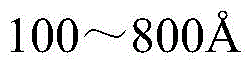

可以理解的是,附着层在靠近栅极金属层的玻璃基板的一侧,用于增加栅极金属层和衬底基板的附着力,防止栅极2剥落。附着层的材料可以包括Cr、W、Ti、Ta、Mo中的至少一者,例如附着层可以为Mo合金、Ti合金等。It can be understood that the adhesion layer is on the side of the glass substrate close to the gate metal layer, for increasing the adhesion between the gate metal layer and the base substrate, and preventing the
下面在第一状态的阵列基板上沉积栅极绝缘层3,在后面的介绍中以图3所示的形成有附着层的阵列基板为例来进行后续工序的说明,可以理解的是,也可以在图2所示的阵列基板的基础上进行后续工序,由于该过程与在图2的基础上进行后续工序类似,此处不再赘述。Next, the
具体的,阵列基板的制作工序还包括:Specifically, the fabrication process of the array substrate further includes:
S20、在形成有栅极及栅极线的衬底基板上依次沉积栅极绝缘层、金属氧化物半导体层、阻挡层、以及含有Cu元素的源漏金属层;并在含有Cu元素的源漏金属层上形成包含CuNx层的防氧化层,优选地可以对含有Cu元素的源漏金属层进行等离子体处理以使含有Cu元素的源漏金属层表面形成CuNx层。S20, sequentially depositing a gate insulating layer, a metal oxide semiconductor layer, a barrier layer, and a source-drain metal layer containing Cu element on the base substrate on which the gate electrode and the gate line are formed; and on the source-drain layer containing Cu element An anti-oxidation layer including a CuNx layer is formed on the metal layer. Preferably, the source/drain metal layer including Cu element may be subjected to plasma treatment to form a CuNx layer on the surface of the source/drain metal layer including Cu element.
图4为本发明实施例一提供的阵列基板的制作方法中阵列基板处于第二状态时的结构示意图,如图4所示,具体的,首先在图3所示的第一状态的阵列基板上通过等离子体增强化学的气相沉积法方法连续沉积厚度为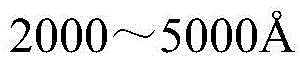
此外,在栅极绝缘层3上通过溅射或热蒸发的方法沉积上厚度约为
图5为本发明实施例一提供的阵列基板的制作方法中阵列基板处于第二状态时的另一种结构示意图,如图5所示,作为一种可能的实施方式,金属氧化物半导体层5'包括但不限于上述的一层,还可以包括两层,例如金属氧化物半导体层5'可以包括第一半导体层51和第二半导体层52,且第一半导体层51的导电率高于第二半导体层52的导电率。沉积金属氧化物半导体层5'的步骤还可以包括:FIG. 5 is another schematic structural diagram of the array substrate in the second state in the manufacturing method of the array substrate provided in the first embodiment of the present invention. As shown in FIG. 5 , as a possible implementation manner, the metal oxide semiconductor layer 5 'Including but not limited to the above-mentioned one layer, and may also include two layers, for example, the metal oxide semiconductor layer 5' may include a
在栅极绝缘层3上通过溅射方法连续沉积厚度为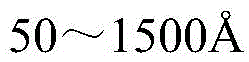
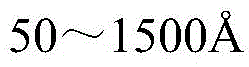
其中,在沉积时通过控制氧的含量可以有效地控制各个半导体层导电性,所沉积的半导体层中氧的含量高,形成的半导体层的导电性较好,接近导体;沉积的半导体层中氧的含量低,形成的半导体层的导电性较差,为半导体。即第二半导体层52的含氧量低于第一半导体层51的含氧量。Among them, the conductivity of each semiconductor layer can be effectively controlled by controlling the content of oxygen during deposition. The content of oxygen in the deposited semiconductor layer is high, and the conductivity of the formed semiconductor layer is good, close to the conductor; oxygen in the deposited semiconductor layer The content of the semiconductor layer is low, the conductivity of the formed semiconductor layer is poor, and it is a semiconductor. That is, the oxygen content of the
本申请实施例中,第一半导体层51的导电率高于第二半导体层52的导电率,使导电率较高的第一半导体层51直接与栅极绝缘层3接触,使薄膜晶体管的沟道形成在第一半导体层51和第二半导体层52中,使薄膜晶体管的性能更加稳定。而导电率较低的第二半导体层52直接与源漏金属层接触,可以减少金属氧化物半导体层5'与源漏金属层的接触电阻,提升金属氧化物薄膜晶体管的开态电流。In the embodiment of the present application, the conductivity of the
下面在第二状态的阵列基板上沉积阻挡层6,在后面的介绍中以图5所示的形成两层半导体层的阵列基板为例来进行后续工序的说明,可以理解的是,也可以在图4所示的阵列基板的基础上进行后续工序,由于该过程与在图5的基础上进行后续工序类似,此处不再赘述。Next, the
图6为本发明实施例一提供的阵列基板的制作方法中阵列基板处于第三状态时的结构示意图,如图6所示,在形成了金属氧化物半导体层5'之后,在金属氧化物半导体层5'上通过溅射或热蒸发连续沉积厚度约为
如图6所示,在形成阻挡层6后,可以通过溅射或热蒸发连续沉积厚度约为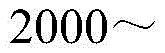
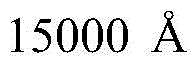
可选的,上述表面处理可以在干法刻蚀设备中进行,例如在反应离子刻蚀、增强电容耦合等离子刻蚀、感应耦合等离子体刻蚀的干法刻蚀设备中,也可以在进行等离子体增强化学的气相沉积的设备中进行,在不同的设备中进行的表面处理中,工艺参数的选取不同。Optionally, the above-mentioned surface treatment can be performed in dry etching equipment, for example, in dry etching equipment such as reactive ion etching, enhanced capacitively coupled plasma etching, and inductively coupled plasma etching, or in dry etching equipment. It is carried out in the equipment of bulk enhanced chemical vapor deposition, and the selection of process parameters is different in the surface treatment carried out in different equipment.
例如,表面处理的等离子气体可以是N2等离子体、也可以是NH3、或者是H2,采用不同的气体处理表面,所生成的物质不同。For example, the plasma gas for surface treatment can be N 2 plasma, NH 3 , or H 2 , and different gases are used to treat the surface, resulting in different substances.
在干法刻蚀设备中进行N2等离子体处理生成CuNx,对应的射频功率为15kW~35kW,气压为100mT~1500mT,气体的流量为600~2500sccm;在等离子体增强化学的气相沉积设备中进行N2等离子体处理生成CuNx,对应的射频功率为7kW~20kW,气压为800mT~1500mT,气体的流量为8000~40000sccm。 N2 plasma treatment is performed in a dry etching equipment to generate CuNx, the corresponding radio frequency power is 15kW~35kW, the gas pressure is 100mT~1500mT, and the gas flow rate is 600~2500sccm; in a plasma-enhanced chemical vapor deposition equipment The N 2 plasma treatment generates CuNx, the corresponding radio frequency power is 7kW-20kW, the gas pressure is 800mT-1500mT, and the gas flow rate is 8000-40000sccm.
在上述方法中,通过含有Cu元素的源漏金属层8'表面形成CuNx层80,后续制程中在源极7和漏极8的表面沉积含有SiOx的钝化层9时,CuNx能对源极7和漏极8起到保护作用,防止源极7和漏极8中的Cu元素被含有SiOx的钝化层9氧化,因此可以提高阵列基板100的可靠性。In the above method, the
进一步的,为了使源极7和漏极8在刻蚀时形成较好的图案,可以使阻挡层6的厚度大于CuNx层80的厚度,即,CuNx层80的厚度可以较薄。保护层81厚度为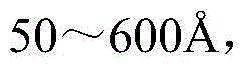


图7为本发明实施例一提供的阵列基板的制作方法中阵列基板处于第三状态时的另一种结构示意图,如图7所示,作为一种可选的实施方式,防氧化层还可以包括位于CuNx层80上的保护层81,制作方法为在进行第二次光刻工艺之前,还包括在CuNx层80上沉积保护层81的步骤,而通过在CuNx层80上形成保护层81,可以进一步增强源极7和漏极8的防氧化性能。FIG. 7 is another schematic structural diagram of the array substrate in the third state in the manufacturing method of the array substrate provided in the first embodiment of the present invention. As shown in FIG. 7 , as an optional implementation manner, the anti-oxidation layer may also be Including a
可选的,保护层81通过溅射或热蒸发连续沉积,保护层81的材料可以包括Cr、W、Ti、Ta、Mo中的至少一者,例如保护层81可以为Mo合金、Ti合金等。Cr、W、Ti、Ta、Mo中的至少一者在被氧化后可形成致密氧化膜,包覆在源极7和漏极8的表面防止源极7和漏极8中的Cu被氧化。Optionally, the
具体的,如图7所示,在形成CuNx层80的工序之后在CuNx层80上通过溅射或热蒸发连续沉积厚度约为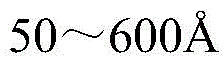
在第三状态的阵列基板上进行第二次光刻,下面以图7所示的形成有保护层81的阵列基板为例来进行后续工序的说明,可以理解的是,也可以在图6所示的阵列基板的基础上进行后续工序,由于该过程与在图7的基础上进行后续工序类似,此处不再赘述。The second photolithography is performed on the array substrate in the third state. The following process is described by taking the array substrate with the
具体的,阵列基板100的制作工序还包括:Specifically, the fabrication process of the
S30、对金属氧化物半导体层、阻挡层、含有Cu元素的源漏金属层、以及防氧化层进行第二次光刻工艺,使金属氧化物半导体层形成金属氧化物半导体图形,使阻挡层形成位于金属氧化物半导体图形与源极和漏极之间的防扩散图形,使含有Cu元素的源漏金属层形成源极和漏极,使防氧化层形成防氧化图形。S30, performing a second photolithography process on the metal oxide semiconductor layer, the barrier layer, the source-drain metal layer containing Cu element, and the anti-oxidation layer, so that the metal oxide semiconductor layer is formed into a metal oxide semiconductor pattern, and the barrier layer is formed The anti-diffusion pattern located between the metal oxide semiconductor pattern and the source electrode and the drain electrode makes the source and drain metal layers containing Cu elements form the source electrode and the drain electrode, and the anti-oxidation layer forms an anti-oxidation pattern.
在上述方法中,通过含有Cu元素的源漏金属层8'表面形成作为防氧化层的CuNx层80,因此在刻蚀形成的源极7和漏极8的表面形成有CuNx图形80',后续制程中在源极7和漏极8的表面沉积含有SiOx的钝化层9时,CuNx能对源极7和漏极8起到保护作用,防止源极7和漏极8被含有SiOx的钝化层9氧化。因此可以防止源极7和漏极8发生剥落,提高阵列基板100的可靠性。其中,第二次光刻工艺可以包括一次灰色调掩膜版工艺或半色调掩膜版工艺。这样可以通过一次光刻工艺同时形成金属氧化物半导体图形5、源极7和漏极8,因此与现有技术常规的光刻工艺相比,节省了一次光刻工艺,提升了生产效率。In the above method, the
具体的,图8为本发明实施例一提供的阵列基板的制作方法中阵列基板处于第四状态时的结构示意图,图9为本发明实施例一提供的阵列基板的制作方法中阵列基板处于第五状态时的结构示意图,图10为本发明实施例一提供的阵列基板的制作方法中阵列基板处于第六状态时的结构示意图,图11为本发明实施例一提供的阵列基板的制作方法中阵列基板处于第七状态时的结构示意图,图12为本发明实施例一提供的阵列基板的制作方法中阵列基板处于第八状态时的结构示意图,图13为本发明实施例一提供的阵列基板的制作方法中阵列基板的最终状态的结构示意图,图14为图13的俯视图。Specifically, FIG. 8 is a schematic structural diagram of the array substrate in the fourth state in the manufacturing method of the array substrate provided in the first embodiment of the present invention, and FIG. 9 is the array substrate in the fourth state in the manufacturing method of the array substrate provided in the first embodiment of the present invention. Schematic diagram of the structure in five states, FIG. 10 is a schematic diagram of the structure of the array substrate in the sixth state in the manufacturing method of the array substrate provided by
图7所示的第三状态的阵列基板中,在保护层81上涂布光刻胶,并通过曝光、显影后形成第一光刻胶图案90,即形成图8所示的第四状态的阵列基板,其中第一光刻胶图案90包括光刻胶完全保留区域91、光刻胶部分保留区域92以及光刻胶完全去除区域93。In the array substrate in the third state shown in FIG. 7, a photoresist is coated on the
其中,光刻胶完全保留区域91对应于源极7、漏极8以及数据线83的区域,;光刻胶部分保留区域92对应于源极7和漏极8之间的沟道区域,即对应于阵列基板上薄膜晶体管的沟道区域;光刻胶完全去除区域93对应于光刻胶上除了光刻胶完全保留区域91和光刻胶部分保留区域92之外的区域。Among them, the photoresist completely reserved
对于如图8所示的第四状态的阵列基板,以第一光刻胶图案90作为掩膜,对保护层81、形成有CuNx层80的源漏金属层8'、阻挡层6、以及金属氧化物半导体层5'(包括第二半导体层52和第一半导体层51)中,位于光刻胶完全去除区域93的部分进行第一次刻蚀,形成图9所示的第五状态的阵列基板。For the array substrate in the fourth state as shown in FIG. 8 , using the
对于图9所示的第五状态的阵列基板,灰化上述的第一光刻胶图案90以去除光刻胶部分保留区域92的光刻胶并减薄光刻胶完全保留区域91的光刻胶,并形成图10所示的第六状态的阵列基板,然后以将第一光刻胶图案90灰化后的第二光刻胶图案94作为掩膜对灰化去除的光刻胶部分保留区域92所对应的部分进行刻蚀,即刻蚀掉保护层81、CuNx层80、源漏金属层、以及阻挡层6中,与灰化去除的光刻胶部分保留区域92所对应的部分,从而形成TFT的沟道区域43。然后对剩余的光刻胶进行剥离形成图11所示的第七状态的阵列基板。For the array substrate in the fifth state shown in FIG. 9 , the above-mentioned
另外,在形成TFT沟道区域时可以采用干法刻蚀工艺,这是由于使用干法刻蚀工艺选择比较高,可以减少对源极7和漏极8下方的金属氧化物半导体层5'的腐蚀。In addition, a dry etching process can be used when forming the TFT channel region. This is because the dry etching process has a relatively high selection and can reduce the impact on the metal
可以理解的是,由于对保护层81、形成有CuNx层80的源漏金属层以及阻挡层6采用相同的掩膜进行刻蚀,因此所形成的保护图形81'、CuNx图形80'、源极7、漏极8以及阻挡图形6'在衬底基板上的投影彼此重合。It can be understood that since the
另外,在上述步骤S30中第二次光刻工艺之后还可以包括:In addition, after the second photolithography process in the above step S30, it may further include:
在形成有源极7、漏极8以及金属氧化物半导体图形5的栅极绝缘层3上沉积钝化层9,并进行第三次光刻工艺,以在钝化层9上位于漏极8上方的区域形成导电过孔85;A
在钝化层9上沉积透明导电层,并进行第四次光刻工艺,以使透明导电层形成像素电极87,并使像素电极87与漏极8通过导电过孔85连通。A transparent conductive layer is deposited on the
具体的,对于图11所示的第七状态的阵列基板,通过等离子体增强化学的气相沉积法方法沉积厚度为
对于图12所示的第八状态的阵列基板,通过溅射或热蒸发的方法连续沉积上厚度约为
本申请实施例中,步骤S30的第二次光刻工艺中,在形成TFT沟道区域43之后还包括:In the embodiment of the present application, in the second photolithography process in step S30, after the
使用NO对金属氧化物半导体图形5的位于TFT沟道区43内的部分进行处理,以修复氧化物半导体图形在源极7和漏极8的刻蚀过程中受到的损伤,从而提升TFT器件的性能。The portion of the metal
本实施例提供一种阵列基板100、显示面板以及阵列基板100的制作方法,包括:在衬底基板1上沉积栅极金属层,并进行第一次光刻工艺,以在衬底基板1上形成栅极2及栅极线;在形成有栅极2及栅极线的衬底基板1上依次沉积栅极绝缘层3、金属氧化物半导体层5'、阻挡层6、以及含有Cu元素的源漏金属层8',并在含有Cu元素的源漏金属层8'上形成包含CuNx层的防氧化层,对金属氧化物半导体层5'、阻挡层6、以及含有Cu元素的源漏金属层8'、以及防氧化层进行第二次光刻工艺,使金属氧化物半导体层5'形成金属氧化物半导体图形5,使阻挡层6形成位于金属氧化物半导体图形5与源极7和漏极8之间的防扩散图形,使含有Cu元素的源漏金属层8'形成源极7和漏极8,使防氧化层形成防氧化图形。通过含有Cu元素的源漏金属层8'表面形成包含CuNx层80防氧化层,因此在刻蚀形成的源极7和漏极8的表面形成有CuNx图形80',后续制程中在源极7和漏极8的表面沉积含有SiOx的钝化层9时,CuNx能对源极7和漏极8起到保护作用,防止源极7和漏极8被含有SiOx的钝化层9氧化。因此可以防止源极7和漏极8发生剥落,提高阵列基板100的可靠性。并且通过两次光刻工艺形成TFT,减少了工序数量,降低了成本。This embodiment provides an
实施例二
图15为本发明实施例二提供的阵列基板结构示意图,如图15所示,本发明提供一种阵列基板100,阵列基板采用实施例一所述的阵列基板的制作方法形成,阵列基板100包括:衬底基板1以及依次设置在衬底基板1上的栅极2、栅极绝缘层3、金属氧化物半导体图形5、阻挡图形6'、含有Cu元素的源极7和漏极8、防氧化图形41、以及钝化层9,防氧化图形41包括CuNx图形80',CuNx图形80'位于含有Cu元素的源极7和漏极8靠近钝化层9的表面。FIG. 15 is a schematic structural diagram of an array substrate according to
其中,栅极绝缘层3覆盖栅极2,阻挡图形6'、含有Cu元素的源极7和漏极8、以及防氧化图形41均设置在金属氧化物半导体图形5的上方,阻挡图形6'、含有Cu元素的源极7和漏极8、以及防氧化图形41在衬底基板1上的投影重合,且源极7和漏极8之间具有沟道区域。The
在上述方案中,通过在源极7和漏极8靠近钝化层9的表面形成有包含CuNx图形80'的防氧化图形41,在源极7和漏极8的表面的钝化层9中含有SiOx时,CuNx能对源极7和漏极8起到保护作用,防止源极7和漏极8被含有SiOx的钝化层9氧化,因此可以防止源极7和漏极8发生剥落,提高阵列基板100的可靠性。In the above scheme, by forming the
具体的,本申请中的衬底基板1可以直接为玻璃基板11,并将栅极2直接沉积在衬底基板1上。在其它一些示例中,例如在栅极2包括Cu元素的情况下,衬底基板1也可以包括玻璃基板11和和沉积在玻璃基板11上的附着层(附着层图形12),附着层靠近所述栅极2设置,并用于增加栅极2和衬底基板1的附着力。由于栅极2和玻璃基板11之间的附着力增加,也可以在一定程度上防止栅极2剥落。Specifically, the
本申请实施例中,附着层的材料可以包含Cr(铬元素)、W(钨元素)、Ti(钛元素)、Ta(钽元素)、Mo(钼元素)中的至少一者,例如,附着层可以是Mo合金、Ti合金等,附着层厚度约为
本申请实施例中,栅极2可以包括Cu元素,栅极2的厚度约为
此外,金属氧化物半导体图形5可以为非晶IGZO,金属氧化物半导体层5可以是采用非晶IGZO、HIZO、IZO、a-InZnO、a-InZnO、ZnO:F、In2O3:Sn、In2O3:Mo、Cd2SnO4、ZnO:Al、TiO2:Nb、Cd-Sn-O或其他金属氧化物。In addition, the metal
可选的,阻挡图形6'的厚度为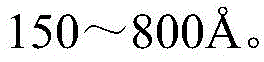
另外,源极7和漏极8可以均含有Cu元素,或者其中一者中含有Cu元素。例如,源极7和漏极8的厚度可以为
CuNx图形80'可以通过对源极7和漏极8表面进行表面处理而形成。表面处理过程中采用的的等离子气体可以是N2等离子体、也可以是NH3、或者是H2的等离子体,可以理解的是,采用不同的气体处理表面时在源极7或漏极8表面所生成的物质层不同。The
另外,上述的表面处理可以采用不同的设备实现,例如,在干法刻蚀设备中进行N2等离子体处理生成CuNx,对应的射频功率为15KW~35KW,气压为100mT~1500mT,气体的流量为600~2500sccm;在PECVD(等离子体增强化学的气相沉积法)设备中进行N2等离子体处理生成CuNx,对应的射频功率为7KW~20KW,气压为800mT~1500mT,气体的流量为8000~40000sccm。In addition, the above-mentioned surface treatment can be realized by different equipment. For example, N 2 plasma treatment is performed in a dry etching equipment to generate CuNx, the corresponding radio frequency power is 15KW~35KW, the air pressure is 100mT~1500mT, and the gas flow rate is 600~2500sccm; N 2 plasma treatment is performed in PECVD (Plasma Enhanced Chemical Vapor Deposition) equipment to generate CuNx, the corresponding radio frequency power is 7KW~20KW, the air pressure is 800mT~1500mT, and the gas flow rate is 8000~40000sccm.
另外,可选的,CuNx图形80'的厚度可以小于阻挡图形6'的厚度。通过使CuNx图形80'的厚度较薄,利于源极7和漏极8在刻蚀时形成较好的图案。In addition, optionally, the thickness of the CuNx pattern 80' may be smaller than the thickness of the barrier pattern 6'. By making the thickness of the CuNx pattern 80' thinner, it is favorable for the
本申请实施例中,钝化层9的厚度为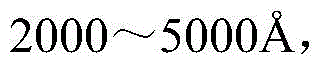
另外,钝化层9上还设有像素电极87,像素电极87的厚度为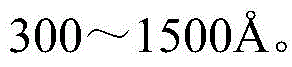
对于上述各层,栅极绝缘层3覆盖衬底基板1的整层,并且覆盖栅极2,阻挡图形6'、含有Cu元素的源极7和漏极8、以及防氧化图形41均设置在金属氧化物半导体图形5的上方。阻挡图形6'和含有Cu元素的源极7和漏极8在衬底基板1上的投影重合,具体是指阻挡图形6'和源极7和漏极8可以在同一道制程中同时刻蚀形成,源极7和漏极8之间的沟道区域使部分金属氧化物半导体图形5露出,并与钝化层9接触。For the above-mentioned layers, the
本申请实施例中,金属氧化物半导体图形5包括但不限于为一层,也可以由两层形成。例如,在采用背沟道刻蚀的TFT器件中,为了防止源极7和漏极8的刻蚀工序中刻蚀介质对金属氧化物半导体图形5的损伤,金属氧化物半导体图形5可以包括彼此重叠的第一半导体图形51'和第二半导体图形52',且所述第一半导体图形51'的导电率高于第二半导体图形52'的导电率。In this embodiment of the present application, the metal
通过使金属氧化物半导体图形5包括导电率较高的第一半导体图形51'以及导电率较低的第二半导体图形52',导电率较低的第二半导体图形52'直接与源漏金属层接触,可以减少金属氧化物半导体图形5与源极7和漏极8的接触电阻,提升金属氧化物薄膜晶体管的开态电流;而导电率较高的第一半导体图形51'直接与栅极绝缘层3接触,形成薄膜晶体管的沟道,可以使薄膜晶体管的性能更加稳定。By making the metal
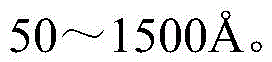
在上述方案中,可选的,第一半导体图形51'的厚度可以为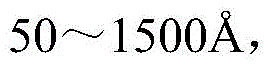
对于各半导体图形的导电率的控制,可以根据半导体图形中的含氧量来控制,例如,第二半导体图形52'的含氧量可以低于第一半导体图形51'的含氧量,以使第二半导体图形52'的导电率小于第一半导体图形51'的导电率。另外,第一半导体图形51'的导电率较高,因此导电性较差,可以将第一半导体图形51'视为导体。第二半导体图形52'的导电率较低,可以视为半导体。The conductivity of each semiconductor pattern can be controlled according to the oxygen content in the semiconductor pattern. For example, the oxygen content of the second semiconductor pattern 52' can be lower than that of the first semiconductor pattern 51', so that the oxygen content of the second semiconductor pattern 52' can be lower than that of the first semiconductor pattern 51'. The conductivity of the second semiconductor pattern 52' is lower than that of the first semiconductor pattern 51'. In addition, the electrical conductivity of the
本申请实施例中,为了进一步提高源极7和漏极8中Cu的抗氧化性,防氧化图形41还可以包括位于CuNx图形80'和钝化层9之间的保护图形81',此处,保护图形81'用于防止源极7和漏极8中所包含的Cu元素氧化,保护图形81'和阻挡图形6'在衬底基板1上的投影重合,即保护图形81'、阻挡图形6'、源极7和漏极8可以在同一道制程中通过同一个刻蚀过程形成。In this embodiment of the present application, in order to further improve the oxidation resistance of Cu in the
可选的,保护图形81'的材料可以包括Cr、W、Ti、Ta、Mo中的至少一者,Cr、W、Ti、Ta、Mo中的至少一者在被氧化后可形成致密氧化膜,包覆在源极7和漏极8的表面而防止源极7和漏极8中的Cu被氧化。另外,保护图形81'的厚度可以为
应当理解的是,本申请实施例虽然以源极7和漏极8中Cu的抗氧化性为例来进行说明,在实际阵列基板100的制程中,扫描线82(栅极线)与栅极2在同一道制程中与栅极2同时形成,数据线83(源极7或漏极8走线)与源极7或漏极8在同一道制程中与源极7或漏极8同时形成。因此对于扫描线82和数据线83的防氧化同样可以用在源极7和漏极8的靠近钝化层9的表面生成CuNx图形80',或者进一步在CuNx图形80'上生成保护图形81'而形成,其步骤和工艺与源极7和漏极8类似,此处不再赘述。It should be understood that although the embodiments of the present application take the oxidation resistance of Cu in the
此外,实际中,阵列基板100上会包含多个由扫描线82和数据线83定义出的子像素区域,每个子像素区域中均设有一个薄膜晶体管器件,为了便于说明,本申请的附图中,均只绘制出其中一个子像素区域的示意图,可以理解的是,本申请中的阵列基板100包括多个子像素区域,因此,在本申请的阵列基板100的制作过程中,所提到的在衬底基板1上形成栅极2及栅极线具体是指在阵列基板100的和每个子像素区域对应的区域中均形成栅极2及栅极线。对于源极7、漏极8、以及金属氧化物半导体图形5的情况与此类似,此处不再赘述。In addition, in practice, the
本申请实施例中,阵列基板100包括:衬底基板1以及依次设置在衬底基板1上的栅极2、栅极绝缘层3、金属氧化物半导体图形5、阻挡图形6'、含有Cu元素的源极7和漏极8、防氧化图形以及钝化层9,防氧化图形包括CuNx图形,CuNx图形位于含有Cu元素的源极7和漏极8靠近钝化层9的表面;其中,栅极绝缘层3覆盖栅极2,阻挡图形6'、含有Cu元素的源极7和漏极8、以及防氧化图形41均设置在金属氧化物半导体图形5的上方,阻挡图形6'和含有Cu元素的源极7和漏极8、以及防氧化图形在衬底基板1上的投影重合,且源极7和漏极8之间具有沟道区域。通过在源极7和漏极8靠近钝化层9的表面形成有CuNx图形80',在源极7和漏极8的表面的钝化层9中含有SiOx,CuNx能对源极7和漏极8起到保护作用,防止源极7和漏极8被含有SiOx的钝化层9氧化,因此可以防止源极7和漏极8发生剥落,提高阵列基板100的可靠性。In the embodiment of the present application, the
实施例三
本实施例提供一种显示面板,包括实施例二中的阵列基板100,其中,阵列基板100的具体结构以及功能均已在前述实施例二中进行了详细说明,因而此处不再赘述。This embodiment provides a display panel, including the
显示面板可以为液晶显示面板,此时,显示面板包括彩膜基板、液晶层和实施例二所述的阵列基板100,液晶层夹设在彩膜基板和阵列基板100之间。The display panel may be a liquid crystal display panel. In this case, the display panel includes a color filter substrate, a liquid crystal layer, and the
显示面板也可以为有机发光二极管显示面板,此时,显示面板包括实施例二所述的阵列基板100、封装层和有机层,其中有机层夹设在阵列基板100和封装层之间。The display panel may also be an organic light emitting diode display panel. In this case, the display panel includes the
最后应说明的是:以上各实施例仅用以说明本发明的技术方案,而非对其限制;尽管参照前述各实施例对本发明进行了详细的说明,本领域的普通技术人员应当理解:其依然可以对前述各实施例所记载的技术方案进行修改,或者对其中部分或者全部技术特征进行等同替换;而这些修改或者替换,并不使相应技术方案的本质脱离本发明各实施例技术方案的范围。Finally, it should be noted that the above embodiments are only used to illustrate the technical solutions of the present invention, but not to limit them; although the present invention has been described in detail with reference to the foregoing embodiments, those of ordinary skill in the art should understand that: The technical solutions described in the foregoing embodiments can still be modified, or some or all of the technical features thereof can be equivalently replaced; and these modifications or replacements do not make the essence of the corresponding technical solutions deviate from the technical solutions of the embodiments of the present invention. scope.
Claims (10)
Priority Applications (1)
| Application Number | Priority Date | Filing Date | Title |
|---|---|---|---|
| CN202010246502.8A CN111403336A (en) | 2020-03-31 | 2020-03-31 | Array substrate, display panel and manufacturing method of array substrate |
Applications Claiming Priority (1)
| Application Number | Priority Date | Filing Date | Title |
|---|---|---|---|
| CN202010246502.8A CN111403336A (en) | 2020-03-31 | 2020-03-31 | Array substrate, display panel and manufacturing method of array substrate |
Publications (1)
| Publication Number | Publication Date |
|---|---|
| CN111403336A true CN111403336A (en) | 2020-07-10 |
Family
ID=71431402
Family Applications (1)
| Application Number | Title | Priority Date | Filing Date |
|---|---|---|---|
| CN202010246502.8A Pending CN111403336A (en) | 2020-03-31 | 2020-03-31 | Array substrate, display panel and manufacturing method of array substrate |
Country Status (1)
| Country | Link |
|---|---|
| CN (1) | CN111403336A (en) |
Cited By (3)
| Publication number | Priority date | Publication date | Assignee | Title |
|---|---|---|---|---|
| CN113192974A (en) * | 2021-04-07 | 2021-07-30 | 深圳市华星光电半导体显示技术有限公司 | Array substrate, manufacturing method thereof and display panel |
| CN114420709A (en) * | 2022-01-17 | 2022-04-29 | 京东方科技集团股份有限公司 | Gate disconnection repair method of array substrate, array substrate and display device |
| CN115116854A (en) * | 2021-03-19 | 2022-09-27 | 福州京东方光电科技有限公司 | Thin film transistor, manufacturing method thereof, display panel and display device |
Citations (21)
| Publication number | Priority date | Publication date | Assignee | Title |
|---|---|---|---|---|
| CN1897269A (en) * | 2005-07-15 | 2007-01-17 | 三星电子株式会社 | Wire structure, method of forming wire, thin film transistor substrate, and method of manufacturing thin film transistor substrate |
| CN1897270A (en) * | 2005-07-15 | 2007-01-17 | 三星电子株式会社 | Wiring structure, method of manufacturing wiring, thin film transistor substrate and manufacturing method thereof |
| CN1964067A (en) * | 2005-11-08 | 2007-05-16 | 三星电子株式会社 | Thin film transistor substrate for display |
| US20080038882A1 (en) * | 2006-08-09 | 2008-02-14 | Kazushige Takechi | Thin-film device and method of fabricating the same |
| CN101132011A (en) * | 2006-07-20 | 2008-02-27 | 三星电子株式会社 | Array substrate, manufacturing method thereof, and display device having array substrate |
| US20100055832A1 (en) * | 2008-09-01 | 2010-03-04 | Semiconductor Energy Laboratory Co., Ltd. | Method for manufacturing semiconductor device |
| US20100105162A1 (en) * | 2008-10-24 | 2010-04-29 | Semiconductor Energy Laboratory Co., Ltd. | Method for manufacturing semiconductor device |
| CN101800248A (en) * | 2009-02-09 | 2010-08-11 | 索尼公司 | Thin Film Transistors and Display Devices |
| CN102171833A (en) * | 2008-10-08 | 2011-08-31 | 索尼公司 | Thin-film transistor and display device |
| CN102299182A (en) * | 2010-06-23 | 2011-12-28 | 周星工程股份有限公司 | Thin Film transistor and producing method thereof |
| CN102769040A (en) * | 2012-07-25 | 2012-11-07 | 京东方科技集团股份有限公司 | Thin film transistor, array substrate and manufacturing method thereof, display device |
| CN102769039A (en) * | 2012-01-13 | 2012-11-07 | 京东方科技集团股份有限公司 | A kind of thin film transistor and its manufacturing method, array substrate and display device |
| CN102956715A (en) * | 2012-11-02 | 2013-03-06 | 京东方科技集团股份有限公司 | TFT (Thin Film Transistor), manufacturing method thereof, array substrate and display device |
| CN103258743A (en) * | 2012-02-15 | 2013-08-21 | 乐金显示有限公司 | Thin film transistor, thin film transistor array substrate and method of fabricating same |
| CN103412450A (en) * | 2013-07-26 | 2013-11-27 | 京东方科技集团股份有限公司 | Array substrate, manufacturing method thereof and display device |
| CN103765597A (en) * | 2012-11-02 | 2014-04-30 | 京东方科技集团股份有限公司 | Thin film transistor and its manufacturing method, array substrate, display device and barrier layer |
| CN105097950A (en) * | 2015-08-24 | 2015-11-25 | 京东方科技集团股份有限公司 | Thin film transistor and manufacturing method thereof, array substrate, and display device |
| US20170033109A1 (en) * | 2015-07-30 | 2017-02-02 | Semiconductor Energy Laboratory Co., Ltd. | Semiconductor device and electronic device |
| CN107968097A (en) * | 2017-11-24 | 2018-04-27 | 深圳市华星光电半导体显示技术有限公司 | A kind of display device, display base plate and preparation method thereof |
| CN211743124U (en) * | 2020-03-31 | 2020-10-23 | 成都中电熊猫显示科技有限公司 | Array substrate and display panel |
| CN212010934U (en) * | 2020-03-31 | 2020-11-24 | 成都中电熊猫显示科技有限公司 | Array substrate and display panel |
-
2020
- 2020-03-31 CN CN202010246502.8A patent/CN111403336A/en active Pending
Patent Citations (21)
| Publication number | Priority date | Publication date | Assignee | Title |
|---|---|---|---|---|
| CN1897270A (en) * | 2005-07-15 | 2007-01-17 | 三星电子株式会社 | Wiring structure, method of manufacturing wiring, thin film transistor substrate and manufacturing method thereof |
| CN1897269A (en) * | 2005-07-15 | 2007-01-17 | 三星电子株式会社 | Wire structure, method of forming wire, thin film transistor substrate, and method of manufacturing thin film transistor substrate |
| CN1964067A (en) * | 2005-11-08 | 2007-05-16 | 三星电子株式会社 | Thin film transistor substrate for display |
| CN101132011A (en) * | 2006-07-20 | 2008-02-27 | 三星电子株式会社 | Array substrate, manufacturing method thereof, and display device having array substrate |
| US20080038882A1 (en) * | 2006-08-09 | 2008-02-14 | Kazushige Takechi | Thin-film device and method of fabricating the same |
| US20100055832A1 (en) * | 2008-09-01 | 2010-03-04 | Semiconductor Energy Laboratory Co., Ltd. | Method for manufacturing semiconductor device |
| CN102171833A (en) * | 2008-10-08 | 2011-08-31 | 索尼公司 | Thin-film transistor and display device |
| US20100105162A1 (en) * | 2008-10-24 | 2010-04-29 | Semiconductor Energy Laboratory Co., Ltd. | Method for manufacturing semiconductor device |
| CN101800248A (en) * | 2009-02-09 | 2010-08-11 | 索尼公司 | Thin Film Transistors and Display Devices |
| CN102299182A (en) * | 2010-06-23 | 2011-12-28 | 周星工程股份有限公司 | Thin Film transistor and producing method thereof |
| CN102769039A (en) * | 2012-01-13 | 2012-11-07 | 京东方科技集团股份有限公司 | A kind of thin film transistor and its manufacturing method, array substrate and display device |
| CN103258743A (en) * | 2012-02-15 | 2013-08-21 | 乐金显示有限公司 | Thin film transistor, thin film transistor array substrate and method of fabricating same |
| CN102769040A (en) * | 2012-07-25 | 2012-11-07 | 京东方科技集团股份有限公司 | Thin film transistor, array substrate and manufacturing method thereof, display device |
| CN102956715A (en) * | 2012-11-02 | 2013-03-06 | 京东方科技集团股份有限公司 | TFT (Thin Film Transistor), manufacturing method thereof, array substrate and display device |
| CN103765597A (en) * | 2012-11-02 | 2014-04-30 | 京东方科技集团股份有限公司 | Thin film transistor and its manufacturing method, array substrate, display device and barrier layer |
| CN103412450A (en) * | 2013-07-26 | 2013-11-27 | 京东方科技集团股份有限公司 | Array substrate, manufacturing method thereof and display device |
| US20170033109A1 (en) * | 2015-07-30 | 2017-02-02 | Semiconductor Energy Laboratory Co., Ltd. | Semiconductor device and electronic device |
| CN105097950A (en) * | 2015-08-24 | 2015-11-25 | 京东方科技集团股份有限公司 | Thin film transistor and manufacturing method thereof, array substrate, and display device |
| CN107968097A (en) * | 2017-11-24 | 2018-04-27 | 深圳市华星光电半导体显示技术有限公司 | A kind of display device, display base plate and preparation method thereof |
| CN211743124U (en) * | 2020-03-31 | 2020-10-23 | 成都中电熊猫显示科技有限公司 | Array substrate and display panel |
| CN212010934U (en) * | 2020-03-31 | 2020-11-24 | 成都中电熊猫显示科技有限公司 | Array substrate and display panel |
Cited By (5)
| Publication number | Priority date | Publication date | Assignee | Title |
|---|---|---|---|---|
| CN115116854A (en) * | 2021-03-19 | 2022-09-27 | 福州京东方光电科技有限公司 | Thin film transistor, manufacturing method thereof, display panel and display device |
| CN115116854B (en) * | 2021-03-19 | 2025-03-11 | 福州京东方光电科技有限公司 | Thin film transistor and manufacturing method thereof, display panel, and display device |
| CN113192974A (en) * | 2021-04-07 | 2021-07-30 | 深圳市华星光电半导体显示技术有限公司 | Array substrate, manufacturing method thereof and display panel |
| CN113192974B (en) * | 2021-04-07 | 2023-02-28 | 深圳市华星光电半导体显示技术有限公司 | Array substrate, manufacturing method thereof, and display panel |
| CN114420709A (en) * | 2022-01-17 | 2022-04-29 | 京东方科技集团股份有限公司 | Gate disconnection repair method of array substrate, array substrate and display device |
Similar Documents
| Publication | Publication Date | Title |
|---|---|---|
| CN102709239B (en) | Display device, array substrate and production method of array substrate | |
| CN111403337A (en) | Array substrate, display panel and manufacturing method of array substrate | |
| US9349760B2 (en) | Method of manufacturing a TFT-LCD array substrate having light blocking layer on the surface treated semiconductor layer | |
| CN102034750B (en) | Array substrate and manufacturing method thereof | |
| US8324033B2 (en) | TFT array substrate and manufacturing method thereof | |
| KR101447843B1 (en) | Thin film transistor array substrate, method for manufacturing the same, display panel and display device | |
| US8426259B2 (en) | Array substrate and method for manufacturing the same | |
| CN102654698B (en) | Liquid crystal display array substrate and manufacturing method thereof as well as liquid crystal display | |
| US20130234124A1 (en) | Thin-film transistor substrate, method of manufacturing the same, and display device including the same | |
| CN108428730B (en) | OLED display substrate, method for making the same, and display device | |
| CN101770121B (en) | Thin film transistor liquid crystal display (TFT-LCD) array substrate and manufacturing method thereof | |
| US11894386B2 (en) | Array substrate, manufacturing method thereof, and display panel | |
| US9372378B2 (en) | TFT-LCD array substrate and method of manufacturing the same | |
| CN104576542A (en) | Array substrate, manufacturing method of array substrate and display device | |
| CN101770124B (en) | Thin film transistor liquid crystal display (TFT-LCD) array substrate and manufacturing method thereof | |
| CN110718561A (en) | Manufacturing method of array substrate and array substrate | |
| CN212010934U (en) | Array substrate and display panel | |
| WO2018113214A1 (en) | Thin film transistor and manufacturing method therefor, display substrate and display device | |
| CN104600083A (en) | Thin film transistor array substrate and preparation method thereof, display panel and display device | |
| CN111403336A (en) | Array substrate, display panel and manufacturing method of array substrate | |
| CN211743124U (en) | Array substrate and display panel | |
| CN106997892B (en) | Display device and method of manufacturing the same | |
| CN210272363U (en) | Array substrate and display panel | |
| CN111308796A (en) | Display panel and manufacturing method thereof | |
| CN110112072B (en) | Manufacturing method of array substrate and array substrate |
Legal Events
| Date | Code | Title | Description |
|---|---|---|---|
| PB01 | Publication | ||
| PB01 | Publication | ||
| SE01 | Entry into force of request for substantive examination | ||
| SE01 | Entry into force of request for substantive examination | ||
| RJ01 | Rejection of invention patent application after publication |
Application publication date: 20200710 |