CN111356219A - Power control method and electronic device - Google Patents
Power control method and electronic device Download PDFInfo
- Publication number
- CN111356219A CN111356219A CN202010130661.1A CN202010130661A CN111356219A CN 111356219 A CN111356219 A CN 111356219A CN 202010130661 A CN202010130661 A CN 202010130661A CN 111356219 A CN111356219 A CN 111356219A
- Authority
- CN
- China
- Prior art keywords
- power
- uplink
- uplink power
- electronic device
- adjusted
- Prior art date
- Legal status (The legal status is an assumption and is not a legal conclusion. Google has not performed a legal analysis and makes no representation as to the accuracy of the status listed.)
- Pending
Links
Images


Classifications
-
- H—ELECTRICITY
- H04—ELECTRIC COMMUNICATION TECHNIQUE
- H04W—WIRELESS COMMUNICATION NETWORKS
- H04W52/00—Power management, e.g. Transmission Power Control [TPC] or power classes
- H04W52/04—Transmission power control [TPC]
- H04W52/06—TPC algorithms
- H04W52/14—Separate analysis of uplink or downlink
- H04W52/146—Uplink power control
-
- H—ELECTRICITY
- H04—ELECTRIC COMMUNICATION TECHNIQUE
- H04W—WIRELESS COMMUNICATION NETWORKS
- H04W52/00—Power management, e.g. Transmission Power Control [TPC] or power classes
- H04W52/04—Transmission power control [TPC]
- H04W52/18—TPC being performed according to specific parameters
- H04W52/24—TPC being performed according to specific parameters using SIR [Signal to Interference Ratio] or other wireless path parameters
-
- H—ELECTRICITY
- H04—ELECTRIC COMMUNICATION TECHNIQUE
- H04W—WIRELESS COMMUNICATION NETWORKS
- H04W52/00—Power management, e.g. Transmission Power Control [TPC] or power classes
- H04W52/04—Transmission power control [TPC]
- H04W52/18—TPC being performed according to specific parameters
- H04W52/24—TPC being performed according to specific parameters using SIR [Signal to Interference Ratio] or other wireless path parameters
- H04W52/245—TPC being performed according to specific parameters using SIR [Signal to Interference Ratio] or other wireless path parameters taking into account received signal strength
-
- H—ELECTRICITY
- H04—ELECTRIC COMMUNICATION TECHNIQUE
- H04W—WIRELESS COMMUNICATION NETWORKS
- H04W52/00—Power management, e.g. Transmission Power Control [TPC] or power classes
- H04W52/04—Transmission power control [TPC]
- H04W52/18—TPC being performed according to specific parameters
- H04W52/26—TPC being performed according to specific parameters using transmission rate or quality of service QoS [Quality of Service]
- H04W52/267—TPC being performed according to specific parameters using transmission rate or quality of service QoS [Quality of Service] taking into account the information rate
-
- H—ELECTRICITY
- H04—ELECTRIC COMMUNICATION TECHNIQUE
- H04W—WIRELESS COMMUNICATION NETWORKS
- H04W52/00—Power management, e.g. Transmission Power Control [TPC] or power classes
- H04W52/04—Transmission power control [TPC]
- H04W52/18—TPC being performed according to specific parameters
- H04W52/28—TPC being performed according to specific parameters using user profile, e.g. mobile speed, priority or network state, e.g. standby, idle or non-transmission
Landscapes
- Engineering & Computer Science (AREA)
- Computer Networks & Wireless Communication (AREA)
- Signal Processing (AREA)
- Quality & Reliability (AREA)
- Mobile Radio Communication Systems (AREA)
Abstract
本发明公开了一种功率控制方法及电子设备。该功率控制方法,应用于电子设备,包括:获取网络端配置的上行功率级别;基于电子设备所确定的网络传输状况确定调整的上行功率,其中,所述调整的上行功率在所述上行功率级别所确定的功率范围之内,并且不同于所述上行功率级别的标称功率;以及使用所述调整的上行功率发射上行链路信号。
The invention discloses a power control method and electronic equipment. The power control method, applied to an electronic device, includes: acquiring an uplink power level configured by a network; determining an adjusted uplink power based on a network transmission condition determined by the electronic device, wherein the adjusted uplink power is at the uplink power level within the determined power range and different from the nominal power of the uplink power level; and transmitting an uplink signal using the adjusted uplink power.
Description
技术领域technical field
本发明实施例涉及通信技术领域,尤其涉及一种功率控制方法及电子设备。Embodiments of the present invention relate to the field of communication technologies, and in particular, to a power control method and an electronic device.
背景技术Background technique
电子设备的上行功率即电子设备发射信号所使用的功率。通常来说,由于电子设备的射频器件的发射能力以及移动网络环境中的相互辐射干扰等因素,上行功率会被限制在最大值以内。该最大值一般会与如下参数有关:The uplink power of the electronic device is the power used by the electronic device to transmit signals. Generally speaking, the uplink power will be limited within the maximum value due to factors such as the transmission capability of the radio frequency device of the electronic device and the mutual radiation interference in the mobile network environment. The maximum value is generally related to the following parameters:
1、由网络端配置的电子设备最大上行功率,例如,长期演进技术LTE 系统的系统消息1中所配置的p-Max参数;新空口NR系统的系统消息1 中的P-NR参数。由网络端所配置的最大上行功率一方面用于保证电子设备能够有效发送信号,另一方面用于降低不同电子设备之间的上行干扰;1. The maximum uplink power of the electronic device configured by the network, for example, the p-Max parameter configured in the
2、电子设备的射频RF器件(PA)在稳定状态下的最大功率(能力)。如果电子设备的实际功率超过这个最大能力,则该RF器件可能存在器件输出功率不稳定、老化加快、耗电增加较大等问题。2. The maximum power (capability) of the radio frequency RF device (PA) of the electronic equipment in the steady state. If the actual power of the electronic device exceeds this maximum capability, the RF device may have problems such as unstable device output power, accelerated aging, and increased power consumption.
最终的最大上行功率可以是这两个参数的并集,即,将这两个参数中的最小值作为电子设备所能达到的上行功率的最大值。The final maximum uplink power may be the union of these two parameters, that is, the minimum value of the two parameters is taken as the maximum value of the uplink power that can be achieved by the electronic device.
在现有技术中,每个网络端配置的功率级别对应于一个默认的功率,电子设备只能使用该默认的功率发射上行链路信号。在这种情况下,电子设备缺乏灵活性,不能根据网络传输状况或者电子设备自身电量调整发射功率。In the prior art, the power level configured at each network end corresponds to a default power, and the electronic device can only use the default power to transmit uplink signals. In this case, the electronic device lacks flexibility and cannot adjust the transmit power according to the network transmission conditions or the power of the electronic device itself.
发明内容SUMMARY OF THE INVENTION
本发明实施例提供一种应用于电子设备的功率控制方法,以解决在上行功率级别允许的范围内更有效地执行上行功率控制的问题。Embodiments of the present invention provide a power control method applied to an electronic device, so as to solve the problem of more effectively performing uplink power control within the range allowed by the uplink power level.
为了解决上述技术问题,本发明是这样实现的:一种功率控制方法,应用于电子设备,包括:获取网络端配置的上行功率级别;根据电子设备所确定的网络传输状况确定调整的上行功率,其中,所述调整的上行功率在所述上行功率级别所确定的功率范围之内并且不同于所述上行功率级别的标称功率;以及使用调整的上行功率发射上行链路信号。In order to solve the above-mentioned technical problem, the present invention is implemented as follows: a power control method, applied to an electronic device, includes: acquiring an uplink power level configured by a network terminal; determining an adjusted uplink power according to a network transmission condition determined by the electronic device, wherein, the adjusted uplink power is within a power range determined by the uplink power level and is different from the nominal power of the uplink power level; and an uplink signal is transmitted using the adjusted uplink power.
第一方面,本发明实施例还提供了一种电子设备,包括:获取装置,用于获取网络端配置的上行功率级别;确定装置,用于根据电子设备所确定的网络传输状况确定调整的上行功率,其中,所述调整的上行功率在所述上行功率级别所确定的功率范围之内并且不同于所述上行功率级别的标称功率;以及发射装置,用于使用所述调整的上行功率发射上行链路信号。In a first aspect, an embodiment of the present invention further provides an electronic device, including: an acquisition device for acquiring an uplink power level configured by a network; a determination device for determining an adjusted uplink power level according to a network transmission condition determined by the electronic device power, wherein the adjusted uplink power is within a power range determined by the uplink power level and is different from the nominal power of the uplink power level; and a transmitting device configured to transmit using the adjusted uplink power uplink signal.
在本发明实施例中,通过在功率级别的范围内调整上行功率,能够实现传输质量和/或电子设备性能的优化。可基于信号环境的强弱以及电子设备的电池电量,控制上行功率的增加和减少,从而在信号传输质量和电子设备性能之间达到较佳的平衡。In the embodiment of the present invention, by adjusting the uplink power within the range of the power level, the optimization of the transmission quality and/or the performance of the electronic device can be realized. The increase and decrease of the uplink power can be controlled based on the strength of the signal environment and the battery power of the electronic device, so as to achieve a better balance between the signal transmission quality and the performance of the electronic device.
附图说明Description of drawings
图1示出了可以应用各个实施例的网络系统的示意图。FIG. 1 shows a schematic diagram of a network system to which various embodiments may be applied.
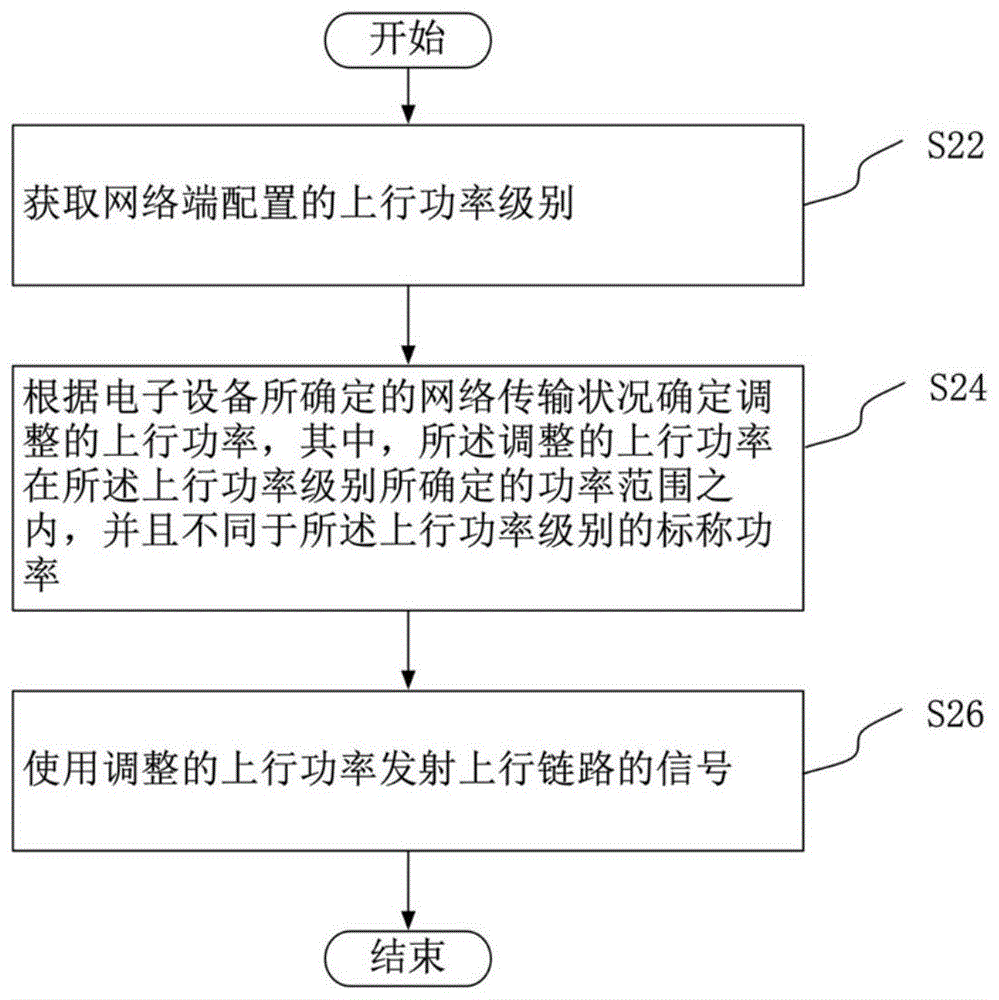
图2示出了本发明实施例的功率控制方法的示意性流程图。FIG. 2 shows a schematic flowchart of a power control method according to an embodiment of the present invention.
图3示出了本发明实施例的电子设备的示意性框图。FIG. 3 shows a schematic block diagram of an electronic device according to an embodiment of the present invention.
图4是本发明实施例的一种电子设备的硬件结构示意图。FIG. 4 is a schematic diagram of a hardware structure of an electronic device according to an embodiment of the present invention.
具体实施方式Detailed ways
下面将结合本发明实施例中的附图,对本发明实施例中的技术方案进行清楚、完整地描述,显然,所描述的实施例是本发明一部分实施例,而不是全部的实施例。基于本发明中的实施例,本领域普通技术人员在没有作出创造性劳动前提下所获得的所有其他实施例,都属于本发明保护的范围。The technical solutions in the embodiments of the present invention will be clearly and completely described below with reference to the accompanying drawings in the embodiments of the present invention. Obviously, the described embodiments are part of the embodiments of the present invention, but not all of the embodiments. Based on the embodiments of the present invention, all other embodiments obtained by those of ordinary skill in the art without creative efforts shall fall within the protection scope of the present invention.
【网络系统】【network system】
如图1所示,在网络系统中,电子设备111、112通过射频链路连接到基站120。从基站120向电子设备111、112发射信号的方向是下行方向,从电子设备111、112向基站120发射信号的方向是上行方向。基站120与通信干线中的交换机130、140连接,并通过交换机130、140连接到外部网络150,例如互联网。As shown in FIG. 1 , in the network system, the
如图1所示,在上行方向,存在从电子设备111至基站120的上行链路以及从电子设备112至基站120的上行链路。如果在这两条上行链路中同时发射信号,则在这两条上行链路之间会存在干扰。为例避免过大的干扰,网络端会通过基站向电子设备111、112发送控制信息,以控制每个电子设备的功率级别。所述控制信息例如是长期演进技术LTE系统的系统消息1中所配置的p-Max参数;新空口NR系统的系统消息1中的P-NR参数等。As shown in FIG. 1 , in the uplink direction, there is an uplink from the
如图1所示,相对于电子设备112,电子设备111距离基站120较远。因此,网络端可以给电子设备111设置较高的功率级别。As shown in FIG. 1 , the
由于不同电子设备的射频器件存在差异,因此,对于每个功率级别,基站可以容忍一定范围的偏差,例如,+2/-3dBm,即,每个功率级别对应一个功率范围,网络端可以允许该功率范围之内的上行链路信号。Due to the differences in the radio frequency components of different electronic devices, for each power level, the base station can tolerate a certain range of deviation, for example, +2/-3dBm, that is, each power level corresponds to a power range, and the network side can allow this Uplink signals within the power range.
在移动通信网络中,在通常情况下,给电子设备配置的最大上行链路功率P-MAX=23dBm。然而,目前,很多电子设备是高功率用户设备HPUE,这种电子设备的射频RF器件的最大发射功率可以达到26dBm功率(HPUE, PC2)。因此,这种电子设备有3dBm的最大发射功率被网络端所限制。In a mobile communication network, under normal circumstances, the maximum uplink power P-MAX=23dBm is configured for an electronic device. However, at present, many electronic devices are high-power user equipment HPUE, and the maximum transmit power of the radio frequency RF device of this electronic device can reach 26 dBm power (HPUE, PC2). Therefore, this electronic device has a maximum transmit power of 3dBm which is limited by the network side.
发明人发现,在弱场环境中,会出现游戏产生高时延、上网卡顿、无法上网、通话失败或通话不清晰等问题。这可能是由于电子设备的上行链路信号质量差导致的。例如,在这种情况下,在上行链路中会出现很多数据包的重传现象。如提高电子设备的上行功率,可以改善这种情况。但是,网络端的配置限制了电子设备的性能。The inventors found that in a weak field environment, problems such as high delay in games, network freezes, inability to access the Internet, call failure or unclear calls may occur. This may be due to poor uplink signal quality of the electronic device. For example, in this case, there will be many packet retransmissions in the uplink. This situation can be improved by increasing the uplink power of the electronic equipment. However, the configuration on the network side limits the performance of the electronic device.
在电子设备接收到网络端所配置的功率级别之后,电子设备使用该功率级别所对应的默认上行链路功率或标称功率来执行上行链路信号的发射。通常,标称功率是对应的功率级别的功率范围中间位置的功率。After the electronic device receives the power level configured by the network, the electronic device uses the default uplink power or nominal power corresponding to the power level to transmit the uplink signal. Typically, the nominal power is the power in the middle of the power range for the corresponding power class.
另一方面,如果电子设备以高功率发射上行链路信号,这会消耗电子设备的电力,减小电子设备的使用时间,此外,这还可能会对电子设备的电池寿命造成影响。On the other hand, if the electronic device transmits the uplink signal at high power, this consumes the power of the electronic device, reducing the usage time of the electronic device, and also may have an impact on the battery life of the electronic device.
【方法实施例】[Method embodiment]
图2示出了根据实施例的功率控制方法的示意性流程图。FIG. 2 shows a schematic flowchart of a power control method according to an embodiment.
如图2所示,在步骤S12,获取网络端配置的上行功率级别。例如,可以通过长期演进技术LTE系统的系统消息1中所配置的p-Max参数;新空口NR系统的系统消息1中的P-NR参数等,配置电子设备的上行功率级别。As shown in FIG. 2, in step S12, the uplink power level configured by the network is obtained. For example, the uplink power level of the electronic device can be configured through the p-Max parameter configured in the
在步骤S14,根据电子设备所确定的网络传输状况确定调整的上行功率,其中,该调整的上行功率在所述上行功率级别所确定的功率范围之内并且不同于所述上行功率级别的标称功率。网络传输状况例如可以是当前网络的信号强弱状况,也可以是电子设备当前使用网络进行传输的状况,等等。标称功率是相应功率级别的标准功率值,例如,移动通信中的功率级别2(PC2)对应的标准功率值是26dBm,PC2所允许的误差范围是+-2dBm,因此,PC2对应的功率范围是24-28dBm。在一般情况下,电子设备所确定的上行功率(即,标称功率)应当是26dBm。在这里,根据网络传输状况,调整的上行功率可以是大于26dBm的值或者小于26dBm的值,从而根据不同情况,分别优先满足传输性能的需求和/或手机电量消耗的需求。In step S14, the adjusted uplink power is determined according to the network transmission condition determined by the electronic device, wherein the adjusted uplink power is within the power range determined by the uplink power level and is different from the nominal uplink power level power. The network transmission status may be, for example, the signal strength status of the current network, or the status of the electronic device currently using the network for transmission, and so on. Nominal power is the standard power value of the corresponding power level. For example, the standard power value corresponding to power level 2 (PC2) in mobile communication is 26dBm, and the allowable error range of PC2 is +-2dBm. Therefore, the power range corresponding to PC2 is 24-28dBm. In general, the uplink power (ie, the nominal power) determined by the electronic device should be 26dBm. Here, according to the network transmission conditions, the adjusted uplink power may be a value greater than 26dBm or a value less than 26dBm, so as to meet the requirements of transmission performance and/or power consumption of mobile phones according to different situations.
在步骤S16,使用调整的上行功率发射上行链路信号。In step S16, the uplink signal is transmitted using the adjusted uplink power.
通过这种方式,一方面,调整的上行功率符合网络端所配置的上行功率级别的要求,因此,不会对当前的移动网络造成较大影响。另一方面,通过调整上行链路功率,可以提高电子设备的通信质量和/或节省电子设备的电力。通过这里的方案,可以提供一种灵活的方式,使得能够在尽量减小对移动网络的影响的情况下,通过调整上行功率,在提高上行链路通信质量和改善电子设备的性能之间提高较好的平衡。In this way, on the one hand, the adjusted uplink power complies with the requirements of the uplink power level configured by the network end, so it will not cause a great impact on the current mobile network. On the other hand, by adjusting the uplink power, the communication quality of the electronic device can be improved and/or the power of the electronic device can be saved. Through the solution here, a flexible way can be provided, which can improve the ratio between improving the quality of the uplink communication and improving the performance of the electronic device by adjusting the uplink power while minimizing the impact on the mobile network. good balance.
在第一实施例中,可以在网络传输状况满足第一预定条件的情况下,在所述功率范围的上限以下,以预定的调整幅度,从所述标称功率逐步增加调整的上行功率。电子设备的设计人员可以根据需要设置第一预定条件,例如,电子设备所检测的信号强度小于预定值等。例如,预定的调整幅度可以是0.1dBm,或其他预定值。在很多情况下,很难确定需要增加的功率幅度。在这里,仅需设置需要达到的调整目的,电子设备中的上行功率可以自动逼近目标值,从而实现自动调整的效果,并且可以省去复杂的计算过程。In the first embodiment, under the condition that the network transmission condition satisfies the first predetermined condition, the adjusted uplink power may be gradually increased from the nominal power by a predetermined adjustment range below the upper limit of the power range. The designer of the electronic device can set the first predetermined condition as required, for example, the signal strength detected by the electronic device is less than a predetermined value and the like. For example, the predetermined adjustment amplitude may be 0.1 dBm, or other predetermined values. In many cases, it is difficult to determine the magnitude of the power increase required. Here, it is only necessary to set the adjustment purpose that needs to be achieved, and the uplink power in the electronic device can automatically approach the target value, so as to achieve the effect of automatic adjustment, and the complicated calculation process can be omitted.
调整的上行功率可以是相对于所述标称功率增加的上行功率。可以通过上面步进的方式,逐渐增加上行功率,也可以由电子设备中的计算单元基于网络传输状况计算得到的上行功率值。在所述网络传输状况满足第一预定条件的情况下,使用所述增加的上行功率发射上行链路信号。The adjusted upstream power may be an increased upstream power relative to the nominal power. The uplink power can be gradually increased by the above step-by-step method, or the uplink power value can be calculated by the computing unit in the electronic device based on the network transmission condition. When the network transmission condition satisfies a first predetermined condition, an uplink signal is transmitted using the increased uplink power.
随着技术的发展,对于电子设备的实现方式也越来越灵活。可以由专门的硬件来实现上述处理,也可以由诸如中央处理器等的处理器,以软件执行的方式来实现上述处理。然后,通过电信号将处理结果传递给作为发射器的射频天线单元。所述电信号包括所要发射的数据信号以及用于发射所需的上行功率。射频天线单元根据所设定的上行功率,对数据信号进行放大,并通过天线发送给相应的基站。With the development of technology, the implementation of electronic devices is becoming more and more flexible. The above-mentioned processing can be implemented by dedicated hardware, or can be implemented by a processor such as a central processing unit in a manner of software execution. Then, the processing result is transmitted to the radio frequency antenna unit as a transmitter through an electrical signal. The electrical signal includes the data signal to be transmitted and the uplink power required for transmission. The radio frequency antenna unit amplifies the data signal according to the set uplink power, and sends it to the corresponding base station through the antenna.
电子设备可以利用移动通信系统中已有的参数来判断网络传状况和/ 或设置第一预定条件,从而可以省去电子设备的额外处理,减少电子设备为实现这里的方案而产生的额外开销。例如,第一预定条件包括如下条件中的至少一项:The electronic device can use the existing parameters in the mobile communication system to judge the network transmission status and/or set the first predetermined condition, so that the additional processing of the electronic device can be omitted, and the extra overhead generated by the electronic device to implement the solution herein can be reduced. For example, the first predetermined condition includes at least one of the following conditions:
-物理层(层1或L1)信道的上行重传率高于预先设置的重传率门限值。这表明基站没有正常收到电子设备所发送的数据包,因此,可以通过增加上行功率,以加强电子设备和基站之间的无线连接。例如,重传率门限值的一个示例值是60%。- The uplink retransmission rate of the physical layer (
-网络端配置的上行功率级别是最高上行功率级别并且处于最高上行功率级别的持续时间超过预先设置的第一时间门限值。这表明,网络端判断:与电子设备的连接质量较差,并且一直试图指示电子设备以最高上行功率发射信号,以加强无线连接。- The uplink power level configured by the network is the highest uplink power level and the duration of the highest uplink power level exceeds a preset first time threshold. This shows that the network side judged that the quality of the connection with the electronic device was poor and has been trying to instruct the electronic device to transmit at the highest uplink power to strengthen the wireless connection.
-电子设备的射频器件的最大发射功率大于等于所述调整的上行功率。- The maximum transmit power of the radio frequency device of the electronic device is greater than or equal to the adjusted uplink power.
-电子设备处于屏幕点亮的状态下的时长超过第二时间门限值。这表明,当前用户一直在使用电子设备,因此,在这种情况下,提高上行功率,从而提高网络传输性能,可以给用户更好的使用体验。- the duration of the electronic device in the state where the screen is lit exceeds the second time threshold. This shows that the current user has been using the electronic device. Therefore, in this case, increasing the uplink power, thereby improving the network transmission performance, can give the user a better experience.
-电子设备检测到用户的连续操作时长超过第三时间门限值。类似于上面所述的原因,在这种情况下,提高上行功率,从而提高网络传输性能,可以给用户更好的使用体验。- The electronic device detects that the user's continuous operation duration exceeds the third time threshold value. Similar to the reasons described above, in this case, increasing the uplink power, thereby improving the network transmission performance, can give the user a better experience.
-电子设备的上行链路处于持续发送状态的时长超过第四时间门限值。这也与上面所述的情况类似。在这种情况下,提高上行功率,从而提高网络传输性能,可以给用户更好的使用体验。- the duration that the uplink of the electronic device is in the continuous transmission state exceeds the fourth time threshold value. This is also similar to the situation described above. In this case, increasing the uplink power, thereby improving the network transmission performance, can give users a better experience.
-电子设备中正运行的应用程序要求有低于第一预定时延的上行链路时延和/或高于第一预定吞吐量的上行链路吞吐量。例如,用户正在使用电子设备进行游戏、语音通话、上传数据等处理。在这种情况下,提高上行功率,从而提高网络传输性能,可以给用户更好的使用体验。- An application running in the electronic device requires an uplink latency lower than the first predetermined latency and/or an uplink throughput higher than the first predetermined throughput. For example, the user is using the electronic device for games, voice calls, uploading data, etc. In this case, increasing the uplink power, thereby improving the network transmission performance, can give users a better experience.
上面所述的第一至第四时间门限值、第一预定时延和第二预定时延可以是经验值。电子设备的设计人员可以基于所统计的用户使用电子设备的情况设置上述值。例如,第一时间门限值可以是1分钟,第二至第四时间门限值可以分别是5分钟(它们也可以是不同的值),第一预定时延是1 毫秒,以及第一预定吞吐量1Mbits/s。The above-mentioned first to fourth time thresholds, the first predetermined time delay and the second predetermined time delay may be empirical values. The designer of the electronic device can set the above-mentioned values based on the statistics of the user's use of the electronic device. For example, the first time threshold may be 1 minute, the second to fourth time thresholds may be 5 minutes respectively (they may also be different values), the first predetermined delay is 1 millisecond, and the first predetermined Throughput 1Mbits/s.
此外,还可以兼顾电子设备的网络传输性能和电池电量需求。In addition, it can also take into account the network transmission performance and battery power requirements of electronic devices.
例如,根据网络传输状况确定电子设备处于强信号环境下且电子设备的电量大于第一电量门限值时,使用增加的上行功率发射上行链路信号。当电子设备所接收的参考信号接收功率RSRP大于-113dBm时,电子设备确定网络传输状况处于强信号环境下,以及第一电量门限值可以是电子设备的电池电量的70%。For example, when it is determined according to the network transmission condition that the electronic device is in a strong signal environment and the power of the electronic device is greater than the first power threshold value, the uplink signal is transmitted using the increased uplink power. When the reference signal received power RSRP received by the electronic device is greater than -113dBm, the electronic device determines that the network transmission condition is in a strong signal environment, and the first power threshold may be 70% of the battery power of the electronic device.
例如,根据网络传输状况确定电子设备处于弱信号环境下且电子设备的电量大于第二电量门限值时,使用增加的上行功率发射上行链路信号。当电子设备所接收的参考信号接收功率RSRP小于等于-113dBm时,电子设备确定网络传输状况处于弱信号环境下,以及第二电量门限值可以是电子设备的电池电量的30%。For example, when it is determined according to the network transmission condition that the electronic device is in a weak signal environment and the power of the electronic device is greater than the second power threshold value, the uplink signal is transmitted using the increased uplink power. When the reference signal received power RSRP received by the electronic device is less than or equal to -113dBm, the electronic device determines that the network transmission condition is in a weak signal environment, and the second power threshold may be 30% of the battery power of the electronic device.
这里,强信号环境是相对于弱信号环境而言的。强信号环境中的信号强度大于弱信号环境中的信号强度。尽管在这里,作为示例,以-113dBm 为界限,区分强信号环境和弱信号环境,但是,本领域技术人员应当理解,在强信号环境中的信号强度大于弱信号环境中的信号强度的前提下,设计人员可以根据需要定义强信号环境和弱信号环境,例如,强信号环境中的 RSRP大于-110dBm,弱信号环境中的RSRP小于等于-113dBm。Here, the strong signal environment is relative to the weak signal environment. The signal strength in a strong signal environment is greater than that in a weak signal environment. Although here, as an example, a strong signal environment and a weak signal environment are distinguished by taking -113dBm as an example, those skilled in the art should understand that on the premise that the signal strength in a strong signal environment is greater than that in a weak signal environment , the designer can define the strong signal environment and the weak signal environment as needed. For example, the RSRP in the strong signal environment is greater than -110dBm, and the RSRP in the weak signal environment is less than or equal to -113dBm.
这里,第二电量门限值小于第一电量门限制。这是因为,在弱信号环境下,用户对于传输性能的需求更多一些。Here, the second power threshold value is smaller than the first power threshold limit. This is because, in a weak signal environment, users have more requirements for transmission performance.
电子设备还可以从上述增加上行功率的状态恢复到标称功率的状态。例如,在满足如下条件中的至少一项时,电子设备退出上述状态:The electronic device can also recover from the state of increasing the uplink power to the state of the nominal power. For example, when at least one of the following conditions is met, the electronic device exits the above state:
-网络端配置的上行功率级别是低于最高上行功率级别的较低上行功率级别并且处于所述较低上行功率级别的持续时间超过预定时间。在这种情况下,电子设备进入信号较好的网络覆盖区域,因此,不需再进行增加上行功率。- The uplink power level configured on the network side is a lower uplink power level lower than the highest uplink power level and the duration of the lower uplink power level exceeds a predetermined time. In this case, the electronic device enters the network coverage area with better signal, so there is no need to increase the uplink power.
-在弱信号环境下,电子设备的电池电量小于30%。这时,为了保证电子设备的待机时间,而减小上行功率,以节省电量。- In a weak signal environment, the battery level of the electronic device is less than 30%. At this time, in order to ensure the standby time of the electronic device, the uplink power is reduced to save power.
-在强信号环境下,电子设备的电池电量小于70%。在这种情况下,适当减小上行功率,不会对用户的通信产生明显影响,同时,可以延长电子设备的待机时间。- In a strong signal environment, the battery level of the electronic device is less than 70%. In this case, appropriately reducing the uplink power will not have a significant impact on the communication of the user, and at the same time, the standby time of the electronic device can be prolonged.
-当增加上行功率之后,电子设备的通信质量没有改善,或者出现不需要增加上行功率的情形。例如,由于运营商或服务器出现异常,电子设备的上层软件检测到用户使用场景未得到改善,例如,游戏时延仍然较高或IP通话的语音丢包率仍然较高等。例如,电子设备进入屏幕熄灭状态,或用户退出了要求较高的应用软件。- When the uplink power is increased, the communication quality of the electronic device does not improve, or there is a situation where it is not necessary to increase the uplink power. For example, due to an abnormality in the operator or server, the upper-layer software of the electronic device detects that the user's usage scenario has not improved, for example, the game delay is still high or the voice packet loss rate of IP calls is still high. For example, the electronic device goes into a screen-off state, or the user exits a demanding application.
在另一个实施例中,在所述网络传输状况满足第二预定条件的情况下,以预定的调整幅度,逐步减小调整的上行功率。电子设备的设计人员可以根据需要设置第二预定条件,例如,电子设备所检测的信号强度大于预定值等。例如,预定的调整幅度可以是0.1dBm,或其他预定值。通过在满足第二预定条件的情况下减小上行功率,可以在满足传输性能要求的情况下,减小电子设备所消耗的电力。这样,可以延长每次充电后电子设备的使用时间,也可以延长电池的使用寿命。此外,类似于上述关于增加的上行功率的描述,这种步进调整方式可以实现自动调整的效果,并且可以省去复杂的计算过程。In another embodiment, when the network transmission condition satisfies the second predetermined condition, the adjusted uplink power is gradually reduced by a predetermined adjustment range. The designer of the electronic device can set the second predetermined condition as required, for example, the signal strength detected by the electronic device is greater than a predetermined value, and the like. For example, the predetermined adjustment amplitude may be 0.1 dBm, or other predetermined values. By reducing the uplink power under the condition that the second predetermined condition is met, the power consumed by the electronic device can be reduced under the condition that the transmission performance requirement is met. In this way, the use time of the electronic device after each charge can be extended, and the life of the battery can also be extended. In addition, similar to the above description about the increased uplink power, this step-by-step adjustment method can achieve the effect of automatic adjustment, and can save the complicated calculation process.
调整的上行功率可以是相对于所述标称功率减小的上行功率。可以通过上述步进的方式,逐渐减小上行功率,也可以由电子设备中的计算单元基于网络传输状况计算得到的上行功率值。在所述网络传输状况满足第二预定条件的情况下,使用所述增加的上行功率发射上行链路信号。The adjusted uplink power may be a reduced uplink power relative to the nominal power. The uplink power may be gradually reduced in the above-mentioned step-by-step manner, or the uplink power value may be calculated by the computing unit in the electronic device based on the network transmission status. The uplink signal is transmitted using the increased uplink power if the network transmission condition satisfies a second predetermined condition.
电子设备可以利用移动通信系统中已有的参数来判断网络传状况和/ 或设置第二预定条件,从而可以省去电子设备的额外处理,减少电子设备为实现这里的方案而产生的额外开销。例如,第二预定条件包括如下条件中的至少一项:The electronic device can use the existing parameters in the mobile communication system to judge the network transmission status and/or set the second predetermined condition, so that the additional processing of the electronic device can be omitted, and the extra overhead generated by the electronic device to realize the solution here is reduced. For example, the second predetermined condition includes at least one of the following conditions:
-网络端配置的上行功率级别是低于最高上行功率级别的较低上行功率级别并且处于所述较低上行功率级别的持续时间超过预先设置的第五时间门限值。较低上行功率级别可以是最低上行功率级别。这表明,目前的网络条件较好,较低的上行功率也可以满足通信需求。在这种情况下,适当降低上行功率,不会对传输产生太大影响,但是,这样可以节省电子设备的电力,从而延长电池使用时间和寿命。- The uplink power level configured by the network is a lower uplink power level lower than the highest uplink power level and the duration of the lower uplink power level exceeds a preset fifth time threshold. The lower upstream power level may be the lowest upstream power level. This shows that the current network conditions are good, and the lower uplink power can also meet the communication requirements. In this case, appropriately reducing the uplink power will not have much impact on the transmission, however, it can save the power of the electronic equipment, thus prolonging the battery life and life.
-电子设备处于屏幕熄灭的状态下超过第六时间门限值。这表明,用户暂时没有使用电子设备。在这种情况下,只需要保证最低的连接需求,就不会对用户的使用造成影响。在这种情况下,适当降低上行功率,可以节省电子设备的电力,从而延长电池使用时间和寿命。- the electronic device exceeds the sixth time threshold value in a state where the screen is turned off. This indicates that the user has not used the electronic device for the time being. In this case, only the minimum connection requirements need to be guaranteed, and there will be no impact on the user's use. In this case, appropriately reducing the uplink power can save the power of the electronic equipment, thereby prolonging the battery life and life.
-电子设备能允许高于第二预定时延的上行链路时延和/或低于第二预定吞吐量的上行链路吞吐量。例如,用户使用电子设备发送文本消息。在这种应用情景下,适当降低上行功率所导致的传输性能下降不会对用户的使用产生影响。同样地,这种方式可以节省电子设备的电力,从而延长电池使用时间和寿命。- The electronic device can allow uplink latency higher than the second predetermined latency and/or uplink throughput lower than the second predetermined throughput. For example, a user sends a text message using an electronic device. In this application scenario, the degradation of transmission performance caused by appropriately reducing the uplink power will not affect the usage of users. Likewise, this approach saves power in electronic devices, thereby extending battery life and life.
此外,也可以综合考虑电量和信号环境来确定使用减小的上行功率的时机。In addition, the timing of using the reduced uplink power can also be determined in consideration of the power and the signal environment.
例如,根据网络传输状况确定电子设备处于强信号环境下且电子设备的电量小于第三电量门限值时,使用减小的上行功率发射上行链路信号。例如,当电子设备所接收的参考信号接收功率RSRP大于-113dBm时,电子设备确定网络传输状况处于强信号环境下,以及第三电量门限值是电子设备的电池电量的70%。For example, when it is determined according to the network transmission condition that the electronic device is in a strong signal environment and the power of the electronic device is less than the third power threshold value, the uplink signal is transmitted using the reduced uplink power. For example, when the reference signal received power RSRP received by the electronic device is greater than -113dBm, the electronic device determines that the network transmission condition is in a strong signal environment, and the third power threshold is 70% of the battery power of the electronic device.
例如,根据网络传输状况确定电子设备处于弱信号环境下且电子设备的电量小于第四电量门限值时,使用减小的上行功率发射上行链路信号。例如,当电子设备所接收的参考信号接收功率RSRP小于等于-113dBm时,电子设备确定网络传输状况处于弱信号环境下,以及第二电量门限值是电子设备的电池电量的30%。For example, when it is determined according to the network transmission condition that the electronic device is in a weak signal environment and the power of the electronic device is less than the fourth power threshold value, the uplink signal is transmitted using the reduced uplink power. For example, when the reference signal received power RSRP received by the electronic device is less than or equal to -113dBm, the electronic device determines that the network transmission condition is in a weak signal environment, and the second power threshold is 30% of the battery power of the electronic device.
【电子设备实施例】[Example of electronic equipment]
图3示出了电子设备的示意性框图。如图3所示,电子设备30包括:获取装置32,用于获取网络端配置的上行功率级别;确定装置34,用于基于电子设备所确定的网络传输状况确定调整的上行功率,其中,该调整的上行功率在上行功率级别所确定的功率范围之内并且不同于上行功率级别的标称功率;以及发射装置36,用于使用调整的上行功率发射上行链路信号。Figure 3 shows a schematic block diagram of an electronic device. As shown in FIG. 3 , the electronic device 30 includes: an obtaining device 32 for obtaining the uplink power level configured by the network terminal; and a determining
确定装置32用于在网络传输状况满足第一预定条件的情况下,在功率范围的上限以下,以预定的调整幅度,从标称功率逐步增加调整的上行功率。The determining device 32 is configured to gradually increase the adjusted uplink power from the nominal power with a predetermined adjustment range below the upper limit of the power range when the network transmission condition satisfies the first predetermined condition.
调整的上行功率是相对于标称功率增加的上行功率。发射装置36用于在网络传输状况满足第一预定条件的情况下,使用增加的上行功率发射上行链路信号率。The adjusted upstream power is the increased upstream power relative to the nominal power. The transmitting device 36 is configured to transmit the uplink signal rate by using the increased uplink power when the network transmission condition satisfies the first predetermined condition.
第一预定条件包括如下条件中的至少一项:The first predetermined condition includes at least one of the following conditions:
-物理层信道的上行重传率高于预先设置的重传率门限值;- The uplink retransmission rate of the physical layer channel is higher than the preset retransmission rate threshold;
-网络端配置的上行功率级别是最高上行功率级别并且处于最高上行功率级别的持续时间超过预先设置的第一时间门限值;- the uplink power level configured by the network is the highest uplink power level and the duration of the highest uplink power level exceeds the preset first time threshold;
-电子设备的射频器件的最大发射功率大于等于调整的上行功率;- The maximum transmit power of the radio frequency device of the electronic equipment is greater than or equal to the adjusted uplink power;
-电子设备处于屏幕点亮的状态下超过第二时间门限值;- the electronic device exceeds the second time threshold when the screen is on;
-电子设备检测到用户的连续操作时间超过第三时间门限值;- the electronic device detects that the user's continuous operation time exceeds the third time threshold;
-电子设备的上行链路处于持续发送状态的时间超过第四时间门限值;- the time that the uplink of the electronic device is in the continuous transmission state exceeds the fourth time threshold;
-电子设备中正运行的应用程序要求有低于第一预定时延的上行链路时延和/或高于第一预定吞吐量的上行链路吞吐量。- An application running in the electronic device requires an uplink latency lower than the first predetermined latency and/or an uplink throughput higher than the first predetermined throughput.
发射装置36可以用于:根据网络传输状况确定电子设备处于强信号环境下且电子设备的电量大于第一电量门限值时,以增加的上行功率发射上行链路信号;或者根据网络传输状况确定电子设备处于弱信号环境下且电子设备的电量大于第二电量门限值时,以增加的上行功率发射上行链路信号。当电子设备所接收的参考信号接收功率RSRP大于-113dBm时,电子设备确定网络传输状况处于强信号环境下,以及第一电量门限值是电子设备的电池电量的70%。当电子设备所接收的参考信号接收功率RSRP小于等于-113dBm时,电子设备确定网络传输状况处于弱信号环境下,以及第二电量门限值是电子设备的电池电量的30%。The transmitting device 36 may be configured to: transmit the uplink signal with the increased uplink power when it is determined according to the network transmission condition that the electronic device is in a strong signal environment and the power of the electronic device is greater than the first power threshold value; or determine according to the network transmission condition When the electronic device is in a weak signal environment and the power of the electronic device is greater than the second power threshold value, the uplink signal is transmitted with the increased uplink power. When the reference signal received power RSRP received by the electronic device is greater than -113dBm, the electronic device determines that the network transmission condition is in a strong signal environment, and the first power threshold is 70% of the battery power of the electronic device. When the reference signal received power RSRP received by the electronic device is less than or equal to -113dBm, the electronic device determines that the network transmission condition is in a weak signal environment, and the second power threshold is 30% of the battery power of the electronic device.
确定装置34用于在网络传输状况满足第二预定条件的情况下,以预定的调整幅度,逐步减小调整的上行功率。The determining means 34 is configured to gradually reduce the adjusted uplink power with a predetermined adjustment range under the condition that the network transmission condition satisfies the second predetermined condition.
调整的上行功率是相对于标称功率较小的上行功率。发射装置36用于在网络传输状况满足第二预定条件的情况下,以减小的上行功率发射上行链路信号率。The adjusted upstream power is the smaller upstream power relative to the nominal power. The transmitting device 36 is configured to transmit the uplink signal rate with the reduced uplink power when the network transmission condition satisfies the second predetermined condition.
第二预定条件可以包括如下条件中的至少一项:The second predetermined condition may include at least one of the following conditions:
-网络端配置的上行功率级别是低于最高上行功率级别的较低上行功率级别并且处于较低上行功率级别的持续时间超过预先设置的第五时间门限值;- the uplink power level configured by the network is a lower uplink power level lower than the highest uplink power level and the duration of the lower uplink power level exceeds a preset fifth time threshold;
-电子设备处于屏幕熄灭的状态下超过第六时间门限值;- the electronic device exceeds the sixth time threshold when the screen is turned off;
-电子设备能允许高于第二预定时延的上行链路时延和/或第于第二预定吞吐量的上行链路吞吐量。- The electronic device can allow an uplink delay higher than a second predetermined delay and/or an uplink throughput second than the second predetermined throughput.
例如,发射装置用于:在网络传输状况表明电子设备处于强信号环境下且电子设备的电量小于第三电量门限值时,以减小的上行功率发射上行链路信号;或者在网络传输状况表明电子设备处于弱信号环境下且电子设备的电量小于第四电量门限值时,以减小的上行功率发射上行链路信号。当电子设备所接收的参考信号接收功率RSRP大于-113dBm时,电子设备确定网络传输状况处于强信号环境下,以及第三电量门限值是电子设备的电池电量的70%,以及当电子设备所接收的参考信号接收功率RSRP小于等于-113dBm时,电子设备确定网络传输状况处于弱信号环境下,以及第二电量门限值是电子设备的电池电量的30%。For example, the transmitting device is configured to: transmit an uplink signal with a reduced uplink power when the network transmission condition indicates that the electronic device is in a strong signal environment and the power of the electronic device is less than the third power threshold value; or in the network transmission condition It indicates that when the electronic device is in a weak signal environment and the power of the electronic device is less than the fourth power threshold value, the uplink signal is transmitted with the reduced uplink power. When the reference signal received power RSRP received by the electronic device is greater than -113dBm, the electronic device determines that the network transmission condition is in a strong signal environment, and the third power threshold is 70% of the battery power of the electronic device, and when the electronic device has When the received reference signal received power RSRP is less than or equal to -113dBm, the electronic device determines that the network transmission condition is in a weak signal environment, and the second power threshold is 30% of the battery power of the electronic device.
上行功率控制设备30能够实现图1的方法实施例中的技术方案及其效果,为避免重复,这里不再赘述。The uplink power control device 30 can implement the technical solutions and effects in the method embodiment of FIG. 1 , and to avoid repetition, details are not repeated here.
【电子设备实施例】[Example of electronic equipment]
图4为实现本发明各个实施例的一种电子设备的硬件结构示意图,4 is a schematic diagram of a hardware structure of an electronic device implementing various embodiments of the present invention,
该电子设备100包括但不限于:接收器/发射器101、网络模块102、音频输出单元103、输入单元104、传感器105、显示单元106、用户输入单元107、接口单元108、存储器109、处理器110、以及电源111等部件。本领域技术人员可以理解,图1中示出的电子设备结构并不构成对电子设备的限定,电子设备可以包括比图示更多或更少的部件,或者组合某些部件,或者不同的部件布置。在本发明实施例中,电子设备包括但不限于手机、平板电脑、笔记本电脑、掌上电脑、车载终端、可穿戴设备、以及计步器等。The
应理解的是,本发明实施例中,接收器/发射器101可用于收发信息或通话过程中,信号的接收和发送。具体的,接收器/发射器101将来自基站的下行数据接收后,给处理器110处理;另外,将上行的数据发送给基站。通常,接收器/发射器101包括但不限于天线、至少一个放大器、收发信机、耦合器、低噪声放大器、双工器等。此外,接收器/发射器101还可以通过无线通信系统与网络和其他设备通信。It should be understood that, in this embodiment of the present invention, the receiver/
电子设备通过网络模块102为用户提供了无线的宽带互联网访问,如帮助用户收发电子邮件、浏览网页和访问流式媒体等。The electronic device provides the user with wireless broadband Internet access through the
音频输出单元103可以将接收器/发射器101或网络模块102接收的或者在存储器109中存储的音频数据转换成音频信号并且输出为声音。而且,音频输出单元103还可以提供与电子设备100执行的特定功能相关的音频输出(例如,呼叫信号接收声音、消息接收声音等等)。音频输出单元103 包括扬声器、蜂鸣器以及受话器等。The
输入单元104用于接收音频或视频信号。输入单元104可以包括图形处理器(Graphics Processing Unit,GPU)1041和麦克风1042,图形处理器 1041对在视频捕获模式或图像捕获模式中由图像捕获装置(如摄像头)获得的静态图片或视频的图像数据进行处理。处理后的图像帧可以显示在显示单元106上。经图形处理器1041处理后的图像帧可以存储在存储器109 (或其它存储介质)中或者经由接收器/发射器101或网络模块102进行发送。麦克风1042可以接收声音,并且能够将这样的声音处理为音频数据。处理后的音频数据可以在电话通话模式的情况下转换为可经由接收器/发射器101发送到移动通信基站的格式输出。The
电子设备100还包括至少一种传感器105,比如光传感器、运动传感器以及其他传感器。具体地,光传感器包括环境光传感器及接近传感器,其中,环境光传感器可根据环境光线的明暗来调节显示面板1061的亮度,接近传感器可在电子设备100移动到耳边时,关闭显示面板1061和/或背光。作为运动传感器的一种,加速计传感器可检测各个方向上(一般为三轴) 加速度的大小,静止时可检测出重力的大小及方向,可用于识别电子设备姿态(比如横竖屏切换、相关游戏、磁力计姿态校准)、振动识别相关功能(比如计步器、敲击)等;传感器105还可以包括指纹传感器、压力传感器、虹膜传感器、分子传感器、陀螺仪、气压计、湿度计、温度计、红外线传感器等,在此不再赘述。The
显示单元106用于显示由用户输入的信息或提供给用户的信息。显示单元106可包括显示面板1061,可以采用液晶显示器(Liquid Crystal Display, LCD)、有机发光二极管(Organic Light-Emitting Diode,OLED)等形式来配置显示面板1061。The
用户输入单元107可用于接收输入的数字或字符信息,以及产生与电子设备的用户设置以及功能控制有关的键信号输入。具体地,用户输入单元107包括触控面板1071以及其他输入设备1072。触控面板1071,也称为触摸屏,可收集用户在其上或附近的触摸操作(比如用户使用手指、触笔等任何适合的物体或附件在触控面板1071上或在触控面板1071附近的操作)。触控面板1071可包括触摸检测装置和触摸控制器两个部分。其中,触摸检测装置检测用户的触摸方位,并检测触摸操作带来的信号,将信号传送给触摸控制器;触摸控制器从触摸检测装置上接收触摸信息,并将它转换成触点坐标,再送给处理器110,接收处理器110发来的命令并加以执行。此外,可以采用电阻式、电容式、红外线以及表面声波等多种类型实现触控面板1071。除了触控面板1071,用户输入单元107还可以包括其他输入设备1072。具体地,其他输入设备1072可以包括但不限于物理键盘、功能键(比如音量控制按键、开关按键等)、轨迹球、鼠标、操作杆,在此不再赘述。The
进一步的,触控面板1071可覆盖在显示面板1061上,当触控面板1071 检测到在其上或附近的触摸操作后,传送给处理器110以确定触摸事件的类型,随后处理器110根据触摸事件的类型在显示面板1061上提供相应的视觉输出。虽然在图4中,触控面板1071与显示面板1061是作为两个独立的部件来实现电子设备的输入和输出功能,但是在某些实施例中,可以将触控面板1071与显示面板1061集成而实现电子设备的输入和输出功能,具体此处不做限定。Further, the
接口单元108为外部装置与电子设备100连接的接口。例如,外部装置可以包括有线或无线头戴式耳机端口、外部电源(或电池充电器)端口、有线或无线数据端口、存储卡端口、用于连接具有识别模块的装置的端口、音频输入/输出(I/O)端口、视频I/O端口、耳机端口等等。接口单元108可以用于接收来自外部装置的输入(例如,数据信息、电力等等)并且将接收到的输入传输到电子设备100内的一个或多个元件或者可以用于在电子设备 100和外部装置之间传输数据。The
存储器109可用于存储软件程序以及各种数据。存储器109可主要包括存储程序区和存储数据区,其中,存储程序区可存储操作系统、至少一个功能所需的应用程序(比如声音播放功能、图像播放功能等)等;存储数据区可存储根据手机的使用所创建的数据(比如音频数据、电话本等) 等。此外,存储器109可以包括高速随机存取存储器,还可以包括非易失性存储器,例如至少一个磁盘存储器件、闪存器件、或其他易失性固态存储器件。The
处理器110是电子设备的控制中心,利用各种接口和线路连接整个电子设备的各个部分,通过运行或执行存储在存储器109内的软件程序和/或模块,以及调用存储在存储器109内的数据,执行电子设备的各种功能和处理数据,从而对电子设备进行整体监控。处理器110可包括一个或多个处理单元;优选的,处理器110可集成应用处理器和调制解调处理器,其中,应用处理器主要处理操作系统、用户界面和应用程序等,调制解调处理器主要处理无线通信。可以理解的是,上述调制解调处理器也可以不集成到处理器110中。The
电子设备100还可以包括给各个部件供电的电源111(比如电池),优选的,电源111可以通过电源管理系统与处理器110逻辑相连,从而通过电源管理系统实现管理充电、放电、以及功耗管理等功能。The
另外,电子设备100包括一些未示出的功能模块,在此不再赘述。In addition, the
优选的,本发明实施例所提供的电子设备100包括处理器110、存储器109以及存储在存储器109上并可在处理器110上运行的计算机程序,该计算机程序被处理器110执行时实现上述功率控制方法实施例的各个过程,且能达到相同的技术效果,为避免重复,这里不再赘述。Preferably, the
【计算机可读介质实施例】[Computer-readable medium embodiments]
本发明实施例还提供一种计算机可读存储介质,计算机可读存储介质上存储有计算机程序,该计算机程序被处理器执行时实现上述功率控制方法实施例的各个过程,且能达到相同的技术效果,为避免重复,这里不再赘述。其中,所述的计算机可读存储介质,如只读存储器(Read-Only Memory,简称ROM)、随机存取存储器(Random Access Memory,简称RAM)、磁碟或者光盘等。Embodiments of the present invention further provide a computer-readable storage medium, where a computer program is stored on the computer-readable storage medium. When the computer program is executed by a processor, each process of the foregoing power control method embodiments can be implemented, and the same technology can be achieved. The effect, in order to avoid repetition, is not repeated here. The computer-readable storage medium is, for example, a read-only memory (Read-Only Memory, ROM for short), a random access memory (Random Access Memory, RAM for short), a magnetic disk, or an optical disk.
【调整上行功率的例子1】[Example 1 of adjusting the uplink power]
假设电子设备A支持高功率用户设备(HPUE),即,电子设备A的功率等级可以达到功率等级2(PC2,26dBm)。高功率用户设备HPUE是用于LTE蜂窝网络的一种用户设备。例如,在LTE标准的版本11中,3GPP 组织提出了用于频带14的高功率用户设备。It is assumed that the electronic device A supports high power user equipment (HPUE), that is, the power level of the electronic device A can reach power level 2 (PC2, 26dBm). High power user equipment HPUE is a type of user equipment used in LTE cellular networks. For example, in Release 11 of the LTE standard, the 3GPP organization proposed high power user equipment for band 14.
对于电子设备A,可以执行如下设置。For electronic device A, the following settings can be performed.
1)当网络端配置最大上行功率P-MAX=23dBm并且容限为±2.7dBm 时,电子设备A的调整的上行功率(P_Max Adjust)可以是(23±n)dBm, n为0,0.1,0.2···2.7。1) When the network end configures the maximum uplink power P-MAX=23dBm and the tolerance is ±2.7dBm, the adjusted uplink power (P_Max Adjust) of the electronic device A can be (23±n)dBm, n is 0, 0.1, 0.2...2.7.
2)当网络端配置最大上行功率P-MAX=26dBm并且容限为±2dBm时,电子设备A的调整的上行功率(P_Max Adjust)可以是(26-n)dBm,n为0, 0.1,0.2···2。2) When the network terminal configures the maximum uplink power P-MAX=26dBm and the tolerance is ±2dBm, the adjusted uplink power (P_Max Adjust) of the electronic device A can be (26-n)dBm, and n is 0, 0.1, 0.2 ···2.
3)当网络端未配置最大上行功率P-MAX或者配置最大上行功率 P-MAX=33dBm时,电子设备A的调整的上行功率(P_Max Adjust)可以是 (26-n)dBm,n为0,0.1,0.2···。3) When the maximum uplink power P-MAX is not configured on the network side or the maximum uplink power P-MAX=33dBm is configured, the adjusted uplink power (P_Max Adjust) of the electronic device A can be (26-n) dBm, and n is 0, 0.1, 0.2....
【调整上行功率的例子2】[Example 2 of adjusting the uplink power]
假设电子设备B不支持高功率用户设备(HPUE),即,电子设备A 的功率等级可以达到功率等级3(PC3,23dBm)。It is assumed that electronic device B does not support high power user equipment (HPUE), that is, the power level of electronic device A can reach power level 3 (PC3, 23dBm).
对于电子设备B,可以执行如下设置。For electronic device B, the following settings can be performed.
1)当网络端配置最大上行功率P-MAX=23dBm并且容限为±2.7dBm 时,电子设备B的调整的上行功率(P_Max Adjust)可以是(23-n)dBm, n为0,0.1,0.2···2.7。1) When the network end configures the maximum uplink power P-MAX=23dBm and the tolerance is ±2.7dBm, the adjusted uplink power (P_Max Adjust) of the electronic device B can be (23-n)dBm, n is 0, 0.1, 0.2...2.7.
2)当网络端配置最大上行功率P-MAX=26dBm并且容限为±2dBm时,电子设备B的调整的上行功率(P_Max Adjust)可以是(23-n)dBm,n 为0,0.1,0.2···。2) When the network end configures the maximum uplink power P-MAX=26dBm and the tolerance is ±2dBm, the adjusted uplink power (P_Max Adjust) of the electronic device B can be (23-n)dBm, where n is 0, 0.1, 0.2 . . .
3)当网络端未配置最大上行功率P-MAX或者配置最大上行功率 P-MAX=33dBm时,电子设备B的调整的上行功率(P_Max Adjust)可以是(23-n)dBm,n为0,0.1,0.2···。3) When the network end is not configured with the maximum upstream power P-MAX or configured with the maximum upstream power P-MAX=33dBm, the adjusted upstream power (P_Max Adjust) of the electronic device B can be (23-n) dBm, and n is 0, 0.1, 0.2....
【调整上行功率的例子3】[Example 3 of Upstream Power Adjustment]
对于上面的电子设备A,如果网络配置的功率级别较小,则可以如下设置。For the above electronic device A, if the power level of the network configuration is small, it can be set as follows.
例如,当网络端配置最大上行功率P-MAX=20dBm时,电子设备A 的调整的上行功率(P_Max Adjust)可以是(20±n)dBm,n为0,0.1,0.2···。For example, when the network terminal configures the maximum uplink power P-MAX=20dBm, the adjusted uplink power (P_Max Adjust) of the electronic device A may be (20±n)dBm, where n is 0, 0.1, 0.2 . . .
【调整上行功率的例子4】[Example 4 of adjusting the uplink power]
对于上面的电子设备B,如果网络配置的功率级别较小,则可以如下设置。For the above electronic device B, if the power level of the network configuration is small, it can be set as follows.
例如,当网络端配置最大上行功率P-MAX=19dBm时,电子设备B 的调整的上行功率(P_Max Adjust)可以是(19±n)dBm,n为0,0.1,0.2···。For example, when the network side configures the maximum uplink power P-MAX=19dBm, the adjusted uplink power (P_Max Adjust) of the electronic device B may be (19±n)dBm, where n is 0, 0.1, 0.2 . . .
需要说明的是,在本文中,术语“包括”、“包含”或者其任何其他变体意在涵盖非排他性的包含,从而使得包括一系列要素的过程、方法、物品或者装置不仅包括那些要素,而且还包括没有明确列出的其他要素,或者是还包括为这种过程、方法、物品或者装置所固有的要素。在没有更多限制的情况下,由语句“包括一个……”限定的要素,并不排除在包括该要素的过程、方法、物品或者装置中还存在另外的相同要素。It should be noted that, herein, the terms "comprising", "comprising" or any other variation thereof are intended to encompass non-exclusive inclusion, such that a process, method, article or device comprising a series of elements includes not only those elements, It also includes other elements not expressly listed or inherent to such a process, method, article or apparatus. Without further limitation, an element qualified by the phrase "comprising a..." does not preclude the presence of additional identical elements in a process, method, article or apparatus that includes the element.
通过以上的实施方式的描述,本领域的技术人员可以清楚地了解到上述实施例方法可借助软件加必需的通用硬件平台的方式来实现,当然也可以通过硬件,但很多情况下前者是更佳的实施方式。基于这样的理解,本发明的技术方案本质上或者说对现有技术做出贡献的部分可以以软件产品的形式体现出来,该计算机软件产品存储在一个存储介质(如ROM/RAM、磁碟、光盘)中,包括若干指令用以使得一台终端(可以是手机,计算机,服务器,空调器,或者网络设备等)执行本发明各个实施例所述的方法。From the description of the above embodiments, those skilled in the art can clearly understand that the method of the above embodiment can be implemented by means of software plus a necessary general hardware platform, and of course can also be implemented by hardware, but in many cases the former is better implementation. Based on this understanding, the technical solutions of the present invention can be embodied in the form of software products in essence or the parts that make contributions to the prior art, and the computer software products are stored in a storage medium (such as ROM/RAM, magnetic disk, CD-ROM), including several instructions to make a terminal (which may be a mobile phone, a computer, a server, an air conditioner, or a network device, etc.) execute the methods described in the various embodiments of the present invention.
上面结合附图对本发明的实施例进行了描述,但是本发明并不局限于上述的具体实施方式,上述的具体实施方式仅仅是示意性的,而不是限制性的,本领域的普通技术人员在本发明的启示下,在不脱离本发明宗旨和权利要求所保护的范围情况下,还可做出很多形式,均属于本发明的保护之内。The embodiments of the present invention have been described above in conjunction with the accompanying drawings, but the present invention is not limited to the above-mentioned specific embodiments, which are merely illustrative rather than restrictive. Under the inspiration of the present invention, without departing from the spirit of the present invention and the scope protected by the claims, many forms can be made, which all belong to the protection of the present invention.
Claims (10)
Priority Applications (1)
| Application Number | Priority Date | Filing Date | Title |
|---|---|---|---|
| CN202010130661.1A CN111356219A (en) | 2020-02-28 | 2020-02-28 | Power control method and electronic device |
Applications Claiming Priority (1)
| Application Number | Priority Date | Filing Date | Title |
|---|---|---|---|
| CN202010130661.1A CN111356219A (en) | 2020-02-28 | 2020-02-28 | Power control method and electronic device |
Publications (1)
| Publication Number | Publication Date |
|---|---|
| CN111356219A true CN111356219A (en) | 2020-06-30 |
Family
ID=71197289
Family Applications (1)
| Application Number | Title | Priority Date | Filing Date |
|---|---|---|---|
| CN202010130661.1A Pending CN111356219A (en) | 2020-02-28 | 2020-02-28 | Power control method and electronic device |
Country Status (1)
| Country | Link |
|---|---|
| CN (1) | CN111356219A (en) |
Cited By (3)
| Publication number | Priority date | Publication date | Assignee | Title |
|---|---|---|---|---|
| CN113115333A (en) * | 2021-03-29 | 2021-07-13 | 维沃移动通信有限公司 | Uplink parameter control method, uplink parameter control device and electronic equipment |
| CN114364004A (en) * | 2021-12-13 | 2022-04-15 | 北京佰才邦技术股份有限公司 | Uplink power control method and device and electronic equipment |
| CN115334584A (en) * | 2022-10-09 | 2022-11-11 | 荣耀终端有限公司 | Data transmission method, program product and electronic device |
Citations (6)
| Publication number | Priority date | Publication date | Assignee | Title |
|---|---|---|---|---|
| US20100260086A1 (en) * | 2009-04-08 | 2010-10-14 | Qualcomm Incorporated | Managing a reverse link transmission power level setpoint during periods of inactivity on the reverse link in a wireless communications system |
| US20110319120A1 (en) * | 2010-06-29 | 2011-12-29 | Qualcomm Incorporated | Interaction Between Maximum Power Reduction and Power Scaling in Wireless Networks |
| JP2018019327A (en) * | 2016-07-29 | 2018-02-01 | 日本電気株式会社 | Radio communication terminal and transmission power determination method |
| CN108990036A (en) * | 2018-09-27 | 2018-12-11 | 珠海格力电器股份有限公司 | Method, device, storage medium and signal transceiver for adjusting transmission power |
| US20190200363A1 (en) * | 2017-12-27 | 2019-06-27 | Comcast Cable Communications, Llc | Dynamic Management of Interference and Coverage in Wireless Communications |
| CN110536388A (en) * | 2019-08-27 | 2019-12-03 | 维沃移动通信有限公司 | A power control method and terminal equipment |
-
2020
- 2020-02-28 CN CN202010130661.1A patent/CN111356219A/en active Pending
Patent Citations (6)
| Publication number | Priority date | Publication date | Assignee | Title |
|---|---|---|---|---|
| US20100260086A1 (en) * | 2009-04-08 | 2010-10-14 | Qualcomm Incorporated | Managing a reverse link transmission power level setpoint during periods of inactivity on the reverse link in a wireless communications system |
| US20110319120A1 (en) * | 2010-06-29 | 2011-12-29 | Qualcomm Incorporated | Interaction Between Maximum Power Reduction and Power Scaling in Wireless Networks |
| JP2018019327A (en) * | 2016-07-29 | 2018-02-01 | 日本電気株式会社 | Radio communication terminal and transmission power determination method |
| US20190200363A1 (en) * | 2017-12-27 | 2019-06-27 | Comcast Cable Communications, Llc | Dynamic Management of Interference and Coverage in Wireless Communications |
| CN108990036A (en) * | 2018-09-27 | 2018-12-11 | 珠海格力电器股份有限公司 | Method, device, storage medium and signal transceiver for adjusting transmission power |
| CN110536388A (en) * | 2019-08-27 | 2019-12-03 | 维沃移动通信有限公司 | A power control method and terminal equipment |
Cited By (3)
| Publication number | Priority date | Publication date | Assignee | Title |
|---|---|---|---|---|
| CN113115333A (en) * | 2021-03-29 | 2021-07-13 | 维沃移动通信有限公司 | Uplink parameter control method, uplink parameter control device and electronic equipment |
| CN114364004A (en) * | 2021-12-13 | 2022-04-15 | 北京佰才邦技术股份有限公司 | Uplink power control method and device and electronic equipment |
| CN115334584A (en) * | 2022-10-09 | 2022-11-11 | 荣耀终端有限公司 | Data transmission method, program product and electronic device |
Similar Documents
| Publication | Publication Date | Title |
|---|---|---|
| US12432602B2 (en) | Measurement control method, terminal, and network-side device | |
| US20220248244A1 (en) | Measurement processing method, indication information sending method, terminal, and network device | |
| CN110460352B (en) | Communication control method and related equipment | |
| CN109819450B (en) | Signal receiving method, device and terminal | |
| CN112584374B (en) | Capability parameter determination method, uplink scheduling method, terminal and network side equipment | |
| WO2021098706A1 (en) | Power supply circuit, power supply method and electronic device | |
| CN108601068B (en) | A UE capability detection method, reporting method, mobile terminal and server | |
| CN111278090A (en) | Transmission method of indication signal, terminal and network equipment | |
| CN111093259A (en) | Bluetooth power adjustment method, device, storage medium and terminal | |
| US20220322050A1 (en) | Transmission method and transmission processing method of multicast service and related device | |
| US20230006711A1 (en) | Audio transmission method and electronic device | |
| CN108880631A (en) | A kind of information transmit-receive switching method and terminal | |
| CN110856230A (en) | Network switching method and electronic equipment | |
| CN110635878B (en) | A command processing method and terminal device | |
| CN111356219A (en) | Power control method and electronic device | |
| CN110505664B (en) | Parameter adjusting method, device, terminal and storage medium | |
| CN109714488B (en) | Terminal equipment working mode adjusting method and device, terminal equipment and storage medium | |
| CN109743141B (en) | A data transmission adjustment method and terminal device | |
| CN110290277A (en) | Antenna control method and terminal | |
| CN107517487B (en) | Call control method and mobile terminal | |
| CN110621044A (en) | Method for adjusting bandwidth, mobile terminal, network side device and medium | |
| US12213146B2 (en) | PDCCH monitoring control method and related device | |
| CN111417181A (en) | A power adjustment method and terminal | |
| US12295001B2 (en) | Information indicating method, indication receiving method, terminal, and network-side device | |
| CN110198560B (en) | Power configuration method and terminal |
Legal Events
| Date | Code | Title | Description |
|---|---|---|---|
| PB01 | Publication | ||
| PB01 | Publication | ||
| SE01 | Entry into force of request for substantive examination | ||
| SE01 | Entry into force of request for substantive examination | ||
| RJ01 | Rejection of invention patent application after publication | ||
| RJ01 | Rejection of invention patent application after publication |
Application publication date: 20200630 |