CN111315367A - Microcell systems for the delivery of hydrophilic active molecules - Google Patents
Microcell systems for the delivery of hydrophilic active molecules Download PDFInfo
- Publication number
- CN111315367A CN111315367A CN201880071685.5A CN201880071685A CN111315367A CN 111315367 A CN111315367 A CN 111315367A CN 201880071685 A CN201880071685 A CN 201880071685A CN 111315367 A CN111315367 A CN 111315367A
- Authority
- CN
- China
- Prior art keywords
- active molecule
- delivery system
- molecule delivery
- microcell
- filled
- Prior art date
- Legal status (The legal status is an assumption and is not a legal conclusion. Google has not performed a legal analysis and makes no representation as to the accuracy of the status listed.)
- Pending
Links
- 239000010410 layer Substances 0.000 claims description 63
- 239000000203 mixture Substances 0.000 claims description 31
- 238000009792 diffusion process Methods 0.000 claims description 26
- 238000007789 sealing Methods 0.000 claims description 26
- -1 polyethylene Polymers 0.000 claims description 25
- 230000002209 hydrophobic effect Effects 0.000 claims description 16
- 239000013011 aqueous formulation Substances 0.000 claims description 13
- 229920002367 Polyisobutene Polymers 0.000 claims description 12
- 229920000642 polymer Polymers 0.000 claims description 11
- 239000000853 adhesive Substances 0.000 claims description 9
- 230000001070 adhesive effect Effects 0.000 claims description 9
- 229920001169 thermoplastic Polymers 0.000 claims description 8
- 239000004416 thermosoftening plastic Substances 0.000 claims description 8
- 239000004698 Polyethylene Substances 0.000 claims description 6
- 229920003213 poly(N-isopropyl acrylamide) Polymers 0.000 claims description 6
- 229920001606 poly(lactic acid-co-glycolic acid) Polymers 0.000 claims description 6
- 229920000573 polyethylene Polymers 0.000 claims description 6
- 239000012790 adhesive layer Substances 0.000 claims description 5
- 150000001875 compounds Chemical class 0.000 claims description 5
- 229920001296 polysiloxane Polymers 0.000 claims description 5
- 229920002678 cellulose Polymers 0.000 claims description 4
- 238000009472 formulation Methods 0.000 claims description 4
- 229920000728 polyester Polymers 0.000 claims description 4
- 229920002451 polyvinyl alcohol Polymers 0.000 claims description 4
- 239000011148 porous material Substances 0.000 claims description 4
- 239000002562 thickening agent Substances 0.000 claims description 4
- NLHHRLWOUZZQLW-UHFFFAOYSA-N Acrylonitrile Chemical compound C=CC#N NLHHRLWOUZZQLW-UHFFFAOYSA-N 0.000 claims description 3
- 239000005977 Ethylene Substances 0.000 claims description 3
- 239000004677 Nylon Substances 0.000 claims description 3
- 239000004743 Polypropylene Substances 0.000 claims description 3
- 239000004793 Polystyrene Substances 0.000 claims description 3
- 229920001328 Polyvinylidene chloride Polymers 0.000 claims description 3
- 239000001913 cellulose Substances 0.000 claims description 3
- 229920001778 nylon Polymers 0.000 claims description 3
- 229920001748 polybutylene Polymers 0.000 claims description 3
- 229920001610 polycaprolactone Polymers 0.000 claims description 3
- 239000004632 polycaprolactone Substances 0.000 claims description 3
- 239000004417 polycarbonate Substances 0.000 claims description 3
- 229920000515 polycarbonate Polymers 0.000 claims description 3
- 229920001155 polypropylene Polymers 0.000 claims description 3
- 229920002223 polystyrene Polymers 0.000 claims description 3
- 229920002635 polyurethane Polymers 0.000 claims description 3
- 239000004814 polyurethane Substances 0.000 claims description 3
- 239000004800 polyvinyl chloride Substances 0.000 claims description 3
- 229920000915 polyvinyl chloride Polymers 0.000 claims description 3
- 239000005033 polyvinylidene chloride Substances 0.000 claims description 3
- NIXOWILDQLNWCW-UHFFFAOYSA-M Acrylate Chemical compound [O-]C(=O)C=C NIXOWILDQLNWCW-UHFFFAOYSA-M 0.000 claims description 2
- 150000001413 amino acids Chemical class 0.000 claims description 2
- 150000001491 aromatic compounds Chemical class 0.000 claims description 2
- 150000007523 nucleic acids Chemical class 0.000 claims description 2
- 102000039446 nucleic acids Human genes 0.000 claims description 2
- 108020004707 nucleic acids Proteins 0.000 claims description 2
- VGGSQFUCUMXWEO-UHFFFAOYSA-N Ethene Chemical compound C=C VGGSQFUCUMXWEO-UHFFFAOYSA-N 0.000 claims 1
- CERQOIWHTDAKMF-UHFFFAOYSA-M Methacrylate Chemical compound CC(=C)C([O-])=O CERQOIWHTDAKMF-UHFFFAOYSA-M 0.000 claims 1
- 239000004372 Polyvinyl alcohol Substances 0.000 claims 1
- 238000005538 encapsulation Methods 0.000 claims 1
- KKEYFWRCBNTPAC-UHFFFAOYSA-L terephthalate(2-) Chemical compound [O-]C(=O)C1=CC=C(C([O-])=O)C=C1 KKEYFWRCBNTPAC-UHFFFAOYSA-L 0.000 claims 1
- 239000004480 active ingredient Substances 0.000 abstract description 3
- 238000000034 method Methods 0.000 description 24
- 239000004020 conductor Substances 0.000 description 16
- 230000005855 radiation Effects 0.000 description 15
- 239000000758 substrate Substances 0.000 description 15
- 239000000463 material Substances 0.000 description 13
- 239000002904 solvent Substances 0.000 description 13
- 230000008569 process Effects 0.000 description 12
- ZWEHNKRNPOVVGH-UHFFFAOYSA-N 2-Butanone Chemical compound CCC(C)=O ZWEHNKRNPOVVGH-UHFFFAOYSA-N 0.000 description 9
- 239000002243 precursor Substances 0.000 description 9
- 239000013543 active substance Substances 0.000 description 7
- 238000011049 filling Methods 0.000 description 7
- 239000000243 solution Substances 0.000 description 7
- 229920001187 thermosetting polymer Polymers 0.000 description 7
- YXFVVABEGXRONW-UHFFFAOYSA-N Toluene Chemical compound CC1=CC=CC=C1 YXFVVABEGXRONW-UHFFFAOYSA-N 0.000 description 6
- 238000004519 manufacturing process Methods 0.000 description 6
- 239000011159 matrix material Substances 0.000 description 6
- 229920002120 photoresistant polymer Polymers 0.000 description 6
- 239000011347 resin Substances 0.000 description 6
- 229920005989 resin Polymers 0.000 description 6
- 102000004190 Enzymes Human genes 0.000 description 5
- 108090000790 Enzymes Proteins 0.000 description 5
- KFZMGEQAYNKOFK-UHFFFAOYSA-N Isopropanol Chemical compound CC(C)O KFZMGEQAYNKOFK-UHFFFAOYSA-N 0.000 description 5
- 229920003023 plastic Polymers 0.000 description 5
- 239000004033 plastic Substances 0.000 description 5
- PXHVJJICTQNCMI-UHFFFAOYSA-N Nickel Chemical compound [Ni] PXHVJJICTQNCMI-UHFFFAOYSA-N 0.000 description 4
- PPBRXRYQALVLMV-UHFFFAOYSA-N Styrene Chemical compound C=CC1=CC=CC=C1 PPBRXRYQALVLMV-UHFFFAOYSA-N 0.000 description 4
- 150000001252 acrylic acid derivatives Chemical class 0.000 description 4
- 238000000576 coating method Methods 0.000 description 4
- 238000004132 cross linking Methods 0.000 description 4
- 239000000499 gel Substances 0.000 description 4
- 238000000206 photolithography Methods 0.000 description 4
- 239000004094 surface-active agent Substances 0.000 description 4
- 235000013343 vitamin Nutrition 0.000 description 4
- 239000011782 vitamin Substances 0.000 description 4
- 229940088594 vitamin Drugs 0.000 description 4
- 229930003231 vitamin Natural products 0.000 description 4
- CSCPPACGZOOCGX-UHFFFAOYSA-N Acetone Chemical compound CC(C)=O CSCPPACGZOOCGX-UHFFFAOYSA-N 0.000 description 3
- XEKOWRVHYACXOJ-UHFFFAOYSA-N Ethyl acetate Chemical compound CCOC(C)=O XEKOWRVHYACXOJ-UHFFFAOYSA-N 0.000 description 3
- CTQNGGLPUBDAKN-UHFFFAOYSA-N O-Xylene Chemical compound CC1=CC=CC=C1C CTQNGGLPUBDAKN-UHFFFAOYSA-N 0.000 description 3
- 239000000654 additive Substances 0.000 description 3
- 239000002671 adjuvant Substances 0.000 description 3
- 239000007864 aqueous solution Substances 0.000 description 3
- 238000003491 array Methods 0.000 description 3
- 239000011230 binding agent Substances 0.000 description 3
- 235000010980 cellulose Nutrition 0.000 description 3
- 239000003795 chemical substances by application Substances 0.000 description 3
- 239000011248 coating agent Substances 0.000 description 3
- 238000005323 electroforming Methods 0.000 description 3
- 238000009713 electroplating Methods 0.000 description 3
- 239000012530 fluid Substances 0.000 description 3
- 235000013305 food Nutrition 0.000 description 3
- 239000002609 medium Substances 0.000 description 3
- 150000002734 metacrylic acid derivatives Chemical class 0.000 description 3
- 239000002184 metal Substances 0.000 description 3
- 229910052751 metal Inorganic materials 0.000 description 3
- 239000000178 monomer Substances 0.000 description 3
- 238000004806 packaging method and process Methods 0.000 description 3
- 239000000565 sealant Substances 0.000 description 3
- 230000037317 transdermal delivery Effects 0.000 description 3
- XLYOFNOQVPJJNP-UHFFFAOYSA-N water Substances O XLYOFNOQVPJJNP-UHFFFAOYSA-N 0.000 description 3
- 239000008096 xylene Substances 0.000 description 3
- MYRTYDVEIRVNKP-UHFFFAOYSA-N 1,2-Divinylbenzene Chemical compound C=CC1=CC=CC=C1C=C MYRTYDVEIRVNKP-UHFFFAOYSA-N 0.000 description 2
- YIKSHDNOAYSSPX-UHFFFAOYSA-N 1-propan-2-ylthioxanthen-9-one Chemical compound S1C2=CC=CC=C2C(=O)C2=C1C=CC=C2C(C)C YIKSHDNOAYSSPX-UHFFFAOYSA-N 0.000 description 2
- SMZOUWXMTYCWNB-UHFFFAOYSA-N 2-(2-methoxy-5-methylphenyl)ethanamine Chemical compound COC1=CC=C(C)C=C1CCN SMZOUWXMTYCWNB-UHFFFAOYSA-N 0.000 description 2
- NIXOWILDQLNWCW-UHFFFAOYSA-N 2-Propenoic acid Natural products OC(=O)C=C NIXOWILDQLNWCW-UHFFFAOYSA-N 0.000 description 2
- SOGAXMICEFXMKE-UHFFFAOYSA-N Butylmethacrylate Chemical compound CCCCOC(=O)C(C)=C SOGAXMICEFXMKE-UHFFFAOYSA-N 0.000 description 2
- RRHGJUQNOFWUDK-UHFFFAOYSA-N Isoprene Chemical group CC(=C)C=C RRHGJUQNOFWUDK-UHFFFAOYSA-N 0.000 description 2
- VVQNEPGJFQJSBK-UHFFFAOYSA-N Methyl methacrylate Chemical compound COC(=O)C(C)=C VVQNEPGJFQJSBK-UHFFFAOYSA-N 0.000 description 2
- IMNFDUFMRHMDMM-UHFFFAOYSA-N N-Heptane Chemical compound CCCCCCC IMNFDUFMRHMDMM-UHFFFAOYSA-N 0.000 description 2
- KKEYFWRCBNTPAC-UHFFFAOYSA-N Terephthalic acid Chemical class OC(=O)C1=CC=C(C(O)=O)C=C1 KKEYFWRCBNTPAC-UHFFFAOYSA-N 0.000 description 2
- 239000011149 active material Substances 0.000 description 2
- 150000001298 alcohols Chemical class 0.000 description 2
- 150000001335 aliphatic alkanes Chemical class 0.000 description 2
- 150000004996 alkyl benzenes Chemical class 0.000 description 2
- 239000003963 antioxidant agent Substances 0.000 description 2
- 239000012736 aqueous medium Substances 0.000 description 2
- 230000004888 barrier function Effects 0.000 description 2
- 238000005452 bending Methods 0.000 description 2
- KAKZBPTYRLMSJV-UHFFFAOYSA-N butadiene group Chemical group C=CC=C KAKZBPTYRLMSJV-UHFFFAOYSA-N 0.000 description 2
- 229920001577 copolymer Polymers 0.000 description 2
- NNBZCPXTIHJBJL-UHFFFAOYSA-N decalin Chemical compound C1CCCC2CCCCC21 NNBZCPXTIHJBJL-UHFFFAOYSA-N 0.000 description 2
- 229920000359 diblock copolymer Polymers 0.000 description 2
- 229940079593 drug Drugs 0.000 description 2
- 239000003814 drug Substances 0.000 description 2
- 238000004049 embossing Methods 0.000 description 2
- 150000002118 epoxides Chemical class 0.000 description 2
- OVBPIULPVIDEAO-LBPRGKRZSA-N folic acid Chemical compound C=1N=C2NC(N)=NC(=O)C2=NC=1CNC1=CC=C(C(=O)N[C@@H](CCC(O)=O)C(O)=O)C=C1 OVBPIULPVIDEAO-LBPRGKRZSA-N 0.000 description 2
- 230000009477 glass transition Effects 0.000 description 2
- 239000000017 hydrogel Substances 0.000 description 2
- 230000007774 longterm Effects 0.000 description 2
- 238000000520 microinjection Methods 0.000 description 2
- 229910052759 nickel Inorganic materials 0.000 description 2
- BKIMMITUMNQMOS-UHFFFAOYSA-N nonane Chemical compound CCCCCCCCC BKIMMITUMNQMOS-UHFFFAOYSA-N 0.000 description 2
- 235000015097 nutrients Nutrition 0.000 description 2
- 229920000139 polyethylene terephthalate Polymers 0.000 description 2
- 239000005020 polyethylene terephthalate Substances 0.000 description 2
- 235000019422 polyvinyl alcohol Nutrition 0.000 description 2
- 150000003839 salts Chemical class 0.000 description 2
- 239000011877 solvent mixture Substances 0.000 description 2
- 229920001935 styrene-ethylene-butadiene-styrene Polymers 0.000 description 2
- 229920002725 thermoplastic elastomer Polymers 0.000 description 2
- 238000012546 transfer Methods 0.000 description 2
- 229920000428 triblock copolymer Polymers 0.000 description 2
- 229960005486 vaccine Drugs 0.000 description 2
- 235000013311 vegetables Nutrition 0.000 description 2
- 239000000080 wetting agent Substances 0.000 description 2
- ARKQRZXCXIMZHG-UHFFFAOYSA-N 1-azido-4-[(4-azidophenyl)methyl]benzene Chemical compound C1=CC(N=[N+]=[N-])=CC=C1CC1=CC=C(N=[N+]=[N-])C=C1 ARKQRZXCXIMZHG-UHFFFAOYSA-N 0.000 description 1
- RQEUFEKYXDPUSK-UHFFFAOYSA-N 1-phenylethylamine Chemical compound CC(N)C1=CC=CC=C1 RQEUFEKYXDPUSK-UHFFFAOYSA-N 0.000 description 1
- KWVGIHKZDCUPEU-UHFFFAOYSA-N 2,2-dimethoxy-2-phenylacetophenone Chemical compound C=1C=CC=CC=1C(OC)(OC)C(=O)C1=CC=CC=C1 KWVGIHKZDCUPEU-UHFFFAOYSA-N 0.000 description 1
- MLIWQXBKMZNZNF-UHFFFAOYSA-N 2,6-bis[(4-azidophenyl)methylidene]-4-methylcyclohexan-1-one Chemical compound O=C1C(=CC=2C=CC(=CC=2)N=[N+]=[N-])CC(C)CC1=CC1=CC=C(N=[N+]=[N-])C=C1 MLIWQXBKMZNZNF-UHFFFAOYSA-N 0.000 description 1
- JKNCOURZONDCGV-UHFFFAOYSA-N 2-(dimethylamino)ethyl 2-methylprop-2-enoate Chemical compound CN(C)CCOC(=O)C(C)=C JKNCOURZONDCGV-UHFFFAOYSA-N 0.000 description 1
- UHFFVFAKEGKNAQ-UHFFFAOYSA-N 2-benzyl-2-(dimethylamino)-1-(4-morpholin-4-ylphenyl)butan-1-one Chemical compound C=1C=C(N2CCOCC2)C=CC=1C(=O)C(CC)(N(C)C)CC1=CC=CC=C1 UHFFVFAKEGKNAQ-UHFFFAOYSA-N 0.000 description 1
- MBNVSWHUJDDZRH-UHFFFAOYSA-N 2-methylthiirane Chemical group CC1CS1 MBNVSWHUJDDZRH-UHFFFAOYSA-N 0.000 description 1
- 229920002126 Acrylic acid copolymer Polymers 0.000 description 1
- 239000004342 Benzoyl peroxide Substances 0.000 description 1
- OMPJBNCRMGITSC-UHFFFAOYSA-N Benzoylperoxide Chemical compound C=1C=CC=CC=1C(=O)OOC(=O)C1=CC=CC=C1 OMPJBNCRMGITSC-UHFFFAOYSA-N 0.000 description 1
- 229920000858 Cyclodextrin Polymers 0.000 description 1
- XDTMQSROBMDMFD-UHFFFAOYSA-N Cyclohexane Chemical compound C1CCCCC1 XDTMQSROBMDMFD-UHFFFAOYSA-N 0.000 description 1
- 239000004641 Diallyl-phthalate Substances 0.000 description 1
- 229920000219 Ethylene vinyl alcohol Polymers 0.000 description 1
- 229920003149 Eudragit® E 100 Polymers 0.000 description 1
- 229920003134 Eudragit® polymer Polymers 0.000 description 1
- 239000004831 Hot glue Substances 0.000 description 1
- YIVJZNGAASQVEM-UHFFFAOYSA-N Lauroyl peroxide Chemical compound CCCCCCCCCCCC(=O)OOC(=O)CCCCCCCCCCC YIVJZNGAASQVEM-UHFFFAOYSA-N 0.000 description 1
- OVBPIULPVIDEAO-UHFFFAOYSA-N N-Pteroyl-L-glutaminsaeure Natural products C=1N=C2NC(N)=NC(=O)C2=NC=1CNC1=CC=C(C(=O)NC(CCC(O)=O)C(O)=O)C=C1 OVBPIULPVIDEAO-UHFFFAOYSA-N 0.000 description 1
- 229930182555 Penicillin Natural products 0.000 description 1
- BHHGXPLMPWCGHP-UHFFFAOYSA-N Phenethylamine Chemical group NCCC1=CC=CC=C1 BHHGXPLMPWCGHP-UHFFFAOYSA-N 0.000 description 1
- 229920003171 Poly (ethylene oxide) Polymers 0.000 description 1
- 239000002202 Polyethylene glycol Substances 0.000 description 1
- 239000004820 Pressure-sensitive adhesive Substances 0.000 description 1
- ZJCCRDAZUWHFQH-UHFFFAOYSA-N Trimethylolpropane Chemical compound CCC(CO)(CO)CO ZJCCRDAZUWHFQH-UHFFFAOYSA-N 0.000 description 1
- QYKIQEUNHZKYBP-UHFFFAOYSA-N Vinyl ether Chemical class C=COC=C QYKIQEUNHZKYBP-UHFFFAOYSA-N 0.000 description 1
- QXZUUHYBWMWJHK-UHFFFAOYSA-N [Co].[Ni] Chemical compound [Co].[Ni] QXZUUHYBWMWJHK-UHFFFAOYSA-N 0.000 description 1
- 230000003213 activating effect Effects 0.000 description 1
- 230000000996 additive effect Effects 0.000 description 1
- 125000005907 alkyl ester group Chemical group 0.000 description 1
- XYLMUPLGERFSHI-UHFFFAOYSA-N alpha-Methylstyrene Chemical compound CC(=C)C1=CC=CC=C1 XYLMUPLGERFSHI-UHFFFAOYSA-N 0.000 description 1
- 239000003242 anti bacterial agent Substances 0.000 description 1
- 229940088710 antibiotic agent Drugs 0.000 description 1
- 230000003078 antioxidant effect Effects 0.000 description 1
- 238000010923 batch production Methods 0.000 description 1
- 235000019400 benzoyl peroxide Nutrition 0.000 description 1
- 230000015572 biosynthetic process Effects 0.000 description 1
- QUDWYFHPNIMBFC-UHFFFAOYSA-N bis(prop-2-enyl) benzene-1,2-dicarboxylate Chemical compound C=CCOC(=O)C1=CC=CC=C1C(=O)OCC=C QUDWYFHPNIMBFC-UHFFFAOYSA-N 0.000 description 1
- 239000000872 buffer Substances 0.000 description 1
- NEDGUIRITORSKL-UHFFFAOYSA-N butyl 2-methylprop-2-enoate;2-(dimethylamino)ethyl 2-methylprop-2-enoate;methyl 2-methylprop-2-enoate Chemical compound COC(=O)C(C)=C.CCCCOC(=O)C(C)=C.CN(C)CCOC(=O)C(C)=C NEDGUIRITORSKL-UHFFFAOYSA-N 0.000 description 1
- 150000001735 carboxylic acids Chemical class 0.000 description 1
- 239000000919 ceramic Substances 0.000 description 1
- 238000003486 chemical etching Methods 0.000 description 1
- 239000003153 chemical reaction reagent Substances 0.000 description 1
- 239000003086 colorant Substances 0.000 description 1
- 238000004040 coloring Methods 0.000 description 1
- 238000010276 construction Methods 0.000 description 1
- 238000001816 cooling Methods 0.000 description 1
- 239000003431 cross linking reagent Substances 0.000 description 1
- 150000001924 cycloalkanes Chemical class 0.000 description 1
- DIOQZVSQGTUSAI-NJFSPNSNSA-N decane Chemical compound CCCCCCCCC[14CH3] DIOQZVSQGTUSAI-NJFSPNSNSA-N 0.000 description 1
- 230000032798 delamination Effects 0.000 description 1
- 238000000151 deposition Methods 0.000 description 1
- 230000008021 deposition Effects 0.000 description 1
- 238000013461 design Methods 0.000 description 1
- 125000004386 diacrylate group Chemical group 0.000 description 1
- 238000007516 diamond turning Methods 0.000 description 1
- 238000007598 dipping method Methods 0.000 description 1
- 238000001312 dry etching Methods 0.000 description 1
- 235000013399 edible fruits Nutrition 0.000 description 1
- 229920001971 elastomer Polymers 0.000 description 1
- 238000010894 electron beam technology Methods 0.000 description 1
- 238000005516 engineering process Methods 0.000 description 1
- 230000002708 enhancing effect Effects 0.000 description 1
- 150000002148 esters Chemical class 0.000 description 1
- 238000005530 etching Methods 0.000 description 1
- UHESRSKEBRADOO-UHFFFAOYSA-N ethyl carbamate;prop-2-enoic acid Chemical compound OC(=O)C=C.CCOC(N)=O UHESRSKEBRADOO-UHFFFAOYSA-N 0.000 description 1
- 238000001125 extrusion Methods 0.000 description 1
- FWYUJGXEYOXHRJ-UHFFFAOYSA-N fluoromethyl prop-2-enoate Chemical class FCOC(=O)C=C FWYUJGXEYOXHRJ-UHFFFAOYSA-N 0.000 description 1
- 229960000304 folic acid Drugs 0.000 description 1
- 235000019152 folic acid Nutrition 0.000 description 1
- 239000011724 folic acid Substances 0.000 description 1
- 235000002864 food coloring agent Nutrition 0.000 description 1
- 239000003205 fragrance Substances 0.000 description 1
- 239000011521 glass Substances 0.000 description 1
- 239000003292 glue Substances 0.000 description 1
- 230000005484 gravity Effects 0.000 description 1
- ACCCMOQWYVYDOT-UHFFFAOYSA-N hexane-1,1-diol Chemical compound CCCCCC(O)O ACCCMOQWYVYDOT-UHFFFAOYSA-N 0.000 description 1
- 229920001519 homopolymer Polymers 0.000 description 1
- 150000002433 hydrophilic molecules Chemical class 0.000 description 1
- 239000012051 hydrophobic carrier Substances 0.000 description 1
- 229910001026 inconel Inorganic materials 0.000 description 1
- 239000004615 ingredient Substances 0.000 description 1
- 239000003999 initiator Substances 0.000 description 1
- 238000002347 injection Methods 0.000 description 1
- 239000007924 injection Substances 0.000 description 1
- 238000007641 inkjet printing Methods 0.000 description 1
- GJRQTCIYDGXPES-UHFFFAOYSA-N iso-butyl acetate Natural products CC(C)COC(C)=O GJRQTCIYDGXPES-UHFFFAOYSA-N 0.000 description 1
- FGKJLKRYENPLQH-UHFFFAOYSA-M isocaproate Chemical compound CC(C)CCC([O-])=O FGKJLKRYENPLQH-UHFFFAOYSA-M 0.000 description 1
- OQAGVSWESNCJJT-UHFFFAOYSA-N isovaleric acid methyl ester Natural products COC(=O)CC(C)C OQAGVSWESNCJJT-UHFFFAOYSA-N 0.000 description 1
- 238000010030 laminating Methods 0.000 description 1
- 239000012939 laminating adhesive Substances 0.000 description 1
- 239000007788 liquid Substances 0.000 description 1
- 238000012423 maintenance Methods 0.000 description 1
- 239000012528 membrane Substances 0.000 description 1
- 229920003145 methacrylic acid copolymer Polymers 0.000 description 1
- 229940117841 methacrylic acid copolymer Drugs 0.000 description 1
- 238000001000 micrograph Methods 0.000 description 1
- 238000005459 micromachining Methods 0.000 description 1
- 238000002156 mixing Methods 0.000 description 1
- 238000012986 modification Methods 0.000 description 1
- 230000004048 modification Effects 0.000 description 1
- 238000000465 moulding Methods 0.000 description 1
- 229920006030 multiblock copolymer Polymers 0.000 description 1
- DIOQZVSQGTUSAI-UHFFFAOYSA-N n-butylhexane Natural products CCCCCCCCCC DIOQZVSQGTUSAI-UHFFFAOYSA-N 0.000 description 1
- 229920005615 natural polymer Polymers 0.000 description 1
- JFNLZVQOOSMTJK-KNVOCYPGSA-N norbornene Chemical compound C1[C@@H]2CC[C@H]1C=C2 JFNLZVQOOSMTJK-KNVOCYPGSA-N 0.000 description 1
- NJPPVKZQTLUDBO-UHFFFAOYSA-N novaluron Chemical compound C1=C(Cl)C(OC(F)(F)C(OC(F)(F)F)F)=CC=C1NC(=O)NC(=O)C1=C(F)C=CC=C1F NJPPVKZQTLUDBO-UHFFFAOYSA-N 0.000 description 1
- 235000019488 nut oil Nutrition 0.000 description 1
- 239000010466 nut oil Substances 0.000 description 1
- TVMXDCGIABBOFY-UHFFFAOYSA-N octane Chemical compound CCCCCCCC TVMXDCGIABBOFY-UHFFFAOYSA-N 0.000 description 1
- 239000003921 oil Substances 0.000 description 1
- 235000019198 oils Nutrition 0.000 description 1
- 150000002960 penicillins Chemical class 0.000 description 1
- 239000008363 phosphate buffer Substances 0.000 description 1
- 238000001259 photo etching Methods 0.000 description 1
- 230000010399 physical interaction Effects 0.000 description 1
- 229920001223 polyethylene glycol Polymers 0.000 description 1
- 229920002959 polymer blend Polymers 0.000 description 1
- 239000002861 polymer material Substances 0.000 description 1
- 229920000307 polymer substrate Polymers 0.000 description 1
- 238000006116 polymerization reaction Methods 0.000 description 1
- 229920005996 polystyrene-poly(ethylene-butylene)-polystyrene Polymers 0.000 description 1
- 238000002360 preparation method Methods 0.000 description 1
- 239000003755 preservative agent Substances 0.000 description 1
- 238000012545 processing Methods 0.000 description 1
- 102000004169 proteins and genes Human genes 0.000 description 1
- 108090000623 proteins and genes Proteins 0.000 description 1
- 230000010076 replication Effects 0.000 description 1
- 239000011342 resin composition Substances 0.000 description 1
- HFHDHCJBZVLPGP-UHFFFAOYSA-N schardinger α-dextrin Chemical compound O1C(C(C2O)O)C(CO)OC2OC(C(C2O)O)C(CO)OC2OC(C(C2O)O)C(CO)OC2OC(C(O)C2O)C(CO)OC2OC(C(C2O)O)C(CO)OC2OC2C(O)C(O)C1OC2CO HFHDHCJBZVLPGP-UHFFFAOYSA-N 0.000 description 1
- 229920002545 silicone oil Polymers 0.000 description 1
- 238000000935 solvent evaporation Methods 0.000 description 1
- 238000004544 sputter deposition Methods 0.000 description 1
- 238000003860 storage Methods 0.000 description 1
- 239000000126 substance Substances 0.000 description 1
- 238000010345 tape casting Methods 0.000 description 1
- 239000012815 thermoplastic material Substances 0.000 description 1
- KUAZQDVKQLNFPE-UHFFFAOYSA-N thiram Chemical compound CN(C)C(=S)SSC(=S)N(C)C KUAZQDVKQLNFPE-UHFFFAOYSA-N 0.000 description 1
- 229960002447 thiram Drugs 0.000 description 1
- PXXNTAGJWPJAGM-UHFFFAOYSA-N vertaline Natural products C1C2C=3C=C(OC)C(OC)=CC=3OC(C=C3)=CC=C3CCC(=O)OC1CC1N2CCCC1 PXXNTAGJWPJAGM-UHFFFAOYSA-N 0.000 description 1
- 150000003722 vitamin derivatives Chemical class 0.000 description 1
- 238000005406 washing Methods 0.000 description 1
- 238000009736 wetting Methods 0.000 description 1
Images


Classifications
-
- A—HUMAN NECESSITIES
- A61—MEDICAL OR VETERINARY SCIENCE; HYGIENE
- A61K—PREPARATIONS FOR MEDICAL, DENTAL OR TOILETRY PURPOSES
- A61K9/00—Medicinal preparations characterised by special physical form
- A61K9/70—Web, sheet or filament bases ; Films; Fibres of the matrix type containing drug
- A61K9/7023—Transdermal patches and similar drug-containing composite devices, e.g. cataplasms
- A61K9/703—Transdermal patches and similar drug-containing composite devices, e.g. cataplasms characterised by shape or structure; Details concerning release liner or backing; Refillable patches; User-activated patches
- A61K9/7084—Transdermal patches having a drug layer or reservoir, and one or more separate drug-free skin-adhesive layers, e.g. between drug reservoir and skin, or surrounding the drug reservoir; Liquid-filled reservoir patches
-
- A—HUMAN NECESSITIES
- A61—MEDICAL OR VETERINARY SCIENCE; HYGIENE
- A61K—PREPARATIONS FOR MEDICAL, DENTAL OR TOILETRY PURPOSES
- A61K9/00—Medicinal preparations characterised by special physical form
- A61K9/70—Web, sheet or filament bases ; Films; Fibres of the matrix type containing drug
- A61K9/7023—Transdermal patches and similar drug-containing composite devices, e.g. cataplasms
- A61K9/703—Transdermal patches and similar drug-containing composite devices, e.g. cataplasms characterised by shape or structure; Details concerning release liner or backing; Refillable patches; User-activated patches
- A61K9/7092—Transdermal patches having multiple drug layers or reservoirs, e.g. for obtaining a specific release pattern, or for combining different drugs
-
- A—HUMAN NECESSITIES
- A61—MEDICAL OR VETERINARY SCIENCE; HYGIENE
- A61K—PREPARATIONS FOR MEDICAL, DENTAL OR TOILETRY PURPOSES
- A61K47/00—Medicinal preparations characterised by the non-active ingredients used, e.g. carriers or inert additives; Targeting or modifying agents chemically bound to the active ingredient
- A61K47/30—Macromolecular organic or inorganic compounds, e.g. inorganic polyphosphates
- A61K47/32—Macromolecular compounds obtained by reactions only involving carbon-to-carbon unsaturated bonds, e.g. carbomers, poly(meth)acrylates, or polyvinyl pyrrolidone
-
- A—HUMAN NECESSITIES
- A61—MEDICAL OR VETERINARY SCIENCE; HYGIENE
- A61K—PREPARATIONS FOR MEDICAL, DENTAL OR TOILETRY PURPOSES
- A61K47/00—Medicinal preparations characterised by the non-active ingredients used, e.g. carriers or inert additives; Targeting or modifying agents chemically bound to the active ingredient
- A61K47/30—Macromolecular organic or inorganic compounds, e.g. inorganic polyphosphates
- A61K47/34—Macromolecular compounds obtained otherwise than by reactions only involving carbon-to-carbon unsaturated bonds, e.g. polyesters, polyamino acids, polysiloxanes, polyphosphazines, copolymers of polyalkylene glycol or poloxamers
Landscapes
- Health & Medical Sciences (AREA)
- Engineering & Computer Science (AREA)
- Bioinformatics & Cheminformatics (AREA)
- Chemical & Material Sciences (AREA)
- Life Sciences & Earth Sciences (AREA)
- Dermatology (AREA)
- General Health & Medical Sciences (AREA)
- Pharmacology & Pharmacy (AREA)
- Animal Behavior & Ethology (AREA)
- Medicinal Chemistry (AREA)
- Public Health (AREA)
- Veterinary Medicine (AREA)
- Epidemiology (AREA)
- Inorganic Chemistry (AREA)
- Proteomics, Peptides & Aminoacids (AREA)
- Laminated Bodies (AREA)
- Medicinal Preparation (AREA)
- Medicines That Contain Protein Lipid Enzymes And Other Medicines (AREA)
- Pharmaceuticals Containing Other Organic And Inorganic Compounds (AREA)
- Acyclic And Carbocyclic Compounds In Medicinal Compositions (AREA)
- Apparatus Associated With Microorganisms And Enzymes (AREA)
Abstract
A hydrophilic active molecule delivery system whereby active molecules can be released as desired and/or a variety of different active molecules can be delivered from the same system and/or different concentrations of active molecules can be delivered from the same system. Generally, the system can be used to deliver/release hydrophilic active ingredients.
Description
RELATED APPLICATIONS
This application claims priority from united states provisional patent application No. 62/585,674, filed on 11/14/2017, which is incorporated by reference in its entirety with all other patents and patent applications disclosed herein.
Background
Hydrophilic active molecules, such as vitamins, antibiotics (e.g., penicillins), and salts of certain compounds are often stabilized in matrices or gels for delivery using transdermal systems. Matrices and gels require large amounts of inactive materials (e.g., cellulose, cyclodextrin, polyethylene oxide), and the amount of hydrophilic active that can be entrapped into and released from the matrix can be limited. In addition, the active molecule may crystallize in the matrix during storage, limiting the shelf life of the delivery system. Because of these limitations, the amount of hydrophilic active that can be delivered with a "standard" amount of matrix or gel may not be sufficient for all patients. Thus, if a "high" dose is required, the physician will instruct the patient to place multiple patches of matrix-containing transdermal patches, or instruct the patient to administer the gel several times during the day. A system is desired which enables more variation of the concentration of these active substances and more precise control of the release profile.
SUMMARY
The present invention meets these needs by providing a transdermal delivery system whereby hydrophilic active molecules can be prepared in a simple aqueous solution and then delivered transdermally. Furthermore, the system of the present invention enables the delivery of different types, and/or different concentrations, and/or different volumes of hydrophilic active molecules from the same delivery system.
Thus, in one aspect, the present invention is an active molecule delivery system comprising a plurality of thermoplastic micro-units filled with an aqueous formulation comprising a hydrophilic active molecule, a hydrophobic sealing layer and a biocompatible binder. The microcells each include a wall and an opening. The microcells may be square, circular, or polygonal, such as honeycomb structures. For each microcell, a hydrophobic sealing layer spans the opening. The hydrophobic sealing layer may be comprised of a variety of materials, such as polyisobutylene, polyethylene, polyurethane, polycaprolactone, or polysiloxane. In some embodiments, the porous diffusion layer spans the hydrophobic sealing layer. The porous diffusion layer may be comprised of a variety of materials, such as acrylates, methacrylates, polycarbonates, polyvinyl alcohols, cellulose, poly (N-isopropylacrylamide) (PNIPAAm), poly (lactic-co-glycolic acid) (PLGA), polyvinylidene chloride, acrylonitrile, amorphous nylon, oriented polyesters, terephthalates, polyvinyl chloride, polyethylene, polypropylene, polybutylene, polyisobutylene, or polystyrene. Typically, each microcell has a volume greater than 100 nL. In some embodiments, the porous diffusion layer has an average pore size of 1nm to 100 nm. The hydrophilic active may be any active that is soluble or partially soluble in water, including pharmaceutical compounds, aromatic compounds (e.g., fragrances), nucleic acids (e.g., DNA, RNA), or amino acids (e.g., proteins, e.g., vaccines, antibodies, or enzymes).
In one embodiment, the system comprises a first and a second microcell, wherein the first microcell comprises a first aqueous formulation of a first hydrophilic active molecule and the second microcell comprises a second aqueous formulation of a second hydrophilic active molecule, wherein the first and second active molecules are different. In another embodiment, the system comprises a first and a second microcell, wherein the first microcell comprises a first concentration of a formulation comprising a hydrophilic active molecule and the second microcell comprises a second concentration of the same formulation, wherein the first and second concentrations are different. In another embodiment, the system comprises at least a first and a second microcell, wherein the first microcell comprises a first volume of solution comprising the active molecule and the second microcell comprises a second volume of solution comprising the active molecule, wherein the two volumes are different. In another embodiment, the system comprises at least a first microcell and a second microcell, wherein the first microcell comprises a first porous diffusion layer having a first porosity and the second microcell comprises a second porous diffusion layer having a second porosity, wherein the first porosity and the second porosity are different. In addition to active molecules of different types and concentrations, systems comprising an active substance and another useful compound, such as a vitamin, an adjuvant, etc., can also be prepared. Other combinations of active molecules, reagents and concentrations will be apparent to those skilled in the art.
In some embodiments, the aqueous formulation will comprise additional components, such as thickeners, colorants, adjuvants, vitamins, salts, or buffers. The mixture may also contain charge control agents, surfactants, and preservatives.
Brief Description of Drawings
Fig. 1 illustrates an embodiment of a hydrophilic active molecule delivery system comprising a plurality of micro-units formed of a thermoplastic material and containing an aqueous formulation comprising a hydrophilic active molecule. The microcells are sealed with a hydrophobic sealing layer, and the system additionally comprises an adhesive layer;
figure 2 illustrates an embodiment of an active molecule delivery system comprising a plurality of microcells, a hydrophobic sealing layer, and a porous diffusion layer. In the embodiment of fig. 2, different microlocations comprise different active molecules;
fig. 3 illustrates an embodiment of an active molecule delivery system comprising a plurality of microcells, a hydrophobic sealing layer, and a porous diffusion layer. In the embodiment of fig. 3, different microcells have different porosities in the porous diffusion layer, and thus have different delivery profiles;
FIG. 4 shows a method of manufacturing a microcell for use in the present invention using a roll-to-roll process;
fig. 5A and 5B detail the fabrication of a microcell for an active molecule delivery system using photolithographic exposure through a photomask of a conductor film coated with a thermosetting precursor.
Fig. 5C and 5D detail alternative embodiments in which photolithography is used to fabricate microcells for active molecule delivery systems. In fig. 5C and 5D, using a combination of top and bottom exposures, the walls in one lateral direction are cured by a top photomask exposure and the walls in the other lateral direction are cured by a bottom exposure through an opaque matrix conductor film;
FIGS. 6A-6D illustrate the steps of filling and sealing an array of microcells to be used in an active molecule delivery system;
FIG. 7 is a microscopic image of a microlayer filled with an aqueous formulation stained with a blue food stain. The unit is sealed with a hydrophobic sealing layer comprising polyisobutylene;
FIG. 8 shows a polymerButene sealant and composition comprising acrylic acid/methacrylic acid copolymer(s) (II) Evonik, Essen, germany) was used.
Description of the invention
The present invention provides a hydrophilic active molecule delivery system whereby active molecules can be released on demand, and/or a variety of different active molecules can be delivered from the same system, and/or different concentrations of active molecules can be delivered from the same system. The present invention is particularly suited for transdermal delivery of hydrophilic drugs to patients, but the present invention is generally applicable to the delivery of hydrophilic active ingredients. For example, the invention can be used to deliver larger molecules, such as enzymes or antibodies, that need to be kept in an aqueous buffered environment. The active substance delivery system comprises a plurality of micro-units, wherein the micro-units are filled with a medium comprising hydrophilic active molecules. The microcell includes an opening, and the opening is spanned by a hydrophobic sealing layer. The sealing layer may be overcoated with a porous diffusion layer.
In addition to more conventional applications, such as transdermal delivery of pharmaceutical compounds, active molecule delivery systems may also be the basis for the delivery of agricultural nutrients. For example, the microcell array may be made into a large sheet that can be used in conjunction with hydroponic growing systems, or the microcell array may be integrated into hydrogel membrane cultivation, see, for example, Mebiol, Inc. The active molecule delivery system may also be incorporated into the structural walls of the smart package. Such a delivery system enables the long-term release of antioxidants into the package containing the fresh vegetables. This "smart" packaging will significantly improve the shelf life of certain food products and it only requires the amount of antioxidant necessary to remain fresh until the packaging is opened. Thus, the same package may be used for food products distributed locally, nationally or globally.
Figure 1 shows an overview of a hydrophilic active molecule delivery system. The system comprises a plurality of microlocations 11, each microlocation containing an aqueous medium (also called internal phase) comprising a hydrophilic active molecule 12. Each microcell comprises walls and an opening sealed with a hydrophobic sealing layer 15, which may be composed of, for example, polyisobutylene, polyethylene, polyurethane, polycaprolactone or polysiloxane. The delivery system additionally comprises a biocompatible binder, which may include, for example, polyisobutylene, acrylic acid, polyethylene glycol, or silicone.
As shown in fig. 2, the first microcell may contain a first hydrophilic active substance 12a, while the second microcell contains a second hydrophilic active substance 12b, and the third microcell contains a third hydrophilic active substance 12 c. Each microcell 11 is part of an array formed from a polymer matrix described in more detail below. The active molecule delivery system typically includes a backing barrier 13 to provide structural support and protection against moisture ingress and physical interaction. The microcells are defined by walls 14 that are at least 1 μm high, although they may be much higher depending on the desired microcell depth. The microcells may be arranged in a square, honeycomb, circle, etc. The system will often additionally include a binding layer 16 that is also porous to reactive molecules. Adhesive layer 16 assists in holding the active molecule delivery system adjacent to the surface.
The delivery system may also include a porous diffusion layer that may be composed of various natural or non-natural polymers such as acrylates, methacrylates, polycarbonates, polyvinyl alcohols, celluloses, poly (N-isopropylacrylamide) (PNIPAAm), poly (lactic-co-glycolic acid) (PLGA), polyvinylidene chloride, acrylonitrile, amorphous nylon, oriented polyesters, terephthalates, polyvinyl chloride, polyethylene, polypropylene, polybutylene, polyisobutylene, or polystyrene. A single microcell can be filled using picoliter injection or other fluidic systems employing ink jetting to contain a variety of different active substances in the active molecule delivery system.
Fig. 3 shows another embodiment of a hydrophilic active molecule delivery system, wherein the porosity of the diffusion layer varies for different microlocations. This can be done by using different polymer materials and microinjection, for example using inkjet during the sealing process (described below). Such a system allows a single delivery system to administer the same or different active molecules at different concentrations over a period of time. For example, the system of the present invention may include three micro-units 37, 38, 39 having three different concentrations of folic acid. However, the dose time (dosage time) is controlled by the porosity of the diffusion layer. For example, the most concentrated dose may be delivered shortly after administration via the first microcell 37 via the most porous diffusion layer 34, followed by a maintenance dose from the second microcell 38, and then the lowest concentration dose may be delivered overnight via the third microcell 39 via the least porous diffusion layer 36.
Of course, various combinations are possible, and different microlocations may contain hydrophilic drugs, hydrophilic nutrients, hydrophilic adjuvants, hydrophilic vitamins or vaccines. Further, the arrangement of microcells may not be distributed. But the microcells can be filled in clusters, which makes filling and sealing simpler. In other embodiments, smaller arrays of microlocations can be filled with the same medium, i.e., a medium having the same concentration of the same reactive molecule, and then assembled into larger arrays to produce the delivery systems of the invention. In other embodiments, different porosities may be used for different contents of the microcell. For example, one microcell may contain an enzyme solution and requires a porous diffusion layer having pores large enough to allow the enzyme to pass through, while an adjacent microcell may contain a substrate for activating the enzyme, but requires a porous diffusion layer having much smaller pores to regulate delivery of the substrate.
Techniques for constructing microcells. The microcells may be formed in a batch process or in a continuous roll-to-roll process as disclosed in U.S. patent No. 6,933,098. The latter provides a continuous, low cost, high throughput manufacturing technique for manufacturing compartments for various applications including active molecule delivery and electrophoretic displays. Arrays of microcells suitable for use in the present invention may be formed using micro-imprinting, as illustrated in fig. 4. Male die 20 may be placed above mesh 24, as shown in fig. 4, or below mesh 24 (not shown), however, alternative arrangements are possible. See U.S. patent No. 7,715,088, which is incorporated by reference herein in its entirety. The conductive substrate may be constructed by forming a conductor film 21 on the polymer substrate that becomes the device backing. A composition comprising a thermoplastic, thermoset, or precursor 22 thereof is then coated onto the conductor film. The thermoplastic or thermosetting precursor layer is embossed by a male mold in the form of a roller, plate or belt at a temperature above the glass transition temperature of the thermoplastic or thermosetting precursor layer.
The thermoplastic or thermoset precursors used to prepare the microcells can be multifunctional acrylates or methacrylates, vinyl ethers, epoxides, and oligomers or polymers thereof, and the like. The combination of multifunctional epoxides with multifunctional acrylates is also very useful for obtaining the desired physico-mechanical properties. A crosslinkable oligomer imparting flexibility, such as urethane acrylate or polyester acrylate, may be added to improve the bending resistance of the imprinted microcells. The composition may contain polymers, oligomers, monomers, and additives, or only oligomers, monomers, and additives. Glass transition temperature (or T) of such materialsg) Generally in the range of from about-70 ℃ to about 150 ℃, preferably from about-20 ℃ to about 50 ℃. Micro-embossing processes are usually above TgAt the temperature of (c). The microembossing temperature and pressure can be controlled using a heated mold or heated housing substrate against which a mold is pressed.
As shown in fig. 4, the mold is released during or after hardening of the precursor layer to reveal the array of micro-cells 23. Hardening of the precursor layer may be accomplished by cooling, solvent evaporation, radiation crosslinking, thermal crosslinking, or moisture crosslinking. If curing of the thermoset precursor is accomplished by UV radiation, the UV can be radiated onto the transparent conductor film from the bottom or top of the web, as shown in both figures. Alternatively, a UV lamp may be placed inside the mold. In this case, the mold must be transparent in order for UV light to be radiated onto the thermosetting precursor layer through the pre-patterned male mold. The positive mold may be prepared by any suitable method, such as diamond turning or photolithography followed by etching or electroplating. The master template for the male mold may be manufactured by any suitable method, such as electroplating. When electroplating is used, a thin layer of seed metal (usually inconel) is deposited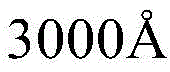 ) Sputtering a glass substrate. The mold is then coated with a layer of photoresist and exposed to UV. Exposing the mask to UV and photolithographyBetween the glue layers. The exposed areas of the photoresist become hardened. The unexposed areas are then removed by washing with a suitable solvent. The remaining hardened photoresist is dried and sputtered again with a thin layer of seed metal. The master template is then ready for electroforming. A typical material for electroforming is nickel cobalt. Alternatively, the master template may be made of nickel by electroforming or electroless nickel deposition. The bottom plate of the mold is typically about 50 to 400 μm. The master template may also be fabricated using other micro-engineering techniques including e-beam writing, dry etching, chemical etching, laser writing or laser interference, as described in "Replication technologies for micro-optics", SPIE Proc., Vol. 3099, pp. 76-82 (1997). Alternatively, the mold may be manufactured by photo-mechanical processing (micromachining) using plastic, ceramic, or metal.
Prior to application of the UV curable resin composition, the mold may be treated with a release agent to aid in the release process. The UV curable resin may be degassed prior to dispensing, and may optionally contain a solvent. The solvent, if present, is readily evaporable. The UV curable resin is dispensed onto the male mold by any suitable means, such as coating, dipping, pouring, and the like. The dispenser may be mobile or stationary. The conductor film is covered with a UV curable resin. Pressure can be applied, if necessary, to ensure proper bonding between the resin and the plastic and to control the thickness of the microcell substrate. Pressure may be applied using laminating rolls, vacuum molding, extrusion devices, or any other similar means. If the male mold is metallic and opaque, the plastic substrate is typically transparent to the actinic radiation used to cure the resin. Conversely, for actinic radiation, the male mold may be transparent and the plastic substrate may be opaque. In order to transfer the molded features well to the transfer sheet, the conductor film needs to have good adhesion to the UV-curable resin, which should have good release properties to the mold surface.
And (4) photoetching. The microcells may also be fabricated using photolithography. The photolithographic method used to fabricate the microcell array is illustrated in fig. 5A and 5B. As shown in fig. 5A and 5B, the microcell array 40 may be prepared by: the radiation-curable material 41a coated on the conductor electrode film 42 by a known method is exposed to UV light (or alternatively other forms of radiation, electron beams, etc.) through a mask 46 to form walls 41b corresponding to the image projected through the mask 46. The base conductor film 42 is preferably mounted on a supporting substrate base web 43 which may comprise a plastic material.
In photomask 46 of fig. 5A, dark squares 44 represent opaque regions of mask 46 and the spaces between dark squares represent transparent regions 45 of mask 46. UV is radiated onto the radiation curable material 41a through the transparent areas 45. The exposure is preferably performed directly onto the radiation curable material 41a, i.e. UV does not pass through the substrate 43 or the pedestal conductor 42 (top exposure). For this reason, neither the substrate 43 nor the conductor 42 need be transparent to the UV or other radiation wavelengths employed.
As shown in fig. 5B, the exposed areas 41B are hardened and then the unexposed areas (protected by opaque areas 44 of mask 46) are removed by a suitable solvent or developer to form microcells 47. The solvent or developer is selected from those commonly used to dissolve or reduce the viscosity of radiation curable materials, such as Methyl Ethyl Ketone (MEK), toluene, acetone, isopropyl alcohol, and the like. The preparation of the microcells can similarly be accomplished by placing a photomask under the conductor film/substrate support web, and in this case, UV light is radiated from the bottom through the photomask and the substrate needs to be transparent to the radiation.
And (4) image-wise exposure. Fig. 5C and 5D illustrate yet another alternative method for preparing a microcell array of the present invention by imagewise exposure. When opaque wires are used, the wires may be used as a photomask for exposure from the bottom. The durable microcell walls are formed by additional exposure from the top through a second photomask having opaque lines perpendicular to the conductive lines. Fig. 5C illustrates the fabrication of a microcell array 50 of the present invention using both the top exposure and bottom exposure principles. The base conductor film 52 is opaque and warp patterned. The radiation curable material 51a coated on the base conductor 52 and the substrate 53 is exposed from the bottom through the wire pattern 52 serving as a first photomask. A second exposure is performed from the "top" side through a second photomask 56 having a line pattern perpendicular to the conductive lines 52. The spaces 55 between the lines 54 are substantially transparent to UV light. In this process, the wall material 51b solidifies from the bottom up in one lateral orientation and from the top down in the vertical orientation, combining to form the complete microcell 57. As shown in fig. 5D, the unexposed regions are then removed by a solvent or developer as described above to reveal the microcells 57. The techniques described in fig. 5C and 5D thus enable the construction of different walls with different porosities, as required by the embodiment illustrated in fig. 3.
Examples of useful thermoplastic elastomers include diblock, triblock and multiblock copolymers of the ABA and (AB) n type, where A is styrene, α -methylstyrene, ethylene, propylene or norbornene (norbenene), B is butadiene, isoprene, ethylene, propylene, butylene, dimethylsiloxane or propylene sulfide, and where A and B are not the same, n ≧ 1, preferably 1-10, particularly useful are diblock or triblock copolymers of styrene or ox-methylstyrene, such as SB (poly (styrene-B-butadiene)), SBS (poly (styrene-B-butadiene-B-styrene)), SIS (poly (styrene-B-isoprene-B-styrene)), SEBS (poly (styrene-B-ethylene/butylene-B-styrene)), poly (styrene-B-dimethylsiloxane-styrene-B-styrene), poly (styrene-B-isoprene-B-styrene)), SEBS (poly (styrene-B-ethylene/butylene-B-styrene-ethylene/butylene-styrene), poly (styrene-B-dimethylsiloxane-B-styrene), poly (styrene-B-isoprene-B-styrene), poly (styrene-isoprene-B-styrene-B-styrene), poly (styrene-isoprene-B-styrene), poly (ethylene-2-co-isoprene-2, co-propylene-co-diene-ethylene-co-styrene-2-co-propylene-co-diene-2-co-styrene-homopolymer, such as well as the commercially available copolymers of the family of the named "excellent styrene-ethylene-isoprene-styrene-ethylene-co-butadiene-styrene-butadiene-styrene-co-2, the family of the examples.
The thermoplastic elastomer is soluble in a solvent or solvent mixture that is immiscible with the display fluid in the microcell and exhibits a specific gravity less than that of the display fluid. Low surface tension solvents are preferred for the overcoat composition because of their useThe wetting properties are superior to microcell walls and electrophoretic fluids. Solvents or solvent mixtures having a surface tension of less than 35 dynes/cm are preferred. More preferably less than 30 dynes/cm. Suitable solvents include alkanes (preferably C)6-12Alkanes, such as heptane, octane or Isopar solvents from Exxon Chemical Company, nonane, decane and isomers thereof), cycloalkanes, preferably C6-12Cycloalkanes, such as cyclohexane and decalin, etc.), alkylbenzenes (preferably mono-or di-C)1-6Alkylbenzenes, e.g. toluene, xylene, etc.), alkyl esters (preferably C)2-5Alkyl esters, e.g. ethyl acetate, isobutyl acetate, etc.) and C3-5Alkyl alcohols (such as isopropanol, etc. and isomers thereof). Mixtures of alkylbenzenes with alkanes are particularly useful.
In addition to the polymer additive, the polymer mixture may also comprise a wetting agent (surfactant). Wetting agents (such as FC surfactants from 3M Company, Zonyl fluorosurfactants from DuPont, fluoroacrylates, fluoromethylacrylates, fluoro-substituted long-chain alcohols, perfluoro-substituted long-chain carboxylic acids and their derivatives, and Silwet silicone surfactants from OSi, Greenwich, conn.) can also be included in the composition to improve the adhesion of the sealant to the microcells and provide a more flexible coating process. Other ingredients, including crosslinking agents (e.g., bis-azides such as 4,4 '-bis-azidodiphenylmethane and 2, 6-bis- (4' -azidobenzylidene) -4-methylcyclohexanone), vulcanizing agents (e.g., 2-benzothiazole disulfide and tetramethylthiuram disulfide), polyfunctional monomers or oligomers (e.g., hexanediol, diacrylate, trimethylolpropane, triacrylate, divinylbenzene, diallyl phthalate), thermal initiators (e.g., dilauroyl peroxide, benzoyl peroxide) and photoinitiators (e.g., Isopropylthioxanthone (ITX), Irgacure 651 and Irgacure 369 from Ciba-Geigy) are also useful for enhancing the physico-mechanical properties of the sealant layer by crosslinking or polymerization reactions during or after the overcoating process.
After the fabrication of the microcell, it is filled with a mixture of suitable reactive molecules. The microcell array 60 may be prepared by any of the above-described methods. As shown in cross-section in fig. 6A-6D, microcell walls 61 extend upward from substrate 63 to form open cells. The microcells may include a primer layer 62 to passivate the mixture and keep the microcell material from interacting with the active material 65-containing mixture. Prior to filling, the microcell array 60 may be cleaned and sterilized to ensure that the active molecules are not damaged prior to use.
The microcell is then filled with a mixture 64 comprising reactive molecules 65. As shown in fig. 6B, different microcells may contain different active materials. The microcells 60 are preferably partially filled to prevent overflow and inadvertent mixing of the active ingredient. In a system for delivering hydrophobic active molecules, the mixture may be based on a biocompatible oil or some other biocompatible hydrophobic carrier. For example, the mixture may comprise vegetable, fruit or nut oils. In other embodiments, silicone oils may be used. In a system for delivering hydrophilic active molecules, the mixture may be based on water or another aqueous medium, such as a phosphate buffer. However, the mixture need not be a liquid, as hydrogels and other matrices may be suitable for delivery of the active molecules 65.
The microcells may be filled using various techniques. In some embodiments, where a large number of adjacent microcells are to be filled with the same mixture, the microcells may be filled to the depth of the microcell walls 61 using knife coating. In other embodiments, where various different mixtures are to be filled into each adjacent microcell, an inkjet-type microinjection may be used to fill the microcell. In still other embodiments, the microneedle array can be used to fill the microcell array with the correct mixture. The filling may be done in a single step or in a multi-step process. For example, all of the cells may be partially filled with a quantity of solvent. The partially filled microcells are then filled with a second mixture comprising one or more active molecules to be delivered.
After filling, the microcells are sealed by applying a polymer 66 that becomes a porous diffusion layer, as shown in fig. 6C. In some embodiments, the sealing process may involve exposure to heat, dry hot air, or UV radiation. In most embodiments, the polymer 66 is compatible with the mixture 64, but is not dissolved by the solvent of the mixture 64. The polymer 66 is also biocompatible and is selected to adhere to the sides or top of the microcell walls 61. A suitable biocompatible binder for the porous diffusion layer is a phenylethylamine mixture, as described in U.S. patent application No. 15/336,841 entitled "Method for Sealing Microcell Containers with phenylethanamine Mixtures" filed on 10/30 2016, which is incorporated herein by reference in its entirety. Thus, the final microcell structure is hardly affected by leakage and can withstand bending without delamination of the porous diffusion layer.
In an alternative embodiment, each individual microcell may be filled with a desired mixture by using iterative photolithography. The process generally includes coating an array of empty microcells with a layer of positive-working photoresist, selectively opening a number of the microcells by imagewise exposing the positive photoresist, followed by developing the photoresist, filling the opened microcells with a desired mixture, and sealing the filled microcells by a sealing process. These steps can be repeated to form sealed microcells filled with other mixtures. This process enables the formation of large microcell plates with a desired ratio of mixture or concentration.
After filling the microcell 60, the sealed array can be laminated with a finishing layer 68 that is also porous to reactive molecules, preferably by pre-coating the finishing layer 68 with an adhesive layer, which can be a pressure sensitive adhesive, a hot melt adhesive, or a heat curable adhesive, a moisture curable adhesive, or a radiation curable adhesive. If the top conductor film is transparent to radiation, the laminating adhesive may be post-cured by radiation, such as UV, through the top conductor film. In some embodiments, the biocompatible adhesive 67 is then laminated to the assembly. The biocompatible adhesive 67 allows passage of the active molecules while keeping the device mobile on the user. Suitable biocompatible adhesives are available from 3M (Minneapolis, MN).
Once the delivery system has been constructed, it can be covered with an encapsulating cover to provide protection against physical impact. The encapsulating cover may also include an adhesive to ensure that the active molecule delivery system remains secured to, for example, the back of the patient. The packaging cover may also include aesthetic coloring or an interesting design for children. EXAMPLE-aqueous solution-filled microcell Assembly
A hydrophilic molecule delivery system comprising a microcell, a hydrophobic sealing layer, and a porous diffusion layer was constructed. The microcell layer was prepared by micro-embossing polyethylene terephthalate (PET), as described above. Next, a 5% aqueous solution of ethylene vinyl alcohol copolymer (RS 1717 from Kuraray) in d.i. water was prepared. To improve visibility, a blue food color was added to the 5% polymer solution. The microcell was filled with the colored 5% solution using a pipette, and the residual solution was removed with a rubber squeegee. The filled microcells are overcoated with a xylene solution of Polyisobutylene (PIB). The average molecular weight of PIB in the sealing layer was 850 kD. The xylene is evaporated, thereby creating a hydrophobic sealing layer. A micrograph of the filled and sealed microcell layer is shown in fig. 7.
After the sealing layer is cured, a porous diffusion layer is added on top of the sealing layer. The porous diffusion layer was made from Eudragit E100 (in MEK), a commercially available copolymer comprising dimethylaminoethyl methacrylate, butyl methacrylate and methyl methacrylate available from Evonic GmbH (Essen, germany). As shown in fig. 8, Eudragit together with PIB produced a uniform barrier with well-defined aqueous volume within the microcell. Although not shown here, an adhesive layer may be applied directly to the porous diffusion layer to facilitate long term placement of the active molecule delivery system.
Accordingly, the present invention provides a hydrophilic active molecule delivery system comprising a plurality of micro-units. The microlocations can comprise different hydrophilic active molecules, or different concentrations of hydrophilic active molecules. The disclosure is not intended to be limiting and other modifications of the invention not described but obvious to those skilled in the art are intended to be included within the scope of the invention.
Claims (18)
1. An active molecule delivery system, comprising:
a plurality of thermoplastic microcells filled with an aqueous formulation comprising a hydrophilic active molecule, wherein each microcell comprises a wall and an opening;
a hydrophobic sealing layer spanning the opening; and
a biocompatible adhesive.
2. The active molecule delivery system of claim 1, wherein the hydrophobic sealing layer comprises polyisobutylene, polyethylene, polyurethane, polycaprolactone, or polysiloxane.
3. The active molecule delivery system of claim 1, further comprising a porous diffusion layer between the hydrophobic sealing layer and a biocompatible adhesive.
4. The active molecule delivery system of claim 3, wherein the porous diffusion layer comprises an acrylate, a methacrylate, a polycarbonate, a polyvinyl alcohol, a cellulose, a poly (N-isopropylacrylamide) (PNIPAAm), a poly (lactic-co-glycolic acid) (PLGA), a polyvinylidene chloride, an acrylonitrile, an amorphous nylon, an oriented polyester, a terephthalate, a polyvinyl chloride, a polyethylene, a polypropylene, a polybutylene, a polyisobutylene, or a polystyrene.
5. The active molecule delivery system of claim 3, wherein the porous diffusion layer has an average pore size of 10nm to 100 μm.
6. The active molecule delivery system of claim 1, wherein the hydrophilic active molecule is a pharmaceutical compound.
7. The active molecule delivery system of claim 1, wherein the hydrophilic active molecule is an aromatic compound.
8. The active molecule delivery system of claim 1, wherein the hydrophilic active molecule comprises a nucleic acid or an amino acid.
9. The active molecule delivery system of claim 1, wherein each of the plurality of microlocations has a volume greater than 100 nL.
10. The active molecule delivery system of claim 1, wherein the aqueous formulation comprises more than one type of hydrophilic active.
11. The active molecule delivery system of claim 1, wherein the plurality of thermoplastic microlocations comprises a first microlocation filled with a first aqueous formulation and a second microlocation filled with a second aqueous formulation, wherein the first and second formulations are not the same formulation.
12. The active molecule delivery system of claim 1, wherein the plurality of thermoplastic microlocations comprises a first microlocation filled with a first concentration of aqueous formulation and a second microlocation filled with a second concentration of aqueous formulation, wherein the first and second concentrations are different.
13. The active molecule delivery system of claim 1, further comprising an encapsulation cover encapsulating the active molecule delivery system.
14. The active molecule delivery system of claim 1, further comprising a backing layer in contact with the adhesive layer.
15. The active molecule delivery system of claim 1, wherein the aqueous formulation further comprises a thickening agent.
16. The active molecule delivery system of claim 1, wherein the thickening agent is a polymer.
17. The active molecule delivery system of claim 16, wherein the thickening agent is a polymer.
18. The active molecule delivery system of claim 16, wherein the polymer is an ethylene poly (vinyl alcohol) copolymer.
Applications Claiming Priority (3)
| Application Number | Priority Date | Filing Date | Title |
|---|---|---|---|
| US201762585674P | 2017-11-14 | 2017-11-14 | |
| US62/585674 | 2017-11-14 | ||
| PCT/US2018/060266 WO2019099323A1 (en) | 2017-11-14 | 2018-11-12 | Microcell systems for delivering hydrophilic active molecules |
Publications (1)
| Publication Number | Publication Date |
|---|---|
| CN111315367A true CN111315367A (en) | 2020-06-19 |
Family
ID=66432977
Family Applications (1)
| Application Number | Title | Priority Date | Filing Date |
|---|---|---|---|
| CN201880071685.5A Pending CN111315367A (en) | 2017-11-14 | 2018-11-12 | Microcell systems for the delivery of hydrophilic active molecules |
Country Status (6)
| Country | Link |
|---|---|
| US (1) | US20190142763A1 (en) |
| EP (1) | EP3709980B1 (en) |
| JP (1) | JP6914441B2 (en) |
| CN (1) | CN111315367A (en) |
| TW (1) | TWI714908B (en) |
| WO (1) | WO2019099323A1 (en) |
Cited By (2)
| Publication number | Priority date | Publication date | Assignee | Title |
|---|---|---|---|---|
| CN116322881A (en) * | 2020-10-29 | 2023-06-23 | 伊英克加利福尼亚有限责任公司 | Microcellular system for the delivery of beneficial agents |
| CN116507322A (en) * | 2020-10-29 | 2023-07-28 | 伊英克加利福尼亚有限责任公司 | Microcellular system for the delivery of hydrophilic active molecules |
Families Citing this family (3)
| Publication number | Priority date | Publication date | Assignee | Title |
|---|---|---|---|---|
| US11266832B2 (en) | 2017-11-14 | 2022-03-08 | E Ink California, Llc | Electrophoretic active delivery system including porous conductive electrode layer |
| JP7438346B2 (en) | 2019-11-27 | 2024-02-26 | イー インク コーポレイション | Benefit Agent Delivery System Comprising Microcells with Electroerodible Seal Layer |
| CN118450911A (en) * | 2022-01-03 | 2024-08-06 | 伊英克公司 | Microcell system for controlled release of fragrances |
Citations (4)
| Publication number | Priority date | Publication date | Assignee | Title |
|---|---|---|---|---|
| US20060024358A1 (en) * | 2004-07-30 | 2006-02-02 | Santini John T Jr | Multi-reservoir device for transdermal drug delivery and sensing |
| WO2008011313A2 (en) * | 2006-07-18 | 2008-01-24 | Sipix Imaging, Inc. | Liquid-containing film structure |
| US20120176663A1 (en) * | 2006-07-18 | 2012-07-12 | Zang Hongmei | Electrophoretic display |
| US20150005720A1 (en) * | 2006-07-18 | 2015-01-01 | E Ink California, Llc | Electrophoretic display |
Family Cites Families (11)
| Publication number | Priority date | Publication date | Assignee | Title |
|---|---|---|---|---|
| WO1995031223A1 (en) * | 1994-05-13 | 1995-11-23 | Kuraray Co., Ltd. | Medical polymer gel |
| US6933098B2 (en) | 2000-01-11 | 2005-08-23 | Sipix Imaging Inc. | Process for roll-to-roll manufacture of a display by synchronized photolithographic exposure on a substrate web |
| US7715088B2 (en) | 2000-03-03 | 2010-05-11 | Sipix Imaging, Inc. | Electrophoretic display |
| WO2003077970A2 (en) * | 2002-03-11 | 2003-09-25 | Altea Therapeutics Corporation | Transdermal integrated actuator device, methods of making and using same |
| US7279064B2 (en) * | 2003-12-18 | 2007-10-09 | Palo Alto Research Center, Incorporated | Method of sealing an array of cell microstructures using microencapsulated adhesive |
| WO2005094526A2 (en) * | 2004-03-24 | 2005-10-13 | Corium International, Inc. | Transdermal delivery device |
| WO2006102378A2 (en) * | 2005-03-21 | 2006-09-28 | Macusight, Inc. | Drug delivery systems for treatment of diseases or conditions |
| ES2591278T3 (en) * | 2007-03-02 | 2016-11-25 | Teika Pharmaceutical Co., Ltd. | Medicinal composition for transdermal absorption, storage unit for medicinal composition and preparation for transdermal absorption using it |
| US9388307B2 (en) * | 2012-11-27 | 2016-07-12 | E Ink California, Llc | Microcup compositions |
| US10087344B2 (en) | 2015-10-30 | 2018-10-02 | E Ink Corporation | Methods for sealing microcell containers with phenethylamine mixtures |
| TWI753284B (en) * | 2017-03-24 | 2022-01-21 | 美商伊英克加利福尼亞有限責任公司 | Active molecule delivery system |
-
2018
- 2018-11-12 WO PCT/US2018/060266 patent/WO2019099323A1/en not_active Ceased
- 2018-11-12 EP EP18879750.0A patent/EP3709980B1/en active Active
- 2018-11-12 US US16/186,819 patent/US20190142763A1/en not_active Abandoned
- 2018-11-12 JP JP2020524044A patent/JP6914441B2/en active Active
- 2018-11-12 TW TW107140010A patent/TWI714908B/en active
- 2018-11-12 CN CN201880071685.5A patent/CN111315367A/en active Pending
Patent Citations (5)
| Publication number | Priority date | Publication date | Assignee | Title |
|---|---|---|---|---|
| US20060024358A1 (en) * | 2004-07-30 | 2006-02-02 | Santini John T Jr | Multi-reservoir device for transdermal drug delivery and sensing |
| WO2008011313A2 (en) * | 2006-07-18 | 2008-01-24 | Sipix Imaging, Inc. | Liquid-containing film structure |
| CN101490602A (en) * | 2006-07-18 | 2009-07-22 | 希毕克斯影像有限公司 | Membrane structures containing liquids |
| US20120176663A1 (en) * | 2006-07-18 | 2012-07-12 | Zang Hongmei | Electrophoretic display |
| US20150005720A1 (en) * | 2006-07-18 | 2015-01-01 | E Ink California, Llc | Electrophoretic display |
Cited By (2)
| Publication number | Priority date | Publication date | Assignee | Title |
|---|---|---|---|---|
| CN116322881A (en) * | 2020-10-29 | 2023-06-23 | 伊英克加利福尼亚有限责任公司 | Microcellular system for the delivery of beneficial agents |
| CN116507322A (en) * | 2020-10-29 | 2023-07-28 | 伊英克加利福尼亚有限责任公司 | Microcellular system for the delivery of hydrophilic active molecules |
Also Published As
| Publication number | Publication date |
|---|---|
| EP3709980A1 (en) | 2020-09-23 |
| TWI714908B (en) | 2021-01-01 |
| EP3709980A4 (en) | 2021-08-25 |
| US20190142763A1 (en) | 2019-05-16 |
| EP3709980C0 (en) | 2024-01-10 |
| EP3709980B1 (en) | 2024-01-10 |
| WO2019099323A1 (en) | 2019-05-23 |
| TW201927961A (en) | 2019-07-16 |
| JP2021501170A (en) | 2021-01-14 |
| JP6914441B2 (en) | 2021-08-04 |
Similar Documents
| Publication | Publication Date | Title |
|---|---|---|
| US10933029B2 (en) | Microcell systems for delivering active molecules | |
| EP3709972B1 (en) | Electrophoretic active delivery system including porous conductive electrode layer | |
| EP3709980B1 (en) | Microcell systems for delivering hydrophilic active molecules | |
| US11648215B2 (en) | Microcell systems for delivering hydrophilic active molecules | |
| HK40020670A (en) | Microcell systems for delivering hydrophilic active molecules | |
| US11896723B2 (en) | Microcell systems for delivering benefit agents | |
| US20230212484A1 (en) | Microcell systems for controlled release of fragrances | |
| HK40088975A (en) | Microcell systems for delivering hydrophilic active molecules | |
| HK40011194A (en) | Microcell systems for delivering active molecules | |
| HK40020626A (en) | Electrophoretic active delivery system including porous conductive electrode layer |
Legal Events
| Date | Code | Title | Description |
|---|---|---|---|
| PB01 | Publication | ||
| PB01 | Publication | ||
| SE01 | Entry into force of request for substantive examination | ||
| SE01 | Entry into force of request for substantive examination | ||
| REG | Reference to a national code |
Ref country code: HK Ref legal event code: DE Ref document number: 40020670 Country of ref document: HK |
|
| TA01 | Transfer of patent application right |
Effective date of registration: 20231013 Address after: Massachusetts Applicant after: E INK Corp. Address before: California, USA Applicant before: E INK CALIFORNIA, LLC |
|
| TA01 | Transfer of patent application right |