CN111241070B - Data migration device, method, system and storage medium of cross-CPU architecture - Google Patents
Data migration device, method, system and storage medium of cross-CPU architecture Download PDFInfo
- Publication number
- CN111241070B CN111241070B CN202010093575.8A CN202010093575A CN111241070B CN 111241070 B CN111241070 B CN 111241070B CN 202010093575 A CN202010093575 A CN 202010093575A CN 111241070 B CN111241070 B CN 111241070B
- Authority
- CN
- China
- Prior art keywords
- data
- business system
- access requirement
- new business
- client
- Prior art date
- Legal status (The legal status is an assumption and is not a legal conclusion. Google has not performed a legal analysis and makes no representation as to the accuracy of the status listed.)
- Active
Links
Images


Classifications
-
- G—PHYSICS
- G06—COMPUTING OR CALCULATING; COUNTING
- G06F—ELECTRIC DIGITAL DATA PROCESSING
- G06F16/00—Information retrieval; Database structures therefor; File system structures therefor
- G06F16/20—Information retrieval; Database structures therefor; File system structures therefor of structured data, e.g. relational data
- G06F16/21—Design, administration or maintenance of databases
- G06F16/214—Database migration support
-
- G—PHYSICS
- G06—COMPUTING OR CALCULATING; COUNTING
- G06F—ELECTRIC DIGITAL DATA PROCESSING
- G06F16/00—Information retrieval; Database structures therefor; File system structures therefor
- G06F16/20—Information retrieval; Database structures therefor; File system structures therefor of structured data, e.g. relational data
- G06F16/22—Indexing; Data structures therefor; Storage structures
- G06F16/2282—Tablespace storage structures; Management thereof
-
- G—PHYSICS
- G06—COMPUTING OR CALCULATING; COUNTING
- G06F—ELECTRIC DIGITAL DATA PROCESSING
- G06F16/00—Information retrieval; Database structures therefor; File system structures therefor
- G06F16/20—Information retrieval; Database structures therefor; File system structures therefor of structured data, e.g. relational data
- G06F16/23—Updating
Landscapes
- Engineering & Computer Science (AREA)
- Theoretical Computer Science (AREA)
- Databases & Information Systems (AREA)
- Data Mining & Analysis (AREA)
- Physics & Mathematics (AREA)
- General Engineering & Computer Science (AREA)
- General Physics & Mathematics (AREA)
- Software Systems (AREA)
- Information Retrieval, Db Structures And Fs Structures Therefor (AREA)
Abstract
本申请提供一种跨CPU架构的数据迁移装置,包括:与伪客户端相连的真实客户端;所述伪客户端一端与第一端架构的旧业务系统相连,另一端接入第二端架构的新业务系统;其中,所述伪客户端包括格式转换器,所述格式转换器用于对所述旧业务系统中的数据进行格式转换。本申请通过建立伪客户端分别连接两端不同的架构,实现了业务系统在不同CPU架构间的平滑迁移,克服了不同CPU架构上数据格式不一致的技术难题,降低了用户业务对特定CPU架构的依赖。本申请还提供一种跨CPU架构的数据迁移方法、数据迁移系统和计算机可读存储介质,具有上述有益效果。
The present application provides a cross-CPU architecture data migration device, including: a real client connected to a pseudo-client; one end of the pseudo-client is connected to the old business system of the first-end architecture, and the other end is connected to the second-end architecture The new business system; wherein, the pseudo-client includes a format converter, and the format converter is used to perform format conversion on the data in the old business system. This application realizes the smooth migration of business systems between different CPU architectures by establishing pseudo-clients to connect different architectures at both ends, overcomes the technical problem of inconsistent data formats on different CPU architectures, and reduces the impact of user services on specific CPU architectures. rely. The present application also provides a cross-CPU architecture data migration method, a data migration system, and a computer-readable storage medium, which have the above beneficial effects.
Description
技术领域technical field
本申请涉及服务器领域,特别涉及一种跨CPU架构的数据迁移装置、方法、系统和存储介质。The present application relates to the field of servers, in particular to a cross-CPU architecture data migration device, method, system and storage medium.
背景技术Background technique
当前数据库迁移只能在同CPU架构服务器间进行,通过LUN复制或者数据库同步,一台服务器上的数据可以无障碍复制到另一台同CPU架构服务器。但是当两台服务器的CPU架构不同时,由于其数据存储格式不同,以上数据迁移方式失效。例如,某国际主流数据库软件在x86架构和安腾架构下的数据存储格式并不相同,导致数据库业务难以进行跨平台的迁移。Currently, database migration can only be performed between servers with the same CPU architecture. Through LUN replication or database synchronization, data on one server can be copied to another server with the same CPU architecture without barriers. However, when the CPU architectures of the two servers are different, the above data migration methods are invalid due to the different data storage formats. For example, the data storage formats of an international mainstream database software under the x86 architecture and Itanium architecture are different, making it difficult to migrate database services across platforms.
因此,如何实现跨CPU架构的数据库迁移是本领域技术人员亟需解决的技术问题。Therefore, how to implement database migration across CPU architectures is a technical problem urgently needed to be solved by those skilled in the art.
发明内容Contents of the invention
本申请的目的是提供一种跨CPU架构的数据迁移装置、数据迁移方法、数据迁移系统和计算机可读存储介质,能够实现跨CPU架构的数据迁移。The purpose of this application is to provide a cross-CPU architecture data migration device, a data migration method, a data migration system and a computer-readable storage medium, which can realize cross-CPU architecture data migration.
为解决上述技术问题,本申请提供一种跨CPU架构的数据迁移装置,具体技术方案如下:In order to solve the above technical problems, the present application provides a cross-CPU architecture data migration device, the specific technical solution is as follows:
与伪客户端相连的真实客户端;A real client connected to a fake client;
所述伪客户端一端与第一端架构的旧业务系统相连,另一端接入第二端架构的新业务系统;One end of the pseudo-client is connected to the old business system of the first-end architecture, and the other end is connected to the new business system of the second-end architecture;
其中,所述伪客户端包括格式转换器,所述格式转换器用于对所述旧业务系统中的数据进行格式转换。Wherein, the pseudo-client includes a format converter, and the format converter is used for performing format conversion on the data in the old business system.
其中,所述伪客户端还用于维护系统数据记录表,所述系统数据记录表用于记录所述旧业务系统中的过时数据和所述新业务系统中的用户数据。Wherein, the pseudo-client is also used to maintain a system data record table, and the system data record table is used to record outdated data in the old business system and user data in the new business system.
本申请还提供一种跨CPU架构的数据迁移方法,基于上文所述的数据迁移装置,所述数据迁移方法包括:The present application also provides a cross-CPU architecture data migration method, based on the data migration device described above, the data migration method includes:
获取第一端架构中旧业务系统的第一数据格式和第二端架构中新业务系统的第二数据格式;Obtain the first data format of the old business system in the first-end architecture and the second data format of the new business system in the second-end architecture;
判断所述第一数据格式和所述第二数据格式是否相同;judging whether the first data format and the second data format are the same;
若是,将所述旧业务系统中的待迁移数据经过伪客户端迁移至所述新业务系统;If so, migrating the data to be migrated in the old business system to the new business system through a pseudo-client;
若否,利用所述伪客户端中的格式转换器对所述待迁移数据转换为所述第二数据格式后迁移至所述新业务系统。If not, the data to be migrated is converted to the second data format by using a format converter in the pseudo-client, and then migrated to the new service system.
其中,还包括:Among them, also include:
所述伪客户端接收到真实客户端的访问需求时,根据所述访问需求的业务类型更新系统数据记录表和所述新业务系统。When the fake client receives the access request from the real client, it updates the system data record table and the new service system according to the service type of the access request.
其中,当所述访问需求为数据增时,根据所述访问需求的业务类型更新系统数据记录表和所述新业务系统包括:Wherein, when the access requirement is data increase, updating the system data record table and the new business system according to the business type of the access requirement includes:
在所述新业务系统执行所述访问需求对应的数据增加操作,并将所述数据增加操作对应的数据增加记录更新至所述系统数据记录表。Execute the data addition operation corresponding to the access requirement in the new business system, and update the data addition record corresponding to the data addition operation to the system data record table.
其中,当所述访问需求为数据删时,根据所述访问需求的业务类型更新系统数据记录表和所述新业务系统包括:Wherein, when the access requirement is data deletion, updating the system data record table and the new business system according to the business type of the access requirement includes:
判断所述新业务系统是否存在所述访问需求对应的条目;judging whether there is an entry corresponding to the access requirement in the new business system;
若是,在所述新业务系统中删除所述访问需求对应的条目,并将数据删除记录更新至所述系统数据记录表;If so, delete the entry corresponding to the access requirement in the new business system, and update the data deletion record to the system data record table;
若否,在所述旧业务系统中删除所述访问需求对应的条目,并将数据删除记录更新至所述系统数据记录表。If not, delete the entry corresponding to the access requirement in the old business system, and update the data deletion record to the system data record table.
其中,当所述访问需求为数据改时,根据所述访问需求的业务类型更新系统数据记录表和所述新业务系统包括:Wherein, when the access requirement is data modification, updating the system data record table and the new business system according to the business type of the access requirement includes:
判断所述新业务系统是否存在所述访问需求对应的条目;judging whether there is an entry corresponding to the access requirement in the new business system;
若是,在所述新业务系统中修改所述访问需求对应的条目,将数据修改记录更新至所述系统数据记录表;If so, modify the entry corresponding to the access requirement in the new business system, and update the data modification record to the system data record table;
若否,将所述旧业务系统中所述访问需求对应的条目复制至所述新业务系统,并在所述新业务系统中执行数据修改操作,将数据修改记录更新至所述系统数据记录表。If not, copy the entry corresponding to the access requirement in the old business system to the new business system, and perform a data modification operation in the new business system, and update the data modification record to the system data record table .
其中,当所述访问需求为数据查时,根据所述访问需求的业务类型更新系统数据记录表和所述新业务系统包括:Wherein, when the access requirement is data query, updating the system data record table and the new business system according to the business type of the access requirement includes:
判断所述新业务系统是否存在所述访问需求对应的条目;judging whether there is an entry corresponding to the access requirement in the new business system;
若是,在所述新业务系统中查询所述访问需求对应的条目,将数据查询记录更新至所述系统数据记录表;If so, query the entry corresponding to the access requirement in the new business system, and update the data query record to the system data record table;
若否,将所述旧业务系统中所述访问需求对应的条目复制至所述新业务系统,并在所述新业务系统中执行数据查询操作,将数据查询记录更新至所述系统数据记录表。If not, copy the entry corresponding to the access requirement in the old business system to the new business system, and perform a data query operation in the new business system, and update the data query record to the system data record table .
本申请还提供一种跨CPU架构的数据迁移系统,基于上文所述的数据迁移装置,所述数据迁移系统包括:The present application also provides a cross-CPU architecture data migration system, based on the data migration device described above, the data migration system includes:
格式获取模块,用于获取第一端架构中旧业务系统的第一数据格式和第二端架构中新业务系统的第二数据格式;A format acquiring module, configured to acquire the first data format of the old business system in the first-end architecture and the second data format of the new business system in the second-end architecture;
判断模块,用于判断所述第一数据格式和所述第二数据格式是否相同;A judging module, configured to judge whether the first data format is the same as the second data format;
第一迁移模块,用于所述判断模块判断结果为是时,将所述旧业务系统中的待迁移数据经过伪客户端迁移至所述新业务系统;The first migration module is used to migrate the data to be migrated in the old business system to the new business system through the pseudo-client when the judging result of the judging module is yes;
第二迁移模块,用于所述判断模块判断结果为否时,利用所述伪客户端中的格式转换器对所述待迁移数据转换为所述第二数据格式后迁移至所述新业务系统。The second migration module is used for converting the data to be migrated into the second data format by using the format converter in the pseudo-client and migrating to the new business system when the judgment result of the judging module is negative .
本申请还提供一种计算机可读存储介质,其上存储有计算机程序,所述计算机程序被处理器执行时实现如上所述的方法的步骤。The present application also provides a computer-readable storage medium on which a computer program is stored, and when the computer program is executed by a processor, the steps of the above method are realized.
本申请提供一种跨CPU架构的数据迁移装置,包括:与伪客户端相连的真实客户端;所述伪客户端一端与第一端架构的旧业务系统相连,另一端接入第二端架构的新业务系统;其中,所述伪客户端包括格式转换器,所述格式转换器用于对所述旧业务系统中的数据进行格式转换。The present application provides a cross-CPU architecture data migration device, including: a real client connected to a pseudo-client; one end of the pseudo-client is connected to the old business system of the first-end architecture, and the other end is connected to the second-end architecture The new business system; wherein, the pseudo-client includes a format converter, and the format converter is used to perform format conversion on the data in the old business system.
本申请通过建立伪客户端分别连接两端不同的架构,实现了业务系统在不同CPU架构间的平滑迁移,克服了不同CPU架构上数据格式不一致的技术难题,降低了用户业务对特定CPU架构的依赖。本申请还提供一种跨CPU架构的数据迁移方法、数据迁移系统和计算机可读存储介质,具有上述有益效果,此处不再赘述。This application realizes the smooth migration of business systems between different CPU architectures by establishing pseudo-clients to connect different architectures at both ends, overcomes the technical problem of inconsistent data formats on different CPU architectures, and reduces the impact of user services on specific CPU architectures. rely. The present application also provides a cross-CPU architecture data migration method, a data migration system, and a computer-readable storage medium, which have the above-mentioned beneficial effects and will not be repeated here.
附图说明Description of drawings
为了更清楚地说明本申请实施例或现有技术中的技术方案,下面将对实施例或现有技术描述中所需要使用的附图作简单地介绍,显而易见地,下面描述中的附图仅仅是本申请的实施例,对于本领域普通技术人员来讲,在不付出创造性劳动的前提下,还可以根据提供的附图获得其他的附图。In order to more clearly illustrate the technical solutions in the embodiments of the present application or the prior art, the following will briefly introduce the drawings that need to be used in the description of the embodiments or the prior art. Obviously, the accompanying drawings in the following description are only It is an embodiment of the present application, and those skilled in the art can also obtain other drawings according to the provided drawings without creative work.
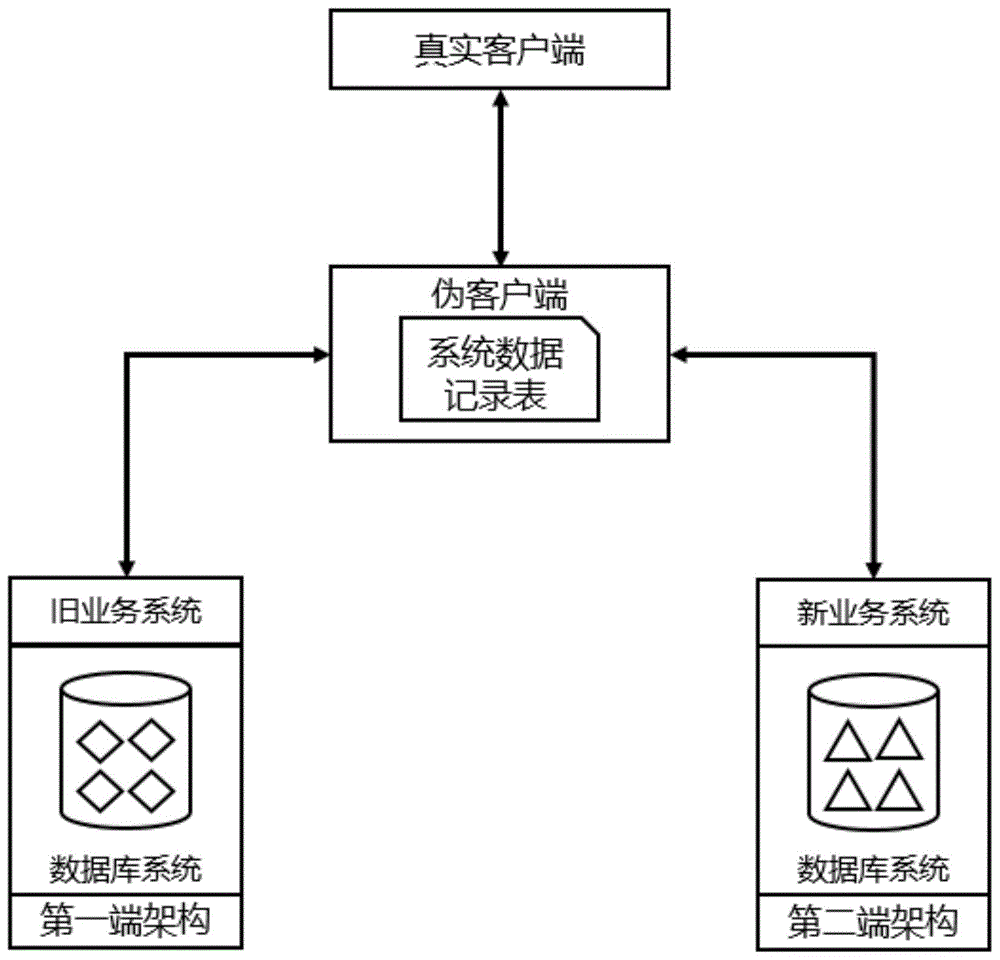
图1为本申请实施例所提供的一种跨CPU架构的数据迁移装置的流程图;FIG. 1 is a flowchart of a cross-CPU architecture data migration device provided by an embodiment of the present application;
图2为本申请实施例所提供的一种跨CPU架构的数据迁移装置的工作流程图;Fig. 2 is a working flow chart of a cross-CPU architecture data migration device provided by the embodiment of the present application;
图3为本申请实施例所提供的另一种跨CPU架构的数据迁移装置的工作流程图;FIG. 3 is a workflow diagram of another cross-CPU architecture data migration device provided by the embodiment of the present application;
图4为本申请实施例所提供的一种跨CPU架构的数据迁移方法的流程图;FIG. 4 is a flow chart of a cross-CPU architecture data migration method provided by an embodiment of the present application;
图5为本申请实施例所提供的一种跨CPU架构的数据迁移系统结构示意图。FIG. 5 is a schematic structural diagram of a cross-CPU architecture data migration system provided by an embodiment of the present application.
具体实施方式detailed description
为使本申请实施例的目的、技术方案和优点更加清楚,下面将结合本申请实施例中的附图,对本申请实施例中的技术方案进行清楚、完整地描述,显然,所描述的实施例是本申请一部分实施例,而不是全部的实施例。基于本申请中的实施例,本领域普通技术人员在没有做出创造性劳动前提下所获得的所有其他实施例,都属于本申请保护的范围。In order to make the purposes, technical solutions and advantages of the embodiments of the present application clearer, the technical solutions in the embodiments of the present application will be clearly and completely described below in conjunction with the drawings in the embodiments of the present application. Obviously, the described embodiments It is a part of the embodiments of this application, not all of them. Based on the embodiments in this application, all other embodiments obtained by persons of ordinary skill in the art without making creative efforts belong to the scope of protection of this application.
请参考图1,图1为本申请实施例所提供的一种跨CPU架构的数据迁移装置的流程图,该装置包括:Please refer to FIG. 1. FIG. 1 is a flow chart of a cross-CPU architecture data migration device provided in the embodiment of the present application. The device includes:
与伪客户端相连的真实客户端;A real client connected to a fake client;
伪客户端一端与第一端架构的旧业务系统相连,另一端接入第二端架构的新业务系统;伪客户端包括格式转换器,格式转换器用于对旧业务系统中的数据进行格式转换。One end of the pseudo-client is connected to the old business system of the first-end architecture, and the other end is connected to the new business system of the second-end architecture; the pseudo-client includes a format converter, which is used to convert the data in the old business system .
在此对于第一端架构和第二端架构具体为何种CPU架构均不作限定,可以为X86架构、Arm架构、Alpha架构等等,当实现跨CPU架构的数据迁移时均可以采用本数据迁移装置。Here, there is no limitation on the specific CPU architectures of the first-end architecture and the second-end architecture, which can be X86 architecture, Arm architecture, Alpha architecture, etc. This data migration device can be used when realizing data migration across CPU architectures .
无论是哪种架构,均应包括基础的数据库和业务系统,而本申请中伪客户端需要分别与两个架构服务器的业务系统相连,同时真实客户端仅与伪客户端相连。而伪客户端作为两个架构服务器的业务系统与真实客户端之间的唯一通道。No matter what kind of architecture it is, it should include the basic database and business system. In this application, the fake client needs to be connected to the business systems of the two architecture servers, while the real client is only connected to the fake client. The pseudo-client is the only channel between the business systems of the two architecture servers and the real client.
图1中,伪客户端还可以用于维护系统数据记录表,系统数据记录表用于记录旧业务系统中的过时数据和新业务系统中的用户数据。In Fig. 1, the pseudo-client can also be used to maintain the system data record table, and the system data record table is used to record outdated data in the old business system and user data in the new business system.
需要理解的是,不同架构的服务器中其操作指令可能不同,存储的数据格式也可能不同。因此即便是不同架构中的数据格式相同,但进行数据迁移时第一端架构中的相应操作指令无法被第二端架构识别,依然无法进行有效的数据迁移。It should be understood that the operating instructions of servers with different architectures may be different, and the stored data formats may also be different. Therefore, even if the data formats in different architectures are the same, the corresponding operation instructions in the first-end architecture cannot be recognized by the second-end architecture during data migration, and effective data migration still cannot be performed.
而本申请通过建立伪客户端,可以实现操作指令和数据格式的兼容。即使从第一端架构迁移到第二端架构的数据格式不同,可以通过伪客户端中的格式转换器对第一端架构中旧业务系统的数据进行格式转换,以确保迁移任务的正常进行。However, in this application, by establishing a pseudo-client, compatibility between operation instructions and data formats can be achieved. Even if the format of the data migrated from the first-end architecture to the second-end architecture is different, the format converter of the pseudo-client can be used to convert the format of the data of the old business system in the first-end architecture to ensure the normal progress of the migration task.
参见图4,本申请还提供一种跨CPU架构的数据迁移方法,基于上文的数据迁移装置,该数据迁移方法可以包括:Referring to FIG. 4, the present application also provides a data migration method across CPU architectures. Based on the above data migration device, the data migration method may include:
S101:获取第一端架构中旧业务系统的第一数据格式和第二端架构中新业务系统的第二数据格式;S101: Obtain the first data format of the old business system in the first-end architecture and the second data format of the new business system in the second-end architecture;
S102:判断第一数据格式和第二数据格式是否相同;若是,进入S103;若否,进入S104;S102: Determine whether the first data format is the same as the second data format; if yes, go to S103; if not, go to S104;
S103:将旧业务系统中的待迁移数据经过伪客户端迁移至新业务系统;S103: Migrate the data to be migrated in the old business system to the new business system through the fake client;
S104:利用伪客户端中的格式转换器对待迁移数据转换为第二数据格式后迁移至新业务系统。S104: Utilize the format converter in the pseudo-client to convert the data to be migrated into a second data format and then migrate to the new business system.
本申请实施例为基于上文数据迁移装置的数据迁移方法,在数据迁移时根据两个架构服务器的数据格式是否相同采用对应的数据迁移方式。The embodiment of the present application is a data migration method based on the above-mentioned data migration device. During data migration, a corresponding data migration method is adopted according to whether the data formats of the two architecture servers are the same.
参见图2,图2为本申请实施例所提供的一种跨CPU架构的数据迁移装置的工作流程图,若两个架构服务器的数据格式相同,即第一数据格式和第二数据格式相同,意味着两个架构服务器的数据均为标准文本格式,可以直接进行数据的迁移,此时伪客户端起到统一操作指令的作用,相当于伪客户端提供数据传输通道。图2中,伪客户端向基于第一端架构的服务器申请数据,数据(以菱形标记)在发出过程中,数据格式未发生变化,此时伪客户端作为管道,将迁移数据提交到基于第二端架构的服务器,基于第二端架构的服务器将数据(同样以菱形标记)进行保存,从而完成迁移数据跨CPU架构的迁移。Referring to Fig. 2, Fig. 2 is a work flow chart of a cross-CPU architecture data migration device provided by the embodiment of the present application. If the data formats of the two architecture servers are the same, that is, the first data format and the second data format are the same, It means that the data of the two architecture servers are in standard text format, and the data can be migrated directly. At this time, the pseudo-client plays the role of unified operation instructions, which is equivalent to the pseudo-client providing data transmission channels. In Figure 2, the pseudo-client applies for data from the server based on the first-end architecture, and the data format (marked by a diamond) has not changed during the sending process. At this time, the pseudo-client acts as a pipeline and submits the migration data to the The server of the two-end architecture, based on the server of the second-end architecture, saves the data (also marked with a diamond shape), so as to complete the migration of the migration data across the CPU architecture.
参见图3,图3为本申请实施例所提供的另一种跨CPU架构的数据迁移装置的工作流程图,若两个架构服务器的数据格式不相同,即第一数据格式和第二数据格式不相同,此时需要利用格式转换器对待迁移数据转换为第二数据格式后才能发送至第二端架构的服务器。图3中,伪客户端向基于第一端架构的服务器申请数据,数据(以菱形标记)在发送到伪客户端后,伪客户端利用格式转换器进行格式转换,得到第二端架构服务器所使用的数据(以三角形标记),再将迁移数据提交到基于第二端架构的服务器,基于第二端架构的服务器将数据(以三角形标记)进行保存,从而完成迁移数据跨CPU架构的迁移。在此过程中,伪客户端不仅起到了数据传输管道的作用,还起到了数据格式转换的作用。Referring to Fig. 3, Fig. 3 is a workflow diagram of another cross-CPU architecture data migration device provided by the embodiment of the present application. If the data formats of the two architecture servers are different, that is, the first data format and the second data format In this case, the data to be migrated needs to be converted into the second data format by using a format converter before it can be sent to the server of the second-end architecture. In Figure 3, the pseudo-client applies for data from the server based on the first-end architecture. After the data (marked with a diamond) is sent to the pseudo-client, the pseudo-client uses a format converter to perform format conversion to obtain the data obtained by the second-end architecture server. The used data (marked with a triangle), and then the migration data is submitted to the server based on the second-end architecture, and the server based on the second-end architecture saves the data (marked with a triangle), thereby completing the migration of the migrated data across the CPU architecture. In this process, the pseudo-client not only plays the role of data transmission pipeline, but also plays the role of data format conversion.
本申请实施例通过建立伪客户端分别连接两端不同的架构,实现了业务系统在不同CPU架构间的平滑迁移,克服了不同CPU架构上数据格式不一致的技术难题,降低了用户业务对特定CPU架构的依赖。The embodiment of the present application realizes the smooth migration of the business system between different CPU architectures by establishing pseudo-clients to connect different architectures at both ends, overcomes the technical problem of inconsistent data formats on different CPU architectures, and reduces the impact of user services on specific CPUs. Architecture dependencies.
在上述实施例的基础上,在进行数据迁移时,可以通过真实客户端接受外界的访问需求以进行数据增量操作,主要包括增删改查等操作。此时,伪客户端接收到真实客户端的访问需求时,可以根据访问需求的业务类型更新系统数据记录表和新业务系统。On the basis of the above-mentioned embodiments, when performing data migration, the real client can accept external access requirements to perform data incremental operations, mainly including operations such as adding, deleting, modifying, and checking. At this time, when the fake client receives the access request from the real client, it can update the system data record table and the new service system according to the service type of the access request.
下文以增删改查四种访问需求为例对数据增量操作进行说明,当然还可以执行其他数据增量操作,在此不一一举例说明:The following takes the four access requirements of adding, deleting, modifying and checking as examples to illustrate data incremental operations. Of course, other data incremental operations can also be performed, so I will not illustrate them one by one here:
1、当访问需求为数据增时:1. When the access requirement is data increase:
在新业务系统执行访问需求对应的数据增加操作,并将数据增加操作对应的数据增加记录更新至系统数据记录表。Execute the data addition operation corresponding to the access requirement in the new business system, and update the data addition record corresponding to the data addition operation to the system data record table.
当访问需求为数据增时,首先在新业务系统数据库中执行增加操作,然后更新系统数据记录表,在表中记录该条记录已增加到新业务系统数据库中。When the access requirement is data addition, first perform the adding operation in the database of the new business system, and then update the system data record table, and record in the table that the record has been added to the database of the new business system.
2、当访问需求为数据删时:2. When the access requirement is data deletion:
判断新业务系统是否存在访问需求对应的条目;Determine whether there is an entry corresponding to the access requirement in the new business system;
若是,在新业务系统中删除访问需求对应的条目,并将数据删除记录更新至系统数据记录表;If so, delete the entry corresponding to the access requirement in the new business system, and update the data deletion record to the system data record table;
若否,在旧业务系统中删除访问需求对应的条目,并将数据删除记录更新至系统数据记录表。If not, delete the entry corresponding to the access requirement in the old business system, and update the data deletion record to the system data record table.
当访问需求为数据删时,首先在系统数据记录表中检索新业务系统数据库中是否存在该条目,如果存在,则在新业务系统数据库中删除该条目,然后在系统数据记录表中标记该条记录已删除;如果不存在,则在旧业务系统数据库中删除该条目,然后在系统数据记录表中标记该条记录已删除。When the access requirement is data deletion, first check whether the entry exists in the new business system database in the system data record table, if it exists, delete the entry in the new business system database, and then mark the entry in the system data record table The record has been deleted; if it does not exist, delete the entry in the old business system database, and then mark the record as deleted in the system data record table.
3、当访问需求为数据改时:3. When the access requirement is data modification:
根据访问需求的业务类型更新系统数据记录表和新业务系统包括:Update the system data record table and new business system according to the business type of access requirements, including:
判断新业务系统是否存在访问需求对应的条目;Determine whether there is an entry corresponding to the access requirement in the new business system;
若是,在新业务系统中修改访问需求对应的条目,将数据修改记录更新至系统数据记录表;If so, modify the entry corresponding to the access requirement in the new business system, and update the data modification record to the system data record table;
若否,将旧业务系统中访问需求对应的条目复制至新业务系统,并在新业务系统中执行数据修改操作,将数据修改记录更新至系统数据记录表。If not, copy the entry corresponding to the access requirement in the old business system to the new business system, and perform a data modification operation in the new business system, and update the data modification record to the system data record table.
当访问需求为数据改时,在系统数据记录表中检索新业务系统数据库中是否存在该条目,如果存在,则在新业务系统数据库中修改该条目;如果不存在,则将该记录首先从旧业务系统数据库复制到新业务系统数据库,然后在新业务系统数据库中根据真实客户端的需求进行相应条目记录修改。最后在系统数据记录表中标记该条记录已复制到新业务系统数据库中,同时还可以将旧业务系统数据库中相应条目标记为已过时。When the access requirement is data change, check whether the entry exists in the new business system database in the system data record table, and if it exists, modify the entry in the new business system database; Copy the business system database to the new business system database, and then modify the corresponding entry records in the new business system database according to the needs of real clients. Finally, it is marked in the system data record table that the record has been copied to the new business system database, and at the same time, the corresponding entry in the old business system database can be marked as obsolete.
4、当访问需求为数据查时:4. When the access requirement is data query:
根据访问需求的业务类型更新系统数据记录表和新业务系统包括:Update the system data record table and new business system according to the business type of access requirements, including:
判断新业务系统是否存在访问需求对应的条目;Determine whether there is an entry corresponding to the access requirement in the new business system;
若是,在新业务系统中查询访问需求对应的条目,将数据查询记录更新至系统数据记录表;If so, query the entry corresponding to the access requirement in the new business system, and update the data query record to the system data record table;
若否,将旧业务系统中访问需求对应的条目复制至新业务系统,并在新业务系统中执行数据查询操作,将数据查询记录更新至系统数据记录表。If not, copy the entry corresponding to the access requirement in the old business system to the new business system, and perform a data query operation in the new business system, and update the data query record to the system data record table.
当访问需求为数据查时,在系统数据记录表中检索新业务系统数据库中是否存在该条目,如果存在,则在新业务系统数据库中检索该条目并通过伪客户端返回给真实客户端;如果不存在,则将该记录首先从旧业务系统数据库复制到新业务系统数据库,然后在新业务系统数据库中根据真实客户端的需求进行相应条目记录的检索并返回。最后在系统数据记录表中标记该条记录已复制到新业务系统数据库中,旧业务系统数据库相应条目标记为已过时。When the access requirement is data query, check whether the entry exists in the new business system database in the system data record table, and if it exists, then search for the entry in the new business system database and return it to the real client through the fake client; if If it does not exist, the record is first copied from the old business system database to the new business system database, and then the corresponding entry record is retrieved and returned in the new business system database according to the requirements of the real client. Finally, it is marked in the system data record table that the record has been copied to the new business system database, and the corresponding entry in the old business system database is marked as obsolete.
当系统数据记录表中标记旧业务系统数据库中的条目全部过时,或者用户认为旧业务系统数据库不再有存在价值,则可以废弃旧业务系统,绕过伪客户端,真实客户端开始直连新业务系统,从而最终完成业务的跨CPU架构迁移。When all the entries in the old business system database marked in the system data record table are outdated, or the user thinks that the old business system database is no longer valuable, the old business system can be discarded, the fake client is bypassed, and the real client starts to directly connect to the new The business system, so as to finally complete the cross-CPU architecture migration of the business.
下面对本申请实施例提供的一种跨CPU架构的数据迁移系统进行介绍,下文描述的数据迁移系统与上文描述的一种跨CPU架构的数据迁移方法可相互对应参照。A cross-CPU architecture data migration system provided in the embodiment of the present application is introduced below. The data migration system described below and the cross-CPU architecture data migration method described above can be referred to in correspondence.
本申请还提供一种跨CPU架构的数据迁移系统,基于上文所述的数据迁移装置,所述数据迁移系统包括:The present application also provides a cross-CPU architecture data migration system, based on the data migration device described above, the data migration system includes:
格式获取模块100,用于获取第一端架构中旧业务系统的第一数据格式和第二端架构中新业务系统的第二数据格式;A
判断模块200,用于判断所述第一数据格式和所述第二数据格式是否相同;A judging
第一迁移模块300,用于所述判断模块判断结果为是时,将所述旧业务系统中的待迁移数据经过伪客户端迁移至所述新业务系统;The
第二迁移模块400,用于所述判断模块判断结果为否时,利用所述伪客户端中的格式转换器对所述待迁移数据转换为所述第二数据格式后迁移至所述新业务系统。The
本申请还提供了一种计算机可读存储介质,其上存有计算机程序,该计算机程序被执行时可以实现上述实施例所提供的步骤。该存储介质可以包括:U盘、移动硬盘、只读存储器(Read-Only Memory,ROM)、随机存取存储器(Random Access Memory,RAM)、磁碟或者光盘等各种可以存储程序代码的介质。The present application also provides a computer-readable storage medium on which a computer program is stored. When the computer program is executed, the steps provided in the above-mentioned embodiments can be realized. The storage medium may include various media capable of storing program codes such as a U disk, a removable hard disk, a read-only memory (Read-Only Memory, ROM), a random access memory (Random Access Memory, RAM), a magnetic disk or an optical disk.
说明书中各个实施例采用递进的方式描述,每个实施例重点说明的都是与其他实施例的不同之处,各个实施例之间相同相似部分互相参见即可。对于实施例提供的系统而言,由于其与实施例提供的方法相对应,所以描述的比较简单,相关之处参见方法部分说明即可。Each embodiment in the description is described in a progressive manner, each embodiment focuses on the difference from other embodiments, and the same and similar parts of each embodiment can be referred to each other. As for the system provided in the embodiment, since it corresponds to the method provided in the embodiment, the description is relatively simple, and for relevant details, please refer to the description of the method part.
本文中应用了具体个例对本申请的原理及实施方式进行了阐述,以上实施例的说明只是用于帮助理解本申请的方法及其核心思想。应当指出,对于本技术领域的普通技术人员来说,在不脱离本申请原理的前提下,还可以对本申请进行若干改进和修饰,这些改进和修饰也落入本申请权利要求的保护范围内。In this paper, specific examples are used to illustrate the principles and implementation methods of the present application, and the descriptions of the above embodiments are only used to help understand the methods and core ideas of the present application. It should be pointed out that those skilled in the art can make some improvements and modifications to the application without departing from the principles of the application, and these improvements and modifications also fall within the protection scope of the claims of the application.
还需要说明的是,在本说明书中,诸如第一和第二等之类的关系术语仅仅用来将一个实体或者操作与另一个实体或操作区分开来,而不一定要求或者暗示这些实体或操作之间存在任何这种实际的关系或者顺序。而且,术语“包括”、“包含”或者其任何其他变体意在涵盖非排他性的包含,从而使得包括一系列要素的过程、方法、物品或者设备不仅包括那些要素,而且还包括没有明确列出的其他要素,或者是还包括为这种过程、方法、物品或者设备所固有的要素。在没有更多限制的情况下,由语句“包括一个……”限定的要素,并不排除在包括所述要素的过程、方法、物品或者设备中还存在另外的相同要素。It should also be noted that in this specification, relative terms such as first and second are only used to distinguish one entity or operation from another entity or operation, and do not necessarily require or imply that these entities or operations There is no such actual relationship or order between the operations. Furthermore, the term "comprises", "comprises" or any other variation thereof is intended to cover a non-exclusive inclusion such that a process, method, article, or apparatus comprising a set of elements includes not only those elements, but also includes elements not expressly listed. other elements of or also include elements inherent in such a process, method, article, or apparatus. Without further limitations, an element defined by the phrase "comprising a ..." does not exclude the presence of additional identical elements in the process, method, article or apparatus comprising said element.
Claims (5)
Priority Applications (1)
| Application Number | Priority Date | Filing Date | Title |
|---|---|---|---|
| CN202010093575.8A CN111241070B (en) | 2020-02-14 | 2020-02-14 | Data migration device, method, system and storage medium of cross-CPU architecture |
Applications Claiming Priority (1)
| Application Number | Priority Date | Filing Date | Title |
|---|---|---|---|
| CN202010093575.8A CN111241070B (en) | 2020-02-14 | 2020-02-14 | Data migration device, method, system and storage medium of cross-CPU architecture |
Publications (2)
| Publication Number | Publication Date |
|---|---|
| CN111241070A CN111241070A (en) | 2020-06-05 |
| CN111241070B true CN111241070B (en) | 2023-01-10 |
Family
ID=70878321
Family Applications (1)
| Application Number | Title | Priority Date | Filing Date |
|---|---|---|---|
| CN202010093575.8A Active CN111241070B (en) | 2020-02-14 | 2020-02-14 | Data migration device, method, system and storage medium of cross-CPU architecture |
Country Status (1)
| Country | Link |
|---|---|
| CN (1) | CN111241070B (en) |
Families Citing this family (3)
| Publication number | Priority date | Publication date | Assignee | Title |
|---|---|---|---|---|
| CN114064610A (en) * | 2021-11-17 | 2022-02-18 | 中国银行股份有限公司 | Data migration method and device of POS (point of sale) front-end system |
| CN113867923B (en) * | 2021-12-02 | 2022-03-08 | 苏州浪潮智能科技有限公司 | A method and apparatus for migrating container applications across CPU architectures |
| CN117009355A (en) * | 2023-08-07 | 2023-11-07 | 中国工商银行股份有限公司 | Data processing methods, devices and storage media based on old and new systems |
Citations (4)
| Publication number | Priority date | Publication date | Assignee | Title |
|---|---|---|---|---|
| CN102737088A (en) * | 2011-03-18 | 2012-10-17 | 微软公司 | Seamless upgrades in distributed database system |
| CN105138603A (en) * | 2015-08-07 | 2015-12-09 | 浪潮电子信息产业股份有限公司 | An Oracle database migration tool for migrating from HPUX platform to KUX platform |
| CN108536822A (en) * | 2018-04-09 | 2018-09-14 | 平安普惠企业管理有限公司 | Data migration method, device, system and storage medium |
| CN109033124A (en) * | 2018-05-31 | 2018-12-18 | 阿里巴巴集团控股有限公司 | A kind of method and device of Data Migration |
-
2020
- 2020-02-14 CN CN202010093575.8A patent/CN111241070B/en active Active
Patent Citations (4)
| Publication number | Priority date | Publication date | Assignee | Title |
|---|---|---|---|---|
| CN102737088A (en) * | 2011-03-18 | 2012-10-17 | 微软公司 | Seamless upgrades in distributed database system |
| CN105138603A (en) * | 2015-08-07 | 2015-12-09 | 浪潮电子信息产业股份有限公司 | An Oracle database migration tool for migrating from HPUX platform to KUX platform |
| CN108536822A (en) * | 2018-04-09 | 2018-09-14 | 平安普惠企业管理有限公司 | Data migration method, device, system and storage medium |
| CN109033124A (en) * | 2018-05-31 | 2018-12-18 | 阿里巴巴集团控股有限公司 | A kind of method and device of Data Migration |
Also Published As
| Publication number | Publication date |
|---|---|
| CN111241070A (en) | 2020-06-05 |
Similar Documents
| Publication | Publication Date | Title |
|---|---|---|
| CN111078120B (en) | A data migration method, system and related components for a distributed file system | |
| CN111241070B (en) | Data migration device, method, system and storage medium of cross-CPU architecture | |
| US8352785B1 (en) | Methods for generating a unified virtual snapshot and systems thereof | |
| CN100407205C (en) | Method for optimizing a snapshot operation on a file basis | |
| KR20180132874A (en) | Version-like hierarchical data structures in distributed data stores | |
| CN109254825A (en) | A kind of method and device for receiving pipe virtual hard disk | |
| US20120278553A1 (en) | System and method for migration of data clones | |
| US7395389B2 (en) | Extending non-volatile storage at a computer system | |
| CN105528368A (en) | A database migration method and device | |
| CN101576915A (en) | Distributed B+ tree index system and building method | |
| CN107395763A (en) | A kind of method, service end and the system of multi-client synchronization process file | |
| WO2023109245A1 (en) | Data backup method, apparatus and system and non-volatile readable storage medium | |
| KR101591116B1 (en) | Systems and methods for platform-independent data file transfers | |
| WO2024041433A1 (en) | Data processing method and apparatus | |
| CN111684437A (en) | Chronologically-sorted staggered update key-value storage system | |
| CN114064118B (en) | Code migration method, device, equipment, storage medium, and program product | |
| CN1848849A (en) | Method and device for replicating modifications of a directory | |
| CN111382142B (en) | Database operation method, server and computer storage medium | |
| CN114564339A (en) | A method and system for cross-platform migration of disk image files | |
| CN109918346A (en) | A method and device for creating a file | |
| CN115586872B (en) | Container mirror image management method, device, equipment and storage medium | |
| CN102597995B (en) | Synchronizing database and non-database resources | |
| CN111858487A (en) | Data update method and device | |
| CN115905114B (en) | Batch updating method and system of metadata, electronic equipment and readable storage medium | |
| CN111782619A (en) | A method, synchronization device and storage medium for incremental synchronization of documents between servers |
Legal Events
| Date | Code | Title | Description |
|---|---|---|---|
| PB01 | Publication | ||
| PB01 | Publication | ||
| SE01 | Entry into force of request for substantive examination | ||
| SE01 | Entry into force of request for substantive examination | ||
| GR01 | Patent grant | ||
| GR01 | Patent grant | ||
| CP03 | Change of name, title or address | ||
| CP03 | Change of name, title or address |
Address after: Building 9, No.1, guanpu Road, Guoxiang street, Wuzhong Economic Development Zone, Wuzhong District, Suzhou City, Jiangsu Province Patentee after: Suzhou Yuannao Intelligent Technology Co.,Ltd. Country or region after: China Address before: Building 9, No.1, guanpu Road, Guoxiang street, Wuzhong Economic Development Zone, Wuzhong District, Suzhou City, Jiangsu Province Patentee before: SUZHOU LANGCHAO INTELLIGENT TECHNOLOGY Co.,Ltd. Country or region before: China |