CN110702377A - Abnormality detection method, projection apparatus, and computer-readable storage medium - Google Patents
Abnormality detection method, projection apparatus, and computer-readable storage medium Download PDFInfo
- Publication number
- CN110702377A CN110702377A CN201911004107.2A CN201911004107A CN110702377A CN 110702377 A CN110702377 A CN 110702377A CN 201911004107 A CN201911004107 A CN 201911004107A CN 110702377 A CN110702377 A CN 110702377A
- Authority
- CN
- China
- Prior art keywords
- temperature
- light source
- heat sink
- temperature sensor
- abnormality detection
- Prior art date
- Legal status (The legal status is an assumption and is not a legal conclusion. Google has not performed a legal analysis and makes no representation as to the accuracy of the status listed.)
- Granted
Links
Images



Classifications
-
- G—PHYSICS
- G01—MEASURING; TESTING
- G01M—TESTING STATIC OR DYNAMIC BALANCE OF MACHINES OR STRUCTURES; TESTING OF STRUCTURES OR APPARATUS, NOT OTHERWISE PROVIDED FOR
- G01M11/00—Testing of optical apparatus; Testing structures by optical methods not otherwise provided for
-
- G—PHYSICS
- G01—MEASURING; TESTING
- G01J—MEASUREMENT OF INTENSITY, VELOCITY, SPECTRAL CONTENT, POLARISATION, PHASE OR PULSE CHARACTERISTICS OF INFRARED, VISIBLE OR ULTRAVIOLET LIGHT; COLORIMETRY; RADIATION PYROMETRY
- G01J5/00—Radiation pyrometry, e.g. infrared or optical thermometry
-
- G—PHYSICS
- G01—MEASURING; TESTING
- G01K—MEASURING TEMPERATURE; MEASURING QUANTITY OF HEAT; THERMALLY-SENSITIVE ELEMENTS NOT OTHERWISE PROVIDED FOR
- G01K13/00—Thermometers specially adapted for specific purposes
Landscapes
- Physics & Mathematics (AREA)
- General Physics & Mathematics (AREA)
- Chemical & Material Sciences (AREA)
- Analytical Chemistry (AREA)
- Spectroscopy & Molecular Physics (AREA)
- Projection Apparatus (AREA)
Abstract
本发明公开一种异常检测方法、投影设备及计算机可读存储介质,所述异常检测方法应用于投影设备,所述投影设备包括光源、第一温度传感器以及散热片,所述光源包括光源本体与光源基板,所述散热片设于所述光源基板的远离所述光源本体的一侧,所述第一温度传感器用于测量所述散热片的温度,所述异常检测方法包括:根据所述第一温度传感器获取所述散热片的温度;确定所述散热片的温度与参考温度的差值;当所述差值大于或等于预设差值时,确定所述光源散热异常。本发明提供一种异常检测方法、投影设备及计算机可读存储介质,解决了现有技术中无法及时确定光源的散热情况,导致光源过热容易损坏的问题。

The invention discloses an abnormality detection method, a projection device and a computer-readable storage medium. The abnormality detection method is applied to a projection device. The projection device includes a light source, a first temperature sensor and a heat sink. The light source includes a light source body and a heat sink. a light source substrate, the heat sink is arranged on a side of the light source substrate away from the light source body, the first temperature sensor is used to measure the temperature of the heat sink, and the abnormality detection method includes: according to the first temperature sensor A temperature sensor acquires the temperature of the heat sink; determines the difference between the temperature of the heat sink and a reference temperature; when the difference is greater than or equal to a preset difference, it is determined that the heat dissipation of the light source is abnormal. The present invention provides an abnormality detection method, a projection device and a computer-readable storage medium, which solve the problem in the prior art that the heat dissipation of the light source cannot be determined in time, resulting in the light source being easily damaged due to overheating.
Description
技术领域technical field
本发明涉及检测技术领域,尤其涉及一种异常检测方法、投影设备及计算机可读存储介质。The present invention relates to the technical field of detection, and in particular, to an abnormality detection method, a projection device and a computer-readable storage medium.
背景技术Background technique
光源是投影设备的重要组成部件之一,光源的质量直接影响着投影设备的成像质量,在光源工作过程中,随着工作时间的增加会使光源的温度逐渐升高,而光源的温度会对光源的光强及成像效果有着较大的影响,通常会将承载光源的光源基板与散热片进行连接后,通过散热片对光源进行散热,从而使光源的工作温度在一定范围内进行变化。在光源与散热片进行组装时,经常会出现组装人员忘记将光源基板与散热片压合,或光源基板与散热片之间的导热垫损坏,在这些情况下组装人员无法及时的判断光源的散热情况,进而导致光源温度过高造成损坏的问题。The light source is one of the important components of the projection equipment. The quality of the light source directly affects the imaging quality of the projection equipment. During the working process of the light source, the temperature of the light source will gradually increase with the increase of working time, and the temperature of the light source will affect the image quality of the projection equipment. The light intensity of the light source and the imaging effect have a great influence. Usually, after the light source substrate carrying the light source is connected to the heat sink, the light source is dissipated through the heat sink, so that the working temperature of the light source can be changed within a certain range. When the light source and the heat sink are assembled, the assembler often forgets to press the light source substrate and the heat sink, or the thermal pad between the light source substrate and the heat sink is damaged. In these cases, the assembler cannot judge the heat dissipation of the light source in time. This will lead to the problem of damage caused by the high temperature of the light source.
发明内容SUMMARY OF THE INVENTION
本发明提供一种异常检测方法、投影设备及计算机可读存储介质,旨在解决现有技术中无法及时确定光源的散热情况,导致光源过热容易损坏的问题。。The present invention provides an abnormality detection method, a projection device and a computer-readable storage medium, aiming at solving the problem in the prior art that the heat dissipation of the light source cannot be determined in time, resulting in the light source being easily damaged due to overheating. .
为实现上述目的,本发明提出了一种异常检测方法,所述投影设备包括光源、第一温度传感器以及散热片,所述光源包括光源本体与光源基板,所述散热片设于所述光源基板的远离所述光源本体的一侧,所述第一温度传感器用于测量所述散热片的温度,所述异常检测方法包括:In order to achieve the above object, the present invention proposes an abnormality detection method. The projection device includes a light source, a first temperature sensor, and a heat sink. The light source includes a light source body and a light source substrate, and the heat sink is provided on the light source substrate. The side away from the light source body, the first temperature sensor is used to measure the temperature of the heat sink, and the abnormality detection method includes:
根据所述第一温度传感器获取所述散热片的温度;Obtain the temperature of the heat sink according to the first temperature sensor;
确定所述散热片的温度与参考温度的差值;determining the difference between the temperature of the heat sink and the reference temperature;
当所述差值大于或等于预设差值时,确定所述光源散热异常。When the difference is greater than or equal to a preset difference, it is determined that the heat dissipation of the light source is abnormal.
可选地,当所述光源启动后,执行所述根据所述第一温度传感器获取所述散热片的温度的步骤。Optionally, after the light source is activated, the step of acquiring the temperature of the heat sink according to the first temperature sensor is performed.
可选地,所述参考温度为预设温度;或者,所述投影设备还包括第二温度传感器,所述第二温度传感器用于测量所述光源基板的温度,所述参考温度为所述光源基板的温度。Optionally, the reference temperature is a preset temperature; or, the projection device further includes a second temperature sensor, the second temperature sensor is used to measure the temperature of the light source substrate, and the reference temperature is the light source temperature of the substrate.
可选地,所述确定所述散热片的温度与参考温度的差值的步骤,包括:Optionally, the step of determining the difference between the temperature of the heat sink and the reference temperature includes:
对比所述散热片的温度与所述参考温度的大小;comparing the size of the temperature of the heat sink with the reference temperature;
当所述散热片的温度小于所述参考温度时,确定所述散热片的温度与所述参考温度的差值。When the temperature of the heat sink is lower than the reference temperature, the difference between the temperature of the heat sink and the reference temperature is determined.
可选地,所述对比所述散热片的温度与所述参考温度的大小的步骤,之后还包括:Optionally, the step of comparing the temperature of the heat sink with the reference temperature further includes:
当所述散热片的温度大于或等于所述参考温度时,确定所述光源散热异常。When the temperature of the heat sink is greater than or equal to the reference temperature, it is determined that the heat dissipation of the light source is abnormal.
可选地,在所述光源散热异常时,控制所述光源关闭。Optionally, when the heat dissipation of the light source is abnormal, the light source is controlled to be turned off.
为实现上述目的,本申请提出一种投影设备,所述投影设备包括光源、散热片、第一温度传感器以及控制器,所述光源包括光源本体与光源基板,所述散热片设于所述光源基板的远离所述光源本体的一侧;In order to achieve the above purpose, the present application proposes a projection device, the projection device includes a light source, a heat sink, a first temperature sensor and a controller, the light source includes a light source body and a light source substrate, and the heat sink is arranged on the light source a side of the substrate away from the light source body;
所述第一温度传感器用于检测所述散热片的温度,所述控制器与所述散热片以及所述第一温度传感器通信连接,用于执行如上述任一项实施方式所述的异常检测方法。The first temperature sensor is used to detect the temperature of the heat sink, and the controller is connected in communication with the heat sink and the first temperature sensor to perform the abnormality detection according to any one of the above embodiments method.
可选地,所述散热片上开设有凹槽,所述第一温度传感器嵌于所述凹槽内。Optionally, a groove is formed on the heat sink, and the first temperature sensor is embedded in the groove.
可选地,所述投影设备还包括第二温度传感器,所述第二温度传感器用于测量所述光源基板的温度。Optionally, the projection apparatus further includes a second temperature sensor, and the second temperature sensor is used to measure the temperature of the light source substrate.
为实现上述目的,本申请提出一种计算机可读存储介质,所述计算机可读存储介质其上存储有异常检测程序,该异常检测程序被处理器执行时实现如上述任一项实施方式所述的异常检测方法。In order to achieve the above purpose, the present application proposes a computer-readable storage medium, where an abnormality detection program is stored on the computer-readable storage medium, and when the abnormality detection program is executed by a processor, it is implemented as described in any of the above-mentioned embodiments. anomaly detection method.
本申请提出的技术方案中,所述投影设备包括光源,第一温度传感器以及散热片,所述光源包括光源本体以及光源基板,所述第一温度传感器用于测量所述散热片的温度,在具体的异常检测过程中,首先根据所述第一温度传感器获取所述散热片的温度,然后确定所述散热片的温度与参考温度的差值;当所述差值大于或等于预设差值时,确定所述光源散热异常。通过检测所述散热片的所述第一检测温度,能够简单的判断所述光源与所述散热片之间的连接状态,从而解决现有技术中无法及时确定光源与散热片的连接状态,导致在光源与散热片未链接时,光源容易损坏的问题。In the technical solution proposed in this application, the projection device includes a light source, a first temperature sensor and a heat sink, the light source includes a light source body and a light source substrate, the first temperature sensor is used to measure the temperature of the heat sink, and In the specific abnormality detection process, first obtain the temperature of the heat sink according to the first temperature sensor, and then determine the difference between the temperature of the heat sink and the reference temperature; when the difference is greater than or equal to a preset difference When , it is determined that the heat dissipation of the light source is abnormal. By detecting the first detection temperature of the heat sink, the connection state between the light source and the heat sink can be simply determined, thereby solving the problem that the connection state between the light source and the heat sink cannot be determined in time in the prior art, resulting in When the light source and the heat sink are not connected, the light source is easily damaged.
附图说明Description of drawings
为了更清楚地说明本发明实施例或现有技术中的技术方案,下面将对实施例或现有技术描述中所需要使用的附图作简单地介绍,显而易见地,下面描述中的附图仅仅是本发明的一些实施例,对于本领域普通技术人员来讲,在不付出创造性劳动的前提下,还可以根据这些附图示出的结构获得其他的附图。In order to explain the embodiments of the present invention or the technical solutions in the prior art more clearly, the following briefly introduces the accompanying drawings that need to be used in the description of the embodiments or the prior art. Obviously, the accompanying drawings in the following description are only These are some embodiments of the present invention, and for those of ordinary skill in the art, other drawings can also be obtained according to the structures shown in these drawings without creative efforts.
图1是本发明实施例方案涉及的硬件运行环境的终端结构示意图;1 is a schematic diagram of a terminal structure of a hardware operating environment involved in an embodiment of the present invention;
图2是本发明投影设备的结构示意图;2 is a schematic structural diagram of a projection device of the present invention;
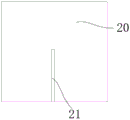
图3是本发明散热板的结构示意图;Fig. 3 is the structural schematic diagram of the radiator plate of the present invention;
图4是本发明异常检测方法第一实施例的流程示意图;4 is a schematic flowchart of the first embodiment of the abnormality detection method of the present invention;
图5是本发明异常检测方法第五实施例的流程示意图;5 is a schematic flowchart of a fifth embodiment of the abnormality detection method of the present invention;
图6是本发明异常检测方法第六实施例的流程示意图。FIG. 6 is a schematic flowchart of the sixth embodiment of the abnormality detection method of the present invention.
附图标号说明:Description of reference numbers:
本发明目的的实现、功能特点及优点将结合实施例,参照附图做进一步说明。The realization, functional characteristics and advantages of the present invention will be further described with reference to the accompanying drawings in conjunction with the embodiments.
具体实施方式Detailed ways
下面将结合本发明实施例中的附图,对本发明实施例中的技术方案进行清楚、完整地描述,显然,所描述的实施例仅仅是本发明的一部分实施例,而不是全部的实施例。基于本发明中的实施例,本领域普通技术人员在没有作出创造性劳动前提下所获得的所有其他实施例,都属于本发明保护的范围。The technical solutions in the embodiments of the present invention will be clearly and completely described below with reference to the accompanying drawings in the embodiments of the present invention. Obviously, the described embodiments are only a part of the embodiments of the present invention, not all of the embodiments. Based on the embodiments of the present invention, all other embodiments obtained by those of ordinary skill in the art without creative efforts shall fall within the protection scope of the present invention.
需要说明,本发明实施例中所有方向性指示(诸如上、下、左、右、前、后……)仅用于解释在某一特定姿态(如附图所示)下各部件之间的相对位置关系、运动情况等,如果该特定姿态发生改变时,则该方向性指示也相应地随之改变。It should be noted that all directional indications (such as up, down, left, right, front, back, etc.) in the embodiments of the present invention are only used to explain the relationship between various components under a certain posture (as shown in the accompanying drawings). The relative positional relationship, the movement situation, etc., if the specific posture changes, the directional indication also changes accordingly.
另外,在本发明中如涉及“第一”、“第二”等的描述仅用于描述目的,而不能理解为指示或暗示其相对重要性或者隐含指明所指示的技术特征的数量。由此,限定有“第一”、“第二”的特征可以明示或者隐含地包括至少一个该特征。在本发明的描述中,“多个”的含义是至少两个,例如两个,三个等,除非另有明确具体的限定。In addition, descriptions such as "first", "second", etc. in the present invention are only for descriptive purposes, and should not be construed as indicating or implying their relative importance or implicitly indicating the number of indicated technical features. Thus, a feature delimited with "first", "second" may expressly or implicitly include at least one of that feature. In the description of the present invention, "plurality" means at least two, such as two, three, etc., unless otherwise expressly and specifically defined.
在本发明中,除非另有明确的规定和限定,术语“连接”、“固定”等应做广义理解,例如,“固定”可以是固定连接,也可以是可拆卸连接,或成一体;可以是机械连接,也可以是电连接;可以是直接相连,也可以通过中间媒介间接相连,可以是两个元件内部的连通或两个元件的相互作用关系,除非另有明确的限定。对于本领域的普通技术人员而言,可以根据具体情况理解上述术语在本发明中的具体含义。In the present invention, unless otherwise expressly specified and limited, the terms "connected", "fixed" and the like should be understood in a broad sense, for example, "fixed" may be a fixed connection, a detachable connection, or an integrated; It can be a mechanical connection or an electrical connection; it can be a direct connection or an indirect connection through an intermediate medium, and it can be an internal communication between two elements or an interaction relationship between the two elements, unless otherwise explicitly defined. For those of ordinary skill in the art, the specific meanings of the above terms in the present invention can be understood according to specific situations.
另外,本发明各个实施例之间的技术方案可以相互结合,但是必须是以本领域普通技术人员能够实现为基础,当技术方案的结合出现相互矛盾或无法实现时应当认为这种技术方案的结合不存在,也不在本发明要求的保护范围之内。In addition, the technical solutions between the various embodiments of the present invention can be combined with each other, but must be based on the realization by those of ordinary skill in the art. When the combination of technical solutions is contradictory or cannot be realized, it should be considered that the combination of technical solutions does not exist and is not within the scope of protection claimed by the present invention.
如图1所示,图1是本发明实施例方案涉及的硬件运行环境的装置结构示意图。As shown in FIG. 1 , FIG. 1 is a schematic diagram of an apparatus structure of a hardware operating environment involved in the solution of an embodiment of the present invention.
本发明实施例装置可以包括计算机等装置的控制装置如服务器、移动终端设备和集控器等。The apparatus in the embodiment of the present invention may include a control apparatus of a computer and other apparatuses, such as a server, a mobile terminal device, and a centralized controller.
如图1所示,该装置可以包括:控制器1001,例如CPU,网络接口1004,用户接口1003,存储器1005,通信总线1002。其中,通信总线1002用于实现这些组件之间的连接通信。用户接口1003可以包括显示屏(Display)、输入单元比如键盘(Keyboard),可选用户接口1003还可以包括标准的有线接口、无线接口。网络接口1004可选的可以包括标准的有线接口、无线接口(如WI-FI接口)。存储器1005可以是高速RAM存储器,也可以是稳定的存储器(non-volatile memory),例如磁盘存储器。存储器1005可选的还可以是独立于前述控制器1001的存储装置。As shown in FIG. 1 , the apparatus may include: a controller 1001 , such as a CPU, a network interface 1004 , a user interface 1003 , a memory 1005 , and a communication bus 1002 . Among them, the communication bus 1002 is used to realize the connection and communication between these components. The user interface 1003 may include a display screen (Display), an input unit such as a keyboard (Keyboard), and the optional user interface 1003 may also include a standard wired interface and a wireless interface. Optionally, the network interface 1004 may include a standard wired interface and a wireless interface (eg, a WI-FI interface). The memory 1005 may be high-speed RAM memory, or may be non-volatile memory, such as disk memory. Optionally, the memory 1005 may also be a storage device independent of the aforementioned controller 1001 .
本领域技术人员可以理解,图1中示出的装置结构并不构成对装置的限定,可以包括比图示更多或更少的部件,或者组合某些部件,或者不同的部件布置。Those skilled in the art can understand that the device structure shown in FIG. 1 does not constitute a limitation to the device, and may include more or less components than the one shown, or combine some components, or arrange different components.
该装置可以包括:处理器1001,例如CPU,存储器1005,通信总线1002,网络接口1004。其中,通信总线1002用于实现该装置中各组成部件之间的连接通信。网络接口1004可选的可以包括标准的有线接口、无线接口(如WI-FI接口)。存储器1005可以是高速RAM存储器,也可以是稳定的存储器(non-volatile memory),例如磁盘存储器。存储器1005可选的还可以是独立于前述处理器1001的存储装置。如图1所示,作为一种可读存储介质的存储器1005中可以包括操作系统、网络通信模块以及异常检测程序。The apparatus may include: a processor 1001 , eg a CPU, a memory 1005 , a communication bus 1002 , a network interface 1004 . Among them, the communication bus 1002 is used to realize the connection and communication among the various components in the device. Optionally, the network interface 1004 may include a standard wired interface and a wireless interface (eg, a WI-FI interface). The memory 1005 may be high-speed RAM memory, or may be non-volatile memory, such as disk memory. Optionally, the memory 1005 may also be a storage device independent of the aforementioned processor 1001 . As shown in FIG. 1 , the memory 1005 as a readable storage medium may include an operating system, a network communication module and an abnormality detection program.
本领域技术人员可以理解,图1中示出的装置结构并不构成对装置的限定,可以包括比图示更多或更少的部件,或者组合某些部件,或者不同的部件布置。Those skilled in the art can understand that the device structure shown in FIG. 1 does not constitute a limitation to the device, and may include more or less components than the one shown, or combine some components, or arrange different components.
如图1所示,作为一种计算机存储介质的存储器1005中可以包括操作系统、网络通信模块、用户接口模块以及异常检测程序。As shown in FIG. 1 , the memory 1005 as a computer storage medium may include an operating system, a network communication module, a user interface module, and an abnormality detection program.
根据所述第一温度传感器获取所述散热片的温度;Obtain the temperature of the heat sink according to the first temperature sensor;
确定所述散热片的温度与参考温度的差值;determining the difference between the temperature of the heat sink and the reference temperature;
当所述差值大于或等于预设差值时,确定所述光源散热异常。When the difference is greater than or equal to a preset difference, it is determined that the heat dissipation of the light source is abnormal.
进一步地,控制器1001可以调用存储器1005中存储的应用程序,还执行以下操作:Further, the controller 1001 can call the application program stored in the memory 1005, and also perform the following operations:
当所述光源启动后,执行所述获取所述第一温度传感器检测的所述散热片的温度的步骤。After the light source is activated, the step of acquiring the temperature of the heat sink detected by the first temperature sensor is performed.
进一步地,控制器1001可以调用存储器1005中存储的应用程序,还执行以下操作:Further, the controller 1001 can call the application program stored in the memory 1005, and also perform the following operations:
对比所述散热片的温度与所述参考温度的大小;comparing the size of the temperature of the heat sink with the reference temperature;
当所述散热片的温度小于或等于所述参考温度时,确定所述散热片的温度与所述参考温度的差值。When the temperature of the heat sink is less than or equal to the reference temperature, a difference between the temperature of the heat sink and the reference temperature is determined.
进一步地,控制器1001可以调用存储器1005中存储的应用程序,还执行以下操作:Further, the controller 1001 can call the application program stored in the memory 1005, and also perform the following operations:
当所述散热片的温度大于所述参考温度时,确定所述光源散热异常。When the temperature of the heat sink is greater than the reference temperature, it is determined that the heat dissipation of the light source is abnormal.
进一步地,控制器1001可以调用存储器1005中存储的应用程序,还执行以下操作:Further, the controller 1001 can call the application program stored in the memory 1005, and also perform the following operations:
控制所述光源进行关闭。The light source is controlled to be turned off.
本发明提供一种连接状态检测方法、投影设备及计算机可读存储介质。The present invention provides a connection state detection method, a projection device and a computer-readable storage medium.
第一实施例first embodiment
请参照图2,所述投影设备包括光源、第一温度传感器以及散热片,所述光源包括光源本体与光源基板,所述散热片设于所述光源基板的远离所述光源本体的一侧,所述第一温度传感器用于测量所述散热片的温度,所述异常检测方法包括:Please refer to FIG. 2 , the projection device includes a light source, a first temperature sensor and a heat sink, the light source includes a light source body and a light source substrate, and the heat sink is disposed on a side of the light source substrate away from the light source body, The first temperature sensor is used to measure the temperature of the heat sink, and the abnormality detection method includes:
S100,根据所述第一温度传感器获取所述散热片的温度;S100, acquiring the temperature of the heat sink according to the first temperature sensor;
其中所述第一温度传感器用于检测所述散热片上的温度,具体的,所述第一温度传感器可以为接触式温度传感器或非接触式温度传感器,具体的,当所述第一温度传感器为接触式温度传感器时,所述第一温度传感器可以为热电偶或热敏电阻,当所述第一温度传感器为非接触式温度传感器时,所述第一温度传感器可以为红外测温仪器。The first temperature sensor is used to detect the temperature on the heat sink. Specifically, the first temperature sensor may be a contact temperature sensor or a non-contact temperature sensor. Specifically, when the first temperature sensor is When a contact temperature sensor is used, the first temperature sensor may be a thermocouple or a thermistor, and when the first temperature sensor is a non-contact temperature sensor, the first temperature sensor may be an infrared temperature measuring instrument.
S200,确定所述散热片的温度与参考温度的差值;S200, determining the difference between the temperature of the heat sink and the reference temperature;
其中,所述投影设备用于将所述参考温度与所述第一温度传感器进行对比,从而判断所述光源的散热情况,具体的,所述参考温度可以是所述投影设备中预存的在一定时间内的固定温度曲线或在特定时间点的温度值,所述参考温度还可以是所述投影设备通过实时测量获得的温度值。Wherein, the projection device is used to compare the reference temperature with the first temperature sensor, so as to judge the heat dissipation of the light source. Specifically, the reference temperature may be pre-stored in the projection device at a certain temperature A fixed temperature curve over time or a temperature value at a specific time point, the reference temperature may also be a temperature value obtained by the projection device through real-time measurement.
S300,当所述差值大于或等于预设差值时,确定所述光源散热异常。S300, when the difference is greater than or equal to a preset difference, determine that the heat dissipation of the light source is abnormal.
其中,通过确定所述散热片的温度与所述参考温度的差值,并将所述第一差值与所述投影设备的预设差值进行对比,从而判断所述光源与所述散热片的异常状态。在一具体实施方式中,所述参考温度为所述投影设备在一定时间内的预设温度曲线,通过检测所述散热片的所述散热片的温度,将所述散热片的温度与所述参考温度对比,确定所述散热片的温度与所述参考温度的差值,当所述差值大于或等于所述投影设备的预设差值时,确定所述光源为异常散热状态,当所述差值小于所述投影设备的预设差值时,所述光源与所述散热片为正常散热状态。Wherein, by determining the difference between the temperature of the heat sink and the reference temperature, and comparing the first difference with a preset difference of the projection device, the light source and the heat sink are judged abnormal state. In a specific embodiment, the reference temperature is a preset temperature curve of the projection device within a certain period of time, and by detecting the temperature of the heat sink of the heat sink, the temperature of the heat sink and the The reference temperature is compared to determine the difference between the temperature of the heat sink and the reference temperature. When the difference is greater than or equal to the preset difference of the projection device, it is determined that the light source is in an abnormal heat dissipation state. When the difference is smaller than the preset difference of the projection device, the light source and the heat sink are in a normal heat dissipation state.
在另一具体的实施方式中,所述参考温度为在特定时间点的预设温度,当所述散热片的温度在特定时间点的温度值小于所述参考温度,并且与所述参考温度的差值大于或等于所述预设差值时,那么判定所述光源为异常散热状态。In another specific embodiment, the reference temperature is a preset temperature at a specific time point, and when the temperature value of the heat sink temperature at a specific time point is less than the reference temperature, and the difference with the reference temperature When the difference is greater than or equal to the preset difference, it is determined that the light source is in an abnormal heat dissipation state.
在另一具体的实施方式中,所述参考温度为所述投影设备检测到的温度,通过将所述散热片的温度与实时检测到的所述参考温度进行对比,当所述散热片的温度在特定时间点的温度值小于所述参考温度,并且与所述参考温度的差值大于或等于所述预设差值时,那么判定所述光源为异常散热状态。In another specific embodiment, the reference temperature is a temperature detected by the projection device. By comparing the temperature of the heat sink with the reference temperature detected in real time, when the temperature of the heat sink is When the temperature value at a specific time point is less than the reference temperature, and the difference from the reference temperature is greater than or equal to the preset difference, then it is determined that the light source is in an abnormal heat dissipation state.
第二实施例Second Embodiment
在第一实施例中,所述S100包括:In the first embodiment, the S100 includes:
当所述光源启动后,执行所述获取所述第一温度传感器检测的所述散热片的温度的步骤。After the light source is activated, the step of acquiring the temperature of the heat sink detected by the first temperature sensor is performed.
其中,当所述光源处于非工作状态时,所述光源不产生热量,因此无需对所述散热片的温度进行测量,当所述光源启动后,所述投影设备接收到所述光源发出的光源启动的消息,从而开始通过所述第一温度传感器获取所述散热片的所述散热片的温度。Wherein, when the light source is in a non-working state, the light source does not generate heat, so there is no need to measure the temperature of the heat sink. After the light source is activated, the projection device receives the light source emitted by the light source. Start message, thereby starting to acquire the temperature of the heat sink of the heat sink through the first temperature sensor.
第三实施例Third Embodiment
在第一实施例中,所述参考温度为预设温度,具体的,所述预设温度是指所述投影设备预存的,用于检测所述异常状态的温度曲线或温度值。In the first embodiment, the reference temperature is a preset temperature. Specifically, the preset temperature refers to a temperature curve or temperature value pre-stored by the projection device and used for detecting the abnormal state.
当所述预设温度为在一定时间范围内的温度变化曲线时,所述投影设备根据所述散热片的温度的变化,与所述温度变化曲线进行对比,并获取在不同时间的所述散热片的温度与所述温度变化曲线的差值。When the preset temperature is a temperature change curve within a certain time range, the projection device compares the temperature change curve with the temperature change curve according to the temperature change of the heat sink, and obtains the heat dissipation at different times The difference between the temperature of the sheet and the temperature profile.
当所述差值的最大值大于所述预设差值时,表示所述光源为散热异常状态,当所述差值的最大值小于所述预设差值时,表示所述光源为散热异常状态。When the maximum value of the difference is greater than the preset difference, it indicates that the light source is in an abnormal heat dissipation state, and when the maximum value of the difference is smaller than the preset difference, it indicates that the light source is in an abnormal heat dissipation state state.
第四实施例Fourth Embodiment
在第一实施例中,所述投影设备还包括第二温度传感器,所述第二温度传感器用于测量所述光源基板的温度,所述参考温度为所述光源基板的温度。具体的,当所述第二温度传感器为接触式温度传感器时,所述第二温度传感器可以为热电偶或热敏电阻,当所述第二温度传感器为非接触式温度传感器时,所述第二温度传感器可以为红外测温仪器。In the first embodiment, the projection apparatus further includes a second temperature sensor for measuring the temperature of the light source substrate, and the reference temperature is the temperature of the light source substrate. Specifically, when the second temperature sensor is a contact temperature sensor, the second temperature sensor may be a thermocouple or a thermistor, and when the second temperature sensor is a non-contact temperature sensor, the first temperature sensor The second temperature sensor may be an infrared temperature measuring instrument.
在所述投影设备中,当所述光源散热正常时,所述光源本体发出的热量经过所述光源基板后传输至所述散热片,从而使所述光源基板的温度与所述散热片的温度稳定在一定的差值范围内。当所述投影设备包括所述第二温度传感器时,通过同时检测所述散热片的温度以及所述光源基板的温度,确定所述散热片的温度与所述光源基板的温度的差值,并根据所述差值判断所述光源的散热情况,当所述差值大于或等于所述投影设备的所述预设差值时,所述光源与所述散热片为散热异常状态,当所述差值小于所述投影设备的所述预设差值时,所述光源为正常散热状态。In the projection device, when the heat dissipation of the light source is normal, the heat emitted by the light source body passes through the light source substrate and then is transmitted to the heat sink, so that the temperature of the light source substrate and the temperature of the heat sink are stable within a certain range of differences. When the projection device includes the second temperature sensor, by simultaneously detecting the temperature of the heat sink and the temperature of the light source substrate, the difference between the temperature of the heat sink and the temperature of the light source substrate is determined, and The heat dissipation of the light source is judged according to the difference value. When the difference value is greater than or equal to the preset difference value of the projection device, the light source and the heat sink are in abnormal heat dissipation state. When the difference is smaller than the preset difference of the projection device, the light source is in a normal heat dissipation state.
第五实施例Fifth Embodiment
请参照图3,在第一实施例中,上述步骤S200,包括:Referring to FIG. 3, in the first embodiment, the above step S200 includes:
S210,对比所述散热片的温度与所述参考温度的大小;S210, comparing the temperature of the heat sink and the reference temperature;
S220,当所述散热片的温度小于所述参考温度时,确定所述散热片的温度与所述参考温度的差值。S220, when the temperature of the heat sink is lower than the reference temperature, determine the difference between the temperature of the heat sink and the reference temperature.
S230,当所述散热片的温度大于或等于所述参考温度时,确定所述光源散热异常。S230, when the temperature of the heat sink is greater than or equal to the reference temperature, determine that the heat dissipation of the light source is abnormal.
其中,在确定所述光源的散热情况时,会出现所述散热片的温度大于或小于或等于所述参考温度的情况,当所述散热片的温度小于所述参考温度时,表示所述散热片接收到的热量小于预设的所述参考温度,需要进一步确定所述散热片的温度与所述参考温度的差值,以此判断所述光源的散热状态。当所述散热片的温度大于或等于所述参考温度时,表示所述散热片接收到的热量大于或等于所述光源正常散热时传递给所述散热片的热量,为了保证所述光源不因为高温造成损坏,确定所述光源为散热异常状态,需要进一步对异常问题进行确定。Wherein, when determining the heat dissipation of the light source, the temperature of the heat sink may be greater than or less than or equal to the reference temperature, and when the temperature of the heat sink is less than the reference temperature, it indicates that the heat dissipation If the heat received by the fin is less than the preset reference temperature, it is necessary to further determine the difference between the temperature of the heat sink and the reference temperature, so as to judge the heat dissipation state of the light source. When the temperature of the heat sink is greater than or equal to the reference temperature, it means that the heat received by the heat sink is greater than or equal to the heat transferred to the heat sink when the light source is normally dissipating heat. If the high temperature causes damage, it is determined that the light source is in an abnormal state of heat dissipation, and it is necessary to further determine the abnormal problem.
第六实施例Sixth Embodiment
请参照图4,在第一实施例中,所述异常检测方法还包括:Referring to FIG. 4 , in the first embodiment, the abnormality detection method further includes:
S400,在所述光源散热异常时,控制所述光源关闭。S400, when the heat dissipation of the light source is abnormal, control the light source to turn off.
其中,当所述投影设备检测到所述光源散热异常时,所述光源无法进行正常散热容易温度过高后导致所述光源出现损坏,为了保护所述光源,避免所述光源在连接异常时因持续工作温度过高造成损坏,当所述投影设备检测到所述光源与所述散热片处于异常状态时,控制所述光源关闭,从而便于用户对所述光源与所述散热片的组装方式或组装位置进行调整,解决所述光源与所述散热片的异常状态问题。Wherein, when the projection device detects that the heat dissipation of the light source is abnormal, the light source cannot perform normal heat dissipation, and it is easy to cause damage to the light source after the temperature is too high. The continuous working temperature is too high to cause damage. When the projection device detects that the light source and the heat sink are in an abnormal state, the light source is controlled to be turned off, so as to facilitate the user to assemble the light source and the heat sink or The assembly position is adjusted to solve the problem of abnormal state of the light source and the heat sink.
为实现上述目的,本申请提出一种投影设备,所述投影设备包括光源,散热片以及第一温度传感器,所述光源包括光源本体与光源基板,所述散热片设于所述光源基板的远离所述光源本体的一侧;In order to achieve the above purpose, the present application proposes a projection device, the projection device includes a light source, a heat sink and a first temperature sensor, the light source includes a light source body and a light source substrate, and the heat sink is disposed far away from the light source substrate. one side of the light source body;
所述第一温度传感器用于检测所述散热片的温度,所述投影设备还包括控制器,所述控制器与所述散热片以及所述第一温度传感器通信连接,用于执行如上述任一项实施方式所述的异常检测方法。The first temperature sensor is used to detect the temperature of the heat sink, and the projection device further includes a controller, the controller is connected in communication with the heat sink and the first temperature sensor, and is used for performing any of the above-mentioned steps. An anomaly detection method according to an embodiment.
在一些可选的实施方式中,所述散热片上开设有凹槽,所述第一温度传感器嵌设于所述凹槽内,具体的,所述第一温度传感器为热电偶,所述热电偶包括测量端与参考端,所述热电偶根据所述测量端与所述参考端的温度不同产生电动势,并根据电动势对温度进行测量。由于所述热电偶主要通过测量端接触热源进行温度检测,因此将所述热电偶的测量端嵌设于所述散热片的所述凹槽内,使所述热电偶的测量端与所述散热片所在的表面齐平,从而便于所述光源与所述散热片进行连接,并且有利于所述光源与所述散热片接触传热。In some optional embodiments, a groove is formed on the heat sink, and the first temperature sensor is embedded in the groove. Specifically, the first temperature sensor is a thermocouple, and the thermocouple It includes a measuring end and a reference end, the thermocouple generates electromotive force according to the temperature difference between the measuring end and the reference end, and measures the temperature according to the electromotive force. Since the thermocouple mainly performs temperature detection by contacting the heat source with the measuring end, the measuring end of the thermocouple is embedded in the groove of the heat sink, so that the measuring end of the thermocouple is connected to the heat sink. The surface on which the fins are located is flush, thereby facilitating the connection of the light source and the heat sink, and facilitating the heat transfer between the light source and the heat sink.
优选实施方式中,所述第一温度传感器设于所述光源靠近所述散热片的一侧表面的中心。具体的,当所述第一温度传感器位于所述光源靠近所述散热片一侧表面的其他位置时,由于所述光源发出的热量分布不均匀,因此容易导致所述第一温度传感器无法准确的确定所述光源传递至所述散热片的温度;当所述第一温度传感器位于所述光源靠近所述散热片的一侧表面的中心时,所述光源发出的热量在传递至所述散热片后,能够通过所述导热介质传递至所述第一温度传感器,避免了所述第一温度传感器位于其他位置时,由于所述光源的温度分布不均匀使所述第一温度传感器的测量不准确的问题。In a preferred embodiment, the first temperature sensor is arranged at the center of a surface of the light source close to the heat sink. Specifically, when the first temperature sensor is located at another position where the light source is close to the surface of the heat sink, the heat emitted by the light source is not uniformly distributed, so the first temperature sensor may not be accurate. Determine the temperature that the light source transfers to the heat sink; when the first temperature sensor is located at the center of the surface of the light source near the heat sink, the heat emitted by the light source is transferred to the heat sink After that, it can be transmitted to the first temperature sensor through the heat conducting medium, so that when the first temperature sensor is located at other positions, the measurement of the first temperature sensor will be inaccurate due to the uneven temperature distribution of the light source. The problem.
为实现上述目的,本申请提出一种可读存储介质,所述计算机可读存储介质其上存储有异常检测程序,该异常检测程序被处理器执行时实现如上述任一项实施方式所述的异常检测方法。In order to achieve the above purpose, the present application proposes a readable storage medium, the computer-readable storage medium stores an abnormality detection program thereon, and when the abnormality detection program is executed by a processor, implements the method described in any of the above-mentioned embodiments. Anomaly detection method.
在一些可选的实施方式中,所述处理器可以是中央处理单元(CentralProcessing Unit,CPU),还可以是其它通用处理器、数字信号处理器(Digital SignalProcessor,DSP)、专用集成电路(Application Specific Integrated Circuit,ASIC)、现场可编程门阵列(Field-Programmable Gate Array,FPGA)或者其它可编程逻辑器件、分立门或者晶体管逻辑器件、分立硬件组件等。通用处理器可以是微处理器或者该处理器也可以是任何常规的处理器等。In some optional implementation manners, the processor may be a central processing unit (Central Processing Unit, CPU), and may also be other general-purpose processors, digital signal processors (Digital Signal Processors, DSP), application specific integrated circuits (Application Specific Integrated Circuits) Integrated Circuit, ASIC), Field-Programmable Gate Array (Field-Programmable Gate Array, FPGA) or other programmable logic devices, discrete gate or transistor logic devices, discrete hardware components, and the like. A general purpose processor may be a microprocessor or the processor may be any conventional processor or the like.
所述存储器可以是设备的内部存储单元,例如设备的硬盘或内存。所述存储器也可以是设备的外部存储设备,例如设备上配备的插接式硬盘,智能存储卡(Smart MediaCard,SMC),安全数字(Secure Digital,SD)卡,闪存卡(Flash Card)等。进一步地,所述存储器还可以既包括设备的内部存储单元也包括外部存储设备。所述存储器用于存储所述计算机程序以及设备所需的其它程序和数据。所述存储器还可以用于暂时地存储已经输出或者将要输出的数据。The memory may be an internal storage unit of the device, such as a hard disk or memory of the device. The memory may also be an external storage device of the device, such as a pluggable hard disk, a smart memory card (Smart Media Card, SMC), a secure digital (Secure Digital, SD) card, a flash memory card (Flash Card) and the like equipped on the device. Further, the memory may also include both an internal storage unit of the device and an external storage device. The memory is used to store the computer program and other programs and data required by the device. The memory may also be used to temporarily store data that has been output or is to be output.
所属领域的技术人员可以清楚地了解到,为了描述的方便和简洁,仅以上述各功能单元、模块的划分进行举例说明,实际应用中,可以根据需要而将上述功能分配由不同的功能单元、模块完成,即将所述装置的内部结构划分成不同的功能单元或模块,以完成以上描述的全部或者部分功能。实施例中的各功能单元、模块可以集成在一个处理单元中,也可以是各个单元单独物理存在,也可以两个或两个以上单元集成在一个单元中,上述集成的单元既可以采用硬件的形式实现,也可以采用软件功能单元的形式实现。另外,各功能单元、模块的具体名称也只是为了便于相互区分,并不用于限制本申请的保护范围。上述系统中单元、模块的具体工作过程,可以参考前述方法实施例中的对应过程,在此不再赘述。Those skilled in the art can clearly understand that, for the convenience and simplicity of description, only the division of the above-mentioned functional units and modules is used as an example for illustration. In practical applications, the above-mentioned functions can be allocated to different functional units, Module completion, that is, dividing the internal structure of the device into different functional units or modules to complete all or part of the functions described above. Each functional unit and module in the embodiment may be integrated in one processing unit, or each unit may exist physically alone, or two or more units may be integrated into one unit, and the above-mentioned integrated units may adopt hardware. It can also be realized in the form of software functional units. In addition, the specific names of the functional units and modules are only for the convenience of distinguishing from each other, and are not used to limit the protection scope of the present application. For the specific working processes of the units and modules in the above-mentioned system, reference may be made to the corresponding processes in the foregoing method embodiments, which will not be repeated here.
以上所述仅为本发明的优选实施例,并非因此限制本发明的专利范围,凡是在本发明的发明构思下,利用本发明说明书及附图内容所作的等效结构变换,或直接/间接运用在其他相关的技术领域均包括在本发明的专利保护范围内。The above descriptions are only the preferred embodiments of the present invention, and are not intended to limit the scope of the present invention. Under the inventive concept of the present invention, the equivalent structural transformations made by the contents of the description and drawings of the present invention, or the direct/indirect application Other related technical fields are included in the scope of patent protection of the present invention.
Claims (10)
Priority Applications (1)
| Application Number | Priority Date | Filing Date | Title |
|---|---|---|---|
| CN201911004107.2A CN110702377B (en) | 2019-10-21 | 2019-10-21 | Abnormality detection method, projection apparatus, and computer-readable storage medium |
Applications Claiming Priority (1)
| Application Number | Priority Date | Filing Date | Title |
|---|---|---|---|
| CN201911004107.2A CN110702377B (en) | 2019-10-21 | 2019-10-21 | Abnormality detection method, projection apparatus, and computer-readable storage medium |
Publications (2)
| Publication Number | Publication Date |
|---|---|
| CN110702377A true CN110702377A (en) | 2020-01-17 |
| CN110702377B CN110702377B (en) | 2022-03-25 |
Family
ID=69200827
Family Applications (1)
| Application Number | Title | Priority Date | Filing Date |
|---|---|---|---|
| CN201911004107.2A Active CN110702377B (en) | 2019-10-21 | 2019-10-21 | Abnormality detection method, projection apparatus, and computer-readable storage medium |
Country Status (1)
| Country | Link |
|---|---|
| CN (1) | CN110702377B (en) |
Cited By (2)
| Publication number | Priority date | Publication date | Assignee | Title |
|---|---|---|---|---|
| CN115901309A (en) * | 2022-12-13 | 2023-04-04 | 深圳市橙子数字科技有限公司 | A method and device for detecting heat dissipation performance of a projector |
| CN118574293A (en) * | 2024-06-26 | 2024-08-30 | 深圳润元光电有限公司 | Heat dissipation control method, device and equipment for projection lamp |
Citations (6)
| Publication number | Priority date | Publication date | Assignee | Title |
|---|---|---|---|---|
| CN1570758A (en) * | 2004-05-13 | 2005-01-26 | 上海交通大学 | Safety control device for heat elimination of digital projector |
| CN105828055A (en) * | 2016-05-20 | 2016-08-03 | 海信集团有限公司 | Operation control method and system for laser projection equipment |
| CN106021050A (en) * | 2016-05-20 | 2016-10-12 | 海信集团有限公司 | Boot operation method of laser projection device |
| CN108169500A (en) * | 2017-11-24 | 2018-06-15 | 深圳市新产业生物医学工程股份有限公司 | Temperature control method and system |
| CN109698945A (en) * | 2017-10-23 | 2019-04-30 | 中强光电股份有限公司 | Optical projection system and its monitoring method and display system and its monitoring method |
| CN110262588A (en) * | 2019-07-04 | 2019-09-20 | 歌尔股份有限公司 | Temprature control method, control system and computer readable storage medium |
-
2019
- 2019-10-21 CN CN201911004107.2A patent/CN110702377B/en active Active
Patent Citations (7)
| Publication number | Priority date | Publication date | Assignee | Title |
|---|---|---|---|---|
| CN1570758A (en) * | 2004-05-13 | 2005-01-26 | 上海交通大学 | Safety control device for heat elimination of digital projector |
| CN105828055A (en) * | 2016-05-20 | 2016-08-03 | 海信集团有限公司 | Operation control method and system for laser projection equipment |
| CN106021050A (en) * | 2016-05-20 | 2016-10-12 | 海信集团有限公司 | Boot operation method of laser projection device |
| CN109089095A (en) * | 2016-05-20 | 2018-12-25 | 海信集团有限公司 | A kind of laser projection device progress control method |
| CN109698945A (en) * | 2017-10-23 | 2019-04-30 | 中强光电股份有限公司 | Optical projection system and its monitoring method and display system and its monitoring method |
| CN108169500A (en) * | 2017-11-24 | 2018-06-15 | 深圳市新产业生物医学工程股份有限公司 | Temperature control method and system |
| CN110262588A (en) * | 2019-07-04 | 2019-09-20 | 歌尔股份有限公司 | Temprature control method, control system and computer readable storage medium |
Cited By (3)
| Publication number | Priority date | Publication date | Assignee | Title |
|---|---|---|---|---|
| CN115901309A (en) * | 2022-12-13 | 2023-04-04 | 深圳市橙子数字科技有限公司 | A method and device for detecting heat dissipation performance of a projector |
| CN115901309B (en) * | 2022-12-13 | 2025-10-31 | 深圳市橙子数字科技有限公司 | Projector heat dissipation performance detection method and device |
| CN118574293A (en) * | 2024-06-26 | 2024-08-30 | 深圳润元光电有限公司 | Heat dissipation control method, device and equipment for projection lamp |
Also Published As
| Publication number | Publication date |
|---|---|
| CN110702377B (en) | 2022-03-25 |
Similar Documents
| Publication | Publication Date | Title |
|---|---|---|
| CN100527044C (en) | Processor, processor system, temperature estimation device, information processing device, and temperature estimation method | |
| JP2021144018A (en) | Calibration method, device, electronic apparatus, storage medium, and program for infrared temperature measurement | |
| US10254178B2 (en) | Ambient temperature estimation | |
| US9285278B2 (en) | System and methods for thermal control using sensors on die | |
| WO2021047235A1 (en) | Temperature measurement apparatus and method, electrical device, and non-transitory computer-readable storage medium | |
| CN110702377A (en) | Abnormality detection method, projection apparatus, and computer-readable storage medium | |
| US20200274823A1 (en) | Method and apparatus for setting link priority | |
| JP2009042211A (en) | Power estimation for semiconductor devices | |
| US20140305184A1 (en) | Techniques for calibrating an air-flow sensor for adapter slots in a data processing system | |
| CN112285992B (en) | Projector heat dissipation control method and device, projector and readable storage medium | |
| CN111323133B (en) | Temperature compensation method and device for temperature sensor, electronic equipment and storage medium | |
| CN109933109A (en) | A PCIE card temperature control method, system and related equipment | |
| US10509450B1 (en) | Thermally protecting an access point device | |
| CN110262588B (en) | Temperature control method, control system, and computer-readable storage medium | |
| WO2018194591A1 (en) | Selection of powder control temperature regions in 3d printing | |
| CN110926401A (en) | Method and device for calibrating oscillating angle of galvanometer, projection system and storage medium | |
| US11226236B2 (en) | Controlled-emissivity face heated by non-resistive heat source | |
| CN119643625A (en) | Thermal resistance measurement device and method | |
| JP2020119243A (en) | Electronic apparatus, means for detecting fitting of cooling means, and program for detecting fitting of cooling means | |
| JP2005114553A (en) | Quality inspection method for board, and board inspection device | |
| CN115932425A (en) | Electronic product testing method, electronic device and storage medium | |
| CN217276224U (en) | temperature control equipment | |
| CN111983411B (en) | Method and device for testing thermal resistance of multi-finger-gate transistor and terminal equipment | |
| CN115551289B (en) | Method and load computer for providing temperature information | |
| JP7682771B2 (en) | TIRE CONDITION DETERMINATION DEVICE, TIRE CONDITION DETERMINATION METHOD, AND TIRE CONDITION DETERMINATION PROGRAM |
Legal Events
| Date | Code | Title | Description |
|---|---|---|---|
| PB01 | Publication | ||
| PB01 | Publication | ||
| SE01 | Entry into force of request for substantive examination | ||
| SE01 | Entry into force of request for substantive examination | ||
| TA01 | Transfer of patent application right |
Effective date of registration: 20201014 Address after: 261031, north of Jade East Street, Dongming Road, Weifang hi tech Zone, Shandong province (GoerTek electronic office building, Room 502) Applicant after: GoerTek Optical Technology Co.,Ltd. Address before: 261031 Dongfang Road, Weifang high tech Industrial Development Zone, Shandong, China, No. 268 Applicant before: GOERTEK Inc. |
|
| TA01 | Transfer of patent application right | ||
| GR01 | Patent grant | ||
| GR01 | Patent grant |