CN109716834B - Temporary identifiers in wireless communication systems - Google Patents
Temporary identifiers in wireless communication systems Download PDFInfo
- Publication number
- CN109716834B CN109716834B CN201780057954.8A CN201780057954A CN109716834B CN 109716834 B CN109716834 B CN 109716834B CN 201780057954 A CN201780057954 A CN 201780057954A CN 109716834 B CN109716834 B CN 109716834B
- Authority
- CN
- China
- Prior art keywords
- core network
- wireless device
- network function
- temporary identifier
- identifier
- Prior art date
- Legal status (The legal status is an assumption and is not a legal conclusion. Google has not performed a legal analysis and makes no representation as to the accuracy of the status listed.)
- Active
Links
Images




Classifications
-
- H—ELECTRICITY
- H04—ELECTRIC COMMUNICATION TECHNIQUE
- H04W—WIRELESS COMMUNICATION NETWORKS
- H04W12/00—Security arrangements; Authentication; Protecting privacy or anonymity
- H04W12/10—Integrity
-
- H—ELECTRICITY
- H04—ELECTRIC COMMUNICATION TECHNIQUE
- H04L—TRANSMISSION OF DIGITAL INFORMATION, e.g. TELEGRAPHIC COMMUNICATION
- H04L63/00—Network architectures or network communication protocols for network security
- H04L63/04—Network architectures or network communication protocols for network security for providing a confidential data exchange among entities communicating through data packet networks
- H04L63/0407—Network architectures or network communication protocols for network security for providing a confidential data exchange among entities communicating through data packet networks wherein the identity of one or more communicating identities is hidden
- H04L63/0414—Network architectures or network communication protocols for network security for providing a confidential data exchange among entities communicating through data packet networks wherein the identity of one or more communicating identities is hidden during transmission, i.e. party's identity is protected against eavesdropping, e.g. by using temporary identifiers, but is known to the other party or parties involved in the communication
-
- H—ELECTRICITY
- H04—ELECTRIC COMMUNICATION TECHNIQUE
- H04W—WIRELESS COMMUNICATION NETWORKS
- H04W12/00—Security arrangements; Authentication; Protecting privacy or anonymity
- H04W12/02—Protecting privacy or anonymity, e.g. protecting personally identifiable information [PII]
-
- H—ELECTRICITY
- H04—ELECTRIC COMMUNICATION TECHNIQUE
- H04W—WIRELESS COMMUNICATION NETWORKS
- H04W12/00—Security arrangements; Authentication; Protecting privacy or anonymity
- H04W12/08—Access security
- H04W12/082—Access security using revocation of authorisation
-
- H—ELECTRICITY
- H04—ELECTRIC COMMUNICATION TECHNIQUE
- H04W—WIRELESS COMMUNICATION NETWORKS
- H04W12/00—Security arrangements; Authentication; Protecting privacy or anonymity
- H04W12/60—Context-dependent security
- H04W12/69—Identity-dependent
- H04W12/75—Temporary identity
-
- H—ELECTRICITY
- H04—ELECTRIC COMMUNICATION TECHNIQUE
- H04W—WIRELESS COMMUNICATION NETWORKS
- H04W60/00—Affiliation to network, e.g. registration; Terminating affiliation with the network, e.g. de-registration
-
- H—ELECTRICITY
- H04—ELECTRIC COMMUNICATION TECHNIQUE
- H04W—WIRELESS COMMUNICATION NETWORKS
- H04W76/00—Connection management
- H04W76/10—Connection setup
- H04W76/11—Allocation or use of connection identifiers
-
- H—ELECTRICITY
- H04—ELECTRIC COMMUNICATION TECHNIQUE
- H04W—WIRELESS COMMUNICATION NETWORKS
- H04W8/00—Network data management
- H04W8/02—Processing of mobility data, e.g. registration information at HLR [Home Location Register] or VLR [Visitor Location Register]; Transfer of mobility data, e.g. between HLR, VLR or external networks
- H04W8/08—Mobility data transfer
-
- H—ELECTRICITY
- H04—ELECTRIC COMMUNICATION TECHNIQUE
- H04L—TRANSMISSION OF DIGITAL INFORMATION, e.g. TELEGRAPHIC COMMUNICATION
- H04L2101/00—Indexing scheme associated with group H04L61/00
- H04L2101/60—Types of network addresses
- H04L2101/618—Details of network addresses
- H04L2101/654—International mobile subscriber identity [IMSI] numbers
-
- H—ELECTRICITY
- H04—ELECTRIC COMMUNICATION TECHNIQUE
- H04L—TRANSMISSION OF DIGITAL INFORMATION, e.g. TELEGRAPHIC COMMUNICATION
- H04L61/00—Network arrangements, protocols or services for addressing or naming
- H04L61/50—Address allocation
-
- H—ELECTRICITY
- H04—ELECTRIC COMMUNICATION TECHNIQUE
- H04W—WIRELESS COMMUNICATION NETWORKS
- H04W60/00—Affiliation to network, e.g. registration; Terminating affiliation with the network, e.g. de-registration
- H04W60/06—De-registration or detaching
-
- H—ELECTRICITY
- H04—ELECTRIC COMMUNICATION TECHNIQUE
- H04W—WIRELESS COMMUNICATION NETWORKS
- H04W76/00—Connection management
- H04W76/30—Connection release
- H04W76/32—Release of transport tunnels
Landscapes
- Engineering & Computer Science (AREA)
- Computer Security & Cryptography (AREA)
- Computer Networks & Wireless Communication (AREA)
- Signal Processing (AREA)
- Computer Hardware Design (AREA)
- Computing Systems (AREA)
- General Engineering & Computer Science (AREA)
- Databases & Information Systems (AREA)
- Mobile Radio Communication Systems (AREA)
Abstract
Description
相关申请的交叉引用CROSS-REFERENCE TO RELATED APPLICATIONS
本申请要求于2016年9月20日提交的美国临时申请No.62/397,234的优先权,其全部内容通过引用并入本文中。This application claims priority to US Provisional Application No. 62/397,234, filed September 20, 2016, the entire contents of which are incorporated herein by reference.
技术领域technical field
本申请总体涉及无线通信系统,并且更具体地涉及由无线设备执行的方法,并且涉及无线设备。The present application relates generally to wireless communication systems, and more particularly to methods performed by wireless devices, and to wireless devices.
背景技术Background technique
无线通信系统将标识符(或身份)用于各种目的。该系统可以例如使用标识符来标识用户、订户(或通用订户身份模块,USIM)、移动设备的无线设备(ME)组件(例如,用户设备,UE)、无线设备整体(例如,ME和USIM的组合)等。在这方面,标识符可以是在本地或全局唯一的。此外,标识符可以是长期的(例如,永久的)或短期的(即,x`临时的)。例如,全球唯一临时标识符(GUTI)在短期内唯一且全局地标识特定订户。Wireless communication systems use identifiers (or identities) for various purposes. The system may, for example, use identifiers to identify a user, a subscriber (or Universal Subscriber Identity Module, USIM), a wireless equipment (ME) component of a mobile device (eg, user equipment, UE), a wireless device as a whole (eg, ME and USIM's combination), etc. In this regard, the identifier may be locally or globally unique. Furthermore, the identifier may be long-term (eg, permanent) or short-term (ie, x' temporary). For example, a globally unique temporary identifier (GUTI) uniquely and globally identifies a particular subscriber for a short period of time.
无线通信系统可以在短期内或临时地使用标识符作为支持隐私或安全的方式。例如,目前在日报、黑客会议和政府组织泄露的文件中发现并以高速发布对端用户隐私的威胁。对于移动系统尤其如此,在移动系统的情况下许多出版物示出了如何经由在电话和移动网络之间发送的用户标识来跟踪用户的位置。具体地,核心网使用长期或永久的用户标识符(称为国际移动订阅标识符(IMSI))作为用于识别用户的稳定且可靠的标识符。恶意方可以使用用户附近的无线电接收机/发射机被动地或主动地获得IMSI。为了减轻此类攻击,移动网络为用户分配临时标识符。刷新或更新用户临时标识符的频率确定了该机制提供的用户隐私级别。例如,如果长时间未刷新或更新用户临时标识符,则可以通过观察在不同位置发送的用户临时标识符来跟踪用户的位置。Wireless communication systems may use identifiers on a short-term or temporary basis as a way to support privacy or security. For example, threats to end-user privacy are currently being discovered and published at high speed in daily newspapers, hacker conferences, and documents leaked by government organizations. This is especially true for mobile systems, where many publications show how the location of the user is tracked via the user identification sent between the phone and the mobile network. Specifically, the core network uses a long-term or permanent subscriber identifier, called International Mobile Subscription Identifier (IMSI), as a stable and reliable identifier for identifying subscribers. Malicious parties can passively or actively obtain the IMSI using radio receivers/transmitters in the vicinity of the user. To mitigate such attacks, mobile networks assign temporary identifiers to users. The frequency with which user temporary identifiers are refreshed or updated determines the level of user privacy provided by this mechanism. For example, if the user temporary identifier has not been refreshed or updated for a long time, the user's location can be tracked by observing the user temporary identifier sent in different locations.
考虑长期演进(LTE)移动网络设置中的分配过程的示例(基本结构在第2代(2G)和第3代(3G)移动网络中本质上是相同的)。当用户设备(UE)在核心网中与移动性管理实体(MME)进行初始过程时,UE包括其标识符。该标识符可以是IMSI或GUTI。在响应消息中,MME可以向UE指派新的GUTI。由于这些响应消息是加密的,因此在新的GUIT通过空中发送时攻击者无法获得新的GUTI。Consider an example of an allocation process in a Long Term Evolution (LTE) mobile network setup (the basic structure is essentially the same in 2nd Generation (2G) and 3rd Generation (3G) mobile networks). When a User Equipment (UE) goes through an initial procedure with a Mobility Management Entity (MME) in the core network, the UE includes its identifier. The identifier can be IMSI or GUTI. In the response message, the MME may assign the new GUTI to the UE. Since these response messages are encrypted, an attacker cannot obtain a new GUTI when it is sent over the air.
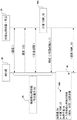
图1描绘了LTE中的附接过程的上下文中的标识符分配或指派。如图所示,UE向MME发送附接请求(ATTACH REQUEST)消息,并且在附接请求(ATTACH REQUEST)消息中包括标识符(ID)(步骤1)。该ID可以是UE的IMSI,或者可以是GUTI,例如,如果UE和MME先前已经参与通信(步骤0),由此MME之前已经向UE分配了GUTI。在可选地参与安全模式控制过程(步骤2)之后,MME向UE指派或分配新的GUTI(步骤3)。GUTI可以是首次分配的,或者可以根据UE是否使用IMSI或现有GUTI发送附接请求(ATTACH REQUEST)消息来重新分配。然后,MME向UE发送附接接受(ATTACH ACCEPT)消息,并且在附接接受(ATTACH ACCEPT)消息中包括新指派的GUTI(步骤4)。Figure 1 depicts identifier allocation or assignment in the context of an attach procedure in LTE. As shown, the UE sends an ATTACH REQUEST message to the MME and includes an identifier (ID) in the ATTACH REQUEST message (step 1). The ID may be the UE's IMSI, or may be a GUTI, eg, if the UE and the MME have previously engaged in communication (step 0), whereby the MME has previously allocated a GUTI to the UE. After optionally participating in the security mode control procedure (step 2), the MME assigns or assigns a new GUTI to the UE (step 3). The GUTI may be allocated for the first time, or may be reallocated depending on whether the UE sends an ATTACH REQUEST message using IMSI or an existing GUTI. The MME then sends an ATTACH ACCEPT message to the UE and includes the newly assigned GUTI in the ATTACH ACCEPT message (step 4).
尽管图1中例示为包括在附接接受(ATTACH ACCEPT)消息中,但是MME可以在以下任何消息中向UE分配或重新分配新的GUTI:Although illustrated in Figure 1 as being included in an ATTACH ACCEPT message, the MME may allocate or reallocate a new GUTI to the UE in any of the following messages:
-附接接受(ATTACH ACCEPT):MME首次分配GUTI或者可选地根据UE是否使用IMSI或现有GUTI发送ATTACH REQUEST来重新分配GUTI。- ATTACH ACCEPT: The MME allocates a GUTI for the first time or optionally re-allocates a GUTI depending on whether the UE sends an ATTACH REQUEST using IMSI or an existing GUTI.
-跟踪区域更新接受(TRACKING AREA UPDATE ACCEPT):MME可选地重新分配GUTI。- TRACKING AREA UPDATE ACCEPT: MME optionally reallocates GUTI.
-GUTI重新分配命令(GUTI REALLOCATION COMMAND):MME显式地重新分配GUTI。-GUTI REALLOCATION COMMAND: The MME explicitly reassigns a GUTI.
因此,MME有机会在若干时机更新临时标识符。Therefore, the MME has the opportunity to update the temporary identifier on several occasions.
由于某种原因,会将相同的临时标识符指派给多个UE,移动网络(由例如LTE中的MME之类的节点表示)将假设临时标识符仅与最后接收它的UE相关联。另一方面,这些UE将认为自己是临时标识符的唯一拥有者。这种情况可以发生在例如一个UE不能移动但是断电一段时间的情况下,该时间足够长以使移动网络从其数据库中清除临时标识符和UE之间的关联。For some reason, the same temporary identifier will be assigned to multiple UEs, and the mobile network (represented by a node such as MME in LTE) will assume that the temporary identifier is only associated with the last UE that received it. On the other hand, these UEs will consider themselves the only owner of the temporary identifier. This can happen, for example, if a UE cannot move but is powered off for a period of time long enough for the mobile network to clear the association between the temporary identifier and the UE from its database.
向多个UE指派相同的临时标识符可以引发许多错误情况。例如,考虑当UE之一连接到移动网络并呈现临时标识符而移动网络不将该UE与多次指派的临时标识符相关联的情况。移动网络将连接的UE误认为当前与临时标识符相关联的UE。因此,移动网络也将使用与该UE相关联的完整性保护和加密密钥,结果,连接的UE和移动网络之间的消息将不受完整性保护并被解密为垃圾。Assigning the same temporary identifier to multiple UEs can lead to many error conditions. For example, consider the case when one of the UEs connects to the mobile network and presents a temporary identifier and the mobile network does not associate the UE with multiple assigned temporary identifiers. The mobile network mistook the connected UE for the UE currently associated with the temporary identifier. Therefore, the mobile network will also use the integrity protection and encryption keys associated with that UE, and as a result, messages between the connected UE and the mobile network will not be integrity protected and decrypted as garbage.
除非存在恢复机制,否则不匹配的密码密钥将引发针对UE的封锁(lock-out)情况。这样的机制可以包括UE多次重新尝试连接并最终回退到使用其长期标识符进行重新附接。这些类型的机制可能花费许多秒,并且每个发送的消息都会消耗UE的电池电量,而对于小型传感器来说可能非常缺乏电力。Unless a recovery mechanism exists, a mismatched cryptographic key will trigger a lock-out condition for the UE. Such a mechanism may include the UE retrying the connection multiple times and eventually falling back to reattaching using its long term identifier. These types of mechanisms can take many seconds and each message sent drains the UE's battery power, which can be very power-starved for small sensors.
特别是在面对与标识符冲突相关联的挑战时,已知方法中的移动网络(例如,LTE中的MME之类的节点)自己决定是否重新分配临时标识符以及何时重新分配临时标识符。这使得实现或配置不当的网络可能会使临时标识符长时间保持不变。实际上,已经观察到即使在UE在城市内移动时,LTE移动网络也能在长达3天的时间内不改变针对UE的GUTI。在这些情况下,可能泄漏UE的位置。Especially when faced with challenges associated with identifier collisions, in known approaches the mobile network (eg, a node like an MME in LTE) decides for itself whether and when to reallocate temporary identifiers . This makes it possible for a poorly implemented or configured network to keep temporary identifiers unchanged for long periods of time. In fact, it has been observed that the LTE mobile network does not change the GUTI for the UE for up to 3 days, even when the UE is moving within the city. In these cases, the location of the UE may be leaked.
发明内容SUMMARY OF THE INVENTION
根据本文的一些实施例的无线设备本身监控核心网功能是否实际刷新设备的临时标识符(例如,如核心网功能应该根据定义的过程刷新)。因此,无线设备不会天真地依赖或盲目地信任核心网功能将其临时标识符刷新到它应该的程度,而是有效地监督核心网功能对临时标识符刷新过程的遵从性。如果核心网功能不刷新临时标识符,则无线设备可以执行某些动作。动作可以例如旨在减轻可归因于刷新失败而对无线设备和/或其用户/订户的隐私或安全造成的威胁,和/或旨在激励核心网功能如其应该的那样开始刷新临时标识符。因此,这些和其它实施例可以例如通过保护无线设备的位置免于泄露,来保护无线设备和/或其用户/订户的隐私或安全。The wireless device itself according to some embodiments herein monitors whether the core network function actually refreshes the temporary identifier of the device (eg, as the core network function should be refreshed according to a defined procedure). Thus, the wireless device does not naively rely on or blindly trust the core network function to refresh its temporary identifier to the extent that it should, but effectively oversee the core network function's compliance with the temporary identifier refresh process. If the core network function does not refresh the temporary identifier, the wireless device may perform certain actions. Actions may, for example, be aimed at mitigating threats to the privacy or security of the wireless device and/or its users/subscribers attributable to the refresh failure, and/or aimed at incentivizing core network functions to start refreshing temporary identifiers as they should. Accordingly, these and other embodiments may protect the privacy or security of a wireless device and/or its users/subscribers, eg, by protecting the location of the wireless device from disclosure.
更具体地,本文的实施例包括由无线设备执行的方法。该方法包括:确定无线通信系统的核心网功能是否根据定义的过程刷新与无线设备相关联的临时标识符。该方法还包括:响应于确定核心网功能不根据定义的过程刷新临时标识符,执行一个或多个动作。一个或多个动作包括以下项中的一个或多个:断开与核心网功能的连接;抑制通过用户平面与核心网功能通信;终止或抑制无线设备正从核心网功能接收或原本会接收的任何服务;在无线设备处记录核心网功能不根据定义的过程刷新临时标识符;或者,对核心网功能不根据定义的过程刷新临时标识符进行报告。如这些示例所示,一个或多个动作例如可能损害核心网功能和/或无线设备。More specifically, embodiments herein include methods performed by wireless devices. The method includes determining whether a core network function of the wireless communication system refreshes a temporary identifier associated with the wireless device according to a defined procedure. The method also includes performing one or more actions in response to determining that the core network function does not refresh the temporary identifier according to the defined procedure. The one or more actions include one or more of: disconnecting from the core network function; inhibiting communication with the core network function through the user plane; terminating or inhibiting the wireless device receiving or otherwise receiving from the core network function; Any service; recording at the wireless device that the core network function does not refresh the temporary identifier according to the defined procedure; or, reporting that the core network function does not refresh the temporary identifier according to the defined procedure. As these examples illustrate, one or more actions may compromise core network functionality and/or wireless devices, for example.
在一些实施例中,定义的过程是在5G无线通信系统中定义的用于刷新与无线设备相关联的临时标识符的过程。在一个或多个实施例中,例如,该方法还可以包括:确定核心网功能是否提供特定核心网类型(例如,5G)的一个或多个特征,其中定义的过程是特定核心网类型刷新临时标识符的过程。在一些实施例中,该方法中的确定包括:检测由核心网功能向无线设备发信号通知的新的临时标识符相对于先前发信号通知的临时标识符是否是新的。备选地,确定可以包括:检测核心网功能在自发信号通知先前的临时标识符起的时间窗口内是否向无线设备发信号通知更新的临时标识符,或者检测核心网功能是否与特定过程相关联地向无线设备发信号通知更新后的临时标识符。In some embodiments, the defined procedure is a procedure defined in a 5G wireless communication system for refreshing a temporary identifier associated with a wireless device. In one or more embodiments, for example, the method may further include: determining whether the core network function provides one or more characteristics of a particular core network type (eg, 5G), wherein the defined process is that the particular core network type refreshes the temporary process of identifiers. In some embodiments, the determining in the method includes detecting whether a new temporary identifier signaled by the core network function to the wireless device is new relative to a previously signaled temporary identifier. Alternatively, determining may include detecting whether the core network function signals an updated temporary identifier to the wireless device within a time window since the previous temporary identifier was signaled, or detecting whether the core network function is associated with a particular procedure The updated temporary identifier is signaled to the wireless device.
本文的其它实施例包括由无线设备执行的方法。该方法包括:确定无线通信系统的核心网功能是否提供特定核心网类型(例如,5G核心网)的一个或多个特征。该方法还包括:确定核心网功能是否使用由特定核心网类型提供的标识符分配过程,以便无线设备获得新的临时标识符。该方法还涉及:响应于确定核心网功能提供特定核心网类型的一个或多个特征,但不使用由特定核心网类型提供的标识符分配过程,执行一个或多个动作。一个或多个动作可以包括以下项中的一个或多个:断开与核心网功能的连接;抑制通过用户平面与核心网功能通信;终止或抑制无线设备正从核心网功能接收或原本会接收的任何服务;在无线设备处记录核心网功能不使用由特定核心网类型提供的标识符分配过程(例如,即使核心网功能提供特定核心网类型的一个或多个特征);或者,对核心网功能不使用由特定核心网类型提供的标识符分配过程(例如,即使核心网功能提供特定核心网类型的一个或多个特征)进行报告。如这些示例所示,一个或多个动作例如可能损害核心网功能和/或无线设备。Other embodiments herein include methods performed by wireless devices. The method includes determining whether a core network function of the wireless communication system provides one or more characteristics of a particular core network type (eg, a 5G core network). The method also includes determining whether a core network function uses an identifier assignment procedure provided by a particular core network type for the wireless device to obtain a new temporary identifier. The method also involves performing one or more actions in response to determining that the core network functionality provides one or more features of the particular core network type, but without using an identifier assignment process provided by the particular core network type. The one or more actions may include one or more of: disconnecting from the core network function; inhibiting communication with the core network function over the user plane; terminating or inhibiting the wireless device from receiving or would otherwise receive from the core network function any service provided by the core network function; recording at the wireless device that the core network function does not use the identifier assignment process provided by the specific core network type (eg, even if the core network function provides one or more features of the specific core network type); or, for the core network Functions do not report using an identifier assignment process provided by a specific core network type (eg, even if a core network function provides one or more features of a specific core network type). As these examples illustrate, one or more actions may compromise core network functionality and/or wireless devices, for example.
在一些实施例中,特定核心网类型是5G核心网。In some embodiments, the specific core network type is a 5G core network.
在一些实施例中,无线设备通过确定核心网功能是否支持或宣称支持由特定核心网类型提供的标识符分配过程,来确定核心网功能是否使用由特定核心网类型提供的标识符分配过程以便无线设备获得新的临时标识符。备选地,无线设备通过检测由核心网功能向无线设备发信号通知的新的临时标识符相对于先前发信号通知的临时标识符是否是新的,来确定核心网功能是否使用由特定核心网类型提供的标识符分配过程以便无线设备获得新的临时标识符。在另外的其它实施例中,无线设备通过检测核心网功能在自发信号通知先前的临时标识符起的时间窗口内是否向无线设备发信号通知更新后的临时标识符,或者检测核心网功能是否与特定过程相关联地向无线设备发信号通知更新后的临时标识符,来确定核心网功能是否使用由特定核心网类型提供的标识符分配过程,以便无线设备获得新的临时标识符。In some embodiments, the wireless device determines whether a core network function uses an identifier assignment procedure provided by a particular core network type for wireless The device gets a new temporary identifier. Alternatively, the wireless device determines whether the core network function uses a specific core network function by detecting whether a new temporary identifier signaled by the core network function to the wireless device is new relative to a previously signaled temporary identifier. Type provides an identifier assignment process for wireless devices to obtain new temporary identifiers. In still other embodiments, the wireless device signals the updated temporary identifier to the wireless device by detecting whether the core network function has signaled the updated temporary identifier to the wireless device within a time window since the previous temporary identifier was signaled, or whether the core network function is compatible with Certain procedures are associated with signaling the updated temporary identifier to the wireless device to determine whether the core network function uses the identifier allocation procedure provided by the particular core network type in order for the wireless device to obtain the new temporary identifier.
在上述任何实施例中,确定无线通信系统的核心网功能是否提供特定核心网类型的一个或多个特征可以包括:确定核心网功能是否使用或支持与特定核心网类型相关联的无线电配置参数。备选地或附加地,确定无线通信系统的核心网功能是否提供特定核心网类型的一个或多个特征可以包括:确定核心网功能是否使用或支持与特定核心网类型相关联的过程或消息类型。在另外的其它实施例中,备选地或附加地,确定无线通信系统的核心网功能是否提供特定核心网类型的一个或多个特征可以包括:确定无线通信系统的无线电接入网是否使用或支持与特定核心网类型相关联的标识符。备选地或附加地,确定无线通信系统的核心网功能是否提供特定核心网类型的一个或多个特征可以包括:确定无线通信系统的无线电接入网是否使用或支持与特定核心网类型相关联的广播消息或广播消息字段。在另外的其它实施例中,备选地或附加地,确定无线通信系统的核心网功能是否提供特定核心网类型的一个或多个特征可以包括:确定无线通信系统的无线电接入网是否使用或支持与特定核心网类型相关联的协议、过程、和/或消息类型。In any of the above embodiments, determining whether a core network function of the wireless communication system provides one or more features of a particular core network type may include determining whether the core network function uses or supports radio configuration parameters associated with the particular core network type. Alternatively or additionally, determining whether a core network function of the wireless communication system provides one or more features of a particular core network type may include determining whether the core network function uses or supports procedures or message types associated with the particular core network type . In still other embodiments, alternatively or additionally, determining whether a core network function of the wireless communication system provides one or more features of a particular core network type may include determining whether a radio access network of the wireless communication system uses or Identifiers associated with specific core network types are supported. Alternatively or additionally, determining whether the core network functionality of the wireless communication system provides one or more features of a particular core network type may include determining whether a radio access network of the wireless communication system uses or supports the use associated with the particular core network type broadcast message or broadcast message field. In still other embodiments, alternatively or additionally, determining whether a core network function of the wireless communication system provides one or more features of a particular core network type may include determining whether a radio access network of the wireless communication system uses or Protocols, procedures, and/or message types associated with specific core network types are supported.
在一些实施例中,过程是核心网功能指派并且向无线设备发送临时标识符的过程。In some embodiments, the process is a process of core network function assignment and sending a temporary identifier to the wireless device.
在任何上述实施例中,一个或多个动作可以包括所述记录。In any of the above embodiments, one or more actions may include the recording.
备选地或附加地,一个或多个动作可以包括所述报告。Alternatively or additionally, one or more actions may include the reporting.
注意,在一些实施例中,任何上述实施例中的临时标识符可以标识无线设备(例如,就移动设备、ME和USIM的组合而言)。在其它实施例中,临时标识符可以标识无线设备的用户或无线设备的用户订阅模块(例如,临时标识符是临时订户标识符)。备选地或附加地,临时标识符可以标识无线设备的移动设备组件。Note that in some embodiments, the temporary identifier in any of the above-described embodiments may identify a wireless device (eg, in terms of a combination of mobile device, ME, and USIM). In other embodiments, the temporary identifier may identify a user of the wireless device or a user subscription module of the wireless device (eg, the temporary identifier is a temporary subscriber identifier). Alternatively or additionally, the temporary identifier may identify the mobile device component of the wireless device.
本文的实施例还包括如本文详述的对应装置、计算机程序、载体、计算机程序产品等。Embodiments herein also include corresponding apparatus, computer programs, carriers, computer program products, etc. as detailed herein.
例如,本文的实施例包括一种无线设备,其被配置为:确定无线通信系统的核心网功能是否根据定义的过程刷新与无线设备相关联的临时标识符。无线设备还可以被配置为:响应于确定核心网功能不根据定义的过程刷新临时标识符,执行上述的一个或多个动作。For example, embodiments herein include a wireless device configured to determine whether a core network function of a wireless communication system refreshes a temporary identifier associated with the wireless device according to a defined procedure. The wireless device may also be configured to perform one or more of the actions described above in response to determining that the core network function does not refresh the temporary identifier according to the defined procedure.
本文的实施例还包括一种无线设备,其被配置为确定无线通信系统的核心网功能是否提供特定核心网类型(例如,5G核心网)的一个或多个特征。无线设备还被配置为:确定核心网功能是否使用由特定核心网类型提供的标识符分配过程,以便无线设备获得新的临时标识符。无线设备还被配置为:响应于确定核心网功能提供特定核心网类型的一个或多个特征,但不使用由特定核心网类型提供的标识符分配过程,执行上述一个或多个动作。Embodiments herein also include a wireless device configured to determine whether a core network function of a wireless communication system provides one or more characteristics of a particular core network type (eg, a 5G core network). The wireless device is further configured to determine whether the core network function uses an identifier assignment procedure provided by a particular core network type so that the wireless device obtains a new temporary identifier. The wireless device is further configured to perform one or more of the above actions in response to determining that the core network functionality provides one or more features of the particular core network type, but without using an identifier assignment procedure provided by the particular core network type.
附图说明Description of drawings
图1是在长期演进(LTE)系统中的附接过程中用于指派临时标识符的过程的调用流程图。1 is a call flow diagram of a process for assigning a temporary identifier in an attach procedure in a Long Term Evolution (LTE) system.
图2是根据一些实施例的包括无线设备和核心网功能的无线通信系统的框图。2 is a block diagram of a wireless communication system including wireless devices and core network functionality in accordance with some embodiments.
图3是根据一些实施例的由无线设备执行的方法的逻辑流程图。3 is a logic flow diagram of a method performed by a wireless device in accordance with some embodiments.
图4是根据其它实施例的由无线设备执行的方法的逻辑流程图。4 is a logic flow diagram of a method performed by a wireless device in accordance with other embodiments.
图5是根据另外其它实施例的由无线设备执行的方法的逻辑流程图。5 is a logic flow diagram of a method performed by a wireless device in accordance with yet other embodiments.
图6是根据一个或多个实施例的无线设备获得临时标识符的调用流程图。6 is a flowchart of a call by a wireless device to obtain a temporary identifier in accordance with one or more embodiments.
图7是根据一些实施例的由无线设备执行的方法的逻辑流程图。7 is a logic flow diagram of a method performed by a wireless device in accordance with some embodiments.
图8是根据一些实施例的由核心网功能执行的方法的逻辑流程图。8 is a logic flow diagram of a method performed by a core network function in accordance with some embodiments.
图9是根据一个或多个其它实施例的无线设备获得临时标识符的调用流程图。9 is a flowchart of a call by a wireless device to obtain a temporary identifier in accordance with one or more other embodiments.
图10是根据其它实施例的由核心网功能执行的方法的逻辑流程图。10 is a logic flow diagram of a method performed by a core network function according to other embodiments.
图11是根据一些实施例的临时标识符的框图。11 is a block diagram of a temporary identifier in accordance with some embodiments.
图12是根据另外其它实施例的由核心网功能执行的方法的逻辑流程图。12 is a logic flow diagram of a method performed by a core network function according to yet other embodiments.
图13是根据一些实施例的无线设备的框图。13 is a block diagram of a wireless device in accordance with some embodiments.
图14是根据其它实施例的无线设备的框图。14 is a block diagram of a wireless device according to other embodiments.
图15是根据另外其它实施例的无线设备的框图。15 is a block diagram of a wireless device according to yet other embodiments.
图16是根据一些实施例的核心网功能的框图。Figure 16 is a block diagram of core network functionality in accordance with some embodiments.
图17是根据其它实施例的核心网功能的框图。17 is a block diagram of core network functionality according to other embodiments.
具体实施方式Detailed ways
图2示出了根据一些实施例的无线通信系统10。如图所示,系统10包括具有核心网(CN)功能12的CN 10A、以及具有无线电接入网(RAN)功能14的RAN 10B。核心网功能12可以由CN 10A中的网络设备(例如,部署在一个或多个核心网节点处)实现。核心网功能12可以包括例如用于处理会话管理的功能和/或用于处理移动性管理的功能。在该情况和其它情况下,核心网功能12可以由一个或多个功能(例如,在相同或不同的核心网节点处)执行。类似地,无线电接入网功能14可以由RAN 10B中的网络设备(例如,部署在一个或多个无线电网络节点处)实现。在该情况和其它情况下,无线电接入网功能14可以由一个或多个功能(例如,在相同或不同的无线电网络节点处)执行。FIG. 2 shows a
系统10还包括无线设备16(例如,用户设备(UE))。在一些实施例中,无线设备16包括多个组件16A和16B,它们分别在逻辑上、功能上或物理上与该无线设备的设备以及该设备的用户或订户相关联。在一些实施例中,该无线设备的设备16A可以表示为移动设备(ME),而该无线设备的用户或订户16B可以经由通用订户身份模块(USIM)与无线设备16相关联。这种USIM可以是相对于ME模块化的(例如,可从ME移除的)。The
在这方面,无线设备16可以与临时标识符18相关联。例如,该临时标识符18可以例如通过标识与设备16相关联的USIM来标识无线设备16的用户或订户22。备选地,临时标识符18可以例如通过标识与设备16相关联的ME来标识无线设备的设备16A。在其它实施例中,标识符18可以例如通过标识ME和USIM的组合来整体标识无线设备16。无论临时标识符18与设备16相关联的特定方式如何,就与系统10中使用的一个或多个其它长期标识符相比临时标识符18被更频繁地更新或刷新的意义而言,标识符18本质上可以是临时的。临时标识符18可以例如是全球唯一临时标识符(GUTI),其与由系统10用作更长期的订户标识符的国际移动订阅标识符(IMSI)相比,在短期内唯一地且全局地标识特定订户。In this regard,
在一些实施例中,核心网功能12控制是否以及何时刷新临时标识符18。例如,在一个或多个实施例中,核心网功能12(单方面地)指派临时标识符18,并且向无线设备16发信号通知该标识符18。特别是在临时标识符12的刷新由核心网功能12控制的情况下,如果核心网功能12实现或配置不当,例如使得不能经常刷新临时标识符18以阻止恶意跟踪尝试,则无线设备16和/或其用户/订户的隐私或安全会受到威胁。In some embodiments, the
在这些和其它上下文中,根据本文的一些实施例的无线设备16本身监控核心网功能12是否实际刷新其临时标识符18(例如,如核心网功能12应该根据定义的过程那样)。也就是说,无线设备16不会天真地依赖或盲目地信任核心网功能12将其临时标识符18刷新到它应该的程度,而是有效地监督核心网功能对临时标识符刷新过程的遵从性。如果核心网功能12不刷新临时标识符18,则无线设备16可以执行某些动作。动作可以例如旨在减轻可归因于刷新失败而对无线设备16和/或其用户/订户的隐私或安全造成的威胁,和/或旨在激励核心网功能12如其应该的那样开始刷新临时标识符。因此,这些和其它实施例可以例如通过保护无线设备16的位置免于泄露,来保护无线设备16和/或其用户/订户的隐私或安全。In these and other contexts, the
在这方面,图3示出了根据一些实施例的由无线设备16执行的方法100。如图所示,方法100包括:确定核心网功能12是否根据定义的过程(例如,被定义为要求在某些时间、事件或协议过程时更新临时标识符18的过程)刷新与无线设备16相关联的临时标识符18(块110)。在一些实施例中,例如,无线设备16检测由核心网功能12向无线设备16发信号通知的新临时标识符相对于先前发信号通知的临时标识符是否是新的(例如,通过比较标识符)。在其它实施例中,无线设备16检测核心网功能12在自发信号通知先前的临时标识符起的时间窗口内是否向无线设备16发信号通知更新的临时标识符,或者检测核心网功能12是否与特定过程(例如,附接过程、跟踪区域更新过程等)相关联地向无线设备16发信号通知更新后的临时标识符。In this regard, FIG. 3 illustrates a
无论如何,所示的方法100还包括:响应于确定核心网功能12不根据定义的过程刷新临时标识符18,执行一个或多个动作(块120)。在一些实施例中,动作包括:无线设备16断开与核心网功能12的连接或以其它方式限制其相对于核心网功能12的功能。设备16可以例如终止或抑制(即,放弃)设备16正在或原本会从核心网功能12接收的任何服务(例如,有利于用户隐私)。备选地或附加地,动作包括无线设备16抑制通过用户平面与核心网功能12通信。在其它实施例中,动作包括:在无线设备12处记录核心网功能12不根据定义的过程刷新临时标识符18,和/或对核心网功能12不根据定义的过程刷新临时标识符18进行报告(例如,向使报告公开的论坛进行报告)。例如,无线设备12可以对核心网功能12提供特定核心网类型的一个或多个特征、但不使用由该核心网类型提供的标识符分配过程进行报告。Regardless, the illustrated
如这些示例所示,在一些实施例中,动作甚至可以损害核心网功能12和/或无线设备16(例如,在动作的影响直接或间接对核心网功能12和/或无线设备16造成损害的意义上)。例如,可以在对由核心网功能12(例如,向无线设备16或一个或多个其它无线设备)提供的服务造成损害(在任何时间、现在或将来)方面,实现这种损害。在动作对无线设备16本身造成损害的情况下,动作在某种意义上对设备16是自有害的(self-detrimental)。然而,无论动作是否被认为是损害的,动作最终可以旨在减轻可归因于刷新失败而对无线设备16和/或其用户/订户的隐私或安全造成的威胁,和/或旨在激励核心网功能12如其应该的那样开始刷新临时标识符。As these examples illustrate, in some embodiments, an action may even harm
在5G的上下文中,例如,针对5G的新的非接入层(NAS)协议可以强制核心网功能12在某些事件(例如,跟踪区域更新过程运行、附接过程运行、空闲到连接的转换、或空闲到活动的转换)时为无线设备16重新指派临时标识符18。如果在这些情况下设备16未被指派新的临时标识符18,则设备16可以执行上述动作(例如,通过断开与网络的连接或以某种其它方式限制其功能)。可选地,设备16还记住已向其指派的先前临时标识符中的一个或多个标识符,并且将新指派的临时标识符18与这些记住的标识符进行比较。如果设备16注意到在某个窗口(例如,包含最后五个临时标识符的窗口)内向其指派了相同的临时标识符,则设备16将类似地执行上述动作(例如,通过以某种方式来限制其功能)。In the context of 5G, for example, new non-access stratum (NAS) protocols for 5G may force the
图4示出了凭借其无线设备16可以执行上述动作的本文的另外的一个或多个其它实施例。特别地,图4示出了由无线设备16执行的方法200。方法200包括:确定无线通信系统10的核心网功能12是否提供特定核心网类型(例如,5G核心网类型)的一个或多个特征(块210)。方法200还包括:确定核心网功能12是否使用由特定核心网类型提供的标识符分配过程,以便无线设备16获得新的临时标识符(块220)。方法200还包括:响应于确定核心网功能12提供特定核心网类型的一个或多个特征、但不使用由特定核心网类型提供的标识符分配过程,执行一个或多个动作(块230)。动作可以包括以上例如参考图3描述的那些动作中的任何动作。因此,在一些实施例中,如果核心网功能12不使用特定标识符分配过程,则无线设备16可以有效地执行上述动作。Figure 4 illustrates yet another one or more other embodiments herein by which the
考虑标识符分配过程是核心网功能12指派并向无线设备16发送临时标识符18的过程的示例。在这种情况下,无线设备16可以通过检测由核心网功能12向无线设备16发信号通知的新的临时标识符相对于先前发信号通知的临时标识符是否是新的,来确定核心网功能12是否使用由特定核心网类型提供的标识符分配过程以便无线设备16获得新的临时标识符。备选地或附加地,无线设备16可以通过检测核心网功能12在自发信号通知先前的临时标识符起的时间窗口内是否向无线设备16发信号通知更新后的临时标识符,或者检测核心网功能12是否与特定过程相关联地向无线设备16发信号通知更新后的临时标识符,来确定核心网功能12是否使用由特定核心网类型提供的标识符分配过程,以便无线设备16获得新的临时标识符。在这些和其它实施例中,例如,无线设备16可以有效地跟踪或监控核心网功能12是否实际刷新其临时标识符(例如,如其应该根据由特定核心网类型提供的标识符分配过程那样),并且在核心网功能未这样做时执行动作。Consider that the identifier assignment process is an example of a process by which the
在其它实施例中,如果核心网功能12不针对无线设备16和/或任何其它无线设备使用某一标识符分配过程,则无线设备16执行上述动作。例如,在一些实施例中,如果设备16确定核心网功能12甚至不支持或者宣称支持标识符分配过程,则无线设备16可以确定核心网功能12不(针对设备16或任何其它无线设备)使用该标识符分配过程。因此,在一个或多个实施例中,无线设备16可以通过确定核心网功能12是否支持或宣称支持由特定核心网类型提供的标识符分配过程,来确定核心网功能12是否使用由特定核心网类型提供的标识符分配过程。In other embodiments, the
注意,在这方面,不同类型的核心网功能可以提供不同类型的标识符分配过程。在一些实施例中,例如,第5代(5G)核心网功能可以提供这样的标识符分配过程,通过该标识符分配过程核心网功能和无线设备各自单独地产生临时标识符18,例如使得如果任一方未能在定义的时间帧内或与定义的过程相关联地刷新临时标识符18的产生,则双方无法通信。相比之下,5G之前的核心网功能可以提供这样的标识符分配过程,通过该标识符分配过程核心网功能(单方面地)指派临时标识符18并且向无线设备16发信号通知该标识符,例如意味着核心网功能具有关于是否以及何时刷新临时标识符18的更多控制。Note, in this regard, different types of core network functions may provide different types of identifier assignment procedures. In some embodiments, for example, the 5th generation (5G) core network function may provide an identifier assignment process by which the core network function and the wireless device each independently generate the
本文的这些和其它实施例可以防止核心网功能12选择性地仅提供特定类型的核心网的一些特征(例如,直接影响业务以便使核心网运营商受益的某些5G核心网特征,例如网络切片),但是不提供该核心网类型的其它特征(例如,例如在隐私或安全方面有益于无线设备16和/或其用户/订户的5G标识符分配过程)。实际上,核心网功能12可以通过重新使用较旧的传统过程或消息类型(例如,如在LTE中的那样)来避免临时标识符刷新特征,以便降低开发成本或节省信令和服务建立时间。例如,在一些实施例中,无线设备16可以简单地在识别出核心网功能12仅宣称支持5G前的标识符分配过程(即,它未宣称支持5G标识符分配过程)时执行动作,即使核心网功能12提供一个或多个5G特征。更一般地,然后,在一些实施例中,无线设备16可以响应于确定核心网功能12提供第一核心网类型(例如,5G)的一个或多个特征并且确定核心网功能12使用由第二核心网类型(例如,5G前的核心网)提供的标识符分配过程,而不是由第一核心网类型提供的标识符分配过程,来执行动作。These and other embodiments herein may prevent the
在这个意义上,在本文的一些实施例中,无线设备寻求有效地强迫要求或强制提供第一核心网类型(例如,5G)的一个或多个特征的任何核心网功能也必须使用由第一核心网类型提供的标识符分配过程(例如,5G标识符分配过程)。例如,无线设备16可以确保核心网功能的实现或配置不避开临时标识符刷新(例如,通过实现第二核心网类型的标识符分配过程)。In this sense, in some embodiments herein, any core network functions that the wireless device seeks to effectively enforce requiring or enforcing one or more features of the first core network type (eg, 5G) must also use the The identifier assignment procedure provided by the core network type (eg, 5G identifier assignment procedure). For example,
图5示出了根据这方面的一个或多个其它实施例的由无线设备16执行的方法300。无线设备16被配置用于在具有第一核心网类型(例如,5G核心网)的无线通信系统中操作。方法300包括:确定核心网功能12使用由第二核心网类型(例如,5G前核心网)提供的标识符分配过程,而不是由第一核心网类型提供的标识符分配过程(块310)。在这方面,标识符分配过程是无线设备16获得临时标识符18(例如,全球唯一临时标识符GUTI)的过程。临时标识符可以标识设备本身、与设备相关联的用户或订户、与设备相关联的订户身份模块、或其任何组合。在任何情况下,方法300还包括:基于核心网功能12是否提供第一核心网类型的一个或多个特征,决定是否根据由核心网功能12使用的标识符分配过程来获得临时标识符18(块320)。FIG. 5 illustrates a
在一些实施例中,例如,如果核心网功能12不提供第一核心网类型的一个或多个特征,则无线设备16选择根据由核心网功能12使用的标识符分配过程来获得临时标识符18。备选地或附加地,如果核心网功能12确实提供第一核心网类型的一个或多个特征,则无线设备16可以选择不根据核心网功能12使用的标识符分配过程来获得临时标识符18。In some embodiments, for example, if the
例如,仅当核心网功能12不提供一个或多个5G核心网特征时,无线设备16可以选择根据5G前的标识符分配过程来获得GUTI。以这种方式,如果核心网功能12提供任何5G特征,则无线设备16可以坚持使用5G标识符分配过程,以便例如有效地阻止核心网功能12选择性地仅实现有益于核心网(运营商)的那些5G特征,而忽略了(在用户隐私方面)有益于设备16或设备的用户的其它5G特征(如5G标识符分配过程)。例如,5G标识符分配过程可以要求在设备侧和核心网侧两侧单独产生GUTI或其它TEMP_ID,以便如果任何一方决定不这样做以刷新TEMP_ID,则通信中断。For example,
注意,在任何上述实施例中,无线设备16可以独立地评估核心网功能12是否提供特定核心网类型的一个或多个特征。例如,无论来自核心网功能12的信令是否指示核心网功能12使用由第二核心网类型提供的标识符分配过程,无线设备16都可以独立地评估核心网功能12是否提供第一核心网类型的一个或多个特征。无线设备16可以例如不简单且天真地使用核心网功能12指示其使用或支持的任何标识符分配过程,而是基于核心网功能12提供哪些其它特征,来有效地评价核心网功能12应该使用或支持哪个标识符分配过程。如果例如核心网功能12提供一些5G特征,则无线设备16推断它还应提供5G标识符分配过程。Note that in any of the above-described embodiments,
例如,考虑无线设备16可以确定核心网功能12是否提供一个或多个5G特征(例如,以便被视为5G核心网,即使仅部分地)的实施例。图6示出了这方面的一个或多个实施例。如图所示,5G UE 20形式的无线设备16首先确定核心网功能或节点25是否属于5G类型的网络(例如,基于核心网功能或节点25提供一个或多个5G特征)(块30)。如果UE 20确定核心网功能或节点25属于5G,则UE 20和核心网功能或节点25各自根据5G标识符分配过程产生下一临时标识符TEMP_ID(例如,通过使用对于两方已知的公共函数和公共参数,这将在下文更全面地描述)(块35A和块35B)。所产生的临时标识符TEMP_ID将在下次必要时使用。UE 20不与5G核心网执行传统过程。另一方面,如果UE 20确定核心网功能或节点25属于5G前的网络,则UE 20可以执行传统标识符分配过程(例如,5G前过程)(块40)。例如,如果核心网功能或节点25仅提供5G前的特征,则UE 20可以相应地执行5G前的标识符分配过程。但是,如果核心网功能或节点25提供一个或多个5G特征,则UE 20可以坚持执行5G标识符分配过程。这样,5G核心网中的实现和配置都不能避免临时标识符TEMP_ID的刷新,从而增强了用户的隐私。For example, consider an embodiment in which
在任何上述实施例中,无线设备16可以使用任何数量的机制来确定核心网功能12是否提供特定核心网类型(例如,5G)的一个或多个特征。在一些实施例中,例如,无线设备16可以使用核心网信息来这样做。将关于无线设备16确定核心网功能12是否提供5G核心网的一个或多个特征给出以下示例,但是这些示例可扩展到无线设备16类似地确定核心网功能12是否提供其它核心网类型/代的一个或多个功能的实施例。In any of the above-described embodiments,
更具体地,在这方面,在LTE网络中,当UE与核心网交互时,UE连接到称为移动性管理实体(MME)的功能。在LTE网络中,MME处理针对UE的移动性管理和会话管理功能。对应的功能可以由5G中的新功能处理,其中5G核心网在下文中被称为下一代核心(NGC)。NGC可以进一步细分为不同的功能,例如,一个用于处理会话管理,而另一个用于处理移动性管理。然而,术语NGC将用于这两种功能。More specifically, in this regard, in an LTE network, when the UE interacts with the core network, the UE is connected to a function called a Mobility Management Entity (MME). In an LTE network, the MME handles mobility management and session management functions for the UE. The corresponding functions can be handled by new functions in 5G, where the 5G core network is hereinafter referred to as the Next Generation Core (NGC). The NGC can be further subdivided into different functions, for example, one for handling session management and another for handling mobility management. However, the term NGC will be used for both functions.
在一个实施例中,在UE和NGC之间使用的协议可以是新协议(在下文中称为NG-NAS),或者是对现有LTE-NAS协议的扩展。UE可以基于其用于通信的库或固件是什么库或固件来确定NGC支持新功能。如果UE使用支持新功能的库、固件或其它代码,则可以推断NGC也应该支持新功能。备选地,UE可以例如通过查看表示仅由NGC使用而不由传统核心网功能使用的特定信息元素的协议比特,找到NGC是否支持来自正在使用的协议的新功能的指示。这种信息元素的示例是协议版本、特定安全算法、或仅由NGC使用的无线电配置参数。In one embodiment, the protocol used between the UE and the NGC may be a new protocol (hereinafter referred to as NG-NAS), or an extension to the existing LTE-NAS protocol. The UE may determine that the NGC supports the new functionality based on what library or firmware it is using to communicate. If the UE uses a library, firmware or other code that supports the new functionality, it can be inferred that the NGC should also support the new functionality. Alternatively, the UE may find an indication of whether the NGC supports new functions from the protocol being used, eg by looking at protocol bits representing certain information elements used only by the NGC and not by legacy core network functions. Examples of such information elements are protocol versions, specific security algorithms, or radio configuration parameters used only by NGC.
如果正在使用NG-NAS,则指示CN节点是NGC节点。如果正在使用LTE-NAS的扩展,则特定于5G或下一代(NextGen)的新过程或消息类型指示CN节点是NGC节点。例如,如果核心网功能支持或核心网功能使用网络切片,则CN节点可以使用某种形式的切片标识符和/或按照切片、按照流、按照会话来应用安全。作为另一示例,可能存在由核心网功能支持或使用的新安全能力或网络能力,例如,新类型的凭证、诸如加密标识符之类的隐私增强标识符、假名、用户平面完整性保护、新密钥大小和类型、5G密钥层次等。作为又一示例,可能存在由核心网功能支持或使用的新过程或消息类型,例如,订户和设备标识符的新类型和大小、诸如可扩展认证协议认证和密钥协定(EAP-AKA)之类的订户认证过程、基于证书的认证、设备认证过程、用于安全配置和可见性的过程等。If NG-NAS is being used, the CN node is indicated to be an NGC node. If an extension of LTE-NAS is being used, a new procedure or message type specific to 5G or NextGen (NextGen) indicates that the CN node is an NGC node. For example, if the core network function supports or the core network function uses network slicing, the CN node may use some form of slice identifier and/or apply security per slice, per flow, per session. As another example, there may be new security capabilities or network capabilities supported or used by core network functions, eg, new types of credentials, privacy-enhancing identifiers such as encrypted identifiers, pseudonyms, user plane integrity protection, new Key size and type, 5G key hierarchy, etc. As yet another example, there may be new procedures or message types supported or used by core network functions, eg, new types and sizes of subscriber and device identifiers, such as Extensible Authentication Protocol Authentication and Key Agreement (EAP-AKA) Classes of subscriber authentication procedures, certificate-based authentication, device authentication procedures, procedures for security configuration and visibility, etc.
备选地或附加地,无线设备16可以使用无线电接入网信息来确定核心网功能12是否提供第一核心网类型(例如,5G)的一个或多个特征。再次,将关于无线设备16确定核心网功能12是否提供5G核心网的一个或多个特征给出以下示例,但是这些示例可扩展到无线设备16类似地确定核心网功能12是否提供其它核心网类型/代的一个或多个功能的实施例。Alternatively or additionally, the
5G中使用的无线接入网节点(以下称为gNB)可以仅与5G或下一代核心网兼容(根据5G规范),或者向后与LTE核心网兼容。如果被标准化为gNB仅连接到NGC,则确定接入网节点是新的5G gNB明确地指示了核心网功能12是NGC。否则,gNB仅给出核心网功能12是NGC的可能指示。在后一种情况下,可以将可能指示视为对其它检测技术的支持,例如,在上面描述的那些技术(使用核心网信息)。无线设备16可以将来自若干不同确定机制的信息进行组合,以增加其连接到的核心网是NGC的保证。这可以导致误报,但可以将保证水平提高到足以实现不太可能造成实际问题的水平。The radio access network nodes (hereafter referred to as gNBs) used in 5G can be compatible only with the 5G or next-generation core network (according to the 5G specification), or backward compatible with the LTE core network. Determining that the access network node is a new 5G gNB explicitly indicates that the
具体功能(例如,gNB在与UE通信时使用的新过程和消息类型)可以指示无线电接入网是gNB。例如,如果支持或使用网络切片(例如,使用某种形式的切片标识符、按照切片、按照流、按照会话来应用接入安全等),则可以指示无线电接入网是gNB。作为另一示例,如果有以下情况:(i)存在新的类型或大小的标识符(例如,gNB标识符、小区或小区组标识符、波束标识符等),(ii)如果存在新类型的广播消息(例如,新系统信息块(SIB)、SIB中的新字段等),(iii)使用或指示新协议(例如,媒质接入控制(MAC)MACNR、无线电链路控制(RLC)RLCNR、分组数据汇聚协议(PDCP)PDCPNR、无线电资源控制(RRC)RRCNR,(iv)存在新类型的过程或消息类型(例如,新的无线电或天线技术、新的随机接入过程等),和/或(v)使用或指示新的特征(例如,LTE和NR之间的双连接等),则可以指示无线电接入网是gNB。Specific functions (eg, new procedures and message types used by the gNB when communicating with the UE) may indicate that the radio access network is a gNB. For example, the radio access network may be indicated to be a gNB if network slicing is supported or used (eg, using some form of slice identifier, applying access security per slice, per flow, per session, etc.). As another example, if there are (i) new types or sizes of identifiers (eg, gNB identifiers, cell or cell group identifiers, beam identifiers, etc.), (ii) if there are new types of identifiers Broadcast messages (eg, new system information blocks (SIBs), new fields in SIBs, etc.), (iii) use or indicate new protocols (eg, medium access control (MAC) MACNR , radio link control (RLC) RLC NR , Packet Data Convergence Protocol (PDCP) PDCP NR , Radio Resource Control (RRC) RRC NR , (iv) there are new types of procedures or message types (eg, new radio or antenna technology, new random access procedures, etc.) , and/or (v) using or indicating new features (eg, dual connectivity between LTE and NR, etc.), the radio access network may be indicated to be a gNB.
不管无线设备16可以如何确定核心网功能12是否提供第一核心网类型(例如,5G)的一个或多个特征,在一些实施例中,图5的方法300不仅包括无线设备16基于该确定决定是否根据核心网功能12使用的过程获得临时标识符18,还包括基于该确定来决定是否执行上述一个或多个动作(图5中的块330)。例如,在一些实施例中,附加地或备选地,无线设备16可以响应于确定核心网功能12使用由第二核心网类型提供的标识符分配过程而不是由第一核心网类型提供的标识符分配过程,并且确定核心网功能12提供第一核心网类型的一个或多个特征(例如,响应于确定核心网功能使用5G前的标识符分配过程,即使核心网功能提供一个或多个5G特征),来执行一个或多个动作。则在这种情况下,本文的一些实施例包括图4中的方法200和图5中的方法300的组合。Regardless of how the
例如,在5G的上下文中,当无线设备16知道核心网节点是5G核心网节点时,无线设备16可以在5G核心网节点不使用5G过程分配临时标识符18的情况下断开连接或以其它方式限制其功能。限制功能的其它方式例如是不参与用户平面业务。另一方法是无线设备16记录5G核心网节点不使用5G过程分配临时标识符18的事实。这个记录的事实可以在后来报告给让人知道该记录的论坛。这使得5G核心网处于这样的情况:如果它不遵从5G过程,则设备将断开与它的连接,使得5G核心网显示出糟糕的性能。这为制造商在5G核心网中实现5G过程以及移动网络运营商实现其使用提供了经济激励。由此,本文的一个或多个实施例提供用于激励核心网功能12以实现临时标识符的刷新(例如,从而增强用户的隐私)的技术机制。For example, in the context of 5G, when the
注意,任何上述实施例中的标识符分配过程可以是分配或刷新临时标识符18的任何过程。在一些实施例中,例如,临时标识符18的刷新可以被构建到适用的协议设计中(例如,用于5G),从而关闭不当实现或不当配置的门。无线设备16和移动网络都不能在不冒互操作性和产品声誉的风险的情况下选择不刷新临时标识符18,从而增强了隐私。Note that the identifier assignment process in any of the above-described embodiments may be any process that assigns or refreshes
在这方面,本文的一些实施例涉及核心网功能12和无线设备16可以各自单独地产生临时标识符18的特定方法。在这种情况下,核心网中可能不需要单独的机制或配置来调度标识符刷新。UE中可能不需要单独的机制或配置来确定标识符是否被刷新。In this regard, some embodiments herein relate to specific methods by which
在一个实施例中,临时标识符18的所有比特在核心网功能12和无线设备16中的每一个处产生。相反,图7和图8示出了这方面的其它实施例。In one embodiment, all bits of the
图7示出了由无线设备16执行的方法400,无线设备16被配置用于在包括第一核心网类型(例如,5G)的核心网功能12在内的无线通信系统10中操作。方法400包括:根据第一部分和第二部分构造临时标识符18(块410)。第一部分由无线设备16和核心网功能12中的每一个单独产生。第二部分例如由核心网功能12产生,并且被发信号通知给无线设备16。方法400还包括:使用构造的临时标识符18与核心网功能12通信(块420)。在一些实施例中,响应于确定核心网功能12属于第一核心网类型,无线设备16以这种方式构造临时标识符18。7 illustrates a
图8对应地示出了由第一核心网类型的核心网功能12执行的方法500。方法500包括:根据第一部分和第二部分构造临时标识符18(块510)。再次,第一部分由无线设备16和核心网功能12中的每一个单独产生。第二部分例如由核心网功能12产生,并且被发信号通知给无线设备16。方法500还包括:使用构造的临时标识符18与无线设备16通信(块520)。Figure 8 correspondingly shows a
在一些实施例中,构造标识符18包括:利用第二部分作为前缀并且第一部分作为临时标识符18的后缀,来形成临时标识符18。则,仅在无线设备侧和网络侧两侧处产生后缀部分。前缀部分可以以单独的消息(例如,广播消息、单独的专用消息)或以响应消息而对无线设备16可用。In some embodiments, constructing the
在一个实施例中,例如,前缀包括临时标识符18中的用于标识网络或网络节点的一些比特。例如,在当前的LTE系统中,可以使用移动国家码(MCC)(12比特)、移动网络码(MNC)(12比特)、MME组标识符(MMEGI)(16比特)、MME码(MMEC)(8比特)和2比特(11)来构造50比特前缀(PREFIX)。可以依照MME中的其余比特(临时移动用户标识(M-TMSI))来形成30比特的后缀(SUFFIX),例如以便构造具有针对LTE的GUTI的形式的临时标识符18。UE 50可以通过从临时标识符18TEMP_ID的总长度(可以从规范获知)中减去前缀PREFIX的长度来确定后缀SUFFIX具有多少比特。或者,网络可以以单独的消息(例如,LTE中的SIB)向UE 50指示SUFFIX大小。In one embodiment, for example, the prefix includes some bits in the
图9示出了示例实施例。如所示,具有5G UE 50形式的无线设备16向5G核心网功能或节点55发送请求消息52(例如,附接请求)。在可选的安全过程54之后,5G核心网功能或节点55向UE 50发送响应消息67。响应消息67包括5G核心网功能或节点65构造的临时标识符18TEMP_ID的PREFIX(块65)。通过将该PREFIX与SUFFIX连接起来以计算临时标识符18TEMP_ID(块65)。在如图9所示的一些实施例中,可以使用随机值RAND来计算SUFFIX。在这种情况下,响应消息67可以包括该RAND。Figure 9 shows an example embodiment. As shown, the
因此,当UE 50确定核心网功能或节点55属于5G核心网类型时,UE 50根据5G标识符分配过程接收包括PREFIX和可选的RAND在内的响应消息67,计算SUFFIX,并且通过将PREFIX与SUFFI连接起来以计算临时标识符18(块70)。另一方面,如果UE 50确定核心网功能或节点55不属于5G核心网类型,则UE 50执行传统标识符分配过程(块75)。Therefore, when the
利用在无线设备16和核心网功能12处单独计算临时标识符18的一部分,这些实施例提供了不需要在信令消息中发送临时标识符18的所有比特的机制,从而允许节省无线电资源。也就是说,实施例避免发送整个临时标识符18(例如,LTE中的GUTI是80比特长),以避免无线设备16占用更多的无线电资源。With the separate computation of a portion of the
也就是说,由于各种业务或操作或部署动机(例如,实现优化、源代码的缓慢演进、UE和核心网以不同的速度演进等),在一些实施例中,核心网功能12仍然具有将临时标识符18本身完全指派给无线设备16的选项。也就是说,在一些实施例中,核心网功能12可以在以下项之间选择性地决定:(i)将临时标识符18完全指派给无线设备16(例如,以适应上述业务、操作或部署问题,可能以牺牲安全或隐私为代价),以及(ii)在无线设备16和核心网功能12处单独产生临时标识符18的一部分。其中,对于PREFIX/SUFFIX实施例,实现完全指派的一种方式是:核心网功能12发送具有与临时标识符18相同长度的PREFIX。这意味着没有留下比特用于SUFFIX。换句话说,网络隐含地告知无线设备16使用由网络指派的临时标识符18。无线设备16通常可以被配置为:如果留有任何剩余比特,则用SUFFIX补充PREFIX,但是如果没有留有剩余比特,则以其它方式使用被发信号通知的PREFIX。备选地,也可以例如通过包括某些特定消息类型或使用某些特定过程来显式地进行指派。然而,在显式或隐式这两种情况下,无线设备16可以至少确保新指派的临时标识符18与旧的不同(即,PREFIX!=旧临时标识符18)。That is, due to various business or operational or deployment motivations (eg, implementation optimization, slow evolution of source code, UE and core network evolving at different speeds, etc.), in some embodiments,
本文的另外其它实施例涉及无线设备16和核心网功能12各自单独产生临时标识符18的实施例。在一些实施例中,例如,使用在无线设备16和核心网功能12处公共的函数和输入参数来整体或部分地产生临时标识符18。在一些实施方案中,“公共”一词在此应理解为“双方都知道”;函数可以通过例如在标准规范、业界标准中描述、由某个论坛发布或者因为双方都由知道双方的实现的相同实体来实现而获知。Still other embodiments herein relate to embodiments in which the
公共参数可以包括密钥、恒定值和新鲜度(freshness)值等。在一些实施例中,密钥例如是等同于LTE中的KASME(KASME是给定UE的LTE密钥架构的根密钥)的密钥,或者是根据KASME导出的密钥。在一些实施例中,常数值例如是常数串(例如,“M-TMSI”),如果在某些其它上下文中也使用公共函数,则该常数串将区分公共函数的输出。为了确保每次新产生临时标识符时所产生的临时标识符不同(至少以高概率),可以添加在产生之间改变的参数。这是包含新鲜度值的目的。在一些实施例中,新鲜度值是例如在不需要在与针对正常操作的字段不同的附加字段中传送该值的情况下对无线设备16和核心网功能12都可用的新鲜度值,例如等同于LTE中的NAS UL或DL COUNT或LTE中的旧S-TMSI。S-TMSI被传送以用于正常操作,因此不需要附加字段。在需要显式新鲜度值的情况下,核心网功能12可以向消息添加附加字段,例如有助于产生新临时标识符而不会造成冲突的RAND。Common parameters may include keys, constant values, freshness values, and the like. In some embodiments, the key is eg a key equivalent to KASME in LTE (KASME is the root key of the LTE key architecture for a given UE), or a key derived from KASME. In some embodiments, the constant value is, for example, a constant string (eg, "M-TMSI") that will differentiate the output of the common function if it is also used in some other context. To ensure that each time a temporary identifier is newly generated, the generated temporary identifier is different (at least with a high probability), a parameter that changes between generation can be added. This is the purpose of including the freshness value. In some embodiments, the freshness value is a freshness value that is available to both
公共函数可以是例如密钥导出函数(KDF)(例如HMAC-SHA-256)、伪随机函数(PRF)(例如,HMAC-SHA-256)、伪随机置换(PRP)(例如,在电子码本模式下的高级加密标准(AES))、或伪随机产生器(PRG)(例如,在计数器模式下的AES)。然而,为了简单起见,在下文中使用术语KDF。任何其它函数也将是适当的选择。必要时可以截断公共函数的输出。The public function may be, for example, a key derivation function (KDF) (eg, HMAC-SHA-256), a pseudorandom function (PRF) (eg, HMAC-SHA-256), a pseudorandom permutation (PRP) (eg, in an electronic codebook) Advanced Encryption Standard (AES) in counter mode), or a pseudo-random generator (PRG) (eg, AES in counter mode). However, for simplicity, the term KDF is used in the following. Any other function would also be an appropriate choice. The output of public functions can be truncated if necessary.
为了最小化无线电资源使用,对于无线设备16和核心网功能12都知道的公共参数优选地用作公共函数的输入(请参照LTE中的NASCOUNT,其是序列号(有时称为计数器),该序列号与每个NAS消息相关联,并且对于使用相同加密密钥保护的每个NAS消息是不同的;上行链路消息有一个序列号,下行链路消息有一个序列号)。这样做将避免在无线设备16和核心网功能12之间传递参数。To minimize radio resource usage, common parameters known to both the
因此,首先,如KDF(KASME,“M-TMSI”,NAS UL COUNT)或KDF(KASME,“M-TMSI”,NAS DLCOUNT),使用公共参数(例如,NAS COUNT)来产生临时标识符18。如果核心网功能12确定新产生的标识符未被指派给另一无线设备16,则核心网功能12不需要向无线设备16发送任何附加输入参数。Therefore, first, as KDF(K ASME , "M-TMSI", NAS UL COUNT) or KDF(K ASME , "M-TMSI", NAS DLCOUNT), a common parameter (eg, NAS COUNT) is used to generate a
但是,如果核心网功能12检测到所产生的标识符已经被指派给另一无线设备16,则核心网功能12产生随机值RAND,并且如KDF(KASME,“M-TMSI”,NAS UL COUNT,RAND)、KDF(KASME,“M-TMSI”,NAS DLCOUNT,RAND)或者KDF(KASME,“M-TMSI”,RAND),使用RAND来计算标识符。在这种情况下,核心网功能12向无线设备16发送RAND。无线设备16看到RAND存在并且还将使用RAND而不是NAS COUNT来产生标识符。However, if the
核心网功能12还可以使用递增计数器而不是RAND。请注意,NASCOUNT、KASME和“M-TMSI”仅仅是LTE方面的示例。除了明确提到的参数之外的其它参数也可以输入到KDF。参数可以按照与明确提到的顺序不同的顺序输入。参数可以在输入到函数之前进行变换。例如,针对某一非负整数n的一组参数P1,P2,...,Pn,可以首先运行通过第二函数f进行的变换并且运行结果即f(P1,P2,...,Pn)被输入到函数。The
以下是在输入到KDF以计算名为“ID”的临时标识符之前首先变换参数P1时的推导的示例:ID=KDF(f(P1),另一参数),其中f是某个任意函数或函数链。输入“另一参数”可以是0、1或更多其它参数,例如用于将ID绑定到特定上下文。有时,符号“...”可以被用作“另一参数”的同义词。参数可以作为单独的参数输入,也可以连接在一起,然后以单个输入输入到KDF中。The following is an example of the derivation when the parameter P1 is first transformed before being fed into the KDF to compute a temporary identifier named "ID": ID = KDF(f(P1), another parameter), where f is some arbitrary function or function chain. The input "another parameter" can be 0, 1 or more other parameters, eg for binding an ID to a specific context. Sometimes the notation "..." can be used as a synonym for "another parameter". Parameters can be entered as separate parameters or concatenated together and fed into the KDF as a single input.
因此,如这些示例所示,在这些实施例的任何一个中,标识符构造可以涉及利用作为前缀的第二部分以及作为临时标识符的后缀的第一部分来形成临时标识符。备选地或附加地,该方法可以包括:使用在无线设备和核心网功能处公共的函数和输入参数来产生第一部分。在一些实施例中,第二部分包括与核心网功能12相关联的一个或多个代码或标识符。在一些实施例中,以广播消息、专用消息或响应消息向无线设备16发信号通知第二部分。在一个或多个实施例中,基于第二部分的长度和要被构造的临时标识符的长度来确定第一部分的长度。Thus, as shown in these examples, in any of these embodiments, identifier construction may involve forming a temporary identifier with a second part as a prefix and a first part as a suffix of the temporary identifier. Alternatively or additionally, the method may include generating the first portion using a function and input parameters common at the wireless device and the core network function. In some embodiments, the second portion includes one or more codes or identifiers associated with the
通常,可以在每个协议过程之后或之前或期间触发临时标识符18的刷新。然而,触发临时标识符18的刷新的具体通信过程或消息的选择是重要方面,因为它对于不引入不必要的信令或计算开销是至关重要的。不需要针对每个过程或消息刷新临时标识符18,这仅仅是因为临时标识符18并非在每个过程或消息中都使用。因此,仅考虑使用临时标识符18的过程或消息就足够了。考虑与当前LTE系统相关的一些示例。Typically, the refresh of the
在一个示例中,在附接过程中刷新临时标识符18。UE可以通过包括IMSI或现有GUTI来向MME发送ATTACH REQUEST消息。在UE与MME之间建立安全上下文之后,MME向UE发送ATTACH ACCEPT消息。替代MME在ATTACH ACCEPT消息中包括新GUTI,UE和MME二者分别产生新GUTI。下次将使用新产生的GUTI,例如在附接过程、寻址过程或跟踪区域更新过程中。In one example, the
在另一示例中,在跟踪区域更新(TAU)过程中刷新临时标识符18。UE使用现有GUTI向MME发送TAU REQUEST消息。MME利用TAUACCEPT消息向UE进行响应。替代MME在TAU ACCEPT消息中包括新GUTI,UE和MME二者产生新的GUTI。下次将使用新产生的GUTI,例如在附接过程、寻呼过程或跟踪区域更新过程中。当服务MME在空闲(IDLE)模式或连接(CONNECTED)模式下改变时,执行TAU过程。因此,涵盖了MME间越区切换和MME改变的场景。In another example, the
在又一示例中,在服务请求过程中刷新临时标识符18。没有必要针对每个服务请求过程重新分配GUTI,因为该过程中未使用GUTI。然而,如果UE响应于寻呼消息向MME发送SERVICE REQUEST消息,则UE和MME二者产生新的GUTI。下次将使用新产生的GUTI,例如在附接过程、寻呼过程或跟踪区域更新过程中。In yet another example, the
在又一个示例中,在寻呼过程中刷新临时标识符18。MME通过包括IMSI或S-TMSI来请求无线电接入网执行寻呼。S-TMSI是GUTI的一部分。如果使用IMSI执行寻呼,则UE执行附接过程。上面涵盖了这种场景。如果使用S-TMSI执行寻呼,则UE执行跟踪区域更新过程或服务请求过程。上面涵盖了这些场景。In yet another example, the
在另一示例中,在GUTI重新分配过程中刷新临时标识符18。类似于LTE的显式GUTI重新分配过程可能仍然有用。然而,替代MME向UE发送新GUTI,GUTI重新分配命令(GUTIREALLOCATION COMMAND)仅用作改变GUTI的指示。UE和MME二者产生新的GUTI,并且下次将使用新产生的GUTI,例如在附接过程、寻呼过程或跟踪区域更新过程中。In another example, the
图10示出了针对方法600的本文的其它实施例,方法600由无线通信系统10的核心网功能12执行以用于与无线设备16通信。方法600包括:从临时标识符的空间划分而成的多个不同的分区之中选择从中将临时标识符18分配给无线设备16的分区(块610)。方法600还包括:确定用于从所选择的分区分配临时标识符的分配技术,其中不同的分区与从那些分区分配临时标识符的不同的相应分配技术相关联(块620)。该方法还包括:使用所确定的分配技术从所选择的分区向无线设备16分配临时标识符18(块630)。FIG. 10 illustrates other embodiments herein directed to a
根据一些实施例,例如,不同分配技术中的至少一些分配技术在该技术阻止或减轻相同临时标识符分配到不同无线设备的程度上不同。According to some embodiments, for example, at least some of the different assignment techniques differ in the extent to which the technique prevents or mitigates assignment of the same temporary identifier to different wireless devices.
在一个实施例中,例如,不同的分配技术包括用于将临时标识符分配给被定义为低功率设备的无线设备的技术。在这种情况下,根据该技术,核心网功能12在将临时标识符分配给无线设备16之前,检查临时标识符是否与分配给其它无线设备的临时标识符冲突。In one embodiment, for example, the different assignment techniques include techniques for assigning temporary identifiers to wireless devices defined as low-power devices. In this case, according to the technique, the
在一个实施例中,例如,根据所确定的分配技术,核心网功能12将根据该分配技术分配给无线设备的临时标识符存储在数据结构(例如,布隆过滤器或布谷鸟过滤器)中。在这种情况下,分配包括:如果数据结构指示临时标识符18尚未被分配给另一无线设备,则将该临时标识符18分配给无线设备16。In one embodiment, the
备选地或附加地,不同的分配技术可以包括用于将临时标识符分配给未被定义为低功率设备的无线设备的技术。根据该技术,核心网功能12依赖于冲突恢复机制来解决标识符冲突。Alternatively or additionally, different assignment techniques may include techniques for assigning temporary identifiers to wireless devices that are not defined as low-power devices. According to this technique, the
更具体地,在5G或NG的示例上下文中,可以将临时标识符的空间进行分区,以便有效地向不同的UE提供不同的隐私服务。5G核心网可以知道某些UE是必须不惜一切代价降低功耗的极低功率传感器。这些UE将严重受到用于临时标识符冲突恢复的机制中涉及的附加无线电信令的影响。因此,5G核心网会希望针对这些UE具有防范临时标识符冲突的更高保证,同时仍然为其它UE提供强隐私水平。More specifically, in the example context of 5G or NG, the space of temporary identifiers can be partitioned in order to efficiently provide different privacy services to different UEs. The 5G core network can know that certain UEs are extremely low-power sensors that must reduce power consumption at all costs. These UEs will be severely affected by the additional radio signaling involved in the mechanism for temporary identifier collision recovery. Therefore, the 5G core network would want higher assurances against collisions of temporary identifiers for these UEs, while still providing a strong level of privacy for other UEs.
实现这一目标的一个解决方案的特点在于:(1)对临时标识符空间进行分区,使得一半空间被指派给低功率UE,另一半被指派给剩余UE;(2)每个临时标识符的一个比特指示临时标识符是属于第一分区还是第二分区;和/或(3)核心网功能12在将特定临时标识符指派给低功率UE之前验证该特定临时标识符尚未被指派,而核心网功能12随机选择用于其它UE的临时标识符,并且在冲突发生时依赖于冲突恢复机制。One solution to achieve this is characterized by: (1) partitioning the temporary identifier space so that half of the space is assigned to low-power UEs and the other half to the remaining UEs; (2) the size of each temporary identifier is one bit to indicate whether the temporary identifier belongs to the first partition or the second partition; and/or (3) the
图11示出了根据一些实施例的临时标识符TEMP_ID的一个示例。如图所示,临时标识符TEMP_ID具有指示临时标识符TEMP_ID属于哪个分区的第一部分PART_ID(例如,一比特长)。可以如上所述的那样产生临时标识符TEMP_ID的剩余比特(例如,X比特)。Figure 11 shows one example of a temporary identifier TEMP_ID according to some embodiments. As shown, the temporary identifier TEMP_ID has a first part PART_ID (eg, one-bit long) indicating which partition the temporary identifier TEMP_ID belongs to. The remaining bits (eg, X bits) of the temporary identifier TEMP_ID may be generated as described above.
其总体流程图如图12所示。特别地,核心网功能12决定刷新UE的临时标识符TEMP_ID(块700)。作为响应,核心网功能12产生X比特(块705)。然后,核心网功能12确定UE是否属于第一分区(例如,与低功率设备相关联)(块710)。如果不是,则核心网功能12将PART_ID比特设置为具有值0(块715),并且将剩余比特设置为X比特(块730)。否则,如果UE属于第一分区,则核心网功能12检查X比特是否已经被指派给第一分区中的另一UE(块720)。如果是,则核心网功能12重新产生X比特(块705),并且重新检查UE是否属于第一分区(块710)。如果UE属于第一分区并且X比特尚未被指派给第一分区中的另一UE(块720),则核心网功能12将PART_ID比特设置为具有值1(块725),并且将剩余比特设置为X比特(块730)。Its overall flow chart is shown in Figure 12. In particular, the
在上述解决方案中,表征方面有若干种变化。首先,可以以不同方式获得与哪个UE属于哪个分区有关的信息。例如,可以从与当今移动网络中的归属订户服务器(HSS)中的用户订户设置类似的设置获得信息,或者核心网功能12可以根据与UE交换的业务推断出该信息,或者核心网功能12可以通过UE的能力列表中的来自UE的直接信令来获知该信息。In the above solution, there are several variations in characterization. First, the information about which UE belongs to which partition can be obtained in different ways. For example, the information may be obtained from settings similar to user subscriber settings in the Home Subscriber Server (HSS) in today's mobile networks, or the
其次,分区可以不均匀,或者可以包含多于两个的分区。因此,核心网功能12可以使用多于两个的同时子策略来为给定分区的UE指派临时标识符TEMP_ID。Second, the partitions can be uneven, or can contain more than two partitions. Therefore, the
第三,核心网功能12可以不随机地从第二分区(例如,对于非低功率UE)选择临时标识符TEMP_ID,而是可以根据任何其它方案(例如,在先前部分中描述的方案)来选择它们。Third, the
第四,分区标识符(PART_ID)(即,上述示例中的指向TEMP_ID属于哪个分区的为一比特的标识符)的编码在此例示为TEMP_ID中的单个比特,但是可以设想更复杂的编码。例如,TEMP_ID中的任何比特都可以用作指示符。众所周知,一组TEMP_ID属于享受某一处理的分区。这些TEMP_ID可以是公开的,例如,通过标准规范、业界标准、来自与核心网功能12相关联的基站的广播、或者在附着信令期间从核心网功能12发送到UE而公开。当使用多于两个的分区时,需要更多的比特来编码它们各自的分区标识符(PART_ID)。更复杂的编码也是可能的;例如,分区标识符(PART_ID)可能仅在解密操作之后变得可见。在这种情况下,UE首先解密或解码应该包括TEMP_ID的消息的字段,并且在该步骤之后,接收机检查解密或解码后的TEMP_ID中的分区标识符(PART_ID)。Fourth, the encoding of the partition identifier (PART_ID) (ie, the one-bit identifier pointing to which partition TEMP_ID belongs to in the above example) is illustrated here as a single bit in TEMP_ID, but more complex encodings are conceivable. For example, any bit in TEMP_ID can be used as an indicator. As is well known, a set of TEMP_IDs belong to a partition that enjoys a certain process. These TEMP_IDs may be public, eg by standard specifications, industry standards, broadcast from base stations associated with the
最后,MME可以履行针对第一分区选择TEMP_ID(例如,针对低功率UE),该TEMP_ID仅是以足够高的概率未被指派的。例如,如果MME使用启发式而不是防呆方法来确定它已经向其它UE分配了哪些TEMP_ID,则可能是这种情况。防呆方法的示例是逐个浏览指派的TEMP_ID的列表。另一方面,启发式可能是MME将分配的标识符存储在布隆过滤器或布谷鸟过滤器中,因此在关于给定TEMP_ID的分配查询过滤器时可能会出现误报。Finally, the MME may perform selection of a TEMP_ID for the first partition (eg, for low power UEs), which is only unassigned with a sufficiently high probability. This may be the case, for example, if the MME uses heuristics rather than fool-proof methods to determine which TEMP_IDs it has assigned to other UEs. An example of a fool-proof approach is to go through the list of assigned TEMP_IDs one by one. On the other hand, a heuristic could be that the MME stores the assigned identifier in a bloom filter or a cuckoo filter, so there could be false positives when querying the filter about an assignment for a given TEMP_ID.
在许多情况下,根据UE或其订阅的某些特性来不同地处理UE的TEMP_ID是有益的,例如,属于特定订户(例如,特定企业)的为低功率的、或不可移动的或高度移动的、漫游的UE;属于为更高质量的服务、关键任务或电子卫生设备支付了额外费用率的UE;或国家安全和公共安全UE。In many cases, it may be beneficial to treat the UE's TEMP_ID differently depending on certain characteristics of the UE or its subscription, eg, being low-power, or immobile or highly mobile belonging to a particular subscriber (eg, a particular enterprise) , roaming UEs; UEs that have paid premium rates for higher quality service, mission critical or e-health devices; or national security and public safety UEs.
通常,本文的实施例涉及:(1)TEMP_ID空间被分区为N个分区;(2)可以根据TEMP_ID推断出它属于哪个分区,可能在使用附加信息进行处理之后;(3)用于选择TEMP_ID的不同策略与分区相关联;和/或(4)MME将UE与分区相关联,并且根据对应的策略指派UE TEMP_ID。In general, the embodiments herein involve: (1) the TEMP_ID space is partitioned into N partitions; (2) which partition it belongs to can be inferred from the TEMP_ID, possibly after processing with additional information; (3) the TEMP_ID used to select the partition Different policies are associated with the partition; and/or (4) the MME associates the UE with the partition and assigns the UE TEMP_ID according to the corresponding policy.
然而,广泛地说,在一些实施例中,基于无线设备的类型来执行分区选择,其中不同的分区与不同类型的设备相关联。备选地或附加地,不同的分区分别与被定义为低功率设备的设备和未被定义为低功率设备的设备相关联。备选地或附加地,基于无线设备的用户的订阅来执行选择,其中不同的分区与不同类别的用户订阅相关联。Broadly, however, in some embodiments, partition selection is performed based on the type of wireless device, where different partitions are associated with different types of devices. Alternatively or additionally, different partitions are respectively associated with devices defined as low power devices and devices not defined as low power devices. Alternatively or additionally, the selection is performed based on subscriptions of users of the wireless device, wherein different partitions are associated with different categories of user subscriptions.
在一个或多个实施例中,不同分配技术中的至少一些分配技术在该技术阻止或减轻相同临时标识符分配到不同无线设备的程度上不同。在一些实施例中,例如,不同的分配技术包括用于将临时标识符分配给被定义为低功率设备的无线设备的技术,其中根据该技术,核心网功能在将临时标识符分配给无线设备之前,检查临时标识符是否与被分配给其它无线设备的临时标识符冲突。相反,在一些实施例中,不同的分配技术包括用于将临时标识符分配给未被定义为低功率设备的无线设备的技术,其中根据该技术,核心网功能依赖于冲突恢复机制来解决标识符冲突。In one or more embodiments, at least some of the different assignment techniques differ in the extent to which the technique prevents or mitigates assignment of the same temporary identifier to different wireless devices. In some embodiments, for example, the different assignment techniques include techniques for assigning temporary identifiers to wireless devices defined as low-power devices, wherein the core network function is used to assign temporary identifiers to wireless devices according to the technique. Previously, it was checked whether the temporary identifier collided with the temporary identifiers assigned to other wireless devices. Instead, in some embodiments, different assignment techniques include techniques for assigning temporary identifiers to wireless devices that are not defined as low-power devices, according to which core network functions rely on conflict recovery mechanisms to resolve identifiers character conflict.
在一个实施例中,根据所确定的分配技术,核心网功能将根据分配技术分配给无线设备的临时标识符存储在数据结构中。在这种情况下,分配可以包括:如果数据结构指示临时标识符尚未被分配给另一无线设备,则将临时标识符分配给无线设备。该数据结构可以是例如布隆过滤器或布谷鸟过滤器。In one embodiment, according to the determined allocation technique, the core network function stores the temporary identifier allocated to the wireless device according to the allocation technique in the data structure. In this case, assigning may include assigning the temporary identifier to the wireless device if the data structure indicates that the temporary identifier has not been assigned to another wireless device. The data structure can be, for example, a Bloom filter or a Cuckoo filter.
鉴于上述修改和变型,在一些5G实施例中,应当强制在特定下一代NAS(NG-NAS)过程或NG-NAS消息期间或之后刷新核心网短期订户标识符。为了不引入不必要的信令或计算开销,只有实际使用短期标识符的那些NG-NAS过程或消息才触发刷新。就当前LTE系统而言,这种过程或消息的一些示例是附接过程、跟踪区域更新过程、响应于寻呼消息的服务请求过程、以及寻呼过程。在当前LTE系统中,诸如与GUTI重新分配过程类似的过程之类的显式过程也可能仍然是有用的。In view of the above modifications and variations, in some 5G embodiments, it should be mandatory to refresh the core network short-term subscriber identifier during or after certain next-generation NAS (NG-NAS) procedures or NG-NAS messages. In order not to introduce unnecessary signaling or computational overhead, only those NG-NAS procedures or messages that actually use short-term identifiers trigger refresh. For current LTE systems, some examples of such procedures or messages are attach procedures, tracking area update procedures, service request procedures in response to paging messages, and paging procedures. In current LTE systems, explicit procedures such as a procedure similar to the GUTI reallocation procedure may still be useful.
在变型A中,UE和NGC各自根据对于双方已知的公共参数(例如,LTE中的KASME)以及针对每次导出改变的参数(例如,先前的短期标识符)导出下一个短期标识符。可以使用例如KDF来完成导出。所产生的短期标识符将在UE下次与NGC联系时使用。这样,实现和配置都不能避免短期标识符的刷新,从而增强了订户的隐私。In variant A, the UE and NGC each derive the next short-term identifier based on common parameters known to both parties (eg, KASME in LTE) and parameters that change for each derivation (eg, the previous short-term identifier). Exporting can be done using eg KDF. The resulting short-term identifier will be used the next time the UE contacts the NGC. In this way, neither implementation nor configuration can avoid the refresh of short-term identifiers, thereby enhancing subscriber privacy.
在NGC中使用的短期订户标识符可以具有一些定义的结构(例如,用于路由目的),并且可能无法产生或随机化标识符值的所有比特。例如,在当前的LTE系统中,使用以下字段(3GPP TS 23.003)来构造GUTI:GUTI=MCC(12比特)||MNC(12比特)||MMEGI(16比特)||MMEC(8比特)||M-TMSI(32比特)。前48比特(即,MCC||MNC||MMEGI||MMEC)唯一标识指派GUTI的MME。此外,还规定M-TMSI不应具有全部32比特均等于1的值,并且M-TMSI的2个MSB具有特殊含义。因此,有30个比特可供任何MME用于将唯一标识符指派给由MME服务的UE。因此,应该在UE侧和NGC侧仅单独产生标识符中的一部分,该部分不是标准结构的一部分,例如,当前LTE系统中的M-TMSI的30比特。NGC还可能需要将标识符的一个或多个部分传送到UE,例如,当前LTE系统中的MCC、MNC、MMEGI、MMEC和M-TMSI的2比特。必须小心地产生短期标识符,以确保分配给不同UE的短期标识符之间的冲突概率足够小。如果存在冲突,则NGC将不能将两个UE区分开并且将不得不求助于恢复机制,例如,请求长期标识符。应当注意,该机制的可靠性可以达到与LTE、GSM/GPRS和UMTS中当前使用的机制相同的水平。例如,丢失的消息可以像在LTE NAS协议中那样重新发送。Short-term subscriber identifiers used in NGC may have some defined structure (eg, for routing purposes), and it may not be possible to generate or randomize all bits of the identifier value. For example, in the current LTE system, the following fields (3GPP TS 23.003) are used to construct a GUTI: GUTI=MCC(12 bits)||MNC(12 bits)||MMEGI(16 bits)||MMEC(8 bits)| |M-TMSI (32 bits). The first 48 bits (ie, MCC||MNC||MMEGI||MMEC) uniquely identify the MME to which the GUTI is assigned. In addition, it is specified that the M-TMSI should not have a value where all 32 bits are equal to 1, and the 2 MSBs of the M-TMSI have special meaning. Thus, there are 30 bits available for any MME to use to assign a unique identifier to UEs served by the MME. Therefore, only a part of the identifier should be generated separately on the UE side and the NGC side, which is not part of the standard structure, eg, 30 bits of the M-TMSI in the current LTE system. The NGC may also need to transmit one or more parts of the identifier to the UE, eg, 2 bits of MCC, MNC, MMEGI, MMEC and M-TMSI in current LTE systems. Short-term identifiers must be generated with care to ensure that the probability of collision between short-term identifiers assigned to different UEs is sufficiently small. If there is a conflict, the NGC will not be able to distinguish the two UEs and will have to resort to recovery mechanisms, eg, requesting a long-term identifier. It should be noted that the reliability of this mechanism can reach the same level as the mechanisms currently used in LTE, GSM/GPRS and UMTS. For example, lost messages can be resent as in the LTE NAS protocol.
与网络通信的UE可以支持传统LTE和下一代系统两者,即LTE MME和NGC功能。因此,为了不破坏传统机制,UE仅与NGC一起执行强制刷新机制。A UE in communication with the network can support both legacy LTE and next generation systems, ie LTE MME and NGC functionality. Therefore, in order not to break the legacy mechanism, the UE only performs the forced refresh mechanism together with the NGC.
变型A根据变量计算改变短期标识符。因此,如果NGC不执行相同的计算,则它将不会在两者之间的下一次通信中识别UE,从而降低NGC的性能。这为在NGC中遵守更严格的实现和隐私配置政策提供了动力。Variant A changes the short-term identifier according to the variable calculation. Therefore, if the NGC does not perform the same computation, it will not identify the UE in the next communication between the two, reducing the performance of the NGC. This provides the impetus to comply with stricter implementation and privacy configuration policies in NGC.
在另一变型B中,如在LTE中一样,NGC在NGC-NAS消息中向UE指派新的短期标识符。就当前LTE系统而言,此类消息的一些示例是ATTACH ACCEPT、TRACKING AREA UPDATEACCEPT、和GUTI REALLOCATIONCOMMAND。UE验证新指派的短期标识符是新标识符。如果验证失败,则UE断开与网络的连接,拒绝建立用户平面连接或其它自我瘫痪(crippling)特征。In another variant B, as in LTE, the NGC assigns a new short-term identifier to the UE in the NGC-NAS message. For current LTE systems, some examples of such messages are ATTACH ACCEPT, TRACKING AREA UPDATEACCEPT, and GUTI REALLOCATION COMMAND. The UE verifies that the newly assigned short-term identifier is the new identifier. If authentication fails, the UE disconnects from the network, refusing to establish a user plane connection or other self-crippling features.
在变型B中,NGC可以选择不更新短期标识符。这样做会使得针对UE的服务降级,因为UE检查它们是否被分配了新的短期标识符。In variant B, the NGC may choose not to update the short-term identifier. Doing so would degrade the service for the UEs as the UEs check to see if they are assigned new short-term identifiers.
有人可能会争辩说,可以存在UE制造商不会实现自我瘫痪功能的激励。为了向他们提供以隐私意识方式实现UE的激励,可以将其添加为可经由UE的用户接口配置的特征。One could argue that there can be an incentive for UE manufacturers not to implement self-crippling capabilities. In order to provide them with an incentive to implement the UE in a privacy-conscious manner, it can be added as a feature configurable via the UE's user interface.
尽管在一些示例中特别适用于5G,但是应当理解,这些技术可以应用于其它无线通信系统和核心网类型。While some examples are particularly applicable to 5G, it should be understood that these techniques may be applied to other wireless communication systems and core network types.
根据本文的其它实施例,一种方法由与CN节点通信的UE执行。所述方法包括:决定产生新的临时标识符;确定CN节点是NGC节点;产生新的临时标识符;以及在下次使用新的临时标识符来标识自己。According to other embodiments herein, a method is performed by a UE in communication with a CN node. The method includes: deciding to generate a new temporary identifier; determining that the CN node is an NGC node; generating a new temporary identifier; and using the new temporary identifier next time to identify itself.
注意,在一些实施例中,任何上述实施例中的临时标识符可以标识无线设备(例如,就移动设备、ME和USIM的组合而言)。在其它实施例中,临时标识符可以标识无线设备的用户或无线设备的用户订阅模块(例如,临时标识符是临时订户标识符)。备选地或附加地,临时标识符可以标识无线设备的移动设备组件。Note that in some embodiments, the temporary identifier in any of the above-described embodiments may identify a wireless device (eg, in terms of a combination of mobile device, ME, and USIM). In other embodiments, the temporary identifier may identify a user of the wireless device or a user subscription module of the wireless device (eg, the temporary identifier is a temporary subscriber identifier). Alternatively or additionally, the temporary identifier may identify the mobile device component of the wireless device.
因此,本文使用的临时标识符可以与不同代的移动网络中的不同标识符相对应,即使其目的可以基本相同。例如,在长期演进(LTE)移动网络中,临时标识符可以与全球唯一临时标识符(GUTI)、S-临时移动订户身份(S-TMSI)或M-临时移动订户身份(M-TMSI)相对应。M-TMSI是S-TMSI的一部分,而S-TMSI本身是GUTI的一部分。3G或通用移动电信系统(UMTS)和2G或全球移动通信系统(GSM)移动网络中的临时标识符的对应关系是临时移动订户身份(TMSI)或P-临时移动订户身份(P-TMSI)。Thus, temporary identifiers as used herein may correspond to different identifiers in different generations of mobile networks, even though the purpose may be substantially the same. For example, in a Long Term Evolution (LTE) mobile network, a temporary identifier may be associated with a Globally Unique Temporary Identifier (GUTI), S-Temporary Mobile Subscriber Identity (S-TMSI) or M-Temporary Mobile Subscriber Identity (M-TMSI) correspond. M-TMSI is part of S-TMSI, which itself is part of GUTI. The correspondence of temporary identifiers in 3G or Universal Mobile Telecommunications System (UMTS) and 2G or Global System for Mobile communications (GSM) mobile networks is Temporary Mobile Subscriber Identity (TMSI) or P-Temporary Mobile Subscriber Identity (P-TMSI).
本文中的无线电节点是能够通过无线电信号与另一节点通信的任何类型的节点(例如,基站或无线通信设备)。无线电网络节点是无线通信网络内的任何类型的无线电节点,比如基站。网络节点是无线通信网络内的任何类型的节点,无论是在无线电接入网还是无线通信网络的核心网内。无线设备16是能够通过无线电信号与无线电网络节点通信的任何类型的无线电节点。因此,无线设备16可以指代机器对机器(M2M)设备、机器型通信(MTC)设备、NB-IoT设备等。无线设备也可以是UE,然而应该注意的是,在个人拥有和/或操作设备的意义上,UE不一定具有“用户”。无线设备也可以被称为无线电设备、无线电通信设备、无线终端或简单地终端,除非上下文另外指示,否则使用这些术语中的任何一个旨在包括设备到设备UE或设备、能够进行机器对机器通信的机器类型设备或设备、配备有无线设备的传感器、支持无线的台式计算机、移动终端、智能电话、膝上型计算机嵌入设备(LEE)、膝上型计算机安装设备(LME)、USB加密狗、无线客户端设备(CPE)等。在本文的讨论中,还可以使用术语机器对机器(M2M)设备、机器类型通信(MTC)设备、无线传感器和传感器。应该理解的是,这些设备可以是UE,但是通常被配置为发送和/或接收数据而无需直接的人的交互。术语用户设备(UE)、设备、无线设备、手机、移动设备、电话、移动电话可互换地用于表示无线设备。A radio node herein is any type of node (eg, a base station or wireless communication device) capable of communicating with another node via radio signals. A radio network node is any type of radio node within a wireless communication network, such as a base station. A network node is any type of node within a wireless communication network, whether within a radio access network or a core network of the wireless communication network. The
USIM可以是可移除的智能卡、或焊接到设备中的电路板的模块、或与设备相分离的任何其它物理或逻辑分离单元。The USIM may be a removable smart card, or a module soldered to a circuit board in the device, or any other physically or logically separate unit separate from the device.
逻辑网络功能可以分配UE临时标识符。在LTE中,它是MME,在2G/3G分组交换中,它是服务网关支持节点(SGSN),而在2G/3G电路交换中,它是移动交换中心(MSC)。逻辑功能以三种形式讨论:传统核心网功能(如MME)、更新的/新的下一代MME类功能、以及用于表示可以是前两种类型中的任何一种的核心网逻辑功能的第三术语。The logical network function may assign the UE temporary identifier. In LTE it is the MME, in 2G/3G packet switching it is the Serving Gateway Support Node (SGSN) and in 2G/3G circuit switching it is the Mobile Switching Centre (MSC). Logical functions are discussed in three forms: legacy core network functions (such as MME), newer/new next-generation MME-like functions, and a third used to represent core network logical functions that can be either of the first two types. Three terms.
请注意,如上所述的无线设备16(例如,用户设备)可以通过实现任何功能装置或单元来执行本文中的处理。在一个实施例中,例如,无线设备16包括被配置为执行附图中所示的步骤的相应电路或电路系统。就此而言,电路或电路系统可以包括专用于执行某些功能处理的电路和/或与存储器结合的一个或多个微处理器。在采用存储器(其可以包括诸如只读存储器(ROM)、随机存取存储器、高速缓存存储器、闪存器件、光存储器件等的一种或若干种类型的存储器)的实施例中,该存储器存储程序代码,该程序代码在由一个或多个处理器执行时,执行本文所述的技术。Note that the wireless device 16 (eg, user equipment) as described above may perform the processing herein by implementing any functional means or unit. In one embodiment, for example, the
图13示出了根据一个或多个实施例的无线设备16(例如,用户设备)的附加细节。如图所示,无线设备16包括处理电路800和通信电路810。通信电路810被配置为经由一个或多个天线进行发送。处理电路800被配置为例如通过执行存储器820中存储的指令来执行以上在例如图3至图7和图9中所述的处理。13 illustrates additional details of a wireless device 16 (eg, user equipment) in accordance with one or more embodiments. As shown,
图14示出了在一些实施例中,无线设备16例如经由图13中的处理电路800实现各种功能装置或单元。这些功能装置或单元可以包括用于执行图3至图7和图9中的任何一个附图中的不同的相应步骤的不同装置或单元。FIG. 14 shows that in some embodiments, the
例如,图15将无线设备16示出为包括确定单元或模块910和执行单元或模块920。在如图3所示的一些实施例中,确定单元或模块910可以用于确定核心网功能12是否根据定义的过程刷新与无线设备16相关联的临时标识符18,并且执行单元或模块920可以用于响应于确定核心网功能12不根据定义的过程刷新临时标识符18,执行一个或多个动作(例如,如关于图3所描述的)。备选地,在图4所示的其它实施例中,确定单元或模块910可以用于确定无线通信系统10的核心网功能12是否提供特定核心网类型的一个或多个特征,以及用于确定核心网功能12是否使用由特定核心网类型提供的标识符分配过程以便无线设备16获得新的临时标识符,并且执行单元或模块920可以用于响应于确定核心网功能12提供特定核心网类型的一个或多个特征、但不使用由特定核心网类型提供的标识符分配过程,执行一个或多个动作。For example, FIG. 15 shows the
请注意,如上所述的核心网功能12(例如,具有一个或多个核心网节点的形式)可以通过实现任何功能装置或单元来执行本文中的处理。在一个实施例中,例如,核心网功能12包括被配置为执行附图中所示的步骤的相应电路或电路系统。就此而言,电路或电路系统可以包括专用于执行某些功能处理的电路和/或与存储器结合的一个或多个微处理器。在采用存储器(其可以包括诸如只读存储器(ROM)、随机存取存储器、高速缓存存储器、闪存器件、光存储器件等的一种或若干种类型的存储器)的实施例中,该存储器存储程序代码,该程序代码在由一个或多个处理器执行时,执行本文所述的技术。Note that the core network functions 12 (eg, in the form of one or more core network nodes) as described above may perform the processing herein by implementing any functional means or unit. In one embodiment, for example, the core network functions 12 include corresponding circuits or circuitry configured to perform the steps shown in the figures. In this regard, a circuit or system of circuits may include circuits dedicated to performing certain functional processes and/or one or more microprocessors in combination with memory. In embodiments employing memory, which may include one or several types of memory such as read only memory (ROM), random access memory, cache memory, flash memory devices, optical storage devices, etc., the memory stores the program Code that, when executed by one or more processors, performs the techniques described herein.
图16示出了根据一个或多个实施例的核心网功能12的附加细节。如图所示,核心网功能12包括处理电路1000和通信电路1010。通信电路1010被配置为例如经由到无线电接入网或来自无线电接入网的一个或多个接口与无线设备16通信。处理电路1000被配置为例如通过执行存储器1020中存储的指令来执行以上在例如图6和图8至图12中所述的处理。Figure 16 shows additional details of
图17示出了在一些实施例中,核心网功能12例如经由图16中的处理电路实现各种功能装置或单元。这些功能装置或单元可以包括用于执行以上附图中的不同的相应步骤的不同装置或单元。FIG. 17 shows that in some embodiments, the
本领域技术人员还将理解,本文的实施例还包括对应的计算机程序。Those skilled in the art will also understand that the embodiments herein also include corresponding computer programs.
计算机程序包括指令,所述指令在无线设备16或核心网功能12的至少一个处理器上执行时,使得无线设备16或核心网功能12执行上述任何相应处理。就此而言,计算机程序可以包括与上述装置或单元相对应的一个或多个代码模块。The computer program includes instructions that, when executed on at least one processor of the
实施例还包括包含这样的计算机程序的载体。载体可以包括电信号、光信号、无线电信号或计算机可读存储介质中的一种。Embodiments also include vectors containing such computer programs. The carrier may comprise one of an electrical signal, an optical signal, a radio signal, or a computer-readable storage medium.
就此而言,本文的实施例还包括非暂时性计算机可读(存储或记录)介质上存储的、并且包括指令的计算机程序产品,当由无线设备16或核心网功能12的处理器执行所述指令时,使得无线设备16或核心网功能12如上所述执行处理。In this regard, embodiments herein also include a computer program product stored on a non-transitory computer-readable (storage or recording) medium and comprising instructions that, when executed by the
实施例还包括一种计算机程序产品,其包括程序代码部分,当由计算设备执行所述计算机程序产品时,所述程序代码部分执行本文中任何实施例的步骤。所述计算机程序产品可以存储在计算机可读记录介质上。Embodiments also include a computer program product comprising program code portions that, when executed by a computing device, perform the steps of any of the embodiments herein. The computer program product may be stored on a computer-readable recording medium.
Claims (8)
Applications Claiming Priority (3)
| Application Number | Priority Date | Filing Date | Title |
|---|---|---|---|
| US201662397234P | 2016-09-20 | 2016-09-20 | |
| US62/397,234 | 2016-09-20 | ||
| PCT/EP2017/073278 WO2018054777A2 (en) | 2016-09-20 | 2017-09-15 | Temporary identifier in a wireless communication system |
Publications (2)
| Publication Number | Publication Date |
|---|---|
| CN109716834A CN109716834A (en) | 2019-05-03 |
| CN109716834B true CN109716834B (en) | 2022-04-19 |
Family
ID=59887276
Family Applications (1)
| Application Number | Title | Priority Date | Filing Date |
|---|---|---|---|
| CN201780057954.8A Active CN109716834B (en) | 2016-09-20 | 2017-09-15 | Temporary identifiers in wireless communication systems |
Country Status (4)
| Country | Link |
|---|---|
| US (1) | US10966093B2 (en) |
| EP (1) | EP3516910A2 (en) |
| CN (1) | CN109716834B (en) |
| WO (1) | WO2018054777A2 (en) |
Families Citing this family (12)
| Publication number | Priority date | Publication date | Assignee | Title |
|---|---|---|---|---|
| EP3545648B1 (en) * | 2016-11-23 | 2024-08-14 | Nokia Technologies Oy | Delivery of sub-service flows using broadcast, multicast |
| CN108243106B (en) * | 2016-12-23 | 2020-09-04 | 华为技术有限公司 | Method for controlling network slicing, forwarding device, control device and communication system |
| US10687338B1 (en) * | 2017-07-10 | 2020-06-16 | Cisco Technology, Inc. | Adaptive wireless network feature support |
| US11595822B2 (en) * | 2017-10-04 | 2023-02-28 | Telefonaktiebolaget Lm Ericsson (Publ) | Identifiers in a wireless communication system |
| US11190932B2 (en) * | 2019-02-11 | 2021-11-30 | Mediatek Singapore Pte. Ltd. | Optimized allocation of new user equipment identifier in mobile communications |
| US11936525B2 (en) * | 2019-10-01 | 2024-03-19 | Lenovo (Singapore) Pte. Ltd. | Determining a time to perform an update |
| US12177937B2 (en) | 2020-02-06 | 2024-12-24 | Nokia Technologies Oy | GUTI reallocation for MT-EDT |
| WO2021156399A1 (en) * | 2020-02-06 | 2021-08-12 | Nokia Technologies Oy | Guti reallocation for mt-edt in 5gc and other systems |
| CN113498030B (en) * | 2020-04-02 | 2022-10-14 | 海能达通信股份有限公司 | System and method for supporting MCPTT anonymous callback |
| US11165691B1 (en) * | 2020-05-19 | 2021-11-02 | Juniper Networks, Inc. | Assignment of segment identifiers in segment routing |
| US20250024249A1 (en) * | 2021-12-02 | 2025-01-16 | Sony Group Corporation | Methods and devices for managing a temporary identity in wireless communication |
| EP4501046A4 (en) * | 2022-05-09 | 2025-10-15 | Apple Inc | TEMPORARY CELLULAR DEVICE RADIO NETWORK IDENTITY PROTECTION |
Citations (6)
| Publication number | Priority date | Publication date | Assignee | Title |
|---|---|---|---|---|
| CN102238725A (en) * | 2010-04-30 | 2011-11-09 | 北京三星通信技术研究有限公司 | Method for repositioning user equipment (UE) |
| CN104159261A (en) * | 2014-08-06 | 2014-11-19 | 大唐移动通信设备有限公司 | Cell updating method and system in repositioning process |
| CN105191429A (en) * | 2013-03-08 | 2015-12-23 | 高通股份有限公司 | Devices and methods for facilitating H-RNTI updates in network-initiated cell redirection |
| WO2016085001A1 (en) * | 2014-11-27 | 2016-06-02 | 엘지전자 주식회사 | Method and apparatus for supporting location privacy protection in wireless access system supporting small cell environment |
| CN105682082A (en) * | 2016-01-22 | 2016-06-15 | 北京佰才邦技术有限公司 | Terminal identification method and device |
| WO2016140507A1 (en) * | 2015-03-02 | 2016-09-09 | Samsung Electronics Co., Ltd. | Method and apparatus for providing service in wireless communication system |
Family Cites Families (3)
| Publication number | Priority date | Publication date | Assignee | Title |
|---|---|---|---|---|
| US8259659B2 (en) * | 2008-07-03 | 2012-09-04 | Apple Inc. | Apparatus and methods for managing access and update requests in a wireless network |
| CN102006580B (en) * | 2009-09-03 | 2013-11-06 | 中兴通讯股份有限公司 | Routing policy obtaining method and system |
| US20130150035A1 (en) * | 2011-04-21 | 2013-06-13 | Qualcomm Incorporated | Method and apparatus for classifying neighboring devices |
-
2017
- 2017-09-15 CN CN201780057954.8A patent/CN109716834B/en active Active
- 2017-09-15 US US16/329,472 patent/US10966093B2/en active Active
- 2017-09-15 EP EP17768118.6A patent/EP3516910A2/en not_active Withdrawn
- 2017-09-15 WO PCT/EP2017/073278 patent/WO2018054777A2/en not_active Ceased
Patent Citations (6)
| Publication number | Priority date | Publication date | Assignee | Title |
|---|---|---|---|---|
| CN102238725A (en) * | 2010-04-30 | 2011-11-09 | 北京三星通信技术研究有限公司 | Method for repositioning user equipment (UE) |
| CN105191429A (en) * | 2013-03-08 | 2015-12-23 | 高通股份有限公司 | Devices and methods for facilitating H-RNTI updates in network-initiated cell redirection |
| CN104159261A (en) * | 2014-08-06 | 2014-11-19 | 大唐移动通信设备有限公司 | Cell updating method and system in repositioning process |
| WO2016085001A1 (en) * | 2014-11-27 | 2016-06-02 | 엘지전자 주식회사 | Method and apparatus for supporting location privacy protection in wireless access system supporting small cell environment |
| WO2016140507A1 (en) * | 2015-03-02 | 2016-09-09 | Samsung Electronics Co., Ltd. | Method and apparatus for providing service in wireless communication system |
| CN105682082A (en) * | 2016-01-22 | 2016-06-15 | 北京佰才邦技术有限公司 | Terminal identification method and device |
Non-Patent Citations (2)
| Title |
|---|
| pCR - Potential privacy requirements on 3GPP protocols for key-issue subscriber identifier protection;Ericsson;《3GPP TSG-SA WG3 Meeting #83 S3-160501》;20160513;全文 * |
| pCR to TR 33.899: Minimum security level assured by the UE;Vodafone;《3GPP TSG SA WG3 (Security) Meeting #83 S3-160830》;20160513;正文第1,5节 * |
Also Published As
| Publication number | Publication date |
|---|---|
| WO2018054777A3 (en) | 2018-05-03 |
| WO2018054777A2 (en) | 2018-03-29 |
| US20190223018A1 (en) | 2019-07-18 |
| EP3516910A2 (en) | 2019-07-31 |
| CN109716834A (en) | 2019-05-03 |
| US10966093B2 (en) | 2021-03-30 |
Similar Documents
| Publication | Publication Date | Title |
|---|---|---|
| CN109716834B (en) | Temporary identifiers in wireless communication systems | |
| CN112154624B (en) | User identity privacy protection for pseudo base stations | |
| CN110786031B (en) | Method and system for privacy protection of 5G slice identifiers | |
| US11039307B2 (en) | Method and network node for paging in a wireless communication system | |
| EP3709601B1 (en) | Network node for use in a communication network, a communication device and methods of operating the same | |
| KR102408155B1 (en) | Operation related to user equipment using secret identifier | |
| US20220070664A1 (en) | Protection of initial non-access stratum protocol message in 5g systems | |
| WO2019183794A1 (en) | Subscriber identity privacy protection and network key management | |
| KR20180030034A (en) | Network architecture and security with encrypted client device contexts | |
| US10165546B2 (en) | Protection of privacy in paging of user equipment | |
| CN110495150A (en) | Security of paging messages | |
| EP3622736B1 (en) | Privacy key in a wireless communication system | |
| KR20230021628A (en) | Enhanced user equipment security against attacks in a 4g or 5g network | |
| US10154369B2 (en) | Deterrence of user equipment device location tracking | |
| CN110830421A (en) | Data transmission method and device | |
| US20250350454A1 (en) | Privacy protection for a-iot device identifiers | |
| EP4042651B1 (en) | Cryptographic security mechanism for groupcast communication | |
| Shaik | Towards secure 4G and 5G access network protocols | |
| CN119174281A (en) | Temporary identity protection for cellular device radio networks |
Legal Events
| Date | Code | Title | Description |
|---|---|---|---|
| PB01 | Publication | ||
| PB01 | Publication | ||
| SE01 | Entry into force of request for substantive examination | ||
| SE01 | Entry into force of request for substantive examination | ||
| GR01 | Patent grant | ||
| GR01 | Patent grant |