CN109427337B - Method and device for reconstructing a signal during coding of a stereo signal - Google Patents
Method and device for reconstructing a signal during coding of a stereo signal Download PDFInfo
- Publication number
- CN109427337B CN109427337B CN201710731480.2A CN201710731480A CN109427337B CN 109427337 B CN109427337 B CN 109427337B CN 201710731480 A CN201710731480 A CN 201710731480A CN 109427337 B CN109427337 B CN 109427337B
- Authority
- CN
- China
- Prior art keywords
- current frame
- channel
- signal
- transition
- time difference
- Prior art date
- Legal status (The legal status is an assumption and is not a legal conclusion. Google has not performed a legal analysis and makes no representation as to the accuracy of the status listed.)
- Active
Links
Images




Classifications
-
- G—PHYSICS
- G10—MUSICAL INSTRUMENTS; ACOUSTICS
- G10L—SPEECH ANALYSIS TECHNIQUES OR SPEECH SYNTHESIS; SPEECH RECOGNITION; SPEECH OR VOICE PROCESSING TECHNIQUES; SPEECH OR AUDIO CODING OR DECODING
- G10L19/00—Speech or audio signals analysis-synthesis techniques for redundancy reduction, e.g. in vocoders; Coding or decoding of speech or audio signals, using source filter models or psychoacoustic analysis
-
- G—PHYSICS
- G10—MUSICAL INSTRUMENTS; ACOUSTICS
- G10L—SPEECH ANALYSIS TECHNIQUES OR SPEECH SYNTHESIS; SPEECH RECOGNITION; SPEECH OR VOICE PROCESSING TECHNIQUES; SPEECH OR AUDIO CODING OR DECODING
- G10L19/00—Speech or audio signals analysis-synthesis techniques for redundancy reduction, e.g. in vocoders; Coding or decoding of speech or audio signals, using source filter models or psychoacoustic analysis
- G10L19/008—Multichannel audio signal coding or decoding using interchannel correlation to reduce redundancy, e.g. joint-stereo, intensity-coding or matrixing
-
- G—PHYSICS
- G10—MUSICAL INSTRUMENTS; ACOUSTICS
- G10L—SPEECH ANALYSIS TECHNIQUES OR SPEECH SYNTHESIS; SPEECH RECOGNITION; SPEECH OR VOICE PROCESSING TECHNIQUES; SPEECH OR AUDIO CODING OR DECODING
- G10L19/00—Speech or audio signals analysis-synthesis techniques for redundancy reduction, e.g. in vocoders; Coding or decoding of speech or audio signals, using source filter models or psychoacoustic analysis
- G10L19/04—Speech or audio signals analysis-synthesis techniques for redundancy reduction, e.g. in vocoders; Coding or decoding of speech or audio signals, using source filter models or psychoacoustic analysis using predictive techniques
-
- G—PHYSICS
- G10—MUSICAL INSTRUMENTS; ACOUSTICS
- G10L—SPEECH ANALYSIS TECHNIQUES OR SPEECH SYNTHESIS; SPEECH RECOGNITION; SPEECH OR VOICE PROCESSING TECHNIQUES; SPEECH OR AUDIO CODING OR DECODING
- G10L19/00—Speech or audio signals analysis-synthesis techniques for redundancy reduction, e.g. in vocoders; Coding or decoding of speech or audio signals, using source filter models or psychoacoustic analysis
- G10L19/04—Speech or audio signals analysis-synthesis techniques for redundancy reduction, e.g. in vocoders; Coding or decoding of speech or audio signals, using source filter models or psychoacoustic analysis using predictive techniques
- G10L19/08—Determination or coding of the excitation function; Determination or coding of the long-term prediction parameters
- G10L19/083—Determination or coding of the excitation function; Determination or coding of the long-term prediction parameters the excitation function being an excitation gain
Landscapes
- Engineering & Computer Science (AREA)
- Physics & Mathematics (AREA)
- Computational Linguistics (AREA)
- Signal Processing (AREA)
- Health & Medical Sciences (AREA)
- Audiology, Speech & Language Pathology (AREA)
- Human Computer Interaction (AREA)
- Acoustics & Sound (AREA)
- Multimedia (AREA)
- Mathematical Physics (AREA)
- Stereophonic System (AREA)
- Compression, Expansion, Code Conversion, And Decoders (AREA)
Abstract
本申请提供了一种立体声信号编码时重建信号的方法和装置。该方法包括:确定当前帧的参考声道和目标声道;根据当前帧的声道间时间差和当前帧的过渡段的初始长度,确定当前帧的过渡段的自适应长度;确定当前帧的重建信号的增益修正因子;根据当前帧的过渡段的自适应长度确定当前帧的过渡窗;根据当前帧的声道间时间差、当前帧的过渡段的自适应长度、当前帧的过渡窗、当前帧的增益修正因子以及当前帧的参考声道信号、目标声道信号,确定当前帧的目标声道的过渡段信号。本申请能够使得真实的立体声信号与人工重建的前向信号之间的过渡更加平稳。

The present application provides a method and apparatus for reconstructing a stereo signal during encoding. The method includes: determining the reference channel and the target channel of the current frame; determining the adaptive length of the transition segment of the current frame according to the time difference between the channels of the current frame and the initial length of the transition segment of the current frame; determining the reconstruction of the current frame The gain correction factor of the signal; determine the transition window of the current frame according to the adaptive length of the transition section of the current frame; according to the inter-channel time difference of the current frame, the adaptive length of the transition section of the current frame, the transition window of the current frame, the current frame The gain correction factor of the current frame and the reference channel signal and the target channel signal of the current frame determine the transition signal of the target channel of the current frame. The present application can make the transition between the real stereo signal and the artificially reconstructed forward signal smoother.
Description
技术领域technical field
本申请涉及音频信号编解码技术领域,并且更具体地,涉及一种立体声信号编码时重建立体声信号的方法和装置。The present application relates to the technical field of audio signal encoding and decoding, and more particularly, to a method and apparatus for reconstructing a stereo signal during encoding of a stereo signal.
背景技术Background technique
采用时域立体声编码技术对立体声信号进行编码的大致过程如下:The general process of encoding a stereo signal using the time-domain stereo coding technique is as follows:
对立体声信号进行声道间时间差估计;Inter-channel time difference estimation for stereo signals;
根据声道间时间差对立体声信号进行时延对齐处理;Perform time delay alignment processing on stereo signals according to the time difference between channels;
根据时域下混处理的参数,对时延对齐处理后的信号进行时域下混处理,得到主要声道信号和次要声道信号;According to the parameters of the time-domain downmixing processing, the time-domain downmixing processing is performed on the signal after the delay alignment processing to obtain the main channel signal and the secondary channel signal;
对声道间时间差、时域下混处理的参数、主要声道信号和次要声道信号进行编码,得到编码码流。The time difference between channels, the parameters of time-domain downmix processing, the primary channel signal and the secondary channel signal are encoded to obtain an encoded code stream.
其中,在根据声道间时间差对立体声信号进行时延对齐处理时可以对时延落后的目标声道进行调整,接下来再人工确定目标声道的前向信号,并且在目标声道的真实信号与人工重建的前向信号之间生成过渡段信号,使其与参考声道的时延一致。但是,现有方案中生成的过渡段信号导致当前帧的目标声道的真实信号与人工重建的前向信号之间过渡时的平稳性较差。Among them, when the time delay alignment processing is performed on the stereo signal according to the time difference between the channels, the target channel with the delay delay can be adjusted, and then the forward signal of the target channel is manually determined, and the real signal of the target channel is manually determined. A transition segment signal is generated between the artificially reconstructed forward signal to make it consistent with the delay of the reference channel. However, the transition signal generated in the existing scheme results in poor smoothness in the transition between the real signal of the target channel of the current frame and the artificially reconstructed forward signal.
发明内容SUMMARY OF THE INVENTION
本申请提供一种立体声信号编码时重建信号的方法和装置,以使得目标信道的真实信号能够与人工重建的前向信号之间实现平稳的过渡。The present application provides a method and apparatus for reconstructing a signal during encoding of a stereo signal, so that a smooth transition can be achieved between the real signal of the target channel and the artificially reconstructed forward signal.
第一方面,提供了一种立体声信号编码时重建信号的方法,该方法包括:确定当前帧的参考声道和目标声道;根据所述当前帧的声道间时间差和所述当前帧的过渡段的初始长度,确定所述当前帧的过渡段的自适应长度;根据所述当前帧的过渡段的自适应长度确定所述当前帧的过渡窗;确定所述当前帧的重建信号的增益修正因子;根据所述当前帧的声道间时间差、所述当前帧的过渡段的自适应长度、所述当前帧的过渡窗、所述当前帧的增益修正因子以及所述当前帧的参考声道信号和所述当前帧的目标声道信号,确定所述当前帧的目标声道的过渡段信号。A first aspect provides a method for reconstructing a signal when a stereo signal is encoded, the method comprising: determining a reference channel and a target channel of a current frame; according to the time difference between channels of the current frame and the transition of the current frame the initial length of the segment, determine the adaptive length of the transition segment of the current frame; determine the transition window of the current frame according to the adaptive length of the transition segment of the current frame; determine the gain correction of the reconstructed signal of the current frame factor; according to the inter-channel time difference of the current frame, the adaptive length of the transition segment of the current frame, the transition window of the current frame, the gain correction factor of the current frame, and the reference channel of the current frame signal and the target channel signal of the current frame to determine the transition signal of the target channel of the current frame.
通过设置具有自适应长度的过渡段,并根据具有过渡段的自适应长度来确定过渡窗,与现有技术中采用固定长度的过渡段来确定过渡窗的方式相比,能够得到可以使得当前帧的目标声道的真实信号与当前帧的目标声道的人工重建信号之间的过渡更加平滑的过渡段信号。By setting a transition segment with an adaptive length, and determining the transition window according to the adaptive length of the transition segment, compared with the method of using a fixed-length transition segment to determine the transition window in the prior art, it is possible to obtain a system that can make the current frame A transition segment signal with a smoother transition between the real signal of the target channel and the artificially reconstructed signal of the target channel of the current frame.
结合第一方面,在第一方面的某些实现方式中,所述根据当前帧的声道间时间差和所述当前帧的过渡段的初始长度,确定所述当前帧的过渡段的自适应长度,包括:在所述当前帧的声道间时间差的绝对值大于等于所述当前帧的过渡段的初始长度的情况下,将所述当前帧的过渡段的初始长度确定为所述当前帧的过渡段的自适应长度;在所述当前帧的声道间时间差的绝对值小于所述当前帧的过渡段的初始长度的情况下,将所述当前帧的声道间时间差的绝对值确定为所述自适应过渡段的长度。With reference to the first aspect, in some implementations of the first aspect, the adaptive length of the transition segment of the current frame is determined according to the inter-channel time difference of the current frame and the initial length of the transition segment of the current frame , including: when the absolute value of the inter-channel time difference of the current frame is greater than or equal to the initial length of the transition segment of the current frame, determining the initial length of the transition segment of the current frame as the initial length of the transition segment of the current frame. The adaptive length of the transition segment; when the absolute value of the inter-channel time difference of the current frame is less than the initial length of the transition segment of the current frame, the absolute value of the inter-channel time difference of the current frame is determined as The length of the adaptive transition segment.
根据当前帧的声道间时间差与当前帧的过渡段的初始长度的大小关系能够合理地确定当前帧的过渡段的自适应长度,进而确定具有自适应长度的过渡窗,从而使得当前帧的目标声道的真实信号与人工重建的前向信号之间的过渡更加平滑。According to the relationship between the inter-channel time difference of the current frame and the initial length of the transition segment of the current frame, the adaptive length of the transition segment of the current frame can be reasonably determined, and then the transition window with the adaptive length can be determined, so that the target of the current frame can be determined. The transition between the real signal of the channel and the artificially reconstructed forward signal is smoother.
结合第一方面,在第一方面的某些实现方式中,所述当前帧的目标声道的过渡段信号满足公式:With reference to the first aspect, in some implementations of the first aspect, the transition signal of the target channel of the current frame satisfies the formula:
transition_seg(i)=w(i)*g*reference(N-adp_Ts-abs(cur_itd)+i)+(1-w(i))*target(N-adp_Ts+i),i=0,1,…adp_Ts-1transition_seg(i)=w(i)*g*reference(N-adp_Ts-abs(cur_itd)+i)+(1-w(i))*target(N-adp_Ts+i), i=0,1, …adp_Ts-1
其中,transition_seg(.)为所述当前帧的目标声道的过渡段信号,adp_Ts为所述当前帧的过渡段的自适应长度,w(.)为所述当前帧的过渡窗,g为所述当前帧的增益修正因子,target(.)为所述当前帧目标声道信号,reference(.)为所述当前帧的参考声道信号,cur_itd为所述当前帧的声道间时间差,abs(cur_itd)为所述当前帧的声道间时间差的绝对值,N为所述当前帧的帧长。Wherein, transition_seg(.) is the transition segment signal of the target channel of the current frame, adp_Ts is the adaptive length of the transition segment of the current frame, w(.) is the transition window of the current frame, and g is the The gain correction factor of the current frame, target(.) is the target channel signal of the current frame, reference(.) is the reference channel signal of the current frame, cur_itd is the inter-channel time difference of the current frame, abs (cur_itd) is the absolute value of the inter-channel time difference of the current frame, and N is the frame length of the current frame.
结合第一方面,在第一方面的某些实现方式中,所述确定所述当前帧的重建信号的增益修正因子,包括:根据所述当前帧的过渡窗、所述当前帧的过渡段的自适应长度、所述当前帧的目标声道信号、所述当前帧的参考声道信号以及所述当前帧的声道间时间差,确定初始增益修正因子,所述初始增益修正因子即为所述当前帧的增益修正因子;With reference to the first aspect, in some implementations of the first aspect, the determining the gain correction factor of the reconstructed signal of the current frame includes: according to the transition window of the current frame, the transition period of the current frame The adaptive length, the target channel signal of the current frame, the reference channel signal of the current frame, and the inter-channel time difference of the current frame, determine the initial gain correction factor, and the initial gain correction factor is the gain correction factor for the current frame;
或者,or,
根据所述当前帧的过渡窗、所述当前帧的过渡段的自适应长度、所述当前帧的目标声道信号、所述当前帧的参考声道信号以及所述当前帧的声道间时间差,确定初始增益修正因子;根据第一修正系数对所述初始增益修正因子进行修正,以得到所述当前帧的增益修正因子,其中,所述第一修正系数为预设的大于0且小于1的实数;According to the transition window of the current frame, the adaptive length of the transition segment of the current frame, the target channel signal of the current frame, the reference channel signal of the current frame, and the inter-channel time difference of the current frame , determine the initial gain correction factor; modify the initial gain correction factor according to the first correction factor to obtain the gain correction factor of the current frame, wherein the first correction factor is a preset greater than 0 and less than 1 the real number;
或者,or,
根据所述当前帧的声道间时间差、所述当前帧的目标声道信号以及所述当前帧的参考声道信号确定初始增益修正因子;根据第二修正系数对所述初始增益修正因子进行修正,以得到所述当前帧的增益修正因子,其中,所述第二修正系数为预设的大于0且小于1的实数或者通过预设算法确定。Determine the initial gain correction factor according to the inter-channel time difference of the current frame, the target channel signal of the current frame, and the reference channel signal of the current frame; modify the initial gain correction factor according to the second correction coefficient , to obtain the gain correction factor of the current frame, wherein the second correction factor is a preset real number greater than 0 and less than 1 or determined by a preset algorithm.
可选地,上述第一修正系数为预设的大于0小于1的实数,上述第二修正系数为预设的大于0小于1的实数。Optionally, the first correction coefficient is a preset real number greater than 0 and less than 1, and the second correction coefficient is a preset real number greater than 0 and less than 1.
在确定增益修正因子时除了考虑了当前帧的声道间时间差、当前帧的目标声道信号和参考声道信号之外,还考虑了当前帧的过渡段的自适应长度以及当前帧的过渡窗,并且当前帧的过渡窗是根据具有自适应长度的过渡段确定的,与现有方案中仅根据当前帧的声道间时间差以及当前帧的目标声道信号和当前帧的参考声道信号的方式相比,考虑到了当前帧的目标声道的真实信号与重建的当前帧的目标声道的前向信号之间的能量的一致性,因此,得到的当前帧的目标声道的前向信号与真实的当前帧的目标声道的前向信号更接近,也就是是说本申请重建的前向信号与现有方案相比更加准确。When determining the gain correction factor, in addition to the inter-channel time difference of the current frame, the target channel signal and the reference channel signal of the current frame, the adaptive length of the transition segment of the current frame and the transition window of the current frame are also considered , and the transition window of the current frame is determined according to the transition segment with an adaptive length, which is only based on the inter-channel time difference of the current frame and the target channel signal of the current frame and the reference channel signal of the current frame in the existing scheme. Compared with the method, considering the energy consistency between the real signal of the target channel of the current frame and the reconstructed forward signal of the target channel of the current frame, the obtained forward signal of the target channel of the current frame is It is closer to the real forward signal of the target channel of the current frame, that is to say, the reconstructed forward signal of the present application is more accurate than the existing solution.
另外,通过第一修正系数对增益修正因子进行修正能够适当地降低最终得到的当前帧的过渡段信号和前向信号的能量,从而能够进一步降低目标声道中由于人工重建的前向信号与目标声道的真实的前向信号之间的差异对立体声编码中单声道编码算法的线性预测分析结果的影响。In addition, correcting the gain correction factor by the first correction coefficient can appropriately reduce the energy of the final transition signal and forward signal of the current frame, thereby further reducing the artificially reconstructed forward signal and the target channel in the target channel. The effect of the difference between the true forward signals of the channels on the linear prediction analysis results of the mono coding algorithm in stereo coding.
通过第二修正系数对增益修正因子进行修正能够使得最终得到的当前帧的过渡段信号和前向信号更加准确,从而能够降低目标声道中由于人工重建的前向信号与目标声道的真实的前向信号之间的差异对立体声编码中单声道编码算法的线性预测分析结果的影响。Correcting the gain correction factor by the second correction coefficient can make the final obtained transition signal and forward signal of the current frame more accurate, thereby reducing the real difference between the artificially reconstructed forward signal and the target channel in the target channel. The effect of differences between forward signals on the results of linear prediction analysis of mono coding algorithms in stereo coding.
结合第一方面,在第一方面的某些实现方式中,所述初始增益修正因子满足公式:With reference to the first aspect, in some implementations of the first aspect, the initial gain correction factor satisfies the formula:

其中,


其中,K为能量衰减系数,K为预先设定的实数且0<K≤1,g为所述当前帧的增益修正因子,w(.)为当前帧的过渡窗,x(.)为所述当前帧的目标声道信号,y(.)为所述当前帧的参考声道信号,N为所述当前帧的帧长,Ts为与所述过渡窗的起始样点索引相对应的目标声道的样点索引,Td为与所述过渡窗的结束样点索引相对应的目标声道的样点索引,Ts=N-abs(cur_itd)-adp_Ts,Td=N-abs(cur_itd),T0为预先设定的用于计算增益修正因子的目标声道的起始样点索引,0≤T0<Ts,cur_itd为所述当前帧的声道间时间差,abs(cur_itd)为所述当前帧的声道间时间差的绝对值,adp_Ts为所述当前帧的过渡段的自适应长度。Among them, K is the energy attenuation coefficient, K is a preset real number and 0<K≤1, g is the gain correction factor of the current frame, w(.) is the transition window of the current frame, x(.) is the The target channel signal of the current frame, y(.) is the reference channel signal of the current frame, N is the frame length of the current frame, and T s is corresponding to the initial sample index of the transition window The sample index of the target channel, T d is the sample index of the target channel corresponding to the end sample index of the transition window, T s =N-abs(cur_itd)-adp_Ts, T d =N- abs(cur_itd), T 0 is the preset start sample index of the target channel for calculating the gain correction factor, 0≤T 0 <T s , cur_itd is the inter-channel time difference of the current frame, abs (cur_itd) is the absolute value of the inter-channel time difference of the current frame, and adp_Ts is the adaptive length of the transition segment of the current frame.
结合第一方面,在第一方面的某些实现方式中,所述方法还包括:根据所述当前帧的声道间时间差、所述当前帧的增益修正因子和所述当前帧的参考声道信号,确定所述当前帧的目标声道的前向信号。With reference to the first aspect, in some implementations of the first aspect, the method further includes: according to the inter-channel time difference of the current frame, the gain correction factor of the current frame, and the reference channel of the current frame signal to determine the forward signal of the target channel of the current frame.
结合第一方面,在第一方面的某些实现方式中,所述当前帧的目标声道的前向信号满足公式:With reference to the first aspect, in some implementations of the first aspect, the forward signal of the target channel of the current frame satisfies the formula:
reconstruction_seg(i)=g*reference(N-abs(cur_itd)+i),i=0,1,…abs(cur_itd)-1reconstruction_seg(i)=g*reference(N-abs(cur_itd)+i), i=0,1,...abs(cur_itd)-1
其中,reconstruction_seg(.)为所述当前帧的目标声道的前向信号,g为所述当前帧的增益修正因子,reference(.)为所述当前帧的参考声道信号,cur_itd为所述当前帧的声道间时间差,abs(cur_itd)为所述当前帧的声道间时间差的绝对值,N为所述当前帧的帧长。Wherein, reconstruction_seg(.) is the forward signal of the target channel of the current frame, g is the gain correction factor of the current frame, reference(.) is the reference channel signal of the current frame, and cur_itd is the The inter-channel time difference of the current frame, abs(cur_itd) is the absolute value of the inter-channel time difference of the current frame, and N is the frame length of the current frame.
结合第一方面,在第一方面的某些实现方式中,在所述第二修正系数通过预设算法确定时,所述第二修正系数是根据所述当前帧的参考声道信号和目标声道信号、所述当前帧的声道间时间差、所述当前帧的过渡段的自适应长度、所述当前帧的过渡窗以及所述当前帧的增益修正因子确定的。With reference to the first aspect, in some implementations of the first aspect, when the second correction coefficient is determined by a preset algorithm, the second correction coefficient is based on the reference channel signal and the target sound of the current frame. The channel signal, the inter-channel time difference of the current frame, the adaptive length of the transition segment of the current frame, the transition window of the current frame, and the gain correction factor of the current frame are determined.
结合第一方面,在第一方面的某些实现方式中,所述第二修正系数满足公式:In conjunction with the first aspect, in some implementations of the first aspect, the second correction coefficient satisfies the formula:

其中,adj_fac为第二修正系数,K为能量衰减系数,K为预先设定的实数且0<K≤1,g为当前帧的增益修正因子,w(.)为当前帧的过渡窗,x(.)为当前帧的目标声道信号,y(.)为当前帧的参考声道信号,N为当前帧的帧长,Ts为与过渡窗的起始样点索引相对应的目标声道的样点索引,Td为与过渡窗的结束样点索引相对应的目标声道的样点索引,Ts=N-abs(cur_itd)-adp_Ts,Td=N-abs(cur_itd),T0为预先设定的用于计算增益修正因子的目标声道的起始样点索引,0≤T0<Ts,cur_itd为当前帧的声道间时间差,abs(cur_itd)为当前帧的声道间时间差的绝对值,adp_Ts为所述当前帧的过渡段的自适应长度。Among them, adj_fac is the second correction coefficient, K is the energy attenuation coefficient, K is a preset real number and 0<K≤1, g is the gain correction factor of the current frame, w(.) is the transition window of the current frame, x (.) is the target channel signal of the current frame, y(.) is the reference channel signal of the current frame, N is the frame length of the current frame, T s is the target sound corresponding to the start sample index of the transition window The sample index of the channel, T d is the sample index of the target channel corresponding to the end sample index of the transition window, T s =N-abs(cur_itd)-adp_Ts, T d =N-abs(cur_itd), T 0 is the preset start sample index of the target channel for calculating the gain correction factor, 0≤T 0 <T s , cur_itd is the inter-channel time difference of the current frame, abs(cur_itd) is the current frame’s time difference The absolute value of the time difference between channels, adp_Ts is the adaptive length of the transition segment of the current frame.
结合第一方面,在第一方面的某些实现方式中,所述第二修正系数满足公式:In conjunction with the first aspect, in some implementations of the first aspect, the second correction coefficient satisfies the formula:

其中,adj_fac为第二修正系数,K为能量衰减系数,K为预先设定的实数且0<K≤1,g为当前帧的增益修正因子,w(.)为当前帧的过渡窗,x(.)为当前帧的目标声道信号,y(.)为当前帧的参考声道信号,N为当前帧的帧长,Ts为与过渡窗的起始样点索引相对应的目标声道的样点索引,Td为与过渡窗的结束样点索引相对应的目标声道的样点索引,Ts=N-abs(cur_itd)-adp_Ts,Td=N-abs(cur_itd),T0为预先设定的用于计算增益修正因子的目标声道的起始样点索引,0≤T0<Ts,cur_itd为当前帧的声道间时间差,abs(cur_itd)为当前帧的声道间时间差的绝对值,adp_Ts为所述当前帧的过渡段的自适应长度。Among them, adj_fac is the second correction coefficient, K is the energy attenuation coefficient, K is a preset real number and 0<K≤1, g is the gain correction factor of the current frame, w(.) is the transition window of the current frame, x (.) is the target channel signal of the current frame, y(.) is the reference channel signal of the current frame, N is the frame length of the current frame, T s is the target sound corresponding to the start sample index of the transition window The sample index of the channel, T d is the sample index of the target channel corresponding to the end sample index of the transition window, T s =N-abs(cur_itd)-adp_Ts, T d =N-abs(cur_itd), T 0 is the preset start sample index of the target channel for calculating the gain correction factor, 0≤T 0 <T s , cur_itd is the inter-channel time difference of the current frame, abs(cur_itd) is the current frame’s time difference The absolute value of the time difference between channels, adp_Ts is the adaptive length of the transition segment of the current frame.
结合第一方面,在第一方面的某些实现方式中,所述当前帧的目标声道的前向信号满足公式:With reference to the first aspect, in some implementations of the first aspect, the forward signal of the target channel of the current frame satisfies the formula:
reconstruction_seg(i)=g_mod*reference(N-abs(cur_itd)+i)reconstruction_seg(i)=g_mod*reference(N-abs(cur_itd)+i)
其中,reconstruction_seg(i)为所述当前帧的目标声道的前向信号在第i个采样点的值,g_mod为所述修正的增益修正因子,reference(.)为所述当前帧的参考声道信号,cur_itd为所述当前帧的声道间时间差,abs(cur_itd)为所述当前帧的声道间时间差的绝对值,N为所述当前帧的帧长,i=0,1,…abs(cur_itd)-1。Wherein, reconstruction_seg(i) is the value of the forward signal of the target channel of the current frame at the i-th sampling point, g_mod is the modified gain modification factor, and reference(.) is the reference sound of the current frame. channel signal, cur_itd is the inter-channel time difference of the current frame, abs(cur_itd) is the absolute value of the inter-channel time difference of the current frame, N is the frame length of the current frame, i=0,1,… abs(cur_itd)-1.
结合第一方面,在第一方面的某些实现方式中,所述当前帧的目标声道的过渡段信号满足公式:With reference to the first aspect, in some implementations of the first aspect, the transition signal of the target channel of the current frame satisfies the formula:
transition_seg(i)=w(i)*g_mod*reference(N-adp_Ts-abs(cur_itd)+i)+(1-w(i))*target(N-adp_Ts+i)transition_seg(i)=w(i)*g_mod*reference(N-adp_Ts-abs(cur_itd)+i)+(1-w(i))*target(N-adp_Ts+i)
其中,transition_seg(.)为所述当前帧的目标声道的过渡段信号,adp_Ts为所述当前帧的过渡段的自适应长度,w(.)为所述当前帧的过渡窗,g_mod为所述修正的增益修正因子,target(.)为所述当前帧目标声道信号,reference(.)为所述当前帧的参考声道信号,cur_itd为所述当前帧的声道间时间差,abs(cur_itd)为当前帧的声道间时间差的绝对值,N为所述当前帧的帧长。Wherein, transition_seg(.) is the transition segment signal of the target channel of the current frame, adp_Ts is the adaptive length of the transition segment of the current frame, w(.) is the transition window of the current frame, and g_mod is the The gain correction factor of the modification, target(.) is the target channel signal of the current frame, reference(.) is the reference channel signal of the current frame, cur_itd is the inter-channel time difference of the current frame, abs( cur_itd) is the absolute value of the inter-channel time difference of the current frame, and N is the frame length of the current frame.
第二方面,提供了一种立体声信号编码时重建信号的方法,该方法包括:确定当前帧的参考声道和目标声道;根据所述当前帧的声道间时间差和所述当前帧的过渡段的初始长度,确定所述当前帧的过渡段的自适应长度;根据所述当前帧的过渡段的自适应长度确定所述当前帧的过渡窗;根据所述当前帧的过渡段的自适应长度、所述当前帧的过渡窗以及所述当前帧的目标声道信号,确定所述当前帧的目标声道的过渡段信号。In a second aspect, a method for reconstructing a signal during encoding of a stereo signal is provided, the method comprising: determining a reference channel and a target channel of a current frame; according to the time difference between channels of the current frame and the transition of the current frame The initial length of the segment determines the adaptive length of the transition segment of the current frame; Determine the transition window of the current frame according to the adaptive length of the transition segment of the current frame; According to the adaptive length of the transition segment of the current frame The length, the transition window of the current frame, and the target channel signal of the current frame determine the transition signal of the target channel of the current frame.
通过设置具有自适应长度的过渡段,并根据具有过渡段的自适应长度来确定过渡窗,与现有技术中采用固定长度的过渡段来确定过渡窗的方式相比,能够得到可以使得当前帧的目标声道的真实信号与当前帧的目标声道的人工重建信号之间的过渡更加平滑的过渡段信号。By setting a transition segment with an adaptive length, and determining the transition window according to the adaptive length of the transition segment, compared with the method of using a fixed-length transition segment to determine the transition window in the prior art, it is possible to obtain a system that can make the current frame A transition segment signal with a smoother transition between the real signal of the target channel and the artificially reconstructed signal of the target channel of the current frame.
结合第二方面,在第二方面的某些实现方式中,所述方法还包括:将所述当前帧的目标声道的前向信号置零。With reference to the second aspect, in some implementations of the second aspect, the method further includes: zeroing the forward signal of the target channel of the current frame.
通过将目标声道的前向信号置零,能够将进一步降低计算的复杂度。The computational complexity can be further reduced by zeroing the forward signal of the target channel.
结合第二方面,在第二方面的某些实现方式中,所述根据当前帧的声道间时间差和所述当前帧的过渡段的初始长度,确定所述当前帧的过渡段的自适应长度,包括:在所述当前帧的声道间时间差的绝对值大于等于所述当前帧的过渡段的初始长度的情况下,将所述当前帧的过渡段的初始长度确定为所述当前帧的过渡段的自适应长度;在所述当前帧的声道间时间差的绝对值小于所述当前帧的过渡段的初始长度的情况下,将所述当前帧的声道间时间差的绝对值确定为所述自适应过渡段的长度。With reference to the second aspect, in some implementations of the second aspect, the adaptive length of the transition segment of the current frame is determined according to the inter-channel time difference of the current frame and the initial length of the transition segment of the current frame , including: when the absolute value of the inter-channel time difference of the current frame is greater than or equal to the initial length of the transition segment of the current frame, determining the initial length of the transition segment of the current frame as the initial length of the transition segment of the current frame. The adaptive length of the transition segment; when the absolute value of the inter-channel time difference of the current frame is less than the initial length of the transition segment of the current frame, the absolute value of the inter-channel time difference of the current frame is determined as The length of the adaptive transition segment.
根据当前帧的声道间时间差与当前帧的过渡段的初始长度的大小关系能够合理地确定当前帧的过渡段的自适应长度,进而确定具有自适应长度的过渡窗,从而使得当前帧的目标声道的真实信号与人工重建的前向信号之间的过渡更加平滑。According to the relationship between the inter-channel time difference of the current frame and the initial length of the transition segment of the current frame, the adaptive length of the transition segment of the current frame can be reasonably determined, and then the transition window with the adaptive length can be determined, so that the target of the current frame can be determined. The transition between the real signal of the channel and the artificially reconstructed forward signal is smoother.
结合第二方面,在第二方面的某些实现方式中,所述当前帧的目标声道的过渡段信号满足公式:transition_seg(i)=(1-w(i))*target(N-adp_Ts+i),i=0,1,…adp_Ts-1With reference to the second aspect, in some implementations of the second aspect, the transition signal of the target channel of the current frame satisfies the formula: transition_seg(i)=(1-w(i))*target(N-adp_Ts +i), i=0,1,...adp_Ts-1
其中,transition_seg(.)为所述当前帧的目标声道的过渡段信号,adp_Ts为所述当前帧的过渡段的自适应长度,w(.)为所述当前帧的过渡窗,target(.)为所述当前帧目标声道信号,cur_itd为所述当前帧的声道间时间差,abs(cur_itd)为所述当前帧的声道间时间差的绝对值,N为所述当前帧的帧长。Wherein, transition_seg(.) is the transition segment signal of the target channel of the current frame, adp_Ts is the adaptive length of the transition segment of the current frame, w(.) is the transition window of the current frame, target(. ) is the current frame target channel signal, cur_itd is the inter-channel time difference of the current frame, abs(cur_itd) is the absolute value of the inter-channel time difference of the current frame, N is the frame length of the current frame .
第三方面,提供一种编码装置,所述编码装置包括用于执行所述第一方面或者第一方面的任一可能的实现方式中的方法的模块。In a third aspect, an encoding apparatus is provided, where the encoding apparatus includes a module for performing the method in the first aspect or any possible implementation manner of the first aspect.
第四方面,提供一种编码装置,所述编码装置包括用于执行所述第二方面或者第二方面的任一可能的实现方式中的方法的模块。In a fourth aspect, an encoding apparatus is provided, the encoding apparatus including a module for performing the method in the second aspect or any possible implementation manner of the second aspect.
第五方面,提供一种编码装置,包括存储器和处理器,所述存储器用于存储程序,所述处理器用于执行程序,当所述程序被执行时,所述处理器执行所述第一方面或者第一方面的任一可能的实现方式中的方法。In a fifth aspect, an encoding device is provided, comprising a memory and a processor, the memory is used for storing a program, the processor is used for executing the program, and when the program is executed, the processor executes the first aspect Or the method in any possible implementation manner of the first aspect.
第六方面,提供一种编码装置,包括存储器和处理器,所述存储器用于存储程序,所述处理器用于执行程序,当所述程序被执行时,所述处理器执行所述第二方面或者第二方面的任一可能的实现方式中的方法。In a sixth aspect, an encoding apparatus is provided, comprising a memory and a processor, the memory is used for storing a program, the processor is used for executing the program, and when the program is executed, the processor executes the second aspect Or the method in any possible implementation manner of the second aspect.
第七方面,提供一种计算机可读存储介质,所述计算机可读介质存储用于设备执行的程序代码,所述程序代码包括用于执行第一方面或其各种实现方式中的方法的指令。In a seventh aspect, a computer-readable storage medium is provided, the computer-readable medium storing program code for execution by a device, the program code comprising instructions for performing the method of the first aspect or various implementations thereof .
第八方面,提供一种计算机可读存储介质,所述计算机可读介质存储用于设备执行的程序代码,所述程序代码包括用于执行第二方面或其各种实现方式中的方法的指令。In an eighth aspect, a computer-readable storage medium is provided, the computer-readable medium storing program code for execution by a device, the program code comprising instructions for performing the method of the second aspect or various implementations thereof .
第九方面,提供一种芯片,所述芯片包括处理器与通信接口,所述通信接口用于与外部器件进行通信,所述处理器用于执行第一方面或第一方面的任一可能的实现方式中的方法。In a ninth aspect, a chip is provided, the chip includes a processor and a communication interface, the communication interface is used for communicating with an external device, and the processor is used for executing the first aspect or any possible implementation of the first aspect method in method.
可选地,作为一种实现方式,所述芯片还可以包括存储器,所述存储器中存储有指令,所述处理器用于执行所述存储器上存储的指令,当所述指令被执行时,所述处理器用于执行第一方面或第一方面的任一可能的实现方式中的方法。Optionally, as an implementation manner, the chip may further include a memory, in which instructions are stored, the processor is configured to execute the instructions stored in the memory, and when the instructions are executed, the The processor is configured to perform the method in the first aspect or any possible implementation of the first aspect.
可选地,作为一种实现方式,所述芯片集成在终端设备或网络设备上。Optionally, as an implementation manner, the chip is integrated on a terminal device or a network device.
第十方面,提供一种芯片,所述芯片包括处理器与通信接口,所述通信接口用于与外部器件进行通信,所述处理器用于执行第二方面或第二方面的任一可能的实现方式中的方法。A tenth aspect provides a chip, the chip includes a processor and a communication interface, the communication interface is used to communicate with an external device, and the processor is used to execute the second aspect or any possible implementation of the second aspect method in method.
可选地,作为一种实现方式,所述芯片还可以包括存储器,所述存储器中存储有指令,所述处理器用于执行所述存储器上存储的指令,当所述指令被执行时,所述处理器用于执行第二方面或第二方面的任一可能的实现方式中的方法。Optionally, as an implementation manner, the chip may further include a memory, in which instructions are stored, the processor is configured to execute the instructions stored in the memory, and when the instructions are executed, the The processor is configured to perform the method of the second aspect or any possible implementation of the second aspect.
可选地,作为一种实现方式,所述芯片集成在网络设备或终端设备上。Optionally, as an implementation manner, the chip is integrated on a network device or a terminal device.
附图说明Description of drawings
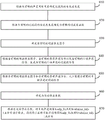
图1是时域立体声编码方法的示意性流程图。FIG. 1 is a schematic flowchart of a time-domain stereo coding method.
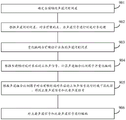
图2是时域立体声解码方法的示意性流程图。FIG. 2 is a schematic flowchart of a time-domain stereo decoding method.
图3是本申请实施例的立体声信号编码时重建信号的方法的示意性流程图。FIG. 3 is a schematic flowchart of a method for reconstructing a signal during encoding of a stereo signal according to an embodiment of the present application.
图4是根据现有方案得到的目标声道的前向信号获得的主要声道信号与根据目标声道的真实信号获取的主要声道信号的频谱图。FIG. 4 is a spectrogram of a main channel signal obtained from a forward signal of a target channel obtained according to an existing solution and a main channel signal obtained according to a real signal of the target channel.
图5是分别根据现有方案和本申请得到的线性预测系数与真实的线性系数的差异的频谱图。FIG. 5 is a spectrogram of the difference between the linear prediction coefficient and the real linear coefficient obtained according to the existing scheme and the present application, respectively.
图6是本申请实施例的立体声信号编码时重建信号的方法的示意性流程图。FIG. 6 is a schematic flowchart of a method for reconstructing a signal during encoding of a stereo signal according to an embodiment of the present application.
图7是本申请实施例的立体声信号编码时重建信号的方法的示意性流程图。FIG. 7 is a schematic flowchart of a method for reconstructing a signal during encoding of a stereo signal according to an embodiment of the present application.
图8是本申请实施例的立体声信号编码时重建信号的方法的示意性流程图。FIG. 8 is a schematic flowchart of a method for reconstructing a signal during encoding of a stereo signal according to an embodiment of the present application.
图9是本申请实施例的立体声信号编码时重建信号的方法的示意性流程图。FIG. 9 is a schematic flowchart of a method for reconstructing a signal during encoding of a stereo signal according to an embodiment of the present application.
图10是本申请实施例的时延对齐处理的示意图。FIG. 10 is a schematic diagram of a delay alignment process according to an embodiment of the present application.
图11是本申请实施例的时延对齐处理的示意图。FIG. 11 is a schematic diagram of a delay alignment process according to an embodiment of the present application.
图12是本申请实施例的时延对齐处理的示意图。FIG. 12 is a schematic diagram of a delay alignment process according to an embodiment of the present application.
图13是本申请实施例的立体声信号编码时重建信号的装置的示意性框图。FIG. 13 is a schematic block diagram of an apparatus for reconstructing a signal during encoding of a stereo signal according to an embodiment of the present application.
图14是本申请实施例的立体声信号编码时重建信号的装置的示意性框图。FIG. 14 is a schematic block diagram of an apparatus for reconstructing a signal during encoding of a stereo signal according to an embodiment of the present application.
图15是本申请实施例的立体声信号编码时重建信号的装置的示意性框图。FIG. 15 is a schematic block diagram of an apparatus for reconstructing a signal during encoding of a stereo signal according to an embodiment of the present application.
图16是本申请实施例的立体声信号编码时重建信号的装置的示意性框图。FIG. 16 is a schematic block diagram of an apparatus for reconstructing a signal during encoding of a stereo signal according to an embodiment of the present application.
图17是本申请实施例的终端设备的示意图。FIG. 17 is a schematic diagram of a terminal device according to an embodiment of the present application.
图18是本申请实施例的网络设备的示意图。FIG. 18 is a schematic diagram of a network device according to an embodiment of the present application.
图19是本申请实施例的网络设备的示意图。FIG. 19 is a schematic diagram of a network device according to an embodiment of the present application.
图20是本申请实施例的终端设备的示意图。FIG. 20 is a schematic diagram of a terminal device according to an embodiment of the present application.
图21是本申请实施例的网络设备的示意图。FIG. 21 is a schematic diagram of a network device according to an embodiment of the present application.
图22是本申请实施例的网络设备的示意图。FIG. 22 is a schematic diagram of a network device according to an embodiment of the present application.
具体实施方式Detailed ways
下面将结合附图,对本申请中的技术方案进行描述。The technical solutions in the present application will be described below with reference to the accompanying drawings.
为了便于理解本申请实施例的立体声信号编码时重建信号的方法,下面先结合图1和图2对时域立体声编解码方法的整个编解码过程进行大致的介绍。In order to facilitate understanding of the method for reconstructing a signal during stereo signal encoding according to the embodiment of the present application, the entire encoding and decoding process of the time-domain stereo encoding and decoding method is briefly introduced below with reference to FIG. 1 and FIG. 2 .
应理解,本申请中的立体声信号可以是原始的立体声信号,也可以是多声道信号中包含的两路信号组成的立体声信号,还可以是由多声道信号中包含的多路信号联合产生的两路信号组成的立体声信号。立体声信号的编码方法,也可以是多声道编码方法中使用的立体声信号的编码方法。It should be understood that the stereo signal in this application may be an original stereo signal, or a stereo signal composed of two signals contained in a multi-channel signal, or may be jointly generated by the multi-channel signals contained in the multi-channel signal. A stereo signal composed of two signals. The encoding method of the stereo signal may be the encoding method of the stereo signal used in the multi-channel encoding method.
图1是时域立体声编码方法的示意性流程图。该编码方法100具体包括:FIG. 1 is a schematic flowchart of a time-domain stereo coding method. The encoding method 100 specifically includes:
110、编码端对立体声信号进行声道间时间差估计,得到立体声信号的声道间时间差。110. The encoding end estimates the inter-channel time difference of the stereo signal to obtain the inter-channel time difference of the stereo signal.
其中,上述立体声信号包括左声道信号和右声道信号,立体声信号的声道间时间差是指左声道信号和右声道信号之间的时间差。The above-mentioned stereo signal includes a left channel signal and a right channel signal, and the inter-channel time difference of the stereo signal refers to the time difference between the left channel signal and the right channel signal.
120、根据估计得到的声道间时间差对左声道信号和右声道信号进行时延对齐处理。120. Perform time delay alignment processing on the left channel signal and the right channel signal according to the estimated time difference between channels.
130、对立体声信号的声道间时间差进行编码,得到声道间时间差的编码索引,写入立体声编码码流。130. Encode the inter-channel time difference of the stereo signal to obtain an encoding index of the inter-channel time difference, and write the encoded stereo code stream.
140、确定声道组合比例因子,并对声道组合比例因子进行编码,得到声道组合比例因子的编码索引,写入立体声编码码流。140. Determine the channel combination scale factor, encode the channel combination scale factor, obtain an encoding index of the channel combination scale factor, and write it into the stereo encoding code stream.
150、根据声道组合比例因子对时延对齐处理后的左声道信号和右声道信号进行时域下混处理。150. Perform time-domain downmix processing on the left channel signal and the right channel signal after the delay alignment processing according to the channel combination scale factor.
160、对下混处理后得到的主要声道信号和次要声道信号分别进行编码,得到主要声道信号和次要声道信号的码流,写入立体声编码码流。160. Encode the primary channel signal and the secondary channel signal obtained after the downmixing process, respectively, to obtain a code stream of the primary channel signal and the secondary channel signal, and write the stereo encoded code stream.
图2是时域立体声解码方法的示意性流程图。该解码方法200具体包括:FIG. 2 is a schematic flowchart of a time-domain stereo decoding method. The decoding method 200 specifically includes:
210、根据接收到的码流解码得到主要声道信号和次要声道信号。210. Decode the received code stream to obtain the primary channel signal and the secondary channel signal.
步骤210中的码流可以是解码端从编码端接收到的,另外,步骤210相当于分别进行主要声道信号解码和次要声道信号解码,以得到主要声道信号和次要声道信号。The code stream in step 210 may be received by the decoding end from the encoding end. In addition, step 210 is equivalent to decoding the primary channel signal and the secondary channel signal respectively, so as to obtain the primary channel signal and the secondary channel signal. .
220、根据接收到的码流解码得到声道组合比例因子。220. Decode a channel combination scale factor according to the received code stream.
230、根据声道组合比例因子对主要声道信号和次要声道信号进行时域上混处理,得到时域上混处理后的左声道重建信号和右声道重建信号。230. Perform time-domain upmix processing on the primary channel signal and the secondary channel signal according to the channel combination scale factor, to obtain the left channel reconstructed signal and the right channel reconstructed signal after the time domain upmix processing.
240、根据接收到的码流解码得到声道间时间差。240. Decode the received code stream to obtain the time difference between channels.
250、根据声道间时间差对时域上混处理后的左声道重建信号和右声道重建信号进行时延调整,得到解码后的立体声信号。250. Perform time delay adjustment on the reconstructed signal of the left channel and the reconstructed signal of the right channel after the time-domain upmixing process according to the time difference between the channels, to obtain a decoded stereo signal.
在时延对齐处理过程中(例如,上述步骤120),如果根据声道间时间差将到达时间上相对落后的目标声道调整到与参考声道的时延一致,那么在时延对齐处理中需要人工重建目标声道的前向信号,并且为了增强目标声道的真实信号与重建的目标声道的前向信号之间过渡的平稳性,在当前帧的目标声道的真实信号与人工重建的前向信号之间生成过渡段信号。现有的方案一般是根据当前帧的声道间时间差、当前帧的过渡段的初始长度、当前帧的过度窗函数、当前帧的增益修正因子以及当前帧的参考声道信号和目标声道信号来确定当前帧的过渡段信号。但是,由于过渡段的初始长度是固定的,无法根据声道间时间的差不同取值进行灵活调整,因此,现有的方案生成的过渡段的信号并不能很好地实现的目标声道的真实信号与人工重建的前向信号之间的平稳过渡(或者目标声道的真实信号与人工重建的前向信号之间过渡时的平稳性较差)。During the time delay alignment process (for example, the above step 120), if the target channel whose arrival time is relatively backward is adjusted to be consistent with the time delay of the reference channel according to the inter-channel time difference, then the time delay alignment process needs to The forward signal of the target channel is artificially reconstructed, and in order to enhance the smoothness of the transition between the real signal of the target channel and the reconstructed forward signal of the target channel, the real signal of the target channel in the current frame is compared with the artificially reconstructed forward signal. Transition signals are generated between forward signals. The existing scheme is generally based on the inter-channel time difference of the current frame, the initial length of the transition section of the current frame, the transition window function of the current frame, the gain correction factor of the current frame, and the reference channel signal and target channel signal of the current frame. to determine the transition signal of the current frame. However, since the initial length of the transition segment is fixed, it cannot be flexibly adjusted according to the time difference between the channels. Therefore, the signal of the transition segment generated by the existing solution cannot well achieve the target channel’s accuracy. Smooth transition between the real signal and the artificially reconstructed forward signal (or less smooth transition between the real signal and the artificially reconstructed forward signal of the target channel).
本申请提出了一种立体声编码时重建信号的方法,该方法在生成过渡段信号时采用的是过渡段的自适应长度,该过渡段的自适应长度在确定时考虑了当前帧的声道间时间差以及过渡段的初始长度,因此,本申请生成的过渡段信号能够提高当前帧的目标声道的真实信号与人工重建的前向信号过渡的平稳性。The present application proposes a method for reconstructing a signal during stereo encoding. The method adopts an adaptive length of the transition segment when generating a transition segment signal, and the adaptive length of the transition segment is determined by considering the inter-channel of the current frame. The time difference and the initial length of the transition segment, therefore, the transition segment signal generated by the present application can improve the smoothness of the transition between the real signal of the target channel of the current frame and the artificially reconstructed forward signal.
图3是本申请实施例的立体声信号编码时重建信号的方法的示意性流程图。该方法300可以由编码端执行,该编码端可以是编码器或者是具有编码立体声信号功能的设备。该方法300具体包括:FIG. 3 is a schematic flowchart of a method for reconstructing a signal during encoding of a stereo signal according to an embodiment of the present application. The method 300 may be performed by an encoding end, and the encoding end may be an encoder or a device having the function of encoding a stereo signal. The method 300 specifically includes:
310、确定当前帧的参考声道和目标声道。310. Determine the reference channel and the target channel of the current frame.
应理解,上述方法300处理的立体声信号包括左声道信号和右声道信号。It should be understood that the stereo signal processed by the above method 300 includes a left channel signal and a right channel signal.
可选地,在确定当前帧的参考声道和目标声道时可以将到达时间上相对落后的声道确定为目标声道,而把到达时间上靠前的另一个声道确定为参考声道,例如,左声道的到达时间落后于右声道的到达时间上,那么,可以将左声道确定为目标声道,将右声道确定为参考声道。Optionally, when determining the reference channel and the target channel of the current frame, a channel relatively backward in time of arrival may be determined as the target channel, and another channel earlier in time of arrival may be determined as the reference channel. For example, if the arrival time of the left channel is behind the arrival time of the right channel, then the left channel may be determined as the target channel and the right channel may be determined as the reference channel.
可选地,还以根据当前帧的声道间时间差来确定当前帧的参考声道和目标声道,确定的具体过程如下:Optionally, the reference channel and the target channel of the current frame are also determined according to the inter-channel time difference of the current frame, and the specific process of determination is as follows:
首先,将估计出来的当前帧的声道间时间差作为当前帧的声道间时间差cur_itd;First, take the estimated inter-channel time difference of the current frame as the inter-channel time difference cur_itd of the current frame;
其次,根据当前帧的声道间时间差和当前帧的前一帧的声道间时间差(记作prev_itd)的大小关系来确定当前帧的目标声道和参考声道,具体可以包含以下三种情况:Secondly, the target channel and reference channel of the current frame are determined according to the size relationship between the inter-channel time difference of the current frame and the inter-channel time difference (denoted as prev_itd) of the previous frame of the current frame, which can specifically include the following three situations :
情况一:Case 1:
cur_itd=0,当前帧的目标声道与前一帧的目标声道保持一致,当前帧的参考声道与前一帧的参考声道保持一致。cur_itd=0, the target channel of the current frame is consistent with the target channel of the previous frame, and the reference channel of the current frame is consistent with the reference channel of the previous frame.
例如,当前帧的目标声道索引记作target_idx,当前帧的前一帧的目标声道索引记作prev_target_idx,那么,当前帧的目标声道索引与前一帧的目标声道索引相同,也就是说target_idx=prev_target_idx。For example, the target channel index of the current frame is denoted as target_idx, and the target channel index of the previous frame of the current frame is denoted as prev_target_idx. Then, the target channel index of the current frame is the same as the target channel index of the previous frame, that is, Say target_idx=prev_target_idx.
情况二:Case two:
cur_itd<0,当前帧的目标声道为左声道,当前帧的参考声道为右声道。cur_itd<0, the target channel of the current frame is the left channel, and the reference channel of the current frame is the right channel.
例如,当前帧的目标声道索引记作target_idx,那么target_idx=0(索引号为0时表示左声道,索引号为1时表示右声道)。For example, if the target channel index of the current frame is denoted as target_idx, then target_idx=0 (when the index number is 0, it represents the left channel, and when the index number is 1, it represents the right channel).
情况三:Case three:
cur_itd>0,当前帧的目标声道为右声道,当前帧的参考声道为右声道。cur_itd>0, the target channel of the current frame is the right channel, and the reference channel of the current frame is the right channel.
例如,当前帧的目标声道索引记作target_idx,那么,target_idx=1(索引号为0时表示左声道,索引号为1时表示右声道)。For example, if the target channel index of the current frame is denoted as target_idx, then target_idx=1 (when the index number is 0, it represents the left channel, and when the index number is 1, it represents the right channel).
应理解,当前帧的声道间时间差cur_itd可以是对左、右声道信号进行声道间时间差估计后得到的。在进行声道间时间差估计时可以根据当前帧的左、右声道信号计算左右声道间的互相关系数,然后将互相关系数的最大值对应的索引值作为当前帧的声道间时间差。It should be understood that the inter-channel time difference cur_itd of the current frame may be obtained by estimating the inter-channel time difference between the left and right channel signals. When estimating the inter-channel time difference, the cross-correlation coefficient between the left and right channels can be calculated according to the left and right channel signals of the current frame, and then the index value corresponding to the maximum cross-correlation coefficient is used as the inter-channel time difference of the current frame.
320、根据当前帧的声道间时间差和当前帧的过渡段的初始长度,确定当前帧的过渡段的自适应长度。320. Determine the adaptive length of the transition segment of the current frame according to the inter-channel time difference of the current frame and the initial length of the transition segment of the current frame.
可选地,作为一个实施例,根据当前帧的声道间时间差和当前帧的过渡段的初始长度,确定当前帧的过渡段的自适应长度,包括:在当前帧的声道间时间差的绝对值大于等于当前帧的过渡段的初始长度的情况下,将当前帧的过渡段的初始长度确定为当前帧的自适应过渡段的长度;在当前帧的声道间时间差的绝对值小于当前帧的过渡段的初始长度的情况下,将当前帧的声道间时间差的绝对值确定为自适应过渡段的长度。Optionally, as an embodiment, the adaptive length of the transition segment of the current frame is determined according to the inter-channel time difference of the current frame and the initial length of the transition segment of the current frame, including: the absolute value of the inter-channel time difference of the current frame. When the value is greater than or equal to the initial length of the transition segment of the current frame, the initial length of the transition segment of the current frame is determined as the length of the adaptive transition segment of the current frame; the absolute value of the inter-channel time difference of the current frame is less than the current frame. In the case of the initial length of the transition segment, the absolute value of the inter-channel time difference of the current frame is determined as the length of the adaptive transition segment.
根据当前帧的声道间时间差与当前帧的过渡段的初始长度的大小关系能够在当前帧的声道间时间差的绝对值小于当前帧的过渡段的初始长度的情况下适当地降低过渡段的长度,合理地确定当前帧的过渡段的自适应长度,进而确定具有自适应长度的过渡窗,从而使得当前帧的目标声道的真实信号与人工重建的前向信号之间的过渡更加平滑。According to the relationship between the inter-channel time difference of the current frame and the initial length of the transition segment of the current frame, the absolute value of the inter-channel time difference of the current frame can be appropriately reduced when the absolute value of the inter-channel time difference of the current frame is smaller than the initial length of the transition segment of the current frame. The adaptive length of the transition segment of the current frame is reasonably determined, and then the transition window with the adaptive length is determined, so that the transition between the real signal of the target channel of the current frame and the artificially reconstructed forward signal is smoother.
具体地,上述过渡段的自适应长度满足下面的公式(1),因此,可以根据公式(1)确定过渡段的自适应长度。Specifically, the adaptive length of the transition section satisfies the following formula (1), therefore, the adaptive length of the transition section can be determined according to the formula (1).

其中,cur_itd为当前帧的声道间时间差,abs(cur_itd)为当前帧的声道间时间差的绝对值,Ts2为预先设定的过渡段的初始长度,该过渡段的初始长度可以为预设的正整数。例如,当采样率为16KHz时,Ts2设置为10。Among them, cur_itd is the inter-channel time difference of the current frame, abs(cur_itd) is the absolute value of the inter-channel time difference of the current frame, Ts2 is the initial length of the preset transition segment, and the initial length of the transition segment can be preset positive integer of . For example, when the sampling rate is 16KHz, Ts2 is set to 10.
另外,在不同的采样率的请下,Ts2既可以设置为相同的值,也可以设置为不同的值。In addition, under different sampling rates, Ts2 can be set to the same value or different values.
应理解,上述步骤310下面提及的当前帧的声道间时间差以及步骤320中的当前帧的声道间时间差可以是对左、右声道信号进行声道间时间差估计后得到的。It should be understood that the inter-channel time difference of the current frame mentioned below in
在进行声道间时间差估计时可以根据当前帧的左、右声道信号计算左右声道间的互相关系数,然后将互相关系数的最大值对应的索引值作为当前帧的声道间时间差。When estimating the inter-channel time difference, the cross-correlation coefficient between the left and right channels can be calculated according to the left and right channel signals of the current frame, and then the index value corresponding to the maximum cross-correlation coefficient is used as the inter-channel time difference of the current frame.
具体地,可以采用实例一至实例三中的方式来进行声道间时间差的估计。Specifically, the methods in Example 1 to Example 3 can be used to estimate the time difference between channels.
实例一:Example one:
在当前采样率下,声道间时间差的最大值和最小值分别是Tmax和Tmin,其中,Tmax和Tmin为预先设定的实数,并且Tmax>Tmin,那么,可以搜索索引值在声道间时间差的最大值和最小值之间的左右声道间的互相关系数的最大值,最后将该搜索到的左右声道间的互相关系数的最大值对应的索引值确定为当前帧的声道间时间差。具体地,Tmax和Tmin的取值可以分别为40和-40,这样就可以在-40≤i≤40范围内搜索左右声道间的互相关系数的最大值,然后将互相关系数的最大值对应的索引值作为当前帧的声道间时间差。At the current sampling rate, the maximum and minimum values of the inter-channel time difference are T max and T min respectively, where T max and T min are preset real numbers, and T max >T min , then the index can be searched The maximum value of the cross-correlation coefficient between the left and right channels with the value between the maximum value and the minimum value of the inter-channel time difference, and finally the index value corresponding to the maximum value of the searched cross-correlation coefficient between the left and right channels is determined as The inter-channel time difference of the current frame. Specifically, the values of T max and T min can be 40 and -40, respectively, so that the maximum value of the cross-correlation coefficient between the left and right channels can be searched within the range of -40≤i≤40, and then the cross-correlation coefficient of the The index value corresponding to the maximum value is used as the inter-channel time difference of the current frame.
实例二:Example two:
当前采样率下的声道间时间差的最大值和最小值分别是Tmax和Tmin,其中,Tmax和Tmin为预先设定的实数,并且Tmax>Tmin。那么,可以根据当前帧的左、右声道信号计算左右声道间的互相关函数,并根据前L帧(L为大于等于1的整数)的左右声道间的互相关函数对计算出来的当前帧的左右声道间的互相关函数进行平滑处理,得到平滑处理后的左右声道间的互相关函数,然后在Tmin≤i≤Tmax范围内搜索平滑处理后的左右声道间的互相关系数的最大值,并将该最大值对应的索引值i作为当前帧的声道间时间差。The maximum and minimum values of the inter-channel time difference at the current sampling rate are T max and T min , respectively, where T max and T min are preset real numbers, and T max >T min . Then, the cross-correlation function between the left and right channels can be calculated according to the left and right channel signals of the current frame, and the pair of cross-correlation functions between the left and right channels of the previous L frames (L is an integer greater than or equal to 1) can be calculated. The cross-correlation function between the left and right channels of the current frame is smoothed to obtain the smoothed cross-correlation function between the left and right channels, and then the smoothed left and right channels are searched within the range of T min ≤ i ≤ T max . The maximum value of the cross-correlation coefficient, and the index value i corresponding to the maximum value is used as the inter-channel time difference of the current frame.
实例三:Example three:
在根据实例一或实例二估计出了当前帧的声道间时间差之后,对当前帧的前M帧(M为大于等于1的整数)的声道间时间差和当前帧估计出的声道间时间差进行帧间平滑处理,将平滑处理后的声道间时间差作为当前帧最终的声道间时间差。After the inter-channel time difference of the current frame is estimated according to example 1 or example 2, the inter-channel time difference of the first M frames (M is an integer greater than or equal to 1) of the current frame and the estimated inter-channel time difference of the current frame Perform inter-frame smoothing processing, and use the smoothed inter-channel time difference as the final inter-channel time difference of the current frame.
应理解,在对左、右声道信号(这里的左、右声道信号是时域信号)进行时间差估计之前,还可以对当前帧的左、右声道信号进行时域预处理。It should be understood that before performing time difference estimation on the left and right channel signals (here, the left and right channel signals are time domain signals), time domain preprocessing may also be performed on the left and right channel signals of the current frame.
具体地,可以对当前帧的左、右声道信号进行高通滤波处理,得到预处理后的当前帧的左、右声道信号。另外,这里的时域预处理时除了高通滤波处理外还可以是其它处理,例如,进行预加重处理。Specifically, high-pass filtering may be performed on the left and right channel signals of the current frame to obtain preprocessed left and right channel signals of the current frame. In addition, the time-domain preprocessing here may be other processing besides high-pass filtering processing, for example, performing pre-emphasis processing.
例如,立体声音频信号的采样率为16HKz,每帧信号为20ms,则帧长N=320,即每一帧包括320个样点。当前帧的立体声信号包括当前帧的左声道时域信号xL(n),当前帧的右声道时域信号xR(n),其中,n为样点序号,n=0,1,...,N-1,那么,通过对当前帧的左声道时域信号xL(n),当前帧的右声道时域信号xR(n)进行时域预处理,得到当前帧预处理后的左声道时域信号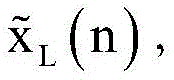
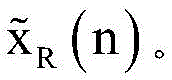
应理解,对当前帧的左、右声道时域信号进行时域预处理并不是必须的步骤。如果没有时域预处理的步骤,那么,进行声道间时间差估计的左、右声道信号就是原始立体声信号中的左、右声道信号。该原始立体声信号中的左、右声道信号可以是指采集到的经过模数(A/D)转换后的脉冲编码调制(Pulse Code Modulation,PCM)信号。另外,立体声音频信号的采样率可以为8KHz、16KHz、32KHz、44.1KHz以及48KHz等等。It should be understood that it is not a necessary step to perform time domain preprocessing on the left and right channel time domain signals of the current frame. If there is no time domain preprocessing step, then the left and right channel signals used for estimation of the time difference between channels are the left and right channel signals in the original stereo signal. The left and right channel signals in the original stereo signal may refer to the collected pulse code modulation (Pulse Code Modulation, PCM) signals after analog-to-digital (A/D) conversion. In addition, the sampling rate of the stereo audio signal may be 8KHz, 16KHz, 32KHz, 44.1KHz, 48KHz, and so on.
330、根据当前帧的过渡段的自适应长度确定当前帧的过渡窗,其中,该过渡段的自适应长度为过渡窗的过渡窗窗长。330. Determine the transition window of the current frame according to the adaptive length of the transition segment of the current frame, where the adaptive length of the transition segment is the window length of the transition window of the transition window.
可选地,可以根据公式(2)确定当前帧的过渡窗。Optionally, the transition window of the current frame can be determined according to formula (2).

其中,sin(.)为求正弦操作,adp_Ts为过渡段的自适应长度。Among them, sin(.) is the sine operation, and adp_Ts is the adaptive length of the transition segment.
应理解,本申请对当前帧的过渡窗的形状不做具体的限定,只要过渡窗窗长为过渡段的自适应长度即可。It should be understood that the present application does not specifically limit the shape of the transition window of the current frame, as long as the window length of the transition window is the adaptive length of the transition segment.
除了根据上述公式(2)确定过渡窗之外,还可以根据下面的公式(3)或公式(4)来确定当前帧的过渡窗。In addition to determining the transition window according to the above formula (2), the transition window of the current frame may also be determined according to the following formula (3) or formula (4).


在上述公式(3)和公式(4)中,cos(.)为取余弦操作,adp_Ts为过渡段的自适应长度。In the above formula (3) and formula (4), cos(.) is the cosine operation, and adp_Ts is the adaptive length of the transition section.
340、确定当前帧的重建信号的增益修正因子。340. Determine a gain correction factor of the reconstructed signal of the current frame.
应理解,在本文中,可以将当前帧的重建信号的增益修正因子简称为当前帧的增益修正因子。It should be understood that, herein, the gain correction factor of the reconstructed signal of the current frame may be simply referred to as the gain correction factor of the current frame.
350、根据当前帧的声道间时间差、当前帧的过渡段的自适应长度、当前帧的过渡窗、当前帧的增益修正因子以及当前帧的参考声道信号和当前帧的目标声道信号,确定当前帧的目标声道的过渡段信号。350, according to the time difference between channels of the current frame, the adaptive length of the transition section of the current frame, the transition window of the current frame, the gain correction factor of the current frame and the reference channel signal of the current frame and the target channel signal of the current frame, Determines the transition signal for the target channel of the current frame.
可选地,当前帧的过渡段信号满足下面的公式(5),因此,可以根据公式(5)确定当前帧的目标声道的过渡段信号。Optionally, the transition signal of the current frame satisfies the following formula (5). Therefore, the transition signal of the target channel of the current frame can be determined according to formula (5).
transition_seg(i)=w(i)*g*reference(N-adp_Ts-abs(cur_itd)+i)+(1-w(i))*target(N-adp_Ts+i),i=0,1,…adp_Ts-1 (5)transition_seg(i)=w(i)*g*reference(N-adp_Ts-abs(cur_itd)+i)+(1-w(i))*target(N-adp_Ts+i), i=0,1, …adp_Ts-1 (5)
其中,transition_seg(.)为当前帧的目标声道的过渡段信号,adp_Ts为当前帧的过渡段的自适应长度,w(.)为当前帧的过渡窗,g为当前帧的增益修正因子,target(.)为当前帧的目标声道信号,reference(.)为当前帧的参考声道信号,cur_itd为当前帧的声道间时间差,abs(cur_itd)为当前帧的声道间时间差的绝对值,N为当前帧的帧长。Among them, transition_seg(.) is the transition segment signal of the target channel of the current frame, adp_Ts is the adaptive length of the transition segment of the current frame, w(.) is the transition window of the current frame, g is the gain correction factor of the current frame, target(.) is the target channel signal of the current frame, reference(.) is the reference channel signal of the current frame, cur_itd is the inter-channel time difference of the current frame, abs(cur_itd) is the absolute value of the inter-channel time difference of the current frame value, N is the frame length of the current frame.
具体地,transition_seg(i)为当前帧的目标声道的过渡段信号在采样点i的值,w(i)为当前帧的过渡窗在采样点i的值,target(N-adp_Ts+i)为当前帧目标声道信号在采样点N-adp_Ts+i的值,reference(N-adp_Ts-abs(cur_itd)+i)为当前帧的参考声道信号在采样点N-adp_Ts-abs(cur_itd)+i的值。Specifically, transition_seg(i) is the value of the transition segment signal of the target channel of the current frame at sampling point i, w(i) is the value of the transition window of the current frame at sampling point i, target(N-adp_Ts+i) is the value of the target channel signal of the current frame at the sampling point N-adp_Ts+i, reference(N-adp_Ts-abs(cur_itd)+i) is the reference channel signal of the current frame at the sampling point N-adp_Ts-abs(cur_itd) +i's value.
在上述公式(5)中,由于i的取值范围为从0至adp_Ts-1,因此,根据公式(5)确定当前帧的目标声道的过渡段信号也就相当于根据当前帧的增益修正因子g,当前帧的过渡窗的第0至adp_Ts-1点的值,当前帧的参考声道中的第N-abs(cur_itd)-adp_Ts个采样点到第N-abs(cur_itd)-1个采样点的值,以及当前帧的目标声道的第N-adp_Ts个采样点到第N-1个采样点的值人工重建adp_Ts个点的信号,并将人工重建的adp_Ts个点的信号确定为当前帧的目标声道的过渡段信号的第0点到第adp_Ts-1点的信号。进一步地,在确定了当前帧的过渡段信号之后,可以将当前帧的目标声道的过渡段信号的第0个采样点的值至第adp_Ts-1个采样点的值信号作为时延对齐处理后的目标声道的第N-adp_Ts个采样点的值至第N-1个采样点的值。In the above formula (5), since the value of i ranges from 0 to adp_Ts-1, determining the transition signal of the target channel of the current frame according to formula (5) is equivalent to modifying the gain according to the current frame Factor g, the value of the 0th to adp_Ts-1 point of the transition window of the current frame, the N-abs(cur_itd)-adp_Ts sample point to the N-abs(cur_itd)-1th sample point in the reference channel of the current frame The value of the sampling point, and the value of the N-adp_Ts sampling point to the N-1 sampling point of the target channel of the current frame, manually reconstruct the signal of the adp_Ts points, and determine the signal of the artificially reconstructed adp_Ts points as Signals from point 0 to point adp_Ts-1 of the transition signal of the target channel of the current frame. Further, after the transition signal of the current frame is determined, the value of the 0th sampling point to the value signal of the adp_Ts-1th sampling point of the transition signal of the target channel of the current frame can be processed as a time delay alignment process. The value of the N-adp_Ts th sampling point to the value of the N-1 th sampling point of the subsequent target channel.
应理解,还可以直接根据公式(6)确定时延对齐处理后的目标声道的第N-adp_Ts点到第N-1点信号。It should be understood that the signal from point N-adp_Ts to point N-1 of the target channel after time delay alignment processing can also be directly determined according to formula (6).
target_alig(N-adp_Ts+i)=w(i)*g*reference(N-adp_Ts-abs(cur_itd)+i)+(1-w(i))*target(N-adp_Ts+i),i=0,1,…adp_Ts-1 (6)target_alig(N-adp_Ts+i)=w(i)*g*reference(N-adp_Ts-abs(cur_itd)+i)+(1-w(i))*target(N-adp_Ts+i), i= 0,1,…adp_Ts-1 (6)
其中,target_alig(N-adp_Ts+i)为时延对齐处理后的目标声道在采样点N-adp_Ts+i的值,w(i)为当前帧的过渡窗在采样点i的值,target(N-adp_Ts+i)为当前帧目标声道信号在采样点N-adp_Ts+i的值,reference(N-adp_Ts-abs(cur_itd)+i)为当前帧的参考声道信号在采样点N-adp_Ts-abs(cur_itd)+i的值,g为当前帧的增益修正因子,adp_Ts为当前帧的过渡段的自适应长度,cur_itd为当前帧的声道间时间差,abs(cur_itd)为当前帧的声道间时间差的绝对值,N为当前帧的帧长。Among them, target_alig(N-adp_Ts+i) is the value of the target channel after time delay alignment processing at sampling point N-adp_Ts+i, w(i) is the value of the transition window of the current frame at sampling point i, target( N-adp_Ts+i) is the value of the target channel signal of the current frame at the sampling point N-adp_Ts+i, reference(N-adp_Ts-abs(cur_itd)+i) is the reference channel signal of the current frame at the sampling point N- The value of adp_Ts-abs(cur_itd)+i, g is the gain correction factor of the current frame, adp_Ts is the adaptive length of the transition section of the current frame, cur_itd is the inter-channel time difference of the current frame, abs(cur_itd) is the current frame The absolute value of the time difference between channels, N is the frame length of the current frame.
在公式(6)中,是根据当前帧的增益修正因子g、当前帧的过渡窗、当前帧的目标声道的第N-adp_Ts个采样点的值到第N-1个采样点的值,当前帧的参考声道中的第N-abs(cur_itd)-adp_Ts个采样点的值到第N-abs(cur_itd)-1个采样点值人工重建adp_Ts个点的信号,并将adp_Ts个点的信号直接作为当前帧时延对齐处理后的目标声道的第N-adp_Ts个采样点的值至第N-1个采样点的值。In formula (6), according to the gain correction factor g of the current frame, the transition window of the current frame, the value of the N-adp_Ts sampling point of the target channel of the current frame to the value of the N-1 sampling point, From the value of the N-abs(cur_itd)-adp_Ts sampling point to the N-abs(cur_itd)-1 sampling point value in the reference channel of the current frame, the signal of the adp_Ts point is artificially reconstructed, and the adp_Ts point signal is reconstructed manually. The signal is directly used as the value of the N-adp_Ts th sampling point to the value of the N-1 th sampling point of the target channel after the delay alignment of the current frame.
本申请中,通过设置具有自适应长度的过渡段,并根据具有过渡段的自适应长度来确定过渡窗,与现有技术中采用固定长度的过渡段来确定过渡窗的方式相比,能够得到可以使得当前帧的目标声道的真实信号与当前帧的目标声道的人工重建信号之间的过渡更加平滑的过渡段信号。In the present application, by setting a transition section with an adaptive length, and determining the transition window according to the adaptive length of the transition section, compared with the method of using a fixed-length transition section to determine the transition window in the prior art, it is possible to obtain A transition signal that can make the transition between the real signal of the target channel of the current frame and the artificially reconstructed signal of the target channel of the current frame smoother.
本申请实施例的立体声信号编码时重建信号的方法除了可以确定当前帧的目标声道的过渡段信号之外,还可以确定当前帧的目标声道的前向信号。为了更好地描述和理解本申请实施例的立体声编码时重建信号的方法确定当前帧的目标声道的前向信号的方式,下面先对现有的方案确定当前帧的目标声道的前向信号的方式进行简单的介绍。In addition to determining the transition signal of the target channel of the current frame, the method for reconstructing the signal during encoding of the stereo signal according to the embodiment of the present application can also determine the forward signal of the target channel of the current frame. In order to better describe and understand the method for determining the forward signal of the target channel of the current frame in the method for reconstructing a signal during stereo encoding according to the embodiment of the present application, the following first determines the forward direction of the target channel of the current frame for the existing solution. A brief introduction to the signal method.
现有的方案一般是根据当前帧的声道间时间差、当前帧的增益修正因子以及当前帧的参考声道信号来确定当前帧的目标声道的前向信号。其中,增益修正因子一般是根据当前帧的声道间差、当前帧的目标声道信号和当前帧的参考声道信号确定的。The existing solution generally determines the forward signal of the target channel of the current frame according to the inter-channel time difference of the current frame, the gain correction factor of the current frame and the reference channel signal of the current frame. The gain correction factor is generally determined according to the inter-channel difference of the current frame, the target channel signal of the current frame, and the reference channel signal of the current frame.
由于现有的方案中,增益修正因子仅仅是根据当前帧的声道间时间差以及当前帧的目标声道信号和参考声道信号确定的,导致重建的当前帧的目标声道的前向信号与当前帧的目标声道的真实信号之间存在较大的差异,因此,最终根据重建的当前帧的目标声道的前向信号获得的主要声道信号与根据当前帧的目标声道的真实信号获取的主要声道信号有较大的差异,致使线性预测时得到的主要声道信号的线性预测分析结果与真实的线性预测分析结果有较大的偏差;同理,根据重建的当前帧的目标声道的前向信号获得的次要声道信号与根据当前帧的目标声道的真实信号获取的次要声道信号有较大的差异,致使线性预测时得到的次要声道信号的线性预测分析结果与真实的线性预测分析结果有较大的偏差。In the existing solution, the gain correction factor is only determined according to the inter-channel time difference of the current frame and the target channel signal and the reference channel signal of the current frame, so that the reconstructed forward signal of the target channel of the current frame is different from the current frame. There is a big difference between the real signal of the target channel of the current frame, therefore, the main channel signal finally obtained according to the forward signal of the target channel of the current frame is reconstructed and the real signal of the target channel of the current frame. The obtained main channel signal has a large difference, resulting in a large deviation between the linear prediction analysis result of the main channel signal obtained during linear prediction and the real linear prediction analysis result. Similarly, according to the reconstructed target of the current frame The secondary channel signal obtained from the forward signal of the channel is quite different from the secondary channel signal obtained from the real signal of the target channel of the current frame, resulting in the linearity of the secondary channel signal obtained during linear prediction. The prediction analysis results have a large deviation from the real linear prediction analysis results.
具体地,如图4所示,根据现有方案重建的当前帧的目标声道的前向信号获取的主要信道信号与根据当前帧的目标声道的真实前向信号获取的主要声道信号之间有较大的差异。例如,图4中根据现有方案重建的当前帧的目标声道的前向信号获取的主要声道信号往往大于根据当前帧的目标声道的真实前向信号获取的主要声道信号。Specifically, as shown in FIG. 4 , the difference between the main channel signal obtained from the forward signal of the target channel of the current frame reconstructed according to the existing solution and the main channel signal obtained according to the real forward signal of the target channel of the current frame There is a big difference between. For example, the main channel signal obtained from the forward signal of the target channel of the current frame reconstructed according to the existing solution in FIG. 4 is often larger than the main channel signal obtained from the real forward signal of the target channel of the current frame.
可选地,在确定所述当前帧的重建信号的增益修正因子时可以采用下面的方式一至方式三种的任意一种方式。Optionally, when determining the gain correction factor of the reconstructed signal of the current frame, any one of the following
方式一:根据当前帧的过渡窗、当前帧的过渡段的自适应长度、当前帧的目标声道信号、当前帧的参考声道信号以及当前帧的声道间时间差,确定初始增益修正因子,初始增益修正因子即为当前帧的增益修正因子。Mode 1: Determine the initial gain correction factor according to the transition window of the current frame, the adaptive length of the transition section of the current frame, the target channel signal of the current frame, the reference channel signal of the current frame, and the inter-channel time difference of the current frame, The initial gain correction factor is the gain correction factor of the current frame.
本申请中,在确定增益修正因子时除了考虑当前帧的声道间时间差、当前帧的目标声道信号和参考声道信号之外,还考虑了当前帧的过渡段的自适应长度以及当前帧的过渡窗,并且当前帧的过渡窗是根据具有自适应长度的过渡段确定的,与现有方案中仅根据当前帧的声道间时间差以及当前帧的目标声道信号和当前帧的参考声道信号的方式相比,考虑到了当前帧的目标声道的真实信号与重建的当前帧的目标声道的前向信号之间的能量的一致性,因此,得到的当前帧的目标声道的前向信号与当前帧的目标声道的前向信号更接近,也就是是说本申请重建的前向信号与现有方案相比更加准确。In this application, in addition to the inter-channel time difference of the current frame, the target channel signal and the reference channel signal of the current frame, the adaptive length of the transition segment of the current frame and the current frame are also considered when determining the gain correction factor. The transition window of the current frame, and the transition window of the current frame is determined according to the transition segment with the adaptive length, and the existing scheme is only based on the time difference between the channels of the current frame and the target channel signal of the current frame and the reference sound of the current frame. Compared with the method of the channel signal, considering the energy consistency between the real signal of the target channel of the current frame and the forward signal of the reconstructed target channel of the current frame, the obtained target channel of the current frame has a The forward signal is closer to the forward signal of the target channel of the current frame, that is to say, the reconstructed forward signal of the present application is more accurate than the existing solution.
可选地,在第一种方式中,目标声道的重建信号的平均能量与目标声道的真实信号的平均能量一致时满足公式(7)。Optionally, in the first manner, formula (7) is satisfied when the average energy of the reconstructed signal of the target channel is consistent with the average energy of the real signal of the target channel.

在公式(7)中,K为能量衰减系数,K为预先设定的实数且0<K≤1,K的取值可以由技术人员根据经验设定,例如K等于0.5,0.75,1等等,g为当前帧的增益修正因子,w(.)为当前帧的过渡窗,x(.)为所述当前帧的目标声道信号,y(.)为当前帧的参考声道信号,N为当前帧的帧长,Ts为与过渡窗的起始样点索引相对应的目标声道的样点索引,Td为与过渡窗的结束样点索引相对应的目标声道的样点索引,Ts=N-abs(cur_itd)-adp_Ts,Td=N-abs(cur_itd),T0为预先设定的用于计算增益修正因子的目标声道的起始样点索引,0<T0≤TS,cur_itd为当前帧的声道间时间差,abs(cur_itd)为当前帧的声道间时间差的绝对值,adp_Ts为所述当前帧的过渡段的自适应长度。In formula (7), K is the energy attenuation coefficient, K is a preset real number and 0<K≤1, the value of K can be set by the technical personnel according to experience, for example, K is equal to 0.5, 0.75, 1, etc. , g is the gain correction factor of the current frame, w(.) is the transition window of the current frame, x(.) is the target channel signal of the current frame, y(.) is the reference channel signal of the current frame, N is the frame length of the current frame, Ts is the sample index of the target channel corresponding to the start sample index of the transition window, Td is the sample index of the target channel corresponding to the end sample index of the transition window, Ts=N-abs(cur_itd)-adp_Ts, Td=N-abs(cur_itd), T 0 is the preset start sample index of the target channel for calculating the gain correction factor, 0<T 0 ≤T S , cur_itd is the inter-channel time difference of the current frame, abs(cur_itd) is the absolute value of the inter-channel time difference of the current frame, and adp_Ts is the adaptive length of the transition section of the current frame.
具体地,w(i)为当前帧的过渡窗在采样点i的值,x(i)为当前帧的目标声道信号在采样点i的值,y(i)为当前帧的参考声道信号在采样点i的值。Specifically, w(i) is the value of the transition window of the current frame at sampling point i, x(i) is the value of the target channel signal of the current frame at sampling point i, and y(i) is the reference channel of the current frame The value of the signal at sample point i.
进一步地,为了使目标声道的重建信号的平均能量与目标声道的真实信号的平均能量一致,即重建的目标声道的前向信号和过渡段信号的平均能量与目标声道的真实信号的平均能量满足公式(7),可以推倒出初始增益修正因子满足公式(8)。Further, in order to make the average energy of the reconstructed signal of the target channel consistent with the average energy of the real signal of the target channel, that is, the average energy of the reconstructed forward signal and transition signal of the target channel is the same as the real signal of the target channel. The average energy of satisfies formula (7), and it can be deduced that the initial gain correction factor satisfies formula (8).

其中,公式(8)中的a、b、c分别满足下面公式(9)至公式(11)。Wherein, a, b, and c in the formula (8) satisfy the following formulas (9) to (11), respectively.


方式二:根据当前帧的过渡窗、当前帧的过渡段的自适应长度、当前帧的目标声道信号、当前帧的参考声道信号以及当前帧的声道间时间差,确定初始增益修正因子;根据第一修正系数对初始增益修正因子进行修正,以得到当前帧的增益修正因子,其中,第一修正系数为预设的大于0且小于1的实数。Mode 2: Determine the initial gain correction factor according to the transition window of the current frame, the adaptive length of the transition section of the current frame, the target channel signal of the current frame, the reference channel signal of the current frame, and the inter-channel time difference of the current frame; The initial gain correction factor is modified according to the first correction coefficient to obtain the gain correction factor of the current frame, wherein the first correction coefficient is a preset real number greater than 0 and less than 1.
上述第一修正系数为预设的大于0小于1的实数。The above-mentioned first correction coefficient is a preset real number greater than 0 and less than 1.
通过第一修正系数对增益修正因子进行修正能够适当地降低最终得到的当前帧的过渡段信号和前向信号的能量,从而能够进一步降低目标声道中由于人工重建的前向信号与目标声道的真实的前向信号之间的差异对立体声编码中单声道编码算法的线性预测分析结果的影响。Correcting the gain correction factor by the first correction coefficient can appropriately reduce the energy of the final transition signal and forward signal of the current frame, thereby further reducing the artificially reconstructed forward signal and target channel in the target channel. The effect of the difference between the true forward signals on the linear prediction analysis results of the mono coding algorithm in stereo coding.
具体地,可以根据公式(12)对增益修正因子进行修正。Specifically, the gain correction factor can be modified according to formula (12).
g_mod=adj_fac*g (12)g_mod=adj_fac*g (12)
其中,g为计算出增益修正因子,g_mod为修正的增益修正因子,adj_fac为第一修正系数。adj_fac可以是技术人员根据经验预先设定的,一般情况下adj_fac为大于零小于1的正数,例如adj_fac=0.5、adj_fac=0.25。Wherein, g is the calculated gain correction factor, g_mod is the corrected gain correction factor, and adj_fac is the first correction factor. adj_fac may be preset by technical personnel according to experience. Generally, adj_fac is a positive number greater than zero and less than 1, for example, adj_fac=0.5, adj_fac=0.25.
方式三:根据当前帧的声道间时间差、当前帧的目标声道信号以及当前帧的参考声道信号确定初始增益修正因子;根据第二修正系数对初始增益修正因子进行修正,以得到当前帧的增益修正因子,其中,第二修正系数为预设的大于0且小于1的实数或者通过预设算法确定。Mode 3: Determine the initial gain correction factor according to the inter-channel time difference of the current frame, the target channel signal of the current frame, and the reference channel signal of the current frame; modify the initial gain correction factor according to the second correction coefficient to obtain the current frame The gain correction factor of , wherein the second correction factor is a preset real number greater than 0 and less than 1 or determined by a preset algorithm.
上述第二修正系数为预设的大于0小于1的实数。例如,0.5,0.8等等。The above-mentioned second correction coefficient is a preset real number greater than 0 and less than 1. For example, 0.5, 0.8, etc.
通过第二修正系数对增益修正因子进行修正能够使得最终得到的当前帧的过渡段信号和前向信号更加准确,从而能够降低目标声道中由于人工重建的前向信号与目标声道的真实的前向信号之间的差异对立体声编码中单声道编码算法的线性预测分析结果的影响。Correcting the gain correction factor by the second correction coefficient can make the final obtained transition signal and forward signal of the current frame more accurate, thereby reducing the real difference between the artificially reconstructed forward signal and the target channel in the target channel. The effect of differences between forward signals on the results of linear prediction analysis of mono coding algorithms in stereo coding.
另外,当上述第二修正系数通过预设算法确定时,该第二修正系数可以是根据当前帧的参考声道信号和目标声道信号、当前帧的声道间时间差、当前帧的过渡段的自适应长度、当前帧的过渡窗以及当前帧的增益修正因子确定的。In addition, when the above-mentioned second correction coefficient is determined by a preset algorithm, the second correction coefficient may be based on the reference channel signal and target channel signal of the current frame, the inter-channel time difference of the current frame, and the transition period of the current frame. The adaptive length, the transition window of the current frame, and the gain correction factor of the current frame are determined.
具体地,当上述第二修正系数是根据当前帧的参考声道信号和目标声道信号、当前帧的声道间时间差、当前帧的过渡段的自适应长度、当前帧的过渡窗以及当前帧的增益修正因子确定时,第二修正系数可以满足下面的公式(13)或公式(14)。也就是说,可以根据公式(13)或公式(14)来确定第二修正系数。Specifically, when the above-mentioned second correction coefficient is based on the reference channel signal and target channel signal of the current frame, the inter-channel time difference of the current frame, the adaptive length of the transition segment of the current frame, the transition window of the current frame, and the current frame When the gain correction factor of is determined, the second correction coefficient may satisfy the following formula (13) or formula (14). That is, the second correction coefficient may be determined according to formula (13) or formula (14).


其中,adj_fac为第二修正系数,K为能量衰减系数,K为预先设定的实数且0<K≤1,K的取值可以由技术人员根据经验设定,例如K等于0.5,0.75,1等等。g为当前帧的增益修正因子,w(.)为当前帧的过渡窗,x(.)为当前帧的目标声道信号,y(.)为当前帧的参考声道信号,N为当前帧的帧长,Ts为与过渡窗的起始样点索引相对应的目标声道的样点索引,Td为与过渡窗的结束样点索引相对应的目标声道的样点索引,Ts=N-abs(cur_itd)-adp_Ts,Td=N-abs(cur_itd),T0为预先设定的用于计算增益修正因子的目标声道的起始样点索引,0≤T0<Ts,cur_itd为当前帧的声道间时间差,abs(cur_itd)为当前帧的声道间时间差的绝对值,adp_Ts为所述当前帧的过渡段的自适应长度。Among them, adj_fac is the second correction coefficient, K is the energy attenuation coefficient, K is a preset real number and 0<K≤1, the value of K can be set by the technician according to experience, for example, K is equal to 0.5, 0.75, 1 and many more. g is the gain correction factor of the current frame, w(.) is the transition window of the current frame, x(.) is the target channel signal of the current frame, y(.) is the reference channel signal of the current frame, N is the current frame , T s is the sample index of the target channel corresponding to the start sample index of the transition window, T d is the sample index of the target channel corresponding to the end sample index of the transition window, T s =N-abs(cur_itd)-adp_Ts, T d =N-abs(cur_itd), T 0 is the preset start sample index of the target channel for calculating the gain correction factor, 0≤T 0 < T s , cur_itd is the inter-channel time difference of the current frame, abs(cur_itd) is the absolute value of the inter-channel time difference of the current frame, and adp_Ts is the adaptive length of the transition section of the current frame.
具体地,w(i-Ts)为当前帧的过渡窗在第i-Ts个采样点的值,x(i+abs(cur_itd))为当前帧的目标声道信号在第i+abs(cur_itd)个采样点的值,x(i)为当前帧的目标声道信号在第i个采样点的值,y(i)为当前帧的参考声道信号在第i个采样点的值。Specifically, w(iT s ) is the value of the transition window of the current frame at the iT s sampling point, and x(i+abs(cur_itd)) is the target channel signal of the current frame at the i+abs(cur_itd) The value of the sampling point, x(i) is the value of the target channel signal of the current frame at the ith sampling point, and y(i) is the value of the reference channel signal of the current frame at the ith sampling point.
可选地,作为一个实施例,上述方法300还包括:根据当前帧的声道间时间差、当前帧的增益修正因子和所述当前帧的参考声道信号,确定当前帧的目标声道的前向信号。Optionally, as an embodiment, the above-mentioned method 300 further includes: determining, according to the inter-channel time difference of the current frame, the gain correction factor of the current frame, and the reference channel signal of the current frame, the front end of the target channel of the current frame. to the signal.
应理解,这里的当前帧的增益修正因子可以是按照上述方式一至方式三中的任意一种方式确定的。It should be understood that the gain correction factor of the current frame here may be determined according to any one of the
具体地,当根据当前帧的声道间时间差、当前帧的增益修正因子和所述当前帧的参考声道信号确定当前帧的目标声道的前向信号时,当前帧的目标声道的前向信号可以满足公式(15),因此,可以根据公式(15)确定当前帧的目标声道的前向信号。Specifically, when the forward signal of the target channel of the current frame is determined according to the inter-channel time difference of the current frame, the gain correction factor of the current frame, and the reference channel signal of the current frame, the forward signal of the target channel of the current frame is The forward signal can satisfy the formula (15), therefore, the forward signal of the target channel of the current frame can be determined according to the formula (15).
reconstruction_seg(i)=g*reference(N-abs(cur_itd)+i),i=0,1,…abs(cur_itd)-1 (15)reconstruction_seg(i)=g*reference(N-abs(cur_itd)+i), i=0,1,...abs(cur_itd)-1 (15)
其中,reconstruction_seg(.)为当前帧的目标声道的前向信号,reference(.)为当前帧的参考声道信号,g为当前帧的增益修正因子,cur_itd为当前帧的声道间时间差,abs(cur_itd)为所述当前帧的声道间时间差的绝对值,N为当前帧的帧长。Among them, reconstruction_seg(.) is the forward signal of the target channel of the current frame, reference(.) is the reference channel signal of the current frame, g is the gain correction factor of the current frame, cur_itd is the inter-channel time difference of the current frame, abs(cur_itd) is the absolute value of the inter-channel time difference of the current frame, and N is the frame length of the current frame.
具体地,reconstruction_seg(i)为当前帧的目标声道的前向信号在采样点i的值,reference(N-abs(cur_itd)+i)为当前帧的参考声道信号在采样点N-abs(cur_itd)+i的值。Specifically, reconstruction_seg(i) is the value of the forward signal of the target channel of the current frame at the sampling point i, and reference(N-abs(cur_itd)+i) is the reference channel signal of the current frame at the sampling point N-abs (cur_itd) + the value of i.
也就是说,在公式(15)中,是将当前帧的参考声道信号在采样点N-abs(cur_itd)至采样点N-1的值与增益修正因子g的乘积作为当前帧的目标声道的前向信号的采样点0至采样点abs(cur_itd)-1的信号。接下来,将当前帧的目标声道的前向信号的采样点0至采样点abs(cur_itd)-1的信号作为时延对齐处理后的目标声道的第N点到N+abs(cur_itd)-1点信号。That is to say, in formula (15), the product of the value of the reference channel signal of the current frame from the sampling point N-abs(cur_itd) to the sampling point N-1 and the gain correction factor g is used as the target sound of the current frame. The signal from the sampling point 0 to the sampling point abs(cur_itd)-1 of the forward signal of the track. Next, use the signal from the sampling point 0 to the sampling point abs(cur_itd)-1 of the forward signal of the target channel of the current frame as the Nth point to N+abs(cur_itd) of the target channel after the delay alignment process -1 point signal.
应理解,还可以对公式(15)进行变形,得到公式(16)。It should be understood that formula (15) can also be transformed to obtain formula (16).
target_alig(N+i)=g*reference(N-abs(cur_itd)+i) (16)target_alig(N+i)=g*reference(N-abs(cur_itd)+i) (16)
在公式(16)中,target_alig(N+i)表示时延对齐处理后的目标声道在采样点N+i的值,根据公式(16)可以直接将当前帧的参考声道信号在采样点N-abs(cur_itd)至采样点N-1的值与增益修正因子g的乘积作为时延对齐处理后的目标声道的第N点到N+abs(cur_itd)-1点信号。In formula (16), target_alig(N+i) represents the value of the target channel after time delay alignment processing at sampling point N+i. According to formula (16), the reference channel signal of the current frame can be directly adjusted at the sampling point The product of the value from N-abs(cur_itd) to the sampling point N-1 and the gain correction factor g is used as the signal from the Nth point to the N+abs(cur_itd)-1 point of the target channel after the time delay alignment processing.
具体地,在当前帧的增益修正因子是根据上述方式二或者方式三确定的情况下,当前帧的目标声道的前向信号可以满足公式(17),也就是说可以根据公式(17)来确定当前帧的目标声道的前向信号。Specifically, in the case where the gain correction factor of the current frame is determined according to the above-mentioned method 2 or method 3, the forward signal of the target channel of the current frame can satisfy the formula (17), that is to say, it can be determined according to the formula (17). Determines the forward signal of the target channel for the current frame.
reconstruction_seg(i)=g_mod*reference(N-abs(cur_itd)+i) (17)reconstruction_seg(i)=g_mod*reference(N-abs(cur_itd)+i) (17)
其中,reconstruction_seg(.)为当前帧的目标声道的前向信号,g_mod为采用第一修正系数或者第二修正系数对初始增益修正因子进行修正后得到的当前帧的增益修正因子,reference(.)为当前帧的参考声道信号,cur_itd为当前帧的声道间时间差,abs(cur_itd)为当前帧的声道间时间差的绝对值,N为当前帧的帧长,i=0,1,…abs(cur_itd)-1。Among them, reconstruction_seg(.) is the forward signal of the target channel of the current frame, g_mod is the gain modification factor of the current frame obtained by using the first modification coefficient or the second modification coefficient to modify the initial gain modification factor, reference(. ) is the reference channel signal of the current frame, cur_itd is the inter-channel time difference of the current frame, abs(cur_itd) is the absolute value of the inter-channel time difference of the current frame, N is the frame length of the current frame, i=0,1, ...abs(cur_itd)-1.
具体地,reconstruction_seg(i)为当前帧的目标声道的前向信号在第i个采样点的值,reference(N-abs(cur_itd)+i)为当前帧的参考声道信号在第N-abs(cur_itd)+i个采样点的值。Specifically, reconstruction_seg(i) is the value of the forward signal of the target channel of the current frame at the i-th sampling point, and reference(N-abs(cur_itd)+i) is the reference channel signal of the current frame at the N-th sampling point. abs(cur_itd) + the value of i sample points.
也就是说,在公式(17)中,是将当前帧的参考声道信号在采样点N-abs(cur_itd)至采样点N-1的值与g_mod的乘积作为当前帧的目标声道的前向信号的采样点0至采样点abs(cur_itd)-1的信号,接下来,将当前帧的目标声道的前向信号的采样点0至采样点abs(cur_itd)-1的信号作为时延对齐处理后的目标声道的第N点到N+abs(cur_itd)-1点信号。That is to say, in formula (17), the product of the value of the reference channel signal of the current frame from the sampling point N-abs(cur_itd) to the sampling point N-1 and g_mod is taken as the front of the target channel of the current frame. The signal from the sampling point 0 of the forward signal to the sampling point abs(cur_itd)-1, next, the signal from the sampling point 0 to the sampling point abs(cur_itd)-1 of the forward signal of the target channel of the current frame is used as the delay Align the Nth point of the processed target channel to N+abs(cur_itd)-1 point signal.
应理解,还可以对公式(17)进行变形,得到公式(18)。It should be understood that formula (17) can also be transformed to obtain formula (18).
target_alig(N+i)=g_mod*reference(N-abs(cur_itd)+i) (18)target_alig(N+i)=g_mod*reference(N-abs(cur_itd)+i) (18)
在公式(18)中,target_alig(N+i)表示时延对齐处理后的目标声道在采样点N+i的值,根据公式(18)直接可以将当前帧的参考声道信号在采样点N-abs(cur_itd)至采样点N-1的值与修正后的增益修正因子g_mod的乘积作为时延对齐处理后的目标声道的第N点到N+abs(cur_itd)-1点信号。In formula (18), target_alig(N+i) represents the value of the target channel after time delay alignment processing at sampling point N+i. According to formula (18), the reference channel signal of the current frame can be directly adjusted at the sampling point The product of the value from N-abs(cur_itd) to the sampling point N-1 and the modified gain modification factor g_mod is used as the signal from the Nth point to N+abs(cur_itd)-1 point of the target channel after the time delay alignment processing.
在当前帧的增益修正因子是根据上述方式二或者方式三确定的情况下,当前帧的目标声道的过渡段信号可以满足公式(19),也就是说可以根据公式(19)来确定当前帧的目标声道的过渡段信号。In the case where the gain correction factor of the current frame is determined according to the above method 2 or 3, the transition signal of the target channel of the current frame can satisfy the formula (19), that is to say, the current frame can be determined according to the formula (19). The transition signal of the target channel.
transition_seg(i)=w(i)*g_mod*reference(N-adp_Ts-abs(cur_itd)+i) (19)transition_seg(i)=w(i)*g_mod*reference(N-adp_Ts-abs(cur_itd)+i) (19)
+(1-w(i))*target(N-adp_Ts+i),i=0,1,…adp_Ts-1 +(1-w(i))*target(N-adp_Ts+i), i=0,1,...adp_Ts-1
在公式(19)中,transition_seg(i)为当前帧的目标声道的过渡段信号在第i个采样点的值,w(i)为当前帧的过渡窗在采样点i的值,reference(N-abs(cur_itd)+i)为当前帧的参考声道信号在第N-abs(cur_itd)+i个采样点的值,adp_Ts为当前帧的过渡段的自适应长度,g_mod为采用第一修正系数或者第二修正系数对初始增益修正因子进行修正后得到的当前帧的增益修正因子,cur_itd为所述当前帧的声道间时间差,abs(cur_itd)为所述当前帧的声道间时间差的绝对值,N为所述当前帧的帧长。In formula (19), transition_seg(i) is the value of the transition segment signal of the target channel of the current frame at the ith sampling point, w(i) is the value of the transition window of the current frame at the sampling point i, reference( N-abs(cur_itd)+i) is the value of the reference channel signal of the current frame at the N-abs(cur_itd)+i-th sampling point, adp_Ts is the adaptive length of the transition section of the current frame, and g_mod is the first The gain correction factor of the current frame obtained by modifying the initial gain correction factor by the correction coefficient or the second correction coefficient, cur_itd is the inter-channel time difference of the current frame, and abs(cur_itd) is the inter-channel time difference of the current frame The absolute value of , and N is the frame length of the current frame.
也就是说,在公式(19)中,是根据g_mod、当前帧的过渡窗的第0至adp_Ts-1点的值,当前帧的参考声道中的第N-abs(cur_itd)-adp_Ts个采样点到第N-abs(cur_itd)-1个采样点的值,以及当前帧的目标声道的第N-adp_Ts个采样点到第N-1个采样点的值人工重建adp_Ts个点的信号,并将人工重建的adp_Ts个点的信号确定为当前帧的目标声道的过渡段信号的第0点到第adp_Ts-1点的信号。进一步地,在确定了当前帧的过渡段信号之后,可以将当前帧的目标声道的过渡段信号的第0个采样点的值至第adp_Ts-1个采样点的值信号作为时延对齐处理后的目标声道的第N-adp_Ts个采样点的值至第N-1个采样点的值。That is to say, in formula (19), it is the N-abs(cur_itd)-adp_Ts samples in the reference channel of the current frame according to the value of g_mod and the 0th to adp_Ts-1 points of the transition window of the current frame. Point to the value of the N-abs(cur_itd)-1 sampling point, and the value of the N-adp_Ts sampling point to the N-1 sampling point of the target channel of the current frame to manually reconstruct the adp_Ts point signal, The artificially reconstructed signals of adp_Ts points are determined as the signals from point 0 to point adp_Ts-1 of the transition signal of the target channel of the current frame. Further, after the transition signal of the current frame is determined, the value of the 0th sampling point to the value signal of the adp_Ts-1th sampling point of the transition signal of the target channel of the current frame can be processed as a time delay alignment process. The value of the N-adp_Ts th sampling point to the value of the N-1 th sampling point of the subsequent target channel.
应理解,还可以对公式(19)进行变形,得到公式(20)。It should be understood that formula (19) can also be transformed to obtain formula (20).
target_alig(N-adp_Ts+i)=w(i)*g_mod*reference(N-adp_Ts-abs(cur_itd)+i) (20)target_alig(N-adp_Ts+i)=w(i)*g_mod*reference(N-adp_Ts-abs(cur_itd)+i) (20)
+(1-w(i))*target(N-adp_Ts+i),i=0,1,…adp_Ts-1 +(1-w(i))*target(N-adp_Ts+i), i=0,1,...adp_Ts-1
在公式(20)中,target_alig(N-adp_Ts+i)为当前帧时延对齐处理后的目标声道在第N-adp_Ts+i个采样点的值。在公式(20)中,是根据修正后的增益修正因子、当前帧的过渡窗、当前帧的目标声道的第N-adp_Ts个采样点的值到第N-1个采样点的值,当前帧的参考声道中的第N-abs(cur_itd)-adp_Ts个采样点的值到第N-abs(cur_itd)-1个采样点值人工重建adp_Ts点信号,并将adp_Ts点信号直接作为当前帧时延对齐处理后的目标声道的第N-adp_Ts个采样点的值至第N-1个采样点的值。In formula (20), target_alig(N-adp_Ts+i) is the value at the N-adp_Ts+i th sampling point of the target channel after the delay alignment processing of the current frame. In formula (20), according to the modified gain correction factor, the transition window of the current frame, and the value of the N-adp_Ts sampling point to the N-1 sampling point of the target channel of the current frame, the current The value of the N-abs(cur_itd)-adp_Ts sampling point to the N-abs(cur_itd)-1 sampling point value in the reference channel of the frame is artificially reconstructed the adp_Ts point signal, and the adp_Ts point signal is directly used as the current frame The value of the N-adp_Ts th sampling point of the processed target channel is time-delay aligned to the value of the N-1 th sampling point.
上文结合图3对本申请实施例的立体声信号编码时重建信号的方法进行了详细的介绍,在上述方法300中确定过渡段信号时采用了增益修正因子g。而事实上,在某些情况下,为了降低计算的复杂度,在确定当前帧的目标声道的过渡段信号时还可以直接将增益修正因子g置零,或者在确定当前帧的目标声道的过渡段信号时不使用或者利用增益修正因子g。下面结合图6对不采用增益修正因子时确定当前帧的目标声道的过渡段信号的方法进行介绍。The method for reconstructing a signal when a stereo signal is encoded according to an embodiment of the present application is described in detail above with reference to FIG. 3 . In the above method 300 , a gain correction factor g is used to determine the transition signal. In fact, in some cases, in order to reduce the computational complexity, the gain correction factor g can be directly set to zero when determining the transition signal of the target channel of the current frame, or the target channel of the current frame can be determined. The gain correction factor g is not used or used when the transition signal of . The method for determining the transition signal of the target channel of the current frame when the gain correction factor is not used will be described below with reference to FIG. 6 .
图6是本申请实施例的立体声信号编码时重建信号的方法的示意性流程图。该方法600可以由编码端执行,该编码端可以是编码器或者是具有编码立体声信号功能的设备。该方法600具体包括:FIG. 6 is a schematic flowchart of a method for reconstructing a signal during encoding of a stereo signal according to an embodiment of the present application. The method 600 may be performed by an encoding end, which may be an encoder or a device capable of encoding a stereo signal. The method 600 specifically includes:
610、确定当前帧的参考声道和目标声道。610. Determine the reference channel and the target channel of the current frame.
可选地,在确定当前帧的参考声道和目标声道时可以将到达时间上相对落后的声道确定为目标声道,而把到达时间上相对靠前的另一个声道确定为参考声道,例如,左声道的到达时间落后于右声道的到达时间,那么就可以将左声道确定为目标声道,将右声道确定为参考声道。Optionally, when determining the reference channel and the target channel of the current frame, a channel relatively backward in time of arrival may be determined as the target channel, and another channel relatively earlier in time of arrival may be determined as the reference channel. For example, if the arrival time of the left channel is behind that of the right channel, then the left channel can be determined as the target channel, and the right channel can be determined as the reference channel.
可选地,还以根据当前帧的声道间时间差来确定当前帧的参考声道和目标声道,具体可以采用上述步骤310下方的情况一至情况三中的方式来确定当前帧的目标声道和参考声道。Optionally, the reference channel and the target channel of the current frame can also be determined according to the time difference between the channels of the current frame. Specifically, the target channel of the current frame can be determined in the manner in the
620、根据当前帧的声道间时间差以及当前帧的过渡段的初始长度,确定当前帧的过渡段的自适应长度。620. Determine an adaptive length of the transition segment of the current frame according to the inter-channel time difference of the current frame and the initial length of the transition segment of the current frame.
可选地,在当前帧的声道间时间差的绝对值大于等于当前帧的过渡段的初始长度的情况下,将当前帧的过渡段的初始长度确定为当前帧的自适应过渡段的长度;在当前帧的声道间时间差的绝对值小于当前帧的过渡段的初始长度的情况下,将当前帧的声道间时间差的绝对值确定为自适应过渡段的长度。Optionally, when the absolute value of the inter-channel time difference of the current frame is greater than or equal to the initial length of the transition segment of the current frame, the initial length of the transition segment of the current frame is determined as the length of the adaptive transition segment of the current frame; When the absolute value of the inter-channel time difference of the current frame is smaller than the initial length of the transition segment of the current frame, the absolute value of the inter-channel time difference of the current frame is determined as the length of the adaptive transition segment.
根据当前帧的声道间时间差与当前帧的过渡段的初始长度的大小关系能够在当前帧的声道间时间差的绝对值小于当前帧的过渡段的初始长度的情况下适当地降低过渡段的长度,合理地确定当前帧的过渡段的自适应长度,进而确定具有自适应长度的过渡窗,从而使得当前帧的目标声道的真实信号与人工重建的前向信号之间的过渡更加平滑。According to the relationship between the inter-channel time difference of the current frame and the initial length of the transition segment of the current frame, the absolute value of the inter-channel time difference of the current frame can be appropriately reduced when the absolute value of the inter-channel time difference of the current frame is smaller than the initial length of the transition segment of the current frame. The adaptive length of the transition segment of the current frame is reasonably determined, and then the transition window with the adaptive length is determined, so that the transition between the real signal of the target channel of the current frame and the artificially reconstructed forward signal is smoother.
根据当前帧的声道间时间差与当前帧的过渡段的初始长度的大小关系能够合理地确定当前帧的过渡段的自适应长度,进而确定具有自适应长度的过渡窗,从而使得当前帧的目标声道的真实信号与人工重建的前向信号之间的过渡更加平滑。具体地,步骤620中确定的过渡段的自适应长度满足下面的公式(21),因此,可以根据公式(21)确定过渡段的自适应长度。According to the relationship between the inter-channel time difference of the current frame and the initial length of the transition segment of the current frame, the adaptive length of the transition segment of the current frame can be reasonably determined, and then the transition window with the adaptive length can be determined, so that the target of the current frame can be determined. The transition between the real signal of the channel and the artificially reconstructed forward signal is smoother. Specifically, the adaptive length of the transition section determined in

其中,cur_itd为当前帧的声道间时间差,abs(cur_itd)为当前帧的声道间时间差的绝对值,Ts2为预先设定的过渡段的初始长度,该过渡段的初始长度可以为预设的正整数。例如,当采样率为16KHz时,Ts2设置为10。Among them, cur_itd is the inter-channel time difference of the current frame, abs(cur_itd) is the absolute value of the inter-channel time difference of the current frame, Ts2 is the initial length of the preset transition segment, and the initial length of the transition segment can be preset positive integer of . For example, when the sampling rate is 16KHz, Ts2 is set to 10.
另外,在不同的采样率的请下,Ts2既可以设置为相同的值,也可以设置为不同的值。In addition, under different sampling rates, Ts2 can be set to the same value or different values.
应理解,步骤620中的当前帧的声道间时间差可以是对左、右声道信号进行声道间时间差估计后得到的。It should be understood that the inter-channel time difference of the current frame in
在进行声道间时间差估计时可以根据当前帧的左、右声道信号计算左右声道间的互相关系数,然后将互相关系数的最大值对应的索引值作为当前帧的声道间时间差。When estimating the inter-channel time difference, the cross-correlation coefficient between the left and right channels can be calculated according to the left and right channel signals of the current frame, and then the index value corresponding to the maximum cross-correlation coefficient is used as the inter-channel time difference of the current frame.
具体地,可以采用步骤320下方的实例一至实例三中的方式来进行声道间时间差的估计。Specifically, the methods in Example 1 to Example 3 below
630、根据过渡段的自适应长度确定当前帧的过渡窗。630. Determine the transition window of the current frame according to the adaptive length of the transition segment.
可选地,可以根据上述步骤330下方的公式(2)、(3)、(4)等来确定当前帧的过渡窗。Optionally, the transition window of the current frame may be determined according to formulas (2), (3), (4), etc. below the
640、根据过渡段的自适应长度、当前帧的过渡窗、以及当前帧的目标声道信号,确定当前帧的过渡段信号。640. Determine a transition segment signal of the current frame according to the adaptive length of the transition segment, the transition window of the current frame, and the target channel signal of the current frame.
本申请中,通过设置具有自适应长度的过渡段,并根据具有过渡段的自适应长度来确定过渡窗,与现有技术中采用固定长度的过渡段来确定过渡窗的方式相比,能够得到可以使得当前帧的目标声道的真实信号与当前帧的目标声道的人工重建信号之间的过渡更加平滑的过渡段信号。In the present application, by setting a transition section with an adaptive length, and determining the transition window according to the adaptive length of the transition section, compared with the method of using a fixed-length transition section to determine the transition window in the prior art, it is possible to obtain A transition signal that can make the transition between the real signal of the target channel of the current frame and the artificially reconstructed signal of the target channel of the current frame smoother.
所述当前帧的目标声道的过渡段信号满足公式(22):The transition signal of the target channel of the current frame satisfies the formula (22):
transition_seg(i)=(1-w(i))*target(N-adp_Ts+i),i=0,1,…adp_Ts-1(22)transition_seg(i)=(1-w(i))*target(N-adp_Ts+i), i=0,1,...adp_Ts-1(22)
其中,transition_seg(.)为所述当前帧的目标声道的过渡段信号,adp_Ts为所述当前帧的过渡段的自适应长度,w(.)为所述当前帧的过渡窗,target(.)为所述当前帧目标声道信号,cur_itd为所述当前帧的声道间时间差,abs(cur_itd)为所述当前帧的声道间时间差的绝对值,N为所述当前帧的帧长,i=0,1,…adp_Ts-1。Wherein, transition_seg(.) is the transition segment signal of the target channel of the current frame, adp_Ts is the adaptive length of the transition segment of the current frame, w(.) is the transition window of the current frame, target(. ) is the current frame target channel signal, cur_itd is the inter-channel time difference of the current frame, abs(cur_itd) is the absolute value of the inter-channel time difference of the current frame, N is the frame length of the current frame , i=0,1,...adp_Ts-1.
具体地,transition_seg(i)为当前帧的目标声道的过渡段信号在第i个采样点的值,w(i)为当前帧的过渡窗在采样点i的值,target(N-adp_Ts+i)为当前帧目标声道信号在第N-adp_Ts+i个采样点的值。Specifically, transition_seg(i) is the value of the transition segment signal of the target channel of the current frame at the ith sampling point, w(i) is the value of the transition window of the current frame at the sampling point i, target(N-adp_Ts+ i) is the value of the target channel signal of the current frame at the N-adp_Ts+ith sampling point.
可选地,上述方法600还包括:将当前帧的目标声道的前向信号置零。Optionally, the above method 600 further includes: setting the forward signal of the target channel of the current frame to zero.
具体地,此时当前帧的目标声道的前向信号满足公式(23)。Specifically, at this time, the forward signal of the target channel of the current frame satisfies the formula (23).
target_alig(N+i)=0,i=0,1,…,abs(cur_itd)-1 (23)target_alig(N+i)=0, i=0,1,...,abs(cur_itd)-1 (23)
在公式(23)中,当前帧的目标声道在采样点N至N+abs(cur_itd)-1的采样点的值为0,应理解,当前帧的目标声道在采样点N至N+abs(cur_itd)-1的采样点的信号就是当前帧的目标声道信号的前向信号。In formula (23), the value of the target channel of the current frame at the sampling point N to N+abs(cur_itd)-1 is 0. It should be understood that the target channel of the current frame is at the sampling point N to N+ The signal of the sampling point of abs(cur_itd)-1 is the forward signal of the target channel signal of the current frame.
通过将目标声道的前向信号置零,能够将进一步降低计算的复杂度。The computational complexity can be further reduced by zeroing the forward signal of the target channel.
下面结合图7至图13对本申请实施例的立体声信号编码时重建信号的方法进行详细的介绍。The method for reconstructing a signal during encoding of a stereo signal according to an embodiment of the present application will be described in detail below with reference to FIG. 7 to FIG. 13 .
图7是本申请实施例的立体声信号编码时重建信号的方法的示意性流程图。该方法700具体包括:FIG. 7 is a schematic flowchart of a method for reconstructing a signal during encoding of a stereo signal according to an embodiment of the present application. The method 700 specifically includes:
710、根据当前帧的声道间时间差确定过渡段的自适应长度。710. Determine the adaptive length of the transition segment according to the inter-channel time difference of the current frame.
在步骤710之前,要先获取当前帧的目标声道信号和当前帧的参考声道信号,然后再对当前帧的目标声道信号与当前帧的参考声道信号进行时间差估计,得到当前帧的声道间时间差。Before
720、根据当前帧的过渡段的自适应长度确定当前帧的过渡窗。720. Determine the transition window of the current frame according to the adaptive length of the transition segment of the current frame.
730、确定当前帧的增益修正因子。730. Determine the gain correction factor of the current frame.
在步骤730中,既可以按照现有的方式确定增益修正因子(根据当前帧的声道间时间差、当前帧的目标声道信号和当前帧的参考声道信号),也可以按照本申请中的方式来确定增益修正因子(根据当前帧的过渡窗、当前帧的帧长、当前帧的目标声道信号、当前帧的参考声道信号以及当前帧的声道间时间差,确定增益修正因子)。In
740、对当前帧的增益修正因子进行修正,得到修正的增益修正因子。740. Modify the gain correction factor of the current frame to obtain a corrected gain correction factor.
当步骤730中是按照现有的方式来确定增益修正因子时,可以采用上文中的第二修正系数对增益修正因子进行修正,而当步骤730中是按照本申请中的方式来确定增益修正因子时,既可以采用上文中的第二修正系数对增益修正因子进行修正,也可以采用上文中的第一修正系数对增益修正因子进行修正。When the gain correction factor is determined according to the existing method in
750、根据修正的增益修正因子、当前帧的参考声道信号以及当前帧的目标声道信号,生成当前帧的目标声道的过渡段信号。750. Generate a transition signal of the target channel of the current frame according to the modified gain correction factor, the reference channel signal of the current frame, and the target channel signal of the current frame.
760、根据修正的增益修正因子和当前帧的参考声道信号,人工重建当前帧的目标声道的第N点至第N+abs(cur_itd)-1点信号。760. According to the modified gain correction factor and the reference channel signal of the current frame, manually reconstruct the signals from the Nth point to the N+abs(cur_itd)-1th point of the target channel of the current frame.
在步骤760中,人工重建当前帧的目标声道的第N点至第N+abs(cur_itd)-1点信号也就是人工重建的当前帧的目标声道的前向信号。In
在计算出来增益修正因子g之后,通过修正系数对增益修正因子进行修正,能够降低人工重建的前向信号的能量,进而减少人工重建的前向信号与真实的前向信号之间的差异对立体声编码中单声道编解码算法的线性预测分析结果的影响,提高线性预测分析的准确性。After the gain correction factor g is calculated, the gain correction factor is corrected by the correction coefficient, which can reduce the energy of the artificially reconstructed forward signal, thereby reducing the difference between the artificially reconstructed forward signal and the real forward signal. For stereo The influence of the linear prediction analysis results of the mono codec algorithm in the encoding improves the accuracy of the linear prediction analysis.
可选地,为了进一步降低由于人工重建的前向信号与真实的前向信号之间的差异对立体声编码中单声道编解码算法的线性预测分析结果的影响,也可以根据自适应修正系数对人工重建信号的样点进行增益修正。Optionally, in order to further reduce the influence on the linear prediction analysis result of the mono codec algorithm in stereo encoding due to the difference between the artificially reconstructed forward signal and the real forward signal, it is also possible to use the adaptive correction coefficient to The samples of the artificially reconstructed signal are subjected to gain correction.
具体地,首先根据当前帧的声道间时间差、当前帧的过渡段的自适应长度、当前帧的过渡窗、当前帧的增益修正因子以及当前帧的参考声道信号和当前帧的目标声道信号,确定(生成)当前帧的目标声道的过渡段信号,并根据当前帧的声道间时间差、当前帧的增益修正因子和当前帧的参考声道信号确定(生成)当前帧的目标声道的前向信号,作为时延对齐处理后的目标声道信号target_alig的第N-adp_Ts点到N+abs(cur_itd)-1点信号。Specifically, according to the inter-channel time difference of the current frame, the adaptive length of the transition segment of the current frame, the transition window of the current frame, the gain correction factor of the current frame, the reference channel signal of the current frame and the target channel of the current frame. signal, determine (generate) the transition signal of the target channel of the current frame, and determine (generate) the target sound of the current frame according to the inter-channel time difference of the current frame, the gain correction factor of the current frame and the reference channel signal of the current frame The forward signal of the channel is used as the signal from point N-adp_Ts to point N+abs(cur_itd)-1 of the target channel signal target_alig after time delay alignment processing.
根据公式(24)确定自适应修正系数。The adaptive correction coefficient is determined according to formula (24).

其中,adp_Ts为过渡段的自适应长度,cur_itd为当前帧的声道间时间差,abs(cur_itd)为当前帧的声道间时间差的绝对值。Among them, adp_Ts is the adaptive length of the transition segment, cur_itd is the inter-channel time difference of the current frame, and abs(cur_itd) is the absolute value of the inter-channel time difference of the current frame.
在得到自适应修正系数adj_fac(i)之后,可以根据自适应修正系数adj_fac(i)对时延对齐处理后的目标声道信号的第N-adp_Ts点到N+abs(cur_itd)-1点的信号进行自适应增益修正,得到修正的时延对齐处理后的目标声道信号,如公式(25)所示。After the adaptive correction coefficient adj_fac(i) is obtained, the time delay alignment processing of the target channel signal from point N-adp_Ts to point N+abs(cur_itd)-1 can be performed according to the adaptive correction coefficient adj_fac(i). Adaptive gain correction is performed on the signal to obtain a modified target channel signal after time delay alignment processing, as shown in formula (25).

其中,adj_fac(i)为自适应修正系数,target_alig_mod(i)为修正的时延对齐处理后的目标声道信号,target_alig(i)为时延对齐处理后的目标声道信号,cur_itd为所述当前帧的声道间时间差,abs(cur_itd)为所述当前帧的声道间时间差的绝对值,N为所述当前帧的帧长,adp_Ts为所述当前帧的过渡段的自适应长度。Among them, adj_fac(i) is the adaptive correction coefficient, target_alig_mod(i) is the modified target channel signal after delay alignment processing, target_alig(i) is the target channel signal after delay alignment processing, and cur_itd is the The inter-channel time difference of the current frame, abs(cur_itd) is the absolute value of the inter-channel time difference of the current frame, N is the frame length of the current frame, and adp_Ts is the adaptive length of the transition section of the current frame.
通过对自适应修正系数对过渡段信号以及人工重建的前向信号的样点进行增益修正,能够使得降低人工重建的前向信号与真实的前向信号之间的差异对立体声编码中单声道编解码算法的线性预测分析结果的影响。By performing gain correction on the transition signal and the samples of the artificially reconstructed forward signal by the adaptive correction coefficient, the difference between the artificially reconstructed forward signal and the real forward signal can be reduced, and the monophonic channel in stereo coding can be reduced. Influence of linear prediction analysis results of codec algorithms.
可选地,当采用自适应修正系数对人工重建的前向信号的样点进行增益修正时,生成当前帧的目标声道的过渡段信号和前向信号的具体过程可以如图8所示。Optionally, when an adaptive correction coefficient is used to perform gain correction on the samples of the artificially reconstructed forward signal, the specific process of generating the transition signal and the forward signal of the target channel of the current frame may be as shown in FIG. 8 .
810、根据当前帧的声道间时间差确定过渡段的自适应长度。810. Determine the adaptive length of the transition segment according to the inter-channel time difference of the current frame.
在步骤810之前,要先获取当前帧的目标声道信号和当前帧的参考声道信号,然后再对当前帧的目标声道信号与当前帧的参考声道信号进行时间差估计,得到当前帧的声道间时间差。Before
820、根据当前帧的过渡段的自适应长度确定当前帧的过渡窗。820. Determine the transition window of the current frame according to the adaptive length of the transition segment of the current frame.
830、确定当前帧的增益修正因子。830. Determine the gain correction factor of the current frame.
在步骤830中,既可以按照现有的方式确定增益修正因子(根据当前帧的声道间时间差、当前帧的目标声道信号和当前帧的参考声道信号),也可以按照本申请中的方式来确定增益修正因子(根据当前帧的过渡窗、当前帧的帧长、当前帧的目标声道信号、当前帧的参考声道信号以及当前帧的声道间时间差,确定增益修正因子)。In
840、根据当前帧的增益修正因子、当前帧的参考声道信号以及当前帧的目标声道信号,生成当前帧的目标声道的过渡段信号。840. Generate a transition signal of the target channel of the current frame according to the gain correction factor of the current frame, the reference channel signal of the current frame, and the target channel signal of the current frame.
880、根据当前帧的增益修正因子和当前帧的参考声道信号,人工重建当前帧的目标声道的前向信号。880. Manually reconstruct the forward signal of the target channel of the current frame according to the gain correction factor of the current frame and the reference channel signal of the current frame.
860、确定自适应修正系数。860. Determine an adaptive correction coefficient.
可以采用上文中的公式(24)来确定自适应修正系数。The adaptive correction coefficient can be determined using equation (24) above.
870、根据自适应修正系数,对目标声道的第N-adp_Ts点到N+abs(cur_itd)-1点信号进行修正,得到修正的目标声道的第N-adp_Ts点到N+abs(cur_itd)-1点信号。870. Modify the signal from point N-adp_Ts of the target channel to point N+abs(cur_itd)-1 according to the adaptive correction coefficient, and obtain the corrected point N-adp_Ts of the target channel to point N+abs(cur_itd) )-1 point signal.
步骤870中得到的修正的目标声道的第N-adp_Ts点到N+abs(cur_itd)-1点信号就是当前帧的目标声道的修正的过渡段信号和当前帧的目标声道的修正的前向信号。The signal from point N-adp_Ts to point N+abs(cur_itd)-1 of the modified target channel obtained in
在本申请中,为了进一步降低由于人工重建的前向信号与真实的前向信号之间的差异对立体声编码中单声道编解码算法的线性预测分析结果的影响,既可以在确定了增益修正因子之后对增益修正因子进行修正,也可以在生成了当前帧的目标声道的过渡段信号和前向信号之后对当前帧的目标声道的过渡段信号和前向信号进行修正,都能够使得最终得到的前向信号的更加准确,进而降低人工重建的前向信号与真实的前向信号之间的差异对立体声编码中单声道编解码算法的线性预测分析结果的影响。In this application, in order to further reduce the influence of the difference between the artificially reconstructed forward signal and the real forward signal on the linear prediction analysis result of the mono codec algorithm in stereo coding, it is possible to determine the gain correction The gain correction factor is corrected after the factor, and the transition signal and forward signal of the target channel of the current frame can also be corrected after the transition signal and forward signal of the target channel of the current frame are generated. The resulting forward signal is more accurate, thereby reducing the influence of the difference between the artificially reconstructed forward signal and the real forward signal on the linear prediction analysis results of the mono codec algorithm in stereo encoding.
应理解,在本申请实施例中,在生成了当前帧的目标声道的过渡段信号和前向信号之后,为了实现对立体声信号的编码,还可以包含相应的编码步骤。为了更好地理解立体声信号的整个编码过程,下面结合图9对包含本申请实施例的立体声信号编码时重建信号的方法的立体声信号编码方法进行详细的介绍。图9的立体声信号的编码方法包括:It should be understood that, in this embodiment of the present application, after the transition signal and the forward signal of the target channel of the current frame are generated, in order to implement the encoding of the stereo signal, corresponding encoding steps may also be included. In order to better understand the entire encoding process of a stereo signal, a stereo signal encoding method including a method for reconstructing a signal during encoding of a stereo signal according to an embodiment of the present application will be described in detail below with reference to FIG. 9 . The encoding method of the stereo signal of FIG. 9 includes:
901、确定当前帧的声道间时间差。901. Determine the inter-channel time difference of the current frame.
具体地,当前帧的声道间时间差是当前帧的左声道信号和右声道信号之间的时间差。Specifically, the inter-channel time difference of the current frame is the time difference between the left channel signal and the right channel signal of the current frame.
应理解,这里处理的立体声信号可以包括左声道信号和右声道信号,当前帧的声道间时间差可以是对左、右声道信号进行时延估计后得到的。例如,根据当前帧的左、右声道信号计算左右声道间的互相关系数,然后将互相关系数的最大值对应的索引值作为当前帧的声道间时间差。It should be understood that the stereo signal processed here may include a left channel signal and a right channel signal, and the inter-channel time difference of the current frame may be obtained by performing delay estimation on the left and right channel signals. For example, the cross-correlation coefficient between the left and right channels is calculated according to the left and right channel signals of the current frame, and then the index value corresponding to the maximum value of the cross-correlation coefficient is used as the inter-channel time difference of the current frame.
可选地,也可以根据当前帧预处理后的左、右声道时域信号进行声道间时间差估计,确定当前帧的声道间时间差。在对立体声信号进行时域处理时,具体可以是对当前帧的左、右声道信号进行高通滤波处理,得到预处理后的当前帧的左、右声道信号。另外,这里的时域预处理时除了高通滤波处理外还可以是其它处理,例如,进行预加重处理。Optionally, the inter-channel time difference estimation may also be performed according to the preprocessed left and right channel time domain signals of the current frame to determine the inter-channel time difference of the current frame. When the stereo signal is processed in the time domain, the left and right channel signals of the current frame may be subjected to high-pass filtering processing to obtain the preprocessed left and right channel signals of the current frame. In addition, the time-domain preprocessing here may be other processing besides high-pass filtering processing, for example, performing pre-emphasis processing.
902、根据声道间时间差,对当前帧的左、右声道信号进行时延对齐处理。902. Perform time delay alignment processing on the left and right channel signals of the current frame according to the time difference between the channels.
在对当前帧的左、右声道信号进行时延对齐处理时可以根据当前帧的声道时间差对左声道信号和右声道信号中的一路或者两路进行压缩或者拉伸处理,使得时延对齐处理后的左、右声道信号之间不存在声道间时间差。对当前帧的左、右声道信号时延对齐处理后得到的当前帧的时延对齐处理后的左、右声道信号即为当前帧的时延对齐处理后的立体声信号。When the time delay alignment processing is performed on the left and right channel signals of the current frame, one or two channels of the left channel signal and the right channel signal can be compressed or stretched according to the channel time difference of the current frame, so that the time There is no inter-channel time difference between the left and right channel signals after delay alignment. The left and right channel signals of the current frame after the delay alignment processing of the left and right channel signals of the current frame are obtained after the delay alignment processing of the current frame is the stereo signal after the delay alignment processing of the current frame.
在根据声道间时间差对当前帧的左、右声道信号进行时延对齐处理时,首先要根据当前帧的声道间时延差和前一帧的声道间时延差选择当前帧的目标声道以及参考声道。然后根据当前帧的声道间时间差的绝对值abs(cur_itd)与当前帧的前一帧的声道间时间差的绝对值abs(prev_itd)的大小关系可以采取不同的方式进行时延对齐处理。时延对齐处理可以包括对目标声道信号的拉伸或压缩处理以及重建信号处理。When performing time delay alignment processing on the left and right channel signals of the current frame according to the inter-channel time difference, first select the current frame according to the inter-channel time delay difference of the current frame and the previous frame target channel and reference channel. Then, according to the magnitude relationship between the absolute value abs(cur_itd) of the inter-channel time difference of the current frame and the absolute value abs(prev_itd) of the inter-channel time difference of the previous frame of the current frame, the delay alignment processing can be performed in different ways. The time-delay alignment processing may include stretching or compression processing of the target channel signal and reconstruction signal processing.
具体地,上述步骤902包括步骤9021至步骤9027。Specifically, the
9021、确定当前帧的参考声道和目标声道。9021. Determine the reference channel and the target channel of the current frame.
当前帧的声道间时延差记作cur_itd,前一帧声道间时延差记作prev_itd。具体地,根据当前帧的声道间时延差和前一帧的声道间时延差选择当前帧的目标声道以及参考声道可以是:如果cur_itd=0:则当前帧的目标声道与前一帧的目标声道保持一致;如果cur_itd<0:则当前帧的目标声道为左声道;如果cur_itd>0:则当前帧的目标声道为右声道。The inter-channel delay difference of the current frame is recorded as cur_itd, and the inter-channel delay difference of the previous frame is recorded as prev_itd. Specifically, selecting the target channel and reference channel of the current frame according to the inter-channel time delay difference of the current frame and the inter-channel time delay difference of the previous frame may be: if cur_itd=0: then the target channel of the current frame Consistent with the target channel of the previous frame; if cur_itd<0: the target channel of the current frame is the left channel; if cur_itd>0: the target channel of the current frame is the right channel.
9022、根据当前帧的声道间时延差确定过渡段的自适应长度。9022. Determine the adaptive length of the transition segment according to the inter-channel time delay difference of the current frame.
9023、确定是否需要对目标声道信号进行拉伸或压缩处理,若需要,则根据当前帧的声道间时间差和当前帧的前一帧的声道间时间差对目标声道信号进行拉伸或压缩处理。9023. Determine whether the target channel signal needs to be stretched or compressed, and if necessary, stretch or compress the target channel signal according to the inter-channel time difference of the current frame and the inter-channel time difference of the previous frame of the current frame. Compression processing.
具体地,根据当前帧的声道间时间差的绝对值abs(cur_itd)与当前帧的前一帧的声道间时间差的绝对值abs(prev_itd)的大小关系可以采取不同的方式,具体包含以下三种情况:Specifically, different methods can be adopted according to the magnitude relationship between the absolute value abs(cur_itd) of the inter-channel time difference of the current frame and the absolute value abs(prev_itd) of the inter-channel time difference of the previous frame of the current frame, which specifically includes the following three case:
情况一:abs(cur_itd)等于abs(prev_itd)Case 1: abs(cur_itd) is equal to abs(prev_itd)
在当前帧的声道间时间差的绝对值与当前帧的前一帧的声道间时间差的绝对值相等的情况下,不对目标声道的信号进行压缩或者拉伸处理。如图10所示,直接将当前帧的目标声道信号中从第0点到N-adp_Ts-1点的信号直接作为时延对齐处理后的目标声道的第0点到N-adp_Ts-1点信号。When the absolute value of the inter-channel time difference of the current frame is equal to the absolute value of the inter-channel time difference of the previous frame of the current frame, the signal of the target channel is not compressed or stretched. As shown in Figure 10, the signal from point 0 to point N-adp_Ts-1 in the target channel signal of the current frame is directly used as the signal from point 0 to N-adp_Ts-1 of the target channel after time delay alignment processing point signal.
情况二:abs(cur_itd)小于abs(prev_itd)Case 2: abs(cur_itd) is less than abs(prev_itd)
如图11所示,在当前帧的声道间时间差的绝对值小于当前帧的前一帧的声道间时间差的绝对值相等的情况下,需要对缓存的目标声道信号进行拉伸。具体地,将当前帧缓存的目标声道信号中从第-ts+abs(prev_itd)-abs(cur_itd)到第L-ts-1点的信号拉伸为长度L点的信号,作为时延对齐处理后的目标声道的第-ts点到第L-ts-1点信号。然后将当前帧的目标声道信号中从第L-ts点到N-adp_Ts-1点的信号直接作为时延对齐处理后的目标声道的第L-ts点到N-adp_Ts-1点信号。其中,adp_Ts为过渡段的自适应长度,ts为为了增加帧与帧之间的平滑而设置的帧间平滑过渡段的长度,L为时延对齐处理的处理长度,L可以是预设的小于等于当前速率下帧长N的任意正整数,一般会设为大于允许的最大声道间时延差的正整数,例如L=290,L=200等。时延对齐处理的处理长度L可以针对不同的采样率设置不同的值,也可以采用统一的值。一般情况下,最简单的方法就是根据技术人员的经验预设一个值,例如290。As shown in FIG. 11 , when the absolute value of the inter-channel time difference of the current frame is smaller than the absolute value of the inter-channel time difference of the previous frame of the current frame and the same, the buffered target channel signal needs to be stretched. Specifically, in the target channel signal of the current frame buffer, the signal from the -ts+abs(prev_itd)-abs(cur_itd)th point to the L-ts-1th point is stretched to the signal of the length L point, as the delay alignment The processed signal from the -ts-th point to the L-ts-1th point of the target channel. Then, the signal from point L-ts to point N-adp_Ts-1 in the target channel signal of the current frame is directly used as the signal from point L-ts to point N-adp_Ts-1 of the target channel after time delay alignment processing . Among them, adp_Ts is the adaptive length of the transition segment, ts is the length of the inter-frame smooth transition segment set to increase the smoothness between frames, L is the processing length of the delay alignment processing, and L can be preset less than Any positive integer equal to the frame length N at the current rate is generally set to a positive integer greater than the maximum allowed inter-channel delay difference, such as L=290, L=200, etc. The processing length L of the time-delay alignment processing can be set to different values for different sampling rates, or a uniform value can be adopted. In general, the easiest way is to preset a value based on the experience of technicians, such as 290.
情况三:abs(cur_itd)大于abs(prev_itd)Case 3: abs(cur_itd) is greater than abs(prev_itd)
如图12所示,在当前帧的声道间时间差的绝对值小于当前帧的前一帧的声道间时间差的绝对值相等的情况下,需要对缓存的目标声道信号进行压缩。具体地,将当前帧缓存的目标声道信号中从第-ts+abs(prev_itd)-abs(cur_itd)到第L-ts-1点的信号压缩为长度为L点的信号,作为时延对齐处理后的目标声道的第-ts点到第L-ts-1点信号。接下来,将当前帧的目标声道信号中从第L-ts点到N-adp_Ts-1点的信号直接作为时延对齐处理后的目标声道的第L-ts点到N-adp_Ts-1点信号。其中,adp_Ts为过渡段的自适应长度,ts为为了增加帧与帧之间的平滑而设置的帧间平滑过渡段的长度,L仍是时延对齐处理的处理长度。As shown in FIG. 12 , when the absolute value of the inter-channel time difference of the current frame is smaller than the absolute value of the inter-channel time difference of the previous frame of the current frame and the same, the buffered target channel signal needs to be compressed. Specifically, in the target channel signal of the current frame buffer, the signal from point -ts+abs(prev_itd)-abs(cur_itd) to point L-ts-1 is compressed into a signal of length L, which is used as delay alignment The processed signal from the -ts-th point to the L-ts-1th point of the target channel. Next, the signal from point L-ts to point N-adp_Ts-1 in the target channel signal of the current frame is directly used as the signal from point L-ts to point N-adp_Ts-1 of the target channel after time delay alignment processing point signal. Among them, adp_Ts is the adaptive length of the transition segment, ts is the length of the smooth transition segment between frames set to increase the smoothness between frames, and L is still the processing length of the delay alignment process.
9024、根据过渡段的自适应长度确定当前帧的过渡窗。9024. Determine the transition window of the current frame according to the adaptive length of the transition segment.
9025、确定增益修正因子。9025. Determine the gain correction factor.
9026、根据过渡段的自适应长度、当前帧的过渡窗、增益修正因子以及当前帧的参考声道信号和所述当前帧的目标声道信号,确定当前帧的目标声道的过渡段信号。9026. Determine the transition segment signal of the target channel of the current frame according to the adaptive length of the transition segment, the transition window of the current frame, the gain correction factor, the reference channel signal of the current frame, and the target channel signal of the current frame.
根据过渡段的自适应长度、当前帧的过渡窗、增益修正因子以及当前帧的参考声道信号和所述当前帧的目标声道信号产生adp_Ts个点的信号,即当前帧的目标声道的过渡段信号,作为时延对齐处理后的目标声道的第N-adp_Ts点到N-1点信号。According to the adaptive length of the transition segment, the transition window of the current frame, the gain correction factor, the reference channel signal of the current frame and the target channel signal of the current frame, a signal of adp_Ts points is generated, that is, the signal of the target channel of the current frame is The transition signal is used as the signal from point N-adp_Ts to point N-1 of the target channel after time delay alignment processing.
9027、根据增益修正因子和当前帧的参考声道信号,确定当前帧的目标声道的前向信号。9027. Determine the forward signal of the target channel of the current frame according to the gain correction factor and the reference channel signal of the current frame.
根据增益修正因子和当前帧的参考声道信号产生abs(cur_itd)点信号,即当前帧的目标声道的前向信号,作为时延对齐处理后的目标声道的第N点到N+abs(cur_itd)-1点信号。Generate the abs(cur_itd) point signal according to the gain correction factor and the reference channel signal of the current frame, that is, the forward signal of the target channel of the current frame, as the Nth point to N+abs of the target channel after the delay alignment process (cur_itd) - 1 point signal.
应理解,在时延对齐处理后,最终是将时延对齐处理后的目标声道从第abs(cur_itd)点开始的N点信号,作为时延对齐后的当前帧的目标声道信号。将当前帧的参考声道信号直接作为将时延对齐后当前帧的参考声道信号。It should be understood that, after the time delay alignment processing, the N point signal of the target channel after the time delay alignment processing starting from the abs(cur_itd) point is finally used as the target channel signal of the current frame after the time delay alignment. The reference channel signal of the current frame is directly used as the reference channel signal of the current frame after the time delay is aligned.
903、量化编码当前帧估计出来的声道间时间差。903. Quantize and encode the estimated inter-channel time difference of the current frame.
应理解,量化声道间时间差的方法有多种,具体地,可以采用任何现有技术中的量化算法对当前帧估计出的声道间时间差进行量化处理,得到量化索引,并将量化索引编码后写入编码码流。It should be understood that there are many methods for quantizing the time difference between channels. Specifically, any quantization algorithm in the prior art can be used to quantize the time difference between channels estimated in the current frame to obtain a quantization index, and encode the quantization index. Then write the encoded code stream.
904、根据当前帧时延对齐后的立体声信号,计算声道组合比例因子并量化编码。904. Calculate the channel combination scale factor according to the delay-aligned stereo signal of the current frame, and quantize and encode it.
在对时延对齐处理后的左右声道信号进行时域下混处理时,可以将左右声道信号下混成中央通道(Mid channel)信号以及边通道(Side channel)信号,其中,中央通道信号能表示左右声道之间的相关信息,边通道信号能表示左右声道之间的差异信息。When the time-domain downmix processing is performed on the left and right channel signals after time delay alignment processing, the left and right channel signals can be downmixed into a mid channel signal and a side channel signal, wherein the center channel signal can be Represents the correlation information between the left and right channels, and the side channel signal can represent the difference information between the left and right channels.
假设L表示左声道信号,R表示右声道信号,那么,中央通道信号为0.5*(L+R),边通道信号为0.5*(L-R)。Assuming that L represents the left channel signal and R represents the right channel signal, then the center channel signal is 0.5*(L+R), and the side channel signal is 0.5*(L-R).
另外,在对时延对齐处理后的左右声道信号进行时域下混处理时,为了控制下混处理中左、右声道信号所占的比例,还可以计算声道组合比例因子,然后根据该声道组合比例因子对左、右声道信号进行时域下混处理,得到主要声道信号和次要声道信号。In addition, when the time-domain downmix processing is performed on the left and right channel signals after the time delay alignment processing, in order to control the proportion of the left and right channel signals in the downmix processing, the channel combination scale factor can also be calculated, and then according to The channel combination scale factor performs time-domain downmix processing on the left and right channel signals to obtain the primary channel signal and the secondary channel signal.
计算声道组合比例因子的方法多种,例如,可以根据左右声道的帧能量来计算当前帧的声道组合比例因子。具体过程如下:There are various methods for calculating the channel combination scale factor. For example, the channel combination scale factor of the current frame can be calculated according to the frame energy of the left and right channels. The specific process is as follows:
(1)、根据当前帧时延对齐后的左右声道信号,计算左右声道信号的帧能量。(1) Calculate the frame energy of the left and right channel signals according to the left and right channel signals after the delay alignment of the current frame.
当前帧左声道的帧能量rms_L满足:The frame energy rms_L of the left channel of the current frame satisfies:

当前帧右声道的帧能量rms_R满足:The frame energy rms_R of the right channel of the current frame satisfies:

其中,x′L(i)为当前帧时延对齐后的左声道信号,x′R(i)为当前帧时延对齐后的右声道信号,i为样点序号。Wherein, x′ L (i) is the left channel signal after the delay alignment of the current frame, x′ R (i) is the right channel signal after the delay alignment of the current frame, and i is the sample number.
(2)、然后再根据左右声道的帧能量,计算当前帧的声道组合比例因子。(2), and then calculate the channel combination scale factor of the current frame according to the frame energy of the left and right channels.
当前帧的声道组合比例因子ratio满足:The channel combination scale factor ratio of the current frame satisfies:

因此,根据左右声道信号的帧能量就计算得到了声道组合比例因子。Therefore, the channel combination scale factor is calculated according to the frame energy of the left and right channel signals.
(3)、量化编码声道组合比例因子,写入码流。(3) Quantize and encode the channel combination scale factor, and write it into the code stream.
具体地,对计算出的当前帧声道组合比例因子进行量化,得到对应的量化索引ratio_idx,及量化后的当前帧的声道组合比例因子ratioqua,其中,ratio_idx和ratioqua满足公式(29)。Specifically, the calculated channel combination scale factor of the current frame is quantized to obtain the corresponding quantization index ratio_idx, and the quantized channel combination scale factor ratio qua of the current frame, wherein ratio_idx and ratio qua satisfy formula (29) .
ratioqua=ratio_tabl[ratio_idx] (29)ratio qua = ratio_tabl[ratio_idx] (29)
其中,ratio_tabl为标量量化的码书。在对声道组合比例因子进行量化编码时可以采用现有技术中的任何一种标量量化方法,如均匀的标量量化,也可以是非均匀的标量量化,编码比特数可以是5比特等等。Among them, ratio_tabl is the codebook of scalar quantization. Any scalar quantization method in the prior art can be used when quantizing and encoding the channel combination scale factor, such as uniform scalar quantization or non-uniform scalar quantization, and the number of coding bits can be 5 bits and so on.
905、根据声道组合比例因子对当前帧时延对齐后的立体声信号进行时域下混处理,得到主要声道信号和次要声道信号。905. Perform time-domain downmix processing on the delay-aligned stereo signal of the current frame according to the channel combination scale factor, to obtain a primary channel signal and a secondary channel signal.
在步骤905中,可以使用现有技术中任何一种时域下混处理技术进行下混处理。但是需要注意的是,需要根据声道组合比例因子的计算方法选择对应的时域下混处理方式对时延对齐后的立体声信号进行时域下混处理,得到主要声道信号和次要声道信号。In
当得到上述声道组合比例因子ratio之后,就可以根据声道组合比例因子ratio进行时域下混处理,例如,可以根据公式(25)确定时域下混处理后的主要声道信号和次要声道信号。After the above channel combination scale factor ratio is obtained, the time-domain downmix processing can be performed according to the channel combination scale factor ratio. channel signal.

其中,Y(i)为当前帧的主要声道信号,X(i)为当前帧的次要声道信号,x′L(i)为当前帧时延对齐后的左声道信号,x′R(i)为当前帧时延对齐后的右声道信号,i为样点序号,N为帧长,ratio为声道组合比例因子。Among them, Y(i) is the main channel signal of the current frame, X(i) is the secondary channel signal of the current frame, x′ L (i) is the left channel signal after the delay alignment of the current frame, x′ R (i) is the right channel signal after the delay alignment of the current frame, i is the sample number, N is the frame length, and ratio is the channel combination scale factor.
906、对主要声道信号和次要声道信号进行编码。906. Encode the primary channel signal and the secondary channel signal.
应理解,可以采用单声道信号编解码方法对下混处理后的得到的主要声道信号和次要声道信号进行编码处理。具体地,可以根据前一帧的主要声道信号和/或前一帧的次要声道信号编码过程中得到的参数信息以及主要声道信号和次要声道信号编码的总比特数,对主要声道编码和次要声道编码的比特进行分配。然后根据比特分配结果分别对主要声道信号和次要声道信号进行编码,得到主要声道编码的编码索引以及次要声道编码的编码索引。另外,在对主要声道和次要声道编码时,可以采用代数码本激励线性预测编码(Algebraic Code Excited Linear Prediction,ACELP)的编码方式。It should be understood that the primary channel signal and the secondary channel signal obtained after the downmix processing may be encoded by using a monaural signal encoding and decoding method. Specifically, according to the parameter information obtained in the coding process of the primary channel signal of the previous frame and/or the secondary channel signal of the previous frame, and the total number of bits encoded by the primary channel signal and the secondary channel signal, Bits for primary channel coding and secondary channel coding are allocated. Then, the primary channel signal and the secondary channel signal are coded respectively according to the bit allocation result, and the coding index of the primary channel coding and the coding index of the secondary channel coding are obtained. In addition, when encoding the primary channel and the secondary channel, an encoding method of Algebraic Code Excited Linear Prediction (ACELP) may be used.
上文结合图1至图12对本申请实施例的立体声信号编码时重建信号的方法进行了详细的描述。下面结合图13至图16对本申请实施例的立体声信号编码时重建信号的装置进行描述,应理解,图13至图16中装置与本申请实施例的立体声信号编码时重建信号的方法是对应的,并且图13至图16中装置可以执行本申请实施例的立体声信号编码时重建信号的方法。为了简洁,下面适当省略重复的描述。The method for reconstructing a signal during encoding of a stereo signal according to an embodiment of the present application has been described in detail above with reference to FIGS. 1 to 12 . The apparatus for reconstructing a signal when a stereo signal is encoded according to an embodiment of the present application will be described below with reference to FIGS. 13 to 16 . It should be understood that the apparatus in FIGS. 13 to 16 corresponds to the method for reconstructing a signal when a stereo signal is encoded according to the embodiment of the present application. , and the apparatuses in FIG. 13 to FIG. 16 may perform the method for reconstructing a signal during encoding of a stereo signal according to an embodiment of the present application. For brevity, repeated descriptions are appropriately omitted below.
图13是本申请实施例的立体声信号编码时重建信号的装置的示意性框图。图13的装置1300包括:FIG. 13 is a schematic block diagram of an apparatus for reconstructing a signal during encoding of a stereo signal according to an embodiment of the present application. The apparatus 1300 of FIG. 13 includes:
第一确定模块1310,用于确定当前帧的参考声道和目标声道;The first determination module 1310 is used to determine the reference channel and the target channel of the current frame;
第二确定模块1320,用于根据所述当前帧的声道间时间差和所述当前帧的过渡段的初始长度,确定所述当前帧的过渡段的自适应长度;A second determination module 1320, configured to determine the adaptive length of the transition segment of the current frame according to the inter-channel time difference of the current frame and the initial length of the transition segment of the current frame;
第三确定模块1330,用于根据所述当前帧的过渡段的自适应长度确定所述当前帧的过渡窗;A third determining module 1330, configured to determine the transition window of the current frame according to the adaptive length of the transition segment of the current frame;
第四确定模块1340,用于确定所述当前帧的重建信号的增益修正因子;a fourth determining module 1340, configured to determine the gain correction factor of the reconstructed signal of the current frame;
第五确定模块1350,用于根据所述当前帧的声道间时间差、所述当前帧的过渡段的自适应长度、所述当前帧的过渡窗、所述当前帧的增益修正因子以及所述当前帧的参考声道信号和所述当前帧的目标声道信号,确定所述当前帧的目标声道的过渡段信号。The fifth determination module 1350 is used for determining the time difference between channels of the current frame, the adaptive length of the transition segment of the current frame, the transition window of the current frame, the gain correction factor of the current frame, and the The reference channel signal of the current frame and the target channel signal of the current frame determine the transition signal of the target channel of the current frame.
本申请中,通过设置具有自适应长度的过渡段,并根据具有过渡段的自适应长度来确定过渡窗,与现有技术中采用固定长度的过渡段来确定过渡窗的方式相比,能够得到可以使得当前帧的目标声道的真实信号与当前帧的目标声道的人工重建信号之间的过渡更加平滑的过渡段信号。In the present application, by setting a transition section with an adaptive length, and determining the transition window according to the adaptive length of the transition section, compared with the method of using a fixed-length transition section to determine the transition window in the prior art, it is possible to obtain A transition signal that can make the transition between the real signal of the target channel of the current frame and the artificially reconstructed signal of the target channel of the current frame smoother.
可选地,作为一个实施例,所述第二确定模块1320具体用于:在所述当前帧的声道间时间差的绝对值大于等于所述当前帧的过渡段的初始长度的情况下,将所述当前帧的过渡段的初始长度确定为所述当前帧的过渡段的自适应长度;在所述当前帧的声道间时间差的绝对值小于所述当前帧的过渡段的初始长度的情况下,将所述当前帧的声道间时间差的绝对值确定为所述自适应过渡段的长度。Optionally, as an embodiment, the second determining module 1320 is specifically configured to: in the case that the absolute value of the inter-channel time difference of the current frame is greater than or equal to the initial length of the transition segment of the current frame, determine The initial length of the transition section of the current frame is determined as the adaptive length of the transition section of the current frame; in the case where the absolute value of the time difference between the channels of the current frame is less than the initial length of the transition section of the current frame Next, the absolute value of the inter-channel time difference of the current frame is determined as the length of the adaptive transition segment.
可选地,作为一个实施例,所述第五确定模块1350确定的当前帧的目标声道的过渡段信号满足公式:Optionally, as an embodiment, the transition signal of the target channel of the current frame determined by the fifth determining module 1350 satisfies the formula:
transition_seg(i)=w(i)*g*reference(N-adp_Ts-abs(cur_itd)+i)+(1-w(i))*target(N-adp_Ts+i),i=0,1,…adp_Ts-1transition_seg(i)=w(i)*g*reference(N-adp_Ts-abs(cur_itd)+i)+(1-w(i))*target(N-adp_Ts+i), i=0,1, …adp_Ts-1
其中,transition_seg(.)为所述当前帧的目标声道的过渡段信号,adp_Ts为所述当前帧的过渡段的自适应长度,w(.)为所述当前帧的过渡窗,g为所述当前帧的增益修正因子,target(.)为所述当前帧目标声道信号,reference(.)为所述当前帧的参考声道信号,cur_itd为所述当前帧的声道间时间差,abs(cur_itd)为所述当前帧的声道间时间差的绝对值,N为所述当前帧的帧长。Wherein, transition_seg(.) is the transition segment signal of the target channel of the current frame, adp_Ts is the adaptive length of the transition segment of the current frame, w(.) is the transition window of the current frame, and g is the The gain correction factor of the current frame, target(.) is the target channel signal of the current frame, reference(.) is the reference channel signal of the current frame, cur_itd is the inter-channel time difference of the current frame, abs (cur_itd) is the absolute value of the inter-channel time difference of the current frame, and N is the frame length of the current frame.
可选地,作为一个实施例,所述第四确定模块1340具体用于:根据所述当前帧的过渡窗、所述当前帧的过渡段的自适应长度、所述当前帧的目标声道信号、所述当前帧的参考声道信号以及所述当前帧的声道间时间差,确定初始增益修正因子;Optionally, as an embodiment, the fourth determining module 1340 is specifically configured to: according to the transition window of the current frame, the adaptive length of the transition segment of the current frame, and the target channel signal of the current frame , the reference channel signal of the current frame and the inter-channel time difference of the current frame to determine the initial gain correction factor;
或者,or,
根据所述当前帧的过渡窗、所述当前帧的过渡段的自适应长度、所述当前帧的目标声道信号、所述当前帧的参考声道信号以及所述当前帧的声道间时间差,确定初始增益修正因子;根据第一修正系数对所述初始增益修正因子进行修正,以得到所述当前帧的增益修正因子,其中,所述第一修正系数为预设的大于0且小于1的实数;According to the transition window of the current frame, the adaptive length of the transition segment of the current frame, the target channel signal of the current frame, the reference channel signal of the current frame, and the inter-channel time difference of the current frame , determine the initial gain correction factor; modify the initial gain correction factor according to the first correction factor to obtain the gain correction factor of the current frame, wherein the first correction factor is a preset greater than 0 and less than 1 the real number;
或者,or,
根据所述当前帧的声道间时间差、所述当前帧的目标声道信号以及所述当前帧的参考声道信号确定初始增益修正因子;根据第二修正系数对所述初始增益修正因子进行修正,以得到所述当前帧的增益修正因子,其中,所述第二修正系数为预设的大于0且小于1的实数或者通过预设算法确定。Determine the initial gain correction factor according to the inter-channel time difference of the current frame, the target channel signal of the current frame, and the reference channel signal of the current frame; modify the initial gain correction factor according to the second correction coefficient , to obtain the gain correction factor of the current frame, wherein the second correction factor is a preset real number greater than 0 and less than 1 or determined by a preset algorithm.
可选地,作为一个实施例,所述第四确定模块1340确定的所述初始增益修正因子满足公式:Optionally, as an embodiment, the initial gain correction factor determined by the fourth determination module 1340 satisfies the formula:

其中,


其中,K为能量衰减系数,K为预先设定的实数且0<K≤1,g为所述当前帧的增益修正因子,w(.)为当前帧的过渡窗,x(.)为所述当前帧的目标声道信号,y(.)为所述当前帧的参考声道信号,N为所述当前帧的帧长,Ts为与所述过渡窗的起始样点索引相对应的目标声道的样点索引,Td为与所述过渡窗的结束样点索引相对应的目标声道的样点索引,Ts=N-abs(cur_itd)-adp_Ts,Td=N-abs(cur_itd),T0为预先设定的用于计算增益修正因子的目标声道的起始样点索引,0≤T0<Ts,cur_itd为所述当前帧的声道间时间差,abs(cur_itd)为所述当前帧的声道间时间差的绝对值,adp_Ts为所述当前帧的过渡段的自适应长度。Among them, K is the energy attenuation coefficient, K is a preset real number and 0<K≤1, g is the gain correction factor of the current frame, w(.) is the transition window of the current frame, x(.) is the The target channel signal of the current frame, y(.) is the reference channel signal of the current frame, N is the frame length of the current frame, and T s is corresponding to the initial sample index of the transition window The sample index of the target channel, T d is the sample index of the target channel corresponding to the end sample index of the transition window, T s =N-abs(cur_itd)-adp_Ts, T d =N- abs(cur_itd), T 0 is the preset start sample index of the target channel for calculating the gain correction factor, 0≤T 0 <T s , cur_itd is the inter-channel time difference of the current frame, abs (cur_itd) is the absolute value of the inter-channel time difference of the current frame, and adp_Ts is the adaptive length of the transition segment of the current frame.
可选地,作为一个实施例,所述装置1300还包括:第六确定模块1360,用于根据所述当前帧的声道间时间差、所述当前帧的增益修正因子和所述当前帧的参考声道信号,确定所述当前帧的目标声道的前向信号。Optionally, as an embodiment, the apparatus 1300 further includes: a sixth determination module 1360, configured to use the inter-channel time difference of the current frame, the gain correction factor of the current frame, and the reference of the current frame The channel signal, which determines the forward signal of the target channel of the current frame.
可选地,作为一个实施例,所述第六确定模块1360确定的当前帧的目标声道的前向信号满足公式:Optionally, as an embodiment, the forward signal of the target channel of the current frame determined by the sixth determination module 1360 satisfies the formula:
reconstruction_seg(i)=g*reference(N-abs(cur_itd)+i),i=0,1,…abs(cur_itd)-1reconstruction_seg(i)=g*reference(N-abs(cur_itd)+i), i=0,1,...abs(cur_itd)-1
其中,reconstruction_seg(.)为所述当前帧的目标声道的前向信号,g为所述当前帧的增益修正因子,reference(.)为所述当前帧的参考声道信号,cur_itd为所述当前帧的声道间时间差,abs(cur_itd)为所述当前帧的声道间时间差的绝对值,N为所述当前帧的帧长。Wherein, reconstruction_seg(.) is the forward signal of the target channel of the current frame, g is the gain correction factor of the current frame, reference(.) is the reference channel signal of the current frame, and cur_itd is the The inter-channel time difference of the current frame, abs(cur_itd) is the absolute value of the inter-channel time difference of the current frame, and N is the frame length of the current frame.
可选地,作为一个实施例,在所述第二修正系数通过预设算法确定时,所述第二修正系数是根据所述当前帧的参考声道信号和目标声道信号、所述当前帧的声道间时间差、所述当前帧的过渡段的自适应长度、所述当前帧的过渡窗以及所述当前帧的增益修正因子确定的。Optionally, as an embodiment, when the second correction coefficient is determined by a preset algorithm, the second correction coefficient is based on the reference channel signal and target channel signal of the current frame, the current frame The inter-channel time difference, the adaptive length of the transition segment of the current frame, the transition window of the current frame, and the gain correction factor of the current frame are determined.
可选地,作为一个实施例,所述第二修正系数满足公式:Optionally, as an embodiment, the second correction coefficient satisfies the formula:

其中,adj_fac为第二修正系数,K为能量衰减系数,K为预先设定的实数且0<K≤1,K的取值可以由技术人员根据经验设定,g为当前帧的增益修正因子,w(.)为当前帧的过渡窗,x(.)为当前帧的目标声道信号,y(.)为当前帧的参考声道信号,N为当前帧的帧长,Ts为与过渡窗的起始样点索引相对应的目标声道的样点索引,Td为与过渡窗的结束样点索引相对应的目标声道的样点索引,Ts=N-abs(cur_itd)-adp_Ts,Td=N-abs(cur_itd),T0为预先设定的用于计算增益修正因子的目标声道的起始样点索引,0≤T0<Ts,cur_itd为当前帧的声道间时间差,abs(cur_itd)为当前帧的声道间时间差的绝对值,adp_Ts为所述当前帧的过渡段的自适应长度。Among them, adj_fac is the second correction coefficient, K is the energy attenuation coefficient, K is a preset real number and 0<K≤1, the value of K can be set by technicians according to experience, and g is the gain correction factor of the current frame , w(.) is the transition window of the current frame, x(.) is the target channel signal of the current frame, y(.) is the reference channel signal of the current frame, N is the frame length of the current frame, T s is the The sample index of the target channel corresponding to the start sample index of the transition window, T d is the sample index of the target channel corresponding to the end sample index of the transition window, T s =N-abs(cur_itd) -adp_Ts, T d =N-abs(cur_itd), T 0 is the preset start sample index of the target channel for calculating the gain correction factor, 0≤T 0 <T s , cur_itd is the current frame The inter-channel time difference, abs(cur_itd) is the absolute value of the inter-channel time difference of the current frame, and adp_Ts is the adaptive length of the transition segment of the current frame.
可选地,作为一个实施例,所述第二修正系数满足公式:Optionally, as an embodiment, the second correction coefficient satisfies the formula:

其中,adj_fac为第二修正系数,K为能量衰减系数,K为预先设定的实数且0<K≤1,K的取值可以由技术人员根据经验设定,g为当前帧的增益修正因子,w(.)为当前帧的过渡窗,x(.)为当前帧的目标声道信号,y(.)为当前帧的参考声道信号,N为当前帧的帧长,Ts为与过渡窗的起始样点索引相对应的目标声道的样点索引,Td为与过渡窗的结束样点索引相对应的目标声道的样点索引,Ts=N-abs(cur_itd)-adp_Ts,Td=N-abs(cur_itd),T0为预先设定的用于计算增益修正因子的目标声道的起始样点索引,0≤T0<Ts,cur_itd为当前帧的声道间时间差,abs(cur_itd)为当前帧的声道间时间差的绝对值,adp_Ts为所述当前帧的过渡段的自适应长度。Among them, adj_fac is the second correction coefficient, K is the energy attenuation coefficient, K is a preset real number and 0<K≤1, the value of K can be set by technicians according to experience, and g is the gain correction factor of the current frame , w(.) is the transition window of the current frame, x(.) is the target channel signal of the current frame, y(.) is the reference channel signal of the current frame, N is the frame length of the current frame, T s is the The sample index of the target channel corresponding to the start sample index of the transition window, T d is the sample index of the target channel corresponding to the end sample index of the transition window, T s =N-abs(cur_itd) -adp_Ts, T d =N-abs(cur_itd), T 0 is the preset start sample index of the target channel for calculating the gain correction factor, 0≤T 0 <T s , cur_itd is the current frame The inter-channel time difference, abs(cur_itd) is the absolute value of the inter-channel time difference of the current frame, and adp_Ts is the adaptive length of the transition segment of the current frame.
图14是本申请实施例的立体声信号编码时重建信号的装置的示意性框图。图14的装置1400包括:FIG. 14 is a schematic block diagram of an apparatus for reconstructing a signal during encoding of a stereo signal according to an embodiment of the present application. The apparatus 1400 of FIG. 14 includes:
第一确定模块1410,用于确定当前帧的参考声道和目标声道;a first determining module 1410, configured to determine the reference channel and the target channel of the current frame;
第二确定模块1420,用于根据所述当前帧的声道间时间差和所述当前帧的过渡段的初始长度,确定所述当前帧的过渡段的自适应长度;A second determining module 1420, configured to determine the adaptive length of the transition segment of the current frame according to the inter-channel time difference of the current frame and the initial length of the transition segment of the current frame;
第三确定模块1430,用于根据所述当前帧的过渡段的自适应长度确定所述当前帧的过渡窗;A third determining module 1430, configured to determine the transition window of the current frame according to the adaptive length of the transition segment of the current frame;
第四确定模块1440,用于根据所述当前帧的过渡段的自适应长度、所述当前帧的过渡窗以及所述当前帧的目标声道信号,确定所述当前帧的目标声道的过渡段信号。The fourth determination module 1440 is used to determine the transition of the target channel of the current frame according to the adaptive length of the transition section of the current frame, the transition window of the current frame and the target channel signal of the current frame segment signal.
本申请中,通过设置具有自适应长度的过渡段,并根据具有过渡段的自适应长度来确定过渡窗,与现有技术中采用固定长度的过渡段来确定过渡窗的方式相比,能够得到可以使得当前帧的目标声道的真实信号与当前帧的目标声道的人工重建信号之间的过渡更加平滑的过渡段信号。In the present application, by setting a transition section with an adaptive length, and determining the transition window according to the adaptive length of the transition section, compared with the method of using a fixed-length transition section to determine the transition window in the prior art, it is possible to obtain A transition signal that can make the transition between the real signal of the target channel of the current frame and the artificially reconstructed signal of the target channel of the current frame smoother.
可选地,作为一个实施例,所述装置1400还包括:Optionally, as an embodiment, the apparatus 1400 further includes:
处理模块1450,用于将所述当前帧的目标声道的前向信号置零。The processing module 1450 is configured to set the forward signal of the target channel of the current frame to zero.
可选地,作为一个实施例,所述第二确定模块1420具体用于:在所述当前帧的声道间时间差的绝对值大于等于所述当前帧的过渡段的初始长度的情况下,将所述当前帧的过渡段的初始长度确定为所述当前帧的过渡段的自适应长度;在所述当前帧的声道间时间差的绝对值小于所述当前帧的过渡段的初始长度的情况下,将所述当前帧的声道间时间差的绝对值确定为所述自适应过渡段的长度。Optionally, as an embodiment, the second determining module 1420 is specifically configured to: in the case that the absolute value of the inter-channel time difference of the current frame is greater than or equal to the initial length of the transition segment of the current frame, determine The initial length of the transition section of the current frame is determined as the adaptive length of the transition section of the current frame; in the case where the absolute value of the time difference between the channels of the current frame is less than the initial length of the transition section of the current frame Next, the absolute value of the inter-channel time difference of the current frame is determined as the length of the adaptive transition segment.
可选地,作为一个实施例,所述第四确定模块1440确定的当前帧的目标声道的过渡段信号满足公式:Optionally, as an embodiment, the transition signal of the target channel of the current frame determined by the fourth determining module 1440 satisfies the formula:
transition_seg(i)=(1-w(i))*target(N-adp_Ts+i),i=0,1,…adp_Ts-1transition_seg(i)=(1-w(i))*target(N-adp_Ts+i), i=0,1,...adp_Ts-1
其中,transition_seg(.)为所述当前帧的目标声道的过渡段信号,adp_Ts为所述当前帧的过渡段的自适应长度,w(.)为所述当前帧的过渡窗,target(.)为所述当前帧目标声道信号,cur_itd为所述当前帧的声道间时间差,abs(cur_itd)为所述当前帧的声道间时间差的绝对值,N为所述当前帧的帧长。Wherein, transition_seg(.) is the transition segment signal of the target channel of the current frame, adp_Ts is the adaptive length of the transition segment of the current frame, w(.) is the transition window of the current frame, target(. ) is the current frame target channel signal, cur_itd is the inter-channel time difference of the current frame, abs(cur_itd) is the absolute value of the inter-channel time difference of the current frame, N is the frame length of the current frame .
图15是本申请实施例的立体声信号编码时重建信号的装置的示意性框图。图15的装置1500包括:FIG. 15 is a schematic block diagram of an apparatus for reconstructing a signal during encoding of a stereo signal according to an embodiment of the present application. The apparatus 1500 of FIG. 15 includes:
存储器1510,用于存储程序。The memory 1510 is used to store programs.
处理器1520,用于执行所述存储器1510中存储的程序,当所述存储器1510中的程序被执行时,所述处理器1520具体用于:确定当前帧的参考声道和目标声道;根据所述当前帧的声道间时间差和所述当前帧的过渡段的初始长度,确定所述当前帧的过渡段的自适应长度;根据所述当前帧的过渡段的自适应长度确定所述当前帧的过渡窗;确定所述当前帧的重建信号的增益修正因子;根据所述当前帧的声道间时间差、所述当前帧的过渡段的自适应长度、所述当前帧的过渡窗、所述当前帧的增益修正因子以及所述当前帧的参考声道信号和所述当前帧的目标声道信号,确定所述当前帧的目标声道的过渡段信号。The processor 1520 is configured to execute the program stored in the memory 1510. When the program in the memory 1510 is executed, the processor 1520 is specifically configured to: determine the reference channel and the target channel of the current frame; The inter-channel time difference of the current frame and the initial length of the transition section of the current frame determine the adaptive length of the transition section of the current frame; determine the current frame according to the adaptive length of the transition section of the current frame. frame transition window; determine the gain correction factor of the reconstructed signal of the current frame; according to the inter-channel time difference of the current frame, the adaptive length of the transition segment of the current frame, the transition window of the current frame, the The gain correction factor of the current frame, the reference channel signal of the current frame and the target channel signal of the current frame are used to determine the transition signal of the target channel of the current frame.
可选地,作为一个实施例,所述处理器1520具体用于:在所述当前帧的声道间时间差的绝对值大于等于所述当前帧的过渡段的初始长度的情况下,将所述当前帧的过渡段的初始长度确定为所述当前帧的过渡段的自适应长度;在所述当前帧的声道间时间差的绝对值小于所述当前帧的过渡段的初始长度的情况下,将所述当前帧的声道间时间差的绝对值确定为所述自适应过渡段的长度。Optionally, as an embodiment, the processor 1520 is specifically configured to: in the case that the absolute value of the inter-channel time difference of the current frame is greater than or equal to the initial length of the transition segment of the current frame, The initial length of the transition segment of the current frame is determined as the adaptive length of the transition segment of the current frame; when the absolute value of the inter-channel time difference of the current frame is smaller than the initial length of the transition segment of the current frame, The absolute value of the inter-channel time difference of the current frame is determined as the length of the adaptive transition segment.
可选地,作为一个实施例,所述处理器1520确定的当前帧的目标声道的过渡段信号满足公式:Optionally, as an embodiment, the transition signal of the target channel of the current frame determined by the processor 1520 satisfies the formula:
transition_seg(i)=w(i)*g*reference(N-adp_Ts-abs(cur_itd)+i)+(1-w(i))*target(N-adp_Ts+i),i=0,1,…adp_Ts-1transition_seg(i)=w(i)*g*reference(N-adp_Ts-abs(cur_itd)+i)+(1-w(i))*target(N-adp_Ts+i), i=0,1, …adp_Ts-1
其中,transition_seg(.)为所述当前帧的目标声道的过渡段信号,adp_Ts为所述当前帧的过渡段的自适应长度,w(.)为所述当前帧的过渡窗,g为所述当前帧的增益修正因子,target(.)为所述当前帧目标声道信号,reference(.)为所述当前帧的参考声道信号,cur_itd为所述当前帧的声道间时间差,abs(cur_itd)为所述当前帧的声道间时间差的绝对值,N为所述当前帧的帧长。Wherein, transition_seg(.) is the transition segment signal of the target channel of the current frame, adp_Ts is the adaptive length of the transition segment of the current frame, w(.) is the transition window of the current frame, and g is the The gain correction factor of the current frame, target(.) is the target channel signal of the current frame, reference(.) is the reference channel signal of the current frame, cur_itd is the inter-channel time difference of the current frame, abs (cur_itd) is the absolute value of the inter-channel time difference of the current frame, and N is the frame length of the current frame.
可选地,作为一个实施例,所述处理器1520具体用于:Optionally, as an embodiment, the processor 1520 is specifically configured to:
根据所述当前帧的过渡窗、所述当前帧的过渡段的自适应长度、所述当前帧的目标声道信号、所述当前帧的参考声道信号以及所述当前帧的声道间时间差,确定初始增益修正因子;According to the transition window of the current frame, the adaptive length of the transition segment of the current frame, the target channel signal of the current frame, the reference channel signal of the current frame, and the inter-channel time difference of the current frame , determine the initial gain correction factor;
或者,or,
根据所述当前帧的过渡窗、所述当前帧的过渡段的自适应长度、所述当前帧的目标声道信号、所述当前帧的参考声道信号以及所述当前帧的声道间时间差,确定初始增益修正因子;根据第一修正系数对所述初始增益修正因子进行修正,以得到所述当前帧的增益修正因子,其中,所述第一修正系数为预设的大于0且小于1的实数;According to the transition window of the current frame, the adaptive length of the transition segment of the current frame, the target channel signal of the current frame, the reference channel signal of the current frame, and the inter-channel time difference of the current frame , determine the initial gain correction factor; modify the initial gain correction factor according to the first correction factor to obtain the gain correction factor of the current frame, wherein the first correction factor is a preset greater than 0 and less than 1 the real number;
或者,or,
根据所述当前帧的声道间时间差、所述当前帧的目标声道信号以及所述当前帧的参考声道信号确定初始增益修正因子;根据第二修正系数对所述初始增益修正因子进行修正,以得到所述当前帧的增益修正因子,其中,所述第二修正系数为预设的大于0且小于1的实数或者通过预设算法确定。Determine the initial gain correction factor according to the inter-channel time difference of the current frame, the target channel signal of the current frame, and the reference channel signal of the current frame; modify the initial gain correction factor according to the second correction coefficient , to obtain the gain correction factor of the current frame, wherein the second correction factor is a preset real number greater than 0 and less than 1 or determined by a preset algorithm.
可选地,作为一个实施例,所述处理器1520确定的所述初始增益修正因子满足公式:Optionally, as an embodiment, the initial gain correction factor determined by the processor 1520 satisfies the formula:

其中,


其中,K为能量衰减系数,K为预先设定的实数且0<K≤1,g为所述当前帧的增益修正因子,w(.)为当前帧的过渡窗,x(.)为所述当前帧的目标声道信号,y(.)为所述当前帧的参考声道信号,N为所述当前帧的帧长,Ts为与所述过渡窗的起始样点索引相对应的目标声道的样点索引,Td为与所述过渡窗的结束样点索引相对应的目标声道的样点索引,Ts=N-abs(cur_itd)-adp_Ts,Td=N-abs(cur_itd),T0为预先设定的用于计算增益修正因子的目标声道的起始样点索引,0≤T0<Ts,cur_itd为所述当前帧的声道间时间差,abs(cur_itd)为所述当前帧的声道间时间差的绝对值,adp_Ts为所述当前帧的过渡段的自适应长度。Among them, K is the energy attenuation coefficient, K is a preset real number and 0<K≤1, g is the gain correction factor of the current frame, w(.) is the transition window of the current frame, x(.) is the The target channel signal of the current frame, y(.) is the reference channel signal of the current frame, N is the frame length of the current frame, and T s is corresponding to the initial sample index of the transition window The sample index of the target channel, T d is the sample index of the target channel corresponding to the end sample index of the transition window, T s =N-abs(cur_itd)-adp_Ts, T d =N- abs(cur_itd), T 0 is the preset start sample index of the target channel for calculating the gain correction factor, 0≤T 0 <T s , cur_itd is the inter-channel time difference of the current frame, abs (cur_itd) is the absolute value of the inter-channel time difference of the current frame, and adp_Ts is the adaptive length of the transition segment of the current frame.
可选地,作为一个实施例,所述处理器1520还用于根据所述当前帧的声道间时间差、所述当前帧的增益修正因子和所述当前帧的参考声道信号,确定所述当前帧的目标声道的前向信号。Optionally, as an embodiment, the processor 1520 is further configured to determine the The forward signal of the target channel for the current frame.
可选地,作为一个实施例,所述处理器1520确定的当前帧的目标声道的前向信号满足公式:Optionally, as an embodiment, the forward signal of the target channel of the current frame determined by the processor 1520 satisfies the formula:
reconstruction_seg(i)=g*reference(N-abs(cur_itd)+i),i=0,1,…abs(cur_itd)-1reconstruction_seg(i)=g*reference(N-abs(cur_itd)+i), i=0,1,...abs(cur_itd)-1
其中,reconstruction_seg(.)为所述当前帧的目标声道的前向信号,g为所述当前帧的增益修正因子,reference(.)为所述当前帧的参考声道信号,cur_itd为所述当前帧的声道间时间差,abs(cur_itd)为所述当前帧的声道间时间差的绝对值,N为所述当前帧的帧长。Wherein, reconstruction_seg(.) is the forward signal of the target channel of the current frame, g is the gain correction factor of the current frame, reference(.) is the reference channel signal of the current frame, and cur_itd is the The inter-channel time difference of the current frame, abs(cur_itd) is the absolute value of the inter-channel time difference of the current frame, and N is the frame length of the current frame.
可选地,作为一个实施例,在所述第二修正系数通过预设算法确定时,所述第二修正系数是根据所述当前帧的参考声道信号和目标声道信号、所述当前帧的声道间时间差、所述当前帧的过渡段的自适应长度、所述当前帧的过渡窗以及所述当前帧的增益修正因子确定的。Optionally, as an embodiment, when the second correction coefficient is determined by a preset algorithm, the second correction coefficient is based on the reference channel signal and target channel signal of the current frame, the current frame The inter-channel time difference, the adaptive length of the transition segment of the current frame, the transition window of the current frame, and the gain correction factor of the current frame are determined.
可选地,作为一个实施例,所述第二修正系数满足公式:Optionally, as an embodiment, the second correction coefficient satisfies the formula:

其中,adj_fac为第二修正系数,K为能量衰减系数,K为预先设定的实数且0<K≤1,K的取值可以由技术人员根据经验设定,g为当前帧的增益修正因子,w(.)为当前帧的过渡窗,x(.)为当前帧的目标声道信号,y(.)为当前帧的参考声道信号,N为当前帧的帧长,Ts为与过渡窗的起始样点索引相对应的目标声道的样点索引,Td为与过渡窗的结束样点索引相对应的目标声道的样点索引,Ts=N-abs(cur_itd)-adp_Ts,Td=N-abs(cur_itd),T0为预先设定的用于计算增益修正因子的目标声道的起始样点索引,0≤T0<Ts,cur_itd为当前帧的声道间时间差,abs(cur_itd)为当前帧的声道间时间差的绝对值,adp_Ts为所述当前帧的过渡段的自适应长度。Among them, adj_fac is the second correction coefficient, K is the energy attenuation coefficient, K is a preset real number and 0<K≤1, the value of K can be set by technicians according to experience, and g is the gain correction factor of the current frame , w(.) is the transition window of the current frame, x(.) is the target channel signal of the current frame, y(.) is the reference channel signal of the current frame, N is the frame length of the current frame, T s is the The sample index of the target channel corresponding to the start sample index of the transition window, T d is the sample index of the target channel corresponding to the end sample index of the transition window, T s =N-abs(cur_itd) -adp_Ts, T d =N-abs(cur_itd), T 0 is the preset start sample index of the target channel for calculating the gain correction factor, 0≤T 0 <T s , cur_itd is the current frame The inter-channel time difference, abs(cur_itd) is the absolute value of the inter-channel time difference of the current frame, and adp_Ts is the adaptive length of the transition segment of the current frame.
可选地,作为一个实施例,所述第二修正系数满足公式:Optionally, as an embodiment, the second correction coefficient satisfies the formula:

其中,adj_fac为第二修正系数,K为能量衰减系数,K为预先设定的实数且0<K≤1,K的取值可以由技术人员根据经验设定,g为当前帧的增益修正因子,w(.)为当前帧的过渡窗,x(.)为当前帧的目标声道信号,y(.)为当前帧的参考声道信号,N为当前帧的帧长,Ts为与过渡窗的起始样点索引相对应的目标声道的样点索引,Td为与过渡窗的结束样点索引相对应的目标声道的样点索引,Ts=N-abs(cur_itd)-adp_Ts,Td=N-abs(cur_itd),T0为预先设定的用于计算增益修正因子的目标声道的起始样点索引,0≤T0<Ts,cur_itd为当前帧的声道间时间差,abs(cur_itd)为当前帧的声道间时间差的绝对值,adp_Ts为所述当前帧的过渡段的自适应长度。Among them, adj_fac is the second correction coefficient, K is the energy attenuation coefficient, K is a preset real number and 0<K≤1, the value of K can be set by technicians according to experience, and g is the gain correction factor of the current frame , w(.) is the transition window of the current frame, x(.) is the target channel signal of the current frame, y(.) is the reference channel signal of the current frame, N is the frame length of the current frame, T s is the The sample index of the target channel corresponding to the start sample index of the transition window, T d is the sample index of the target channel corresponding to the end sample index of the transition window, T s =N-abs(cur_itd) -adp_Ts, T d =N-abs(cur_itd), T 0 is the preset start sample index of the target channel for calculating the gain correction factor, 0≤T 0 <T s , cur_itd is the current frame The inter-channel time difference, abs(cur_itd) is the absolute value of the inter-channel time difference of the current frame, and adp_Ts is the adaptive length of the transition segment of the current frame.
图16是本申请实施例的立体声信号编码时重建信号的装置的示意性框图。图16的装置1600包括:FIG. 16 is a schematic block diagram of an apparatus for reconstructing a signal during encoding of a stereo signal according to an embodiment of the present application. The apparatus 1600 of FIG. 16 includes:
存储器1610,用于存储程序。The memory 1610 is used to store programs.
处理器1620,用于执行所述存储器1610中存储的程序,当所述存储器1610中的程序被执行时,所述处理器1620具体用于:确定当前帧的参考声道和目标声道;根据所述当前帧的声道间时间差和所述当前帧的过渡段的初始长度,确定所述当前帧的过渡段的自适应长度;根据所述当前帧的过渡段的自适应长度确定所述当前帧的过渡窗;根据所述当前帧的过渡段的自适应长度、所述当前帧的过渡窗以及所述当前帧的目标声道信号,确定所述当前帧的目标声道的过渡段信号。The processor 1620 is configured to execute the program stored in the memory 1610. When the program in the memory 1610 is executed, the processor 1620 is specifically configured to: determine the reference channel and the target channel of the current frame; The inter-channel time difference of the current frame and the initial length of the transition section of the current frame determine the adaptive length of the transition section of the current frame; determine the current frame according to the adaptive length of the transition section of the current frame. frame transition window; determining the transition segment signal of the target channel of the current frame according to the adaptive length of the transition segment of the current frame, the transition window of the current frame and the target channel signal of the current frame.
可选地,作为一个实施例,所述处理器1620还用于将所述当前帧的目标声道的前向信号置零。Optionally, as an embodiment, the processor 1620 is further configured to set the forward signal of the target channel of the current frame to zero.
可选地,作为一个实施例,所述处理器1620具体用于:在所述当前帧的声道间时间差的绝对值大于等于所述当前帧的过渡段的初始长度的情况下,将所述当前帧的过渡段的初始长度确定为所述当前帧的过渡段的自适应长度;在所述当前帧的声道间时间差的绝对值小于所述当前帧的过渡段的初始长度的情况下,将所述当前帧的声道间时间差的绝对值确定为所述自适应过渡段的长度。Optionally, as an embodiment, the processor 1620 is specifically configured to: in the case that the absolute value of the inter-channel time difference of the current frame is greater than or equal to the initial length of the transition segment of the current frame, The initial length of the transition segment of the current frame is determined as the adaptive length of the transition segment of the current frame; when the absolute value of the inter-channel time difference of the current frame is smaller than the initial length of the transition segment of the current frame, The absolute value of the inter-channel time difference of the current frame is determined as the length of the adaptive transition segment.
可选地,作为一个实施例,所述处理器1620确定的当前帧的目标声道的过渡段信号满足公式:Optionally, as an embodiment, the transition signal of the target channel of the current frame determined by the processor 1620 satisfies the formula:
transition_seg(i)=(1-w(i))*target(N-adp_Ts+i),i=0,1,…adp_Ts-1transition_seg(i)=(1-w(i))*target(N-adp_Ts+i), i=0,1,...adp_Ts-1
其中,transition_seg(.)为所述当前帧的目标声道的过渡段信号,adp_Ts为所述当前帧的过渡段的自适应长度,w(.)为所述当前帧的过渡窗,target(.)为所述当前帧目标声道信号,cur_itd为所述当前帧的声道间时间差,abs(cur_itd)为所述当前帧的声道间时间差的绝对值,N为所述当前帧的帧长。Wherein, transition_seg(.) is the transition segment signal of the target channel of the current frame, adp_Ts is the adaptive length of the transition segment of the current frame, w(.) is the transition window of the current frame, target(. ) is the current frame target channel signal, cur_itd is the inter-channel time difference of the current frame, abs(cur_itd) is the absolute value of the inter-channel time difference of the current frame, N is the frame length of the current frame .
应理解,本申请实施例中的立体声信号的编码方法以及立体声信号的解码方法可以由下图17至图19中的终端设备或者网络设备执行。另外,本申请实施例中的编码装置和解码装置还可以设置在图17至图19中的终端设备或者网络设备中,具体地,本申请实施例中的编码装置可以是图17至图19中的终端设备或者网络设备中的立体声编码器,本申请实施例中的解码装置可以是图17至图19中的终端设备或者网络设备中的立体声解码器。It should be understood that the encoding method of the stereo signal and the decoding method of the stereo signal in the embodiment of the present application may be performed by the terminal device or the network device in the following FIG. 17 to FIG. 19 . In addition, the encoding device and the decoding device in the embodiment of the present application may also be set in the terminal device or the network device in FIG. 17 to FIG. 19 . Specifically, the encoding device in the embodiment of the present application may be the one in FIG. 17 to FIG. 19 . The stereo encoder in the terminal device or the network device, the decoding apparatus in this embodiment of the present application may be the terminal device in FIG. 17 to FIG. 19 or the stereo decoder in the network device.
如图17所示,在音频通信中,第一终端设备中的立体声编码器对采集到的立体声信号进行立体声编码,第一终端设备中的信道编码器可以对立体声编码器得到的码流再进行信道编码,接下来,第一终端设备信道编码后得到的数据通过第一网络设备和第二网络设备传输到第二网络设备。第二终端设备在接收到第二网络设备的数据之后,第二终端设备的信道解码器进行信道解码,得到立体声信号编码码流,第二终端设备的立体声解码器再通过解码恢复出立体声信号,由终端设备进行该立体声信号的回放。这样就在不同的终端设备完成了音频通信。As shown in FIG. 17 , in audio communication, the stereo encoder in the first terminal device performs stereo encoding on the collected stereo signal, and the channel encoder in the first terminal device can re-encode the code stream obtained by the stereo encoder. Channel coding. Next, the data obtained after channel coding by the first terminal device is transmitted to the second network device through the first network device and the second network device. After the second terminal device receives the data of the second network device, the channel decoder of the second terminal device performs channel decoding to obtain the encoded code stream of the stereo signal, and the stereo decoder of the second terminal device restores the stereo signal by decoding, The playback of the stereo signal is performed by the terminal equipment. In this way, audio communication is completed in different terminal devices.
应理解,在图17中,第二终端设备也可以对采集到的立体声信号进行编码,最终通过第二网络设备和第二网络设备将最终编码得到的数据传输给第一终端设备,第一终端设备通过对数据进行信道解码和立体声解码得到立体声信号。It should be understood that in FIG. 17 , the second terminal device can also encode the collected stereo signal, and finally transmit the finally encoded data to the first terminal device through the second network device and the second network device. The device obtains a stereo signal by performing channel decoding and stereo decoding on the data.
在图17中,第一网络设备和第二网络设备可以是无线网络通信设备或者有线网络通信设备。第一网络设备和第二网络设备之间可以通过数字信道进行通信。In FIG. 17 , the first network device and the second network device may be wireless network communication devices or wired network communication devices. Communication between the first network device and the second network device may be performed through a digital channel.
图17中的第一终端设备或者第二终端设备可以执行本申请实施例的立体声信号的编解码方法,本申请实施例中的编码装置、解码装置可以分别是第一终端设备或者第二终端设备中的立体声编码器、立体声解码器。The first terminal device or the second terminal device in FIG. 17 may execute the encoding and decoding method for a stereo signal in the embodiment of the present application, and the encoding apparatus and the decoding apparatus in the embodiment of the present application may be the first terminal device or the second terminal device, respectively. Stereo encoder, stereo decoder in .
在音频通信中,网络设备可以实现音频信号编解码格式的转码。如图18所示,如果网络设备接收到的信号的编解码格式为其它立体声解码器对应的编解码格式,那么,网络设备中的信道解码器对接收到的信号进行信道解码,得到其它立体声解码器对应的编码码流,其它立体声解码器对该编码码流进行解码,得到立体声信号,立体声编码器再对立体声信号进行编码,得到立体声信号的编码码流,最后,信道编码器再对立体声信号的编码码流进行信道编码,得到最终的信号(该信号可以传输给终端设备或者其它的网络设备)。应理解,图18中的立体声编码器对应的编解码格式与其它立体声解码器对应的编解码格式不同。假设其它立体声解码器对应的编解码格式为第一编解码格式,立体声编码器对应的编解码格式为第二编解码格式,那么在图18中,通过网络设备就实现了将音频信号由第一编解码格式转化为第二编解码格式。In audio communication, network devices can implement transcoding of audio signal codec formats. As shown in Figure 18, if the codec format of the signal received by the network device is the codec format corresponding to other stereo decoders, then the channel decoder in the network device performs channel decoding on the received signal to obtain other stereo decoding formats. other stereo decoders decode the encoded code stream to obtain a stereo signal, the stereo encoder encodes the stereo signal to obtain the encoded code stream of the stereo signal, and finally, the channel encoder encodes the stereo signal again. The encoded code stream is channel encoded to obtain the final signal (the signal can be transmitted to the terminal equipment or other network equipment). It should be understood that the codec format corresponding to the stereo encoder in FIG. 18 is different from the codec formats corresponding to other stereo decoders. Assuming that the codec format corresponding to other stereo decoders is the first codec format, and the codec format corresponding to the stereo encoder is the second codec format, then in FIG. The codec format is converted into the second codec format.
类似的,如图19所示,如果网络设备接收到的信号的编解码格式与立体声解码器对应的编解码格式相同,那么,在网络设备的信道解码器进行信道解码得到立体声信号的编码码流之后,可以由立体声解码器对立体声信号的编码码流进行解码,得到立体声信号,接下来,再由其它立体声编码器按照其它的编解码格式对该立体声信号进行编码,得到其它立体声编码器对应的编码码流,最后,信道编码器再对其它立体声编码器对应的编码码流进行信道编码,得到最终的信号(该信号可以传输给终端设备或者其它的网络设备)。与图18中的情况相同,图19中的立体声解码器对应的编解码格式与其它立体声编码器对应的编解码格式也是不同的。如果其它立体声编码器对应的编解码格式为第一编解码格式,立体声解码器对应的编解码格式为第二编解码格式,那么在图19中,通过网络设备就实现了将音频信号由第二编解码格式转化为第一编解码格式。Similarly, as shown in Figure 19, if the codec format of the signal received by the network device is the same as the codec format corresponding to the stereo decoder, then the channel decoder of the network device performs channel decoding to obtain the encoded code stream of the stereo signal. After that, the encoded code stream of the stereo signal can be decoded by the stereo decoder to obtain a stereo signal. Next, the stereo signal is encoded by other stereo encoders according to other codec formats to obtain the corresponding Encoding the code stream, and finally, the channel encoder performs channel coding on the coded code stream corresponding to other stereo encoders to obtain the final signal (the signal can be transmitted to the terminal device or other network devices). As in the case of FIG. 18 , the codec format corresponding to the stereo decoder in FIG. 19 is also different from the codec formats corresponding to other stereo encoders. If the codec format corresponding to other stereo encoders is the first codec format, and the codec format corresponding to the stereo decoder is the second codec format, then in FIG. The codec format is converted into the first codec format.
在图18和图19中,其它立体声编解码器和立体声编解码器分别对应不同的编解码格式,因此,经过其它立体声编解码器和立体声编解码器的处理就实现了立体声信号编解码格式的转码。In Figure 18 and Figure 19, other stereo codecs and stereo codecs correspond to different codec formats, respectively. Therefore, after processing by other stereo codecs and stereo codecs, the stereo signal codec format is realized. Transcode.
还应理解,图18中的立体声编码器能够实现本申请实施例中的立体声信号的编码方法,图19中的立体声解码器能够实现本申请实施例的立体声信号的解码方法。本申请实施例中的编码装置可以是图18中的网络设备中的立体声编码器,本申请实施例中的解码装置可以是图19中的网络设备中的立体声解码器。另外,图18和图19中的网络设备具体可以是无线网络通信设备或者有线网络通信设备。It should also be understood that the stereo encoder in FIG. 18 can implement the stereo signal encoding method in the embodiment of the present application, and the stereo decoder in FIG. 19 can implement the stereo signal decoding method in the embodiment of the present application. The encoding apparatus in the embodiment of the present application may be a stereo encoder in the network device in FIG. 18 , and the decoding apparatus in the embodiment of the present application may be a stereo decoder in the network device in FIG. 19 . In addition, the network device in FIG. 18 and FIG. 19 may specifically be a wireless network communication device or a wired network communication device.
应理解,本申请实施例中的立体声信号的编码方法以及立体声信号的解码方法也可以由下图20至图22中的终端设备或者网络设备执行。另外,本申请实施例中的编码装置和解码装置还可以设置在图20至图22中的终端设备或者网络设备中,具体地,本申请实施例中的编码装置可以是图20至图22中的终端设备或者网络设备中的多声道编码器中的立体声编码器,本申请实施例中的解码装置可以是图20至图22中的终端设备或者网络设备中的多声道编码器中的立体声解码器。It should be understood that the encoding method of the stereo signal and the decoding method of the stereo signal in the embodiments of the present application may also be performed by the terminal device or the network device in the following FIG. 20 to FIG. 22 . In addition, the encoding device and the decoding device in the embodiment of the present application may also be set in the terminal device or the network device in FIG. 20 to FIG. 22 . Specifically, the encoding device in the embodiment of the present application may be the one in FIG. 20 to FIG. 22 . The terminal device or the stereo encoder in the multi-channel encoder in the network device, the decoding apparatus in the embodiment of the present application may be the terminal device in FIG. 20 to FIG. 22 or the multi-channel encoder in the network device. Stereo decoder.
如图20所示,在音频通信中,第一终端设备中的多声道编码器中的立体声编码器对由采集到的多声道信号生成的立体声信号进行立体声编码,多声道编码器得到的码流包含立体声编码器得到的码流,第一终端设备中的信道编码器可以对多声道编码器得到的码流再进行信道编码,接下来,第一终端设备信道编码后得到的数据通过第一网络设备和第二网络设备传输到第二网络设备。第二终端设备在接收到第二网络设备的数据之后,第二终端设备的信道解码器进行信道解码,得到多声道信号的编码码流,多声道信号的编码码流包含了立体声信号的编码码流,第二终端设备的多声道解码器中的立体声解码器再通过解码恢复出立体声信号,多声道解码器根据恢复出立体声信号解码得到多声道信号,由第二终端设备进行该多声道信号的回放。这样就在不同的终端设备完成了音频通信。As shown in Figure 20, in audio communication, the stereo encoder in the multi-channel encoder in the first terminal device performs stereo encoding on the stereo signal generated from the collected multi-channel signal, and the multi-channel encoder obtains The code stream contains the code stream obtained by the stereo encoder. The channel encoder in the first terminal device can perform channel encoding on the code stream obtained by the multi-channel encoder. Next, the data obtained after channel encoding by the first terminal device transmitted to the second network device through the first network device and the second network device. After the second terminal device receives the data from the second network device, the channel decoder of the second terminal device performs channel decoding to obtain an encoded code stream of the multi-channel signal, and the encoded code stream of the multi-channel signal includes the stereo signal. After encoding the code stream, the stereo decoder in the multi-channel decoder of the second terminal device recovers the stereo signal through decoding, and the multi-channel decoder decodes the recovered stereo signal to obtain the multi-channel signal, which is performed by the second terminal device. playback of the multi-channel signal. In this way, audio communication is completed in different terminal devices.
应理解,在图20中,第二终端设备也可以对采集到的多声道信号进行编码(具体由第二终端设备中的多声道编码器中的立体声编码器对由采集到的多声道信号生成的立体声信号进行立体声编码,然后再由第二终端设备中的信道编码器对多声道编码器得到的码流进行信道编码),最终通过第二网络设备和第二网络设备传输给第一终端设备,第一终端设备通过信道解码和多声道解码得到多声道信号。It should be understood that in FIG. 20, the second terminal device may also encode the collected multi-channel signal (specifically, the multi-channel signal collected by the The stereo signal generated by the channel signal is stereo encoded, and then the channel encoder in the second terminal device performs channel encoding on the code stream obtained by the multi-channel encoder), and finally transmitted to the second network device and the second network device. The first terminal device obtains a multi-channel signal through channel decoding and multi-channel decoding.
在图20中,第一网络设备和第二网络设备可以是无线网络通信设备或者有线网络通信设备。第一网络设备和第二网络设备之间可以通过数字信道进行通信。In FIG. 20, the first network device and the second network device may be wireless network communication devices or wired network communication devices. Communication between the first network device and the second network device may be performed through a digital channel.
图20中的第一终端设备或者第二终端设备可以执行本申请实施例的立体声信号的编解码方法。另外,本申请实施例中的编码装置可以是第一终端设备或者第二终端设备中的立体声编码器,本申请实施例中的解码装置可以是第一终端设备或者第二终端设备中的立体声解码器。The first terminal device or the second terminal device in FIG. 20 may execute the encoding and decoding method for a stereo signal according to the embodiment of the present application. In addition, the encoding apparatus in the embodiment of the present application may be a stereo encoder in the first terminal device or the second terminal device, and the decoding apparatus in the embodiment of the present application may be the stereo decoding in the first terminal device or the second terminal device device.
在音频通信中,网络设备可以实现音频信号编解码格式的转码。如图21所示,如果网络设备接收到的信号的编解码格式为其它多声道解码器对应的编解码格式,那么,网络设备中的信道解码器对接收到的信号进行信道解码,得到其它多声道解码器对应的编码码流,其它多声道解码器对该编码码流进行解码,得到多声道信号,多声道编码器再对多声道信号进行编码,得到多声道信号的编码码流,其中多声道编码器中的立体声编码器对由多声道信号生成的立体声信号进行立体声编码得到立体声信号的编码码流,多声道信号的编码码流包含了立体声信号的编码码流,最后,信道编码器再对编码码流进行信道编码,得到最终的信号(该信号可以传输给终端设备或者其它的网络设备)。In audio communication, network devices can implement transcoding of audio signal codec formats. As shown in Figure 21, if the codec format of the signal received by the network device is the codec format corresponding to other multi-channel decoders, then the channel decoder in the network device performs channel decoding on the received signal to obtain other The encoded code stream corresponding to the multi-channel decoder, other multi-channel decoders decode the encoded code stream to obtain a multi-channel signal, and the multi-channel encoder encodes the multi-channel signal to obtain a multi-channel signal The encoded code stream, wherein the stereo encoder in the multi-channel encoder performs stereo encoding on the stereo signal generated by the multi-channel signal to obtain the encoded code stream of the stereo signal, and the encoded code stream of the multi-channel signal includes the stereo signal. Encoding the code stream, and finally, the channel encoder performs channel coding on the coded code stream to obtain the final signal (the signal can be transmitted to the terminal device or other network devices).
类似的,如图22所示,如果网络设备接收到的信号的编解码格式与多声道解码器对应的编解码格式相同,那么,在网络设备的信道解码器进行信道解码得到多声道信号的编码码流之后,可以由多声道解码器对多声道信号的编码码流进行解码,得到多声道信号,其中多声道解码器中的立体声解码器对多声道信号的编码码流中的立体声信号的编码码流进行立体声解码,接下来,再由其它多声道编码器按照其它的编解码格式对该多声道信号进行编码,得到其它多声道编码器对应的多声道信号的编码码流,最后,信道编码器再对其它多声道编码器对应的编码码流进行信道编码,得到最终的信号(该信号可以传输给终端设备或者其它的网络设备)。Similarly, as shown in Figure 22, if the codec format of the signal received by the network device is the same as the codec format corresponding to the multi-channel decoder, then the channel decoder of the network device performs channel decoding to obtain a multi-channel signal. After the encoded code stream is obtained, the encoded code stream of the multi-channel signal can be decoded by the multi-channel decoder to obtain the multi-channel signal, wherein the stereo decoder in the multi-channel decoder encodes the encoded code of the multi-channel signal Stereo decoding is performed on the encoded code stream of the stereo signal in the stream. Next, the multi-channel signal is encoded by other multi-channel encoders according to other codec formats to obtain the multi-channel corresponding to other multi-channel encoders. Finally, the channel encoder performs channel coding on the encoded code streams corresponding to other multi-channel encoders to obtain the final signal (the signal can be transmitted to terminal equipment or other network equipment).
应理解,在图21和图22中,其它多声道编解码器和多声道编解码器分别对应不同的编解码格式。例如,在图21中,其它立体声解码器对应的编解码格式为第一编解码格式,多声道编码器对应的编解码格式为第二编解码格式,那么在图21中,通过网络设备就实现了将音频信号由第一编解码格式转化为第二编解码格式。类似地,在图22中,假设多声道解码器对应的编解码格式为第二编解码格式,其它立体声编码器对应的编解码格式为第一编解码格式,那么在图22中,通过网络设备就实现了将音频信号由第二编解码格式转化为第一编解码格式。因此,经过其它多声道编解码器和多声道编解码的处理就实现了音频信号编解码格式的转码。It should be understood that in FIG. 21 and FIG. 22 , other multi-channel codecs and multi-channel codecs correspond to different codec formats, respectively. For example, in Figure 21, the codec format corresponding to other stereo decoders is the first codec format, and the codec format corresponding to the multi-channel encoder is the second codec format, then in Figure 21, through the network device The audio signal is converted from the first codec format to the second codec format. Similarly, in Fig. 22, it is assumed that the codec format corresponding to the multi-channel decoder is the second codec format, and the codec formats corresponding to other stereo encoders are the first codec format, then in Fig. 22, through the network The device realizes the conversion of the audio signal from the second codec format to the first codec format. Therefore, the transcoding of the audio signal codec format is realized through the processing of other multi-channel codecs and multi-channel codecs.
还应理解,图21中的立体声编码器能够实现本申请中的立体声信号的编码方法,图22中的立体声解码器能够实现本申请中的立体声信号的解码方法。本申请实施例中的编码装置可以是图21中的网络设备中的立体声编码器,本申请实施例中的解码装置可以是图22中的网络设备中的立体声解码器。另外,图21和图22中的网络设备具体可以是无线网络通信设备或者有线网络通信设备。It should also be understood that the stereo encoder in FIG. 21 can implement the encoding method of the stereo signal in the present application, and the stereo decoder in FIG. 22 can implement the decoding method of the stereo signal in the present application. The encoding apparatus in the embodiment of the present application may be a stereo encoder in the network device in FIG. 21 , and the decoding apparatus in the embodiment of the present application may be a stereo decoder in the network device in FIG. 22 . In addition, the network device in FIG. 21 and FIG. 22 may specifically be a wireless network communication device or a wired network communication device.
本申请还提供了一种芯片,所述芯片包括处理器与通信接口,所述通信接口用于与外部器件进行通信,所述处理器用于执行本申请实施例的立体声信号编码时重建信号的方法。The present application also provides a chip, where the chip includes a processor and a communication interface, where the communication interface is used to communicate with an external device, and the processor is used to execute the method for reconstructing a signal during stereo signal encoding according to an embodiment of the present application .
可选地,作为一种实现方式,所述芯片还可以包括存储器,所述存储器中存储有指令,所述处理器用于执行所述存储器上存储的指令,当所述指令被执行时,所述处理器用于执行本申请实施例的立体声信号编码时重建信号的方法。Optionally, as an implementation manner, the chip may further include a memory, in which instructions are stored, the processor is configured to execute the instructions stored in the memory, and when the instructions are executed, the The processor is configured to perform the method for reconstructing a signal when encoding a stereo signal according to the embodiment of the present application.
可选地,作为一种实现方式,所述芯片集成在终端设备或者网络设备上。Optionally, as an implementation manner, the chip is integrated on a terminal device or a network device.
本申请提供了一种芯片,所述芯片包括处理器与通信接口,所述通信接口用于与外部器件进行通信,所述处理器用于执行本申请实施例的立体声信号编码时重建信号的方法。The present application provides a chip, where the chip includes a processor and a communication interface, where the communication interface is used for communicating with an external device, and the processor is used for executing the method for reconstructing a signal during encoding of a stereo signal according to the embodiment of the present application.
可选地,作为一种实现方式,所述芯片还可以包括存储器,所述存储器中存储有指令,所述处理器用于执行所述存储器上存储的指令,当所述指令被执行时,所述处理器用于执行本申请实施例的立体声信号编码时重建信号的方法。Optionally, as an implementation manner, the chip may further include a memory, in which instructions are stored, the processor is configured to execute the instructions stored in the memory, and when the instructions are executed, the The processor is configured to perform the method for reconstructing a signal when encoding a stereo signal according to the embodiment of the present application.
可选地,作为一种实现方式,所述芯片集成在网络设备或者终端设备上。Optionally, as an implementation manner, the chip is integrated on a network device or a terminal device.
本申请提供了一种计算机可读存储介质,所述计算机可读介质存储用于设备执行的程序代码,所述程序代码包括用于执行本申请实施例的立体声信号编码时重建信号的方法的指令。The present application provides a computer-readable storage medium, where the computer-readable medium stores program codes for device execution, the program codes including instructions for executing the method for reconstructing a signal when a stereo signal is encoded according to an embodiment of the present application .
本申请提供了一种计算机可读存储介质,所述计算机可读介质存储用于设备执行的程序代码,所述程序代码包括用于执行本申请实施例的立体声信号编码时重建信号的方法的指令。The present application provides a computer-readable storage medium, where the computer-readable medium stores program codes for device execution, the program codes including instructions for executing the method for reconstructing a signal when a stereo signal is encoded according to an embodiment of the present application .
本领域普通技术人员可以意识到,结合本文中所公开的实施例描述的各示例的单元及算法步骤,能够以电子硬件、或者计算机软件和电子硬件的结合来实现。这些功能究竟以硬件还是软件方式来执行,取决于技术方案的特定应用和设计约束条件。专业技术人员可以对每个特定的应用来使用不同方法来实现所描述的功能,但是这种实现不应认为超出本申请的范围。Those of ordinary skill in the art can realize that the units and algorithm steps of each example described in conjunction with the embodiments disclosed herein can be implemented in electronic hardware, or a combination of computer software and electronic hardware. Whether these functions are performed in hardware or software depends on the specific application and design constraints of the technical solution. Skilled artisans may implement the described functionality using different methods for each particular application, but such implementations should not be considered beyond the scope of this application.
所属领域的技术人员可以清楚地了解到,为描述的方便和简洁,上述描述的系统、装置和单元的具体工作过程,可以参考前述方法实施例中的对应过程,在此不再赘述。Those skilled in the art can clearly understand that, for the convenience and brevity of description, the specific working process of the above-described systems, devices and units may refer to the corresponding processes in the foregoing method embodiments, which will not be repeated here.
在本申请所提供的几个实施例中,应该理解到,所揭露的系统、装置和方法,可以通过其它的方式实现。例如,以上所描述的装置实施例仅仅是示意性的,例如,所述单元的划分,仅仅为一种逻辑功能划分,实际实现时可以有另外的划分方式,例如多个单元或组件可以结合或者可以集成到另一个系统,或一些特征可以忽略,或不执行。另一点,所显示或讨论的相互之间的耦合或直接耦合或通信连接可以是通过一些接口,装置或单元的间接耦合或通信连接,可以是电性,机械或其它的形式。In the several embodiments provided in this application, it should be understood that the disclosed system, apparatus and method may be implemented in other manners. For example, the apparatus embodiments described above are only illustrative. For example, the division of the units is only a logical function division. In actual implementation, there may be other division methods. For example, multiple units or components may be combined or Can be integrated into another system, or some features can be ignored, or not implemented. On the other hand, the shown or discussed mutual coupling or direct coupling or communication connection may be through some interfaces, indirect coupling or communication connection of devices or units, and may be in electrical, mechanical or other forms.
所述作为分离部件说明的单元可以是或者也可以不是物理上分开的,作为单元显示的部件可以是或者也可以不是物理单元,即可以位于一个地方,或者也可以分布到多个网络单元上。可以根据实际的需要选择其中的部分或者全部单元来实现本申请实施例方案的目的。The units described as separate components may or may not be physically separated, and components displayed as units may or may not be physical units, that is, may be located in one place, or may be distributed to multiple network units. Some or all of the units may be selected according to actual needs to achieve the purpose of the solutions of the embodiments of the present application.
另外,在本申请各个实施例中的各功能单元可以集成在一个处理单元中,也可以是各个单元单独物理存在,也可以两个或两个以上单元集成在一个单元中。In addition, each functional unit in each embodiment of the present application may be integrated into one processing unit, or each unit may exist physically alone, or two or more units may be integrated into one unit.
所述功能如果以软件功能单元的形式实现并作为独立的产品销售或使用时,可以存储在一个计算机可读取存储介质中。基于这样的理解,本申请的技术方案本质上或者说对现有技术做出贡献的部分或者该技术方案的部分可以以软件产品的形式体现出来,该计算机软件产品存储在一个存储介质中,包括若干指令用以使得一台计算机设备(可以是个人计算机,服务器,或者网络设备等)执行本申请各个实施例所述方法的全部或部分步骤。而前述的存储介质包括:U盘、移动硬盘、只读存储器(Read-Only Memory,ROM)、随机存取存储器(Random Access Memory,RAM)、磁碟或者光盘等各种可以存储程序代码的介质。The functions, if implemented in the form of software functional units and sold or used as independent products, may be stored in a computer-readable storage medium. Based on this understanding, the technical solution of the present application can be embodied in the form of a software product in essence, or the part that contributes to the prior art or the part of the technical solution. The computer software product is stored in a storage medium, including Several instructions are used to cause a computer device (which may be a personal computer, a server, or a network device, etc.) to execute all or part of the steps of the methods described in the various embodiments of the present application. The aforementioned storage medium includes: U disk, mobile hard disk, read-only memory (Read-Only Memory, ROM), random access memory (Random Access Memory, RAM), magnetic disk or optical disk and other media that can store program codes .
以上所述,仅为本申请的具体实施方式,但本申请的保护范围并不局限于此,任何熟悉本技术领域的技术人员在本申请揭露的技术范围内,可轻易想到变化或替换,都应涵盖在本申请的保护范围之内。因此,本申请的保护范围应以所述权利要求的保护范围为准。The above are only specific embodiments of the present application, but the protection scope of the present application is not limited to this. should be covered within the scope of protection of this application. Therefore, the protection scope of the present application should be subject to the protection scope of the claims.
Claims (28)




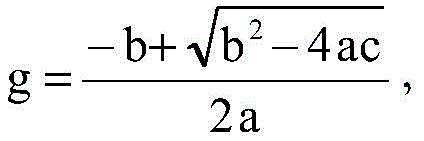
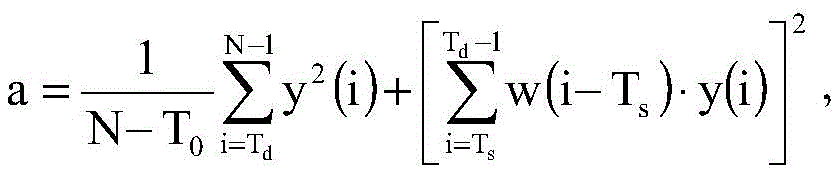




Priority Applications (7)
| Application Number | Priority Date | Filing Date | Title |
|---|---|---|---|
| CN201710731480.2A CN109427337B (en) | 2017-08-23 | 2017-08-23 | Method and device for reconstructing a signal during coding of a stereo signal |
| BR112020003543-2A BR112020003543A2 (en) | 2017-08-23 | 2018-08-21 | method and apparatus for reconstructing signal during stereo signal encoding |
| JP2020511333A JP6951554B2 (en) | 2017-08-23 | 2018-08-21 | Methods and equipment for reconstructing signals during stereo-coded |
| PCT/CN2018/101499 WO2019037710A1 (en) | 2017-08-23 | 2018-08-21 | Signal reconstruction method and device in stereo signal encoding |
| KR1020207007651A KR102353050B1 (en) | 2017-08-23 | 2018-08-21 | Signal reconstruction method and device in stereo signal encoding |
| EP18847759.0A EP3664083B1 (en) | 2017-08-23 | 2018-08-21 | Signal reconstruction method and device in stereo signal encoding |
| US16/797,446 US11361775B2 (en) | 2017-08-23 | 2020-02-21 | Method and apparatus for reconstructing signal during stereo signal encoding |
Applications Claiming Priority (1)
| Application Number | Priority Date | Filing Date | Title |
|---|---|---|---|
| CN201710731480.2A CN109427337B (en) | 2017-08-23 | 2017-08-23 | Method and device for reconstructing a signal during coding of a stereo signal |
Publications (2)
| Publication Number | Publication Date |
|---|---|
| CN109427337A CN109427337A (en) | 2019-03-05 |
| CN109427337B true CN109427337B (en) | 2021-03-30 |
Family
ID=65438384
Family Applications (1)
| Application Number | Title | Priority Date | Filing Date |
|---|---|---|---|
| CN201710731480.2A Active CN109427337B (en) | 2017-08-23 | 2017-08-23 | Method and device for reconstructing a signal during coding of a stereo signal |
Country Status (7)
| Country | Link |
|---|---|
| US (1) | US11361775B2 (en) |
| EP (1) | EP3664083B1 (en) |
| JP (1) | JP6951554B2 (en) |
| KR (1) | KR102353050B1 (en) |
| CN (1) | CN109427337B (en) |
| BR (1) | BR112020003543A2 (en) |
| WO (1) | WO2019037710A1 (en) |
Families Citing this family (2)
| Publication number | Priority date | Publication date | Assignee | Title |
|---|---|---|---|---|
| CN115497485B (en) * | 2021-06-18 | 2024-10-18 | 华为技术有限公司 | Three-dimensional audio signal encoding method, device, encoder and system |
| CN115881138A (en) * | 2021-09-29 | 2023-03-31 | 华为技术有限公司 | Decoding method, device, equipment, storage medium and computer program product |
Citations (6)
| Publication number | Priority date | Publication date | Assignee | Title |
|---|---|---|---|---|
| US6578162B1 (en) * | 1999-01-20 | 2003-06-10 | Skyworks Solutions, Inc. | Error recovery method and apparatus for ADPCM encoded speech |
| CN101025918A (en) * | 2007-01-19 | 2007-08-29 | 清华大学 | Voice/music dual-mode coding-decoding seamless switching method |
| CN101141644A (en) * | 2007-10-17 | 2008-03-12 | 清华大学 | Coding integration system and method and decoding integration system and method |
| CN103295577A (en) * | 2013-05-27 | 2013-09-11 | 深圳广晟信源技术有限公司 | Analysis window switching method and device for audio signal coding |
| CN105190747A (en) * | 2012-10-05 | 2015-12-23 | 弗朗霍夫应用科学研究促进协会 | Encoder, decoder and methods for backward compatible dynamic adaption of time/frequency resolution in spatial-audio-object-coding |
| CN105474312A (en) * | 2013-09-17 | 2016-04-06 | 英特尔公司 | Adaptive phase difference based noise reduction for automatic speech recognition (ASR) |
Family Cites Families (12)
| Publication number | Priority date | Publication date | Assignee | Title |
|---|---|---|---|---|
| EP1523863A1 (en) * | 2002-07-16 | 2005-04-20 | Koninklijke Philips Electronics N.V. | Audio coding |
| US8265929B2 (en) * | 2004-12-08 | 2012-09-11 | Electronics And Telecommunications Research Institute | Embedded code-excited linear prediction speech coding and decoding apparatus and method |
| US7974713B2 (en) * | 2005-10-12 | 2011-07-05 | Fraunhofer-Gesellschaft Zur Foerderung Der Angewandten Forschung E.V. | Temporal and spatial shaping of multi-channel audio signals |
| ATE527833T1 (en) * | 2006-05-04 | 2011-10-15 | Lg Electronics Inc | IMPROVE STEREO AUDIO SIGNALS WITH REMIXING |
| JP5302207B2 (en) | 2006-12-07 | 2013-10-02 | エルジー エレクトロニクス インコーポレイティド | Audio processing method and apparatus |
| US20090164223A1 (en) * | 2007-12-19 | 2009-06-25 | Dts, Inc. | Lossless multi-channel audio codec |
| WO2010017833A1 (en) * | 2008-08-11 | 2010-02-18 | Nokia Corporation | Multichannel audio coder and decoder |
| EP2360681A1 (en) * | 2010-01-15 | 2011-08-24 | Fraunhofer-Gesellschaft zur Förderung der angewandten Forschung e.V. | Apparatus and method for extracting a direct/ambience signal from a downmix signal and spatial parametric information |
| PL3011563T3 (en) | 2013-06-21 | 2020-06-29 | Fraunhofer-Gesellschaft zur Förderung der angewandten Forschung e.V. | Audio decoding with reconstruction of corrupted or not received frames using tcx ltp |
| ES2904275T3 (en) * | 2015-09-25 | 2022-04-04 | Voiceage Corp | Method and system for decoding the left and right channels of a stereo sound signal |
| FR3045915A1 (en) * | 2015-12-16 | 2017-06-23 | Orange | ADAPTIVE CHANNEL REDUCTION PROCESSING FOR ENCODING A MULTICANAL AUDIO SIGNAL |
| US9978381B2 (en) * | 2016-02-12 | 2018-05-22 | Qualcomm Incorporated | Encoding of multiple audio signals |
-
2017
- 2017-08-23 CN CN201710731480.2A patent/CN109427337B/en active Active
-
2018
- 2018-08-21 WO PCT/CN2018/101499 patent/WO2019037710A1/en not_active Ceased
- 2018-08-21 KR KR1020207007651A patent/KR102353050B1/en active Active
- 2018-08-21 BR BR112020003543-2A patent/BR112020003543A2/en unknown
- 2018-08-21 EP EP18847759.0A patent/EP3664083B1/en active Active
- 2018-08-21 JP JP2020511333A patent/JP6951554B2/en active Active
-
2020
- 2020-02-21 US US16/797,446 patent/US11361775B2/en active Active
Patent Citations (6)
| Publication number | Priority date | Publication date | Assignee | Title |
|---|---|---|---|---|
| US6578162B1 (en) * | 1999-01-20 | 2003-06-10 | Skyworks Solutions, Inc. | Error recovery method and apparatus for ADPCM encoded speech |
| CN101025918A (en) * | 2007-01-19 | 2007-08-29 | 清华大学 | Voice/music dual-mode coding-decoding seamless switching method |
| CN101141644A (en) * | 2007-10-17 | 2008-03-12 | 清华大学 | Coding integration system and method and decoding integration system and method |
| CN105190747A (en) * | 2012-10-05 | 2015-12-23 | 弗朗霍夫应用科学研究促进协会 | Encoder, decoder and methods for backward compatible dynamic adaption of time/frequency resolution in spatial-audio-object-coding |
| CN103295577A (en) * | 2013-05-27 | 2013-09-11 | 深圳广晟信源技术有限公司 | Analysis window switching method and device for audio signal coding |
| CN105474312A (en) * | 2013-09-17 | 2016-04-06 | 英特尔公司 | Adaptive phase difference based noise reduction for automatic speech recognition (ASR) |
Also Published As
| Publication number | Publication date |
|---|---|
| EP3664083A1 (en) | 2020-06-10 |
| BR112020003543A2 (en) | 2020-09-01 |
| WO2019037710A1 (en) | 2019-02-28 |
| JP2020531912A (en) | 2020-11-05 |
| KR20200038297A (en) | 2020-04-10 |
| KR102353050B1 (en) | 2022-01-19 |
| US11361775B2 (en) | 2022-06-14 |
| EP3664083B1 (en) | 2024-04-24 |
| US20200194014A1 (en) | 2020-06-18 |
| CN109427337A (en) | 2019-03-05 |
| JP6951554B2 (en) | 2021-10-20 |
| EP3664083A4 (en) | 2020-06-10 |
Similar Documents
| Publication | Publication Date | Title |
|---|---|---|
| US20230410819A1 (en) | Apparatus and Method for encoding or Decoding Directional Audio Coding Parameters Using Different Time/Frequency Resolutions | |
| JP6859423B2 (en) | Devices and methods for estimating the time difference between channels | |
| JP7213364B2 (en) | Coding of Spatial Audio Parameters and Determination of Corresponding Decoding | |
| JP2021529354A (en) | Related methods using multi-signal encoders, multi-signal decoders, and signal whitening or signal post-processing | |
| CN109300480B (en) | Coding and decoding method and coding and decoding device for stereo signal | |
| TWI689210B (en) | Time domain stereo codec method and related products | |
| TWI697892B (en) | Audio codec mode determination method and related products | |
| US11636863B2 (en) | Stereo signal encoding method and encoding apparatus | |
| JPWO2020089510A5 (en) | ||
| CN109427337B (en) | Method and device for reconstructing a signal during coding of a stereo signal | |
| CN110660402B (en) | Method and device for determining weighting coefficients in a stereo signal encoding process | |
| TWI691953B (en) | Method and related product for encoding time-domain stereo parameters |
Legal Events
| Date | Code | Title | Description |
|---|---|---|---|
| PB01 | Publication | ||
| PB01 | Publication | ||
| SE01 | Entry into force of request for substantive examination | ||
| SE01 | Entry into force of request for substantive examination | ||
| GR01 | Patent grant | ||
| GR01 | Patent grant |