CN109074691B - Capture individual user intent when interacting with multiple access control devices - Google Patents
Capture individual user intent when interacting with multiple access control devices Download PDFInfo
- Publication number
- CN109074691B CN109074691B CN201780025086.5A CN201780025086A CN109074691B CN 109074691 B CN109074691 B CN 109074691B CN 201780025086 A CN201780025086 A CN 201780025086A CN 109074691 B CN109074691 B CN 109074691B
- Authority
- CN
- China
- Prior art keywords
- mobile device
- intent
- access control
- user
- lock
- Prior art date
- Legal status (The legal status is an assumption and is not a legal conclusion. Google has not performed a legal analysis and makes no representation as to the accuracy of the status listed.)
- Active
Links
Images




Classifications
-
- G—PHYSICS
- G07—CHECKING-DEVICES
- G07C—TIME OR ATTENDANCE REGISTERS; REGISTERING OR INDICATING THE WORKING OF MACHINES; GENERATING RANDOM NUMBERS; VOTING OR LOTTERY APPARATUS; ARRANGEMENTS, SYSTEMS OR APPARATUS FOR CHECKING NOT PROVIDED FOR ELSEWHERE
- G07C9/00—Individual registration on entry or exit
- G07C9/00174—Electronically operated locks; Circuits therefor; Nonmechanical keys therefor, e.g. passive or active electrical keys or other data carriers without mechanical keys
- G07C9/00896—Electronically operated locks; Circuits therefor; Nonmechanical keys therefor, e.g. passive or active electrical keys or other data carriers without mechanical keys specially adapted for particular uses
- G07C9/00904—Electronically operated locks; Circuits therefor; Nonmechanical keys therefor, e.g. passive or active electrical keys or other data carriers without mechanical keys specially adapted for particular uses for hotels, motels, office buildings or the like
-
- G—PHYSICS
- G06—COMPUTING OR CALCULATING; COUNTING
- G06Q—INFORMATION AND COMMUNICATION TECHNOLOGY [ICT] SPECIALLY ADAPTED FOR ADMINISTRATIVE, COMMERCIAL, FINANCIAL, MANAGERIAL OR SUPERVISORY PURPOSES; SYSTEMS OR METHODS SPECIALLY ADAPTED FOR ADMINISTRATIVE, COMMERCIAL, FINANCIAL, MANAGERIAL OR SUPERVISORY PURPOSES, NOT OTHERWISE PROVIDED FOR
- G06Q30/00—Commerce
- G06Q30/02—Marketing; Price estimation or determination; Fundraising
- G06Q30/0241—Advertisements
- G06Q30/0251—Targeted advertisements
- G06Q30/0267—Wireless devices
-
- G—PHYSICS
- G07—CHECKING-DEVICES
- G07C—TIME OR ATTENDANCE REGISTERS; REGISTERING OR INDICATING THE WORKING OF MACHINES; GENERATING RANDOM NUMBERS; VOTING OR LOTTERY APPARATUS; ARRANGEMENTS, SYSTEMS OR APPARATUS FOR CHECKING NOT PROVIDED FOR ELSEWHERE
- G07C9/00—Individual registration on entry or exit
- G07C9/00174—Electronically operated locks; Circuits therefor; Nonmechanical keys therefor, e.g. passive or active electrical keys or other data carriers without mechanical keys
- G07C9/00309—Electronically operated locks; Circuits therefor; Nonmechanical keys therefor, e.g. passive or active electrical keys or other data carriers without mechanical keys operated with bidirectional data transmission between data carrier and locks
-
- G—PHYSICS
- G07—CHECKING-DEVICES
- G07C—TIME OR ATTENDANCE REGISTERS; REGISTERING OR INDICATING THE WORKING OF MACHINES; GENERATING RANDOM NUMBERS; VOTING OR LOTTERY APPARATUS; ARRANGEMENTS, SYSTEMS OR APPARATUS FOR CHECKING NOT PROVIDED FOR ELSEWHERE
- G07C9/00—Individual registration on entry or exit
- G07C9/20—Individual registration on entry or exit involving the use of a pass
- G07C9/22—Individual registration on entry or exit involving the use of a pass in combination with an identity check of the pass holder
-
- G—PHYSICS
- G07—CHECKING-DEVICES
- G07C—TIME OR ATTENDANCE REGISTERS; REGISTERING OR INDICATING THE WORKING OF MACHINES; GENERATING RANDOM NUMBERS; VOTING OR LOTTERY APPARATUS; ARRANGEMENTS, SYSTEMS OR APPARATUS FOR CHECKING NOT PROVIDED FOR ELSEWHERE
- G07C9/00—Individual registration on entry or exit
- G07C9/20—Individual registration on entry or exit involving the use of a pass
- G07C9/27—Individual registration on entry or exit involving the use of a pass with central registration
-
- H—ELECTRICITY
- H04—ELECTRIC COMMUNICATION TECHNIQUE
- H04L—TRANSMISSION OF DIGITAL INFORMATION, e.g. TELEGRAPHIC COMMUNICATION
- H04L67/00—Network arrangements or protocols for supporting network services or applications
- H04L67/50—Network services
- H04L67/53—Network services using third party service providers
-
- H—ELECTRICITY
- H04—ELECTRIC COMMUNICATION TECHNIQUE
- H04W—WIRELESS COMMUNICATION NETWORKS
- H04W12/00—Security arrangements; Authentication; Protecting privacy or anonymity
- H04W12/06—Authentication
- H04W12/069—Authentication using certificates or pre-shared keys
-
- H—ELECTRICITY
- H04—ELECTRIC COMMUNICATION TECHNIQUE
- H04W—WIRELESS COMMUNICATION NETWORKS
- H04W12/00—Security arrangements; Authentication; Protecting privacy or anonymity
- H04W12/08—Access security
-
- H—ELECTRICITY
- H04—ELECTRIC COMMUNICATION TECHNIQUE
- H04W—WIRELESS COMMUNICATION NETWORKS
- H04W12/00—Security arrangements; Authentication; Protecting privacy or anonymity
- H04W12/60—Context-dependent security
- H04W12/68—Gesture-dependent or behaviour-dependent
-
- H—ELECTRICITY
- H04—ELECTRIC COMMUNICATION TECHNIQUE
- H04W—WIRELESS COMMUNICATION NETWORKS
- H04W4/00—Services specially adapted for wireless communication networks; Facilities therefor
- H04W4/02—Services making use of location information
- H04W4/025—Services making use of location information using location based information parameters
-
- H—ELECTRICITY
- H04—ELECTRIC COMMUNICATION TECHNIQUE
- H04W—WIRELESS COMMUNICATION NETWORKS
- H04W4/00—Services specially adapted for wireless communication networks; Facilities therefor
- H04W4/80—Services using short range communication, e.g. near-field communication [NFC], radio-frequency identification [RFID] or low energy communication
-
- G—PHYSICS
- G07—CHECKING-DEVICES
- G07C—TIME OR ATTENDANCE REGISTERS; REGISTERING OR INDICATING THE WORKING OF MACHINES; GENERATING RANDOM NUMBERS; VOTING OR LOTTERY APPARATUS; ARRANGEMENTS, SYSTEMS OR APPARATUS FOR CHECKING NOT PROVIDED FOR ELSEWHERE
- G07C9/00—Individual registration on entry or exit
- G07C9/00174—Electronically operated locks; Circuits therefor; Nonmechanical keys therefor, e.g. passive or active electrical keys or other data carriers without mechanical keys
- G07C9/00309—Electronically operated locks; Circuits therefor; Nonmechanical keys therefor, e.g. passive or active electrical keys or other data carriers without mechanical keys operated with bidirectional data transmission between data carrier and locks
- G07C2009/00412—Electronically operated locks; Circuits therefor; Nonmechanical keys therefor, e.g. passive or active electrical keys or other data carriers without mechanical keys operated with bidirectional data transmission between data carrier and locks the transmitted data signal being encrypted
-
- G—PHYSICS
- G07—CHECKING-DEVICES
- G07C—TIME OR ATTENDANCE REGISTERS; REGISTERING OR INDICATING THE WORKING OF MACHINES; GENERATING RANDOM NUMBERS; VOTING OR LOTTERY APPARATUS; ARRANGEMENTS, SYSTEMS OR APPARATUS FOR CHECKING NOT PROVIDED FOR ELSEWHERE
- G07C9/00—Individual registration on entry or exit
- G07C9/00174—Electronically operated locks; Circuits therefor; Nonmechanical keys therefor, e.g. passive or active electrical keys or other data carriers without mechanical keys
- G07C9/00896—Electronically operated locks; Circuits therefor; Nonmechanical keys therefor, e.g. passive or active electrical keys or other data carriers without mechanical keys specially adapted for particular uses
- G07C2009/00928—Electronically operated locks; Circuits therefor; Nonmechanical keys therefor, e.g. passive or active electrical keys or other data carriers without mechanical keys specially adapted for particular uses for garage doors
-
- G—PHYSICS
- G07—CHECKING-DEVICES
- G07C—TIME OR ATTENDANCE REGISTERS; REGISTERING OR INDICATING THE WORKING OF MACHINES; GENERATING RANDOM NUMBERS; VOTING OR LOTTERY APPARATUS; ARRANGEMENTS, SYSTEMS OR APPARATUS FOR CHECKING NOT PROVIDED FOR ELSEWHERE
- G07C9/00—Individual registration on entry or exit
- G07C9/00174—Electronically operated locks; Circuits therefor; Nonmechanical keys therefor, e.g. passive or active electrical keys or other data carriers without mechanical keys
- G07C9/00896—Electronically operated locks; Circuits therefor; Nonmechanical keys therefor, e.g. passive or active electrical keys or other data carriers without mechanical keys specially adapted for particular uses
- G07C2009/00936—Electronically operated locks; Circuits therefor; Nonmechanical keys therefor, e.g. passive or active electrical keys or other data carriers without mechanical keys specially adapted for particular uses for key cabinets
-
- G—PHYSICS
- G07—CHECKING-DEVICES
- G07C—TIME OR ATTENDANCE REGISTERS; REGISTERING OR INDICATING THE WORKING OF MACHINES; GENERATING RANDOM NUMBERS; VOTING OR LOTTERY APPARATUS; ARRANGEMENTS, SYSTEMS OR APPARATUS FOR CHECKING NOT PROVIDED FOR ELSEWHERE
- G07C2209/00—Indexing scheme relating to groups G07C9/00 - G07C9/38
- G07C2209/08—With time considerations, e.g. temporary activation, valid time window or time limitations
-
- G—PHYSICS
- G07—CHECKING-DEVICES
- G07C—TIME OR ATTENDANCE REGISTERS; REGISTERING OR INDICATING THE WORKING OF MACHINES; GENERATING RANDOM NUMBERS; VOTING OR LOTTERY APPARATUS; ARRANGEMENTS, SYSTEMS OR APPARATUS FOR CHECKING NOT PROVIDED FOR ELSEWHERE
- G07C2209/00—Indexing scheme relating to groups G07C9/00 - G07C9/38
- G07C2209/60—Indexing scheme relating to groups G07C9/00174 - G07C9/00944
- G07C2209/63—Comprising locating means for detecting the position of the data carrier, i.e. within the vehicle or within a certain distance from the vehicle
- G07C2209/64—Comprising locating means for detecting the position of the data carrier, i.e. within the vehicle or within a certain distance from the vehicle using a proximity sensor
-
- G—PHYSICS
- G08—SIGNALLING
- G08B—SIGNALLING OR CALLING SYSTEMS; ORDER TELEGRAPHS; ALARM SYSTEMS
- G08B7/00—Signalling systems according to more than one of groups G08B3/00 - G08B6/00; Personal calling systems according to more than one of groups G08B3/00 - G08B6/00
- G08B7/06—Signalling systems according to more than one of groups G08B3/00 - G08B6/00; Personal calling systems according to more than one of groups G08B3/00 - G08B6/00 using electric transmission, e.g. involving audible and visible signalling through the use of sound and light sources
- G08B7/066—Signalling systems according to more than one of groups G08B3/00 - G08B6/00; Personal calling systems according to more than one of groups G08B3/00 - G08B6/00 using electric transmission, e.g. involving audible and visible signalling through the use of sound and light sources guiding along a path, e.g. evacuation path lighting strip
-
- H—ELECTRICITY
- H04—ELECTRIC COMMUNICATION TECHNIQUE
- H04L—TRANSMISSION OF DIGITAL INFORMATION, e.g. TELEGRAPHIC COMMUNICATION
- H04L67/00—Network arrangements or protocols for supporting network services or applications
- H04L67/50—Network services
- H04L67/52—Network services specially adapted for the location of the user terminal
Landscapes
- Engineering & Computer Science (AREA)
- Computer Networks & Wireless Communication (AREA)
- Signal Processing (AREA)
- Computer Security & Cryptography (AREA)
- General Physics & Mathematics (AREA)
- Physics & Mathematics (AREA)
- Business, Economics & Management (AREA)
- Strategic Management (AREA)
- Accounting & Taxation (AREA)
- Finance (AREA)
- Development Economics (AREA)
- Life Sciences & Earth Sciences (AREA)
- Social Psychology (AREA)
- Animal Behavior & Ethology (AREA)
- General Health & Medical Sciences (AREA)
- Human Computer Interaction (AREA)
- Health & Medical Sciences (AREA)
- Entrepreneurship & Innovation (AREA)
- Game Theory and Decision Science (AREA)
- Economics (AREA)
- Marketing (AREA)
- General Business, Economics & Management (AREA)
- Theoretical Computer Science (AREA)
- Lock And Its Accessories (AREA)
Abstract
一种通告过滤方法,包括:从多个访问控制装置接收通告;基于移动装置上的凭证过滤所接收的通告;将所述过滤的所接收的通告进行比较;以及响应于所述比较和目的地意图,确定访问特定访问控制装置的用户意图。
A method of advertisement filtering comprising: receiving advertisements from a plurality of access control devices; filtering the received advertisements based on credentials on a mobile device; comparing the filtered received advertisements; and responding to the comparison with a destination Intent, which identifies the user's intent to access a particular access control device.
Description
背景技术Background technique
本公开总体上涉及访问控制系统,并且更具体地涉及在与多个访问控制装置交互时捕获用户意图的系统和方法。The present disclosure relates generally to access control systems, and more particularly to systems and methods for capturing user intent when interacting with multiple access control devices.
通常通过对物理密钥卡上指示访问权限的数据进行编码来操作访问控制系统。一些访问控制系统是在线的,其中读取器可以使用一些手段来与访问控制系统进行通信。在在线系统中,访问权限通常是参考标识符。其他访问控制系统是离线的,并且访问权限被编码为可以由离线锁解码和解译以检索访问权限的数据。一个示例是酒店锁定系统,其中前台对访客卡进行编码,并且客房门上的离线电池供电锁具有对密钥卡进行解码的手段并且基于所编码的访问权限允许或拒绝访问。对访问权限进行编码的一些方法包括定序,其中后续访问权限的序列号大于先前的访问权限。Access control systems are typically operated by encoding data on a physical key fob that indicates access rights. Some access control systems are online, where readers can use some means to communicate with the access control system. In online systems, access rights are usually reference identifiers. Other access control systems are offline, and access rights are encoded as data that can be decoded and interpreted by offline locks to retrieve access rights. An example is a hotel locking system, where the front desk encodes the visitor card and the offline battery powered lock on the guest room door has a means to decode the key fob and allow or deny access based on the encoded access rights. Some methods of encoding access rights include sequencing, where subsequent access rights have a greater sequence number than previous access rights.
已经利用各种移动装置来经由红外‘光束’进入锁来进行开锁,这提供了方向性,或者在盒子上‘按下按钮’以将锁唤醒以便随后通过蓝牙进行通信。由于蓝牙低功耗(BTLE)中存在以非常低的功率进行通信的能力,所以新的系统架构要求锁‘始终开启’并发送周期性BTLE通告,诸如每秒一次。极低的功率要求使电池寿命有许多年。由于这种设置,用户不需要‘按下按钮’来将锁唤醒,因为它已经唤醒,然而,在移动装置的范围内存在多个锁的环境中,诸如在酒店中,每个用户可以从大量锁中接收通告,由此使捕获用户意图变得复杂。Various mobile devices have been utilized to unlock via an infrared 'beam' entering the lock, which provides directionality, or 'pressing a button' on the box to wake the lock for subsequent communication via Bluetooth. Due to the ability to communicate at very low power in Bluetooth Low Energy (BTLE), the new system architecture requires the lock to be 'always on' and to send periodic BTLE announcements, such as once per second. Extremely low power requirements enable many years of battery life. Due to this arrangement, the user does not need to 'press the button' to wake the lock as it is already awake, however, in environments where there are multiple locks within the confines of the mobile device, such as in hotels, each user can choose from a large number of Receive notifications in locks, thereby complicating capturing user intent.
发明内容SUMMARY OF THE INVENTION
根据本公开的一个公开的非限制性实施方案的通告过滤方法可以包括:在移动装置上从多个访问控制装置中的每一个接收通告;基于移动装置上的凭证过滤所接收的通告;将经过滤的所接收的通告进行比较;以及响应于该比较和个人意图,确定访问特定访问控制装置的用户意图。An advertisement filtering method according to a disclosed non-limiting embodiment of the present disclosure may include: receiving advertisements on a mobile device from each of a plurality of access control devices; filtering the received advertisements based on credentials on the mobile device; The filtered received advertisements are compared; and in response to the comparison and the personal intent, a user intent to access a particular access control device is determined.
本公开的另一实施方案可以包括其中访问控制装置是锁。Another embodiment of the present disclosure may include wherein the access control device is a lock.
本公开的另一实施方案可以包括其中移动装置是智能电话。Another embodiment of the present disclosure may include wherein the mobile device is a smartphone.
本公开的另一实施方案可以包括基于RSSI(接收信号强度指示符)对经过滤的所接收的通告进行排序。Another embodiment of the present disclosure may include sorting the filtered received announcements based on RSSI (Received Signal Strength Indicator).
本公开的另一实施方案可以包括其中个人意图基于移动装置与访问控制装置之间的接近度。Another embodiment of the present disclosure may include where the personal intent is based on the proximity between the mobile device and the access control device.
本公开的另一实施方案可以包括其中通过读取NFC标签来确定接近度。Another embodiment of the present disclosure may include where proximity is determined by reading an NFC tag.
本公开的另一实施方案可以包括其中通过读取QR代码来确定接近度。Another embodiment of the present disclosure may include where proximity is determined by reading a QR code.
本公开的另一实施方案可以包括其中通过第一RSSI阈值确定一段时间内的接近度。Another embodiment of the present disclosure may include where proximity over a period of time is determined by a first RSSI threshold.
本公开的另一实施方案可以包括其中通过第一RSSI阈值和通过移动装置的非运动来确定个人意图。Another embodiment of the present disclosure may include where personal intent is determined by a first RSSI threshold and by inactivity of the mobile device.
本公开的另一实施方案可以包括其中移动装置与访问控制装置之间的接近度基于已知的用户路线和一天中的时间。Another embodiment of the present disclosure may include where the proximity between the mobile device and the access control device is based on a known user route and time of day.
本公开的另一实施方案可以包括其中个人意图基于用户的移动。Another embodiment of the present disclosure may include where the personal intent is based on the movement of the user.
本公开的另一实施方案可以包括其中移动基于用户的生物特征。Another embodiment of the present disclosure may include where movement is based on a user's biometrics.
本公开的另一实施方案可以包括其中生物特征跟踪眼睛运动。Another embodiment of the present disclosure may include wherein the biometrics track eye movement.
本公开的另一实施方案可以包括其中个人意图基于来自可视地图的选择。Another embodiment of the present disclosure may include where personal intent is based on selections from the visual map.
本公开的另一实施方案可以包括其中可视地图显示在移动装置上。Another embodiment of the present disclosure may include wherein the visual map is displayed on the mobile device.
本公开的另一实施方案可以包括其中可视地图显示在另一个装置或表面上。Another embodiment of the present disclosure may include wherein the visual map is displayed on another device or surface.
本公开的另一实施方案可以包括其中可视地图可以与移动装置进行通信。Another embodiment of the present disclosure may include wherein the visual map may communicate with the mobile device.
本公开的另一实施方案可以包括其中响应于触觉反馈而输入个人意图。Another embodiment of the present disclosure may include where personal intent is input in response to haptic feedback.
本公开的另一实施方案可以包括其中移动装置在接近访问控制装置时向用户提供触觉反馈。Another embodiment of the present disclosure may include where the mobile device provides haptic feedback to the user when approaching the access control device.
本公开的另一实施方案可以包括其中输入是在移动装置上轻敲。Another embodiment of the present disclosure may include where the input is a tap on the mobile device.
本公开的另一实施方案可以包括其中输入是移动装置的运动。Another embodiment of the present disclosure may include where the input is motion of the mobile device.
本公开的另一实施方案可以包括其中输入来自另一个装置。Another embodiment of the present disclosure may include where the input is from another device.
本公开的另一实施方案可以包括其中经由增强现实显示可视地图。Another embodiment of the present disclosure may include wherein the visual map is displayed via augmented reality.
本公开的另一实施方案可以包括其中增强现实突出显示项目。Another embodiment of the present disclosure may include wherein augmented reality highlights items.
本公开的另一实施方案可以包括其中个人意图包括选择突出显示的项目。Another embodiment of the present disclosure may include where the personal intent includes selecting the highlighted item.
本公开的另一实施方案可以包括其中个人意图包括移动装置开始与访问控制装置进行通信时的第一RSSI和确定用户意图时的第二RSSI。Another embodiment of the present disclosure may include where the personal intent includes a first RSSI when the mobile device begins communicating with the access control device and a second RSSI when the user's intent is determined.
根据本公开的一个公开的非限制性实施方案的访问控制系统可以包括:多个访问控制装置;和与多个访问控制装置进行通信的移动装置,该移动装置可操作以至少部分地基于个人意图来确定访问多个访问控制装置中的特定访问控制装置的用户意图。An access control system according to a disclosed non-limiting embodiment of the present disclosure may include: a plurality of access control devices; and a mobile device in communication with the plurality of access control devices, the mobile device operable to be based at least in part on personal intent to determine user intent to access a particular access control device among a plurality of access control devices.
本公开的另一实施方案可以包括其中个人意图是至少部分地基于移动装置中的加速度计。Another embodiment of the present disclosure may include where the personal intent is based, at least in part, on an accelerometer in the mobile device.
本公开的另一实施方案可以包括其中个人意图至少部分地基于移动装置中的GPS。Another embodiment of the present disclosure may include where the personal intent is based, at least in part, on GPS in the mobile device.
本公开的另一实施方案可以包括其中个人意图至少部分地基于移动装置的app。Another embodiment of the present disclosure may include an app in which personal intent is based, at least in part, on a mobile device.
本公开的另一实施方案可以包括其中个人意图至少部分地基于移动装置在接近访问控制装置时的运动。Another embodiment of the present disclosure may include where the personal intent is based, at least in part, on the movement of the mobile device in proximity to the access control device.
本公开的另一实施方案可以包括其中个人意图至少部分地基于在来自移动装置的触觉反馈之后的一段时间内对移动装置的输入。Another embodiment of the present disclosure may include where the personal intent is based, at least in part, on input to the mobile device within a period of time following haptic feedback from the mobile device.
本公开的另一实施方案可以包括其中个人意图至少部分地基于用户的移动。Another embodiment of the present disclosure may include where the personal intent is based, at least in part, on the movement of the user.
除非另有明确指示,否则前述特征和元件在没有排他性的情况下可以组合成各种组合。根据以下描述和附图,这些特征和元件以及其操作将变得更加明显。然而,应当理解,以下描述和附图在本质上意图为示例性而非限制性的。Unless expressly indicated otherwise, the foregoing features and elements may be combined in various combinations without exclusivity. These features and elements, and their operation, will become more apparent from the following description and drawings. It should be understood, however, that the following description and drawings are intended to be illustrative and not restrictive in nature.
附图说明Description of drawings
根据以下对所公开的非限制性实施方案的详细描述,各种特征对于所属领域技术人员而言将变得显而易见。详细描述所附的附图可以简要描述如下:Various features will become apparent to those skilled in the art from the following detailed description of the disclosed non-limiting embodiments. DETAILED DESCRIPTION The accompanying drawings can be briefly described as follows:
图1是用户认证系统的一般示意系统图;1 is a general schematic system diagram of a user authentication system;
图2是用户认证系统的框图;2 is a block diagram of a user authentication system;
图3是由用户认证系统执行的凭证管理方法的流程图;3 is a flowchart of a credential management method performed by a user authentication system;
图4是根据一个公开的非限制性实施方案的由用户认证系统执行的凭证管理方法的流程图;4 is a flowchart of a credential management method performed by a user authentication system according to a disclosed non-limiting embodiment;
图5是根据另一个公开的非限制性实施方案的凭证的示意图;5 is a schematic diagram of a credential according to another disclosed non-limiting embodiment;
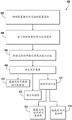
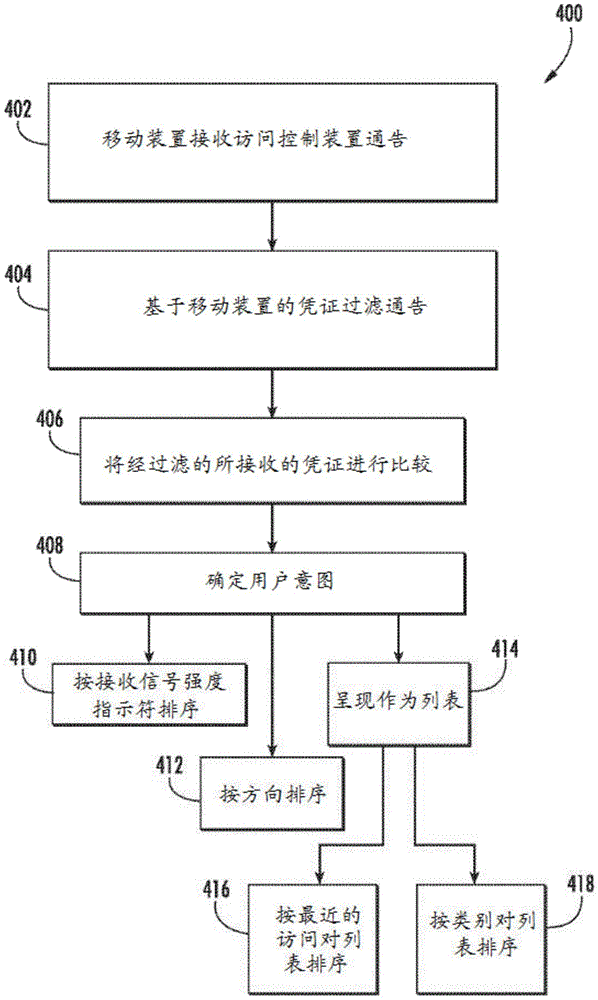
图6是根据一个公开的非限制性实施方案的通告过滤方法的流程图;FIG. 6 is a flow diagram of an advertisement filtering method according to a disclosed non-limiting embodiment;
图7是根据另一个公开的非限制性实施方案的过滤方法的示意图;以及7 is a schematic diagram of a filtering method according to another disclosed non-limiting embodiment; and
图8是根据另一个公开的非限制性实施方案的过滤方法的示意图。8 is a schematic diagram of a filtration method according to another disclosed non-limiting embodiment.
具体实施方式Detailed ways
图1示意性地示出了访问控制系统10。系统10通常包括移动装置12、服务器14和多个访问控制装置16,该多个访问控制装置被示意性地示为16a、16b、...、16n。应当理解,虽然在示意框图中单独定义了特定系统,但是可以经由硬件和/或软件以其他方式组合或分离系统中的每一个或任一个。FIG. 1 schematically shows an
移动装置12是具有无线能力的手持装置,诸如智能电话,其可操作以与服务器14和访问控制装置16进行通信。服务器14可以向移动装置12提供凭证和其他数据,诸如要传送到访问控制装置16中的一个或多个的固件或软件更新。虽然服务器14在本文被描述为单个装置,但是应当理解,服务器14可以可选地体现为多个系统,移动装置12从该多个系统中接收凭证和其他数据。
每个访问控制装置16是具有无线能力的、访问受限的或使用受限的装置,诸如无线锁、用于建筑物入口的访问控制读取器、电子银行控件、数据传输装置、密钥分配器装置、工具分配装置和其他使用受限机器。移动装置12向访问控制装置16提交凭证,由此选择性地允许用户访问或激活访问控制装置16的功能。例如,用户可以向机电锁提交凭证以将它解锁,由此获得对受限区域的访问。在另一个示例中,用户可以向电子银行控件提交凭证以提取资金。在又一个示例中,用户可以向分配密钥卡的单元提交凭证,这些密钥卡具有与凭证相关联的数据或从凭证中检索的数据。移动装置12可以存储上述示例中的一个或全部或其他示例的凭证,并且另外地可以同时存储用于每种类型的应用的多个凭证。一些凭证可以用于多个访问控制装置16。例如,设施中的多个电子锁可以响应于同一凭证。其他凭证可以为单个访问控制装置16特定的。Each
参考图2,示例性电子锁系统20的框图包括访问控制装置16a、移动装置12和服务器14。访问控制装置16a通常包括锁致动器22、锁控制器24、锁天线26、锁收发器28、锁处理器30、锁存储器32、锁电源34、锁读卡器90和凭证模块36。访问控制装置16a响应于来自移动装置12的凭证,并且可以例如是锁箱的锁、门锁或锁芯。虽然本公开主要关注用于访问控制装置的凭证,但是应当理解,其他系统将从中受益,在这些其他系统中,凭证从移动装置传输到访问控制装置以便将用户识别到在线系统或者验证离线系统中的用户访问权限或许可。这种系统包括虚拟或电子银行系统、机器操作系统、分配系统、人类输送系统(例如,电梯、验票闸门、地铁、火车等)和数据访问系统。Referring to FIG. 2 , a block diagram of an exemplary
在使用凭证模块36从移动装置12接收和认证适当的凭证时,或者在从锁读卡器90接收卡数据之后,锁控制器24命令锁致动器22将机械或电子锁进行锁定或解锁。锁控制器24和锁致动器22可以是单个电子或机电锁单元的各部分,或者可以是单独出售或安装的部件。Upon receiving and authenticating the appropriate credentials from the
锁收发器28能够向至少移动装置12传输数据和从其接收数据。锁收发器28可以例如是近场通信(NFC)、蓝牙或Wi-Fi收发器,或其他适当的无线收发器。锁天线26是适合于锁收发器28的任何天线。锁处理器30和锁存储器32分别是数据处理和存储装置。例如,锁处理器30可以是微处理器,其可以处理指令以验证卡数据并确定卡数据中包含的访问权限或者将消息从收发器传递到凭证模块36并从具有卡数据的凭证模块36接收响应指示。锁存储器32可以是RAM、EEPROM或其他存储介质,其中锁处理器30可以读取和写入数据,包括但不限于锁配置选项和锁审计追踪。锁审计追踪可以是统一的审计追踪,其包括通过经由锁读卡器90或移动装置12访问锁而发起的事件。锁电源34是诸如线路电源连接、功率收集系统或为锁控制器24供电的电池等电源。在其他实施方案中,锁电源34可以仅为锁控制器24供电,其中锁致动器22主要或完全由另一个来源诸如用户做功(例如,转动螺栓)供电。The
凭证模块36与锁处理器30进行通信,并且可操作以对凭证进行解密和验证以提取作为“虚拟卡读取”传送到锁控制器24中的虚拟卡数据。即,访问控制装置16a基本上具有两个读取器,一个读取器90用于读取物理密钥卡92,并且凭证模块36用于经由锁处理器30和收发器28和天线26与移动装置12进行通信。The
虽然附图示出了连接到处理器30的锁天线26和收发器28,但是这并不限制可以具有直接连接到凭证模块36的附加天线26和收发器28的其他实施方案。凭证模块36可以包含收发器28和天线26作为凭证模块的一部分。或者凭证模块36可以具有与处理器30分开的收发器28和天线26,该处理器也具有相同类型或不同类型的单独的收发器28和天线26。在一些实施方案中,处理器30可以将经由收发器28接收的通信路由到凭证模块36。在其他实施方案中,凭证模块可以通过收发器28直接与移动装置12进行通信。在其他实施方案中,凭证模块可以是在处理器30内执行的整个软件模块。Although the figures show the
移动装置12通常包括密钥天线40、密钥收发器42、密钥处理器44、密钥存储器46、GPS接收器48、输入装置50、输出装置52和密钥电源54。密钥收发器42是与锁收发器28对应的类型的收发器,并且密钥天线40是对应的天线。在一些实施方案中,密钥收发器42和密钥天线40还可以用于与服务器14进行通信。在其他实施方案中,可以包括一个或多个单独的收发器和天线以与服务器14进行通信。密钥存储器46是在移动装置12上本地存储多个凭证的类型。在其他实施方案中,移动装置12在它与访问控制装置16a进行通信时与服务器14进行通信。这是在线配置,并且在该实施方案中,实时检索移动凭证并将该移动凭证传递到凭证模块36,而不首先存储在移动装置12上的密钥存储器46中。The
参考图3,用于促进表示通常在密钥卡92上进行物理编码的数据的凭证的传送的方法100以数字形式进行检索(步骤110),封装在加密凭证中(步骤112),下载到移动装置12(步骤114),安全地传递到凭证模块36(步骤116),该凭证模块将凭证进行解密和验证(步骤118),提取虚拟卡数据(步骤120),然后将虚拟卡数据作为“虚拟卡读取”传递到锁控制器24(步骤122)。例如,这允许用户绕过酒店的前台并直接前往他们的房间,如将进一步描述的。加密凭证可以由服务器14使用公知技术生成,用于使用诸如AES、ECC、RSA等密码算法进行数字凭证创建和加密。例如,凭证可以包含但不限于包括凭证标识符、唯一访问控制装置16标识符、唯一凭证模块36标识符、多个访问控制装置所共享的标识符、指示凭证类型或格式的参数,该凭证可以包含诸如虚拟卡数据等加密数据,并且该凭证可以包含数字签名。加密数据可以用AES-128加密密钥进行加密,该加密密钥对于凭证模块36可以是已知的。或者加密数据可以使用派生的加密密钥进行加密,该加密密钥可以根据凭证中包含的信息来确定。此外,数字签名可以是基于例如凭证模块36可以已知的AES-128加密密钥的CBC-MAC类型签名。或者,该数字签名可以是基于服务器14已知的私有密钥的数字签名,并且可以由凭证模块36已知的公开密钥来验证。Referring to FIG. 3, a
参考图4,一种示例性绕过前台的方法200由用户发起,该用户首先通过诸如移动预订、网站、旅行社等酒店支持的任何过程来预订酒店房间(步骤210)。之后,住宿登记手续确认他们的入住(步骤212)。同样,这可以通过酒店支持的任何过程来执行。Referring to Figure 4, an
接下来,基于访客偏好(或房间选择)和住宿登记时的房间可用性,在酒店物业管理系统60中分配房间(步骤214)。酒店物业管理系统60可以使用由前台应用程序62提供的软件到软件(software-to-software)应用程序接口(API)来以请求数字形式的卡数据(步骤216)。前台应用程序62的范围可以从独立编码器64到在云中运行的完整软件包,其可操作以对所选择的房间的虚拟卡进行编码并且将虚拟卡数据返回到酒店系统(步骤218)。Next, rooms are allocated in hotel
接下来,在酒店系统已经认证用户并且已经分配了房间入住预订之后,酒店物业管理系统60将对凭证服务70进行另一个软件到软件API的调用(步骤220)。相关信息被传送到凭证服务70,指示包括例如酒店物业名称、房间号、访客姓名(例如,用户ID)、日期以及用于入住的虚拟卡数据。Next, after the hotel system has authenticated the user and the room occupancy reservation has been assigned, the hotel
在向凭证服务70发送虚拟卡数据的同时或者按照向该凭证服务发送虚拟卡数据的顺序,酒店物业管理服务60(同样通过任何常规方法)向用户传送确认住宿登记并分配房间的指示(步骤222)。At the same time as or in the order in which the virtual card data is sent to the
接下来,基于移动装置12的酒店忠诚度移动应用程序80将利用移动库82中的软件到软件API(步骤224)以从凭证服务70中下载凭证(步骤226)。移动库82将利用先前建立的共享密钥安全地向凭证服务70认证,该共享密钥可以在每次成功连接时都发生改变。Next, the hotel loyalty
一旦被认证,凭证服务70就会在从移动库82传送时生成用户的凭证,并且将在步骤220中接收到的用于与该移动库的实例相关联的访客的虚拟卡数据加密到凭证中。为每扇门或访问点生成一个凭证,并且虚拟卡数据在这些单独凭证中的每一个中将是相同的,但是可以利用用于特定门或访问点的唯一密钥来加密。加密方法可以是AES、3DES或其他此类加密方法。所使用的方法和凭证类型可以是压缩数字凭证或基于标准的凭证,如X.509或所属领域已知的其他凭证格式。即,例如,虚拟卡数据利用凭证模块36已知的并且凭证服务70已知或可确定的唯一密钥加密到凭证中。Once authenticated, the
移动库82将使用本机OS保护以及具有装置特定信息(例如,UDID、IMEI、IMSI、MAC地址等)的附加数据加密来下载凭证列表并将其存储在移动装置12上。鉴于住宿登记完成并且加密的移动凭证(具有虚拟卡数据)驻留在移动装置12上(图2),用户可以在任何稍后的时间以离线模式操作访问控制装置16,而不要求移动装置12连接到凭证服务70。例如,附加实施方案可以使移动装置12在移动装置在用户希望访问他们的房间时将凭证传送到访问控制装置16时下载该凭证。The
当用户希望访问他们的房间时(步骤228),用户可以通过手势、点击按钮、轻敲屏幕、指纹读取、密码、接近锁、触摸锁来指示这样的意图。响应于该意图,酒店忠诚度移动应用程序80再次调用移动库82中的软件到软件API以发起加密的移动凭证到访问控制装置16的安全传输(步骤230)。当忠诚度应用程序80发起传输时,移动库在下一步骤中单独实施安全传输。When the user wishes to access their room (step 228), the user may indicate such intent through gestures, button clicks, screen taps, fingerprint reading, passwords, proximity locks, touch locks. In response to this intent, the hotel loyalty
凭证的安全传输(步骤232)可以开始于移动库82收听来自范围内访问控制装置16的信号通告(诸如蓝牙低功耗(BTLE)通告)的过程。即,访问控制装置16以周期性的速率通过通告数据来通告它们的存在,该通告数据指示访问控制装置16的标识符,并且移动装置12可以自动地收听和连接,而不需要人按下按钮来唤醒休眠的电池供电锁16或者不需要离开车辆来与车库门或其他装置上的读卡器访问点进行交互。读取器访问点是另一种类型的锁16。另一个实施方案是使用近场通信(NFC)并且人们将他们的移动装置‘轻敲’到锁16上,并且安全凭证交换将移动凭证传输到访问控制装置16(步骤232)。可以使用标准技术来完成安全凭证交换,这些标准技术诸如建立会话密钥、加密通信消息以及验证消息发送方和接收方的真实性。The secure transmission of the credentials (step 232 ) may begin with a process by which the
在访问控制装置使用蓝牙低功耗(BTLE)进行通告的优选实施方案中,移动库82基于例如接收到的访问控制装置16的标识符并且通过与包含在移动凭证列表中的每个凭证中或者与其相关联的标识符进行比较以及基于访问特定房间的用户意图来过滤接收到的通告。该比较可以基于访问控制装置16的唯一标识符,或者基于共享标识符,其中一组访问控制装置共享公共标识符。在一些情况下,访问控制装置16可以通告唯一标识符和共享标识符,并且移动库82可以基于这两者进行过滤。一旦接收到针对目标访问控制装置16的通告,移动库82就发起无线连接,并且执行加密的移动凭证的安全传输(步骤232)。安全传输可以利用唯一会话加密密钥和标准加密算法和技术。应当理解,可以通过任何无线链路安全地传输数据,该无线链路包括但不限于BTLE、zigbee、近场通信等。In a preferred embodiment in which the access control device advertises using Bluetooth Low Energy (BTLE), the
凭证模块36将接收加密的移动凭证,然后对加密的移动凭证进行验证和解密以检索虚拟卡数据。解密和验证可以包括但不限于验证数字签名、验证凭证的类型、验证凭证标识符与锁存储器32中的标识符匹配、验证凭证的开始日期和到期日期、验证凭证的来源等(步骤118;图3)。一旦被验证和解密,就提取虚拟卡数据(步骤120;图3)。The
然后,取决于实施方案,虚拟卡数据经由硬件和软件接口传送到锁控制器24,该锁控制器可以进一步对虚拟卡数据进行解密,基于锁供应商规则处理数据,然后如果允许进入则打开锁(步骤234)。值得注意的是,虚拟卡数据作为“虚拟卡读取”以与物理密钥卡的数据格式等同的数据格式被传送到锁控制器24。因此,这允许继续使用传统的访客密钥卡92(诸如家庭成员或仅仅想要物理密钥卡92的副本的访客的密钥卡)以及使用移动装置12。Then, depending on the implementation, the virtual card data is communicated via a hardware and software interface to the
由移动装置12上传的审计追踪可以仅仅是由移动装置12自身生成的审计,或者可以是包括访客使用物理密钥卡开门的统一审计。另外地,当锁16打开时,可以将电池状态或电池状态的其他维护信息上传到从移动装置12到凭证服务70的审计追踪中,使得可以向酒店通知电池电量不足的情况并主动更换电池或者执行其他维护。与审计追踪相关联的其他信息可以包括例如开门失败或失败的尝试或验证失败的凭证。The audit trail uploaded by the
“虚拟卡读取”的使用维持连续的审计追踪,并且还维护已经编码为传统卡数据的所有已知的访问控制装置用例。此外,凭证模块36是锁供应商不可知的,使得可以传递任何锁供应商的数据以允许每个锁供应商独立地创新卡数据。此外,凭证模块36与锁16可以由不同的公司提供。而且,除了将卡数据视为要编码、加密、传输、检索和传递的数据对象之外,服务器14、移动装置12和凭证模块36可能没有用于对该卡数据进行进一步解密或验证的手段。另外地,“虚拟卡读取”可以离线使用,而不要求移动装置12通过Wi-Fi连接或与实时连接到凭证服务而在线。即,“虚拟卡读取”的数据存储在移动装置12上并且以离线模式安全地传递到凭证模块36。这并不限制也以在线模式发送“虚拟卡读取”的能力。另外的益处是除了使用凭证模块36之外,任何访问控制装置16还可以使用任何卡类型,其中卡类型包括但不限于磁条、RFID、近场卡等。The use of "virtual card reading" maintains a continuous audit trail and also maintains all known access control device use cases that have been encoded as traditional card data. Furthermore, the
在另一个公开的非限制性实施方案中,凭证模块36可以用于许多目的,包括但不限于将数据传递到产生物理密钥卡92的自助式硬密钥分配器单元98。硬密钥分配器单元98具有凭证模块36,该凭证模块接收虚拟卡数据,将虚拟卡数据解密,提取虚拟卡数据并将其发送到锁控制器24,该锁控制器被配置成将数据编码到物理密钥卡92上。即,移动装置12上的虚拟卡数据由单元98写入物理密钥卡92,并且以自动方式分配密钥卡92。除了用于密钥卡92的分配元件和单元电源(包括但不限于电池、主电源、能量收集等)之外,单元98不需要任何用户界面。单元98的用户界面实际上是移动装置12的界面。当单元98开始快要用完空白密钥卡92时,移动装置12可以向凭证服务器70上传状态指示,该状态指示可以变成报告以通知酒店需要重新填充单元98。In another disclosed non-limiting embodiment,
在其他公开的非限制性实施方案中,虚拟卡数据可以是用于识别证访问系统的标准访问控制装置卡数据(即,标识数据),或者与虚拟卡数据作为信用卡信息、令牌、购买参考标识符等集成到自动售货机中。In other disclosed non-limiting embodiments, the virtual card data may be standard access control device card data (ie, identification data) used to identify credential access systems, or combined with virtual card data as credit card information, tokens, purchase references Identifiers etc. are integrated into vending machines.
参考图5,除了具有由凭证服务70为特定访问控制装置16a生成的虚拟卡数据(显式许可)302的移动凭证之外,移动库82还可以包括由凭证服务70基于访问类别300(隐式许可)生成的移动凭证集合。访问类别300操作以授权用户访问具有集体含义的一组特定访问控制装置16b。例如,一个访问类别可以是‘公共房间’,用于访问游泳池、商务中心、电梯和壁式阅读器。在酒店预订的上下文中,当移动装置12与凭证服务70进行通信以下载加密的移动凭证时,凭证服务70为访客已被授权访问的一个或多个访问类别中的每个锁生成凭证。因此,加密的移动凭证将具有专门针对每个指定的访问点(例如,游泳池、商务中心等)编码的相同虚拟卡数据,并且可以任选地具有在凭证中或与其一起下载的访问类别。然而,每个移动凭证将利用每个访问控制装置16b的唯一密钥来单独加密。Referring to FIG. 5, in addition to mobile credentials having virtual card data (explicit permissions) 302 generated by
凭证服务70提供和使用访问类别300促进有效地管理系统中的多个访问控制装置16b,在该系统中,移动装置12可以打开多个锁,其中移动装置12具有用于每个锁的特定凭证。与常规上需要的相比,这更简单,例如,两个访问控制系统,一个访问控制系统用于酒店系统生成具有酒店系统访问业务规则的所有现有技术的虚拟卡数据,并且第二个访问控制系统用于以移动凭证授予访问每个访问点,例如,客房、壁式阅读器、游泳池、商务休息室等。换句话说,酒店系统的业务规则将需要在凭证服务中重复。
访问类别300允许多供应商集成,并且可以与被编码成虚拟卡数据的酒店系统访问业务规则分开工作。因此,移动凭证是虚拟卡数据“顶部上”的附加‘安全层’。访问类别300还允许相对更简单的维护程序,诸如,例如当替换‘公共’访问类别中的锁时,仅需要将替换锁分配给相同的访问类别。然而,移动装置12仍然需要再次与凭证服务70进行通信以便下载新的移动凭证集合。除了在正确的访问类别中包括替换锁之外,访客或系统部分不需要进一步管理,并且即使新锁具有来自先前锁的唯一加密密钥,所有访客权限仍将继续无缝地工作而无需修改。
参考图6,在另一个公开的非限制性实施方案中,可以发起通告过滤方法400以在呈现有多个访问控制装置16时捕获用户意图。首先,每个访问控制装置16使用由移动装置12接收的蓝牙低功耗(BTLE)进行通告(步骤402)。如果来自多个访问控制装置16的通告全部接近移动装置12或者它们以足够高的功率进行传输使得它们与移动装置12相距能够被接收的距离,则可以接收到这些通告。Referring to Figure 6, in another disclosed non-limiting embodiment, an
接下来,移动库82基于下载的凭证集合来过滤接收到的通告(步骤404)。即,过滤掉与下载到移动装置12的凭证集合无关的接收到的通告。以此方式,甚至没有在选择列表中或在可能要打开的锁的精简集合中提供用户不被允许有访问权限的任何访问控制装置16。可以基于访问控制装置16通告消息中包含的标识符并且将该标识符与包含在存储于移动装置12中的凭证中或与其相关联的标识符进行匹配来完成该过滤。Next, the
然后,移动装置12上的移动库82将包含在移动凭证的过滤列表中的每个凭证中或与其相关联的标识符进行比较以确定访问特定访问控制装置的用户意图(步骤406)。通常,一旦执行过滤,仅用户的房间将保持在范围内使得确定用户意图(步骤408)。The
可选地或另外地,如果过滤后的凭证集合仍然在范围内具有多于一个锁,则可以通过RSSI(接收信号强度指示符)或通过RSSI的平均值对过滤后的凭证集合进行排序(步骤410)。有时,由于射频传播特性(例如,多路径、干扰等),单个通告的RSSI可能不准确,因此除了RSSI的单次读取之外还可以使用多于1个通告的平均函数来降低单次读取的错误概率以例如促进对RSSI的平均化。因此,信号强度最高的访问控制装置可能最接近于人,因此最接近用户意图。此外,如果移动装置12正在利用诸如GPS等定位系统,其中移动装置相对于访问控制装置16的精确位置是已知的,则与访问控制装置相距的位置和距离可以用于确定最近的访问控制装置16。Alternatively or additionally, if the filtered set of credentials still has more than one lock in range, the filtered set of credentials can be sorted by RSSI (Received Signal Strength Indicator) or by the average of the RSSIs (step 410). Sometimes the RSSI of a single advertisement may be inaccurate due to RF propagation characteristics (eg, multipath, interference, etc.), so an averaging function of more than 1 advertisement can be used in addition to a single read of the RSSI to reduce a single read The error probability is taken to facilitate averaging of RSSI, for example. Therefore, the access control device with the highest signal strength is likely to be closest to the person and therefore the user intent. Additionally, if the
可选地或另外地,移动装置12可以包括定向能力,例如罗盘和/或对蓝牙信号的三角测量。例如,移动装置12可以包括多个蓝牙天线和使用无线通信和天线领域中的已知方法或者基于单独定位系统来确定BTLE通告相对于移动装置12的方向的方向的能力,在该单独的定位系统中,移动装置相对于访问控制装置16的精确位置是已知的,罗盘可以用于确定移动装置12指向哪个访问控制装置16。Alternatively or additionally, the
因此,如果过滤后的凭证集合在范围内仍然具有多于一个锁,则用户通常将移动装置12指向他们意图要打开的锁,因此可以利用该方向来进一步对过滤后的凭证集合进行排序(步骤412)并且确定与用户意图相关联的访问控制装置。Thus, if the filtered credential set still has more than one lock in scope, the user typically points the
可选地或另外地,过滤后的凭证集合可以作为列表呈现给用户,例如,房间1125,房间1127,礼宾休息室,电梯等(步骤414)。因此,用户可以从列表中选择要打开的期望访问控制装置。列表可以各种方式排序成包括上一次打开的访问控制装置,使得例如在初始访问之后用户的房间可能位于列表顶部(416)。用户可以通过轻敲屏幕或者通过以‘是’或‘否’来响应读取房间的语音提示或者通过语音识别算法来选择列表,该语音识别算法使他们的声音请求与可用房间的过滤后列表进行匹配。可选地或另外地,他们还可以使用手势滚动列表并选择期望房间。该手势将向移动装置12指示滚动列表的方向,然后可以使用单独的手势来指示选择,例如,左右旋转电话、快速加速或其他手势。语音提示或轻敲手势的益处在于这些操作可以用一只手完成,例如,装置倾翻将向下滚动列表,而装置回倾将向上滚动列表,或其他此类手势。在用户具有例如在多个预订的同时提供对同一访问类别和门集合(即,游泳池、侧门等)的访问的多个同时酒店房间预订的情况下,确认号或其他参考也可以包括在凭证中。因此,由于同一锁具有多个凭证,所以用户的‘入住’或‘确认号’也可以用于过滤列表。Alternatively or additionally, the filtered set of credentials may be presented to the user as a list, eg, room 1125, room 1127, concierge lounge, elevator, etc. (step 414). Thus, the user can select the desired access control device to be turned on from the list. The list may be sorted in various ways to include the last opened access control device, such that the user's room may be at the top of the list after the initial visit, for example (416). Users can select the list by tapping the screen or by responding to a voice prompt to read the room with 'yes' or 'no' or through a speech recognition algorithm that matches their voice request to a filtered list of available rooms match. Alternatively or additionally, they can also use gestures to scroll through the list and select the desired room. This gesture will indicate to the
可选地或另外地,列表可以按‘类别’(即‘打开我的客房’)选择性地排序,并且如果用户仅具有一个客房,则过滤掉不属于该类别的其他锁,即使他们在范围内并且被允许打开锁(步骤418)。例如,这可以通过选择移动装置12上的类别图标或者通过选择预设偏好(例如,“公共门”)来执行,以避免无意中打开房门以及公共访问点,因为这两者都在蓝牙范围内。Alternatively or additionally, the list can be selectively sorted by 'category' (ie 'open my rooms'), and if the user has only one room, filter out other locks that do not belong to that category, even if they are in scope and is allowed to open the lock (step 418). This can be performed, for example, by selecting a category icon on the
参考图7,可选地或另外地,可以利用辅助界面500来向移动装置12提供附加信息以促进识别访问控制装置16。在一个示例中,NFC(近场通信)标签502可以与访问控制装置16相关联,使得读取NFC标签促进指示哪个访问控制装置通过蓝牙低功耗低(BTLE)进行通信。由于蓝牙低功耗(BTLE)具有相对长的范围并且可以各种方式反弹,所以这种辅助界面促进适当的接近度选择。例如,NFC标签可以相对于访问控制装置16附连,使得通过将他们的移动装置12‘轻敲’到锁,它从标签中读取凭证标识符,该标签因此与特定的访问控制装置16相关联。应当理解,可以可选地或另外地利用其他信息,诸如使用移动装置上的相机对房间号进行图像识别、用于确定移动装置12所在的楼层的高度等。应当理解,其他辅助界面500(诸如打印在锁上的iBeacon、条形码或QR码),其可以由移动装置12相机读取以确定与访问控制装置16相关联的标识符。Referring to FIG. 7 , alternatively or additionally,
通告过滤促进用户与访问控制装置16之间的交互,因为不需要“开锁”。另外,用户可以在远离锁的情况下进行交互是有益的。一个示例是停车场锁定点,传统上用户必须打开窗户或离开车辆以使用读卡器终端上的卡来开门。Announcement filtering facilitates interaction between the user and the
参考图8,可选地或另外地,可以利用目的地意图600来向移动装置12提供附加信息以促进识别期望的访问控制装置16以用于预期用户意图。在一个示例中,可以利用对用户意图的预期,使得由于移动装置12接近/选择路线,可以在途中打开中间门。在该示例中,移动装置12可以将用户引导到特定的电梯/门以选择路线绕开高拥塞区域。高拥塞区域可以由正在使用同一app或另一个app的其他人携带的其他移动装置12来确定,该同一app或另一个app指示人的存在并且可以将该指示传送给第一移动装置12以指示拥塞区域。可选地,人的位置和路线的调整可以由凭证服务70完成。还可以基于例如一天中的时间和用户的时间表来调整目的地和/或拥塞路线。移动装置12的用户通过从访问控制装置列表中选择特定目的地访问控制装置16,可以由手动选择目的地。或者,他们可以选择与访问控制装置16相关联的位置。该关联可以通过各种手段来进行,诸如直接关联或通过接近关联(即,他们位于同一位置)。此外,可以基于用户装置的另一个app(诸如Outlook日历)上访问的用户时间表、一天中的时间等自动选择目的地。路线可以通过用于优化路线选择算法或室内路线选择算法的各种已知方法以及通过定义的“路点”来确定,这些路点是沿着该路线的实际访问点16。当人沿着路线移动时,在他们进入移动装置12的范围内,移动装置12自动打开作为路线的一部分的访问点16。Referring to Figure 8,
在另一个示例中,目的地可以由系统10创建,或者可以在系统10外部创建。例如,这可能在酒店物业管理系统60将目的地发送到凭证服务70中时发生。在该示例中,物业管理系统60在系统10外部。这种情况的另一个示例是车辆共享程序,并且车辆系统将目的地发送到凭证服务70,其中目的地是要共享的车辆的位置。车辆本身可以是在到达目的地时要打开的访问控制装置16。此外,车辆的点火装置可以是在被致动时启动车辆的访问控制装置16。车辆本身就是一种类型的目的地。另一个示例可以是度假租赁物业或受访问控制装置16保护的其他资产,其中用户的目的地导致对目的地处的访问控制装置16的凭证服务70授予许可。In another example, the destination may be created by
在另一个示例中,可以在一天中的给定时间在接近特定访问控制装置16时向订购的杂货、女佣、个人助理、房地产展示等提供访问,其中他们的目的地是安排的事件以在位置处提供服务。在另一个示例中,可以将意图从一个人委托给另一个人,其中第一人发信号通知为第二人开门的意图。例如,可以通过向第二人给予目的地或者通过在具有给定目的地的位置处为另一个人安排服务来做出委托意图。在这种情况下,访问点16可以与目的地或目的地的位置相关联。可选地或另外地,可能要求移动装置12上的工作指令以结合相关联特定访问控制装置16来预期用户意图。即,工作指令和接近度是用于预期用户意图所需的,并且访问点16可以与工作指令或工作指令目的地的位置相关联。工作指令可以经由电子邮件或通过提供特定授权的其他媒介来发送。此外,移动装置12可能需要选择工作指令以进一步发信号通知意图,使得当工作指令在移动装置12上未被选择或没有起作用时,则不发信号通知用户意图。In another example, orders of groceries, maids, personal assistants, real estate shows, etc. may be provided access at a given time of day in proximity to a particular
除了上面的示例之外,可以选择目的地作为用户的预定目标,其中该目标是做某事,例如‘找到敌人’或‘得到某物’,其中该目标也可能不是静止的。该目标不是一个地方,而是要做的事情。概括地说,该目标将通过推断指定目的地,该目的地通过推断将指定沿着通向目的地的路线的特定访问控制装置16或访问控制装置16的集合,并且目的地或路线可以随着目标的焦点到处移动而动态地改变。In addition to the examples above, a destination may be chosen as the user's intended goal, where the goal is to do something, such as 'find an enemy' or 'get something', where the goal may also not be stationary. The goal is not a place, but a thing to do. In general terms, the target will specify a destination by inference, which by inference will specify a particular
在另一个示例中,在导航到预期目的地600时,移动装置12可以诸如经由其相机提供寻路以向特定访问控制装置16提供方向。即,相机可以用于显示其上被覆盖有方向或其他指令或可视队列(诸如‘发光’框或箭头或线)的周围环境以到达特定访问控制装置16。在观看移动装置12的屏幕的过程中,人们可以通过轻敲屏幕并且经由可视意图指示他们希望打开的访问控制装置16来发信号通知意图。虚拟增强将依赖于用于室内定位、室内地图地图绘制、室外定位、户外地图绘制以及如GPS、磁罗盘和加速度计等方向指示器的已知技术。这样的应用程序存在于移动装置12的用于观星、寻路和个人导航的现有技术中。访问控制装置16将被定义为个人导航系统内的路点或交互式虚拟装置,并且当被选择时可以触发开门的动作和意图。In another example, when navigating to the intended
在另一个示例中,移动装置12可以找到该位置特征,其中该位置可以是GPS位置、地址、事件或场所,并且用户被引导通过各种访问控制装置16前往该位置并且在到达该特定的GPS位置时访问附近的访问控制装置16。In another example, the
在另一个示例中,移动装置12可以向好友和家人提供引导,并且移动装置12将打开沿着此类路径的任何特定访问控制装置16。即,可以识别用户必须通过其访问好友和家人(例如“找到我的好友”)的特定访问控制装置16,并且可以沿着路线选择性地打开该特定访问控制装置以前往他们所要前往的位置。该路线可以与上述示例中所述类似的方式来确定。由于好友和家人的位置,针对这些访问控制装置16自动确定用户意图。好友和家人可以具有类似的移动装置12或定位他们的当前位置的某种其他方法。In another example, the
可选地或另外地,在移动装置12上提供好友列表。然后利用对特定好友或人的选择来引导用户通过各种访问控制装置16以自动地将用户引导到所选择的家人或好友。可选地,引导到所选择的家庭或好友可以包括确定好友的当前位置。可选地,可以确定好友要见面的位置。可选地,可以包括已知好友居住的固定位置。此外,可以经由与社交媒体账户的交互来确定“好友”,其中移动装置12使用来自社交媒体账户或系统的信息来确定打开哪个访问控制装置16。此外,“好友”可以选择将他们的位置发布给其他好友,因此提供可以用于发信号通知意图的目的地。Alternatively or additionally, a buddy list is provided on the
可选地或另外地,目的地意图600可以基于施加在移动装置12上的环境压力。这包括来自重力的压力、气压和水下压力。例如,访问控制装置16位于水下深处,用户将使用他们的移动装置12来检测水下压力,并且当用户在访问控制装置12附近并且在某个深度时,这可以表明用户进门的意图。如果压力尚未达到某个水平,则尚未发信号通知用户意图。Alternatively or additionally, the
可选地或另外地,目的地意图可以基于在移动装置12上检测到的环境温度。例如,访问控制装置16位于冷却剂池附近的核反应堆内,用户将使用他们的移动装置12来基于RSSI和相对于反应堆堆芯的水的附近热量来选择正确的访问控制装置16。另一个示例是在建筑物中并且消防员可以选择访问控制装置16,因为RSSI和房间的热量指示火灾所在的位置。在一些实施方案中,移动装置12自身确定环境温度,在另一个实施方案中,环境温度可以作为通信意图900与来自房间中、水中或者测量某个热源的某个其他传感器的目的地意图600相结合地传送到移动装置12。同样,在上述火灾的示例中,目的地可以由火灾报警系统确定,该火灾报警系统知道哪个房间是最热的并且将消防员通过访问控制装置16引导到火灾的位置。Alternatively or additionally, the destination intent may be based on ambient temperature detected on the
可选地或另外地,RSSI可以与在移动装置12上接收到的声音警报组合。例如,几个访问控制装置16位于房间中并且通过门之一发出火灾警告,用户将使用他们的移动装置12来基于RSSI和由火灾发出的声音警报来选择正确的访问控制装置16。在该示例中,当音频信号达到某个DB水平时,这可以发信号通知打开访问控制装置16的意图。可选地,声音警报的通知可以向系统(例如入侵警报面板)发信号通知系统已被破坏,并且可以基于破坏的位置或声音警报的位置来自动确定目的地,然后通过入侵系统用通信意图900将目的地传送到移动装置12。这对于例如快速反应或警察的情况是有用的。此外,在另一个示例中,如果存在声音警报,则可以仅发信号通知用户意图,而在没有警报时,不用发信号通知用户意图。这对于快速响应非常有用,在快速响应的情况下,除非发出警报,否则他们无需通过访问控制装置或者甚至无需对访问控制装置授权。Alternatively or additionally, the RSSI may be combined with an audible alert received on the
可选地或另外地,目的地意图600是基于由移动装置12捕获的音频。例如,用户希望收听他们喜欢的乐队并且基于音乐的可听声音,通过更接近位于访问控制装置16装置后面的乐队的声音来提供所捕获的意图。Alternatively or additionally,
可选地或另外地,目的地意图600基于在移动装置12上听到的语音。例如,用户希望能够找到某人,但是移动应用程序仅知道所选择的人的语音签名。当用户移近人的语音时,基于更接近所选择的人的语音来推导目的地。在一些实施方案中,语音信号由移动装置12直接检测,然而在其他实施方案中,语音信号可以由监视相机或其他设施检测并传送到移动装置12,并且目的地由针对发声的人的监视设备的近端位置来确定。Alternatively or additionally,
可选地或另外地,目的地意图600将基于在移动装置12上捕获的图像。例如,用户停靠在访问受限的停车库中,并且在停放之后,用户使用移动装置12在停车位中拍摄他们的汽车的照片。当用户试图返回他们的停车位时,目的地意图600基于在移动装置12上捕获的图像。例如,通过选择图像并指示前往拍摄地点的意图将在通向在该示例中停放汽车的位置的途中隐式地授权打开访问控制装置16的用户意图。可选地,图像可以用于与系统进行通信,该系统可以从图像中识别对象并且确定现实世界中那些对象的当前位置,然后提供路线,该路线包括沿着该路线打开访问控制装置16以前往对象的真实位置的隐式用户意图。Alternatively or additionally, the
可选地或另外地,目的地意图600基于在移动装置上捕获的视频。例如,用户记录视频,并且稍后在选择该视频时,他们隐式地选择拍摄视频的位置,并且通过发信号通知希望前往拍摄视频的地点,他们给出了沿着拍摄视频的路线或者在拍摄视频的位置处打开任何访问控制装置16的隐式意图。此外,类似于上面的示例,来自视频的对象可以用于识别该对象的当前位置(如果它是可移动的)并且发信号通知希望前往该当前位置并访问沿着通向新位置的路径的任何访问控制装置16。Alternatively or additionally,
可选地或另外地,可以基于到达由蜂窝网络信号强度或由Wi-Fi信号强度确定的位置或仅仅基于特定的Wi-Fi访问点来发信号通知目的地意图。移动装置12可以使用信号强度来确定它是否已经到达位置或者它相对于目的地的位置。在这种情况下,目的地基于几个蜂窝塔将被映射到特定蜂窝网络信号强度或三角测量位置。另外地,可以更一般地使用Wi-Fi访问点标识符,使得当在该特定Wi-Fi装置的范围(即,特定SSID或MAC地址)内时,则已经到达了目的地。此外,如果移动装置12靠近给定的Wi-Fi网络,则由于接近该特定的Wi-Fi网络,这可以发信号通知用户意图。当超出范围时,则不发信号通知用户意图,因为他们不再接近他们通常与其交互的访问控制装置16。Wi-Fi和蜂窝信号的可选方案是基于
可选地或另外地,可以利用直接个人意图700来向移动装置12提供附加信息以捕获用户意图,由此促进识别特定访问控制装置16。例如,接收信号强度指示(RSSI)可以用于开始访问过程,例如,用户在特定访问控制装置16的1英尺内。访问过程可以在第一距离处开始,其中移动装置12可以从访问控制装置16听到通告并且过滤可能的凭证集合(步骤404,图6),然后当移动装置12更近地移动到第二距离内时,这将指示打开访问控制装置16的意图(步骤408,图6)。例如,第一距离可以是30英尺,并且第二距离可以是3英尺。可选地,访问过程还可以包括在开始发生过滤的第一距离与发信号通知意图的第二距离之间的另一个中间距离。在该中间距离处,移动装置12可以开始自动地与访问控制装置16进行通信,以预期将很快发信号通知意图。在这种情况下,当发信号通知意图时,打开访问控制装置16的过程已经开始并且可以快速完成,从而给人以更快的‘打开时间’的印象。在另一个示例中,移动装置12被保持在第二距离内的持续时间可以指示打开的意图,因此如果持续时间小于时间阈值(例如,1秒),则访问控制装置16将不会被打开,但是如果持续时间长于阈值,则会发信号通知意图。RSSI可以与诸如扭曲移动装置12等手势组合以进一步捕获用户意图。在这种情况下,除非RSSI在某个水平内(即,在第二距离内),否则手势不会触发访问控制装置16打开。可选地,RSSI可以与移动装置12保持接近访问控制装置16或在距访问控制装置的距离内的时间量组合。可选地,移动装置12中的加速度计可以用于确定用户意图,例如,如果移动装置12仍然在移动,则不开门,但是如果移动装置停止或者没有在期望的访问控制装置16的距离内移动,则开门。Alternatively or additionally, direct
在另一个示例中,基于可以在移动装置12上显示的可视地图来选择访问控制装置16,或者访问控制装置可以在地图进行交互的显示器或壁挂上。访问控制装置16的表示在地图上,并且当用户意图打开访问控制装置16时,他们轻敲该访问控制装置。访问控制装置的表示可以包括文本、图片、图标、与访问控制装置16相关联的事物(例如,门或闸门),或者它可以是通常在地图上示出的某个其他可视指示符。在选择提供即时意图的地图时,用户可能在附近。或者,用户可以提供延迟的意图,并且一旦他们进入访问控制装置16的范围内,该访问控制装置就会打开。或者,当某个其他人的移动装置12在所选择的访问控制装置的范围内时,他们可以为另一个人提供打开访问控制装置的委托意图和信号。委托意图可以例如通过SMS、通过电子邮件或通过凭证服务14从一个移动装置12发送到另一个移动装置12。如果地图例如在移动装置12的外部,则地图可以具有通过向移动装置12发送蓝牙消息来与移动装置进行通信的能力。此外,用户可以通过使用他们的移动装置12在可视指示器的位置处读取地图上的NFC标签来发信号通知个人意图。或者,用户可以通过使用他们的移动装置12读取可视指示符旁边的QR码来发信号通知意图。In another example, the
在另一个示例中,移动装置12可以使用生物特征识别或跟踪来推断操作访问控制装置16的意图。在该示例中,可以利用眼睛跟踪来捕获用户意图,例如,查看访问控制装置16,并且眨眼将发信号通知解锁。在该实施方案中,移动装置12可以包括可穿戴部件,如具有跟踪眼睛移动的能力的智能眼镜等。类似于上述实施方案,这可以利用已知算法来跟踪增强现实并识别将被映射到访问控制装置16的对象。In another example, the
在另一个示例中,可以利用触觉反馈来确定用户意图。当移动装置12接近可访问的访问控制装置16时,移动装置可以发出嗡嗡声或振动或发出声音。然后,可以利用手势来打开访问控制装置,例如,轻敲移动装置12的外壳来打开访问控制装置。移动装置12中的加速度计可以将轻敲与装置的其他运动区分开。可选地,可以利用连接到移动装置12的装置(诸如智能眼镜、手表或其他此类装置)而不是移动装置12来向移动装置12发信号通知意图,其中用户利用所连接的装置执行动作,诸如移动、用他们的手指轻敲等。可选地或另外地,移动装置12可以用于显示增强现实视图,其中项目(例如,用户访问的访问控制装置16或用户访问的门)发光或以其他方式突出显示,并且用户在视图上指示他们想要访问哪扇门或资源。In another example, haptic feedback may be utilized to determine user intent. When the
可选地或另外地,用户可以通过实际发信号通知非意图来发信号通知个人意图700。在上面的示例中,如果移动装置12在接近访问控制装置16时提供触觉反馈(例如,振动),如果用户未在时间范围内提供响应轻敲或其他手势,则用户发信号通知非意图。另外,特定手势或轻敲序列可以用于发信号通知非意图,诸如左右手势指示‘否’与上下手势指示‘是’。或者,快速连续的轻敲序列(诸如多次轻敲)-即,在1秒时间段内的两次轻敲,将指示非意图。可以用特定的语音命令或单词来发信号通知非意图。Alternatively or additionally, the user may signal
可选地或另外地,可以推断行为意图800以向移动装置12提供附加信息以促进识别可访问的访问控制装置16以用于预期用户意图。在一个示例中,可以通过识别一天中的时间、路线、GPS位置、与访问控制装置16的接近度、先前行为和/或与用户相邻排队的其他人来确定雇员的行为意图。在该示例中,通过使用关于先前访问哪个访问控制装置16的先前行为,可以推断用户意图为期望在接近时再次访问同一访问控制装置。同样在该示例中,用户在访问控制装置附近的一天中的时间可以发信号通知意图,例如,他们通常希望在早晨或中午进入建筑物,因此在这些已知时间间隔期间接近时,他们将自动发信号通知意图。此外,如果一天中的时间与安排的到达相关联,则一天中的时间加上时间表加上接近度可以解决打开访问控制装置16的特定意图。此外,如果其他人在其他移动装置12附近,其中其他装置是发信号通知打开特定访问控制装置16的意图,则当用户的移动装置12接近访问控制装置16时可以将用户意图推断为现在‘轮到他们’开门了。在该示例中,多个移动装置12可以例如经由短程BTLE通告向彼此发送消息,以向紧邻与用户的移动装置12相同的位置周围的组发信号通知他们的活动。Alternatively or additionally,
可选地或另外地,可以利用通信意图900以向移动装置12传送附加信息以促进识别可访问的访问控制装置16以用于预期用户意图。例如,可以利用与诸如电梯等乘客输送系统进行的通信来识别目的地楼层,以过滤移动装置12提供访问的可访问的访问控制装置16的列表。当访问控制装置16可以在楼层之间传输足够强的信号并且过滤可以从不在当前楼层的列表中移除任何访问控制装置16时,这是有用的。可选地,用户可以指示期望目的地(例如,“我的办公室”或“5楼”等),并且移动装置12可以将目的地传送到乘客传送装置或从乘客传送装置传送目的地,使得所指示的移动装置12的目的地然后可以利用以进一步排除某些访问控制装置16,因为目的地将直接或间接地指定建筑物的特定楼层。Alternatively or additionally,
在另一个示例中,可以访问第一访问控制装置16,其提供授权使用诸如电梯等乘客输送系统,并且访问控制系统可以使用与用户相关联的默认楼层自动呼叫电梯。自动呼叫和目的地楼层将提供通信意图900并且可以用于进一步过滤辅助访问控制装置16的列表。另外地,通信意图900可以在进行通信之后应用某个时间段,例如可以执行按楼层过滤一段时间,或者直到提供进一步的通信意图900的时间为止。In another example, a first
在另一个示例中,紧邻的多个移动装置12可以例如经由短程BTLE通告向彼此发送消息,以使紧靠与用户的移动装置12相同的位置周围的组共享通信意图900。此外,在用户移动装置12之间发送的消息可以包括用户当前所在楼层或他们所在建筑物的指示,或者一般地,向用户的移动装置12提供位置感知的一些信息。此外,用户移动装置12之间的通信可以简单地重复从乘客输送系统接收的通信。In another example, multiple
此外,如果通信意图900包括移动装置12意识到位置的能力(例如,诸如建筑物内部与外部、室内或室外,或房屋内的精确位置等基本确定),则用户可以基于访问控制装置16所在的资源来推断意图。在一个示例中,由于门意图要被打开和步行通过,所以如果门内侧的用户已经在建筑物或房间的内部,则用户不需要开门就可进入。出口通常与访问控制系统分开处理。Additionally, if the
意图的确定促进与多个访问控制装置交互以促进用户以自动方式访问特定访问控制装置。意图的确定还最小化本与操作访问控制装置的移动装置进行的更广泛的交互。此外,通过基本上预期用户意图并至少部分地自动发起该过程来减少打开访问控制装置的视时。Determination of intent facilitates interaction with multiple access control devices to facilitate user access to a particular access control device in an automated manner. The determination of intent also minimizes the broader interaction with the mobile device operating the access control device. Furthermore, the apparent time to open the access control device is reduced by substantially anticipating user intent and initiating the process at least partially automatically.
本文描述和描绘的包括全部附图的流程图和框图的元件暗示了元件之间的逻辑边界。然而,根据软件或硬件工程实践,所描绘的元件和其功能可以通过计算机可执行介质在机器上实施,该计算机可执行介质具有能够执行作为单片软件结构、作为独立软件模块或作为采用外部例程、代码、服务等的模块或者作为这些的任何组合存储在其上的程序指令的处理器,并且所有这些实现方式都可以在本公开的范围内。The elements of the flowchart and block diagrams described and depicted herein, including throughout the figures, imply logical boundaries between the elements. However, in accordance with software or hardware engineering practice, the depicted elements and their functions may be implemented on a machine by means of a computer-executable medium having a software structure capable of executing as a monolithic software, as a stand-alone software module, or as an example using an external modules of programs, codes, services, etc., or processors having program instructions stored thereon as any combination of these, and all such implementations may be within the scope of the present disclosure.
除非另有指示或者具体与上下文相矛盾,否则在说明书的上下文中(尤其是在以下权利要求的上下文中)术语“一个”、“一种”、“该/所述”和类似参考的使用应被解释为涵盖单数形式和复数形式。与数量结合使用的修饰语“约”包括所述值并且具有上下文所指示的含义(例如,它包括与特定数量的测量值相关联的误差程度)。本文公开的所有范围包括端值,并且端值可彼此独立地组合。Use of the terms "a", "an", "the/said" and similar references in the context of this specification (especially in the context of the following claims) shall apply unless otherwise indicated or specifically contradicted by context. is interpreted to cover both singular and plural forms. The modifier "about" used in connection with a quantity is inclusive of the stated value and has the meaning dictated by the context (eg, it includes the degree of error associated with measurement of the particular quantity). All ranges disclosed herein are inclusive and combinable independently of each other.
虽然不同的非限制性实施方案具有特定示出的部件,但是本发明的实施方案不限于那些特定的组合。可以将来自非限制性实施方案中的任一个的一些部件或特征与来自其他非限制性实施方案中的任一个的特征或部件组合使用。Although the various non-limiting embodiments have components specifically shown, embodiments of the invention are not limited to those specific combinations. Some components or features from any of the non-limiting embodiments may be used in combination with features or features from any of the other non-limiting embodiments.
应当理解,相同的附图标记在全部几个附图中表示相应或类似的元件。还应当理解,虽然在所示出的实施方案中公开了特定的部件布置,但是其他布置将从中受益。It should be understood that the same reference numerals refer to corresponding or analogous elements throughout the several views. It should also be understood that while certain arrangements of components are disclosed in the illustrated embodiments, other arrangements would benefit from it.
虽然示出、描述和要求保护了特定步骤序列,但是应理解的是,除非另有指示,否则步骤可以任何顺序执行、分离或组合,并且仍将受益于本公开。While particular sequences of steps are shown, described, and claimed, it should be understood that, unless otherwise indicated, steps may be performed in any order, separated, or combined and still benefit from the present disclosure.
前面的描述是示例性的而不是由其中的限制来定义。本文公开了各种非限制性实施方案,然而,所属领域一般技术人员将认识到,根据上述教导的各种修改和变化将落入所附权利要求的范围内。因此应当理解的是,在所附权利要求的范围内,本公开可以除本文具体描述的方式之外的方式来实践。因此,应当研究所附权利要求以确定真实范围和内容。The foregoing description is exemplary and not intended to be defined by the limitations therein. Various non-limiting embodiments are disclosed herein, however, those of ordinary skill in the art will recognize that various modifications and changes in light of the above teachings will fall within the scope of the appended claims. It is therefore to be understood that within the scope of the appended claims, the present disclosure may be practiced otherwise than as specifically described herein. For that reason, the following claims should be studied to determine the true scope and content.
Claims (14)
Applications Claiming Priority (3)
| Application Number | Priority Date | Filing Date | Title |
|---|---|---|---|
| US201662320736P | 2016-04-11 | 2016-04-11 | |
| US62/320736 | 2016-04-11 | ||
| PCT/US2017/026039 WO2017180381A1 (en) | 2016-04-11 | 2017-04-05 | Capturing personal user intent when interacting with multiple access controls |
Publications (2)
| Publication Number | Publication Date |
|---|---|
| CN109074691A CN109074691A (en) | 2018-12-21 |
| CN109074691B true CN109074691B (en) | 2022-07-29 |
Family
ID=58579289
Family Applications (1)
| Application Number | Title | Priority Date | Filing Date |
|---|---|---|---|
| CN201780025086.5A Active CN109074691B (en) | 2016-04-11 | 2017-04-05 | Capture individual user intent when interacting with multiple access control devices |
Country Status (3)
| Country | Link |
|---|---|
| US (1) | US11164411B2 (en) |
| CN (1) | CN109074691B (en) |
| WO (1) | WO2017180381A1 (en) |
Families Citing this family (30)
| Publication number | Priority date | Publication date | Assignee | Title |
|---|---|---|---|---|
| US11341795B2 (en) * | 2016-04-11 | 2022-05-24 | Carrier Corporation | Capturing behavioral user intent when interacting with multiple access controls |
| CN109074691B (en) | 2016-04-11 | 2022-07-29 | 开利公司 | Capture individual user intent when interacting with multiple access control devices |
| WO2017180454A1 (en) | 2016-04-11 | 2017-10-19 | Carrier Corporation | Capturing communication user intent when interacting with multiple access controls |
| US11933076B2 (en) | 2016-10-19 | 2024-03-19 | Dormakaba Usa Inc. | Electro-mechanical lock core |
| AU2018330295B2 (en) | 2017-09-08 | 2023-11-30 | Dormakaba Usa Inc. | Electro-mechanical lock core |
| US11466473B2 (en) | 2018-04-13 | 2022-10-11 | Dormakaba Usa Inc | Electro-mechanical lock core |
| CN112752891B (en) | 2018-04-13 | 2022-08-05 | 多玛卡巴美国公司 | Electromechanical lock cylinder |
| CN110458982A (en) | 2018-05-07 | 2019-11-15 | 开利公司 | Seamless hands-free reader route to destination |
| JP7213967B2 (en) | 2018-11-02 | 2023-01-27 | アッサ アブロイ アーベー | System, method and apparatus for access control |
| JP7391987B2 (en) | 2019-03-25 | 2023-12-05 | アッサ アブロイ アーベー | Ultra-wideband device for access control reader system |
| MX2021011636A (en) | 2019-03-25 | 2022-01-04 | Assa Abloy Ab | Physical access control systems with localization-based intent detection. |
| CN110148232B (en) * | 2019-04-11 | 2022-04-15 | 腾讯科技(深圳)有限公司 | Visitor management system, method, device and storage medium |
| US10878650B1 (en) | 2019-06-12 | 2020-12-29 | Honeywell International Inc. | Access control system using mobile device |
| CN110312041B (en) * | 2019-07-03 | 2021-06-04 | 广东巴拿赫大数据科技有限公司 | One-key dialing platform based on mobile intelligent terminal and implementation method |
| US11189119B2 (en) * | 2019-07-19 | 2021-11-30 | Carrier Corporation | Method and system for access systems |
| CN112288923B (en) | 2019-07-22 | 2023-02-21 | 开利公司 | Method and system for accessing a system |
| WO2021023276A1 (en) * | 2019-08-06 | 2021-02-11 | 云丁网络技术(北京)有限公司 | Smart lock control method and device |
| US20220165110A1 (en) * | 2019-08-14 | 2022-05-26 | Carrier Corporation | A system and method for providing access to a user |
| US11736466B2 (en) * | 2019-09-18 | 2023-08-22 | Bioconnect Inc. | Access control system |
| US11398123B1 (en) * | 2019-10-10 | 2022-07-26 | Proxy, Inc. | Methods and apparatus for facilitating operation of control access systems |
| US11380150B2 (en) * | 2020-02-04 | 2022-07-05 | Alarm.Com Incorporated | User detection |
| US12087112B2 (en) * | 2020-07-28 | 2024-09-10 | Carrier Corporation | Access control accessibility |
| EP4021018B1 (en) * | 2020-12-22 | 2022-12-21 | Axis AB | Method and system for access control using short-range wireless communications |
| US11749045B2 (en) * | 2021-03-01 | 2023-09-05 | Honeywell International Inc. | Building access using a mobile device |
| US11952011B2 (en) * | 2021-03-08 | 2024-04-09 | Toyota Motor Engineering & Manufacturing North America, Inc. | Devices and methods for digitally combining multiple access keys and locations |
| US11967147B2 (en) * | 2021-10-01 | 2024-04-23 | At&T Intellectual Proerty I, L.P. | Augmented reality visualization of enclosed spaces |
| US11749042B2 (en) * | 2021-11-15 | 2023-09-05 | Kevin DeMattio | Access control smart system |
| EP4434015A4 (en) | 2021-11-30 | 2025-10-29 | Invue Security Products Inc | MERCHANDISE DISPLAY SECURITY SYSTEMS AND PROCEDURES |
| US20240177554A1 (en) * | 2022-11-28 | 2024-05-30 | Schlage Lock Company Llc | Uwb-based modes of entry |
| FR3160941A1 (en) * | 2024-10-17 | 2025-10-10 | Continental Automotive Technologies GmbH | Securing access to a vehicle's remote control function via a smartphone |
Citations (5)
| Publication number | Priority date | Publication date | Assignee | Title |
|---|---|---|---|---|
| CN101523444A (en) * | 2006-06-29 | 2009-09-02 | 茵诺维亚研究与发展有限公司 | Method and system for traceless biometric identification |
| CN102906360A (en) * | 2010-03-02 | 2013-01-30 | Utc消防及保安公司 | Seamless authentication system |
| CN103135762A (en) * | 2011-11-29 | 2013-06-05 | 三星电子株式会社 | Method for operating user functions based on eye tracking and mobile device adapted thereto |
| CN104063930A (en) * | 2014-06-18 | 2014-09-24 | 大连智慧城科技有限公司 | Multi-access intelligent recognition system based on position and method |
| EP2860704A1 (en) * | 2013-10-10 | 2015-04-15 | U-Shin Deutschland Zugangssysteme GmbH | Method for opening a movable panel of the motor vehicle and corresponding opening control device |
Family Cites Families (99)
| Publication number | Priority date | Publication date | Assignee | Title |
|---|---|---|---|---|
| US5909183A (en) | 1996-12-26 | 1999-06-01 | Motorola, Inc. | Interactive appliance remote controller, system and method |
| JP3533966B2 (en) * | 1998-06-18 | 2004-06-07 | トヨタ自動車株式会社 | Vehicle control system |
| JP3729007B2 (en) | 2000-01-14 | 2005-12-21 | 株式会社デンソー | Locking / unlocking control system |
| US6717528B1 (en) | 2000-02-17 | 2004-04-06 | International Business Machines Corporation | System and method for dynamic feedback projection from a hand-held pointing device |
| JP2004187096A (en) | 2002-12-04 | 2004-07-02 | Toshiba Corp | Keyless entry system and keyless entry method |
| CA2516704C (en) | 2003-02-21 | 2012-07-31 | Ge Interlogix, Inc. | Key control with real time communications to remote locations |
| TWI255628B (en) | 2003-09-26 | 2006-05-21 | Lite On Technology Corp | Door lock apparatus with security authentication by wireless communication device and method for the same |
| SE528570C2 (en) | 2004-04-08 | 2006-12-19 | Abb Research Ltd | Method, device and system for establishing a wireless connection between a laptop device with a first application to second devices by means of a second application |
| EP1740823A2 (en) | 2004-04-27 | 2007-01-10 | Tour Andover Controls | A cellular telephone based electronic access control system |
| JP4363594B2 (en) * | 2004-12-09 | 2009-11-11 | 三菱電機ビルテクノサービス株式会社 | Entrance / exit management system |
| DE602006014373D1 (en) * | 2005-03-14 | 2010-07-01 | Koninkl Philips Electronics Nv | METHOD AND SYSTEM FOR NOTIFYING ACCESS POINT CANDIDATES IN A WIRELESS NETWORK |
| CN100344151C (en) * | 2005-03-31 | 2007-10-17 | 上海南广电子技术有限公司 | Program identifier filter for digital video broadcasting and control method thereof |
| US20070109093A1 (en) * | 2005-11-11 | 2007-05-17 | Fujitsu Ten Limited | Vehicle control system and vehicle control apparatus |
| US20070176739A1 (en) | 2006-01-19 | 2007-08-02 | Fonekey, Inc. | Multifunction keyless and cardless method and system of securely operating and managing housing facilities with electronic door locks |
| US7583191B2 (en) | 2006-11-14 | 2009-09-01 | Zinser Duke W | Security system and method for use of same |
| KR101267342B1 (en) | 2006-12-01 | 2013-05-23 | 엘지전자 주식회사 | Apparatus and method for controlling doorlock using mobile phone and rfid |
| JP2008223419A (en) * | 2007-03-15 | 2008-09-25 | Yamaha Motor Co Ltd | Keyless entry system |
| US8504103B2 (en) | 2007-08-09 | 2013-08-06 | Dale Ficquette | Cellular home security system |
| US9548973B2 (en) | 2007-08-24 | 2017-01-17 | Assa Abloy Ab | Detecting and responding to an atypical behavior |
| CN101150679A (en) * | 2007-10-30 | 2008-03-26 | 中国电子科技集团公司第五十四研究所 | TV program classification receiving circuit |
| US20100318685A1 (en) * | 2007-12-31 | 2010-12-16 | Schlage Lock Company | Mesh network security system gateway and method |
| AT506344B1 (en) | 2008-01-30 | 2015-06-15 | Evva Sicherheitstechnologie | METHOD AND DEVICE FOR CONTROLLING THE ACCESS CONTROL |
| US8791790B2 (en) | 2009-02-10 | 2014-07-29 | Yikes Llc | System and method for accessing a structure using a mobile device |
| US9336635B2 (en) * | 2009-02-10 | 2016-05-10 | Yikes Llc | System and method for permitting secure access to a structure |
| FR2945162A1 (en) * | 2009-04-30 | 2010-11-05 | Pascal Metivier | SYSTEM FOR EXTERNALLY FEEDING A LOCK COMPRISING NFC-CONTACTLESS COMMUNICATION MEANS |
| FR2949268B1 (en) | 2009-08-20 | 2012-09-28 | Radio Systemes Ingenierie Video Technologies | DEVICE FOR DETECTION OF ENTRY AND RECOGNITION OF TRANSPONDER BADGES, MONITORING SYSTEM COMPRISING SAME, AND SURVEILLANCE METHOD USED THEREBY |
| DE102010010057B4 (en) * | 2010-03-03 | 2012-09-06 | Continental Automotive Gmbh | Method for controlling a door of a vehicle |
| US20130139561A1 (en) * | 2010-04-15 | 2013-06-06 | Benyamin Parto | Wireless controlled electromechanical cylinder |
| US9077716B2 (en) | 2010-06-16 | 2015-07-07 | Delphian Systems, LLC | Wireless device enabled locking system |
| US20120044049A1 (en) | 2010-08-23 | 2012-02-23 | Samir Vig | Smart Doorbell Security System and Method to Identify Visitors |
| US8937534B2 (en) | 2010-12-08 | 2015-01-20 | At&T Intellectual Property I, L.P. | Remote control of electronic devices via mobile device |
| JP5620287B2 (en) | 2010-12-16 | 2014-11-05 | 株式会社オプティム | Portable terminal, method and program for changing user interface |
| US20120169461A1 (en) | 2010-12-31 | 2012-07-05 | Schneider Electric Buildings Ab | Electronic physical access control with remote authentication |
| US8929861B2 (en) | 2011-02-24 | 2015-01-06 | Blackberry Limited | Personnel access system with verification features utilizing near field communication (NFC) and related methods |
| US9501880B2 (en) * | 2011-03-17 | 2016-11-22 | Unikey Technologies Inc. | Wireless access control system including remote access wireless device generated magnetic field based unlocking and related methods |
| US9057210B2 (en) | 2011-03-17 | 2015-06-16 | Unikey Technologies, Inc. | Wireless access control system and related methods |
| CN102691443A (en) | 2011-03-23 | 2012-09-26 | 程抒一 | Electronic lock system unlocked based on cell phone |
| US20130045763A1 (en) | 2011-04-28 | 2013-02-21 | Cellnock Corporation | System and method for providing notice of visitor |
| CN103635940A (en) * | 2011-05-02 | 2014-03-12 | 阿派基公司 | Systems and methods for controlling a locking mechanism using a portable electronic device |
| US9041511B2 (en) | 2011-05-03 | 2015-05-26 | Verizon Patent And Licensing Inc. | Facility management using mobile devices |
| US9007173B2 (en) * | 2011-06-17 | 2015-04-14 | Yikes Llc | System and method for accessing a structure using directional antennas and a wireless token |
| US9224257B2 (en) | 2011-07-08 | 2015-12-29 | Kyle Patrick Smith | Payment authorized lock system and methods of making and using the same |
| US8988350B2 (en) * | 2011-08-20 | 2015-03-24 | Buckyball Mobile, Inc | Method and system of user authentication with bioresponse data |
| US20130057695A1 (en) | 2011-09-07 | 2013-03-07 | Timothy J. Huisking | Method and apparatus for unlocking/locking a door and enabling two-way communications with a door security system via a smart phone |
| EP2568421A1 (en) | 2011-09-07 | 2013-03-13 | Amadeus | Method and system for accessing places |
| TWI535922B (en) | 2011-10-14 | 2016-06-01 | 鴻海精密工業股份有限公司 | Electronic lock system and control device and method thereof |
| US20130125231A1 (en) * | 2011-11-14 | 2013-05-16 | Utc Fire & Security Corporation | Method and system for managing a multiplicity of credentials |
| EP2795428A4 (en) | 2011-12-21 | 2016-02-17 | Mashinery Pty Ltd | Gesture-based device |
| EP2620919B1 (en) | 2012-01-26 | 2022-01-05 | SimonsVoss Technologies GmbH | Locking system |
| KR20130089394A (en) | 2012-02-02 | 2013-08-12 | 삼성전자주식회사 | Nfc electronic device and thereof operating method |
| US20130257589A1 (en) | 2012-03-29 | 2013-10-03 | Mohammad MOHIUDDIN | Access control using an electronic lock employing short range communication with mobile device |
| US9292985B2 (en) | 2012-08-16 | 2016-03-22 | Schlage Lock Company Llc | Operation communication system |
| US9508206B2 (en) | 2012-08-16 | 2016-11-29 | Schlage Lock Company Llc | Usage of GPS on door security |
| MX342365B (en) | 2012-08-16 | 2016-09-27 | Schlage Lock Co Llc | Wireless reader system. |
| EP2701124B1 (en) | 2012-08-21 | 2021-08-11 | Bekey A/S | Controlling access to a location |
| US20150035987A1 (en) | 2012-09-07 | 2015-02-05 | Jose Mario Fernandez | Method and apparatus for unlocking/locking a door and enabling two-way communications with a door security system via a smart phone |
| US8775807B1 (en) | 2012-10-26 | 2014-07-08 | Microstrategy Incorporated | Credential tracking |
| JP6478915B2 (en) | 2012-10-26 | 2019-03-06 | スペクトラム ブランズ インコーポレイテッド | Electronic lock with mobile device user interface |
| EP2725823A1 (en) | 2012-10-26 | 2014-04-30 | Irevo Inc. | Method for performing user authentication between secured element and door lock through NFC |
| US9640001B1 (en) | 2012-11-30 | 2017-05-02 | Microstrategy Incorporated | Time-varying representations of user credentials |
| US9594896B2 (en) | 2012-12-21 | 2017-03-14 | Blackberry Limited | Two factor authentication using near field communications |
| WO2014124300A1 (en) | 2013-02-07 | 2014-08-14 | Schlage Lock Company Llc | A system and method for nfc peer-to-peer authentication and secure data transfer |
| US9154303B1 (en) | 2013-03-14 | 2015-10-06 | Microstrategy Incorporated | Third-party authorization of user credentials |
| WO2014144419A2 (en) | 2013-03-15 | 2014-09-18 | Master Lock Company | Networked security system |
| US9704314B2 (en) | 2014-08-13 | 2017-07-11 | August Home, Inc. | BLE/WiFi bridge that detects signal strength of Bluetooth LE devices at an exterior of a dwelling |
| KR101936961B1 (en) * | 2013-03-28 | 2019-01-09 | 현대자동차주식회사 | Hands-free system and method for opening trunk |
| CN103279442B (en) * | 2013-06-14 | 2017-01-11 | 浪潮电子信息产业股份有限公司 | Message filtering system and message filtering method of high-speed interconnection bus |
| EP2816532B1 (en) | 2013-06-20 | 2019-03-20 | Honeywell International Inc. | Systems and methods for enabling access control via mobile devices |
| US9065987B2 (en) | 2013-07-26 | 2015-06-23 | SkyBell Technologies, Inc. | Doorbell communication systems and methods |
| US8947530B1 (en) | 2013-07-26 | 2015-02-03 | Joseph Frank Scalisi | Smart lock systems and methods |
| US9179109B1 (en) | 2013-12-06 | 2015-11-03 | SkyBell Technologies, Inc. | Doorbell communication systems and methods |
| US9179108B1 (en) | 2013-07-26 | 2015-11-03 | SkyBell Technologies, Inc. | Doorbell chime systems and methods |
| US9053622B2 (en) | 2013-07-26 | 2015-06-09 | Joseph Frank Scalisi | Light socket cameras |
| US9916707B2 (en) | 2013-08-19 | 2018-03-13 | Arm Ip Limited | Interacting with embedded devices within a user's environment |
| EP2848569A1 (en) | 2013-09-16 | 2015-03-18 | Kone Corporation | Electric lock arrangement |
| US9836648B2 (en) * | 2013-10-08 | 2017-12-05 | Princeton Identity, Inc. | Iris biometric recognition module and access control assembly |
| US20150102902A1 (en) | 2013-10-16 | 2015-04-16 | Jie-Fu Chen | Bluetooth Remote-Control Electronic Lock |
| CN103489245A (en) | 2013-10-18 | 2014-01-01 | 苏州新大诚科技发展股份有限公司 | Passive smart lock system |
| US20150193724A1 (en) * | 2014-01-06 | 2015-07-09 | International Business Machines Corporation | Providing optimized delivery locations for an order |
| US20150228135A1 (en) | 2014-02-12 | 2015-08-13 | Viking Access Systems, Llc | Movable barrier operator configured for remote actuation |
| US9721411B2 (en) | 2014-03-18 | 2017-08-01 | Google Inc. | Proximity-initiated physical mobile device gestures |
| US10127754B2 (en) * | 2014-04-25 | 2018-11-13 | Vivint, Inc. | Identification-based barrier techniques |
| US10274909B2 (en) * | 2014-04-25 | 2019-04-30 | Vivint, Inc. | Managing barrier and occupancy based home automation system |
| MX364110B (en) * | 2014-06-02 | 2019-04-12 | Schlage Lock Co Llc | System and method for signifying intent for lock operation. |
| WO2015191190A1 (en) * | 2014-06-11 | 2015-12-17 | Carrier Corporation | Hospitality systems |
| US9600949B2 (en) | 2014-07-30 | 2017-03-21 | Master Lock Company Llc | Wireless key management for authentication |
| US9501768B2 (en) * | 2014-08-11 | 2016-11-22 | Cubic Corporation | Smart ticketing in fare collection systems |
| AU2015215965B2 (en) | 2014-08-25 | 2016-12-22 | Accenture Global Services Limited | Secure short-distance-based communication and access control system |
| US9824578B2 (en) * | 2014-09-03 | 2017-11-21 | Echostar Technologies International Corporation | Home automation control using context sensitive menus |
| WO2016089837A1 (en) | 2014-12-02 | 2016-06-09 | Carrier Corporation | Capturing user intent when interacting with multiple access controls |
| WO2016145168A1 (en) | 2015-03-10 | 2016-09-15 | Abb Technology Ag | System and method for administering physical security access to components of a process control system |
| US9852561B2 (en) | 2015-05-18 | 2017-12-26 | Unikey Technologies Inc. | Wireless access control system for a door including proximity based lock disabling and related methods |
| US9613478B2 (en) | 2015-05-18 | 2017-04-04 | Unikey Technologies Inc. | Wireless access control system for a door including door position based authentication and related methods |
| WO2017180563A1 (en) | 2016-04-11 | 2017-10-19 | Carrier Corporation | Capturing user intent when interacting with multiple access controls |
| CN109074691B (en) | 2016-04-11 | 2022-07-29 | 开利公司 | Capture individual user intent when interacting with multiple access control devices |
| MX2019008606A (en) | 2017-01-23 | 2019-09-27 | Carrier Corp | Access control system with secure pass-through. |
| US10325427B2 (en) * | 2017-06-28 | 2019-06-18 | Cubic Corporation | System and method for transit access using EEG sensors |
| US11368845B2 (en) | 2017-12-08 | 2022-06-21 | Carrier Corporation | Secure seamless access control |
| CN110276859B (en) | 2018-03-15 | 2022-01-28 | 北京骑胜科技有限公司 | Lock control method and system |
-
2017
- 2017-04-05 CN CN201780025086.5A patent/CN109074691B/en active Active
- 2017-04-05 WO PCT/US2017/026039 patent/WO2017180381A1/en not_active Ceased
- 2017-04-05 US US16/092,307 patent/US11164411B2/en active Active
Patent Citations (5)
| Publication number | Priority date | Publication date | Assignee | Title |
|---|---|---|---|---|
| CN101523444A (en) * | 2006-06-29 | 2009-09-02 | 茵诺维亚研究与发展有限公司 | Method and system for traceless biometric identification |
| CN102906360A (en) * | 2010-03-02 | 2013-01-30 | Utc消防及保安公司 | Seamless authentication system |
| CN103135762A (en) * | 2011-11-29 | 2013-06-05 | 三星电子株式会社 | Method for operating user functions based on eye tracking and mobile device adapted thereto |
| EP2860704A1 (en) * | 2013-10-10 | 2015-04-15 | U-Shin Deutschland Zugangssysteme GmbH | Method for opening a movable panel of the motor vehicle and corresponding opening control device |
| CN104063930A (en) * | 2014-06-18 | 2014-09-24 | 大连智慧城科技有限公司 | Multi-access intelligent recognition system based on position and method |
Also Published As
| Publication number | Publication date |
|---|---|
| US20200351661A1 (en) | 2020-11-05 |
| US11164411B2 (en) | 2021-11-02 |
| WO2017180381A1 (en) | 2017-10-19 |
| CN109074691A (en) | 2018-12-21 |
Similar Documents
| Publication | Publication Date | Title |
|---|---|---|
| CN109074691B (en) | Capture individual user intent when interacting with multiple access control devices | |
| CN109074618B (en) | Capturing user intent when interacting with multiple access controls | |
| US11295563B2 (en) | Capturing communication user intent when interacting with multiple access controls | |
| US11341795B2 (en) | Capturing behavioral user intent when interacting with multiple access controls | |
| US10791444B2 (en) | Capturing user intent when interacting with multiple access controls | |
| US20250054347A1 (en) | Remote programming for access control system with virtual card data | |
| CN110168620B (en) | Access control system with message transmission | |
| US11610447B2 (en) | Encoder multiplexer for digital key integration | |
| US8688774B2 (en) | Method, system, and devices for facilitating real-time social and business interactions/networking | |
| US12387184B2 (en) | Automated transaction machine with associated beacon | |
| CN110033534A (en) | Safety is seamless to enter control |
Legal Events
| Date | Code | Title | Description |
|---|---|---|---|
| PB01 | Publication | ||
| PB01 | Publication | ||
| SE01 | Entry into force of request for substantive examination | ||
| SE01 | Entry into force of request for substantive examination | ||
| GR01 | Patent grant | ||
| GR01 | Patent grant | ||
| TR01 | Transfer of patent right | ||
| TR01 | Transfer of patent right |
Effective date of registration: 20241211 Address after: North Carolina, USA Patentee after: HONEYWELL INTERNATIONAL Inc. Country or region after: U.S.A. Address before: Florida, USA Patentee before: CARRIER Corp. Country or region before: U.S.A. |