CN108578682B - Application of exenatide in the preparation of medicine for treating pulmonary fibrosis - Google Patents
Application of exenatide in the preparation of medicine for treating pulmonary fibrosis Download PDFInfo
- Publication number
- CN108578682B CN108578682B CN201810770999.6A CN201810770999A CN108578682B CN 108578682 B CN108578682 B CN 108578682B CN 201810770999 A CN201810770999 A CN 201810770999A CN 108578682 B CN108578682 B CN 108578682B
- Authority
- CN
- China
- Prior art keywords
- exenatide
- treatment
- pulmonary fibrosis
- group
- effect
- Prior art date
- Legal status (The legal status is an assumption and is not a legal conclusion. Google has not performed a legal analysis and makes no representation as to the accuracy of the status listed.)
- Active
Links
Images


Classifications
-
- A—HUMAN NECESSITIES
- A61—MEDICAL OR VETERINARY SCIENCE; HYGIENE
- A61K—PREPARATIONS FOR MEDICAL, DENTAL OR TOILETRY PURPOSES
- A61K38/00—Medicinal preparations containing peptides
- A61K38/16—Peptides having more than 20 amino acids; Gastrins; Somatostatins; Melanotropins; Derivatives thereof
- A61K38/17—Peptides having more than 20 amino acids; Gastrins; Somatostatins; Melanotropins; Derivatives thereof from animals; from humans
- A61K38/22—Hormones
-
- A—HUMAN NECESSITIES
- A23—FOODS OR FOODSTUFFS; TREATMENT THEREOF, NOT COVERED BY OTHER CLASSES
- A23K—FODDER
- A23K10/00—Animal feeding-stuffs
- A23K10/20—Animal feeding-stuffs from material of animal origin
-
- A—HUMAN NECESSITIES
- A23—FOODS OR FOODSTUFFS; TREATMENT THEREOF, NOT COVERED BY OTHER CLASSES
- A23K—FODDER
- A23K10/00—Animal feeding-stuffs
- A23K10/20—Animal feeding-stuffs from material of animal origin
- A23K10/22—Animal feeding-stuffs from material of animal origin from fish
-
- A—HUMAN NECESSITIES
- A23—FOODS OR FOODSTUFFS; TREATMENT THEREOF, NOT COVERED BY OTHER CLASSES
- A23K—FODDER
- A23K10/00—Animal feeding-stuffs
- A23K10/30—Animal feeding-stuffs from material of plant origin, e.g. roots, seeds or hay; from material of fungal origin, e.g. mushrooms
-
- A—HUMAN NECESSITIES
- A23—FOODS OR FOODSTUFFS; TREATMENT THEREOF, NOT COVERED BY OTHER CLASSES
- A23K—FODDER
- A23K10/00—Animal feeding-stuffs
- A23K10/30—Animal feeding-stuffs from material of plant origin, e.g. roots, seeds or hay; from material of fungal origin, e.g. mushrooms
- A23K10/37—Animal feeding-stuffs from material of plant origin, e.g. roots, seeds or hay; from material of fungal origin, e.g. mushrooms from waste material
-
- A—HUMAN NECESSITIES
- A23—FOODS OR FOODSTUFFS; TREATMENT THEREOF, NOT COVERED BY OTHER CLASSES
- A23K—FODDER
- A23K20/00—Accessory food factors for animal feeding-stuffs
- A23K20/10—Organic substances
- A23K20/158—Fatty acids; Fats; Products containing oils or fats
-
- A—HUMAN NECESSITIES
- A23—FOODS OR FOODSTUFFS; TREATMENT THEREOF, NOT COVERED BY OTHER CLASSES
- A23K—FODDER
- A23K20/00—Accessory food factors for animal feeding-stuffs
- A23K20/20—Inorganic substances, e.g. oligoelements
- A23K20/22—Compounds of alkali metals
-
- A—HUMAN NECESSITIES
- A61—MEDICAL OR VETERINARY SCIENCE; HYGIENE
- A61K—PREPARATIONS FOR MEDICAL, DENTAL OR TOILETRY PURPOSES
- A61K9/00—Medicinal preparations characterised by special physical form
- A61K9/0012—Galenical forms characterised by the site of application
- A61K9/0019—Injectable compositions; Intramuscular, intravenous, arterial, subcutaneous administration; Compositions to be administered through the skin in an invasive manner
-
- A—HUMAN NECESSITIES
- A61—MEDICAL OR VETERINARY SCIENCE; HYGIENE
- A61K—PREPARATIONS FOR MEDICAL, DENTAL OR TOILETRY PURPOSES
- A61K9/00—Medicinal preparations characterised by special physical form
- A61K9/08—Solutions
-
- A—HUMAN NECESSITIES
- A61—MEDICAL OR VETERINARY SCIENCE; HYGIENE
- A61P—SPECIFIC THERAPEUTIC ACTIVITY OF CHEMICAL COMPOUNDS OR MEDICINAL PREPARATIONS
- A61P11/00—Drugs for disorders of the respiratory system
-
- Y—GENERAL TAGGING OF NEW TECHNOLOGICAL DEVELOPMENTS; GENERAL TAGGING OF CROSS-SECTIONAL TECHNOLOGIES SPANNING OVER SEVERAL SECTIONS OF THE IPC; TECHNICAL SUBJECTS COVERED BY FORMER USPC CROSS-REFERENCE ART COLLECTIONS [XRACs] AND DIGESTS
- Y02—TECHNOLOGIES OR APPLICATIONS FOR MITIGATION OR ADAPTATION AGAINST CLIMATE CHANGE
- Y02P—CLIMATE CHANGE MITIGATION TECHNOLOGIES IN THE PRODUCTION OR PROCESSING OF GOODS
- Y02P60/00—Technologies relating to agriculture, livestock or agroalimentary industries
- Y02P60/80—Food processing, e.g. use of renewable energies or variable speed drives in handling, conveying or stacking
- Y02P60/87—Re-use of by-products of food processing for fodder production
Landscapes
- Life Sciences & Earth Sciences (AREA)
- Health & Medical Sciences (AREA)
- Chemical & Material Sciences (AREA)
- Polymers & Plastics (AREA)
- Engineering & Computer Science (AREA)
- Zoology (AREA)
- Animal Husbandry (AREA)
- Food Science & Technology (AREA)
- Biotechnology (AREA)
- Molecular Biology (AREA)
- Veterinary Medicine (AREA)
- Physiology (AREA)
- Public Health (AREA)
- General Health & Medical Sciences (AREA)
- Animal Behavior & Ethology (AREA)
- Medicinal Chemistry (AREA)
- Pharmacology & Pharmacy (AREA)
- Epidemiology (AREA)
- Botany (AREA)
- Mycology (AREA)
- Biomedical Technology (AREA)
- Bioinformatics & Cheminformatics (AREA)
- General Chemical & Material Sciences (AREA)
- Organic Chemistry (AREA)
- Marine Sciences & Fisheries (AREA)
- Pulmonology (AREA)
- Chemical Kinetics & Catalysis (AREA)
- Dermatology (AREA)
- Nuclear Medicine, Radiotherapy & Molecular Imaging (AREA)
- Inorganic Chemistry (AREA)
- Endocrinology (AREA)
- Gastroenterology & Hepatology (AREA)
- Immunology (AREA)
- Proteomics, Peptides & Aminoacids (AREA)
- Medicines Containing Material From Animals Or Micro-Organisms (AREA)
- Pharmaceuticals Containing Other Organic And Inorganic Compounds (AREA)
- Medicines That Contain Protein Lipid Enzymes And Other Medicines (AREA)
Abstract
本发明公开了一种艾塞那肽在制备用于治疗肺纤维化的药物中的应用。本发明提供了艾塞那肽的新用途‑治疗肺纤维化疾病,进一步拓宽了人们对艾塞那肽的认识。由于Exenatide是治疗II型糖尿病的药物,而治疗纤维化疾病的药大多昂贵、且副作用严重,因此Exenatide在动物实验上的效果表明能够完全代替现有治疗纤维化疾病的各种药物,从而大大拓宽了其临床上的用处。减少了药物的毒副作用。加入高脂饮食后,可以缓解艾塞那肽强烈的减脂效果,对于肥胖人群可以起到减重与治疗肺纤维化的双重效果,对于体重正常的人群则起到平衡体脂与治肺纤维化的作用。

The invention discloses the application of exenatide in preparing a medicine for treating pulmonary fibrosis. The present invention provides a new use of exenatide-treatment of pulmonary fibrosis diseases, and further broadens people's understanding of exenatide. Since Exenatide is a drug for the treatment of type II diabetes, and most of the drugs for the treatment of fibrotic diseases are expensive and have serious side effects, the effect of Exenatide in animal experiments shows that it can completely replace various existing drugs for the treatment of fibrotic diseases, thereby greatly broadening the scope of its clinical usefulness. Toxic and side effects of the drug are reduced. After adding a high-fat diet, it can alleviate the strong fat-reducing effect of exenatide. For obese people, it can play a dual effect of weight loss and treatment of pulmonary fibrosis, and for people with normal weight, it can balance body fat and treat pulmonary fibrosis. effect of ization.
Description
技术领域technical field
本发明涉及艾塞那肽的新用途技术领域,具体涉及一种艾塞那肽在制备用于治疗肺纤维化的药物中的应用。The invention relates to the technical field of new uses of exenatide, in particular to the application of exenatide in the preparation of a medicine for treating pulmonary fibrosis.
背景技术Background technique
特发性肺纤维化(Idiopathie PulmonaryFibrosis,IPF)是一组病因及发病机制尚不完全明确的进行性肺疾病,以慢性进行性的肺实质损害和纤维化为主要特征,最终导致肺脏结构和功能的严重破坏,是多种慢性肺病的共同结局,其主要病理特征是肺泡上皮损伤,成纤维细胞灶的形成以及细胞外基质的过度沉积,最终导致肺组织结构的异常重塑,临床表现为进行性加重的呼吸困难,患者一般在有症状后3至6年因呼吸衰竭而死亡。随着对肺纤维化的病理学研究的深入,以往的研究认为PIF是一种慢性炎症性疾病,肺纤维化是其最终的表现形式,但是临床研究表明,单纯应用抗炎药如糖皮质激素的效果很差。近年来的研究发现,肺成纤维细胞增殖与分化的改变可能在纤维化的形成和发展中起关键的调节作用,因此人们开始关注抗纤维化药物的效果,但现有的药物不但效果不佳,且副作用较多,因此,寻找一种有效而副作用小的药物成为广大研究者和临床医生关注的问题。Idiopathie Pulmonary Fibrosis (IPF) is a group of progressive lung diseases whose etiology and pathogenesis are not yet fully clarified. It is mainly characterized by chronic progressive lung parenchymal damage and fibrosis, which ultimately leads to lung structure and function. The severe destruction of lung cancer is the common outcome of many chronic lung diseases. Its main pathological features are alveolar epithelial damage, the formation of fibroblast foci and excessive deposition of extracellular matrix, which eventually lead to abnormal remodeling of lung tissue structure. The clinical manifestations are progressive Sexually exacerbated dyspnea, patients generally die from respiratory failure 3 to 6 years after symptoms become apparent. With the deepening of the pathological study of pulmonary fibrosis, previous studies believed that PIF is a chronic inflammatory disease, and pulmonary fibrosis is its final manifestation. However, clinical studies have shown that the simple application of anti-inflammatory drugs such as glucocorticoids The effect is very poor. Recent studies have found that changes in the proliferation and differentiation of lung fibroblasts may play a key regulatory role in the formation and development of fibrosis. Therefore, people have begun to pay attention to the effect of anti-fibrotic drugs, but the existing drugs are not only ineffective , and many side effects, therefore, to find an effective drug with less side effects has become the concern of the majority of researchers and clinicians.
艾塞那肽是由美国Lilly公司与Amylin公司共同研发的第一个胰高血糖素样肽-1(glucagon-like peptide-1,GLP-1)类似物,是人工合成的由39个氨基酸组成的多肽,与内源性肠降血糖素如胰高血糖素样肽-1(GLP-1)作用相似,具有促进葡萄糖依赖的胰岛素分泌,恢复第一时相胰岛素分泌,抑制胰高血糖素的分泌,减慢胃内容物的排空,改善胰腺β细胞的功能等作用。目前上市的制剂为皮下注射针剂(艾塞那肽注射液,商品名Byetta,百泌达),每日用药2次,注射后迅速吸收,2h就可达到血药浓度峰值,主要经肾脏代谢。应用艾塞那肽改善高脂诱导人类及肥胖大鼠糖、脂代谢紊乱及脂肪肝,改善胰岛素抵抗及脂肪细胞因子的紊乱分泌,比磺脲类药物及双胍类药物减重、减脂效果好,而且艾塞那肽在改善肝脏病理方面可能优于罗格列酮二甲双胍合剂,因此,GLP-1受体激动剂除治疗2型糖尿病外,在减重及治疗脂肪肝上最有效,这一点也被证实。目前关于艾塞那肽的作用机制主要归结为三点:一是抑制食欲,减少患者食物摄取,抑制肝脏脂质合成关键基因固醇调节元件结合蛋白一c(SREBP-lc)、乙酰辅酶A羧化酶(ACC)、硬脂酰CoA去饱和酶-1(SCD-1)基因表达,减少肠道来源脂肪酸的从头合成,减少肝脏脂质沉积;二是升高肝脏过氧化物酶体增殖物激活受体a(PPARα)表达,促进了FFA的β氧化,减少肝内FFA合成TG;三是减少皮下和内脏脂肪含量,使脂肪来源的FFA向肝脏输送减少,降低肝脏脂质的异位沉积能通过刺激GLP-1受体诱导腺苷酸环化酶的生成,还可作用于胰岛B细胞,以葡萄糖浓度依赖性地抑制胰升糖素的分泌,减少餐后胰升糖素分泌,进而减少肝糖原的分解,降低血糖,缓解糖尿病周围神经病变。另外,又有人提出了利用GLP-1治疗老年痴呆的设想。艾塞那肽产生的生物效应与天然GLP-1几乎相同。Exenatide is the first glucagon-like peptide-1 (GLP-1) analog jointly developed by Lilly and Amylin in the United States. It is synthetically composed of 39 amino acids. The peptide, similar to endogenous incretin such as glucagon-like peptide-1 (GLP-1), can promote glucose-dependent insulin secretion, restore first-phase insulin secretion, and inhibit glucagon secretion. Secretion, slowing down the emptying of gastric contents, improving the function of pancreatic beta cells, etc. The currently listed preparation is subcutaneous injection (exenatide injection, trade name Byetta, Baimida), which is administered twice a day, rapidly absorbed after injection, and reaches the peak blood concentration within 2 hours, mainly metabolized by the kidneys. Application of exenatide improves high-fat-induced glucose and lipid metabolism disorders and fatty liver in humans and obese rats, improves insulin resistance and disordered secretion of adipocytokines, and has better weight loss and fat reduction effects than sulfonylureas and biguanides. , and exenatide may be better than rosiglitazone-metformin mixture in improving liver pathology. Therefore, GLP-1 receptor agonists are the most effective in weight loss and fatty liver treatment in addition to treating type 2 diabetes. also confirmed. At present, the mechanism of action of exenatide is mainly attributed to three points: one is to suppress appetite, reduce food intake of patients, and inhibit sterol regulatory element-binding protein-c (SREBP-lc), a key gene of liver lipid synthesis, and acetyl-CoA carboxyl Enzyme (ACC), stearoyl CoA desaturase-1 (SCD-1) gene expression, reduce the de novo synthesis of gut-derived fatty acids, and reduce liver lipid deposition; the second is to increase the proliferation of hepatic peroxisomes The expression of activated receptor a (PPARα) promotes the β-oxidation of FFA and reduces the synthesis of TG by FFA in the liver; the third is to reduce the content of subcutaneous and visceral fat, reduce the transport of fat-derived FFA to the liver, and reduce the ectopic deposition of liver lipids It can induce the production of adenylate cyclase by stimulating the GLP-1 receptor, and can also act on islet B cells to inhibit the secretion of glucagon in a glucose concentration-dependent manner, reduce the secretion of glucagon after meals, and then Reduce the breakdown of liver glycogen, lower blood sugar, relieve diabetic peripheral neuropathy. In addition, some people have proposed the idea of using GLP-1 to treat senile dementia. Exenatide produces almost the same biological effects as native GLP-1.
发明内容SUMMARY OF THE INVENTION
本发明提供了一种艾塞那肽在制备用于治疗肺纤维化的药物中的应用。The invention provides an application of exenatide in preparing a medicine for treating pulmonary fibrosis.
本发明提供的艾塞那肽治疗肺纤维化的新用途的药物,以药物加高脂饮食的形式出现,艾塞那肽治疗剂量为每日二次,每次10ug/kg,高脂饮食不限量。The medicine for the new use of exenatide in the treatment of pulmonary fibrosis provided by the present invention is in the form of medicine and high-fat diet. The therapeutic dose of exenatide is twice a day, 10ug/kg each time, and the high-fat diet does not Limited.
本发明(Exenatide)的一种新的用途为:治疗肺纤维化;其具体用法为:将Exenatide按人的通用剂量换算为相应的动物使用剂量,皮下注射方式给大鼠博莱霉素诱发的肺纤维化模型,每天一次,4周至12周后分别将动物处死,检查模型动物的肝脏、肺和肾脏,发现1/3的动物纤维化疾病痊愈,2/3的动物纤维化疾病明显改善。本发明提供了艾塞那肽的新用途-治疗肺纤维化疾病,进一步拓宽了人们对艾塞那肽的认识。由于Exenatide是治疗II型糖尿病的药物,而治疗纤维化疾病的药大多昂贵、且副作用严重,因此Exenatide在动物实验上的效果表明能够完全代替现有治疗纤维化疾病的各种药物,从而大大拓宽了其临床上的用处。减少了药物的毒副作用。A new use of the present invention (Exenatide) is: treating pulmonary fibrosis; its specific usage is: converting Exenatide into the corresponding animal dosage according to the general human dose, and subcutaneously injecting it into rats induced by bleomycin In the pulmonary fibrosis model, once a day, the animals were sacrificed after 4 weeks to 12 weeks, and the liver, lung and kidney of the model animals were examined, and it was found that 1/3 of the animals were cured of fibrotic disease, and 2/3 of the animals were significantly improved. The present invention provides a new use of exenatide-treatment of pulmonary fibrosis, and further broadens people's understanding of exenatide. Since Exenatide is a drug for the treatment of type II diabetes, and most of the drugs for the treatment of fibrotic diseases are expensive and have serious side effects, the effect of Exenatide in animal experiments shows that it can completely replace various existing drugs for the treatment of fibrotic diseases, thereby greatly broadening the scope of its clinical usefulness. Toxic and side effects of the drug are reduced.
艾塞那肽在制备用于治疗肺纤维化的药物中的应用,所述的用于治疗肺纤维化的药物为艾塞那肽注射液。The application of exenatide in preparing a medicine for treating pulmonary fibrosis, the medicine for treating pulmonary fibrosis is exenatide injection.
艾塞那肽在制备用于治疗肺纤维化的药物中的应用,所述的用于治疗肺纤维化的药物为艾塞那肽注射液以及配合使用的高脂饲料。The application of exenatide in the preparation of a medicine for treating pulmonary fibrosis, the medicine for treating pulmonary fibrosis is exenatide injection and high-fat feed used in combination.
所述的高脂饲料由以下重量含量的组分构成:The high-fat feed is composed of the following components by weight:

所述的基础饲料由以下重量含量的组分构成:The basic feed is composed of the following components by weight:

进一步优选,所述的高脂饲料由以下重量含量的组分构成:Further preferably, the high-fat feed is composed of the following components by weight:

所述的基础饲料由以下重量含量的组分构成:The basic feed is composed of the following components by weight:
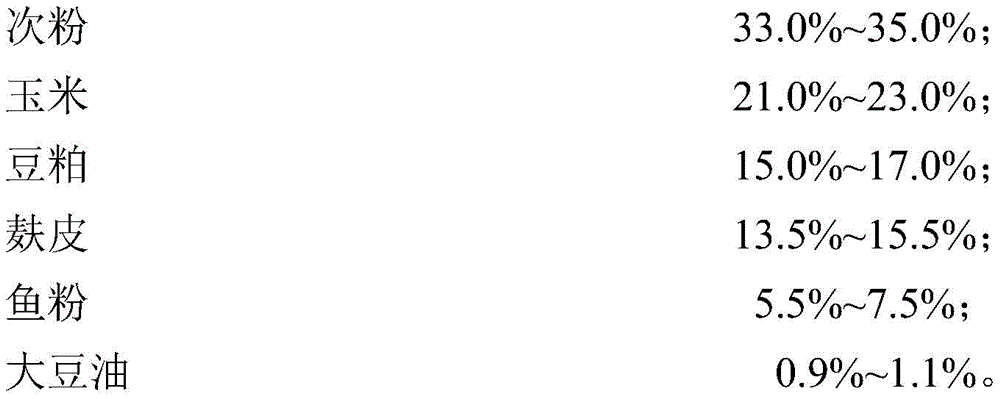
最优选的,所述的高脂饲料由以下重量含量的组分构成:Most preferably, the high-fat feed is composed of the following components by weight:

所述的基础饲料由以下重量含量的组分构成:The basic feed is composed of the following components by weight:

加入高脂饮食后,可以缓解艾塞那肽强烈的减脂效果,对于肥胖人群可以起到减重与治疗肺纤维化的双重效果,对于体重正常的人群则起到平衡体脂与治肺纤维化的作用。After adding a high-fat diet, it can alleviate the strong fat-reducing effect of exenatide. For obese people, it can play a dual effect of weight loss and treatment of pulmonary fibrosis, and for people with normal weight, it can balance body fat and treat pulmonary fibrosis. effect of ization.
与现有技术相比,本发明的有益效果是:Compared with the prior art, the beneficial effects of the present invention are:
对本发明所进行的临床前试验(动物实验)研究表明,艾塞那肽加高脂饮食对博莱霉素诱发的特发性肺纤维化治疗效果显著,全部实验动物1/3肺外观痊愈,2/3肺外观显著改善。这种效果优于以往的各类抗纤维化药物效果报导。加入高脂饮食后,可以缓解艾塞那肽强烈的减脂效果,对于肥胖人群可以起到减重与治疗肺纤维化的双重效果,对于体重正常的人群则起到平衡体脂与治肺纤维化的作用。The preclinical test (animal experiment) research carried out by the present invention shows that exenatide plus high-fat diet has a significant therapeutic effect on the idiopathic pulmonary fibrosis induced by bleomycin, and 1/3 of all experimental animals have recovered from the appearance of the lungs, Two-thirds of the lungs were significantly improved in appearance. This effect is better than the previous reports on the effects of various anti-fibrotic drugs. After adding a high-fat diet, it can alleviate the strong fat-reducing effect of exenatide. For obese people, it can play a dual effect of weight loss and treatment of pulmonary fibrosis, and for people with normal weight, it can balance body fat and treat pulmonary fibrosis. effect of ization.
附图说明Description of drawings
图1为正常大鼠肺的照片;Fig. 1 is the photograph of normal rat lung;
图2为急性期(早期)肺纤维化治疗及疗效的照片,图2中a、b为模型组(造模第二天给药)照片,图2中c、d为治疗组(10ug/kg,治疗4周)照片;Figure 2 is the photos of the acute stage (early stage) pulmonary fibrosis treatment and curative effect. In Figure 2, a and b are the photos of the model group (administration on the second day after modeling), and c and d in Figure 2 are the treatment group (10ug/kg) , 4 weeks of treatment) photos;
图3为急性期(早期)肺纤维化治疗及疗效的肺泡形态图,图3中a为模型组(造模第二天给药)肺泡形态图,图3中b为治疗组(10ug/kg,治疗4周)肺泡形态图;Figure 3 is the alveolar morphological diagram of the acute stage (early stage) pulmonary fibrosis treatment and curative effect, in Figure 3 a is the alveolar morphological diagram of the model group (administration on the second day of modeling), and in Figure 3 b is the treatment group (10ug/kg , 4 weeks of treatment) alveolar morphology;
图4为中晚期(慢性期)肺纤维化治疗及效果照片,图4中a、b、c为模型组(造模第2-4周给药)的照片图,图4中e、f为治疗组(10ug/kg,治疗12周)的照片图;Figure 4 is a photo of the treatment and effect of pulmonary fibrosis in the middle and late stage (chronic phase), a, b, and c in Figure 4 are photos of the model group (administration in the 2-4th week of modeling), and e and f in Figure 4 are Photographs of the treatment group (10ug/kg, 12 weeks of treatment);
图5为中晚期(慢性期)肺纤维化治疗及效果的肺泡形态图,其中,图5中a为模型组(造模第2-4周给药)的肺泡形态图,图5中b为治疗组(10ug/kg,治疗12周)的肺泡形态图。Figure 5 is the alveolar morphological diagram of the treatment and effect of pulmonary fibrosis in the middle and late stage (chronic phase), in which, a in Figure 5 is the alveolar morphological diagram of the model group (administration in the 2-4th week of modeling), and b in Figure 5 is the alveolar morphology diagram Alveolar morphology of the treatment group (10ug/kg, 12 weeks of treatment).
具体实施方式Detailed ways
市售艾塞那肽注射液(商品名百泌达BYETTA),英文名Exenatide injection,汉语拼音:Aisainatai Zhusheye,分子量4186.6,辅料:甘露醇、醋酸纳三水合物,间甲酚(2.00-2.40mg/ml),冰醋酸,注射用水。Commercially available Exenatide injection (trade name BYETTA), English name Exenatide injection, Chinese Pinyin: Aisainatai Zhusheye, molecular weight 4186.6, excipients: mannitol, sodium acetate trihydrate, m-cresol (2.00-2.40 mg) /ml), glacial acetic acid, water for injection.
艾塞那肽对博莱霉素诱发的特发性肺纤维化的治疗作用Therapeutic effect of exenatide on bleomycin-induced idiopathic pulmonary fibrosis
1、实验动物与分组:1. Experimental animals and groups:
高脂饮食重量百分含量配方如下:商品化基础料80.5%(基础料的重量百分含量配方:次粉34.0%,玉米22.0%,豆粕16.0%,麸皮14.5%,鱼粉6.5%,大豆油1.0%)、猪油7%、胆固醇2%、胆盐0.5%、蛋黄粉10%。SD大鼠50只,雌雄兼用,体重200-250克,SPF级动物房,温度20-26℃,湿度为40-60%,12小时光照/黑暗交替环境饲养。SPF级雄性SD大鼠60只,平均体重为250g左右,适应性饲养1周后,按随机分为三大组:一组正常对照组10只,为生理盐水造模组及生理盐水治疗组,二组为博莱霉素模型组10只、艾塞那肽治疗组30只。艾塞那肽治疗组中大鼠分为三个阶段组,一组为早期干预组10只(造模第2天干预),二组为中期干预组10只(造模第14天干预),三组为晚期干预组10只(造模第29天干预)。The formula of the high-fat diet weight percentage is as follows: commercial base material 80.5% (weight percentage formula of base material: secondary flour 34.0%, corn 22.0%, soybean meal 16.0%, bran 14.5%, fish meal 6.5%, soybean oil 1.0%), lard 7%, cholesterol 2%, bile salts 0.5%, egg yolk powder 10%. 50 SD rats, both male and female, weighing 200-250 g, housed in an SPF animal room with a temperature of 20-26°C, a humidity of 40-60%, and an alternating light/dark environment for 12 hours. Sixty SPF male SD rats with an average weight of about 250 g were randomly divided into three groups after 1 week of adaptive feeding: a normal control group of 10 rats, a normal saline model group and a normal saline treatment group. The second group consisted of 10 rats in the bleomycin model group and 30 rats in the exenatide treatment group. The rats in the exenatide treatment group were divided into three stage groups. One group was the early intervention group with 10 rats (intervention on the second day of modeling), and the second group was the mid-term intervention group with 10 rats (intervention on the 14th day of modeling). The three groups were 10 late intervention groups (intervention on the 29th day of modeling).
2、造模:2. Modeling:
乙醚麻醉后仰卧固定头部及四肢,轻拉并用喉镜压低舌后将装有博莱霉素溶液(模型组1.5万单位)或生理盐水(对照组)的细塑料管插入大鼠气管分叉处,随后慢慢推入剂量为5mg/kg体重的博莱霉素溶液,每只约0.4ml左右。给药结束时,将大鼠直立并旋转身体,使药在肺内均匀分布,其后是放回大鼠结束造模,置动物于实验室内喂养,生理盐水对照组采用同样的方法气管内注入同体积的生理盐水。After ether anesthesia, the head and limbs were fixed in supine position, and then the tongue was pulled down with a laryngoscope, and then a thin plastic tube filled with bleomycin solution (15,000 units in the model group) or normal saline (control group) was inserted into the tracheal bifurcation of the rats. Then slowly push into the bleomycin solution at a dose of 5 mg/kg body weight, each about 0.4 ml. At the end of the administration, the rats were erected and rotated to make the drug evenly distributed in the lungs, and then the rats were put back to complete the modeling, and the animals were fed in the laboratory. Inject the same volume of normal saline.
3、治疗方法:3. Treatment:
于造模第2天(早期治疗组),第14天(中期治疗组)和第29天(晚期治疗组)大鼠颈部皮下注射艾塞那肽10ug/kg0.5ml,空白对照组相同部位注射生理盐水0.5ml,共治疗12周后处死大鼠。On the 2nd day (early treatment group), the 14th day (mid-stage treatment group) and the 29th day (late treatment group), rats were subcutaneously injected with exenatide 10ug/kg 0.5ml in the neck, and the blank control group was at the same site 0.5 ml of normal saline was injected, and the rats were sacrificed after 12 weeks of treatment.
4、观察指标与方法:4. Observation indicators and methods:
(1)观察大鼠的死亡情况、体重、食欲、精神状态和活动情况。(1) Observe the death, body weight, appetite, mental state and activity of the rats.
对照组:正常对照组动物造模后第一天体重轻微下降或与术前持平,从第二天开始,动物体重持续稳定上升并健康存活。大鼠被毛紧密贴身,色白光泽,两眼有神,活动敏捷,食量较多,体重增加明显,唇及爪色淡红,无死亡。Control group: The body weight of the normal control group animals decreased slightly or remained the same as before the operation on the first day after modeling. From the second day, the body weight of the animals continued to increase steadily and survived healthy. The coat of the rat is close to the body, the color is white and glossy, the eyes are bright, the activity is agile, the food intake is large, the weight gain is obvious, the lips and claws are light red, and there is no death.
模型组:整体状况差,大鼠被毛松散蓬乱,毛色偏黄无光泽,精神明显萎靡不振,进食水少,体重减轻;3天后出现呼吸困难(明显的喘哮),伴唇及爪轻度紫绀,1到2周紫绀明显;2周后食量及体重较前增加,无死亡。艾塞那肽干预组:体重下降较模型组轻,最初1周出现唇及爪轻度紫绀,2周后大鼠精神渐好、饮食渐增,毛色逐渐润泽,2周后食量及体重较模型组增加明显,体重渐进式增加,无死亡,早期治疗组治疗2周及中晚期治疗12周后呼吸困难明显减轻。Model group: The overall condition is poor, the rat is loose and disheveled, with yellow and dull fur, obviously lethargic, lack of food and water, and weight loss; 3 days later, dyspnea (obvious wheezing), with mild lip and claws Cyanosis, obvious cyanosis in 1 to 2 weeks; food intake and body weight increased after 2 weeks, no death. Exenatide intervention group: The weight loss was lighter than that of the model group, and the lips and claws appeared mild cyanosis in the first week. After 2 weeks, the rat's spirit became better, the diet gradually increased, and the coat color was gradually moistened. After 2 weeks, the food intake and body weight were better than those of the model group. The group increased significantly, the weight gradually increased, and there was no death. The dyspnea in the early treatment group was significantly relieved after 2 weeks of treatment and 12 weeks of treatment in the middle and late treatment group.
(2)对比治疗组、模型组与正常对照组大鼠体重,脏器湿重,如表1所示。(2) The body weight and wet weight of the organs of the rats in the treatment group, the model group and the normal control group were compared, as shown in Table 1.
表1Table 1
5、疗效标准:5. Curative effect standard:
肺脏外观趋向正常或明显改善为有效,肺脏外观无变化为无效,病理检测肺泡细胞壁明显恢复。The appearance of the lung tends to be normal or significantly improved as effective, the appearance of the lung does not change as invalid, and the alveolar cell wall is significantly recovered by pathological examination.
6、治疗前后的比较:6. Comparison before and after treatment:
(1)急性期肺纤维化模型与治疗(1) Acute pulmonary fibrosis model and treatment
1)急性治疗组造模第二天就用艾塞那肽干预,剂量10ug/kg,干预四周后处死大鼠,取血及肺,肺组织用中性福尔马林固定液固定,制作病理切片观察效果。1) The acute treatment group was intervened with exenatide on the second day after the model was established, at a dose of 10ug/kg. After four weeks of intervention, the rats were sacrificed, blood and lungs were collected, and the lung tissue was fixed with neutral formalin fixative to prepare pathology. Slice observation effect.
2)病理表现模型组:2) Pathological manifestation model group:
正常组大鼠(含1只生理盐水造模组)肺鲜红了,触之富有弹性。肺组织结构正常,无炎症细胞浸涧及胶原纤维増生;造模组肺叶颜色变暗及黑色,且出现多个出血点,肺泡间质炎性细胞渗出浸润,肺泡塌陷;第四周时模型组肺组织内炎性渗出明显减轻,肺泡上皮脱落,成纤维细胞大量増生,肺间质増厚,呈纤维化样改变。艾塞那肽治疗组大鼠肺泡形态较造模组肺泡形态规则,肺间质较四周模型组明显变薄,治疗组动物逆转率100%。The lungs of the rats in the normal group (including a normal saline model group) were bright red and elastic to the touch. The lung tissue structure was normal, without inflammatory cell infiltration and collagen fiber growth; the color of the lung lobes in the model group became dark and black, and there were multiple bleeding spots, alveolar interstitial inflammatory cells infiltrated and infiltrated, and alveoli collapsed; model at the fourth week In the group, the inflammatory exudation in the lung tissue was significantly reduced, the alveolar epithelium was shed, the fibroblasts were proliferated, and the pulmonary interstitium was thickened, showing fibrosis-like changes. The shape of alveoli in the exenatide treatment group was more regular than that in the model group, and the pulmonary interstitium was significantly thinner than that in the four-week model group. The reversal rate of the animals in the treatment group was 100%.
正常大鼠肺的照片如图1所示。Photographs of normal rat lungs are shown in Figure 1.
急性期(早期)肺纤维化治疗及疗效(造模第二天注射艾塞)如图2所示,其中,图2中a、b为模型组(造模第二天给药)照片,图2中c、d为治疗组(10ug/kg,治疗4周)照片,图3中a为肺泡扩张,肺泡间结缔组织增生,肺泡隔增厚,图3中b为肺泡结构基本正常,局部可见肺泡隔增厚,Acute stage (early stage) pulmonary fibrosis treatment and curative effect (injection of Essai on the second day of modeling) are shown in Figure 2, among which, a and b in Figure 2 are the photos of the model group (administration on the second day of modeling), Figure 2 In Figure 2, c and d are the photos of the treatment group (10ug/kg, treated for 4 weeks). In Figure 3, a is alveolar expansion, inter-alveolar connective tissue hyperplasia, and alveolar septum thickening. In Figure 3, b is the alveolar structure that is basically normal and can be seen locally alveolar septum thickening,
(2)慢性期肺纤维化模型与治疗(2) Chronic phase pulmonary fibrosis model and treatment
造模2-4周用艾塞那肽干预,剂量10ug/kg,干预12周处死大鼠,取血及肺,肺组织分为二部分,一部分用中性福尔马林固定液固定,一部分用液N速冻后-80冷冻保存。After 2-4 weeks of modeling, the rats were intervened with exenatide at a dose of 10ug/kg. After 12 weeks of intervention, the rats were sacrificed. Blood and lung were collected. The lung tissue was divided into two parts, one part was fixed with neutral formalin fixative, and the other part After quick freezing with liquid N, store it in a freezer at -80.
病理表现:模型组造模第2周(14天)至4周(29天)时,部分肺叶出现空洞,多点出血,明显的出血渗出炎症反应,弥漫性肺泡炎,肺泡塌陷,间隔变厚,肺泡间结缔组织增生,肺纤维化形成。治疗组12周组动物肺的外观显示趋于正常鲜红色,弹性恢复,没有出血点,病理可看到明显的肺泡样结构(肺泡结构恢复),肺泡隔相对较薄,纤维化明显减轻,治疗组动物逆转率达100%。Pathological manifestations: From the 2nd week (14 days) to the 4th week (29 days) of modeling in the model group, some pulmonary lobes appeared cavitation, multiple bleeding, obvious hemorrhagic exudative inflammatory reaction, diffuse alveolitis, alveolar collapse, and septal changes. Thick, interalveolar connective tissue hyperplasia, pulmonary fibrosis formation. The appearance of the lungs of the animals in the 12-week group in the treatment group tended to be normal bright red, with elastic recovery and no bleeding spots. Pathologically, obvious alveolar-like structures (recovery of alveolar structure) were seen, the alveolar septum was relatively thin, and the fibrosis was significantly reduced. The reversal rate of animals in the group was 100%.
图4为中晚期(慢性期)肺纤维化治疗及效果,图4中a、b、c为模型组(造模第2-4周给药)的照片图,图4中e、f为治疗组(10ug/kg,治疗12周)的照片图。图5a肺泡塌陷,肺泡间结缔组织内胶原纤维大量堆积,肺泡隔增厚,可见较多炎性细胞浸润b.肺泡隔内的结缔组织和纤维数量明显减少,肺泡结构基本正常。Figure 4 shows the treatment and effect of pulmonary fibrosis in the middle and late stages (chronic stage), a, b, and c in Figure 4 are photos of the model group (administration in the 2-4th week of modeling), and e and f in Figure 4 are treatments Photographs of groups (10ug/kg, 12 weeks of treatment). Figure 5a The alveoli collapsed, the collagen fibers accumulated in the connective tissue between the alveoli, the alveolar septum thickened, and more inflammatory cells infiltrated. b. The number of connective tissue and fibers in the alveolar septum was significantly reduced, and the alveolar structure was basically normal.
Claims (1)
Priority Applications (1)
| Application Number | Priority Date | Filing Date | Title |
|---|---|---|---|
| CN201810770999.6A CN108578682B (en) | 2018-07-13 | 2018-07-13 | Application of exenatide in the preparation of medicine for treating pulmonary fibrosis |
Applications Claiming Priority (1)
| Application Number | Priority Date | Filing Date | Title |
|---|---|---|---|
| CN201810770999.6A CN108578682B (en) | 2018-07-13 | 2018-07-13 | Application of exenatide in the preparation of medicine for treating pulmonary fibrosis |
Publications (2)
| Publication Number | Publication Date |
|---|---|
| CN108578682A CN108578682A (en) | 2018-09-28 |
| CN108578682B true CN108578682B (en) | 2022-04-12 |
Family
ID=63618328
Family Applications (1)
| Application Number | Title | Priority Date | Filing Date |
|---|---|---|---|
| CN201810770999.6A Active CN108578682B (en) | 2018-07-13 | 2018-07-13 | Application of exenatide in the preparation of medicine for treating pulmonary fibrosis |
Country Status (1)
| Country | Link |
|---|---|
| CN (1) | CN108578682B (en) |
Citations (5)
| Publication number | Priority date | Publication date | Assignee | Title |
|---|---|---|---|---|
| WO2009040085A2 (en) * | 2007-09-11 | 2009-04-02 | Mondobiotech Laboratories Ag | Use of exendin-4 and optionally salusin-alpha as therapeutic agent(s) |
| WO2010073011A3 (en) * | 2008-12-23 | 2010-09-23 | Betagenon Ab | Heterocyclic compounds and their use as ampk activators |
| CN102202662A (en) * | 2008-10-31 | 2011-09-28 | 大日本住友制药株式会社 | antidiabetic agent |
| CN102946875A (en) * | 2010-05-05 | 2013-02-27 | 贝林格尔.英格海姆国际有限公司 | Combination therapy |
| WO2018071528A1 (en) * | 2016-10-11 | 2018-04-19 | University Of Georgia Research Foundation, Inc. | Proteins and method for treating obesity and associated comorbidities |
-
2018
- 2018-07-13 CN CN201810770999.6A patent/CN108578682B/en active Active
Patent Citations (5)
| Publication number | Priority date | Publication date | Assignee | Title |
|---|---|---|---|---|
| WO2009040085A2 (en) * | 2007-09-11 | 2009-04-02 | Mondobiotech Laboratories Ag | Use of exendin-4 and optionally salusin-alpha as therapeutic agent(s) |
| CN102202662A (en) * | 2008-10-31 | 2011-09-28 | 大日本住友制药株式会社 | antidiabetic agent |
| WO2010073011A3 (en) * | 2008-12-23 | 2010-09-23 | Betagenon Ab | Heterocyclic compounds and their use as ampk activators |
| CN102946875A (en) * | 2010-05-05 | 2013-02-27 | 贝林格尔.英格海姆国际有限公司 | Combination therapy |
| WO2018071528A1 (en) * | 2016-10-11 | 2018-04-19 | University Of Georgia Research Foundation, Inc. | Proteins and method for treating obesity and associated comorbidities |
Non-Patent Citations (1)
| Title |
|---|
| GLP-1类似物对糖尿病大鼠肺组织纤维化的影响;陈光敏;《中国优秀硕士学位论文全文数据库 医药卫生科技辑》;20140215(第2期);正文第32页第1段至第33页第1段 * |
Also Published As
| Publication number | Publication date |
|---|---|
| CN108578682A (en) | 2018-09-28 |
Similar Documents
| Publication | Publication Date | Title |
|---|---|---|
| DE69429202T2 (en) | Therapeutic agent for diseases of the digestive tract | |
| JP7360751B2 (en) | FGF21 Fc fusion protein, GLP-1 Fc fusion protein, combination therapeutic agents and uses thereof | |
| CN105250335B (en) | The method for treating glucose metabolism disorders | |
| JP2024038042A (en) | GLP-1 compositions for obesity treatment and weight management | |
| Chick et al. | Experiments with pigs on a pellagra-producing diet. II | |
| CN102526006A (en) | Use of amides of mono and dicarboxylic acids in treatment of renal diseases | |
| CN112755035A (en) | Application of tauroursodeoxycholic acid in treatment of neonatal necrotizing enterocolitis | |
| Westermeyer et al. | Fall in blood sugar from anterior pituitary extract | |
| CN108578682B (en) | Application of exenatide in the preparation of medicine for treating pulmonary fibrosis | |
| WO2020175817A1 (en) | Composition for preventing, ameliorating, or treating fibrosis | |
| Engel | Role of the adrenal cortex in intermediary metabolism | |
| KR100732614B1 (en) | Pharmaceutical composition for the prevention or treatment of obesity or diabetic disease comprising blowfish extract | |
| CN113956334B (en) | Application of brown adipocyte secretory peptide and derivative thereof in prevention and treatment of obesity | |
| US11096970B2 (en) | Preparation and application of grain worm for treating diabetes | |
| CN108578681B (en) | Application of exenatide in preparation of medicine for treating hepatic fibrosis | |
| Forster et al. | Degenerative changes in cerebral arteries following administration of desoxycorticosterone acetate | |
| KR102508141B1 (en) | A composition for emitting glucose comprising hydrogel and epidermal growth factor receptor ligand as an active ingredient | |
| CN115429871B (en) | New uses of semaglutide | |
| RU2824275C1 (en) | Method for combined use of intranasally administered insulin and orally administered metformin for recovery of metabolic and hormonal parameters in type 2 diabetes mellitus and metabolic syndrome | |
| CN112972440A (en) | Application of muscone in preparation of medicine for preventing and treating depression | |
| JP2017081910A (en) | Pharmaceutical composition for maintaining blood glucose homeostasis | |
| CN110420270A (en) | A kind of functional composition containing camellia oil and fish oil and its application | |
| CN111067910B (en) | Pharmaceutical composition for preventing and treating diabetes and application thereof | |
| RU2457834C1 (en) | Method of treating metabolic syndrome | |
| JP7462783B2 (en) | Medical Use of Anemoside B4 in the Treatment of Oral Ulcers |
Legal Events
| Date | Code | Title | Description |
|---|---|---|---|
| PB01 | Publication | ||
| PB01 | Publication | ||
| SE01 | Entry into force of request for substantive examination | ||
| SE01 | Entry into force of request for substantive examination | ||
| GR01 | Patent grant | ||
| GR01 | Patent grant |