CN108136696B - Method and apparatus for forming composite skin stiffener assembly - Google Patents
Method and apparatus for forming composite skin stiffener assembly Download PDFInfo
- Publication number
- CN108136696B CN108136696B CN201680059540.4A CN201680059540A CN108136696B CN 108136696 B CN108136696 B CN 108136696B CN 201680059540 A CN201680059540 A CN 201680059540A CN 108136696 B CN108136696 B CN 108136696B
- Authority
- CN
- China
- Prior art keywords
- insert
- mold
- skin
- stiffener
- reinforcement
- Prior art date
- Legal status (The legal status is an assumption and is not a legal conclusion. Google has not performed a legal analysis and makes no representation as to the accuracy of the status listed.)
- Expired - Fee Related
Links
Images


Classifications
-
- B—PERFORMING OPERATIONS; TRANSPORTING
- B29—WORKING OF PLASTICS; WORKING OF SUBSTANCES IN A PLASTIC STATE IN GENERAL
- B29C—SHAPING OR JOINING OF PLASTICS; SHAPING OF MATERIAL IN A PLASTIC STATE, NOT OTHERWISE PROVIDED FOR; AFTER-TREATMENT OF THE SHAPED PRODUCTS, e.g. REPAIRING
- B29C70/00—Shaping composites, i.e. plastics material comprising reinforcements, fillers or preformed parts, e.g. inserts
- B29C70/04—Shaping composites, i.e. plastics material comprising reinforcements, fillers or preformed parts, e.g. inserts comprising reinforcements only, e.g. self-reinforcing plastics
- B29C70/28—Shaping operations therefor
- B29C70/40—Shaping or impregnating by compression not applied
- B29C70/42—Shaping or impregnating by compression not applied for producing articles of definite length, i.e. discrete articles
- B29C70/44—Shaping or impregnating by compression not applied for producing articles of definite length, i.e. discrete articles using isostatic pressure, e.g. pressure difference-moulding, vacuum bag-moulding, autoclave-moulding or expanding rubber-moulding
- B29C70/446—Moulding structures having an axis of symmetry or at least one channel, e.g. tubular structures, frames
-
- B—PERFORMING OPERATIONS; TRANSPORTING
- B29—WORKING OF PLASTICS; WORKING OF SUBSTANCES IN A PLASTIC STATE IN GENERAL
- B29C—SHAPING OR JOINING OF PLASTICS; SHAPING OF MATERIAL IN A PLASTIC STATE, NOT OTHERWISE PROVIDED FOR; AFTER-TREATMENT OF THE SHAPED PRODUCTS, e.g. REPAIRING
- B29C33/00—Moulds or cores; Details thereof or accessories therefor
- B29C33/44—Moulds or cores; Details thereof or accessories therefor with means for, or specially constructed to facilitate, the removal of articles, e.g. of undercut articles
- B29C33/48—Moulds or cores; Details thereof or accessories therefor with means for, or specially constructed to facilitate, the removal of articles, e.g. of undercut articles with means for collapsing or disassembling
- B29C33/50—Moulds or cores; Details thereof or accessories therefor with means for, or specially constructed to facilitate, the removal of articles, e.g. of undercut articles with means for collapsing or disassembling elastic or flexible
- B29C33/505—Moulds or cores; Details thereof or accessories therefor with means for, or specially constructed to facilitate, the removal of articles, e.g. of undercut articles with means for collapsing or disassembling elastic or flexible cores or mandrels, e.g. inflatable
-
- B—PERFORMING OPERATIONS; TRANSPORTING
- B29—WORKING OF PLASTICS; WORKING OF SUBSTANCES IN A PLASTIC STATE IN GENERAL
- B29C—SHAPING OR JOINING OF PLASTICS; SHAPING OF MATERIAL IN A PLASTIC STATE, NOT OTHERWISE PROVIDED FOR; AFTER-TREATMENT OF THE SHAPED PRODUCTS, e.g. REPAIRING
- B29C33/00—Moulds or cores; Details thereof or accessories therefor
- B29C33/76—Cores
-
- B—PERFORMING OPERATIONS; TRANSPORTING
- B29—WORKING OF PLASTICS; WORKING OF SUBSTANCES IN A PLASTIC STATE IN GENERAL
- B29D—PRODUCING PARTICULAR ARTICLES FROM PLASTICS OR FROM SUBSTANCES IN A PLASTIC STATE
- B29D99/00—Subject matter not provided for in other groups of this subclass
- B29D99/001—Producing wall or panel-like structures, e.g. for hulls, fuselages, or buildings
- B29D99/0014—Producing wall or panel-like structures, e.g. for hulls, fuselages, or buildings provided with ridges or ribs, e.g. joined ribs
-
- B—PERFORMING OPERATIONS; TRANSPORTING
- B64—AIRCRAFT; AVIATION; COSMONAUTICS
- B64C—AEROPLANES; HELICOPTERS
- B64C1/00—Fuselages; Constructional features common to fuselages, wings, stabilising surfaces or the like
- B64C1/06—Frames; Stringers; Longerons ; Fuselage sections
- B64C1/064—Stringers; Longerons
-
- B—PERFORMING OPERATIONS; TRANSPORTING
- B64—AIRCRAFT; AVIATION; COSMONAUTICS
- B64C—AEROPLANES; HELICOPTERS
- B64C1/00—Fuselages; Constructional features common to fuselages, wings, stabilising surfaces or the like
- B64C1/06—Frames; Stringers; Longerons ; Fuselage sections
- B64C1/12—Construction or attachment of skin panels
-
- B—PERFORMING OPERATIONS; TRANSPORTING
- B64—AIRCRAFT; AVIATION; COSMONAUTICS
- B64C—AEROPLANES; HELICOPTERS
- B64C3/00—Wings
- B64C3/18—Spars; Ribs; Stringers
- B64C3/182—Stringers, longerons
-
- B—PERFORMING OPERATIONS; TRANSPORTING
- B64—AIRCRAFT; AVIATION; COSMONAUTICS
- B64C—AEROPLANES; HELICOPTERS
- B64C3/00—Wings
- B64C3/20—Integral or sandwich constructions
-
- B—PERFORMING OPERATIONS; TRANSPORTING
- B64—AIRCRAFT; AVIATION; COSMONAUTICS
- B64C—AEROPLANES; HELICOPTERS
- B64C3/00—Wings
- B64C3/26—Construction, shape, or attachment of separate skins, e.g. panels
-
- B—PERFORMING OPERATIONS; TRANSPORTING
- B29—WORKING OF PLASTICS; WORKING OF SUBSTANCES IN A PLASTIC STATE IN GENERAL
- B29D—PRODUCING PARTICULAR ARTICLES FROM PLASTICS OR FROM SUBSTANCES IN A PLASTIC STATE
- B29D99/00—Subject matter not provided for in other groups of this subclass
- B29D99/0025—Producing blades or the like, e.g. blades for turbines, propellers, or wings
-
- B—PERFORMING OPERATIONS; TRANSPORTING
- B64—AIRCRAFT; AVIATION; COSMONAUTICS
- B64C—AEROPLANES; HELICOPTERS
- B64C1/00—Fuselages; Constructional features common to fuselages, wings, stabilising surfaces or the like
- B64C2001/0054—Fuselage structures substantially made from particular materials
- B64C2001/0072—Fuselage structures substantially made from particular materials from composite materials
-
- Y—GENERAL TAGGING OF NEW TECHNOLOGICAL DEVELOPMENTS; GENERAL TAGGING OF CROSS-SECTIONAL TECHNOLOGIES SPANNING OVER SEVERAL SECTIONS OF THE IPC; TECHNICAL SUBJECTS COVERED BY FORMER USPC CROSS-REFERENCE ART COLLECTIONS [XRACs] AND DIGESTS
- Y02—TECHNOLOGIES OR APPLICATIONS FOR MITIGATION OR ADAPTATION AGAINST CLIMATE CHANGE
- Y02T—CLIMATE CHANGE MITIGATION TECHNOLOGIES RELATED TO TRANSPORTATION
- Y02T50/00—Aeronautics or air transport
- Y02T50/40—Weight reduction
Landscapes
- Engineering & Computer Science (AREA)
- Mechanical Engineering (AREA)
- Aviation & Aerospace Engineering (AREA)
- Architecture (AREA)
- Civil Engineering (AREA)
- Structural Engineering (AREA)
- Chemical & Material Sciences (AREA)
- Composite Materials (AREA)
- Casting Or Compression Moulding Of Plastics Or The Like (AREA)
- Moulding By Coating Moulds (AREA)
Abstract
Description
相关申请的交叉引用CROSS-REFERENCE TO RELATED APPLICATIONS
本申请要求2015年10月19日提交的第62/243,183号美国临时申请的优先权,所述美国临时申请的全部内容以引用的方式并入本文中。This application claims priority to US Provisional Application No. 62/243,183, filed October 19, 2015, the entire contents of which are incorporated herein by reference.
技术领域technical field
本申请总体上涉及复合部件的形成,且更明确地说,涉及使用袋装插入件来支撑加强件。The present application relates generally to the formation of composite parts and, more particularly, to the use of pocketed inserts to support stiffeners.
背景技术Background technique
单面工具用于制造一些复合航空航天结构部件。通常,将树脂预浸织物(“预浸物”)放置在工具表面上,且利用热、同时在真空下且任选地在部件上施加额外的压力(例如,在高压釜中固化)来固化所述部件。当形成具有加强件的表层时,通常在凹形(阴模)或外模具线工具中执行搭接,以便在固化期间易化加强件的放置和压实,表层的外表面因此是与模具表面接触的表面。通过此工艺获得的部件因此可能在内模具线上具有低质量的搭接表面,这通常由于需要添加不同类型的垫片而增加组装时间。Single-sided tools are used to manufacture some composite aerospace structural components. Typically, a resin prepreg ("prepreg") is placed on the tool surface and cured using heat while under vacuum and optionally with additional pressure on the part (eg, curing in an autoclave) said components. When forming a skin with stiffeners, the lap joint is usually performed in a concave (female) or outer mold line tool to facilitate placement and compaction of the stiffener during curing, the outer surface of the skin is thus in line with the mold surface contact surface. Parts obtained by this process may therefore have low quality overlapping surfaces on the inner mold line, which often increases assembly time due to the need to add different types of spacers.
尽管使用内模具线工具,使得表层的内表面与模具表面接触,可显著改善搭接表面质量并因此减少组装时间,但现有的用内模具线工具压实桁条的方法存在若干缺点。已知方法包含使用气囊,其移除起来可能复杂、可能需要特定的成形工具、可能产生影响复合部件的层间性质的污染物,和/或使用成本可能相对较高;且使用可能不适合于复杂几何形状的刚性垫板可能需要高加工精度,和/或可能在固化期间产生热膨胀问题。Although the use of an inner mold line tool, such that the inner surface of the skin is in contact with the mold surface, can significantly improve the quality of the lap surface and thus reduce assembly time, there are several disadvantages to existing methods of compacting stringers with an inner mold line tool. Known methods include the use of air pockets, which may be complex to remove, may require special forming tools, may generate contaminants that affect the interlayer properties of the composite part, and/or may be relatively expensive to use; and use may not be suitable for Rigid pads with complex geometries may require high machining accuracy and/or may create thermal expansion problems during curing.
发明内容SUMMARY OF THE INVENTION
在一个方面中,提供了一种形成复合部件的方法,所述复合部件具有表层和从所述表层延伸的至少一个细长加强件,所述方法包括:提供具有模具表面的模具和用于每一加强件的相应细长压实腔体,每一细长压实腔体通向所述模具表面;对于每一加强件:将包含收纳在管状袋中的插入件的袋装插入件放置在所述相应细长压实腔体中;用所述袋装插入件支撑所述加强件,所述加强件具有在所述袋装插入件的侧表面与邻接所述细长压实腔体的所述模具的相邻侧表面之间紧密地在所述细长压实腔体中延伸的第一部分,所述加强件具有连接到所述第一部分且在所述模具表面和所述袋装插入件的顶表面中的至少一个上延伸的第二部分;将表层放置在所述模具表面上且与所述模具表面接触,且将其放置在每一加强件的所述第二部分上且与所述第二部分接触;形成含有所述表层和每一加强件的密封外壳,所述密封外壳部分地由每一管状袋形成,每一插入件位于所述密封外壳的外部;减小所述密封外壳内的压力;从所述管状袋移除每一插入件;且固化所述表层和每一加强件。In one aspect, there is provided a method of forming a composite part having a skin and at least one elongated reinforcement extending from the skin, the method comprising: providing a mold having a mold surface and for each A corresponding elongated compaction cavity of a stiffener, each elongated compaction cavity leading to the mold surface; for each stiffener: a bagged insert containing an insert housed in a tubular bag is placed on the in the respective elongated compaction cavities; supporting the reinforcement with the bagging insert, the reinforcement having a side surface of the bagging insert adjacent to the elongated compaction cavity; a first portion extending within the elongated compaction cavity closely between adjacent side surfaces of the mold, the stiffener having a connection to the first portion and inserted between the mold surface and the pocket a second portion extending over at least one of the top surfaces of the pieces; placing a skin on and in contact with the mould surface, and placing it over the second portion of each stiffener and in contact with the mould surface the second portion contacts; forming a sealed enclosure containing the skin and each reinforcement, the sealed enclosure being formed in part from each tubular pocket, each insert located outside the sealed enclosure; reducing the The pressure within the enclosure is sealed; each insert is removed from the tubular bag; and the skin and each reinforcement are cured.
在特定实施例中,所述方法进一步包括将所述插入件插入所述管状袋中以获得所述袋装插入件,包含将所述插入件的两个互补部分插入所述管状袋中。所述互补部分中的第一个可限定所述袋装插入件的整个顶表面。In certain embodiments, the method further comprises inserting the insert into the tubular bag to obtain the bagged insert, comprising inserting two complementary portions of the insert into the tubular bag. A first of the complementary portions may define the entire top surface of the pocketing insert.
在特定实施例中,所述加强件由所述加强件的在所述模具表面和所述袋装插入件的所述顶表面上延伸的所述第二部分支撑。每一加强件可为具有T形横截面的桁条,所述第二部分限定基部,且所述第一部分限定横向于所述基部延伸的支腿。In certain embodiments, the stiffener is supported by the second portion of the stiffener extending over the mold surface and the top surface of the bagging insert. Each stiffener may be a stringer having a T-shaped cross-section, the second portion defining a base, and the first portion defining legs extending transverse to the base.
在特定实施例中,所述插入件松散地收纳在所述管状袋内,且所述方法进一步包括将所述插入件插入所述管状袋中以获得所述袋装插入件,包含将来自所述管状袋的过剩材料收纳在限定于所述插入件的与所述加强件隔开的表面中的凹部中。In certain embodiments, the insert is loosely received within the tubular bag, and the method further comprises inserting the insert into the tubular bag to obtain the bagged insert, comprising inserting the insert from the tubular bag The excess material of the tubular bag is received in a recess defined in the surface of the insert spaced from the reinforcement.
在特定实施例中,每一加强件和所述表层由预浸材料形成。In certain embodiments, each stiffener and the skin layer are formed from a prepreg material.
在特定实施例中,形成所述密封外壳包含用额外模具元件覆盖所述表层且形成所述密封外壳以容纳所述额外模具元件。In certain embodiments, forming the sealed enclosure includes covering the skin with additional mold elements and forming the sealed enclosure to accommodate the additional mold elements.
在特定实施例中,形成所述密封外壳包含将额外装袋材料与围绕包围所述表层和每一加强件的周边的所述模具表面密封地接合,且将每一管状袋的每一端部的外表面密封地接合到围绕所述细长压实腔体的开放端部的周边的所述模具的表面。In certain embodiments, forming the sealed enclosure includes sealingly engaging additional bagging material with the mold surface surrounding the perimeter surrounding the skin and each stiffener, and attaching the edge of each end of each tubular bag to the mold surface. An outer surface is sealingly engaged to the surface of the mold around the perimeter of the open end of the elongated compaction cavity.
在另一方面,提供了一种用于在固化之前支撑复合部件的插入组件,所述组件包括:细长插入件,其具有由第三和第四相对细长表面互连的第一和第二相对细长表面,所述细长插入件包含:第一细长部分,其限定所述第一表面和所述第三和第四表面的一部分;以及第二细长部分,其限定所述第二表面和所述第三和第四表面的其余部分,其中所述第二细长部分的所述表面中的一个具有限定于其中的细长凹部;以及容纳所述插入件的管状袋,所述袋经确定大小以包围大于所述插入件的横截面面积的横截面面积,使得所述插入件松散地收纳在所述袋内;其中所述凹部限定用于当所述管状袋平滑地延伸成与所述插入件的所述表面接触时收纳来自所述管状袋的过剩材料的空间。In another aspect, an insert assembly for supporting a composite component prior to curing is provided, the assembly comprising: an elongated insert having first and second opposing elongated surfaces interconnected by third and fourth opposing elongated surfaces. Two opposing elongated surfaces, the elongated insert comprising: a first elongated portion defining the first surface and a portion of the third and fourth surfaces; and a second elongated portion defining the a second surface and the remainder of said third and fourth surfaces, wherein one of said surfaces of said second elongated portion has an elongated recess defined therein; and a tubular pocket for receiving said insert, the pocket is sized to enclose a cross-sectional area greater than the cross-sectional area of the insert such that the insert is loosely received within the pocket; wherein the recess is defined for when the tubular pocket is smoothly A space extending to receive excess material from the tubular bag when in contact with the surface of the insert.
在特定实施例中,在垂直于所述插入件的纵向轴线的平面中,由所述插入件的横截面限定的周边至少等于由所述管状袋限定的最大周边。In certain embodiments, in a plane perpendicular to the longitudinal axis of the insert, the perimeter defined by the cross-section of the insert is at least equal to the largest perimeter defined by the tubular bag.
在特定实施例中,所述细长凹部限定于所述第二表面中。In certain embodiments, the elongated recess is defined in the second surface.
在另一方面,提供了一种用于形成复合部件的组件,所述组件包括:具有模具表面的模具;表层,其具有靠着所述模具表面的内表面;至少一个加强件,其从所述表层的所述内表面延伸,其中所述至少一个加强件中的每一个:部分地收纳在所述模具的相应细长压实腔体中,所述相应细长压实腔体通向所述模具表面,且由收纳在所述相应细长压实腔体中的相应袋装插入件支撑且维持与所述模具和所述表层接触,所述加强件具有在所述袋装插入件与所述模具的邻接所述相应细长压实腔体的侧表面之间延伸的第一部分;其中每一袋装插入件包含收纳在相应管状袋中的细长插入件;额外模具元件,其覆盖所述表层的外表面;以及部分地由每一管状袋限定的密封外壳,其中所述表层、所述模具元件、每一加强件和所述模具表面的至少一部分容纳在所述密封外壳内,每一插入件位于所述密封外壳外部以便可从所述相应管状袋中移除。In another aspect, an assembly for forming a composite part is provided, the assembly comprising: a mold having a mold surface; a skin layer having an inner surface against the mold surface; at least one reinforcement member extending from the mold surface the inner surface of the skin extends, wherein each of the at least one reinforcement is: partially received in a respective elongated compaction cavity of the mold, the respective elongated compaction cavity leading to the the mold surfaces and are supported and maintained in contact with the mold and the skin by respective pocketing inserts received in the respective elongated compaction cavities, the stiffeners having a connection between the pocketing inserts and the skin. a first portion of the mold extending between side surfaces of the mold adjoining the respective elongated compaction cavities; wherein each bagging insert includes an elongated insert received in a respective tubular pocket; additional mold elements covering an outer surface of the skin layer; and a sealed enclosure defined in part by each tubular pocket, wherein the skin layer, the mold element, each reinforcement member, and at least a portion of the mold surface are contained within the sealed enclosure, Each insert is located outside the sealed housing so as to be removable from the corresponding tubular bag.
在特定实施例中,每一插入件包含两个互补细长部分,所述互补细长部分中的第一个限定所述袋装插入件的整个顶表面。In certain embodiments, each insert includes two complementary elongated portions, a first of the complementary elongated portions defining the entire top surface of the pocketed insert.
在特定实施例中,每一加强件由所述加强件的在所述模具表面和所述袋装插入件的顶表面上延伸的第二部分支撑。每一加强件可为具有T形横截面的桁条,所述第二部分限定基部,且所述第一部分限定横向于所述基部延伸的支腿。In certain embodiments, each stiffener is supported by a second portion of the stiffener extending over the mold surface and the top surface of the bagging insert. Each stiffener may be a stringer having a T-shaped cross-section, the second portion defining a base, and the first portion defining legs extending transverse to the base.
在特定实施例中,所述插入件包含限定于所述插入件的与所述加强件隔开的表面中的凹部,所述管状袋具有收纳在所述凹部中的过剩材料。In certain embodiments, the insert includes a recess defined in a surface of the insert spaced from the stiffener, the tubular bag having excess material received in the recess.
在特定实施例中,每一加强件和所述表层由预浸材料形成。In certain embodiments, each stiffener and the skin layer are formed from a prepreg material.
在特定实施例中,所述密封外壳是通过将围绕包围所述表层、所述额外模具元件和每一加强件的周边的所述模具表面与额外装袋材料密封接合而限定,且通过将每一管状袋的每一端部的外表面密封接合到围绕所述细长压实腔体的开放端部的周边的所述模具的表面而限定。所述组件可在所述相应细长压实腔体的每一端部上包含从所述模具表面延伸且形成在每一细长压实腔体上延伸的桥接件的升高表面,所述额外装袋材料在每一细长压实腔体上密封地接合到所述桥接件。In certain embodiments, the sealed enclosure is defined by sealingly engaging the mold surface around a perimeter surrounding the skin, the additional mold elements, and each reinforcement with additional bagging material, and by sealing each The outer surface of each end of a tubular bag is defined in sealing engagement to the surface of the mold around the perimeter of the open end of the elongated compaction cavity. The assembly may include, on each end of the respective elongated compaction cavity, raised surfaces extending from the mold surface and forming bridges extending on each elongated compaction cavity, the additional The bagging material is sealingly joined to the bridge on each elongated compaction cavity.
在特定实施例中,对于所述至少一个加强件中的每一个,所述组件进一步包括第一和第二端盖,所述第一和第二端盖各自收纳在邻近于所述加强件的相应端部的所述相应细长压实腔体中,所述第一和第二端盖支撑所述表层超出所述加强件的长度。In certain embodiments, for each of the at least one stiffener, the assembly further includes first and second end caps, the first and second end caps each received in a position adjacent to the stiffener In the respective elongated compaction cavities of the respective ends, the first and second end caps support the skin beyond the length of the stiffener.
附图说明Description of drawings
现在参考附图,其中:Reference is now made to the accompanying drawings, in which:
图1是飞机的示意性等角视图;Figure 1 is a schematic isometric view of an aircraft;
图2是根据特定实施例的复合部件的示意性横截面图,其可用于如图1所示的飞机中,Figure 2 is a schematic cross-sectional view of a composite component that may be used in an aircraft as shown in Figure 1, according to certain embodiments,
图3是根据特定实施例的用于形成图2的复合部件的组件的示意性分解横截面图;3 is a schematic exploded cross-sectional view of an assembly used to form the composite part of FIG. 2, according to certain embodiments;
图4是图3的组件的示意性三维分解图;Figure 4 is a schematic three-dimensional exploded view of the assembly of Figure 3;
图5是图3的组件的一部分的示意性横截面图;Figure 5 is a schematic cross-sectional view of a portion of the assembly of Figure 3;
图6是图3的组件中使用的装袋插入件的示意性三维视图;Figure 6 is a schematic three-dimensional view of a bagging insert used in the assembly of Figure 3;
图7是图3的组件的截面的示意性三维视图;且Figure 7 is a schematic three-dimensional view of a cross-section of the assembly of Figure 3; and
图8是图7的组件的截面的示意性三维分解图。FIG. 8 is a schematic three-dimensional exploded view of a cross-section of the assembly of FIG. 7 .
具体实施方式Detailed ways
参考附图且更具体地参考图1,飞机被示出为1,且通常被描述为说明本发明中用于参考目的的一些部件。飞机1具有机身2,机身具有驾驶舱位于其上的前端和支撑尾翼组件的后端,其中机舱通常位于驾驶舱与尾翼组件之间。尾翼组件包括具有方向舵的垂直稳定器3和具有升降舵的水平稳定器4。尾翼组件具有机身安装的尾翼,但飞机1也可使用其它配置,例如十字形、T形尾翼等。机翼5从机身横向突出。飞机1具有由机翼5支撑的发动机6,但发动机6也可安装到机身2。飞机1示出为喷气发动机飞机,但也可为螺旋桨飞机。Referring to the drawings and more particularly to FIG. 1 , an aircraft is shown at 1 and is generally described to illustrate some of the components of this disclosure for reference purposes. The aircraft 1 has a
参考图2,示出了根据特定实施例的复合部件10。复合部件10是包含表层12和从表层12的内表面12i延伸的加强件或桁条14的面板。所示的桁条14具有T形横截面,其具有延伸成与表层12的内表面12i接触的基部或凸缘16以及从基部16横向(例如,垂直地)延伸的支腿或腹板18,例如沿着基部16的中心轴线。桁条14是纵向延伸(即,沿着垂直于图的平面的方向)的细长元件。Referring to Figure 2, a
尽管桁条14被示出为具有T形横截面,但应理解,桁条14可替代地具有任何其它适当的横截面形状,包含但不限于C形横截面、L形横截面和I形横截面。Although the
在特定实施例中,且如在图3中可更清楚地看到,表层12是弯曲的。在另一实施例中,表层12是平坦的。复合面板10可限定机身2的区段、内部舱壁的一部分、机翼5的一部分,或飞机1的任何其它适当的结构元件。尽管在图2和3中示出了单个桁条14,但可理解,复合面板10可且通常确实包含多个彼此隔开的桁条14,例如如图4所示。如图所示,表层12可沿周向/横向延伸超出桁条14。在特定实施例中,每一桁条14仅沿着表层12的相应维度的一部分纵向延伸,即,表层12在纵向方向上延伸超出桁条14。在另一实施例中,桁条14沿着表层12的整个对应尺寸纵向延伸。In certain embodiments, and as can be seen more clearly in FIG. 3 , the
桁条14和表层12由复合材料形成,其中未固化的至少一个具有稳定的几何形状,即具有粘度降低但未被加热到聚合通常开始的温度点的基质(例如,预浸物);桁条14或表层12可在组装之前固化,使得组装到固化元件的未固化元件的固化提供桁条14和表层12的共粘结。在本文描述的特定实施例中,当组装在一起时,表层12和桁条14都未固化成稳定几何形状,以便被共固化。
尽管本文特别参考桁条和表层组件描述所述方法,但应理解,类似的方法可应用于表层和加强件的任何组件,包含但不限于由复合材料制成的任何加强的车辆结构(例如,火车顶)。Although the methods are described herein with particular reference to stringer and skin assemblies, it should be understood that similar methods can be applied to any assembly of skins and stiffeners, including but not limited to any reinforced vehicle structure made of composite materials (eg, top of the train).
参考图3到5,示出了根据特定实施例的制造复合部件10的方法和组件。模具20具备限定内模具线的主模具表面22,在模具内限定了用于每一桁条14的细长压实腔体24。如图3中可看出,每一压实腔体24由从主模具表面22延伸的两个细长相对侧表面26、26'限定边界,且通过细长底表面28互连。侧表面26中的一个限定用于桁条14的模具表面,所述模具表面是复合部件的内模具线的延续部分,如下面将进一步详述。主模具表面22具有对应于表层12的期望形状的形状;在所示的特定实施例中,表层12是弯曲的,且主模具表面22相应地凸出(阳模工具)。Referring to Figures 3-5, a method and assembly of manufacturing
每一压实腔体24在其中收纳细长袋装插入件30。袋装插入件30经确定大小以使得其顶表面32形成主模具表面22的延续部分(见图5),且在袋装插入件30的侧表面36与压实腔体24的相邻桁条模具表面26之间限定细长空间34(见图3)。Each
每一桁条14是在与表层12组装之前形成。例如,在所示出的桁条14为T形的实施例中,桁条14可通过分别形成两个L形桁条,且接着使用合适的夹具将它们组装在镜像位置中以形成T形横截面来形成。Each
在特定实施例中,每一桁条14由预浸物(预浸)复合材料层组装而成,所述复合材料包含通过具有稳定几何结构的基质材料粘结的纤维以便于处理,使得基质材料变成固体但仍保持柔性和粘性。In certain embodiments, each
在特定实施例中,基质材料是B阶树脂或合适的热塑性材料;可使用任何适当类型的热固性或热塑性基质材料,包含但不限于环氧树脂、双马来酰亚胺树脂(BMI)、酚醛树脂、聚乙烯酯树脂、聚醚醚酮(PEEK)、聚苯硫醚(PPS)、尼龙和聚乙烯(PE)。合适的纤维材料包含但不限于碳纤维、玻璃纤维和对位芳族聚酰胺
每一桁条14未固化并处于形状保持状态,使得其可被运输(任选地借助于合适的支撑件)以被添加到组件。在特定实施例中,每一桁条14由多层预浸材料制成,且在室温下或稍高于室温的温度下,通过真空压紧在各层的放置(中间层压紧)之间进行压实,以易化从平面到特定形状(例如,L或C)的多个预浸物层的形成。Each
返回参考图3到5,每一压实腔体24在其中收纳桁条14,所述桁条由已经在压实腔体24中的袋装插入件30支撑。桁条14的基部16收纳在袋装插入件30的顶表面32上和/或主模具表面22上;在所示实施例中,由于桁条14是T形的,所以桁条14的基部16具有收纳在袋装插入件30的顶表面32上的一个侧面16a和收纳在主模具表面22上的一个侧面16b(见图3)。如最佳可在图3和5中看出,从表层12延伸的桁条14的部分(即支腿18)紧紧地收纳在限定于袋装插入件30的侧表面36与压实腔体24的相邻桁条模具表面26之间的细长空间34中。参考图5,细长空间34的横向尺寸T基于收纳在其中的支腿18的厚度t来选择,例如足够大以允许桁条支腿18插入袋装插入件30与桁条模具表面26之间,但足够小以使袋装插入件30保持支腿18与桁条模具表面26接触。桁条14的表面光洁度在与模具表面22、26接触的侧和接触袋装插入件30的表面的侧之间不同;因此,在特定实施例中,基于桁条14的期望表面光洁度配置来选择与袋装插入件30接触的桁条14的侧。Referring back to FIGS. 3-5 , each
参考图6,袋装插入件30包含收纳在管状袋42中的插入件40。管状袋42由用于压实和固化复合材料的任何适当类型的装袋材料制成,且具有至少一个开放端部。插入件40包含两个配合的细长部分:顶部44限定插入件的顶表面32和其侧表面的一部分,且底部46限定插入件的底表面和其侧表面的其余部分。在所示的实施例中,顶表面32支撑桁条基部16的一侧16a,且相应地,插入件40的顶部部分44针对被支撑的桁条14的几何形状而定制;顶表面32被成形为对应于收纳在其上的桁条基部16的侧16a的期望形状。在特定实施例中,具有不同形状的桁条14可由具有相同底部部分46但针对相应桁条14的特定形状定制的不同顶部部分44的插入件40支撑。Referring to FIG. 6 , the bagged
在所示的特定实施例中,由顶部部分44限定的顶表面32被设计成符合其上收纳的桁条基部16的侧16a的“成长部”,即基部16的具有增加宽度的部分。顶部部分44的顶表面32因此限定了凹痕48,所述凹痕具有对应于收纳在其上的桁条基部16的侧16a的轮廓的轮廓。模具表面22也可被类似地配置(见图8)。In the particular embodiment shown, the
在特定实施例中,插入件40的底部部分46具有沿其长度方向限定的细长凹部50,其在其一个表面中不接触桁条14。在所示的实施例中,凹部50被限定在底表面52中。管状袋42经确定大小以包围大于插入件40的横截面面积的横截面积;换句话说,插入件40松散地收纳在袋42内,使得在插入件40周围提供额外的袋材料。然而,限定在底部部分46中的凹部50限定了增大的周边(与没有凹部的类似大小的插入件相比),且凹部50限定了用于当管状袋42平滑地延伸成与插入件40的表面接触时收纳来自管状袋42的过剩材料的空间。凹部50因此允许降低管状袋42在插入件40的表面上皱褶的风险,因此降低在桁条14和表层12与管状袋42中引起表面缺陷的风险。In certain embodiments, the
在特定实施例中,在垂直于所述插入件的纵向轴线的平面(即,图5中的平面)中,由插入件40的横截面限定的周边至少等于由管状袋42限定的最大周边。因此,将过剩袋材料推入凹部50内的最大深度使袋材料的其余部分在插入件40的表面上延伸,使得其在其上平滑地延伸。In certain embodiments, the perimeter defined by the cross-section of
在特定实施例中,管状袋42的内部腔体保持在减压(例如,真空)下,以确保袋42的壁符合桁条14的表面以避免形成皱纹;管状袋42内的减压至少保持到桁条14被放置在袋装插入件30上。In certain embodiments, the interior cavity of the
一旦每一桁条14处于适当的位置,表层12被放置在主模具表面22上并与之接触,且放置在每一桁条14的基部16上并与之接触,例如通过手工、使用自动化纤维放置(AFP)或使用自动铺带(ATL)。在特定实施例中,表层12由多个叠置的预浸物层组成;合适的材料包含例如上述用于桁条14的材料。在另一实施例中,表层12可使用干织物铺设。在所示的实施例中,桁条14的基部16不完全覆盖袋装插入件30的顶表面32;袋装插入件30的顶表面32因此限定与相邻的主模具表面22对齐且还与表层12接触的台阶和升高部分54(见图5)。在叠层过程中,每一袋装插入件30因此通过支撑桁条14和表层12的预浸物层而用作硬工具,从而防止预浸物层落入压实腔体24中。Once each
参考图3到4,将模具元件放置在表层12上以控制表层12的外表面12o。可理解,在本说明书中,术语“模具元件”希望涵盖具有形状限定表面的任何工具,所述形状限定表面被配置成在固化过程中控制部件的表面具有任何适当的厚度,包含但不限于通常称为垫板的压力垫。在所示的实施例中,垫板56放置在表层12上。Referring to FIGS. 3 to 4 , a mold element is placed on the
可根据需要向组件添加额外元件,例如未固化材料的半径填充物70(“面条”)形式的结构增强物(见图3)。在特定实施例中,在桁条14的基部16上,在形成桁条的两个L形部分之间的接合处,在基部16与表层12之间的接合处设置半径填充物70,且因此在表层12放置在组件上之前定位。半径填充物70可在压实期间和/或固化期间变形以符合基部16的两个L形部分与表层12之间的接合部的轮廓。用于这种半径填充物70的合适材料包含但不限于任何与用于表层12和桁条14的树脂兼容的材料,其可包含短纤维、表面膜、粘合剂膜、泡沫粘合剂、单向或编织碳、璃或对位芳纶合成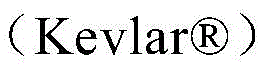
在特定实施例中且如可在图7和8中看到,压实腔体24的长度大于桁条14的长度,且相应的端盖78插入邻近于桁条14的每一端部的压实腔体24中。端盖78具有与主模具表面22对齐的顶表面,且为表层12延伸超出桁条14的长度的部分提供支撑,以防止表层12下垂到压实腔体24中。端盖78还可减少通过桁条14的端部的树脂渗出。In certain embodiments and as can be seen in FIGS. 7 and 8 , the length of the
一旦组件的元件处于适当位置,就形成密封外壳,其容纳垫板56、表层12、(一个或多个)桁条14和主模具表面22。密封外壳部分地由每一管形袋42通过其外表面与模具20和/或额外装袋材料的密封接合而限定;每一插入件40位于此密封外壳的外部。Once the elements of the assembly are in place, a sealed enclosure is formed that houses the
在特定实施例中且参考图4,顶部装袋材料58被添加在垫板56上。根据需要安装透气材料和释放膜(未示出);例如在,特定实施例中,提供透气材料,在此处,挡板56原本将在真空端口等上方与主模具表面22直接接触,且释放膜和透气材料被安装在垫板56上以防止其与装袋材料58直接接触。顶部装袋材料58围绕垫板56、桁条14和表层12且与垫板56周围的主模具表面22密封接合。例如,密封接合可通过将顶部装袋材料58与施加在主模具表面22上并设置成围绕垫板56形成闭合周边的密封材料60(例如,粘性化合物、双面胶带)接合来提供。In certain embodiments and referring to FIG. 4 , a
如从图7到8可更清楚地看出,在特定实施例中,模具20包含在压实腔体24的每一端部(仅示出其中一个)处的升高或斜坡表面80,所述压实腔体从模具表面22延伸且成角度以形成在每一压实腔体24上延伸的桥接件,从而限定在压实腔体24的端部上延伸的模具20的连续表面;密封材料60收纳在此桥接件的连续表面上。这允许顶部装袋材料58(见图4)围绕模具20的整个周边密封到其上,而不需要顶部装袋材料58与管状袋40之间的直接密封接合。因此,如果顶部装袋材料58或其中一个管状袋40发生泄漏,则可独立于另一个进行更换。可理解,升高表面80的配置(例如,角度、轮廓)可能与所示不同。As can be seen more clearly from FIGS. 7-8, in certain embodiments, the
如果斜坡表面80被省略,则压实腔体24可沿其整个长度具有开放的顶部,且顶部装袋材料58可密封地接合到压实腔体24上方的管状袋40的表面且在压实腔体24之间与模具20接合。If
在将每一桁条14定位在相应袋装插入件30上之后且在形成密封外壳之前的某个时间,如果在袋的内部施加减压,则每一管状袋42的内部恢复到大气压力。如可从图4、7和8看出,每一管形袋42的开放端部的外表面密封地接合到围绕由压实腔体24的开放端部限定的相应开口62的对应模具端部。例如,可通过将管状袋42的端部的外表面与如上所述的密封材料60'接合来提供密封接合,所述密封材料设置成在相应压实腔体24的端部处围绕开口62形成闭合周边。管状袋42和顶部装袋材料58因此协作以限定密封外壳。Sometime after each
一旦形成密封外壳,例如通过使真空系统64与一个或多个与外壳协作的真空端口66接合,密封外壳内的压力就降低。限定外壳的顶部装袋材料58和管状袋42将表层12和桁条14压抵模具表面22、26以提供组件的压实。因此,每一管状袋42在相应桁条14的拐角、厚度变化、半径、折曲、成长部等等上施加均匀的压力,以允许组件的均匀压实。一旦组件被压实,就从相应管状袋42中移除每一插入件40,且组件被固化(例如,桁条14和表层12共固化),同时维持密封外壳中的减压;固化期间的减压可与压实期间(每一插件40移除之前)相同,或者可不同,例如较低。所述组件可在烘箱中或者在高压釜中在压力下固化。密封外壳内的减压确保顶部装袋材料58和管状袋42提供对模具表面22、26和垫板56的必要压实力,以在固化期间压实桁条14和表层12。因此,插入件40仅在固化之前提供支撑;当桁条14和表层12的最终表面在固化期间在热和压力下形成时,管状袋42单独在真空下压实桁条表面。Once the sealed enclosure is formed, for example by engaging the
在所示的实施例中以及如图4所示,每一插入件40纵向延伸超出模具20且从相应压实腔体24的端部出来,以便从压实腔体24和管状袋42移除插入件40。在特定实施例中,通过首先移除底部部分46而从管状袋移除插入件40,从而允许顶部部分44在压实腔体24中下降且从桁条14的基部16脱离;接着移除顶部部分44。在所示实施例中且如图6所示,底部部分46纵向延伸超出顶部部分44,以便于独立于顶部部分44抓取底部部分46以移除。两个插入部分44、46之间的接触表面可具备便于其间的相对滑动移动的涂层或层,以便于将插入部分44、46从管状袋42独立地移除;例如,可在两个插入部分44、46之间的接触表面上设置聚四氟乙烯带。In the embodiment shown and as shown in FIG. 4 , each
由于插入件40在固化之前从组件移除,所以它们不需要由能够抵抗固化温度的材料制成;因此,可使用较低廉的材料。在特定实施例中,两个插入部分44、46由相同的材料制成。在特定实施例中,两个插入部分44、46由硬度为70肖氏A或更高的聚氨酯制成。在另一实施例中,可使用具有足够强度的任何半刚性材料以在敷设期间支撑桁条14,包含但不限于任何适当类型的弹性体材料。在特定实施例中,对于插入件40使用半刚性材料允许插入件40更容易地从弯曲的细长压实腔体24拉出且从具有更复杂形状(例如双曲率)的压实腔体24拉出。Because the
尽管已经关于内模具线模制工艺描述了本方法,但应理解,所述方法的插入件或其它元件可替代地与外模具线(例如,凹形或凹形)模制工艺一起使用,特别是元件从表层的外表面延伸且需要被容纳在模具的腔体中的情况。Although the present method has been described with respect to an inner mold line molding process, it should be understood that inserts or other elements of the method may alternatively be used with an outer mold line (eg, concave or concave) molding process, particularly This is the case where elements extend from the outer surface of the skin and need to be accommodated in the cavity of the mold.
在特定实施例中,袋装插入件30允许使用具有内加强件加强结构的内模具表面(例如,凸形或阳模),且因此提供改善搭接表面质量的机会,因此通过减少垫片和组装时间来降低重复成本;减少垫片也可允许减轻重量。In certain embodiments, the
在特定实施例中,可移除插入件40允许细长压实腔24具有大于桁条14的支腿18的厚度t的宽度W(见图5),这有助于防止固化的桁条14在需要将固化的组件从模具移除时被卡住或“锁定”在细长压实腔体24中。通过移除插入件40留下的压实腔体24中的自由空间允许在从模具移除组件时沿着厚度t的方向移动固化的桁条14,这可便于使固化的组件从模具脱离。In certain embodiments, the
在特定实施例中,具有容纳过量袋材料的凹部50的插入件40允许使用具有各种插入件形状和大小的抗固化温度的标准管状袋,同时将过量袋材料容纳在凹部中以提供无褶皱的表面与加强件14和表层12接触。使用标准管状袋以及由不需要抵抗固化温度的材料制成的插入件可允许降低制造复合部件的成本。In certain embodiments, insert 40 with
在特定实施例中,两部分插入件40可允许插入件形状的容易定制以符合所支撑的加强件的特定形状(例如,双曲率、用于重量和/或成本优化的集成设计特征,例如可变厚度、折曲、生长部),这可以便于符合特定质量要求。In certain embodiments, the two-
在特定实施例中,使用可移除式插入件40避免了由于在固化期间使用的支撑件可能发生的热膨胀差异而导致的问题。In certain embodiments, the use of
应理解,不同实施例的元件的任何组合或子组合都在本发明的范围内。尽管已经参考以特定次序执行的特定步骤描述和示出了本文描述的方法和系统,但将理解,这些步骤可组合、细分或重新排序以形成等效方法而不背离本发明的教导。因此,步骤的次序和分组不是本发明的限制。It is understood that any combination or subcombination of elements of the different embodiments is within the scope of the invention. Although the methods and systems described herein have been described and illustrated with reference to specific steps being performed in a specific order, it will be understood that these steps may be combined, subdivided, or reordered to form equivalent methods without departing from the teachings of the present invention. Accordingly, the order and grouping of steps is not a limitation of the present invention.
对本领域技术人员来说,对本发明的上述实施例的修改和改善可能变得显而易见。前面的描述希望是示范性的而非限制性的。因此,本发明的范围仅希望由所附权利要求的范围来限定。Modifications and improvements to the above-described embodiments of the present invention may become apparent to those skilled in the art. The foregoing description is intended to be exemplary and not restrictive. Accordingly, the scope of the present invention is intended to be limited only by the scope of the appended claims.
Claims (18)
Applications Claiming Priority (3)
| Application Number | Priority Date | Filing Date | Title |
|---|---|---|---|
| US201562243183P | 2015-10-19 | 2015-10-19 | |
| US62/243,183 | 2015-10-19 | ||
| PCT/IB2016/056257 WO2017068497A1 (en) | 2015-10-19 | 2016-10-18 | Method and apparatus for forming a composite skin-stiffener assembly |
Publications (2)
| Publication Number | Publication Date |
|---|---|
| CN108136696A CN108136696A (en) | 2018-06-08 |
| CN108136696B true CN108136696B (en) | 2020-03-06 |
Family
ID=57209667
Family Applications (1)
| Application Number | Title | Priority Date | Filing Date |
|---|---|---|---|
| CN201680059540.4A Expired - Fee Related CN108136696B (en) | 2015-10-19 | 2016-10-18 | Method and apparatus for forming composite skin stiffener assembly |
Country Status (5)
| Country | Link |
|---|---|
| US (1) | US20180297299A1 (en) |
| EP (1) | EP3365159B1 (en) |
| CN (1) | CN108136696B (en) |
| CA (1) | CA3001279A1 (en) |
| WO (1) | WO2017068497A1 (en) |
Families Citing this family (7)
| Publication number | Priority date | Publication date | Assignee | Title |
|---|---|---|---|---|
| US20200215768A1 (en) * | 2017-04-28 | 2020-07-09 | Bombardier Inc. | Method for manufacturing a compacted, composite stiffener assembly and the compacted, composite stiffener assembly manufactured thereby |
| US10745104B2 (en) * | 2018-03-02 | 2020-08-18 | The Boeing Company | Stringer transition through a common base charge |
| US11390045B2 (en) | 2018-09-07 | 2022-07-19 | Textron Innovations Inc. | Molding assembly and method of co-curing stiffener with panel |
| US11279092B2 (en) | 2019-03-19 | 2022-03-22 | The Boeing Company | Method and system for co-consolidation of thermoplastic composite material parts |
| US20220324555A1 (en) * | 2019-06-19 | 2022-10-13 | The Texas A&M University System | Aircraft airfoils including wave assemblies, systems including wave assemblies, and methods of using the same |
| EP4169701B1 (en) * | 2020-12-14 | 2024-05-15 | Mitsubishi Heavy Industries, Ltd. | Fiber-reinforced composite material shaping device and fiber-reinforced composite material shaping method |
| CN116118059A (en) * | 2022-11-28 | 2023-05-16 | 上海复合材料科技有限公司 | Lightweight tools for forming large barrel sections |
Citations (4)
| Publication number | Priority date | Publication date | Assignee | Title |
|---|---|---|---|---|
| US4053667A (en) * | 1974-09-09 | 1977-10-11 | Lockheed Aircraft Corporation | Stiffened structural laminate and method of molding laminate with stiffener beads |
| US5454895A (en) * | 1992-08-03 | 1995-10-03 | Finmeccanica S.P.A. - Ramo Aziendale Alenia | Process for manufacturing fiber reinforced structures suitable for aeronautic applications |
| CN101128309A (en) * | 2005-02-24 | 2008-02-20 | 维斯塔斯风力系统有限公司 | Method of manufacturing wind turbine blades, wind turbine blade manufacturing equipment, wind turbine blades and use thereof |
| CN102056730A (en) * | 2008-05-16 | 2011-05-11 | 湘电达尔文有限责任公司 | Method of manufacturing a turbine blade half, turbine blade half, method of manufacturing a turbine blade, and turbine blade |
Family Cites Families (5)
| Publication number | Priority date | Publication date | Assignee | Title |
|---|---|---|---|---|
| US5242523A (en) * | 1992-05-14 | 1993-09-07 | The Boeing Company | Caul and method for bonding and curing intricate composite structures |
| US7204951B2 (en) * | 2002-07-30 | 2007-04-17 | Rocky Mountain Composites, Inc. | Method of assembling a single piece co-cured structure |
| US9296187B2 (en) * | 2008-12-10 | 2016-03-29 | The Boeing Company | Bagging process and mandrel for fabrication of elongated composite structure |
| ITTO20100175A1 (en) * | 2010-03-08 | 2011-09-09 | Alenia Aeronautica Spa | PROCEDURE FOR THE MANUFACTURE OF WINGED RODS AND DOUBLE T-SHAPED BEAMS IN COMPOSITE VARIABLE SECTION MATERIAL |
| CA2923891A1 (en) * | 2013-09-10 | 2015-03-19 | Bombardier Inc. | Method of forming a composite member and assembly therefor |
-
2016
- 2016-10-18 CN CN201680059540.4A patent/CN108136696B/en not_active Expired - Fee Related
- 2016-10-18 EP EP16788248.9A patent/EP3365159B1/en not_active Not-in-force
- 2016-10-18 CA CA3001279A patent/CA3001279A1/en not_active Abandoned
- 2016-10-18 WO PCT/IB2016/056257 patent/WO2017068497A1/en not_active Ceased
- 2016-10-18 US US15/768,361 patent/US20180297299A1/en not_active Abandoned
Patent Citations (4)
| Publication number | Priority date | Publication date | Assignee | Title |
|---|---|---|---|---|
| US4053667A (en) * | 1974-09-09 | 1977-10-11 | Lockheed Aircraft Corporation | Stiffened structural laminate and method of molding laminate with stiffener beads |
| US5454895A (en) * | 1992-08-03 | 1995-10-03 | Finmeccanica S.P.A. - Ramo Aziendale Alenia | Process for manufacturing fiber reinforced structures suitable for aeronautic applications |
| CN101128309A (en) * | 2005-02-24 | 2008-02-20 | 维斯塔斯风力系统有限公司 | Method of manufacturing wind turbine blades, wind turbine blade manufacturing equipment, wind turbine blades and use thereof |
| CN102056730A (en) * | 2008-05-16 | 2011-05-11 | 湘电达尔文有限责任公司 | Method of manufacturing a turbine blade half, turbine blade half, method of manufacturing a turbine blade, and turbine blade |
Also Published As
| Publication number | Publication date |
|---|---|
| EP3365159B1 (en) | 2019-02-27 |
| CA3001279A1 (en) | 2017-04-27 |
| WO2017068497A1 (en) | 2017-04-27 |
| US20180297299A1 (en) | 2018-10-18 |
| EP3365159A1 (en) | 2018-08-29 |
| CN108136696A (en) | 2018-06-08 |
Similar Documents
| Publication | Publication Date | Title |
|---|---|---|
| CN108136696B (en) | Method and apparatus for forming composite skin stiffener assembly | |
| US20160214329A1 (en) | Method of forming a composite member and assembly therefor | |
| US10596769B2 (en) | Bagging process and mandrel for fabrication of elongated composite structure | |
| US9284035B2 (en) | Composite tubular-reinforced integrated structural panels with mutually intersecting stiffeners and fabrication processes | |
| US10464239B2 (en) | System for manufacturing monolithic structures using expanding internal tools | |
| EP2741909B1 (en) | Method and device for transporting, placing and compacting composite stiffeners | |
| US10479032B2 (en) | Method of fabricating a vacuum barrier system | |
| EP2671709B1 (en) | Non-vented bladder system for curing composite parts | |
| US11292577B2 (en) | Method for manufacturing a multi-ribbed wing box of composite material with integrated stiffened panels | |
| WO2013005206A1 (en) | Manufacture of articles formed of composite materials | |
| EP3112114B1 (en) | Method and apparatus for reducing post-cure extraction force of a tooling mandrel | |
| EP3112116B1 (en) | Methods of manufacturing panels of composite material reinforced with closed-section stringers | |
| US20180370163A1 (en) | Preform tool and method of shaping composite material | |
| US20090208683A1 (en) | Alignment system and methods for composite assemblies | |
| US11097522B2 (en) | Method for manufacturing a multi-ribbed wing-box of composite material with integrated stiffened panels and communicating bays | |
| US12427729B2 (en) | Method of joining molded or three-dimensional printed parts to thermoplastic composite structures | |
| EP4286143A1 (en) | Method of joining molded or three-dimensional printed parts to thermoplastic composite structures | |
| US20250387987A1 (en) | Method of joining molded or three-dimensional printed parts to thermoplastic composite structures |
Legal Events
| Date | Code | Title | Description |
|---|---|---|---|
| PB01 | Publication | ||
| PB01 | Publication | ||
| SE01 | Entry into force of request for substantive examination | ||
| SE01 | Entry into force of request for substantive examination | ||
| GR01 | Patent grant | ||
| GR01 | Patent grant | ||
| CF01 | Termination of patent right due to non-payment of annual fee |
Granted publication date: 20200306 Termination date: 20211018 |
|
| CF01 | Termination of patent right due to non-payment of annual fee |