CN107870481B - display device - Google Patents
display device Download PDFInfo
- Publication number
- CN107870481B CN107870481B CN201710845947.6A CN201710845947A CN107870481B CN 107870481 B CN107870481 B CN 107870481B CN 201710845947 A CN201710845947 A CN 201710845947A CN 107870481 B CN107870481 B CN 107870481B
- Authority
- CN
- China
- Prior art keywords
- light
- layer
- display device
- disposed
- wavelength range
- Prior art date
- Legal status (The legal status is an assumption and is not a legal conclusion. Google has not performed a legal analysis and makes no representation as to the accuracy of the status listed.)
- Active
Links
Images




Classifications
-
- G—PHYSICS
- G02—OPTICS
- G02B—OPTICAL ELEMENTS, SYSTEMS OR APPARATUS
- G02B5/00—Optical elements other than lenses
- G02B5/30—Polarising elements
- G02B5/3025—Polarisers, i.e. arrangements capable of producing a definite output polarisation state from an unpolarised input state
- G02B5/3033—Polarisers, i.e. arrangements capable of producing a definite output polarisation state from an unpolarised input state in the form of a thin sheet or foil, e.g. Polaroid
- G02B5/3041—Polarisers, i.e. arrangements capable of producing a definite output polarisation state from an unpolarised input state in the form of a thin sheet or foil, e.g. Polaroid comprising multiple thin layers, e.g. multilayer stacks
-
- G—PHYSICS
- G02—OPTICS
- G02B—OPTICAL ELEMENTS, SYSTEMS OR APPARATUS
- G02B6/00—Light guides; Structural details of arrangements comprising light guides and other optical elements, e.g. couplings
- G02B6/0001—Light guides; Structural details of arrangements comprising light guides and other optical elements, e.g. couplings specially adapted for lighting devices or systems
- G02B6/0011—Light guides; Structural details of arrangements comprising light guides and other optical elements, e.g. couplings specially adapted for lighting devices or systems the light guides being planar or of plate-like form
- G02B6/0033—Means for improving the coupling-out of light from the light guide
- G02B6/005—Means for improving the coupling-out of light from the light guide provided by one optical element, or plurality thereof, placed on the light output side of the light guide
-
- G—PHYSICS
- G02—OPTICS
- G02B—OPTICAL ELEMENTS, SYSTEMS OR APPARATUS
- G02B6/00—Light guides; Structural details of arrangements comprising light guides and other optical elements, e.g. couplings
- G02B6/0001—Light guides; Structural details of arrangements comprising light guides and other optical elements, e.g. couplings specially adapted for lighting devices or systems
- G02B6/0011—Light guides; Structural details of arrangements comprising light guides and other optical elements, e.g. couplings specially adapted for lighting devices or systems the light guides being planar or of plate-like form
- G02B6/0033—Means for improving the coupling-out of light from the light guide
- G02B6/005—Means for improving the coupling-out of light from the light guide provided by one optical element, or plurality thereof, placed on the light output side of the light guide
- G02B6/0053—Prismatic sheet or layer; Brightness enhancement element, sheet or layer
-
- G—PHYSICS
- G02—OPTICS
- G02B—OPTICAL ELEMENTS, SYSTEMS OR APPARATUS
- G02B6/00—Light guides; Structural details of arrangements comprising light guides and other optical elements, e.g. couplings
- G02B6/02—Optical fibres with cladding with or without a coating
- G02B6/0229—Optical fibres with cladding with or without a coating characterised by nanostructures, i.e. structures of size less than 100 nm, e.g. quantum dots
-
- G—PHYSICS
- G02—OPTICS
- G02F—OPTICAL DEVICES OR ARRANGEMENTS FOR THE CONTROL OF LIGHT BY MODIFICATION OF THE OPTICAL PROPERTIES OF THE MEDIA OF THE ELEMENTS INVOLVED THEREIN; NON-LINEAR OPTICS; FREQUENCY-CHANGING OF LIGHT; OPTICAL LOGIC ELEMENTS; OPTICAL ANALOGUE/DIGITAL CONVERTERS
- G02F1/00—Devices or arrangements for the control of the intensity, colour, phase, polarisation or direction of light arriving from an independent light source, e.g. switching, gating or modulating; Non-linear optics
- G02F1/01—Devices or arrangements for the control of the intensity, colour, phase, polarisation or direction of light arriving from an independent light source, e.g. switching, gating or modulating; Non-linear optics for the control of the intensity, phase, polarisation or colour
- G02F1/13—Devices or arrangements for the control of the intensity, colour, phase, polarisation or direction of light arriving from an independent light source, e.g. switching, gating or modulating; Non-linear optics for the control of the intensity, phase, polarisation or colour based on liquid crystals, e.g. single liquid crystal display cells
- G02F1/1323—Arrangements for providing a switchable viewing angle
-
- G—PHYSICS
- G02—OPTICS
- G02F—OPTICAL DEVICES OR ARRANGEMENTS FOR THE CONTROL OF LIGHT BY MODIFICATION OF THE OPTICAL PROPERTIES OF THE MEDIA OF THE ELEMENTS INVOLVED THEREIN; NON-LINEAR OPTICS; FREQUENCY-CHANGING OF LIGHT; OPTICAL LOGIC ELEMENTS; OPTICAL ANALOGUE/DIGITAL CONVERTERS
- G02F1/00—Devices or arrangements for the control of the intensity, colour, phase, polarisation or direction of light arriving from an independent light source, e.g. switching, gating or modulating; Non-linear optics
- G02F1/01—Devices or arrangements for the control of the intensity, colour, phase, polarisation or direction of light arriving from an independent light source, e.g. switching, gating or modulating; Non-linear optics for the control of the intensity, phase, polarisation or colour
- G02F1/13—Devices or arrangements for the control of the intensity, colour, phase, polarisation or direction of light arriving from an independent light source, e.g. switching, gating or modulating; Non-linear optics for the control of the intensity, phase, polarisation or colour based on liquid crystals, e.g. single liquid crystal display cells
- G02F1/133—Constructional arrangements; Operation of liquid crystal cells; Circuit arrangements
- G02F1/1333—Constructional arrangements; Manufacturing methods
- G02F1/133345—Insulating layers
-
- G—PHYSICS
- G02—OPTICS
- G02F—OPTICAL DEVICES OR ARRANGEMENTS FOR THE CONTROL OF LIGHT BY MODIFICATION OF THE OPTICAL PROPERTIES OF THE MEDIA OF THE ELEMENTS INVOLVED THEREIN; NON-LINEAR OPTICS; FREQUENCY-CHANGING OF LIGHT; OPTICAL LOGIC ELEMENTS; OPTICAL ANALOGUE/DIGITAL CONVERTERS
- G02F1/00—Devices or arrangements for the control of the intensity, colour, phase, polarisation or direction of light arriving from an independent light source, e.g. switching, gating or modulating; Non-linear optics
- G02F1/01—Devices or arrangements for the control of the intensity, colour, phase, polarisation or direction of light arriving from an independent light source, e.g. switching, gating or modulating; Non-linear optics for the control of the intensity, phase, polarisation or colour
- G02F1/13—Devices or arrangements for the control of the intensity, colour, phase, polarisation or direction of light arriving from an independent light source, e.g. switching, gating or modulating; Non-linear optics for the control of the intensity, phase, polarisation or colour based on liquid crystals, e.g. single liquid crystal display cells
- G02F1/133—Constructional arrangements; Operation of liquid crystal cells; Circuit arrangements
- G02F1/1333—Constructional arrangements; Manufacturing methods
- G02F1/133377—Cells with plural compartments or having plurality of liquid crystal microcells partitioned by walls, e.g. one microcell per pixel
-
- G—PHYSICS
- G02—OPTICS
- G02F—OPTICAL DEVICES OR ARRANGEMENTS FOR THE CONTROL OF LIGHT BY MODIFICATION OF THE OPTICAL PROPERTIES OF THE MEDIA OF THE ELEMENTS INVOLVED THEREIN; NON-LINEAR OPTICS; FREQUENCY-CHANGING OF LIGHT; OPTICAL LOGIC ELEMENTS; OPTICAL ANALOGUE/DIGITAL CONVERTERS
- G02F1/00—Devices or arrangements for the control of the intensity, colour, phase, polarisation or direction of light arriving from an independent light source, e.g. switching, gating or modulating; Non-linear optics
- G02F1/01—Devices or arrangements for the control of the intensity, colour, phase, polarisation or direction of light arriving from an independent light source, e.g. switching, gating or modulating; Non-linear optics for the control of the intensity, phase, polarisation or colour
- G02F1/13—Devices or arrangements for the control of the intensity, colour, phase, polarisation or direction of light arriving from an independent light source, e.g. switching, gating or modulating; Non-linear optics for the control of the intensity, phase, polarisation or colour based on liquid crystals, e.g. single liquid crystal display cells
- G02F1/133—Constructional arrangements; Operation of liquid crystal cells; Circuit arrangements
- G02F1/1333—Constructional arrangements; Manufacturing methods
- G02F1/1335—Structural association of cells with optical devices, e.g. polarisers or reflectors
- G02F1/133509—Filters, e.g. light shielding masks
-
- G—PHYSICS
- G02—OPTICS
- G02F—OPTICAL DEVICES OR ARRANGEMENTS FOR THE CONTROL OF LIGHT BY MODIFICATION OF THE OPTICAL PROPERTIES OF THE MEDIA OF THE ELEMENTS INVOLVED THEREIN; NON-LINEAR OPTICS; FREQUENCY-CHANGING OF LIGHT; OPTICAL LOGIC ELEMENTS; OPTICAL ANALOGUE/DIGITAL CONVERTERS
- G02F1/00—Devices or arrangements for the control of the intensity, colour, phase, polarisation or direction of light arriving from an independent light source, e.g. switching, gating or modulating; Non-linear optics
- G02F1/01—Devices or arrangements for the control of the intensity, colour, phase, polarisation or direction of light arriving from an independent light source, e.g. switching, gating or modulating; Non-linear optics for the control of the intensity, phase, polarisation or colour
- G02F1/13—Devices or arrangements for the control of the intensity, colour, phase, polarisation or direction of light arriving from an independent light source, e.g. switching, gating or modulating; Non-linear optics for the control of the intensity, phase, polarisation or colour based on liquid crystals, e.g. single liquid crystal display cells
- G02F1/133—Constructional arrangements; Operation of liquid crystal cells; Circuit arrangements
- G02F1/1333—Constructional arrangements; Manufacturing methods
- G02F1/1335—Structural association of cells with optical devices, e.g. polarisers or reflectors
- G02F1/133509—Filters, e.g. light shielding masks
- G02F1/133514—Colour filters
-
- G—PHYSICS
- G02—OPTICS
- G02F—OPTICAL DEVICES OR ARRANGEMENTS FOR THE CONTROL OF LIGHT BY MODIFICATION OF THE OPTICAL PROPERTIES OF THE MEDIA OF THE ELEMENTS INVOLVED THEREIN; NON-LINEAR OPTICS; FREQUENCY-CHANGING OF LIGHT; OPTICAL LOGIC ELEMENTS; OPTICAL ANALOGUE/DIGITAL CONVERTERS
- G02F1/00—Devices or arrangements for the control of the intensity, colour, phase, polarisation or direction of light arriving from an independent light source, e.g. switching, gating or modulating; Non-linear optics
- G02F1/01—Devices or arrangements for the control of the intensity, colour, phase, polarisation or direction of light arriving from an independent light source, e.g. switching, gating or modulating; Non-linear optics for the control of the intensity, phase, polarisation or colour
- G02F1/13—Devices or arrangements for the control of the intensity, colour, phase, polarisation or direction of light arriving from an independent light source, e.g. switching, gating or modulating; Non-linear optics for the control of the intensity, phase, polarisation or colour based on liquid crystals, e.g. single liquid crystal display cells
- G02F1/133—Constructional arrangements; Operation of liquid crystal cells; Circuit arrangements
- G02F1/1333—Constructional arrangements; Manufacturing methods
- G02F1/1335—Structural association of cells with optical devices, e.g. polarisers or reflectors
- G02F1/133528—Polarisers
-
- G—PHYSICS
- G02—OPTICS
- G02F—OPTICAL DEVICES OR ARRANGEMENTS FOR THE CONTROL OF LIGHT BY MODIFICATION OF THE OPTICAL PROPERTIES OF THE MEDIA OF THE ELEMENTS INVOLVED THEREIN; NON-LINEAR OPTICS; FREQUENCY-CHANGING OF LIGHT; OPTICAL LOGIC ELEMENTS; OPTICAL ANALOGUE/DIGITAL CONVERTERS
- G02F1/00—Devices or arrangements for the control of the intensity, colour, phase, polarisation or direction of light arriving from an independent light source, e.g. switching, gating or modulating; Non-linear optics
- G02F1/01—Devices or arrangements for the control of the intensity, colour, phase, polarisation or direction of light arriving from an independent light source, e.g. switching, gating or modulating; Non-linear optics for the control of the intensity, phase, polarisation or colour
- G02F1/13—Devices or arrangements for the control of the intensity, colour, phase, polarisation or direction of light arriving from an independent light source, e.g. switching, gating or modulating; Non-linear optics for the control of the intensity, phase, polarisation or colour based on liquid crystals, e.g. single liquid crystal display cells
- G02F1/133—Constructional arrangements; Operation of liquid crystal cells; Circuit arrangements
- G02F1/1333—Constructional arrangements; Manufacturing methods
- G02F1/1335—Structural association of cells with optical devices, e.g. polarisers or reflectors
- G02F1/1336—Illuminating devices
-
- G—PHYSICS
- G02—OPTICS
- G02F—OPTICAL DEVICES OR ARRANGEMENTS FOR THE CONTROL OF LIGHT BY MODIFICATION OF THE OPTICAL PROPERTIES OF THE MEDIA OF THE ELEMENTS INVOLVED THEREIN; NON-LINEAR OPTICS; FREQUENCY-CHANGING OF LIGHT; OPTICAL LOGIC ELEMENTS; OPTICAL ANALOGUE/DIGITAL CONVERTERS
- G02F1/00—Devices or arrangements for the control of the intensity, colour, phase, polarisation or direction of light arriving from an independent light source, e.g. switching, gating or modulating; Non-linear optics
- G02F1/01—Devices or arrangements for the control of the intensity, colour, phase, polarisation or direction of light arriving from an independent light source, e.g. switching, gating or modulating; Non-linear optics for the control of the intensity, phase, polarisation or colour
- G02F1/13—Devices or arrangements for the control of the intensity, colour, phase, polarisation or direction of light arriving from an independent light source, e.g. switching, gating or modulating; Non-linear optics for the control of the intensity, phase, polarisation or colour based on liquid crystals, e.g. single liquid crystal display cells
- G02F1/133—Constructional arrangements; Operation of liquid crystal cells; Circuit arrangements
- G02F1/1333—Constructional arrangements; Manufacturing methods
- G02F1/1335—Structural association of cells with optical devices, e.g. polarisers or reflectors
- G02F1/1336—Illuminating devices
- G02F1/133602—Direct backlight
- G02F1/133606—Direct backlight including a specially adapted diffusing, scattering or light controlling members
-
- G—PHYSICS
- G02—OPTICS
- G02F—OPTICAL DEVICES OR ARRANGEMENTS FOR THE CONTROL OF LIGHT BY MODIFICATION OF THE OPTICAL PROPERTIES OF THE MEDIA OF THE ELEMENTS INVOLVED THEREIN; NON-LINEAR OPTICS; FREQUENCY-CHANGING OF LIGHT; OPTICAL LOGIC ELEMENTS; OPTICAL ANALOGUE/DIGITAL CONVERTERS
- G02F1/00—Devices or arrangements for the control of the intensity, colour, phase, polarisation or direction of light arriving from an independent light source, e.g. switching, gating or modulating; Non-linear optics
- G02F1/01—Devices or arrangements for the control of the intensity, colour, phase, polarisation or direction of light arriving from an independent light source, e.g. switching, gating or modulating; Non-linear optics for the control of the intensity, phase, polarisation or colour
- G02F1/13—Devices or arrangements for the control of the intensity, colour, phase, polarisation or direction of light arriving from an independent light source, e.g. switching, gating or modulating; Non-linear optics for the control of the intensity, phase, polarisation or colour based on liquid crystals, e.g. single liquid crystal display cells
- G02F1/133—Constructional arrangements; Operation of liquid crystal cells; Circuit arrangements
- G02F1/1333—Constructional arrangements; Manufacturing methods
- G02F1/1335—Structural association of cells with optical devices, e.g. polarisers or reflectors
- G02F1/1336—Illuminating devices
- G02F1/133615—Edge-illuminating devices, i.e. illuminating from the side
-
- G—PHYSICS
- G02—OPTICS
- G02F—OPTICAL DEVICES OR ARRANGEMENTS FOR THE CONTROL OF LIGHT BY MODIFICATION OF THE OPTICAL PROPERTIES OF THE MEDIA OF THE ELEMENTS INVOLVED THEREIN; NON-LINEAR OPTICS; FREQUENCY-CHANGING OF LIGHT; OPTICAL LOGIC ELEMENTS; OPTICAL ANALOGUE/DIGITAL CONVERTERS
- G02F1/00—Devices or arrangements for the control of the intensity, colour, phase, polarisation or direction of light arriving from an independent light source, e.g. switching, gating or modulating; Non-linear optics
- G02F1/01—Devices or arrangements for the control of the intensity, colour, phase, polarisation or direction of light arriving from an independent light source, e.g. switching, gating or modulating; Non-linear optics for the control of the intensity, phase, polarisation or colour
- G02F1/13—Devices or arrangements for the control of the intensity, colour, phase, polarisation or direction of light arriving from an independent light source, e.g. switching, gating or modulating; Non-linear optics for the control of the intensity, phase, polarisation or colour based on liquid crystals, e.g. single liquid crystal display cells
- G02F1/133—Constructional arrangements; Operation of liquid crystal cells; Circuit arrangements
- G02F1/1333—Constructional arrangements; Manufacturing methods
- G02F1/1335—Structural association of cells with optical devices, e.g. polarisers or reflectors
- G02F1/1336—Illuminating devices
- G02F1/133617—Illumination with ultraviolet light; Luminescent elements or materials associated to the cell
-
- G—PHYSICS
- G02—OPTICS
- G02F—OPTICAL DEVICES OR ARRANGEMENTS FOR THE CONTROL OF LIGHT BY MODIFICATION OF THE OPTICAL PROPERTIES OF THE MEDIA OF THE ELEMENTS INVOLVED THEREIN; NON-LINEAR OPTICS; FREQUENCY-CHANGING OF LIGHT; OPTICAL LOGIC ELEMENTS; OPTICAL ANALOGUE/DIGITAL CONVERTERS
- G02F1/00—Devices or arrangements for the control of the intensity, colour, phase, polarisation or direction of light arriving from an independent light source, e.g. switching, gating or modulating; Non-linear optics
- G02F1/01—Devices or arrangements for the control of the intensity, colour, phase, polarisation or direction of light arriving from an independent light source, e.g. switching, gating or modulating; Non-linear optics for the control of the intensity, phase, polarisation or colour
- G02F1/13—Devices or arrangements for the control of the intensity, colour, phase, polarisation or direction of light arriving from an independent light source, e.g. switching, gating or modulating; Non-linear optics for the control of the intensity, phase, polarisation or colour based on liquid crystals, e.g. single liquid crystal display cells
- G02F1/133—Constructional arrangements; Operation of liquid crystal cells; Circuit arrangements
- G02F1/1333—Constructional arrangements; Manufacturing methods
- G02F1/1335—Structural association of cells with optical devices, e.g. polarisers or reflectors
- G02F1/133509—Filters, e.g. light shielding masks
- G02F1/133514—Colour filters
- G02F1/133521—Interference filters
-
- G—PHYSICS
- G02—OPTICS
- G02F—OPTICAL DEVICES OR ARRANGEMENTS FOR THE CONTROL OF LIGHT BY MODIFICATION OF THE OPTICAL PROPERTIES OF THE MEDIA OF THE ELEMENTS INVOLVED THEREIN; NON-LINEAR OPTICS; FREQUENCY-CHANGING OF LIGHT; OPTICAL LOGIC ELEMENTS; OPTICAL ANALOGUE/DIGITAL CONVERTERS
- G02F1/00—Devices or arrangements for the control of the intensity, colour, phase, polarisation or direction of light arriving from an independent light source, e.g. switching, gating or modulating; Non-linear optics
- G02F1/01—Devices or arrangements for the control of the intensity, colour, phase, polarisation or direction of light arriving from an independent light source, e.g. switching, gating or modulating; Non-linear optics for the control of the intensity, phase, polarisation or colour
- G02F1/13—Devices or arrangements for the control of the intensity, colour, phase, polarisation or direction of light arriving from an independent light source, e.g. switching, gating or modulating; Non-linear optics for the control of the intensity, phase, polarisation or colour based on liquid crystals, e.g. single liquid crystal display cells
- G02F1/133—Constructional arrangements; Operation of liquid crystal cells; Circuit arrangements
- G02F1/1333—Constructional arrangements; Manufacturing methods
- G02F1/1335—Structural association of cells with optical devices, e.g. polarisers or reflectors
- G02F1/1336—Illuminating devices
- G02F1/133614—Illuminating devices using photoluminescence, e.g. phosphors illuminated by UV or blue light
-
- G—PHYSICS
- G02—OPTICS
- G02F—OPTICAL DEVICES OR ARRANGEMENTS FOR THE CONTROL OF LIGHT BY MODIFICATION OF THE OPTICAL PROPERTIES OF THE MEDIA OF THE ELEMENTS INVOLVED THEREIN; NON-LINEAR OPTICS; FREQUENCY-CHANGING OF LIGHT; OPTICAL LOGIC ELEMENTS; OPTICAL ANALOGUE/DIGITAL CONVERTERS
- G02F2202/00—Materials and properties
- G02F2202/28—Adhesive materials or arrangements
-
- G—PHYSICS
- G02—OPTICS
- G02F—OPTICAL DEVICES OR ARRANGEMENTS FOR THE CONTROL OF LIGHT BY MODIFICATION OF THE OPTICAL PROPERTIES OF THE MEDIA OF THE ELEMENTS INVOLVED THEREIN; NON-LINEAR OPTICS; FREQUENCY-CHANGING OF LIGHT; OPTICAL LOGIC ELEMENTS; OPTICAL ANALOGUE/DIGITAL CONVERTERS
- G02F2202/00—Materials and properties
- G02F2202/36—Micro- or nanomaterials
Landscapes
- Physics & Mathematics (AREA)
- Nonlinear Science (AREA)
- General Physics & Mathematics (AREA)
- Optics & Photonics (AREA)
- Chemical & Material Sciences (AREA)
- Crystallography & Structural Chemistry (AREA)
- Mathematical Physics (AREA)
- Liquid Crystal (AREA)
- Planar Illumination Modules (AREA)
- Devices For Indicating Variable Information By Combining Individual Elements (AREA)
Abstract
Description
相关申请的交叉引用CROSS-REFERENCE TO RELATED APPLICATIONS
本申请要求于2016年9月26日提交的第10-2016-0123299号韩国专利申请的优先权,其内容以其整体通过引用方式并入本文。This application claims priority from Korean Patent Application No. 10-2016-0123299 filed on September 26, 2016, the contents of which are incorporated herein by reference in their entirety.
技术领域technical field
本发明的示例性实施方式涉及显示装置。更具体地,本发明的示例性实施方式涉及具有改善的对比度的显示装置。Exemplary embodiments of the present invention relate to display devices. More particularly, exemplary embodiments of the present invention relate to display devices having improved contrast ratios.
背景技术Background technique
诸如移动通信终端、数码照相机、笔记本电脑、监视器、电视机等的电子设备包括用以显示图像的显示装置。Electronic devices such as mobile communication terminals, digital cameras, notebook computers, monitors, televisions, and the like include display devices for displaying images.
通常,显示装置包括显示图像的显示面板和为显示面板提供光的背光单元。显示面板在从背光单元提供的光行进通过显示面板时控制该光的透射率,并从而显示期望的图像。Generally, a display device includes a display panel that displays an image and a backlight unit that provides light to the display panel. The display panel controls the transmittance of light provided from the backlight unit as it travels through the display panel, and thereby displays a desired image.
背光单元被分类为边缘照明型背光单元和直接照明型背光单元,边缘照明型背光单元与显示面板的侧表面相邻以通过该侧表面向显示面板提供光,直接照明型背光单元设置在显示面板下方以将光提供到显示面板的下表面。边缘照明型背光单元包括产生光的光源和引导该光的导光板。在边缘照明型背光单元中,光源设置在导光板的一个侧部处,并且导光板将由光源产生的光引导到显示面板。The backlight unit is classified into an edge lighting type backlight unit which is adjacent to a side surface of the display panel to provide light to the display panel through the side surface, and a direct lighting type backlight unit provided on the display panel. down to provide light to the lower surface of the display panel. The edge lighting type backlight unit includes a light source that generates light and a light guide plate that guides the light. In the edge lighting type backlight unit, the light source is provided at one side of the light guide plate, and the light guide plate guides the light generated by the light source to the display panel.
发明内容SUMMARY OF THE INVENTION
本发明的示例性实施方式提供一种具有改善的对比度的显示装置。Exemplary embodiments of the present invention provide a display device with improved contrast.
本发明的示例性实施方式提供了一种显示装置,其包括:显示模块,该显示模块包括光转换构件,光转换构件包括多个量子点;背光单元,其向显示模块提供第一光;以及滤光器,其设置在显示模块和背光单元之间。滤光器包括透射滤光器层和视角控制层,该透射滤光器层透射在第一波长范围内的光,反射在第二波长范围内的光,并且具有第一有效折射率,视角控制层设置在透射滤光器层和显示模块之间以联接透射滤光器层和显示模块,并且具有等于或小于第一有效折射率的第二有效折射率。光转换构件将从滤光器提供的第一光的一部分转换成具有在第二波长范围内的峰值波长的第二光和具有在第三波长范围内的峰值波长的第三光,并且第二波长范围具有在第一波长范围和第三波长范围之间的范围值。Exemplary embodiments of the present invention provide a display device including: a display module including a light conversion member including a plurality of quantum dots; a backlight unit providing first light to the display module; and a filter, which is disposed between the display module and the backlight unit. The filter includes a transmissive filter layer that transmits light in a first wavelength range, reflects light in a second wavelength range, and has a first effective refractive index, and a viewing angle control layer, and a viewing angle control layer A layer is disposed between the transmissive filter layer and the display module to couple the transmissive filter layer and the display module, and has a second effective refractive index equal to or less than the first effective refractive index. The light conversion member converts a portion of the first light provided from the filter into second light having a peak wavelength in the second wavelength range and third light having a peak wavelength in the third wavelength range, and the second light The wavelength range has a range of values between the first wavelength range and the third wavelength range.
在示例性实施方式中,第一有效折射率可以等于或大于约1.7且等于或小于约2.2,并且第二有效折射率大于约1.0。In an exemplary embodiment, the first effective refractive index may be equal to or greater than about 1.7 and equal to or less than about 2.2, and the second effective refractive index may be greater than about 1.0.
在示例性实施方式中,第二有效折射率可以等于或大于约1.5。In exemplary embodiments, the second effective refractive index may be equal to or greater than about 1.5.
在示例性实施方式中,显示模块可以包括第一基板、第二基板和液晶层,第一基板包括设置在其上的像素区域,第二基板设置在第一基板上方并且包括设置在其上的光转换构件,液晶层设置在第一基板和第二基板之间。In an exemplary embodiment, a display module may include a first substrate including a pixel region disposed thereon, a second substrate disposed over the first substrate and a liquid crystal layer disposed thereon, and a liquid crystal layer. The light conversion member, the liquid crystal layer is disposed between the first substrate and the second substrate.
在示例性实施方式中,显示装置还可以包括设置在第一基板和视角控制层之间的第一偏振层,以及面向第二基板的第二偏振层,其中,光转换构件位于第二偏振层和第二基板之间,并且视角控制层联接透射滤光器层与第一偏振层。In an exemplary embodiment, the display device may further include a first polarizing layer disposed between the first substrate and the viewing angle control layer, and a second polarizing layer facing the second substrate, wherein the light converting member is located on the second polarizing layer and the second substrate, and the viewing angle control layer is coupled to the transmission filter layer and the first polarizing layer.
在示例性实施方式中,显示装置还可以包括设置在透射滤光器层和背光单元之间的第一偏振层,以及设置在第二基板和光转换构件之间的第二偏振层。In an exemplary embodiment, the display device may further include a first polarizing layer disposed between the transmissive filter layer and the backlight unit, and a second polarizing layer disposed between the second substrate and the light converting member.
在示例性实施方式中,光转换构件可以包括第一转换滤光器和第二转换滤光器,该第一转换滤光器包括吸收第一光并将第一光转换成第二光的多个第一颗粒,第二转换滤光器包含吸收第一光并将第一光转换成第三光的多个第二颗粒;并且多个第一颗粒中的每一个的颗粒尺寸与多个第二颗粒中的每一个的颗粒尺寸不同。In an exemplary embodiment, the light conversion member may include a first conversion filter and a second conversion filter, the first conversion filter including multiple filters that absorb the first light and convert the first light into the second light a plurality of first particles, the second conversion filter including a plurality of second particles that absorb the first light and convert the first light to the third light; and each of the plurality of first particles has a particle size that is different from the plurality of first particles The particle size of each of the two particles is different.
在示例性实施方式中,透射滤光器层可以包括多个第一绝缘层和多个第二绝缘层,多个第一绝缘层各自具有第一折射率,多个第二绝缘层各自具有不同于第一折射率的第二折射率,并且多个第一绝缘层可以与多个第二绝缘层交替堆叠。In exemplary embodiments, the transmission filter layer may include a plurality of first insulating layers and a plurality of second insulating layers, each of the plurality of first insulating layers having a first refractive index, and a plurality of second insulating layers each having a different refractive index The second refractive index is lower than the first refractive index, and the plurality of first insulating layers may be alternately stacked with the plurality of second insulating layers.
在示例性实施方式中,第一折射率和第二折射率之间的差可以大于约零(0)且等于或小于约0.5。In exemplary embodiments, the difference between the first refractive index and the second refractive index may be greater than about zero (0) and equal to or less than about 0.5.
在示例性实施方式中,显示模块还可以包括与第一基板部分间隔开以限定多个腔的顶板层,并且液晶层设置在多个腔的每一个中。In an exemplary embodiment, the display module may further include a top plate layer spaced apart from the first substrate portion to define a plurality of cavities, and the liquid crystal layer is disposed in each of the plurality of cavities.
在示例性实施方式中,显示装置还可以包括设置在透射滤光器层下方的粘合构件,以联接背光单元与透射滤光器层。In an exemplary embodiment, the display device may further include an adhesive member disposed under the transmissive filter layer to couple the backlight unit and the transmissive filter layer.
在示例性实施方式中,背光单元可以包括产生第一光的光源、将从光源提供的第一光引导到上方向的导光板、以及聚光构件,该聚光构件设置在导光板上方以会聚第一光并且包括多个反棱镜。In an exemplary embodiment, the backlight unit may include a light source that generates the first light, a light guide plate that guides the first light provided from the light source to an upward direction, and a light condensing member disposed above the light guide plate to condense The first light also includes a plurality of inverse prisms.
在示例性实施方式中,视角控制层可以包括粘合材料。In an exemplary embodiment, the viewing angle control layer may include an adhesive material.
在示例性实施方式中,视角控制层可以包括多个珠粒。In an exemplary embodiment, the viewing angle control layer may include a plurality of beads.
本发明的示例性实施方式提供了一种显示装置,其包括:背光单元,其提供具有在第一波长范围内的峰值波长的第一光;光转换构件,其将第一光转换为第二光或第三光;透射滤光器层,其设置在背光单元和光转换构件之间,从背光单元接收第一光,并具有第一有效折射率;以及视角控制层,其设置在透射滤光器层和光转换构件之间,直接接触透射滤光器层并且具有等于或小于第一有效折射率的第二有效折射率。透射滤光器层选择性地透射和反射从背光单元提供的第一光,透射滤光器层的透射波长范围与第一光的波长范围和第三光的波长范围重叠,透射滤光器层的反射波长范围与第二光的波长范围重叠,并且第二光的中心波长大于第一光的中心波长并且小于第三光的中心波长。Exemplary embodiments of the present invention provide a display device including: a backlight unit providing first light having a peak wavelength within a first wavelength range; and a light converting member converting the first light into a second light light or third light; a transmissive filter layer disposed between the backlight unit and the light conversion member, receiving the first light from the backlight unit, and having a first effective refractive index; and a viewing angle control layer disposed on the transmissive filter Between the filter layer and the light conversion member, the transmissive filter layer is in direct contact and has a second effective refractive index equal to or less than the first effective refractive index. The transmission filter layer selectively transmits and reflects the first light supplied from the backlight unit, the transmission wavelength range of the transmission filter layer overlaps the wavelength range of the first light and the wavelength range of the third light, and the transmission filter layer The reflected wavelength range of the overlaps the wavelength range of the second light, and the center wavelength of the second light is greater than the center wavelength of the first light and less than the center wavelength of the third light.
在示例性实施方式中,视角控制层可以包括液晶层。In an exemplary embodiment, the viewing angle control layer may include a liquid crystal layer.
本发明的示例性实施方式提供了一种显示装置,其包括:显示构件、光源、聚光构件、透射滤光器层以及视角控制层,其中,显示构件包括光转换构件,光转换构件包括量子点,光源设置在显示构件下方以产生光,聚光构件在上方向上会聚从光源提供的光,透射滤光器层设置在聚光构件和显示构件之间,透射由聚光构件会聚的光中的在第一波长范围内和在第二波长范围内的光,并反射在第一波长范围和第二波长范围之间的第三波长范围内的光,视角控制层设置在透射滤光器层上以联接显示构件与透射滤光器层。光转换构件将具有在第一波长范围内的峰值波长的第一光转换成具有在第三波长范围内的峰值波长的第二光和具有在第二波长范围内的峰值波长的第三光,透射滤光器层具有第一有效折射率,视角控制层具有等于或小于第一有效折射率的第二有效折射率,并且第一有效折射率和第二有效折射率之间的差等于或大于约零(0)且等于或小于约0.7。Exemplary embodiments of the present invention provide a display device including a display member, a light source, a light condensing member, a transmission filter layer, and a viewing angle control layer, wherein the display member includes a light conversion member, and the light conversion member includes a quantum point, the light source is disposed below the display member to generate light, the light condensing member condenses the light supplied from the light source in the upper direction, the transmission filter layer is disposed between the light condensing member and the display member, and transmits the light condensed by the light condensing member the light in the first wavelength range and in the second wavelength range, and reflect the light in the third wavelength range between the first wavelength range and the second wavelength range, the viewing angle control layer is provided on the transmission filter layer to couple the display member with the transmissive filter layer. The light conversion member converts first light having a peak wavelength in the first wavelength range into second light having a peak wavelength in a third wavelength range and third light having a peak wavelength in the second wavelength range, The transmission filter layer has a first effective refractive index, the viewing angle control layer has a second effective refractive index equal to or less than the first effective refractive index, and the difference between the first effective refractive index and the second effective refractive index is equal to or greater than About zero (0) and equal to or less than about 0.7.
在示例性实施方式中,由光源产生的光可以是第一光。In an exemplary embodiment, the light generated by the light source may be the first light.
在示例性实施方式中,聚光构件可以包括多个反棱镜。In an exemplary embodiment, the light condensing member may include a plurality of inverse prisms.
在示例性实施方式中,显示装置还可以包括设置在显示构件和聚光构件之间的第一偏振层;以及设置在显示构件和光转换构件之间的第二偏振层。In an exemplary embodiment, the display device may further include a first polarizing layer disposed between the display member and the light condensing member; and a second polarizing layer disposed between the display member and the light converting member.
本发明的示例性实施方式提供一种显示装置,其包括:背光单元,其产生第一光;光转换构件,其接收第一光并将第一光转换成与第一光不同的第二光或第三光;以及滤光器,其设置在背光单元和光转换构件之间,透射具有与第一光的波长范围重叠的第一波长范围的光和具有与第三光的波长范围重叠的第二波长范围的光,并且反射具有第三波长范围的光,该第三波长范围具有在第一波长范围和第二波长范围之间的范围值。当从背光单元行进到滤光器的第一光的发射角为零(0)时,由其中滤光器的反射波长范围与第一光的波长范围重叠的量所限定的截止量具有最小值,并且当发射角增大时截止量增加。Exemplary embodiments of the present invention provide a display device including: a backlight unit that generates first light; and a light converting member that receives the first light and converts the first light into second light different from the first light or third light; and a filter disposed between the backlight unit and the light conversion member, transmitting light having a first wavelength range overlapping with the wavelength range of the first light and a third light having a wavelength range overlapping with the wavelength range of the third light Two wavelength ranges of light, and light having a third wavelength range is reflected, the third wavelength range having a range of values between the first wavelength range and the second wavelength range. When the emission angle of the first light traveling from the backlight unit to the filter is zero (0), the cutoff amount defined by the amount in which the reflected wavelength range of the filter overlaps the wavelength range of the first light has a minimum value , and the cutoff increases as the emission angle increases.
在示例性实施方式中,截止量的最小值可以为零(0)。In an exemplary embodiment, the minimum value of the cutoff amount may be zero (0).
在示例性实施方式中,滤光器可以包括透射滤光器层和视角控制层,透射滤光器层透射在第一波长范围内的光和具有第二波长范围的光,反射在第三波长范围内的光,并具有第一有效折射率,视角控制层设置在透射滤光器层和光转换构件之间,并具有等于或小于第一有效折射率的第二有效折射率。In an exemplary embodiment, the filter may include a transmissive filter layer that transmits light in a first wavelength range and light having a second wavelength range, and reflects a third wavelength, and a viewing angle control layer range of light and having a first effective index of refraction, the viewing angle control layer is disposed between the transmissive filter layer and the light converting member and has a second effective index of refraction equal to or less than the first effective index of refraction.
根据上述,可以提高显示装置的对比度。According to the above, the contrast ratio of the display device can be improved.
附图说明Description of drawings
再结合附图考虑时,通过参考以下详细描述,本发明的上述和其它优点将变得显而易见,在附图中:The above and other advantages of the present invention will become apparent by reference to the following detailed description when considered in conjunction with the accompanying drawings, in which:
图1是示出根据本发明的显示装置的示例性实施方式的分解立体图;1 is an exploded perspective view illustrating an exemplary embodiment of a display device according to the present invention;
图2是沿图1所示的线I-I’截取的剖视图;Figure 2 is a cross-sectional view taken along line II' shown in Figure 1;
图3是示出从背光单元提供的光的波长范围的曲线图;3 is a graph showing the wavelength range of light provided from a backlight unit;
图4是示出图2所示的显示装置的放大剖视图;FIG. 4 is an enlarged cross-sectional view showing the display device shown in FIG. 2;
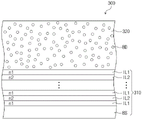
图5是滤光器的放大剖视图;5 is an enlarged cross-sectional view of an optical filter;
图6A是示意性地示出从背光单元发出的发射光的剖视图;6A is a cross-sectional view schematically showing emission light emitted from a backlight unit;
图6B是示意性地示出从背光单元发出的发射光的平面图;6B is a plan view schematically showing emission light emitted from the backlight unit;
图7A是示出穿过透射滤光器层的光的波长范围的曲线图;7A is a graph showing the wavelength range of light passing through a transmission filter layer;
图7B是示出由透射滤光器层反射的光的波长范围的曲线图;7B is a graph showing the wavelength range of light reflected by the transmissive filter layer;
图8A是示出第一透射滤光器层对从背光单元以约零(0)度的发射角发射并入射到第一透射滤光器层的光的透射率的曲线图;8A is a graph showing the transmittance of a first transmissive filter layer for light emitted from a backlight unit at an emission angle of about zero (0) degrees and incident on the first transmissive filter layer;
图8B是示出第一透射滤光器层对从背光单元以约40度的发射角发射并入射到第一透射滤光器层的光的透射率的曲线图;8B is a graph showing the transmittance of the first transmissive filter layer to light emitted from the backlight unit at an emission angle of about 40 degrees and incident on the first transmissive filter layer;
图9A是示出第二透射滤光器层对从背光单元以约零(0)度的发射角发射并入射到第二透射滤光器层的光的透射率的曲线图;9A is a graph showing the transmittance of the second transmissive filter layer for light emitted from the backlight unit at an emission angle of about zero (0) degrees and incident on the second transmissive filter layer;
图9B是示出第二透射滤光器层对从背光单元以约40度的发射角发射并入射到第二透射滤光器层的光的透射率的曲线图;9B is a graph showing the transmittance of the second transmissive filter layer to light emitted from the backlight unit at an emission angle of about 40 degrees and incident on the second transmissive filter layer;
图10是示出从第一透射滤光器层和第二透射滤光器层离开的光穿过空气层时的截止量的曲线图;10 is a graph showing the cutoff amount when light exiting from the first transmission filter layer and the second transmission filter layer passes through the air layer;
图11是示出从第一透射滤光器层和第二透射滤光器层离开的光穿过视角控制层时的截止量的曲线图;11 is a graph showing the amount of cutoff when light exiting the first transmission filter layer and the second transmission filter layer passes through the viewing angle control layer;
图12A至图12D是示出穿过透射滤光器层和视角控制层的光的透射率作为视角的函数的曲线图;12A-12D are graphs showing the transmittance of light through a transmissive filter layer and a viewing angle control layer as a function of viewing angle;
图13是示出根据本发明的显示装置的另一示例性实施方式的放大剖视图;13 is an enlarged cross-sectional view illustrating another exemplary embodiment of a display device according to the present invention;
图14是示出根据本发明的显示装置的另一示例性实施方式的放大剖视图;14 is an enlarged cross-sectional view illustrating another exemplary embodiment of a display device according to the present invention;
图15是示出设置在图14所示的第一基板上的显示器件的立体图;FIG. 15 is a perspective view showing a display device provided on the first substrate shown in FIG. 14;
图16是示出根据本发明的显示装置的另一示例性实施方式的放大剖视图;以及16 is an enlarged cross-sectional view illustrating another exemplary embodiment of a display device according to the present invention; and
图17是示出根据本发明的显示装置的另一示例性实施方式的放大剖视图。FIG. 17 is an enlarged cross-sectional view illustrating another exemplary embodiment of a display device according to the present invention.
具体实施方式Detailed ways
在下文中,将参照附图详细说明本发明的示例性实施方式。通过参考以下对示例性实施方式和附图的详细描述,可以更容易地理解本公开和实现本公开的方法。然而,本公开可以以许多不同的形式实施,并且不应被解释为限于本文阐述的示例性实施方式。更确切地说,这些实施方式被提供使得本发明将是透彻和完整的,并且将向本领域的技术人员充分地传达本发明的构思,并且公开将仅由所附权利要求书限定。在全文中,类似的附图标记指代类似的元件。Hereinafter, exemplary embodiments of the present invention will be described in detail with reference to the accompanying drawings. An understanding of the present disclosure and methods of implementing the present disclosure may be more readily understood by reference to the following detailed description of exemplary embodiments and accompanying drawings. This disclosure may, however, be embodied in many different forms and should not be construed as limited to the exemplary embodiments set forth herein. Rather, these embodiments are provided so that this disclosure will be thorough and complete, and will fully convey the concept of the present invention to those skilled in the art, and the disclosure will be limited only by the appended claims. Throughout the text, like reference numerals refer to like elements.
应当理解,当元件或层被称为在另一个元件或层“上”、“连接到”或“联接到”另一个元件或层时,其可以直接在该另一元件或层上、直接连接到或直接联接到该另一元件或层,或者可存在中间元件或层。相反,当元件被称为“直接”在另一个元件或层“上”、“直接连接到”或“直接联接到”另一个元件或层时,则不存在中间元件或层。如本文所用的,术语“和/或”包括相关列出项目中的一个或多个的任何和所有组合。It will be understood that when an element or layer is referred to as being "on," "connected to," or "coupled to" another element or layer, it can be directly on, directly connected to, the other element or layer to or directly coupled to the other element or layer, or intervening elements or layers may be present. In contrast, when an element is referred to as being "directly on," "directly connected to," or "directly coupled to" another element or layer, there are no intervening elements or layers present. As used herein, the term "and/or" includes any and all combinations of one or more of the associated listed items.
为了便于描述,可以在本文中使用诸如“在……下方”,“在……下面”,“下”,“在……上方”,“上”等的空间相对术语来描述如附图所示的一个元件或特征与另一个元件(多个元件)或特征(多个特征)的关系。应当理解,除了附图中描绘的取向之外,空间相对术语旨在涵盖装置在使用或操作中的不同取向。For ease of description, spatially relative terms such as "below," "below," "under," "above," "on," etc. may be used herein to describe what is shown in the accompanying drawings. The relationship of one element or feature to another element(s) or feature(s). It should be understood that the spatially relative terms are intended to encompass different orientations of the device in use or operation in addition to the orientation depicted in the figures.
应当理解,尽管例如第一、第二等的术语在本文中可以用于描述各种元件、部件、区域、层和/或部分,但这些元件、部件、区域、层和/或部分不应受这些术语的限制。这些术语仅用于将一个元件、部件、区域、层或部分与另一元件、部件、区域、层或部分区分开来。因此,在不脱离本发明的教导的情况下,可以将下面讨论的第一元件、第一部件、第一区域、第一层或第一部分称为第二元件、第二部件、第二区域、第二层或第二部分。It will be understood that, although terms such as first, second, etc. may be used herein to describe various elements, components, regions, layers and/or sections, these elements, components, regions, layers and/or sections should not be limited by limitations of these terms. These terms are only used to distinguish one element, component, region, layer or section from another element, component, region, layer or section. Thus, a first element, component, region, layer or section discussed below could be termed a second element, component, region, Second layer or second part.
本文使用的术语仅是为了描述特定实施方式的目的,而不旨在限制。如本文所用的,单数形式“一(a)”、“一(an)”和“该(the)”旨在包括复数形式,包括“至少一个”,除非上下文另有明确指示。“或”意为“和/或”。如本文所用的,术语“和/或”包括相关列出项目中的一个或多个的任何和所有组合。还应理解,术语“包含”和/或“包含有”或“包括”和/或“包括有”在本说明书中使用时指定所述特征、区域、整体、步骤、操作、元件和/或部件的存在,但不排除一个或多个其它特征、区域、整体、步骤、操作、元件、部件和/或它们的组合的存在或添加。The terminology used herein is for the purpose of describing particular embodiments only and is not intended to be limiting. As used herein, the singular forms "a (a)," "an (an)," and "the (the)" are intended to include the plural forms, including "at least one," unless the context clearly dictates otherwise. "Or" means "and/or". As used herein, the term "and/or" includes any and all combinations of one or more of the associated listed items. It will also be understood that the terms "comprising" and/or "comprising" or "including" and/or "comprising" when used in this specification designate said features, regions, integers, steps, operations, elements and/or components but does not preclude the presence or addition of one or more other features, regions, integers, steps, operations, elements, parts and/or combinations thereof.
如本文所用的,“约”或“大致”包括在考虑到讨论中的测量和与特定量的测量相关的误差(即测量系统的限制)的情况下在如由本领域的普通技术人员所确定的特定值的可接受偏差范围内的所陈述值和平均值。例如,“约”可以意为在一个或多个标准偏差内,或在所述值的±30%、20%、10%和5%之内。As used herein, "about" or "approximately" includes as determined by one of ordinary skill in the art taking into account the measurement in question and the errors associated with the measurement of the particular quantity (ie, limitations of the measurement system). The stated value and the average within the acceptable deviation of the specified value. For example, "about" can mean within one or more standard deviations, or within ±30%, 20%, 10%, and 5% of the stated value.
除非另有限定,否则本文使用的所有术语(包括技术术语和科学术语)具有与本发明所属领域的普通技术人员的通常理解相同的含义。还应理解,诸如在常用字典中定义的术语的术语应被解释为具有与其在相关领域和本发明的上下文中的含义一致的含义,并且将不以理想化或过度正式的意义来解释,除非本文明确地如此限定。Unless otherwise defined, all terms (including technical and scientific terms) used herein have the same meaning as commonly understood by one of ordinary skill in the art to which this invention belongs. It should also be understood that terms such as those defined in commonly used dictionaries should be construed to have meanings consistent with their meanings in the relevant art and the context of the present invention, and will not be construed in an idealized or overly formal sense, unless This document is expressly so limited.
本公开中描述的实施方式参照作为理想示意图的平面图和剖视图来描述。因此,示例性视图的形状可以根据制造技术和/或公差而变化。因此,实施方式不限于所示的具体形状,并且还包括根据制造工艺生产的形状的变化。因此,附图中所示的区域是示例性的,并且附图中所示的区域的形状旨在说明元件区域的具体形状,而不限制本公开的范围。Embodiments described in this disclosure are described with reference to plan views and cross-sectional views that are ideal schematic illustrations. Accordingly, the shape of the exemplary views may vary depending on manufacturing techniques and/or tolerances. Accordingly, embodiments are not limited to the specific shapes shown, and also include variations in shapes produced according to manufacturing processes. Thus, the regions illustrated in the figures are exemplary and the shapes of the regions illustrated in the figures are intended to illustrate the specific shapes of regions of elements and not to limit the scope of the present disclosure.
在下文中,将参照附图详细说明本发明。Hereinafter, the present invention will be described in detail with reference to the accompanying drawings.
图1是示出根据本发明的示例性实施方式的显示装置1000的分解立体图,以及图2是沿图1所示的线I-I’截取的剖视图。1 is an exploded perspective view illustrating a
参考图1和图2,显示装置1000具有例如矩形形状,该矩形形状在第一方向DR1上具有短边和在第二方向DR2上具有长边,但是显示装置1000的形状不应限于矩形形状。1 and 2 , the
显示装置1000包括窗构件100、显示模块DM、滤光器300、背光单元BLU、模架700和容纳构件800。The
为了便于说明,在图像在显示装置1000中被显示的方向称为上方向,并且与上方向相反的方向称为下方向,但它们不限于此或由此限制。在所示的示例性实施方式中,上方向和下方向基本上平行于第三方向DR3,该第三方向DR3垂直于第一方向DR1和第二方向DR2。第三方向DR3可以是用于区分显示装置1000的下述部件的前表面与后表面的参考方向。然而,上方向和下方向是彼此相对的,并因此,上方向和下方向可以改变为其他方向。For convenience of explanation, the direction in which the image is displayed in the
窗构件100包括光透射区域TA和遮光区域CA,光透射区域TA透射从显示模块DM提供的图像,遮光区域CA与光透射区域TA相邻并且不透射图像。光透射区域TA在由第一方向DR1和第二方向DR2限定的平面中设置在显示装置1000的中央处。遮光区域CA设置在光透射区域TA附近,并且具有围绕光透射区域TA的框形状。The
根据本发明的另一示例性实施方式,窗构件100可以仅包括光透射区域TA。也就是说,在另一示例性实施方式中,可以省略遮光区域CA。在这种情况下,可以通过窗构件100的上表面的整个区域来显示图像。According to another exemplary embodiment of the present invention, the
在示例性实施方式中,窗构件100可以包括例如玻璃、蓝宝石或塑料材料。In an exemplary embodiment, the
显示模块DM设置在窗构件100的下方。The display module DM is disposed below the
在平面中,在显示模块DM中限定有显示区域DA和非显示区域NDA,其中,图像通过显示区域DA显示,不通过非显示区域NDA显示。当在平面图中观察时,显示区域DA限定在显示模块DM的中央处,并且与窗构件100的光透射区域TA重叠。非显示区域NDA限定成围绕显示区域DA,并与窗构件100的遮光区域CA重叠。后文将参照图4详细描述显示模块DM。In a plane, a display area DA and a non-display area NDA are defined in the display module DM, wherein an image is displayed through the display area DA and not through the non-display area NDA. The display area DA is defined at the center of the display module DM when viewed in a plan view, and overlaps with the light transmission area TA of the
滤光器300设置在显示模块DM的下方。滤光器300选择性地透射或吸收从背光单元BLU提供的光,并控制从其透射的光的波长范围。滤光器300包括透射滤光器层310和设置在透射滤光器层310上的视角控制层320。后文将参考图3至图12D详细描述滤光器300。The
背光单元BLU设置在滤光器300下方,以向显示模块DM提供光。在所示的示例性实施方式中,例如,背光单元BLU可以是但不限于边缘照明型背光单元。The backlight unit BLU is disposed under the
背光单元BLU包括光源LS、导光板400、聚光构件500和反射片600。The backlight unit BLU includes a light source LS, a
在所示的示例性实施方式中,光源LS在第一方向DR1上与导光板400的一个侧部相邻,但其不限于此或由此限制。也就是说,光源LS可以与导光板400的侧表面中的至少一个侧表面相邻。In the illustrated exemplary embodiment, the light source LS is adjacent to one side of the
光源LS包括多个光源单元LSU和光源基板LSS。光源单元LSU产生要提供至显示模块DM的光,并将光提供给导光板400。根据所示的示例性实施方式,光源单元LSU可以包括例如作为点光源的发光二极管(“LED”),但是它们不应该限于此或由此限制。也就是说,根据另一示例性实施方式,光源单元LSU可以包括例如紫外线灯或激光二极管。此外,根据另一示例性实施方式,可以使用一个LED或多个LED组作为光源单元LSU。此外,根据另一示例性实施方式,光源单元LSU可以是例如线性光源。The light source LS includes a plurality of light source units LSU and a light source substrate LSS. The light source unit LSU generates light to be supplied to the display module DM and supplies the light to the
光源单元LSU可以设置(例如安装)在光源基板LSS上。光源基板LSS在第一方向DR1上面对导光板400的一个侧部,并在第二方向DR2上延伸。可以在光源基板LSS上印刷布线,以向光源单元LSU提供并控制电力。光源基板LSS可以包括连接到光源单元LSU的光源控制器(未示出)。光源控制器(未示出)分析通过显示模块DM显示的图像以输出局部调光信号,并且响应于局部调光信号控制由光源单元LSU产生的光的亮度。根据本发明的另一示例性实施方式,可以将光源控制器(未示出)设置(例如,安装)在单独的电路板上,并且光源控制器的位置不应该限于特定位置。The light source unit LSU may be provided (eg, mounted) on the light source substrate LSS. The light source substrate LSS faces one side of the
导光板400设置在显示模块DM的下方。在示例性实施方式中,导光板400可以具有例如板状形状。导光板400将从光源LS提供的光行进的路径改变到显示模块DM所位于的上方向。The
导光板400可以包括设置在导光板400的下表面上的多个反射图案RP。反射图案RP可以具有从导光板400的下表面向下突出的形状。反射图案RP散射或反射入射到导光板400的光。从光源LS提供至导光板400的光通过反射图案RP散射或反射,然后在从导光板400离开之后行进到导光板400的上方向。在图2中,每个反射图案RP具有例如三角形形状,但是反射图案RP的形状不应限于三角形形状。也就是说,在另一个示例性实施方式中,每个反射图案RP可以具有例如半圆形形状或凸透镜形状。The
此外,导光板400还可以包括设置在导光板400的上表面上的凸形图案LP。凸形图案LP具有从导光板400的上表面向上突出的形状。凸形图案LP会聚从导光板400离开的光。In addition, the
导光板400包括在可见光区域中具有高透光率的材料。在示例性实施方式中,导光板400可以包括透明聚合物树脂,例如,聚碳酸酯(“PC”)、聚甲基丙烯酸甲酯(“PMMA”)等。The
聚光构件500设置在导光板400和滤光器300之间。从导光板400提供至聚光构件500的光由聚光构件500会聚并提供至显示模块DM。在所示的示例性实施方式中,聚光构件500可以是但不限于包括多个反棱镜的反棱镜片。The
尽管在附图中未示出,但是背光单元BLU还可以包括至少一个光学片(未示出)。光学片(未示出)设置在聚光构件500上或聚光构件500的下方。在示例性实施方式中,光学片(未示出)可以是漫射片或保护片。Although not shown in the drawings, the backlight unit BLU may further include at least one optical sheet (not shown). An optical sheet (not shown) is disposed on or under the
反射片600设置在导光板400的下方。反射片600将从导光板400向下漏出的光反射到上方向。反射片600包括反射光的材料。在示例性实施方式中,反射片600可以包括例如铝。The
模架700设置在导光板400的上方。在所示的示例性实施方式中,模架700具有框架形状。详细地,模架700设置成对应于导光板400的上表面的边缘区域。模架700保持显示模块DM、滤光器300和背光单元BLU。The
模架700在横截面上具有阶梯形状。详细地,模架700包括多个平坦部分,该多个平坦部分设置在模架700的框架形状内部。平坦部分中的每个可以平行于由第一方向DR1和第二方向DR2限定的平面延伸,并且平坦部分中的每个可以和与其相邻的平坦部分限定阶梯差。The
显示模块DM、滤光器300和聚光构件500可以放置在平坦部分上,该平坦部分设置在模架700内部。因此,所放置的构件可以通过模架700的阶梯差来保持,并且聚光构件500和滤光器300可以彼此间隔开。The display module DM, the
容纳构件800设置在显示装置1000的最下位置处以容纳背光单元BLU。容纳构件800包括底部810和连接到底部810的多个侧壁820。在所示的示例性实施方式中,光源LS可以设置在容纳构件800的侧壁820中的一个侧壁的内侧表面上。容纳构件800可以包括具有刚性的金属材料。The
在透射滤光器层310和聚光构件500之间还可以设置有空气层AIR。An air layer AIR may also be provided between the
图3是示出从背光单元提供的光的波长范围的曲线图。FIG. 3 is a graph showing the wavelength range of light supplied from the backlight unit.
参考图2和图3,背光单元BLU的光源LS可以产生具有在第一波长范围中的峰值波长的第一光。在示例性实施方式中,例如,第一波长范围可以在等于或大于约400纳米(nm)且等于或小于约500nm的范围内。也就是说,光源单元LSU可以产生蓝色光。Referring to FIGS. 2 and 3 , the light source LS of the backlight unit BLU may generate first light having a peak wavelength in a first wavelength range. In an exemplary embodiment, for example, the first wavelength range may be in a range equal to or greater than about 400 nanometers (nm) and equal to or less than about 500 nm. That is, the light source unit LSU can generate blue light.
图4是示出图2所示的显示装置的放大剖视图。FIG. 4 is an enlarged cross-sectional view showing the display device shown in FIG. 2 .
参考图4,显示模块DM包括显示构件200和第一偏振层POL1。Referring to FIG. 4 , the display module DM includes a
第一偏振层POL1设置在显示构件200和背光单元BLU之间,以偏振从背光单元BLU提供的光。第一偏振层POL1可以在预定方向上具有透射轴(未示出)。The first polarizing layer POL1 is disposed between the
显示构件200设置在第一偏振层POL1上,以通过显示区域DA显示图像。在示例性实施方式中,显示构件200可以是但不限于例如光接收型显示面板。在示例性实施方式中,显示构件200可以是例如液晶显示(“LCD”)面板。The
显示构件200包括第一基板SUB1、第二基板SUB2、液晶层LC、光转换构件CV和第二偏振层POL2。The
第一基板SUB1设置在第一偏振层POL1上。第一基板SUB1可以包括具有高透光率的材料,以容易地透射来自背光单元BLU的光。在示例性实施方式中,第一基板SUB1可以是例如透明玻璃基板、透明塑料基板或透明膜。The first substrate SUB1 is disposed on the first polarizing layer POL1. The first substrate SUB1 may include a material having high light transmittance to easily transmit light from the backlight unit BLU. In an exemplary embodiment, the first substrate SUB1 may be, for example, a transparent glass substrate, a transparent plastic substrate, or a transparent film.
尽管在附图中未示出,但是第一基板SUB1包括至少一个像素区域(未示出)和邻近于像素区域的周边区域(未示出),在平面图中观察时,该至少一个像素区域和周边区域限定在第一基板SUB1中。在示例性实施方式中,像素区域(未示出)可以设置成多个,并且周边区域(未示出)可以限定在像素区域之间。Although not shown in the drawings, the first substrate SUB1 includes at least one pixel area (not shown) and a peripheral area (not shown) adjacent to the pixel area, the at least one pixel area and A peripheral area is defined in the first substrate SUB1. In an exemplary embodiment, pixel areas (not shown) may be provided in plural, and peripheral areas (not shown) may be defined between the pixel areas.
像素(未示出)分别设置在第一基板SUB1的像素区域(未示出)中。像素(未示出)包括多个像素电极(未示出)和多个薄膜晶体管(“TFT”)(未示出),该多个薄膜晶体管以一一对应的方式电连接到像素电极。TFT分别连接到像素电极以切换施加到每个像素电极的驱动信号。Pixels (not shown) are respectively disposed in pixel regions (not shown) of the first substrate SUB1. A pixel (not shown) includes a plurality of pixel electrodes (not shown) and a plurality of thin film transistors ("TFTs") (not shown), which are electrically connected to the pixel electrodes in a one-to-one correspondence. The TFTs are respectively connected to the pixel electrodes to switch the driving signal applied to each pixel electrode.
第二基板SUB2设置在第一基板SUB1上方以面向第一基板SUB1。液晶层LC插置在第二基板SUB2和第一基板SUB1之间。液晶层LC包括在预定方向上排列的多个液晶分子LCM。The second substrate SUB2 is disposed above the first substrate SUB1 to face the first substrate SUB1. The liquid crystal layer LC is interposed between the second substrate SUB2 and the first substrate SUB1. The liquid crystal layer LC includes a plurality of liquid crystal molecules LCM arranged in a predetermined direction.
第二基板SUB2可以包括与像素电极一起产生电场以控制液晶分子LCM的排列的公共电极(未示出)。显示构件200驱动液晶层LC以将图像显示到第三方向DR3,其中,第三方向DR3为上方向。The second substrate SUB2 may include a common electrode (not shown) that generates an electric field together with the pixel electrodes to control the alignment of the liquid crystal molecules LCM. The
虽然图中未示出,显示构件200可以包括驱动芯片、带载封装和印刷电路板,其中,驱动芯片产生驱动信号,驱动芯片设置(例如,安装)在带载封装上,印刷电路板通过带载封装电连接到显示构件200。Although not shown in the figure, the
第二偏振层POL2设置在液晶层LC和第二基板SUB2之间。第二偏振层POL2可以在预定方向上具有吸收轴。当显示装置1000处于亮状态时,第二偏振层POL2透射光,以及当显示装置1000处于暗状态时,第二偏振层POL2吸收光。The second polarizing layer POL2 is disposed between the liquid crystal layer LC and the second substrate SUB2. The second polarizing layer POL2 may have an absorption axis in a predetermined direction. When the
可以根据液晶分子LCM的排列模式来确定第一偏振层POL1的透射轴与第二偏振层POL2的吸收轴之间的角度。在示例性实施方式中,例如,当在平面图中观察时,第一偏振层POL1的透射轴可以基本上垂直于第二偏振层POL2的吸收轴。The angle between the transmission axis of the first polarizing layer POL1 and the absorption axis of the second polarizing layer POL2 may be determined according to the arrangement pattern of the liquid crystal molecules LCM. In an exemplary embodiment, for example, when viewed in a plan view, the transmission axis of the first polarizing layer POL1 may be substantially perpendicular to the absorption axis of the second polarizing layer POL2.
光转换构件CV设置在第二基板SUB2和公共电极(未示出)之间。也就是说,光转换构件CV设置在第二基板SUB2和第二偏振层POL2之间。光转换构件CV包括多个转换滤光器CF和黑矩阵BM。The light conversion member CV is disposed between the second substrate SUB2 and a common electrode (not shown). That is, the light conversion member CV is disposed between the second substrate SUB2 and the second polarizing layer POL2. The light conversion member CV includes a plurality of conversion filters CF and a black matrix BM.
转换滤光器CF可以根据入射到其的光的能量来改变光的颜色或透射光而不改变光的颜色。由光源LS产生的第一光通过光转换构件CV转换为具有各种颜色的各种光并被实现为图像。The conversion filter CF may change the color of the light or transmit the light without changing the color of the light according to the energy of the light incident thereto. The first light generated by the light source LS is converted into various lights having various colors by the light converting member CV and is realized as an image.
转换滤光器CF可以包括多个光转换颗粒。每个光转换颗粒吸收入射到其的光的至少一部分以发射具有特定颜色的光或者透射光而不改变光的颜色。在入射到转换滤光器CF的光具有足以激发光转换颗粒的能量的情况下,光转换颗粒通过吸收入射到光转换颗粒的光的至少一部分而被激发,并且然后光转换颗粒的激发状态返回到稳定状态以发射具有特定颜色的光。与上述不同,在入射到转换滤光器CF的光不具有足以激发光转换颗粒的能量的情况下,入射光可以在通过转换滤光器CF而不被改变之后被外部观察者察觉。The conversion filter CF may include a plurality of light conversion particles. Each light converting particle absorbs at least a portion of light incident thereto to emit light having a specific color or transmit light without changing the color of the light. In the case where the light incident to the conversion filter CF has sufficient energy to excite the light conversion particles, the light conversion particles are excited by absorbing at least a part of the light incident to the light conversion particles, and then the excited state of the light conversion particles returns to a stable state to emit light with a specific color. Unlike the above, in the case where the light incident to the conversion filter CF does not have sufficient energy to excite the light conversion particles, the incident light may be perceived by an external observer after passing through the conversion filter CF without being changed.
从光转换颗粒发射的光的颜色可以根据光转换颗粒的颗粒尺寸来确定。随着颗粒尺寸的增加,光的波长变长,并且随着颗粒尺寸的减小,光的波长变短。在所示的示例性实施方式中,光转换颗粒可以是量子点。The color of light emitted from the light conversion particles can be determined according to the particle size of the light conversion particles. As the particle size increases, the wavelength of light becomes longer, and as the particle size decreases, the wavelength of light becomes shorter. In the exemplary embodiment shown, the light converting particles may be quantum dots.
从转换滤光器CF发射的光在各种方向上行进。因此,由转换滤光器CF产生的光可以行进到第二基板SUB2和黑矩阵BM。Light emitted from the conversion filter CF travels in various directions. Therefore, the light generated by the conversion filter CF can travel to the second substrate SUB2 and the black matrix BM.
根据所示的示例性实施方式,转换滤光器CF包括第一转换滤光器F1、第二转换滤光器F2和第三转换滤光器F3。黑矩阵BM设置在第一转换滤光器F1、第二转换滤光器F2和第三转换滤光器F3之间,以限定第一转换滤光器F1、第二转换滤光器F2和第三转换滤光器F3之间的边界。According to the exemplary embodiment shown, the conversion filter CF includes a first conversion filter F1, a second conversion filter F2, and a third conversion filter F3. The black matrix BM is disposed between the first conversion filter F1, the second conversion filter F2 and the third conversion filter F3 to define the first conversion filter F1, the second conversion filter F2 and the third conversion filter F2. The boundary between the three conversion filters F3.
第一转换滤光器F1和第二转换滤光器F2可以将入射到光转换构件CV的光转换成彼此具有不同波长范围的光。The first conversion filter F1 and the second conversion filter F2 may convert light incident to the light conversion member CV into light having different wavelength ranges from each other.
第一转换滤光器F1吸收第一光,以将第一光转换成具有在第二波长范围内的峰值波长的第二光。在示例性实施方式中,例如,第二波长范围在等于或大于约480nm且等于或小于约560nm的范围内。也就是说,第一转换滤光器F1可将蓝色光转换为绿色光。The first conversion filter F1 absorbs the first light to convert the first light into second light having a peak wavelength in the second wavelength range. In an exemplary embodiment, for example, the second wavelength range is in a range equal to or greater than about 480 nm and equal to or less than about 560 nm. That is, the first conversion filter F1 may convert blue light into green light.
第二转换滤光器F2吸收第一光,以将第一光转换成具有在第三波长范围内的峰值波长的第三光。在示例性实施方式中,例如,第三波长范围在等于或大于约640nm且等于或小于约780nm的范围内。也就是说,第二转换滤光器F2可以将蓝光转换成红光。The second conversion filter F2 absorbs the first light to convert the first light into third light having a peak wavelength in a third wavelength range. In an exemplary embodiment, for example, the third wavelength range is in a range equal to or greater than about 640 nm and equal to or less than about 780 nm. That is, the second conversion filter F2 can convert blue light into red light.
第三转换滤光器F3可以是无色滤光器或灰色滤光器。在光源LS产生具有蓝色的光的情况下,因为第三转换滤光器F3透射入射到其上的光而不改变由光源LS产生的光的颜色,所以第三转换滤光器F3发射具有蓝色的光。在这种情况下,第三转换滤光器F3可以包括各种材料,只要第三转换滤光器F3透射入射到其上的光的至少一部分,并不应限于具体的示例性实施方式。The third conversion filter F3 may be a colorless filter or a gray filter. In the case where the light source LS generates light having blue color, since the third conversion filter F3 transmits the light incident thereon without changing the color of the light generated by the light source LS, the third conversion filter F3 emits light having a blue color blue light. In this case, the third conversion filter F3 may include various materials, as long as the third conversion filter F3 transmits at least a part of light incident thereon, and should not be limited to specific exemplary embodiments.
如上所述,光的波长可以根据量子点的颗粒尺寸来确定。因此,在第一转换滤光器F1、第二转换滤光器F2和第三转换滤光器F3中,第二转换滤光器F2包括量子点QD2,该量子点QD2具有大于第一转换滤光器F1的量子点QD1的尺寸和第三转换滤光器F3的量子点QD3的尺寸的最大尺寸,以及量子点QD3具有最小的尺寸。根据本发明的另一示例性实施方式,第三转换滤光器F3可以不包括量子点。As mentioned above, the wavelength of light can be determined according to the particle size of the quantum dots. Therefore, among the first conversion filter F1, the second conversion filter F2, and the third conversion filter F3, the second conversion filter F2 includes the quantum dots QD2 having a larger value than the first conversion filter. The size of the quantum dot QD1 of the optical device F1 and the size of the quantum dot QD3 of the third conversion filter F3 are the largest size, and the quantum dot QD3 has the smallest size. According to another exemplary embodiment of the present invention, the third conversion filter F3 may not include quantum dots.
黑矩阵BM与转换滤光器CF相邻。黑矩阵BM可以包括遮光材料。黑矩阵BM可以具有与周边区域(未示出)的形状相对应的形状。黑矩阵BM可以防止在除了光行进所穿过的像素区域(未示出)之外的区域中发生光泄漏,并且使彼此相邻的像素区域之间的边界清晰。The black matrix BM is adjacent to the conversion filter CF. The black matrix BM may include a light shielding material. The black matrix BM may have a shape corresponding to that of a peripheral region (not shown). The black matrix BM can prevent light leakage from occurring in regions other than pixel regions (not shown) through which light travels, and make boundaries between pixel regions adjacent to each other clear.
图5是滤光器300的放大剖视图。FIG. 5 is an enlarged cross-sectional view of the
参考图5,根据所示的示例性实施方式的滤光器300包括透射滤光器层310和视角控制层320。Referring to FIG. 5 , the
透射滤光器层310包括基础基板BS和设置在基础基板BS上的多个绝缘层。绝缘层包括第一绝缘层IL1和第二绝缘层IL2。第一绝缘层IL1和第二绝缘层IL2中的每一个可以设置成多个,并且第一绝缘层IL1可以与第二绝缘层IL2交替堆叠。The
第一绝缘层IL1和第二绝缘层IL2具有彼此不同的折射率。第一绝缘层IL1具有第一折射率n1,以及第二绝缘层IL2具有第二折射率n2。由于第一绝缘层IL1与第二绝缘层IL2交替堆叠,透射滤光器层310可以具有第一有效折射率N1。The first insulating layer IL1 and the second insulating layer IL2 have refractive indices different from each other. The first insulating layer IL1 has a first refractive index n1, and the second insulating layer IL2 has a second refractive index n2. Since the first insulating layers IL1 and the second insulating layers IL2 are alternately stacked, the
根据所示的示例性实施方式,优选地,第一折射率n1和第二折射率n2之间的差(n)为较小的。在示例性实施方式中,例如,透射滤光器层310的第一有效折射率N1可以在等于或大于约1.7且等于或小于约2.2的范围内。在示例性实施方式中,例如,第一折射率n1和第二折射率n2之间的差(n)可以等于或大于约零(0)且等于或小于约0.5。这将在后面详细描述。According to the illustrated exemplary embodiment, preferably, the difference (n) between the first refractive index n1 and the second refractive index n2 is small. In an exemplary embodiment, for example, the first effective refractive index N1 of the
根据所示的示例性实施方式,例如,第一绝缘层IL1可以包括二氧化钛(TiO2),以及第二绝缘层IL2可以包括二氧化硅(SiO2)。然而,第一绝缘层IL1和第二绝缘层IL2不应限于此或由此限制。According to the illustrated exemplary embodiment, for example, the first insulating layer IL1 may include titanium dioxide (TiO 2 ), and the second insulating layer IL2 may include silicon dioxide (SiO 2 ). However, the first insulating layer IL1 and the second insulating layer IL2 should not be limited thereto or thereby.
第一绝缘层IL1和第二绝缘层IL2中的每一个可以具有根据其折射率确定的沿横截面方向的厚度。在示例性实施方式中,例如,当入射到透射滤光器层310的光的中心波长被称为“λ”时,每个第一绝缘层IL1的厚度为约λ/4n1,并且每个第二绝缘层IL2的厚度为约λ/4n2。Each of the first insulating layer IL1 and the second insulating layer IL2 may have a thickness in a cross-sectional direction determined according to its refractive index. In the exemplary embodiment, for example, when the center wavelength of light incident to the
因此,可以根据第一绝缘层IL1和第二绝缘层IL2中的每一个的厚度来确定透射滤光器层310的第一绝缘层IL1的数量和第二绝缘层IL2的数量。在示例性实施方式中,例如,第一绝缘层IL1和第二绝缘层IL2中的每一个可以设置为二十层或更少。Therefore, the number of the first insulating layers IL1 and the number of the second insulating layers IL2 of the
视角控制层320设置在透射滤光器层310上。视角控制层320可以具有第二有效折射率N2。第二有效折射率N2可以等于或小于第一有效折射率N1。根据示例性实施方式,优选地,第一有效折射率N1和第二有效折射率N2之间的差(n)为较小的。在示例性实施方式中,例如,第二有效折射率N2可以大于约1.0。The viewing
根据所示的示例性实施方式,视角控制层320可以包括粘合材料。因此,视角控制层320可以将透射滤光器层310附接到第一偏振层POL1。在示例性实施方式中,例如,视角控制层320可以包括光学透明粘合剂(“OCA”)或硅。According to the exemplary embodiment shown, the viewing
此外,根据示例性实施方式,视角控制层320可以包括多个珠粒BD。第二有效折射率N2的水平可以通过珠粒BD的含量来控制。Also, according to an exemplary embodiment, the viewing
图6A是示意性地示出从背光单元BLU发出的发射光的剖视图,以及图6B是示意性地示出从背光单元BLU发出的发射光的平面图。6A is a cross-sectional view schematically showing the emitted light emitted from the backlight unit BLU, and FIG. 6B is a plan view schematically showing the emitted light emitted from the backlight unit BLU.
参考图6A和图6B,将从背光单元BLU发射并入射到滤光器300的光称为发射光OL,并将发射光OL与第一方向DR1之间的角度称为发射角θ1、θ2。第一方向DR1基本上平行于光源单元LSU的前光射出方向。发射光OL可以以各种发射角θ入射到滤光器300。6A and 6B, light emitted from the backlight unit BLU and incident on the
根据所示的示例性实施方式,通过滤光器300透射的第一光的光量可以根据发射光OL的发射角θ1、θ2而变化。这将参照附图进行详细描述。According to the illustrated exemplary embodiment, the light amount of the first light transmitted through the
图7A是示出穿过透射滤光器层的光的波长范围的曲线图,并且图7B是示出由透射滤光器层反射的光的波长范围的曲线图。FIG. 7A is a graph showing the wavelength range of light passing through the transmission filter layer, and FIG. 7B is a graph showing the wavelength range of light reflected by the transmission filter layer.
在示例性实施方式中,透射滤光器层310可以是但不限于例如分布式布拉格(Bragg)反射器(“DBR”)。也就是说,透射滤光器层310可以基于布拉格定律来控制通过其透射的光的波长范围和被其反射的光的波长范围。In an exemplary embodiment, the
参考图4、图7A和图7B,入射到透射滤光器层310的光的一部分透射通过透射滤光器层310,并且入射到透射滤光器层310的光的另一部分被透射滤光器层310反射。详细地,在入射到透射滤光器层310的光中,具有与透射滤光器层310的透射波长范围T1和T2重叠的波长范围的光透射通过透射滤光器层310,以及具有与透射滤光器层310的反射波长范围R1和R2重叠的波长范围的光被透射滤光器层310反射。当透射滤光器层310对入射到透射滤光器层310的光的透射率被称为“TR”并且透射滤光器层310对入射到透射滤光器层310的光的反射率为被称为“RE”时,“RE”和“TR”的关系如下:TR=│1-RE│。Referring to FIGS. 4 , 7A and 7B, a part of the light incident to the
如图7A所示,透射滤光器层310的透射波长范围T1和T2可以与第一波长范围和第三波长范围重叠。也就是说,透射滤光器层310可以透射蓝光和红光。As shown in FIG. 7A , the transmission wavelength ranges T1 and T2 of the
如图7B所示,透射滤光器层310的反射波长范围R1和R2可以与第二波长范围重叠。也就是说,透射滤光器层310可以反射绿光。As shown in FIG. 7B , the reflection wavelength ranges R1 and R2 of the
因此,在由光源LS产生的第一光入射到透射滤光器层310的情况下,透射滤光器层310透射在与第一波长范围重叠的透射波长范围T1和T2内的光(例如,蓝光),以及反射在与第二波长范围重叠的反射波长范围R1和R2内的光(例如,绿光)。Therefore, in the case where the first light generated by the light source LS is incident on the
根据所示的示例性实施方式,透射滤光器层310的透射波长范围T1和T2以及反射波长范围R1和R2可以根据第一绝缘层IL1(参见图5)和第二绝缘层IL2(参照图5)之间的折射率差(n)、第一绝缘层IL1和第二绝缘层IL2之间的厚度差、以及第一绝缘层IL1和第二绝缘层IL2的数量来确定。According to the illustrated exemplary embodiment, the transmission wavelength ranges T1 and T2 and the reflection wavelength ranges R1 and R2 of the
在这种情况下,在从光源LS提供的第一光的波长范围与透射滤光器层310的反射波长范围R1和R2重叠的情况下,透射通过透射滤光器层310的光的波长范围的宽度可能变窄。这被称为“截止”,并且其中第一光的波长范围中与反射波长范围R1和R2重叠的波长范围被称为“截止量”。In this case, in the case where the wavelength range of the first light supplied from the light source LS overlaps the reflection wavelength ranges R1 and R2 of the
图7A和图7B分别示出了具有彼此不同折射率差(n)的第一透射滤光器层(滤光器1)和第二透射滤光器层(滤光器2)的透射图和反射图。随着透射滤光器层310的折射率差(n)增加,透射滤光器层310的反射波长范围变宽。7A and 7B respectively show the transmission diagrams and reflection map. As the refractive index difference (n) of the
为了便于说明,将第一绝缘层IL1和第二绝缘层IL2的每一个的折射率差(n)设定为约0.5的透射滤光器层310称为第一透射滤光器层(滤光器1),以及将第一绝缘层IL1和第二绝缘层IL2的每一个的折射率差(n)设定为约0.7的透射滤光器层310称为第二透射滤光器层(滤光器2)。For convenience of explanation, the
第一透射滤光器层(滤光器1)具有第一反射波长范围R1,以及第二透射滤光器层(滤光器2)具有第二反射波长范围R2。第一反射波长范围R1的宽度比第二反射波长范围R2的宽度窄。也就是说,由第一透射滤光器层(滤光器1)反射的光具有比由第二透射滤光器层(滤光器2)反射的光的波长范围窄的波长范围。The first transmission filter layer (Filter 1) has a first reflection wavelength range R1, and the second transmission filter layer (Filter 2) has a second reflection wavelength range R2. The width of the first reflection wavelength range R1 is narrower than the width of the second reflection wavelength range R2. That is, the light reflected by the first transmission filter layer (filter 1) has a narrower wavelength range than that of the light reflected by the second transmission filter layer (filter 2).
因此,其中第一光的波长范围与第一反射波长范围R1重叠的波长范围可以小于其中第一光的波长范围与第二反射波长范围R2重叠的波长范围。也就是说,相对于光源LS,第一透射滤光器层(滤光器1)可以具有小于第二透射滤光器层(滤波器2)的截止量的截止量。Therefore, the wavelength range in which the wavelength range of the first light overlaps the first reflection wavelength range R1 may be smaller than the wavelength range in which the wavelength range of the first light overlaps the second reflection wavelength range R2. That is, with respect to the light source LS, the first transmission filter layer (filter 1) may have a cutoff amount smaller than that of the second transmission filter layer (filter 2).
图8A是示出第一透射滤光器层对从背光单元以约零(0)度的发射角发射并入射到第一透射滤光器层的光的透射率的曲线图,并且图8B是示出第一透射滤光器层对从背光单元以约40度的发射角发射并入射到第一透射滤光器层的光的透射率的曲线图。FIG. 8A is a graph showing transmittance of the first transmission filter layer to light emitted from the backlight unit at an emission angle of about zero (0) degrees and incident on the first transmission filter layer, and FIG. 8B is a A graph showing the transmittance of the first transmissive filter layer to light emitted from the backlight unit at an emission angle of about 40 degrees and incident on the first transmissive filter layer.
图9A是示出第二透射滤光器层对从背光单元以约零(0)度的发射角发射并入射到第二透射滤光器层的光的透射率的曲线图,并且图9B是示出第二透射滤光器层对从背光单元以约40度的发射角发射并入射到第二透射滤光器层的光的透射率的曲线图。9A is a graph showing the transmittance of the second transmission filter layer to light emitted from the backlight unit at an emission angle of about zero (0) degrees and incident on the second transmission filter layer, and FIG. 9B is a A graph showing the transmittance of the second transmissive filter layer to light emitted from the backlight unit at an emission angle of about 40 degrees and incident on the second transmissive filter layer.
参考图8A、图8B、图9A和图9B,由透射滤光器层310反射的光的中心波长λ随着发射角θ1、θ2增大而减小。也就是说,随着发射角θ1、θ2增大,反射波长范围R1和R2可以移动,使得由透射滤光器层310反射的光的中心波长更接近第一光的中心波长。在这种情况下,反射波长范围R1和R2的宽度不减小。Referring to FIGS. 8A , 8B, 9A, and 9B, the center wavelength λ of light reflected by the
如上所述,反射波长范围R1和R2随着发射角θ1、θ2增大而移动的现象被称为“蓝移”,以及反射波长范围R1和R2的移动程度被称为“蓝移量”。根据所示的示例性实施方式,截止量随着蓝移量增加而增加。As described above, the phenomenon that the reflection wavelength ranges R1 and R2 move as the emission angles θ1, θ2 increase is called "blue shift", and the degree of movement of the reflection wavelength ranges R1 and R2 is called "blue shift amount". According to the exemplary embodiment shown, the amount of cutoff increases as the amount of blueshift increases.
图10是示出从空气层AIR(参考图2和图4)离开的光穿过第一透射滤光器层和第二透射滤光器层时的截止量的曲线图。10 is a graph showing the cutoff amount when light exiting from the air layer AIR (refer to FIGS. 2 and 4 ) passes through the first transmission filter layer and the second transmission filter layer.
如图8A、图8B和图10所示,第一透射滤光器层(滤光器1)的蓝移量随着发射角θ1、θ2从约0度增加到约40度而增加。也就是说,当发射角θ1、θ2为约40度时的截止量可以大于当发射角θ1、θ2为约0度时的截止量。在示例性实施方式中,例如,当发射角θ1、θ2为约0度时,第一透射滤光器层(滤光器1)的截止量为约1nm,以及当发射角θ1、θ2为约40度时,第一透射滤光器层(滤光器1)的截止量为约13nm。As shown in FIGS. 8A , 8B and 10 , the amount of blue shift of the first transmissive filter layer (Filter 1 ) increases as the emission angles θ1 , θ2 increase from about 0 degrees to about 40 degrees. That is, the cutoff amount when the emission angles θ1 , θ2 are about 40 degrees may be larger than the cutoff amount when the emission angles θ1 , θ2 are about 0 degrees. In an exemplary embodiment, for example, when the emission angles θ1 , θ2 are about 0 degrees, the cutoff of the first transmissive filter layer (Filter 1 ) is about 1 nm, and when the emission angles θ1 , θ2 are about 1 nm At 40 degrees, the cutoff of the first transmissive filter layer (Filter 1) is about 13 nm.
如图9A、图9B和图10所示,第二透射滤光器层(滤光器2)的蓝移量随着发射角θ1、θ2从约0度增加到约40度而增加。也就是说,当发射角θ1、θ2为约40度时的截止量可以大于当发射角θ1、θ2为约0度时的截止量。在示例性实施方式中,例如,当发射角θ1、θ2为约0度时,第二透射滤光器层(滤光器2)的截止量为约19nm,以及当发射角θ1、θ2为约40度时,第二透射滤光器层(滤光器2)的截止量为约29nm。As shown in FIGS. 9A , 9B and 10 , the amount of blue shift of the second transmissive filter layer (Filter 2 ) increases as the emission angles θ1 , θ2 increase from about 0 degrees to about 40 degrees. That is, the cutoff amount when the emission angles θ1 , θ2 are about 40 degrees may be larger than the cutoff amount when the emission angles θ1 , θ2 are about 0 degrees. In an exemplary embodiment, for example, when the emission angles θ1 , θ2 are about 0 degrees, the cutoff of the second transmissive filter layer (Filter 2 ) is about 19 nm, and when the emission angles θ1 , θ2 are about 19 nm At 40 degrees, the cutoff of the second transmissive filter layer (Filter 2) is about 29 nm.
根据所示的示例性实施方式,当发射角θ1、θ2为约0度时,即当用户从显示装置1000的前方观看图像时,透射滤光器层310的绝缘层(参考图1、图2、图4、图5和图6A)之间的折射率差(n)可以设置成使得初始截止量具有最小值,并且因此滤光器300(参考图1、图2、图4、图5和图6A)的透射效率得到改善。也就是说,当发射角θ1、θ2为约0度时,反射波长范围R1和R2的宽度可以设置成使得反射波长范围R1和R2不与第一波长范围重叠。According to the illustrated exemplary embodiment, when the emission angles θ1, θ2 are about 0 degrees, that is, when a user views an image from the front of the
在示例性实施方式中,在透射滤光器层310具有第一反射波长范围R1的情况下,例如,透射滤光器层310对第一光的透射效率可高于当透射滤光器层310具有第二反射波长范围R2时的透射滤光器层310的透射效率。如上所述,具有第一反射波长范围R1的透射滤光器层310的第一折射率n1和第二折射率n2之间的差(n)可以等于或大于约0且等于或小于约0.5。In an exemplary embodiment, in the case where the
图11是示出在从第一透射滤光器层和第二透射滤光器层离开的光穿过视角控制层时的截止量的曲线图。11 is a graph showing a cutoff amount when light exiting from the first transmission filter layer and the second transmission filter layer passes through the viewing angle control layer.
从背光单元BLU发射的光入射到透射滤光器层310(参考图1、图2、图4、图5和图6A),并且入射光在穿过透射滤光器层310后透射通过视角控制层320(参考图1、图2、图4、图5和图6A)。根据所示的示例性实施方式,穿过滤光器300(参考图1、图2、图4、图5和图6A)的光的根据发射角θ1、θ2的蓝移量可以随着透射滤光器层310和视角控制层320之间的有效折射率的差(N)减小而增加。也就是说,根据发射角θ1、θ2的滤光器300的截止量的变化可以随着透射滤光器层310和视角控制层320之间的有效折射率的差(N)减小而增加。Light emitted from the backlight unit BLU is incident on the transmissive filter layer 310 (refer to FIGS. 1 , 2 , 4 , 5 , and 6A ), and the incident light is transmitted through viewing angle control after passing through the
为了便于说明,将具有约1.5的折射率的视角控制层320称为“第一视角控制层”(层1),并且将具有约1.7的折射率的视角控制层320称为“第二视角控制层”(层2)。如上所述,第一有效折射率N1等于或大于约1.7且等于或小于约2.2,并且第一透射滤光器层(滤光器1)和第一视角控制层(层1)之间的有效折射率差大于第一透射滤光器层(滤光器1)和第二视角控制层(层2)之间的有效折射率差。For convenience of explanation, the viewing
在入射到第一透射滤光器层(滤光器1)的光透射通过第一视角控制层(层1)的情况下,如上所述,当发射角θ1、θ2为约0度时,滤光器300的截止量为约1nm,并且当发射角θ1、θ2为约40度时,滤光器300的截止量为约28nm。In the case where the light incident to the first transmission filter layer (filter 1) is transmitted through the first viewing angle control layer (layer 1), as described above, when the emission angles θ1, θ2 are about 0 degrees, the filter The cutoff of the
在入射到第一透射滤光器层(滤光器1)的光透射通过第二视角控制层(层2)的情况下,当发射角θ1、θ2为约40度时,滤光器300的截止量为约37nm。In the case where the light incident to the first transmission filter layer (filter 1) is transmitted through the second viewing angle control layer (layer 2), when the emission angles θ1, θ2 are about 40 degrees, the
根据所示的示例性实施方式,可以将根据发射角θ1、θ2的截止量的变化设置为大的。随着发射角θ1、θ2增加,有效折射率N可以设置为小的,使得其中反射波长范围R1和R2与第一波长范围重叠的波长范围增加。作为理想示例,视角控制层320的第二有效折射率N2可以等于或大于约1.5。According to the illustrated exemplary embodiment, the variation of the cutoff amount according to the emission angles θ1 , θ2 may be set to be large. As the emission angles θ1, θ2 increase, the effective refractive index N can be set small so that the wavelength range in which the reflection wavelength ranges R1 and R2 overlap the first wavelength range increases. As an ideal example, the second effective refractive index N2 of the viewing
图12A至图12D是示出穿过透射滤光器层和视角控制层的光的透射率作为视角的函数的曲线图。12A-12D are graphs showing the transmittance of light passing through the transmissive filter layer and the viewing angle control layer as a function of viewing angle.
与前述示例性实施方式不同,在显示装置1000处于暗状态的情况下,显示装置1000的前方对比度可以根据发射光OL的发射角θ1和θ2(参照图6A和图6B)而变化。详细地,显示模块DM的第二偏振层POL2可能不吸收在穿过滤光器300之后到达第二偏振层POL2的光之中具有大的发射角θ1、θ2的发射光OL。未被第二偏振层POL2吸收的发射光OL可以由光转换构件CV吸收,并且通过光转换颗粒在所有方向上行进。在显示装置1000处于暗状态的情况下,前方对比度可被沿所有方向行进的光之中在前方方向上行进的光降低。然而,根据所示的示例性实施方式,如图12A至图12D所示,由于第二有效折射率N2设定成小于透射滤光器层310的第一有效折射率N1,所以具有大的发射角θ1、θ2的发射光OL的截止量可能增加。也就是说,在显示装置1000处于暗状态时,具有大的发射角θ1、θ2的发射光OL的光量可减小。此外,如图12A至图12D所示,根据所示示例性实施方式的透射滤光器层310具有小的折射率差(n),并因此具有小的发射角θ1、θ2的发射光OL的光量可增加。也就是说,可以使具有小的发射角θ1、θ2的发射光OL的透射效率最大化。Unlike the foregoing exemplary embodiments, in the case where the
因此,根据所示的示例性实施方式,当显示装置1000处于暗状态时,可以改善前方对比度。此外,由于将常规空气间隙替换成视角控制层320,所以在暗状态下可以提高前方对比度。此外,由于从显示装置1000省略了空气间隙,显示装置1000的组装性可以提高。Therefore, according to the illustrated exemplary embodiment, when the
图13是示出根据本发明的另一示例性实施方式的显示装置1000-1的放大剖视图。FIG. 13 is an enlarged cross-sectional view illustrating a display device 1000-1 according to another exemplary embodiment of the present invention.
为了便于说明,将主要描述所示示例性实施方式与前述实施方式的不同特征,并且在所示示例性实施方式中未描述的部件与前述实施方式中所描述的部件基本上相同。在图13中,相同的附图标记表示图1至图12D中的相同的元件,并因此将省略对相同元件的详细描述。For convenience of explanation, different features of the illustrated exemplary embodiment from the previous embodiments will be mainly described, and components not described in the illustrated exemplary embodiment are substantially the same as those described in the previous embodiments. In FIG. 13 , the same reference numerals denote the same elements in FIGS. 1 to 12D , and thus detailed descriptions of the same elements will be omitted.
参考图13,滤光器300-1还包括粘合构件330。粘合构件330设置在透射滤光器层310和聚光构件500之间,以附接透射滤光器层310和聚光构件500。Referring to FIG. 13 , the optical filter 300 - 1 further includes an
在所示的示例性实施方式中,粘合构件330可以包括与视角控制层320的材料相同的材料,但是其不应限于此或由此限制。In the illustrated exemplary embodiment, the
根据所示的示例性实施方式,由于省略了聚光构件500和滤光器300之间的空气间隙,所以可以省略模架700。根据所示的示例性实施方式,显示装置1000-1的组装性和耐久性可以增加。此外,由于从显示装置1000-1中省略了模架700,所以可以减小边框的尺寸。According to the illustrated exemplary embodiment, since the air gap between the light condensing
图14是示出根据本发明的另一示例性实施方式的显示装置1000-2的放大剖视图,以及图15是示出设置在如图14所示的第一基板SUB1上的显示器件DSP的立体图。在图14和图15中,相同的附图标记表示前述实施方式中的相同元件,并因此将省略对相同元件的详细描述。14 is an enlarged cross-sectional view illustrating a display device 1000-2 according to another exemplary embodiment of the present invention, and FIG. 15 is a perspective view illustrating a display device DSP provided on the first substrate SUB1 illustrated in FIG. 14 . In FIGS. 14 and 15 , the same reference numerals denote the same elements in the foregoing embodiments, and thus detailed descriptions of the same elements will be omitted.
参考图14和图15,根据所示示例性实施方式的显示模块DM-2的显示构件200-2可以包括第一基板SUB1、第二偏振层POL2、顶板层RFL、显示器件DSP、光转换构件CV和第二基板SUB2。为了便于说明,图15示意性地示出了设置在第一基板SUB1上的显示器件DSP的立体图。除了图15所示的部件之外,在第一基板SUB1上还可以设置其他部件。14 and 15 , the display member 200-2 of the display module DM-2 according to the illustrated exemplary embodiment may include a first substrate SUB1, a second polarizing layer POL2, a top plate layer RFL, a display device DSP, a light conversion member CV and the second substrate SUB2. For convenience of explanation, FIG. 15 schematically shows a perspective view of the display device DSP disposed on the first substrate SUB1. In addition to the components shown in FIG. 15, other components may be provided on the first substrate SUB1.
第一基板SUB1设置在第一偏振层POL1上作为其上设置有各种器件的基础层。第一基板SUB1可以包括具有高透光率的材料以容易地透射从背光单元BLU提供的光。在示例性实施方式中,第一基板SUB1可以是例如透明玻璃基板、透明塑料基板或透明膜。The first substrate SUB1 is disposed on the first polarizing layer POL1 as a base layer on which various devices are disposed. The first substrate SUB1 may include a material having high light transmittance to easily transmit light supplied from the backlight unit BLU. In an exemplary embodiment, the first substrate SUB1 may be, for example, a transparent glass substrate, a transparent plastic substrate, or a transparent film.
当在平面图中观察时,第一基板SUB1包括至少一个像素区域PA和与像素区域PA相邻的周边区域SA。在所示的示例性实施方式中,像素区域PA设置成多个,并且周边区域SA限定在像素区域PA之间。When viewed in a plan view, the first substrate SUB1 includes at least one pixel area PA and a peripheral area SA adjacent to the pixel area PA. In the illustrated exemplary embodiment, the pixel areas PA are provided in plural, and the peripheral area SA is defined between the pixel areas PA.
顶板层RFL设置在第一基板SUB1上。顶板层RFL可以设置成多个,并且顶板层RFL可以设置在彼此相同的层上,并且可以在第一方向DR1上布置成彼此间隔开。在所示的示例性实施方式中,将仅描述一个顶板层RFL作为代表性示例。The top plate layer RFL is disposed on the first substrate SUB1. The top plate layers RFL may be disposed in plural, and the top plate layers RFL may be disposed on the same layer as each other, and may be arranged to be spaced apart from each other in the first direction DR1. In the exemplary embodiment shown, only one roof layer RFL will be described as a representative example.
顶板层RFL具有在第二方向DR2上延伸的一致形状。顶板层RFL的一部分接触第一基板SUB1,并且另一部分与第一基板SUB1间隔开。The top plate layer RFL has a uniform shape extending in the second direction DR2. A portion of the top plate layer RFL contacts the first substrate SUB1, and another portion is spaced apart from the first substrate SUB1.
顶板层RFL包括多个部分。这些部分包括各自与第一基板SUB1间隔开的多个间隔部分、以及各自接触第一基板SUB1的多个接触部分。The top plate layer RFL includes a plurality of parts. These portions include a plurality of spacer portions each spaced apart from the first substrate SUB1, and a plurality of contact portions each contacting the first substrate SUB1.
每个间隔部分在第一方向DR1上从一端到另一端与第一基板SUB1间隔开。第一基板SUB1的上表面、一个间隔部分、以及分别连接到间隔部分的相对端部的两个接触部分限定一个腔CAV。因此,腔CAV具有在第一方向DR1上延伸的隧道形状。Each spacer portion is spaced from the first substrate SUB1 from one end to the other end in the first direction DR1. The upper surface of the first substrate SUB1, a spacer portion, and two contact portions respectively connected to opposite ends of the spacer portion define a cavity CAV. Therefore, the cavity CAV has a tunnel shape extending in the first direction DR1.
间隔部分和接触部分在第二方向DR2上彼此交替布置并且彼此连接以形成整体形状。因此,顶板层RFL和第一基板SUB1可以限定在第二方向DR2上布置的多个腔CAV。每个腔CAV在第一方向DR1上开口,并在第二方向DR2上闭合。The spacer portions and the contact portions are alternately arranged with each other in the second direction DR2 and are connected to each other to form an integral shape. Accordingly, the top plate layer RFL and the first substrate SUB1 may define a plurality of cavities CAV arranged in the second direction DR2. Each cavity CAV is open in the first direction DR1 and closed in the second direction DR2.
显示器件DSP设置在像素区域PA中。详细地,显示器件DSP分别设置在腔CAV中。The display device DSP is provided in the pixel area PA. In detail, the display devices DSP are respectively disposed in the cavities CAV.
显示器件DSP可以以多种方式实施,只要显示器件DSP显示由电信号控制的光。在示例性实施方式中,例如,每个显示器件DSP可以是液晶电容器或电泳器件。在显示器件DSP是液晶电容器的情况下,腔CAV可以填充有液晶层(未示出)。液晶层(未示出)包括多个液晶分子(未示出)。可以通过控制在显示构件200-2中产生的电场来控制从背光单元BLU提供的光中的透射通过腔CAV的光的光量。The display device DSP can be implemented in various ways, as long as the display device DSP displays light controlled by electrical signals. In an exemplary embodiment, for example, each display device DSP may be a liquid crystal capacitor or an electrophoretic device. In the case where the display device DSP is a liquid crystal capacitor, the cavity CAV may be filled with a liquid crystal layer (not shown). The liquid crystal layer (not shown) includes a plurality of liquid crystal molecules (not shown). The amount of light transmitted through the cavity CAV among the light supplied from the backlight unit BLU can be controlled by controlling the electric field generated in the display member 200-2.
显示构件200-2还可以包括绝缘层INL。绝缘层INL设置在顶板层RFL上以覆盖顶板层RFL。绝缘层INL密封腔CAV。The display member 200-2 may further include an insulating layer INL. The insulating layer INL is disposed on the top plate layer RFL to cover the top plate layer RFL. The insulating layer INL seals the cavity CAV.
绝缘层INL可以包括透明绝缘材料。在示例性实施方式中,绝缘层INL可以包括例如有机材料和/或无机材料。绝缘层INL可以包括多个有机层和与有机层交替堆叠的多个无机层。The insulating layer INL may include a transparent insulating material. In an exemplary embodiment, the insulating layer INL may include, for example, an organic material and/or an inorganic material. The insulating layer INL may include a plurality of organic layers and a plurality of inorganic layers alternately stacked with the organic layers.
绝缘层INL可以是但不限于用于将显示器件DSP从外部环境中密封起来的密封层。作为另一种方式,绝缘层INL可以是但不限于提供平坦化表面的平坦化层。绝缘层INL可以以多种方式实施,而不应限于具体的示例性实施方式。The insulating layer INL may be, but is not limited to, a sealing layer for sealing the display device DSP from the external environment. Alternatively, the insulating layer INL may be, but is not limited to, a planarization layer that provides a planarized surface. The insulating layer INL may be implemented in various ways and should not be limited to specific exemplary embodiments.
光转换构件CV设置在绝缘层INL上。光转换构件CV可以直接设置在绝缘层INL上,或者在被单独提供之后设置在绝缘层INL上。在光转换构件CV在被单独提供之后设置在绝缘层INL上的情况下,在光转换构件CV和绝缘层INL之间还可以设置预定的粘合层或空气层AIR。The light conversion member CV is disposed on the insulating layer INL. The light conversion member CV may be directly disposed on the insulating layer INL, or disposed on the insulating layer INL after being separately provided. In the case where the light conversion member CV is provided on the insulating layer INL after being provided separately, a predetermined adhesive layer or air layer AIR may also be provided between the light conversion member CV and the insulating layer INL.
图16是示出根据本发明的另一示例性实施方式的显示装置1000-3的放大剖视图。在图16中,相同的附图标记表示前述实施方式中的相同元件,并因此将省略对相同元件的详细描述。FIG. 16 is an enlarged cross-sectional view illustrating a display device 1000-3 according to another exemplary embodiment of the present invention. In FIG. 16, the same reference numerals denote the same elements in the foregoing embodiments, and thus detailed descriptions of the same elements will be omitted.
参考图16,根据所示示例性实施方式的滤光器300可以设置在第一偏振层POL1和第一基板SUB1之间。因此,视角控制层320联接第一基板SUB1和透射滤光器层310。Referring to FIG. 16 , the
图17是示出根据本发明的另一示例性实施方式的显示装置1000-4的放大剖视图。在图17中,相同的附图标记表示前述实施方式中的相同元件,并因此将省略对相同元件的详细描述。FIG. 17 is an enlarged cross-sectional view illustrating a display device 1000-4 according to another exemplary embodiment of the present invention. In FIG. 17, the same reference numerals denote the same elements in the foregoing embodiments, and thus detailed descriptions of the same elements will be omitted.
参考图17,显示构件200-4包括第一基板SUB1、透射滤光器层310、视角控制层320、光转换构件CV、第二偏振层POL2,以及第二基板SUB2。17, the display member 200-4 includes a first substrate SUB1, a
透射滤光器层310设置在第一基板SUB1上。视角控制层320设置在光转换构件CV和透射滤光器层310之间,其中,光转换构件CV和透射滤光器层310设置在第二基板SUB2下方。视角控制层320可以包括多个液晶分子LCM。在示例性实施方式中,例如,视角控制层320可以是其中多个液晶分子LCM在预定方向上对齐的液晶层(未示出)。也就是说,视角控制层320可以用作LCD面板的液晶层。The
因此,可以提高显示装置1000的对比度。Therefore, the contrast ratio of the
虽然已经描述了本发明的示例性实施方式,但是应当理解,本发明不应限于这些示例性实施方式,而是,本领域普通技术人员在如所附权利要求所要求保护的本发明的精神和范围内可以进行各种改变和修改。While exemplary embodiments of the present invention have been described, it should be understood that the present invention should not be limited to these exemplary embodiments, but rather, by those of ordinary skill in the art within the spirit and scope of the invention as claimed in the appended claims. Various changes and modifications can be made within the scope.
Claims (14)
Applications Claiming Priority (2)
| Application Number | Priority Date | Filing Date | Title |
|---|---|---|---|
| KR1020160123299A KR102659654B1 (en) | 2016-09-26 | 2016-09-26 | Display apparatus |
| KR10-2016-0123299 | 2016-09-26 |
Publications (2)
| Publication Number | Publication Date |
|---|---|
| CN107870481A CN107870481A (en) | 2018-04-03 |
| CN107870481B true CN107870481B (en) | 2022-04-29 |
Family
ID=59858592
Family Applications (1)
| Application Number | Title | Priority Date | Filing Date |
|---|---|---|---|
| CN201710845947.6A Active CN107870481B (en) | 2016-09-26 | 2017-09-19 | display device |
Country Status (4)
| Country | Link |
|---|---|
| US (1) | US10330850B2 (en) |
| EP (1) | EP3299877B1 (en) |
| KR (1) | KR102659654B1 (en) |
| CN (1) | CN107870481B (en) |
Families Citing this family (11)
| Publication number | Priority date | Publication date | Assignee | Title |
|---|---|---|---|---|
| KR102749620B1 (en) | 2016-10-18 | 2025-01-06 | 삼성디스플레이 주식회사 | Display apparatus |
| CN107065299A (en) * | 2016-12-31 | 2017-08-18 | 惠科股份有限公司 | Method for manufacturing backlight module |
| US10401682B2 (en) * | 2017-01-25 | 2019-09-03 | Innolux Corporation | Display device capable of generating color of light close to or identical to blue primary color of DCI-P3 color gamut |
| US20210231844A1 (en) * | 2018-05-02 | 2021-07-29 | 3M Innovative Properties Company | Multilayer reflector |
| CN108919402B (en) | 2018-07-24 | 2021-11-16 | 京东方科技集团股份有限公司 | Color filter substrate, manufacturing method thereof and display device |
| KR102546678B1 (en) * | 2018-09-18 | 2023-06-23 | 삼성디스플레이 주식회사 | Display device |
| TWI662303B (en) * | 2018-11-29 | 2019-06-11 | 友達光電股份有限公司 | Back-light module |
| CN109633965B (en) * | 2019-01-03 | 2021-11-02 | 京东方科技集团股份有限公司 | Color filter structure, display substrate and manufacturing method thereof, and display device |
| CN110426892B (en) * | 2019-07-05 | 2022-03-04 | 海信视像科技股份有限公司 | Backlight module and display device |
| KR102433877B1 (en) * | 2019-07-08 | 2022-08-17 | 삼성에스디아이 주식회사 | Display device |
| TWI788867B (en) | 2021-06-03 | 2023-01-01 | 元太科技工業股份有限公司 | Light source module and display device |
Citations (5)
| Publication number | Priority date | Publication date | Assignee | Title |
|---|---|---|---|---|
| WO2000046631A1 (en) * | 1999-02-08 | 2000-08-10 | Colorlink, Inc. | Switchable achromatic polarization rotator |
| CN101021643A (en) * | 2006-02-16 | 2007-08-22 | 三星电子株式会社 | Optical sheet and display device equipped therewith |
| CN101451673A (en) * | 2007-12-07 | 2009-06-10 | 索尼株式会社 | Illumination apparatus, color conversion device, and display apparatus |
| TW201431685A (en) * | 2012-11-14 | 2014-08-16 | Fujifilm Corp | Photosensitive transfer material, substrate having photosensitive low refractive transfer layer, method for fabricating photosensitive low refractive transfer layer, method for forming permanent film, optical device and method for fabricating the same |
| CN105408810A (en) * | 2013-07-22 | 2016-03-16 | 富士胶片株式会社 | Liquid crystal display device |
Family Cites Families (18)
| Publication number | Priority date | Publication date | Assignee | Title |
|---|---|---|---|---|
| JP3893533B2 (en) * | 2001-02-09 | 2007-03-14 | 株式会社日立製作所 | Liquid crystal display |
| JP2002357717A (en) * | 2001-06-01 | 2002-12-13 | Dainippon Printing Co Ltd | Wavelength selection element and optical display device having the same |
| EP1548856A3 (en) * | 2003-12-26 | 2012-08-08 | Nitto Denko Corporation | Electroluminescence device, planar light source and display using the same |
| JP2008112032A (en) | 2006-10-31 | 2008-05-15 | Canon Electronics Inc | Optical filter |
| KR101534341B1 (en) * | 2008-09-22 | 2015-07-06 | 코오롱인더스트리 주식회사 | An optical sheet including a high- |
| JP5970688B2 (en) * | 2011-11-02 | 2016-08-17 | セイコーエプソン株式会社 | Liquid crystal device and electronic device |
| JP2015084000A (en) * | 2012-02-07 | 2015-04-30 | シャープ株式会社 | Display element, lighting device |
| KR101860935B1 (en) * | 2012-03-15 | 2018-05-25 | 삼성디스플레이 주식회사 | Liquid crystal display device and manufacturing method thereof |
| FR3007148B1 (en) | 2013-06-17 | 2016-11-25 | Centre Nat De La Rech Scient - Cnrs | ANGULAR OPTICAL FILTERING ELEMENT FOR ANGULAR FILTERING WITH CONTROLLED ANGULAR SELECTIVITY |
| JP6153813B2 (en) | 2013-08-12 | 2017-06-28 | 富士フイルム株式会社 | Liquid crystal display |
| KR101859637B1 (en) | 2013-08-23 | 2018-05-18 | 삼성전자주식회사 | Back light unit and liquid crystal display apparatus having the same |
| KR101581762B1 (en) * | 2014-06-27 | 2016-01-04 | 엘지전자 주식회사 | Back light unit and display device having the same |
| KR102239112B1 (en) * | 2014-07-30 | 2021-04-13 | 삼성디스플레이 주식회사 | Display device |
| KR101937824B1 (en) | 2014-11-21 | 2019-01-11 | 재단법인 철원플라즈마 산업기술연구원 | Organic light emitting device |
| US10050075B2 (en) | 2014-11-21 | 2018-08-14 | Lumilant, Inc. | Multi-layer extraordinary optical transmission filter systems, devices, and methods |
| JP2016142894A (en) | 2015-02-02 | 2016-08-08 | 株式会社ジャパンディスプレイ | Display device |
| TWI539209B (en) * | 2015-04-09 | 2016-06-21 | 友達光電股份有限公司 | Backlight module |
| US10310322B2 (en) * | 2016-04-29 | 2019-06-04 | Dai Nippon Printing Co., Ltd. | Image source unit and display device |
-
2016
- 2016-09-26 KR KR1020160123299A patent/KR102659654B1/en active Active
-
2017
- 2017-04-27 US US15/498,677 patent/US10330850B2/en active Active
- 2017-09-12 EP EP17190676.1A patent/EP3299877B1/en active Active
- 2017-09-19 CN CN201710845947.6A patent/CN107870481B/en active Active
Patent Citations (5)
| Publication number | Priority date | Publication date | Assignee | Title |
|---|---|---|---|---|
| WO2000046631A1 (en) * | 1999-02-08 | 2000-08-10 | Colorlink, Inc. | Switchable achromatic polarization rotator |
| CN101021643A (en) * | 2006-02-16 | 2007-08-22 | 三星电子株式会社 | Optical sheet and display device equipped therewith |
| CN101451673A (en) * | 2007-12-07 | 2009-06-10 | 索尼株式会社 | Illumination apparatus, color conversion device, and display apparatus |
| TW201431685A (en) * | 2012-11-14 | 2014-08-16 | Fujifilm Corp | Photosensitive transfer material, substrate having photosensitive low refractive transfer layer, method for fabricating photosensitive low refractive transfer layer, method for forming permanent film, optical device and method for fabricating the same |
| CN105408810A (en) * | 2013-07-22 | 2016-03-16 | 富士胶片株式会社 | Liquid crystal display device |
Also Published As
| Publication number | Publication date |
|---|---|
| EP3299877B1 (en) | 2019-04-24 |
| US10330850B2 (en) | 2019-06-25 |
| EP3299877A1 (en) | 2018-03-28 |
| KR102659654B1 (en) | 2024-04-23 |
| CN107870481A (en) | 2018-04-03 |
| US20180088266A1 (en) | 2018-03-29 |
| KR20180034741A (en) | 2018-04-05 |
Similar Documents
| Publication | Publication Date | Title |
|---|---|---|
| CN107870481B (en) | display device | |
| CN107957642B (en) | display device | |
| EP2840438A1 (en) | Backlight unit comprising a quantum-dot layer and an optical filter and liquid crystal display apparatus including the backlight unit | |
| US9791613B2 (en) | Display device | |
| US20100123854A1 (en) | Optical sheet, illuminating device and liquid crystal display device | |
| US20200159071A1 (en) | Back light unit and display device having the same | |
| JP7270384B2 (en) | Display device | |
| US20100277669A1 (en) | Illuminating device and liquid crystal display device | |
| CN108121114B (en) | Display device with dichroic filter | |
| CN102313165A (en) | Lighting unit and display provided with the same | |
| KR101666570B1 (en) | Liquid crystal display apparatus and method of manufacturing the same | |
| US20090051852A1 (en) | Backlight module and liquid crystal display using the same | |
| CN102032508A (en) | Light-emitting device and display | |
| CN109541737A (en) | display device | |
| KR101759556B1 (en) | Backlight unit and liquid crystal display device and method having the same | |
| CN112859426B (en) | Display panel and display device | |
| US10890800B2 (en) | Display apparatus | |
| KR102497784B1 (en) | Display device | |
| CN107884986B (en) | Display device with quantum dot unit | |
| KR101224638B1 (en) | Prism sheet having reflective layer, back light unit and liquid crystal display having the same | |
| KR100783810B1 (en) | Liquid crystal display adopting polymer dispersed liquid crystal mode | |
| KR102525223B1 (en) | Backlight unit and display apparatus including the same | |
| KR20150066320A (en) | Liquid crystal display device and method for fabricating the same |
Legal Events
| Date | Code | Title | Description |
|---|---|---|---|
| PB01 | Publication | ||
| PB01 | Publication | ||
| SE01 | Entry into force of request for substantive examination | ||
| SE01 | Entry into force of request for substantive examination | ||
| GR01 | Patent grant | ||
| GR01 | Patent grant |