CN107787009B - Congestion processing method, device and system - Google Patents
Congestion processing method, device and system Download PDFInfo
- Publication number
- CN107787009B CN107787009B CN201610740528.1A CN201610740528A CN107787009B CN 107787009 B CN107787009 B CN 107787009B CN 201610740528 A CN201610740528 A CN 201610740528A CN 107787009 B CN107787009 B CN 107787009B
- Authority
- CN
- China
- Prior art keywords
- pdu
- data
- sdu
- data link
- discard
- Prior art date
- Legal status (The legal status is an assumption and is not a legal conclusion. Google has not performed a legal analysis and makes no representation as to the accuracy of the status listed.)
- Active
Links
Images


Classifications
-
- H—ELECTRICITY
- H04—ELECTRIC COMMUNICATION TECHNIQUE
- H04W—WIRELESS COMMUNICATION NETWORKS
- H04W28/00—Network traffic management; Network resource management
- H04W28/02—Traffic management, e.g. flow control or congestion control
- H04W28/06—Optimizing the usage of the radio link, e.g. header compression, information sizing, discarding information
- H04W28/065—Optimizing the usage of the radio link, e.g. header compression, information sizing, discarding information using assembly or disassembly of packets
-
- H—ELECTRICITY
- H04—ELECTRIC COMMUNICATION TECHNIQUE
- H04L—TRANSMISSION OF DIGITAL INFORMATION, e.g. TELEGRAPHIC COMMUNICATION
- H04L47/00—Traffic control in data switching networks
- H04L47/10—Flow control; Congestion control
- H04L47/32—Flow control; Congestion control by discarding or delaying data units, e.g. packets or frames
-
- H—ELECTRICITY
- H04—ELECTRIC COMMUNICATION TECHNIQUE
- H04W—WIRELESS COMMUNICATION NETWORKS
- H04W28/00—Network traffic management; Network resource management
- H04W28/02—Traffic management, e.g. flow control or congestion control
-
- H—ELECTRICITY
- H04—ELECTRIC COMMUNICATION TECHNIQUE
- H04W—WIRELESS COMMUNICATION NETWORKS
- H04W28/00—Network traffic management; Network resource management
- H04W28/02—Traffic management, e.g. flow control or congestion control
- H04W28/0289—Congestion control
-
- H—ELECTRICITY
- H04—ELECTRIC COMMUNICATION TECHNIQUE
- H04W—WIRELESS COMMUNICATION NETWORKS
- H04W28/00—Network traffic management; Network resource management
- H04W28/02—Traffic management, e.g. flow control or congestion control
- H04W28/06—Optimizing the usage of the radio link, e.g. header compression, information sizing, discarding information
-
- H—ELECTRICITY
- H04—ELECTRIC COMMUNICATION TECHNIQUE
- H04W—WIRELESS COMMUNICATION NETWORKS
- H04W8/00—Network data management
- H04W8/02—Processing of mobility data, e.g. registration information at HLR [Home Location Register] or VLR [Visitor Location Register]; Transfer of mobility data, e.g. between HLR, VLR or external networks
- H04W8/04—Registration at HLR or HSS [Home Subscriber Server]
Landscapes
- Engineering & Computer Science (AREA)
- Computer Networks & Wireless Communication (AREA)
- Signal Processing (AREA)
- Databases & Information Systems (AREA)
- Mobile Radio Communication Systems (AREA)
- Communication Control (AREA)
Abstract
本发明提供了一种拥塞处理方法、装置及系统,包括:在发送端的数据链路协议子层为服务数据单元SDU启动丢弃定时器;在所述丢弃定时器超时时,在所述数据链路协议子层丢弃所述SDU,以及,对已经在所述数据链路协议子层组成数据协议数据单元PDU的SDU执行以下操作之一:将所述数据PDU中的所述SDU换成填充比特、丢弃所述数据PDU并发送丢弃通知PDU、继续发送所述数据PDU。通过本发明,解决了相关技术中上层数据发送速率与无线链路的传输速率不匹配的问题。
The present invention provides a congestion processing method, device and system, comprising: starting a discard timer for a service data unit SDU at a data link protocol sublayer of a transmitting end; when the discard timer times out, in the data link The protocol sublayer discards the SDU, and performs one of the following operations on the SDUs that have formed a data protocol data unit PDU at the data link protocol sublayer: replacing the SDU in the data PDU with padding bits, The data PDU is discarded and a discard notification PDU is sent, continuing to send the data PDU. The invention solves the problem that the transmission rate of the upper layer data does not match the transmission rate of the wireless link in the related art.
Description
技术领域technical field
本发明涉及通信领域,具体而言,涉及一种拥塞处理方法、装置及系统。The present invention relates to the field of communications, and in particular, to a congestion processing method, device and system.
背景技术Background technique
无线通信技术经过短短数十载的发展,已经从1G发展到4G,虽然四代无线通信技术从系统框架到物理层技术都有不同的设计,但在无线接口的设计上,均采用三层协议模型,即物理层(L1),数据链路层(L2)和网络层(L3)。以LTE(Long Term Evolution,长期演进)系统为例,如图1本发明相关技术LTE系统无线接口(Uu口)的用户面协议栈架构图,所示协议栈架构图只从LTE技术的角度示出了由LTE定义的L1,L2,并未示出L3。LTE系统中,L2从下到上又包括MAC(Medium Access Control,媒体接入控制),RLC(Radio Link Control,无线链路控制),和PDCP(Packet Data Convergence Protocol,分组数据汇聚协议)等协议子层,其中MAC通过传输信道与物理层PHY(L1)进行通信,而PDCP通过PDCP-SAP(ServiceAccess Point,服务接入点)与网络层进行通信。After a few decades of development, wireless communication technology has developed from 1G to 4G. Although the four generations of wireless communication technologies have different designs from the system framework to the physical layer technology, the design of the wireless interface adopts three layers. Protocol model, namely physical layer (L1), data link layer (L2) and network layer (L3). Taking the LTE (Long Term Evolution, Long Term Evolution) system as an example, the user plane protocol stack architecture diagram of the wireless interface (Uu port) of the LTE system related to the present invention is shown in FIG. 1 , the shown protocol stack architecture diagram is only shown from the perspective of LTE technology. L1, L2 defined by LTE are shown, and L3 is not shown. In the LTE system, L2 includes protocols such as MAC (Medium Access Control, Media Access Control), RLC (Radio Link Control, Radio Link Control), and PDCP (Packet Data Convergence Protocol, Packet Data Convergence Protocol) from bottom to top. Sublayer, wherein the MAC communicates with the physical layer PHY (L1) through a transport channel, and the PDCP communicates with the network layer through PDCP-SAP (Service Access Point, service access point).
其中LTE MAC层的功能包括:逻辑信道与传输信道的映射;将一个或多个不同逻辑信道上的MAC SDU(Service Data Unit,服务数据单元)复用到一个传输块上后发送到传输信道上;将一个或多个不同逻辑信道上的MAC SDU从传输信道接收到的传输块中解复用;调度信息上报;传输格式选择;通过动态调度处理不同UE之间的优先级;UE内不同逻辑信道之间的优先级处理;混合自动重传请求(Hybrid Automatic Repeat Request,简称为HARQ)等。The functions of the LTE MAC layer include: mapping between logical channels and transport channels; multiplexing MAC SDUs (Service Data Units) on one or more different logical channels into one transport block and then sending them to the transport channel ; Demultiplexing MAC SDUs on one or more different logical channels from the transport block received by the transport channel; Scheduling information reporting; Transport format selection; Handling priorities between different UEs through dynamic scheduling; Priority processing between channels; Hybrid Automatic Repeat Request (HARQ for short), etc.
其中LTE RLC层存在三种模式,AM(Acknowledged Mode,确认模式)模式,UM(Unacknowledged Mode,非确认模式)模式和TM模式(Transparent Mode,透明模式),其功能包括:重传(通过ARQ实现);重排序;RLC SDU级联;RLC SDU分段和重组;RLC PDU(Protocol Data Unit,协议数据单元)重分段;RLC PDU重排序;重复包检测;RLC SDU丢弃,RLC重建等。There are three modes in the LTE RLC layer, AM (Acknowledged Mode, confirmed mode) mode, UM (Unacknowledged Mode, unacknowledged mode) mode and TM mode (Transparent Mode, transparent mode), its functions include: retransmission (implemented through ARQ) ); reordering; RLC SDU concatenation; RLC SDU segmentation and reassembly; RLC PDU (Protocol Data Unit, Protocol Data Unit) re-segmentation; RLC PDU reordering;
RLC的以上功能中,重传和重分段功能只有AM模式支持,重排序、级联、分段和重组、重复包检测、RLC SDU丢弃等功能只有AM和UM模式支持。Among the above functions of RLC, retransmission and re-segmentation functions are only supported in AM mode, and functions such as reordering, concatenation, segmentation and reassembly, duplicate packet detection, and RLC SDU discarding are only supported in AM and UM modes.
RLC的以上功能中,根据对处理时间的不同要求,可以分为两类,一类是“高处理时间要求”的功能,包括RLC SDU级联,RLC SDU分段和重组,RLC PDU重分段和RLC PDU重排序等功能,这些功能与数据的调度和传输时序密切相关,需要在调度和传输时序规定的时间内处理完毕。另一类则是“非高处理时间要求”的功能,包括除上述“高处理时间要求”的功能之外的剩余功能,这些功能与调度和传输时序非紧密相关。The above functions of RLC can be divided into two categories according to different requirements for processing time. One is the functions with "high processing time requirements", including RLC SDU concatenation, RLC SDU segmentation and reassembly, and RLC PDU re-segmentation and RLC PDU reordering and other functions, these functions are closely related to data scheduling and transmission timing, and need to be processed within the time specified by the scheduling and transmission timing. The other category is "non-high processing time requirements" functions, including the remaining functions other than the above "high processing time requirements" functions, which are not closely related to scheduling and transmission timing.
其中LTE PDCP层的功能包括:头压缩和解压缩;安全功能,具体包括对数据和信令的加密、解密,对信令的完成性保护;PDCP重建时的重排序,重复包检测和重传(只有在RLC采用AM模式时支持);支持双连接(DC)分叉承载(split bearer)时的包路由,重排序和重传功能(其中重传功能只有在RLC采用AM模式时支持)。The functions of the LTE PDCP layer include: header compression and decompression; security functions, including encryption and decryption of data and signaling, and complete protection of signaling; reordering during PDCP reconstruction, repeated packet detection and retransmission ( It is only supported when RLC adopts AM mode); it supports packet routing, reordering and retransmission functions when dual connectivity (DC) split bearer is used (where retransmission function is only supported when RLC adopts AM mode).
LTE系统中,MAC层的所有功能都是“高处理时间要求”的功能,而PDCP层的所有功能则都是“非高处理时间要求”的功能。In the LTE system, all functions of the MAC layer are functions with "high processing time requirements", while all functions of the PDCP layer are functions with "non-high processing time requirements".
无线通信技术经过几十年的商用,各种智能终端和智能应用层出不穷,无线通信技术也逐渐渗透应用于各个垂直行业,业界预测到2020年左右,无线通信技术的发展指标是实现每区域1000倍的移动数据流量增长,每用户10到100倍的吞吐量增长,连接设备数10到100倍的增长,低功率设备10倍的电池寿命延长,以及端到端5倍延迟的下降,这也是5G技术研究的目标。此外5G新技术需要能过支持各种可能出现的业务,比如eMBB(EnhancedMobile Broadband,增强移动宽带),URLLC(Ultra Reliable and Low LatencyCommunications,超可靠低时延通信),mMTC(Massive Machine-Type-Communications,巨量机器通信)等类型的通信。After decades of commercial use of wireless communication technology, various smart terminals and smart applications are emerging one after another, and wireless communication technology has gradually penetrated into various vertical industries. 10x to 100x increase in throughput per user, 10x to 100x increase in the number of connected devices, 10x longer battery life for low-power devices, and a 5x drop in end-to-end latency, which is also 5G The goal of technical research. In addition, 5G new technology needs to be able to support various possible services, such as eMBB (Enhanced Mobile Broadband), URLLC (Ultra Reliable and Low Latency Communications), mMTC (Massive Machine-Type-Communications) , massive machine communication) and other types of communication.
申请人经过分析发现,要实现5G(new radio)的技术目标,仅依靠对现有网络进行简单增强或者升级无法实现5G技术目标,因此有必要在对现有网络、现有技术进行进一步演进的基础上,加快对新型网络部署策略、新技术研究等方面的探索。其中在网络部署策略方面,一方面可以考虑更加密集化的部署网络,以及使用具有更大带宽(比如500MHz-1GHz)的高频频段,比如6GHz以上频段;另一方面可以考虑联合使用LTE技术,5G新技术,和其他无线通信技术,比如WLAN技术。而在新技术研究方面,设计5G新波形,新帧(或子帧)结构,新的系统架构以及在此基础上的增强通信过程。After analysis, the applicant found that to achieve the technical goals of 5G (new radio), the 5G technical goals cannot be achieved by simply enhancing or upgrading the existing network. Therefore, it is necessary to further evolve the existing network and existing technology. On this basis, accelerate the exploration of new network deployment strategies and new technology research. Among them, in terms of network deployment strategies, on the one hand, a more dense deployment network can be considered, and the use of high-frequency frequency bands with larger bandwidth (such as 500MHz-1GHz), such as frequency bands above 6GHz; on the other hand, the joint use of LTE technology can be considered. 5G new technology, and other wireless communication technologies, such as WLAN technology. In terms of new technology research, new 5G waveforms, new frame (or subframe) structures, new system architectures, and enhanced communication processes are designed.
然而申请人发现,相关技术中的L2协议功能设计,由于其固有的架构和功能划分,无法满足5G的设计目标。比如LTE L2的三个协议层设计中,存在一些重复实现的功能,尤其存在于RLC和PDCP层之间,比如包括重排序,重复包检测,重传等功能在两个协议层分别实现了两次,这种重复功能的设计一方面增加了软硬件的处理开销,另一方面也不利于实现5G高速率,低功耗,低时延的技术指标。However, the applicant has found that the L2 protocol function design in the related art cannot meet the design goals of 5G due to its inherent architecture and function division. For example, in the design of the three protocol layers of LTE L2, there are some functions that are repeatedly implemented, especially between the RLC and PDCP layers, such as reordering, duplicate packet detection, retransmission and other functions are implemented in the two protocol layers respectively. Second, the design of this repetitive function increases the processing overhead of software and hardware on the one hand, and on the other hand is not conducive to the realization of the technical indicators of 5G high speed, low power consumption, and low latency.
因此,为了实现5G技术目标,适应5G时代出现的新的网络部署方式、新的物理层技术和新的系统架构,业界提出需要对L2协议架构进行重新设计,对L2协议功能进行重新分配。其中一种可能的设计思路为,将RLC层中“非高处理时间要求”的功能与PDCP层的功能合并到一个协议子层实现,而对于RLC层中“高处理时间要求”的功能,根据不同的需求,可以考虑将其与MAC层的功能合并到一个协议子层实现,或者继续保留一个单独的协议子层实现这些功能。Therefore, in order to achieve the 5G technical goals and adapt to the new network deployment methods, new physical layer technologies and new system architectures in the 5G era, the industry proposes to redesign the L2 protocol architecture and redistribute the L2 protocol functions. One of the possible design ideas is to combine the functions of the "non-high processing time requirement" in the RLC layer and the functions of the PDCP layer into one protocol sublayer, and for the "high processing time requirement" function in the RLC layer, according to For different requirements, consider combining the functions of the MAC layer and the MAC layer into a protocol sublayer for implementation, or continue to retain a separate protocol sublayer to implement these functions.
将RLC层中“非高处理时间要求”的功能与PDCP层的功能合并到一个协议子层,去除原来LTE L2协议中一些重复功能的设计,将使得原来LTE L2中一些关键功能无法工作,其中一个重要功能就是原来LTE PDCP层的包丢弃(PDCP discard)功能。PDCP discard功能设计的初衷是为了解决当无线链路上出现拥塞(上层,比如TCP(Transmission ControlProtocol,传输控制协议)层的数据发送速率超过无线链路的传输速率)时,可以通过发端PDCP主动丢弃数据包,最终实现将丢包的事实传导到发送端上层(如TCP层),从而引发上层降低数据发送速率,解决拥塞问题(即解决上层数据发送速率超过无线链路的传输速率的问题)。PDCP discard功能的失效将导致拥塞问题无法解决,影响业务传输,最终影响用户体验。The function of "non-high processing time requirement" in the RLC layer and the function of the PDCP layer are merged into one protocol sub-layer, and the design of removing some repetitive functions in the original LTE L2 protocol will make some key functions in the original LTE L2 unable to work. An important function is the packet discard (PDCP discard) function of the original LTE PDCP layer. The original intention of the PDCP discard function design is to solve the problem that when there is congestion on the wireless link (the data transmission rate of the upper layer, such as the TCP (Transmission Control Protocol) layer exceeds the transmission rate of the wireless link), it can be actively discarded through the originating PDCP. The data packet is finally transmitted to the upper layer of the sender (such as the TCP layer), thereby causing the upper layer to reduce the data transmission rate and solve the congestion problem (that is, to solve the problem that the upper layer data transmission rate exceeds the transmission rate of the wireless link). The failure of the PDCP discard function will cause the congestion problem to be unsolved, affect service transmission, and ultimately affect user experience.
针对相关技术中存在的上述问题,目前尚未发现有效的解决方案。For the above problems existing in the related art, no effective solution has been found so far.
发明内容SUMMARY OF THE INVENTION
本发明实施例提供了一种拥塞处理方法、装置及系统,以至少解决相关技术中上层数据发送速率与无线链路的传输速率不匹配的问题。Embodiments of the present invention provide a congestion processing method, device, and system, so as to at least solve the problem that the upper layer data transmission rate does not match the transmission rate of the wireless link in the related art.
根据本发明的一个实施例,提供了一种拥塞处理方法,包括:在发送端的数据链路协议子层为服务数据单元SDU启动丢弃定时器;在所述丢弃定时器超时时,在所述数据链路协议子层丢弃所述SDU,以及,对已经在所述数据链路协议子层组成数据协议数据单元PDU的SDU执行以下操作之一:将所述数据PDU中的所述SDU换成填充比特、丢弃所述数据PDU并发送丢弃通知PDU、继续发送所述数据PDU。According to an embodiment of the present invention, a method for handling congestion is provided, comprising: starting a discard timer for a service data unit SDU at a data link protocol sublayer of a transmitting end; when the discard timer times out, in the data The link protocol sublayer discards the SDU, and performs one of the following operations on the SDUs that have formed a data protocol data unit PDU at the data link protocol sublayer: replacing the SDU in the data PDU with padding bit, discard the data PDU and send a discard notification PDU, continue to send the data PDU.
可选地,所述数据链路协议子层为最高数据链路协议子层L2-H,其中,所述L2-H层包含以下功能中的至少一项:头压缩和解压缩、安全、重传、重排序和重复包检测。Optionally, the data link protocol sublayer is the highest data link protocol sublayer L2-H, wherein the L2-H layer includes at least one of the following functions: header compression and decompression, security, retransmission , reordering and duplicate packet detection.
可选地,在数据链路协议子层为服务数据单元SDU启动丢弃定时器包括:在所述数据链路协议子层收到来自上层的SDU后,为所述SDU启动所述丢弃定时器;或,在所述数据链路协议子层执行级联操作后,为级联的数据SDU启动所述丢弃定时器,其中,所述数据链路协议子层包括对上层SDU的级联功能;其中,所述上层包括以下至少之一:网络层L3,TCP/IP层,应用层,数据链路层中除了所述数据链路协议子层的其他子层。Optionally, starting the discard timer for the service data unit SDU at the data link protocol sublayer includes: after the data link protocol sublayer receives the SDU from the upper layer, starting the discard timer for the SDU; Or, after the data link protocol sublayer performs the concatenation operation, start the discard timer for the concatenated data SDUs, wherein the data link protocol sublayer includes a concatenation function for upper-layer SDUs; wherein , the upper layer includes at least one of the following: a network layer L3, a TCP/IP layer, an application layer, and other sublayers in the data link layer except the data link protocol sublayer.
可选地,在所述数据链路协议子层包含对上层SDU的级联功能时,所述SDU为级联的SDU;在所述数据链路协议子层不包含所述级联功能时,所述SDU为来自上层的SDU。Optionally, when the data link protocol sublayer includes a concatenation function for upper-layer SDUs, the SDU is a concatenated SDU; when the data link protocol sublayer does not include the concatenation function, The SDU is an SDU from an upper layer.
可选地,将所述数据PDU中的所述SDU换成填充比特包括:将所述数据PDU中所述SDU所在的数据字段换成预设的填充比特。Optionally, replacing the SDU in the data PDU with padding bits includes: replacing a data field where the SDU is located in the data PDU with a preset padding bit.
可选地,将所述数据PDU中的所述SDU换成填充比特包括:如果在所述丢弃定时器超时之前所述数据链路协议子层已经将包含所述SDU的数据PDU发送给了下一个协议子层,在丢弃定时器超时时,在所述数据链路协议子层将所述数据PDU中的所述SDU换成填充比特并指示所述下一个协议子层丢弃所述数据PDU。Optionally, replacing the SDU in the data PDU with padding bits includes: if the data link protocol sublayer has already sent the data PDU containing the SDU to the next layer before the discard timer expires. A protocol sublayer, when the discard timer expires, the data link protocol sublayer replaces the SDU in the data PDU with padding bits and instructs the next protocol sublayer to discard the data PDU.
可选地,所述丢弃通知PDU包含所述数据PDU的序列号,所述丢弃通知PDU用于指示所述序列号对应的所述数据PDU已经被发送方丢弃。Optionally, the discard notification PDU includes a sequence number of the data PDU, and the discard notification PDU is used to indicate that the data PDU corresponding to the sequence number has been discarded by the sender.
可选地,丢弃所述数据PDU并发送丢弃通知PDU包括:在所述数据链路协议子层丢弃所述数据PDU,并通知所述数据链路协议子层的下一层协议子层丢弃所述数据PDU。Optionally, discarding the data PDU and sending the discard notification PDU includes: discarding the data PDU at the data link protocol sublayer, and notifying the next layer protocol sublayer of the data link protocol sublayer to discard the data link protocol sublayer. described data PDU.
可选地,在执行继续发送所述数据PDU之后,所述方法还包括:在数据链路子层丢弃所述SDU之后的预设个数的SDU。Optionally, after continuing to send the data PDU, the method further includes: discarding a preset number of SDUs after the SDU at the data link sublayer.
根据本发明的一个实施例,提供了另一种拥塞处理方法,包括:在接收端的数据链路协议子层接收协议数据单元PDU;在所述PDU为包括服务数据单元SDU的数据PDU时,从所述数据PDU中还原出SDU,若还原出全部为填充比特的SDU,在向所述数据链路协议子层的上层递交SDU时忽略所述SDU;或,在所述PDU为丢弃通知PDU时,从所述丢弃通知PDU中获取被丢弃数据PDU的序列号DISCARD_SN,若所述DISCARD_SN是所述数据链路协议子层正在按序等待接收的数据PDU的序列号时,执行更新所述正在按序等待接收的数据PDU的操作。According to an embodiment of the present invention, another method for handling congestion is provided, including: receiving a protocol data unit PDU at a data link protocol sublayer of a receiving end; when the PDU is a data PDU including a service data unit SDU, from The SDU is restored from the data PDU. If the SDU with all padding bits is restored, the SDU is ignored when submitting the SDU to the upper layer of the data link protocol sublayer; or, when the PDU is a discard notification PDU , obtain the serial number DISCARD_SN of the discarded data PDU from the discard notification PDU, if the DISCARD_SN is the serial number of the data PDU that the data link protocol sublayer is waiting to receive in sequence, execute updating the The operation of waiting for the received data PDU in sequence.
可选地,从所述数据PDU中还原出SDU包括:去除所述数据PDU的协议数据单元头后得到SDU;或者,去除所述数据PDU的协议数据单元头,并执行完整性验证,解密,解压缩中的至少一个操作后得到SDU。Optionally, restoring the SDU from the data PDU includes: obtaining the SDU after removing the protocol data unit header of the data PDU; or, removing the protocol data unit header of the data PDU, and performing integrity verification, decryption, The SDU is obtained after at least one operation in the decompression.
可选地,在向所述数据链路协议子层的上层递交SDU时忽略所述SDU是指:在向所述数据链路协议子层的上层递交SDU时放弃向所述数据链路协议子层的上层递交所述SDU。Optionally, ignoring the SDU when submitting the SDU to the upper layer of the data link protocol sublayer means: giving up to the data link protocol sublayer when submitting the SDU to the upper layer of the data link protocol sublayer. The upper layer of the layer delivers the SDU.
可选地,执行更新所述正在按序等待接收的数据PDU的操作包括:更新接收窗口,向所述数据链路协议子层的上层按序递交窗口更新之后,从序列号小于更新后的正在按序等待接收的数据PDU的序列号的数据PDU中还原出的,并且尚未递交过的SDU。Optionally, performing the operation of updating the data PDUs that are waiting to be received in sequence includes: updating the receiving window, and after submitting the window update to the upper layer of the data link protocol sublayer in sequence, starting from the sequence number smaller than the updated data PDU. The SDU that is restored from the data PDU with the sequence number of the received data PDU in sequence and has not been submitted.
可选地,更新接收窗口包括:将接收状态变量的值更新到所述DISCARD_SN指示的序列号之后需要按序等待接收的数据PDU的序列号SN,并基于所述更新后的接收状态变量的值更新最大可接收状态变量的值;其中,接收状态变量用于记录正在按序等待接收的PDU的序列号,最大可接收状态变量的值等于所述接收状态变量的值加预设接收窗口尺寸的值。Optionally, updating the receiving window includes: updating the value of the receiving state variable to the serial number SN of the data PDUs that need to wait to be received in sequence after the serial number indicated by the DISCARD_SN, and based on the updated value of the receiving state variable. Update the value of the maximum acceptable state variable; wherein, the receiving state variable is used to record the serial number of the PDU that is waiting to be received in sequence, and the value of the maximum acceptable state variable is equal to the value of the receiving state variable plus the preset receiving window size. value.
可选地,执行更新所述正在按序等待接收的数据PDU的操作还包括:在更新所述接收窗口后,如果所述接收状态变量更新后的值小于更新前的值,更新接收超帧号RX_HFN。Optionally, performing the operation of updating the data PDUs that are waiting to be received in sequence also includes: after updating the receiving window, if the updated value of the receiving state variable is less than the value before the update, updating the received superframe number. RX_HFN.
可选地,所述方法还包括:若所述DISCARD_SN不是所述数据链路协议子层正在按序等待接收的数据PDU的序列号时,则忽略所述丢弃通知PDU。Optionally, the method further includes: if the DISCARD_SN is not the sequence number of the data PDU that the data link protocol sublayer is waiting to receive in sequence, ignoring the discard notification PDU.
根据本发明的另一个实施例,提供了一种拥塞处理装置,应用在发送端,包括:启动模块,用于在数据链路协议子层为服务数据单元SDU启动丢弃定时器;处理模块,用于在所述丢弃定时器超时时,在所述数据链路协议子层丢弃所述SDU,以及,对已经在所述数据链路协议子层组成数据协议数据单元PDU的SDU执行以下操作之一:将所述数据PDU中的所述SDU换成填充比特、丢弃所述数据PDU并发送丢弃通知PDU、继续发送所述数据PDU。According to another embodiment of the present invention, there is provided a congestion processing apparatus, which is applied at a sending end and includes: a starting module for starting a discard timer for a service data unit SDU at a data link protocol sublayer; a processing module for using when the discard timer expires, discarding the SDU at the data link protocol sublayer, and performing one of the following operations on the SDU that has formed a data protocol data unit PDU at the data link protocol sublayer : Replace the SDU in the data PDU with padding bits, discard the data PDU, send a discard notification PDU, and continue to send the data PDU.
可选地,所述数据链路协议子层为协议子层L2-H,其中,所述L2-H层包含以下功能中的至少一项:头压缩和解压缩、安全、重传、重排序和重复包检测。Optionally, the data link protocol sublayer is a protocol sublayer L2-H, wherein the L2-H layer includes at least one of the following functions: header compression and decompression, security, retransmission, reordering and Duplicate packet detection.
根据本发明的另一个实施例,提供了另一种拥塞处理装置,应用在接收端,包括:接收模块,用于在数据链路协议子层接收协议数据单元PDU;处理模块,用于在所述PDU为包括服务数据单元SDU的数据PDU时,从所述数据PDU中还原出SDU,若还原出全部为填充比特的SDU,在向所述数据链路协议子层的上层递交SDU时忽略所述SDU;或,用于在所述PDU为丢弃通知PDU时,从所述丢弃通知PDU中获取被丢弃数据PDU的序列号DISCARD_SN,若所述DISCARD_SN是所述数据链路协议子层正在按序等待接收的数据PDU的序列号时,执行更新所述正在按序等待接收的数据PDU的操作。According to another embodiment of the present invention, another congestion processing apparatus is provided, applied at a receiving end, comprising: a receiving module for receiving a protocol data unit PDU at a data link protocol sublayer; a processing module for receiving at all When the PDU is a data PDU including a service data unit SDU, the SDU is restored from the data PDU, and if all SDUs with padding bits are restored, the SDU is ignored when submitting the SDU to the upper layer of the data link protocol sublayer. The SDU; or, when the PDU is a discard notification PDU, obtain the sequence number DISCARD_SN of the discarded data PDU from the discard notification PDU, if the DISCARD_SN is the data link protocol sublayer When waiting for the sequence number of the received data PDU, the operation of updating the data PDU that is waiting to be received in sequence is performed.
可选地,所述处理模块执行更新所述正在按序等待接收的数据PDU的操作包括:更新接收窗口,向所述数据链路协议子层的上层按序递交窗口更新之后,从序列号小于更新后的正在按序等待接收的数据PDU的序列号的数据PDU中还原出的,并且尚未递交过的SDU;其中,接收状态变量用于记录正在按序等待接收的PDU的序列号。最大可接收状态变量的值等于所述接收状态变量的值加预设接收窗口尺寸的值。Optionally, the processing module performing the operation of updating the data PDUs that are waiting to be received in sequence includes: updating the receiving window, and after submitting the window update to the upper layer of the data link protocol sublayer in sequence, from the sequence number less than The updated data PDUs with the sequence numbers of the data PDUs that are waiting to be received in sequence are the SDUs that have not been delivered yet; the receiving state variable is used to record the sequence numbers of the PDUs that are waiting to be received in sequence. The value of the maximum receivable state variable is equal to the value of the receiving state variable plus the value of the preset receiving window size.
可选地,所述处理模块还用于:若所述DISCARD_SN不是所述数据链路协议子层正在按序等待接收的数据PDU的SN号时,则忽略所述丢弃通知PDU。Optionally, the processing module is further configured to ignore the discard notification PDU if the DISCARD_SN is not the SN number of the data PDU that the data link protocol sublayer is waiting to receive in sequence.
根据本发明的又一个实施例,提供了一种拥塞处理系统,包括发送端、接收端,所述发送端包括:启动模块,用于在数据链路协议子层为服务数据单元SDU启动丢弃定时器;第一处理模块,用于在所述丢弃定时器超时时,在所述数据链路协议子层丢弃所述SDU,以及,对已经在所述数据链路协议子层组成数据协议数据单元PDU的SDU执行以下操作之一:将所述数据PDU中的所述SDU换成填充比特、丢弃所述数据PDU并发送丢弃通知PDU、继续发送所述数据PDU;According to yet another embodiment of the present invention, a congestion processing system is provided, including a sending end and a receiving end, wherein the sending end includes: a start module for starting a discard timing for a service data unit SDU at the data link protocol sublayer a first processing module, configured to discard the SDU in the data link protocol sublayer when the discard timer expires, and, for data protocol data units that have been formed in the data link protocol sublayer The SDU of the PDU performs one of the following operations: replacing the SDU in the data PDU with padding bits, discarding the data PDU and sending a discard notification PDU, and continuing to send the data PDU;
所述接收端包括:接收模块,用于在数据链路协议子层接收协议数据单元PDU;第二处理模块,用于在所述PDU为包括服务数据单元SDU的数据PDU时,从所述数据PDU中还原出SDU,若还原出全部为填充比特的SDU,在向所述数据链路协议子层的上层递交SDU时忽略所述SDU;或,在所述PDU为丢弃通知PDU时,从所述丢弃通知PDU中获取被丢弃数据PDU的序列号DISCARD_SN,若所述DISCARD_SN是所述数据链路协议子层正在按序等待接收的数据PDU的序列号时,执行更新所述正在按序等待接收的数据PDU的操作。The receiving end includes: a receiving module for receiving a protocol data unit PDU at the data link protocol sublayer; a second processing module for receiving the data PDU from the data when the PDU is a data PDU including a service data unit SDU. If the SDU is restored from the PDU, if the SDU with all padding bits is restored, the SDU is ignored when submitting the SDU to the upper layer of the data link protocol sublayer; or, when the PDU is a discard notification PDU, the Obtain the sequence number DISCARD_SN of the discarded data PDU in the discard notification PDU, if the DISCARD_SN is the sequence number of the data PDU that the data link protocol sublayer is waiting to receive in sequence, execute the update of the sequence number that is waiting to receive in sequence operation of the data PDU.
可选地,所述数据链路协议子层为协议子层L2-H,其中,所述L2-H层包含以下功能中的至少一项:头压缩和解压缩、安全、重传、重排序和重复包检测。Optionally, the data link protocol sublayer is a protocol sublayer L2-H, wherein the L2-H layer includes at least one of the following functions: header compression and decompression, security, retransmission, reordering and Duplicate packet detection.
根据本发明的又一个实施例,还提供了一种存储介质。该存储介质设置为存储用于执行以下步骤的程序代码:According to yet another embodiment of the present invention, a storage medium is also provided. The storage medium is arranged to store program code for performing the following steps:
在发送端的数据链路协议子层为服务数据单元SDU启动丢弃定时器;Start a discard timer for the service data unit SDU at the data link protocol sublayer of the sender;
在所述丢弃定时器超时时,在所述数据链路协议子层丢弃所述SDU,以及,对已经在所述数据链路协议子层组成数据协议数据单元PDU的SDU执行以下操作之一:将所述数据PDU中的所述SDU换成填充比特、丢弃所述数据PDU并发送丢弃通知PDU、继续发送所述数据PDU。When the discard timer expires, discard the SDU at the data link protocol sublayer, and perform one of the following operations on the SDUs that have formed a data protocol data unit PDU at the data link protocol sublayer: The SDU in the data PDU is replaced with padding bits, the data PDU is discarded, a discard notification PDU is sent, and the data PDU is continued to be sent.
通过本发明,在发送端传输数据时,在数据链路协议子层为服务数据单元SDU启动丢弃定时器;在丢弃定时器超时时,在数据链路协议子层丢弃SDU,以及,对已经在数据链路协议子层组成数据协议数据单元PDU的SDU执行以下操作之一:将数据PDU中的SDU换成填充比特、丢弃数据PDU并发送丢弃通知PDU、继续发送数据PDU。实现了在发送端主动丢弃数据包的功能,解决了相关技术中上层数据发送速率与无线链路的传输速率不匹配的问题。Through the present invention, when the transmitting end transmits data, a discard timer is started for the service data unit SDU in the data link protocol sublayer; when the discard timer expires, the SDU is discarded in the data link protocol sublayer, and the The data link protocol sublayer performs one of the following operations on the SDUs constituting the data protocol data unit PDU: replacing the SDU in the data PDU with padding bits, discarding the data PDU and sending the discard notification PDU, and continuing to send the data PDU. The function of actively discarding data packets at the transmitting end is realized, and the problem that the transmission rate of upper layer data does not match the transmission rate of the wireless link in the related art is solved.
附图说明Description of drawings
此处所说明的附图用来提供对本发明的进一步理解,构成本申请的一部分,本发明的示意性实施例及其说明用于解释本发明,并不构成对本发明的不当限定。在附图中:The accompanying drawings described herein are used to provide a further understanding of the present invention and constitute a part of the present application. The exemplary embodiments of the present invention and their descriptions are used to explain the present invention and do not constitute an improper limitation of the present invention. In the attached image:
图1本发明相关技术LTE系统无线接口(Uu口)的用户面协议栈架构图;Fig. 1 is the user plane protocol stack architecture diagram of the LTE system wireless interface (Uu port) related to the present invention;
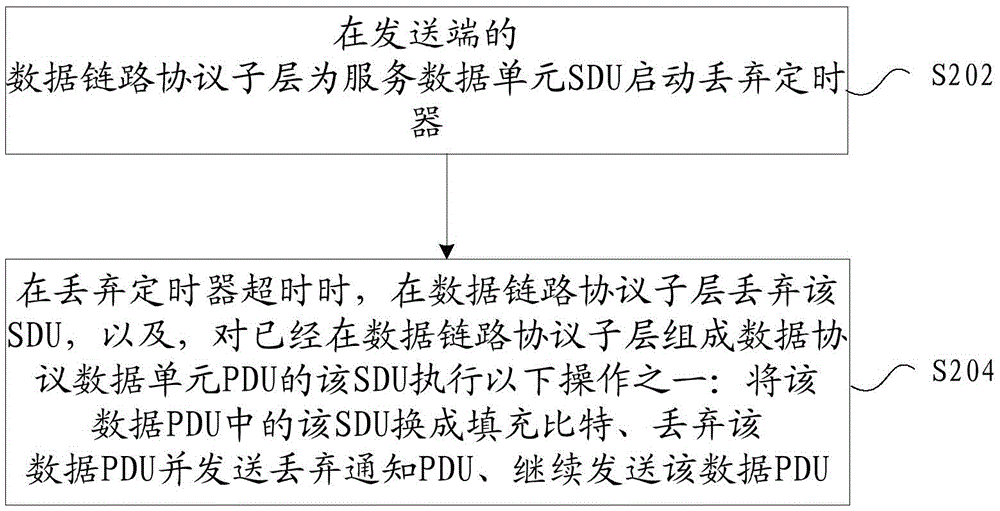
图2是根据本发明实施例的一种拥塞处理方法的流程图;FIG. 2 is a flowchart of a congestion processing method according to an embodiment of the present invention;
图3是本发明实施例的一种5G-NR无线接口的用户面协议栈架构图;3 is a user plane protocol stack architecture diagram of a 5G-NR wireless interface according to an embodiment of the present invention;
图4是本实施例的又一种5G-NR无线接口的用户面协议栈架构图;Fig. 4 is another user plane protocol stack architecture diagram of the 5G-NR wireless interface of the present embodiment;
图5是根据本发明实施例的另一种拥塞处理方法的流程图;5 is a flowchart of another congestion processing method according to an embodiment of the present invention;
图6是根据本发明实施例的拥塞处理系统的结构框图;6 is a structural block diagram of a congestion processing system according to an embodiment of the present invention;
图7为本实施例发送方的拥塞处理方法流程图;FIG. 7 is a flowchart of a method for processing congestion at a sender according to this embodiment;
图8为本实施例接收方的拥塞处理方法流程图;FIG. 8 is a flowchart of a method for processing congestion at a receiver according to this embodiment;
图9是实施例1PDU-x的示意图;Fig. 9 is the schematic diagram of
图10是实施例1PDU-x’的示意图;Fig. 10 is the schematic diagram of
图11是实施例1PDU-m的示意图;11 is a schematic diagram of the PDU-m of
图12为本实施例L2-H维护的接收窗口的示意图;12 is a schematic diagram of a receiving window maintained by L2-H in this embodiment;
图13是本实施例接收端数据链路协议子层维护的接收窗口更新后的示意图;13 is a schematic diagram of a receiving window maintained by the data link protocol sublayer of the receiving end in this embodiment after updating;
图14是本实施例的一种丢弃通知PDU的示意图。FIG. 14 is a schematic diagram of a discard notification PDU according to this embodiment.
具体实施方式Detailed ways
下文中将参考附图并结合实施例来详细说明本发明。需要说明的是,在不冲突的情况下,本申请中的实施例及实施例中的特征可以相互组合。Hereinafter, the present invention will be described in detail with reference to the accompanying drawings and in conjunction with embodiments. It should be noted that the embodiments in the present application and the features of the embodiments may be combined with each other in the case of no conflict.
需要说明的是,本发明的说明书和权利要求书及上述附图中的术语“第一”、“第二”等是用于区别类似的对象,而不必用于描述特定的顺序或先后次序。It should be noted that the terms "first", "second" and the like in the description and claims of the present invention and the above drawings are used to distinguish similar objects, and are not necessarily used to describe a specific sequence or sequence.
实施例1Example 1
在本实施例中提供了一种拥塞处理方法,图2是根据本发明实施例的拥塞处理方法的流程图,如图2所示,该流程包括如下步骤:A congestion processing method is provided in this embodiment. FIG. 2 is a flowchart of a congestion processing method according to an embodiment of the present invention. As shown in FIG. 2 , the flowchart includes the following steps:
步骤S202,在发送端的数据链路协议子层为服务数据单元SDU启动丢弃定时器;Step S202, start a discard timer for the service data unit SDU at the data link protocol sublayer of the transmitting end;
步骤S204,在丢弃定时器超时时,在数据链路协议子层丢弃该SDU,以及,对已经在数据链路协议子层组成数据协议数据单元PDU的该SDU执行以下操作之一:将该数据PDU中的该SDU换成填充比特、丢弃该数据PDU并发送丢弃通知PDU、继续发送该数据PDU。Step S204, when the discard timer expires, discard the SDU at the data link protocol sublayer, and perform one of the following operations on the SDU that has formed the data protocol data unit PDU at the data link protocol sublayer: The SDU in the PDU is replaced with padding bits, the data PDU is discarded, the discard notification PDU is sent, and the data PDU is continued to be sent.
通过上述步骤,在发送端的数据链路协议子层为服务数据单元SDU启动丢弃定时器;在丢弃定时器超时时,在数据链路协议子层丢弃该SDU,以及,对已经在数据链路协议子层组成数据协议数据单元PDU的SDU执行以下操作之一:将该数据PDU中的该SDU换成填充比特、丢弃该数据PDU并发送丢弃通知PDU、继续发送该数据PDU。实现了在发送端主动丢弃数据包的功能,解决了相关技术中上层数据发送速率与无线链路的传输速率不匹配的问题。Through the above steps, the data link protocol sublayer at the transmitting end starts a discard timer for the service data unit SDU; when the discard timer expires, the data link protocol sublayer discards the SDU, and the data link protocol The sublayer performs one of the following operations on the SDU of the data protocol data unit PDU: replacing the SDU in the data PDU with padding bits, discarding the data PDU and sending a discard notification PDU, and continuing to send the data PDU. The function of actively discarding data packets at the transmitting end is realized, and the problem that the transmission rate of upper layer data does not match the transmission rate of the wireless link in the related art is solved.
可选地,上述步骤的执行主体可以为数据发送端,如基站、终端、发射机等,但不限于此。Optionally, the execution subject of the above steps may be a data sending end, such as a base station, a terminal, a transmitter, etc., but is not limited thereto.
可选的,数据链路协议子层为最高数据链路协议子层L2-H,其中,L2-H层包含以下功能中的至少一项:头压缩和解压缩、安全、重传、重排序和重复包检测。Optionally, the data link protocol sublayer is the highest data link protocol sublayer L2-H, wherein the L2-H layer includes at least one of the following functions: header compression and decompression, security, retransmission, reordering and Duplicate packet detection.
在此结合相关技术中的设计理念进行详细说明,5G时代一种可能的L2协议栈重构设计的思路为,将RLC层中“非高处理时间要求”的功能与PDCP层的功能合并到一个协议子层实现,而对于RLC层中“高处理时间要求”的功能,根据不同的需求,可以考虑将其与MAC层的功能合并到一个协议子层实现,或者继续保留一个单独的协议子层实现这些功能。The design concept in related technologies is described in detail here. A possible L2 protocol stack reconfiguration design in the 5G era is to combine the functions of the "non-high processing time requirements" in the RLC layer and the functions of the PDCP layer into one The protocol sublayer is implemented, and for the function of "high processing time requirement" in the RLC layer, according to different requirements, it can be considered to be combined with the function of the MAC layer into a protocol sublayer for implementation, or continue to retain a separate protocol sublayer implement these functions.
图3是本发明实施例的一种5G-NR无线接口的用户面协议栈架构图,如图3所示,5G-NR的L2包括两个协议子层,L2-high(简记为L2-H,称之为最高数据链路协议子层)和L2-Low(简记为L2-L,称之为最低数据链路协议子层)。其中L2-H包括但不限于相关LTE技术中PDCP层的功能,以及RLC层的部分或者全部“非高处理时间要求”功能,这里,部分“非高处理时间要求”功能至少包括重传(通过ARQ实现),重排序和重复包检测功能。其中L2-H合并设计PDCP和RLC的重传、重排序和重复包检测功能,只留下一重重传、重排序和重复包检测功能。L2-L包括但不限于相关LTE技术中MAC层的功能以及RLC层的“高处理时间要求”的功能。FIG. 3 is a user plane protocol stack architecture diagram of a 5G-NR wireless interface according to an embodiment of the present invention. As shown in FIG. 3, L2 of 5G-NR includes two protocol sublayers, L2-high (abbreviated as L2- H, referred to as the highest data link protocol sublayer) and L2-Low (abbreviated as L2-L, referred to as the lowest data link protocol sublayer). The L2-H includes, but is not limited to, the functions of the PDCP layer in the related LTE technology, and some or all of the "non-high processing time requirement" functions of the RLC layer. Here, part of the "non-high processing time requirement" functions include at least retransmission (via ARQ implementation), reordering and duplicate packet detection functions. Among them, L2-H combines the retransmission, reordering and duplicate packet detection functions of PDCP and RLC, leaving only one retransmission, reordering and duplicate packet detection function. L2-L includes, but is not limited to, the functions of the MAC layer in the related LTE technology and the functions of the "high processing time requirement" of the RLC layer.
图4是本实施例的又一种5G-NR无线接口的用户面协议栈架构图,如图4所示,5G-NR的L2包括三个协议子层,L2-high(简记为L2-H,称之为最高数据链路协议子层),L2-Middle(简记为L2-M,称之为中间数据链路协议子层)和L2-Low(简记为L2-L,称之为最低数据链路协议子层)。其中L2-H包括但不限于相关LTE技术中PDCP层的功能,以及RLC层的部分或者全部“非高处理时间要求”功能,这里,部分“非高处理时间要求”功能至少包括重传(可以通过ARQ实现),重排序和重复包检测功能。其中L2-H合并设计PDCP和RLC的重传、重排序和重复包检测功能,只留下一重重传、重排序和重复包检测功能。L2-M包括但不限于相关LTE技术RLC层中除重传(通过ARQ实现),重排序和重复包检测功能之外的其他剩余功能,这些剩余功能在5G-NR中不排除需要根据新的无线接口用户面协议栈架构和5G新需求进行修改设计。L2-L包括但不限于相关LTE技术中MAC层的功能。Fig. 4 is a schematic diagram of a user plane protocol stack of another 5G-NR wireless interface in this embodiment. As shown in Fig. 4, L2 of 5G-NR includes three protocol sublayers, L2-high (abbreviated as L2- H, called the highest data link protocol sublayer), L2-Middle (abbreviated as L2-M, called the intermediate data link protocol sublayer) and L2-Low (abbreviated as L2-L, called it is the lowest data link protocol sublayer). The L2-H includes, but is not limited to, the functions of the PDCP layer in the related LTE technology, and some or all of the "non-high processing time requirements" functions of the RLC layer. Here, some of the "non-high processing time requirements" functions include at least retransmission (can Implemented by ARQ), reordering and duplicate packet detection functions. Among them, L2-H combines the retransmission, reordering and duplicate packet detection functions of PDCP and RLC, leaving only one retransmission, reordering and duplicate packet detection function. L2-M includes but is not limited to other remaining functions in the RLC layer of the relevant LTE technology except for retransmission (implemented through ARQ), reordering and duplicate packet detection functions, and these remaining functions are not excluded in 5G-NR. The wireless interface user plane protocol stack architecture and 5G new requirements are modified and designed. L2-L includes, but is not limited to, the functions of the MAC layer in related LTE technologies.
L2-H根据不同的业务或信息传输要求,可以支持三种数据处理模式,AM模式,UM模式和TM模式。其中,对于AM模式,L2-H用于接收设备上时,除发生L2-H重建的情况,需要保证经过其处理后发送给上层的数据是按序且连续的,这里这里,L2-H的上层协议层具体可以是一个L3协议层,或者TCP(Transfer Control Protocol,传输控制协议)/IP(InternetProtocol,因特网互联协议)层,或者应用层,或者如果5G-NR使用除本发明图3、图4所示无线接口用户面协议栈架构之外的其他架构,则L2-H的上层协议层还可以是其他L2协议子层。本发明的拥塞处理方法可以用于以上三种数据处理模式,尤其可以应用于AM模式,有效解决AM模式下上层数据发送速率与无线链路的传输速率不匹配的问题。According to different business or information transmission requirements, L2-H can support three data processing modes, AM mode, UM mode and TM mode. Among them, for AM mode, when L2-H is used on the receiving device, except for the case of L2-H reconstruction, it is necessary to ensure that the data sent to the upper layer after its processing is sequential and continuous. The upper protocol layer may specifically be an L3 protocol layer, or a TCP (Transfer Control Protocol, Transmission Control Protocol)/IP (Internet Protocol, Internet Protocol) layer, or an application layer, or if 5G-NR is used in addition to the present invention Figure 3, Figure 3 For other architectures other than the radio interface user plane protocol stack architecture shown in 4, the upper layer protocol layer of the L2-H may also be other L2 protocol sublayers. The congestion processing method of the present invention can be used in the above three data processing modes, especially in the AM mode, effectively solving the problem that the upper layer data transmission rate does not match the transmission rate of the wireless link in the AM mode.
本实施例的拥塞处理方法应用于图3、图4的L2-H子层,L2-H子层可以位于用户设备上,也可以用于采用5G新技术(5G-NR)的无线网络设备上。需要说明的是,本发明的采用5G新技术(5G-NR)的无线网络设备(本发明后续简记为5G-NR),可以独立组网,也可以和采用其他RAT(Radio Access Technology,无线接入技术)(比如LTE,WLAN(Wireless LocalArea Network,无线局域网))的无线网络设备联合组网。其中,本发明的无线网络设备,为实现基站功能的设备,在物理装置上不限定其具体的存在形式,比如可以是一体化基站,即一个装置中包括基带功能,射频功能等所有基站功能;也可以是在物理上分离的BBU(BaseBand Unit,基带单元)+RRU(Remote Radio Unit,远端射频单元),其中在BBU上实现基带功能,而在RRU上实现射频功能;还可以是在物理上分离的CU(Central Unit,中央单元)+DU(Distributed Unit,分布单元),其中在CU上实现全部或者部分基带功能,并实现对CU和DU上的各个无线协议层的控制功能,而在DU上实现部分基带功能和/或实现射频功能。当本发明的数据处理方法应用于5G-NR的L2-H上时,在物理上,该L2-H可以位于如上的一体化基站中,也可以位于BBU或者CU中。The congestion processing method in this embodiment is applied to the L2-H sublayer in FIG. 3 and FIG. 4 . The L2-H sublayer may be located on the user equipment, or may be used on the wireless network equipment adopting the 5G new technology (5G-NR). . It should be noted that the wireless network device using the 5G new technology (5G-NR) of the present invention (hereinafter abbreviated as 5G-NR in the present invention) can form a network independently, and can also use other RATs (Radio Access Technology, wireless access technology) (such as LTE, WLAN (Wireless Local Area Network, wireless local area network)) wireless network equipment joint networking. Wherein, the wireless network device of the present invention is a device for realizing base station functions, and its specific existence form is not limited on the physical device, for example, it can be an integrated base station, that is, one device includes all base station functions such as baseband function and radio frequency function; It can also be a physically separated BBU (BaseBand Unit, baseband unit) + RRU (Remote Radio Unit, remote radio unit), in which the baseband function is implemented on the BBU, and the radio frequency function is implemented on the RRU; CU (Central Unit, central unit) + DU (Distributed Unit, distributed unit) separated on the CU, in which all or part of the baseband functions are implemented on the CU, and the control function of each wireless protocol layer on the CU and DU is implemented, while in the Some baseband functions and/or radio frequency functions are implemented on the DU. When the data processing method of the present invention is applied to the L2-H of 5G-NR, physically, the L2-H may be located in the above integrated base station, or may be located in the BBU or CU.
可选的,在数据链路协议子层为服务数据单元SDU启动丢弃定时器包括:Optionally, starting the discard timer for the service data unit SDU at the data link protocol sublayer includes:
S11,在数据链路协议子层收到来自上层的SDU后,为SDU启动丢弃定时器;或者,S11, after the data link protocol sublayer receives the SDU from the upper layer, start a discard timer for the SDU; or,
S12,在数据链路协议子层执行级联操作后,为级联的数据SDU启动丢弃定时器,其中,数据链路协议子层包括对上层SDU的级联功能;S12, after the data link protocol sublayer performs the concatenation operation, start a discard timer for the concatenated data SDUs, wherein the data link protocol sublayer includes a concatenation function for upper-layer SDUs;
其中,上层包括以下至少之一:网络层L3,TCP/IP层,应用层,数据链路层中除了数据链路协议子层L2-H的其他子层。The upper layer includes at least one of the following: a network layer L3, a TCP/IP layer, an application layer, and other sublayers in the data link layer except the data link protocol sublayers L2-H.
在根据本实施例的可选实施方式中,在数据链路协议子层包含对上层SDU的级联功能时,SDU为级联的SDU;在数据链路协议子层不包含级联功能时,SDU为来自上层的SDU。In an optional implementation manner according to this embodiment, when the data link protocol sublayer includes a concatenation function for upper-layer SDUs, the SDU is a concatenated SDU; when the data link protocol sublayer does not include a concatenation function, The SDU is the SDU from the upper layer.
可选的,将该数据PDU中的该SDU换成填充比特包括:将该数据PDU中该SDU所在的数据字段换成预设的填充比特。填充比特根据协议约定,比如可以是全0,或者全1,不排除其他填充方式。Optionally, replacing the SDU in the data PDU with padding bits includes: replacing the data field where the SDU is located in the data PDU with preset padding bits. The padding bits can be all 0s or all 1s according to the agreement of the protocol, and other padding methods are not excluded.
在根据本实施例的可选实施方式中,将该数据PDU中的该SDU换成填充比特包括:In an optional implementation manner according to this embodiment, replacing the SDU in the data PDU with padding bits includes:
S21,判断在丢弃定时器超时之前数据链路协议子层是否已经将包含该SDU的数据PDU发送给下一个协议子层;S21, determine whether the data link protocol sublayer has sent the data PDU containing the SDU to the next protocol sublayer before the discarding timer times out;
S22,在判断结果为是时,在丢弃定时器超时的情况下,在数据链路协议子层将数据PDU中的该SDU换成填充比特并指示下一个协议子层丢弃该数据PDU。S22 , when the judgment result is yes, in the case that the discard timer expires, the data link protocol sublayer replaces the SDU in the data PDU with padding bits and instructs the next protocol sublayer to discard the data PDU.
在本实施例中,丢弃通知PDU包含该数据PDU的序列号,丢弃通知PDU用于指示该序列号对应的数据PDU已经被发送方丢弃。In this embodiment, the discard notification PDU contains the sequence number of the data PDU, and the discard notification PDU is used to indicate that the data PDU corresponding to the sequence number has been discarded by the sender.
在根据本实施例的可选实施方式中,丢弃该数据PDU并发送丢弃通知PDU包括:在数据链路协议子层丢弃该数据PDU,并通知数据链路协议子层的下一层协议子层丢弃该数据PDU。In an optional implementation manner according to this embodiment, discarding the data PDU and sending the discard notification PDU includes: discarding the data PDU at the data link protocol sublayer and notifying the next layer protocol sublayer of the data link protocol sublayer The data PDU is discarded.
在根据本实施例的可选实施方式中,在执行继续发送该数据PDU之后,方法还包括:在数据链路子层丢弃该SDU之后的预设个数的SDU。可选的,预设个数可以是1个或多个。In an optional implementation manner according to this embodiment, after the execution of continuing to send the data PDU, the method further includes: discarding a preset number of SDUs after the SDU at the data link sublayer. Optionally, the preset number may be one or more.
在本实施例中提供了另一种拥塞处理方法,图5是根据本发明实施例的另一种拥塞处理方法的流程图,如图5所示,该流程包括如下步骤:Another congestion processing method is provided in this embodiment, and FIG. 5 is a flowchart of another congestion processing method according to an embodiment of the present invention. As shown in FIG. 5 , the flowchart includes the following steps:
步骤S502,在接收端数据链路协议子层接收协议数据单元PDU;Step S502, receiving the protocol data unit PDU at the receiving end data link protocol sublayer;
步骤S504,在PDU为包括服务数据单元SDU的数据PDU时,从数据PDU中还原出SDU,若还原出全部为填充比特的SDU,在向数据链路协议子层的上层递交SDU时忽略该SDU;或,在PDU为丢弃通知PDU时,从丢弃通知PDU中获取被丢弃数据PDU的序列号DISCARD_SN,若DISCARD_SN是数据链路协议子层正在按序等待接收的数据PDU的序列号时,执行接收更新正在按序等待接收的数据PDU的操作。Step S504, when the PDU is a data PDU including a service data unit SDU, restore the SDU from the data PDU, and if all the SDUs with padding bits are restored, ignore the SDU when submitting the SDU to the upper layer of the data link protocol sublayer ; Or, when the PDU is the discard notification PDU, obtain the serial number DISCARD_SN of the discarded data PDU from the discard notification PDU, if the DISCARD_SN is the serial number of the data PDU that the data link protocol sublayer is waiting to receive in sequence, perform receiving An operation to update a data PDU that is waiting to be received in order.
在根据本实施例的可选实施方式中,从数据PDU中还原出SDU包括:In an optional implementation manner according to this embodiment, restoring the SDU from the data PDU includes:
S31,去除数据PDU的协议数据单元头后得到SDU;或者,S31, obtain the SDU after removing the protocol data unit header of the data PDU; or,
S32,去除数据PDU的协议数据单元头,并执行完整性验证,解密,解压缩中的至少一个操作后得到SDU。S32, remove the protocol data unit header of the data PDU, and perform at least one operation of integrity verification, decryption, and decompression to obtain the SDU.
在本实施例中,在向数据链路协议子层的上层递交SDU时忽略该SDU是指:在向数据链路协议子层的上层递交SDU时放弃向数据链路协议子层的上层递交该SDU。In this embodiment, ignoring the SDU when submitting the SDU to the upper layer of the data link protocol sublayer means: giving up submitting the SDU to the upper layer of the data link protocol sublayer when submitting the SDU to the upper layer of the data link protocol sublayer SDU.
在根据本实施例的可选实施方式中,执行更新正在按序等待接收的数据PDU的操作包括:更新接收窗口,向数据链路协议子层的上层按序递交窗口更新之后,从序列号小于更新后的正在按序等待接收的PDU的序列号的PDU中还原出来的,并且尚未递交过的SDU。可选的,接收窗口为序列号取值大于或等于接收状态变量且小于最大可接收状态变量的范围,所述接收状态变量用于记录所述正在按序等待接收的PDU的序列号,其值等于所述正在按序等待接收的PDU的序列号;所述最大可接收状态变量的值等于所述接收状态变量的值加预设接收窗口尺寸的值。In an optional implementation manner according to this embodiment, performing the operation of updating the data PDUs that are waiting to be received in sequence includes: updating the receiving window, and after submitting the window update to the upper layer of the data link protocol sublayer in sequence, from the sequence number less than The updated SDU that is restored from the PDU with the sequence number of the PDU that is waiting to be received in sequence and has not been submitted. Optionally, the receiving window is that the value of the sequence number is greater than or equal to the receiving state variable and less than the range of the maximum acceptable state variable. The receiving state variable is used to record the sequence number of the PDU that is waiting to be received in sequence, and its value is is equal to the sequence number of the PDUs that are waiting to be received in sequence; the value of the maximum receivable state variable is equal to the value of the receiving state variable plus the value of the preset receiving window size.
本实施例的更新接收窗口包括:将所述接收状态变量的值更新到所述DISCARD_SN指示的序列号之后需要按序等待接收的数据PDU的序列号SN,并基于所述更新后的接收状态变量的值更新最大可接收状态变量的值,其中,接收状态变量用于记录正在按序等待接收的PDU的序列号,最大可接收状态变量的值等于所述接收状态变量的值加预设接收窗口尺寸的值;执行更新所述正在按序等待接收的数据PDU的操作还包括:在更新所述接收窗口后,如果所述接收状态变量更新后的值小于更新前的值,更新接收超帧号RX_HFN。Updating the receiving window in this embodiment includes: updating the value of the receiving state variable to the sequence number SN of the data PDUs that need to be received in sequence after the sequence number indicated by the DISCARD_SN, and based on the updated receiving state variable The value of the maximum acceptable state variable is updated with the value of the maximum acceptable state variable, wherein the receiving state variable is used to record the serial number of the PDU that is waiting to be received in sequence, and the value of the maximum acceptable state variable is equal to the value of the receiving state variable plus the preset receiving window. The value of the size; performing the operation of updating the data PDUs that are waiting to be received in sequence also includes: after updating the receiving window, if the updated value of the receiving state variable is less than the value before the update, updating the received superframe number RX_HFN.
在根据本实施例的可选实施方式中,作为另外一种可能情况,若DISCARD_SN不是数据链路协议子层正在按序等待接收的数据PDU的序列号时,则忽略丢弃通知PDU。In an optional implementation manner according to this embodiment, as another possible situation, if the DISCARD_SN is not the sequence number of the data PDU that the data link protocol sublayer is waiting to receive in sequence, the discard notification PDU is ignored.
通过以上的实施方式的描述,本领域的技术人员可以清楚地了解到根据上述实施例的方法可借助软件加必需的通用硬件平台的方式来实现,当然也可以通过硬件,但很多情况下前者是更佳的实施方式。基于这样的理解,本发明的技术方案本质上或者说对现有技术做出贡献的部分可以以软件产品的形式体现出来,该计算机软件产品存储在一个存储介质(如ROM/RAM、磁碟、光盘)中,包括若干指令用以使得一台终端设备(可以是手机,计算机,服务器,或者网络设备等)执行本发明各个实施例所述的方法。From the description of the above embodiments, those skilled in the art can clearly understand that the method according to the above embodiment can be implemented by means of software plus a necessary general hardware platform, and of course can also be implemented by hardware, but in many cases the former is better implementation. Based on this understanding, the technical solutions of the present invention can be embodied in the form of software products in essence or the parts that make contributions to the prior art, and the computer software products are stored in a storage medium (such as ROM/RAM, magnetic disk, CD-ROM), including several instructions to make a terminal device (which may be a mobile phone, a computer, a server, or a network device, etc.) to execute the methods described in the various embodiments of the present invention.
实施例2Example 2
在本实施例中还提供了一种拥塞处理装置、系统,该装置用于实现上述实施例及优选实施方式,已经进行过说明的不再赘述。如以下所使用的,术语“模块”可以实现预定功能的软件和/或硬件的组合。尽管以下实施例所描述的装置较佳地以软件来实现,但是硬件,或者软件和硬件的组合的实现也是可能并被构想的。In this embodiment, a congestion processing apparatus and system are also provided, and the apparatus is used to implement the above-mentioned embodiments and preferred implementations, and what has been described will not be repeated. As used below, the term "module" may be a combination of software and/or hardware that implements a predetermined function. Although the apparatus described in the following embodiments is preferably implemented in software, implementations in hardware, or a combination of software and hardware, are also possible and contemplated.
本实施例提供了一种拥塞处理装置,应用在发送端,包括:启动模块,用于在数据链路协议子层为服务数据单元SDU启动丢弃定时器;处理模块,用于在丢弃定时器超时时,在数据链路协议子层丢弃所述SDU,以及,对已经在数据链路协议子层组成数据协议数据单元PDU的SDU执行以下操作之一:将数据PDU中的所述SDU换成填充比特、丢弃所述数据PDU并发送丢弃通知PDU、继续发送所述数据PDU。This embodiment provides a congestion processing device, which is applied at the sending end and includes: a starting module for starting a discard timer for a service data unit SDU at a data link protocol sublayer; a processing module for starting a discard timer when the discard timer expires From time to time, discard the SDU at the data link protocol sublayer, and perform one of the following operations on the SDUs that have formed the data protocol data unit PDU at the data link protocol sublayer: replace the SDU in the data PDU with padding bit, discard the data PDU and send a discard notification PDU, continue to send the data PDU.
可选的,数据链路协议子层为协议子层L2-H,其中,所述L2-H层包含以下功能中的至少一项:头压缩和解压缩、安全、重传、重排序和重复包检测。Optionally, the data link protocol sublayer is a protocol sublayer L2-H, wherein the L2-H layer includes at least one of the following functions: header compression and decompression, security, retransmission, reordering, and repeating packets detection.
可选的,本实施例的启动模块包括:第一启动单元,用于在所述数据链路协议子层收到来自上层的SDU后,为所述SDU启动所述丢弃定时器;或,第二启动单元,用于在所述数据链路协议子层执行级联操作后,为级联的数据SDU启动所述丢弃定时器,其中,所述数据链路协议子层包括对上层SDU的级联功能;其中,所述上层包括以下至少之一:网络层L3,TCP/IP层,应用层,数据链路层中除了所述数据链路协议子层的其他子层。Optionally, the starting module in this embodiment includes: a first starting unit, configured to start the discard timer for the SDU after the data link protocol sublayer receives the SDU from the upper layer; or, the first Two starting units, configured to start the discard timer for the concatenated data SDUs after the data link protocol sublayer performs the concatenation operation, wherein the data link protocol sublayer wherein, the upper layer includes at least one of the following: the network layer L3, the TCP/IP layer, the application layer, and other sublayers in the data link layer except the data link protocol sublayer.
在根据本实施例的可选实施方式中,在所述数据链路协议子层包含对上层SDU的级联功能时,所述SDU为级联的SDU;在所述数据链路协议子层不包含所述级联功能时,所述SDU为来自上层的SDU。In an optional implementation manner according to this embodiment, when the data link protocol sublayer includes a concatenation function for upper-layer SDUs, the SDU is a concatenated SDU; when the data link protocol sublayer does not When the concatenation function is included, the SDU is an SDU from an upper layer.
处理模块将所述数据PDU中的所述SDU换成填充比特具体可以包括:将所述数据PDU中所述SDU所在的数据字段换成预设的填充比特。The processing module replacing the SDU in the data PDU with padding bits may specifically include: replacing the data field where the SDU in the data PDU is located with a preset padding bit.
可选的,将所述数据PDU中的所述SDU换成填充比特包括:如果在所述丢弃定时器超时之前所述数据链路协议子层已经将包含所述SDU的数据PDU发送给了下一个协议子层,在丢弃定时器超时时,在所述数据链路协议子层将所述数据PDU中的所述SDU换成填充比特并指示所述下一个协议子层丢弃所述数据PDU。Optionally, replacing the SDU in the data PDU with padding bits includes: if the data link protocol sublayer has already sent the data PDU containing the SDU to the next layer before the discard timer expires. A protocol sublayer, when the discard timer expires, the data link protocol sublayer replaces the SDU in the data PDU with padding bits and instructs the next protocol sublayer to discard the data PDU.
可选的,所述丢弃通知PDU包含所述数据PDU的序列号,所述丢弃通知PDU用于指示所述序列号对应的数据PDU已经被发送方丢弃。Optionally, the discard notification PDU includes the sequence number of the data PDU, and the discard notification PDU is used to indicate that the data PDU corresponding to the sequence number has been discarded by the sender.
可选的,处理模块丢弃所述数据PDU并发送丢弃通知PDU包括:在所述数据链路协议子层丢弃所述数据PDU,并通知所述数据链路协议子层的下一层协议子层丢弃所述数据PDU。Optionally, the processing module discarding the data PDU and sending the discard notification PDU includes: discarding the data PDU at the data link protocol sublayer, and notifying the next layer protocol sublayer of the data link protocol sublayer. The data PDU is discarded.
可选的,处理模块在执行继续发送所述数据PDU之后,还用于:在数据链路子层丢弃所述SDU之后的预设个数的SDU。Optionally, after the processing module continues to send the data PDU, the processing module is further configured to: discard a preset number of SDUs after the SDU at the data link sublayer.
本实施例提供了另一种拥塞处理装置,应用在接收端,包括:接收模块,用于在数据链路协议子层接收协议数据单元PDU;处理模块,用于在PDU为包括服务数据单元SDU的数据PDU时,从所述数据PDU中还原出SDU,若还原出全部为填充比特的SDU,在向数据链路协议子层的上层递交SDU时忽略所述SDU;或,用于在PDU为丢弃通知PDU时,从丢弃通知PDU中获取被丢弃数据PDU的序列号DISCARD_SN,若DISCARD_SN是数据链路协议子层正在按序等待接收的数据PDU的序列号时,执行更新正在按序等待接收的数据PDU的操作。This embodiment provides another congestion processing apparatus, which is applied at the receiving end, and includes: a receiving module, used for receiving a protocol data unit PDU at a data link protocol sublayer; a processing module, used when the PDU is a service data unit SDU When the data PDU is returned, the SDU is restored from the data PDU, and if all SDUs with padding bits are restored, the SDU is ignored when the SDU is submitted to the upper layer of the data link protocol sublayer; or, it is used when the PDU is When discarding the notification PDU, obtain the serial number DISCARD_SN of the discarded data PDU from the discarding notification PDU. If DISCARD_SN is the serial number of the data PDU that the data link protocol sublayer is waiting to receive in sequence, execute the update of the data PDU that is waiting to be received in sequence. Operation of data PDUs.
在根据本实施例的可选实施方式中,处理模块执行更新正在按序等待接收的数据PDU的操作包括:更新接收窗口,向所述数据链路协议子层的上层按序递交窗口更新之后,从序列号小于更新后的正在按序等待接收的数据PDU的序列号的数据PDU中还原出的,并且尚未递交过的SDU;可选的,接收窗口为序列号取值大于或等于接收状态变量且小于最大可接收状态变量的范围,所述接收状态变量用于记录所述正在按序等待接收的PDU的序列号,其值等于所述正在按序等待接收的PDU的序列号;所述最大可接收状态变量的值等于所述接收状态变量的值加预设接收窗口尺寸的值。In an optional implementation manner according to this embodiment, the processing module performing the operation of updating the data PDUs that are waiting to be received in sequence includes: updating the receiving window, and after sequentially submitting the window update to the upper layer of the data link protocol sublayer, SDUs restored from the data PDUs whose sequence numbers are less than the sequence numbers of the updated data PDUs that are waiting to be received in sequence and have not been submitted; optionally, the receive window is the value of the sequence number greater than or equal to the receive state variable and is less than the range of the maximum acceptable state variable, the receiving state variable is used to record the sequence number of the PDU that is waiting to be received in sequence, and its value is equal to the sequence number of the PDU that is waiting to be received in sequence; the maximum The value of the receivable state variable is equal to the value of the receiving state variable plus the value of the preset receiving window size.
可选的,更新接收窗口包括:将所述接收状态变量的值更新到所述DISCARD_SN指示的序列号之后需要按序等待接收的数据PDU的序列号,并基于所述更新后的接收状态变量的值更新最大可接收状态变量的值,其中,接收状态变量用于记录正在按序等待接收的PDU的序列号,最大可接收状态变量的值等于所述接收状态变量的值加预设接收窗口尺寸的值。Optionally, updating the receiving window includes: updating the value of the receiving state variable to the serial number of the data PDUs that need to wait to be received in sequence after the serial number indicated by the DISCARD_SN, and based on the updated receiving state variable. value updates the value of the maximum acceptable state variable, where the receiving state variable is used to record the serial number of the PDUs that are waiting to be received in sequence, and the value of the maximum acceptable state variable is equal to the value of the receiving state variable plus the preset receiving window size value of .
在根据本实施例的可选实施方式中,执行更新所述正在按序等待接收的数据PDU的操作还包括:在更新所述接收窗口后,如果所述接收状态变量更新后的值小于更新前的值,更新接收超帧号RX_HFN。In an optional implementation manner according to this embodiment, performing the operation of updating the data PDUs that are waiting to be received in sequence further includes: after updating the receiving window, if the updated value of the receiving state variable is smaller than the value before updating value, update the received superframe number RX_HFN.
可选的,处理模块还用于:若DISCARD_SN不是数据链路协议子层正在按序等待接收的数据PDU的SN号时,则忽略所述丢弃通知PDU。Optionally, the processing module is further configured to ignore the discard notification PDU if the DISCARD_SN is not the SN number of the data PDU that the data link protocol sublayer is waiting to receive in sequence.
可选的,处理模块在从所述数据PDU中还原出SDU时包括:去除所述数据PDU的协议数据单元头后得到SDU;或者,去除所述数据PDU的协议数据单元头,并执行完整性验证,解密,解压缩中的至少一个操作后得到SDU。Optionally, when restoring the SDU from the data PDU, the processing module includes: removing the protocol data unit header of the data PDU to obtain the SDU; or, removing the protocol data unit header of the data PDU, and performing integrity The SDU is obtained after at least one operation of verification, decryption, and decompression.
在本实施例中,在向所述数据链路协议子层的上层递交SDU时忽略所述SDU是指:在向所述数据链路协议子层的上层递交SDU时放弃向所述数据链路协议子层的上层递交所述SDU。In this embodiment, ignoring the SDU when submitting the SDU to the upper layer of the data link protocol sublayer refers to: giving up sending the SDU to the data link protocol sublayer when submitting the SDU to the upper layer of the data link protocol sublayer The upper layer of the protocol sublayer delivers the SDU.
图6是根据本发明实施例的拥塞处理系统的结构框图,如图6所示,该系统包括:发送端60、接收端62,发送端60包括:启动模块602,用于在数据链路协议子层为服务数据单元SDU启动丢弃定时器;第一处理模块604,用于在丢弃定时器超时时,在数据链路协议子层丢弃所述SDU,以及,对已经在数据链路协议子层组成数据协议数据单元PDU的SDU执行以下操作之一:将所述数据PDU中的所述SDU换成填充比特、丢弃所述数据PDU并发送丢弃通知PDU、继续发送所述数据PDU;FIG. 6 is a structural block diagram of a congestion processing system according to an embodiment of the present invention. As shown in FIG. 6 , the system includes: a sending end 60 and a receiving end 62. The sublayer starts a discard timer for the service data unit SDU; the first processing module 604 is configured to discard the SDU at the data link protocol sublayer when the discard timer expires, The SDUs that make up the data protocol data unit PDU perform one of the following operations: replacing the SDU in the data PDU with padding bits, discarding the data PDU and sending a discard notification PDU, and continuing to send the data PDU;
接收端62包括:接收模块622,用于在数据链路协议子层接收协议数据单元PDU;第二处理模块624,用于在PDU为包括服务数据单元SDU的数据PDU时,从所述数据PDU中还原出SDU,若还原出全部为填充比特的SDU,在向数据链路协议子层的上层递交SDU时忽略所述SDU;或,在PDU为丢弃通知PDU时,从丢弃通知PDU中获取被丢弃数据PDU的序列号DISCARD_SN,若DISCARD_SN是数据链路协议子层正在按序等待接收的数据PDU的序列号时,执行更新正在按序等待接收的数据PDU的操作。The receiving end 62 includes: a receiving module 622 for receiving a protocol data unit PDU at the data link protocol sublayer; a second processing module 624 for receiving a data PDU from the data PDU when the PDU is a data PDU including a service data unit SDU If the SDU is restored, the SDU is ignored when submitting the SDU to the upper layer of the data link protocol sublayer; or, when the PDU is a discard notification PDU, the discarded notification PDU is obtained from the discarded notification PDU. The sequence number DISCARD_SN of the data PDU is discarded. If the DISCARD_SN is the sequence number of the data PDU that the data link protocol sublayer is waiting to receive in sequence, the operation of updating the data PDU that is waiting to be received in sequence is performed.
可选的,数据链路协议子层为协议子层L2-H,其中,所述L2-H层包含以下功能中的至少一项:头压缩和解压缩、安全、重传、重排序和重复包检测。Optionally, the data link protocol sublayer is a protocol sublayer L2-H, wherein the L2-H layer includes at least one of the following functions: header compression and decompression, security, retransmission, reordering, and repeating packets detection.
需要说明的是,上述各个模块是可以通过软件或硬件来实现的,对于后者,可以通过以下方式实现,但不限于此:上述模块均位于同一处理器中;或者,上述各个模块以任意组合的形式分别位于不同的处理器中。It should be noted that the above modules can be implemented by software or hardware, and the latter can be implemented in the following ways, but not limited to this: the above modules are all located in the same processor; or, the above modules can be combined in any combination The forms are located in different processors.
实施例3Example 3
本实施例是根据本发明的可选实施例,用于结合具体的场景对本申请进行详细说明:This embodiment is an optional embodiment according to the present invention, and is used to describe the present application in detail in combination with specific scenarios:
本发明提出一种拥塞处理方法,用于解决5G新L2协议设计中如何实现发端主动丢地数据包功能,解决上层数据发送速率与无线链路的传输速率不匹配的问题。The present invention proposes a congestion processing method, which is used to solve the problem of how to realize the function of the sending end actively dropping data packets in the design of the new 5G L2 protocol, and to solve the problem that the transmission rate of the upper layer data does not match the transmission rate of the wireless link.
本发明提出的拥塞处理方法,包括发送方的拥塞处理和接收方的拥塞处理。The congestion processing method proposed by the present invention includes congestion processing on the sender side and congestion processing on the receiver side.
图7为本实施例发送方的拥塞处理方法流程图,包括:FIG. 7 is a flowchart of the congestion processing method of the sender according to this embodiment, including:
701、数据链路协议子层为服务数据单元SDU启动丢弃定时器;701. The data link protocol sublayer starts a discard timer for the service data unit SDU;
其中,数据链路协议子层为层2(L2)的一个协议子层,比如L2-H。The data link protocol sublayer is a protocol sublayer of layer 2 (L2), such as L2-H.
其中,数据链路协议子层收到来自上层的SDU后,为所述SDU启动丢弃定时器;或者,若所述数据链路协议子层包含对上层SDU的级联(concatenation)功能,则所述数据链路协议子层在执行级联操作后,为级联SDU启动丢弃定时器。Wherein, after receiving the SDU from the upper layer, the data link protocol sublayer starts a discard timer for the SDU; or, if the data link protocol sublayer includes a concatenation function for the upper layer SDU, the The data link protocol sublayer starts a discard timer for the concatenated SDU after performing the concatenation operation.
其中,对上层SDU的级联功能,是指将几个来自上层的SDU串接成一个大的SDU,称为级联SDU。Among them, the concatenation function for the upper layer SDUs refers to concatenating several SDUs from the upper layer into a large SDU, which is called a concatenated SDU.
其中,所述数据链接协议子层的上层,具体可以是一个L3协议层,或者TCP/IP层,或者应用层,或者如果5G-NR使用除本发明图3、图4所示无线接口用户面协议栈架构之外的其他架构,则L2-H的上层还可以是其他L2协议子层。Wherein, the upper layer of the data link protocol sublayer may specifically be an L3 protocol layer, or a TCP/IP layer, or an application layer, or if 5G-NR uses a user plane other than the wireless interface shown in FIG. 3 and FIG. 4 of the present invention For other architectures than the protocol stack architecture, the upper layer of the L2-H may also be other L2 protocol sublayers.
702、丢弃定时器超时时:702. When the discard timer times out:
数据链路协议子层丢弃所述SDU;并且,若所述SDU已经在所述数据链路协议子层组成协议数据单元PDU,所述数据链路协议子层执行以下操作之一;The data link protocol sublayer discards the SDU; and, if the SDU has formed a protocol data unit PDU in the data link protocol sublayer, the data link protocol sublayer performs one of the following operations;
(1)、将所述PDU中的所述SDU换成填充比特;或者,(1), replacing the SDU in the PDU with padding bits; or,
(2)、丢弃所述PDU,并发送丢弃通知PDU;或者,(2), discard the PDU, and send a discard notification PDU; or,
(3)、继续处理所述PDU;(3), continue to process the PDU;
其中,若所述数据链路协议子层包含对上层SDU的级联功能,则所述SDU指级联SDU;若所述数据链路协议子层不包含所述级联功能,则所述SDU指来自上层的SDU。Wherein, if the data link protocol sublayer includes a concatenation function for upper-layer SDUs, the SDU refers to a concatenated SDU; if the data link protocol sublayer does not include the concatenation function, the SDU Refers to the SDU from the upper layer.
其中,将所述PDU中的所述SDU换成填充比特,是指将所述PDU中所述SDU所在的数据字段换成填充比特,填充比特根据协议约定,比如可以是全0,或者全1,不排除其他填充方式。Wherein, replacing the SDU in the PDU with padding bits refers to replacing the data field where the SDU in the PDU is located with padding bits, and the padding bits may be all 0s or all 1s according to the protocol. , other filling methods are not excluded.
其中,执行将所述PDU中的所述SDU换成填充比特,还包括,若在丢弃定时器超时之前,所述数据链路协议子层已经将包含所述SDU的PDU发送给下一个协议子层,所述数据链路协议子层在丢弃定时器超时通知所述下一个协议子层丢弃所述PDU。这里,所述数据链路协议子层的下一层协议子层是指L2-H之下的协议层,在如图3中为L2-L,在如图4中为L2-M。The performing of replacing the SDU in the PDU with padding bits further includes, if before the discard timer expires, the data link protocol sublayer has sent the PDU containing the SDU to the next protocol sublayer layer, the data link protocol sublayer notifies the next protocol sublayer to discard the PDU when the discard timer expires. Here, the next layer of the protocol sublayer of the data link protocol sublayer refers to the protocol layer below the L2-H, which is L2-L in FIG. 3 and L2-M in FIG. 4 .
其中,所述丢弃通知PDU中包含所述被丢弃PDU的序列号(本发明中将所述被丢弃PDU的序列号记为DISCARD_SN),所述丢弃通知PDU用于通知接收方,序列号等于所述丢弃通知PDU中指示的序列号的PDU被发送方丢弃了。Wherein, the discard notification PDU contains the sequence number of the discarded PDU (in the present invention, the sequence number of the discarded PDU is marked as DISCARD_SN), the discard notification PDU is used to notify the receiver, and the sequence number is equal to the The PDU with the sequence number indicated in the discard notification PDU is discarded by the sender.
其中,丢弃所述PDU,包括所述数据链路协议子层丢弃所述PDU,以及所述数据链路协议子层通知其下一层协议子层丢弃所述PDU。Wherein, discarding the PDU includes the data link protocol sublayer discarding the PDU, and the data link protocol sublayer notifying the next layer protocol sublayer to discard the PDU.
其中,继续处理所述PDU,包括继续传输和/或重传所述PDU。Wherein, continuing to process the PDU includes continuing to transmit and/or retransmit the PDU.
其中,丢弃定时器超时时,数据链路协议子层丢弃所述SDU,并且,若所述SDU已经在所述数据链路协议子层组成协议数据单元PDU,数据链路协议子层继续处理所述PDU,还可以包括,数据链路子层丢弃所述SDU之后的下一个或多个SDU。Wherein, when the discard timer expires, the data link protocol sublayer discards the SDU, and if the SDU has already formed a protocol data unit PDU in the data link protocol sublayer, the data link protocol sublayer continues to process the SDU. The PDU may further include that the data link sublayer discards the next one or more SDUs after the SDU.
图8为本实施例接收方的拥塞处理方法流程图,包括:FIG. 8 is a flowchart of a method for processing congestion at a receiver according to this embodiment, including:
801、数据链路协议子层接收PDU,所述PDU为数据PDU或丢弃通知PDU:801. The data link protocol sublayer receives a PDU, where the PDU is a data PDU or a discard notification PDU:
当所述PDU为数据PDU时,数据链路协议子层从所述PDU中还原出SDU时,若还原出全部为填充比特的SDU,所述数据链路协议子层向上层递交SDU时忽略所述SDU;When the PDU is a data PDU, when the data link protocol sublayer restores the SDU from the PDU, if all the SDUs with padding bits are restored, the data link protocol sublayer ignores the SDU when delivering the SDU to the upper layer. the SDU;
其中,从所述PDU中还原出SDU,包括去除所述PDU的协议数据单元头后得到SDU,或者去除所述PDU的协议数据单元头,并执行完整性验证,解密,解压缩中的至少一个操作后得到SDU。Wherein, restoring the SDU from the PDU includes obtaining the SDU after removing the protocol data unit header of the PDU, or removing the protocol data unit header of the PDU, and performing at least one of integrity verification, decryption, and decompression. The SDU is obtained after the operation.
其中,数据链路协议子层向上层递交SDU时忽略所述SDU,是指数据链路协议子层向上层递交SDU时不递交所述SDU。Wherein, the data link protocol sublayer ignores the SDU when submitting the SDU to the upper layer, which means that the data link protocol sublayer does not submit the SDU when submitting the SDU to the upper layer.
当所述PDU为丢弃通知PDU时,数据链路协议子层从所述丢弃通知PDU中获取被丢弃PDU的序列号DISCARD_SN,若所述DISCARD_SN是所述数据链路协议子层正在按序等待接收的PDU的SN号,则所述数据链路协议子层执行相当于接收到了所述正在按序等待接收的PDU的相关操作,本发明中称为执行更新所述正在按序等待接收的PDU的操作。When the PDU is a discard notification PDU, the data link protocol sublayer obtains the sequence number DISCARD_SN of the discarded PDU from the discard notification PDU, if the DISCARD_SN is that the data link protocol sublayer is waiting to receive in sequence the SN number of the PDU, then the data link protocol sublayer performs a related operation equivalent to receiving the PDU that is waiting to be received in sequence, which is referred to in the present invention as performing an update of the PDU that is waiting to be received in sequence. operate.
其中,若所述DISCARD_SN是所述数据链路协议子层正在按序等待接收的PDU的SN号,则所述数据链路协议子层执行更新所述正在按序等待接收的PDU的操作,所述操作至少包括:更新接收窗口,和向上层按序递交窗口更新之后,从更新后的正在按序等待接收的PDU之前的PDU中还原出来的、尚未递交过的SDU,也即,向上层按序递交窗口更新之后,从序列号小于所述更新后的正在按序等待接收的PDU的序列号的PDU中还原出来的,尚未递交过的SDU。所述操作还可以包括:如果被配置(由控制面配置)需要对SDU执行解密,在更新所述接收窗口后,判断是否需要更新接收超帧号(RX_HFN),若需要,则更新RX_HFN,即执行RX_HFN=RX_HFN+1操作。Wherein, if the DISCARD_SN is the SN number of the PDU that the data link protocol sublayer is waiting to receive in sequence, the data link protocol sublayer performs an operation of updating the PDU that is waiting to be received in sequence, so the The above operations include at least: updating the receiving window, and after the window update is submitted to the upper layer in sequence, the SDU that has not been submitted is restored from the updated PDU before the PDU that is waiting to be received in sequence, that is, the upper layer is pressed. After the sequence submission window is updated, the SDU that has not been submitted is restored from the PDU whose sequence number is smaller than the sequence number of the updated PDU that is waiting to be received in sequence. The operation may also include: if it is configured (configured by the control plane) to perform decryption on the SDU, after updating the receiving window, judging whether the receiving superframe number (RX_HFN) needs to be updated, and if necessary, updating the RX_HFN, that is, Execute RX_HFN=RX_HFN+1 operation.
这里,接收窗口为VR(R)<=RSN<VR(MR),当接收PDU的接收序列号RSN满足VR(R)<=RSN<VR(MR)时认为接收PDU在接收窗口之内,否则认为在接收窗口之外。其中,VR(R)为接收状态变量,用于记录按序等待接收的PDU的RSN号,或者换种说法,用于记录上一个已经成功按序接收的PDU之后的下一个按序PDU的RSN号;VR(MR)为最大可接收状态变量,VR(MR)=VR(R)+Window_Size,Window_Size为预设接收窗口尺寸。Here, the receiving window is VR(R)<=RSN<VR(MR). When the receiving sequence number RSN of the received PDU satisfies VR(R)<=RSN<VR(MR), it is considered that the received PDU is within the receiving window, otherwise considered outside the receive window. Among them, VR(R) is the receiving state variable, which is used to record the RSN number of the PDU waiting to be received in sequence, or in other words, used to record the RSN of the next in-sequence PDU after the previous PDU that has been successfully received in-sequence number; VR(MR) is the maximum acceptable state variable, VR(MR)=VR(R)+Window_Size, and Window_Size is the preset receiving window size.
其中,更新接收窗口,即指更新VR(R)和VR(MR),具体的,将VR(R)的值更新到需要按序等待接收的PDU的RSN号,并相应的基于更新后的VR(R)更新VR(MR)。Among them, updating the receiving window refers to updating VR(R) and VR(MR). Specifically, updating the value of VR(R) to the RSN number of the PDU that needs to be received in sequence, and correspondingly based on the updated VR (R) Update VR (MR).
其中,判断是否需要更新接收超帧号(RX_HFN),包括:判断更新后的VR(R)相对于更新前的VR(R)是否发生翻转,如果判断发生翻转,则更新RX_HFN。Wherein, judging whether the receiving superframe number (RX_HFN) needs to be updated includes: judging whether the updated VR(R) is inverted relative to the pre-update VR(R), and if it is judged that the inversion occurs, then updating the RX_HFN.
其中,判断更新后的VR(R)相对于更新前的VR(R)是否发生翻转,即判断更新后VR(R)的值是否小于更新前VR(R)的值,具体可以是判断条件VR(RO)-VR(RN)>VR(MRN)-VR(RN)是否成立,如果成立,则判断发生翻转,否则判断未发生翻转。这里,VR(RO)为更新之前的VR(R),VR(RN)为更新之后的VR(R),VR(MRN)为更新之后的VR(MR)。Among them, it is judged whether the VR(R) after the update is reversed relative to the VR(R) before the update, that is, it is judged whether the value of the VR(R) after the update is smaller than the value of the VR(R) before the update, and the specific can be the judgment condition VR Whether (RO)-VR(RN)>VR(MRN)-VR(RN) is established, if so, it is judged that a rollover has occurred; otherwise, it is judged that no rollover has occurred. Here, VR(RO) is VR(R) before update, VR(RN) is VR(R) after update, and VR(MRN) is VR(MR) after update.
需要说明的是,以上判断条件VR(RO)-VR(RN)>VR(MRN)-VR(RN)在具体计算时,需要进行取模运算,比如实际计算时按照[VR(RO)-VR(RN)]%Window_Size>[VR(MRN)-VR(RN)]%Window_Size进行计算。It should be noted that the above judgment condition VR(RO)-VR(RN)>VR(MRN)-VR(RN) needs to be modulo operation during specific calculation, for example, in actual calculation according to [VR(RO)-VR (RN)]%Window_Size>[VR(MRN)-VR(RN)]%Window_Size for calculation.
其中所述接收方的拥塞处理方法还包括,若所述DISCARD_SN不是所述数据链路协议子层正在按序等待接收的PDU的SN号,则所述数据链路协议子层忽略所述丢弃通知PDU。The congestion processing method of the receiver further includes: if the DISCARD_SN is not the SN number of the PDU that the data link protocol sublayer is waiting to receive in sequence, the data link protocol sublayer ignores the discard notification PDUs.
本实施例还包括两个具体实施例:This embodiment also includes two specific embodiments:
具体实施例1Specific Example 1
实施例1详细说明当包定时器超时时,发送端将PDU中的SDU换成填充比特发送和接收端收到所述PDU时的处理过程。
发送端的处理过程包括:The processing process on the sender side includes:
发送端数据链路协议子层L2-H从上层接收SDU,为每个SDU启动一个丢弃定时器,本实施例假设L2-H从上层按序收到了SDU-x,SDU-y,SDU-z,其中为SDU-x启动的丢弃定时器为Dtimer-x。The data link protocol sublayer L2-H of the transmitting end receives SDUs from the upper layer, and starts a discard timer for each SDU. In this embodiment, it is assumed that the L2-H receives SDU-x, SDU-y, and SDU-z from the upper layer in sequence , where the discard timer started for SDU-x is Dtimer-x.
本实施例中,在Dtimer-x之前,发送端L2-H已经将SDU-x,SDU-y,SDU-z组成了一个PDU(PDU-x),图9是实施例1PDU-x的示意图,图9为该PDU的示意图,PDU-x包括协议数据单元头(L2-H header)和SDU-x,SDU-y,SDU-z,L2-H header包括该PDU的组包信息,比如SN号和各个SDU的长度。需要说明的是,图9只是本实施例的一个PDU示意图,实际使用时并不限定L2-H header的长度和各个SDU的长度。In this embodiment, before Dtimer-x, the transmitting end L2-H has formed a PDU (PDU-x) with SDU-x, SDU-y, and SDU-z. FIG. 9 is a schematic diagram of PDU-x in
Dtimer-x超时时,SDU-x和PDU-x仍然保存在发送端L2-H中,比如在Dtimer-x超时之前,发送端L2-H尚未收到来自对端或L2-H下一个协议子层的、对图9所述PDU正确接收的确认信息,则SDU-x和PDU-x仍然保存在发送端L2-H中。When Dtimer-x times out, SDU-x and PDU-x are still stored in the sender L2-H. For example, before Dtimer-x times out, the sender L2-H has not received the next protocol from the peer or L2-H. layer, the confirmation information for the correct reception of the PDU shown in FIG. 9, the SDU-x and the PDU-x are still stored in the transmitting end L2-H.
Dtimer-x超时,发送端L2-H丢弃SDU-x,将PDU-x中SDU-x的所有信息换成填充比特,本实施例中填充比特为0。图10是实施例1PDU-x’的示意图,如图10本实施例给出了将PDU-x中的SDU-x换成填充比特后的包示意图(PDU-x’)。When the Dtimer-x times out, the L2-H at the transmitting end discards the SDU-x, and replaces all the information of the SDU-x in the PDU-x with padding bits. In this embodiment, the padding bits are 0. Fig. 10 is a schematic diagram of PDU-x' in
本实施例中,如果Dtimer-x超时之前,PDU-x已经发送给了L2-H的下一个协议子层,则本实施例还包括,L2-H通知下一个协议子层丢弃PDU-x。In this embodiment, if the PDU-x has been sent to the next protocol sublayer of the L2-H before the Dtimer-x times out, this embodiment further includes that the L2-H notifies the next protocol sublayer to discard the PDU-x.
需要说明的,具体实施例1中,如果L2-H支持级联功能,则发送端的处理为:It should be noted that, in the
发送端数据链路协议子层L2-H从上层接收按序收到了SDU-x,SDU-y,SDU-z,L2-H将这三个SDU级联成一个大SDU,SDU-m,然后,L2-H为SDU-m启动丢弃定时器为Dtimer-m。本实施例中,级联是指将SDU-x,SDU-y,SDU-z串接成一个大的SDU-m,具体串接设计并非本发明的发明内容,本实施例也不限定具体的串接格式。图11是实施例1PDU-m的示意图,图11为本实施例L2-H将级联SDU组成PDU(PDU-m)的示意图,同样的,本发明并不限定实际使用时L2-H header的长度。The data link protocol sublayer L2-H of the transmitting end receives SDU-x, SDU-y, SDU-z in sequence from the upper layer, and L2-H concatenates these three SDUs into a large SDU, SDU-m, and then , the L2-H starts the discard timer for SDU-m as Dtimer-m. In this embodiment, cascading refers to concatenating SDU-x, SDU-y, and SDU-z into a large SDU-m. The specific concatenation design is not the content of the invention, and this embodiment does not limit the specific Concatenated format. FIG. 11 is a schematic diagram of a PDU-m in
Dtimer-m超时,发送端丢弃SDU-m,将PDU-m中SDU-m的所有信息换成填充比特(PDU-m’)。如果Dtimer-m超时之前,PDU-m已经发送给了L2-H的下一个协议子层,L2-H还通知下一个协议子层丢弃PDU-m。Dtimer-m times out, the sender discards SDU-m, and replaces all information of SDU-m in PDU-m with padding bits (PDU-m'). If PDU-m has been sent to the next protocol sublayer of L2-H before Dtimer-m times out, L2-H also informs the next protocol sublayer to discard PDU-m.
接收端的处理过程包括:The processing process at the receiving end includes:
接收端数据链路协议子层L2-H维护一个接收窗口。图12是本实施例接收端数据链路协议子层维护的接收窗口的示意图,图12为本实施例L2-H维护的接收窗口的示意图,L2-H通过接收序列号(RSN)以及一系列状态变量来维护接收窗口,当RSN在VR(R)<=RSN<VR(MR)范围之内时,则认为是在接收窗口之内,否则认为是在接收窗口之外。The receiving end data link protocol sublayer L2-H maintains a receiving window. FIG. 12 is a schematic diagram of a receiving window maintained by the data link protocol sublayer of the receiving end in this embodiment, and FIG. 12 is a schematic diagram of a receiving window maintained by L2-H in this embodiment. The state variable is used to maintain the receiving window. When the RSN is within the range of VR(R)<=RSN<VR(MR), it is considered to be within the receiving window, otherwise it is considered to be outside the receiving window.
其中,in,
VR(R)为接收状态变量,用于记录按序等待接收的PDU的RSN号。或者换种说法,用于记录上一个已经成功按序接收的PDU之后的下一个按序PDU的RSN号。比如图12中,RSN=2及之前的PDU都成功按序接收到了,而RSN=3的PDU尚未接收到,则VR(R)=3;VR(R) is a receiving state variable, which is used to record the RSN numbers of PDUs waiting to be received in sequence. Or in other words, it is used to record the RSN number of the next in-sequence PDU after the last PDU that has been successfully received in-sequence. For example, in Figure 12, RSN=2 and previous PDUs have been successfully received in sequence, but PDUs with RSN=3 have not been received, then VR(R)=3;
VR(R)初始值为0,每次成功按序接收到正在等待接收的PDU,也即每次成功接收到RSN=VR(R)的PDU后更新VR(R),将其值更新到需要按序等待接收的PDU的RSN号;比如图12中,若成功接收到RSN=3的PDU,则更新VR(R)到需要按序等待接收的PDU的RSN号,即更新VR(R)=6,更新后的窗口如图13所示,图13是本实施例接收端数据链路协议子层维护的接收窗口更新后的示意图;The initial value of VR(R) is 0. Each time the PDUs waiting to be received are received in sequence, that is, VR(R) is updated after each PDU with RSN=VR(R) is successfully received, and its value is updated to the required value. The RSN number of the PDU to be received in sequence; for example, in Figure 12, if the PDU with RSN=3 is successfully received, update VR(R) to the RSN number of the PDU that needs to be received in sequence, that is, update VR(R)= 6. The updated window is shown in Figure 13, which is a schematic diagram of the updated receiving window maintained by the data link protocol sublayer of the receiving end in this embodiment;
VR(MR)为最大可接收状态变量,VR(MR)=VR(R)+Window_Size,其中Window_Size的值由控制面配置给L2-H,或者根据其他由控制面配置给L2-H的参数,比如Maximum_RSN(Maximum Reception Sequence Number,最大接收序列号)计算得到,具体计算方式举例如Window_Size=(Maximum_RSN+1)/2。VR(MR) is the maximum acceptable state variable, VR(MR)=VR(R)+Window_Size, where the value of Window_Size is configured by the control plane to L2-H, or according to other parameters configured by the control plane to L2-H, For example, the Maximum_RSN (Maximum Reception Sequence Number, the maximum received sequence number) is obtained by calculation, and the specific calculation method is, for example, Window_Size=(Maximum_RSN+1)/2.
L2-H从下一个协议子层接收PDU-x’,判断PDU-x’是否在接收窗口内,如果判断PDU-x’的RSN号在接收窗口内,则将PDU-x’放入接收缓存,否则丢弃PDU-x’。L2-H receives PDU-x' from the next protocol sublayer, and judges whether PDU-x' is within the receive window. If it is judged that the RSN number of PDU-x' is within the receive window, it puts PDU-x' into the receive buffer , otherwise PDU-x' is discarded.
PDU-x’被放入接收缓存后,L2-H在处理PDU-x’,从PDU-x’中还原出SDU-x,SDU-y,SDU-z时,判断SDU-x为填充比特,则判断发送端已经丢弃了SDU-x,因此L2-H向上层递交SDU时忽略SDU-x,比如在本实施例中,向上层递交SDU时,按序递交SDU-y,SDU-z。After PDU-x' is put into the receiving buffer, L2-H determines that SDU-x is a padding bit when processing PDU-x' and recovering SDU-x, SDU-y, and SDU-z from PDU-x'. It is judged that the sender has discarded SDU-x, so the L2-H ignores SDU-x when delivering SDUs to the upper layer. For example, in this embodiment, when delivering SDUs to the upper layer, SDU-y and SDU-z are delivered in sequence.
需要说明的是,如果L2-H支持级联功能,则对应于发送端的处理,接收端的处理为:It should be noted that if the L2-H supports the cascading function, corresponding to the processing of the sender, the processing of the receiver is as follows:
接收端数据链路协议子层L2-H维护一个接收窗口(同图12)。L2-H从下一个协议子层接收PDU-m’,判断PDU-m’是否在接收窗口内,如果判断PDU-m’的RSN号在接收窗口内,则将PDU-m’放入接收缓存,否则丢弃PDU-m’。The receiving end data link protocol sublayer L2-H maintains a receiving window (same as Fig. 12). L2-H receives PDU-m' from the next protocol sublayer, and judges whether PDU-m' is within the receive window. If it is judged that the RSN number of PDU-m' is within the receive window, it puts PDU-m' into the receive buffer , otherwise PDU-m' is discarded.
PDU-m’被放入接收缓存后,L2-H在处理PDU-m’,从PDU-m’中还原出SDU-m时,判断SDU-m为填充比特,则判断发送端已经丢弃了SDU-m,因此L2-H向上层递交SDU时忽略SDU-m。After PDU-m' is put into the receiving buffer, L2-H processes PDU-m' and restores SDU-m from PDU-m', and judges that SDU-m is a padding bit, and judges that the sender has discarded SDU. -m, so L2-H ignores SDU-m when delivering SDU to upper layers.
采用实施例1的方法,当丢弃定时器超时时,发送端丢弃SDU,并通过将PDU中该SDU换成填充比特,使得一方面接收端可以正常接收到该PDU,接收端窗口维护与处理简单,无需引入异常处理,另一方面,接收端还能通过填充比特判断发送端丢弃了该SDU,在向上层递交SDU时忽略此SDU,从而实现将发送端无线链路上丢包(出现拥塞)的事实传导到发送端上层(如TCP层),引发上层降低发送速率,解决如本发明图3、图4所示5G新L2协议设计中上层数据发送速率与无线链路的传输速率不匹配的问题。Using the method of
具体实施例2
实施例2详细说明当SDU的包定时器超时时,发送端丢弃包含所述SDU的PDU,并发送丢弃通知PDU,以及接收端收到丢弃通知PDU的处理过程。
发送端的处理过程包括:The processing process on the sender side includes:
发送端数据链路协议子层L2-H从上层接收到SDU-x,SDU-y,SDU-z,L2-H为每个SDU启动一个丢弃定时器,其中为SDU-x启动的丢弃定时器为Dtimer-x。同实施例1,L2-H将这三个SDU组成一个PDU(PDU-x),Dtimer-x超时时,SDU-x和PDU-x仍然保存在发送端L2-H中。The data link protocol sublayer L2-H of the transmitting end receives SDU-x, SDU-y, SDU-z from the upper layer, and L2-H starts a discard timer for each SDU, which is the discard timer started by SDU-x for Dtimer-x. As in
Dtimer-x超时,发送端L2-H丢弃SDU-x和PDU-x,这里,若PDU-x已经发送给了下一个协议子层,L2-H还通知下一个协议子层丢弃PDU-x。同时,L2-H发送丢弃通知PDU。图14是本实施例的一种丢弃通知PDU的示意图,丢弃通知PDU中包含被丢弃PDU(PDU-x)的SN号(DISCARD_SN),丢弃通知PDU的header中,还可以指示该PDU为丢弃通知PDU。需要说明的是,图14只是本实施例的一种优选示例而已,并不限定实际应用时L2-header的长度和DISCARD_SN的长度,也不限定所述PDU中还可以包含其他信息。When Dtimer-x times out, the sender L2-H discards SDU-x and PDU-x. Here, if PDU-x has been sent to the next protocol sublayer, L2-H also informs the next protocol sublayer to discard PDU-x. At the same time, the L2-H sends a discard notification PDU. 14 is a schematic diagram of a discard notification PDU according to this embodiment. The discard notification PDU contains the SN number (DISCARD_SN) of the discarded PDU (PDU-x), and the header of the discard notification PDU can also indicate that the PDU is a discard notification PDUs. It should be noted that FIG. 14 is only a preferred example of this embodiment, and does not limit the length of the L2-header and the length of DISCARD_SN in practical applications, nor does it limit that the PDU may contain other information.
需要说明的,实施例2中,如果L2-H支持级联功能,则发送端的处理为:It should be noted that, in
发送端数据链路协议子层L2-H从上层接收按序收到了SDU-x,SDU-y,SDU-z,L2-H将这三个SDU级联成一个大SDU,SDU-m,然后,L2-H为SDU-m启动丢弃定时器为Dtimer-m。本实施例中,L2-H将级联SDU组成PDU(PDU-m)。The data link protocol sublayer L2-H of the transmitting end receives SDU-x, SDU-y, SDU-z in sequence from the upper layer, and L2-H concatenates these three SDUs into a large SDU, SDU-m, and then , the L2-H starts the discard timer for SDU-m as Dtimer-m. In this embodiment, the L2-H concatenates SDUs to form a PDU (PDU-m).
Dtimer-m超时,发送端丢弃SDU-m和PDU-m,同时,L2-H发送丢弃通知PDU,丢弃通知PDU中包含被丢弃PDU(PDU-m)的SN号(DISCARD_SN)。Dtimer-m times out, the sender discards SDU-m and PDU-m, and at the same time, L2-H sends a discard notification PDU, and the discard notification PDU contains the SN number (DISCARD_SN) of the discarded PDU (PDU-m).
接收端的处理过程包括:The processing process at the receiving end includes:
接收端数据链路协议子层L2-H维护一个接收窗口(同图12示例)。L2-H从下一个协议子层接收丢弃通知PDU,从丢弃通知PDU中获取DISCARD_SN。L2-H判断DISCARD_SN是否是正在按序等待接收的PDU的SN号,若是,则L2-H执行相当于接收到了所述正在按序等待接收的PDU的相关更新操作,至少包括:更新接收窗口,向上层按序递交窗口更新之后,从更新后的正在按序等待接收的PDU之前的PDU中还原出来的、尚未递交过的SDU。所述操作还可以包括:如果被配置(由控制面配置)需要对SDU执行解密,在更新所述接收窗口之后,判断是否需要更新接收超帧号(RX_HFN),若需要,则更新RX_HFN,即执行RX_HFN=RX_HFN+1操作。The receiving end data link protocol sublayer L2-H maintains a receiving window (same as the example in Fig. 12). L2-H receives the discard notification PDU from the next protocol sublayer, and obtains the DISCARD_SN from the discard notification PDU. The L2-H judges whether the DISCARD_SN is the SN number of the PDU that is waiting to be received in sequence, and if so, the L2-H performs a relevant update operation equivalent to receiving the PDU that is waiting to be received in sequence, at least including: updating the receiving window, After the window update is submitted to the upper layer in sequence, the SDU that has not been submitted is restored from the PDU before the updated PDU that is waiting to be received in sequence. The operation may further include: if it is configured (configured by the control plane) to perform decryption on the SDU, after updating the receiving window, judging whether the receiving superframe number (RX_HFN) needs to be updated, and if necessary, updating the RX_HFN, i.e. Execute the RX_HFN=RX_HFN+1 operation.
这里,接收窗口为VR(R)<=RSN<VR(MR),当接收PDU的接收序列号RSN满足VR(R)<=RSN<VR(MR)时认为接收PDU在接收窗口之内,否则认为在接收窗口之外。其中,VR(R)接收状态变量,用于记录按序等待接收的PDU的RSN号;或者换种说法,用于记录上一个已经成功按序接收的PDU之后的下一个按序PDU的RSN号。VR(MR)=VR(R)+Window_Size,Window_Size为接收窗口尺寸。L2-H判断DISCARD_SN是否是正在按序等待接收的PDU的SN号,也即判断DISCARD_SN是否等于VR(R),如果相等,则判断是,否则判断不是。Here, the receiving window is VR(R)<=RSN<VR(MR). When the receiving sequence number RSN of the received PDU satisfies VR(R)<=RSN<VR(MR), it is considered that the received PDU is within the receiving window, otherwise considered outside the receive window. Among them, the VR(R) receiving state variable is used to record the RSN number of the PDU waiting to be received in sequence; or in other words, it is used to record the RSN number of the next sequential PDU after the previous PDU that has been successfully received in sequence . VR(MR)=VR(R)+Window_Size, Window_Size is the size of the receiving window. L2-H judges whether DISCARD_SN is the SN number of a PDU that is waiting to be received in sequence, that is, judges whether DISCARD_SN is equal to VR(R), if it is equal, judges yes, otherwise judges no.
这里,更新接收窗口,即指更新VR(R)和VR(MR),具体的,将VR(R)的值更新到DISCARD_SN所指示的序列号之后需要按序等待接收的PDU的RSN号,并相应的基于更新后的VR(R)更新VR(MR)。Here, updating the receiving window refers to updating VR(R) and VR(MR). Specifically, after updating the value of VR(R) to the sequence number indicated by DISCARD_SN, you need to wait for the RSN number of the received PDU in sequence, and The VR(MR) is updated accordingly based on the updated VR(R).
这里,判断是否需要更新接收超帧号(RX_HFN),包括:判断更新后的VR(R)相对于更新前的VR(R)是否发生翻转,如果判断发生翻转,则更新RX_HFN。Here, judging whether the received superframe number (RX_HFN) needs to be updated includes: judging whether the VR(R) after the update is inverted relative to the VR(R) before the update, and if it is judged that the inversion occurs, updating the RX_HFN.
其中,判断更新后的VR(R)相对于更新前的VR(R)是否发生翻转,即判断更新后VR(R)的值是否小于更新前VR(R)的值,具体可以是:Among them, it is judged whether the VR(R) after the update is reversed relative to the VR(R) before the update, that is, it is judged whether the value of the VR(R) after the update is less than the value of the VR(R) before the update, and the specific can be:
判断条件VR(RO)-VR(RN)>VR(MRN)-VR(RN)是否成立,如果成立,则判断发生翻转,否则判断未发生翻转。这里,VR(RO)为更新之前的VR(R),VR(RN)为更新之后的VR(R),VR(MRN)为更新之后的VR(MR)。It is judged whether the condition VR(RO)-VR(RN)>VR(MRN)-VR(RN) is established, if so, it is judged that a rollover has occurred, otherwise it is judged that no rollover has occurred. Here, VR(RO) is VR(R) before update, VR(RN) is VR(R) after update, and VR(MRN) is VR(MR) after update.
本具体实施例中以图12为例,在接收到丢弃通知PDU之前,接收窗口的状态如图12所示,其中接收窗口内RSN=4和5的PDU已经成功接收到,但是RSN=3的PDU尚未成功接收到。L2-H接收到丢弃通知PDU,从丢弃通知PDU中获取DISCARD_SN=3,正好是接收端在按序等待接收的PDU的SN号(3),也即当前VR(R)的值,则L2-H执行相当于接收到了RSN=3的PDU的相关更新操作,包括:In this specific embodiment, taking Fig. 12 as an example, before the discard notification PDU is received, the state of the receiving window is shown in Fig. 12, wherein the PDUs with RSN=4 and 5 in the receiving window have been successfully received, but the PDU with RSN=3 has been successfully received. The PDU has not been successfully received. L2-H receives the discard notification PDU, and obtains DISCARD_SN=3 from the discard notification PDU, which is exactly the SN number (3) of the PDU that the receiver is waiting to receive in sequence, that is, the current value of VR(R), then L2- H performs relevant update operations equivalent to receiving a PDU with RSN=3, including:
更新接收窗口,即将VR(R)的值更新到DISCARD_SN指示的序列号3之后需要按序等待接收的PDU的RSN号,更新后VR(R)=6,相应的更新VR(MR)的值为VR(MR)=6+Window_Size.更新后的接收窗口如图13所示。Update the receiving window, that is, after updating the value of VR(R) to the
更新完接收窗口之后,L2-H向上层递交窗口更新之后,从更新后的正在按序等待接收的PDU(RSN=6)之前的PDU中还原出来的、尚未递交过的SDU,即从RSN=4和5的PDU中还原出来的SDU。After updating the receiving window, after the L2-H submits the window update to the upper layer, the SDU that has not been submitted is restored from the PDU before the updated PDU (RSN=6) that is waiting to be received in sequence, that is, from RSN= The restored SDUs from the PDUs of 4 and 5.
本实施例中,如果判断DISCARD_SN不是正在按序等待接收的PDU的SN号,则L2-H忽略丢弃通知PDU,即不执行以上接收到所述正在按序等待接收的PDU的操作。In this embodiment, if it is determined that the DISCARD_SN is not the SN number of the PDU that is waiting to be received in sequence, the L2-H ignores the discard notification PDU, that is, the above operation of receiving the PDU that is waiting to be received in sequence is not performed.
采用实施例2的方法,当丢弃定时器超时时,发送端丢弃SDU以及包含该SDU的PDU,并通过发送包含被丢弃PDU的SN号的丢弃通知PDU,使得接收端通过丢弃通知PDU获知被丢弃PDU的信息,更新接收窗口并向上层按序递交SDU,避免了接收端一直在等待所述被丢弃的PDU,实现了将发送端无线链路上丢包(出现拥塞)的事实传导到发送端上层(如TCP层),引发上层降低发送速率,从而解决了如本发明图3、图4所示5G新L2协议设计中上层数据发送速率与无线链路的传输速率不匹配的问题。Using the method of
此外,采用本发明当丢弃定时器超时时,数据链路协议子层丢弃所述SDU,继续处理包含所述SDU的PDU,一方面简化了发送端的处理,另一方面,进一步的丢弃所述SDU之后的下一个SDU,实现了将发送端无线链路上丢包(出现拥塞)的事实传导到发送端上层(如TCP层),引发上层降低发送速率,从而解决了如本发明图3、图4所示5G新L2协议设计中上层数据发送速率与无线链路的传输速率不匹配的问题。In addition, when the discarding timer times out using the present invention, the data link protocol sublayer discards the SDU and continues to process the PDU containing the SDU, which simplifies the processing of the sender on the one hand, and further discards the SDU on the other hand. The next SDU after that realizes the fact that the packet loss (congestion) on the wireless link of the sender is transmitted to the upper layer (such as the TCP layer) of the sender, causing the upper layer to reduce the sending rate, thus solving the problem as shown in Figure 3 and Figure 3 of the present invention. The problem that the upper-layer data transmission rate does not match the transmission rate of the wireless link in the new 5G L2 protocol design shown in 4.
实施例4Example 4
本发明的实施例还提供了一种存储介质。可选地,在本实施例中,上述存储介质可以被设置为存储用于执行以下步骤的程序代码:Embodiments of the present invention also provide a storage medium. Optionally, in this embodiment, the above-mentioned storage medium may be configured to store program codes for executing the following steps:
S1,在发送端的数据链路协议子层为服务数据单元SDU启动丢弃定时器;S1, the data link protocol sublayer at the transmitting end starts a discard timer for the service data unit SDU;
S2,在丢弃定时器超时时,在数据链路协议子层丢弃所述SDU,以及,对已经在数据链路协议子层组成数据协议数据单元PDU的SDU执行以下操作之一:将所述数据PDU中的所述SDU换成填充比特、丢弃所述数据PDU并发送丢弃通知PDU、继续发送所述数据PDU。S2, when the discard timer expires, discard the SDU at the data link protocol sublayer, and perform one of the following operations on the SDUs that have formed the data protocol data unit PDU at the data link protocol sublayer: The SDU in the PDU is replaced with padding bits, the data PDU is discarded, a discard notification PDU is sent, and the data PDU is continued to be sent.
可选地,在本实施例中,上述存储介质可以包括但不限于:U盘、只读存储器(ROM,Read-Only Memory)、随机存取存储器(RAM,Random Access Memory)、移动硬盘、磁碟或者光盘等各种可以存储程序代码的介质。Optionally, in this embodiment, the above-mentioned storage medium may include but is not limited to: a U disk, a read-only memory (ROM, Read-Only Memory), a random access memory (RAM, Random Access Memory), a mobile hard disk, a magnetic Various media that can store program codes, such as discs or optical discs.
可选地,在本实施例中,处理器根据存储介质中已存储的程序代码执行在发送端的数据链路协议子层为服务数据单元SDU启动丢弃定时器;Optionally, in this embodiment, the processor starts a discard timer for the service data unit SDU by executing the data link protocol sublayer at the transmitting end according to the stored program code in the storage medium;
可选地,在本实施例中,处理器根据存储介质中已存储的程序代码执行在丢弃定时器超时时,在数据链路协议子层丢弃所述SDU,以及,对已经在数据链路协议子层组成数据协议数据单元PDU的SDU执行以下操作之一:将所述数据PDU中的所述SDU换成填充比特、丢弃所述数据PDU并发送丢弃通知PDU、继续发送所述数据PDU。Optionally, in this embodiment, the processor discards the SDU at the data link protocol sublayer when the discard timer expires according to the program code stored in the storage medium, and, for the data link protocol The sublayer performs one of the following operations on the SDUs constituting the data protocol data unit PDU: replacing the SDU in the data PDU with padding bits, discarding the data PDU and sending a discard notification PDU, and continuing to send the data PDU.
可选地,本实施例中的具体示例可以参考上述实施例及可选实施方式中所描述的示例,本实施例在此不再赘述。Optionally, for specific examples in this embodiment, reference may be made to the examples described in the foregoing embodiments and optional implementation manners, and details are not described herein again in this embodiment.
显然,本领域的技术人员应该明白,上述的本发明的各模块或各步骤可以用通用的计算装置来实现,它们可以集中在单个的计算装置上,或者分布在多个计算装置所组成的网络上,可选地,它们可以用计算装置可执行的程序代码来实现,从而,可以将它们存储在存储装置中由计算装置来执行,并且在某些情况下,可以以不同于此处的顺序执行所示出或描述的步骤,或者将它们分别制作成各个集成电路模块,或者将它们中的多个模块或步骤制作成单个集成电路模块来实现。这样,本发明不限制于任何特定的硬件和软件结合。Obviously, those skilled in the art should understand that the above-mentioned modules or steps of the present invention can be implemented by a general-purpose computing device, which can be centralized on a single computing device, or distributed in a network composed of multiple computing devices Alternatively, they may be implemented in program code executable by a computing device, such that they may be stored in a storage device and executed by the computing device, and in some cases, in a different order than here The steps shown or described are performed either by fabricating them separately into individual integrated circuit modules, or by fabricating multiple modules or steps of them into a single integrated circuit module. As such, the present invention is not limited to any particular combination of hardware and software.
以上所述仅为本发明的优选实施例而已,并不用于限制本发明,对于本领域的技术人员来说,本发明可以有各种更改和变化。凡在本发明的精神和原则之内,所作的任何修改、等同替换、改进等,均应包含在本发明的保护范围之内。The above descriptions are only preferred embodiments of the present invention, and are not intended to limit the present invention. For those skilled in the art, the present invention may have various modifications and changes. Any modification, equivalent replacement, improvement, etc. made within the spirit and principle of the present invention shall be included within the protection scope of the present invention.
Claims (23)
Priority Applications (3)
| Application Number | Priority Date | Filing Date | Title |
|---|---|---|---|
| CN201610740528.1A CN107787009B (en) | 2016-08-26 | 2016-08-26 | Congestion processing method, device and system |
| US16/328,606 US11159981B2 (en) | 2016-08-26 | 2017-08-22 | Congestion processing method and apparatus |
| PCT/CN2017/098539 WO2018036492A1 (en) | 2016-08-26 | 2017-08-22 | Congestion processing method and apparatus |
Applications Claiming Priority (1)
| Application Number | Priority Date | Filing Date | Title |
|---|---|---|---|
| CN201610740528.1A CN107787009B (en) | 2016-08-26 | 2016-08-26 | Congestion processing method, device and system |
Publications (2)
| Publication Number | Publication Date |
|---|---|
| CN107787009A CN107787009A (en) | 2018-03-09 |
| CN107787009B true CN107787009B (en) | 2022-09-27 |
Family
ID=61245507
Family Applications (1)
| Application Number | Title | Priority Date | Filing Date |
|---|---|---|---|
| CN201610740528.1A Active CN107787009B (en) | 2016-08-26 | 2016-08-26 | Congestion processing method, device and system |
Country Status (3)
| Country | Link |
|---|---|
| US (1) | US11159981B2 (en) |
| CN (1) | CN107787009B (en) |
| WO (1) | WO2018036492A1 (en) |
Families Citing this family (15)
| Publication number | Priority date | Publication date | Assignee | Title |
|---|---|---|---|---|
| US10785670B2 (en) * | 2017-04-26 | 2020-09-22 | Motorola Mobility Llc | Packet data converge protocol protocol data unit pre-processing |
| CN111937433A (en) * | 2018-04-03 | 2020-11-13 | 富士通株式会社 | Base station device, terminal device, communication method, and communication system |
| JP7302603B2 (en) * | 2018-08-29 | 2023-07-04 | 日本電気株式会社 | Communication device, method and program |
| WO2021031019A1 (en) * | 2019-08-16 | 2021-02-25 | Oppo广东移动通信有限公司 | Data packet deletion method, device, and storage medium |
| CN114339882B (en) * | 2020-09-30 | 2024-04-09 | 中国移动通信有限公司研究院 | Data transmission method, device and equipment |
| CN115334588A (en) * | 2021-05-10 | 2022-11-11 | 华为技术有限公司 | Data transmission method and device |
| US11799794B2 (en) | 2021-08-31 | 2023-10-24 | International Business Machines Corporation | Selective compression of packet payload data in a 5G network |
| CN116233921A (en) * | 2021-12-03 | 2023-06-06 | 维沃移动通信有限公司 | Data packet processing method, device and terminal |
| CN114640725B (en) * | 2022-05-08 | 2022-09-27 | 荣耀终端有限公司 | Data transmission method and electronic equipment |
| CN117082005A (en) * | 2022-05-09 | 2023-11-17 | 维沃移动通信有限公司 | Data packet discard processing method, device, terminal and readable storage medium |
| DE112022005733T5 (en) * | 2022-12-12 | 2024-09-26 | Nvidia Corporation | APPLICATION PROGRAMMING INTERFACE FOR ALLOCATING STATIC DIMENSIONED ASSOCIATED STORAGE FOR FIFTH GENERATION NEW RADIO (5G-NR) |
| US20240259869A1 (en) * | 2023-02-01 | 2024-08-01 | Meta Platforms Technologies, Llc | Systems and methods of prioritized data discard for wireless communication |
| CN120530670A (en) * | 2023-02-16 | 2025-08-22 | 富士通株式会社 | Data processing method and device |
| WO2025065305A1 (en) * | 2023-09-27 | 2025-04-03 | Zte Corporation | Discarding packet data unit sets in wireless communication systems |
| GB2634087A (en) * | 2023-09-29 | 2025-04-02 | Nokia Technologies Oy | Methods and apparatuses for indication or detection of a discarded protocol data unit of a protocol data unit set |
Citations (3)
| Publication number | Priority date | Publication date | Assignee | Title |
|---|---|---|---|---|
| CN1832389A (en) * | 2005-03-08 | 2006-09-13 | 华为技术有限公司 | Method for link control layer consulting drop-out in radio communication system |
| CN101483505A (en) * | 2008-01-08 | 2009-07-15 | 中兴通讯股份有限公司 | Service data unit discarding method |
| EP2429235A1 (en) * | 2007-02-02 | 2012-03-14 | InterDigital Technology Corporation | Method and apparatus for enchancing RLC for flexible RLC PDU size |
Family Cites Families (7)
| Publication number | Priority date | Publication date | Assignee | Title |
|---|---|---|---|---|
| US6904016B2 (en) * | 2001-11-16 | 2005-06-07 | Asustek Computer Inc. | Processing unexpected transmission interruptions in a wireless communications system |
| KR100802619B1 (en) * | 2002-11-07 | 2008-02-13 | 엘지전자 주식회사 | Method of processing RLC data reception window in receiver according to radio link control protocol |
| TW200931918A (en) * | 2007-12-07 | 2009-07-16 | Interdigital Patent Holdings | Method and apparatus for supporting configuration and control of the RLC and PDCP sub-layers |
| EP2830352A1 (en) * | 2013-07-24 | 2015-01-28 | Panasonic Intellectual Property Corporation of America | Efficient discard mechanism in small cell deployment |
| US10028170B2 (en) * | 2014-02-06 | 2018-07-17 | Lg Electronics Inc. | Method for processing a packet data convergence protocol service data unit at a user equipment in a dual connectivity system and device therefor |
| CN104837163B (en) * | 2014-02-08 | 2019-10-25 | 夏普株式会社 | Method and base station for deleting radio link control service data unit |
| EP3235220B1 (en) * | 2014-12-18 | 2021-04-28 | LG Electronics Inc. | Method for reconfiguring a pdcp reordering timer in a wireless communication system and device therefor |
-
2016
- 2016-08-26 CN CN201610740528.1A patent/CN107787009B/en active Active
-
2017
- 2017-08-22 US US16/328,606 patent/US11159981B2/en active Active
- 2017-08-22 WO PCT/CN2017/098539 patent/WO2018036492A1/en not_active Ceased
Patent Citations (3)
| Publication number | Priority date | Publication date | Assignee | Title |
|---|---|---|---|---|
| CN1832389A (en) * | 2005-03-08 | 2006-09-13 | 华为技术有限公司 | Method for link control layer consulting drop-out in radio communication system |
| EP2429235A1 (en) * | 2007-02-02 | 2012-03-14 | InterDigital Technology Corporation | Method and apparatus for enchancing RLC for flexible RLC PDU size |
| CN101483505A (en) * | 2008-01-08 | 2009-07-15 | 中兴通讯股份有限公司 | Service data unit discarding method |
Non-Patent Citations (1)
| Title |
|---|
| R2-080230 "Details of SDU discard function";Ericsson;《3GPP tsg_ran\WG2_RL2》;20080108;全文 * |
Also Published As
| Publication number | Publication date |
|---|---|
| US20200413288A1 (en) | 2020-12-31 |
| WO2018036492A1 (en) | 2018-03-01 |
| US11159981B2 (en) | 2021-10-26 |
| CN107787009A (en) | 2018-03-09 |
Similar Documents
| Publication | Publication Date | Title |
|---|---|---|
| CN107787009B (en) | Congestion processing method, device and system | |
| US12309861B2 (en) | Communication device and communication method for multi-link block acknowledgement | |
| CN114731560B (en) | Method and apparatus for driving PDCP entity during DAPS handover in next generation wireless communication system | |
| RU2461147C2 (en) | Method of processing radio protocol in mobile communication system and mobile communication transmitter | |
| TWI467994B (en) | UTRA R6 cell and R7 cell control handover method and device | |
| TWI466484B (en) | Wireless communication device and method for transmitting a sequence of data units between a wireless device and a network | |
| KR101387537B1 (en) | A method for handling correctly received but header compression failed packets | |
| EP2136501B1 (en) | Method of delivering a PDCP data unit to an upper layer | |
| CN111434183A (en) | Method and user equipment for handling user plane with dual connectivity in wireless communication system | |
| US8400982B2 (en) | Method for handling correctly received but header compression failed packets | |
| CN110999519A (en) | Method for performing bearer type change on multiple bearers configured for user equipment | |
| CN111201808B (en) | Method and device for data processing in wireless communication system | |
| WO2018006674A1 (en) | Data processing method and apparatus | |
| KR100954925B1 (en) | How to transfer the PDC data unit to the upper level | |
| WO2017049647A1 (en) | Data sending method, data receiving method and relevant device | |
| WO2017185941A1 (en) | Data transmission method and relevant device | |
| CN111756485B (en) | Control timer, data packet processing method and equipment | |
| WO2018036517A1 (en) | Method for data processing, device, wireless network device, and wireless network system | |
| JP2023062123A (en) | Wireless communication device, wireless communication method, and wireless communication system | |
| US20100274915A1 (en) | Relay node user plane support | |
| CN104685959A (en) | Passive radio link control entity with unified interface | |
| CN103840927A (en) | Data transmission method and related equipment | |
| WO2017000564A1 (en) | Data processing method and device | |
| CN116601989B (en) | Data transmission processing method and related device | |
| CN107027136B (en) | Method and device for data processing |
Legal Events
| Date | Code | Title | Description |
|---|---|---|---|
| PB01 | Publication | ||
| PB01 | Publication | ||
| SE01 | Entry into force of request for substantive examination | ||
| SE01 | Entry into force of request for substantive examination | ||
| GR01 | Patent grant | ||
| GR01 | Patent grant | ||
| TG01 | Patent term adjustment | ||
| TG01 | Patent term adjustment |