CN107531217B - Apparatus and method for identifying or detecting obstacles - Google Patents
Apparatus and method for identifying or detecting obstacles Download PDFInfo
- Publication number
- CN107531217B CN107531217B CN201580079842.3A CN201580079842A CN107531217B CN 107531217 B CN107531217 B CN 107531217B CN 201580079842 A CN201580079842 A CN 201580079842A CN 107531217 B CN107531217 B CN 107531217B
- Authority
- CN
- China
- Prior art keywords
- movable object
- obstacle
- distance
- passive infrared
- target
- Prior art date
- Legal status (The legal status is an assumption and is not a legal conclusion. Google has not performed a legal analysis and makes no representation as to the accuracy of the status listed.)
- Expired - Fee Related
Links
Images




Classifications
-
- B—PERFORMING OPERATIONS; TRANSPORTING
- B60—VEHICLES IN GENERAL
- B60W—CONJOINT CONTROL OF VEHICLE SUB-UNITS OF DIFFERENT TYPE OR DIFFERENT FUNCTION; CONTROL SYSTEMS SPECIALLY ADAPTED FOR HYBRID VEHICLES; ROAD VEHICLE DRIVE CONTROL SYSTEMS FOR PURPOSES NOT RELATED TO THE CONTROL OF A PARTICULAR SUB-UNIT
- B60W30/00—Purposes of road vehicle drive control systems not related to the control of a particular sub-unit, e.g. of systems using conjoint control of vehicle sub-units
- B60W30/08—Active safety systems predicting or avoiding probable or impending collision or attempting to minimise its consequences
- B60W30/09—Taking automatic action to avoid collision, e.g. braking and steering
-
- B—PERFORMING OPERATIONS; TRANSPORTING
- B60—VEHICLES IN GENERAL
- B60T—VEHICLE BRAKE CONTROL SYSTEMS OR PARTS THEREOF; BRAKE CONTROL SYSTEMS OR PARTS THEREOF, IN GENERAL; ARRANGEMENT OF BRAKING ELEMENTS ON VEHICLES IN GENERAL; PORTABLE DEVICES FOR PREVENTING UNWANTED MOVEMENT OF VEHICLES; VEHICLE MODIFICATIONS TO FACILITATE COOLING OF BRAKES
- B60T7/00—Brake-action initiating means
- B60T7/12—Brake-action initiating means for automatic initiation; for initiation not subject to will of driver or passenger
- B60T7/22—Brake-action initiating means for automatic initiation; for initiation not subject to will of driver or passenger initiated by contact of vehicle, e.g. bumper, with an external object, e.g. another vehicle, or by means of contactless obstacle detectors mounted on the vehicle
-
- B—PERFORMING OPERATIONS; TRANSPORTING
- B60—VEHICLES IN GENERAL
- B60R—VEHICLES, VEHICLE FITTINGS, OR VEHICLE PARTS, NOT OTHERWISE PROVIDED FOR
- B60R21/00—Arrangements or fittings on vehicles for protecting or preventing injuries to occupants or pedestrians in case of accidents or other traffic risks
- B60R21/01—Electrical circuits for triggering passive safety arrangements, e.g. airbags, safety belt tighteners, in case of vehicle accidents or impending vehicle accidents
- B60R21/013—Electrical circuits for triggering passive safety arrangements, e.g. airbags, safety belt tighteners, in case of vehicle accidents or impending vehicle accidents including means for detecting collisions, impending collisions or roll-over
- B60R21/0134—Electrical circuits for triggering passive safety arrangements, e.g. airbags, safety belt tighteners, in case of vehicle accidents or impending vehicle accidents including means for detecting collisions, impending collisions or roll-over responsive to imminent contact with an obstacle, e.g. using radar systems
-
- B—PERFORMING OPERATIONS; TRANSPORTING
- B60—VEHICLES IN GENERAL
- B60T—VEHICLE BRAKE CONTROL SYSTEMS OR PARTS THEREOF; BRAKE CONTROL SYSTEMS OR PARTS THEREOF, IN GENERAL; ARRANGEMENT OF BRAKING ELEMENTS ON VEHICLES IN GENERAL; PORTABLE DEVICES FOR PREVENTING UNWANTED MOVEMENT OF VEHICLES; VEHICLE MODIFICATIONS TO FACILITATE COOLING OF BRAKES
- B60T8/00—Arrangements for adjusting wheel-braking force to meet varying vehicular or ground-surface conditions, e.g. limiting or varying distribution of braking force
- B60T8/17—Using electrical or electronic regulation means to control braking
- B60T8/1755—Brake regulation specially adapted to control the stability of the vehicle, e.g. taking into account yaw rate or transverse acceleration in a curve
- B60T8/17558—Brake regulation specially adapted to control the stability of the vehicle, e.g. taking into account yaw rate or transverse acceleration in a curve specially adapted for collision avoidance or collision mitigation
-
- B—PERFORMING OPERATIONS; TRANSPORTING
- B60—VEHICLES IN GENERAL
- B60W—CONJOINT CONTROL OF VEHICLE SUB-UNITS OF DIFFERENT TYPE OR DIFFERENT FUNCTION; CONTROL SYSTEMS SPECIALLY ADAPTED FOR HYBRID VEHICLES; ROAD VEHICLE DRIVE CONTROL SYSTEMS FOR PURPOSES NOT RELATED TO THE CONTROL OF A PARTICULAR SUB-UNIT
- B60W10/00—Conjoint control of vehicle sub-units of different type or different function
- B60W10/04—Conjoint control of vehicle sub-units of different type or different function including control of propulsion units
-
- B—PERFORMING OPERATIONS; TRANSPORTING
- B60—VEHICLES IN GENERAL
- B60W—CONJOINT CONTROL OF VEHICLE SUB-UNITS OF DIFFERENT TYPE OR DIFFERENT FUNCTION; CONTROL SYSTEMS SPECIALLY ADAPTED FOR HYBRID VEHICLES; ROAD VEHICLE DRIVE CONTROL SYSTEMS FOR PURPOSES NOT RELATED TO THE CONTROL OF A PARTICULAR SUB-UNIT
- B60W10/00—Conjoint control of vehicle sub-units of different type or different function
- B60W10/18—Conjoint control of vehicle sub-units of different type or different function including control of braking systems
-
- B—PERFORMING OPERATIONS; TRANSPORTING
- B64—AIRCRAFT; AVIATION; COSMONAUTICS
- B64U—UNMANNED AERIAL VEHICLES [UAV]; EQUIPMENT THEREFOR
- B64U70/00—Launching, take-off or landing arrangements
- B64U70/80—Vertical take-off or landing, e.g. using rockets
- B64U70/83—Vertical take-off or landing, e.g. using rockets using parachutes, balloons or the like
-
- G—PHYSICS
- G01—MEASURING; TESTING
- G01V—GEOPHYSICS; GRAVITATIONAL MEASUREMENTS; DETECTING MASSES OR OBJECTS; TAGS
- G01V8/00—Prospecting or detecting by optical means
- G01V8/10—Detecting, e.g. by using light barriers
-
- G—PHYSICS
- G05—CONTROLLING; REGULATING
- G05D—SYSTEMS FOR CONTROLLING OR REGULATING NON-ELECTRIC VARIABLES
- G05D1/00—Control of position, course, altitude or attitude of land, water, air or space vehicles, e.g. using automatic pilots
- G05D1/0094—Control of position, course, altitude or attitude of land, water, air or space vehicles, e.g. using automatic pilots involving pointing a payload, e.g. camera, weapon, sensor, towards a fixed or moving target
-
- G—PHYSICS
- G05—CONTROLLING; REGULATING
- G05D—SYSTEMS FOR CONTROLLING OR REGULATING NON-ELECTRIC VARIABLES
- G05D1/00—Control of position, course, altitude or attitude of land, water, air or space vehicles, e.g. using automatic pilots
- G05D1/60—Intended control result
- G05D1/656—Interaction with payloads or external entities
- G05D1/689—Pointing payloads towards fixed or moving targets
-
- G—PHYSICS
- G08—SIGNALLING
- G08G—TRAFFIC CONTROL SYSTEMS
- G08G5/00—Traffic control systems for aircraft
- G08G5/80—Anti-collision systems
-
- B—PERFORMING OPERATIONS; TRANSPORTING
- B60—VEHICLES IN GENERAL
- B60R—VEHICLES, VEHICLE FITTINGS, OR VEHICLE PARTS, NOT OTHERWISE PROVIDED FOR
- B60R21/00—Arrangements or fittings on vehicles for protecting or preventing injuries to occupants or pedestrians in case of accidents or other traffic risks
- B60R21/01—Electrical circuits for triggering passive safety arrangements, e.g. airbags, safety belt tighteners, in case of vehicle accidents or impending vehicle accidents
- B60R2021/01013—Means for detecting collision, impending collision or roll-over
-
- B—PERFORMING OPERATIONS; TRANSPORTING
- B60—VEHICLES IN GENERAL
- B60T—VEHICLE BRAKE CONTROL SYSTEMS OR PARTS THEREOF; BRAKE CONTROL SYSTEMS OR PARTS THEREOF, IN GENERAL; ARRANGEMENT OF BRAKING ELEMENTS ON VEHICLES IN GENERAL; PORTABLE DEVICES FOR PREVENTING UNWANTED MOVEMENT OF VEHICLES; VEHICLE MODIFICATIONS TO FACILITATE COOLING OF BRAKES
- B60T2201/00—Particular use of vehicle brake systems; Special systems using also the brakes; Special software modules within the brake system controller
- B60T2201/02—Active or adaptive cruise control system; Distance control
- B60T2201/022—Collision avoidance systems
-
- B—PERFORMING OPERATIONS; TRANSPORTING
- B60—VEHICLES IN GENERAL
- B60T—VEHICLE BRAKE CONTROL SYSTEMS OR PARTS THEREOF; BRAKE CONTROL SYSTEMS OR PARTS THEREOF, IN GENERAL; ARRANGEMENT OF BRAKING ELEMENTS ON VEHICLES IN GENERAL; PORTABLE DEVICES FOR PREVENTING UNWANTED MOVEMENT OF VEHICLES; VEHICLE MODIFICATIONS TO FACILITATE COOLING OF BRAKES
- B60T2210/00—Detection or estimation of road or environment conditions; Detection or estimation of road shapes
- B60T2210/30—Environment conditions or position therewithin
- B60T2210/32—Vehicle surroundings
-
- B—PERFORMING OPERATIONS; TRANSPORTING
- B60—VEHICLES IN GENERAL
- B60W—CONJOINT CONTROL OF VEHICLE SUB-UNITS OF DIFFERENT TYPE OR DIFFERENT FUNCTION; CONTROL SYSTEMS SPECIALLY ADAPTED FOR HYBRID VEHICLES; ROAD VEHICLE DRIVE CONTROL SYSTEMS FOR PURPOSES NOT RELATED TO THE CONTROL OF A PARTICULAR SUB-UNIT
- B60W2554/00—Input parameters relating to objects
-
- B—PERFORMING OPERATIONS; TRANSPORTING
- B64—AIRCRAFT; AVIATION; COSMONAUTICS
- B64U—UNMANNED AERIAL VEHICLES [UAV]; EQUIPMENT THEREFOR
- B64U10/00—Type of UAV
- B64U10/10—Rotorcrafts
- B64U10/13—Flying platforms
- B64U10/14—Flying platforms with four distinct rotor axes, e.g. quadcopters
-
- B—PERFORMING OPERATIONS; TRANSPORTING
- B64—AIRCRAFT; AVIATION; COSMONAUTICS
- B64U—UNMANNED AERIAL VEHICLES [UAV]; EQUIPMENT THEREFOR
- B64U2101/00—UAVs specially adapted for particular uses or applications
- B64U2101/30—UAVs specially adapted for particular uses or applications for imaging, photography or videography
-
- B—PERFORMING OPERATIONS; TRANSPORTING
- B64—AIRCRAFT; AVIATION; COSMONAUTICS
- B64U—UNMANNED AERIAL VEHICLES [UAV]; EQUIPMENT THEREFOR
- B64U2201/00—UAVs characterised by their flight controls
- B64U2201/20—Remote controls
Landscapes
- Engineering & Computer Science (AREA)
- Mechanical Engineering (AREA)
- Transportation (AREA)
- Aviation & Aerospace Engineering (AREA)
- Physics & Mathematics (AREA)
- General Physics & Mathematics (AREA)
- Combustion & Propulsion (AREA)
- Chemical & Material Sciences (AREA)
- Automation & Control Theory (AREA)
- Remote Sensing (AREA)
- Radar, Positioning & Navigation (AREA)
- Geophysics (AREA)
- General Life Sciences & Earth Sciences (AREA)
- Life Sciences & Earth Sciences (AREA)
- Geophysics And Detection Of Objects (AREA)
- Optical Radar Systems And Details Thereof (AREA)
- Traffic Control Systems (AREA)
- Control Of Position, Course, Altitude, Or Attitude Of Moving Bodies (AREA)
- Photometry And Measurement Of Optical Pulse Characteristics (AREA)
Abstract
Description
背景技术Background technique
诸如无人飞行器(UAV)等可移动物体可以用于在众多环境下执行监视、侦察和勘探任务以供军事和民事应用。此类可移动物体可以在障碍物(例如,物体或者主体,诸如人类)的近距离处操作并且在一些情况下可能与障碍物接触。与人类、动物或物体的碰撞可能导致伤害、损害(例如,对物体或对无人飞行器的损害)或者无人飞行器任务的操作失败。为了避免碰撞,无人飞行器可以包括被配置用于避障的传感器。Movable objects such as unmanned aerial vehicles (UAVs) can be used to perform surveillance, reconnaissance and exploration missions in numerous environments for military and civilian applications. Such movable objects may operate in close proximity to obstacles (eg, objects or subjects, such as humans) and may come into contact with obstacles in some cases. A collision with a human, animal, or object may result in injury, damage (eg, to an object or to an unmanned aerial vehicle), or failure of the operation of the unmanned aerial vehicle mission. To avoid collisions, unmanned aerial vehicles may include sensors configured for obstacle avoidance.
现有的用于避障的方法在一些情况下可能不是最优的。例如,利用视觉传感器的防撞在暗光或无光环境下可能失效或者受限,并且可能利用需要昂贵CPU的复杂算法。例如,利用激光雷达传感器的防撞在户外环境中可能由于太阳光而性能下降,并且可能在需要许多部件(例如,激光头、旋转设备、相机、处理器等)的复杂机构下操作。Existing methods for obstacle avoidance may not be optimal in some situations. For example, collision avoidance utilizing vision sensors may fail or be limited in dim or no-light environments, and may utilize complex algorithms that require expensive CPUs. For example, collision avoidance using lidar sensors may degrade in outdoor environments due to sunlight and may operate under complex mechanisms requiring many components (eg, laser heads, rotating equipment, cameras, processors, etc.).
发明内容SUMMARY OF THE INVENTION
本文公开的实施方式提供了识别或检测障碍物的设备和方法。在许多实施方式中,被动式红外(PIR)传感器可被提供在可移动物体上并且可用于检测或识别障碍物。所述障碍物可以包括环境内的任何物体或主体。PIR传感器可以基于来自所述障碍物的热信号而生成数据,并且可以基于所述数据而确定或计算得到从所述可移动物体到所述障碍物的距离。基于诸如从所述可移动物体到所述障碍物的距离等因素,可以确定适当的飞行响应措施。有利地,本文描述的方法可以提供针对可移动物体的改进而高效的防撞,特别是关于具有特定热信号的障碍物(例如,针对诸如人类等主体)。Embodiments disclosed herein provide apparatus and methods for identifying or detecting obstacles. In many embodiments, passive infrared (PIR) sensors can be provided on movable objects and can be used to detect or identify obstacles. The obstacle may include any object or subject within the environment. The PIR sensor may generate data based on thermal signals from the obstacle, and based on the data a distance from the movable object to the obstacle may be determined or calculated. Based on factors such as the distance from the movable object to the obstacle, an appropriate flight response may be determined. Advantageously, the methods described herein can provide improved and efficient collision avoidance for movable objects, particularly with respect to obstacles with specific thermal signatures (eg, for subjects such as humans).
因此,在一方面,提供了一种识别障碍物的方法。所述方法包括:借助于可移动物体上的被动式红外传感器,接收来自所述障碍物的一个或多个热量信号;借助于处理器,基于来自所述被动式红外传感器的数据而计算从所述可移动物体到所述障碍物的距离;以及基于所述距离,确定是否要针对所述可移动物体而实现防撞机动以避让所述障碍物。Accordingly, in one aspect, a method of identifying an obstacle is provided. The method includes: receiving, by means of a passive infrared sensor on a movable object, one or more heat signals from the obstacle; and calculating, by means of a processor, based on data from the passive infrared sensor from the movable object. a distance of the moving object to the obstacle; and based on the distance, determining whether to implement a collision avoidance maneuver for the movable object to avoid the obstacle.
在一些实施方式中,所述方法还包括当基于所述距离而确定要实现防撞机动时,实现所述防撞机动。在一些实施方式中,所述方法还包括基于使用所述被动式红外传感器而检测到的热量信号来识别所述障碍物。在一些实施方式中,所述可移动物体是无人飞行器(UAV)。在一些实施方式中,所述被动式红外传感器在所述热量信号穿过光学元件之后接收所述热量信号。在一些实施方式中,所述光学元件是菲涅尔透镜。在一些实施方式中,对所述障碍物的识别包括基于所述热量信号而将所述障碍物与不同类型的障碍物区别开来。在一些实施方式中,所述障碍物是人体,而来自所述人体的所述热量信号能被识别为属于人体。在一些实施方式中,所述热量信号的波长约为10um。在一些实施方式中,还基于所述可移动物体和/或所述障碍物的速度和方向来确定是否要实现所述防撞机动。在一些实施方式中,所述防撞机动包括制动。在一些实施方式中,所述防撞机动包括改变所述可移动物体的移动过程的方向。在一些实施方式中,所述防撞机动包括停止所述可移动物体的一个或多个动力单元。在一些实施方式中,所述防撞机动包括展开一个或多个气囊。在一些实施方式中,所述防撞机动包括展开一个或多个降落伞。In some embodiments, the method further includes implementing the collision avoidance maneuver when it is determined based on the distance that the collision avoidance maneuver is to be effected. In some embodiments, the method further includes identifying the obstacle based on heat signals detected using the passive infrared sensor. In some embodiments, the movable object is an unmanned aerial vehicle (UAV). In some embodiments, the passive infrared sensor receives the heat signal after the heat signal has passed through an optical element. In some embodiments, the optical element is a Fresnel lens. In some embodiments, identifying the obstacle includes distinguishing the obstacle from different types of obstacles based on the heat signal. In some embodiments, the obstacle is a human body, and the heat signal from the human body can be identified as belonging to the human body. In some embodiments, the wavelength of the heat signal is about 10 um. In some embodiments, the determination of whether to implement the collision avoidance maneuver is further based on the speed and direction of the movable object and/or the obstacle. In some embodiments, the collision avoidance maneuver includes braking. In some embodiments, the collision avoidance maneuver includes changing the direction of the movement of the movable object. In some embodiments, the collision avoidance maneuver includes stopping one or more powered units of the movable object. In some embodiments, the collision avoidance maneuver includes deploying one or more airbags. In some embodiments, the collision avoidance maneuver includes deploying one or more parachutes.
在另一方面,提供了一种用于检测障碍物的设备。所述设备包括:位于可移动物体上的被动式红外传感器,所述被动式红外传感器被配置用于接收来自所述障碍物的一个或多个热量信号;以及一个或多个处理器,其共同地或单独地被配置用于:基于来自所述被动式红外传感器的数据而计算从所述可移动物体到所述障碍物的距离;以及基于所述距离,确定是否要针对所述可移动物体而实现防撞机动以避让所述障碍物。In another aspect, an apparatus for detecting obstacles is provided. The apparatus includes: a passive infrared sensor located on the movable object, the passive infrared sensor configured to receive one or more heat signals from the obstacle; and one or more processors, collectively or independently configured to: calculate a distance from the movable object to the obstacle based on data from the passive infrared sensor; and determine whether to implement a defense against the movable object based on the distance Collision maneuver to avoid the obstacle.
在一些实施方式中,所述一个或多个处理器被配置用于当基于所述距离而确定要实现防撞机动时,实现所述防撞机动。在一些实施方式中,所述一个或多个处理器被配置成基于由所述被动式红外传感器接收的所述一个或多个热量信号来识别所述障碍物。在一些实施方式中,所述可移动物体是无人飞行器(UAV)。在一些实施方式中,所述被动式红外传感器在所述热量信号穿过光学元件之后接收所述热量信号。在一些实施方式中,所述光学元件是菲涅尔透镜。在一些实施方式中,所述一个或多个处理器被配置成基于所述热量信号而将所述障碍物与不同类型的障碍物区别开来。在一些实施方式中,所述障碍物是人体,而来自所述人体的所述热量信号能被识别为属于人体。在一些实施方式中,所述热量信号的波长约为10um。在一些实施方式中,所述一个或多个处理器被配置成基于所述距离并且基于所述可移动物体和/或所述障碍物的速度和方向来确定是否要实现所述防撞机动。在一些实施方式中,所述防撞机动包括制动。在一些实施方式中,所述防撞机动包括改变所述可移动物体的移动过程的方向。在一些实施方式中,所述防撞机动包括停止所述可移动物体的一个或多个动力单元。在一些实施方式中,所述防撞机动包括展开一个或多个气囊。在一些实施方式中,所述防撞机动包括展开一个或多个降落伞。In some implementations, the one or more processors are configured to implement the collision avoidance maneuver when it is determined based on the distance that the collision avoidance maneuver is to be implemented. In some embodiments, the one or more processors are configured to identify the obstacle based on the one or more heat signals received by the passive infrared sensor. In some embodiments, the movable object is an unmanned aerial vehicle (UAV). In some embodiments, the passive infrared sensor receives the heat signal after the heat signal has passed through an optical element. In some embodiments, the optical element is a Fresnel lens. In some embodiments, the one or more processors are configured to distinguish the obstacle from different types of obstacles based on the heat signal. In some embodiments, the obstacle is a human body, and the heat signal from the human body can be identified as belonging to the human body. In some embodiments, the wavelength of the heat signal is about 10 um. In some embodiments, the one or more processors are configured to determine whether to implement the collision avoidance maneuver based on the distance and based on the speed and direction of the movable object and/or the obstacle. In some embodiments, the collision avoidance maneuver includes braking. In some embodiments, the collision avoidance maneuver includes changing the direction of the movement of the movable object. In some embodiments, the collision avoidance maneuver includes stopping one or more powered units of the movable object. In some embodiments, the collision avoidance maneuver includes deploying one or more airbags. In some embodiments, the collision avoidance maneuver includes deploying one or more parachutes.
在另一方面,提供了一种识别障碍物的方法。所述方法包括:提供位于可移动物体上的多个被动式红外传感器,所述多个被动式红外传感器中的每个被动式红外传感器具有不同的视野;借助于所述多个被动式红外传感器中的至少一个被动式红外传感器来接收来自所述障碍物的热量信号;基于使用所述被动式红外传感器接收的所述热量信号来识别所述障碍物;以及基于来自所述被动式红外传感器的数据,确定是否要针对所述可移动物体而实现防撞机动以避让所述障碍物。In another aspect, a method of identifying an obstacle is provided. The method includes: providing a plurality of passive infrared sensors on a movable object, each passive infrared sensor of the plurality of passive infrared sensors having a different field of view; by means of at least one of the plurality of passive infrared sensors a passive infrared sensor to receive a heat signal from the obstacle; identifying the obstacle based on the heat signal received using the passive infrared sensor; and determining whether to target the obstacle based on data from the passive infrared sensor The movable object is used to achieve an anti-collision maneuver to avoid the obstacle.
在一些实施方式中,所述多个红外传感器的集合视野覆盖所述可移动物体周围的360度角。在一些实施方式中,所述360度角覆盖所述可移动物体的侧面的全景。在一些实施方式中,所述多个被动式红外传感器的集合视野覆盖所述可移动物体周围的整个球形区域。在一些实施方式中,所述可移动物体是无人飞行器(UAV)。在一些实施方式中,所述方法还包括当基于从所述可移动物体到所述障碍物的距离而确定要实现防撞机动时,实现所述防撞机动。在一些实施方式中,所述红外传感器在所述热量信号穿过光学元件之后接收所述热量信号。在一些实施方式中,所述光学元件是菲涅尔透镜。在一些实施方式中,对所述障碍物的识别包括基于所述热量信号而将所述障碍物与不同类型的障碍物区别开来。在一些实施方式中,所述障碍物是人体,而来自所述人体的所述热量信号能被识别为属于人体。在一些实施方式中,热量信号的波长约为10um。在一些实施方式中,基于所述可移动物体和/或所述障碍物的速度和方向来确定是否要实现所述防撞机动。在一些实施方式中,所述防撞机动包括制动。在一些实施方式中,所述防撞机动包括改变所述可移动物体的移动过程的方向。在一些实施方式中,所述防撞机动包括停止所述可移动物体的一个或多个动力单元。在一些实施方式中,所述防撞机动包括展开一个或多个气囊。在一些实施方式中,所述防撞机动包括展开一个或多个降落伞。In some embodiments, the collective field of view of the plurality of infrared sensors covers a 360 degree angle around the movable object. In some embodiments, the 360 degree angle covers a panoramic view of the side of the movable object. In some embodiments, the collective field of view of the plurality of passive infrared sensors covers the entire spherical area around the movable object. In some embodiments, the movable object is an unmanned aerial vehicle (UAV). In some embodiments, the method further includes implementing the collision avoidance maneuver when it is determined based on the distance from the movable object to the obstacle that the collision avoidance maneuver is to be implemented. In some embodiments, the infrared sensor receives the heat signal after the heat signal passes through the optical element. In some embodiments, the optical element is a Fresnel lens. In some embodiments, identifying the obstacle includes distinguishing the obstacle from different types of obstacles based on the heat signal. In some embodiments, the obstacle is a human body, and the heat signal from the human body can be identified as belonging to the human body. In some embodiments, the wavelength of the heat signal is about 10 um. In some embodiments, the determination of whether to implement the collision avoidance maneuver is based on the speed and direction of the movable object and/or the obstacle. In some embodiments, the collision avoidance maneuver includes braking. In some embodiments, the collision avoidance maneuver includes changing the direction of the movement of the movable object. In some embodiments, the collision avoidance maneuver includes stopping one or more powered units of the movable object. In some embodiments, the collision avoidance maneuver includes deploying one or more airbags. In some embodiments, the collision avoidance maneuver includes deploying one or more parachutes.
在另一方面,提供了一种用于检测障碍物的设备。所述设备包括:位于可移动物体上的多个被动式红外传感器,所述多个被动式红外传感器中的每个被动式红外传感器具有不同的视野;以及一个或多个处理器,其共同地或单独地被配置用于:接收来自所述多个被动式红外传感器中的至少一个被动式红外传感器的信号,所述信号指示出来自所述障碍物的热量信号;基于使用所述被动式红外传感器接收的所述热量信号来识别所述障碍物;以及确定是否要针对所述可移动物体而实现防撞机动以避让所述障碍物。In another aspect, an apparatus for detecting obstacles is provided. The apparatus includes: a plurality of passive infrared sensors located on a movable object, each passive infrared sensor of the plurality of passive infrared sensors having a different field of view; and one or more processors, collectively or individually is configured to: receive a signal from at least one passive infrared sensor of the plurality of passive infrared sensors, the signal indicative of a heat signal from the obstacle; based on the heat received using the passive infrared sensor signal to identify the obstacle; and determining whether to implement a collision avoidance maneuver for the movable object to avoid the obstacle.
在一些实施方式中,所述多个红外传感器的集合视野覆盖所述可移动物体周围的360度角。在一些实施方式中,所述360度角覆盖所述可移动物体的侧面的全景。在一些实施方式中,所述多个被动式红外传感器的集合视野覆盖所述可移动物体周围的整个球形区域。在一些实施方式中,所述可移动物体是无人飞行器(UAV)。在一些实施方式中,所述一个或多个处理器被配置用于当基于从所述可移动物体到所述障碍物的距离而确定要实现防撞机动时,实现所述防撞机动。在一些实施方式中,所述红外传感器在所述热量信号穿过光学元件之后接收所述热量信号。在一些实施方式中,所述光学元件是菲涅尔透镜。在一些实施方式中,所述一个或多个处理器被配置成基于所述热量信号而将所述障碍物与不同类型的障碍物区别开来。在一些实施方式中,所述障碍物是人体,而来自所述人体的所述热量信号能被识别为属于人体。在一些实施方式中,所述热量信号的波长约为10um。在一些实施方式中,所述一个或多个处理器被配置成基于所述可移动物体和/或所述障碍物的速度和方向来确定是否要实现所述防撞机动。在一些实施方式中,所述防撞机动包括制动。在一些实施方式中,所述防撞机动包括改变所述可移动物体的移动过程的方向。在一些实施方式中,所述防撞机动包括停止所述可移动物体的一个或多个动力单元。在一些实施方式中,所述防撞机动包括展开一个或多个气囊。在一些实施方式中,所述防撞机动包括展开一个或多个降落伞。In some embodiments, the collective field of view of the plurality of infrared sensors covers a 360 degree angle around the movable object. In some embodiments, the 360 degree angle covers a panoramic view of the side of the movable object. In some embodiments, the collective field of view of the plurality of passive infrared sensors covers the entire spherical area around the movable object. In some embodiments, the movable object is an unmanned aerial vehicle (UAV). In some implementations, the one or more processors are configured to implement the collision avoidance maneuver when it is determined based on the distance from the movable object to the obstacle to implement the collision avoidance maneuver. In some embodiments, the infrared sensor receives the heat signal after the heat signal passes through the optical element. In some embodiments, the optical element is a Fresnel lens. In some embodiments, the one or more processors are configured to distinguish the obstacle from different types of obstacles based on the heat signal. In some embodiments, the obstacle is a human body, and the heat signal from the human body can be identified as belonging to the human body. In some embodiments, the wavelength of the heat signal is about 10 um. In some embodiments, the one or more processors are configured to determine whether to implement the collision avoidance maneuver based on the speed and direction of the movable object and/or the obstacle. In some embodiments, the collision avoidance maneuver includes braking. In some embodiments, the collision avoidance maneuver includes changing the direction of the movement of the movable object. In some embodiments, the collision avoidance maneuver includes stopping one or more powered units of the movable object. In some embodiments, the collision avoidance maneuver includes deploying one or more airbags. In some embodiments, the collision avoidance maneuver includes deploying one or more parachutes.
在另一方面,提供了一种用于对目标做出响应的方法。所述方法包括:借助于可移动物体上的一个或多个被动式红外传感器来接收来自所述目标的一个或多个热量信号;基于所接收的热量信号来识别所述目标;借助于一个或多个处理器,基于所识别的目标来执行一个或多个飞行响应措施。In another aspect, a method for responding to a target is provided. The method includes: receiving one or more heat signals from the target by means of one or more passive infrared sensors on a movable object; identifying the target based on the received heat signals; and by means of one or more a processor to execute one or more flight response measures based on the identified target.
在一些实施方式中,借助于所述一个或多个处理器,自动地执行所述一个或多个飞行响应措施。在一些实施方式中,所述方法还包括在基于所识别的目标来执行一个或多个飞行响应措施之前确定一个或多个适当的飞行响应措施。在一些实施方式中,所述方法包括确定从所述可移动物体到所述目标的距离。在一些实施方式中,将所述距离与阈值距离进行比较。在一些实施方式中,所述一个或多个处理器至少部分地取决于所述距离。在一些实施方式中,所述一个或多个飞行响应包括跟踪所述目标。在一些实施方式中,跟踪所述目标包括跟随所述目标。在一些实施方式中,以预定的距离跟随所述目标。在一些实施方式中,所述一个或多个飞行响应措施包括向所述可移动物体的操作者发送警告。在一些实施方式中,所述一个或多个飞行响应措施包括与所述目标保持预定的距离。在一些实施方式中,所述一个或多个飞行响应措施包括触发成像装置以捕捉图像。在一些实施方式中,所述一个或多个飞行响应措施包括防撞机动。在一些实施方式中,所述防撞机动包括制动、改变所述可移动物体的移动过程的方向、停止所述可移动物体的一个或多个动力单元、展开一个或多个气囊和/或展开一个或多个降落伞。在一些实施方式中,所述一个或多个被动式红外传感器单独地或集合地具有所述可移动物体周围的360°水平视野。在一些实施方式中,所述一个或多个被动式红外传感器中的每一个具有5m的检测范围。在一些实施方式中,基于所检测到的热量信号而识别所述目标包括基于所述热量信号而将所述目标与不同类型的目标区别开来。在一些实施方式中,所述目标是人体,而来自所述人体的所述热量信号能被识别为属于人体。在一些实施方式中,热量信号的波长约为8-12um。In some embodiments, the one or more flight response measures are performed automatically by means of the one or more processors. In some embodiments, the method further includes determining one or more appropriate flight response measures prior to executing the one or more flight response measures based on the identified target. In some embodiments, the method includes determining a distance from the movable object to the target. In some embodiments, the distance is compared to a threshold distance. In some embodiments, the one or more processors depend at least in part on the distance. In some embodiments, the one or more flight responses include tracking the target. In some implementations, tracking the target includes following the target. In some embodiments, the target is followed by a predetermined distance. In some embodiments, the one or more flight response measures include sending a warning to an operator of the movable object. In some embodiments, the one or more flight response measures include maintaining a predetermined distance from the target. In some embodiments, the one or more flight response measures include triggering an imaging device to capture an image. In some embodiments, the one or more flight response measures include collision avoidance maneuvers. In some embodiments, the collision avoidance maneuver includes braking, changing the direction of the movement of the movable object, stopping one or more power units of the movable object, deploying one or more air bags and/or Deploy one or more parachutes. In some embodiments, the one or more passive infrared sensors, individually or collectively, have a 360° horizontal field of view around the movable object. In some embodiments, each of the one or more passive infrared sensors has a detection range of 5 m. In some embodiments, identifying the target based on the detected heat signal includes distinguishing the target from different types of targets based on the heat signal. In some embodiments, the target is a human body, and the heat signal from the human body can be identified as belonging to the human body. In some embodiments, the wavelength of the heat signal is about 8-12 um.
在另一方面,提供了一种用于对目标做出响应的系统。所述系统包括:位于可移动物体上的一个或多个被动式红外传感器,所述被动式红外传感器被配置用于接收来自所述目标的一个或多个热量信号;以及一个或多个处理器,其共同地或单独地被配置用于:基于所接收到的热量信号来识别所述目标;以及基于所识别的目标来执行一个或多个飞行响应措施。In another aspect, a system for responding to a target is provided. The system includes: one or more passive infrared sensors located on a movable object, the passive infrared sensors configured to receive one or more heat signals from the target; and one or more processors that are collectively or individually configured to: identify the target based on the received heat signal; and perform one or more flight response measures based on the identified target.
在一些实施方式中,所述一个或多个处理器被配置成基于所识别的目标而自动地执行一个或多个飞行响应措施。在一些实施方式中,所述一个或多个处理器被配置用于确定一个或多个适当的飞行响应措施。在一些实施方式中,所述一个或多个处理器被配置用于确定从所述可移动物体到所述目标的距离。在一些实施方式中,所述一个或多个处理器被配置用于将所述距离与阈值距离进行比较。在一些实施方式中,所述一个或多个飞行响应措施至少部分地取决于所述距离。在一些实施方式中,所述一个或多个飞行响应措施包括跟踪所述目标。在一些实施方式中,跟踪所述目标包括跟随所述目标。在一些实施方式中,以预定的距离跟随所述目标。在一些实施方式中,所述一个或多个飞行响应措施包括向所述可移动物体的操作者发送警告。在一些实施方式中,所述一个或多个飞行响应措施包括与所述目标保持预定的距离。在一些实施方式中,所述一个或多个飞行响应措施包括触发成像装置以捕捉图像。在一些实施方式中,所述一个或多个飞行响应措施包括防撞机动。在一些实施方式中,所述防撞机动包括制动、改变所述可移动物体的移动过程的方向、停止所述可移动物体的一个或多个动力单元、展开一个或多个气囊和/或展开一个或多个降落伞。在一些实施方式中,所述一个或多个被动式红外传感器单独地或集合地具有所述可移动物体周围的360°水平视野。在一些实施方式中,所述一个或多个被动式红外传感器中的每一个具有5m的检测范围。在一些实施方式中,所述一个或多个处理器被配置成基于所述热量信号而将所述目标与不同类型的目标区别开来。在一些实施方式中,所述目标是人体,而来自所述人体的所述热量信号能被识别为属于人体。在一些实施方式中,所述热量信号的波长约为8-12um。In some embodiments, the one or more processors are configured to automatically execute one or more flight response measures based on the identified target. In some embodiments, the one or more processors are configured to determine one or more appropriate flight response measures. In some embodiments, the one or more processors are configured to determine the distance from the movable object to the target. In some embodiments, the one or more processors are configured to compare the distance to a threshold distance. In some embodiments, the one or more flight response measures depend at least in part on the distance. In some embodiments, the one or more flight response measures include tracking the target. In some implementations, tracking the target includes following the target. In some embodiments, the target is followed by a predetermined distance. In some embodiments, the one or more flight response measures include sending a warning to an operator of the movable object. In some embodiments, the one or more flight response measures include maintaining a predetermined distance from the target. In some embodiments, the one or more flight response measures include triggering an imaging device to capture an image. In some embodiments, the one or more flight response measures include collision avoidance maneuvers. In some embodiments, the collision avoidance maneuver includes braking, changing the direction of the movement of the movable object, stopping one or more power units of the movable object, deploying one or more air bags and/or Deploy one or more parachutes. In some embodiments, the one or more passive infrared sensors, individually or collectively, have a 360° horizontal field of view around the movable object. In some embodiments, each of the one or more passive infrared sensors has a detection range of 5 m. In some embodiments, the one or more processors are configured to distinguish the target from different types of targets based on the heat signal. In some embodiments, the target is a human body, and the heat signal from the human body can be identified as belonging to the human body. In some embodiments, the wavelength of the heat signal is about 8-12 um.
应当明白,本发明的不同方面可以被单独地、共同地或彼此结合地理解。本文所描述的本发明的各个方面可适用于下文阐述的任何特定应用。通过考察说明书、权利要求书和附图,本发明的其他目标和特征将会变得明显。It should be understood that different aspects of the invention may be understood individually, collectively or in combination with each other. The various aspects of the invention described herein may be adapted for use in any of the specific applications set forth below. Other objects and features of the present invention will become apparent upon examination of the specification, claims and drawings.
援引并入incorporated by reference
本说明书中所提及的所有出版物、专利和专利申请均通过引用而并入于此,其程度犹如具体地和个别地指出要通过引用而并入每一个别出版物、专利或专利申请那样。All publications, patents and patent applications mentioned in this specification are hereby incorporated by reference to the same extent as if each individual publication, patent or patent application was specifically and individually indicated to be incorporated by reference .
附图说明Description of drawings
本发明的新颖特征特别地体现在随附权利要求书中。为更好地理解本发明的所述特征和有益效果,可结合参考下述具体实施方式,其阐述了利用本发明原理的说明性实施方式,在附图中:The novel features of the invention are embodied with particularity in the appended claims. For a better understanding of the described features and beneficial effects of the present invention, reference may be made to the following specific embodiments, which illustrate illustrative embodiments utilizing the principles of the present invention, in the accompanying drawings:
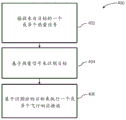
图1图示了根据实施方式的识别障碍物的方法。FIG. 1 illustrates a method of identifying an obstacle according to an embodiment.
图2图示了根据实施方式,用于无人飞行器的防撞人装置的俯视图。2 illustrates a top view of a human collision avoidance device for an unmanned aerial vehicle, according to an embodiment.
图3图示了根据实施方式,具有检测障碍物的多个PIR传感器的无人飞行器。3 illustrates an unmanned aerial vehicle with multiple PIR sensors that detect obstacles, according to an embodiment.
图4图示了根据实施方式的用于对目标做出响应的方法。4 illustrates a method for responding to a target, according to an embodiment.
图5图示了根据实施方式的跟踪目标的可移动物体。5 illustrates a movable object tracking a target according to an embodiment.
图6提供了根据实施方式,用于无人飞行器的防撞人装置的框图。6 provides a block diagram of a collision avoidance device for an unmanned aerial vehicle, according to an embodiment.
图7图示了根据实施方式,在户外环境中操作的无人飞行器。7 illustrates an unmanned aerial vehicle operating in an outdoor environment, according to an embodiment.
图8图示了根据实施方式,在室内环境中操作的无人飞行器。8 illustrates an unmanned aerial vehicle operating in an indoor environment, according to an embodiment.
图9图示了根据实施方式的无人飞行器(UAV)。9 illustrates an unmanned aerial vehicle (UAV) according to an embodiment.
图10图示了根据实施方式,包括载体和负载的可移动物体。Figure 10 illustrates a movable object including a carrier and a payload, according to an embodiment.
图11图示了根据实施方式,用于控制可移动物体的系统的通过框图来说明的示意图。11 illustrates a schematic diagram, illustrated by a block diagram, of a system for controlling a movable object, according to an embodiment.
具体实施方式Detailed ways
本发明提供了用于识别或检测障碍物的方法、设备和系统。在一些实施方式中,障碍物可以是指目标,并且关于障碍物的识别或检测而描述的方法、设备和系统应被理解为等同地适用于目标的识别或检测。障碍物的识别或检测可以经由位于可移动物体上的传感器。如本文所使用的,可移动物体可以是指可如其他各处所描述地移动的任何物体。例如,可移动物体可以是移动电话、手表、无人飞行器(UAV)、轿车、船、计算机、PDA、平板计算机等。虽然本文参考无人飞行器而描述了许多实施方式,但应当理解,所述参考是非限制性的,并且所述实施方式等同地适用于任何可移动物体。在一些情况下,可移动物体到障碍物的距离可以借助于一个或多个传感器而确定。例如,一个或多个被动式红外(PIR)传感器可以接收从障碍物(例如,物体或主体)发出或反射的红外辐射(例如,热量信号或图案)。可以基于红外辐射图案来检测、识别或标识障碍物,并且可以基于来自PIR传感器的数据而计算从可移动物体到障碍物的距离。随后,可以基于计算出的距离来确定和实施飞行响应措施。The present invention provides methods, devices and systems for identifying or detecting obstacles. In some embodiments, an obstacle may refer to a target, and the methods, devices, and systems described with respect to the identification or detection of an obstacle should be understood to be equally applicable to the identification or detection of a target. The identification or detection of obstacles can be via sensors located on the movable object. As used herein, a movable object may refer to any object that can be moved as described elsewhere. For example, the movable object may be a mobile phone, a watch, an unmanned aerial vehicle (UAV), a car, a boat, a computer, a PDA, a tablet, and the like. While many embodiments are described herein with reference to unmanned aerial vehicles, it should be understood that the references are non-limiting and that the embodiments are equally applicable to any movable object. In some cases, the distance of the movable object to the obstacle may be determined by means of one or more sensors. For example, one or more passive infrared (PIR) sensors may receive infrared radiation (eg, heat signals or patterns) emitted or reflected from obstacles (eg, objects or subjects). Obstacles can be detected, identified, or identified based on infrared radiation patterns, and distances from movable objects to obstacles can be calculated based on data from PIR sensors. Subsequently, flight response measures may be determined and implemented based on the calculated distances.
图1图示了根据实施方式的识别障碍物的方法100。本文使用的障碍物可以是指能够使可移动物体(例如,无人飞行器)的路径模糊不清或者能够与可移动物体接触的任何外部因素。所述障碍物可以包括任何物体或主体。例如,障碍物可以是静止物体(例如,建筑物、巨石、停放的轿车等)、移动物体(例如,移动的轿车、飞机等)、人造物体(例如,指示牌、船等)和/或自然物体(例如,树木、瀑布等)。例如,障碍物可以是诸如动物(例如,猫、狗、马等)或人类等主体。FIG. 1 illustrates a
在步骤102中,可以接收来自障碍物的一个或多个热量信号。红外辐射在本文中还可以被称作热量信号。所有障碍物可以具有与之相关联的红外辐射能量。所有障碍物可以发出或反射红外辐射。在一些情况下,可以借助于红外(IR)传感器(诸如PIR传感器)来接收从障碍物发出或反射的红外辐射。PIR传感器可以包括热释电材料。PIR传感器(例如,热释电材料)可以检测射在所述传感器上的(例如,从所述障碍物发出或反射的)红外辐射或者红外辐射量的变化。热释电材料可以在暴露于红外辐射时生成能量。例如,PIR传感器可以响应于波长为0.2-20um的红外辐射而生成能量。热释电材料可以在暴露于红外辐射(例如,波长为0.2-20um)中时生成(例如,输出)低频脉冲信号(例如,电压信号)。响应于接收到的红外辐射而生成能量(例如,脉冲信号)在本文中可以是指对红外辐射的检测、对红外辐射的变化的检测和/或对障碍物(例如,发出或反射红外辐射)的检测。入射在PIR传感器上的红外辐射可以取决于传感器前方的障碍物的温度、形状、面积、体积和/或表面特征(例如,纹理)。具有类似温度但具有不同表面特征的障碍物可以发出不同的红外辐射图案。具有类似的表面特征但具有不同温度的障碍物可以发出不同的红外辐射图案。具有不同的温度和不同的表面特征的障碍物可以发出不同的红外辐射图案。具有类似的表面特征(例如,纹理)和类似的温度的物体可以发出类似的红外辐射图案。由热释电材料输出的信号(例如,脉冲信号、电压信号)可以取决于障碍物所在地之外的因素(例如,温度、形状、表面特征等)。例如,输出信号可以取决于诸如以下的因素:从障碍物到PIR传感器的距离、障碍物(例如,相对于可移动物体)的方向和速度、障碍物的步态(如果可适用的话)和/或多个障碍物的所在地。在一些情况下,响应于对障碍物的检测而输出的信号的特征(例如,输出信号的幅度)可以取决于诸如以下因素:障碍物的温度、表面特征、大小、面积、体积、从所述障碍物到PIR传感器的距离、所述障碍物(例如,相对于可移动物体)的方向和速度以及障碍物的步态(如果可适用的话)。In
PIR传感器可以约等于或小于约5mm2、10mm2、20mm2、30mm2、40mm2、50mm2或100mm2。PIR传感器可以具有视野。PIR传感器的视野可以是指可由所述PIR传感器检测或感测到的环境范围。视野可以由PIR传感器对可移动物体的相对方向描述。例如,视野可以垂直地、水平地、向上地、向下地、向一侧地或者相对于可移动物体(例如,无人飞行器)地朝向。PIR传感器的视野可以与PIR传感器(例如,在无人飞行器上)的放置、PIR传感器的中心轴、PIR传感器的检测范围和/或PIR传感器的视角有关或者取决于它们。PIR传感器可以各自具有中心轴。PIR传感器的中心轴(其还可以是指“主轴”)可以是一条线,在所述PIR传感器中,沿着该条线存在着某种程度的旋转对称。PIR传感器的中心轴可以向上、向下、向侧面、水平地、垂直地或者相对于可移动物体成任何角度地朝向。在一些实施方式中,PIR传感器的中心轴穿过PIR传感器的部件(例如,热释电传感器)的中心。The PIR sensor may be about equal to or less than about 5mm 2 , 10mm 2 , 20mm 2 , 30mm 2 , 40mm 2 , 50mm 2 or 100mm 2 . A PIR sensor can have a field of view. The field of view of a PIR sensor may refer to the range of the environment that can be detected or sensed by the PIR sensor. The field of view can be described by the relative orientation of the PIR sensor to the movable object. For example, the field of view may be oriented vertically, horizontally, up, down, sideways, or relative to a movable object (eg, an unmanned aerial vehicle). The field of view of the PIR sensor may be related to or dependent on the placement of the PIR sensor (eg, on an unmanned aerial vehicle), the central axis of the PIR sensor, the detection range of the PIR sensor and/or the viewing angle of the PIR sensor. The PIR sensors may each have a central axis. The central axis of a PIR sensor (which may also be referred to as the "main axis") may be a line along which some degree of rotational symmetry exists in the PIR sensor. The central axis of the PIR sensor can be oriented up, down, sideways, horizontally, vertically or at any angle relative to the movable object. In some embodiments, the central axis of the PIR sensor passes through the center of a component of the PIR sensor (eg, a pyroelectric sensor).
PIR传感器可以具有视角。PIR传感器的视角可以是指可由所述PIR传感器检测到的(例如,可感测到的)给定环境的角范围。PIR传感器可以具有约等于或小于10°、15°、20°、30°、45°、60°、90°、120°、150°、180°、210°、240°、270°、300°、330°或360°的视角。PIR传感器可以具有约等于或小于10°、15°、20°、30°、45°、60°、90°、120°、150°、180°、210°、240°、270°、300°、330°或360°的水平视角。PIR传感器可以具有约等于或小于10°、15°、20°、30°、45°、60°、90°、120°、150°、180°、210°、240°、270°、300°、330°或360°的垂直视角。不同的PIR传感器可以具有相同的视角但具有不同的视野。PIR传感器可以具有在其中可检测障碍物的检测范围。所述检测范围可以约等于或者小于1m、2m、3m、4m、5m、10m、20m或50m。PIR sensors can have a viewing angle. The viewing angle of a PIR sensor may refer to the angular range of a given environment that can be detected (eg, sensed) by the PIR sensor. The PIR sensor may have approximately equal to or less than 330° or 360° viewing angle. The PIR sensor may have approximately equal to or less than 330° or 360° horizontal viewing angle. The PIR sensor may have approximately equal to or less than 330° or 360° vertical viewing angle. Different PIR sensors can have the same viewing angle but different fields of view. The PIR sensor may have a detection range in which obstacles can be detected. The detection range may be approximately equal to or less than 1 m, 2 m, 3 m, 4 m, 5 m, 10 m, 20 m or 50 m.
PIR传感器可以由外壳封闭或者嵌入在外壳内。在一些实施方式中,PIR传感器可以在外壳之外。PIR传感器可以包括光学元件,以使红外能量聚集到传感器表面上。在一些实施方式中,外壳可以包括光学元件。所述光学元件可以包括透镜和/或反光镜。例如,所述透镜可以是菲涅尔透镜。PIR传感器可以包括滤波器,以限制到达传感器表面的红外光的波长。在一些实施方式中,所述外壳和/或所述光学元件可以包括滤波器。PIR传感器上的滤波器可以使射在传感器表面上的红外辐射的波长限于约2um、4um、6um、8um、10um、12um、14um、20um、22um、24um、26um、28um、30um。在一些实施方式中,PIR传感器上的滤波器可以使射在传感器表面上的红外辐射限于一个范围。例如,使用滤波器,约为0.2-8um、0.2 2um,2-4um、4-6um、6 8um、8-14um、8-12um、8-10um、10-12um、10-14、14-16um、16-18um、18-20um或14-20um的红外辐射可以射在传感器表面上。在一些情况下,仅可检测到具有射在PIR传感器上的波长或波长范围的红外辐射(例如,热量信号)。在一些情况下,仅可检测到发出或反射具有射在PIR传感器上的波长或波长范围的红外辐射的障碍物。例如,虽然PIR传感器可以能够检测(例如,接收和生成能量或脉冲信号)波长为0.2-20um的红外辐射,但滤波器可以限制射在传感器表面上的红外辐射的波长(例如,限于8-10um)。使用滤波器,仅某些波长的红外辐射可以通过并到达PIR传感器表面,而其他波长的红外辐射则被滤掉。使用滤波器,可以检测或识别特定的障碍物。例如,使用将能够射在PIR传感器表面上的红外辐射的波长限制在约8-10um的范围内的滤波器,可以检测或识别人体。使用限制能够射在PIR传感器上的红外辐射的波长的其他滤波器,可以检测或识别其他障碍物或物体。例如,可以检测或识别诸如轿车或建筑物等无生命的物体,所述无生命的物体发出具有特定波长或波长范围的红外辐射。The PIR sensor can be enclosed by the housing or embedded within the housing. In some embodiments, the PIR sensor may be external to the housing. PIR sensors may include optical elements to concentrate infrared energy onto the sensor surface. In some embodiments, the housing may include optical elements. The optical elements may include lenses and/or mirrors. For example, the lens may be a Fresnel lens. PIR sensors may include filters to limit the wavelengths of infrared light reaching the sensor surface. In some embodiments, the housing and/or the optical element may include filters. The filter on the PIR sensor can limit the wavelength of infrared radiation hitting the sensor surface to about 2um, 4um, 6um, 8um, 10um, 12um, 14um, 20um, 22um, 24um, 26um, 28um, 30um. In some embodiments, a filter on the PIR sensor may limit the infrared radiation impinging on the sensor surface to a range. For example, using a filter, about 0.2-8um, 0.2 2um, 2-4um, 4-6um, 6 8um, 8-14um, 8-12um, 8-10um, 10-12um, 10-14, 14-16um, 16-18um, 18-20um or 14-20um of infrared radiation can strike the sensor surface. In some cases, only infrared radiation (eg, heat signals) having a wavelength or wavelength range impinging on the PIR sensor can be detected. In some cases, only obstacles that emit or reflect infrared radiation having the wavelength or range of wavelengths impinging on the PIR sensor can be detected. For example, while a PIR sensor may be capable of detecting (eg, receiving and generating energy or pulsed signals) infrared radiation having a wavelength of 0.2-20um, a filter may limit the wavelength of infrared radiation impinging on the sensor surface (eg, to 8-10um ). Using filters, only certain wavelengths of infrared radiation can pass and reach the PIR sensor surface, while other wavelengths of infrared radiation are filtered out. Using filters, specific obstacles can be detected or identified. For example, a human body can be detected or identified using a filter that limits the wavelength of infrared radiation that can impinge on the surface of a PIR sensor to a range of about 8-10 um. Other obstacles or objects can be detected or identified using other filters that limit the wavelengths of infrared radiation that can strike the PIR sensor. For example, inanimate objects, such as cars or buildings, which emit infrared radiation having a specific wavelength or range of wavelengths, can be detected or identified.
在一些情况下,PIR传感器可以位于可移动物体上。PIR传感器能够以任何数目和任何配置位于可移动物体上。PIR传感器可以位于可移动物体的中央机体上或者位于可移动物体的外围部件上(例如,位于耦合到可移动物体的载体上)。本公开内容的PIR传感器可以位于可移动物体的任何合适的部分上,诸如在可移动物体的机体之上、之下、一个或多个侧面上或之内。PIR传感器可以位于可移动物体的中心上或者偏离中心。一些PIR传感器可以机械耦合至可移动物体,以使得可移动物体的空间排列和/或运动对应于PIR传感器的空间排列和/或运动。PIR传感器可以经由刚性耦合而耦合至可移动物体,以使得所述PIR传感器不相对于其所附着至的可移动物体的部分而移动。耦合可以是永久耦合或非永久(例如,可拆卸)耦合。合适的耦合方法可以包括粘合剂、粘结、焊接和/或紧固件(例如,螺钉、钉、销等)。可选地,PIR传感器可以与可移动物体的一部分一体形成。此外,PIR传感器可以与可移动物体的一部分(例如,处理单元、控制系统、数据存储装置、飞行控制器)电耦合,以便使得由PIR传感器收集的数据能够用于可移动物体的各种功能(例如,导航、控制、推进、防撞机动等),诸如本文所讨论的实施方式。PIR传感器可以与可移动物体的一部分(例如,处理单元、控制系统、数据存储装置)可操作地耦合。In some cases, the PIR sensor may be located on a movable object. PIR sensors can be located on movable objects in any number and configuration. The PIR sensor may be located on the central body of the movable object or on a peripheral component of the movable object (eg, on a carrier coupled to the movable object). The PIR sensor of the present disclosure may be located on any suitable portion of the movable object, such as on, under, on, or on one or more sides of the movable object's body. The PIR sensor can be located on the center of the movable object or off-center. Some PIR sensors may be mechanically coupled to a movable object such that the spatial arrangement and/or motion of the movable object corresponds to the spatial arrangement and/or motion of the PIR sensor. The PIR sensor may be coupled to the movable object via a rigid coupling such that the PIR sensor does not move relative to the portion of the movable object to which it is attached. Couplings may be permanent couplings or non-permanent (eg, detachable) couplings. Suitable coupling methods may include adhesives, bonding, welding, and/or fasteners (eg, screws, nails, pins, etc.). Alternatively, the PIR sensor may be integrally formed with a portion of the movable object. Additionally, the PIR sensor may be electrically coupled to a portion of the movable object (eg, processing unit, control system, data storage device, flight controller) to enable the data collected by the PIR sensor to be used for various functions of the movable object (eg, processing unit, control system, data storage device, flight controller) For example, navigation, control, propulsion, collision avoidance maneuvers, etc.), such as the embodiments discussed herein. The PIR sensor may be operably coupled to a portion of the movable object (eg, processing unit, control system, data storage device).
一个、两个、三个、四个、五个、六个、七个、八个、九个、十个或更多个PIR传感器可以位于可移动物体上。在一些情况下,位于可移动物体上的一个或多个PIR传感器的集合视野可以覆盖可移动物体周围的360°角。在一些实施方式中,所述360°角可以覆盖可移动物体的水平面的全景。在一些实施方式中,位于可移动物体上的一个或多个PIR传感器的集合视野可以覆盖可移动物体周围的360°垂直角。在一些实施方式中,一个或多个PIR传感器的视野可以水平地并且垂直地覆盖可移动物体周围的360度角(例如,覆盖可移动物体周围的整个球形区域)。在一些情况下,一个或多个PIR传感器的集合视野可以不覆盖可移动物体周围的
图2图示了根据实施方式,用于无人飞行器的防撞人装置的俯视图。无人飞行器200具有位于无人飞行器上的四个PIR传感器202、204、206、208,每个具有视角α。PIR传感器202、204、206、208位于无人飞行器的侧面上。集合地,PIR传感器202、204、206、208具有覆盖可移动物体周围
在步骤104中,可以基于步骤102中接收的热量信号来识别障碍物。障碍物(例如,物体和/或主体)可以辐射特定于所述障碍物的热量信号(例如,红外辐射)。例如,人类可以发出波长约为8um、10um、12um或者约8-12um范围中的红外辐射。例如,哺乳动物可以发出波长约为8um、10um、12um或者约8-12um范围中的红外辐射。在一些情况下,具有约
在一些情况下,PIR传感器可被配置用于接收或检测某个波长范围的红外辐射,所述波长范围的红外辐射不对应于从特定障碍物(例如,一种类型的障碍物,诸如人类)发出的红外辐射。为了响应于从障碍物接收热量信号,PIR传感器可以输出信号,其中所述输出信号的特征(例如,幅度)根据从其接收热量信号的障碍物的类型而改变。例如,PIR传感器的较大输出信号可以对应于人体。例如,PIR传感器的较大输出可以对应于哺乳动物。例如,PIR传感器的较大输出可以对应于大型哺乳动物(例如,在大小上可相较于人类的哺乳动物或者更大的哺乳动物)。障碍物类型的预定列表可被储存在例如PIR传感器和/或可移动物体之上,或者储存在可移动物体之外但与PIR传感器通信的本地存储器中。每个障碍物类型可以与具有某一特征(例如,具有某一幅度)的输出信号相关,并且可以基于PIR传感器的输出信号来识别障碍物类型。来自障碍物的热量信号可以由PIR传感器接收,所述PIR传感器可以生成输出信号(例如,检测障碍物),可以测量(例如,利用微控制器测量)PIR传感器的输出信号,并且可以基于步骤102中接收的红外辐射(例如,热量信号)来识别障碍物。In some cases, a PIR sensor may be configured to receive or detect infrared radiation in a range of wavelengths that does not correspond to transmission from a particular obstacle (eg, a type of obstacle, such as a human) emitted infrared radiation. In response to receiving a heat signal from an obstacle, the PIR sensor may output a signal, wherein the characteristics (eg, amplitude) of the output signal vary according to the type of obstacle from which the heat signal is received. For example, the larger output signal of a PIR sensor may correspond to a human body. For example, the larger output of a PIR sensor may correspond to a mammal. For example, a larger output of a PIR sensor may correspond to a large mammal (eg, a mammal comparable in size to a human or a larger mammal). The predetermined list of obstacle types may be stored, for example, on the PIR sensor and/or the movable object, or in a local memory external to the movable object but in communication with the PIR sensor. Each obstacle type may be associated with an output signal having a certain characteristic (eg, having a certain magnitude), and the obstacle type may be identified based on the output signal of the PIR sensor. The heat signal from the obstacle can be received by the PIR sensor, which can generate an output signal (eg, detect the obstacle), the output signal of the PIR sensor can be measured (eg, with a microcontroller), and can be based on
例如。如果PIR传感器接收波长为8um、10um、12um或8-12um的红外辐射(例如,热量信号),则障碍物可被检测和识别为属于人类。在一些实施方式中,位于可移动物体上的不同PIR传感器可被配置用于检测不同的障碍物和/或识别或区分障碍物。PIR传感器可被配置于将人类从其他障碍物中区别出来。PIR传感器可被配置于将哺乳动物从其他障碍物中区别出来。PIR传感器可被配置于将动物从其他障碍物中区别出来。PIR传感器可被配置用于区别不同类型的动物(例如,冷血的相对恒温的)。PIR传感器可被配置用于区别不同类型的哺乳动物(例如,大的相对小的)。例如,一个或多个PIR传感器可被配置用于接收或检测波长为8um、10um、12um或者8-12um范围中的红外辐射,而一个或多个其他PIR传感器可被配置用于接收或检测其他波长的红外辐射。如果被配置用于接收波长为8um、10um、12um(或8-12um)的IR辐射的PIR传感器作出响应(例如,生成能量、输出脉冲信号等),则检测到的障碍物能被识别为人类。如果被配置用于接收波长为8um、10um、12um(或8-12um)的IR辐射的PIR传感器不作出响应但其他PIR传感器作出响应,则检测到的障碍物能被识别为非人类。识别障碍物的步骤104可以包括基于本文所述的红外辐射(例如,热量信号)而将所述障碍物与不同类型的障碍物区别开来(例如,区别人类与非人类)。E.g. An obstacle can be detected and identified as belonging to a human if the PIR sensor receives infrared radiation (eg, a heat signal) at a wavelength of 8um, 10um, 12um, or 8-12um. In some embodiments, different PIR sensors located on the movable object may be configured to detect different obstacles and/or identify or differentiate obstacles. PIR sensors can be configured to distinguish humans from other obstacles. PIR sensors can be configured to distinguish mammals from other obstacles. PIR sensors can be configured to distinguish animals from other obstacles. PIR sensors can be configured to discriminate between different types of animals (eg, cold-blooded relative homeothermic). PIR sensors can be configured to distinguish between different types of mammals (eg, large versus small). For example, one or more PIR sensors may be configured to receive or detect infrared radiation having wavelengths in the 8um, 10um, 12um, or 8-12um range, while one or more other PIR sensors may be configured to receive or detect other wavelength of infrared radiation. A detected obstacle can be identified as a human if a PIR sensor configured to receive IR radiation at wavelengths of 8um, 10um, 12um (or 8-12um) responds (eg, generates energy, outputs a pulsed signal, etc.) . If a PIR sensor configured to receive IR radiation at wavelengths of 8um, 10um, 12um (or 8-12um) does not respond but other PIR sensors do, then the detected obstacle can be identified as non-human. The
在一些实施方式中,步骤104可以是可选的,并且针对后续步骤,可能不需要识别障碍物。例如,一接收或检测到红外辐射(例如,具有特定波长或波长范围的红外辐射),就可以实施计算可移动物体到障碍物的距离的步骤106或者确定适当的飞行响应措施的步骤108。In some embodiments,
在步骤106中,可以借助于一个或多个处理器来计算从可移动物体到障碍物的距离。处理器可以包括现场可编程门阵列In
(FPGA)、专用集成电路(ASIC)、专用标准产品(ASSP)、数字信号处理器(DSP)、中央处理器(CPU)、图形处理器(GPU)、视觉处理器(VPU)、复杂可编程逻辑器件(CPLD)等。处理器可以是位于可移动物体(例如,无人飞行器)上的机载处理器或者由PIR传感器携带的嵌入式处理器。处理器可以是与可移动物体和/或PIR传感器分离的机外处理器(例如,位于与无人飞行器和/或PIR传感器通信的地面站处)。本文所指的一个或多个处理器可以单独地或共同地被配置用于进一步辅助本文列举的方法100。在一些情况下,单一处理器(或CPU)可被配置用于针对多个PIR传感器而辅助方法100。在一些情况下,多个处理器可被配置用于针对单一PIR传感器而辅助方法100。(FPGA), Application Specific Integrated Circuit (ASIC), Application Specific Standard Product (ASSP), Digital Signal Processor (DSP), Central Processing Unit (CPU), Graphics Processing Unit (GPU), Vision Processing Unit (VPU), Complex Programmable Logic device (CPLD), etc. The processor may be an onboard processor located on a movable object (eg, an unmanned aerial vehicle) or an embedded processor carried by a PIR sensor. The processor may be an off-board processor separate from the movable object and/or the PIR sensor (eg, located at a ground station in communication with the UAV and/or the PIR sensor). One or more processors referred to herein may be individually or collectively configured to further assist the
计算出的距离可以基于或取决于来自PIR传感器的数据。在一些情况下,从可移动物体到障碍物的距离可被计算或确定为PIR传感器检测障碍物的检测范围。例如,在PIR传感器首次检测障碍物的时刻,从可移动物体到障碍物的瞬时距离可被确定为PIR传感器的检测范围。例如,对于具有360°视野的PIR传感器(或者具有相同检测范围的PIR传感器,其集合地具有360°视野),在首次检测(或识别)到物体的时刻,从可移动物体到障碍物的距离可以基本上等于PIR传感器的检测范围。在一些实施方式中,在检测(或识别)到物体的时刻,即使视野(或者多个PIR传感器的集合视野)不等于360°,从可移动物体到障碍物的距离业也可被计算或确定(例如,估计)为等于PIR传感器检测障碍物的检测范围。The calculated distance can be based on or depend on data from the PIR sensor. In some cases, the distance from the movable object to the obstacle may be calculated or determined as the detection range of the PIR sensor to detect the obstacle. For example, at the moment when the PIR sensor first detects the obstacle, the instantaneous distance from the movable object to the obstacle may be determined as the detection range of the PIR sensor. For example, for a PIR sensor with a 360° field of view (or a PIR sensor with the same detection range, which collectively has a 360° field of view), the distance from the movable object to the obstacle at the moment when the object is first detected (or recognized) Can be substantially equal to the detection range of the PIR sensor. In some embodiments, the distance from the movable object to the obstacle can be calculated or determined even if the field of view (or the collective field of view of multiple PIR sensors) is not equal to 360° at the moment of detection (or recognition) of the object (eg, estimated) is equal to the detection range of the PIR sensor to detect obstacles.
在一些情况下,可以基于PIR传感器的输出信号来计算或确定从可移动物体到障碍物的距离。如前文所述,热释电材料的输出信号(例如,脉冲信号,电压信号)可以取决于诸如障碍物到PIR传感器的距离等因素。例如,随着可移动物体到障碍物的距离减小,PIR传感器的输出信号的强度可以增加。在一些情况下,可以(例如,提前地)校准所述距离与PIR传感器输出信号的峰值之间的关系,并且可以已知对应于PIR传感器输出信号的峰值的距离。在一些情况下,一个或多个处理器(例如,微控制器)可以检测PIR传感器的输出信号的峰值并且基于校准曲线来计算或确定距离。因此,可以确定在首次检测到障碍物之后的时间点处从可移动物体到障碍物的距离。在一些情况下,可以在类似的推理下(例如,根据PIR传感器的输出信号)基于PIR传感器的输出信号来计算或确定其他因素(例如,障碍物相对于可移动物体的速度和方向)。In some cases, the distance from the movable object to the obstacle may be calculated or determined based on the output signal of the PIR sensor. As previously mentioned, the output signal (eg, pulse signal, voltage signal) of the pyroelectric material may depend on factors such as the distance of the obstacle to the PIR sensor. For example, as the distance of the movable object to the obstacle decreases, the strength of the output signal of the PIR sensor may increase. In some cases, the relationship between the distance and the peak value of the PIR sensor output signal may be calibrated (eg, in advance), and the distance corresponding to the peak value of the PIR sensor output signal may be known. In some cases, one or more processors (eg, microcontrollers) may detect peaks in the output signal of the PIR sensor and calculate or determine the distance based on a calibration curve. Therefore, the distance from the movable object to the obstacle at a point in time after the obstacle is first detected can be determined. In some cases, other factors (eg, velocity and direction of the obstacle relative to the movable object) may be calculated or determined based on the output signal of the PIR sensor under similar reasoning (eg, from the output signal of the PIR sensor).
图3图示了根据实施方式,具有检测障碍物312的多个PIR传感器302、304、306、308和310的无人飞行器300。PIR传感器302、304、306、308位于无人飞行器的侧面上,而PIR传感器310位于无人飞行器的上表面(例如,面向天空的表面)上。PIR传感器310具有由314限定的360度角的水平视角和3m的范围。PIR传感器302、304、306、308各自具有α度角的视角和5m的检测范围。PIR传感器302、304、306、308集合地具有覆盖可移动物体300周围的360°角的视野,如重叠视野所示。在一些情况下,具有某一检测范围的PIR传感器可能并不集合地具有覆盖可移动物体周围360°角的视野,并且可能存在PIR传感器在其中不能检测处于某一距离的障碍物的盲点。PIR传感器310可以用于检测与可移动物体大致相距3m或更近的障碍物。PIR传感器302、304、306、308可以用于检测与可移动物体大致相距5m或更近的障碍物。PIR传感器302、304、306、308、310都可以过滤并接收具有某些波长的红外辐射。例如,PIR传感器可以接收波长约为10um(或者处于8-12um的范围中)的IR辐射并且生成能量或输出信号。当PIR传感器302、304、306或308首次检测到障碍物时,从可移动物体到障碍物的距离可被计算或确定为5m。当PIR传感器310首次检测到障碍物时,从可移动物体到障碍物的距离可被计算或确定为3m。通过检测(例如,使用微控制器检测)PIR传感器的输出信号的峰值并且将所述峰值与校准曲线(例如,示出所述距离与PIR传感器输出信号的峰值之间的关系的校准曲线)进行比较来计算从可移动物体300到障碍物312的距离。例如,使用校准曲线,可以计算或确定所述距离为0m至5m的范围中的任何值。所述距离的计算精度可以约为实际距离的0.1m、0.2m、0.3m、0.4m、0.5m、1m或2m或者在其之内。FIG. 3 illustrates an unmanned
在一些实施方式中,可以确定可移动物体对障碍物的相对位置,例如,基于PIR传感器的安装方向(例如,视野、PIR传感器的中心轴的方向)以及距障碍物的距离来确定。一个或多个处理器可以确定哪个PIR传感器正在生成输出信号,并且每个PIR传感器的中心轴或者安装PIR传感器的方向可被预定或者储存在可操作地耦合至一个或多个处理器的存储器中。可以如前文所述地计算或确定障碍物到可移动物体的距离。例如,图3示出位于PIR传感器308的视角内的障碍物312。PIR传感器308可以生成输出信号,因为障碍物312在其视野中,而PIR传感器302、304、306、310可能不生成输出信号。障碍物312到可移动物体300的距离可被计算为5m。PIR传感器的安装方向或者其中心轴316的方向可以储存在存储器单元中。基于所述距离和所述中心轴,可以估计障碍物相对于可移动物体的位置在位置318处。使用附加的PIR传感器和/或具有较小视角的PIR传感器,可以更加准确而精密地确定障碍物的位置。In some embodiments, the relative position of the movable object to the obstacle can be determined, eg, based on the orientation of the PIR sensor (eg, the field of view, the orientation of the central axis of the PIR sensor) and the distance from the obstacle. The one or more processors can determine which PIR sensor is generating the output signal, and the central axis of each PIR sensor or the orientation in which the PIR sensor is mounted can be predetermined or stored in a memory operably coupled to the one or more processors . The distance of the obstacle to the movable object can be calculated or determined as previously described. For example, FIG. 3 shows an
在一些实施方式中,步骤106可以是可选的,并且针对后续步骤,可能不需要确定或计算从可移动物体到障碍物的距离。例如,一检测和/或识别出障碍物,就可以实施确定适当的飞行响应措施的步骤108。In some implementations,
在步骤108中,可以确定是否要实现(例如,实施、执行)飞行响应措施。在一些实施方式中,飞行响应措施可以是防撞机动。确定是否要实现飞行响应措施可以包括确定适当的飞行响应措施(例如,防撞机动)。借助于飞行控制器,可以确定并采用适当的飞行响应措施和/或是否要实现飞行响应措施(例如,防撞机动)。可以在可移动物体上作出所述确定(例如,使用可移动物体上的一个或多个处理器来作出所述确定)。可以在可移动物体之外作出所述确定(例如,使用可操作地耦合至可移动物体的一个或多个处理器来作出所述确定)。可以自动作出所述确定(例如,借助于一个或多个处理器,借助于飞行控制器来作出所述确定)。可以手动地或半自动地作出所述确定(例如,利用一些用户输入来作出所述确定)。所述确定可以基于一个或多个因素,诸如可移动物体到障碍物的距离(例如,步骤106中计算出的距离)、可移动物体的移动方向、可移动物体的速度、障碍物的移动方向、障碍物的速度、障碍物对可移动物体的相对位置、障碍物类型(例如,步骤104中识别的障碍物类型)、可移动物体的能力(例如,加速能力或减速能力)、可移动物体的大小和类型、障碍物的大小和类型和/或可移动物体的高度。在一些情况下,所述因素(例如,可移动物体到障碍物的距离)可以是使用本文提及的PIR传感器获取的数据。在一些情况下,所述因素可以是使用其他传感器(例如,测量可移动物体的速度的IMU传感器)获取的数据。In step 108, it may be determined whether to implement (eg, implement, execute) in-flight response measures. In some implementations, the flight response measure may be a collision avoidance maneuver. Determining whether flight response measures are to be implemented may include determining appropriate flight response measures (eg, collision avoidance maneuvers). With the aid of the flight controller, appropriate flight response measures and/or whether flight response measures (eg, collision avoidance maneuvers) are to be implemented may be determined and employed. The determination may be made on the movable object (eg, using one or more processors on the movable object). The determination may be made external to the movable object (eg, using one or more processors operably coupled to the movable object). The determination may be made automatically (eg, by means of one or more processors, by means of a flight controller). The determination may be made manually or semi-automatically (eg, with some user input). The determination may be based on one or more factors, such as the distance of the movable object to the obstacle (eg, the distance calculated in step 106 ), the direction of movement of the movable object, the speed of the movable object, the direction of movement of the obstacle , the velocity of the obstacle, the relative position of the obstacle to the movable object, the type of obstacle (eg, the type of obstacle identified in step 104), the ability of the movable object (eg, the ability to accelerate or decelerate), the ability of the movable object size and type of obstacle, size and type of obstacle and/or height of movable objects. In some cases, the factor (eg, the distance of the movable object to the obstacle) may be data acquired using the PIR sensors mentioned herein. In some cases, the factor may be data acquired using other sensors (eg, an IMU sensor that measures the velocity of a movable object).
在一些实施方式中,飞行响应措施(例如,防撞机动)可以包括减小或限制可移动物体的速度。在一些实施方式中,飞行响应措施(例如,防撞机动)可以包括停止可移动物体的一个或多个动力单元。在一些实施方式中,飞行响应措施(例如,防撞机动)可以包括制动或停止可移动物体的移动。在一些实施方式中,飞行响应措施(例如,防撞机动)可以包括改变可移动物体的移动过程的方向。在一些实施方式中,飞行响应措施(例如,防撞机动)可以包括增加或减少可移动物体的高度。在一些实施方式中,飞行响应措施可以包括向可移动物体的操作者发送警告(例如,听觉警示信号、视觉警示信号、触觉警示信号)。在一些实施方式中,飞行响应措施可以包括向检测到的障碍物或目标发送警告(例如,听觉警示信号、视觉警示信号、触觉警示信号)。在一些实施方式中,飞行响应措施可以包括触发一个或多个成像装置来捕捉图像(例如,障碍物和/或可移动物体周围环境的图像)。在一些实施方式中,飞行响应措施可以包括跟踪目标(例如,障碍物)。在一些实施方式中,跟踪目标可以包括跟随目标和/或捕捉所述目标的一个或多个图像。能够以指定的距离跟随目标。在一些实施方式中,飞行响应措施(例如,防撞机动)可以包括展开可移动物体上的一个或多个气囊和/或展开可移动物体上的一个或多个降落伞。In some embodiments, flight response measures (eg, collision avoidance maneuvers) may include reducing or limiting the velocity of the movable object. In some embodiments, flight response measures (eg, collision avoidance maneuvers) may include stopping one or more powered units of the movable object. In some embodiments, flight response measures (eg, collision avoidance maneuvers) may include braking or stopping the movement of the movable object. In some embodiments, flight response measures (eg, collision avoidance maneuvers) may include changing the direction of the movement of the movable object. In some embodiments, flight response measures (eg, collision avoidance maneuvers) may include increasing or decreasing the height of the movable object. In some embodiments, flight response measures may include sending a warning (eg, an audible warning signal, a visual warning signal, a tactile warning signal) to the operator of the movable object. In some embodiments, flight response measures may include sending a warning (eg, an audible warning signal, a visual warning signal, a tactile warning signal) to the detected obstacle or target. In some embodiments, flight response measures may include triggering one or more imaging devices to capture images (eg, of obstacles and/or the surroundings of the movable object). In some embodiments, flight response measures may include tracking targets (eg, obstacles). In some embodiments, tracking the target may include following the target and/or capturing one or more images of the target. Able to follow a target at a specified distance. In some embodiments, flight response measures (eg, collision avoidance maneuvers) may include deploying one or more air bags on the movable object and/or deploying one or more parachutes on the movable object.
在一些情况下,可以根据上述因素(诸如距离)来执行、实现或实施一个或多个飞行响应措施。例如,可以根据一个或多个阈值距离来实现不同的飞行响应措施。例如,可以存在一个阈值距离(例如,5m)。可以确定可移动物体到障碍物或目标的距离并且将所述距离与阈值距离进行比较。如果检测到障碍物在阈值距离之内,则可以实现飞行响应措施(例如,制动)。如果在阈值距离之外,则可以实现第二飞行响应措施(例如,发送警示信号)或可以不实现飞行响应措施。在一些情况下,要实现的一个或多个飞行响应措施可以取决于多个因素(两个或更多个因素),诸如所述可移动物体(例如,可移动物体)相对于障碍物的距离和速度。In some cases, one or more in-flight response measures may be performed, implemented, or enforced based on the aforementioned factors, such as distance. For example, different flight response measures may be implemented based on one or more threshold distances. For example, there may be a threshold distance (eg, 5m). The distance of the movable object to the obstacle or target can be determined and compared to a threshold distance. If an obstacle is detected to be within a threshold distance, flight response measures (eg, braking) may be implemented. If outside the threshold distance, a second flight response measure may be implemented (eg, sending a warning signal) or may not be implemented. In some cases, the one or more flight response measures to be implemented may depend on a number of factors (two or more factors), such as the distance of the movable object (eg, movable object) relative to an obstacle and speed.
例如,可以存在两个阈值距离(例如,2m和5m)。可以确定可移动物体到障碍物或目标的距离并且将所述距离与阈值距离进行比较。如果检测到障碍物在第一阈值距离(例如,2m)之内,则可以实施第一飞行响应措施,诸如制动或停止可移动物体的一个或多个动力单元。如果检测到障碍物在第一阈值距离(例如,2m)之外但在第二阈值距离(例如,5m)之内,则可以实施第二飞行响应措施,诸如改变可移动物体的移动方向或者减小可移动物体的速度。如果在第二阈值距离之外,则可以实现第三飞行响应措施(例如,发送警示信号)或者可以不实现飞行响应措施。在一些情况下,要实现的一个或多个飞行响应措施可以取决于多个因素(两个或更多个因素),诸如所述可移动物体(例如,可移动物体)相对于障碍物的距离和速度。For example, there may be two threshold distances (eg, 2m and 5m). The distance of the movable object to the obstacle or target can be determined and compared to a threshold distance. If an obstacle is detected to be within a first threshold distance (eg, 2 m), a first flight response measure may be implemented, such as braking or stopping one or more powered units of the movable object. If the obstacle is detected to be outside a first threshold distance (eg, 2m) but within a second threshold distance (eg, 5m), a second in-flight response measure may be implemented, such as changing the direction of movement of the movable object or reducing The speed of small movable objects. If outside the second threshold distance, a third flight response measure may be implemented (eg, sending a warning signal) or may not be implemented. In some cases, the one or more flight response measures to be implemented may depend on a number of factors (two or more factors), such as the distance of the movable object (eg, movable object) relative to an obstacle and speed.
方法100还可以包括当在步骤108中作出确定时实现适当的飞行响应策略(例如,防撞机动)。
图4图示了根据实施方式的用于对目标做出响应的方法400。在步骤402中,可以接收(例如,由PIR传感器接收)来自目标的一个或多个热量信号。所述热量信号可以是例如前文所述的、波长范围在0.2um至20um之间的红外辐射。所述目标可以包括本文所指的障碍物,其包括诸如人类、轿车、建筑物、动物等物体和主体。在步骤404中,可以如前文所述地检测或识别目标。例如,PIR传感器可以响应于接收到的红外辐射(例如,波长在0.2-20um中的红外辐射)而生成能量或脉冲信号,并因此检测障碍物。例如,PIR传感器可以包括选择性地允许某些波长(例如,8-10um)的红外辐射到达PIR传感器表面的滤波器。PIR传感器可以响应于接收到的红外辐射而生成能量或脉冲信号,并检测障碍物。由于滤波器限制射在PIR传感器表面上的波长范围,所以检测到的障碍物能被识别为一种类型的障碍物(例如,人类)。检测到的障碍物可以经由如前文所述的其他方法(例如,基于PIR传感器的输出信号)而被识别为一种类型的障碍物。在步骤406中,基于检测或识别出的目标来执行一个或多个飞行响应措施。所述飞行响应措施可以如前文所述(例如,跟踪目标、发送警告或警报信号、改变飞行路径等)。FIG. 4 illustrates a
在一些实施方式中,飞行响应措施可以包括跟踪目标。跟踪目标可以包括跟随或追踪目标和/或使用一个或多个成像装置来捕捉目标的图像。在一些情况下,能够以期望距离跟随或追踪所述目标。所述期望距离可以是预定的和/或利用用户输入而实时更新的(例如,当目标被跟踪时)。在一些情况下,飞行响应措施可以包括与目标(例如,障碍物)保持期望的距离(例如,追踪距离)。例如,可以如前文所述地检测目标并计算距离。可以确定(例如,预定为5m)期望追踪距离(例如,阈值距离),并且可以测量和监控PIR传感器的峰值输出信号。可以根据校准曲线而确定对应于追踪距离的PIR传感器峰值输出信号。如果PIR传感器的峰值输出信号大于对应于追踪距离的峰值输出信号,则可移动物体可能远离障碍物移动(例如,基于可移动物体与障碍物的相对位置和/或方向)。如果PIR传感器的峰值输出信号小于对应于追踪距离的峰值输出信号,则可移动物体可能朝向障碍物移动(例如,基于可移动物体与障碍物的相对位置和/或方向)。因此,“跟随”功能可得以实现,其中可移动物体在保持期望追踪距离的同时跟随或追踪目标(例如,障碍物、人类)。In some embodiments, flight response measures may include tracking the target. Tracking the target may include following or tracking the target and/or capturing images of the target using one or more imaging devices. In some cases, the target can be followed or tracked at a desired distance. The desired distance may be predetermined and/or updated in real-time with user input (eg, as the target is being tracked). In some cases, flight response measures may include maintaining a desired distance (eg, tracking distance) from the target (eg, obstacle). For example, objects can be detected and distances calculated as previously described. A desired tracking distance (eg, a threshold distance) can be determined (eg, predetermined to be 5 m), and the peak output signal of the PIR sensor can be measured and monitored. The PIR sensor peak output signal corresponding to the tracking distance can be determined from the calibration curve. If the peak output signal of the PIR sensor is greater than the peak output signal corresponding to the tracking distance, the movable object may be moving away from the obstacle (eg, based on the relative position and/or orientation of the movable object to the obstacle). If the peak output signal of the PIR sensor is less than the peak output signal corresponding to the tracking distance, the movable object may be moving toward the obstacle (eg, based on the relative position and/or orientation of the movable object to the obstacle). Thus, a "following" function can be realized, wherein the movable object follows or tracks a target (eg, obstacle, human) while maintaining the desired tracking distance.
可以更新期望追踪距离,例如,使用用户输入来更新。例如,用户可以指定可移动物体以约1m、2m、3m、4m、5m、6m、7m、8m、9m、10m或更大的距离来跟随目标。可以在相对于目标的指定位置处(例如,相对于目标的指定高度处、相对于目标的指定垂直距离处、相对于目标的指定水平距离处)跟踪或跟随目标。例如,可移动物体可以在保持期望距离的同时在目标正上方的水平面上跟踪(例如,跟随)所述目标。例如,可移动物体可以在保持期望距离的同时在与目标相同的水平面上跟踪所述目标。例如,可移动物体可以在与目标保持等距的水平和垂直距离的同时跟踪所述目标。在一些实施方式中,可以更新(例如,实时地更新)可移动物体相对于目标的期望位置。例如,可移动物体可被配置用于在与目标水平且垂直等距约5m的距离处跟踪所述目标。用户可以随后指定可移动物体在保持追踪距离的同时在目标的正上方跟踪所述目标。在一些实施方式中,可移动物体可以跟踪目标,同时向检测到的目标、障碍物和/或可移动物体的操作者发送警告(例如,视觉警示信号、听觉警示信号或触觉警示信号)。在一些实施方式中,可以捕捉目标的一个或多个图像。可移动物体可以跟踪目标,同时捕捉目标或障碍物的图像。在一些实施方式中,可移动物体可以在跟随(例如,追踪)目标的同时捕捉所述目标的图像。The desired tracking distance may be updated, eg, using user input. For example, the user may designate the movable object to follow the target at a distance of about 1 m, 2 m, 3 m, 4 m, 5 m, 6 m, 7 m, 8 m, 9 m, 10 m, or more. The target may be tracked or followed at a specified location relative to the target (eg, at a specified height relative to the target, at a specified vertical distance relative to the target, at a specified horizontal distance relative to the target). For example, the movable object may track (eg, follow) the target on a horizontal plane directly above the target while maintaining a desired distance. For example, a movable object can track a target on the same level as the target while maintaining a desired distance. For example, a movable object can track a target while maintaining equidistant horizontal and vertical distances from the target. In some implementations, the desired position of the movable object relative to the target may be updated (eg, updated in real time). For example, the movable object may be configured to track the target at a distance of about 5 m horizontally and vertically equidistant from the target. The user can then specify that the movable object tracks the target directly above the target while maintaining the tracking distance. In some embodiments, the movable object may track the target while sending a warning (eg, a visual warning signal, an audible warning signal, or a tactile warning signal) to the operator of the detected target, obstacle, and/or movable object. In some implementations, one or more images of the target may be captured. A movable object can track a target while capturing an image of the target or obstacle. In some implementations, the movable object may capture an image of the target while following (eg, tracking) the target.
图5图示了根据实施方式的跟踪目标的可移动物体。可移动物体可以接收来自人类(例如,目标)的热量信号(例如,红外辐射)并且跟踪目标(例如,捕捉目标的图像或跟随目标)。在一段时间内,人类被示为从位置503移动至位置507。可移动物体接收来自目标的热量信号。可移动物体可以检测目标、基于接收到的热量信号(例如,红外辐射)来识别目标并且确定可移动物体到目标的距离504。当目标从位置503移动至位置505时,可移动物体可以跟随或追踪所述目标从位置502到达位置506。可移动物体在较早时间点距目标的距离504与所述可移动物体在较迟时间点距目标的距离508可以是相同的。可移动物体可以在跟踪目标(例如,跟随目标和/或捕捉目标的图像)的同时保持距目标的距离和/或其对目标的相对位置。可移动物体可以在跟踪目标的同时(例如,利用外部输入来跟踪目标时)改变或更改距目标的距离和/或其对目标的相对位置。5 illustrates a movable object tracking a target according to an embodiment. The movable object may receive heat signals (eg, infrared radiation) from a human (eg, a target) and track the target (eg, capture an image of the target or follow the target). A human is shown moving from
图6图示了根据实施方式,用于无人飞行器的防撞人的框图。人体可以发出热信号(例如,红外辐射)。热信号能够以前文所述的波长(例如,10um、8-12um等)发出。热信号可以例如使用诸如菲涅尔透镜等光学元件而聚集在传感器表面上。在一些实施方式中,光学元件可以放大从人体发出的红外辐射,并且使IR辐射聚集在PIR传感器(例如,热释电IR)表面上。PIR传感器可以在热信号已经穿过诸如菲涅尔透镜等光学元件之后接收所述热信号。热释电IR传感器可以接收IR辐射,并且作为响应而输出能量或低频脉冲信号。脉冲信号可由放大滤波电路处理并继而由模拟-数字(AD)转换器转变为数字信号。在一些实施方式中,AD转换器可以是比较器。数字信号可被输出至一个或多个处理器,诸如计算机处理单元(CPU),其可确定附近是否有障碍物,所述障碍物是否是人类以及所述障碍物到可移动物体的距离。可以将这一信息告知飞行控制器,所述飞行控制器可以采取适当的飞行响应措施以便实现防撞人。在一些实施方式中,飞行控制器可以包括一个或多个处理器(例如,CPU)。例如,如果障碍物被检测并识别为人类,则可以计算距离。在一些实施方式中,如果所述距离计算为10m或更大,则防撞机动可以是增加可移动物体的高度、使可移动物体减速或者改变无人飞行器的移动过程的方向。在一些实施方式中,如果所述距离计算为5m或更小,则防撞机动可以是使可移动物体的一个或多个动力单元减速(例如,制动)或停止。FIG. 6 illustrates a block diagram of collision avoidance for an unmanned aerial vehicle, according to an embodiment. The human body can emit thermal signals (eg, infrared radiation). The thermal signal can be emitted at the wavelengths previously described (eg, 10um, 8-12um, etc.). The thermal signal can be concentrated on the sensor surface, eg, using optical elements such as Fresnel lenses. In some embodiments, the optical element can amplify infrared radiation emanating from the human body and focus the IR radiation on the surface of a PIR sensor (eg, pyroelectric IR). The PIR sensor may receive the thermal signal after it has passed through an optical element such as a Fresnel lens. Pyroelectric IR sensors can receive IR radiation and in response output an energy or low frequency pulse signal. The pulsed signal can be processed by an amplification filter circuit and then converted into a digital signal by an analog-to-digital (AD) converter. In some embodiments, the AD converter may be a comparator. The digital signals can be output to one or more processors, such as a computer processing unit (CPU), which can determine if there is an obstacle nearby, whether the obstacle is a human and the distance of the obstacle to the movable object. This information can be communicated to the flight controller, which can take appropriate flight response measures to achieve collision avoidance. In some implementations, the flight controller may include one or more processors (eg, CPUs). For example, if an obstacle is detected and identified as a human, the distance can be calculated. In some embodiments, if the distance is calculated to be 10 m or more, the collision avoidance maneuver may be to increase the height of the movable object, slow the movable object, or change the direction of the movement of the UAV. In some embodiments, if the distance is calculated to be 5 m or less, the collision avoidance maneuver may be to decelerate (eg, brake) or stop one or more powered units of the movable object.
本文公开的设备、方法和计算机可读介质可以提供改进的、对于可移动物体的操作能力(例如,防撞机动)。图7图示了根据实施方式,在户外环境700中操作的无人飞行器702。户外环境700可以是城区、郊区或乡村环境,或者不是至少部分地位于建筑物内的任何其他环境。所述无人飞行器702可以相对靠近地面704(例如,低空)或相对远离地面704(例如,高空)操作。例如,在距地面小于或约等于10m操作的无人飞行器702可被认为处于低空,而在距地面大于或约等于10m操作的无人飞行器702可被认为处于高空。The devices, methods, and computer-readable media disclosed herein can provide improved maneuverability for movable objects (eg, collision avoidance maneuvers). 7 illustrates an unmanned
在一些实施方式中,户外环境700包括一个或多个物体708a-物体708d。一些物体可以位于地面704上(例如,物体708a、物体708d),诸如建筑物、地面载具(例如,轿车、摩托车、卡车、自行车)、人类、动物、植物(例如,树木、灌木)或其他人造构造物或自然构造物。一些物体可以与地面704、水体、人造构造物或自然构造物相接触和/或由其所支撑。或者,一些物体可以完全位于空中706(例如,物体708b、物体708c)并且可以是移动的(例如,飞行器、飞机、直升机、热气球、无人飞行器或鸟类)。空中物体可以不由地面704或由水体或由任何自然构造物或人造构造物所支撑。位于地面704上的障碍物可以包括显著延伸至空中706的部分(例如,高层建筑物诸如塔、摩天大楼、灯柱、无线电发射塔、输电线、树木等)。In some embodiments,
在一些情况下,诸如激光雷达传感器等传感器可以用于户外环境700中的避障。例如,可以在无人飞行器上提供3D激光雷达模块。可以发出激光束并且可以使用相机来获得扫描点的三维坐标。可以进一步确定无人飞行器到附近障碍物的距离并且可以实现避障。在一些实施方式中,光照条件可以使激光雷达传感器实现避障的性能下降。例如,3D激光雷达可能受太阳光干扰。PIR传感器可被利用作为用于户外环境中避障的其他传感器或方法(例如,激光雷达传感器)的替代或补充。例如,可以在激光雷达传感器不工作的区域中使用PIR传感器。PIR传感器可以能够检测并避让障碍物,而不管环境(例如,户外环境)中的光照条件如何。In some cases, sensors such as lidar sensors may be used for obstacle avoidance in
在一些情况下,耦合至无人飞行器702的一个或多个PIR传感器可以检测户外环境700中的障碍物。在一些情况下,PIR传感器可被配置用于选择性地检测和识别障碍物,诸如人类障碍物。例如,PIR传感器可以能够基于由障碍物发出的热量信号(例如,红外辐射)而将某些障碍物与不同类型的障碍物区别开来。PIR传感器或者耦合至所述PIR传感器的一个或多个处理器还可以基于来自所述PIR传感器的数据而计算或确定无人飞行器到障碍物的距离,并且确定是否要如前文所述地实现防撞机动。In some cases, one or more PIR sensors coupled to unmanned
图8图示了根据实施方式,在室内环境850中操作的无人飞行器852。室内环境850位于建筑物854的内部中,所述建筑物854具有地板856、一面或多面墙壁858和/或天花板或屋顶860。示例性建筑物包括住宅、商业或工业建筑物,诸如房屋、公寓、办公楼、生产设施、仓储设施等。所述建筑物854的内部可由地板856、墙壁858和天花板860完全封闭,使得无人飞行器852被约束到室内空间。相反地,可以不存在地板856、墙壁858或天花板860中的至少一个,从而使得无人飞行器852能够从内部飞到外部,或者反之亦然。备选地或结合地,在地板856、墙壁858或天花板860中可以形成一个或多个缺口864(例如,门、窗、天窗)。8 illustrates an unmanned
类似于户外环境700,室内环境850可能包括一个或多个物体862a-物体862d。一些物体可以位于地板856上(例如,障碍物862a),诸如家具、家用电器、人类、动物、植物或者其他人造物体或自然物体。相反地,一些物体可以位于空中(例如,物体862b),诸如鸟类或其他无人飞行器。室内环境850中的一些物体可以由其他构造物或物体所支撑。物体还可以附着于天花板860(例如,障碍物862c),诸如灯具、吊扇、屋梁或其他安装在天花板上的家用电器或构造物。在一些实施方式中,物体还可以附着于墙壁858(例如,障碍物862d),诸如灯具、搁架、橱柜或其他安装在墙壁上的家用电器或构造物。值得注意的是,建筑物854的构造部件也可被认为是物体,包括地板856、墙壁858和天花板860。Similar to
本文所描述的物体可以是基本上静止的(例如,建筑物、植物、构造物)或者是基本上移动的(例如,人类、动物、载具或者其他能够移动的物体)。一些物体可以包括静止部件和移动部件的组合(例如,风车)。移动的物体或障碍物部件可以根据预定的或可预测的路径或模式而移动。例如,轿车的移动可能是相对可预测的(例如,根据道路的形状)。或者,一些移动的物体或物体部件可以沿着随机的轨迹或以其他不可预测的轨迹移动。例如,诸如动物等生物可能按相对不可预测的方式移动。Objects described herein may be substantially stationary (eg, buildings, plants, structures) or substantially moving (eg, humans, animals, vehicles, or other objects capable of movement). Some objects may include a combination of stationary and moving parts (eg, windmills). A moving object or obstacle component may move according to a predetermined or predictable path or pattern. For example, the movement of a car may be relatively predictable (eg, based on the shape of the road). Alternatively, some moving objects or object parts may move along random trajectories or in other unpredictable trajectories. For example, creatures such as animals may move in relatively unpredictable ways.
在一些情况下,诸如视觉传感器等传感器可以用于室内环境850内的避障。例如,可以在无人飞行器上提供立体视觉模块。可以从两个相机捕捉图像,并且可以经由视觉图像处理方法而获取深度信息。随后,可以确定从无人飞行器到附近障碍物的距离并且可以实现避障。在一些实施方式中,光照条件可以使视觉传感器实现避障的性能下降。例如,立体视觉可能在没有可见光的情况下不工作并且可能在暗淡或黑暗的光照条件下失控。PIR传感器可被利用作为用于室内环境中的避障的其他传感器或方法(例如,视觉传感器)的替代或补充。例如,可以在视觉传感器不工作的区域中利用PIR传感器。PIR传感器可以能够检测并避让障碍物,而不管环境(例如,室内环境)中的光照条件如何。In some cases, sensors such as vision sensors may be used for obstacle avoidance within
在一些情况下,耦合至无人飞行器852的一个或多个PIR传感器可以检测室内环境850中的障碍物。在一些情况下,PIR传感器可被配置用于选择性地检测和识别障碍物,诸如人类障碍物。例如,PIR传感器可以能够基于由障碍物发出的热量信号(例如,红外辐射)而将某些障碍物与不同类型的障碍物区别开来。PIR传感器或者耦合至所述PIR传感器的一个或多个处理器还可以基于来自所述PIR传感器的数据而计算或确定无人飞行器到障碍物的距离,并且确定是否要如前文所述地实现防撞机动。In some cases, one or more PIR sensors coupled to unmanned
本文提供的实施方式可以支持用于可移动物体(诸如无人飞行器)的防撞(例如,防撞人)的低成本的热释电红外传感器的使用。可以备选地或者与诸如视觉传感器(例如,立体视觉传感器)或激光雷达传感器(例如,3D激光雷达传感器)等其他传感器相结合地使用用于防撞的PIR传感器,以避免无人飞行器与诸如人体等障碍物的接触。本文使用的PIR传感器可以用于在室内和户外环境中避障,并且可以要求相对简单的算法,并且可以与多种处理器(例如,便宜的处理器、具有低处理能力的处理器等)一起使用以便实现防撞人。PIR传感器可以包括滤波器以选择性地检测或识别障碍物,并且适当的飞行响应措施可被实施(例如,仅在关于诸如动物或人类等选定或预定类型的障碍物时实施)。Embodiments provided herein may support the use of low-cost pyroelectric infrared sensors for collision avoidance (eg, collision avoidance of people) of movable objects such as unmanned aerial vehicles. PIR sensors for collision avoidance can be used alternatively or in combination with other sensors such as vision sensors (eg, stereo vision sensors) or lidar sensors (eg, 3D lidar sensors) to avoid unmanned aerial vehicles from interacting with vehicles such as Contact with obstacles such as the human body. The PIR sensors used herein can be used for obstacle avoidance in both indoor and outdoor environments and can require relatively simple algorithms and can be used with a variety of processors (eg, inexpensive processors, processors with low processing power, etc.) Used for collision avoidance. PIR sensors may include filters to selectively detect or identify obstacles, and appropriate flight response measures may be implemented (eg, implemented only with respect to selected or predetermined types of obstacles, such as animals or humans).
本文提供的实施方式可适用于各种类型的无人飞行器。例如,无人飞行器可以是不超过10kg重和/或具有不超过1.5m的最大尺寸的小型无人飞行器。在一些实施方式中,无人飞行器可以是旋翼机,诸如由多个螺旋桨推动以在空中移动的多旋翼飞行器(例如,四轴飞行器)。下文进一步详述了适合随本文介绍的实施方式一起使用的无人飞行器和其他可移动物体的附加示例。The embodiments provided herein are applicable to various types of unmanned aerial vehicles. For example, the unmanned aerial vehicle may be a small unmanned aerial vehicle that weighs no more than 10 kg and/or has a maximum dimension of no more than 1.5 m. In some embodiments, the unmanned aerial vehicle may be a rotorcraft, such as a multi-rotor aircraft (eg, a quadcopter) propelled by multiple propellers to move through the air. Additional examples of unmanned aerial vehicles and other movable objects suitable for use with the embodiments presented herein are detailed further below.
本文所描述的无人飞行器可以完全自主地(例如,通过诸如机载控制器等合适的计算系统)、半自主地或手动地(例如,由人类用户)操作。无人飞行器可以从合适的实体(例如,人类用户或自主控制系统)接收命令并通过执行一个或多个动作来响应这样的命令。例如,可以控制无人飞行器从地面起飞、在空中移动(例如,以多达三个平移自由度和多达三个旋转自由度)、移动至目标位置或一系列目标位置、在空中悬停、降落在地面上等。又例如,可以控制无人飞行器以指定速度和/或加速度(例如,以多达三个平移自由度和多达三个旋转自由度)或者沿着指定移动路径移动。此外,所述命令可以用于控制一个或多个无人飞行器部件,诸如本文所描述的部件(例如,传感器、致动器、动力单元、负载等)。例如,一些命令可以用于控制诸如相机等无人飞行器负载的位置、朝向和/或操作。可选地,无人飞行器可被配置用于根据一个或多个预定操作规则来操作。所述操作规则可以用于控制无人飞行器的任何合适的方面,诸如无人飞行器的位置(例如,纬度、经度、高度)、朝向(例如,横滚、俯仰、航向)、速度(例如,平移速度和/或角速度)和/或加速度(例如,平移加速度和/或角加速度)。例如,可以设计操作规则以至于不允许无人飞行器飞到阈值高度之外,例如,无人飞行器可被配置用于在距地面不超过400m的高度上飞行。在一些实施方式中,操作规则可适于提供自动化机构,用于提高无人飞行器安全性并防止安全事故。例如,无人飞行器可被配置用于检测限制飞行区域(例如,机场)并且不在所述限制飞行区域的预定距离内飞行,从而避免与飞行器和其他障碍物的潜在碰撞。The unmanned aerial vehicles described herein may be operated fully autonomously (eg, by a suitable computing system such as an onboard controller), semi-autonomously, or manually (eg, by a human user). The unmanned aerial vehicle may receive commands from suitable entities (eg, a human user or an autonomous control system) and respond to such commands by performing one or more actions. For example, the UAV can be controlled to take off from the ground, move in the air (eg, with up to three translational degrees of freedom and up to three rotational degrees of freedom), move to a target location or series of target locations, hover in the air, Land on the ground and so on. As another example, an unmanned aerial vehicle may be controlled to move at a specified velocity and/or acceleration (eg, with up to three translational degrees of freedom and up to three rotational degrees of freedom) or along a specified movement path. Additionally, the commands may be used to control one or more unmanned aerial vehicle components, such as those described herein (eg, sensors, actuators, power units, loads, etc.). For example, some commands may be used to control the position, orientation and/or operation of UAV payloads such as cameras. Optionally, the unmanned aerial vehicle may be configured to operate according to one or more predetermined operating rules. The operating rules may be used to control any suitable aspect of the UAV, such as the UAV's position (eg, latitude, longitude, altitude), orientation (eg, roll, pitch, heading), velocity (eg, pan velocity and/or angular velocity) and/or acceleration (eg, translational and/or angular acceleration). For example, operating rules may be designed so that the UAV is not allowed to fly beyond a threshold altitude, eg, the UAV may be configured to fly at an altitude of no more than 400 m above the ground. In some embodiments, the operating rules may be adapted to provide automated mechanisms for improving UAV safety and preventing safety incidents. For example, an unmanned aerial vehicle may be configured to detect a restricted flight area (eg, an airport) and not fly within a predetermined distance of the restricted flight area, thereby avoiding potential collisions with aircraft and other obstacles.
本文所描述的系统、装置和方法可适用于多种可移动物体。如前文所述,本文对无人飞行器的任何描述均可适用于和用于任何可移动物体。本发明的可移动物体可被配置用于在任何合适的环境内移动,诸如在空气中(例如,固定翼飞行器、旋翼飞行器或者既不具有固定翼也不具有旋翼的飞行器)、在水中(例如,船舶或潜艇)、在地面上(例如,机动车,诸如轿车、卡车、公交车、厢式货车、摩托车;可移动结构或框架,诸如棒状物、钓鱼竿;或者火车)、在地下(例如,地铁)、在太空(例如,太空飞机、卫星或探测器),或者这些环境的任何组合。可移动物体可以是载具,诸如本文其他各处所描述的载具。可移动物体可以是不需要人类输入的自推进式无人飞行器。在一些实施方式中,可移动物体可以安装在诸如人类或动物等活体身上。合适的动物可以包括禽类、犬类、猫类、马类、牛类、羊类、猪类、海豚、啮齿类或昆虫。在一些实施方式中,可以携带可移动物体。The systems, devices, and methods described herein are applicable to a variety of movable objects. As previously stated, any description herein of an unmanned aerial vehicle can be applied to and used with any movable object. The movable objects of the present invention may be configured for movement within any suitable environment, such as in air (eg, fixed-wing aircraft, rotary-wing aircraft, or aircraft having neither fixed or rotors), in water (eg, , ships or submarines), on the ground (eg, motor vehicles, such as cars, trucks, buses, vans, motorcycles; movable structures or frames, such as rods, fishing rods; or trains), underground ( For example, subways), in space (eg, space planes, satellites, or probes), or any combination of these environments. The movable object may be a vehicle, such as those described elsewhere herein. The movable object may be a self-propelled UAV that does not require human input. In some embodiments, the movable object may be mounted on a living body such as a human or animal. Suitable animals may include avian, canine, feline, equine, bovine, ovine, porcine, dolphin, rodent, or insect species. In some embodiments, movable objects may be carried.
可移动物体可以能够在所述环境内关于六个自由度(例如,三个平移自由度和三个旋转自由度)而自由移动。或者,可移动物体的移动可能关于一个或多个自由度受到约束,诸如由预定路径、轨迹或朝向所约束。所述移动可以由诸如引擎或马达等任何合适的致动机构所致动。可移动物体的致动机构可以由任何合适的能源提供动力,诸如电能、磁能、太阳能、风能、引力能、化学能、核能或者其任何合适的组合。可移动物体可以如本文其他各处所述,经由动力系统而自推进。所述动力系统可以可选地依靠能源运行,所述能源诸如为电能、磁能、太阳能、风能、引力能、化学能、核能或者其任何合适的组合。或者,可移动物体可以由生物所携带。A movable object may be able to move freely within the environment with respect to six degrees of freedom (eg, three translational degrees of freedom and three rotational degrees of freedom). Alternatively, the movement of the movable object may be constrained with respect to one or more degrees of freedom, such as by a predetermined path, trajectory or orientation. The movement may be caused by any suitable actuation mechanism such as an engine or motor. The actuation mechanism of the movable object may be powered by any suitable energy source, such as electrical energy, magnetic energy, solar energy, wind energy, gravitational energy, chemical energy, nuclear energy, or any suitable combination thereof. The movable object may be self-propelled via a power system as described elsewhere herein. The power system may optionally operate on an energy source, such as electrical energy, magnetic energy, solar energy, wind energy, gravitational energy, chemical energy, nuclear energy, or any suitable combination thereof. Alternatively, movable objects can be carried by living beings.
在一些情况下,可移动物体可以是载具。合适的载具可以包括水上载具、飞行器、太空载具或地面载具。例如,飞行器可以是固定翼飞行器(例如,飞机、滑翔机)、旋翼飞行器(例如,直升机、旋翼机)、同时具有固定翼和旋翼的飞行器或者既无固定翼又无旋翼的飞行器(例如,飞艇、热气球)。载具可以是自推进式,诸如在空中、在水上或水中、在太空中或者在地面上或地下自推进。自推进式载具可以采用动力系统,诸如包括一个或多个引擎、马达、轮子、轮轴、磁体、旋翼、螺旋桨、桨叶、喷嘴或者其任何合适组合的动力系统。在一些情况下,动力系统可以用于使可移动物体能够从表面起飞、降落在表面上、保持其当前位置和/或朝向(例如,悬停)、改变朝向和/或改变位置。In some cases, the movable object may be a vehicle. Suitable vehicles may include water vehicles, aircraft, space vehicles or ground vehicles. For example, the aircraft may be a fixed-wing aircraft (eg, an airplane, a glider), a rotorcraft (eg, a helicopter, a gyroplane), an aircraft with both fixed and rotor wings, or an aircraft with neither fixed wings nor rotors (eg, an airship, hot air balloon). The vehicle may be self-propelled, such as in the air, on water or water, in space, or on the ground or underground. Self-propelled vehicles may employ a power system, such as a power system including one or more engines, motors, wheels, axles, magnets, rotors, propellers, blades, nozzles, or any suitable combination thereof. In some cases, a powered system may be used to enable a movable object to take off from a surface, land on a surface, maintain its current position and/or orientation (eg, hover), change orientation, and/or change position.
可移动物体可以由用户遥控或者由可移动物体之内或之上的乘员在本地控制。在一些实施方式中,可移动物体是无人的可移动物体,诸如无人飞行器。无人的可移动物体,诸如无人飞行器,可以不具有搭乘所述可移动物体的乘员。可移动物体可以由人类或自主控制系统(例如,计算机控制系统)或者其任何合适的组合来控制。可移动物体可以是自主式或半自主式机器人,诸如配置具有人工智能的机器人。The movable object may be remotely controlled by a user or locally controlled by an occupant in or on the movable object. In some embodiments, the movable object is an unmanned movable object, such as an unmanned aerial vehicle. An unmanned movable object, such as an unmanned aerial vehicle, may not have an occupant aboard the movable object. The movable object may be controlled by a human or an autonomous control system (eg, a computer control system) or any suitable combination thereof. The movable object may be an autonomous or semi-autonomous robot, such as a robot configured with artificial intelligence.
可移动物体可以具有任何合适的大小和/或尺寸。在一些实施方式中,可移动物体可以具有能容纳人类乘员身处载具之内或之上的大小和/或尺寸。或者,可移动物体可以具有比能够容纳人类乘员身处载具之内或之上的大小和/或尺寸更小的大小和/或尺寸。可移动物体可以具有适合于由人类搬运或携带的大小和/或尺寸。或者,可移动物体可以大于适合由人类搬运或携带的大小和/或尺寸。在一些情况下,可移动物体可以具有的最大尺寸(例如,长度、宽度、高度、直径、对角线)小于或约等于:2cm、5cm、10cm、50cm、1m、2m、5m或10m。所述最大尺寸可以大于或约等于:2cm、5cm、10cm、50cm、1m、2m、5m或10m。例如,可移动物体的相对的旋翼的轴之间的距离可以小于或约等于:2cm、5cm、10cm、50cm、1m、2m、5m或10m。或者,相对的旋翼的轴之间的距离可以大于或约等于:2cm、5cm、10cm、50cm、1m、2m、5m或10m。The movable object may have any suitable size and/or dimensions. In some embodiments, the movable object may be of a size and/or dimensions to accommodate a human occupant in or on the vehicle. Alternatively, the movable object may have a size and/or dimensions that are smaller than those capable of accommodating a human occupant in or on the vehicle. The movable object may have a size and/or dimensions suitable for handling or carrying by a human. Alternatively, the movable object may be larger and/or larger than suitable for handling or carrying by a human. In some cases, the movable object may have a largest dimension (eg, length, width, height, diameter, diagonal) less than or about equal to: 2 cm, 5 cm, 10 cm, 50 cm, 1 m, 2 m, 5 m, or 10 m. The maximum dimension may be greater than or approximately equal to: 2cm, 5cm, 10cm, 50cm, 1m, 2m, 5m or 10m. For example, the distance between the axes of opposing rotors of the movable object may be less than or approximately equal to: 2 cm, 5 cm, 10 cm, 50 cm, 1 m, 2 m, 5 m or 10 m. Alternatively, the distance between the axes of opposing rotors may be greater than or approximately equal to: 2 cm, 5 cm, 10 cm, 50 cm, 1 m, 2 m, 5 m, or 10 m.
在一些实施方式中,可移动物体可以具有小于100cm x 100cm x 100cm、小于50cmx 50cm x 30cm或小于5cm x 5cm x 3cm的体积。可移动物体的总体积可以小于或约等于:1cm3、2cm3、5cm3、10cm3、20cm3、30cm3、40cm3、50cm3、60cm3、70cm3、80cm3、90cm3、100cm3、150cm3、200cm3、300cm3、500cm3、750cm3、1000cm3、5000cm3、10,000cm3、100,000cm3、1m3或10m3。相反地,可移动物体的总体积可以大于或约等于:1cm3、2cm3、5cm3、10cm3、20cm3、30cm3、40cm3、50cm3、60cm3、70cm3、80cm3、90cm3、100cm3、150cm3、200cm3、300cm3、500cm3、750cm3、1000cm3、5000cm3、10,000cm3、100,000cm3、1m3或10m3。In some embodiments, the movable object may have a volume of less than 100cm x 100cm x 100cm, less than 50cm x 50cm x 30cm, or less than 5cm x 5cm x 3cm. The total volume of the movable object may be less than or approximately equal to: 1 cm 3 , 2 cm 3 , 5 cm 3 , 10 cm 3 , 20 cm 3 , 30 cm 3 , 40 cm 3 , 50 cm 3 , 60 cm 3 , 70 cm 3 , 80 cm 3 , 90 cm 3 , 100 cm 3 , 150cm 3 , 200cm 3 , 300cm 3 , 500cm 3 , 750cm 3 , 1000cm 3 , 5000cm 3 , 10,000cm 3 , 100,000cm 3 , 1m 3 or 10m 3 . Conversely, the total volume of the movable object may be greater than or approximately equal to: 1 cm 3 , 2 cm 3 , 5 cm 3 , 10 cm 3 , 20 cm 3 , 30 cm 3 , 40 cm 3 , 50 cm 3 , 60 cm 3 , 70 cm 3 , 80 cm 3 , 90 cm 3 , 100cm 3 , 150cm 3 , 200cm 3 , 300cm 3 , 500cm 3 , 750cm 3 , 1000cm 3 , 5000cm 3 , 10,000cm 3 , 100,000cm 3 , 1m 3 or 10m 3 .
在一些实施方式中,可移动物体可以具有的占位面积(这可以指由所述可移动物体所包围的横截面面积)小于或约等于:32,000cm2、20,000cm2、10,000cm2、1,000cm2、500cm2、100cm2、50cm2、10cm2或5cm2。相反地,所述占位面积可以大于或约等于:32,000cm2、20,000cm2、10,000cm2、1,000cm2、500cm2、100cm2、50cm2、10cm2或5cm2。In some embodiments, a movable object may have a footprint (which may refer to the cross-sectional area enclosed by the movable object) less than or about equal to: 32,000 cm 2 , 20,000 cm 2 , 10,000 cm 2 , 1,000 cm 2 , 500 cm 2 , 100 cm 2 , 50 cm 2 , 10 cm 2 or 5 cm 2 . Conversely, the footprint may be greater than or approximately equal to: 32,000 cm 2 , 20,000 cm 2 , 10,000 cm 2 , 1,000 cm 2 , 500 cm 2 , 100 cm 2 , 50 cm 2 , 10 cm 2 or 5 cm 2 .
在一些情况下,可移动物体可以不超过1000kg重。可移动物体的重量可以小于或约等于:1000kg、750kg、500kg、200kg、150kg、100kg、80kg、70kg、60kg、50kg、45kg、40kg、35kg、30kg、25kg、20kg、15kg、12kg、10kg、9kg、8kg、7kg、6kg、5kg、4kg、3kg、2kg、1kg、0.5kg、0.1kg、0.05kg或0.01kg。相反地,所述重量可以大于或约等于:1000kg、750kg、500kg、200kg、150kg、100kg、80kg、70kg、60kg、50kg、45kg、40kg、35kg、30kg、25kg、20kg、15kg、12kg、10kg、9kg、8kg、7kg、6kg、5kg、4kg、3kg、2kg、1kg、0.5kg、0.1kg、0.05kg或0.01kg。In some cases, the movable object may weigh no more than 1000kg. The weight of the movable object can be less than or approximately equal to: 1000kg, 750kg, 500kg, 200kg, 150kg, 100kg, 80kg, 70kg, 60kg, 50kg, 45kg, 40kg, 35kg, 30kg, 25kg, 20kg, 15kg, 12kg, 10kg, 9kg , 8kg, 7kg, 6kg, 5kg, 4kg, 3kg, 2kg, 1kg, 0.5kg, 0.1kg, 0.05kg or 0.01kg. Conversely, the weight may be greater than or approximately equal to: 1000kg, 750kg, 500kg, 200kg, 150kg, 100kg, 80kg, 70kg, 60kg, 50kg, 45kg, 40kg, 35kg, 30kg, 25kg, 20kg, 15kg, 12kg, 10kg, 9kg, 8kg, 7kg, 6kg, 5kg, 4kg, 3kg, 2kg, 1kg, 0.5kg, 0.1kg, 0.05kg or 0.01kg.
在一些实施方式中,可移动物体相对于所述可移动物体所携带的负荷可以较小。如下文进一步详述,所述负荷可以包括负载和/或载体。在一些示例中,可移动物体的重量与负荷重量之比可以大于、小于或约等于1:1。在一些情况下,可移动物体的重量与负荷重量之比可以大于、小于或约等于1:1。可选地,载体重量与负荷重量之比可以大于、小于或约等于1:1。当需要时,可移动物体的重量与负荷重量之比可以小于或等于:1:2、1:3、1:4、1:5、1:10或者甚至更小。相反地,可移动物体的重量与负荷重量之比还可以大于或等于:2:1、3:1、4:1、5:1、10:1或者甚至更大。In some embodiments, the load carried by the movable object relative to the movable object may be small. As described in further detail below, the payload may include a payload and/or a carrier. In some examples, the ratio of the weight of the movable object to the weight of the load may be greater than, less than, or approximately equal to 1:1. In some cases, the ratio of the weight of the movable object to the weight of the load may be greater than, less than, or approximately equal to 1:1. Alternatively, the ratio of carrier weight to load weight may be greater than, less than, or approximately equal to 1:1. When desired, the ratio of the weight of the movable object to the weight of the load may be less than or equal to: 1:2, 1:3, 1:4, 1:5, 1:10, or even less. Conversely, the ratio of the weight of the movable object to the weight of the load can also be greater than or equal to: 2:1, 3:1, 4:1, 5:1, 10:1 or even greater.
在一些实施方式中,可移动物体可以具有低能耗。例如,可移动物体可以使用小于约:5W/h、4W/h、3W/h、2W/h、1W/h或更小。在一些情况下,可移动物体的载体可以具有低能耗。例如,所述载体可以使用小于约:5W/h、4W/h、3W/h、2W/h、1W/h或更小。可选地,可移动物体的负载可以具有低能耗,诸如小于约:5W/h、4W/h、3W/h、2W/h、1W/h或更小。In some embodiments, the movable object may have low power consumption. For example, the movable object may use less than about: 5 W/h, 4 W/h, 3 W/h, 2 W/h, 1 W/h or less. In some cases, the carrier of the movable object may have low energy consumption. For example, the carrier may use less than about: 5W/h, 4W/h, 3W/h, 2W/h, 1W/h or less. Alternatively, the load of the movable object may have a low energy consumption, such as less than about: 5 W/h, 4 W/h, 3 W/h, 2 W/h, 1 W/h or less.
图9图示了根据实施方式的无人飞行器(UAV)900。所述无人飞行器可以是本文所描述的可移动物体的示例。无人飞行器900可以包括具有四个旋翼902、904、906和908的动力系统。可以提供任何数目的旋翼(例如,一个、二个、三个、四个、五个、六个、七个、八个或更多个)。无人飞行器的旋翼、旋翼组件或其他动力系统可以使所述无人飞行器能够悬停/保持位置、改变朝向和/或改变位置。相对的旋翼的轴之间的距离可以是任何合适的长度910。例如,长度910可以小于或等于2m,或者小于或等于5m。在一些实施方式中,长度910可以在从40cm到1m、从10cm到2m或者从5cm到5m的范围内。本文对无人飞行器的任何描述均可适用于可移动物体,诸如不同类型的可移动物体,并且反之亦然。FIG. 9 illustrates an unmanned aerial vehicle (UAV) 900 according to an embodiment. The unmanned aerial vehicle may be an example of the movable object described herein. Unmanned
在一些实施方式中,无人飞行器或其他可移动物体可适于携带一个或多个传感器。所述一个或多个传感器可被配置用于收集相关数据,诸如与无人飞行器的状态、周围环境或环境内的物体和障碍物有关的信息。所述相关数据可被分析、处理或者用于进一步的应用中。例如,基于所收集的相关数据,可能生成用于控制无人飞行器导航的控制信号。适于随本文公开的实施方式一起使用的示例性传感器包括位置传感器(例如,全球定位系统(GPS)传感器、支持位置三角测量法的移动装置发射器)、视觉传感器(例如,能够检测可见光、红外光或紫外光的成像装置,诸如相机)、距离或范围传感器(例如,超声传感器、激光雷达、飞行时间或深度相机)、惯性传感器(例如,加速度计、陀螺仪、惯性测量单元(IMU))、高度传感器、姿态传感器(例如,罗盘)、压力传感器(例如,气压计)、音频传感器(例如,麦克风)或场传感器(例如,磁力计、电磁传感器)。In some embodiments, an unmanned aerial vehicle or other movable object may be adapted to carry one or more sensors. The one or more sensors may be configured to collect relevant data, such as information related to the state of the unmanned aerial vehicle, the surrounding environment, or objects and obstacles within the environment. The relevant data can be analyzed, processed or used in further applications. For example, based on the relevant data collected, control signals for controlling the navigation of the unmanned aerial vehicle may be generated. Exemplary sensors suitable for use with the embodiments disclosed herein include position sensors (eg, global positioning system (GPS) sensors, mobile device transmitters that support position triangulation), vision sensors (eg, capable of detecting visible light, infrared Light or UV-light imaging devices, such as cameras), distance or range sensors (eg, ultrasonic sensors, lidar, time-of-flight, or depth cameras), inertial sensors (eg, accelerometers, gyroscopes, inertial measurement units (IMUs)) , an altitude sensor, an attitude sensor (eg, a compass), a pressure sensor (eg, a barometer), an audio sensor (eg, a microphone), or a field sensor (eg, a magnetometer, an electromagnetic sensor).
可以使用任何合适数目和组合的传感器,诸如一个、二个、三个、四个、五个、六个、七个、八个或更多个传感器。可选地,可以从不同类型(例如,二种、三种、四种、五种、六种、七种、八种或更多种类型)的传感器接收数据。不同类型的传感器可以测量不同类型的信号或信息(例如,位置、朝向、速度、加速度、距离、压力等)和/或利用不同类型的测量技术来获得数据。例如,传感器可以包括主动式传感器(例如,生成和测量来自其各自能源的能量的传感器)和被动式传感器(例如,检测可用能量的传感器)的任何合适的组合。又例如,一些传感器可以生成依据全局坐标系而提供的绝对测量数据(例如,由GPS传感器提供的位置数据、由罗盘或磁力计提供的姿态数据),而其他传感器可以生成依据局部坐标系而提供的相对测量数据(例如,由陀螺仪提供的相对角速度;由加速度计提供的相对平移加速度;由视觉传感器提供的相对姿态信息;由超声传感器、激光雷达或飞行时间相机提供的相对距离信息)。在一些实施方式中,局部坐标系可以是相对于无人飞行器而定义的机体坐标系。Any suitable number and combination of sensors may be used, such as one, two, three, four, five, six, seven, eight or more sensors. Optionally, data may be received from sensors of different types (eg, two, three, four, five, six, seven, eight or more types). Different types of sensors may measure different types of signals or information (eg, position, orientation, velocity, acceleration, distance, pressure, etc.) and/or utilize different types of measurement techniques to obtain data. For example, sensors may include any suitable combination of active sensors (eg, sensors that generate and measure energy from their respective energy sources) and passive sensors (eg, sensors that detect available energy). As another example, some sensors may generate absolute measurement data provided in terms of a global coordinate system (eg, position data provided by GPS sensors, attitude data provided by a compass or magnetometer), while other sensors may generate data provided in terms of a local coordinate system relative measurement data (for example, relative angular velocity provided by gyroscopes; relative translational acceleration provided by accelerometers; relative attitude information provided by vision sensors; relative distance information provided by ultrasonic sensors, lidar, or time-of-flight cameras). In some implementations, the local coordinate system may be an airframe coordinate system defined relative to the UAV.
传感器可被配置用于收集各种类型的数据,诸如与无人飞行器、周围环境或环境内的物体有关的数据。例如,至少一些传感器可被配置用于提供关于无人飞行器的状态的数据。由传感器提供的状态信息可以包括关于无人飞行器的空间排列的信息(例如,诸如经度、纬度和/或高度等地点和位置信息;诸如横滚、俯仰和/或航向等朝向或姿态信息)。状态信息还可以包括关于无人飞行器的运动的信息(例如,平移速度、平移加速度、角速度、角加速度等)。例如,传感器可被配置用于确定无人飞行器关于多达六个自由度(例如,三个位置和/或平移自由度、三个朝向和/或旋转自由度)的空间排列和/或运动。可以相对于全局坐标系或相对于局部坐标系来提供状态信息。全局坐标系可以是指独立于无人飞行器或另一实体的位置的坐标系。局部坐标系可以是指相对于无人飞行器或另一实体的坐标系。例如,传感器可被配置用于确定无人飞行器与控制所述无人飞行器的用户之间的距离或者无人飞行器与所述无人飞行器的飞行起始点之间的距离。在一些情况下,传感器可被配置用于确定无人飞行器与所述无人飞行器附近的物体之间的距离。Sensors may be configured to collect various types of data, such as data related to unmanned aerial vehicles, the surrounding environment, or objects within the environment. For example, at least some of the sensors may be configured to provide data regarding the state of the unmanned aerial vehicle. Status information provided by the sensors may include information about the spatial arrangement of the UAV (eg, location and position information such as longitude, latitude, and/or altitude; orientation or attitude information such as roll, pitch, and/or heading). The state information may also include information about the motion of the UAV (eg, translational velocity, translational acceleration, angular velocity, angular acceleration, etc.). For example, sensors may be configured to determine spatial arrangement and/or motion of the UAV with respect to up to six degrees of freedom (eg, three positional and/or translational degrees of freedom, three orientation and/or rotational degrees of freedom). State information can be provided relative to the global coordinate system or relative to the local coordinate system. The global coordinate system may refer to a coordinate system that is independent of the position of the UAV or another entity. A local coordinate system may refer to a coordinate system relative to the UAV or another entity. For example, a sensor may be configured to determine the distance between the UAV and the user controlling the UAV or the distance between the UAV and the point of origin of the flight of the UAV. In some cases, sensors may be configured to determine the distance between an unmanned aerial vehicle and objects in the vicinity of the unmanned aerial vehicle.
由传感器获得的数据可以提供各种类型的环境信息。例如,传感器数据可以指示出环境类型,诸如室内环境、户外环境、低空环境或高空环境等。传感器数据还可以提供关于当前环境条件的信息,包括气象(例如,晴朗、下雨、下雪)、能见度条件、风速、当日时间等。此外,由传感器收集的环境信息可以包括关于该环境中的物体的信息,所述物体诸如为本文所描述的障碍物或可由处理器识别的地标。障碍物信息可以包括关于环境中障碍物的数目、密度、几何形状、空间排列、移动、轨迹和/或速度的信息。Data obtained by sensors can provide various types of environmental information. For example, the sensor data may indicate a type of environment, such as an indoor environment, an outdoor environment, a low-altitude environment, or a high-altitude environment, among others. Sensor data may also provide information about current environmental conditions, including weather (eg, sunny, rainy, snowy), visibility conditions, wind speed, time of day, and the like. Additionally, environmental information collected by sensors may include information about objects in the environment, such as obstacles described herein or landmarks identifiable by the processor. Obstacle information may include information about the number, density, geometry, spatial arrangement, movement, trajectory and/or velocity of obstacles in the environment.
在一些实施方式中,可移动物体可被配置用于携带负荷。所述负荷可以包括乘客、货物、装备、仪器等之中的一种或多种。所述负荷可以提供在外壳内。所述外壳可以与可移动物体的外壳相分离,或者是可移动物体的外壳的一部分。或者,负荷可以具有外壳,而可移动物体则不具有外壳。或者,负荷的一些部分或者整个负荷可以在不具有外壳的情况下提供。负荷可以相对于可移动物体刚性固定。可选地,负荷可以是相对于可移动物体可移动的(例如,可以相对于可移动物体平移或旋转)。In some embodiments, the movable object may be configured to carry a load. The load may include one or more of passengers, cargo, equipment, equipment, and the like. The load may be provided within the housing. The housing may be separate from, or be part of, the housing of the movable object. Alternatively, the load may have an enclosure, while the movable object does not. Alternatively, some parts of the load or the entire load can be provided without the housing. The load can be rigidly fixed relative to the movable object. Optionally, the load may be movable relative to the movable object (eg, may translate or rotate relative to the movable object).
在一些实施方式中,负荷包括负载。所述负载可被配置成不执行任何操作或功能。或者,负载可以是被配置用于执行操作或功能的负载,亦称为功能性负载。例如,负载可以包括一个或多个传感器,用于勘测一个或多个目标。可以向负载中合并任何合适的传感器,诸如图像捕捉装置(例如,相机)、音频捕捉装置(例如,抛物面麦克风)、红外成像装置或紫外成像装置。所述传感器可以提供静态感测数据(例如,照片)或动态感测数据(例如,视频)。在一些实施方式中,传感器提供针对负载的目标的感测数据。备选地或组合地,负载可以包括一个或多个发射体,用于向一个或多个目标提供信号。可以使用任何合适的发射体,诸如照明源或声源。在一些实施方式中,负载包括一个或多个收发器,诸如用于与远离可移动物体的模块通信的收发器。可选地,负载可被配置用于与环境或目标交互。例如,负载可以包括能够操纵物体的工具、仪器或机构,诸如机械臂。In some embodiments, the load includes a load. The load may be configured to perform no operation or function. Alternatively, a load may be a load configured to perform an operation or function, also referred to as a functional load. For example, a payload may include one or more sensors for surveying one or more targets. Any suitable sensor may be incorporated into the payload, such as an image capture device (eg, a camera), an audio capture device (eg, a parabolic microphone), an infrared imaging device, or an ultraviolet imaging device. The sensors may provide static sensed data (eg, photos) or dynamic sensed data (eg, video). In some embodiments, the sensor provides sensed data for the target of the load. Alternatively or in combination, the payload may include one or more emitters for providing a signal to one or more targets. Any suitable emitter can be used, such as an illumination source or a sound source. In some embodiments, the payload includes one or more transceivers, such as transceivers for communicating with modules remote from the movable object. Optionally, the payload can be configured to interact with the environment or target. For example, the payload may include a tool, instrument, or mechanism capable of manipulating an object, such as a robotic arm.
可选地,负荷可以包括载体。所述载体可被提供用于负载,并且所述负载可经由所述载体直接地(例如,直接接触可移动物体)或间接地(例如,不接触可移动物体)耦合至可移动物体。相反地,负载可在无需载体的情况下安装在可移动物体上。负载可以与载体一体形成。或者,负载可以可拆卸地耦合至载体。在一些实施方式中,负载可以包括一个或多个负载元件,并且所述负载元件中的一个或多个可以如上文所述是相对于可移动物体和/或载体可移动的。Optionally, the payload may include a carrier. The carrier may be provided for a load, and the load may be coupled to the movable object via the carrier, either directly (eg, in direct contact with the movable object) or indirectly (eg, without contacting the movable object). Conversely, a load can be mounted on a movable object without the need for a carrier. The load may be integrally formed with the carrier. Alternatively, the load may be removably coupled to the carrier. In some embodiments, the load may include one or more load elements, and one or more of the load elements may be movable relative to the movable object and/or the carrier as described above.
载体可以与可移动物体一体形成。或者,载体可以可拆卸地耦合至可移动物体。载体可以直接地或间接地耦合至可移动物体。载体可以向负载提供支撑(例如,承载所述负载的重量的至少一部分)。载体可以包括能够稳定和/或引导负载的移动的合适的安装构造物(例如,云台平台)。在一些实施方式中,载体可以适于控制负载相对于可移动物体的状态(例如,位置和/或朝向)。例如,载体可被配置用于相对于可移动物体而移动(例如,关于一个、二个或三个平移自由度和/或一个、二个或三个旋转自由度),以使得负载与可移动物体保持其相对于合适的参考系的位置和/或方向,而与所述可移动物体的移动无关。所述参考系可以是固定参考系(例如,周围环境)。或者,所述参考系可以是移动参考系(例如,可移动物体、负载目标)。The carrier may be integrally formed with the movable object. Alternatively, the carrier may be detachably coupled to the movable object. The carrier may be coupled directly or indirectly to the movable object. The carrier may provide support to the load (eg, carry at least a portion of the weight of the load). The carrier may include a suitable mounting structure (eg, a pan-tilt platform) capable of stabilizing and/or guiding the movement of the load. In some embodiments, the carrier may be adapted to control the state (eg, position and/or orientation) of the payload relative to the movable object. For example, the carrier may be configured to move relative to the moveable object (eg, with respect to one, two, or three translational degrees of freedom and/or one, two, or three rotational degrees of freedom) such that the load is associated with the moveable object. The object maintains its position and/or orientation relative to a suitable frame of reference regardless of the movement of the movable object. The reference frame may be a fixed reference frame (eg, the surrounding environment). Alternatively, the reference frame may be a moving reference frame (eg, movable object, payload).
在一些实施方式中,载体可被配置用于允许负载相对于载体和/或可移动物体的移动。所述移动可以是关于多达三个自由度的平移(例如,沿着一个、二个或三个轴线)或者是关于多达三个自由度的旋转(例如,围绕一个、二个或三个轴线),或者是其任何合适的组合。In some embodiments, the carrier may be configured to allow movement of the payload relative to the carrier and/or the movable object. The movement may be translation with respect to up to three degrees of freedom (eg, along one, two, or three axes) or rotation with respect to up to three degrees of freedom (eg, around one, two, or three axes) axis), or any suitable combination thereof.
在一些情况下,载体可以包括载体机架组件和载体致动组件。所述载体机架组件可以向负载提供构造物支撑。载体机架组件可以包括单个载体机架部件,其中一些部件可相对于彼此移动。所述载体致动组件可以包括一个或多个致动器(例如,马达),所述致动器致动单个载体机架部件的移动。致动器可允许多个载体机架部件的同时移动,或者可被配置用于每次允许单一载体机架部件的移动。载体机架部件的移动可以产生负载的对应运动。例如,载体致动组件可以致动一个或多个载体机架部件围绕一个或多个旋转轴(例如,滚转轴、俯仰轴或偏航轴)的旋转。所述一个或多个载体机架部件的旋转可以使负载相对于可移动物体围绕一个或多个旋转轴旋转。备选地或组合地,载体致动组件可以致动一个或多个载体机架部件沿着一个或多个平移轴的平移,并从而产生负载相对于可移动物体沿着一个或多个对应的轴的平移。In some cases, the carrier may include a carrier frame assembly and a carrier actuation assembly. The carrier rack assembly may provide structural support to the load. The carrier rack assembly may include a single carrier rack component, some of which are movable relative to each other. The carrier actuation assembly may include one or more actuators (eg, motors) that actuate movement of individual carrier frame components. The actuator may allow simultaneous movement of multiple carrier frame parts, or may be configured to allow movement of a single carrier frame part at a time. Movement of the carrier frame parts can produce a corresponding movement of the load. For example, the carrier actuation assembly may actuate rotation of one or more carrier frame components about one or more rotational axes (eg, roll, pitch, or yaw axes). Rotation of the one or more carrier frame members may rotate the load relative to the movable object about one or more axes of rotation. Alternatively or in combination, the carrier actuation assembly may actuate translation of one or more carrier frame members along one or more translation axes and thereby generate a load relative to the movable object along one or more corresponding translation axes. axis translation.
在一些实施方式中,可移动物体、载体和负载相对于固定参考系(例如,周围环境)和/或相对于彼此的移动可以由终端来控制。所述终端可以是处于远离所述可移动物体、载体和/或负载的位置处的遥控装置。终端可以安置于支撑平台上或者固定至支撑平台。或者,终端可以是手持式或可穿戴式装置。例如,终端可以包括智能电话、平板计算机、膝上型计算机、计算机、眼镜、手套、头盔、麦克风或者其合适的组合。终端可以包括用户接口,诸如键盘、鼠标、操纵杆、触摸屏或显示器。任何合适的用户输入均可用于与终端交互,诸如手动输入指令、语音控制、手势控制或位置控制(例如,经由终端的移动、位置或倾斜)。In some embodiments, the movement of the movable object, carrier and payload relative to a fixed frame of reference (eg, the surrounding environment) and/or relative to each other may be controlled by the terminal. The terminal may be a remote control device at a location remote from the movable object, carrier and/or payload. The terminal may be placed on the support platform or fixed to the support platform. Alternatively, the terminal may be a handheld or wearable device. For example, a terminal may include a smartphone, tablet, laptop, computer, glasses, gloves, helmet, microphone, or a suitable combination thereof. The terminal may include a user interface such as a keyboard, mouse, joystick, touch screen or display. Any suitable user input may be used to interact with the terminal, such as manual input of instructions, voice control, gesture control, or position control (eg, via movement, position, or tilt of the terminal).
终端可以用于控制可移动物体、载体和/或负载的任何合适的状态。例如,终端可以用于控制可移动物体、载体和/或负载相对于固定参考物距和/或相对于彼此的位置和/或朝向。在一些实施方式中,终端可以用于控制可移动物体、载体和/或负载的单独元件,诸如载体的致动组件、负载的传感器或者负载的发射体。终端可以包括适于与可移动物体、载体或负载中的一个或多个相通信的无线通信装置。The terminal may be used to control any suitable state of the movable object, carrier and/or payload. For example, the terminal may be used to control the position and/or orientation of movable objects, carriers and/or loads relative to a fixed reference distance and/or relative to each other. In some embodiments, the terminal may be used to control the movable object, carrier, and/or individual elements of the payload, such as the actuation assembly of the carrier, the sensor of the payload, or the emitter of the payload. The terminal may include wireless communication means adapted to communicate with one or more of the movable object, carrier or payload.
终端可以包括用于查看可移动物体、载体和/或负载的信息的合适的显示单元。例如,终端可被配置用于显示可移动物体、载体和/或负载的信息,所述信息关于位置、平移速度、平移加速度、朝向、角速度、角加速度或其任何合适的组合。在一些实施方式中,终端可以显示由负载提供的信息,诸如由功能性负载提供的数据(例如,由相机或其他图像捕捉装置记录的图像)。The terminal may comprise a suitable display unit for viewing information of the movable object, carrier and/or payload. For example, the terminal may be configured to display information about the movable object, carrier and/or payload regarding position, translational velocity, translational acceleration, orientation, angular velocity, angular acceleration, or any suitable combination thereof. In some embodiments, the terminal may display information provided by the payload, such as data provided by the functional payload (eg, images recorded by a camera or other image capture device).
可选地,同一终端可以同时控制可移动物体、载体和/或负载或者所述可移动物体、载体和/或负载的状态,以及接收和/或显示来自所述可移动物体、载体和/或负载的信息。例如,终端可以控制负载相对于环境的定位,同时显示由负载捕捉的图像数据,或者关于负载的位置的信息。或者,不同的终端可以用于不同的功能。例如,第一终端可以控制可移动物体、载体和/或负载的移动或状态,而第二终端可以接收和/或显示来自可移动物体、载体和/或负载的信息。例如,第一终端可以用于控制负载相对于环境的定位,而第二终端显示由所述负载捕捉的图像数据。可以在可移动物体与同时控制所述可移动物体并接收数据的集成式终端之间,或者在可移动物体与同时控制所述可移动物体并接收数据的多个终端之间利用各种通信模式。例如,可以在可移动物体与同时控制所述可移动物体并接收来自所述可移动物体的数据的终端之间形成至少两种不同的通信模式。Optionally, the same terminal can simultaneously control a movable object, carrier and/or payload or the state of said movable object, carrier and/or payload, and receive and/or display data from said movable object, carrier and/or load information. For example, the terminal may control the positioning of the payload relative to the environment while displaying image data captured by the payload, or information about the location of the payload. Alternatively, different terminals can be used for different functions. For example, a first terminal may control the movement or status of the movable object, carrier and/or payload, while the second terminal may receive and/or display information from the movable object, carrier and/or payload. For example, a first terminal may be used to control the positioning of the payload relative to the environment, while a second terminal displays image data captured by the payload. Various communication modes can be utilized between a movable object and an integrated terminal that simultaneously controls the movable object and receives data, or between a movable object and multiple terminals that simultaneously control the movable object and receive data . For example, at least two different communication modes may be formed between a movable object and a terminal that simultaneously controls the movable object and receives data from the movable object.
图10图示了根据实施方式,包括载体1002和负载1004的可移动物体1000。虽然可移动物体1000被描绘为飞行器,但这样的描绘并不旨在为限制性的,并且如前文所述可以使用任何合适类型的可移动物体。本领域技术人员将会理解,本文在飞行器系统的情景下描述的任何实施方式均可适用于任何合适的可移动物体(例如,无人飞行器)。在一些情况下,可以在可移动物体1000上提供负载1004而无需载体1002。可移动物体1000可以包括推进机构1006、感测系统1008和通信系统1010。10 illustrates a
如前文所述,推进机构1006可以包括旋翼、螺旋桨、桨叶、引擎、马达、轮子、轮轴、磁体或喷嘴中的一种或多种。例如,推进机构1006可以如本文其他各处所公开,是旋翼组件或其他旋转推进单元。可移动物体可以具有一个或多个、二个或更多个、三个或更多个或者四个或更多个推进机构。推进机构可以全都是同一类型。或者,一个或多个推进机构可以是不同类型的推进机构。推进机构1006可以使用任何合适的构件而安装在可移动物体1000上,所述构件诸如为本文其他各处所述的支撑元件(例如,驱动轴)。推进机构1006可以安装在可移动物体1000的任何合适的部分上,诸如顶部、底部、前面、后面、侧面或其合适的组合。As previously described,
在一些实施方式中,推进机构1006可以使得可移动物体1000能够从表面垂直地起飞或者垂直地降落在表面上,而无需可移动物体1000的任何水平移动(例如,无需沿着跑道行进)。可选地,推进机构1006可以可操作地允许可移动物体1000以指定位置和/或朝向悬停于空中。一个或多个推进机构1000可以独立于其他推进机构得到控制。或者,推进机构1000可被配置成同时受到控制。例如,可移动物体1000可以具有多个水平朝向的旋翼,所述旋翼可以向所述可移动物体提供升力和/或推力。可以致动所述多个水平朝向的旋翼以向可移动物体1000提供垂直起飞、垂直降落以及悬停能力。在一些实施方式中,所述水平朝向的旋翼中的一个或多个可以在顺时针方向上旋转,同时所述水平旋翼中的一个或多个可以在逆时针方向上旋转。例如,顺时针旋翼的数目可以等于逆时针旋翼的数目。每个水平朝向的旋翼的旋转速率可独立地改变,以便控制由每个旋翼产生的升力和/或推力,并从而调节可移动物体1000的空间排列、速度和/或加速度(例如,关于多达三个平移自由度和多达三个旋转自由度)。In some embodiments,
感测系统1008可以包括一个或多个传感器,所述传感器可以感测可移动物体1000的空间排列、速度和/或加速度(例如,关于多达三个平移自由度和多达三个旋转自由度)。所述一个或多个传感器可以包括全球定位系统(GPS)传感器、运动传感器、惯性传感器、距离传感器或图像传感器。由感测系统1008提供的感测数据可以用于控制可移动物体1000的空间排列、速度和/或朝向(例如,使用合适的处理单元和/或控制模块,如下文所述)。或者,感测系统1008可以用于提供关于可移动物体周围环境的数据,诸如气象条件、距潜在障碍物的距离、地理特征的位置、人造构造物的位置等。
通信系统1010支持经由无线信号1016与具有通信系统1014的终端1012的通信。通信系统1010、通信系统1014可以包括任何数目的适合于无线通信的发射器、接收器和/或收发器。所述通信可以是单向通信,使得数据只能在一个方向上传输。例如,单向通信可以仅涉及可移动物体1000向终端1012传输数据,或者反之亦然。数据可以从通信系统1010的一个或多个发射器传输至通信系统1012的一个或多个接收器,或者反之亦然。或者,所述通信可以是双向通信,使得数据在可移动物体1000与终端1012之间的两个方向上均可传输。双向通信可以涉及从通信系统1010的一个或多个发射器向通信系统1014的一个或多个接收器传输数据,并且反之亦然。
在一些实施方式中,终端1012可以向可移动物体1000、载体1002和负载1004中的一个或多个提供控制数据,以及从可移动物体1000、载体1002和负载1004中的一个或多个接收信息(例如,可移动物体、载体或负载的位置和/或运动信息;由负载感测的数据,诸如由负载相机捕捉的图像数据)。在一些情况下,来自终端的控制数据可以包括针对可移动物体、载体和/或负载的相对位置、移动、致动或控制的指令。例如,控制数据可以导致可移动物体的位置和/或朝向的修改(例如,经由推进机构1006的控制),或者负载相对于可移动物体的移动(例如,经由载体1002的控制)。来自终端的控制数据可以导致对负载的控制,诸如对相机或其他图像捕捉装置的操作的控制(例如,拍摄静态或移动图片、放大或缩小、开启或关闭、切换成像模式、改变图像分辨率、改变聚焦、改变景深、改变曝光时间、改变视角或视野)。在一些情况下,来自可移动物体、载体和/或负载的通信可以包括来自一个或多个传感器(例如,感测系统1008的或负载1004的传感器)的信息。所述通信可以包括来自一个或多个不同类型的传感器(例如,GPS传感器、运动传感器、惯性传感器、距离传感器或图像传感器)的感测到的信息。这样的信息可以关于可移动物体、载体和/或负载的位置(例如,位置、朝向)、移动或加速度。来自负载的这样的信息可以包括由所述负载捕捉的数据或所述负载感测到的状态。由终端1012提供并传输的控制数据可被配置用于控制可移动物体1000、载体1002或负载1004中的一个或多个的状态。备选地或组合地,载体1002和负载1004还可以各自包括通信模块,所述通信模块被配置用于与终端1012通信,以使得所述终端可独立地与可移动物体1000、载体1002和负载1004中的每一个通信和对其加以控制。In some embodiments, terminal 1012 may provide control data to, and receive information from, one or more of
在一些实施方式中,可移动物体1000可被配置用于与另一远程装置相通信——除终端1012外或代替终端1012。终端1012也可被配置用于与另一远程装置以及可移动物体1000相通信。例如,可移动物体1000和/或终端1012可以与另一可移动物体或者另一可移动物体的载体或负载相通信。当需要时,所述远程装置可以是第二终端或其他计算装置(例如,计算机、膝上型计算机、平板计算机、智能电话或其他移动装置)。远程装置可被配置用于向可移动物体1000传输数据、从可移动物体1000接收数据、向终端1012传输数据和/或从终端1012接收数据。可选地,远程装置可以连接至因特网或其他电信网络,以使得从可移动物体1000和/或终端1012接收的数据可被上传至网站或服务器。In some embodiments,
图11是根据实施方式,用于控制可移动物体的系统1100的通过框图来说明的示意图。系统1100可以与本文所公开的系统、装置和方法的任何合适的实施方式结合使用。系统1100可以包括感测模块1102、处理单元1104、非暂时性计算机可读介质1106、控制模块1108和通信模块1110。11 is a schematic illustration, by way of a block diagram, of a
感测模块1102可以利用以不同方式收集与可移动物体有关的信息的不同类型的传感器。不同类型的传感器可以感测不同类型的信号或来自不同来源的信号。例如,所述传感器可以包括惯性传感器、GPS传感器、距离传感器(例如,激光雷达)或视觉/图像传感器(例如,相机)。感测模块1102可以可操作地耦合至具有多个处理器的处理单元1104。在一些实施方式中,感测模块可以可操作地耦合至传输模块1112(例如,Wi-Fi图像传输模块),所述传输模块被配置用于向合适的外部装置或系统直接传输感测数据。例如,传输模块1112可以用于向远程终端传输由感测模块1102的相机捕捉的图像。The
处理单元1104可具有一个或多个处理器,诸如可编程处理器(例如,中央处理器(CPU))。处理单元1104可以可操作地耦合至非暂时性计算机可读介质1106。非暂时性计算机可读介质1106可以储存可由处理单元1104执行的逻辑、代码和/或程序指令,用以执行一个或多个步骤。非暂时性计算机可读介质可以包括一个或多个存储器单元(例如,可移动介质或外部存储装置,诸如SD卡或随机存取存储器(RAM))。在一些实施方式中,来自感测模块1102的数据可直接传送至并储存于非暂时性计算机可读介质1106的存储器单元内。非暂时性计算机可读介质1106的存储器单元可以储存可由处理单元1104执行的逻辑、代码和/或程序指令,用以执行本文所描述的方法的任何合适的实施方式。例如,处理单元1104可被配置用于执行指令,从而使处理单元1104的一个或多个处理器分析由感测模块产生的感测数据。存储器单元可以储存要由处理单元1104处理的、来自感测模块的感测数据。在一些实施方式中,非暂时性计算机可读介质1106的存储器单元可以用于储存由处理单元1104产生的处理结果。
在一些实施方式中,处理单元1104可以可操作地耦合至控制模块1108,所述控制模块1108被配置用于控制可移动物体的状态。例如,控制模块1108可被配置用于控制可移动物体的推进机构以调节可移动物体关于六个自由度的空间排列、速度和/或加速度。备选地或组合地,控制模块1108可以控制载体、负载或感测模块的状态中的一个或多个。In some implementations, the
处理单元1104可以可操作地耦合至通信模块1110,所述通信模块1110被配置用于传输数据和/或接收来自一个或多个外部装置(例如,终端、显示装置或其他遥控器)的数据。可以使用任何合适的通信手段,诸如有线通信或无线通信。例如,通信模块1110可以利用局域网(LAN)、广域网(WAN)、红外线、无线电、WiFi、点对点(P2P)网络、电信网络、云通信等之中的一种或多种。可选地,可以使用中继站,诸如塔、卫星或移动台。无线通信可以依赖于距离或独立于距离。在一些实施方式中,通信可能需要或者可能不需要视线。通信模块1110可以传输和/或接收来自感测模块1102的感测数据、由处理单元1104产生的处理结果、预定控制数据、来自终端或遥控器的用户命令等之中的一个或多个。The
系统1100的部件可以按任何合适的配置来布置。例如,系统1100的一个或多个部件可以位于可移动物体、载体、负载、终端、感测系统或与上述的一个或多个相通信的附加的外部装置上。此外,虽然图11描绘了单一处理单元1104和单一非暂时性计算机可读介质1106,但本领域技术人员将会理解,这并不旨在为限制性的,并且系统1100可以包括多个处理单元和/或非暂时性计算机可读介质。在一些实施方式中,多个处理单元和/或非暂时性计算机可读介质中的一个或多个可以位于不同的位置,诸如在可移动物体、载体、负载、终端、感测模块、与上述的一个或多个相通信的附加的外部装置上或其合适的组合,以使得由系统1100执行的处理和/或存储器功能的任何合适的方面可以发生于一个或多个上述位置处。The components of
本文中使用的A和/或B包含A或B中的一个或多个以及其组合,诸如A和B。A and/or B as used herein includes one or more of A or B and combinations thereof, such as A and B.
虽然本文已经示出和描述了本发明的优选实施方式,但对于本领域技术人员显而易见的是,这样的实施方式只是以示例的方式提供的。本领域技术人员现将会在不偏离本发明的情况下想到许多更改、改变和替代。应当理解,在实践本发明的过程中可以采用对本文所描述的本发明实施方式的各种替代方案。所附权利要求旨在限定本发明的范围,并因此覆盖这些权利要求范围内的方法和构造物及其等效项。While preferred embodiments of the present invention have been shown and described herein, it will be obvious to those skilled in the art that such embodiments are provided by way of example only. Numerous modifications, changes and substitutions will now occur to those skilled in the art without departing from the invention. It should be understood that various alternatives to the embodiments of the invention described herein may be employed in practicing the invention. It is intended that the following claims define the scope of the invention and that methods and structures within the scope of these claims and their equivalents be covered accordingly.
Claims (84)
Priority Applications (2)
| Application Number | Priority Date | Filing Date | Title |
|---|---|---|---|
| CN202010485813.XA CN111762136A (en) | 2015-05-12 | 2015-05-12 | Apparatus and method for identifying or detecting obstacles |
| CN202010485073.XA CN112026727A (en) | 2015-05-12 | 2015-05-12 | Apparatus and method for identifying or detecting obstacles |
Applications Claiming Priority (1)
| Application Number | Priority Date | Filing Date | Title |
|---|---|---|---|
| PCT/CN2015/078792 WO2016179802A1 (en) | 2015-05-12 | 2015-05-12 | Apparatuses and methods of recognizing or detecting an obstacle |
Related Child Applications (2)
| Application Number | Title | Priority Date | Filing Date |
|---|---|---|---|
| CN202010485073.XA Division CN112026727A (en) | 2015-05-12 | 2015-05-12 | Apparatus and method for identifying or detecting obstacles |
| CN202010485813.XA Division CN111762136A (en) | 2015-05-12 | 2015-05-12 | Apparatus and method for identifying or detecting obstacles |
Publications (2)
| Publication Number | Publication Date |
|---|---|
| CN107531217A CN107531217A (en) | 2018-01-02 |
| CN107531217B true CN107531217B (en) | 2020-06-26 |
Family
ID=57248781
Family Applications (3)
| Application Number | Title | Priority Date | Filing Date |
|---|---|---|---|
| CN201580079842.3A Expired - Fee Related CN107531217B (en) | 2015-05-12 | 2015-05-12 | Apparatus and method for identifying or detecting obstacles |
| CN202010485073.XA Pending CN112026727A (en) | 2015-05-12 | 2015-05-12 | Apparatus and method for identifying or detecting obstacles |
| CN202010485813.XA Pending CN111762136A (en) | 2015-05-12 | 2015-05-12 | Apparatus and method for identifying or detecting obstacles |
Family Applications After (2)
| Application Number | Title | Priority Date | Filing Date |
|---|---|---|---|
| CN202010485073.XA Pending CN112026727A (en) | 2015-05-12 | 2015-05-12 | Apparatus and method for identifying or detecting obstacles |
| CN202010485813.XA Pending CN111762136A (en) | 2015-05-12 | 2015-05-12 | Apparatus and method for identifying or detecting obstacles |
Country Status (3)
| Country | Link |
|---|---|
| US (3) | US10683006B2 (en) |
| CN (3) | CN107531217B (en) |
| WO (1) | WO2016179802A1 (en) |
Families Citing this family (56)
| Publication number | Priority date | Publication date | Assignee | Title |
|---|---|---|---|---|
| JP6361592B2 (en) * | 2015-06-26 | 2018-07-25 | 株式会社デンソー | Vehicle control device |
| KR20170022489A (en) * | 2015-08-20 | 2017-03-02 | 엘지전자 주식회사 | Unmanned air device and method of controlling the same |
| CN107209854A (en) | 2015-09-15 | 2017-09-26 | 深圳市大疆创新科技有限公司 | Systems and methods for supporting smooth object following |
| FR3042041B1 (en) * | 2015-10-02 | 2020-03-20 | Mbda France | METHOD AND DEVICE FOR DETERMINING THE DISTANCE BETWEEN AN AIR RECEIVER AND A TERRESTRIAL TRANSMITTER |
| JPWO2017081898A1 (en) * | 2015-11-09 | 2018-08-23 | Necソリューションイノベータ株式会社 | Flight control device, flight control method, and program |
| DE102015122183B4 (en) * | 2015-12-18 | 2018-12-06 | Antony Pfoertzsch | Device and method for an unmanned flying object |
| US20190127067A1 (en) * | 2016-05-03 | 2019-05-02 | Sunshine Aerial Systems, Inc. | Autonomous aerial vehicle |
| US12189039B2 (en) * | 2017-01-13 | 2025-01-07 | Diversey, Inc. | Three-dimensional scanning using fixed planar distance sensors |
| US10242561B1 (en) * | 2017-02-13 | 2019-03-26 | Overview Technologies, Inc. | Corner security detection device |
| US10317915B2 (en) * | 2017-02-28 | 2019-06-11 | Gopro, Inc. | Autonomous tracking based on radius |
| WO2018208784A1 (en) * | 2017-05-08 | 2018-11-15 | A^3 By Airbus, Llc | Systems and methods for sensing and avoiding external objects for aircraft |
| US10243647B2 (en) * | 2017-05-30 | 2019-03-26 | Bell Helicopter Textron Inc. | Aircraft visual sensor system |
| CN107390274A (en) * | 2017-07-20 | 2017-11-24 | 国网辽宁省电力有限公司葫芦岛供电公司 | A kind of power patrol unmanned machine circuit obstacle detection and induction installation |
| GB2608282B (en) * | 2017-08-15 | 2023-04-19 | Ottenheimers Inc | Remote object capture |
| US10783796B2 (en) * | 2017-09-01 | 2020-09-22 | Qualcomm Incorporated | Collision management for a robotic vehicle |
| US20190100306A1 (en) * | 2017-09-29 | 2019-04-04 | Intel IP Corporation | Propeller contact avoidance in an unmanned aerial vehicle |
| EP3495219B1 (en) * | 2017-12-11 | 2023-07-05 | Volvo Car Corporation | Path prediction for a vehicle |
| CN108375375B (en) * | 2018-03-04 | 2021-04-20 | 西北工业大学 | A PIR-based three-rotor UAV attitude detection system and detection method |
| US11016500B2 (en) * | 2018-03-08 | 2021-05-25 | Baidu Usa Llc | Simulation-based method to evaluate perception requirement for autonomous driving vehicles |
| CN108778635B (en) * | 2018-03-15 | 2022-07-26 | 达闼机器人股份有限公司 | Collision processing method and device, robot and computer-readable storage medium |
| CN108502133A (en) * | 2018-04-18 | 2018-09-07 | 天津艾孚森科技发展有限公司 | A kind of deep-sea unmanned submarine and its from cruise method |
| CN110394829A (en) * | 2018-04-25 | 2019-11-01 | 风起科技股份有限公司 | Robot anti-collision device, robot and robot anti-collision method |
| WO2020038155A1 (en) * | 2018-08-22 | 2020-02-27 | 科沃斯机器人股份有限公司 | Autonomous movement device, control method and storage medium |
| EP3867725A4 (en) | 2018-10-15 | 2022-06-01 | Nokia Solutions and Networks Oy | OBSTACLE DETECTION |
| CN109649654B (en) * | 2018-12-28 | 2021-09-14 | 东南大学 | Low-altitude search positioning method |
| CN109795464B (en) * | 2018-12-28 | 2020-04-28 | 百度在线网络技术(北京)有限公司 | Braking method, braking device and storage medium |
| JP7272825B2 (en) * | 2019-03-06 | 2023-05-12 | ファナック株式会社 | robot system |
| US11479357B1 (en) * | 2019-03-15 | 2022-10-25 | Alarm.Com Incorporated | Perspective angle acquisition and adjustment of security camera drone |
| US11474610B2 (en) * | 2019-05-20 | 2022-10-18 | Meta Platforms Technologies, Llc | Systems and methods for generating dynamic obstacle collision warnings for head-mounted displays |
| CN111656294A (en) * | 2019-05-31 | 2020-09-11 | 深圳市大疆创新科技有限公司 | Control method of movable platform, control terminal and movable platform |
| US11023743B2 (en) * | 2019-07-03 | 2021-06-01 | Hitachi Automotive Systems, Ltd. | Object recognition by far infrared camera |
| US11104269B2 (en) | 2019-10-17 | 2021-08-31 | Zoox, Inc. | Dynamic vehicle warning signal emission |
| US11320830B2 (en) | 2019-10-28 | 2022-05-03 | Deere & Company | Probabilistic decision support for obstacle detection and classification in a working area |
| CN110693499B (en) * | 2019-11-14 | 2023-10-24 | 河北农业大学 | An animal body size and weight detection system and method |
| CN111232234A (en) * | 2020-02-10 | 2020-06-05 | 江苏大学 | A method of aircraft space real-time positioning system |
| CN111458725A (en) * | 2020-04-29 | 2020-07-28 | 武汉齐物科技有限公司 | Riding anti-collision method, device and system based on infrared detection |
| GB2599346B (en) * | 2020-08-21 | 2024-04-17 | Hill Group Tech Limited | Helicopter ground movement system and method |
| CN112052788B (en) * | 2020-09-03 | 2024-04-02 | 深圳市道通智能航空技术股份有限公司 | Binocular vision-based environment perception method, device and unmanned aerial vehicle |
| CN112505795B (en) * | 2020-10-19 | 2023-08-01 | 北京航天长征飞行器研究所 | Photoelectric detection system and method for GEO satellite omnidirectional alarm |
| US11995920B2 (en) * | 2020-10-23 | 2024-05-28 | Argo AI, LLC | Enhanced sensor health and regression testing for vehicles |
| CN114830056A (en) * | 2020-12-28 | 2022-07-29 | 深圳市大疆创新科技有限公司 | Control method of unmanned aerial vehicle, unmanned aerial vehicle and storage medium |
| CN112904889B (en) * | 2021-01-15 | 2022-03-01 | 安徽工业大学 | A flying robot obstacle avoidance device and its obstacle avoidance method |
| CN113173221A (en) * | 2021-06-07 | 2021-07-27 | 合肥工业大学 | Electromagnetic damping braking-based electric vehicle speed control equipment and system |
| CN113246931B (en) * | 2021-06-11 | 2021-09-28 | 创新奇智(成都)科技有限公司 | Vehicle control method and device, electronic equipment and storage medium |
| CN113378741B (en) * | 2021-06-21 | 2023-03-24 | 中新国际联合研究院 | Auxiliary sensing method and system for aircraft tractor based on multi-source sensor |
| JPWO2023276454A1 (en) * | 2021-06-29 | 2023-01-05 | ||
| CN113589323B (en) * | 2021-07-07 | 2024-08-09 | 浙江理工大学 | Road obstacle recognition method based on height vector field |
| CN113734190B (en) * | 2021-09-09 | 2023-04-11 | 北京百度网讯科技有限公司 | Vehicle information prompting method and device, electronic equipment, medium and vehicle |
| CA3236151A1 (en) * | 2021-10-27 | 2023-05-04 | Qioptiq Limited | Passive range finder and associated method |
| CN114488333A (en) * | 2021-12-14 | 2022-05-13 | 南京工程学院 | A ray-like underwater detection system |
| CN114162318B (en) * | 2022-02-11 | 2022-05-06 | 华南理工大学 | An airport foreign body monitoring system |
| CN114838763B (en) * | 2022-04-20 | 2023-11-17 | 青岛虚拟现实研究院有限公司 | Obstacle detection method, VR glasses and storage medium |
| CN116080640A (en) * | 2023-01-06 | 2023-05-09 | 北京斯年智驾科技有限公司 | Vehicle running control method and device, terminal, storage medium and vehicle |
| CN115877328B (en) * | 2023-03-06 | 2023-05-12 | 成都鹰谷米特科技有限公司 | Signal receiving and transmitting method of array radar and array radar |
| CN117341855B (en) * | 2023-11-22 | 2024-10-01 | 武汉中岩科技股份有限公司 | Right-angle and negative-angle slope drop protection device of wall climbing robot and control method thereof |
| TWI862356B (en) * | 2023-12-25 | 2024-11-11 | 輝創電子股份有限公司 | Detection method for obstacle in water areas |
Citations (3)
| Publication number | Priority date | Publication date | Assignee | Title |
|---|---|---|---|---|
| CN102756730A (en) * | 2012-07-26 | 2012-10-31 | 深圳市赛格导航科技股份有限公司 | Device, system and method for preventing collision of automobile based on millimeter wave detection |
| CN203480702U (en) * | 2013-08-20 | 2014-03-12 | 比亚迪股份有限公司 | Anti-crash early warning system and vehicle having same |
| CN103692993A (en) * | 2012-09-27 | 2014-04-02 | 中国航天科工集团第二研究院二O七所 | Binocular far infrared intelligent assistant safety driving system |
Family Cites Families (30)
| Publication number | Priority date | Publication date | Assignee | Title |
|---|---|---|---|---|
| US7209221B2 (en) * | 1994-05-23 | 2007-04-24 | Automotive Technologies International, Inc. | Method for obtaining and displaying information about objects in a vehicular blind spot |
| US7852462B2 (en) * | 2000-05-08 | 2010-12-14 | Automotive Technologies International, Inc. | Vehicular component control methods based on blind spot monitoring |
| US20020080495A1 (en) | 2000-12-21 | 2002-06-27 | Raytheon Company | Method and apparatus for reducing distortion in a displayed image |
| US7095315B2 (en) * | 2004-02-26 | 2006-08-22 | Lemke Richard G | Collision avoidance system for snowmobiles |
| JP4760715B2 (en) * | 2004-12-28 | 2011-08-31 | 株式会社豊田中央研究所 | Vehicle motion control device |
| US7478578B2 (en) | 2005-06-24 | 2009-01-20 | Honeywell International Inc. | Commercial airliner missile protection using formation drone aircraft |
| US7876258B2 (en) | 2006-03-13 | 2011-01-25 | The Boeing Company | Aircraft collision sense and avoidance system and method |
| US20090294573A1 (en) | 2006-05-23 | 2009-12-03 | Wilson Samuel B | Dual-Use Modular Propulsion surveillance Vehicle with Detachable Unmanned Airborne Vehicles |
| US20100020170A1 (en) * | 2008-07-24 | 2010-01-28 | Higgins-Luthman Michael J | Vehicle Imaging System |
| US8543265B2 (en) | 2008-10-20 | 2013-09-24 | Honeywell International Inc. | Systems and methods for unmanned aerial vehicle navigation |
| CN201368918Y (en) * | 2009-01-21 | 2009-12-23 | 刘宏昌 | Infrared detector |
| CN102038470B (en) * | 2009-10-09 | 2013-02-27 | 泰怡凯电器(苏州)有限公司 | Automatic-moving ground treatment robot and ground-abutting treatment control method thereof |
| US8316555B2 (en) | 2009-12-09 | 2012-11-27 | Honeywell International Inc. | Non-contact data transfer from moving systems |
| US20110181720A1 (en) * | 2010-01-25 | 2011-07-28 | Edgeworth Christopher M | System, method, and computer program product for tracking mobile objects from an aerial vehicle |
| US8378881B2 (en) | 2010-10-18 | 2013-02-19 | Raytheon Company | Systems and methods for collision avoidance in unmanned aerial vehicles |
| US8761990B2 (en) * | 2011-03-30 | 2014-06-24 | Microsoft Corporation | Semi-autonomous mobile device driving with obstacle avoidance |
| US9581997B1 (en) * | 2011-04-22 | 2017-02-28 | Angel A. Penilla | Method and system for cloud-based communication for automatic driverless movement |
| KR101278708B1 (en) * | 2011-05-18 | 2013-06-25 | 부산대학교 산학협력단 | Underwater robot and Method for controlling the same |
| AU2012272543B2 (en) * | 2011-06-24 | 2017-03-09 | Surveillance Guard Co Limited | An accident prevention system and a vehicle including the accident prevention system |
| US9747802B2 (en) * | 2011-09-19 | 2017-08-29 | Innovative Wireless Technologies, Inc. | Collision avoidance system and method for an underground mine environment |
| US9091762B2 (en) * | 2011-10-27 | 2015-07-28 | Gulfstream Aerospace Corporation | Methods and systems for avoiding a collision between an aircraft on a ground surface and an obstacle |
| CN202320088U (en) * | 2011-12-07 | 2012-07-11 | 中联重科股份有限公司 | Engineering vehicle and anti-collision device for operation thereof |
| CN102533288A (en) | 2011-12-31 | 2012-07-04 | 山西沁新能源集团股份有限公司 | Associated three-cart anti-collision human-controlled device of clean heat recovery coke oven |
| US8833231B1 (en) | 2012-01-22 | 2014-09-16 | Raytheon Company | Unmanned range-programmable airburst weapon system for automated tracking and prosecution of close-in targets |
| US9720412B1 (en) * | 2012-09-27 | 2017-08-01 | Waymo Llc | Modifying the behavior of an autonomous vehicle using context based parameter switching |
| CN103879404B (en) * | 2012-12-19 | 2016-08-31 | 财团法人车辆研究测试中心 | Anti-collision warning method and device capable of tracking moving objects |
| CN103278134A (en) * | 2013-04-29 | 2013-09-04 | 苏州百纳思光学科技有限公司 | Car far-infrared night-vision range finding system |
| CN104002780A (en) * | 2013-09-09 | 2014-08-27 | 李治标 | Infrared-induction brake device |
| US11504192B2 (en) * | 2014-10-30 | 2022-11-22 | Cilag Gmbh International | Method of hub communication with surgical instrument systems |
| US9718405B1 (en) * | 2015-03-23 | 2017-08-01 | Rosco, Inc. | Collision avoidance and/or pedestrian detection system |
-
2015
- 2015-05-12 CN CN201580079842.3A patent/CN107531217B/en not_active Expired - Fee Related
- 2015-05-12 WO PCT/CN2015/078792 patent/WO2016179802A1/en not_active Ceased
- 2015-05-12 CN CN202010485073.XA patent/CN112026727A/en active Pending
- 2015-05-12 CN CN202010485813.XA patent/CN111762136A/en active Pending
-
2016
- 2016-09-23 US US15/274,211 patent/US10683006B2/en active Active
-
2020
- 2020-06-11 US US16/899,133 patent/US11697411B2/en active Active
-
2023
- 2023-07-10 US US18/349,550 patent/US12233859B2/en active Active
Patent Citations (3)
| Publication number | Priority date | Publication date | Assignee | Title |
|---|---|---|---|---|
| CN102756730A (en) * | 2012-07-26 | 2012-10-31 | 深圳市赛格导航科技股份有限公司 | Device, system and method for preventing collision of automobile based on millimeter wave detection |
| CN103692993A (en) * | 2012-09-27 | 2014-04-02 | 中国航天科工集团第二研究院二O七所 | Binocular far infrared intelligent assistant safety driving system |
| CN203480702U (en) * | 2013-08-20 | 2014-03-12 | 比亚迪股份有限公司 | Anti-crash early warning system and vehicle having same |
Also Published As
| Publication number | Publication date |
|---|---|
| US11697411B2 (en) | 2023-07-11 |
| US12233859B2 (en) | 2025-02-25 |
| CN111762136A (en) | 2020-10-13 |
| US20230365129A1 (en) | 2023-11-16 |
| WO2016179802A1 (en) | 2016-11-17 |
| US10683006B2 (en) | 2020-06-16 |
| CN112026727A (en) | 2020-12-04 |
| US20170225680A1 (en) | 2017-08-10 |
| CN107531217A (en) | 2018-01-02 |
| US20210001838A1 (en) | 2021-01-07 |
Similar Documents
| Publication | Publication Date | Title |
|---|---|---|
| CN107531217B (en) | Apparatus and method for identifying or detecting obstacles | |
| CN111506109B (en) | Selective processing of sensor data | |
| CN112859899B (en) | Systems and methods for monitoring using visual markers | |
| CN107850902B (en) | Camera configuration on a movable object | |
| JP6487010B2 (en) | Method for controlling an unmanned aerial vehicle in a certain environment, method for generating a map of a certain environment, system, program, and communication terminal | |
| US10599149B2 (en) | Salient feature based vehicle positioning | |
| JP6235716B2 (en) | Method for controlling an unmanned aerial vehicle in an environment and system for controlling an unmanned aerial vehicle in an environment | |
| JP6181300B2 (en) | System for controlling the speed of unmanned aerial vehicles | |
| CN105517666B (en) | Scenario-based flight mode selection | |
| JP2019050007A (en) | Method and device for determining position of mobile body and computer readable medium |
Legal Events
| Date | Code | Title | Description |
|---|---|---|---|
| PB01 | Publication | ||
| PB01 | Publication | ||
| SE01 | Entry into force of request for substantive examination | ||
| SE01 | Entry into force of request for substantive examination | ||
| GR01 | Patent grant | ||
| GR01 | Patent grant | ||
| CF01 | Termination of patent right due to non-payment of annual fee |
Granted publication date: 20200626 |
|
| CF01 | Termination of patent right due to non-payment of annual fee |