CN107343112B - Intelligent telephone traffic distribution method based on call center seat layering - Google Patents
Intelligent telephone traffic distribution method based on call center seat layering Download PDFInfo
- Publication number
- CN107343112B CN107343112B CN201710548078.0A CN201710548078A CN107343112B CN 107343112 B CN107343112 B CN 107343112B CN 201710548078 A CN201710548078 A CN 201710548078A CN 107343112 B CN107343112 B CN 107343112B
- Authority
- CN
- China
- Prior art keywords
- group
- skill group
- agent
- target
- call center
- Prior art date
- Legal status (The legal status is an assumption and is not a legal conclusion. Google has not performed a legal analysis and makes no representation as to the accuracy of the status listed.)
- Active
Links
Images
Classifications
-
- H—ELECTRICITY
- H04—ELECTRIC COMMUNICATION TECHNIQUE
- H04M—TELEPHONIC COMMUNICATION
- H04M3/00—Automatic or semi-automatic exchanges
- H04M3/42—Systems providing special services or facilities to subscribers
- H04M3/50—Centralised arrangements for answering calls; Centralised arrangements for recording messages for absent or busy subscribers ; Centralised arrangements for recording messages
- H04M3/51—Centralised call answering arrangements requiring operator intervention, e.g. call or contact centers for telemarketing
- H04M3/523—Centralised call answering arrangements requiring operator intervention, e.g. call or contact centers for telemarketing with call distribution or queueing
- H04M3/5232—Call distribution algorithms
Landscapes
- Business, Economics & Management (AREA)
- Marketing (AREA)
- Engineering & Computer Science (AREA)
- Signal Processing (AREA)
- Telephonic Communication Services (AREA)
Abstract
本发明公开了一种基于呼叫中心座席分层的智能话务分配方法,包括:S1、接收目标客户的呼入请求,确定目标客户群及目标客户优先级;S2、获取目标技能组,判断是否存在空闲座席,若是,则将话务分配至空闲座席,若否,则执行S3、判断总排队率是否达到阈值,若未达到,则将话务分配至排队队列,若达到,则执行S4、获取下一优先级的技能组,判断是否存在空闲座席,若是,则将话务分配至空闲座席,若否,则执行S5、判断是否为最低优先级的技能组,若是,则执行S6,若否,则返回S4;S6、判断总排队率是否达到阈值,若否,将话务分配至排队队列;若是,则将话务分配至目标技能组的排队队列。本发明可以使座席资源利用率达到最优。

The invention discloses an intelligent traffic distribution method based on call center agent layering. If there is an idle agent, if so, assign the traffic to the idle agent; if not, execute S3 to determine whether the total queuing rate reaches the threshold; if not, assign the traffic to the queuing queue; if so, execute S4, Obtain the skill group of the next priority, and judge whether there is an idle agent; if so, assign the traffic to the idle agent; if not, execute S5 to determine whether it is the skill group with the lowest priority; if so, execute S6; if If not, return to S4; S6, determine whether the total queuing rate reaches the threshold, if not, assign the traffic to the queuing queue; if so, assign the traffic to the queuing queue of the target skill group. The present invention can optimize the utilization rate of agent resources.
Description
技术领域technical field
本发明涉及一种基于呼叫中心座席分层的智能话务分配方法。The invention relates to an intelligent traffic distribution method based on call center seat layering.
背景技术Background technique
随着服务行业规模的不断扩大,呼叫中心架构从单一呼叫中心节点发展为多呼叫中心节点,呼叫中心分层技术也将客户、座席进行了对应的分层。但庞大的呼叫中心运营指标依赖于座席资源的智能化分配,主要体现在如下两种场景:With the continuous expansion of the scale of the service industry, the call center architecture has developed from a single call center node to multiple call center nodes, and the call center layered technology has also layered customers and agents accordingly. However, the huge call center operation indicators depend on the intelligent allocation of agent resources, which are mainly reflected in the following two scenarios:
1、在分层呼叫中心座席资源匮乏的情况下,分层的座席资源无法及时共享,有效的座席资源利用率较低,导致客户无法及时被服务,影响客户服务质量;在分层呼叫中心座席资源充足的情况下,分层的座席话务量存在差异,会存在较为繁忙的分层座席组,甚至出现客户排队的情况,此时有效座席没有充分被利用,影响客户服务质量。1. In the case of lack of agent resources in the tiered call center, tiered agent resources cannot be shared in time, and the utilization rate of effective agent resources is low, resulting in customers not being served in time and affecting the quality of customer service; in tiered call center agents In the case of sufficient resources, there will be differences in the traffic volume of stratified agents, there will be relatively busy stratified agent groups, and even customers will queue up. At this time, the effective agents are not fully utilized, which affects the quality of customer service.
2、现有分层呼叫中心座席资源分配主要依赖于排班系统,排班结果的偏差会直接影响座席分层的效果,会导致座席资源分配不均,影响运营指标。2. The allocation of agent resources in the existing hierarchical call center mainly depends on the scheduling system. The deviation of the scheduling results will directly affect the effect of agent stratification, which will lead to uneven allocation of agent resources and affect operational indicators.
发明内容SUMMARY OF THE INVENTION
本发明要解决的技术问题是为了克服现有技术中庞大的呼叫中心运营指标依赖于座席资源的智能化分配的缺陷,提供一种基于呼叫中心座席分层的智能话务分配方法。The technical problem to be solved by the present invention is to provide an intelligent traffic distribution method based on the layering of call center agents in order to overcome the defect that the huge call center operation indicators in the prior art depend on the intelligent allocation of agent resources.
本发明是通过下述技术方案来解决上述技术问题的:The present invention solves the above-mentioned technical problems through the following technical solutions:
本发明提供了一种基于呼叫中心座席分层的智能话务分配方法,其特点在于,所述智能话务分配方法用于为客户分配话务,不同客户所属的客户群具有不同客户优先级,呼叫中心的数量为若干个,每个呼叫中心均设有若干具有不同优先级的技能组,不同优先级的技能组对应不同的客户优先级,每个技能组均具有座席群,所述座席群包括若干座席;所述智能话务分配方法包括以下步骤:The invention provides an intelligent traffic distribution method based on call center agent layering, which is characterized in that the intelligent traffic distribution method is used for allocating traffic to customers, and the customer groups to which different customers belong have different customer priorities. There are several call centers. Each call center has several skill groups with different priorities. Skill groups with different priorities correspond to different customer priorities. Each skill group has an agent group. The agent group Including several seats; the intelligent traffic distribution method includes the following steps:
S1、接收一目标客户的呼入请求,确定所述目标客户所属的目标客户群以及所述目标客户群具有的目标客户优先级;S1, receiving an incoming request from a target customer, and determining the target customer group to which the target customer belongs and the target customer priority that the target customer group has;
S2、获取与所述目标客户优先级对应的目标技能组,判断各个呼叫中心的所述目标技能组是否存在空闲座席,若是,则将所述呼入请求的话务分配至所述目标技能组的空闲座席,若否,则执行步骤S3;S2. Obtain the target skill group corresponding to the priority of the target customer, and determine whether there is an idle agent in the target skill group of each call center, and if so, assign the traffic of the incoming request to the target skill group vacant seats, if not, go to step S3;
S3、判断所述目标技能组的总排队率是否达到阈值,若未达到,则将所述呼入请求的话务分配至所述目标技能组的排队队列,若达到,则执行步骤S4;S3, judge whether the total queuing rate of the target skill group reaches the threshold, if not, then assign the traffic of the incoming call request to the queuing queue of the target skill group, if it reaches, then execute step S4;
S4、获取下一优先级的技能组,判断各个呼叫中心的所述下一优先级的技能组是否存在空闲座席,若是,则将所述呼入请求的话务分配至所述下一优先级的技能组的空闲座席,若否,则执行步骤S5;S4. Acquire the skill group of the next priority, and determine whether there is an idle agent in the skill group of the next priority of each call center, and if so, assign the traffic of the incoming call to the next priority the idle agent of the skill group, if not, go to step S5;
S5、判断所述下一优先级的技能组是否为最低优先级的技能组,若是,则执行步骤S6,若否,则返回步骤S4;S5, determine whether the skill group of the next priority is the skill group of the lowest priority, if yes, then execute step S6, if not, then return to step S4;
S6、按照优先级由高到低的顺序,依次判断比所述目标技能组的优先级更低的各个技能组的总排队率是否达到阈值,在判断出一技能组的总排队率未达到阈值时,将所述呼入请求的话务分配至判断出的技能组的排队队列;若优先级更低的各个技能组的总排队率均达到阈值,则将所述呼入请求的话务分配至所述目标技能组的排队队列。S6. According to the order of priority from high to low, judge whether the total queuing rate of each skill group with a lower priority than the target skill group has reached the threshold, and when it is judged that the total queuing rate of a skill group has not reached the threshold When the incoming request traffic is allocated to the queuing queue of the determined skill group; if the total queuing rate of each skill group with a lower priority reaches the threshold, the incoming request traffic is allocated to the queue queue for the target skillset.
较佳地,步骤S2中在判断为是时,还按照各个呼叫中心的所述目标技能组的空闲座席比例进行话务分配。Preferably, in step S2, when the determination is yes, the traffic distribution is also performed according to the idle agent ratio of the target skill group of each call center.
较佳地,步骤S4中在判断为是时,还按照各个呼叫中心的所述下一优先级的技能组的空闲座席比例进行话务分配。Preferably, when the determination is yes in step S4, the traffic allocation is also performed according to the idle agent ratio of the skill group of the next priority of each call center.
较佳地,步骤S3和步骤S6中将所述呼入请求的话务分配至排队队列之后,还进行排队监控。Preferably, queuing monitoring is also performed after the traffic of the incoming call request is allocated to the queuing queue in step S3 and step S6.
较佳地,步骤S1中按照所述目标客户的价值确定所述目标客户所属的目标客户群以及所述目标客户群具有的目标客户优先级。Preferably, in step S1, the target customer group to which the target customer belongs and the target customer priority possessed by the target customer group are determined according to the value of the target customer.
本发明的积极进步效果在于:在座席分层的座席资源比例不均衡的情况下,通过本发明可以动态平衡座席资源比例,可以使座席资源利用率达到最优;在座席分层在有限的座席资源情况下,座席资源无法满足话务呼入要求,通过本发明可以根据客户价值的大小依次提高高价值客户服务质量,同时实现有效座席资源及时被利用。The positive improvement effect of the present invention is that: in the case of unbalanced agent resource ratio in the agent layer, the present invention can dynamically balance the agent resource ratio, so that the utilization rate of the agent resource can be optimized; In the case of resources, the agent resources cannot meet the call-in requirements, the present invention can sequentially improve the service quality of high-value customers according to the size of the customer value, and simultaneously realize the timely utilization of the effective agent resources.
附图说明Description of drawings
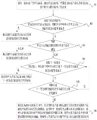
图1为本发明的较佳实施例的基于呼叫中心座席分层的智能话务分配方法的流程图。FIG. 1 is a flow chart of a method for intelligent traffic assignment based on the call center agent layering according to a preferred embodiment of the present invention.
具体实施方式Detailed ways
下面通过实施例的方式进一步说明本发明,但并不因此将本发明限制在所述的实施例范围之中。The present invention is further described below by way of examples, but the present invention is not limited to the scope of the described examples.
本发明提供了一种基于呼叫中心座席分层的智能话务分配方法,所述智能话务分配方法用于为客户分配话务,不同客户所属的客户群具有不同客户优先级,呼叫中心的数量为若干个,每个呼叫中心均设有若干具有不同优先级的技能组,不同优先级的技能组对应不同的客户优先级,每个技能组均具有座席群,所述座席群包括若干座席;The invention provides an intelligent traffic distribution method based on call center agent layering. The intelligent traffic distribution method is used for allocating traffic to customers. The customer groups to which different customers belong have different customer priorities, and the number of call centers Each call center is provided with several skill groups with different priorities, the skill groups with different priorities correspond to different customer priorities, and each skill group has an agent group, and the agent group includes several agents;
如图1所示,本发明的所述智能话务分配方法包括以下步骤:As shown in Figure 1, the intelligent traffic distribution method of the present invention comprises the following steps:
步骤101、接收一目标客户的呼入请求,确定所述目标客户所属的目标客户群以及所述目标客户群具有的目标客户优先级;Step 101: Receive an incoming request from a target customer, and determine the target customer group to which the target customer belongs and the target customer priority that the target customer group has;
其中,在步骤101中,具体可按照所述目标客户的价值确定所述目标客户所属的目标客户群以及所述目标客户群具有的目标客户优先级;Wherein, in
步骤102、获取与所述目标客户优先级对应的目标技能组,判断各个呼叫中心的所述目标技能组是否存在空闲座席,若是,则将所述呼入请求的话务分配至所述目标技能组的空闲座席,若否,则执行步骤103;Step 102: Obtain the target skill group corresponding to the priority of the target customer, and determine whether there is an idle agent in the target skill group of each call center, and if so, assign the incoming traffic to the target skill. the idle agent of the group, if not, go to step 103;
其中,在步骤102中,具体可按照各个呼叫中心的所述目标技能组的空闲座席比例进行话务分配;Wherein, in
步骤103、判断所述目标技能组的总排队率是否达到阈值,若未达到,则将所述呼入请求的话务分配至所述目标技能组的排队队列;若达到,则执行步骤104;Step 103, determine whether the total queuing rate of the target skill group reaches the threshold, if not, assign the traffic of the incoming request to the queuing queue of the target skill group; if it reaches, execute
步骤104、获取下一优先级的技能组,判断各个呼叫中心的所述下一优先级的技能组是否存在空闲座席,若是,则将所述呼入请求的话务分配至所述下一优先级的技能组的空闲座席,若否,则执行步骤105;Step 104: Obtain the skill group of the next priority, and determine whether there is an idle agent in the skill group of the next priority of each call center, and if so, assign the traffic of the incoming call to the next priority. If no, go to
其中,在步骤104中,具体可按照各个呼叫中心的所述下一优先级的技能组的空闲座席比例进行话务分配;Wherein, in
步骤105、判断所述下一优先级的技能组是否为最低优先级的技能组,若是,则执行步骤106,若否,则返回步骤104;
步骤106、按照优先级由高到低的顺序,依次判断比所述目标技能组的优先级更低的各个技能组的总排队率是否达到阈值,在判断出一技能组的总排队率未达到阈值时,将所述呼入请求的话务分配至判断出的技能组的排队队列;若优先级更低的各个技能组的总排队率均达到阈值,则将所述呼入请求的话务分配至所述目标技能组的排队队列。Step 106: According to the order of priority from high to low, sequentially determine whether the total queuing rate of each skill group with a lower priority than the target skill group has reached the threshold, and when it is determined that the total queuing rate of a skill group has not reached the threshold. When the threshold is reached, the traffic of the incoming request is allocated to the queuing queue of the determined skill group; if the total queuing rate of each skill group with a lower priority reaches the threshold, the traffic of the incoming request is The queue queue assigned to the target skillset.
其中,在步骤103和步骤106中,在将所述呼入请求的话务分配至排队队列之后,还进行排队监控。Wherein, in step 103 and
本发明基于呼叫中心分层技术,解决分层座席资源动态分配的问题,实现分层话务智能化分配:Based on the layered technology of the call center, the invention solves the problem of dynamic allocation of layered seat resources, and realizes the intelligent distribution of layered traffic:
(1)、本发明在分层呼叫中心有限座席资源的情况下,实现分层座席资源共享,动态平衡分层座席资源,让分层客户得到及时、更优质的服务,提高服务质量;(1), the present invention realizes the sharing of layered seat resources, dynamically balances layered seat resources under the situation of limited seat resources in a layered call center, allows layered customers to obtain timely and better service, and improves service quality;
(2)、本发明配合座席分层排班系统,在排班系统分配座席资源存在误差时,动态调整分层座席资源分配,缩小误差,提高呼叫中心指标;(2), the present invention cooperates with the agent hierarchical scheduling system, and when there is an error in the allocation of agent resources in the scheduling system, dynamically adjusts the hierarchical agent resource allocation, reduces the error, and improves the call center index;
(3)、现有分层呼叫中心系统,需要一个智能化话务分配方法来动态分配分层座席资源,以达到分层座席资源利用率最大化、提高客户服务质量。(3) The existing hierarchical call center system needs an intelligent traffic distribution method to dynamically allocate hierarchical agent resources, so as to maximize the utilization rate of hierarchical agent resources and improve customer service quality.
本发明利用智能化座席分层话务分配方法,实现分层座席资源共享,解决分层座席资源分配不均影响呼叫中心指标问题,提高座席资源利用率以及客户服务质量。The invention utilizes the intelligent agent layered traffic distribution method, realizes layered agent resource sharing, solves the problem that uneven distribution of layered agent resources affects call center indicators, and improves agent resource utilization rate and customer service quality.
本发明具体采用的实现方式如下:The implementation mode that the present invention specifically adopts is as follows:
智能化座席分层的话务分配方法,主要从如下两个方面来解决现实情况下座席资源失衡的问题:The intelligent agent layered traffic distribution method mainly solves the problem of agent resource imbalance in reality from the following two aspects:
a)分层座席资源比例不均衡a) Unbalanced ratio of tiered agent resources
分层座席资源分配的效果受多种因素影响,比如单一或多种业务呼叫量的增长、排班系统分配座席资源时实际产生的结果偏差等,会导致座席资源分配比例不均,出现分层座席中某种技能组座席产生大量的空闲,某种技能组座席却很忙的现实问题,针对这种问题,通过此智能分配方法,可以实时获取分层座席资源使用情况,动态的将服务质量可能受到影响的目标客户按照客户优先级转移到可以及时提供服务的座席服务,最终实现资源利用率最大化,同时提高客户服务质量。The effect of hierarchical agent resource allocation is affected by a variety of factors, such as the growth of single or multiple business calls, the deviation of the actual results when the scheduling system allocates agent resources, etc., which will lead to uneven allocation of agent resources and stratification. There is a real problem that a certain skill group has a lot of idleness among the agents, but a certain skill group is very busy. In response to this problem, through this intelligent allocation method, the resource usage of hierarchical agents can be obtained in real time, and the service quality can be dynamically adjusted. Target customers who may be affected are transferred to the agent service that can provide services in a timely manner according to customer priorities, ultimately maximizing resource utilization and improving customer service quality.
b)分层座席资源使用达到极限b) The resource usage of tiered agents reaches the limit
呼叫中心在一天中的话务情况是波动的,在这波动中会遇到分层座席资源使用达到极限的场景,此时分层座席资源全忙,各个分层座席的技能组存在排队,客户服务质量也会随之降低。智能化座席分层话务分配方法充分考虑了这种极限场景,在遇到这种极限场景下,各个分层座席的技能组对话务的消耗是依赖于各个技能组的座席资源,因此各个分层座席的技能组对话务的消耗也存在差异,本发明利用这种差异实时监控分层座席资源空闲情况,实现分层座席资源共享,将存在排队的目标客户按照优先级转移到已经空闲的分层座席,达到高优先级的目标客户优先服务,同时实现座席资源利用率最大化。The traffic situation of the call center fluctuates during the day. During this fluctuation, the use of tiered agent resources will reach the limit. At this time, the tiered agent resources are all busy, and the skill groups of each tiered agent are queued. The quality of service will also decrease. The intelligent agent layered traffic distribution method fully considers this extreme scenario. In this extreme scenario, the consumption of traffic by the skill groups of each layered agent depends on the agent resources of each skill group. There is also a difference in the consumption of the traffic between the skill groups of the tiered agents. The present invention uses this difference to monitor the vacancy of the tiered agent resources in real time, realizes the sharing of the tiered agent resources, and transfers the target customers who have queued to the already idle points according to the priority. tier agents to achieve priority service for high-priority target customers, while maximizing the utilization of agent resources.
下面举一个本发明的智能话务分配方法具体实现的例子,具体流程如下:An example of the concrete realization of the intelligent traffic distribution method of the present invention is given below, and the concrete flow is as follows:
呼叫中心存在两套呼叫中心节点CC1和CC2,其中均具有技能组A、技能组B、技能组C,分别与客户群A、客户群B、客户群C相对应,优先级从高到低依次为A、B、C,每个技能组均具有若干座席,座席分层智能话务分配系统与两套呼叫中心节点建立直接联系,实时获取两套呼叫中心座席分层的座席资源使用情况;呼叫中心系统将客户群进行分层,座席分层智能话务分配系统会根据不同的客户群设定不同的客户优先级,同时不同的客户优先级对应不同的技能组以及不同分层的座席为其服务,座席分层智能话务分配系统根据分层座席的空闲比例以及排队比例作为呼叫的处理逻辑具体包括呼叫中心运营过程中,可以根据业务部门需求选择相应的指标作为判断依据,如分层座席的接通率、服务水平等,并将客户、座席分别分了三层的呼叫场景(其中总排队率阈值可以根据实际情况进行调整)。There are two sets of call center nodes CC1 and CC2 in the call center, each of which has skill group A, skill group B, and skill group C, which correspond to customer group A, customer group B, and customer group C respectively, and the priority is from high to low. For A, B, and C, each skill group has several agents. The agent layered intelligent traffic distribution system establishes direct contact with the two sets of call center nodes, and obtains the agent resource usage of the two sets of call center agent layers in real time; The central system stratifies customer groups, and the agent stratified intelligent call distribution system will set different customer priorities according to different customer groups, and different customer priorities correspond to different skill groups and different stratified agents. Service, the agent layered intelligent traffic distribution system uses the idle ratio of hierarchical agents and the ratio of queues as the processing logic of calls. Specifically, during the operation of the call center, the corresponding indicators can be selected as the judgment basis according to the needs of the business department, such as hierarchical agents. The connection rate, service level, etc., are divided into three layers of call scenarios for customers and agents (the total queuing rate threshold can be adjusted according to the actual situation).
(1)客户群A类客户呼入,座席分层智能话务分配系统根据A客户的价值设定客户优先级,找到需要为其服务的技能组A,并查询CC1和CC2技能组A是否存在空闲座席,如果存在空闲座席,按照CC1和CC2技能组A的座席空闲比例大小分配话务;如果CC1和CC2技能组A不存在空闲座席,智能话务分配系统判断CC1和CC2技能组A总排队率是否达到阈值;(1) When a customer of type A in the customer group calls in, the agent layered intelligent call distribution system sets the customer priority according to the value of customer A, finds the skill group A that needs to be served, and checks whether the CC1 and CC2 skill group A exists. Idle agents, if there are idle agents, the traffic is allocated according to the idle agent ratio of CC1 and CC2 skill group A; if there are no idle agents in CC1 and CC2 skill group A, the intelligent traffic distribution system judges the total queue of CC1 and CC2 skill group A Whether the rate reaches the threshold;
(2)如果CC1和CC2技能组A总排队率未达到阈值,智能话务分配系统按照CC1和CC2技能组A排队比例大小分配话务,同时进入如下步骤(7)进行排队实时监控;如果CC1和CC2技能组A总排队率达到阈值,智能话务分配系统比较技能组B和技能组C优先级的大小,优先查询CC1和CC2技能组B是否存在空闲座席;(2) If the total queuing rate of CC1 and CC2 skill group A does not reach the threshold, the intelligent traffic distribution system allocates traffic according to the queuing ratio of CC1 and CC2 skill group A, and goes to the following step (7) for real-time monitoring of queuing; if CC1 When the total queuing rate with CC2 skill group A reaches the threshold, the intelligent traffic distribution system compares the priority of skill group B and skill group C, and firstly queries whether there are free seats in CC1 and CC2 skill group B;
(3)如果CC1和CC2技能组B存在空闲座席,智能话务分配系统按照CC1和CC2技能组B座席资源空闲比例分配话务;如果CC1和CC2技能组B不存在空闲座席,智能话务分配系统查询CC1和CC2技能组C是否存在空闲座席;(3) If there are idle seats in CC1 and CC2 skill group B, the intelligent traffic distribution system allocates traffic according to the idle ratio of CC1 and CC2 skill group B agent resources; if there are no idle seats in CC1 and CC2 skill group B, the intelligent traffic distribution system The system queries whether there are free seats in CC1 and CC2 skill group C;
(4)如果CC1和CC2技能组C存在空闲座席,智能话务分配系统按照CC1和CC2技能组C座席资源空闲比例分配话务;如果CC1和CC2技能组C不存在空闲,智能话务分配系统查询CC1和CC2技能组B总排队率是否达到阈值;(4) If there are idle seats in CC1 and CC2 skill group C, the intelligent traffic distribution system allocates traffic according to the idle ratio of CC1 and CC2 skill group C agent resources; if there is no idle agent in CC1 and CC2 skill group C, the intelligent traffic distribution system Check whether the total queuing rate of CC1 and CC2 skill group B reaches the threshold;
(5)如果CC1和CC2技能组B总排队率达未达到阈值,智能话务分配系统根据CC1和CC2技能组B的队比例大小分配话务,同时进入如下步骤(7)进行排队监控;如果CC1和CC2技能组B总排队率达到阈值,智能话务分配系统查询CC1和CC2技能组C总排队率是否达到阈值;(5) If the total queuing rate of CC1 and CC2 skill group B does not reach the threshold, the intelligent traffic distribution system allocates traffic according to the team ratio of CC1 and CC2 skill group B, and simultaneously enters the following step (7) for queuing monitoring; if The total queuing rate of CC1 and CC2 skill group B reaches the threshold, and the intelligent traffic distribution system queries whether the total queuing rate of CC1 and CC2 skill group C reaches the threshold;
(6)如果CC1和CC2技能组C总排队率未达到阈值,智能话务分配系统根CC1和CC2技能组C的排队比例大小分配话务,同时进入如下步骤(7)进行排队监控;如果CC1和CC2技能组C总排队率达到阈值,智能话务分配系统按照CC1和CC2技能组A的排队比例大小分配话务,同时进入如下步骤(7)进行排队监控;(6) If the total queuing rate of CC1 and CC2 skill group C does not reach the threshold, the intelligent traffic distribution system allocates traffic according to the queuing ratio of CC1 and CC2 skill group C, and enters the following step (7) at the same time to monitor the queuing; if CC1 When the total queuing rate with CC2 skill group C reaches the threshold, the intelligent traffic distribution system allocates traffic according to the queuing ratio of CC1 and CC2 skill group A, and simultaneously enters the following step (7) for queuing monitoring;
(7)智能话务分配系统实时监控CC1和CC2的所有技能组(A、B、C),实现分层座席资源共享,只要技能组中存在空闲座席资源,智能话务分配系统会优先取客户优先级最大的在线排队客户优先分配给空闲的座席资源。(7) The intelligent traffic distribution system monitors all skill groups (A, B, C) of CC1 and CC2 in real time, and realizes hierarchical agent resource sharing. As long as there are idle agent resources in the skill group, the intelligent traffic distribution system will give priority to customers The online queuing customer with the highest priority is assigned to the idle agent resource first.
虽然以上描述了本发明的具体实施方式,但是本领域的技术人员应当理解,这些仅是举例说明,本发明的保护范围是由所附权利要求书限定的。本领域的技术人员在不背离本发明的原理和实质的前提下,可以对这些实施方式做出多种变更或修改,但这些变更和修改均落入本发明的保护范围。Although specific embodiments of the present invention have been described above, those skilled in the art will understand that these are merely illustrative and the scope of the present invention is defined by the appended claims. Those skilled in the art can make various changes or modifications to these embodiments without departing from the principle and essence of the present invention, but these changes and modifications all fall within the protection scope of the present invention.
Claims (4)
Priority Applications (1)
| Application Number | Priority Date | Filing Date | Title |
|---|---|---|---|
| CN201710548078.0A CN107343112B (en) | 2017-07-06 | 2017-07-06 | Intelligent telephone traffic distribution method based on call center seat layering |
Applications Claiming Priority (1)
| Application Number | Priority Date | Filing Date | Title |
|---|---|---|---|
| CN201710548078.0A CN107343112B (en) | 2017-07-06 | 2017-07-06 | Intelligent telephone traffic distribution method based on call center seat layering |
Publications (2)
| Publication Number | Publication Date |
|---|---|
| CN107343112A CN107343112A (en) | 2017-11-10 |
| CN107343112B true CN107343112B (en) | 2020-03-17 |
Family
ID=60219643
Family Applications (1)
| Application Number | Title | Priority Date | Filing Date |
|---|---|---|---|
| CN201710548078.0A Active CN107343112B (en) | 2017-07-06 | 2017-07-06 | Intelligent telephone traffic distribution method based on call center seat layering |
Country Status (1)
| Country | Link |
|---|---|
| CN (1) | CN107343112B (en) |
Families Citing this family (9)
| Publication number | Priority date | Publication date | Assignee | Title |
|---|---|---|---|---|
| CN110475029A (en) * | 2018-05-09 | 2019-11-19 | 北京京东尚科信息技术有限公司 | Method and device for processing call service, computer storage medium, and electronic device |
| CN111050001A (en) * | 2018-10-12 | 2020-04-21 | 马上消费金融股份有限公司 | Telephone traffic distribution method and related device |
| CN111556209B (en) * | 2020-04-27 | 2022-01-21 | 中国银行股份有限公司 | Customer service switching method and device, storage medium and electronic equipment |
| CN111586242A (en) * | 2020-04-30 | 2020-08-25 | 中国银行股份有限公司 | Service call forwarding method and device |
| CN112866495B (en) * | 2020-12-30 | 2023-03-10 | 上海浦东发展银行股份有限公司 | Call distribution method based on soft switch |
| CN113014488B (en) * | 2021-02-22 | 2022-09-30 | 上海井星信息科技有限公司 | Weight-based multi-channel contact center unified soft queuing method |
| CN113362520B (en) * | 2021-06-07 | 2022-07-01 | 苏州卡创信息科技有限公司 | Intelligent queuing method and system and application platform thereof |
| CN115423269A (en) * | 2022-08-12 | 2022-12-02 | 中国电信股份有限公司 | Traffic scheduling method, traffic scheduling device, storage medium and electronic equipment |
| CN115587735A (en) * | 2022-10-19 | 2023-01-10 | 武汉瑞码联信信息技术有限公司 | Intelligent customer service queue distribution method and system |
Citations (2)
| Publication number | Priority date | Publication date | Assignee | Title |
|---|---|---|---|---|
| CN106341562A (en) * | 2016-11-07 | 2017-01-18 | 上海易谷网络科技有限公司 | Method for selecting customer service staff in Internet environment |
| CN106657695A (en) * | 2016-12-29 | 2017-05-10 | 北京奇艺世纪科技有限公司 | Queuing method and device |
Family Cites Families (6)
| Publication number | Priority date | Publication date | Assignee | Title |
|---|---|---|---|---|
| US6845155B2 (en) * | 2001-05-21 | 2005-01-18 | Metro One Telecommunications, Inc. | Technique for effectively processing and dynamically routing communication calls |
| CN101645985B (en) * | 2008-08-04 | 2012-07-18 | 中兴通讯股份有限公司 | Next-generation call center system and call overflow method thereof |
| CN101656805B (en) * | 2008-08-22 | 2012-09-26 | 中兴通讯股份有限公司 | Routing method for realizing hierarchical service of next generation calling center |
| CN102572138A (en) * | 2010-12-31 | 2012-07-11 | 上海博泰悦臻电子设备制造有限公司 | Telephone routing method and device based on agent weight |
| CN104125352B (en) * | 2014-06-27 | 2017-01-18 | 国家电网公司 | Voice forecasting linkage method and system based on call requirements |
| US9553990B2 (en) * | 2015-05-29 | 2017-01-24 | Oracle International Corporation | Recommended roster based on customer relationship management data |
-
2017
- 2017-07-06 CN CN201710548078.0A patent/CN107343112B/en active Active
Patent Citations (2)
| Publication number | Priority date | Publication date | Assignee | Title |
|---|---|---|---|---|
| CN106341562A (en) * | 2016-11-07 | 2017-01-18 | 上海易谷网络科技有限公司 | Method for selecting customer service staff in Internet environment |
| CN106657695A (en) * | 2016-12-29 | 2017-05-10 | 北京奇艺世纪科技有限公司 | Queuing method and device |
Also Published As
| Publication number | Publication date |
|---|---|
| CN107343112A (en) | 2017-11-10 |
Similar Documents
| Publication | Publication Date | Title |
|---|---|---|
| CN107343112B (en) | Intelligent telephone traffic distribution method based on call center seat layering | |
| CN103763378A (en) | Task processing method and system and nodes based on distributive type calculation system | |
| US8918566B2 (en) | System and methods for allocating shared storage resources | |
| CN102761469B (en) | Allocation method and device for resource pool | |
| CN102567072B (en) | Resource allocation method, resource allocation device and resource allocation system | |
| WO2023011157A1 (en) | Service processing method and apparatus, server, storage medium, and computer program product | |
| CN104239154B (en) | Job scheduling method and job scheduler in a kind of Hadoop clusters | |
| CN111124662A (en) | A fog computing load balancing method and system | |
| CN106817499A (en) | A kind of resources for traffic dispatching method and forecast dispatching device | |
| CN105897612B (en) | A kind of method and system based on the distribution of SDN multi service dynamic bandwidth | |
| US20190230044A1 (en) | System and Method for Optimizing Resource Utilization in a Clustered or Cloud Environment | |
| CN101227416A (en) | A link bandwidth allocation method in a communication network | |
| WO2007127113A2 (en) | Broadband access network capacity management | |
| WO2020134133A1 (en) | Resource allocation method, substation, and computer-readable storage medium | |
| CN108366273A (en) | Distributed video transcoding system and distributed video transcoding method | |
| CN106713375A (en) | Method and device for allocating cloud resources | |
| CN108073448A (en) | Host resource allocation methods, device, host dispatching method and device | |
| CN114625500A (en) | Method and application for scheduling micro-service application based on topology perception in cloud environment | |
| CN107493607A (en) | Network resource allocation method and Internet resources distributor | |
| CN118101837A (en) | Hybrid priority queue queuing method and system for call center call requests | |
| CN106325997A (en) | Virtual resource distribution method and device | |
| CN114416355A (en) | Resource scheduling method, apparatus, system, electronic device and medium | |
| CN102833786B (en) | Independent Carrier Wave dispatching method in a kind of multicarrier system | |
| CN109298949B (en) | A Resource Scheduling System for Distributed File System | |
| CN101267269B (en) | Method and system for implementing load balancing in interactive network television system |
Legal Events
| Date | Code | Title | Description |
|---|---|---|---|
| PB01 | Publication | ||
| PB01 | Publication | ||
| SE01 | Entry into force of request for substantive examination | ||
| SE01 | Entry into force of request for substantive examination | ||
| GR01 | Patent grant | ||
| GR01 | Patent grant |