CN107071477B - Image processing apparatus and image processing method - Google Patents
Image processing apparatus and image processing method Download PDFInfo
- Publication number
- CN107071477B CN107071477B CN201710137525.3A CN201710137525A CN107071477B CN 107071477 B CN107071477 B CN 107071477B CN 201710137525 A CN201710137525 A CN 201710137525A CN 107071477 B CN107071477 B CN 107071477B
- Authority
- CN
- China
- Prior art keywords
- vector
- prediction
- block
- unit
- image
- Prior art date
- Legal status (The legal status is an assumption and is not a legal conclusion. Google has not performed a legal analysis and makes no representation as to the accuracy of the status listed.)
- Active
Links
Images


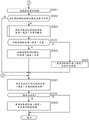


Classifications
-
- H—ELECTRICITY
- H04—ELECTRIC COMMUNICATION TECHNIQUE
- H04N—PICTORIAL COMMUNICATION, e.g. TELEVISION
- H04N19/00—Methods or arrangements for coding, decoding, compressing or decompressing digital video signals
- H04N19/50—Methods or arrangements for coding, decoding, compressing or decompressing digital video signals using predictive coding
- H04N19/597—Methods or arrangements for coding, decoding, compressing or decompressing digital video signals using predictive coding specially adapted for multi-view video sequence encoding
-
- H—ELECTRICITY
- H04—ELECTRIC COMMUNICATION TECHNIQUE
- H04N—PICTORIAL COMMUNICATION, e.g. TELEVISION
- H04N13/00—Stereoscopic video systems; Multi-view video systems; Details thereof
-
- H—ELECTRICITY
- H04—ELECTRIC COMMUNICATION TECHNIQUE
- H04N—PICTORIAL COMMUNICATION, e.g. TELEVISION
- H04N19/00—Methods or arrangements for coding, decoding, compressing or decompressing digital video signals
- H04N19/10—Methods or arrangements for coding, decoding, compressing or decompressing digital video signals using adaptive coding
- H04N19/102—Methods or arrangements for coding, decoding, compressing or decompressing digital video signals using adaptive coding characterised by the element, parameter or selection affected or controlled by the adaptive coding
- H04N19/103—Selection of coding mode or of prediction mode
- H04N19/105—Selection of the reference unit for prediction within a chosen coding or prediction mode, e.g. adaptive choice of position and number of pixels used for prediction
-
- H—ELECTRICITY
- H04—ELECTRIC COMMUNICATION TECHNIQUE
- H04N—PICTORIAL COMMUNICATION, e.g. TELEVISION
- H04N19/00—Methods or arrangements for coding, decoding, compressing or decompressing digital video signals
- H04N19/10—Methods or arrangements for coding, decoding, compressing or decompressing digital video signals using adaptive coding
- H04N19/102—Methods or arrangements for coding, decoding, compressing or decompressing digital video signals using adaptive coding characterised by the element, parameter or selection affected or controlled by the adaptive coding
- H04N19/117—Filters, e.g. for pre-processing or post-processing
-
- H—ELECTRICITY
- H04—ELECTRIC COMMUNICATION TECHNIQUE
- H04N—PICTORIAL COMMUNICATION, e.g. TELEVISION
- H04N19/00—Methods or arrangements for coding, decoding, compressing or decompressing digital video signals
- H04N19/10—Methods or arrangements for coding, decoding, compressing or decompressing digital video signals using adaptive coding
- H04N19/102—Methods or arrangements for coding, decoding, compressing or decompressing digital video signals using adaptive coding characterised by the element, parameter or selection affected or controlled by the adaptive coding
- H04N19/119—Adaptive subdivision aspects, e.g. subdivision of a picture into rectangular or non-rectangular coding blocks
-
- H—ELECTRICITY
- H04—ELECTRIC COMMUNICATION TECHNIQUE
- H04N—PICTORIAL COMMUNICATION, e.g. TELEVISION
- H04N19/00—Methods or arrangements for coding, decoding, compressing or decompressing digital video signals
- H04N19/10—Methods or arrangements for coding, decoding, compressing or decompressing digital video signals using adaptive coding
- H04N19/102—Methods or arrangements for coding, decoding, compressing or decompressing digital video signals using adaptive coding characterised by the element, parameter or selection affected or controlled by the adaptive coding
- H04N19/124—Quantisation
-
- H—ELECTRICITY
- H04—ELECTRIC COMMUNICATION TECHNIQUE
- H04N—PICTORIAL COMMUNICATION, e.g. TELEVISION
- H04N19/00—Methods or arrangements for coding, decoding, compressing or decompressing digital video signals
- H04N19/10—Methods or arrangements for coding, decoding, compressing or decompressing digital video signals using adaptive coding
- H04N19/134—Methods or arrangements for coding, decoding, compressing or decompressing digital video signals using adaptive coding characterised by the element, parameter or criterion affecting or controlling the adaptive coding
- H04N19/146—Data rate or code amount at the encoder output
- H04N19/15—Data rate or code amount at the encoder output by monitoring actual compressed data size at the memory before deciding storage at the transmission buffer
-
- H—ELECTRICITY
- H04—ELECTRIC COMMUNICATION TECHNIQUE
- H04N—PICTORIAL COMMUNICATION, e.g. TELEVISION
- H04N19/00—Methods or arrangements for coding, decoding, compressing or decompressing digital video signals
- H04N19/10—Methods or arrangements for coding, decoding, compressing or decompressing digital video signals using adaptive coding
- H04N19/134—Methods or arrangements for coding, decoding, compressing or decompressing digital video signals using adaptive coding characterised by the element, parameter or criterion affecting or controlling the adaptive coding
- H04N19/157—Assigned coding mode, i.e. the coding mode being predefined or preselected to be further used for selection of another element or parameter
- H04N19/159—Prediction type, e.g. intra-frame, inter-frame or bidirectional frame prediction
-
- H—ELECTRICITY
- H04—ELECTRIC COMMUNICATION TECHNIQUE
- H04N—PICTORIAL COMMUNICATION, e.g. TELEVISION
- H04N19/00—Methods or arrangements for coding, decoding, compressing or decompressing digital video signals
- H04N19/10—Methods or arrangements for coding, decoding, compressing or decompressing digital video signals using adaptive coding
- H04N19/169—Methods or arrangements for coding, decoding, compressing or decompressing digital video signals using adaptive coding characterised by the coding unit, i.e. the structural portion or semantic portion of the video signal being the object or the subject of the adaptive coding
- H04N19/17—Methods or arrangements for coding, decoding, compressing or decompressing digital video signals using adaptive coding characterised by the coding unit, i.e. the structural portion or semantic portion of the video signal being the object or the subject of the adaptive coding the unit being an image region, e.g. an object
- H04N19/176—Methods or arrangements for coding, decoding, compressing or decompressing digital video signals using adaptive coding characterised by the coding unit, i.e. the structural portion or semantic portion of the video signal being the object or the subject of the adaptive coding the unit being an image region, e.g. an object the region being a block, e.g. a macroblock
-
- H—ELECTRICITY
- H04—ELECTRIC COMMUNICATION TECHNIQUE
- H04N—PICTORIAL COMMUNICATION, e.g. TELEVISION
- H04N19/00—Methods or arrangements for coding, decoding, compressing or decompressing digital video signals
- H04N19/10—Methods or arrangements for coding, decoding, compressing or decompressing digital video signals using adaptive coding
- H04N19/169—Methods or arrangements for coding, decoding, compressing or decompressing digital video signals using adaptive coding characterised by the coding unit, i.e. the structural portion or semantic portion of the video signal being the object or the subject of the adaptive coding
- H04N19/184—Methods or arrangements for coding, decoding, compressing or decompressing digital video signals using adaptive coding characterised by the coding unit, i.e. the structural portion or semantic portion of the video signal being the object or the subject of the adaptive coding the unit being bits, e.g. of the compressed video stream
-
- H—ELECTRICITY
- H04—ELECTRIC COMMUNICATION TECHNIQUE
- H04N—PICTORIAL COMMUNICATION, e.g. TELEVISION
- H04N19/00—Methods or arrangements for coding, decoding, compressing or decompressing digital video signals
- H04N19/30—Methods or arrangements for coding, decoding, compressing or decompressing digital video signals using hierarchical techniques, e.g. scalability
-
- H—ELECTRICITY
- H04—ELECTRIC COMMUNICATION TECHNIQUE
- H04N—PICTORIAL COMMUNICATION, e.g. TELEVISION
- H04N19/00—Methods or arrangements for coding, decoding, compressing or decompressing digital video signals
- H04N19/50—Methods or arrangements for coding, decoding, compressing or decompressing digital video signals using predictive coding
- H04N19/503—Methods or arrangements for coding, decoding, compressing or decompressing digital video signals using predictive coding involving temporal prediction
-
- H—ELECTRICITY
- H04—ELECTRIC COMMUNICATION TECHNIQUE
- H04N—PICTORIAL COMMUNICATION, e.g. TELEVISION
- H04N19/00—Methods or arrangements for coding, decoding, compressing or decompressing digital video signals
- H04N19/50—Methods or arrangements for coding, decoding, compressing or decompressing digital video signals using predictive coding
- H04N19/503—Methods or arrangements for coding, decoding, compressing or decompressing digital video signals using predictive coding involving temporal prediction
- H04N19/51—Motion estimation or motion compensation
- H04N19/513—Processing of motion vectors
-
- H—ELECTRICITY
- H04—ELECTRIC COMMUNICATION TECHNIQUE
- H04N—PICTORIAL COMMUNICATION, e.g. TELEVISION
- H04N19/00—Methods or arrangements for coding, decoding, compressing or decompressing digital video signals
- H04N19/50—Methods or arrangements for coding, decoding, compressing or decompressing digital video signals using predictive coding
- H04N19/503—Methods or arrangements for coding, decoding, compressing or decompressing digital video signals using predictive coding involving temporal prediction
- H04N19/51—Motion estimation or motion compensation
- H04N19/513—Processing of motion vectors
- H04N19/517—Processing of motion vectors by encoding
- H04N19/52—Processing of motion vectors by encoding by predictive encoding
-
- H—ELECTRICITY
- H04—ELECTRIC COMMUNICATION TECHNIQUE
- H04N—PICTORIAL COMMUNICATION, e.g. TELEVISION
- H04N19/00—Methods or arrangements for coding, decoding, compressing or decompressing digital video signals
- H04N19/50—Methods or arrangements for coding, decoding, compressing or decompressing digital video signals using predictive coding
- H04N19/593—Methods or arrangements for coding, decoding, compressing or decompressing digital video signals using predictive coding involving spatial prediction techniques
-
- H—ELECTRICITY
- H04—ELECTRIC COMMUNICATION TECHNIQUE
- H04N—PICTORIAL COMMUNICATION, e.g. TELEVISION
- H04N19/00—Methods or arrangements for coding, decoding, compressing or decompressing digital video signals
- H04N19/60—Methods or arrangements for coding, decoding, compressing or decompressing digital video signals using transform coding
- H04N19/61—Methods or arrangements for coding, decoding, compressing or decompressing digital video signals using transform coding in combination with predictive coding
-
- H—ELECTRICITY
- H04—ELECTRIC COMMUNICATION TECHNIQUE
- H04N—PICTORIAL COMMUNICATION, e.g. TELEVISION
- H04N19/00—Methods or arrangements for coding, decoding, compressing or decompressing digital video signals
- H04N19/10—Methods or arrangements for coding, decoding, compressing or decompressing digital video signals using adaptive coding
- H04N19/169—Methods or arrangements for coding, decoding, compressing or decompressing digital video signals using adaptive coding characterised by the coding unit, i.e. the structural portion or semantic portion of the video signal being the object or the subject of the adaptive coding
- H04N19/17—Methods or arrangements for coding, decoding, compressing or decompressing digital video signals using adaptive coding characterised by the coding unit, i.e. the structural portion or semantic portion of the video signal being the object or the subject of the adaptive coding the unit being an image region, e.g. an object
- H04N19/172—Methods or arrangements for coding, decoding, compressing or decompressing digital video signals using adaptive coding characterised by the coding unit, i.e. the structural portion or semantic portion of the video signal being the object or the subject of the adaptive coding the unit being an image region, e.g. an object the region being a picture, frame or field
Landscapes
- Engineering & Computer Science (AREA)
- Multimedia (AREA)
- Signal Processing (AREA)
- Compression Or Coding Systems Of Tv Signals (AREA)
- Testing, Inspecting, Measuring Of Stereoscopic Televisions And Televisions (AREA)
Abstract
本技术涉及一种图像处理设备和图像处理方法。该图像处理设备包括电路,该电路被配置成操作为:预测运动矢量生成单元,该预测运动矢量生成单元在当前块的参考画面的类型与共同定位的画面中包括的共同定位的块的参考画面的类型不同的情况下设置共同定位的块为不可用,并且生成当前运动矢量的预测运动矢量;以及重建单元,该重建单元通过使用预测运动矢量生成单元生成的预测运动矢量来重建当前运动矢量。

The present technology relates to an image processing apparatus and an image processing method. The image processing apparatus includes circuitry configured to operate as a predicted motion vector generation unit that includes a reference picture of a co-located block in a type of a reference picture of the current block and a co-located picture included in the co-located picture sets the co-located block to be unavailable if the types of the , and generates a predicted motion vector of the current motion vector; and a reconstruction unit that reconstructs the current motion vector by using the predicted motion vector generated by the predicted motion vector generating unit.
Description
本申请是国家申请号为201280030904.8,进入中国国家阶段的日期为2013年12月23日,发明名称为“图像处理设备和图像处理方法”的PCT申请的分案申请。This application is a divisional application of the PCT application with the national application number of 201280030904.8, the date of entering the Chinese national phase is December 23, 2013, and the invention title is "image processing apparatus and image processing method".
技术领域technical field
本公开内容涉及一种图像处理设备和图像处理方法。具体而言,本公开内容涉及一种能够提高编码效率的图像处理设备和图像处理方法。The present disclosure relates to an image processing apparatus and an image processing method. In particular, the present disclosure relates to an image processing apparatus and an image processing method capable of improving encoding efficiency.
背景技术Background technique
近年来,如下设备已经在广播站中的信息分发和普通家庭中的信息接收二者中变得普遍:该设备将图像信息作为数字数据来处理、在这样的情况下目的在于以高效率发送和存储信息、并且符合用于通过利用图像信息特有的冗余度、使用正交变换、比如离散余弦变换并且使用运动补偿来压缩图像信息的方案、比如MPEG(运动图象专家组)。In recent years, an apparatus that processes image information as digital data, in such a case aims to transmit and The information is stored and conforms to a scheme, such as MPEG (Motion Picture Experts Group), for compressing image information by exploiting the redundancy specific to the image information, using an orthogonal transform, such as a discrete cosine transform, and using motion compensation.
具体而言,MPEG2(国际标准化组织和国际电工委员会(ISO/IEC)13818-2)被定义为通用图像编码方案并且在用于专业使用和消费者使用的广泛应用中当前广泛用作为用于隔行扫描图像和顺序扫描图像以及标准和高清晰度图像的标准。例如通过运用MPEG2压缩方案,为具有720×480个像素的标准分辨率的隔行扫描图像分配4至8Mbps的编码速率(比特率),并且为具有1920×1088个像素的高分辨率的隔行扫描图像分配18至22Mbps的编码速率(比特率)。作为结果,可以实现高压缩比和良好图像质量。Specifically, MPEG2 (International Organization for Standardization and International Electrotechnical Commission (ISO/IEC) 13818-2) is defined as a general-purpose image coding scheme and is currently widely used for interlacing in a wide range of applications for professional use and consumer use Standard for scanned images and sequentially scanned images as well as standard and high-definition images. For example, by applying the MPEG2 compression scheme, an encoding rate (bit rate) of 4 to 8 Mbps is allocated for an interlaced image with a standard resolution of 720×480 pixels, and an interlaced image with a high resolution of 1920×1088 pixels is allocated Allocate an encoding rate (bit rate) of 18 to 22 Mbps. As a result, a high compression ratio and good image quality can be achieved.
MPEG2已经主要既定用于适合于广播的高图像质量编码、但是未与用于实现比MPEG1的编码速率(比特率)更低的编码速率(比特率)(更高压缩比)的编码方案兼容。随着移动终端的普及,预计对于这样的编码方案的需求在将来增加。为了回应这一点,已经确认MPEG4编码方案的标准化。关于图像编码方案,在1998年12月确认其规范为国际标准ISO/IEC 14496-2。MPEG2 has been primarily intended for high image quality encoding suitable for broadcasting, but is not compatible with an encoding scheme for realizing a lower encoding rate (bit rate) (higher compression ratio) than that of MPEG1. With the spread of mobile terminals, the demand for such coding schemes is expected to increase in the future. In response to this, standardization of the MPEG4 encoding scheme has been confirmed. Regarding the image coding scheme, its specification was confirmed as the international standard ISO/IEC 14496-2 in December 1998.
此外,近年来,原先出于用于电视会议的视频编码的目的,称为H.26L(ITU-T(国际电信联盟电信标准化部门)Q6/16VCEG(视频编码专家组))的标准的规范的标准化已有进步。已知H.26L实现更高编码效率,但是它需要比常规编码方案、比如MPEG2和MPEG4更大量的用于编码和解码的计算。另外,目前作为MPEG4的活动的部分,进行用于向H.26L中并入H.26L不支持的功能的标准化作为增强压缩视频编码的联合模型以实现高编码效率。In addition, in recent years, the specification of the standard called H.26L (ITU-T (International Telecommunication Union Telecommunication Standardization Sector) Q6/16VCEG (Video Coding Experts Group)) originally for the purpose of video coding for video conferences Standardization has progressed. H.26L is known to achieve higher encoding efficiency, but it requires a larger amount of computation for encoding and decoding than conventional encoding schemes such as MPEG2 and MPEG4. In addition, currently, as part of the activities of MPEG4, standardization for incorporating functions not supported by H.26L into H.26L as a joint model for enhanced compression video coding to achieve high coding efficiency.
标准化时间表表明,它在2003年3月变成名义为H.264和MPEG-4部分10(下文称为AVC的高级视频编码)的国际标准。The standardization schedule indicates that it became an international standard in March 2003 under the name H.264 and MPEG-4 Part 10 (hereinafter referred to as Advanced Video Coding of AVC).
然而将宏块的尺寸设置成16×16个像素对于将变成下一代编码方案的对象的、命名为UHD(超高清晰度;4000×2000个像素)的大图像帧并非最优。However, setting the size of the macroblock to 16x16 pixels is not optimal for large image frames named UHD (Ultra High Definition; 4000x2000 pixels) that will become the object of next-generation coding schemes.
因此,作为ITU-T和ISO/IEC的联合标准化组织的JCTVC(联合协作团队-视频编码)目前已经开发称为HEVC(高效率视频编码)的编码系统的标准化,用于与AVC比较进一步提高编码效率(例如见非专利文献1)。Therefore, JCTVC (Joint Collaborative Team - Video Coding), which is a joint standardization organization of ITU-T and ISO/IEC, has now developed the standardization of an encoding system called HEVC (High Efficiency Video Coding) for further improving encoding compared to AVC Efficiency (for example, see Non-Patent Document 1).
在HEVC编码方案中,定义编码单位(CU)为与AVC方案中的宏块相同的处理单位。不同于AVC方案的宏块,CU的尺寸未被固定成16×16个像素、但是在相应序列中的图像压缩信息中被指明。In the HEVC coding scheme, a coding unit (CU) is defined as the same processing unit as a macroblock in the AVC scheme. Unlike the macroblock of the AVC scheme, the size of the CU is not fixed to 16×16 pixels, but is specified in the image compression information in the corresponding sequence.
然而为了改进使用在AVC方案中定义的中值预测对运动矢量的编码,已经考虑一种允许使用“时间预测符”和“时空预测符”以及“空间预测符”作为用于预测运动矢量的候选的方法(例如见非专利文献2)。However, in order to improve the encoding of motion vectors using median prediction defined in the AVC scheme, a method has been considered that allows the use of "temporal predictors" and "spatio-temporal predictors" as well as "spatial predictors" as candidates for predicting motion vectors method (see, for example, Non-Patent Document 2).
另外,提出一种其中发送merge_flag和merge_left_flag的称为运动分区合并的方法,作为用于运动信息的编码方案之一(例如见非专利文献3)。In addition, a method called motion partition merging in which merge_flag and merge_left_flag are transmitted is proposed as one of encoding schemes for motion information (see, for example, Non-Patent Document 3).
引用列表Citation List
非专利文献Non-patent literature
Non-Patent Document 1:Thomas Wiegand,Woo-Jin Han,Benjamin Bross,Jens-Rainer Ohm,Gary J.Sullivan,"Working Draft 1of High-Efficiency Video Coding",JCTVC-C403,Joint Collaborative Team on Video Coding(JCT-VC)of ITU-TSG16WP3and ISO/IEC JTC1/SC29/WG11 3rd Meeting:Guangzhou,CN,7-15October,2010Non-Patent Document 1:Thomas Wiegand,Woo-Jin Han,Benjamin Bross,Jens-Rainer Ohm,Gary J.Sullivan,"Working Draft 1of High-Efficiency Video Coding",JCTVC-C403,Joint Collaborative Team on Video Coding(JCT -VC)of ITU-TSG16WP3and ISO/IEC JTC1/SC29/WG11 3rd Meeting:Guangzhou,CN,7-15October,2010
Non-Patent Document 2:Joel Jung,Guillaume Laroche,"Competition-BasedScheme for Motion Vector Selection and Coding,"VCEG-AC06,ITU-Telecommunications Standardization Sector STUDY GROUP 16Question 6,VideoCoding Experts Group(VCEG)29th Meeting:Klagenfurt,Austria,17-18July,2006Non-Patent Document 2:Joel Jung,Guillaume Laroche,"Competition-BasedScheme for Motion Vector Selection and Coding,"VCEG-AC06,ITU-Telecommunications Standardization Sector STUDY GROUP 16Question 6,VideoCoding Experts Group(VCEG)29th Meeting:Klagenfurt,Austria , 17-18 July, 2006
Non-Patent Document 3:Martin Winken,Sebastian Bosse,Benjamin Bross,Philipp Helle,Tobias Hinz,Heiner Kirchhoffer,Haricharan Lakshman,DetlevMarpe,Simon Oudin,Matthias Preiss,Heiko Schwarz,Mischa Siekmann,KarstenSuehring,and Thomas Wiegand,"Description of video coding technology proposedby Fraunhofer HHI,"JCTVC-A116,April,2010Non-Patent Document 3: Martin Winken,Sebastian Bosse,Benjamin Bross,Philipp Helle,Tobias Hinz,Heiner Kirchhoffer,Haricharan Lakshman,DetlevMarpe,Simon Oudin,Matthias Preiss,Heiko Schwarz,Mischa Siekmann,KarstenSuehring,and Thomas Wiegand,"Description of video coding technology proposed by Fraunhofer HHI, "JCTVC-A116, April, 2010
发明内容SUMMARY OF THE INVENTION
本发明要解决的问题Problem to be solved by the present invention
然而这些技术举例说明仅在相同视图中的处理并且不能在多视图编码的情况下执行视图间矢量预测。因此,编码效率可能减少。These techniques, however, illustrate processing only in the same view and cannot perform inter-view vector prediction with multi-view coding. Therefore, coding efficiency may decrease.
本公开内容是鉴于这些情形而产生的并且以抑制编码效率减少为目标。The present disclosure has been made in view of these circumstances and aims at suppressing reduction in coding efficiency.
对问题的解决方案solution to the problem
根据本公开内容的一个方面,提供一种图像处理设备,该图像处理设备包括:矢量预测单元,该矢量预测生成单元被配置成:在当前块的参考图像的类型和与当前画面不同的时间的画面的共同定位的块的参考图像的类型为短参考图像的情况下,将对所述共同定位的块的共同定位的矢量进行缩放后的矢量添加到包括所述当前块的编码矢量的预测矢量的候选的候选列表中,在所述当前块的参考图像的类型和所述共同定位的块的参考图像的类型为长参考图像的情况下,将所述共同定位的矢量添加到所述候选列表中,以及在所述当前块的参考图像的类型与所述共同定位的块的参考图像的类型不同的情况下,从所述候选列表排除所述共同定位的矢量,以及从在所述候选列表中包括的候选中,获取所述编码矢量的所述预测矢量;以及无损编码单元,所述无损编码单元被配置为使用所获取的预测矢量来编码所述编码矢量。According to an aspect of the present disclosure, there is provided an image processing apparatus including: a vector prediction unit configured to: at a type of a reference image of a current block and at a time different from a current picture If the type of the reference picture of the co-located block of the picture is a short reference picture, a vector obtained by scaling the co-located vector of the co-located block is added to the prediction vector including the coding vector of the current block In the candidate list of candidates, in the case where the type of the reference image of the current block and the type of the reference image of the co-located block are long reference images, the co-located vector is added to the candidate list and in case the reference picture of the current block is of a different type than the reference picture of the co-located block, exclude the co-located vector from the candidate list, and exclude the co-located vector from the candidate list Among the candidates included in , obtaining the prediction vector of the encoding vector; and a lossless encoding unit configured to encode the encoding vector using the obtained prediction vector.
根据本公开内容的一个方面,提供了一种图像处理方法,该图像处理方法包括:在当前块的参考图像的类型和与当前画面不同的时间的画面的共同定位的块的参考图像的类型为短参考图像的情况下,将对所述共同定位的块的共同定位的矢量进行缩放后的矢量添加到包括所述当前块的编码矢量的预测矢量的候选的候选列表中,在所述当前块的参考图像的类型和所述共同定位的块的参考图像的类型为长参考图像的情况下,将所述共同定位的矢量添加到所述候选列表中,以及在所述当前块的参考图像的类型与所述共同定位的块的参考图像的类型不同的情况下,从所述候选列表排除所述共同定位的矢量;从在所述候选列表中包括的候选中,获取所述编码矢量的所述预测矢量;以及使用所获取的预测矢量来编码所述编码矢量。According to an aspect of the present disclosure, there is provided an image processing method, the image processing method comprising: a type of a reference image of a current block and a type of a reference image of a co-located block of a picture at a time different from the current picture is In the case of a short reference picture, the vector after scaling the co-located vector of the co-located block is added to the candidate list including the candidates of the prediction vector of the coding vector of the current block, in the current block In the case where the type of the reference picture of the co-located block and the type of the reference picture of the co-located block are long reference pictures, the co-located vector is added to the candidate list, and the reference picture of the current block is If the type is different from the type of the reference picture of the co-located block, the co-located vector is excluded from the candidate list; from the candidates included in the candidate list, all the coded vectors are obtained and encoding the encoded vector using the acquired prediction vector.
根据本公开内容的一个方面,提供一种图像处理设备,该图像处理设备包括:预测矢量候选设置单元,该预测矢量候选设置单元在当前块的编码矢量以及与当前画面不同时间的画面的共同定位的块的共同定位的矢量中的一方为参考在相同视图下与当前画面不同时间的画面的运动矢量、另一方为利用视图方向上的相关性的视差矢量时,将共同定位的矢量从针对编码矢量的预测矢量的候选中排除;预测矢量设置单元,该预测矢量设置单元从通过预测矢量候选设置单元排除共同定位的矢量后的预测矢量的候选中设置针对编码矢量的预测矢量;以及编码单元,该编码单元使用预测矢量设置单元设置的预测矢量对编码矢量进行编码。According to an aspect of the present disclosure, there is provided an image processing apparatus including: a prediction vector candidate setting unit that co-locates a coding vector of a current block and a picture at a different time from the current picture When one of the co-located vectors of the blocks is a motion vector referring to a picture at a different time from the current picture in the same view, and the other is a disparity vector using the correlation in the view direction, the co-located vector is changed from the co-located vector for coding Exclude from candidates of the vector predictor; a predictor setting unit that sets a predictor for the code vector from candidates of predictors after excluding the co-located vector by the predictor candidate setting unit; and a code unit, The coding unit encodes the coding vector using the prediction vector set by the prediction vector setting unit.
根据本公开内容的一个方面,提供一种图像处理设备,该图像处理设备包括:预测矢量生成单元,预测矢量生成单元在对在使用在视差方向上的相关性的预测中使用的当前块的当前视差矢量编码时,使用在生成预测运动矢量时参考的参考视差矢量来生成当前视差矢量的预测矢量;以及差值矢量生成单元,差值矢量生成单元生成当前视差矢量与预测矢量生成单元生成的预测矢量之间的差值矢量。According to an aspect of the present disclosure, there is provided an image processing apparatus including: a predicted vector generation unit that performs a current prediction of a current block used in prediction using correlation in a disparity direction When the disparity vector is encoded, the reference disparity vector referenced when generating the predicted motion vector is used to generate the predicted vector of the current disparity vector; and the difference vector generating unit, the difference vector generating unit generates the prediction generated by the current disparity vector and the predicted vector generating unit Difference vector between vectors.
预测矢量生成单元可以使用在与当前视图相同的视图的当前画面不同的时间的共同定位的画面中包括的共同定位的块的视差矢量,生成当前视差矢量的预测矢量。The predicted vector generation unit may generate the predicted vector of the current disparity vector using the disparity vector of the co-located block included in the co-located picture at a different time from the current picture of the same view as the current view.
预测矢量生成单元可以在当前块的矢量的特性与共同定位的块的矢量的特性相同时,设置共同定位的块为可用。The predicted vector generation unit may set the co-located block as available when the characteristics of the vector of the current block are the same as the characteristics of the vector of the co-located block.
矢量的特性是矢量的类型,并且预测矢量生成单元可以在当前块的矢量的特性是视差矢量并且共同定位的块的矢量的特性是视差矢量时,设置共同定位的块为可用。The characteristic of the vector is the type of vector, and the predicted vector generation unit may set the co-located block as available when the characteristic of the vector of the current block is a disparity vector and the characteristic of the vector of the co-located block is a disparity vector.
预测运动矢量生成单元可以使用指示画面的输出顺序的画面顺序计数POC,确定当前块的矢量的特性和共同定位的块的矢量的特性。The predicted motion vector generation unit may determine the characteristics of the vector of the current block and the characteristics of the vector of the co-located block using the picture order count POC indicating the output order of the pictures.
预测运动矢量生成单元可以使用当前画面的POC、从当前画面参考的当前参考画面的POC、共同定位的画面的POC和从共同定位的画面参考的共同定位的参考画面的POC,确定当前块的矢量的特性和共同定位的块的矢量的特性。The predicted motion vector generation unit may determine the vector of the current block using the POC of the current picture, the POC of the current reference picture referenced from the current picture, the POC of the co-located picture, and the POC of the co-located reference picture referenced from the co-located picture and the properties of the co-located block vector.
预测运动矢量生成单元可以在当前画面的POC与从当前画面参考的当前参考画面的POC相同并且共同定位的画面的POC与从共同定位的画面参考的共同定位的参考画面的POC相同时,确定当前块的矢量的特性和共同定位的块的矢量的特性是视差矢量。The predicted motion vector generation unit may determine the current picture when the POC of the current picture is the same as the POC of the current reference picture referenced from the current picture and the POC of the co-located picture is the same as the POC of the co-located reference picture referenced from the co-located picture. The properties of the vectors of the blocks and the properties of the vectors of the co-located blocks are the disparity vectors.
预测矢量生成单元可以在当前块的矢量的特性与共同定位的块的矢量的特性不同时,设置共同定位的块为不可用。The predicted vector generation unit may set the co-located block to be unavailable when the characteristics of the vector of the current block are different from the characteristics of the vector of the co-located block.
矢量的特性是参考画面的类型,并且预测矢量生成单元可以在当前块的参考画面的类型与共同定位的块的参考画面的类型不同时,设置共同定位的块为不可用。The characteristic of the vector is the type of the reference picture, and the predicted vector generation unit may set the co-located block as unavailable when the type of the reference picture of the current block is different from that of the co-located block.
矢量的特性是参考画面的类型,并且预测矢量生成单元可以在当前块的参考画面的类型是长参考类型并且共同定位的块的参考画面的类型是长参考类型时,略过搜索参考索引的搜索处理。The characteristic of the vector is the type of the reference picture, and the prediction vector generation unit may skip the search for the reference index when the type of the reference picture of the current block is the long reference type and the type of the reference picture of the co-located block is the long reference type deal with.
预测矢量生成单元可以使用在与当前视图不同的视图的当前画面相同的时间的画面中包括的参考块的视差矢量,生成当前视差矢量的预测矢量。The predicted vector generation unit may generate the predicted vector of the current disparity vector using the disparity vector of the reference block included in the picture at the same time as the current picture of a view different from the current view.
预测矢量生成单元可以基于在当前画面与在生成预测运动矢量时参考的参考画面之间的位置关系缩放参考视差矢量,以生成当前视差矢量的预测矢量。The predicted vector generation unit may scale the reference disparity vector based on the positional relationship between the current picture and the reference picture referenced when generating the predicted motion vector to generate the predicted vector of the current disparity vector.
预测矢量生成单元可以在对在使用在时间方向上的相关性的预测中使用的当前块的当前运动矢量编码时,使用在生成预测运动矢量时参考的参考运动矢量来生成当前运动矢量的预测矢量,并且差值矢量生成单元可以生成当前运动矢量与预测矢量生成单元生成的预测矢量之间的差值矢量。The predicted vector generation unit may generate the predicted vector of the current motion vector using the reference motion vector referenced at the time of generating the predicted motion vector when encoding the current motion vector of the current block used in the prediction using the correlation in the temporal direction , and the difference vector generating unit may generate a difference vector between the current motion vector and the predicted vector generated by the predicted vector generating unit.
预测矢量生成单元可以使用在与当前视图不同的视图的当前画面相同的时间的画面中包括的参考块的运动矢量,生成当前运动矢量的预测矢量。The predicted vector generation unit may generate the predicted vector of the current motion vector using the motion vector of the reference block included in the picture at the same time as the current picture of a view different from the current view.
预测矢量生成单元可以使用在与当前视图相同的视图的当前画面不同的时间的画面中包括的参考块的运动矢量,生成当前运动矢量的预测矢量。The predicted vector generation unit may generate the predicted vector of the current motion vector using the motion vector of the reference block included in the picture at a time different from the current picture of the same view as the current view.
预测矢量生成单元可以基于当前画面与在生成预测运动矢量时参考的参考画面之间的位置关系来缩放参考运动矢量,以生成当前运动矢量的预测矢量。The predicted vector generation unit may scale the reference motion vector based on the positional relationship between the current picture and the reference picture referenced when generating the predicted motion vector to generate the predicted vector of the current motion vector.
预测矢量生成单元可以在移位与当前视图不同的视图的当前画面相同的时间的画面的像素的位置的状态中,使用与位于当前块相同的位置的块的矢量来生成预测矢量。The predicted vector generation unit may generate the predicted vector using the vector of the block located at the same position as the current block in a state of shifting the positions of the pixels of the picture at the same time as the current picture of a view different from the current view.
预测矢量生成单元可以根据当前块的邻近区域的视差矢量,设置图像的移位量。The predicted vector generation unit may set the shift amount of the image according to the disparity vector of the adjacent area of the current block.
预测矢量生成单元可以使用其中在Y方向上的视差矢量的值不是零的邻近块的在X方向上的视差矢量,作为移位量。The predicted vector generation unit may use, as the shift amount, the disparity vector in the X direction of the adjacent block in which the value of the disparity vector in the Y direction is not zero.
预测矢量生成单元可以使用根据其中在Y方向上的视差矢量的值不是零的多个邻近块的在X方向上的视差矢量计算的值,作为移位量。The predicted vector generation unit may use, as the shift amount, a value calculated from the disparity vectors in the X direction of a plurality of adjacent blocks in which the value of the disparity vector in the Y direction is not zero.
预测矢量生成单元可以使用其中在Y方向上的视差矢量的值不是零的多个邻近块的在X方向上的视差矢量的平均值或者中值,作为图像的移位量。The predicted vector generation unit may use, as the shift amount of the image, an average value or a median value of the disparity vectors in the X direction of a plurality of adjacent blocks in which the value of the disparity vector in the Y direction is not zero.
预测矢量生成单元可以根据全局视差矢量设置图像的移位量。The predicted vector generation unit may set the shift amount of the image according to the global disparity vector.
另外,根据本公开内容的一个方面,提供一种图像处理设备的图像处理方法,该图像处理方法用于允许图像处理设备执行:在对在使用在视差方向上的相关性的预测中使用的当前块的当前视差矢量编码时,使用在生成预测运动矢量时参考的参考视差矢量来生成当前视差矢量的预测矢量;并且生成当前视差矢量与所生成的预测矢量之间的差值矢量。In addition, according to an aspect of the present disclosure, there is provided an image processing method of an image processing apparatus for allowing the image processing apparatus to perform: a current When the current disparity vector of the block is encoded, the reference disparity vector referenced when generating the predicted motion vector is used to generate the predicted vector of the current disparity vector; and the difference vector between the current disparity vector and the generated predicted vector is generated.
根据本公开内容的另一方面,提供一种图像处理设备,该图像处理设备包括:预测矢量生成单元,预测矢量生成单元在对在使用在视差方向上的相关性的预测中使用的当前块的当前视差矢量解码时,使用在生成预测运动矢量时参考的参考视差矢量来生成当前视差矢量的预测矢量;以及算术单元,算术单元执行将预测矢量生成单元生成的预测矢量和当前视差矢量与预测矢量之间的差值矢量相加的运算,以重建当前视差矢量。According to another aspect of the present disclosure, there is provided an image processing apparatus including: a predicted vector generation unit that performs prediction of a current block used in prediction using correlation in a disparity direction When the current disparity vector is decoded, the reference disparity vector referenced when the predicted motion vector is generated is used to generate the predicted vector of the current disparity vector; and an arithmetic unit that performs combining the predicted vector generated by the predicted vector generating unit and the current disparity vector with the predicted vector The operation of adding the difference vector between to reconstruct the current disparity vector.
另外,根据本公开内容的一个方面,提供一种图像处理设备的图像处理方法,该图像处理方法用于允许图像处理设备执行:在对在使用在视差方向上的相关性的预测中使用的当前块的当前视差矢量解码时,使用在生成预测运动矢量时参考的参考视差矢量来生成当前视差矢量的预测矢量;并且执行将所生成的预测矢量和当前视差矢量与预测矢量之间的差值矢量相加的运算,以重建当前视差矢量。In addition, according to an aspect of the present disclosure, there is provided an image processing method of an image processing apparatus for allowing the image processing apparatus to perform: a current When the current disparity vector of the block is decoded, a prediction vector of the current disparity vector is generated using the reference disparity vector referenced when generating the predicted motion vector; and a difference vector between the generated predicted vector and the current disparity vector and the predicted vector is performed. Additive operation to reconstruct the current disparity vector.
根据本公开内容的又一方面,提供一种图像处理设备,该图像处理设备包括:预测矢量生成单元,预测矢量生成单元在对在使用在时间方向上的相关性的预测中使用的当前块的当前运动矢量编码时,在当前块的参考画面的类型和在与当前画面不同的时间的共同定位的画面中包括的共同定位的块的参考画面的类型不同时,设置共同定位的块为不可用,并且使用在生成预测运动矢量时参考的参考运动矢量来生成当前运动矢量的预测矢量;以及差值矢量生成单元,差值矢量生成单元生成当前运动矢量与预测矢量生成单元生成的预测矢量之间的差值矢量。According to still another aspect of the present disclosure, there is provided an image processing apparatus including: a predicted vector generation unit that generates a prediction vector for a current block used in prediction using a correlation in a temporal direction. When the current motion vector is encoded, when the type of the reference picture of the current block is different from the type of the reference picture of the co-located block included in the co-located picture at a different time from the current picture, the co-located block is set as unavailable , and use the reference motion vector referenced when generating the predicted motion vector to generate the predicted vector of the current motion vector; and the difference vector generating unit, the difference vector generating unit generates the difference between the current motion vector and the predicted vector generated by the predicted vector generating unit The difference vector of .
另外,根据本公开内容的一个方面,提供一种图像处理设备的图像处理方法,该图像处理方法用于允许图像处理设备执行:在对在使用在时间方向上的相关性的预测中使用的当前块的当前运动矢量编码时,在当前块的参考画面的类型和在与当前画面不同的时间的共同定位的画面中包括的共同定位的块的参考画面的类型不同时,设置共同定位的块为不可用,并且使用在生成预测运动矢量时参考的参考运动矢量来生成当前运动矢量的预测矢量;并且生成当前运动矢量与所生成的预测矢量之间的差值矢量。In addition, according to an aspect of the present disclosure, there is provided an image processing method of an image processing apparatus for allowing the image processing apparatus to perform: current data used in prediction using correlation in the time direction When the current motion vector of the block is encoded, when the type of the reference picture of the current block is different from the type of the reference picture of the co-located block included in the co-located picture at a different time from the current picture, the co-located block is set as Not available, and the reference motion vector referenced when generating the predicted motion vector is used to generate the predicted vector of the current motion vector; and the difference vector between the current motion vector and the generated predicted vector is generated.
在本公开内容的一个方面中,在对在使用在视差方向上的相关性的预测中使用的当前块的当前视差矢量编码时,使用在生成预测运动矢量时参考的参考视差矢量来生成当前视差矢量的预测矢量;并且生成当前视差矢量与生成的预测矢量之间的差值矢量。In one aspect of the present disclosure, when encoding the current disparity vector of the current block used in prediction using the correlation in the disparity direction, the current disparity is generated using the reference disparity vector referenced when generating the predicted motion vector The predicted vector of the vector; and the difference vector between the current disparity vector and the generated predicted vector is generated.
根据本公开内容的另一方面,在对在使用在视差方向上的相关性的预测中使用的当前块的当前视差矢量解码时,使用在生成预测运动矢量时参考的参考视差矢量来生成当前视差矢量的预测矢量;并且执行将生成的预测矢量和当前视差矢量与预测矢量之间的差值矢量相加以重建当前视差矢量的运算。According to another aspect of the present disclosure, when decoding the current disparity vector of the current block used in prediction using the correlation in the disparity direction, the current disparity is generated using the reference disparity vector referenced in generating the predicted motion vector The predicted vector of the vector; and an operation of adding the generated predicted vector and the difference vector between the current disparity vector and the predicted vector to reconstruct the current disparity vector is performed.
根据本公开内容的又一方面,在对在使用在时间方向上的相关性的预测中使用的当前块的当前运动矢量编码时,在当前块的参考画面的类型和在与当前画面不同的时间的共同定位的画面中包括的共同定位的块的参考画面的类型不同时,设置共同定位的块为不可用;使用在生成预测运动矢量时参考的参考运动矢量来生成当前运动矢量的预测矢量;并且生成当前运动矢量与生成的预测矢量之间的差值矢量。According to yet another aspect of the present disclosure, when encoding a current motion vector of a current block used in prediction using correlation in the temporal direction, at a type of a reference picture of the current block and at a different time from the current picture When the type of the reference picture of the co-located block included in the co-located picture is different, the co-located block is set to be unavailable; the reference motion vector referenced when generating the predicted motion vector is used to generate the predicted vector of the current motion vector; And a difference vector between the current motion vector and the generated predicted vector is generated.
发明的效果effect of invention
根据本公开内容,有可能处理图像。具体而言,有可能抑制编码效率降低。According to the present disclosure, it is possible to process images. Specifically, it is possible to suppress a decrease in coding efficiency.
附图说明Description of drawings
图1是用于描述预测单位类型的示例的图。FIG. 1 is a diagram for describing an example of a prediction unit type.
图2是用于描述用于合并模式时间相关性区域中的参考图像索引确定的邻近区域的示例的图。FIG. 2 is a diagram for describing an example of a neighboring region used for reference image index determination in a merge mode temporal correlation region.
图3是用于描述合并模式时间相关性区域中的参考图像索引确定条件的示例的图。FIG. 3 is a diagram for describing an example of reference image index determination conditions in a merge mode temporal correlation area.
图4是用于描述时间相关性区域确定方法的示例的图。FIG. 4 is a diagram for describing an example of a temporal correlation region determination method.
图5是用于描述方法的示例的图,该方法确定包括时间相关性区域的图像。FIG. 5 is a diagram for describing an example of a method of determining an image including regions of temporal correlation.
图6是用于描述在当前区域与时间相关性区域之间的位置关系的示例的图。FIG. 6 is a diagram for describing an example of the positional relationship between the current area and the time-dependent area.
图7是图示时间相关性区域的运动矢量的缩放的示例的图。FIG. 7 is a diagram illustrating an example of scaling of motion vectors of temporal correlation regions.
图8是图示3视图图像的参考关系的示例的图。FIG. 8 is a diagram illustrating an example of a reference relationship of a 3-view image.
图9是用于描述在关于当前区域预测视差矢量时分配参考图像的示例的图。FIG. 9 is a diagram for describing an example of allocating a reference image when predicting a disparity vector with respect to a current region.
图10是用于描述在关于当前区域预测运动矢量时分配参考图像的示例的图。FIG. 10 is a diagram for describing an example of allocating a reference image when predicting a motion vector with respect to a current region.
图11是图示图像编码设备的主要配置示例的框图。FIG. 11 is a block diagram illustrating a main configuration example of an image encoding apparatus.
图12是图示运动视差预测/补偿单元的主要配置示例的框图。12 is a block diagram illustrating a main configuration example of a motion parallax prediction/compensation unit.
图13是图示时间视差相关性预测矢量生成单元的主要配置示例的框图。FIG. 13 is a block diagram illustrating a main configuration example of a temporal parallax correlation prediction vector generating unit.
图14是用于描述方案选择的示例的图。FIG. 14 is a diagram for describing an example of scheme selection.
图15是用于描述确定共同定位的矢量的可用性的方式的图。FIG. 15 is a diagram for describing the manner in which the availability of co-located vectors is determined.
图16是用于描述其中共同定位的矢量可用的示例的图。FIG. 16 is a diagram for describing an example in which co-located vectors are available.
图17是图示序列参数集的语法的示例的图。FIG. 17 is a diagram illustrating an example of the syntax of a sequence parameter set.
图18是图示切片首部的语法的示例的图。FIG. 18 is a diagram illustrating an example of the syntax of the slice header.
图19图示预测单位的语法的示例的图。FIG. 19 is a diagram illustrating an example of a syntax of a prediction unit.
图20是用于描述编码处理的流程的示例的流程图。FIG. 20 is a flowchart for describing an example of the flow of encoding processing.
图21是用于描述帧间运动预测处理的流程图的示例的流程图。FIG. 21 is a flowchart for describing an example of a flowchart of inter motion prediction processing.
图22是用于描述合并模式处理的流程的示例的流程图。FIG. 22 is a flowchart for describing an example of the flow of merge mode processing.
图23是用于描述视差运动矢量预测处理的流程的示例的流程图。FIG. 23 is a flowchart for describing an example of the flow of parallax motion vector prediction processing.
图24是用于描述时间视差相关性预测处理的流程的示例的流程图。FIG. 24 is a flowchart for describing an example of the flow of temporal parallax correlation prediction processing.
图25是用于描述时间视差相关性预测处理的流程的示例的、从图22继续的流程图。FIG. 25 is a flowchart continuing from FIG. 22 for describing an example of the flow of the temporal parallax correlation prediction processing.
图26是用于描述时间视差相关性预测处理的流程的示例的、从图23继续的流程图。FIG. 26 is a flowchart continuing from FIG. 23 for describing an example of the flow of the temporal parallax correlation prediction processing.
图27是用于描述时间视差相关性预测处理的流程的示例的、从图24继续的流程图。FIG. 27 is a flowchart continuing from FIG. 24 for describing an example of the flow of the temporal parallax correlation prediction processing.
图28是用于描述方案1处理的流程的示例的流程图。FIG. 28 is a flowchart for describing an example of the flow of the
图29是用于描述方案3处理的流程的示例的流程图。FIG. 29 is a flowchart for describing an example of the flow of the
图30是用于描述方案4-2处理的流程的示例的流程图。FIG. 30 is a flowchart for describing an example of the flow of the processing of the scheme 4-2.
图31是图示示例解码设备的主要配置示例的框图。FIG. 31 is a block diagram illustrating a main configuration example of an example decoding apparatus.
图32是图示运动视差补偿单元的主要配置示例的框图。32 is a block diagram illustrating a main configuration example of a motion parallax compensation unit.
图33是用于描述解码处理的流程的示例的流程图。FIG. 33 is a flowchart for describing an example of the flow of decoding processing.
图34是用于描述预测处理的流程的示例的流程图。FIG. 34 is a flowchart for describing an example of the flow of prediction processing.
图35是用于描述运动视差补偿处理的流程的示例的流程图。FIG. 35 is a flowchart for describing an example of the flow of motion parallax compensation processing.
图36是用于描述运动视差矢量生成处理的流程的示例的流程图。FIG. 36 is a flowchart for describing an example of the flow of motion parallax vector generation processing.
图37是图示图像编码设备的另一配置示例的框图。FIG. 37 is a block diagram illustrating another configuration example of the image encoding apparatus.
图38是图示运动预测/补偿单元的主要配置示例的框图。FIG. 38 is a block diagram illustrating a main configuration example of a motion prediction/compensation unit.
图39是图示矢量预测单元的主要配置示例的框图。FIG. 39 is a block diagram illustrating a main configuration example of a vector prediction unit.
图40是图示基于不同画面的预测矢量生成单元的主要配置示例的框图。FIG. 40 is a block diagram illustrating a main configuration example of a prediction vector generation unit based on different pictures.
图41是用于描述运动预测/补偿处理的流程的示例的流程图。FIG. 41 is a flowchart for describing an example of the flow of motion prediction/compensation processing.
图42是用于描述矢量预测处理的流程的示例的流程图。FIG. 42 is a flowchart for describing an example of the flow of vector prediction processing.
图43是用于描述预测矢量生成处理的流程的示例的流程图。FIG. 43 is a flowchart for describing an example of the flow of the predicted vector generation process.
图44是用于描述基于不同画面的预测矢量生成处理的流程的示例的流程图。FIG. 44 is a flowchart for describing an example of the flow of the prediction vector generation processing based on the different pictures.
图45是用于描述移位量确定处理的流程的示例的流程图。FIG. 45 is a flowchart for describing an example of the flow of the shift amount determination processing.
图46是图示当前块和邻近块的布置的示例的图。FIG. 46 is a diagram illustrating an example of the arrangement of a current block and neighboring blocks.
图47是图示图像解码设备的另一配置示例的框图。FIG. 47 is a block diagram illustrating another configuration example of the image decoding apparatus.
图48是图示运动补偿单元的主要配置示例的框图。Fig. 48 is a block diagram illustrating a main configuration example of a motion compensation unit.
图49是图示矢量解码单元的主要配置示例的框图。Fig. 49 is a block diagram illustrating a main configuration example of a vector decoding unit.
图50是图示基于不同画面的预测矢量生成单元的主要配置示例的框图。FIG. 50 is a block diagram illustrating a main configuration example of a prediction vector generation unit based on different pictures.
图51是用于描述运动补偿处理的流程的示例的流程图。FIG. 51 is a flowchart for describing an example of the flow of motion compensation processing.
图52是用于描述矢量解码处理的流程的示例的流程图。FIG. 52 is a flowchart for describing an example of the flow of vector decoding processing.
图53是用于描述预测矢量生成处理的流程的示例的流程图。FIG. 53 is a flowchart for describing an example of the flow of the predicted vector generation process.
图54是用于描述基于不同画面的预测矢量生成处理的流程的示例的流程图。FIG. 54 is a flowchart for describing an example of the flow of the prediction vector generation processing based on the different pictures.
图55是用于描述移位量确定处理的流程的示例的流程图。FIG. 55 is a flowchart for describing an example of the flow of the shift amount determination processing.
图56是图示生成预测矢量的方式的示例的图。FIG. 56 is a diagram illustrating an example of a manner of generating a predicted vector.
图57是用于描述视差和深度的图。FIG. 57 is a diagram for describing disparity and depth.
图58是用于描述预测矢量生成方法的示例的图。FIG. 58 is a diagram for describing an example of a predicted vector generation method.
图59是用于描述预测矢量生成处理的流程的示例的流程图。FIG. 59 is a flowchart for describing an example of the flow of the predicted vector generation process.
图60是用于描述基于不同画面的预测矢量生成处理的流程的示例的流程图。FIG. 60 is a flowchart for describing an example of the flow of the prediction vector generation process based on different pictures.
图61是用于描述基于不同画面的预测矢量生成处理的流程的示例的、从图60继续的流程图。FIG. 61 is a flowchart continuing from FIG. 60 for describing an example of the flow of the prediction vector generation processing based on the different pictures.
图62是用于描述用于固定背景应用的参考图像的方面的示例的图。FIG. 62 is a diagram for describing an example of an aspect of a reference image for a fixed background application.
图63是用于描述用于立体应用的参考图像的方面的示例的图。FIG. 63 is a diagram for describing an example of an aspect of a reference image for a stereoscopic application.
图64是用于比较参考图像类型和矢量特性的示例的图。FIG. 64 is a diagram for comparing an example of reference image types and vector characteristics.
图65是用于描述邻近块的示例的图。FIG. 65 is a diagram for describing an example of an adjacent block.
图66是用于描述处理时间相关性块和邻近块的示例的图。FIG. 66 is a diagram for describing an example of processing temporal correlation blocks and neighboring blocks.
图67是用于描述PU运动(视差)矢量和参考索引生成处理的流程的示例的流程图。67 is a flowchart for describing an example of the flow of PU motion (disparity) vector and reference index generation processing.
图68是用于描述合并(略过)模式处理的流程的示例的流程图。FIG. 68 is a flowchart for describing an example of the flow of merge (skip) mode processing.
图69是用于描述根据时间相关性块生成候选运动(视差)矢量的处理的流程的示例的流程图。69 is a flowchart for describing an example of the flow of the process of generating candidate motion (disparity) vectors from temporal correlation blocks.
图70是用于描述处理的流程的示例的流程图,该处理确定存在用于时间相关性块的运动(视差)矢量的缩放处理和存在候选。FIG. 70 is a flowchart for describing an example of the flow of processing that determines the existence of scaling processing and existence candidates for the motion (disparity) vector of the temporal correlation block.
图71是用于描述AMVP模式处理的流程的示例的流程图。FIG. 71 is a flowchart for describing an example of the flow of AMVP mode processing.
图72是用于描述根据空间邻近块生成候选运动(视差)矢量的处理的流程的示例的流程图。FIG. 72 is a flowchart for describing an example of the flow of the process of generating candidate motion (disparity) vectors from spatially adjacent blocks.
图73是用于描述根据在左侧上的块生成候选运动(视差)矢量的处理的流程的示例的流程图。Fig. 73 is a flowchart for describing an example of the flow of the process of generating candidate motion (disparity) vectors from blocks on the left side.
图74是用于描述根据在左侧上的块生成候选运动(视差)矢量的处理的流程的示例的、从图73继续的流程图。Fig. 74 is a flowchart continuing from Fig. 73 for describing an example of the flow of the process of generating candidate motion (disparity) vectors from blocks on the left side.
图75是用于描述处理的流程的示例的流程图,该处理确定存在用于邻近块的运动(视差)矢量的缩放处理和存在候选。FIG. 75 is a flowchart for describing an example of the flow of processing for determining that there is a scaling process for motion (disparity) vectors of adjacent blocks and existence candidates.
图76是用于描述根据在上侧上的块生成候选运动(视差)矢量的处理的流程的示例的流程图。FIG. 76 is a flowchart for describing an example of the flow of the process of generating candidate motion (disparity) vectors from blocks on the upper side.
图77是用于描述根据在上侧上的块生成候选运动(视差)矢量的处理的流程的示例的、从图76继续的流程图。Fig. 77 is a flowchart continuing from Fig. 76 for describing an example of the flow of the process of generating candidate motion (disparity) vectors from blocks on the upper side.
图78是用于描述PU运动(视差)矢量和参考索引生成处理的流程的示例的流程图。FIG. 78 is a flowchart for describing an example of the flow of PU motion (disparity) vector and reference index generation processing.
图79是用于描述合并(略过)模式处理的流程的示例的流程图。FIG. 79 is a flowchart for describing an example of the flow of merge (skip) mode processing.
图80是用于描述根据时间相关性块生成候选运动(视差)矢量的处理的流程的示例的流程图。FIG. 80 is a flowchart for describing an example of the flow of the process of generating candidate motion (disparity) vectors from temporal correlation blocks.
图81是用于描述AMVP模式处理的流程的示例的流程图。FIG. 81 is a flowchart for describing an example of the flow of AMVP mode processing.
图82是用于描述处理邻近块的示例的图。FIG. 82 is a diagram for describing an example of processing adjacent blocks.
图83是用于描述根据在左侧上的块生成候选运动(视差)矢量的处理的流程的另一示例的流程图。FIG. 83 is a flowchart for describing another example of the flow of the process of generating candidate motion (disparity) vectors from blocks on the left side.
图84是用于描述根据在左侧上的块生成候选运动(视差)矢量的处理的流程的另一示例的、从图83继续的流程图。FIG. 84 is a flowchart continuing from FIG. 83 for describing another example of the flow of the process of generating candidate motion (disparity) vectors from blocks on the left side.
图85是用于描述处理的流程图的示例的流程图,该处理确定存在用于邻近块的候选运动(视差)矢量。FIG. 85 is a flowchart for describing an example of a flowchart of a process that determines that there are candidate motion (disparity) vectors for adjacent blocks.
图86是用于描述处理的流程的另一示例的流程图,该处理用于确定存在用于邻近块的运动(视差)矢量的缩放处理和存在候选。FIG. 86 is a flowchart for describing another example of the flow of processing for determining that there are scaling processing and existence candidates for motion (disparity) vectors for adjacent blocks.
图87是用于描述根据在上侧上的块生成候选运动(视差)矢量的处理的流程的另一示例的流程图。FIG. 87 is a flowchart for describing another example of the flow of the process of generating candidate motion (disparity) vectors from blocks on the upper side.
图88是用于描述根据在上侧上的块生成候选运动(视差)矢量的处理的流程的另一示例的、从图87继续的流程图。Fig. 88 is a flowchart continuing from Fig. 87 for describing another example of the flow of the process of generating candidate motion (disparity) vectors from blocks on the upper side.
图89是用于描述根据在上侧上的块生成候选运动(视差)矢量的处理的流程的另一示例的、从图88继续的流程图。Fig. 89 is a flowchart continuing from Fig. 88 for describing another example of the flow of the process of generating candidate motion (disparity) vectors from blocks on the upper side.
图90是用于描述处理时间相关性块和邻近块的又一示例的图。FIG. 90 is a diagram for describing still another example of processing temporal correlation blocks and neighboring blocks.
图91是用于描述根据在左侧上的块生成候选运动(视差)矢量的处理的流程的又一示例的流程图。91 is a flowchart for describing still another example of the flow of the process of generating candidate motion (disparity) vectors from blocks on the left side.
图92是用于描述根据在左侧上的块生成候选运动(视差)矢量的处理的流程的又一示例的、从图91继续的流程图。FIG. 92 is a flowchart continuing from FIG. 91 for describing still another example of the flow of the process of generating candidate motion (disparity) vectors from blocks on the left side.
图93是用于描述根据在上侧上的块生成候选运动(视差)矢量的处理的流程的又一示例的流程图。93 is a flowchart for describing still another example of the flow of the process of generating candidate motion (disparity) vectors from blocks on the upper side.
图94是用于描述根据在上侧上的块生成候选运动(视差)矢量的处理的流程的又一示例的、从图93继续的流程图。Fig. 94 is a flowchart continuing from Fig. 93 for describing still another example of the flow of the process of generating candidate motion (disparity) vectors from blocks on the upper side.
图95是图示个人计算机的主要配置示例的框图。Fig. 95 is a block diagram illustrating a main configuration example of a personal computer.
图96是图示电视装置的示意配置的示例的框图。FIG. 96 is a block diagram illustrating an example of a schematic configuration of a television apparatus.
图97是图示移动电话的示意配置的示例的框图。Fig. 97 is a block diagram illustrating an example of a schematic configuration of a mobile phone.
图98是图示记录/再现装置的示意配置的示例的框图。Fig. 98 is a block diagram illustrating an example of a schematic configuration of a recording/reproducing apparatus.
图99是图示成像装置的示意配置的示例的框图。99 is a block diagram illustrating an example of a schematic configuration of an imaging device.
具体实施方式Detailed ways
下文将描述用于实现本公开内容的方式(下文称为实施例)。将按照以下顺序给出描述:Means for implementing the present disclosure (hereinafter referred to as embodiments) will be described below. The descriptions will be given in the following order:
1.第一实施例(图像编码设备)1. First Embodiment (Image Encoding Device)
2.第二实施例(图像解码设备)2. Second Embodiment (Image Decoding Device)
3.第三实施例(图像编码设备)3. Third Embodiment (Image Encoding Device)
4.第四实施例(图像解码设备)4. Fourth Embodiment (Image Decoding Device)
5.第五实施例(图像编码设备和图像解码设备)5. Fifth Embodiment (Image Encoding Device and Image Decoding Device)
6.第六实施例(图像编码设备和图像解码设备)6. Sixth Embodiment (Image Encoding Device and Image Decoding Device)
7.第七实施例(计算机)7. Seventh Embodiment (Computer)
8.第八实施例(应用示例)8. Eighth Embodiment (Application Example)
[1.第一实施例][1. First Embodiment]
[运动预测][Motion prediction]
在图像编码、比如AVC(高级视频编码)或者HEVC(高效率视频编码)中,执行使用在时间方向上(在帧之间)的相关性的运动预测。In image coding such as AVC (Advanced Video Coding) or HEVC (High Efficiency Video Coding), motion prediction using correlation in the temporal direction (between frames) is performed.
AVC定义分层块、比如宏块或者子宏块为这样的预测处理的处理单位,并且HEVC定义编码单位(CU)。AVC defines a hierarchical block, such as a macroblock or sub-macroblock, as a processing unit for such prediction processing, and HEVC defines a coding unit (CU).
也称为编码树块(CTB)的CU是与在AVC中的宏块发挥相同作用的、基于画面的图像的部分区域。将宏块的尺寸固定成16×16个像素,而CU的尺寸未被固定、但是在相应序列中的图像压缩信息中被指明。A CU, also known as a coding tree block (CTB), is a picture-based partial region of an image that serves the same function as a macroblock in AVC. The size of the macroblock is fixed to 16×16 pixels, while the size of the CU is not fixed but specified in the image compression information in the corresponding sequence.
例如在输出编码数据中包括的序列参数集(SPS)中定义CU的最大尺寸(LCU:最大编码单位)和最小尺寸(SCU:最小编码单位)。For example, the maximum size (LCU: Largest Coding Unit) and the minimum size (SCU: Smallest Coding Unit) of a CU are defined in a Sequence Parameter Set (SPS) included in the output encoded data.
可以通过设置split_flag=1将每个LCU拆分成更小尺寸的CU,该尺寸不小于SCU的尺寸。在split_flag的值为“1”时,将具有2N×2N的尺寸的CU拆分成具有N×N的下一层尺寸的CU。Each LCU can be split into CUs of smaller size, which is not smaller than the size of the SCU, by setting split_flag=1. When the value of split_flag is "1", a CU having a size of 2N×2N is split into CUs having a next-layer size of N×N.
另外,将CU拆分成预测单位(PU),这些PU是用作为帧内或者帧间预测的处理单位的区域(基于画面的图像的部分区域)。另外,将CU拆分成变换单位(TU),这些变换单位是用作为正交变换的处理单位的区域(基于画面的图像的部分区域)。当前,HEVC除了4×4和8×8正交变换之外还可以使用16×16和32×32正交变换。In addition, a CU is split into prediction units (PUs), which are regions (partial regions of a picture-based image) used as processing units for intra or inter prediction. In addition, a CU is split into transform units (TUs), which are regions (partial regions of a picture-based image) used as processing units for orthogonal transformation. Currently, HEVC can use 16×16 and 32×32 orthogonal transforms in addition to 4×4 and 8×8 orthogonal transforms.
在其中如在HEVC中那样定义CU并且以CU为单位执行各种处理的编码方案中,可以认为在AVC中的宏块对应于LCU。然而CU具有层结构,一般将在最上层上的LCU的尺寸设置成例如比AVC的宏块的尺寸更大的128×128个像素。In an encoding scheme in which CUs are defined as in HEVC and various processes are performed in units of CUs, macroblocks in AVC can be considered to correspond to LCUs. However, the CU has a layer structure, and the size of the LCU on the uppermost layer is generally set to, for example, 128×128 pixels, which is larger than the size of the macroblock of AVC.
在以下描述中,“区域”包括以上描述的所有各种类型的区域(例如宏块、子宏块、LCU、CU、SCU、PU、TU等)(并且可以是区域中的任何区域)。“区域”可以自然地包括除了以上描述的单位之外的单位,并且适当排除根据描述内容而不可用的单位。In the following description, a "region" includes all of the various types of regions described above (eg, macroblocks, sub-macroblocks, LCUs, CUs, SCUs, PUs, TUs, etc.) (and can be any of the regions). The "region" may naturally include units other than those described above, and appropriately exclude units that are unavailable according to the description contents.
图1图示预测单位(PU)的配置示例,这些PU是用于CU的预测处理单位,这些CU是编码处理单位。如图1中所示,可以对于一个CU形成四个类型的PU。图1中所示四个大方形指示CU,并且在大方形以内的矩形或者方形指示PU。编号指示每个PU的索引、但是未指示图像的内容。FIG. 1 illustrates a configuration example of prediction units (PUs), which are prediction processing units for CUs, which are encoding processing units. As shown in FIG. 1, four types of PUs may be formed for one CU. The four large squares shown in FIG. 1 indicate CUs, and the rectangles or squares within the large squares indicate PUs. The numbers indicate the index of each PU, but not the content of the picture.
如图1中所示,在左上角上的示例中,CU包括一个PU(2N×2N)。也就是说,在这一情况下,CU等效于PU。另外,在右上角上的示例中,CU被竖直拆分成两个区域并且包括两个水平长PU(2N×N)。另外,在左下角上的示例中,CU被水平划分成两个区域并且包括两个竖直长PU(N×2N)。另外,在右下角上的示例中,CU被竖直和水平拆分成两个区域(共计四个区域)并且包括四个方形PU(N×N)。根据图像的内容(预测结果的成本函数值)确定在这些图案之中的待使用的图案。As shown in FIG. 1 , in the example on the upper left corner, the CU includes one PU (2N×2N). That is, in this case, the CU is equivalent to the PU. Additionally, in the example on the upper right corner, the CU is split vertically into two regions and includes two horizontally long PUs (2N×N). Additionally, in the example on the lower left corner, the CU is horizontally divided into two regions and includes two vertically long PUs (N×2N). Also, in the example on the lower right corner, the CU is split vertically and horizontally into two regions (four regions in total) and includes four square PUs (N×N). The pattern to be used among these patterns is determined according to the content of the image (cost function value of the prediction result).
非专利文献3提出一种作为运动信息编码方案的称为运动分区合并的方法(合并模式)。在这一方法中,发送两个标志、也就是MergeFlag和MergeLeftFlag作为合并信息,该合并信息是关于合并模式的信息。MergeFlag=1指示作为处理目标的当前区域(也称为目标区域)X的运动信息与当前区域相邻的上邻近区域T或者与当前区域相邻的左邻近区域L的运动信息相同。在这一情况下,在合并信息中包括并且发送MergeLeftFlag。MergeFlag=0指示当前区域X的运动信息不同于邻近区域T和邻近区域L中的任一邻近区域的运动信息。在这一情况下,发送当前区域X的运动信息。
在当前区域X的运动信息与邻近区域L的运动信息相同时,满足MergeFlag=1和MergeLeftFlag=1。在当前区域X的运动信息与邻近区域T的运动信息相同时,满足MergeFlag=1和MergeLeftFlag=0。When the motion information of the current area X is the same as the motion information of the adjacent area L, MergeFlag=1 and MergeLeftFlag=1 are satisfied. When the motion information of the current region X is the same as the motion information of the adjacent region T, MergeFlag=1 and MergeLeftFlag=0 are satisfied.
在这样的合并模式中,时间邻近区域(时间相关性区域)以及空间邻近区域L和T视为用作将与当前区域X合并的候选区域。In such a merging mode, temporal neighboring regions (temporal correlation regions) and spatial neighboring regions L and T are regarded as candidate regions to be merged with the current region X.
如图2中所示,基于与作为待处理的目标的当前区域(当前块)相邻的左邻近区域A、上邻近区域B、右上邻近区域C的参考图像索引,如在图3中所示表中那样确定参考图像索引。As shown in FIG. 2, based on the reference image indices of the left adjacent area A, the upper adjacent area B, and the upper right adjacent area C adjacent to the current area (current block) that is the target to be processed, as shown in FIG. 3 The reference picture index is determined as in the table.
在图3中所示表中,从左侧起的第二至第四列分别指示邻近区域A至C的参考图像索引的状态。从左侧起的第一列是确定的参考图像索引。“x”、“y”和“z”指示可选自然数,并且“-1”指示不能参考邻近区域。In the table shown in FIG. 3 , the second to fourth columns from the left indicate the states of the reference image indices of the adjacent regions A to C, respectively. The first column from the left is the determined reference image index. "x", "y", and "z" indicate optional natural numbers, and "-1" indicates that neighboring regions cannot be referenced.
在邻近区域A至C之中有可以参考的仅一个区域时,使用该块的参考图像索引。另外,在邻近区域A至C之中有可以参考的两个区域时,使用最小参考图像索引。另外,在不能参考所有邻近区域A至C时,将参考图像索引设置成0。When there is only one area that can be referenced among the adjacent areas A to C, the reference image index of the block is used. In addition, when there are two regions that can be referred to among the adjacent regions A to C, the smallest reference image index is used. In addition, the reference image index is set to 0 when all adjacent areas A to C cannot be referenced.
如图4中所示确定在时间上位于作为处理目标的当前区域周围的时间相关性区域。在图4中,左区域指示作为待处理的目标的当前画面(CurrPic)(也称为目标画面)的部分区域,并且在区域之中的左上矩形是当前区域(CurrPU)。另外,图4中的右区域指示在时间上位于当前画面周围的时间相关性画面(colPic)的部分区域。在这一时间相关性画面中,包括在与当前区域的右下像素相同的位置的像素的区域是时间相关性区域(colPU)。在这一区域不可参考时,设置包括在与解码区域的中心像素相同的位置的像素的区域作为时间相关性区域(colPU)。As shown in FIG. 4 , a time-dependent region temporally located around the current region that is the processing target is determined. In FIG. 4 , the left area indicates a partial area of a current picture (CurrPic) (also referred to as a target picture) that is a target to be processed, and an upper left rectangle among the areas is a current area (CurrPU). In addition, the right area in FIG. 4 indicates a partial area of a temporal correlation picture (colPic) that is temporally located around the current picture. In this temporal correlation picture, a region including a pixel at the same position as the lower right pixel of the current region is a temporal correlation region (colPU). When this area is not referenceable, an area including pixels at the same position as the central pixel of the decoding area is set as a temporal correlation area (colPU).
另外,如图5中所示确定时间相关性画面。例如在当前画面是B画面并且collocated_from_10_flag是“1”时,列表L1的参考图像索引“0”指示的画面用作时间相关性画面。另外,在当前画面是P画面或者B画面并且collocated_from_10_flag是“0”时,列表L0的参考图像索引“0”指示的画面用作时间相关性画面。In addition, a temporal correlation picture is determined as shown in FIG. 5 . For example, when the current picture is a B picture and the collocated_from_10_flag is "1", the picture indicated by the reference picture index "0" of the list L1 is used as the temporal correlation picture. In addition, when the current picture is a P picture or a B picture and the collocated_from_10_flag is "0", the picture indicated by the reference picture index "0" of the list L0 is used as a temporal correlation picture.
另外,根据在当前画面与时间相关性画面之间的位置关系如图6中所示设置跳跃标志。例如,如在图6的上侧上所示,在参考图像中的时间相关性画面的时间位置跳过当前画面(当前画面存在于时间相关性画面与参考图像之间),将跳跃标志设置成“1”。In addition, the jump flag is set as shown in FIG. 6 according to the positional relationship between the current picture and the time-dependent picture. For example, as shown on the upper side of FIG. 6 , skip the current picture (the current picture exists between the temporal correlation picture and the reference picture) at the temporal position of the temporal correlation picture in the reference picture, set the skip flag to "1".
另外,在参考图像中的时间相关性画面的时间位置未跳过当前画面(当前画面未存在于时间相关性画面与参考图像之间),将跳跃标志设置成“0”。在跳跃标志是“1”时,由于当前区域变成在时间相关性区域与时间相关性区域的参考图像之间的内插,所以预测矢量的可靠性高。In addition, if the current picture is not skipped at the temporal position of the temporal correlation picture in the reference picture (the current picture does not exist between the temporal correlation picture and the reference picture), the skip flag is set to "0". When the skip flag is "1", since the current region becomes an interpolation between the temporal correlation region and the reference image of the temporal correlation region, the reliability of the prediction vector is high.
另外,虽然在生成预测矢量pmv时使用时间相关性区域的运动矢量mvCol,但是在这一情况下,与图7中所示示例相似地缩放时间相关性区域的运动矢量。也就是说,基于在当前区域与当前区域的参考图像之间的时间距离A和在时间相关性区域与时间相关性区域的参考图像之间的时间距离B,如在以下表达式(1)和(2)中那样执行缩放。In addition, although the motion vector mvCol of the temporal correlation region is used in generating the prediction vector pmv, in this case, the motion vector of the temporal correlation region is scaled similarly to the example shown in FIG. 7 . That is, based on the temporal distance A between the current region and the reference image of the current region and the temporal distance B between the temporal correlation region and the reference image of the temporal correlation region, as in the following expressions (1) and Scaling is performed as in (2).
如果A和B相同,则pmv=mvCol…(1)If A and B are the same, then pmv=mvCol...(1)
如果A和B不相同,则pmv=mvCol×(A/B)…(2)If A and B are not the same, then pmv=mvCol×(A/B)...(2)
然而在多视图图像的情况下,图像包括多个视图,并且也执行使用在视图之间(在视差方向上)的相关性的视差预测。图8图示3视图图像的参考关系的示例。However, in the case of a multi-view image, the image includes multiple views, and parallax prediction using correlation between views (in the parallax direction) is also performed. FIG. 8 illustrates an example of a reference relationship of a 3-view image.
图8中所示3视图图像包括三个视图0、1和2的图像。在图8中,POC指示时间的索引。另外,PicNum指示解码顺序的索引。The 3-view image shown in FIG. 8 includes images of three
视图0称为基本视图并且使用时间预测来编码,该时间预测使用时间相关性来执行预测。视图1称为非基本视图并且使用时间预测和视差预测来编码。在视差预测中,可以参考编码视图0和视图2。视图2称为非基本视图并且使用时间预测和视差预测来编码。在视差预测中,可以参考编码视图0。
然而如以上描述的那样,常规预测矢量仅涉及运动矢量,并且不考虑在跨越视图的视差预测中生成的视差矢量的编码(预测),该视差矢量指示在视图之间相同或者最相似的部分图像之间的位置关系。视差矢量是与时间预测的运动矢量对应的信息并且用于时间预测,该时间预测使用相同时间的不同视图的不同图像来生成当前区域的预测图像。因此,不可能适当预测视差矢量,并且编码效率可能减少。However, as described above, conventional prediction vectors refer only to motion vectors, and do not take into account the encoding (prediction) of disparity vectors generated in disparity prediction across views, which disparity vectors indicate the same or most similar partial images between views positional relationship between them. The disparity vector is information corresponding to a temporally predicted motion vector and is used for temporal prediction that generates a predicted image of the current region using different images of different views at the same time. Therefore, it is impossible to properly predict the disparity vector, and the encoding efficiency may decrease.
因此,在本技术中,如以下描述的那样,执行多视图图像的视差矢量和运动矢量(运动视差矢量)的预测。Therefore, in the present technology, as described below, prediction of a disparity vector and a motion vector (motion disparity vector) of a multi-view image is performed.
例如与图9中所示示例相似地执行当前区域的视差矢量(也称为当前视差矢量)的预测。在这一示例中,向列表1的参考图像索引0分配相同视图(view_id=1)的参考图像,并且向参考图像索引1分配不同视图(view_id=2)的参考图像。Prediction of a disparity vector (also referred to as a current disparity vector) of the current region is performed, for example, similarly to the example shown in FIG. 9 . In this example,
在列表1的参考图像索引0(RefPicList[0])用于时间相关性画面时,在参考相同时间的不同视图的视差矢量期间运用在时间相关性画面中包括的时间相关性区域(colPicB)的矢量作为预测矢量。When the reference picture index 0 (RefPicList[0]) of
另外,在列表1的参考图像索引1(RefPicList[1])用于视图相关性画面时,在参考相同时间的不同视图的视差矢量期间运用在视图相关性画面中包括的视图相关性区域(colPicA)的矢量作为预测矢量。In addition, when the reference picture index 1 (RefPicList[1]) of
也就是说,在本技术中,为了预测当前视差矢量,使用所有参考图像索引作为用于相关性画面的候选。另外,与当前区域的矢量相似地确定每个相关性区域的矢量是否为视差矢量。That is, in the present technique, in order to predict the current disparity vector, all reference image indices are used as candidates for correlation pictures. In addition, it is determined whether or not the vector of each correlation region is a disparity vector similarly to the vector of the current region.
另外,与图10中所示示例相似地执行当前区域的运动矢量(也称为当前运动矢量)的预测。在这一示例中,向列表1的参考图像索引0分配相同视图(view_id=1)的参考图像,并且向参考图像索引1分配不同视图(view_id=2)的参考图像。In addition, the prediction of the motion vector of the current region (also referred to as the current motion vector) is performed similarly to the example shown in FIG. 10 . In this example,
在列表1的参考图像索引0(RefPicList[0])用于时间相关性画面时,在参考相同视图的不同时间的运动矢量期间运用在时间相关性画面中包括的时间相关性区域(colPicB)的矢量作为预测矢量。When reference picture index 0 (RefPicList[0]) of
另外,在列表1的参考图像索引1(RefPicList[1])用于视图相关性画面时,在参考相同视图的不同时间的运动矢量期间运用在视图相关性画面中包括的视图相关性区域(colPicA)的矢量作为预测矢量。In addition, when the reference picture index 1 (RefPicList[1]) of
也就是说,在本技术中,为了预测当前运动矢量,使用所有参考图像索引作为用于相关性画面的候选。另外,与当前区域的矢量相似地确定每个相关性区域的矢量是否为运动矢量。That is, in the present technique, in order to predict the current motion vector, all reference image indices are used as candidates for the correlation picture. In addition, it is determined whether or not the vector of each correlation region is a motion vector similarly to the vector of the current region.
另外,执行在视差矢量用作预测矢量时的缩放处理如下。也就是说,基于在当前区域与其参考图像之间的视图间距离和在相关性区域与其参考图像之间的视图间距离缩放预测矢量。In addition, scaling processing when the disparity vector is used as the prediction vector is performed as follows. That is, the prediction vector is scaled based on the inter-view distance between the current region and its reference image and the inter-view distance between the correlation region and its reference image.
在常规技术中,由于仅预测运动矢量,所以仅使用时间距离。然而在多视图图像的情况下,有必要预测视差矢量,因此本技术也使用视图间距离。因而有可能提高编码效率。In the conventional technique, since only the motion vector is predicted, only the temporal distance is used. However, in the case of multi-view images, it is necessary to predict the disparity vector, so the present technique also uses the inter-view distance. It is thus possible to improve coding efficiency.
[图像编码设备][image encoding device]
图11是图示作为图像处理设备的图像编码设备的主要配置示例的框图。FIG. 11 is a block diagram illustrating a main configuration example of an image encoding apparatus as an image processing apparatus.
图11中所示图像编码设备100与编码方案、比如AVC或者HEVC相似地使用预测处理对图像数据编码。然而图像编码设备100对包括多个视图图像的多视图图像编码。在以下描述中,将描述如下情况,在该情况下处理包括三个视图图像的3视图图像作为多视图图像的示例。然而实际上,图像编码设备100可以对包括可选数目的视图点(视图)的多视图图像编码。The
如图11中所示,图像编码设备100包括A/D转换器101、屏幕重新排列缓冲器102、算术单元103、正交变化单元104、量化单元105、无损编码单元106和累积缓冲器107。另外,图像编码设备100包括逆量化单元108、逆正交变化单元109、算术单元110、循环滤波器111、解码画面缓冲器112、选择器113、帧内预测单元114、运动视差预测/补偿单元115、预测图像选择器116和解码多视图画面缓冲器121。As shown in FIG. 11 , the
A/D转换器101对输入图像数据执行A/D转换并且向屏幕重新排列缓冲器102供应转换的图像数据(数字数据),该屏幕重新排列缓冲器102存储图像数据。屏幕重新排列缓冲器102根据GOP(画面组)重新排列按照存储的顺序排列的图像的帧、从而按照用于编码以获得如下图像的顺序重新排列帧、并且将图像与图像的视图ID和POC一起供应到算术单元103,在该图像中重新排列帧顺序。The A/
屏幕重新排列缓冲器102将其中重新排列帧顺序的图像与图像的视图ID和POC一起供应到帧内预测单元114和运动视差预测/压缩单元115。视图ID是用于标识视图点的信息,并且POC是用于标识时间的信息。The
算术单元103从屏幕重新排列缓冲器102读取的图像减去经由预测图像选择器116从帧内预测单元114或者运动视差预测/压缩单元115供应的预测图像,以获得其差值信息并且向正交变化单元104输出差值信息。The
例如在受到帧内编码的图像的情况下,算术单元103从屏幕重新排列缓冲器102读取的图像减去从帧内预测单元114供应的预测图像。另外,例如在受到帧间编码的图像的情况下,算术单元103从屏幕重新排列缓冲器102读取的图像减去从运动视差预测/补偿单元115供应的预测图像。For example, in the case of an image subject to intra-frame encoding, the
正交变换单元104关于从算术单元103供应的差值信息执行正交变换、比如离散余弦变换或者Karhunen-Loeve变换。正交变换方法是可选的。正交变换单元104向量化单元105供应变换系数。The
量化单元105量化从正交变换单元104供应的变换系数。量化单元104基于关于目标编码速率的信息设置量化参数并且执行量化。量化方法是可选的。量化单元105向无损编码单元106供应量化的变换系数。The
无损编码单元106根据可选编码方案对量化单元105量化的变换系数编码。另外,无损编码单元106从帧内预测单元114获取包括指示帧内预测模式的信息等的帧内预测信息、并且从运动视差预测/补偿单元115获取包括指示帧间预测模式的信息、运动视差矢量信息等的帧间预测信息。另外,无损编码单元106获取在循环滤波器111中使用的滤波器系数等。The
无损编码单元106根据可选编码方案对这些各种类型的信息编码并且并入(复用)信息作为编码数据的首部信息的部分。无损编码单元106向累积缓冲器107供应通过编码而获得的编码数据,该累积缓冲器107累积编码数据。The
无损编码单元106的编码方案的示例包括可变长度编码和算术编码。可变长度编码的示例包括在H.264/AVC方案中定义的上下文自适应可变长度编码(CAVLC)。算术编码的示例包括上下文自适应二进制算术编码(CABAC)。Examples of the encoding scheme of the
累积缓冲器107暂时存储从无损编码单元106供应的编码数据。累积缓冲器107在后续级、例如在预定定时向记录设备(记录介质)(未图示)、传输线等输出其中存储的编码数据为比特流。也就是说,向解码侧供应各种编码信息项。The
另外,也向逆量化单元108供应在量化单元105中量化的变换系数。逆量化单元108根据与量化单元105的量化的对应的方法对量化的变换系数执行逆量化。逆量化方法是可选的,只要该方法对应于量化单元105的量化处理。逆量化单元108向逆正交变换单元109供应获得的变换系数。In addition, the transform coefficients quantized in the
逆正交变换单元109根据与正交变换单元104的正交变换处理对应的方法,对从逆量化单元108供应的变换系数执行逆正交变换。逆正交变换方法是可选的,只要该方法对应于正交变换单元104的正交变换处理。向算术单元110供应通过逆正交变换而获得的输出(局部重建差值信息)。The inverse
算术单元110将经由预测图像选择器116从帧内预测单元114或者运动视差预测/补偿单元115供应的预测图像与从逆正交变换单元109供应的逆正交变换结果、也就是局部重建差值信息相加,以获得局部重建图像(下文称为重建图像)。向循环滤波器111或者解码画面缓冲器112供应重建图像。The
循环滤波器111包括去块化滤波器、自适应循环滤波器等,并且关于从算术单元110供应的解码图像适当执行滤波器处理。例如循环滤波器111通过对解码图像执行去块化滤波处理,去除解码图像的块失真。另外,例如循环滤波器111通过使用维纳滤波器对去块化滤波结果(其中去除块失真的解码图像)执行循环滤波处理来提高图像质量。The
循环滤波器111可以对解码图像执行可选滤波处理。另外,循环滤波器111按照需要向无损编码单元106供应信息、比如用于滤波处理的滤波器系数,从而对信息编码。The
循环滤波器111向解码画面缓冲器112供应滤波结果(下文称为解码图像)。The
解码画面缓冲器112存储从算术单元110供应的重建图像和从循环滤波器111供应的解码图像。另外,解码画面缓冲器112存储图像的视图ID和POC。The decoded picture buffer 112 stores the reconstructed image supplied from the
解码画面缓冲器112在预定定时或者基于来自外部单元、比如帧内预测单元114的请求,经由选择器113向帧内预测单元114供应其中存储的重建图像(以及图像的视图ID和POC)。另外,解码画面缓冲器112在预定定时或者基于来自外部单元、比如运动视差预测/补偿单元115的请求,经由选择器113向运动视差预测/补偿单元115供应其中存储的解码图像(以及图像的视图ID和POC)。The decoded
选择器113指示从解码画面缓冲器112输出的图像的供应目的地。例如在帧内预测的情况下,选择器113从解码画面缓冲器112读取未滤波的图像(重建图像),并且向帧内预测单元114供应图像作为邻近像素。The
另外,例如在帧间预测的情况下,选择器113从解码画面缓冲器112读取滤波图像(解码图像),并且向运动视差预测/补偿单元115供应图像作为参考图像。In addition, in the case of inter prediction, for example, the
在从解码画面缓冲器112获取位于处理目标区域周围的邻近区域的图像(邻近图像)时,帧内预测单元114执行帧内预测(场内预测),该帧内预测(场内预测)基本上使用预测单位(PU)作为处理单位、使用邻近图像的像素值来生成预测图像。帧内预测单元114在预先准备的多个模式(帧内预测模式)中执行帧内预测。The
帧内预测单元114在所有候选帧内预测模式中生成预测图像、使用从屏幕重新排列缓冲器102供应的输入图像来评估相应预测图像的成本函数值并且选择最优模式。在选择最优帧内预测模式时,帧内预测单元114向预测图像选择器116供应在最优模式中生成的预测图像。The
另外,帧内预测单元114向无损编码单元106适当供应包括关于帧内预测的信息、比如最优帧内预测模式的帧内预测信息,该无损编码单元对帧内预测信息编码。In addition, the
运动视差预测/补偿单元115基本上使用PU作为处理单位、使用从屏幕重新排列缓冲器102供应的输入图像和从解码画面缓冲器112供应的参考图像来执行运动预测和视差预测(帧间预测)、根据检测的运动视差矢量执行补偿处理并且生成预测图像(帧间预测图像信息)。运动视差预测/补偿单元115在预先准备的多个模式(帧间预测模式)中执行这样的帧间预测(帧间预测)。The motion parallax prediction/
运动视差预测/补偿单元115在所有候选帧间预测模式中生成预测图像、评估相应预测图像的成本函数值并且选择最优模式。在选择最优帧间预测模式时,运动视差预测/补偿单元115向预测图像选择器116供应在最优模式中生成的预测图像。The motion parallax prediction/
另外,运动视差预测/补偿单元115向无损编码单元106供应包括关于帧间预测的信息、比如最优帧间预测模式的帧间预测信息,该无损编码单元对帧间预测信息编码。In addition, the motion parallax prediction/
预测图像选择器116选择向算术单元103和算术单元110供应的预测图像的供应源。例如在帧内编码的情况下,预测图像选择器116选择帧内预测单元114作为预测图像的供应源,并且向算术单元103和算术单元110供应从帧内预测单元114供应的预测图像。另外,例如在帧间编码的情况下,预测图像选择器116选择运动视差预测/补偿单元115作为预测图像的供应源,并且向算术单元103和算术单元110供应从运动视差预测/补偿单元115供应的预测图像。The predicted
虽然解码画面缓冲器112仅存储处理目标视图的图像(以及图像的视图ID和POC),但是解码多视图画面缓冲器121也存储相应视图点(视图)的图像(以及图像的视图ID和POC)。也就是说,解码多视图画面缓冲器121获取向解码画面缓冲器112供应的解码图像(以及图像的视图ID和POC),并且与解码画面缓冲器112一起存储解码图像(以及图像的视图ID和POC)。While the decoded picture buffer 112 stores only the image of the processing target view (and the view ID and POC of the image), the decoded
虽然解码画面缓冲器112在处理目标视图改变时擦除解码图像,但是解码多视图画面缓冲器121按原样存储解码图像。此外,解码多视图画面缓冲器121根据解码画面缓冲器112的请求等,向解码画面缓冲器112供应存储的解码图像(以及图像的视图ID和POC)为“非处理目标视图的解码图像”。解码画面缓冲器112经由选择器113向运动视差预测/补偿单元115供应从解码多视图画面缓冲器121读取的“非处理目标视图的解码图像”(以及图像的视图ID和POC)。Although the decoded
[运动视差预测/补偿单元][Motion Parallax Prediction/Compensation Unit]
图12是图示图11的运动视差预测/补偿单元的主要配置示例的框图。FIG. 12 is a block diagram illustrating a main configuration example of the motion parallax prediction/compensation unit of FIG. 11 .
如图12中所示,运动视差预测/补偿单元115包括运动视差矢量搜索单元131、预测图像生成单元132、编码信息累积缓冲器133和选择器134。另外,运动视差预测/补偿单元115包括空间相关性预测矢量生成单元135、时间视差相关性预测矢量生成单元136、选择器137、编码成本计算单元138和模式确定单元139。As shown in FIG. 12 , the motion parallax prediction/
运动视差矢量搜索单元131从解码画面缓冲器112获取解码图像像素值,并且从屏幕重新排列缓冲器102获取原始图像像素值。运动视差矢量搜索单元131使用这些值来确定作为处理目标的当前区域的参考图像索引、在时间方向和视差方向上执行运动搜索、并且生成当前运动矢量和当前视差矢量。The motion disparity
在以下描述中,在不必区分指示在时间方向上(也就是说,在帧(画面)之间)的运动的运动矢量和指示在视差方向上(也就是说,在视图之间)的运动的视差矢量或者指示两个矢量时,矢量将称为运动视差矢量。当前区域的运动视差矢量也称为当前运动视差矢量。In the following description, it is not necessary to distinguish between a motion vector indicating motion in the temporal direction (that is, between frames (pictures)) and a motion vector indicating motion in the disparity direction (that is, between views) A disparity vector or when two vectors are indicated, the vector will be referred to as a motion disparity vector. The motion disparity vector of the current region is also referred to as the current motion disparity vector.
运动视差矢量搜索单元131向预测图像生成单元132和编码成本计算单元138供应参考图像索引和运动视差矢量。The motion disparity
预测图像生成单元131从运动视差矢量搜索单元131获取参考图像索引和运动视差矢量,并且从解码画面缓冲器112获取解码图像像素值。预测图像生成单元132使用这些值来生成当前区域的预测图像。预测图像生成单元132向编码成本函数计算单元138供应预测图像像素值。The predicted
编码信息累积缓冲器133存储指示在模式确定单元139作为最优模式而选择的模式的模式信息、以及模式的参考模式索引和运动视差矢量。编码信息累积缓冲器133在预定定时或者根据来自外部单元的请求向选择器134供应存储的信息。The encoding
选择器134向空间相关性预测矢量生成单元135或者时间视差相关性预测矢量生成单元136供应从编码信息累积缓冲器133供应的模式信息、参考图像索引和运动视差矢量。The
空间相关性预测矢量生成单元135和时间视差相关性预测矢量生成单元136生成作为处理目标的当前区域的运动矢量(当前运动矢量)的预测值(预测矢量)。The spatial correlation prediction
空间相关性预测矢量生成单元135使用空间相关性来生成预测矢量(空间相关性预测矢量)。更具体而言,空间相关性预测矢量生成单元135经由选择器134从编码信息累积缓冲器133获取:关于与当前区域相同的帧(当前帧(也称为目标帧))的在空间上位于当前区域周围的邻近区域(空间邻近区域)的运动信息的信息(模式信息、参考图像索引、运动视差矢量等)。The spatial correlation prediction
例如空间相关性预测矢量生成单元135使用多个空间邻近区域的运动矢量(空间邻近运动矢量)来执行中值运算,以生成空间相关性预测矢量。空间相关性预测矢量生成单元135向选择器137供应生成的空间相关性预测矢量。For example, the spatial correlation prediction
时间视差相关性预测矢量生成单元136使用时间相关性或者视差相关性来生成预测矢量(时间视差相关性预测矢量(时间相关性预测矢量或者视差相关性预测矢量))。更具体而言,例如时间视差相关性预测矢量生成单元136经由选择器134从编码信息累积缓冲器133获取:关于在时间上位于当前区域周围的邻近区域(时间邻近区域)的运动信息的信息。时间邻近区域指示与当前区域相同的视图(当前视图(也称为目标视图))的位于与当前帧不同的帧(画面)的当前区域对应的位置的区域(或者其包围区域)。The temporal parallax correlation predictive
另外,例如时间视差相关性预测矢量生成单元136经由选择器134从编码信息累积缓冲器133获取:关于在视差上位于当前区域周围的邻近区域(视差邻近区域)的运动信息的信息。视差邻近区域指示与当前区域的视图(当前视图)不同的视图的位于与当前帧相同的时间的帧(画面)的当前区域对应的位置的区域(或者其包围区域)。In addition, for example, the temporal parallax correlation prediction
例如时间视差相关性预测矢量生成单元136使用多个时间邻近区域的运动矢量(时间邻近运动矢量)来执行中值运算,以生成时间相关性预测矢量。另外,例如时间视差相关性预测矢量生成单元136使用多个视差邻近区域的运动矢量(视差邻近运动矢量)来执行中值运算,以生成视差相关性预测矢量。For example, the temporal parallax correlation predicted
时间视差相关性预测矢量生成单元136向选择器137供应以这一方式生成的时间视差相关性预测矢量。The temporal parallax correlation predicted
空间相关性预测矢量生成单元135和时间视差相关性预测矢量生成单元136分别在每个帧间预测模式中生成预测矢量。The spatial correlation prediction
选择器137向编码成本函数计算单元138供应:从空间相关性预测矢量生成单元135供应的空间相关性预测矢量和从时间视差相关性预测矢量生成单元136供应的时间视差相关性预测矢量。The
编码成本计算单元138使用从预测图像生成单元132供应的预测图像像素值和从屏幕重新排列缓冲器102供应的原始图像像素值,在每个帧间预测模式中计算预测图像与原始图像之间的差值(例如差值图像)。另外,编码成本计算单元138使用差值图像像素值,在每个帧间预测模式中计算成本函数值(也称为编码成本值)。The encoding
另外,编码成本计算单元138在从选择器137供应的空间相关性预测矢量和时间视差相关性预测矢量之中,选择与从运动视差矢量搜索单元131供应的当前区域的运动视差矢量更接近的预测矢量作为当前区域的预测矢量。另外,编码成本计算单元138生成差值运动视差矢量,该差值运动视差矢量是预测矢量与当前区域的运动视差矢量之间的差值。编码成本计算单元138在每个帧间预测模式中生成差值运动视差矢量。In addition, the encoding
编码成本计算单元138向模式确定单元139供应每个帧间预测模式的编码成本值、预测图像像素值和包括差值运动视差矢量的差值运动视差信息、以及包括预测矢量和参考图像索引的预测信息。The encoding
模式确定单元139选择其中最小化编码成本值的帧间预测模式作为最优模式。模式确定单元139向预测图像选择器116供应作为最优模式而选择的帧间预测模式的预测图像像素值。The
在预测图像选择器116选择帧间预测时,模式确定单元139向无损编码单元106供应关于作为最优模式而选择的帧间预测模式的信息的模式信息、在帧间预测模式中的差值运动视差信息和预测信息,其中无损编码单元106对信息编码。对这些信息项编码并且向解码侧发送这些信息项。When the predicted
另外,模式确定单元139向编码信息累积缓冲器133供应在作为最优模式而选择的帧间预测模式中的模式信息、差值模式视差信息和预测信息,其中编码信息累积缓冲器133存储信息。这些信息项在用于比当前区域更晚处理的另一区域的处理中用作关于邻近区域的信息。In addition, the
[时间视差相关性预测矢量生成单元][Temporal Parallax Correlation Prediction Vector Generation Unit]
图13是图示时间视差相关性预测矢量生成单元136的主要配置示例的框图。FIG. 13 is a block diagram illustrating a main configuration example of the temporal parallax correlation prediction
如图13中所示,时间视差相关性预测矢量生成单元136包括当前区域处理器(目标区域处理器)151、相关性区域处理器152、LI预测处理器153、L0预测处理器154、方案1处理器155、方案2处理器156、方案3处理器157、方案4处理器158和预测矢量生成单元159。As shown in FIG. 13 , the temporal disparity correlation prediction
当前区域处理器151执行获取关于当前区域的信息的处理。当前区域处理器151向范围从相关性区域处理器152到L0预测处理器154的相应单元供应关于当前区域的获取的信息。相关性区域处理器152执行获取关于相关性区域的信息的处理。The
相关性区域是为了使用与当前区域的相关性而参考的区域。例如时间相关性区域是为了使用与当前区域的时间相关性而参考的区域,并且是具有用于生成时间相关性预测矢量的运动矢量的时间邻近区域。另外,视差相关性区域是为了使用与当前区域的视差相关性而参考的区域,并且是具有用于生成视差相关性预测矢量的运动矢量的视差邻近区域。相关性区域包括这些区域。The correlation area is the area that is referenced in order to use the correlation with the current area. For example, the temporal correlation area is an area that is referenced in order to use the temporal correlation with the current area, and is a temporally adjacent area having a motion vector for generating a temporal correlation predictor vector. In addition, the parallax correlation area is an area referenced in order to use the parallax correlation with the current area, and is a parallax adjacent area having a motion vector for generating a parallax correlation predictor vector. Relevance areas include these areas.
相关性区域处理器152向L1预测处理器153和L0预测处理器154供应关于相关性区域的信息。The
L1预测处理器153在L1方向上执行预测处理。L1预测处理器153从屏幕重新排列缓冲器102和解码画面缓冲器112获取必需信息。另外,L1预测处理器153获取从当前区域处理器151和相关性区域处理器152供应的信息。L1预测处理器153使用这些信息项在L1方向上执行预测处理。The
准备方案1至4的四种方法预备作为预测处理。L1预测处理器选择方法中的任一方法,并且向在方案1处理器155至方案4处理器158之中选择的与该方法对应的处理器提供信息。Four methods of
L0预测处理器154与L1预测处理器153相似地在L0方向上执行预测处理。The
方案1是如下方案,在该方案中,向列表1的参考图像索引1分配的与当前视图不同的视图的与当前帧相同的时间的帧(参考图像)用作相关性图像,并且在相关性区域的矢量是视差矢量时,运用视差矢量(参考视差矢量)作为预测矢量。方案1处理器155执行用于根据这样的方案生成预测矢量的处理。方案1处理器155向预测矢量生成单元159供应通过该处理获得的各种参数。
方案2是如下方案,在该方案中,向列表1的参考图像索引0分配的与当前视图相同的视图的与当前帧不同的时间的帧(参考图像)用作相关性图像,并且在相关性区域的矢量是视差矢量时,运用视差矢量(参考视差矢量)作为预测矢量。方案2处理器156执行用于根据这样的方案生成预测矢量的处理。方案2处理器156向预测矢量生成单元159供应通过该处理获得的各种参数。
方案3是如下方案,在该方案中,向列表1的参考图像索引1分配的与当前视图相同的视图的与当前帧不同的时间的帧(参考图像)用作相关性图像,并且在相关性区域的矢量是运动矢量时,运用运动矢量(参考视差矢量)作为预测矢量。方案3处理器157执行用于根据这样的方案生成预测矢量的处理。方案3处理器157向预测矢量生成单元159供应通过该处理获得的各种参数。
方案4是如下方案,在该方案中,向列表1的参考图像索引0分配的与当前视图相同的视图的与当前帧不同的时间的帧(参考图像)用作相关性图像,并且在相关性区域的矢量是运动矢量时,运用运动矢量(参考视差矢量)作为预测矢量。方案4处理器158执行用于根据这样的方案生成预测矢量的处理。方案4处理器158向预测矢量生成单元159供应通过该处理获得的各种参数。
预测矢量生成单元159使用从方案1处理器155至方案4处理器158供应的信息以及从解码画面缓冲器112获取的参考图像的视图信息、时间信息等,生成时间视差相关性预测矢量。在这一情况下,预测矢量生成单元159使用从方案1处理器155至方案4处理器158供应的信息来执行缩放处理。在这一情况下,预测矢量生成单元159对于运动相关性预测矢量在时间方向上执行缩放,并且对于视差相关性预测矢量在视差方向上执行缩放。预测矢量生成单元159经由选择器137向编码成本计算单元138供应生成的时间视差相关性预测矢量。The predicted
通过这样做,时间视差相关性预测矢量生成单元136可以生成视差相关性预测矢量以及运动相关性预测矢量。因此,运动视差预测/补偿单元115即使在当前区域的矢量是视差矢量时仍然可以生成具有高预测准确度的预测矢量。因而图像编码设备100可以抑制编码效率降低。By doing so, the temporal parallax correlation predicted
[方案选择示例][Scenario selection example]
图14图示其中选择每个方案的示例。如图14中所示,选择如下区域作为相关性区域,该区域与参考图像的位置关系(参考图像在时间方向上或者在视差预测中存在)与当前区域(目标区域)相同。也就是说,当前区域与当前区域的参考图像之间的位置关系和相关性区域与相关性区域的参考图像之间的位置关系相同。另外,基于当前区域与当前区域的参考图像之间的位置关系和当前区域与相关性区域之间的位置关系确定方案。FIG. 14 illustrates an example in which each scheme is selected. As shown in FIG. 14 , an area whose positional relationship with the reference image (the reference image exists in the temporal direction or in the disparity prediction) is the same as the current area (target area) is selected as the correlation area. That is, the positional relationship between the current region and the reference image of the current region is the same as the positional relationship between the correlation region and the reference image of the correlation region. In addition, the scheme is determined based on the positional relationship between the current region and the reference image of the current region and the positional relationship between the current region and the correlation region.
在图14的表中,从底部起的第一至第四行指示相应图像的位置关系的示例,并且A至E指示每行的视图ID或者POC的值的示例。也就是说,这里重要的不是值为多少、而是图像的视图ID或者PIC是否与其它图像的视图ID或者POC相同。In the table of FIG. 14 , the first to fourth rows from the bottom indicate an example of the positional relationship of the corresponding images, and A to E indicate an example of the value of the view ID or POC of each row. That is, what matters here is not what the value is, but whether the view ID or PIC of the image is the same as the view ID or POC of other images.
在从底部起的第四行的示例中,当前区域和相关性区域二者具有不同参考图像和视图ID、但是具有相同POC。也就是说,当前区域和相关性区域的矢量是视差矢量。另外,当前区域和相关性区域具有不同视图ID并且具有相同POC。也就是说,相关性区域是与当前区域相同的时间的、不同帧的视图的图像。因此,如在图14的表中所示选择方案1。方案1在如下区域中有效,在该区域中,在视图点之间的视差变化恒定。In the example in the fourth row from the bottom, both the current region and the dependency region have different reference images and view IDs, but have the same POC. That is, the vectors of the current region and the correlation region are disparity vectors. Also, the current region and the dependency region have different view IDs and have the same POC. That is, a region of relevance is an image of a view of a different frame at the same time as the current region. Therefore,
在从底部起的第三行的示例中,当前区域和相关性区域二者具有不同参考图像和视图ID、但是具有相同POC。也就是说,当前区域和相关性区域的矢量是视差矢量。另外,当前区域和相关性区域具有相同视图ID并且具有不同POC。也就是说,相关性区域是与当前区域相同的视图的、不同时间的帧的图像。因此如在图14的表中所示选择方案2。方案2在时间运动改变小时有效。In the example in the third row from the bottom, both the current region and the dependency region have different reference images and view IDs, but have the same POC. That is, the vectors of the current region and the correlation region are disparity vectors. Also, the current region and the dependency region have the same view ID and have different POCs. That is, a region of relevance is an image of a frame at a different time of the same view as the current region.
在从底部起的第二行的示例中,当前区域和相关性区域二者具有相同参考图像和视图ID、但是具有不同POC。也就是说,当前区域和相关性区域的矢量是运动矢量。另外,当前区域和相关性区域具有不同视图ID并且具有相同POC。也就是说,相关性区域是与当前区域相同的时间的、不同帧的视图的图像。如在图14的表中所示选择方案3。方案3在视图点之间的视差数量改变小时有效。In the example in the second row from the bottom, both the current region and the dependency region have the same reference image and view ID, but have different POCs. That is, the vectors of the current region and the correlation region are motion vectors. Also, the current region and the dependency region have different view IDs and have the same POC. That is, a region of relevance is an image of a view of a different frame at the same time as the current region.
在从底部起的第一行的示例中,当前区域和相关性区域二者具有相同参考图像和视图ID、但是具有不同POC。也就是说,当前区域和相关性区域的矢量是运动矢量。另外,当前区域和相关性区域具有相同视图ID和不同POC。也就是说,相关性区域是与当前区域相同的视图的、不同时间的帧的图像。因此,如在图14的表中所示选择方案4。In the example in the first row from the bottom, both the current region and the dependency region have the same reference image and view ID, but have different POCs. That is, the vectors of the current region and the correlation region are motion vectors. Also, the current region and the dependency region have the same view ID and different POCs. That is, a region of relevance is an image of a frame at a different time of the same view as the current region. Therefore,
也就是说,例如在3D图像的左和右图像中的任一图像(例如左眼图像)是基本视图而另一图像(例如右眼图像)是依赖视图、并且依赖视图中、当前区域的矢量(编码矢量)的特性与相同视图的不同时间的帧的相关性区域(共同定位的区域)的矢量(共同定位的矢量)的特性相同时,设置共同定位的块为可用。换而言之,在依赖视图中,在编码矢量和共同定位的矢量的特性不相同时,设置共同定位的块为不可用。自然地,这同样可以应用于基本视图。That is, for example, either one of the left and right images of the 3D image (eg, the left eye image) is the base view and the other image (eg, the right eye image) is the dependent view, and in the dependent view, a vector of the current region A co-located block is set as available when the properties of the (coding vector) are the same as the properties of the vector (co-located vector) of correlation regions (co-located regions) of frames of the same view at different times. In other words, in the dependent view, when the characteristics of the coded vector and the co-located vector are not identical, the co-located block is set as unavailable. Naturally, the same applies to base views.
例如图13的L1预测处理器153和L0预测处理器154执行这样的设置。Such setting is performed, for example, by the
例如可以通过如图15中所示比较当前区域和共同定位的块的POC与相应参考图像的POC,确定编码矢量和共同定位的矢量的特性是否相同。例如图13的L1预测处理器153和L0预测处理器154执行这样的比较。Whether the characteristics of the encoded vector and the co-located vector are the same can be determined, for example, by comparing the POC of the current region and the co-located block with the POC of the corresponding reference picture as shown in FIG. 15 . Such comparisons are performed, for example, by the
例如在当前区域的POC(CurrPOC)和当前区域的参考图像的POC(CurrRefPOC)不相同、并且共同定位的块的POC(ColPOC)和共同定位的块的参考图像的POC(ColRefPOC)不相同((CurrPOC!=CurrRefPOC)&&(ColPOC!=ColRefPOC))时,L1预测处理器153和L0预测处理器154确定编码矢量和共同定位的块二者是运动矢量(图16的A)。For example, the POC of the current region (CurrPOC) and the POC of the reference picture of the current region (CurrRefPOC) are not the same, and the POC of the co-located block (ColPOC) and the POC of the reference picture of the co-located block (ColRefPOC) are not the same ((( When CurrPOC !=CurrRefPOC)&&(ColPOC !=ColRefPOC)), the
另外,例如在当前区域的POC(CurrPOC)和当前区域的参考图像的POC(CurrRefPOC)相同并且共同定位的块的POC(ColPOC)和共同定位的块的参考图像的POC(ColRefPOC)相同((CurrPOC=CurrRefPOC)&&(ColPOC=ColRefPOC))时,L1预测处理器153和L0预测处理器154确定编码矢量和共同定位的块二者是视差矢量(视图间矢量)(图16的B)。In addition, for example, the POC (CurrPOC) in the current region and the POC (CurrRefPOC) of the reference picture in the current region are the same and the POC (ColPOC) of the co-located block and the POC (ColRefPOC) of the reference picture of the co-located block are the same ((CurrPOC) =CurrRefPOC)&&(ColPOC=ColRefPOC)), the
L1预测处理器153和L0预测处理器154基于确定结果,如在图15的下侧上在表中所示设置共同定位的矢量的可用性。The
例如在确定编码矢量和共同定位的块为运动矢量或者视差矢量(视图间矢量)时,设置共同定位的矢量为可用(图16的A或者图16的B)。For example, when the coding vector and the co-located block are determined to be a motion vector or a disparity vector (inter-view vector), the co-located vector is set to be available (A of FIG. 16 or B of FIG. 16 ).
反言之,在确定编码矢量和共同定位的块之一为运动矢量而另一个为视差矢量(视图间矢量)时,设置共同定位的矢量为不可用。Conversely, when it is determined that one of the coding vector and the co-located block is a motion vector and the other is a disparity vector (inter-view vector), the co-located vector is set as unavailable.
[语法][grammar]
图17图示这一情况的序列参数集的语法的示例。如在从图17的底部起的第十行至第三行上所示,在序列参数集中包括信息、比如视图总数、用于标识视图的ID、在列表L0中的视差预测数目、在列表0中的视差预测中参考的视图的ID、在列表L1中的视差预测数目和在列表L1中的视差预测中参考的视图的ID。这些信息项是多视图图像所必需的信息。换而言之,可以应用本技术而未向序列参数集添加新语法。FIG. 17 illustrates an example of the syntax of the sequence parameter set for this case. As shown on the tenth to third lines from the bottom of FIG. 17 , information such as the total number of views, an ID for identifying a view, the number of disparity predictions in the list L0, the number of disparity predictions in the
图18图示这一情况的切片首部的语法的示例。如在从图18的底部起的第八行上所示,在切片首部中包括用于标识视图的ID。这一信息是多视图图像所必需的信息。换而言之,可以应用本技术而未向切片首部添加新语法。FIG. 18 illustrates an example of the syntax of the slice header for this case. As shown on the eighth line from the bottom of FIG. 18 , an ID for identifying a view is included in the slice header. This information is necessary for multi-view images. In other words, the present technique can be applied without adding new syntax to the slice header.
图19图示这一情况的预测单位的语法的示例。如图19中所示,可以应用本技术而未向预测单位添加新语法。然而由于应用本技术与常规技术比较增加候选相关性区域数目,所以有必要扩展语法的类型或者改变用于合并模式ID和预测矢量ID的处理的内容。FIG. 19 illustrates an example of the syntax of the prediction unit for this case. As shown in FIG. 19, the present technique can be applied without adding new syntax to the prediction unit. However, since the application of the present technology increases the number of candidate correlation regions compared to the conventional technology, it is necessary to expand the type of syntax or change the content of the process for combining the mode ID and the prediction vector ID.
[编码处理的流程][Flow of encoding processing]
接着将描述具有这样的配置的图像编码设备100执行的相应处理的流程。首先将参照图20的流程图描述编码处理的流程的示例。Next, the flow of the corresponding processing performed by the
在步骤S101中,A/D转换器101对输入图像执行A/D转换。在步骤S102中,屏幕重新排列缓冲器102存储A/D转换的图像并且重新排列相应画面,从而按照编码顺序重新排列按照显示顺序排列的画面。In step S101, the A/
在步骤S103中,帧内预测单元114执行帧内预测处理。在步骤S104中,运动视差预测/补偿单元115执行帧间预测处理。在步骤S105中,预测图像选择器116选择通过帧内预测而生成的预测图像和通过帧间预测而生成的预测图像中的任一预测图像。In step S103, the
在步骤S106中,算术单元103计算通过步骤102的处理重新排列的图像与通过步骤S105的处理选择的预测图像之间的差值(生成差值图像)。生成的差值图像具有比原始图像更小的数据量。因此与在原样对图像编码时比较有可能压缩数据量。In step S106, the
在步骤S107中,正交变化单元104对通过步骤S106的处理生成的差值图像执行正交变换。具体而言,执行正交变换、比如离散余弦变换或者Karhunen-Loeve变换,并且输出正交变换系数。在步骤S108中,量化单元105量化通过步骤S107的处理获得的正交变换系数。In step S107, the
用以下方式对通过步骤108的处理量化的差值图像局部解码。也就是说,在步骤S109中,逆量化单元108根据与量化单元105的特性对应的特性,对通过步骤S108的处理生成的量化正交变换系数(也称为量化系数)执行逆量化。在步骤S110中,逆正交变换单元109根据与正交变换单元104的特性对应的特性,对通过步骤S109的处理获得的正交变换系数执行逆正交变换。以这一方式,重建差值图像。The difference image quantized by the process of
在步骤S111中,算术单元110将在步骤S105中选择的预测图像与在步骤S110中生成的差值图像相加,以生成局部解码图像(重建图像)。在步骤S112中,循环滤波器111关于通过步骤S111的处理获得的重建图像适当执行包括去块化滤波处理或者自适应循环滤波处理的循环滤波处理。In step S111, the
在步骤S113中,解码画面缓冲器112和解码多视图画面缓冲器121存储通过步骤S112的处理生成的解码图像和通过步骤S111的处理生成的重建图像。In step S113, the decoded
在步骤S114中,无损编码单元106对通过步骤S108的处理量化的正交变换系数编码。也就是说,关于差值图像执行无损编码、比如可变长度编码或者算术编码。无损编码单元106对关于预测的信息、关于量化的信息、关于滤波处理的信息等编码并且向比特流添加编码信息。In step S114, the
在步骤S115中,累积缓冲器107累积通过步骤S114的处理获得的比特流。适当读取并且经由传输线或者记录介质向解码侧发送在累积缓冲器107中累积的编码数据。In step S115, the
在步骤S116中,量化单元105基于通过步骤S115的处理在累积缓冲器107中累积的编码数据的编码速率(出现编码速率),控制量化操作的速率,从而不上溢或者下溢出现。In step S116, the
在步骤S116的处理结束时,编码处理结束。When the process of step S116 ends, the encoding process ends.
[帧间运动预测处理的流程][Flow of Inter-frame Motion Prediction Processing]
接着将参照图21的流程图描述在图20的步骤S104中执行的帧间运动预测处理的流程的示例。Next, an example of the flow of the inter motion prediction process performed in step S104 of FIG. 20 will be described with reference to the flowchart of FIG. 21 .
在步骤S131中,运动视差矢量搜索单元131关于处理目标的帧间预测模式执行运动搜索,以生成作为处理目标的当前区域的运动视差矢量(运动矢量或者视差矢量)。在步骤S132中,预测图像生成单元132使用在步骤S131中生成的运动视差矢量来执行补偿处理,以生成预测图像。在步骤S133中,编码成本计算单元138生成在步骤S132中生成的预测图像与原始图像(输入图像)之间的差值图像。In step S131, the motion parallax
在步骤S134中,编码成本计算单元138使用空间相关性预测矢量生成单元135、时间视差相关性预测矢量生成单元136等来执行合并模式处理。In step S134, the encoding
在步骤S135中,编码成本计算单元138比较在步骤S131中生成的当前区域的运动视差矢量和通过步骤S134的处理生成的当前区域的预测矢量,以确定合并模式是否将应用于当前区域。In step S135, the encoding
在确定二者不相同并且将不应用合并模式时,编码成本计算单元138继续步骤S136的处理,并且使用空间相关性预测矢量生成单元135、时间视差相关性预测矢量生成单元136等来执行视差运动矢量预测处理。在步骤S136的处理结束时,编码成本计算单元138继续步骤S137的处理。When it is determined that the two are not the same and the merge mode is not to be applied, the encoding
另外,在步骤S135中,在确定当前区域的运动视差矢量和预测矢量相同并且合并模式将应用于当前区域时,编码成本计算单元138略过步骤S136的处理并且继续步骤S137。In addition, in step S135, when it is determined that the motion disparity vector and the prediction vector of the current region are the same and the merge mode is to be applied to the current region, the encoding
在步骤S137中,编码成本计算单元138确定是否已经在所有帧间预测模式中执行以上处理。在确定未处理的帧间预测模式存在时,流程返回到步骤S131,并且执行控制,从而关于未处理的帧间预测模式反复地执行后续处理。也就是说,在相应帧间预测模式中执行步骤S131至S137的处理。In step S137, the encoding
在步骤S137中确定已经在所有帧间预测模式中执行处理时,编码成本计算单元138继续步骤S138的处理。在步骤S138中,编码成本计算单元138计算每个帧间预测模式的成本函数值。When it is determined in step S137 that the processing has been performed in all the inter prediction modes, the encoding
在步骤S139中,模式确定单元139确定其中在步骤S138中计算的成本函数值(编码成本值)最小的帧间预测模式为最优模式(最优帧间预测模式)。In step S139, the
在步骤S140中,预测图像生成单元132在最优帧间预测模式中生成预测图像。向预测图像选择器116供应预测图像。In step S140, the predicted
在步骤S141中,编码信息累积缓冲器133在图20的步骤S105中选择帧间预测时,存储最优帧间预测模式的模式信息和运动信息(运动视差矢量、参考图像索引等)。在选择帧内预测模式时,存储零矢量作为运动视差矢量。在图20的步骤S105中选择帧间预测时,向无损编码单元106供应这些信息项,并且无损编码单元106对这些信息项编码,并且向解码侧发送编码信息。In step S141, the encoding
在步骤S141的处理结束时,编码信息累积缓冲器133结束帧间运动预测处理,并且流程继续图20的流程图。When the process of step S141 ends, the encoding
[合并模式处理的流程][Flow of merge mode processing]
接着将参照图22的流程图描述在图21的步骤S134中执行的合并模式处理的流程的示例。Next, an example of the flow of the merge mode processing performed in step S134 of FIG. 21 will be described with reference to the flowchart of FIG. 22 .
在合并模式处理开始时,在步骤S161中,空间相关性预测矢量生成单元135执行空间相关性预测处理,该空间相关性预测处理使用与空间邻近区域的相关性来生成空间相关性预测矢量。在步骤S162中,时间视差相关性预测矢量生成单元136执行时间相关性预测处理,该时间相关性预测处理使用与空间邻近区域或者视差邻近区域的相关性来生成时间视差相关性预测矢量。At the start of the merge mode process, in step S161, the spatial correlation prediction
在步骤S163中,编码成本计算单元138从在步骤S161中生成的空间相关性预测矢量和在步骤S162中生成的时间视差预测矢量去除重叠矢量。In step S163, the encoding
在步骤S164中,编码成本计算单元138确定矢量是否存在。在确定存在至少一个空间相关性预测矢量或者时间视差相关性预测矢量时,编码成本计算单元138继续步骤S165的处理。In step S164, the encoding
在步骤S165中,编码成本计算单元138确定多个矢量是否存在。在确定多个矢量存在时,编码成本计算单元138继续步骤S166的处理以获取合并索引。在确定多个矢量不存在时,编码成本计算单元138略过步骤S166的处理。In step S165, the encoding
在与当前区域的运动矢量相同的空间相关性预测矢量或者时间视差相关性预测矢量存在时,编码成本计算单元138在步骤S167中获取相同矢量作为预测矢量并且在步骤S168中获取参考图像索引。When the same spatial correlation prediction vector or temporal parallax correlation prediction vector as the motion vector of the current region exists, the encoding
在步骤S168的处理结束时,编码成本计算单元138结束合并模式处理,并且流程返回到图21的流程图。When the process of step S168 ends, the encoding
另外,在步骤S164中确定空间相关性预测矢量和时间视差相关性预测矢量均不存在时,编码成本计算单元138继续步骤S169的处理。In addition, when it is determined in step S164 that neither the spatial correlation prediction vector nor the temporal parallax correlation prediction vector exists, the encoding
在步骤S169中,编码成本计算单元138向预测矢量指派初始值(例如零矢量)。另外,在步骤S170中,编码成本计算单元138向参考图像索引指派初始值(例如0)。In step S169, the encoding
在步骤S170的处理结束时,编码成本计算单元138结束合并模式处理,并且流程返回到图21的流程图。When the process of step S170 ends, the encoding
[视差运动矢量预测处理的流程][Flow of Parallax Motion Vector Prediction Processing]
接着将参照图23的流程图描述在图21的步骤S136中执行的视差运动矢量预测处理的流程的示例。Next, an example of the flow of the parallax motion vector prediction process performed in step S136 of FIG. 21 will be described with reference to the flowchart of FIG. 23 .
在视差运动矢量预测处理开始时,在步骤S191中,空间相关性预测矢量生成单元135执行空间相关性预测处理,以生成空间相关性预测矢量。在步骤S192中,时间视差相关性预测矢量生成单元136执行时间视差相关性预测处理,以生成时间视差相关性预测矢量。When the parallax motion vector prediction process starts, in step S191, the spatial correlation prediction
在步骤S193中,编码成本计算单元138从在步骤S191中生成的空间相关性预测矢量和在步骤S192中生成的时间视差预测矢量去除重叠矢量。In step S193, the encoding
编码成本计算单元138选择在剩余矢量之中的与当前区域的运动矢量最接近的矢量、在步骤S194中创建指示矢量的预测矢量索引并且在步骤S195中使用该矢量作为预测矢量。在步骤S195的处理结束时,编码成本计算单元138结束视差运动矢量预测处理,并且流程返回到图21的流程图。The encoding
[时间视差相关性预测处理的流程图][Flowchart of temporal parallax correlation prediction processing]
接着将参照图24至27的流程图描述在图22的步骤S162或者图23的步骤S192中执行的时间视差相关性预测处理的流程的示例。Next, an example of the flow of the temporal parallax correlation prediction processing performed in step S162 of FIG. 22 or step S192 of FIG. 23 will be described with reference to the flowcharts of FIGS. 24 to 27 .
在时间视差相关性预测处理开始时,当前区域处理器151在图24的步骤S211中获取当前区域的视图ID和POC。在步骤S212中,当前区域处理器151确定当前区域的参考索引。在步骤S213中,当前区域处理器151获取参考图像的视图ID和POC。When the temporal disparity correlation prediction process starts, the
在步骤S214中,相关性区域处理器152按照列表1的参考图像索引的升序选择相关性图像。在步骤S215中,相关性区域处理器152确定是否已经搜索所有参考图像索引。在确定已经搜索所有参考图像索引时,时间视差相关性预测处理结束,并且流程返回到图22或者图23的流程图。In step S214, the
另外,在步骤S215中确定未处理的参考图像索引存在时,相关性区域处理器152继续步骤S216的处理。在步骤S216中,相关性区域处理器152确定相关性区域,并且流程继续图25的流程图。In addition, when it is determined in step S215 that an unprocessed reference image index exists, the
在图25的步骤S221中,相关性区域处理器152确定相关性区域是否为帧内预测区域或者未参考另一区域的区域。在确定相关性区域是帧内预测区域或者未参考另一区域的区域时,相关性区域处理器152继续图26的流程图。In step S221 of FIG. 25 , the
另外,在图25的步骤S221中确定相关性区域是帧间预测区域和未参考另一区域的区域时,相关性区域处理器152继续步骤S222的处理。In addition, when it is determined in step S221 of FIG. 25 that the correlation region is an inter prediction region and a region that does not refer to another region, the
在步骤S222中,L1预测处理器153获取相关性区域的视图ID和POC。在步骤S223中,L1预测处理器153获取相关性区域的L1预测参考图像的视图ID和POC。In step S222, the
在步骤S224中,L1预测处理器153确定当前区域和相关性区域是否具有相同视图ID。在二者相同时,相关性区域是共同定位的块。在确定当前区域和相关性区域具有相同视图ID时,L1预测处理器153继续步骤S225的处理以执行方案4-2处理,从而根据方案4或者2生成预测矢量。在步骤S225的处理结束时,流程继续图26的流程图。In step S224, the
另外,在图25的步骤S224中确定当前区域和相关性区域无相同视图ID时,L1预测处理器153继续步骤S226的处理。In addition, when it is determined in step S224 of FIG. 25 that the current region and the correlation region do not have the same view ID, the
在步骤S226中,L1预测处理器153确定当前区域和相关性区域是否具有相同POC。在确定当前区域和相关性区域无相同POC时,L1预测处理器153继续图26的流程图。In step S226, the
然而,在图25的步骤S226中确定当前区域和相关性区域具有相同POC时,L1预测处理器153继续步骤S227的处理。However, when it is determined in step S226 of FIG. 25 that the current region and the correlation region have the same POC, the
在步骤S227中,L1预测处理器153确定当前区域的参考图像和相关性区域的参考图像是否具有相同POC。在确定当前区域的参考图像和相关性区域的参考图像具有相同POC时,L1预测处理器153继续步骤S228的处理以执行方案1处理,从而根据方案1生成预测矢量。在步骤S228的处理结束时,L1预测处理器153继续图26的流程图。In step S227, the
另外,在图25的步骤S227中确定当前区域的参考图像和相关性区域的参考图像无相同POC时,L1预测处理器153继续步骤S229的处理以执行方案3处理,从而根据方案3生成预测矢量。在步骤S229的处理结束时,L1预测处理器153继续图26的流程图。In addition, when it is determined in step S227 of FIG. 25 that the reference image of the current region and the reference image of the correlation region do not have the same POC, the
在图26中,L0预测处理器154关于相关性区域的L0预测执行与图25的L1预测相同的处理。也就是说,L0预测处理器154执行与图25的步骤S222至S229的处理相同的步骤S231至S238的处理。In FIG. 26 , the
然而在图26的情况下,相关性区域的参考图像是L0预测参考图像。另外,在步骤S234、S237或者S238的处理结束时,或者在步骤S235中确定当前区域和相关性区域无相同POC时,L0预测处理器154继续图27的流程图。In the case of Fig. 26, however, the reference image of the correlation region is the L0 prediction reference image. In addition, when the processing of steps S234, S237 or S238 ends, or when it is determined in step S235 that the current region and the correlation region do not have the same POC, the
在图27的步骤S241中,预测矢量生成单元159确定至少一个预测矢量候选是否存在。在确定无预测矢量候选存在时,预测矢量生成单元159返回到图24的步骤S214的处理。In step S241 of FIG. 27 , the predicted
另外,在图27的步骤S241中确定至少一个预测矢量候选存在时,预测矢量生成单元159继续步骤S242的处理。在步骤S242中,预测矢量生成单元159确定是否仅L1的跳跃标志是1或者是否L0或者L1的跳跃标志相同,并且参考L1。In addition, when it is determined in step S241 of FIG. 27 that at least one vector predictor candidate exists, the vector
在确定仅L1的跳跃标志是1或者L0和L1的跳跃标志相同、并且参考L1时,预测矢量生成单元159继续步骤S243的处理。When it is determined that only the skip flag of L1 is 1 or that the skip flags of L0 and L1 are the same and refer to L1, the predicted
在步骤S243中,预测矢量生成单元159获取L1参考矢量。在步骤S2444中,预测矢量生成单元159获取L1参考的参考图像索引,并且流程继续步骤S247。In step S243, the predicted
另外,在步骤S242中确定L1的跳跃标志不是1或者L0的跳跃标志是0、以及L0和L1的跳跃标志不相同或者未参考L1时,预测矢量生成单元159继续步骤S245的处理。In addition, when it is determined in step S242 that the skip flag of L1 is not 1 or the skip flag of L0 is 0, and the skip flags of L0 and L1 are not the same or L1 is not referenced, the predicted
在步骤S245中,预测矢量生成单元159获取L0参考矢量。在步骤S246中,预测矢量生成单元159获取L0参考的参考图像索引,并且流程继续步骤S247。In step S245, the predicted
在步骤S247中,预测矢量生成单元159使用获取的L1参考矢量或者L0参考矢量作为预测矢量。在这一情况下,预测矢量生成单元159使用与在当前区域或者相关性区域中的参考图像的距离来缩放矢量,并且使用缩放结果作为预测矢量。In step S247, the predicted
在步骤S247的处理结束时,预测矢量生成单元159返回到图24的流程图以结束时间视差相关性预测处理,并且流程返回到图22或者图23的流程图。When the process of step S247 ends, the predicted
[方案1处理的流程][Flow of
接着将参照图28的流程图描述在图25或者图26中执行的方案1处理的流程的示例。Next, an example of the flow of the
在方案1处理开始时,在步骤S261中,方案1处理器155确定当前区域和当前区域的参考图像的POC是否相同。在确定当前区域和当前区域的参考图像的POC不相同时,方案1处理器155结束方案1处理,并且流程返回到图25或者图26的流程图。At the start of the
另外,在步骤S261中确定当前区域和当前区域的参考图像相同时,方案1处理器155继续步骤S262的处理。In addition, when it is determined in step S261 that the current region and the reference image of the current region are the same, the
在步骤S262中,方案-1处理器155确定相关性区域和相关性区域的参考图像的POC是否相同。在确定相关性区域和相关性区域的参考图像的POC不相同时,方案-1处理器155结束方案1处理,并且流程返回到图25或者图26的流程图。In step S262, the scheme-1
另外,在步骤S262中确定相关性区域和相关性区域的参考图像的POC相同时,方案-1处理器155继续步骤S263的处理。In addition, when it is determined in step S262 that the POC of the correlation region and the reference image of the correlation region are the same, the scheme-1
在步骤S263中,方案-1处理器155计算当前区域与当前区域的参考图像之间的视图间距离1。在步骤S264中,方案-1处理器155计算相关性区域与相关性区域的参考图像之间的视图间距离2。在步骤S265中,方案1处理器155确定参考图像的跳跃标志,并且流程返回到图25或者图26的流程图。在图27的处理中使用这些参数(视图间距离1、视图间距离2和跳跃标志)。In step S263, the scheme-1
[方案3处理的流程][Flow of the processing of plan 3]
接着将参照图29的流程图描述在图25或者图26中执行的方案3处理的流程的示例。Next, an example of the flow of the
在方案3处理开始时,在步骤S271中,方案3处理器157确定当前区域和当前区域的参考图像的视图ID是否相同。在当前区域和当前区域的参考图像的视图ID不相同时,方案3处理器157结束方案3处理,并且流程返回到图25或者图26的流程图。At the start of the
另外,在步骤S271中确定当前区域和当前区域的参考图像的视图ID相同时,方案3处理器157继续步骤S272的处理。In addition, when it is determined in step S271 that the view IDs of the current region and the reference image of the current region are the same, the
在步骤S272中,方案3处理器157确定相关性区域和相关性区域的参考图像的视图ID是否相同。在确定相关性区域和相关性区域的参考图像的视图ID不相同时,方案3处理器157结束方案3处理,并且流程返回到图25或者图26的流程图。In step S272, the
另外,在步骤S272中确定相关性区域和相关性区域的参考图像的视图ID相同时,方案3处理器157继续步骤S273的处理。In addition, when it is determined in step S272 that the view ID of the correlation region and the reference image of the correlation region are the same, the
在步骤S273中,方案3处理器157计算当前区域与当前区域的参考图像之间的视图间距离1。在步骤S274中,方案3处理器157计算相关性区域与相关性区域的参考图像之间的视图间距离2。在步骤S275中,方案3处理器157确定参考图像的跳跃标志,并且流程返回到图25或者图26的流程图。在图27的处理中使用这些参数(视图间距离1、视图间距离2和跳跃标志)。In step S273, the
[方案4-2处理的流程][Processing flow of scenario 4-2]
接着将参照图30的流程图描述在图25或者图26中执行的方案4-2处理的流程的示例。Next, an example of the flow of the scheme 4-2 process executed in FIG. 25 or FIG. 26 will be described with reference to the flowchart of FIG. 30 .
在方案4-2处理开始时,在步骤S281中,L1预测处理器153或者L0预测处理器154确定当前区域和当前区域的参考图像的视图ID是否相同。在二者相同时,编码矢量是运动矢量。在确定当前区域和当前区域的参考图像的视图ID相同时,流程继续步骤S282。At the start of the scheme 4-2 process, in step S281, the
在步骤S282中,L1预测处理器153或者L0预测处理器154确定相关性区域(共同定位的块)和相关性区域的参考图像的视图ID是否相同。在二者不相同时,共同定位的矢量是视差矢量。在确定相关性区域和相关性区域的参考图像的视图ID不相同时,L1预测处理器153或者L0预测处理器154结束方案4-2处理,并且流程返回到图25或者图26的流程图。In step S282, the
也就是说,在这一情况下,由于编码矢量是运动矢量并且共同定位的矢量是视差矢量,所以编码矢量的特性与共同定位的矢量的特性不相同。因此,设置共同定位的块不可用,并且方案4-2处理结束。That is, in this case, since the coded vector is a motion vector and the co-located vector is a disparity vector, the characteristics of the coded vector are different from those of the co-located vector. Therefore, the set co-located block is unavailable, and the scheme 4-2 process ends.
另外,在步骤S282中确定相关性区域和相关性区域的参考图像的视图ID相同时,L1预测处理器153或者L0预测处理器154继续步骤S283的处理。在二者相同时,共同定位的矢量是运动矢量。也就是说,在这一情况下,编码矢量和共同定位的矢量二者是运动矢量,并且两个矢量的特性相同。因此,在这一情况下,设置共同定位的矢量为可用。In addition, when it is determined in step S282 that the view ID of the correlation region and the reference image of the correlation region are the same, the
在步骤S283中,方案4处理器158计算当前区域与当前区域的参考图像之间的视图间距离1。在步骤S284中,方案4处理器158计算相关性区域与相关性区域的参考图像之间的视图间距离2。在步骤S285中,方案4处理器158确定参考图像的跳跃标志,并且流程反馈到图25或者图26的流程图。在图27的处理中使用这些参数(视图间距离1、视图间距离2和跳跃标志)。In step S283, the
另外,在步骤S281中确定当前区域和当前区域的参考图像的视图ID不相同时,L1预测处理器153或者L0预测处理器154继续步骤S286的处理。In addition, when it is determined in step S281 that the view IDs of the current region and the reference image of the current region are not identical, the
在步骤S286中,预测处理器153或者L0预测处理器154确定当前区域和当前区域的参考图像的POC是否相同。在确定当前区域和当前区域的参考图像的POC不相同时,预测处理器153或者L0预测处理器154结束方案4-2处理,并且流程返回到图25或者图26的流程图。In step S286, the
另外,在步骤S286中确定当前区域和当前区域的参考图像的POC相同时,预测处理器153或者L0预测处理器154继续步骤S287的处理。在二者相同时,编码矢量是视差矢量。In addition, when it is determined in step S286 that the POC of the current region and the reference image of the current region are the same, the
在步骤S287中,预测处理器153或者L0预测处理器154确定相关性区域和相关性区域的参考图像的POC是否相同。在二者不相同时,共同定位的矢量是运动矢量。在确定相关性区域和相关性区域的参考图像的POC不相同时,预测处理器153或者L0预测处理器154结束方案4-2处理,并且流程返回到图25或者图26的流程图。In step S287, the
也就是说,在这一情况下,由于编码矢量是视差矢量并且共同定位的矢量是运动矢量时,编码矢量的特性与共同定位的矢量的特性不相同。因此,设置共同定位的块为不可用,并且方案4-2处理结束。That is, in this case, since the coded vector is a disparity vector and the co-located vector is a motion vector, the characteristics of the coded vector are different from those of the co-located vector. Therefore, the co-located block is set as unavailable, and the scheme 4-2 process ends.
另外,在步骤S287中确定相关性区域和相关性区域的参考图像的POC相同时,L1预测处理器153或者L0预测处理器154返回到步骤S283的处理。在二者相同时,共同定位的矢量是视差矢量。也就是说,在这一情况下,编码矢量和共同定位的矢量是视差矢量,并且两个矢量的特性相同。因此,在这一情况下,设置共同定位的矢量为可用。In addition, when it is determined in step S287 that the POC of the correlation region and the reference image of the correlation region are the same, the
在这一情况下,方案2处理器156与方案4处理器158相似地执行步骤S283至S285的处理。在步骤S285的处理结束时,方案2处理器156结束方案4-2处理,并且流程返回到图25或者图26的流程图。In this case, the
通过以这一方式执行相应处理,时间视差相关性预测矢量生成单元136可以生成视差相关性预测矢量以及运动相关性预测矢量。因此,运动视差预测/补偿单元115即使在当前区域的矢量是视差矢量时仍然可以生成具有高预测准确度的预测矢量。由于这一点,图像编码设备100可以抑制编码效率降低。By performing the respective processing in this way, the temporal parallax correlation predicted
[2.第二实施例][2. Second Embodiment]
[图像解码设备][image decoding device]
图31是图示作为图像处理设备的图像解码设备的主要配置示例的框图。图31中所示图像解码设备300是与图11的图像编码设备100对应的设备。也就是说,图像解码设备300根据与图像编码设备100的编码方法对应的解码方法,对通过图像编码设备100对多视图图像编码而生成的编码数据(比特流)解码以获得解码多视图图像。FIG. 31 is a block diagram illustrating a main configuration example of an image decoding apparatus as an image processing apparatus. The
如图31中所示,图像解码设备300包括累积缓冲器301、无损解码单元302、逆量化单元303、逆正交变换单元304、算术单元305、循环滤波器306、屏幕重新排列缓冲器307和D/A转换器308。另外,图像解码设备300包括解码画面缓冲器309、选择器310、帧间预测单元311、运动视差补偿单元312和选择器313。As shown in FIG. 31 , the
另外,图像解码设备300包括解码多视图画面缓冲器321。In addition, the
累积缓冲器301累积向它发送的编码数据并且在预定定时向无损解码单元302供应编码数据。无损解码单元302根据与无损编码单元106的编码方案对应的方案,对从累积缓冲器301供应的由图11的无损编码单元106编码的信息解码。无损解码单元302向逆量化单元303供应通过解码而获得的差值图像的量化系数数据。The
另外,无损解码单元302参考通过对编码数据解码而获得的关于最优预测模式的信息,以确定是否选择帧内预测模式或者帧间预测模式作为最优预测模式。无损解码单元302基于确定结果,向帧内预测单元311或者运动视差补偿单元312供应关于最优预测模式的信息。也就是说,例如在图像编码设备100选择帧内预测模式作为最优预测模式时,向帧内预测单元311供应帧内预测信息,该帧内预测信息是关于最优预测模式的信息等。另外,例如在图像编码设备100选择帧间预测模式作为最优预测模式时,向运动视差补偿单元312供应帧间预测信息,该帧间预测信息是关于最优预测模式的信息等。In addition, the
逆量化单元303根据与图11的量化单元105的量化方案对应的方案,对通过无损解码单元302的解码而获得的量化系数数据执行逆量化,并且向逆正交变换单元304供应获得的系数数据。逆正交变换单元304根据与图11的正交变换单元104的正交变换方案对应的方案,对从逆量化单元303供应的系数数据执行逆正交变换。逆正交变换单元304通过逆正交变换处理获得与在图像编码设备100中受到正交变换之前的差值图像对应的差值图像。The
向算术单元305供应通过逆正交变换而获得的差值图像。另外,经由选择器313向算术单元305供应来自帧内预测单元311或者运动视差补偿单元312的预测图像。The difference image obtained by inverse orthogonal transformation is supplied to the
算术单元305将差值图像与预测图像相加,以获得与图像编码设备100的算术单元103减去预测图像之前的图像对应的重建图像。算术单元305向循环滤波器306供应重建图像。The
循环滤波器306关于供应的重建图像执行包括去块化滤波处理、自适应循环滤波等的循环滤波处理以生成解码图像。例如循环滤波器306通过对重建图像执行去块化滤波处理来去除块失真。另外,例如循环滤波器306通过关于去块化滤波处理结果(其中去除块失真的重建图像)使用维纳滤波器执行循环滤波处理来提高图像质量。The
循环滤波器306执行的滤波处理的类型是可选的,并且可以执行除了以上描述的处理之外的滤波处理。另外,循环滤波器306可以使用从图11的图像编码设备100供应的滤波器系数来执行滤波处理。The type of filtering processing performed by the
循环滤波器306向屏幕重新排列缓冲器307和解码画面缓冲器309供应作为滤波处理结果的解码图像。可以省略循环滤波器306的滤波处理。即,可以在解码画面缓冲器309中存储算术单元305的输出而未受到滤波处理。例如帧内预测单元311使用在这一图像中包括的像素的像素值作为邻近像素的像素值。The
屏幕重新排列缓冲器307重新排列供应的解码图像。也就是说,按照原始显示顺序重新排列图11的屏幕重新排列缓冲器102对于编码顺序而重新排列的帧顺序。D/A转换器308对从屏幕重新排列缓冲器307供应的解码图像执行D/A转换、向显示器(未示出)输出转换的图像并且显示图像。The
解码画面缓冲器309存储供应的重建图像(以及图像的视图ID和POC)和解码图像(以及图像的视图ID和POC)。另外,解码画面缓冲器309在预定定时或者基于外部单元、比如帧内预测单元311或者运动视差补偿单元312的请求,经由选择器310向帧内预测单元311和运动视差补偿单元312供应存储的重建图像(以及图像的视图ID和POC)和解码图像(以及图像的视图ID和POC)。The decoded picture buffer 309 stores the supplied reconstructed image (and the view ID and POC of the image) and the decoded image (and the view ID and POC of the image). In addition, the decoded
帧内预测单元311执行与图11的帧内预测单元114基本上相同的处理。然而帧内预测单元311仅关于如下区域执行帧内预测,在编码期间在该区域中通过帧内预测来生成预测图像。The
运动视差补偿单元312基于从无损解码单元302供应的帧间预测信息,执行运动视差补偿以生成预测图像。运动视差补偿单元312基于从无损解码单元302供应的帧间预测信息,仅关于如下区域执行运动视差补偿,在编码期间在该区域中执行帧间预测。The motion
运动视差补偿单元312对于预测处理单位的每个区域,经由选择器313向算术单元305供应生成的预测图像。The motion
选择器313向算术单元305供应从帧内预测单元311供应的预测图像或者从运动视差补偿单元312供应的预测图像。The
虽然解码画面缓冲器309仅存储处理目标视图的图像(以及图像的视图ID和POC),但是解码多视图画面缓冲器321也存储相应视图点(视图)的图像(以及图像的视图ID和POC)。也就是说,解码多视图画面缓冲器321获取向解码画面缓冲器309供应的解码图像(以及图像的视图ID和POC),并且与解码画面缓冲器309一起存储解码图像(以及图像的视图ID和POC)。While the decoded
虽然解码画面缓冲器309在处理目标视图改变时擦除解码图像,但是解码多视图画面缓冲器321原样存储解码图像。另外,解码多视图画面缓冲器321根据解码画面缓冲器309的请求等,向解码画面缓冲器309供应存储的解码图像(以及图像的视图ID和POC)作为“非处理目标视图的解码图像”。解码画面缓冲器309经由选择器310,向运动视差补偿单元312供应从解码多视图画面缓冲器321读取的“非处理目标视图的解码图像(以及图像的视图ID和POC)”。Although the decoded
[运动视差补偿单元][Motion Parallax Compensation Unit]
图32是图示运动视差补偿单元312的主要配置示例的框图。FIG. 32 is a block diagram illustrating a main configuration example of the motion
如图32中所示,运动视差补偿单元312包括编码信息累积缓冲器331、空间相关性预测矢量生成单元332、时间视差相关性预测矢量生成单元333、选择器334、算术单元335和预测图像生成单元336。As shown in FIG. 32, the motion
编码信息累积缓冲器331获取在无损解码单元302中获得的模式信息、差值运动视差信息和预测信息。另外,编码信息累积缓冲器331存储在预测图像生成单元336中使用的解码运动视差矢量。运动视差矢量在用于另一区域的处理中用作邻近区域的运动视差矢量。The encoding
编码信息累积缓冲器331向与在预测信息中指明的预测矢量的类型(空间相关性预测矢量或者时间视差相关性预测矢量)对应的、空间相关性预测矢量生成单元332和时间视差相关性预测矢量生成单元333之一供应邻近区域的模式信息或者解码运动视差矢量。The encoded
另外,编码信息累积缓冲器331向算术单元335供应在差值运动视差信息中包括的差值运动视差矢量。另外,编码信息累积缓冲器331向预测图像生成单元336供应在预测信息中包括的参考图像索引。In addition, the encoding
空间相关性预测矢量生成单元332基于从编码信息累积缓冲器331供应的信息生成空间相关性预测矢量。生成方法与空间相关性预测矢量生成单元135的生成方法相同。然而由于预先确定最优帧间预测模式,所以空间相关性预测矢量生成单元332可以仅在该模式中生成空间相关性预测矢量。空间相关性预测矢量生成单元332经由选择器334向算术单元335供应生成的空间相关性预测矢量。The spatial correlation prediction
时间视差相关性预测矢量生成单元333基于从编码信息累积缓冲器331供应的信息等、从无损解码单元302供应的当前区域的视图ID和POC等的信息、以及从解码画面缓冲器309供应的参考图像的视图ID和POC等的信息,生成时间视差相关性预测矢量。生成方法与时间视差相关性预测矢量生成单元136的生成方法相同。然而由于预先确定最优帧间预测模式,所以时间视差相关性预测矢量生成单元333可以仅在该模式中生成时间视差相关性预测矢量。时间视差相关性预测矢量生成单元333经由选择器334,向算术单元335供应生成的时间视差相关性预测矢量。The temporal disparity correlation prediction
在从空间相关性预测矢量生成单元332供应空间相关性预测矢量时,选择器334向算术单元335供应矢量。另外,从时间视差相关性预测矢量生成单元333供应时间视差相关性预测矢量,选择器334向算术单元335供应该矢量。When the spatial correlation predicted vector is supplied from the spatial correlation predicted
算术单元335将从编码信息累积缓冲器331供应的差值运动视差矢量与从选择器334供应的空间相关性预测矢量或者时间视差相关性预测矢量相加,以重建当前区域的运动视差矢量。算术单元335向预测图像生成单元336供应当前区域的重建运动视差矢量。The
预测图像生成单元336使用从算术单元335供应的当前区域的重建运动视差矢量、从编码信息累积缓冲器331供应的参考图像索引、从解码画面缓冲器309供应的邻近图像的像素值来生成预测图像,这些邻近图像是邻近区域的图像。预测图像生成单元336向选择器313供应生成的预测图像像素值。The predicted
通过这样做,时间视差相关性预测矢量生成单元333可以与时间视差相关性预测矢量生成单元136相似地生成视差相关性预测矢量以及运动相关性预测矢量。因此,运动视差补偿单元312即使在当前区域的矢量是视差矢量时仍然可以重建视差相关性预测矢量。也就是说,图像解码设备300可以提高编码效率,因为图像解码设备300可以对图像编码设备100生成的编码数据正确解码。By doing so, the temporal parallax correlation predictive
[解码处理的流程][Flow of decoding processing]
接着将描述具有这样的配置的图像解码设备300执行的相应处理的流程。首先将参照图33的流程图描述解码处理的流程。Next, the flow of the corresponding processing performed by the
在解码处理开始时,在步骤S301中,累积缓冲器301累积向它发送的比特流。在步骤S302中,无损解码单元302对从累积缓冲器301供应的比特流(编码差值图像信息)解码。在这一情况下,也解码除了在比特流中包括的差值图像信息之外的各种类型的信息、比如帧内预测信息或者帧间预测信息。At the start of the decoding process, in step S301, the
在步骤S303中,逆量化单元303对通过步骤S302的处理获得的量化正交变换系数执行逆量化。在步骤S304中,逆正交变换单元304对已经在步骤S303中受到逆量化的正交变换系数执行逆正交变换。In step S303, the
在步骤S305中,帧内预测单元311或者运动视差补偿单元312使用供应的信息来执行预测处理。在步骤S306中,算术单元305将在步骤S305中生成的预测图像与在步骤S304中通过逆正交变换而获得的差值图像信息相加。以这一方式,生成重建图像。In step S305, the
在步骤S307中,循环滤波器306关于在步骤S306中获得的重建图像,适当执行包括去块化滤波处理、自适应循环滤波处理等的循环滤波处理。In step S307, the
在步骤S308中,屏幕重新排列缓冲器307重新排列在步骤S307中通过滤波处理生成的解码图像。也就是说,按照原始显示顺序重新排列图像编码设备100的屏幕重新排列缓冲器102对于编码而重新排列的帧顺序。In step S308, the
在步骤S309中,D/A转换器308对其中重新排列帧顺序的解码图像执行D/A转换。向显示器(未图示)输出并且显示解码图像。In step S309, the D/
在步骤S310中,解码画面缓冲器309存储在步骤S307中通过滤波处理获得的解码图像。这一解码图像在帧间预测处理中用作参考图像。In step S310, the decoded picture buffer 309 stores the decoded image obtained by the filtering process in step S307. This decoded picture is used as a reference picture in the inter prediction process.
在步骤S310的处理结束时,解码处理结束。When the process of step S310 ends, the decoding process ends.
[预测处理的流程][Flow of prediction processing]
接着将参照图34的流程图描述在图33的步骤S305中执行的预测处理的流程的示例。Next, an example of the flow of the prediction processing performed in step S305 of FIG. 33 will be described with reference to the flowchart of FIG. 34 .
在预测处理开始时,在步骤S331中,无损解码单元302确定处理目标的当前区域是否已经在编码期间受到帧内预测。在确定当前区域已经受到帧内预测时,无损解码单元302继续步骤S332的处理。When the prediction processing starts, in step S331, the
在这一情况下,帧内预测单元311在步骤S332中从无损解码单元302获取帧内预测模式信息,并且在步骤S333中通过帧内预测来生成预测图像。在生成预测图像时,帧内预测单元311结束预测处理,并且流程返回到图33的流程图。In this case, the
另外,在步骤S331中确定当前区域是已经受到帧间预测的区域时,无损解码单元302继续步骤S334的处理。在步骤S334中,运动视差补偿单元312执行运动视差补偿处理。在运动视差补偿处理结束时,运动视差补偿单元312结束预测处理,并且流程返回到图33的流程图。In addition, when it is determined in step S331 that the current region is the region that has been subjected to inter prediction, the
[运动视差补偿处理的流程][Flow of motion parallax compensation processing]
接着将参照图35的流程图描述在图34的步骤S334中执行的运动视差补偿处理的流程的示例。Next, an example of the flow of the motion parallax compensation process performed in step S334 of FIG. 34 will be described with reference to the flowchart of FIG. 35 .
在运动视差补偿处理开始时,在步骤S351中,编码信息累积缓冲器331存储在步骤S351中解码的模式信息、运动视差信息和预测信息。When the motion parallax compensation process starts, in step S351, the encoding
在步骤S352中,空间相关性预测矢量生成单元332、时间视差相关性预测矢量生成单元333、选择器334和算术单元335执行运动视差矢量生成处理,以重建当前区域的运动视差矢量。In step S352, the spatial correlation prediction
在重建运动视差矢量时,在步骤S353中,预测图像生成单元336使用运动视差矢量来生成预测图像。When reconstructing the motion disparity vector, in step S353, the predicted
在生成预测图像时,预测图像生成单元336结束运动视差补偿处理,并且流程返回到图34的流程图。Upon generating the predicted image, the predicted
[运动视差矢量生成处理的流程][Flow of motion parallax vector generation processing]
接着将参照图36的流程图描述在图35的步骤S352中执行的运动视差矢量生成处理的流程的示例。Next, an example of the flow of the motion parallax vector generation processing performed in step S352 of FIG. 35 will be described with reference to the flowchart of FIG. 36 .
在运动视差矢量生成处理开始时,在步骤S371中,编码信息累积缓冲器331根据预测信息确定这一模式是否为略过模式。在确定这一模式是略过模式时,编码信息累积缓冲器331继续步骤S372的处理。在步骤S372中,空间相关性预测矢量生成单元332到算术单元335执行合并模式处理,以在合并模式中重建运动视差矢量。在合并模式处理中,执行与参照图22的流程图描述的处理相同的处理。在合并模式处理结束时,算术单元335结束运动视差矢量生成处理,并且流程返回到图35的流程图。When the motion disparity vector generation process starts, in step S371, the encoding
另外,在图36的步骤S371中确定它不是略过模式时,编码信息累积缓冲器331继续步骤S373的处理。在步骤S373中,编码信息累积缓冲器331根据预测信息确定这一模式是否为合并模式。在确定这一模式是合并模式时,编码信息累积缓冲器331返回到步骤S372的处理,以执行合并模式处理。In addition, when it is determined in step S371 of FIG. 36 that it is not the skip mode, the encoded
另外,在步骤S373中确定这一模式不是合并模式时,编码信息累积缓冲器331继续步骤S374的处理。In addition, when it is determined in step S373 that this mode is not the merge mode, the encoded
在步骤S374中,编码信息累积缓冲器331获取参考图像的索引。在步骤S375中,编码信息累积缓冲器331获取差值运动视差矢量。In step S374, the encoding
在步骤S376中,空间相关性预测矢量生成单元332或者时间视差相关性预测矢量生成单元333执行视差运动矢量预测处理。以与参照图23的流程图描述的方式相同的方式,执行这一视差运动矢量预测处理。然而在这一情况下,由于预先确定预测方法,所以执行空间相关性预测处理和时间视差相关性预测处理中的任一相关性预测处理(预测信息指明的相关性预测处理)。In step S376, the spatial correlation prediction
在步骤S377中,算术单元335将在步骤S376中重建的预测矢量与差值运动视差矢量相加,以重建运动视差矢量。In step S377, the
在步骤S377的处理结束时,算术单元335结束运动视差矢量生成处理,并且流程返回到图35的流程图。When the process of step S377 ends, the
通过以上述方式执行相应处理,时间视差相关性预测矢量生成单元333可以与时间视差相关性预测矢量生成单元136相似地生成视差相关性预测矢量以及运动相关性预测矢量。因此,运动视差补偿单元312即使在当前区域的矢量是视差矢量时仍然可以重建视差相关性预测矢量。也就是说,图像解码设备300可以提高编码效率,因为图像解码设备300可以对图像编码设备100生成的编码数据正确解码。By performing the corresponding processing in the above-described manner, the temporal parallax correlation predictive
[3.第三实施例][3. Third Embodiment]
[要点][point]
在多视图图像的情况下,在视图之间偏移图像的位置,从而视差出现。因此,在选择在视图方向上的块时,即使选择(参考)在相同位置的块,预测图像的预测准确度仍然可能降低,并且存在不可能创建适当预测矢量的可能性。In the case of a multi-view image, the position of the image is shifted between views, so that parallax occurs. Therefore, when a block in the view direction is selected, even if a block at the same position is selected (referenced), the prediction accuracy of the predicted image may be lowered, and there is a possibility that it is impossible to create an appropriate prediction vector.
因此,在选择在视图方向上的块以便生成预测矢量时,选择在移位的位置的块。也就是说,在移位与当前区域相同的时间的图像的位置的状态中,使用位于与当前区域相同的位置的这样的区域的矢量来生成预测矢量。Therefore, when selecting a block in the view direction to generate a prediction vector, a block at a shifted position is selected. That is, in a state where the position of the image at the same time as the current region is shifted, the predicted vector is generated using the vector of such a region located at the same position as the current region.
根据邻近块的视差矢量按照预定顺序计算移位量。通过在编码侧设备和解码侧设备二者中使用相同顺序,可以在编码侧和解码侧二者中执行相同预测。Shift amounts are calculated in a predetermined order from disparity vectors of adjacent blocks. By using the same order in both the encoding side device and the decoding side device, the same prediction can be performed in both the encoding side and the decoding side.
可以显式地指明用于计算移位量的邻近块,并且可以从编码侧向解码侧发送其信息。另外,可以从编码侧向解码侧发送关于移位量计算方法的信息。The adjacent block used to calculate the shift amount can be explicitly specified, and its information can be transmitted from the encoding side to the decoding side. In addition, information on the calculation method of the shift amount may be transmitted from the encoding side to the decoding side.
通过这样做,图像编码设备和图像解码设备可以根据在视图之间对准的块生成预测矢量。因此有可能提高预测图像的预测准确度并且提高编码效率。By doing so, the image encoding apparatus and the image decoding apparatus can generate prediction vectors from blocks aligned between views. It is therefore possible to improve the prediction accuracy of the predicted image and improve the coding efficiency.
以下将具体描述这一点。This will be specifically described below.
[图像编码设备][image encoding device]
图37是图示本技术应用于的图像编码设备的另一配置示例的框图。FIG. 37 is a block diagram illustrating another configuration example of an image encoding apparatus to which the present technology is applied.
图37中所示图像编码设备400是与以上描述的图像编码设备100基本上相同的设备。然而图像编码设备400根据在视图之间对准的块生成预测矢量。The
如图37中所示,图像编码设备400包括运动预测/补偿单元415和基本视图编码器421。As shown in FIG. 37 , the
运动预测/补偿单元412使用从解码画面缓冲器112获取的解码图像和从基本视图编码器421获取的基本视图的运动信息,生成参考在视图方向上的块的预测矢量。The motion prediction/compensation unit 412 uses the decoded image acquired from the decoded
基本视图编码器421对基本视图编码。基本视图编码器421向解码画面缓冲器112供应基本视图的解码图像,该解码画面缓冲器存储解码图像。解码画面缓冲器112也存储从循环滤波器111供应的非基本视图的解码图像。The
基本视图编码器421向运动预测/补偿单元412供应基本视图的运动信息。The
[运动预测/补偿单元][Motion Prediction/Compensation Unit]
图38是图示图37的运动预测/补偿单元412的主要配置示例的框图。FIG. 38 is a block diagram illustrating a main configuration example of the motion prediction/compensation unit 412 of FIG. 37 .
如图38中所示,运动预测/补偿单元412包括帧间模式生成单元431、参考索引确定单元432、矢量预测单元433、矢量预测单元434和模式确定单元435。在相应处理单元之间交换图38中所示信息。As shown in FIG. 38 , the motion prediction/compensation unit 412 includes an inter
在帧间预测模式的情况下,矢量预测单元433生成预测矢量以生成其预测图像。在略过模式、合并模式等的情况下,矢量预测单元434生成预测矢量以生成其预测图像。向模式确定单元435供应在这些矢量预测单元中生成的预测矢量和预测图像。In the case of the inter prediction mode, the
模式确定单元435基于这些信息项确定模式,并且向无损编码单元106供应指示选择的模式和模式的预测矢量的信息。另外,向预测图像选择器116供应选择的模式的预测图像。The
[矢量预测单元][Vector prediction unit]
图39是图示矢量预测单元433的主要配置示例的框图。FIG. 39 is a block diagram illustrating a main configuration example of the
如图39中所示,矢量预测单元433包括运动/视差矢量搜索单元451、预测图像生成单元452、矢量成本计算单元453、矢量确定单元454、矢量信息累积缓冲器455、基于邻近块的预测矢量生成单元456、基于不同画面的预测矢量生成单元457和选择器458。在相应处理单元之间交换图39中所示信息。As shown in FIG. 39 , the
基于不同画面的预测矢量生成单元457生成参考不同画面的预测矢量。也就是说,基于不同画面的预测矢量生成单元457参考在时间方向和视图方向上的不同画面以生成预测矢量。在生成参考在视图方向上的不同画面的预测矢量时,基于不同画面的预测矢量生成单元457从基本视图编码器421获取基本视图的运动信息,并且使用运动信息来生成预测矢量。The different picture-based predicted
经由选择器458向矢量成本计算单元453供应基于不同画面的预测矢量生成单元457生成的预测矢量,并且计算用于模式确定的成本函数值。The vector
[基于不同画面的预测矢量生成单元][Picture-based prediction vector generation unit]
图40是图示基于不同画面的预测矢量生成单元457的主要配置示例的框图。FIG. 40 is a block diagram illustrating a main configuration example of the different picture-based prediction
如图40中所示,基于不同画面的预测矢量生成单元457包括视差矢量确定单元471、视图间参考矢量生成单元472和视图内参考矢量生成单元473。As shown in FIG. 40 , the different picture-based prediction
视差矢量确定单元471根据邻近块的视差矢量计算参考图像的移位量。移位量计算方法是可选的。例如可以选择并且可以使用邻近块的视差矢量中的任一视差矢量作为移位量。另外,例如邻近块的视差矢量的平均值或者中值可以用作移位量。The disparity
视差矢量确定单元471向视图间参考矢量生成单元472供应以这一方式获得的移位量作为视差矢量。The disparity
视图间参考矢量生成单元472生成参考在视图方向上的不同画面的预测矢量。The inter-view reference
视图间参考矢量生成单元472使用由视差矢量确定单元471选择的视差矢量(移位量)、从基本视图编码器421供应的基本视图的运动矢量(也包括非基本视图的情况下的视差矢量)、和从矢量信息累积缓冲器455读取的信息、比如参考图像索引或者视图间相同时间的运动/视差矢量,通过考虑视差矢量来生成预测矢量。The inter-view reference
也就是说,视图间参考矢量生成单元472使用由视差矢量确定单元471计算的移位量,对准(移位)参考的视图的图像。另外,视图间参考矢量生成单元472根据对准的块生成预测矢量。That is, the inter-view reference
视图间参考矢量生成单元472经由选择器458(在图40中未图示)向矢量成本计算单元453供应生成的预测矢量。The inter-view reference
视图内参考矢量生成单元473生成参考在时间方向上的不同画面的预测矢量。The intra-view reference
通过这样做,视图间参考矢量生成单元472可以创建具有高预测准确度的适当预测矢量。以这一方式,图像编码设备400可以提高编码效率。By doing so, the inter-view reference
[运动预测/补偿处理的流程][Flow of motion prediction/compensation processing]
将参照图41的流程图描述运动预测/补偿处理的流程的示例。An example of the flow of motion prediction/compensation processing will be described with reference to the flowchart of FIG. 41 .
在运动预测/补偿处理开始时,在步骤S401中,帧间模式生成单元431选择帧间预测模式、略过模式、合并模式等中的任何模式,并且生成帧间模式,该帧间模式是指明选择的模式的信息。When the motion prediction/compensation process starts, in step S401, the inter
在步骤S402中,帧间模式生成单元431确定生成的帧间模式是帧间预测模式。In step S402, the inter
在帧间模式是帧间预测模式时,帧间模式生成单元431在步骤S403中确定参考图像,并且矢量预测单元433在步骤S404中执行矢量预测处理。When the inter mode is the inter prediction mode, the inter
另外,在帧间模式不是帧间预测模式时,在步骤S404中,矢量预测单元434执行矢量预测处理。In addition, when the inter mode is not the inter prediction mode, in step S404, the
在步骤S405中,模式确定单元435基于在步骤S404中确定的预测矢量等确定模式。在步骤S401的处理中使用这一模式。In step S405, the
在步骤S405中,无损编码单元106对在步骤S405中确定的模式的信息编码。In step S405, the
[矢量预测处理的流程][Flow of Vector Prediction Processing]
将参照图42的流程图描述矢量预测单元433在图41的步骤S404中执行的矢量预测处理的流程的示例。An example of the flow of the vector prediction processing performed by the
在矢量预测处理开始时,运动/视差矢量搜索单元451在步骤S421中搜索矢量。At the start of the vector prediction process, the motion/disparity
在步骤S422中,预测图像生成单元452生成预测图像。In step S422, the predicted
在步骤S423中,矢量成本计算单元453生成残差图像。In step S423, the vector
在步骤S424中,基于邻近块的预测矢量生成单元456和基于不同画面的预测矢量生成单元457根据编码矢量生成预测矢量。In step S424, the adjacent block-based predictive
在步骤S425中,矢量成本计算单元453计算矢量的残差。In step S425, the vector
在步骤S426中,矢量确定单元454确定具有最小成本的预测矢量。在步骤S424的处理上反应这一处理结果。In step S426, the
在步骤S427中,矢量信息累积缓冲器455累积矢量信息,并且流程返回到图41的流程图。In step S427, the vector
[预测矢量生成处理的流程][Flow of prediction vector generation processing]
接着将参照图43的流程图描述在图42的步骤S424中执行的预测矢量生成处理的流程的示例。Next, an example of the flow of the predicted vector generation process performed in step S424 of FIG. 42 will be described with reference to the flowchart of FIG. 43 .
在预测矢量生成处理开始时,在步骤S441中,选择器458确定将参考哪个块。When the prediction vector generation process starts, in step S441, the
在确定将参考画面的邻近块时,在步骤S442中,基于邻近块的预测矢量生成单元456将邻近块的编码矢量设置成预测矢量,并且流程返回到图42的流程图。When it is determined that an adjacent block of the picture will be referenced, in step S442, the adjacent block-based prediction
另外,在步骤S441中确定将参考不同画面的块时,选择器458继续步骤S443的处理以确定画面将被参考的视图。In addition, when it is determined in step S441 that a block of a different picture is to be referenced, the
在确定将参考不同视图的画面时,在步骤S444中,基于不同画面的预测矢量生成单元457根据在视图方向上扩展的编码、共同定位的块生成视图方向的预测矢量,并且流程返回到图42的流程图。When it is determined that a picture of a different view is to be referenced, in step S444, the prediction
另外,在步骤S443中确定将参考相同视图的画面时,在步骤S445中,基于不同画面的预测矢量生成单元457根据编码、共同定位的块生成时间方向的预测矢量,并且流程返回到图42的流程图。In addition, when it is determined in step S443 that the picture of the same view is to be referred to, in step S445, the prediction
[基于不同画面的预测矢量生成处理的流程][Flow of prediction vector generation processing based on different pictures]
接着将参照图44的流程图描述在图43的步骤S444中执行的基于不同画面的预测矢量生成处理的流程的示例。Next, an example of the flow of the different picture-based prediction vector generation processing performed in step S444 of FIG. 43 will be described with reference to the flowchart of FIG. 44 .
在基于不同画面的预测矢量生成处理开始时,在步骤S461中,视差矢量确定单元471根据邻近块的视差矢量确定移位矢量。When the prediction vector generation process based on the different picture starts, in step S461 , the disparity
在步骤S462中,视图间参考矢量生成单元472选择在移位的位置的共同定位的块。In step S462, the inter-view reference
在步骤S463中,视图间参考矢量生成单元472根据共同定位的块生成预测矢量,并且流程返回到图43的流程图。In step S463, the inter-view reference
[移位量确定处理的流程][Flow of shift amount determination processing]
接着将参照图45的流程图描述在图44的步骤S461中执行的移位量确定处理的流程的示例。Next, an example of the flow of the shift amount determination processing performed in step S461 of FIG. 44 will be described with reference to the flowchart of FIG. 45 .
在步骤S481中,视差矢量确定单元471确定是否有多个块,在这些块中,邻近块的视差矢量的Y方向矢量的值不是零。In step S481, the disparity
邻近块是位于处理目标的当前块(当前块)附近(包括“相邻”)的块。例如,如图46中所示,在当前块(Curr)的左侧相邻的块(左)、在当前块以上相邻的块(上)和与当前块的右上角相邻的块(右上)用作邻近块。自然地,可以在邻近块中包括除了这些块之外的块,并且这些块中的部分或者所有块可以未用作邻近块。A neighboring block is a block located in the vicinity (including "adjacent") of the current block (current block) of the processing target. For example, as shown in FIG. 46 , the block adjacent to the left of the current block (Curr) (left), the block above the current block (top), and the block adjacent to the upper right corner of the current block (upper right) ) as adjacent blocks. Naturally, blocks other than these blocks may be included in the adjacent blocks, and some or all of these blocks may not be used as adjacent blocks.
邻近块的位置可以对于所有块相同并且可以从块到块不同。例如在与屏幕末端相邻的块或者切片边界用作当前块时,可以设置邻近块的部分为不可用。The location of adjacent blocks may be the same for all blocks and may vary from block to block. For example, when a block adjacent to the end of the screen or a slice boundary is used as the current block, a portion of the adjacent block can be set as unavailable.
在步骤S481中确定无其中Y方向矢量的值为非零的多个块时,视差矢量确定单元471继续步骤S482的处理,以使用目标在X方向上的视差矢量作为移位量,并且流程返回到图44的流程图。When it is determined in step S481 that there are no blocks in which the value of the Y direction vector is non-zero, the disparity
另外,在步骤S481中确定有其中Y方向矢量的值不为零的多个块时,视差矢量确定单元471继续步骤S483的处理,以设置目标在X方向上的视差矢量的平均值作为移位量,并且流程返回到图44的流程图。In addition, when it is determined in step S481 that there are a plurality of blocks in which the value of the Y direction vector is not zero, the disparity
通过以上述方式执行处理,运动预测/补偿单元415可以创建具有高预测准确度的适当预测矢量。以这一方式,图像编码设备400可以提高编码效率。By performing the processing in the above-described manner, the motion prediction/
[4.第四实施例][4. Fourth Embodiment]
[图像解码设备][image decoding device]
图47是图示本技术应用于的图像解码设备的另一配置示例的框图。FIG. 47 is a block diagram illustrating another configuration example of an image decoding apparatus to which the present technology is applied.
图47中所示图像解码设备500与以上描述的图像解码设备300基本上相同。然而图像解码设备500与图像编码设备400相似地根据在视图之间对准的块生成预测矢量。The
如图47中所示,图像解码设备500包括运动补偿单元512和基本视图解码器521。As shown in FIG. 47 , the
运动补偿单元512使用从解码画面缓冲器309获取的解码图像和从基本视图解码器521获取的基本视图的运动信息,生成参考在视图方向上的块的预测矢量。The
基本视图解码器521对基本视图编码。基本视图解码器521向解码画面缓冲器309供应基本视图的解码图像,该解码画面缓冲器存储解码图像。解码画面缓冲器309也存储从循环滤波器306供应的非基本视图的解码图像。The
基本视图解码器521向运动补偿单元512供应基本视图的运动信息。The
[运动补偿单元][Motion Compensation Unit]
图48是图示图47的运动补偿单元512的主要配置示例的框图。FIG. 48 is a block diagram illustrating a main configuration example of the
如图48中所示,运动补偿单元512包括模式确定单元531、参考索引确定单元532、矢量解码单元533和矢量解码单元534。在相应处理单元之间交换图48中所示信息。As shown in FIG. 48 , the
在帧间预测模式的情况下,矢量解码单元533对从图像编码设备400发送的残差矢量解码以生成预测矢量。另外,矢量解码单元533使用预测矢量来生成预测图像。向预测图像选择器313供应预测图像。In the case of the inter prediction mode, the
在略过模式或者合并模式的情况下,矢量解码单元534对从图像编码设备400发送的残差矢量解码以生成预测矢量。另外,矢量解码单元534使用预测矢量来生成预测图像。向预测图像选择器313供应预测图像。In the case of the skip mode or the merge mode, the
[矢量解码单元][Vector Decoding Unit]
图49是图示矢量解码单元533的主要配置示例的框图。49 is a block diagram illustrating a main configuration example of the
如图49中所示,矢量解码单元533包括选择器551、基于邻近块的预测矢量生成单元552、基于不同画面的预测矢量生成单元553、选择器554、算术单元555、预测图像生成单元556和矢量信息累积缓冲器557。在相应处理单元之间交换图49中所示信息。As shown in FIG. 49 , the
选择器551根据帧间模式,向基于邻近块的预测矢量生成单元552(在略过模式、合并模式等的情况下)或者向基于不同画面的预测矢量生成单元553(在帧间预测模式的情况下)供应从无损解码单元302供应的矢量索引。The
被供应矢量索引的基于邻近块的预测矢量生成单元552使用从矢量信息累积缓冲器557获取的矢量信息,根据在当前画面中的邻近块生成预测矢量。The neighboring block-based predicted
被供应矢量索引的基于不同画面的预测矢量生成单元553使用从矢量信息累积缓冲器557获取的矢量信息,根据在当前视图中的不同画面生成预测矢量。另外,基于不同画面的预测矢量生成单元553使用从矢量信息累积缓冲器557获取的矢量信息或者从基本视图解码器521供应的基本视图的运动矢量,根据不同视图的不同画面生成预测矢量。The different picture-based predicted
基于不同画面的预测矢量生成单元553是与基于不同画面的预测矢量生成单元457的视差矢量确定单元471相同的处理单元,并且根据相同方法生成预测矢量。The picture-based predictive
选择器554向算术单元555供应:基于邻近块的预测矢量生成单元552生成的预测矢量或者基于不同画面的预测矢量生成单元553生成的预测矢量。The
算术单元555将从无损解码单元302供应的运动/视差矢量的差值(残差矢量)与预测矢量相加,以生成当前区域的运动/视差矢量。算术单元555向预测图像生成单元556供应运动/视差矢量。另外,算术单元555向矢量信息累积缓冲器557供应运动/视差矢量,该矢量信息累积缓冲器存储运动/视差矢量。The
预测图像生成单元556使用从算术单元555供应的当前区域的运动/视差矢量、从无损解码单元302供应的参考图像索引和从解码画面缓冲器309供应的解码图像像素值,生成预测图像。预测图像生成单元556向预测图像选择器313供应生成的预测图像像素值。The predicted
[基于不同画面的预测矢量生成单元][Picture-based prediction vector generation unit]
图50是图示基于不同画面的预测矢量生成单元553的主要配置示例的框图。FIG. 50 is a block diagram illustrating a main configuration example of the different picture-based prediction
如图50中所示,基于不同画面的预测矢量生成单元553包括视差矢量确定单元571、视图间参考矢量生成单元572和视图内参考矢量生成单元573。As shown in FIG. 50 , the different picture-based prediction
视差矢量确定单元571、视图间参考矢量生成单元572和视图内参考矢量生成单元573是分别与基于不同画面的预测矢量生成单元457的视差矢量确定单元471、视图间参考矢量生成单元472和视图内参考矢量生成单元473相同的处理单元并且执行相同处理。The disparity
也就是说,视差矢量确定单元571根据与视差矢量确定单元471相同的方法计算参考目标的视图的图像的移位量,并且移位图像。That is, the disparity
因此,基于不同画面的预测矢量生成单元553可以对残差矢量正确解码,以生成与基于不同画面的预测矢量生成单元457生成的预测矢量相同的具有高预测准确度的适当预测矢量。也就是说,矢量解码单元533可以生成与矢量预测单元433生成的预测图像相同的预测图像。因此,图像解码设备500可以提高编码效率,因为图像解码设备500可以对图像编码设备400生成的编码数据正确解码。Therefore, the different picture-based predictive
未限制视差矢量确定单元571的移位量计算方法,只要它与视差矢量确定单元471相同,但是该方法是可选的。例如可以选择邻近块的视差矢量中的任何视差矢量,并且选择的视差矢量可以用作移位量。另外,邻近块的视差矢量的平均值或者中值可以用作移位量。The shift amount calculation method of the disparity
[运动补偿处理的流程][Flow of motion compensation processing]
将参照图51的流程图描述运动补偿处理的流程的示例。An example of the flow of motion compensation processing will be described with reference to the flowchart of FIG. 51 .
在运动预测/补偿处理开始时,模式确定单元531在步骤S501中对帧间模式解码,并且在步骤S502中确定帧间模式是否为帧间预测模式。When the motion prediction/compensation process starts, the
在帧间模式是帧间预测模式时,矢量解码单元533在步骤S503中确定参考图像,并且在步骤S504中执行矢量解码处理以对残差矢量解码以生成预测图像。When the inter mode is the inter prediction mode, the
另外,在帧间模式不是帧间预测模式时,矢量解码单元534在步骤S504中执行矢量解码处理以对残差矢量解码以生成预测图像。In addition, when the inter mode is not the inter prediction mode, the
[矢量解码处理的流程][Flow of vector decoding processing]
将参照图52的流程图描述矢量解码单元533在图51的步骤S504中执行的矢量解码处理的流程的示例。An example of the flow of the vector decoding processing performed by the
在矢量解码处理开始时,在步骤S521中,无损解码单元302对残差矢量(差值矢量)解码。When the vector decoding process starts, in step S521, the
在步骤S522中,无损解码单元302对参考图像索引解码。In step S522, the
在步骤S523中,无损解码单元302对矢量索引解码。In step S523, the
在步骤S524中,基于邻近块的预测矢量生成单元552和基于不同画面的预测矢量生成单元553根据编码矢量生成预测矢量。算术单元555将预测矢量与残差矢量相加,以生成当前区域的运动/视差矢量。In step S524, the adjacent block-based predictive
在步骤S525中,预测图像生成单元556使用在步骤S524中生成的运动/视差矢量来生成预测图像。In step S525, the predicted
在步骤S526中,矢量信息累积缓冲器455累积矢量信息,并且流程返回到图51的流程图。In step S526, the vector
[预测矢量生成处理的流程][Flow of prediction vector generation processing]
接着将参照图53的流程图描述在图52的步骤S524中执行的预测矢量生成处理的流程的示例。Next, an example of the flow of the predicted vector generation process performed in step S524 of FIG. 52 will be described with reference to the flowchart of FIG. 53 .
在预测矢量生成处理开始时,在步骤S541中,选择器554确定将参考的块。When the prediction vector generation process starts, in step S541, the
在确定将参考当前画面的邻近块时,在步骤S542中,基于邻近块的预测矢量生成单元552使用邻近块的编码矢量作为预测矢量,并且流程返回到图52的流程图。When it is determined that the neighboring block of the current picture will be referred to, in step S542, the neighboring block-based prediction
另外,在步骤S541中确定将参考不同画面的块时,选择器554继续步骤S543的处理以确定画面将被参考的视图。In addition, when it is determined in step S541 that a block of a different picture is to be referenced, the
在确定将参考不同视图的画面时,在步骤S544中,基于不同画面的预测矢量生成单元553根据在视图方向上扩展的编码、共同定位的块生成视图方向的预测矢量,并且流程返回到图52的流程图。When it is determined that a picture of a different view is to be referred to, in step S544, the prediction
另外,在步骤S543中确定将参考相同视图的画面时,在步骤S545中,基于不同画面的预测矢量生成单元553根据编码、共同定位的块生成时间方向的预测矢量,并且流程返回到图52的流程图。In addition, when it is determined in step S543 that the picture of the same view will be referred to, in step S545, the prediction
[基于不同画面的预测矢量生成处理的流程][Flow of prediction vector generation processing based on different pictures]
接着将参照图54的流程图描述在图53的步骤S544中执行的基于不同画面的预测矢量生成处理的流程的示例。Next, an example of the flow of the prediction vector generation processing based on the different pictures performed in step S544 of FIG. 53 will be described with reference to the flowchart of FIG. 54 .
在基于不同画面的预测矢量生成处理开始时,在步骤S561中,视差矢量确定单元571根据邻近块的视差矢量确定移位量。When the prediction vector generation process based on the different picture starts, in step S561 , the disparity
在步骤S562中,视图间参考矢量生成单元572选择在移位的位置的共同定位的块。In step S562, the inter-view reference
在步骤S563中,视图间参考矢量生成单元572根据共同定位的块生成预测矢量,并且流程返回到图53的流程图。In step S563, the inter-view reference
也就是说,在与图44的流程图相同的流程中执行处理。That is, processing is performed in the same flow as the flowchart of FIG. 44 .
[移位量确定处理的流程][Flow of shift amount determination processing]
接着将参照图55的流程图描述在图54的步骤S561中执行的移位量确定处理的流程的示例。Next, an example of the flow of the shift amount determination processing performed in step S561 of FIG. 54 will be described with reference to the flowchart of FIG. 55 .
在步骤S581中,视差矢量确定单元571确定是否有多个块,在这些块中,邻近块的视差矢量的Y方向矢量的值为非零。In step S581, the disparity
在步骤S581中确定无其中Y方向矢量的值为非零的多个块时,视差矢量确定单元571继续步骤S582的处理以使用目标在X方向上的视差矢量作为移位量,并且流程返回到图54的流程图。When it is determined in step S581 that there are no blocks in which the value of the Y direction vector is non-zero, the disparity
另外,在步骤S581中确定有其中Y方向矢量的值为非零的多个块时,视差矢量确定单元571继续步骤S583的处理以使用目标在X方向上的视差矢量的平均值作为移位量,并且流程返回到图54的流程图。In addition, when it is determined in step S581 that there are a plurality of blocks in which the value of the Y direction vector is non-zero, the disparity
也就是说在与图45的流程图相同的流程中执行处理。这对于邻近块同样成立。That is, the processing is performed in the same flow as the flow chart of FIG. 45 . The same holds true for adjacent blocks.
通过以上述方式执行处理,运动补偿单元512可以创建具有高预测准确度的适当预测矢量。以这一方式,图像解码设备500可以提高编码效率。By performing processing in the above-described manner, the
如以上描述的那样,可以从图像编码设备400向图像解码设备500发送信息、比如用于计算移位量的邻近块和移位量计算方法。As described above, information such as the adjacent blocks for calculating the shift amount and the shift amount calculation method may be transmitted from the
[5.第五实施例][5. Fifth Embodiment]
[预测矢量][prediction vector]
如在第三和第四实施例中描述的那样,可以在选择视图方向的块时选择在移位的位置的块,以便生成预测矢量。As described in the third and fourth embodiments, a block at a shifted position can be selected when selecting a block in a view direction in order to generate a prediction vector.
可以使用共同定位的块的矢量(共同定位的块)或者全局视差矢量来生成用于预测矢量的候选,该共同定位的块是与当前区域相同的视图的、属于不同时间的画面的、在相同位置的块。Candidates for prediction vectors can be generated using a vector of co-located blocks (co-located blocks) or global disparity vectors, which are of the same view as the current region, belonging to a different temporal picture, in the same location block.
例如,如图56中所示,3D图像的右和左图像中的任一图像(例如左眼图像)用作基本视图,并且另一图像(例如右眼图像)用作依赖视图。For example, as shown in FIG. 56 , any one of the right and left images of the 3D image (eg, the left eye image) is used as the base view, and the other image (eg, the right eye image) is used as the dependent view.
在预测依赖视图的当前画面601的当前区域611的矢量(编码矢量)621时,可以例如使用与当前区域相同的视图的、如下共同定位的画面602的、在与当前区域相同的位置的共同定位的块612的运动矢量(共同定位的矢量)622或者全局视差矢量(未图示)来获得预测矢量,该共同定位的画面是不同时间的画面。When predicting the vector (coding vector) 621 of the
例如在如下位置的块613的矢量623可以用作编码矢量(MV)621的预测矢量(PMV),该位置是从与当前画面601相同的时间的基本视图的画面603的当前区域11相同的位置通过共同定位的块622或者全局视差矢量(矢量631)移位的。另外,共同定位的块622或者全局视差矢量可以用作编码矢量(MV)621的预测矢量。For example, a
通过在编码侧设备和解码侧设备二者中使用相同顺序,可以在编码侧和解码侧二者中执行相同预测。By using the same order in both the encoding side device and the decoding side device, the same prediction can be performed in both the encoding side and the decoding side.
可以显式地指明指示将使用共同定位的块和全局视差矢量之一的信息、关于共同定位的块或者全局视差矢量的信息等,并且可以从编码侧向解码侧发送其信息。另外,可以从编码侧向解码侧发送关于移位量计算方法的信息。Information indicating that one of the co-located block and the global disparity vector is to be used, information on the co-located block or the global disparity vector, etc. may be explicitly specified, and may be transmitted from the encoding side to the decoding side. In addition, information on the calculation method of the shift amount may be transmitted from the encoding side to the decoding side.
通过这样做,图像编码设备和图像解码设备可以根据在视图之间相似地对准的块生成预测矢量。因此,有可能提高预测图像的预测准确度并且提高编码效率。By doing so, the image encoding apparatus and the image decoding apparatus can generate prediction vectors from blocks that are similarly aligned between views. Therefore, it is possible to improve the prediction accuracy of the predicted image and improve the coding efficiency.
[全局视差矢量][Global disparity vector]
接着将描述全局视差矢量。全局视差矢量是(对于每个预定单位、如比如画面、切片、LCU或者CU)全局的有代表性的视差矢量。例如对于每个画面生成的全局视差矢量指示在视图之间的视差量。生成全局视差矢量的方法是可选的。Next, the global disparity vector will be described. A global disparity vector is a global representative disparity vector (for each predetermined unit, such as eg a picture, slice, LCU or CU). For example, a global disparity vector generated for each picture indicates the amount of disparity between views. The method of generating the global disparity vector is optional.
在以下引用中公开全局视差矢量的具体示例:Junghak Nam,Hyomin Choi,SunmiYoo,Woong Lim,Donggyu Sim,"3D-HEVC-CE3result on KWU's advanced motion anddisparity prediction method based on global disparity,"INTERNATIONALORGANISATION FOR STANDARDISATION ORGANISATION INTERNATIONALE DE NORMALISATIONISO/IEC JTC1/SC29/WG11CODING OF MOVING PICTURES AND AUDIO,ISO/IEC JTC1/SC29/WG11MPEG2011/M23620,February 2012,San Jose,CA。Specific examples of global disparity vectors are disclosed in the following citation: Junghak Nam, Hyomin Choi, SunmiYoo, Woong Lim, Donggyu Sim, "3D-HEVC-CE3result on KWU's advanced motion and disparity prediction method based on global disparity," INTERNATIONALORGANISATION FOR STANDARDISATION ORGANISATION INTERNATIONALE DE NORMALISATION ISO/IEC JTC1/SC29/WG11CODING OF MOVING PICTURES AND AUDIO,ISO/IEC JTC1/SC29/WG11MPEG2011/M23620,February 2012,San Jose,CA.
图57是用于描述视差和深度的图。FIG. 57 is a diagram for describing disparity and depth.
如图57中所示,在对象M的彩色图像由设置于位置C1的相机c1和设置于位置C2的相继c2捕获时,深度Z由以下表达式(1)定义,该深度是在对象M在深度方向上与相机c1(相机c2)的距离。As shown in FIG. 57, when the color image of the object M is captured by the camera c1 set at the position C1 and the successive c2 set at the position C2, the depth Z is defined by the following expression (1), which is the depth when the subject M is at The distance from the camera c1 (camera c2) in the depth direction.
Z=(L/d)×f…(1)Z=(L/d)×f...(1)
“L”是在位置C1与C2之间在水平方向上的距离(下文称为相机间距离)。另外,“d”是通过从对象M在相机c1捕获的彩色图像上的位置距彩色图像的中心在水平方向上的距离u1减去对象M在相机c2捕获的彩色图像上的位置距彩色图像的中心在水平方向上的距离u2而获得的值(也就是视差(差距))。另外,“f”是相机c1的焦距,并且在表达式(1)中,假设相机c1和c2的焦距相同。"L" is the distance in the horizontal direction between the positions C1 and C2 (hereinafter referred to as the inter-camera distance). In addition, "d" is obtained by subtracting the distance u1 of the position of the object M on the color image captured by the camera c2 from the color image from the distance u1 in the horizontal direction of the position of the object M on the color image captured by the camera c1 from the center of the color image The value obtained from the distance u2 of the center in the horizontal direction (that is, the parallax (disparity)). In addition, "f" is the focal length of the camera c1, and in Expression (1), it is assumed that the focal lengths of the cameras c1 and c2 are the same.
也就是说,视差d由以下表达式(2)定义。That is, the disparity d is defined by the following expression (2).
[数学公式1][Mathematical formula 1]

如表达式(1)或者(2)中所示,可以唯一转换视差d和深度Z。因此,在本说明书中,指示相机c1和c2捕获的2视图彩色图像的视差d的图像以及指示深度Z的图像将共同称为深度图像(视差图像)。As shown in Expression (1) or (2), the disparity d and the depth Z can be uniquely converted. Therefore, in this specification, the image indicating the parallax d of the 2-view color images captured by the cameras c1 and c2 and the image indicating the depth Z will be collectively referred to as a depth image (parallax image).
深度图像(视差图像)可以是指示视差d或者深度Z的图像。可以运用视差d的正规化值、深度Z的倒数1/Z的正规化值等、而不是视差d或者深度Z本身作为深度图像(视差图像)的像素值。The depth image (parallax image) may be an image indicating the parallax d or the depth Z. Instead of the parallax d or the depth Z itself, a normalized value of the parallax d, the normalized value of the
可以通过以下表达式(3)获得深度Z。The depth Z can be obtained by the following expression (3).
[数学公式2][Mathematical formula 2]

在表达式(3)中,Zfar是深度Z的最大值,并且Znear是深度Z的最小值。可以对于一个屏幕单位设置或者可以对于多个屏幕单位设置最大值Zfar和最小值Znear。In Expression (3), Z far is the maximum value of the depth Z, and Z near is the minimum value of the depth Z. The maximum value Z far and the minimum value Z near may be set for one screen unit or may be set for a plurality of screen units.
如以上描述的那样,在本说明书中,通过考虑可以唯一转换视差d和深度Z的事实,像素值为视差d的正规化值I的图像和像素值为深度Z的倒数1/Z的正规化值y的图像将共同称为深度图像(视差图像)。在这一示例中,虽然深度图像(视差图像)的色彩格式是YUV420或者YUV400,但是可以使用另一色彩格式。As described above, in this specification, by considering the fact that the disparity d and the depth Z can be uniquely converted, the image whose pixel value is the normalization value I of the disparity d and the normalization whose pixel value is the reciprocal 1/Z of the depth Z The images of the value y will be collectively referred to as depth images (parallax images). In this example, although the color format of the depth image (parallax image) is YUV420 or YUV400, another color format may be used.
在聚焦于值I或者y本身而不是深度图像(视差图像)的像素值的信息时,使用值I或者y作为深度信息(视差信息)。另外,对值I或者y进行映射的映射用作深度映射(视差映射)。When focusing on the value I or y itself rather than the information of the pixel value of the depth image (parallax image), the value I or y is used as the depth information (parallax information). In addition, a map that maps the value I or y is used as a depth map (disparity map).
[生成预测矢量][Generate prediction vector]
例如如在图58中所示表中那样根据与编码矢量和共同定位的矢量二者的特性对应的方法生成预测矢量。The predicted vector is generated according to a method corresponding to the characteristics of both the encoded vector and the co-located vector, for example, as in the table shown in FIG. 58 .
例如如在从图58的表的底部起的第六行上所示,在编码矢量和共同定位的矢量是运动矢量时,共同定位的矢量用作预测矢量候选。For example, as shown on the sixth row from the bottom of the table of FIG. 58 , when the coded vector and the co-located vector are motion vectors, the co-located vector is used as a predictor vector candidate.
另外,例如如在从图58的表的底部起的第二行上所示,在编码矢量和共同定位的矢量二者是视差矢量(视图间矢量)时,共同定位的矢量用作预测矢量候选。In addition, for example, as shown on the second row from the bottom of the table of FIG. 58 , when both the coded vector and the co-located vector are disparity vectors (inter-view vectors), the co-located vector is used as a predictor vector candidate .
对照而言,例如如在从图58的表的底部起的第五行上所示,在编码矢量是运动矢量并且共同定位的矢量是视差矢量(视图间矢量)时,通过共同定位的矢量移位的块的基本视图的运动矢量用作预测矢量候选。In contrast, when the coded vector is a motion vector and the co-located vector is a disparity vector (inter-view vector), for example as shown on the fifth row from the bottom of the table of FIG. 58 , the co-located vector is shifted by the co-located vector The motion vector of the base view of the block is used as a predictor candidate.
另外,例如如在从图58的表的底部起的第四行上所示,在编码矢量是运动矢量并且共同定位的块是帧内模式时,通过全局视差矢量移位的块的基本视图的运动矢量用作预测矢量候选。In addition, for example, as shown on the fourth row from the bottom of the table of FIG. 58 , when the encoding vector is a motion vector and the co-located block is intra mode, the base view of the block shifted by the global disparity vector Motion vectors are used as predictor candidates.
另外,例如如在从图58的表的底部起的第三行上所示,在编码矢量是视差矢量(视图间矢量)并且共同定位的矢量是运动矢量时,全局视差矢量用作预测矢量候选。In addition, for example, as shown on the third row from the bottom of the table of FIG. 58 , when the coded vector is a disparity vector (inter-view vector) and the co-located vector is a motion vector, the global disparity vector is used as a predictor vector candidate .
另外,例如如在从图58的表的底部起的第一行上所示,在编码矢量是视差矢量(视图间矢量)并且共同定位的块是帧内模式时,全局视差矢量用作预测矢量候选。In addition, for example, as shown on the first row from the bottom of the table of FIG. 58 , when the coding vector is a disparity vector (inter-view vector) and the co-located block is an intra mode, the global disparity vector is used as a predictor vector candidate.
通过增加用于生成用于预测矢量的候选的方法数目,有可能提高预测矢量的预测准确度并且提高编码效率。By increasing the number of methods for generating candidates for prediction vectors, it is possible to improve prediction accuracy of prediction vectors and improve coding efficiency.
[图像编码设备][image encoding device]
在这一情况下,图像编码设备的配置示例与图35至38上所示图像编码设备400的配置示例相同,并且将不提供其描述。In this case, the configuration example of the image encoding apparatus is the same as the configuration example of the
[处理的流程][Processing flow]
另外,以与参照图39的流程图描述的方式相同的方式执行这一情况的运动预测/补偿处理。另外,以与参照图40的流程图描述的方式相同的方式执行这一情况的矢量预测处理。因此将不提供这些处理的描述。In addition, the motion prediction/compensation processing of this case is performed in the same manner as described with reference to the flowchart of FIG. 39 . In addition, the vector prediction processing of this case is performed in the same manner as described with reference to the flowchart of FIG. 40 . Therefore a description of these processes will not be provided.
将参照图59的流程图描述这一情况的预测矢量生成处理的流程的示例。An example of the flow of the predicted vector generation processing in this case will be described with reference to the flowchart of FIG. 59 .
在预测矢量生成处理开始时,在步骤S601中,选择器458确定将参考哪个块。When the prediction vector generation process starts, in step S601, the
在确定将参考邻近块时,流程继续步骤S602。在步骤S602中,基于邻近块的预测矢量生成单元456使用邻近块的编码矢量作为预测矢量。在步骤S602的处理结束时,预测矢量生成处理结束,并且流程返回到图40的流程图。When it is determined that the neighboring block will be referenced, the flow continues to step S602. In step S602, the adjacent block-based prediction
另外,在步骤S601中确定选择不同画面的块作为参考目的地时,流程继续步骤S603。在步骤S603中,基于不同的画面的预测矢量生成单元457使用不同时间/视图的块的编码矢量作为预测矢量。在步骤S603的处理结束时,预测矢量生成处理结束,并且流程返回到图40的流程图。In addition, when it is determined in step S601 that a block of a different picture is selected as the reference destination, the flow continues to step S603. In step S603, the different picture-based prediction
接着将参照图60和61的流程图描述在图59的步骤S603中执行的基于不同画面的预测矢量生成处理的流程的示例。Next, an example of the flow of the different picture-based prediction vector generation processing performed in step S603 of FIG. 59 will be described with reference to the flowcharts of FIGS. 60 and 61 .
在基于不同画面的预测矢量生成处理开始时,在步骤S621中,视差矢量确定单元471确定编码矢量是否为运动矢量。在确定编码矢量是运动矢量时,流程继续步骤S622。When the prediction vector generation process based on the different picture starts, in step S621, the disparity
在步骤S622中,视差矢量确定单元471确定共同定位的块的模式。在确定共同定位的块的模式是运动矢量时,流程继续步骤S623。In step S622, the disparity
在步骤S623中,视图内参考矢量生成单元473设置共同定位的矢量作为预测矢量。在步骤S623的处理结束时,基于不同画面的预测矢量生成处理结束,并且流程返回到图59的流程图。In step S623, the intra-view reference
另外,在步骤S622中确定共同定位的块的模式是帧内预测时,流程继续步骤S624。In addition, when it is determined in step S622 that the mode of the co-located block is intra prediction, the flow continues to step S624.
在步骤S624中,视图间参考矢量生成单元472获得全局视差矢量,并且设置通过全局视差矢量移位的基本视图的块的矢量作为预测矢量。在步骤S624的处理结束时,基于不同画面的预测矢量生成处理结束,并且流程返回到图59的流程图。In step S624, the inter-view reference
另外,在步骤S622中确定共同定位的块的模式是视差矢量时,流程继续步骤S625。In addition, when it is determined in step S622 that the mode of the co-located block is a disparity vector, the flow continues to step S625.
在步骤S625中,视图间参考矢量生成单元472设置通过共同定位的矢量移位的基本视图的块的矢量作为预测矢量。在步骤S625的处理结束时,基于不同画面的预测矢量生成处理结束,并且流程返回到图59的流程图。In step S625, the inter-view reference
另外,在步骤S621中确定编码矢量是视差矢量时,流程继续图61的流程图。In addition, when it is determined in step S621 that the coded vector is a disparity vector, the flow continues with the flowchart of FIG. 61 .
在图61的步骤S631中,视差矢量确定单元471确定共同定位的块的模式。在确定共同定位的块的模式是视差矢量时,流程继续步骤S632。In step S631 of FIG. 61 , the disparity
在步骤S632中,视图内参考矢量生成单元473设置共同定位的矢量作为预测矢量。在步骤S632的处理结束时,基于不同画面的预测矢量生成处理结束,并且流程返回到图59的流程图。In step S632, the intra-view reference
另外,在步骤S631中确定共同定位的块的模式是运动矢量时,流程继续步骤S634。在步骤S634中,视图间参考矢量生成单元472设置全局视差矢量作为预测矢量。在步骤S634的处理结束时,基于不同画面的预测矢量生成处理结束,并且流程返回到图59的流程图。In addition, when it is determined in step S631 that the mode of the co-located block is a motion vector, the flow proceeds to step S634. In step S634, the inter-view reference
另外,在步骤S631中确定共同定位的块的模式是帧内预测时,流程继续步骤S635。在步骤S635中,视图间参考矢量生成单元472设置全局视差矢量作为预测矢量。在步骤S635的处理结束时,基于不同画面的预测矢量生成处理结束,并且流程返回到图59的流程图。In addition, when it is determined in step S631 that the mode of the co-located block is intra prediction, the flow proceeds to step S635. In step S635, the inter-view reference
通过以上述方式执行相应处理,这一情况的图像编码设备可以使用共同定位的块和全局视差矢量来生成预测矢量。由于这一点,图像编码设备可以提高预测矢量的预测准确度并且提高编码效率。By performing the corresponding processing in the above-described manner, the image encoding apparatus of this case can generate a prediction vector using the co-located block and the global disparity vector. Due to this, the image encoding apparatus can improve the prediction accuracy of the prediction vector and improve the encoding efficiency.
[图像解码设备][image decoding device]
接着将描述与这一情况的图像编码设备对应的图像解码设备。与图像编码设备的情况相似地,这一情况的图像解码设备的配置示例与图45至48中所示图像解码设备50的配置示例相同,并且将不提供其描述。Next, an image decoding apparatus corresponding to the image encoding apparatus of this case will be described. Similar to the case of the image encoding device, the configuration example of the image decoding device in this case is the same as the configuration example of the image decoding device 50 shown in FIGS. 45 to 48 , and a description thereof will not be provided.
[处理的流程][Processing flow]
接着将描述这一情况的图像解码设备执行的各种处理的流程。在这一情况下,图像解码设备执行与图像编码设备基本上相同的处理。也就是说,以与参照图49的流程图描述的方式相同的方式执行运动补偿处理。另外,以与参照图50的流程图描述的方式相同的方式执行矢量解码处理。Next, the flow of various processes performed by the image decoding apparatus in this case will be described. In this case, the image decoding apparatus performs substantially the same processing as the image encoding apparatus. That is, the motion compensation processing is performed in the same manner as described with reference to the flowchart of FIG. 49 . In addition, the vector decoding process is performed in the same manner as described with reference to the flowchart of FIG. 50 .
以与参照图59的流程图描述的(也就是图像编码设备执行的)方式相同的方式执行预测矢量生成处理。The predicted vector generation process is performed in the same manner as described with reference to the flowchart of FIG. 59 (that is, performed by the image encoding apparatus).
然而在这一情况下,选择器551执行步骤S601的处理。另外,在步骤S602中,基于邻近块的预测矢量生成单元552使用邻近块的解码矢量作为预测矢量。另外,在步骤S603中,基于不同画面的预测矢量生成单元553使用不同时间/视图的块的解码矢量作为预测矢量。In this case, however, the
另外,以与参照图60和61的流程图描述的(也就是图像编码设备执行的)方式相同的方式执行基于不同画面的预测矢量生成处理。In addition, the prediction vector generation process based on the different pictures is performed in the same manner as described with reference to the flowcharts of FIGS. 60 and 61 (that is, performed by the image encoding apparatus).
然而在这一情况下,视差矢量确定单元571执行步骤S621、S622和S631的处理,视图内参考矢量生成单元573执行步骤S623和S632的处理,并且视图间参考矢量生成单元572执行步骤S624、S625、S634和S635的处理。In this case, however, the disparity
通过以这一方式执行相应处理,这一情况的图像解码设备可以与图像编码设备相似地、使用共同定位的块和全局视差矢量来生成预测矢量。由于这一点,图像解码设备可以提高预测矢量的预测准确度并且提高编码效率。By performing the corresponding processing in this way, the image decoding apparatus of this case can generate the prediction vector using the co-located block and the global disparity vector similarly to the image encoding apparatus. Due to this, the image decoding apparatus can improve the prediction accuracy of the prediction vector and improve the encoding efficiency.
[6.第六实施例][6. Sixth Embodiment]
[参考图像类型][Reference image type]
例如在HEVC的情况下,参考图像具有短参考画面和长参考画面这两个类型。由于短参考画面是在时间上在编码画面附近的画面,所以对预测矢量执行基于时间距离的缩放处理。对照而言,由于长参考画面是在时间上距编码画面远离的画面,所以对预测矢量的缩放无意义、因此未被执行。For example, in the case of HEVC, a reference picture has two types, a short reference picture and a long reference picture. Since the short reference picture is a picture that is temporally near the encoded picture, a temporal distance-based scaling process is performed on the prediction vector. In contrast, since the long reference picture is a picture that is temporally distant from the coded picture, scaling of the predictor vector is meaningless and thus not performed.
通过根据图像的运动等适当使用这些参考画面,有可能进一步降低编码速率。By appropriately using these reference pictures according to the motion of the image or the like, it is possible to further reduce the encoding rate.
虽然编码矢量和预测矢量的参考画面的类型(短参考画面或者长参考画面)不同,但是设置预测矢量为可用。Although the types of reference pictures (short reference picture or long reference picture) of the coding vector and the prediction vector are different, the prediction vector is set to be available.
在编码矢量和预测矢量的参考画面的类型不同时,预计这些矢量的相关性低。因此有可能的是:如果在矢量候选列表中包括矢量则编码效率降低。例如有可能的是:具有更高相关性的矢量朝着候选列表的后部降级并且用于指明矢量的索引的编码速率增加。另外,例如有可能的是:具有更高相关性的矢量朝着候选列表的后部降级、从候选列表被排除并且不能被指明。When the types of reference pictures of the coded vector and the predicted vector are different, the correlation of these vectors is expected to be low. It is therefore possible that the coding efficiency is lowered if a vector is included in the vector candidate list. It is possible, for example, that vectors with higher correlations are demoted towards the back of the candidate list and the coding rate for specifying the indices of the vectors increases. In addition, it is eg possible that vectors with higher correlations are demoted towards the back of the candidate list, excluded from the candidate list and cannot be specified.
因此,在编码矢量和预测矢量的参考画面的类型(短参考画面或者长参考画面)不同时,设置预测矢量为不可用。Therefore, when the types of reference pictures (short reference picture or long reference picture) of the coding vector and the prediction vector are different, the prediction vector is set to be unavailable.
由于参考短参考画面的矢量的特性不同于参考长参考画面的矢量的特性,所以预计相关性低。因此,通过在这一情况下从候选矢量排除数量,有可能提高编码效率。Since the characteristics of the vectors referring to the short reference pictures are different from those of the vectors referring to the long reference pictures, the correlation is expected to be low. Therefore, by excluding the quantity from the candidate vector in this case, it is possible to improve the coding efficiency.
例如图62是用于描述固定背景应用的参考图像的方面的示例的图。在移动物体存在于静止图像的背景图像的前侧上这样的移动图像(固定背景应用)的情况下,由于作为固定区域的背景(具体为遮挡区域)参考长参考画面,所以运动矢量往往为0。对照而言,由于在前侧上的移动物体参考短参考画面,所以运动矢量出现。如果参考画面的类型以这一方式不同,则运动矢量的相关性低(图64的A)。因此,如以上描述的那样,在编码矢量和预测矢量的参考画面的类型不同时,通过从候选矢量排除矢量,有可能提高编码效率。For example, FIG. 62 is a diagram for describing an example of an aspect of a reference image for a fixed background application. In the case of a moving image (fixed background application) in which a moving object exists on the front side of a background image of a still image, since a long reference picture is referred to as a background of a fixed area (specifically, an occlusion area), the motion vector tends to be 0 . In contrast, since the moving object on the front side refers to the short reference picture, the motion vector appears. If the types of reference pictures are different in this way, the correlation of the motion vectors is low (A of FIG. 64 ). Therefore, as described above, when the types of reference pictures of the encoded vector and the predicted vector are different, it is possible to improve the encoding efficiency by excluding the vector from the candidate vector.
另外,例如图63是用于描述立体应用的参考图像的方面的示例的图。在为立体视图准备用于左眼的图像(左眼图像)和用于右眼的图像(右眼图像)这样的移动图像(立体应用)的情况下,在对依赖视图(在这一示例中为右眼图像)编码时,指明基本视图(在这一示例中为左眼图像)为长参考画面,并且指明依赖视图的编码画面为短参考画面。In addition, for example, FIG. 63 is a diagram for describing an example of an aspect of a reference image for a stereoscopic application. In the case of preparing a moving image (stereoscopic application) such as an image for the left eye (image for the left eye) and an image for the right eye (image for the right eye) for a stereoscopic view (stereoscopic application), in the case of a stereoscopic view (in this example When encoding the right-eye image), the base view (left-eye image in this example) is designated as the long reference picture, and the coded picture of the dependent view is designated as the short reference picture.
在参考依赖视图时,可以执行缩放,因为参考目的地和参考源的帧ID不同。然而在参考基本视图时,参考目的地和参考源的帧ID相同。因此,在缩放期间,分母可能变成0并且缩放困难。因此,在HEVC等中,指明基本视图为其中未执行缩放的长参考画面。When referring to a dependent view, zooming can be performed because the frame IDs of the reference destination and the reference source are different. However, when referring to the base view, the frame IDs of the reference destination and the reference source are the same. Therefore, during scaling, the denominator may become 0 and scaling is difficult. Therefore, in HEVC or the like, the base view is specified as a long reference picture in which scaling is not performed.
因此,在立体应用的情况下,参考长参考画面的矢量变成视差矢量,并且参考短参考画面的矢量变成运动矢量。因此,运动(视差)矢量的相关性在画面类型之间低(图64的B)。因此,如以上描述的那样,在编码矢量和预测矢量的参考画面的类型不同时,通过从候选矢量排除矢量,可以提高编码效率。Therefore, in the case of a stereoscopic application, a vector referring to a long reference picture becomes a disparity vector, and a vector referring to a short reference picture becomes a motion vector. Therefore, the correlation of motion (disparity) vectors is low between picture types (B of FIG. 64 ). Therefore, as described above, when the types of reference pictures of the encoded vector and the predicted vector are different, the encoding efficiency can be improved by excluding the vector from the candidate vector.
在以下描述中,处理目标的块(CU、PU等)称为编码块(或者当前块)。另外,在时间上在编码块附近的块(也就是说在时间上在其中存在编码块的画面(当前画面)附近的画面的共同定位的块)称为时间相关性块。另外,在空间上在编码块附近的块(也就是说,在当前画面中的与编码块相邻的块或者定位于编码块附近的块)称为邻近块。In the following description, a block (CU, PU, etc.) of a processing target is referred to as a coding block (or a current block). In addition, a block that is temporally near the coding block (that is, a co-located block of a picture temporally near the picture in which the coding block exists (the current picture)) is referred to as a temporally dependent block. In addition, a block that is spatially adjacent to the coded block (that is, a block adjacent to the coded block or a block located near the coded block in the current picture) is referred to as a neighboring block.
图65图示邻近块的示例。在位置A0和A1的块是编码块(当前块)的邻近块并且也称为左块。另外,在位置B0、B1和B2的块是编码块(当前块)的邻近块并且也称为上块。FIG. 65 illustrates an example of adjacent blocks. The blocks at positions A0 and A1 are adjacent blocks to the coding block (the current block) and are also called left blocks. In addition, the blocks at positions B0, B1, and B2 are adjacent blocks of the coding block (current block) and are also referred to as upper blocks.
[运动(视差)矢量的处理的概述][Outline of Processing of Motion (Parallax) Vectors]
图66是用于描述处理时间相关性块和邻近块的示例的图。在矢量预测中,如在图66的A中所示表中那样,确定是否将在候选矢量中包括时间相关性块的运动(视差)矢量和是否将执行缩放。FIG. 66 is a diagram for describing an example of processing temporal correlation blocks and neighboring blocks. In the vector prediction, as in the table shown in A of FIG. 66 , it is determined whether the motion (disparity) vector sum of the temporal correlation block is to be included in candidate vectors and whether scaling is to be performed.
也就是说,例如在编码块的参考图像的类型与时间相关性块的参考图像的类型相同时(也就是说,在两个参考图像是短参考图像或者长参考图像时),时间相关性块的运动(视差)矢量用作候选。在两个参考图像的类型不相同时,从候选排除矢量。另外,在编码块的参考图像和时间相关性块的参考图像二者是短参考图像时,执行时间相关性块的运动(视差)矢量的缩放。在两个参考图像是长参考图像时,未执行时间相关性块的运动(视差)矢量的缩放。That is, for example, when the type of the reference picture of the coding block is the same as the type of the reference picture of the temporal correlation block (that is, when the two reference pictures are short reference pictures or long reference pictures), the temporal correlation block The motion (disparity) vector of is used as a candidate. When the types of the two reference images are not the same, the vector is excluded from the candidates. In addition, when both the reference image of the coding block and the reference image of the temporal correlation block are short reference images, scaling of the motion (disparity) vector of the temporal correlation block is performed. When the two reference images are long reference images, scaling of motion (disparity) vectors of temporal correlation blocks is not performed.
另外,在矢量预测中,如在图66的B中所示表中那样,确定是否将在候选矢量中包括邻近块的运动(视差)矢量和是否将执行缩放。也就是说,这与时间相关性块的情况相同。In addition, in the vector prediction, as in the table shown in B of FIG. 66 , it is determined whether the motion (disparity) vectors of adjacent blocks will be included in the candidate vectors and whether scaling will be performed. That is, this is the same as the case of temporal correlation blocks.
也就是说,例如在编码块的参考图像的类型与邻近块的参考图像的类型相同时(也就是说,在两个参考图像是短参考图像或者长参考图像时),邻近块的运动(视差)矢量用作候选。在两个参考图像的类型不相同时,从候选排除矢量。另外,在编码块的参考图像和邻近块的参考图像是短参考图像时,执行邻近块的运动(视差)矢量的缩放。在两个参考图像是长参考图像时,未执行邻近块的运动(视差)矢量的缩放。That is, for example, when the type of the reference picture of the coding block is the same as the type of the reference picture of the adjacent block (that is, when the two reference pictures are short reference pictures or long reference pictures), the motion (disparity of the adjacent block) ) vector is used as a candidate. When the types of the two reference images are not the same, the vector is excluded from the candidates. In addition, when the reference image of the coding block and the reference image of the adjacent block are short reference images, scaling of the motion (disparity) vector of the adjacent block is performed. When the two reference images are long reference images, scaling of motion (disparity) vectors of adjacent blocks is not performed.
[在编码期间的处理的流程][Flow of processing during encoding]
以下将描述在用于实现这样的控制的编码期间的处理的流程的示例。这样的控制可以由在第三实施例中描述的图像编码设备400(图37)实现。An example of the flow of processing during encoding for realizing such control will be described below. Such control can be realized by the image encoding apparatus 400 (FIG. 37) described in the third embodiment.
以与参照图20的流程图描述的方式(第一实施例)相同的方式执行图像编码设备400的编码处理。The encoding process of the
将参照图67的流程图描述作为与在图20的步骤S104中执行的帧间运动预测处理对应的处理、而由运动预测/补偿单元415执行的PU运动(视差)矢量和参考索引生成处理的流程的示例。PU motion (disparity) vector and reference index generation processing performed by the motion prediction/
在步骤S701中,帧间模式生成单元431(图38)生成帧间模式。在步骤S702中,帧间模式生成单元431确定帧间模式是否为合并(略过)模式。In step S701, the inter mode generation unit 431 (FIG. 38) generates an inter mode. In step S702, the inter
在确定帧间模式是合并(略过)模式时,流程继续步骤S703。在步骤S703中,参考索引确定单元432和矢量预测单元434执行合并(略过)模式的处理,以生成运动(视差)矢量和参考矢量。在步骤S703的处理结束时,流程继续步骤S707。When it is determined that the inter mode is the merge (skip) mode, the flow proceeds to step S703. In step S703, the reference
另外,在步骤S702中确定帧间模式不是合并(略过)模式时,处理继续步骤S704。在步骤S704中,矢量预测单元433获取残差运动(视差)矢量和参考索引。在步骤S705中,矢量预测单元433执行AMVP模式的处理以生成预测运动(视差)矢量。在步骤S706中,模式确定单元435将残差运动(视差)矢量与预测运动(视差)矢量相加。In addition, when it is determined in step S702 that the inter mode is not the merge (skip) mode, the process proceeds to step S704. In step S704, the
在步骤S707中,模式确定单元435在处理所有模式之前返回到步骤S701,并且在已经处理所有模式时确定最优模式。In step S707, the
在步骤S708中,无损编码单元106对选择的信息编码。在步骤S708的处理结束时,流程返回到图20的流程图。In step S708, the
接着将参照图68的流程图描述在图67的步骤S703中执行的合并(略过)模式处理的流程图的示例。Next, an example of a flowchart of the merge (skip) mode process performed in step S703 of FIG. 67 will be described with reference to the flowchart of FIG. 68 .
在处理开始时,在步骤S711中,参考索引确定单元432根据空间邻近块创建候选模式(视差)矢量和参考索引。At the start of the process, in step S711, the reference
在步骤S712中,参考索引确定单元432生成用于时间相关性块的参考索引。In step S712, the reference
在步骤S713中,矢量预测单元434根据时间相关性块生成候选运动(视差)矢量。In step S713, the
在步骤S714中,矢量预测单元434生成运动(视差)矢量和参考索引的候选列表。这一列表的元素数目称为Y。In step S714, the
在步骤S715中,矢量预测单元434设置候选列表的最大数目X。In step S715, the
在步骤S716中,矢量预测单元434确定列表的元素数目Y是否小于候选列表的最大数目X(Y<X)。在确定列表的元素数目Y小于候选列表的最大数目(X)(Y<X)时,流程继续步骤S717。In step S716, the
在步骤S717中,矢量预测单元434组合候选列表的相应元素以生成新运动(视差)矢量和新参考索引。In step S717, the
在步骤S718中,矢量预测单元434更新候选列表。列表的元素数目在这一情况下称为Y’。In step S718, the
在步骤S719中,矢量预测单元434确定列表的元素数目Y’是否小于候选列表的最大数目X(Y’<X)。在确定列表的元素数目Y’小于候选列表的最大数目X(Y’<X)时,流程继续步骤S720。In step S719, the
在步骤S720中,矢量预测单元434生成新零运动(视差)矢量和新零参考索引。在步骤S720的处理结束时,流程继续步骤S721。In step S720, the
另外,在步骤S716中确定列表的元素数目Y大于候选列表的最大数目X(并非Y<X)时,流程继续步骤S721。另外,在步骤S719中确定列表的元素数目Y’大于候选列表的最大数目X(并非Y’<X)时,流程继续步骤S721。In addition, when it is determined in step S716 that the element number Y of the list is greater than the maximum number X of the candidate list (not Y<X), the flow proceeds to step S721. In addition, when it is determined in step S719 that the number of elements Y' of the list is greater than the maximum number X of the candidate list (not that Y'<X), the flow proceeds to step S721.
在步骤S721中,矢量预测单元434生成候选列表的元素索引。In step S721, the
在步骤S722中,矢量预测单元434获取元素索引指示的运动(视差)矢量和参考索引。在步骤S722的处理结束时,流程返回到图67的流程图。In step S722, the
接着将参照图69的流程图描述在图68的步骤S713中执行的、根据时间相关性块生成候选运动(视差)矢量的处理的流程的示例。Next, an example of the flow of the process of generating candidate motion (disparity) vectors from the temporal correlation block, which is performed in step S713 of FIG. 68 , will be described with reference to the flowchart of FIG. 69 .
在处理开始时,在步骤S731中,矢量预测单元434生成指明时间相关性画面的索引。At the start of the process, in step S731, the
在步骤S732中,矢量预测单元434确定时间相关性画面。In step S732, the
在步骤S733中,矢量预测单元434选择在时间相关性画面中存在的编码PU(编码块)的右下块。In step S733, the
在步骤S734中,矢量预测单元434确定右下块是否为帧内模式或者不可用。在确定右下块是帧内模式或者不可用时,流程继续步骤S735。In step S734, the
在步骤S735中,矢量预测单元434选择在时间相关性画面中存在的编码PU的中心块。In step S735, the
在步骤S736中,矢量预测单元434确定中心块是否为帧内模式或者不可用。在确定中心块是帧内模式或者不可用时,流程继续步骤S737。In step S736, the
在步骤S737中,矢量预测单元434从候选排除时间相关性块的运动(视差)矢量。在步骤S737的处理结束时,流程返回到图68的流程图。In step S737, the
另外,在步骤S734中确定右下块不是帧内模式或者不可用时,流程继续步骤S738。相似地,在确定中心块不是帧内模式或者不可用时,流程继续步骤S738。In addition, when it is determined in step S734 that the lower right block is not the intra mode or unavailable, the flow proceeds to step S738. Similarly, when it is determined that the center block is not intra mode or unavailable, the flow continues to step S738.
在步骤S738中,矢量预测单元434确定时间相关性块的运动(视差)矢量和参考索引。In step S738, the
在步骤S739中,矢量预测单元434确定存在用于时间相关性块的运动(视差)矢量的缩放处理和存在候选。In step S739, the
在步骤S740中,矢量预测单元434基于步骤S739的确定结果,确定是否将从候选排除时间相关性块的运动(视差)矢量。In step S740, the
在确定将从候选排除运动(视差)矢量时,流程返回到步骤S737。另外,在步骤S740中确定将不从候选排除(将在候选中包括)运动(视差)矢量时,流程继续步骤S741。When it is determined that the motion (disparity) vector will be excluded from the candidates, the flow returns to step S737. In addition, when it is determined in step S740 that the motion (disparity) vector is not to be excluded (to be included in the candidate) from the candidates, the flow continues to step S741.
在步骤S741中,矢量预测单元434基于步骤S739的确定结果,确定缩放对于时间相关性块的运动(视差)矢量是否为必需。In step S741, the
在确定缩放为必需时,流程继续步骤S742。在步骤S742中,矢量预测单元434对于时间相关性块的运动(视差)矢量执行缩放处理。在步骤S742的处理结束时,流程返回到图68的流程图。When it is determined that zooming is necessary, the flow proceeds to step S742. In step S742, the
另外,在步骤S741中确定缩放不是必需时,流程返回到图68的流程图。In addition, when it is determined in step S741 that zooming is not necessary, the flow returns to the flowchart of FIG. 68 .
接着将参照图70的流程图描述在图69的步骤S739中执行的处理的流程的示例,该处理确定存在用于时间相关性块的运动(视差)矢量的缩放处理和存在候选。Next, an example of the flow of the process performed in step S739 of FIG. 69 , which determines that there is a scaling process and a candidate for the motion (disparity) vector of the temporal correlation block, will be described next with reference to the flowchart of FIG. 70 .
在处理开始时,在步骤S751中,矢量预测单元434确定编码块的参考图像是短参考图像或者长参考图像。At the start of the process, in step S751, the
在步骤S752中,矢量预测单元434确定时间相关性块的参考图像是短参考图像或者长参考图像。In step S752, the
在步骤S753中,矢量预测单元434基于步骤S751的确定结果,确定编码块的参考图像是否为长参考图像。In step S753, the
在确定编码块的参考图像是长参考图像时,流程继续步骤S754。在步骤S754中,矢量预测单元434基于步骤S752的确定结果,确定时间相关性块的参考图像是否为长参考图像。When it is determined that the reference picture of the coding block is a long reference picture, the flow proceeds to step S754. In step S754, the
在确定时间相关性块的参考图像是长参考图像时,流程继续步骤S755。在这一情况下,编码块和时间相关性块的运动(视差)矢量是长参考图像。因此,在步骤S755中,矢量预测单元434向候选中包括时间相关性块的运动(视差)矢量,并且设置缩放为不是必需。在步骤S755的处理结束时,流程返回到图69的流程图。When it is determined that the reference image of the temporal correlation block is a long reference image, the flow proceeds to step S755. In this case, the motion (disparity) vectors of the coded block and the temporal correlation block are long reference images. Therefore, in step S755, the
另外,在图70的步骤S754中确定时间相关性块的参考图像是短参考图像时,流程继续步骤S756。在这一情况下,编码块和时间相关性块的运动(视差)矢量的类型不相同。因此,在步骤S756中,矢量预测单元434设置从候选排除时间相关性块的运动(视差)矢量。在步骤S756的处理结束时,流程返回到图69的流程图。In addition, when it is determined in step S754 of FIG. 70 that the reference image of the temporal correlation block is a short reference image, the flow proceeds to step S756. In this case, the types of motion (disparity) vectors of the coding block and the temporal correlation block are not the same. Therefore, in step S756, the
另外,在图70的步骤S753中确定编码块的参考图像是短参考图像时,流程继续步骤S757。在步骤S757中,矢量预测单元434基于步骤S752的确定结果,确定时间相关性块的参考图像是否为长参考图像。In addition, when it is determined in step S753 of FIG. 70 that the reference image of the coding block is a short reference image, the flow proceeds to step S757. In step S757, the
在确定时间相关性块的参考图像是长参考图像时,流程返回到步骤S756。也就是说,在这一情况下,在编码块和时间相关性块的运动(视差)矢量的类型不相同时,设置从候选排除时间相关性块的运动(视差)矢量。When it is determined that the reference image of the temporal correlation block is a long reference image, the flow returns to step S756. That is, in this case, when the types of motion (disparity) vectors of the coding block and the temporal correlation block are not the same, the motion (disparity) vector of the temporal correlation block is excluded from candidates is set.
另外,在步骤S757中确定时间相关性块的参考图像是短参考图像时,流程继续步骤S758。在这一情况下,编码块和时间相关性块的运动(视差)矢量是短参考图像。因此,在步骤S758中,矢量预测单元434向候选中包括时间相关性块的运动(视差)矢量,并且设置缩放为必需。在步骤S758的处理结束时,流程返回到图69的流程图。In addition, when it is determined in step S757 that the reference image of the temporal correlation block is a short reference image, the flow proceeds to step S758. In this case, the motion (disparity) vectors of the coded block and the temporal correlation block are short reference images. Therefore, in step S758, the
接着将参照图71的流程图描述在图67的步骤S705中执行的AMVP模式处理的流程的示例。Next, an example of the flow of the AMVP mode processing executed in step S705 of FIG. 67 will be described with reference to the flowchart of FIG. 71 .
在处理开始时,在步骤S761中,矢量预测单元433(图38)根据空间邻近块生成候选运动(视差)矢量。At the start of the process, in step S761, the vector prediction unit 433 (FIG. 38) generates candidate motion (disparity) vectors from spatially adjacent blocks.
在步骤S762中,矢量预测单元433生成运动(视差)矢量的候选列表。这一候选列表的元素数目称为A。In step S762, the
在步骤S763中,矢量预测单元433确定候选列表的元素数目A是否小于2(A<2)。In step S763, the
在确定候选列表的元素数目A小于2(A<2)时,流程继续步骤S764。在步骤S764中,矢量预测单元433根据时间相关性块生成候选运动(视差)矢量。这一处理与参照图69的流程图描述的处理相同,并且将不提供其描述。When it is determined that the number of elements A of the candidate list is less than 2 (A<2), the flow proceeds to step S764. In step S764, the
在步骤S765中,矢量预测单元433生成运动(视差)矢量和参考索引的候选列表。这一候选列表的元素数目称为A’。In step S765, the
在步骤S766中,矢量预测单元433确定候选列表的元素数目A’是否小于2(A’<2)。In step S766, the
在确定候选列表的元素数目A’小于2(A’<2)时,流程继续步骤S767。在步骤S767中,矢量预测单元433生成新的零运动(视差)矢量和新的零参考索引。在步骤S767的处理结束时,流程继续步骤S768。When it is determined that the number of elements A' of the candidate list is less than 2 (A'<2), the flow proceeds to step S767. In step S767, the
另外,在步骤S763中确定候选列表的元素数目A大于2(不是A<2)时,流程继续步骤S768。另外,在步骤S766中确定候选列表的元素数目A’大于2(不是A<2)时,流程继续步骤S768。In addition, when it is determined in step S763 that the number of elements A of the candidate list is greater than 2 (not A<2), the flow proceeds to step S768. In addition, when it is determined in step S766 that the number of elements A' of the candidate list is greater than 2 (not A<2), the flow proceeds to step S768.
在步骤S768中,矢量预测单元433生成候选列表的元素索引(标志)。In step S768, the
在步骤S769中,矢量预测单元433获取元素索引指示的运动(视差)矢量。在步骤S769的处理结束时,流程返回到图67的流程图。In step S769, the
接着将参照图72的流程图描述在图71的步骤S761中执行的、根据空间相邻块生成候选运动(视差)矢量的处理的流程的示例。Next, an example of the flow of the process of generating candidate motion (disparity) vectors from spatially adjacent blocks, which is performed in step S761 of FIG. 71 , will be described with reference to the flowchart of FIG. 72 .
在处理开始时,矢量预测单元433在步骤S771中、根据左块生成候选运动(视差)矢量。At the start of the process, the
在步骤S772中,矢量预测单元433根据上块生成候选运动(视差)矢量。In step S772, the
在步骤S722的处理结束时,流程返回到图71的流程图。When the process of step S722 ends, the flow returns to the flowchart of FIG. 71 .
接着将参照图73和74的流程图描述在图72的步骤S711中执行的、根据左块生成候选运动(视差)矢量的处理的流程的示例。Next, an example of the flow of the process of generating candidate motion (disparity) vectors from the left block, which is performed in step S711 of FIG. 72 , will be described with reference to the flowcharts of FIGS. 73 and 74 .
在处理开始时,矢量预测单元433在步骤S781中、选择在位置A0的块。At the start of the process, the
在步骤S782中,矢量预测单元433确定在位置A0的块是否为帧内模式或者不可用。In step S782, the
在确定在位置A0的块不是帧内模式或者不可用时,流程继续步骤S783。在步骤S783中,矢量预测单元433确定在位置A0的块是否参考与编码块相同的参考图像。When it is determined that the block at the position A0 is not the intra mode or is unavailable, the flow continues to step S783. In step S783, the
在确定在位置A0的块参考与编码块相同的参考图像时,流程继续步骤S784。在步骤S784中,矢量预测单元433使用在位置A0的块的运动(视差)矢量作为候选。在步骤S784的处理结束时,流程返回到图72的流程图。When it is determined that the block at position A0 refers to the same reference image as the encoded block, the flow continues to step S784. In step S784, the
另外,在图73的步骤S782中确定在位置A0的块是帧内模式或者不可用时,流程继续步骤S785。另外,在步骤S783中确定在位置A0的块参考与编码块的参考图像不同的参考图像时,流程继续步骤S785。In addition, when it is determined in step S782 of FIG. 73 that the block at the position A0 is the intra mode or unavailable, the flow proceeds to step S785. In addition, when it is determined in step S783 that the block at position A0 refers to a reference image different from that of the encoded block, the flow continues to step S785.
在步骤S785中,矢量预测单元433选择在位置A1的块。In step S785, the
在步骤S786中,矢量预测单元433确定在位置A1的块是否为帧内模式或者不可用。In step S786, the
在确定在位置A1的块是帧内模式或者不可用时,流程继续步骤S787。在步骤S787中,矢量预测单元433确定在位置A1的块是否参考与编码块相同的参考图像。When it is determined that the block at position A1 is intra mode or unavailable, the flow continues to step S787. In step S787, the
在确定在位置A1的块参考与编码块相同的参考图像时,流程继续步骤S788。在步骤S788中,矢量预测单元433使用在位置A1的块的运动(视差)矢量作为候选。在步骤S788的处理结束时,流程返回到图72的流程图。When it is determined that the block at position A1 refers to the same reference image as the encoded block, the flow continues to step S788. In step S788, the
另外,在图73的步骤S786中确定在位置A1的块是帧内模式或者不可用时,流程继续图74的步骤S791。另外,在图73的步骤S787中确定在位置A1的块参考与编码块的参考图像不同的参考图像时,流程继续图74的步骤S791。In addition, when it is determined in step S786 of FIG. 73 that the block at the position A1 is the intra mode or unavailable, the flow continues to step S791 of FIG. 74 . In addition, when it is determined in step S787 of FIG. 73 that the block at the position A1 refers to a reference image different from that of the encoding block, the flow continues to step S791 of FIG. 74 .
在图74的步骤S791中,矢量预测单元433选择在位置A0的块。In step S791 of Fig. 74 , the
在步骤S792中,矢量预测单元433确定在位置A0的块是否为帧内模式或者不可用。In step S792, the
在确定在位置A0的块不是帧内模式或者不可用时,流程继续步骤S793。在步骤S793中,矢量预测单元433使用在位置A0的块的运动(视差)矢量作为候选。在步骤S793的处理结束时,流程继续步骤S797。When it is determined that the block at the position A0 is not the intra mode or is unavailable, the flow proceeds to step S793. In step S793, the
另外,在图7的步骤S792中确定在位置A0的块是帧内模式或者不可用时,流程继续步骤S794。In addition, when it is determined in step S792 of FIG. 7 that the block at the position A0 is the intra mode or unavailable, the flow proceeds to step S794.
在步骤S794中,矢量预测单元433选择在位置A1的块。In step S794, the
在步骤S795中,矢量预测单元433确定在位置A1的块是否为帧内模式或者不可用。In step S795, the
在确定在位置A0的块是帧内模式或者不可用时,流程返回到图72的流程图。When it is determined that the block at position A0 is intra mode or unavailable, the flow returns to the flowchart of FIG. 72 .
另外,在图74的步骤S795中确定在位置A1的块不是帧内模式或者不可用时,流程返回到步骤S796。在步骤S796中,矢量预测单元433使用在位置A1的块的运动(视差)矢量作为候选。在步骤S796的处理结束时,流程继续步骤S797。In addition, when it is determined in step S795 of FIG. 74 that the block at the position A1 is not the intra mode or unavailable, the flow returns to step S796. In step S796, the
在步骤S797中,矢量预测单元433确定存在用于邻近块的运动(视差)矢量的缩放处理和存在候选。In step S797, the
在步骤S798中,矢量预测单元433基于步骤S797的确定结果,确定是否将从候选排除邻近块的运动(视差)矢量。In step S798, the
在确定将从候选排除运动(视差)矢量时,流程继续步骤S799。在步骤S799中,矢量预测单元433从候选去除左块的运动(视差)矢量。在步骤S799的处理结束时,流程返回到图72的流程图。When it is determined that motion (disparity) vectors will be excluded from candidates, the flow continues to step S799. In step S799, the
另外,在图74的步骤S798中确定将不从候选排除(将在候选中包括)运动(视差)矢量时,流程继续步骤S800。In addition, when it is determined in step S798 of FIG. 74 that the motion (disparity) vector is not to be excluded (to be included in the candidate) from the candidates, the flow continues to step S800.
在步骤S800中,矢量预测单元433基于步骤S797的确定结果,确定缩放对于邻近块的运动(视差)矢量是否为必需。In step S800, the
在确定缩放为必需时,流程继续步骤S801。在步骤S801中,矢量预测单元433对于邻近块的运动(视差)矢量执行缩放处理。在步骤S801的处理结束时,流程返回到图72的流程图。When it is determined that zooming is necessary, the flow proceeds to step S801. In step S801, the
另外,在图74的步骤S800中确定缩放不是必需时,流程返回到图72的流程图。In addition, when it is determined in step S800 of FIG. 74 that scaling is not necessary, the flow returns to the flowchart of FIG. 72 .
接着将参照图75的流程图描述在图74的步骤S797中执行的处理的流程图的示例,该处理确定存在用于邻近块的运动(视差)矢量的缩放处理和存在候选。Next, an example of a flowchart of the process performed in step S797 of FIG. 74 , which determines that there is a scaling process for a motion (disparity) vector of an adjacent block and a candidate exists, will be described next with reference to the flowchart of FIG. 75 .
在处理开始时,在步骤S811中,矢量预测单元433确定编码块的参考图像是短参考图像或者长参考图像。At the start of the process, in step S811, the
在步骤S812中,矢量预测单元433确定邻近块的参考图像是短参考图像或者长参考图像。In step S812, the
在步骤S813中,矢量预测单元433基于步骤S811的确定结果,确定编码块的参考图像是否为长参考图像。In step S813, the
在确定编码块的参考图像是长参考图像时,流程继续步骤S814。在步骤S814中,矢量单元433基于步骤S812的确定结果,确定邻近块的参考图像是否为长参考图像。When it is determined that the reference picture of the coding block is a long reference picture, the flow proceeds to step S814. In step S814, the
在确定邻近块的参考图像是长参考图像时,流程继续步骤S815。在这一情况下,编码块和邻近块的运动(视差)矢量是长参考图像。因此,在步骤S815中,矢量预测单元433向候选中包括邻近块的运动(视差)矢量并且设置缩放为非必需。在步骤S815的处理结束时,流程返回到图74的流程图。When it is determined that the reference image of the adjacent block is a long reference image, the flow proceeds to step S815. In this case, the motion (disparity) vectors of the coded block and neighboring blocks are long reference images. Therefore, in step S815, the
另外,在图75的步骤S814中确定邻近块的参考图像是短参考图像时,流程继续步骤S816。在这一情况下,编码块和邻近块的运动(视差)矢量的类型不相同。因此,在步骤S816中,矢量预测单元433设置从候选排除邻近块的运动(视差)矢量。在步骤S816的处理结束时,流程返回到图74的流程图。In addition, when it is determined in step S814 of FIG. 75 that the reference image of the adjacent block is a short reference image, the flow proceeds to step S816. In this case, the types of motion (disparity) vectors of the coded block and neighboring blocks are not the same. Therefore, in step S816, the
另外,在图75的步骤S813中确定编码块的参考图像是短参考图像时,流程继续步骤S817。在步骤S817中,矢量预测单元433基于步骤S812的确定结果,确定邻近块的参考图像是否为长参考图像。In addition, when it is determined in step S813 of FIG. 75 that the reference image of the coding block is a short reference image, the flow proceeds to step S817. In step S817, the
在确定邻近块的参考图像是长参考图像时,流程返回到步骤S816。也就是说,在这一情况下,由于编码块和邻近块的运动(视差)矢量的类型不相同时,因此设置从候选排除邻近块的运动(视差)矢量。When it is determined that the reference image of the adjacent block is the long reference image, the flow returns to step S816. That is, in this case, since the types of motion (disparity) vectors of the coding block and the adjacent blocks are not the same, the motion (disparity) vectors of the adjacent blocks are set to be excluded from candidates.
另外,在步骤S817中确定邻近块的参考图像是短参考图像时,流程继续步骤S818。在这一情况下,编码块和邻近块的运动(视差)矢量是短参考图像。因此,在步骤S818中,矢量预测单元433向候选中包括邻近块的运动(视差)矢量并且设置缩放为必需。在步骤S818的处理结束时,流程返回到图74的流程图。In addition, when it is determined in step S817 that the reference image of the adjacent block is a short reference image, the flow proceeds to step S818. In this case, the motion (disparity) vectors of the coded block and neighboring blocks are short reference pictures. Therefore, in step S818, the
接着将参照图76和77的流程图描述在图72的步骤S772中执行的、根据上块生成候选运动(视差)矢量的处理的流程的示例。Next, an example of the flow of the process of generating candidate motion (disparity) vectors from the upper block, which is performed in step S772 of FIG. 72 , will be described with reference to the flowcharts of FIGS. 76 and 77 .
在处理开始时,矢量预测单元433在步骤S821中选择在位置B0的块。At the start of the process, the
在步骤S822中,矢量预测单元433确定在位置B0的块是否为帧内模式或者不可用。In step S822, the
在确定在位置B0的块不是帧内模式或者不可用时,流程继续步骤S823。在步骤S823中,矢量预测单元433确定在位置B0的块是否参考与编码块相同的参考图像。When it is determined that the block at the position B0 is not the intra mode or is unavailable, the flow proceeds to step S823. In step S823, the
在确定在位置B0的块参考与编码块相同的参考图像时,流程继续步骤S824。在步骤S824中,矢量预测单元433使用在位置B0的块的运动(视差)矢量作为候选。在步骤S824的处理结束时,流程返回到图72的流程图。When it is determined that the block at position B0 refers to the same reference image as the encoded block, the flow continues to step S824. In step S824, the
另外,在图76的步骤S822中确定在位置B0的块是帧内模式或者不可用时,流程继续步骤S825。另外,在步骤S823中确定在位置B0的块参考与编码块的参考图像不同的参考图像时,流程继续步骤S825。In addition, when it is determined in step S822 of FIG. 76 that the block at the position B0 is the intra mode or unavailable, the flow proceeds to step S825. In addition, when it is determined in step S823 that the block at position B0 refers to a reference image different from that of the encoded block, the flow continues to step S825.
在步骤S825中,矢量预测单元433选择在位置B1的块。In step S825, the
在步骤S826中,矢量预测单元433确定在位置B1的块是否为帧内模式或者不可用。In step S826, the
在确定在位置B1的块不是帧内模式或者不可用时,流程继续步骤S827。在步骤S827中,矢量预测单元433确定在位置B1的块是否参考与编码块相同的参考图像。When it is determined that the block at the position B1 is not the intra mode or unavailable, the flow proceeds to step S827. In step S827, the
在确定在位置B1的块参考与编码块相同的参考图像时,流程继续步骤S828。在步骤S828中,矢量预测单元433使用在位置B1的块的运动(视差)矢量作为候选。在步骤S828的处理结束时,流程返回到图72的流程图。When it is determined that the block at position B1 refers to the same reference image as the encoded block, the flow continues to step S828. In step S828, the
另外,在图76的步骤S826确定在位置B1的块是帧内模式或者不可用时,流程继续步骤S829。另外,在步骤S827中确定在位置B1的块参考与编码块的参考图像不同的参考图像时,流程继续步骤S829。In addition, when it is determined in step S826 of FIG. 76 that the block at the position B1 is the intra mode or unavailable, the flow proceeds to step S829. In addition, when it is determined in step S827 that the block at position B1 refers to a reference image different from that of the encoded block, the flow continues to step S829.
在步骤S829中,矢量预测单元433选择在位置B2的块。In step S829, the
在步骤S830中,矢量预测单元433确定在位置B2的块是否为帧内模式或者不可用。In step S830, the
在确定在位置B2的块不是帧内模式或者不可用时,流程继续步骤S831。在步骤S831中,矢量预测单元433确定在位置B2的块是否参考与编码块相同的参考图像。When it is determined that the block at position B2 is not the intra mode or is unavailable, the flow continues to step S831. In step S831, the
在确定在位置B2的块参考与编码块相同的参考图像时,流程继续步骤S832。在步骤S832中,矢量预测单元433使用在位置B2的块的运动(视差)矢量作为候选。在步骤S832的处理结束时,流程返回到图72的流程图。When it is determined that the block at position B2 refers to the same reference image as the encoded block, the flow continues to step S832. In step S832, the
另外,在图76的步骤S830中确定在位置B2的块是帧内模式或者不可用时,流程继续图77的步骤S841。另外,在图76的步骤S831中确定在位置B2的块参考与编码块的参考图像不同的参考图像时,流程继续图77的步骤S841。In addition, when it is determined in step S830 of FIG. 76 that the block at the position B2 is the intra mode or unavailable, the flow continues to step S841 of FIG. 77 . In addition, when it is determined in step S831 of FIG. 76 that the block at position B2 refers to a reference image different from the reference image of the encoding block, the flow continues to step S841 of FIG. 77 .
在图77的步骤S841中,矢量预测单元433确定是否根据左块生成候选运动(视差)矢量。In step S841 of FIG. 77 , the
在步骤S842中,矢量预测单元433选择在位置B0的块。In step S842, the
在步骤S843中,矢量预测单元433确定在位置B0的块是否为帧内模式或者不可用。In step S843, the
在确定在位置B0的块不是帧内模式或者不可用时,流程继续步骤S844。在步骤S844中,矢量预测单元433使用在位置B0的块的运动(视差)矢量作为候选。在步骤S844的处理结束时,流程继续步骤S851。When it is determined that the block at position B0 is not intra mode or unavailable, the flow continues to step S844. In step S844, the
另外,在步骤S843中确定在位置B0的块是帧内模式或者不可用时,流程继续步骤S845。In addition, when it is determined in step S843 that the block at the position B0 is intra mode or unavailable, the flow proceeds to step S845.
在步骤S845中,矢量预测单元433选择在位置B1的块。In step S845, the
在步骤S846中,矢量预测单元433确定在位置B1的块是否为帧内模式或者不可用。In step S846, the
在确定在位置B1的块不是帧内模式或者不可用时,流程继续步骤S847。在步骤S847中,矢量预测单元433使用在位置B1的块的运动(视差)矢量作为候选。在步骤S847的处理结束时,流程继续步骤S851。When it is determined that the block at the position B1 is not the intra mode or is unavailable, the flow proceeds to step S847. In step S847, the
另外,在步骤S846中确定在位置B1的块是帧内模式或者不可用时,流程继续步骤S848。In addition, when it is determined in step S846 that the block at position B1 is intra mode or unavailable, the flow continues to step S848.
在步骤S848中,矢量预测单元433选择在位置B2的块。In step S848, the
在步骤S849中,矢量预测单元433确定在位置B2的块是否为帧内模式或者不可用。In step S849, the
在步骤S849中确定在位置B2的块是帧内模式或者不可用时,流程返回到图72的流程图。When it is determined in step S849 that the block at the position B2 is the intra mode or unavailable, the flow returns to the flowchart of FIG. 72 .
另外,在确定在位置B2的块不是帧内模式或者不可用时,流程继续步骤S850。在步骤S850中,矢量预测单元433使用在位置B2的块的运动(视差)矢量作为候选。在步骤S850的处理结束时,流程继续步骤S851。In addition, when it is determined that the block at the position B2 is not intra mode or unavailable, the flow continues to step S850. In step S850, the
在步骤S851中,矢量预测单元433确定存在用于邻近块的运动(视差)矢量的缩放处理和存在候选。由于以与参照图75的流程图描述的方式相同的方式执行这一处理,所以将不提供其描述。在这一情况下,在图75的流程图的处理结束时,流程返回到图77的流程图而不是图74的流程图。In step S851, the
在步骤S852中,矢量预测单元433基于步骤S851的确定结果,确定是否将从候选排除邻近块的运动(视差)矢量。In step S852, the
在确定将从候选排除运动(视差)矢量时,流程继续步骤S853。在步骤S853中,矢量预测单元433从候选排除上块的运动(视差)矢量。在步骤S853的处理结束时,流程返回到图72的流程图。When it is determined that motion (disparity) vectors are to be excluded from candidates, the flow continues to step S853. In step S853, the
另外,在图77的步骤S852中确定将不从候选排除(将在候选中包括)运动(视差)矢量时,流程继续步骤S854。In addition, when it is determined in step S852 of FIG. 77 that the motion (disparity) vector is not to be excluded (to be included in the candidate) from the candidates, the flow proceeds to step S854.
在步骤S854中,矢量预测单元433基于步骤S851的确定结果,确定缩放对于邻近块的运动(视差)矢量是否为必需。In step S854, the
在确定缩放为必需时,流程继续步骤S855。在步骤S855中,矢量预测单元433对于邻近块的运动(视差)矢量执行缩放处理。在步骤S855的处理结束时,流程返回到图72的流程图。When it is determined that zooming is necessary, the flow proceeds to step S855. In step S855, the
另外,在图77的步骤S854中确定缩放不是必需时,流程返回到图72的流程图。In addition, when it is determined in step S854 of FIG. 77 that scaling is not necessary, the flow returns to the flowchart of FIG. 72 .
通过以上述方式执行相应处理,图像编码设备400可以抑制编码效率降低。By performing the corresponding processing in the above-described manner, the
[在解码期间的处理的流程][Flow of Processing During Decoding]
为了对以上述方式通过编码而获得的编码数据正确解码,可以在解码侧上执行与编码侧相同的方法的预测。也就是说,在解码侧上,在编码矢量和预测矢量的参考画面的类型(短参考画面或者长参考画面)不同时,设置预测矢量不可用。In order to correctly decode the encoded data obtained by encoding in the above-described manner, prediction by the same method as the encoding side can be performed on the decoding side. That is, on the decoding side, when the types of reference pictures (short reference picture or long reference picture) of the coding vector and the prediction vector are different, the prediction vector is set to be unavailable.
也就是说,例如在编码块的参考图像的类型与时间相关性块的参考图像的类型相同时(也就是说,在两个参考图像是短参考图像或者长参考图像时),时间相关性块的运动(视差)矢量用作候选。在两个参考图像的类型不相同时,从候选排除矢量。另外,在编码块的参考图像和时间相关性块的参考图像二者是短参考图像时,执行时间相关性块的运动(视差)矢量的缩放。在两个参考图像是长参考图像时,未执行时间相关性块的运动(视差)矢量的缩放。That is, for example, when the type of the reference picture of the coding block is the same as the type of the reference picture of the temporal correlation block (that is, when the two reference pictures are short reference pictures or long reference pictures), the temporal correlation block The motion (disparity) vector of is used as a candidate. When the types of the two reference images are not the same, the vector is excluded from the candidates. In addition, when both the reference image of the coding block and the reference image of the temporal correlation block are short reference images, scaling of the motion (disparity) vector of the temporal correlation block is performed. When the two reference images are long reference images, scaling of motion (disparity) vectors of temporal correlation blocks is not performed.
另外,例如在编码块的参考图像的类型与邻近块的参考图像的类型相同时(也就是说,在两个参考图像是短参考图像或者长参考图像时),邻近块的运动(视差)矢量用作候选。在两个参考图像的类型不相同时,从候选排除矢量。另外,在编码块的参考图像和邻近块的参考图像是短参考图像时,执行邻近块的运动(视差)矢量的缩放。在两个参考图像是长参考图像时,未执行邻近块的运动(视差)矢量的缩放。In addition, for example, when the type of the reference image of the coding block is the same as the type of the reference image of the adjacent block (that is, when the two reference images are short reference images or long reference images), the motion (disparity) vector of the adjacent block used as a candidate. When the types of the two reference images are not the same, the vector is excluded from the candidates. In addition, when the reference image of the coding block and the reference image of the adjacent block are short reference images, scaling of the motion (disparity) vector of the adjacent block is performed. When the two reference images are long reference images, scaling of motion (disparity) vectors of adjacent blocks is not performed.
通过这样做,有可能抑制解码效率降低。By doing so, it is possible to suppress a decrease in decoding efficiency.
以下将描述在用于实现这样的控制的编码期间的处理的流程的示例。这样的控制可以由在第四实施例中描述的图像解码设备500(图47)实现。An example of the flow of processing during encoding for realizing such control will be described below. Such control can be realized by the image decoding apparatus 500 (FIG. 47) described in the fourth embodiment.
以与参照图33的流程图描述的方式(第二实施例)相同的方式执行图像解码设备500的解码处理。另外,以与参照图34的流程图描述的方式相同的方式执行图33的步骤S305的预测处理。The decoding process of the
将参照图78描述作为与在图34的步骤S334中执行的运动视差补偿处理对应的处理的、由运动补偿单元512执行的PU运动(视差)矢量和参考索引生成处理的流程的示例。An example of the flow of the PU motion (disparity) vector and reference index generation processing performed by the
以与在编码侧上的处理(图67)的方式基本上相同的方式执行这一处理。然而由于在编码侧上确定预测模式,所以在解码侧上的设备可以执行仅所用预测模式的处理。This processing is performed in substantially the same manner as the processing on the encoding side (FIG. 67). However, since the prediction mode is determined on the encoding side, the device on the decoding side can perform processing of only the prediction mode used.
在处理开始时,在步骤S861中,无损解码单元302对从编码侧供应的预测模式解码。At the start of the process, in step S861, the
在步骤S862中,模式确定单元531确定预测模式是否为合并(略过)模式。In step S862, the
在确定预测模式是合并(略过)模式时,流程继续步骤S863。在步骤S863中,参考索引确定单元532和矢量解码单元534执行合并(略过)模式的处理,以生成运动(视差)矢量和参考索引。在步骤S863的处理结束时,流程返回到图34的流程图。When it is determined that the prediction mode is the merge (skip) mode, the flow proceeds to step S863. In step S863, the reference
另外,在图78的步骤S862中确定预测模式不是合并(略过)模式时,流程继续步骤S863。在步骤S864中,矢量解码单元533获取残差运动(视差)矢量和参考索引。在步骤S865中,矢量解码单元533执行AMVP模式的处理,以生成预测模式(视差)矢量。在步骤S866中,矢量解码单元533将残差运动(视差)矢量与预测运动(视差)矢量相加。在步骤S866的处理结束时,流程返回到图34的流程图。In addition, when it is determined in step S862 of FIG. 78 that the prediction mode is not the merge (skip) mode, the flow proceeds to step S863. In step S864, the
接着将参照图79的流程图描述在图78的步骤S863中执行的合并(略过)模式处理的流程的示例。以与在编码侧上的处理(图68)基本上相同的方式执行这一处理。Next, an example of the flow of the merge (skip) mode processing performed in step S863 of FIG. 78 will be described with reference to the flowchart of FIG. 79 . This processing is performed in substantially the same manner as the processing on the encoding side (FIG. 68).
以与图68的步骤S711至S714的相应处理相同的方式执行步骤S871至S874的相应处理。然而步骤S871和S872的处理由参考索引确定单元532执行,并且步骤S873和S874的处理由矢量解码单元534执行。The corresponding processing of steps S871 to S874 is performed in the same manner as the corresponding processing of steps S711 to S714 of FIG. 68 . However, the processes of steps S871 and S872 are performed by the reference
在步骤S875中,矢量解码单元534对候选列表的最大值X解码。In step S875, the
以与图68的步骤S716至S720的处理相同的方式执行步骤S876至S880的处理。然而这些处理由矢量解码单元534执行。The processes of steps S876 to S880 are performed in the same manner as the processes of steps S716 to S720 of FIG. 68 . However, these processes are performed by the
在步骤S881中,矢量解码单元534对候选列表的元素索引解码。在步骤S882中,矢量解码单元534获取元素索引指示的运动(视差)矢量和参考索引。在步骤S822的处理结束时,流程返回到图78的流程图。In step S881, the
接着将参照图80的流程图描述在图79的步骤S873中执行的、根据时间相关性块生成候选运动(视差)矢量的处理的流程的示例。以与在编码侧上的处理(图69)基本上相同的方式执行这一处理。Next, an example of the flow of the process of generating candidate motion (disparity) vectors from the temporal correlation block, which is performed in step S873 of FIG. 79 , will be described with reference to the flowchart of FIG. 80 . This processing is performed in substantially the same manner as the processing on the encoding side (FIG. 69).
在处理开始时,矢量解码单元534在步骤S891中对指示时间相关性画面的索引解码。At the start of the process, the
以与图69的步骤S732至S742的处理相同的方式执行步骤S892至S902的处理。然而这些处理由矢量解码单元534执行。The processing of steps S892 to S902 is performed in the same manner as the processing of steps S732 to S742 of FIG. 69 . However, these processes are performed by the
以与参照图70的流程图描述的方式相同的方式执行在图80的步骤S899中执行的处理,该处理确定存在用于时间相关性块的运动(视差)矢量的缩放处理和存在候选,并且将不提供其描述。然而在这一情况下,处理由矢量解码单元534执行,并且在图70的流程图的处理结束时,流程返回到图80的流程图。The processing performed in step S899 of FIG. 80 is performed in the same manner as described with reference to the flowchart of FIG. 70 , which determines that there is a scaling process and a candidate for the motion (disparity) vector of the temporal correlation block, and Its description will not be provided. In this case, however, the processing is performed by the
接着将参照图81的流程图描述在图78的步骤S865中执行的AMVP模式处理的流程的示例。以与在解码侧上的处理(图71)基本上相同的方式执行这一处理。以与图71的步骤S761至S767的处理相同的方式执行步骤S911至S917的处理。然而这些处理由矢量解码单元533执行。Next, an example of the flow of the AMVP mode processing performed in step S865 of FIG. 78 will be described with reference to the flowchart of FIG. 81 . This processing is performed in substantially the same manner as the processing on the decoding side (FIG. 71). The processing of steps S911 to S917 is performed in the same manner as the processing of steps S761 to S767 of FIG. 71 . However, these processes are performed by the
在步骤S918中,矢量解码单元533对候选列表的元素索引(标志)解码。在步骤S919中,矢量解码单元533获取元素索引指示的运动(视差)矢量。在步骤S919的处理结束时,流程返回到图78的流程图。In step S918, the
以与参照图72至77的流程图描述的方式相同的方式执行在图81的步骤S911中执行的、根据空间邻近块生成候选运动(视差)矢量的处理,并且将不提供其描述。然而在这一情况下,处理由矢量解码单元533执行,并且在图72的流程图的处理结束时,流程返回到图81的处理。The process of generating candidate motion (disparity) vectors from spatially adjacent blocks performed in step S911 of FIG. 81 is performed in the same manner as described with reference to the flowcharts of FIGS. 72 to 77 , and a description thereof will not be provided. In this case, however, the processing is performed by the
另外,以与参照图80的流程图描述的方式相同的方式执行在图81的步骤S914中执行的、根据时间相关性块生成候选运动(视差)矢量的处理,并且将不提供其描述。然而在这一情况下,处理由矢量解码单元533执行,并且在图80的流程图的处理结束时,流程返回到图81的流程图。In addition, the process of generating candidate motion (disparity) vectors from the temporal correlation block performed in step S914 of FIG. 81 is performed in the same manner as described with reference to the flowchart of FIG. 80 , and a description thereof will not be provided. In this case, however, the processing is performed by the
通过以上述方式执行处理,图像解码设备500可以对编码数据正确解码并且抑制编码效率降低。By performing the processing in the above-described manner, the
[运动(视差)矢量的处理的概述][Outline of Processing of Motion (Parallax) Vectors]
在以上示例中,在AMVP模式中根据邻近块生成运动(视差)矢量时,例如对于左邻近块按照位置A0和A1的顺序检索运动(视差)矢量,并且处理在发现运动(视差)矢量时结束。相似地,例如对于上邻近块按照位置B0、B1和B2的顺序检索运动(视差)矢量,并且处理在发现运动(视差)矢量时结束。例如在这一情况下,由于可以在此后确定运动(视差)矢量是否可以用作候选,所以即使在某个位置发现的运动(视差)矢量不能用作候选,仍然未执行检索在后续位置的运动(视差)矢量。In the above example, when a motion (disparity) vector is generated from neighboring blocks in AMVP mode, the motion (disparity) vector is retrieved in the order of positions A0 and A1 for the left neighboring block, for example, and the process ends when the motion (disparity) vector is found . Similarly, motion (disparity) vectors are retrieved in the order of positions B0, B1, and B2, for example, for the upper adjacent block, and the process ends when the motion (disparity) vector is found. In this case, for example, since it is possible to determine whether or not a motion (disparity) vector can be used as a candidate thereafter, even if a motion (disparity) vector found at a certain position cannot be used as a candidate, retrieval of motion at a subsequent position is not performed. (Parallax) vector.
用于根据邻近块生成运动(视差)矢量的方法不限于此。例如可以确定在所有位置A0和A1或者位置B0、B1和B2的运动(视差)矢量是否不能用作候选。也就是说,对于在相应位置的邻近块确定存在候选,并且在结束时共同地确定存在缩放处理。The method for generating motion (disparity) vectors from neighboring blocks is not limited to this. For example, it may be determined whether motion (disparity) vectors at all positions A0 and A1 or positions B0, B1 and B2 cannot be used as candidates. That is, it is determined that there are candidates for adjacent blocks at the corresponding positions, and it is collectively determined that there is a scaling process at the end.
通过这样做,有可能确定是否将在候选中包括在相应位置的运动(视差)矢量,但是处理变得比以上描述的示例更复杂。也就是说,有可能检索更适当候选并且进一步提高编码效率。By doing so, it is possible to determine whether the motion (disparity) vector at the corresponding position is to be included in the candidate, but the process becomes more complicated than the above-described example. That is, it is possible to retrieve more appropriate candidates and further improve coding efficiency.
图82是用于描述处理邻近块的示例的图。在矢量预测中,首先如在图82的A中所示表中那样确定是否将在候选矢量中包括在每个位置的邻近块的运动(视差)矢量。FIG. 82 is a diagram for describing an example of processing adjacent blocks. In the vector prediction, it is first determined as in the table shown in A of FIG. 82 whether or not the motion (disparity) vector of the adjacent block at each position is to be included in the candidate vector.
也就是说,例如在编码块的参考图像和邻近块的参考图像的类型相同时(也就是说,在两个参考图像是短参考图像或者长参考图像时),时间相关性块的运动(视差)矢量用作候选。在两个参考图像的类型不相同时,从候选排除矢量。That is, for example, when the reference picture of the coding block and the reference picture of the adjacent block are of the same type (that is, when the two reference pictures are short reference pictures or long reference pictures), the motion of the temporal correlation block (disparity ) vector is used as a candidate. When the types of the two reference images are not the same, the vector is excluded from the candidates.
在选择候选之后,如在图82的B中所示表中那样确定是否将对候选矢量执行缩放。After selecting a candidate, it is determined whether or not scaling is to be performed on the candidate vector as in the table shown in B of FIG. 82 .
也就是说,例如在编码块的参考图像和邻近块的参考图像二者是短参考图像时,执行邻近块的运动(视差)矢量的缩放。在其它情况下,未执行邻近块的运动(视差)矢量的缩放。That is, for example, when both the reference image of the coding block and the reference image of the adjacent block are short reference images, scaling of the motion (disparity) vector of the adjacent block is performed. In other cases, scaling of motion (disparity) vectors of neighboring blocks is not performed.
[在编码处理期间的处理的流程][Flow of processing during encoding processing]
将参照图83和84的流程图描述这一情况的、根据左块生成候选运动(视差)矢量的处理的流程的示例。由于以与这一情况的处理相同的方式执行参照图67至72的流程图描述的处理,所以将不提供这些处理的描述。An example of the flow of the process of generating candidate motion (disparity) vectors from the left block in this case will be described with reference to the flowcharts of FIGS. 83 and 84 . Since the processes described with reference to the flowcharts of FIGS. 67 to 72 are performed in the same manner as the processes in this case, descriptions of these processes will not be provided.
以与图73的步骤S781至788的处理相同的方式执行图83的步骤S921至S928的处理。在步骤S924或者S928的处理结束时,根据左块生成候选运动(视差)矢量的处理结束,并且流程返回到图72的流程图。另外,在步骤S926中确定在位置A1的块是帧内模式或者不可用时,或者在步骤S927中确定在位置A1的块参考与编码块的参考图像不同的参考图像时,流程继续图84的步骤S931。The processing of steps S921 to S928 of FIG. 83 is performed in the same manner as the processing of steps S781 to 788 of FIG. 73 . When the process of step S924 or S928 ends, the process of generating candidate motion (disparity) vectors from the left block ends, and the flow returns to the flowchart of FIG. 72 . In addition, when it is determined in step S926 that the block at position A1 is intra mode or unavailable, or when it is determined in step S927 that the block at position A1 refers to a reference image different from that of the encoded block, the flow continues with the steps of FIG. 84 . S931.
在图84的步骤S931中,矢量预测单元433选择在位置A0的块。In step S931 of Fig. 84 , the
在步骤S932中,矢量预测单元433确定在位置A0的块是否是帧内模式或者不可用。In step S932, the
在确定在位置A0的块不是帧内模式或者不可用时,流程继续步骤S933。在步骤S933中,矢量预测单元433确定存在在位置A0的块的候选运动(视差)矢量。When it is determined that the block at the position A0 is not the intra mode or is unavailable, the flow continues to step S933. In step S933, the
在步骤S934中,矢量预测单元433基于步骤S933的确定结果,确定是否将包括候选。In step S934, the
在确定将包括候选时,流程继续步骤S935。在步骤S935中,矢量预测单元433使用在位置A0的运动(视差)矢量作为候选。在步骤S935的处理结束时,流程继续步骤S943。When it is determined that the candidate will be included, the flow continues to step S935. In step S935, the
另外,在步骤S934中确定将不包括候选时,流程继续步骤S936。在步骤S936中,矢量预测单元433从候选排除在位置A0的块的运动(视差)矢量。Additionally, when it is determined in step S934 that no candidate will be included, the flow continues to step S936. In step S936, the
在步骤S936的处理结束时,流程继续步骤S937。另外,在步骤S932中确定在位置A0的块不是帧内模式也不可用时,流程继续步骤S937。When the process of step S936 ends, the flow proceeds to step S937. In addition, when it is determined in step S932 that the block at the position A0 is neither intra mode nor available, the flow proceeds to step S937.
在步骤S937中,矢量预测单元433选择在位置A1的块。In step S937, the
在步骤S938中,矢量预测单元433确定在位置A1的块是否为帧内模式或者不可用。在确定在位置A1的块是帧内模式或者不可用时,根据左块生成候选运动(视差)矢量的处理结束,流程返回到图72的流程图。In step S938, the
另外,在图84的步骤S938中确定在位置A1的块不是帧内模式或者不可用时,流程继续步骤S939。在步骤S939中,矢量预测单元433确定存在在位置A1的块的候选运动(视差)矢量。In addition, when it is determined in step S938 of FIG. 84 that the block at the position A1 is not the intra mode or is unavailable, the flow proceeds to step S939. In step S939, the
在步骤S940中,矢量预测单元433基于步骤S939的确定结果,确定是否是否将包括候选。In step S940, the
在确定将包括候选时,流程继续步骤S941。在步骤S941中,矢量预测单元433使用在位置A1的运动(视差)矢量作为候选。在步骤S941的处理结束时,流程继续步骤S943。When it is determined that a candidate is to be included, the flow continues to step S941. In step S941, the
另外,在步骤S940中确定将不包括候选时,流程继续步骤S942。在步骤S942中,矢量预测单元433从候选排除在位置A1的块的运动(视差)矢量。在步骤S942的处理结束时,根据左块生成候选运动(视差)矢量的处理结束,流程返回到图72的流程图。Additionally, when it is determined in step S940 that no candidates will be included, the flow continues to step S942. In step S942, the
在图84的步骤S943中,矢量预测单元433确定存在用于邻近块的运动(视差)矢量的缩放处理。In step S943 of FIG. 84 , the
在步骤S944中,矢量预测单元433基于步骤S943的确定结果,确定缩放对于邻近块的运动(视差)矢量是否为必需。In step S944, the
在确定缩放为必需时,流程继续步骤S945。在步骤S945中,矢量预测单元433对邻近块的运动(视差)矢量执行缩放处理。在步骤S945的处理结束时,流程返回到图72的流程图。When it is determined that zooming is necessary, the flow proceeds to step S945. In step S945, the
另外,在图84的步骤S944中确定缩放不是必需时,流程返回到图72的流程图。In addition, when it is determined in step S944 of FIG. 84 that scaling is not necessary, the flow returns to the flowchart of FIG. 72 .
接着将参照图85的流程图描述在图84的步骤S933和S939中执行的处理的流程的示例,该处理确定存在邻近块的候选运动(视差)矢量。Next, an example of the flow of the processing performed in steps S933 and S939 of FIG. 84 , which determines that there are candidate motion (disparity) vectors of adjacent blocks, will be described next with reference to the flowchart of FIG. 85 .
以与图75的步骤S811至S814和S817的处理相同的方式执行图85的步骤S951至S954和S957的处理。The processes of steps S951 to S954 and S957 of FIG. 85 are performed in the same manner as the processes of steps S811 to S814 and S817 of FIG. 75 .
在步骤S953中确定编码块的参考图像是长参考图像、并且在步骤S954中确定邻近块的参考图像是长参考图像时,矢量预测单元433在步骤S955中设置将在候选中包括邻近块(在位置A0或者A1的块)的运动(视差)矢量。When it is determined in step S953 that the reference image of the coding block is the long reference image, and the reference image of the adjacent block is determined to be the long reference image in step S954, the
另外,在步骤S953中确定编码块的参考图像是长参考图像、并且在步骤S954中确定邻近块的参考图像是短参考图像时,或者在步骤S953中确定编码块的参考图像是短参考图像、并且在步骤S957中确定邻近块的参考图像是长参考图像时,由于编码块和邻近块的参考图像的类型不同,矢量预测单元433在步骤S956中设置从候选排除邻近块(在位置A0或者A1的块)的运动(视差)矢量。In addition, when it is determined in step S953 that the reference image of the coding block is a long reference image, and in step S954 it is determined that the reference image of the adjacent block is a short reference image, or it is determined in step S953 that the reference image of the coding block is a short reference image, And when it is determined in step S957 that the reference image of the adjacent block is a long reference image, since the types of the reference image of the coding block and the adjacent block are different, the
另外,在步骤S953中确定编码块的参考图像是短参考图像、并且在步骤S957中确定邻近块的参考图像是短参考图像时,矢量预测单元433在步骤S958中、设置在候选中包括邻近块(在位置A0或者A1的块)的运动(视差)矢量。In addition, when it is determined in step S953 that the reference image of the coding block is a short reference image, and in step S957 it is determined that the reference image of the adjacent block is a short reference image, the
在步骤S955、S956或者S958的处理结束时,流程返回到图84的流程图。When the processing of step S955, S956 or S958 ends, the flow returns to the flowchart of FIG. 84 .
接着将参照图86的流程图描述在图84的步骤S943中执行的处理的流程的示例,该处理确定存在用于邻近块的运动(视差)矢量的缩放处理。Next, an example of the flow of the processing performed in step S943 of FIG. 84 , which determines that there is scaling processing for motion (disparity) vectors of adjacent blocks, will be described next with reference to the flowchart of FIG. 86 .
以与图75的步骤S811至S813和S817的处理相同的方式执行图86的步骤S961至S963和S965的处理。The processes of steps S961 to S963 and S965 of FIG. 86 are performed in the same manner as the processes of steps S811 to S813 and S817 of FIG. 75 .
在步骤S963中确定编码块的参考图像是长参考图像时、或者在步骤S963中确定编码块的参考图像是短参考图像并且在步骤S965中确定邻近块的参考图像是长参考图像时,流程继续步骤S964。也就是说,在确定编码块的参考图像和邻近块的参考图像中的至少一个参考图像是长参考图像时,流程继续步骤S964。When it is determined in step S963 that the reference picture of the coding block is a long reference picture, or when it is determined in step S963 that the reference picture of the coding block is a short reference picture and the reference picture of an adjacent block is determined to be a long reference picture in step S965, the flow continues Step S964. That is, when it is determined that at least one of the reference image of the coding block and the reference image of the adjacent block is a long reference image, the flow proceeds to step S964.
在步骤S964中,矢量预测单元433设置缩放不是必需。在步骤S964的处理结束时,流程返回到图84的流程图。In step S964, the
另外,在图86的步骤S963中确定编码块的参考图像是短参考图像、并且在步骤S965中确定邻近块的参考图像是短参考图像时(也就是说,在确定编码块和邻近块的参考图像二者是短参考图像),流程继续步骤S966。In addition, when it is determined in step S963 of FIG. 86 that the reference image of the coding block is a short reference image, and it is determined in step S965 that the reference image of the adjacent block is a short reference image (that is, when the reference images of the coding block and the adjacent block are determined Both images are short reference images), the flow continues to step S966.
在步骤S966中,矢量预测单元433设置缩放为必需。在步骤S966的处理结束时,流程返回到图84的流程图。In step S966, the
接着将参照图87至89的流程图描述根据上块生成候选运动(视差)矢量的处理的流程的示例。Next, an example of the flow of the process of generating candidate motion (disparity) vectors from the upper block will be described with reference to the flowcharts of FIGS. 87 to 89 .
以与图76的步骤S821至S832的处理相同的方式执行图87的步骤S971至S982的处理。在步骤S974、S978或者S982的处理结束时,流程继续图89的步骤S1017。另外,在步骤S980中确定在位置B2的块是帧内模式或者不可用时、或者在步骤S981中确定在位置B2的块参考与编码块的参考图像不同的参考图像时,流程继续图88的步骤S991。The processing of steps S971 to S982 of FIG. 87 is performed in the same manner as the processing of steps S821 to S832 of FIG. 76 . When the processing of step S974, S978, or S982 ends, the flow continues to step S1017 of Fig. 89 . In addition, when it is determined in step S980 that the block at position B2 is intra mode or unavailable, or when it is determined in step S981 that the block at position B2 refers to a reference image different from that of the encoded block, the flow continues with the steps of FIG. 88 . S991.
在图88的步骤S991中,矢量预测单元433确定是否根据左块生成候选运动(视差)矢量。In step S991 of FIG. 88 , the
在步骤S992中,矢量预测单元433选择在位置B0的块。In step S992, the
在步骤S993中,矢量预测单元433确定在位置B0的块是否为帧内模式或者不可用。In step S993, the
在确定在位置B0的块不是帧内模式或者不可用时,流程继续步骤S994。在步骤S994中,矢量预测单元433确定存在在位置B0的块的候选运动(视差)矢量。由于以与参照图85的流程图描述的方式相同的方式执行这一处理,所以将不提供其描述。When it is determined that the block at position B0 is not the intra mode or is unavailable, the flow continues to step S994. In step S994, the
在步骤S995中,矢量预测单元433基于步骤S994的确定结果,确定是否将排除候选。In step S995, the
在将从候选排除运动(视差)矢量时,流程继续步骤S996。在步骤S996中,矢量预测单元433从候选排除在位置B0的块的运动(视差)矢量。在步骤S996的处理结束时,流程继续步骤S998。When motion (disparity) vectors are to be excluded from candidates, the flow continues to step S996. In step S996, the
另外,在步骤S995中确定将不从候选排除运动(视差)矢量时,流程继续步骤S997。在步骤S997中,矢量预测单元433使用在位置B0的块的运动(视差)矢量作为候选。在步骤S997的处理结束时,流程继续图89的步骤S1017。In addition, when it is determined in step S995 that the motion (disparity) vector is not to be excluded from the candidates, the flow continues to step S997. In step S997, the
另外,在步骤S993中确定在位置B0的块是帧内模式或者不可用时,流程继续步骤S998。In addition, when it is determined in step S993 that the block at the position B0 is intra mode or unavailable, the flow proceeds to step S998.
在步骤S998中,矢量预测单元433选择在位置B1的块。In step S998, the
在步骤S999中,矢量预测单元433确定在位置B1的块是否为帧内模式或者不可用。In step S999, the
在确定在位置B1的块不是帧内模式或者不可用时,流程继续步骤S1000。在步骤S1000中,矢量预测单元433确定存在在位置B1的块的候选运动(视差)矢量。由于以与关于图85的流程图描述的方式相同的方式执行这一处理,所以将不提供其描述。When it is determined that the block at position B1 is not intra mode or unavailable, the flow continues to step S1000. In step S1000, the
在步骤S1001中,矢量预测单元433基于步骤S1000的确定结果,确定是否将排除候选。In step S1001, the
在将从候选排除运动(视差)矢量时,流程继续步骤S1002。在步骤S1002中,矢量预测单元433从候选排除在位置B1的块的运动(视差)矢量。在步骤S1002的处理结束时,流程继续图89的步骤S1011。When motion (disparity) vectors are to be excluded from candidates, the flow continues to step S1002. In step S1002, the
另外,在图88的步骤S1001中确定将不从候选排除运动(视差)矢量时,流程继续步骤S1003。在步骤S1003中,矢量预测单元433使用在位置B1的块的运动(视差)矢量作为候选。在步骤S1003的处理结束时,流程继续图89的步骤S1017。In addition, when it is determined in step S1001 of FIG. 88 that the motion (disparity) vector is not to be excluded from the candidates, the flow proceeds to step S1003. In step S1003, the
另外,在步骤S999中确定在位置B1的块是帧内模式或者不可用时,流程继续图89的步骤S1011。In addition, when it is determined in step S999 that the block at the position B1 is the intra mode or unavailable, the flow proceeds to step S1011 of FIG. 89 .
在图89的步骤S1011中,矢量预测单元433选择在位置B2的块。In step S1011 of Fig. 89 , the
在步骤S1012中,矢量预测单元433确定在位置B2的块是否为帧内模式或者不可用。In step S1012, the
在确定在位置B2的块不是帧内模式或者不可用时,流程继续步骤S1013。在步骤S1013中,矢量预测单元433确定存在在位置B2的块的候选运动(视差)矢量。由于以与参照图85的流程图描述的方式相同的方式执行这一处理,所以将不提供其描述。When it is determined that the block at position B2 is not the intra mode or unavailable, the flow continues to step S1013. In step S1013, the
在步骤S1014中,矢量预测单元433基于步骤S1013的确定结果,确定是否将排除候选。In step S1014, the
在将从候选排除运动(视差)矢量时,流程继续步骤S1015。在步骤S1015中,矢量预测单元433从候选排除在位置B2的块的运动(视差)矢量。在步骤S1015的处理结束时,流程继续步骤S1017。When motion (disparity) vectors are to be excluded from candidates, the flow continues to step S1015. In step S1015, the
另外,在步骤S1014中确定将不从候选排除运动(视差)矢量时,流程继续步骤S1016。在步骤S1016中,矢量预测单元433使用在位置B2的块的运动(视差)矢量作为候选。在步骤S1016的处理结束时,流程继续步骤S1017。In addition, when it is determined in step S1014 that the motion (disparity) vector is not to be excluded from the candidates, the flow continues to step S1016. In step S1016, the
在步骤S1017中,矢量预测单元433确定存在用于邻近块的运动(视差)矢量的缩放处理。由于以与参照图86的流程图描述的方式相同的方式执行这一处理,所以将不提供其描述。In step S1017, the
在步骤S1018中,矢量预测单元433基于步骤S1017的确定结果,确定缩放对于邻近块的运动(视差)矢量是否为必需。In step S1018, the
在确定缩放为必需时,流程继续步骤S1019。在步骤S1019中,矢量预测单元433对邻近块的运动(视差)矢量执行缩放处理。在步骤S1019的处理结束时,流程返回到图72的流程图。When it is determined that zooming is necessary, the flow proceeds to step S1019. In step S1019, the
另外,在图89的步骤S1018中确定缩放不是必需时,流程返回到图72的流程图。In addition, when it is determined in step S1018 of FIG. 89 that scaling is not necessary, the flow returns to the flowchart of FIG. 72 .
通过以上述方式执行相应处理,图像编码设备400可以抑制编码效率降低。By performing the corresponding processing in the above-described manner, the
由于图像解码设备500以与以上描述的图像编码设备400相同的方式执行这些处理,所以将不提供其描述。由于这一点,图像解码设备500可以对编码数据正确解码并且抑制编码效率降低。Since the
[运动(视差)矢量的处理的概述][Outline of Processing of Motion (Parallax) Vectors]
在上文中,已经参照图66至81描述第一示例,并且已经参照图82至89描述第二示例。In the above, the first example has been described with reference to FIGS. 66 to 81 , and the second example has been described with reference to FIGS. 82 to 89 .
除了这些示例之外,例如在第一示例中,在编码块的参考图像和邻近块的参考图像二者是长参考图像时,邻近块的运动(视差)矢量可以仅在编码块和邻近块参考相同参考图像时用作候选。在编码块和邻近块参考不同参考图像时,可以从候选排除邻近块的运动(视差)矢量,并且可以不提供检索处理。In addition to these examples, for example in the first example, when both the reference image of the encoding block and the reference image of the neighboring block are long reference images, the motion (disparity) vector of the neighboring block may be referenced only in the encoding block and the neighboring block When the same reference image is used as a candidate. When an encoded block and neighboring blocks refer to different reference images, motion (disparity) vectors of neighboring blocks may be excluded from candidates, and retrieval processing may not be provided.
如以上描述的那样,长参考图像应用于如背景图像的固定区域和不同视图的图像。因此,即使在编码块的参考图像和邻近块的参考图像是这样的长参考图像时,但是如果参考图像是不同图像,则预计参考图像具有低相关性。也就是说,预计在编码块和邻近块的运动(视差)矢量之间的相关性低。As described above, the long reference image is applied to a fixed area such as a background image and images of different views. Therefore, even when the reference picture of the coding block and the reference picture of the adjacent block are such long reference pictures, if the reference pictures are different pictures, the reference pictures are expected to have low correlation. That is, the correlation between the motion (disparity) vectors of the coded block and the neighboring blocks is expected to be low.
因此,通过从候选矢量排除其中预计这样的相关性低的图案(其中编码块和邻近块的参考图像二者是长参考图像并且两个图像是不同图像的情况),有可能进一步抑制编码效率降低。另外,通过不提供确定存在候选和存在缩放的处理,有可能降低处理负荷。Therefore, by excluding patterns in which such a low correlation is expected from the candidate vector (the case where both the reference pictures of the coding block and the adjacent block are long reference pictures and the two pictures are different pictures), it is possible to further suppress the decrease in coding efficiency . In addition, it is possible to reduce the processing load by not providing the process of determining the existence of candidates and the existence of scaling.
图90是用于描述处置时间相关性块和邻近块的另一示例的图。在矢量预测中,如在图90的A中所示表中那样确定是否将向候选矢量中包括时间相关性块的运动(视差)矢量和是否将执行缩放。FIG. 90 is a diagram for describing another example of processing a temporal correlation block and a neighboring block. In the vector prediction, it is determined as in the table shown in A of FIG. 90 whether the motion (disparity) vector sum of the temporal correlation block is to be included in candidate vectors or whether scaling is to be performed.
也就是说,这与图66的A的情况相同。That is, this is the same as the case of A of FIG. 66 .
另外,在矢量预测中,如在图90的B中所示表中那样确定是否将在候选矢量中包括邻近块的运动(视差)矢量和是否将执行缩放。In addition, in the vector prediction, it is determined as in the table shown in B of FIG. 90 whether the motion (disparity) vectors of the adjacent blocks are to be included in the candidate vectors and whether scaling is to be performed.
也就是说,例如在编码块和邻近块的参考图像二者是长参考图像时,邻近块的运动(视差)矢量仅在参考图像相同时用作候选。另外,在这些参考图像不同时,从候选排除邻近块的运动(视差)矢量,并且不提供确定存在候选和存在缩放的处理。That is, for example, when both the reference images of the coding block and the adjacent blocks are long reference images, the motion (disparity) vectors of the adjacent blocks are used as candidates only when the reference images are the same. In addition, when these reference images are different, motion (disparity) vectors of neighboring blocks are excluded from candidates, and no process for determining the existence of candidates and the existence of scaling is provided.
在编码块的参考图像和邻近块的参考图像二者是短参考图像时,执行邻近块的运动(视差)矢量的缩放。在两个参考图像是长参考图像时,不执行邻近块的运动(视差)矢量的缩放。When both the reference image of the coding block and the reference image of the adjacent block are short reference images, scaling of the motion (disparity) vector of the adjacent block is performed. When the two reference images are long reference images, scaling of motion (disparity) vectors of adjacent blocks is not performed.
[在编码期间的处理的流程][Flow of processing during encoding]
将参照图91和92的流程图描述这一情况的、根据左块生成候选运动(视差)矢量的处理的流程的示例。由于以与这一情况的处理相同的方式执行参照图67至72的流程图描述的处理,所以将不提供这些处理的描述。An example of the flow of the process of generating candidate motion (disparity) vectors from the left block in this case will be described with reference to the flowcharts of FIGS. 91 and 92 . Since the processes described with reference to the flowcharts of FIGS. 67 to 72 are performed in the same manner as the processes in this case, descriptions of these processes will not be provided.
以与图73的步骤S781至S788的处理基本上相同的方式执行图91的步骤S1031至S1038的处理。在步骤S1034或者S1038的处理结束时,根据左块生成候选运动(视差)矢量的处理结束,并且流程返回到图72的流程图。另外,在步骤S1035中确定在位置A1的块是帧内模式或者不可用时,流程继续图92的步骤S1041。The processes of steps S1031 to S1038 of FIG. 91 are performed in substantially the same manner as the processes of steps S781 to S788 of FIG. 73 . When the process of step S1034 or S1038 ends, the process of generating candidate motion (disparity) vectors from the left block ends, and the flow returns to the flowchart of FIG. 72 . In addition, when it is determined in step S1035 that the block at the position A1 is the intra mode or unavailable, the flow proceeds to step S1041 of FIG. 92 .
然而在图91的步骤S1037中确定在位置A1的块参考与编码块的参考图像不同的参考图像时,流程继续步骤S1039。However, when it is determined in step S1037 of FIG. 91 that the block at position A1 refers to a reference image different from that of the encoded block, the flow continues to step S1039.
在步骤S1039中,矢量预测单元433确定编码块和邻近块的参考图像二者是否为长参考图像。In step S1039, the
在确定编码块和邻近块的两个参考图像二者是长参考图像时,根据左块生成候选运动(视差)矢量的处理结束,并且流程返回到图72的流程图。When it is determined that both the coded block and the two reference images of the adjacent block are long reference images, the process of generating candidate motion (disparity) vectors from the left block ends, and the flow returns to the flowchart of FIG. 72 .
另外,在确定编码块和邻近块的参考图像中的至少一个参考图像是短参考图像时,流程继续图92的步骤S1041。In addition, when it is determined that at least one of the reference pictures of the coding block and the adjacent block is a short reference picture, the flow continues to step S1041 of FIG. 92 .
以与图74的步骤S791至S799的处理相同的方式执行图92的步骤S1041至S1051的处理。The processing of steps S1041 to S1051 of FIG. 92 is performed in the same manner as the processing of steps S791 to S799 of FIG. 74 .
也就是说,在确定编码块和邻近块的参考图像二者是长参考图像时,不提供图92的流程图的所有处理。因此有可能降低处理负荷。That is, when it is determined that both the reference pictures of the coding block and the adjacent block are long reference pictures, all the processing of the flowchart of FIG. 92 is not provided. Therefore, it is possible to reduce the processing load.
接着将参照图93和94的流程图描述这一情况的、根据上块生成候选运动(视差)矢量的处理的流程的示例。Next, an example of the flow of the process of generating candidate motion (disparity) vectors from the upper block in this case will be described with reference to the flowcharts of FIGS. 93 and 94 .
以与图76的步骤S821至S832的处理基本上相同的方式执行图93的步骤S1071至S1082的处理。在步骤S1074、S1078或者S1082的处理结束时,根据上块生成候选运动(视差)矢量的处理结束,并且流程返回到图72的流程图。另外,在步骤S1080中确定在位置B2的块是帧内模式或者不可用时,流程继续图94的步骤S1091。The processes of steps S1071 to S1082 of FIG. 93 are performed in substantially the same manner as the processes of steps S821 to S832 of FIG. 76 . When the process of step S1074, S1078, or S1082 ends, the process of generating candidate motion (disparity) vectors from the upper block ends, and the flow returns to the flowchart of FIG. 72 . In addition, when it is determined in step S1080 that the block at the position B2 is the intra mode or unavailable, the flow proceeds to step S1091 of FIG. 94 .
然而在图93的步骤S1081中确定在位置B2的块参考与编码块的参考图像不同的参考图像时,流程继续步骤S1083。However, when it is determined in step S1081 of FIG. 93 that the block at position B2 refers to a reference image different from that of the encoded block, the flow continues to step S1083.
在步骤S1083中,矢量预测单元433确定编码块和邻近块的参考图像二者是否是长参考图像。In step S1083, the
在确定编码块和邻近块的参考图像二者是长参考图像时,根据上块生成候选运动(视差)矢量的处理结束,流程返回到图72的流程图。When it is determined that both the reference images of the coding block and the adjacent block are long reference images, the process of generating candidate motion (disparity) vectors from the upper block ends, and the flow returns to the flowchart of FIG. 72 .
另外,在确定编码块和邻近块的参考图像中的至少一个参考图像是短参考图像时,流程继续图94的步骤S1091。In addition, when it is determined that at least one of the reference pictures of the coding block and the adjacent block is a short reference picture, the flow continues to step S1091 of FIG. 94 .
以与图77的步骤S841至S855的处理相同的方式执行图94的步骤S1091至S1105的处理。The processing of steps S1091 to S1105 of FIG. 94 is performed in the same manner as the processing of steps S841 to S855 of FIG. 77 .
也就是说,在确定编码块和邻近块的参考图像二者是长参考图像时,不提供图94的流程图的所有处理。因此有可能降低处理负荷。That is, when it is determined that both the reference pictures of the coding block and the adjacent block are long reference pictures, all the processing of the flowchart of FIG. 94 is not provided. Therefore, it is possible to reduce the processing load.
系列处理可以应用于多视图图像编码和解码(多视图编码器和解码器)。也就是说,可以在执行多视图编码和解码时提高编码效率。系列处理可以应用于层图像编码(空间可缩放性)和层图像解码(多层编码器和解码器)。也就是说,可以在执行层图像编码和解码时提高编码效率。The series of processes can be applied to multi-view image encoding and decoding (multi-view encoder and decoder). That is, it is possible to improve encoding efficiency when performing multi-view encoding and decoding. The series of processing can be applied to layer image encoding (spatial scalability) and layer image decoding (multi-layer encoder and decoder). That is, it is possible to improve encoding efficiency when performing layer image encoding and decoding.
另外,系列处理可以应用于单视图图像(1视图)的所谓2D图像。In addition, the series processing can be applied to a so-called 2D image of a single view image (1 view).
本技术可以应用于如下图像信息编码设备和图像解码设备:在经由网络介质、比如卫星广播、线缆TV、因特网或者蜂窝电话接收已经如在MPEG、H.26x等的情况下那样通过比如离散余弦变换的正交变换和运动补偿而压缩的图像信息(比特流)时使用该图像信息编码设备和图像解码设备。另外,本技术可以应用于在存储介质、比如光盘或者磁盘或者闪存上处理图像信息(比特流)时使用的图像编码设备和图像解码设备。另外,本技术可以应用于在图像编码设备、图像解码设备等中包括的运动预测补偿设备。The present technology can be applied to an image information encoding apparatus and an image decoding apparatus that have been received via a network medium such as satellite broadcasting, cable TV, the Internet, or a cellular phone that has been passed through, for example, discrete cosine as in the case of MPEG, H.26x, and the like The image information encoding device and the image decoding device are used when transforming image information (bit stream) compressed by orthogonal transformation and motion compensation. In addition, the present technology can be applied to an image encoding apparatus and an image decoding apparatus used when image information (bit stream) is processed on a storage medium such as an optical or magnetic disk or a flash memory. In addition, the present technology can be applied to a motion prediction compensation device included in an image encoding device, an image decoding device, or the like.
[7.第七实施例][7. Seventh Embodiment]
[计算机][computer]
以上描述的系列处理可以不仅由硬件而且由软件执行。在系列处理由软件执行时,在软件中包括的程序安装于计算机中。这里,计算机可以是向专用硬件或者通用个人计算机中集成的计算机,该计算机可以通过在计算机中安装各种程序来执行各种功能。The series of processing described above can be executed not only by hardware but also by software. When the series of processing is executed by software, a program included in the software is installed in a computer. Here, the computer may be a computer integrated into dedicated hardware or a general-purpose personal computer, which can execute various functions by installing various programs in the computer.
在图95中,个人计算机700的CPU(中央处理单元)701根据ROM(只读存储器)702中存储的程序或者从存储单元713向RAM(随机存取存储器)703中加载的程序来执行各种处理。为了CPU 701执行各种处理而必需的数据也适当存储于RAM 703中。In FIG. 95 , a CPU (Central Processing Unit) 701 of a
CPU 701、ROM 702和RAM 703经由总线704相互连接。输入/输出接口710也连接到总线704。The
由键盘、鼠标等形成的输入单元711、由CRT(阴极射线管)和LCD(液晶显示器)形成的显示器、扬声器等形成的输出单元712、由硬盘等形成的存储单元713、以及由调制解调器等形成的通信单元714连接到输入/输出接口710。通信单元714经由包括因特网的网络执行通信处理。An
驱动器715按照需要连接到输入/输出接口710,可去除介质721、比如磁盘、光盘、光磁盘和半导体存储器适当装配于驱动器上,并且按照需要在存储单元713上安装从介质读取的计算机程序。A
在系列处理由软件执行时,经由网络或者记录介质安装在软件中包括的程序。When the series of processing is executed by software, a program included in the software is installed via a network or a recording medium.
例如如图95中所示,记录介质不仅由如下可去除介质721而且由如下ROM 702和在如下存储单元713中包括的硬盘组成,该可去除介质包括磁盘(包括软盘)、光盘(包括CD-ROM(光盘-只读存储器)和DVD(数字万用盘))、光磁盘(包括MD(迷你盘))和半导体存储器,在该可去除介质中记录程序,向用户分发该可去除介质用于与装置主体分离地分发程序,在该ROM中记录程序,在预先嵌入于装置主体中的状态中向用户分发该存储单元。For example, as shown in FIG. 95, the recording medium is composed of not only a
计算机执行的程序可以是根据在本说明书中描述的处理以时序方式执行处理的程序、并且可以是并行方式或者在必需时间、比如响应于调用来执行处理的程序。The program executed by the computer may be a program that executes processing in a sequential manner according to the processing described in this specification, and may be a program that executes processing in a parallel manner or at necessary times, such as in response to calls.
这里在本说明书中,描述在记录介质中记录的程序的步骤不仅包括根据描述的过程以时序方式执行的处理、而且包括并行和/或单独执行的处理、即使未总是以时序方式执行它。Here in this specification, steps describing a program recorded in a recording medium include not only processing performed in a time-series manner according to the described procedures, but also processing performed in parallel and/or individually, even if it is not always performed in a time-series manner.
在本说明书中,术语“系统”用来意味着作为整体的包括多个设备(装置)的装置。In this specification, the term "system" is used to mean an apparatus including a plurality of devices (devices) as a whole.
在以上描述中,可以将描述为一个装置(或者处理器)的配置拆分成多个装置(或者处理器)。备选地,可以向单个装置(或者处理器)中集成描述为多个装置(或者处理器)的配置。另外,可以在每个装置(或者每个处理器)的以上描述的配置中包括除了以上讨论的配置之外的配置。如果作为整体的系统的配置和操作基本上相同,则可以向另一装置(或者另一处理器)的配置添加装置(或者处理器)的配置的部分。本公开内容的实施例不限于以上描述的实施例,但是可以在未脱离本公开内容的主旨的范围内进行各种修改。In the above description, the configuration described as one device (or processor) can be split into a plurality of devices (or processors). Alternatively, configurations described as multiple devices (or processors) may be integrated into a single device (or processor). In addition, configurations other than those discussed above may be included in the above-described configurations of each device (or each processor). Parts of the configuration of a device (or processor) may be added to the configuration of another device (or another processor) if the configuration and operation of the system as a whole are substantially the same. Embodiments of the present disclosure are not limited to the above-described embodiments, but various modifications may be made within a scope that does not depart from the gist of the present disclosure.
[8.第八实施例][8. Eighth Embodiment]
根据以上描述的实施例的图像编码设备和图像解码设备可以应用于各种电子装置、比如在线缆广播(比如卫星广播或者有线电视)上或者在因特网上分发信号、并且通过蜂窝通信向终端分发信号的发送器或者接收器、在介质、比如光盘、磁盘或者闪存上记录图像的记录介质、或者从这些存储介质再现图像的再现设备。以下将描述四个应用示例。The image encoding apparatus and the image decoding apparatus according to the above-described embodiments can be applied to various electronic apparatuses, such as distributing signals on cable broadcasting such as satellite broadcasting or cable television or over the Internet, and distributing to terminals through cellular communication A transmitter or receiver of signals, a recording medium that records an image on a medium such as an optical disc, a magnetic disk, or a flash memory, or a reproduction device that reproduces an image from these storage media. Four application examples will be described below.
[第一应用示例:电视装置][First application example: TV device]
图96图示以上描述的实施例应用于的电视装置的示意配置的示例。电视装置900包括天线901、调谐器902、去复用器903、解码器904、视频信号处理器905、显示单元906、音频信号处理器907、扬声器908、外部接口909、控制单元910、用户接口911和总线912。FIG. 96 illustrates an example of a schematic configuration of a television apparatus to which the above-described embodiments are applied. The
调谐器902从经由天线901接收的广播信号提取所需频道的信号并且解调提取的信号。然后,调谐器902向去复用器903输出通过解调而获得的编码比特流。也就是说,调谐器902用作电视装置900中的发送装置,该发送装置接收其中对图像编码的编码流。The
复用器903从编码比特流分离待观看的节目的视频流和音频流,并且向解码器904输出每个分离的流。另外,复用器903从编码比特流提取辅助数据、比如EPG(电子节目指南),并且向控制单元910供应提取的数据。去复用器903可以在编码比特流被加扰时解扰。The
解码器904对从去复用器903输入的视频流和音频流解码。然后,解码器904向视频信号处理器905输出通过解码处理生成的视频数据。另外,解码器904向音频信号处理器907输出通过解码处理生成的音频数据。The
视频信号处理器905再现从解码器904输入的视频数据、并且允许显示单元906显示视频。视频信号处理器905也可以允许显示单元906显示经由网络供应的应用屏幕。视频信号处理器905也可以根据设置,对视频数据执行附加处理、例如比如噪声去除。另外,视频信号处理器905可以生成GUI(图形用户界面)图像、例如比如菜单、按钮和光标,并且在输出图像上叠加生成的图像。The
显示单元906由从视频信号处理器905供应的驱动器信号驱动,以在显示设备(例如液晶显示器、等离子体显示器、OELD(有机电致发光显示器(有机EL显示器))等)的视频屏幕上显示视频或者图像。The
音频信号处理器907对从解码器904输入的音频数据执行再现处理、比如D/A转换和放大,并且允许扬声器908输出音频。音频信号处理器907也可以对音频数据执行附加处理、比如噪声去除。The
外部接口909是用于连接电视装置900和外部设备或者网络的接口。例如经由外部接口909接收的视频流或者音频流可以由解码器904解码。也就是说,外部接口909也用作电视装置900中的发送装置,该发送装置接收其中对图像编码的编码流。The
控制单元910包括处理器如CPU以及存储器如RAM和ROM。存储器存储CPU执行程序、程序数据、EPG数据、经由网络获得的数据等。在存储器中存储的程序例如在电视装置900启动时由CPU读取以执行。CPU通过执行程序例如根据从用户接口911输入的操作信号、控制电视装置900的操作。The
用户接口911连接到控制单元910。用户接口911例如包括用于用户操作电视装置900的按钮和开关、遥控信号的接收器等。用户接口911检测用户经由部件输入的操作以生成操作信号、并且向控制单元910输出生成的操作信号。The
总线912相互连接调谐器902、去复用器903、解码器904、视频信号处理器905、音频信号处理器907、外部接口909和控制单元910。The
在以这一方式配置的电视装置900中,解码器904具有根据以上描述的实施例的图像解码装置50的功能。因此,在电视装置900中对图像解码时,可以抑制编码效率降低。In the
[第二应用示例:移动电话][Second application example: mobile phone]
图97图示以上描述的实施例应用于的移动电话的示意配置的示例。移动电话920包括天线921、通信单元922、音频编码解码器923、扬声器924、麦克风925、相机单元926、图像处理器927、复用/分离单元928、记录/再现单元929、显示单元930、控制单元931、操作单元932和总线933。FIG. 97 illustrates an example of a schematic configuration of a mobile phone to which the above-described embodiments are applied. The
天线921连接到通信单元922。扬声器924和麦克风925连接到音频编码解码器923。操作单元932连接到控制单元931。总线933相互连接通信单元922、音频编码解码器923、相机单元926、图像处理器927、复用/分离单元928、记录/再现单元929、显示单元930和控制单元931。The
移动电话920在包括音频通信模式、数据通信模式、成像模式和电视-电话模式的各种操作模式中,执行操作、比如发送/接收音频信号、发送/接收电子邮件或者图像数据、图像拍摄和记录数据。The
在音频通信模式中,向音频编码解码器923供应麦克风925生成的模拟音频信号。音频编码解码器923将模拟音频信号转换成音频数据,并且转换的音频数据进行A/D转换以压缩。然后,音频编码解码器923向通信单元922输出压缩的音频数据。通信单元922对音频数据编码和调制以生成发送信号。然后,通信单元922经由天线921向基站(未图示)发送生成的发送信号。另外,通信单元922放大经由天线921接收的无线信号,并且向无线信号应用频率转换以获得接收信号。然后,通信单元922通过解调和解码接收信号来生成音频数据,并且向音频编码解码器923输出生成的音频数据。音频编码解码器923扩展音频数据并且D/A转换音频数据以生成模拟音频信号。然后,音频编码解码器923向扬声器924供应生成的音频信号以输出音频。In the audio communication mode, the analog audio signal generated by the
例如在数据通信模式中,控制单元931根据用户经由操作单元932的操作,生成组成电子邮件的字符数据。另外,控制单元931允许显示单元930显示字符。控制单元931根据经由操作单元932来自用户的传输指令生成电子邮件数据,以向通信单元922输出生成的电子邮件数据。通信单元922对电子邮件数据编码和调制以生成发送信号。然后,通信单元922经由天线921向基站(未图示)发送生成的发送信号。另外,通信单元922放大经由天线921接收的无线信号,并且向接收信号应用频率转换以获得接收信号。然后,通信单元922解调和解码接收信号以恢复电子邮件数据,并且向控制单元931输出恢复的电子邮件数据。控制单元931允许显示单元930显示电子邮件数据的内容,并且允许记录/再现单元929的存储介质存储电子邮件数据。For example, in the data communication mode, the
记录/再现单元929包括任意可读/可写存储介质。例如存储介质可以是内置存储介质、比如RAM和闪存,并且可以是外部装配的存储介质、比如硬盘、磁盘、光磁盘、光盘、USB(未分配的空间位图)存储器和记忆卡。The recording/reproducing
例如在成像模式中,相机单元926拍摄物体的图像以生成图像数据,并且向图像处理器927输出生成的图像数据。图像处理器927对从相机单元926输入的图像数据编码,并且在记录/再现单元929的存储介质中存储编码流。In the imaging mode, for example, the
另外,例如在电视-电话模式中,复用/分离单元928复用图像处理器927编码的视频流和从音频编码解码器923输入的音频流,并且向通信单元922输出复用流。通信单元922对流编码和调制以生成发送信号。然后,通信单元922经由天线向基站(未示出)发送生成的发送信号。另外,通信单元922放大经由天线921接收的无线信号,并且向无线信号应用频率转换以获得接收信号。发送信号和接收信号可以包括编码比特流。然后,通信单元922通过解调和解码接收信号来恢复流,并且向复用/分离单元928输出恢复流。复用/分离单元928从输入流分离视频流和音频流,并且分别向图像处理器927和音频编码解码器923输出视频流和音频流。图像处理器927对视频流解码以生成视频数据。向显示单元930供应视频数据,并且显示单元930显示系列图像。音频编码解码器923扩展音频流并且D/A转换音频流以生成模拟音频信号。然后,音频编码解码器923向扬声器924供应生成的音频信号以输出音频。In addition, the multiplexing/separating
在以这一方式配置的移动电话920中,图像处理器927具有根据以上描述的实施例的图像编码设备10和图像解码设备50的功能。因此,在移动电话920中对图像编码和解码时,可以抑制编码效率降低。In the
[第三应用示例:记录/再现装置][Third application example: recording/reproducing apparatus]
图98图示以上描述的实施例应用于的记录/再现装置的示意配置的示例。记录/再现装置940例如对接收的广播节目的音频数据和视频数据编码,并且在记录介质上记录编码数据。另外,记录/再现装置940例如可以对从另一装置获得的音频数据和视频数据编码,并且在记录介质上记录编码数据。另外,记录/再现装置940根据用户的指令,通过监视器和扬声器再现在记录介质上记录的数据。在这一情况下,记录/再现装置940对音频数据和视频数据解码。FIG. 98 illustrates an example of a schematic configuration of a recording/reproducing apparatus to which the above-described embodiments are applied. The recording/reproducing
记录/再现装置940包括调谐器941、外部接口942、编码器943、HDD(硬盘驱动器)944、盘驱动器945、选择器946、解码器947、OSD(屏上显示器)948、控制单元949和用户接口950。The recording/reproducing
调谐器941从经由天线(未图示)接收的广播信号提取所需频道的信号并且解调提取的信号。然后,调谐器941向选择器946输出通过解调而获得的编码比特流。也就是说,调谐器941用作记录/再现装置940中的发送装置。The
外部接口942是用于连接记录/再现装置940和外部设备或者网络的接口。外部接口942可以例如是IEEE1394接口、网络接口、USB接口、闪存接口等。例如向编码器943输入经由外部接口942接收的视频数据和音频数据。也就是说,外部接口942用作记录/再现装置940中的发送装置。The
在从外部接口942输入的视频数据和音频数据未被编码时编码器943对视频数据和音频数据编码。然后,编码器943向选择器946输出编码比特流。The
HDD 944在内部硬盘上记录其中压缩内容数据、比如视频和音频的编码比特流、各种程序和其它数据。HDD 944在再现视频和音频时从硬盘读取数据。The
盘驱动器945在装配的记录介质上记录和从装配的记录介质读取数据。在盘驱动器945上装配的记录介质可以例如是DVD盘(DVD-视频、DVD-RAM、DVD-R、DVD-RW、DVD+R、DVD+RW等)、蓝光(注册商标)盘等。The
在记录视频和音频时,选择器946选择从调谐器941或者编码器943输入的编码比特流,并且向HDD 944或者盘驱动器945输出选择的编码比特流。另外,在再现视频和音频时,选择器946向解码器947输出从HDD 944或者盘驱动器945输入的编码比特流。When recording video and audio, the
解码器947对编码比特流解码以生成视频数据和音频数据。然后,解码器947向OSD948输出生成的视频数据。另外,解码器904向外部扬声器输出生成的音频数据。The
OSD 948再现从解码器947输入的视频数据以显示视频。OSD 948也在显示的视频上叠加GUI图像、例如比如菜单、按钮和光标。The
控制单元949包括处理器如CPU以及存储器如RAM和ROM。存储器存储CPU执行的程序、程序数据等。在存储器中存储的程序例如在记录/再现装置940启动时由CPU读取以执行。CPU通过执行程序、例如根据从用户接口950输入的操作信号、控制记录/再现装置940的操作。The
用户接口950连接到控制单元949。用户接口950例如包括用于用户操作记录/再现装置940的按钮和开关、以及遥控信号的接收器。用户接口950检测用户经由部件的操作以生成操作信号,并且向控制单元949输出生成的操作信号。The
在以这一方式配置的记录/再现装置940中,编码器943具有根据以上描述的实施例的图像编码设备10的功能。另外,解码器947具有根据以上描述的实施例的图像解码设备50的功能。因此,在记录/再现装置940中对图像编码和解码时,可以抑制编码效率降低。In the recording/reproducing
[第四应用示例:成像装置][Fourth Application Example: Imaging Device]
图99图示以上描述的实施例应用于的成像装置的示意配置的示例。成像装置960对物体成像以生成图像、对图像数据编码并且在记录介质上记录编码数据。FIG. 99 illustrates an example of a schematic configuration of an imaging apparatus to which the above-described embodiments are applied. The
成像装置960包括光盘961、成像单元962、信号处理器963、图像处理器964、显示单元965、外部接口966、存储器967、介质驱动器968、OSD 969、控制单元970、用户接口917和总线972。The
光学块961连接到成像单元962。成像单元962连接到信号处理器963。显示单元965连接到图像处理器964。用户接口971连接到控制单元970。总线972相互连接图像处理器964、外部接口966、存储器967、介质驱动器968、OSD 969和控制单元970。The
光盘961包括聚焦透镜、振动膜机制等。光学块961在成像单元862的成像表面上形成对象的光学图像。成像单元962包括成像传感器、比如CCD(电荷耦合器件)和CMOS(互补金属氧化物半导体),并且通过光电转换将在成像表面上形成的光学图像转换成图像信号作为电信号。然后,成像单元962向信号处理器963输出图像信号。The
信号处理器963对从成像单元962输入的图像信号执行各种相机信号处理、比如拐点校正、伽马校正和色校正。信号处理器963向图像处理器964输出在相机信号处理之后的图像流数据。The
图像处理器964对从信号处理器963输入的图像数据编码以生成编码数据。然后,图像处理器964向外部接口966或者介质驱动器968输出生成的编码数据。另外,图像处理器964对从外部接口966或者介质驱动器968输入的编码数据解码以生成图像数据。然后,图像处理器964向显示单元965输出生成的图像数据。图像处理器964也可以向显示单元965输出从信号处理器963输入的图像数据以显示图像。图像处理器964也可以在向显示单元965输出的图像上叠加从OSD 969获得的用于显示的数据。The
OSD 969生成GUI图像、如比如菜单、按钮和光标,并且向图像处理器964输出生成的图像。The
外部接口966例如被配置为USB输入/输出端子。外部接口966例如在打印图像时连接成像装置960和打印机。另外,驱动器按照需要连接到外部接口966。可去除介质、比如磁盘和光盘例如装配于驱动器上,并且从可去除介质读取的程序可以安装于成像装置960上。另外,外部接口966可以被配置为连接到网络、比如LAN和因特网的网络接口。也就是说,外部接口966用作成像装置960中的发送装置。The
在介质驱动器968上装配的记录介质可以是任意可读/可写可去除介质、如比如磁盘、光磁盘、光盘和半导体存储器。另外,记录介质可以固定地装配于介质驱动器968上以形成非便携存储单元、如比如内置硬盘驱动器或者SSD(固态驱动器)。The recording medium mounted on the media drive 968 may be any readable/writable removable medium such as, for example, a magnetic disk, a magneto-optical disk, an optical disk, and a semiconductor memory. In addition, the recording medium may be fixedly mounted on the media drive 968 to form a non-portable storage unit such as, for example, a built-in hard disk drive or an SSD (Solid State Drive).
控制单元970包括处理器如CPU以及存储器如RAM和ROM。存储器存储CPU执行的程序和程序数据。在存储器中存储的程序例如在成像装置960启动时由CPU读取执行。CPU例如通过执行程序、根据从用户接口971输入的操作信号、控制成像装置960的操作。The
用户接口971连接到控制单元970。用户接口971例如包括用于用户操作成像装置960的按钮、开关等。用户接口971检测用户经由部件的操作以生成操作信号,并且向控制单元970输出生成的操作信号。The
在以这一方式配置的成像装置960中,图像处理器964具有根据以上描述的实施例的图像编码设备10和图像解码设备50的功能。因此,在成像装置960中对图像编码和解码时,可以抑制编码效率降低。In the
在本说明书中,已经描述如下示例,在该示例中,向首部中复用并且从编码侧向解码侧发送各种类型的信息、比如阈值。然而发送这些信息项的方法不限于这一示例。例如可以发送或者记录这些信息项为与编码比特流关联的单独数据、而不是向编码比特流中复用。这里,术语“关联”意味着在比特流中包括的图像(或者图像的部分、比如切片和块)、和与图像对应的信息可以在解码时相互链接。也就是说,可以在传输线上发送除了图像(或者比特流)的信息之外的信息。另外,信息可以记录于除了图像(或者比特流)的记录介质之外的另一记录介质(或者相同记录介质的另一记录区域)上、另外,信息和图像(或者比特流)可以按照可选单位、例如比如多个帧、一帧或者帧的部分相互关联。In this specification, an example has been described in which various types of information such as threshold values are multiplexed into the header and transmitted from the encoding side to the decoding side. However, the method of transmitting these information items is not limited to this example. For example, these items of information may be sent or recorded as separate data associated with the encoded bitstream, rather than multiplexed into the encoded bitstream. Here, the term "association" means that an image (or parts of an image, such as slices and blocks) included in a bitstream, and information corresponding to an image can be linked to each other at the time of decoding. That is, information other than the information of the image (or bit stream) can be transmitted on the transmission line. In addition, the information may be recorded on another recording medium (or another recording area of the same recording medium) other than the recording medium of the image (or the bit stream), in addition, the information and the image (or the bit stream) may be selected according to the Units, such as eg multiple frames, a frame or parts of a frame, are associated with each other.
尽管已经参照附图具体描述本公开内容的优选实施例,但是本公开内容不限于实施例。本领域技术人员将容易理解:可以在未脱离如在权利要求中描述的技术精神实质时在实施例中进行的各种修改和改变。因而,所有这样的修改和改变旨在于包含于如在权利要求中限定的本公开内容的范围内。Although the preferred embodiments of the present disclosure have been described in detail with reference to the accompanying drawings, the present disclosure is not limited to the embodiments. It will be easily understood by those skilled in the art that various modifications and changes can be made in the embodiments without departing from the technical spirit as described in the claims. Accordingly, all such modifications and changes are intended to be included within the scope of this disclosure as defined in the claims.
本技术可以包括以下构成:The present technology may include the following components:
(1)一种图像处理设备,包括:(1) An image processing device, comprising:
预测矢量生成单元,预测矢量生成单元在对在使用在视差方向上的相关性的预测中使用的当前块的当前视差矢量编码时,使用在生成预测运动矢量时参考的参考视差矢量来生成当前视差矢量的预测矢量;以及A predicted vector generation unit that generates a current disparity using a reference disparity vector referenced when generating a predicted motion vector when encoding the current disparity vector of the current block used in prediction using the correlation in the disparity direction the predicted vector of the vector; and
差值矢量生成单元,差值矢量生成单元生成当前视差矢量与预测矢量生成单元生成的预测矢量之间的差值矢量。A difference vector generating unit, the difference vector generating unit generates a difference vector between the current disparity vector and the predicted vector generated by the predicted vector generating unit.
(2)根据(1)的图像处理设备,其中:(2) The image processing apparatus according to (1), wherein:
预测矢量生成单元使用在与当前视图相同的视图的当前画面不同的时间的共同定位的画面中包括的共同定位的块的视差矢量,生成当前视差矢量的预测矢量。The predicted vector generation unit generates the predicted vector of the current disparity vector using the disparity vector of the co-located block included in the co-located picture at a different time from the current picture of the same view as the current view.
(3)根据(2)的图像处理设备,其中:(3) The image processing apparatus according to (2), wherein:
预测矢量生成单元在当前块的矢量的特性与共同定位的块的矢量的特性相同时,设置共同定位的块为可用。The predicted vector generation unit sets the co-located block as available when the characteristics of the vector of the current block are the same as the characteristics of the vector of the co-located block.
(4)根据(3)的图像处理设备,其中:(4) The image processing apparatus according to (3), wherein:
矢量的特性是矢量的类型,并且The properties of a vector are the type of the vector, and
预测矢量生成单元在当前块的矢量的特性是视差矢量并且共同定位的块的矢量的特性是视差矢量时,设置共同定位的块为可用。The predicted vector generation unit sets the co-located block as available when the characteristic of the vector of the current block is the disparity vector and the characteristic of the vector of the co-located block is the disparity vector.
(5)根据(3)或者(4)的图像处理设备,其中:(5) The image processing apparatus according to (3) or (4), wherein:
预测运动矢量生成单元使用指示画面的输出顺序的画面顺序计数POC,确定当前块的矢量的特性和共同定位的块的矢量的特性。The predicted motion vector generation unit determines the characteristics of the vector of the current block and the characteristics of the vector of the co-located block using the picture order count POC indicating the output order of the pictures.
(6)根据(5)的图像处理设备,其中:(6) The image processing apparatus according to (5), wherein:
预测运动矢量生成单元使用当前画面的POC、从当前画面参考的当前参考画面的POC、共同定位的画面的POC和从共同定位的画面参考的共同定位的参考画面的POC,确定当前块的矢量的特性和共同定位的块的矢量的特性。The predicted motion vector generation unit uses the POC of the current picture, the POC of the current reference picture referenced from the current picture, the POC of the co-located picture, and the POC of the co-located reference picture referenced from the co-located picture to determine the vector of the current block. Properties and properties of a vector of co-located blocks.
(7)根据(6)的图像处理设备,其中:(7) The image processing apparatus according to (6), wherein:
预测运动矢量生成单元在当前画面的POC与从当前画面参考的当前参考画面的POC相同、并且共同定位的画面的POC与从共同定位的画面参考的共同定位的参考画面的POC相同时,确定当前块的矢量的特性和共同定位的块的矢量的特性是视差矢量。The predicted motion vector generation unit determines the current picture when the POC of the current picture is the same as the POC of the current reference picture referenced from the current picture, and the POC of the co-located picture is the same as the POC of the co-located reference picture referenced from the co-located picture. The properties of the vectors of the blocks and the properties of the vectors of the co-located blocks are the disparity vectors.
(8)根据(2)至(7)中的任一项的图像处理设备,其中:(8) The image processing apparatus according to any one of (2) to (7), wherein:
预测矢量生成单元在当前块的矢量的特性与共同定位的块的矢量的特性不同时,设置共同定位的块为不可用。The predicted vector generation unit sets the co-located block to be unavailable when the characteristics of the vector of the current block are different from the characteristics of the vector of the co-located block.
(9)根据(8)的图像处理设备,其中:(9) The image processing apparatus according to (8), wherein:
矢量的特性是参考画面的类型,并且The character of the vector is the type of the reference picture, and
预测矢量生成单元在当前块的参考画面的类型与共同定位的块的参考画面的类型不同时,设置共同定位的块为不可用。The prediction vector generation unit sets the co-located block to be unavailable when the type of the reference picture of the current block is different from the type of the reference picture of the co-located block.
(10)根据(8)或者(9)的图像处理设备,其中:(10) The image processing apparatus according to (8) or (9), wherein:
矢量的特性是参考画面的类型,并且The character of the vector is the type of the reference picture, and
预测矢量生成单元在当前块的参考画面的类型是长参考类型并且共同定位的块的参考画面的类型是长参考类型时,略过搜索参考索引的搜索处理。The prediction vector generation unit skips the search process of searching the reference index when the type of the reference picture of the current block is the long reference type and the type of the reference picture of the co-located block is the long reference type.
(11)根据(1)至(10)中的任一项的图像处理设备,其中:(11) The image processing apparatus according to any one of (1) to (10), wherein:
预测矢量生成单元使用在与当前视图不同的视图的当前画面相同的时间的画面中包括的参考块的视差矢量,生成当前视差矢量的预测矢量。The predicted vector generation unit generates the predicted vector of the current disparity vector using the disparity vector of the reference block included in the picture at the same time as the current picture of the view different from the current view.
(12)根据(1)至(11)中的任一的图像处理设备,其中:(12) The image processing apparatus according to any one of (1) to (11), wherein:
预测矢量生成单元基于在当前画面与在生成预测运动矢量时参考的参考画面之间的位置关系缩放参考视差矢量,以生成当前视差矢量的预测矢量。The predicted vector generation unit scales the reference disparity vector based on the positional relationship between the current picture and the reference picture referenced when generating the predicted motion vector to generate the predicted vector of the current disparity vector.
(13)根据(1)至(12)中的任一的图像处理设备,其中:(13) The image processing apparatus according to any one of (1) to (12), wherein:
预测矢量生成单元在对在使用在时间方向上的相关性的预测中使用的当前块的当前运动矢量编码时,使用在生成预测运动矢量时参考的参考运动矢量来生成当前运动矢量的预测矢量,并且The predicted vector generation unit generates the predicted vector of the current motion vector using the reference motion vector referenced when generating the predicted motion vector when encoding the current motion vector of the current block used in the prediction using the correlation in the temporal direction, and
差值矢量生成单元生成当前运动矢量与预测矢量生成单元生成的预测矢量之间的差值矢量。The difference vector generating unit generates a difference vector between the current motion vector and the predicted vector generated by the predicted vector generating unit.
(14)根据(13)的图像处理设备,其中:(14) The image processing apparatus according to (13), wherein:
预测矢量生成单元使用在与当前视图不同的视图的当前画面相同的时间的画面中包括的参考块的运动矢量,生成当前运动矢量的预测矢量。The predicted vector generation unit generates the predicted vector of the current motion vector using the motion vector of the reference block included in the picture at the same time as the current picture of a view different from the current view.
(15)根据(13)或者(14)的图像处理设备,其中:(15) The image processing apparatus according to (13) or (14), wherein:
预测矢量生成单元使用在与当前视图相同的视图的当前画面不同的时间的画面中包括的参考块的运动矢量,生成当前运动矢量的预测矢量。The predicted vector generation unit generates the predicted vector of the current motion vector using the motion vector of the reference block included in the picture at the time different from the current picture of the same view as the current view.
(16)根据(15)的图像处理设备,其中:(16) The image processing apparatus according to (15), wherein:
预测矢量生成单元基于当前画面与在生成预测运动矢量时参考的参考画面之间的位置关系来缩放参考运动矢量,以生成当前运动矢量的预测矢量。The predicted vector generation unit scales the reference motion vector based on the positional relationship between the current picture and the reference picture referenced when generating the predicted motion vector to generate the predicted vector of the current motion vector.
(17)根据(1)至(16)中的任一项的图像处理设备,其中:(17) The image processing apparatus according to any one of (1) to (16), wherein:
预测矢量生成单元在移位与当前视图不同的视图的当前画面相同的时间的画面的像素的位置的状态中,使用与位于当前块相同的位置的块的矢量来生成预测矢量。The predicted vector generation unit generates a predicted vector using a vector of a block located at the same position as the current block in a state of shifting the position of a pixel of a picture at the same time as the current picture of a view different from the current view.
(18)根据(17)的图像处理设备,其中:(18) The image processing apparatus according to (17), wherein:
预测矢量生成单元根据当前块的邻近区域的视差矢量,设置图像的移位量。The predicted vector generation unit sets the shift amount of the image based on the disparity vector of the adjacent area of the current block.
(19)根据(18)的图像处理设备,其中:(19) The image processing apparatus according to (18), wherein:
预测矢量生成单元使用其中在Y方向上的视差矢量的值不是零的邻近块的在X方向上的视差矢量,作为移位量。The predicted vector generation unit uses, as the shift amount, the disparity vector in the X direction of the adjacent block in which the value of the disparity vector in the Y direction is not zero.
(20)根据(18)或者(19)的图像处理设备,其中:(20) The image processing apparatus according to (18) or (19), wherein:
预测矢量生成单元使用根据其中在Y方向上的视差矢量的值不是零的多个邻近块的在X方向上的视差矢量计算的值,作为移位量。The predicted vector generation unit uses, as the shift amount, a value calculated from the disparity vectors in the X direction of a plurality of adjacent blocks in which the value of the disparity vector in the Y direction is not zero.
(21)根据(20)的图像处理设备,其中:(21) The image processing apparatus according to (20), wherein:
预测矢量生成单元使用其中在Y方向上的视差矢量的值不是零的多个邻近块的在X方向上的视差矢量的平均值或者中值,作为图像的移位量。The predicted vector generation unit uses, as the shift amount of the image, the average value or the median value of the disparity vectors in the X direction of the plurality of adjacent blocks in which the value of the disparity vector in the Y direction is not zero.
(22)根据(17)至(21)中的任一项的图像处理设备,其中:(22) The image processing apparatus according to any one of (17) to (21), wherein:
预测矢量生成单元根据全局视差矢量设置图像的移位量。The predicted vector generation unit sets the shift amount of the image according to the global disparity vector.
(23)一种图像处理设备的图像处理方法,用于允许图像处理设备执行:(23) An image processing method of an image processing device for allowing the image processing device to perform:
在对在使用在视差方向上的相关性的预测中使用的当前块的当前视差矢量编码时,使用在生成预测运动矢量时参考的参考视差矢量来生成当前视差矢量的预测矢量;并且When encoding the current disparity vector of the current block used in the prediction using the correlation in the disparity direction, the predicted vector of the current disparity vector is generated using the reference disparity vector referenced in generating the predicted motion vector; and
生成当前视差矢量与所生成的预测矢量之间的差值矢量。A difference vector between the current disparity vector and the generated prediction vector is generated.
(24)一种图像处理设备,包括:(24) An image processing device, comprising:
预测矢量生成单元,预测矢量生成单元在对在使用在视差方向上的相关性的预测中使用的当前块的当前视差矢量解码时,使用在生成预测运动矢量时参考的参考视差矢量来生成当前视差矢量的预测矢量;以及A predicted vector generation unit that generates a current disparity using a reference disparity vector referenced when generating a predicted motion vector when decoding the current disparity vector of the current block used in prediction using the correlation in the disparity direction the predicted vector of the vector; and
算术单元,算术单元执行将预测矢量生成单元生成的预测矢量和当前视差矢量与预测矢量之间的差值矢量相加的运算,以重建当前视差矢量。An arithmetic unit that performs an operation of adding the predicted vector generated by the predicted vector generation unit and the difference vector between the current disparity vector and the predicted vector to reconstruct the current disparity vector.
(25)一种图像处理设备的图像处理方法,用于允许图像处理设备执行:(25) An image processing method of an image processing device for allowing the image processing device to perform:
在对在使用在视差方向上的相关性的预测中使用的当前块的当前视差矢量解码时,使用在生成预测运动矢量时参考的参考视差矢量来生成当前视差矢量的预测矢量;并且When decoding the current disparity vector of the current block used in the prediction using the correlation in the disparity direction, the predicted vector of the current disparity vector is generated using the reference disparity vector referenced in generating the predicted motion vector; and
执行将所生成的预测矢量和当前视差矢量与预测矢量之间的差值矢量相加的运算,以重建当前视差矢量。An operation of adding the generated predicted vector and the difference vector between the current disparity vector and the predicted vector is performed to reconstruct the current disparity vector.
(26)一种图像处理设备,包括:(26) An image processing device, comprising:
预测矢量生成单元,预测矢量生成单元在对在使用在时间方向上的相关性的预测中使用的当前块的当前运动矢量编码时,在当前块的参考画面的类型和在与当前画面不同的时间的共同定位的画面中包括的共同定位的块的参考画面的类型不同时,设置共同定位的块为不可用,并且使用在生成预测运动矢量时参考的参考运动矢量来生成当前运动矢量的预测矢量;以及A prediction vector generation unit that, when encoding the current motion vector of the current block used in prediction using the correlation in the temporal direction, at the type of the reference picture of the current block and at a time different from the current picture When the types of the reference pictures of the co-located blocks included in the co-located pictures are different, the co-located block is set as unavailable, and the prediction vector of the current motion vector is generated using the reference motion vector referenced when generating the predicted motion vector ;as well as
差值矢量生成单元,差值矢量生成单元生成当前运动矢量与预测矢量生成单元生成的预测矢量之间的差值矢量。A difference vector generating unit, the difference vector generating unit generates a difference vector between the current motion vector and the predicted vector generated by the predicted vector generating unit.
(27)一种图像处理设备的图像处理方法,用于允许图像处理设备执行:(27) An image processing method of an image processing device for allowing the image processing device to perform:
在对在使用在时间方向上的相关性的预测中使用的当前块的当前运动矢量编码时,在当前块的参考画面的类型和在与当前画面不同的时间的共同定位的画面中包括的共同定位的块的参考画面的类型不同时,设置共同定位的块为不可用,并且使用在生成预测运动矢量时参考的参考运动矢量来生成当前运动矢量的预测矢量;并且When encoding the current motion vector of the current block used in prediction using the correlation in the temporal direction, the type of the reference picture of the current block and the common picture included in the co-located picture at a time different from the current picture When the types of reference pictures of the located blocks are different, the co-located block is set as unavailable, and the prediction vector for the current motion vector is generated using the reference motion vector referenced when generating the predicted motion vector; and
生成当前运动矢量与所生成的预测矢量之间的差值矢量。A difference vector between the current motion vector and the generated predicted vector is generated.
附图标记列表List of reference signs
100 图像编码设备100 image encoding devices
115 运动视差预测/补偿单元115 Motion Parallax Prediction/Compensation Unit
121 多视图解码画面缓冲器121 Multiview decoded picture buffer
131 运动视差矢量搜索单元131 Motion Parallax Vector Search Unit
132 预测图像生成单元132 Predictive image generation unit
133 编码信息累积缓冲器133 Coded information accumulation buffer
134 选择器134 selector
135 空间相关性预测矢量生成单元135 Spatial correlation prediction vector generation unit
136 时间视差相关性预测矢量生成单元136 Temporal disparity correlation prediction vector generation unit
137 选择器137 selector
138 编码成本计算单元138 Coding cost calculation unit
139 模式确定单元139 Mode determination unit
151 当前区域处理器151 Current locale processor
152 相关性区域处理器152 Dependency Region Processor
153 L1预测处理器153 L1 prediction processor
154 L0预测处理器154 L0 prediction processor
155 方案1处理器155
156 方案2处理器156
157 方案3处理器157
158 方案4处理器158
159 预测矢量生成单元159 Prediction vector generation unit
300 图像解码设备300 image decoding equipment
312 运动视差补偿单元312 Motion Parallax Compensation Unit
321 解码多视图画面缓冲器321 Decode Multiview Picture Buffer
331 编码信息累积缓冲器331 Coded information accumulation buffer
332 空间相关性预测矢量生成单元332 Spatial correlation prediction vector generation unit
333 时间视差相关性预测矢量生成单元333 Temporal disparity correlation prediction vector generation unit
334 选择器334 selector
335 算术单元335 Arithmetic units
336 预测图像生成单元336 Predictive Image Generation Unit
400 图像编码设备400 image encoding device
415 模式预测/补偿单元415 Mode prediction/compensation unit
421 基本视图编码器421 Base View Encoder
433,434 矢量预测单元433,434 vector prediction units
457 基于不同画面的预测矢量生成单元457 Predictive vector generation unit based on different pictures
471 视差矢量确定单元471 Parallax vector determination unit
472 视图间参考矢量生成单元472 Inter-view reference vector generation unit
473 视图内参考矢量生成单元473 In-view reference vector generation unit
500 图像解码设备500 image decoding equipment
512 运动补偿单元512 Motion Compensation Unit
521 基本视图解码器521 base view decoder
533,534 矢量解码单元533,534 vector decoding units
553 基于不同画面的预测矢量生成单元553 Predictive vector generation unit based on different pictures
571 视差矢量确定单元571 Parallax vector determination unit
572 视图间参考矢量生成单元572 Inter-view reference vector generation unit
573 视图内参考矢量生成单元573 In-view reference vector generation unit
Claims (23)
Applications Claiming Priority (7)
| Application Number | Priority Date | Filing Date | Title |
|---|---|---|---|
| JP2011-145564 | 2011-06-30 | ||
| JP2011145564 | 2011-06-30 | ||
| JP2012-009223 | 2012-01-19 | ||
| JP2012009223 | 2012-01-19 | ||
| JP2012099056 | 2012-04-24 | ||
| JP2012-099056 | 2012-04-24 | ||
| CN201280030904.8A CN103636217B (en) | 2011-06-30 | 2012-06-28 | Image processing device and image processing method |
Related Parent Applications (1)
| Application Number | Title | Priority Date | Filing Date |
|---|---|---|---|
| CN201280030904.8A Division CN103636217B (en) | 2011-06-30 | 2012-06-28 | Image processing device and image processing method |
Publications (2)
| Publication Number | Publication Date |
|---|---|
| CN107071477A CN107071477A (en) | 2017-08-18 |
| CN107071477B true CN107071477B (en) | 2020-03-17 |
Family
ID=47424228
Family Applications (8)
| Application Number | Title | Priority Date | Filing Date |
|---|---|---|---|
| CN201710137494.1A Active CN107071476B (en) | 2011-06-30 | 2012-06-28 | Image decoding device and image decoding method |
| CN201710137507.5A Active CN106878755B (en) | 2011-06-30 | 2012-06-28 | Image processing device and image processing method |
| CN201910881352.5A Active CN110572681B (en) | 2011-06-30 | 2012-06-28 | Image processing equipment and image processing method |
| CN201710137243.3A Active CN107071475B (en) | 2011-06-30 | 2012-06-28 | Image processing apparatus and image processing method |
| CN201910505675.4A Active CN110225357B (en) | 2011-06-30 | 2012-06-28 | Image processing equipment and image processing method |
| CN201710137525.3A Active CN107071477B (en) | 2011-06-30 | 2012-06-28 | Image processing apparatus and image processing method |
| CN201710137244.8A Active CN107105296B (en) | 2011-06-30 | 2012-06-28 | Image processing apparatus and image processing method |
| CN201280030904.8A Active CN103636217B (en) | 2011-06-30 | 2012-06-28 | Image processing device and image processing method |
Family Applications Before (5)
| Application Number | Title | Priority Date | Filing Date |
|---|---|---|---|
| CN201710137494.1A Active CN107071476B (en) | 2011-06-30 | 2012-06-28 | Image decoding device and image decoding method |
| CN201710137507.5A Active CN106878755B (en) | 2011-06-30 | 2012-06-28 | Image processing device and image processing method |
| CN201910881352.5A Active CN110572681B (en) | 2011-06-30 | 2012-06-28 | Image processing equipment and image processing method |
| CN201710137243.3A Active CN107071475B (en) | 2011-06-30 | 2012-06-28 | Image processing apparatus and image processing method |
| CN201910505675.4A Active CN110225357B (en) | 2011-06-30 | 2012-06-28 | Image processing equipment and image processing method |
Family Applications After (2)
| Application Number | Title | Priority Date | Filing Date |
|---|---|---|---|
| CN201710137244.8A Active CN107105296B (en) | 2011-06-30 | 2012-06-28 | Image processing apparatus and image processing method |
| CN201280030904.8A Active CN103636217B (en) | 2011-06-30 | 2012-06-28 | Image processing device and image processing method |
Country Status (14)
| Country | Link |
|---|---|
| US (9) | US9491462B2 (en) |
| EP (1) | EP2728879A4 (en) |
| JP (6) | JP5954327B2 (en) |
| KR (4) | KR101954006B1 (en) |
| CN (8) | CN107071476B (en) |
| AU (5) | AU2012276628B2 (en) |
| BR (4) | BR112013033333B1 (en) |
| CA (2) | CA3045874C (en) |
| IN (1) | IN2013CN10237A (en) |
| MX (3) | MX389779B (en) |
| MY (3) | MY191028A (en) |
| RU (5) | RU2597478C1 (en) |
| SG (5) | SG10201505808YA (en) |
| WO (1) | WO2013002342A1 (en) |
Families Citing this family (23)
| Publication number | Priority date | Publication date | Assignee | Title |
|---|---|---|---|---|
| MX2013010423A (en) | 2011-03-18 | 2013-10-03 | Sony Corp | Image processing device and image processing method. |
| WO2013002342A1 (en) | 2011-06-30 | 2013-01-03 | ソニー株式会社 | Image processing device and method |
| RU2597256C2 (en) | 2011-08-31 | 2016-09-10 | Сони Корпорейшн | Encoding device, encoding method, decoding device and method of decoding method |
| EP2833634A4 (en) * | 2012-03-30 | 2015-11-04 | Sony Corp | IMAGE PROCESSING DEVICE AND METHOD, AND RECORDING MEDIUM |
| CN104704836B (en) * | 2012-10-03 | 2018-04-17 | 寰发股份有限公司 | Encoding method and apparatus for three-dimensional video, multi-view video, and scalable video |
| JP2014082541A (en) * | 2012-10-12 | 2014-05-08 | National Institute Of Information & Communication Technology | Method, program and apparatus for reducing data size of multiple images including information similar to each other |
| CN107318027B (en) * | 2012-12-27 | 2020-08-28 | 日本电信电话株式会社 | Image encoding/decoding method, image encoding/decoding device, and image encoding/decoding program |
| US9521389B2 (en) * | 2013-03-06 | 2016-12-13 | Qualcomm Incorporated | Derived disparity vector in 3D video coding |
| GB2512829B (en) * | 2013-04-05 | 2015-05-27 | Canon Kk | Method and apparatus for encoding or decoding an image with inter layer motion information prediction according to motion information compression scheme |
| EP2932716A4 (en) * | 2013-04-10 | 2016-07-06 | Mediatek Inc | Method and apparatus of inter-view candidate derivation for three-dimensional video coding |
| JP2015015595A (en) * | 2013-07-04 | 2015-01-22 | 富士通株式会社 | Moving image encoding device, encoding mode determination method, and encoding program |
| ES2974185T3 (en) * | 2014-01-02 | 2024-06-26 | Dolby Laboratories Licensing Corp | Method for encoding multi-view video, method for decoding multi-view video and recording medium therefor |
| US10735762B2 (en) | 2014-12-26 | 2020-08-04 | Sony Corporation | Image processing apparatus and image processing method |
| CN107197288B (en) * | 2016-03-15 | 2023-11-10 | 北京三星通信技术研究有限公司 | Video global disparity vector encoding method, decoding method and device |
| US10834419B2 (en) | 2016-04-13 | 2020-11-10 | Qualcomm Incorporated | Conformance constraint for collocated reference index in video coding |
| KR102376593B1 (en) * | 2016-09-29 | 2022-03-21 | 코닌클리케 필립스 엔.브이. | image processing |
| MX2020008235A (en) * | 2018-02-06 | 2020-09-25 | Panasonic Ip Corp America | Coding device, decoding device, coding method, and decoding method. |
| CN117294837A (en) | 2018-04-02 | 2023-12-26 | 深圳市大疆创新科技有限公司 | Image processing method and image processing device |
| US11665365B2 (en) * | 2018-09-14 | 2023-05-30 | Google Llc | Motion prediction coding with coframe motion vectors |
| WO2020172341A1 (en) | 2019-02-20 | 2020-08-27 | Beijing Dajia Internet Information Technology Co., Ltd. | Constrained motion vector derivation for long-term reference pictures in video coding |
| US10638130B1 (en) * | 2019-04-09 | 2020-04-28 | Google Llc | Entropy-inspired directional filtering for image coding |
| US11689743B2 (en) * | 2020-11-12 | 2023-06-27 | Tencent America LLC | Method and apparatus for video coding |
| CN117676153B (en) * | 2023-12-21 | 2025-02-07 | 启朔(深圳)科技有限公司 | A method for switching inter-frame prediction mode and related device |
Citations (3)
| Publication number | Priority date | Publication date | Assignee | Title |
|---|---|---|---|---|
| CN101595735A (en) * | 2007-01-29 | 2009-12-02 | 三星电子株式会社 | Method and device for encoding and decoding video |
| JP2010035137A (en) * | 2008-07-01 | 2010-02-12 | Sony Corp | Image processing device and method, and program |
| CN101785317A (en) * | 2007-08-15 | 2010-07-21 | 汤姆逊许可证公司 | Methods and apparatus for motion skip mode in multi-view coded video using regional disparity vectors |
Family Cites Families (61)
| Publication number | Priority date | Publication date | Assignee | Title |
|---|---|---|---|---|
| JP3263960B2 (en) * | 1991-10-22 | 2002-03-11 | ソニー株式会社 | Motion vector encoder and decoder |
| JPH099300A (en) * | 1995-06-26 | 1997-01-10 | Matsushita Electric Ind Co Ltd | Stereoscopic display |
| JP3519594B2 (en) * | 1998-03-03 | 2004-04-19 | Kddi株式会社 | Encoding device for stereo video |
| JP4224748B2 (en) * | 1999-09-13 | 2009-02-18 | ソニー株式会社 | Image encoding apparatus, image encoding method, image decoding apparatus, image decoding method, recording medium, and image processing apparatus |
| US7042948B2 (en) * | 2001-03-05 | 2006-05-09 | Intervideo, Inc. | Systems and methods for management of data in a ring buffer for error resilient decoding of a video bitstream |
| US20040247031A1 (en) * | 2002-03-14 | 2004-12-09 | Makoto Hagai | Motion vector detection method |
| KR100491530B1 (en) | 2002-05-03 | 2005-05-27 | 엘지전자 주식회사 | Method of determining motion vector |
| US7497076B2 (en) | 2002-05-07 | 2009-03-03 | Extengine Transport Systems | Emission control system |
| JP2004023458A (en) * | 2002-06-17 | 2004-01-22 | Toshiba Corp | Video encoding / decoding method and apparatus |
| KR100865034B1 (en) * | 2002-07-18 | 2008-10-23 | 엘지전자 주식회사 | Method for predicting motion vector |
| US7577198B2 (en) | 2003-09-07 | 2009-08-18 | Microsoft Corporation | Number of reference fields for an interlaced forward-predicted field |
| TWI255146B (en) * | 2003-12-04 | 2006-05-11 | Nec Corp | Moving picture encoding method and device, and moving picture decoding method and device, and storage medium |
| CN100471280C (en) * | 2005-01-07 | 2009-03-18 | 株式会社Ntt都科摩 | Motion picture coding and decoding device and method |
| KR100946790B1 (en) | 2005-01-07 | 2010-03-11 | 니폰덴신뎅와 가부시키가이샤 | Video encoding method and apparatus, video decoding method and apparatus, recording medium recording those programs |
| US8369406B2 (en) * | 2005-07-18 | 2013-02-05 | Electronics And Telecommunications Research Institute | Apparatus of predictive coding/decoding using view-temporal reference picture buffers and method using the same |
| KR101276720B1 (en) * | 2005-09-29 | 2013-06-19 | 삼성전자주식회사 | Method for predicting disparity vector using camera parameter, apparatus for encoding and decoding muti-view image using method thereof, and a recording medium having a program to implement thereof |
| WO2007037645A1 (en) | 2005-09-29 | 2007-04-05 | Samsung Electronics Co., Ltd. | Method of estimating disparity vector using camera parameters, apparatus for encoding and decoding multi-view picture using the disparity vectors estimation method, and computer-redadable recording medium storing a program for executing the method |
| JP4166781B2 (en) * | 2005-12-09 | 2008-10-15 | 松下電器産業株式会社 | Motion vector detection apparatus and motion vector detection method |
| US8548064B2 (en) * | 2006-01-05 | 2013-10-01 | Nippon Telegraph And Telephone Corporation | Video encoding method and decoding method by using selected parallax for parallax compensation, apparatuses therefor, programs therefor, and storage media for storing the programs |
| ZA200805337B (en) | 2006-01-09 | 2009-11-25 | Thomson Licensing | Method and apparatus for providing reduced resolution update mode for multiview video coding |
| WO2007110000A1 (en) | 2006-03-29 | 2007-10-04 | Huawei Technologies Co., Ltd. | A method and device of obtaining disparity vector and its multi-view encoding-decoding |
| JP2009543461A (en) * | 2006-07-06 | 2009-12-03 | トムソン ライセンシング | Method and apparatus for separating frame number and / or picture order count (POC) for multi-view video encoding and decoding |
| CN101491096B (en) * | 2006-07-12 | 2012-05-30 | Lg电子株式会社 | Signal processing method and apparatus thereof |
| CN100576919C (en) * | 2006-08-08 | 2009-12-30 | 佳能株式会社 | Apparatus for determining motion vectors and motion vector detecting method |
| US8238442B2 (en) * | 2006-08-25 | 2012-08-07 | Sony Computer Entertainment Inc. | Methods and apparatus for concealing corrupted blocks of video data |
| WO2008035665A1 (en) * | 2006-09-20 | 2008-03-27 | Nippon Telegraph And Telephone Corporation | Image encoding method, decoding method, device thereof, image decoding device, program thereof, and storage medium containing the program |
| JP4999853B2 (en) * | 2006-09-20 | 2012-08-15 | 日本電信電話株式会社 | Image encoding method and decoding method, apparatus thereof, program thereof, and storage medium storing program |
| EP2090113A4 (en) * | 2006-11-07 | 2014-08-20 | Samsung Electronics Co Ltd | METHOD AND APPARATUS FOR VIDEO ENCODING AND DECODING BASED ON MOTION ESTIMATION |
| KR20080066522A (en) * | 2007-01-11 | 2008-07-16 | 삼성전자주식회사 | Method and apparatus for encoding and decoding multiview image |
| US20100118945A1 (en) * | 2007-03-29 | 2010-05-13 | Kabushiki Kaisha Toshiba | Method and apparatus for video encoding and decoding |
| US8494049B2 (en) * | 2007-04-09 | 2013-07-23 | Cisco Technology, Inc. | Long term reference frame management with error video feedback for compressed video communication |
| JP2010525724A (en) * | 2007-04-25 | 2010-07-22 | エルジー エレクトロニクス インコーポレイティド | Method and apparatus for decoding / encoding a video signal |
| US10298952B2 (en) * | 2007-08-06 | 2019-05-21 | Interdigital Madison Patent Holdings | Methods and apparatus for motion skip move with multiple inter-view reference pictures |
| JP5194833B2 (en) | 2008-01-23 | 2013-05-08 | ソニー株式会社 | Encoding apparatus and method, recording medium, and program |
| EP2304963B1 (en) * | 2008-07-01 | 2015-11-11 | Orange | Method and device for encoding images using improved prediction, and corresponding decoding method and device, signal and computer software |
| JP5353532B2 (en) * | 2009-07-29 | 2013-11-27 | ソニー株式会社 | Image processing apparatus and image processing method |
| WO2011021914A2 (en) * | 2009-08-21 | 2011-02-24 | 에스케이텔레콤 주식회사 | Method and apparatus for encoding/decoding images using adaptive motion vector resolution |
| JP2011077722A (en) * | 2009-09-29 | 2011-04-14 | Victor Co Of Japan Ltd | Image decoding apparatus, and image decoding method and program for the same |
| JP2011120233A (en) * | 2009-11-09 | 2011-06-16 | Panasonic Corp | 3d video special effect apparatus, 3d video special effect method, and, 3d video special effect program |
| JP2011223302A (en) * | 2010-04-09 | 2011-11-04 | Sony Corp | Image processing apparatus and image processing method |
| US9124898B2 (en) | 2010-07-12 | 2015-09-01 | Mediatek Inc. | Method and apparatus of temporal motion vector prediction |
| JP5505154B2 (en) | 2010-07-16 | 2014-05-28 | ソニー株式会社 | Image processing apparatus and image processing method |
| JP2012023652A (en) | 2010-07-16 | 2012-02-02 | Sony Corp | Image processing device and image processing method |
| US8711940B2 (en) * | 2010-11-29 | 2014-04-29 | Mediatek Inc. | Method and apparatus of motion vector prediction with extended motion vector predictor |
| US9137544B2 (en) | 2010-11-29 | 2015-09-15 | Mediatek Inc. | Method and apparatus for derivation of mv/mvp candidate for inter/skip/merge modes |
| KR20230165392A (en) | 2011-02-09 | 2023-12-05 | 엘지전자 주식회사 | Method for storing motion information and method for inducing temporal motion vector predictor using same |
| MX2013009864A (en) * | 2011-03-03 | 2013-10-25 | Panasonic Corp | Video image encoding method, video image decoding method, video image encoding device, video image decoding device, and video image encoding/decoding device. |
| EP2687015A4 (en) | 2011-03-14 | 2014-12-17 | Mediatek Inc | Method and apparatus for deriving temporal motion vector prediction |
| MX2013010423A (en) | 2011-03-18 | 2013-10-03 | Sony Corp | Image processing device and image processing method. |
| WO2012128069A1 (en) | 2011-03-18 | 2012-09-27 | ソニー株式会社 | Image processing device and image processing method |
| US20140085418A1 (en) | 2011-05-16 | 2014-03-27 | Sony Corporation | Image processing device and image processing method |
| WO2012176684A1 (en) | 2011-06-22 | 2012-12-27 | ソニー株式会社 | Image processing device and method |
| JP2013034171A (en) | 2011-06-30 | 2013-02-14 | Sony Corp | Image processing device and method |
| WO2013002342A1 (en) | 2011-06-30 | 2013-01-03 | ソニー株式会社 | Image processing device and method |
| RU2597256C2 (en) | 2011-08-31 | 2016-09-10 | Сони Корпорейшн | Encoding device, encoding method, decoding device and method of decoding method |
| JPWO2013031575A1 (en) | 2011-08-31 | 2015-03-23 | ソニー株式会社 | Image processing apparatus and image processing method |
| MX2013012223A (en) * | 2011-10-28 | 2013-11-01 | Panasonic Corp | Image encoding method, image decoding method, image encoding device, and image decoding device. |
| KR101935977B1 (en) | 2011-10-28 | 2019-01-07 | 선 페이턴트 트러스트 | Image encoding method, image decoding method, image encoding device, and image decoding device |
| EP2953367A1 (en) * | 2011-11-08 | 2015-12-09 | Samsung Electronics Co., Ltd | Method and apparatus for motion vector determination in video encoding or decoding |
| US20140341285A1 (en) | 2012-01-31 | 2014-11-20 | Sony Corporation | Image processing device and image processing method |
| US9420286B2 (en) | 2012-06-15 | 2016-08-16 | Qualcomm Incorporated | Temporal motion vector prediction in HEVC and its extensions |
-
2012
- 2012-06-28 WO PCT/JP2012/066582 patent/WO2013002342A1/en not_active Ceased
- 2012-06-28 MY MYPI2017001939A patent/MY191028A/en unknown
- 2012-06-28 SG SG10201505808YA patent/SG10201505808YA/en unknown
- 2012-06-28 CN CN201710137494.1A patent/CN107071476B/en active Active
- 2012-06-28 KR KR1020177015848A patent/KR101954006B1/en active Active
- 2012-06-28 EP EP12804437.7A patent/EP2728879A4/en not_active Ceased
- 2012-06-28 IN IN10237CHN2013 patent/IN2013CN10237A/en unknown
- 2012-06-28 CN CN201710137507.5A patent/CN106878755B/en active Active
- 2012-06-28 CN CN201910881352.5A patent/CN110572681B/en active Active
- 2012-06-28 CA CA3045874A patent/CA3045874C/en active Active
- 2012-06-28 US US14/128,091 patent/US9491462B2/en active Active
- 2012-06-28 SG SG10201505802XA patent/SG10201505802XA/en unknown
- 2012-06-28 KR KR1020177015849A patent/KR101954007B1/en active Active
- 2012-06-28 CN CN201710137243.3A patent/CN107071475B/en active Active
- 2012-06-28 RU RU2015103844/08A patent/RU2597478C1/en active
- 2012-06-28 KR KR1020187032234A patent/KR101954046B1/en active Active
- 2012-06-28 RU RU2013157151/07A patent/RU2578375C2/en active
- 2012-06-28 CN CN201910505675.4A patent/CN110225357B/en active Active
- 2012-06-28 BR BR112013033333-2A patent/BR112013033333B1/en active IP Right Grant
- 2012-06-28 MY MYPI2013702534A patent/MY170743A/en unknown
- 2012-06-28 BR BR122015001002-0A patent/BR122015001002B1/en active IP Right Grant
- 2012-06-28 MX MX2016010926A patent/MX389779B/en unknown
- 2012-06-28 BR BR122015001000-4A patent/BR122015001000B1/en active IP Right Grant
- 2012-06-28 MY MYPI2017001937A patent/MY193110A/en unknown
- 2012-06-28 CN CN201710137525.3A patent/CN107071477B/en active Active
- 2012-06-28 KR KR1020137033599A patent/KR101918324B1/en active Active
- 2012-06-28 RU RU2015103880/08A patent/RU2602794C2/en active
- 2012-06-28 SG SG10201505809PA patent/SG10201505809PA/en unknown
- 2012-06-28 JP JP2013522953A patent/JP5954327B2/en active Active
- 2012-06-28 SG SG10201609887TA patent/SG10201609887TA/en unknown
- 2012-06-28 CN CN201710137244.8A patent/CN107105296B/en active Active
- 2012-06-28 MX MX2013015116A patent/MX341889B/en active IP Right Grant
- 2012-06-28 AU AU2012276628A patent/AU2012276628B2/en active Active
- 2012-06-28 BR BR122015001004-7A patent/BR122015001004B1/en active IP Right Grant
- 2012-06-28 SG SG10201609891QA patent/SG10201609891QA/en unknown
- 2012-06-28 CA CA2838088A patent/CA2838088C/en active Active
- 2012-06-28 CN CN201280030904.8A patent/CN103636217B/en active Active
-
2013
- 2013-12-18 MX MX2022000616A patent/MX2022000616A/en unknown
-
2015
- 2015-02-05 RU RU2015103854/08A patent/RU2600529C2/en active
- 2015-02-23 JP JP2015033113A patent/JP2015128307A/en active Pending
- 2015-02-23 JP JP2015033112A patent/JP5954449B2/en active Active
- 2015-02-23 JP JP2015033114A patent/JP2015128308A/en active Pending
-
2016
- 2016-06-08 US US15/177,122 patent/US9560375B2/en active Active
- 2016-06-08 US US15/177,099 patent/US9648344B2/en active Active
- 2016-06-08 US US15/177,065 patent/US9788008B2/en active Active
- 2016-06-16 JP JP2016119878A patent/JP6238090B2/en active Active
- 2016-06-29 AU AU2016204472A patent/AU2016204472B2/en active Active
- 2016-10-20 US US15/298,564 patent/US10187652B2/en active Active
- 2016-10-20 RU RU2016141184A patent/RU2717400C1/en active
- 2016-10-20 US US15/298,632 patent/US10158877B2/en active Active
-
2017
- 2017-08-16 AU AU2017216494A patent/AU2017216494B2/en active Active
- 2017-10-25 JP JP2017205784A patent/JP6402815B2/en active Active
-
2018
- 2018-07-05 US US16/028,394 patent/US10484704B2/en active Active
-
2019
- 2019-02-27 AU AU2019201383A patent/AU2019201383B2/en active Active
- 2019-08-19 US US16/544,124 patent/US10764600B2/en active Active
-
2020
- 2020-01-17 AU AU2020200331A patent/AU2020200331B2/en active Active
- 2020-07-17 US US16/932,576 patent/US11405634B2/en active Active
Patent Citations (3)
| Publication number | Priority date | Publication date | Assignee | Title |
|---|---|---|---|---|
| CN101595735A (en) * | 2007-01-29 | 2009-12-02 | 三星电子株式会社 | Method and device for encoding and decoding video |
| CN101785317A (en) * | 2007-08-15 | 2010-07-21 | 汤姆逊许可证公司 | Methods and apparatus for motion skip mode in multi-view coded video using regional disparity vectors |
| JP2010035137A (en) * | 2008-07-01 | 2010-02-12 | Sony Corp | Image processing device and method, and program |
Also Published As
Similar Documents
| Publication | Publication Date | Title |
|---|---|---|
| AU2020200331B2 (en) | Image Processing Device and Image Processing Method | |
| HK1240727B (en) | Image decoding device and image decoding method | |
| HK1240727A1 (en) | Image decoding device and image decoding method | |
| HK1237169B (en) | Image processing device and image processing method | |
| HK1237164B (en) | Image processing device and image processing method | |
| HK1237567A1 (en) | Image processing device and image processing method | |
| HK1237567B (en) | Image processing device and image processing method | |
| HK1235191B (en) | Image processing device and image processing method | |
| HK1237164A1 (en) | Image processing device and image processing method | |
| HK1237169A1 (en) | Image processing device and image processing method | |
| HK1235191A1 (en) | Image processing device and image processing method |
Legal Events
| Date | Code | Title | Description |
|---|---|---|---|
| PB01 | Publication | ||
| PB01 | Publication | ||
| SE01 | Entry into force of request for substantive examination | ||
| SE01 | Entry into force of request for substantive examination | ||
| REG | Reference to a national code |
Ref country code: HK Ref legal event code: DE Ref document number: 1237169 Country of ref document: HK |
|
| GR01 | Patent grant | ||
| GR01 | Patent grant |