CN106919260B - Webpage operation method and device - Google Patents
Webpage operation method and device Download PDFInfo
- Publication number
- CN106919260B CN106919260B CN201710130629.1A CN201710130629A CN106919260B CN 106919260 B CN106919260 B CN 106919260B CN 201710130629 A CN201710130629 A CN 201710130629A CN 106919260 B CN106919260 B CN 106919260B
- Authority
- CN
- China
- Prior art keywords
- image
- coordinate system
- dimensional coordinate
- mobile device
- web page
- Prior art date
- Legal status (The legal status is an assumption and is not a legal conclusion. Google has not performed a legal analysis and makes no representation as to the accuracy of the status listed.)
- Active
Links
Images



Classifications
-
- G—PHYSICS
- G06—COMPUTING OR CALCULATING; COUNTING
- G06F—ELECTRIC DIGITAL DATA PROCESSING
- G06F3/00—Input arrangements for transferring data to be processed into a form capable of being handled by the computer; Output arrangements for transferring data from processing unit to output unit, e.g. interface arrangements
- G06F3/01—Input arrangements or combined input and output arrangements for interaction between user and computer
- G06F3/011—Arrangements for interaction with the human body, e.g. for user immersion in virtual reality
-
- G—PHYSICS
- G06—COMPUTING OR CALCULATING; COUNTING
- G06T—IMAGE DATA PROCESSING OR GENERATION, IN GENERAL
- G06T19/00—Manipulating 3D models or images for computer graphics
- G06T19/006—Mixed reality
Landscapes
- Engineering & Computer Science (AREA)
- General Engineering & Computer Science (AREA)
- Theoretical Computer Science (AREA)
- Physics & Mathematics (AREA)
- General Physics & Mathematics (AREA)
- Computer Graphics (AREA)
- Computer Hardware Design (AREA)
- Software Systems (AREA)
- Human Computer Interaction (AREA)
- User Interface Of Digital Computer (AREA)
- Processing Or Creating Images (AREA)
Abstract
The application discloses a webpage operation method and device. One embodiment of the method comprises: acquiring an image shot by a camera device and rotation data of the mobile equipment generated by a gyroscope sensor; analyzing the image to generate a three-dimensional coordinate of a user holding the mobile equipment in a three-dimensional coordinate system; converting the three-dimensional coordinates into two-dimensional coordinates in a two-dimensional coordinate system; and operating the webpage displayed in the display screen based on the two-dimensional coordinates and the rotation data. The implementation method improves the flexibility of webpage interaction in the virtual reality environment.
Description
Technical Field
The application relates to the technical field of computers, in particular to the technical field of internet, and particularly relates to a webpage operation method and device.
Background
The virtual reality technology is a computer simulation technology capable of creating and experiencing a virtual world, a simulation environment can be generated by using the computer technology, and a user is immersed in the simulation environment through system simulation of interactive three-dimensional dynamic views and entity behaviors of multi-source information fusion. Currently, virtual reality technology has been applied to a variety of scenarios.
However, in a web page interaction scenario using a virtual reality environment, the existing method only supports browsing of a web page in the virtual reality environment, and cannot implement operations on the web page (such as cursor movement, hovering, web page scrolling, etc.), which results in low flexibility of interaction with the web page in the virtual reality environment.
Disclosure of Invention
An object of the embodiments of the present application is to provide an improved method and apparatus for operating a web page, so as to solve the technical problems mentioned in the above background.
In a first aspect, an embodiment of the present application provides a method for operating a web page, where a mobile device is connected to a camera device, and a gyroscope sensor is installed on the mobile device, and the method includes: acquiring an image shot by a camera device and rotation data of the mobile equipment generated by a gyroscope sensor; analyzing the image to generate a three-dimensional coordinate of a user of the handheld mobile equipment in a three-dimensional coordinate system, wherein the three-dimensional coordinate system is a coordinate system which is established in advance in a real space by taking a specified point as an origin; converting the three-dimensional coordinates into two-dimensional coordinates in a two-dimensional coordinate system, wherein the two-dimensional coordinate system is a coordinate system pre-established based on a display screen of the mobile device; and operating the webpage displayed in the display screen based on the two-dimensional coordinates and the rotation data.
In some embodiments, a portrait of a user of the handheld mobile device is presented in the image; and analyzing the image to generate three-dimensional coordinates of the user of the handheld mobile equipment in a three-dimensional coordinate system, wherein the three-dimensional coordinates comprise: comparing the portrait in the image with a portrait in a previous frame of image acquired in advance, and determining displacement information of the user in a three-dimensional coordinate system; and generating the three-dimensional coordinates of the user in the three-dimensional coordinate system based on the displacement information and the predetermined original three-dimensional coordinates of the user in the three-dimensional coordinate system when the last frame of image is shot.
In some embodiments, the camera is mounted in the mobile device, the image presenting imagery of at least one object; and analyzing the image to generate three-dimensional coordinates of the user of the handheld mobile equipment in a three-dimensional coordinate system, wherein the three-dimensional coordinates comprise: extracting a characteristic vector from an image, inputting the characteristic vector into a pre-trained image recognition model, and obtaining a recognition result of an image of each object in at least one object, wherein the image recognition model is used for representing the corresponding relation between the characteristic vector and the recognition result; for each image of the object, comparing the image with the image of the object with the same identification result in the previous frame of image acquired in advance, and determining the displacement information of the object in the three-dimensional coordinate system; and generating three-dimensional coordinates of the user in the three-dimensional coordinate system based on the displacement information of each object in the three-dimensional coordinate system and the predetermined original three-dimensional coordinates of the user holding the mobile device in the three-dimensional coordinate system when the previous frame of image is shot.
In some embodiments, operating on a web page displayed in a display screen based on two-dimensional coordinates and rotation data includes: determining an element of a position indicated by the two-dimensional coordinates in a webpage displayed on a display screen as a target element, and determining whether the target element is an element supporting clicking or not; in response to determining that the target element is a click-enabled element, determining whether a preset hover interface associated with the target element has been presented; in response to determining that the hover interface has been presented, determining a presentation duration for the hover interface; and in response to determining that the presentation time length is not less than the preset time length threshold value, triggering a click event of the target element, and presenting a click interface associated with the target element.
In some embodiments, operating on a web page displayed in a display screen based on the two-dimensional coordinates and the rotation data further comprises: in response to determining that the hover interface is not presented, presenting the hover interface.
In some embodiments, operating on a web page displayed in a display screen based on two-dimensional coordinates and rotation data includes: analyzing the rotation data to generate quaternion data; the web page displayed in the display screen is scrolled based on the quaternion data.
In a second aspect, an embodiment of the present application provides a web page operating apparatus, where the mobile device is connected to an image capturing apparatus, and the mobile device is installed with a gyroscope sensor, the apparatus includes: an acquisition unit configured to acquire an image photographed by the photographing device and rotation data of the mobile device generated by the gyro sensor; the analysis unit is configured to analyze the image and generate a three-dimensional coordinate of a user of the handheld mobile equipment in a three-dimensional coordinate system, wherein the three-dimensional coordinate system is a coordinate system which is pre-established in a real space by taking a specified point as an origin; a conversion unit configured to convert the three-dimensional coordinates into two-dimensional coordinates in a two-dimensional coordinate system, wherein the two-dimensional coordinate system is a coordinate system that is established in advance based on a display screen of the mobile device; and the operation unit is configured to operate the webpage displayed in the display screen based on the two-dimensional coordinates and the rotation data.
In some embodiments, a portrait of a user of the handheld mobile device is presented in the image; and the analysis unit includes: the first comparison module is configured to compare the portrait in the image with a portrait in a previous frame of image acquired in advance, and determine displacement information of the user in a three-dimensional coordinate system; and the first generation module is configured to generate the three-dimensional coordinates of the user in the three-dimensional coordinate system based on the displacement information and the predetermined original three-dimensional coordinates of the user in the three-dimensional coordinate system when the last frame of image is shot.
In some embodiments, the camera is mounted in the mobile device, the image presenting imagery of at least one object; and the analysis unit includes: the first extraction module is configured to extract a feature vector from an image, input the feature vector to a pre-trained image recognition model, and obtain a recognition result of an image of each object in at least one object, wherein the image recognition model is used for representing a corresponding relation between the feature vector and the recognition result; the second comparison module is configured to compare the image of each object with an image of an object with the same identification result in a previous frame of image acquired in advance, and determine displacement information of the object in a three-dimensional coordinate system; and the second generation module is configured to generate the three-dimensional coordinates of the user in the three-dimensional coordinate system based on the displacement information of each object in the three-dimensional coordinate system and the predetermined original three-dimensional coordinates of the user holding the mobile device in the three-dimensional coordinate system when the previous frame of image is shot.
In some embodiments, the operation unit includes: the second extraction module is configured to determine an element of a position indicated by the two-dimensional coordinates in the webpage displayed on the display screen as a target element, and determine whether the target element is an element supporting clicking; a first determination module configured to determine whether a preset hover interface associated with a target element has been presented in response to determining that the target element is a click-enabled element; a second determination module configured to determine a presentation duration of the hover interface in response to determining that the hover interface has been presented; and the triggering module is configured to trigger a click event to the target element in response to the fact that the presentation time length is not smaller than the preset time length threshold value, and present a click interface associated with the target element.
In some embodiments, the operation unit further comprises: a presentation module configured to present the hover interface in response to determining that the hover interface is not presented.
In some embodiments, the operation unit includes: the analysis module is configured to analyze the rotation data to generate quaternion data; and the scrolling module is configured to scroll the web page displayed in the display screen based on the quaternion data.
According to the webpage operation method and device, the mobile device analyzes the image shot by the camera device to generate the three-dimensional coordinate of the user holding the mobile device in the three-dimensional coordinate system, then the three-dimensional coordinate is converted into the two-dimensional coordinate in the two-dimensional coordinate system, and finally the webpage displayed in the display screen is operated based on the two-dimensional coordinate and the rotation data obtained from the gyroscope sensor, so that the webpage interaction under the virtual reality environment can be realized, and the flexibility of the webpage interaction under the virtual reality environment is improved.
Drawings
Other features, objects and advantages of the present application will become more apparent upon reading of the following detailed description of non-limiting embodiments thereof, made with reference to the accompanying drawings in which:
FIG. 1 is an exemplary system architecture diagram in which the present application may be applied;
FIG. 2 is a flow diagram of one embodiment of a method of web page operation according to the present application;
FIG. 3 is a schematic view of an imaging device according to the present application;
FIG. 4 is a schematic diagram of an application scenario of a web page operation method according to the present application;
FIG. 5 is a flow diagram of yet another embodiment of a method of web page operation according to the present application;
FIG. 6 is a schematic diagram of an embodiment of a web page manipulation device according to the present application;
FIG. 7 is a block diagram of a computer system suitable for use in implementing a mobile device of an embodiment of the present application.
Detailed Description
The present application will be described in further detail with reference to the following drawings and examples. It is to be understood that the specific embodiments described herein are merely illustrative of the relevant invention and not restrictive of the invention. It should be noted that, for convenience of description, only the portions related to the related invention are shown in the drawings.
It should be noted that the embodiments and features of the embodiments in the present application may be combined with each other without conflict. The present application will be described in detail below with reference to the embodiments with reference to the attached drawings.
Fig. 1 illustrates an exemplary system architecture 100 to which the web page operating method or web page operating apparatus of the present application may be applied.
As shown in fig. 1, system architecture 100 may include a virtual reality device 101, a network 102, and a mobile device 103. Network 102 is the medium by which a communication link is provided between virtual reality device 101 and mobile device 103. Network 102 may include various connection types, such as wired, wireless communication links, or fiber optic cables, to name a few.
A gyro sensor (not shown) may be mounted on the mobile device 103, and the gyro sensor may measure a rotation angle and the like of the mobile device 103 to obtain rotation data of the mobile device 103. The mobile device 103 may also be connected to a camera (not shown) to receive images sent by the camera. The mobile device 103 may be installed with various communication client applications, such as a web browser application.
The user may browse a web page displayed on the mobile device 103 through the virtual reality device 101, or may move, rotate, or the like by holding the mobile device 103. The mobile device 103 may analyze and process operations such as movement and rotation generated by the user to obtain a processing result (for example, two-dimensional coordinates), and operate the web page displayed on the mobile device 103 based on the obtained processing result.
The mobile device 103 may be various electronic devices having a display screen and supporting web browsing, including but not limited to a smart phone, a tablet computer, and the like.
It should be noted that the web page operation method provided in the embodiment of the present application is generally executed by the mobile device 103, and accordingly, the web page operation apparatus is generally disposed in the mobile device 103.
It should be understood that the number of mobile devices, networks, and servers in fig. 1 is merely illustrative. There may be any number of virtual reality devices, mobile devices, and networks, as the implementation requires.
With continued reference to FIG. 2, a flow 200 of one embodiment of a method of operating a web page in accordance with the present application is shown. The webpage operation method comprises the following steps:
in step 201, an image captured by the image capturing device and rotation data generated by the gyro sensor are acquired.
In this embodiment, an electronic device (for example, the mobile device 103 shown in fig. 1) on which the web page operation method is executed may be connected to the image pickup apparatus, and a gyro sensor may be installed in the electronic device. The gyro sensor may detect a rotation of the electronic device and generate rotation data of the electronic device. The electronic device may acquire an image captured by the imaging device and rotation data generated by the gyro sensor. Generally, the user can hold the electronic device for body movement and/or rotation. In this case, the movement and/or rotation of the electronic device may be regarded as movement and/or rotation of the body of the user.
In some optional implementations of this embodiment, the image capturing device may include a preset number (e.g., 3) of positioning piles, and each positioning pile may be mounted with a camera for capturing an image of a user holding the electronic device. The predetermined number of spuds may be installed in a space in which a user is located for locating the position of the user in the space, wherein the space may be a relatively closed space (e.g., a room). It should be noted that the camera mounted on each spud can simultaneously take a picture of the space where the user is located at a preset frame rate (e.g. 60 frames/second), and the picture is a portrait of the user. Each time each camera takes an image, the electronic device may acquire the image taken by each camera and the rotation data generated by the gyro sensor, and perform the following operations in step 202 and step 204. The above-mentioned camera device can be seen in fig. 3, and fig. 3 shows a schematic diagram 300 of the above-mentioned camera device, the above-mentioned camera device includes 3 spuds 301 installed in a room where a user 303 is located, each spud 301 is installed with a camera 302, and each camera 302 is used for shooting the room where the user is located.
In some optional implementations of this embodiment, the camera may be a camera installed in the electronic device. The camera may photograph the space that is being pointed at preset time intervals (e.g., 10 ms). Each time the camera captures an image, the electronic device may acquire the image and the rotation data generated by the gyro sensor, and perform the following operations in steps 202 and 204.
In this embodiment, after acquiring the image captured by the image capturing device and the rotation data generated by the gyro sensor, the electronic device may analyze the image received in step 201 by using various image analysis methods, and generate three-dimensional coordinates of the user holding the electronic device in a three-dimensional coordinate system. The three-dimensional coordinate system is a coordinate system that is pre-established with a designated point as an origin in a real space where the electronic device is located, and includes an x-axis, a y-axis, and a z-axis. As an example, if the real space in which the electronic device is located is a room, the initial location of the user holding the electronic device in the room may be designated as the designated point, and the initial location may be various locations of the room, for example, the center of the floor of the room.
In some optional implementations of the embodiment, in response to the camera device being composed of the preset number of spuds with cameras mounted thereon, the electronic device may determine the three-dimensional coordinates of the user in the three-dimensional coordinate system based on the portrait of the user in the image captured by each camera. Specifically, the electronic device may first compare a portrait in the image acquired from each camera with a portrait in a previous frame of image captured by the camera, which is acquired in advance, and determine displacement information of the user in the three-dimensional coordinate system. The displacement information may be displacement of the user on each coordinate axis (x-axis, y-axis, z-axis) in the three-dimensional coordinate system. It should be noted that, for each camera, a conversion relationship between the displacement of the portrait presented in the image captured by the camera and the actual displacement of the user in the three-dimensional coordinate system may be predetermined by a technician based on a large number of tests and data statistics and stored in the electronic device. Then, the electronic device may generate three-dimensional coordinates of the user in the three-dimensional coordinate system based on the displacement information and predetermined original three-dimensional coordinates of the user in the three-dimensional coordinate system at the time of the last frame of image capturing. In practice, the electronic device may add the original three-dimensional coordinates to the displacement of the corresponding coordinate axis of the user in the three-dimensional coordinate system, that is, add the x-coordinate values of the original three-dimensional coordinates to the displacement in the x-axis direction, add the y-coordinate values of the original three-dimensional coordinates to the displacement in the y-axis direction, and add the z-coordinate values of the original three-dimensional coordinates to the displacement in the z-axis direction), so as to obtain the three-dimensional coordinates of the user in the three-dimensional coordinate system.
In some optional implementations of the embodiment, in response to the image capturing apparatus being a camera installed in the electronic device, an image of at least one object may be presented in an image captured by the camera. The electronic device may obtain the three-dimensional coordinates of the user in the three-dimensional coordinate system based on a pre-trained image recognition model. The method can be specifically executed according to the following steps:
first, the electronic device may extract a feature vector from the image received in step 201, and input the feature vector to a pre-trained image recognition model to obtain a recognition result of the image of each object in the at least one object. The image recognition model can be used for representing the corresponding relation between the feature vectors and the image recognition result. It should be noted that, before extracting the feature vector, the electronic device may perform preprocessing (e.g., denoising, image enhancement, normalization, etc.) on the image. It should be noted that the image recognition model may be pre-trained according to the following steps: firstly, a large number of photos obtained from the internet can be used as training samples, and each training sample can be provided with a pre-marked identification mark for determining the image of an object presented in the sample; and then, training by adopting a convolutional neural network by taking the training sample as input and taking the corresponding identification as output to obtain the image identification model.
In the second step, for each image of the object, the electronic device may compare the image with the image of the object with the same recognition result in the previous frame of image acquired in advance, and determine displacement information of the object in the three-dimensional coordinate system. The displacement information may be displacement of the object in each coordinate axis (x-axis, y-axis, z-axis) in the three-dimensional coordinate system. The conversion relationship between the displacement of the image of the object represented in the image and the actual displacement of the object in the three-dimensional coordinate system may be predetermined by a technician based on a large number of tests and data statistics and stored in the electronic device.
And thirdly, the electronic device may generate three-dimensional coordinates of the user in the three-dimensional coordinate system based on displacement information of each object in the three-dimensional coordinate system and predetermined original three-dimensional coordinates of the user holding the mobile device in the three-dimensional coordinate system when the previous frame of image is shot. Specifically, the electronic device may first calculate an average displacement of each object in an x-axis, an average displacement of each object in a y-axis, and an average displacement of each object in a z-axis based on displacement information of each object in the three-dimensional coordinate system, and determine the three determined average displacements as displacement information of a user holding the electronic device in the three-dimensional coordinate system. Then, the electronic device may generate three-dimensional coordinates of the user in the three-dimensional coordinate system based on the determined displacement information of the user in the three-dimensional coordinate system and predetermined original three-dimensional coordinates of the user in the three-dimensional coordinate system at the time of the previous frame of image capturing. In practice, the electronic device may add the original three-dimensional coordinates to the displacement of the coordinate axis of the user in the three-dimensional coordinate system to obtain the three-dimensional coordinates of the user in the three-dimensional coordinate system.
In this embodiment, the electronic device may convert the three-dimensional coordinates of the user in the three-dimensional coordinate system obtained in step 202 into two-dimensional coordinates in a two-dimensional coordinate system according to a preset coordinate conversion relationship. The two-dimensional coordinate system may be a coordinate system pre-established based on a display screen of the mobile device, a web page may be displayed in the display screen, and the two-dimensional coordinate system may be a coordinate of the web page displayed on the display screen. In practice, the vertex of the lower left corner of the display screen may be determined as the origin of coordinates. Typically, a user may browse the web pages in a virtual reality device (e.g., virtual reality device 101 shown in FIG. 1). The coordinate transformation relationship may be preset by a technician based on various coordinate transformation methods and principles (e.g., three-dimensional geometric transformation, three-dimensional coordinate transformation, projection theory, etc.) and stored in the electronic device.
It should be noted that the coordinate transformation method is a well-known technique widely studied and applied at present, and is not described herein again.
And step 204, operating the webpage displayed in the display screen based on the two-dimensional coordinates and the rotation data.
In this embodiment, the electronic device may first determine, based on the rotation data obtained in step 201, rotation angles (e.g., 10 °, -15 °, etc.) of the electronic device in the three-dimensional coordinate system, and determine the determined rotation angles as rotation angles of the corresponding coordinate axes of the user in the three-dimensional coordinate system. Then, the electronic device may determine a scroll width of the web page displayed on the display screen of the electronic device based on the obtained rotation angles and a conversion relationship between a preset rotation angle and a page scroll width (e.g., scroll up 10% of a reference distance, scroll down 15% of the reference distance, etc. with an up-down distance of a current web page display interface as the reference distance). And finally, the electronic equipment can scroll the webpage according to the determined scroll amplitude, and a scrolled webpage interface is presented. For example, the x-axis in the three-dimensional coordinate system is a horizontal coordinate axis, and the user can scroll the web page up and down by rotating the web page with the x-axis as a rotation axis; the z-axis in the three-dimensional coordinate system is a vertical coordinate axis, and the user can scroll the web page left and right by rotating around the z-axis as a rotation axis. It should be noted that the conversion relationship between the preset rotation angle and the page scrolling width may be any conversion relationship preset. For example, the value of the rotation angle may be in a preset ratio with the value of the scroll amplitude, and the like.
In this embodiment, after scrolling the web page, the electronic device may perform other operations on the web page displayed on the display screen of the electronic device based on the two-dimensional coordinates, for example, moving a cursor to a position indicated by the two-dimensional coordinates, clicking a position indicated by the two-dimensional coordinates in the web page, and the like.
In some optional implementations of the embodiment, the determining, by the electronic device, the rotation angle of each coordinate axis in the three-dimensional coordinate system based on the rotation data may be performed as follows: first, the rotation data may be analyzed to generate quaternion data. In practice, the quaternion may be used to represent the rotation and orientation of the electronic device in the three-dimensional coordinate system. Then, the rotation angle of each coordinate axis of the electronic device in the three-dimensional coordinate system can be determined based on the obtained quaternion.
In some optional implementations of the embodiment, the electronic device may further correct the rotation data acquired in step 201 by using the image captured by the image capturing device. Specifically, the electronic device may compare the image obtained in step 201 with a previous frame of image obtained in advance, and compare deviations generated by the two images for each rotation axis; then, the rotation data is corrected based on the obtained deviation.
With continued reference to fig. 4, fig. 4 is a schematic diagram 400 of an application scenario of the web page operation method according to the present embodiment. In the application scenario of fig. 4, a mobile device 401 is connected to a camera 402, and the mobile device 401 is installed with a gyro sensor 403. First, the mobile device 401 acquires an image 404 captured by the imaging device 402 and data 405 generated by the gyro sensor. Then, the mobile device 401 analyzes the image 405 to generate three-dimensional coordinates of the user holding the mobile device 401 in a three-dimensional coordinate system. Then, the mobile device converts the three-dimensional coordinates into two-dimensional coordinates in a two-dimensional coordinate system established in advance based on a display screen of the mobile device. Finally, the mobile device may operate on the web page displayed on the display screen based on the two-dimensional coordinates and the rotation data 405.
According to the method provided by the embodiment of the application, the three-dimensional coordinate of the user holding the mobile equipment in the three-dimensional coordinate system is generated by analyzing the image shot by the camera device, then the three-dimensional coordinate is converted into the two-dimensional coordinate in the two-dimensional coordinate system, and finally the webpage displayed in the display screen is operated based on the two-dimensional coordinate and the rotation data obtained by the gyroscope sensor, so that the webpage interaction in the virtual reality environment can be realized, and the flexibility of the webpage interaction in the virtual reality environment is improved.
With further reference to FIG. 5, a flow 500 of yet another embodiment of a method of operating a web page is shown. The process 500 of the web page operation method includes the following steps:
and step 501, acquiring images shot by the camera device and rotation data generated by the gyroscope sensor.
In this embodiment, an electronic device (for example, the mobile device 103 shown in fig. 1) on which the web page operation method is executed may be connected to the image pickup apparatus, and a gyro sensor may be installed in the electronic device. The image pickup device may be a camera mounted in the electronic device, and the gyro sensor may detect a rotation of the electronic device and generate rotation data of the electronic device. The electronic device may acquire an image captured by the imaging device and rotation data generated by the gyro sensor. The image may be a video of at least one object. Generally, the user can hold the electronic device for body movement and/or rotation. In this case, the movement and/or rotation of the electronic device may be regarded as movement and/or rotation of the body of the user.
In this embodiment, the electronic device may first extract a feature vector from the image received in step 501, and input the feature vector to a pre-trained image recognition model to obtain a recognition result of the image of each object in the at least one object. The image recognition model can be used for representing the corresponding relation between the feature vectors and the image recognition result. It should be noted that, the image recognition model may be trained in advance according to the following steps: firstly, a large number of photos obtained from the internet can be used as training samples, and each training sample can be provided with a pre-marked identification mark for determining the image of an object presented in the sample; and then, training by adopting a convolutional neural network by taking the training sample as input and taking the corresponding identification as output to obtain the image identification model.
In this embodiment, for each image of the object, the electronic device may compare the image with an image of an object having the same recognition result in the previous image acquired in advance, and determine displacement information of the object in the three-dimensional coordinate system. The displacement information may be displacement of the object in each coordinate axis in the three-dimensional coordinate system. The conversion relationship between the displacement of the image of the object represented in the image and the actual displacement of the object in the three-dimensional coordinate system may be predetermined by a technician based on a large number of tests and data statistics and stored in the electronic device. It should be noted that the three-dimensional coordinate system is a coordinate system pre-established in real space where the electronic device is located, and the three-dimensional coordinate system may include an x axis, a y axis, and a z axis.
And step 504, generating three-dimensional coordinates of the user in the three-dimensional coordinate system based on the displacement information of each object in the three-dimensional coordinate system and the predetermined original three-dimensional coordinates of the user in the three-dimensional coordinate system when the previous frame of image is shot.
In this embodiment, the electronic device may first calculate an average displacement of each object in the x-axis, an average displacement of each object in the y-axis, and an average displacement of each object in the z-axis based on displacement information of each object in the three-dimensional coordinate system, and determine the three determined average displacements as displacement information of a user holding the electronic device in the three-dimensional coordinate system. Then, the electronic device may extract a predetermined original three-dimensional coordinate in the three-dimensional coordinate system where the user was located at the time of the previous frame image capturing, and add the original three-dimensional coordinate to the displacement of the coordinate axis corresponding to the user in the three-dimensional coordinate system to obtain the three-dimensional coordinate of the user in the three-dimensional coordinate system.
And 505, converting the three-dimensional coordinates into two-dimensional coordinates in a two-dimensional coordinate system.
In this embodiment, the electronic device may convert the three-dimensional coordinates of the user in the three-dimensional coordinate system obtained in step 504 into two-dimensional coordinates in a two-dimensional coordinate system according to a preset coordinate conversion relationship. The two-dimensional coordinate system may be a coordinate system pre-established based on a display screen of the mobile device, a web page may be displayed in the display screen, and the two-dimensional coordinate system may be a coordinate of the web page displayed on the display screen.
At step 506, the web page displayed in the display screen is scrolled based on the rotation data.
In this embodiment, the electronic device may first analyze the rotation data to generate quaternion data. And then, the rotation angles of the electronic equipment in the coordinate axes of the three-dimensional coordinate system are determined based on the obtained quaternion, and the determined rotation angles are determined as the rotation angles of the corresponding coordinate axes of the user in the three-dimensional coordinate system. Then, the scroll width of the web page displayed on the display screen of the electronic device may be determined based on the obtained rotation angles and the conversion relationship between the preset rotation angle and the page scroll width. And finally, the electronic equipment can scroll the webpage according to the determined scroll amplitude, and a scrolled webpage interface is presented.
It should be noted that the specific operations of steps 501-506 are the same as the specific operations of steps 201-204, and are not described herein again.
In this embodiment, the electronic device may extract, through a DOM (Document Object Model) interface, an element of a position indicated by the two-dimensional coordinates of the web page displayed on the display screen, determine the element as a target element, and determine whether the target element is an element that supports clicking. In practice, the DOM is a standard programming interface for processing extensible markup language that can be used to represent and modify elements required by a web page, the behavior and properties of those elements, and the relationships between those elements. An element may be used to indicate any of the following: navigation, website banner, advertisement banner, decoration, hyperlink, text, picture, audio, animation, video, etc., but is not limited to the above list. It should be noted that, determining whether the target element is a click-enabled element may be performed in the following manner: first, an attribute value of a preset attribute in the above target element may be extracted, and the above preset attribute may be, for example, an attribute (e.g., an onClick attribute) indicating whether the element supports a click. Then, it may be determined whether the attribute value is not null, and if not, it may be determined that the target element is an element that supports clicking.
In this embodiment, in response to determining that the target element is a click-enabled element, the electronic device may determine whether a currently presented interface is a preset hover interface associated with the target element. The floating interface may be an interface in various styles, for example, if the target element indicates a picture, the floating interface may be a preset interface that presents a link address of the picture above the picture; if the target element indicates a link, the floating interface may be an interface that converts a color presented by the link into a preset color. Here, in response to determining that the hover interface has been presented, step 509 may be performed; in response to not presenting the floating interface, step 511 may be performed.
In this embodiment, in response to determining that the preset hover interface associated with the target element has been presented in step 508, the electronic device may determine a presentation duration of the hover interface.
In this embodiment, the electronic device may determine whether the presentation time length is not less than a preset time length threshold (e.g., 3 seconds, 5 seconds, etc.); in response to determining that the presentation time length is not less than a preset time length threshold, a click event to the target element may be triggered, and a click interface associated with the target element may be presented. Here, the above-described click interface may be an interface of various styles. For example, if the target element indicates a link, the click interface may be a new web page indicated by the link; if the target element indicates a picture, the click interface may be an interface obtained by enlarging or reducing the picture.
In response to determining that the floating interface is not present, a floating interface is presented, STEP 511.
In this embodiment, in response to determining that the preset floating interface associated with the target element is not presented in step 508, the electronic device may present the floating interface.
As can be seen from fig. 5, compared with the embodiment corresponding to fig. 2, the process 500 of the web page operation method in this embodiment highlights steps of performing a scroll operation, a click operation, and a floating interface rendering operation on the web page based on the two-dimensional coordinates and the rotation data. Therefore, the scheme described in the embodiment can realize various interactions with the webpage in the virtual reality environment, and further improves the flexibility of webpage interaction in the virtual reality environment.
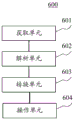
With further reference to fig. 6, as an implementation of the methods shown in the above-mentioned figures, the present application provides an embodiment of a web page operating apparatus, where the embodiment of the apparatus corresponds to the embodiment of the method shown in fig. 2, and the apparatus may be specifically applied to a mobile device, where the mobile device may be connected to a camera apparatus, and the mobile device may be installed with a gyroscope sensor.
As shown in fig. 6, the web page operating apparatus 600 according to this embodiment may include: an acquisition unit 601 configured to acquire an image captured by the imaging device and rotation data of the mobile device generated by the gyro sensor; an analyzing unit 602 configured to analyze the image and generate three-dimensional coordinates of a user holding the mobile device in a three-dimensional coordinate system, wherein the three-dimensional coordinate system is a coordinate system pre-established in real space with a specified point as an origin; a conversion unit 603 configured to convert the three-dimensional coordinates into two-dimensional coordinates in a two-dimensional coordinate system, where the two-dimensional coordinate system is a coordinate system established in advance based on a display screen of the mobile device; an operation unit 604 configured to operate the web page displayed on the display screen based on the two-dimensional coordinates and the rotation data.
In this embodiment, the obtaining unit 601 of the web page operating device 600 may obtain an image captured by the image capturing device and rotation data generated by the gyro sensor. Generally, the user can hold the mobile device for body movement and/or rotation. In this case, the movement and/or rotation of the mobile device may be regarded as movement and/or rotation of the body of the user.
In this embodiment, the analysis unit 602 may analyze the image by using various image analysis methods to generate three-dimensional coordinates of a user holding the mobile device in a three-dimensional coordinate system. The three-dimensional coordinate system is a coordinate system previously established with a predetermined point as an origin in a real space in which the mobile device is located.
In some optional implementations of this embodiment, a portrait of a user holding the mobile device may be presented in the image; and the parsing unit 602 may include a first comparing module and a first generating module (not shown in the figure). The first comparing module may be configured to compare the portrait in the image with a portrait in a previous frame of image acquired in advance, and determine displacement information of the user in the three-dimensional coordinate system. The first generating module may be configured to generate three-dimensional coordinates of the user in the three-dimensional coordinate system based on the displacement information and predetermined original three-dimensional coordinates of the user in the three-dimensional coordinate system at the time of the last frame of image capturing.
In some optional implementations of this embodiment, the camera device may be installed in the mobile device, and the image may be a video of at least one object; and the parsing unit 602 may include a first extraction module, a second comparison module, and a second generation module (not shown in the figure). The first extraction module may be configured to extract a feature vector from the image, input the feature vector to a pre-trained image recognition model, and obtain a recognition result of an image of each of the at least one object, where the image recognition model is used to represent a correspondence between the feature vector and the recognition result. The second comparing module may be configured to, for each image of the object, compare the image with an image of an object having the same recognition result in a previous frame of image acquired in advance, and determine displacement information of the object in the three-dimensional coordinate system. The second generating module may be configured to generate three-dimensional coordinates of the user in the three-dimensional coordinate system based on displacement information of each object in the three-dimensional coordinate system and predetermined original three-dimensional coordinates of the user holding the mobile device in the three-dimensional coordinate system when the previous frame of image is captured.
In this embodiment, the converting unit 603 may convert the three-dimensional coordinates of the user in the three-dimensional coordinate system into two-dimensional coordinates in a two-dimensional coordinate system according to a preset coordinate conversion relationship. The two-dimensional coordinate system may be a coordinate system pre-established based on a display screen of the mobile device.
In this embodiment, the operation unit 604 may determine the rotation angle of each coordinate axis of the mobile device in the three-dimensional coordinate system according to the rotation data, and determine each determined rotation angle as the rotation angle of each corresponding coordinate axis of the user in the three-dimensional coordinate system. Then, the scroll width of the web page displayed on the display screen of the mobile device may be determined based on the obtained rotation angles and the conversion relationship between the preset rotation angle and the page scroll width. And finally, scrolling the webpage according to the determined scrolling amplitude, and presenting a scrolled webpage interface.
In this embodiment, after scrolling the web page, the operation unit 604 may perform other operations on the web page displayed on the display screen of the mobile device based on the two-dimensional coordinates, such as moving a cursor to a position indicated by the two-dimensional coordinates, clicking a position indicated by the two-dimensional coordinates in the web page, and the like.
In some optional implementations of the present embodiment, the operation unit 604 may include a second extraction module, a first determination module, a second determination module, and a trigger module (not shown in the figure). The second extraction module may be configured to determine, as a target element, an element of a position indicated by the two-dimensional coordinates in the web page displayed on the display screen, and determine whether the target element is an element that supports clicking. The first determining module may be configured to determine whether a preset hover interface associated with the target element has been presented in response to determining that the target element is a click-enabled element. The second determination module may be configured to determine a presentation duration of the hover interface in response to determining that the hover interface has been presented. The trigger module may be configured to trigger a click event on the target element and present a click interface associated with the target element in response to determining that the presentation duration is not less than a preset duration threshold.
In some optional implementations of the present embodiment, the operation unit 604 may include a presentation module (not shown in the figure). The presenting module may be configured to present the floating interface in response to determining that the floating interface is not presented.
In some optional implementations of the present embodiment, the operation unit 604 may include a parsing module and a scrolling module (not shown in the figure). The analysis module may be configured to analyze the rotation data to generate quaternion data. The scrolling module may be configured to scroll the web page displayed in the display screen based on the quaternion data.
In the device provided by the above embodiment of the application, the image acquired by the acquisition unit 601 is analyzed by the analysis unit 602 to generate the three-dimensional coordinate of the user holding the mobile device in the three-dimensional coordinate system, the three-dimensional coordinate is converted into the two-dimensional coordinate in the two-dimensional coordinate system by the conversion unit 603, and finally, the operation unit 604 operates the web page displayed in the display screen based on the two-dimensional coordinate and the rotation data acquired by the acquisition unit 601 from the gyroscope sensor, so that the web page interaction in the virtual reality environment can be realized, and the flexibility of the web page interaction in the virtual reality environment is improved.
Referring now to FIG. 7, shown is a block diagram of a computer system 700 suitable for use in implementing a mobile device of an embodiment of the present application. The mobile device shown in fig. 7 is only an example, and should not bring any limitation to the functions and the scope of use of the embodiments of the present application.
As shown in fig. 7, the computer system 700 includes a Central Processing Unit (CPU)701, which can perform various appropriate actions and processes in accordance with a program stored in a Read Only Memory (ROM)702 or a program loaded from a storage section 708 into a Random Access Memory (RAM) 703. In the RAM 703, various programs and data necessary for the operation of the system 700 are also stored. The CPU 701, the ROM 702, and the RAM 703 are connected to each other via a bus 704. An input/output (I/O) interface 705 is also connected to bus 704.
The following components are connected to the I/O interface 705: an input portion 706 including a touch screen, a touch pad, and the like; an output section 707 including a display such as a Cathode Ray Tube (CRT), a Liquid Crystal Display (LCD), and the like, and a speaker; a storage section 708 including a hard disk and the like; and a communication section 709 including a network interface card such as a LAN card, a modem, or the like. The communication section 709 performs communication processing via a network such as the internet. A drive 710 is also connected to the I/O interface 705 as needed. A removable medium 711 such as a magnetic disk, an optical disk, a magneto-optical disk, a semiconductor memory, or the like is mounted on the drive 710 as necessary, so that a computer program read out therefrom is mounted into the storage section 708 as necessary.
In particular, according to an embodiment of the present disclosure, the processes described above with reference to the flowcharts may be implemented as computer software programs. For example, embodiments of the present disclosure include a computer program product comprising a computer program embodied on a computer readable medium, the computer program comprising program code for performing the method illustrated in the flow chart. In such an embodiment, the computer program can be downloaded and installed from a network through the communication section 709, and/or installed from the removable medium 711. The computer program, when executed by a Central Processing Unit (CPU)701, performs the above-described functions defined in the method of the present application. It should be noted that the computer readable medium described herein can be a computer readable signal medium or a computer readable storage medium or any combination of the two. A computer readable storage medium may be, for example, but not limited to, an electronic, magnetic, optical, electromagnetic, infrared, or semiconductor system, apparatus, or device, or any combination of the foregoing. More specific examples of the computer readable storage medium may include, but are not limited to: an electrical connection having one or more wires, a portable computer diskette, a hard disk, a Random Access Memory (RAM), a read-only memory (ROM), an erasable programmable read-only memory (EPROM or flash memory), an optical fiber, a portable compact disc read-only memory (CD-ROM), an optical storage device, a magnetic storage device, or any suitable combination of the foregoing. In the present application, a computer readable storage medium may be any tangible medium that can contain, or store a program for use by or in connection with an instruction execution system, apparatus, or device. In this application, however, a computer readable signal medium may include a propagated data signal with computer readable program code embodied therein, for example, in baseband or as part of a carrier wave. Such a propagated data signal may take many forms, including, but not limited to, electro-magnetic, optical, or any suitable combination thereof. A computer readable signal medium may also be any computer readable medium that is not a computer readable storage medium and that can communicate, propagate, or transport a program for use by or in connection with an instruction execution system, apparatus, or device. Program code embodied on a computer readable medium may be transmitted using any appropriate medium, including but not limited to: wireless, wire, fiber optic cable, RF, etc., or any suitable combination of the foregoing.
The flowchart and block diagrams in the figures illustrate the architecture, functionality, and operation of possible implementations of systems, methods and computer program products according to various embodiments of the present application. In this regard, each block in the flowchart or block diagrams may represent a module, segment, or portion of code, which comprises one or more executable instructions for implementing the specified logical function(s). It should also be noted that, in some alternative implementations, the functions noted in the block may occur out of the order noted in the figures. For example, two blocks shown in succession may, in fact, be executed substantially concurrently, or the blocks may sometimes be executed in the reverse order, depending upon the functionality involved. It will also be noted that each block of the block diagrams and/or flowchart illustration, and combinations of blocks in the block diagrams and/or flowchart illustration, can be implemented by special purpose hardware-based systems which perform the specified functions or acts, or combinations of special purpose hardware and computer instructions.
The units described in the embodiments of the present application may be implemented by software or hardware. The described units may also be provided in a processor, and may be described as: a processor includes an acquisition unit, a parsing unit, a conversion unit, and an operation unit. Where the names of these units do not in some cases constitute a limitation of the unit itself, for example, the acquisition unit may also be described as a "unit that acquires image and rotation data".
As another aspect, the present application also provides a computer-readable medium, which may be contained in the apparatus described in the above embodiments; or may be present separately and not assembled into the device. The computer readable medium carries one or more programs which, when executed by the apparatus, cause the apparatus to: acquiring an image shot by a camera device and rotation data of the mobile equipment generated by a gyroscope sensor; analyzing the image to generate a three-dimensional coordinate of a user holding the mobile equipment in a three-dimensional coordinate system; converting the three-dimensional coordinates into two-dimensional coordinates in a two-dimensional coordinate system; and operating the webpage displayed in the display screen based on the two-dimensional coordinates and the rotation data.
The above description is only a preferred embodiment of the application and is illustrative of the principles of the technology employed. It will be appreciated by those skilled in the art that the scope of the invention herein disclosed is not limited to the particular combination of features described above, but also encompasses other arrangements formed by any combination of the above features or their equivalents without departing from the spirit of the invention. For example, the above features may be replaced with (but not limited to) features having similar functions disclosed in the present application.
Claims (14)
1. A web page operating method for a mobile device, wherein the mobile device is connected to a camera, and a gyro sensor is installed on the mobile device, the method comprising:
acquiring an image shot by the camera device and rotation data of the mobile equipment generated by the gyroscope sensor;
analyzing the image to generate a three-dimensional coordinate of a user holding the mobile equipment in a three-dimensional coordinate system, wherein the three-dimensional coordinate system is a coordinate system which is established in advance in a real space by taking a specified point as an origin;
converting the three-dimensional coordinates into two-dimensional coordinates in a two-dimensional coordinate system according to a preset coordinate conversion relation, wherein the two-dimensional coordinate system is a coordinate system which is established in advance based on a display screen of the mobile equipment;
and operating the webpage displayed in the display screen based on the two-dimensional coordinates and the rotation data.
2. The web page operating method according to claim 1, wherein a portrait of a user holding the mobile device is presented in the image; and
the analyzing the image to generate a three-dimensional coordinate of a user holding the mobile device in a three-dimensional coordinate system includes:
comparing the portrait in the image with a portrait in a previous frame of image acquired in advance, and determining displacement information of the user in a three-dimensional coordinate system;
and generating three-dimensional coordinates of the user in the three-dimensional coordinate system based on the displacement information and predetermined original three-dimensional coordinates of the user in the three-dimensional coordinate system when the last frame of image is shot.
3. The web page operating method according to claim 1, wherein the camera is installed in the mobile device, and the image is presented with an image of at least one object; and
the analyzing the image to generate a three-dimensional coordinate of a user holding the mobile device in a three-dimensional coordinate system includes:
extracting a feature vector from the image, inputting the feature vector into a pre-trained image recognition model, and obtaining a recognition result of an image of each object in the at least one object, wherein the image recognition model is used for representing the corresponding relation between the feature vector and the recognition result;
for each image of the object, comparing the image with the image of the object with the same identification result in the previous frame of image acquired in advance, and determining the displacement information of the object in the three-dimensional coordinate system;
and generating three-dimensional coordinates of the user in the three-dimensional coordinate system based on the displacement information of each object in the three-dimensional coordinate system and the predetermined original three-dimensional coordinates of the user holding the mobile device when the previous frame of image is shot, wherein the original three-dimensional coordinates are located in the three-dimensional coordinate system.
4. The method for operating a web page according to claim 1, wherein the operating the web page displayed in the display screen based on the two-dimensional coordinates and the rotation data includes:
determining an element of a position indicated by the two-dimensional coordinates in a webpage displayed by the display screen as a target element, and determining whether the target element is an element supporting clicking;
in response to determining that the target element is a click-enabled element, determining whether a preset hover interface associated with the target element has been presented;
in response to determining that the hover interface has been presented, determining a presentation duration for the hover interface;
and in response to determining that the presentation time length is not less than a preset time length threshold value, triggering a click event of the target element, and presenting a click interface associated with the target element.
5. The web page operating method according to claim 4, wherein the operating a web page displayed in the display screen based on the two-dimensional coordinates and the rotation data further comprises:
in response to determining that the hover interface is not presented, presenting the hover interface.
6. The method for operating a web page according to claim 1, wherein the operating the web page displayed in the display screen based on the two-dimensional coordinates and the rotation data includes:
analyzing the rotation data to generate quaternion data;
scrolling the web page displayed in the display screen based on the quaternion data.
7. A web page operating apparatus for a mobile device, wherein the mobile device is connected to a camera device, and a gyro sensor is mounted on the mobile device, the apparatus comprising:
an acquisition unit configured to acquire an image captured by the imaging device and rotation data of the mobile device generated by the gyro sensor;
the analysis unit is configured to analyze the image and generate a three-dimensional coordinate of a user holding the mobile device in a three-dimensional coordinate system, wherein the three-dimensional coordinate system is a coordinate system which is established in advance in a real space by taking a specified point as an origin;
the conversion unit is configured to convert the three-dimensional coordinates into two-dimensional coordinates in a two-dimensional coordinate system according to a preset coordinate conversion relation, wherein the two-dimensional coordinate system is a coordinate system which is pre-established based on a display screen of the mobile device;
and the operation unit is configured to operate the webpage displayed in the display screen based on the two-dimensional coordinates and the rotation data.
8. The web page operating apparatus according to claim 7, wherein a portrait of a user holding the mobile device is presented in the image; and
the analysis unit includes:
the first comparison module is configured to compare the portrait in the image with a portrait in a previous frame of image acquired in advance, and determine displacement information of the user in a three-dimensional coordinate system;
a first generating module configured to generate three-dimensional coordinates of the user in the three-dimensional coordinate system based on the displacement information and predetermined original three-dimensional coordinates of the user in the three-dimensional coordinate system at the time of the last frame of image capturing.
9. The web page operating apparatus according to claim 7, wherein the camera is installed in the mobile device, and the image is presented with an image of at least one object; and
the analysis unit includes:
the first extraction module is configured to extract a feature vector from the image, input the feature vector to a pre-trained image recognition model, and obtain a recognition result of an image of each object in the at least one object, wherein the image recognition model is used for representing a corresponding relation between the feature vector and the recognition result;
the second comparison module is configured to compare the image of each object with an image of an object with the same identification result in a previous frame of image acquired in advance, and determine displacement information of the object in the three-dimensional coordinate system;
and the second generation module is configured to generate three-dimensional coordinates of the user in the three-dimensional coordinate system based on the displacement information of each object in the three-dimensional coordinate system and the predetermined original three-dimensional coordinates of the user holding the mobile device in the three-dimensional coordinate system when the previous frame of image is shot.
10. The web page operating apparatus according to claim 7, wherein the operating unit includes:
the second extraction module is configured to determine an element of a position indicated by the two-dimensional coordinates in the webpage displayed on the display screen as a target element, and determine whether the target element is an element supporting clicking;
a first determination module configured to determine whether a preset hover interface associated with the target element has been presented in response to determining that the target element is a click-enabled element;
a second determination module configured to determine a presentation duration of the hover interface in response to determining that the hover interface has been presented;
and the triggering module is configured to trigger a click event to the target element in response to determining that the presentation time length is not less than a preset time length threshold value, and present a click interface associated with the target element.
11. The web page operating apparatus according to claim 10, wherein the operating unit further comprises:
a presentation module configured to present the hover interface in response to determining that the hover interface is not presented.
12. The web page operating apparatus according to claim 7, wherein the operating unit includes:
the analysis module is configured to analyze the rotation data to generate quaternion data;
and the scrolling module is configured to scroll the web page displayed in the display screen based on the quaternion data.
13. A mobile device, comprising:
one or more processors;
storage means for storing one or more programs;
a gyroscope sensor for detecting orientation and generating rotation data;
when executed by the one or more processors, cause the one or more processors to implement the method of any one of claims 1-6.
14. A computer-readable storage medium, on which a computer program is stored which, when being executed by a processor, carries out the method according to any one of claims 1-6.
Priority Applications (1)
| Application Number | Priority Date | Filing Date | Title |
|---|---|---|---|
| CN201710130629.1A CN106919260B (en) | 2017-03-07 | 2017-03-07 | Webpage operation method and device |
Applications Claiming Priority (1)
| Application Number | Priority Date | Filing Date | Title |
|---|---|---|---|
| CN201710130629.1A CN106919260B (en) | 2017-03-07 | 2017-03-07 | Webpage operation method and device |
Publications (2)
| Publication Number | Publication Date |
|---|---|
| CN106919260A CN106919260A (en) | 2017-07-04 |
| CN106919260B true CN106919260B (en) | 2020-03-13 |
Family
ID=59461764
Family Applications (1)
| Application Number | Title | Priority Date | Filing Date |
|---|---|---|---|
| CN201710130629.1A Active CN106919260B (en) | 2017-03-07 | 2017-03-07 | Webpage operation method and device |
Country Status (1)
| Country | Link |
|---|---|
| CN (1) | CN106919260B (en) |
Families Citing this family (3)
| Publication number | Priority date | Publication date | Assignee | Title |
|---|---|---|---|---|
| CN107908280A (en) * | 2017-10-31 | 2018-04-13 | 福建天泉教育科技有限公司 | The method and terminal of page interaction are realized in a kind of VR scenes |
| CN111506842A (en) * | 2019-01-31 | 2020-08-07 | 阿里巴巴集团控股有限公司 | Page display method and device, electronic equipment and computer storage medium |
| CN111159606B (en) * | 2019-12-31 | 2023-08-22 | 中国联合网络通信集团有限公司 | Three-dimensional model loading method, device and storage medium applied to building system |
Citations (5)
| Publication number | Priority date | Publication date | Assignee | Title |
|---|---|---|---|---|
| CN102265242A (en) * | 2008-10-29 | 2011-11-30 | 因文森斯公司 | Use motion processing to control and access content on mobile devices |
| CN102789312A (en) * | 2011-12-23 | 2012-11-21 | 乾行讯科(北京)科技有限公司 | User interaction system and method |
| CN104536674A (en) * | 2014-12-12 | 2015-04-22 | 北京百度网讯科技有限公司 | Method and device for executing operation on webpage in mobile equipment |
| CN106126037A (en) * | 2016-06-30 | 2016-11-16 | 乐视控股(北京)有限公司 | A kind of switching method and apparatus of virtual reality interactive interface |
| CN205721628U (en) * | 2016-04-13 | 2016-11-23 | 哈尔滨工业大学深圳研究生院 | A kind of quick three-dimensional dynamic hand gesture recognition system and gesture data collecting device |
Family Cites Families (2)
| Publication number | Priority date | Publication date | Assignee | Title |
|---|---|---|---|---|
| TW201012184A (en) * | 2008-09-12 | 2010-03-16 | Arima Communication Corp | Handling device and input method using the same |
| CN106441275A (en) * | 2016-09-23 | 2017-02-22 | 深圳大学 | Method and device for updating planned path of robot |
-
2017
- 2017-03-07 CN CN201710130629.1A patent/CN106919260B/en active Active
Patent Citations (5)
| Publication number | Priority date | Publication date | Assignee | Title |
|---|---|---|---|---|
| CN102265242A (en) * | 2008-10-29 | 2011-11-30 | 因文森斯公司 | Use motion processing to control and access content on mobile devices |
| CN102789312A (en) * | 2011-12-23 | 2012-11-21 | 乾行讯科(北京)科技有限公司 | User interaction system and method |
| CN104536674A (en) * | 2014-12-12 | 2015-04-22 | 北京百度网讯科技有限公司 | Method and device for executing operation on webpage in mobile equipment |
| CN205721628U (en) * | 2016-04-13 | 2016-11-23 | 哈尔滨工业大学深圳研究生院 | A kind of quick three-dimensional dynamic hand gesture recognition system and gesture data collecting device |
| CN106126037A (en) * | 2016-06-30 | 2016-11-16 | 乐视控股(北京)有限公司 | A kind of switching method and apparatus of virtual reality interactive interface |
Also Published As
| Publication number | Publication date |
|---|---|
| CN106919260A (en) | 2017-07-04 |
Similar Documents
| Publication | Publication Date | Title |
|---|---|---|
| KR102727906B1 (en) | Augmented reality system | |
| CN108805917B (en) | Method, medium, apparatus and computing device for spatial localization | |
| KR102779568B1 (en) | Tracking augmented reality devices | |
| CN111273772B (en) | Augmented reality interaction method and device based on slam mapping method | |
| US10810801B2 (en) | Method of displaying at least one virtual object in mixed reality, and an associated terminal and system | |
| CN113934297B (en) | An interactive method, device, electronic device and medium based on augmented reality | |
| WO2019007372A1 (en) | Model display method and apparatus | |
| CN112965911B (en) | Interface abnormity detection method and device, computer equipment and storage medium | |
| CN111767456A (en) | Method and apparatus for pushing information | |
| CN106919260B (en) | Webpage operation method and device | |
| WO2020253716A1 (en) | Image generation method and device | |
| US11475636B2 (en) | Augmented reality and virtual reality engine for virtual desktop infrastucture | |
| CN108597034B (en) | Method and apparatus for generating information | |
| WO2015072091A1 (en) | Image processing device, image processing method, and program storage medium | |
| CN111598996B (en) | Article 3D model display method and system based on AR technology | |
| CN112634469B (en) | Method and apparatus for processing image | |
| US11562538B2 (en) | Method and system for providing a user interface for a 3D environment | |
| CN113178017A (en) | AR data display method and device, electronic equipment and storage medium | |
| CN109816628B (en) | Face evaluation method and related product | |
| CN109816791B (en) | Method and apparatus for generating information | |
| CN115660010A (en) | Method, apparatus, electronic device, medium, and product for displaying information | |
| KR20120082319A (en) | Augmented reality apparatus and method of windows form | |
| CN116501595B (en) | Performance analysis methods, devices, equipment and media for Web extended reality applications | |
| JP2022551671A (en) | OBJECT DISPLAY METHOD, APPARATUS, ELECTRONIC DEVICE, AND COMPUTER-READABLE STORAGE MEDIUM | |
| CN108874141B (en) | Somatosensory browsing method and device |
Legal Events
| Date | Code | Title | Description |
|---|---|---|---|
| PB01 | Publication | ||
| PB01 | Publication | ||
| SE01 | Entry into force of request for substantive examination | ||
| SE01 | Entry into force of request for substantive examination | ||
| GR01 | Patent grant |