CN106330850B - Security verification method based on biological characteristics, client and server - Google Patents
Security verification method based on biological characteristics, client and server Download PDFInfo
- Publication number
- CN106330850B CN106330850B CN201510394393.3A CN201510394393A CN106330850B CN 106330850 B CN106330850 B CN 106330850B CN 201510394393 A CN201510394393 A CN 201510394393A CN 106330850 B CN106330850 B CN 106330850B
- Authority
- CN
- China
- Prior art keywords
- response message
- user
- client
- authentication
- server
- Prior art date
- Legal status (The legal status is an assumption and is not a legal conclusion. Google has not performed a legal analysis and makes no representation as to the accuracy of the status listed.)
- Active
Links
Images


Classifications
-
- H—ELECTRICITY
- H04—ELECTRIC COMMUNICATION TECHNIQUE
- H04L—TRANSMISSION OF DIGITAL INFORMATION, e.g. TELEGRAPHIC COMMUNICATION
- H04L63/00—Network architectures or network communication protocols for network security
- H04L63/08—Network architectures or network communication protocols for network security for authentication of entities
- H04L63/0861—Network architectures or network communication protocols for network security for authentication of entities using biometrical features, e.g. fingerprint, retina-scan
-
- G—PHYSICS
- G06—COMPUTING OR CALCULATING; COUNTING
- G06F—ELECTRIC DIGITAL DATA PROCESSING
- G06F21/00—Security arrangements for protecting computers, components thereof, programs or data against unauthorised activity
- G06F21/30—Authentication, i.e. establishing the identity or authorisation of security principals
- G06F21/31—User authentication
- G06F21/32—User authentication using biometric data, e.g. fingerprints, iris scans or voiceprints
-
- G—PHYSICS
- G06—COMPUTING OR CALCULATING; COUNTING
- G06F—ELECTRIC DIGITAL DATA PROCESSING
- G06F21/00—Security arrangements for protecting computers, components thereof, programs or data against unauthorised activity
- G06F21/30—Authentication, i.e. establishing the identity or authorisation of security principals
- G06F21/31—User authentication
- G06F21/33—User authentication using certificates
-
- G—PHYSICS
- G06—COMPUTING OR CALCULATING; COUNTING
- G06F—ELECTRIC DIGITAL DATA PROCESSING
- G06F21/00—Security arrangements for protecting computers, components thereof, programs or data against unauthorised activity
- G06F21/30—Authentication, i.e. establishing the identity or authorisation of security principals
- G06F21/45—Structures or tools for the administration of authentication
-
- G—PHYSICS
- G06—COMPUTING OR CALCULATING; COUNTING
- G06V—IMAGE OR VIDEO RECOGNITION OR UNDERSTANDING
- G06V40/00—Recognition of biometric, human-related or animal-related patterns in image or video data
- G06V40/10—Human or animal bodies, e.g. vehicle occupants or pedestrians; Body parts, e.g. hands
- G06V40/12—Fingerprints or palmprints
- G06V40/1365—Matching; Classification
-
- H—ELECTRICITY
- H04—ELECTRIC COMMUNICATION TECHNIQUE
- H04L—TRANSMISSION OF DIGITAL INFORMATION, e.g. TELEGRAPHIC COMMUNICATION
- H04L9/00—Cryptographic mechanisms or cryptographic arrangements for secret or secure communications; Network security protocols
- H04L9/08—Key distribution or management, e.g. generation, sharing or updating, of cryptographic keys or passwords
- H04L9/0816—Key establishment, i.e. cryptographic processes or cryptographic protocols whereby a shared secret becomes available to two or more parties, for subsequent use
- H04L9/0819—Key transport or distribution, i.e. key establishment techniques where one party creates or otherwise obtains a secret value, and securely transfers it to the other(s)
- H04L9/0825—Key transport or distribution, i.e. key establishment techniques where one party creates or otherwise obtains a secret value, and securely transfers it to the other(s) using asymmetric-key encryption or public key infrastructure [PKI], e.g. key signature or public key certificates
-
- H—ELECTRICITY
- H04—ELECTRIC COMMUNICATION TECHNIQUE
- H04L—TRANSMISSION OF DIGITAL INFORMATION, e.g. TELEGRAPHIC COMMUNICATION
- H04L9/00—Cryptographic mechanisms or cryptographic arrangements for secret or secure communications; Network security protocols
- H04L9/08—Key distribution or management, e.g. generation, sharing or updating, of cryptographic keys or passwords
- H04L9/0861—Generation of secret information including derivation or calculation of cryptographic keys or passwords
-
- H—ELECTRICITY
- H04—ELECTRIC COMMUNICATION TECHNIQUE
- H04L—TRANSMISSION OF DIGITAL INFORMATION, e.g. TELEGRAPHIC COMMUNICATION
- H04L9/00—Cryptographic mechanisms or cryptographic arrangements for secret or secure communications; Network security protocols
- H04L9/14—Cryptographic mechanisms or cryptographic arrangements for secret or secure communications; Network security protocols using a plurality of keys or algorithms
-
- H—ELECTRICITY
- H04—ELECTRIC COMMUNICATION TECHNIQUE
- H04L—TRANSMISSION OF DIGITAL INFORMATION, e.g. TELEGRAPHIC COMMUNICATION
- H04L9/00—Cryptographic mechanisms or cryptographic arrangements for secret or secure communications; Network security protocols
- H04L9/30—Public key, i.e. encryption algorithm being computationally infeasible to invert or user's encryption keys not requiring secrecy
-
- H—ELECTRICITY
- H04—ELECTRIC COMMUNICATION TECHNIQUE
- H04L—TRANSMISSION OF DIGITAL INFORMATION, e.g. TELEGRAPHIC COMMUNICATION
- H04L9/00—Cryptographic mechanisms or cryptographic arrangements for secret or secure communications; Network security protocols
- H04L9/32—Cryptographic mechanisms or cryptographic arrangements for secret or secure communications; Network security protocols including means for verifying the identity or authority of a user of the system or for message authentication, e.g. authorization, entity authentication, data integrity or data verification, non-repudiation, key authentication or verification of credentials
- H04L9/3226—Cryptographic mechanisms or cryptographic arrangements for secret or secure communications; Network security protocols including means for verifying the identity or authority of a user of the system or for message authentication, e.g. authorization, entity authentication, data integrity or data verification, non-repudiation, key authentication or verification of credentials using a predetermined code, e.g. password, passphrase or PIN
- H04L9/3231—Biological data, e.g. fingerprint, voice or retina
-
- H—ELECTRICITY
- H04—ELECTRIC COMMUNICATION TECHNIQUE
- H04L—TRANSMISSION OF DIGITAL INFORMATION, e.g. TELEGRAPHIC COMMUNICATION
- H04L9/00—Cryptographic mechanisms or cryptographic arrangements for secret or secure communications; Network security protocols
- H04L9/32—Cryptographic mechanisms or cryptographic arrangements for secret or secure communications; Network security protocols including means for verifying the identity or authority of a user of the system or for message authentication, e.g. authorization, entity authentication, data integrity or data verification, non-repudiation, key authentication or verification of credentials
- H04L9/3247—Cryptographic mechanisms or cryptographic arrangements for secret or secure communications; Network security protocols including means for verifying the identity or authority of a user of the system or for message authentication, e.g. authorization, entity authentication, data integrity or data verification, non-repudiation, key authentication or verification of credentials involving digital signatures
-
- H—ELECTRICITY
- H04—ELECTRIC COMMUNICATION TECHNIQUE
- H04L—TRANSMISSION OF DIGITAL INFORMATION, e.g. TELEGRAPHIC COMMUNICATION
- H04L9/00—Cryptographic mechanisms or cryptographic arrangements for secret or secure communications; Network security protocols
- H04L9/32—Cryptographic mechanisms or cryptographic arrangements for secret or secure communications; Network security protocols including means for verifying the identity or authority of a user of the system or for message authentication, e.g. authorization, entity authentication, data integrity or data verification, non-repudiation, key authentication or verification of credentials
- H04L9/3271—Cryptographic mechanisms or cryptographic arrangements for secret or secure communications; Network security protocols including means for verifying the identity or authority of a user of the system or for message authentication, e.g. authorization, entity authentication, data integrity or data verification, non-repudiation, key authentication or verification of credentials using challenge-response
Landscapes
- Engineering & Computer Science (AREA)
- Computer Security & Cryptography (AREA)
- Signal Processing (AREA)
- Computer Networks & Wireless Communication (AREA)
- Theoretical Computer Science (AREA)
- Computer Hardware Design (AREA)
- General Engineering & Computer Science (AREA)
- General Health & Medical Sciences (AREA)
- Health & Medical Sciences (AREA)
- Biomedical Technology (AREA)
- Computing Systems (AREA)
- General Physics & Mathematics (AREA)
- Physics & Mathematics (AREA)
- Software Systems (AREA)
- Life Sciences & Earth Sciences (AREA)
- Biodiversity & Conservation Biology (AREA)
- Human Computer Interaction (AREA)
- Multimedia (AREA)
- Collating Specific Patterns (AREA)
Abstract
本发明公开了一种基于生物特征的安全校验方法及客户端、服务器,客户端发送给认证请求,服务器端接收到认证请求后,返回认证请求应答消息,客户端接收用户输入的用于校验的指纹图像,获取对应的生物特征模版ID,与本地保存的开通记录中的生物特征模版ID进行比对,生成包括获取的生物特征模版ID的认证响应消息,向服务器端发送认证响应消息,服务器端接收认证响应消息,与服务器端本地保存的对应用户记录中的生物特征模版ID进行比对,如果吻合则校验通过,否则报错。本发明还同时提出了对应于上述方法的客户端和服务器。本发明能够防止在网络上传送个人生物特征,可以防止泄露的风险,同时减少了网络传输的网络流量,具有更高的安全性。
The invention discloses a biometric-based security verification method and a client and a server. The client sends an authentication request, the server returns an authentication request response message after receiving the authentication request, and the client receives a user input for verification. The verified fingerprint image, obtain the corresponding biometric template ID, compare with the biometric template ID in the activation record saved locally, generate an authentication response message including the acquired biometric template ID, and send the authentication response message to the server, The server side receives the authentication response message and compares it with the biometric template ID in the corresponding user record stored locally on the server side. If it matches, the verification is passed, otherwise an error is reported. The present invention also simultaneously proposes a client and a server corresponding to the above method. The present invention can prevent the transmission of personal biometric features on the network, can prevent the risk of leakage, and at the same time reduces the network traffic transmitted by the network, and has higher security.
Description
技术领域technical field
本发明属于身份认证技术领域,尤其涉及在身份认证过程中的一种基于生物特征的安全校验方法及客户端、服务器。The invention belongs to the technical field of identity authentication, and in particular relates to a biometric-based security verification method, a client and a server in an identity authentication process.
背景技术Background technique
传统的密码校验过程中需要输入密码,每次输入密码的过程中,都存在泄漏风险,如键盘记录木马、物理窥视等。由于指纹具有稳定性强、个人唯一、算法准确性高等特点,近年来很多设备都开始采用指纹校验的功能,例如通过指纹校验实现在线支付,可以提高用户体验,增加支付安全性。In the traditional password verification process, a password needs to be entered. Every time the password is entered, there is a risk of leakage, such as keylogging Trojans, physical peeping, and so on. Because fingerprints have the characteristics of strong stability, personal uniqueness, and high algorithm accuracy, many devices have begun to use fingerprint verification in recent years. For example, online payment can be realized through fingerprint verification, which can improve user experience and increase payment security.
在现有技术中,在线指纹校验过程中客户端将用户的指纹数据(指纹图像或指纹特征数据)发送到服务器端,在服务器端和用户原来的指纹数据进行比较,完成校验。因为需要把指纹数据传输到服务器端,上传过程中存在指纹数据泄漏风险,指纹数据为个人隐私数据,用户不一定同意上传,同时泄漏会造成声誉风险。即使用户同意上传指纹数据,在指纹数据上传过程中还要耗费网络流量,服务器端也需要比对指纹数据,需耗费额外的计算资源及存储资源。In the prior art, in the online fingerprint verification process, the client sends the user's fingerprint data (fingerprint image or fingerprint feature data) to the server, and the server compares with the user's original fingerprint data to complete the verification. Because the fingerprint data needs to be transmitted to the server, there is a risk of fingerprint data leakage during the upload process. The fingerprint data is personal privacy data, and the user does not necessarily agree to upload it, and the leakage will cause reputation risk. Even if the user agrees to upload the fingerprint data, network traffic will be consumed in the process of uploading the fingerprint data, and the server side also needs to compare the fingerprint data, which requires additional computing resources and storage resources.
发明内容SUMMARY OF THE INVENTION
本发明的目的是提供一种基于生物特征的安全校验方法及客户端、服务器,以避免现有技术校验过程中存在的上述耗费网络流量、存在个人指纹数据泄露风险等技术问题,并提高安全性。The purpose of the present invention is to provide a biometric-based security verification method, client and server, so as to avoid the above-mentioned technical problems such as the consumption of network traffic and the risk of personal fingerprint data leakage in the verification process of the prior art, and to improve the safety.
为了实现上述目的,本发明技术方案如下:In order to achieve the above object, the technical scheme of the present invention is as follows:
一种基于生物特征的安全校验方法,应用于身份认证系统中的客户端,所述身份认证系统还包括服务器端,所述客户端保存有开通记录,所述开通记录包含有开通生物特征校验过程中获取的用于生物特征校验的生物特征模版ID,所述安全校验方法包括:A biometric-based security verification method is applied to a client in an identity authentication system, the identity authentication system further includes a server, the client saves an activation record, and the activation record includes an activation biometric verification. The biometric template ID for biometric verification obtained during the verification process, and the security verification method includes:
向服务器端发送认证请求,接收服务器端返回的认证请求应答消息;Send an authentication request to the server, and receive an authentication request response message returned by the server;
接收用户输入的生物特征,获取该生物特征对应的生物特征模版ID,将获取的所述生物特征模版ID与保存的开通记录中的生物特征模版ID进行比对,如果吻合则生成包括该获取的生物特征模版ID的认证响应消息,向服务器端发送认证响应消息,以便服务器端接收所述认证响应消息进行校验。Receive the biometric feature input by the user, obtain the biometric template ID corresponding to the biometric feature, compare the obtained biometric template ID with the biometric template ID in the saved activation record, and generate the obtained biometric template ID if it matches. The authentication response message of the biometric template ID is sent to the server end, so that the server end receives the authentication response message for verification.
其中,所述开通生物特征校验过程包括:Wherein, the activation biometric verification process includes:
向服务器端发送开通生物特征校验的开通请求,接收服务器端返回的开通请求应答消息;Send an activation request for activation of biometric verification to the server, and receive an activation request response message returned by the server;
接收用户输入的用于校验的生物特征,获取该用于校验的生物特征对应的生物特征模版ID,生成开通记录保存;Receive the biometric feature input for verification by the user, obtain the biometric template ID corresponding to the biometric feature for verification, and generate an activation record for saving;
生成包括所述生物特征模版ID的开通响应消息,向服务器端发送开通响应消息,以便服务器端接收所述开通响应消息,获取其中包含的所述生物特征模版ID生成用户记录保存。An activation response message including the biometric template ID is generated, and an activation response message is sent to the server, so that the server receives the activation response message, and obtains the biometric template ID contained therein to generate a user record for storage.
进一步地,所述服务器端以约定的第一私钥对所述认证请求应答消息或开通请求应答消息进行签名,则客户端在接收到所述认证请求应答消息之后,还包括:Further, the server signs the authentication request response message or the activation request response message with the agreed first private key, and after receiving the authentication request response message, the client further includes:
以约定的第一公钥对接收的认证请求应答消息进行校验,如果校验通过才进行后续的响应,否则报错;Verify the received authentication request response message with the agreed first public key, if the verification is passed, the follow-up response will be performed, otherwise an error will be reported;
则客户端在接收到所述开通请求应答消息之后,还包括:Then, after receiving the activation request response message, the client further includes:
以约定的第一公钥对接收的开通请求应答消息进行校验,如果校验通过才进行后续的响应,否则报错。The received activation request response message is verified with the agreed first public key, and if the verification is passed, the subsequent response is performed; otherwise, an error is reported.
通过本步骤,可以进一步加强开通过程中的安全性,防止伪造开通过程。Through this step, the security in the activation process can be further enhanced, and the activation process can be prevented from being faked.
进一步地,所述开通请求应答消息中携带有挑战值,所述开通生物特征校验过程还包括:Further, the activation request response message carries a challenge value, and the activation biometric verification process further includes:
生成包括用户私钥和用户公钥的用户公私钥对,保存用户私钥;Generate a user public-private key pair including the user's private key and the user's public key, and save the user's private key;
根据开通请求应答消息中的挑战值选择签名算法,并使用选择的签名算法和约定的第二私钥对生成的开通响应消息进行签名后发送给服务器端,所述开通响应消息包括用户公钥,以便服务器端接收所述开通响应消息并使用约定第二公钥进行校验,在服务器端保存用户公钥。A signature algorithm is selected according to the challenge value in the activation request response message, and the generated activation response message is signed with the selected signature algorithm and the agreed second private key, and then sent to the server, where the activation response message includes the user's public key, So that the server side receives the activation response message and uses the agreed second public key for verification, and saves the user's public key on the server side.
进一步地,所述认证请求应答消息中携带有挑战值,所述安全校验方法还包括:Further, the authentication request response message carries a challenge value, and the security verification method further includes:
根据所述挑战值选择签名算法,用选择的签名算法和所述用户私钥对认证响应消息进行签名,以便所述服务器端在接收到所述认证响应消息后,同样根据所述挑战值选择签名算法和所述用户公钥对认证响应消息进行校验。The signature algorithm is selected according to the challenge value, and the authentication response message is signed with the selected signature algorithm and the user's private key, so that after receiving the authentication response message, the server also selects the signature according to the challenge value. The algorithm and the user's public key verify the authentication response message.
通过在开通生物特征校验过程中生成用户密钥对,并在认证过程中使用选择的签名算法和用户密钥对来进行校验,增强了安全性,防止伪造消息的重放攻击。By generating a user key pair during the activation biometric verification process, and using the selected signature algorithm and user key pair for verification during the authentication process, security is enhanced and replay attacks of forged messages are prevented.
进一步地,所述开通请求应答消息还包括用户ID,所述客户端在接收到所述开通请求应答消息后,还包括:Further, the activation request response message further includes a user ID, and after receiving the activation request response message, the client terminal further includes:
将所述用户ID保存在所述开通记录中,并且在客户端生成的开通响应消息中还包括所述用户ID,以便所述服务器端在接收到所述开通响应消息后,获取其中的用户ID并将其保存在所述用户记录中。Save the user ID in the provisioning record, and also include the user ID in the provisioning response message generated by the client, so that the server obtains the user ID in the provisioning response message after receiving the provisioning response message and save it in said user record.
所述开通响应消息还包括客户端设备ID,以便所述服务器端在接收到所述开通请求应答消息后,获取其中的设备ID并将其保存在所述用户记录中。The activation response message further includes the client device ID, so that after receiving the activation request response message, the server obtains the device ID therein and saves it in the user record.
所述认证请求应答消息还包括用户ID,所述在接收用户输入的生物特征,获取该生物特征对应的生物特征模版ID之后,还包括:The authentication request response message further includes the user ID, and after receiving the biometric feature input by the user and obtaining the biometric template ID corresponding to the biometric feature, it further includes:
根据用户ID查找到对应的开通记录,以便将获取的所述生物特征模版ID与该查找到的开通记录中的生物特征模版ID进行比对;Find the corresponding activation record according to the user ID, so that the obtained biometric template ID is compared with the biometric template ID in the found activation record;
在客户端生成的认证响应消息中还包括所述用户ID,以便所述服务器端在接收到所述认证响应消息后,获取其中的用户ID并根据所述用户ID查找到对应的用户记录。The user ID is also included in the authentication response message generated by the client, so that after receiving the authentication response message, the server obtains the user ID therein and finds the corresponding user record according to the user ID.
所述认证响应消息还包括客户端设备ID,以便所述服务器端在接收到所述认证响应消息后,获取所述认证响应消息中的设备ID,根据所述设备ID查找到对应的用户记录。The authentication response message further includes the client device ID, so that the server, after receiving the authentication response message, obtains the device ID in the authentication response message, and searches for the corresponding user record according to the device ID.
通过上述步骤,能支持一个终端设备支持多个用户,或一个用户具有多个终端设备的情况,根据用户ID或设备ID来找到对应的开通记录或者用户记录来进行对比校验。Through the above steps, one terminal device supports multiple users, or one user has multiple terminal devices, and the corresponding activation record or user record is found according to the user ID or device ID for comparison and verification.
本发明还提出了一种基于生物特征的安全校验方法,应用于身份认证系统中的服务器端,所述身份认证系统还包括客户端,所述服务器端保存有用户记录,所述用户记录包含有开通生物特征校验过程中获取的用于生物特征校验的生物特征模版ID,所述安全校验方法包括:The present invention also proposes a biometric-based security verification method, which is applied to a server in an identity authentication system. The identity authentication system further includes a client, and the server saves a user record, and the user record includes There is a biometric template ID for biometric verification obtained in the process of opening biometric verification, and the security verification method includes:
接收来自客户端的认证请求,向客户端发送认证请求应答消息;Receive the authentication request from the client, and send the authentication request response message to the client;
接收来自客户端的认证响应消息,所述认证响应消息包括生物特征模版ID;receiving an authentication response message from the client, where the authentication response message includes a biometric template ID;
将所述认证响应消息中的生物特征模版ID与保存的用户记录中的生物特征模版ID进行比对校验,如果一致则校验通过,否则报错。The biometric template ID in the authentication response message is compared and verified with the biometric template ID in the saved user record, and if they are consistent, the verification is passed, otherwise an error is reported.
其中,所述开通生物特征校验过程包括:Wherein, the activation biometric verification process includes:
接收来自客户端的开通生物特征校验的开通请求,向客户端发送开通请求应答消息,以便客户端根据用户输入的用于校验的生物特征,获取该用于校验的生物特征对应的生物特征模版ID,生成开通记录保存;Receive an activation request from the client to activate biometric verification, and send an activation request response message to the client, so that the client can obtain the biometric corresponding to the biometric used for verification according to the biometric input for verification. Template ID, generate and open records and save;
接收来自客户端的开通响应消息,获取所述开通响应消息包括的生物特征模版ID,生成用户记录保存。Receive an activation response message from the client, acquire the biometric template ID included in the activation response message, and generate a user record for storage.
进一步地,所述安全校验方法还包括:Further, the security verification method also includes:
以约定的第一私钥对所述认证请求应答消息或开通请求应答消息进行签名,以便所述客户端以约定的第一公钥对接收的认证请求应答消息进行校验,如果校验通过才进行后续的响应,否则报错,或以约定的第一公钥对接收的开通请求应答消息进行校验,如果校验通过才进行后续的响应,否则报错。通过本步骤,可以进一步加强开通过程中的安全性,防止伪造开通过程。Sign the authentication request response message or the activation request response message with the agreed first private key, so that the client verifies the received authentication request response message with the agreed first public key, and only if the verification passes. Make a follow-up response, otherwise report an error, or use the agreed first public key to verify the received activation request response message, if the check is passed, the follow-up response will be carried out, otherwise an error will be reported. Through this step, the security in the activation process can be further enhanced, and the activation process can be prevented from being faked.
进一步地,所述开通请求应答消息中携带有挑战值,所述客户端生成包括用户私钥和用户公钥的用户公私钥对,保存用户私钥,所述开通生物特征校验过程还包括:Further, the activation request response message carries a challenge value, the client generates a user public-private key pair including the user's private key and the user's public key, and saves the user's private key, and the activation biometric verification process further includes:
接收客户端根据开通请求应答消息中的挑战值选择签名算法,并使用选择的签名算法和约定的第二私钥签名的开通响应消息,所述开通响应消息包括用户公钥,同样根据挑战值选择签名算法,并使用第二公钥校验开通响应消息,在服务器端保存用户公钥。The receiving client selects the signature algorithm according to the challenge value in the activation request response message, and uses the selected signature algorithm and the agreed second private key to sign the activation response message. The activation response message includes the user's public key and is also selected according to the challenge value. signature algorithm, and use the second public key to verify the activation response message, and save the user's public key on the server side.
进一步地,所述安全校验方法还包括:Further, the security verification method also includes:
接收客户端根据认证请求应答消息中的挑战值选择签名算法,并使用选择的签名算法和用户私钥进行签名的认证响应消息,同样根据挑战值选择签名算法和用户公钥校验认证响应消息的签名。Receive the authentication response message that the client selects the signature algorithm according to the challenge value in the authentication request response message, and uses the selected signature algorithm and the user's private key to sign the authentication response message, and also selects the signature algorithm and the user's public key according to the challenge value. sign.
通过在开通生物特征校验过程中生成用户密钥对,并在认证过程中使用选择的签名算法和用户密钥对来进行校验,增强了安全性,防止伪造消息的重放攻击。By generating a user key pair during the activation biometric verification process, and using the selected signature algorithm and user key pair for verification during the authentication process, security is enhanced and replay attacks of forged messages are prevented.
进一步地,所述开通请求应答消息还包括用户ID,以便所述客户端在接收到所述开通请求应答消息后,将所述用户ID保存在所述开通记录中,并且在客户端生成的开通响应消息中还包括所述用户ID,则所述服务器端在接收到所述开通响应消息后,还包括:Further, the activation request response message also includes a user ID, so that after the client terminal receives the activation request response message, the user ID is stored in the activation record, and the user ID is stored in the activation record generated by the client terminal. If the response message also includes the user ID, after receiving the activation response message, the server further includes:
从所述开通响应消息中获取用户ID,将所述用户ID保存在所述用户记录中。Obtain the user ID from the activation response message, and save the user ID in the user record.
所述开通响应消息还包括客户端设备ID,所述服务器端在接收到所述开通响应消息后,还包括:The activation response message further includes the client device ID, and after receiving the activation response message, the server further includes:
从所述开通响应消息中获取设备ID,将所述设备ID保存在所述用户记录中。The device ID is obtained from the activation response message, and the device ID is stored in the user record.
所述认证请求应答消息还包括用户ID,以便所述客户端根据用户ID查找到对应的开通记录,将获取的所述生物特征模版ID与该查找到的开通记录中的生物特征模版ID进行比对,并在客户端生成的认证响应消息中还包括所述用户ID,所述服务器端在接收到所述认证响应消息后,还包括:The authentication request response message also includes the user ID, so that the client can find the corresponding activation record according to the user ID, and compare the obtained biometric template ID with the biometric template ID in the found activation record. Yes, and the user ID is also included in the authentication response message generated by the client. After receiving the authentication response message, the server further includes:
获取所述认证响应消息中的用户ID,根据所述用户ID查找到对应的用户记录。Obtain the user ID in the authentication response message, and find the corresponding user record according to the user ID.
所述认证响应消息还包括客户端设备ID,所述服务器端在接收到所述认证响应消息后,还包括:The authentication response message further includes the client device ID, and after receiving the authentication response message, the server further includes:
获取所述认证响应消息中的设备ID,根据所述设备ID查找到对应的用户记录。The device ID in the authentication response message is acquired, and the corresponding user record is found according to the device ID.
本发明还提出了一种客户端,应用于身份认证系统,所述身份认证系统还包括服务器端,所述客户端保存有开通记录,所述开通记录包含有开通生物特征校验过程中获取的用于生物特征校验的生物特征模版ID,所述客户端包括:The present invention also provides a client, which is applied to an identity authentication system. The identity authentication system further includes a server, and the client saves an activation record, and the activation record includes the information obtained during the activation biometric verification process. Biometric template ID for biometric verification, the client includes:
请求模块,用于向服务器端发送认证请求,接收服务器端返回的认证请求应答消息;The request module is used to send an authentication request to the server, and receive the authentication request response message returned by the server;
响应模块,用于接收用户输入的生物特征,获取该生物特征对应的生物特征模版ID,将获取的所述生物特征模版ID与保存的开通记录中的生物特征模版ID进行比对,如果吻合则生成包括获取的生物特征模版ID的认证响应消息,向服务器端发送认证响应消息,以便服务器端接收所述认证响应消息进行校验。The response module is used to receive the biometric feature input by the user, obtain the biometric template ID corresponding to the biometric feature, and compare the obtained biometric template ID with the biometric template ID in the saved activation record, and if they match, then An authentication response message including the acquired biometric template ID is generated, and an authentication response message is sent to the server, so that the server receives the authentication response message for verification.
进一步地,所述请求模块还用于向服务器端发送开通生物特征校验的开通请求,接收服务器端返回的开通请求应答消息;所述响应模块还用于接收用户输入的用于校验的生物特征,获取该用于校验的生物特征对应的生物特征模版ID,生成开通记录保存,生成包括所述生物特征模版ID的开通响应消息,向服务器端发送开通响应消息,以便服务器端接收所述开通响应消息,获取其中包含的所述生物特征模版ID生成用户记录保存。Further, the request module is also used to send an activation request for activation of biometric verification to the server, and receive an activation request response message returned by the server; the response module is also used to receive the biometric input for verification input by the user. feature, obtain the biometric template ID corresponding to the biometric feature used for verification, generate an activation record and save, generate an activation response message including the biometric template ID, and send an activation response message to the server, so that the server receives the The activation response message is obtained, and the ID of the biometric template contained therein is obtained to generate a user record and save it.
进一步地,所述服务器端以约定的第一私钥对所述认证请求应答消息或开通请求应答消息进行签名,则所述请求模块在接收到所述认证请求应答消息之后,还用于以约定的第一公钥对接收的认证请求应答消息进行校验,如果校验通过才进行后续的响应,否则报错;所述请求模块在接收到所述开通请求应答消息之后,还用于以约定的第一公钥对接收的开通请求应答消息进行校验,如果校验通过才进行后续的响应,否则报错。Further, if the server signs the authentication request response message or the activation request response message with the agreed first private key, the request module is also used to sign the authentication request response message with the agreement after receiving the authentication request response message. The first public key of the server verifies the received authentication request response message, and if the verification is passed, the subsequent response is performed, otherwise an error is reported; after the request module receives the activation request response message, it is also used to The first public key verifies the received activation request response message, and if the verification passes, the subsequent response is performed; otherwise, an error is reported.
本发明所述开通请求应答消息中携带有挑战值,所述响应模块还用于生成包括用户私钥和用户公钥的用户公私钥对,保存用户私钥;根据开通请求应答消息中的挑战值选择签名算法,并使用选择的签名算法和约定的第二私钥对生成的开通响应消息进行签名后发送给服务器端,所述开通响应消息包括用户公钥,以便服务器端接收所述开通响应消息并使用约定第二公钥进行校验,在服务器端保存用户公钥。The activation request response message of the present invention carries a challenge value, and the response module is further configured to generate a user public-private key pair including the user's private key and the user's public key, and save the user's private key; according to the challenge value in the activation request response message Select a signature algorithm, and use the selected signature algorithm and the agreed second private key to sign the generated activation response message and send it to the server, where the activation response message includes the user's public key, so that the server can receive the activation response message And use the agreed second public key for verification, and save the user's public key on the server side.
进一步地,所述认证请求应答消息中携带有挑战值,所述响应模块还用于根据所述挑战值选择签名算法,用选择的签名算法和所述用户私钥对认证响应消息进行签名,以便所述服务器端在接收到所述认证响应消息后,同样根据所述挑战值选择签名算法和所述用户公钥对认证响应消息进行校验。Further, the authentication request response message carries a challenge value, and the response module is further configured to select a signature algorithm according to the challenge value, and use the selected signature algorithm and the user's private key to sign the authentication response message, so that After receiving the authentication response message, the server also selects a signature algorithm and the user public key according to the challenge value to verify the authentication response message.
本发明还提出了一种服务器,应用于身份认证系统,所述身份认证系统还包括客户端,所述服务器保存有用户记录,所述用户记录包含有开通生物特征校验过程中获取的用于生物特征校验的生物特征模版ID,所述服务器包括:The present invention also provides a server, which is applied to an identity authentication system. The identity authentication system further includes a client. The server stores a user record. Biometric template ID for biometric verification, the server includes:
应答模块,用于接收来自客户端的认证请求,向客户端发送认证请求应答消息;The response module is used to receive the authentication request from the client and send the authentication request response message to the client;
校验模块,用于接收来自客户端的认证响应消息,所述认证响应消息包括生物特征模版ID,将所述认证响应消息中的生物特征模版ID与保存的用户记录中的生物特征模版ID进行比对校验,如果一致则校验通过,否则报错。The verification module is used for receiving the authentication response message from the client, the authentication response message includes the biometric template ID, and compares the biometric template ID in the authentication response message with the biometric template ID in the saved user record For verification, if they are consistent, the verification passes, otherwise an error is reported.
进一步地,所述应答模块还用于接收来自客户端的开通生物特征校验的开通请求,向客户端发送开通请求应答消息,以便客户端根据用户输入的用于校验的生物特征,获取该用于校验的生物特征对应的生物特征模版ID,生成开通记录保存;所述校验模块还用于接收来自客户端的开通响应消息,获取所述开通响应消息包括的生物特征模版ID,生成用户记录保存。Further, the response module is also used to receive an activation request for activation of biometric verification from the client, and send an activation request response message to the client, so that the client obtains the user according to the biometric input for verification input by the user. The biometric template ID corresponding to the verified biometrics generates an activation record and saves; the verification module is also used to receive an activation response message from the client, obtain the biometric template ID included in the activation response message, and generate a user record save.
进一步地,所述应答模块还用于以约定的第一私钥对所述认证请求应答消息或开通请求应答消息进行签名,以便所述客户端以约定的第一公钥对接收的认证请求应答消息进行校验,如果校验通过才进行后续的响应,否则报错,或以约定的第一公钥对接收的开通请求应答消息进行校验,如果校验通过才进行后续的响应,否则报错。Further, the response module is further configured to sign the authentication request response message or the activation request response message with the agreed first private key, so that the client responds to the received authentication request with the agreed first public key. The message is verified, and if the verification is passed, the subsequent response will be carried out, otherwise an error will be reported, or the received activation request response message will be verified with the agreed first public key.
本发明所述开通请求应答消息中携带有挑战值,所述客户端生成包括用户私钥和用户公钥的用户公私钥对,保存用户私钥,所述校验模块还用于接收客户端根据开通请求应答消息中的挑战值选择签名算法,并使用选择的签名算法和约定的第二私钥签名的开通响应消息,所述开通响应消息包括用户公钥,同样根据挑战值选择签名算法,并使用第二公钥校验开通响应消息,保存用户公钥。The activation request response message of the present invention carries a challenge value, the client generates a user public-private key pair including the user's private key and the user's public key, and saves the user's private key, and the verification module is further configured to receive the client's The challenge value in the activation request response message selects the signature algorithm, and uses the selected signature algorithm and the agreed second private key to sign the activation response message, the activation response message includes the user's public key, and also selects the signature algorithm according to the challenge value, and Use the second public key to verify the activation response message, and save the user's public key.
进一步地,所述校验模块还用于接收客户端根据认证请求应答消息中的挑战值选择签名算法,并使用选择的签名算法和用户私钥进行签名的认证响应消息,同样根据挑战值选择签名算法和用户公钥校验认证响应消息的签名。Further, the verification module is also used to receive the authentication response message that the client selects the signature algorithm according to the challenge value in the authentication request response message, and uses the selected signature algorithm and the user's private key to sign the authentication response message, and also selects the signature according to the challenge value. The algorithm and the user's public key verify the signature of the authentication response message.
本发明一种基于生物特征的安全校验方法及客户端、服务器,实现在客户端的指纹校验、指纹模版存储、校验过程在可信执行环境(TEE)中进行,和普通硬件完全隔离,无隐私泄漏风险。同时减少传输指纹数据过程中网络流量,同时在服务器端也只比较指纹模版ID,减少服务器端计算开销及存储开销。开通指纹校验时与具体指纹模版绑定,开通后添加的新指纹模版不能用于校验,增加安全性。通过选择的签名算法进一步增强验证过程的安全性,防止伪造消息的网络攻击。The present invention is a biometric-based security verification method, a client, and a server. The fingerprint verification, fingerprint template storage, and verification processes on the client are performed in a trusted execution environment (TEE), and are completely isolated from common hardware. No risk of privacy leakage. At the same time, the network traffic in the process of transmitting fingerprint data is reduced, and at the same time, only the fingerprint template ID is compared on the server side, which reduces the computing overhead and storage overhead of the server side. When fingerprint verification is activated, it is bound to a specific fingerprint template. The new fingerprint template added after activation cannot be used for verification, which increases security. The security of the verification process is further enhanced by the selected signature algorithm to prevent network attacks of forged messages.
附图说明Description of drawings
图1为本发明开通生物特征校验过程流程图;Fig. 1 is the flow chart of the present invention to activate biometric verification process;
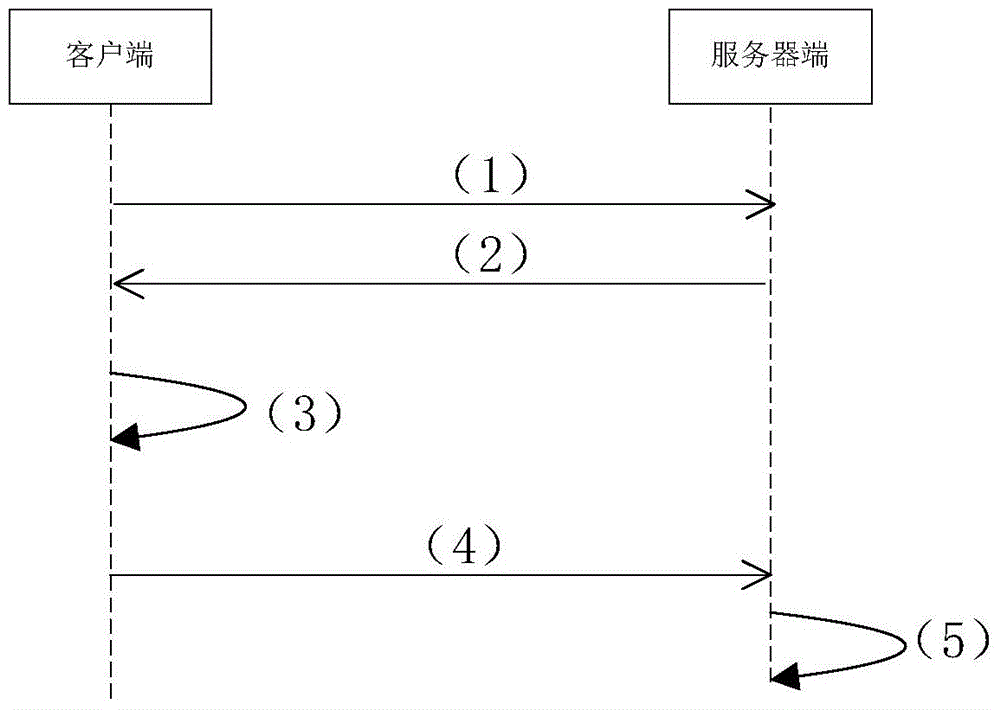
图2为本发明基于生物特征的安全校验方法流程图;2 is a flowchart of a biometric-based security verification method of the present invention;
图3为本发明客户端结构示意图;FIG. 3 is a schematic diagram of the client structure of the present invention;
图4为本发明服务器结构示意图。FIG. 4 is a schematic diagram of the structure of the server of the present invention.
具体实施方式Detailed ways
下面结合附图和实施例对本发明技术方案做进一步详细说明,以下实施例不构成对本发明的限定。The technical solutions of the present invention will be further described in detail below with reference to the accompanying drawings and embodiments, and the following embodiments do not constitute a limitation of the present invention.
在基于生物特征的校验中,通过指纹识别、语音识别、脸部识别、虹膜识别等技术手段来进行身份认证越来越普遍。这种生物特征校验应用的范围很广,例如在门禁系统中,或互联网支付中。本实施例以互联网支付中的指纹校验为例来详细描述本发明一种基于生物特征的安全校验方法。In biometric-based verification, it is more and more common to perform identity authentication through technical means such as fingerprint recognition, voice recognition, face recognition, and iris recognition. This biometric verification has a wide range of applications, for example in access control systems, or in Internet payments. In this embodiment, a biometric-based security verification method of the present invention is described in detail by taking fingerprint verification in Internet payment as an example.
有别于在线指纹校验,本实施例的互联网支付中的指纹校验,在用户的客户端完成指纹的比对,并在服务器端进一步进行结果校验,通过双重保护来保证指纹校验的有效性。本实施例的客户端一般为应用程序,安装在用户的移动终端、电脑或其他智能设备中,有些客户端直接是服务商提供的网页结合指纹扫描终端。Different from the online fingerprint verification, the fingerprint verification in the Internet payment of this embodiment completes the fingerprint comparison on the user's client side, and further performs the result verification on the server side, and ensures the fingerprint verification through double protection. effectiveness. The client in this embodiment is generally an application program installed in the user's mobile terminal, computer or other smart device, and some clients are directly a webpage provided by a service provider combined with a fingerprint scanning terminal.
本实施例的指纹校验方法,包括指纹校验开通过程、校验过程,以下分别进行说明。The fingerprint verification method of this embodiment includes a fingerprint verification activation process and a verification process, which are described below respectively.
实施例一、指纹校验的开通过程。
互联网支付的指纹校验首先需要开通指纹校验功能,如图1所示,包括如下步骤:For fingerprint verification of Internet payment, the fingerprint verification function needs to be enabled first, as shown in Figure 1, including the following steps:
①、客户端向服务器端发送开通指纹校验的开通请求。①. The client sends an activation request for fingerprint verification to the server.
当用户开通指纹校验功能时,首先向服务器端发起开通请求。When the user activates the fingerprint verification function, the user first initiates an activation request to the server.
②、服务器端接收到开通指纹校验的开通请求后,向客户端发送开通请求应答消息。②. After receiving the activation request to activate fingerprint verification, the server sends an activation request response message to the client.
③、客户端在收到开通请求应答消息后,接收用户输入的用于校验的指纹图像,获取该用于校验的指纹图像对应的指纹模版ID。3. After receiving the activation request response message, the client terminal receives the fingerprint image for verification input by the user, and obtains the fingerprint template ID corresponding to the fingerprint image for verification.
在开通指纹校验之前,用户的客户端设备上存储了用户录入的多个指纹模版,该指纹模版是从指纹图像提取的指纹特征。在开通指纹校验功能时,用户将用来进行指纹校验的手指的指纹图像输入到客户端,例如将该手指放在指纹扫描设备上,获取指纹图像,提取出指纹特征,从而与客户端已经存储的指纹模版进行对比,获取对应的指纹模版ID。Before enabling fingerprint verification, the user's client device stores multiple fingerprint templates entered by the user, and the fingerprint templates are fingerprint features extracted from a fingerprint image. When the fingerprint verification function is enabled, the user inputs the fingerprint image of the finger used for fingerprint verification to the client, for example, puts the finger on the fingerprint scanning device, obtains the fingerprint image, and extracts the fingerprint features, so as to communicate with the client. Compare the stored fingerprint templates to obtain the corresponding fingerprint template ID.
如果在开通指纹校验之前,用户的客户端设备上没有存储任何用户的指纹模版,这里也可以直接录入用户用来进行指纹校验的指纹图像,生成指纹模版及指纹模版ID,获取该指纹模版ID。If there is no user's fingerprint template stored on the user's client device before the fingerprint verification is activated, the fingerprint image used by the user for fingerprint verification can also be directly entered here to generate the fingerprint template and fingerprint template ID, and obtain the fingerprint template. ID.
④、客户端保存开通记录,开通记录包括指纹模版ID。④. The client saves the activation record, and the activation record includes the fingerprint template ID.
开通记录是保存在客户端设备中的记录,包含开通时用户用来进行指纹校验的指纹模版ID,用于在后续步骤的指纹校验中,与输入的指纹模版ID进行对比,看输入的指纹模版ID是否与最初开通时的指纹模版ID一致。即只有采用开通时输入的指纹模版ID才能在后续校验中应用,不能够通过破解用户的开机密码修改用于校验的指纹模版ID,从而保证了即使用户客户端设备丢失,也不必担心密码被破解而被不法分子冒用。The activation record is a record saved in the client device, including the fingerprint template ID used by the user for fingerprint verification during activation. It is used to compare with the input fingerprint template ID in the fingerprint verification in the subsequent steps. Whether the fingerprint template ID is the same as the fingerprint template ID when it was initially activated. That is, only the fingerprint template ID entered at the time of activation can be used in subsequent verification, and the fingerprint template ID used for verification cannot be modified by cracking the user's power-on password, thus ensuring that even if the user's client device is lost, there is no need to worry about the password. It was cracked and used by criminals.
⑤、客户端生成包括开通记录中指纹模版ID的开通响应消息,向服务器端发送开通响应消息。⑤. The client generates an activation response message including the fingerprint template ID in the activation record, and sends the activation response message to the server.
本实施例将开通记录中的指纹模版ID携带在开通响应消息中发送到服务器端,以便在服务器端保存上述信息。In this embodiment, the fingerprint template ID in the activation record is carried in the activation response message and sent to the server, so as to save the above information on the server.
⑥、服务器端接收开通响应消息,生成用户记录保存,用户记录中包括该用户的指纹模版ID。⑥. The server receives the activation response message, generates a user record and saves it, and the user record includes the user's fingerprint template ID.
从而在服务器端接收到客户端发来的开通响应消息,在服务器端用户记录保存,用户记录中包括该用户的指纹模版ID。在服务器端保存用户记录,以便在后续的校验过程中进行结果校验。Therefore, the activation response message sent by the client is received on the server side, and the user record is saved on the server side, and the user record includes the fingerprint template ID of the user. The user record is saved on the server side so that the result can be verified in the subsequent verification process.
优选地,为了进一步地增加开通过程中的安全性,本实施例的步骤②中,还包括如下步骤:Preferably, in order to further increase the security during the activation process,
服务器端采用第一私钥对开通请求应答消息进行加密。The server uses the first private key to encrypt the activation request response message.
从而在客户端接收到开通请求应答消息后,需要对开通请求应答消息进行校验。一般来说,在客户端与服务器端约定有服务器公私钥对,包括第一公钥和第一私钥,第一公钥保存在客户端,第一私钥保存在服务器端。服务器端在采用第一私钥对开通请求应答消息进行加密后发送到客户端,客户端用第一公钥解密进行校验,校验通过则进行后续的步骤,否则报错。这里用到的加密算法可以为对称算法、非对称算法、摘要算法等。Therefore, after the client receives the activation request reply message, it needs to verify the activation request reply message. Generally speaking, the client and the server agree on a server public and private key pair, including a first public key and a first private key, the first public key is stored on the client side, and the first private key is stored on the server side. The server uses the first private key to encrypt the activation request response message and sends it to the client, and the client decrypts it with the first public key for verification. The encryption algorithm used here can be a symmetric algorithm, an asymmetric algorithm, a digest algorithm, and the like.
从而在本实施例的步骤③中,还包括步骤:Thus in
客户端采用第一公钥校验开通请求应答消息,如果校验通过才进行后续的响应,否则报错。The client uses the first public key to verify the activation request response message. If the verification is passed, it will only respond later, otherwise it will report an error.
即客户端在接收到开通请求应答消息后,用第一公钥解密进行校验,校验通过则进行后续的步骤,否则报错。需要注意的是,在一般安全要求不高的情况下,也可以省略对开通请求应答消息的校验过程,第一公钥和第一私钥始终不变,对于任意的客户端都一样。That is, after the client receives the activation request response message, it decrypts with the first public key for verification, and if the verification passes, the subsequent steps are performed, otherwise an error is reported. It should be noted that in the case of low general security requirements, the verification process of the activation request response message can also be omitted, and the first public key and the first private key remain unchanged, which are the same for any client.
本实施例的客户端上如果开通了多个用户,例如多个用户共用一个客户端,则开通记录中需要包含用户ID,以便区分不同用户的开通记录。然而由于客户端容易被黑客攻击篡改用户ID,因此本实施例在开通请求应答消息中包括用户ID,由于开通请求应答消息经过了加密签名,能有效防止在开通请求应答消息的传送过程中被篡改,通过在开通请求应答消息中包含用户ID,并采用该用户ID来生成开通记录,能有效保证开通记录中记录了正确的用户ID及其对应的指纹模版ID,从而保证了后续步骤中校验的正确性。If multiple users are activated on the client in this embodiment, for example, multiple users share one client, the activation record needs to include the user ID, so as to distinguish the activation records of different users. However, since the client is easily attacked by hackers and tampered with the user ID, this embodiment includes the user ID in the activation request response message. Since the activation request response message is encrypted and signed, the activation request response message can be effectively prevented from being tampered with during the transmission process of the activation request response message. , by including the user ID in the activation request response message, and using the user ID to generate the activation record, it can effectively ensure that the correct user ID and its corresponding fingerprint template ID are recorded in the activation record, thereby ensuring the verification in the subsequent steps. correctness.
因此本实施例的开通请求应答消息中进一步包含用户ID,并在开通记录中包含用户ID和指纹模版ID,在开通响应消息中也包含用户ID和指纹模版ID,从而在服务器端接收到开通响应消息后,获取用户ID和指纹模版ID,并生成用户记录保存,用户记录中包括用户ID和指纹模版ID。Therefore, the activation request response message in this embodiment further includes the user ID, the activation record includes the user ID and the fingerprint template ID, and the activation response message also includes the user ID and the fingerprint template ID, so that the activation response is received at the server. After the message is received, the user ID and fingerprint template ID are obtained, and a user record is generated and saved. The user record includes the user ID and the fingerprint template ID.
则当用户用用户ID登录后,根据用户ID来找对应的开通记录,能够根据用户ID来匹配其开通记录中的指纹模版ID,能够支持多用户共用一个客户端。同理在服务器端,也根据用户ID来查找用户记录,比对其对应的指纹模版ID进行校验。Then, after the user logs in with the user ID, the corresponding provisioning record is found according to the user ID, and the fingerprint template ID in the provisioning record can be matched according to the user ID, which can support multiple users sharing one client. Similarly, on the server side, the user record is also searched according to the user ID, and the corresponding fingerprint template ID is verified.
进一步地,当用户有多个终端设备,为了区分不同的终端设备,在开通响应消息中还包含了设备ID,能够进一步区分用户的不同设备。从而在服务器端存储包括用户ID、设备ID和指纹模版ID的用户记录。当用户具有多个设备时,对应用户的不同设备,在服务器端保存不同的用户记录,从而能够识别校验。同理,当用户使用不同的终端设备,基于本发明的上述步骤,能够区分用户的不同终端设备,进行校验。即在比对时,还根据设备ID来找到对应的开通记录和用户记录,分别与匹配的开通记录和用户记录中的指纹模版ID进行比对校验。Further, when the user has multiple terminal devices, in order to distinguish different terminal devices, the device ID is also included in the activation response message, which can further distinguish different devices of the user. Therefore, the user record including the user ID, the device ID and the fingerprint template ID is stored on the server side. When the user has multiple devices, corresponding to different devices of the user, different user records are saved on the server side, so that the verification can be identified. Similarly, when the user uses different terminal devices, based on the above steps of the present invention, the user's different terminal devices can be distinguished for verification. That is, during the comparison, the corresponding activation records and user records are also found according to the device IDs, and are respectively compared and verified with the fingerprint template IDs in the matching activation records and user records.
优选地,为了进一步防止在校验过程中的重放攻击,在本实施例的开通过程中,还采用挑战应答方式来进一步增强安全性。即在步骤②中,开通请求应答消息还携带有挑战值。挑战应答方式是身份认证中常用的方法之一,因此服务器端接收来自客户端的开通请求后,生成挑战值,向客户端发送携带挑战值的开通请求应答消息,后续步骤通过验证应答值来进行校验。挑战值是在身份认证过程中通过随机算法生成的,关于随机数的生成,现有技术中有伪随机算法和强随机算法,本实施例采用强随机算法,获得的随机数分布更加均匀。则客户端在接收到开通应答消息后,还需要生成应答值,在开通响应消息中携带应答值发送给服务器端,服务器端需要对此进行校验。Preferably, in order to further prevent replay attacks in the verification process, in the activation process of this embodiment, a challenge-response mode is also used to further enhance security. That is, in
本实施例在步骤③之后,还包括步骤:After step 3., the present embodiment also includes steps:
客户端根据开通请求应答消息中包含的挑战值选择签名算法,生成用户公私钥对,在保存的开通记录中包含用户私钥;The client selects the signature algorithm according to the challenge value contained in the activation request response message, generates the user's public-private key pair, and includes the user's private key in the saved activation record;
用选择的签名算法和约定的第二私钥对开通响应消息进行签名,在开通响应消息中包括生成的用户公钥;Sign the activation response message with the selected signature algorithm and the agreed second private key, and include the generated user public key in the activation response message;
同样根据所述挑战值选择的签名算法和约定的第二公钥对开通响应消息进行校验,在校验通过后,保存包括所述用户公钥的用户记录,如果校验失败则报错。The activation response message is also verified according to the signature algorithm selected by the challenge value and the agreed second public key. After the verification is passed, the user record including the user's public key is saved, and an error is reported if the verification fails.
其中根据接收的挑战值来选择签名算法,例如可选择的签名算法有4中,分别为签名算法1、签名算法2、签名算法3、签名算法4。可以以挑战值求余的方式选择算法,如果挑战值除以4余数为0,则选择签名算法1,余数为1则选择签名算法2,依次类推。The signature algorithm is selected according to the received challenge value. For example, there are 4 optional signature algorithms, namely
具体的签名算法有安全哈希算法RAS-SHA1、RSA-SHA256等,上述签名算法对应有统一的用户公私钥生成算法,在开通时生成一对用户公私钥对,用来作为后续进行指纹验证时的加密和解密,从而每个用户拥有自己的用户公私钥对,用户公私钥匙对包括用户私钥和用户公钥。The specific signature algorithms include secure hash algorithms RAS-SHA1, RSA-SHA256, etc. The above signature algorithms correspond to a unified user public and private key generation algorithm. A pair of user public and private key pairs are generated during activation, which are used for subsequent fingerprint verification. Therefore, each user has its own user public and private key pair, and the user public and private key pair includes the user private key and the user public key.
在发送开通响应消息前,本实施例采用选择的签名算法和约定的第二私钥对开通响应消息进行签名,这里的第二私钥是客户端硬件所决定的,相应地在服务器端具有对应的第二公钥。Before sending the activation response message, this embodiment uses the selected signature algorithm and the agreed second private key to sign the activation response message, where the second private key is determined by the hardware of the client, and correspondingly has the corresponding 's second public key.
需要说明的是,本实施例以挑战值求余的方式选择算法,也可以直接以挑战值的个位数或十位数来进行选择,或根据挑战值除以4得到的值来进行选择,本发明不限于具体选择方式。It should be noted that, in this embodiment, the algorithm is selected by the method of calculating the remainder of the challenge value, and the selection can also be made directly by the one-digit or ten-digit value of the challenge value, or by the value obtained by dividing the challenge value by 4, The present invention is not limited to a specific selection.
在服务器对开通响应消息的校验过程中,包括如下两个校验步骤:The verification process of the activation response message by the server includes the following two verification steps:
1)、使用第二公钥和签名算法对签名进行校验。1), use the second public key and the signature algorithm to verify the signature.
在服务器端,根据与客户端相同的方法对挑战值求余,选择对应的签名算法,同时根据约定的第二公钥对签名的响应消息进行校验。On the server side, the challenge value is modulated according to the same method as that of the client side, the corresponding signature algorithm is selected, and the signed response message is verified according to the agreed second public key.
2)、使用与客户端相同的算法计算得到应答值与响应消息中的应答值进行比较校验。2), use the same algorithm as the client to calculate the response value and compare and verify the response value in the response message.
在指纹校验过程中,客户端在接收到开通请求应答消息后,需要进行响应,向服务器端返回响应消息。响应消息中包括应答值,该应答值是根据挑战值按照固定的算法计算得到的,以便服务器端根据同样的算法计算得到应答值进行比较校验。In the fingerprint verification process, after receiving the response message for the activation request, the client needs to respond and return a response message to the server. The response message includes a response value, and the response value is calculated according to a fixed algorithm according to the challenge value, so that the server side calculates the response value according to the same algorithm for comparison and verification.
从而在校验通过后,服务器端保存对应的用户记录,服务器端保存的用户记录包括用户ID、设备ID、用户公钥、指纹模版ID,以便在后续的校验过程中进行结果校验。Therefore, after the verification is passed, the server saves the corresponding user record, and the user record saved on the server includes the user ID, device ID, user public key, and fingerprint template ID, so that the result can be verified in the subsequent verification process.
本实施例中开通请求应答消息包括用户ID和挑战值,开通记录包括用户私钥、用户ID和指纹模版ID,而开通响应消息包括用户公钥、用户ID、设备ID和指纹模版ID,在服务器端保存的用户记录包括用户ID、设备ID、指纹模版ID和用户公钥。In this embodiment, the activation request response message includes the user ID and the challenge value, the activation record includes the user private key, the user ID and the fingerprint template ID, and the activation response message includes the user public key, the user ID, the device ID and the fingerprint template ID. The user records saved on the terminal include user ID, device ID, fingerprint template ID and user public key.
实施例二、用户在使用过程中的指纹认证过程。Embodiment 2: The fingerprint authentication process of the user during use.
用户在使用该互联网支付时,需要校验用户的指纹,如图2所示,执行如下步骤:When the user uses the Internet to pay, he needs to verify the user's fingerprint, as shown in Figure 2, and perform the following steps:
(1)、客户端向服务器端发送给认证请求,服务器端获取来自客户端的认证请求。(1) The client sends an authentication request to the server, and the server obtains the authentication request from the client.
(2)、服务器端接收到认证请求后,向客户端发送认证请求应答消息。(2) After receiving the authentication request, the server sends an authentication request response message to the client.
(3)、客户端在收到认证请求应答消息后,接收用户输入的用于校验的指纹图像,获取该用于校验的指纹图像对应的指纹模版ID,与客户端保存的开通记录中的指纹模版ID进行比对,如果吻合则进入下一步,否则报错。(3) After receiving the authentication request response message, the client receives the fingerprint image for verification input by the user, and obtains the fingerprint template ID corresponding to the fingerprint image for verification, which is the same as that in the activation record saved by the client. The fingerprint template ID is compared, if it matches, go to the next step, otherwise an error will be reported.
在支付过程中的指纹校验,用户只需根据提示界面,将用来支付的手指放在指纹扫描器上,输入用于校验的指纹图像。客户端从存储的指纹模版中找到对应的指纹模版,获取该指纹模版ID,根据用户ID找到对应的开通记录,与开通记录中的指纹模版进行比对。如果获得指纹模版ID与开通记录中的一致,则校验通知,否则报错,校验不通过。In the fingerprint verification during the payment process, the user only needs to place the finger used for payment on the fingerprint scanner according to the prompt interface, and input the fingerprint image for verification. The client finds the corresponding fingerprint template from the stored fingerprint template, obtains the fingerprint template ID, finds the corresponding activation record according to the user ID, and compares it with the fingerprint template in the activation record. If the obtained fingerprint template ID is consistent with the one in the activation record, the notification will be verified, otherwise an error will be reported and the verification will fail.
例如,用户在开通指纹验证功能时使用的是食指,那么在开通记录中保存的就是“食指”的指纹模版ID,在验证时,先识别用户在终端中输入的指纹所对应的指纹模版ID是否为“食指”的指纹模版ID,即是否与开通记录中保存的指纹模版ID一致。For example, if the user uses the index finger when activating the fingerprint verification function, then the fingerprint template ID of the "index finger" is saved in the activation record. When verifying, first identify whether the fingerprint template ID corresponding to the fingerprint input by the user in the terminal is not The fingerprint template ID of the "index finger", that is, whether it is consistent with the fingerprint template ID saved in the activation record.
本实施例在客户端本地进行指纹模版ID的比对,不用在网络中传输用户的指纹,避免了用户生物特征的泄漏。In this embodiment, the fingerprint template ID is compared locally on the client side, and the user's fingerprint is not transmitted in the network, thereby avoiding the leakage of the user's biometric feature.
(4)、客户端生成包括获取的指纹模版ID的认证响应消息,向服务器端发送认证响应消息。(4) The client generates an authentication response message including the obtained fingerprint template ID, and sends the authentication response message to the server.
(5)服务器端接收认证响应消息,与本地保存的对应用户记录中的指纹模版ID进行比对,如果吻合则校验通过,否则报错。(5) The server side receives the authentication response message and compares it with the fingerprint template ID in the corresponding user record stored locally. If it matches, the verification is passed, otherwise an error is reported.
本实施例的指纹认证过程,客户端在进行指纹校验后,仅需要将指纹模版ID而不是指纹模版发送到服务器端,由服务器端与用户记录中的指纹模版ID进行再次对比,通过两次对比进一步进行指纹认证,更加安全。同时传输的是指纹模版ID,传输过程中的传输流量也比较少,并且服务器端的计算量也小。In the fingerprint authentication process of this embodiment, after the client performs fingerprint verification, it only needs to send the fingerprint template ID instead of the fingerprint template to the server, and the server compares it with the fingerprint template ID in the user record again. Compared with further fingerprint authentication, it is more secure. At the same time, the fingerprint template ID is transmitted, and the transmission traffic during the transmission process is relatively small, and the calculation amount on the server side is also small.
与实施例一相同的是,为了区分用户和用户的终端设备,在认证请求应答消息中包括用户ID,以便在客户端本地根据用户ID查找到对应的开通记录,并与其中的指纹模版ID进行对比。同时认证响应消息中包含设备ID、用户ID以及指纹模版ID,服务器端据此找到对应的用户记录,将该指纹模版ID与本地保存的对应用户记录进行比对,如果一致则认为校验通过,结束校验过程,否则报错,校验失败。The same as the first embodiment, in order to distinguish the user and the user's terminal equipment, the user ID is included in the authentication request response message, so that the client can find the corresponding activation record locally according to the user ID, and carry out with the fingerprint template ID therein. Compared. At the same time, the authentication response message contains the device ID, user ID and fingerprint template ID. Based on this, the server finds the corresponding user record and compares the fingerprint template ID with the corresponding user record stored locally. If they are consistent, the verification is considered to be passed. End the verification process, otherwise an error is reported and the verification fails.
与实施例一相同的是,在实施例二中,也可以对认证应答消息采用第一私钥进行加密,然后在客户端用第一公钥进行解密验证。Similar to the first embodiment, in the second embodiment, the authentication response message can also be encrypted by using the first private key, and then decrypted and verified by the first public key at the client.
值得注意的是,在校验指纹的认证过程,本实施例仍然基于挑战应答方式来进行校验。同样在认证应答消息中包括挑战值,客户端根据挑战值选择签名算法,签名算法所采用的密钥,可以是第二私钥,这时候在服务器端采用第二公钥进行校验。It is worth noting that, in the authentication process of verifying the fingerprint, the verification is still performed based on the challenge-response method in this embodiment. The authentication response message also includes the challenge value, and the client selects the signature algorithm according to the challenge value. The key used by the signature algorithm may be the second private key. In this case, the server uses the second public key for verification.
优选地,使用开通记录中的用户私钥对认证响应消息进行签名,在服务器端,同样根据挑战值选择签名算法,用根据用户记录中的用户公钥对认证响应消息进行校验。校验的过程同实施例一对响应消息的校验过程,只不过使用的密钥不同,实施例一使用第二公钥进行校验,而实施例二使用用户公钥进行校验。由于用户公私钥对对每个用户是唯一的,进一步保证校验过程中的安全性。Preferably, the authentication response message is signed using the user's private key in the activation record, and on the server side, the signature algorithm is also selected according to the challenge value, and the authentication response message is verified with the user's public key in the user record. The verification process is the same as the verification process for a pair of response messages in the embodiment, except that the keys used are different. The first embodiment uses the second public key for verification, while the second embodiment uses the user's public key for verification. Since the user's public-private key pair is unique to each user, the security in the verification process is further guaranteed.
即:客户端根据所述挑战值选择签名算法,用选择的签名算法和所述用户私钥对认证响应消息进行签名;服务器端在接收到认证响应消息后,同样根据挑战值选择签名算法和用户公钥对认证响应消息进行校验。That is: the client selects a signature algorithm according to the challenge value, and signs the authentication response message with the selected signature algorithm and the user's private key; after receiving the authentication response message, the server also selects the signature algorithm and the user according to the challenge value. The public key verifies the authentication response message.
与实施例一不同的是,本步骤的认证请求应答消息中还包括业务信息,以便在客户端接收到认证应答消息后,在客户端显示业务信息。用户可以根据显示的业务信息判断是否是自己正在进行指纹认证对应的业务,如果是则选择进行继续操作,否则可以放弃指纹认证。Different from the first embodiment, the authentication request response message in this step also includes service information, so that after the client terminal receives the authentication response message, the client terminal displays the service information. The user can judge according to the displayed service information whether it is the service corresponding to the fingerprint authentication, and if so, choose to continue the operation, otherwise, the user can give up the fingerprint authentication.
无论在开通过程还是后面的校验过程,本发明根据随机数选择签名算法,不限于选择一种签名算法来进行签名,也可以选择多种算法的组合进行签名操作,提高算法的变化。例如根据随机数的个位数和十位数,选择两个签名算法,先后进行两次签名来进一步增强签名的安全性。本实施例对响应消息进行的签名校验,由于是随机的签名算法,即使用户私钥泄露,由于攻击者不知道签名算法,也无法伪造响应消息。Regardless of the activation process or the subsequent verification process, the present invention selects the signature algorithm according to the random number, and is not limited to selecting one signature algorithm for signature, and can also select a combination of multiple algorithms for signature operation to improve the variation of the algorithm. For example, according to the single digit and tens digit of the random number, two signature algorithms are selected, and two signatures are performed successively to further enhance the security of the signature. Since the signature verification performed on the response message in this embodiment is a random signature algorithm, even if the user's private key is leaked, since the attacker does not know the signature algorithm, the response message cannot be forged.
在现有技术中,FIDO联盟推出的校验方案包括了密码、网页插件以及校验硬件,而校验硬件多种多样,例如U盘(或U盾)、NFC芯片、TPM(可信赖平台模块)芯片,以及指纹扫描器、语音识别、脸部识别、虹膜识别等生物识别硬件。使用FIDO联盟的校验方法,用户的密码不会被发送出去,而是由手机、电脑等设备内部的软件进行处理;校验通过后,软件发送密钥到登录服务器,不保存任何登陆信息;与此同时,登陆服务器发送密钥到用户设备告知其“已经通过认证”。企业如果要使用FIDO的认证方式,只需要在服务器上安装校验软件,然后在客户和员工的设备上安装相应的插件或应用程序即可。然而以指纹校验为例,FIDO的指纹校验的开通仅能和设备绑定,即开通指纹后,所有设备上的指纹模版,都能完成指纹校验,指纹开通后添加的指纹模版也能完成校验,而一般在设备上添加指纹只需输入简单密码(如4为数字密码),成为安全短板,存在安全漏洞。同时从服务器端来的消息也没有签名,可以通过伪造消息对设备端模块进行攻击。而本发明在开通过程中存储开通记录和用户记录,在后续无法进行用于指纹校验的指纹模版ID的更改,防止了在指纹开通后添加指纹模版;同时通过挑战值选择签名算法,在校验过程中增加签名,可以防止伪造消息进行攻击。In the prior art, the verification scheme introduced by the FIDO Alliance includes passwords, web plug-ins and verification hardware, and the verification hardware is various, such as U disk (or U shield), NFC chip, TPM (Trusted Platform Module) ) chips, as well as biometric hardware such as fingerprint scanners, voice recognition, face recognition, and iris recognition. Using the verification method of the FIDO Alliance, the user's password will not be sent out, but processed by the software inside the mobile phone, computer and other devices; after the verification is passed, the software sends the key to the login server without saving any login information; At the same time, the login server sends the key to the user's device to inform it that it "has been authenticated". If an enterprise wants to use the FIDO authentication method, it only needs to install the verification software on the server, and then install the corresponding plug-ins or applications on the devices of customers and employees. However, taking fingerprint verification as an example, the activation of FIDO fingerprint verification can only be bound to the device, that is, after the fingerprint is activated, the fingerprint templates on all devices can complete the fingerprint verification, and the fingerprint templates added after the fingerprint is activated can also be After completing the verification, generally adding a fingerprint on the device only needs to enter a simple password (such as 4 is a digital password), which becomes a security short board and has security loopholes. At the same time, the message from the server side has no signature, and the device side module can be attacked by forging messages. In the present invention, the activation record and user record are stored in the activation process, and the fingerprint template ID used for fingerprint verification cannot be changed later, which prevents the fingerprint template from being added after the fingerprint is activated; at the same time, the signature algorithm is selected through the challenge value. Adding a signature during the verification process can prevent attacks by forged messages.
如图3所示,本发明还提出了一种客户端,应用于身份认证系统,所述身份认证系统还包括服务器端,所述客户端保存有开通记录,所述服务器端保存有用户记录,所述开通记录和用户记录包含有开通生物特征校验过程中获取的用于生物特征校验的生物特征模版ID,所述客户端包括:As shown in FIG. 3 , the present invention also proposes a client, which is applied to an identity authentication system. The identity authentication system further includes a server. The client stores an activation record, and the server stores a user record. The activation record and the user record contain the biometric template ID for biometric verification obtained during the activation biometric verification process, and the client includes:
请求模块,用于向服务器端发送认证请求,接收服务器端返回的认证请求应答消息;The request module is used to send an authentication request to the server, and receive the authentication request response message returned by the server;
响应模块,用于接收用户输入的生物特征,获取该生物特征对应的生物特征模版ID,与本地保存的开通记录中的生物特征模版ID进行比对,如果吻合则生成包括获取的生物特征模版ID的认证响应消息,向服务器端发送认证响应消息,以便服务器端接收所述认证响应消息,与服务器端本地保存的用户记录中的生物特征模版ID进行比对校验,否则报错。The response module is used to receive the biometric feature input by the user, obtain the biometric template ID corresponding to the biometric, compare it with the biometric template ID in the locally saved activation record, and generate a biometric template ID including the acquired biometric template ID if it matches The authentication response message is sent to the server side, so that the server side receives the authentication response message and compares it with the biometric template ID in the user record stored locally on the server side, otherwise an error is reported.
进一步地,所述请求模块还用于向服务器端发送开通生物特征校验的开通请求,接收服务器端返回的开通请求应答消息;所述响应模块还用于接收用户输入的用于校验的生物特征,获取该用于校验的生物特征对应的生物特征模版ID,生成开通记录保存,生成包括所述生物特征模版ID的开通响应消息,向服务器端发送开通响应消息,以便服务器端接收所述开通响应消息,获取其中包含的所述生物特征模版ID生成用户记录保存。Further, the request module is also used to send an activation request for activation of biometric verification to the server, and receive an activation request response message returned by the server; the response module is also used to receive the biometric input for verification input by the user. feature, obtain the biometric template ID corresponding to the biometric feature used for verification, generate an activation record and save, generate an activation response message including the biometric template ID, and send an activation response message to the server, so that the server receives the The activation response message is obtained, and the ID of the biometric template contained therein is obtained to generate a user record and save it.
进一步地,所述服务器端以约定的第一私钥对所述认证请求应答消息或开通请求应答消息进行签名,则所述请求模块在接收到所述认证请求应答消息之后,还用于以约定的第一公钥对接收的认证请求应答消息进行校验,如果校验通过才进行后续的响应,否则报错;所述请求模块在接收到所述开通请求应答消息之后,还用于以约定的第一公钥对接收的开通请求应答消息进行校验,如果校验通过才进行后续的响应,否则报错。Further, if the server signs the authentication request response message or the activation request response message with the agreed first private key, the request module is also used to sign the authentication request response message with the agreement after receiving the authentication request response message. The first public key of the server verifies the received authentication request response message, and if the verification is passed, the subsequent response is performed, otherwise an error is reported; after the request module receives the activation request response message, it is also used to The first public key verifies the received activation request response message, and if the verification passes, the subsequent response is performed; otherwise, an error is reported.
本发明所述开通请求应答消息中携带有挑战值,所述响应模块还用于生成包括用户私钥和用户公钥的用户公私钥对,保存用户私钥;根据开通请求应答消息中的挑战值选择签名算法,并使用选择的签名算法和约定的第二私钥对生成的开通响应消息进行签名后发送给服务器端,所述开通响应消息包括用户公钥,以便服务器端接收开通响应消息并使用约定第二公钥进行校验,在服务器端保存用户公钥。The activation request response message of the present invention carries a challenge value, and the response module is further configured to generate a user public-private key pair including the user's private key and the user's public key, and save the user's private key; according to the challenge value in the activation request response message Select a signature algorithm, and use the selected signature algorithm and the agreed second private key to sign the generated activation response message and send it to the server, where the activation response message includes the user's public key, so that the server receives the activation response message and uses it The second public key is agreed for verification, and the user's public key is stored on the server side.
进一步地,所述认证请求应答消息中携带有挑战值,所述响应模块还用于根据所述挑战值选择签名算法,用选择的签名算法和所述用户私钥对认证响应消息进行签名,以便所述服务器端在接收到所述认证响应消息后,同样根据所述挑战值选择签名算法和所述用户公钥对认证响应消息进行校验。Further, the authentication request response message carries a challenge value, and the response module is further configured to select a signature algorithm according to the challenge value, and use the selected signature algorithm and the user's private key to sign the authentication response message, so that After receiving the authentication response message, the server also selects a signature algorithm and the user public key according to the challenge value to verify the authentication response message.
进一步地,所述开通请求应答消息还包括用户ID,所述响应模块还将所述用户ID保存在所述开通记录中,并且在生成的开通响应消息中还包括所述用户ID,以便所述服务器端在接收到所述开通响应消息后,获取其中的用户ID并将其保存在所述用户记录中。Further, the activation request response message also includes a user ID, the response module also saves the user ID in the activation record, and also includes the user ID in the generated activation response message, so that the After receiving the activation response message, the server side obtains the user ID therein and saves it in the user record.
进一步地,所述开通响应消息还包括客户端设备ID,以便所述服务器端在接收到所述开通请求应答消息后,获取其中的设备ID并将其保存在所述用户记录中。Further, the provisioning response message further includes the client device ID, so that the server side obtains the device ID in the provisioning request response message and saves it in the user record after receiving the provisioning request response message.
进一步地,所述认证请求应答消息还包括用户ID,所述响应模块在接收用户输入的生物特征,获取该生物特征对应的生物特征模版ID之后,还根据用户ID查找到对应的开通记录,以便将获取的所述生物特征模版ID与该查找到的开通记录中的生物特征模版ID进行比对;Further, the authentication request response message also includes a user ID, and the response module, after receiving the biometric feature input by the user, obtains the biometric template ID corresponding to the biometric feature, and also finds the corresponding activation record according to the user ID, so that Comparing the obtained biometric template ID with the biometric template ID in the found opening record;
在所述响应模块生成的认证响应消息中还包括所述用户ID,以便所述服务器端在接收到所述认证响应消息后,获取其中的用户ID并根据所述用户ID查找到对应的用户记录。The user ID is also included in the authentication response message generated by the response module, so that the server can obtain the user ID in the authentication response message after receiving the authentication response message and find the corresponding user record according to the user ID .
进一步地,所述认证响应消息还包括客户端设备ID,以便所述服务器端在接收到所述认证响应消息后,获取所述认证响应消息中的设备ID,根据所述设备ID查找到对应的用户记录。Further, the authentication response message also includes the client device ID, so that after receiving the authentication response message, the server obtains the device ID in the authentication response message, and finds the corresponding device ID according to the device ID. User records.
如图4所示,本发明还提出了一种服务器,对应于前面的服务器端,应用于身份认证系统,所述身份认证系统还包括客户端,所述客户端保存有开通记录,所述服务器保存有用户记录,所述开通记录和用户记录包含有开通生物特征校验过程中获取的用于生物特征校验的生物特征模版ID,所述服务器端包括:As shown in FIG. 4 , the present invention also proposes a server, which corresponds to the previous server and is applied to an identity authentication system. The identity authentication system further includes a client, and the client saves an activation record, and the server User records are stored, and the activation records and user records contain the biometric template ID for biometric verification obtained during the activation biometric verification process, and the server side includes:
应答模块,用于接收来自客户端的认证请求,向客户端发送认证请求应答消息;The response module is used to receive the authentication request from the client and send the authentication request response message to the client;
校验模块,用于接收来自客户端的认证响应消息,所述认证响应消息包括生物特征模版ID,将所述认证响应消息中的生物特征模版ID与保存的用户记录中的生物特征模版ID进行比对校验,如果一致则校验通过,否则报错。The verification module is used for receiving the authentication response message from the client, the authentication response message includes the biometric template ID, and compares the biometric template ID in the authentication response message with the biometric template ID in the saved user record For verification, if they are consistent, the verification passes, otherwise an error is reported.
进一步地,所述应答模块还用于接收来自客户端的开通生物特征校验的开通请求,向客户端发送开通请求应答消息,以便客户端根据用户输入的用于校验的生物特征,获取该用于校验的生物特征对应的生物特征模版ID,生成开通记录保存;所述校验模块还用于接收来自客户端的开通响应消息,获取所述开通响应消息包括的生物特征模版ID,生成用户记录保存。Further, the response module is also used to receive an activation request for activation of biometric verification from the client, and send an activation request response message to the client, so that the client obtains the user according to the biometric input for verification input by the user. The biometric template ID corresponding to the verified biometrics generates an activation record and saves; the verification module is also used to receive an activation response message from the client, obtain the biometric template ID included in the activation response message, and generate a user record save.
进一步地,所述应答模块还用于以约定的第一私钥对所述认证请求应答消息或开通请求应答消息进行签名,以便所述客户端以约定的第一公钥对接收的认证请求应答消息进行校验,如果校验通过才进行后续的响应,否则报错,或以约定的第一公钥对接收的开通请求应答消息进行校验,如果校验通过才进行后续的响应,否则报错。Further, the response module is further configured to sign the authentication request response message or the activation request response message with the agreed first private key, so that the client responds to the received authentication request with the agreed first public key. The message is verified, and if the verification is passed, the subsequent response will be carried out, otherwise an error will be reported, or the received activation request response message will be verified with the agreed first public key.
本发明所述开通请求应答消息中携带有挑战值,所述客户端生成包括用户私钥和用户公钥的用户公私钥对,保存用户私钥,所述校验模块还用于接收客户端根据开通请求应答消息中的挑战值选择签名算法,并使用选择的签名算法和约定的第二私钥签名的开通响应消息,所述开通响应消息包括用户公钥,同样根据挑战值选择签名算法,并使用第二公钥校验开通响应消息,在服务器端保存用户公钥。The activation request response message of the present invention carries a challenge value, the client generates a user public-private key pair including the user's private key and the user's public key, and saves the user's private key, and the verification module is further configured to receive the client's The challenge value in the activation request response message selects the signature algorithm, and uses the selected signature algorithm and the agreed second private key to sign the activation response message, the activation response message includes the user's public key, and also selects the signature algorithm according to the challenge value, and The activation response message is verified using the second public key, and the user's public key is stored on the server side.
进一步地,所述校验模块还用于接收客户端根据认证请求应答消息中的挑战值选择签名算法,并使用选择的签名算法和用户私钥进行签名的认证响应消息,同样根据挑战值选择签名算法和用户公钥校验认证响应消息的签名。Further, the verification module is also used to receive the authentication response message that the client selects the signature algorithm according to the challenge value in the authentication request response message, and uses the selected signature algorithm and the user's private key to sign the authentication response message, and also selects the signature according to the challenge value. The algorithm and the user's public key verify the signature of the authentication response message.
进一步地,所述开通请求应答消息还包括用户ID,以便所述客户端在接收到所述开通请求应答消息后,将所述用户ID保存在所述开通记录中,并且在客户端生成的开通响应消息中还包括所述用户ID,则所述校验模块在接收到所述开通响应消息后,还从所述开通响应消息中获取用户ID,将所述用户ID保存在所述用户记录中。Further, the activation request response message also includes a user ID, so that after the client terminal receives the activation request response message, the user ID is stored in the activation record, and the user ID is stored in the activation record generated by the client terminal. The response message also includes the user ID, and after receiving the activation response message, the verification module further obtains the user ID from the activation response message, and saves the user ID in the user record .
进一步地,所述开通响应消息还包括客户端设备ID,所述校验模块在接收到所述开通响应消息后,还从所述开通响应消息中获取设备ID,将所述设备ID保存在所述用户记录中。Further, the activation response message further includes the client device ID, and after receiving the activation response message, the verification module further obtains the device ID from the activation response message, and saves the device ID in the device ID. in the user record.
进一步地,所述认证请求应答消息还包括用户ID,以便所述客户端根据用户ID查找到对应的开通记录,将获取的所述生物特征模版ID与该查找到的开通记录中的生物特征模版ID进行比对,并在客户端生成的认证响应消息中还包括所述用户ID,所述校验模块在接收到所述认证响应消息后,还获取所述认证响应消息中的用户ID,根据所述用户ID查找到对应的用户记录。Further, the authentication request response message also includes a user ID, so that the client can find the corresponding activation record according to the user ID, and compare the obtained biometric template ID with the biometric template in the found activation record. The IDs are compared, and the user ID is also included in the authentication response message generated by the client. After receiving the authentication response message, the verification module also obtains the user ID in the authentication response message, according to The user ID finds a corresponding user record.
进一步地,所述认证响应消息还包括客户端设备ID,所述校验模块在接收到所述认证响应消息后,还获取所述认证响应消息中的设备ID,根据所述设备ID查找到对应的用户记录。Further, the authentication response message further includes the client device ID, and after receiving the authentication response message, the verification module further obtains the device ID in the authentication response message, and finds the corresponding device ID according to the device ID. user records.
以上实施例仅用以说明本发明的技术方案而非对其进行限制,在不背离本发明精神及其实质的情况下,熟悉本领域的技术人员当可根据本发明作出各种相应的改变和变形,但这些相应的改变和变形都应属于本发明所附的权利要求的保护范围。The above embodiments are only used to illustrate the technical solutions of the present invention and not to limit them. Without departing from the spirit and essence of the present invention, those skilled in the art can make various corresponding changes and modifications according to the present invention. deformation, but these corresponding changes and deformations should belong to the protection scope of the appended claims of the present invention.
Claims (32)
Priority Applications (11)
| Application Number | Priority Date | Filing Date | Title |
|---|---|---|---|
| CN201510394393.3A CN106330850B (en) | 2015-07-02 | 2015-07-02 | Security verification method based on biological characteristics, client and server |
| PL16817193T PL3319292T3 (en) | 2015-07-02 | 2016-06-23 | Methods, client and server for checking security based on biometric features |
| SG11201710590XA SG11201710590XA (en) | 2015-07-02 | 2016-06-23 | Security verification method based on biological feature, client terminal, and server |
| EP16817193.2A EP3319292B1 (en) | 2015-07-02 | 2016-06-23 | Methods, client and server for checking security based on biometric features |
| JP2018500295A JP6882254B2 (en) | 2015-07-02 | 2016-06-23 | Safety verification methods based on biological characteristics, client terminals, and servers |
| SG10202000533XA SG10202000533XA (en) | 2015-07-02 | 2016-06-23 | Security verification method based on biological feature, client terminal, and server |
| KR1020187003347A KR102493744B1 (en) | 2015-07-02 | 2016-06-23 | Security Verification Method Based on Biometric Characteristics, Client Terminal, and Server |
| ES16817193T ES2818199T3 (en) | 2015-07-02 | 2016-06-23 | Security verification method based on a biometric characteristic, a client terminal and a server |
| PCT/CN2016/086868 WO2017000829A1 (en) | 2015-07-02 | 2016-06-23 | Method for checking security based on biological features, client and server |
| US15/857,762 US10659230B2 (en) | 2015-07-02 | 2017-12-29 | Using biometric features for user authentication |
| US16/876,584 US10892896B2 (en) | 2015-07-02 | 2020-05-18 | Using biometric features for user authentication |
Applications Claiming Priority (1)
| Application Number | Priority Date | Filing Date | Title |
|---|---|---|---|
| CN201510394393.3A CN106330850B (en) | 2015-07-02 | 2015-07-02 | Security verification method based on biological characteristics, client and server |
Publications (2)
| Publication Number | Publication Date |
|---|---|
| CN106330850A CN106330850A (en) | 2017-01-11 |
| CN106330850B true CN106330850B (en) | 2020-01-14 |
Family
ID=57607902
Family Applications (1)
| Application Number | Title | Priority Date | Filing Date |
|---|---|---|---|
| CN201510394393.3A Active CN106330850B (en) | 2015-07-02 | 2015-07-02 | Security verification method based on biological characteristics, client and server |
Country Status (9)
| Country | Link |
|---|---|
| US (2) | US10659230B2 (en) |
| EP (1) | EP3319292B1 (en) |
| JP (1) | JP6882254B2 (en) |
| KR (1) | KR102493744B1 (en) |
| CN (1) | CN106330850B (en) |
| ES (1) | ES2818199T3 (en) |
| PL (1) | PL3319292T3 (en) |
| SG (2) | SG10202000533XA (en) |
| WO (1) | WO2017000829A1 (en) |
Families Citing this family (34)
| Publication number | Priority date | Publication date | Assignee | Title |
|---|---|---|---|---|
| CN106330850B (en) | 2015-07-02 | 2020-01-14 | 创新先进技术有限公司 | Security verification method based on biological characteristics, client and server |
| CN107026836B (en) * | 2016-10-28 | 2020-03-06 | 阿里巴巴集团控股有限公司 | Service implementation method and device |
| CN107092819B (en) * | 2017-03-08 | 2020-04-14 | Oppo广东移动通信有限公司 | Fingerprint entry inspection method and device |
| CN107133603A (en) * | 2017-05-24 | 2017-09-05 | 努比亚技术有限公司 | Method, mobile terminal and the computer-readable recording medium for preventing fingerprint from leaking |
| CN107466454A (en) * | 2017-06-15 | 2017-12-12 | 深圳市汇顶科技股份有限公司 | Security processing, device, sensor and the terminal device of biological attribute data |
| US20190349363A1 (en) * | 2018-05-14 | 2019-11-14 | GM Global Technology Operations LLC | Biometric authentication with enhanced biometric data protection |
| US11005971B2 (en) * | 2018-08-02 | 2021-05-11 | Paul Swengler | System and method for user device authentication or identity validation without passwords or matching tokens |
| CN109272287A (en) * | 2018-08-31 | 2019-01-25 | 业成科技(成都)有限公司 | System control method, electronic signing system, computer and readable storage medium |
| CN110932858B (en) * | 2018-09-19 | 2023-05-02 | 阿里巴巴集团控股有限公司 | Authentication method and system |
| CN109561074A (en) * | 2018-10-31 | 2019-04-02 | 北京中电华大电子设计有限责任公司 | A kind of cloud security system and method for finger print identifying |
| WO2020091434A1 (en) * | 2018-11-02 | 2020-05-07 | 엘지전자 주식회사 | Method and device for performing authentication by using biometric information in wireless communication system |
| KR102210620B1 (en) * | 2018-12-20 | 2021-02-02 | 한국스마트인증 주식회사 | Method for Storing Secret Information in Server and Restoring it in Client Terminal |
| US11108567B2 (en) | 2019-02-15 | 2021-08-31 | International Business Machines Corporation | Compute digital signature authentication verify instruction |
| US11075763B2 (en) * | 2019-02-15 | 2021-07-27 | International Business Machines Corporation | Compute digital signature authentication sign with encrypted key instruction |
| US11303456B2 (en) | 2019-02-15 | 2022-04-12 | International Business Machines Corporation | Compute digital signature authentication sign instruction |
| KR102758937B1 (en) * | 2019-02-18 | 2025-01-23 | 삼성전자주식회사 | Electronic device for authenticating biometric information and operating method thereof |
| US10467398B1 (en) * | 2019-03-14 | 2019-11-05 | Alibaba Group Holding Limited | Authentication by transmitting information through a human body |
| CN111988267B (en) * | 2019-05-24 | 2023-10-20 | 阿里巴巴集团控股有限公司 | Authentication method and device for computing equipment |
| JP7586085B2 (en) | 2019-09-12 | 2024-11-19 | ソニーグループ株式会社 | Authentication device, authentication method, program, and information processing device |
| CN110708326A (en) * | 2019-10-14 | 2020-01-17 | 北京明略软件系统有限公司 | Method and device for determining abnormal probability of service request |
| US11496466B2 (en) * | 2019-11-15 | 2022-11-08 | Visa International Service Association | Using an enrolled biometric dataset to detect adversarial examples in biometrics-based authentication system |
| TWI720738B (en) * | 2019-12-16 | 2021-03-01 | 臺灣網路認證股份有限公司 | System for combining architectures of fido and pki to identity user and method thereof |
| EP4099195A4 (en) * | 2020-01-30 | 2023-01-25 | NEC Corporation | Server device, terminal, authentication system, authentication method, and storage medium |
| CN111489162A (en) * | 2020-04-07 | 2020-08-04 | 上海优扬新媒信息技术有限公司 | Data processing method and device based on biological characteristics |
| CN111782107A (en) * | 2020-06-30 | 2020-10-16 | 联想(北京)有限公司 | Information processing method, device, computer system and readable storage medium |
| WO2022031592A1 (en) * | 2020-08-05 | 2022-02-10 | Mastercard International Incorporated | Systems and methods relating tokenization |
| CN112104657B (en) * | 2020-09-17 | 2022-10-18 | 中国建设银行股份有限公司 | Information checking method and device |
| US11977611B2 (en) | 2020-10-20 | 2024-05-07 | Mastercard International Incorporated | Digital rights management platform |
| CN112968864A (en) * | 2021-01-26 | 2021-06-15 | 太原理工大学 | Credible IPv6 network service process mechanism |
| CN113297552B (en) * | 2021-02-05 | 2023-11-17 | 中国银联股份有限公司 | Verification method based on biological characteristic ID chain, verification system and user terminal thereof |
| US12225111B2 (en) * | 2022-03-08 | 2025-02-11 | SanDisk Technologies, Inc. | Authorization requests from a data storage device to multiple manager devices |
| CN115394301A (en) * | 2022-07-11 | 2022-11-25 | 深圳市声扬科技有限公司 | Identification method, identification device, electronic equipment and storage medium |
| CN115842629B (en) * | 2022-07-26 | 2025-08-01 | 中国银联股份有限公司 | Method and apparatus for providing proxy authentication on a mobile terminal |
| WO2024116305A1 (en) * | 2022-11-30 | 2024-06-06 | ファナック株式会社 | Control device and control system |
Citations (2)
| Publication number | Priority date | Publication date | Assignee | Title |
|---|---|---|---|---|
| CN101330386A (en) * | 2008-05-19 | 2008-12-24 | 刘洪利 | Authentication system based on biological characteristics and identification authentication method thereof |
| CN101958792A (en) * | 2009-07-17 | 2011-01-26 | 华为技术有限公司 | Method and device for authenticating finger print of user |
Family Cites Families (24)
| Publication number | Priority date | Publication date | Assignee | Title |
|---|---|---|---|---|
| US6535622B1 (en) * | 1999-04-26 | 2003-03-18 | Veridicom, Inc. | Method for imaging fingerprints and concealing latent fingerprints |
| JP2001256191A (en) * | 2000-03-09 | 2001-09-21 | Mitsubishi Electric Corp | Network fingerprint authentication system |
| KR20030097847A (en) * | 2001-05-02 | 2003-12-31 | 시큐젠 코포레이션 | Authenticating user on computer network for biometric information |
| DE60237833D1 (en) * | 2001-07-18 | 2010-11-11 | Daon Holdings Ltd | DISTRIBUTED NETWORK SYSTEM WITH BIOMETRIC ACCESS TESTING |
| US7400749B2 (en) * | 2002-07-08 | 2008-07-15 | Activcard Ireland Limited | Method and apparatus for supporting a biometric registration performed on an authentication server |
| US20070016777A1 (en) | 2005-07-08 | 2007-01-18 | Henderson James D | Method of and system for biometric-based access to secure resources with dual authentication |
| WO2007094165A1 (en) * | 2006-02-15 | 2007-08-23 | Nec Corporation | Id system and program, and id method |
| JP4616335B2 (en) * | 2006-04-21 | 2011-01-19 | 三菱電機株式会社 | Authentication server device, terminal device, authentication system, and authentication method |
| JP2008176407A (en) * | 2007-01-16 | 2008-07-31 | Toshiba Corp | Biometric authentication system, apparatus and program |
| JP5028194B2 (en) * | 2007-09-06 | 2012-09-19 | 株式会社日立製作所 | Authentication server, client terminal, biometric authentication system, method and program |
| JP5147673B2 (en) * | 2008-12-18 | 2013-02-20 | 株式会社日立製作所 | Biometric authentication system and method |
| JP2010244365A (en) * | 2009-04-07 | 2010-10-28 | Sony Corp | Service providing apparatus, service providing method, biometric information authentication server, biometric information authentication method, program, and service providing system |
| US8799666B2 (en) | 2009-10-06 | 2014-08-05 | Synaptics Incorporated | Secure user authentication using biometric information |
| US8566904B2 (en) * | 2009-12-14 | 2013-10-22 | Ceelox Patents, LLC | Enterprise biometric authentication system for a windows biometric framework |
| JP5309088B2 (en) * | 2010-06-21 | 2013-10-09 | 株式会社日立製作所 | Biometric information registration method, template usage application method, and authentication method in biometric authentication system |
| WO2012042775A1 (en) * | 2010-09-30 | 2012-04-05 | パナソニック株式会社 | Biometric authentication system, communication terminal device, biometric authentication device, and biometric authentication method |
| JP5799960B2 (en) * | 2010-12-17 | 2015-10-28 | 富士通株式会社 | Biometric authentication apparatus, biometric authentication method, and biometric authentication computer program |
| CN102646190B (en) * | 2012-03-19 | 2018-05-08 | 深圳市腾讯计算机系统有限公司 | A kind of authentication method based on biological characteristic, apparatus and system |
| CN102916968B (en) * | 2012-10-29 | 2016-01-27 | 北京天诚盛业科技有限公司 | Identity identifying method, authentication server and identification authentication system |
| EP2813961B1 (en) * | 2013-05-13 | 2016-08-24 | Ira Konvalinka | Biometric verification with improved privacy and network performance in client-server networks |
| CN103368745A (en) * | 2013-07-19 | 2013-10-23 | 江南大学 | User identity strong authentication method for educational information resource guarantee |
| EP3611871B1 (en) * | 2013-09-19 | 2021-12-08 | Intel Corporation | Technologies for synchronizing and restoring reference templates |
| CN104639517B (en) * | 2013-11-15 | 2019-09-17 | 阿里巴巴集团控股有限公司 | The method and apparatus for carrying out authentication using human body biological characteristics |
| CN106330850B (en) | 2015-07-02 | 2020-01-14 | 创新先进技术有限公司 | Security verification method based on biological characteristics, client and server |
-
2015
- 2015-07-02 CN CN201510394393.3A patent/CN106330850B/en active Active
-
2016
- 2016-06-23 ES ES16817193T patent/ES2818199T3/en active Active
- 2016-06-23 WO PCT/CN2016/086868 patent/WO2017000829A1/en not_active Ceased
- 2016-06-23 SG SG10202000533XA patent/SG10202000533XA/en unknown
- 2016-06-23 PL PL16817193T patent/PL3319292T3/en unknown
- 2016-06-23 SG SG11201710590XA patent/SG11201710590XA/en unknown
- 2016-06-23 KR KR1020187003347A patent/KR102493744B1/en active Active
- 2016-06-23 EP EP16817193.2A patent/EP3319292B1/en active Active
- 2016-06-23 JP JP2018500295A patent/JP6882254B2/en active Active
-
2017
- 2017-12-29 US US15/857,762 patent/US10659230B2/en active Active
-
2020
- 2020-05-18 US US16/876,584 patent/US10892896B2/en active Active
Patent Citations (2)
| Publication number | Priority date | Publication date | Assignee | Title |
|---|---|---|---|---|
| CN101330386A (en) * | 2008-05-19 | 2008-12-24 | 刘洪利 | Authentication system based on biological characteristics and identification authentication method thereof |
| CN101958792A (en) * | 2009-07-17 | 2011-01-26 | 华为技术有限公司 | Method and device for authenticating finger print of user |
Also Published As
| Publication number | Publication date |
|---|---|
| SG10202000533XA (en) | 2020-03-30 |
| WO2017000829A1 (en) | 2017-01-05 |
| JP2018521417A (en) | 2018-08-02 |
| US20180145833A1 (en) | 2018-05-24 |
| SG11201710590XA (en) | 2018-01-30 |
| EP3319292A4 (en) | 2018-06-27 |
| ES2818199T3 (en) | 2021-04-09 |
| PL3319292T3 (en) | 2020-12-28 |
| US10659230B2 (en) | 2020-05-19 |
| CN106330850A (en) | 2017-01-11 |
| US20200280445A1 (en) | 2020-09-03 |
| EP3319292A1 (en) | 2018-05-09 |
| JP6882254B2 (en) | 2021-06-02 |
| EP3319292B1 (en) | 2020-08-26 |
| KR20180026508A (en) | 2018-03-12 |
| US10892896B2 (en) | 2021-01-12 |
| KR102493744B1 (en) | 2023-01-30 |
Similar Documents
| Publication | Publication Date | Title |
|---|---|---|
| CN106330850B (en) | Security verification method based on biological characteristics, client and server | |
| US10848304B2 (en) | Public-private key pair protected password manager | |
| CN100459488C (en) | Portable one-time dynamic password generator and security authentication system using the same | |
| US20160125180A1 (en) | Near Field Communication Authentication Mechanism | |
| CN109325342A (en) | Identity information management method, apparatus, computer equipment and storage medium | |
| WO2015188424A1 (en) | Key storage device and method for using same | |
| US11689369B2 (en) | Data recovery for a computing device | |
| EP3206329B1 (en) | Security check method, device, terminal and server | |
| CN114257410B (en) | Identity authentication method, device and computer equipment based on digital certificate | |
| CN106575281A (en) | System and method for implementing a hosted authentication service | |
| US10554652B2 (en) | Partial one-time password | |
| US20180262471A1 (en) | Identity verification and authentication method and system | |
| US12278895B1 (en) | Authentication using a knowledge factor identification transaction with challenge authentication token | |
| TWM595792U (en) | Authorization system for cross-platform authorizing access to resources | |
| CN111327629B (en) | Identity verification method, client and server | |
| US12107956B2 (en) | Information processing device, information processing method, and non-transitory computer readable storage medium | |
| US20250322061A1 (en) | Systems and Methods for Password Management | |
| TW201916631A (en) | Network identity verification system and method for avoiding the leakage of the passwords of one party and affecting the security of the user identity verification | |
| US9288060B1 (en) | System and method for decentralized authentication of supplicant devices | |
| CN111489211A (en) | Billing processing method, billing processing device and billing processing medium | |
| TWI778319B (en) | Method for cross-platform authorizing access to resources and authorization system thereof | |
| US11502840B2 (en) | Password management system and method | |
| TWM599939U (en) | System for identity verification | |
| US20250240290A1 (en) | Authentication using sequence of facial images | |
| WO2025179447A1 (en) | Authentication system and method based on decentralized digital identities |
Legal Events
| Date | Code | Title | Description |
|---|---|---|---|
| PB01 | Publication | ||
| PB01 | Publication | ||
| C10 | Entry into substantive examination | ||
| SE01 | Entry into force of request for substantive examination | ||
| TA01 | Transfer of patent application right | ||
| TA01 | Transfer of patent application right |
Effective date of registration: 20191211 Address after: P.O. Box 31119, grand exhibition hall, hibiscus street, 802 West Bay Road, Grand Cayman, Cayman Islands Applicant after: Innovative advanced technology Co., Ltd Address before: A four-storey 847 mailbox in Grand Cayman Capital Building, British Cayman Islands Applicant before: Alibaba Group Holding Co., Ltd. |
|
| GR01 | Patent grant | ||
| GR01 | Patent grant |